


Abstract
Psychosocial stressors are increasingly recognized as critical determinants of workplace safety, yet their mechanisms in construction settings remain poorly understood. This study examines how family–work conflict (FWC) is associated with safety behavior among construction workers, with mental and physical fatigue as parallel mediators and perceived supervisor support (PSS) as a moderator. Drawing on Conservation of Resources (COR) theory, cross-sectional data were gathered from 527 construction workers across three regions of Jordan and analyzed using Hayes’ PROCESS macro. The findings indicate that FWC is negatively associated with safety behavior both directly and through its positive associations with elevated fatigue levels. Supervisor support was found to attenuate the FWC-to-physical-fatigue pathway and buffer safety behavior under high-conflict conditions. These associations should be interpreted as statistical patterns consistent with the proposed theoretical model rather than evidence of causal relationships, given the cross-sectional design. Theoretically, the study extends COR theory into occupational safety by distinguishing two fatigue dimensions and demonstrating a boundary condition for resource loss. Practically, the findings support supervisor-led safety programs and organizational fatigue management as complementary strategies for addressing psychosocial risk factors in high-risk construction environments.
1. Introduction
Construction remains one of the world’s most hazardous industries, with persistently high rates of fatal and non-fatal injuries despite substantial regulatory, managerial, and technological advancements [1]. In Jordan specifically, work injuries in the construction sector accounted for 4.9% of total recorded injuries and 13.9% of all occupational fatalities in 2021 [2], underscoring the sector’s disproportionate safety burden. Recent developments in construction safety management have increasingly emphasized digital and technological solutions, including computer vision systems for personal protective equipment detection [3] and AI-driven inspection tools for structural defect identification in construction settings [4]. Nevertheless, unsafe worker behavior continues to account for a considerable proportion of workplace accidents and injuries [5,6,7]. This observation has prompted researchers to move beyond purely physical and technical explanations of safety incidents and toward a broader understanding of the psychosocial conditions that may impair workers’ ability to behave safely in high-risk environments. Among these psychosocial stressors, family–work conflict (FWC), defined as the tension arising when family responsibilities interfere with work-related demands, has attracted increasing scholarly attention [8,9]. However, despite growing recognition of the role of work–family dynamics in occupational health research, the mechanisms and contextual conditions through which FWC relates to safety behavior remain insufficiently understood, particularly within construction settings in developing economies [10,11,12].
Fatigue represents one of the most plausible pathways linking family-related strain to unsafe workplace behavior. Construction workers exposed to unresolved family demands may arrive at physically demanding worksites with depleted psychological and physiological resources, limiting their capacity to maintain attention, comply with safety procedures, and effectively recognize workplace hazards [13,14,15,16]. Within construction environments, mental and physical fatigue may influence safety behavior through distinct mechanisms. Mental fatigue primarily impairs cognitive functioning, including concentration, situational awareness, decision-making, and hazard recognition, whereas physical fatigue reduces muscular endurance, bodily coordination, reaction capability, and the physical capacity required for safe task execution. In high-risk construction activities, cognitive exhaustion may increase errors in judgment and risk perception, while physical exhaustion may encourage procedural shortcuts, unsafe movements, and reduced compliance with safety practices [17,18]. Nevertheless, previous research has frequently treated fatigue as a single and undifferentiated construct, limiting understanding of how different forms of exhaustion independently relate to construction safety outcomes [19,20]. Distinguishing between mental and physical fatigue is therefore theoretically and practically important because interventions aimed at reducing cognitive overload may differ substantially from those intended to alleviate physical exhaustion.
In addition to personal resource depletion, organizational resources may also shape how workers respond to family-related strain. According to Conservation of Resources (COR) theory, individuals seek to preserve and replenish valued resources when confronted with stressful conditions [21,22]. Within construction settings, supervisors who actively promote safe practices, provide emotional and operational support, and demonstrate concern for workers’ well-being may function as an important protective resource capable of mitigating the adverse consequences of FWC. Perceived supervisor support for safety (PSS) may therefore buffer the relationship between FWC, fatigue, and unsafe behavior by helping workers cope with resource loss and maintain safer work practices under stressful conditions [23,24,25]. Although supervisor support has been examined in broader occupational safety research, limited empirical attention has been devoted to understanding how PSS interacts with psychosocial stressors such as FWC within construction safety contexts.
This study addresses several important gaps in the construction safety literature. First, although prior studies have examined work-family conflict and safety-related outcomes in sectors such as healthcare, aviation, and manufacturing, limited research has explored these relationships within the construction industry, where physically demanding work conditions and extended working hours may intensify resource depletion. Second, the study advances existing research by distinguishing between mental and physical fatigue as two independent mediating mechanisms rather than conceptualizing fatigue as a single construct. Third, the study examines perceived supervisor support for safety as a contextual resource that may weaken the adverse relationship between family-related strain and unsafe workplace behavior. The study specifically focuses on the Jordanian construction sector, which is characterized by extended shift hours, informal employment arrangements, and an absence of institutionalized work–family support programs, making it a particularly consequential setting in which to examine how domestic stressors penetrate occupational safety. Accordingly, this study seeks to address the following research questions: (a) To what extent is family–work conflict associated with construction workers’ safety behavior? (b) Do mental and physical fatigue independently explain this relationship? and (c) Does perceived supervisor support for safety moderate the relationships between family–work conflict, fatigue, and safety behavior?
The study makes three contributions to the literature. First, it extends COR theory into occupational safety by demonstrating that resource depletion through cross-domain spillover operates through two fatigue mechanisms with distinct boundary conditions. Second, it provides empirical evidence of an asymmetric moderation pattern in which PSS buffers physical but not mental fatigue pathways, refining theoretical understanding of when organizational resources can interrupt resource-loss spirals. Third, it generates context-specific evidence from a developing-country construction sector where psychosocial safety research remains scarce, broadening the geographic and institutional scope of existing models. By situating psychosocial stressors, fatigue dimensions, and supervisory support within the COR framework, this study contributes to the growing body of research emphasizing the human side of construction safety and provides practical insights for organizations seeking to develop more human-centered safety management practices.
2. Theoretical Background and Hypotheses Development
2.1. Conservation of Resources Theory
Conservation of Resources (COR) theory posits that individuals are motivated to acquire, preserve, and protect valued resources, including time, energy, emotional stability, social relationships, and personal capabilities [21]. The theory further argues that psychological stress emerges when these resources are threatened, depleted, or insufficiently replenished following substantial investment [26]. Importantly, COR theory suggests that resource loss is more psychologically salient than resource gain, often triggering defensive coping strategies intended to conserve remaining resources [27]. As resource depletion accumulates, individuals become increasingly vulnerable to subsequent losses, creating a negative resource-loss spiral that impairs functioning across multiple life domains.
Within the work–family interface, COR theory provides an important framework for understanding how pressures originating in the family domain may spill over into occupational settings [28,29,30,31]. When workers devote substantial cognitive, emotional, and physical resources to managing family-related demands, fewer resources remain available to sustain effective work functioning, including safety-related behavior [32,33,34]. In construction environments characterized by physically demanding tasks, extended work hours, and high exposure to workplace hazards, resource depletion may be particularly consequential because safety compliance itself requires sustained cognitive alertness, emotional regulation, and physical energy. Consequently, workers experiencing unresolved family-related strain may become less capable of maintaining the vigilance and behavioral discipline necessary for safe work practices [35,36,37].
COR theory also emphasizes the importance of external resources in mitigating the consequences of resource depletion. Organizational support, particularly supportive supervisory practices, may replenish workers’ depleted resources by providing emotional reassurance, operational assistance, and safety-related guidance [38,39,40]. Within high-risk construction settings, supervisors who demonstrate concern for workers’ well-being and actively reinforce safety practices may therefore function as an important protective resource capable of interrupting resource-loss cycles [23,24,25]. Drawing on COR theory, the present study conceptualizes family–work conflict (FWC) as a psychosocial stressor that depletes workers’ personal resources, fatigue as a manifestation of resource exhaustion, and safety behavior as an outcome influenced by the availability or depletion of these resources [26,41]. Perceived supervisor support for safety (PSS) is further conceptualized as an organizational resource that may buffer the adverse effects of resource depletion on construction workers’ safety behavior.
2.2. Family–Work Conflict and Safety Behavior
FWC refers to a form of inter-role conflict in which family-related responsibilities interfere with individuals’ ability to effectively perform work-related obligations [42,43,44]. Construction workers are particularly vulnerable to such conflict because of irregular schedules, extended working hours, physically demanding tasks, and project-based work arrangements that often limit opportunities for family engagement [45,46]. These conditions may create persistent tension between family and occupational responsibilities, increasing workers’ psychological strain and reducing their capacity to maintain consistent safety-related behaviors on construction sites.
From a COR perspective, family-related demands consume finite cognitive, emotional, and physical resources that would otherwise be available for workplace functioning [47,48]. When substantial resources are allocated to resolving family pressures, fewer resources remain available for hazard recognition, procedural compliance, attention regulation, and safe decision-making. Within construction settings, where workers continuously operate in dynamic and hazardous environments, diminished attentional and emotional resources may increase vulnerability to unsafe practices and procedural violations.
Previous studies have reported significant associations between work-family conflict and safety-related outcomes across several high-risk industries, including mining [49], aviation [8], and construction [50,51]. Nevertheless, the mechanisms through which FWC relates to construction workers’ safety behavior remain insufficiently explored, particularly within developing-country contexts characterized by limited institutional support and demanding labor conditions [16,49,52]. The Jordanian construction sector represents an important context for examining these dynamics because workers frequently experience demanding workloads, informal employment arrangements, and limited work-family support systems, potentially intensifying the spillover of family-related strain into workplace safety outcomes. Based on the preceding discussion, the following hypothesis is proposed:
H1.
Family–work conflict is negatively associated with safety behavior.
2.3. Family–Work Conflict and Physical Fatigue
Physical fatigue refers to a reduction in muscular endurance, bodily strength, and physical stamina resulting from prolonged exertion or inadequate recovery [17,53]. In construction environments, workers are frequently exposed to repetitive manual labor, heavy lifting, prolonged standing, and physically demanding activities that intensify physiological exhaustion [54,55]. When construction workers simultaneously experience unresolved family-related pressures, opportunities for physical recovery may become substantially limited.
FWC may contribute to physical fatigue by disrupting sleep quality, reducing recovery time, and increasing physiological stress [10,11,56]. Workers who spend substantial time managing household responsibilities, caregiving demands, or family-related tensions outside working hours may return to the worksite with already depleted physical energy reserves. From a COR perspective, these family-related demands represent additional resource expenditures that reduce workers’ ability to restore the physical resources required for demanding construction activities [21].
Several studies have demonstrated that domestic stressors and work–family conflict are associated with elevated levels of physical fatigue among manual and high-risk workers [57,58]. Within construction settings, physical fatigue may be especially problematic because safe task execution often depends on sustained bodily coordination, motor precision, balance, and physical responsiveness. Consequently, workers experiencing greater family-related strain may be more vulnerable to physical exhaustion during work activities. Therefore, the following hypothesis is proposed:
H2.
Family–work conflict is positively associated with physical fatigue.
2.4. Physical Fatigue and Safety Behavior
Physical fatigue may substantially impair construction workers’ ability to maintain safe work practices. Fatigued workers commonly experience slower reaction times, reduced muscular control, impaired coordination, and diminished physical precision, all of which elevate accident risk in environments involving heavy machinery, elevated surfaces, and hazardous equipment [59,60]. Meta-analytic evidence consistently demonstrates a strong relationship between physical fatigue and workplace injuries across high-risk occupations [19]. Unlike mental fatigue, which primarily affects cognitive functioning, physical fatigue influences the biomechanical and motor dimensions of safety performance. Construction tasks such as material handling, scaffolding assembly, equipment operation, and load-bearing activities require sustained muscular control and bodily stability. When workers experience physical exhaustion, their ability to safely execute these physically demanding tasks may deteriorate, increasing the likelihood of procedural errors, unsafe movements, and workplace accidents [61,62,63].
From a COR perspective, depleted physical resources reduce workers’ capacity to invest effort in safety-related compliance because maintaining safe behavior itself requires physical energy and sustained bodily effort [21,26,64]. Workers operating under substantial physical strain may therefore adopt shortcuts, bypass protective procedures, or reduce compliance with safety protocols in an attempt to conserve remaining resources [65,66]. Accordingly, the following hypothesis is proposed:
H3.
Physical fatigue is negatively associated with safety behavior.
2.5. Family–Work Conflict and Mental Fatigue
Mental fatigue reflects a state of cognitive exhaustion characterized by diminished attentional capacity, emotional depletion, impaired concentration, and reduced psychological alertness [67,68,69]. FWC may contribute to mental fatigue because unresolved family-related concerns continuously occupy workers’ cognitive and emotional resources, limiting their ability to psychologically disengage and recover [70,71]. Concerns related to financial obligations, childcare responsibilities, and interpersonal tensions may create persistent cognitive strain that extends into workplace settings.
Research conducted among shift-working nurses [72] and transportation employees [73] has demonstrated that workers experiencing higher levels of work–family conflict report greater mental fatigue, regardless of workload intensity. Consistent with COR theory, resource depletion occurring within the family domain may spill over into the work domain by reducing workers’ available cognitive and emotional resources [8,26,31,74].
Within construction environments, mental fatigue may be especially detrimental because workers must continuously process environmental information, interpret safety signals, maintain concentration, and make rapid safety-related decisions under hazardous conditions. When cognitive resources become depleted due to family-related strain, workers may experience difficulty sustaining the mental vigilance necessary for safe construction performance. Based on this reasoning, the following hypothesis is proposed:
H4.
Family–work conflict is positively associated with mental fatigue.
2.6. Mental Fatigue and Safety Behavior
Mental fatigue impairs several cognitive processes that are essential for maintaining workplace safety, including attention regulation, working memory, information processing, and decision-making [68,71]. Construction workers operate in highly dynamic environments that require continuous monitoring of hazards, interpretation of safety procedures, and coordination with coworkers [75,76,77]. Cognitive exhaustion may therefore significantly reduce workers’ ability to sustain safe work behavior.
Unlike physical fatigue, which primarily affects muscular functioning, mental fatigue undermines the attentional and executive capacities necessary for hazard recognition and safety-related judgment. Workers experiencing cognitive exhaustion may overlook warning signs, misinterpret environmental cues, delay safety-related decisions, or exhibit greater risk-taking tendencies [15,55]. This distinction is practically important because cognitive and physical recovery mechanisms differ, meaning that rest alone may restore muscular capacity without resolving the cognitive residue of family-induced mental load [69,78]. Empirical evidence from construction [51,75,79] and petrochemical settings [18,80] further indicates that mentally fatigued workers demonstrate lower levels of safety compliance and safety participation.
H5.
Mental fatigue is negatively associated with safety behavior.
2.7. Physical Fatigue as a Mediator
COR theory proposes that stressors may initiate resource-loss processes that subsequently influence behavioral outcomes [21]. In the present study, FWC is expected to deplete workers’ physical energy resources, resulting in physical fatigue that ultimately undermines safety behavior. Construction settings may intensify this process because physically demanding work tasks leave workers with limited reserve capacity to absorb additional depletion originating from family-related pressures [45,76].
Importantly, physical fatigue may explain how family-related strain translates into unsafe behavior by reducing workers’ bodily ability to consistently comply with safety requirements [16,81,82]. Construction workers experiencing physical exhaustion may struggle to maintain the stamina, coordination, and physical responsiveness necessary for safe equipment handling, procedural compliance, and hazard avoidance. As physical fatigue accumulates, workers may increasingly conserve effort by adopting unsafe shortcuts or reducing adherence to protective measures [83,84,85]. Accordingly, physical fatigue is expected to function as a mediating mechanism linking FWC and safety behavior.
H6.
Physical fatigue mediates the negative association between family–work conflict and safety behavior.
2.8. Mental Fatigue as a Mediator
In addition to physical exhaustion, FWC may also undermine safety behavior through cognitive and emotional depletion. According to COR theory, prolonged exposure to competing family and work demands consumes workers’ attentional and emotional resources, increasing susceptibility to mental fatigue [20,68,69,86]. The resulting cognitive exhaustion may impair the psychological processes necessary for sustaining safe work practices.
Mental fatigue may therefore function as a second and distinct transmission pathway linking FWC to construction safety behavior [75]. Workers experiencing persistent family-related cognitive strain may exhibit reduced concentration, impaired hazard recognition, weakened decision-making, and diminished attentional control, all of which are critical for safe construction performance [14,76]. Because mental fatigue primarily operates through cognitive depletion rather than muscular exhaustion, its influence on safety behavior is expected to remain conceptually distinct from the effects of physical fatigue [47,55]. Thus, mental fatigue is expected to independently mediate the relationship between FWC and safety behavior.
H7.
Mental fatigue mediates the negative association between family–work conflict and safety behavior.
2.9. The Moderating Role of Perceived Supervisor Support
Perceived supervisor support for safety (PSS) reflects workers’ perceptions regarding the extent to which supervisors prioritize employee well-being, reinforce safe practices, and provide support during challenging work conditions [87,88]. Within COR theory, supportive supervisory behavior represents an external organizational resource capable of replenishing depleted personal resources and mitigating stress-related outcomes [26,41].
Construction supervisors who proactively identify signs of fatigue, provide operational assistance, encourage recovery, and reinforce safety practices may help workers cope more effectively with family-related strain [89,90,91,92]. Prior research in construction [24,93] and related occupational settings [94,95] has shown that supervisory support may buffer the negative effects of work-family conflict on occupational outcomes.
However, the buffering role of PSS may differ across fatigue dimensions. Physical fatigue may be more responsive to supervisory intervention because supervisors can directly influence workload allocation, task scheduling, recovery opportunities, and operational support on construction sites. In contrast, mental fatigue originating from unresolved family-related concerns may be less amenable to direct supervisory control because cognitive strain and emotional rumination are often internally experienced and carried from the private domain into the workplace [96,97]. This distinction suggests that PSS may more effectively buffer the physical exhaustion pathway than the cognitive depletion pathway, producing an asymmetric moderation pattern that differentiates the present model from prior undifferentiated treatments of supervisor support as a general buffer (Figure 1). Accordingly, the following hypotheses are proposed:
Figure 1.
Research model.
H8.
PSS moderates the positive relationship between FWC and physical fatigue, such that the relationship is weaker when PSS is high.
H9.
PSS moderates the negative relationship between FWC and safety behavior, such that the relationship is weaker when PSS is high.
H10.
PSS moderates the positive relationship between FWC and mental fatigue, such that the relationship is stronger when PSS is low.
3. Methods
3.1. Sample and Data Collection
A cross-sectional survey design was adopted to test the proposed model. Because the data were collected at one point in time, the findings should be interpreted as evidence of statistical associations rather than definitive causal relationships. Data were gathered from construction workers across three geographical clusters in Jordan, specifically the Southern Districts (Aqaba and Tafilah), the Middle Districts (Amman, Balqa, and Madaba), and the Northern Districts (Irbid and Mafraq), using convenience sampling. Jordan’s construction sector is characterized by physically demanding conditions, tight project timelines, and limited formal work-family support, making it a substantively appropriate context for this research [98,99,100]. With informal employment estimated at 89% of total construction sector employment as of 2021 [2], the majority of workers operate without the contractual protections and institutional support systems that could otherwise buffer the adverse effects of family-related strain on occupational safety.
Fieldwork was conducted between February and June 2025 using paper-based self-administered questionnaires. All participants provided written informed consent in accordance with ethical guidelines approved by the University of Mediterranean Karpasia. Participation was voluntary, responses were anonymous, and respondents were informed that there were no right or wrong answers, which helped reduce evaluation apprehension and social desirability concerns [101,102]. Attention checks were embedded to filter inattentive or insincere responses. Of 690 questionnaires distributed, 561 were returned (response rate 81.3%). Following exclusion of 34 responses for excessive missing data or attention-check failure, the analytic sample comprised 527 workers.
The sample was predominantly male (98.48%), consistent with the gender composition of Jordanian construction. Educational attainment was distributed as follows: below-undergraduate level (55.98%), graduate (37.57%), and postgraduate (6.45%). Most respondents (57.12%) were aged 25–34, and 89.37% reported at least four years of industry experience. The sample was further classified by occupational category: construction workers (n = 171, 32.4%), foremen (n = 36, 6.8%), site supervisors (n = 73, 13.9%), engineers (n = 83, 15.7%), and safety personnel (n = 164, 31.3%). Occupational role is a relevant characteristic in this context because workers, supervisors, engineers, and safety personnel may evaluate fatigue, supervisor support, and safety behavior from different operational standpoints. Table 1 presents the full demographic profile.
Table 1.
Demographic characteristics.
Although convenience sampling prevents a strict probability-based claim of representativeness, the final sample of 527 respondents provides an acceptable empirical basis for statistical analysis. Jordan’s construction sector accounted for approximately 4% of the national workforce in 2022, with informal employment estimated at 89% of total sector employment [2]. These figures indicate a large and predominantly informal workforce, within which the present sample of 527 operational workers represents a meaningful cross-section. Under a conservative large-population assumption and maximum variability (p = 0.50), this sample size corresponds approximately to a 95% confidence level with a maximum margin of error of ±4.27%. This estimate should be interpreted cautiously given the non-probabilistic sampling design and the unavailability of a precise count of operational construction employees in Jordan excluding designers, public officials, and non-site personnel.
3.2. Measures
All constructs were measured with validated scales adapted for Arabic through a rigorous forward-backward translation procedure involving independent bilingual scholars [103]. A panel of academics verified semantic equivalence and item clarity [104]. A pilot survey preceded main data collection; pilot participants were excluded from the analytic sample [105]. All items were scored on a five-point Likert scale (1 = strongly disagree, 5 = strongly agree).
Family–work conflict was assessed with the five-item scale developed by Netemeyer et al. [106], which captures interference of family demands with work performance. Mental fatigue and physical fatigue were each measured using subscales adapted from Beurskens et al. [107] (four and five items, respectively), tapping cognitive exhaustion and bodily depletion. Perceived supervisor support for safety was measured with four items from Cheng et al. [108], reflecting workers’ perceptions of supervisors’ safety-oriented concern and responsiveness. Safety behavior was captured with Neal and Griffin’s [109] seven-item scale, covering both safety compliance and safety participation dimensions. Table 2 summarizes the construct names, sources, number of items, example items, and response format for each scale. The complete questionnaire items are provided in Appendix A.
Table 2.
Measurement scales and adopted items.
3.3. Analytical Strategy
IBM SPSS 25 and AMOS 24 served as the primary analytical platforms. The structural properties of the measurement model were evaluated through confirmatory factor analysis (CFA) with maximum likelihood estimation; adequacy of fit was judged using CFI and TLI values above 0.90 and RMSEA below 0.08 [110,111]. To establish convergent validity, average variance extracted (AVE) values were required to exceed 0.50 and composite reliability (CR) values to surpass 0.70; discriminant validity was verified by confirming that the square root of each construct’s AVE exceeded its correlations with all other constructs [112,113].
Mediation and moderation relationships were examined with Hayes’ PROCESS macro [114], using Model 4 for parallel mediation (H6, H7) and Model 8 for moderated mediation (H8–H10). Given the cross-sectional nature of the data, the mediation results are interpreted as indirect statistical relationships consistent with the proposed theoretical model, rather than as evidence of temporal or causal processes. Bootstrapped confidence intervals, computed with 5000 bias-corrected resamples at the 95% level, were used to evaluate indirect and conditional relationships, with intervals excluding zero taken as evidence of statistical significance [115,116]. All predictor variables were mean-centered prior to computing interaction terms to minimize multicollinearity concerns [117]. Gender, age, and education were entered as covariates throughout. Where interactions were significant, simple slope procedures at one standard deviation above and below the mean of PSS were used to characterize the conditional relationships [118].
3.4. Bias Assessment
To evaluate the potential for non-response bias, construct means were compared between respondents who returned questionnaires early and those who returned them late, following the procedure outlined by Armstrong and Overton [119]. The absence of statistically significant differences between these groups indicated that non-response bias was not a material concern.
Several procedural and statistical remedies were employed to assess and minimize common method bias (CMB). Procedurally, respondents were assured of anonymity and confidentiality, informed that their responses would be used solely for academic purposes, and encouraged to answer honestly [120]. The questionnaire included attention-check items, and the measurement instrument contained both positively and negatively worded items to reduce response-pattern consistency. Where feasible, items from different constructs were positioned separately within the questionnaire [121]. Harman’s single-factor test yielded a maximum single-factor variance of 27.64%, which is well below the 50% threshold [122]. A common latent factor model in AMOS produced a constrained path coefficient of 0.11 (shared variance 2.9%), with differences between constrained and unconstrained models averaging 1.8% (maximum 3.9%), indicating minimal method bias. Five embedded social desirability items were included; none showed significant correlations with the study’s main constructs (p > 0.01) [123]. Taken together, these procedural and statistical checks suggest that CMB was unlikely to materially distort the observed relationships, although the self-reported nature of the data remains a limitation that future studies should address by incorporating supervisor-rated safety behavior assessments or objective fatigue measures such as wearable monitoring devices. Variance inflation factors were all below 5, indicating acceptable multicollinearity levels [124], and both skewness and kurtosis values fell within conventionally acceptable ranges (skewness ≤ 2, kurtosis ≤ 3), supporting approximate normality [125].
4. Results
4.1. Measurement Model
Table 3 presents the CFA results. The model achieved acceptable fit: CMIN/DF = 2.080, CFI = 0.940, TLI = 0.932, NFI = 0.900, GFI = 0.899, RMSEA = 0.055 [110,111,126]. Standardized factor loadings ranged from 0.612 to 0.863 (all > 0.60), supporting convergent validity [124]. Cronbach’s alpha values (0.802–0.928) and CR values (0.807–0.927) surpassed 0.70, confirming internal consistency [127,128]. AVE values (0.512–0.651) exceeded 0.50 [90]. Discriminant validity was supported because each construct’s square-root AVE exceeded its correlations with all other constructs (Table 4) [112,113].
Table 3.
CFA results: loadings, reliability, and validity.
Table 4.
Descriptive statistics, correlations, and discriminant validity.
4.2. Direct and Indirect Effects (H1–H7)
PROCESS Model 4 was used to examine the direct and indirect associations among FWC, fatigue, and safety behavior; results are summarized in Table 5. Given the cross-sectional nature of the data, these findings are interpreted as statistical associations consistent with the proposed theoretical model rather than evidence of causal effects [129,130]. As indicated by H1, FWC was negatively associated with safety behavior (β = −0.398, t = −7.907, 95% CI [−0.496, −0.199]). Consistent with H2 and H4 respectively, FWC was also positively associated with physical fatigue (β = 0.294, t = 5.259, 95% CI [0.184, 0.404]) and mental fatigue (β = 0.301, t = 5.390, 95% CI [0.209, 0.412]). In turn, both physical fatigue (β = −0.110, t = −2.958, 95% CI [−0.171, −0.031]) and mental fatigue (β = −0.091, t = −2.636, 95% CI [−0.159, −0.023]) were negatively associated with safety behavior, supporting H3 and H5.
Table 5.
Direct and indirect associations, PROCESS Model 4.
The bootstrapped indirect associations were significant for both fatigue dimensions: FWC to mental fatigue to safety behavior (β = −0.100, 95% Boot CI [−0.092, −0.003]) and FWC to physical fatigue to safety behavior (β = −0.088, 95% Boot CI [−0.064, −0.009]). Because the direct association between FWC and safety behavior remained statistically significant after including both fatigue dimensions, the findings are consistent with partial indirect associations through mental and physical fatigue, supporting H6 and H7.
4.3. Moderation Effects (H8–H10)
Moderation analyses were conducted using PROCESS Model 8 [114], with gender, age, and education retained as covariates (Table 6).
Table 6.
Moderation analysis results, PROCESS Model 8.
Regarding H8, when physical fatigue was the dependent variable, FWC was positively associated with physical fatigue (β = 0.232, t = 5.023, p < 0.001) and PSS was negatively associated with physical fatigue (β = −0.198, t = −4.312, p < 0.001). The FWC by PSS interaction was statistically significant (β = −0.072, t = −2.033, p = 0.043, 95% CI [−0.143, −0.001]). Simple slope analysis showed that the positive association between FWC and physical fatigue was stronger at low PSS (β = 0.283, t = 5.024, p < 0.001) and weaker at high PSS (β = 0.143, t = 2.487, p < 0.05), indicating that perceived supervisor support attenuated the association between FWC and physical fatigue. H8 was therefore supported. Figure 2 illustrates this interaction.
Figure 2.
Moderating role of perceived supervisor support on the association between family–work conflict and physical fatigue.
Regarding H9, when safety behavior was the outcome variable, FWC was negatively associated with safety behavior (β = −0.191, t = −7.754, p < 0.001) and PSS was positively associated with safety behavior (β = 0.314, t = 8.311, p < 0.001). The FWC by PSS interaction was statistically significant (β = −0.089, t = −2.499, p = 0.013, 95% CI [−0.160, −0.022]). Simple slope analysis showed that the negative association between FWC and safety behavior was weaker among workers reporting high PSS (β = −0.390, t = −5.051, p < 0.001) than among those reporting low PSS (β = −0.412, t = −7.754, p < 0.001), consistent with the expected buffering role of supervisor support. H9 was therefore supported. Figure 3 presents this interaction.
Figure 3.
Moderating role of perceived supervisor support on the association between family–work conflict and safety behavior.
Regarding H10, neither the main association between FWC and mental fatigue (β = 0.067, t = 1.299, p = 0.194, 95% CI [−0.051, 0.254]) nor the FWC by PSS interaction term (β = 0.059, t = 1.119, p = 0.264, 95% CI [−0.068, 0.355]) reached statistical significance when mental fatigue served as the outcome variable. PSS therefore did not moderate the association between FWC and mental fatigue, and H10 was not supported.
5. Discussion and Implications
5.1. Interpretation of Findings
This study set out to clarify how FWC is associated with construction workers’ safety behavior, what role two dimensions of fatigue play in that process, and how supervisory support conditions these associations. The results yield a coherent picture anchored in COR theory [21,26,131]. The negative association between FWC and safety behavior (H1 supported) replicates patterns documented in aviation [8,51,57] and construction in developing contexts [45], and extends them to the Jordanian labor market. The result should be interpreted as evidence that workers reporting greater family–work conflict also reported lower levels of safety behavior, consistent with a resource competition mechanism whereby domestic demands reduce the cognitive and motivational capital available for safety vigilance on site [27,132].
Both fatigue pathways were supported. FWC was positively associated with physical fatigue (H2) and mental fatigue (H4), each of which was negatively associated with safety behavior (H3, H5). Physical exhaustion compromises the bodily precision required to operate equipment, maintain balance, handle materials, or navigate hazardous terrain safely [53,59]. Mental exhaustion, by contrast, erodes attentional control, hazard recognition, and decision-making quality, which are central to safe behavioral choices [92,133]. This distinction matters in construction because physical fatigue affects workers’ motor capacity and bodily compliance with safety procedures, whereas mental fatigue affects concentration, cognitive alertness, and the ability to recognize and respond to risk signals. Separating these two forms of fatigue therefore provides a more precise account of how family-related strain is linked to unsafe behavior in construction settings [76,134,135]. These parallel associations, each statistically independent, suggest that treating fatigue as a unitary construct in safety research may obscure practically meaningful distinctions [55].
The indirect association results were consistent with the proposed parallel mediation logic (H6, H7). Because the study is cross-sectional, these findings should be interpreted as indirect statistical associations rather than evidence of temporal or causal mediation. The results suggest that FWC may relate to lower safety behavior partly through physical and mental fatigue, while the remaining direct association indicates that other mechanisms may also be relevant, such as safety motivation, work engagement, or perceived organizational support, which future studies could examine [8,21,83,134].
The moderating role of PSS was supported for the FWC-to-physical-fatigue pathway (H8 supported) and for the direct FWC-to-safety-behavior association (H9 supported), but not for the FWC-to-mental-fatigue pathway (H10 not supported). Supervisors can redistribute workloads, authorize rest breaks, adjust task demands, and directly reinforce safety practices, all of which can help reduce physical fatigue and support safer behavior. However, supervisors may have limited influence over the internal cognitive burden workers carry from the family domain, including rumination, worry, financial concerns, and interpersonal tension [136,137,138]. Accordingly, PSS appears more effective in buffering observable and operationally manageable physical strain than internally experienced mental fatigue. This asymmetric pattern refines COR theory by suggesting that organizational resources may not replenish all depleted resources equally; their effectiveness appears contingent on whether the depleted resource is accessible to workplace intervention [96].
5.2. Theoretical Contributions
The study advances theory in three respects. First, it demonstrates COR’s explanatory power for occupational safety behavior in a developing-country construction context, a domain where the theory’s application has been sparse [30,31,139,140,141]. Beyond applying an existing model to a new context, the study clarifies how a family-domain psychosocial stressor is linked to construction safety behavior through resource-depletion mechanisms. This extends construction safety research beyond its traditional focus on physical hazards, equipment risks, and site conditions by integrating the work-family interface into the explanation of safe work behavior.
Second, the bifurcation of fatigue into mental and physical dimensions enriches the stressor-strain-outcome framework. Prior safety research, including influential meta-analyses [19,75,77,142], has treated fatigue as a single mediator. The present findings suggest that mental and physical fatigue represent theoretically distinct forms of resource depletion, with mental fatigue reflecting cognitive and emotional exhaustion and physical fatigue reflecting bodily energy depletion. This distinction is especially relevant in construction, where safe behavior requires both cognitive vigilance and physical capability [76,134]. Future COR applications in safety contexts should, as a matter of routine, distinguish cognitive from physical resource depletion.
Third, the asymmetric moderation pattern, whereby PSS buffers the association between FWC and physical fatigue and the association between FWC and safety behavior, but not the association between FWC and mental fatigue, refines theoretical understanding of when organizational resources can offset personal resource loss. The boundary conditions of COR’s conservation principle appear contingent on the nature of the depleted resource: externally observable and physically tractable depletion appears to respond to supervisory resources, whereas internally generated cognitive depletion may require different restorative mechanisms, such as social support outside work or individual coping strategies [143,144,145]. This contribution clarifies that supervisor support is not a universal buffer; rather, its protective value is strongest when supervisors can directly intervene through workload adjustment, rest scheduling, and safety communication [84,91,146].
5.3. Practical Implications
For construction organizations, the findings point toward two complementary intervention levers. The first concerns fatigue management. Given that FWC is associated with both mental and physical fatigue, organizations should institute proactive fatigue monitoring through brief daily check-ins or wearable sensing, and respond with flexible scheduling, mandatory rest breaks, and rotating shift designs that allow physical recovery [72,86]. More specifically, construction firms could implement a pre-shift fatigue self-check in which workers briefly report sleep quality, physical exhaustion, and concentration level before beginning high-risk tasks. Firms should also establish mandatory recovery breaks, limit excessive night-shift frequency, rotate workers away from highly repetitive or physically demanding tasks, and temporarily reassign fatigued workers from high-risk activities such as scaffolding, lifting, or machinery operation [53,80]. Employee assistance programs offering counseling or financial guidance can address family-related cognitive load, reducing the mental fatigue spillover that supervisory action alone cannot reach [33,147,148]. Since perceived supervisor support was not associated with reduced mental fatigue in this study, organizations should treat employee assistance programs and family counseling services as a necessary complement to supervisory interventions rather than a substitute, recognizing that the cognitive burden of family strain requires support mechanisms that extend beyond the construction site.
The second lever is supervisory quality. Training supervisors to recognize early fatigue indicators, to adjust task demands accordingly, and to communicate safety expectations with empathy and clarity translates PSS from an abstract construct into a set of learnable behaviors [91,94]. A practical supervisor training program should encompass three areas: identifying family-related stress signals among workers, intervening in observable physical and mental fatigue, and communicating safety expectations constructively. Organizations should also incorporate workers’ safety behavior, fatigue awareness, and family-sensitive responsiveness into supervisor performance evaluation criteria. Organizations should evaluate and reward supervisors not only on productivity metrics but also on safety climate indicators and reported worker well-being. The association between PSS and the FWC-to-physical-fatigue pathway implies that even workers facing substantial domestic stress can report safer behavior when their supervisors are actively supportive, making supervisory development a high-leverage investment for construction firms operating in regions with high FWC prevalence.
5.4. Limitations and Future Research
Several limitations constrain the scope of conclusions. The cross-sectional design prevents causal inference and does not establish temporal ordering among FWC, fatigue, supervisor support, and safety behavior. Although the theoretical model assumes that FWC precedes fatigue and safety behavior, reverse or reciprocal associations are possible; for example, workers experiencing high fatigue may perceive greater family–work conflict over time. Future research should use longitudinal tracking, diary-based designs, or experience-sampling methods to dynamically capture how family demands, fatigue, and safety behavior unfold across days or project phases. The convenience sample of Jordanian construction workers limits generalizability to other cultural, regulatory, or occupational contexts. All major variables, including safety behavior, fatigue, and supervisor support, were self-reported by workers, which may introduce common method bias and social desirability concerns. Future studies should combine worker self-reports with supervisor-rated safety behavior assessments, objective safety records, and wearable-based fatigue indicators to improve measurement objectivity. Finally, the model does not examine other potential moderators, such as organizational safety climate, team cohesion, or individual resilience, that may interact with PSS to shape outcomes. Multi-level designs that nest workers within crews and projects would capture contextual variability currently absorbed into residual variance.
Author Contributions
Conceptualization, B.K. and A.K.; formal data analysis, H.Y.A.; supervision, A.K.; project administration, H.Y.A. and T.Ö.; validation, H.Y.A. and B.K.; writing—original draft, B.K.; writing—review and editing, T.Ö. and B.K. All authors have read and agreed to the published version of the manuscript.
Funding
This research received no external funding.
Institutional Review Board Statement
The study was conducted in accordance with the Declaration of Helsinki, and the protocol was approved by the Institutional Review Board of the University of Mediterranean Karpasia (AKUN-ETK-18/26) on 15 January 2026.
Informed Consent Statement
Informed consent was obtained from all subjects involved in the study.
Data Availability Statement
Data are available upon reasonable request from the corresponding author.
Conflicts of Interest
The authors declare no conflicts of interest.
Appendix A
Table A1.
Complete measurement items, construct codes, and sources.
References
- Slil, E.; Iyiola, K.; Alzubi, A.; Aljuhmani, H.Y. Impact of Safety Leadership and Employee Morale on Safety Performance: The Moderating Role of Harmonious Safety Passion. Buildings 2025, 15, 186. [Google Scholar] [CrossRef] [Scilit]
- ILO Employment and Trade Impacts of the Wadi Al Arab Water System II Project in Jordan. Available online: https://www.ilo.org/publications/employment-and-trade-impacts-wadi-al-arab-water-system-ii-project-jordan (accessed on 10 March 2026).
- Wang, S. Domain-Adaptive Faster R-CNN for Non-PPE Identification on Construction Sites from Body-Worn and General Images. Sci. Rep. 2026, 16, 4793. [Google Scholar] [CrossRef] [Scilit] [PubMed]
- Wang, S. Graph Neural Network–Driven Text Classification for Fire-Door Defect Inspection in Pre-Completion Construction. Sci. Rep. 2025, 15, 44382. [Google Scholar] [CrossRef] [Scilit] [PubMed]
- Ayouz, H.; Alzubi, A.; Iyiola, K. Using Benevolent Leadership to Improve Safety Behaviour in the Construction Industry: A Moderated Mediation Model of Safety Knowledge and Safety Training and Education. Int. J. Occup. Saf. Ergon. 2024, 31, 167–180. [Google Scholar] [CrossRef] [Scilit] [PubMed]
- He, C.; McCabe, B.; Jia, G. Effect of Leader-Member Exchange on Construction Worker Safety Behavior: Safety Climate and Psychological Capital as the Mediators. Saf. Sci. 2021, 142, 105401. [Google Scholar] [CrossRef] [Scilit]
- Xia, N.; Griffin, M.A.; Xie, Q.; Hu, X. Antecedents of Workplace Safety Behavior: Meta-Analysis in the Construction Industry. J. Constr. Eng. Manag. 2023, 149, 04023009. [Google Scholar] [CrossRef] [Scilit]
- Liu, B.; Xin, X.; Ji, M.; Yang, S.; You, X.; Li, Y. Can Family-Work Conflict Influence Safety Behavior in Airline Pilots? The Mediating Role of Fatigue and the Moderating Role of Extraversion. Saf. Sci. 2023, 160, 106061. [Google Scholar] [CrossRef] [Scilit]
- Tong, R.; Wang, L.; Cao, L.; Zhang, B.; Yang, X. Psychosocial Factors for Safety Performance of Construction Workers: Taking Stock and Looking Forward. Eng. Constr. Arch. Manag. 2021, 30, 944–962. [Google Scholar] [CrossRef] [Scilit]
- Greenhaus, J.H.; Beutell, N.J. Sources of Conflict Between Work and Family Roles. AMR 1985, 10, 76–88. [Google Scholar] [CrossRef] [Scilit]
- Lu, Y.; Han, Y.; Wang, Y.; Tang, Y. Understanding the Impact of Family-to-Work Conflict and Enrichment on the Performance of Entrepreneurial Firms: A Conservation of Resources Perspective. Int. J. Hum. Resour. Manag. 2023, 34, 1097–1131. [Google Scholar] [CrossRef] [Scilit]
- Şahin, S.; Yozgat, U. Work–Family Conflict and Job Performance: Mediating Role of Work Engagement in Healthcare Employees. J. Manag. Organ. 2024, 30, 931–950. [Google Scholar] [CrossRef] [Scilit]
- Langdon, R.R.; Sawang, S. Construction Workers’ Well-Being: What Leads to Depression, Anxiety, and Stress? J. Constr. Eng. Manag. 2018, 144, 04017100. [Google Scholar] [CrossRef] [Scilit]
- Turner, M.; Mariani, A. Managing the Work-Family Interface: Experience of Construction Project Managers. Int. J. Manag. Proj. Bus. 2016, 9, 243–258. [Google Scholar] [CrossRef] [Scilit]
- Li, A.; Shaffer, J.A.; Wang, Z.; Huang, J.L. Work-Family Conflict, Perceived Control, and Health, Family, and Wealth: A 20-Year Study. J. Vocat. Behav. 2021, 127, 103562. [Google Scholar] [CrossRef] [Scilit]
- Obrenovic, B.; Jianguo, D.; Khudaykulov, A.; Khan, M.A.S. Work-Family Conflict Impact on Psychological Safety and Psychological Well-Being: A Job Performance Model. Front. Psychol. 2020, 11, 475. [Google Scholar] [CrossRef] [Scilit] [PubMed]
- Aryal, A.; Ghahramani, A.; Becerik-Gerber, B. Monitoring Fatigue in Construction Workers Using Physiological Measurements. Autom. Constr. 2017, 82, 154–165. [Google Scholar] [CrossRef] [Scilit]
- Tong, R.; Wang, X.; Wang, L.; Hu, X. A Dual Perspective on Work Stress and Its Effect on Unsafe Behaviors: The Mediating Role of Fatigue and the Moderating Role of Safety Climate. Process Saf. Environ. Prot. 2022, 165, 929–940. [Google Scholar] [CrossRef] [Scilit]
- Heng, P.P.; Yusoff, H.M.; Hod, R. Individual Evaluation of Fatigue at Work to Enhance the Safety Performance in the Construction Industry: A Systematic Review. PLoS ONE 2024, 19, e0287892. [Google Scholar] [CrossRef] [Scilit] [PubMed]
- Arellano, J.H.; Martínez, J.C.; Pérez, J.S.; Alcaraz, J.L.G. Relationship between Workload and Fatigue among Mexican Assembly Operators. Int. J. Phys. Med. Rehabil. 2015, 3, 1000315. [Google Scholar]
- Hobfoll, S.E. Conservation of Resources: A New Attempt at Conceptualizing Stress. Am. Psychol. 1989, 44, 513–524. [Google Scholar] [CrossRef] [Scilit] [PubMed]
- ten Brummelhuis, L.L.; Bakker, A.B. A Resource Perspective on the Work–Home Interface: The Work–Home Resources Model. Am. Psychol. 2012, 67, 545–556. [Google Scholar] [CrossRef] [Scilit] [PubMed]
- Liu, W.; Meng, Q.; Li, Z.; Chong, H.-Y.; Li, K.; Tang, H. Linking Organizational Safety Support and Construction Workers’ Safety Behavior: The Roles of Safety Motivation, Emotional Exhaustion and Psychosocial Safety Climate. Eng. Constr. Arch. Manag. 2024, 32, 6536–6565. [Google Scholar] [CrossRef] [Scilit]
- Fang, D.; Wu, C.; Wu, H. Impact of the Supervisor on Worker Safety Behavior in Construction Projects. J. Manag. Eng. 2015, 31, 04015001. [Google Scholar] [CrossRef] [Scilit]
- Nahrgang, J.D.; Morgeson, F.P.; Hofmann, D.A. Safety at Work: A Meta-Analytic Investigation of the Link between Job Demands, Job Resources, Burnout, Engagement, and Safety Outcomes. J. Appl. Psychol. 2011, 96, 71–94. [Google Scholar] [CrossRef] [Scilit] [PubMed]
- Hobfoll, S.E.; Halbesleben, J.; Neveu, J.-P.; Westman, M. Conservation of Resources in the Organizational Context: The Reality of Resources and Their Consequences. Annu. Rev. Organ. Psychol. Organ. Behav. 2018, 5, 103–128. [Google Scholar] [CrossRef] [Scilit]
- Hobfoll, S.E.; Johnson, R.J.; Ennis, N.; Jackson, A.P. Resource Loss, Resource Gain, and Emotional Outcomes among Inner City Women. J. Personal. Soc. Psychol. 2003, 84, 632–643. [Google Scholar] [CrossRef] [Scilit]
- Matei, A.; Vîrgă, D. From Family to Work: The Mediating Role of Family-Work Enrichment and Conflict between Communication and Well-Being for Dual-Earner Couples. Curr. Psychol. 2023, 42, 14555–14568. [Google Scholar] [CrossRef] [Scilit]
- Pak, S.; Kramer, A.; Lee, Y.; Kim, K.-J. The Impact of Work Hours on Work-to-Family Enrichment and Conflict through Energy Processes: A Meta-Analysis. J. Organ. Behav. 2022, 43, 709–743. [Google Scholar] [CrossRef] [Scilit]
- Tabor, W.; Madison, K.; Marler, L.E.; Kellermanns, F.W. The Effects of Spiritual Leadership in Family Firms: A Conservation of Resources Perspective. J. Bus. Ethics 2020, 163, 729–743. [Google Scholar] [CrossRef] [Scilit]
- Zheng, J.; Gou, X.; Li, H.; Xia, N.; Wu, G. Linking Work–Family Conflict and Burnout from the Emotional Resource Perspective for Construction Professionals. Int. J. Manag. Proj. Bus. 2021, 14, 1093–1115. [Google Scholar] [CrossRef] [Scilit]
- Frone, M.R.; Yardley, J.K.; Markel, K.S. Developing and Testing an Integrative Model of the Work–Family Interface. J. Vocat. Behav. 1997, 50, 145–167. [Google Scholar] [CrossRef] [Scilit]
- Gull, N.; Asghar, M.; Bashir, M.; Liu, X.; Xiong, Z. Does a Family-Supportive Supervisor Reduce the Effect of Work-Family Conflict on Emotional Exhaustion and Turnover Intentions? A Moderated Mediation Model. Int. J. Confl. Manag. 2022, 34, 253–272. [Google Scholar] [CrossRef] [Scilit]
- Michel, J.S.; Clark, M.A. Has It Been Affect All along? A Test of Work-to-Family and Family-to-Work Models of Conflict, Enrichment, and Satisfaction. Personal. Individ. Differ. 2009, 47, 163–168. [Google Scholar] [CrossRef] [Scilit]
- Awwad, R.I.; Aljuhmani, H.Y.; Hamdan, S. Examining the Relationships Between Frontline Bank Employees’ Job Demands and Job Satisfaction: A Mediated Moderation Model. SAGE Open 2022, 12, 21582440221079880. [Google Scholar] [CrossRef] [Scilit]
- Kunkcu, H.; Koc, K.; Gurgun, A.P. Work–Family Conflict and High-Quality Relationships in Construction Project Management: The Effect of Job and Life Satisfaction. Eng. Constr. Arch. Manag. 2024, 32, 3937–3962. [Google Scholar] [CrossRef] [Scilit]
- Treuren, G.J.M. Employee Embeddedness as a Moderator of the Relationship between Work and Family Conflict and Leaving Intention. Int. J. Hum. Resour. Manag. 2019, 30, 2504–2524. [Google Scholar] [CrossRef] [Scilit]
- Geraldes, D.; Chambel, M.J.; Carvalho, V.S. Supervisor Support and Work-Family Practices: A Systematic Review. Societies 2024, 14, 272. [Google Scholar] [CrossRef] [Scilit]
- Nahum-Shani, I.; Henderson, M.M.; Lim, S.; Vinokur, A.D. Supervisor Support: Does Supervisor Support Buffer or Exacerbate the Adverse Effects of Supervisor Undermining? J. Appl. Psychol. 2014, 99, 484–503. [Google Scholar] [CrossRef] [Scilit] [PubMed]
- Rathi, N.; Lee, K. Understanding the Role of Supervisor Support in Retaining Employees and Enhancing Their Satisfaction with Life. Pers. Rev. 2017, 46, 1605–1619. [Google Scholar] [CrossRef] [Scilit]
- Probst, T.M.; Petitta, L.; Barbaranelli, C.; Austin, C. Safety-Related Moral Disengagement in Response to Job Insecurity: Counterintuitive Effects of Perceived Organizational and Supervisor Support. J. Bus. Ethics 2020, 162, 343–358. [Google Scholar] [CrossRef] [Scilit]
- Cooke, R.A.; Rousseau, D.M. Stress and Strain from Family Roles and Work-Role Expectations. J. Appl. Psychol. 1984, 69, 252–260. [Google Scholar] [CrossRef] [Scilit]
- Michel, J.S.; Kotrba, L.M.; Mitchelson, J.K.; Clark, M.A.; Baltes, B.B. Antecedents of Work–Family Conflict: A Meta-analytic Review. J. Organ. Behav. 2011, 32, 689–725. [Google Scholar] [CrossRef] [Scilit]
- Voydanoff, P. Consequences of Boundary-Spanning Demands and Resources for Work-to-Family Conflict and Perceived Stress. J. Occup. Health Psychol. 2005, 10, 491–503. [Google Scholar] [CrossRef] [Scilit] [PubMed]
- Bowen, P.; Zhang, R.P. Cross-Boundary Contact, Work-Family Conflict, Antecedents, and Consequences: Testing an Integrated Model for Construction Professionals. J. Constr. Eng. Manag. 2020, 146, 04020005. [Google Scholar] [CrossRef] [Scilit]
- Carlson, D.S.; Kacmar, K.M.; Williams, L.J. Construction and Initial Validation of a Multidimensional Measure of Work–Family Conflict. J. Vocat. Behav. 2000, 56, 249–276. [Google Scholar] [CrossRef] [Scilit]
- Frone, M.R.; Russell, M.; Cooper, M.L. Antecedents and Outcomes of Work-Family Conflict: Testing a Model of the Work-Family Interface. J. Appl. Psychol. 1992, 77, 65–78. [Google Scholar] [CrossRef] [PubMed]
- Lingard, H.; Francis, V. Does a Supportive Work Environment Moderate the Relationship between Work-family Conflict and Burnout among Construction Professionals? Constr. Manag. Econ. 2006, 24, 185–196. [Google Scholar] [CrossRef] [Scilit]
- Quansah, P.E.; Eggley, V.E.; Fanyinkah, K.D. Family-Work Conflict and Safety Performance: An Un-Examined Relationship in the Ghanaian Mining Industry. IJSRP 2020, 10, 411–417. [Google Scholar] [CrossRef] [Scilit]
- Ni, G.; Fang, Y.; Miao, X.; Qiao, Y.; Wang, W.; Xuan, J. Can Work-Family Balance Reduce the Unsafe Behavior of New Generation of Construction Workers Effectively in China? A Moderated Mediation Model. Eng. Constr. Arch. Manag. 2024, 32, 5682–5715. [Google Scholar] [CrossRef] [Scilit]
- Min, Y.; Wenjing, Q.; Jizu, L.; Yong, Y.; Yanyu, G. Work–Family Conflict, Work Engagement and Unsafe Behavior among Miners in China. Int. J. Occup. Saf. Ergon. 2023, 29, 1376–1382. [Google Scholar] [CrossRef] [Scilit] [PubMed]
- Allen, T.D.; French, K.A.; Dumani, S.; Shockley, K.M. A Cross-National Meta-Analytic Examination of Predictors and Outcomes Associated with Work–Family Conflict. J. Appl. Psychol. 2020, 105, 539–576. [Google Scholar] [CrossRef] [Scilit] [PubMed]
- Ibrahim, A.; Nnaji, C.; Namian, M.; Koh, A.; Techera, U. Investigating the Impact of Physical Fatigue on Construction Workers’ Situational Awareness. Saf. Sci. 2023, 163, 106103. [Google Scholar] [CrossRef] [Scilit]
- Watanabe, Y.; Evengard, B.; Natelson, B.H.; Jason, L.A.; Kuratsune, H. (Eds.) Fatigue Science for Human Health; Springer: Tokyo, Japan; New York, NY, USA, 2008. [Google Scholar]
- Xing, X.; Zhong, B.; Luo, H.; Rose, T.; Li, J.; Antwi-Afari, M.F. Effects of Physical Fatigue on the Induction of Mental Fatigue of Construction Workers: A Pilot Study Based on a Neurophysiological Approach. Autom. Constr. 2020, 120, 103381. [Google Scholar] [CrossRef] [Scilit]
- Biddle, B.J. Recent Developments in Role Theory. Annu. Rev. Sociol. 1986, 12, 67–92. [Google Scholar] [CrossRef]
- Liu, C.; Cao, J.; Zhang, P.; Wu, G. Investigating the Relationship between Work-To-Family Conflict, Job Burnout, Job Outcomes, and Affective Commitment in the Construction Industry. Int. J. Environ. Res. Public Health 2020, 17, 5995. [Google Scholar] [CrossRef] [Scilit] [PubMed]
- Cao, J.; Liu, C.; Wu, G.; Zhao, X.; Jiang, Z. Work–Family Conflict and Job Outcomes for Construction Professionals: The Mediating Role of Affective Organizational Commitment. Int. J. Environ. Res. Public Health 2020, 17, 1443. [Google Scholar] [CrossRef] [Scilit] [PubMed]
- Techera, U.; Hallowell, M.; Stambaugh, N.; Littlejohn, R. Causes and Consequences of Occupational Fatigue: Meta-Analysis and Systems Model. J. Occup. Environ. Med. 2016, 58, 961. [Google Scholar] [CrossRef] [Scilit] [PubMed]
- Namian, M.; Taherpour, F.; Ghiasvand, E.; Turkan, Y. Insidious Safety Threat of Fatigue: Investigating Construction Workers’ Risk of Accident Due to Fatigue. J. Constr. Eng. Manag. 2021, 147, 04021162. [Google Scholar] [CrossRef] [Scilit]
- Elosta, M.; Alzubi, A. The Interplay Between Safety Leadership and Construction Workers’ Safety Behavior: Do Perceived Employer Safety Obligations Matter? Buildings 2024, 14, 3650. [Google Scholar] [CrossRef] [Scilit]
- Hofmann, D.A.; Stetzer, A. A Cross-Level Investigation of Factors Influencing Unsafe Behaviors and Accidents. Pers. Psychol. 1996, 49, 307–339. [Google Scholar] [CrossRef] [Scilit]
- Shin, M.; Lee, H.-S.; Park, M.; Moon, M.; Han, S. A System Dynamics Approach for Modeling Construction Workers’ Safety Attitudes and Behaviors. Accid. Anal. Prev. 2014, 68, 95–105. [Google Scholar] [CrossRef] [Scilit] [PubMed]
- Parker, S.K.; Morgeson, F.P.; Johns, G. One Hundred Years of Work Design Research: Looking Back and Looking Forward. J. Appl. Psychol. 2017, 102, 403–420. [Google Scholar] [CrossRef] [Scilit] [PubMed]
- Fang, D.; Jiang, Z.; Zhang, M.; Wang, H. An Experimental Method to Study the Effect of Fatigue on Construction Workers’ Safety Performance. Saf. Sci. 2015, 73, 80–91. [Google Scholar] [CrossRef] [Scilit]
- Park, S.; Lee, W.; Lee, J.-H. Can Workplace Rest Breaks Prevent Work-Related Injuries Related to Long Working Hours? J. Occup. Environ. Med. 2020, 62, 179. [Google Scholar] [CrossRef] [Scilit] [PubMed]
- Fotiadis, A.; Abdulrahman, K.; Spyridou, A. The Mediating Roles of Psychological Autonomy, Competence and Relatedness on Work-Life Balance and Well-Being. Front. Psychol. 2019, 10, 1267. [Google Scholar] [CrossRef] [Scilit] [PubMed]
- de Sousa Fortes, L.; Barbosa, B.T.; Mortatti, A.L.; Moreira, A.; Ferreira, M.E.C. Effect of Mental Fatigue on Decision-Making Skill during Simulated Congested Match Schedule in Professional Soccer Athletes. Curr. Psychol. 2024, 43, 1785–1793. [Google Scholar] [CrossRef] [Scilit]
- Wang, D.; Xie, X.; Tian, H.; Wu, T.; Liu, C.; Huang, K.; Gong, R.; Yu, Y.; Luo, T.; Jiao, R.; et al. Mental Fatigue and Negative Emotion among Nurses during the COVID-19 Pandemic. Curr. Psychol. 2022, 41, 8123–8131. [Google Scholar] [CrossRef] [Scilit] [PubMed]
- Fitzpatrick, T.; Janzen, B.; Abonyi, S.; Kelly, I. Factors Associated with Perceived Time Pressure among Employed Mothers and Fathers. Psychology 2012, 3, 165. [Google Scholar] [CrossRef]
- Panatik, S.A.B.; Badri, S.K.Z.; Rajab, A.; Rahman, H.A.; Shah, I.M. The Impact of Work Family Conflict on Psychological Well-Being among School Teachers in Malaysia. Procedia Soc. Behav. Sci. 2011, 29, 1500–1507. [Google Scholar] [CrossRef] [Scilit]
- Xiong, Q.; Luo, F.; Chen, Y.; Duan, Y.; Huang, J.; Liu, H.; Jin, P.; Li, R. Factors Influencing Fatigue, Mental Workload and Burnout among Chinese Health Care Workers during Public Emergencies: An Online Cross-Sectional Study. BMC Nurs. 2024, 23, 428. [Google Scholar] [CrossRef] [Scilit] [PubMed]
- Dohrmann, S.B.; Herttua, K.; Leppin, A. Fatigue in Ferry Shipping Employees: The Role of Work-Family Conflict and Supervisor Support. BMC Public Health 2019, 19, 1693. [Google Scholar] [CrossRef] [Scilit] [PubMed]
- Grandey, A.A.; Cropanzano, R. The Conservation of Resources Model Applied to Work–Family Conflict and Strain. J. Vocat. Behav. 1999, 54, 350–370. [Google Scholar] [CrossRef] [Scilit]
- Gu, J.; Guo, F. How Fatigue Affects the Safety Behaviour Intentions of Construction Workers an Empirical Study in Hunan, China. Saf. Sci. 2022, 149, 105684. [Google Scholar] [CrossRef] [Scilit]
- Zhang, Z.; Xiang, T.; Guo, H.; Ma, L.; Guan, Z.; Fang, Y. Impact of Physical and Mental Fatigue on Construction Workers’ Unsafe Behavior Based on Physiological Measurement. J. Saf. Res. 2023, 85, 457–468. [Google Scholar] [CrossRef] [Scilit] [PubMed]
- Yue, H.; Ye, G.; Liu, Q.; Yang, X.; Xiang, Q.; Luo, Y. Impact of Cognitive Fatigue on Attention and the Implications for Construction Safety: A Neuroscientific Perspective. J. Constr. Eng. Manag. 2024, 150, 04024102. [Google Scholar] [CrossRef] [Scilit]
- Pandey, N. Assessment of Impact of Fatigue, Stress, and Workload on Human Performance in Aviation Industry. In Proceedings of the First International Conference on Aeronautical Sciences, Engineering and Technology; Khan, A.A., Hossain, M.S., Fotouhi, M., Steuwer, A., Khan, A., Kurtulus, D.F., Eds.; Springer Nature: Singapore, 2024; pp. 343–349. [Google Scholar]
- Lyu, X.; Fan, Y. Research on the Relationship of Work Family Conflict, Work Engagement and Job Crafting: A Gender Perspective. Curr. Psychol. 2022, 41, 1767–1777. [Google Scholar] [CrossRef] [Scilit]
- Ghasemi, F.; Zarei, H.; Babamiri, M.; Kalatpour, O. Fatigue Profile among Petrochemical Firefighters and Its Relationship with Safety Behavior: The Moderating and Mediating Roles of Perceived Safety Climate. Int. J. Occup. Saf. Ergon. 2022, 28, 1822–1828. [Google Scholar] [CrossRef] [Scilit] [PubMed]
- Barriga Medina, H.R.; Campoverde Aguirre, R.; Coello-Montecel, D.; Ochoa Pacheco, P.; Paredes-Aguirre, M.I. The Influence of Work–Family Conflict on Burnout during the COVID-19 Pandemic: The Effect of Teleworking Overload. Int. J. Environ. Res. Public Health 2021, 18, 10302. [Google Scholar] [CrossRef] [Scilit] [PubMed]
- Hao, L.; Zong, Z.; Zhao, T.; Meng, W.; Meng, H. How Much Do Family-supportive Supervisor Behaviours Matter? A Meta-analysis Based on the Ability-motivation-opportunity Framework. J. Occup. Organ. Psychol. 2025, 98, e12547. [Google Scholar] [CrossRef] [Scilit]
- Bazazan, A.; Dianat, I.; Mombeini, Z.; Aynehchi, A.; Asghari Jafarabadi, M. Fatigue as a Mediator of the Relationship between Quality of Life and Mental Health Problems in Hospital Nurses. Accid. Anal. Prev. 2019, 126, 31–36. [Google Scholar] [CrossRef] [Scilit] [PubMed]
- Zahiri Harsini, A.; Ghofranipour, F.; Sanaeinasab, H.; Amin Shokravi, F.; Bohle, P.; Matthews, L.R. Factors Associated with Unsafe Work Behaviours in an Iranian Petrochemical Company: Perspectives of Workers, Supervisors, and Safety Managers. BMC Public Health 2020, 20, 1192. [Google Scholar] [CrossRef] [Scilit] [PubMed]
- Zainal, N.; Zawawi, D.; Aziz, Y.A.; Ali, M.H. Work-Family Conflict and Job Performance: Moderating Effect of Social Support among Employees in Malaysian Service Sector. Int. J. Bus. Soc. 2020, 21, 79–95. [Google Scholar]
- Hockey, R. The Psychology of Fatigue: Work, Effort and Control; New edition; Cambridge University Press: Cambridge, UK, 2013. [Google Scholar]
- Huang, Y.-H.; Chen, P.Y.; Krauss, A.D.; Rogers, D.A. Quality of the Execution of Corporate Safety Policies and Employee Safety Outcomes: Assessing the Moderating Role of Supervisor Safety Support and the Mediating Role of Employee Safety Control. J. Bus. Psychol. 2004, 18, 483–506. [Google Scholar] [CrossRef] [Scilit]
- Huang, Y.; Lee, J.; McFadden, A.C.; Rineer, J.; Robertson, M.M. Individual Employee’s Perceptions of “ Group-Level Safety Climate” (Supervisor Referenced) versus “ Organization-Level Safety Climate” (Top Management Referenced): Associations with Safety Outcomes for Lone Workers. Accid. Anal. Prev. 2017, 98, 37–45. [Google Scholar] [CrossRef] [Scilit] [PubMed]
- Kissi, E.; Ikuabe, M.O.; Aigbavboa, C.O.; Smith, E.D.; Babon-Ayeng, P. Mediating Role of Work Engagement in the Relationship between Supervisor Support and Turnover Intention among Construction Workers. Eng. Constr. Arch. Manag. 2023, 31, 102–120. [Google Scholar] [CrossRef] [Scilit]
- Cattell, K.; Bowen, P.; Edwards, P. Stress among South African Construction Professionals: A Job Demand-Control-Support Survey. Constr. Manag. Econ. 2016, 34, 700–723. [Google Scholar] [CrossRef] [Scilit]
- Galardo, L.; Trottier, M. How Supervisor, Co-Worker, and Spousal Social Support Influences the Experience of Workload and Work-Family Conflict: Results from a Survey of Construction Workers in Québec. Constr. Manag. Econ. 2022, 40, 331–342. [Google Scholar] [CrossRef] [Scilit]
- Mayo, M.; Sanchez, J.I.; Pastor, J.C.; Rodriguez, A. Supervisor and Coworker Support: A Source Congruence Approach to Buffering Role Conflict and Physical Stressors. Int. J. Hum. Resour. Manag. 2012, 23, 3872–3889. [Google Scholar] [CrossRef] [Scilit]
- Lingard, H.; Cooke, T.; Blismas, N. Do Perceptions of Supervisors’ Safety Responses Mediate the Relationship between Perceptions of the Organizational Safety Climate and Incident Rates in the Construction Supply Chain? J. Constr. Eng. Manag. 2012, 138, 234–241. [Google Scholar] [CrossRef] [Scilit]
- Sommovigo, V.; Setti, I.; Maiolo, M.E.; Argentero, P. Tunnel Construction Workers’ Well-Being: The Role of Job Control and Supervisor Support. Int. J. Constr. Manag. 2021, 21, 945–957. [Google Scholar] [CrossRef] [Scilit]
- Casper, W.J.; Harris, C.; Taylor-Bianco, A.; Wayne, J.H. Work–Family Conflict, Perceived Supervisor Support and Organizational Commitment among Brazilian Professionals. J. Vocat. Behav. 2011, 79, 640–652. [Google Scholar] [CrossRef] [Scilit]
- Luo, L. Exploring the Mediating Role of Social Support and Self-Efficacy in the Relationship between Work Family Conflict and Mental Health Outcomes in China. Curr. Psychol. 2025, 44, 3197–3209. [Google Scholar] [CrossRef] [Scilit]
- Glazer, S. Social Support across Cultures. Int. J. Intercult. Relat. 2006, 30, 605–622. [Google Scholar] [CrossRef] [Scilit]
- Al-Abbadi, G.M.; Agyekum-Mensah, G. The Effects of Motivational Factors on Construction Professionals Productivity in Jordan. Int. J. Constr. Manag. 2022, 22, 820–831. [Google Scholar] [CrossRef] [Scilit]
- Alzubi, K.M.; Alkhateeb, A.M.; Hiyassat, M.A. Factors Affecting the Job Satisfaction of Construction Engineers: Evidence from Jordan. Int. J. Constr. Manag. 2023, 23, 319–328. [Google Scholar] [CrossRef] [Scilit]
- Hiyassat, M.A.; Alkasagi, F.; El-Mashaleh, M.; Sweis, G.J. Risk Allocation in Public Construction Projects: The Case of Jordan. Int. J. Constr. Manag. 2022, 22, 1478–1488. [Google Scholar] [CrossRef] [Scilit]
- Ashergawi, M.; Aljuhmani, H.Y.; Alzubi, A.B. Empowering Green Innovation Through Artificial Intelligence: The Strategic Role of Organizational Agility and Technological Readiness in the Turkish Construction Sector. Eng. Manag. J. 2026, 1–21. [Google Scholar] [CrossRef] [Scilit]
- Zhang, W.; Yuan, G.; Xue, R.; Han, Y.; Taylor, J.E. Mitigating Common Method Bias in Construction Engineering and Management Research. J. Constr. Eng. Manag. 2022, 148, 04022089. [Google Scholar] [CrossRef] [Scilit]
- Brislin, R.W. The Wording and Translation of Research Instruments. In Field Methods in Cross-Cultural Research; Cross-cultural research and methodology series; Sage Publications, Inc.: Thousand Oaks, CA, USA, 1986; Volume 8, pp. 137–164. [Google Scholar]
- McGorry, S.Y. Measurement in a Cross-cultural Environment: Survey Translation Issues. Qual. Mark. Res. Int. J. 2000, 3, 74–81. [Google Scholar] [CrossRef] [Scilit]
- Al’Ararah, K.; Çağlar, D.; Aljuhmani, H.Y. Mitigating Job Burnout in Jordanian Public Healthcare: The Interplay between Ethical Leadership, Organizational Climate, and Role Overload. Behav. Sci. 2024, 14, 490. [Google Scholar] [CrossRef] [Scilit] [PubMed]
- Netemeyer, R.G.; Boles, J.S.; McMurrian, R. Development and Validation of Work–Family Conflict and Family–Work Conflict Scales. J. Appl. Psychol. 1996, 81, 400–410. [Google Scholar] [CrossRef]
- Beurskens, A.J.H.M.; Bültmann, U.; Kant, I.; Vercoulen, J.H.M.M.; Bleijenberg, G.; Swaen, G.M.H. Fatigue among Working People: Validity of a Questionnaire Measure. Occup. Environ. Med. 2000, 57, 353–357. [Google Scholar] [CrossRef] [Scilit] [PubMed]
- Cheng, Y.; Luh, W.-M.; Guo, Y.-L. Reliability and Validity of the Chinese Version of the Job Content Questionnaire in Taiwanese Workers. Int. J. Behav. Med. 2003, 10, 15–30. [Google Scholar] [CrossRef] [Scilit] [PubMed]
- Neal, A.; Griffin, M.A. A Study of the Lagged Relationships among Safety Climate, Safety Motivation, Safety Behavior, and Accidents at the Individual and Group Levels. J. Appl. Psychol. 2006, 91, 946–953. [Google Scholar] [CrossRef] [Scilit] [PubMed]
- Byrne, B.M. Structural Equation Modeling with AMOS: Basic Concepts, Applications, and Programming, 3rd ed.; Routledge: London, UK, 2016. [Google Scholar]
- Hu, L.; Bentler, P.M. Cutoff Criteria for Fit Indexes in Covariance Structure Analysis: Conventional Criteria versus New Alternatives. Struct. Equ. Model. A Multidiscip. J. 1999, 6, 1–55. [Google Scholar] [CrossRef] [Scilit]
- Fornell, C.; Larcker, D.F. Evaluating Structural Equation Models with Unobservable Variables and Measurement Error. J. Mark. Res. 1981, 18, 39–50. [Google Scholar] [CrossRef] [Scilit]
- Aljuhmani, H.Y.; Emeagwali, O.L.; Ababneh, B. The Relationships between CEOs’ Psychological Attributes, Top Management Team Behavioral Integration and Firm Performance. Int. J. Organ. Theory Behav. 2021, 24, 126–145. [Google Scholar] [CrossRef] [Scilit]
- Hayes, A.F. Introduction to Mediation, Moderation, and Conditional Process Analysis: A Regression-Based Approach. In Methodology in the Social Sciences, 3rd ed.; The Guilford Press: New York, NY, USA; London, UK, 2022. [Google Scholar]
- Hayes, A.F.; Rockwood, N.J. Regression-Based Statistical Mediation and Moderation Analysis in Clinical Research: Observations, Recommendations, and Implementation. Behav. Res. Ther. 2017, 98, 39–57. [Google Scholar] [CrossRef] [Scilit] [PubMed]
- Albannai, N.; Alzubi, A.B.; Aljuhmani, H.Y. How Environmental Management Systems Enable Sustainability Transition: The Roles of Green Transition and Policy Support in Driving Circular Product Innovation. Sustainability 2026, 18, 2060. [Google Scholar] [CrossRef] [Scilit]
- Cohen, J.; Cohen, P.; West, S.G.; Aiken, L.S. Applied Multiple Regression/Correlation Analysis for the Behavioral Sciences, 3rd ed.; Routledge: Mahwah, NJ, USA, 2002. [Google Scholar]
- Aiken, L.S.; West, S.G. Multiple Regression: Testing and Interpreting Interactions; SAGE Publications, Inc.: Newbury Park, CA, USA, 1991. [Google Scholar]
- Armstrong, J.S.; Overton, T.S. Estimating Nonresponse Bias in Mail Surveys. J. Mark. Res. 1977, 14, 396–402. [Google Scholar] [CrossRef] [Scilit]
- Podsakoff, P.M.; MacKenzie, S.B.; Lee, J.-Y.; Podsakoff, N.P. Common Method Biases in Behavioral Research: A Critical Review of the Literature and Recommended Remedies. J. Appl. Psychol. 2003, 88, 879–903. [Google Scholar] [CrossRef] [Scilit] [PubMed]
- Farnana, K.; Alzubi, A.B.; Aljuhmani, H.Y.; Khadem, A. Fostering a Green Workplace: How Responsible Leadership Inspires Voluntary Green Behavior through Perceived Insider Status and Green Work Climate. Kybernetes 2026, Epub ahead of printing. [Google Scholar] [CrossRef] [Scilit]
- Alkish, I.; Iyiola, K.; Alzubi, A.B.; Aljuhmani, H.Y. Does Digitization Lead to Sustainable Economic Behavior? Investigating the Roles of Employee Well-Being and Learning Orientation. Sustainability 2025, 17, 4365. [Google Scholar] [CrossRef] [Scilit]
- Nederhof, A.J. Methods of Coping with Social Desirability Bias: A Review. Eur. J. Soc. Psychol. 1985, 15, 263–280. [Google Scholar] [CrossRef] [Scilit]
- Hair, J.F.; Black, W.C.; Babin, B.J.; Anderson, R.E. Multivariate Data Analysis, 7th ed.; Pearson: Upper Saddle River, NJ, USA, 2009. [Google Scholar]
- Lei, M.; Lomax, R.G. The Effect of Varying Degrees of Nonnormality in Structural Equation Modeling. Struct. Equ. Model. A Multidiscip. J. 2005, 12, 1–27. [Google Scholar] [CrossRef] [Scilit] [PubMed]
- Aljuhmani, H.Y.; Emeagwali, O.L.; Ababneh, B. Revisiting the Miles and Snow Typology of Organizational Strategy: Uncovering Interrelationships between Strategic Decision-Making and Public Organizational Performance. Int. Rev. Public Adm. 2021, 26, 209–229. [Google Scholar] [CrossRef] [Scilit]
- Collier, J. Applied Structural Equation Modeling Using AMOS: Basic to Advanced Techniques, 1st ed.; Routledge: New York, NY, USA; London, UK, 2020. [Google Scholar]
- Nunnally, J.C. Psychometric Theory, 2nd ed.; McGraw-Hill Companies: New York, NY, USA, 1978. [Google Scholar]
- Cole, D.A.; Maxwell, S.E. Testing Mediational Models With Longitudinal Data: Questions and Tips in the Use of Structural Equation Modeling. J. Abnorm. Psychol. 2003, 112, 558–577. [Google Scholar] [CrossRef] [Scilit] [PubMed]
- Rajhi, M.; Aljuhmani, H.Y. Fostering Sustainable Innovation Through Communication Quality: The Sequential Role of Trust in Leadership and Organizational Commitment in Team-Based Enterprises. Sustainability 2026, 18, 554. [Google Scholar] [CrossRef] [Scilit]
- Ali, M.; Iyiola, K.; Alzubi, A.; Aljuhmani, H.Y. Using Safety-Specific Transformational Leadership to Improve Safety Behavior Among Construction Workers: Exploring the Role of Knowledge Sharing and Psychological Safety. Buildings 2025, 15, 3340. [Google Scholar] [CrossRef] [Scilit]
- Penney, L.M.; Hunter, E.M.; Perry, S.J. Personality and Counterproductive Work Behaviour: Using Conservation of Resources Theory to Narrow the Profile of Deviant Employees. J. Occup. Organ. Psychol. 2011, 84, 58–77. [Google Scholar] [CrossRef] [Scilit]
- Jerg-Bretzke, L.; Limbrecht-Ecklundt, K.; Walter, S.; Spohrs, J.; Beschoner, P. Correlations of the “Work–Family Conflict” With Occupational Stress—A Cross-Sectional Study Among University Employees. Front. Psychiatry 2020, 11, 134. [Google Scholar] [CrossRef] [Scilit] [PubMed]
- Alroomi, A.S.; Mohamed, S. Occupational Stressors and Safety Behaviour among Oil and Gas Workers in Kuwait: The Mediating Role of Mental Health and Fatigue. Int. J. Environ. Res. Public Health 2021, 18, 11700. [Google Scholar] [CrossRef] [Scilit] [PubMed]
- van der Linden, D.; Frese, M.; Meijman, T.F. Mental Fatigue and the Control of Cognitive Processes: Effects on Perseveration and Planning. Acta Psychol. 2003, 113, 45–65. [Google Scholar] [CrossRef] [Scilit] [PubMed]
- Wan, M.; Shaffer, M.A.; Lau, T.; Cheung, E. The Knife Cuts on Both Sides: Examining the Relationship between Cross-Domain Communication and Work–Family Interface. J. Occup. Organ. Psychol. 2019, 92, 978–1019. [Google Scholar] [CrossRef] [Scilit]
- Yuan, X.; Li, Y.; Xu, Y.; Huang, N. Curvilinear Effects of Personality on Safety Performance: The Moderating Role of Supervisor Support. Personal. Individ. Differ. 2018, 122, 55–61. [Google Scholar] [CrossRef] [Scilit]
- Swieai, W.; Alzubi, A.B.; Aljuhmani, H.Y.; Topal, H. Unpacking the Role of Proactive Personality in Enhancing Safety Behavior: A Moderated Mediation Model in Turkish Healthcare Organizations. J. Health Organ. Manag. 2025. [Google Scholar] [CrossRef] [Scilit] [PubMed]
- Johnson, R.C.; Eatough, E.M.; Chang, C.-H.; Hammer, L.B.; Truxilllo, D. Home Is Where the Mind Is: Family Interference with Work and Safety Performance in Two High Risk Industries. J. Vocat. Behav. 2019, 110, 117–130. [Google Scholar] [CrossRef] [Scilit]
- Liu, B.; Wang, Q.; Wu, G.; Zheng, J.; Li, L. How Family-Supportive Supervisor Affect Chinese Construction Workers’ Work-Family Conflict and Turnover Intention: Investigating the Moderating Role of Work and Family Identity Salience. Constr. Manag. Econ. 2020, 38, 807–823. [Google Scholar] [CrossRef] [Scilit]
- Xia, N.; Zhong, R.; Wang, X.; Tiong, R. Cross-Domain Negative Effect of Work-Family Conflict on Project Citizenship Behavior: Study on Chinese Project Managers. Int. J. Proj. Manag. 2018, 36, 512–524. [Google Scholar] [CrossRef] [Scilit]
- Chen, S.; Wu, H.; Sun, M.; Wei, Q.; Zhang, Q. Effects of Shift Work Schedules, Compensatory Sleep, and Work–Family Conflict on Fatigue of Shift-working Nurses in Chinese Intensive Care Units. Nurs. Crit. Care 2023, 28, 948–956. [Google Scholar] [CrossRef] [Scilit] [PubMed]
- Headrick, L.; Newman, D.A.; Park, Y.A.; Liang, Y. Recovery Experiences for Work and Health Outcomes: A Meta-Analysis and Recovery-Engagement-Exhaustion Model. J. Bus. Psychol. 2023, 38, 821–864. [Google Scholar] [CrossRef] [Scilit]
- Haynie, J.J.; Varma, V.; Ragland, E. Daily Supervisor Support, Engagement and Prosocial Behavior: How Turnover Intentions Reduce the Resources to Pay It Forward. J. Manag. Psychol. 2022, 37, 575–590. [Google Scholar] [CrossRef] [Scilit]
- Eisenberger, R.; Shanock, L.R.; Wen, X. Perceived Organizational Support: Why Caring About Employees Counts. Annu. Rev. Organ. Psychol. Organ. Behav. 2020, 7, 101–124. [Google Scholar] [CrossRef] [Scilit]
- Guo, Y.; Wang, S.; Rofcanin, Y.; Heras, M.L. A Meta-Analytic Review of Family Supportive Supervisor Behaviors (FSSBs): Work-Family Related Antecedents, Outcomes, and a Theory-Driven Comparison of Two Mediating Mechanisms. J. Vocat. Behav. 2024, 151, 103988. [Google Scholar] [CrossRef] [Scilit]
- Erden Bayazit, Z.; Bayazit, M. How Do Flexible Work Arrangements Alleviate Work-Family-Conflict? The Roles of Flexibility i-Deals and Family-Supportive Cultures. Int. J. Hum. Resour. Manag. 2019, 30, 405–435. [Google Scholar] [CrossRef] [Scilit]
- Lapierre, L.M.; Allen, T.D. Work-Supportive Family, Family-Supportive Supervision, Use of Organizational Benefits, and Problem-Focused Coping: Implications for Work-Family Conflict and Employee Well-Being. J. Occup. Health Psychol. 2006, 11, 169–181. [Google Scholar] [CrossRef] [Scilit] [PubMed]
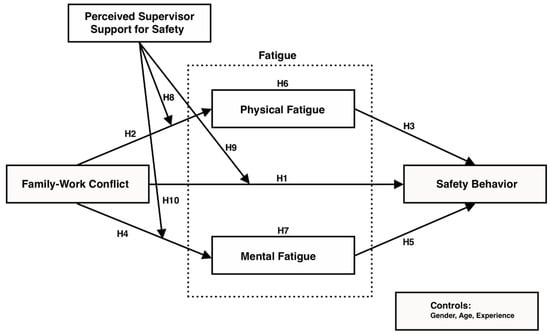
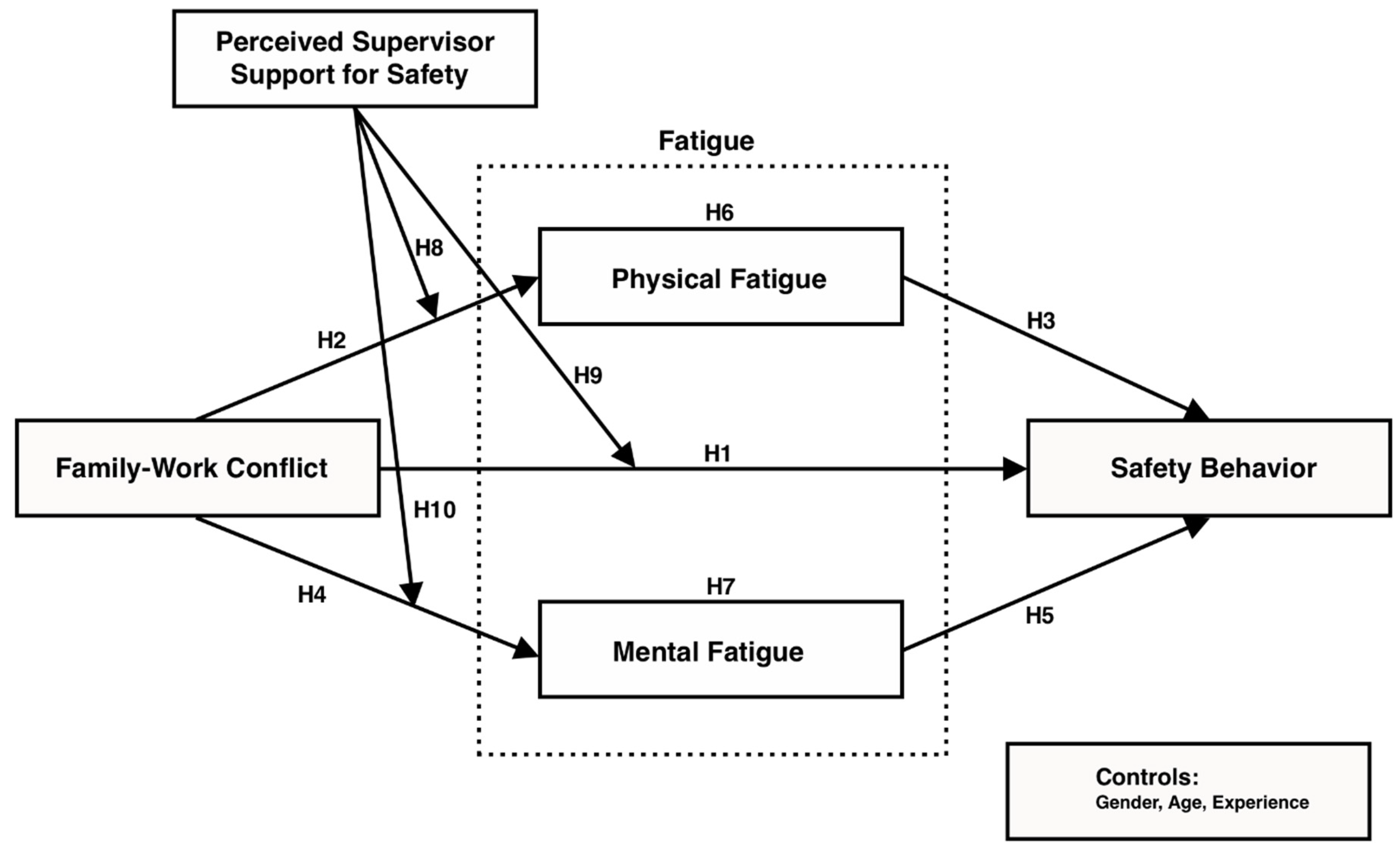
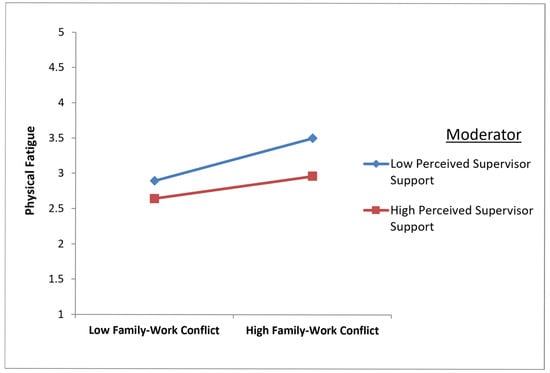
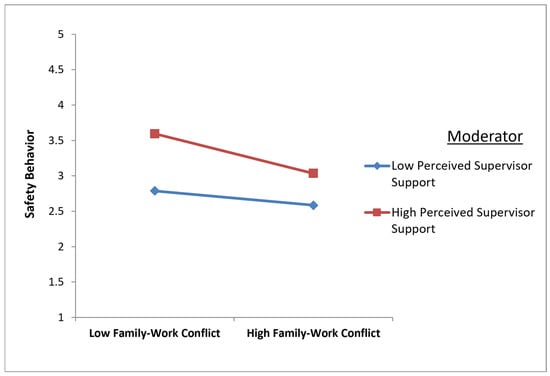

Disclaimer/Publisher’s Note: The statements, opinions and data contained in all publications are solely those of the individual author(s) and contributor(s) and not of MDPI and/or the editor(s). MDPI and/or the editor(s) disclaim responsibility for any injury to people or property resulting from any ideas, methods, instructions or products referred to in the content. |
© 2026 by the authors. Licensee MDPI, Basel, Switzerland. This article is an open access article distributed under the terms and conditions of the Creative Commons Attribution (CC BY) license.