


Abstract
With the continuous deepening of green building concepts and the sustained advancement of research on health-oriented design, increasing attention has been paid to the impact of architectural space on users’ psychological perception and behavioral outcomes. In China, the rapid development of urban cultural facilities and the growing emphasis on high-quality public cultural spaces have made concert halls an important context for examining how architectural environments shape user experience. In recent years, relevant studies have gradually expanded from energy conservation, function, and technical performance evaluation to discussion of the subjective experience of the architectural environment and its psychological effects. As a typical type of cultural building, the concert hall is an important place for music communication and artistic experience, and its spatial environment may also influence users’ state of immersion and emotional resonance. However, existing studies mostly focus on the acoustic quality, visual characteristics, and functional organization of concert halls, and still lack a systematic empirical explanation of how restorative design influences user satisfaction through psychological mechanisms. Using survey data from 972 users of six representative concert halls in six Chinese cities, this study constructs a theoretical model with perceived restorative design as the independent variable, flow experience and musical resonance as mediating variables, and user satisfaction as the dependent variable, aiming to broaden the understanding of the internal mechanism through which restorative design affects user satisfaction. The results show that: (1) perceived restorative design is positively associated with user satisfaction; (2) flow experience and musical resonance respectively play mediating roles between perceived restorative design and user satisfaction; and (3) flow experience and musical resonance respectively play a chain mediating role between perceived restorative design and user satisfaction. This study enriches the applied research on restorative design in the field of cultural architecture, reveals the psychological path through which restorative design in concert halls affects user satisfaction, and expands the theoretical boundaries of research on architectural environment experience. The conclusions provide a theoretical basis for optimizing the design of concert hall buildings and improving user experience, and also offer practical insights for the human-centered and high-quality development of cultural buildings in the context of green building.
1. Introduction
In recent years, the concept of global ecological governance has continued to evolve, and the construction sector has increasingly focused on green development and sustainable transformation [1]. Construction activities are one of the major sources of resource consumption and environmental impact [2,3]. Related research has gradually expanded from functional implementation and formal expression to more comprehensive areas such as energy conservation, reduced consumption, ecological sustainability, improved environmental quality, and the promotion of physical and mental well-being [4]. Against this backdrop, the scope of green building design has continued to expand, and the focus of sustainable design has gradually shifted from an early emphasis on technical energy conservation and equipment performance optimization to improving the overall quality of the built environment [5,6,7]. Elements such as natural lighting, natural ventilation, low-environmental-impact materials, thermal comfort, visual comfort, and acoustic optimization are increasingly being incorporated into architectural design and evaluation systems, and the relationship between architectural spaces and human perception is also being explored in greater depth [8,9]. As research on healthy buildings continues to advance, increasing attention is being paid to the impact of the built environment on emotional well-being, psychological recovery, and behavioral responses, and users’ subjective experiences are becoming a key factor in assessing building quality [10,11,12].
In this study, restorative design refers to a design orientation that supports users’ psychological recovery, attentional restoration, emotional regulation, and comfortable engagement with the environment. In the context of concert halls, restorative design can be reflected through spatial order, material expression, lighting atmosphere, spatial scale, enclosure, visual connection, and transitional experience. In this research context, restorative design has gradually emerged as a key perspective linking the quality of the built environment with users’ psychological experiences [13]. A concert hall environment can be considered restorative when users perceive that it helps them temporarily detach from daily stress, experience spatial coherence, maintain effortless attention, and feel that the environment fits their needs during the performance experience. Therefore, this study distinguishes between restorative design and perceived restorative design. Restorative design refers to the environmental and spatial design orientation, whereas perceived restorative design refers to users’ subjective evaluation of whether the experienced concert hall environment has restorative potential. The latter is the main construct measured in this study. Restorative design focuses on the supportive role that the built environment plays in alleviating stress, restoring concentration, and regulating emotions, emphasizing the holistic environmental experience created by factors such as materials, lighting, scale, order, connections to the landscape, and the creation of atmosphere [14]. Previous research has shown that spaces with restorative features help improve mood, reduce mental fatigue, enhance positive perceptions of the environment, and further influence evaluations of the space and satisfaction with its use [15,16]. As research on the built environment continues to expand from technical performance to the dimensions of experiential quality and psychological perception, restorative design offers a new analytical perspective for understanding how spatial environments influence individuals’ subjective evaluations, and provides a more nuanced framework for discussions on enhancing the quality of public buildings [17].
The choice of concert halls as the research context is based on both theoretical and contextual considerations. Previous studies on restorative design have more commonly focused on hospitals, therapeutic environments, workplaces, educational spaces, natural environments, and tourism or recreational settings, where restoration is often discussed in relation to stress reduction, attentional recovery, emotional regulation, and health-related outcomes [18]. Compared with these settings, concert halls represent a different type of built environment. They are not primarily designed as therapeutic spaces, but as cultural and aesthetic spaces in which architectural atmosphere, sensory perception, musical performance, emotional engagement, and users’ subjective evaluation interact continuously [19]. Therefore, examining restorative design perception in concert halls can extend restorative design research from explicitly health-oriented environments to cultural buildings with strong experiential and emotional characteristics. This context also addresses an important research gap. Existing studies on concert halls have mainly examined acoustic quality, visual conditions, spatial-acoustic performance, material expression, and functional organization. Methodologically, previous studies on restorative environments have mainly used systematic reviews, questionnaire-based perceived restorativeness scales, experimental or quasi-experimental designs, and structural equation modeling to examine the relationship between environmental characteristics, psychological restoration, and user evaluations. By contrast, studies on concert halls have more often relied on acoustic measurements, visual-field analysis, spatial-acoustic simulation, environmental sensing, and perceptual experiments to evaluate technical and sensory performance. Compared with these earlier approaches, this study uses a large-scale offline questionnaire survey and a structural equation model to examine how perceived restorativeness in concert hall environments is associated with user satisfaction through the psychological pathways of flow experience and musical resonance. Although these studies are valuable for understanding the technical and sensory quality of concert hall environments, they provide limited explanation of whether and how users perceive restorative qualities in such spaces. In this study, spatial order, material expression, lighting atmosphere, spatial scale, enclosure, visual connection, and transitional experience are therefore regarded as possible environmental cues that may support perceived restorativeness, rather than as direct evidence that restorative effects have already been confirmed in concert halls. This more cautious position allows the present study to empirically examine the relationship between perceived restorativeness, psychological experience, and user satisfaction.
As a key type of cultural architecture, concert halls serve as vital venues for the dissemination of art, public appreciation, and sociocultural exchange. The audience experience within a concert hall is highly contextual, with the architectural environment playing a continuous role in sensory reception, emotional arousal, and the formation of a sense of presence. Many design elements within the concert hall space may provide possible environmental cues for perceived restorativeness [20]. For example, the natural texture and warm ambiance created by the extensive use of wood; the sense of tranquility fostered by soft, layered lighting; the spacious proportions of the entrance hall, lounge areas, and transitional spaces; and the visual connection established between the interior spaces and the outdoor landscape [21,22]. These design elements influence the audience’s overall experience of the environment throughout the continuous process of entering, waiting, lingering, and listening [23]. Recent studies on concert halls and performance venues have continued to pay close attention to acoustic performance, spatial–acoustic measurement, adaptive acoustic conditions, and cross-modal relationships between visual and auditory perception [24,25]. For example, recent research has examined adaptive concert halls through environmental sensing and acoustic optimization, spatial acoustic measurements using virtual orchestra methods, and the influence of visual field and lighting conditions on sound perception in concert auditoria [26]. These studies indicate that concert hall research has increasingly moved beyond purely technical acoustics toward multisensory experience. However, the restorative qualities of concert hall environments and their influence on users’ psychological experience and satisfaction remain insufficiently examined.
For performance spaces such as concert halls, user satisfaction is not only shaped by functional or technical conditions, but also by sensory engagement, emotional involvement, and the quality of the live listening experience. Recent studies on live concerts show that audience experience is closely related to embodied responses, emotional arousal, attention, and absorption. Therefore, in the concert hall context, satisfaction should be understood as a psychological evaluation formed through the interaction between the architectural environment, musical experience, and users’ emotional responses [27,28,29]. Audiences’ perception of the spatial environment gradually extends to aspects such as concentration, emotional engagement, the intensity of the experience, and aesthetic reception. A positive environmental perception often enhances an individual’s sense of immersion in the space, making the listening experience more cohesive and fostering a stronger emotional connection between the listener and the music [30,31]. Analyzing this process helps us understand the underlying mechanisms by which the architectural environment of a concert hall influences user satisfaction from the perspective of experiential generation, and also provides more concrete empirical support for the application of restorative design in cultural buildings.
In the Chinese context, existing studies on concert halls and music performance venues have mainly focused on architectural form, acoustic quality, material expression, visual experience, performance experience, and user satisfaction. Recent empirical studies have also begun to examine specific design factors in Chinese music halls, such as wooden design, waterfront architectural experience, and audience satisfaction. These studies provide useful evidence for understanding how concert hall environments influence user experience in China. However, relatively few studies have examined restorative design perception as a specific environmental-psychological construct in Chinese concert halls, and even fewer have explained how this perception may be associated with user satisfaction through intermediate psychological experiences. Therefore, the Chinese concert hall context still lacks empirical evidence on the psychological mechanism linking restorative environmental perception, flow experience, musical resonance, and user satisfaction. China provides a meaningful context for examining restorative design perception in concert hall architecture. In recent years, concert halls have become important cultural facilities in many Chinese cities, serving not only as venues for musical performance but also as public spaces that shape urban cultural experience [32]. At the same time, Chinese concert halls vary in architectural form, material expression, spatial organization, and regional cultural context, which provides a suitable empirical setting for examining how users perceive restorative qualities in cultural buildings. Therefore, this study focuses on concert hall users in China and collects data from six representative concert halls located in six Chinese cities.
Based on this, this paper takes concert hall users as its research subjects, treats perceived restorativeness as the independent variable, and user satisfaction as the dependent variable. Starting from the psychological experience process, it introduces relevant mediating factors to construct a theoretical model of how perceived restorativeness influences user satisfaction. This paper focuses on the relationship between perceived restorativeness in design and user satisfaction in concert halls, and further explores the pathways through which this relationship manifests in specific psychological experience processes. Through the analysis of these issues, the study aims to enrich the application of restorative design in the field of cultural architecture, deepen understanding of the mechanisms underlying environmental experiences in concert halls, and provide a theoretical framework for optimizing concert hall spaces and enhancing user experiences.
2. Literature Review and Research Hypotheses
2.1. Perceived Restorativeness and User Satisfaction
Perceived restorativeness is typically defined as an individual’s subjective assessment of an environment’s restorative potential, referring to the extent to which the environment supports recovery from attentional fatigue, psychological stress, and daily cognitive load [33]. Based on the theory of attention recovery, Hartig et al. were the first to operationalize this construct, thereby laying the foundation for its measurement in environmental psychology research [34]. Building on this, subsequent research has generally categorized perceived restorativeness into four core dimensions. To improve conceptual clarity, these dimensions are summarized in Table 1 [35]. Regarding the specific components of restorative environments, Payne and Guastavino further validated the aforementioned four-dimensional framework in their research on soundscapes, noting that the perception of restorativeness does not rely solely on visual cues; the auditory environment can also influence individuals’ judgments of an environment’s restorative potential by enhancing feelings of fascination, being-away, and compatibility [36]. In their specific study of built spaces, Galiana et al. further point out that architectural variables in concert halls significantly influence users’ acoustic perceptions, implying that audiences’ judgments of spatial quality result from the combined effects of visual cues, spatial form, and auditory experience [37]. Building on this, Chen’s latest research on concert halls further suggests that wooden design can directly enhance user satisfaction and indirectly optimize the performance experience through the chain-mediated effects of perceived restorativeness and musical resonance, demonstrating a close connection between material expression, spatial ambiance, and the perception of restorativeness [38]. In summary, perceived restorativeness serves as a key psychological mechanism linking environmental characteristics to individual emotional regulation, aesthetic experience, and satisfaction; in the context of restorative design for concert halls, this mechanism is particularly manifested through the combined effects of the acoustic environment, spatial form, material properties, and the alignment of these elements with audience behavior.
Table 1.
Core Dimensions of Perceived Restorativeness and Their Relevance to Concert Hall Environments.
Previous research on restorative design has primarily focused on healthcare facilities, therapeutic environments, workplaces, educational spaces, tourism destinations, and natural or recreational environments, where restorative qualities are often examined in relation to stress reduction, attentional recovery, emotional regulation, and satisfaction. By contrast, studies on concert hall architecture have mainly emphasized acoustic performance, visual conditions, spatial organization, material expression, and functional organization. Relatively limited attention has been paid to perceived restorativeness as a specific environmental-psychological construct in concert hall settings. This study therefore extends the existing research direction of restorative design to experience-oriented cultural architecture and further examines its association with user satisfaction through flow experience and musical resonance.
Building on this, subsequent research has generally categorized perceived restorativeness into four core dimensions. To improve readability and conceptual clarity, these dimensions and their relevance to concert hall environments are summarized in Table 1.
User satisfaction is defined as the overall evaluation formed by users after comparing their actual perceived performance with their prior expectations following an experience or use [39]. Based on this concept, Oliver’s Expectation-Confirmation Model is widely regarded as a classic foundation of satisfaction research. Its core premise is that when actual experiences meet or exceed expectations, users are more likely to form positive evaluations of user satisfaction; conversely, they will experience dissatisfaction [40]. Building on this, Wang and Zhou further note that user satisfaction is influenced by both the level of expectations and the confirmation process, and that different levels of expectation intensity moderate the mechanisms underlying satisfaction [41]. In the context of musical performances and venue experiences, Erhan found that a sense of escapism, entertainment value, and aesthetic enjoyment all significantly enhance audience satisfaction, which in turn increases the likelihood of repeat visits and recommendations [42]. Similarly, in his study of K-pop cinema live concerts, Wang noted that content quality, convenience, and physical interaction all significantly influence satisfaction, with physical interaction playing a particularly prominent role. This suggests that satisfaction is not merely an evaluation of the performance content itself, but is also deeply shaped by a sense of participation and the immersive experience [43]. Existing research indicates that user satisfaction should be understood as a comprehensive post-event evaluation based on the confirmation of expectations; its formation depends not only on the quality of the core experience but is also influenced by the overall atmosphere, the level of interaction, and the degree of immersion. In the context of concert hall research, this implies that user satisfaction serves as a crucial psychological mechanism linking spatial design, performance experience, and subsequent behavioral intentions. Although perceived restorativeness and user satisfaction are both related to users’ subjective evaluations of the concert hall environment, they are conceptually distinct. Perceived restorativeness refers to users’ assessment of the extent to which the environment supports psychological restoration, such as being away from daily stress, maintaining effortless attention, perceiving spatial coherence, and experiencing compatibility with personal needs. In contrast, user satisfaction represents a broader post-experience evaluation formed after users compare their overall concert hall experience with their expectations. Therefore, design qualities such as acoustic comfort, visual comfort, spatial organization, and atmosphere may contribute to both constructs, but they are not equivalent to them. In this study, perceived restorativeness is treated as a specific environmental-psychological perception, whereas user satisfaction is treated as an overall evaluative outcome of the concert hall experience.
Previous research has shown that the restorative qualities of an environment determine whether individuals can achieve a sense of temporary mental relaxation, which in turn influences their overall evaluation of the experience. In this regard, the study by Arbelo et al. across various tourism settings provides direct evidence: when visitors perceive a space to have greater perceived restorativeness, their satisfaction levels are correspondingly higher [44]. This finding suggests that restorative environmental characteristics shape individuals’ evaluative judgments by influencing their experiential states. Building on this, Lu further analyzes the internal mechanisms of the restorative dimension, noting that factors such as compatibility, mental detachment, and fascination can directly influence visitor satisfaction and also indirectly affect satisfaction evaluations through psychological restoration processes [45]. Compared to previous studies, this finding further elucidates the specific pathways through which restorative characteristics translate into satisfaction: the more an environment helps individuals escape daily stress, sustain attentional recovery, and foster an immersive experience, the more likely it is to elicit more positive evaluations. Similar conclusions have also emerged in research on nature-based recreation. Chiang found that multisensory environmental stimuli can enhance individuals’ perceived restorativeness, which in turn positively influence satisfaction and partially mediate the relationship between environmental stimuli and satisfaction [46]. Based on this, it can be argued that perceived restorativeness, as an immediate psychological sensation, continues to play a role in subsequent evaluation stages, thereby influencing users’ overall satisfaction with the experience. Based on this, this paper proposes the following hypothesis:
H1:
A positive correlation between perceived restorativeness and user satisfaction.
2.2. The Mediating Role of Flow Experience
Flow experience is typically defined as an optimal state of experience in which an individual is deeply immersed in an activity, with actions and consciousness merging seamlessly, and derives pleasure and meaning from the activity itself [47]. In discussing this concept, Kleiber, in reviewing Csikszentmihalyi’s research, points out that the reason flow has become a key concept for explaining optimal experiences is precisely because it reveals the inner mechanisms of deep engagement and intrinsic enjoyment that occur when people are highly immersed in a situation [48]. In terms of specific dimensional breakdown, Wojtasiński et al.’s adaptation and validation of the Psychological Flow Scale further demonstrate that flow experience can be composed of three interrelated first-order dimensions: Absorption, Effortless Control, and Intrinsic Reward. Among these, Absorption refers to an individual’s deep focus and immersion in the current activity; Effortless Control refers to the individual’s sense of smooth action, natural control, and minimal cognitive effort during the activity; Intrinsic Reward emphasizes that the activity itself brings a sense of satisfaction and value, independent of external rewards [49]. Applying this framework to the context of musical performance, the research by Wrigley and Emmerson confirms that the flow model is well-suited to live music performance, demonstrating that the flow experience is a key psychological state that can be empirically identified in real-world musical performances [50]. Therefore, in the context of concert hall research, the concept of the flow experience captures the audience’s focus, fluidity, and inner joy during a performance, and provides an important theoretical foundation for understanding how the spatial environment fosters deep engagement and high-quality experiences.
From the perspective of its mechanism of action, perceived restorativeness places greater emphasis on whether the environment can provide individuals with psychological conditions conducive to deep engagement by reducing distractions, enhancing focus, and supporting immersive experiences. In this regard, the study by Srivastava et al. indicates that elements such as tranquility, accessibility, legibility, a sense of space, and biophilic design collectively form the key foundation of environmental restorative qualities, suggesting that restorative environments inherently possess the potential to guide attention, stabilize emotions, and optimize the experiential process [51]. In a musical context, Swarbrick et al. further found that live listening is more likely to promote audience musical absorption, and that this state of absorption is significantly associated with positive transformation, connectedness, and enjoyment [52]. These findings suggest that when the environment better supports visitors in setting aside external distractions and entering a state of deep concentration, they are more likely to achieve a state of immersion that closely resembles a flow experience. In their study of tourist destinations, Yang et al. found that individuals’ positive perceptions of a place’s characteristics further influence satisfaction and the sense of authenticity through flow experiences, indicating that flow experiences serve as a crucial mediating mechanism linking environmental perception and outcome evaluation [53]. In a concert hall setting, the audience’s positive perception of the environment’s perceived restorativeness is more likely to influence their satisfaction by fostering a flow experience—characterized by focus, immersion, and inner joy. Based on this, the following hypothesis is proposed:
H2:
Flow Experiences Mediate the Positive Association Between Perceived Restorativeness and User Satisfaction.
2.3. The Mediating Role of Musical Resonance
Musical resonance is typically understood as the emotional, physical, and meaningful connection that listeners form with the musical content, performers, and the live performance context while listening to or watching music. Due to the concept’s distinctly interdisciplinary nature, its definition is not entirely uniform. From the perspective of auditory resonance, Goebel notes that resonance is a multi-layered response process triggered by specific listening experiences, often involving subjective perception, emotional arousal, and relational understanding simultaneously [54]. In their research on live music experiences, Martin and Nielsen further argue that the resonance in a live concert experience is grounded in embodied-enactive engagement, implying that the audience’s aesthetic experience goes beyond merely “hearing the music”; rather, it involves forming a deeper, resonant relationship with the music through sustained attention, anticipation, and active listening [55]. Consistent with this, Tschacher et al. found, through a study of physiological and motor synchronization among concertgoers, that significant synchronization occurs among audience members at the levels of heart rate and movement; this synchronization is even more pronounced when listeners feel moved, inspired, or immersed. This suggests that musical resonance, while primarily a subjective emotional response, also possesses observable embodied characteristics [56]. Furthermore, Haswell-Martin et al. noted in their study of concert halls that the audience’s aesthetic interaction often manifests as an exploratory listening process characterized by affective resonance; listeners establish meaningful contact with the music through imagination, physical engagement, and emotional resonance, thereby creating a more profound performance experience [57]. In summary, musical resonance is a comprehensive aesthetic response formed by the audience within a specific performance context, encompassing multiple dimensions such as emotion, physicality, and the generation of meaning.
Previous research has shown that the significance of restorative environments extends beyond providing a brief sense of relaxation; they also influence individuals’ emotional states and the quality of their experiences within those settings. Backman et al. found in a health tourism context that restorative environments can enhance positive emotions and further improve overall experience outcomes [58]. These findings suggest that when the environment is more restorative, individuals are more likely to feel comfortable and relaxed, and are also more likely to engage in subsequent experiences in an open and committed manner. In music experience research, this deeper engagement often manifests as an emotional and meaningful resonance between the individual and the music. In their study of classical concerts, Swarbrick and Vuoskoski found that live audiences’ feelings of connectedness, being moved, and awe varied depending on the musical context, indicating that audiences form significant musical resonances with the music and the live setting [59]. Furthermore, in his study of live orchestral concerts, Thompson noted that audience members’ emotional responses to a performance are a better predictor of their overall enjoyment than their judgments of the performance’s quality [60]. Based on this, it can be argued that in a concert hall setting, the positive emotional state fostered by perceived restorativeness may further enhance the emotional connection between the audience and the music, and this musical resonance, in turn, contributes to their overall satisfaction with the experience. Based on this, this paper proposes the following hypothesis:
H3:
Musical Resonance Mediates the Positive Association Between Perceived Restorativeness and User Satisfaction.
2.4. Chain Mediation Effect
Previous research has shown that perceived restorativeness does not merely indicate that individuals find the environment relaxing; it also influences the perception of subsequent experiences. In their study of healing gardens, Jang et al. found that the sense of fascination in restorative environments, along with the positive emotions it evokes, significantly enhances visitors’ satisfaction and loyalty [61]. This finding suggests that the role of restorative characteristics extends beyond the evaluation of outcomes; rather, they are more likely to alter an individual’s internal state during the experience by first enhancing their focus, engagement, and emotional openness. Building on this line of reasoning, Waterman further proposes that, in intrinsically motivated activities, flow and absorption can be understood as different manifestations of the same type of deep engagement: the former tends to occur more frequently in active, generative activities, while the latter is more common in appreciative, receptive contexts [62]. This is particularly important for concert hall performances, as the audience’s flow experience does not stop at immersion or concentration in the general sense, but may evolve into absorbed listening to the music. Research by Høffding et al. on classical concert audiences also indicates that when individuals enter a higher state of immersion supported by the environment, this immersion is likely to develop further into a stronger emotional resonance and meaningful connection with the music—that is, musical resonance [63]. Furthermore, resonant experiences do not end with the aesthetic process itself, but extend into the overall evaluation phase. In his study of virtual music festivals, Gallarza noted that musical content and experiential values such as enjoyment can significantly enhance affective satisfaction and cognitive satisfaction [64]. Based on this, it can be further inferred that, in a concert hall setting, the positive experiential foundation created by perceived restorativeness may first enhance the audience’s sense of immersion; as this immersion evolves into deeper musical resonance, the audience is more likely to form a positive evaluation of the overall performance experience. In summary, this paper proposes the following hypothesis (the proposed model diagram for this paper is shown in Figure 1):
Figure 1.
The proposed model diagram.
H4:
Perceived restorativeness is indirectly associated with user satisfaction through the serial mediating pathway of flow experience and musical resonance.
3. Research Design
3.1. Research Subjects and Survey Process
This study employs a cross-sectional offline questionnaire survey to examine the relationship between perceived restorativeness in concert hall architecture and user satisfaction, as well as the potential chain mediation of flow experiences and musical resonance in this relationship. Data collection took place between March and August 2025. In the context of this study, concert hall users are defined as individuals who have attended at least one live musical performance in a concert hall and have had direct experience with the venue’s architectural environment during the performance.
The survey sites were selected from six major concert halls in China: the Concert Hall of the National Centre for the Performing Arts in Beijing, the Shanghai Symphony Hall, the Xinghai Concert Hall in Guangzhou, the Shenzhen Concert Hall, the Qintai Concert Hall in Wuhan, and the Xi’an Concert Hall. The selection was not based only on the cultural visibility of these venues, but on their suitability for examining users’ architectural experience in professional concert hall settings. In this study, the case selection followed a purposive maximum-variation logic. First, all selected venues are professional concert halls mainly used for live music, symphonic concerts, and related musical performances, rather than general theatres, stadiums, or multi-purpose commercial venues. This ensured that respondents’ evaluations were based on comparable musical and architectural experiences. Second, the selected halls all have stable public operation and regular audience attendance, which made it possible to conduct on-site questionnaire collection before and after performances. Third, the cases were chosen to provide variation in region, opening year, seating capacity, architectural/spatial typology, material expression, and environmental setting. This allowed the study to include concert halls with different spatial characteristics while still maintaining comparability at the level of building function.
As shown in Table 2, the six selected concert halls cover North China, East China, South China, Central China, and Northwest China. Their opening years range from 1998 to 2014, and their capacities range from approximately 1343 to 2180 seats. They also differ in architectural and spatial typology, including large professional concert halls, purpose-built orchestra halls, modern public cultural landmarks, waterfront or lake/river cultural settings, and shoebox-type professional halls. Therefore, these cases were not intended to statistically represent all concert halls in China, but to provide a theoretically relevant and empirically comparable sample with sufficient variation in geographic location, spatial scale, construction period, architectural type, and environmental experience.
Table 2.
Objective characteristics of the selected concert halls.
During the data collection process, the researchers contacted the management of each concert hall in advance and obtained permission to conduct the survey on-site. Questionnaires were distributed and collected in paper form in the public areas of the concert halls: before the performance began (while the audience was entering and waiting) and after the performance ended (while the audience was lingering before leaving). To ensure the sample met the research objectives, respondents had to satisfy both of the following screening criteria: (1) Having attended and fully experienced a live music performance at the concert hall on the day of the survey; (2) Being able to clearly recall their feelings and impressions of the concert hall’s architectural environment prior to completing the questionnaire. Before the formal survey, researchers explained the academic objectives of the study, the anonymity of the questionnaire, and the principle of voluntary participation to each potential participant, and invited them to sign an informed consent form. Only respondents who signed the informed consent form were included in the questionnaire survey.
Prior to the launch of the formal survey, the research team conducted a small-scale pilot study at the Xi’an Concert Hall to assess the clarity of questionnaire items, their readability, and their suitability for the context of this study. Based on feedback from pilot study participants, minor adjustments were made to the wording of specific items and the introductory instructions to reduce ambiguity and improve response accuracy; the results of the pilot study were not included in the formal analysis. During the formal survey phase, respondents completed the questionnaires independently with the assistance of research staff, and all questionnaires were collected on-site. A total of 1287 questionnaires were distributed, and 1103 were returned. After excluding samples with severe data gaps, obvious patterns of consistent responses, inconsistencies in the information provided, and other invalid samples, 972 valid questionnaires were ultimately obtained and included in the subsequent statistical analysis.
In terms of attendance frequency, approximately one-third of respondents attend performances less than once per quarter (32.7%), more than one-quarter attend 1 to 2 times per quarter (41.8%), 17.3% attend 3 to 4 times per quarter, and 8.2% are frequent attendees who attend 5 or more times per quarter. Overall, the distribution of concert attendance frequency among the sample shows a pattern dominated by low-to-moderate frequency, with high frequency as a secondary category, which generally aligns with the current reality of urban residents’ participation in live music performances. See Table 3 for details.
Table 3.
Descriptive Statistics of Respondents’ Basic Characteristics.
3.2. Measurement
This study employed a 5-point Likert scale (1 = strongly disagree, 5 = strongly agree) to measure all variables. All measurement tools were either directly adopted or adapted from validated, established scales used in existing domestic and international research. Necessary contextual adjustments were made to account for the specific research context of concert hall architectural environments, ensuring the scales’ applicability and measurement accuracy within the study sample. Specific details regarding each scale are provided below.
This study employed the Chinese version of the Perceived Restorativeness Scale (PRS-11), revised by Li et al., to measure perceptions of perceived restorativeness in concert hall environments [65]. The scale is based on Attention Restoration Theory (ART) and was developed by Pasini et al. Li et al. completed the revision of the Chinese version in 2024 and validated its reliability and validity in a Chinese sample [66]. The scale consists of 11 items covering four core dimensions: Being-Away (3 items), Extent (3 items), Fascination (3 items), and Compatibility (2 items). Although the PRS-11 was not originally developed as a concert hall-specific measurement instrument, it was considered appropriate for this study because the focus of the present research is users’ subjective perception of the restorative potential of the concert hall environment, rather than an objective technical evaluation of acoustic or spatial performance. The four dimensions of the scale are also theoretically consistent with the psychological experience examined in this study, including temporary detachment from daily stress, perceived spatial coherence, attention attraction, and the fit between the environment and users’ experiential needs. Moreover, recent China-based studies on music hall and concert hall users have also employed perceived restorativeness scales based on the same theoretical framework, which further supports the applicability of this approach in the present research context [67].
To adapt the scale to the concert hall context, the questionnaire instructions clarified that general expressions such as “here” and “this place” referred specifically to the concert hall experienced by the respondents. Typical items include “This is an attractive place,” “A place like this allows me to escape from distractions,” and “Things here possess a physical orderliness.” Cronbach’s α coefficients for the four dimensions were 0.829, 0.833, 0.866, and 0.901, respectively.
This study employed the Psychological Flow Scale (PFS), developed by Norsworthy et al., to measure flow experience. The scale comprises three core dimensions: absorption, effortless control, and intrinsic reward [68]. At the same time, this study drew upon the flow measurement items used by Wang et al. in cultural experience contexts to enhance the scale’s applicability to concert hall performance settings [69]. Some items in the original scale used relatively general task- or activity-oriented terms (such as “the act/task” and “the activity”). To better align with the context of live concert performances—the focus of this study—we made minor contextual adjustments to these formulations. “I was absorbed in the act/task” was adjusted to “I was absorbed in the musical performance”; “I was highly focused on the task/activity” was adjusted to “I was highly focused on the details of the music”; Furthermore, following the item style of Wang et al., we made corresponding adjustments to some statements in the Ease of Control and Intrinsic Reward dimensions (e.g., changing “I felt in control of what I was doing” to “I felt in control of my listening experience”). The revised scale consists of 9 items in total, with 3 items per dimension. Cronbach’s α values were 0.833, 0.885, and 0.806.
The measures of musical resonance in this study drew upon the Musical Emotional Resonance subscale of the Goldsmiths Music Maturity Index (Gold-MSI) and the Emotional Resonance Scale developed by Guo et al. [70,71]. To better align with the research context of the concert hall environment, we adapted the original scale items to the specific setting. We narrowed the focus from general musical emotional experiences to musical resonance within the spatial environment, ultimately developing five items. Typical items include “In this concert hall, I can clearly feel the emotions expressed by the music” and “During a performance in this concert hall, I recalled my past experiences.” The Cronbach’s α coefficient was 0.894.
This study employed the satisfaction scale developed by Zhang et al. in their research on the architectural environment of concert halls to measure user satisfaction [72]. Based on survey data from a large sample of concert hall attendees across 12 venues in China, this study developed a unidimensional user satisfaction scale designed to measure overall satisfaction with the architectural environment of concert halls. The scale consists of five items in total. In the context of this study, typical items include “I feel comfortable in the environment of this concert hall” and “I would be willing to return to this concert hall to attend a performance.” Cronbach’s alpha was 0.873.
To ensure that all scale items were clearly worded, appropriate in content, and consistent with the context of this study, we invited two experts in architectural design and two experts in music experience research to independently review the initial scale. The experts provided suggestions for revisions regarding the wording of the items, their semantic clarity, and their relevance to the concert hall setting. Based on this feedback, we revised the wording of some items to produce the final version of the questionnaire.
3.3. Abbreviations
In the proposed model, PR refers to Perceived Restorativeness, FE refers to Flow Experience, MR refers to Musical Resonance, and US refers to User Satisfaction. Specifically, PR is a second-order construct composed of Being-Away (BA), Extent (EX), Fascination (FA), and Compatibility (CO), while FE is a second-order construct composed of Absorption (AB), Effortless Control (EC), and Intrinsic Reward (IR). By contrast, MR and US are treated as first-order constructs.
4. Data
4.1. Common Method Bias
Because the data in this study were collected through self-reported questionnaires, common method bias was examined before the main analysis. First, Harman’s single-factor test was conducted as a preliminary diagnostic procedure. The results of the unrotated exploratory factor analysis showed that nine factors had eigenvalues greater than 1, and the first factor explained 31.10% of the total variance, which was below the commonly used threshold of 40%. This result suggests that no single factor accounted for the majority of the covariance among the measurement items.
However, Harman’s single-factor test has been criticized for its limited sensitivity and should not be regarded as conclusive evidence that common method bias is absent. Therefore, this study further compared a single-factor CFA model with the hypothesized measurement model. In the single-factor model, all measurement items were loaded onto one common latent factor. As shown in Table 4, the single-factor model showed poor fit to the data, with χ2/df = 23.409, RMSEA = 0.152, GFI = 0.538, SRMR = 0.121, and CFI = 0.455. By contrast, the hypothesized measurement model demonstrated substantially better fit, with χ2/df = 2.217, RMSEA = 0.035, GFI = 0.949, SRMR = 0.026, and CFI = 0.973. Taken together, these results indicate that common method bias is unlikely to seriously threaten the validity of the findings in this study.
Table 4.
Model fit index test results.
4.2. Confirmatory Factor Analysis (CFA)
Confirmatory factor analysis (CFA) was used to evaluate the validity of the measurement model. As shown in Table 5, the results of the confirmatory factor analysis showed that the standardized factor loadings of the measurement items for each latent variable ranged from 0.726 to 0.935, all above the standard threshold of 0.7, indicating that each measurement item had good convergent validity for its corresponding latent variable and could effectively reflect the core meaning of the latent variable being measured. Among them, the measurement item CO2 for the latent variable CO had the highest standardized factor loading at 0.935, reflecting a strong association between this item and its latent variable, while the measurement item IR2 for the latent variable IR had the lowest standardized factor loading at 0.726, which, although the lowest, still met the basic requirement for convergent validity in academic research. The composite reliability (CR) values for the latent variables ranged from 0.807 to 0.903, with the latent variable CO having the highest CR value of 0.903, indicating that the measurement items for this latent variable had the highest level of internal consistency and the measurement results had strong reliability. The CR value for the latent variable IR was 0.807, which, although relatively low among all latent variables, was still well above the ideal threshold of 0.7 (or even above the commonly required 0.6). The CR values for the remaining latent variables were all above 0.8, further confirming the internal consistency and reliability of the measurement scales. Regarding the average variance extracted (AVE), the AVE values for the latent variables ranged from 0.58 to 0.823, all above the standard of 0.5, indicating that each latent variable could explain more than half of the variance in its measurement items, showing good convergent validity. Among them, the latent variable CO had the highest AVE value of 0.823, indicating the best measurement performance for this latent variable, while the latent variable US had the lowest AVE value of 0.58, which still met the basic standard for convergent validity.
Table 5.
Confirmatory factor analysis results.
4.3. Discriminant Validity Test
Discriminant validity was assessed to determine whether the latent constructs were empirically distinct from one another. First, the Fornell–Larcker criterion was used as a conventional assessment method. According to this criterion, discriminant validity is supported when the square root of the AVE for each construct is greater than its correlations with other constructs. As shown in Table 6, the square roots of the AVE values were higher than the corresponding inter-construct correlations, indicating acceptable discriminant validity.
Table 6.
Discriminant Validity Results (Fornell–Larcker Criterion).
However, previous methodological studies have noted that the Fornell–Larcker criterion may have limited sensitivity in detecting insufficient discriminant validity. Therefore, this study further employed the heterotrait–monotrait ratio of correlations (HTMT) as an additional and more stringent assessment. Following the commonly recommended conservative threshold, HTMT values below 0.85 were considered to indicate adequate discriminant validity. As shown in Table 7, all HTMT values were below 0.85. The highest HTMT value was 0.584, observed for the BA–FA and BA–EX pairs, which remained well below the recommended threshold. These results provide additional evidence that the constructs in this study have satisfactory discriminant validity.
Table 7.
Heterotrait-Monotrait Ratio (HTMT) for Discriminant Validity.
4.4. Correlation Analysis
The Pearson correlation analysis results (Table 8) showed that all study variables had significant positive correlations with each other (p < 0.01).
Table 8.
Pearson correlation analysis results.
At the first-order dimension level, BA was significantly positively correlated with EX (r = 0.485), BA with FA (r = 0.495), and EX with FA (r = 0.423). The correlation coefficients between CO and BA, EX, and FA were 0.432, 0.454, and 0.414, respectively (p < 0.01), indicating close positive associations among the four dimensions BA, EX, FA, and CO. AB was significantly positively correlated with EC (r = 0.479), AB with IR (r = 0.456), and EC with IR (r = 0.448) (p < 0.01), suggesting close relationships among AB, EC, and IR.
At the core variable level, PR was significantly positively correlated with US (r = 0.425, p < 0.01). PR was significantly positively correlated with FE (r = 0.369) and with MR (r = 0.461). FE was significantly positively correlated with US (r = 0.429), and MR was significantly positively correlated with US (r = 0.412) (p < 0.01).
4.5. Structural Equation Model Results
A structural equation model was used to test the path relationships between variables. As shown in Table 9, the model fit test results showed that the model χ2 value was 804.620 with 364 degrees of freedom, giving a χ2/df ratio of 2.210. This value is below the standard threshold of 3, indicating that the overall model fit is good and there is no overfitting issue. The GFI value was 0.946 and the AGFI value was 0.935, both above the 0.9 criterion, suggesting that the model fits the data well and can properly reflect the actual structure of the data. The RMSEA value was 0.035, well below the critical value of 0.10, further supporting that the model has good fit accuracy. The CFI, NFI, RFI, TLI, and IFI values were 0.972, 0.949, 0.944, 0.968, and 0.972, respectively, all meeting the requirement of being greater than 0.9, with CFI and IFI even above 0.97, indicating an excellent level of model fit. Looking at all fit indices together, the constructed structural equation model meets the standard requirements for model fit in academic research. The overall model fit is ideal, the model can effectively fit the research data, and it can be used for subsequent path analysis and hypothesis testing.
Table 9.
Structural equation model fit test results.
The path coefficient test results of the structural equation model (Table 10 and Figure 2) showed that all path relationships between the study variables passed the significance test. Specifically, the unstandardized coefficient between PR and FE was 0.502 (SE = 0.051, CR = 9.895, p < 0.001), and the standardized coefficient was 0.497, indicating a significant positive relationship between PR and FE at a moderately high level. The unstandardized coefficient between PR and MR was 0.585 (SE = 0.064, CR = 9.116, p < 0.001), and the standardized coefficient was 0.421, also showing a significant positive relationship. The unstandardized coefficient between FE and MR was 0.387 (SE = 0.062, CR = 6.231, p < 0.001), and the standardized coefficient was 0.281, suggesting that FE may play a mediating role between PR and MR.
Table 10.
Path coefficients of the structural equation model.
Figure 2.
Diagram of the revised structural equation model results. Note: *** p < 0.001.
PR showed significant positive relationships with BA, EX, FA, and CO, with standardized coefficients of 0.777 for PR → BA, 0.750 for PR → EX, 0.712 for PR → FA, and 0.661 for PR → CO. Except for BA, the CR values for the other paths were all above 14, and all p-values were less than 0.001, indicating strong positive associations between PR and these variables, with reliable statistical results.
FE also showed significant positive relationships with AB, EC, IR, and US, with standardized coefficients of 0.758, 0.725, 0.735, and 0.335, respectively. The CR values for these paths were all greater than 6.8, and all p-values were less than 0.001, indicating that FE can effectively and positively predict changes in these variables. In addition, the standardized coefficients for PR → US and MR → US were 0.265 and 0.155, with CR values of 5.489 and 3.620, respectively, and both p-values were less than 0.001, showing that both PR and MR have direct and significant positive relationships with US.
4.6. Mediation Effect Test
The bias-corrected percentile Bootstrap method (5000 resamples) was used to test mediation effects, and 95% confidence intervals were calculated. The results (Table 11) show that the relationship between PR and US has multiple pathways. The chain indirect effect of PR → FE → MR → US had an estimate of 0.022 (SE = 0.008), 95% CI [0.008, 0.042], p = 0.001, indicating a significant chain mediation. The indirect effect of PR → FE → US had an estimate of 0.166 (SE = 0.033), 95% CI [0.109, 0.239], p = 0.001; the indirect effect of PR → MR → US had an estimate of 0.065 (SE = 0.024), 95% CI [0.022, 0.118], p = 0.002. Both mediation pathways were significant, and the effect size of PR → FE → US was larger than that of PR → MR → US. In addition, the direct effect of PR on US had an estimate of 0.265 (SE = 0.060), 95% CI [0.152, 0.384], p = 0.001; the total effect of PR on US had an estimate of 0.518 (SE = 0.041), 95% CI [0.435, 0.598], p = 0.001.
Table 11.
Mediation effect test results.
These results show that the relationship between PR and US is jointly explained by the direct effect, the two mediation pathways PR → FE → US and PR → MR → US, and the chain mediation pathway PR → FE → MR → US. Among these, the direct effect and the mediation effect of PR → FE → US are the main pathways. All pathways complement each other and together form the mechanism through which PR affects US, supporting the mediation hypotheses of the study.
5. Discussion
5.1. Direct Effects
The results of this study indicate that perceived restorativeness is significantly and positively associated with user satisfaction in concert halls, suggesting that the architectural environment of concert halls is closely related to users’ overall evaluations. For cultural buildings such as concert halls, which rely heavily on atmospheric ambiance and aesthetic engagement, the audience’s experience begins to unfold the moment they enter the venue. The sense of order and comfort conveyed by the spatial environment may be closely related to the audience’s overall judgment of the venue’s quality during this process and may contribute to more positive satisfaction evaluations. This finding suggests that the formation of concert hall satisfaction is closely linked to the psychological support functions of the built environment. If a space can temporarily relieve users of daily stress, minimize environmental distractions, and create a gentle, harmonious, and acceptable atmosphere at the perceptual level, audiences are more likely to evaluate the overall performance experience positively. From the perspective of specific concert hall usage contexts, this finding offers strong explanatory power. Unlike typical functional buildings, concert halls offer a spatial experience characterized by greater continuity and immersion. Audience members spend a relatively concentrated amount of time within these spaces, and their states of attention and emotion may be closely associated with environmental cues. If the architectural space achieves a high degree of consistency and soothing quality in terms of materials, lighting, scale, circulation, and atmospheric organization, audiences are more likely to establish a positive psychological foundation before entering the performance context. This positive feeling may extend into the subsequent performance experience and be associated with their evaluation of the venue’s overall quality. It is evident, therefore, that restorative design constitutes a crucial component of user experience quality in concert halls. In the study of cultural architecture, user satisfaction should be understood as a comprehensive outcome shaped by the combined effects of environmental experience, psychological perception, and evaluations of the venue. The significance of restorative design in concert halls lies in its potential to provide audiences with a more supportive spatial experience, which may be linked to more positive overall evaluations. This also provides a necessary foundation for future research aimed at understanding user satisfaction in concert halls from the perspective of experiential mechanisms.
5.2. Chain Mediation
The results of this study indicate that perceived restorativeness is indirectly associated with user satisfaction in concert halls through the serial mediating pathway of flow experience and musical resonance, suggesting that the relationship between perceived restorativeness and user evaluations may unfold through deeper experiential processes. For cultural buildings such as concert halls, where aesthetic reception and emotional engagement are central, the spatial environment may be closely related to the audience’s state of attention and psychological rhythm, making it more likely for them to enter a state of focused and sustained engagement. Building on this foundation, the emotional connection between the audience and the music may be further strengthened and associated with a more positive evaluation of the overall performance experience. Thus, the formation of satisfaction in a concert hall is a process that gradually accumulates through environmental perception and psychological engagement. This finding suggests that restorative design perception in concert halls may involve distinct process-oriented characteristics. The sense of calm created by the space may provide audiences with a more favorable starting point for the experience, making it easier for them to minimize external distractions and gradually enter a higher level of immersion once they enter the performance context. When this immersion is further associated with emotional responses toward the musical content, the performance atmosphere, and the live setting, the audience’s response to the music may become more acute and profound, and musical resonance may be strengthened. In other words, restorative design perception may first be associated with the way audiences enter the experience, then with the intensity of their subsequent emotional reception, and ultimately with their satisfaction evaluations. User satisfaction is a comprehensive outcome built upon a series of intermediate psychological processes. The importance of restorative design lies in its potential to create a spatial foundation more conducive to immersion and emotional engagement, which may be further linked to user satisfaction through flow experience and musical resonance. For design practice, this implies that the optimization of concert hall spaces should not be limited to functional configurations or improvements in single sensory metrics; it must also focus on how the space helps audiences enter a better psychological state and supports the development of this state into deeper aesthetic resonance. Only such user satisfaction comes closer to a genuine and complete user experience within the context of cultural architecture.
5.3. Research Comparison
In a study closely related to the present research, Zhang et al. examined office spaces and found that the quality of environmental design influences users’ satisfaction with the space; it also exerts its effects through the intermediary mechanism of perceived restorativeness. Furthermore, their study provided a detailed analysis of the relative contributions of different spatial types and design elements to the restorative experience. Consistent with this research, the present study similarly demonstrates that perceived restorativeness is a key psychological variable linking spatial design to outcome evaluations [73]. The research by Lin and Liu on urban recreational environments also resonates strongly with this paper. Their study found that the restorative qualities of a recreational environment first influence an individual’s restorative outcomes, which in turn affect recreational satisfaction. The conclusions of this paper align with this logic: restorative design perception in concert halls is positively associated with user satisfaction through focused engagement and emotional resonance [74]. But unlike their approach, Lin and Liu used the more general concept of “recovery outcomes” as a mediating variable, whereas this paper further refines the experience of attending a concert into two psychological dimensions, flow experience and musical resonation, which are more closely aligned with the context of art consumption and therefore offer greater situational specificity in explanatory power. Furthermore, the experimental study by Wald-Fuhrmann et al. on classical music concerts provides direct contextual support for this paper. They found that venue quality is directly correlated with audience overall enjoyment, musical immersion, and evaluations of concert design, and that traditional concert halls are more effective than industrial venues at fostering musical immersion. This aligns with the findings of this paper, indicating that concert venues, as environmental contexts, are closely associated with audience engagement and experiential evaluations [75]. Compared to this study, the aforementioned research places greater emphasis on the overall relationship between “venue” and performance experience, without further explaining exactly which spatial psychological pathways are involved; in contrast, this study further specifies this venue-related perception as restorative design perception and identifies a possible serial mediation pathway linking it to satisfaction via flow experience and musical resonance, thereby offering a more comprehensive theoretical framework.
One study that differs significantly from this paper is the analysis by Chen and Cabrera on the factors influencing the classical concert experience. They found that audiences place the greatest value on factors such as the performance itself and acoustic conditions; while social factors and architectural design are also important, they are more often treated as secondary attributes for comparison [76]. In contrast, this paper treats the built environment as an important experiential context associated with user satisfaction, emphasizing that the built environment may be related to the audience’s psychological experience and subsequent overall evaluation. In other words, while the former addresses “which factors are more important,” this paper further addresses “why the built environment is important and how it may be linked to user satisfaction.” Chen et al.’s study on seating preferences in virtual concert halls also reflects a research approach distinct from that of this paper. They point out that seating preferences are primarily determined by the field of view, and that variables such as distance from the stage, lateral and vertical angles, obstruction levels, and early sound intensity can explain the vast majority of preference differences. While this study is highly valuable for optimizing the acoustic and visual conditions of the audience seating area at the micro level, it focuses on the issues of “seat selection” and “combinations of sensory parameters,” which essentially constitute a localized assessment of spatial performance [77]. This paper focuses on how, once the concert hall is perceived by users as a holistic environment, perceived restorativeness of design, flow experience, and musical resonance are associated with overall satisfaction. Consequently, the research focus shifts from “local seat preferences” to the “overall venue experience.” This also implies that this paper addresses the issue of holistic psychological mechanisms, a topic rarely touched upon in studies that focus solely on acoustic and visual optimization. Another category of research focuses on “live performance” itself. For example, Gabriel et al. compared live performances with screen projections under identical theater conditions and found that even when spatial conditions remained consistent, live performances still elicited higher levels of pleasure, arousal, and skin conductance responses, indicating that real-time interaction between performers and audiences inherently enhances emotional engagement [78]. Compared to such studies, this paper goes a step further to suggest that even under the same conditions of live performance attendance, the built environment remains significantly associated with satisfaction through the sense of focus, immersion, and emotional resonance related to restorative design perception.
5.4. Theoretical and Practical Contributions
This study examines restorative design within the context of concert hall architecture, thereby expanding the scope of its application in the field of cultural architecture. While existing research has primarily focused on spatial types such as offices, healthcare facilities, educational institutions, and tourist attractions, there remains a lack of systematic explanations regarding how restorative design perception is associated with the formation of user experience in architectural spaces like concert halls, which are characterized by aesthetic appeal, contextual richness, and emotional engagement. Targeting concert hall users, this paper verifies the positive association between perceived restorativeness and user satisfaction, demonstrating that perceived restorativeness possesses consistent explanatory power within cultural architecture. This finding helps advance the application of restorative design research from general public spaces to architectural typologies characterized by high aesthetic value and immersive experiences, while further enriching the research landscape of psychological effects in the built environment. Concurrently, this study theoretically constructs a continuous analytical framework comprising spatial perception, psychological experience, and outcome evaluation. Unlike research approaches that interpret satisfaction as a direct result of architectural environmental attributes, this study introduces two mediating variables—flow experience and musical resonance—suggesting that user satisfaction in concert halls may be progressively associated with focused engagement and emotional response, building upon spatial perception. Consequently, research on the built environment and musical experience is integrated within a single analytical framework, revealing the intrinsic connections among spatial atmosphere, psychological immersion, and aesthetic resonance. This framework enhances the explanatory power regarding the complex experiential processes in cultural buildings and provides an expandable theoretical foundation for future explorations of environmental psychological mechanisms in artistic venues. This study also identifies a possible serial mediation pathway linking restorative design perception to user satisfaction, deepening our understanding of the statistical pathways through which the built environment is associated with user evaluations. The findings indicate that the value of restorative design is not limited to users’ immediate spatial perceptions; it may also be associated with satisfaction evaluations through the audience’s attentional state, experiential engagement, and emotional connection. Consequently, in cultural buildings such as concert halls, where the experience-oriented nature is prominent, the architectural space serves as a crucial condition for the generation of the experience.
This study offers practical insights for optimizing the architectural design of concert halls. The findings indicate that factors associated with user satisfaction are not limited to traditional design dimensions such as acoustic performance, visual conditions, and functional organization; the restorative experience provided by the spatial environment also constitutes a significant source of user evaluation. This implies that in concert hall design practice, the organization of materials, circulation paths, and the overall atmosphere is related not only to spatial form and usage efficiency but also to whether audiences can develop a psychological state of relaxation, calm, and sustained engagement upon entering the venue. Incorporating restorative design into concert hall planning may help enhance the user experience by improving the environmental psychological quality. User satisfaction accumulates gradually after entering the venue. Consequently, concert hall design should place greater emphasis on the transitional relationships between different spatial nodes. By establishing a more coherent and soothing spatial rhythm, designers can reduce the psychological disconnection caused by environmental transitions, helping the audience achieve emotional stability and focus their attention before formally entering the performance context, thereby laying a more positive foundation for the subsequent performance experience. Regarding the operational management and evaluation systems of cultural buildings, research findings indicate that the psychological support provided by the built environment is continuously associated with audiences’ judgments of the overall performance experience. This implies that efforts to enhance concert hall quality should incorporate audiences’ subjective feedback on spatial ambiance, comfort during their stay, immersion levels, and emotional experiences. In practical operations, incorporating such experiential metrics into user evaluation systems may help identify key factors associated with user satisfaction more comprehensively and provide more targeted guidance for concert hall renovations, spatial optimization, and service improvements. This also offers a practical direction for user-centered spatial governance in cultural buildings within the context of high-quality development.
6. Conclusions
This study focused on users of concert hall architecture and constructed a theoretical model to examine the relationships among perceived restorativeness, flow experience, musical resonance, and user satisfaction. Based on survey data from 972 users of six representative concert halls in China, the study empirically tested the psychological pathways through which perceived restorativeness is associated with user satisfaction in concert hall environments. The results show that perceived restorativeness is significantly and positively associated with user satisfaction, indicating that users’ evaluations of concert halls are not determined only by traditional factors such as acoustic performance, visual conditions, or functional organization, but are also closely related to the environmental psychological qualities of the space. The findings further reveal that flow experience and musical resonance play significant mediating roles between perceived restorativeness and user satisfaction. Perceived restorativeness can help audiences reduce environmental distractions, enter a more focused and stable psychological state, and become more deeply engaged in the performance experience. At the same time, this state of engagement can further strengthen the emotional connection between the audience, the musical content, the performance atmosphere, and the live setting, thereby enhancing overall satisfaction. The significant serial mediating pathway of perceived restorativeness → flow experience → musical resonance → user satisfaction suggests that concert hall satisfaction is not an immediate response to a single environmental feature, but a progressive experiential process involving spatial perception, psychological immersion, aesthetic resonance, and evaluative judgment. These findings expand the application of restorative design research from health-oriented or general public environments to the field of cultural architecture. In the context of concert halls, restorative design should not be understood merely as a strategy for creating relaxing spaces, but as an important environmental mechanism that supports attention, immersion, emotional openness, and aesthetic experience. This study therefore provides a more specific explanatory framework for understanding how the architectural environment of concert halls contributes to user satisfaction through psychological and musical experience. From a practical perspective, the results suggest that future concert hall design and renovation should place greater emphasis on cultivating restorative environmental qualities. Designers should not limit optimization to acoustic indicators, seating layout, visual performance, or functional efficiency alone. Instead, attention should also be given to the audience’s complete spatial experience before, during, and after the performance. More specifically, concert halls should create coherent spatial sequences from entrance areas to foyers, lounges, circulation spaces, and auditoria; provide calm and legible circulation systems; use warm and low-arousal materials; develop soft and layered lighting atmospheres; maintain appropriate spatial scale and enclosure; offer comfortable waiting and lingering areas; and strengthen visual connections with outdoor landscapes or transitional spaces where possible. These design strategies may help audiences temporarily detach from daily stress, achieve emotional stability, sustain attention, and enter a more receptive state for musical appreciation. Therefore, the optimization of concert hall architecture should move beyond a purely technical or functional design logic and incorporate environmental psychological quality as a core criterion. A high-quality concert hall should not only provide excellent acoustic and visual conditions, but also function as a restorative cultural environment that helps audiences become calm, attentive, emotionally connected, and deeply engaged with music. By integrating restorative design with the cultivation of flow experience and musical resonance, future concert hall architecture can better support human-centered cultural experience and enhance the overall value of public cultural buildings.
7. Limitations and Future Research Directions
Nevertheless, this study has several limitations that should be addressed in future research. First, although this study focuses on the perception of restorative design in concert hall architecture, it did not incorporate the important variable of the user’s specific seating position within the hall. Parameters such as the distance from the stage, viewing angle, and lateral and vertical positioning may significantly influence sound perception, visual comfort, immersion, and overall satisfaction. The failure to measure or control for these factors may obscure important variations in user experience. Future research should include seating position as a recorded variable in questionnaire design or control for it through experimental design to more precisely reveal the relationship between spatial perception and experiential outcomes. Second, this study collected data using retrospective questionnaires administered after performances, which may introduce recall bias and halo effects. When responding to questions, audience members’ overall emotional states and satisfaction with the performance may influence their retrospective evaluations of the architectural environment, making it difficult to fully disentangle the independent effects of spatial perception from those of the performance experience. Subsequent studies could adopt longitudinal designs with pre- and post-performance measurements or collect real-time experiential data during performances to more accurately isolate the immediate effects of environmental perception. Finally, this study focused on users’ subjective psychological perceptions and did not disclose or measure the objective physical environments of the six concert halls individually, such as their specific acoustic parameters and corresponding on-site measurement results. The absence of objective environmental data makes it difficult to directly verify how restorative perceptions differ under varying acoustic conditions or how such conditions moderate user satisfaction. Future research should integrate objective acoustic measurements with subjective questionnaires to establish a more comprehensive subjective-objective evaluation system, thereby deepening our understanding of the multi-level mechanisms through which concert hall environments shape user experience.
Author Contributions
Conceptualization, J.W., G.S. and K.N.; Methodology, J.W.; Software, G.S.; Validation, G.S.; Formal analysis, J.W.; Investigation, G.S. and K.N.; Resources, J.W., G.S. and K.N.; Data curation, G.S. and K.N.; Writing—original draft, J.W., G.S. and K.N.; Writing—review and editing, J.W.; Visualization, K.N.; Supervision, J.W. and K.N.; Project administration, J.W. and K.N. All authors have read and agreed to the published version of the manuscript.
Funding
This paper is a phased achievement of the 2024 Provincial Quality Engineering Project for New-Era Education (Graduate Education): “Principal Course in Vocal Performance” (Grant No. 2024szsfkc115), and the 2024 Provincial Quality Engineering Project for New-Era Education (Graduate Education): “Practical Course on Singing Red Songs in the New Era” (Grant No. 2024shsjsfkc027).
Institutional Review Board Statement
According to Chapter III Ethical Review—Article 32 of the Implementation of Ethical Review Measures for Human-Related Life Science and Medical Research issued by the Chinese government, this study used anonymized information for research purposes, posed no harm to participants, and did not involve sensitive personal information or commercial interests; therefore, it was exempt from ethical review and approval (https://www.gov.cn/zhengce/zhengceku/2023-02/28/content_5743658.htm, accessed on 22 January 2025).
Informed Consent Statement
Informed consent was obtained from all subjects involved in the study.
Data Availability Statement
The original contributions presented in this study are included in the article. Further inquiries can be directed to the corresponding author.
Conflicts of Interest
The authors declare no conflicts of interest.
References
- Mahdavinejad, M.; Zia, A.; Larki, A.N.; Ghanavati, S.; Elmi, N. Dilemma of green and pseudo green architecture based on LEED norms in case of developing countries. Int. J. Sustain. Built Environ. 2014, 3, 235–246. [Google Scholar] [CrossRef] [Scilit]
- Fernandez, J.E. Resource consumption of new urban construction in China. J. Ind. Ecol. 2007, 11, 99–115. [Google Scholar] [CrossRef] [Scilit]
- Cavalagli, N.; Kita, A.; Castaldo, V.L.; Pisello, A.L.; Ubertini, F. Hierarchical environmental risk mapping of material degradation in historic masonry buildings: An integrated approach considering climate change and structural damage. Constr. Build. Mater. 2019, 215, 998–1014. [Google Scholar] [CrossRef] [Scilit]
- Cole, L.B.; Coleman, S.; Scannell, L. Place attachment in green buildings: Making the connections. J. Environ. Psychol. 2021, 74, 101558. [Google Scholar] [CrossRef] [Scilit]
- Mattoni, B.; Guattari, C.; Evangelisti, L.; Bisegna, F.; Gori, P.; Asdrubali, F. Critical review and methodological approach to evaluate the differences among international green building rating tools. Renew. Sustain. Energy Rev. 2018, 82, 950–960. [Google Scholar] [CrossRef] [Scilit]
- Darko, A.; Chan, A.P.C. Strategies to promote green building technologies adoption in developing countries: The case of Ghana. Build. Environ. 2018, 130, 74–84. [Google Scholar] [CrossRef] [Scilit]
- Wong, J.K.W.; Zhou, J. Enhancing environmental sustainability over building life cycles through green BIM: A review. Autom. Constr. 2015, 57, 156–165. [Google Scholar] [CrossRef] [Scilit]
- Balaban, O.; de Oliveira, J.A.P. Sustainable buildings for healthier cities: Assessing the co-benefits of green buildings in Japan. J. Clean. Prod. 2017, 163, S68–S78. [Google Scholar] [CrossRef] [Scilit]
- Pioppi, B.; Piselli, C.; Crisanti, C.; Pisello, A.L. Human-centric green building design: The energy saving potential of occupants’ behaviour enhancement in the office environment. J. Build. Perform. Simul. 2020, 13, 621–644. [Google Scholar] [CrossRef] [Scilit]
- Higuera-Trujillo, J.L.; Llinares, C.; Macagno, E. The cognitive-emotional design and study of architectural space: A scoping review of neuroarchitecture and its precursor approaches. Sensors 2021, 21, 2193. [Google Scholar] [CrossRef] [Scilit]
- Zarghami, E.; Ghanbaran, A.; Karimimoshaver, M.; Saadativaghar, P. Effect of height and color of tall buildings on the perceived psychological restoration of residents. J. Archit. Plan. Res. 2019, 36, 321–342. [Google Scholar]
- Zhang, D.; Tu, Y. Green building, pro-environmental behavior and well-being: Evidence from Singapore. Cities 2021, 108, 102980. [Google Scholar] [CrossRef] [Scilit]
- Gao, T.; Zhou, H. Revealing the characteristics and evaluation process of healing design: A systematic review and meta-analysis. Des. J. 2026, 1–24. [Google Scholar] [CrossRef] [Scilit]
- Yildirim, M.; Gocer, O.; Globa, A.; Brambilla, A. Investigating restorative effects of biophilic design in workplaces: A systematic review. Intell. Build. Int. 2023, 15, 205–247. [Google Scholar] [CrossRef] [Scilit]
- Oh, J.; Wong, W.; Castro-Lacouture, D.; Lee, J.; Koo, C. Indoor environmental quality improvement in green building: Occupant perception and behavioral impact. J. Build. Eng. 2023, 69, 106314. [Google Scholar] [CrossRef] [Scilit]
- Subiza-Pérez, M.; Pasanen, T.; Ratcliffe, E.; Lee, K.; Bornioli, A.; de Bloom, J.; Korpela, K. Exploring psychological restoration in favorite indoor and outdoor urban places using a top-down perspective. J. Environ. Psychol. 2021, 78, 101706. [Google Scholar] [CrossRef] [Scilit]
- Joye, Y.; Köster, M.; Lange, F.; Fischer, M.; Moors, A. A goal-discrepancy account of restorative nature experiences. J. Environ. Psychol. 2024, 93, 102192. [Google Scholar] [CrossRef] [Scilit]
- Miola, L.; Boldrini, A.; Pazzaglia, F. The healing power of nature. Biophilic design applied to healthcare facilities. Curr. Opin. Psychol. 2025, 64, 102049. [Google Scholar] [CrossRef] [Scilit]
- Kuang, Y.; Chen, X.; Yang, H.; Zhang, H.; Wong, C.U.I. Cognitive Bias and Unsafe Behaviors in High-Altitude Construction Workers Across Age Groups. Buildings 2025, 15, 880. [Google Scholar] [CrossRef] [Scilit]
- Chang, S.W.; Schiavon, S. Effects of window view attributes on occupants’ view satisfaction: Findings from human-subject experiments evaluating actual window views. Build. Environ. 2025, 290, 114164. [Google Scholar] [CrossRef] [Scilit]
- Pignatelli, E.; Colabella, S.; Rosario, S.D.; Pone, S. A wooden acoustic shell for open-air chamber music concert. In Proceedings of IASS Annual Symposia; International Association for Shell and Spatial Structures (IASS): Potsdam, Germany, 2015; Volume 2015, pp. 1–12. [Google Scholar]
- Li, Z.; Zhang, W.; Cui, J.; Wang, L.; Liu, H.; Liu, H. Biophilic environment with visual-olfactory stimuli contributes to psychophysiological restoration and cognitive enhancement. Build. Environ. 2024, 250, 111202. [Google Scholar] [CrossRef] [Scilit]
- Bagenal, H. Musical taste and concert hall design. In Proceedings of the Royal Musical Association; Cambridge University Press: Cambridge, UK, 1951; Volume 78, pp. 11–29. [Google Scholar]
- Bavister, P.; Zhu, J.; Wright, P. The influence of visual field on sound perception in concert auditoria. In Proceedings of the Institute of Acoustics; IOA (Institute of Acoustics): Edinburgh, UK, 2025; Volume 47. [Google Scholar]
- Möller, H.; Pätynen, J. Practical spatial acoustic measurements in performance halls with a reduced virtual orchestra. Appl. Acoust. 2025, 236, 110740. [Google Scholar] [CrossRef] [Scilit]
- Cairoli, M.; Agostinelli, S. Concert Halls as Nearly Adaptive Spaces. Appl. Sci. 2024, 14, 3250. [Google Scholar] [CrossRef] [Scilit]
- Wang, S.; Yang, W.; Xia, Y.; Yan, W.; Cai, Z. Analysis of dating app classification and predictors of dating app addiction based on user experience factors. Humanit. Soc. Sci. Commun. 2025, 13, 50. [Google Scholar] [CrossRef] [Scilit]
- Czepiel, A.M.; Fink, L.K.; Scharinger, M.; Seibert, C.; Wald-Fuhrmann, M.; Kotz, S.A. Audio-visual concert performances synchronize audience’s heart rates. Ann. N. Y. Acad. Sci. 2025, 1543, 117–132. [Google Scholar] [CrossRef] [Scilit]
- Li, D. An Analysis of Factors Influencing Audience Satisfaction in Vocal Music Performances: A Case Study of Chengdu City Concert Hall. AU-GSB E-J. 2026, 19, 127. [Google Scholar]
- Cumming, M.; Gatersleben, B.; Davies, J.; van Buuringen, A.; Isham, A. Environments and the experience of flow: A scoping review. J. Environ. Psychol. 2025, 104, 102605. [Google Scholar] [CrossRef] [Scilit]
- Wang, S.; Bao, Q.; Yu, J. Large Language Model Self-Efficacy and Metacognition as Bridges in Cross-Linguistic Self-Efficacy Transfer. Asia-Pac. Educ. Res. 2026, 1–18. [Google Scholar] [CrossRef] [Scilit]
- Feng, W.; Li, Y.; Chen, S. What has influenced the growth and structural transformation of China’s cultural industry?—Based on the input-output bias analysis. Appl. Econ. 2026, 58, 1656–1669. [Google Scholar] [CrossRef] [Scilit]
- Liu, Q.; Wang, X.; Liu, J.; Zhang, G.; An, C.; Liu, Y.; Fan, X.; Hu, Y.; Zhang, H. The relationship between the restorative perception of the environment and the physiological and psychological effects of different types of forests on university students. Int. J. Environ. Res. Public Health 2021, 18, 12224. [Google Scholar] [CrossRef] [Scilit] [PubMed]
- Hartig, T.; Korpela, K.; Evans, G.W.; Gärling, T. A measure of restorative quality in environments. Scand. Hous. Plan. Res. 1997, 14, 175–194. [Google Scholar] [CrossRef] [Scilit]
- Cho, K.S.; Um, S.H.; Lee, T.J. Perceived restorativeness of visits to cultural heritage sites. Asia Pac. J. Tour. Res. 2016, 21, 1046–1069. [Google Scholar] [CrossRef] [Scilit]
- Payne, S.R.; Guastavino, C. Exploring the validity of the perceived restorativeness soundscape scale: A psycholinguistic approach. Front. Psychol. 2018, 9, 2224. [Google Scholar] [CrossRef] [Scilit]
- Galiana, M.; Llinares, C.; Page, Á. Impact of architectural variables on acoustic perception in concert halls. J. Environ. Psychol. 2016, 48, 108–119. [Google Scholar] [CrossRef] [Scilit]
- Chen, Y.; Wang, S.; Yang, H.; Nah, K. The Impact of Wooden Design on User Satisfaction in Music Halls Based on a Serial Mediation Model: The Chain Mediation Mechanism of Perceived Restorativeness and Musical Resonance. Buildings 2025, 15, 4157. [Google Scholar] [CrossRef] [Scilit]
- Jere, M.G.; Mukupa, A. Customer satisfaction and loyalty drivers in the Zambian mobile telecommunications industry. J. Bus. Retail Manag. Res. 2018, 13. Available online: https://jbrmr.com/cdn/article_file/2018-12-07-12-01-42-PM.pdf (accessed on 21 April 2026).
- Oliver, R.L. A cognitive model of the antecedents and consequences of satisfaction decisions. J. Mark. Res. 1980, 17, 460–469. [Google Scholar] [CrossRef] [Scilit]
- Wang, X.; Zhou, R. Impacts of user expectation and disconfirmation on satisfaction and behavior intention: The moderating effect of expectation levels. Int. J. Human–Computer Interact. 2023, 39, 3127–3140. [Google Scholar] [CrossRef] [Scilit]
- Erhan, T.P.; Bangun, C.R.A. Investigating the Impact of Event Experience on Satisfaction and Behavioural Intention of Music Event Audiences. Matrik. J. Manaj. Strateg. Bisnis Dan Kewirausahaan 2024, 18, 55–70. [Google Scholar]
- Wang, Y.; Limb, S.J. An Empirical Study on K-Pop Livecast Concerts in Cinema: The Next Best Experience to a Real Live Concert? SAGE Open 2024, 14, 21582440241293314. [Google Scholar] [CrossRef] [Scilit]
- Arbelo, K.; Delgado, N.; Ruiz, C.; Hernández-Fernaud, E. The role of perceived restorative capacity and crowding on satisfaction: A study in different tourist spaces (El papel de la capacidad restauradora percibida y el hacinamiento sobre la satisfacción: Un estudio en diferentes espacios turísticos). Int. J. Soc. Psychol. 2021, 36, 265–299. [Google Scholar] [CrossRef] [Scilit]
- Lu, J.; Amponstira, F. The effect of perceived environment restorative qualities on Chinese visitors’ satisfaction in rural destination. Manag. Sci. Lett. 2020, 10, 2647–2654. [Google Scholar] [CrossRef] [Scilit]
- Chiang, Y.J. Multisensory stimuli, restorative effect, and satisfaction of visits to forest recreation destinations: A case study of the Jhihben National Forest recreation area in Taiwan. Int. J. Environ. Res. Public Health 2023, 20, 6768. [Google Scholar]
- Heutte, J.; Fenouillet, F.; Martin-Krumm, C.; Gute, G.; Raes, A.; Gute, D.; Bachelet, R.; Csikszentmihalyi, M. Optimal experience in adult learning: Conception and validation of the flow in education scale (EduFlow-2). Front. Psychol. 2021, 12, 828027. [Google Scholar] [CrossRef] [Scilit]
- Kleiber, D. Mihaly Csikszentmihalyi: A galvanizing force for the study of experience in the context of leisure. J. Leis. Res. 2022, 53, 187–190. [Google Scholar] [CrossRef] [Scilit]
- Wojtasiński, M.; Tużnik, P.; Jankowski, T.; Leoni, S.; Chwaszcz, M.; Miszczyszyn, D.; Banasik, M.; Augustynowicz, P. The flow experience: Polish adaptation and validation of the psychological flow scale (PFS). PLoS ONE 2025, 20, e0335907. [Google Scholar] [CrossRef] [Scilit] [PubMed]
- Wrigley, W.J.; Emmerson, S.B. The experience of the flow state in live music performance. Psychol. Music 2013, 41, 292–305. [Google Scholar] [CrossRef] [Scilit]
- Srivastava, M.; Banerjee, S.; Bharadwaja, M. Leisure reimagined: Mapping the enablers of restorative servicescapes. World Leis. J. 2025, 67, 283–314. [Google Scholar]
- Swarbrick, D.; Martin, R.; Høffding, S.; Nielsen, N.; Vuoskoski, J.K. Audience musical absorption: Exploring attention and affect in the live concert setting. Music Sci. 2024, 7, 20592043241263461. [Google Scholar] [CrossRef] [Scilit]
- Yang, Y.; Zhou, X.; Fan, L.; Yin, H.; Qu, H. Effects of perceived placeness on tourists’ authenticity experience via the mediating role of flow experience. J. Hosp. Tour. Res. 2023, 47, 1091–1114. [Google Scholar] [CrossRef] [Scilit]
- Goebel, R.J. Auditory Resonance: A Transdisciplinary Concept? Humanities 2021, 11, 6. [Google Scholar] [CrossRef] [Scilit]
- Martin, R.; Nielsen, N. Enacting musical aesthetics: The embodied experience of live music. Music Sci. 2024, 7, 20592043231225732. [Google Scholar] [CrossRef] [Scilit]
- Tschacher, W.; Greenwood, S.; Ramakrishnan, S.; Tröndle, M.; Wald-Fuhrmann, M.; Seibert, C.; Weining, C.; Meier, D. Audience synchronies in live concerts illustrate the embodiment of music experience. Sci. Rep. 2023, 13, 14843. [Google Scholar] [CrossRef] [Scilit]
- Haswell-Martin, R.; Upham, F.; Høffding, S.; Nielsen, N. Embodied, exploratory listening in the concert hall. Behav. Sci. 2025, 15, 710. [Google Scholar] [CrossRef] [Scilit]
- Backman, S.J.; Huang, Y.C.; Chen, C.C.; Lee, H.Y.; Cheng, J.S. Engaging with restorative environments in wellness tourism. Curr. Issues Tour. 2023, 26, 789–806. [Google Scholar] [CrossRef] [Scilit]
- Swarbrick, D.; Vuoskoski, J.K. Collectively classical: Connectedness, awe, feeling moved, and motion at a live and livestreamed concert. Music Sci. 2023, 6, 20592043231207595. [Google Scholar] [CrossRef] [Scilit]
- Thompson, S. Audience responses to a live orchestral concert. Music. Sci. 2006, 10, 215–244. [Google Scholar] [CrossRef] [Scilit]
- Jang, H.S.; Jeong, S.J.; Kim, J.S.; Yoo, E. The role of visitor’s positive emotions on satisfaction and loyalty with the perception of perceived restorative environment of healing garden. J. People Plants Environ. 2020, 23, 277–291. [Google Scholar] [CrossRef] [Scilit]
- Waterman, A.S. On intrinsic motivation, flow, and absorption: A new theoretical perspective. J. Posit. Psychol. 2025, 20, 644–651. [Google Scholar] [CrossRef] [Scilit]
- Høffding, S.; Haswell-Martin, R.; Nielsen, N. Absorbed concert listening: A qualitative, phenomenological inquiry. Philosophies 2025, 10, 38. [Google Scholar] [CrossRef] [Scilit]
- Gallarza, M.G.; Tubillejas-Andrés, B.; Samartin, K. Consumer value of virtual music festivals. Int. J. Consum. Stud. 2023, 47, 2012–2030. [Google Scholar] [CrossRef] [Scilit]
- Li, Y.; Du, X.; Wu, J. Revision of the Chinese version of the Perceived Restorativeness Scale (PRS-11). Chin. J. Health Psychol. 2024, 12, 1883–1889. [Google Scholar] [CrossRef]
- Pasini, M.; Berto, R.; Brondino, M.; Hall, R.; Ortner, C. How to measure the restorative quality of environments: The PRS-11. Procedia-Soc. Behav. Sci. 2014, 159, 293–297. [Google Scholar]
- Zhan, Z.; Chen, X.; Wang, T. How Do Waterfront Concert Halls in China Enhance Residents’ Well-Being? The Chain Mediating Effects of Perceived Restorativeness and Place Attachment. Buildings 2026, 16, 1637. [Google Scholar] [CrossRef] [Scilit]
- Norsworthy, C.; Dimmock, J.A.; Miller, D.J.; Krause, A.; Jackson, B. Psychological flow scale (PFS): Development and preliminary validation of a new flow instrument that measures the core experience of flow to reflect recent conceptual advancements. Int. J. Appl. Posit. Psychol. 2023, 8, 309–337. [Google Scholar] [CrossRef] [Scilit]
- Wang, S.; Sun, W.; Liu, J.; Nah, K.; Yan, W.; Tan, S. The influence of AR on purchase intentions of cultural heritage products: The TAM and flow-based study. Appl. Sci. 2024, 14, 7169. [Google Scholar] [CrossRef] [Scilit]
- Müllensiefen, D.; Gingras, B.; Musil, J.; Stewart, L. The musicality of non-musicians: An index for assessing musical sophistication in the general population. PLoS ONE 2014, 9, e89642. [Google Scholar] [CrossRef] [Scilit] [PubMed]
- Guo, Z.; Chen, X.; Zhang, H.; Wong, C.U.I.; Zheng, H.; Yang, C.; Solianyk, A. VR Reading Revolution: Decoding User Intentions Through Task-Technology Fit and Emotional Resonance. Appl. Sci. 2025, 15, 6955. [Google Scholar] [CrossRef] [Scilit]
- Zhang, C.; Chen, X.; Zhang, H.; Wong, C.U.I.; Yao, L. When the Concert Hall Dances with Water: How Does the Architectural Experience of Waterfront Concert Halls Affect User Satisfaction?—A Study Based on 12 Concert Hall Users in China. Buildings 2025, 15, 4576. [Google Scholar] [CrossRef] [Scilit]
- Zhang, Z.; Xuan, X.; Zheng, Y.; Zhou, N. Restorative perceptions and contribution degree of different types of spaces and design characteristics in office setting. J. Build. Eng. 2024, 97, 110786. [Google Scholar] [CrossRef] [Scilit]
- Lin, Y.X.; Liu, Y. Let the city heal you: Environment and activity’s distinct roles in leisure restoration and satisfaction. Cities 2024, 154, 105336. [Google Scholar]
- Wald-Fuhrmann, M.; Herget, A.K.; Kreuzer, M.; Egermann, H. Concert formats influence how audiences experience live classical music. Humanit. Soc. Sci. Commun. 2026, 13, 160. [Google Scholar] [CrossRef] [Scilit]
- Chen, Y.; Cabrera, D. Environmental factors affecting classical music concert experience. Psychol. Music 2023, 51, 782–803. [Google Scholar] [CrossRef] [Scilit]
- Chen, Y.; Cabrera, D.; Yadav, M. Finding the seat with the best view: Stage-view preference for orchestra. SAGE Open 2023, 13, 21582440231181585. [Google Scholar] [CrossRef] [Scilit]
- Gabriel, D.; Devos, J.; Chapuis, S.; Comte, A.; Billot, P.E. Watching live performances enhances subjective and physiological emotional responses compared to viewing the same performance on screen. IBRO Neurosci. Rep. 2025, 19, 381–390. [Google Scholar] [CrossRef] [Scilit] [PubMed]
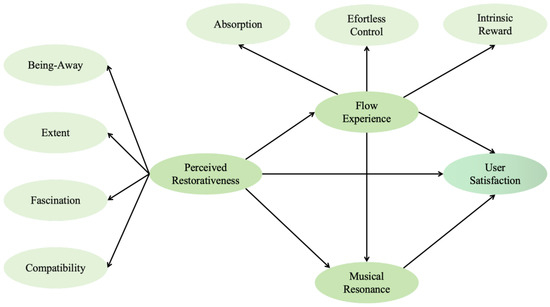
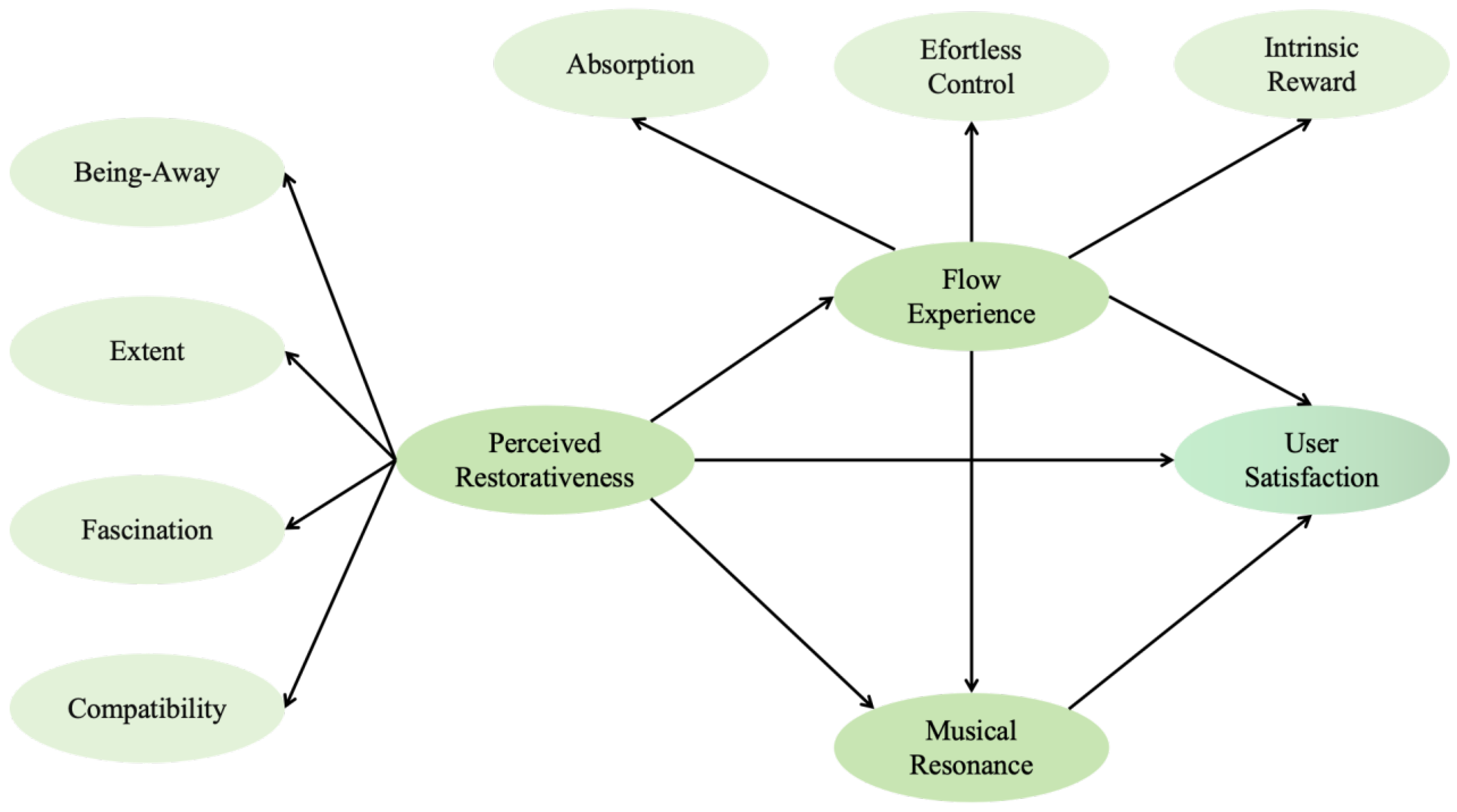
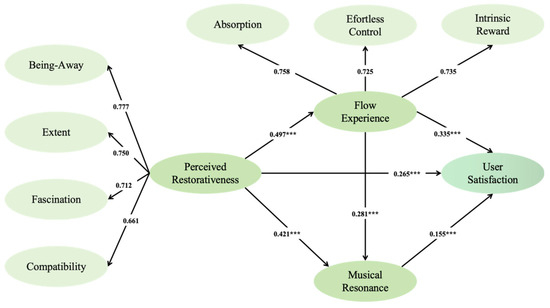
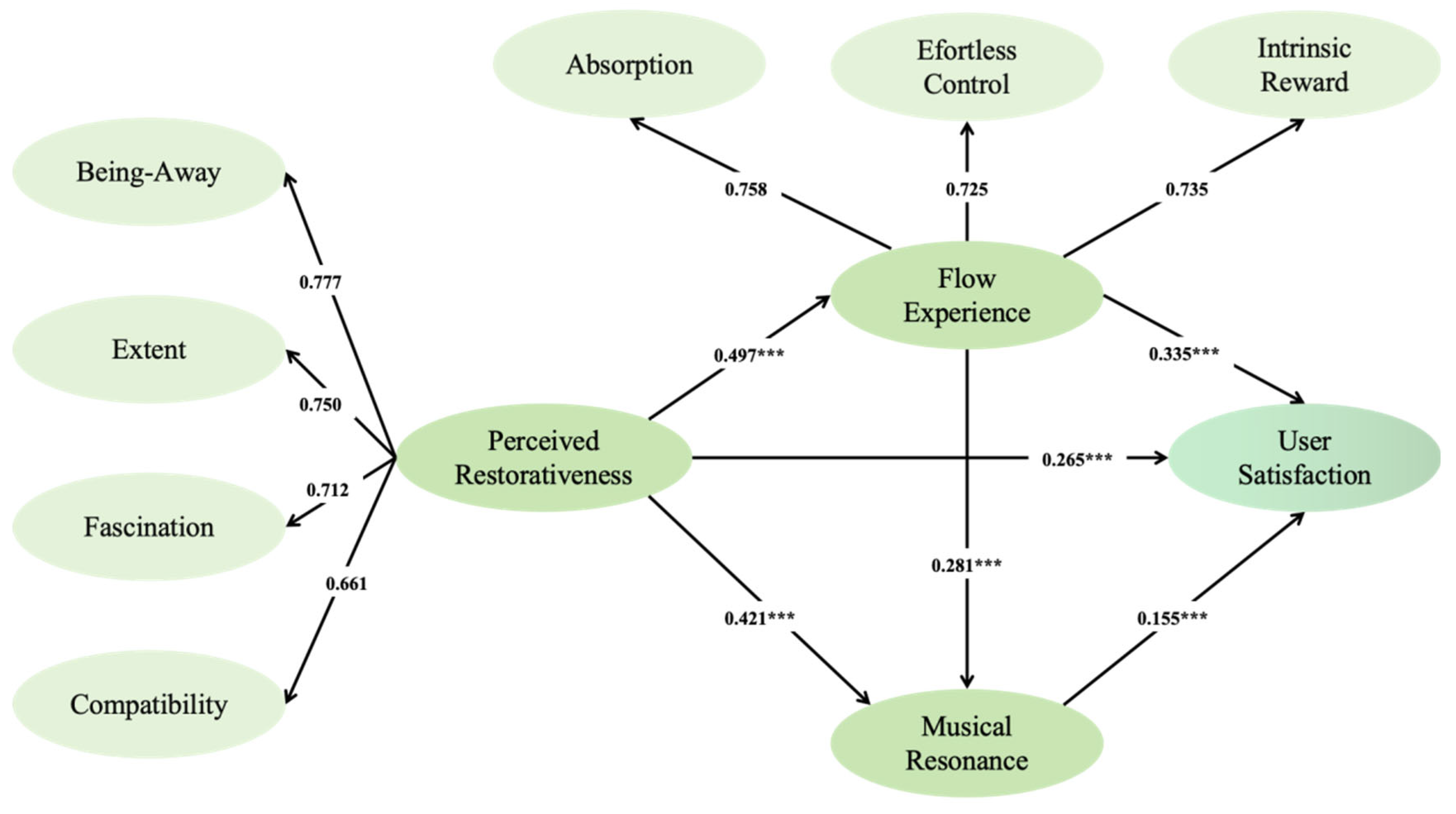

Disclaimer/Publisher’s Note: The statements, opinions and data contained in all publications are solely those of the individual author(s) and contributor(s) and not of MDPI and/or the editor(s). MDPI and/or the editor(s) disclaim responsibility for any injury to people or property resulting from any ideas, methods, instructions or products referred to in the content. |
© 2026 by the authors. Licensee MDPI, Basel, Switzerland. This article is an open access article distributed under the terms and conditions of the Creative Commons Attribution (CC BY) license.