Article

A Study on the Mechanical Characteristics and Wheel–Rail Contact Simulation of a Welded Joint for a Large Radio Telescope Azimuth Track

1
Key Laboratory of Vehicle Advanced Manufacturing, Measuring and Control Technology (Ministry of Education), Beijing Jiaotong University, Beijing 100044, China
2
Xinjiang Astronomical Observation, Chinese Academy of Sciences, Urumqi 830001, China
3
Key Laboratory of Radio Astronomy, Chinese Academy of Sciences, Urumqi 830011, China
*
Author to whom correspondence should be addressed.
Buildings 2024, 14(5), 1300; https://doi.org/10.3390/buildings14051300

Submission received: 7 April 2024 / Revised: 30 April 2024 / Accepted: 2 May 2024 / Published: 5 May 2024

Abstract

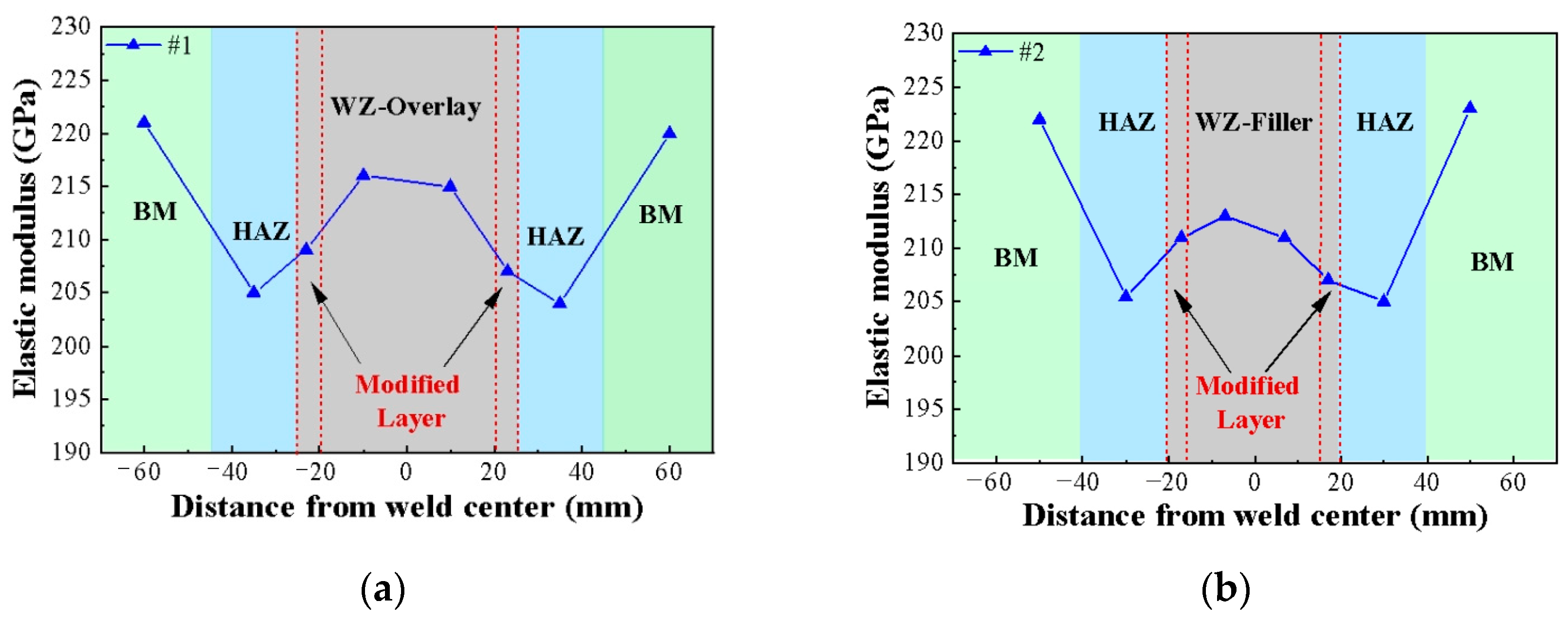
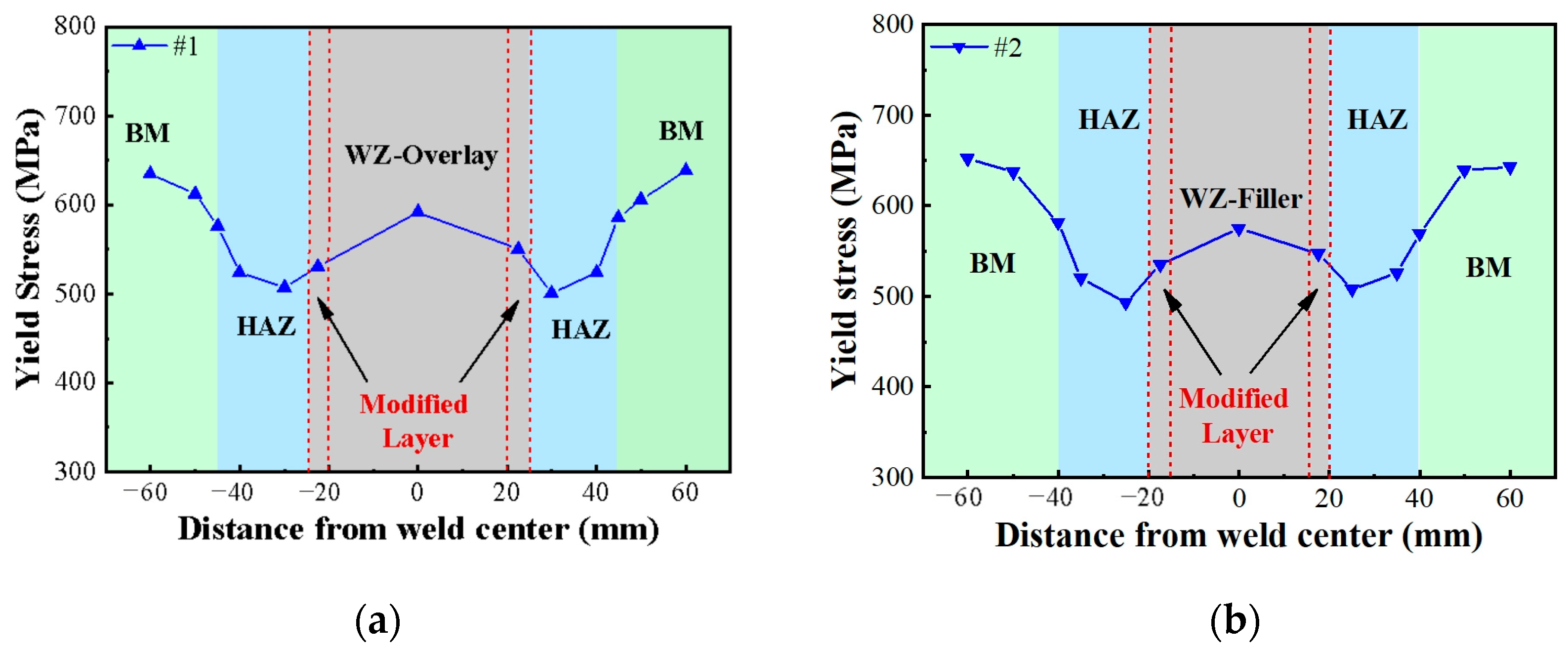
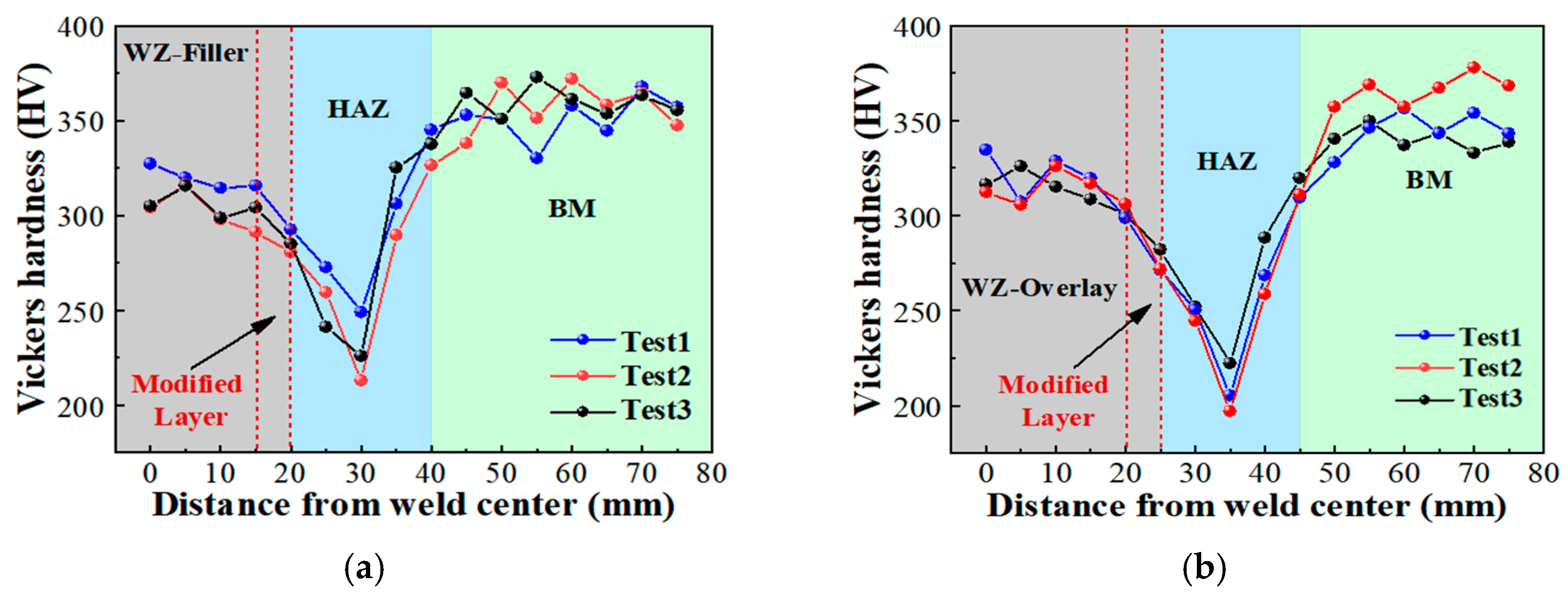
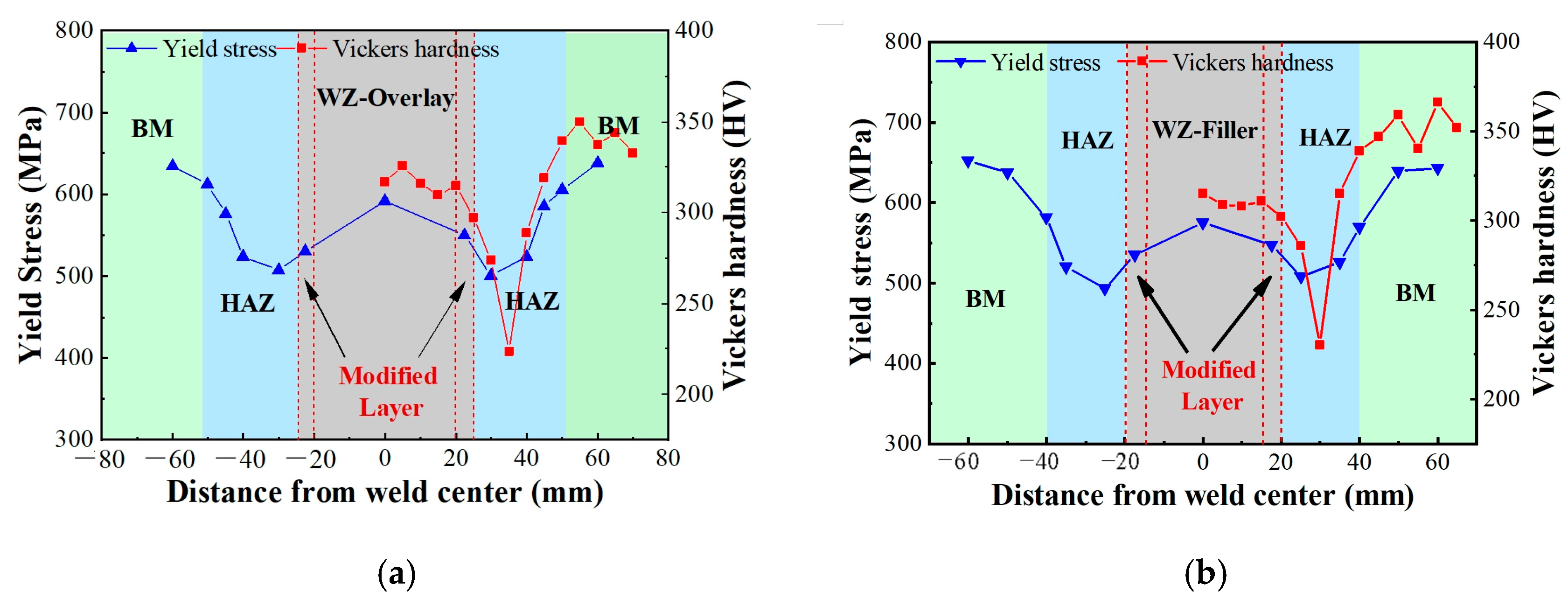
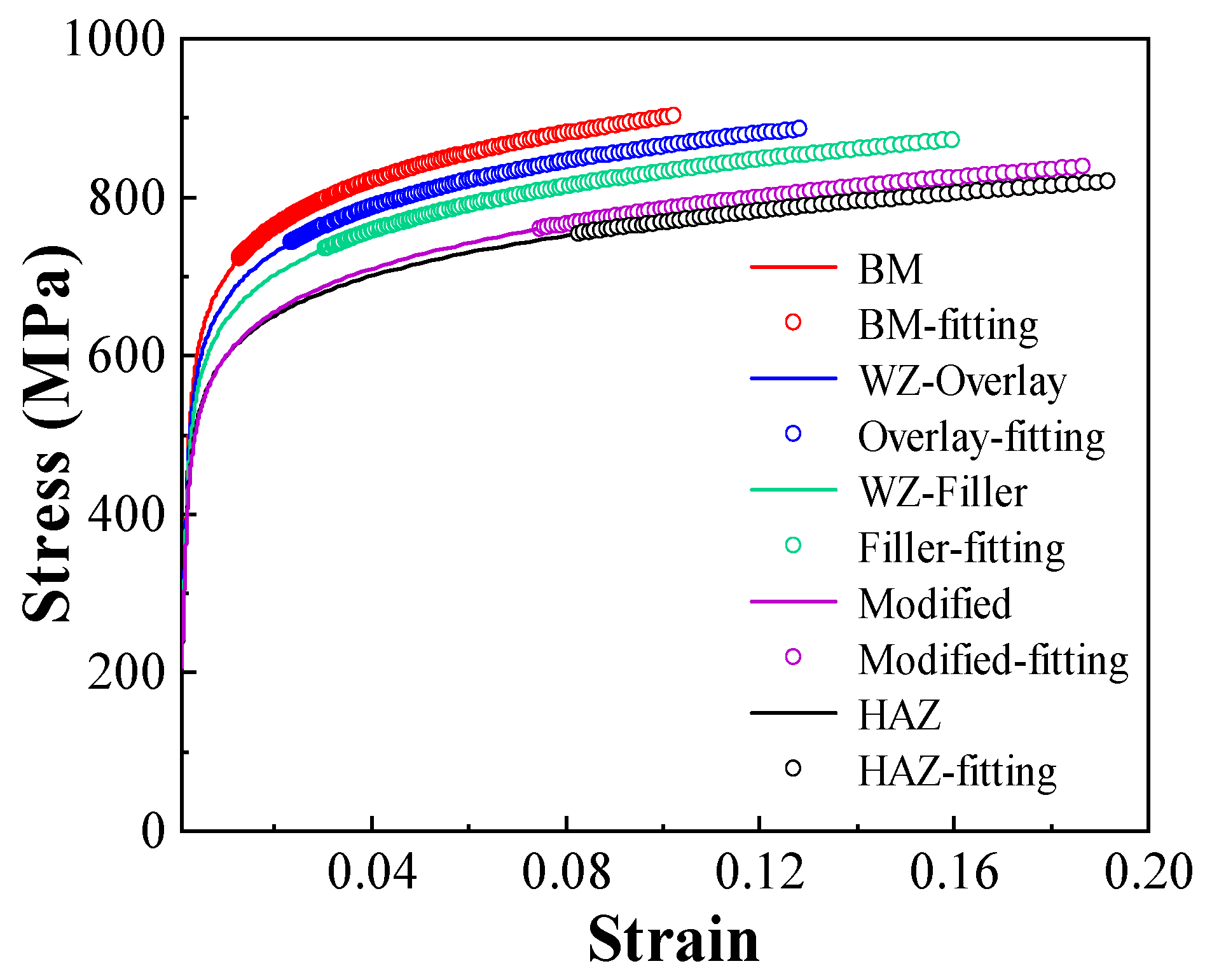
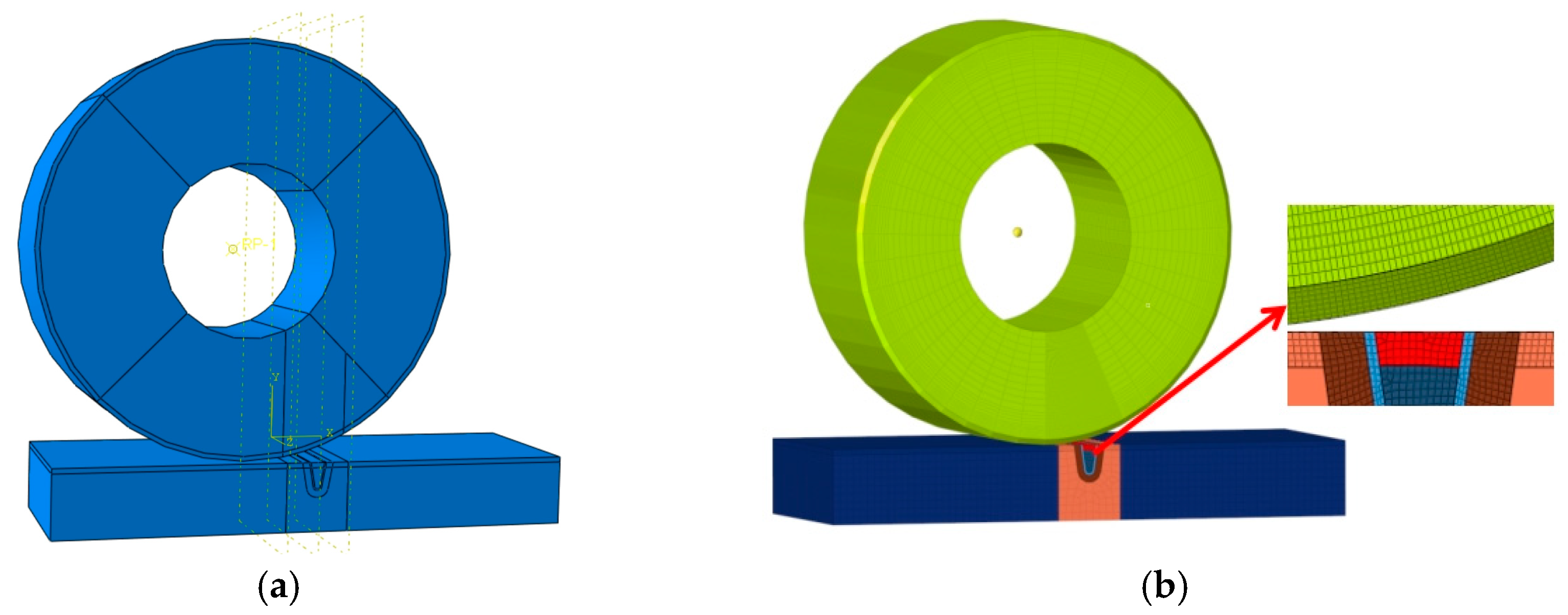
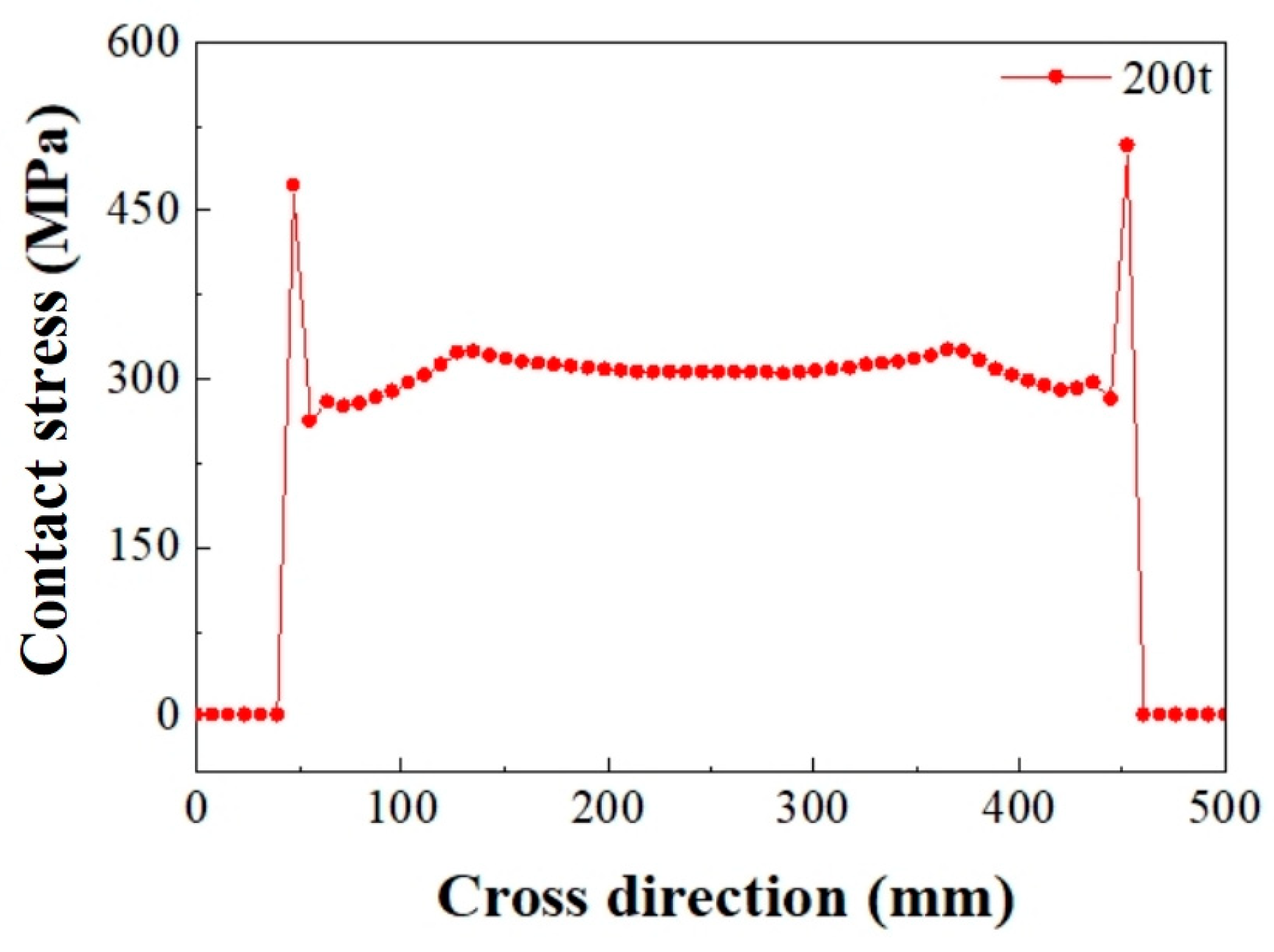
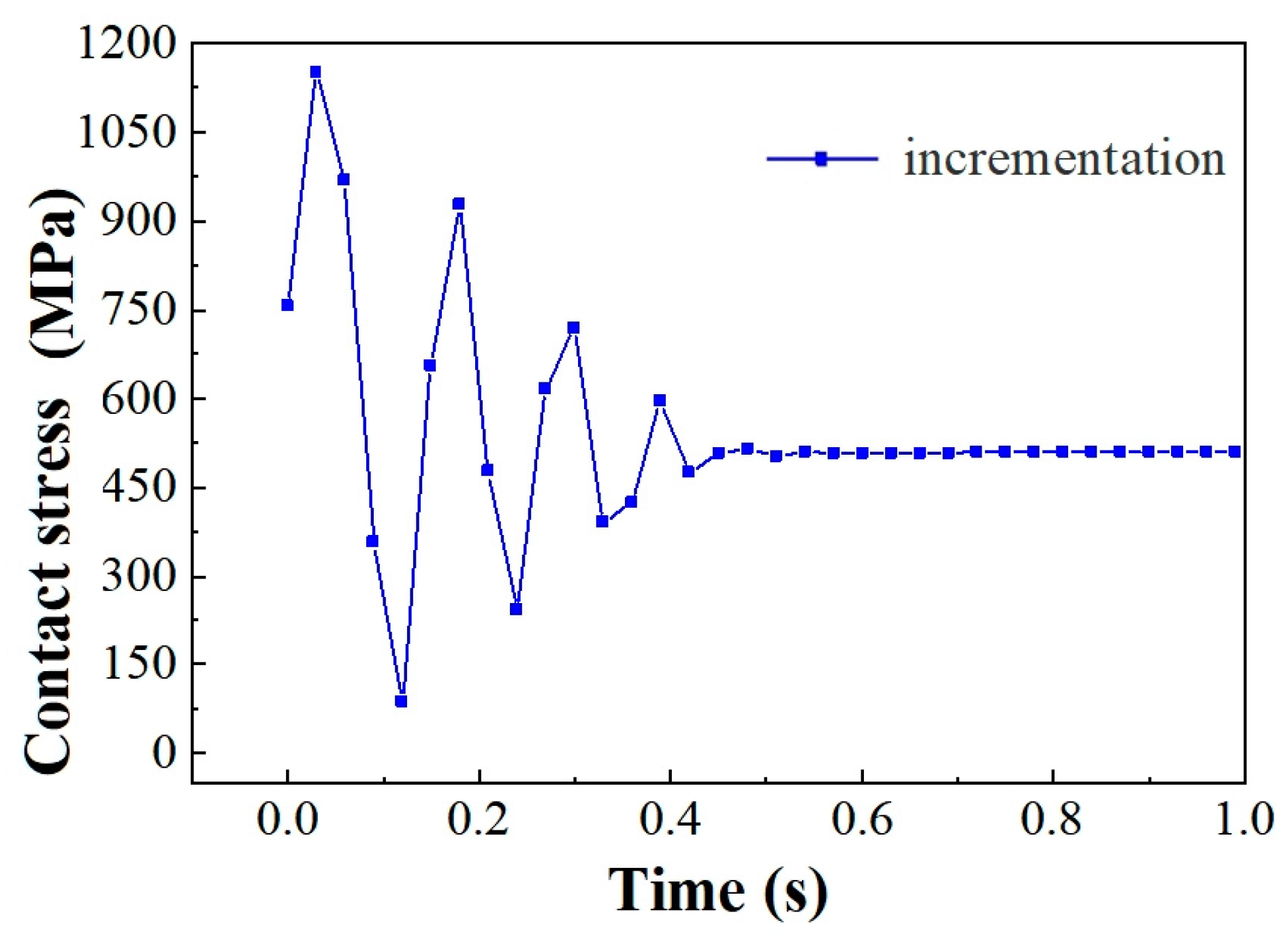
The azimuth track is an important component of the radio telescope wheel–rail system. During operation, the azimuth track is inevitably subject to phenomena such as track wear, track fatigue cracks, and impact damage to welded joints, which can affect observation accuracy. The 110 m QiTai radio telescope (QTT) studied in this paper is the world’s largest fully steerable radio telescope at present, and its track will bear the largest load ever. Since the welded joint of an azimuth track is the weakest part, an innovative welding method (multi-layer and multi-pass weld) is adopted for the thick welding section. Therefore, it is necessary to study the contact mechanical properties between the wheel and the azimuth track in this welded joint. In this study, tensile tests based on digital image correlation technology (DIC) and Vickers hardness tests are carried out in the metal zone (BM), heat-affected zone (HAZ), modified layer, and weld zone (WZ) of the welded joint, and the measured data are used to fit the elastic–plastic constitutive model for the different zones of the welded joint in the azimuth track. Based on the constitutive model established, a nonlinear finite element model is built and used to simulate the rolling mechanical performance between the wheel and azimuth track. Through the analysis of simulated data, we obtained the stress distribution of the track under different pre-designed loads and identified the locations most susceptible to damage during ordinary working conditions, braking conditions, and start-up conditions. The result can provide a significant theoretical basis for future research and for the monitoring of large track damage.
Keywords: azimuth track; welded joint; multi-layer and multi-pass; wheel–rail contact; mechanical property; finite element model azimuth track; welded joint; multi-layer and multi-pass; wheel–rail contact; mechanical property; finite element model