


Abstract
This research investigates the potential for valorizing submerged arc welding (SAW) slag as a partial substitute for Portland cement in eco-efficient mortars. The research focuses on microstructural characterization, mechanical performance, and, innovatively, resistance to microbial adhesion by Escherichia coli. The residue was processed by grinding and incorporated at substitution levels of 5%, 10%, and 15% by weight. The mechanical results demonstrate that the 5% substitution (AM5%) showed the best performance, reaching 47.55 MPa at 28 days, an increase of approximately 20% compared to the reference sample. This improvement is attributed to the pozzolanic effect with the filling and refinement of the pore structure, in the production of the secondary C-A-S-H phase. In the bioreactor biological assay, the AM5% sample demonstrated a significant reduction in bacterial colonization adhering to the material’s surface, with values of 9.4 × 101 CFU/cm2. Scanning electron microscopy (SEM) analyses revealed that the denser surface, with lower porosity, hindered the anchoring of E. coli and the formation of biofilm. The study concludes that the use of 5% SAW slag not only improves the structural properties of mortars but also increases their durability in environments prone to biological contamination, such as sanitation systems, promoting a sustainable alternative for the management of industrial waste in civil construction.
1. Introduction
The pace of global growth has been a subject of ongoing debate, particularly in relation to the expansion of urban areas, with the direct consequence of increased consumption of materials and inputs related to civil construction [1]. According to [2], the consumption of construction materials has been rising exponentially, and the authors also highlight that this consumption has a notable impact on the environment. Associated with this urban growth and occupation, the generation of effluents will necessarily increase significantly, thus requiring rigorous treatment aimed at proper disposal [3]. On the other hand, researchers [4] warn of the lack of sites and buildings intended for sewage treatment plants (STPs) in India, a problem that can be easily extended to numerous other countries. Furthermore, researchers [4] report that many of the existing STPs are either not operational or operate below capacity, resulting in a large portion of Indian sewage going untreated, and conclude by reflecting on the need to explore natural treatment systems that are low-cost to build, sustainable and effective [4].
According to [1], there is a growing trend in atmospheric CO2 emissions, with cement manufacturing projected to emit approximately 2.34 billion tons of CO2 by 2050. On the other hand, industries have been increasingly concerned with finding solutions to mitigate these environmental damages, and one extensively studied alternative is the addition of minerals to cementitious composites, which reduces clinker consumption and promotes good sustainable practices [1].
From a scientific perspective, incorporating reactive mineral additions into cementitious composites influences hydration kinetics, forming secondary hydration products [5,6,7,8,9,10,11]. This alters the microstructure of the matrices, particularly by refining the pore structure, which generally increases the durability of structures [12,13]. Despite this, some studies suggest a negative impact when certain mineral additions are used, particularly with respect to attack by aggressive agents, such as carbonation [14,15,16,17,18]. According to [19], fly ash, a pozzolan with medium reactivity, increases carbonation by reducing the alkaline reserve when used as a partial replacement for cement. On the other hand, refs [20,21,22,23,24,25,26,27,28] indicate that highly reactive pozzolans (such as silica fume, metakaolin and rice husk ash) can improve carbonation resistance. However, studies on cementitious composites subjected to biological attack remain scarce.
Growing concerns about sustainability, the reuse of industrial waste, and the durability of structures have been driving innovative solutions that combine material performance with resistance to biological agents [23]. We should highlight that attacks by biological agents are considered to have less potential [24]. Therefore, these attacks are often overlooked in construction and recovery processes [17]. We should also highlight that biodegradation goes beyond aesthetics, because regardless of the time evaluated, the structures are affected and there is little specific research that evaluates the structural aspects and compromises of biodegraded structures over time [24].
Considering sewage treatment plants (STPs), which are highly aggressive environments for concrete structures due to multiple combined attacks, such as biogenic sulphuric acid attack, produced by bacteria such as Thiobacillus that oxidize sulfides present in the effluent [24,25]. This chemical-biological process generates an acidic pH (generally below 4), dissolving the cement paste and forming products such as gypsum (calcium sulphate), resulting in intense surface erosion in areas exposed to gases [24].
Furthermore, in addition to the predominant action of biogenic sulphuric acid generated by sulfoxidizing bacteria, STPs also face biodeterioration associated with the bacterium Escherichia coli (E. coli), which is common in contaminated effluents. This bacterium indirectly contributes to the degradation of concrete by metabolizing organic compounds under anaerobic conditions, releasing organic acids such as lactic and acetic acids, which reduce the surface pH and accelerate the leaching of calcium from the cement paste [26,27,28,29,30,31].
It should also be noted that the presence of the Escherichia coli (E. coli) bacteria further aggravates the attack on reinforced concrete structures. In bacterial attack in primary wastewater treatment areas, for example, where bacterial biofilms form colonies that intensify the production of corrosive agents, it results in microcracks and loss of material cohesion in a constant and progressive manner [29]. Furthermore, several researchers have studied the damage caused to metal structures due to the formation of these bacterial biofilms [32,33,34,35,36]. Therefore, microcracks worsen over time, facilitating the formation of biofilms on the reinforcement bars. Studies in STPs indicate that high concentrations of these bacteria, detected in microbiological monitoring, correlate with a higher incidence of pathologies in hydraulic structures, requiring early recovery, repairs and reinforcements [31].
In the context of STPs, at their various stages, researchers such as [3,4,23,37,38,39] point to the most pronounced degradation in components such as rotary screen channels and contact tanks. These components are responsible for the pre-treatment stage, with the removal of residues, coarse solids, and the effluent receiving disinfecting agents. Thus, in these components (rotary screen channels and contact tanks), the concrete in contact with hydrogen sulfide gas undergoes mass loss and formation of expansive DEF (Delayed Ettringite Formation) crystals, while submerged areas show less impact due to lower oxygenation [40,41,42,43]. In the study presented by [44,45,46], it was revealed that waterproofing, using materials such as asphalt membranes, fiber-reinforced hybrid concrete, concrete incorporating microsilica and forta-ferro fibers, can partially mitigate the advance of the acid front, but does not eliminate the need for periodic maintenance in the restoration aimed at increasing the durability of the structure.
To mitigate these attacks, it is also recommended, according to [46,47], to use high-performance concretes with mineral additions (such as silica fume), surface treatments and sulfate-resistant cements, reducing permeability and increasing durability. Pathological manifestations such as reinforcement corrosion and biodeterioration are common in Brazilian STPs, demanding periodic inspections and construction and rehabilitation technologies as constant challenges in increasing the durability of these structures.
In this context, the use of metallic slag as mineral additions in cementitious materials stands out as a promising alternative, not only because of the possibility of proper disposal of these residues, but also because of the potential to improve the physical–chemical properties of the composites [1,48]. Furthermore, the resistance of cementitious materials to microbial colonization is a crucial factor for the durability and integrity of structures, especially in environments subject to intense biological exposure [31].
Considering the various challenges faced for the potential durability of cementitious materials, and especially reinforced concrete structures, microbial adhesion to cementitious surfaces stands out, particularly by the bacterium Escherichia coli, recognized for its ability to form biofilms and persist in diverse environments, including on materials used structurally [33]. The formation of biofilms by Escherichia coli can compromise the integrity of materials, accelerate degradation processes and pose health risks, making it essential to study strategies that minimize this microbial adhesion [33,37,38,39].
Furthermore, we highlight that the interactions of the possible and numerous known bacteria, in addition to contributing positively to the biodegradation of cementitious materials in isolation, can act simultaneously and facilitate the entry of other deleterious agents such as sulfate, chloride and CO2, for example [3,24,27,49,50].
Therefore, research focused on understanding the behavior of modified cementitious materials in the face of microbial colonization is justified, aiming at the development of more durable composites that are resistant to biodeterioration. The literature indicates that the addition of industrial waste can significantly alter the surface characteristics of materials, directly impacting the formation and fixation of bacterial biofilms [33]. However, specific studies on the effect of submerged arc welding (SAW) slag on Escherichia coli adhesion and the resulting degradation remain scarce, highlighting a scientific gap that needs to be filled. The novelty of this work lies in evaluating the dual effect of SAW slag incorporation in cementitious materials, directly correlating the mitigation of bacterial adhesion (CFU/cm2) with surface chemical changes, microstructural modifications observed by scanning electron microscopy (SEM), and mechanical performance under biological exposure.
Therefore, the present research seeks to fill this gap by investigating how different substitution levels of SAW slag influence the resistance of cementitious composites to microbial colonization. In summary, this study provides novel insights into the formulation of more durable building materials, supporting strategies to mitigate biodeterioration in aggressive environments such as sewage treatment plants.
2. Materials and Methods
The experimental procedure was systematically designed to synthesize and characterize cementitious composites by partially replacing cement with SAW slag (0%, 5%, 10%, and 15%), and to analyze their behavior under biological attack. A comprehensive flowchart illustrating the workflow, from the preparation of cementitious composite materials to the multifaceted characterization of the samples, is presented in Figure 1. The detailed methodology for each step is described in the subsequent subsections.
Figure 1.
Schematic representation of the experimental procedures, from materials preparation to the characterization of the composites.
The materials used were: high early-strength Portland cement (CPV-ARI type, according to [51], similar to Type III of [52]), SAW slag residue, and standardized quartz sand supplied by IPT (Institute of Technological Researches of Brazil). The SAW slag residue was collected from Memps LTDA, a company involved in metal structure works located in Vila Esperança, São Luís, MA, Brazil. The quartz sand had a silica content ≥95% by mass, was free from organic matter, and was provided in four particle-size fractions: 0.15–0.30 mm, 0.30–0.60 mm, 0.60–1.20 mm, and 1.20–2.40 mm.
For the experimental procedure, several samples with different dimensions were molded, evaluating biodegradation and durability through compression resistance. Initially, 12 (twelve) cylindrical samples were made with approximate dimensions (diameter and height) of 2 × 2 cm. These samples were subjected to biological attack, the procedures of which are presented in the Section 2.1, Section 2.2, Section 2.3, Section 2.4, Section 2.5, Section 2.6, below. The proportion of the mixture used to mold all test specimens was (2 × 2 cm) and (5 × 10 cm); additionally, the unit mortar mix was 1:3, with a water/binder ratio of 0.48.
2.1. Characterization of Materials
Before initiating the mixing process and performing fresh-state characterization, the anhydrous materials were characterized the materials were characterized physically and chemically. X-Ray Fluorescence (XRF) was used to determine the chemical composition of the SAW slag and Portland cement samples. Their specific gravity was determined using the helium pycnometer method. The specific surface of materials was determined using a Blaine air permeability meter according to [53]. For the particle size distribution analysis, a CILAS 1090 laser granulometry (CILAS, Orléans, France) was used, providing particle diameter and cumulative volume data for the different fractions.
We should highlight that after preparing the mortar specimens, the consistency index and flow table tests were performed in the fresh state. The consistency index test was carried out as follows: The mortar was placed on the testing table in three layers. The first layer was compacted with 15 blows using a tamping rod. The second layer was then added and compacted with 10 blows, followed by the third layer, which was compacted with 5 blows. After compaction, the surface was leveled and the cone mold was carefully removed. The crank of the flow table was then operated to produce 30 drops within 30 s [54].
In the fresh state, the spread diameter of the resulting mortar was measured at three different points, and the average of these values was used to determine the consistency index. The apparent density of the fresh mortar was determined according to [55].
Considered an important step in evaluating the biodegradation of cementitious composite materials, due to the potential mass loss associated with dimensional losses of concrete pieces in contact with the aggressive environment, the height and diameter of the 12 test specimens were measured using calipers to calculate their respective areas, which are presented in Table 1. Furthermore, the test specimens were weighed using an analytical balance before exposure to the E. coli strain in the reactor. The recorded values were subsequently compared with the specimen masses obtained after 15 days of bacterial exposure in the reactors.
Table 1.
Measurements and area of the test specimens.
2.2. Preparation of LB Medium
To assemble the reactors, it was necessary to prepare 810 mL of liquid Luria–Bertani (LB) medium. For this, 20.25 g of prepared LB medium and 810 mL of deionized water were used. After mixing, the solution was stored in 3 different containers, each containing 270 mL of the same solution. After mixing, the solution was stored in 3 different containers, each containing 270 mL of the same solution. The LB medium is composed of 10 g of tryptone, 5 g of yeast extract, and 5 g of sodium chloride, all measurements considered in g/L. In LB medium, E. coli does not produce acids; it metabolizes amino acids and peptides directly.
2.3. Preparation of PCA Medium
To isolate the bacteria on Petri dishes, 300 mL of solid Plate Count Agar (PCA) medium was prepared using 7.05 mL of ready-made PCA medium and 300 mL of deionized water. The PCA medium consists of 5 g of tryptone, 1 g of glucose, 2.5 g of yeast extract, and 15 g of agar, all measurements considered in g/L.
2.4. Assembly of the Reactors (Bioreactors)
Three reactors were set up, each containing 270 mL of LB medium and 30 mL of E. coli inoculum (10% inoculum) and the pH was adjusted at the start of the experiment to 7.0 ± 0.2. In the first reactor, three specimens containing 5% metallic slag each (CP 4, 5, and 6) and a control sample without metallic slag (CP1) were inserted. In the second reactor, three more specimens were inserted, each containing 10% metallic slag (CP 7, 8, and 9) and a control sample without metallic slag (CP 2). In the third reactor, three more specimens were inserted, each containing 15% metallic slag (CP10, CP11, and CP12) and a control sample without metallic slag (CP3). The three reactors were incubated in an oven at 35 °C for 15 days. Figure 2 shows the newly assembled reactors in the oven; it shows the same reactors after 15 days of incubation.
Figure 2.
Newly assembled reactors in the oven.
2.5. Bacterial Isolation Procedure
E. coli counts were performed on PCA medium at time 0 before incubation of the reactors in the incubator. Isolation was performed using the “pour plate” technique, adding 1 mL of the culture diluted from 10−1 to 10−8 in triplicate to Petri dishes containing 9 mL of PCA medium, and quantified by Colony Forming Units (CFU) after 48 h.
The same method was used to count the bacteria after 15 days. Specimens from reactors 1 and 2 were immersed in a container containing 30 mL of saline solution and mechanically brushed (using a sterile brush, the biofilm was mechanically removed from the surface); for each reactor group, this was performed in triplicate (AM5%, AM10%, and AM15%). The exception applies to the control samples, which were also run in triplicate but kept separate from the other groups. The mixture of residues in saline solution served as a composite sample for isolation. A total of 1 mL of this composite solution was taken and diluted serially from 10−4 to 10−7; 1 mL of each dilution was added in triplicate to Petri dishes containing 9 mL of PCA medium. Triplicates were performed for each dilution to identify sessile (adhered to the specimen) and planktonic (free in the fluid) bacteria, as shown in Figure 3.
Figure 3.
Triplicate bacterial count after 15 days of incubation: (a) 5%, (b) 10%, and (c) 15% SAW slag replacement.
It is important to highlight that detection limits depend directly on the inoculated volume. However, when 1 mL of the sample is plated, the minimum limit is 1 CFU/mL for liquid samples, whereas for a delimited area, it ranges from <1 CFU/cm2 to <10 CFU/cm2.
2.6. Sample Preparation for SEM Analysis
After 15 days, for sample preparation, the following was done: once the experiments were complete (biodegradation), the test specimen was immersed in a 5% glutaraldehyde fixative solution in 0.1 M sodium cacodylate buffer, pH 7.6, and distilled water (1:1) to fix the bacteria. It was then left to stand at room temperature for 24 h. Following the fixation stage, three consecutive washes were carried out in 0.1 M sodium cocodylate buffer, pH 7.6, each lasting 10 min. Subsequently, the specimen was dehydrated in ethyl alcohol at increasing concentrations (30–100%) for five minutes at each concentration. After drying, the specimen (1, 5, 8, and 10) was metallized with gold (±15 nm thick). Imaging was carried out using a Tescan Mira 3 scanning electron microscope (Brno, Czech Republic). Specimens 1, 5, 8, and 10 were subjected to scanning electron microscopy analysis. Due to the porous nature of the material, it was necessary to remove a small portion of the specimens for analysis within the equipment (SEM).
For the analysis of contamination in the cementitious composite samples, a scanning electron microscope (SEM) was used, model TESCAN MIRA3, with a tungsten filament main electron beam at a voltage of 15 kV and SE and EDS detectors, and a working distance ranging from 8 mm to 13 mm. SEM analysis was performed for qualitative morphological evaluation, whereas bacterial quantification was performed via CFU assays. A sample was selected from each representative of the groups, that is, with the addition of SAW slag (AM5%, AM10% and AM15%) and without the addition of 0% slag (Control), for demonstration purposes. Samples CP1 (control sample, without SAW slag) and CP10 (with SAW slag) represent the analysis before exposure to biological attack. The acquired images were used to compare with those collected after contact with the bacteria, thus evaluating microbial adhesion and biofilm generation. To analyze the durability of cementitious composites, the mechanical performance of the samples was evaluated. For this purpose, cylindrical specimens (5 × 10 cm) of mortar were molded, with additions of 5%, 10%, and 15% relative to the cement mass, and a 0% reference sample. For each case studied, 6 repetitions of tests were used to support a statistical treatment based on analysis of variance and Tukey’s test, with 95% confidence.
3. Results and Discussion
3.1. Physical and Chemical Characterization of Raw Materials
The analysis of the chemical compositions of the highlighted precursor materials was carried out using the XRF technique. The chemical compositions of the samples of SAW slag and Portland cement are represented in Table 2.
Table 2.
Chemical composition of submerged arc welding (SAW) and Portland cement.
Based on the analysis of the chemical composition, it was observed that the SAW slag sample presents attractive results for further research. Considering Reference [56], the material analyzed in this research meets the chemical requirements for Class C pozzolanic materials equivalent to [57] Class-E. It is important to highlight that the SAW samples are the target of research developed by our group and have demonstrated quite satisfactory pozzolanic potential according to the results observed in [58]. Furthermore, the results are consistent with those presented in other studies analyzing this same potentially pozzolanic residue [59,60,61]. Table 3 shows the physical characteristics of the precursor materials.
Table 3.
Physical characterization of the cement and SAW.
Based on physical characterization results, it is possible to highlight that the unitary mass of SAW is approximately 2 (two) times bigger than that of Portland cement.
Furthermore, the specific mass of the SAW slag was higher than that of the CPV-ARI cement used in this study, which is similar to ASTM Type III cement [52]. It should also be noted that the SAW slag had fineness comparable to that of Portland cement. Therefore, the material exhibits physical characteristics comparable to cement, suggesting its potential for partial cement replacement in future studies.
To evaluate the particle size distribution of the materials, cumulative curves were used. Figure 4 shows the particle size distribution and cumulative curves of the studied SAW material in comparison with Portland cement.
Figure 4.
Particle size distribution of the precursor’s solid materials.
We highlight that grain size strongly influences interactions and chemical reactions, as observed in [62,63]. The Portland cement samples had an average particle diameter of approximately 40.23 µm, while the Portland SAW cement samples had slightly larger particles, with an average diameter of approximately 41.54 µm. Furthermore, the particle sizes of the Portland SAW cement samples are within the acceptable limits reported by [63].
For a better overall analysis, the mixtures were also evaluated in their fresh state through consistency testing (measured by the spread diameter of the fresh mixtures) and the determination of apparent density, as presented in Table 4 and Table 5. The consistency index and flow table tests were conducted in accordance with [54], with results close to flow value, as shown in Table 4 for better visualization and comparison.
Table 4.
Physical characteristics of cementitious composite materials in the fresh state.
Table 5.
Physical characteristics of cementitious composite materials.
The spread diameters of the mortar samples produced in the laboratory were measured at three different points according to [54]. The average and standard deviation of these measurements were then calculated. Finally, the consistency index for the samples with different mortar mix proportions was determined, as shown in Table 4. A reduction in the spread diameter of the fresh mortar mixtures was observed as the percentage of SAWs increased; similar results were observed by [1]. These results indicate a decrease in workability. Furthermore, previous studies [64] report that the rheological behaviour of cementitious composite materials tends to be affected by such additions, leading to reduced workability and increased porosity. Table 5 presents the apparent density of the fresh mortars, determined in accordance with [55].
We should point out that Table 5 shows that increasing the amount of submerged arc welding (SAW) slag in the system results in a slight decrease in the apparent density of the mixtures. Similar findings were reported by [65,66,67], who observed not only a reduction in the apparent density but also a decrease in the matrix density. Furthermore, the same study reported a reduction in total open porosity, attributed to pore refinement due to the filler effect of the added materials, materials that did not participate in pozzolanic reactions but contributed to the microstructural densification. The researchers further add that the nucleation effect due to charge attractions, i.e., electrostatic attraction, contributes to this increase in matrix density [65,66,67].
3.2. Environmental Safety Assessment Regarding Potentially Toxic Element
The environmental safety of incorporating SAW slag into cementitious materials is an important aspect to consider, particularly because welding-related residues may contain metallic elements that, depending on their chemical form and environmental conditions, may become potentially mobile and contribute to soil and groundwater contamination [3]. Therefore, in addition to the physical, mechanical, microstructural, and biological characterization presented in this study, an environmental screening was performed based on the chemical composition of the SAW slag determined by X-ray fluorescence (XRF).
The XRF results presented in Table 2 indicate the presence of several metallic elements in the SAW slag, particularly Cr, Mn, Zn, Fe, Ti, and Zr. Among these elements, Cr, Zn, and Mn deserve particular attention from an environmental perspective because of their recognized relevance in the assessment of potentially contaminated materials [1,3]. Considering the oxide concentrations obtained by XRF, the corresponding elemental concentrations can be estimated stoichiometrically. Thus, the concentrations of Cr, Mn, and Zn are approximately 205, 55,529, and 16,630 mg/kg, respectively, based on the measured contents of Cr2O3 (0.03%), MnO (7.17%), and ZnO (2.07%), as presented in Table 6. These values represent total concentrations in the solid material and should not be interpreted directly as concentrations available for leaching.
Table 6.
Total concentrations of selected environmentally relevant elements in SAW slag estimated from XRF oxide composition.
In Brazil, the environmental assessment of potentially contaminated materials can be addressed in accordance with CONAMA Resolution N°. 420/2009 [68], which establishes criteria and soil quality guideline values regarding the presence of chemical substances and defines guidelines for the environmental management of contaminated areas. This regulatory framework serves as a relevant reference for screening, as it establishes prevention and investigation values for various toxic elements. A similar approach was previously applied to SAW slag by Castro-Lopes et al. [1], who evaluated the heavy metal composition of SAW slag using X-ray fluorescence (XRF) and discussed the results based on CONAMA Resolution N°. 420/2009 [68]. In that study, Zn, V, and Pb were evaluated against prevention criteria, while Cr, Cu, and Ni were analyzed against investigation criteria for agricultural, residential, and industrial land uses [68].
For the present material, XRF confirmed the intrinsic presence of metallic elements in SAW slag; however, their environmental significance cannot be assessed solely from total concentrations. In cementitious applications, SAW incorporation may reduce metal mobility through encapsulation, adsorption, and incorporation into hydration products [1,4]. The observed matrix densification, secondary C-S-H/C-A-S-H formation, and pore refinement may therefore restrict the accessibility of potentially mobile species. As SAW slag is incorporated into the cementitious matrix rather than directly disposed of, these mechanisms suggest environmentally favorable immobilization. However, this remains an indirect indication, as no standardized leaching test was performed.
Therefore, the XRF results should be considered an environmental screening rather than a definitive assessment of metal release. The lack of direct leachability measurements is a limitation, and future studies should include standardized leaching tests to quantify the mobility of Cr, Mn, Zn, and other relevant elements. Overall, environmental safety should consider total concentrations, chemical/mineralogical associations, matrix characteristics, and actual metal release. Thus, SAW slag incorporation remains a promising waste-valorization strategy, although further leaching studies are needed to confirm its long-term environmental performance.
3.3. SEM and EDS Results Before Incubation
To evaluate the samples before bacterial incubation, they were analyzed via SEM. Figure 5a,b present the reference sample (CP1) prior to exposure to the biodegradable environment. The micrographs reveal the main phases of cement hydration, such as the formation of ettringite (E), observed in needle-like crystals/prismatic needles form, the hexagonal morphology of the presence of portlandite (CH), and the formation of the hydrated calcium silicate phase (CSH).
Figure 5.
SEM images of specimen 1 without 0% slag (CP1) before incubation (a) 5.000× (b) 10.000×.
Figure 5 and Figure 6 illustrate clear differences in the cementitious matrices between the reference samples and those containing SAW slag. Samples with 15% SAW slag exhibited a denser microstructure, in which typical hydration products such as ettringite (E), identified by needle-like or prismatic crystals, became less evident, particularly in the highlighted region of Figure 5b. In contrast, Figure 5a,b show the hydration products more distinctly, especially the calcium silicate hydrate (C-S-H) phase.
Figure 6.
SEM images of specimen 10 with 15% slag (CP10) before incubation (a)—10.000×; (b)—20.0000×.
On the other hand, Figure 6 highlights the characteristic hexagonal morphology of Portlandite (CH), indicating a greater presence of calcium hydroxide in the matrix, as shown in the green-highlighted region of Figure 6a,b. Figure 6a,b correspond to sample CP10, containing 15% SAW slag and not exposed to the aggressive biodegradable environment. To represent the extreme conditions evaluated in this study, CP1 (0% slag) and CP10 (15% slag) were selected for detailed microstructural analysis.
In addition to SEM analysis, the samples were analyzed by energy dispersive X-ray spectroscopy (EDS) to identify and quantify the chemical elements present before and after exposure to the aggressive environment. Figure 7 and Figure 8 present the EDS spectra obtained for samples CP1 and CP10 before incubation.
Figure 7.
EDS—Spectrum of specimen 1 without slag 0% (CP1) before incubation.
Figure 8.
EDS—Spectrum of test specimen 10 with 15% slag (CP10) before incubation.
The EDS results revealed significant changes in the chemical composition of the matrixes with the incorporation of 15% SAW slag. The contents of aluminum (Al) and silicon (Si) increased compared with the reference sample. Aluminum (Al) content decreased by approximately 46%, while silicon (Si) content decreased by approximately 52.22%, as shown in Figure 7 and Figure 8. These results suggest that SAW slag possibly has pozzolanic behaviour, consistent with previous findings reported by [1].
However, the large amount of aluminum available in the system should contribute in a limited and negative way when evaluating the hydration mechanism according to [13]. The specific motivation for the consumption and interaction of these elements (Al—Si) with the calcium hydroxide present in the samples is to form the calcium aluminum silicate hydrate (C-A-S-H) phase, which is responsible for increasing the mechanical strength of cementitious composites. The presence of pozzolanic materials, and in particular SAW, was discussed in research carried out by [1,59], where the pozzolanic effect of this residue (SAW) was demonstrated. Furthermore, the nucleation effect generated with pozzolanic additions and SAW is an important factor in the formation of cementitious matrices, as demonstrated by researchers [67]. As observed, the samples presented in this study have similar characteristics to those presented by [1], from which we can infer that there is a pozzolanic effect with the addition of welding slag (SAW), however, the excess dosage significantly alters the mixtures in the fresh state and the microstructures of these cementitious matrices, not contributing to increases in important phases, such as the formation of C-S-H.
Another noteworthy observation concerns the calcium (Ca) content, which increased significantly with the presence of 15% SAW slag, resulting in a 46.61% increase in the matrix. Furthermore, we observed changes in the fresh state of the samples, with alterations in the spreading that decreased the workability of the mixture. These results corroborate those obtained by [2,59], demonstrating the influence of the added quantity in the mixtures.
3.4. SEM and EDS Results After 15 Days of Incubation
The representative samples (CP1, CP5, CP8 and CP10), respectively, 0% without the addition of SAW (Control), with the addition of 5% welding slag (AM5%), 10% welding slag (AM10%) and 15% addition of submerged arc welding slag (AM15%), were evaluated after 15 days of contact of the cementitious composites with the biodegrading medium, i.e., after 15 days of incubation according to Figure 9.
Figure 9.
Reactors after 15 days of incubation.
Analyzing the micrographs of sample CP1 represented in Figure 10a,b after 15 days of contact of the cementitious composites with the biodegrading medium, we observed that the microstructure of the cementitious matrix was modified with the presence of aggregates of bacterial cells with rod-shaped morphology, in high bacterial attachment modes and according to [67,69] this is the characteristic morphology of the bacterium E. coli. It should be noted that these bacteria were reported by [35,69,70], who described them as predominantly elongated rods, isolated or in short chains, with a smooth surface and possibly visible fimbrilae or flagella in some cells, also highlighting their motility.
Figure 10.
Test specimen without slag 0% CP1 (Control—Reactor 1) after 15 days of incubation in the reactor (a)—5.000×; (b)—50.000×.
These Gram-negative bacteria (rods), straight or slightly curved, generally have typical dimensions of approximately 0.5 to 2.0 µm in length by 0.5 µm in width [69,70]. Therefore, according to the scanning electron microscopy analysis, the presence of E. coli aggregates was verified, with a predominance of 2.17 ± 0.36 μm in length by 0.50 ± 0.17 μm for sample CP1, corroborating the findings of the researchers [69,70].
The SEM micrographs shown in Figure 10a,b revealed the presence of elongated, rod-shaped bacterial cells after 15 days of exposure of the cementitious composites to the biodegrading environment. In addition, it was also possible to observe these rods isolated and in short chains. Visible straight and slightly curved flagella were also observed, as highlighted in Figure 10b. These observations are consistent with previous studies reported by [35,69,70]. Further SEM analyses performed on sample CP5, containing 5% SAW slag, are presented in Figure 11a,b.
Figure 11.
Specimen containing 5% CP5 slag (Reactor 1) after 15 days of incubation in the reactor (a)—5.000×; (b)—50.000×.
After 15 days of exposure, the micrographs revealed that samples containing the addition of 5% CP5 SAW slag did not show significant changes in their microstructure; the cementitious matrix was not modified with the high presence of bacterial cell aggregates with rod-shaped morphology, and its density decreased in the visual field. However, the presence of E. coli bacteria is still noticeable, predominantly in short, isolated chains, with a smooth surface and possibly visible straight or slightly curved fimbriae or flagella, as highlighted in green.
In Figure 12, showing the CP08 sample with 10% SAW added after 15 days, it can also be seen that E. coli adheres to the surface of the sample in smaller quantities compared with the CP5 and CP10 samples.
Figure 12.
Specimen containing 10% CP8 slag (Reactor 2) after 15 days of incubation in the reactor (a)—5.000×; (b)—50.000×.
Analyzing the micrographs of sample CP10 containing the addition of 15% SAW slag, a localized cell clusters were obtained with the presence of aggregates of rod-shaped bacterial cells, as observed in Figure 13a,b after 15 days of contact of the cementitious composites with the biodegrading medium, thus corroborating with the other samples subjected to the same environment, demonstrating the effective attack of the bacteria.
Figure 13.
Test specimen 10 (Reactor 3) after 15 days of incubation (a)—5.000×; (b)—50.000×.
We also observed that the dosage of cementitious composites with the addition of 15% SAW slag apparently favors the presence of bacterial cell aggregates with this morphology, thus generating greater adhesion, i.e., favoring biofilm proliferation, as discussed and presented in the findings of the researchers [24,32,69].
In light of these observed results, it becomes necessary to evaluate the samples using the EDS technique, where the samples (CP1, CP5, CP8 and CP10) will be analytically analyzed, aiming to identify and quantify the chemical elements present, which are shown in Figure 14, Figure 15, Figure 16 and Figure 17.
Figure 14.
Spectrum of the CP1 body—Control (Reactor 1) after 15 days of incubation.
Figure 15.
EDS—Spectrum of specimen 5 (Reactor 1) after 15 days of incubation.
Figure 16.
EDS—Spectrum of specimen 8 (Reactor 2) after 15 days of incubation.
Figure 17.
EDS—Spectrum of specimen 10 (Reactor 3) after 15 days of incubation.
The SEM evaluation of sample CP10 containing the addition of 15% SAW slag in its cementitious matrix, presented in Figure 13a,b, shows significant alterations in the microstructure of the cementitious matrix with the presence of aggregates of bacterial cells with rod-shaped morphology in extremely high bacterial attachment modes and according to [69], which is consistent with E. coli morphology.
Furthermore, from Figure 13a,b, we observed that the concentration of several aggregates of E. coli bacteria were attracted and spread throughout the surface of the sample. From Figure 13a, we also observed that there was a favoring of bacterial adhesion, indicating that that area is in favorable conditions for adhesion, thus generating the formation of bacterial biofilm, which are deleterious as presented by [32,33,34,35,36]. Furthermore, the approximate dimensional predominance of bacteria of 1.37 ± 0.64 μm in length by 0.70 ± 0.15 μm was observed for sample CP10, highlighted in green in Figure 13b, corroborating with the researchers [70,71,72,73,74].
It is important to highlight that the predominant action of biogenic sulfuric acid generated by sulfoxidizing bacteria, associated with the bacterium E. coli, means that these bacteria contribute to the degradation of cementitious compounds by metabolizing organic compounds under anaerobic conditions, releasing organic acids such as lactic and acetic acids, which reduce the surface pH and accelerate the leaching of calcium from the cement paste [26,27,28,29,30,31]. We can also highlight that microcracks, as well as porosity, facilitate the entry of bacteria, favoring the formation of biofilms, and may increase degradation [29,33,75,76,77].
Finally, microscopy revealed that the reference samples without 0% slag addition, CP1 (control), apparently showed a reasonable concentration of bacterial aggregates compared to the others. These findings appear biased when associated with porosity and compressive strength, which will be discussed below. The findings presented by [71] show that due to the porosity that retains moisture and nutrients, they attract these bacteria, thus allowing formation and adhesion in this environment. On the other hand, when we observe the CP5 (AM5%) samples, this concentration of bacterial aggregates and consequently the formation of the biofilm were disfavored, possibly due to the percolate by the formation and increase in the secondary C-S-H phase, due to the pozzolanic effect. This 5% welding slag addition proves to be an ideal percentage, refining pores and reducing the material’s porosity.
These results were revealed by the authors [1,14,15] and are associated with the pozzolanic effect. Furthermore, these proportions (AM5%) are also ideal for increasing mechanical strength without altering the workability of these cementitious composites in the fresh state. As this proportion is increased with the addition of SAW, the properties in the fresh state are naturally altered, as observed in Table 4, thus favoring increases in porosity.
Observing the samples containing the addition of 10% CP8, we verified that the bacteria are attracted to the pores, as already presented above; these pores store nutrients and moisture, favoring their proliferation. However, this 10% addition appears excessive, interfering with cement hydration reactions and hindering phase formation. Furthermore, these results demonstrate a possible increase in pore formation and, consequently, a decrease in mechanical strength. This trend worsens with the addition of 15%, as observed in sample CP10 (AM15%), where additions beyond 5% may become excessive, no longer refining the pores but rather enlarging them, which may facilitate the supply of nutrients and moisture. Furthermore, another consequence is a decrease in the composite’s workability.
Comparing the results presented in the micrographs, keeping the magnification constant at 5.00kx, we observed that the cementitious composites, as 10% and 15% of SAW (AM10% and AM15%) are added, show an increase in the morphological feature aggregates compared to the reference samples with 0% addition (Control) Figure 10a, Figure 12a and Figure 13a. It is observed that, due to what has been discussed, the samples with a higher quantity of additives store and present a greater number of bacterial aggregates, except for the samples containing 5% welding slag. However, these increases in the visual field suggest a microbiological surface analysis (see Section 3.5), which will allow quantification of the findings.
Therefore, samples CP1 (Control), CP5 (AM5%), CP8 (AM10%) and CP10 (AM15%) were analyzed by EDS after exposure to biological attack for 15 days in their reactors (R1, R2 and R3) and their results are presented in Figure 14, Figure 15, Figure 16 and Figure 17.
In the EDS microanalysis highlighted in Figure 14, we observed alterations in the matrix of the cementitious composites compared to the samples before biological attack. In addition to these alterations, the presence of elements such as carbon, calcium, and phosphorus is noteworthy. It was observed that carbon values increased by approximately 8 times compared to the samples before the biodegradation attack. Furthermore, calcium decreased by 16.31%, and silicon showed a very significant loss of approximately 80% compared to the samples before the 15-day incubation. Finally, we observed that phosphorus, which was not visualized in the initial analyses (i.e., before incubation), was present in the analysis after incubation. Given these findings, we will now discuss what occurred and present possible hypotheses for the observed results.
In the observations presented regarding the increase in carbon, these increases associated with the presence of oxygen may be linked to bacterial proliferation, since, according to [70,71,72], there are changes or an emergence of carbon when E. coli is present. In relation to the increase in calcium in the cementitious matrix and its possible contributions to the biodegradation of cementitious composites, it is observed that the samples were molded and prepared and underwent a 28-day curing process; only after this time were the experiments prepared and initiated, and after 15 days of incubation, the analyses were performed. Given this reflection on curing time, we highlight that cementitious materials continue to hydrate and generate hydrated-phase products, such as Portlandite, after 28 days, according to the findings of [73]. Therefore, an increase in the Portlandite phase is expected for this type of matrix. On the other hand, the presence of calcium in ideal quantities can favor and modulate the formation of biofilms according to [70].
It is important to highlight that the pores present in cementitious composite materials contribute to the modulation of E. coli biofilm, acting as enzymatic cofactors or stabilizing the extracellular matrix, forming ionic bridges in the matrix. Regarding the porosity of the materials and their contributions, ref. [71] highlighted in his research that due to the porosity that retains moisture and nutrients, these bacteria are attracted, thus allowing the formation and adhesion in this environment. And finally, when we noticed the presence of phosphorus in the matrix, which had not been observed before incubation, we attributed this presence to the nutrients prepared for the Luria–Bertani (LB) culture medium for the cultivation of E. coli.
Furthermore, Figure 15 shows findings similar to those in the previous figure: increases in calcium were identified, as well as the appearance of phosphorus, with values close to those observed previously. However, important facts should be presented: the quantity of carbon was approximately 60% lower than in the control samples (CP1), suggesting that bacterial proliferation was inefficient. Furthermore, important points were observed, such as the marked decrease in the presence of aluminum and silicon in the cementitious matrix, evidencing pozzolanic reactivity, corroborating the analyses performed by SEM micrograph (Figure 11), where bacterial concentration and biofilm formation were disfavored due to the formation of the secondary C-A-S-H phase. And as a direct consequence, with the addition of 5% welding slag, the pores are refined, corroborating the results of [1,12,13].
According to [74], the thickness and porosity of the coatings are decisive for the adhesion effects of the bacterium Escherichia coli (E. coli); however, the quantity of pozzolanic additions must be dosed so as not to contribute negatively to the refinement and workability of cementitious materials as presented by [13,59]. For each pozzolanic material added to cementitious matrix composite materials, whether superpozzolan, natural pozzolan, or potentially pozzolanic materials, there is an ideal quantity to be added for optimal performance and the required properties.
Observing the results presented in Figure 16, we identified in the matrix the presence of elements similar to those observed in the previous figures. However, a greater quantity of carbon was noted in relation to the previous samples (CP5), an approximate increase of two times as much compared to the samples CP8 (see Figure 15), which suggests that the proliferation of bacteria and the formation of biofilm were apparently more efficient for the CP8 samples, compared to the previous ones of the batch (AM5%).
Furthermore, it is observed that there were decreases in the cementitious matrix in the presence of aluminum and silicon when compared with the reference samples, evidencing pozzolanic reactivity, generating the formation of the secondary C-A-S-H phase.
On the other hand, the addition of 10% SAW to the AM10% samples (CP7, CP8, and CP9) may negatively affect the workability of the composites and could compromise the matrix porosity, as observed in the results presented in Table 4. Finally, Figure 17 presents the EDS microanalysis of the AM15% samples with 15% SAW slag additions.
As shown in Figure 17, the carbon content has increased compared to the previous samples. It is also observed that, except for sample CP5 in Figure 15, all samples (CP1, CP8, and CP10) show an increasing amount of carbon, suggesting a greater presence of the bacteria (E. coli) in these samples. This result corroborates the results observed in scanning electron microscopy, where it was verified that the presence of the bacteria was apparently intensified (see Figure 13).
It was also observed that all samples containing the addition of SAW slag (AM5%, AM10% and AM15%), represented in Figure 15, Figure 16 and Figure 17, showed a decrease in the presence of silicon and aluminum elements compared to the control samples represented in Figure 14. This evidences the pozzolanic interaction of the slag generating the formation of the secondary C-A-S-H phase, which this pozzolanic effect was evidenced and proven in the posterior section through the method presented by [65] (see Section 3.8). However, this efficiency in formation is limited as discussed by [1], which makes it suggestive to evaluate the mechanical performance.
Given the results presented, we can infer that the cementitious matrices are similar to each other, as EDS microanalysis shows that all the matrices studied contain the same chemical elements after biodegradation. It is noticeable the AM15% samples represented in Figure 17 show a higher amount of carbon than the other samples, 33.54% more than the control samples (see Figure 14), 2.2 times more than the AM5% samples (see Figure 15), and 15.14% more than the AM10% samples (see Figure 16). We can infer from these results that the samples containing 15% additions are apparently more efficient in biofilm formation and bacterial proliferation. On the other hand, these results suggest a surface microbiological analysis with a count of colonies adhered to the samples or not, that is, a count of sessile R1/R2/R3 plates and a count of planktonic R1/R2/R3 plates.
It is important to emphasize that the SEM and EDS analyses presented in this section serve exclusively to provide qualitative evidence of microstructural changes, bacterial presence, and morphological attachment modes of E. coli on the cementitious matrices. A rigorous quantitative assessment of bacterial load and bio-adhesion presence across the evaluated composites is detailed in Section 3.5 through Colony-Forming Units assays (CFU/cm2).
3.5. Microbiological Analyses of Surfaces (Planktonic Counts and Sessile Counts)
For surface microbial analysis, planktonic (free) counts are presented, which refer to the enumeration of Escherichia coli bacterial cells that remain free-floating in the liquid medium (planktonic phase), without adhering to the surfaces of the test specimens. For the sessile counts, which refer to the formation of sessile biofilms, this involves enumerating the number of bacterial cells adhered to the surfaces of the test specimens. Therefore, the results are presented below, aiming to evaluate the biodegradation caused in cementitious composites modified with the addition of SAW slag.
Table 7 shows all the results of the microbiological analyses for the three conditions studied. The initial E. coli count at the start of the experiment was 6.0 × 10⁷ CFU/mL for all three reactors and microbial adhesion on the control CPs was 1.2 × 10² CFU/cm2 at 15 days.
Table 7.
Classification of samples with counts of sessile (adhered) E. coli, associated with reactors and composition after 15 days.
Based on the results presented, we can infer that the AM15% samples (CP10, CP11, and CP12) in reactor R3 exhibited the highest microbial adhesion among the samples. This allows for greater efficiency in biofilm formation. It was also observed that the 0% control samples (CP1, CP2, and CP3), located in reactors R1, R2, and R3, achieved the second-best performance in microbial adhesion efficiency.
Finally, the samples in reactors R1 and R2 had initial counts of zero (no growth) and low values. After re-isolation, these samples indicated less adhesion in the samples with AM5% and AM10%, i.e., 5–10% slag, compared to the control samples and AM15% submerged arc welding slag. Furthermore, it is possible to state that the results presented corroborate the SEM analyses of Figure 10, Figure 11, Figure 12 and Figure 13, regarding the efficiency in biofilm formation. Thus, it was shown that the AM5% samples were the least efficient in contributing to and forming biofilm, whereas the AM15% samples were the most efficient in this process. Finally, the results shown in the EDS microanalysis, highlighted in Figure 14, Figure 15, Figure 16 and Figure 17, corroborate the increased presence of elements suggestive of the presence of Escherichia coli bacteria.
The results of planktonic counts of E. coli reveal the viability of free bacterial cells in the incubation medium after 15 days in the reactors. At the initial time (t = 0), the concentration was 6.0 × 10⁷ CFU/mL, while in reactors R1 and R2, a drastic reduction to 1.8 × 10² CFU/mL was observed (new isolation), indicating nutritional depletion. In reactor R3, however, an increase in bacterial concentration was observed, reaching 1.38 × 10⁸ CFU/mL, indicating bacterial proliferation under the conditions evaluated.
3.6. Mass Loss of Test Specimens Before and After 15 Days of Incubation
Representative samples (Control, AM5%, AM10%, and AM15%) were evaluated for mass loss to assess possible degradation of cementitious composites under biological attack. The results obtained for mass loss in cementitious material specimens exposed to biological action reveal significant degradation patterns, influenced by biofilm formation and associated biocorrosion mechanisms according to [26]. These results are highlighted below in Figure 18.
Figure 18.
Loss of mass of test specimens: before and after 15 days of incubation.
It is important to note that the results presented in Figure 18 are the averages of triplicate samples, with five decimal places in the data. Therefore, it was found that all samples subjected to 15 days of incubation showed a loss of mass relative to their initial mass. For the control samples, the mass loss was around 15.12% relative to the initial control sample (before the attack), while the other samples showed mass losses of 4.76%, 15.85%, and 19.75% for AM5%, AM10%, and AM15%, respectively. Notably, it was observed that the samples with 5% slag showed improved results, confirming the good performance of this addition. We can infer that a biological attack influences the mass loss of cementitious composite materials.
According to [24], this attack is of lesser potential, but we must be aware of the context in which the structures will be located. In the case of sewage treatment plants, researchers [24,28,29,75,76,77] warn of the leaching of calcium hydroxide. Despite the fact that leaching was not observed in the results presented in the EDS—Spectrum, it is possible that the exposure time (15 days) did not significantly contribute to the loss in this regard.
However, it is important to highlight that, despite its lower potential, we cannot rule out the possibility that mass loss is also associated with biological attack, contributing to the process of the mechanical action of the brush in evaluating the quantity of bacteria adhered to the surface of the samples, in the formation of the biofilm. Finally, we must also point out that experiments evaluating over long periods and with samples in direct contact with the bacteria and samples in contact only with the vapor produced by interactions and mutations are necessary and tend to be more realistic according to [49]. These researchers [49] shed light on the quantitative comparison of the kinetic characteristics of loss development under biogenic H2SO4 versus mineral H2SO4 conditions.
Furthermore, the microstructural characteristics of mass loss were comparatively analyzed in concrete from sewer-level zones above and below the waterline. Therefore, we suggest that future work include microstructural evaluations of mass loss, analyzed comparatively, of concrete from sewage-level zones above and below the bacterial waterline.
3.7. Mixing Design of Mortars (Compressive Strength)
To evaluate the effect of SAW slag incorporation on this mechanical property, compressive strength tests combined with an analysis of variance (ANOVA) were conducted. Measurements were performed after 28 days of curing. Figure 19 shows the average compressive strength and their corresponding standard deviations for the reference, AM5%, AM10%, and AM15% samples.
Figure 19.
Compressive strength at 28 days of curing for reference samples (control) and samples with SAW slag (AM5, AM10, and AM15).
These results are further detailed in Table 8, which summarizes the compressive strength values along with their respective standard deviations, standard errors, and 95% confidence intervals.
Table 8.
Compressive strength values with descriptive statistics for all samples.
The ANOVA indicated a statistically significant difference among the samples, F (3. 20) = 33.50, p < 0.001, confirming that slag content significantly influenced compressive strength. Post hoc Tukey HSD tests revealed that sample AM5 had a significantly higher mean strength (47.55 ± 1.33 MPa) than all other samples (p < 0.001). In contrast, the Control (39.59 ± 1.33 MPa), AM10 (41.17 ± 1.19 MPa), and AM15 (38.39 ± 2.64 MPa) samples showed no statistically significant differences among each other (p > 0.05). The 95% CI ranges did not overlap between AM5 and the other mixtures, providing further evidence that the incorporation of 5% SAW slag resulted in a significantly higher compressive strength. In contrast, both AM10 and AM15 displayed confidence intervals overlapping with the control, indicating that higher slag contents did not provide a mechanical advantage and, at 15%, even led to a reduction in strength.
The enhanced performance of AM5 compared to the Control sample can be attributed to the incorporation of SAW slag, which promoted matrix densification by acting as a filler and occupying available voids. A similar behavior was reported by Tomar et al. [74] and Bameri et al. [75]. In addition, the higher availability of Al in SAW slag may have favored the formation of C-A-S-H phases, further contributing to matrix densification.
For higher slag replacement levels, 10% and 15%, compressive strength values decreased. This behavior suggests that higher slag contents do not necessarily promote the formation of beneficial hydration products such as C-S-H and C-A-S-H. The lower Ca content in SAW slag compared to cement likely limits the availability of Ca (OH)2, which is crucial for the pozzolanic activation of slag. Since SAW slag is rich in SiO2, Al2O3, and Fe2O3, its reactivity strongly depends on the presence of Ca (OH)2 to form C-S-H and C-A-S-H phases.
A study by Li et al. [76] found that the addition of ferrite impairs hydration products and mechanical strength. Similarly, Hassani et al. [77] observed that high levels of red mud in mortars led to heterogeneity, including unreacted slag particles, which negatively affected the microstructure and, consequently, the mechanical performance.
3.8. Pozzolan Effectiveness Coefficient (PEC)
The quantitative assessment of pozzolanic efficiency within cementitious matrices can be determined through the Pozzolanic Effectiveness Coefficient (PEC). This index, derived from compressive strength data, quantifies the relative contribution of a mineral admixture to the mechanical performance compared to a reference Portland cement system [65]. The PEC is established according to Equation (1).
where denotes the compressive strength, represents the replacement level (wt.%), corresponds to the blended cement paste, and is the reference mixture. The PEC interpretation categorizes the material’s role: negative values indicate an inert filler effect; values between 0 and 1 suggest moderate pozzolanic activity; and results exceeding unity demonstrate a synergistic effect, where the admixture’s contribution surpasses that of the clinker within the hydrated system.
In this study, the 28-day PEC analysis for samples AM5, AM10, and AM15 yielded values of 5.02, 1.40, and 0.80, respectively. These results reveal that SAW slag achieves optimal chemical–mechanical efficiency at lower incorporation levels, particularly at 5% replacement, where the highest compressive strength was recorded (47.55 MPa). The significantly higher PEC for AM5 indicates a potent synergistic effect, likely driven by enhanced C-S-H and C-A-S-H gel formation kinetics and matrix densification. Conversely, the decline in PEC values at 10% and 15% levels, with AM15 falling below unity, suggests that excessive slag concentrations may limit the pozzolanic activity due to the lower availability of Ca (OH)2 required for activation. This trend aligns with the microstructural evidence of unreacted phases observed in higher-dosage samples and is consistent with the findings of [1,65], who also reported superior effectiveness coefficients at reduced substitution rates.
4. Conclusions
Based on this research, it is possible to state that submerged arc welding (SAW) slag has high potential for use as an inhibitor of biological attack in sewage treatment structures and as a partial substitute for Portland cement. Therefore, the following contributions can be listed:
- The incorporation of SAW slag altered the fresh properties of the cementitious composites, with increasing slag contents reducing the spread diameter and workability. This behavior is consistent with a previous study [64], which reported that such additions can modify rheological behavior, reducing workability and increasing porosity.
- The adopted methodology enabled the quantification of bacterial adhesion and its correlation with the physicochemical characteristics of the specimens before and after exposure to E. coli. SEM and EDS analyses further provided information on bacterial morphology and possible chemical changes induced by microbial contact, revealing that microbial colonization varied with slag content. In particular, specimens containing 5% slag showed lower bacterial adhesion than the control, whereas 15% slag resulted in higher bacterial concentrations.
- Although the mass loss analysis was preliminary and limited to 15 days, a slight mass loss was observed. Further studies under more representative conditions, particularly evaluating exposure to gases and vapors generated in sewage treatment plant (STP) environments, are therefore recommended.
- The mechanical results confirmed that 5% SAW slag significantly improved compressive strength, in agreement with microstructural evidence of enhanced C-A-S-H formation and pore refinement, which may also contribute to mitigating bacterial biofilm formation. Consistently, the Pozzolanic Effectiveness Coefficient (PEC) indicated that the AM5% samples achieved the most favorable chemical–mechanical efficiency, with their higher PEC reflecting a synergistic effect associated with enhanced C-S-H and C-A-S-H gel formation.
- Overall, the incorporation of 5% SAW slag represents a promising alternative for cementitious composites intended for highly aggressive environments, such as STPs. However, XRF screening identified Cr, Mn, Zn, Fe, Ti, and Zr in the slag, and their total concentrations do not directly represent their leachable fractions. Although matrix densification and secondary hydration products may restrict the mobility of these elements, standardized leaching tests are still required to confirm environmental safety and long-term immobilization under representative service conditions.
Future studies should address the main limitations of this work by monitoring pH variations before and after reactor exposure, performing SEM analyses at standardized magnifications to enable more consistent morphological comparisons, and conducting standardized leaching tests to evaluate the potential mobilization of heavy metals and further confirm the environmental safety of SAW slag-containing cementitious composites.
Author Contributions
Conceptualization, I.R.d.M., E.A., M.M., V.D.R., T.F.d.A.S. and R.B.; methodology, E.A., I.R.d.M., E.A., V.D.R., T.F.d.A.S. and R.B.; validation, C.P., M.M., S.L.U.F., T.F.d.A.S. and R.B.; formal analysis, J.A.d.S.N., I.R.d.M., V.D.R., S.L.U.F., T.F.d.A.S. and R.B.; investigation, J.A.d.S.N., E.A., C.P., S.L.U.F., T.F.d.A.S. and R.B.; resources, J.A.d.S.N., E.A., S.C.-L., I.R.d.M., V.D.R. and R.B.; data curation, by C.P., V.D.R. and R.B.; writing—original draft preparation, J.A.d.S.N., V.D.R., S.C.-L., E.A. and R.B.; writing—review and editing, S.C.-L., V.D.R., E.A., M.M. and R.B.; project administration, C.P., V.D.R., S.C.-L., S.L.U.F., M.M. and R.B.; funding acquisition, T.F.d.A.S., S.C.-L., S.L.U.F., M.M. and R.B. All authors have read and agreed to the published version of the manuscript.
Funding
The authors are grateful for the financial support provided by the Brazilian funding agencies, FACEPE, CNPq, and CAPES. TFAS thanks the Scientific productivity scholarship (grant number 307044/2023-8).
Data Availability Statement
The original contributions of this study are contained within the article, and any additional inquiries may be addressed to the corresponding authors.
Acknowledgments
The authors are grateful for the financial support of the Brazilian Agencies FACEPE, CAPES and National Council for Scientific and Technological Development—CNPq. The authors also thank the University of Pernambuco (POLI/UPE-Brazil), Federal University of Paraiba (UFPB-Brazil), and the Federal University of Pernambuco (UFPE-Brazil) for the availability of equipment.
Conflicts of Interest
The authors declare no conflicts of interest.
References
- Castro-Lopes, S.; Rodrigues, V.D.; Marden, S.; Peña-Garcia, R.; Padrón-Hernández, E.; Berenguer, R. Influence of Submerged Arc Welding Slag Content Variation on Cementitious Materials: A Sustainable Alternative. Constr. Build. Mater. 2025, 483, 141792. [Google Scholar] [CrossRef] [Scilit]
- Sousa, É.; Santana, A.; Moura, M.; Delgado, J.M.P.Q.; Berenguer, R. Thermography Applied to the Adhesion Phenomenon of Mortars with Additions of Submerged Arc Welding (SAW) Slag. Buildings 2024, 14, 2960. [Google Scholar] [CrossRef] [Scilit]
- Moura, A.G.L.; Centurion, V.B.; Okada, D.Y.; Motteran, F.; Delforno, T.P.; Oliveira, V.M.; Varesche, M.B.A. Laundry Wastewater and Domestic Sewage Pilot-Scale Anaerobic Treatment: Microbial Community Resilience Regarding Sulfide Production. J. Environ. Manag. 2019, 251, 109495. [Google Scholar] [CrossRef] [Scilit] [PubMed]
- Jethwa, K.B.; Mishra, U.; Ray, M.R.; Yadav, N.; Singh, A.N. A Study on Hybrid Treatment System for Domestic Wastewater (Sewage) through Constructed Wetlands for India: A Review. Biocatal. Agric. Biotechnol. 2024, 60, 103268. [Google Scholar] [CrossRef] [Scilit]
- Roosz, C.; Vieillard, P.; Blanc, P.; Gaboreau, S.; Gailhanou, H.; Braithwaite, D.; Montouillout, V.; Denoyel, R.; Henocq, P.; Madé, B. Thermodynamic Properties of C-S-H, C-A-S-H and M-S-H Phases: Results from Direct Measurements and Predictive Modelling. Appl. Geochem. 2018, 92, 140–156. [Google Scholar] [CrossRef] [Scilit]
- Muduli, R.; Mukharjee, B.B. Effect of Incorporation of Metakaolin and Recycled Coarse Aggregate on Properties of Concrete. J. Clean. Prod. 2019, 209, 398–414. [Google Scholar] [CrossRef] [Scilit]
- Du, J.; Tang, Z.; Li, G.; Yang, H.; Li, L. Key Inhibitory Mechanism of External Chloride Ions on Concrete Sulfate Attack. Constr. Build. Mater. 2019, 225, 611–619. [Google Scholar] [CrossRef] [Scilit]
- Cordeiro, G.C.; Toledo Filho, R.D.; De Moraes Rego Fairbairn, E. Use of Ultrafine Rice Husk Ash with High-Carbon Content as Pozzolan in High Performance Concrete. Mater. Struct./Mater. Constr. 2009, 42, 983–992. [Google Scholar] [CrossRef] [Scilit]
- Hoppe Filho, J.; Souza, D.J.; Medeiros, M.H.F.; Pereira, E.; Portella, K.F. Concrete Attack by Sodium Sulfate: Mineral Additions as a Mitigation Tool. Ceramica 2015, 61, 168–177. [Google Scholar] [CrossRef] [Scilit]
- Ashraf, M.; Naeem Khan, A.; Ali, Q.; Mirza, J.; Goyal, A.; Anwar, A.M. Physico-Chemical, Morphological and Thermal Analysis for the Combined Pozzolanic Activities of Minerals Additives. Constr. Build. Mater. 2009, 23, 2207–2213. [Google Scholar] [CrossRef] [Scilit]
- César, M.; Soares, P.; Ferreira, B.; Alexandre, E. Kinetic and Thermodynamic Study in Pozzolanic Chemical Systems as an Alternative for Chapelle Test. Mater. Res. 2018, 21, e20180131. [Google Scholar] [CrossRef] [Scilit]
- Zunino, F.; Scrivener, K. The Reaction between Metakaolin and Limestone and Its Effect in Porosity Refinement and Mechanical Properties. Cem. Concr. Res. 2021, 140, 106307. [Google Scholar] [CrossRef] [Scilit]
- Zhang, X.; Bai, Y.; Luo, Q. Exploring Synergistic Effects and Hydration Mechanisms in Metakaolin-Blended Cement System with Varying Metakaolin and Wollastonite Content. Constr. Build. Mater. 2024, 425, 135962. [Google Scholar] [CrossRef] [Scilit]
- Liu, K.; Nong, Y.; Zhuang, S.; Zhao, Z. Effect of Superfine Mineral Admixture on Early Strength and Durability of Concrete. J. Build. Eng. 2026, 118, 115102. [Google Scholar] [CrossRef] [Scilit]
- Kim, M.S.; Han, S.C.; Yun, J.I. Effect of Supplementary Cementitious Materials on the Degradation of Cement-Based Barriers in Radioactive Waste Repository: A Case Study in Korea. Nucl. Eng. Technol. 2024, 56, 3942–3949. [Google Scholar] [CrossRef] [Scilit]
- Gill, A.S.; Siddique, R. Durability Properties of Self-Compacting Concrete Incorporating Metakaolin and Rice Husk Ash. Constr. Build. Mater. 2018, 176, 323–332. [Google Scholar] [CrossRef] [Scilit]
- Pintan, N.M.; Berenguer, R.A.; da Costa e Silva, A.J.; Lins, C.M.M.S.; Monteiro, E.C.B. Pathological Manifestations and the Study of Corrosion Present on Bridges of the City of Recife. Electron. J. Geotech. Eng. 2015, 20, 11893–11907. [Google Scholar]
- Berenguer, R.; Passos, A.; Monteiro, E.; Helene, P.; Just, Â.; Oliveira, R.; Medeiros, M.; Carneiro, A. Verificação de Penetração de Cloretos Em Corpos de Prova Parcialmente Imersos Em Água Do Mar Em Recife, Pernambuco. Rev. Alconpat 2018, 8, 108–122. [Google Scholar] [CrossRef] [Scilit]
- Kurda, R.; de Brito, J.; Silvestre, J.D. Carbonation of Concrete Made with High Amount of Fly Ash and Recycled Concrete Aggregates for Utilization of CO2. J. CO2 Util. 2019, 29, 12–19. [Google Scholar] [CrossRef] [Scilit]
- Hassan, A.A.A.; Lachemi, M.; Hossain, K.M.A. Effect of Metakaolin and Silica Fume on the Durability of Self-Consolidating Concrete. Cem. Concr. Compos. 2012, 34, 801–807. [Google Scholar] [CrossRef] [Scilit]
- Belaidi, A.S.E.; Azzouz, L.; Kadri, E.; Kenai, S. Effect of Natural Pozzolana and Marble Powder on the Properties of Self-Compacting Concrete. Constr. Build. Mater. 2012, 31, 251–257. [Google Scholar] [CrossRef] [Scilit]
- Ghrici, M.; Kenai, S.; Meziane, E. Mechanical and Durability Properties of Cement Mortar with Algerian Natural Pozzolana. J. Mater. Sci. 2006, 41, 6965–6972. [Google Scholar] [CrossRef] [Scilit]
- Pereira Godinho, J.; de Medeiros, M.H.F. Biogenic Sulfur Attack in a Reinforced Concrete Sewage Treatment Plant. Re-Visited Mechanism and Rehabilitation Proposal. Eng. Fail. Anal. 2021, 124, 105354. [Google Scholar] [CrossRef] [Scilit]
- George, R.P.; Ramya, S.; Ramachandran, D.; Kamachi Mudali, U. Studies on Biodegradation of Normal Concrete Surfaces by Fungus Fusarium Sp. Cem. Concr. Res. 2013, 47, 8–13. [Google Scholar] [CrossRef] [Scilit]
- Parker, C. The Corrosion of Concrete. Aust. J. Exp. Biol. Med. Sci. 1945, 23, 91–98. [Google Scholar] [CrossRef] [Scilit]
- Yin, H.; Zhao, H.; Sun, L.; Jia, J.; Zhang, Z.; Zhang, Y. An Avalanche Transistor-Based Marx Circuit Pulse Generator with Sub-Nanosecond, High Frequency and High-Voltage for Pathogenic Escherichia Coli Ablation. Process Saf. Environ. Prot. 2024, 191, 1784–1792. [Google Scholar] [CrossRef] [Scilit]
- Li, X.; Liang, X.; Li, Z.; Ye, Y. Preparation, Microstructural Characterization, and Bio-Corrosion Resistance of Novel High-Performance Marine Concrete Admixture. Case Stud. Constr. Mater. 2025, 23, e05239. [Google Scholar] [CrossRef] [Scilit]
- Avery, S.M.; Buncic, S. Escherichia Coli O157 Diversity with Respect to Survival during Drying on Concrete. J. Food Prot. 2003, 66, 780–786. [Google Scholar] [CrossRef] [Scilit] [PubMed]
- Kumar, P.; Virupapura, P. Durability and Fatigue Studies Of bacteria Induced Concrete for Rigid Pavements with 3S Recron Fibers—A Review. Next Mater. 2026, 10, 101551. [Google Scholar] [CrossRef] [Scilit]
- Sowmya, S.; Pannem, R.M.R. Integrating Bacteria and Fibres for Self-Healing Concrete: A Comprehensive Review of Synergistic Effects. Results Eng. 2025, 28, 107071. [Google Scholar] [CrossRef] [Scilit]
- Thakare, A.A.; Gupta, T.; Deewan, R.; Chaudhary, S. Micro and Macro-Structural Properties of Waste Tyre Rubber Fibre-Reinforced Bacterial Self-Healing Mortar. Constr. Build. Mater. 2022, 322, 126459. [Google Scholar] [CrossRef] [Scilit]
- Sun, Z.; Liu, T.; Guo, N.; Guo, Z.; Zhang, Y.; Yin, Y. Effect of Biofilm Structure and Components on Microbiologically Influenced Corrosion of EH36 Steel by Extracellular Polymeric Substances of Pseudalteromonas. Corros. Sci. 2026, 259, 113456. [Google Scholar] [CrossRef] [Scilit]
- Wang, Y.; Yu, F.; Hu, J. Dual-Scale Laser-Induced Surface Structures Inhibit E. Coli Biofilm Formation via Reduced Adhesion and Patterned EPS Distribution. Appl. Surf. Sci. 2026, 717, 164742. [Google Scholar] [CrossRef] [Scilit]
- Papa, L.; Mezzapesa, F.P.; Volpe, A.; Gaudiuso, C.; Ancona, A. Bacterial Adhesion Eradication and Biofilm Inhibition through Laser Surface Texturing. Appl. Mater. Today 2025, 45, 102801. [Google Scholar] [CrossRef] [Scilit]
- Xu, Z.; Liu, M.; Liu, L.; Chen, G.; Wu, Y.; Yang, C.; Zhao, N.; Zhang, X. Cu-Bearing Stainless Steel Inhibits Biofilm by Modulating Bacterial Motility. Mater. Lett. 2024, 377, 137338. [Google Scholar] [CrossRef] [Scilit]
- Zhang, X.; Sun, B.; Xi, T.; Zhao, J.; Yang, K.; Sun, S.; Yang, C. Quorum Quenching as a Mechanism for Cu-Bearing Stainless Steel to Conduct Nonbiocidal Retardation of Biofilm Development. Chem. Eng. J. 2024, 499, 155996. [Google Scholar] [CrossRef] [Scilit]
- Xu, Y.; Chen, Q.; Lv, Z.; Cao, L.; Chen, Y.; Jiang, S.; Zhu, Z.; Chu, H.; Jiang, L. Experimental and Simulation Evaluation of Sulfate Attack Behavior of Concrete in Sulfate-Rich and Stray Current Environment. Case Stud. Constr. Mater. 2025, 22, e04144. [Google Scholar] [CrossRef] [Scilit]
- Kohzadi, A.; Behfarnia, K. Flexural Behavior of Kenaf Textile-Reinforced Concrete Exposed to Sulfuric Acid (H2SO4) Solution. Case Stud. Constr. Mater. 2025, 22, e04861. [Google Scholar] [CrossRef] [Scilit]
- Xu, W.; Yang, L.; Gao, D.; Tang, J.; Zhang, S.; Meng, Y. Long-Term Mechanical Properties of Steel Fiber Reinforced Concrete under Sulfuric Acid Attack. Tunn. Undergr. Space Technol. 2024, 153, 105977. [Google Scholar] [CrossRef] [Scilit]
- Jeon, D.; Song, H.; Bae, Y.; Oh, J.E. Microstructural Verification of Delayed Ettringite Formation (DEF) Mitigation in GGBFS-Blended High-Early-Strength Cement Mortars. Case Stud. Constr. Mater. 2025, 23, e05349. [Google Scholar] [CrossRef] [Scilit]
- Mohr, B.J.; Islam, M.S.; France-Mensah, J. Leachate Testing for Delayed Ettringite Formation Potential in Cementitious Systems. Cement 2023, 12, 100060. [Google Scholar] [CrossRef] [Scilit]
- Gupta, M.; Pen, K.; Igarashi, G.; Takahashi, Y.; Ishida, T. Expansion Characteristics of Concrete with Free Lime Based Expansive Additives under Uniaxial Restraint Conditions. Constr. Build. Mater. 2022, 356, 129330. [Google Scholar] [CrossRef] [Scilit]
- Leklou, N.; Nguyen, V.-H.; Mounanga, P. The Effect of the Partial Cement Substitution with Fly Ash on Delayed Ettringite Formation in Heat-Cured Mortars. KSCE J. Civ. Eng. 2017, 21, 1359–1366. [Google Scholar] [CrossRef] [Scilit]
- Lu, S.; Liu, J.; Tian, Z.; Lu, Y.; Liang, G.; Zhang, L.; Bian, H. Deterioration Mechanisms and Strength Prediction of Hybrid Fiber-Reinforced Concrete under Coupled Sulfate Attack and Dry-Wet Cycles. Constr. Build. Mater. 2025, 493, 143243. [Google Scholar] [CrossRef] [Scilit]
- Vahedi, A.; Nematzadeh, M.; Kiamansouri, A.; Hosseinzadeh, H. Influence of Sulfuric Acid Attack on Mechanical Properties, Impact Resistance, and Electrical Resistivity of Concrete Incorporating Microsilica and Forta-Ferro Fibers: Experiments and Predictions. Results Eng. 2025, 28, 108051. [Google Scholar] [CrossRef] [Scilit]
- Wang, R.; Tian, N.; Li, Y. Performance Evolution and Life Prediction of Different Polymeric Coatings for Concrete under Coupled Action of Sulfate Attack and Dry-Wet Cycles. J. Build. Eng. 2026, 119, 115151. [Google Scholar] [CrossRef] [Scilit]
- Yardım, Y.; Gesoğlu, M.; Nahhab, A.H. Durability of Ultra-High Performance Fiber Reinforced Concrete against Internal Sulfate Attack Using Gypsum-Contaminated Aggregates. Constr. Build. Mater. 2025, 498, 144067. [Google Scholar] [CrossRef] [Scilit]
- Yang, X.; Tu, B.; Wu, S.; Xu, S.; Song, Y.; Chen, D.; Yang, C. Performance Evaluation of Pre-Stressed High-Strength Concrete Pipe Piles Produced with Steel Slag Powder and Ground Quartz Sand as Composite Supplementary Cementitious Materials. Constr. Build. Mater. 2025, 478, 141451. [Google Scholar] [CrossRef] [Scilit]
- Wang, Y.; Hu, J.; Kou, D.; Li, W.; Liu, Y. Comparative Assessment of Concrete Degradation in Sewage Pipelines: Biogenic vs. Mineral Sulfuric Acid and Sewage Liquid. Case Stud. Constr. Mater. 2025, 23, e05169. [Google Scholar] [CrossRef] [Scilit]
- Wang, W.; Xing, Q.; Li, H.; Bao, J.; Wen, L.; Lei, D. Enhancing Marine Concrete Durability: A Novel Silicone-Based Slippery Coating for Antifouling and Corrosion Resistance. Constr. Build. Mater. 2025, 501, 144342. [Google Scholar] [CrossRef] [Scilit]
- NBR 16697; Portland Cement. Brazilian Association of technical standards: Rio de Janeiro, Brazil, 2018.
- ASTM C150/C150M; Standard Specification for Portland Cement. American Society for Testing and Materials: West Conshohocken, PA, USA, 2018.
- ASTM C204-18; Standard Test Methods for Fineness of Hydraulic Cement by Air-Permeability Apparatus. American Society for Testing and Materials: West Conshohocken, PA, USA, 2018.
- NBR 13276; Mortars Applied on Walls and Ceilings—Determination of the Consistence Index. Brazilian Association of Technical Standards: Rio de Janeiro, Brazil, 2016.
- NBR 13278; Mortar for Laying and Covering Walls and Ceilings—Determination of Mass Density and Incorporated Air Content. Brazilian Association of Technical Standards: Rio de Janeiro, Brazil, 2005.
- ASTM C618-17a; Standard Specification for Coal Fly Ash and Raw or Calcined Natural Pozzolan for Use in Concrete. American Society for Testing and Materials: West Conshohocken, PA, USA, 2017.
- NBR 12653; Pozzolanic Materials—Requirements. Brazilian Association of Technical Standards: Rio de Janeiro, Brazil, 2015.
- Castro-Lopes, S.; Rodrigues, V.D.; Urtiga-Filho, S.L.; Abreu-Santos, T.F.; Araújo, W.; Diógenes, H.J.F.; Berenguer, R. Enhancing Adhesion and Microstructural Properties of Cementitious Mortars through Submerged Arc Welding (SAW) Slag Incorporation. J. Adhes. 2026, 1–28. [Google Scholar] [CrossRef] [Scilit]
- Moura, M.V.d.; Paiva, S.A.; Rodrigues, V.D.; Lopes, S.J.d.C.; Santos, T.F.d.A.; Berenguer, R.A. Analysis of the Influence of Mechanical Properties of Cementitious Composites Using Submerged Arc Welding (SAW) Slag Recycled Aggregate. Rev. Gest. Secr. 2024, 15, e3623. [Google Scholar] [CrossRef] [Scilit]
- Arunachalam, A.; Jayakumar, K. Influence of Weld Slag Aggregate in High-Performance Concrete. Proc. Inst. Civ. Eng.—Waste Resour. Manag. 2016, 169, 14–20. [Google Scholar] [CrossRef] [Scilit]
- ASTM C188-17; Standard Test Method for Density of Hydraulic Cement. American Society for Testing and Materials: West Conshohocken, PA, USA, 2017.
- Cordeiro, G.C.; Toledo Filho, R.D.; Tavares, L.M.; Fairbairn, E.d.M.R. Ultrafine Grinding of Sugar Cane Bagasse Ash for Application as Pozzolanic Admixture in Concrete. Cem. Concr. Res. 2009, 39, 110–115. [Google Scholar] [CrossRef] [Scilit]
- Jiao, D.; Lesage, K.; Yardimci, M.Y.; Shi, C.; De Schutter, G. Possibilities of Fly Ash as Responsive Additive in Magneto-Rheology Control of Cementitious Materials. Constr. Build. Mater. 2021, 296, 123656. [Google Scholar] [CrossRef] [Scilit]
- Záleská, M.; Pavlíková, M.; Pavlík, Z.; Jankovský, O.; Pokorný, J.; Tydlitát, V.; Svora, P.; Černý, R. Physical and Chemical Characterization of Technogenic Pozzolans for the Application in Blended Cements. Constr. Build. Mater. 2018, 160, 106–116. [Google Scholar] [CrossRef] [Scilit]
- Castro-Lopes, S.; Simões, B.; Peres, S.; Rodrigues, V.; Santos, T.; Berenguer, R. Application of Graphene Oxide Nanoparticles to Cementitious Composites to Mitigate the Effects of Attacks by Aggressive Agents. Ing. Investig. 2025, 45, e117598. [Google Scholar] [CrossRef] [Scilit]
- Castro-Lopes, S.; Carvalho, A.S.; de Moura, M.V.; Peres, S.; Padrón-Hernández, E.; Diógenes, H.J.F.; Berenguer, R.A. Tailoring Water Absorption and Mechanical Properties of Cementitious Composites by Varying the Oxidation Degree of Graphene. Bull. Mater. Sci. 2025, 48, 85. [Google Scholar] [CrossRef]
- Carmo, I.S.; Berenguer, R.A.; Vieira Filho, J.O.; Silva, A.J.C.; Monteiro, E.C.B. Addition of metakaolin as a reducing agent of the concrete exposure effects to sulfate ions. Electron. J. Geotech. Eng. 2015, 20, 6673–6684. [Google Scholar]
- Conselho Nacional do Meio Ambiente (CONAMA). Resolution No. 420, of 28 December 2009. Brasília, Brazil, 2009. Available online: https://conama.mma.gov.br/?id=601&option=com_sisconama&task=arquivo.download (accessed on 10 August 2026).
- Yuan, S.; Wan, H.; Gao, L.; Teng, J.; Shi, N.; Liu, Z.; Wei, H. Bio-Mineralization Strengthened ITZ in Solid Waste-Based Recycled Concrete: Enhanced Mechanical Properties and Sulfate Attack Resistance. Structures 2025, 80, 109957. [Google Scholar] [CrossRef] [Scilit]
- Soleimani, S.; Ormeci, B.; Isgor, O.B. Evaluation of E. Coli Biofilm as a Protective Barrier against Microbiologically Influenced Deterioration of Concrete (MICD) under Mesophilic Temperatures. Water Sci. Technol. 2013, 68, 303–310. [Google Scholar] [CrossRef] [Scilit] [PubMed]
- Sukumaran, A.; Johnpaul, V.; Balasundaram, N.; Senthil Kumar, S. Bacterial Concrete: The Future of Self-Healing and Sustainable Infrastructure. MethodsX 2025, 15, 103569. [Google Scholar] [CrossRef] [Scilit] [PubMed]
- Taylor, H.F.W. Cement Chemistry; Thomas Telford: London, UK, 1997. [Google Scholar]
- Ali, S.I.; Ahmad, S.N. Microbiologically Influenced Corrosion in Uncoated and Coated Mild Steel. Sci. Rep. 2025, 15, 12629. [Google Scholar] [CrossRef] [Scilit] [PubMed]
- Tomar, P.; Kumar, R.; Lakhani, R.; Srivastava, A.; Chhibber, V.K. Improvement in Hygroscopic Property of Macro-Defect Free Cement Modified with Hypromellose/Potassium Methyl Siliconate Copolymer and Pulverized Fly Ash. J. Therm. Anal. Calorim. 2022, 147, 12417–12430. [Google Scholar] [CrossRef] [Scilit]
- Bameri, M.; Rashidi, S.; Mohammadhasani, M.; Maghsoudi, M.; Madani, H.; Rahmani, F. Evaluation of Mechanical and Durability Properties of Eco-Friendly Concrete Containing Silica Fume, Waste Glass Powder, and Ground Granulated Blast Furnace Slag. Adv. Mater. Sci. Eng. 2022, 2022, 2730391. [Google Scholar] [CrossRef] [Scilit]
- Li, Y.; Du, M.; Li, L.; Cui, B. The Influence of Modified Ferrite on the Absorption Performance of Cement-Based Materials. J. Mater. Sci. Mater. Electron. 2025, 36, 916. [Google Scholar] [CrossRef] [Scilit]
- Hassani, A.; Kazemian, F. Investigating Geopolymer Mortar Incorporating Industrial Waste Using Response Surface Methodology: A Sustainable Approach for Construction Materials. Case Stud. Constr. Mater. 2024, 21, e03609. [Google Scholar] [CrossRef] [Scilit]
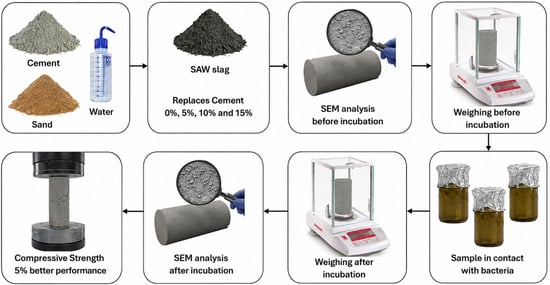
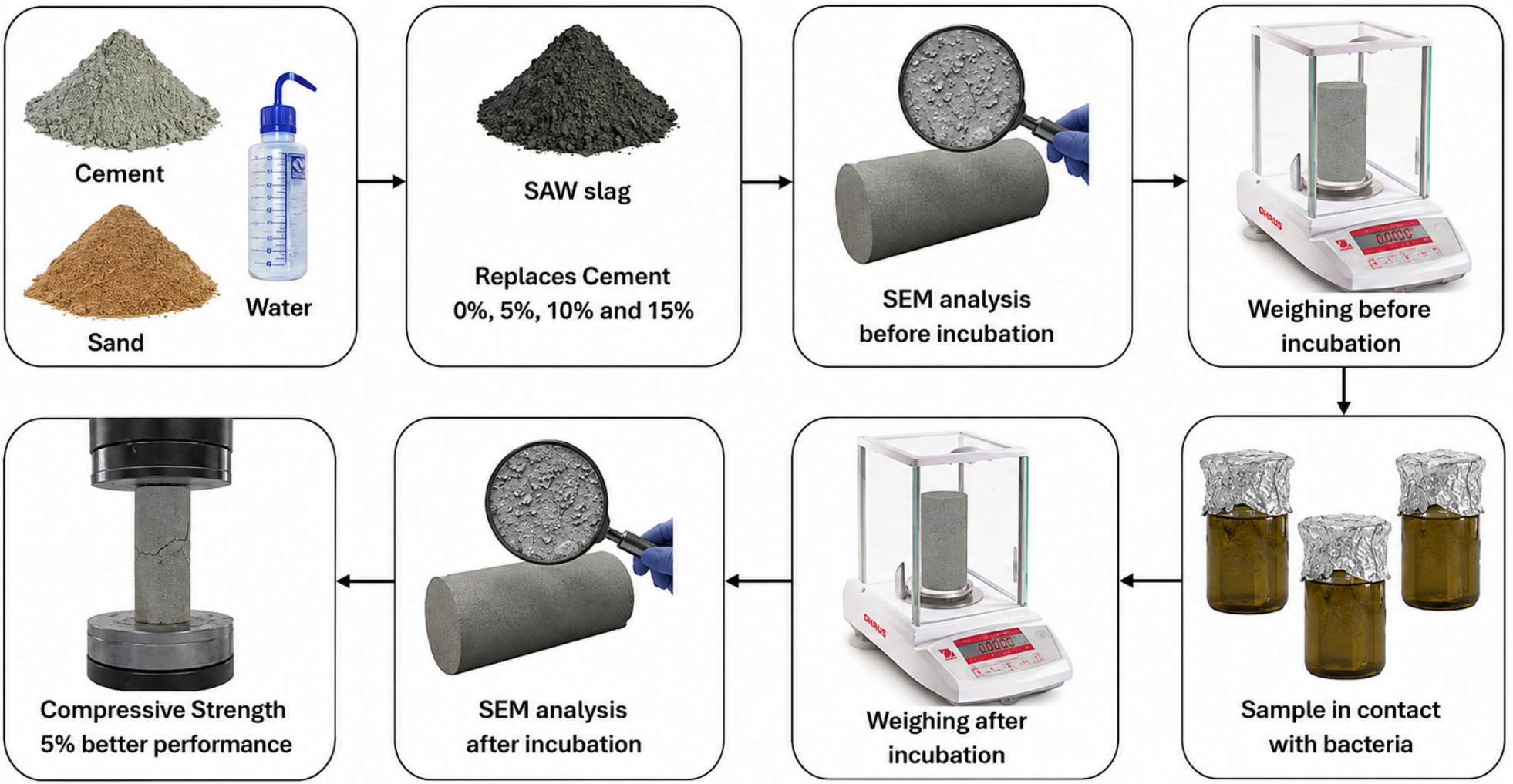
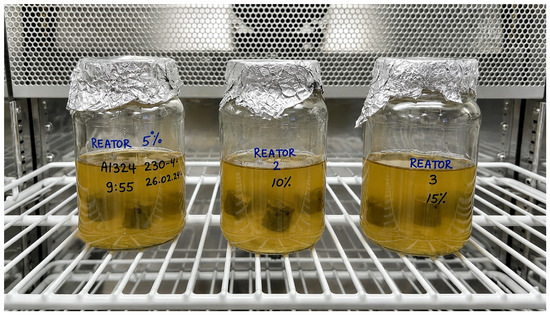
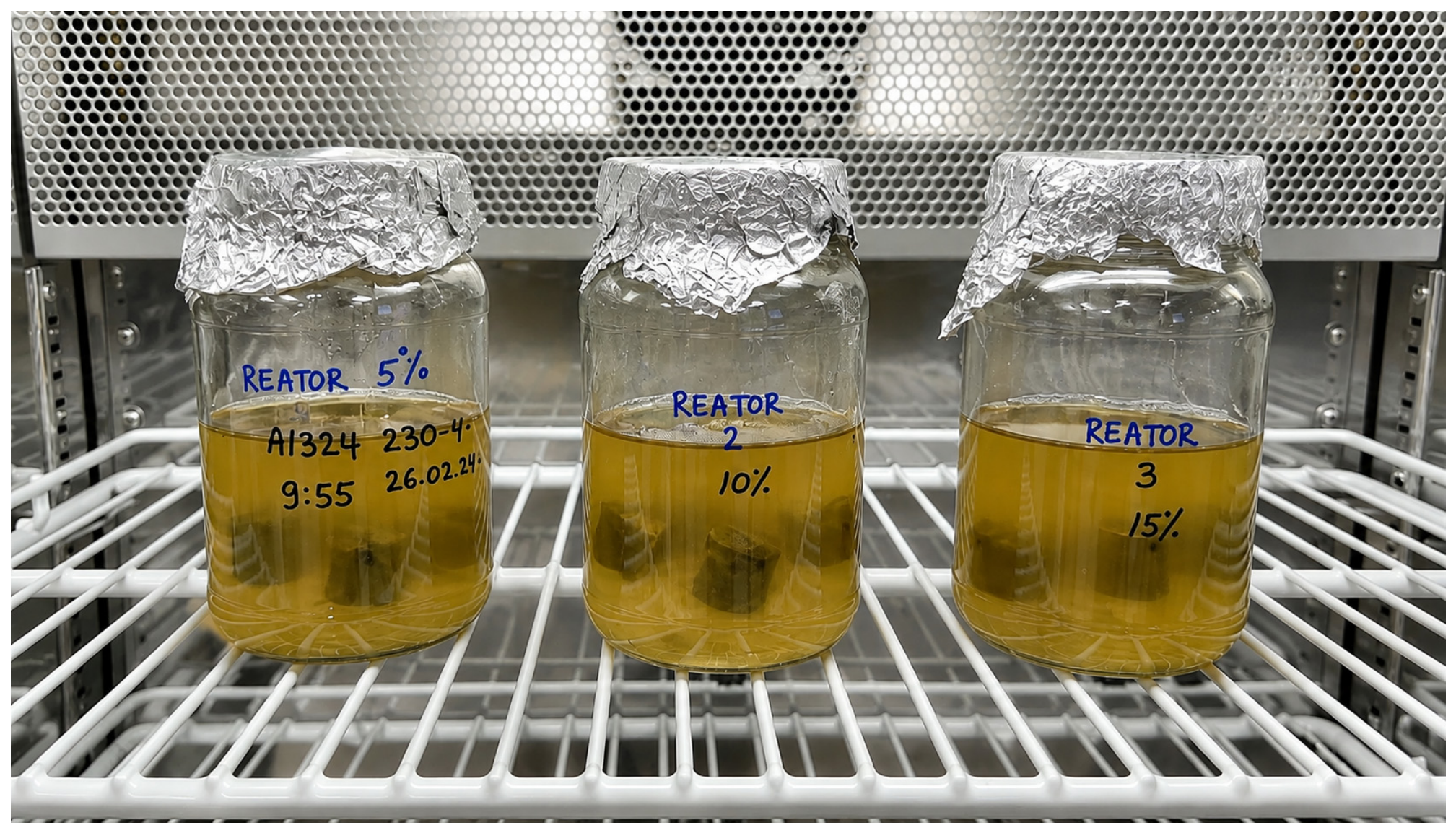
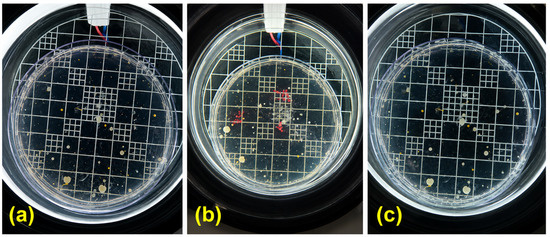
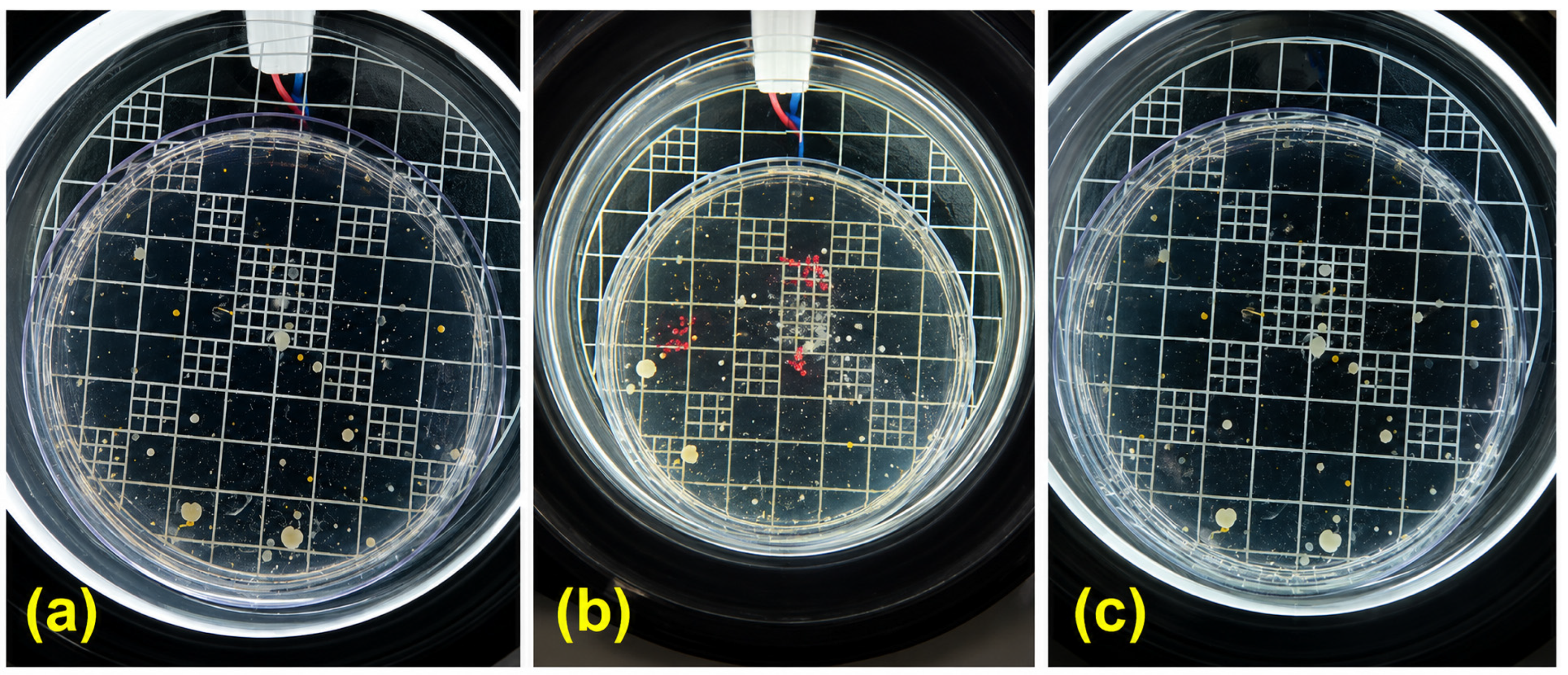
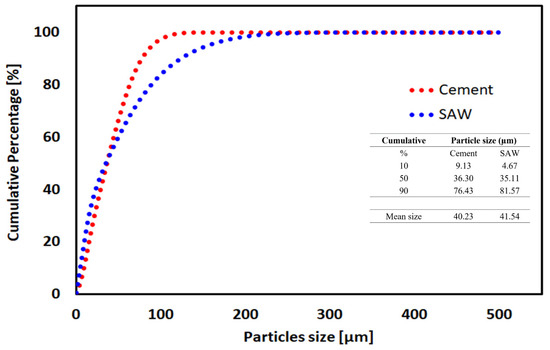
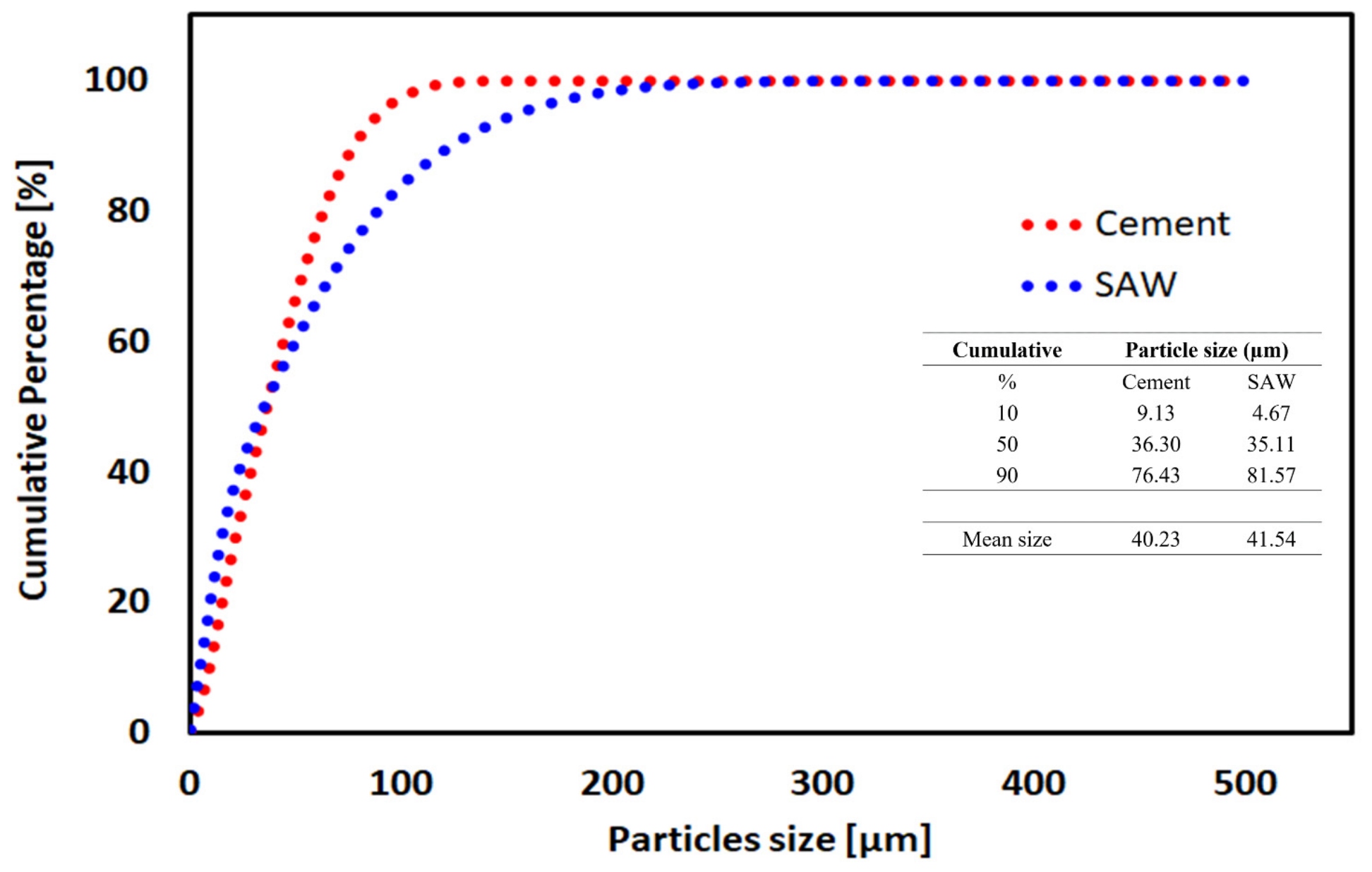
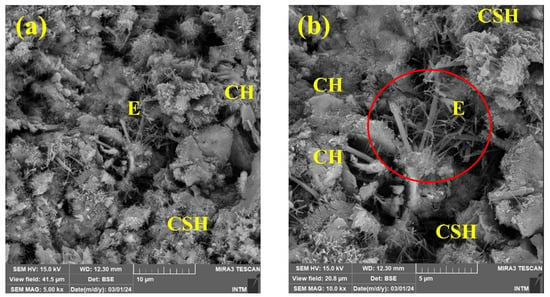
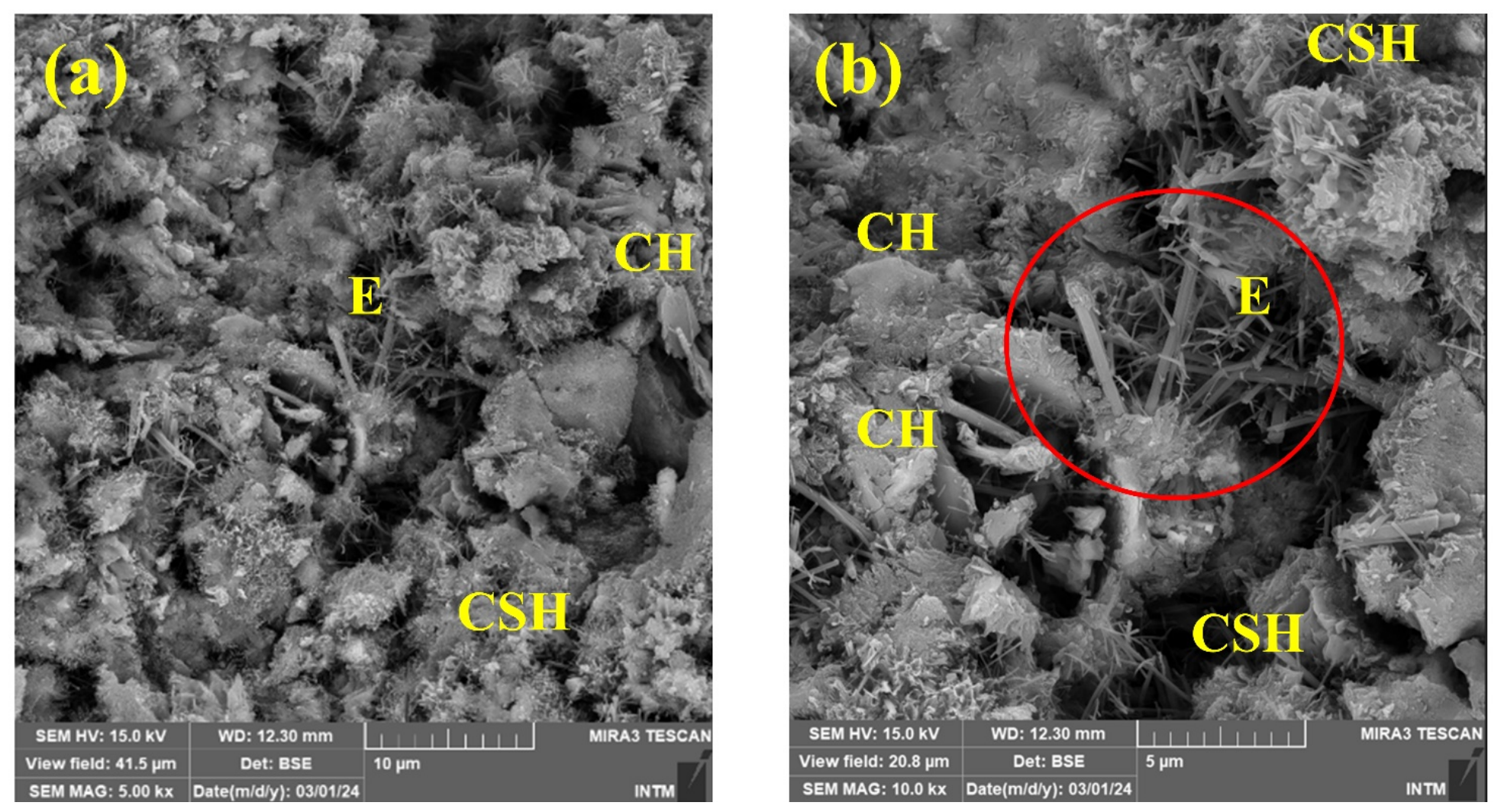
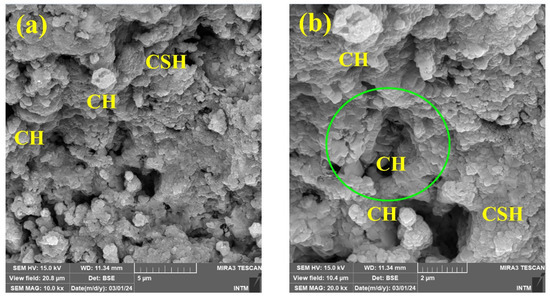
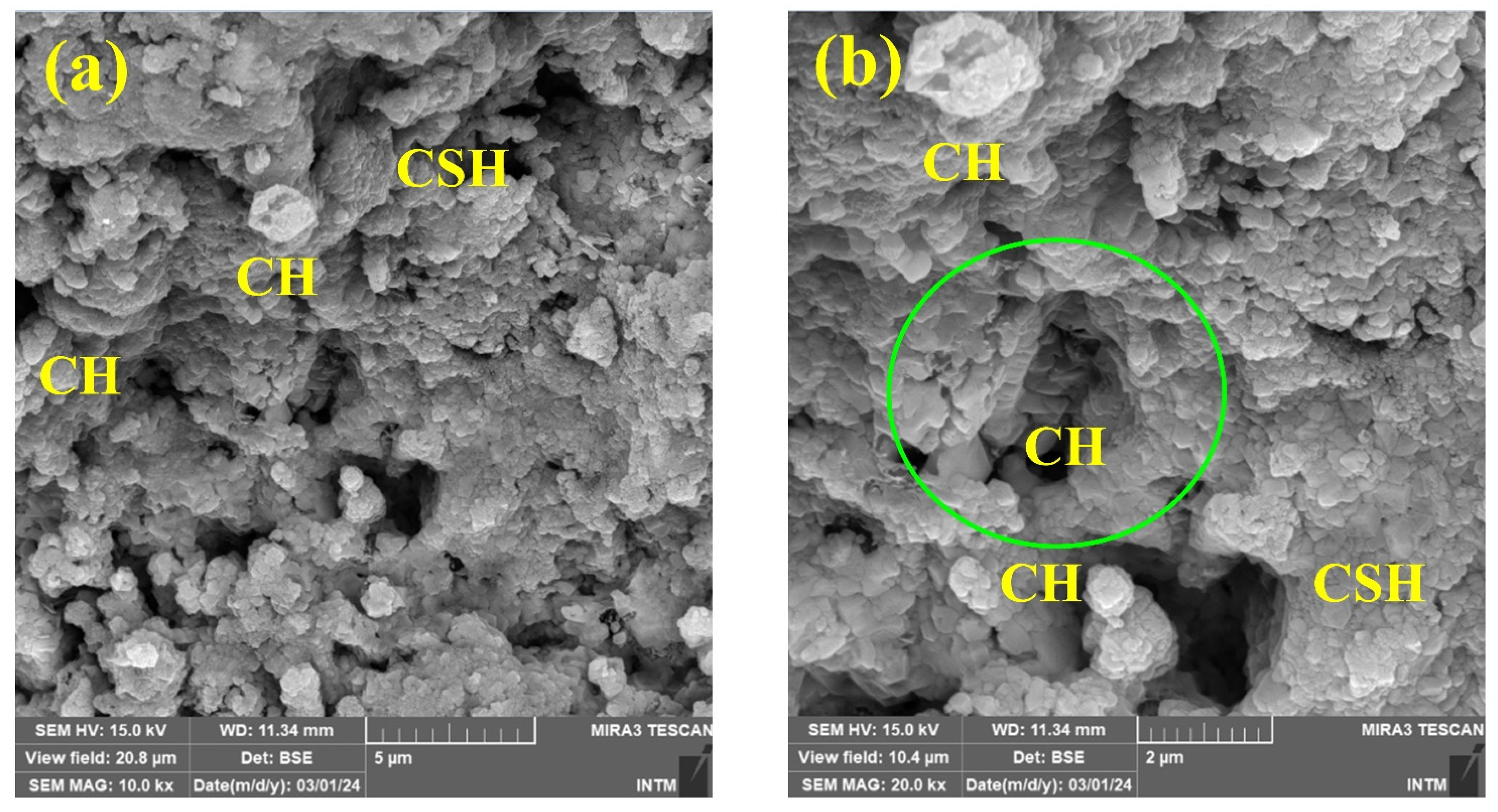
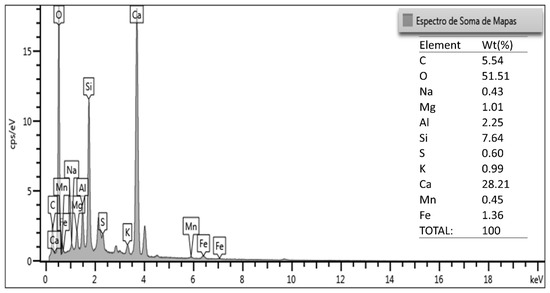
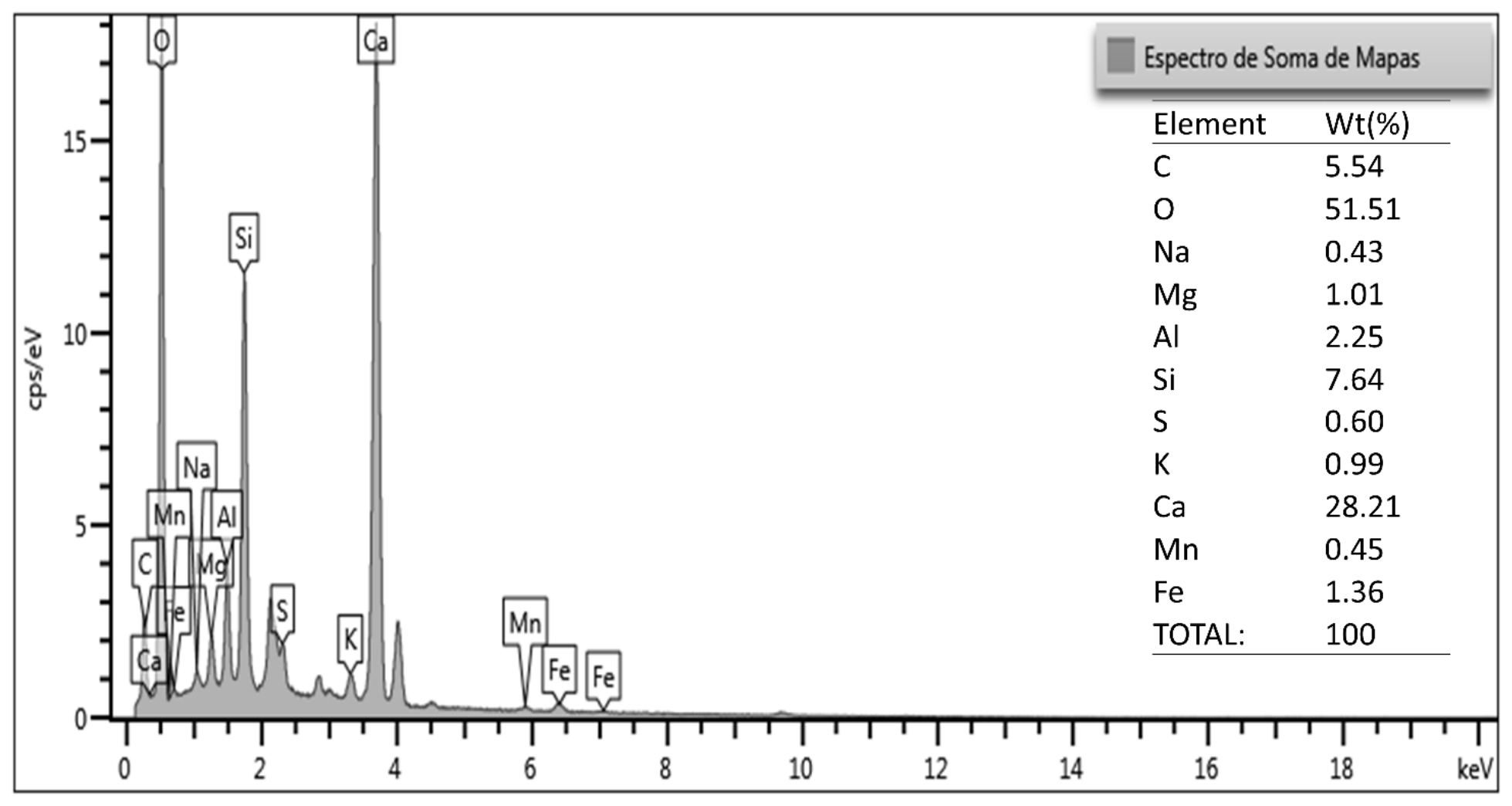
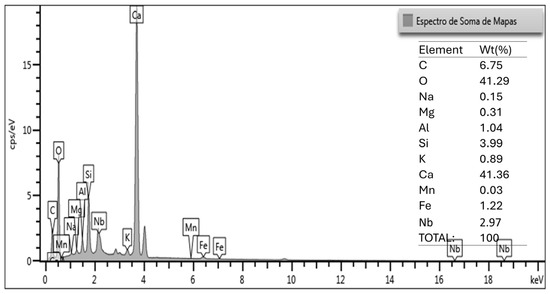
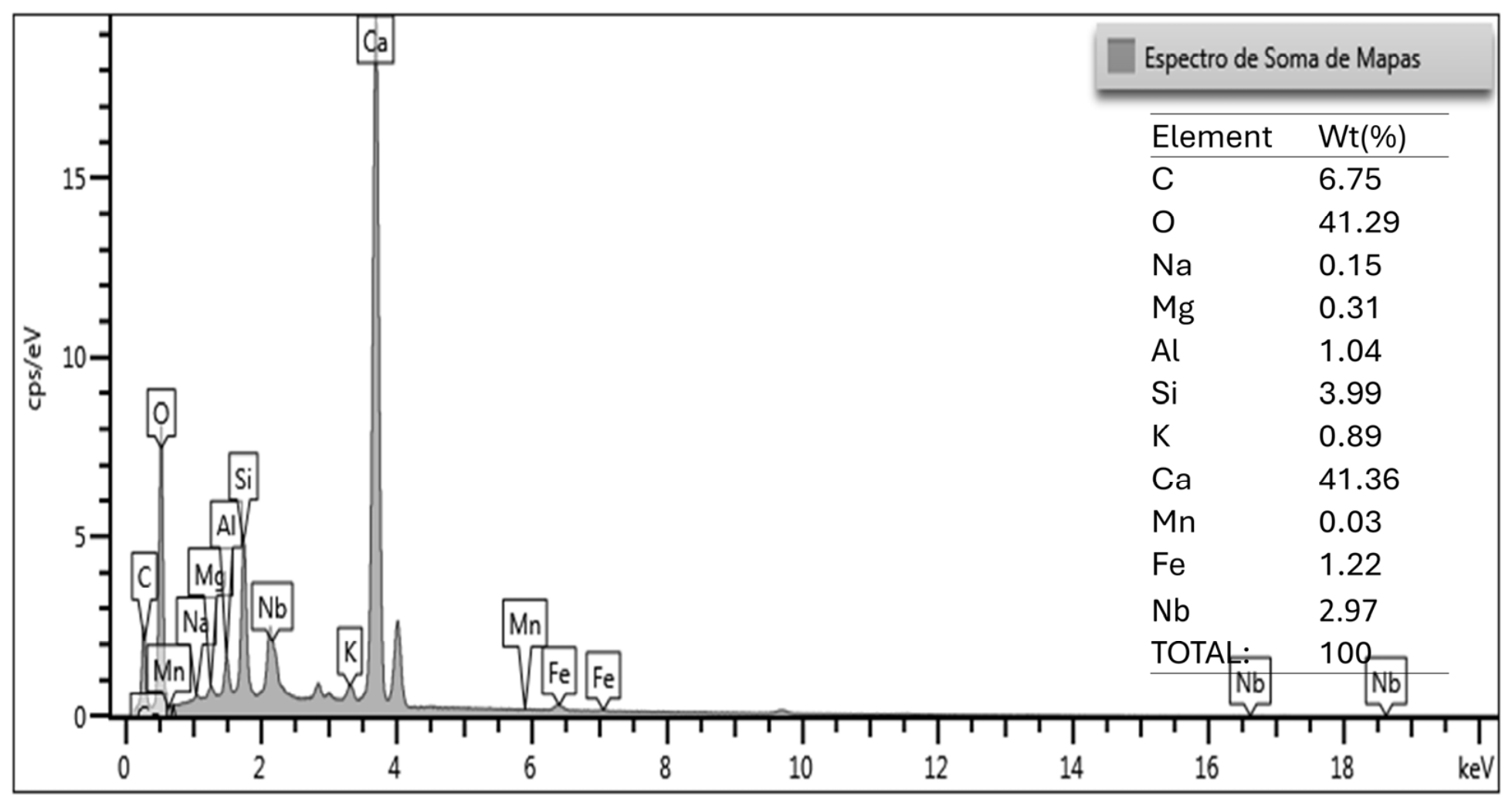
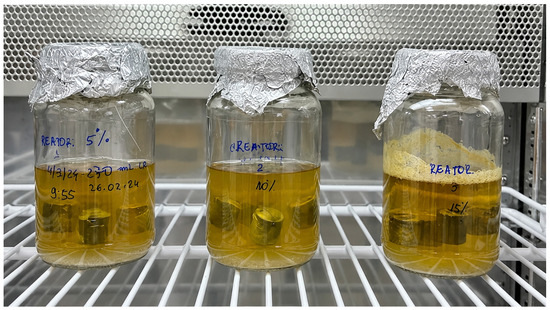
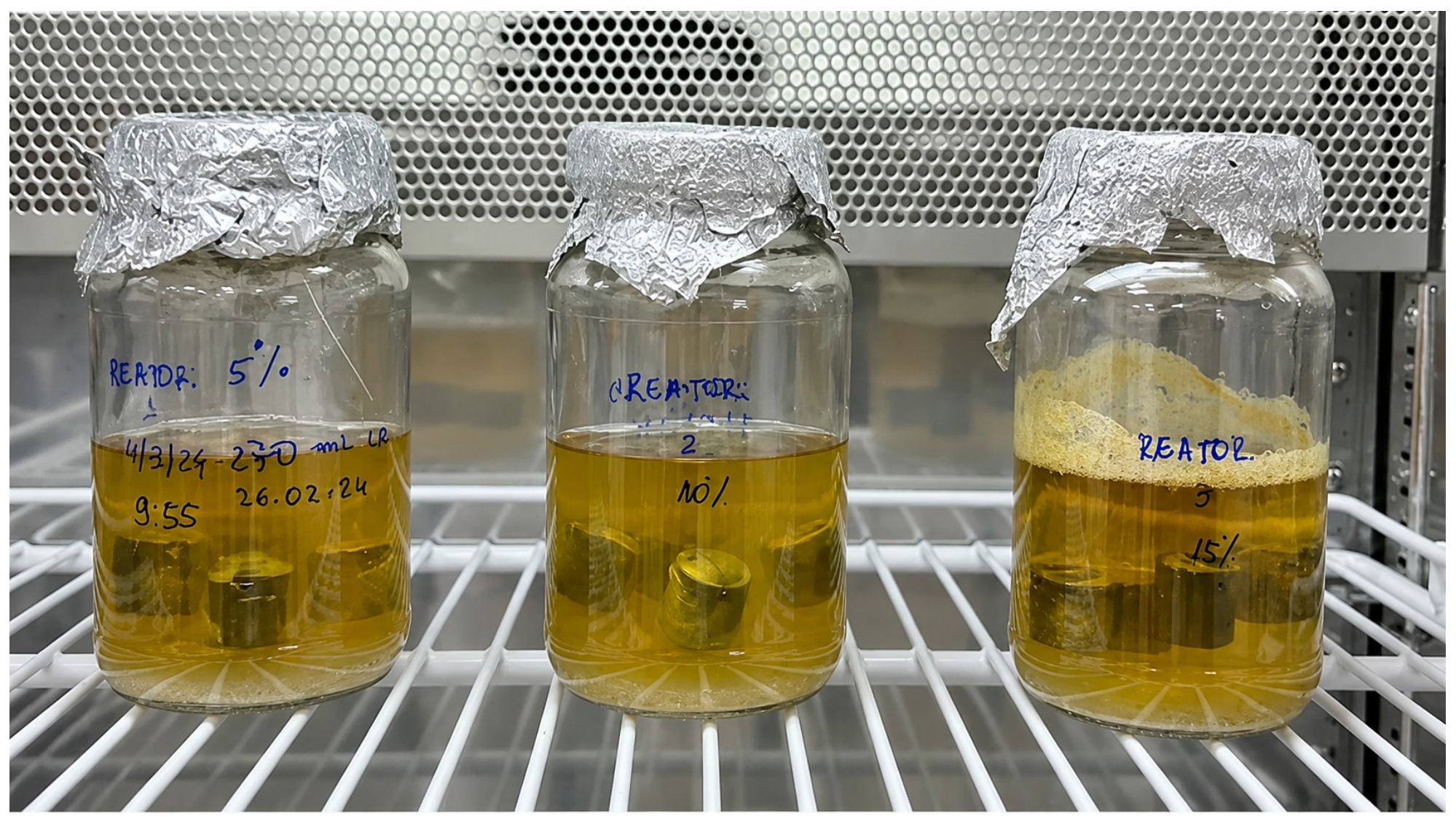
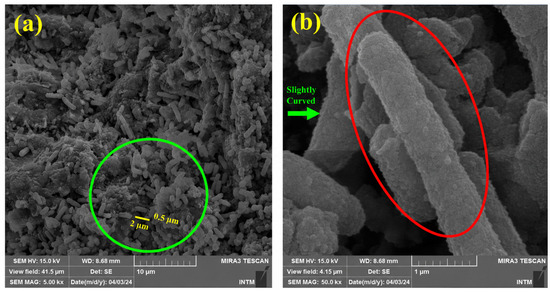
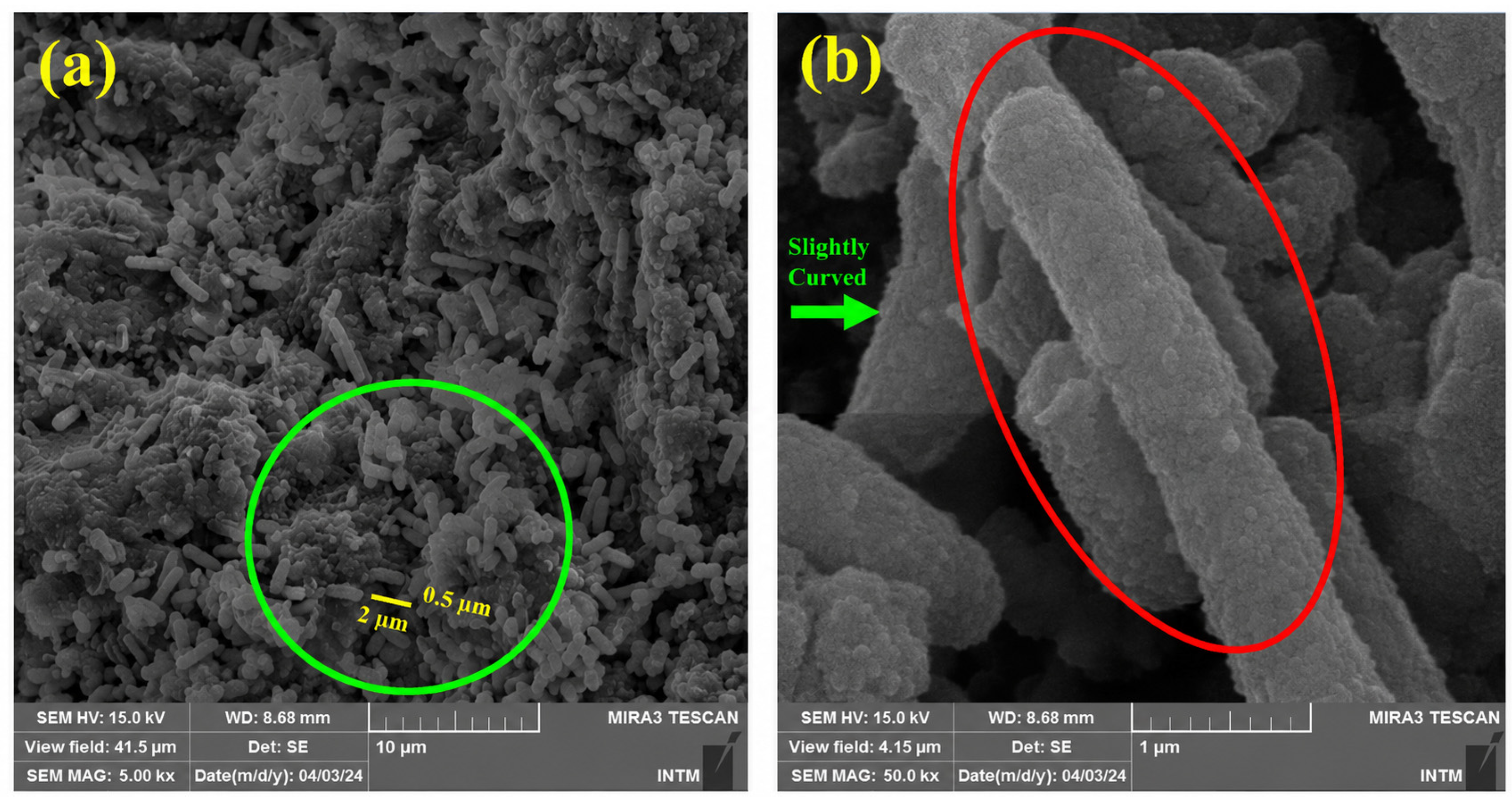
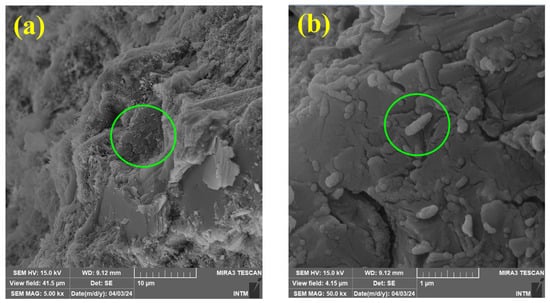
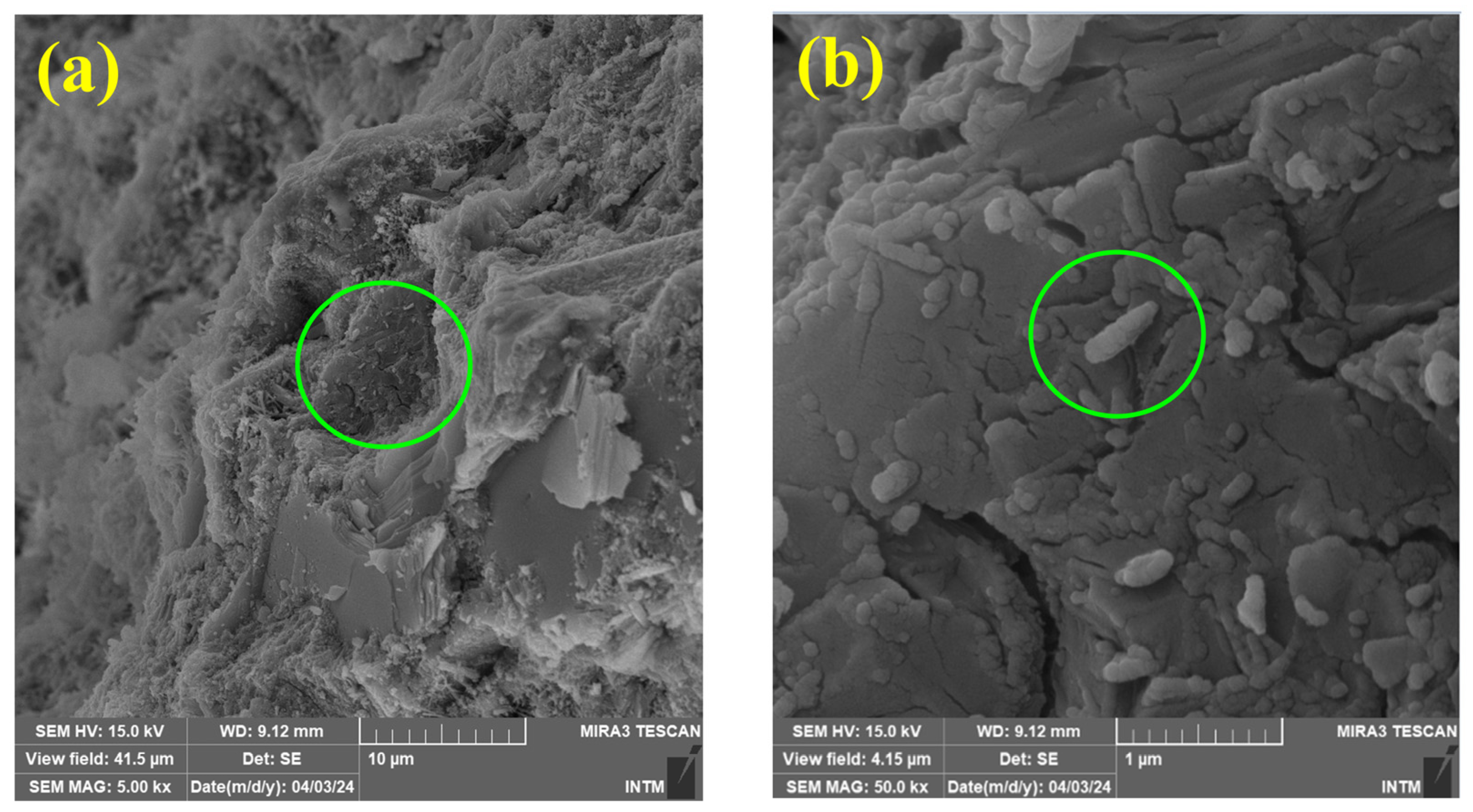
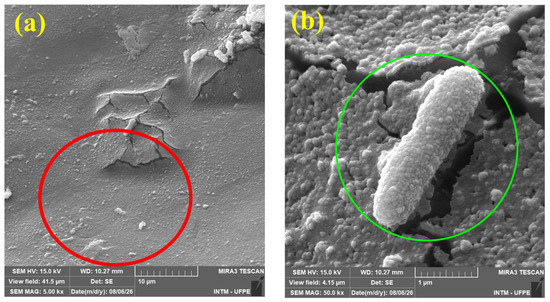
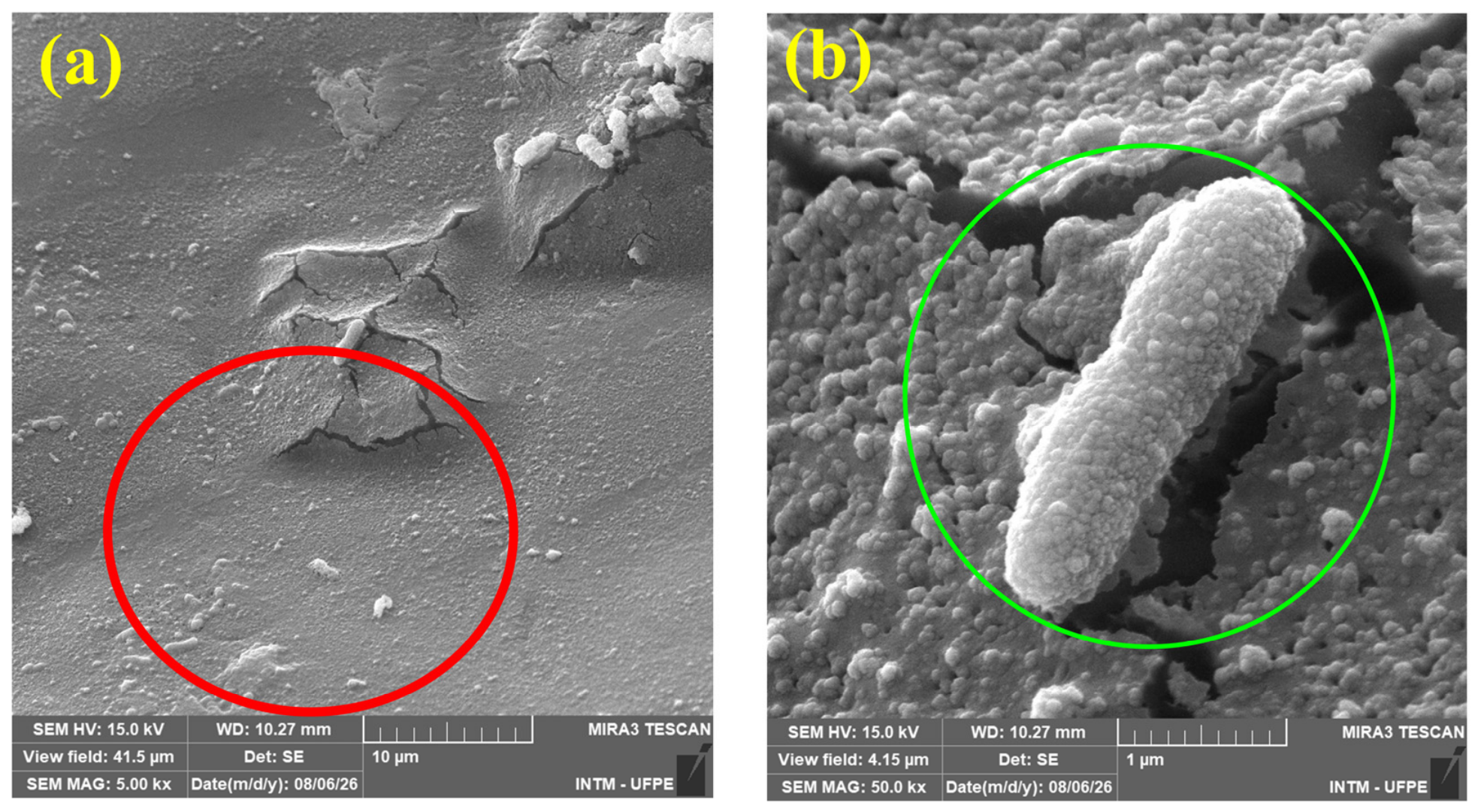
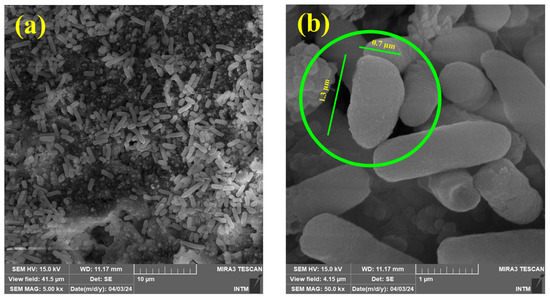
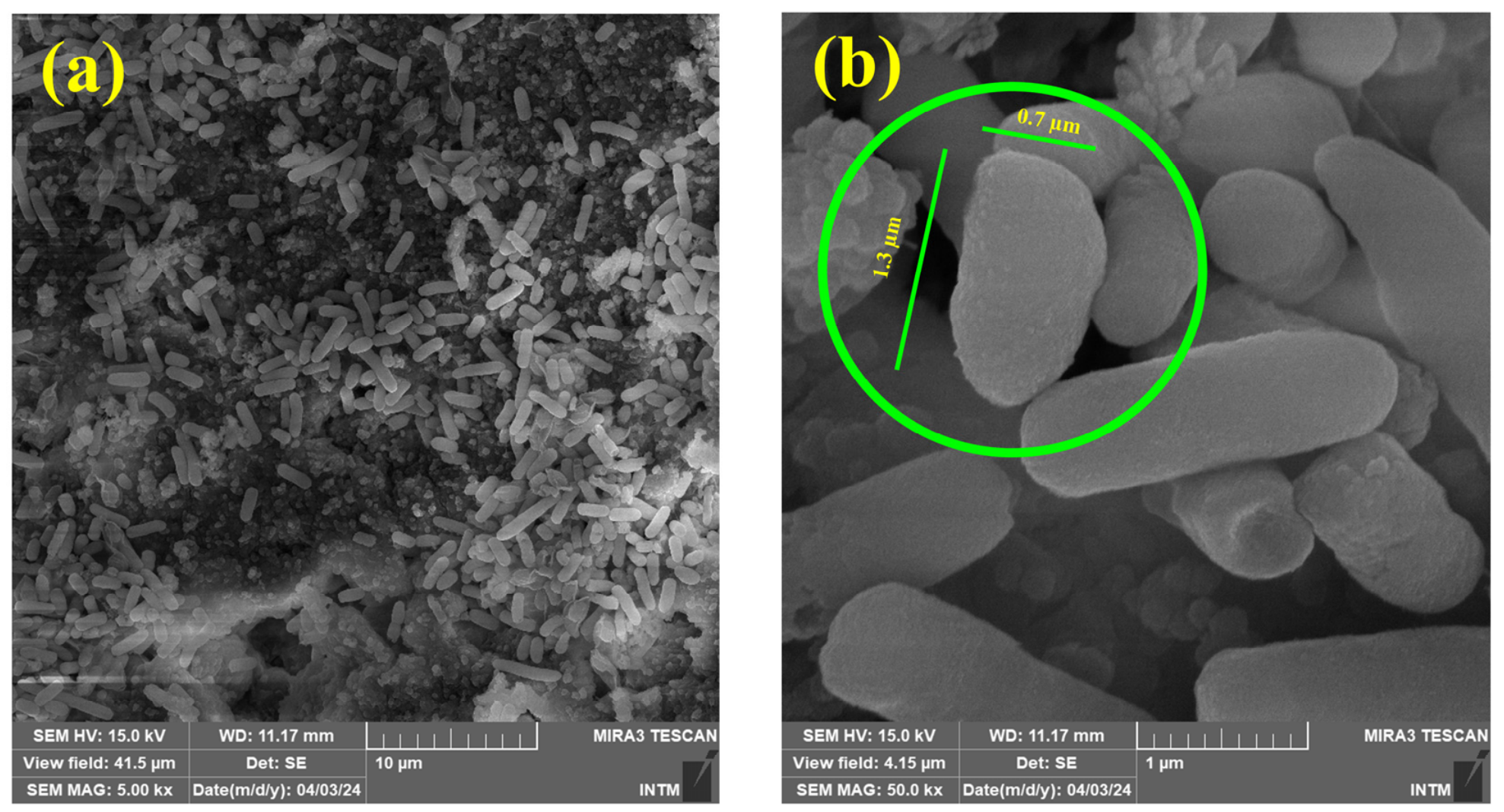
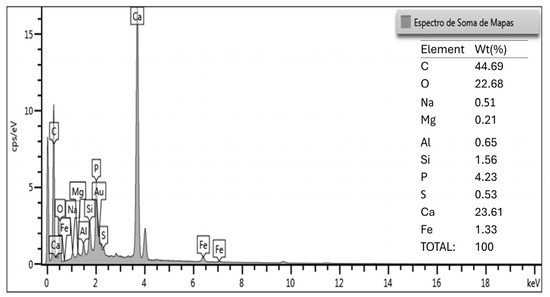
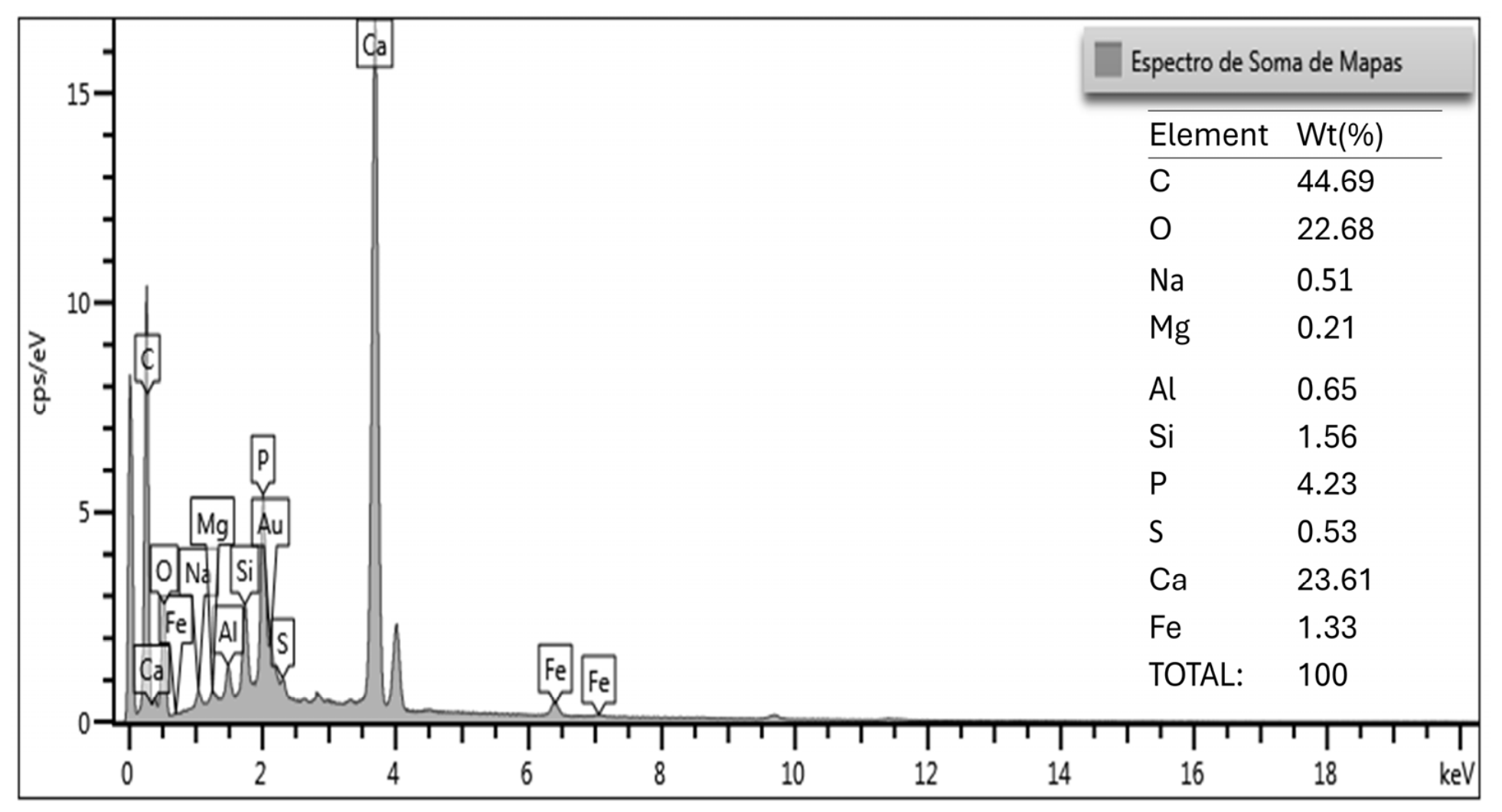
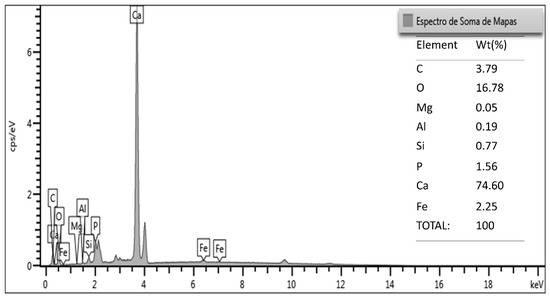
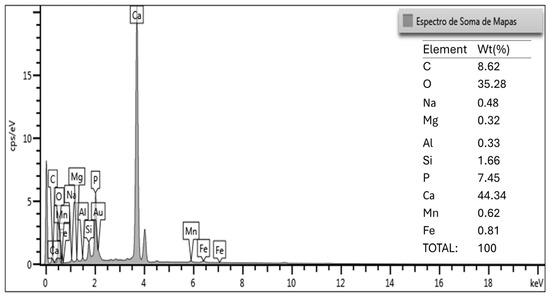
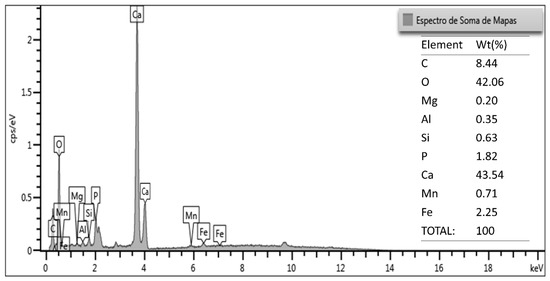
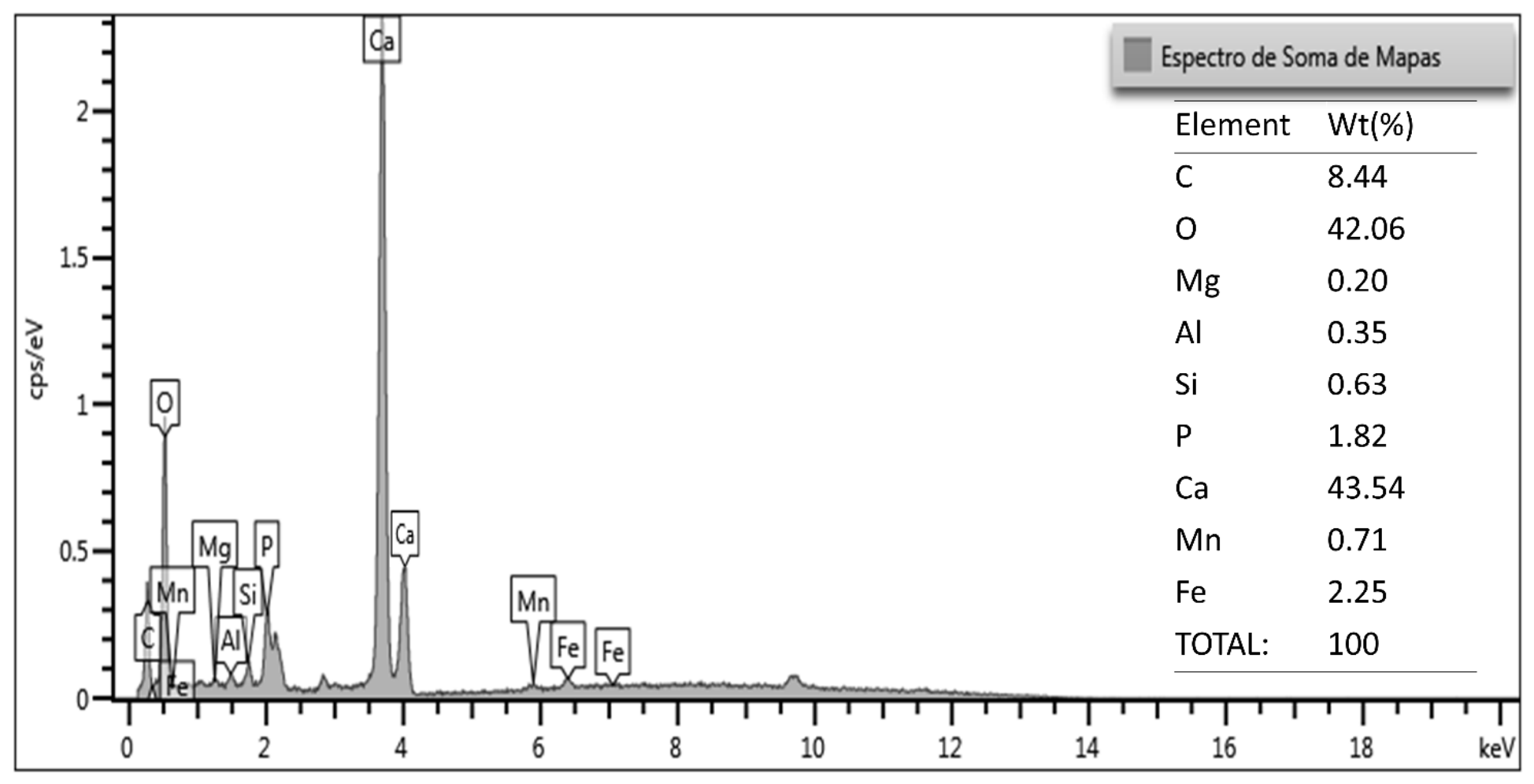
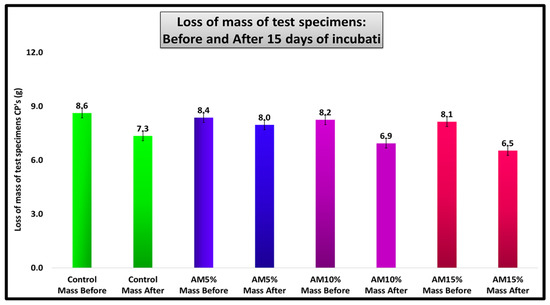
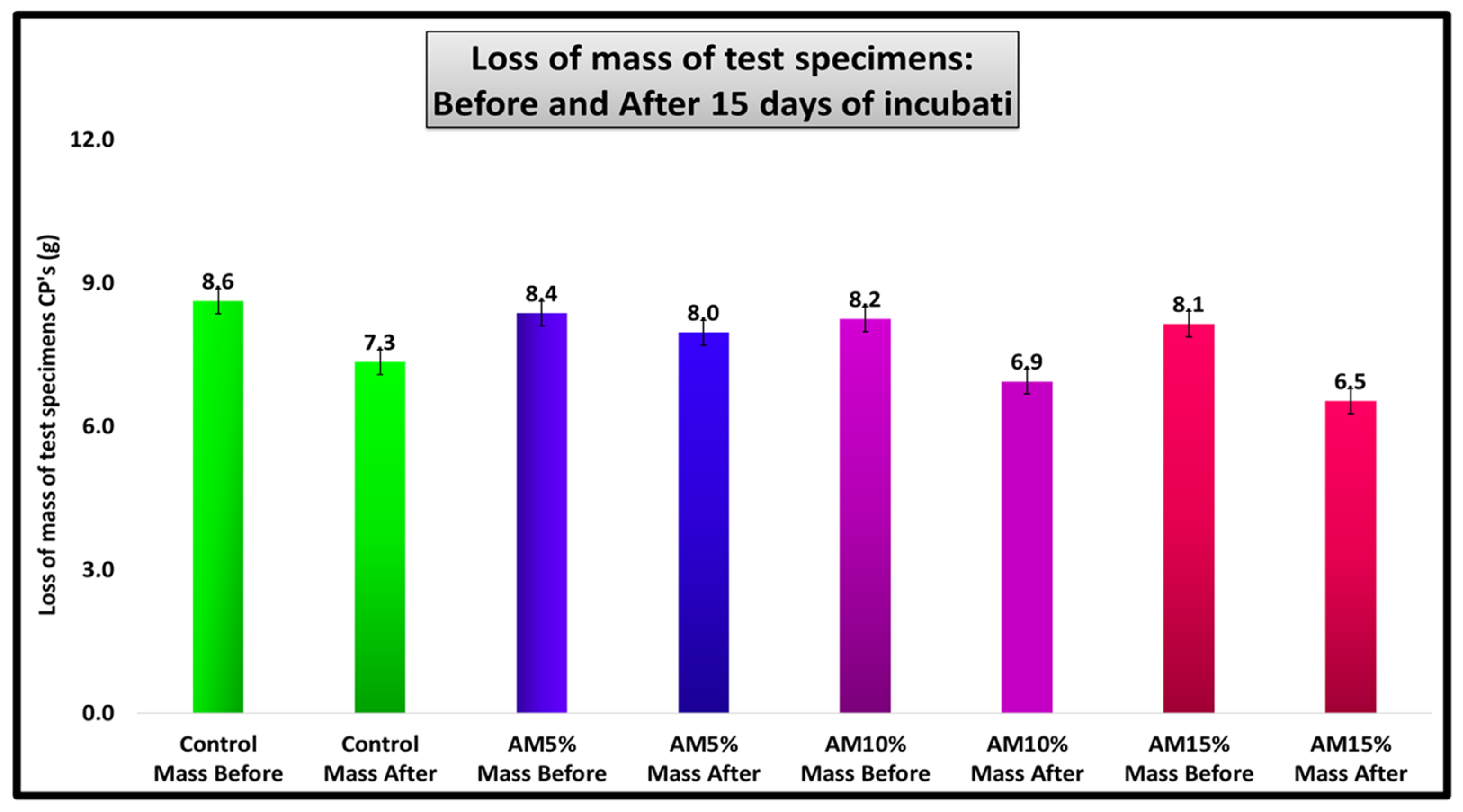
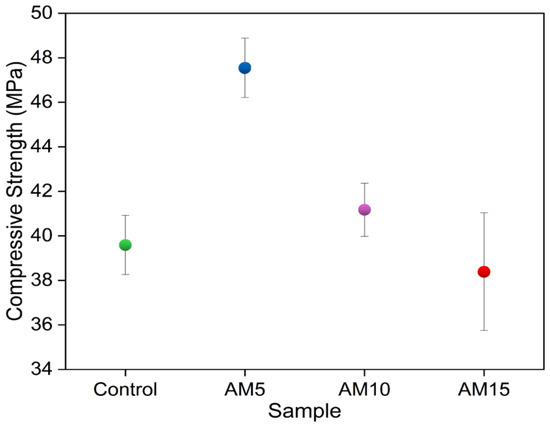

Disclaimer/Publisher’s Note: The statements, opinions and data contained in all publications are solely those of the individual author(s) and contributor(s) and not of MDPI and/or the editor(s). MDPI and/or the editor(s) disclaim responsibility for any injury to people or property resulting from any ideas, methods, instructions or products referred to in the content. |
© 2026 by the authors. Licensee MDPI, Basel, Switzerland. This article is an open access article distributed under the terms and conditions of the Creative Commons Attribution (CC BY) license.