


Abstract
Metal additive manufacturing (AM) plays an increasingly important role in sustainable production owing to its material efficiency, design freedom, and compatibility with circular economy (CE) strategies. Yet the high cost and environmental burden of producing virgin metallic powders remain major barriers to large-scale adoption. This review synthesizes current and emerging approaches for recycling metallic powder feedstocks within AM, organizing them into four pathways: reusing, reconditioning, repurposing, and resourcing. Reusing preserves powders within the AM loop through controlled handling and qualification strategies, whereas reconditioning applies mechanical, thermal or chemical treatments to restore powder properties. Repurposing redirects powder to alternative value-added routes, including wire feedstock, metal–polymer composites, extrusion materials, and elemental or oxide recovery. Resourcing generates new powder from end-of-life powder, printing scrap, and waste through mechanical size reduction, atomization-based processes, or solid-state conversion routes. Across these pathways, the review highlights technological advances, process limitations, and cross-cutting challenges related to oxidation, morphology deterioration, contamination, and scalability, and identifies underexplored methodologies with potential for AM-specific recycling. By integrating insights across the field, this work outlines the expanding landscape of metallic powder circularity and demonstrates how diversified recycling strategies can reduce environmental impact, lower material costs, and support a more sustainable AM ecosystem.
Keywords:
metal powder; reusing; reconditioning; repurposing; resourcing; recycling; additive manufacturing 1. Introduction
Sustainable development has been interpreted in terms of three main dimensions: economy, society and environment [1]. In this context, the main sustainability benefits of metal additive manufacturing (AM) are its resource and energy efficiency; design flexibility; extended product life via lifecycle engineering and reconfigured value chains; and potential contributions to circular economy (CE) models [2,3]. Still, comprehensive evaluations of sustainability, including other economic, environmental, and social dimensions, remain essential [4].
The CE paradigm has emerged as a viable model to align industrial practices with sustainability. CE promotes reduction of non-renewable inputs, encourages renewable alternatives, and keeps products and materials in circulation as long as possible [5]. The “9R” framework (refuse, rethink, reduce, reuse, repair, refurbish, remanufacture, repurpose, recycle) offers a useful lens for identifying intervention points across product lifecycles [6]. With AM’s layered manufacturing and design freedom, it has the potential to integrate well with these CE principles, especially in reducing waste, promoting reuse, and enabling remanufacturing [5,6].
Despite this potential, the practical integration of AM into CE models remains underexplored. Questions persist around the feasibility, required methods, and actual sustainability gains of such integration [5]. AM’s green image, due to low material waste and potential for energy efficiency, is often counterbalanced by the high cost and energy expenditure of feedstock (specifically powder) production, especially in metal AM [7]. Today, CE models increasingly rely on material recycling and energy reduction to meet the UN’s Sustainable Development Goals, but conventional AM powder production still requires substantial energy and emits high carbon emissions [8].
Powder production methods, such as water, gas, and plasma atomization, are essential for creating the metal powder feedstocks used in AM. The quality of the feedstock directly influences the quality of parts produced by AM. Understanding atomization and optimizing it is thus one key approach to improving both performance and sustainability of metal AM [9]. Alternatively, given the energy intensity of virgin powder production, avoiding new material generation via recycling for reuse presents both environmental and economic advantages. Reusing is increasingly being adopted in high-demand sectors like aerospace, automotive, and electronics, helping reduce costs, emissions, and dependence on virgin materials [10,11]. Circular metal AM models that incorporate recycling of raw materials and parts can push production toward near-zero waste and even significant energy savings [7,12].
Recycling in powder-based AM offers a pathway to lower material costs and environmental impact. It transforms low-value or waste materials into useful ones, reducing raw material demand and energy usage while lowering emissions and pollution [7]. By extending the usable life of metal powders, manufacturers can significantly cut costs and minimize the environmental footprint associated with metal extraction and processing [12].
However, recycled powders for reuse may not always meet quality standards and might require further processing, an energy-intensive step that needs to be evaluated from a sustainability perspective [2,13]. Furthermore, the degradation of powder quality depends on many variables, making it difficult to determine a clear end-of-life (EoL) point [13]. Different mechanisms have been suggested for powder degradation during printing that need to be evaluated and addressed when considering recycling: physical/mechanical (deformation, contamination, fragmentation, wear), thermal/chemical (oxidation, sintering, dealloying) and metallurgical (phase transformation, segregation). Considering these deficiencies, the following printing defects could arise as a result: distortions, roughening, cracks, inclusions, delamination, staining, and porosities. These, in turn, would affect surface roughness, microstructure, mechanical properties, and degradation (e.g., corrosion) [12].
There is a growing body of research into extending the lifespan of materials, underscoring the critical need for more efficient and industrially scalable recycling strategies, especially in high-value applications. Review studies have been previously published covering different aspects of recycling in metal AM [2,4,5,10,14,15]. Although multiple studies have examined individual aspects of metal powder recycling in AM, such as powder reuse, material recovery, or specific reconditioning techniques, the field remains fragmented. Several review articles have focused on select recycling approaches or specific materials, offering valuable insights into particular processes or alloy systems [1,9,11,12,16,17,18,19,20,21,22,23]. However, these works typically address only isolated segments of the recycling landscape. To date, no comprehensive review has unified all recycling strategies applicable to metal powders in AM into a single, coherent framework.
The present review fills this gap by introducing four overarching categories of recycling pathways relevant to metal powder-based AM. Within each category, both established methods already explored in AM research and additional techniques drawn from adjacent fields that have not yet been applied to AM but hold considerable potential are synthesized. This review not only synthesizes existing approaches but also establishes a unified conceptual framework for categorizing and comparing recycling strategies in metal AM.
The remainder of this review is organized as follows: Section 2 introduces the four recycling pathways and examines each in turn: powder reusing (Section 2.1), including reusability across different AM methods; powder reconditioning (Section 2.2), covering mechanical, thermal and chemical treatments and fluidized bed reactors; powder repurposing (Section 2.3), spanning friction-stir and sintering-based processes, wire and filament production, elemental recovery and further alternative uses; and powder resourcing (Section 2.4), addressing the production of new powder from EoL powder, printing scrap and AM waste. Section 3 discusses the findings across four themes: a comparison of the pathways and their cascading sequence (Section 3.1), process-specific degradation and end-of-life criteria (Section 3.2), technological trade-offs between energy demand and powder quality (Section 3.3), and industrial qualification, traceability and digital tools (Section 3.4). Section 4 summarizes the main conclusions, and Section 5 outlines directions for future research.
2. Recycling Routes Related to Metallic Powder Feedstocks in AM
Because the recycling pathways described below apply across several powder-based AM processes, it is useful to first identify the processes considered and how each interacts with powder. Powder bed fusion (PBF) builds parts within a full powder bed and is subdivided by energy source into laser powder bed fusion (LPBF) and electron beam powder bed fusion (EB-PBF); in both, the loose powder surrounding the part is exposed to elevated temperature, affecting its thermal history [24], most severely in EB-PBF, where preheating could also partially sinter the powder [25]. Binder jetting (BJT) also employs a full powder bed, but parts are formed by selective binder deposition at room temperature, so the surrounding powder undergoes no melting and is recovered before any sintering stage [26]. Directed energy deposition (DED) does not use a bed: powder is delivered into a melt pool directly [27], and the recoverable fraction consists mainly of uncaptured overspray.
The recycling techniques described in the following sections are, for the most part, not specific to any one of these processes. Process identity matters principally at two points in the framework: in determining when a powder is judged to have reached the end of its useful life within its original process, since thermal history and specification limits differ; and in determining which process can subsequently accept the recycled material. The pathways are therefore presented by recycling route rather than by process, with the relevant process noted where a technique has been demonstrated for a specific case.
In this context, recycling involves converting used, waste, scrap or EoL raw materials and products into AM feedstock, or into material input for other manufacturing routes, including non-AM processes such as thermal spray, powder metallurgy, and metal injection molding, or for elemental recovery. There have been attempts to distinguish these previously [16], but to avoid terminological confusion, four categories of recycling relevant to powder-based metal AM are outlined below:
- Reusing: This refers to the repeated use of a single powder batch (initially virgin and then used) across multiple cycles in an AM machine, typically until it falls outside predefined specifications. Reusing takes advantage of any powder remaining outside the printing geometry. Depending on the process, this material is more precisely described as unmelted powder in PBF and DED, and as unbound powder in BJT; where the discussion applies to all powder-based processes, it is referred to here collectively as loose powder.
- Reconditioning: This refers to the recovery of non-reusable EoL powder through mechanical, thermal or chemical processes that alter its morphology, chemistry and/or microstructure, resulting in a metal powder suitable for re-entering the printing and reusing cycles. Unlike reusing, reconditioning therefore involves a deliberate modification of the powder itself rather than its separation and requalification alone. Mechanical routes reshape or deagglomerate particles, thermal routes remelt and spheroidize them in flight or within a powder bed, and chemical routes target surface contamination and dissolved oxygen. The reconditioned powder is intended to meet the specifications of the same, or another, powder-based AM process.
- Repurposing: This involves modifying reusable or EoL powder for other applications, such as employing it as input in fabricating feedstock types other than initial powder, in engineering or industrial processes or for extracting valuable metals. Here, the powder leaves its original process and, in most cases, leaves the powder form altogether: it may be consolidated into wire or filament, incorporated into polymer or metal–matrix composites, used as a reinforcement or reducing agent, or dissolved to recover its constituent elements or oxides. Repurposing therefore accommodates a wider range of powder conditions than reusing or reconditioning, since AM feedstock specifications no longer apply, but it also entails the loss of the powder’s original function.
- Resourcing: This category encompasses the production of metal powder from waste generated during AM processes, such as faulty components (post-production), support structures and EoL powder. Rather than restoring an existing powder, resourcing returns the material to a feedstock state through routes such as mechanical size reduction, atomization of remelted scrap, or solid-state conversion. It therefore closes the loop most completely of the four pathways, since the output is new powder rather than treated powder, but it is also the most energy- and equipment-intensive, and the resulting material must be qualified as new feedstock before returning to a powder-based AM process.
The four recycling routes discussed in this review represent complementary approaches rather than independent solutions. Their practical implementation depends on the condition of the powder, the requirements of the intended application, and the available processing infrastructure. Understanding the interplay between these pathways is essential for developing integrated circular strategies in metal additive manufacturing.
2.1. Powder Reusing
Powder reusing strategies aim to optimize the reutilization of loose metal powders to produce high-quality 3D-printed parts while maintaining agility. Each strategy comes with its own advantages and limitations, depending on how it is implemented. In industrial production, one of the key factors is powder batch traceability, alongside simplicity and low material loss. The most common strategies used in both industry and academia are the single-batch method, the collective aging method, and the replenishment method, which require a physical sorting step (such as magnetic separation, air classification, and sieving) followed by optionally drying and mixing [12,19].
Mechanical separation strategies are commonly used to remove large particles and contaminants. Two main techniques include:
- Sieving: The most widely adopted approach involves passing powder through a mesh to classify particles by size. Often paired with other techniques, it is effective but may cause particle damage due to mechanical wear and introduce contamination from the equipment.
- Centrifugal separation: This relies on density differences to separate particles, though it is less effective for fine contaminants and is rarely used in current AM workflows due to its suitability for larger volumes [12].
Powder-based AM processes impose strict requirements on material properties such as chemical composition, particle size distribution (PSD), porosity, flowability, morphology, and apparent density. As the quality of metal powder critically affects the consistency and performance of AM parts, sourcing high-quality powder is essential, justifying the use of virgin powder. Despite the rapid growth of the metal powder market, accessing virgin powder remains both challenging and costly. Reusing powders not only alleviates supply constraints and reduces costs but also contributes to the reliability and sustainability of AM processes [4,20].
However, powder degradation during manufacturing, physically or chemically, is inevitable, with common issues including oxygen pickup, morphological changes, PSD shifts, and reduced flowability. Researchers have also pointed out the contamination risk that could come from powder handling and cross-contamination with other powders [18]. The possibility of altered physical or chemical properties compared to virgin powder necessitates rigorous assessment before reusing. A five-step protocol is typically followed to determine reusability, evaluating parameters such as PSD, circularity, chemical composition, flowability, and tap density. Based on these evaluations, separation methods, particularly sieving, are employed to recover reusable fractions [21]. The success of powder reuse depends on multiple factors, including the initial quality of the feedstock, the extent of powder degradation, the specific process parameters, and powder handling techniques. Reusing is feasible only when the powder supports stable AM operation without compromising part quality over successive cycles. While powder reuse provides substantial economic and environmental benefits, it must be carefully controlled to ensure it does not negatively impact the performance of the printed parts [21,28].
Reusability depends not only on the AM method and its consolidation process; it also depends on the material type: for instance, chemical degradation is a major concern when recycling titanium and aluminum powders, whereas steel powders generally retain their properties better. Using chemically degraded powders can negatively impact physical, mechanical, and microstructural properties of printed parts [22,28]. Numerous studies have evaluated degradation through parameters such as morphology, PSD, flowability, and oxygen pickup. There is an abundance of research and review articles already available on the technical details of reusing, and the reader is referred to those, since this will not be the focus of this article [16,17,19,21,23].
2.1.1. Reusability in Laser Powder Bed Fusion
Powder reuse in LPBF is by some margin the most extensively investigated case and has been more critically attended to in PBF-dedicated reviews [18,19,21,29,30]; the following sections therefore concentrate on processes for which reuse has received less systematic attention, drawing on LPBF findings for comparison where relevant.
2.1.2. Reusability in Electron Beam Powder Bed Fusion
EB-PBF differs from other powder-bed processes in that the bed is preheated and lightly sintered during the build; in the case of Ti-6Al-4V, the powder is preheated to around 730 °C and held above 550 °C throughout the build [31]. The surrounding material therefore forms a cake that must be mechanically broken up and blasted, typically with the same powder, in a powder recovery system before sieving and reuse. Between 95% and 98% of the unmelted powder can, in principle, be returned to the process [32], but the recovery step is itself a degradation mechanism, and the reported changes in powder characteristics arise from the combined action of thermal exposure in the bed and mechanical damage during recovery.
Morphological evolution is consistently reported but is not uniformly detrimental. Tang et al. found that particles became less spherical and rougher with increasing reuse, with visible distortion after 16 and 21 cycles, while satellites were progressively removed by the compressed-air recovery step, and the PSD became narrower [31]. Shanbhag and Vlasea similarly attributed deformed, broken and shattered particles to the blasting procedure, and agglomerates to diffusion bonding during preheating, measuring an increase in D10, D50 and D90 after three cycles [33]. Borrelli et al., comparing powder reused approximately 100 times against a rejuvenation strategy, observed that satellites had almost entirely disappeared while damaged particles increased; notably, the internal porosity of the particles themselves decreased after extended reuse [34]. Loss of surface dendritic features and the appearance of chipped, deformed surfaces have also been reported after five cycles [35].
The consequences for flowability are less consistent, and the disagreement is instructive. Tang et al. recorded an unexpected improvement in Hall flow time after 21 reuses, attributing it to satellite removal and to moisture loss during prolonged vacuum exposure at elevated temperature [31]; Borrelli et al. and Soundarapandiyan et al. likewise reported modest improvements [34,36]. By contrast, Shanbhag and Vlasea found that the Hausner ratio, Carr index, basic flow energy and specific energy all increased with reuse, indicating degraded flow, while the dynamic angle of repose and cohesive index decreased [33]. Rather than a contradiction, this reflects the fact that flowability is not an intrinsic material property but a response measured in a particular instrument and flow regime [33].
Chemical degradation is more systematic, and it is what ultimately defines the reuse limit. Oxygen content rises progressively with cycle number: from 0.08 to 0.19 wt.% over 21 cycles [31], by 37% over three cycles with nitrogen rising 44% [33], and to 0.30 wt.% after approximately 100 reuses without rejuvenation, exceeding the 0.20 wt.% limit of ASTM F2924 [34]. Extrapolation of the measured trend suggests the limit is reached after five to six cycles for Grade 5 powder [33]. The pickup is attributed to moisture adsorption during transfer to the recovery system and sieving, and to the dissolution of surface oxides above 400 °C followed by diffusion of oxygen into the particle bulk at the elevated bed temperature [33]; prolonged reuse produces a hard, oxygen-rich “alpha case” around the particles that is more brittle than the particle interior [34]. Because the applicable composition limit differs by material grade, the permissible number of cycles differs accordingly [31].
A further complication is that degradation is not spatially uniform within the bed. Soundarapandiyan et al. found that powder adjacent to the melt zone gained 0.04 wt.% oxygen, while powder at the bed edges showed only marginal oxidation, with the former exhibiting hard-sintered and partially melted morphology and a substantially wider PSD than the latter [36]. Reuse cycle count alone is therefore an incomplete descriptor of powder condition, since a recovered batch is a blend of material with markedly different thermal histories.
The effects on parts are mixed rather than uniformly negative: increased oxygen raises strength and microhardness, while high-cycle fatigue life declines through an increased population of lack-of-fusion defects [31,34,36]. Taken together, the results indicate that the practical end of life for EB-PBF powder is defined by compositional limits rather than by morphology or flowability, a point developed further in Section 3.2.
2.1.3. Reusability in Directed Energy Deposition
Powder circularity in DED is governed by a different set of boundary conditions than in powder bed processes. In blown-powder DED, the feedstock is injected through coaxial or discrete nozzles directly into the laser–melt pool interaction zone, so that the fraction which is not captured has already traversed the beam, the vapor plume, or both before landing on the substrate or collection tray [27,37]. Reported catchment efficiencies vary widely: 40–90% under typical laser-beam DED conditions, falling to as little as 5% for thin walls requiring very small melt pools [37,38], and 20–75% for multi-material deposition [27], so the recirculating stream is normally larger than the deposited mass. Recovery is therefore not an optional economy but a precondition for material viability, and DED is nonetheless generally judged to offer poorer powder recyclability than PBF, particularly where blended or multi-material feedstocks make post-build separation impractical [27]. Two asymmetries should be borne in mind when comparing reuse data across process families: DED studies typically re-run 100% collected powder without topping up with virgin material, unlike common PBF practice [39,40], and many DED cells operate in open or only locally shielded atmospheres [39], whereas PBF is inherently enclosed.
The morphological evolution of DED-recovered powder is consistently reported but modest, and its direction depends on the interaction between thermal damage and the sieving cut. Sphericity of Ti-6Al-4V was essentially unchanged after ten cycles, although fused and fractured particles became visibly more numerous [37]. In AlSi10Mg processed for five cycles, D50 rose from below 80 µm to above 100 µm, while the distribution narrowed and the median aspect ratio increased [40]. Critically, the same study found that ≥99 mass% of the recovered powder still fell within the 45–150 µm working window after every cycle, indicating that coarsening was driven by particle–particle fusion and progressive loss of fines rather than by wholesale degradation [40].
Chemical degradation, by contrast, is both larger and more clearly attributable. Oxygen uptake is the dominant mechanism, and its magnitude appears to be controlled principally by the process atmosphere rather than by the number of cycles per se. Under argon purging, no phase change or measurable contamination arises [37,40]. In an uncontrolled-atmosphere cell, however, three cycles progressively raised powder oxygen content in both super duplex stainless steel and Stellite® 21 [39]. Powder oxidation is likewise an established nucleation source for porosity in DED more generally, and simple drying protocols have been shown to reduce deposit porosity substantially [27].
Taken together, the evidence supports a conditional rather than a fixed reusability limit: super duplex stainless steel tolerated only a single cycle before unacceptable porosity, whereas Stellite® 21 tolerated three [39], AlSi10Mg five [40] and Ti-6Al-4V ten [37] under inert conditions. The determining variables are alloy oxygen affinity, atmosphere control and sieve strategy, not cycle count alone. What remains unresolved, and was already flagged as an open question in early DED reviews, is how many cycles are permissible for a given alloy, how virgin-powder blending shifts that limit, and how flowability evolves over long recirculation histories [27]. Existing studies use single, non-replicated recycling sequences, which limits statistical power and makes the field’s contradictory PSD findings difficult to adjudicate.
2.1.4. Reusability in Binder Jetting
Powder reuse in BJT remains under-researched. BJT does not use thermal fusion, the primary cause of particle growth in LPBF, but it is prone to binder splashing, which promotes agglomeration near the printed parts. This agglomeration alters PSD and can degrade powder quality. Although BJT is often considered to have high recyclability, experimental validation is still needed to support its scalability.
Agote et al. reported a minor oxygen uptake in the SS316L powder, rising from 0.105 wt.% to 0.151 wt.% after 50 reuse cycles, along with a slight broadening of the PSD. Overall, powder flowability showed improvement, while the densities of the sintered parts remained unchanged throughout the 50 cycles [41]. Mirzababaei et al. reused SS316L powder 16 times in BJT and studied the powder and part properties. They noticed coarsening of the particles, increased flowability and only a slight increase in oxygen content due to binder exposure. They also reported higher density and tensile properties when using fresh powder, which was closely followed by the reused powder. Also, a couple of challenges were demonstrated in reusing powder in BJT, including large powder agglomerates due to binder splash and morphological change during depowdering [42].
Zissel et al. studied the reusability of 17–4PH stainless steel powder in BJT, emphasizing how variations in powder characteristics and surface conditions affect both process consistency and the final part’s properties. They evaluated powder degradation over multiple reuse cycles that included drying, sieving, printing, and curing, and compared the resulting print quality and green density with those obtained using virgin powder. They reported reduced green density after 20 reuse cycles, along with increased oxygen content caused by curing in air. They also reported increased PSD and flowability [43].
Bidare et al. analyzed two different stainless-steel powders for reuse. They recorded an increase in humidity of the virgin powder upon exposure to the environment, causing minimal reduction in packing density. Moreover, fine particles were lost even after the first print, caused by handling during printing and after depowdering, which in turn modifies the PSD. They suggested mixing reusable powder with 20–30% virgin powder to ensure the presence of fine particles in the new mixture. This is deteriorated by the effect of binder residue, which creates agglomerates and adds contamination [44].
Janzen et al. studied powder recycling in BJT using a Ti64 alloy meant to be used in the medical sector. They reported minimal change in PSD and enhanced flowability after four reuse cycles. In their procedure, they incorporated a drying treatment step for the virgin powder in the first use to reduce the water content. They also did 15 simulated reuse cycles of the powder (without printing) to expose it to multiple thermal steps, i.e., drying and curing. This was to measure the impact on oxygen and nitrogen pickup of the powder, which was reported to be minimal [45].
2.1.5. Reusability Across Different AM Methods
Reusability is also not necessarily confined to the original process: because feedstock requirements differ between AM methods, EoL powder from one process can in some cases be transferred directly to another, a strategy referred to here as cross-process reuse, whose prospects are examined further in the Section 5 (Future Directions). Nonetheless, chemical composition and morphology also play a critical role in cross-process compatibility [46].
Metal powder waste or EoL includes loose or repeatedly used powder that has been exposed to high temperatures and suffers chemical and physical degradation. Such deterioration can reduce recyclability and negatively affect part quality, causing porosity, microcracks, and increased partially melted particles [6]. These powders may be better suited for reconditioning, repurposing or resourcing rather than direct reuse.
Overall, the reviewed studies indicate that powder reuse represents the most industrially established and immediately applicable recycling pathway in metal AM. Across different processes, reusing can be sustained over multiple cycles when supported by appropriate handling, sieving, and blending strategies. However, a consistent observation across the literature is that reusing is inherently limited by cumulative degradation mechanisms, particularly oxygen uptake, PSD shifts, and morphological changes. While these effects may initially be manageable, they progressively reduce process stability and part quality, ultimately defining a practical end-of-life threshold for the powder. Consequently, reusing should be regarded as a short- to medium-term circular strategy that delays, rather than eliminates, the need for further interventions such as reconditioning or repurposing.
2.2. Powder Reconditioning
To enhance powder reusability in AM, reconditioning methods have been proposed, aiming to rejuvenate waste or EoL powder and restore its original characteristics. Such approaches are generally more environmentally favorable than disposing and can be less expensive than purchasing new virgin powder, leading to significant cost savings depending on the cost of the refurbishing process. However, in many cases, purchasing new virgin powder may be more cost-effective than reconditioning used powder, posing a major barrier to implementation and limiting research progress in this area [7,9].
Research has been conducted on numerous possible solutions to address mechanical, thermal and chemical reconditioning that are meant for different purposes, laying the path to future adoption by industries. There is also the possibility of conducting two or more of these reconditioning methods to gain combined benefits from them. For instance, low-energy, surface-selective treatment can be integrated with reshaping techniques to both enhance flowability and reduce impurity levels.
It should be noted that many of the methods presented here have mostly been used in treating virgin powders that are made with low-cost methods or need an extra step for physical or chemical enhancement in relevant industries that employ powder metallurgy, thermal spraying and AM. Therefore, they have not been widely explored to treat used AM powder, creating unexplored opportunities to take advantage of their potential capabilities.
2.2.1. Mechanical Reconditioning
Among physical properties, powder morphology and PSD have been known to have the most impact on feedstock characteristics, manufacturing process, post-processing and final part properties [47,48]. Treatments have been employed to modify powder morphology towards more spherical shapes, which also tends to affect PSD. Within these methods, collision of particles with each other or elements from the process is the source of modification.
With relatively simple and low-cost operation, along with the possibility of synthesizing a broad range of nano-powders, metal–matrix composite and alloy powders have made mechanical ball milling a preferred option to be considered for powder modification [49]. Xu et al. used low-cost hydride–dehydride (HDH) Ti powders in the ball milling process, where the sphericity of particles increases with no obvious angularity, and the powders showed optimal flowability and apparent density for LPBF [50]. With the same agenda, Hou et al. treated HDH Ti powder and managed to reach high mechanical properties in the printed part. They also reported minimal pickup of O, N and Fe during ball milling and suggested the use of optimum levels of particle control agent (PCA) to avoid agglomeration [51].
Ding et al. treated HDH Ti powder using a fluidized bed reactor (FBR) for morphology and PSD modification (Figure 1). Under high-temperature inert gas flow, dynamic interactions, including collisions, friction, and drag between particles and the surrounding gas phase, were observed in the fluidized system. They realized that using this technique, flowability of the powder increased while the oxygen pickup was minimal [52]. In their study, Tao et al. applied a fluidized bed jet milling method to refine the shape of HDH Ti powders, reducing impurity incorporation and generating localized plastic deformation suitable for LPBF processing. The short-duration treatment, carried out in a nitrogen environment, resulted in better powder flowability and effective impurity control [53].
Figure 1.
Fluidized bed reactor for powder treatment, showing gas inlet, distributor plate, fluidized powder bed, and external heating system. Created with the assistance of Claude (Anthropic, Claude Sonnet 5) and OpenAI Image Generation (integrated in ChatGPT (GPT-5.5)); prompt details are provided in Table S1 (Supplementary Materials).
Mechanical spheroidizing with the possibility of fabrication of composite powder has also been pursued by researchers. Wang et al. used a dry mechanical surface treatment for mechanical surface treatment of irregular copper powders. The particles composite system (PCS) used a high-speed airflow in a ring-shaped impact chamber. It was successful in converting irregular particles into dense spherical ones with significantly improved apparent and tap densities, while decreasing their average particle size [54]. The PCS principles are shown in Figure 2. Gai et al. also used a PCS system that could be operated at 2000–8000 rpm at temperatures from 45 to 75 °C, with a treatment time less than 20 min. They modified the shape of Ti powder by removing the sharp edges, while reducing their particle size. They also used this method to prepare reinforced Cu-based composite material by feeding Al2O3/Cu powder mixture into PCS under an argon atmosphere. This helped to make Al2O3 particles disperse homogeneously inside Cu particles, and spheroidized afterward, accompanied by decreased Cu particle size [55]. Other proprietary equipment is also considered to induce physical changes to precursors in an attempt to produce spherical particles, which have the possibility of reconditioning metallic powder [56].
Figure 2.
Schematic diagram of PCS basic functions. Created with the assistance of Claude (Anthropic, Claude Sonnet 5) and OpenAI Image Generation (integrated in ChatGPT (GPT-5.5)); prompt details are provided in Table S1 (Supplementary Materials).
Runwal et al. took advantage of attrition milling with the help of a stationary rotating disk with high wear resistance to cut out or fracture the powder particles (Figure 3). The cyclic shearing of asperities of the particles during grinding gives rise to loss of material from particle surfaces; hence, irregular particles can be made quasi-spherical using this mechanical system. Irregular-shaped water-atomized powder was fed, leading to an increase in degree of spheroidization from 33.77 to 88.65% [57].
Figure 3.
Schematics of the device used for attrition milling of powder. Created with the assistance of Claude (Anthropic, Claude Sonnet 5) and OpenAI Image Generation (integrated in ChatGPT (GPT-5.5)); prompt details are provided in Table S1 (Supplementary Materials).
A related attrition-based approach is the SMART (surface modification and reinforcement transplantation) process, which produces spherical core–shell powder that cannot be obtained through conventional mechanical alloying. Unlike standard attrition milling, SMART dispenses with milling balls: the feedstock is a bimodal powder in which the large base particles themselves act as the milling medium, deforming the fine supplementary particles upon blade-driven collision. Because the force required for deformation increases with particle size, only the finer supplementary particles deform significantly, a behavior termed size-selective milling. Successive pressure (cold) welding of these deformed particles onto the base powder surface builds up a mechanically mixed shell layer (MMSL), into which additional functional agents can also be loaded (Figure 4). By controlling this mechanism, spheroidized, alloyed, coated (reinforced), and composite powders can all be produced [58].
Figure 4.
Working principle of the SMART process, in which size-selective milling and successive pressure welding of a bimodal powder form a mechanically mixed shell layer (MMSL), yielding spheroidized, alloyed, coated, and composite powders. Created with the assistance of Claude (Anthropic, Claude Sonnet 5) and OpenAI Image Generation (integrated in ChatGPT (GPT-5.5)); prompt details are provided in Table S1 (Supplementary Materials).
These techniques have been shown to enhance the flowability of irregular powders by smoothing sharp particle edges through high-speed mixing or high-shear milling. However, the resulting particles are only semi-spherical, which may restrict their usability in certain applications. Currently, none of these have been employed to recondition used AM powder.
2.2.2. Thermal Reconditioning
Thermal reconditioning is particularly useful in addressing morphological degradation, where powders, originally spherical due to gas atomization, become distorted or agglomerated during printing, resulting in larger and less usable particles. Such methods that mostly focus on spheroidization can reverse morphological degradation post-AM through in-flight surface melting, thereby recovering flowability and morphology. It could also lower porosity by remelting and re-solidifying the powder particles, increasing powder density. The earliest research on this approach dates back to the mid-20th century, where particles were reshaped by dropping them through vertical furnaces [59,60].
Bao et al. applied high-temperature remelting spheroidization (HRS) to transform irregular copper powders into spherical forms. The method involves melting particles as they descend through a hot zone and allowing surface tension to reshape them before rapid solidification in a cooled region under a reducing atmosphere. As depicted in Figure 5, the controlled temperature profile enhances homogeneity, reduces elemental loss, and produces high-quality spherical powders, which can also serve as recycled AM materials [61].
Figure 5.
Schematic diagram of HRS process. Created with the assistance of Claude (Anthropic, Claude Sonnet 5) and OpenAI Image Generation (integrated in ChatGPT (GPT-5.5)); prompt details are provided in Table S1 (Supplementary Materials).
Bao et al. later developed the flash remelting spheroidization (FRS) technique to generate high-quality spherical powders while overcoming limitations of conventional atomization and plasma spheroidization. In FRS, irregular particles are melted as they descend through a high-temperature region, forming spherical droplets under surface tension and solidifying upon cooling. Using pre-existing powder as feedstock, the process introduces minimal changes in particle size and avoids the harsh impact of atomization media, which typically causes hollow or satellite particles. The crucible-free design further minimizes contamination. The lower operating temperature of FRS reduces elemental loss and particle damage, making it a mild yet effective method for producing defect-free spherical powders and rejuvenating recycled AM materials. Bao et al. managed to treat water-atomized bronze alloy powder with FRS, increasing flowability and bulk density while decreasing oxygen content using a reducing atmosphere [62].
- Liquid–solid low wettability spheroidization
Lei et al. introduced a liquid–solid (LS) method for producing spherical metal powders. The approach exploits the poor wettability of molten metals on solid powders, enabling the formation of spherical droplets through interfacial and surface tension effects [63,64]. This technique was demonstrated by Cheng et al. using copper, silver, aluminum, copper–tin and copper–zinc alloys, as well as amorphous magnetic iron–silicon–boron materials, highlighting the LS method as a versatile and broadly applicable route. In this method, irregularly shaped raw metal particles are dispersed into a low-surface-energy solid powder material (e.g., graphite) through mixing, where each metal particle is enclosed by the solid powder within a loosely packed structure. The blended powders are then melted under an argon atmosphere, forming spherical particles through liquid–solid interfacial tension during cooling. The spherical metal particles are subsequently collected at the bottom of the container. They also used graphene sheets as a solid surface instead of graphite, leading to a smoother surface of the spherical Cu particles. The particles were fully dense without any cracks, containing oxide and carbon contents of only 0.048 wt.% and 0.0053 wt.%, respectively [65].
Qian et al. investigated the LS method to prepare spherical Ti powder. They introduced Cu to form a low-melting-point alloy and conducted dealloying, sintering and deoxygenation after the LS process. The titanium powder produced by this method exhibits high sphericity, low oxygen content (<0.10 wt.%), and a controllable PSD (15–75 μm). It is suitable for use as feedstock in titanium components manufactured by AM and injection molding. Moreover, the method can be extended to fabricate spherical and spherical porous powders of titanium alloys, such as Ti-6Al-4V [66].
- Plasma spheroidization
Plasma technology has been employed for materials processing and waste treatment. In particular, it is primarily aimed at enhancing powder characteristics by reshaping irregular particles into spherical geometries through surface tension effects in a high-temperature plasma in a controlled environment. It has been used to produce spherical powder for many applications, mostly using direct current (DC) arcs, radio frequency (RF) induction discharges [67,68,69,70] and microwaves [71,72,73] as energy sources, favored for their purity, PSD uniformity and flowability. Inductively coupled plasma (ICP) spheroidization has emerged as a promising technique for reprocessing EoL powders in AM, with the goal of restoring their properties to levels comparable to virgin powders. In this process, as demonstrated in Figure 6, high-frequency induction coils generate high-temperature plasma that melts the outer layers of irregular or degraded powder particles. These molten surfaces form spherical droplets that solidify into finer, more uniform, and highly flowable particles. Key process parameters, including powder feed rate, gas flow rates (central, sheath, and carrier), plasma power, and chamber pressure, interact with initial powder characteristics and collectively influence the outcome in terms of sphericity, yield, chemical composition, and PSD. Despite its benefits, the process is energy-intensive and may introduce new variability in morphology and PSD, which could impact the consistency of downstream AM processes [74,75,76,77].
Figure 6.
Schematic of RF plasma spheroidization and influencing parameters. Created with the assistance of Claude (Anthropic, Claude Sonnet 5) and OpenAI Image Generation (integrated in ChatGPT (GPT-5.5)); prompt details are provided in Table S1 (Supplementary Materials).
Plasma spheroidization has also been observed to produce secondary benefits. This technique enhances both the sphericity and flowability of the powder while simultaneously improving its purity. The purification occurs through selective or reactive vaporization of impurities, achieved by raising the plasma melting temperature and adjusting the composition of the shielding gas [78]. Therefore, it can lower levels of oxygen impurities, which are typically associated with oxide formation. A significant reduction was observed in the levels of oxygen, nitrogen, and hydrogen between the initial feedstock and the resulting processed powder. The combined effect results in a more suitable powder feedstock for AM applications, exhibiting both improved morphology and reduced contamination levels. These claims are supported by the fact that spheroidization could improve flowability, packing density, particle porosity, surface morphology and powder purity [79,80,81]. Further extending the capabilities of PS, O’Dell et al. demonstrated that alloying elements can be intentionally introduced into the feedstock to chemically tailor the resulting powder. For instance, a composite feedstock of pure molybdenum and rhenium was successfully processed into a homogeneous Mo-Re alloy powder using PS, achieving a remarkable 97% reduction in oxygen content. This result suggests that PS can be used not only to enhance powder morphology and reduce impurities but also to achieve chemical compositions that meet or exceed specifications traditionally met by gas atomization [82].
PS has been used previously to treat water-atomized, reaction-processed, crushed or spray-dried powder, demonstrating its capabilities in enhancing powder properties [78]. For instance, Kobiela et al. used an atmospheric plasma spraying (APS) torch, which produces DC arc-based plasma, for spheroidization of irregular tungsten powder particles. They evaluated shape, size and distribution of post-processed powder particles as influenced by process conditions [83]. Also demonstrated by Vert et al., ICP was used for spheroidizing treatment of titanium powder made by the HDH process. The apparent density increased from 1.89 to 2.74 g/cm3, the Hall flow rate improved from 50 to 23 s/50 g, and oxygen content decreased from 3017 ppm to 2100 ppm. These enhancements underline the effectiveness of the technique in producing clean, flowable, densely packed and chemically controlled powders suitable for reuse [76]. Park et al. studied spheroidization behavior of water-atomized SS 316 powder with irregular shape using ICP treatment. The spheroidization process caused a slight decrease in the powder size and a rapid increase in flowability of the powder. Meanwhile, the oxygen content decreased due to the low oxygen partial pressure at the high temperature, and Cr was prone to decrease due to having the highest vapor pressure [84]. Getto et al. studied the effects of PS treatment on the microstructure and mechanical properties of stainless steel 316L powder in LPBF. The treatment improved sphericity and aspect ratio and produced lower porosity and more consistent mechanical behavior compared to normal powder under non-optimized conditions [85].
Supporting these findings aimed towards used powder, Garboczi et al. reconditioned titanium and nickel alloy powders using ICP, reporting quantitative measurements of particle morphology, reduced porosity and improvements in microstructural homogeneity, which are crucial for mechanical performance. For IN718, Oxygen content was reduced, and apparent density was raised after treatment [86]. Nkhasi et al. also reconditioned contaminated Ti64 using a 15 kW Tekna ICP system and reported an increase in oxygen content and unrecovered chemical composition within specification [87]. Sehhat et al. showed that the plasma processing of used EB-PBF copper powder allowed for a strong reduction in the oxygen content of the powder below the level of the virgin powder and at the same time strongly improved the sphericity of the powder [81]. Additionally, Massard et al. showed that PS effectively recycles oxidized 100Cr6 powder, restoring properties comparable to commercial powder. They also evaluated a post-treatment ultrasonic washing step, which was carried out to clean the treated powder. Optimal parameters include a feed rate of 4 kg/h and ethanol washing with vacuum drying, achieving an oxygen content of 281 ppm [88]. Kambara et al. used a hybrid plasma spray system to generate ICP and treat Al-Si-Mg alloy powder, which had been used in AM production 14 times. They managed to increase sphericity while avoiding nanoparticle satellite attachment. The oxygen content was also decreased by 61%, possibly by an atomic hydrogen etching effect [89].
These studies collectively emphasize plasma spheroidization as a promising route for improving powder properties, supporting sustainability in AM, and warranting further investigation into its full potential. However, researchers have identified a number of technical obstacles that must be resolved before inductively coupled plasma (ICP) spheroidization can be scaled up for continuous, high-volume recycling. These include issues such as excessive melting that causes splashing, feed rates that are too high and lead to probe clogging, and irregular gas flow resulting in material accumulation. Such complications can diminish the efficiency of spheroidization, making precise optimization of ICP parameters essential to ensure stable and effective operation [86]. Moreover, after ICP, there is almost always some dust of nanoparticles (soot) covering the particles. This dust is very rich in oxygen and has a negative impact on physical and chemical properties. A washing step has been recommended to address this, which is effective, but adds an extra laborious step to the process [78,88,90]. Another limitation, which is material-related, is that ICP has not been successful in reducing the oxygen content of virgin and EoL Titanium powder [78].
- Beam spheroidization
Murray et al. applied low-energy, high-current electron-beam irradiation to refine and smoothen metal powders without inducing porosity or contamination. Their results showed that satellites present in Stellite 6 powder could be effectively removed, achieving a more spherical morphology through pulsed electron irradiation [91]. Similarly, Zhang et al. produced spherical powders suitable for AM via laser spheroidization combined with coaxial powder feeding (Figure 7). By analyzing the laser–powder interaction, they successfully spheroidized materials such as iron, dendritic nickel, reactive titanium alloys, and refractory tungsten carbide, achieving controlled particle sizes under optimized processing conditions [92,93].
Figure 7.
Schematics of laser spheroidization of metallic powder. Created with the assistance of Claude (Anthropic, Claude Sonnet 5) and OpenAI Image Generation (integrated in ChatGPT (GPT-5.5)); prompt details are provided in Table S1 (Supplementary Materials).
2.2.3. Chemical Reconditioning
Chemical reprocessing has emerged as a promising route for removing surface-level heterogeneities introduced during AM processes, where thermal oxides, surface segregation, or environmental contamination can degrade powder performance. The fate of these surface defects during high-temperature reprocessing techniques like plasma spheroidization remains uncertain. As an alternative, chemical treatments that target only the surface can help restore powder quality without altering bulk particle size or composition. This is especially relevant for highly reactive materials such as copper and titanium, which are prone to oxidation during both high-temperature treatment and ambient handling. When oxygen levels exceed acceptable standards, reconditioning becomes essential. Technologies involving thermochemical and electrochemical methods show promise in reducing oxygen content in reactive metals. Those relevant to metallic powder recycling are emphasized in this section, considering that these methods are also common in treating any kind of sources, such as waste and low-cost manufactured feedstock [7,13,94].
- Granulation–Sintering–Deoxygenation (GSD)
For certain alloys, such as Ti-Ta, producing spherical powders via conventional melting is challenging due to issues like element segregation. To address this, a novel Granulation–Sintering–Deoxygenation (GSD) process has been developed. In this method, fine titanium hydride particles are agglomerated into spherical granules via binder-assisted spray drying, sintered to densify, and then chemically deoxygenated to meet stringent oxygen limits required for additive manufacturing. This multi-step process (Figure 8) enables the transformation of low-cost or scrap titanium into different forms, including powder, into high-quality spherical feedstock. The oxygen content can be reduced to below 0.1 wt.%, which is acceptable for many Ti-based applications [95,96].
Figure 8.
Granulation–sintering–deoxygenation (GSD) process for transforming titanium scrap into spherical Ti-6Al-4V powder with low oxygen content. Created with the assistance of Claude (Anthropic, Claude Sonnet 5) and OpenAI Image Generation (integrated in ChatGPT (GPT-5.5)); prompt details are provided in Table S1 (Supplementary Materials).
In addition to titanium, this methodology has been extended to other alloys. For example, a study successfully demonstrated the production of spherical Co-Cr-Mo alloy powders using low-cost elemental Co, Cr, and Mo powders. These were mixed with a binder, spray-dried into granules, and then sintered in a hydrogen atmosphere. The final product met ASTM F75 standards for biomedical applications, showcasing the versatility of the GSD method in transforming low-value powders into valuable feedstock for AM [97].
- Reactive elements
Deoxygenation of Ti powder has been known as a method to enhance raw material or decontaminate waste [98]. Exposure to elements with stronger affinity to oxygen than Ti, such as Ca in molten or gas form, has been studied, including the deoxidation in solid state (DOSS) process, which is conducted at high temperature using Ca in a Na carrier [99,100,101]. Xia et al. have introduced a low-temperature molten salt calcium deoxygenation of Ti powder. They used commercially pure (CP) Ti powder produced by the GSD process and used metallic Ca granules at temperatures below the melting point of Ca. They managed to reduce oxygen levels from 20,000 ppm to less than 1000 ppm [102]. Mg-based deoxygenation techniques have been applied by adjusting the oxygen potential of the titanium phase. Studies have shown that the oxygen content in α-Ti powder can be effectively reduced using Mg under pure H2 and Ar atmospheres [103]. The ability to achieve deoxygenation at lower temperatures and in shorter durations is particularly advantageous when preserving the original particle size and morphology of the powder is essential [98].
- Hydrogen gas
Among the effective methods, hydrogen treatment involves exposing oxidized powders to flowing hydrogen gas to reduce surface oxides into water vapor. Upon heating, the resulting water molecules evaporate, significantly lowering the oxygen content. Wendel et al. investigated oxide reduction and oxygen removal in water-atomized iron powder compacted by a hydraulic press using pure hydrogen at high temperatures, focusing on thermogravimetric and kinetic evaluations [104]. Maintaining low oxygen levels is particularly critical in copper powders to ensure high electrical and thermal performance. Ledford et al. fabricated high-purity copper for EB-PBF using hydrogen treatment to remove initial oxygen content. Surface oxides were successfully removed where oxygen content was low. However, high initial oxygen led to internal H2O vapor formation, which was released during printing [105]. Sehhat et al. employed a hydrogen treatment to lower the oxygen content accumulated by copper powder during the EB-PBF process. The treatment was conducted at 482 °C under a flowing forming gas atmosphere (Ar–5 vol.% H2), effectively reducing surface oxides. After reconditioning, the powder exhibited significantly lower oxygen levels compared to both the virgin (140 ppm vs. 200 ppm) and used (140 ppm vs. 370 ppm) powders [81].
- Wet chemical etching
Wet chemical etching has also been demonstrated as a surface-sensitive and low-energy method (operating at ambient or near-ambient conditions) for modifying the surface characteristics of metallic powders. In particular, this method enables the ‘resetting’ of surface chemistry and the modulation of powder topography. However, these processes inherently remove material from the powder and may complicate drying. Nonetheless, the resulting metal-rich filtrates (e.g., Cu-containing solutions) are often recoverable, so mass loss does not necessarily represent the end of the material lifecycle. This approach is expected to be applicable to a wide range of major engineering alloy systems and has strong potential for straightforward industrial scale-up [13].
Speidel et al. used a wet chemical etching process with Nital etchant (5 wt.%) on Cu powder that was used in LPBF. Results show that surface oxygen concentrations can be effectively reduced through this approach, confirming its potential for extending the usability of oxygen-sensitive powders like copper. However, based on their results, it is possible that some treatment conditions alter the morphology of the powder, affecting flowability and packing during subsequent printing. Another effect was the removal of finer powder particles due to handling and dissolution [13].
A two-step process was conducted by Fang et al. twenty times using recycled 316L stainless steel powders. The first step involved ball milling, performed for 1 h at a rotation speed of 300 RPM using 5 mm milling balls. The second step was a chemical treatment using a pickling solution—Kallings No. 2 (comprising 30% HCl and 10% CuCl2). Following ball milling and pickling, the processed 316L powders exhibited improved sphericity and reduced levels of surface impurities, indicating enhanced suitability for reuse in powder-based manufacturing processes [11].
2.2.4. Fluidized Bed Reactors (FBRs)
FBR was explained previously as a mechanical reconditioning method with a major milling effect in terms of shape modification, de-satelliting and reduction in agglomeration. But the conditions in the FBR can be varied over a wide range of parameters, including gas flow rate, gas type, temperature, pressure and methods of introduction/extraction of powders from the bed. Therefore, it can be tuned to impose a rapid chemical or thermal interaction between the gas flow and the particles using heating or reactive gases. Powders can be heat treated, meaning heating and cooling at the desired rate without the sintering that might be expected in a static bed of powder. However, the ability of FBRs to chemically modify the existing surface of powders and then coat powders with a wide range of compositions can be one of the most powerful applications of their capabilities. The use of reducing reagents contained in the fluidizing gas of an FBR can be used to lower oxygen levels of metal powders or remove the surface oxides [106].
In summary, reconditioning technologies provide a critical bridge between direct reuse and full material recovery by targeting specific degradation mechanisms. Mechanical approaches offer low-cost and scalable solutions for modifying powder morphology but often fail to achieve the high sphericity required for advanced powder bed processes. Thermal techniques, particularly plasma-based spheroidization, are capable of producing near-virgin powder quality in terms of morphology and purity, yet their high energy demand and process sensitivity present challenges for large-scale implementation. Chemical methods, on the other hand, are highly effective in addressing surface oxidation and contamination, particularly in reactive metal systems, though they introduce additional complexity related to chemical handling and environmental impact. Collectively, the literature suggests that no single reconditioning method is universally optimal; instead, hybrid and application-specific combinations are likely required to balance performance, cost, and sustainability. Despite the wide range of technologies reviewed, most reconditioning approaches still remain at laboratory or pilot scale, highlighting a gap between technical feasibility and industrial implementation.
2.3. Powder Repurposing
An alternate route for EoL or even reusable powder, besides returning to the AM cycle with or without reconditioning, is to transform it into other forms of consumables than powder to repurpose it for another AM method or another industry. Repurposing is also possible with input from different materials to form composites [107]. Some of these routes are described here, which have either been employed as such, or have the potential to be considered for this purpose.
2.3.1. Powder for Friction-Stir (FS) Processes
In FS processes, friction-stir heating and compressive axial force are coupled for purposes such as extrusion (FSE), welding (FSW) and deposition (FSD). These technologies have the potential to be used for feedstock production and AM, known as friction-stir additive manufacturing (FSAM) and additive friction-stir deposition (AFSD) (Figure 9) [108,109]. FS is capable of using different forms of feedstock such as chips and powder via extensive plastic deformation and heating to mix and consolidate the material. The relative flexibility of feedstock allows for the use of lower quality materials, including recycled material in the form of powder [110,111,112]. The AFSD, which has also been known as MELD, with a dedicated rotating hollow shoulder (i.e., the tool) through which the filler material is delivered, has been employed to use Al alloys and to produce metal–matrix composites, such as Al-SiC, Al 6061-Mo, and Al 6061-W [113,114].
Figure 9.
Friction-stir processes coupled with AM: additive friction-stir deposition (AFSD) with a non-consumable rotating hollow shoulder. Created with the assistance of Claude (Anthropic, Claude Sonnet 5) and OpenAI Image Generation (integrated in ChatGPT (GPT-5.5)); prompt details are provided in Table S1 (Supplementary Materials).
2.3.2. Powder for Sintering-Based Processes
Field-assisted sintering technology (FAST), also known as spark plasma sintering (SPS), is a long-established powder-consolidation method in which loose or lightly compacted powders are placed in a typically graphite die and subjected simultaneously to uniaxial pressure and an applied electric current. The electrical current generates rapid Joule heating in both the die and the powder itself, enabling exceptionally high heating rates and drastically shortening the time required for densification compared with conventional sintering or hot pressing. Process control is achieved through a small set of key variables (temperature, dwell time, applied load, heating rate, and current waveform), allowing the technique to consolidate a wide range of metals and mixed-material systems. Because the current can disrupt surface oxide films, FAST/SPS is particularly attractive for oxidized or irregular feedstocks such as grinding swarf or crushed magnet scrap, where it has been shown to produce dense components with far lower energy consumption than traditional-route powder [115,116]. These attributes position FAST/SPS as a promising approach for directly repurposing used AM metallic powder into fully dense, high-value parts.
2.3.3. Powder to Wire
Among the most promising powder metal recycling strategies is severe plastic deformation (SPD), with an example being equal-channel angular pressing (ECAP). ECAP generally uses a metal billet, but particulate feedstock has also been used [117,118,119]. An alternative SPD method is the Conform process, introduced as continuous extrusion-forming of metal wires [120,121]. In the case of Ti, the Conform process has the potential to replace conventional expensive wire manufacturing processes, with the possibility of improved microstructure and mechanical properties. The Conform process has demonstrated the capability of recycling almost all metal powder waste into fine-grained wire feedstock suitable for metal wire deposition AM, fusion welding, and other industrial applications. In this method, metal powders or chips are fed into the groove of an extrusion wheel using a coining roll. The groove is tightly enclosed by a shoe, while an abutment ensures the material passes through the die without bypassing it. The combined effect of heat and pressure promotes plastic flow, resulting in the continuous formation of wire [6,122].
Wilson reported on the successful extrusion of titanium alloy wire from powder at 900 °C in an argon atmosphere. The resulting wires exhibit mechanical properties (e.g., tensile strength and hardness) comparable to titanium Grades 1–4, with reduced porosity and improved structural integrity [123]. Thomas et al. used CP Ti powder to produce wire from a Conform machine without the need for feedstock preheating or an inert atmosphere (Figure 10) [124]. Smythe et al. further highlighted the Conform process as a sustainable strategy that contributes to a circular economy by using pure titanium hydride–dehydride (CP-Ti Gr 2 HDH) with irregular and angular morphology, among other feedstocks, directly into wire [125].
Figure 10.
Schematic demonstrating Conform machine and the process. Created with the assistance of Claude (Anthropic, Claude Sonnet 5), OpenAI Image Generation (integrated in ChatGPT (GPT-5.5)) and FigureLabs (Web platform, Version 4); prompt details are provided in Table S1 (Supplementary Materials).
Plastic deformation and heat can also be coupled with friction stir extrusion (FSE), which was introduced in Section 2.3.1. In this process, the metallic powder can be fed into a rotating die where a plunger exerts the axial force, leading to extrusion of the wire/rod (Figure 11) [126,127]. Whalen et al. fabricated rods via FE using feedstock powder having a composition of Al with 12.4 wt.% transition metals and additives [128]. Chan et al. used aluminum gas-atomized 7075 powder with a particle size smaller than 106 µm to extrude fully consolidated wire with this method, showing defects only in the periphery of the wire and with adequate mechanical properties compared to billet feedstock [129].
Figure 11.
Schematic of the friction extrusion process, from powder to wire. Created with the assistance of Claude (Anthropic, Claude Sonnet 5), OpenAI Image Generation (integrated in ChatGPT (GPT-5.5)) and FigureLabs (Web platform, Version 4); prompt details are provided in Table S1 (Supplementary Materials).
The described powder repurposing methods in Section 2.3.1, Section 2.3.2 and Section 2.3.3 have also been introduced in the literature as Solid State Recycling (SSR) techniques initially aimed at low-temperature recycling of metallic chips and swarf and later particulate materials [130,131,132,133].
2.3.4. Powder to Reinforced Polymer Filament
Researchers have previously developed metal-reinforced polymer filaments for various purposes and processes [134,135,136,137], including extrusion-based AM methods, which are solid freeform fabrication (SFF) techniques, also known as Fused Deposition Modeling (FDM) [138,139,140,141,142,143,144]. While offering great benefits such as improved process stability and part properties, the main challenges are homogeneous dispersion of particles, good viscosity of the mixture, wearing of the equipment due to the presence of hard particles and clogging of the tubes and nozzles due to overwhelming presence or metallic particle load, which could be addressed by initial optimization [145,146,147]. It has therefore been considered to repurpose waste metal powders by embedding them into polymer matrices as filaments. This method not only provides a route for powder recycling but also offers a potential solution to polymer waste, extending its benefits beyond AM [148].
Singh et al. demonstrated this concept by incorporating iron powder into waste polymers to fabricate filament wire suitable for structural engineering applications, as well as for fused deposition modeling machine (FDM). The mixtures were fed to a single screw extruder, and a filament wire of cylindrical shape was made [149]. Similarly, Pan et al. integrated nanocrystalline powders of iron (Fe), silicon (Si), chromium (Cr), and aluminum (Al) into a recycled polypropylene/high-density polyethylene (PP/HDPE) matrix for extrusion into 3D-printing filaments. These modified filaments demonstrated improved thermal stability and mechanical properties compared to their original recycled counterparts [150]. In a related study, Khazdozian et al. proposed the fabrication of filaments for 3D-printing permanent magnets using recycled rare earth elements, such as Sm and Nd. They recycled Sm-Co powder recovered from swarfs and blended them into polylactic acid (PLA) with up to 20 vol.% loading. Magnet filaments had good uniformity, and magnetic properties were improved compared to recycled powder and un-extruded mixture [151]. Chawla et al. used industrial waste of Fe powder to reinforce recycled ABS polymer for fabrication of an FDM filament. They reported influencing parameters on the filament properties such as porosity, mechanical strength and thermal behavior [152].
Metal extrusion AM (MEX or MEAM) or powder metal extrusion (PME), like powder or metal injection molding (PIM or MIM), which is an industrialized powder metallurgy (PM) technique, relies on a feedstock made from metallic powder, thermoplastic binder and additives to fabricate green parts (Figure 12). The feedstock is different, based on hardware such as pellets and rods, but the filament form is the most convenient and practical form. Since it uses similar equipment as FDM, it has also been referred to as FDMet, Fused Filament Fabrication (FFF) or Metallic Fused Filament Fabrication (MF3), when linked with high loadings of metal powders into the feedstock [153,154,155]. The filaments used in MEAM have high metal powder content (>50 vol.%) and are sometimes called highly filled polymers. After printing the green parts, it requires further polymer removal (chemical and thermal debinding) and sintering to reach a full-density metallic part [156,157,158,159,160,161]. In principle, any metallic powder used for PIM could also be used for MEAM. Many attempts were made to optimize materials and procedures to fabricate feedstock and enhance its 3D-printing process and products using different metallic powders [162,163,164,165,166]. The challenges that were mentioned for making reinforced filaments are escalated when dealing with developing highly filled polymers, which needs to be considered when fabricating the filaments [167,168].
Figure 12.
Schematic diagram of metal extrusion using highly filled filaments. Created with the assistance of Claude (Anthropic, Claude Sonnet 5) and OpenAI Image Generation (integrated in ChatGPT (GPT-5.5)); prompt details are provided in Table S1 (Supplementary Materials).
There is limited research that has considered recycled raw materials to fabricate highly filled polymeric filaments, which can be closely related to repurposing used AM powder. Karimi et al. used environmentally extracted recycled nickel carbonyl powders with 75 wt.% content mixed with polylactic acid (PLA) to extrude filaments and were able to get fully dense nickel parts after printing, debinding and sintering [168,169]. Tirado-Gonza’lez et al. used chemically reduced iron/iron oxide from an industrial waste combined to make filaments consisting of a polymer–powder proportion of 13–87 wt.% for a successful MEX process [170]. Bocchi et al. proposed a different approach by recycling defective green parts from MEX back to filaments. While the metallic particles were affected by the process to some extent, the properties of the sintered parts remained constant compared to those fabricated by virgin filaments [171].
These advantages are bounded, however, by the rheological consequences of high solid loading. Achieving dense sintered parts typically requires 55–65 vol.% metal powder since this concentration is needed to sustain diffusion during sintering [172,173]. However, exceeding it reduces printability: melt viscosity rises because particle–particle interactions dominate as the available space for the polymer matrix to flow decreases [168,173]. High metal filling paradoxically reduces filament stiffness while increasing brittleness, creating significant handling and processing challenges [173]. J. Gonzalez-Gutierrez et al. documented that adding high concentrations of metallic particles (>50 vol%) causes embrittlement of filaments in the solid state (lower modulus and elongation at break). This means filaments become both less stiff (lower modulus) and more prone to breaking with minimal deformation [162]. Xueying Wei et al. found that feedstock with 65 vol% metal content was extremely brittle without the plasticizer, making filament production and handling problematic [174]. Thomas Forstner et al. confirmed that high filler content results in a significant decrease in ductility, limiting the filament’s ability to bend and flex during feeding through the printer mechanism [175]. The elevated viscosity of metal-filled feedstock also demands tighter control of extrusion parameters and nozzle properties due to increased susceptibility to nozzle clogging [168,174], and rheological modeling has been used to predict the maximum filler concentration a given system can accept before clogging occurs [173]. While abrasive wear from hard metal particles would be a logical concern during extrusion of high-filler composites, this specific failure mechanism is not investigated in the relevant literature. The studies focus more on rheological challenges, viscosity increases, and flow-related processing issues rather than equipment degradation [174,175]. Downstream, inhomogeneous particle dispersion introduced during compounding translates into irregular shrinkage during debinding and sintering, producing excessive porosity, cracking and warping in the final part [172]. Formulation is therefore a compromise between the solid loading required for successful sintering and the processability of the filament, a constraint that applies equally when recycled powder is used as the filler.
2.3.5. Powder to Mixture for Other AM Methods
Using metal powder as reinforcement to fabricate composites is also possible through methods such as Selective Laser Sintering (SLS) and Stereolithography (SLA), where researchers have reported improved properties [145]. Surace used recycled AlSi10Mg and 316L for making metallic filled resin for SLA to fabricate metallic components. After stabilizing the suspension, he optimized the printing, debinding and sintering processes [176].
2.3.6. Powder to Other Reinforcement Purposes
Melugiri-Shankaramurthy et al. investigated incorporating stainless steel micropowders into cement paste to enhance its performance as a way to recycle AM metal powder. They added the powder in the size range 40–100 µm to the cement by up to 8 vol.% and measured various properties. They introduced an optimum quantity of added powder to improve the strength and durability of the mixture [177].
2.3.7. Powder to Elemental Recovery
Cai et al. developed a closed-loop approach for recovering Mo and reusing W from waste alloy MAM powder. Their method combined mixed-alkali roasting with microwave-assisted leaching, achieving recovery efficiencies of 98.4% for Mo and 99.3% for W. The recovered Mo was converted back into powder suitable for MAM, while the W was utilized to produce MnWO4 for photocatalytic applications [178].
2.3.8. Powder to Fuel
Wang et al. investigated the use of waste Al-Si-Mg alloy powder from LPBF as a potential carbon-free fuel for energy generation. They found that, compared to micron-sized Al particles of similar diameter, AlSi10Mg powder reacts with oxygen at a comparable onset temperature (~1000 °C) and similar activation energy (316.9 kJ/mol) but releases significantly more energy (11.5 kJ/g versus 4.2 kJ/g). When combined with CuO nanoparticles, both AlSi10Mg/CuO and Al/CuO mixtures exhibited similar reaction kinetics, governed by the diffusion of gaseous oxygen from CuO thermal decomposition [179].
The reviewed repurposing routes demonstrate that the value of metallic powders can be preserved even when their quality no longer meets the stringent requirements of powder-based AM processes. A recurring theme across the literature is that many downstream applications, such as solid-state processing, composite fabrication, or extrusion-based methods, exhibit greater tolerance to variations in powder morphology and size distribution. This flexibility enables the utilization of degraded or off-spec powders that would otherwise be discarded. Moreover, repurposing strategies often extend material functionality beyond the original application, for example, by enabling the production of composite materials or alternative feedstock forms. These findings highlight repurposing as a versatile and resource-efficient pathway, particularly in cases where reconditioning is technically or economically unfeasible.
2.4. Powder Resourcing
The virgin metal powders used in AM are traditionally derived from freshly processed raw materials obtained through energy-intensive extractive metallurgy. A more sustainable approach requires widening the notion of “resources” to include all metallic forms circulating within AM workflows—not just mined feedstock. In this context, powder resourcing refers specifically to reclaiming metal from within the AM industry itself, leaving aside the additional opportunities presented by cross-industry metal recycling.
Within AM operations, the material streams that can be redirected back into powder production fall into three primary categories:
- EoL AM powder (including reused, sieved-out and contaminated particles).
- Scrap-built parts during printing (e.g., rejected components at different stages).
- Waste from printing (e.g., support structures).
In current industry practice, these are typically discarded. However, converting these materials into usable powder feedstock represents environmental, economic and strategic opportunities. These include local and on-demand production of powder feedstock, reduced lead times, reduced on-site powder storage, increased availability of new alloys, reduced waste, and improved industrial hygiene by limiting personal contact with metallic powder [180].
One way to achieve this is either by melting the materials directly in a crucible prior to re-atomization or blending them with a master alloy or elemental feedstock to correct compositional imbalances. Regardless of the method, ensuring traceability throughout the recycling process is essential, particularly in safety-critical industries such as aerospace, where strict quality control and material certification are mandatory [16,181]. For instance, Mohandas et al. used Inconel 718 powder in LPBF produced from failed printed parts, disqualified powder and CNC machining waste using a vacuum induction-melting inert gas atomization (VIGA) technology [182]. Benedetti et al. used EoL powder from AM and other sources as a complementary source added to other scrap to produce Inconel 718 powder using VIGA. The LCA analysis showed lower energy consumption and carbon footprint while restoring sources for critical materials such as Ni. Printed samples also showed comparable results to conventionally processed powders in terms of microstructure and mechanical properties [183]. Judd et al. used recycled Ti from different battlefield scraps and LPBF built plate waste sources for gas atomization using a mobile foundry system. The resulting powders were compliant with the applicable compositional standards and suitable for usage in a further cold spray process [184].
Recently, ultrasonic atomization (UA) has been introduced as a new AM metal powder production technique utilizing a vibration generator (such as a sonotrode) together with a heat source (such as plasma, arc or induction) [185,186]. The general form of raw materials has been in a wire or rod form, which has also been fabricated prior to the atomization using recycled metallic waste of aluminum bronze [187], titanium [188] and copper [189]. While currently there have not been any attempts to use AM waste or EoL powder, opportunities exist for reconditioning and resourcing using this technique due to the possibility of small-scale research in terms of feedstock and facilities [190,191].
Compared to atomization, which requires melting metals and thus consumes considerable energy, mechanical methods are another approach that is significantly less energy-intensive and environmentally preferable. Processing powders at room temperature offers additional advantages, including the possibility of producing powders on-site, which distributes the energy demand associated with maintaining stock materials and reduces the need for long-distance transport of powdered metals, often restricted due to safety and hazard concerns [180]. It enables low-energy on-demand local and distributed production of powder from industrial stock or recyclable components.
A common mechanical procedure to produce or modify powder is ball milling, which uses kinetic energy, typically from high-hardness balls rotating in a drum, to fragment material into smaller particles. While this method does not produce powders with the same spherical morphology as gas atomization, it enables the recovery of valuable metallic feedstocks without requiring high-temperature processing [192,193,194]. The process is especially suited for breaking down larger scraps, such as support structures, into fine particulate matter. Yet, this powder is generally less spherical and exhibits a rougher surface texture, which can negatively impact powder flowability and uniformity during printing. Moreover, the PSD produced by ball milling often falls outside the narrow specifications required for specific AM technologies, which might require further treatment [46]. Despite its limitations, ball milling can be a viable first step in a broader scrap transformation chain. Following initial mechanical size reduction, a second stage involving physical–chemical treatments, such as pickling or annealing, can be employed to improve powder properties, including morphology, microstructure, and mechanical behavior [5]. Overall, while transforming metallic scraps and waste into powder via ball milling and related techniques offers considerable potential for sustainable manufacturing, several challenges remain. These include controlling oxidation, achieving suitable particle morphology and size distribution, and ensuring chemical consistency. Nevertheless, through post-processing and careful blending strategies, such recycled powders can be reintroduced into AM feedstocks, contributing to circular economy objectives while reducing material waste and energy use [5,46,122].
Powell et al. used ball milling to break down support structures made from SS316L. The results were promising, with the resulting powder having a morphology of water-atomized powder, with minor contamination from WC balls and small particle size to be suitable for LPBF. Reduced ball milling duration showed improvements in the quality and suitability of the powder [46]. Cold mechanically derived (CMD) powders have been developed to facilitate low-energy, room-temperature processing [195]. These powders exhibit faceted particle shapes with higher aspect ratios, reflecting the characteristics of the mechanical formation method. The overall process is illustrated in Figure 13 [196].
Figure 13.
Comparison of powder production routes: cold mechanically derived versus gas-atomized powder, showing differences in yield and particle morphology alongside comparable tensile performance. Created with the assistance of Claude (Anthropic, Claude Sonnet 5) and OpenAI Image Generation (integrated in ChatGPT (GPT-5.5)); prompt details are provided in Table S1 (Supplementary Materials).
Gandha et al. demonstrated that cryogenic milling could be an effective method for recycling Nd-Fe-B polymer-bonded magnets produced via AM, avoiding the need for high temperatures or harsh chemicals. Their study started with magnets containing 65 vol% isotropic Nd-Fe-B powder and 35 vol% Nylon-12, which were milled at liquid nitrogen temperatures (−196 °C) for 30 min. The resulting recycled magnets displayed improved density and magnetic remanence compared to the original bonded magnets, highlighting the potential of this method for recovering material from end-of-life magnets or AM magnet waste streams [197].
An additional innovative approach was proposed by Bidare et al. for recycling green part waste from BJT into reusable powder, offering a more sustainable route for material recovery. In this technique, broken or defective green parts (typically discarded as waste) are first subjected to a debinding process to remove organic binders. The debound material is then processed via ball milling to improve particle morphology and break up agglomerates. This method has demonstrated the feasibility of converting green part waste into powders of acceptable quality, which can be reused in subsequent BJT processes [44].
As noted earlier, this review concentrates on material circulation within the AM sector itself. However, it is important to recognize that extensive expertise already exists in other industries for converting metallic waste, such as machining chips, swarf, and offcuts, into valuable raw materials for manufacturing [198,199,200,201], including powders for AM [8,78,192,193,194,202,203,204,205,206,207,208,209,210,211]. The substantial body of literature documents these transformation pathways, offering technical and practical insights that could inform AM-focused resourcing strategies. Leveraging this broader industrial knowledge base may accelerate the development of new powder production routes from AM-derived scrap or enable the upscaling of existing methods to handle end-of-life or non-reusable AM powder more effectively.
Overall, resourcing represents the most comprehensive approach to closing the material loop in metal AM by converting waste streams into new powder feedstocks. The literature indicates that atomization-based routes can successfully regenerate high-quality powders comparable to virgin materials, albeit at the cost of significant energy input. In contrast, mechanical methods offer lower-energy alternatives and enable localized or decentralized production but typically require additional post-processing to meet AM quality requirements. This trade-off between energy intensity and powder quality emerges as a central theme in resourcing strategies. Furthermore, the integration of resourcing into industrial workflows remains dependent on robust traceability, compositional control, and certification frameworks, especially for safety-critical applications. As such, resourcing is technologically viable, but its widespread adoption will require coordinated advances in both process engineering and quality assurance systems.
3. Discussion
3.1. Comparison and Cascading Sequence of Recycling Pathways
Metal powder recycling is increasingly recognized as a critical enabler for integrating circular-economy principles into metal AM, yet this review shows that achieving true material circularity requires navigating a complex interplay of material degradation mechanisms, process limitations, and technological gaps. The four recycling pathways examined in this review (i.e., reusing, reconditioning, repurposing, and resourcing) illustrate the diverse strategies being developed to retain material value within AM. To facilitate a direct comparison of the four recycling pathways introduced in this review, Figure 14 summarizes their key characteristics, including input material condition, primary objectives, typical processing routes, advantages, limitations, and levels of industrial maturity (Maturity levels reflect a qualitative assessment of industrial adoption based on the reviewed literature).
Figure 14.
Comparison of recycling pathways for metallic powders in additive manufacturing, highlighting input material condition, primary objectives, processing approaches, advantages, limitations, and levels of industrial maturity.
Although powder reuse is already widespread and offers immediate economic and environmental benefits [10,11], its effectiveness is inherently constrained by progressive degradation, as also reflected in Figure 14. Oxygen pickup, PSD shifts, and morphological irregularities accumulate with each cycle [12,18], and while sieving and blending can delay rejection thresholds [19,21], they cannot restore chemical purity or reverse microstructural deterioration. This reinforces a key insight: reusing alone cannot close the loop, and sustained circularity depends on additional interventions.
Importantly, the four pathways should be understood not only as parallel alternatives but as stages in a cascade: a single powder batch may be reused over multiple cycles, reconditioned back into service one or more times, and ultimately repurposed or resourced once restoration is no longer viable. Viewed this way, the framework describes a lifecycle sequence ordered by degradation severity, and the total value extracted from a powder batch depends on how effectively these stages are chained together.
3.2. Process-Specific Degradation and End-of-Life Criteria
The severity of these constraints is, however, strongly process-dependent. Because binder jetting does not melt the powder during printing, its unbound powder experiences no thermal cycling and remains closer to virgin condition than in any beam-based process [41,42,44]. This positions BJT both as the strongest candidate for extended reuse and as a natural donor process for cross-process reuse, in which powder rejected by the stringent requirements of LPBF can continue serving less-demanding processes. Recognizing such process-specific degradation profiles is therefore essential when assigning powders to recycling pathways, rather than applying uniform reuse limits across all AM technologies.
Regardless of the process, a fundamental obstacle underlying all pathway decisions is the absence of standardized end-of-life criteria for metal powders [212]. Rejection thresholds are currently defined empirically and vary between alloys, machines, and application requirements, meaning that the point at which a powder transitions from reusable to requiring intervention remains a subjective judgment rather than a quantified state [213,214]. Because the framework presented here routes powder into different pathways precisely on the basis of this judgment, the lack of harmonized, alloy-specific acceptance criteria directly limits systematic pathway selection. Establishing quantitative degradation thresholds linked to each pathway, rather than a binary reusable/waste classification, represents a prerequisite for industrially consistent circular powder management.
3.3. Technological Trade-Offs: Energy Versus Powder Quality
Reconditioning technologies attempt to bridge this gap, but each comes with trade-offs. Mechanical methods such as ball milling provide low-energy routes to reshape or deagglomerate powders [49,50], yet the resulting irregular morphology limits use in powder-bed fusion. Thermal and plasma-based techniques, especially ICP spheroidization, produce near-virgin sphericity and often simultaneously reduce impurities [76,77], but they remain energy-intensive, sensitive to processing parameters, and sometimes introduce issues like nanoparticle soot or overmelting [78,88]. Chemical and thermochemical treatments excel where oxidation dominates, particularly for Ti and Cu, with Ca- or Mg-based deoxygenation and hydrogen reduction enabling substantial oxygen removal while maintaining particle integrity [80,81,82,83,84,85,86,87]. However, these methods introduce their own environmental burdens through reagent use, chemical waste, or hydrogen management. Together, these observations show that no single reconditioning technology is universally applicable, and matching degradation type with the appropriate intervention remains a central challenge.
Where reconditioning becomes impractical, repurposing routes extend the functional life of powders, even beyond AM. Severe plastic deformation and the Conform process demonstrate that waste powders and even angular particles can be transformed into wire feedstock for DED or welding applications [124,125]. Likewise, embedding metallic powders into polymer matrices has proven effective for developing composite filaments or highly filled MEAM feedstocks [149,169], offering a dual benefit of valorizing metal waste and upgrading polymer recyclates. These approaches highlight an important pattern: the value of AM powders can be preserved even when AM-specific quality requirements cannot, expanding recycling options well beyond reconditioning.
Resourcing (i.e., converting AM-derived scrap and EoL powder into new feedstock powder) represents the most complete recycling loop but also the most demanding one. Atomization-based processes (e.g., VIGA) successfully regenerate high-quality powders from failed builds, support structures, and mixed scrap [183,184], often with reduced carbon footprint. Still, the high energy requirement of melting remains a barrier. Mechanical routes such as ball milling introduce low-energy alternatives compatible with decentralized production, even if they require additional steps to achieve AM-ready morphology. These findings emphasize that resourcing effectiveness depends on both powder quality goals and energy constraints, suggesting that hybrid mechanical–thermal workflows may become increasingly important.
Beyond the performance of individual methods, the true sustainability benefit of recycling depends on energy sourcing, transportation, and process efficiency [215]. Moreover, existing assessments address individual technologies in isolation, and no systematic comparison yet exists of the environmental and economic performance of the four pathways for a given powder condition. Integrated, cross-pathway LCA and techno-economic assessment are therefore needed to evolve pathway selection from experience-based practice toward quantitative decision support.
3.4. Industrial Qualification, Traceability, and Digital Tools
Powder traceability and certification remain major barriers to industrial adoption, particularly in the aerospace and medical sectors where historical data and material pedigree are mandatory. Furthermore, the diversity of degradation mechanisms suggests that future strategies must be more predictive and adaptive, leveraging in situ monitoring, powder-life modeling, and digital-tracking frameworks to optimize recycling decisions in real time.
Overall, the reviewed evidence demonstrates that significant technological progress has been made across all four recycling pathways, yet the AM field still lacks a unified, industrially scalable framework for circular powder management. Achieving such integration will require coupling materials science advances with process engineering, data-driven quality control, and coordinated standards development. As the AM industry grows and powder demand increases, successful circularity will increasingly depend on diversified recycling strategies, where reusing, reconditioning, repurposing, and resourcing act as complementary, not competing, routes for retaining material value.
4. Conclusions
Metal powder recycling has become a foundation for enabling sustainable additive manufacturing. Across the four principal pathways—reusing, reconditioning, repurposing, and resourcing—numerous technologies now exist to maintain metal powders within productive cycles and reduce dependency on energy-intensive virgin powder production. Reusing provides immediate gains, while mechanical, thermal, and chemical reconditioning can restore key powder attributes. Repurposing expands the value of degraded powders into new materials and applications, and resourcing closes the loop by regenerating powders from scrap or EoL materials.
Despite significant progress, obstacles remain in establishing robust recycling frameworks. Powder degradation, contamination control, and variability in reconditioned feedstock continue to pose barriers to industrial-scale adoption. Addressing these issues will require integration of materials science, process engineering, digital quality control, and sustainability assessment. With coordinated effort, AM can advance toward a fully circular and resource-efficient production model, establishing a foundation for systematic and scalable circular powder management in metal additive manufacturing.
5. Future Directions
Future research should prioritize the development of predictive models that quantify powder degradation and lifecycle behavior under different AM conditions. Such models would enable intelligent decisions regarding reusing, mixing, and reconditioning, ensuring powder integrity while minimizing waste. Integrating in situ monitoring tools and digital twin frameworks could further support real-time tracking of powder quality across the AM workflow, bridging process data and material evolution. A concrete embodiment of this vision could be the concept of “powder passport”: a digital record accompanying each batch that accumulates reuse count, thermal exposure history, and measured properties across cycles. Such records would provide the empirical basis for the standardized end-of-life criteria discussed above and enable data-driven routing of powder between recycling pathways.
A further underexplored direction is systematic cross-process reuse, in which powders reaching their end of life in one AM process are “handed down” to another with different feedstock requirements. Because PSD requirements vary between processes, EoL powder from laser powder bed fusion may remain suitable for EB-PBF, where it could yield parts with better surface finish and reduced post-processing demand, while coarser particles or agglomerates could serve directed energy deposition, and fine EoL fractions may suit binder jetting; beyond AM, thermal spray applications, which typically accept much coarser powder, offer an additional outlet. Such transfers, in which the powder remains unmodified yet leaves its original process, occupy the interface between reusing and repurposing in the present framework. Realizing this potential will require systematic compatibility mapping that accounts not only for PSD but also for chemical composition and morphology, together with qualification procedures for migrating powders between processes. Cross-process reuse would thereby extend the cascade concept from pathways within a single process to the AM ecosystem as a whole.
Advancements in plasma- and beam-based reconditioning should aim for reduced energy consumption, increased automation, and improved scalability. Hybrid approaches that merge mechanical activation with chemical or thermochemical treatments may offer synergistic benefits by simultaneously enhancing morphology, purity, and microstructural uniformity. Expanding processes such as GSD and hydrogen-based reduction to a broader range of alloys could establish versatile pathways for recycling reactive or oxygen-sensitive powders.
In the context of repurposing, increased attention should be directed toward composite feedstock development, particularly metal–polymer filaments, highly filled MEAM feedstocks, and metal–cement systems, where AM waste can generate multifunctional materials for structural, magnetic, thermal, or energy applications. Resourcing research, meanwhile, should focus on decentralized, low-energy powder production units capable of operating close to AM facilities, reducing transport demands and supporting distributed, circular manufacturing.
From an industrial perspective, a decisive bottleneck is that current qualification frameworks in regulated sectors implicitly assume virgin or minimally reused feedstock; certification routes remain largely undefined for parts produced from reconditioned or resourced powder, making the barrier procedural as much as technical. Overcoming it will require stronger collaboration among equipment manufacturers, powder suppliers, standards organizations, and certification bodies to establish qualification protocols tailored to recycled powders. These efforts must be supported by rigorous lifecycle assessment and techno-economic analysis to verify that emerging recycling routes deliver genuine environmental benefits rather than shifting burdens elsewhere.
Ultimately, the convergence of advanced recycling technologies, data-driven quality control, and circular economy principles will shape the next stage of sustainable metal additive manufacturing, transforming waste streams into valuable resources and enabling a more resilient, efficient, and low-impact production ecosystem.
Supplementary Materials
The following supporting information can be downloaded at: https://www.mdpi.com/article/10.3390/met16080871/s1, Table S1: AI tool names, version information, and prompts used to generate schematic figures.
Author Contributions
Conceptualization, M.I.Z.; Writing—Original Draft, M.I.Z.; Writing—Review and Editing, M.I.Z. and J.S.; Visualization, M.I.Z.; Supervision, J.S.; Funding acquisition, J.S. All authors have read and agreed to the published version of the manuscript.
Funding
This study was funded by the European Regional Development Fund (ERDF) under the Renewing and Competent Finland 2021–2027 Programme through the project KOHU—Kohti toimivaa kiertotaloutta ja huoltovarmuutta (Project Code A80133).
Data Availability Statement
The original contributions presented in this study are included in the article. Further inquiries can be directed to the corresponding author.
Acknowledgments
All schematic figures in this review are original illustrations prepared by the authors. Citations appearing in figure captions refer to the source of the process or data illustrated, not to the source of any image. During the preparation of this manuscript, the authors used Claude (Anthropic, Claude Sonnet 5) to assist in creating original schematic illustrations of recycling processes described in the cited literature; the OpenAI Image Generation tool (integrated in ChatGPT (GPT-5.5)) to further develop and enhance selected schematic illustrations; and FigureLabs (Web platform, Version 4), used for AI-assisted scientific figure generation. in selected figures. All AI-assisted outputs were based on the authors’ direction and technical specifications. The authors have reviewed and edited the output and take full responsibility for the content of this publication.
Conflicts of Interest
The authors declare no conflicts of interest.
References
- Fredriksson, C. Sustainability of Metal Powder Additive Manufacturing. Procedia Manuf. 2019, 33, 139–144. [Google Scholar] [CrossRef] [Scilit]
- Oros Daraban, A.; Negrea, C.; Artimon, F.; Angelescu, D.; Popan, G.; Gheorghe, S.; Gheorghe, M. A Deep Look at Metal Additive Manufacturing Recycling and Use Tools for Sustainability Performance. Sustainability 2019, 11, 5494. [Google Scholar] [CrossRef] [Scilit]
- Lodha, S.; Song, B.; Park, S.-I.; Choi, H.-J.; Lee, S.W.; Park, H.W.; Choi, S.-K. Sustainable 3D Printing with Recycled Materials: A Review. J. Mech. Sci. Technol. 2023, 37, 5481–5507. [Google Scholar] [CrossRef] [Scilit]
- Gonçalves, A.; Ferreira, B.; Leite, M.; Ribeiro, I. Environmental and Economic Sustainability Impacts of Metal Additive Manufacturing: A Study in the Industrial Machinery and Aeronautical Sectors. Sustain. Prod. Consum. 2023, 42, 292–308. [Google Scholar] [CrossRef] [Scilit]
- De Mattos Nascimento, D.L.; Mury Nepomuceno, R.; Caiado, R.G.G.; Maqueira, J.M.; Moyano-Fuentes, J.; Garza-Reyes, J.A. A Sustainable Circular 3D Printing Model for Recycling Metal Scrap in the Automotive Industry. JMTM 2022, 33, 876–892. [Google Scholar] [CrossRef] [Scilit]
- Zhao, J.; Yang, Y.; Kobir, M.H.; Faludi, J.; Zhao, F. Driving Additive Manufacturing towards Circular Economy: State-of-the-Art and Future Research Directions. J. Manuf. Process. 2024, 124, 621–637. [Google Scholar] [CrossRef] [Scilit]
- Xia, Y.; Dong, Z.; Guo, X.; Tian, Q.; Liu, Y. Towards a Circular Metal Additive Manufacturing through Recycling of Materials: A Mini Review. J. Cent. South Univ. 2020, 27, 1134–1145. [Google Scholar] [CrossRef] [Scilit]
- Bhaduri, D.; Baramate, K.A.; Gangopadhyay, S.; Davies, T.E. Circular Manufacturing of Binder Jetting Additive Parts from Ti-6Al-4 V Machining Chips. CIRP Ann. 2025, 74, 303–307. [Google Scholar] [CrossRef] [Scilit]
- Powell, D.; Rennie, A.E.W.; Geekie, L.; Burns, N. Understanding Powder Degradation in Metal Additive Manufacturing to Allow the Upcycling of Recycled Powders. J. Clean. Prod. 2020, 268, 122077. [Google Scholar] [CrossRef] [Scilit]
- Monteiro, H.; Carmona-Aparicio, G.; Lei, I.; Despeisse, M. Energy and Material Efficiency Strategies Enabled by Metal Additive Manufacturing—A Review for the Aeronautic and Aerospace Sectors. Energy Rep. 2022, 8, 298–305. [Google Scholar] [CrossRef] [Scilit]
- Fang, Y.; Chen, M.; Liang, W.; Zhou, Z.; Liu, X. Knowledge Graph Learning for Vehicle Additive Manufacturing of Recycled Metal Powder. WEVJ 2023, 14, 289. [Google Scholar] [CrossRef] [Scilit]
- Lanzutti, A.; Marin, E. The Challenges and Advances in Recycling/Re-Using Powder for Metal 3D Printing: A Comprehensive Review. Metals 2024, 14, 886. [Google Scholar] [CrossRef] [Scilit]
- Speidel, A.; Gargalis, L.; Ye, J.; Matthews, M.J.; Spierings, A.; Hague, R.; Clare, A.T.; Murray, J.W. Chemical Recovery of Spent Copper Powder in Laser Powder Bed Fusion. Addit. Manuf. 2022, 52, 102711. [Google Scholar] [CrossRef] [Scilit]
- Giurco, D.; Littleboy, A.; Boyle, T.; Fyfe, J.; White, S. Circular Economy: Questions for Responsible Minerals, Additive Manufacturing and Recycling of Metals. Resources 2014, 3, 432–453. [Google Scholar] [CrossRef] [Scilit]
- Pusateri, V.; Hauschild, M.Z.; Kara, S.; Goulas, C.; Olsen, S.I. Quantitative Sustainability Assessment of Metal Additive Manufacturing: A Systematic Review. CIRP J. Manuf. Sci. Technol. 2024, 49, 95–110. [Google Scholar] [CrossRef] [Scilit]
- Moghimian, P.; Poirié, T.; Habibnejad-Korayem, M.; Zavala, J.A.; Kroeger, J.; Marion, F.; Larouche, F. Metal Powders in Additive Manufacturing: A Review on Reusability and Recyclability of Common Titanium, Nickel and Aluminum Alloys. Addit. Manuf. 2021, 43, 102017. [Google Scholar] [CrossRef] [Scilit]
- Lutter-Günther, M.; Gebbe, C.; Kamps, T.; Seidel, C.; Reinhart, G. Powder Recycling in Laser Beam Melting: Strategies, Consumption Modeling and Influence on Resource Efficiency. Prod. Eng. Res. Devel. 2018, 12, 377–389. [Google Scholar] [CrossRef] [Scilit]
- Soundarapandiyan, G.; Johnston, C.; Khan, R.H.U.; Chen, B.; Fitzpatrick, M.E. A Technical Review of the Challenges of Powder Recycling in the Laser Powder Bed Fusion Additive Manufacturing Process. J. Eng. 2021, 2021, 97–103. [Google Scholar] [CrossRef] [Scilit]
- Warner, J.H.; Ringer, S.P.; Proust, G. Strategies for Metallic Powder Reuse in Powder Bed Fusion: A Review. J. Manuf. Process. 2024, 110, 263–290. [Google Scholar] [CrossRef] [Scilit]
- Demiralay, E.; Sgarbossa, F.; Razavi, N. A Framework to Assess the Impact of Recycled or Reused Metal Powder on Circular Additive Manufacturing. IFAC-Pap. 2024, 58, 976–981. [Google Scholar] [CrossRef] [Scilit]
- Li, J.; Liu, W.; Shen, J.; Zhang, X.; Li, S.; Wang, Z. Research Progress of the Metal Powder Reuse for Powder Bed Fusion Additive Manufacturing Technology. Powder Technol. 2024, 441, 119815. [Google Scholar] [CrossRef] [Scilit]
- Hryha, E. Powder for Metal Additive Manufacturing: Production, Reuse and Recycling. J. Jpn. Soc. Powder Powder Metall. 2025, 72, S83–S90. [Google Scholar] [CrossRef] [Scilit]
- Ren, P.; Ouyang, Y.; Mu, J.; Luo, S.; Tang, Z.; Wu, Y.; Leung, C.L.A.; Oliveira, J.P.; Zou, Y.; Wang, H.; et al. Metal Powder Atomization Preparation, Modification, and Reuse for Additive Manufacturing: A Review. Prog. Mater. Sci. 2025, 152, 101449. [Google Scholar] [CrossRef] [Scilit]
- Santecchia, E.; Spigarelli, S.; Cabibbo, M. Material Reuse in Laser Powder Bed Fusion: Side Effects of the Laser—Metal Powder Interaction. Metals 2020, 10, 341. [Google Scholar] [CrossRef] [Scilit]
- Galati, M.; Iuliano, L. A Literature Review of Powder-Based Electron Beam Melting Focusing on Numerical Simulations. Addit. Manuf. 2018, 19, 1–20. [Google Scholar] [CrossRef] [Scilit]
- Zhu, B.; Li, R.; Yuan, T.; Li, W.; Cai, D.; Kang, N. Metal Binder Jetting Additive Manufacturing: An Overview of the Process, Materials and Reinforcement Methods. J. Alloys Compd. 2025, 1037, 182196. [Google Scholar] [CrossRef] [Scilit]
- Svetlizky, D.; Das, M.; Zheng, B.; Vyatskikh, A.L.; Bose, S.; Bandyopadhyay, A.; Schoenung, J.M.; Lavernia, E.J.; Eliaz, N. Directed Energy Deposition (DED) Additive Manufacturing: Physical Characteristics, Defects, Challenges and Applications. Mater. Today 2021, 49, 271–295. [Google Scholar] [CrossRef] [Scilit]
- Muthuswamy, P. Influence of Powder Characteristics on Properties of Parts Manufactured by Metal Additive Manufacturing. Lasers Manuf. Mater. Process. 2022, 9, 312–337. [Google Scholar] [CrossRef] [Scilit]
- Douglas, R.; Lancaster, R.; Jones, T.; Barnard, N.; Adams, J. The Influence of Powder Reuse on the Properties of Laser Powder Bed-Fused Stainless Steel 316L: A Review. Adv. Eng. Mater. 2022, 24, 2200596. [Google Scholar] [CrossRef] [Scilit]
- Jandaghi, M.R.; Moverare, J. Exploring the Efficiency of Powder Reusing as a Sustainable Approach for Powder Bed Additive Manufacturing of 316L Stainless Steel. Mater. Des. 2024, 244, 113222. [Google Scholar] [CrossRef] [Scilit]
- Tang, H.P.; Qian, M.; Liu, N.; Zhang, X.Z.; Yang, G.Y.; Wang, J. Effect of Powder Reuse Times on Additive Manufacturing of Ti-6Al-4V by Selective Electron Beam Melting. JOM 2015, 67, 555–563. [Google Scholar] [CrossRef] [Scilit]
- Chandrasekar, S.; Coble, J.B.; Yoder, S.; Nandwana, P.; Dehoff, R.R.; Paquit, V.C.; Babu, S.S. Investigating the Effect of Metal Powder Recycling in Electron Beam Powder Bed Fusion Using Process Log Data. Addit. Manuf. 2020, 32, 100994. [Google Scholar] [CrossRef] [Scilit]
- Shanbhag, G.; Vlasea, M. Powder Reuse Cycles in Electron Beam Powder Bed Fusion—Variation of Powder Characteristics. Materials 2021, 14, 4602. [Google Scholar] [CrossRef] [Scilit] [PubMed]
- Borrelli, R.; Bellini, C.; Berto, F.; Di Cocco, V.; Foti, P.; Iacoviello, F.; Mocanu, L.P.; Pirozzi, C.; Razavi, N.; Franchitti, S. The Impact of Ti6Al4V Powder Reuse on the Quality of Electron Beam Powder Bed Fusion Parts. Prog. Addit. Manuf. 2024, 9, 1475–1490. [Google Scholar] [CrossRef] [Scilit]
- Mundayadan Chandroth, A.; Giraldo-Osorno, P.M.; Nyborg, L.; Palmquist, A.; Cao, Y. The Effect of Powder Reuse on Electron Beam Melting for Biomedical Implants. Materials 2024, 17, 4701. [Google Scholar] [CrossRef] [Scilit] [PubMed]
- Soundarapandiyan, G.; Johnston, C.; Khan, R.H.U.; Leung, C.L.A.; Lee, P.D.; Hernández-Nava, E.; Chen, B.; Fitzpatrick, M.E. The Effects of Powder Reuse on the Mechanical Response of Electron Beam Additively Manufactured Ti6Al4V Parts. Addit. Manuf. 2021, 46, 102101. [Google Scholar] [CrossRef] [Scilit]
- Mahtabi, M.; Yadollahi, A.; Morgan-Barnes, C.; Priddy, M.W.; Rhee, H. Effects of Powder Reuse and Particle Size Distribution on Structural Integrity of Ti-6Al-4V Processed via Laser Beam Directed Energy Deposition. JMMP 2024, 8, 209. [Google Scholar] [CrossRef] [Scilit]
- Santoni, A.; Santecchia, E.; Schiavone, A.M.; Latini, V.; Lascu, B.D.; Stoica, C.R. On the Extent of Feedstock–System Interaction in Determining the Efficiency of Laser Powder Directed Energy Deposition. Metals 2025, 15, 599. [Google Scholar] [CrossRef] [Scilit]
- Pereira, J.C.; Irastorza, U.; Solana, A.; Soriano, C.; García, D.; Ruiz, J.E.; Lamikiz, A. Effect of Powder Reuse on Powder Characteristics and Properties of DED Laser Beam Metal Additive Manufacturing Process with Stellite® 21 and UNS S32750. Metals 2024, 14, 1031. [Google Scholar] [CrossRef] [Scilit]
- Kiani, P.; Dupuy, A.D.; Ma, K.; Schoenung, J.M. The Reusability of AlSi10Mg Powder in Directed Energy Deposition. Powders 2024, 3, 28–43. [Google Scholar] [CrossRef] [Scilit]
- Agote, I.; Azurmendi, N. Binder Jetting Process Effects on Metal Powder Reusability; European Powder Metallurgy Association (EPMA): Maastricht, The Netherlands, 2019. [Google Scholar]
- Mirzababaei, S.; Paul, B.K.; Pasebani, S. Metal Powder Recyclability in Binder Jet Additive Manufacturing. JOM 2020, 72, 3070–3079. [Google Scholar] [CrossRef] [Scilit]
- Zissel, K.; Quejido, E.B.; Deckers, T.; Forêt, P.; Hryha, E. Binder Jetting—Reusability of 17-4 PH Stainless Steel Powder. In Proceedings of the World PM2022 Proceedings; EPMA: Lyon, France, 2022. [Google Scholar]
- Bidare, P.; Abdullah, R.; Jiménez, A.; Essa, K. Powder Reusability in Metal Binder Jetting. Proc. Inst. Mech. Eng. Part E J. Process Mech. Eng. 2024, 238, 1554–1560. [Google Scholar] [CrossRef] [Scilit]
- Janzen, K.; Kallies, K.J.; Waalkes, L.; Imgrund, P.; Emmelmann, C. Recycling of Ti-6Al-4V Powder in Metal Binder Jetting. J. Jpn. Soc. Powder Powder Metall. 2025, 72, S353–S360. [Google Scholar] [CrossRef] [Scilit]
- Powell, D. Recycling and Reuse of Metal Powders for Various Applications in Additively Manufactured Products. Master’s Thesis, Lancaster University, Lancaster, UK, 2020. [Google Scholar]
- Ulusoy, U. A Review of Particle Shape Effects on Material Properties for Various Engineering Applications: From Macro to Nanoscale. Minerals 2023, 13, 91. [Google Scholar] [CrossRef] [Scilit]
- Liang, S.; Wang, L.; Liang, X.; Zheng, F.; Hu, Q. Effects of Powder Spheroidization Treatment on Properties of Metal Injection Molding Pure Copper. AETR 2025, 13, 178. [Google Scholar] [CrossRef] [Scilit]
- Chen, D.; Liu, B.; Sun, G.; Xu, W.; Zhu, Y.; An, Y.; Zhu, L.; Ding, X.; Zhang, J.; Lu, X. High-Temperature Ball Milling: An Efficient Method to Fabricate Ti and Its Alloy Powder for Additive Manufacturing. Adv. Powder Technol. 2024, 35, 104377. [Google Scholar] [CrossRef] [Scilit]
- Xu, W.; Xiao, S.; Lu, X.; Chen, G.; Liu, C.; Qu, X. Fabrication of Commercial Pure Ti by Selective Laser Melting Using Hydride-Dehydride Titanium Powders Treated by Ball Milling. J. Mater. Sci. Technol. 2019, 35, 322–327. [Google Scholar] [CrossRef] [Scilit]
- Hou, Y.; Liu, B.; Liu, Y.; Zhou, Y.; Song, T.; Zhou, Q.; Sha, G.; Yan, M. Ultra-Low Cost Ti Powder for Selective Laser Melting Additive Manufacturing and Superior Mechanical Properties Associated. Opto-Electron. Adv. 2019, 2, 18002801–18002808. [Google Scholar] [CrossRef] [Scilit]
- Ding, W.; Chen, G.; Qin, M.; He, Y.; Qu, X. Low-Cost Ti Powders for Additive Manufacturing Treated by Fluidized Bed. Powder Technol. 2019, 350, 117–122. [Google Scholar] [CrossRef] [Scilit]
- Tao, Q.; Wang, Z.; Chen, G.; Cai, W.; Cao, P.; Zhang, C.; Ding, W.; Lu, X.; Luo, T.; Qu, X.; et al. Selective Laser Melting of CP-Ti to Overcome the Low Cost and High Performance Trade-Off. Addit. Manuf. 2020, 34, 101198. [Google Scholar] [CrossRef] [Scilit]
- Wang, F.; Gai, G.; Yang, Y. Sphericizing Metal Powders by Mechanical Means. Trans. Nonferrous Met. Soc. China 2006, 16, s705–s707. [Google Scholar] [CrossRef] [Scilit]
- Gai, G.; Yang, Y.; Jin, L.; Zou, X.; Wu, Y. Particle Shape Modification and Related Property Improvements. Powder Technol. 2008, 183, 115–121. [Google Scholar] [CrossRef] [Scilit]
- Sun, Y.Y.; Gulizia, S.; Oh, C.H.; Doblin, C.; Yang, Y.F.; Qian, M. Manipulation and Characterization of a Novel Titanium Powder Precursor for Additive Manufacturing Applications. JOM 2015, 67, 564–572. [Google Scholar] [CrossRef] [Scilit]
- Runwal, J.; Ambekar, R.; Dhokey, N.B. A Novel Process for Spheroidization of Irregular Shaped Metallic Powders. Powder Metall. 2021, 64, 1–7. [Google Scholar] [CrossRef] [Scilit]
- Lee, T.; Jeong, W.; Chung, S.; So, K.P.; Ryu, H.J. Novel Solid-State Metal Powder Surface Modification Process for Additive Manufacturing of Metal Matrix Composites and Alloys. Appl. Surf. Sci. 2023, 615, 156364. [Google Scholar] [CrossRef] [Scilit]
- Wahll, M.J.; Van Orsdel, J.R.; Fischer, R.B. Spheroidization of Irregularly Shaped Metal Powders. Powder Metall. 1961, 4, 48–64. [Google Scholar] [CrossRef] [Scilit]
- Quintero de la Garza, R.J. Spheroidization of Iron Powders by Radiative Heat Transfer. Master’s Thesis, Massachusetts Institute of Technology, Cambridge, MA, USA, June 1999. [Google Scholar]
- Bao, Q.; Yang, Y.; Wen, X.; Guo, L.; Guo, Z. The Preparation of Spherical Metal Powders Using the High-Temperature Remelting Spheroidization Technology. Mater. Des. 2021, 199, 109382. [Google Scholar] [CrossRef] [Scilit]
- Bao, Q.; Guo, L.; Qi, T.; Guo, Z. The Preparation of Spherical Tin Bronze Alloy Powder via the Flash Remelting Spheroidization Method. Powder Technol. 2022, 397, 117036. [Google Scholar] [CrossRef] [Scilit]
- Lei, C.; Huang, H.; Cheng, Z.; Tang, S.; Du, Y. Mono-Disperse Spherical Cu–Zn Powder Fabricated via the Low Wettability of Liquid/Solid Interface. Appl. Surf. Sci. 2015, 357, 167–171. [Google Scholar] [CrossRef] [Scilit]
- Lei, C.; Huang, H.; Huang, Y.; Cheng, Z.; Tang, S.; Du, Y. In-Situ de-Wetting Assisted Fabrication of Spherical Cu-Sn Alloy Powder via the Reduction of Mixture Metallic Oxides. Powder Technol. 2016, 301, 356–359. [Google Scholar] [CrossRef] [Scilit]
- Cheng, Z.; Lei, C.; Huang, H.; Tang, S.; Du, Y. The Formation of Ultrafine Spherical Metal Powders Using a Low Wettability Strategy of Solid–Liquid Interface. Mater. Des. 2016, 97, 324–330. [Google Scholar] [CrossRef] [Scilit]
- Qian, J.; Dong, D.; Wei, G.; Shi, M.; Tang, S. A Method for the Preparation of Spherical Titanium Powder for Additive Manufacturing. Powder Technol. 2022, 411, 117927. [Google Scholar] [CrossRef] [Scilit]
- Boulos, M.I. New Frontiers in Thermal Plasma Processing. Pure Appl. Chem. 1996, 68, 1007–1010. [Google Scholar] [CrossRef] [Scilit]
- Károly, Z.; Szépvölgyi, J. Plasma Spheroidization of Ceramic Particles. Chem. Eng. Process. Process Intensif. 2005, 44, 221–224. [Google Scholar] [CrossRef] [Scilit]
- Kumar, S.; Selvarajan, V.; Padmanabhan, P.V.A.; Sreekumar, K.P. Spheroidization of Metal and Ceramic Powders in Thermal Plasma Jet: Comparison between Experimental Results and Theoretical Estimation. J. Mater. Process. Technol. 2006, 176, 87–94. [Google Scholar] [CrossRef] [Scilit]
- Sista, K.S.; Moon, A.P.; Sinha, G.R.; Pirjade, B.M.; Dwarapudi, S. Spherical Metal Powders through RF Plasma Spherodization. Powder Technol. 2022, 400, 117225. [Google Scholar] [CrossRef] [Scilit]
- Chen, C.-K.; Gleiman, S.; Phillips, J. Low–Power Plasma Torch Method for the Production of Crystalline Spherical Ceramic Particles. J. Mater. Res. 2001, 16, 1256–1265. [Google Scholar] [CrossRef] [Scilit]
- Vanamu, G.; Lester, K.; Datye, A.K.; Weigle, J.C.; Chen, C.; Kelly, D.; Phillips, J. Modifying Irregular Titania Powders in a Low Power Microwave Plasma Torch. AIChE J. 2004, 50, 2090–2100. [Google Scholar] [CrossRef] [Scilit]
- Van Laar, J.H. Spheroidisation of Iron Powder in a Microwave Plasma Reactor. J. South. Afr. Inst. Min. Metall. 2016, 116, 941–946. [Google Scholar] [CrossRef] [Scilit]
- Dignard, N.M.; Boulos, M.I. Sphericity Analysis Method for the Induction Plasma Processing of Powders. In Proceedings of the ISPC 14, Prague, Czech Republic, 2–6 August 1999; pp. 2211–2217. [Google Scholar]
- Boulos, M. Plasma Power Can Make Better Powders. Met. Powder Rep. 2004, 59, 16–21. [Google Scholar] [CrossRef] [Scilit]
- Vert, R.; Pontone, R.; Dolbec, R.; Dionne, L.; Boulos, M.I. Induction Plasma Technology Applied to Powder Manufacturing: Example of Titanium-Based Materials. KEM 2016, 704, 282–286. [Google Scholar] [CrossRef] [Scilit]
- Sehhat, M.H.; Chandler, J.; Yates, Z. A Review on ICP Powder Plasma Spheroidization Process Parameters. Int. J. Refract. Met. Hard Mater. 2022, 103, 105764. [Google Scholar] [CrossRef] [Scilit]
- Altenberend, J.; Bailly, O.; Cabrol, E.; Dolbec, R.; Si Mohand, H.; Van Wijk, P.; Vert, R. Recycling and Reconditioning of Additive Manufacturing Metallic Powders by RF Plasma Treatment. In Proceedings of the Euro PM2024 Proceedings, EPMA, Malmö, Sweden, 15 October 2024. [Google Scholar]
- Boulos, M.I. New Frontiers in Thermal Plasmas from Space to Nanomaterials. Nucl. Eng. Technol. 2012, 44, 1–8. [Google Scholar] [CrossRef] [Scilit]
- Kelkar, R.M. High Quality Spherical Powders for Additive Manufacturing Processes along with Methods of Their Formation. International Patent WO2019045923A1, 27 July 2018. [Google Scholar]
- Hossein Sehhat, M.; Perez-Palomino, D.; Wiedemeier, C.; Cullom, T.; Newkirk, J.W.; Leu, M.C. Characterization of Virgin, Re-Used, and Oxygen-Reduced Copper Powders Processed by the Plasma Spheroidization Process. Adv. Powder Technol. 2023, 34, 103885. [Google Scholar] [CrossRef] [Scilit]
- Odell, J.S.; Schofield, E.C.; Mckechnie, T.N.; Fulmer, A. Plasma Alloying and Spheroidization Process and Development. J. Mater. Eng. Perform. 2004, 13, 461–467. [Google Scholar] [CrossRef] [Scilit]
- Kobiela, K.; Smolina, I.; Frankiewicz, M.; Chlebus, E. Plasma Spheroidisation of High Melt Point Materials on Example of Tungsten. Przegląd Spaw. 2015, 87, 11. [Google Scholar] [CrossRef] [Scilit]
- Park, J.-Y.; Park, K.B.; Kang, J.-W.; Kim, H.G.; Hwang, N.-M.; Park, H.-K. Spheroidization Behavior of Water-Atomized 316 Stainless Steel Powder by Inductively-Coupled Thermal Plasma. Mater. Today Commun. 2020, 25, 101488. [Google Scholar] [CrossRef] [Scilit]
- Getto, E.; Santucci, R.J.; Gibbs, J.; Link, R.; Retzlaff, E.; Baker, B.; Koul, M.; Croom, B.; Montalbano, T.; Storck, S.; et al. Powder Plasma Spheroidization Treatment and the Characterization of Microstructure and Mechanical Properties of SS 316L Powder and L-PBF Builds. Heliyon 2023, 9, e16583. [Google Scholar] [CrossRef] [Scilit] [PubMed]
- Garboczi, E.J.; Brooks, A.J.; Kerwin, L.; Samant, R. Inductively Coupled Plasma Process for Reconditioning Ti and Ni Alloy Powders for Additive Manufacturing. Met. Mater. Trans. A 2021, 52, 1869–1882. [Google Scholar] [CrossRef] [Scilit]
- Nkhasi, N.; Du Preez, W.; Bissett, H. Reconditioning of Ti6Al4V powder through an inductively coupled plasma for direct metal laser sintering. SATNT 2022, 40, 234–238. [Google Scholar] [CrossRef] [Scilit]
- Massard, Q.; Si-Mohand, H.; Cabrol, E. Study on the Recycling of 100Cr6 Powder by Plasma Spheroidization for Laser Powder Bed Fusion. J. Mater. Res. Technol. 2023, 27, 5889–5895. [Google Scholar] [CrossRef] [Scilit]
- Kambara, M.; Kawachi, K.; Sugita, K. Mesoplasma Rejuvenation of Waste Aluminium Alloy Powders for Additive Manufacturing. In Proceedings of the ISPC 26, Minneapolis, MN, USA, 15–20 June 2025. [Google Scholar]
- Boulos, M.I. Process for the Synthesis, Separation and Purification of Powder Materials. Canada Patent CA2551020C, 15 December 2009. [Google Scholar]
- Murray, J.W.; Simonelli, M.; Speidel, A.; Grant, D.M.; Clare, A.T. Spheroidisation of Metal Powder by Pulsed Electron Beam Irradiation. Powder Technol. 2019, 350, 100–106. [Google Scholar] [CrossRef] [Scilit]
- Zhang, W.; Wang, L.; Liu, Y.; Wang, R.; Li, D. Laser Spheroidization Combined with Coaxial Powder Feeding: A Novel Strategy for Preparing Spherical Powders for Additive Manufacturing. J. Manuf. Process. 2025, 137, 82–99. [Google Scholar] [CrossRef] [Scilit]
- Zhang, W.; Wang, L.; Liu, Y.; Wang, R.; Li, D. Cost-Effective Preparation of High-Purity Spherical Ti-6Al-4V Powder for Additive Manufacturing via Hydrogen Decrepitation and Laser Spheroidization. J. Alloys Compd. 2025, 1010, 177058. [Google Scholar] [CrossRef] [Scilit]
- Xia, Y.; Zhao, J.; Tian, Q.; Guo, X. Review of the Effect of Oxygen on Titanium and Deoxygenation Technologies for Recycling of Titanium Metal. JOM 2019, 71, 3209–3220. [Google Scholar] [CrossRef] [Scilit]
- Sun, P.; Fang, Z.Z.; Xia, Y.; Zhang, Y.; Zhou, C. A Novel Method for Production of Spherical Ti-6Al-4V Powder for Additive Manufacturing. Powder Technol. 2016, 301, 331–335. [Google Scholar] [CrossRef] [Scilit]
- Sun, P.; Fang, Z.Z.; Zhang, Y.; Xia, Y. Review of the Methods for Production of Spherical Ti and Ti Alloy Powder. JOM 2017, 69, 1853–1860. [Google Scholar] [CrossRef] [Scilit]
- Xia, Y.; Zhao, J.; Dong, Z.; Guo, X.; Tian, Q.; Liu, Y. A Novel Method for Making Co-Cr-Mo Alloy Spherical Powder by Granulation and Sintering. JOM 2020, 72, 1279–1285. [Google Scholar] [CrossRef] [Scilit]
- Zhang, Y.; Lu, W.; Sun, P.; Fang, Z.Z.; Qiao, S.; Zhang, Y.; Zheng, S. Deoxygenation of Ti Metal: A Review of Processes in Literature. Int. J. Refract. Met. Hard Mater. 2020, 91, 105270. [Google Scholar] [CrossRef] [Scilit]
- Fisher, R.L. Deoxidation of a Refractory Metal. U.S. Patent 5,022,935, 11 June 1991. [Google Scholar]
- Hong, C.-I.; Oh, J.-M.; Park, J.; Yoon, J.-M.; Lim, J.-W. Efficiency of Calcium Vapor Tunnels on Non-Contact Deoxidation of Irregular Titanium Powder. Adv. Powder Technol. 2018, 29, 1640–1643. [Google Scholar] [CrossRef] [Scilit]
- Kim, T.; Cho, G.-H.; Lim, J.-W. Surface Reaction and Deoxidation Mechanism of Titanium Powder Deoxidized by Calcium in Atmospheric Pressure Argon. Adv. Powder Technol. 2022, 33, 103729. [Google Scholar] [CrossRef] [Scilit]
- Xia, Y.; Fang, Z.Z.; Sun, P.; Zhang, Y.; Zhang, T.; Free, M. The Effect of Molten Salt on Oxygen Removal from Titanium and Its Alloys Using Calcium. J. Mater. Sci. 2017, 52, 4120–4128. [Google Scholar] [CrossRef] [Scilit]
- Zhang, Y.; Fang, Z.Z.; Sun, P.; Zhang, T.; Xia, Y.; Zhou, C.; Huang, Z. Thermodynamic Destabilization of Ti-O Solid Solution by H2 and Deoxygenation of Ti Using Mg. J. Am. Chem. Soc. 2016, 138, 6916–6919. [Google Scholar] [CrossRef] [Scilit] [PubMed]
- Wendel, J.; Manchili, S.K.; Hryha, E.; Nyborg, L. Oxide Reduction and Oxygen Removal in Water-Atomized Iron Powder: A Kinetic Study. J. Therm. Anal. Calorim. 2020, 142, 309–320. [Google Scholar] [CrossRef] [Scilit]
- Ledford, C.; Rock, C.; Carriere, P.; Frigola, P.; Gamzina, D.; Horn, T. Characteristics and Processing of Hydrogen-Treated Copper Powders for EB-PBF Additive Manufacturing. Appl. Sci. 2019, 9, 3993. [Google Scholar] [CrossRef] [Scilit]
- Hopkins, B. Powder Metallurgy Review; Inovar Communications Ltd.: Shrewsbury, UK, 2024; p. 53. [Google Scholar]
- Colorado, H.A.; Velásquez, E.I.G.; Monteiro, S.N. Sustainability of Additive Manufacturing: The Circular Economy of Materials and Environmental Perspectives. J. Mater. Res. Technol. 2020, 9, 8221–8234. [Google Scholar] [CrossRef] [Scilit]
- Khodabakhshi, F.; Gerlich, A.P. Potentials and Strategies of Solid-State Additive Friction-Stir Manufacturing Technology: A Critical Review. J. Manuf. Process. 2018, 36, 77–92. [Google Scholar] [CrossRef] [Scilit]
- Jordon, J.B.; Allison, P.G.; Phillips, B.J.; Avery, D.Z.; Kinser, R.P.; Brewer, L.N.; Cox, C.; Doherty, K. Direct Recycling of Machine Chips through a Novel Solid-State Additive Manufacturing Process. Mater. Des. 2020, 193, 108850. [Google Scholar] [CrossRef] [Scilit]
- Shao, J.; Samaei, A.; Xue, T.; Xie, X.; Guo, S.; Cao, J.; MacDonald, E.; Gan, Z. Additive Friction Stir Deposition of Metallic Materials: Process, Structure and Properties. Mater. Des. 2023, 234, 112356. [Google Scholar] [CrossRef] [Scilit]
- Yasa, E.; Poyraz, O.; Molyneux, A.; Sharman, A.; Bilgin, G.M.; Hughes, J. Systematic Review on Additive Friction Stir Deposition: Materials, Processes, Monitoring and Modelling. Inventions 2024, 9, 116. [Google Scholar] [CrossRef] [Scilit]
- Dong, X.; Zhou, M.; Geng, Y.; Han, Y.; Lei, Z.; Chen, G.; Shi, Q. Recent Advances in Additive Friction Stir Deposition: A Critical Review. Materials 2024, 17, 5205. [Google Scholar] [CrossRef] [Scilit] [PubMed]
- Yu, H.Z.; Jones, M.E.; Brady, G.W.; Griffiths, R.J.; Garcia, D.; Rauch, H.A.; Cox, C.D.; Hardwick, N. Non-Beam-Based Metal Additive Manufacturing Enabled by Additive Friction Stir Deposition. Scr. Mater. 2018, 153, 122–130. [Google Scholar] [CrossRef] [Scilit]
- Griffiths, R.J.; Perry, M.E.J.; Sietins, J.M.; Zhu, Y.; Hardwick, N.; Cox, C.D.; Rauch, H.A.; Yu, H.Z. A Perspective on Solid-State Additive Manufacturing of Aluminum Matrix Composites Using MELD. J. Mater. Eng. Perform. 2019, 28, 648–656. [Google Scholar] [CrossRef] [Scilit]
- Weston, N.S.; Thomas, B.; Jackson, M. Processing Metal Powders via Field Assisted Sintering Technology (FAST): A Critical Review. Mater. Sci. Technol. 2019, 35, 1306–1328. [Google Scholar] [CrossRef] [Scilit]
- Keszler, M.; Großwendt, F.; Guillon, O.; Weber, S.; Bram, M. Direct Recycling of Cold Work Tool Steel Swarf into New Cutting Disks via Field-Assisted Sintering. Adv. Eng. Mater. 2025, 27, e202501639. [Google Scholar] [CrossRef] [Scilit]
- Yoon, S.C.; Hong, S.I.; Hong, S.H.; Kim, H.S. Densification and Conolidation of Powders by Equal Channel Angular Pressing. MSF 2007, 534–536, 253–256. [Google Scholar] [CrossRef] [Scilit]
- Lapovok, R.; Tomus, D.; Muddle, B.C. Low-Temperature Compaction of Ti–6Al–4V Powder Using Equal Channel Angular Extrusion with Back Pressure. Mater. Sci. Eng. A 2008, 490, 171–180. [Google Scholar] [CrossRef] [Scilit]
- Haghighi, R.D.; Jahromi, S.A.J.; Moresedgh, A.; Khorshid, M.T. A Comparison Between ECAP and Conventional Extrusion for Consolidation of Aluminum Metal Matrix Composite. J. Mater. Eng. Perform. 2012, 21, 1885–1892. [Google Scholar] [CrossRef] [Scilit]
- Etherington, C. Conform—A New Concept for the Continuous Extrusion Forming of Metals. J. Eng. Ind. 1974, 96, 893–900. [Google Scholar] [CrossRef] [Scilit]
- Shaw, M.C.; Hoshi, T. A New Method of Manufacturing Wire. In Proceedings of the Sixteenth International Machine Tool Design and Research Conference; Koenigsberger, F., Tobias, S.A., Eds.; Macmillan Education: London, UK, 1976; pp. 459–465. ISBN 978-1-349-81546-3. [Google Scholar]
- Tebaldo, V.; Gautier Di Confiengo, G.; Duraccio, D.; Faga, M.G. Sustainable Recovery of Titanium Alloy: From Waste to Feedstock for Additive Manufacturing. Sustainability 2023, 16, 330. [Google Scholar] [CrossRef] [Scilit]
- Wilson, R.S. Extrusion of High Temperature Formable Non-Ferrous Metals. U.S. Patent US20140000332A1, 18 October 2016. [Google Scholar]
- Thomas, B.M.; Derguti, F.; Jackson, M. Continuous Extrusion of a Commercially Pure Titanium Powder via the Conform Process. Mater. Sci. Technol. 2017, 33, 899–903. [Google Scholar] [CrossRef] [Scilit]
- Smythe, S.A.; Thomas, B.M.; Jackson, M. Recycling of Titanium Alloy Powders and Swarf through Continuous Extrusion (ConformTM) into Affordable Wire for Additive Manufacturing. Metals 2020, 10, 843. [Google Scholar] [CrossRef] [Scilit]
- Feng, Z.; David, S.A.; Manchiraju, V.K.; Frederick, D.A.; Thomas, W. Friction Extrusion: Solid-State Metal Synthesis and Recycling in Sustainable Manufacturing. JOM 2023, 75, 2962–2973. [Google Scholar] [CrossRef] [Scilit]
- Baffari, D.; Buffa, G.; Campanella, D.; Fratini, L. Design of Continuous Friction Stir Extrusion Machines for Metal Chip Recycling: Issues and Difficulties. Procedia Manuf. 2018, 15, 280–286. [Google Scholar] [CrossRef] [Scilit]
- Whalen, S.; Olszta, M.; Roach, C.; Darsell, J.; Graff, D.; Reza-E-Rabby, M.d.; Roosendaal, T.; Daye, W.; Pelletiers, T.; Mathaudhu, S.; et al. High Ductility Aluminum Alloy Made from Powder by Friction Extrusion. Materialia 2019, 6, 100260. [Google Scholar] [CrossRef] [Scilit]
- Chan, C.Y. Friction Extrusion Processing of Aluminum Powders: Microstructure Homogeneity and Mechanical Properties. Mater. Form. 2023, 28, 515–522. [Google Scholar] [CrossRef] [Scilit]
- Shamsudin, S.; Lajis, M.; Zhong, Z. Solid-State Recycling of Light Metals: A Review. Adv. Mech. Eng. 2016, 8, 1687814016661921. [Google Scholar] [CrossRef] [Scilit]
- Wan, B.; Chen, W.; Lu, T.; Liu, F.; Jiang, Z.; Mao, M. Review of Solid State Recycling of Aluminum Chips. Resour. Conserv. Recycl. 2017, 125, 37–47. [Google Scholar] [CrossRef] [Scilit]
- Buffa, G.; Baffari, D.; Ingarao, G.; Fratini, L. Uncovering Technological and Environmental Potentials of Aluminum Alloy Scraps Recycling Through Friction Stir Consolidation. Int. J. Precis. Eng. Manuf.-Green Technol. 2020, 7, 955–964. [Google Scholar] [CrossRef] [Scilit]
- Altharan, Y.M.; Shamsudin, S.; Al-Alimi, S.; Saif, Y.; Zhou, W. A Review on Solid-State Recycling of Aluminum Machining Chips and Their Morphology Effect on Recycled Part Quality. Heliyon 2024, 10, e34433. [Google Scholar] [CrossRef] [Scilit] [PubMed]
- Masood, S.H.; Song, W.Q. Development of New Metal/Polymer Materials for Rapid Tooling Using Fused Deposition Modelling. Mater. Des. 2004, 25, 587–594. [Google Scholar] [CrossRef] [Scilit]
- Sa’ude, N.; Ibrahim, M.; Saidin, W. Effect of Powder Loading and Binder Materials on Mechanical Properties in Iron-ABS Injection Molding Process. AMM 2013, 315, 582–586. [Google Scholar] [CrossRef] [Scilit]
- Zhang, C.; Li, Y.; Kang, W.; Liu, X.; Wang, Q. Current Advances and Future Perspectives of Additive Manufacturing for Functional Polymeric Materials and Devices. SusMat 2021, 1, 127–147. [Google Scholar] [CrossRef] [Scilit]
- Stratiotou Efstratiadis, V.; Michailidis, N. Sustainable Recovery, Recycle of Critical Metals and Rare Earth Elements from Waste Electric and Electronic Equipment (Circuits, Solar, Wind) and Their Reusability in Additive Manufacturing Applications: A Review. Metals 2022, 12, 794. [Google Scholar] [CrossRef] [Scilit]
- Masood, S.H.; Song, W.Q. Thermal Characteristics of a New Metal/Polymer Material for FDM Rapid Prototyping Process. Assem. Autom. 2005, 25, 309–315. [Google Scholar] [CrossRef] [Scilit]
- Nikzad, M.; Masood, S.H.; Sbarski, I. Thermo-Mechanical Properties of a Highly Filled Polymeric Composites for Fused Deposition Modeling. Mater. Des. 2011, 32, 3448–3456. [Google Scholar] [CrossRef] [Scilit]
- Sa’ude, N.; Masood, S.H. Dynamic Mechanical Properties of Copper-ABS Composites for FDM Feedstock. IJERA 2013, 3, 1257–1263. [Google Scholar]
- Hwang, S.; Reyes, E.I.; Moon, K.; Rumpf, R.C.; Kim, N.S. Thermo-Mechanical Characterization of Metal/Polymer Composite Filaments and Printing Parameter Study for Fused Deposition Modeling in the 3D Printing Process. J. Elec Mater. 2015, 44, 771–777. [Google Scholar] [CrossRef] [Scilit]
- Shemelya, C.M.; Rivera, A.; Perez, A.T.; Rocha, C.; Liang, M.; Yu, X.; Kief, C.; Alexander, D.; Stegeman, J.; Xin, H.; et al. Mechanical, Electromagnetic, and X-Ray Shielding Characterization of a 3D Printable Tungsten–Polycarbonate Polymer Matrix Composite for Space-Based Applications. J. Electron. Mater. 2015, 44, 2598–2607. [Google Scholar] [CrossRef] [Scilit]
- Boparai, K.; Singh, R.; Singh, H. Comparison of Tribological Behaviour for Nylon6-Al-Al2 O3 and ABS Parts Fabricated by Fused Deposition Modelling: This Paper Reports a Low Cost Composite Material That Is More Wear-Resistant than Conventional ABS. Virtual Phys. Prototyp. 2015, 10, 59–66. [Google Scholar] [CrossRef] [Scilit]
- Isa, N.M.A.; Sa’ude, N.; Ibrahim, M.; Hamid, S.M.; Kamarudin, K. A Study on Melt Flow Index on Copper-ABS for Fused Deposition Modeling (FDM) Feedstock. AMM 2015, 773–774, 8–12. [Google Scholar] [CrossRef] [Scilit]
- Wang, X.; Jiang, M.; Zhou, Z.; Gou, J.; Hui, D. 3D Printing of Polymer Matrix Composites: A Review and Prospective. Compos. Part B Eng. 2017, 110, 442–458. [Google Scholar] [CrossRef] [Scilit]
- Rahim, T.N.A.T.; Abdullah, A.M.; Md Akil, H. Recent Developments in Fused Deposition Modeling-Based 3D Printing of Polymers and Their Composites. Polym. Rev. 2019, 59, 589–624. [Google Scholar] [CrossRef] [Scilit]
- Penumakala, P.K.; Santo, J.; Thomas, A. A Critical Review on the Fused Deposition Modeling of Thermoplastic Polymer Composites. Compos. Part B Eng. 2020, 201, 108336. [Google Scholar] [CrossRef] [Scilit]
- Ujeniya, P.S.; Rachchh, N.V. A Review on Manufacturing, Machining, and Recycling of 3D Printed Composite Materials. IOP Conf. Ser. Mater. Sci. Eng. 2019, 653, 012024. [Google Scholar] [CrossRef] [Scilit]
- Singh, R.; Singh, N.; Fabbrocino, F.; Fraternali, F.; Ahuja, I.P.S. Waste Management by Recycling of Polymers with Reinforcement of Metal Powder. Compos. Part B Eng. 2016, 105, 23–29. [Google Scholar] [CrossRef] [Scilit]
- Pan, G.; Chong, S.; Tsai, H.; Lu, W.; Yang, T.C.-K. The Effects of Iron, Silicon, Chromium, and Aluminum Additions on the Physical and Mechanical Properties of Recycled 3D Printing Filaments. Adv. Polym. Technol. 2018, 37, 1176–1184. [Google Scholar] [CrossRef] [Scilit]
- Khazdozian, H.A.; Manzano, J.S.; Gandha, K.; Slowing, I.I.; Nlebedim, I.C. Recycled Sm-Co Bonded Magnet Filaments for 3D Printing of Magnets. AIP Adv. 2018, 8, 056722. [Google Scholar] [CrossRef] [Scilit]
- Chawla, K.; Singh, R.; Singh, J.; Mehta, H. Investigations on Mechanical Properties of Secondary Recycled ABS Reinforced with Fe Powder for 3D Printing Applications. Mater. Today Proc. 2022, 50, 2450–2454. [Google Scholar] [CrossRef] [Scilit]
- Lieberwirth, C.; Harder, A.; Seitz, H. Extrusion Based Additive Manufacturing of Metal Parts. JMEA 2017, 7, 79–83. [Google Scholar] [CrossRef] [Scilit]
- Lotfi, Z.; Mostafapur, A.; Barari, A. Properties of Metal Extrusion Additive Manufacturing and Its Application in Digital Supply Chain Management. IFAC-Pap. 2021, 54, 199–204. [Google Scholar] [CrossRef] [Scilit]
- Hosseinimehr, S.; Mohammadpanah, A.; Benoit, M.J.; Ester, D.F.; Zang, A.; Martinez, M.; Jin, X.; Clare, A.T. Defect Evolution and Mitigation in Metal Extrusion Additive Manufacturing: From Deposition to Sintering. J. Mater. Process. Technol. 2024, 329, 118457. [Google Scholar] [CrossRef] [Scilit]
- Greul, M.; Pintat, T.; Greulich, M. Rapid Prototyping of Functional Metallic Parts. Comput. Ind. 1995, 28, 23–28. [Google Scholar] [CrossRef] [Scilit]
- Agarwala, M.K.; Jamalabad, V.R.; Langrana, N.A.; Safari, A.; Whalen, P.J.; Danforth, S.C. Structural Quality of Parts Processed by Fused Deposition. Rapid Prototyp. J. 1996, 2, 4–19. [Google Scholar] [CrossRef] [Scilit]
- Wu, G. Fabrication of Metal Components Using FDMet: Fused Deposition of Metals. In Proceedings of the Solid Freeform Fabrication Symposium, Austin, TX, USA, 9–11 August 1999; pp. 775–782. [Google Scholar]
- Wu, G.; Langrana, N.A.; Sadanji, R.; Danforth, S. Solid Freeform Fabrication of Metal Components Using Fused Deposition of Metals. Mater. Des. 2002, 23, 97–105. [Google Scholar] [CrossRef] [Scilit]
- Kukla, C. Properties for PIM Feedstocks Used in Fused Filament Fabrication; European Powder Metallurgy Association: Chantilly, France, 2016; pp. 1–5. [Google Scholar]
- Bankapalli, N.K.; Gupta, V.; Saxena, P.; Bajpai, A.; Lahoda, C.; Polte, J. Filament Fabrication and Subsequent Additive Manufacturing, Debinding, and Sintering for Extrusion-Based Metal Additive Manufacturing and Their Applications: A Review. Compos. Part B Eng. 2023, 264, 110915. [Google Scholar] [CrossRef] [Scilit]
- Gonzalez-Gutierrez, J.; Cano, S.; Schuschnigg, S.; Kukla, C.; Sapkota, J.; Holzer, C. Additive Manufacturing of Metallic and Ceramic Components by the Material Extrusion of Highly-Filled Polymers: A Review and Future Perspectives. Materials 2018, 11, 840. [Google Scholar] [CrossRef] [Scilit] [PubMed]
- Zhang, Y.; Bai, S.; Riede, M.; Garratt, E.; Roch, A. A Comprehensive Study on Fused Filament Fabrication of Ti-6Al-4V Structures. Addit. Manuf. 2020, 34, 101256. [Google Scholar] [CrossRef] [Scilit]
- Ramazani, H.; Kami, A. Metal FDM, a New Extrusion-Based Additive Manufacturing Technology for Manufacturing of Metallic Parts: A Review. Prog. Addit. Manuf. 2022, 7, 609–626. [Google Scholar] [CrossRef] [Scilit]
- Suwanpreecha, C.; Manonukul, A. A Review on Material Extrusion Additive Manufacturing of Metal and How It Compares with Metal Injection Moulding. Metals 2022, 12, 429. [Google Scholar] [CrossRef] [Scilit]
- Lotfizarei, Z.; Mostafapour, A.; Barari, A.; Jalili, A.; Patterson, A.E. Overview of Debinding Methods for Parts Manufactured Using Powder Material Extrusion. Addit. Manuf. 2023, 61, 103335. [Google Scholar] [CrossRef] [Scilit]
- Rueda, M.M.; Auscher, M.-C.; Fulchiron, R.; Périé, T.; Martin, G.; Sonntag, P.; Cassagnau, P. Rheology and Applications of Highly Filled Polymers: A Review of Current Understanding. Prog. Polym. Sci. 2017, 66, 22–53. [Google Scholar] [CrossRef] [Scilit]
- Karimi, N.; Fayazfar, H. Development of Highly Filled Nickel-Polymer Feedstock from Recycled and Biodegradable Resources for Low-Cost Material Extrusion Additive Manufacturing of Metals. J. Manuf. Process. 2023, 107, 506–514. [Google Scholar] [CrossRef] [Scilit]
- Karimi, N.; Fayazfar, H. Sustainable Metal-Infused Polymer Feedstock Compatible with Low-Cost Metal Sinter-Based 3D Printing. Trans. Can. Soc. Mech. Eng. 2024, 48, 554–559. [Google Scholar] [CrossRef] [Scilit]
- Tirado-González, J.G.; Esguerra-Arce, J.; Esguerra-Arce, A.; Herrera-Quintero, L.K. 3D Printing Iron/Iron Oxide Composites by Metal Material Extrusion from an Industrial Waste. JOM 2024, 76, 1924–1936. [Google Scholar] [CrossRef] [Scilit]
- Bocchi, S.; D’Urso, G.; Giardini, C.; Carminati, M.; Borriello, C.; Tammaro, L.; Galvagno, S. Reuse of Green Parts for Metal Material Extrusion: A Recycling Approach for Improved Sustainability. J. Clean. Prod. 2024, 434, 140165. [Google Scholar] [CrossRef] [Scilit]
- Sadaf, M.; Bragaglia, M.; Slemenik Perše, L.; Nanni, F. Advancements in Metal Additive Manufacturing: A Comprehensive Review of Material Extrusion with Highly Filled Polymers. JMMP 2024, 8, 14. [Google Scholar] [CrossRef] [Scilit]
- Musa, N.H.; Mohd Yusuf, S.; Abu Mansor, M.R.; Abdul Kadir, A.Z.; Suhaimi, M.A.; Gao, N.; Yang, S. Material Extrusion (MEX)-Based Additive Manufacturing of Metallic Materials: Review of Current Trends, Challenges, and Opportunities. Int. J. Adv. Manuf. Technol. 2025, 141, 5903–5929. [Google Scholar] [CrossRef] [Scilit]
- Wei, X.; Müller-Köhn, A.; Bähr, R.; Becker, H. Novel Metal/Biopolymer Composite Filaments for Extrusion-Based Additive Manufacturing Using CuSn10 as Example. Compos. Part B Eng. 2025, 300, 112468. [Google Scholar] [CrossRef] [Scilit]
- Forstner, T.; Cholewa, S.; Drummer, D. Influence of Wax Addition on Feedstock Processing Behavior in Additive Manufacturing of Metals by Material Extrusion. Prog. Addit. Manuf. 2024, 9, 625–632. [Google Scholar] [CrossRef] [Scilit]
- Surace, M. Characterization of Metal-Filled Resin for Stereolithography. Master’s Thesis, Politecnico Di Torino, Torino, Italy, 2023. [Google Scholar]
- Melugiri-Shankaramurthy, B.; Sargam, Y.; Zhang, X.; Sun, W.; Wang, K.; Qin, H. Evaluation of Cement Paste Containing Recycled Stainless Steel Powder for Sustainable Additive Manufacturing. Constr. Build. Mater. 2019, 227, 116696. [Google Scholar] [CrossRef] [Scilit]
- Cai, Y.; Nie, Z.; Ma, L.; Xi, X. Closed-Loop Recovery of Molybdenum and Value-Added Reuse of Tungsten from Alloy Waste in Additive Manufacturing. J. Environ. Manag. 2023, 348, 119270. [Google Scholar] [CrossRef] [Scilit] [PubMed]
- Wang, C.; Wang, A.; Ehling, J.; Assi, N.; Wen, J.Z. Utilization of Industrial Waste Metal Alloy Powder as Fuel. Fuel 2024, 371, 132000. [Google Scholar] [CrossRef] [Scilit]
- Bourell, D.L.; Wohlers, T. Introduction to Additive Manufacturing, Additive Manufacturing Processes; Bourell, D.L., Frazier, W., Kuhn, H., Seifi, M., Eds.; ASM International: Hong Kong, China, 2020; ISBN 978-1-62708-290-7. [Google Scholar]
- Cacace, S.; Furlan, V.; Sorci, R.; Semeraro, Q.; Boccadoro, M. Using Recycled Material to Produce Gas-Atomized Metal Powders for Additive Manufacturing Processes. J. Clean. Prod. 2020, 268, 122218. [Google Scholar] [CrossRef] [Scilit]
- Mohandas, N.K.; Giorgini, A.; Vanazzi, M.; Riemslag, T.; Scott, S.P.; Popovich, V. Hydrogen Embrittlement of Inconel 718 Manufactured by Laser Powder Bed Fusion Using Sustainable Feedstock: Effect of Heat Treatment and Microstructural Anisotropy. Metals 2023, 13, 418. [Google Scholar] [CrossRef] [Scilit]
- Benedetti, M.; Perini, M.; Vanazzi, M.; Giorgini, A.; Macoretta, G.; Menapace, C. Atomized Scrap Powder Feedstock for Sustainable Inconel 718 Additive Manufacturing via LPBF: A Study of Static and Fatigue Properties. Prog. Addit. Manuf. 2024, 9, 1843–1856. [Google Scholar] [CrossRef] [Scilit]
- Judd, K.G.; Tsaknopoulos, K.; Sousa, B.C.; Pepi, M.; Cote, D.L. Comparative Evaluation of Titanium Feedstock Powder Derived from Recycled Battlefield Scrap vs. Virgin Powder for Cold Spray Processing. Materials 2024, 17, 1122. [Google Scholar] [CrossRef] [Scilit] [PubMed]
- Bałasz, B.; Bielecki, M.; Gulbiński, W.; Słoboda, Ł. Comparison of Ultrasonic and Other Atomization Methods in Metal Powder Production. J. Achiev. Mater. Manuf. Eng. 2023, 116, 11–24. [Google Scholar] [CrossRef] [Scilit]
- Priyadarshi, A.; Bin Shahrani, S.; Choma, T.; Zrodowski, L.; Qin, L.; Leung, C.L.A.; Clark, S.J.; Fezzaa, K.; Mi, J.; Lee, P.D.; et al. New Insights into the Mechanism of Ultrasonic Atomization for the Production of Metal Powders in Additive Manufacturing. Addit. Manuf. 2024, 83, 104033. [Google Scholar] [CrossRef] [Scilit]
- Müller, V.; Fasselt, J.M.; Kruse, T.; Klötzer, C.; Kleba-Ehrhardt, R.; Choma, T.; Biegler, M.; Rethmeier, M. Using Ultrasonic Atomization to Recycle Aluminium Bronze Chips for Additive Laser Directed Energy Deposition. IOP Conf. Ser. Mater. Sci. Eng. 2023, 1296, 012036. [Google Scholar] [CrossRef] [Scilit]
- Ciftcli, J.; Choma, T.; Morończyk, B.; Kalicki, B.; Puchalski, F.; Żrodowski, Ł. Alloy Development from Sustainable Materials—Close-Loop of Materials Using Ultrasonic Atomization. J. Jpn. Soc. Powder Powder Metall. 2025, 72, S729–S735. [Google Scholar] [CrossRef] [Scilit]
- Cabrioli, M.; Silva Colmenero, M.; Gholamzadeh, S.; Vanazzi, M.; Amirabdollahian, S.; Perini, M.; Łacisz, W.; Kalicki, B. Upcycling of Copper Scrap into High-Quality Powder for Additive Manufacturing: Processing, Characterization, and Sustainability Assessment. JMMP 2025, 9, 320. [Google Scholar] [CrossRef] [Scilit]
- Sojoodi, M.; Behvar, A.; Celebi, A.; Andani, N.T.; Pourshams, M.; Elahinia, M. Impact of Ultrasonic Vibration Frequency on the Quality of Produced NiTi and NiTi-20Hf Powders for Additive Manufacturing Applications. Adv. Powder Technol. 2025, 36, 104945. [Google Scholar] [CrossRef] [Scilit]
- Sojoodi, M.; Behvar, A.; Bajaj, H.; Mohajerani, S.; Vanaei, S.; Taheri Andani, N.; Algamal, A.; Ghasemibojd, F.; Beyk Khorasani, M.; Celebi, A.; et al. Integration of Circular Economy into Metal Additive Manufacturing: A Review of Ultrasonic Plasma Atomization for Producing Virgin and Recycled NiTi Powder. Shap. Mem. Superelasticity 2025, 12, 5–45. [Google Scholar] [CrossRef] [Scilit]
- Batista, C.D.; Fernandes, A.A.M.D.N.D.P.; Vieira, M.T.F.; Emadinia, O. From Machining Chips to Raw Material for Powder Metallurgy—A Review. Materials 2021, 14, 5432. [Google Scholar] [CrossRef] [Scilit] [PubMed]
- Dhiman, S.; Joshi, R.S.; Singh, S.; Gill, S.S.; Singh, H.; Kumar, R.; Kumar, V. A Framework for Effective and Clean Conversion of Machining Waste into Metal Powder Feedstock for Additive Manufacturing. Clean. Eng. Technol. 2021, 4, 100151. [Google Scholar] [CrossRef] [Scilit]
- Dhiman, S.; Joshi, R.S.; Singh, S.; Gill, S.S.; Singh, H.; Kumar, R.; Kumar, V. Recycling of Ti6Al4V Machining Swarf into Additive Manufacturing Feedstock Powder to Realise Sustainable Recycling Goals. J. Clean. Prod. 2022, 348, 131342. [Google Scholar] [CrossRef] [Scilit]
- Barnes, J.E. System and Method for Powder Manufacturing. U.S. Patent US 12,059,725 B2, 13 August 2024. [Google Scholar]
- Martin, J.H.; Barnes, J.E.; Rogers, K.A.; Hundley, J.; LaPlant, D.L.; Ghanbari, S.; Tsai, J.-T.; Bahr, D.F. Additive Manufacturing of a High-Performance Aluminum Alloy from Cold Mechanically Derived Non-Spherical Powder. Commun. Mater. 2023, 4, 39. [Google Scholar] [CrossRef] [Scilit]
- Gandha, K.; Ouyang, G.; Gupta, S.; Kunc, V.; Parans Paranthaman, M.; Nlebedim, I.C. Recycling of Additively Printed Rare-Earth Bonded Magnets. Waste Manag. 2019, 90, 94–99. [Google Scholar] [CrossRef] [Scilit] [PubMed]
- Topolski, K.; Bochniak, W.; Łagoda, M.; Ostachowski, P.; Garbacz, H. Structure and Properties of Titanium Produced by a New Method of Chip Recycling. J. Mater. Process. Technol. 2017, 248, 80–91. [Google Scholar] [CrossRef] [Scilit]
- Rojas-Díaz, L.M.; Verano-Jiménez, L.E.; Muñoz-García, E.; Esguerra-Arce, J.; Esguerra-Arce, A. Production and Characterization of Aluminum Powder Derived from Mechanical Saw Chips and Its Processing through Powder Metallurgy. Powder Technol. 2020, 360, 301–311. [Google Scholar] [CrossRef] [Scilit]
- Großwendt, F.; Bürk, V.; Kopanka, B.; Jäger, S.; Pollak, S.; Leich, L.; Röttger, A.; Petermann, M.; Weber, S. A Novel Powder-Metallurgical Eco-Friendly Recycling Process for Tool Steel Grinding Sludge. J. Clean. Prod. 2023, 392, 136329. [Google Scholar] [CrossRef] [Scilit]
- Golvaskar, M.; Ojo, S.A.; Kannan, M. Recent Advancements in Material Waste Recycling: Conventional, Direct Conversion, and Additive Manufacturing Techniques. Recycling 2024, 9, 43. [Google Scholar] [CrossRef] [Scilit]
- Fullenwider, B.; Kiani, P.; Schoenung, J.M.; Ma, K. From Recycled Machining Waste to Useful Powders for Metal Additive Manufacturing. In REWAS 2019; Gaustad, G., Fleuriault, C., Gökelma, M., Howarter, J.A., Kirchain, R., Ma, K., Meskers, C., Neelameggham, N.R., Olivetti, E., Powell, A.C., et al., Eds.; The Minerals, Metals & Materials Series; Springer International Publishing: Cham, Switzerland, 2019; pp. 3–7. ISBN 978-3-030-10385-9. [Google Scholar]
- Fullenwider, B.; Kiani, P.; Schoenung, J.M.; Ma, K. Two-Stage Ball Milling of Recycled Machining Chips to Create an Alternative Feedstock Powder for Metal Additive Manufacturing. Powder Technol. 2019, 342, 562–571. [Google Scholar] [CrossRef] [Scilit]
- Gong, H.; Snelling, D.; Kardel, K.; Carrano, A. Comparison of Stainless Steel 316L Parts Made by FDM- and SLM-Based Additive Manufacturing Processes. JOM 2019, 71, 880–885. [Google Scholar] [CrossRef] [Scilit]
- Razumov, N.G.; Masaylo, D.V.; Silin, A.O.; Borisov, E.V.; Ozerskoy, N.E.; Goncharov, I.S.; Popovich, A.A. Investigation of Additive Manufacturing from the Heat-Resistant Steel Powder Produced by Recycling of the Machining Chips. J. Manuf. Process. 2021, 64, 1070–1076. [Google Scholar] [CrossRef] [Scilit]
- Wei, L.; Abd Rahim, S.; Al Bakri Abdullah, M.; Yin, A.; Ghazali, M.; Omar, M.; Nemeș, O.; Sandu, A.; Vizureanu, P.; Abdellah, A. Producing Metal Powder from Machining Chips Using Ball Milling Process: A Review. Materials 2023, 16, 4635. [Google Scholar] [CrossRef] [Scilit] [PubMed]
- Baramate, K.A.; Lacan, F.; Ryan, M.; Gangopadhyay, S.; Bhaduri, D. Development of a Net Zero Route for the Circular Production of Additive Manufacturing Powders. In Proceedings of the Cardiff University Engineering Research Conference 2023; Cardiff University Press: Cardiff, UK, 2024; pp. 123–127. [Google Scholar]
- Cunha, M.; Zafar, F.; Amaral, R.; Reis, A.; Vieira, M.; Emadinia, O. Upcycling a Tool Steel Residue for Additive Manufacturing Application. Procedia Struct. Integr. 2024, 53, 386–396. [Google Scholar] [CrossRef] [Scilit]
- Uhlmann, E.; Polte, J.; Fasselt, J.M.; Müller, V.; Klötzer-Freese, C.; Kleba-Ehrhardt, R.; Biegler, M.; Rethmeier, M. A Comparative Evaluation of Powder Characteristics of Recycled Material from Bronze Grinding Chips for Additive Manufacturing. Materials 2024, 17, 3396. [Google Scholar] [CrossRef] [Scilit] [PubMed]
- Wolff, S.; Haddad, M.; Zhang, J.; Luo, A. Effect of Recycled Swarf and Spherical Ti-6Al-4V Feedstocks on Laser Directed Energy Deposition Additive Manufacturing. CIRP Ann. 2024, 73, 193–196. [Google Scholar] [CrossRef] [Scilit]
- Bhaduri, D.; Baramate, K.A.; Gangopadhyay, S.; Singh, S.; Lacan, F.; Ryan, M. A Feasibility Study on the Circular Manufacturing of Sustainable Metal Additive Manufacturing Powders from Machining Chips. Int. J. Adv. Manuf. Technol. 2025. [Google Scholar] [CrossRef] [Scilit]
- Lewis, G. Aspects of the Powder in Metal Additive Manufacturing: A Review. World J. Eng. Technol. 2022, 10, 363–409. [Google Scholar] [CrossRef]
- ISO/ASTM 52928:2024; Additive Manufacturing of Metals—Feedstock Materials—Powder Life Cycle Management. ISO: Geneva, Switzerland, 2024. Available online: https://www.iso.org/standard/78527.html (accessed on 16 July 2026).
- ISO/ASTM 52907:2019; Additive Manufacturing—Feedstock Materials—Methods to Characterize Metal Powders. ISO: Geneva, Switzerland, 2019. Available online: https://www.iso.org/standard/73565.html (accessed on 16 July 2026).
- Arrizubieta, J.I.; Ukar, O.; Ostolaza, M.; Mugica, A. Study of the Environmental Implications of Using Metal Powder in Additive Manufacturing and Its Handling. Metals 2020, 10, 261. [Google Scholar] [CrossRef] [Scilit]
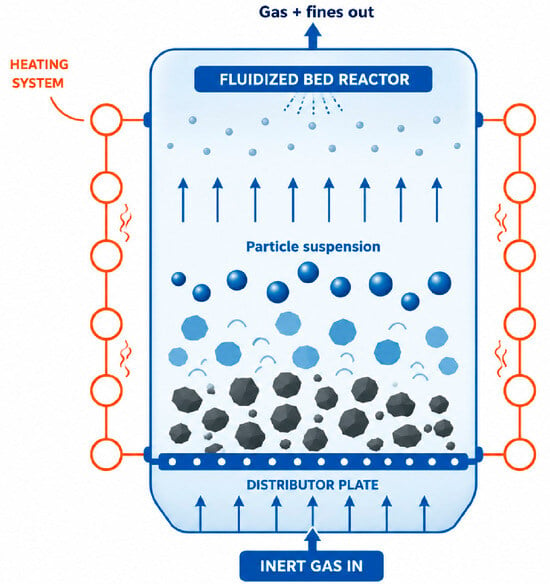
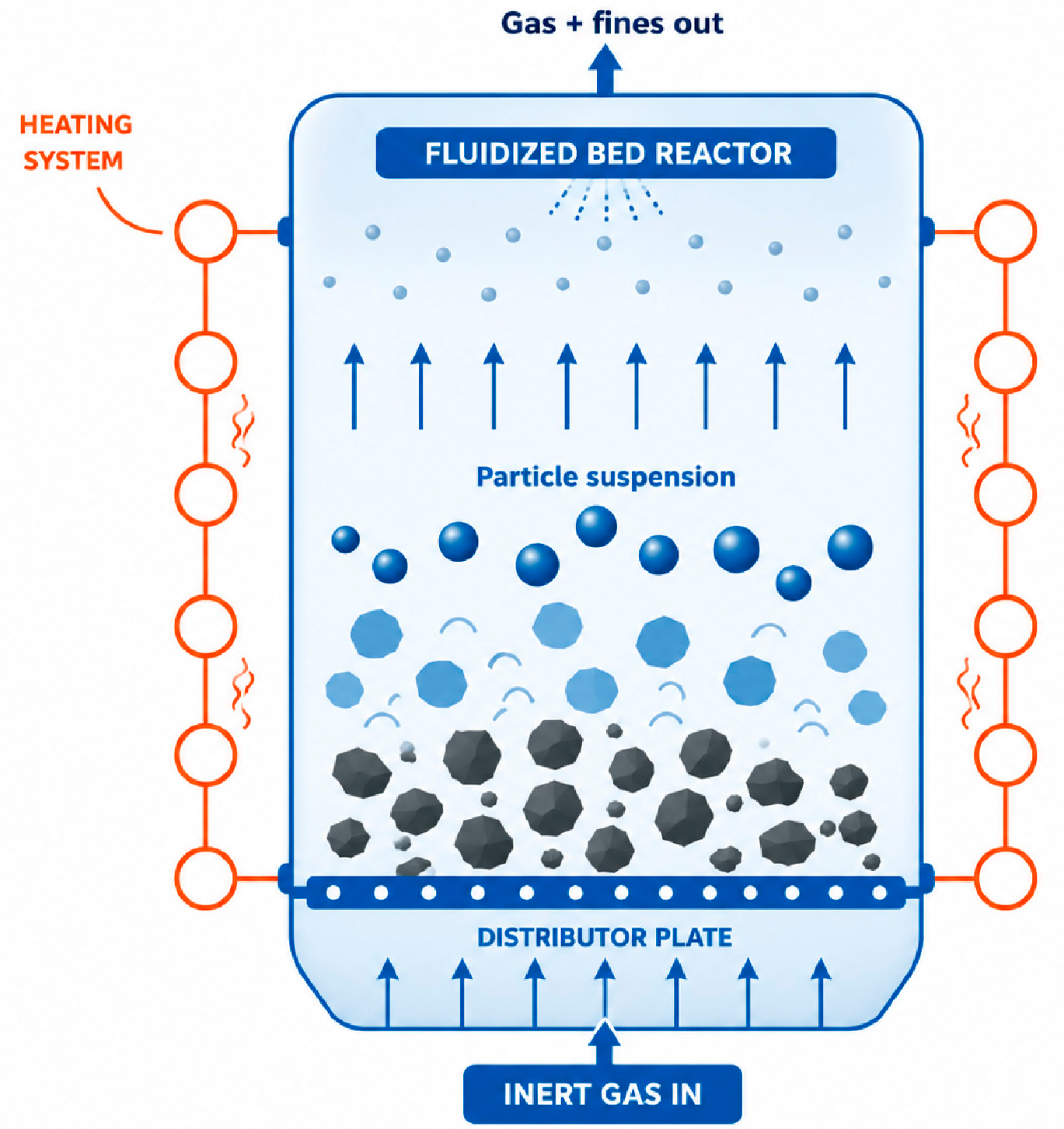
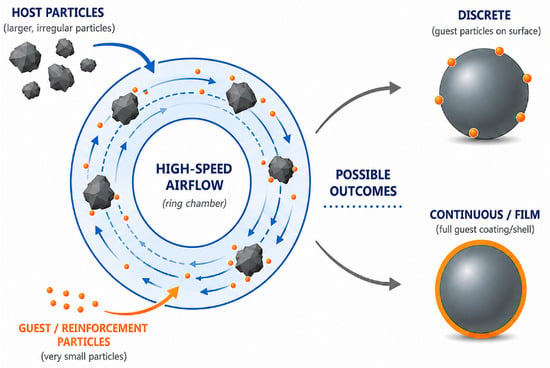
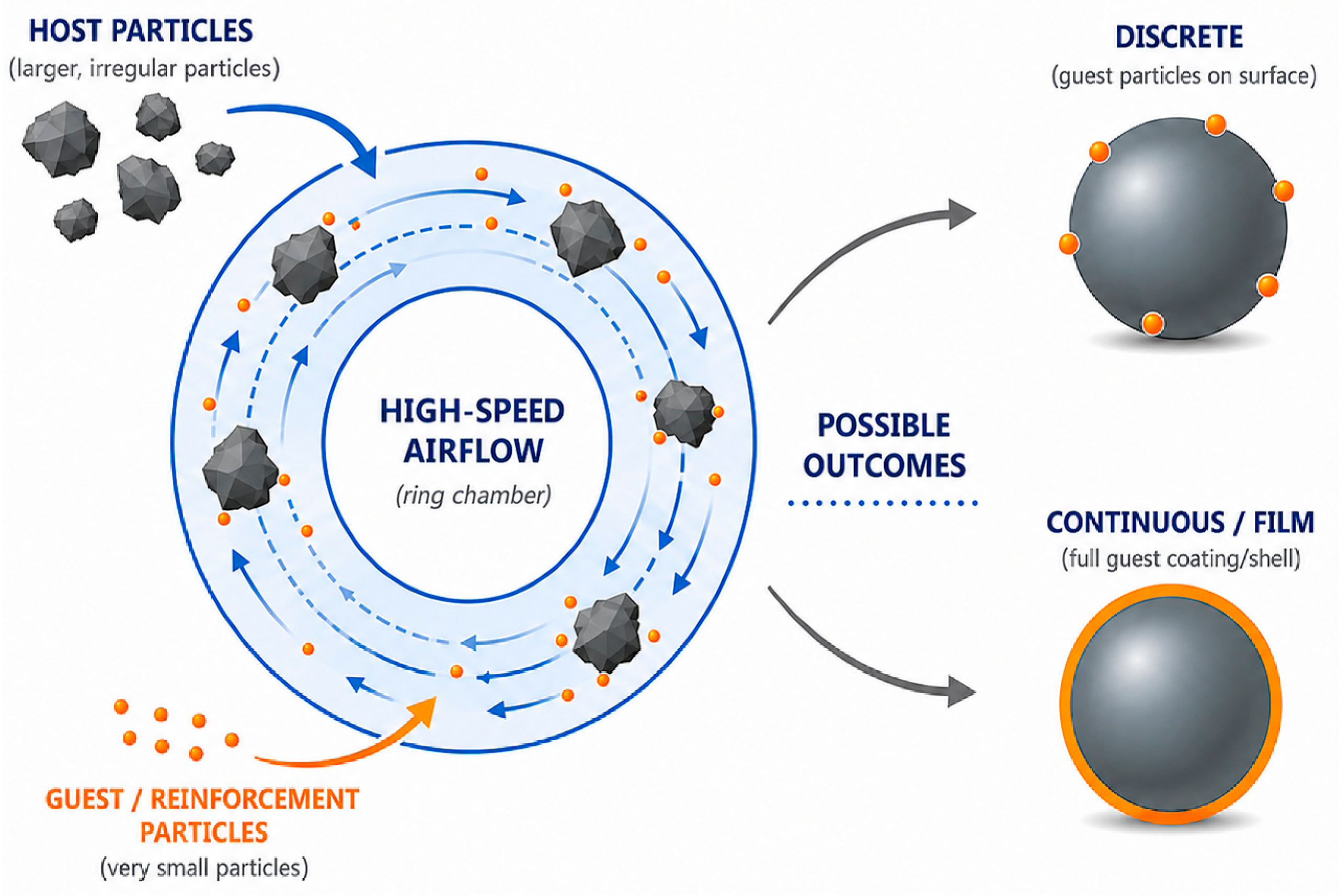
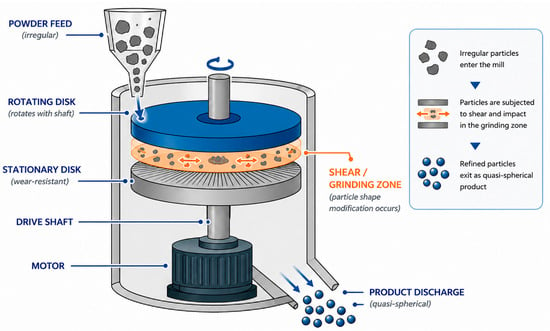
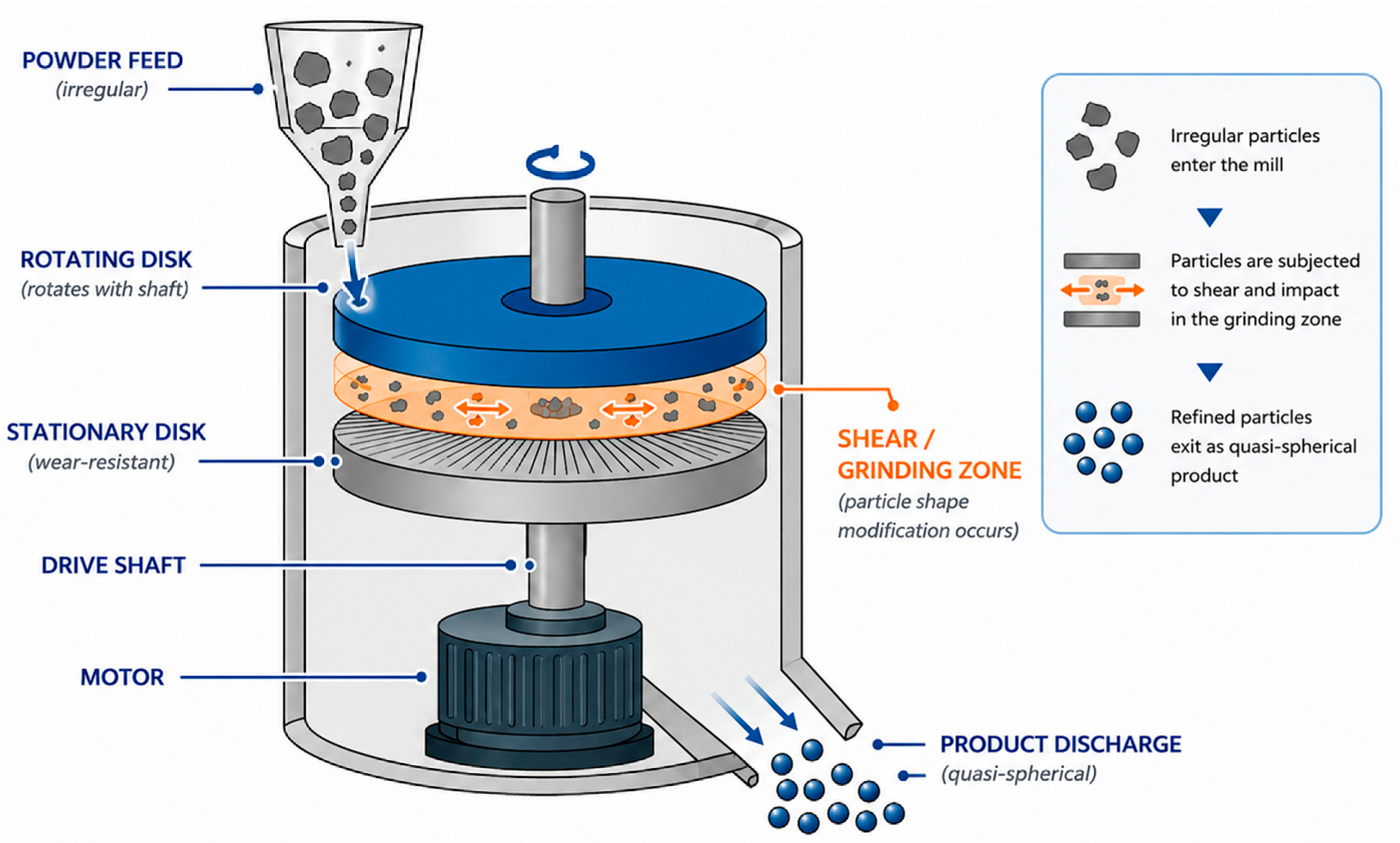
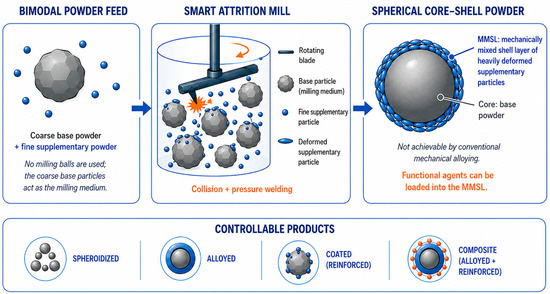
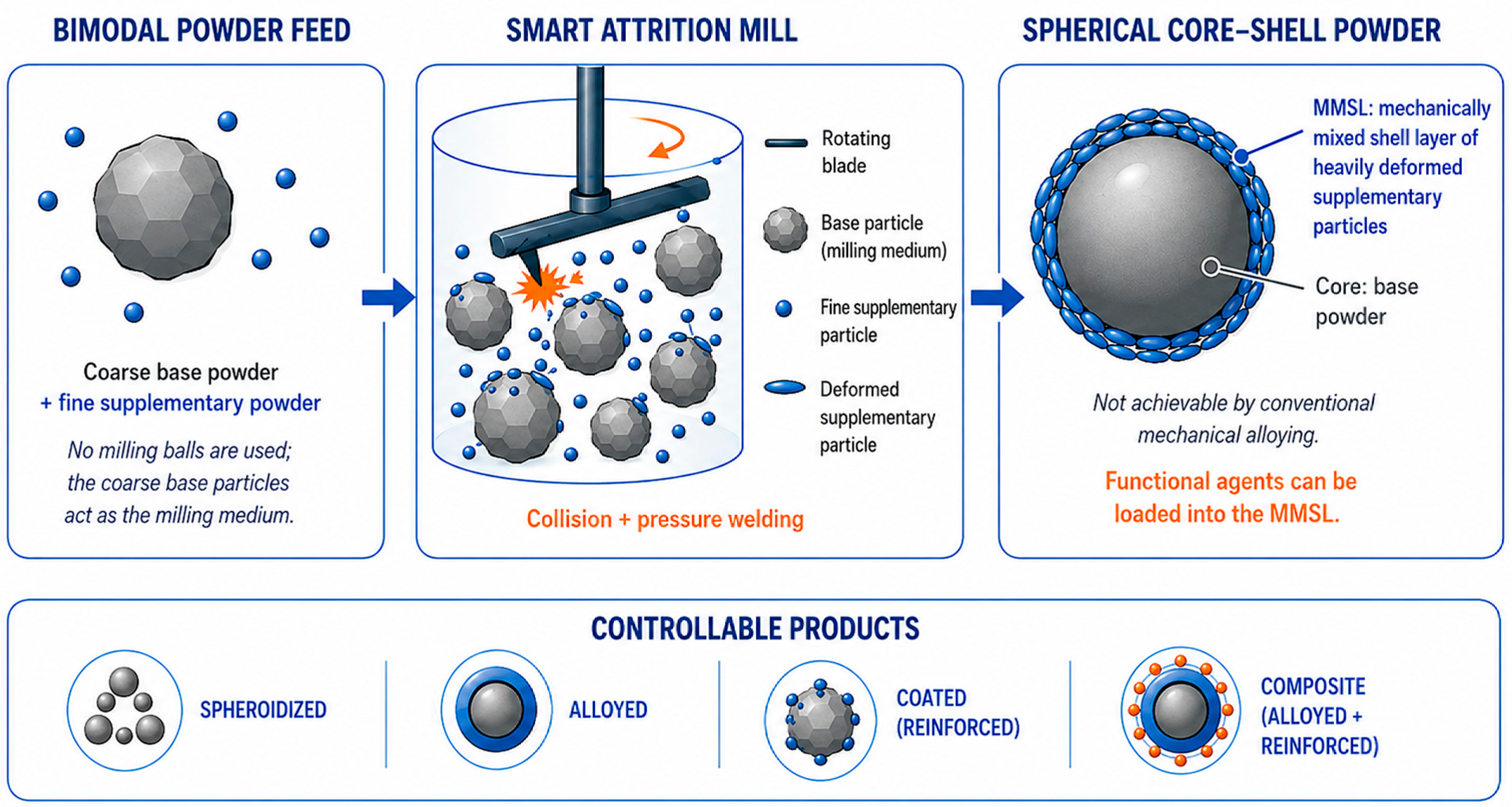
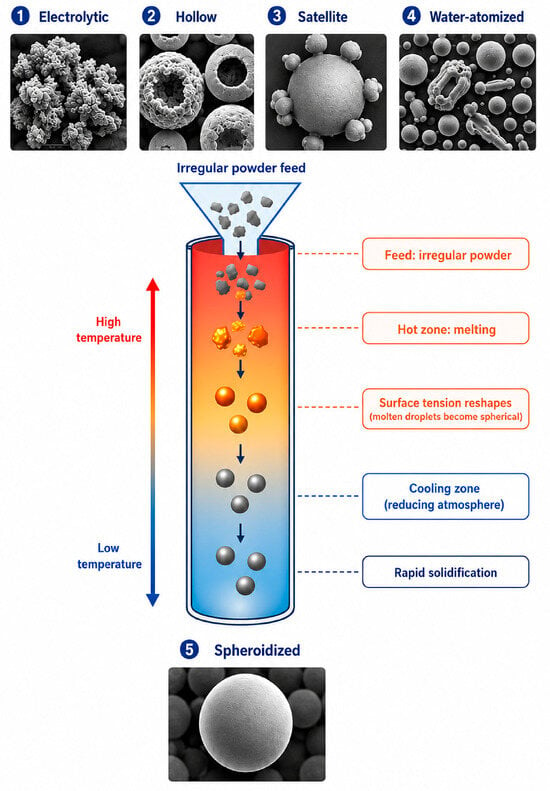
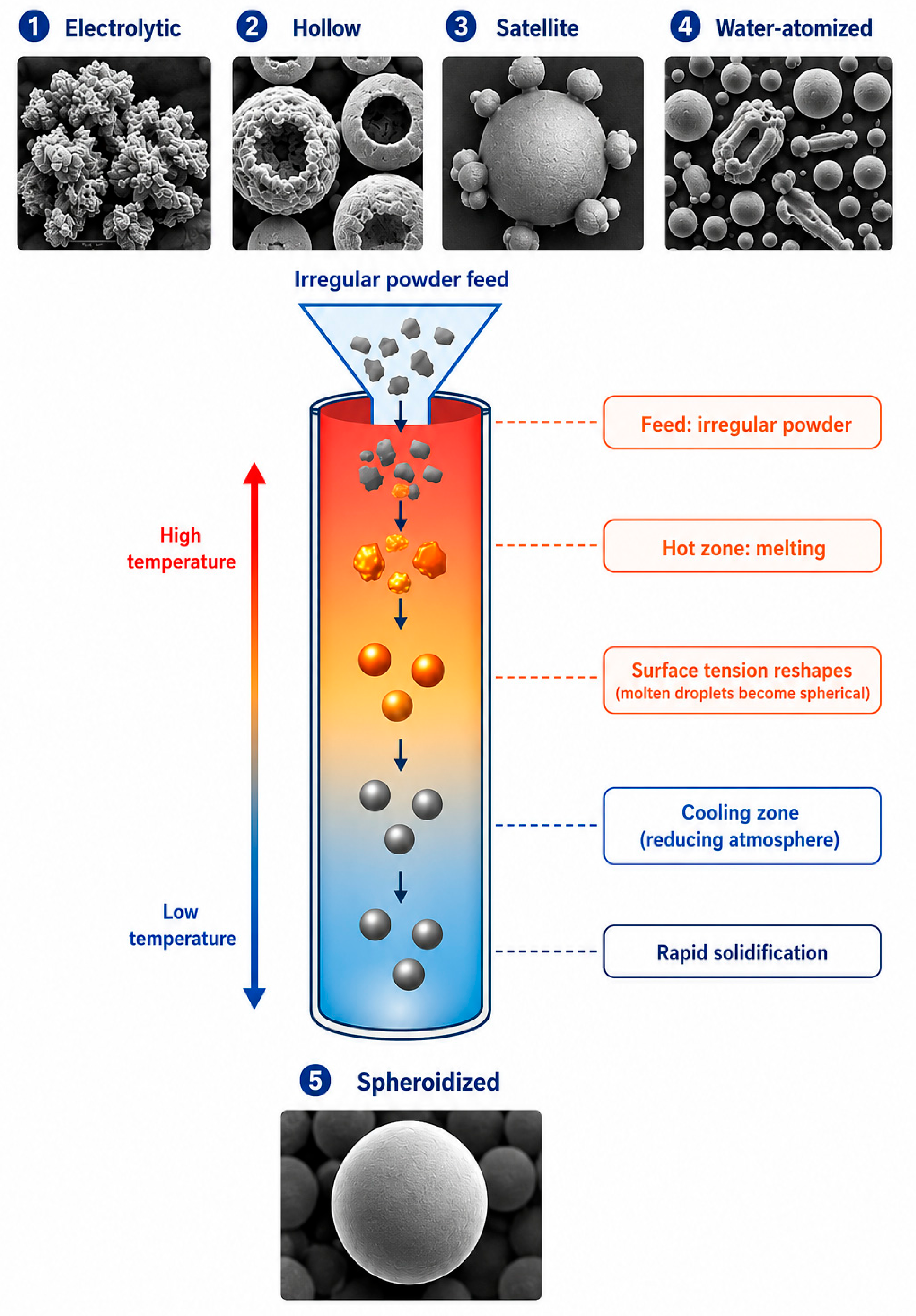
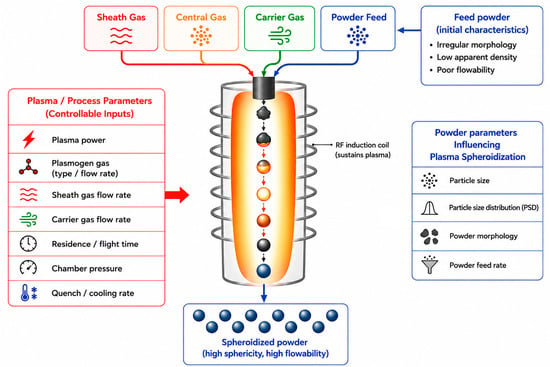
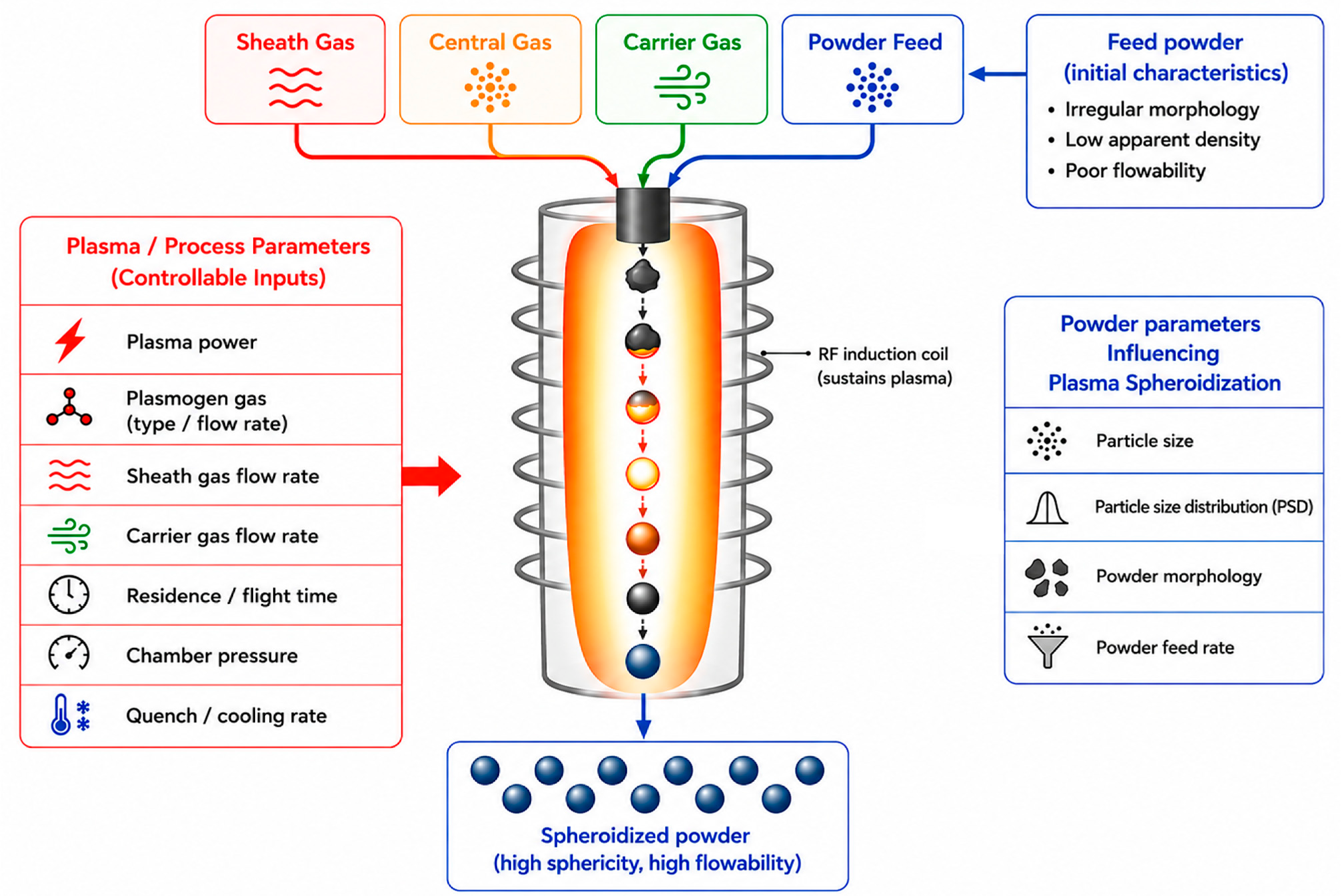
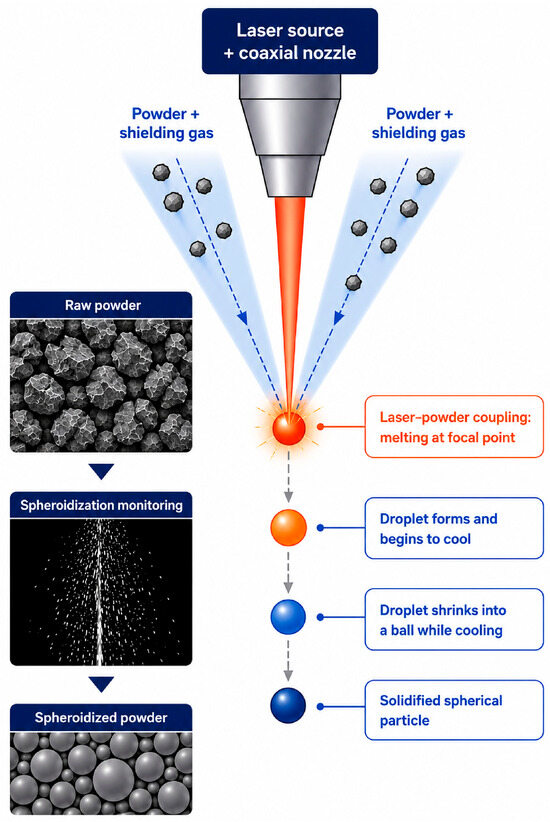
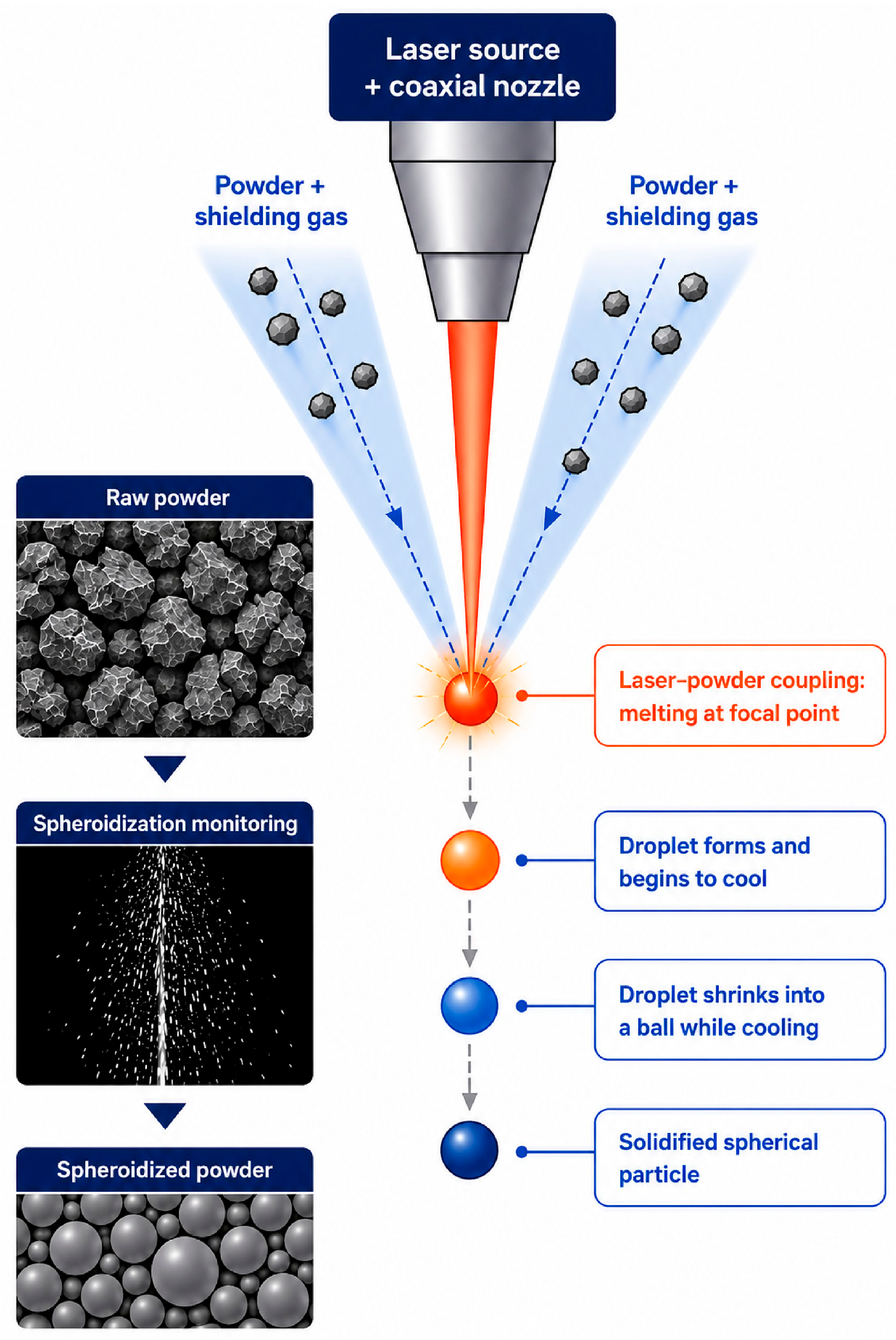
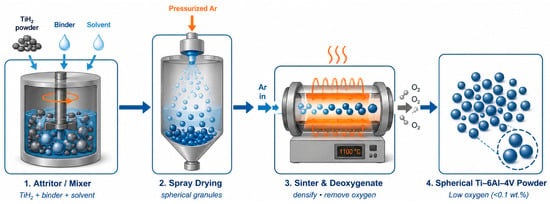
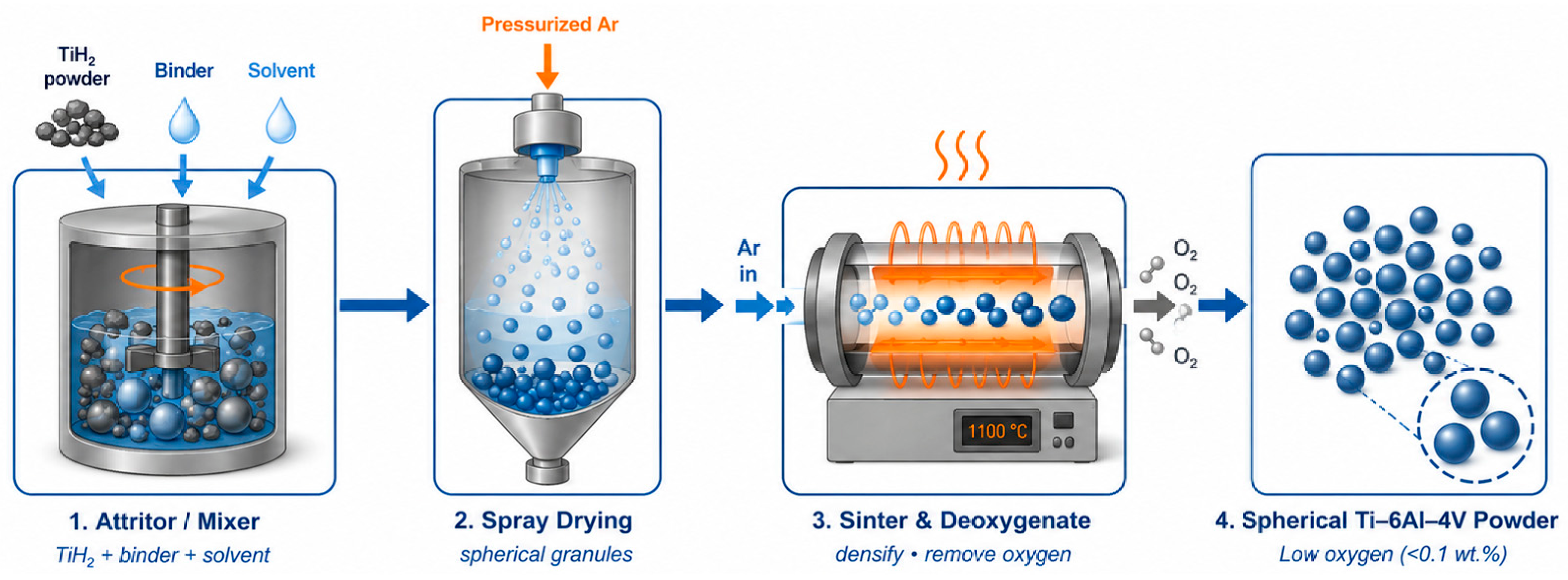
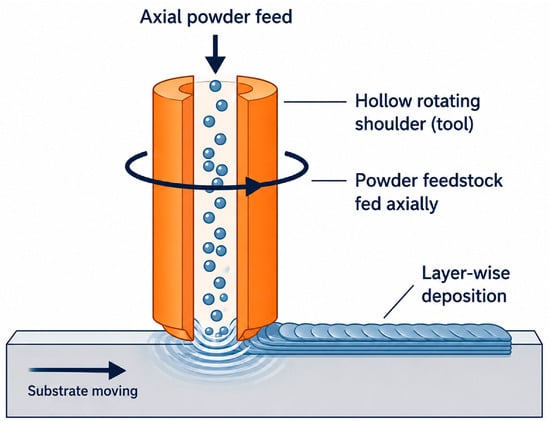
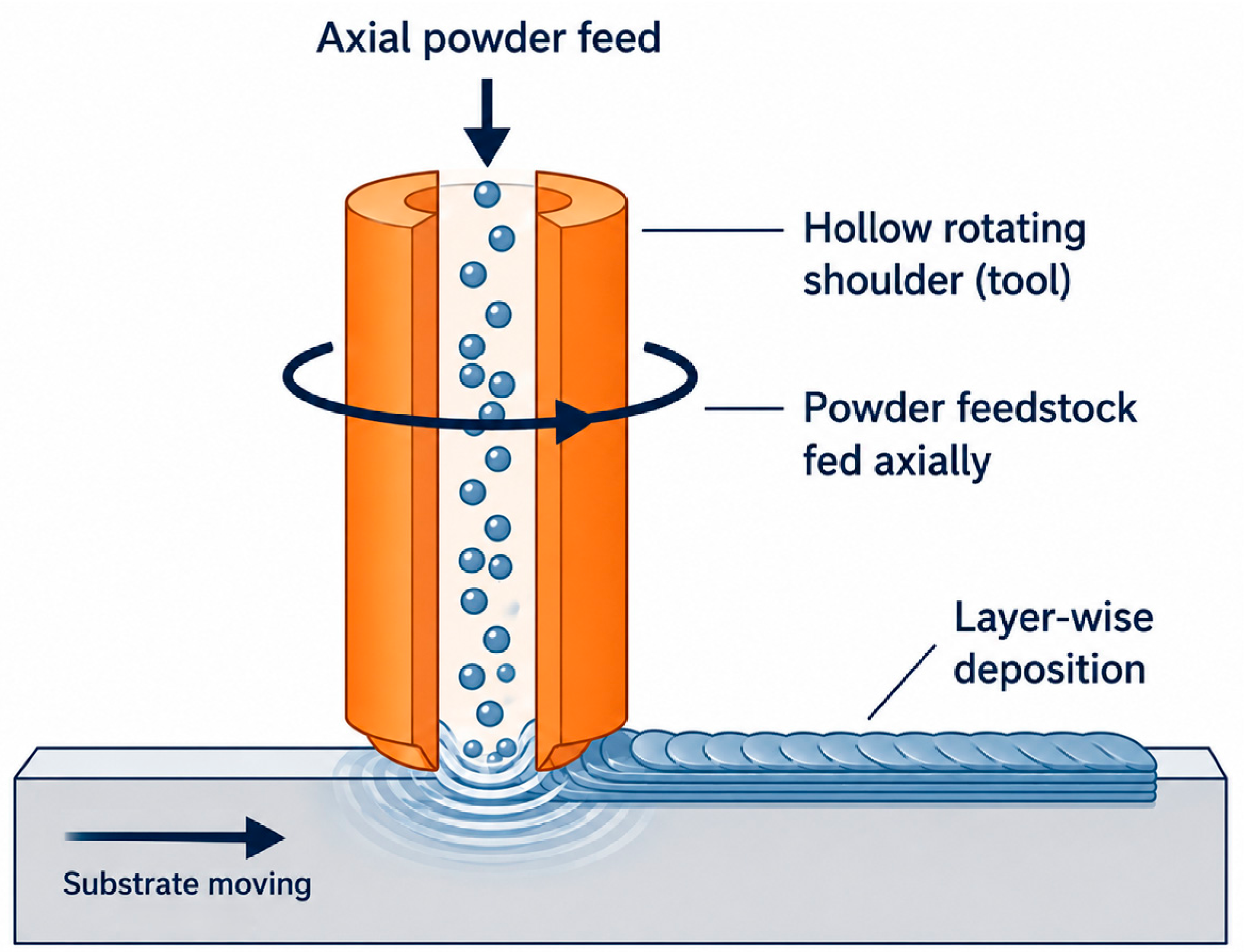
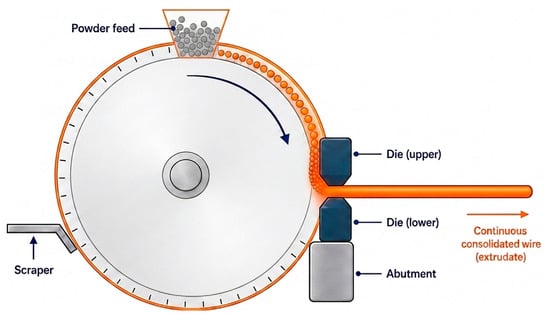
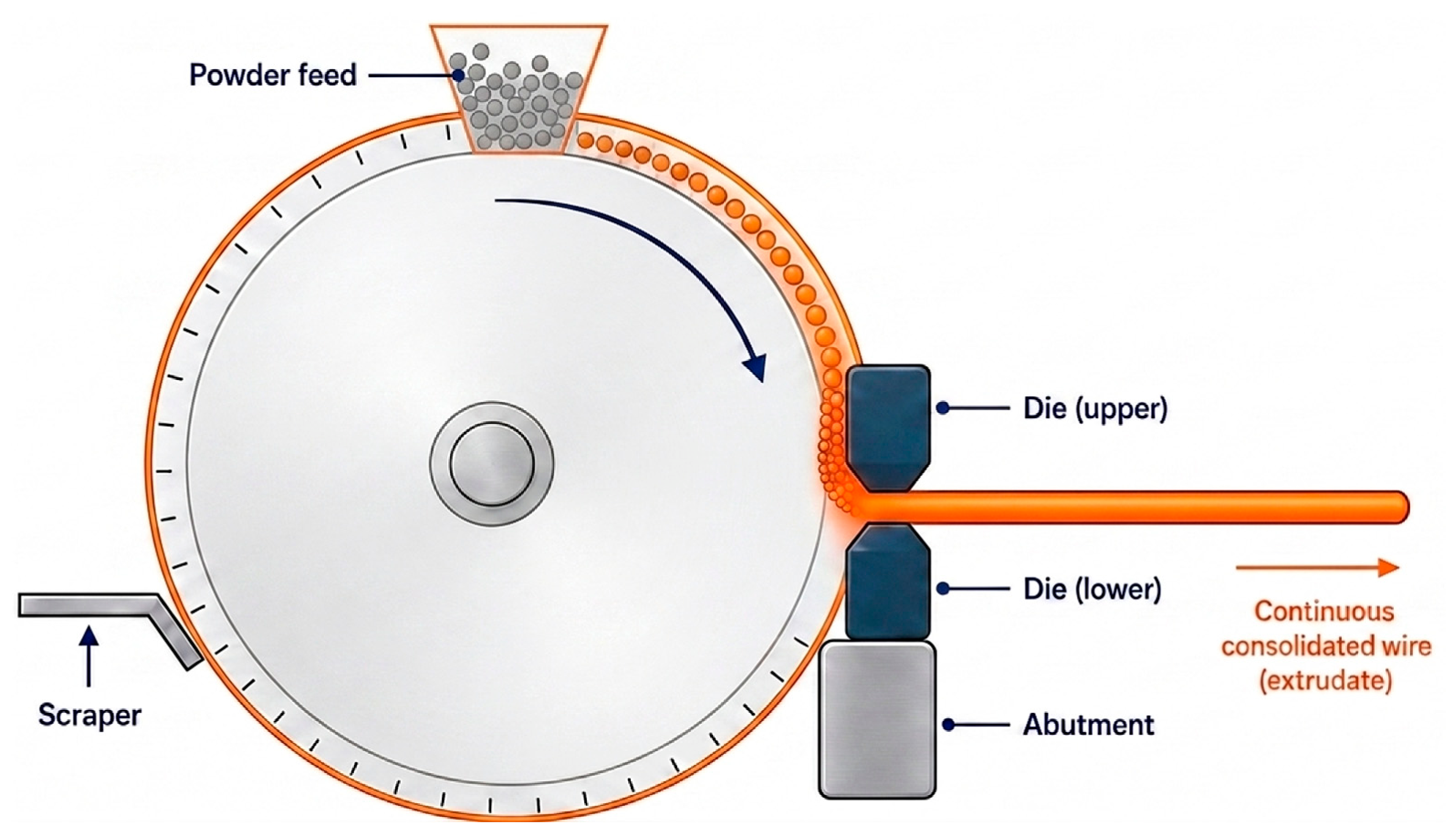
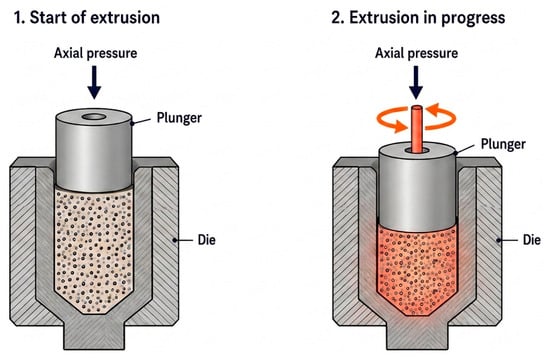
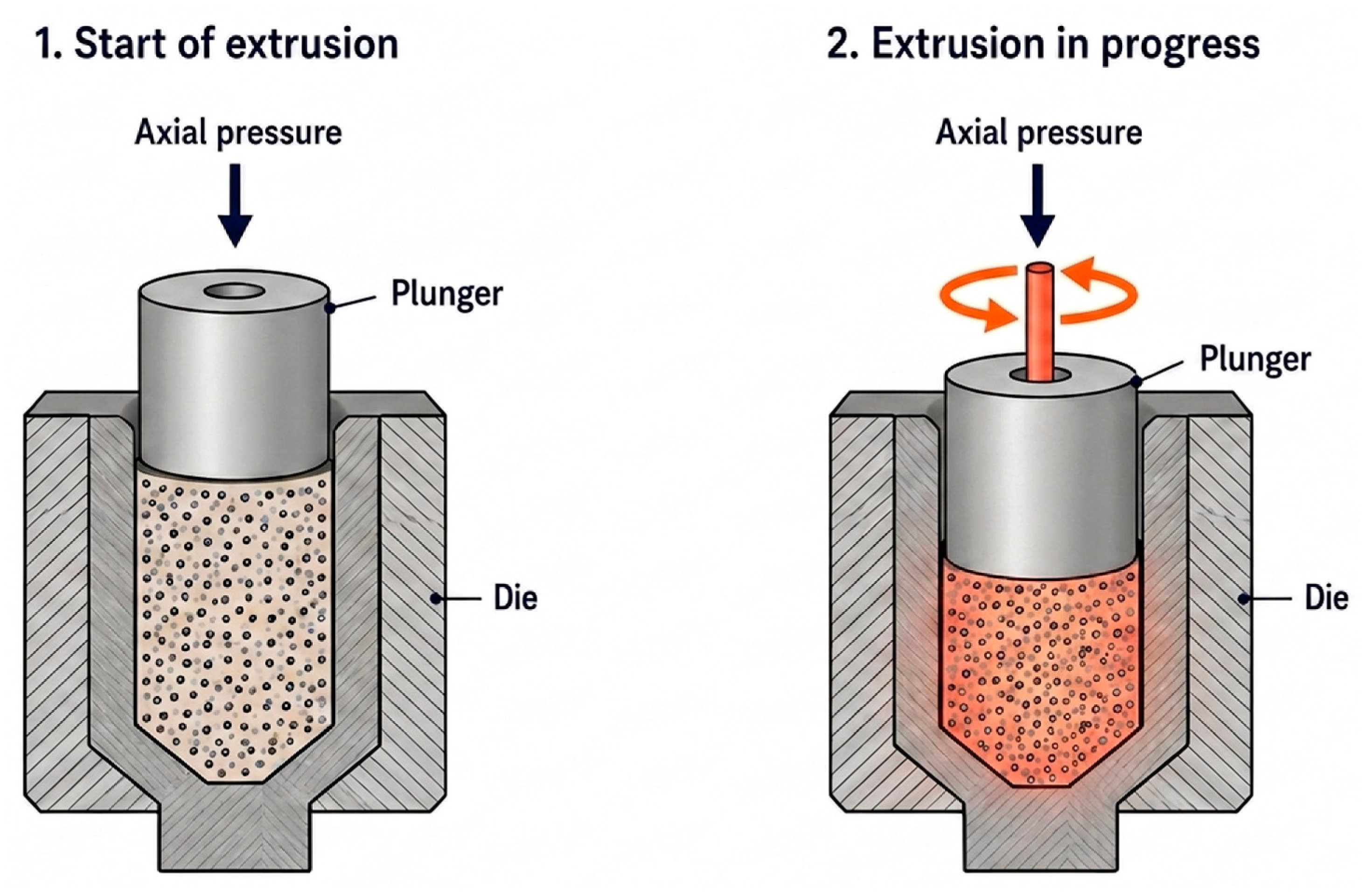
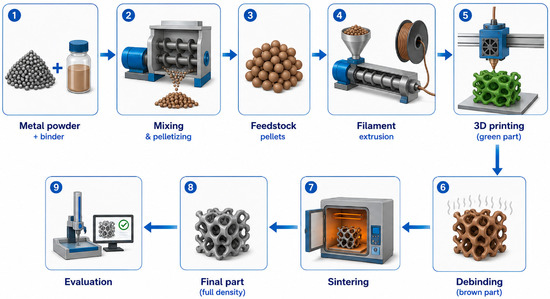
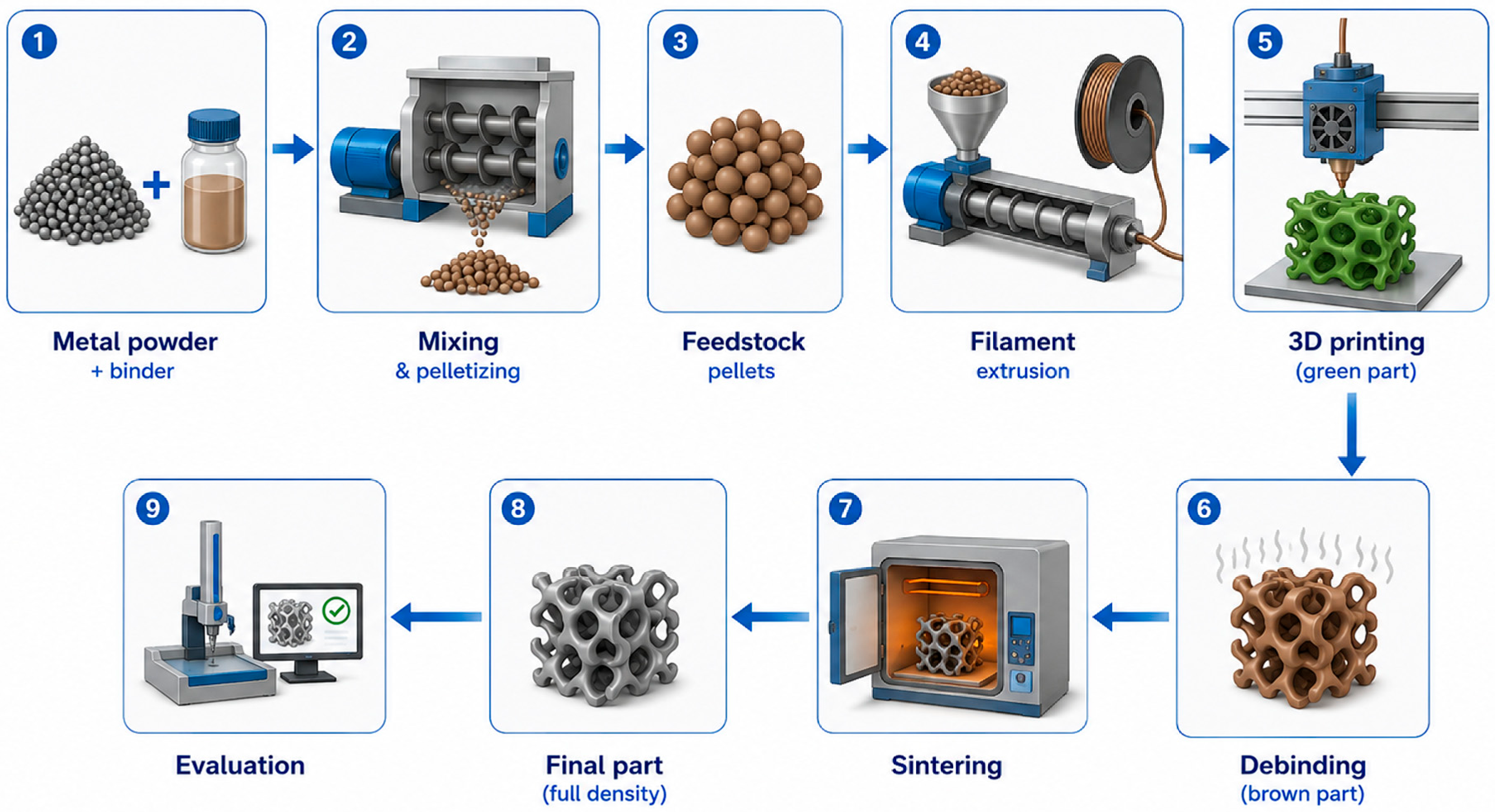
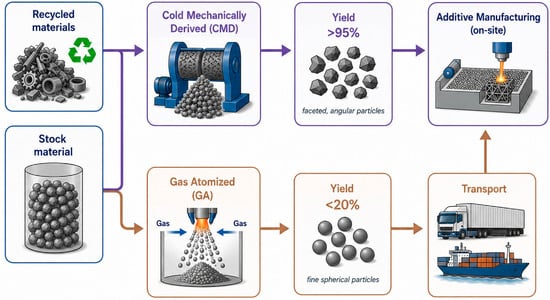
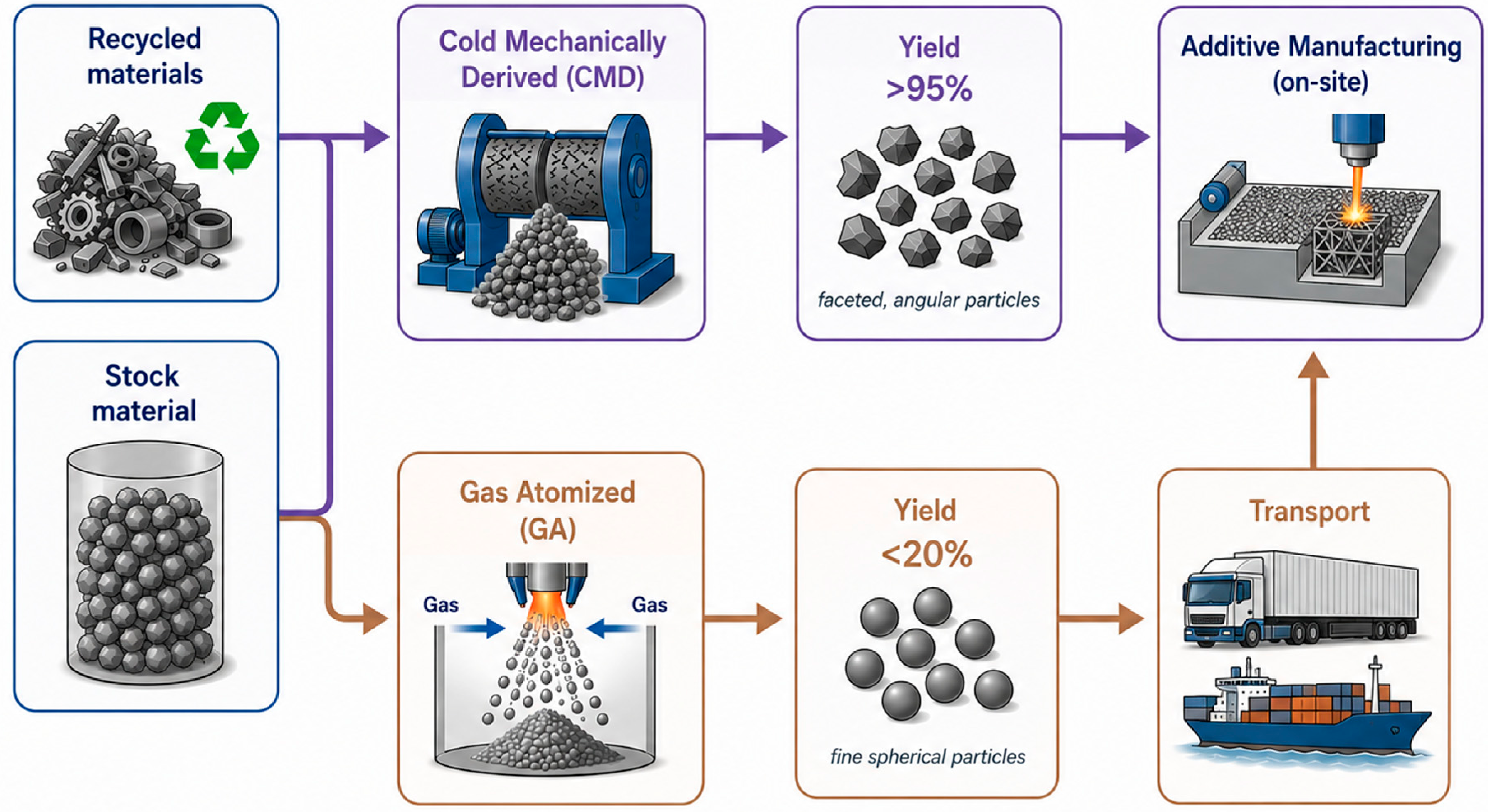
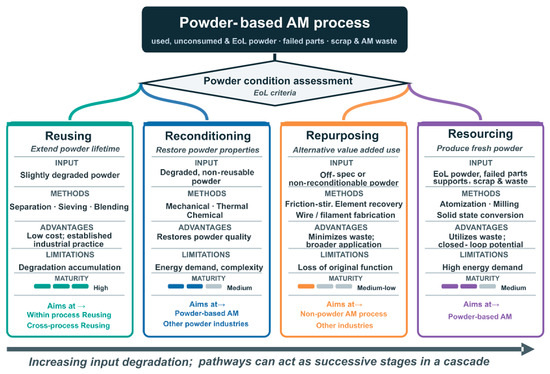
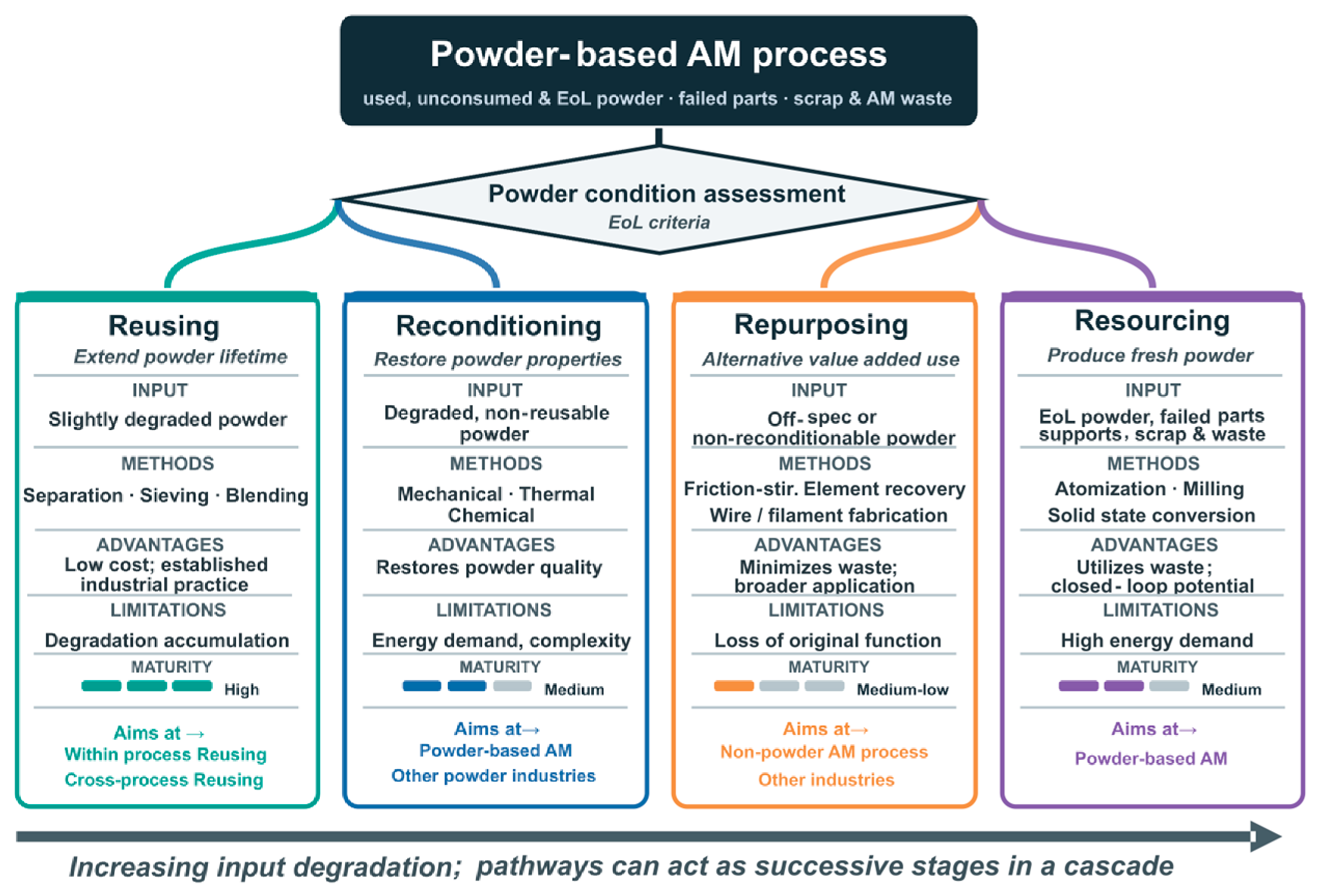
Disclaimer/Publisher’s Note: The statements, opinions and data contained in all publications are solely those of the individual author(s) and contributor(s) and not of MDPI and/or the editor(s). MDPI and/or the editor(s) disclaim responsibility for any injury to people or property resulting from any ideas, methods, instructions or products referred to in the content. |
© 2026 by the authors. Licensee MDPI, Basel, Switzerland. This article is an open access article distributed under the terms and conditions of the Creative Commons Attribution (CC BY) license.