


Abstract
Agricultural machinery components are subjected to multiple failure challenges, including wear, corrosion, and fatigue, during prolonged service under complex operating conditions. Surface coating technology is a critical approach to enhance service performance and has been extensively studied. This review proposes surface coating strategies for different agricultural machinery facing wear, corrosion, and fatigue conditions, and conducts a comparative analysis of laser cladding, thermal spraying, and physical vapor deposition technologies from the perspectives of wear resistance and field applicability. It classifies component types and failure modes, discusses coating functions, classifications, and analyzes strengthening mechanisms from microstructure, wear, and corrosion perspectives. Finally, the current challenges are summarized, and future development directions are discussed, to guide performance protection strategies for agricultural metal components.
1. Introduction
Agricultural policy reforms and rural economic growth have accelerated the adoption of high-performance machinery [1,2,3], thereby improving productivity and alleviating labor-intensive manual work. Agricultural machinery comprises various mechanical equipment used throughout agricultural activities, from crop cultivation and livestock rearing to the initial processing, handling, and transportation of agricultural and animal products. It mainly includes: agricultural power machinery, which provides the primary motive force, such as tractors [4,5,6]; soil tillage machinery includes plows, harrows, and cultivators for soil preparation [7,8]; planting and fertilization machinery, such as seeders, transplanters, and fertilizer spreaders [9,10,11]; plant protection machinery, such as sprayers and dusters for pest and disease control [12,13]; farmland drainage and irrigation machinery, including pumps and sprinkler systems for water management [14,15,16]; crop harvesting machinery, comprising combine harvesters and pickers for various crops [17,18,19]; agricultural product processing machinery, used for cleaning, sorting, drying, and primary processing [20,21]; animal husbandry machinery, covering feeding, milking, shearing, and waste management equipment [22,23]; and agricultural transportation machinery, including trailers, trucks, and conveyors for moving goods and materials [24,25].
Key components in agricultural equipment, including engines [26,27], gearboxes [28,29], and soil-engaging components [30,31], are responsible for power transmission, soil tillage, and other critical operations. These machinery parts operate under harsh conditions, including extended contact with abrasive soil particles, gravel, crop residues, chemically active agents, and substantial dynamic mechanical loads, causing severe wear and degradation. Among these, abrasive wear represents the most common and detrimental form of damage [32,33,34,35], where hard particles progressively scrape and erode the working surfaces. Wear-induced geometrical changes in soil-engaging tools progressively degrade cutting efficiency, increase draft forces, raise energy consumption, and impair field performance. These factors accelerate fatigue failure of metal parts. Consequently, key components such as tractor engine cylinders, transmission gears, and cutting blades often suffer from surface wear, cracking, corrosion, and fatigue failure. Moreover, downtime for part replacement increases costs and may delay harvest. Therefore, strengthening these components is essential to improve efficiency, reduce costs, and promote sustainable farming.
As mechanized agriculture expands, performance requirements for key components have increased. Enhancing durability and efficiency becomes a central research objective in agricultural machinery development. Traditional modification methods, such as the adoption of alloy steels and heat treatment [36,37,38], have substantially improved component performance; however, further improvement through material modification is limited. To overcome these limitations, surface engineering offers an effective solution [39,40]. Integrating surface hardening with protective coatings provides an effective way to extend service life. Commonly employed surface engineering techniques include laser cladding [41,42], thermal spraying [43,44], thermo-chemical treatments [45,46], and physical vapor deposition [47,48]. Recent studies have analyzed wear mechanisms of soil-engaging parts and investigated how hard-phase composition, coating architecture, and processing parameters influence mechanical properties and wear resistance. However, these coatings still face challenges, such as microstructural instability, insufficient bond strength, and non-uniform hard phase distribution under extreme abrasive and impact conditions. Therefore, improving coating density, integrity, and hard phase distribution is essential for reliable performance.
Surface coating technology employs specific processes to deposit protective layers with tailored chemical, mechanical, electrical, thermal, and optical properties [49,50,51]. It can achieve various surface functional requirements in corrosion resistance, heat resistance, wear resistance, insulation protection, and decoration in practical engineering applications, thereby reducing costs, improving quality, saving resources, and extending service life. This paper reviews various surface coating preparation techniques, categories, and research results for major engineering applications both domestically and internationally, highlighting current challenges and the potential based on existing literature. These findings provide guidance for researchers and engineers in selecting appropriate coatings for agricultural machinery components.
2. Classification and Failure of Agricultural Machinery
2.1. Classification
Agricultural machinery spans the entire agricultural production chain, including power machinery (tractors and prime movers) (Figure 1a) [49], soil tillage machinery (plows, rotary tillers, subsoilers) (Figure 1b) [50], sowing machinery (seeders and planters) (Figure 1c) [51], harvesting machinery (combine harvesters) (Figure 1d) [52], and transport machinery (farm trucks and trailers). Compared with general industrial machinery, agricultural machinery is distinguished by strong environmental adaptability, pronounced seasonality, and significant regional specificity [51,52,53,54].
Figure 1.
Types of agricultural machinery: (a) tractor. Reprinted from Ref. [49]; (b) rotary tiller. Reprinted with permission from Ref. [50]; (c) seeder. Reprinted with permission from Ref. [51]; (d) combine harvester. Reprinted from Ref. [52].
2.1.1. Power Machinery
A tractor is a self-propelled machine that provides power for agricultural and other equipment, serving as the core power source in modern agriculture [55,56]. Tractors are usually composed of an engine, chassis, and electrical equipment. (1) Engine: as the power source of a tractor, its main function is to convert the thermal energy of fuel (mainly diesel) into mechanical energy. Agricultural tractors in China generally use diesel engines [57,58]. (2) Chassis: responsible for transmitting power, enabling the tractor to travel and complete tasks. It includes the transmission system, walking system, steering system, braking system, and working device, constituting the main structure of the tractor [59,60]. (3) Electrical equipment: mainly used to provide lighting, safety signals, and starting power for engines [61,62].
Tractor development has six key trends [63,64]. First, average power continues to increase, but the growth rate is slowing. Second, wheeled tractors dominate in agriculture, while tracked systems are mainly used in industry. Third, safety, operability, and ergonomics are receiving more attention. Fourth, serialization, standardization, and platform commonality reduce costs. Fifth, hydraulic systems proliferate, with electro-hydraulic controlled suspension gaining traction. Sixth, advanced design and analysis methods improve reliability and service life.
2.1.2. Soil Tillage Machinery
Tillage machinery is an agricultural tool that processes the soil layer and provides good soil conditions for crop emergence and growth [65,66]. The plow is the most widely used implement for initial soil cultivation worldwide [67,68,69,70]. Its main working parts include the share, coulter, and moldboard, each made of hardened alloy steel to withstand abrasion, impact, and cutting from soil and rock contact. Specifically, shares with edge-hardening treatments show better wear resistance and reduced soil adhesion, consequently reducing draft force and fuel consumption.
Soil tillage machinery mainly has five directions [71,72]. First, integrated tillage and seeding units reduce field passes and soil compaction. Second, self-propelled systems reduce draft force, prevent slippage, and improve power utilization. Third, no-till and reduced-tillage implements save energy, prevent soil degradation, and control erosion. Fourth, in extensive farming regions, high-speed, wide implements match high-power tractors while controlling weight to avoid deep compaction. Fifth, structural innovations incorporate low-pressure tires and electro-hydraulic components.
2.1.3. Sowing and Harvesting Machinery
Sowing machinery is key equipment in the modern agricultural production system [73,74,75], whose function is to sow seeds precisely and efficiently according to agronomic requirements. Seeders ensure uniform distribution, consistent depth, stable spacing, good coverage, and high efficiency.
Harvesting machinery includes all equipment for crop harvesting; specifically, combine harvesters integrate harvesting, threshing, separation, and cleaning functions [76,77,78]. As core equipment in modern agriculture, harvesters have transformed production through several advantages [79,80]. First, they harvest large areas rapidly with better quality than manual labor, minimizing grain loss and ensuring food security. Second, they reduce labor needs, allowing one operator to manage multiple units, and lower costs through integrated processing. Third, they reduce physical labor, improve working conditions, and increase productivity. Fourth, they adapt automatically to different crops, terrain, and conditions, supporting precision agriculture. Fifth, they drive technological innovation and sustainable development in rural areas.
2.1.4. Transport Machinery
Agricultural transportation machinery is used for moving products, inputs, and waste within farming operations [81,82,83], which enhances efficiency, reduces labor, and streamlines distribution. Agricultural transportation machinery is developing in six directions [84]: scale and specialization, intelligence and connectivity, sustainability, versatility, lightweight design, and terrain adaptability.
2.2. Main Failure Types and Prevention of Agricultural Components
Agricultural machinery operates in extremely harsh environments characterized by abrasive soil, high humidity, chemical exposure, and heavy cyclic loads, which directly affect the service life, operational efficiency, and safety of the machinery. Most agricultural machinery failures originate from part damage, which can occur through various mechanisms.
2.2.1. Failure Types
(1) Wear
Faced with tightening global resources and worsening environmental pressures [85,86,87,88], wear mitigation is critical for the reliability of agricultural machinery, which operates under demanding field conditions: corrosive chemicals, abrasive soils, heavy impact loads, and severe vibration. Critical components such as blades, cutters, gears, and cylinders suffer from multiple wear mechanisms (abrasive, adhesive, fatigue).
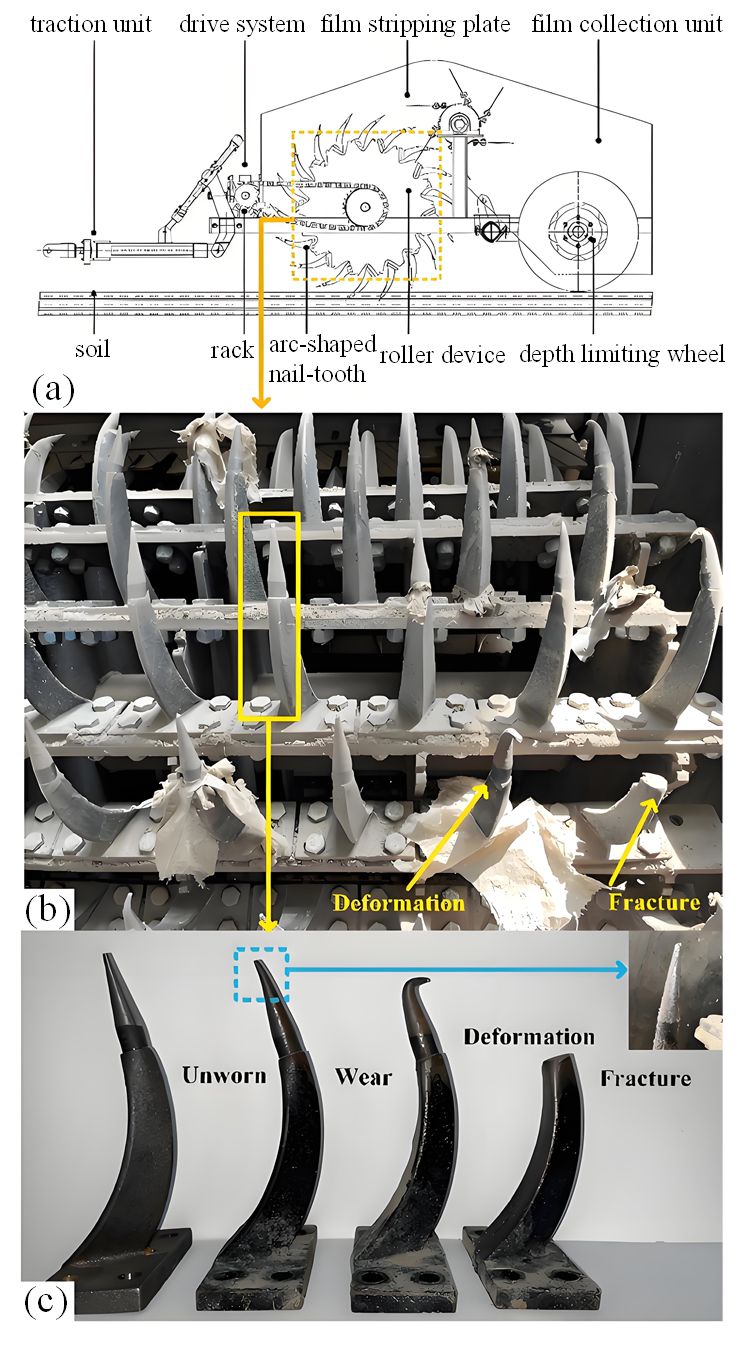
Kalácska et al. [89] have analyzed the abrasive wear of 27MnB5 steel agricultural tines, identifying micro-cutting and micro-ploughing as the dominant material-removal mechanisms (Figure 2), and Su et al. [90] have examined the abrasive wear and fracture of arc-shaped nail-teeth in residual-film recovery machines (Figure 3).
Figure 2.
(a) Schematic structure of the tine positions on the cultivator; (b) wear of tines (1–13) after different sliding conditions; (c) Tine 6 overview, macro image of tine 6 top surface and 3D topography of tine 6 top surface. Adapted and reprinted with permission from Refs. [89,91].
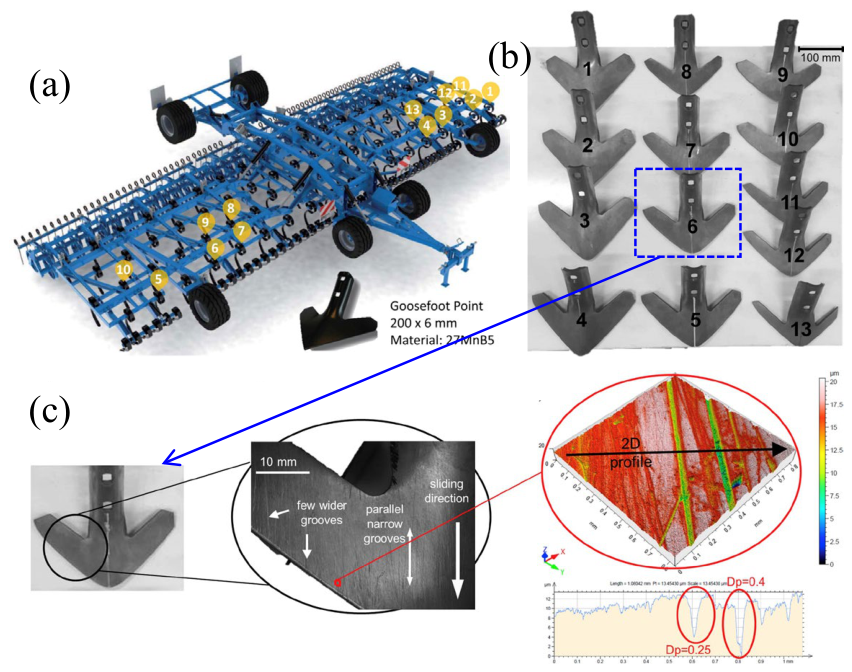
Figure 3.
(a) Structural diagram of the residual film recovery machine; (b) photograph of actual components; (c) wear and fracture of the nail tooth (40Cr). Reprinted with permission from Ref. [90].
(2) Corrosion
Corrosion is also a serious threat due to exposure to moisture, fertilizers, pesticides, and organic waste. Pitting is initiated by chloride, sulfate, and nitrate ions on carbon and low-alloy steels [92], whereas galvanized coatings protect sacrificially even when mechanically compromised [93].
In addition, defects such as pores and microcracks in thermal-sprayed or laser-clad coatings act as conduits for corrosive species and lead to blistering and delamination [94,95]. Corrosion-product buildup at the boundary also reduces adhesion and promotes interfacial crack growth. Once this degradation progresses, the coating loses mechanical support, spalls, and leaves the substrate open to accelerated attack.
Representative studies include the soil corrosion of Mg alloys for lightweight machinery (Figure 4) [96], the corrosion of Ni coatings in fertilizer media, where corrosion rates exceed those in 3.5 wt.% NaCl [97], and microbiologically influenced corrosion, for which Ling et al. [98] summarized six inhibition mechanisms.
Figure 4.
Schematic of corrosion behavior in Three Gorges Reservoir Area soil: (a) water-rich environment with anodic and cathodic reactions; (b) formation of magnesium hydroxide; (c) formation of magnesium carbonate hydroxyl groups; (d) formation ofhydrated magnesium carbonate compounds. Reprinted with permission from Ref. [96].
In humid, acidic, or alkaline soils, corrosion products are continuously removed by friction, producing a self-reinforcing synergistic corrosion-wear cycle that governs the life of soil-engaging parts such as plowshares, rotary tillers, and trenchers [99]. The combined mechanical and chemical actions not only accelerate wear but also induce a synergistic corrosion-wear process, leading to pronounced surface degradation such as rust pitting and material flaking.
(3) Fatigue
Fatigue failure in agricultural machinery refers to the fracture of components under cyclic loading, where cracks initiate and propagate below the material’s ultimate tensile strength [100,101]. To acquire mechanical data and optimize chassis performance, Su et al. [102] have developed a six-axis force sensor system for the walking wheel (Figure 5).
Figure 5.
Schematic of the performance testing setup for six-axis force sensor system. Reprinted with permission from Ref. [102].
Jing et al. [103] have proposed a new fatigue damage testing approach for rotating machinery on Q235 steel. Experimental results reveal that the fatigue surface height was initially low but became increasingly irregular with cycle accumulation. These findings show that the method provides accurate testing and reliable prediction of service life and residual strength.
2.2.2. Prevention Measures
Effective prevention requires a combined strategy of material design, structural optimization, lubrication, intelligent monitoring, and surface engineering [104,105,106,107,108]. Among these, coating technology is the most efficient and cost-effective option owing to its process adaptability, low heat input, and substantial performance gains. Table 1 summarizes coating selection for key agricultural components according to their service conditions and dominant failure modes.
Table 1.
Failure mode and coating selection for key parts of agricultural machinery.
3. Functions and Classifications of Surface Coatings
3.1. Functions
The engineering material’s surface is critical for mechanical performance, directly affecting service life, particularly wear, corrosion, and fatigue resistance. In actual application, surface instability arises from three main factors: (1) during the service process, the movement of dislocations is relatively easy, leading to defects forming first on the surface; (2) surfaces adsorb molecules and contact air and corrosive media, leading to early corrosion and oxidation, significantly shortening service life; (3) harsh conditions cause notches and micro-cracks.
For dynamically loaded agricultural components, it is essential to control surface finish and stress state. Various surface coating techniques have been developed to address these challenges. A surface coating is a thin layer with a different composition or structure from the substrate, often with superior properties compared to the substrate [109]. Coatings isolate components from extreme environments (high temperature, radiation, wear, corrosion, erosion, and impact), thereby maintaining performance and extending life. Since the coating and substrate can be designed separately, coated components retain the substrate’s strength while gaining the coating’s properties such as strength, toughness, and corrosion resistance.
3.2. Classifications
A single material cannot meet the requirements for wear resistance, fatigue resistance, and fracture toughness. A more effective strategy is to apply a coating on a suitable substrate. Modifying surface composition, microstructure, or applying functional coatings can enhance hardness, wear resistance, and fatigue strength, improving reliability. Currently, coating materials are mainly divided into two categories: (1) coatings designed to improve surface wear resistance; (2) coatings aimed at enhancing surface corrosion resistance.
3.2.1. Coating Used to Improve Surface Wear Resistance
Abrasive wear is common in industries involving rocks and minerals, such as agriculture, mining, and mineral processing. Therefore, protecting machinery from premature wear is important. A wide variety of wear-resistant coatings are currently available. Common materials include oxides (such as chromium oxide, aluminum oxide, and titanium oxide) [110,111], carbides (such as chromium carbide, tungsten carbide, titanium carbide, and their metal-matrix composites) [112,113], and nitrides (such as titanium nitride and silicon nitride) [114]. From the perspective of wear resistance mechanisms, Fe- based, Ni- based, and Co-based materials, and composite coatings obtained by adding ceramic particles such as WC, A12O3, etc. to these coating materials, as well as the novel high-entropy alloy (HEA) coating can improve the wear resistance.
Fe-Based Coating
Fe-based coatings offer various excellent properties for diverse applications, such as high hardness and excellent wear resistance, effectively minimizing material loss under abrasive and sliding conditions. As a result, they are suitable for components under frictional conditions, such as bearings, gears, piston rings, and cutting tools. Additionally, Fe-based coatings often exhibit good corrosion resistance, thermal stability, and substrate compatibility, extending their use to tillage blades, gearbox components, and pump impellers in agricultural equipment.
To improve the wear resistance of straw-cutting tools in agricultural machinery, Zhang et al. [115] have adopted the response surface method to investigate the relationship between laser cladding parameters and performance of Fe-based alloy coatings. Optimized coatings show a dense, uniform, equiaxed microstructure. Figure 6 illustrates the wear morphologies and mechanisms for the substrate (a–c) and coating (d–f). The substrate surface is rough with grooves and debris, indicating abrasive and oxidative wear as the primary degradation modes. Conversely, the coating surface has minimal debris, showing only minor abrasive, oxidative, and adhesive wear.
Figure 6.
Wear-induced surface morphology of the substrate (a,b) and coating (d,e), with schematic wear mechanism diagrams for (c) the substrate and (f) the coating. Reprinted with permission from Ref. [115].
To enhance the quality and durability of rotary tiller blades in agricultural machinery, Wu et al. [116] have developed an Fe-based gradient coating with high hardness, wear resistance, and cost-effectiveness. Figure 7 compares uncoated and gradient-coated rotary tiller blades after 3 h in a soil bin.
Figure 7.
(a) Experimental setup rotary blades and soil tank; (b) initial condition of rotary blades before testing; (c) blades during testing; (d,e) rotary blades after testing. Reprinted with permission from Ref. [116].
Lu et al. [117] have investigated the wear properties of Fe-based coatings with various WC contents on H13 steel by laser cladding. With increasing WC content, Fe3W3C and Fe6W6C phases emerge within the coating. Figure 8a–e display SEM images of the H13 substrate and four Fe-based worn surfaces. Fe-based coatings substantially reduce surface degradation. Figure 8f reveals that unmelted WC particles disperse in the Fe-based coating, forming a reinforcing skeleton reducing ploughing and inhibits adhesion.
Figure 8.
Typical SEM worn surface morphologies: (a) H13 substrate; (b–e) coatings with varying WC contents (0%, 3%, 6%, 9%); (f) high-magnification of WC particle. Reprinted with permission from Ref. [117].
Ni-Based Coating
Ni-based coatings are alloy coatings mainly composed of Ni, typically made by laser cladding and thermal spraying. They have excellent corrosion resistance, wear resistance, and high-temperature performance. As a result, they are used in various industries, including refurbishment of wear-resistant components, military equipment protection, and high-temperature machinery.
Owing to their excellent wear and corrosion resistance, Ni-based powders are widely adopted by product designers and engineering specialists. For NiCrBSi alloys, chemical composition is critical for material properties and product quality [118]. Adding ceramic particles to Ni-based alloy powders has advanced the development of reinforced Ni-based coatings. These coatings improve wear resistance without requiring complete component replacement, offering a practical refurbishment route for worn agricultural parts [119].
45# steel is widely used in machinery components due to its good mechanical properties and processability. However, its relatively low hardness limits its application in parts with rapid wear. Coating technology is an effective method to improve wear resistance. Ni60A is a commonly used cladding powder with a low melting point. WC exhibits high hardness and excellent abrasion resistance, and good wettability with Ni-based materials. Therefore, Ni-based WC composite coatings have attracted attention for combining metal toughness with ceramic wear resistance [120,121].
During operation, soil-engaging components endure harsh abrasive conditions from contact with sand, gravel, and crop residues. This causes severe abrasive wear and impact, often leading to premature fracture. To improve the service performance and durability, Zheng et al. [122] have employed the vacuum discharge plasma brazing coating technology to fabricate WC-Ni-based coatings with varying WC contents. As depicted in Figure 9, the soil-engaging components contact abrasive sand, gravel, stones, and crop roots. The coupling between WC particles and the binder forms a robust skeleton that redistributes loads and reduces stress concentration, enhancing coating protection. Furthermore, detached WC particles may re-embed in surface pores or microcracks, providing secondary reinforcement and slowing wear. These findings confirm that optimizing WC content enhances coating density and robustness, extending component life.
Figure 9.
Wear mechanism of WC particles in soil-engaging components. Reprinted with permission from Ref. [122].
Co-Based Coating
Co-based coatings are metallic coatings primarily composed of Co along with other alloying elements. They are utilized in demanding applications, such as high temperatures, severe wear, and corrosive environments. By forming a protective layer on the substrate material, these coatings enhance surface hardness, oxidation resistance, and overall durability, thereby extending the service life of critical components.
Research has focused on enhancing the tribological properties of Co-based micro/nano-composite coatings. Arai et al. [123] have investigated the tribological behavior of electrodeposited Co and Co/multi-walled carbon nanotube (MWCNT) coatings. Their findings reveal that Co/MWCNT composite films exhibit a lower friction coefficient compared to pure cobalt films. They attribute this improvement to the sidewalls of the MWCNTs, which act as effective solid lubricants, thereby reducing wear loss. Research has also extended to ceramic nanoparticle reinforcements. Rajiv et al. [124] have reported that adding TiO2 nanoparticles to a Co substrate results in higher microhardness and lower wear loss. Their wear tests show that wear rate decreases with increasing load. The performance of micro- and nano-composites is compared by Rostami et al. [125]. Their study shows that micro-composite films generally experience less wear loss than their nano-composite counterparts but exhibit higher coefficients of friction. Conversely, nano-composite coatings show superior corrosion resistance. This trade-off highlights the importance of selecting reinforcement scale based on the service requirement. Building on the concept of hybrid reinforcements, Krawiec et al. [126] have studied Co-Mo/TiO2 nanocomposite coatings. These coatings display excellent wear resistance, with a stiffer and harder surface and lower residual stress compared to pure cobalt substrates.
Composite Coating
Composite coating is an advanced surface coating fabricated by combining dissimilar materials into an integrated structure. By harnessing the complementary attributes of each constituent, the coating aims to enhance the hardness, corrosion resistance, wear resistance, or thermal stability, with additional functions such as electrical conductivity, optical reflectivity, self-cleaning ability, or bioactivity. By combining different materials in a layered structure, composite coatings enable tailored performance solutions across a wide range of industrial, agricultural, medical, and aerospace applications.
Recently, composite coatings have been widely utilized to reduce friction and wear, as well as to inhibit corrosion on metallic surfaces. This approach uses the combined properties of composites to achieve better surface protection and tribological performance, thereby supporting the reliability and longevity of industrial systems.
The primary function of the arc-shaped nail-tooth film recovery mechanism is to collect leftover plastic mulch from the topsoil layer, efficiently gathering small film pieces to reduce agricultural field contamination [127]. However, the nail teeth endure sustained contact with abrasive materials such as rocks and soil, causing severe wear and failure [128]. This deterioration reduces effectiveness and durability and increases energy consumption. To enhance the surface toughness and overall performance of arc-shaped nail teeth, Su et al. [129] have employed the laser cladding technology to deposit Ni60A/Cr3C2 composite coatings with the rare-earth oxide Y2O3 onto 60Si2Mn steel surfaces. The coating exhibits a refined microstructure with finer grains and increased density, which contributes to a significantly enhanced surface hardness of 990 HV. After wear testing, the coating indicates superior wear resistance (Figure 10). The wear tracks show fewer and shallower grooves compared to the baseline, with smoother abrasion features. This indicates a transition from severe abrasive wear to a milder form.
Figure 10.
(a–g) Localized 3D morphology of M1-M7 specimens with Y2O3 contents from 0 to 2.5 wt.%; (h) surface roughness Sa and average wear depth. Reprinted with permission from Ref. [129].
High Entropy Alloy (HEA) Coating
HEA coatings are a recent advancement in surface engineering. They are composed of high entropy alloys, i.e., multicomponent materials typically containing five or more principal elements in near-equiatomic ratios. By depositing such alloys on a substrate surface, HEA coatings enhance the comprehensive performance of components, including wear resistance, corrosion resistance, oxidation resistance, and high-temperature stability [130,131,132,133,134,135]. The principle is to use high configurational entropy to stabilize solid-solution phases and suppress brittle intermetallic compounds. This approach surpasses conventional single- or dual-principal-element coatings, offering better mechanical properties, exceptional thermal stability, and improved durability under extreme operating conditions. Thus, HEA coatings extend the service life of critical parts and open new possibilities for applications in aerospace, energy, agriculture, and other high-demand industrial sectors.
65Mn steel, a low-alloy spring steel widely used in the field of agricultural machinery, is utilized in soil-engaging tools such as plowshares, shovels, and rotary tiller blades. Its wear resistance and impact toughness enable it to withstand demanding working conditions, extending tool service life and improving efficiency. To address the wear in soil-engaging implements, Li et al. [136] have utilized laser cladding technology to fabricate FeCoNiCrMo HEA coatings with varying nano-La2O3 contents on 65Mn steel. The results indicate that the La2O3 significantly enhanced the microhardness and wear resistance. In both dry friction and dry soil environments, coatings with 0.8% La2O3 exhibit the lowest wear loss and the highest abrasion resistance, as shown in Figure 11a,b. Under soil conditions, the main wear mechanisms are identified as oxidative and adhesive wear (Figure 11c), with soil particles acting as a buffer that reduces wear volume.
Figure 11.
(a) COF and (b) wear losses of composite coatings in the soil environment; (c) wear mechanism diagrams: dry friction and friction in soil environment. Adapted and reprinted with permission from Ref. [136].
To enhance the wear resistance and prolong the service life of 65Mn steel, Cui et al. [137] have fabricated CoMoCrSiFe HEA coatings by laser cladding with substrate-derived Fe diffusion. The influences of laser energy density on the microstructure, dilution rate, hardness, and wear resistance of the coatings are systematically investigated. With increasing laser energy density, the phase composition evolves from BCC + Laves to BCC + Laves + σ + Co2Mo3, accompanied by a noticeable refinement of the coating grains. The friction coefficient (Figure 12a) and wear rates (Figure 12b) of the CoMoCrSiFe coatings exhibit a downward trend. The findings provide valuable insights for optimizing CoMoCrSiFe HEA coatings and offer a practical approach for developing highly wear-resistant protective coatings on 65Mn steel.
Figure 12.
(a) Friction coefficient and (b) wear rates of the CoMoCrSiFe coatings at different laser energy densities. Reprinted with permission from Ref. [137].
3.2.2. Coating for Improving Surface Corrosion Resistance
In addition to wear and tear from friction and impact, corrosion is a widespread and serious threat to agricultural machinery. Agricultural equipment is exposed to moisture, fertilizers, and pesticides, creating corrosive conditions. Metal components, including engines, chassis, and harvesting tools, are susceptible to electrochemical or chemical corrosion. This reduces strength, causes failure, shortens life, and increases costs and safety issues. Moreover, some corrosion progresses undetected until internal damage occurs, making these effects hidden and cumulative. Thus, anti-corrosion designs and regular maintenance are essential.
Current research on corrosion-resistant coating materials primarily focuses on two basic mechanisms. The first uses the difference between coating and substrate for cathodic protection [138]. Coatings based on Zn, Al, and their alloys are widely used to protect steel. These coatings act as a sacrificial layer, and Al forms a dense oxide film that enhances corrosion and oxidation resistance. The second strategy isolates the substrate from corrosive media by blocking diffusion [139]. For example, polyaniline-based coatings interact electrochemically with steel or iron to form a stable passive oxide layer. This passive layer acts as an effective barrier, inhibiting further corrosive attack. Both approaches extend service life, though they operate through different principles: active electrochemical protection and barrier enhancement.
Harding Coating
Harding coating can improve oxidation resistance, corrosion resistance, wear resistance, and mechanical strength, enabling stable long-term operation in demanding environments through control over the coating’s composition and microstructure.
The screw oil press is one of the most common types of agricultural machinery, widely used in agriculture, food processing, and wood processing. Its primary functions include squeezing out oil, increasing yield, separating residues, and improving extraction efficiency. However, due to long-term immersion in oil during operation, the press bar suffers severe corrosion. Sun et al. [140] have adopted three different coating techniques: ion-plated AlCrN, ion-plated TiN, and thermally sprayed Ni-Cr-Nb coating to improve the corrosion resistance of the press bar. Electrochemical tests show that the AlCrN exhibits the highest corrosion potential and the lowest corrosion current density, indicating superior corrosion resistance compared to all other tested materials (Figure 13). The TiN coating ranks second, followed by the Ni-Cr-Nb layer, which shows better corrosion resistance than the press bar substrate but remains less effective than both AlCrN and TiN coatings.
Figure 13.
(a) Potentiodynamic polarization curves; (b) Nyquist curves of the substrate and coating specimens. Adapted and reprinted from Ref. [140].
Nanocomposite Coating
Nanocomposite coatings are made by incorporating nanoparticles such as nano-TiO2, SiO2, and Al2O3 into polymer or inorganic matrices to achieve functional modification. These coatings exploit the small size effect and surface interface effect of nanomaterials to improve hardness, wear resistance, corrosion resistance, and optical or thermal properties. Key preparation techniques include in-situ polymerization, the sol-gel method, and surface modification of nanoparticles, each offering control over particle dispersion and interfacial bonding.
Mild steel is widely used in food processing, power generation, petroleum, chemical, and electrochemical industries. This widespread use stems from its favorable mechanical properties, notably high tensile strength, as well as ready availability and low cost. However, mild steel corrodes readily when exposed to corrosive environments. This degradation threatens structural integrity, safety, and economic efficiency. Grumo et al. [141] have fabricated epoxy resin-based nanocomposite coatings with nanocellulose derived from pineapple leaves for the corrosion protection of mild steel. Electrochemical analysis states that the nanocellulose significantly enhances the epoxy coating’s corrosion resistance. The coating containing 2 wt.% nanocellulose exhibits better performance, indicating an optimal loading level.
3.2.3. Emerging Smart Manufacturing Coating
Artificial intelligence and machine learning are profoundly reshaping the paradigms of process prediction, optimization, and control in advanced manufacturing. In surface engineering fields such as laser cladding, these technologies offer substantial advantages by enabling data-driven modeling, intelligent parameter regulation, real-time coating quality forecasting, and in-situ defect monitoring. Such capabilities not only enhance production efficiency and product reliability but also accelerate the industry’s transition from empirical, experience-driven practices toward integrated data-mechanism collaborative decision-making.
Ji et al. [142] have conducted multi-objective optimization of laser cladding process parameters based on a GA-BP neural network and the RSM-NSGA-II algorithm, while considering conflicting indicators such as cladding layer hardness, dilution rate, and wear. Zhang et al. [143] have used a generalized regression neural network combined with NSGA-II to optimize the laser cladding parameters of CoCrFeNiMn high entropy alloy, achieving a comprehensive improvement in coating geometry and metallurgical properties. Luo et al. [144] have proposed the NSGA-II-MOPSO hybrid algorithm for optimizing the parameters of multi-layer laser cladding processes, further expanding the application boundaries of multi-objective evolutionary algorithms in complex cladding processes.
4. Preparation Methods of Surface Coatings
Process selection is critical for achieving desired coating performance. Research addresses deposition methodology and process optimization. Common coating preparation techniques include laser cladding, thermal spraying, chemical vapor deposition and physical vapor deposition.
4.1. Laser Cladding
Laser cladding is a widely used technique for surface engineering and coating manufacturing, and has been applied in the remanufacturing of worn farming tools.
4.1.1. Concept and Characteristics
Laser cladding, also called laser metal deposition or laser coating, is an advanced surface modification and repair technology. Selected coating materials are delivered onto a substrate surface by pre-placed powder (Figure 14a) [145] and synchronous powder feeding (Figure 14b) [146]. A high-energy-density laser beam melts both the deposited material and a thin substrate layer. The subsequent rapid solidification produces a dense, metallurgically bonded coating with low dilution. It enhances wear resistance, corrosion resistance, and high-temperature performance while preserving the substrate bulk properties.
Figure 14.
Schematic diagram of laser cladding: (a) pre-placed powder method. Reprinted with permission from Ref. [145]; (b) synchronous powder feeding method. Reprinted with permission from Ref. [146].
Laser cladding produces high-performance alloy coatings on inexpensive metal substrates while preserving the substrate’s intrinsic properties [147,148]. Its main characteristics include: (1) extremely high cooling rates, on the order of 103–108 K/s depending on process parameters, resulting in equiaxed dendrite structures and supersaturated solid solutions unattainable by conventional deposition; (2) low heat input and minimal distortion: the heat-affected zone is typically 35–80 μm in nickel-alloy cladding with dilution as low as 2–5% and a strong metallurgical bond to the substrate; (3) broad feedstock flexibility, including alloys of poor weldability and dissimilar material pairs, since only the thin surface layer is melted; (4) selective, localized melting with low material consumption (deposition rates of 0.1–5 kg/h), and reported hardness gains of 1.3–2.3 times over the substrate; and (5) good accessibility of the focused beam to geometrically confined or hard-to-reach regions, with typical coating thicknesses of 0.1–2 mm controllable to precision levels exceeding those of spraying processes.
4.1.2. Cladding Materials
Cladding materials for agricultural tools require balancing performance (including wear resistance, corrosion resistance, high-temperature strength, and oxidation resistance) with process compatibility. High hardness and corrosion resistance are necessary to withstand soil abrasion and fertilizer exposure, yet the thermal expansion coefficient must match that of substrates (e.g., 65Mn, Q235) to prevent delamination. Additionally, good powder flowability and moderate melting points are essential for controlling dilution in non-vacuum, field-adjacent environments.
Commonly used cladding materials include self-melting alloy materials such as Ni-based [149,150], Co-based [151,152], and Fe-based [153,154] alloy powders. However, under severe conditions involving sliding wear, impact wear, or abrasive wear, pure Ni-based, Co-based, and Fe-based self-fluxing alloys may not meet the requirements. In such cases, various high-melting-point ceramic particles, including carbides [155,156], nitrides [157,158], and borides [159,160], can be added to these alloy powders. This enables the fabrication of metal matrix composite coatings or even fully ceramic layers, broadening the application potential of laser cladding.
4.1.3. Application Examples
To reinforce soil-engaging parts with complex curved surfaces, Jin et al. [161] have fabricated Ni60-diamond composite coatings on rotary tiller blades by laser cladding. The Ni60-diamond composite coating shows good formability, prevents diamond graphitization, retains abrasives well, and offers high wear resistance. Due to heat buildup from successive layers, residual stress in coatings deposited along 45° and 90° paths is approximately 15% higher than that in the 0° path coating. The influence of curvature and deposition path on residual stress is confirmed by both numerical simulations and experiments, as shown in Figure 15. This research provides a basis for wear-resistant coatings on soil-contact components and a strategy for strengthening, repairing, and remanufacturing complex parts by laser cladding.
Figure 15.
Schematic diagram of the rotary tiller blade, thermal stress cycles of the different cladding paths, and evolution of cracks under different curvature and paths. Reprinted with permission from Ref. [161].
Bartkowski et al. [162] have fabricated Stellite-6/WC metal matrix composite coatings on coulter blades by laser cladding to extend the service life of agricultural implements, as shown in Figure 16a,b. Wear is evaluated by pre- and post-test mass measurements and wear mapping using a GOM ATOS 2 optical scanner (Figure 16c), which uses white-light triangulation with an optical rangefinder. Figure 16d shows a coating on a coulter bow with no cracks, porosity, or surface defects. The microstructure (Figure 16e) shows no visible boundary between the first and second passes, indicating sound fusion between deposition zones. The Stellite-6 reinforced with WC composite coatings shows beneficial effects in extending the service life of agricultural implements. This improvement is estimated to extend operational capacity by an additional 30 hectares before maintenance is required.
Figure 16.
(a) Setup using the Horsch Terrano 6FG; (b) composite-coated tool assembly; (c) optical scanning for measurement acquisition; (d) macroscopic morphology; (e) microstructure. Adapted and reprinted with permission from Ref. [162].
Zhang et al. [163] have used 65Mn steel as the base material, which is the most widely used substrate material for soil-engaging components in agricultural machinery, to fabricate WC-Ni60AA composite coating by laser cladding. Tribological tests show that coatings deposited at 300 °C have better wear performance (Figure 17a–d). Wear mechanisms are primarily adhesive wear with minor delamination, as displayed in Figure 17e,f.
Figure 17.
(a1) As-sprayed (no preheat); (a2,a3) high magnification in (a1); post-treatment at: (b1) 200 °C, (b2,b3) high magnification in (b1); (c1) 300 °C, (c2,c3) high magnification in (c1); (d1) 400 °C, (d2,d3) high magnification in (d1); wear mechanism for: (e) as-sprayed coating, (f) coating preheated at 300 °C. Reprinted with permission from Ref. [163].
Q235 steel is a widely used low-carbon structural steel with balanced mechanical properties, cost-effectiveness, and ease of processing, which make it suitable for agricultural applications. These components suffer ongoing surface deterioration from mechanical abrasion, chemical corrosion, impact, and fatigue, reducing efficiency and causing premature failure. Ni et al. [164] have fabricated the CoCrFeNiMo (P0), CoCrFeNiMo-10wt%Cr3C2 (CrC10), and CoCrFeNiMo-10wt%B4C (BC10) coatings on the Q235 substrate via laser cladding. The results indicate that Cr3C2 and B4C particles show potential as reinforcement phases for improving the wear resistance of high-entropy alloy coatings (Figure 18a–d). In the BC10 coating (Figure 18e), the embedded hard phases (MoC, B4C) are exposed, reducing abrasive damage by hindering localized plastic deformation.
Figure 18.
3D wear morphology: (a) Q235 substrate, (b) P0, (c) CrC10, and (d) BC10 coating; (e) wear model of BC10 coating. Adapted and reprinted with permission from Ref. [164].
4.2. Thermal Spraying
4.2.1. Concept and Characteristics
Thermal spraying is a surface enhancement process in which coating materials are heated to a molten or semi-molten state, atomized by a high-velocity gas stream, and projected onto a substrate to form a functional coating [165,166,167]. Heat sources such as electric arcs, plasma arcs, or combustion flames melt or plasticize powdered, wire, or rod materials (metallic or non-metallic), which are then accelerated by compressed air or process gases and propelled onto the workpiece surface. Upon impact, the particles flatten, solidify, and bond to the substrate, gradually building up a layered coating. This technique imparts wear, corrosion, or oxidation resistance, as well as thermal or electrical insulation. Thermal spraying offers a lower-cost alternative to laser cladding for large-area coating of plowshares and rotavator blades.
Thermal spraying offers several advantages [168]:
(1) Wide substrate adaptability: The process works with metals, ceramics, plastics, wood, and composites.
(2) Precise thickness control: Coating thickness can be regulated from 0.01 mm to several millimeters, depending on requirements.
(3) High flexibility: Thermal spraying is not constrained by workpiece size or geometry, enabling uniform coating on complex, curved, or large surfaces.
(4) Broad functional capability: The technique allows deposition of diverse coatings to enhance wear resistance, corrosion protection, thermal insulation, or electrical conductivity.
4.2.2. Spraying Materials
Selecting thermal spray materials requires considering the spraying process, working environment, performance requirements, and cost [169]. Key selection principles are:
(1) Process compatibility: Different thermal spraying techniques impose distinct requirements on material characteristics. These include morphology (powder, wire, or rod), melting point, thermal stability, and flowability. For instance, flame spraying operates at gas temperatures of 3000–3350 °C with particle velocities of 80–100 m/s, and is generally suited to metals and alloys with relatively low melting points. Plasma spraying generates jet temperatures of 6000–12,000 °C (exceeding 15,000 K in conventional systems) with particle velocities of 200–600 m/s, enabling the deposition of virtually any material, including refractory metals and ceramics.
(2) Performance requirements: The coating function, including wear resistance, corrosion protection, thermal barrier performance, electrical conductivity, insulation, or a combination, must guide material selection. Deposition parameters and powder characteristics determine these properties: for instance, an optimized coating can achieve <2% porosity and >40 MPa bond strength.
(3) Substrate compatibility: To ensure coating adhesion and durability, the thermal expansion coefficient and mechanical properties of the sprayed material should match those of the substrate. Mismatches generate residual thermal stresses that drive cracking, delamination, or spalling. For example, spraying Al alloys (thermal expansion coefficient 23 ppm/°C) on steel (12 ppm/°C) exhibits a mismatch of ~11 ppm/°C, which is a primary delamination driver under cyclic thermal loading. The interfacial shear and peel stress increase with thickness, while excessively thick coatings weaken bonding and promote interfacial separation due to excessive residual stress.
(4) Cost and feasibility: Cost and practicality must be assessed. This includes material cost, deposition efficiency, equipment availability, process complexity, post-treatment requirements, and lifecycle value. The optimal choice balances performance with cost and operational feasibility.
Based on these principles, thermal spraying materials can be classified into:
(1) Metals and alloys: the most widely applied category.
- •
- Al-based alloys: Used for coatings resisting atmospheric and marine corrosion, with applications in bridges, ship structures [170].
- •
- Zn-based alloys: Employed for corrosion protection of steel structures, particularly in construction and infrastructure [171].
- •
- Stainless steel: Such as 18-8 stainless steel, used for corrosion-resistant coatings on chemical equipment [172].
- •
- Ni-based alloys: Known for excellent high-temperature resistance and corrosion resistance, used in gas turbines, engine components, and high-performance machinery [173].
- •
- Cu-based alloys: Applied where electrical or thermal conductivity, or wear resistance, is required [174].
(2) Ceramics: characterized by high hardness, high melting point, and excellent chemical stability.
- •
- Al2O3 and Cr2O3: For wear- and corrosion-resistant coatings [175].
- •
- WC: A classic wear-resistant material, often blended with a metallic binder such as Co or Ni to form cermet coatings [176].
- •
- ZrO2: Commonly applied in thermal barrier coatings to protect high-temperature components such as turbine blades [177].
(3) Composites: combine the advantages of different materials.
- •
- Ceramic-metal composites: combine the wear resistance with metals’ toughness for high-performance wear-resistant coatings [178].
- •
- Composite powders: Such as cored wires (metal sheaths filled with ceramic or other powders), enabling spraying of materials that are difficult to process conventionally [179].
4.2.3. Application Examples
The rotavator blade, an integral part of agricultural tillage machinery, is used to prepare soil beds for planting. Operating in direct contact with farmland soil, it faces harsh ground conditions, such as rocks, gravel, sand, and other abrasive materials, that cause surface damage and accelerated wear. This wear shortens the blade’s service life and gradually changes its shape, compromising operational effectiveness. Kumar et al. [180] have adopted the high-velocity oxy-fuel spraying with WC-10%C0–4%Cr powder to modify the 30MNCRB5 boron steel surface, improving wear resistance of the rotavator blade’s surface. The coating significantly reduces the material’s cumulative wear volume (Figure 19a) and wear rate (Figure 19b). Compared with the uncoated 30MNCRB5 steel, the coated surface exhibits less wear. Under all test conditions, the uncoated substrate shows extensive surface damage, whereas the coated surface displays only minor scratches.
Figure 19.
(a) Wear volume; (b) wear rate. Adapted and reprinted from Ref. [180].
A rotary tiller is a mechanized agricultural implement widely used to enhance soil bed preparation efficiency by reducing time, labor, and fuel consumption. During operation, the tiller blades suffer severe surface wear from complex and highly abrasive soil conditions. To extend these blades service life, Kang et al. [181] have applied three distinct thermal spray coatings, Stellite-21, WC-Co-Cr, and Cr3C2-NiCr, onto high-tensile steel substrates. The results indicate that the WC-Co-Cr coating has the highest abrasion resistance, outperforming both Cr3C2-NiCr and Stellite-21 coatings.
A rotary tiller is also used to save time and labor in soil preparation. It can mix sugarcane residue into the soil, raising organic matter content. However, rotary tiller blades undergo severe wear, particularly in sandy soil, greatly shortening their service life. To extend tiller blade durability and minimize downtime from frequent replacements, Karoonboonyanan et al. [182] have evaluated WC/Co and Al2O3-TiO2/NiAl two thermal spray coatings to carbon steel rotary tiller blades (Figure 20(a1–a3)), examining their effect on wear damage and behavior. As shown in Figure 20b, the WC/Co coating is characterized by a fine texture and low porosity. And the Al2O3 coating Figure 20c indicates complete melting of the deposit material, with no interlamellar junctions and cracks. Therefore, the Al2O3-coated blades show wear and coating detachment, while the WC/Co-coated blades display minimal wear.
Figure 20.
(a1) Reference blade; (a2) WC/Co HVOF sprayed coating; (a3) Al2O3/TiO2 plasma sprayed with NiAl bond coating; (b) cross section of the WC/Co HVOF sprayed coating; (c) cross section of the Al2O3/TiO2 plasma sprayed coating. Adapted and reprinted with permission from Ref. [182].
NiCrBSi coatings are also widely used in industrial sectors to protect against wear and corrosion [183,184]. Typical applications include gas turbines, rollers, piston rods, wearing plates, tools, extruders, plungers, rolling mill rolls, as well as agricultural machinery operating under harsh conditions [185]. Rachidi et al. [186] have prepared NiCrBSi alloy and NiCrBSi alloy reinforced with 60 wt.% WC onto mild steel substrates by oxyacetylene flame spraying. The findings indicate that the composite coating microstructure contains inhomogeneities, including pores, microcracks, and oxides. XRD analysis demonstrates that the phases in the coatings differ from those in the starting powders. The addition of WC hard particles significantly increases composite coating hardness compared to the metal alloy.
Zhu et al. [187] have fabricated FeNiCrAl-B4C and FeNiCrAl-B4C-TiB2 coatings on Q235 steel substrates by high-velocity arc spraying. Orthogonal experiments show that the addition of TiB2 significantly refines the coating microstructure, improving wear resistance compared to the TiB2-free coating (Figure 21a–f). The main wear mechanism is brittle fracture, confirming the role of TiB2 in reinforcing the coating matrix and enhancing mechanical integrity.
Figure 21.
Wear surface morphology: (a,b) Q235 steel; (c,d) FeNiCrAl-B4C coating; (e,f) FeNiCrAl-B4C-TiB2 coating. Reprinted with permission from Ref. [187].
The integrity of thermally sprayed coatings is fundamentally governed by interfacial bonding strength and thermal expansion compatibility. Ham et al. [188] have examined the tensile and high-cycle fatigue response of AISI 1045 steel coated with various cermet materials via high-velocity oxygen-fuel thermal spraying. While tensile tests reveal post-yield load instabilities and substantial work hardening in coated specimens, high-cycle fatigue assessments demonstrate reduced service life compared with the substrate because of defects and poor adhesion at the interface. Despite this limitation, the cermet coatings consistently exhibit superior fatigue resistance relative to hard-chrome-plated equivalents. Subsequent fractographic analysis established that fatigue strength was determined not solely by residual stress distributions, but equally by failure mechanisms reflecting the cohesive and adhesive characteristics of the coating system. Zhao et al. [189] have deposited an AlNiCr coating on S355 structural steel by laser thermal spraying. The coated sample has a fatigue limit of 138 MPa, roughly 67% lower than that of the uncoated steel. The main reason for the decrease is that stress concentration around internal defects weakens fatigue performance, and tensile strength does not increase in proportion to the fatigue limit of the coated sample.
4.3. Physical Vapor Deposition
4.3.1. Concept and Characteristics
Physical vapor deposition (PVD) uses physical methods under vacuum to vaporize a material source (solid or liquid) into gaseous atoms or molecules, or partially ionize into ions, and deposit a thin film with special function on the substrate surface through low-pressure gas or plasma [190,191]. PVD has the following characteristics [192]:
- ➢
- Simple, reaction-free process: The entire process involves only physical phase transitions (evaporation and sputtering), without chemical reagents, making it a clean production process.
- ➢
- Environmentally friendly: No harmful exhaust gas or wastewater is generated.
- ➢
- Low deposition temperature: Typical substrate temperatures of 200–500 °C accommodate heat-sensitive substrates such as polymers, Al alloys, and pre-hardened tool steels without post-coating distortion.
- ➢
- Uniform, dense films: Dense films of 0.5–5 µm thickness strongly adhere to the substrate and offer high hardness: nanoindentation-measured TiN hardness reaches ~2400 HV, approximately three times that of the steel matrix.
- ➢
- Wide material applicability: Various thin films can be prepared, including metals, alloys, ceramics, semiconductors, and polymers. For example, they include TiN (2000–2500 HV), CrN (~2200–2400 HV), TiAlN (3000–3400 HV), and DLC (<0.1 friction coefficient) films.
- ➢
- Diverse functions: Films offer wear resistance, corrosion resistance, conductivity, insulation, decoration, and lubrication (e.g., MoS2-based coatings with friction coefficient ~0.10).
4.3.2. Deposition Materials
PVD material selection determines film properties, from conductive interconnects in semiconductors to hard coatings on tools, and from anti-reflective films in optical devices to decorative gold coatings. PVD materials can be divided into three categories:
(1) Pure metals: excellent conductivity and thermal conductivity.
- •
- Al: used for semiconductor interconnects and conductive layers, offering good conductivity and low cost [193].
- •
- Cu: used for interconnects and conductive layers in integrated circuits, with excellent conductivity and resistance to electromigration [194].
- •
- Ti: serves as a semiconductor barrier layer and adhesive layer, adhering well to the silicon substrate [195].
- •
- W: used for filling contact holes and barrier layers, with high melting point and low resistance characteristics [196].
(2) Alloys: combine different metals to achieve properties that cannot be achieved by a single metal.
- •
- Zn-Mg alloy: used for thin film resistors, offering corrosion resistance [197].
- •
- Ti-W alloy: serves as a diffusion barrier layer and adhesive layer to improve film adhesion [198].
(3) Compound/Ceramics: include oxides, nitrides, carbides, etc., with insulating properties, hardness, or special optical properties.
- •
- Oxides: Indium tin oxide serves as a transparent conductive layer in touch screens and displays [199].
- •
- Nitrides: TiN is used for hard coatings and diffusion barrier layers [200].
4.3.3. Application Examples
Chain drives suffer considerable wear at the pin-bushing interface, leading to chain elongation. Although PVD hard coatings can enhance wear resistance, coating the inner surfaces of bushings remains economically and technically challenging. Bobzin et al. [201] have developed wear protection for high-load chain drives by CrAlMoN coatings via PVD (Figure 22a), which react with lubricants to form protective tribofilms that migrate to uncoated bushings. Three chain variants (uncoated, CrAlN-coated, and CrAlMoN-coated pins) are evaluated on a test rig. Figure 22b presents high-resolution confocal laser scanning microscopy images of wear zones with tribofilms on chain pins. Both the uncoated and CrAlN pins display abrasive wear coupled with tribochemical corrosion. The CrAlN coating is completely removed. In contrast, the wear zone on the CrAlMoN pin shows intact coating with remnants of tribofilm or lubricant residue.
Figure 22.
(a) Schematic structure of a roller chain. Reprinted with permission from Ref. [202]; (b) wear morphologies of three different coatings. Reprinted from Ref. [201].
Researchers have increasingly focused on wear resistance to prolong tillage tool service life. Malvajerdi et al. [203] have protected the CK45 carbon steel tillage tools with TiN coating deposited by arc-PVD. It shows that 4 µm TiN coatings on sweep blades extend service life. An implement frame (Figure 23a) in the soil bin (Figure 23b) is used to study how wear affects draft force. Figure 23c–h show the cross-sections and surfaces before and after field tests to examine TiN thickness and morphology. Surface structures are clearly visible at every 2 km interval. The TiN layer is abraded from the surface. This is confined to the tips and edges of the blades, while the main body exhibits no significant wear. Coating prolongs blade lifetime without reducing draft force compared to uncoated blades.
Figure 23.
An implement frame (a) used for measuring the draft force of the sweep blades in the soil bin (b); (c,d) cross section and surface images of TiN layer before the field experiment; surface wear images of the sample after: (e) 2 km, (f) 4 km, (g) 6 km, and (h) 8 km. Adapted and reprinted with permission from Ref. [203].
4.4. Comparison of Critical Parameters for Different Surface Technologies
Table 2 compares the critical parameters for different surface technologies. It can be seen that thermal spraying offers a wider thickness (20–350 μm) and has been used on rotary tillage blades, tiller blades, and chisel blades. Its main weaknesses are poor bonding between layers and considerable porosity. For PVD coatings, they are almost fully dense with thickness <20 µm and is typically applied to chain pins, sweep blades, and plowshares. Laser cladding is employed on straw cutting tools, earth-touching implements, tiller blades, coulters, and plowshares. However, it is prone to residual tensile stress and cracking, and the equipment is expensive.
Table 2.
Comparison of critical parameters for different surface technologies.
In all, PVD gives thin, precise coatings but scales poorly; thermal spraying is versatile yet porous; laser cladding produces thick, wear-resistant layers at the risk of cracking and higher cost.
4.5. Discussion on Economic Feasibility and Cost-Effectiveness
From the actual situation in rural areas, the particularity of the agricultural machinery market can be summarized as:
Low overall price and thin profit margin: Unlike aerospace and energy equipment, agricultural machinery is extremely sensitive to individual unit costs.
Poor working conditions but short replacement cycle: Plows and rotary tillage blades work in high wear soil, but users are used to “replacing them when they break”.
User decision-making logic: Farmers/cooperatives focus more on one-time purchase costs rather than life cycle costs.
Therefore, in the cost sensitive agricultural market, the application of advanced technologies such as laser cladding and HEA coating does face the challenge of high initial costs, but their long-term economic benefits need to be comprehensively evaluated through the life cycle cost and return on investment (ROI).
Taking a certain plow as an illustrative assumption: the traditional plow has a unit price of 200 yuan, a lifespan of 50 hectares. The unit price of laser cladding plow is 800 yuan (including coating), with a lifespan of 300 hectares. The average cost per hectare is: 4 yuan/hectare (200 ÷ 50 = 4) for the traditional plow versus 2.67 yuan/hectare (800 ÷ 300 ≈ 2.67) for the laser-clad plow, a reduction of about 33%. Assuming 500 hectares/year, it is 2000 yuan (500 ÷ 50 × 200 = 2000) for the traditional plow and 1336 yuan (500 ÷ 300 × 800 ≈ 1336) for the laser-clad plow. The payback period follows from the difference in annual replacement expenditure. The laser-clad plow costs 600 yuan (800 - 200 = 600) more upfront but saves 664 yuan per year, giving a payback period of 600 ÷ 664 ≈ 0.9 years, or approximately one year. Equivalently, the extra 600 yuan is recovered after 600 ÷ 1.33 ≈ 450 hectares, which at 500 hectares/year takes about one year. It shows that ROI is highly dependent on annual workload intensity and part unit price. For large-scale farms with high annual workload, the ROI is positive; for small farmers with low annual workload, they may never be able to recoup their costs.
In the face of these situations, we can selectively adopt advanced technology or apply the technology locally. For example, laser cladding can be performed on the most severely worn local areas (such as the cutting edge) instead of covering the entire surface, reducing the amount of powder used and processing time. Simultaneously, low-cost Fe-and Ni-based HEA alternatives to Co- based alloys are developed to reduce powder costs.
5. Strengthening Mechanism of Surface Coatings
The durability of agricultural coatings mainly depends on microstructural features, such as grain size, second-phase distribution, and solid-solution content, because refined grains, second-phase, and solid-solution dispersion can improve coating density and integrity. These processes determine interfacial bonding strength, wear resistance, corrosion stability, high-temperature oxidation resistance, and service life under complex conditions.
5.1. Grain Refinement Strengthening
Fine grain strengthening improves the strength, hardness, plasticity, and toughness of metals by reducing grain size [209]. The principle is that grain boundaries hinder dislocation motion: smaller grains have a larger boundary area per unit volume, which increases deformation resistance and thus strength. Fine grains also make plastic deformation more uniform, reducing stress concentration and delaying crack formation. This produces a combination of high strength and toughness. The theoretical basis is the Hall-Petch relationship (σs = σ0 + kd(−1/2)), where σs is the yield strength, d is the average grain diameter, and k is a constant. This formula indicates that the smaller the grain size, the higher the yield strength of the material.
To improve the service reliability of gear tooth surfaces in severe operating environments, a Ni60A alloy coating is fabricated on 17CrNiMo6 gear steel via laser cladding [210]. The coating displays improved tribological performance: the dry coefficient of friction decreases from 0.249 to 0.185, and the wear loss drops from 0.0519 g to 0.0161 g. The dominant wear mechanism shifts from severe adhesive wear to mild fatigue wear. This performance can be attributed to its well-controlled microstructure. The clad specimens form dense dendritic and cellular grains, achieved through grain refinement and solid-solution strengthening. Within this microstructure, the dense network of grain boundaries provides high toughness. Additionally, dissolved alloying elements pin these boundaries, suppressing their migration and raising the material’s recrystallization temperature. This mechanism allows the material to retain a stable microstructure with superior mechanical properties even under frictional heating, as demonstrated in Figure 24.
Figure 24.
Performance regulation process and schematic diagram for grain refinement. Adapted and reprinted with permission from Ref. [210].
In order to improve the wear resistance of 65Mn steel, which is usually used for agricultural cutting blades, Huang et al. [211] have fabricated Ni-MoS2/WC composite coatings via ultrasonic vibration-assisted laser cladding. Figure 25 compares the grain simulation (a), grain size statistics (b), and wear mechanism (c) without and with ultrasonication. Without ultrasonic vibration, the molten pool exhibits coarse columnar grains. Under ultrasonic irradiation, cavitation fragments these into fine equiaxed and dendritic grains (Figure 25a). Without UV irradiation, the coating has 656 grains with an average diameter of 36.6 µm (Figure 25b). Under UV conditions, the grains increase to 2162, with mean grain size of 23.1 µm. These results confirm that ultrasonic vibration impedes columnar grain growth, promoting refined equiaxed microstructures. Without UV, wear progresses from point-to-surface to full surface contact. With UV, wear is comparable to the untreated coating (Figure 25c).
Figure 25.
Comparison without and with UV: (a) grain simulation; (b) grain size; (c) wear mechanism. Adapted and reprinted with permission from Ref. [211].
As an emerging surface coating, HEA coatings exhibit potential due to their outstanding mechanical and corrosion-resistant characteristics; however, coarse grains have limited their application. Fan et al. [212] have applied ultrasonic treatment to gas tungsten arc cladding AlCoCrFeNi HEA coatings. Figure 26 indicates that ultrasonic treatment refines the average grains by 70% (from 285 µm to 78 µm), with a 20% increase in microhardness (from 441 HV to 532 HV). Corrosion performance in 3.5 wt.% NaCl solution improves, with the corrosion morphology shifting from intergranular to uniform attack, linked to enhanced Cr enrichment at grain boundaries.
Figure 26.
Effects of ultrasonic treatment on gas tungsten arc cladding AlCoCrFeNi HEA coatings: grain diameter, microhardness and corrosion resistance. Reprinted with permission from Ref. [212].
5.2. Dispersion Strengthening
Dispersion strengthening improves materials performance by distributing small, stable hard particles in a ductile metal matrix [213]. The matrix is typically a ductile metal (Al, Cu, Ni), while the second-phase particles are brittle compounds such as oxides, carbides, nitrides, or intermetallic compounds that remain stable at high temperatures (such as Al2O3, TiC, etc.). When the material is deformed, these small and hard particles can hinder dislocation movement, forcing dislocations to bypass or cut through them. This increases resistance to plastic deformation, improving room- and high-temperature strength, hardness, creep resistance, and wear resistance.
Li et al. [214] have investigated the microstructural stabilization and elevated-temperature strength of a γ-Al2O3 dispersion-strengthened Al-Cu-Mg alloy fabricated by powder metallurgy. Figure 27 shows the preparation, microstructure, and properties after the γ-Al2O3 dispersion. It can be seen that γ-Al2O3 particles pin dislocations and grain boundaries, inhibiting dynamic recovery and recrystallization. Quantitative analysis shows that room-temperature strength is governed by precipitation strengthening, while strength retention at elevated temperatures relies on dispersion strengthening from γ-Al2O3 particles.
Figure 27.
(A) Schematic illustration of the preparation route; (B) Powder micro-morphology: (a) pure Al powder, (b) pure Cu powder, (c) pure Mg powder, (d) enlarged view of pure Mg powder; (C) TEM characterization of intragranular S-Al2CuMg precipitates in the Al-Cu-Mg alloy at different temperatures: (a1–c1) bright-field TEM images at room temperature, 200 °C, and 250 °C, respectively. (a2–c2) HRTEM images of representative S-Al2CuMg precipitates. The insets show the corresponding fast FFT patterns and inverse FFT images; (D) comparison of tensile strength-elongation combinations at 200 °C and 250 °C, respectively. Reprinted with permission from Ref. [214].
HEA coatings are an emerging surface strengthening material in recent years. Introducing second-phase reinforcing particles (such as carbides, nitrides, oxides, or intermetallic compounds) can improve the hardness, strength, wear resistance, and high-temperature creep resistance through dispersion strengthening. Li et al. [215] have introduced CoNi-coated WC particles into CoCrFeNiMn HEA powders on Q235 steel via magnetic field-assisted plasma cladding (Figure 28). During cladding, the CoNi-coated WC particles react with the matrix to form M3W3C phase, which enhances the interfacial bonding strength between the reinforcing phase and the matrix. Meanwhile, the electromagnetic braking effect promotes uniform WC distribution. Thermoelectromagnetic convection refines the grains of both the FCC matrix and the M3W3C phase and facilitates the twin formation. These mechanisms significantly improve the coating performance through second-phase strengthening, solid-solution strengthening, and grain-boundary strengthening, which are shown in Figure 28a–c. The undissolved WC particles enhance the hardness and wear resistance of the coating via second-phase strengthening in Figure 28d–f.
Figure 28.
(a) Summary of strengthening mechanisms; (b,c) schematic of strengthening mechanisms; (d–f) wear mechanism of WC particles as load-bearing support points. Reprinted with permission from Ref. [215].
5.3. Solid-Solution Strengthening
Solid solution strengthening is a classic metallurgical mechanism for enhancing the mechanical properties of metallic materials [216]. The principle involves introducing solute atoms into the metal matrix (solvent) to form a solid solution. This dissolution modifies the lattice and improves material strength and hardness. The main mechanisms are: (1) lattice distortion and stress field formation: differences in atomic size, valence, or electronegativity between solute and solvent atoms cause elastic distortion. This local asymmetry creates a stress field around the solute atoms, which impedes dislocation movement; (2) impediment to dislocation motion: dislocations must move through stress fields generated by solute atoms. Overcoming these fields requires additional energy, increasing the critical shear stress for dislocation slip. This resistance enhances the material’s strength and hardness.
Liu et al. [217] have investigated the microstructure and properties of the solid solution ceramic coating by high-speed laser cladding. The additional TiB2 fully melts during the cladding process and reacts with ZrB2 to form an acicular (Zrx, Ti1−x)B2 structure. Figure 29 shows that (Zrx, Ti1−x)B2 reduces the friction coefficient from 0.73 to 0.68. This improvement is attributed to the lattice distortion within (Zrx, Ti1−x)B2, which improves wear resistance compared to pure ZrB2.
Figure 29.
(a,c) Friction coefficients; (b) schematic of friction test; (b1,b2) enlarged schematics of the S-section in (b); (d,d1,f,f1,f2) wear scar morphology; (e,g) three-dimensional and cross-sectional profiles of wear scars. Reprinted with permission from Ref. [217].
5.4. Corrosion Strengthening Mechanism
The corrosion of key agricultural components is electrochemical-mechanical synergistic damage arising under the coupled action of soil, water, fertilizer, and abrasive media [218]. In crop protection machinery, for example, direct contact between fertilizers, pesticides, and metallic components markedly accelerates the corrosion of pumps, pipelines, and housings. Accordingly, the mechanisms underlying corrosion-resistance improvement can be summarized as a synergistic combination of barrier protection, sacrificial action, passivation, inhibition, and wear resistance. A dense coating can suppress the transport of water, oxygen, Cl−, SO42−, organic acids, and microbial metabolites, thereby establishing an effective physical barrier [219].
The service performance of coatings under wear-corrosion conditions is governed by composition, microstructure, defect level, adhesion/cohesion strength, and substrate condition, which is related to the above grain refinement, dispersion strengthening, and solid solution strengthening. By reducing microscale differences in electrode potential and accelerating repassivation once pitting initiates, grain refinement generally lowers susceptibility to pitting and crevice corrosion. Dispersion strengthening relies on thermally stable and uniformly distributed particles to pin dislocations, impede the penetration of cracks and abrasive particles, and limit the exposure of fresh metal in wear-corrosion environments. For solid solution strengthening, moderate additions of Cr, Mo, Ni, and Cu dissolved in the matrix can reduce the anodic dissolution rate, promote the formation of a dense passive film, and enhance pitting resistance equivalently.
The combined effect of strengthening mechanisms is not a simple superposition but a nonlinear synergy achieved through multi-scale microstructural control, which together governs the service performance and reliability of machinery components.
6. Challenges and Developments of Surface Coating for Agricultural Machinery
6.1. Current Challenges
At present, the reinforced coating of agricultural machinery components is evolving from single-function protection against corrosion or wear toward a collaborative condition that integrates multi-physical-field coupling in complex media with intelligent operation and maintenance.
The first challenge is the shift from the conventional soil-water-dust environment to a complex medium system of fertilizers, fertigation fluids, emulsifiable pesticides, droplet impact, and dust. Under sprinkler irrigation and fertigation, droplet-canopy interactions govern the wetting, spreading, and deposition of liquids on nozzles, pipelines, and valves, directly affecting flow stability, anti-clogging performance, and localized concentration-cell corrosion [220]. During pesticide atomization, film rupture and droplet-spectrum evolution alter crystallization, corrosion, and erosion-deposition on component surfaces, requiring coatings to simultaneously resist chemical attack, droplet erosion, adhesion, and biofouling [221].
A second challenge stems from the lightweight, high-reliability, and maintainability demands of precision agriculture and intelligent machinery. As equipment evolves toward variable-rate operations and high temporal-resolution sensing, these demands are reshaping component design: China’s first plant-protection standard requires pumps, valves, pipelines, and atomization components to remain reliable despite weight reduction, high-frequency start-stop cycles, and pressure pulsation [222]; potato harvesting machinery must sustain low damage, low adhesion, and low abrasive retention under coupled soil-tuber loads [223]; combine harvesters face coupled wear-corrosion risks in metering, cutting, and cleaning components under high-speed multiphase flow [224,225]; and precision planting devices must resist fretting wear and adhesion in fertilizer-contaminated cohesive soils [226]. Meeting these demands requires co-designing coating reinforcement with structural geometry, lubrication, sealing, and sacrificial-layer layout, yielding an integrated strategy of wear resistance, corrosion resistance, anti-adhesion, and replaceable vulnerable parts.
A third challenge is the difficulty of monitoring coating performance evolution online. Sensing technologies proven in adjacent domains, such as computer vision, electronic noses, and hyperspectral imaging for food-quality evaluation [22,227], demonstrate that data-driven in-situ monitoring is technically feasible. However, these frameworks remain largely confined to end-product quality inspection and have yet to be converted into in-situ indicators for coating subsurface corrosion, erosion-pit initiation, or interface delamination. Future work should embed sensing functionality into coatings and incorporate thickness loss, porosity growth, passivation-current drift, and wear-particle counts into life-prediction models, enabling a shift from scheduled maintenance to condition-based maintenance.
6.2. Future Developments
According to the requirements of the current agricultural machinery, coatings should evolve from an experimental formulation and post-evaluation approach toward a closed loop of failure analysis-digital screening-field validation.
First, develop multifunctional composite coatings. A gradient or multilayer coating, comprising a dense barrier layer, a sacrificial corrosion-protection layer, a self-lubricating/low-surface-energy layer, and an erosion- and wear-resistant layer, should be formed on substrates to address pitting resistance, resistance to abrasive-particle embedding, resistance to fertilizer-crystal adhesion, and ease of cleaning.
Second, strengthen interface and defect control. Low-defect processes such as laser cladding, cold spraying, and PVD deposition should be employed to suppress pinholes, microcracks, and inclusions. Moderate compressive residual stress can be introduced through shot peening or surface rolling, with annealing and stabilization treatments, to mitigate sensitization, hydrogen embrittlement, and stress-corrosion risks.
Third, establish coordinated experimental methods and multiscale models for coupled wear-corrosion and biofouling. By coupling two-phase flow simulation [226], finite-element analysis, electrochemical impedance measurement, and phase-field corrosion modeling, candidate combinations of composition, microstructure, and surface texture can be rapidly screened, with priority given to accelerated field validation on agitators, rotary tillage components, and cutting platforms.
Fourth, promote green manufacturing and standardization. Low-toxicity pretreatment, chromium-free passivation, and remanufacturable coatings should all be incorporated into the evaluation framework. A service-life classification system and replacement criteria for vulnerable parts should be established to support high-reliability operation and cost control of agricultural machinery.
Author Contributions
Conceptualization, C.C.; methodology, H.M.; formal analysis, X.C.; investigation, H.M.; resources, H.M.; data curation, Y.Z.; writing—original draft preparation, C.C.; writing—review and editing, H.M., Y.Z., X.K. and X.C.; visualization, C.C.; supervision, X.C.; project administration, H.M.; funding acquisition, C.C. All authors have read and agreed to the published version of the manuscript.
Funding
This research was funded by Jiangsu University Undergraduate Research Program (25A050).
Data Availability Statement
The raw data supporting the conclusions of this article will be made available by the authors on request.
Conflicts of Interest
The authors declare no conflicts of interest.
References
- Xie, F.; Guo, Z.W.; Li, T.; Feng, Q.C.; Zhao, C.J. Dynamic task planning for multi-arm harvesting robots under multiple constraints using deep reinforcement learning. Horticulturae 2025, 11, 88. [Google Scholar] [CrossRef] [Scilit]
- Zhao, J.M.; Fan, S.X.; Zhang, B.H.; Wang, A.C.; Zhang, L.Y.; Zhu, Q.Z. Research status and development trends of deep reinforcement learning in the intelligent transformation of agricultural machinery. Agriculture 2025, 15, 1223. [Google Scholar] [CrossRef] [Scilit]
- Zhu, Y.; Zhang, S.D.; Tang, S.N.; Gao, Q. Research progress and applications of artificial intelligence in agricultural equipment. Agriculture 2025, 15, 1703. [Google Scholar] [CrossRef] [Scilit]
- Zhu, Z.; Zeng, L.X.; Chen, L.; Zou, R.; Cai, Y.F. Fuzzy adaptive energy management strategy for a hybrid agricultural tractor equipped with HMCVT. Agriculture 2022, 12, 1986. [Google Scholar] [CrossRef] [Scilit]
- Zhu, L.W.; Sun, W.M.; Zhang, Q.; Lu, E.; Xue, J.L.; Sha, G.H. Tractor path tracking control method based on prescribed performance and sliding mode control. Agriculture 2025, 15, 1663. [Google Scholar] [CrossRef] [Scilit]
- Zhu, Z.; Yang, Y.P.; Wang, D.Q.; Cai, Y.F.; Lai, L.H. Energy saving performance of agricultural tractor equipped with mechanic-electronic-hydraulic powertrain system. Agriculture 2022, 12, 436. [Google Scholar] [CrossRef] [Scilit]
- Yu, Y.; Hao, S.H.; Guo, S.B.; Tang, Z.; Chen, S.R. Motor torque distribution strategy for different tillage modes of agricultural electric tractors. Agriculture 2022, 12, 1373. [Google Scholar] [CrossRef] [Scilit]
- Zhu, Y.Y.; Cui, B.B.; Yu, Z.L.; Gao, Y.Y.; Wei, X.H. Tillage depth detection and control based on attitude estimation and online calibration of model parameters. Agriculture 2024, 14, 2130. [Google Scholar] [CrossRef] [Scilit]
- Zhang, Z.Q.; Chen, J.; Li, Y.M.; Guan, Z.H.; Liao, C.Q.; Qiao, X.S. Design and experiment on the air-blowing and vibrating supply seed tray for precision seeders. Int. J. Agric. Biol. Eng. 2022, 15, 115. [Google Scholar] [CrossRef] [Scilit]
- Han, L.H.; Liu, Y.; Mo, M.H.; Ma, H.R.; Mao, H.P. Development and evaluation of a walking type two-row semi-automatic transplanter for vegetable plug seedlings. AMA-Agric. Mech. Asia Afr. Lat. Am. 2023, 54, 57. [Google Scholar]
- Ou, M.X.; Wang, G.Q.; Lu, Y.; Zhang, Z.J.; Pan, H.J.; Jia, W.D.; Dong, X. Structure optimization and performance simulation of a double-disc fertilizer spreader based on EDEM-CFD. Agronomy 2025, 15, 1025. [Google Scholar] [CrossRef] [Scilit]
- Ahmed, S.; Xin, H.; Faheem, M.; Qiu, B.J. Stability analysis of a sprayer UAV with a liquid tank with different outer shapes and inner structures. Agriculture 2022, 12, 379. [Google Scholar] [CrossRef] [Scilit]
- Cao, B.B.; Xiang, Q.Y.; Jiao, H.Y.; Huang, X.Y.; Li, H.; Yu, J.L.; Guo, L.X.; Jiang, S.Y. Mechanized hand duster pollination maintains key fruit traits and mogroside V biosynthesis in Siraitia grosvenorii. Sci. Hortic. 2026, 355, 114576. [Google Scholar] [CrossRef] [Scilit]
- Wang, Z.; Chen, Y.J.; Rakibuzzaman, M.; Agarwal, R.; Zhou, L. Numerical and experimental investigations of a double-suction pump with a middle spacer and a staggered impeller. Irrig. Drain. 2025, 74, 944. [Google Scholar] [CrossRef] [Scilit]
- Han, Z.Y.; Wang, K.Y.; Dai, L.M.; Li, K.; Wang, X.S. Recent application of heat pump systems for environmental control in livestock facilities-A review. Agriculture 2024, 14, 2309. [Google Scholar] [CrossRef] [Scilit]
- Pan, Q.M.; Lu, Y.Z.; Hu, H.J.; Hu, Y.G. Review and research prospects on sprinkler irrigation frost protection for horticultural crops. Sci. Hortic. 2023, 326, 112775. [Google Scholar] [CrossRef] [Scilit]
- Li, H.; Xu, L.Z. Research on key technologies of planting machinery and combine harvester. Agriculture 2022, 12, 3177. [Google Scholar] [CrossRef] [Scilit]
- Li, Y.M.; Liu, Y.B.; Ji, K.Z.; Zhu, R.H. A fault diagnosis method for a differential inverse gearbox of a crawler combine harvester based on order analysis. Agriculture 2022, 12, 1300. [Google Scholar] [CrossRef] [Scilit]
- Severino, L.S.; Silva, C.J.; Oliveira, M. Seed quality and efficiency of mechanical harvest of castor crop at commercial scale. Ind. Crops Prod. 2025, 235, 121787. [Google Scholar] [CrossRef] [Scilit]
- Zhu, S.J.; Wang, B.; Pan, S.Q.; Ye, Y.T.; Wang, E.G.; Mao, H.P. Task allocation of multi-machine collaborative operation for agricultural machinery based on the improved fireworks algorithm. Agronomy 2024, 14, 710. [Google Scholar] [CrossRef] [Scilit]
- Shen, J.Q.; Zhang, Z.Y.; Li, H.B. Cost-benefit analysis of remanufacturing of used agricultural machinery parts in China. J. Clean. Prod. 2025, 533, 146944. [Google Scholar] [CrossRef] [Scilit]
- Song, D.Y.; Zou, F.L.; Wang, L.J.; Wang, H.Y. Applications and prospects of photoplethysmography technology in animal husbandry: A comprehensive review. Comput. Electron. Agric. 2026, 240, 111164. [Google Scholar] [CrossRef] [Scilit]
- Mwakosya, A.W.; Limbu, S.M.; Majaliwa, N.; Zou, X.B.; Shi, J.Y.; Kibazohi, O. Aflatoxin B1 variations in animal feeds along the supply chain in Tanzania and its possible reduction by heat treatment. Food Agric. Immunol. 2022, 33, 192. [Google Scholar] [CrossRef] [Scilit]
- Wu, H.X.; Wang, X.Z.; Chen, X.G.; Zhang, Y.F.; Zhang, Y.W. Review on key technologies for autonomous navigation in field agricultural machinery. Agriculture 2025, 15, 1297. [Google Scholar] [CrossRef] [Scilit]
- Meßmer, M.; Moura, A.; Lopes, R.B.; Tislaric, A.; Bublies, S.; Fritzsche, F.; Svejkovsky, S. Technology assessment for measuring cargo weight and volume in moving trucks. Res. Transp. Bus. Manag. 2026, 67, 101692. [Google Scholar] [CrossRef] [Scilit]
- Han, J.Y.; Yan, X.X.; Tang, H. Method of controlling tillage depth for agricultural tractors considering engine load characteristics. Biosyst. Eng. 2023, 227, 95. [Google Scholar] [CrossRef] [Scilit]
- Silveira, F.; Ruppenthal, J.E.; Lermen, F.H.; Machado, F.M.; Amaral, F.G. Technologies used in agricultural machinery engines that contribute to the reduction of atmospheric emissions: A patent analysis in Brazil. World Pat. Inf. 2021, 64, 102023. [Google Scholar] [CrossRef] [Scilit]
- She, D.M.; Yang, Z.C.; Duan, Y.D.; Pecht, M.G. A meta transfer learning-driven few-shot fault diagnosis method for combine harvester gearboxes. Comput. Electron. Agric. 2024, 227, 109605. [Google Scholar] [CrossRef] [Scilit]
- Xu, X.; Zhou, M.L.; Chen, X.G.; Yang, J.J. Processing method of gearbox with non-circular gear train and its application in rice potted seedling transplanting mechanism. Agriculture 2022, 12, 1676. [Google Scholar] [CrossRef] [Scilit]
- Guo, Y.F.; Guo, S.; Fu, J.L. Research on a novel heat treatment process for boron steel used for soil-engaging components of tillage machinery. Agriculture 2024, 14, 1555. [Google Scholar] [CrossRef] [Scilit]
- Ma, W.H.; Refai, M.; Cao, D.C.; Zhu, Y.; Liu, H.D.; Huang, Y.J.; Li, S.J.; Su, J.E.; Wan, Q. Experimental investigation and synergistic mechanism modeling of integrated Ni60A-WC/TiAl composite coatings and bionic textures for enhancing wear resistance and anti-adhesion of soil-engaging components. Mater. Today Commun. 2026, 54, 115523. [Google Scholar] [CrossRef] [Scilit]
- Yin, J.J.; Gao, Y.S.; Guo, R.P.; Lv, S.Y.; Zhou, M.L.; Yu, D. Wear calculation method of tripping mechanism of knotter based on rigid-flexible coupling dynamic model. Agriculture 2025, 15, 2229. [Google Scholar] [CrossRef] [Scilit]
- Guan, C.S.; Fu, J.J.; Xu, L.; Jiang, X.Z.; Wang, S.L.; Cui, Z.C. Study on the reduction of soil adhesion and tillage force of bionic cutter teeth in secondary soil crushing. Biosyst. Eng. 2022, 213, 133. [Google Scholar] [CrossRef] [Scilit]
- Zhang, Y.H.; Zhou, Y.H.; Li, J.W.; Fu, H. Rate-dependent friction in agricultural machinery: Multiscale mechanisms and regulation strategies. Prog. Eng. Sci. 2026, 3, 100184. [Google Scholar] [CrossRef] [Scilit]
- Guan, C.S.; Fu, J.J.; Cui, Z.C.; Wang, S.L.; Gao, Q.S.; Yang, Y.T. Evaluation of the tribological and anti-adhesive properties of different materials coated rotary tillage blades. Soil Tillage Res. 2021, 209, 104933. [Google Scholar] [CrossRef] [Scilit]
- Vrublevskyi, O.; Olejniczak, K.; Napiorkowski, J.; Gonera, J. Modeling wear of different surface layers of agricultural tools in soil abrasive mass. Measurement 2025, 242, 116076. [Google Scholar] [CrossRef] [Scilit]
- Yazıcı, A. Wear on steel tillage tools: A review of material, soil and dynamic conditions. Soil Tillage Res. 2024, 242, 106161. [Google Scholar] [CrossRef] [Scilit]
- Rani, A.; Singh, T.P.; Singh, J.; Patel, V.; Choudhary, M.K. Abrasive wear behavior of EN42 steel used in agricultural discs in field conditions. Eng. Fail. Anal. 2022, 142, 106789. [Google Scholar] [CrossRef] [Scilit]
- Du, F.L.; Dai, F.; Chen, C.; Ma, H.Y.; Zhou, T.; Yao, H.F.; Zhao, X.F.; He, L. Aggregating-flow-guiding synergy in micro-channel tool: A surface engineering strategy for enhanced lubrication and wear resistance. Surf. Coat. Technol. 2026, 522, 133192. [Google Scholar] [CrossRef] [Scilit]
- Tsyganov, V.V.; Sheyko, S. Features of engineering the wear-resistant surface of parts with the multicomponent dynamic load. Wear 2022, 494–495, 204255. [Google Scholar] [CrossRef] [Scilit]
- Ma, C.X.; Hai, X.F.; Li, M.; Xing, X.B.; Chen, X.G.; Xia, X.C.; Song, K.H. Effect of boron on microstructure and wear resistance of CoCrFeNiTi0.5Bx high-entropy alloy laser cladding coatings. Appl. Surf. Sci. 2026, 743, 167374. [Google Scholar] [CrossRef] [Scilit]
- Lv, X.W.; Yang, G.Q.; Yang, K.; Ding, G.M.; Jin, J.F.; Liu, X.L.; Wang, H.; Peng, J.F.; Zhu, M.H. Investigation of tangential fretting wear properties of Ni60A coating deposited by laser cladding on 304 stainless steel. Tribol. Int. 2026, 223, 112244. [Google Scholar] [CrossRef] [Scilit]
- Zhao, G.H.; Guo, Q.C.; Li, Y.G.; Li, J.; Ma, L.F.; Li, H.Y. Wear behavior of electron beam remelting modified Ni/WC thermal spray coatings. Surf. Coat. Technol. 2024, 494, 131336. [Google Scholar] [CrossRef] [Scilit]
- Sun, J.L.; Liu, C.X.; Venturi, F.; Romero, A.R.; Hussain, T. Dry sliding wear behaviour of suspension HVOF thermal sprayed Al2O3-MoS2 and Al2O3-BN nanotube coatings. J. Alloys Compd. 2023, 966, 171582. [Google Scholar] [CrossRef] [Scilit]
- Chukwuneke, J.L.; Egbuche, E.M.; Nnakwo, K.C.; Olisakwe, H.C.; Ani, O.I.; Chikelu, P.O.; Nwokeocha, T.O.; Anyaora, S.C. Influence of thermo-chemical treatment and particulate contents on mechanical and wear behavior of MangiferaIndica shell/calcium oxide hybridized epoxy-based composites. Sci. Afr. 2025, 29, e02788. [Google Scholar] [CrossRef] [Scilit]
- Widomski, P.; Kaszuba, M.; Dobras, D.; Zindulka, O. Development of a method of increasing the wear resistance of forging dies in the aspect of tool material, thermo-chemical treatment and PVD coatings applied in a selected hot forging process. Wear 2021, 477, 203828. [Google Scholar] [CrossRef] [Scilit]
- Minello, L.V.P.; Ahmad, I.; Aguzzoli, C.; Sperotto, R.A. Opinion: Surface engineering of nanoparticles via physical vapor deposition (PVD): Opportunities and challenges for sustainable agriculture. Plant Nano Biol. 2025, 13, 100187. [Google Scholar] [CrossRef] [Scilit]
- Lin, X.K.; Fan, D.X.; Li, F.Q.; Qin, B.Y.; Yang, T.H.; Tan, D.; Dai, S.Z. Characterization of pulsed plasma nitriding and physical vapor deposition duplex-treated CrAlN coatings. Thin Solid Films 2025, 825, 140726. [Google Scholar] [CrossRef] [Scilit]
- Tsuchikawa, H.; Noda, S.; Saito, H.; Kurashiki, K.; Iijima, W. Development and evaluation of an interoperable sensor-driven tractor control system for rotary tillage. Smart Agric. Technol. 2026, 14, 102286. [Google Scholar] [CrossRef] [Scilit]
- Liu, G.Y.; Zheng, K.; Xia, J.F.; Cheng, J.; Liu, Z.Y.; Wei, Y.S.; Zhang, B.H.; Zhang, P. Research on an intelligent vibration detachment system for rotary tiller based on soil surface roughness dynamic characteristics. Comput. Electron. Agric. 2024, 224, 109214. [Google Scholar] [CrossRef] [Scilit]
- Chen, F.; Yang, L.; Cui, T.; Zhang, D.X.; He, X.T.; Zhang, K.L.; Jiang, Y.Y.; Zhang, X.S.; Wang, X.; Mou, J.S. Design and experiment of sowing depth control system based on forward direction surface slope. Comput. Electron. Agric. 2026, 243, 111376. [Google Scholar] [CrossRef] [Scilit]
- Wang, B.; Du, X.X.; Wang, Y.N.; Mao, H.P. Multi-machine collaboration realization conditions and precise and efficient production mode of intelligent agricultural machinery. Int. J. Agric. Biol. Eng. 2024, 17, 27. [Google Scholar] [CrossRef] [Scilit]
- Shen, Y.; Yang, F.; Wu, J.B.; Luo, S.; Khan, Z.; Zhang, L.K.; Liu, H. Advances and future trends in electrified agricultural machinery for sustainable agriculture. Agriculture 2025, 15, 2367. [Google Scholar] [CrossRef] [Scilit]
- Hou, D.L.; Zhang, Y.H.; Lou, D.M.; Fang, L.; Tan, P.Q.; Hu, Z.Y. Promoting clean emissions in non-road mobile machinery: Impacts of waste-cooking-oil and exhaust aftertreatment systems on emission characteristics of agricultural tractors under the non-road steady-state test cycle. Fuel 2026, 424, 139340. [Google Scholar] [CrossRef] [Scilit]
- Cui, B.B.; Cui, X.Y.; Wei, X.H.; Zhu, Y.Y.; Ma, Z.; Zhao, Y.; Liu, Y.F. Design and testing of a tractor automatic navigation system based on dynamic path search and a fuzzy stanley model. Agriculture 2024, 14, 2136. [Google Scholar] [CrossRef] [Scilit]
- Angelucci, L.; Varani, M.; Pinet, F.; Martin, V.; Vertua, A.; Molari, G.; Mattetti, M. The role of tyres and soil conditions in enhancing the efficiency of agricultural tractors. Soil Tillage Res. 2025, 251, 106570. [Google Scholar] [CrossRef] [Scilit]
- Liu, W.; Yang, R.; Li, L.; Zhao, C.J.; Li, G.L. Energy and environmental evaluation and comparison of a diesel-electric hybrid tractor, a conventional tractor, and a hillside mini-tiller using the life cycle assessment method. J. Clean. Prod. 2024, 469, 143232. [Google Scholar] [CrossRef] [Scilit]
- Tang, Q.J.; Ren, B.Y.; Wu, J.P.; Hu, J.C.; Fu, J.Q.; Zhang, D.Q. Experimental study on diesel engine performance of tractor under transient conditions. Therm. Sci. Eng. Prog. 2025, 61, 103509. [Google Scholar] [CrossRef] [Scilit]
- Hu, J.P.; Yu, Y.; Ma, T.L.; Liu, P.; Xu, L.Z. Design of attitude-adjustable chassis and dynamic stress analysis of key components for crawler combine harvester. J. Agric. Eng. 2025, 56, 133. [Google Scholar] [CrossRef] [Scilit]
- Jiang, Y.Y.; Wang, R.C.; Ding, R.K.; Sun, Z.Y.; Jiang, Y.; Liu, W. Research review of agricultural machinery power chassis in hilly and mountainous areas. Agriculture 2025, 15, 1158. [Google Scholar] [CrossRef] [Scilit]
- Boysen, J.; Zender, L.; Stein, A. Modeling the soil-machine response of secondary tillage: A deep learning approach. Smart Agric. Technol. 2023, 6, 100363. [Google Scholar] [CrossRef] [Scilit]
- Shi, Y.J.; Chen, C.L.; Gao, W.J.; Wang, Y.; Han, L.J.; Xi, X.B.; Zhang, W.K.; Shen, H.; Zhang, R.H. Research on an automatic steering control strategy for unmanned tractors based on IDDPG-PID algorithm. Comput. Electron. Agric. 2026, 251, 111994. [Google Scholar] [CrossRef] [Scilit]
- Han, J.Y.; Wang, F. Design and testing of a small orchard tractor driven by a power battery. Eng. Agric. 2023, 43, e20220195. [Google Scholar] [CrossRef] [Scilit]
- Lu, E.; Xue, J.L.; Chen, T.T.; Jiang, S. Robust trajectory tracking control of an autonomous tractor-trailer considering model parameter uncertainties and disturbances. Agriculture 2023, 13, 869. [Google Scholar] [CrossRef] [Scilit]
- Luz, F.B.; Castioni, G.A.F.; Tormena, C.A.; Freitas, R.S.; Carvalho, J.L.N.; Cherubin, M.R. Soil tillage and machinery traffic influence soil water availability and air fluxes in sugarcane fields. Soil Tillage Res. 2022, 223, 105459. [Google Scholar] [CrossRef] [Scilit]
- Koch, H.J.; Heuer, H.; Tomanová, O.; Märländer, B. Cumulative effect of annually repeated passes of heavy agricultural machinery on soil structural properties and sugar beet yield under two tillage systems. Soil Tillage Res. 2008, 101, 69. [Google Scholar] [CrossRef] [Scilit]
- Song, Y.Y.; Zheng, X.; Liu, J.B.; Yang, H.J.; Li, F.; Hu, H.Y. Prediction model for soil depth profile and tillage resistance in plow tillage. Soil Tillage Res. 2026, 259, 107082. [Google Scholar] [CrossRef] [Scilit]
- Wang, Y.J.; Mouazen, A.M. Multi-dimensional evaluation of site-specific tillage using mouldboard ploughing. Soil Tillage Res. 2025, 252, 106604. [Google Scholar] [CrossRef] [Scilit]
- Kim, Y.S.; Lee, S.D.; Baek, S.M.; Baek, S.Y.; Jeon, H.H.; Lee, J.H.; Siddique, M.A.A.; Kim, Y.J.; Kim, W.S.; Sim, T.; et al. Development of DEM-MBD coupling model for draft force prediction of agricultural tractor with plowing depth. Comput. Electron. Agric. 2022, 202, 107405. [Google Scholar] [CrossRef] [Scilit]
- Xie, H.M.; Liao, Y.T.; Zhang, Q.S.; Wu, C.J.; Liao, Q.X. Triaxial-test-calibrated DEM analysis and design optimization of driven disc plow-rotary tiller in cohesive soils. Comput. Electron. Agric. 2026, 247, 111702. [Google Scholar] [CrossRef] [Scilit]
- Sun, Z.F.; Chen, Y.S. Cultivating the heart, preserving the soil: A framework for the evolutionary game of conservation tillage technology dissemination based on complex networks. J. Environ. Manag. 2025, 395, 127687. [Google Scholar] [CrossRef] [Scilit]
- Li, Y.Y.; Xue, C.X.; Chai, C.Q.; Li, W. A comparative assessment for agricultural eco-efficiency under conventional tillage and conservation tillage: A case study of China. J. Rural Stud. 2025, 120, 103890. [Google Scholar] [CrossRef] [Scilit]
- Qi, Y.; Zhu, X.X.; Zhao, Y.L.; Yang, D.Q.; Lyu, J.Q.; Li, J.C. Design and test of potato plot breeding hole sowing device based on MATLAB and MFBD simulation. Comput. Electron. Agric. 2025, 239, 111118. [Google Scholar] [CrossRef] [Scilit]
- Zhou, R.; Sun, W.; Liu, K.Q.; Simionescu, P.A. Study on detection of missing sowing and replanting of potato sowing device based on improved YOLOv8n. Smart Agric. Technol. 2025, 12, 101671. [Google Scholar] [CrossRef] [Scilit]
- Zhang, W.P.; Guo, H.Z.; Zhao, B.; Jin, X.; Liu, S.C.; Zhou, L.M.; Zheng, Y.K.; Xue, B. Precision seed depth sensing and control: A novel electronic measurement and control system for wheat dual-axis rotary tiller seeders. Smart Agric. Technol. 2026, 14, 102270. [Google Scholar] [CrossRef] [Scilit]
- Guan, X.P.; Shi, L.Y.; Ge, H.R.; Ding, Y.H.; Nie, S.C. Development, design, and improvement of an intelligent harvesting system for aquatic vegetable brasenia schreberi. Agronomy 2025, 15, 1451. [Google Scholar] [CrossRef] [Scilit]
- Luo, Y.S.; Wei, L.L.; Xu, L.Z.; Zhang, Q.; Liu, J.Y.; Cai, Q.B.; Zhang, W.B. Stereo-vision-based multi-crop harvesting edge detection for precise automatic steering of combine harvester. Biosyst. Eng. 2022, 215, 115. [Google Scholar] [CrossRef] [Scilit]
- Wei, W.B.; Wang, H.; Xiao, M.H.; Zhu, Y.J.; Li, D.F.; Xu, X.M.; Guo, P.Q.; Xie, C.S.; Zheng, H. Adaptive compensation method for navigation positioning errors considering the vibration characteristics of a combine harvester. Artif. Intell. Agric. 2026, 16, 695. [Google Scholar] [CrossRef] [Scilit]
- Zhou, Z.Y.; Qin, W.Y.; Zhu, P. A broadband quad-stable energy harvester and its advantages over bi-stable harvester: Simulation and experiment verification. Mech. Syst. Signal Process. 2017, 84, 158. [Google Scholar] [CrossRef] [Scilit]
- Johnsen, J.P. The evolution of the “harvest machinery”: Why capture capacity has continued to expand in Norwegian fisheries. Mar. Policy 2005, 29, 481. [Google Scholar] [CrossRef] [Scilit][Green Version]
- Faheem, M.; Liu, J.Z.; Chang, G.Z.; Abbas, I.; Xie, B.B.; Shan, Z.; Yang, K.Y. Experimental research on grape cluster vibration signals during transportation and placing for harvest and post-harvest handling. Agriculture 2021, 11, 902. [Google Scholar] [CrossRef] [Scilit]
- Sun, L.M.; Liu, M.N.; Wang, Z.P.; Wang, C.Q.; Luo, F.Q. Research on load spectrum reconstruction method of exhaust system mounting bracket of a hybrid tractor based on MOPSO-wavelet decomposition technique. Agriculture 2023, 13, 1919. [Google Scholar] [CrossRef] [Scilit]
- Xu, Y.; Xue, X.Y.; Sun, Z.; Gu, W.; Cui, L.F.; Jin, Y.K.; Lan, Y.B. Joint deployment of crop protection UAVs and supply trucks in pest management on large-scale distributed agricultural fields. Comput. Electron. Agric. 2026, 245, 111503. [Google Scholar] [CrossRef] [Scilit]
- Uyan, M.; Akar, A.U.; Yalpir, S. Evaluation of carbon footprint effect in land consolidation for sustainable agricultural planning: A research on transportation and intra-parcel tractor maneuvers. Comput. Electron. Agric. 2025, 239, 111084. [Google Scholar] [CrossRef] [Scilit]
- Chen, S.R.; Ding, H.T.; Tang, Z.; Hao, S.H.; Zhao, Y.F. Influence of rice straw forming factors on ring die wear and improved wear prediction model during briquetting. Biosyst. Eng. 2022, 214, 122. [Google Scholar] [CrossRef] [Scilit]
- Hassan, G.; Shabbir, M.A.; Ahmad, F.; Pasha, I.; Aslam, N.; Ahmad, T.; Rehman, A.; Manzoor, M.F.; Inam-Ur-Raheem, M.; Aadil, R.M. Cereal processing waste, an environmental impact and value addition perspectives: A comprehensive treatise. Food Chem. 2021, 363, 130352. [Google Scholar] [CrossRef] [Scilit]
- Han, Z.X.; Wang, N.; Zhang, H.L.; Yang, X.Y. Heavy metal contamination and risk assessment of human exposure near an e-waste processing site. Acta Agric. Scand. Sect. B—Soil Plant Sci. 2017, 67, 119. [Google Scholar] [CrossRef] [Scilit]
- El-Sharkawy, M.; Li, J.; Kamal, N.; Mahmoud, E.; Omara, A.E.; Du, D.L. Assessing and predicting soil quality in heavy metal-contaminated soils: Statistical and ann-based techniques. J. Soil Sci. Plant Nutr. 2023, 23, 6510. [Google Scholar] [CrossRef] [Scilit]
- Kalácska, Á.; Baets, P.D.; Fauconnier, D.; Schramm, F.; Frerichs, L.; Sukumaran, J. Abrasive wear behaviour of 27MnB5 steel used in agricultural tines. Wear 2020, 442–443, 203107. [Google Scholar] [CrossRef] [Scilit]
- Su, Z.P.; Li, J.B.; Zhang, Z.Y.; Ren, S.X.; Shi, Y.M.; Wang, X.F. Analysis of the mechanical properties and wear characteristics of nail teeth based on sowing layer residual film recovery machine. Eng. Fail. Anal. 2023, 143, 106869. [Google Scholar] [CrossRef] [Scilit]
- Available online: https://www.koeckerling.de/produkte/bodenbearbeitung/grubber (accessed on 17 February 2019).
- Liu, B.; Zhang, C.; Fan, S.Y.; Su, Y.F.; Tang, P.; Kuang, T.C.; Lin, S.S.; Li, X.Y.; Zhou, S.H.; Wei, C.B.; et al. Conductivity and corrosion behavior of molybdenum-doped amorphous carbon films on 316L stainless steel. Thin Solid Films 2026, 840, 140926. [Google Scholar] [CrossRef] [Scilit]
- Rovere, C.A.D.; Silva, R.; Moretti, C.; Kuri, S.E. Corrosion failure analysis of galvanized steel pipes in a water irrigation system. Eng. Fail. Anal. 2013, 33, 381. [Google Scholar] [CrossRef] [Scilit]
- Zhang, X.Y.; Jiang, C.M.; Lu, F.S.; Zhang, L.; Bi, M.H.; Jin, H.; Lu, X.D.; Zhu, G.L.; Guo, C.A.; Zhang, J. Electrochemical corrosion performance of W-MoS2 coatings. Metals 2026, 16, 797. [Google Scholar] [CrossRef] [Scilit]
- Yang, H.X.; Zhao, Y.; Qin, X.D.; Jin, Y.X.; Zhao, X.Y.; Tian, K.L.; Wang, X.M.; Zhang, Z. The damage evolution of a Cr2O3-TiO2 coating subjected to cyclic impact and corrosive environments. Coatings 2025, 15, 98. [Google Scholar] [CrossRef] [Scilit]
- Tan, J.; Liu, L.Z.; Wang, H. Microstructure characterization and corrosion resistance in soil of Mg-2Zn-xCe-yCu alloy for light agricultural machinery. J. Alloys Compd. 2024, 1001, 175127. [Google Scholar] [CrossRef] [Scilit]
- Yang, W.W.; Liang, Z.H.; Yang, D.T.; Chen, D.X.; Luo, X.C.; Luo, X.L.; Gong, C.Q. Corrosion of electrodeposited ni coatings of agricultural machinery by farming fertilizers. J. Mater. Eng. Perform. 2021, 30, 7275. [Google Scholar] [CrossRef] [Scilit]
- Ling, W.; Li, H.Y.; He, L.L.; Jin, L. Review in microbiologically induced corrosion inhibition mechanisms and metal protection strategies. Int. J. Electrochem. Sci. 2026, 21, 101424. [Google Scholar] [CrossRef] [Scilit]
- Zhan, H.; Zhang, Y.J.; Zheng, J.; Wang, Y.X.; Ma, X.B.; Bao, M.Y.; Wang, R.J. Review of research and application progress of materials for agricultural machinery soil-contact components. Trans. Chin. Soc. Agric. Mach. 2026, 57, 1–14. [Google Scholar]
- Zhang, B.; Bai, T.C.; Wang, H.W.; Zhu, Q.Z.; Zhang, G.Q.; Meng, Z.J. Fatigue analysis of shovel body based on tractor subsoiling operation measured data. Agriculture 2024, 14, 1604. [Google Scholar] [CrossRef] [Scilit]
- Du, L.M.; Pan, X.N.; Hong, Y.S. New insights into microstructure refinement in crack initiation region of very-high-cycle fatigue for SLM Ti-6Al-4V via precession electron diffraction. Materialia 2024, 33, 102008. [Google Scholar] [CrossRef] [Scilit]
- Su, M.; Zeng, Z.H.; He, J.F.; Qiao, Y.L.; Jia, W.Q.; Guo, Z.Y.; Zhong, W.N.; Fan, Z.C.; Dai, Y.Z.; Huang, Y.; et al. Development of a six-axis force sensor system for paddy field walking wheel to construct load spectrum model for fatigue life analysis. Comput. Electron. Agric. 2025, 237, 110740. [Google Scholar] [CrossRef] [Scilit]
- Jing, W.; Wang, P.; Zhang, N.C. Study on damage fatigue test method of metal materials for rotating machinery. Int. J. Mater. Product. Technol. 2023, 66, 17. [Google Scholar] [CrossRef] [Scilit]
- Sonker, P.K.; Singh, T.J.; Verma, Y.K. Effect of reinforced diverse synthetic and agricultural-industrial waste materials on the microstructural and mechanical performance of hybrid metal matrix composite. Mater. Today Proc. 2024, 106, 94. [Google Scholar] [CrossRef] [Scilit]
- Patil, S.; Sanap, P.; Agrawal, T.; Shanbhag, S.; Pratap, A. Bio-lubricants based on guerbet alcohol and ricinoleic estolide: Effect of structure on physicochemical and tribological properties. J. Indian Chem. Soc. 2026, 103, 102381. [Google Scholar] [CrossRef] [Scilit]
- Ouyang, Q.; Zhao, J.W.; Pan, W.X.; Chen, Q.S. Real-time monitoring of process parameters in rice wine fermentation by a portable spectral analytical system combined with multivariate analysis. Food Chem. 2016, 190, 135. [Google Scholar] [CrossRef] [Scilit]
- Liang, Z.W.; Li, Y.M.; Xu, L.Z.; Zhao, Z. Sensor for monitoring rice grain sieve losses in combine harvesters. Biosyst. Eng. 2016, 147, 51. [Google Scholar] [CrossRef] [Scilit]
- Yamklang, W.; Luechar, P.; Kaeochana, W.; Bunriw, W.; Chimsida, P.; Sintusiri, J.; Jaisutti, R.; Harnchana, V. Agricultural-waste-derived cellulose paper modified with PVDF/Ag nanowire composite for triboelectric nanogenerator and multifunctional sensing applications. Mater. Sci. Eng. B 2026, 325, 119082. [Google Scholar] [CrossRef] [Scilit]
- Yuan, J.H.; Shi, L.W.; Liu, Y.X.; Zhang, P.P.; Zhang, M.N.; Yao, Z.H.; Yao, J.H.; Li, L.; Liu, Z. Progress in laser surface modification of thermal barrier coatings: A review. Opt. Laser Technol. 2026, 203, 115771. [Google Scholar] [CrossRef] [Scilit]
- He, S.X.; Shi, L.B.; Liu, Z.; Tang, W.S.; Yuan, Z.T.; Li, L.; Wang, X.; Zhan, Z.L. Wear behavior and corrosion performance of Al2O3/yttria-stabilized zirconia composite coatings prepared by electrophoretic deposition and sintering. Ceram. Int. 2026, 52, 25961. [Google Scholar] [CrossRef] [Scilit]
- Gao, J.R.; Wang, F.J.; Tong, J.X.; Liu, M.J.; Zhao, L.H.; Chen, T.X.; Qi, W.; Li, J.; Liu, B.D. Aluminate-aluminum sol synergy for dense Al2O3-TiO2 coatings on titanium: Enhanced adhesion and wear resistance. Surf. Coat. Technol. 2026, 533, 133631. [Google Scholar] [CrossRef] [Scilit]
- Hu, J.; Fang, Y.C.; Dong, H.F.; Jiang, Q.Q.; Wang, L.L.; Zhan, X.H.; Zheng, Y. WC-reinforced Ti3ZrV2Nb lightweight refractory high-entropy alloy coating fabricated by laser cladding: Microstructure and high-temperature wear resistance. Surf. Coat. Technol. 2026, 532, 133619. [Google Scholar] [CrossRef] [Scilit]
- Tong, P.H.; Wu, C.L.; Chen, Y.F.; Zhang, S.; Zhang, C.H.; Wen, K.C. Wear, corrosion and cavitation-erosion resistance of in-situ TiC reinforced Ti6Al4V coating on Ti6Al4V substrate via laser cladding. Surf. Coat. Technol. 2026, 529, 133475. [Google Scholar] [CrossRef] [Scilit]
- Jing, Z.B.; Xiong, B.Y.; Huang, L. Effect of heat treatment process of Cr12MoV steel substrate on the mechanical and wear performance of TiN coatings. Thin Solid Films 2026, 841, 140930. [Google Scholar] [CrossRef] [Scilit]
- Zhang, Y.J.; Zhan, H.; Wan, Q.; Wang, R.J.; Zhang, X.M.; Wang, W. Multi-objective optimization of process parameters for rectangular laser cladding of Fe-based alloy wear-resistant coatings. Surf. Coat. Technol. 2025, 503, 131990. [Google Scholar] [CrossRef] [Scilit]
- Wu, X.; Feng, S.K.; Zhang, W.G. Microstructure, phase composition and wear properties of iron-based gradient coatings by laser cladding on 65Mn steel. Surf. Coat. Technol. 2024, 477, 130290. [Google Scholar] [CrossRef] [Scilit]
- Lu, J.Z.; Cao, J.; Lu, H.F.; Zhang, L.Y.; Luo, K.Y. Wear properties and microstructural analyses of Fe-based coatings with various WC contents on H13 die steel by laser cladding. Surf. Coat. Technol. 2019, 369, 228. [Google Scholar] [CrossRef] [Scilit]
- Kazamer, N.; Vălean, P.; Pascal, D.T.; Muntean, R.; Mărginean, G.; Șerban, V.A. Development, optimization, and characterization of NiCrBSi-TiB2 flame-sprayed vacuum fused coatings. Surf. Coat. Technol. 2021, 406, 126747. [Google Scholar] [CrossRef] [Scilit]
- Zhang, D.D.; Jiang, J.Y.; Liu, Y.; Li, H.Z.; Gao, Y.L. Effects of scanning speed on microstructure and properties of In-situ ceramic particle-reinforced Ni-based coatings. Opt. Laser Technol. 2026, 196, 114724. [Google Scholar] [CrossRef] [Scilit]
- Li, R.Y.; Feng, A.X.; Zhao, J.; Pan, X.M.; Zhang, G.S.; Zhu, Y.H.; Chen, C.L. Study on process optimization of WC-Ni60A cermet composite coating by laser cladding. Mater. Today Commun. 2023, 37, 107400. [Google Scholar] [CrossRef] [Scilit]
- Zhang, Z.Q.; Wang, H.D.; Xu, B.S.; Zhang, G.S. Investigation on influence of WC-Ni addition on rolling contact fatigue behavior of plasma sprayed Ni-based alloy coating. Tribol. Int. 2015, 90, 509. [Google Scholar] [CrossRef] [Scilit]
- Zheng, X.B.; Sun, B.G.; Gao, G.; Wang, H.G.; Qi, Y.; Zhao, G.R.; Ren, J.F.; Zhang, Y. Tribological performance and failure mechanisms of soil-engaging components with brazed WC-Ni coatings. Tribol. Int. 2026, 214, 111139. [Google Scholar] [CrossRef] [Scilit]
- Arai, S.; Miyagawa, K. Frictional and wear properties of cobalt/multiwalled carbon nanotube composite films formed by electrodeposition. Surf. Coat. Technol. 2013, 235, 204. [Google Scholar] [CrossRef] [Scilit]
- Mahdavi, S.; Allahkaram, S.R. Characteristics of electrodeposited cobalt and titania nano-reinforced cobalt composite coatings. Surf. Coat. Technol. 2013, 232, 198. [Google Scholar] [CrossRef] [Scilit]
- Rostami, S.; Mahdavi, M.A.S.; Mohseni, A. Tribological and corrosion behavior of electrochemically deposited Co/TiO2 micro/nano-composite coatings. Surf. Coat. Technol. 2021, 423, 127591. [Google Scholar] [CrossRef] [Scilit]
- Krawiec, H.; Vignal, V.; AnkaKrystianiak, Y.G.; Slawomir, Z. Mechanical properties and corrosion behaviour after scratch and tribological tests of electrodeposited Co-Mo/TiO2 nano-composite coatings. Appl. Surf. Sci. 2019, 475, 162. [Google Scholar] [CrossRef] [Scilit]
- Zhao, Y.; Chen, X.G.; Wen, H.J.; Zheng, X.; Niu, Q.; Kang, J.M. Status and prospects of research on agricultural residual film pollution management technology. J. Agric. Mach. 2017, 48, 1–14. [Google Scholar]
- Su, Z.P.; Li, J.B.; Shi, Y.M.; Ren, S.X.; Zhang, Z.Y.; Wang, X.F. Effect of process parameters on microstructure and tribological properties of Ni60A/Cr3C2 laser cladding on 60Si2Mn steel. Surf. Coat. Technol. 2023, 473, 130005. [Google Scholar] [CrossRef] [Scilit]
- Su, Z.P.; Li, J.B.; Shi, Y.M.; Zhang, Z.Y.; Wang, X.F.; Hou, G. Effect of Y2O3 addition on the organization and tribological properties of Ni60A/Cr3C2 composite coatings obtained by laser-cladding. Ceram. Int. 2024, 50, 17261. [Google Scholar] [CrossRef] [Scilit]
- Cui, C.Y.; Xu, H.H.; Yang, J.; Cui, X.G.; Lu, J.Z. Effects of Al variations on the microstructure and mechanical properties of laser-cladding AlxNbMo0.5Ti1.5Ta0.5Cr0.5 refractory high-entropy alloy coatings. J. Alloys Compd. 2025, 1010, 177445. [Google Scholar] [CrossRef] [Scilit]
- Tu, Z.B.; Huang, Z.Q.; Zhang, M.; Du, R.J.; Zhu, L.; Hou, T.B.; Zhu, D.D.; Xue, N.; Li, X.H. Effect of gas temperature on the wear and corrosion resistance of cold-sprayed FeCoNiCrMo0.5 high-entropy alloy coatings. Surf. Interfaces 2026, 94, 109542. [Google Scholar] [CrossRef] [Scilit]
- Cui, C.Y.; Liu, X.F.; Feng, L.; Xua, H.H.; Yanga, J.; Cui, X.G.; Yan, H.F. Effects of B content on the microstructure and corrosion resistance of laser cladding CoCrNiNb0.6Bx high-entropy alloy coatings. J. Alloys Compd. 2025, 1032, 181085. [Google Scholar] [CrossRef] [Scilit]
- Cui, C.Y.; Feng, L.; Liu, X.F.; Shen, P.; Cui, X.G.; Yan, H.F. Microstructure evolution and corrosion resistance of in-situ synthesis of NbxAlCoCrFeNi2.1 eutectic HEA coatings by laser cladding. Mater. Charact. 2025, 230, 115790. [Google Scholar] [CrossRef] [Scilit]
- Cao, L.L.; Shen, Y.B.; Wu, T.; Cao, Y.C.; Yin, Y.J. Effect of ultrasonic field on microstructure and properties of laser cladded NbMoTaWV refractory high entropy alloy coating. Appl. Surf. Sci. 2026, 741, 167110. [Google Scholar] [CrossRef] [Scilit]
- Cui, C.Y.; Xu, H.H.; Ye, F.Y.; Yang, J.; Cui, X.G. Microstructure evolution and characteristics of laser cladding with pre-placed powder lightweight refractory NbxMo0.5Ti1.5Ta0.2Cr high-entropy alloy. Intermetallics 2024, 167, 108229. [Google Scholar] [CrossRef] [Scilit]
- Li, Z.Y.; Chen, W.G.; Li, D.Y.; Yang, J.W.; Zhang, Y.; Yang, X.D.; Dai, B.G.; Zhang, J.H.; Qiu, Z.L. Frictional wear properties of different nano La2O3 composite FeCoNiCrMo high-entropy alloy coatings under soil conditions. J. Mater. Res. Technol. 2025, 35, 6874. [Google Scholar] [CrossRef] [Scilit]
- Cui, T.; Wang, K.; Sheng, Y.H.; Gao, P.; Guo, B.W.; Li, F.L.; Wang, Z.Q.; Fu, Y.Y.; Sun, B.G.; Chen, S.Y.; et al. Effect of laser energy density on microstructures and properties of laser cladding CoMoCrSiFe coating. Opt. Laser Technol. 2025, 192, 113529. [Google Scholar] [CrossRef] [Scilit]
- Jiang, H.S.; Jin, Z.Q.; Li, S.C.; Zhang, X.Y. Composition-structure-corrosion resistance of steel passive film in concrete under cathodic protection. Corros. Sci. 2026, 260, 113551. [Google Scholar] [CrossRef] [Scilit]
- Wang, Y.X.; Dong, Y.C.; Zhang, T.C.; Yang, X.Y.; Ding, K.Y.; Yang, Y.; Zhao, H.J. Dynamic corrosion mechanism of Ni-based metal-ceramic coatings in high-temperature chloride aqueous solutions: Synergistic effects of corrosion pathways and product layer evolution. Electrochim. Acta 2026, 574, 149344. [Google Scholar] [CrossRef] [Scilit]
- Sun, X.H.; Zhao, Y.H.; Ye, C.C.; Li, F.F.; Chen, H.B.; Miao, Y.L.; Zhao, Z.S.; Chen, R.F. The effect of AlCrN, TiN and Ni-Cr-Nb coatings on the wear and corrosion performance of 45# steel in 3.5 % sodium chloride solution. Int. J. Electrochem. Sci. 2024, 19, 100608. [Google Scholar] [CrossRef] [Scilit]
- Grumo, J.; Lubguban, A.; Capangpangan, R.; Yabuki, A.; Alguno, A. Corrosion protection properties of pineapple (Ananas comosus) leaves nanocellulose reinforced in epoxy nanocomposite coatings on mild steel. Mater. Today Proc. 2026, 120, 109. [Google Scholar] [CrossRef] [Scilit]
- Ji, X.C.; Lu, C.X.; Chen, R.S.; Huang, R.B.; Zhang, W.; Zhou, J.; Zhang, M.Q.; Yin, Y.L.; Yu, H.L. Multi-objective optimization of laser cladding parameters for CoCrW coatings using RSM-NSGA-II hybrid methodology. Surf. Interfaces 2026, 94, 109399. [Google Scholar] [CrossRef] [Scilit]
- Zhang, D.Y.; Liu, Z.S.; Song, K.W.; Zhai, Z.Y.; Zhang, Y.C.; Gao, Z.Q. Parameters optimization for laser-cladding CoCrFeNiMn high-entropy alloy layer based on GRNN and NSGA-II. Mater. Today Commun. 2024, 39, 108615. [Google Scholar] [CrossRef] [Scilit]
- Luo, D.Y.; Liu, C.J.; Wang, C.; Wang, Y.L.; Wang, X.C.; Zhao, J.; Jiang, S.C. Optimization of multilayer laser cladding process parameters based on NSGA-II-MOPSO algorithm. Opt. Laser Technol. 2024, 176, 111025. [Google Scholar] [CrossRef] [Scilit]
- Qi, C.Q.; Zhan, X.H.; Gao, Q.Y.; Liu, L.J.; Song, Y.Z.; Li, Y.P. The influence of the pre-placed powder layers on the morphology, microscopic characteristics and microhardness of Ti-6Al-4V/WC MMC coatings during laser cladding. Opt. Laser Technol. 2019, 119, 105572. [Google Scholar] [CrossRef] [Scilit]
- Wirth, F.; Wegener, K. A physical modeling and predictive simulation of the laser cladding process. Addit. Manuf. 2018, 22, 307. [Google Scholar] [CrossRef] [Scilit]
- Zhang, J.; Shen, S.; Wang, Y.H.; Pan, X.M.; Chen, X.Z.; Sun, S.F. Microstructure, wear, and corrosion properties of Ni60-WC coatings prepared by induction heating-assisted high-speed laser cladding. Surf. Interfaces 2026, 94, 109417. [Google Scholar] [CrossRef] [Scilit]
- Lyu, P.J.; Yao, J.; Zhang, B.W.; Deng, T.S.; Lin, H.J. Effectiveness study and model simplification of laser cladding process with coaxial shroud protection. Results Eng. 2026, 30, 110101. [Google Scholar] [CrossRef] [Scilit]
- Cao, Q.Z.; Zhu, W.K.; Zhao, Y.Q.; Wu, X.C. Superior high-temperature surface strengthening and toughening mechanism of Ni-based coatings synergistically reinforced with WB and NbC via laser cladding. Ceram. Int. 2026, 52, 7063. [Google Scholar] [CrossRef] [Scilit]
- Liu, K.; Wang, L.X.; Huang, L.J.; Jing, L.; Li, J. Effect of laser power on microstructure and properties of laser cladding Ni-based composite coating on nickel aluminum bronze alloy. J. Alloys Compd. 2026, 1057, 186952. [Google Scholar] [CrossRef] [Scilit]
- Tang, Y.Q.; Qin, L.; Pan, W.J.; Yang, Z.; Li, X.B. Threshold effect and synergistic enhancement of wear resistance in CeO2-modified Co-based coatings fabricated via low-power laser cladding. Surf. Coat. Technol. 2026, 524, 133274. [Google Scholar] [CrossRef] [Scilit]
- Liang, Q.; Xu, Y.H.; Xu, B.Y.; Chen, H.; Ma, B. Effect of in-situ synthesis of TiC/TiB2 particles by laser cladding on the microstructure and properties of Co-based coatings. Opt. Laser Technol. 2025, 192, 113620. [Google Scholar] [CrossRef] [Scilit]
- Cao, Q.Z.; Zhao, Y.Q.; Zhu, W.; Wu, X.C. Effect of tungsten boride and niobium carbide hybrid reinforcement on microstructure evolution, high-temperature wear and corrosion resistance of laser cladded Fe based coatings on H13 steel. Surf. Coat. Technol. 2026, 531, 133559. [Google Scholar] [CrossRef] [Scilit]
- Lin, H.B.; Wu, J.X.; Wang, Y.H.; Tang, L.; Han, M.; Wang, J.S.; Xu, R.W.; Zhu, Y.; Zhang, J.H.; Xu, B.; et al. High-temperature oil behavior and its impact on wear mechanisms of Fe-based coating on 42CrMo steel modified by laser cladding. Eng. Fail. Anal. 2026, 190, 110757. [Google Scholar] [CrossRef] [Scilit]
- Jiang, Y.; Wang, H.B.; Hong, H.H.; Zhu, H.B.; Liu, X.M.; Lu, H.; Song, X.Y. Multiscale carbides and W-rich nanophases in laser-cladded WC-12Co coatings and enhanced wear resistance. Int. J. Refract. Met. Hard Mater. 2026, 139, 107845. [Google Scholar] [CrossRef] [Scilit]
- Fu, J.C.; Gui, W.Y.; Qin, J.Y.; Lin, J.P.; Ren, X.C.; Luan, B.L. High-speed laser-clad 3533-00 Fe-based cemented carbide coatings on nuclear power valve sealing surface to enhanced wear and corrosion resistance. Surf. Coat. Technol. 2024, 480, 130594. [Google Scholar] [CrossRef] [Scilit]
- Chen, C.; Wei, M.Y.; Zhu, X.L.; Wang, J.; Lu, X.F. Microstructure and corrosion resistance of c-BN/NiCrAl coatings synthesized by laser cladding. Mater. Today Commun. 2025, 46, 112827. [Google Scholar] [CrossRef] [Scilit]
- Zhao, W.; Song, C.X.; Wang, L.; Zhang, H.; Lv, Y.X.; Xiao, G.C.; Rao, W.F. Microstructure and properties of in-situ TiN-reinforced AlxCoCrFeNiTi high-entropy alloy laser cladding layers. Surf. Coat. Technol. 2025, 518, 132881. [Google Scholar] [CrossRef] [Scilit]
- Zhang, Y.; Zhang, H. Influence of laser remelting on the microstructure and properties of Mo2FeB2 ternary boride coatings prepared by laser cladding. Mater. Today Commun. 2024, 41, 110548. [Google Scholar] [CrossRef] [Scilit]
- Li, L.X.; Xue, X.J.; Qu, H.T.; Liu, F.; Liu, L.Q.; Chen, X.Y.; Xu, R.Z. Laser-cladded hBN/Ni-based composite coatings for enhanced wear and corrosion resistance of HT250 cast iron. Int. J. Electrochem. Sci. 2026, 21, 101302. [Google Scholar] [CrossRef] [Scilit]
- Jin, T.T.; Shi, Y.S.; Ding, J.W.; Wang, Y.; Hu, S.H.; Zhang, W.; Peng, Y.B. Laser cladding of diamond reinforced composite coatings on the rotary tiller blade with complex curved surface: Cladding paths and residual stress. Surf. Coat. Technol. 2025, 516, 132734. [Google Scholar] [CrossRef] [Scilit]
- Bartkowski, D.; Bartkowska, A. Wear resistance in the soil of Stellite-6/WC coatings produced using laser cladding method. Int. J. Refract. Met. Hard Mater. 2017, 64, 20. [Google Scholar] [CrossRef] [Scilit]
- Zhang, J.L.; Li, M.K.; Chen, Z.X.; Wu, D.Y.; Zheng, C.J.; Huang, K.P.; Yi, X.M. Numerical simulation and experimental research on the effects of substrate preheated on the cracks, microstructure, and properties of laser cladding WC-Ni60AA coatings. Mater. Today Commun. 2025, 48, 113469. [Google Scholar] [CrossRef] [Scilit]
- Ni, S.; Yan, J.H.; Wei, T.; Wu, J.W.; Yang, H.Y. Microstructure and tribological performances of Cr3C2- and B4C- added CoCrFeNiMo HEA coatings prepared by laser cladding. Surf. Coat. Technol. 2025, 511, 132279. [Google Scholar] [CrossRef] [Scilit]
- Mali, M.; Siram, O.; Biswas, A.; Das, B. Application of thermally sprayed coating in hydrokinetic turbines to reduce the slurry-based erosion: A review. Renew. Sustain. Energy Rev. 2026, 234, 116922. [Google Scholar] [CrossRef] [Scilit]
- Dash, S.S.; Cojocaru, C.V.; Choi, H.S.; Qu, N.; Chen, R.T.; Wei, J.J.; Aghasibeig, M.; Irissou, E.; Zou, Y. Wear behavior of eutectic high entropy alloy coatings made by cold spray and thermal spray. Surf. Coat. Technol. 2026, 525, 133290. [Google Scholar] [CrossRef] [Scilit]
- Kokai, A.L.; Maros, M.B. Impact of iron-oxide content in thermally sprayed cylinder coatings on honing tool wear and machining time in serial production. Tribol. Int. 2026, 221, 112040. [Google Scholar] [CrossRef] [Scilit]
- Zhou, Y.J.; Kang, J.J.; Liu, M.; Ma, G.Z.; Zhang, Q.; Zhang, J.; Peng, Q.Q.; Gao, R.; Wang, H.D. Intelligent thermal spraying: A comprehensive review of innovation driven by artificial intelligence and machine learning. Mater. Today Commun. 2025, 49, 113804. [Google Scholar] [CrossRef] [Scilit]
- Chen, J.; Ninomiya, Y.; Naganuma, H.; Sasaki, Y.; Noguchi, M.; Cho, H.; Ueki, Y.; Yoshiie, R.; Naruse, I. Development of thermal spraying materials through several corrosion tests for heat exchanger tube of incinerators. Fuel Process. Technol. 2016, 141, 216. [Google Scholar] [CrossRef] [Scilit]
- Xu, L.Y.; Wang, X.Y.; Badin, G.; Azarmi, F.; Huang, Y.; Daiber, E.P.; Wilson, R. Optimizing material selection for wire arc thermal spraying of Al and Zn alloy metallized polymeric coating systems: Microstructural analysis and mechanical property evaluation. Mater. Chem. Phys. 2025, 333, 130423. [Google Scholar] [CrossRef] [Scilit]
- Wang, Q.D.; Kainuma, S.; Yang, H.X.; Kim, A.; Nishitani, T. Durability and corrosion resistance of defective Zn- and Al-based thermal spray coatings on carbon steel plates in high-chloride environments. Results Eng. 2025, 28, 108206. [Google Scholar] [CrossRef] [Scilit]
- Sahu, A.; Narayanan, V.; Ravi, K.R. Novel one-step approach using HVOF thermal spray process for rapid fabrication of superhydrophobic stainless steel coating. Surf. Coat. Technol. 2025, 511, 132295. [Google Scholar] [CrossRef] [Scilit]
- Akebono, H.; Komotori, J.; Shimizu, M. Effect of coating microstructure on the fatigue properties of steel thermally sprayed with Ni-based self-fluxing alloy. Int. J. Fatigue 2008, 30, 814. [Google Scholar] [CrossRef] [Scilit]
- Zhang, Y.Z.; Chen, G.X.; Fan, C.H.; Li, J.Z.; Wu, H.D.; He, W.Q.; Liu, J.W.; Yang, J.J.; Wu, Q. High-temperature low-cycle fatigue behavior of Al-Zn-Mg-Cu alloy formed by spray forming. J. Alloys Compd. 2026, 1051, 185809. [Google Scholar] [CrossRef] [Scilit]
- Zhang, Y.Z.; Zu, J.H.; Wang, Y.; Liu, M.; Wang, H.D.; Bai, Y. Microstructure and dielectric properties of Al2O3-Cr2O3 composite coatings fabricated by wide-velocity range high-energy plasma spraying. Surf. Coat. Technol. 2025, 512, 132423. [Google Scholar] [CrossRef] [Scilit]
- Li, T.; Wu, Y.P.; Hong, S.; Cheng, J.B.; Zhu, S.S.; Gao, Z.F. Influence of Cr addition on tribocorrosion behavior of high velocity oxygen-fuel thermal sprayed WC-based cermet coatings. Int. J. Refract. Met. Hard Mater. 2025, 128, 107050. [Google Scholar] [CrossRef] [Scilit]
- Han, Z.R.; Yin, Y.C.; Bai, Y.; Dong, H.Y.; Yang, T.; Ma, W. Optimized ZrO2-based thermal barrier coatings via solution precursor plasma spraying with enhanced phase stability. Surf. Coat. Technol. 2025, 513, 132455. [Google Scholar] [CrossRef] [Scilit]
- Chaudhary, A.; Sharma, H.; Ghosh, G. A theoretical and numerical investigation of residual stress in thermally sprayed WC-Co coating using nanoindentation technique. Int. J. Refract. Met. Hard Mater. 2025, 131, 107242. [Google Scholar] [CrossRef] [Scilit]
- Russell, Z.; Sparling, W.A.; Stewart, T.L.; Gray, P.; Gaier, M.; Froning, M.J.; Mazzanti, G.; Plucknett, K.P. Gelation-based feed-stock technologies for HVOF thermal spray development: Micro-composite powder preparation and HVOF coating microstructure. Surf. Coat. Technol. 2023, 452, 129089. [Google Scholar] [CrossRef] [Scilit]
- Kumar, R.; Sharma, S.; Singh, J.P.; Gulati, P.; Singh, G.; Dwivedi, S.P.; Li, C.H.; Kumar, A.; Tag-Eldin, E.M.; Abbas, M. Enhancement in wear-resistance of 30MnCrB5 boron steel-substrate using HVOF thermal sprayed WC-10%C-4%Cr coatings: A comprehensive research on microstructural, tribological, and morphological analysis. J. Mater. Res. Technol. 2023, 27, 1072. [Google Scholar] [CrossRef] [Scilit]
- Kang, A.S.; Grewal, J.S.; Cheema, G.S. Effect of thermal spray coatings on wear behavior of high tensile steel applicable for tiller blades. Mater. Today Proc. 2017, 4, 95. [Google Scholar] [CrossRef] [Scilit]
- Karoonboonyanan, S.; Salokhe, V.M.; Niranatlumpong, P. Wear resistance of thermally sprayed rotary tiller blades. Wear 2007, 263, 604. [Google Scholar] [CrossRef] [Scilit]
- Reinaldo, P.R.; Oliveira, A.S.C.M.D. NiCrSiB coatings deposited by plasma transferred Arc on different steel substrates. J. Mater. Eng. Perform. 2013, 22, 590. [Google Scholar] [CrossRef] [Scilit]
- Sidhu, T.S.; Prakash, S.; Agrawal, R.D. Hot corrosion behaviour of HVOF-sprayed NiCrBSi coatings on Ni and Fe-based superalloys in Na2SO4-60% V2O5 environment at 900 °C. Acta Mater. 2006, 54, 773. [Google Scholar] [CrossRef] [Scilit]
- Lu, S.P.; Kwon, O.H.; Guo, Y. Wear behavior of brazed WC/NiCrBSi(Co) composite coatings. Wear 2003, 254, 421. [Google Scholar] [CrossRef] [Scilit]
- Rachidi, R.; Kihel, B.E.; Delaunois, F. Microstructure and mechanical characterization of NiCrBSi alloy and NiCrBSi-WC composite coatings produced by flame spraying. Mater. Sci. Eng. B 2019, 241, 13. [Google Scholar] [CrossRef] [Scilit]
- Zhu, W.J.; Kang, M.; Ndumia, J.N.; Lin, J.R.; Huang, F.; Zhang, Y. Microstructure and wear properties of TiB2 reinforced Fe-based composite coating. J. Mater. Eng. Perform. 2022, 31, 5559. [Google Scholar] [CrossRef] [Scilit]
- Ham, G.S.; Kreethi, R.; Kim, H.J.; Yoon, S.H.; Lee, K.A. Effects of different HVOF thermal sprayed cermet coatings on tensile and fatigue properties of AISI 1045 steel. J. Mater. Res. Technol. 2021, 15, 6647. [Google Scholar] [CrossRef] [Scilit]
- Zhao, W.; Kong, D.J. Effects of laser thermal sprayed AlNiCr coating on fatigue performances of S355 structural steel. Int. J. Fatigue 2020, 131, 105359. [Google Scholar] [CrossRef] [Scilit]
- Yang, C.; Guo, Y.Q.; Wei, L.L.; Song, B.R.; Guo, H.B. Gradient-structured abradable coatings with particle-assisted intercolumnar fracture via plasma spray-physical vapor deposition. J. Eur. Ceram. Soc. 2026, 46, 118312. [Google Scholar] [CrossRef] [Scilit]
- Sembito, A.; Mwabora, J.M.; Nyongesa, F.W.; Diale, M. Characterization of 3D/2D Sn-based perovskite heterostructure thin films prepared by sequential physical vapor deposition. Thin Solid Films 2026, 839, 140906. [Google Scholar] [CrossRef] [Scilit]
- Gutpa, J.; Shaik, H.; Kumar, K.N.; Sattar, S.A. PVD techniques proffering avenues for fabrication of porous tungsten oxide (WO3) thin films: A review. Mater. Sci. Semicond. Process. 2022, 143, 106534. [Google Scholar] [CrossRef] [Scilit]
- Zhang, P.J.; Liu, J.Q.; Xu, G.Q.; Yi, X.F.; Chen, J.W.; Wu, Y.C. Anticorrosive property of Al coatings on sintered NdFeB substrates via plasma assisted physical vapor deposition method. Surf. Coat. Technol. 2015, 282, 86. [Google Scholar] [CrossRef] [Scilit]
- Poimenidis, I.A.; Liapakis, M.; Klini, A.; Farsari, M.; Moustaizis, S.D.; Konsolakis, M.; Loukakos, P.A. A novel physical vapor deposition setup applying high-frequency currents: Deposition of Cu thin films. Vacuum 2025, 232, 113839. [Google Scholar] [CrossRef] [Scilit]
- Manova, D.; Hirsch, D.; Mändl, S.; Neumann, H. Microstructure of Ti thin films formed by energetic physical vapour deposition processes. Nucl. Instrum. Methods Phys. Res. Sect. B Beam Interact. Mater. At. 2009, 267, 1680. [Google Scholar] [CrossRef] [Scilit]
- Song, R.W.; Chen, S.; Liu, Z.W.; Huo, C.Q.; Chen, Q. Effect of W-doping on the structure and properties of DLC films prepared by combining physical and chemical vapor deposition. Diam. Relat. Mater. 2023, 132, 109687. [Google Scholar] [CrossRef] [Scilit]
- Zhao, X.Y.; Zhang, Z.Y.; Liu, X.; Liu, Q.Y.; Jiang, S.M.; Zhang, Q.F. Enhanced corrosion protection of steel strip through advanced Zn-Mg alloy coatings manufactured by continuous physical vapor deposition: A review. Mater. Chem. Phys. 2024, 328, 129884. [Google Scholar] [CrossRef] [Scilit]
- Pshyk, A.V.; Petrov, I.; Bakhit, B.; Lu, J.; Hultman, L.; Greczynski, G. Energy-efficient physical vapor deposition of dense and hard Ti-Al-W-N coatings deposited under industrial conditions. Mater. Des. 2023, 227, 111753. [Google Scholar] [CrossRef] [Scilit]
- Cheong, W.S.; Hong, C.H.; Shin, J.H.; Kim, K.H.; Park, N.M.; You, S.J.; Kim, J.H.; Kim, Y.S. Low temperature fabrication of indium-tin oxide film by using ionized physical vapor deposition method. Surf. Coat. Technol. 2015, 266, 10. [Google Scholar] [CrossRef] [Scilit]
- Wang, W.; Chen, J.; He, K.; Cao, X.Y.; Gong, X.F.; Tang, C.M.; Cai, Z.B. Water droplet erosion behavior of physical vapor deposition deposited TiN, CrN and multilayer Ti/TiAlN coatings: A comparative study. Thin Solid Films 2025, 825, 140742. [Google Scholar] [CrossRef] [Scilit]
- Bobzin, K.; Möbius, M.P.; Rank-Isepp, M.; Koch, O. Wear protection for high-load chain drives by CrAlMoN coatings via PVD. Tribol. Int. 2026, 217, 111647. [Google Scholar] [CrossRef] [Scilit]
- Rank, M.; Oehler, M.; Koch, O.; Bobzin, K.; Kalscheuer, C.; Möbius, M.P. Investigation of the influence of triboactive CrAlMoN coating on the joint wear of grease-lubricated roller chains. Tribol. Trans. 2023, 66, 1105. [Google Scholar] [CrossRef] [Scilit]
- Malvajerdi, S.S.; Malvajerdi, A.S.; Ghanaatshoar, M. Protection of CK45 carbon steel tillage tools using TiN coating deposited by an arc-PVD method. Ceram. Int. 2019, 45, 3816. [Google Scholar] [CrossRef] [Scilit]
- El-Sheikha, A.M.; Hegazy, R.A. Chisel plough shares protection by using two different coating techniques. Agric. Eng. Int. 2021, 23, 116. [Google Scholar]
- Nalbant, M.; Palali, A.T. Effects of different material coatings on the wearing of plowshares in soil tillage. Turk. J. Agric. For. 2011, 35, 215. [Google Scholar] [CrossRef] [Scilit]
- Malvajerdi, S.S.; Malvajerdi, A.S.; Ghanaatshoar, M.; Habibi, M.; Jahdi, H. TiCrN-TiAlN-TiAlSiN-TiAlSiCN multi-layers utilized to increase tillage tools useful lifetime. Sci. Rep. 2019, 9, 19101. [Google Scholar] [CrossRef] [Scilit]
- Yang, H.; Zhang, Y.Y.; Sun, W.W. CeO2-doped laser-clad 17-4PH/WC/TiC composite coatings for agricultural reversible plowshares. Coatings 2026, 16, 1054. [Google Scholar] [CrossRef] [Scilit]
- Zhu, C.; Jiang, F.L.; Xiong, J.J.; Yang, F.Z.; Li, Y.H. Design and field testing of laser cladding coatings with surface textures on rotary tiller blades. Surf. Technol. 2026, 55, 97. [Google Scholar]
- Yan, S.L.; Liu, Q.; Zhao, J.J.; Sun, X.X.; Fang, X.G.; Shu, Z.Y.; Meng, M. Grain refinement and strengthening mechanisms of plasma wire arc additively manufactured TC4 alloy subjected to dynamic compression within wide temperature range. J. Alloys Compd. 2026, 1066, 188350. [Google Scholar] [CrossRef] [Scilit]
- Huang, H.L.; Wang, Y.; Luo, S.M. Research on the optimization of friction and wear properties of laser cladding Ni60 alloy coatings based on grain refinement. Surf. Coat. Technol. 2026, 522, 133138. [Google Scholar] [CrossRef] [Scilit]
- Huang, K.P.; Zheng, C.J.; Wu, D.Y.; Chen, Z.X.; Cui, W.B.; Wang, H.K.; Yi, X.M. Ultrasonic-assisted grain refinement and elemental homogenization in Ni-MoS2/WC composite coatings during laser cladding. Surf. Coat. Technol. 2026, 519, 132967. [Google Scholar] [CrossRef] [Scilit]
- Fan, Q.K.; Chen, C.; Fan, C.L.; Liu, Z.; Cai, X.Y.; Lin, S.B.; Yang, C.L. Ultrasonic induces grain refinement in gas tungsten arc cladding AlCoCrFeNi high-entropy alloy coatings. Mater. Sci. Eng. A 2021, 821, 141607. [Google Scholar] [CrossRef] [Scilit]
- Coburn, J.; Kolasinski, R.; Cruz, A.; Koyn, Z. Retention and surface morphology evaluation of fine-grain dispersion-strengthened tungsten for plasma-facing component applications. Nucl. Mater. Energy 2026, 47, 102138. [Google Scholar] [CrossRef] [Scilit]
- Li, Y.; Jiang, Y.X.; Chen, C.G.; Zhang, C.L.; Sun, W.; Zhang, W.; Yang, F.; Liu, X.H. Microstructural stabilization and elevated-temperature strength of a γ-Al2O3 dispersion-strengthened Al-Cu-Mg alloy fabricated by powder metallurgy. Adv. Powder Technol. 2026, 37, 105378. [Google Scholar] [CrossRef] [Scilit]
- Li, S.; Sun, Y.; Zhang, L.L.; Liu, Z.Y. Strengthening mechanisms in CoCrFeNiMn high-entropy alloy coatings reinforced by CoNi-coated WC under magnetic field-assisted plasma cladding. Surf. Coat. Technol. 2026, 523, 133216. [Google Scholar] [CrossRef] [Scilit]
- Liu, H.R.; Wang, B.C.; Zhang, X.D.; Chen, L.; Mayrhofer, P.H. Computational and experimental study on solid solution strengthening of TM-alloyed (Ti, Al)N coatings. Scr. Mater. 2026, 279, 117292. [Google Scholar] [CrossRef] [Scilit]
- Liu, J.; Li, Y.; Tan, N.; Hu, Z.; Zhou, Y.; Deng, Q.Y.; Zhang, G.L.; Lu, Z.C. Microstructure and properties of the solid solution ceramic coating by high speed laser cladding. Opt. Laser Technol. 2023, 158, 108792. [Google Scholar] [CrossRef] [Scilit]
- Vidaković, I.; Pačarek, G.; Radočaj, D.; Andrić, I. Corrosion on parts of agricultural machinery. Eng. Proc. 2026, 125, 3. [Google Scholar] [CrossRef] [Scilit]
- Wood, R.J.K. Tribo-corrosion of coatings: A review. J. Phys. D. Appl. Phys. 2007, 40, 5502. [Google Scholar] [CrossRef] [Scilit]
- Hu, B.; Li, H.; Jiang, Y.; Tang, P.; Du, L. Review of the interaction mechanism for droplets and foliage under sprinkler irrigation and water-fertilizer integration. Int. J. Agric. Biol. Eng. 2024, 17, 31. [Google Scholar] [CrossRef] [Scilit]
- Yang, W.T.; Zhong, W.; Jia, W.D.; Ou, M.X.; Dong, X.; Zhang, T.; Ding, S.M.; Yu, P.P. The effect of oil-in-water emulsion pesticide on the evolution of liquid sheet rim disintegration and the spraying distribution. Crop Prot. 2023, 177, 106547. [Google Scholar] [CrossRef] [Scilit]
- Zhang, S.; Qiu, B.; Xue, X.; Sun, T.; Peng, B. Parameters optimization of crop protection UAS based on the first industry standard of China. Int. J. Agric. Biol. Eng. 2020, 13, 29. [Google Scholar] [CrossRef] [Scilit]
- Song, Z.Q.; Ma, Z.; Wang, S. Research progress on the key technologies and equipment for mechanized potato harvesting. Int. J. Agric. Biol. Eng. 2025, 18, 1–14. [Google Scholar] [CrossRef] [Scilit]
- Chen, J.; Lian, Y.; Zou, R.; Zhang, S.; Ning, X.B.; Han, M.N. Real-time grain breakage sensing for rice combine harvesters using machine vision technology. Int. J. Agric. Biol. Eng. 2020, 13, 194. [Google Scholar] [CrossRef] [Scilit]
- Liang, Z.W.; Xu, L.Z.; De Baerdemaeker, J.; Li, Y.M.; Saeys, W. Optimisation of a multi-duct cleaning device for rice combine harvesters utilising CFD and experiments. Biosyst. Eng. 2020, 190, 25. [Google Scholar] [CrossRef] [Scilit]
- Zhou, M.L.; Shan, Y.Y.; Xue, X.L.; Yin, D.Q. Theoretical analysis and development of a mechanism with punching device for transplanting potted vegetable seedlings. Int. J. Agric. Biol. Eng. 2020, 13, 85. [Google Scholar] [CrossRef] [Scilit]
- Huang, X.Y.; Lv, R.Q.; Wang, S.; Aheto, J.H.; Dai, C.X. Integration of computer vision and colorimetric sensor array for nondestructive detection of mango quality. J. Food Process Eng. 2018, 41, e12873. [Google Scholar] [CrossRef] [Scilit]
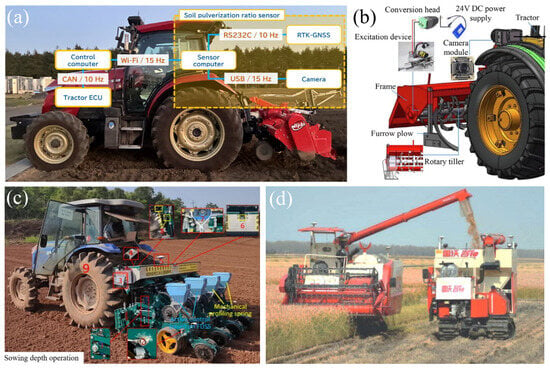
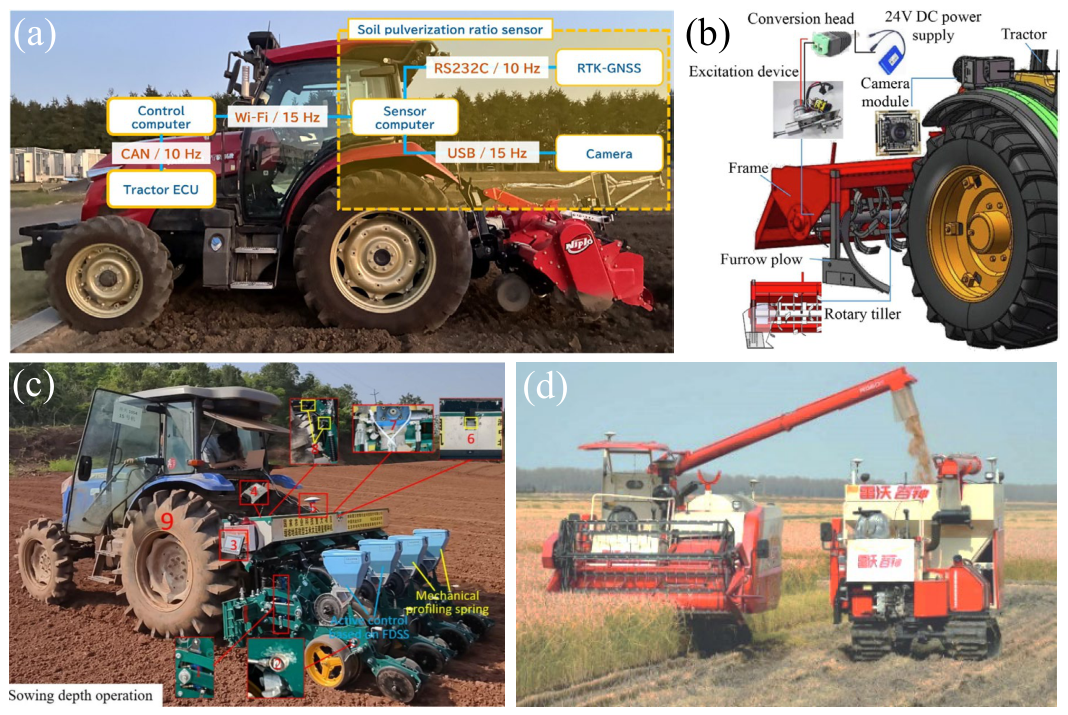
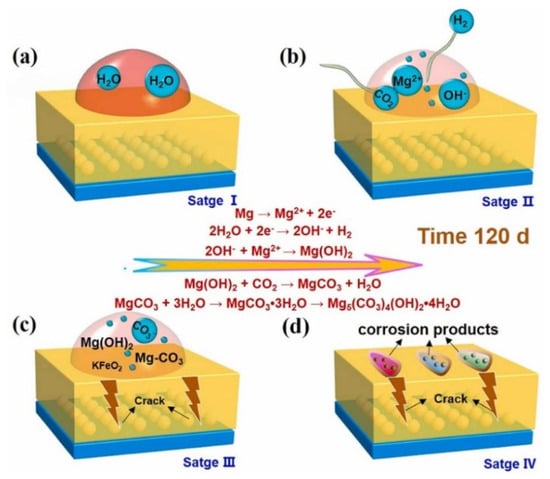
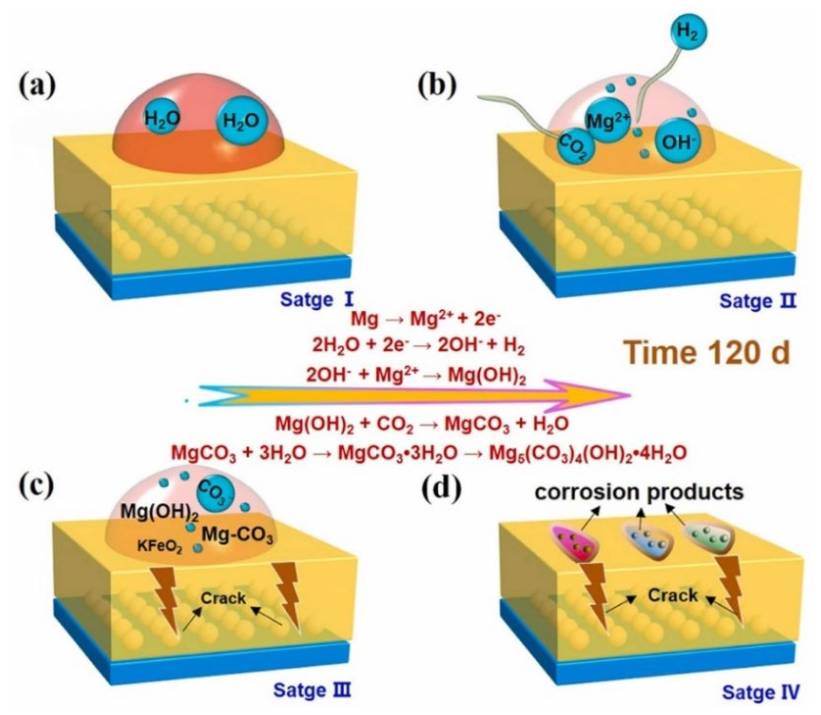
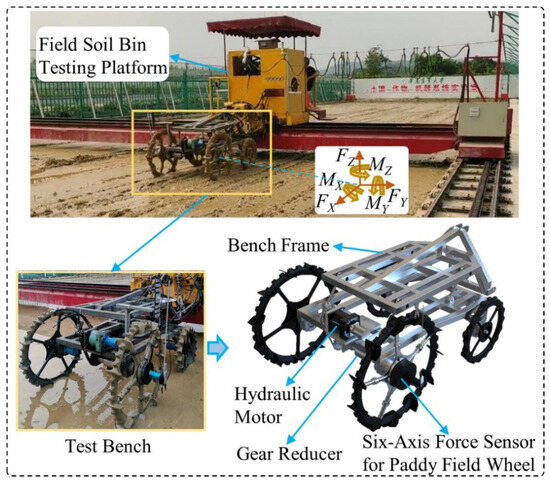
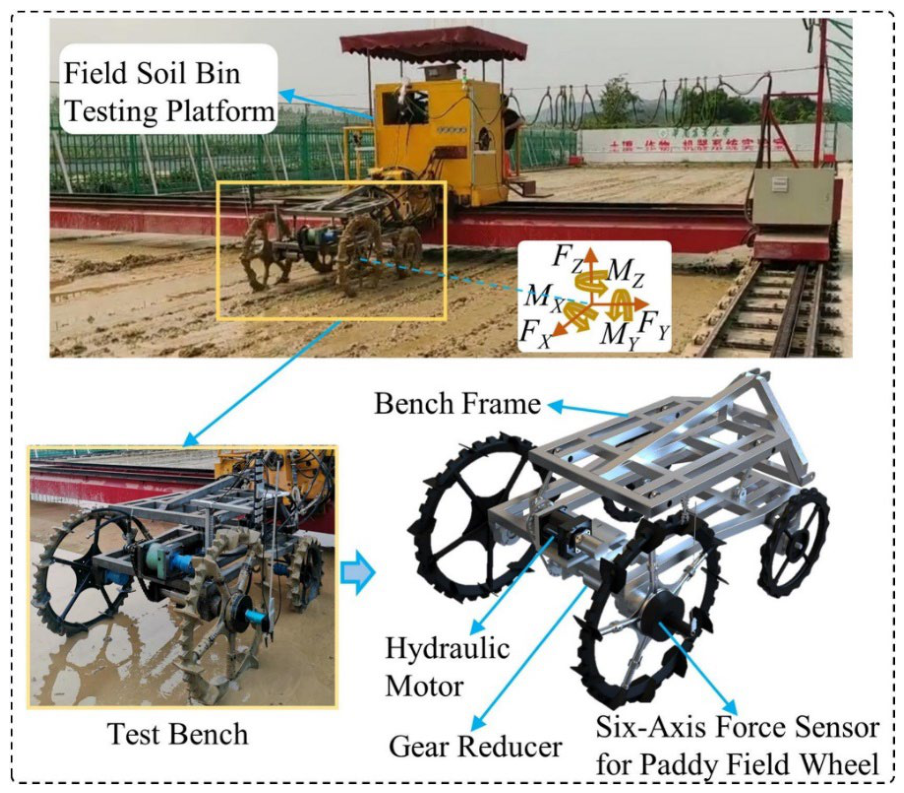
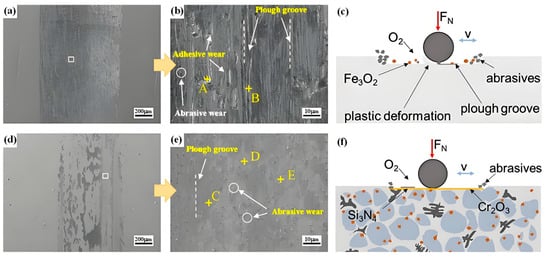
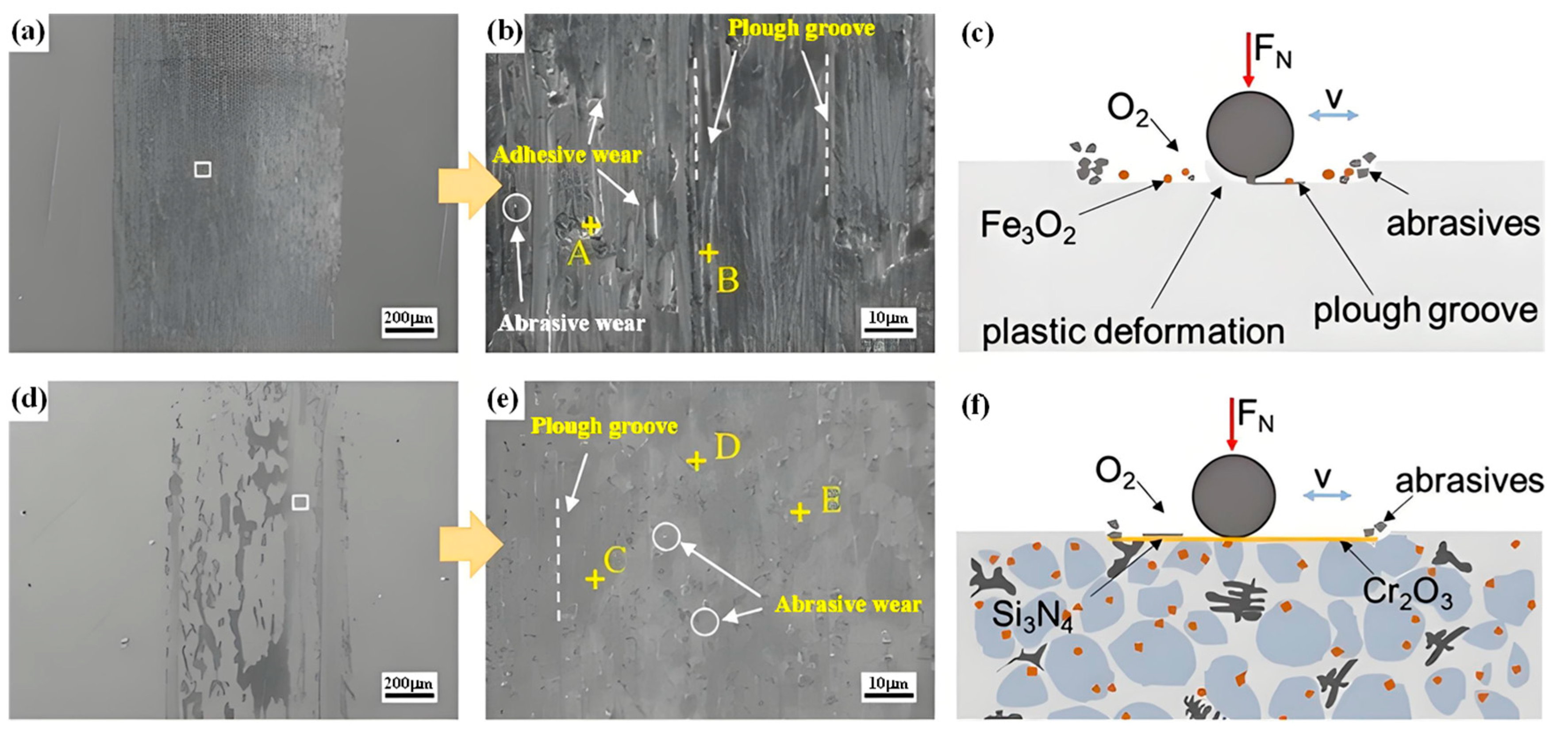
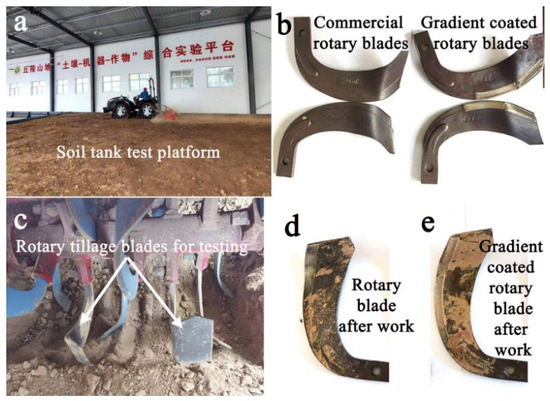
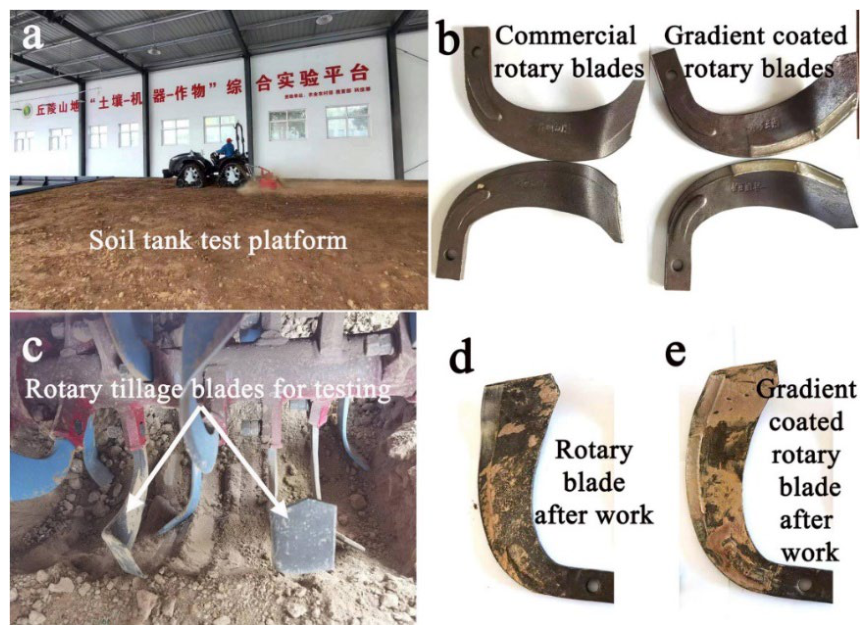
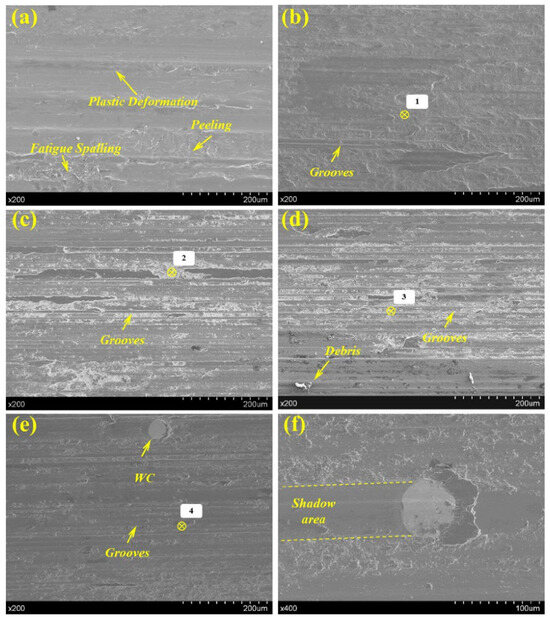
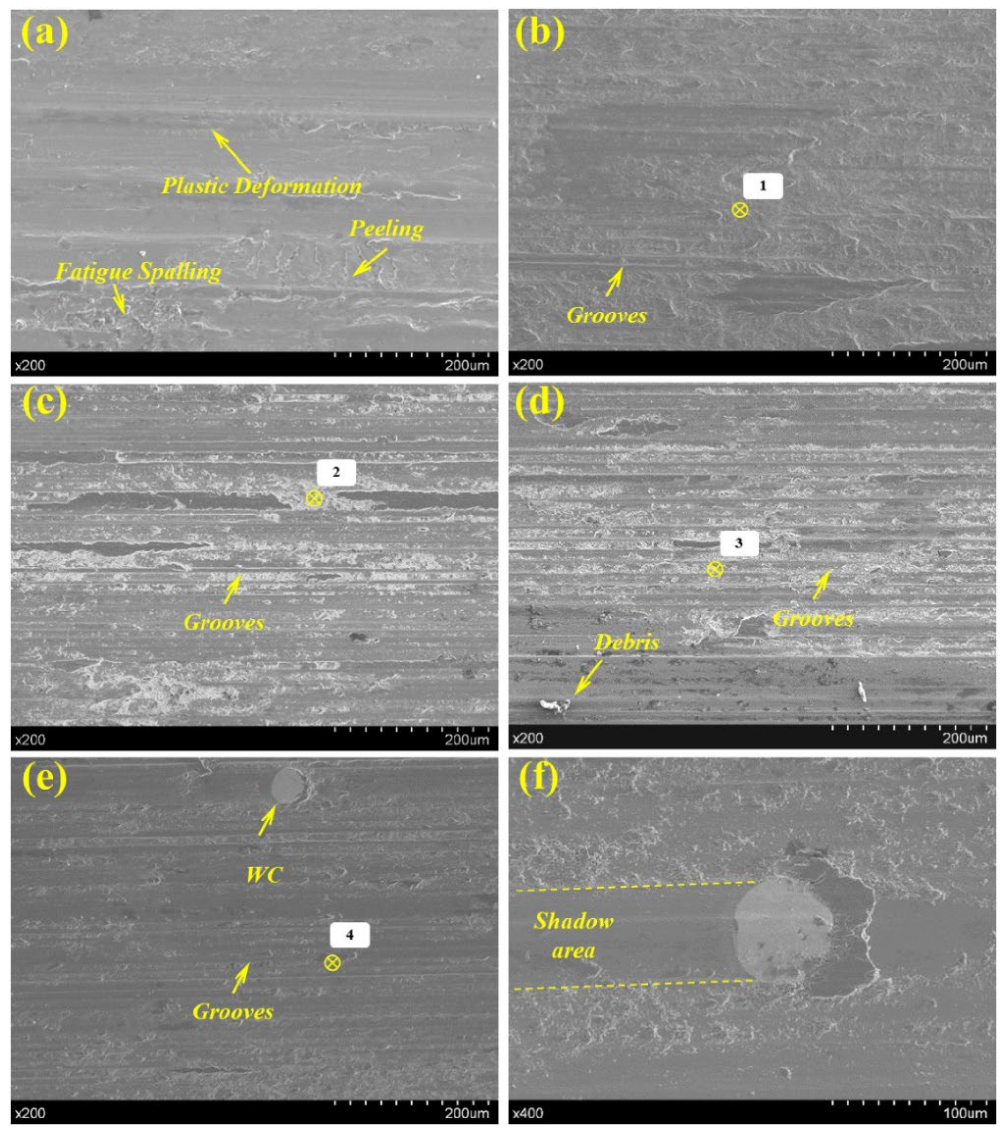
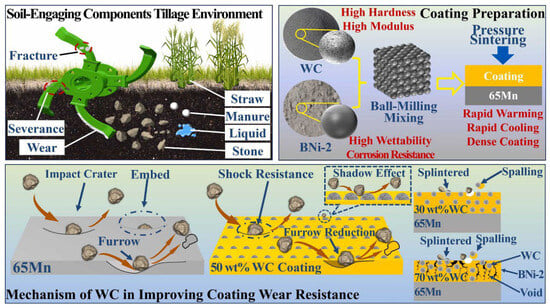
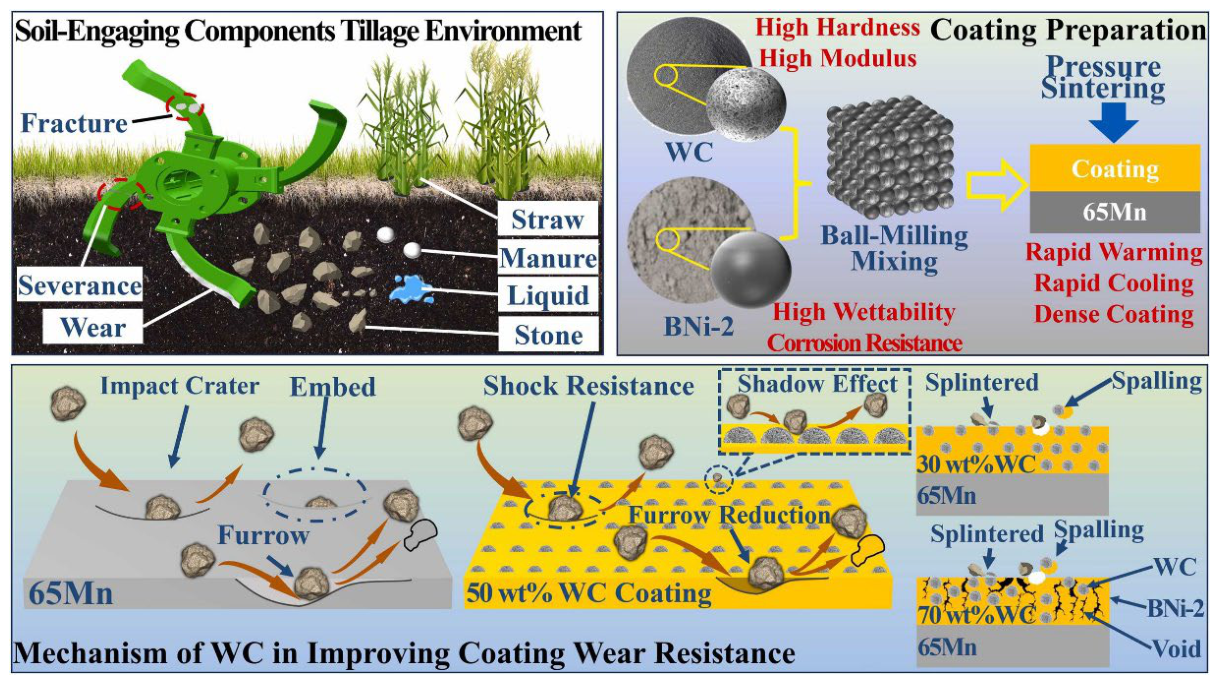
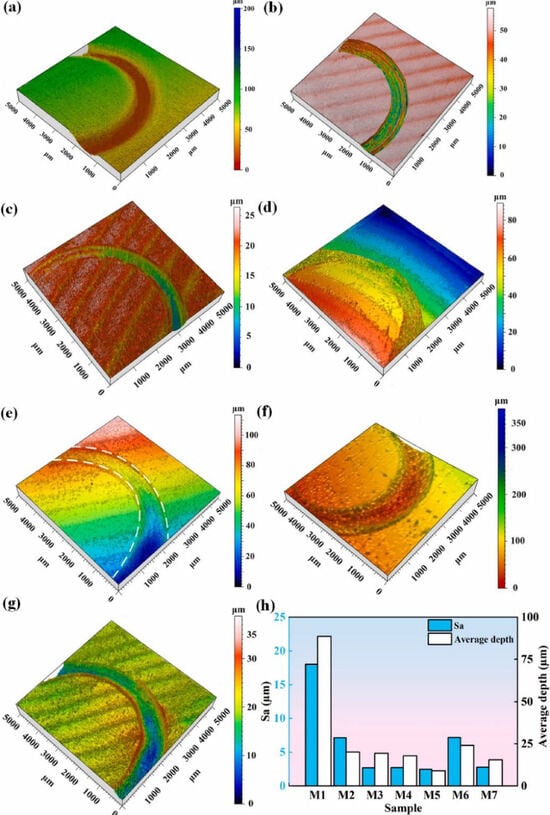
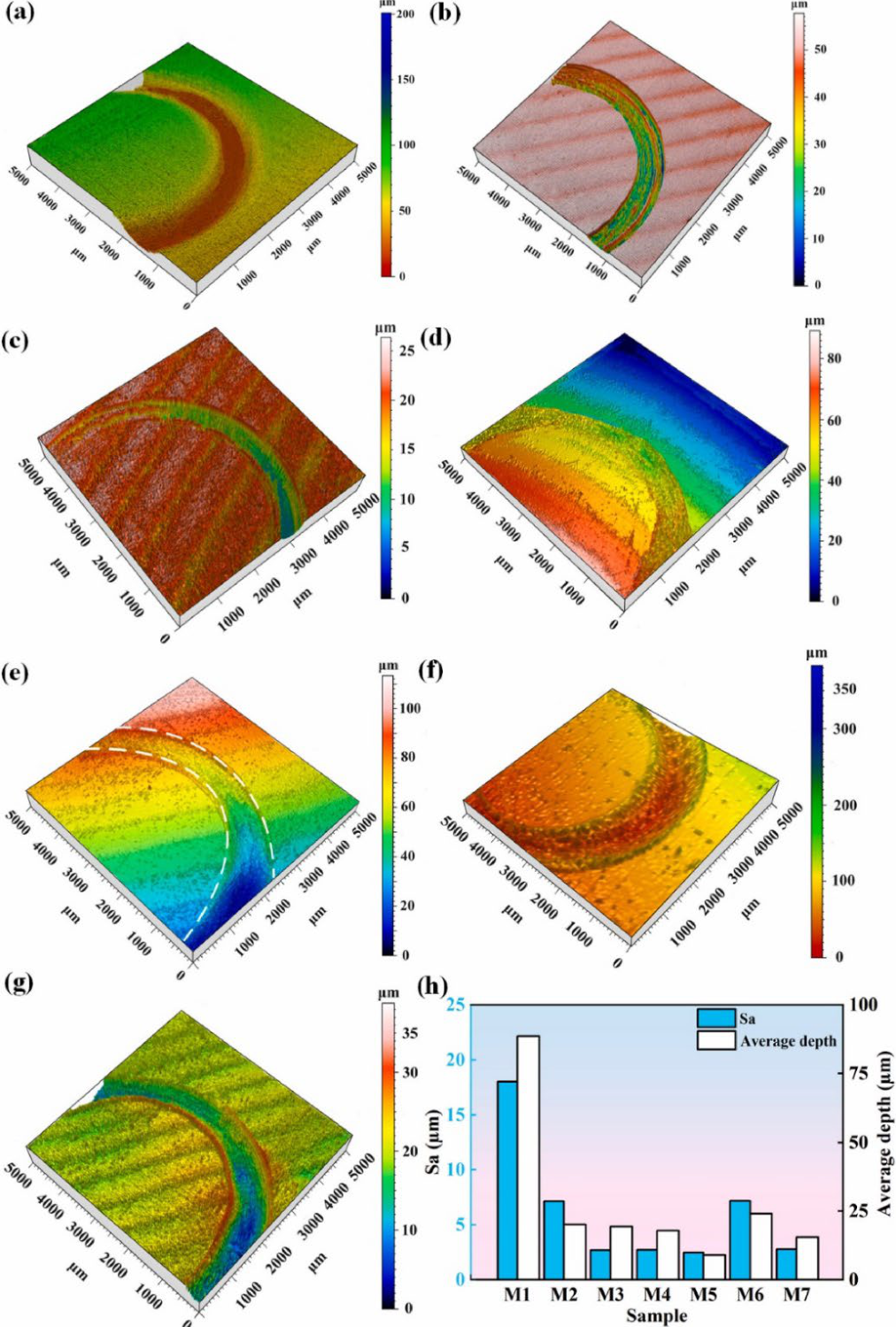
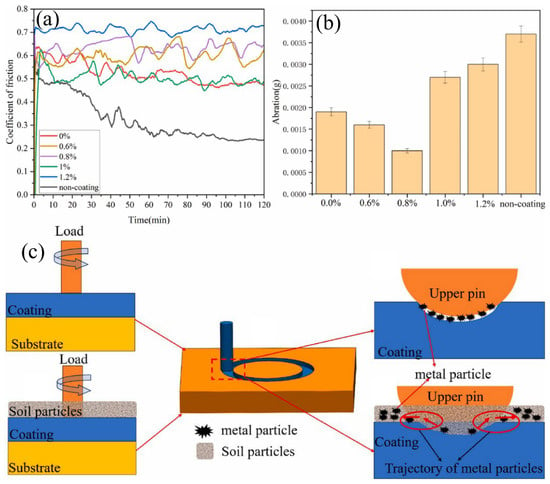
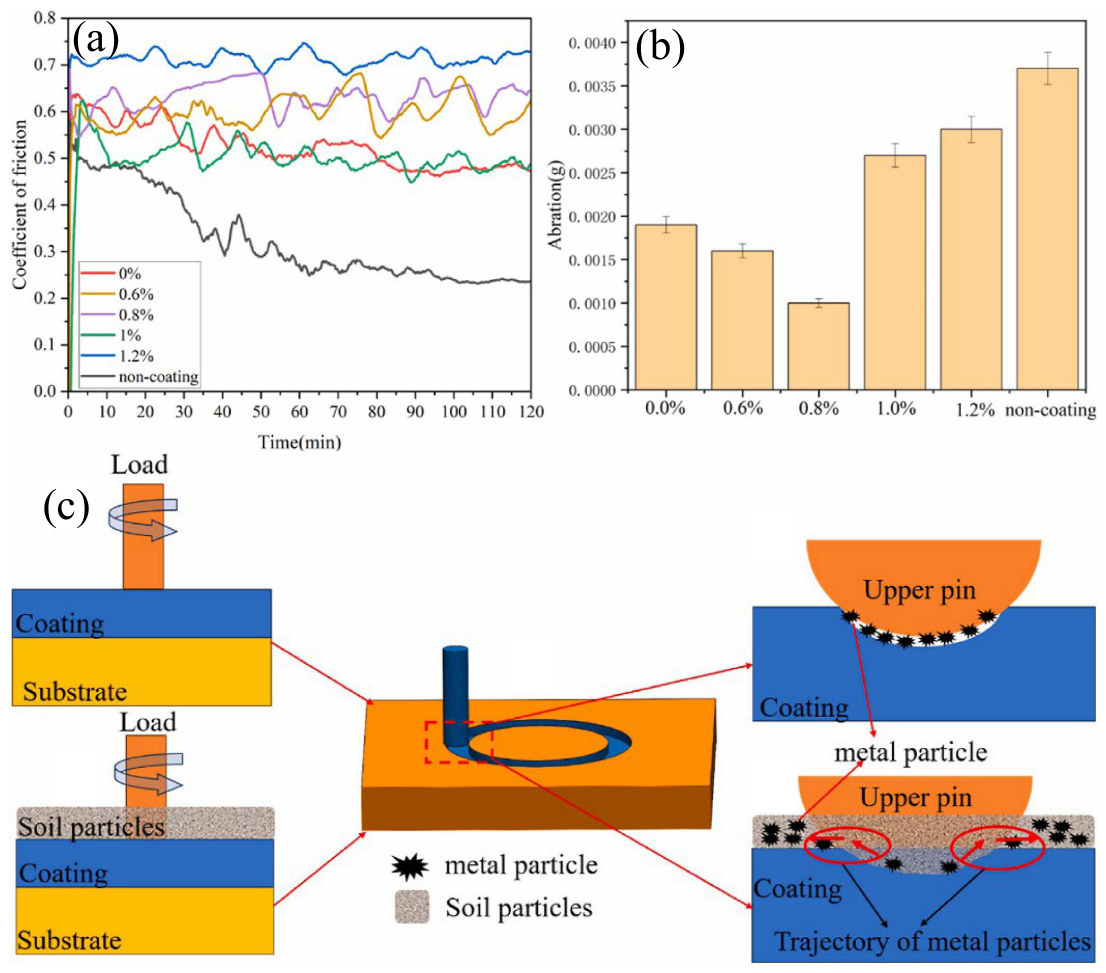
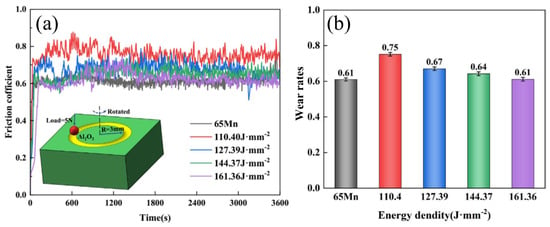
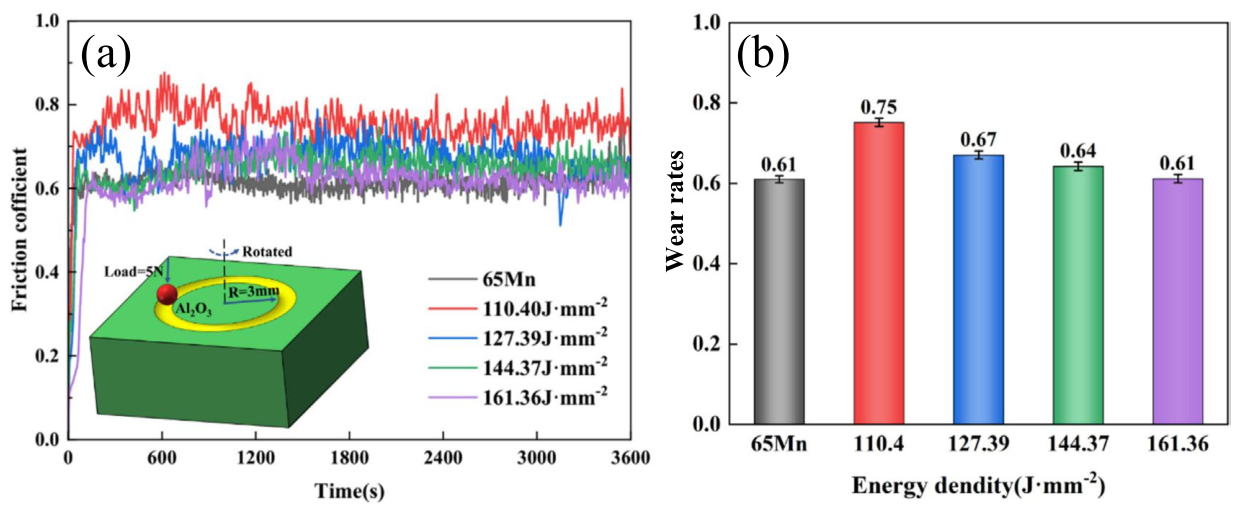
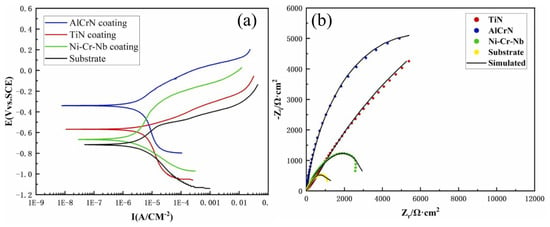
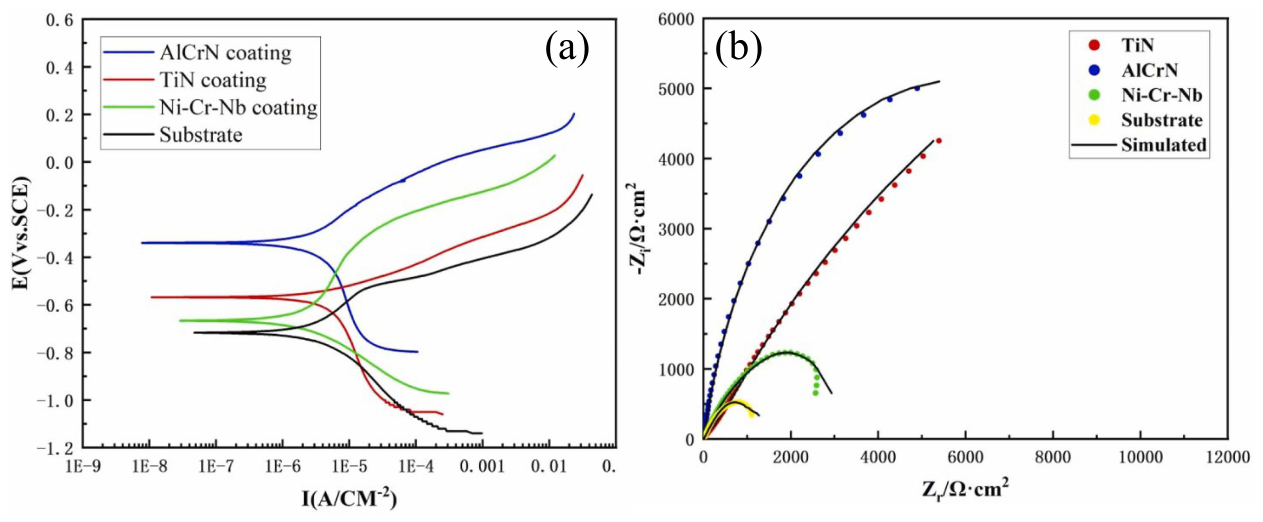
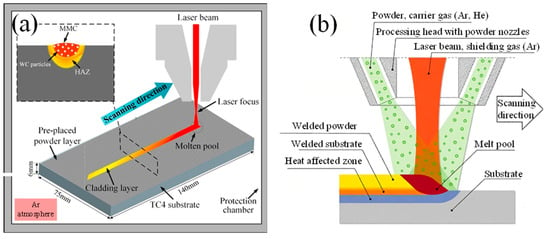
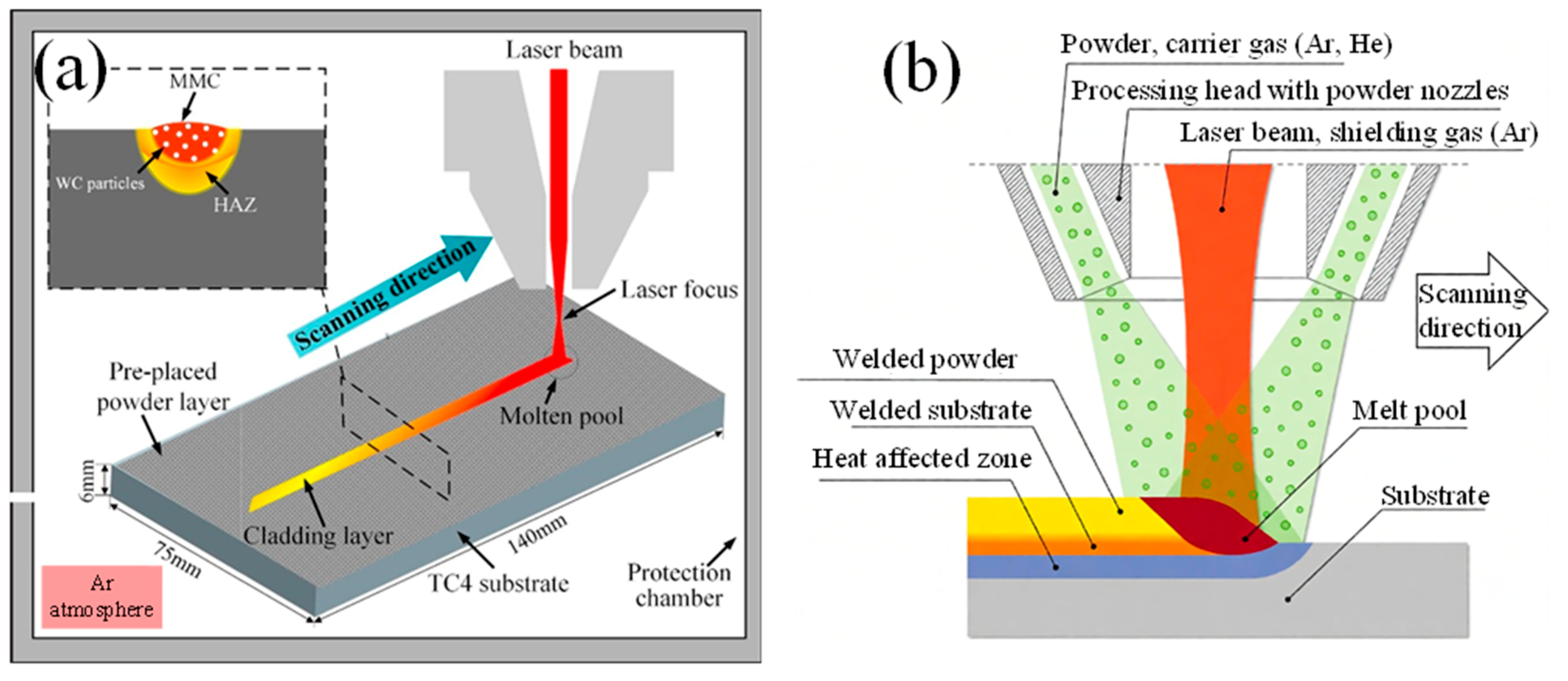
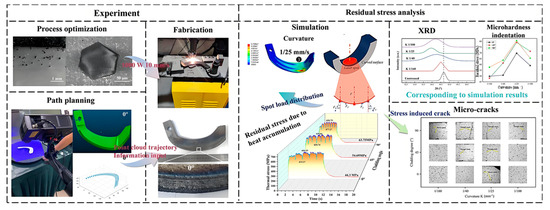
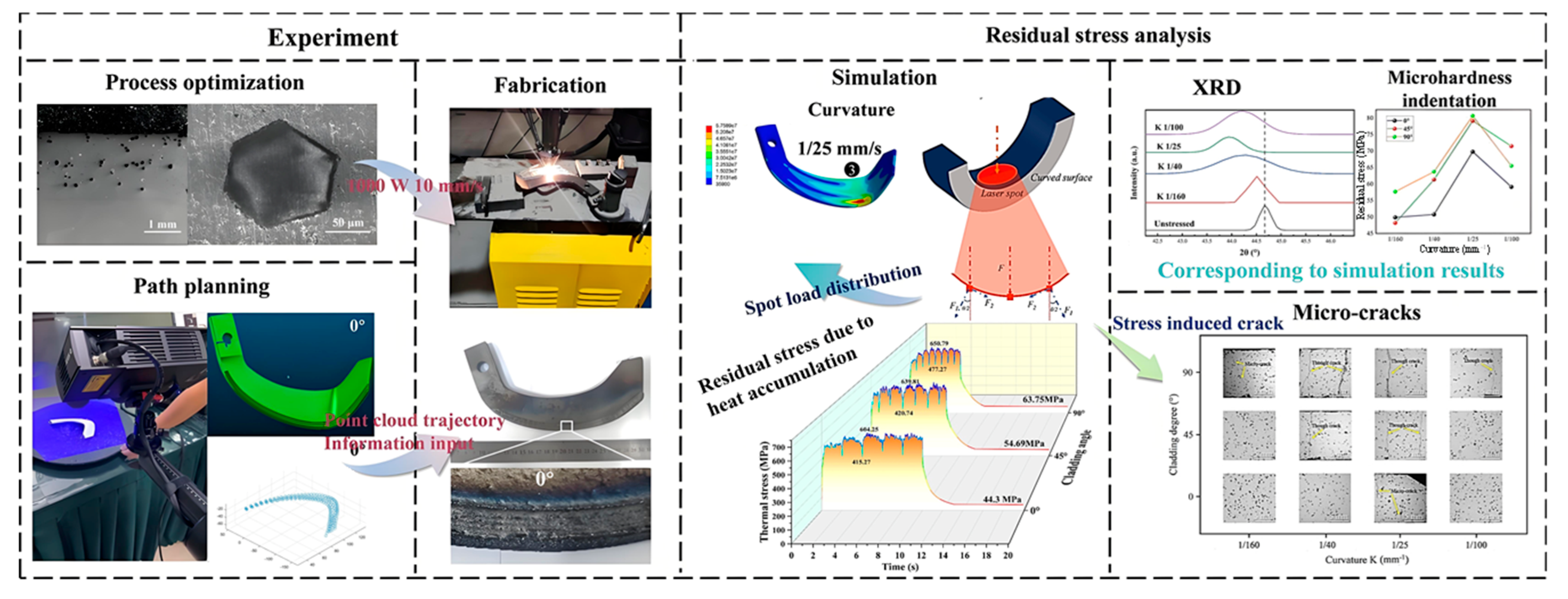
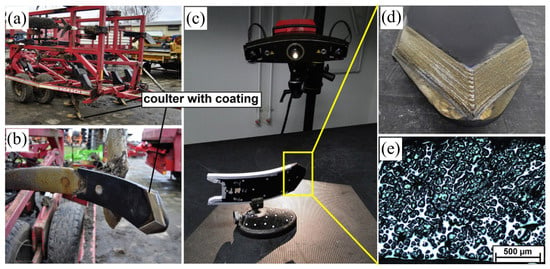
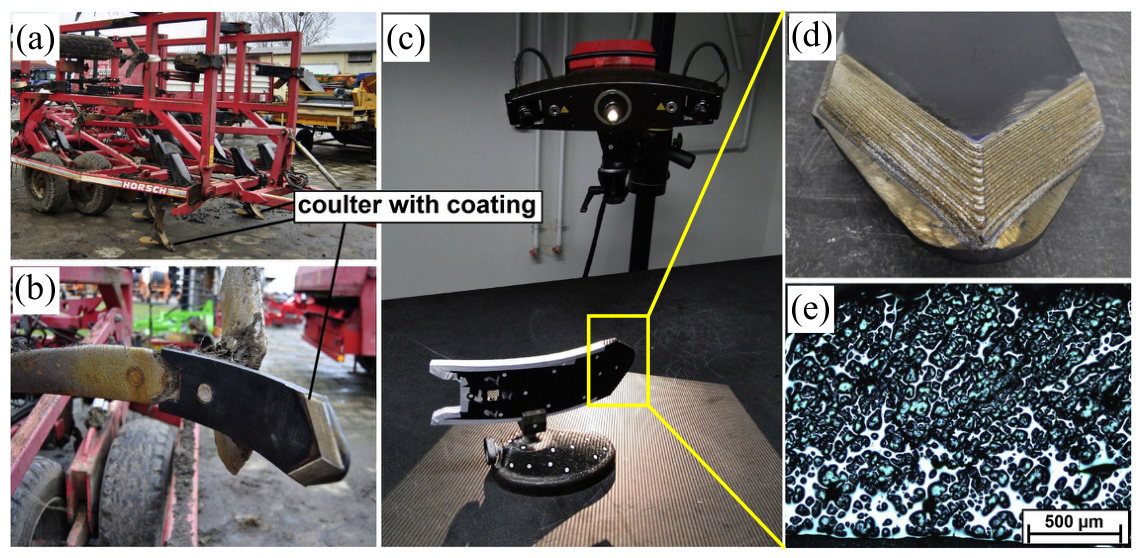
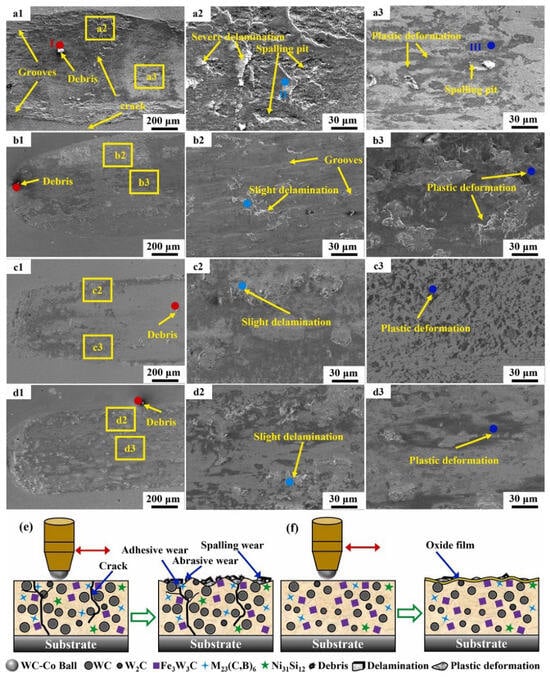
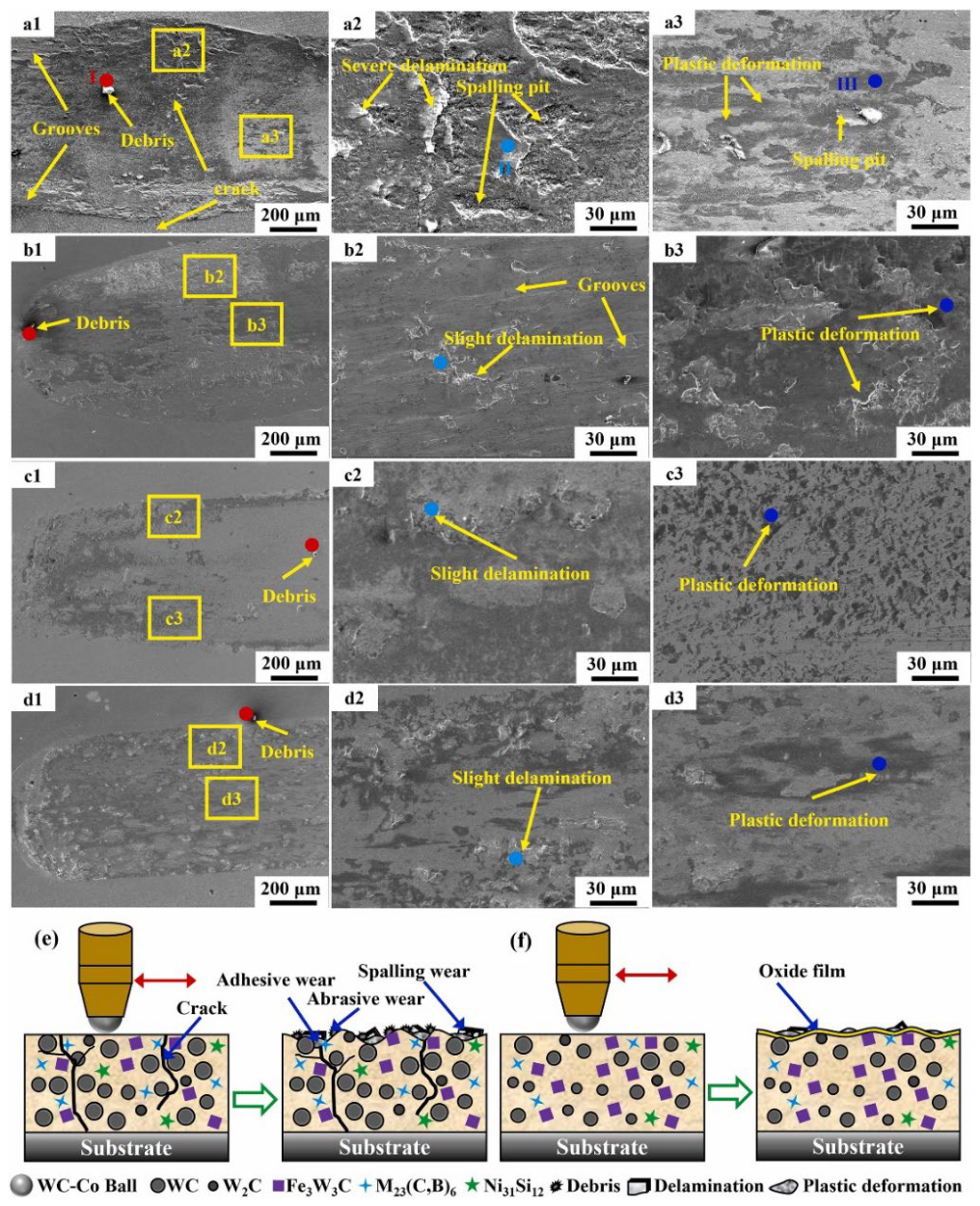
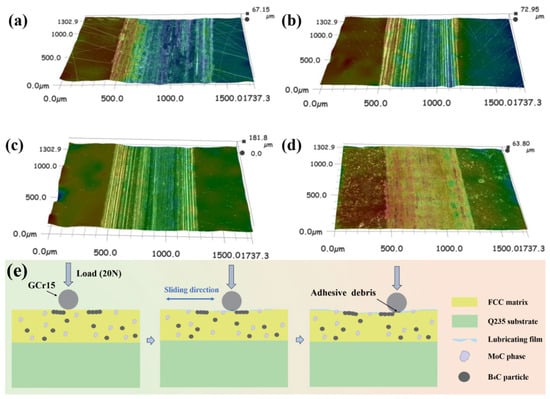
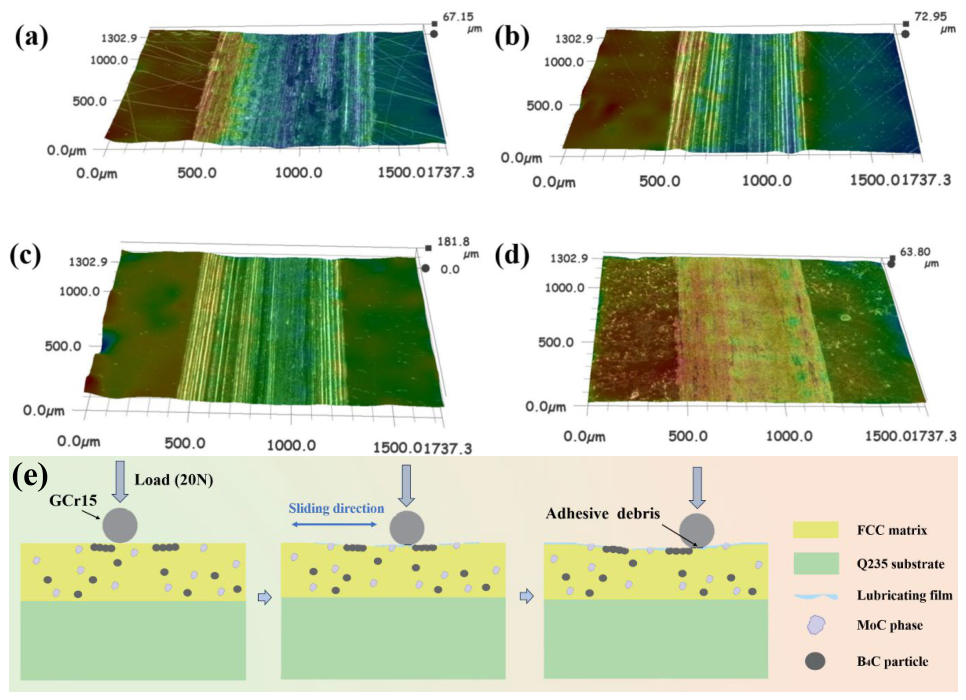
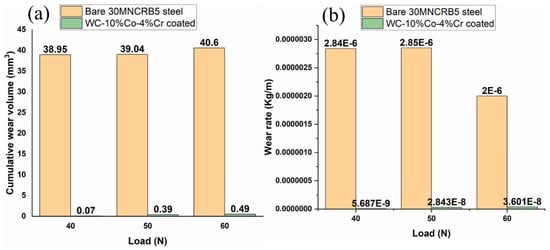
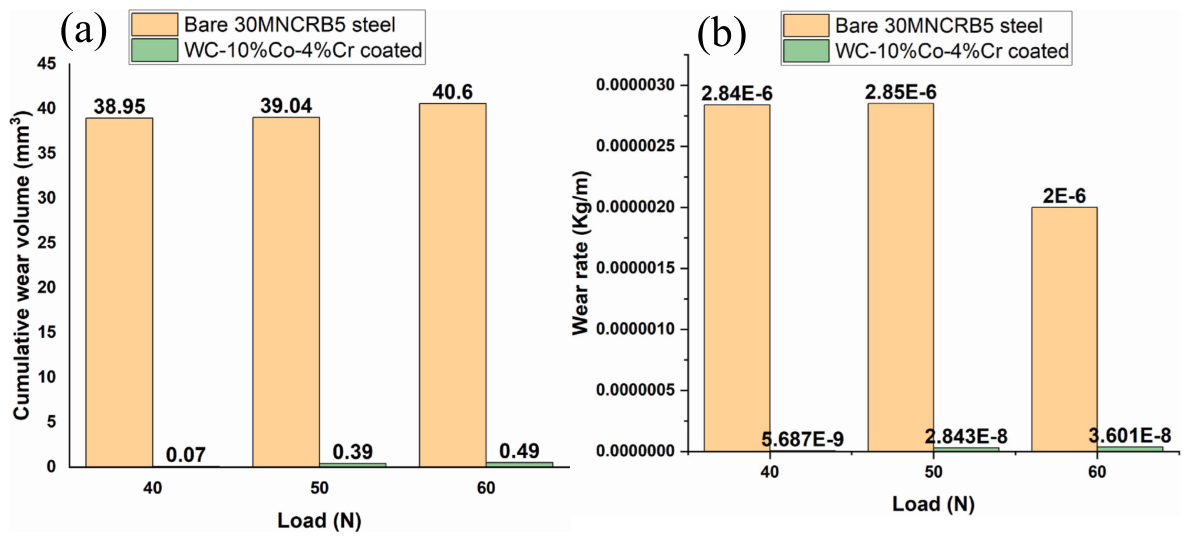
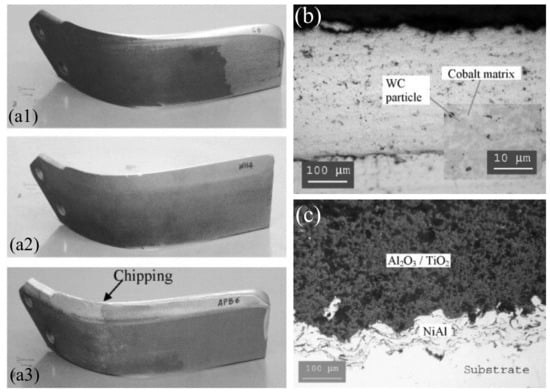
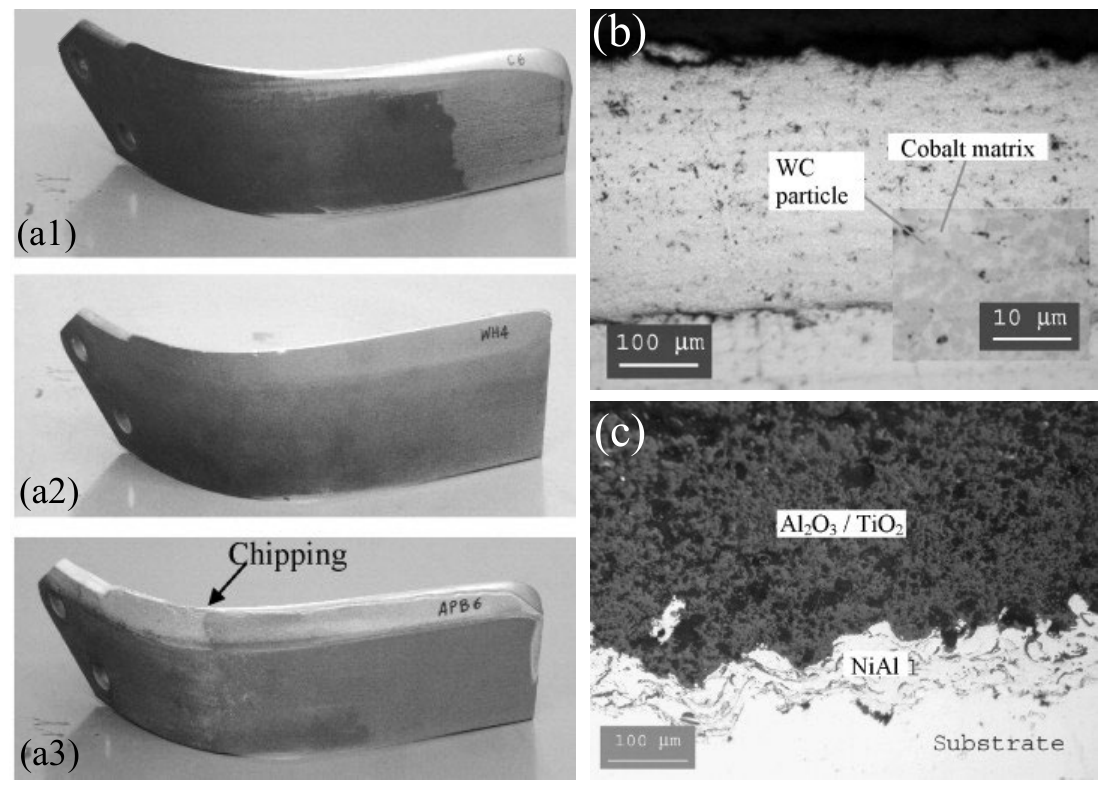
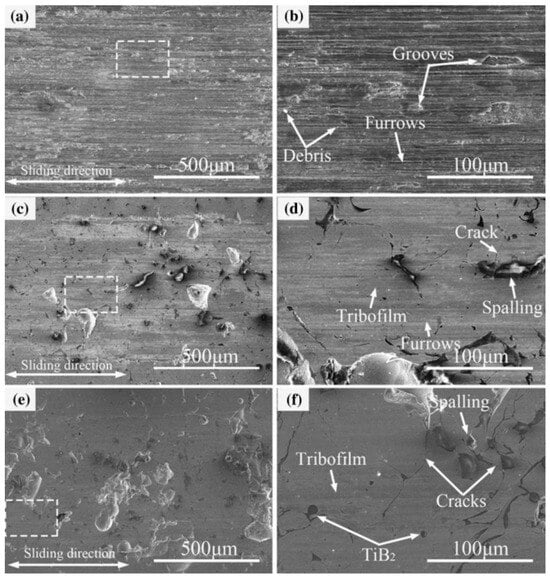
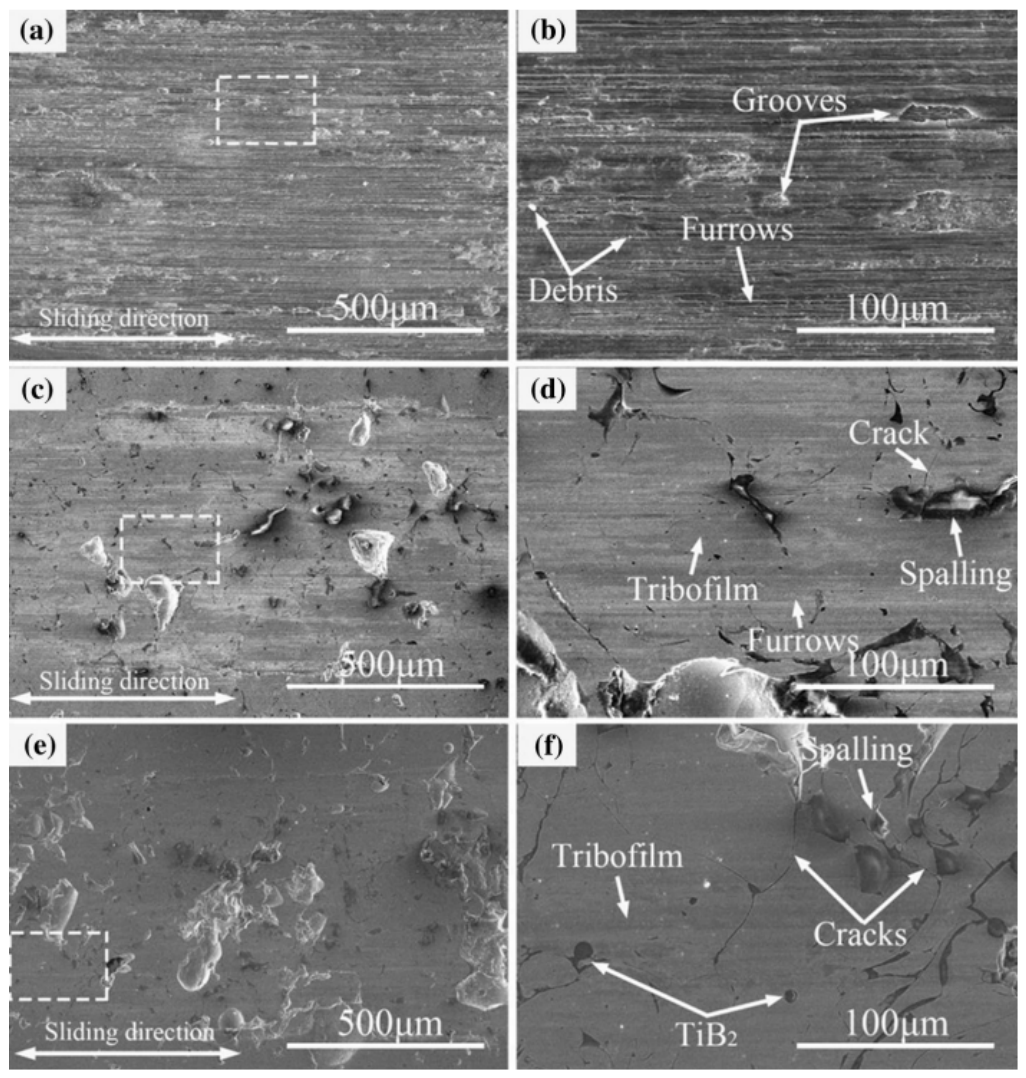
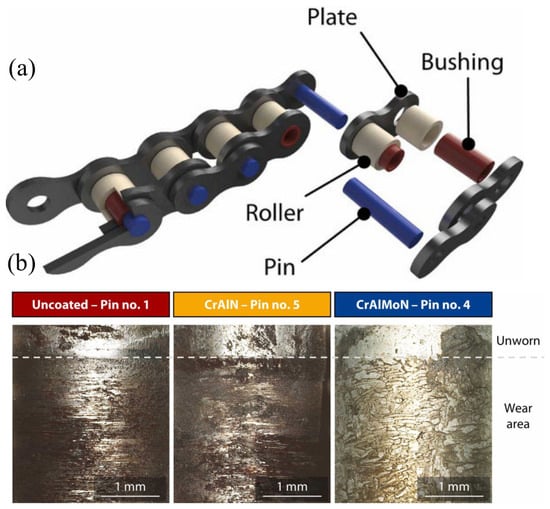
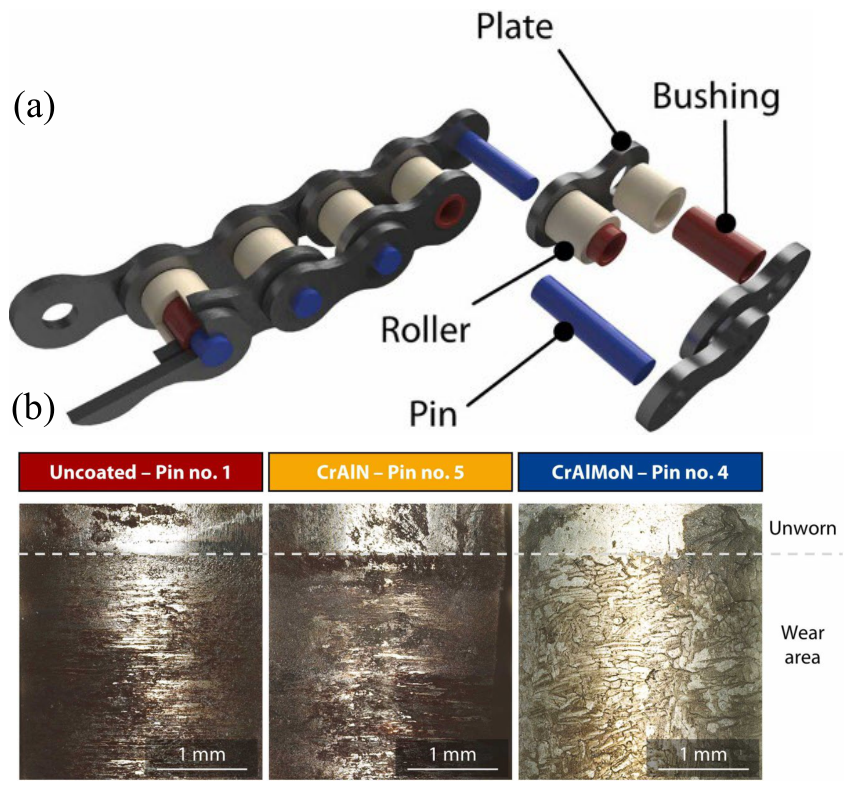
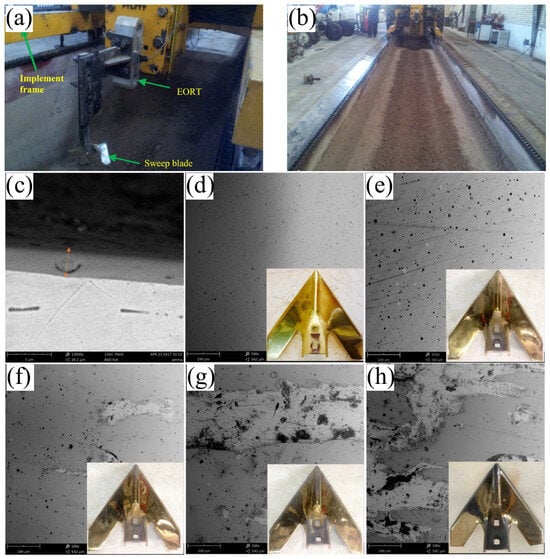
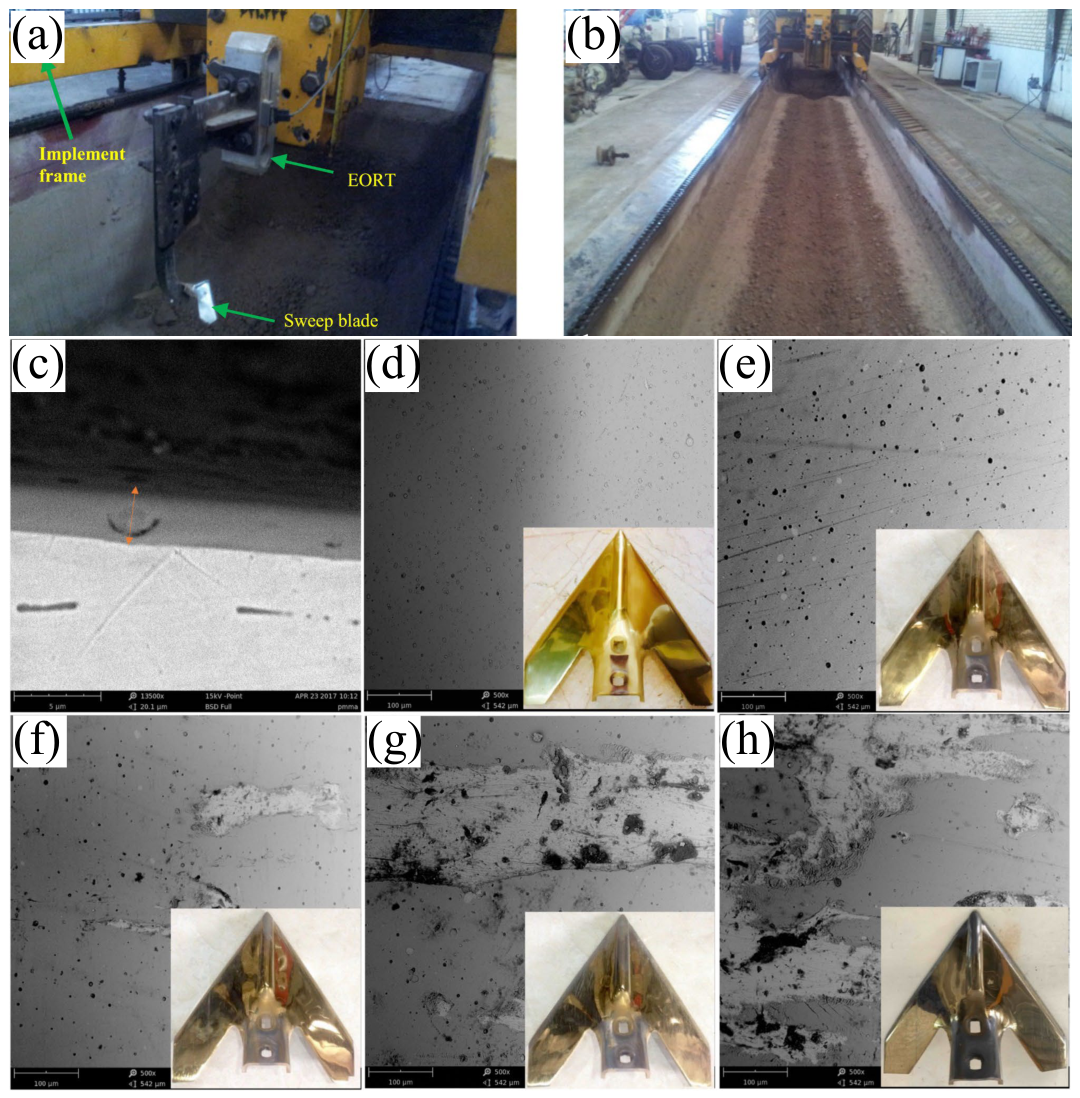
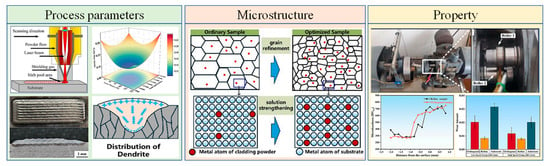
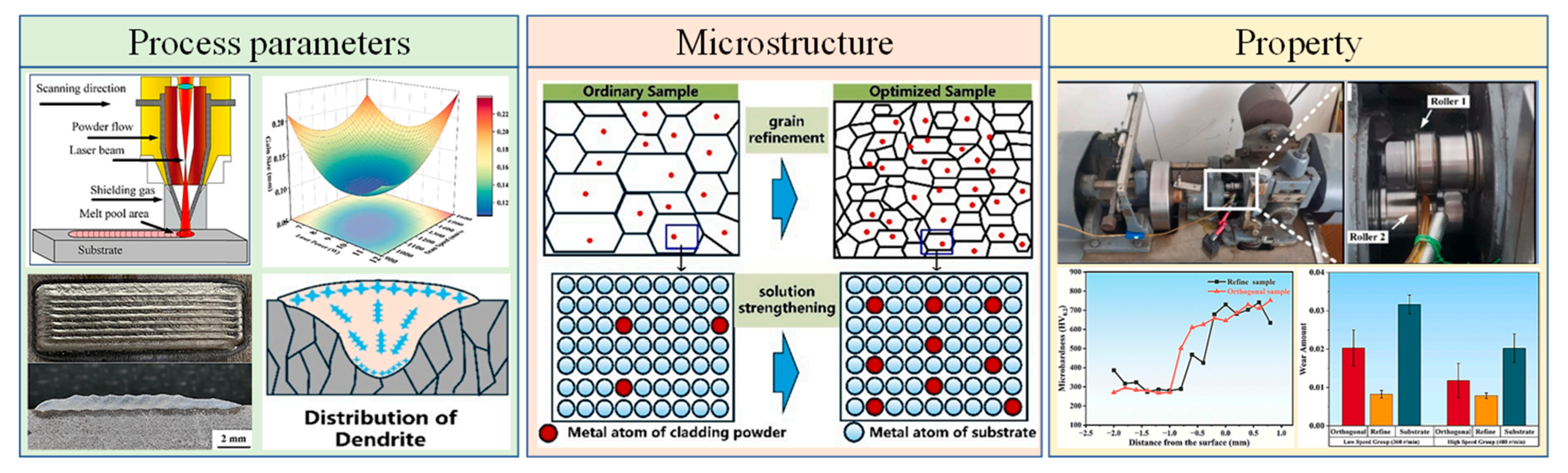
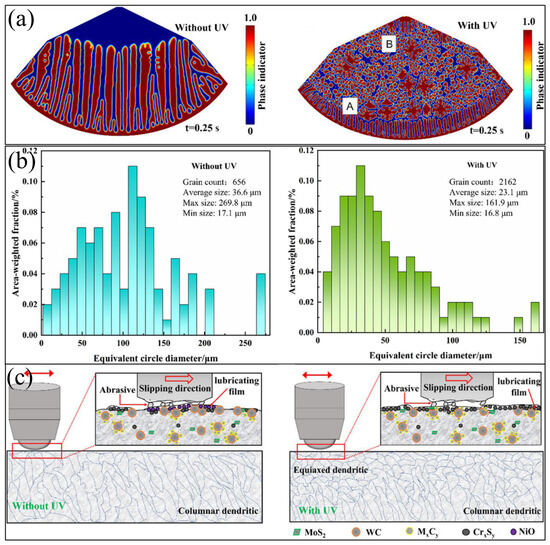
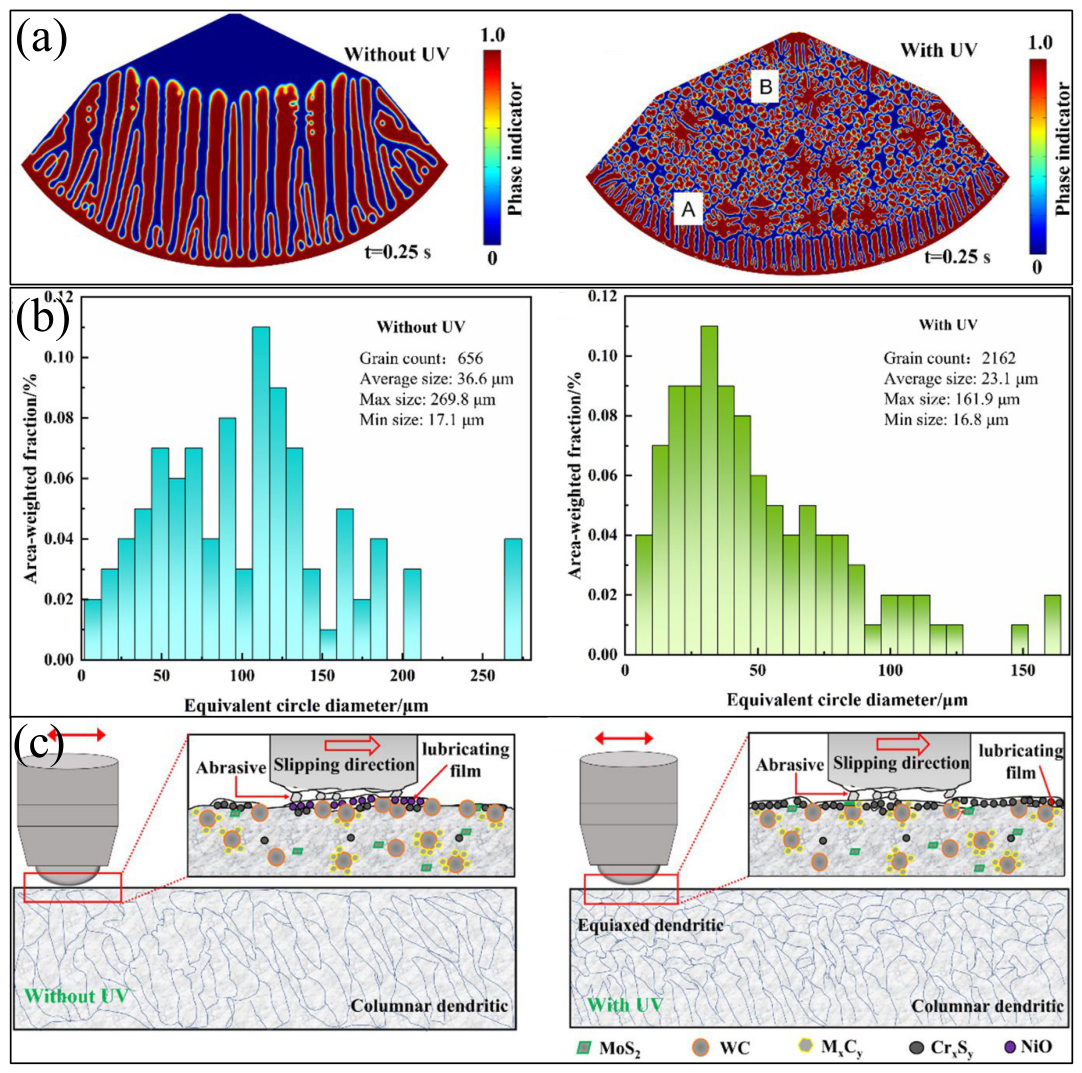
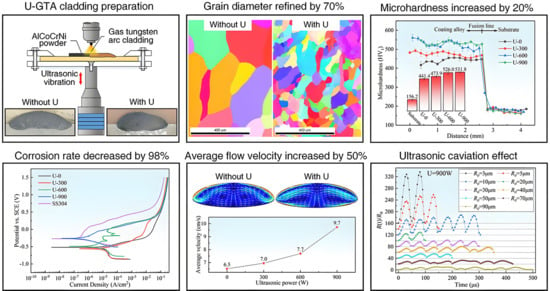
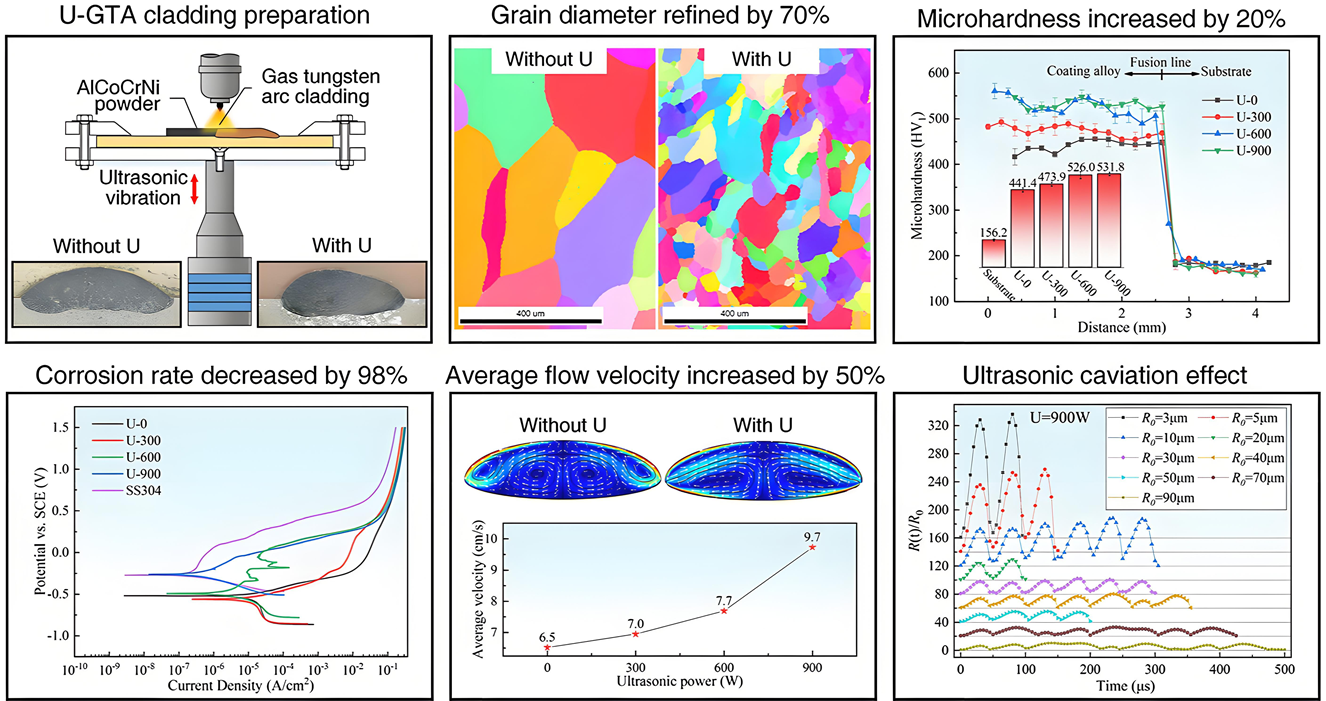
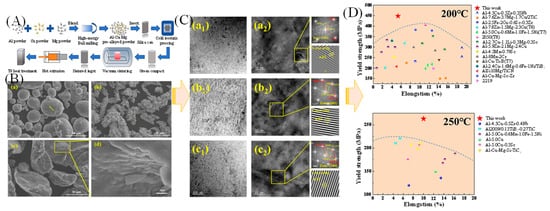
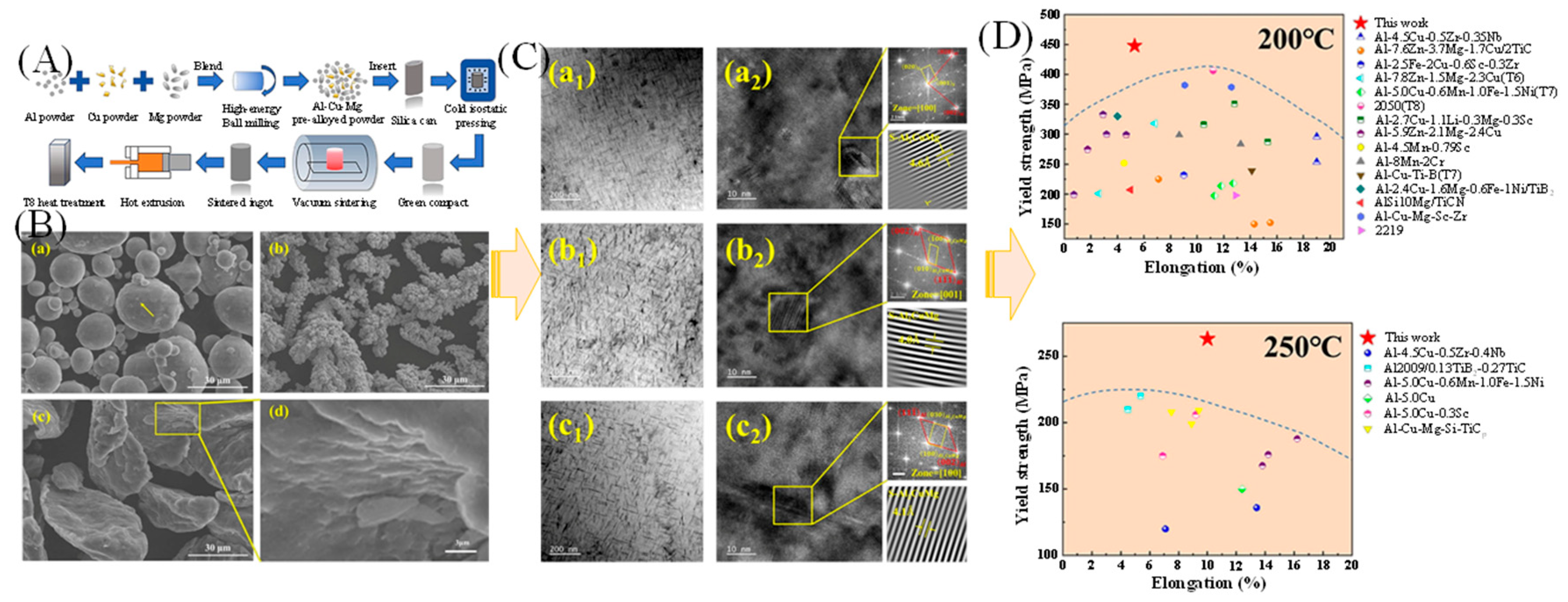
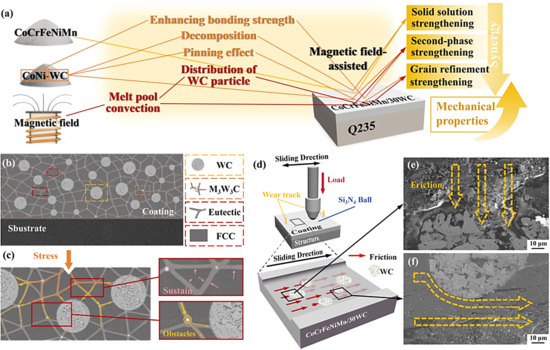
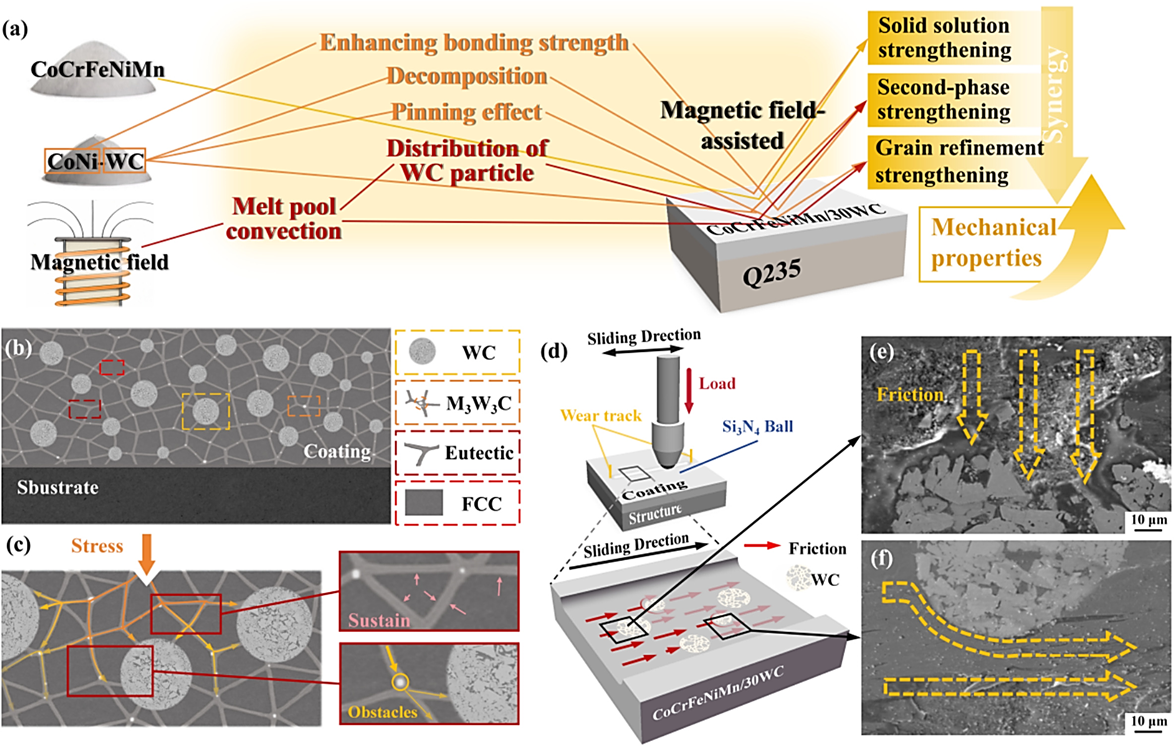
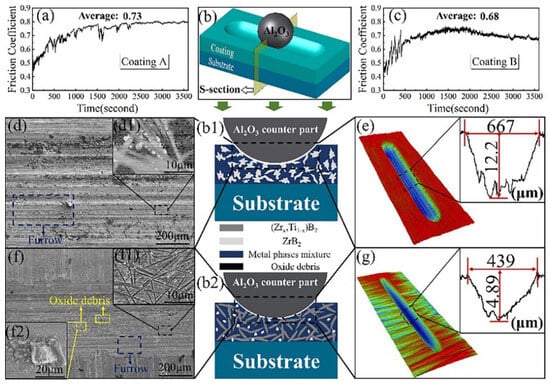
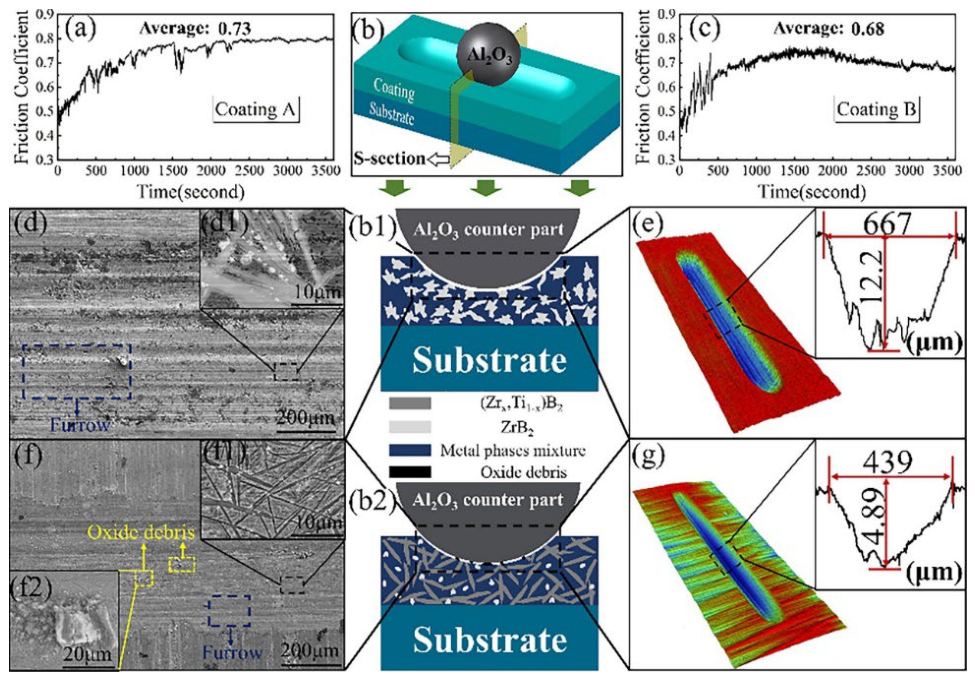

Disclaimer/Publisher’s Note: The statements, opinions and data contained in all publications are solely those of the individual author(s) and contributor(s) and not of MDPI and/or the editor(s). MDPI and/or the editor(s) disclaim responsibility for any injury to people or property resulting from any ideas, methods, instructions or products referred to in the content. |
© 2026 by the authors. Licensee MDPI, Basel, Switzerland. This article is an open access article distributed under the terms and conditions of the Creative Commons Attribution (CC BY) license.