


Abstract
As sports content platforms increasingly occupy a central role in consumers’ media consumption and fitness-related activities, understanding the factors that encourage sustained user engagement has become an important research concern. Although corporate social responsibility (CSR) has been widely recognized as a strategic tool for enhancing consumer perceptions and organizational reputation, prior research has focused primarily on traditional sports organizations and general commercial settings, with limited attention given to its influence within digitally mediated sports content platform environments. Therefore, this study investigates the relationships among CSR, empathy, attitude, and usage intention in the context of sports content platforms. Data were collected in Republic of Korea from 225 university students who regularly use sports content platforms. Structural equation modeling was employed to test the proposed conceptual framework. The findings reveal that CSR positively influences empathy and attitude, while empathy positively influences attitude. In addition, attitude is positively associated with usage intention. However, CSR does not directly influence usage intention, and empathy does not exhibit a direct relationship with usage intention. These results suggest that users’ continued engagement with sports content platforms is shaped more by evaluative attitudes than by direct emotional responses or perceptions of social responsibility alone. The study contributes to the literature by extending CSR research beyond traditional sports organizations into digitally transformed sports content platform environments and by identifying the psychological mechanisms through which CSR shapes user behavior in digital sports media environments. It also offers practical guidance for platform operators seeking to strengthen long-term user relationships through socially responsible initiatives.
1. Introduction
The rapid growth of digital media technologies has transformed the way sports consumers access, engage with, and experience sports-related content [1]. In addition to traditional media channels, sports content platforms such as YouTube sports channels, fitness applications, sports communities, and social media accounts have become important sources of information, entertainment, and interaction for consumers [2,3]. These platforms provide users with diverse forms of content, including live broadcasts, highlights, instructional videos, fitness guidance, and community-based discussions. As competition among digital platforms intensifies, platform operators increasingly seek strategies that extend beyond content quality and technological functionality to strengthen user engagement and foster long-term relationships [4].
One strategy that has received considerable attention in recent years is corporate social responsibility (CSR). CSR refers to organizational efforts to fulfill ethical, social, and philanthropic obligations while creating value for stakeholders and society [5]. Previous research has demonstrated that CSR activities can positively influence consumers’ perceptions of organizations by enhancing trust, corporate reputation, and favorable brand evaluations [6,7,8]. As consumers become more socially conscious, they increasingly evaluate organizations not only on the basis of economic performance but also on the extent to which they contribute to societal well-being [9]. Consequently, CSR has evolved into an important strategic tool for organizations seeking to strengthen consumer relationships and differentiate themselves in competitive markets.
The significance of CSR is particularly evident in the sports industry. Sports organizations occupy a unique social position because they possess the ability to influence public attitudes, behaviors, and community development through their broad social visibility and cultural impact. As a result, stakeholders increasingly expect sports-related organizations to engage in socially responsible activities that extend beyond commercial objectives [10,11]. Prior studies have reported that CSR initiatives undertaken by sports teams, sporting events, and sports-related businesses contribute to stronger consumer identification, enhanced organizational image, and increased behavioral support [10,11,12]. These findings suggest that socially responsible activities play an important role in shaping stakeholders’ perceptions and behavioral responses within sports settings.
Despite growing interest in CSR within sports contexts, existing research has primarily focused on traditional sports organizations, including professional teams, leagues, sporting events, and commercial sports brands [13,14,15]. Comparatively little attention has been devoted to sports content platforms, which have emerged as influential actors within the contemporary sports ecosystem. Unlike conventional sports organizations, sports content platforms interact with users through continuous digital engagement, media consumption, and online communities. They also differ from general digital platforms because sports-related platform use is often shaped by fan identity, emotional attachment, and community-based participation. Consequently, users’ responses toward these platforms may be shaped not only by the quality of content provided but also by perceptions regarding the platform’s social responsibility and ethical values. This context suggests that CSR may influence user engagement through mechanisms that are more socially and emotionally embedded than those typically observed in more generic digital service settings. Understanding these relationships is increasingly important because sports content platforms are becoming major channels through which consumers experience sports and interact with sports-related organizations.
Sports content platforms should also be understood as part of the broader digital transformation of sport rather than merely as additional media channels. Through mobile applications, social media infrastructures, data-driven recommendation systems, online communities, and interactive content services, these platforms reorganize how sports organizations, users, content creators, sponsors, and communities exchange information and create value. This process reflects the platformization of sport, in which technological infrastructures mediate relationships among multiple actors and extend participation beyond physical venues and traditional broadcasting environments. Within such ecosystems, CSR can become embedded in technology-enabled forms of community engagement, including digital fitness campaigns, inclusive sports content, virtual fundraising initiatives, health promotion programs, and online support for socially disadvantaged groups. Users’ responses to these initiatives are therefore relevant not only to platform marketing but also to how such platforms are socially perceived and evaluated within evolving digital sports ecosystems. Examining how CSR generates empathy, favorable attitudes, and continued usage can clarify whether socially responsible platform practices help sustain relationships between technological service providers and their wider communities. Accordingly, this study approaches sports content platforms as socio-technical actors whose value may be strengthened by their ability to integrate digital services with socially meaningful forms of engagement.
Furthermore, previous CSR research has predominantly emphasized cognitive outcomes such as trust, reputation, brand, and organizational image [16,17,18], while relatively less attention has been given to the psychological mechanisms through which CSR influences users’ behavioral intentions in digital platform environments. In particular, empathy represents a potentially important emotional response because socially responsible activities may encourage users to emotionally connect with an organization’s values and social contributions. This emphasis on empathy is especially relevant in sports content platform settings, where user engagement is often shaped by emotional involvement, value resonance, and a sense of community connection rather than by functional evaluation alone. Such emotional connections may subsequently influence users’ evaluations of a platform and shape their future behavioral intentions. However, empirical evidence explaining the roles of empathy and attitude in linking CSR perceptions to usage intention remains limited, especially within sports content platform settings.
To address these gaps, this study investigates the relationships among CSR, empathy, attitude, and usage intention in the context of sports content platforms. Drawing upon stakeholder theory [19] and the theory of planned behavior [20], this study proposes that users’ perceptions of CSR influence their emotional responses and evaluations, which subsequently affect their intentions to continue using sports content platforms. More specifically, stakeholder theory helps explain why CSR serves as a salient signal of social responsibility to platform users, whereas the theory of planned behavior is used more selectively to explain how favorable attitudes are translated into usage intention. By examining these relationships, the study contributes to the CSR and sports management literature in several ways. First, it extends CSR research into the digitally transformed context of sports content platforms. Second, it identifies empathy as an important emotional mechanism through which CSR shapes user perceptions. Third, it provides a deeper understanding of how attitudes translate socially responsible perceptions into continued platform engagement within a platform-based sports consumption environment. The findings offer valuable theoretical insights and practical implications for platform operators seeking to strengthen user relationships through socially responsible initiatives.
2. Literature Review
2.1. Corporate Social Responsibility
CSR refers to organizational policies and practices that address economic, legal, ethical, and philanthropic responsibilities toward stakeholders and society [5]. Over the past several decades, CSR has evolved from a peripheral managerial concern into a strategic mechanism for creating social value and strengthening relationships with consumers. Organizations increasingly invest in socially responsible initiatives because consumers tend to evaluate companies not only based on products and services but also on their broader societal contributions [8,9]. Prior studies have consistently shown that CSR activities enhance corporate reputation, strengthen trust, improve brand evaluations, and encourage favorable consumer responses [6,7,21]. Through CSR, organizations communicate their ethical commitments and demonstrate concern for stakeholders, thereby generating positive emotional and cognitive reactions among consumers.
The importance of CSR has become particularly evident within the sports industry [22]. Sports organizations possess substantial social influence because they engage diverse audiences through entertainment, competition, health promotion, and community involvement. As a result, stakeholders increasingly expect sports organizations to contribute positively to society beyond their commercial objectives. Previous studies have shown that CSR initiatives implemented by professional sports teams, sporting events, and sports-related businesses can strengthen consumer identification, improve organizational image, and foster supportive behavioral intentions [10,11]. Sports consumers often perceive socially responsible activities as reflections of an organization’s values and authenticity, which can enhance emotional attachment and long-term engagement [12].
More recently, the rapid growth of sports content platforms has expanded the relevance of CSR within digital environments. Unlike traditional sports organizations, sports content platforms interact with users through media consumption, online communities, and digital engagement. Consequently, CSR initiatives may influence how users perceive platform credibility, social value, and ethical responsibility. Understanding the role of CSR in shaping users’ responses toward sports content platforms is therefore important for extending existing CSR research into emerging digital sports ecosystems.
2.2. Stakeholder Theory
Stakeholder theory provides a useful framework for understanding how organizational actions influence relationships with various stakeholder groups. The theory argues that organizations should create value not only for shareholders but also for broader stakeholders, including customers, employees, communities, and society as a whole [19]. According to this perspective, long-term organizational success depends on effectively addressing stakeholder expectations and demonstrating responsible behavior toward affected groups. CSR represents one of the primary mechanisms through which organizations communicate their commitment to stakeholder welfare and societal interests [5].
In marketing and consumer behavior research, stakeholder theory has been widely applied to explain how socially responsible actions shape consumers’ perceptions and evaluations of organizations [9,23]. When consumers perceive that an organization actively contributes to social welfare, they are more likely to develop positive perceptions and stronger emotional connections. Within sports content platforms, CSR activities may serve as signals that the platform prioritizes societal well-being in addition to commercial objectives. Consequently, stakeholder theory suggests that users’ responses toward sports content platforms are likely to be influenced by their perceptions of the platform’s social responsibility.
2.3. Theory of Planned Behavior
The theory of planned behavior is one of the most influential frameworks for explaining human decision-making and behavioral intention. Developed by Ajzen [20], the theory proposes that behavioral intention is primarily determined by attitude toward the behavior, subjective norms, and perceived behavioral control. Among these factors, attitude has consistently been identified as a strong predictor of individuals’ intentions and subsequent behaviors across various contexts. Individuals are generally more likely to engage in behaviors that they evaluate favorably and perceive as beneficial.
The theory has been extensively applied in studies examining consumer behavior, technology adoption, online services, and media consumption [24,25,26,27]. Previous research demonstrates that positive attitudes toward products, brands, technologies, and digital platforms significantly increase consumers’ intentions to continue using and recommending them [28,29]. In the context of sports content platforms, users who hold favorable evaluations of a platform are expected to demonstrate stronger intentions to continue engaging with its content and services. Therefore, TPB provides a suitable theoretical foundation for understanding how attitudes translate into usage intentions within digital sports environments. At the same time, the present study does not seek to test the full TPB framework. Rather, it draws selectively on the attitudinal component of TPB to explain how users’ evaluative judgments are translated into continued usage intention in a sports content platform context.
3. Research Model and Hypotheses
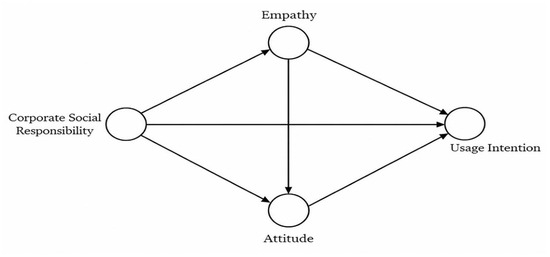
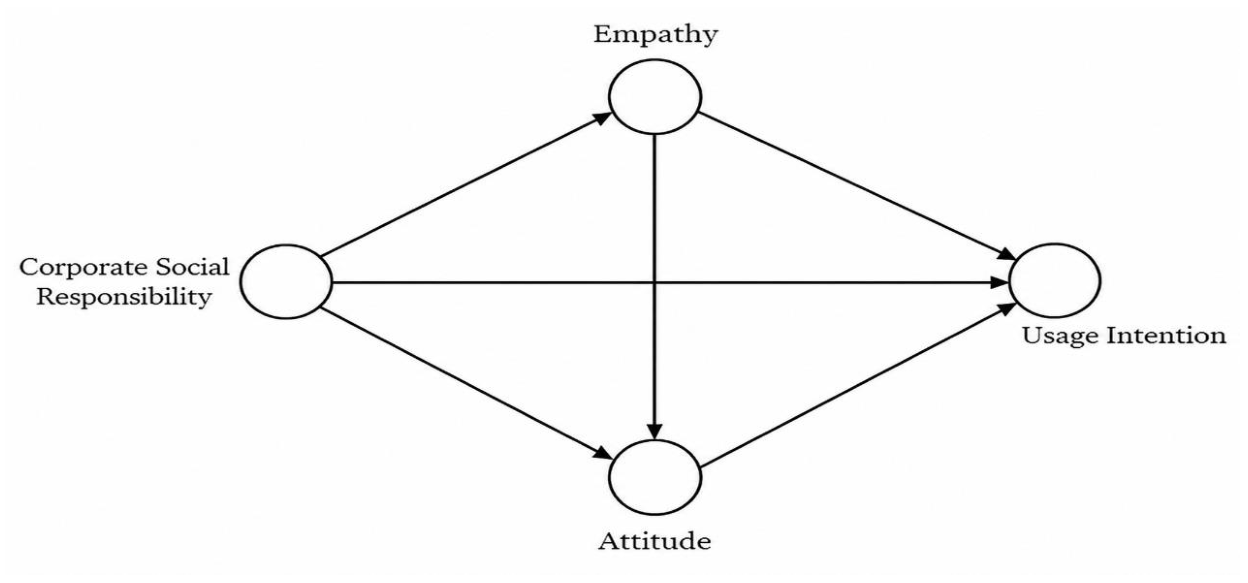
This study is grounded in stakeholder theory and the theory of planned behavior to explain how CSR influences users’ behavioral responses toward sports content platforms. Stakeholder theory suggests that organizations create value by addressing the interests and expectations of broader stakeholder groups, including consumers and society [5]. In digital platform environments, CSR activities serve as visible signals of ethical commitment and social contribution, shaping users’ perceptions of the platform beyond its functional offerings. When users perceive that a platform actively promotes socially beneficial values, they are more likely to develop empathy toward the platform and its initiatives. This process may be especially salient in sports content platforms, where user engagement is often shaped by emotional involvement, identity-based attachment, and community-oriented interaction. Empathy reflects an emotional connection that emerges when individuals identify with and appreciate the platform’s socially responsible efforts [30,31]. Such emotional responses are expected to foster favorable evaluations because consumers generally hold more positive attitudes toward organizations that demonstrate concern for societal well-being. The theory of planned behavior further suggests that attitude represents a key determinant of behavioral intention, indicating that users who evaluate a platform positively are more likely to continue engaging with it in the future [20]. In this study, TPB is used specifically to explain the attitude–intention linkage rather than to test all of its core components. Accordingly, CSR is expected to influence usage intention both directly and indirectly through empathy and attitude. Within this framework, empathy functions as an emotional mechanism through which users respond to CSR initiatives, whereas attitude serves as a cognitive evaluation that translates these responses into behavioral intentions. The proposed relationships are presented in Figure 1.
Figure 1.
The Conceptual Framework.
3.1. The Role of CSR in Sports Content Platforms
CSR refers to organizational activities and policies designed to fulfill economic, legal, ethical, and philanthropic responsibilities toward stakeholders and society [5]. In the context of sports content platforms, CSR may be expressed more visibly through ethical communication, community engagement, inclusiveness, health promotion, and support for socially beneficial initiatives in digital environments. In recent years, CSR has become an important strategic tool for digital platforms seeking to strengthen user relationships and foster favorable consumer responses. Prior research suggests that socially responsible initiatives enhance consumers’ perceptions of organizational sincerity and benevolence, which subsequently evoke emotional attachment and positive evaluations [8,9]. Consumers often interpret CSR activities as signals that reflect a firm’s values and commitment to societal well-being, leading them to identify more strongly with the organization and develop positive emotional reactions [23,32]. Furthermore, CSR has been shown to improve consumers’ attitudes toward firms and increase their willingness to support and engage with them [6,7,21]. These findings suggest that CSR serves as an important antecedent of users’ emotional and behavioral responses. Based on this reasoning, the following hypotheses are proposed.
H1a.
CSR is positively associated with empathy.
H1b.
CSR is positively associated with attitude.
H1c.
CSR is positively associated with usage intention.
3.2. Empathy
Empathy refers to an individual’s ability to understand, share, and emotionally resonate with the experiences, values, and perspectives of others [31]. Within marketing and consumer behavior contexts, empathy plays a central role in shaping how individuals process and respond to organizational messages. When consumers experience empathy toward a brand or platform, they are more likely to develop emotional bonds and favorable perceptions because empathetic responses facilitate value congruence and psychological closeness [30,33]. Previous studies have demonstrated that empathy enhances consumers’ evaluations of brands and organizations by fostering trust, emotional attachment, and identification [34,35]. In sports content platform environments, empathy may be particularly relevant because users often engage with content through emotionally charged narratives, community interaction, and shared value-oriented experiences. Empathetic feelings also encourage supportive behaviors and increase consumers’ willingness to maintain relationships with organizations that reflect their personal values and social concerns [36,37]. Accordingly, empathy may represent a key psychological mechanism that shapes users’ attitudes and behavioral intentions toward sports content platforms. Based on these arguments, the following hypotheses are advanced.
H2a.
Empathy is positively associated with attitude.
H2b.
Empathy is positively associated with usage intention.
3.3. Attitude
Attitude refers to an individual’s overall evaluative judgment regarding an object, behavior, or entity based on favorable or unfavorable beliefs and feelings [20]. Attitude has long been recognized as one of the most influential predictors of behavioral intention in consumer behavior and information systems research. According to the theory of planned behavior, individuals tend to form intentions to perform behaviors that they evaluate positively [20]. Prior studies consistently report that favorable attitudes toward brands, technologies, and online services significantly increase users’ intentions to continue using and recommending them [24,25,38]. Positive attitudes reduce psychological uncertainty and enhance consumers’ confidence in future interactions, thereby encouraging sustained engagement and loyalty [28,29,39]. In the context of sports content platforms, users who hold favorable evaluations are likely to demonstrate stronger intentions to revisit and continue using the platform. Drawing on these theoretical perspectives, the following hypothesis is proposed.
H3.
Attitude is positively associated with usage intention.
4. Empirical Method
4.1. Measurement Instrument
The measurement instrument was developed based on previously validated scales identified in the literature and was slightly adapted to fit the context of sports content platforms. As presented in Table 1, the measurement items for CSR were adapted from the works of Carroll [5] and Jo and Han [40]. More specifically, Carroll’s framework was used to capture the broad ethical and social responsibility dimensions of CSR, whereas Jo and Han’s scale provided wording relevant to users’ evaluations of socially responsible organizational conduct. The items for empathy were derived from Escalas and Stern [31], while the measures for attitude and usage intention were adapted from Ajzen [20]. All questionnaire items were modified to reflect the characteristics of sports content platforms while preserving the conceptual meanings of the original scales. In particular, references to general firms or organizations in the original scales were reworded to refer to “this platform” so that respondents could evaluate CSR, empathy, attitude, and usage intention in relation to their sports content platform experience.
Table 1.
Measurements.
A five-point Likert scale was employed to measure all constructs, ranging from 1 (strongly disagree) to 5 (strongly agree). Prior to the main survey, content validity was assessed through a pre-test involving experts from both academia and industry. The expert panel evaluated the clarity, relevance, wording, and contextual appropriateness of each item. Based on their feedback, several items were revised to improve readability and ensure consistency with the research objectives. Subsequently, a pilot test was conducted with voluntary participants who were familiar with sports-related digital platforms. The pilot study was used to identify potential ambiguities and assess the overall comprehensibility of the questionnaire. Minor revisions were made following the pilot test to enhance the quality and reliability of the measurement instrument before data collection.
4.2. Subject and Data Collection
The target population of this study consisted of university students in the Jeonnam region of the Republic of Korea who had experience using sports content platforms. A purposive sampling technique was employed because the research required respondents who were familiar with sports-related digital content and platform services. This sampling approach was considered appropriate because the study aimed to obtain responses from individuals capable of meaningfully evaluating CSR-related perceptions in the context of sports content platform use. Data were collected between March and May 2026 through a self-administered paper-and-pencil survey. Printed questionnaires were distributed by the researcher to university students who had prior experience using sports content platforms. Before receiving the questionnaire, potential respondents were asked whether they had previously used sports content platforms such as sports YouTube channels, fitness applications, sports communities, or sports-related social media accounts. Only those who indicated relevant prior experience were invited to participate in the survey. Upon completion, the questionnaires were retrieved by the researcher and subsequently coded for data analysis.
Before participating, respondents were provided with an explanation of the study purpose and were informed that participation was entirely voluntary. The survey guaranteed anonymity and confidentiality, and informed consent was obtained from all participants prior to the commencement of the questionnaire. To reduce evaluation apprehension and the likelihood of socially desirable responses, participants were informed that there were no right or wrong answers and that all responses would be analyzed only in aggregate form for academic purposes. Respondents were also informed that their responses would be used solely for academic research purposes and that they could discontinue participation at any time without penalty.
The questionnaire consisted of two sections. The first section collected demographic information, including gender, academic year, sports participation frequency, monthly allowance, platform usage time, and preferred content type. The second section measured respondents’ perceptions of the primary constructs, including CSR, empathy, attitude, and usage intention.
After the data collection period, the responses were carefully screened to ensure data quality. Incomplete questionnaires, duplicate responses, and surveys exhibiting straight-line answering patterns were removed. Responses with excessive missing values or evident response patterns indicating insufficient engagement were also excluded. Following the data-cleaning process, 225 valid responses were retained for subsequent analysis. Table 2 describes the sample information.
Table 2.
Sample Demographic Characteristics.
4.3. Analysis
This study employed partial least squares structural equation modeling (PLS-SEM) using SmartPLS 4 to examine both the measurement model and the structural model. PLS-SEM was considered appropriate because it is well suited for predictive research, theory development, and the simultaneous examination of complex relationships among multiple latent constructs [41]. In addition, PLS-SEM does not require strict assumptions regarding data normality and performs effectively with relatively moderate sample sizes [41]. The analysis was conducted in two stages. First, the measurement model was evaluated to assess the reliability and validity of the constructs, including internal consistency reliability, convergent validity, and discriminant validity. Second, the structural model was assessed to examine the hypothesized relationships among the constructs and evaluate the explanatory power of the proposed research framework. In addition, collinearity diagnostics, effect sizes, and predictive relevance were examined to provide a more comprehensive assessment of the model. Bootstrapping procedures with repeated resampling were performed to assess the significance of the structural paths and test the proposed hypotheses [41,42]. Specifically, 5000 bootstrap resamples were used to estimate path significance and confidence intervals. To assess the potential influence of common method bias in the PLS-SEM context, a full collinearity assessment was also conducted using variance inflation factor (VIF) values.
5. Results
5.1. Measurement Model
The measurement model was assessed by examining internal consistency reliability, convergent validity, and discriminant validity. According to previous studies, Cronbach’s alpha, rho_a, and composite reliability values above 0.70 indicate acceptable reliability, while an average variance extracted (AVE) value exceeding 0.50 demonstrates adequate convergent validity [41,43].
As presented in Table 3, the Cronbach alpha values ranged from 0.707 to 0.855, while rho_a values ranged from 0.712 to 0.877. The composite reliability values ranged from 0.872 to 0.902, exceeding the recommended threshold of 0.70. Furthermore, all outer loadings were above 0.70, and the AVE values ranged from 0.641 to 0.812, confirming satisfactory convergent validity [41]. Therefore, the reliability and convergent validity of the measurement model were established.
Table 3.
Outer Loadings and Reliability.
To evaluate discriminant validity, both the heterotrait–monotrait ratio (HTMT) and the Fornell–Larcker criterion were examined. As shown in Table 4, all HTMT values were below the recommended threshold of 0.90 [42].
Table 4.
HTMT Matrix.
In addition, the square root of each construct’s AVE exceeded its correlations with other constructs, satisfying the Fornell–Larcker criterion (Table 5) [43]. These findings confirm that adequate discriminant validity was achieved for all constructs in the model.
Table 5.
Correlation of the Research Variables.
To address potential common method bias (CMB) rigorously, a full collinearity test was conducted in accordance with Kock’s recommendations [44]. The full collinearity VIF values for all latent variables were evaluated (CSR = 2.275, Empathy = 2.522, Attitude = 2.014, and Usage Intention = 1.610). Since all generated full collinearity VIF values were well below the conservative threshold of 3.3, common method bias was confirmed not to be a threat to the validity of this study.
5.2. Structural Model
The structural model was evaluated using the bootstrapping procedure with 5000 resamples [41]. Table 6 presents the structural model results, including bootstrapped path coefficients, t-values, p-values, 95% confidence intervals, effect sizes (f2), and variance inflation factor (VIF) values.
Table 6.
Results of the Structural Model.
As shown in Table 6, CSR positively influenced empathy (β = 0.727, t = 18.713, p < 0.001) and attitude (β = 0.267, t = 3.449, p = 0.001), whereas its direct effect on usage intention was not statistically significant (β = 0.128, t = 1.328, p = 0.184). Empathy positively affected attitude (β = 0.441, t = 5.969, p < 0.001) but did not significantly influence usage intention (β = 0.182, t = 1.791, p = 0.073). In contrast, attitude exerted a significant positive effect on usage intention (β = 0.385, t = 5.533, p < 0.001).
The explanatory power of the structural model was assessed using the coefficient of determination (R2). The proposed framework explained 52.9% of the variance in empathy (R2 = 0.529), 43.7% in attitude (R2 = 0.437), and 37.9% in usage intention (R2 = 0.379), indicating moderate-to-substantial explanatory power across the endogenous constructs.
In addition, effect sizes (f2) were evaluated according to Cohen’s criteria, whereby values of 0.02, 0.15, and 0.35 represent small, medium, and large effects, respectively. CSR exhibited a large effect on empathy (f2 = 1.123), while empathy demonstrated a medium effect on attitude (f2 = 0.163). Attitude, in turn, showed a small-to-medium effect on usage intention (f2 = 0.135).
Multicollinearity was also assessed using variance inflation factor (VIF) values. As shown in Table 6, all inner VIF values ranged from 1.000 to 2.468, well below the conservative threshold of 3.3 (and the standard threshold of 5), indicating that multicollinearity was not a concern in the structural model.
Finally, the predictive relevance of the model was evaluated using the cross-validated redundancy measure (Q2) obtained through the blindfolding procedure [45,46]. The Q2 values for all endogenous constructs were substantially above zero (Empathy: Q2 = 0.334; Attitude: Q2 = 0.347; Usage Intention: Q2 = 0.285), confirming that the structural model possessed satisfactory predictive relevance for all endogenous variables.
6. Discussion
This study examined how CSR, empathy, and attitude influence users’ intention to continue using sports content platforms. The findings demonstrate that CSR serves as an important antecedent of users’ psychological and evaluative responses. Specifically, CSR was found to positively influence both empathy and attitude. This result suggests that users do not merely evaluate sports content platforms based on the quality of content provided but also consider whether the platform contributes positively to society. When users perceive that a platform actively promotes ethical values, public welfare, and social responsibility, they are more likely to develop emotional resonance and favorable evaluations toward the platform. This finding is consistent with previous studies indicating that socially responsible activities enhance consumers’ emotional attachment, organizational identification, and positive perceptions of firms [8,9,23]. In sports content platform environments, this pattern may be particularly meaningful because users often engage with platforms not only as information sources but also as identity-relevant and community-oriented spaces. In the context of sports content platforms, CSR activities appear to function as signals of social commitment and platform credibility, helping users perceive the platform as more socially meaningful rather than merely a content provider. Interestingly, however, CSR did not directly influence usage intention. This finding implies that users may appreciate and support socially responsible initiatives, but such perceptions alone are insufficient to motivate future platform use. Instead, CSR seems to operate indirectly by shaping users’ emotions and evaluations before affecting behavioral outcomes. This finding suggests that the influence of CSR in digital sports environments is likely to depend on intervening psychological processes rather than on a simple direct path to continued use. Therefore, the influence of CSR on continued platform engagement appears to be more complex than a simple direct relationship.
The findings also reveal that empathy plays an important role in explaining how users respond to sports content platforms. Empathy was positively associated with attitude, indicating that users who emotionally connect with a platform’s social values tend to develop more favorable evaluations. This finding supports previous research suggesting that emotional resonance strengthens consumers’ perceptions of brands and organizations by fostering psychological closeness and value congruence [30,34,35]. Sports content platforms often communicate messages related to health, inclusion, community participation, and social contribution. When users identify with these messages, they are more likely to perceive the platform positively. This result reinforces the view that empathy is a meaningful affective mechanism in sports-related digital settings, where users’ engagement is often shaped by symbolic meaning, shared values, and content consumption itself. However, empathy did not directly influence usage intention. This unexpected finding suggests that emotional connection alone may not be sufficient to drive actual behavioral commitment. Users may appreciate and empathize with a platform’s values while still making usage decisions based on practical considerations such as content quality, convenience, relevance, or entertainment value. Therefore, empathy appears to contribute primarily by improving users’ evaluations rather than directly motivating future usage behavior. In this respect, empathy may be better understood as a precursor to evaluative judgment than as an independent driver of continued platform use. This finding highlights the distinction between emotional reactions and behavioral decisions within digital platform environments.
Another important finding is the significant influence of attitude on usage intention. Users who held favorable evaluations of a sports content platform were more likely to express intentions to continue using it in the future. This result is consistent with the theory of planned behavior, which proposes that attitudes represent one of the strongest predictors of behavioral intention [20]. The finding also aligns with previous studies in technology adoption and online service contexts, which have consistently demonstrated that positive evaluations encourage continued engagement and loyalty [25,28,29]. In the present study, attitude emerged as the key mechanism translating users’ perceptions and emotions into future behavioral intentions. Compared with the non-significant direct effects of CSR and empathy on usage intention, the significant role of attitude also indicates that evaluative judgment is the most immediate pathway through which socially responsible perceptions are converted into continued platform use. This suggests that while CSR activities and empathy are important, their ultimate value lies in their ability to foster favorable platform evaluations. For sports content platform managers, this finding indicates that socially responsible activities should be communicated in ways that strengthen positive user perceptions and overall platform image. Such efforts are more likely to encourage sustained engagement when they contribute to the development of favorable attitudes toward the platform.
7. Conclusions
7.1. Theoretical Contributions
This study contributes to the literature by extending current understanding of how CSR influences user behavior within sports content platform environments. First, this study broadens the application of CSR research by examining its role in digital sports content platforms rather than traditional corporate or retail settings. Previous studies have largely focused on how CSR shapes corporate reputation, brand image, consumer trust, and purchase-related outcomes in product and service industries [5,6,7]. While these studies established the importance of socially responsible activities, they provided limited insight into how CSR operates in content-based digital ecosystems where consumers engage primarily through media consumption rather than direct product transactions. By focusing on sports content platforms, this study demonstrates that CSR remains an influential factor even when users interact with organizations through informational and entertainment content. More specifically, the findings suggest that CSR contributes to user responses primarily by shaping affective and evaluative processes rather than by exerting a direct influence on continued usage intention.
Second, this study advances existing knowledge by identifying empathy as a central psychological mechanism linking CSR perceptions to favorable user evaluations. Previous CSR studies have frequently emphasized cognitive outcomes such as trust, reputation, and organizational identification [8,9]. Comparatively less attention has been devoted to understanding how emotional responses shape users’ reactions to socially responsible initiatives. The findings reveal that CSR strongly stimulates empathetic responses, which subsequently foster positive attitudes toward the platform. This result suggests that users do not merely evaluate CSR from a rational perspective but also respond emotionally to organizations that reflect values they consider socially meaningful. Such evidence adds to the growing body of literature emphasizing the importance of affective processes in consumer decision-making.
Third, this study offers a more refined explanation of the pathway through which CSR affects behavioral outcomes. Prior studies often assumed that CSR directly influences consumers’ intentions and behaviors [21,23]. However, the present findings indicate that neither CSR nor empathy directly translates into usage intention. Instead, attitude serves as the key mechanism transforming social perceptions and emotional responses into future behavioral intentions. This finding highlights the importance of sequential psychological processes and suggests that scholars may benefit from moving beyond simple direct-effect models when examining CSR outcomes. Future research may benefit from investigating additional emotional and cognitive mediators that help explain how socially responsible activities ultimately influence consumer behavior in digital platform settings.
More broadly, the findings contribute to research on the digital transformation of sports and communities by showing that the social value of sports platforms depends not only on technological functionality but also on the relationships and evaluations that develop around their responsible use. Sports content platforms operate as intermediaries connecting users, sports organizations, content producers, and community initiatives, and the present findings suggest that users’ evaluations of socially responsible practices may represent one important relational dimension of these evolving digital environments. The finding that CSR strengthens empathy and attitude, but does not directly produce usage intention, indicates that technology-enabled social initiatives may not generate sustained engagement solely through visibility or symbolic communication. Instead, responsible activities appear more likely to influence continued participation when they are interpreted by users as credible, emotionally meaningful, and consistent with the overall platform experience. This insight suggests that CSR may be understood as a relational element of platform ecosystems rather than merely as a separate promotional practice. It also suggests that the success of digitally transformed sports communities may be understood not only in terms of adoption, traffic, or functional performance, but also in terms of their capacity to foster trust, social connection, and enduring stakeholder relationships.
7.2. Implications for Practitioners
The findings of this study provide practical implications for sports content platform operators, sports organizations, technology providers, content creators, sponsors, and community stakeholders seeking to create socially meaningful forms of digital engagement. A key implication is that CSR activities should not be treated merely as image-building tools or public relations campaigns. The results suggest that users develop stronger emotional connections and more favorable evaluations when they perceive CSR activities as authentic and aligned with meaningful social values. Therefore, platform operators should communicate social initiatives in ways that allow users to understand their purpose and impact. For example, a sports content platform could introduce campaigns promoting youth sports participation, disability sports programs, or community fitness initiatives while regularly sharing tangible outcomes and participant stories.
The findings also indicate that emotional engagement plays a critical role in shaping platform evaluations. Practitioners should therefore create content that helps users personally connect with the platform’s social mission. Rather than simply announcing charitable activities, platforms could feature athlete testimonials, community success stories, or documentary-style content illustrating how social programs positively affect individuals and communities. Such approaches may encourage users to develop stronger emotional resonance with the platform.
Another important implication is that favorable attitudes ultimately drive continued platform use. This suggests that CSR alone is insufficient to guarantee sustained engagement. Platform managers must ensure that socially responsible activities are integrated with high-quality user experiences, relevant content, and platform functionality. For instance, a fitness-oriented platform promoting environmental sustainability could combine its CSR campaign with user challenges that reward environmentally friendly exercise behaviors such as cycling or community clean-up runs. This integration helps transform social values into meaningful user experiences.
Finally, sports organizations, sponsors, and content creators should view CSR as a long-term relationship-building strategy rather than a short-term promotional tactic. Consistent and visible commitment to social responsibility may gradually strengthen users’ perceptions, improve attitudes, and encourage long-term engagement with the platform.
7.3. Limitations and Future Research
Although this study provides meaningful insights, it is important to acknowledge several limitations. First, the study employed a cross-sectional design, which limits the ability to draw causal inferences from the observed relationships. Second, the data were collected through self-reported survey responses, raising the possibility of response bias and common method bias despite the procedural efforts undertaken to reduce such concerns. Third, the sample consisted of university students in the Jeonnam region of Republic of Korea, which may limit the generalizability of the findings to other age groups, geographic contexts, and broader platform user populations. In addition, the gender distribution of the sample was uneven, which should be considered when interpreting the findings. At the same time, several opportunities remain for future research. Rather than focusing solely on demographic differences, future studies should examine how specific platform characteristics shape users’ responses to CSR initiatives. Sports content platforms vary considerably in content format, community interaction, commercialization level, and creator involvement. These contextual factors may influence how users interpret and react to social responsibility activities. Additionally, the present study treated CSR as a general construct. Future research could distinguish between different CSR dimensions, such as community engagement, environmental sustainability, diversity and inclusion, or athlete welfare programs. Users may respond differently depending on the nature of the initiative. Another promising direction involves examining actual behavioral data rather than relying exclusively on self-reported intentions. Integrating platform analytics, viewing behavior, engagement records, or recommendation activities could provide a richer understanding of how socially responsible initiatives influence real-world user behavior over time. Future studies may also extend the present framework by incorporating additional explanatory variables, such as trust, identification, perceived authenticity, subjective norms, or perceived behavioral control.
Funding
This research received no external funding.
Institutional Review Board Statement
This study was conducted in accordance with the principles of the Declaration of Helsinki. The research involved only anonymous survey data and did not include any sensitive or personally identifiable information as defined under Article 23 of the Personal Information Protection Act of Korea. Therefore, approval from an Institutional Review Board of Sunchon National University was not required.
Informed Consent Statement
Informed consent was obtained in written form from all individual participants included in the study.
Data Availability Statement
The data used in this study are available from the corresponding author upon reasonable request.
Conflicts of Interest
The author declares no conflicts of interest.
References
- Cao, Y.; Matsuoka, H. Consumer engagement on social media in the sport context: A scoping review. Leis. Stud. 2025, 44, 495–522. [Google Scholar] [CrossRef] [Scilit]
- Checchinato, F.; Disegna, M.; Gazzola, P. Content and feedback analysis of YouTube videos: Football clubs and fans as brand communities. J. Creat. Commun. 2015, 10, 71–88. [Google Scholar] [CrossRef] [Scilit]
- Moon, B.; Oh, T. A study on the characteristics of sports athletes’ YouTube channels and user reactions. Behav. Sci. 2024, 14, 700. [Google Scholar] [CrossRef] [Scilit] [PubMed]
- de Oliveira Santini, F.; Ladeira, W.J.; Pinto, D.C.; Herter, M.M.; Sampaio, C.H.; Babin, B.J. Customer engagement in social media: A framework and meta-analysis. J. Acad. Mark. Sci. 2020, 48, 1211–1228. [Google Scholar] [CrossRef] [Scilit]
- Carroll, A.B. The pyramid of corporate social responsibility: Toward the moral management of organizational stakeholders. Bus. Horiz. 1991, 34, 39–48. [Google Scholar] [CrossRef] [Scilit]
- Brown, T.J.; Dacin, P.A. The company and the product: Corporate associations and consumer product responses. J. Mark. 1997, 61, 68–84. [Google Scholar] [CrossRef] [Scilit]
- Sen, S.; Bhattacharya, C.B. Does doing good always lead to doing better? Consumer reactions to corporate social responsibility. J. Mark. Res. 2001, 38, 225–243. [Google Scholar] [CrossRef] [Scilit]
- Du, S.; Bhattacharya, C.B.; Sen, S. Maximizing business returns to corporate social responsibility (CSR): The role of CSR communication. Int. J. Manag. Rev. 2010, 12, 8–19. [Google Scholar] [CrossRef] [Scilit]
- Bhattacharya, C.B.; Sen, S. Doing better at doing good: When, why, and how consumers respond to corporate social initiatives. Calif. Manag. Rev. 2004, 47, 9–24. [Google Scholar] [CrossRef] [Scilit]
- Walker, M.; Kent, A. Do fans care? Assessing the influence of corporate social responsibility on consumer attitudes in the sport industry. J. Sport Manag. 2009, 23, 743–769. [Google Scholar] [CrossRef] [Scilit]
- Jordan, J.S.; Walker, M.; Kent, A.; Inoue, Y. The frequency of nonresponse analyses in the Journal of Sport Management. J. Sport Manag. 2011, 25, 229–239. [Google Scholar] [CrossRef] [Scilit]
- Lagoudaki, G.; Tsitskari, E.; Karagiorgos, T.; Yfantidou, G.; Tzetzis, G.; Tsiotras, G. Corporate social responsibility and consumer behavior in sports: Exploring and adapting a participatory sports scale. Sustainability 2024, 16, 5825. [Google Scholar] [CrossRef] [Scilit]
- Bradish, C.; Cronin, J.J. Corporate social responsibility in sport. J. Sport Manag. 2009, 23, 691–697. [Google Scholar] [CrossRef] [Scilit]
- Walker, M.; Parent, M.M. Toward an integrated framework of corporate social responsibility, responsiveness, and citizenship in sport. Sport Manag. Rev. 2010, 13, 198–213. [Google Scholar] [CrossRef] [Scilit]
- Molokanoviene, D.; Andriukaitiene, R.; Bilohur, V. Social responsibility practise application in sports organization. Humanit. Stud. 2022, 11, 99–109. [Google Scholar] [CrossRef] [Scilit]
- Jeong, H. Effect of fan’s perception of conflict between player association and league on league’s social responsibilities and league’s images. Korean J. Sport Manag. 2010, 15, 85–95. [Google Scholar]
- Quan, Z.; Lee, S. The effect of professional baseball teams’ corporate social responsibility (CSR) on sponsors’ brand personality and sport fans’ relationship continuity intention: Focusing on mobile network operators. Korean J. Sport Manag. 2019, 24, 88–105. [Google Scholar] [CrossRef] [Scilit]
- Seo, H.W.; Shin, S.H. The structural relationship between professional baseball team’s corporate social responsibility (CSR) activities, team image, team identification, parent company image and parent company loyalty. Korean J. Sport Manag. 2024, 29, 82–99. [Google Scholar] [CrossRef] [Scilit]
- Freeman, R.E. Strategic Management: A Stakeholder Approach; Cambridge University Press: Cambridge, UK, 2010. [Google Scholar]
- Ajzen, I. The theory of planned behavior. Organ. Behav. Hum. Decis. Process. 1991, 50, 179–211. [Google Scholar] [CrossRef] [Scilit]
- Vlachos, P.A.; Tsamakos, A.; Vrechopoulos, A.P.; Avramidis, P.K. Corporate social responsibility: Attributions, loyalty, and the mediating role of trust. J. Acad. Mark. Sci. 2009, 37, 170–180. [Google Scholar] [CrossRef] [Scilit]
- Carlini, J.; Pavlidis, A.; Thomson, A.; Morrison, C. Delivering on social good-corporate social responsibility and professional sport: A systematic quantitative literature review. J. Strateg. Mark. 2025, 33, 323–336. [Google Scholar] [CrossRef] [Scilit]
- Maignan, I. Consumers’ perceptions of corporate social responsibilities: A cross-cultural comparison. J. Bus. Ethics 2001, 30, 57–72. [Google Scholar] [CrossRef] [Scilit]
- Taylor, S.; Todd, P.A. Understanding information technology usage: A test of competing models. Inf. Syst. Res. 1995, 6, 144–176. [Google Scholar] [CrossRef] [Scilit]
- Venkatesh, V.; Morris, M.G.; Davis, G.B.; Davis, F.D. User acceptance of information technology: Toward a unified view 1. MIS Q. 2003, 27, 425–478. [Google Scholar] [CrossRef] [Scilit]
- Rozenkowska, K. Theory of planned behavior in consumer behavior research: A systematic literature review. Int. J. Consum. Stud. 2023, 47, 2670–2700. [Google Scholar] [CrossRef] [Scilit]
- Wang, C.; Wang, H.; Li, Y.; Dai, J.; Gu, X.; Yu, T. Factors influencing university students’ behavioral intention to use generative artificial intelligence: Integrating the theory of planned behavior and AI literacy. Int. J. Hum. Comput. Interact. 2025, 41, 6649–6671. [Google Scholar] [CrossRef] [Scilit]
- Bhattacherjee, A. Understanding information systems continuance: An expectation-confirmation model 1. MIS Q. 2001, 25, 351–370. [Google Scholar] [CrossRef] [Scilit]
- Alalwan, A.A.; Dwivedi, Y.K.; Rana, N.P.; Algharabat, R. Examining factors influencing Jordanian customers’ intentions and adoption of internet banking: Extending UTAUT2 with risk. J. Retail. Consum. Serv. 2018, 40, 125–138. [Google Scholar] [CrossRef] [Scilit]
- Escalas, J.E. Narrative processing: Building consumer connections to brands. J. Consum. Psychol. 2004, 14, 168–180. [Google Scholar]
- Escalas, J.E.; Stern, B.B. Sympathy and empathy: Emotional responses to advertising dramas. J. Consum. Res. 2003, 29, 566–578. [Google Scholar] [CrossRef] [Scilit] [PubMed]
- Lichtenstein, D.R.; Drumwright, M.E.; Braig, B.M. The effect of corporate social responsibility on customer donations to corporate-supported nonprofits. J. Mark. 2004, 68, 16–32. [Google Scholar] [CrossRef] [Scilit]
- Bagozzi, R.P.; Gopinath, M.; Nyer, P.U. The role of emotions in marketing. J. Acad. Mark. Sci. 1999, 27, 184–206. [Google Scholar] [CrossRef] [Scilit]
- Thomson, M.; MacInnis, D.J.; Whan Park, C. The ties that bind: Measuring the strength of consumers’ emotional attachments to brands. J. Consum. Psychol. 2005, 15, 77–91. [Google Scholar] [CrossRef] [Scilit] [PubMed]
- Aaker, J.; Fournier, S.; Brasel, S.A. When good brands do bad. J. Consum. Res. 2004, 31, 1–16. [Google Scholar] [CrossRef] [Scilit] [PubMed]
- Batson, C.D. The Altruism Question: Toward a Social-Psychological Answer; Psychology Press: New York, NY, USA, 2014. [Google Scholar]
- Grappi, S.; Romani, S.; Bagozzi, R.P. Consumer response to corporate irresponsible behavior: Moral emotions and virtues. J. Bus. Res. 2013, 66, 1814–1821. [Google Scholar] [CrossRef] [Scilit]
- Davis, F.D. Perceived usefulness, perceived ease of use, and user acceptance of information technology. MIS Q. 1989, 13, 319–340. [Google Scholar] [CrossRef] [Scilit] [PubMed]
- Kim, D.J.; Ferrin, D.L.; Rao, H.R. Trust and satisfaction, two stepping stones for successful e-commerce relationships: A longitudinal exploration. Inf. Syst. Res. 2009, 20, 237–257. [Google Scholar] [CrossRef] [Scilit]
- Jo, J.; Han, J.S. The effects of CSR activities on corporate image, attitude and behavioral intention in airline. J. Cust. Satisf. Manag. 2013, 15, 87–108. [Google Scholar]
- Sarstedt, M.; Hair, J.F.; Pick, M.; Liengaard, B.D.; Radomir, L.; Ringle, C.M. Progress in partial least squares structural equation modeling use in marketing research in the last decade. Psychol. Mark. 2022, 39, 1035–1064. [Google Scholar] [CrossRef] [Scilit]
- Henseler, J.; Ringle, C.M.; Sarstedt, M. A new criterion for assessing discriminant validity in variance-based structural equation modeling. J. Acad. Mark. Sci. 2015, 43, 115–135. [Google Scholar] [CrossRef] [Scilit]
- Fornell, C.; Larcker, D.F. Evaluating structural equation models with unobservable variables and measurement error. J. Mark. Res. 1981, 18, 39–50. [Google Scholar] [CrossRef] [Scilit]
- Kock, N. Common method bias in PLS-SEM: A full collinearity assessment approach. Int. J. e-Collab. 2015, 11, 1–10. [Google Scholar]
- Shmueli, G.; Sarstedt, M.; Hair, J.F.; Cheah, J.H.; Ting, H.; Vaithilingam, S.; Ringle, C.M. Predictive model assessment in PLS-SEM: Guidelines for using PLSpredict. Eur. J. Mark. 2019, 53, 2322–2347. [Google Scholar] [CrossRef] [Scilit]
- Hair, J.F.; Risher, J.J.; Sarstedt, M.; Ringle, C.M. When to use and how to report the results of PLS-SEM. Eur. Bus. Rev. 2019, 31, 2–24. [Google Scholar] [CrossRef] [Scilit]

Disclaimer/Publisher’s Note: The statements, opinions and data contained in all publications are solely those of the individual author(s) and contributor(s) and not of MDPI and/or the editor(s). MDPI and/or the editor(s) disclaim responsibility for any injury to people or property resulting from any ideas, methods, instructions or products referred to in the content. |
© 2026 by the author. Licensee MDPI, Basel, Switzerland. This article is an open access article distributed under the terms and conditions of the Creative Commons Attribution (CC BY) license.