


Abstract
Background/Objectives: The aim of this scoping review was to investigate the current role and possible clinical applications of long non-coding RNAs (lncRNAs) in breast cancer diagnosis and treatment. Methods: A thorough search of the PubMed/MEDLINE and Scopus/EMBASE databases was carried out in accordance with the PRISMA-ScR guidelines. The inclusion criteria were as follows: Studies with lncRNA analyses of specimens from breast cancer patients and clinically relevant studies. The exclusion criteria were as follows: in silico and in vitro studies involving animal models; reviews; case series; case reports; comments; editorials; and papers not written in English. The study protocol was registered in the Open Science Framework. Results: After the identification of 1139 records, 312 publications were retrieved and 228 articles were selected for data extraction. Data analysis and the synthesis of evidence showed that lncRNA studies were conducted in breast tumor specimens in 212 studies and in blood samples from breast cancer patients in 20 studies. The most commonly used method was quantitative RT-PCR (in 216 studies), while many studies were complemented by in vitro (n = 177) and animal experiments (n = 75). There were 39 studies that included at least 100 specimens from breast cancer patients. Conclusions: At present, lncRNA analysis is not used in routine clinical practice. Clinically relevant findings coupled by results from in vitro and animal experiments suggest that various lncRNAs after appropriate validation may be used as biomarkers for breast cancer diagnosis and treatment, most notably HSAT164, CCAT2, HOTAIR, and MALAT1. To this end, larger studies involving clinical specimens from clinically relevant subgroups of breast cancer patients will be needed.
1. Introduction
Breast cancer is the most commonly diagnosed malignancy and the leading cause of cancer death in women worldwide, followed by lung and colorectal cancer for both cancer incidence and mortality [1]. Since the early 1990s, breast cancer mortality rates have decreased in many high-income countries as a consequence of the widespread use of mammographic screening leading to early diagnosis and due to increasingly effective treatment methods [1,2]. In turn, decreased mortality rates have led to an increased prevalence of long-term breast cancer survivors, while recurrences continue to occur even more than three decades after primary diagnosis [3]. Circulating tumor cells (CTCs) and tumor cells in the bone marrow of breast cancer patients have been detected years before disease recurrence [3,4,5,6], suggesting that disease persists outside of the breast or local lymph nodes in a clinically latent state before it develops into manifest metastases, a concept also referred to as tumor dormancy [5]. Hence, it is not surprising that breast cancer remains the most common cause of death after breast cancer diagnosis, though other entities, mainly heart and cerebrovascular disease, represent a significant cause of mortality among breast cancer survivors [7,8].
For many years in the past, the decision of whether to administer systemic cytotoxic chemotherapy or not to patients with hormone receptor-positive early breast cancer has been a challenge in everyday clinical practice, as clinicians had to balance between the possibility of over-treatment with associated toxicity and under-treatment with the risk of early disease recurrence [9,10]. The development of multi-gene expression assays at the mRNA level has been a paradigm shift in the treatment of early breast cancer, as these assays now have paramount importance in the decision of whether to administer chemotherapy or not to patients with early luminal breast cancer [11,12]. Other than mRNA, in recent years, research has focused on investigating the potential role of long non-coding RNAs (lncRNAs) in breast cancer pathogenesis and tumor progression, with possible applications in diagnosis and treatment. Several lines of evidence have implicated lncRNAs in the regulation of cancer stem cells and the tumor microenvironment [13,14], the cell cycle [15], inflammation in breast cancer [16], and the possibility to be used as therapeutic targets [17,18]. However, it is unclear to clinicians if lncRNAs already have clinical applications in breast cancer diagnosis and treatment. Therefore, the objective of this scoping review was to investigate the current role and possible clinical applications of lncRNA analyses in breast cancer diagnosis and treatment.
2. Results
2.1. Search Results
Figure 1 presents a flow chart of the study selection process and search results, in accordance with the Preferred Reporting Items for Systematic Reviews and Meta-analyses extension for Scoping Reviews (PRISMA-ScR) [19,20]. In detail, 1139 entries (431 in PubMed and 708 in Scopus) were identified by using the search terms “non-coding RNA” AND “breast cancer”, AND “ncRNA” AND “breast cancer”, with the limits “title” for PubMed and “Article title” for Scopus. First, duplicates, overlapping publications, and articles not written in English (n = 335) were removed. Next, the titles and/or abstracts of the remaining 804 records were evaluated, leading to the exclusion of 484 studies according to the exclusion criteria and 320 studies to be sought for retrieval. In total, 312 studies were retrieved and, following evaluation of their full-text, 84 studies were excluded based on the eligibility criteria. Finally, 228 articles were included [21,22,23,24,25,26,27,28,29,30,31,32,33,34,35,36,37,38,39,40,41,42,43,44,45,46,47,48,49,50,51,52,53,54,55,56,57,58,59,60,61,62,63,64,65,66,67,68,69,70,71,72,73,74,75,76,77,78,79,80,81,82,83,84,85,86,87,88,89,90,91,92,93,94,95,96,97,98,99,100,101,102,103,104,105,106,107,108,109,110,111,112,113,114,115,116,117,118,119,120,121,122,123,124,125,126,127,128,129,130,131,132,133,134,135,136,137,138,139,140,141,142,143,144,145,146,147,148,149,150,151,152,153,154,155,156,157,158,159,160,161,162,163,164,165,166,167,168,169,170,171,172,173,174,175,176,177,178,179,180,181,182,183,184,185,186,187,188,189,190,191,192,193,194,195,196,197,198,199,200,201,202,203,204,205,206,207,208,209,210,211,212,213,214,215,216,217,218,219,220,221,222,223,224,225,226,227,228,229,230,231,232,233,234,235,236,237,238,239,240,241,242,243,244,245,246,247,248], and extraction of the data followed.
Figure 1.
Preferred Reporting Items for Systematic Reviews and Meta-analyses extension for Scoping Reviews (PRISMA-ScR) flowchart.
2.2. Year of Publication and Geographical Area of Included Studies
Regarding the year of publication, all studies except one were published during the last 12 years, with the number of studies reaching a maximum in 2019 and decreasing thereafter. In detail, one study was published in 2009 [242], three studies in 2013 [239,240,241], three studies in 2014 [236,237,238], eight studies in 2015 [228,229,230,231,232,233,234,235], 12 studies in 2016 [216,217,218,219,220,221,222,223,224,225,226,227], 24 studies in 2017 [192,193,194,195,196,197,198,199,200,201,202,203,204,205,206,207,208,209,210,211,212,213,214,215], 25 studies in 2018 [166,167,168,169,170,171,172,173,174,175,177,178,179,180,181,182,183,184,185,186,187,188,189,190,191], 40 studies in 2019 [125,126,127,128,129,131,132,133,134,135,136,137,138,139,140,141,142,143,144,145,146,147,148,149,150,151,152,153,154,155,156,157,158,159,160,161,162,163,164,165], 37 studies in 2020 [74,90,91,92,93,94,95,96,97,98,99,100,101,102,103,104,105,106,107,108,109,110,111,112,113,114,115,116,117,118,119,120,121,122,123,124,130], 34 studies in 2021 [54,55,56,57,58,59,60,61,62,63,64,65,66,67,68,69,70,71,72,73,75,76,77,78,80,81,82,83,84,85,86,87,88,89], 13 studies in 2022 [42,43,44,45,46,47,48,49,50,51,52,53,79], 11 studies in 2023 [25,32,33,34,35,36,37,38,39,40,41], eight studies in 2024 [22,24,26,27,28,29,30,31], six studies in 2025 [21,23,176,243,244,245], and three studies until April 2026 [246,247,248]. A timeline chart showing the number of publications over time is presented in Supplementary Figure S1.
Regarding the country of first author’s affiliation, 177 out of 228 studies (77.6%) came from China and the remaining 51 from the rest of the world, as follows: (a) 204 studies came from Asia, i.e., 177 from China [23,25,26,27,29,30,34,35,38,39,41,42,43,44,45,48,49,50,51,52,53,55,56,57,58,59,61,63,66,67,68,69,70,73,74,75,77,78,79,82,83,84,85,86,87,88,89,91,92,93,95,96,98,99,102,103,104,105,106,107,108,109,110,111,113,114,115,116,117,118,119,121,122,123,124,127,128,129,130,131,132,133,134,135,137,138,139,140,141,142,144,147,148,149,150,152,153,154,155,156,157,158,159,160,161,162,163,164,165,166,167,169,170,171,172,173,174,175,176,177,178,179,180,181,182,183,184,185,186,187,188,189,191,192,193,194,195,196,197,198,199,200,201,202,203,204,206,207,209,210,211,212,213,214,215,216,217,218,219,220,221,223,224,225,226,227,228,229,230,231,232,233,235,236,238,244], 19 from Iran [21,22,28,33,40,46,56,80,81,100,101,112,120,136,145,146,205,240,246], two from Saudia Arabia [32,60], one from India [37], one from Lebanon [97], one from South Korea [168], and one from Taiwan [148]; (b) 11 studies came from Europe, i.e., three from Denmark [62,234,239], one from Spain [24], one from Greece [36], one from Russia [47], one from Romania [71], one from Italy [94], one from France [208], one from Germany [237], and one from the Netherlands and Sweden [243]; (c) six studies came from North and South America, i.e., two from the USA [222,241], two from Brazil [72,126], one from Canada [242], and one from Mexico [125]; (d) eight studies came from Africa, all from Egypt [31,64,76,90,190,245,247,248]; and (e) one study came from Oceania, i.e., from New Zealand [143]. The geographical distribution of studies is diagrammatically presented in Supplementary Figure S2.
2.3. Clinical Relevance and Characteristics of Included Studies
Regarding the type of tissue specimen analyzed, lncRNA analysis was carried out in breast tumor specimens in 212 studies (Table 1 and Supplementary Table S1) and in blood samples from breast cancer patients in 20 studies (Table 2), i.e., 10 studies involving serum, seven studies involving plasma, and three studies involving whole blood. In four studies, both blood and breast tumor specimens were analyzed. Regarding the disease stage, in most studies, specimens from patients with primary invasive breast cancer (stages I–III) were analyzed, while specimens from patients with DCIS (stage 0) and metastatic breast cancer (stage IV) were included only rarely. The most commonly used method (in 216 studies) was quantitative reverse transcription polymerase chain reaction (qRT-PCR). Many studies were complemented by in vitro (n = 177 or 77.6% of included studies) and animal experiments (n = 75 or 32.9% of included studies) (Supplementary Table S2).
2.3.1. Studies with Non-Coding RNA Analyses in Breast Cancer Tissue
Long non-coding RNA analyses were carried out in breast tumor tissue with or without normal breast tissue specimens in 212 studies. The number of specimens analyzed ranged between 18 and 99 in 179 studies; there were 23 studies with 100–200 specimens [38,48,58,61,62,78,88,93,125,146,149,154,161,162,170,199,201,207,218,224,232,234,239] and only 10 studies [84,124,169,195,200,216,217,223,227,241] with more than 200 specimens analyzed.
In Table 1, the 33 largest studies [38,48,58,61,62,78,84,88,93,124,125,146,149,154,161,162,169,170,195,199,200,201,207,216,217,218,223,224,227,232,234,239,241] of lncRNA analyses with at least 100 breast tumor tissue specimens with or without normal breast tissue samples are presented in descending order of the number of specimens. The following lncRNAs were identified as potential diagnostic biomarkers and/or therapeutic targets in breast cancer tissue: HSAT164 [84], CCAT2 [241], C19orf33, C3orf52 C15orf48, and C4orf19 [195]; MVIH [217], EPB41L4A-AS2 [223], MALAT1 [216,218,247], HUMT [124], Linc-ITGB1 [200], BANCR [169], MEG3 [227], CRALA [201], MIAT [170], HOTAIR [239], RHPN1-AS1 [161], LncKLHDC7B [125], LUCAT1 [162], MIR-1 [232], RACGAP1P [88], MCF2L-AS1 [48], COX10-DT [38], HOXA-AS2 [93], Lnc-BTG3-7:1 [61], ST8SIA6-AS1, lnc-HIST1H2BJ-5:1, lnc PRICKLE2-3:2, RP1-86C11.7, RP11-15F12.1, ZNF670-ZNF695, and lnc-STRN3-12:1 [58]; and LINC01287 [149], H19 [146], NORAD [78], AFAP1-AS1 [224], SPRY4-IT1 [154], TUG1 [199], and HOXA11-AS [207]. Supplementary Table S1 presents the 179 studies with fewer than 100 breast tumor tissue specimens with or without normal breast tissue samples, in descending order of the number of specimens.
Table 1.
The largest studies with non-coding RNA analyses in breast tumor specimens and/or normal breast tissue (in descending order of the number of specimens).
Table 2.
Studies with non-coding RNA analyses in blood samples from breast cancer patients (in descending order of the number of blood samples).
2.3.2. Studies with Non-Coding RNA Analyses in Blood Samples from Breast Cancer Patients
Table 2 presents an overview of all studies with lncRNA analysis of blood samples from breast cancer patients. Six studies included more than 100 blood samples from breast cancer patients [49,90,147,175,177,212]. RNA was extracted from serum in 10 studies [31,36,49,64,87,90,191,220,240,248], from plasma in seven studies [28,60,147,151,153,175,212], and from whole blood in three studies [86,177,214]. The following non-coding RNAs were identified as potential diagnostic biomarkers and/or therapeutic targets in blood from breast cancer patients: HOTAIR [31,64,151,175], MALAT1 [177,191,220], rs3787016 TT [212], NEAT1 [64,87,147], MEG3 [90], DANCR [49], ROR [214], IGF2-AS [86], AP001429.1 [60], HAND2-AS1 [153], TINCR [28], PVT1 [64], and HOTTIP [36].
2.3.3. Studies Involving Clinical Samples Complemented by In Vitro and Animal Experiments
Supplementary Table S2 presents 177 studies involving clinical samples from breast cancer patients complemented by additional in vitro analyses and 75 studies that included additional animal experiments. The most commonly used additional assays were the following: Cell culture, Cell counting kit-8 (CCK-8) assay, Cell growth assay, Cell invasion assay, Cell migration assay, Cell proliferation assays, Cell transfections, Cell viability assays, Chromatin immunoprecipitation (ChIP)-assay, Colony formation assay, Dual-luciferase reporter assay, 5-Ethynyl-2′-Deoxyuridine (EdU) Assay, Flow cytometry, Fluorescence In Situ Hybridization (FISH), Immunohistochemistry (IHC), RNA immunoprecipitation (RIP) assay, RNA pull-down, Transwell Assay, Western blot, and Wound Healing. Less commonly, the following additional assays were used: Cell phenotype assays, Annexin V apoptosis assay, Boyden assay, BrdU assay, Cell cycle analysis, DNA methylation analysis, ELISA, Gene strand-specific RT-PCR, Glucose metabolism, Glycolysis stress test, Immunofluorescence, Immunoblotting, In situ Hybridization (ISH), JC-1 assay, Laser capture microdissection, Mass spectrometry, Methylation-specific PCR, Microarray analysis, mRNA stability analysis, MTT-assay, Northern blot, 5′ and 3′ rapid amplification of cDNA ends (RACE), RNA-interference, triple-primer-PCR, TUNEL assay, and RNA-RNA in vitro interaction assay. Among these 177 studies that were complemented by additional in vitro analyses and 75 studies that included animal experiments, there were only six studies that analyzed at least 100 breast tumor tissue specimens with or without normal breast tissue samples [78,88,124,161,162,218]; the following lncRNAs were identified in these six studies as potential diagnostic biomarkers and/or therapeutic targets: NORAD [78], RACGAP1P [88], HUMT [124], RHPN1-AS1 [161], LUCAT1 [162], and MALAT1 [218].
3. Discussion
In recent years, long non-coding RNA (lncRNA) analyses have been widely conducted in pre-clinical and clinical breast cancer research in the hope of identifying new diagnostic biomarkers and potential therapeutic targets. However, the large volume of published studies in this area has blurred the big picture of existing knowledge and missing evidence, and the crucial question remains as to whether lncRNA analyses can be used in routine clinical practice at present or in the near future. Therefore, based on the commonly accepted guidelines upon secondary analysis of the published literature [19,20,249], we carried out the present scoping review in order to identify the types of available evidence in this area, to clarify key concepts in the literature, to examine how research is conducted, and to identify and analyze possible knowledge gaps [249].
Following a comprehensive search of the pertinent literature, we identified and included 230 clinically relevant studies [21,22,23,24,25,26,27,28,29,30,31,32,33,34,35,36,37,38,39,40,41,42,43,44,45,46,47,48,49,50,51,52,53,54,55,56,57,58,59,60,61,62,63,64,65,66,67,68,69,70,71,72,73,74,75,76,77,78,79,80,81,82,83,84,85,86,87,88,89,90,91,92,93,94,95,96,97,98,99,100,101,102,103,104,105,106,107,108,109,110,111,112,113,114,115,116,117,118,119,120,121,122,123,124,125,126,127,128,129,130,131,132,133,134,135,136,137,138,139,140,141,142,143,144,145,146,147,148,149,150,151,152,153,154,155,156,157,158,159,160,161,162,163,164,165,166,167,168,169,170,171,172,173,174,175,176,177,178,179,180,181,182,183,184,185,186,187,188,189,190,191,192,193,194,195,196,197,198,199,200,201,202,203,204,205,206,207,208,209,210,211,212,213,214,215,216,217,218,219,220,221,222,223,224,225,226,227,228,229,230,231,232,233,234,235,236,237,238,239,240,241,242,243,244,245,246,247,248]. After data extraction, data analysis, and the synthesis of the results, we found that most studies were carried out in specimens taken from patients with primary invasive breast cancer (stages I–III), as compared with metastatic disease (stage IV) and ductal carcinoma in situ (DCIS; stage 0). Therefore, the current knowledge regarding the possible role of lncRNAs in DCIS and metastatic breast cancer appears to be limited; future studies should focus on investigating the role of lncRNAs in DCIS and metastatic disease. It is worth noting that only a small proportion of studies included more than 100 tissue specimens (Table 1 and Table 2), suggesting that the results from most studies cannot be easily generalized. Hence, taking into account this limitation, future lncRNA analyses should include larger numbers of clinical specimens from breast cancer patients. In particular, as shown in Table 1, among the included studies of lncRNA analyses, the highest numbers of breast cancer tissue specimens were 5634 [84] and 1048 [241], and the highest numbers of blood samples from breast cancer patients were 969 [175] and 487 [177]; none of these studies had any direct effect on clinical practice. For comparison, clinical studies evaluating the prognostic and/or predictive value of gene signatures in early breast cancer included analyses from 10,273 patients for the 21-gene assay OncotypeDX [250], 6600 patients for the 70-gene assay Mammaprint [251], 2558 patients for the 50-gene assay PAM50 [252] and 2185 for the 12-gene assay Endopredict [253], and all of these assays are currently routinely used in clinical practice. Therefore, the maturity in the field of lncRNA analysis in breast tumor specimens should not be overestimated.
In the present scoping review, we also found that most lncRNA analyses ofclinical specimens were carried out in breast cancer tissue, with or without normal breast tissue (n = 231; Table 1 and Supplementary Table S1), and only a small proportion were carried out in blood samples from breast cancer patients (n = 21), i.e., 10 studies involving serum, seven studies involving plasma, and four studies involving whole blood (Table 2). Interestingly, unlike other molecular analytical approaches in breast cancer research, such as the use of proteomics [254], we did not identify any study with lncRNA analyses in other biologic materials such as nipple aspiration fluid (NAF), urine, saliva, tear fluid or pleural effusions. Although blood samples are more easily accessible than normal and cancerous breast tissue specimens, and despite the fact that blood samples may be obtained more than once during the course of disease, technical issues, especially those regarding RNA isolation and stability in blood samples [255], may explain this paucity of studies involving blood as compared with studies involving tissue samples from breast cancer patients. Therefore, given the knowledge gap in this direction, future research may focus on evaluating the possible role of lncRNAs in blood samples from breast cancer patients. In particular, bearing in mind the concept of tumor dormancy, which is firmly supported by the detection of circulating tumor cells (CTCs) and tumor cells in the bone marrow of breast cancer patients years before disease recurrence [3,4,5,6] and the most recent advances on the clinical validity and repeated CTC enumeration in metastatic breast cancer [256,257], delving deeper into the role of lncRNAs in blood samples from breast cancer patients seems to be a promising new frontier for translational research. However, current knowledge in this field should not be overestimated.
In the largest study to date in breast cancer tissue, Xu et al. [84] performed a two-stage genome-wide lncRNA association study onHan Chinese women, covering 5634 breast cancer patients and 6308 healthy controls, and identified a novel breast cancer-associated lncRNA, i.e., lncHSAT164, whichis implicated in regulating the cell cycle and may be a potential therapeutic target in breast cancer. Some years earlier, in a multicenter study, Redis et al. [241] analyzed the expression of CCAT2 in a set of 30 breast cancersamples from Romania, a tissue array containing 18 tumors from the USA, and an independent set of 997 primary breast cancers from the Netherlands, and concluded that the expressionof lncCCAT2 can predict clinical outcomes for a specific subgroup of breast cancer patients. In the largest study onblood samples, Lin et al. [175] assessed the interaction between three single-nucleotide polymorphisms (SNPs) of the lncRNA HOTAIR on the risk and clinical outcome of breast cancer in a Chinese Han population that included 969 breast cancer cases and 970 healthy controls and found that two SNPs (rs1899663 and rs7958904) were significantly associated with increased risk of breast cancer. In another large study, Peng et al. [177] assessed three SNPs of the lncRNA MALAT1 in a Chinese Han population that included 487 breast cancer cases and 489 cancer-free controls and found that the genetic variants of lncRNA MALAT1, particularlyrs619586, were associated with susceptibility to breast cancer. It is noteworthy that both HOTAIR and MALAT1 have been studied in multiple studies both in breast cancer tissue and blood from breast cancer patients, i.e., HOTAIR in six studies [31,64,151,175,239,248] and MALAT1 in 13 studies [33,64,66,76,121,177,191,215,216,218,220,226,232,247]. The role of these lncRNAs should not be overestimated, as these are the most extensively investigated or evaluated in the largest clinical cohorts, rather than fully validated clinical biomarkers. Other lncRNAs for which our literature search showed were evaluated in a relatively small number of specimens—for example, the female-specific lncRNA Xist [76,190,258]—may also deserve more attention in future studies.
Our comprehensive analysis of the literature also showed that lncRNA analyses of clinical samples from breast cancer patients were complemented by additional in vitro analyses in most of these studies (i.e., 177 out of 228, or 77.6% of the included studies). Furthermore, almost one-third of these studies (i.e., 75 out of 228, or 32.9% of the included studies) also included additional animal experiments (see Supplementary Table S2). Although these additional analyses reinforce the scientific basis and the validity of analyses of clinical specimens, still, their results cannot be directly translated into clinical applications. Therefore, future research should focus on analyzing lncRNAs in clinical samples of breast cancer patients, using the evidence already acquired from basic science approaches.
From a clinical perspective, among other breast cancer molecular subtypes, triple-negative tumors (i.e., tumors negative for estrogen receptors, progesterone receptors and HER2) have the poorest prognosis and limited treatment options. Therefore, it was not surprising that numerous studies on lncRNA analyses in clinical breast cancer specimens focused on triple-negative tumors [25,32,35,41,51,52,53,55,59,61,71,72,77,79,91,94,98,103,105,107,117,124,132,147,153,158,159,176,179,180,189,206,211,215,218,224,228], so that the role of lncRNA in triple-negative breast cancer could be further evaluated in a focused systematic review. On the other hand, studies on lncRNA in the neoadjuvant setting were scarce [93,110] despite the fact that in recent years, the administration of various combinations of neoadjuvant chemotherapy to breast cancer patients has been increasingly investigated in clinical trials. Hence, future studies should focus on evaluating possible clinical applications of lncRNAs in the neoadjuvant setting.
The main strength of the present scoping review is that this is the first comprehensive analysis of the literature regarding the current role of lncRNA in breast cancer diagnosis and treatment, providing an overview of research conducted in this area. Other published reviews on this topic were narrative reviews focusing on various issues, including the role of lncRNAs in the regulation of cancer stem cells and the tumor microenvironment [13,14], the cell cycle [15], inflammation in breast cancer [16], and the possibility to be used as therapeutic targets [17,18]. Therefore, the present review may be useful in designing primary studies investigating the possible role of lncRNAs as diagnostic and prognostic biomarkers and therapeutic targets for breast cancer patients. Furthermore, another strength of this scoping review is that we focused on studies analyzing lncRNA in clinical samples, i.e., in breast cancer tissue and/or blood from breast cancer patients, and also that we excluded studies conducted only in cell lines and in silico studies. With this approach, we provide a comprehensive outline of the current clinical role of lncRNAs in breast cancer. On the other hand, the exclusion of in vitro and in silico studies may be seen as a limitation, as some of these studies may well contain clinically relevant information. Another limitation of this scoping review lies in the search terms used, i.e., “non-coding RNA” and “ncRNA”, and the limit “title”. The use of more specific terms, such as “long non-coding RNA”, “lncRNA”, and “lincRNA”, as well as extending the search scope to the “Title/Abstract” field, might have yielded more relevant studies; this should be taken into account when designing relevant structured reviews in the future. It is worth noting that most studies (77.8%) included in the present scoping review were conducted in one country, namely China; this geographic concentration may limit the reproducibility, external validity and generalizability of findings across different populations due to existence of specific genotypes and specific healthcare system characteristics in a certain geographical area. Since this is a scoping review, in-depth analysis and the discussion of broader trends and several other aspects are beyond the scope of this article, and they would rather be the subject of focused systematic reviews; such aspects includethereproducibility of findings, especially in blood compared with tissue; consistency of the available evidence; extensive presentation of the remaining knowledge gaps in the field, findings from prospective vs. retrospective and single vs. multi-center studies; pooled Hazard Ratios; pooled sensitivity/specificity; survival analyses; Receiver-Operating Characteristic (ROC) comparisons for each lncRNA; comparisons of different primers used to detect the same lncRNA across studies; additional methods used for validation of findings; independent validation across multiple cohorts;the role of lncRNAs in different breast cancer subtypes and stages, especially in triple-negative and metastatic breast cancer; and the possible clinical utility of specific lncRNAs as prognostic and/or therapeutic biomarkers.
4. Materials and Methods
The present scoping review was carried out according to the Preferred Reporting Items for Systematic Reviews and Meta-analyses extension for Scoping Reviews (PRISMA-ScR) [19]; Supplementary Table S3 presents the PRISMA-ScR Checklist. The review protocol was registered in the Open Science Framework (registration DOI: 10.17605/OSF.IO/P3A).
4.1. Eligibility Criteria
The following population, concept, and context (PCC) criteria [19,20] were used: (1) Population: Patients diagnosed with breast cancer. (2) Concept: lncRNA analyses in breast cancer clinical research. (3) Context: Breast cancer and normal breast tissue, lymph nodes, serum, and/or plasma from breast cancer patients. Studies only concerningbreast cancer cell lines were not included.
The following inclusion criteria were applied: (1) Studies with lncRNA analyses of samples taken from breast cancer patients (in situ, primary and metastatic lesions, normal breast tissue, lymph nodes, serum, and plasma); (2) clinically relevant studies, with lncRNA analyses aiming at diagnostic and therapeutic target discovery and validation; (3) clinical studies. The following exclusion criteria were applied: (1) studies onmitochondrial ncRNA; (2) studies onother ncRNAs, including miRNAs and piRNAs; (3) in silico studies; (4) studies only onbreast cancer cell lines; (5) studies solely onanimal models; (6) reviews, comments, editorials, case series, case reports, and papers with specimens from fewer than 10 breast cancer patients analyzed; (7) retracted papers; and (8) papers in languages other than English.
4.2. Information Sources and Search of the Literature
This study was carried out by searching the two primary online medical databases: the PubMed/MEDLINE database (PubMed) and the EMBASE database (Scopus) for articles published until 14 April 2026. The following search terms were used in both database searches: “non-coding RNA” AND “breast cancer”, and “ncRNA” AND “breast cancer”, with the limit “title”.
4.3. Selection of Sources of Evidence
For study selection, two reviewers (PP and IG) screened independently all studies in order to cut out overlapping and duplicate studies and publications not written in English. The same two authors evaluated the titles and/or abstracts of the remaining articles based on the inclusion and exclusion criteria. Then, eligible studies were retrieved and the fulltexts were further evaluated in accordance with the inclusion and exclusion criteria. Conflicts were resolved by discussion or referral to a third reviewer (MZ), who also re-evaluated the selection of studies.
4.4. Data Charting Process, Data Items, and Synthesis of Results
Data collection was conducted independently by two authors (PP and IG) using Microsoft Excel. Conflicts were resolved by discussion or referral to a third reviewer (MZ), who also re-evaluated and confirmed collection of data. The following data were extracted from the included studies: first author; publication year; country of first author’s affiliation; clinical setting, i.e., if the possible clinical application was relevant to diagnosis or treatment; disease stage, i.e., ductal carcinoma in situ (DCIS, stage 0), primary invasive breast cancer (stages I, II and III), and metastatic breast cancer (stage IV); type of specimen analyzed, i.e., normal or tumor tissue, serum, or plasma; number of specimens analyzed; additional in vitro analyses; additional animal experiments; the primary method used in clinical samples; other methods used in clinical specimens, cell lines or animal samples; main conclusions. Extracted data were further analyzed according to clinical relevance, i.e., according to (a) the type of tissue specimen analyzed, (b) the number of specimens analyzed, and (c) the disease stage.
5. Conclusions
This is the first scoping review evaluating the current role of lncRNAs in clinically relevant breast cancer research. Our data analysis and synthesis of evidence showed that most lncRNA studies on clinical specimens were conducted in breast tumor specimens rather than blood samples from breast cancer patients. The most commonly used method was quantitative RT-PCR, and most studies were complemented by in vitro assays and almost one third by animal experiments. There were 39 studies that included at least 100 specimens from breast cancer patients, 33 studies on breast cancer tissue, and six studies on blood from breast cancer patients. A considerable number of studies focused on triple-negative breast cancer. The long non-coding RNAs HSAT164 and CCAT2 were identified in the two largest studies on breast cancer tissue and HOTAIR and MALAT1 in the two largest studies on blood, as clinically relevant. It should be noted, however, that these are not fully validated clinical biomarkers. At present, non-coding RNA analyses are not used routinely in clinical practice, but multiple studies on clinical specimens reinforced by results from in vitro and animal experiments suggest that various non-coding RNAs may be potential biomarkers for the diagnosis, disease monitoring, and treatment of breast cancer. However, since current supporting evidence comes only from observational studies supplemented by mechanistic laboratory experiments, the maturity of the field should not be overestimated.
Supplementary Materials
The following supporting information can be downloaded at: https://www.mdpi.com/article/10.3390/epigenomes10040065/s1, Figure S1: A timeline chart presenting the number of studies of lncRNA in breast cancer published each year since 2009; Figure S2: Geographical distribution of published studies regarding lncRNA in breast cancer; Table S1: Studies with lncRNA analyses in less than 100 breast tumor specimens and/or normal breast tissue (in descending order of the number of specimens); Table S2: Studies with lncRNA analyses in specimens from breast cancer patents complemented by in vitro and animal experiments; Table S3: PRISMA-ScR Checklist.
Author Contributions
Conceptualization: M.Z.; methodology: M.Z.; formal analysis and investigation M.Z., I.G. and P.P.; writing, original draft preparation: M.Z., P.P. and I.G.; writing—review and editing: M.Z., C.E. and M.C. All authors have read and agreed to the published version of the manuscript.
Funding
This research received no external funding. The APC was covered by the journal.
Institutional Review Board Statement
Not applicable.
Informed Consent Statement
Not applicable.
Data Availability Statement
The original data presented in the study are openly available inMedline/PubMed (https://pubmed.ncbi.nlm.nih.gov/) and EMBASE/Scopus (https://www.elsevier.com/products/scopus), accessed on 14 April 2026.
Conflicts of Interest
The authors declare no conflicts of interest.
Abbreviations
The following abbreviations are used in this manuscript:
| BC | Breast Cancer |
| CTCs | Circulating tumor cells |
| DCIS | Ductal Carcinoma In Situ |
| lncRNA | Long non-coding ribonucleic acid |
| PRISMA | Preferred Reporting Items for Systematic Reviews and Meta-analyses |
| qRT-PCR | Quantitative Reverse Transcription Polymerase Chain Reaction |
| ScR | Scoping Review |
| TNBC | Triple-Negative Breast Cancer |
References
- Bray, F.; Laversanne, M.; Sung, H.; Ferlay, J.; Siegel, R.L.; Soerjomataram, I.; Jemal, A. Global cancer statistics 2022: GLOBOCAN estimates of incidence and mortality worldwide for 36 cancers in 185 countries. CA Cancer J. Clin. 2024, 74, 229–263. [Google Scholar] [CrossRef] [Scilit] [PubMed]
- Bray, F.; McCarron, P.; Parkin, D.M. The changing global patterns of female breast cancer incidence and mortality. Breast Cancer Res. 2004, 6, 229–239. [Google Scholar] [CrossRef] [Scilit] [PubMed]
- Pedersen, R.N.; Christiansen, P.; Ejlertsen, B.; Esen, B.O.; Mellemkjær, L.; Lash, T.L.; Nørgaard, M.; Cronin-Fenton, D. The Incidence of Breast Cancer Recurrence 10-32 Years After Primary Diagnosis. JNCI J. Natl. Cancer Inst. 2022, 114, djab202. [Google Scholar] [CrossRef] [Scilit] [PubMed]
- Braun, S.; Vogl, F.D.; Naume, B.; Janni, W.; Osborne, M.P.; Coombes, R.C.; Schlimok, G.; Diel, I.J.; Gerber, B.; Gebauer, G.; et al. A pooled analysis of bone marrow micrometastasis in breast cancer. N. Engl. J. Med. 2005, 353, 793–802. [Google Scholar] [CrossRef] [Scilit] [PubMed]
- Hartkopf, A.D.; Brucker, S.Y.; Taran, F.A.; Harbeck, N.; von Au, A.; Naume, B.; Pierga, J.Y.; Hoffmann, O.; Beckmann, M.W.; Rydén, L.; et al. Disseminated tumour cells from the bone marrow of early breast cancer patients: Results from an international pooled analysis. Eur. J. Cancer 2021, 154, 128–137. [Google Scholar] [CrossRef] [Scilit] [PubMed]
- Bidard, F.C.; Michiels, S.; Riethdorf, S.; Mueller, V.; Esserman, L.J.; Lucci, A.; Naume, B.; Horiguchi, J.; Gisbert-Criado, R.; Sleijfer, S.; et al. Circulating Tumor Cells in Breast Cancer Patients Treated by Neoadjuvant Chemotherapy: A Meta-analysis. J. Natl. Cancer Inst. 2018, 110, 560–567. [Google Scholar] [CrossRef] [Scilit] [PubMed]
- Afifi, A.M.; Saad, A.M.; Al-Husseini, M.J.; Elmehrath, A.O.; Northfelt, D.W.; Sonbol, M.B. Causes of death after breast cancer diagnosis: A US population-based analysis. Cancer 2020, 126, 1559–1567. [Google Scholar] [CrossRef] [Scilit] [PubMed]
- Kwan, M.L.; Cheng, R.K.; Iribarren, C.; Neugebauer, R.; Rana, J.S.; Nguyen-Huynh, M.; Shi, Z.; Laurent, C.A.; Lee, V.S.; Roh, J.M.; et al. Risk of Cardiometabolic Risk Factors in Women With and Without a History of Breast Cancer: The Pathways Heart Study. J. Clin. Oncol. 2022, 40, 1635–1646. [Google Scholar] [CrossRef] [Scilit] [PubMed]
- Goldhirsch, A.; Glick, J.H.; Gelber, R.D.; Coates, A.S.; Senn, H.J. Meeting highlights: International Consensus Panel on the Treatment of Primary Breast Cancer. J. Clin. Oncol. 2001, 19, 3817–3827. [Google Scholar] [CrossRef] [Scilit] [PubMed]
- Senn, H.J.; Thurlimann, B.; Goldhirsch, A.; Wood, W.C.; Gelber, R.D.; Coates, A.S. Comments on the St. Gallen Consensus2003 on the Primary Therapy of Early Breast Cancer. Breast 2003, 12, 569–582. [Google Scholar] [CrossRef] [Scilit] [PubMed]
- Zeng, C.; Zhang, J. A narrative review of five multigenetic assays in breast cancer. Transl. Cancer Res. 2022, 11, 897–907. [Google Scholar] [CrossRef] [Scilit] [PubMed]
- National Comprehensive Cancer Network. NCCN Clinical Practice Guidelines in Oncology (NCCN Guidelines®). In Breast Cancer Screening and Diagnosis Version 4.2025; National Comprehensive Cancer Network: Plymouth Meeting, PA, USA, 2025. [Google Scholar]
- Yang, F.; Yang, Y.; Qiu, Y.; Tang, L.; Xie, L.; Guan, X. Long Non-Coding RNAs as Regulators for Targeting Breast Cancer Stem Cells and Tumor Immune Microenvironment: Biological Properties and Therapeutic Potential. Cancers 2024, 16, 290. [Google Scholar] [CrossRef] [Scilit] [PubMed]
- Lei, Y.; He, J.; Tang, Y. Long non-coding RNA and the tumor microenvironment: Prospects for clinical applications in breast cancer. Crit. Rev. Oncol. Hematol. 2023, 190, 104102. [Google Scholar] [CrossRef] [Scilit] [PubMed]
- Yin, Q.; Ma, H.; Bamunuarachchi, G.; Zheng, X.; Ma, Y. Long Non-Coding RNAs, Cell Cycle, and Human Breast Cancer. Hum. Gene Ther. 2023, 34, 481–494. [Google Scholar] [CrossRef] [Scilit] [PubMed]
- Wang, D.; Yin, G.H. Non-coding RNAs mediated inflammation in breast cancers. Semin Cell Dev. Biol. 2024, 154, 215–220. [Google Scholar] [CrossRef] [Scilit] [PubMed]
- Li, R.; Ji, Y.; Ye, R.; Tang, G.; Wang, W.; Chen, C.; Yang, Q. Potential therapies for non-coding RNAs in breast cancer. Front. Oncol. 2024, 14, 1452666. [Google Scholar] [CrossRef] [Scilit] [PubMed]
- Palcau, A.C.; Brandi, R.; Mehterov, N.H.; Botti, C.; Blandino, G.; Pulito, C. Exploiting Long Non-Coding RNAs and Circular RNAs as Pharmacological Targets in Triple-Negative Breast Cancer Treatment. Cancers 2023, 15, 4181. [Google Scholar] [CrossRef] [Scilit] [PubMed]
- Tricco, A.C.; Lillie, E.; Zarin, W.; O’Brien, K.K.; Colquhoun, H.; Levac, D.; Moher, D.; Peters, M.D.J.; Horsley, T.; Weeks, L.; et al. PRISMA extension for scoping reviews (PRISMA-ScR): Checklist and explanation. Ann. Intern. Med. 2018, 169, 467–473. [Google Scholar] [CrossRef] [Scilit] [PubMed]
- Peters, M.D.; Godfrey, C.M.; Khalil, H.; McInerney, P.; Parker, D.; Soares, C.B. Guidance for conducting systematic scoping reviews. Int. J. Evid. Based Healthc. 2015, 13, 141–146. [Google Scholar] [CrossRef] [Scilit] [PubMed]
- Hashemi, M.H.; Moaiery, H.; Nikkhoo, B.; Zamani, F.; Mahmoodian, S.; Soheili, M.; Soleimani, F.; Bahramirad, Z.; KhademErfan, M.; Ghaderi, B.; et al. Molecular Dynamics of Breast Cancer Subtypes: The Role of FAM83H-AS1 Long Non-coding RNA in Breast Cancer Metastasis. Breast Cancer Res. Treat. 2025, 210, 645–659. [Google Scholar] [CrossRef] [Scilit] [PubMed]
- Behyari, M.; Behyari, M. Expression of Intragenic LCAL4 Long Non-Coding RNAs as a Potential Diagnostic and Prognostic Marker in Female Breast Cancer. J. Fam. Reprod. Health 2024, 18, 129–139. [Google Scholar] [CrossRef] [Scilit] [PubMed]
- Bhandari, A.; Hirachan, S.; Kong, L. LINC00651, A Long Non-Coding RNA, Acts as a Catalyst in the Progression of Breast Cancer by Promoting Proliferation, Migration, and Invasion. Curr. Med. Chem. 2025, 32, 7117–7125. [Google Scholar] [CrossRef] [Scilit] [PubMed]
- Escuin, D.; Bell, O.; García-Valdecasas, B.; Clos, M.; Larrañaga, I.; López-Vilaró, L.; Mora, J.; Andrés, M.; Arqueros, C.; Barnadas, A. Small Non-Coding RNAs and Their Role in Locoregional Metastasis and Outcomes in Early-Stage Breast Cancer Patients. Int. J. Mol. Sci. 2024, 25, 3982. [Google Scholar] [CrossRef] [Scilit] [PubMed]
- Han, G.; Bai, X.; Li, F.; Huang, L.; Hao, Y.; Li, W.; Bu, P.; Zhang, H.; Liu, X.; Xie, J. Long non-coding RNA HANR modulates the glucose metabolism of triple negative breast cancer via stabilizing hexokinase 2. Heliyon 2023, 10, e23827. [Google Scholar] [CrossRef] [Scilit] [PubMed]
- Liang, W.; Zhang, X.; Zhang, J.; Xia, H.; Wei, X. Long non-coding RNA TMEM147 antisense RNA 1/microRNA-124/signal transducer and activator of transcription 3 axis in estrogen receptor-positive breast cancer. J. Obstet. Gynaecol. Res. 2024, 50, 1604–1613. [Google Scholar] [CrossRef] [Scilit] [PubMed]
- ShaghaghiTorkdari, Z.; Khalaj-Kondori, M.; Hosseinpour Feizi, M.A. Plasma Circulating Terminal Differentiation-Induced Non-Coding RNA Serves as a Biomarker in Breast Cancer. Int. J. Hematol. Oncol. Stem Cell Res. 2024, 18, 1–6. [Google Scholar] [CrossRef] [Scilit] [PubMed]
- Meng, Y.; Zhou, D.; Luo, Y.; Chen, J.; Li, H. An estrogen-regulated long non-coding RNA NCALD promotes luminal breast cancer proliferation by activating GRHL2. Cancer Cell Int. 2024, 24, 49. [Google Scholar] [CrossRef] [Scilit] [PubMed]
- Yi, D.; Wang, Z.; Yang, H.; Wang, R.; Shi, X.; Liu, Z.; Xu, F.; Lu, Q.; Chu, X.; Sang, J. Long non-coding RNA MEG3 acts as a suppressor in breast cancer by regulating miR-330/CNN1. Aging 2024, 16, 1318–1335. [Google Scholar] [CrossRef] [Scilit] [PubMed]
- Zhuang, J.Y.; Huang, Z.N.; Weng, Z.J.; Liu, M.M.; Huang, X.Q.; He, D.; Shao, C.K.; Dong, M. Expression and clinical significance of hypoxia-induced long non-coding RNA TCONS_I2_00001955 in breast cancer. Breast Cancer 2024, 31, 317–328. [Google Scholar] [CrossRef] [Scilit] [PubMed]
- Abdel-Hamid, N.R.; Mohammed, E.A.; Toraih, E.A.; Kamel, M.M.; Abdelhafiz, A.S.; Badr, F.M. Circulating ESR1, long non-coding RNA HOTAIR and microRNA-130a gene expression as biomarkers for breast cancer stage and metastasis. Sci. Rep. 2023, 13, 22654, Correction in Sci. Rep. 2024, 14, 2773. [Google Scholar] [CrossRef] [Scilit] [PubMed]
- Al-Hazani, T.M.I.; Al-Qahtani, W.S.; Alwaili, M.A.; Domiaty, D.M.; Alshehri, E.; Al-Shamrani, S.M.; Alotaibi, A.M.; Alghamdi, H.S.; Alahmari, A.; Mohammedsaleh, Z.M.; et al. The function of long non-coding RNA SNHG11 and its working mechanism in triple-negative breast cancer. Pathol. Res. Pract. 2023, 248, 154578. [Google Scholar] [CrossRef] [Scilit] [PubMed]
- Hajibabaei, S.; Nafissi, N.; Azimi, Y.; Mahdian, R.; Rahimi-Jamnani, F.; Valizadeh, V.; Rafiee, M.H.; Azizi, M. Targeting long non-coding RNA MALAT1 reverses cancerous phenotypes of breast cancer cells through microRNA-561-3p/TOP2A axis. Sci. Rep. 2023, 13, 8652. [Google Scholar] [CrossRef] [Scilit] [PubMed]
- Huang, X.; Yu, J.; Lai, S.; Li, Z.; Qu, F.; Fu, X.; Li, Q.; Zhong, X.; Zhang, D.; Li, H. Long Non-Coding RNA LINC00052 Targets miR-548p/Notch2/Pyk2 to Modulate Tumor Budding and Metastasis of Human Breast Cancer. Biochem. Genet. 2023, 61, 336–353. [Google Scholar] [CrossRef] [Scilit] [PubMed]
- Luo, D.; Liang, Y.; Wang, Y.; Ye, F.; Jin, Y.; Li, Y.; Han, D.; Wang, Z.; Chen, B.; Zhao, W.; et al. Long non-coding RNA MIDEAS-AS1 inhibits growth and metastasis of triple-negative breast cancer via transcriptionally activating NCALD. Breast Cancer Res. 2023, 25, 109. [Google Scholar] [CrossRef] [Scilit] [PubMed]
- Psathas, I.I.; Birbas, K.; Bonatsos, G.; Trantas, R.; Mahaira, L.G.; Kaklamanos, I. Investigation of the Use of Circulating Long Non-coding RNA HOXA Transcript at the Distal Tip (LncRNA HOTTIP) as a Biomarker in Breast Cancer. Cureus 2023, 15, e50019. [Google Scholar] [CrossRef] [Scilit] [PubMed]
- Shekher, A.; Puneet; Awasthee, N.; Kumar, U.; Kumar, D.; Gupta, S.C. Association of altered metabolic profiles and long non-coding RNAs expression with disease severity in breast cancer patients: Analysis by 1H NMR spectroscopy and RT-q-PCR. Metabolomics 2023, 19, 8. [Google Scholar] [CrossRef] [Scilit] [PubMed]
- Sun, J.; Li, X.; Yin, J.; Chen, X.; Zhu, Z.; Wu, R.; Yu, E.; Mao, Z. Long non coding RNA COX10-DT promotes the progression of breast cancer via the COX10-DT/miR-206/BDNF axis. Biochem. Biophys. Res. Commun. 2023, 639, 46–53. [Google Scholar] [CrossRef] [Scilit] [PubMed]
- Tan, S.; Cui, A.; Bai, N.; Zhang, Z. The relationship between tissue differentiation-inducing non-protein coding RNA expression and tumor size in patients with breast cancer. Cell. Mol. Biol. 2023, 69, 104–108. [Google Scholar] [CrossRef] [Scilit] [PubMed]
- Zarei, M.; Malekzadeh, K.; Omidi, M.; Mousavi, P. Clinical significance of long non-coding RNA ZEB2-AS1 and EMT-related markers in ductal and lobular breast cancer. Cancer Rep. 2023, 6, e1826. [Google Scholar] [CrossRef] [Scilit] [PubMed]
- Zhang, G.; Gao, L.; Zhang, J.; Wang, R.; Wei, X. Long non-coding RNA PTCSC3 suppresses triple-negative breast cancer by downregulating long non-coding RNA MIR100HG. Oncol. Lett. 2023, 26, 331. [Google Scholar] [CrossRef] [Scilit] [PubMed]
- Di, S.; Bai, R.; Lu, D.; Chen, C.; Ma, T.; Zou, Z.; Zhang, Z. Long non-coding RNA MAFG-AS1 promotes proliferation and metastasis of breast cancer by modulating STC2 pathway. Cell Death Discov. 2022, 8, 249. [Google Scholar] [CrossRef] [Scilit] [PubMed]
- Li, J.; Lu, F.; Shao, X.; You, B. Investigating the potential clinical significance of long non-coding RNA 00092 in patients with breast cancer. Ann. Transl. Med. 2022, 10, 602. [Google Scholar] [CrossRef] [Scilit] [PubMed]
- Li, H.L.; Wang, C.P.; Zhang, Y.; Du, J.X.; Han, L.H.; Yang, H.Y. Long non-coding RNA PVT1 facilitates cell migration and invasion by regulating miR-148a-3p and ROCK1 in breast cancer. Clin. Transl. Oncol. 2022, 24, 882–891. [Google Scholar] [CrossRef] [Scilit] [PubMed]
- Ma, H.N.; Chen, H.J.; Liu, J.Q.; Li, W.T. Long non-coding RNA DLEU1 promotes malignancy of breast cancer by acting as an indispensable coactivator for HIF-1alpha-induced transcription of CKAP2. Cell Death Dis. 2022, 13, 625. [Google Scholar] [CrossRef] [Scilit] [PubMed]
- Rezanejad, H.; Asadi, M.H. Long non-coding RNA VIM-AS1 is upregulated in high-grade invasive ductal breast tumors and promotes breast cancer metastasis via inducing EMT. Gene Rep. 2022, 26, 101501. [Google Scholar] [CrossRef] [Scilit]
- Selezneva, A.D.; Filippova, E.A.; Selezneva, A.D.; Lukina, S.S.; Pronina, I.V.; Ivanova, N.A.; Kazubskaya, T.P.; Burdennyy, A.M.; Braga, E.A.; Loginov, V.I. Hypermethylation of Long Non-Coding RNA Genes Group in the Breast Cancer Development and Progression. Bull. Exp. Biol. Med. 2022, 173, 765–769. [Google Scholar] [CrossRef] [Scilit] [PubMed]
- She, Q.; Chen, Y.; Liu, H.; Tan, J.; Li, Y. A high level of the long non-coding RNA MCF2L-AS1 is associated with poor prognosis in breast cancer and MCF2L-AS1 activates YAP transcriptional activity to enhance breast cancer proliferation and metastasis. Bioengineered 2022, 13, 13437–13451. [Google Scholar] [CrossRef] [Scilit] [PubMed]
- Shi, W.; Jin, X.; Wang, Y.; Zhang, Q.; Yang, L. High serum exosomal long non-coding RNA DANCR expression confers poor prognosis in patients with breast cancer. J. Clin. Lab. Anal. 2022, 36, e24186. [Google Scholar] [CrossRef] [Scilit] [PubMed]
- Tang, W.; Lu, G.; Ji, Y.; Xu, Y. Long non-coding RNA PCAT1 sponges miR-134-3p to regulate PITX2 expression in breast cancer. Mol. Med. Rep. 2022, 25, 75. [Google Scholar] [CrossRef] [Scilit] [PubMed]
- Wang, D.; Song, Q.; Zhao, T.; Wang, F.; Yu, Y.; Qi, J.; Lyu, P.; Duan, X. Long non-coding RNA MRPS30 divergent transcript can be detected in the cytoplasm of triple-negative breast cancer cells and is targeted by microRNA-130b. Bioengineered 2022, 13, 5954–5961. [Google Scholar] [CrossRef] [Scilit] [PubMed]
- Yang, M.; Sun, Y.; Ji, H.; Zhang, Q. Identification and validation of endocrine resistance-related and immune-related long non-coding RNA (lncRNA) signatures for predicting endocrinotherapy response and prognosis in breast cancer. Ann. Transl. Med. 2022, 10, 1399. [Google Scholar] [CrossRef] [Scilit] [PubMed]
- Zhang, J.; Zhang, L.; Wang, J.; Zhao, J.; Zhao, X.; Zhang, C.; Han, P.; Geng, C. Long non-coding RNA linc00921 suppresses tumorigenesis and epithelial-to-mesenchymal transition of triple-negative breast cancer via targeting miR-9-5p/LZTS2 axis. Hum. Cell 2022, 35, 909–923. [Google Scholar] [CrossRef] [Scilit] [PubMed]
- Azadeh, M.; Salehzadeh, A.; Ghaedi, K.; Sasani, S.T. Decreased expression level of long non-coding RNA CCAT1, was observed in breast cancer tissue of an Isfahanian population (Iran). Gene Rep. 2021, 23, 101154. [Google Scholar] [CrossRef] [Scilit]
- Bai, X.; Zhang, S.; Qiao, J.; Xing, X.; Li, W.; Zhang, H.; Xie, J. Long non-coding RNA SChLAP1 regulates the proliferation of triple negative breast cancer cells via the miR-524-5p/HMGA2 axis. Mol. Med. Rep. 2021, 23, 446. [Google Scholar] [CrossRef] [Scilit] [PubMed]
- Cai, S.; Zhou, Y.; Pan, Y.; Liu, P.; Yu, K.; Chen, S. Long non-coding RNA A1BG-AS1 promotes tumorigenesis in breast cancer by sponging microRNA-485-5p and consequently increasing expression of FLOT1 expression. Hum. Cell 2021, 34, 1517–1531. [Google Scholar] [CrossRef] [Scilit] [PubMed]
- Chang, J.; Zhang, Y.; Ye, X.; Guo, H.; Lu, K.; Liu, Q.; Guo, Y. Long non-coding RNA (LncRNA) CASC9/microRNA(miR)-590-3p/sine oculis homeobox 1 (SIX1)/NF-kappaB axis promotes proliferation and migration in breast cancer. Bioengineered 2021, 12, 8709–8723. [Google Scholar] [CrossRef] [Scilit] [PubMed]
- Chen, Z.; Huang, J.; Feng, Y.; Li, Z.; Jiang, Y. Profiling of specific long non-coding RNA signatures identifies ST8SIA6-AS1 AS a novel target for breast cancer. J. Gene Med. 2021, 23, e3286. [Google Scholar] [CrossRef] [Scilit] [PubMed]
- Chen, L.; Miao, X.; Si, C.; Qin, A.; Zhang, Y.; Chu, C.; Li, Z.; Wang, T.; Liu, X. Long Non-coding RNA SENP3-EIF4A1 Functions as a Sponge of miR-195-5p to Drive Triple-Negative Breast Cancer Progress by Overexpressing CCNE1. Front. Cell Dev. Biol. 2021, 9, 647527. [Google Scholar] [CrossRef] [Scilit] [PubMed]
- Choudhry, H.; Hassan, M.A.; Al-Malki, A.L.; Al-Sakkaf, K.A. Suppression of circulating AP001429.1 long non-coding RNA in obese patients with breast cancer. Oncol. Lett. 2021, 22, 508. [Google Scholar] [CrossRef] [Scilit] [PubMed]
- Dan, Z.; Xiujing, H.; Ting, L.; Xiaorong, Z.; Hong, Z.; Jiqiao, Y.; Yanchu, L.; Jing, J. Long Non-coding RNA BTG3-7:1 and JUND Co-regulate C21ORF91 to Promote Triple-Negative Breast Cancer Progress. Front. Mol. Biosci. 2021, 7, 605623. [Google Scholar] [CrossRef] [Scilit] [PubMed]
- Do, T.T.N.; Block, I.; Burton, M.; Sørensen, K.P.; Larsen, M.J.; Bak, M.; Cold, S.; Thomassen, M.; Tan, Q.; Kruse, T.A. Comparison of the Metastasis Predictive Potential of mRNA and Long Non-Coding RNA Profiling in Systemically Untreated Breast Cancer. Cancers 2021, 13, 4907. [Google Scholar] [CrossRef] [Scilit] [PubMed]
- Du, P.; Luo, K.; Li, G.; Zhu, J.; Xiao, Q.; Li, Y.; Zhang, X. Long non-coding RNA VCAN-AS1 promotes the malignant behaviors of breast cancer by regulating the miR-106a-5p-mediated STAT3/HIF-1alpha pathway. Bioengineered 2021, 12, 5028–5044. [Google Scholar] [CrossRef] [Scilit] [PubMed]
- El-Fattah, A.A.A.; Sadik, N.A.H.; Shaker, O.G.; Kamal, A.M.; Shahin, N.N. Serum long non-coding rnas pvt1, hotair, and neat1 as potential biomarkers in egyptian women with breast cancer. Biomolecules 2021, 11, 301. [Google Scholar] [CrossRef] [Scilit] [PubMed]
- Hu, A.; Hong, F.; Li, D.; Jin, Y.; Kon, L.; Xu, Z.; He, H.; Xie, Q. Long non-coding RNA ROR recruits histone transmethylase MLL1 to up-regulate TIMP3 expression and promote breast cancer progression. J. Transl. Med. 2021, 19, 95. [Google Scholar] [CrossRef] [Scilit] [PubMed]
- Huang, Z.; Qin, Q.; Xia, L.; Lian, B.; Tan, Q.; Yu, Y.; Mo, Q. Significance of Oncotype DX 21-Gene Test and Expression of Long Non-Coding RNA MALAT1 in Early and Estrogen Receptor-Positive Breast Cancer Patients. Cancer Manag. Res. 2021, 13, 587–593. [Google Scholar] [CrossRef] [Scilit] [PubMed]
- Huang, Y.; Zheng, Y.; Shao, X.; Shi, L.; Li, G.; Huang, P. Long non-coding RNA TPT1-AS1 sensitizes breast cancer cell to paclitaxel and inhibits cell proliferation by miR-3156-5p/caspase 2 axis. Hum. Cell 2021, 34, 1244–1254. [Google Scholar] [CrossRef] [Scilit] [PubMed]
- Jiang, C.; Shi, X.; Yi, D.; Wang, R.; Xu, F.; Guan, W.; Sang, J. Long non-coding RNA anti-differentiation non-coding RNA affects proliferation, invasion, and migration of breast cancer cells by targeting miR-331. Bioengineered 2021, 12, 12236–12245. [Google Scholar] [CrossRef] [Scilit] [PubMed]
- Li, L.; Meng, D.; Wang, R. Long non-coding RNA SOX21-AS1 enhances the stemness of breast cancer cells via the Hippo pathway. FEBS Open Bio 2021, 11, 251–264. [Google Scholar] [CrossRef] [Scilit] [PubMed]
- Liu, W.; Zhou, X.; Li, Y.; Jiang, H.; Chen, A. Long Non-Coding RNA NORAD Inhibits Breast Cancer Cell Proliferation and Metastasis by Regulating miR-155-5p/SOCS1 Axis. J. Breast Cancer 2021, 24, 330–343. [Google Scholar] [CrossRef] [Scilit] [PubMed]
- Marcu, A.; Nitusca, D.; Vaduva, A.; Baderca, F.; Cireap, N.; Coricovac, D.; Dehelean, C.A.; Seclaman, E.; Ilina, R.; Marian, C. Long Non-Coding RNA Expression in Laser Micro-Dissected Luminal A and Triple Negative Breast Cancer Tissue Samples-A Pilot Study. Medicina 2021, 57, 371. [Google Scholar] [CrossRef] [Scilit] [PubMed]
- Mathias, C.; Pedroso, G.A.; Pabst, F.R.; de Lima, R.S.; Kuroda, F.; Cavalli, I.J.; de Oliveira, J.C.; de Souza Fonseca Ribeiro, E.M.; Gradia, D.F. So alike yet so different. Differential expression of the long non-coding RNAs NORAD and HCG11 in breast cancer subtypes. Genet. Mol. Biol. 2021, 44, e20200153. [Google Scholar] [CrossRef] [Scilit] [PubMed]
- Pei, J.; Zhang, S.; Yang, X.; Han, C.; Pan, Y.; Li, J.; Wang, Z.; Sun, C.; Zhang, J. Long non-coding RNA RP11-283G6.5 confines breast cancer development through modulating miR-188-3p/TMED3/Wnt/beta-catenin signalling. RNA Biol. 2021, 18, 287–302. [Google Scholar] [CrossRef] [Scilit] [PubMed]
- Qin, Y.; Hou, Y.; Liu, S.; Zhu, P.; Wan, X.; Zhao, M.; Peng, M.; Zeng, H.; Li, Q.; Jin, T.; et al. A Novel Long Non-Coding RNA lnc030 Maintains Breast Cancer Stem Cell Stemness by Stabilizing SQLE mRNA and Increasing Cholesterol Synthesis. Adv. Sci. 2020, 8, 2002232, Correction in Adv. Sci. 2022, 9, e2204046. [Google Scholar] [CrossRef] [Scilit] [PubMed]
- Qin, S.; Ning, M.; Liu, Q.; Ding, X.; Wang, Y.; Liu, Q. Knockdown of long non-coding RNA CDKN2B-AS1 suppresses the progression of breast cancer by miR-122-5p/STK39 axis. Bioengineered 2021, 12, 5125–5137. [Google Scholar] [CrossRef] [Scilit] [PubMed]
- Samir, A.; Tawab, R.A.; Eltayebi, H.M. Long non-coding RNAs XIST and MALAT1 hijack the PD-L1 regulatory signaling pathway in breast cancer subtypes. Oncol. Lett. 2021, 22, 593. [Google Scholar] [CrossRef] [Scilit] [PubMed]
- Shen, B.; Li, Y.; Ye, Q.; Qin, Y. YY1-mediated long non-coding RNA Kcnq1ot1 promotes the tumor progression by regulating PTEN via DNMT1 in triple negative breast cancer. Cancer Gene Ther. 2021, 28, 1099–1112. [Google Scholar] [CrossRef] [Scilit] [PubMed]
- Shi, P.; Zhang, J.; Li, X.; Li, W.; Li, H.; Fu, P. Long non-coding RNA NORAD inhibition upregulates microRNA-323a-3p to suppress tumorigenesis and development of breast cancer through the PUM1/eIF2 axis. Cell Cycle 2021, 20, 1295–1307. [Google Scholar] [CrossRef] [Scilit] [PubMed]
- Sun, H.; Wang, G.; Cai, J.; Wei, X.; Zeng, Y.; Peng, Y.; Zhuang, J. Long non-coding RNA H19 mediates N-acetyltransferase 1 gene methylation in the development of tamoxifen resistance in breast cancer. J. Exp. Ther. Med. 2022, 23, 12. [Google Scholar] [CrossRef] [Scilit] [PubMed]
- Tarighi, M.; Khalaj-Kondori, M.; Hosseinzadeh, A.; Abtin, M. Long non-coding RNA (lncRNA) DSCAM-AS1 is upregulated in breast cancer. Breast Dis. 2021, 40, 63–68. [Google Scholar] [CrossRef] [Scilit] [PubMed]
- Torkashvand, S.; Basi, A.; Ajdarkosh, H.; Rakhshani, N.; Nafisi, N.; Mowla, S.J.; Moghadas, A.; Mohammadipour, M.; Niya, M.H.K. Long Non-Coding RNAs Expression in Breast Cancer: CBR3-AS1 LncRNA as a Sensitive Biomarker. Asian Pac. J. Cancer Prev. 2021, 22, 2897–2902. [Google Scholar] [CrossRef] [Scilit] [PubMed]
- Wang, G.; Duan, P.; Liu, F.; Wei, Z. Long non-coding RNA CASC7 suppresses malignant behaviors of breast cancer by regulating miR-21-5p/FASLG axis. Bioengineered 2021, 12, 11555–11566. [Google Scholar] [CrossRef] [Scilit] [PubMed]
- Wu, X.; Kong, C.; Wu, Y. Long intergenic non-protein coding RNA 1094 (LINC01094) promotes the progression of breast cancer (BC) by regulating the microRNA-340-5p (miR-340-5p)/E2F transcription factor 3 (E2F3) axis. Bioengineered 2021, 12, 9046–9057. [Google Scholar] [CrossRef] [Scilit] [PubMed]
- Xu, J.K.; Li, G.Z.; Li, Z.; Li, W.J.; Chen, R.S.; Zhang, B.; Zhang, X.J. Genome-wide long non-coding RNA association study on Han Chinese women identifies lncHSAT164 as a novel susceptibility gene for breast cancer. Chin. Med. J. 2021, 134, 1138–1145. [Google Scholar] [CrossRef] [Scilit] [PubMed]
- Xue, J.; Huang, S.; Chen, J.; Chen, Y.Z.; Shao, Z.M.; Wu, J.; Chi, Y. Overexpression of Long Non-Coding RNA Linc01315 Predicts Poor Prognosis in Breast Cancer. Front. Oncol. 2021, 11, 562378. [Google Scholar] [CrossRef] [Scilit] [PubMed]
- Zhang, Y.; Yan, H.; Jiang, Y.; Chen, T.; Ma, Z.; Li, F.; Lin, M.; Xu, Y.; Zhang, X.; Zhang, J.; et al. Long non-coding RNA IGF2-AS represses breast cancer tumorigenesis by epigenetically regulating IGF2. Exp. Biol. Med. 2021, 246, 371–379. [Google Scholar] [CrossRef] [Scilit] [PubMed]
- Zhou, D.; Gu, J.; Wang, Y.; Wu, H.; Cheng, W.; Wang, Q.; Zheng, G.; Wang, X. Long non-coding RNA NEAT1 transported by extracellular vesicles contributes to breast cancer development by sponging microRNA-141-3p and regulating KLF12. Cell Biosci. 2021, 11, 68. [Google Scholar] [CrossRef] [Scilit] [PubMed]
- Zhou, D.; Ren, K.; Wang, M.; Wang, J.; Li, E.; Hou, C.; Su, Y.; Jin, Y.; Zou, Q.; Zhou, P.; et al. Long non-coding RNA RACGAP1P promotes breast cancer invasion and metastasis via miR-345-5p/RACGAP1-mediated mitochondrial fission. Mol. Oncol. 2021, 15, 543–559. [Google Scholar] [CrossRef] [Scilit] [PubMed]
- Zhu, D.; Lv, W.; Zhou, X.; He, Y.; Yao, H.; Yu, Y.; Zhang, G.; Zhang, Q. Long non-coding RNA TMPO-AS1 promotes tumor progression via sponging miR-140-5p in breast cancer. Exp. Ther. Med. 2021, 21, 17. [Google Scholar] [CrossRef] [Scilit] [PubMed]
- Ali, M.A.; Shaker, O.G.; Alazrak, M.; AbdelHafez, M.N.; Khalefa, A.A.; Hemeda, N.F.; Abdelmoktader, A.; Ahmed, F.A. Association analyses of a genetic variant in long non-coding RNA MEG3 with breast cancer susceptibility and serum MEG3 expression level in the Egyptian population. Cancer Biomark. 2020, 28, 49–63. [Google Scholar] [CrossRef] [Scilit] [PubMed]
- Chen, F.Y.; Zhou, Z.Y.; Zhang, K.J.; Pang, J.; Wang, S.M. Long non-coding RNA MIR100HG promotes the migration, invasion and proliferation of triple-negative breast cancer cells by targeting the miR-5590-3p/OTX1 axis. Cancer Cell Int. 2020, 20, 508. [Google Scholar] [CrossRef] [Scilit] [PubMed]
- Cheng, L.; Xing, Z.; Zhang, P.; Xu, W. Long non-coding RNA LINC00662 promotes proliferation and migration of breast cancer cells via regulating the miR-497-5p/EglN2 axis. Acta Biochim. Pol. 2020, 67, 229–237. [Google Scholar] [CrossRef] [Scilit] [PubMed]
- Cui, H.; Kong, H.; Peng, F.; Wang, C.; Zhang, D.; Tian, J.; Zhang, L. Inferences of Individual Drug Response-Related Long Non-coding RNAs Based on Integrating Multi-omics Data in Breast Cancer. Mol. Ther. Nucleic Acids 2020, 20, 128–139. [Google Scholar] [CrossRef] [Scilit] [PubMed]
- De Palma, F.D.E.; Del Monaco, V.; Pol, J.G.; Kremerb, M.; D’Argenioa, V.; Stollb, G.; Montanaroa, D.; Uszczy’nska-Ratajczake, B.; Kleine, C.C.; Vlasovae, A.; et al. The abundance of the long intergenic non-coding RNA 01087 differentiates between luminal and triple-negative breast cancers and predicts patient outcome. Pharmacol. Res. 2020, 161, 105249. [Google Scholar] [CrossRef] [Scilit] [PubMed]
- Ding, M.; Fu, Y.; Guo, F.; Chen, H.; Fu, X.; Tan, W.; Zhang, H. Long non-coding RNA MAFG-AS1 knockdown blocks malignant progression in breast cancer cells by inactivating JAK2/STAT3 signaling pathway via MAFG-AS1/miR-3196/TFAP2A axis. Int. J. Clin. Exp. Pathol. 2020, 13, 2455–2473. [Google Scholar] [PubMed]
- Du, C.; Zhang, J.L.; Wang, Y.; Zhang, Y.Y.; Zhang, J.H.; Zhang, L.F.; Li, J.R. The Long Non-coding RNA LINC01705 Regulates the Development of Breast Cancer by Sponging miR-186-5p to Mediate TPR Expression as a Competitive Endogenous RNA. Front. Genet. 2020, 11, 779. [Google Scholar] [CrossRef] [Scilit] [PubMed]
- Elias-Rizk, T.; El Hajj, J.; Segal-Bendirdjian, E.; Hilal, G. The long non coding RNA H19 as a biomarker for breast cancer diagnosis in Lebanese women. Sci. Rep. 2020, 10, 22228. [Google Scholar] [CrossRef] [Scilit] [PubMed]
- Fang, X.; Zhang, J.; Li, C.; Liu, J.; Shi, Z.; Zhou, P. Long non-coding RNA SNHG22 facilitates the malignant phenotypes in triple-negative breast cancer via sponging miR-324-3p and upregulating SUDS3. Cancer Cell Int. 2020, 20, 252. [Google Scholar] [CrossRef] [Scilit] [PubMed]
- Gao, X.; Lai, Y.; Zhang, Z.; Ma, Y.; Luo, Z.; Li, Y.; Yang, C.; Lu, G.; Li, J. Long Non-coding RNA RP11-480I12.5 Promotes the Proliferation, Migration, and Invasion of Breast Cancer Cells Through the miR-490-3p-AURKA-Wnt/β-Catenin Axis. Front. Oncol. 2020, 10, 948. [Google Scholar] [CrossRef] [Scilit] [PubMed]
- Gavgani, R.R.; Babaei, E.; Hosseinpourfeizi, M.A.; Fakhrjou, A.; Montazeri, V. Study of long non-coding RNA highly upregulated in liver cancer (HULC) in breast cancer: A clinical & in vitro investigation. Indian J. Med. Res. 2020, 152, 244–253. [Google Scholar] [CrossRef] [Scilit] [PubMed]
- Ghafouri-Fard, S.; Taherian-Esfahani, Z.; Dashti, S.; Oskooei, V.K.; Taheri, M.; Samsami, M. Gene expression of indoleamine and tryptophan dioxygenases and three long non-coding RNAs in breast cancer. Exp. Mol. Pathol. 2020, 114, 104415. [Google Scholar] [CrossRef] [Scilit] [PubMed]
- Jiang, H.; Li, X.; Wang, W.; Dong, H. Long non-coding RNA SNHG3 promotes breast cancer cell proliferation and metastasis by binding to microRNA-154-3p and activating the notch signaling pathway. BMC Cancer 2020, 20, 838. [Google Scholar] [CrossRef] [Scilit] [PubMed]
- Jiang, D.; Wang, C.; He, J. Long non-coding RNA DGCR5 incudes tumorigenesis of triple-negative breast cancer by affecting Wnt/beta-catenin signaling pathway. J. BUON 2020, 25, 702–708. [Google Scholar] [PubMed]
- Li, S.; Hao, J.; Hong, Y.; Mai, J.; Huang, W. Long Non-Coding RNA NEAT1 Promotes the Proliferation, Migration, and Metastasis of Human Breast-Cancer Cells by Inhibiting miR-146b-5p Expression. Cancer Manag. Res. 2020, 12, 6091–6101. [Google Scholar] [CrossRef] [Scilit] [PubMed]
- Li, J.; Li, Q.; Li, D.; Shen, Z.; Zhang, K.; Bi, Z.; Li, Y. Long Non-Coding RNA MNX1-AS1 Promotes Progression of Triple Negative Breast Cancer by Enhancing Phosphorylation of Stat3. Front. Oncol. 2020, 10, 1108. [Google Scholar] [CrossRef] [Scilit] [PubMed]
- Li, G.; Qian, L.; Tang, X.; Chen, Y.; Zhao, Z.; Zhang, C. Long non-coding RNA growth arrest-specific 5 (GAS5) acts as a tumor suppressor by promoting autophagy in breast cancer. Mol. Med. Rep. 2020, 22, 2460–2468. [Google Scholar] [CrossRef] [Scilit] [PubMed]
- Li, S.; Wu, D.; Jia, H.; Zhang, Z. Long non-coding RNA LRRC75A-AS1 facilitates triple negative breast cancer cell proliferation and invasion via functioning as a ceRNA to modulate BAALC. Cell Death Dis. 2020, 11, 643. [Google Scholar] [CrossRef] [Scilit] [PubMed]
- Li, J.; Zeng, T.; Li, W.; Wu, H.; Sun, C.; Yang, F.; Yang, M.; Fu, Z.; Yin, Y. Long non-coding RNA SNHG1 activates HOXA1 expression via sponging miR-193a-5p in breast cancer progression. Aging 2020, 12, 10223–10234. [Google Scholar] [CrossRef] [Scilit] [PubMed]
- Lian, W.; Jiang, X.; Li, L.; Wang, Q.; Hong, C.; Yang, P.; Chen, D. Upregulated Long Non-Coding RNA LL22NC03-N64E9.1 Promotes the Proliferation and Migration of Human Breast Cancer Cells by Silencing Kruppel-Like Factor 2 Expression. Cancer Manag. Res. 2020, 12, 10763–10770. [Google Scholar] [CrossRef] [Scilit] [PubMed]
- Liu, C.; Jiang, F.; Zhang, X.; Xu, X. Long Non-Coding RNA UCA1 Modulates Paclitaxel Resistance in Breast Cancer via miR-613/CDK12 Axis. Cancer Manag. Res. 2020, 12, 2777–2788. [Google Scholar] [CrossRef] [Scilit] [PubMed]
- Liu, Y.; Zhang, Q.; Wu, J.; Zhang, H.; Li, X.; Zheng, Z.; Luo, M.; Li, L.; Xiang, Y.; Yang, F.; et al. Long Non-Coding RNA A2M-AS1 Promotes Breast Cancer Progression by Sponging microRNA-146b to Upregulate MUC19. Int. J. Gen. Med. 2020, 13, 1305–1316. [Google Scholar] [CrossRef] [Scilit] [PubMed]
- MehrpourLayeghi, S.; Arabpour, M.; Esmaeili, R.; Naghizadeh, M.M.; Tavakkoly Bazzaz, J.; Shakoori, A. Evaluation of the potential role of long non-coding RNA LINC00961 in luminal breast cancer: A case-control and systems biology study. Cancer Cell Int. 2020, 20, 478. [Google Scholar] [CrossRef] [Scilit] [PubMed]
- Sun, D.; Zhong, J.; Wei, W.; Liu, L.; Liu, J.; Lin, X. Long non-coding RNAs lnc-ANGPTL1-3:3 and lnc-GJA10-12:1 present as regulators of sentinel lymph node metastasis in breast cancer. Oncol. Lett. 2020, 20, 188. [Google Scholar] [CrossRef] [Scilit] [PubMed]
- Wang, S.; Chen, W.J.; Song, Z.M.; Li, Q.; Shen, X.; Wu, Y.D.; Zhu, L.; Ma, Q.X.; Xing, D.M. Long non-coding RNA ROR accelerates the progression of breast cancer via promoting stemness in MCF-10A cells. Eur. J. Gynaecol. Oncol. 2020, 41, 106–109. [Google Scholar] [CrossRef] [Scilit]
- Wang, Y.; Wu, Z.; Li, Y.; Zheng, Z.; Yan, J.; Tian, S.; Han, L. Long Non-Coding RNA H19 Promotes Proliferation, Migration and Invasion and Inhibits Apoptosis of Breast Cancer Cells by Targeting miR-491-5p/ZNF703 Axis. Cancer Manag. Res. 2020, 12, 9247–9258. [Google Scholar] [CrossRef] [Scilit] [PubMed]
- Wang, Q.; Xue, J.; Ren, Q.; Li, X.; Qiu, X. Long-chain non-coding RNA GACAT1 promotes development and progression of breast cancer by targeting microRNA-875-3p. Oncol. Lett. 2020, 19, 2547–2553. [Google Scholar] [CrossRef] [Scilit] [PubMed]
- Wang, B.; Ye, Q.; Zou, C. Long Non-Coding RNA THOR Enhances the Stem Cell-Like Traits of Triple-Negative Breast Cancer Cells Through Activating beta-Catenin Signaling. Med. Sci. Monit. 2020, 26, e923507. [Google Scholar] [CrossRef] [Scilit] [PubMed]
- Wang, B.; Zhang, Y.; Zhang, H.; Lin, F.; Tan, Q.; Qin, Q.; Bao, W.; Liu, Y.; Xie, J.; Zeng, Q. Long intergenic non-protein coding RNA324 prevents breast cancer progression by modulating miR-10b-5p. Aging 2020, 12, 6680–6699, Correction in Aging 2023, 31, 4560–4562. [Google Scholar] [CrossRef] [Scilit] [PubMed]
- Xiong, X.; Feng, Y.; Li, L.; Yao, J.; Zhou, M.; Zhao, P.; Huang, F.; Zeng, L.; Yuan, L. Long non-coding RNA SNHG1 promotes breast cancer progression by regulation of LMO4. Oncol. Rep. 2020, 43, 1503–1515. [Google Scholar] [CrossRef] [Scilit] [PubMed]
- Yeganeh, Z.; Nabi, M.; Solymani, S.; Yazdiana, S.; Razavinia, A.; Khalili, A. The role of long-range non-coding RNAs NeST, NTT, BACE1-AS, CCAT2, FOXCUT and HULC as predictor biomarkers in breast cancer. Gene Rep. 2020, 20, 100687. [Google Scholar] [CrossRef] [Scilit]
- Yu, J.; Jin, T.; Zhang, T. Suppression of Long Non-Coding RNA Metastasis-Associated Lung Adenocarcinoma Transcript 1 (MALAT1) Potentiates Cell Apoptosis and Drug Sensitivity to Taxanes and Adriamycin in Breast Cancer. Med. Sci. Monit. 2020, 26, e922672. [Google Scholar] [CrossRef] [Scilit] [PubMed]
- Zhang, K.J.; Tan, X.L.; Guo, L. The long non-coding RNA DANCR regulates the inflammatory phenotype of breast cancer cells and promotes breast cancer progression via EZH2-dependent suppression of SOCS3 transcription. Mol. Oncol. 2020, 14, 309–328. [Google Scholar] [CrossRef] [Scilit] [PubMed]
- Zhao, L.; Zhou, Y.; Zhao, Y.; Li, Q.; Zhou, J.; Mao, Y. Long non-coding RNA TUSC8 inhibits breast cancer growth and metastasis via miR-190b-5p/MYLIP axis. Aging 2020, 12, 2974–2991. [Google Scholar] [CrossRef] [Scilit] [PubMed]
- Zheng, S.; Yang, L.; Zou, Y.; Liang, J.Y.; Liu, P.; Gao, G.; Yang, A.; Tang, H.; Xie, X. Long non-coding RNA HUMT hypomethylation promotes lymphangiogenesis and metastasis via activating FOXK1 transcription in triple-negative breast cancer. J. Hematol. Oncol. 2020, 13, 17, Correction in J. Hematol. Oncol. 2020, 13, 23. [Google Scholar] [CrossRef] [Scilit] [PubMed]
- Beltrán-Anaya, F.O.; Romero-Córdoba, S.; Rebollar-Vega, R.; Arrieta, O.; Bautista-Piña, V.; Dominguez-Reyes, C.; Villegas-Carlos, F.; Tenorio-Torres, A.; Alfaro-Riuz, L.; Jiménez-Morales, S.; et al. Expression of long non-coding RNA ENSG00000226738 (LncKLHDC7B) is enriched in the immunomodulatory triple-negative breast cancer subtype and its alteration promotes cell migration, invasion, and resistance to cell death. Mol. Oncol. 2019, 13, 909–927. [Google Scholar] [CrossRef] [Scilit] [PubMed]
- Calanca, N.; Paschoal, A.P.; Munhoz, É.P.; Galindo, L.T.; Barbosa, B.M.; Caldeira, J.R.F.; Oliveira, R.A.; Cavalli, L.R.; Rogatto, S.R.; Rainho, C.A. The long non-coding RNA ANRASSF1 in the regulation of alternative protein-coding transcripts RASSF1A and RASSF1C in human breast cancer cells: Implications to epigenetic therapy. Epigenetics 2019, 14, 741–750. [Google Scholar] [CrossRef] [Scilit] [PubMed]
- Cao, Z.; Wu, P.; Su, M.; Ling, H.; Khoshaba, R.; Huang, C.; Gao, H.; Zhao, Y.; Chen, J.; Liao, Q.; et al. Long non-coding RNA UASR1 promotes proliferation and migration of breast cancer cells through the AKT/mTOR pathway. J. Cancer 2019, 10, 2025–2034. [Google Scholar] [CrossRef] [Scilit] [PubMed]
- Chen, T.; Liu, Z.; Zeng, W.; Huang, T. Down-regulation of long non-coding RNA HOTAIR sensitizes breast cancer to trastuzumab. Sci. Rep. 2019, 9, 19881. [Google Scholar] [CrossRef] [Scilit] [PubMed]
- Ding, J.; Wu, W.; Yang, J.; Wu, M. Long non-coding RNA MIF-AS1 promotes breast cancer cell proliferation, migration and EMT process through regulating miR-1249-3p/HOXB8 axis. Pathol. Res. Pract. 2019, 215, 152376. [Google Scholar] [CrossRef] [Scilit] [PubMed]
- Dong, H.T.; Liu, Q.; Zhao, T.; Yao, F.; Xu, Y.; Chen, B.; Wu, Y.; Zheng, X.; Jin, F.; Li, J.; et al. Long Non-coding RNA LOXL1-AS1 Drives Breast Cancer Invasion and Metastasis by Antagonizing miR-708-5p Expression and Activity. Mol. Ther. Nucleic Acids 2020, 19, 696–705. [Google Scholar] [CrossRef] [Scilit] [PubMed]
- Gao, Y.T.; Zhou, Y.C. Long non-coding RNA (lncRNA) small nucleolar RNA host gene 7 (SNHG7) promotes breast cancer progression by sponging miRNA-381. Eur. Rev. Med. Pharmacol. Sci. 2019, 23, 6588–6595. [Google Scholar] [CrossRef] [Scilit] [PubMed]
- Guo, S.; Jian, L.; Tao, K.; Chen, C.; Yu, H.; Liu, S. Novel Breast-Specific Long Non-coding RNA LINC00993 Acts as a Tumor Suppressor in Triple-Negative Breast Cancer. Front. Oncol. 2019, 9, 1325. [Google Scholar] [CrossRef] [Scilit] [PubMed]
- Guo, Q.; Lv, S.; Wang, B.; Li, Y.; Cha, N.; Zhao, R.; Bao, W.; Jia, B. Long non-coding RNA PRNCR1 has an oncogenic role in breast cancer. Exp. Ther. Med. 2019, 18, 4547–4554. [Google Scholar] [CrossRef] [Scilit] [PubMed]
- Hu, X.; Liu, Y.; Du, Y.; Cheng, T.; Xia, W. Long non-coding RNA BLACAT1 promotes breast cancer cell proliferation and metastasis by miR-150-5p/CCR2. Cell Biosci. 2019, 9, 14. [Google Scholar] [CrossRef] [Scilit] [PubMed]
- Jiang, M.; Qiu, N.; Xia, H.; Liang, H.; Li, H.; Ao, X. Long non-coding RNA FOXD2-AS1/miR-150-5p/PFN2 axis regulates breast cancer malignancy and tumorigenesis. Int. J. Oncol. 2019, 54, 1043–1052. [Google Scholar] [CrossRef] [Scilit] [PubMed]
- Keshavarz, M.; Asadi, M.H. Long non-coding RNA ES1 controls the proliferation of breast cancer cells by regulating the Oct4/Sox2/miR-302 axis. FEBS J. 2019, 286, 2611–2623. [Google Scholar] [CrossRef] [Scilit] [PubMed]
- Li, Y.; Song, Y.; Wang, Z.; Zhang, Z.; Lu, M.; Wang, Y. Long Non-coding RNA LINC01787 Drives Breast Cancer Progression via Disrupting miR-125b Generation. Front. Oncol. 2019, 9, 1140. [Google Scholar] [CrossRef] [Scilit] [PubMed]
- Li, S.Y.; Wang, H.; Mai, H.F.; Li, G.F.; Chen, S.J.; Li, G.S.; Liang, B.C. Down-regulated long non-coding RNA RNAZFHX4-AS1 suppresses invasion and migration of breast cancer cells via FAT4-dependent Hippo signaling pathway. Cancer Gene Ther. 2019, 26, 374–387. [Google Scholar] [CrossRef] [Scilit] [PubMed]
- Li, Y.; Zeng, Q.; Qiu, J.; Pang, T.; Xian, J.; Zhang, X. Long non-coding RNA UCA1 promotes breast cancer by upregulating PTP1B expression via inhibiting miR-206. Cancer Cell Int. 2019, 19, 275. [Google Scholar] [CrossRef] [Scilit] [PubMed]
- Liu, A.X.; Yang, F.; Huang, L.; Zhang, L.Y.; Zhang, J.R.; Zheng, R.N. Long non-coding RNA Tubulin Alpha 4B (TUBA4B) inhibited breast cancer proliferation and invasion by directly targeting miR-19. Eur. Rev. Med. Pharmacol. Sci. 2019, 23, 708–715. [Google Scholar] [CrossRef] [PubMed]
- Lv, P.; Qiu, X.; Gu, Y.; Yang, X.; Xu, X.; Yang, Y. Long non-coding RNA SNHG6 enhances cell proliferation, migration and invasion by regulating miR-26a-5p/MAPK6 in breast cancer. Biomed. Pharmacother. 2019, 110, 294–301. [Google Scholar] [CrossRef] [Scilit] [PubMed]
- Ma, F.; Liu, X.; Zhou, S.; Li, W.; Liu, C.; Chadwick, M.; Qian, C. Long non-coding RNA FGF13-AS1 inhibits glycolysis and stemness properties of breast cancer cells through FGF13-AS1/IGF2BPs/Myc feedback loop. Cancer Lett. 2019, 450, 63–75. [Google Scholar] [CrossRef] [Scilit] [PubMed]
- Mehta-Mujoo, P.M.; Cunliffe, H.E.; Hung, N.A.; Slatter, T.L. Long Non-coding RNA ANRIL in the Nucleus Associates with Periostin Expression in Breast Cancer. Front. Oncol. 2019, 9, 885. [Google Scholar] [CrossRef] [Scilit] [PubMed]
- Pang, D.; Hu, Q.; Lan, X.; Lin, Y.; Duan, H.; Cao, S.; Lin, Y.; Li, L.; Peng, F.; Pan, F. The novel long non-coding RNA PRNCR1-2 is involved in breast cancer cell proliferation, migration, invasion and cell cycle progression. Mol. Med. Rep. 2019, 19, 1824–1832. [Google Scholar] [CrossRef] [Scilit] [PubMed]
- Ravanbakhsh Gavgani, R.; Babaei, E.; Hosseinpourfeizi, M.A.; Fakhrjou, A.; Montazeri, V. Clinical and in vitro Study of Novel Long Non-Coding RNA lncUSMycN in Breast Cancer. Iran. Biomed. J. 2019, 23, 303–311. [Google Scholar] [CrossRef] [Scilit]
- Safari, M.R.; Mohammad Rezaei, F.; Dehghan, A.; Noroozi, R.; Taheri, M.; Ghafouri-Fard, S. Genomic variants within the long non-coding RNA H19 confer risk of breast cancer in Iranian population. Gene 2019, 701, 121–124. [Google Scholar] [CrossRef] [Scilit] [PubMed]
- Shin, V.Y.; Chen, J.; Cheuk, I.W.; Siu, M.T.; Ho, C.W.; Wang, X.; Jin, H.; Kwong, A. Long non-coding RNA NEAT1 confers oncogenic role in triple-negative breast cancer through modulating chemoresistance and cancer stemness. Cell Death Dis. 2019, 10, 270. [Google Scholar] [CrossRef] [Scilit] [PubMed]
- Si, H.; Chen, P.; Li, H.; Wang, X. Long non-coding RNA H19 regulates cell growth and metastasis via miR-138 in breast cancer. Am. J. Transl. Res. 2019, 11, 3213–3225. [Google Scholar] [PubMed]
- Song, C.; Sun, P.; He, Q.; Liu, L.L.; Cui, J.; Sun, L.M. Long non-coding RNA LINC01287 promotes breast cancer cells proliferation and metastasis by activating Wnt/ss-catenin signaling. Eur. Rev. Med. Pharmacol. Sci. 2019, 23, 4234–4242. [Google Scholar] [CrossRef] [Scilit] [PubMed]
- Sun, Z.; Zhang, C.; Wang, T.; Shi, P.; Tian, X.; Guo, Y. Correlation between long non-coding RNAs (lncRNAs) H19 expression and trastuzumab resistance in breast cancer. J. Cancer Res. Ther. 2019, 15, 933–940. [Google Scholar] [CrossRef] [Scilit] [PubMed]
- Wang, Y.L.; Liu, L.C.; Hung, Y.; Chen, C.J.; Lin, Y.Z.; Wu, W.R.; Wang, S.C. Long non-coding RNA HOTAIR in circulatory exosomes is correlated with ErbB2/HER2 positivity in breast cancer. Breast 2019, 46, 64–69. [Google Scholar] [CrossRef] [Scilit] [PubMed]
- Wang, N.; Zhong, C.; Fu, M.; Li, L.; Wang, F.; Lv, P.; Zhu, M.; Xiong, Y.; Mi, H.; Gu, Y. Long Non-Coding RNA HULC Promotes the Development of Breast Cancer Through Regulating LYPD1 Expression by Sponging miR-6754-5p. OncoTargets Ther. 2019, 12, 10671–10679. [Google Scholar] [CrossRef] [Scilit] [PubMed]
- Wei, M.; Liu, L.; Wang, Z. Long non-coding RNA heart and neural crest derivatives expressed 2-antisense RNA 1 overexpression inhibits the proliferation of cancer cells by reducing RUNX2 expression in triple-negative breast cancer. Oncol. Lett. 2019, 18, 6775–6780. [Google Scholar] [CrossRef] [Scilit] [PubMed]
- Xiang, Y.; Chen, Y.; Shi, Y.; Wu, X.; Hao, R.; Li, Q.; Li, D. Upregulation of the long non-coding RNA SPRY4-IT1 predicts poor prognosis in breast cancer. Int. J. Clin. Exp. Pathol. 2019, 12, 1003–1008. [Google Scholar] [PubMed]
- Xie, R.; Wang, M.; Zhou, W.; Wang, D.; Yuan, Y.; Shi, H.; Wu, L. Long Non-Coding RNA (LncRNA) UFC1/miR-34a Contributes to Proliferation and Migration in Breast Cancer. Med. Sci. Monit. 2019, 25, 7149–7157. [Google Scholar] [CrossRef] [Scilit] [PubMed]
- Xu, L.; Zhu, H.; Gao, F.; Tang, Y.; Zhu, Y.; Sun, Z.; Wang, J. Upregulation of the long non-coding RNA CBR3-AS1 predicts tumor prognosis and contributes to breast cancer progression. Gene X 2019, 2, 100014. [Google Scholar] [CrossRef] [Scilit] [PubMed]
- Yang, Y.; Xun, N.; Wu, J.G. Long non-coding RNA FGF14-AS2 represses proliferation, migration, invasion, and induces apoptosis in breast cancer by sponging miR-205-5p. Eur. Rev. Med. Pharmacol. Sci. 2019, 23, 6971–6982. [Google Scholar] [CrossRef] [Scilit] [PubMed]
- Yu, F.; Wang, L.; Zhang, B. Long non-coding RNA DRHC inhibits the proliferation of cancer cells in triple negative breast cancer by downregulating long non-coding RNA HOTAIR. Oncol. Lett. 2019, 18, 3817–3822. [Google Scholar] [CrossRef] [Scilit] [PubMed]
- Zhang, G.; Li, H.; Sun, R.; Li, P.; Yang, Z.; Liu, Y.; Wang, Z.; Yang, Y.; Yin, C. Long non-coding RNA ZEB2-AS1 promotes the proliferation, metastasis and epithelial mesenchymal transition in triple-negative breast cancer by epigenetically activating ZEB2. J. Cell. Mol. Med. 2019, 23, 3271–3279. [Google Scholar] [CrossRef] [Scilit] [PubMed]
- Zhao, J.; Meng, R.; Yao, Q.; Wang, H.; Niu, J.; Cui, Y.U.; Chen, S.; Bai, Y. Long non-coding RNA HEIH promotes breast cancer development via negative modulation of microRNA-200b. Pharmazie 2019, 74, 471–476. [Google Scholar] [CrossRef] [Scilit] [PubMed]
- Zheng, S.; Lv, P.; Su, J.; Miao, K.; Xu, H.; Li, M. Silencing of the long non-coding RNA RHPN1-AS1 suppresses the epithelial-to-mesenchymal transition and inhibits breast cancer progression. Am. J. Transl. Res. 2019, 11, 3505–3517. [Google Scholar] [PubMed]
- Zheng, A.; Song, X.; Zhang, L.; Zhao, L.; Mao, X.; Wei, M.; Jin, F. Long non-coding RNA LUCAT1/miR-5582-3p/TCF7L2 axis regulates breast cancer stemness via Wnt/beta-catenin pathway. J. Exp. Clin. Cancer Res. 2019, 38, 305. [Google Scholar] [CrossRef] [Scilit] [PubMed]
- Zhou, B.; Guo, H.; Tang, J. Long Non-Coding RNA TFAP2A-AS1 Inhibits Cell Proliferation and Invasion in Breast Cancer via miR-933/SMAD2. Med. Sci. Monit. 2019, 25, 1242–1253. [Google Scholar] [CrossRef] [Scilit] [PubMed]
- Zhou, K.; Ou, Q.; Wang, G.; Zhang, W.; Hao, Y.; Li, W. High long non-coding RNA NORAD expression predicts poor prognosis and promotes breast cancer progression by regulating TGF-beta pathway. Cancer Cell Int. 2019, 19, 63. [Google Scholar] [CrossRef] [Scilit] [PubMed]
- Zhu, P.; Li, Y.; Li, P.; Zhang, Y.; Wang, X. C-Myc induced the regulation of long non-coding RNA RHPN1-AS1 on breast cancer cell proliferation via inhibiting P53. Mol. Genet. Genom. 2019, 294, 1219–1229. [Google Scholar] [CrossRef] [Scilit] [PubMed]
- Dong, H.; Wang, W.; Mo, S.; Liu, Q.; Chen, X.; Chen, R.; Zhang, Y.; Zou, K.; Ye, M.; He, X.; et al. Long non-coding RNA SNHG14 induces trastuzumab resistance of breast cancer via regulating PABPC1 expression through H3K27 acetylation. J. Cell. Mol. Med. 2018, 22, 4935–4947. [Google Scholar] [CrossRef] [Scilit] [PubMed]
- Gao, Z.; Wang, H.; Li, H.; Li, M.; Wang, J.; Zhang, W.; Liang, X.; Su, D.; Tang, J. Long non-coding RNA CASC2 inhibits breast cancer cell growth and metastasis through the regulation of the miR-96-5p/SYVN1 pathway. Int. J. Oncol. 2018, 53, 2081–2090. [Google Scholar] [CrossRef] [Scilit] [PubMed]
- Jeong, G.; Bae, H.; Jeong, D.; Ham, J.; Park, S.; Kim, H.W.; Kang, H.S.; Kim, S.J. A Kelch domain-containing KLHDC7B and a long non-coding RNA ST8SIA6-AS1 act oppositely on breast cancer cell proliferation via the interferon signaling pathway. Sci. Rep. 2018, 8, 12922. [Google Scholar] [CrossRef] [Scilit] [PubMed]
- Jiang, J.; Shi, S.H.; Li, X.J.; Sun, L.; Ge, Q.D.; Li, C.; Zhang, W. Long non-coding RNA BRAF-regulated lncRNA 1 promotes lymph node invasion, metastasis and proliferation, and predicts poor prognosis in breast cancer. Oncol. Lett. 2018, 15, 9543–9552. [Google Scholar] [CrossRef] [Scilit] [PubMed]
- Li, Y.; Jiang, B.; Wu, X.; Huang, Q.; Chen, W.; Zhu, H.; Qu, X.; Xie, L.; Ma, X.; Huang, G. Long non-coding RNA MIAT is estrogen-responsive and promotes estrogen-induced proliferation in ER-positive breast cancer cells. Biochem. Biophys. Res. Commun. 2018, 503, 45–50. [Google Scholar] [CrossRef] [Scilit] [PubMed]
- Li, Y.; Lv, M.; Song, Z.; Lou, Z.; Wang, R.; Zhuang, M. Long non-coding RNA NNT-AS1 affects progression of breast cancer through miR-142-3p/ZEB1 axis. Biomed. Pharmacother. 2018, 103, 939–946. [Google Scholar] [CrossRef] [Scilit] [PubMed]
- Li, J.; Peng, W.; Du, L.; Yang, Q.; Wang, C.; Mo, Y.Y. The oncogenic potentials and diagnostic significance of long non-coding RNA LINC00310 in breast cancer. J. Cell. Mol. Med. 2018, 22, 4486–4495. [Google Scholar] [CrossRef] [Scilit] [PubMed]
- Li, Y.; Zhang, W.; Liu, P.; Xu, Y.; Tang, L.; Chen, W.; Guan, X. Long non-coding RNA FENDRR inhibits cell proliferation and is associated with good prognosis in breast cancer. OncoTargets Ther. 2018, 11, 1403–1412. [Google Scholar] [CrossRef] [Scilit] [PubMed]
- Liang, Y.; Song, X.; Li, Y.; Sang, Y.; Zhang, N.; Zhang, H.; Liu, Y.; Duan, Y.; Chen, B.; Guo, R.; et al. A novel long non-coding RNA-PRLB acts as a tumor promoter through regulating miR-4766-5p/SIRT1 axis in breast cancer. Cell Death Dis. 2018, 9, 563. [Google Scholar] [CrossRef] [Scilit] [PubMed]
- Lin, Y.; Guo, W.; Li, N.; Fu, F.; Lin, S.; Wang, C. Polymorphisms of long non-coding RNA HOTAIR with breast cancer susceptibility and clinical outcomes for a southeast Chinese Han population. Oncotarget 2018, 9, 3677–3689. [Google Scholar] [CrossRef] [Scilit] [PubMed]
- Song, H.; Peng, J.; Niu, Z.; Liu, X.; Wang, X.; Wang, Y.; Lv, M.; Mao, Y.; Wang, Y.; Bhagat, I.; et al. A non-coding RNA circGNAI2 suppresses triple-negative breast cancer progression by sponging miR-454-3p to inhibit the VGLL4-STAT3 signaling. J. Biol. Chem. 2025, 301, 110577. [Google Scholar] [CrossRef] [Scilit] [PubMed]
- Peng, R.; Luo, C.; Guo, Q.; Cao, J.; Yang, Q.; Dong, K.; Wang, S.; Wang, K.; Song, C. Association analyses of genetic variants in long non-coding RNA MALAT1 with breast cancer susceptibility and mRNA expression of MALAT1 in Chinese Han population. Gene 2018, 642, 241–248. [Google Scholar] [CrossRef] [Scilit] [PubMed]
- Song, R.; Zhang, J.; Huang, J.; Hai, T. Long non-coding RNA GHET1 promotes human breast cancer cell proliferation, invasion and migration via affecting epithelial mesenchymal transition. Cancer Biomark. 2018, 22, 565–573. [Google Scholar] [CrossRef] [Scilit] [PubMed]
- Tang, T.; Cheng, Y.; She, Q.; Jiang, Y.; Chen, Y.; Yang, W.; Li, Y. Long non-coding RNA TUG1 sponges miR-197 to enhance cisplatin sensitivity in triple negative breast cancer. Biomed. Pharmacother. 2018, 107, 338–346. [Google Scholar] [CrossRef] [Scilit] [PubMed]
- Tao, W.; Sun, W.; Zhu, H.; Zhang, J. Knockdown of long non-coding RNA TP73-AS1 suppresses triple negative breast cancer cell vasculogenic mimicry by targeting miR-490-3p/TWIST1 axis. Biochem. Biophys. Res. Commun. 2018, 504, 629–634. [Google Scholar] [CrossRef] [Scilit] [PubMed]
- Wang, M.; Wang, M.; Wang, Z.; Yu, X.; Song, Y.; Wang, C.; Xu, Y.; Wei, F.; Zhao, Y.; Xu, Y. Long non-coding RNA-CTD-2108O9.1 represses breast cancer metastasis by influencing leukemia inhibitory factor receptor. Cancer Sci. 2018, 109, 1764–1774. [Google Scholar] [CrossRef] [Scilit] [PubMed]
- Wang, R.; Zhang, T.; Yang, Z.; Jiang, C.; Seng, J. Long non-coding RNA FTH1P3 activates paclitaxel resistance in breast cancer through miR-206/ABCB1. J. Cell. Mol. Med. 2018, 22, 4068–4075. [Google Scholar] [CrossRef] [Scilit] [PubMed]
- Xia, E.; Shen, Y.; Bhandari, A.; Zhou, X.; Wang, Y.; Yang, F.; Wang, O. Long non-coding RNA LINC00673 promotes breast cancer proliferation and metastasis through regulating B7-H6 and epithelial-mesenchymal transition. Am. J. Cancer Res. 2018, 8, 1273–1287. [Google Scholar] [PubMed]
- Yang, F.; Shen, Y.; Zhang, W.; Jin, J.; Huang, D.; Fang, H.; Ji, W.; Shi, Y.; Tang, L.; Chen, W.; et al. An androgen receptor negatively induced long non-coding RNA ARNILA binding to miR-204 promotes the invasion and metastasis of triple-negative breast cancer. Cell Death Differ. 2018, 25, 2209–2220. [Google Scholar] [CrossRef] [Scilit] [PubMed]
- Yang, Y.X.; Wei, L.; Zhang, Y.J.; Hayano, T.; Piñeiro Pereda, M.D.P.; Nakaoka, H.; Li, Q.; Barragán Mallofret, I.; Lu, Y.Z.; Tamagnone, L.; et al. Long non-coding RNA p10247, high expressed in breast cancer (lncRNA-BCHE), is correlated with metastasis. Clin. Exp. Metastasis 2018, 35, 109–121. [Google Scholar] [CrossRef] [Scilit] [PubMed]
- Yang, Y.; Yang, H.; Xu, M.; Zhang, H.; Sun, M.; Mu, P.; Dong, T.; Du, S.; Liu, K. Long non-coding RNA (lncRNA) MAGI2-AS3 inhibits breast cancer cell growth by targeting the Fas/FasLsignalling pathway. Hum. Cell 2018, 31, 232–241. [Google Scholar] [CrossRef] [Scilit] [PubMed]
- Chen, J.; Zhang, K.; Chen, T.; Wang, J.; Zeng, H.; Wang, S.; Li, J.; Tuluhong, D.; Li, H.; Wang, L. Downregulation of long non- coding RNA Opa interacting protein 5- antisense RNA 1 inhibits breast cancer progression by targeting sex- determining region Y- box 2 by microRNA- 129- 5p upregulation. Cancer Sci. 2019, 110, 289–302. [Google Scholar] [CrossRef] [Scilit] [PubMed]
- Zhang, Z.; Sun, L.; Zhang, Y.; Lu, G.; Li, Y.; Wei, Z. Long non-coding RNA FEZF1-AS1 promotes breast cancer stemness and tumorigenesis via targeting miR-30a/Nanog axis. J. Cell. Physiol. 2018, 233, 8630–8638. [Google Scholar] [CrossRef] [Scilit] [PubMed]
- Zhang, Y.; Zhang, H.; Kang, H.; Huo, W.; Zhou, Y.; Zhang, Y. Knockdown of long non-coding RNA HOST2 inhibits the proliferation of triple negative breast cancer via regulation of the let-7b/CDK6 axis. Int. J. Mol. Med. 2019, 43, 1049–1057. [Google Scholar] [CrossRef] [Scilit] [PubMed]
- Zheng, R.; Lin, S.; Guan, L.; Yuan, H.; Liu, K.; Liu, C.; Ye, W.; Liao, Y.; Jia, J.; Zhang, R. Long non-coding RNA XIST inhibited breast cancer cell growth, migration, and invasion via miR-155/CDX1 axis. Biochem. Biophys. Res. Commun. 2018, 498, 1002–1008. [Google Scholar] [CrossRef] [Scilit] [PubMed]
- Zidan, H.E.; Karam, R.A.; El-Seifi, O.S.; Abd Elrahman, T.M. Circulating long non-coding RNA MALAT1 expression as molecular biomarker in Egyptian patients with breast cancer. Cancer Genet. 2018, 220, 32–37. [Google Scholar] [CrossRef] [Scilit] [PubMed]
- Chen, D.Q.; Zheng, X.D.; Cao, Y.; He, X.D.; Nian, W.Q.; Zeng, X.H.; Liu, X.Y. Long non-coding RNA LINC00628 suppresses the growth and metastasis and promotes cell apoptosis in breast cancer. Eur. Rev. Med. Pharmacol. Sci. 2017, 21, 275–283. [Google Scholar] [PubMed]
- Fan, S.; Yang, Z.; Ke, Z.; Huang, K.; Liu, N.; Fang, X.; Wang, K. Downregulation of the long non-coding RNA TUG1 is associated with cell proliferation, migration, and invasion in breast cancer. Biomed. Pharmacother. 2017, 95, 1636–1643. [Google Scholar] [CrossRef] [Scilit] [PubMed]
- Fang, Y.; Wang, J.; Wu, F.; Song, Y.; Zhao, S.; Zhang, Q. Long non-coding RNA HOXA-AS2 promotes proliferation and invasion of breast cancer by acting as a miR-520c-3p sponge. Oncotarget 2017, 8, 46090–46103. [Google Scholar] [CrossRef] [Scilit] [PubMed]
- Lang, Z.Q.; Wu, Y.Q.; Pan, X.B.; Qu, G.M.; Zhang, T.G. The identification of multifocal breast cancer-associated long non-coding RNAs. Eur. Rev. Med. Pharmacol. Sci. 2017, 21, 5648–5654. [Google Scholar] [CrossRef] [PubMed]
- Li, W.; Jia, G.; Qu, Y.; Du, Q.; Liu, B.; Liu, B. Long Non-Coding RNA (LncRNA) HOXA11-AS Promotes Breast Cancer Invasion and Metastasis by Regulating Epithelial-Mesenchymal Transition. Med. Sci. Monit. 2017, 23, 3393–3403. [Google Scholar] [CrossRef] [Scilit] [PubMed]
- Li, Y.; Jiang, B.; Zhu, H.; Qu, X.; Zhao, L.; Tan, Y.; Jiang, Y.; Liao, M.; Wu, X. Inhibition of long non-coding RNA ROR reverses resistance to Tamoxifen by inducing autophagy in breast cancer. Tumour Biol. 2017, 39, 1010428317705790. [Google Scholar] [CrossRef] [Scilit] [PubMed]
- Li, Z.; Li, Y.; Li, Y.; Ren, K.; Li, X.; Han, X.; Wang, J. Long non-coding RNA H19 promotes the proliferation and invasion of breast cancer through upregulating DNMT1 expression by sponging miR-152. J. Biochem. Mol. Toxicol. 2017, 31, e21933. [Google Scholar] [CrossRef] [Scilit] [PubMed]
- Li, T.; Liu, Y.; Xiao, H.; Xu, G. Long non-coding RNA TUG1 promotes cell proliferation and metastasis in human breast cancer. Breast Cancer 2017, 24, 535–543. [Google Scholar] [CrossRef] [Scilit] [PubMed]
- Li, W.X.; Sha, R.L.; Bao, J.Q.; Luan, W.; Su, R.L.; Sun, S.R. Expression of long non-coding RNA linc-ITGB1 in breast cancer and its influence on prognosis and survival. Eur. Rev. Med. Pharmacol. Sci. 2017, 21, 3397–3401. [Google Scholar] [PubMed]
- Li, Y.; Wang, B.; Lai, H.; Li, S.; You, Q.; Fang, Y.; Li, Q.; Liu, Y. Long non-coding RNA CRALA is associated with poor response to chemotherapy in primary breast cancer. Thorac. Cancer 2017, 8, 582–591. [Google Scholar] [CrossRef] [Scilit] [PubMed]
- Liu, G.; Hu, X.; Zhou, G. Long non-coding RNA OR3A4 promotes proliferation and migration in breast cancer. Biomed. Pharmacother. 2017, 96, 426–433. [Google Scholar] [CrossRef] [Scilit] [PubMed]
- Liu, J.; Song, Z.; Feng, C.; Lu, Y.; Zhou, Y.; Lin, Y.; Dong, C. The long non-coding RNA SUMO1P3 facilitates breast cancer progression by negatively regulating miR-320a. Am. J. Transl. Res. 2017, 9, 5594–5602. [Google Scholar] [PubMed]
- Qian, K.; Liu, G.; Tang, Z.; Hu, Y.; Fang, Y.; Chen, Z.; Xu, X. The long non-coding RNA NEAT1 interacted with miR-101 modulates breast cancer growth by targeting EZH2. Arch. Biochem. Biophys. 2017, 615, 1–9. [Google Scholar] [CrossRef] [Scilit] [PubMed]
- Sarrafzadeh, S.; Taheri, M.; Geranpayeh, L.; Ghafouri-Fard, S.; Ghafouri-Fard, S. Long non-coding RNA GHET1 Is Possibly Involved in the Pathogenesis of aFractionofBreastCancers. Int. J. Cancer Manag. 2017, 10, e9920. [Google Scholar] [CrossRef] [Scilit]
- Sha, S.; Yuan, D.; Liu, Y.; Han, B.; Zhong, N. Targeting long non-coding RNA DANCR inhibits triple negative breast cancer progression. Biol. Open 2017, 6, 1310–1316. [Google Scholar] [CrossRef] [Scilit] [PubMed]
- Su, J.C.; Hu, X.F. Long non-coding RNA HOXA11-AS promotes cell proliferation and metastasis in human breast cancer. Mol. Med. Rep. 2017, 16, 4887–4894. [Google Scholar] [CrossRef] [Scilit] [PubMed][Green Version]
- Vennin, C.; Spruyt, N.; Robin, Y.M.; Chassat, T.; Le Bourhis, X.; Adriaenssens, E. The long non-coding RNA 91H increases aggressive phenotype of breast cancer cells and up-regulates H19/IGF2 expression through epigenetic modifications. Cancer Lett. 2017, 385, 198–206. [Google Scholar] [CrossRef] [Scilit] [PubMed]
- Wu, Z.J.; Li, Y.; Wu, Y.Z.; Wang, Y.; Nian, W.Q.; Wang, L.L.; Li, L.C.; Luo, H.L.; Wang, D.L. Long non-coding RNA CCAT2 promotes the breast cancer growth and metastasis by regulating TGF-beta signaling pathway. Eur. Rev. Med. Pharmacol. Sci. 2017, 21, 706–714. [Google Scholar] [PubMed]
- Xi, J.; Feng, J.; Li, Q.; Li, X.; Zeng, S. The long non-coding RNA lncFOXO1 suppresses growth of human breast cancer cells through association with BAP1. Int. J. Oncol. 2017, 50, 1663–1670. [Google Scholar] [CrossRef] [Scilit] [PubMed][Green Version]
- Xu, S.T.; Xu, J.H.; Zheng, Z.R.; Zhao, Q.Q.; Zeng, X.S.; Cheng, S.X.; Liang, Y.H.; Hu, Q.F. Long non-coding RNA ANRIL promotes carcinogenesis via sponging miR-199a in triple-negative breast cancer. Biomed. Pharmacother. 2017, 96, 14–21. [Google Scholar] [CrossRef] [Scilit] [PubMed]
- Xu, T.; Hu, X.X.; Liu, X.X.; Wang, H.J.; Lin, K.; Pan, Y.Q.; Sun, H.L.; Peng, H.X.; Chen, X.X.; Wang, S.K.; et al. Association between SNPs in Long Non-coding RNAs and the Risk of Female Breast Cancer in a Chinese Population. J. Cancer 2017, 8, 1162–1169. [Google Scholar] [CrossRef] [Scilit] [PubMed]
- Zhang, Y.; Tang, L. Inhibition of breast cancer cell proliferation and tumorigenesis by long non-coding RNA RPPH1 down-regulation of miR-122 expression. Cancer Cell Int. 2017, 17, 109. [Google Scholar] [CrossRef] [Scilit] [PubMed]
- Zhao, T.; Wu, L.; Li, X.; Dai, H.; Zhang, Z. Large intergenic non-coding RNA-ROR as a potential biomarker for the diagnosis and dynamic monitoring of breast cancer. Cancer Biomark. 2017, 20, 165–173. [Google Scholar] [CrossRef] [Scilit] [PubMed]
- Zuo, Y.; Li, Y.; Zhou, Z.; Ma, M.; Fu, K. Long non-coding RNA MALAT1 promotes proliferation and invasion via targeting miR-129-5p in triple-negative breast cancer. Biomed. Pharmacother. 2017, 95, 922–928. [Google Scholar] [CrossRef] [Scilit] [PubMed]
- Huang, N.S.; Chi, Y.Y.; Xue, J.Y.; Liu, M.Y.; Huang, S.; Mo, M.; Zhou, S.L.; Wu, J. Long non-coding RNA metastasis associated in lung adenocarcinoma transcript 1 (MALAT1) interacts with estrogen receptor and predicted poor survival in breast cancer. Oncotarget 2016, 7, 37957–37965. [Google Scholar] [CrossRef] [Scilit] [PubMed]
- Lei, B.; Xu, S.P.; Liang, X.S.; Li, Y.W.; Zhang, J.F.; Zhang, G.Q.; Pang, D. Long non-coding RNA MVIH is associated with poor prognosis and malignant biological behavior in breast cancer. Tumour Biol. 2016, 3, 5257–5264. [Google Scholar] [CrossRef] [Scilit] [PubMed]
- Li, L.; Yang, Z.; Wang, Y.; Zhang, Y.; Zhou, Y.; Wang, W.; Lin, L.; Su, W.; Yang, Z. Long non-coding RNA MALAT1 promote triple-negative breast cancer progression by regulating miR-204 expression. Int. J. Clin. Exp. Pathol. 2016, 9, 969–977. [Google Scholar]
- Liu, H.; Wang, G.; Yang, L.; Qu, J.; Yang, Z.; Zhou, X. Knockdown of Long Non-Coding RNA UCA1 Increases the Tamoxifen Sensitivity of Breast Cancer Cells through Inhibition of Wnt/beta-Catenin Pathway. PLoS ONE 2016, 11, e0168406. [Google Scholar] [CrossRef] [Scilit] [PubMed]
- Miao, Y.; Fan, R.; Chen, L.; Qian, H. Clinical Significance of Long Non-coding RNA MALAT1 Expression in Tissue and Serum of Breast Cancer. Ann. Clin. Lab. Sci. 2016, 46, 418–424. [Google Scholar] [PubMed]
- Sun, L.; Li, Y.; Yang, B. Downregulated long non-coding RNA MEG3 in breast cancer regulates proliferation, migration and invasion by depending on p53’s transcriptional activity. Biochem. Biophys. Res. Commun. 2016, 478, 323–329. [Google Scholar] [CrossRef] [Scilit] [PubMed]
- Wu, W.; Wagner, E.K.; Hao, Y.; Rao, X.; Dai, H.; Han, J.; Chen, J.; Storniolo, A.M.V.; Liu, Y.; He, C. Tissue-specific Co-expression of Long Non-coding and Coding RNAs Associated with Breast Cancer. Sci. Rep. 2016, 6, 32731. [Google Scholar] [CrossRef] [Scilit] [PubMed]
- Xu, S.; Wang, P.; You, Z.; Meng, H.; Mu, G.; Bai, X.; Zhang, G.; Zhang, J.; Pang, D. The long non-coding RNA EPB41L4A-AS2 inhibits tumor proliferation and is associated with favorable prognoses in breast cancer and other solid tumors. Oncotarget 2016, 7, 20704–20717. [Google Scholar] [CrossRef] [Scilit] [PubMed]
- Yang, F.; Dong, S.Y.; Lv, L.; Liu, Y.H.; Yao, Z.H.; Zhang, X.H.; Wang, O.C. Long non-coding RNA AFAP1-AS1 was up-regulated in triple-negative breast cancer and regulated proliferation and invasion. Int. J. Clin. Exp. Pathol. 2016, 9, 6378–6384. [Google Scholar]
- Yang, F.; Liu, Y.H.; Dong, S.Y.; Ma, R.M.; Bhandari, A.; Zhang, X.H.; Wang, O.C. A novel long non-coding RNA FGF14-AS2 is correlated with progression and prognosis in breast cancer. Biochem. Biophys. Res. Commun. 2016, 470, 479–483. [Google Scholar] [CrossRef] [Scilit] [PubMed]
- Yang, Z.; Lu, W.; Ning, L.; Hao, D.; Jian, S.; Hai-Feng, C. Downregulation of long non-coding RNA MALAT1 induces tumor progression of human breast cancer through regulating CCND1 expression. Open Life Sci. 2016, 11, 232–236. [Google Scholar] [CrossRef] [Scilit]
- Zhang, J.J.; Guo, S.H.; Jia, B.Q. Down-regulation of long non-coding RNA MEG3 serves as an unfavorable risk factor for survival of patients with breast cancer. Eur. Rev. Med. Pharmacol. Sci. 2016, 20, 5143–5147. [Google Scholar] [PubMed]
- Chen, C.; Li, Z.; Yang, Y.; Xiang, T.; Song, W.; Liu, S. Microarray expression profiling of dysregulated long non-coding RNAs in triple-negative breast cancer. Cancer Biol. Ther. 2015, 16, 856–865. [Google Scholar] [CrossRef] [Scilit] [PubMed]
- Chen, S.; Shao, C.; Xu, M.; Ji, J.; Xie, Y.; Lei, Y.; Wang, X. Macrophage infiltration promotes invasiveness of breast cancer cells via activating long non-coding RNA UCA1. Int. J. Clin. Exp. Pathol. 2015, 8, 9052–9061. [Google Scholar] [PubMed]
- He, K.; Wang, P. Unregulated long non-coding RNA-AK058003 promotes the proliferation, invasion and metastasis of breast cancer by regulating the expression levels of the gamma-synuclein gene. Exp. Ther. Med. 2015, 9, 1727–1732. [Google Scholar] [CrossRef] [Scilit] [PubMed]
- Kang, L.; Suna, J.; Wena, X.; Cuia, J.; Wanga, G.; Hoffmanb, A.R.; Hua, J.F.; Li, W. Aberrant allele-switch imprinting of a novel IGF1R intragenic antisense non-coding RNA in breast cancers. Eur. J. Cancer 2015, 51, 260–270. [Google Scholar] [CrossRef] [Scilit] [PubMed]
- Liu, R.; Li, J.; Lai, Y.; Liao, Y.; Liu, R.; Qiu, W. Hsa-miR-1 suppresses breast cancer development by down-regulating K-ras and long non-coding RNA MALAT1. Int. J. Biol. Macromol. 2015, 81, 491–497. [Google Scholar] [CrossRef] [Scilit] [PubMed]
- Liu, J.; Shen, L.; Yao, J.; Li, Y.; Wang, Y.; Chen, H.; Geng, P. Forkhead box C1 promoter upstream transcript, a novel long non-coding RNA, regulates proliferation and migration in basal-like breast cancer. Mol. Med. Rep. 2015, 11, 3155–3159. [Google Scholar] [CrossRef] [Scilit] [PubMed]
- Sørensen, K.P.; Thomassen, M.; Tan, Q.; Bak, M.; Cold, S.; Burton, M.; Larsen, M.J.; Kruse, T.A. Long non-coding RNA expression profiles predict metastasis in lymph node-negative breast cancer independently of traditional prognostic markers. Breast Cancer Res. 2015, 17, 55. [Google Scholar] [CrossRef] [Scilit] [PubMed]
- Zhang, X.F.; Liu, T.; Li, Y.; Li, S. Overexpression of long non-coding RNA CCAT1 is a novel biomarker of poor prognosis in patients with breast cancer. Int. J. Clin. Exp. Pathol. 2015, 8, 9440–9445. [Google Scholar] [PubMed]
- Ding, X.; Zhu, L.; Ji, T.; Zhang, X.; Wang, F.; Gan, S.; Zhao, M.; Yang, H. Long Intergenic Non-Coding RNAs (LincRNAs) Identified by RNA-Seq in Breast Cancer. PLoS ONE 2014, 9, e103270. [Google Scholar] [CrossRef] [Scilit] [PubMed]
- Reiche, K.; Kasack, K.; Schreiber, S.; Lüders, T.; Due, E.U.; Naume, B.; Riis, M.; Kristensen, V.N.; Horn, F.; Børresen-Dale, A.L.; et al. Long Non-Coding RNAs Differentially Expressed between Normal versus Primary Breast Tumor Tissues Disclose Converse Changes to Breast Cancer-Related Protein Coding Genes. PLoS ONE 2014, 9, e106076. [Google Scholar] [CrossRef] [Scilit] [PubMed]
- Shi, Y.; Lu, J.; Zhou, J.; Tan, X.; He, Y.; Ding, J.; Tian, Y.; Wang, L.; Wang, K. Long non-coding RNA Loc554202 regulates proliferation and migration in breast cancer cells. Biochem. Biophys. Res. Commun. 2014, 446, 448–453. [Google Scholar] [CrossRef] [Scilit] [PubMed]
- Sørensen, K.P.; Thomassen, M.; Tan, Q.; Bak, M.; Cold, S.; Burton, M.; Larsen, M.J.; Kruse, T.A. Long non-coding RNA HOTAIR is an independent prognostic marker of metastasis in estrogen receptor-positive primary breast cancer. Breast Cancer Res. Treat. 2013, 142, 529–536. [Google Scholar] [CrossRef] [Scilit] [PubMed]
- Oloomi, M.; Yardehnavi, N.; Bouzari, S.; Moazzezy, N. Non-Coding CK19 RNA in Peripheral Blood and Tissue of Breast Cancer Patients. Acta Med. Iran. 2013, 51, 75–86. [Google Scholar] [PubMed]
- Redis, R.S.; Sieuwerts, A.M.; Look, M.P.; Tudoran, O.; Ivan, C.; Spizzo, R.; Zhang, X.; de Weerd, V.; Shimizu, M.; Ling, H.; et al. CCAT2, a novel long non-coding RNA in breast cancer: Expression study and clinical correlations. Oncotarget 2013, 4, 1748–1762. [Google Scholar] [CrossRef] [Scilit] [PubMed]
- Cooper, C.; Guo, J.; Yan, Y.; Chooniedass-Kothari, S.; Hube, F.; Hamedani, M.K.; Leigh, C.; MurphyMyal, Y.; Leygue, E. Increasing the relative expression of endogenous non-coding Steroid Receptor RNA Activator (SRA) in human breast cancer cells using modified oligonucleotides. Nucleic Acids Res. 2009, 37, 4518–4531. [Google Scholar] [CrossRef] [Scilit] [PubMed]
- Fan, C.; Cats, D.; Selle, M.; Khorosjutina, O.; Dhanjal, S.; Schmierer, B.; Mei, H.; Ten Dijke, P.; Wang, Q. SMAD3 and p300 complex scaffolding by long non-coding RNA LIMD1-AS1 promotes TGF-beta-induced breast cancer cell plasticity. Nucleic Acids Res. 2025, 53, gkaf841. [Google Scholar] [CrossRef] [Scilit] [PubMed]
- Huang, Y.; Feng, M.; Jiang, Y.; Wang, M.; Wang, M.; Cao, Z. Long non-coding RNA PRSS23-AS1 as ceRNA promotes breast cancer progression by regulating EMT via miR-3176/YBX1 axis. Cancer Gene Ther. 2025, 32, 1018–1029. [Google Scholar] [CrossRef] [Scilit] [PubMed]
- Mohamed, R.H.; Alkilanyb, M.M.; El-fekya, H.K.; Abd-elmoneimc, B.T.; Abd-Elmageeda, A.F. The Role of Long Non-Coding RNA (NKILA and LINC00993) as Tumor Biomarkers in Breast Cancer. Arch. Breast Cancer 2025, 12, 31–37. [Google Scholar] [CrossRef] [Scilit]
- Kia, M.R.F.; Yaghoobi, H.; Shirani, N.; Samani, R.E. Upregulation of long non-coding RNA LINC01614 in breast cancer and its association with clinicopathological features. Hum. Gene 2026, 47, 201501. [Google Scholar] [CrossRef] [Scilit]
- Tarek, G.; Fouda, M.; Omran, M.; Safwat, G.; Kamel, M.; Abdel Wahab, A.H. Significance of MALAT1 long non-coding RNA and miR-20a-5p in regulating epithelial mesenchymal transition in luminal breast cancer patients. J. Egypt. Natl. Cancer Inst. 2026, 38, 3. [Google Scholar] [CrossRef] [Scilit] [PubMed]
- ElAlfy, E.; Gaber, N.E.; Helmy, M.H.; Kamel, M.A.; Shaker, S.A. Scrutinizing the potential role of non- coding RNAs as biomarkers in Egyptian females with early and metastatic breast cancer. BMC Cancer 2026, 26, 126. [Google Scholar] [CrossRef] [Scilit] [PubMed]
- Munn, Z.; Peters, M.D.J.; Stern, C.; Tufanaru, C.; McArthur, A.; Aromataris, E. Systematic review or scoping review? Guidance for authors when choosing between a systematic or scoping review approach. BMC Med. Res. Methodol. 2018, 18, 143. [Google Scholar] [CrossRef] [PubMed]
- Sparano, J.A.; Gray, R.J.; Makower, D.F.; Pritchard, K.I.; Albain, K.S.; Hayes, D.F.; Geyer, C.E., Jr.; Dees, E.C.; Goetz, M.P.; Olson, J.A., Jr.; et al. Adjuvant Chemotherapy Guided by a 21-Gene Expression Assay in Breast Cancer. N. Engl. J. Med. 2018, 379, 111–121. [Google Scholar] [CrossRef] [Scilit] [PubMed]
- Rutgers, E.; Piccart-Gebhart, M.J.; Bogaerts, J.; Delaloge, S.; Veer, L.V.; Rubio, I.T.; Viale, G.; Thompson, A.M.; Passalacqua, R.; Nitz, U.; et al. The EORTC 10041/BIG 03-04 MINDACT trial is feasible: Results of the pilot phase. Eur. J. Cancer 2011, 47, 2742–2749. [Google Scholar] [CrossRef] [Scilit] [PubMed]
- Lænkholm, A.V.; Jensen, M.B.; Eriksen, J.O.; Rasmussen, B.B.; Knoop, A.S.; Buckingham, W.; Ferree, S.; Schaper, C.; Nielsen, T.O.; Haffner, T.; et al. PAM50 Risk of Recurrence Score Predicts 10-Year Distant Recurrence in a Comprehensive Danish Cohort of Postmenopausal Women Allocated to 5 Years of Endocrine Therapy for Hormone Receptor-Positive Early Breast Cancer. J. Clin. Oncol. 2018, 36, 735–740. [Google Scholar] [CrossRef] [Scilit] [PubMed]
- Soliman, H.; Flake, D.D., II; Magliocco, A.; Robson, M.; Schwartzberg, L.; Sharma, P.; Brown, K.; Wehnelt, S.; Kronenwett, R.; Gutin, A.; et al. Predicting Expected Absolute Chemotherapy Treatment Benefit in Women With Early-Stage Breast Cancer Using EndoPredict, an Integrated 12-Gene Clinicomolecular Assay. JCO Precis Oncol. 2019, 3, 1–10. [Google Scholar] [CrossRef] [Scilit] [PubMed]
- Zafrakas, M.; Gavalas, I.; Papasozomenou, P.; Emmanouilidis, C.; Chatzidimitriou, C. Proteomics in Diagnostic Evaluation and Treatment of Breast Cancer: A Scoping Review. J. Pers. Med. 2025, 15, 177. [Google Scholar] [CrossRef] [Scilit] [PubMed]
- Wang, C.; Hui Liu, H. Factors influencing degradation kinetics of mRNAs and half-lives of microRNAs, circRNAs, lncRNAs in blood in vitro using quantitative PCR. Sci. Rep. 2022, 12, 7259. [Google Scholar] [CrossRef] [Scilit] [PubMed]
- Cristofanilli, M.; Pierga, J.Y.; Reuben, J.; Rademaker, A.; Davis, A.A.; Peeters, D.J.; Fehm, T.; Nolé, F.; Gisbert-Criado, R.; Mavroudis, D.; et al. The clinical use of circulating tumor cells (CTCs) enumeration for staging of metastatic breast cancer (MBC): International expert consensus paper. Crit. Rev. Hematol. 2019, 134, 39–45. [Google Scholar] [CrossRef] [Scilit] [PubMed]
- Janni, W.; Friedl, T.W.P.; Yab, T.C.; Bidard, F.C.; Cristofanilli, M.; Hayes, D.F.; Ignatiadis, M.; Regan, M.M.; Alix-Panabieres, C.; Barlow, W.E.; et al. Clinical validity of repeated circulating tumor cell enumeration as an early treatment monitoring tool for metastatic breast cancer in the PREDICT global pooled analysis. Clin. Cancer Res. 2025, 31, 2196–2209. [Google Scholar] [CrossRef] [Scilit] [PubMed]
- Zyada, N.I.; Kamel, M.M.; Elzayat, E.M.; Wahab, A.H.A.A. Exploring the functional role of XIST in breast cancer from mechanisms to clinical implications. Discov. Oncol. 2026, 17, 856. [Google Scholar] [CrossRef] [Scilit] [PubMed]
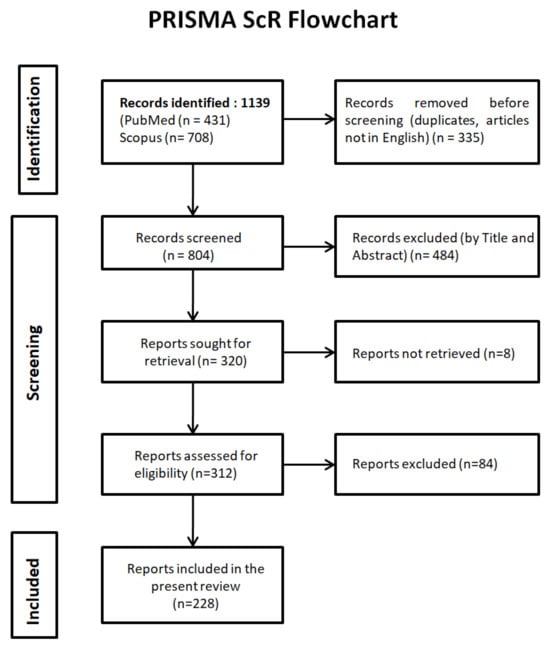
Disclaimer/Publisher’s Note: The statements, opinions and data contained in all publications are solely those of the individual author(s) and contributor(s) and not of MDPI and/or the editor(s). MDPI and/or the editor(s) disclaim responsibility for any injury to people or property resulting from any ideas, methods, instructions or products referred to in the content. |
© 2026 by the authors. Licensee MDPI, Basel, Switzerland. This article is an open access article distributed under the terms and conditions of the Creative Commons Attribution (CC BY) license.