


Abstract
The development of bio-derived cutting fluids that combine dispersion stability and effective lubrication is an important direction toward more sustainable manufacturing. In this study, two zirconium-based bio-derived materials, MIP-202 metal–organic framework (bio-MOF) and a zirconium/organic-acid-assisted bio-aerogel, were investigated as nano-additives for jatropha-oil-based cutting fluids, while Gum Arabic and Vitamin E were evaluated as natural stabilizing agents. The additives were characterized by XRD, SEM, TEM, and EDX, and the formulations were assessed through UV–Vis spectroscopy, wettability, viscosity, oxidation stability, and ball-on-disc friction testing. Bio-MOF showed better kinetic dispersion persistence than bio-aerogel. The selected formulation containing jatropha oil, 0.10 wt.% MIP-202, and 0.10 wt.% Vitamin E reduced the contact angle from 22.29° to 18.10°, increased RPVOT from 28 to 39 min, and decreased the coefficient of friction from 0.0813 to 0.0366. Machining performance was then evaluated in AISI 304 turning using a randomized Taguchi L27 design comparing dry cutting, plain jatropha-oil MQL, and Bio-MOF nano-MQL. Bio-MOF nano-MQL reduced mean surface roughness by 16.9% and 16.1%, and flank wear by 35.2% and 15.4%, relative to dry cutting and plain MQL, respectively. The results demonstrate the potential of the designed bio-derived nano-MQL formulation for improving lubrication and machining performance of AISI 304.
Keywords:
MIP-202; metal–organic framework; vegetable oil; nano-MQL; tribology; colloidal stability; AISI 304; tool wear 1. Introduction
Cutting fluids play an essential role in metal cutting operations by reducing friction and wear at the tool–chip and tool–workpiece interfaces, dissipating heat from the cutting zone, improving surface quality, and extending tool life [1,2,3,4]. Conventional cutting fluids used in machining are commonly classified as straight oils, soluble oils, semi-synthetic fluids, and synthetic fluids [5,6]. Around 85% of the cutting fluids applied in machining are mineral-based oils. Some reports estimated the consumption of mineral oils to be 320,000 tons by the European Union (EU) every year [7]. Although mineral-oil-based cutting fluids are still widely used in industry, their environmental impact, limited biodegradability, disposal difficulty, toxic additives such as sulfur, phosphorus, and chlorine, and other possible health hazards have motivated the development of more sustainable alternatives [7,8,9,10]. This shift is particularly important in modern manufacturing, where productivity improvement must be achieved together with reduced ecological burden and safer working conditions.
Vegetable oils have attracted increasing interest as renewable and biodegradable base fluids for sustainable lubrication and machining applications [11,12]. Their molecular structure, which contains long fatty-acid chains and polar functional groups, promotes adsorption on metallic surfaces and supports the formation of boundary lubrication films [13]. Numerous types of vegetable oils, including sunflower, soybean, rapeseed, palm, castor, coconut, neem, jojoba, and jatropha oils, have been investigated as potential cutting-fluid bases [14]. Among them, jatropha oil is particularly noteworthy since it is non-edible, bio-derived, and has shown promising lubrication performance in machining applications, including milling of aluminum alloys and turning of steels [15,16,17]. Nevertheless, the wider use of vegetable oils in cutting fluids remains limited by their relatively poor oxidative stability, restricted thermal resistance, and possible degradation under the severe temperature and shear conditions encountered during machining [18].
Nano-enhanced cutting fluids recently emerged as a promising strategy for improving the thermal and tribological performance of vegetable-oil-based lubricants. Nanoparticles have been shown to improve heat transfer, reduce friction, enhance load-carrying capacity, and support surface protection during machining [19,20]. Various nano-additives have been studied, including metallic nanoparticles, metal oxides, carbon-based materials such as graphene and carbon nanotubes, MXenes, hexagonal boron nitride, and transition-metal dichalcogenides such as MoS2 and WS2 [21,22,23,24,25,26,27,28,29,30]. In minimum quantity lubrication (MQL) and nano-minimum quantity lubrication (NMQL) systems, such additives can be especially beneficial because a small amount of lubricant must provide effective cooling and lubrication in a highly localized cutting region.
From a tribological perspective, the effectiveness of a cutting fluid cannot be considered solely in terms of its chemical composition or bulk properties. Lubrication during machining occurs within highly loaded and rapidly sliding tool–chip and tool–workpiece contacts, where surface topography, real contact area, interfacial pressure, sliding velocity, and temperature influence lubricant access and retention. Surface geometry is particularly relevant to wetting and lubrication. Peta et al. [31] demonstrated that dynamic wettability is scale-dependent and is influenced by both microroughness and waviness on anisotropic surfaces, highlighting the importance of surface geometry when interpreting contact-angle and spreading behavior. Similarly, Özel et al. [32] showed that structured and textured cutting-tool surfaces can modify chip flow and tool–chip contact, reduce friction and cutting forces, improve anti-adhesion and wear behavior, and enhance lubricant and coolant utilization. These findings indicate that the functional performance of a cutting fluid results from the interaction between lubricant properties and the geometry and mechanics of the contacting surfaces.
In MQL machining, lubrication performance is also governed by the ability of the supplied fluid to penetrate the restricted tool–chip contact and remain available as cutting conditions change. Du et al. [33] reported that increasing cutting parameters can hinder MQL-fluid infiltration into the tool–chip interface and linked the resulting lubrication behavior to cutting force, cutting temperature, frictional state, and tool wear. This coupling is particularly relevant for difficult-to-machine austenitic stainless steels. For AISI 304 turning, Fu et al. [34] evaluated nanofluid-MQL performance through cutting force, rake-face friction, cutting temperature, surface roughness, residual stress, work hardening, and three-dimensional surface topography, demonstrating that lubrication effectiveness should be assessed through both tribological and mechanical machining responses. Accordingly, nano-MQL performance should be viewed as a coupled system involving fluid formulation, surface geometry, interfacial tribology, lubricant delivery, and cutting conditions, rather than as a consequence of lubricant composition alone.
Despite these tribological and machining advantages, the practical performance of nano-cutting fluids also depends strongly on formulation-level factors. Two major material-related challenges are nanoparticle safety and colloidal stability. The first challenge is the potential toxicity and environmental risk associated with some conventional nanoparticles, particularly high-aspect-ratio carbon nanomaterials and certain metal oxides. A comprehensive review by Nouzil et al. [35] reported that transition metal dichalcogenides, particularly MoS2 and WS2, exhibit the most favorable combination of machining effectiveness and low toxicity, whereas ZnO nanoparticles and carbon nanotubes present significant health and environmental concerns. Abellán-Nebot et al. [36] reported that nanoparticle toxicity is strongly influenced by composition, size, shape, and surface characteristics, with transition metal dichalcogenides such as MoS2 and WS2 exhibiting the lowest toxicity profiles, whereas ZnO, CuO, carbon nanotubes, and high-aspect-ratio nanostructures present significantly greater health risks. The second challenge is poor colloidal stability, since nanoparticle agglomeration and sedimentation can reduce the effective concentration of active additives reaching the cutting zone and may lead to inconsistent lubrication performance [37]. These issues are especially critical for vegetable-oil-based nanofluids, where the interaction between the nano-additive, base oil, and any surfactant strongly controls dispersion stability, wettability, viscosity, oxidation resistance, and tribological response.
Metal–organic frameworks (MOFs) received increasing attention in different domains of studies as functional porous materials with distinguished performance [38,39,40,41,42,43,44,45,46,47,48,49,50,51]. MOFs are crystal-based materials formed of clusters or ions of metals bridged together by organic ligands. The unique characteristics of MOFs are manifested in their large specific surface area [52], high porosity [53], high tunability, and high functionality since their structure can be modified by substituting either metals or ligands [54,55]. Previous studies have indicated that selected MOF materials can act as lubricant additives and contribute to friction and wear reduction [56,57]. However, the use of bio-derived MOFs as nano-additives in vegetable-oil-based cutting fluids remains insufficiently explored. Limited attention has been given to bio-derived MIP-202 MOF nanoparticles as multifunctional additives for improving colloidal stability, physicochemical properties, tribological behavior, and machining performance of jatropha-oil-based cutting fluids.
Another important aspect is the selection of suitable stabilizing agents. Synthetic surfactants may improve nanoparticle dispersion, but they can reduce the environmental advantage of bio-derived cutting-fluid systems. Natural stabilizers such as Gum Arabic and Vitamin E offer a bio-derived alternative to conventional synthetic stabilizers. Gum Arabic acts as a natural polymeric dispersant because of its macromolecular polysaccharide–glycoprotein structure, while Vitamin E can contribute to oil compatibility and oxidative protection. However, their comparative effects on the stability and functional performance of vegetable-oil nanofluids have not been clarified.
Accordingly, the present study introduces a bio-derived nano-additive strategy for sustainability-oriented cutting-fluid development by synthesizing and evaluating zirconium-based MIP-202 bio-derived MOF and zirconium/bio-derived organic acid-assisted aerogel as additives in jatropha oil. Jatropha oil was selected as the base oil because of its non-edible origin and favorable fatty-acid composition. Previous studies have shown that jatropha oil mainly contains oleic, linoleic, palmitic, and stearic acids, with unsaturated fatty acids being dominant [58,59]. This composition is advantageous for lubrication because long-chain fatty acids can adsorb on metallic surfaces and assist boundary-film formation, while the high unsaturated fraction supports fluidity and spreading behavior during machining. The bio-aerogel was included as a structurally related zirconium/organic-acid material to clarify whether the MOF morphology and nanoscale structure provide advantages over a less regular zirconium-based bio-derived additive.
The synthesized materials were characterized using XRD, SEM, TEM, and EDX. Their dispersion behavior in jatropha oil was evaluated at different additive concentrations using UV–Vis spectroscopy, and the effect of Gum Arabic and Vitamin E as natural surfactants was systematically investigated. The compatibility of bio-MOF with different vegetable oils was also examined. The selected formulations were then evaluated in terms of wettability, kinematic viscosity, viscosity index, oxidation stability, and ball-on-disc tribological behavior. Finally, the selected formulation was validated in the turning of AISI 304 under nano-MQL conditions by assessing surface roughness, tool flank wear, chip thickness, and surface and chip morphology.
The novelty of this work lies in integrating bio-derived MIP-202 with jatropha oil and natural surface-active stabilizers while connecting formulation-level behavior to a structured machining validation. Beyond comparing colloidal stability, wettability, viscosity-temperature behavior, oxidation stability, and friction of different cutting fluid formulations, the selected MIP-202/Vitamin E formulation is evaluated in AISI 304 turning through a randomized Taguchi L27 design covering three lubrication conditions and three levels of cutting speed, feed rate, and depth of cut. This design enables the contribution of plain jatropha-oil MQL to be separated from the additional benefit of the Bio-MOF formulation and allows surface roughness and cutting-tool flank wear to be interpreted statistically across a practical process window. The study therefore treats the nanofluid not only as a material formulation but also as a lubrication technology whose laboratory-scale characteristics translate into measurable machining performance. This machining-scale validation is intended to evaluate whether the formulation-level improvements translate into measurable changes in surface integrity and tool wear under varying mechanical cutting conditions, while recognizing that lubrication performance arises from the coupled effects of fluid properties, tool–chip contact conditions, and process parameters.
2. Materials and Methods
2.1. MOF Synthesis
Two zirconium-based materials incorporating bio-derived organic components, namely MIP-202 metal–organic framework (bio-MOF) and a zirconium/organic-acid-assisted bio-aerogel, were synthesized, characterized, and subsequently evaluated as nano-additives in vegetable-oil-based cutting fluids.
MIP-202 was synthesized using a procedure adapted from Diab et al. [60]. Briefly, 1.4 g of L-aspartic acid was dissolved in 10 mL of deionized water and sonicated for 10 min at 40 °C using an ultrasonic bath (Model 8892, nominal power 100 W, 42 kHz, Cole-Parmer, Vernon Hills, IL, USA). Separately, 1.14 g of zirconium tetrachloride (ZrCl4) was dissolved in 10 mL of deionized water under stirring for 5 min. The ZrCl4 solution was then added dropwise to the L-aspartic-acid solution under magnetic stirring at 200 rpm for 10 min using a hot-plate magnetic stirrer (MSH-20D, DAIHAN Scientific Co., Ltd., Seoul, Republic of Korea). The resulting mixture was refluxed at 100 °C under continuous stirring for 12 h until a white MIP-202 precipitate formed. After cooling to room temperature, the precipitate was recovered by centrifugation at 7000 rpm for 10 min using a BT20 centrifuge (Labwe Instrument Technology Co., Ltd., Changsha, China), washed three times using deionized water and ethanol, and air-dried. For activation, the dried MIP-202 was placed in a vacuum chamber, evacuated at approximately 25 °C for 30 min, and subsequently heated under vacuum at 70 °C for 12 h.
For preparation of the zirconium/organic-acid-assisted bio-aerogel, 3.3 g of zirconium oxychloride octahydrate (ZrOCl2·8H2O) was dissolved in 10 mL of deionized water. Separately, 2.3 g of L-aspartic acid was dissolved in 10 mL of deionized water and sonicated for 10 min to obtain a homogeneous solution. The two precursor solutions were stirred separately for 60 min. The zirconium oxychloride solution was then added dropwise to the L-aspartic-acid solution under continuous magnetic stirring at 316 rpm. The resulting mixture was refluxed at 100 °C under continuous stirring for 24 h until a viscous gel-like material formed. The product was recovered by centrifugation at 8000 rpm for 10 min, washed twice with deionized water and once with ethanol, and immersed in ethanol for two days to perform solvent exchange. The recovered material was subsequently placed under vacuum, initially evacuated at approximately 25 °C for 30 min, and then dried under vacuum at 70 °C for 12 h until a bluish-white solid material was obtained. A formal statistical assessment of batch-to-batch synthesis reproducibility using multiple independently synthesized batches was not performed in the present study.
2.2. Material Characterization
The morphology and representative particle dimensions of the synthesized bio-MOF and bio-aerogel were examined using scanning electron microscopy (SEM; JSM-IT200, JEOL Ltd., Tokyo, Japan) and transmission electron microscopy (TEM; JEM-2100, JEOL Ltd., Tokyo, Japan). TEM images were used to provide representative dimensional information for the observed particles and agglomerates; however, these microscopy-derived dimensions are not interpreted as a complete hydrodynamic particle-size distribution of the additives dispersed in oil. Elemental composition was examined by energy-dispersive X-ray spectroscopy (EDX), while the crystalline/microstructural phases were investigated using an X-ray diffractometer (Empyrean, Malvern Panalytical, Almelo, The Netherlands). XRD measurements were performed at 40 kV and 30 mA using Cu-Kα1 radiation.
Dynamic-light-scattering particle-size distributions and zeta-potential measurements were not obtained for the present oil-based dispersions. Dispersion persistence is instead evaluated comparatively from the time-dependent UV–Vis response together with complementary SEM and TEM observations.
2.3. Cutting Fluid Preparation
Three sets of jatropha oil samples were procured from the local Egyptian vendor. To investigate the effect of the synthesized nano-additives, MIP-202 bio-MOF nanoparticles were added to jatropha oil at concentrations of 0.05, 0.1, and 0.15 wt.%, as summarized in Table 1. All nanofluids were dispersed using an ultrasonic bath (Model 8892, Cole-Parmer, USA; operating frequency 42 kHz, nominal power 100 W). After addition of the required amount of nano-additive to the base oil, each formulation was ultrasonicated for 35 min. The same ultrasonication equipment, operating settings, and treatment duration were employed for the bio-MOF and bio-aerogel formulations to maintain consistency among the prepared samples. In parallel, another set of samples was prepared by incorporating zirconium/organic acid bio-aerogel (bio-aerogel) nanoparticles into jatropha oil at the same concentrations. These samples were also subjected to 35 min of ultrasonication under identical conditions to maintain experimental consistency and allow for a direct comparison between bio-MOF and bio-aerogel.
Table 1.
Description of prepared jatropha-based oil samples.
Additional vegetable-oil formulations containing 0.10 wt.% bio-MOF were prepared using rosemary, cactus, linseed, coconut, and bitter-almond oils to assess the applicability of MIP-202 to different vegetable-oil matrices. These formulations were prepared following the same nano-additive dispersion procedure and were subsequently examined for kinetic dispersion behavior and comparative wettability. Their compositions are summarized in Table 2.
Table 2.
Samples of cutting fluids with 0.1 wt.% bio-MOF additives.
2.4. Preparation of Stabilizer-Containing Formulations and Selected Nano-MQL Fluid
The colloidal stability of MOF-based nanofluids is a crucial issue for reaching effective tribological performance during metal cutting operations. Therefore, Gum Arabic and vitamin E were employed in this work as natural surface-active stabilizers to contribute to the dispersion stability of the developed nanofluid. Four distinct samples were prepared, each containing 0.1 wt.% of bio-MOF dispersed in jatropha oil for testing the impact of the surfactant type. Surfactants were incorporated at two different mass ratios relative to the bio-MOF, such that Gum Arabic: bio-MOF at 1:1, Gum Arabic: bio-MOF at 2:1, Vitamin E: bio-MOF at 1:1, and Vitamin E: bio-MOF at 2:1. Preparation was performed in two sequential dispersion steps using the same ultrasonic bath described in Section 2.3 (Cole-Parmer Model 8892, 42 kHz, nominal power 100 W). First, the required quantity of Gum Arabic or Vitamin E was mixed with the jatropha-oil base fluid and ultrasonicated for 10 min. MIP-202 was subsequently added at 0.10 wt.%, and the resulting formulation was ultrasonicated for an additional 35 min. This sequential procedure was applied consistently to the stabilizer-containing formulations. All concentrations expressed in wt.% were calculated relative to the total mass of the prepared formulation. A detailed description of the prepared samples and their compositions is presented in Table 3.
Table 3.
Prepared nano-cutting-fluid formulations containing natural surface-active stabilizers.
2.5. Colloidal Stability Test
The time-dependent optical behavior of the bio-MOF- and bio-aerogel-containing nanofluids was evaluated using UV–Vis spectroscopy (Shimadzu, Kyoto, Japan) over the wavelength range of 330–1200 nm. Spectra were recorded immediately after preparation and after defined storage periods under identical measurement conditions. Plain jatropha oil was used as the corresponding base-fluid reference.
In nanoparticle-containing fluids, the measured UV–Vis response may arise from both molecular absorption and particle-induced light scattering and can therefore depend on particle concentration, particle/agglomerate size, morphology, refractive index, and sedimentation behavior. Accordingly, the absolute absorbance values of chemically and morphologically different additives were not interpreted as direct quantitative measures of colloidal stability. Instead, the temporal change in the optical response within each formulation was used as a comparative indicator of kinetic dispersion persistence. A comparatively smaller decrease in optical response with storage time was interpreted as being consistent with a greater fraction of optically active dispersed material remaining within the sampled suspension under the fixed measurement conditions.
Because bio-MOF and bio-aerogel differ in particle size, morphology, structure, and optical characteristics, their absolute absorbance values are not directly converted into equivalent suspended-particle concentrations. Consequently, the UV–Vis measurements were interpreted together with SEM and TEM observations and are used in this study as a comparative screening method, rather than as a standalone quantitative determination of colloidal stability.
2.6. Wettability Test
The wettability of each oil blend is an indicator of creating a flatter lubricant film that reduces friction and enhances heat dissipation at the cutting tool/chip interface. Wettability was evaluated by static sessile-drop contact-angle measurements using a custom-built optical measurement setup. The setup consisted of a sample stage, a side-view imaging system, and a controlled illumination arrangement, while Ossila Contact Angle software version 4.2.1 was used for image analysis and contact-angle determination, according to ASTM D7334 [61]. A cleaned glass plate was used as the substrate. Droplets of 5 µL were deposited using a micro-syringe. The liquid was dispensed manually over approximately 4 s, with the needle positioned approximately 5 mm above the glass surface. The camera was positioned in front of the droplet with its optical axis approximately parallel to the glass substrate, allowing the sessile-droplet profile and the substrate baseline to be imaged. The microsyringe was positioned above the substrate for droplet deposition and was withdrawn after deposition before contact-angle analysis.
Five independently deposited droplets were measured at different positions on each substrate. Side-view images were acquired at a fixed time of 4 s after deposition, and the left and right contact angles were determined using Ossila contact-angle software. A droplet volume of 5 µL was selected following widely employed in lubricant- and cutting-fluid-related sessile-drop measurements [62,63,64,65]. The relatively small volume provided a sufficiently defined droplet profile for optical analysis.
The wettability test in the present study was designed primarily as a comparative formulation-screening method. Therefore, all formulations were tested using the same droplet volume, glass substrate, deposition procedure, and fixed image-analysis time of 4 s. The resulting contact-angle values are consequently interpreted in terms of the relative influence of nano-additive concentration and natural stabilizer incorporation, rather than as an absolute simulation of the wetting behavior at the tool–chip interface. A glass plate was intentionally selected as a common reference substrate because it provides a relatively uniform, reproducible, and easily cleaned surface for comparing different fluid formulations under identical conditions. In contrast, using an actual machined AISI 304 or cutting-tool surface would introduce additional substrate-dependent variables such as roughness, machining marks, oxide condition, surface preparation, and local contamination. These factors could obscure the formulation-related differences that were the primary focus of the wettability screening.
2.7. Oxidation Stability Test
The oxidation stability test was conducted on cutting fluid samples to investigate the effect of bio-MOF nano-additives and surfactants on maintaining high oxidation resistance to the base oil during metal cutting operation, according to ASTM D-2272 [66]. 50 g of each sample was added together with water and copper catalyst in a glass tube, which was fixed into a rotating pressurized oxygen vessel. The speed of the vessel rotation was 100 rpm and was inclined at 30° to the horizontal. The temperature and pressure in the vessel were elevated till they reached the maximum values at 150 °C and 620 kPa, respectively. Oxidation stability was recorded by measuring the time it takes the vessel pressure to decline to 175 kPa.
2.8. Kinematic Viscosity Test
The kinematic viscosity of each cutting fluid blend was measured using a glass capillary viscometer (VST–2400, Chongqing Top Oil Purifier Co., Ltd., Chongqing, China), following ASTM D445 [67], with each test utilizing a sample volume of 30 mL. The measurements were conducted at two specific temperatures, 40 °C and 100 °C, with each test repeated three times. The viscosity index is then calculated to evaluate the viscosity stability at elevated temperatures for each cutting fluid blend.
2.9. Tribology Test
The tribological performance of the developed cutting fluid formulations was evaluated using a ball-on-disc tribometer (Frictoron, Orientec, Fukaya, Saitama, Japan) in accordance with ASTM G99 [68]. The experiments were conducted under lubricated sliding conditions to assess the friction-reducing characteristics of the developed cutting fluids. Before testing, the 240 mm diameter chromium steel disc (62 HRC) was polished using successive grades of silicon carbide abrasive papers, cleaned ultrasonically in ethanol, and dried with compressed air to ensure a uniform and contaminant-free surface. The counter-face element consisted of a 20 mm diameter AISI 52100 chromium steel ball. During each experiment, 50 mL of cutting fluid was applied to the contact region to maintain continuous lubrication throughout the test duration.
The tribological tests were performed under a normal load of 10 N, a speed of 200 rpm, a sliding radius of 40 mm, and a total sliding distance of 4000 m. All tests were conducted at ambient laboratory conditions (temperature 25 ± 2 °C, relative humidity: 50 ± 5%). The coefficient of friction (COF) was continuously recorded throughout the experiment using the tribometer data acquisition system. For each cutting fluid formulation, a minimum of three independent tests were performed to ensure repeatability and statistical reliability of the results. The average values of the coefficient of friction were reported along with their corresponding standard deviations. The ball-on-disc test was used primarily to compare the frictional response of the candidate formulations. The present tribometer data are not used to calculate wear rate or to claim direct evidence of tribofilm formation. Wear performance is assessed independently at the cutting-tool level during the turning experiments.
2.10. Machining Experiments and Statistical Design
The selected Bio-MOF formulation was validated during longitudinal turning of commercial AISI 304 stainless-steel bars (30 mm diameter × 200 mm length) on a CNC turn-mill (Mazak INTEGREX i-150, Oguchi-cho, Niwa-gun, Aichi, Japan). Cemented-carbide inserts (DESKAR CNMG 120408-WF, Zhejiang Co., Ltd., Wenling, Taizhou, China) were used, with a fresh cutting edge employed for every experimental run to avoid carry-over of accumulated wear. Three lubrication conditions were compared: dry cutting, plain jatropha-oil MQL, and the selected nano-MQL formulation based on the characterization tests of each formulation. Table 4 summarizes the specifications of the workpiece, cutting insert, MQL system, and measurement conditions.
Table 4.
Specifications of workpiece, machine tool, MQL delivery, cutting insert, and measurement conditions.
For both lubricated conditions, the fluid was supplied through a MQL system (Frigid-X Sub-Zero, Richmond Hill, ON, Canada) equipped with a 1 mm nozzle. The flow rate was maintained at 100 mL/h with an atomizing-air pressure of 4 bar. The nozzle was positioned approximately 30 mm from the tool tip and oriented at 45° toward the rake face. Nozzle position, flow rate, and pressure were held constant so that lubrication condition represented the principal fluid-related variable.
Four process factors were investigated at three levels: lubrication condition (dry, plain jatropha MQL, nano-MQL), cutting speed (80, 120, and 160 m/min), feed rate (0.10, 0.20, and 0.30 mm/rev), and depth of cut (0.25, 0.50, and 0.75 mm). A Taguchi L27 orthogonal array was employed, as described in Table 5. Each condition comprised three consecutive 50 mm passes, giving a total evaluated cutting length of 150 mm per run, and the 27 conditions were performed in a computer-randomized order.
Table 5.
Taguchi L27 process runs and response means, where Ra, VB, tc/f are reported as mean ± standard deviation of three spatial measurements obtained for each machining run.
Surface texture was characterized using a 3D laser scanning microscope (VK-X100 series, KEYENCE Corporation, Osaka, Japan). For each machining condition, three spatially separated surface measurements were obtained. Profile-based arithmetic mean roughness Ra was evaluated according to JIS B0601:2001/ISO 4287:1997 [69,70], while the areal arithmetic mean height Sa was determined according to ISO 25178 [71]. The 3D measurements were acquired in surface-profile mode using a 10× objective lens (NA = 0.300) at 1× optical zoom over a field of view of approximately 1.414 × 1.000 mm. High-accuracy scans were acquired with a vertical scanning pitch of 0.1 µm over a Z-measurement range of 316.82 µm. The lateral sampling interval was 1.381 µm/pixel. For the areal analysis, form removal and scale-limiting filtering were applied using VK Analyzer software (version 3.3.0.0) before calculating Sa. An S-filter was used to remove high-frequency measurement noise, while an L-filter was applied to remove longer-wavelength components associated with waviness.
Flank wear (VB) was measured at three positions along the principal flank using a tool maker microscope (Mitutoyo MF-A2010D measuring microscope, Kanagawa, Japan), in accordance with ISO 3685 [72]. Representative machined surfaces were examined by 3D optical microscopy, while representative rake and flank faces were examined by SEM to identify adhesive transfer, crater damage, grooves, edge damage, and visible built-up material. Chip thickness was measured at three positions using a digimatic caliper (Mitutoyo 500-196-30, Kanagawa, Japan), and the ratio tc/f was treated only as an apparent chip-compression index because the exact undeformed chip thickness was not reconstructed from the tool entering angle.
Response means were calculated from the three recorded spatial or measurement values associated with each run. Smaller-the-better signal-to-noise ratios were calculated for Ra, Sa, and VB as in Equation (1).
S/N = −10 log10[(1/n) Σ(yi2)],
ANOVA was subsequently applied to the mean response of each L27 condition. For Ra, the model included the main effects together with lubrication × cutting speed, lubrication × feed, and lubrication × depth-of-cut interactions, whereas the Sa and VB analyses were based on the four main factors. Each of the 27 machining conditions was performed once. For each condition, Ra, Sa, and VB were measured at three different positions, and the resulting measurements were used to calculate the mean and standard deviation reported for that condition. These repeated measurements represent spatial measurement repeats rather than independent machining replicates. tc/f represents the mean apparent chip-compression index calculated from three chip-thickness measurements. Therefore, the ANOVA results, particularly the F- and p-values, are interpreted cautiously and considered together with the percentage contributions, S/N trends, and microscopy observations.
3. Results and Discussion
3.1. Material Characterization Results
The XRD patterns of the prepared MOF and aerogel nano-powder are shown in Figure 1a,b. The main peaks for MOF are identified at 10.18° and 8.93°, which can be assigned to planes (200) and (111), and this comes in agreement with the previous work of Diab et al. [60]. These distinctive peaks represent the key and most notable diffraction signals of the simulated crystalline bio-MIP-202. For bio-aerogel, the peaks recorded were at 21.715°, 8.28°, and 7.06°. The low-angle peaks at 7.06° and 8.28° indicate the presence of organized mesostructured layers or coordination regions formed by aspartic acid ligands. Similar findings were obtained by Bueken et al. [73], where angles of 7° and 8.5° 2θ were found to correspond to the (111) and (200) crystal planes. A close high angle of 21.8° corresponding to plane (440) was obtained in the work of Bagherzadeh et al. [74].
Figure 1.
XRD analysis of (a) MIP-202 metal–organic frameworks and (b) metal zirconium with assisted organic aerogel (bio-aerogel).
Figure 2a,b show the SEM observations of bio-MOF and bio-aerogel. The bio-MOF presents predominantly rounded or near-spherical nanoscale features, whereas the bio-aerogel exhibits a more irregular and agglomerated morphology. TEM observations in Figure 3 provide additional dimensional context. In the representative bio-MOF field, the annotated particle dimensions span approximately 70–190 nm, indicating a broader apparent size distribution than a single narrow size range. The bio-aerogel contains larger irregular structures on the sub-micrometer scale. The chemical compositions of the prepared zirconium-based additives were examined by EDX (Figure 4), with Zr, C, and O as the principal detected elements.
Figure 2.
SEM images of (a) MIP-202 metal–organic frameworks and (b) metal zirconium with assisted organic acid aerogel (bio-aerogel).
Figure 3.
TEM images of (a) MIP-202 metal–organic frameworks and (b) metal zirconium with assisted organic aerogel (bio-aerogel).
Figure 4.
EDX results of (a) MIP-202 metal–organic frameworks and (b) metal zirconium with assisted organic acid aerogel (bio-aerogel).
Representative SEM/TEM images of the supplied Gum Arabic and the prepared Vitamin E specimen are shown in Figure 5 and Figure 6, respectively. Gum Arabic exhibits a branched polysaccharide-rich morphology in the dried specimen. The Vitamin E micrographs are retained only as descriptive images of the prepared specimen; because specimen preparation can influence the observed morphology of this non-particulate additive, these images are not used to infer an intrinsic nanoparticle size or a dispersion mechanism.
Figure 5.
Gum Arabic sample: (a) SEM and (b) TEM.
Figure 6.
Vitamin E sample: (a) SEM and (b) TEM.
3.2. UV–Vis Spectroscopy Analysis and Kinetic Dispersion Stability
The change in dispersion of the bio-MOF and bio-aerogel during storage was examined by UV–Vis spectroscopy immediately after preparation and after 1 h, 2 h, and 1 week, as presented in Figure 7. In nanofluids, the measured optical response can arise from both light absorption and particle-induced scattering [75]. Under fixed measurement conditions, including wavelength, optical path length, sampling position, and base-fluid reference, a decrease in the recorded absorbance with time indicates a reduction in the concentration of particles remaining within the sampled suspension. This reduction is commonly associated with particle agglomeration followed by gravitational sedimentation. Consequently, the temporal retention of absorbance within each formulation provides a more meaningful indication of kinetic dispersion stability than its initial absorbance value alone [76,77].
Figure 7.
Kinetic stability of jatropha oil in the presence of bio-MOF and bio-aerogel at various concentrations of 0.05 wt.%, 0.1 wt.%, 0.15 wt.%, (a) freshly prepared, (b) after 1 h, (c) after 2 h, (d) after 1 week.
It should be emphasized that the present UV–Vis measurements characterize dispersion persistence under static storage conditions and do not establish long-term stability during extended MQL operation. Repeated atomization, reservoir residence, fluid transport through the delivery line, and nozzle passage may alter particle concentration or agglomeration state and therefore require separate operational assessment.
The prepared samples exhibited a concentration-dependent optical response at the selected wavelength of 518 nm. Relative to plain jatropha oil, the initial absorbance increased by 210.3%, 539.7%, and 800.0% after incorporating 0.05, 0.10, and 0.15 wt.% bio-MOF, respectively (Figure 7a). This increase confirms that the UV–Vis measurements were sensitive to the amount of dispersed bio-MOF within the oil. The progressively higher initial absorbance with increasing additive concentration primarily reflects the larger number of particles interacting with the incident light.
All bio-MOF formulations exhibited a gradual decline in absorbance over time, showing that the dispersions were kinetically stable rather than permanently stable. After one week, the absorbance values of bio-MOF1, bio-MOF2, and bio-MOF3 remained 127.1%, 355.9%, and 537.3% higher than that of plain jatropha oil, respectively. The gradual rather than abrupt decrease suggests that sedimentation proceeded progressively and that an appreciable fraction of the bio-MOF particles remained suspended after one week. In Figure 7b,c, the limited change between the measurements obtained after 1 h and 2 h, particularly for bio-MOF2 and bio-MOF3, also indicates that a major part of the initial dispersion was retained during the first hours following sonication.
A distinctly different temporal response was observed for the bio-aerogel formulations. Although their absorbance also increased with additive concentration, the spectra declined more markedly after 2 h, as illustrated in Figure 7c. At equivalent mass fractions, the bio-MOF formulations maintained higher optical responses than the corresponding bio-aerogel dispersions throughout the investigated period. After one week (Figure 7d), the absorbance of bio-MOF1, bio-MOF2, and bio-MOF3 exceeded that of bio-aerogel1, bio-aerogel2, and bio-aerogel3 by 38.1%, 66.9%, and 73.9%, respectively. These results indicate that more gradual time-dependent decline in the bio-MOF spectra is consistent with greater kinetic dispersion persistence under the investigated conditions.
The difference between the two additives is consistent with their contrasting particle characteristics. SEM and TEM observations showed that the bio-MOF consisted mainly of relatively rounded or near-spherical nanoscale features, with annotated dimensions in the representative TEM field spanning approximately 70–190 nm. In comparison, the bio-aerogel exhibited larger and more irregular agglomerated structures on the sub-micrometer scale of approximately 0.2–0.8 µm. An increase in the effective particle or agglomerate size generally accelerates gravitational settling, whereas sufficiently small particles are more strongly influenced by Brownian motion [77]. The larger, irregular bio-aerogel structures would therefore be expected to settle more readily than the smaller bio-MOF particles. Their irregular morphology may also provide a larger number of contact sites for interparticle attachment and the formation of secondary agglomerates. The UV–Vis results are therefore consistent with the particle-size and morphological differences revealed by microscopy, although UV–Vis spectroscopy alone does not independently prove the dispersion mechanism [77].
It should also be recognized that bio-MOF and bio-aerogel differ in particle size, structure, and optical characteristics. Their absolute absorbance values may consequently differ even when equal masses remain suspended. The conclusion regarding their relative kinetic stability is therefore based on the combined evidence provided by the time-dependent spectral changes and the SEM and TEM observations rather than on absolute absorbance alone. Within this limitation, the comparatively gradual spectral decay of the bio-MOF dispersions supports their selection over bio-aerogel for further cutting-fluid development.
Although bio-MOF3 produced the highest absorbance throughout the storage period, the highest optical response does not necessarily identify the most suitable formulation for machining. A greater particle loading may improve the quantity of additives available in suspension, but it can also increase interparticle collision frequency, viscosity, and the probability of agglomeration under prolonged storage or operating conditions. The selection of optimum bio-MOF concentration is therefore based on a balance between dispersion persistence, additive concentration, wettability, and the physicochemical performance of the cutting fluid rather than on the UV–Vis response alone.
The applicability of bio-MOF to other vegetable-oil matrices was examined by dispersing 0.10 wt.% bio-MOF in rosemary, cactus, linseed, coconut, and bitter almond oils. As shown in Figure 8, the spectra of the plain vegetable oils differed considerably, with rosemary oil exhibiting the highest intrinsic absorbance. These differences most likely arise from variations in the chemical composition and naturally occurring chromophoric constituents of the oils. Accordingly, direct comparison of absolute absorbance among different oil types cannot provide a reliable ranking of bio-MOF stability because the optical response of each base oil contributes to the measured spectrum.
Figure 8.
UV-vis absorbance spectra of the selected vegetable oils: (a) without bio-MOF additives, and with 0.1 wt.% bio-MOF (b) immediately after preparation, (c) after 24 h, and (d) after 1 week.
A more appropriate interpretation is obtained by comparing each bio-MOF-containing oil with its corresponding plain-oil reference and by examining the persistence of its spectral profile with time. The addition of bio-MOF produced a measurable change in the spectra of all investigated oils, and the relative spectral patterns were largely retained after 24 h and 1 week. These observations provide preliminary evidence that bio-MOF can be dispersed in several vegetable-oil matrices without rapid or complete separation during the investigated period. Nevertheless, the results are described as evidence of short-term dispersion compatibility rather than proof of equivalent stability in all oils. A rigorous comparison among the oils would require the incremental absorbance produced by the bio-MOF to be isolated from the absorbance of each plain oil and then normalized to its initial value.
The effect of Gum Arabic and Vitamin E on the bio-MOF dispersion was subsequently evaluated at surfactant-to-bio-MOF mass ratios of 1:1 and 2:1, as shown in Figure 9. The Gum Arabic-containing samples, bio-MOF4 and bio-MOF5, exhibited higher optical responses than the corresponding Vitamin E-containing samples. The bio-MOF4 formulation, containing Gum Arabic and bio-MOF at a 1:1 mass ratio, showed the highest absorbance among the surfactant-modified formulations. Gum Arabic has previously been employed as a natural dispersant in nanofluids, where its macromolecular structure can provide a steric barrier that restricts direct particle–particle contact and reduces the formation of large agglomerates [78]. This behavior is consistent with the polysaccharide–glycoprotein composition of Gum Arabic and its established role as a stabilizer and emulsifier in nano-formulations [79].
Figure 9.
Absorbance of 0.1 wt.% MOF-jatropha oil with and without surfactants: (a) immediately after preparation, (b) after 1 week.
Increasing the Gum Arabic-to-bio-MOF ratio from 1:1 to 2:1 did not provide additional improvement. Instead, the absorbance of bio-MOF5 was 7.4% lower than that of bio-MOF4 immediately after preparation and remained approximately 4.0% lower after one week. This non-monotonic response indicates that increasing the dispersant concentration beyond an optimum level does not necessarily produce a more stable suspension. Similar observations have been reported for Gum Arabic-stabilized nanofluids, where stability improved only within an optimum dispersant concentration range and deteriorated at excessive Gum Arabic contents [78].
The Vitamin E-containing samples exhibited the opposite concentration response. Raising the Vitamin E-to-bio-MOF ratio from 1:1 to 2:1 increased the absorbance by 16.45% immediately after preparation and by 12.13% after one week. This result suggests that the lower Vitamin E concentration was insufficient to achieve its maximum apparent dispersing effect in jatropha oil. Nevertheless, the Gum Arabic-containing formulations maintained higher absorbance than the Vitamin E-containing formulations under the tested conditions.
From a tribological perspective, maintaining the nano-additive in suspension is important for delivering a reasonably uniform concentration of bio-MOF to the cutting zone. Rapid sedimentation could produce inconsistent dosing through the MQL system and reduce the number of particles reaching the tool–chip and tool–workpiece interfaces. Conversely, the comparatively persistent bio-MOF dispersions are expected to provide a more reproducible supply of the additive during machining. However, colloidal stability alone does not demonstrate friction reduction or tribofilm formation. Its practical significance must therefore be evaluated together with the subsequent wettability, viscosity, oxidation, tribological, and machining results.
Overall, the UV–Vis analysis indicates that bio-MOF forms a more persistent dispersion in jatropha oil than the bio-aerogel under the investigated preparation and storage time conditions. This behavior agrees with the smaller and more uniform bio-MOF morphology observed by SEM and TEM. The results further show that surfactant performance depends on both chemical type and concentration, with the 1:1 Gum Arabic-to-bio-MOF ratio providing the highest apparent dispersion stability.
3.3. Physical-Chemical Results
The physicochemical properties of the developed cutting-fluid formulations were evaluated to determine whether the improved dispersion behavior observed by UV–Vis spectroscopy is accompanied by favorable wetting, viscosity, and oxidation characteristics. These properties are particularly important in MQL machining because cutting-fluid performance depends on the ability of the lubricant to spread over the tool and workpiece surfaces, form a stable lubricating film, maintain suitable flow behavior, and resist oxidative degradation under cutting conditions.
The wettability behavior of the prepared formulations was assessed through static contact-angle measurements, as shown in Figure 10. Contact angle is a widely used indicator of the spreading ability of cutting fluids, where lower values generally indicate a potential for forming a continuous lubricant film at the cutting interface [80,81]. The plain jatropha oil exhibited a contact angle of 22.29°, indicating good intrinsic wettability. This behavior can be attributed to the polar functional groups and long-chain fatty-acid constituents, which can promote adsorption on solid surfaces and facilitate the formation of boundary lubrication films. Also, this value indicates better wettability of jatropha oil compared to other investigated oils in the literature, such as castor oil (42.27°) [82], cactus oil (25.81) [83], and sesame oil (28.13°) [84].
Figure 10.
Contact angle results of prepared oil samples: (a) J.oil, (b) bio-MOF1, (c) bio-MOF2, (d) bio-MOF3, (e) bio-MOF4, (f) bio-MOF5, (g) bio-MOF6, (h) bio-MOF7.
The addition of bio-MOF altered the contact angle of jatropha oil in a concentration-dependent manner. The lowest contact angle among the bio-MOF-only formulations was obtained for bio-MOF1, containing 0.05 wt.% bio-MOF, which reduced the contact angle to 18.79°. This corresponds to a reduction of approximately 15.7% compared with plain jatropha oil. In contrast, bio-MOF2, containing 0.10 wt.% bio-MOF, showed a slightly lower contact angle than that of the base oil, while bio-MOF3, containing 0.15 wt.% bio-MOF, increased the contact angle to 27.40°. This non-monotonic behavior suggests that at low concentrations, well-dispersed nanoparticles may promote oil spreading by modifying the liquid–solid interfacial interactions. However, at higher concentrations, local agglomeration may increase the apparent surface resistance of the droplet and hinder spreading. Similar concentration-dependent behavior has been reported in nano-enhanced cutting fluids, where excessive nanoparticle loading may reduce the wetting advantage because of agglomeration and increased surface tension [85].
The surfactant-containing cutting fluid formulations showed clearer improvement in wettability. The Gum Arabic-containing formulations, bio-MOF4 and bio-MOF5, reduced the contact angle to 20.53° and 21.57°, respectively. These values indicate that Gum Arabic slightly improved the spreading behavior of the bio-MOF/jatropha oil formulation. However, Vitamin E produced a stronger wettability enhancement. The bio-MOF6 and bio-MOF7 formulations reduced the contact angle to 18.10° and 18.72°, respectively, giving the lowest contact-angle values among the surfactant-modified samples. This result indicates that Vitamin E was more effective than Gum Arabic in improving the wetting behavior of the bio-MOF-containing jatropha oil, although Gum Arabic showed better apparent dispersion stability in the UV–Vis analysis. Therefore, the selection of the optimum surfactant should not be based on dispersion stability alone but on the combined requirements of dispersion, wetting, oxidation resistance, and machining performance.
The improved wettability of the Vitamin E-containing formulations may be related to their ability to modify the interfacial behavior of the droplet. However, direct surface-tension measurements and surfactant-only contact-angle tests were not performed. Therefore, the present results demonstrate the practical wetting improvement of the formulated fluids, but do not independently confirm the exact interfacial mechanism.
The applicability of bio-MOF as a nano-additive for other vegetable oils was further examined through contact-angle measurements, as shown in Figure 11. The addition of 0.10 wt.% bio-MOF reduced the contact angles of rosemary, cactus, linseed, coconut, and bitter almond oils by approximately 29.45%, 43.74%, 39.25%, 80.96%, and 10.28%, respectively. These reductions indicate that the bio-MOF additive can improve the wetting behavior of different vegetable-oil matrices, although the magnitude of improvement depends strongly on the base oil chemistry. The pronounced improvement observed for coconut oil suggests that bio-MOF may significantly alter the spreading behavior of oils with initially lower interfacial compatibility.
Figure 11.
Contact angles of plain vegetable oils and oils with 0.1 wt.% bio-MOF additives: (a) Rosemary, (b) Cactus, (c) Linseed, (d) Coconut, (e) Bitter Almond, (f) Rosemary bio-MOF, (g) Cactus bio-MOF, (h) Linseed bio-MOF, (i) Coconut bio-MOF, (j) Bitter Almond bio-MOF.
For benchmarking against commercial metalworking fluids, the wettability results were compared with previously reported values for Blaser Vasco 6000 and Zubora 67H. In the work of Nassef et al. [86], Blaser Vasco 6000 exhibited a contact angle of approximately 27°. In the present work, plain jatropha oil exhibited a lower contact angle of 22.29°, indicating better intrinsic wettability than Blaser Vasco 6000 under a comparable solid-surface wetting interpretation. The addition of bio-MOF and surfactants further improved the wetting behavior, particularly for the Vitamin E-containing formulations, where bio-MOF6 and bio-MOF7 showed contact angles of approximately 18.10° and 18.72°, respectively. These values are about 33% and 31% lower than the reported contact angle of Blaser Vasco 6000. In another study [87], the wettability behavior of CSF 35 straight oil, Blaser Vasco 6000, and Zubora 67H emulsions was evaluated using a cutting-relevant tribological testing approach. Their results showed that Zubora 67H exhibited the lowest contact angle (14°) compared to Blaser Vasco 6000 (27°) and CSF 35 straight oil (40°), which was associated with easier penetration into the secondary cutting zone. In the present work, the Vitamin E-containing bio-MOF formulations also showed low contact angles, particularly bio-MOF6 and bio-MOF7, indicating favorable spreading behavior of the developed jatropha-based cutting fluids.
The kinematic viscosity results are summarized in Table 6. Plain jatropha oil exhibited kinematic viscosities of 40.44 cSt at 40 °C and 8.35 cSt at 100 °C, with a viscosity index of 189. These values are found to be higher in comparison to other vegetable oils in the literature, such as rapeseed oil [86] and olive oil [88]. After incorporating 0.10 wt.% bio-MOF, the viscosity increased to 43.37 cSt at 40 °C and 9.10 cSt at 100 °C, corresponding to increases of approximately 7.25% and 8.98%, respectively. This moderate increase in viscosity is expected because suspended nanoparticles can increase internal flow resistance by disturbing the mobility of the oil molecules and increasing solid–liquid interactions within the fluid matrix [89,90].
Table 6.
Viscosity and RPVOT of jatropha oil samples: without additives, with 0.1 wt.% bio-MOF, and with 0.1 wt.% bio-MOF and surfactant additives.
The surfactant-containing formulations showed comparable viscosity values. At 40 °C, their mean viscosities ranged from 43.17 to 43.80 cSt, while at 100 °C they ranged from 9.23 to 9.44 cSt. This indicates that adding Gum Arabic or Vitamin E did not cause an excessive increase in viscosity under the investigated conditions. Such behavior is important for MQL applications because high viscosity may hinder atomization and penetration of the lubricant mist into the tool–chip interface, while very low viscosity may reduce lubricant-film thickness and load-carrying ability. Therefore, the slight viscosity increase observed in the bio-MOF formulations can be considered beneficial because it may support the formation of a more stable lubricant film without strongly compromising fluid flow.
The viscosity index also improved after bio-MOF and surfactant incorporation. The viscosity index increased from 189 for plain jatropha oil to 198 for bio-MOF2 and reached values between 202 and 211 for the surfactant-containing formulations. A higher viscosity index indicates lower sensitivity of viscosity to temperature variation, which is advantageous in machining because the lubricant is exposed to rapid temperature rises near the tool–chip contact zone. The improved viscosity index suggests that the formulated cutting fluids may maintain more stable lubrication behavior over a wider temperature range.
For further benchmarking, the viscosities of the developed jatropha-based formulations were compared with those reported for commercial metalworking fluids [86]. Zubora 67H and Blaser Vasco 6000, two commercial ester-oil-based water-miscible cutting fluids, have been reported to possess a kinematic viscosity at 40 °C of approximately 40 to 42 mm2/s. These values are close to the viscosity measured for plain jatropha oil in the present work, 40.44 cSt, and slightly lower than that of the bio-MOF2 formulation, 43.37 cSt. This comparison indicates that the incorporation of 0.10 wt.% bio-MOF increased the viscosity of jatropha oil to a level comparable with commercially available cutting fluids. Such a moderate viscosity level is advantageous for MQL machining because it can support lubricant-film formation and load-carrying capacity while maintaining sufficient flowability and atomization behavior.
The oxidation stability of the prepared formulations was evaluated using RPVOT (min), as presented in Table 6. Plain jatropha oil showed an oxidation resistance time of 28 min. The addition of 0.10 wt.% bio-MOF increased the oxidation time to 37 min, corresponding to an improvement of approximately 32.1% relative to the base oil. The improvement may be associated with the presence of dispersed particles that can influence oxygen diffusion, radical formation, or oxidation-product accumulation within the oil. However, the exact oxidation-inhibition mechanism cannot be confirmed from RPVOT alone and would require complementary measurements such as FTIR after oxidation, acid number, peroxide value, or thermal analysis.
The Gum Arabic-containing formulations did not provide consistent improvement in oxidation stability. Bio-MOF4 showed a slightly lower oxidation time of 27 min, while bio-MOF5 increased the oxidation time to 33 min. These results indicate that Gum Arabic improved the apparent dispersion stability of bio-MOF, as shown by UV–Vis spectroscopy, but did not necessarily improve oxidation resistance. This highlights that dispersion stability and oxidative stability are controlled by different mechanisms and should be evaluated independently.
The Vitamin E-containing formulations showed a stronger but concentration-dependent influence on oxidation stability. Bio-MOF6, containing 0.10 wt.% Vitamin E, exhibited the highest RPVOT value of 39 min, corresponding to an increase of approximately 39.3% compared with plain jatropha oil. This improvement is consistent with the known antioxidant role of Vitamin E, particularly tocopherol-type compounds, which can act as lipid-soluble radical scavengers and delay oxidative chain reactions in oil-based systems [91]. However, increasing the Vitamin E concentration to 0.20 wt.% in bio-MOF7 reduced the oxidation time to 27 min. This result suggests that a higher Vitamin E concentration did not provide additional antioxidant protection under the present conditions. The response may depend on formulation balance, dispersion state, or interactions among Vitamin E, bio-MOF particles, and the base oil. Therefore, the oxidation data indicate the presence of an optimum Vitamin E concentration rather than a simple proportional improvement with increasing additive content.
In general, the physicochemical results demonstrate that the optimum cutting-fluid formulation cannot be selected using a single property. Gum Arabic provided the highest apparent dispersion stability in the UV–Vis analysis, while Vitamin E produced better wettability and superior oxidation resistance at the 1:1 surfactant-to-bio-MOF ratio. The 0.10 wt.% bio-MOF formulation with 0.10 wt.% Vitamin E therefore offers the most balanced combination of acceptable dispersion behavior, improved wettability, moderate viscosity increase, higher viscosity index, and enhanced oxidation resistance. These characteristics support its selection for the subsequent tribological and machining evaluation under nano-MQL conditions. Thus, the selection of Vitamin E does not imply superior colloidal stability relative to Gum Arabic; rather, it reflects a multi-property trade-off in which adequate dispersion persistence was balanced against improved wettability, oxidation resistance, and subsequent frictional performance.
3.4. Tribological Results
The tribological performance of the developed jatropha-based cutting fluids was evaluated using a ball-on-disc tribometer under lubricated sliding conditions. The average coefficient of friction (COF) values of the tested formulations are shown in Figure 12. Plain jatropha oil exhibited an average COF of 0.0813, confirming its intrinsic lubricating ability under the investigated sliding conditions. This behavior is generally associated with the polar fatty-acid constituents of vegetable oils, which can adsorb on metallic surfaces and contribute to boundary-film formation.
Figure 12.
Coefficient of friction results for the developed cutting fluid formulations.
The incorporation of bio-MOF nanoparticles reduced the COF of jatropha oil. The addition of 0.05, 0.10, and 0.15 wt.% bio-MOF decreased the COF to 0.0543, 0.0555, and 0.0567, respectively. These values correspond to friction reductions of approximately 33.2%, 31.7%, and 30.3% compared with plain jatropha oil. The reduction in COF demonstrates that incorporation of bio-MOF modified the frictional response of jatropha oil under the investigated sliding conditions. Nanoparticle-assisted mechanisms such as reduced asperity interaction, surface separation, deposited interfacial layers, rolling/sliding effects, or local load sharing have been proposed for various nanolubricant systems in the literature. However, the present ball-on-disc experiments did not include wear-volume measurements or post-test surface characterization; therefore, the present results are consequently interpreted primarily as evidence of friction reduction rather than direct evidence of tribofilm formation, surface mending, or nanoparticle load sharing.
However, increasing the bio-MOF concentration from 0.05 to 0.15 wt.% did not produce a further reduction in COF. Instead, the COF slightly increased from 0.0543 to 0.0567. This behavior suggests that the friction-reducing effect of bio-MOF is concentration-dependent and that excessive nanoparticle concentration does not necessarily improve tribological performance. At higher concentrations, increased local agglomeration may alter the dispersion state and the availability of individual particles within the contact region. Although this interpretation is consistent with the COF and wettability trends, the present measurements do not directly identify the interfacial mechanism responsible for the observed friction response. The highest bio-MOF concentration also increased the contact angle of jatropha oil, indicating less favorable spreading behavior. Although the 0.05 wt.% bio-MOF formulation exhibited a slightly lower COF than the 0.10 wt.% formulation, the difference was small, whereas the 0.10 wt.% formulation showed a stronger retained UV–Vis response than 0.05 wt.% and represented an intermediate additive concentration between the low- and high-concentration formulations. Conversely, although the 0.15 wt.% formulation produced the highest UV–Vis optical response, it did not provide additional benefit in frictional performance and showed less favorable wettability. Therefore, 0.10 wt.% bio-MOF was retained as a balanced intermediate concentration for the subsequent stabilizer study, rather than being selected as a single-response optimum.
The addition of Gum Arabic further influenced the frictional behavior of the bio-MOF-based cutting fluids. The formulation containing 0.10 wt.% bio-MOF and 0.10 wt.% Gum Arabic (bio-MOF4) recorded a COF of 0.0459. This represents a 43.5% reduction compared with plain jatropha oil and a 17.3% reduction compared with bio-MOF2. The improved friction performance of bio-MOF4 can be linked to the enhanced apparent dispersion stability observed in the UV–Vis analysis. Better nanoparticle dispersion can improve the availability of bio-MOF particles within the contact zone and reduce the tendency of particles to sediment or form large agglomerates. In contrast, increasing the Gum Arabic content to 0.20 wt.% increased the COF to 0.0522. Although this value remained lower than that of plain jatropha oil, it was higher than bio-MOF4. This result agrees with the UV–Vis findings, where excessive Gum Arabic did not provide additional stability improvement.
The Vitamin E-containing formulations exhibited the best overall tribological response. The formulation containing 0.10 wt.% bio-MOF and 0.10 wt.% Vitamin E (bio-MOF6) achieved the lowest COF of 0.0366. This corresponds to a 55.0% reduction compared with plain jatropha oil and a 34.1% reduction compared with bio-MOF2. Increasing the Vitamin E content to 0.20 wt.% resulted in a COF of 0.0417, which still represents a 48.7% reduction relative to plain jatropha oil but is slightly higher than the COF of bio-MOF6. These results indicate a favorable combined contribution of Vitamin E and bio-MOF to friction reduction when combined with bio-MOF at the 1:1 surfactant-to-bio-MOF ratio.
The favorable frictional response of bio-MOF6 is consistent with its overall physicochemical characteristics. Although Gum Arabic provided greater apparent dispersion persistence in the UV–Vis analysis, Vitamin E produced the most favorable combination of wettability and oxidation stability. Under the standardized contact-angle test conditions, bio-MOF6 exhibited one of the lowest apparent contact angles, indicating enhanced spreading relative to the corresponding base formulation, while its higher RPVOT value indicates improved resistance to oxidative degradation. Its viscosity remained within the investigated range suitable for MQL delivery. Taken together with the measured COF of 0.0366, these results show that bio-MOF6 provided the most favorable overall balance among dispersion behavior, wettability, viscosity characteristics, oxidation stability, and frictional performance. However, the present measurements do not establish that this behavior resulted from formation of a protective tribofilm or any interfacial mechanism. Therefore, formulation selection was based on integrated measured performance rather than on a single physicochemical property or an assumed lubrication mechanism.
This formulation (bio-MOF6) is therefore selected for subsequent machining evaluation under NMQL conditions. The measured COF differences demonstrate that the selected formulation can sustain a lower-friction lubricated contact under the standardized test conditions, but they do not by themselves demonstrate lower wear or identify a tribofilm mechanism. Quantitative wear is therefore discussed at the cutting-tool level in the machining validation section.
The ball-on-disc results are not interpreted in the current work as a direct simulation of the friction at the machining interface. Ball-on-disc sliding and MQL turning differ substantially in contact pressure, temperature, sliding velocity, surface condition, lubricant supply, and the presence of severe plastic deformation and chip flow. Accordingly, the transferable information from the tribological test is limited to the comparative frictional ranking of the candidate formulations under standardized lubricated sliding conditions. Machining performance is therefore evaluated independently through surface roughness, flank wear, and tool/chip morphology.
3.5. Multi-Factor Machining Validation Results
The selected formulation was evaluated across the L27 turning design to determine whether the formulation-level improvements translated into machining-scale benefits and to separate the effect of the Bio-MOF formulation from the generic effect of MQL [92,93]. The condition-averaged responses are summarized in Table 7. Mean Ra values were 3.537 µm for dry cutting, 3.505 µm for plain jatropha-oil MQL, and 2.939 µm for Bio-MOF nano-MQL. Mean Sa values were 3.548 µm for dry cutting, 3.251 µm for plain jatropha-oil MQL, and 2.685 µm for Bio-MOF nano-MQL. Mean flank wear values were 0.0816, 0.0626, and 0.0529 mm, respectively. Thus, plain jatropha MQL already reduced tool wear relative to dry cutting, while the Bio-MOF formulation provided an additional reduction under the same MQL delivery settings.
Table 7.
Response summary by lubrication condition across the Taguchi L27 machining design.
3.5.1. Surface Roughness
Bio-MOF nano-MQL reduced the mean Ra by 16.9% relative to dry turning and by 16.1% relative to plain jatropha-oil MQL. The corresponding reductions in the areal parameter Sa were 24.3% and 17.4%, respectively. Thus, the profile-based and areal surface-texture parameters show the same overall lubrication trend, while Sa provides a complementary three-dimensional assessment of the machined surface. The Ra ranges were 2.700–4.950, 2.590–5.028, and 2.370–3.230 µm, whereas the corresponding Sa ranges were 2.390–4.008, 2.440–4.986, and 1.768–3.549 µm for dry cutting, plain MQL, and Bio-MOF nano-MQL, respectively. The narrower range under Bio-MOF nano-MQL indicates lower variation across the investigated combinations of cutting parameters, although it is not interpreted as experimental repeatability because the L27 runs represent different process conditions.
The S/N analysis, shown in Table 8, ranked feed rate as the most influential factor for Ra, followed by cutting speed, lubrication condition, and depth of cut. ANOVA gave contributions of 33.83% for feed, 24.13% for cutting speed, 18.20% for lubrication condition, and 0.76% for depth of cut, as shown in Table 9. The lubrication interactions with cutting speed, feed, and depth of cut contributed 8.95%, 8.27%, and 5.16%, respectively.
Table 8.
Smaller-the-better S/N response tables for surface roughness and flank wear.
Table 9.
ANOVA for surface roughness (Ra) using run means.
For Sa, S/N analysis ranked lubrication as the most influential factor, followed by feed, cutting speed, and depth of cut. ANOVA gave contributions of 25.47% for lubrication, 23.78% for feed, 23.04% for cutting speed, and 4.20% for depth of cut, as shown in Table 10.
Table 10.
ANOVA for surface roughness (Sa) using run means.
The main effects plots in Figure 13 are found consistent with the statistical analysis. Surface roughness generally decreased with increasing cutting speed and increased markedly with feed rate, while the lowest mean Ra corresponded to Bio-MOF nano-MQL, the highest tested speed, and the lowest feed. Depth of cut (d) had only a minor influence; although the mean-response plot slightly favors 0.50 mm and the S/N response slightly favors 0.25 mm, its ANOVA contribution was only 0.76%, so no clearly defined optimum depth of cut can be identified within the tested range. Feed rate remained the dominant factor because it directly controls the geometrical feed-mark contribution to turning roughness, whereas lubrication mainly influences additional deterioration associated with adhesion, smearing, material transfer, and cutting-edge degradation. The lower apparent contact angle and lower ball-on-disc COF of the Bio-MOF formulation are consistent with improved lubrication performance, although the actual interfacial action of MIP-202 particles during cutting was not directly measured.
Figure 13.
Main-effects plots based on run means for surface roughness Ra.
The representative machined-surface images and the topographic images in Figure 14 and Figure 15 are consistent with the roughness trends. The dry-cutting surface contains more pronounced grooves and adhered or smeared material, whereas plain jatropha MQL reduces some of these features. The surface produced under Bio-MOF nano-MQL appears more uniform with less obvious adhesive transfer. These observations are morphological support for the measured Ra response.
Figure 14.
Representative machined-surface morphology under (a) dry turning, (b) plain jatropha-oil MQL, and (c) Bio-MOF nano-MQL conditions.
Figure 15.
Representative 3D surface-height distributions z(x, y) showing the topographic variation in machined surfaces produced under (a) dry turning, (b) plain jatropha-oil MQL, and (c) Bio-MOF nano-MQL conditions.
3.5.2. Cutting Tool Flank Wear
Tool flank wear exhibited a clearer lubrication response. Mean VB decreased from 0.0816 mm under dry cutting to 0.0626 mm with plain jatropha MQL and to 0.0529 mm with Bio-MOF nano-MQL. The Bio-MOF formulation therefore reduced mean flank wear by 35.2% relative to dry cutting and by 15.4% relative to plain MQL. The S/N analysis ranked lubrication condition first and cutting speed second. ANOVA attributed 39.46% of the modeled variation to lubrication condition and 34.94% to cutting speed, whereas feed and depth of cut contributed 4.41% and 1.37%, respectively. These results from Table 9, Table 10 and Table 11 show that surface roughness remains strongly governed by cutting kinematics, while lubrication primarily controls the additional deterioration associated with adhesion, material transfer, smearing, and cutting-edge degradation.
Table 11.
Main-effect ANOVA for flank wear using run means.
The main-effects plots in Figure 16 are consistent with the S/N and ANOVA results. Flank wear decreased from dry cutting to plain jatropha-oil MQL and to Bio-MOF nano-MQL, while increasing markedly with cutting speed. The main-effect trends favor Bio-MOF nano-MQL, 80 m·min−1, 0.10 mm·rev−1, and 0.50 mm depth of cut; however, because this exact combination was not included in the L27 array, it should be interpreted as a statistical main-effect prediction rather than an experimentally verified optimum. The ANOVA confirms that lubrication condition and cutting speed were the dominant factors affecting flank wear, whereas feed rate and depth of cut had comparatively minor effects. The strong influence of cutting speed is consistent with the greater mechanical and thermal severity expected at higher sliding velocities, although cutting-zone temperature was not measured directly. Cutting forces were also not measured; therefore, the reductions in flank wear and surface roughness cannot be attributed quantitatively to reductions in cutting force, frictional force, or cutting-zone temperature. The lower flank wear obtained with Bio-MOF nano-MQL is consistent with the favorable wetting and frictional characteristics observed during formulation screening, while the specific contributions of MIP-202 and Vitamin E cannot be separated by the present machining experiments.
Figure 16.
Main-effects plots based on run means for tool flank wear VB.
Representative rake and flank face microscopy (Figure 17) supports the quantitative VB trends. The dry-cutting insert shows comparatively severe crater marking and local edge damage. Plain jatropha MQL reduces the visible severity of these features, while Bio-MOF nano-MQL shows the least crater and flank damage. The formulation-level decrease in COF from 0.0813 to 0.0366 is consistent with a lower friction lubricated contact, but the machining improvement is interpreted as a combined formulation effect involving spreading, viscosity-temperature behavior, oxidation resistance, and friction response.
Figure 17.
Representative rake- and flank-face morphology under dry, plain jatropha-oil MQL, and Bio-MOF nano-MQL conditions.
3.5.3. Chip Formation
The apparent chip-compression index tc/f ranged from 1.01 to 2.67 under dry cutting, 1.26 to 1.97 under plain MQL, and 1.24 to 1.92 under Bio-MOF nano-MQL, with condition-averaged values of 1.510, 1.628, and 1.582, respectively. Consequently, the expanded data set does not support the earlier interpretation that lubrication systematically reduces chip thickness. Instead, both lubricated conditions produced narrower tc/f ranges and removed the exceptionally high compression response observed in dry cutting. Because the exact undeformed chip thickness was not reconstructed from the tool geometry, tc/f is used only as an apparent relative index.
Representative chip morphologies (Figure 18) show irregular serrations and uneven edges under dry cutting, while the lubricated conditions exhibit more regular segmentation. Bio-MOF nano-MQL retains the serrated morphology characteristic of AISI 304 but shows comparatively regular geometry and continuity.
Figure 18.
Representative chip morphology under (a) dry, (b) plain jatropha-oil MQL, and (c) Bio-MOF nano-MQL conditions.
The combined formulation and machining results provide a consistent performance pathway for the selected nano-MQL fluid. The observed dispersion persistence is expected to support more consistent delivery of suspended bio-MOF during MQL application, while the lower apparent contact angle indicates improved relative spreading, and the measured viscosity characteristics support fluid delivery. The higher RPVOT value indicates improved resistance to oxidative degradation, and the lower ball-on-disc COF demonstrates an improved frictional response under an independent standardized sliding contact. During turning, these formulation-level characteristics are consistent with the lower surface roughness and flank wear, less severe visible tool damage, and more regular representative chip morphology observed under Bio-MOF nano-MQL. However, these relationships represent a physically consistent interpretation of the combined measurements rather than direct evidence of a unique nanoscale lubrication mechanism. The transport, retention, and interfacial action of MIP-202 particles during cutting were not measured directly.
4. Conclusions
This study developed and systematically evaluated zirconium-based additive systems incorporating bio-derived organic components for jatropha-oil-based cutting fluids and subsequently validated the selected MIP-202/Vitamin E formulation under multi-factor AISI 304 turning conditions. The work connected material characterization and formulation-level properties with tribological response and machining performance, providing an integrated assessment of the developed nano-MQL system. The key findings are summarized as follows:
- Under the investigated UV–Vis testing times, the bio-MOF formulations exhibited a more gradual time-dependent spectral decay than the corresponding bio-aerogel formulations, consistent with greater kinetic dispersion persistence. This interpretation is supported by the temporal optical response together with the comparatively smaller and more regular bio-MOF morphology observed by SEM/TEM.
- Gum Arabic at a 1:1 mass ratio with bio-MOF produced the highest apparent UV–Vis dispersion stability, whereas 0.10 wt.% Vitamin E provided the most favorable overall combination of wettability, oxidation stability, and frictional performance. The selected MIP-202/Vitamin E formulation reduced the contact angle from 22.29° to 18.10°, increased the viscosity index from 189 to 204, and increased the RPVOT value from 28 to 39 min.
- The ball-on-disc coefficient of friction decreased from 0.0813 for plain jatropha oil to 0.0366 for the selected MIP-202/Vitamin E formulation, corresponding to a reduction of approximately 55%.
- In the randomized Taguchi L27 turning study, Bio-MOF nano-MQL produced the lowest mean surface-texture values, with Ra of 2.939 µm and Sa of 2.685 µm. Compared with dry cutting, these correspond to reductions of 16.9% in Ra and 24.3% in Sa; compared with plain jatropha-oil MQL, the reductions were 16.1% and 17.4%, respectively.
- Cutting-tool flank wear provided the principal quantitative anti-wear evidence from the machining experiments. Mean flank wear decreased to 0.0529 mm under Bio-MOF nano-MQL compared with 0.0816 mm under dry cutting and 0.0626 mm under plain MQL, corresponding to reductions of 35.2% and 15.4%, respectively. Lubrication condition was the most influential factor affecting VB, with a contribution of 39.46%. Representative tool microscopy qualitatively indicated less severe flank and crater damage under Bio-MOF nano-MQL.
- The chip-thickness results did not demonstrate a systematic lubrication-induced reduction in chip thickness. Instead, the lubricated conditions produced narrower ranges of the apparent tc/f index and more regular representative chip segmentation.
Overall, the results support the selected MIP-202/Vitamin E/jatropha-oil formulation as a promising low-fluid-consumption nano-MQL medium for AISI 304 turning. The strongest evidence arises from the combination of formulation-level friction reduction with lower surface roughness and reduced cutting-tool flank wear relative to both dry cutting and plain jatropha-oil MQL. These findings demonstrate that the benefits observed during formulation and tribological screening were reflected in measurable improvements in machining performance.
The study nevertheless has several limitations that should be addressed in future work. Ball-on-disc wear rate, wear volume, and worn-surface chemistry were not evaluated and should be investigated over a broader range of sliding speeds and loads. Each L27 machining condition was performed once; therefore, the three measurements obtained for each condition represent repeated spatial measurements rather than independent machining replicates. Cutting forces, cutting-zone temperature, power consumption, residual stress, and full tool-life progression were also not measured. In addition, the machining experiments evaluated the combined MIP-202/Vitamin E formulation and therefore did not isolate the individual contribution of each additive.
Future work should prioritize longer-duration tool-life experiments, independent machining replication, cutting-force and cutting-temperature measurements, and post-machining SEM/EDS or XPS analysis of the rake and flank faces to determine whether MIP-202 remains at the cutting interface or contributes to the formation of a deposited or chemically modified protective layer. Complementary colloidal-stability measurements, including DLS, long-term sedimentation analysis, and appropriate electrokinetic characterization, should also be considered, together with aerosol characterization and nozzle-fouling assessment for industrial-scale MQL implementation. Future study will also evaluate long-term dispersion stability during extended MQL operation, repeated atomization, particle retention and possible concentration changes between the reservoir and delivered aerosol, and nozzle clogging or deposit formation during prolonged use. Aerosol particle-size characterization and appropriate assessment of operator exposure and handling requirements will additionally be considered before industrial-scale implementation.
Author Contributions
Conceptualization, M.A., M.G.A.N. and I.M.; methodology, M.A. and M.G.A.N.; software, M.A.; validation, M.A. and M.G.A.N.; formal analysis, M.A. and M.G.A.N.; investigation, M.A., M.F.E., S.U. and I.M.; resources, M.F.E., S.U. and I.M.; data curation, M.A.; writing—original draft preparation, M.A.; writing—review and editing, M.G.A.N., M.F.E., S.U. and I.M.; visualization, M.A. and M.G.A.N.; supervision, M.G.A.N., M.F.E., S.U. and I.M.; project administration, M.G.A.N. All authors have read and agreed to the published version of the manuscript.
Funding
This research received no external funding.
Data Availability Statement
The original contributions presented in this study are included in the article. Further inquiries can be directed to the corresponding authors mayar.ashmawy@ejust.edu.eg (M.A.); mohamed.nassef@ejust.edu.eg (M.G.A.N.).
Acknowledgments
The authors gratefully acknowledge the support of MOHE for the scholarship awarded to the first researcher. The authors declare that no external financial assistance, grants, or support was received in the process of preparing this manuscript.
Conflicts of Interest
The authors declare no conflicts of interest.
Abbreviations
The following abbreviations are used in this manuscript:
| ANOVA | Analysis of variance |
| Bio-MOF | Bio-derived metal–organic framework |
| COF | Coefficient of friction |
| EDX | Energy-dispersive X-ray spectroscopy |
| FTIR | Fourier-transform infrared spectroscopy |
| MIP-202 | Zirconium-based metal–organic framework designated MIP-202 |
| MQL | Minimum quantity lubrication |
| NMQL (nano-MQL) | Nano-minimum quantity lubrication |
| Ra | Arithmetic mean surface roughness |
| RPVOT | Rotating Pressure Vessel Oxidation Test |
| SEM | Scanning electron microscopy |
| S/N | Signal-to-noise ratio |
| TEM | Transmission electron microscopy |
| UV–Vis | Ultraviolet–visible spectroscopy |
| VB | Flank wear land width |
| VI | Viscosity index |
| XPS | X-ray photoelectron spectroscopy |
| XRD | X-ray diffraction |
References
- Ravi, S.; Gurusamy, P.; Mohanavel, V. A review and assessment of effect of cutting fluids. Mater. Today Proc. 2021, 37, 220–222. [Google Scholar] [CrossRef] [Scilit]
- Irani, R.A.; Bauer, R.J.; Warkentin, A. A review of cutting fluid application in the grinding process. Int. J. Mach. Tools Manuf. 2005, 45, 1696–1705. [Google Scholar] [CrossRef] [Scilit]
- Sada, S.O.; Ifoghale, A.; Friday, U.; Otitichukwu, A.P.; Jude, S.; Mathias, E.; Maurice, I.; Henry-Hart, U.P. Comparative study of the machining performance of parafin oil and soluble oil cutting fluids in the machining of AISI 304 steel. Int. J. Adv. Manuf. Technol. 2026, 143, 3877–3883. [Google Scholar] [CrossRef] [Scilit]
- Pape, F.; Poll, G.; Ellersiek, L.; Denkena, B.; Liu, H. Tribological effects of metalworking fluids in cutting processes. Lubricants 2023, 11, 224. [Google Scholar] [CrossRef] [Scilit]
- Liew, P.J.; Shaaroni, A.; Che Sidik, N.A.; Yan, J. An overview of current status of cutting fluids and cooling techniques of turning hard steel. Int. J. Heat Mass Transf. 2017, 114, 380–394. [Google Scholar] [CrossRef] [Scilit]
- Naveed, M.; Arslan, A.; Javed, H.M.A.; Manzoor, T.; Quazi, M.M.; Imran, T.; Zulfattah, Z.M.; Khurram, M.; Fattah, I.M.R. State-of-the-art and future perspectives of environmentally friendly machining using biodegradable cutting fluids. Energies 2021, 14, 4816. [Google Scholar] [CrossRef] [Scilit]
- Srinivas, M.S.; Kumar, D.; Suvin, P.S.; Kailas, S.V.; Pawar, S.R.; Roy Choudhury, M. Green lubricants in action: A comprehensive performance evaluation of groundnut oil-based cutting fluids in metal machining processes. Phys. Scr. 2024, 99, 065008. [Google Scholar] [CrossRef] [Scilit]
- Skerlos, S.J. Cutting fluids and their environmental impact. In Encyclopedia of Tribology; Wang, Q.J., Chung, Y.-W., Eds.; Springer: Boston, MA, USA, 2013. [Google Scholar] [CrossRef] [Scilit]
- Najiha, M.S.; Rahman, M.M.; Yusoff, A.R. Environmental impacts and hazards associated with metal working fluids and recent advances in the sustainable systems: A review. Renew. Sustain. Energy Rev. 2016, 60, 1008–1031. [Google Scholar] [CrossRef] [Scilit]
- Wickramasinghe, K.C.; Sasahara, H.; Rahim, E.A.; Perera, G.I.P. Green metalworking fluids for sustainable machining applications: A review. J. Clean. Prod. 2020, 257, 120552. [Google Scholar] [CrossRef] [Scilit]
- Gajrani, K.K.; Sankar, M.R. Past and current status of eco-friendly vegetable oil based metal cutting fluids. Mater. Today Proc. 2017, 4, 3786–3795. [Google Scholar] [CrossRef] [Scilit]
- Shashidhara, Y.M.; Jayaram, S.R. Vegetable oils as a potential cutting fluid—An evolution. Tribol. Int. 2010, 43, 1073–1081. [Google Scholar] [CrossRef] [Scilit]
- Zeng, Y.; Shang, Z.; Zheng, Z.; Shi, N.; Yang, B.; Han, S.; Yan, J. A review of chemical modification of vegetable oils and their applications. Lubricants 2024, 12, 180. [Google Scholar] [CrossRef] [Scilit]
- Sankaranarayanan, R.; Hynes, N.R.J.; Kumar, J.S.; Krolczyk, G.M. A comprehensive review on research developments of vegetable-oil based cutting fluids for sustainable machining challenges. J. Manuf. Process. 2021, 67, 286–313. [Google Scholar] [CrossRef] [Scilit]
- Bork, C.A.S.; de Souza Gonçalves, J.F.; de Oliveira Gomes, J.; Gheller, J. Performance of the Jatropha vegetable-base soluble cutting oil as a renewable source in the aluminum alloy 7050-T7451 milling. CIRP J. Manuf. Sci. Technol. 2014, 7, 210–221. [Google Scholar] [CrossRef] [Scilit]
- Kazeem, R.A.; Jen, T.C.; Ikumapayi, O.M.; Akinlabi, E.T. Evaluation of formulated Jatropha oil as cooling and lubricating cutting fluids in turning of AISI 1525 steel employing Taguchi–TOPSIS technique. J. Bio-Tribo-Corros. 2024, 10, 35. [Google Scholar] [CrossRef] [Scilit]
- de Souza, M.C.; de Souza Gonçalves, J.F.; Gonçalves, P.C.; Lutif, S.Y.; de Oliveira Gomes, J. Use of Jatropha and Moringa oils for lubricants: Metalworking fluids more environmental-friendly. Ind. Crops Prod. 2019, 129, 594–603. [Google Scholar] [CrossRef] [Scilit]
- John, J.; Bhattacharya, M.; Raynor, P.C. Emulsions containing vegetable oils for cutting fluid application. Colloids Surf. A Physicochem. Eng. Asp. 2004, 237, 141–150. [Google Scholar] [CrossRef] [Scilit]
- Nwoguh, T.O.; Okafor, A.C.; Onyishi, H.A. Enhancement of viscosity and thermal conductivity of soybean vegetable oil using nanoparticles to form nanofluids for minimum quantity lubrication machining of difficult-to-cut metals. Int. J. Adv. Manuf. Technol. 2021, 113, 3377–3388. [Google Scholar] [CrossRef] [Scilit]
- Madanchi, N.; Zellmer, S.; Winter, M.; Flach, F.; Garnweitner, G.; Herrmann, C. Investigation on the effects of nanoparticles on cutting fluid properties and tribological characteristics. Int. J. Precis. Eng. Manuf.-Green Technol. 2019, 6, 433–447. [Google Scholar] [CrossRef] [Scilit]
- Bacha, H.B.; Ullah, N.; Hamid, A.; Shah, N.A. A comprehensive review on nanofluids: Synthesis, cutting-edge applications, and future prospects. Int. J. Thermofluids 2024, 22, 100595. [Google Scholar] [CrossRef] [Scilit]
- Pal, A.; Chatha, S.S.; Sidhu, H.S. Assessing the lubrication performance of various vegetable oil-based nano-cutting fluids via eco-friendly MQL technique in drilling of AISI 321 stainless steel. J. Braz. Soc. Mech. Sci. Eng. 2022, 44, 148. [Google Scholar] [CrossRef] [Scilit]
- Naresh Babu, M.; Anandan, V.; Muthukrishnan, N. Analysis of EN24 steel in turning process with copper nanofluids under minimum quantity lubrication. J. Braz. Soc. Mech. Sci. Eng. 2019, 41, 101. [Google Scholar] [CrossRef] [Scilit]
- Elbadawy, N.K.; Daha, M.A.; Nassef, G.A.; Maher, I. Investigating the feasibility of utilising cactus oil as a minimum quantity lubrication eco-friendly coolant for machining 42CrMo4 steel. Int. J. Mach. Mach. Mater. 2025, 28, 19–44. [Google Scholar] [CrossRef] [Scilit]
- Ross, N.S.; Ganesh, M.; Ananth, M.B.J.; Kumar, M.; Rai, R.; Gupta, M.K.; Korkmaz, M.E. Development and potential use of MWCNT suspended in vegetable oil as a cutting fluid in machining of Monel 400. J. Mol. Liq. 2023, 382, 121853. [Google Scholar] [CrossRef] [Scilit]
- Jin, W.; Jiang, L.; Lv, Y.; Li, K.; Liu, H.; Cao, W.; Chen, C.; Chen, Z.; Li, W. Experimental study on preparation and heat transfer efficiency of ethylene glycol/water-based hybrid nanofluids enhanced by graphene oxide/MXene nanoparticles. J. Mol. Liq. 2024, 405, 125033. [Google Scholar] [CrossRef] [Scilit]
- Zhu, H.; Dong, Y.; Liu, Q.; Guo, G.; Dong, L.; Xu, Y. Preparation of multifunctional nano-molybdenum disulfide and its tribological properties in water-based cutting fluids. Langmuir 2023, 39, 13493–13502. [Google Scholar] [CrossRef] [Scilit] [PubMed]
- Talib, N.; Nasir, R.M.; Rahim, E.A. Investigation on the tribological behavior of modified Jatropha oil with hexagonal boron nitride particles as a metalworking fluid for machining process. Int. J. Integr. Eng. 2018, 10, 57–62. [Google Scholar] [CrossRef] [Scilit]
- Sahoo, S.P.; Datta, S. Dry, MQL, and nanofluid MQL machining of Ti–6Al–4V using uncoated WC–Co insert: Application of Jatropha oil as base cutting fluid and graphene nanoplatelets as additives. Arab. J. Sci. Eng. 2020, 45, 9599–9618. [Google Scholar] [CrossRef] [Scilit]
- Panda, S.; Ghosh, G.K.; Ghosh, S.K. Hybrid nanoparticle-enhanced green bio-oils: Experimental evaluation and mathematical modelling for cleaner lubrication. Particuology 2026, 116, 264–278. [Google Scholar] [CrossRef] [Scilit]
- Peta, K.; Kubiak, K.J.; Brown, C.A. Multiscale geometric analysis of dynamic wettability on complex, fractal-like, anisotropic surfaces. Measurement 2026, 264, 120328. [Google Scholar] [CrossRef] [Scilit]
- Özel, T.; Biermann, D.; Enomoto, T.; Mativenga, P. Structured and textured cutting tool surfaces for machining applications. CIRP Ann. 2021, 70, 495–518. [Google Scholar] [CrossRef] [Scilit]
- Du, F.; Zhou, T.; Tian, P.; Chen, J.; Zhou, X.; He, L.; Ren, A. Cutting performance and cutting fluid infiltration characteristics into tool-chip interface during MQL milling. Measurement 2023, 225, 113989. [Google Scholar] [CrossRef] [Scilit]
- Fu, M.; Xiao, G.; Chen, H.; Zhang, J.; Yi, M.; Chen, Z.; Xu, C. Investigation of Surface Integrity of 304 Stainless Steel in Turning Process with Nanofluid Minimum-Quantity Lubrication Using h-BN Nanoparticles. Metals 2024, 14, 583. [Google Scholar] [CrossRef] [Scilit]
- Nouzil, I.; Eltaggaz, A.; Pervaiz, S.; Deiab, I. Toxicity analysis of nano-minimum quantity lubrication machining—A review. Lubricants 2022, 10, 176. [Google Scholar] [CrossRef] [Scilit]
- Abellán-Nebot, J.V.; Andreu-Sánchez, O.; Fito-López, C.; Mondragón, R. Nanofluid minimum quantity lubrication (NMQL): Overview of nanoparticle toxicity and safer-design guidelines. Lubricants 2024, 12, 359. [Google Scholar] [CrossRef] [Scilit]
- Ilyas, S.U.; Pendyala, R.; Narahari, M. Preparation, sedimentation and agglomeration of nanofluids. J. Nanofluids 2014, 37, 201–214. [Google Scholar] [CrossRef] [Scilit]
- Golshadi, Z.; Dinari, M.; Knebel, A.; Lützenkirchen, J.; Hosseini Monjezi, B. Metal organic and covalent organic framework-based QCM sensors for environmental pollutant detection and beyond. Coord. Chem. Rev. 2024, 521, 216163. [Google Scholar] [CrossRef] [Scilit]
- Bazer-Bachi, D.; Assié, L.; Lecocq, V.; Harbuzaru, B.; Falk, V. Towards industrial use of metal–organic frameworks: Impact of shaping on MOF properties. Powder Technol. 2014, 183, 52–60. [Google Scholar] [CrossRef] [Scilit]
- Jia, T.; Gu, Y.; Li, F. Progress and potential of metal-organic frameworks (MOFs) for gas storage and separation: A review. J. Environ. Chem. Eng. 2022, 10, 108300. [Google Scholar] [CrossRef] [Scilit]
- Ding, L.; Yazaydin, A.O. Hydrogen and methane storage in ultrahigh surface area metal–organic frameworks. Microporous Mesoporous Mater. 2013, 182, 185–190. [Google Scholar] [CrossRef] [Scilit]
- Sun, Y.; Zheng, L.; Yang, Y.; Qian, X.; Fu, T.; Li, X.; Yang, Z.; Yan, H.; Cui, C.; Tan, W. Metal–organic framework nanocarriers for drug delivery in biomedical applications. Nano-Micro Lett. 2020, 12, 103. [Google Scholar] [CrossRef] [Scilit] [PubMed]
- Demir, H.; Stoneburner, S.J.; Jeong, W.; Ray, D.; Zhang, X.; Farha, O.K.; Cramer, C.J.; Siepmann, J.I.; Gagliardi, L. Metal–organic frameworks with metal–catecholates for O2/N2 separation. J. Phys. Chem. C 2019, 123, 12935–12946. [Google Scholar] [CrossRef] [Scilit]
- Wang, Q.; Gao, Q.; Al-Enizi, A.M.; Nafady, A.; Ma, S. Recent advances in MOF-based photocatalysis: Environmental remediation under visible light. Inorg. Chem. Front. 2020, 7, 300–339. [Google Scholar] [CrossRef] [Scilit]
- Adegoke, K.A.; Maxakato, N.W. Porous metal-organic framework (MOF)-based and MOF-derived electrocatalytic materials for energy conversion. Mater. Today Energy 2021, 21, 100816. [Google Scholar] [CrossRef] [Scilit]
- McKinlay, A.C.; Morris, R.E.; Horcajada, P.; Férey, G.; Gref, R. BioMOFs: Metal–organic frameworks for biological and medical applications. Angew. Chem. Int. Ed. 2010, 49, 6260–6266. [Google Scholar] [CrossRef] [Scilit] [PubMed]
- Khafaga, D.S.R.; El-Morsy, M.T.; Faried, H.; Diab, A.H.; Shehab, S.; Saleh, A.M.; Ali, G.A.M. Metal–organic frameworks in drug delivery: Engineering versatile platforms for therapeutic applications. RSC Adv. 2024, 14, 30201–30229. [Google Scholar] [CrossRef] [Scilit] [PubMed]
- Mohanty, B.; Kumari, S.; Yadav, P.; Kanoo, P.; Chakraborty, A. Metal-organic frameworks (MOFs) and MOF composites based biosensors. Coord. Chem. Rev. 2024, 519, 216102. [Google Scholar] [CrossRef] [Scilit]
- Duman, F.D.; Forgan, R.S. Applications of nanoscale metal–organic frameworks as imaging agents in biology and medicine. J. Mater. Chem. B 2021, 9, 3423–3449. [Google Scholar] [CrossRef] [Scilit] [PubMed]
- Cao, Z.; Liu, V.; Farimani, A.B. Water desalination with two-dimensional metal–organic framework membranes. Nano Lett. 2019, 19, 8638–8643. [Google Scholar] [CrossRef] [Scilit] [PubMed]
- Cao, J.; Su, Y.; Liu, Y.; Guan, J.; He, M.; Zhang, R.; Jiang, Z. Self-assembled MOF membranes with underwater superoleophobicity for oil/water separation. J. Membr. Sci. 2018, 566, 268–277. [Google Scholar] [CrossRef] [Scilit]
- Xiao, T.; Liu, D. The most advanced synthesis and a wide range of applications of MOF-74 and its derivatives. Microporous Mesoporous Mater. 2019, 283, 88–103. [Google Scholar] [CrossRef] [Scilit]
- Furukawa, H.; Ko, N.; Go, Y.B.; Aratani, N.; Choi, S.B.; Choi, E.; Yazaydin, A.Ö.; Snurr, R.Q.; O’Keeffe, M.; Kim, J.; et al. Ultrahigh porosity in metal–organic frameworks. Science 2010, 329, 424–428. [Google Scholar] [CrossRef] [Scilit] [PubMed]
- Zhao, D.; Timmons, D.J.; Yuan, D.; Zhou, H.-C. Tuning the topology and functionality of metal–organic frameworks by ligand design. Acc. Chem. Res. 2011, 44, 123–133. [Google Scholar] [CrossRef] [Scilit] [PubMed]
- Deng, H.; Doonan, C.J.; Furukawa, H.; Ferreira, R.B.; Towne, J.; Knobler, C.B.; Wang, B.; Yaghi, O.M. Multiple functional groups of varying ratios in metal–organic frameworks. Science 2010, 327, 846–850. [Google Scholar] [CrossRef] [Scilit] [PubMed]
- Liu, J.; Luo, H.; Qian, Y.; Li, F.; Wu, W.; Yi, X.; Shi, J.; Tian, Y.; Zhang, S. DDP-functionalized UiO-67 nanoparticles as lubricating oil additives for friction and wear reduction. Tribol. Int. 2023, 186, 108627. [Google Scholar] [CrossRef] [Scilit]
- Wang, R.; Liu, X.; Huo, S.; Liu, M.; Zhang, J.; Liu, Y.; Cheng, Y.; Zhang, C. Prospects and challenges for achieving superlubricity in porous framework materials (MOFs/POFs): A review. Lubricants 2026, 14, 42. [Google Scholar] [CrossRef] [Scilit]
- Senou, H.; Zheng, C.; Samake, G.; Traore, M.; Folega, F.; Traore, B. Quantification of seed oil content and fatty acid profile of Jatropha curcas L. from Guizhou, China. Int. J. Biol. 2016, 8, 92–101. [Google Scholar] [CrossRef] [Scilit]
- Kumar, R.; Das, N. Seed oil of Jatropha curcas L. germplasm: Analysis of oil quality and fatty acid composition. Ind. Crops Prod. 2018, 124, 663–668. [Google Scholar] [CrossRef] [Scilit]
- Diab, K.E.; Salama, E.; Hassan, H.S.; Abd El-Moneim, A.; Elkady, M.F. Biocompatible MIP-202 Zr-MOF tunable sorbent for cost-effective decontamination of anionic and cationic pollutants from waste solutions. Sci. Rep. 2021, 11, 6619. [Google Scholar] [CrossRef] [Scilit] [PubMed]
- ASTM D7334-08(2022); Standard Practice for Surface Wettability of Coatings, Substrates and Pigments by Advancing Contact Angle Measurement. ASTM International: West Conshohocken, PA, USA, 2022. [Google Scholar] [CrossRef] [Scilit]
- Samanta, A.; Huang, W.; Lee, K.; He, X.; Kumara, C.; Qu, J.; Ding, H. Effect of surface wetting on tribological behavior for laser textured steel using ionic liquid-based lubricants. Manuf. Lett. 2023, 35, 141–151. [Google Scholar] [CrossRef] [Scilit]
- Radoń-Kobus, K.; Madej, M.; Kowalczyk, J.; Piotrowska, K. Properties of Diamond-like Tungsten-Doped Carbon Coatings Lubricated with Cutting Fluid. Coatings 2024, 14, 342. [Google Scholar] [CrossRef] [Scilit]
- Conradi, M.; Podgornik, B.; Remškar, M.; Klobčar, D.; Kocijan, A. Tribological Evaluation of Vegetable Oil/MoS2 Nanotube-Based Lubrication of Laser-Textured Stainless Steel. Materials 2023, 16, 5844. [Google Scholar] [CrossRef] [Scilit] [PubMed]
- Wang, X.; Gao, H.; Deng, Q.; Wang, J.; Chen, H.; Yuan, J. Effect of Wetting Characteristics of Polishing Fluid on the Quality of Water-Dissolution Polishing of KDP Crystals. Micromachines 2022, 13, 535. [Google Scholar] [CrossRef] [Scilit] [PubMed]
- ASTM D2272-22; Standard Test Method for Oxidation Stability of Steam Turbine Oils by Rotating Pressure Vessel. ASTM International: West Conshohocken, PA, USA, 2022. [Google Scholar] [CrossRef] [Scilit]
- ASTM D445-24; Standard Test Method for Kinematic Viscosity of Transparent and Opaque Liquids and Calculation of Dynamic Viscosity. ASTM International: West Conshohocken, PA, USA, 2024. [Google Scholar] [CrossRef] [Scilit]
- ASTM G99-23; Standard Test Method for Wear and Friction Testing with a Pin-on-Disk or Ball-on-Disk Apparatus. ASTM International: West Conshohocken, PA, USA, 2023. [Google Scholar] [CrossRef] [Scilit]
- JIS B0601:2001; Geometrical Product Specification (GPS)—Surface Texture: Profile Method—Terms, Definitions and Surface Texture Parameters. Japanese Standards Association: Tokyo, Japan, 2001.
- ISO 4287:1997; Geometrical Product Specifications (GPS)—Surface Texture: Profile Method—Terms, Definitions and Surface Texture Parameters. International Organization for Standardization: Geneva, Switzerland, 1997.
- ISO 25178-2:2012; Geometrical Product Specifications (GPS)—Surface Texture: Areal—Part 2: Terms, Definitions and Surface Texture Parameters. International Organization for Standardization: Geneva, Switzerland, 2012.
- ISO 3685:1993; Tool Life Testing with Single-Point Turning Tools. International Organization for Standardization: Geneva, Switzerland, 1993.
- Bueken, B.; Van Velthoven, N.; Willhammar, T.; Stassin, T.; Stassen, I.; Keen, D.A.; Baron, G.V.; Denayer, J.F.M.; Ameloot, R.; Bals, S.; et al. Gel-based morphological design of zirconium metal–organic frameworks. Chem. Sci. 2017, 8, 3939–3948. [Google Scholar] [CrossRef] [Scilit] [PubMed]
- Bagherzadeh, M.; Chegeni, M.; Bayrami, A.; Amini, M. Superior and efficient performance of cost-effective MIP-202 catalyst over UiO-66-(CO2H)2 in epoxide ring-opening reactions. Sci. Rep. 2024, 14, 17730. [Google Scholar] [CrossRef] [Scilit] [PubMed]
- Sadeghi, R.; Etemad, S.G.; Keshavarzi, E.; Haghshenasfard, M. Investigation of alumina nanofluid stability by UV–vis spectrum. Microfluid. Nanofluid. 2015, 18, 1023–1030. [Google Scholar] [CrossRef] [Scilit]
- Ismail, M.F.; Azmi, W.H.; Mamat, R.; Sharma, K.V.; Ali, H.M. Extensive stability assessment of TiO2/polyvinyl ether nanolubricant with physical homogenization. Lubricants 2023, 11, 67. [Google Scholar] [CrossRef] [Scilit]
- Rahman, M.A.; Hasnain, S.M.M.; Pandey, S.; Tapalova, A.; Akylbekov, N.; Zairov, R. Review on nanofluids: Preparation, properties, stability, and thermal performance augmentation in heat transfer applications. ACS Omega 2024, 9, 32328–32349. [Google Scholar] [CrossRef] [Scilit] [PubMed]
- Rashmi, W.; Ismail, A.F.; Sopyan, I.; Jameel, A.T.; Yusof, F.; Khalid, M.; Mubarak, N. Stability and thermal conductivity enhancement of carbon nanotube nanofluid using gum arabic. J. Exp. Nanosci. 2011, 6, 567–579. [Google Scholar] [CrossRef] [Scilit]
- Mohamed, S.A.; Elsherbini, A.M.; Alrefaey, H.R.; Adelrahman, K.; Moustafa, A.; Egodawaththa, N.M.; Crawford, K.E.; Nesnas, N.; Sabra, S.A. Gum Arabic: A commodity with versatile formulations and applications. Nanomaterials 2025, 15, 290. [Google Scholar] [CrossRef] [Scilit] [PubMed]
- Hassan, T.; Kandeel, E.M.; Taher, M.S.; Badr, E.E.; El-Tabei, A.S. Sustainable utilization of the vegetable oil manufacturing waste product in the formulation of eco-friendly emulsifiable cutting fluids. Sci. Rep. 2023, 13, 21406. [Google Scholar] [CrossRef] [Scilit] [PubMed]
- Zhou, X.; He, L.; Yuan, S.; Deng, J.; Su, Z.; Yang, J.; Du, F. Experimental research on the effect of thermophysical characteristics of cutting fluid on cutting performance during turning Ti-6Al-4V alloy. Lubricants 2025, 13, 90. [Google Scholar] [CrossRef] [Scilit]
- Abouelkasem, Z.A.; Nassef, G.A.; Abdelnaeem, M.; Nassef, M.G.A. Enhancing the elastohydrodynamic lubrication and vibration behavior of rolling bearings using a hybrid bio-grease blended with activated carbon nanoparticles. Tribol. Lett. 2024, 72, 46. [Google Scholar] [CrossRef] [Scilit]
- ElBadawy, N.K.; Nassef, M.G.A.; Maher, I.; Nassef, B.G.; Daha, M.A.; Pape, F.; Nassef, G.A. Nano-enhanced cactus oil as an MQL cutting fluid: Physicochemical, rheological, tribological, and machinability insights into machining H13 steel. Lubricants 2025, 13, 267. [Google Scholar] [CrossRef] [Scilit]
- Sujith, S.V.; Solanki, A.K.; Tiwari, M.K.; Mulik, R.S. Surface energy analysis of sustainable sesame oil-MoS2 nanolubricants and its effectiveness on machining Al-TiC in-situ metal matrix composites. Tribol. Int. 2026, 218, 111701. [Google Scholar] [CrossRef] [Scilit]
- Seid Ahmed, Y.; Hernández González, L.W. Ti6Al4V grinding using different lubrication modes for minimizing energy consumption. Int. J. Adv. Manuf. Technol. 2023, 126, 2387–2405. [Google Scholar] [CrossRef] [Scilit]
- Nassef, B.G.; Pape, F.; Poll, G. Enhancing rapeseed oil lubricant performance using hybrid nanoadditives. Lubricants 2023, 11, 479. [Google Scholar] [CrossRef] [Scilit]
- Nassef, B.G.; Pape, F.; Poll, G.; Schenzel, J.; Bergmann, B.; Denkena, B. Evaluating the tribological behavior in cutting operations using a modified ball-on-disc open tribotester. Lubricants 2024, 12, 77. [Google Scholar] [CrossRef] [Scilit]
- Diamante, L.M.; Lan, T. Absolute viscosities of vegetable oils at different temperatures and shear rates. J. Food Process Eng. 2014, 37, 234583. [Google Scholar] [CrossRef] [Scilit]
- Hirudayanathan, H.P.; Debnath, S.; Anwar, M.; Johar, M.B.; Elumalai, N.K.; Mohammed Iqbal, U. A review on influence of nanoparticle parameters on viscosity of nanofluids and machining performance in minimum quantity lubrication. Proc. Inst. Mech. Eng. Part E J. Process Mech. Eng. 2025, 239, 1005–1024. [Google Scholar] [CrossRef] [Scilit]
- Shaikh, M.B.N.; Rosenkranz, A.; Ali, M.; Ahmad, S.A. Improving the performance of cutting fluids by using ZnO and ZrO2 nanoparticles. Proc. Inst. Mech. Eng. Part N J. Nanomater. Nanoeng. Nanosyst. 2024. [Google Scholar] [CrossRef] [Scilit]
- Traber, M.G.; Atkinson, J. Vitamin E: Antioxidant and nothing more. Free Radic. Biol. Med. 2007, 43, 4–15. [Google Scholar] [CrossRef] [Scilit] [PubMed]
- Dastgerdi, H.M.M.; Bakhshayesh, A.M.; Saberi, M.; Hajaliakbari, A.; Davoodi, B.; Niknam, S.A. Comparative evaluation of dry, wet, and minimum quantity lubrication (MQL) cooling strategies in the machining of GTD-450 martensitic stainless steel. Sci. Rep. 2026, 16, 1376. [Google Scholar] [CrossRef] [Scilit] [PubMed]
- Saberi, M.; Niknam, S.A.; Hajaliakbari, A.; Davoodi, B.; Hashemi, R. Multi response optimization in MQL milling of GTD450 stainless steel using an integrated Taguchi grey relational analysis. Sci. Rep. 2025, 15, 43771. [Google Scholar] [CrossRef] [Scilit] [PubMed]
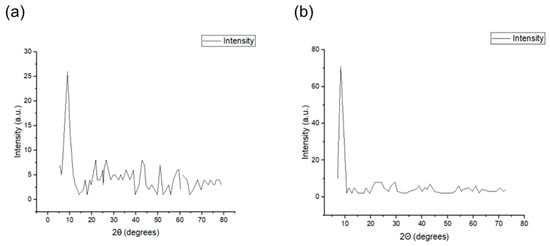
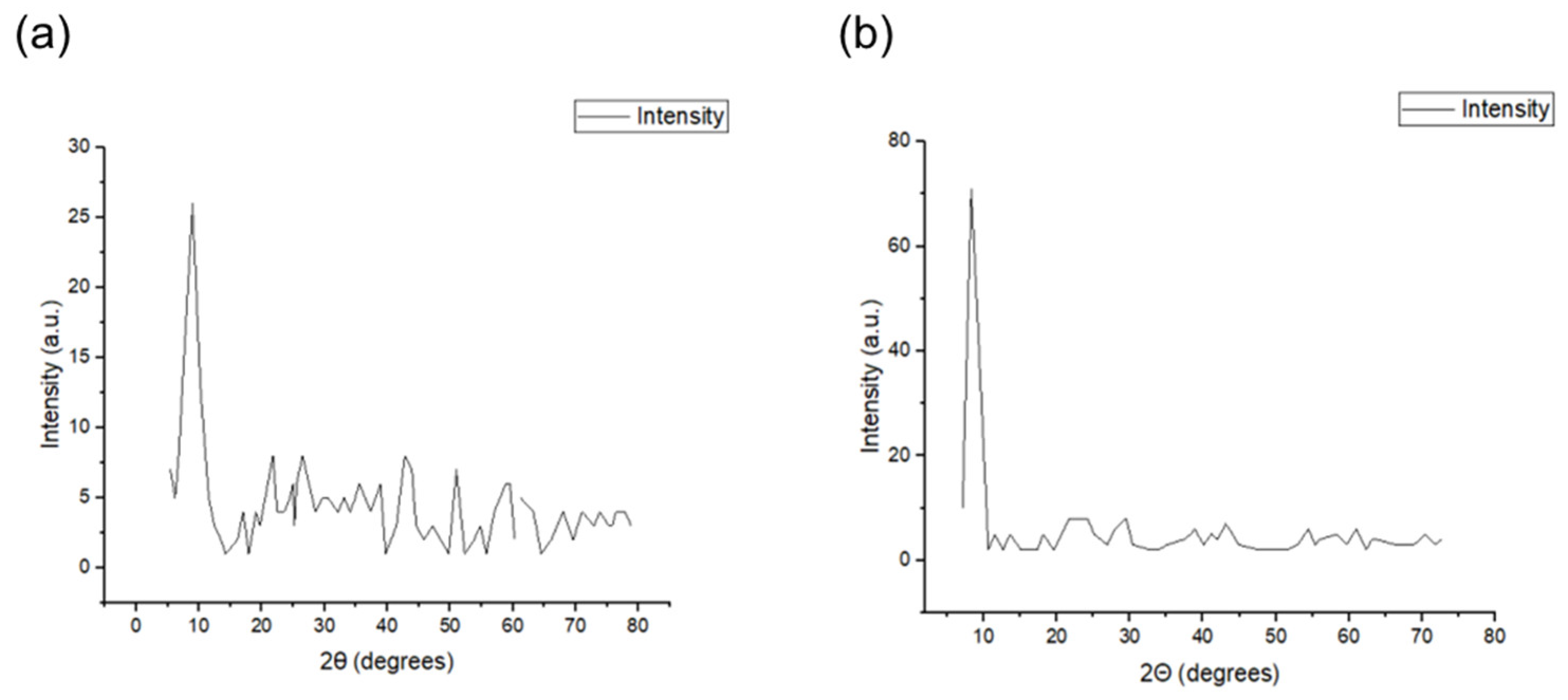
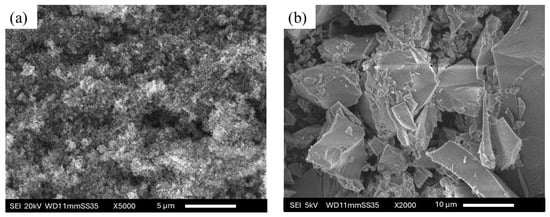
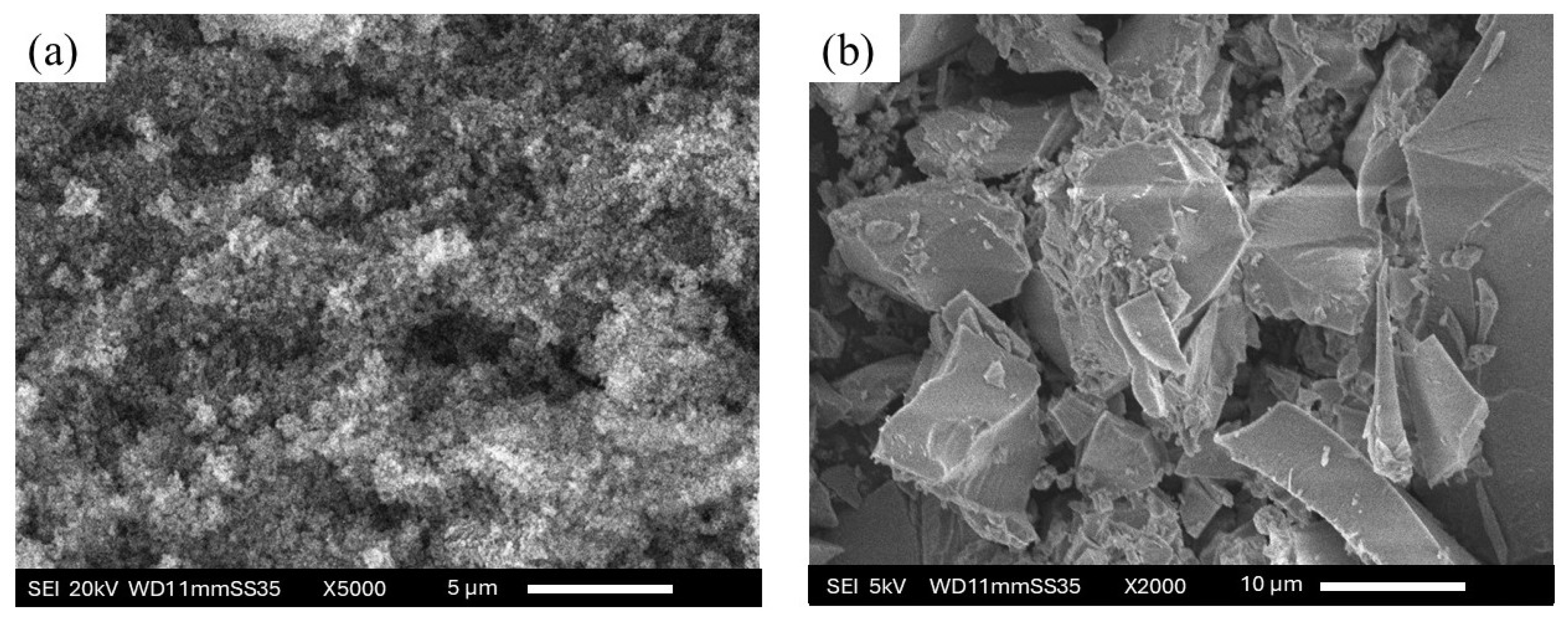
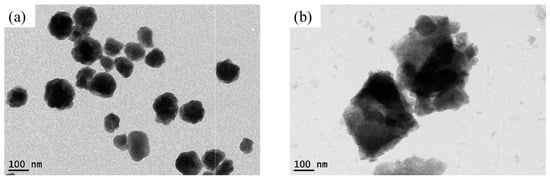
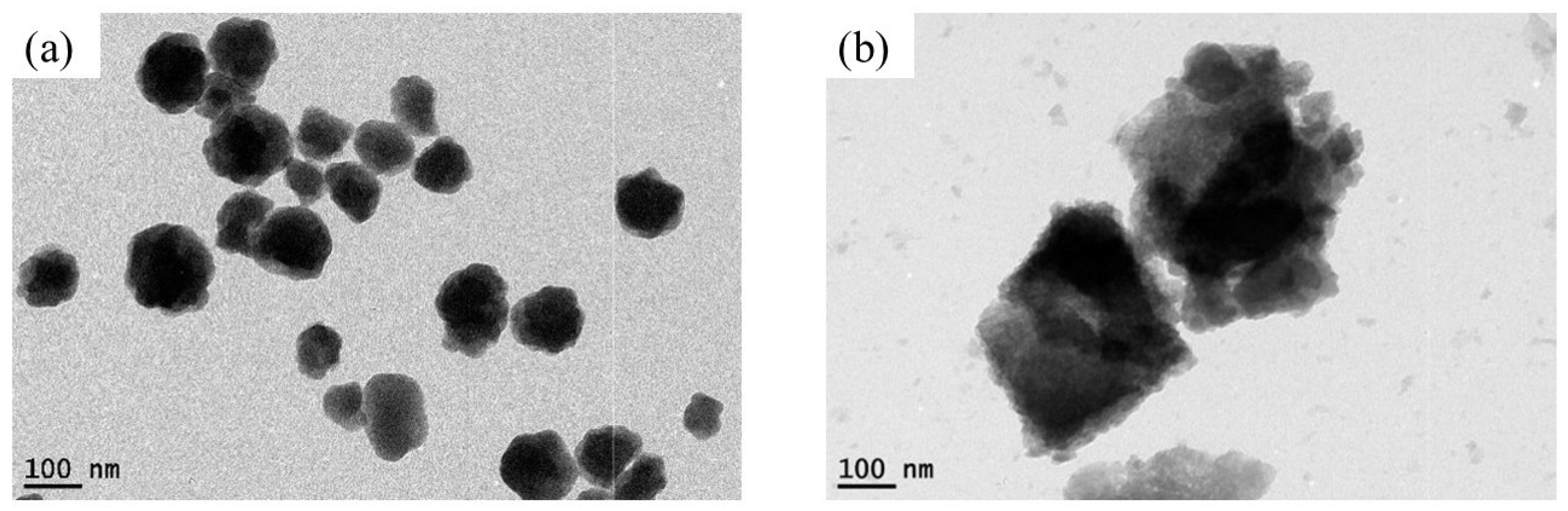
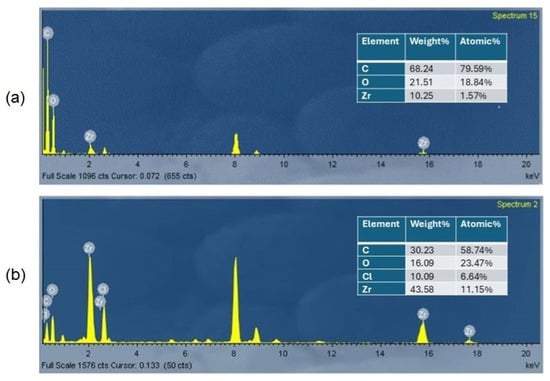
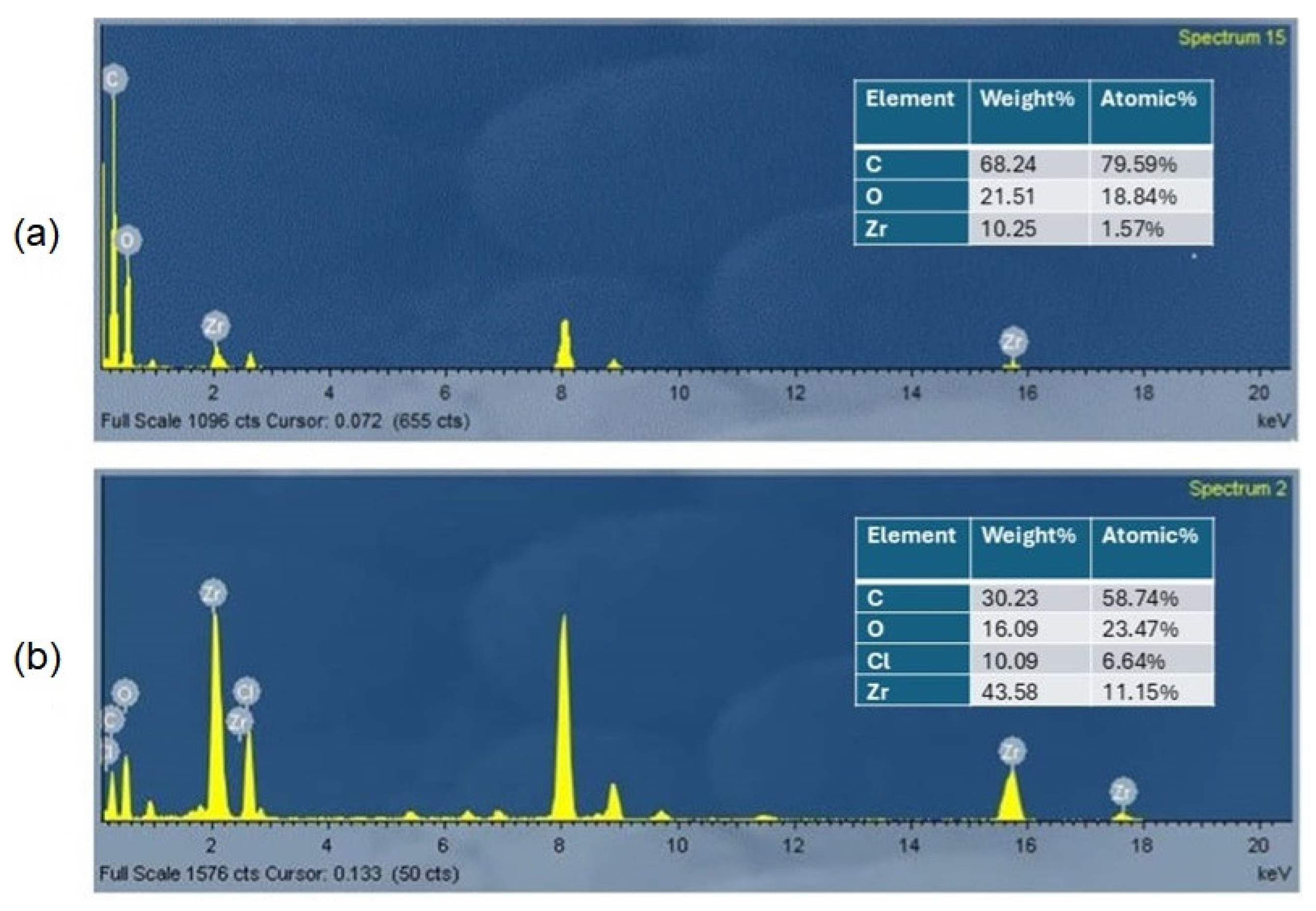
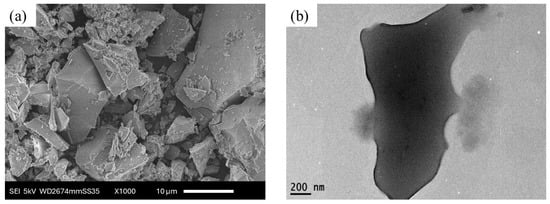
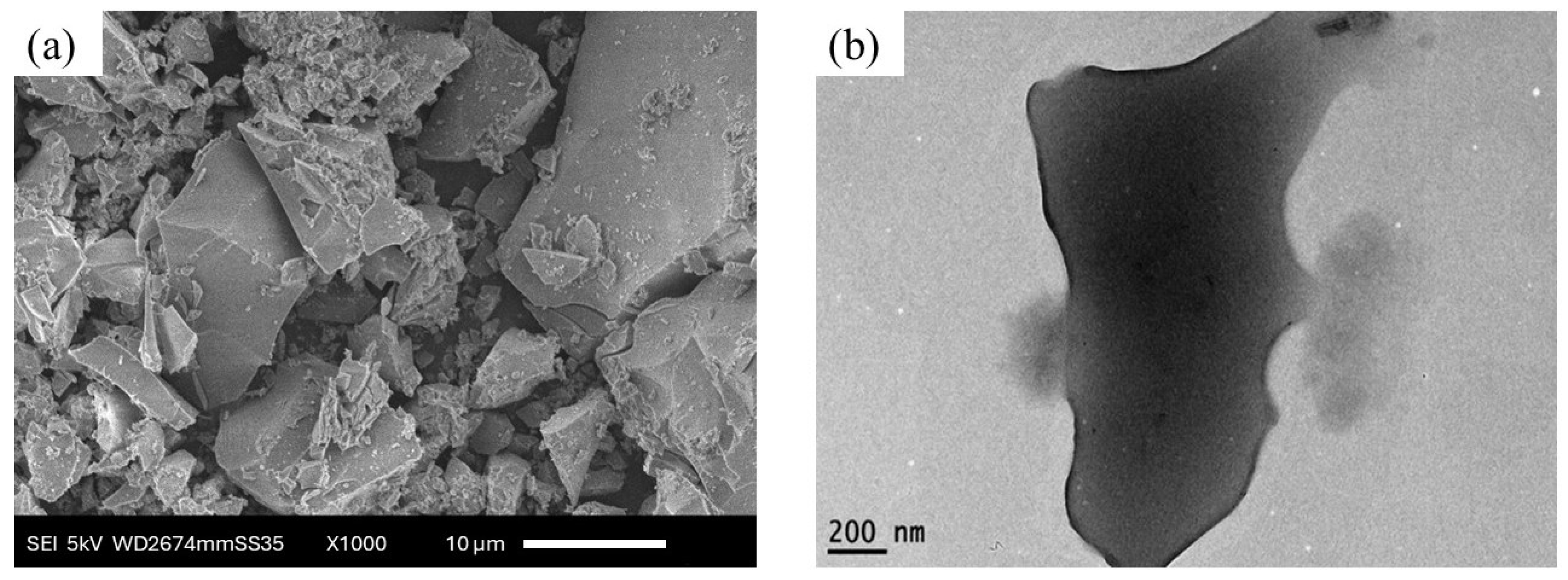
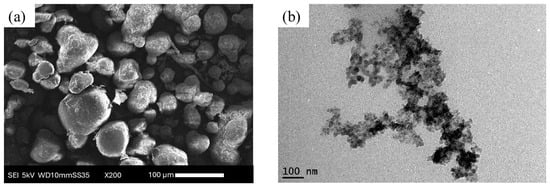
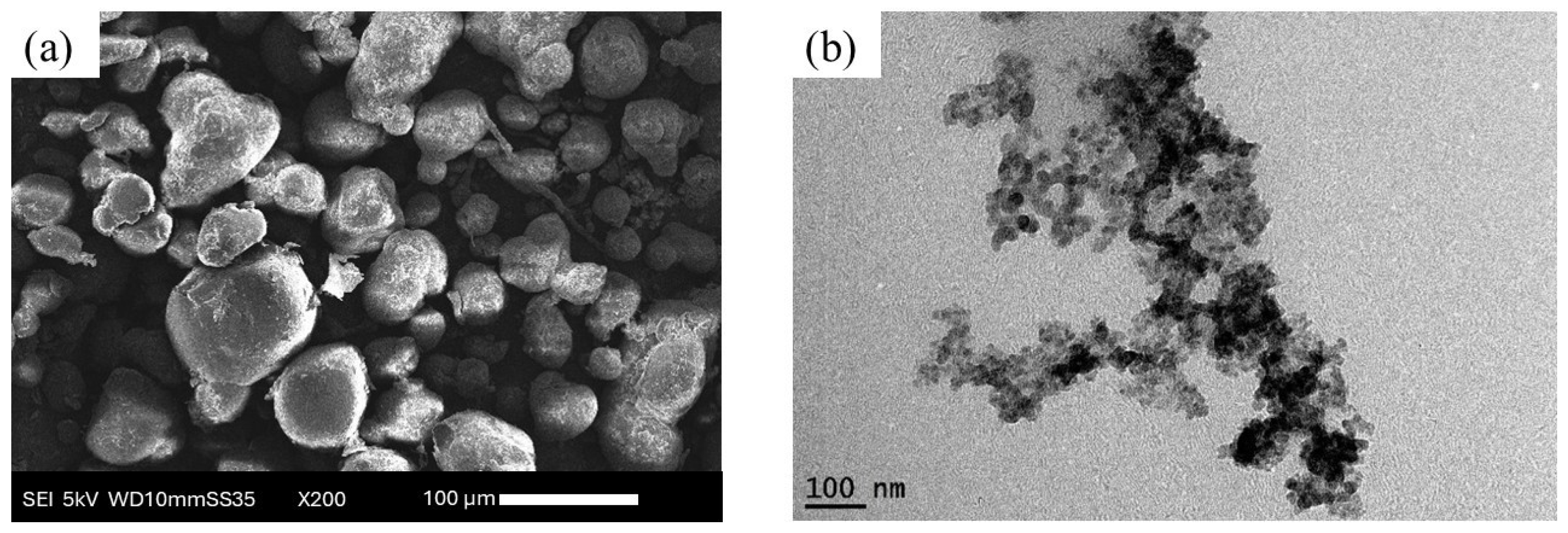
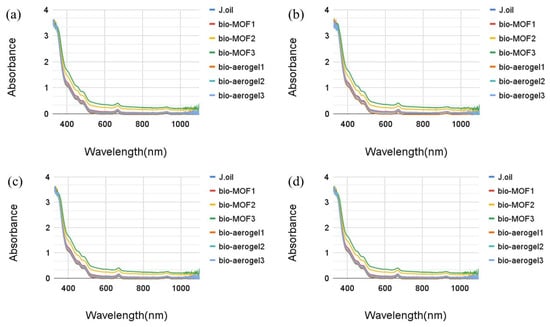
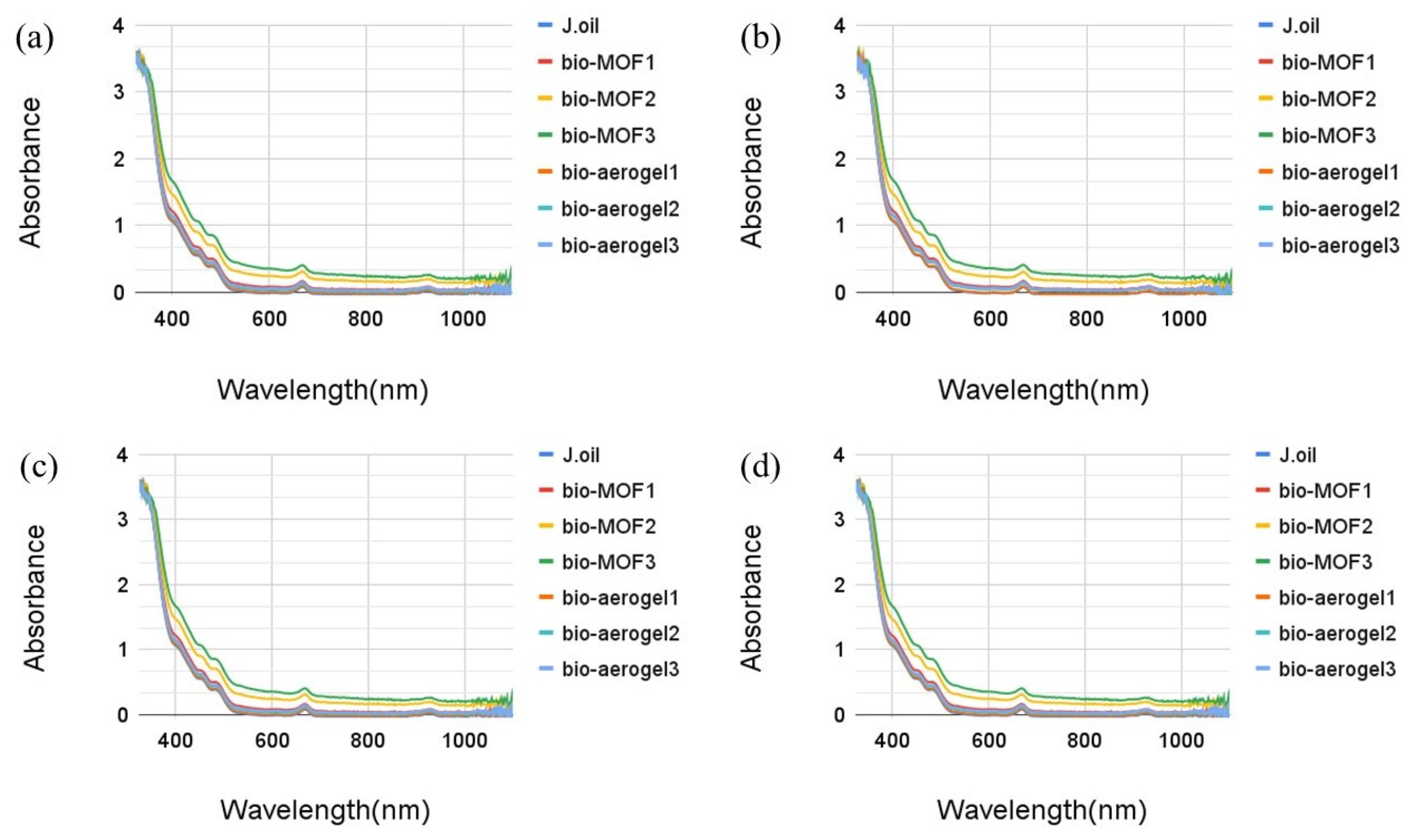
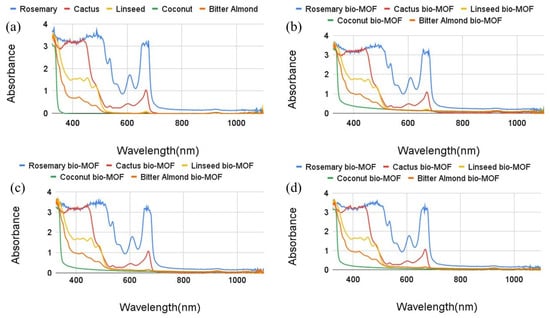
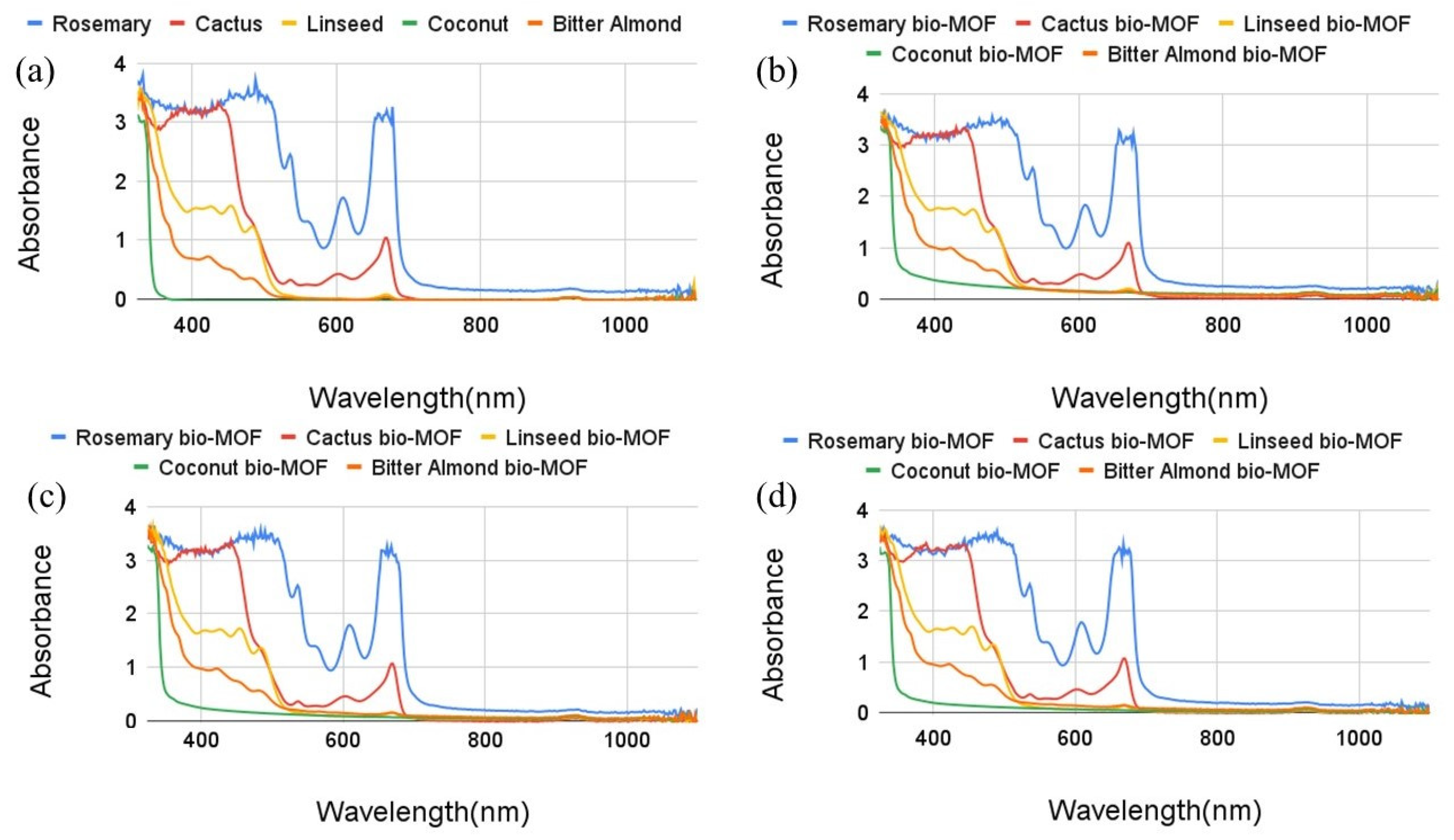
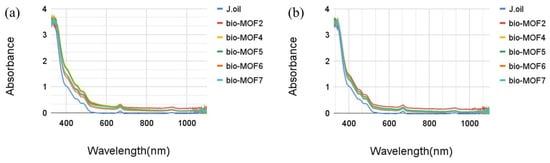
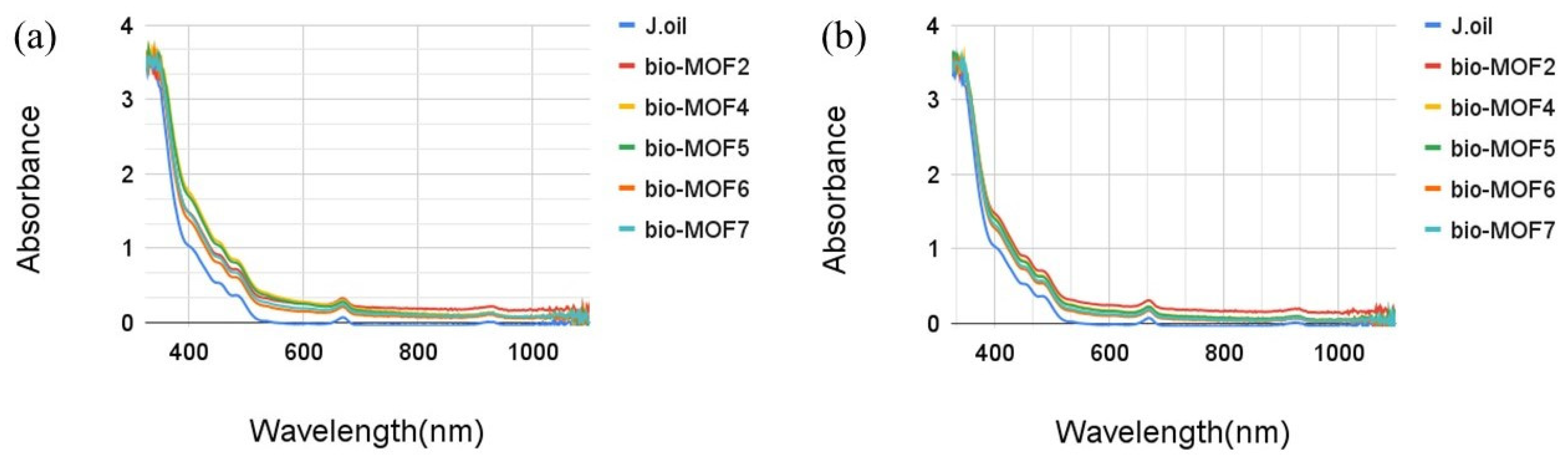
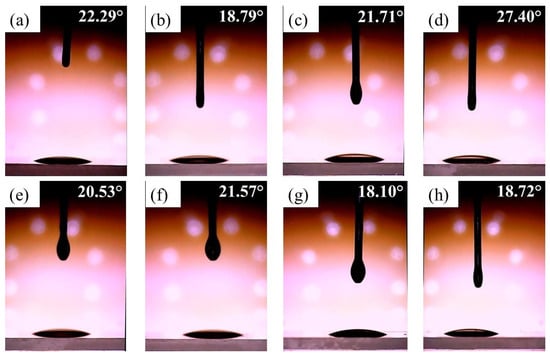
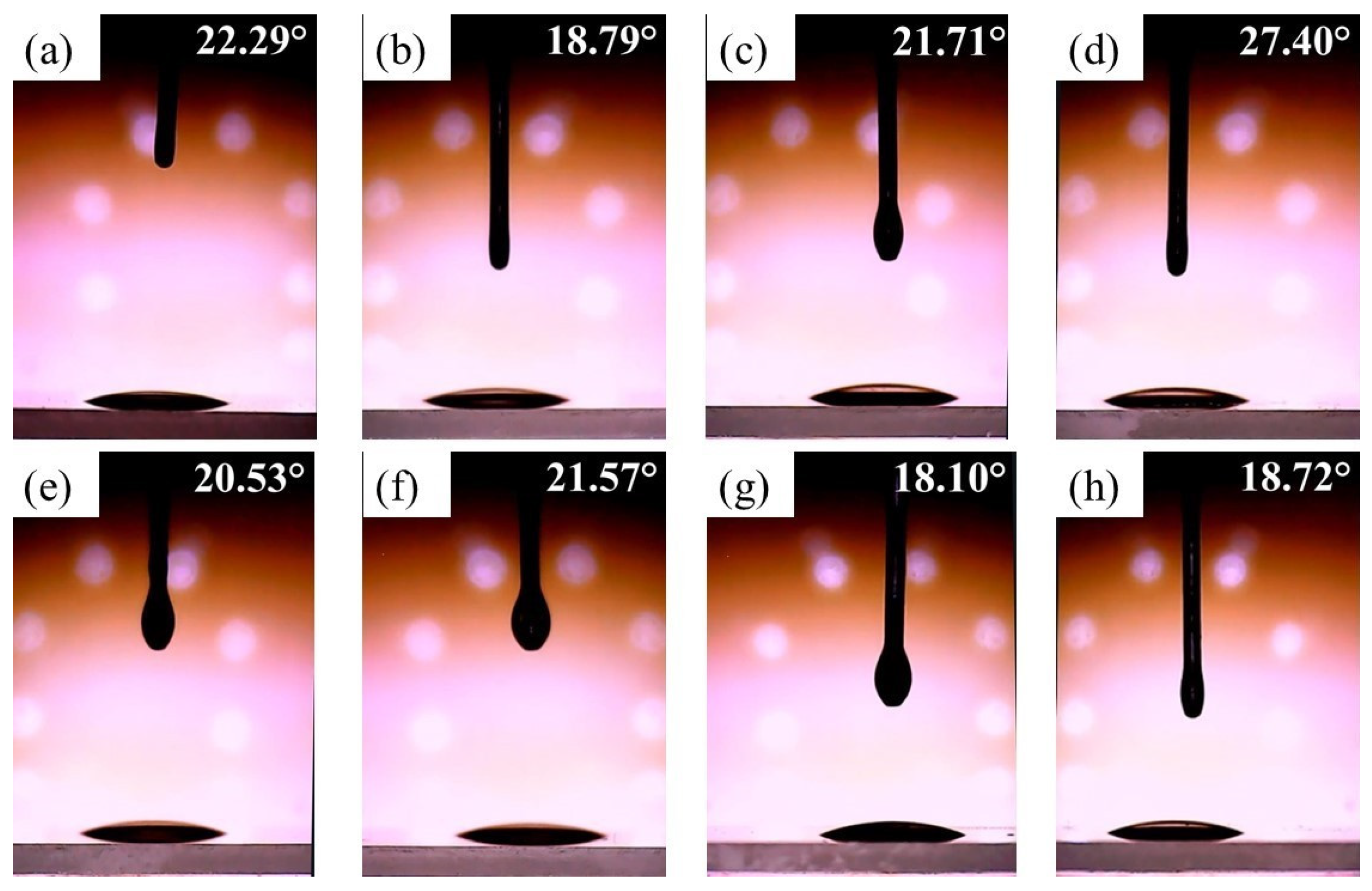
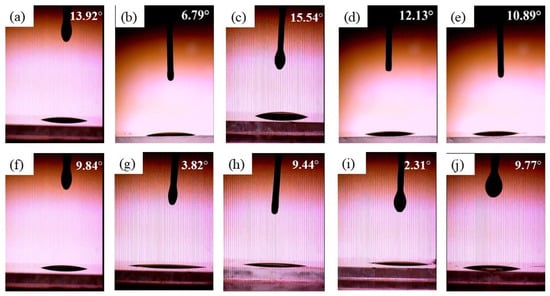
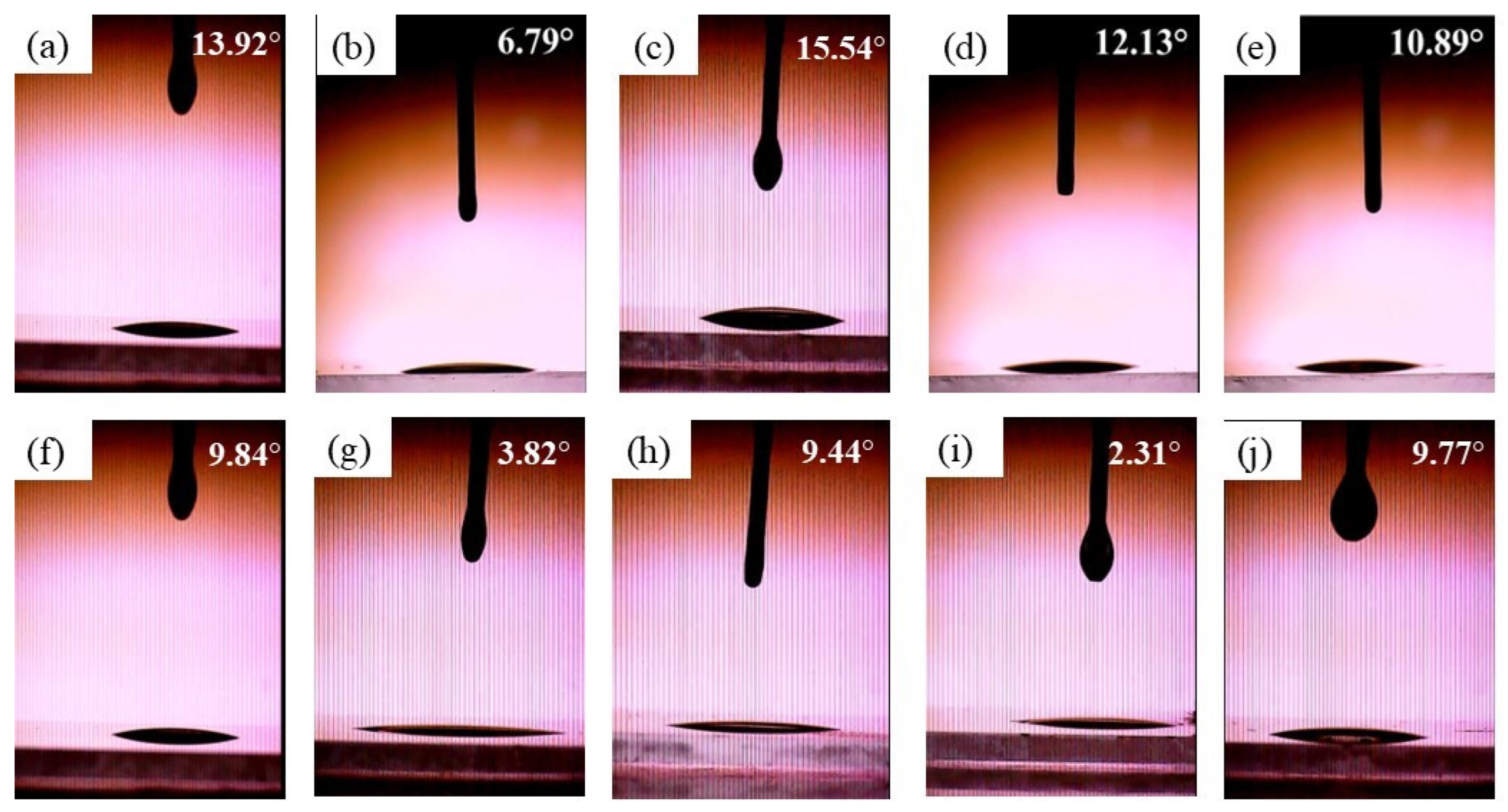
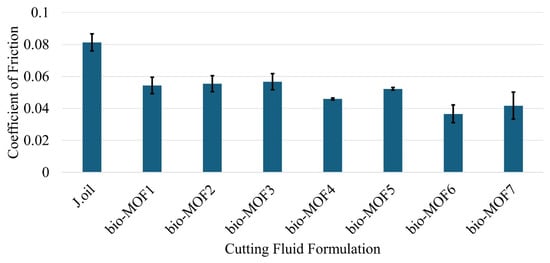
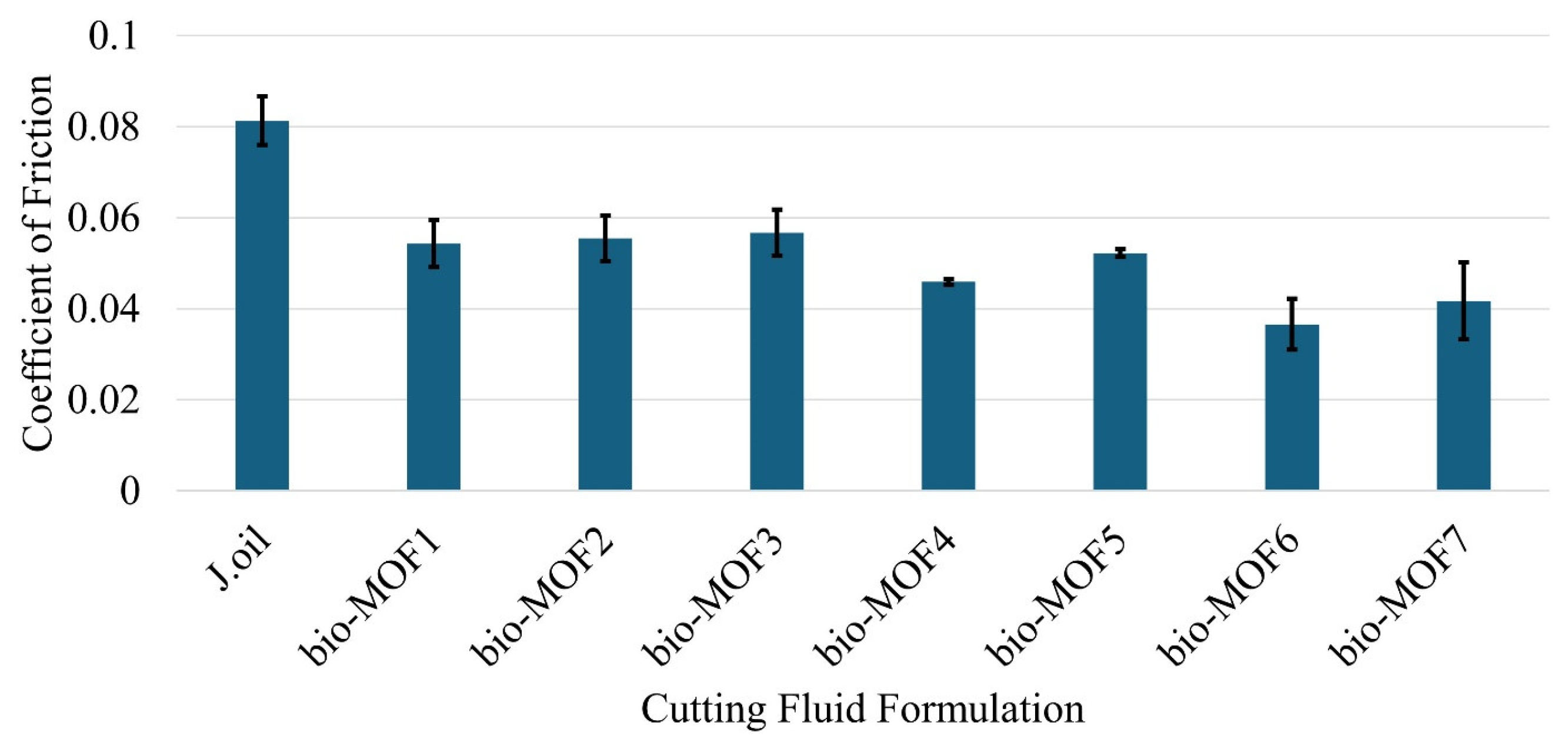
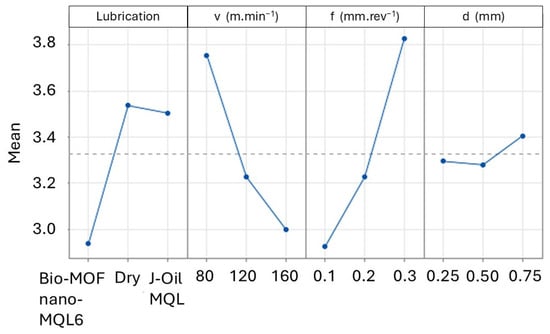
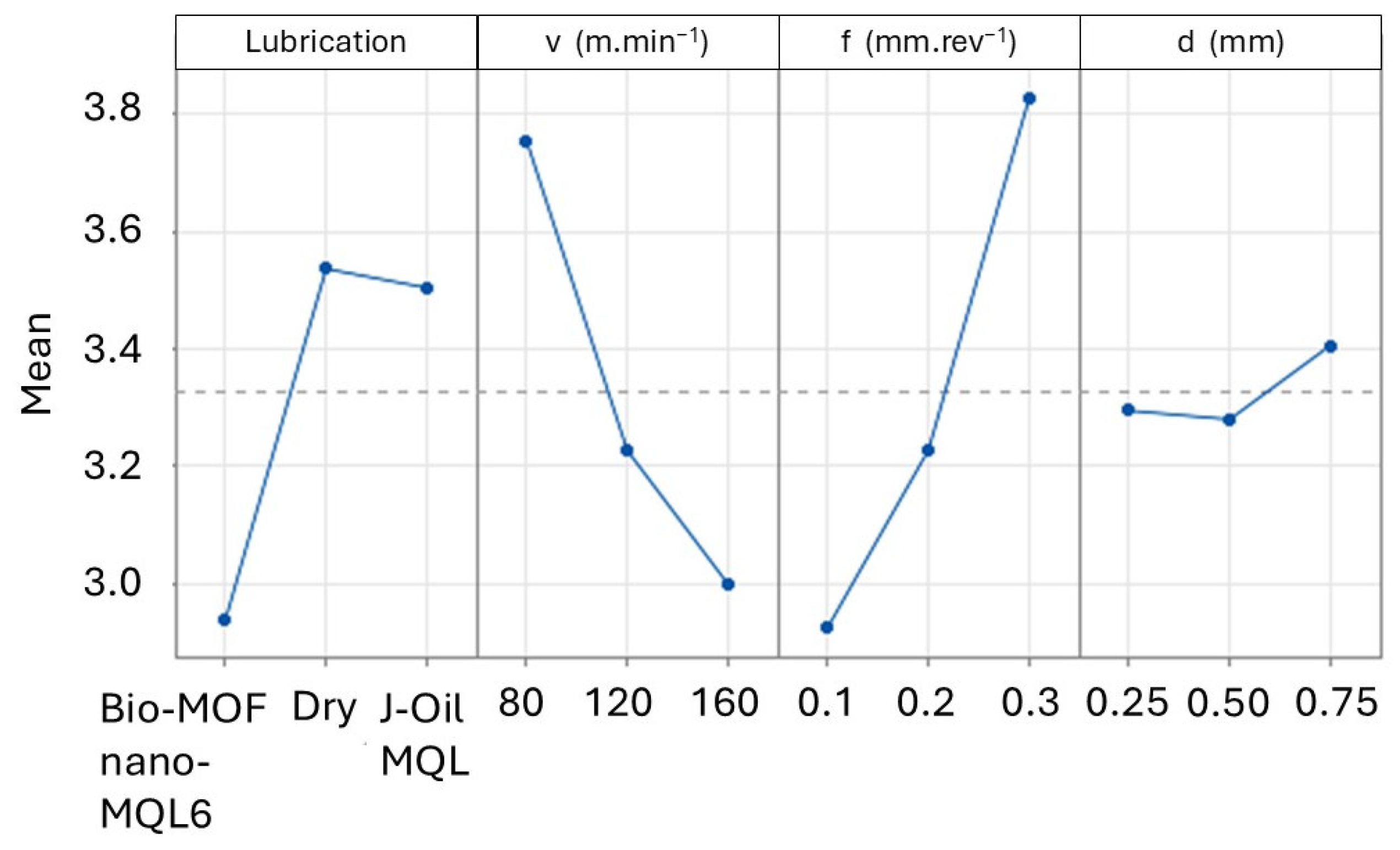
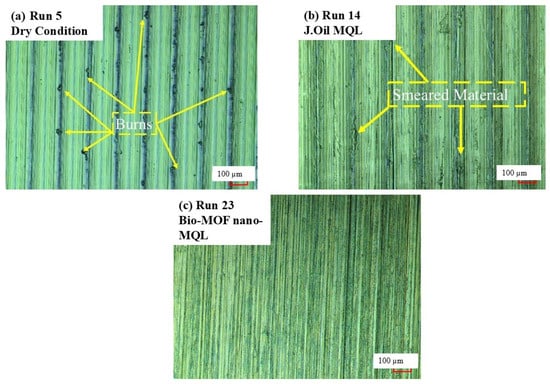
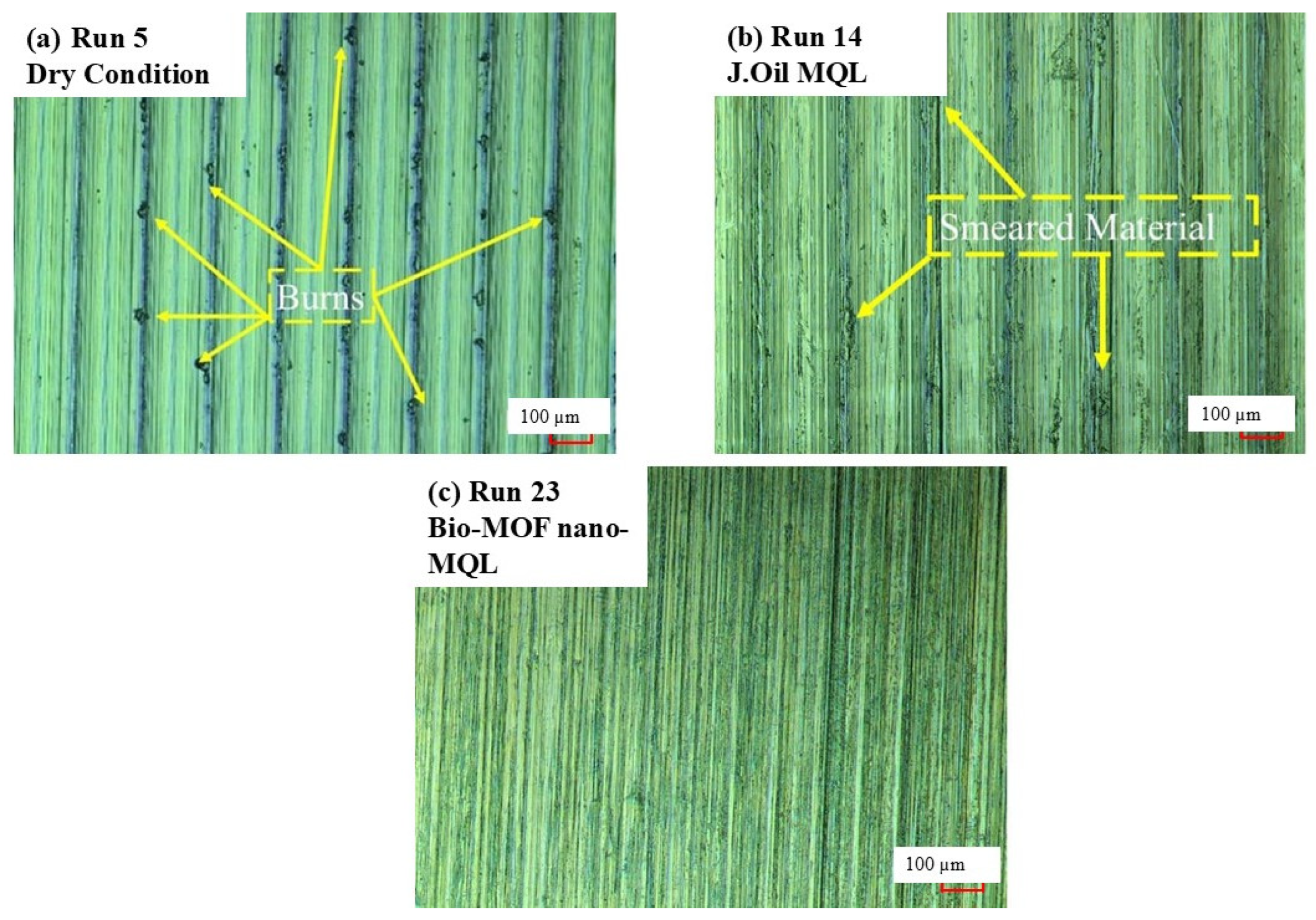
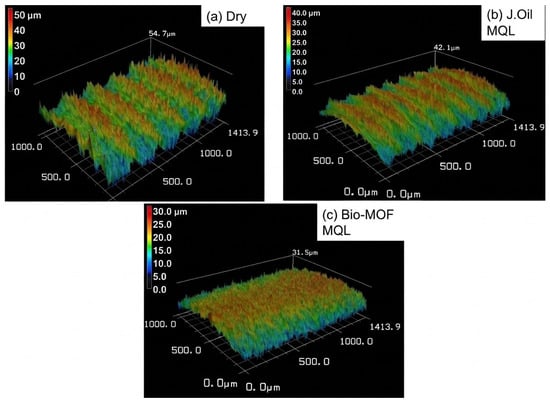
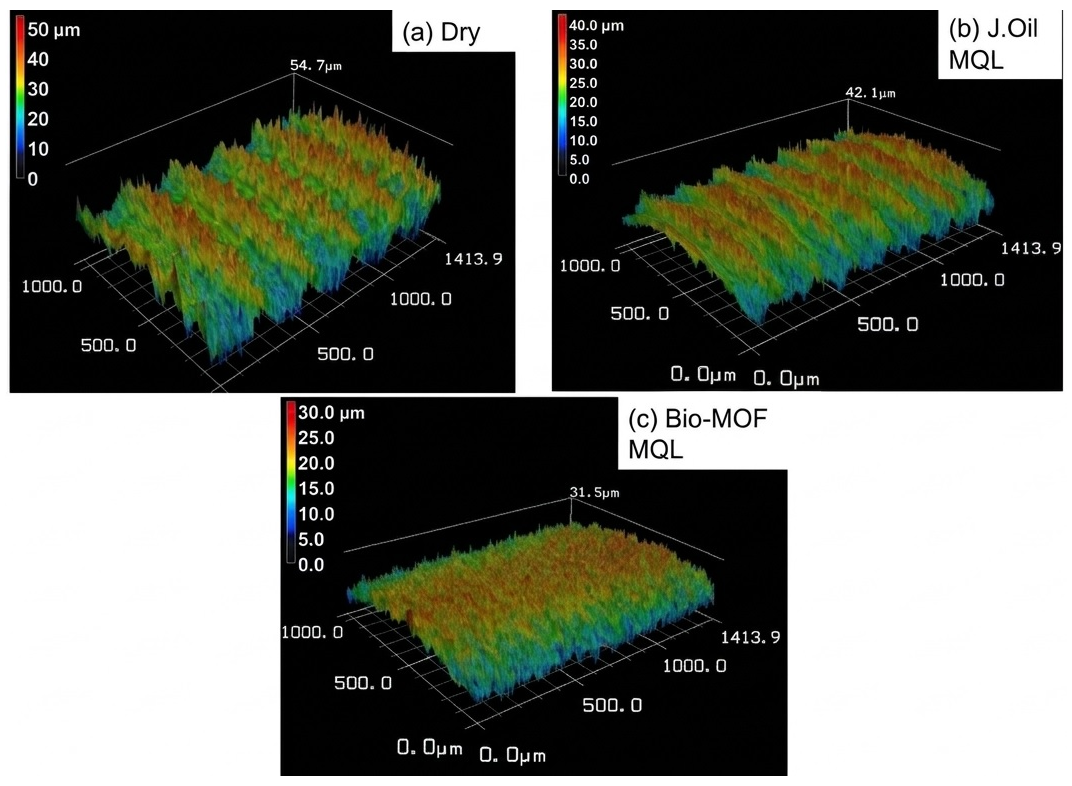
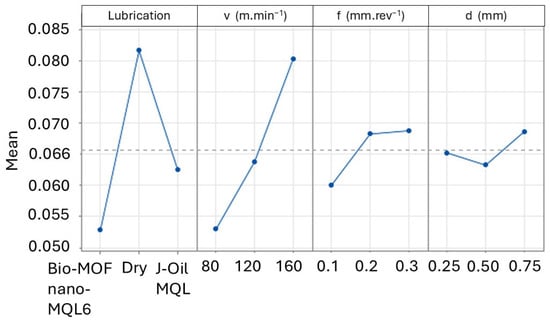
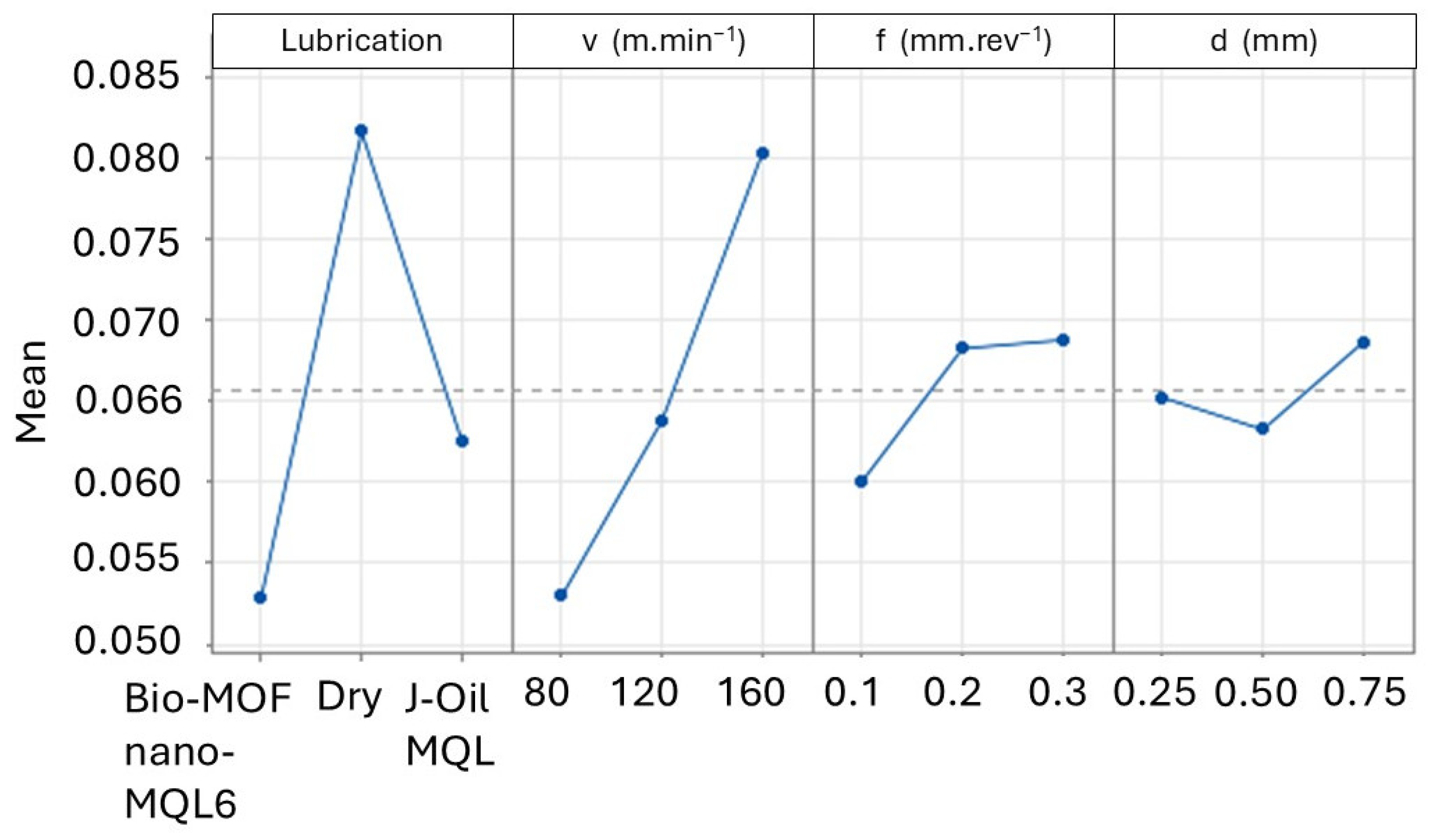
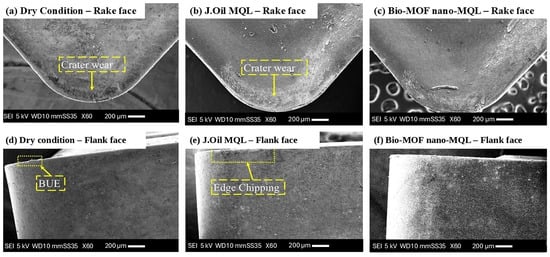
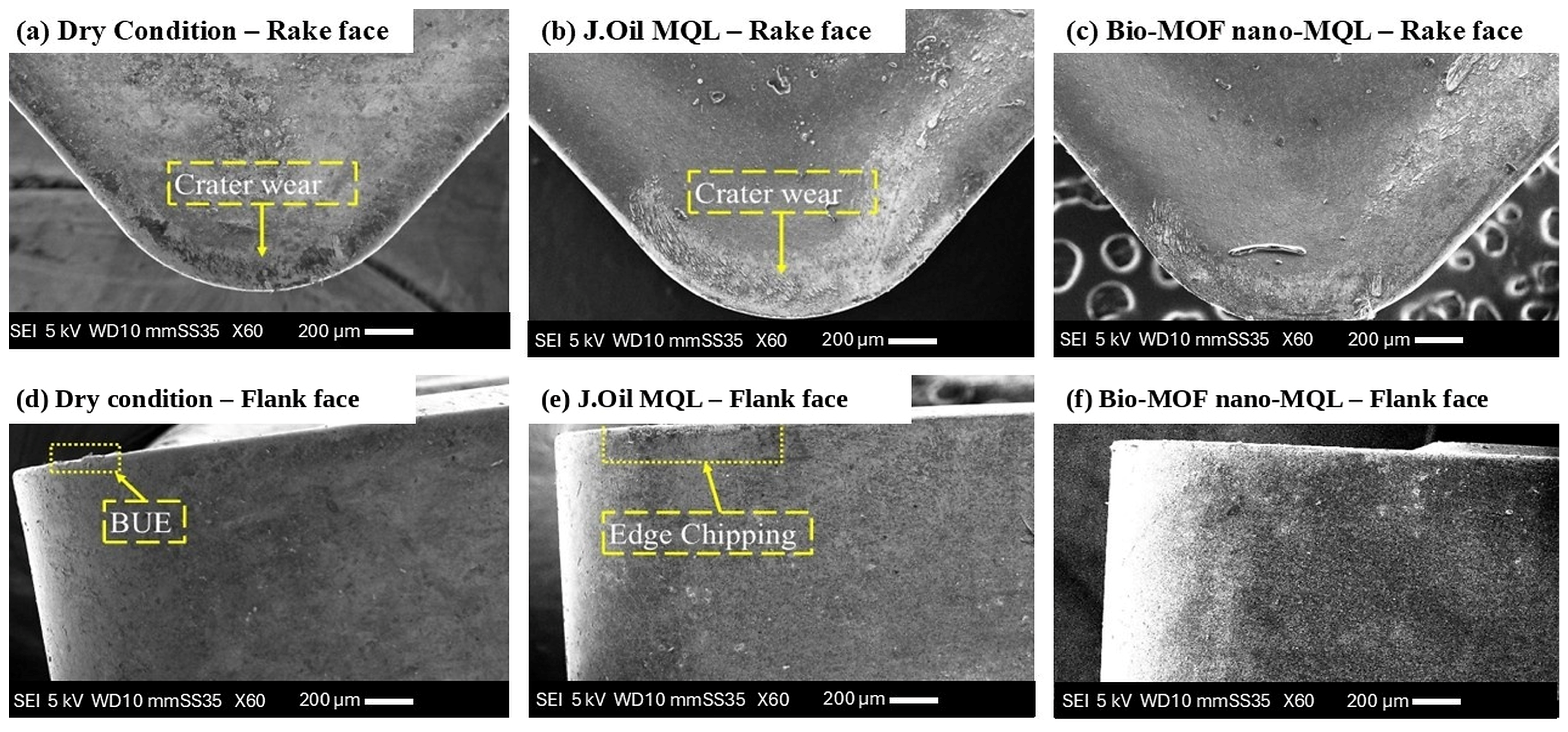
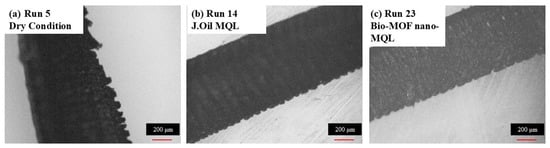
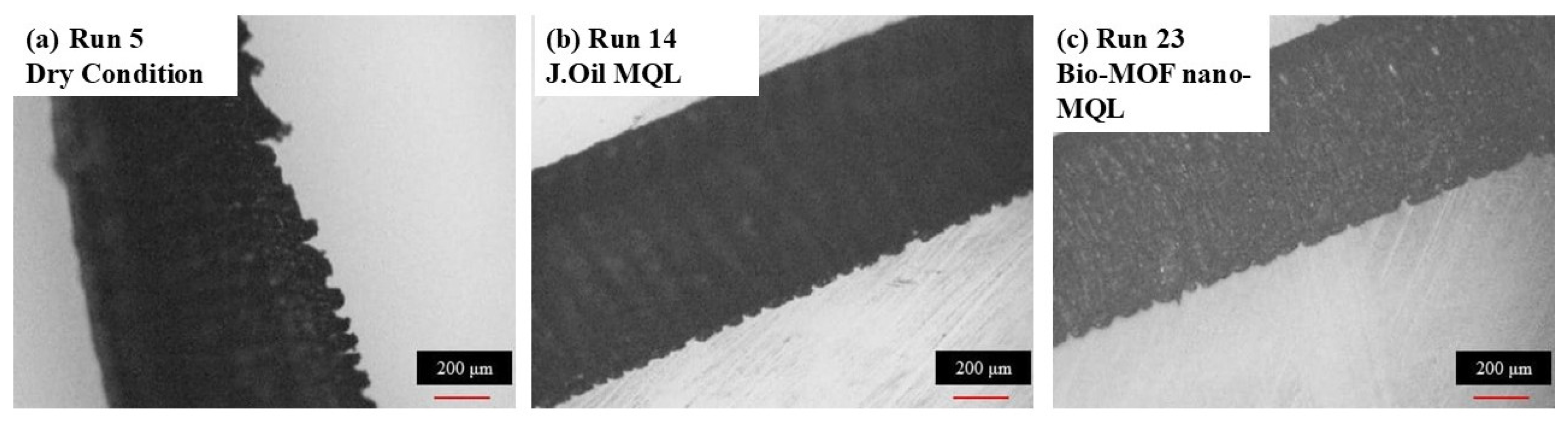

Disclaimer/Publisher’s Note: The statements, opinions and data contained in all publications are solely those of the individual author(s) and contributor(s) and not of MDPI and/or the editor(s). MDPI and/or the editor(s) disclaim responsibility for any injury to people or property resulting from any ideas, methods, instructions or products referred to in the content. |
© 2026 by the authors. Licensee MDPI, Basel, Switzerland. This article is an open access article distributed under the terms and conditions of the Creative Commons Attribution (CC BY) license.