Article

Analysis of Chaotic Features in Dry Gas Seal Friction State Using Acoustic Emission

1
College of Petrochemical Engineering, Lanzhou University of Technology (LUT), Lanzhou 730050, China
2
State Key Laboratory of Tribology in Advanced Equipment, Department of Mechanical Engineering, Tsinghua University, Beijing 100084, China
*
Author to whom correspondence should be addressed.
Lubricants 2025, 13(1), 40; https://doi.org/10.3390/lubricants13010040

Submission received: 29 December 2024 / Revised: 10 January 2025 / Accepted: 17 January 2025 / Published: 20 January 2025
(This article belongs to the Special Issue Recent Advances in Lubricated Tribological Contacts)

Abstract

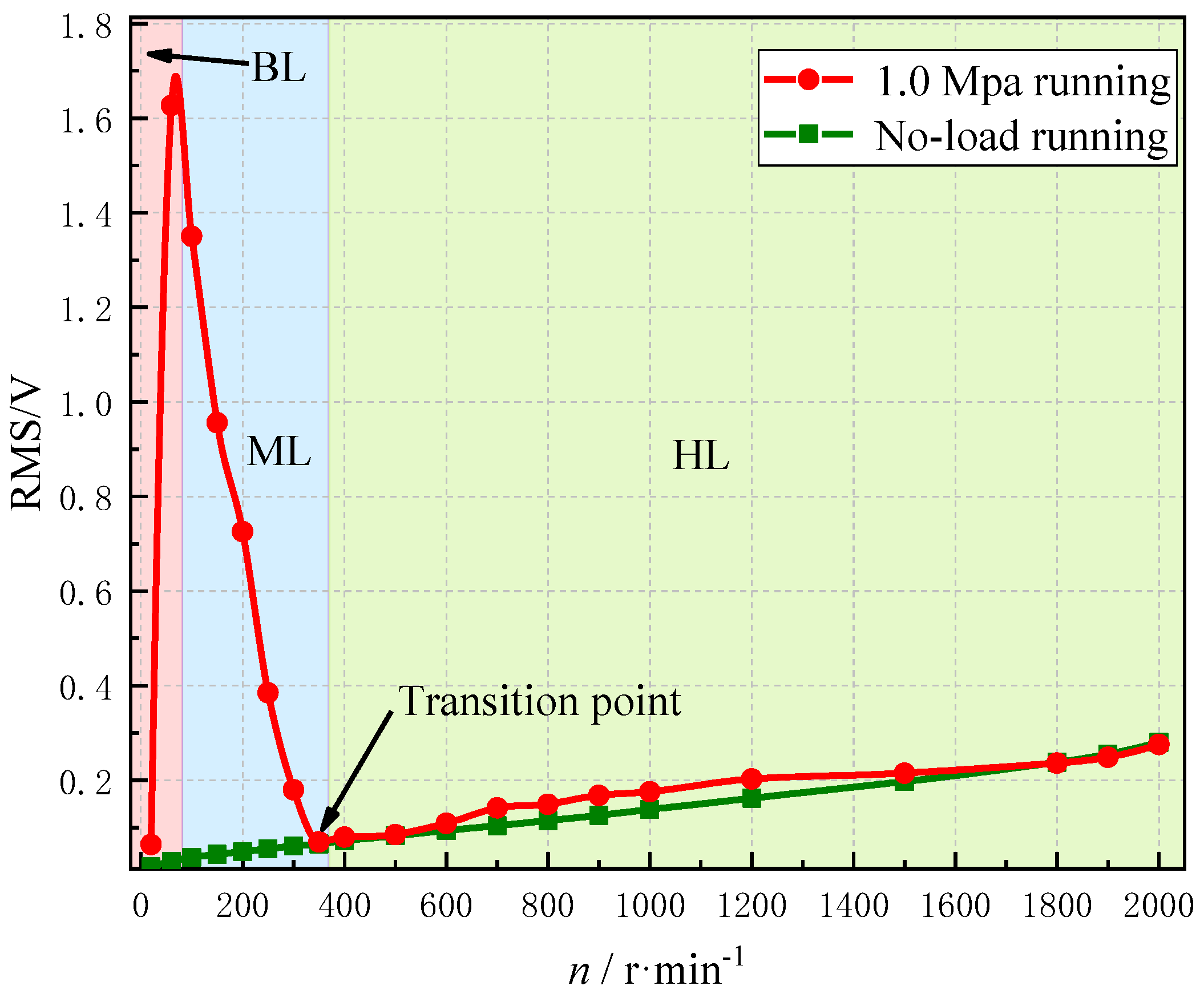
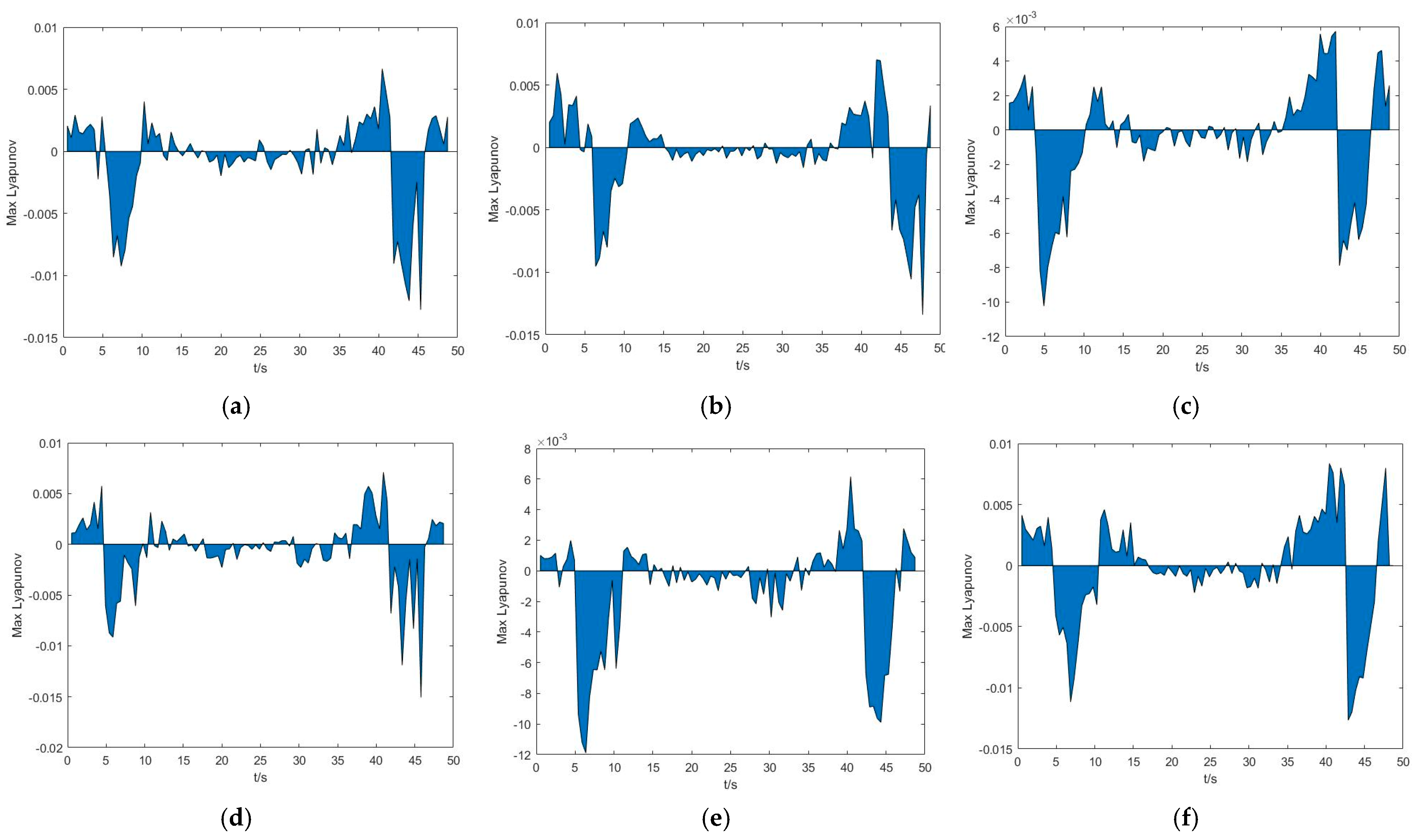
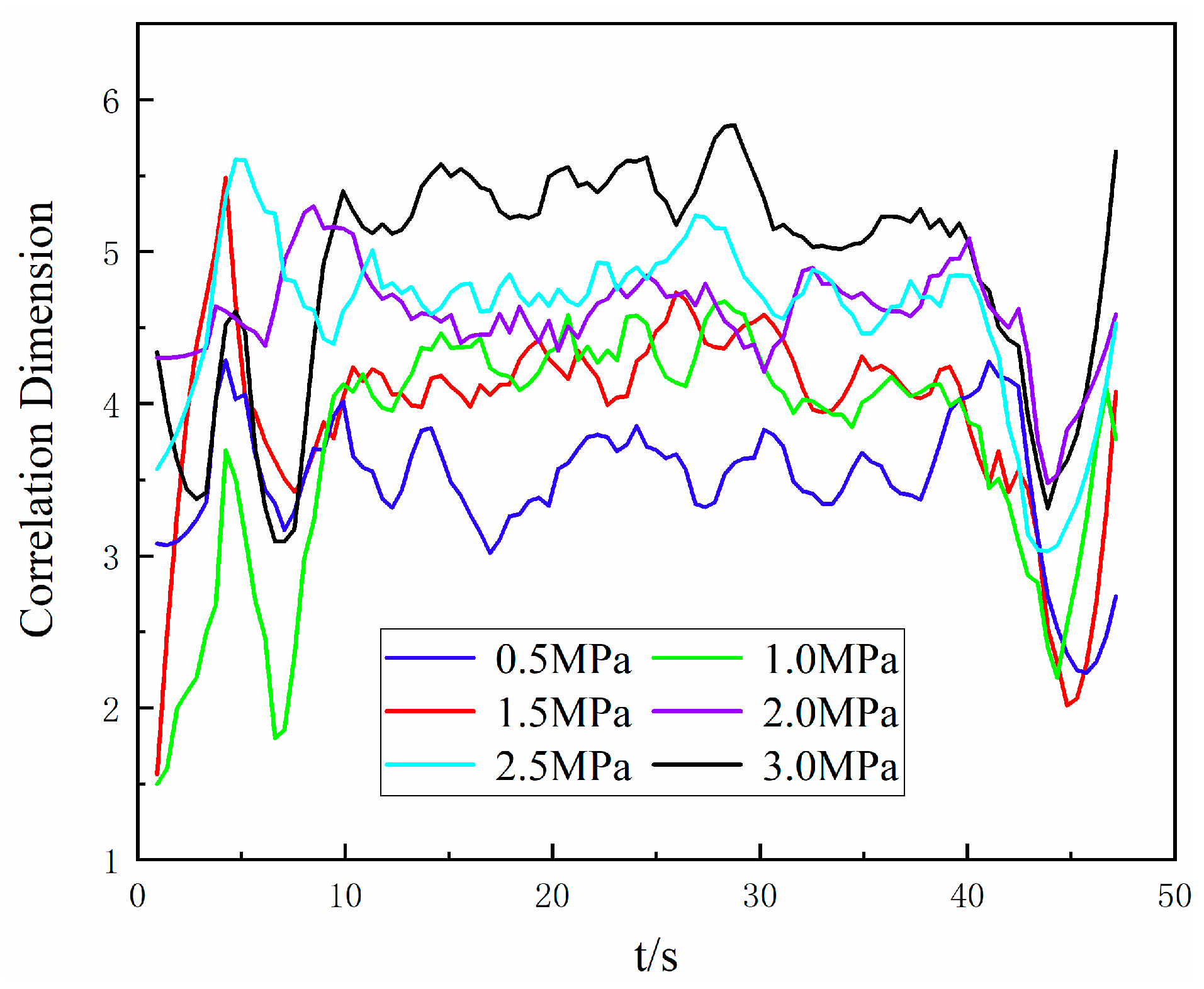
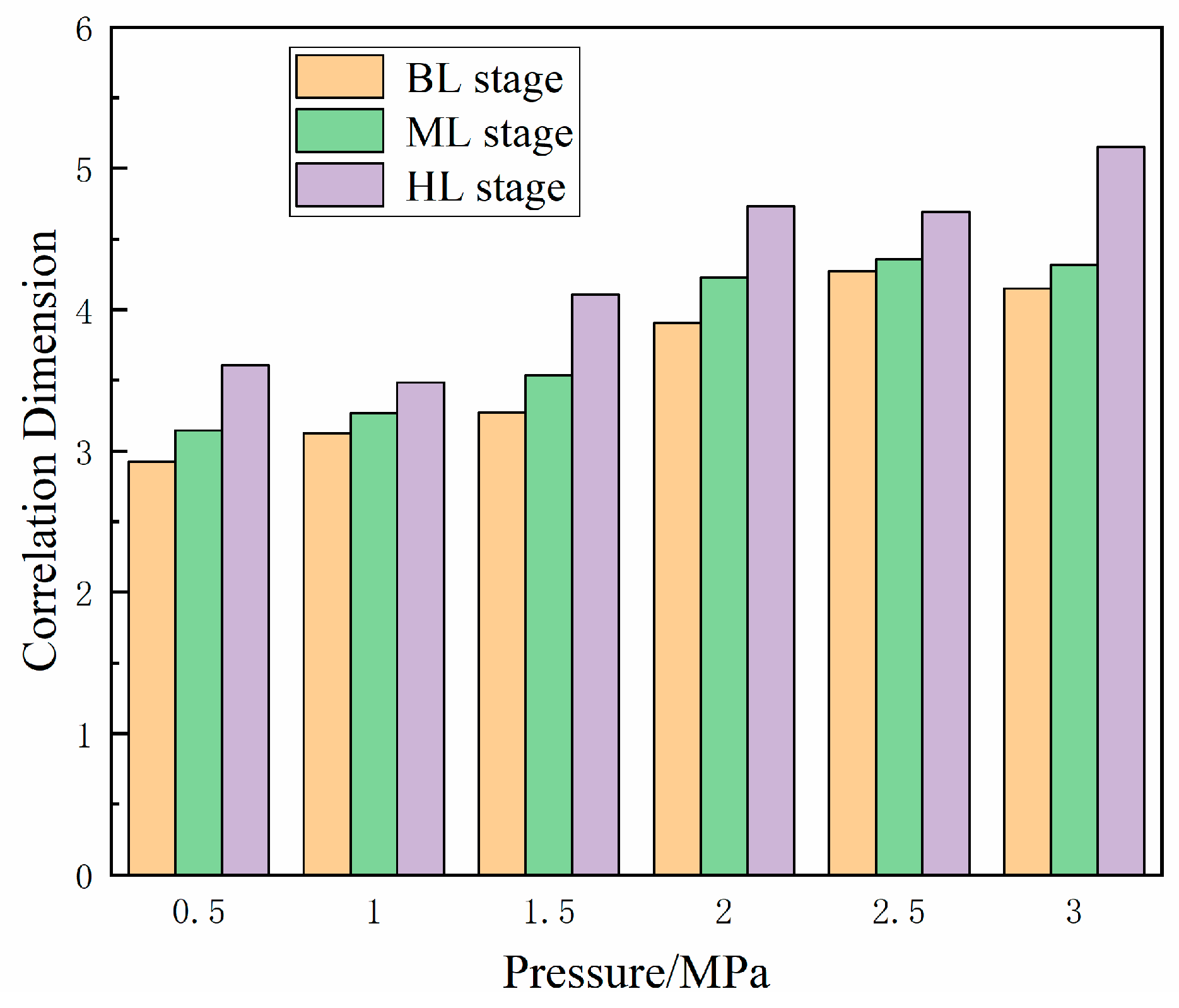
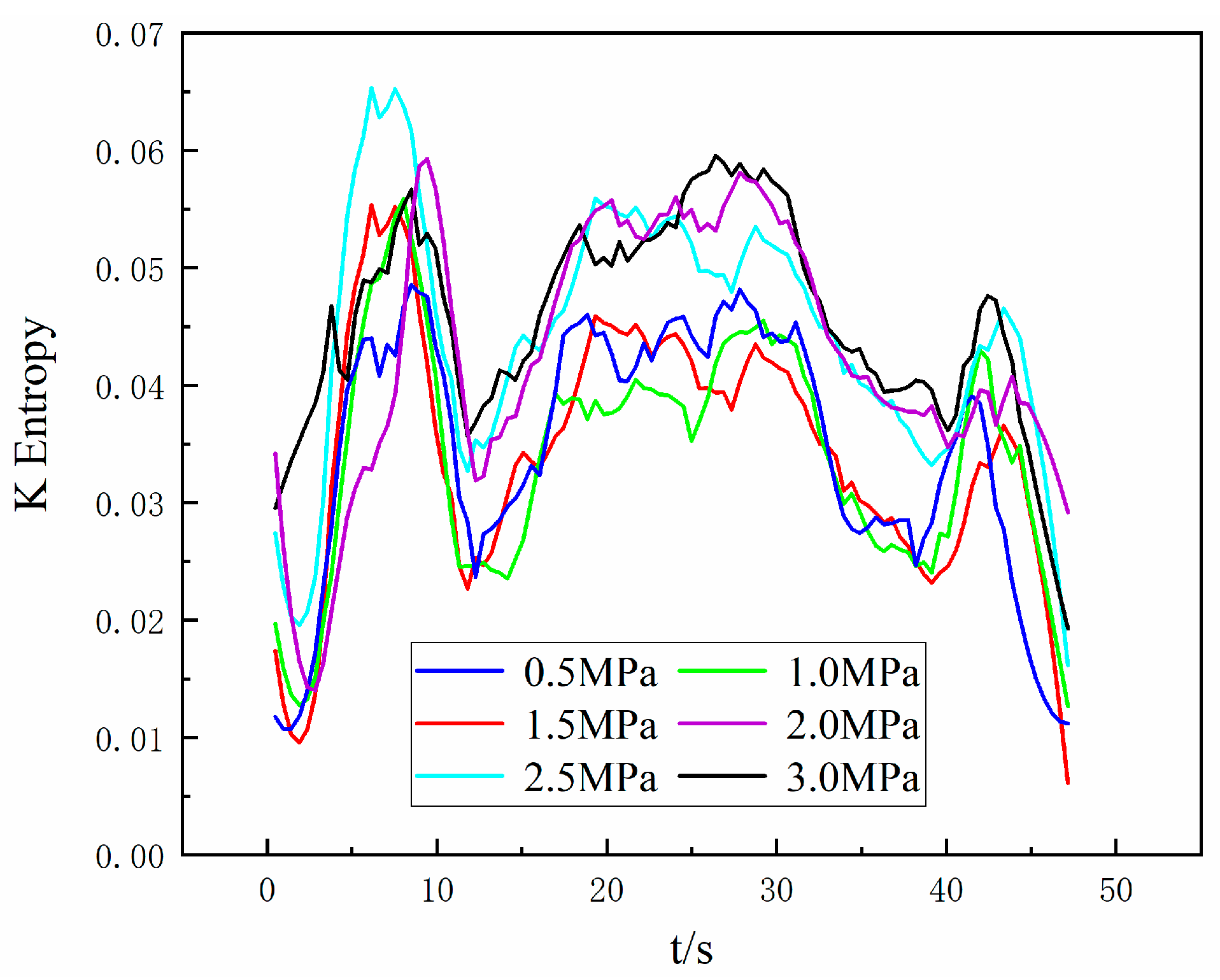
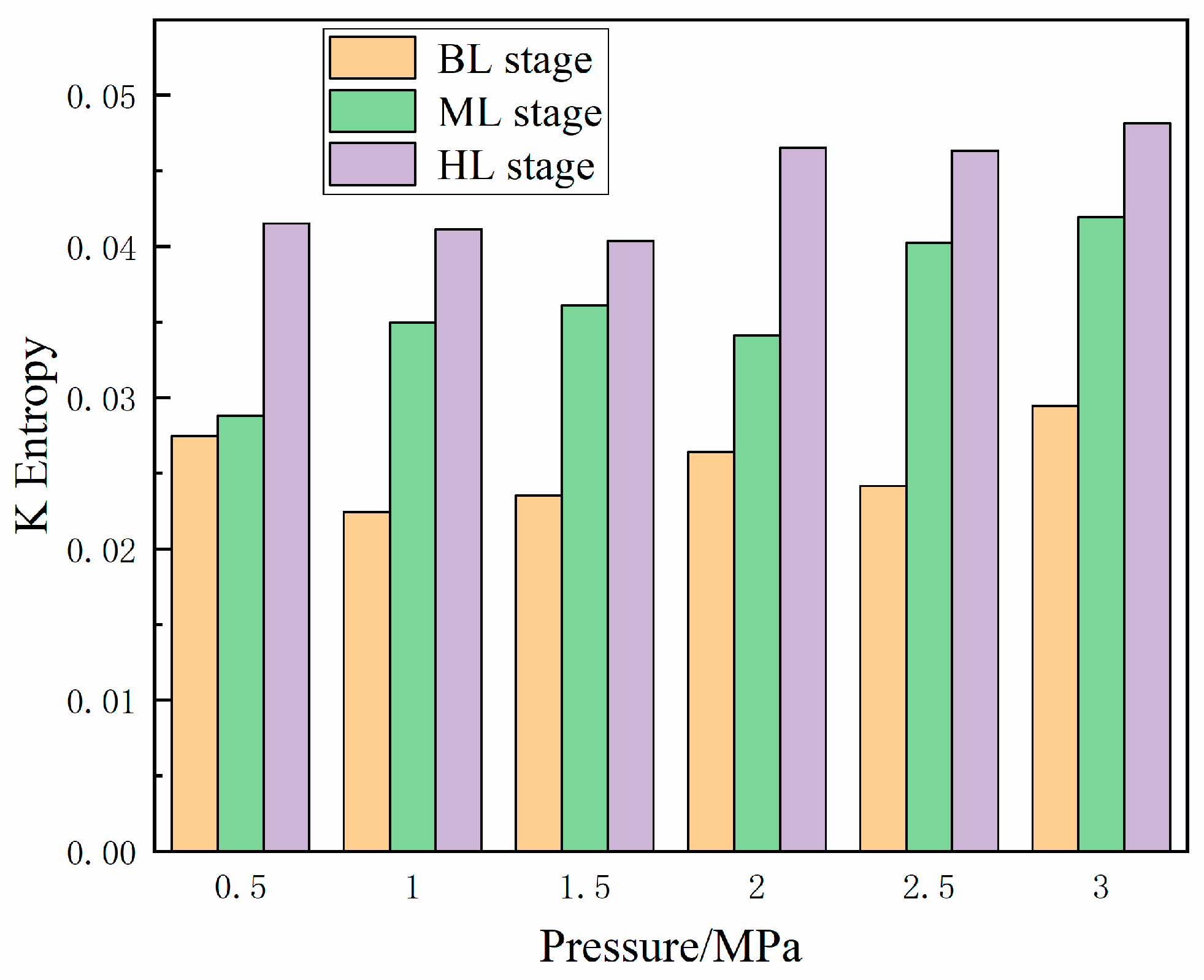
In this study, a chaos theory-based characterization method is proposed to address the nonlinear behavior of acoustic emission (AE) signals during the startup and shutdown phases of dry gas seals. AE signals were collected through a controlled experiment at three distinct phases: startup, normal operation, and shutdown. Analysis of these signals identified a transition speed of 350 r/min between the mixed lubrication (ML) and hydrodynamic lubrication (HL) states. The maximum Lyapunov exponent, correlation dimension, K-entropy, and attractors of the AE signals throughout the operation of the dry gas seal are calculated and analyzed. The findings indicate that the chaotic features of these signals reflect the friction state of the seal system. Specifically, when the maximum Lyapunov exponent is greater than zero, the system exhibits chaotic behavior. The correlation dimension and K-entropy first increase and then decrease in boundary and hybrid lubrication states, while remaining stable in the hydrodynamic lubrication state. Attractors exhibit clustering in boundary lubrication and dispersion in mixed lubrication states. The proposed method achieves an accuracy of 98.6% in recognizing the friction states of dry gas seals. Therefore, the maximum Lyapunov exponent, correlation dimension, and K-entropy are reliable tools for characterizing friction states, while attractors serve as a complementary diagnostic feature. This approach provides a novel framework for utilizing AE signals to evaluate the friction states of dry gas seals.
Keywords: dry gas seals; chaos theory; acoustic emission; friction state dry gas seals; chaos theory; acoustic emission; friction state