


Abstract
The aim of this narrative review is to critically assess the renoprotective effects of glucagon-like peptide-1 receptor agonists (GLP-1RAs) in managing albuminuria among patients with type 2 diabetes mellitus within the framework of personalized medicine. By integrating current evidence from clinical trials and meta-analyses, the review highlights how GLP-1RAs not only enhance glycemic control but also reduce blood pressure, induce weight loss, and mitigate inflammatory responses. While these given factors may vary according to individual patient profiles, they also collectively contribute to slowing the progression of diabetic kidney disease (DKD). Additionally, the discussion emphasizes the dual cardiovascular and renal benefits from these agents, underscoring their role in reducing albuminuria and preserving renal function. The review also identifies gaps in knowledge, suggesting future research directions for optimizing patient selection and treatment regimens to maximize therapeutic benefits.
1. Introduction
Diabetic Nephropathy (DN) contributes greatly to the development of chronic kidney disease (CKD), being one of its leading causes [1]. In 2021, approximately 529 million people were affected by diabetes worldwide, and this is expected to rise to over 1.3 billion within the next thirty years [2]. According to the WHO, the mortality rate associated with diabetes has increased by 3% over the past two decades, resulting in approximately 284,049 deaths in 2019, predominantly impacting low- and middle-income countries [3].
Many factors are involved and play a substantial role in the development of DN, which include metabolic alterations, hemodynamic disorders, and dysregulation of hormone pathways, most especially angiotensin II, which itself, contributes to renal injury via oxidative stress [4]. Increase in oxidative stress due to long-term hyperglycemia is believed to augment proinflammatory protein levels, angiotensin II, protein kinase C activation, and transforming growth factor-beta (TGF-β) expression. This, in turn, stimulates local inflammation in the renal microenvironment, causing damage to nearby renal cells such as podocytes, mesangial cells, and endothelial cells, as well as causing local and systemic inflammation [5,6]. Thus, such injuries result in proteinuria and tubulointerstitial fibrosis. Increased angiotensin II levels further contribute to the production of reactive oxygen species/oxidative stress through activation of NADPH oxidase in the renal microenvironment [7]. Long-term hyperglycemia promotes renin and angiotensin II synthesis in mesangial cells, leading to elevated glomerular capillary pressure and permeability, which are key components in the development of proteinuria. This cascade also precipitates renal cell proliferation and hypertrophy, increased extracellular matrix synthesis, and subsequent macrophage activation and inflammation [5,7]. In addition to oxidative stress, local inflammation mediated by proinflammatory cytokines, such as interleukin–6 (IL-6), tumor necrosis factor-alpha (TNF-α), IL-18, can cause direct damage to the renal cells and can lead fibrosis via extracellular matrix accumulation. All these micro-damages with time would accumulate, thus leading to chronic and ultimately, end-stage kidney disease (ESKD).
Until recently, the main therapeutic options for the treatment of diabetes were insulin, biguanides, thiazolidinediones and sulfonylureas; with metformin (a biguanide) being the first-choice treatment [8]. But as of today, Glucagon-Like peptide 1 receptor agonists (GLP1-RAs), sodium-glucose cotransporter 2 inhibitors (SGLT2is), dipeptidyl peptidase 4 inhibitors (DPP4is) and mineralocorticoid receptor antagonists, are quickly becoming part of, if not the drugs of choice for diabetes, especially in cases with heart, kidney or liver comorbidities [9,10,11,12]. Specifically in the use of GLP-1RA, current clinical and genetic evidence indicate that individual characteristics such as body mass index (BMI), pharmacogenetic variants in the GLP-1 receptor and baseline cardiovascular risk profile can influence therapeutic response [13,14]. For example, patients with higher BMI may experience greater weight loss and metabolic improvements. While certain GLP-1R polymorphisms have been associated with glycemic and renal responses, underscoring the importance of individual characteristics in optimizing therapy [14,15,16]. Understanding these characteristics could help enable a precision medicine approach, allowing clinicians to tailor GLP-1RA therapy based on patient-specific factors. This individualized strategy can maximize reductions in albuminuria and slow CKD progression, while minimizing adverse effects [16,17].
The aim of this narrative review is to explore the current evidence on the renoprotective effects of GLP1-RAs, with a particular focus on their effects on albuminuria, and to discuss strategies for individualized implementation of these agents in the management of diabetic nephropathy.
2. Methodology
A comprehensive literature search was conducted using PubMed/MEDLINE, Scopus and Web of Science databases for articles published until November 2025. The search strategy combined keywords and Medical Subject Headings (MeSH) terms related to: (‘glucagon-like peptide 1 receptor agonist’ OR ‘GLP-1RA’ OR ‘incretins’) AND (‘diabetes mellitus’ OR ‘diabetes mellitus type 2’ OR ‘T2DM’ OR ‘diabetic kidney disease’) AND (‘albuminuria’ OR ‘non-albuminuric diabetic kidney disease’ OR ‘renal outcomes’ OR ‘renal pathology’) AND (‘precision medicine’ OR ‘personalized medicine’). Boolean operators (AND, OR) were used to refine the search. Original research articles (in vitro, in vivo, human observational and clinical trials) in which cardiovascular, renal and metabolic influences from GLP-1RA were the primary outcomes were included. Exclusion criteria included non-English language articles and studies not focusing on cardiovascular, renal or metabolic influences. The selection process was performed by all authors, focusing on several aspects of diabetic kidney disease and evaluating the overall benefits of GLP-1RAs. Evidence was critically appraised following the CASP checklist.
To improve transparency, we followed a PRISMA-inspired screening logic appropriate for a narrative/scoping review: records identified across databases were de-duplicated, screened by title/abstract, and assessed in full text for relevance to cardio-renal outcomes (albuminuria, eGFR trajectory) and the personalized medicine framework. Given the narrative/scoping scope, no protocol registration was performed, and we did not pool effect estimates; instead, we critically appraised key trials and meta-analyses and weighted interpretation by endpoint hierarchy (albuminuria as a surrogate vs. hard kidney outcomes).
3. Diabetic Kidney Disease
DN develops due to long-term hyperglycemia-induced damage at the microvascular level of the kidneys, which impairs the ability of the kidney to effectively excrete excess and waste products, eventually leading to reduced renal function and, in severe cases, ESKD [18]. Diabetic kidney disease (DKD), the clinical manifestation of DN, has an early phase called “incipient diabetic nephropathy”. During this initial stage, there is an increase in the permeability of the glomerular capillaries, which leads to loss of protein in the urine, especially albumin, commonly known as proteinuria or albuminuria with a corresponding parallel decrease in estimated glomerular filtration rate (eGFR) below 60 mL/min/1.73 m2 [19]. Whilst in non-albuminuric DKD, there is a decrease in the GFR below 60 mL/min/1.73 m2, but with an absence of albuminuria [19]. The decrease in kidney function with an absence of albuminuria, hints of damage to the tubule-interstitial parts of the kidney, whilst a decrease in kidney function with presence of albuminuria, hints of damage to the glomeruli parts of the kidney [20]. Albuminuria is one of the first clinical signs and serves as a crucial marker, indicative of kidney damage in patients with diabetes [21]. If not adequately managed, the condition progresses to DKD, marked by hypertension, exacerbated proteinuria, and a gradual decline in eGFR. In advanced stages, progressive renal fibrosis ensues, culminating in significant renal impairment and eventual ESKD [21]. In the early stages, DKD is typically asymptomatic [22]. As the disease progresses, clinical manifestations may emerge, including, but not limited to, refractory hypertension, peripheral or generalized edema, glaucoma, proteinuria characterized by foamy urine, and a range of systemic complications, such as cardiac, neurological and respiratory disorders [23,24,25,26]. Poor glycemic control, uncontrolled hypertension, and hypercholesterolemia have been identified as significant contributors to disease progression [27]. Additionally, diabetes vintage is a crucial determinant, with prolonged disease duration correlating with an increased risk of nephropathy onset [28]. A recent multicenter study demonstrated that early and aggressive intervention in DKD can delay the progression to ESKD, highlighting the importance of timely therapeutic measures [29]. Genetic susceptibility is a significant contributor to the development and progression of diabetic nephropathy, with certain individuals exhibiting increased risk due to inherited variants and familial clusters of renal phenotypes such as albuminuria and reduced glomerular filtration rate [30,31,32,33]. There genetic and phenotypic differences highlight the importance of personalized risk assessment and tailored therapeutic approaches in DKD [34,35]. Incorporating patient-specific factors, including genetic markers, metabolic profiles, and patterns of albuminuria, can facilitate earlier detection, improve prognostic accuracy and enable more precise selection of therapeutic interventions, moving clinical practice towards individualized management strategies [34,35,36,37].
4. Albuminuria as a Biomarker of Chronic Kidney Disease
Albumin, a negatively charged globular protein synthesized by the liver, is essential for maintaining oncotic pressure. Albuminuria is defined as an abnormal excretion of albumin in urine [38]. It is determined via spot urinary albumin-to-creatinine ratio (UACR) and urine dipstick analysis, serving as a critical biomarker for the diagnosis, classification, and prediction of CKD and DKD. Uncovering the link between albuminuria, CKD and DKD can lead to a better understanding of the pathophysiology of the disease and provide insight into the timing of adequate treatment with new drugs, such as SGLT2i, GLP-1RAs and or mineralocorticoid receptor antagonist. Significant reductions in albuminuria are confirmed to correlate strongly with improved renal outcomes in diabetic patients, reinforcing its utility as a prognostic marker [39]. The glomerular capillaries of Bowman’s capsule are normally impermeable to proteins due to the electrostatic repulsion generated by negatively charged proteoglycans in the capillary walls (Figure 1). In CKD, damage to the renal vasculature, interstitium, and glomeruli alters the permeability and diminishes the negative charge of the glomerular basement membrane, thereby allowing proteins, especially albumin, to pass through the glomerular membrane (Figure 1) [40]. Studies have reported an incidence of albuminuria of approximately 77% in patients with type 1 diabetes mellitus (DM) with CKD and around 60% in those with type 2 DM [41]; in advanced CKD stages, the incidence reaches 75% [42]. Finally, there is a marked inverse relationship between albuminuria and CKD regression/clinical outcomes, meaning that the higher the levels of albuminuria, the lower the chances of the kidney regaining some of its function, and vice versa, thus making albuminuria a suitable biomarker of CKD [39]. Albuminuria further serves as a dynamic, individualized biomarker that could inform risk stratification and guide tailored management strategies. Baseline albuminuria levels, their trajectory over time, and the degree of response to interventions provide actionable data for optimizing therapy. Regular monitoring of albuminuria enables identification of patients most likely to benefit from specific reno-protective agents such as the SGLT2i, GLP-1RA or mineralocorticoid receptor antagonists mentioned above, and supports adjustment of treatment intensity to maximize benefit. The American Diabetes Association (ADA) and Kidney Disease: Improving Global Outcomes (KDIGO) recommend integrating albuminuria assessment into routine care to enhance early detection, refine therapeutic decisions and improve prediction of long-term renal and cardiovascular outcomes [43,44,45].
Figure 1.
Effect of GLP-1RA Therapy on Kidney Damage and Progression in Diabetic Kidney Disease.
5. Non-Albuminuric Diabetic Kidney Disease Phenotype
DKD typically progresses through phases of glomerular hyperfiltration, microalbuminuria, overt proteinuria, and reduced eGFR, with albuminuria recognized as an early clinical marker [21,46]. However, a non-albuminuric DKD (NA-DKD) has been identified, accounting for approximately 20–40% of DKD cases, although studies reported that regional variability could exist [47]. It was described that the number of normoalbuminuric DKD patients has increased over the past two decades, as well as the prevalence of eGFR decline, meaning that the occurrence of DKD is stable and steadily on the rise [46]. NA-DKD may follow a distinct pathophysiological pathway, different from the classical phenotype, with NA-DKD having different macroscopic and microscopic characteristics and clinical outlooks, while the classical phenotype affects mainly the glomerulus, especially the podocytes [46,48]. Nevertheless, recent evidence has shown a more heterogeneous presentation of DKD, with many patients experiencing loss of kidney function without the presence of albuminuria, suggesting that both the onset and deterioration of renal function may also occur independently from the development of albuminuria [49]. The reason why the prevalence of the NA-DKD phenotype is on the rise is still unclear. It may be influenced by demographic changes, such as a surge in hypertension and obesity in an aging population, and advances in multifactorial treatment options, leading to improved glucose, lipid profile and blood pressure [47]. Additionally, the common use of renin–angiotensin-system (RAS) inhibitors in combination with SGLT2i and GLP1-RAs is playing a role in decreasing albuminuria by altering renal pathophysiological mechanisms [46,47]. The findings in albuminuric DKD are thickening of the glomerular basement membrane, mesangial matrix expansion, nodular lesions, glomerular sclerosis and arteriolar hyalinosis. In contrast, NA-DKD shows milder glomerular damage, as it tends to more severe tubulointerstitial and vascular lesions of varying arteriosclerotic degrees [19,46,47]. The identification of NA-DKD as a distinct clinical phenotype underscores the necessity for individualized patient evaluation and nuanced risk stratification. Reliance on albuminuria alone is insufficient for universal assessment of DKD progression; instead, a precision medicine approach should integrate additional factors such as the trajectory of eGFR, biomarkers of tubular injury, imaging findings and the presence of co-morbid conditions [50,51,52]. Understanding the mechanistic differences between albuminuric and non-albuminuric DKD enables more tailored therapeutic interventions. For example, GLP-1RAs may exert differential vascular and anti-inflammatory effects depending on DKD subtype, with emerging evidence suggesting potential benefits in NA-DKD [34,53,54]. Incorporating phenotype-specific insights into clinical practice helps facilitate the development of a more effective, patient-centered treatment strategy, moving beyond a one-size-fits-all paradigm [34,35].
6. GLP1-RAs: Pharmacological Characteristics
The discovery of GLP-1 in 1987 marked a significant advance in DM management [55]. GLP-1 is a gut hormone secreted by L-cells in the distal intestine in response to neural, nutritional, and hormonal stimuli, primarily postprandially. The process starts with a proglucagon molecule, which is finally cleaved into the active form, a 30 amino acid peptide, GLP-1 (7-36)-amide [56]. It is classified as an incretin hormone, exerting insulinotropic effects while suppressing glucagon secretion. Although the physiological effects of this naturally occurring molecule are short-lived due to its rapid degradation by the enzyme DPP-4, the wide variability of therapeutic benefits motivated the synthesis of GLP-1RAs. The most notable enhancements of the synthetic GLP-1RA include a longer half-life and improved stability [56]. It is important to note that the increase in insulin secretion occurs in a glucose-dependent manner, thus avoiding the incidence of hypoglycemic episodes. This is a distinguishing factor from the traditional, secretagogue class of drugs used in the treatment of Type 2 DM, which are not glucose-dependent and therefore carry a risk of hypoglycemia. Clinically, this makes GLP-1RA ideal for the management of Type 2 DM, which was the initial sole indication of this drug. Since then, its use has been expanded to other conditions that will be discussed below. GLP-1 receptors (GLP-1R) are G-protein coupled receptors predominantly located in pancreatic β cells, which underpins their role in glucose homeostasis. However, their expression in various tissues, albeit in smaller quantities, accounts for the multi-systemic effects of GLP-1RAs. One of the most notable effects is delayed gastric emptying, which contributes to decreased postprandial glucose peaks and increased satiety. While these effects are beneficial in metabolic regulation, they also underline the most reported adverse effects, namely, nausea, vomiting, and diarrhea, all gastro-intestinal related, particularly during the initiation or rapid dose escalation of therapy. Though these adverse effects may be common, they are not of severe or fatal nature. Additionally, within the central nervous system (CNS), GLP-1 administration has been associated with an anorectic response, although the precise mechanisms remain to be fully elucidated. These appetite-suppressing effects have contributed to the increasing use of GLP-1RAs in obesity management [57,58]. Beyond metabolic regulation, GLP-1RAs exhibit significant cardioprotective properties. GLP-1R are expressed in various cardiovascular cell types, including myocytes, endothelial cells, macrophages/monocytes, and smooth muscle cells [58]. Studies indicate that GLP-1R activation exerts anti-inflammatory effects on macrophages, reduces endothelial dysfunction, and inhibits smooth muscle proliferation. These mechanisms collectively attenuate atherosclerotic plaque formation, thereby reducing cardiovascular risk. Moreover, independent blood pressure reduction and plasma lipid modulation further contribute to cardiovascular protection [58,59]. Clinical evidence suggests that the use of GLP-1RAs is associated with a decrease in all-cause cardiovascular mortality [57,58,59].
More recently, emerging evidence has attributed nephroprotective properties to GLP-1RAs. While indirect benefits arise from improved glycemic control and weight loss, which alleviate renal hyperfiltration, direct renoprotective mechanisms have also been postulated. GLP-1R are expressed in both glomeruli and renal tubules, suggesting a direct effect on kidney function. The three primary mechanisms implicated in renal protection include modulation of renal hemodynamics, tubular function, and inflammation. Notably, GLP-1 receptor activation in afferent arterioles induces vasodilation, thereby enhancing glomerular filtration while simultaneously reducing intraglomerular pressure. This mechanism mitigates proteinuria by decreasing albumin leakage. At the tubular level, GLP-1 signaling inhibits profibrotic factor formation, thus reducing the progression of renal fibrosis. Furthermore, anti-inflammatory effects are achieved through two primary pathways—upregulation of the cyclic adenosine monophosphate–protein kinase A (cAMP–PKA) pathway and interference with advanced glycated end-products (AGEs). These processes collectively suppress reactive oxygen species (ROS) production, thereby attenuating the proinflammatory cascade that would otherwise lead to increased nuclear factor kappa-light-chain-enhancer of activated β-cells (NF-kB) expression and cytokine release. Overall, this evidence suggests that GLP-1RAs exert renoprotective effects that extend beyond glycemic control [60]. A randomized controlled trial by Mann J et al. [61] gives further support to the evidence that GLP-1RAs have beneficial effects on the kidneys. The study shows that in addition to improving glycemic control, GLP-1RAs reduce major adverse renal events in diabetic patients [61]. The clinical significance of these findings underscores the potential of GLP-1RAs in the prevention and management of DN.
Commonly prescribed GLP-1RA include Semaglutide (Ozempic®, Rybelsus®), Dulaglutide (Trulicity®), Liraglutide (Victoza®, Saxenda®), and Exenatide (Byetta®, Bydureon®) (Table 1). These agents differ in their half-life and route of administration, with both subcutaneous and oral formulations available, offering flexibility in therapeutic application. While generally well tolerated, gastrointestinal side effects remain the most frequently reported, particularly during initial dose escalation. These include diarrhea, nausea, and vomiting, especially when the initiation or titration occurs too rapidly. Despite these potential side effects, the overall benefits from GLP-1RAs in metabolic, cardiovascular, and renal health highlight their crucial role in the management of diabetes and its associated complications. Overall, GLP-1RAs possess diverse pharmacological properties that support individualized management of T2DM and related metabolic disorders. Their multifaceted mechanisms, including glucose-dependent insulin secretion, appetite regulation and cardio-renal protection, allow for therapeutic adaptation across patient subgroups, such as those with obesity, established cardiovascular disease or varying stages of DKD [62,63,64]. The availability of agents with distinct pharmacokinetic profiles, e.g., daily vs. weekly dosing and diverse receptor affinities and polymorphisms, enable clinicians to tailor regimens to optimize efficacy and minimize adverse effects [14,65,66].
Table 1.
Comparison of GLP-1 Receptor Agonists, their pharmacological and clinical characteristics.
7. GLP-1RA in Diabetes and Diabetic Kidney Disease
GLP-1RAs represent an advanced therapeutic option for type 2 DM, particularly in patients with concomitant cardiovascular and renal comorbidities. Hence, GLP-1RAs can be utilized as an adjunct alongside metformin as a first-line treatment for type 2 DM or, in specific cases, as a preferred therapeutic agent when additional benefits for cardiovascular or renal protection are required [84]. The therapeutic efficacy of GLP-1RAs is underscored by their ability to significantly lower glycated hemoglobin (HbA1c) levels, with reductions ranging from 0.42% to 1.6% depending on the formulation and duration of treatment. Although this reduction may appear modest, its long-term impact in preventing diabetes-related complications is substantial. Beyond glycemic control, GLP-1RA-induced weight loss, averaging 6.3 kg over 24–52 weeks, confers additional metabolic advantages, including improved lipid profiles, reduced insulin resistance, and decreased hypertension, each of which plays a crucial role in the prevention of diabetic complications [84]. The reduction in body weight achieved through GLP-1RA therapy holds significant implications beyond metabolic health. Obesity is a central component of metabolic syndrome and a major risk factor for hypertension, dyslipidemia, and insulin resistance. Consequently, weight loss facilitates improved blood pressure control and reduces the progression of albuminuria and DKD [85]. Furthermore, weight reduction has been associated with enhanced psychological well-being and adherence to treatment regimens, as patients who experience weight loss may be more motivated to adopt healthier lifestyles, including regular physical activity and improved dietary habits [86].
The antihypertensive effects of GLP-1RA have been well documented, with studies demonstrating significant reductions in both systolic and diastolic blood pressures [87]. While short-term administration of GLP-1RAs have been associated with a transient increase in basal heart rate, long-term therapy contributes to sustained reductions in blood pressure, which may enhance renal outcomes by mitigating hyperfiltration and endothelial dysfunctions. Although there have been reports of acute kidney injury in diabetic patients using GLP-1RAs, large-scale studies have not corroborated these concerns, and no substantial nephrotoxic effects have been identified [88]. Recent evidence suggests that GLP-1RAs may exert direct renoprotective effects independent of their metabolic benefits. These agents have been demonstrated to improve renal function by attenuating eGFR, reducing albuminuria, and decreasing oxidative stress. Studies in animal models have indicated protective effects against hypertension-induced kidney damage, while clinical trials, such as the LEADER trial, have confirmed the renal and cardiovascular benefits of GLP-1RA, particularly in patients with CKD [89] (Figure 1). Additionally, GLP-1RAs may activate receptors in cardiac myocytes, leading to the secretion of atrial natriuretic peptide (ANP), which promotes natriuresis, vasodilation, and inhibition of the RAAS [90]. This mechanism further supports the role of GLP-1RAs in blood pressure regulation and nephroprotection [87]. A meta-analysis reinforces the renoprotective effects of GLP-1RAs, demonstrating significant reductions in composite renal outcomes among patients with type 2 DM [91]. The multifaceted benefits from GLP-1RAs extend beyond glycemic control to include substantial improvements in cardiovascular and renal health, positioning these agents as a cornerstone of modern diabetes management. In addition, current consensus in the medical literature positions GLP-1RAs as a cornerstone of modern diabetes management, especially for patients with high cardiovascular or renal risk [92,93]. Their integration into precision medicine approaches allows for individualized treatment strategies based on patient-specific characteristics, optimizing outcomes in metabolic, cardiovascular and renal domains [93,94].
8. GLP-1RA and Renal Outcomes
The standard therapy for DKD primarily focuses on optimal glycemic and blood pressure control, aimed at preventing disease progression and reducing albuminuria, a strong predictor of eGFR decline [7,95]. Other therapeutic strategies for managing DKD include weight loss, protein restriction, lipid control, and smoking cessation. The evidence has highlighted the renoprotective effects of GLP-1RAs, such as Liraglutide, Dulaglutide, and Semaglutide, in patients with type 2 DM at risk for CVD, particularly in terms of reducing albuminuria and improving glycemic control [96,97]. These therapeutic agents are believed to have a significant effect in reducing adverse renal outcomes by targeting various hemodynamic and metabolic factors that contribute to disease progression [96,98]. Liraglutide, a GLP-1RA, has been shown to significantly reduce HbA1c, body weight, and systolic blood pressure (SBP) in patients with Type 2 DM and CKD, leading to a reduction in albuminuria [99]. Early-stage studies revealed an initial increase in 24 h ambulatory SBP, which subsided over time, leading to a net reduction in SBP. Additionally, treatment with Liraglutide was associated with reduced mean baseline urinary sodium, extracellular volume, natriuresis, N-terminal pro b-type natriuretic peptide (NT-proBNP) and urinary albumin excretion rate, all of which are indicative of its beneficial effects on renal function [87]. Furthermore, the reduction in urinary albumin excretion and the potential for micro- and macroalbuminuria regression support the renoprotective effects of GLP-1RAs, attributed to their anti-glycemic and antihypertensive properties. GLP-1RAs also exhibit inhibitory effects on Angiotensin II (Ang-II) and its proinflammatory actions in the glomerulus, providing an additional layer of protection against kidney damage [100].
Landmark cardiovascular outcome trials (CVOTs) provided the first consistent signals of renal benefit with GLP-1RAs, largely driven by exploratory composite kidney endpoints and reductions in new or worsening albuminuria (e.g., LEADER, REWIND, SUSTAIN-6, EXSCEL, and ELIXA; and AMPLITUDE-O for efpeglenatide) [91,101,102,103,104,105]. These trials were not primarily powered for hard kidney outcomes (eGFR slope, kidney failure, kidney replacement therapy), but they established albuminuria lowering as a reproducible effect and framed subsequent kidney-focused development programs. Most importantly, the FLOW trial represents a major milestone by testing semaglutide in patients with chronic kidney disease and type 2 diabetes, moving beyond exploratory renal signals toward kidney-specific endpoints [29].
In the LEADER trial, Liraglutide demonstrated substantial cardiovascular and renal benefits in patients with Type 2 DM and CKD, while maintaining a favorable safety profile [91]. The trial showed a reduced risk of severe hypoglycemia, bone and joint injuries, and acute kidney injury compared to placebo, further confirming the safety and efficacy of Liraglutide in this patient population [91]. Notably, despite the positive effects on renal outcomes, the study also reported an increased incidence of gastrointestinal side effects, including nausea, vomiting, and diarrhea, though these were not statistically significant [89].
Beyond traditional GLP-1RAs, dual and emerging multi-agonists may have additional metabolic and renal implications. Tirzepatide combines GLP-1 and glucose-dependent insulinotropic polypeptide (GIP) receptor agonism [106]; in a post hoc analysis of SURPASS-4 (tirzepatide vs. insulin glargine in high cardiovascular-risk type 2 diabetes), tirzepatide was associated with a reduction in albuminuria whereas insulin glargine showed an increase, supporting the hypothesis that greater weight loss and metabolic improvements can translate into larger albuminuria reductions [107]. Triple agonists (e.g., retatrutide: GLP-1/GIP/glucagon receptor agonism) are under active investigation and may further amplify cardiometabolic benefits [108]; however, kidney outcomes remain preliminary. Ongoing trials such as REMODEL should help clarify longer-term renal signals and the extent to which albuminuria changes translate into durable structural kidney protection [109].
Another key trial, REWIND, evaluated the long-term effects from Dulaglutide in patients with Type 2 DM. The results demonstrated a significant reduction in composite renal outcomes, largely driven by the improvements in glycemic control and reductions in SBP, which in turn led to a decreased risk of eGFR decline and cardiovascular events [110]. These findings further support the reno and cardioprotective benefits from GLP-1RAs. Overall, the combined anti-glycemic and antihypertensive actions of GLP-1RAs are key factors contributing to their beneficial effects on renal outcomes in patients with Type 2 DM. These treatments significantly reduce urinary albumin excretion, lower SBP, and improve HbA1c levels. Additionally, the effects on renal function, such as changes in eGFR, appear to be reversible upon discontinuation, suggesting a hemodynamic rather than structural mechanism. Long-term follow-up data from trials have confirmed the sustained renal benefits of GLP-1RA therapy, demonstrating a significant reduction in the rate of eGFR decline among treated patients [110]. Finally, GLP-1RA are emerging as a critical therapeutic option in the prevention and management of DKD. Their ability to improve glycemic control, reduce blood pressure, and modulate renal hemodynamics provides substantial reno- and cardioprotective effects, making them a valuable addition to the therapeutic armamentarium for managing Type 2 DM and associated renal complications.
Beyond its proven benefits in managing obesity and reducing cardiovascular risk, as demonstrated in SELECT Trial [111], Semaglutide also represents an important therapeutic option for CKD in patients with Type 2 DM [29]. In the FLOW trial, which enrolled 3533 patients, treatment with Semaglutide (Table 2), a 24% reduction was observed in the urine albumin-to-creatinine ratio, alongside a decreased incidence of acute kidney injury, attenuation of CKD progression and a lower risk of progression to kidney transplantation. Also, Semaglutide was shown to have lower risk of major adverse cardiovascular outcomes, like heart failure, in comparison with the placebo [29]. Considering that most of the deaths in such patients result from cardiovascular complications, Semaglutide may prolong CKD patients’ lives. Perkovic et al. [29] mentioned that this could be due to possible anti-inflammatory routes activated by GLP-1RAs. Given that GLP-1RAs decrease production and release of pro-inflammatory cytokines, many kidney cells and immune cells which have GLP-1 receptors would thus be suppressed from promoting inflammation and so, this could be one of the reasons for the reduction in albuminuria [29,112]. In essence, GLP-1RAs have a strong beneficial effect on albuminuria, especially in relation to T2DM (Table 2).
Table 2.
Summary of Randomized and Meta-analyses on GLP-1 Receptor Agonists and albuminuria.
The randomized controlled trials (RCTs) summarized in Table 2 consistently demonstrate that GLP-1RAs, such as exenatide, semaglutide, and dulaglutide, significantly reduce albuminuria in patients with T2DM and CKD. Across studies, treatment with GLP-1RAs led to reductions in urinary albumin excretion rate (UAER) or urine albumin-to-creatinine ratio (UACR), with improvements ranging from 24% to 29.7% in reductions. These beneficial effects were observed over follow-up periods ranging from 6 months to 3.4 years, indicating both short- and long-term potential for GLP-1RAs in managing albuminuria in diabetic nephropathy. While the meta-analyses also show positive effects on managing albuminuria in similar patients. Across various studies, GLP-1RAs led to a significant decrease in urinary albumin excretion, with relative risks ranging from 0.82 to 0.85, indicating a reduced progression of albuminuria. The duration of follow-up varied from 5 weeks to over 3 years, once again demonstrating both short-term and long-term benefits of GLP-1RAs in managing albuminuria and improving kidney outcomes.
Table 3 compares the four major renoprotective drug classes, namely GLP-1RAs, SGLT2 inhibitors, Aldosterone antagonists and RAAS inhibition (ACEi/ARB), all in the context of treating albuminuria due to diabetic kidney disease. The table shows that SGLT2is and aldosterone antagonists provide the most robust and additive reductions in albuminuria and CKD progression, with SGLT2is showing consistent benefit across all albuminuria and eGFR levels [122]. RAAS inhibitors remain foundational, especially for albuminuric CKD, while GLP-1RAs offer modest albuminuria reduction and strong cardiovascular benefit, but less direct renal protection compared to SGLT2is [123]. Combination therapy (SGLT2i plus aldosterone antagonist) yields greater albuminuria reduction than either agent alone [124].
Table 3.
A comparison of GLP-1RAs and other renoprotective therapies.
9. GLP-1RA and Precision Medicine
Precision medicine strategies are evolving to incorporate genetic, metabolic, and clinical biomarkers to optimize GLP-1 RA therapy, aiming to maximize efficacy and minimize adverse effects. Ongoing research is focused on developing predictive models and identifying subgroups most likely to benefit, including those with specific genetic variants, comorbidities, or risk profiles [65,66,129]. The integration of these insights into clinical practice is expected to improve long-term outcomes and patient satisfaction in diabetes and obesity management. Metabolic biomarkers, including measures of β-cell function, insulin sensitivity, BMI, and liver fat, are being integrated into predictive models to further refine patient selection. These models, often leveraging machine learning, combine genomic, proteomic, and clinical data to stratify patients by likelihood of response, with recent studies achieving high accuracy in distinguishing responders from non-responders [130,131,132]. Structural pharmacology advances are enabling the design of biased agonists and allosteric modulators, which may selectively engage beneficial signaling pathways while reducing side effects [133,134].
Importantly, in patients receiving GLP-1/GIP (and emerging multi-agonist) therapies with substantial weight loss, creatinine-based eGFR equations may overestimate kidney function due to reductions in muscle mass and creatinine generation. Where available, cystatin C-based eGFR (or combined creatinine-cystatin C equations) should be considered to improve accuracy, particularly in longitudinal follow-up and trial interpretation.
The latest near-clinical-use genetic and metabolic biomarkers for predicting individual response to GLP-1RA therapy include the following;
- GLP-1R gene polymorphisms: Variants in the GLP1R gene, such as rs6923761 and rs10305420, have been associated with differential glycemic and weight responses to GLP-1RA therapy. Carriers of certain alleles may experience greater reductions in HbA1C and body weight, while others may have attenuated responses or increases risk of GI side effects [14,66,133,135,136].
- Other genetic loci: Polymorphisms in genes such as CNR1, CTRB1/2 andTCF7L2, have shown associations with GLP-1RA response, particularly liraglutide, affecting glycemic control and metabolic parameters [14,133,135].
- Proteomic and metabolomic markers: Machine learning approaches have identified panels of proteomic markers and metabolomic profiles that predict GLP-1RA response with high accuracy. These omics-based biomarkers are promising for future clinical stratification, but require validation and standardization before widespread adoption [130,137].
- Clinical phenotype-based algorithms: Recent work using large real-world datasets and Bayesian causal forest modeling has enabled individualized prediction of glycemic response to GLP-1RA vs. SGLT2i based on routine clinical features (e.g., sex, BMI, baseline HbA1c). Notably, women show a greater glycemic response to GLP-1RA, and phenotype-based algorithms are being piloted for treatment selection in clinical practice [131,138].
But, despite these advances, clinical implementation of precision GLP-1RA therapy is limited by the lack of validated predictive biomarkers and standardized patient classification systems [139]. Current research is focused on validating these predictive models in diverse populations and expanding biomarker panels to include polygenic risk scores and proteomic signatures. The goal is to enable personalized GLP-1RA therapy that maximizes efficacy, minimizes adverse effects, and improves long-term outcomes in type 2 diabetes and obesity management [129,140].
In terms of real-world implementations, currently, the standard of care 1st line treatment for renal affections in diabetic patients is SGLT2i, if the eGFR is adequate. GLP-1RAs are recommended when SGLT2i are contraindicated, insufficient or not well tolerated [141]. Some studies confirm that initiation of GLP-1 receptor agonists is associated with a lower risk of albuminuria progression and a less steep decline in eGFR compared to basal insulin or DPP-4 inhibitors, with hazard ratios for new macroalbuminuria events ranging from 0.80 to 0.89 [142]. However, when compared to SGLT2 inhibitors, GLP-1 receptor agonists are less effective for kidney outcomes, including albuminuria and eGFR decline, but remain superior to DPP-4 inhibitors, sulfonylureas, and basal insulin [143,144]. Thus, currently, SGLT2i remains the 1st choice of treatment.
GLP-1RAs are also substantially more expensive than older agents, and their subcutaneous administration may limit uptake in some populations. Nonetheless, their favorable safety profile in CKD (no dose adjustment required for most agents) and the absence of increased hypoglycemia risk support their use in appropriate patients [115,145]. Gastrointestinal side effects are the most common dose-limiting adverse events, and careful titration is recommended to optimize tolerability [145].
10. Conclusions
In summary, GLP-1RAs offer a promising therapeutic strategy for type 2 diabetes patients, especially those with or at risk for early CKD. They provide integrated benefits including improved glycemic control, reduced albuminuria, lowering blood pressure, and weight loss. Nonetheless, their role in preventing ESKD and impacting non-albuminuric DKD shows potential; long-term data on structural renal benefits are still needed. Personalized medicine guided by albuminuria, eGFR, and individual patient factors is essential. Finally, a multidisciplinary approach and future research focusing on long-term outcomes and optimal patient selection will help maximize the renal and cardiometabolic benefits of GLP-1RAs.
We emphasize that the most consistent renal signal across the available evidence is albuminuria reduction; although albuminuria is a clinically meaningful biomarker and treatment target, it remains a surrogate endpoint and does not, by itself, prove reduction in kidney failure or need for kidney replacement therapy. Accordingly, claims of long-term structural renoprotection should be interpreted cautiously until kidney-focused trials and longer follow-up data confirm benefits on hard renal endpoints (eGFR slope, ESKD). Precision medicine approaches (genetics, omics, and machine-learning models) are promising but remain largely exploratory and require external validation and standardization prior to routine clinical implementation.
Author Contributions
Conceptualization, L.D. and A.C.-R.; writing—original draft preparation, L.D. and A.C.-R.; writing—review and editing, O.J.O., A.Y., P.H., W.-C.H., G.B.M., E.R.L., J.G.W. and M.D.-D.T.; supervision, L.D. and A.C.-R.; funding acquisition, L.D. and A.C.-R. All authors have read and agreed to the published version of the manuscript.
Funding
This research was funded by the Snowball 2.0 research project (Fundación CEU Santander-IDOC24/03).
Institutional Review Board Statement
Not applicable.
Informed Consent Statement
Not applicable.
Data Availability Statement
No new data were created or analyzed in this study. Data sharing is not applicable to this article.
Acknowledgments
During the preparation of this work, the authors used ChatGPT version 5.2 (OpenAI) to improve the academic quality and fluency of the English language. After using this AI tool, authors reviewed and edited the text as needed and take full responsibility for the content of the published article.
Conflicts of Interest
The authors declare no conflicts of interest.
Abbreviations
The following abbreviations are used in this manuscript:
| AGEs | Advanced Glycated End-products |
| Ang-II | Angiotensin II |
| ANP | Atrial natriuretic peptide |
| CNS | Central Nervous System |
| CKD | Chronic Kidney Disease |
| CVD | Cardio-Vascular Disease |
| cAMP-PKA | Cyclic Adenosine Monophosphate–Protein Kinase A |
| DKD | Diabetic Kidney Disease |
| DM | Diabetes Mellitus |
| DN | Diabetic Nephropathy |
| DPP4i | Dipeptidyl Peptidase 4 Inhibitor |
| ESKD | End-Stage Kidney Disease |
| eGFR | Estimated Glomerular Filtration Rate |
| GI | Gastro-Intestinal |
| GLP-1 | Glucagon-Like Peptide 1 |
| GLP-1R | Glucagon-Like Peptide 1 Receptor |
| GLP1-RA | Glucagon-Like Peptide 1 Receptors Agonist |
| HbA1c | Hemoglobin A1C |
| IL-6 | Interleukin-6 |
| IL-18 | Interleukin-18 |
| NA-DKD | Non-Albuminuric DKD |
| NT-proBNP | N-terminal pro B-type Natriuretic Peptide |
| NF-kB | Nuclear Factor kappa-light-chain-enhancer of activated B-cells |
| RAAS | Renin–Angiotensin–Aldosterone System |
| ROS | Reactive Oxygen Species |
| SGLT2i | Sodium-Glucose co-transporter 2 Inhibitor |
| SBP | Systolic Blood Pressure |
| TGF-beta | Transforming Growth Factor-beta |
| TNF-alpha | Tumor Necrosis Factor-alpha |
| T2DM | Type 2 Diabetes Mellitus |
| UACR | Urinary Albumin-to-Creatinine Ratio |
| WHO | World Health Organization |
References
- Valencia, W.M.; Florez, H. How to prevent the microvascular complications of type 2 diabetes beyond glucose control. BMJ 2017, 356, i6505. [Google Scholar] [CrossRef] [Scilit] [PubMed]
- Ong, K.L.; Stafford, L.K.; McLaughlin, S.A.; Boyko, E.J.; Vollset, S.E.; Smith, A.E.; Dalton, B.E.; Duprey, J.; Cruz, J.A.; Hagins, H.; et al. Global, regional, and national burden of diabetes from 1990 to 2021, with projections of prevalence to 2050: A systematic analysis for the Global Burden of Disease Study 2021. Lancet 2023, 402, 203–234. [Google Scholar] [CrossRef] [Scilit]
- World Health Organization: Diabetes. Available online: https://www.who.int/news-room/fact-sheets/detail/diabetes (accessed on 7 January 2026).
- Tavafi, M. Diabetic nephropathy and antioxidants. J. Nephropathol. 2013, 2, 20–27. [Google Scholar] [CrossRef] [Scilit]
- Lim, A.K.H.; Tesch, G.H. Inflammation in Diabetic Nephropathy. Mediat. Inflamm. 2012, 2012, 146154. [Google Scholar] [CrossRef] [Scilit]
- Forbes, J.M.; Coughlan, M.T.; Cooper, M.E. Oxidative Stress as a Major Culprit in Kidney Disease in Diabetes. Diabetes 2008, 57, 1446–1454. [Google Scholar] [CrossRef] [Scilit]
- Samsu, N. Diabetic Nephropathy: Challenges in Pathogenesis, Diagnosis, and Treatment. BioMed Res. Int. 2021, 2021, 1497449. [Google Scholar] [CrossRef] [Scilit] [PubMed]
- Weinberg Sibony, R.; Segev, O.; Dor, S.; Raz, I. Drug Therapies for Diabetes. Int. J. Mol. Sci. 2023, 24, 17147. [Google Scholar] [CrossRef] [Scilit] [PubMed]
- Hsiao, C.-C.; Chen, M.-T.; Liu, C.-Y.; Chan, C.-Y.; Fang, Y.-W.; Liou, H.-H.; Tsai, M.-H. Glucagon-like peptide-1 receptor agonist therapy in patients with type 2 diabetes and advanced CKD. kidney and cardiovascular outcomes in a real-world setting. Clin. Kidney J. 2025, 18, sfaf172. [Google Scholar] [CrossRef] [Scilit] [PubMed]
- Liu, B.D.; Aly, M.; Hsin-Ti Lin, C.; Panesar, N.; Hill, H.; Qureshi, K. Glucagon-like Peptide-1 Receptor Agonists Are Associated with Improved Survival and Reduced Liver-Related Events in Patients with Type 2 Diabetes and Metabolic Dysfunction-Associated Liver Disease: A Large Real-World Retrospective Study. Endocr. Pract. 2025, 31, 1025–1032. [Google Scholar] [CrossRef] [Scilit]
- Abasheva, D.; Ortiz, A.; Fernandez-Fernandez, B. GLP-1 receptor agonists in patients with chronic kidney disease and either overweight or obesity. Clin. Kidney J. 2024, 17, ii19–ii35. [Google Scholar] [CrossRef] [Scilit]
- Khan, M.S.; Fonarow, G.C.; McGuire, D.K.; Hernandez, A.F.; Vaduganathan, M.; Rosenstock, J.; Handelsman, Y.; Verma, S.; Anker, S.D.; McMurray, J.J.V.; et al. Glucagon-Like Peptide 1 Receptor Agonists and Heart Failure. Circulation 2020, 142, 1205–1218. [Google Scholar] [CrossRef] [Scilit]
- Chen, T.-H.; Hu, E.-H.; Chen, D.-Y.; Lin, Y.; Chou, T.-S.; Lin, M.-S.; Yang, N.-I.; Wang, C.-Y.; Hung, M.-J.; Tsai, M.-L. GLP-1 RAs and Cardiovascular and Kidney Outcomes by Body Mass Index in Type 2 Diabetes. JAMA Netw. Open 2025, 8, e2530952. [Google Scholar] [CrossRef] [Scilit]
- Klen, J.; Dolžan, V. Glucagon-like Peptide-1 Receptor Agonists in the Management of Type 2 Diabetes Mellitus and Obesity: The Impact of Pharmacological Properties and Genetic Factors. Int. J. Mol. Sci. 2022, 23, 3451. [Google Scholar] [CrossRef] [Scilit]
- Yang, X.; Tang, W.; Chan, H.; Wang, M.; Yang, H.; Li, Q. Genetic evidence for repurposing GLP-1 receptor agonists in chronic kidney disease and IgA nephropathy: Metabolic and anti-inflammatory pathways beyond glycaemic control. Diabetes Obes. Metab. 2025, 27, 7395–7407. [Google Scholar] [CrossRef] [Scilit] [PubMed]
- Morales, E.; Martin, W.P.; Bevc, S.; Jenssen, T.G.; Miglinas, M.; Trillini, M. How to individualize renoprotective therapy in obese patients with chronic kidney disease: A commentary by the Diabesity Working Group of the ERA. Nephrol. Dial. Transplant. 2025, 40, 1977–1988. [Google Scholar] [CrossRef] [Scilit]
- Halimi, J.-M.; Fauchier, L.; Karras, A.; Amouyal, C.; Eladari, D.; Rossignol, P.; Choukroun, G.; Zaoui, P.; Girerd, N.; Hadjadj, S. Expert perspectives on incorporating glucagon-like peptide-1 receptor agonist in diabetes and chronic kidney disease: Challenges and opportunities. Eur. J. Prev. Cardiol. 2025, 33, 8–18. [Google Scholar] [CrossRef] [Scilit]
- Thomas, M.C.; Brownlee, M.; Susztak, K.; Sharma, K.; Jandeleit-Dahm, K.A.M.; Zoungas, S.; Rossing, P.; Groop, P.-H.; Cooper, M.E. Diabetic kidney disease. Nat. Rev. Dis. Primers 2015, 1, 15018. [Google Scholar] [CrossRef] [Scilit] [PubMed] [PubMed Central]
- Shi, S.; Ni, L.; Gao, L.; Wu, X. Comparison of Nonalbuminuric and Albuminuric Diabetic Kidney Disease Among Patients with Type 2 Diabetes: A Systematic Review and Meta-Analysis. Front. Endocrinol. 2022, 13, 871272. [Google Scholar] [CrossRef] [Scilit]
- Yamanouchi, M.; Furuichi, K.; Hoshino, J.; Toyama, T.; Hara, A.; Shimizu, M.; Kinowaki, K.; Fujii, T.; Ohashi, K.; Yuzawa, Y.; et al. Nonproteinuric Versus Proteinuric Phenotypes in Diabetic Kidney Disease: A Propensity Score–Matched Analysis of a Nationwide, Biopsy-Based Cohort Study. Diabetes Care 2019, 42, 891–902. [Google Scholar] [CrossRef] [Scilit] [PubMed]
- Mogensen, C.E.; Christensen, C.K.; Vittinghus, E. The Stages in Diabetic Renal Disease: With Emphasis on the Stage of Incipient Diabetic Nephropathy. Diabetes 1983, 32, 64–78. [Google Scholar] [CrossRef] [Scilit] [PubMed]
- Winchester, J.F.; Charen, E.; Ornillo, C.; Sheth, N.; Harbord, N.B. Diabetic Nephropathy. In Principles of Diabetes Mellitus; Springer International Publishing: Cham, Germany, 2015; pp. 1–18. [Google Scholar]
- Shukla, U.V.; Tripathy, K. Diabetic Retinopathy; StatPearls Publishing: Durham, NC, USA, 2023. [Google Scholar]
- Ciobanu, D.M.; Kilfiger, H.; Apan, B.; Roman, G.; Veresiu, I.A. Resistant hypertension in type 2 diabetes: Prevalence and patients characteristics. Clujul Med. 2015, 88, 327–332. [Google Scholar] [CrossRef] [Scilit]
- Wu, S.C.; Crews, R.T.; Skratsky, M.; Overstreet, J.; Yalla, S.V.; Winder, M.; Ortiz, J.; Andersen, C.A. Control of lower extremity edema in patients with diabetes: Double blind randomized controlled trial assessing the efficacy of mild compression diabetic socks. Diabetes Res. Clin. Pract. 2017, 127, 35–43. [Google Scholar] [CrossRef] [Scilit] [PubMed]
- Huang, D.; Refaat, M.; Mohammedi, K.; Jayyousi, A.; Al, S.J.; Abi, K.C. Macrovascular Complications in Patients with Diabetes and Prediabetes. BioMed Res. Int. 2017, 2017, 7839101. [Google Scholar] [CrossRef] [Scilit]
- Tseng, P.-L.; Chung, T.-L.; Lee, C.-H. Association of Metabolic Syndrome and Other Factors with the Presence of Diabetic Nephropathy in Type 2 Diabetic Patients. Int. J. Environ. Res. Public Health 2023, 20, 2453. [Google Scholar] [CrossRef] [Scilit] [PubMed]
- Lin, Y.-B.; Taiwan Diabetes Registry Study Group; Chang, T.-J. Age at onset of type 1 diabetes between puberty and 30 years old is associated with increased diabetic nephropathy risk. Sci. Rep. 2024, 14, 3611. [Google Scholar] [CrossRef] [Scilit]
- Perkovic, V.; Tuttle, K.R.; Rossing, P.; Mahaffey, K.W.; Mann, J.F.E.; Bakris, G.; Baeres, F.M.M.; Idorn, T.; Bosch-Traberg, H.; Lausvig, N.L.; et al. Effects of Semaglutide on Chronic Kidney Disease in Patients with Type 2 Diabetes. N. Engl. J. Med. 2024, 391, 109–121. [Google Scholar] [CrossRef] [Scilit] [PubMed]
- Freedman, B.I.; Bostrom, M.; Daeihagh, P.; Bowden, D.W. Genetic Factors in Diabetic Nephropathy. Clin. J. Am. Soc. Nephrol. 2007, 2, 1306–1316. [Google Scholar] [CrossRef] [Scilit]
- Mohammedi, K.; Marre, M.; Alhenc-Gelas, F. Genetic predisposition to nephropathy and associated cardiovascular disease in people with type 1 diabetes: Role of the angiotensinI-converting enzyme (ACE), and beyond; a narrative review. Cardiovasc. Diabetol. 2024, 23, 453. [Google Scholar] [CrossRef] [Scilit] [PubMed]
- Sandholm, N.; Groop, P.-H. Genetic basis of diabetic kidney disease and other diabetic complications. Curr. Opin. Genet. Dev. 2018, 50, 17–24. [Google Scholar] [CrossRef] [Scilit] [PubMed]
- Thomas, M.C.; Groop, P.-H.; Tryggvason, K. Towards understanding the inherited susceptibility for nephropathy in diabetes. Curr. Opin. Nephrol. Hypertens. 2012, 21, 195–202. [Google Scholar] [CrossRef] [Scilit]
- Tye, S.C.; Denig, P.; Heerspink, H.J.L. Precision medicine approaches for diabetic kidney disease: Opportunities and challenges. Nephrol. Dial. Transplant. 2021, 36, ii3–ii9. [Google Scholar] [CrossRef] [Scilit]
- Provenzano, M.; Maritati, F.; Abenavoli, C.; Bini, C.; Corradetti, V.; La Manna, G.; Comai, G. Precision Nephrology in Patients with Diabetes and Chronic Kidney Disease. Int. J. Mol. Sci. 2022, 23, 5719. [Google Scholar] [CrossRef] [Scilit] [PubMed]
- Susztak, K.; Böttinger, E.P. Diabetic Nephropathy. J. Am. Soc. Nephrol. 2006, 17, 361–367. [Google Scholar] [CrossRef] [Scilit]
- Mota-Zamorano, S.; González, L.M.; Robles, N.R.; Valdivielso, J.M.; Cancho, B.; López-Gómez, J.; Gervasini, G. A Custom Target Next-Generation Sequencing 70-Gene Panel and Replication Study to Identify Genetic Markers of Diabetic Kidney Disease. Genes 2021, 12, 1992. [Google Scholar] [CrossRef] [Scilit]
- Beernink, J.M.; van Mil, D.; Laverman, G.D.; Heerspink, H.J.L.; Gansevoort, R.T. Developments in albuminuria testing: A key biomarker for detection, prognosis and surveillance of kidney and cardiovascular disease—A practical update for clinicians. Diabetes Obes. Metab. 2025, 27, 15–33. [Google Scholar] [CrossRef] [Scilit] [PubMed]
- Pasternak, M.; Liu, P.; Quinn, R.; Elliott, M.; Harrison, T.G.; Hemmelgarn, B.; Lam, N.; Ronksley, P.; Tonelli, M.; Ravani, P. Association of Albuminuria and Regression of Chronic Kidney Disease in Adults With Newly Diagnosed Moderate to Severe Chronic Kidney Disease. JAMA Netw. Open 2022, 5, e2225821. [Google Scholar] [CrossRef] [Scilit] [PubMed]
- Jha, R.; Lopez-Trevino, S.; Kankanamalage, H.R.; Jha, J.C. Diabetes and Renal Complications: An Overview on Pathophysiology, Biomarkers and Therapeutic Interventions. Biomedicines 2024, 12, 1098. [Google Scholar] [CrossRef] [Scilit] [PubMed]
- Majeed, M.; Ahmed, F.; Teeling, M. The Prevalence of Chronic Kidney Disease and Albuminuria in Patients with Type 1 and Type 2 Diabetes Attending a Single Centre. Cureus 2022, 14, e32248. [Google Scholar] [CrossRef] [Scilit]
- Zhuo, M.; Jiang, M.-Y.; Song, R.; Mothi, S.S.; Bellou, S.; Polding, L.C.; Li, J.; Cho, A.; Hsiao, L.-L. High Prevalence Low Awareness of Albuminuria in the Community Setting in the KDSAP. Kidney Int. Rep. 2020, 5, 475–484. [Google Scholar] [CrossRef] [Scilit]
- American Diabetes Association Professional Practice Committee. 11. Chronic Kidney Disease and Risk Management: Standards of Care in Diabetes-2025. Diabetes Care 2025, 48, S239–S251. [Google Scholar] [CrossRef] [Scilit] [PubMed] [PubMed Central]
- Stevens, P.E.; Ahmed, S.B.; Carrero, J.J.; Foster, B.; Francis, A.; Hall, R.K.; Herrington, G.; Hill, G.; Inker, L.A.; Kazancıoğlu, R.; et al. KDIGO 2024 Clinical Practice Guideline for the Evaluation and Management of Chronic Kidney Disease. Kidney Int. 2024, 105, S117–S314. [Google Scholar] [CrossRef] [Scilit] [PubMed]
- Sacks, D.B.; Arnold, M.; Bakris, G.L.; Bruns, D.E.; Horvath, A.R.; Lernmark, Å.; Metzger, B.E.; Nathan, D.M.; Sue Kirkman, M. Guidelines and Recommendations for Laboratory Analysis in the Diagnosis and Management of Diabetes Mellitus. Diabetes Care 2023, 46, e151–S199. [Google Scholar] [CrossRef] [Scilit] [PubMed]
- Scilletta, S.; Di Marco, M.; Miano, N.; Filippello, A.; Di Mauro, S.; Scamporrino, A.; Musmeci, M.; Coppolino, G.; Di Giacomo, F.; Bosco, G.; et al. Update on Diabetic Kidney Disease (DKD): Focus on Non-Albuminuric DKD and Cardiovascular Risk. Biomolecules 2023, 13, 752. [Google Scholar] [CrossRef] [Scilit]
- D’Marco, L.; Guerra-Torres, X.; Viejo, I.; Lopez-Romero, L.; Yugueros, A.; Bermúdez, V. Non-albuminuric Diabetic Kidney Disease Phenotype: Beyond Albuminuria. Eur. Endocrinol. 2022, 18, 102. [Google Scholar] [CrossRef] [Scilit]
- Barutta, F.; Bellini, S.; Gruden, G. Mechanisms of podocyte injury and implications for diabetic nephropathy. Clin. Sci. 2022, 136, 493–520. [Google Scholar] [CrossRef] [Scilit] [PubMed]
- Chen, Y.; Lee, K.; Ni, Z.; He, J.C. Diabetic Kidney Disease: Challenges, Advances, and Opportunities. Kidney Dis. 2020, 6, 215–225. [Google Scholar] [CrossRef] [Scilit]
- Oshima, M.; Shimizu, M.; Yamanouchi, M.; Toyama, T.; Hara, A.; Furuichi, K.; Wada, T. Trajectories of kidney function in diabetes: A clinicopathological update. Nat. Rev. Nephrol. 2021, 17, 740–750. [Google Scholar] [CrossRef] [Scilit]
- Fliser, D.; Wanner, C. Precision medicine in diabetic nephropathy and chronic kidney disease. Nephrol. Dial. Transplant. 2021, 36, 10–13. [Google Scholar] [CrossRef] [Scilit]
- Wani, Z.A.; Ahmed, S.; Saleh, A.; Anna, V.R.; Fahelelbom, K.M.; Raju, S.K.; Abu-Rayyan, A.; Bhat, A.R. Biomarkers in diabetic nephropathy: A comprehensive review of their role in early detection and disease progression monitoring. Diabetes Res. Clin. Pract. 2025, 226, 112292. [Google Scholar] [CrossRef] [Scilit] [PubMed]
- Ghose, S.; Satariano, M.; Korada, S.; Cahill, T.; Shah, R.; Raina, R. Advancements in diabetic kidney disease management: Integrating innovative therapies and targeted drug development. Am. J. Physiol.-Endocrinol. Metab. 2024, 326, E791–E806. [Google Scholar] [CrossRef] [Scilit] [PubMed]
- Doumani, G.; Theofilis, P.; Vordoni, A.; Thymis, V.; Liapis, G.; Smirloglou, D.; Kalaitzidis, R.G. Diabetic Kidney Disease: From Pathophysiology to Regression of Albuminuria and Kidney Damage: Is It Possible? Int. J. Mol. Sci. 2025, 26, 8224. [Google Scholar] [CrossRef] [Scilit]
- Mojsov, S.; Heinrich, G.; Wilson, I.B.; Ravazzola, M.; Orci, L.; Habener, J.F. Preproglucagon gene expression in pancreas and intestine diversifies at the level of post-translational processing. J. Biol. Chem. 1986, 261, 11880–11889. [Google Scholar] [CrossRef] [Scilit]
- Cabou, C.; Burcelin, R. GLP-1, the Gut-Brain, and Brain-Periphery Axes. Rev. Diabet. Stud. 2011, 8, 418–431. [Google Scholar] [CrossRef] [Scilit]
- Ma, X.; Liu, Z.; Ilyas, I.; Little, P.J.; Kamato, D.; Sahebka, A.; Chen, Z.; Luo, S.; Zheng, X.; Weng, J.; et al. GLP-1 receptor agonists (GLP-1RAs): Cardiovascular actions and therapeutic potential. Int. J. Biol. Sci. 2021, 17, 2050–2068. [Google Scholar] [CrossRef] [Scilit]
- Daniels, S.; Karlsson, C.; Schrauwen, P.; Parker, V.E.R. Glucagon-like peptide-1 receptor agonism and end-organ protection. Trends Endocrinol. Metab. 2025, 36, 301–315. [Google Scholar] [CrossRef] [Scilit] [PubMed]
- Król, M.; Kupnicka, P.; Żychowska, J.; Kapczuk, P.; Szućko-Kociuba, I.; Prajwos, E.; Chlubek, D. Molecular Insights into the Potential Cardiometabolic Effects of GLP-1 Receptor Analogs and DPP-4 Inhibitors. Int. J. Mol. Sci. 2025, 26, 6777. [Google Scholar] [CrossRef] [Scilit]
- Mehdi, S.F.; Pusapati, S.; Anwar, M.S.; Lohana, D.; Kumar, P.; Nandula, S.A.; Nawaz, F.K.; Tracey, K.; Yang, H.; LeRoith, D.; et al. Glucagon-like peptide-1: A multi-faceted anti-inflammatory agent. Front. Immunol. 2023, 14, 1148209. [Google Scholar] [CrossRef] [Scilit]
- Mann, J.F.E.; Ørsted, D.D.; Brown-Frandsen, K.; Marso, S.P.; Poulter, N.R.; Rasmussen, S.; Tornøe, K.; Zinman, B.; Buse, J.B. Liraglutide and Renal Outcomes in Type 2 Diabetes. N. Engl. J. Med. 2017, 377, 839–848. [Google Scholar] [CrossRef] [Scilit] [PubMed]
- Abu-Nejim, H.; Becker, R.C. Current Perspectives on GLP-1 Agonists in Contemporary Clinical Practice from Science and Mechanistic Foundations to Optimal Translation. Curr. Atheroscler. Rep. 2025, 27, 99. [Google Scholar] [CrossRef] [Scilit]
- Dave, B.P.; Chorawala, M.R.; Shah, I.V.; Shah, N.N.; Bhagat, S.U.; Prajapati, B.G.; Thakkar, P.C. From diabetes to diverse domains: The multifaceted roles of GLP-1 receptor agonists. Mol. Biol. Rep. 2024, 51, 835. [Google Scholar] [CrossRef] [Scilit] [PubMed]
- Zayed, M.F.; Khyat, N.O.; Alsibyani, R.W.; Alshami, R.Z.; Alsubahi, R.A.; Alamoudi, M.K. An Insight into Pharmaceutical Design and Pharmacokinetic Characteristics of GLP-1 RAs. Curr. Pharm. Des. 2025, 31, 1095–1106. [Google Scholar] [CrossRef] [Scilit]
- Dalpiaz, H.; Masi, S.; Piludu, S.; Agnoletti, D.; Piani, F.; Fiorini, G.; Borghi, C. Managing glucagon-like peptide-1 receptor agonists and sodium-glucose cotransporter-2 inhibitors in clinical practice. Heart 2025. [Google Scholar] [CrossRef] [Scilit]
- El Eid, L.; Reynolds, C.A.; Tomas, A.; Jones, B. Biased agonism and polymorphic variation at the GLP-1 receptor: Implications for the development of personalised therapeutics. Pharmacol. Res. 2022, 184, 106411. [Google Scholar] [CrossRef] [Scilit]
- New Technological Advancements in the Industry. UVTech, C.C. Available online: https://www.uvtech-cc.com/news_details/36.html (accessed on 7 January 2026).
- Novo Nordisk Inc. Ozempic® (Semaglutide) Injection for Subcutaneous Use, U.S. Food and Drug Administration. 2017. Available online: https://www.accessdata.fda.gov/drugsatfda_docs/label/2023/209637s020s021lbl.pdf (accessed on 15 November 2025).
- Novo Nordisk Inc. Wegovy® (Semaglutide) Injection for Subcutaneous Use, U.S. Food and Drug Administration. 2024. Available online: https://www.accessdata.fda.gov/drugsatfda_docs/label/2025/215256s024lbl.pdf (accessed on 15 November 2025).
- Novo Nordisk Inc. Rybelsus® (Semaglutide) Injection for Subcutaneous Use, U.S. Food and Drug Administration. 2017. Available online: https://www.accessdata.fda.gov/drugsatfda_docs/label/2024/213051s018lbl.pdf (accessed on 15 November 2025).
- Exenatide. Beyond the Dish. Available online: https://beyondthedish.wordpress.com/tag/exenatide/ (accessed on 7 January 2026).
- Astra-Zeneca. Byetta® (Exenatide) Injection for Subcutaneous Use, U.S. Food and Drug Administration. 2005. Available online: https://www.accessdata.fda.gov/drugsatfda_docs/label/2009/021773s9s11s18s22s25lbl.pdf (accessed on 15 November 2025).
- Astra-Zeneca. Bydureon® (Exenatide Extended-Release) Injection for Subcutaneous Use, U.S. Food and Drug Administration. 2005. Available online: https://www.accessdata.fda.gov/drugsatfda_docs/label/2018/022200s026lbl.pdf (accessed on 15 November 2025).
- Deacon, C. Potential of liraglutide in the treatment of patients with type 2 diabetes. Vasc. Health Risk Manag. 2009, 199, 199–211. [Google Scholar] [CrossRef] [Scilit]
- Novo Nordisk Inc. Victoza® (Liraglutide) Injection for Subcutaneous Use, U.S. Food and Drug Administration. 2010. Available online: https://www.accessdata.fda.gov/drugsatfda_docs/label/2023/022341s039lbl.pdf (accessed on 15 November 2025).
- Novo Nordisk Inc. Saxenda® (Liraglutide) Injection for Subcutaneous Use, U.S. Food and Drug Administration. 2010. Available online: https://www.accessdata.fda.gov/drugsatfda_docs/label/2023/206321s016lbl.pdf (accessed on 15 November 2025).
- Dulaglutide: Pharmacodynamics, Mechanism of Action, Toxicity. ChemicalBook. Available online: https://www.chemicalbook.com/article/dulaglutide-pharmacodynamics-mechanism-of-action-toxicity.htm (accessed on 7 January 2026).
- Eli Lilly Company. Trulicity® (Dulaglutide) Injection for Subcutaneous Use, U.S. Food and Drug Administration. 2014. Available online: https://www.accessdata.fda.gov/drugsatfda_docs/label/2020/125469s036lbl.pdf (accessed on 15 November 2025).
- Forst, T.; Pfützner, A. Pharmacological profile, efficacy and safety of lixisenatide in type 2 diabetes mellitus. Expert. Opin. Pharmacother. 2013, 14, 2281–2296. [Google Scholar] [CrossRef] [Scilit]
- Sanofi. Adlyxin® (Lixisenatide) Injection for Subcutaneous Use, U.S. Food and Drug Administration. 2016. Available online: https://www.accessdata.fda.gov/drugsatfda_docs/label/2023/208471s007lbl.pdf (accessed on 15 November 2025).
- Purification of GLP-1 Agonists. YMCS Group. Available online: https://ymc.eu/Purification-of-GLP-1-Agonists.html (accessed on 7 January 2026).
- Eli Lilly Company. Mounjaro® (Tirzepatide) Injection for Subcutaneous Use, U.S. Food and Drug Administration. 2022. Available online: https://www.accessdata.fda.gov/drugsatfda_docs/label/2022/215866s000lbl.pdf (accessed on 7 January 2026).
- Eli Lilly Company. Zepbound® (Tirzepatide) Injection for Subcutaneous Use, U.S. Food and Drug Administration. 2024. Available online: https://www.accessdata.fda.gov/drugsatfda_docs/label/2025/217806s031lbl.pdf (accessed on 15 November 2025).
- Hinnen, D. Glucagon-Like Peptide 1 Receptor Agonists for Type 2 Diabetes. Diabetes Spectr. 2017, 30, 202–210. [Google Scholar] [CrossRef] [Scilit]
- Mani, A. Albuminuria in Hypertensive Patients: Where the Choice of Antihypertensive Medications Matters. J. Clin. Hypertens. 2016, 18, 31–32. [Google Scholar] [CrossRef] [Scilit]
- Fontaine, K.R.; Barofsky, I.; Andersen, R.E.; Bartlett, S.J.; Wiersema, L.; Cheskin, L.J.; Franckowiak, S.C. Impact of weight loss on Health-Related Quality of Life. Qual. Life Res. 1999, 8, 275–277. [Google Scholar] [CrossRef] [Scilit] [PubMed]
- von Scholten, B.J.; Lajer, M.; Goetze, J.P.; Persson, F.; Rossing, P. Time course and mechanisms of the anti-hypertensive and renal effects of liraglutide treatment. Diabet. Med. 2015, 32, 343–352. [Google Scholar] [CrossRef] [Scilit] [PubMed]
- Smits, M.M.; Tonneijck, L.; Muskiet, M.H.A.; Hoekstra, T.; Kramer, M.H.H.; Pieters, I.C.; Cahen, D.L.; Diamant, M.; van Raalte, D.H. Cardiovascular, renal and gastrointestinal effects of incretin-based therapies: An acute and 12-week randomised, double-blind, placebo-controlled, mechanistic intervention trial in type 2 diabetes. BMJ Open 2015, 5, e009579. [Google Scholar] [CrossRef] [Scilit] [PubMed]
- Mann, J.F.E.; Fonseca, V.A.; Poulter, N.R.; Raz, I.; Idorn, T.; Rasmussen, S.; von Scholten, B.J.; Mosenzon, O. Safety of Liraglutide in Type 2 Diabetes and Chronic Kidney Disease. Clin. J. Am. Soc. Nephrol. 2020, 15, 465–473. [Google Scholar] [CrossRef] [Scilit] [PubMed]
- Theilig, F.; Wu, Q. ANP-induced signaling cascade and its implications in renal pathophysiology. Am. J. Physiol.-Ren. Physiol. 2015, 308, F1047–F1055. [Google Scholar] [CrossRef] [Scilit]
- Mann, J.F.E.; Fonseca, V.; Mosenzon, O.; Raz, I.; Goldman, B.; Idorn, T.; von Scholten, B.J.; Poulter, N.R. Effects of Liraglutide Versus Placebo on Cardiovascular Events in Patients with Type 2 Diabetes Mellitus and Chronic Kidney Disease. Circulation 2018, 138, 2908–2918. [Google Scholar] [CrossRef] [Scilit]
- Madsbad, S.; Holst, J.J. Cardiovascular effects of incretins: Focus on glucagon-like peptide-1 receptor agonists. Cardiovasc. Res. 2023, 119, 886–904. [Google Scholar] [CrossRef] [Scilit]
- Apperloo, E.M.; Heerspink, H.J.L.; van Raalte, D.H.; Muskiet, M.H.A. GLP-1-based therapeutics for cardiorenal protection in metabolic diseases. Nephrol. Dial. Transplant. 2025, 41, 207–219. [Google Scholar] [CrossRef] [Scilit]
- Thomas, M.C.; Coughlan, M.T.; Cooper, M.E. The postprandial actions of GLP-1 receptor agonists: The missing link for cardiovascular and kidney protection in type 2 diabetes. Cell Metab. 2023, 35, 253–273. [Google Scholar] [CrossRef] [Scilit]
- Naaman, S.C.; Bakris, G.L. Diabetic Nephropathy: Update on Pillars of Therapy Slowing Progression. Diabetes Care 2023, 46, 1574–1586. [Google Scholar] [CrossRef] [Scilit] [PubMed]
- Lin, Y.; Wang, T.-H.; Tsai, M.-L.; Wu, V.C.-C.; Tseng, C.-J.; Lin, M.-S.; Li, Y.-R.; Chang, C.-H.; Chou, T.-S.; Tsai, T.-H.; et al. The cardiovascular and renal effects of glucagon-like peptide 1 receptor agonists in patients with advanced diabetic kidney disease. Cardiovasc. Diabetol. 2023, 22, 60. [Google Scholar] [CrossRef] [Scilit]
- Wronka, M.; Krzemińska, J.; Młynarska, E.; Rysz, J.; Franczyk, B. New Insights into the Use of Liraglutide—Impact on Cardiovascular Risk and Microvascular Outcomes. Biomedicines 2023, 11, 1159. [Google Scholar] [CrossRef] [Scilit] [PubMed]
- Doumani, G.; Theofilis, P.; Tsimihodimos, V.; Kalaitzidis, R.G. GLP-1 Receptor Agonists and Diabetic Kidney Disease: A Game Charger in the Field? Life 2024, 14, 1478. [Google Scholar] [CrossRef] [Scilit]
- Wajdlich, M.; Nowicki, M. The impact of GLP-1 receptor agonist liraglutide on blood pressure profile, hydration, natriuresis in diabetic patients with severely impaired kidney function. Sci. Rep. 2024, 14, 5002. [Google Scholar] [CrossRef] [Scilit]
- Rroji, M.; Spasovski, G. Transforming Diabetes Care: The Molecular Pathways through Which GLP1-RAs Impact the Kidneys in Diabetic Kidney Disease. Biomedicines 2024, 12, 657. [Google Scholar] [CrossRef] [Scilit]
- Husain, M.; Birkenfeld, A.L.; Donsmark, M.; Dungan, K.; Eliaschewitz, F.G.; Franco, D.R.; Jeppesen, O.K.; Lingvay, I.; Mosenzon, O.; Pedersen, S.D.; et al. Oral Semaglutide and Cardiovascular Outcomes in Patients with Type 2 Diabetes. N. Engl. J. Med. 2019, 381, 841–851. [Google Scholar] [CrossRef] [Scilit]
- Marso, S.P.; Bain, S.C.; Consoli, A.; Eliaschewitz, F.G.; Jódar, E.; Leiter, L.A.; Lingvay, I.; Rosenstock, J.; Seufert, J.; Warren, M.L.; et al. Semaglutide and Cardiovascular Outcomes in Patients with Type 2 Diabetes. N. Engl. J. Med. 2016, 375, 1834–1844. [Google Scholar] [CrossRef] [Scilit]
- Holman, R.R.; Bethel, M.A.; Mentz, R.J.; Thompson, V.P.; Lokhnygina, Y.; Buse, J.B.; Chan, J.C.; Choi, J.; Gustavson, S.M.; Iqbal, N.; et al. Effects of Once-Weekly Exenatide on Cardiovascular Outcomes in Type 2 Diabetes. N. Engl. J. Med. 2017, 377, 1228–1239. [Google Scholar] [CrossRef] [Scilit] [PubMed]
- Pfeffer, M.A.; Claggett, B.; Diaz, R.; Dickstein, K.; Gerstein, H.C.; Køber, L.V.; Lawson, F.C.; Ping, L.; Wei, X.; Lewis, E.F.; et al. Lixisenatide in Patients with Type 2 Diabetes and Acute Coronary Syndrome. N. Engl. J. Med. 2015, 373, 2247–2257. [Google Scholar] [CrossRef]
- Gerstein, H.C.; Sattar, N.; Rosenstock, J.; Ramasundarahettige, C.; Pratley, R.; Lopes, R.D.; Lam, C.S.P.; Khurmi, N.S.; Heenan, L.; Del, P.S.; et al. Cardiovascular and Renal Outcomes with Efpeglenatide in Type 2 Diabetes. N. Engl. J. Med. 2021, 385, 896–907. [Google Scholar] [CrossRef] [Scilit]
- Fisman, E.Z.; Tenenbaum, A. The dual glucose-dependent insulinotropic polypeptide (GIP) and glucagon-like peptide-1 (GLP-1) receptor agonist tirzepatide: A novel cardiometabolic therapeutic prospect. Cardiovasc. Diabetol. 2021, 20, 225. [Google Scholar] [CrossRef] [Scilit] [PubMed]
- Heerspink, H.J.L.; Sattar, N.; Pavo, I.; Haupt, A.; Duffin, K.L.; Yang, Z.; Wiese, R.J.; Tuttle, K.R.; Cherney, D.Z.I. Effects of tirzepatide versus insulin glargine on kidney outcomes in type 2 diabetes in the SURPASS-4 trial: Post-hoc analysis of an open-label, randomised, phase 3 trial. Lancet Diabetes Endocrinol. 2022, 10, 774–785. [Google Scholar] [CrossRef] [Scilit]
- Jastreboff, A.M.; Kaplan, L.M.; Frías, J.P.; Wu, Q.; Du, Y.; Gurbuz, S.; Coskun, T.; Haupt, A.; Milicevic, Z.; Hartman, M.L.; et al. Triple–Hormone-Receptor Agonist Retatrutide for Obesity—A Phase 2 Trial. N. Engl. J. Med. 2023, 389, 514–526. [Google Scholar] [CrossRef] [Scilit] [PubMed]
- Bartholdy, K.V.; Johansen, N.D.; Skaarup, K.G.; Modin, D.; Landler, N.; Langhoff, A.F.; Ottosen, C.:I.; Espersen, C.; Dons, M.; Borchsenius, J.I.M.; et al. Cardiac Effects of Dapagliflozin in People with Chronic Kidney Disease. NEJM Evid. 2025, 4, EVIDoa2500158. [Google Scholar] [CrossRef] [Scilit]
- Gerstein, H.C.; Colhoun, H.M.; Dagenais, G.R.; Diaz, R.; Lakshmanan, M.; Pais, P.; Probstfield, J.; Botros, F.T.; Riddle, M.C.; Rydén, L.; et al. Dulaglutide and renal outcomes in type 2 diabetes: An exploratory analysis of the REWIND randomised, placebo-controlled trial. Lancet 2019, 394, 131–138. [Google Scholar] [CrossRef] [Scilit]
- Lincoff, A.M.; Brown-Frandsen, K.; Colhoun, H.M.; Deanfield, J.; Emerson, S.S.; Esbjerg, S.; Hardt-Lindberg, S.; Hovingh, G.K.; Kahn, S.E.; Kushner, R.F.; et al. Semaglutide and Cardiovascular Outcomes in Obesity without Diabetes. N. Engl. J. Med. 2023, 389, 2221–2232. [Google Scholar] [CrossRef] [Scilit] [PubMed]
- Alharbi, S.H. Anti-inflammatory role of glucagon-like peptide 1 receptor agonists and its clinical implications. Ther. Adv. Endocrinol. Metab. 2024, 15, 1–18. [Google Scholar] [CrossRef] [Scilit]
- Wang, X.; Zhang, H.; Zhang, Q.; Guan, M.; Sheng, S.; Mo, W.; Zou, M.; Li, J.; Bi, J.; Tang, X. Exenatide and Renal Outcomes in Patients with Type 2 Diabetes and Diabetic Kidney Disease. Am. J. Nephrol. 2020, 51, 806–814. [Google Scholar] [CrossRef] [Scilit] [PubMed]
- Shaman, A.M.; Bain, S.C.; Bakris, G.L.; Buse, J.B.; Idorn, T.; Mahaffey, K.W.; Mann, J.F.E.; Nauck, M.A.; Rasmussen, S.; Rossing, P.; et al. Effect of the Glucagon-Like Peptide-1 Receptor Agonists Semaglutide and Liraglutide on Kidney Outcomes in Patients With Type 2 Diabetes: Pooled Analysis of SUSTAIN 6 and LEADER. Circulation 2022, 145, 575–585. [Google Scholar] [CrossRef] [Scilit]
- Natale, P.; Green, S.C.; Tunnicliffe, D.J.; Pellegrino, G.; Toyama, T.; Strippoli, G.F. Glucagon-like peptide 1 (GLP-1) receptor agonists for people with chronic kidney disease and diabetes. Cochrane Database Syst. Rev. 2025. [Google Scholar] [CrossRef] [Scilit] [PubMed]
- Van der Aart-van der Beek, A.B.; van Raalte, D.H.; Guja, C.; Hoogenberg, K.; Suchower, L.J.; Hardy, E.; Sjöström, C.D.; Heerspink, H.J.L. Exenatide once weekly decreases urinary albumin excretion in patients with type 2 diabetes and elevated albuminuria: Pooled analysis of randomized active controlled clinical trials. Diabetes Obes. Metab. 2020, 22, 1556–1566. [Google Scholar] [CrossRef] [Scilit]
- Badve, S.V.; Bilal, A.; Lee, M.M.Y.; Sattar, N.; Gerstein, H.C.; Ruff, C.T.; McMurray, J.J.V.; Rossing, P.; Bakris, G.; Mahaffey, K.W.; et al. Effects of GLP-1 receptor agonists on kidney and cardiovascular disease outcomes: A meta-analysis of randomised controlled trials. Lancet Diabetes Endocrinol. 2025, 13, 15–28. [Google Scholar] [CrossRef] [Scilit] [PubMed]
- Chalmoukou, K.; Polyzos, D.; Manta, E.; Tatakis, F.; Konstantinidis, D.; Thomopoulos, C.; Costas, T. Renal outcomes associated with glucose-lowering agents: Systematic review and meta-analysis of randomized outcome trials. Eur. J. Intern. Med. 2022, 97, 78–85. [Google Scholar] [CrossRef] [Scilit]
- Mendonça, L.; Moura, H.; Chaves, P.C.; Neves, J.S.; Ferreira, J.P. The Impact of Glucagon-Like Peptide-1 Receptor Agonists on Kidney Outcomes. Clin. J. Am. Soc. Nephrol. 2025, 20, 159–168. [Google Scholar] [CrossRef] [Scilit] [PubMed]
- Tuttle, K.R.; McKinney, T.D.; Davidson, J.A.; Anglin, G.; Harper, K.D.; Botros, F.T. Effects of once-weekly dulaglutide on kidney function in patients with type 2 diabetes in phase and clinical trials. Diabetes Obes. Metab. 2017, 19, 436–441. [Google Scholar] [CrossRef] [Scilit] [PubMed]
- Li, W.; Liang, X.; Sun, N.; Zhang, D. Influence of glucagon-like peptide-1 receptor agonists on renal parameters: A meta-analysis of randomized controlled trials. BMC Endocr. Disord. 2025, 25, 124. [Google Scholar] [CrossRef] [Scilit]
- Neuen, B.L.; Fletcher, R.A.; Anker, S.D.; Bhatt, D.L.; Butler, J.; Cherney, D.Z.I.; Docherty, K.F.; Inzucchi, S.E.; Jardine, M.J.; Mahaffey, K.W.; et al. SGLT2 Inhibitors and Kidney Outcomes by Glomerular Filtration Rate and Albuminuria. JAMA 2026, 335, 233–244. [Google Scholar] [CrossRef] [Scilit] [PubMed]
- Lee, Y.-C.; Wu, L.-C.; Wu, V.-C.; Chang, C.-H. Comparative Effectiveness of Glucagon-Like Peptide-1 Receptor Agonists Sodium/Glucose Cotransporter 2 Inhibitors in Preventing Chronic Kidney Failure Mortality in Patients with Type 2 Diabetes, CKD. Am. J. Kidney Dis. 2025, 86, 301–313.e1. [Google Scholar] [CrossRef] [Scilit]
- Agarwal, R.; Green, J.B.; Heerspink, H.J.L.; Mann, J.F.E.; McGill, J.B.; Mottl, A.K.; Rosenstock, J.; Rossing, P.; Vaduganathan, M.; Brinker, M.; et al. Finerenone with Empagliflozin in Chronic Kidney Disease and Type 2 Diabetes. N. Engl. J. Med. 2025, 393, 533–543. [Google Scholar] [CrossRef] [Scilit]
- Bae, J.H.; Park, E.-G.; Kim, S.; Kim, S.G.; Hahn, S.; Kim, N.H. Effects of Sodium-Glucose Cotransporter 2 Inhibitors on Renal Outcomes in Patients with Type 2 Diabetes: A Systematic Review and Meta-Analysis of Randomized Controlled Trials. Sci. Rep. 2019, 9, 13009. [Google Scholar] [CrossRef] [Scilit] [PubMed]
- Bakris, G.L.; Ruilope, L.M.; Anker, S.D.; Filippatos, G.; Pitt, B.; Rossing, P.; Fried, L.; Roy-Chaudhury, P.; Sarafidis, P.; Ahlers, C.; et al. A prespecified exploratory analysis from FIDELITY examined finerenone use and kidney outcomes in patients with chronic kidney disease and type 2 diabetes. Kidney Int. 2023, 103, 196–206. [Google Scholar] [CrossRef] [Scilit]
- Bakris, G.L.; Agarwal, R.; Anker, S.D.; Pitt, B.; Ruilope, L.M.; Rossing, P.; Kolkhof, P.; Nowack, C.; Schloemer, P.; Joseph, A.; et al. Effect of Finerenone on Chronic Kidney Disease Outcomes in Type 2 Diabetes. N. Engl. J. Med. 2020, 383, 2219–2229. [Google Scholar] [CrossRef] [Scilit]
- Natale, P.; Palmer, S.C.; Navaneethan, S.D.; Craig, J.C.; Strippoli, G.F. Angiotensin-converting-enzyme inhibitors and angiotensin receptor blockers for preventing the progression of diabetic kidney disease. Cochrane Database Syst. Rev. 2024, 2024, CD006257. [Google Scholar] [CrossRef] [Scilit] [PubMed]
- Moiz, A.; Filion, K.B.; Tsoukas, M.A.; Yu, O.H.Y.; Peters, T.M.; Eisenberg, M.J. The expanding role of GLP-1 receptor agonists: A narrative review of current evidence and future directions. EClinicalMedicine 2025, 86, 103363. [Google Scholar] [CrossRef] [Scilit] [PubMed]
- Villikudathil, A.T.; Mc Guigan, D.H.; English, A. Computational approaches for clinical, genomic and proteomic markers of response to glucagon-like peptide-1 therapy in type-2 diabetes mellitus: An exploratory analysis with machine learning algorithms. Diabetes Metab. Syndr. Clin. Res. Rev. 2024, 18, 103086. [Google Scholar] [CrossRef] [Scilit] [PubMed]
- Florez, J.C.; Pearson, E.R. A roadmap to achieve pharmacological precision medicine in diabetes. Diabetologia 2022, 65, 1830–1838. [Google Scholar] [CrossRef] [Scilit] [PubMed]
- Dennis, J.M. Precision Medicine in Type 2 Diabetes: Using Individualized Prediction Models to Optimize Selection of Treatment. Diabetes 2020, 69, 2075–2085. [Google Scholar] [CrossRef] [Scilit]
- Jakhar, K.; Vaishnavi, S.; Kaur, P.; Singh, P.; Munshi, A. Pharmacogenomics of GLP-1 receptor agonists: Focus on pharmacological profile. Eur. J. Pharmacol. 2022, 936, 175356. [Google Scholar] [CrossRef] [Scilit]
- Zhou, Q.; Zhao, F.; Zhang, Y.; Yang, D.; Wang, M.-W. Structural pharmacology and mechanisms of GLP-1R signaling. Trends Pharmacol. Sci. 2025, 46, 422–436. [Google Scholar] [CrossRef] [Scilit] [PubMed]
- Kyriakidou, A.; Koufakis, T.; Goulis, D.G.; Vasilopoulos, Y.; Zebekakis, P.; Kotsa, K. Pharmacogenetics of the Glucagon-like Peptide-1 Receptor Agonist Liraglutide: A Step Towards Personalized Type 2 Diabetes Management. Curr. Pharm. Des. 2021, 27, 1025–1034. [Google Scholar] [CrossRef] [Scilit] [PubMed]
- Rathmann, W.; Bongaerts, B. Pharmacogenetics of novel glucose-lowering drugs. Diabetologia 2021, 64, 1201–1212. [Google Scholar] [CrossRef] [Scilit]
- Shahisavandi, M.; Wang, K.; Ghanbari, M.; Ahmadizar, F. Exploring Metabolomic Patterns in Type 2 Diabetes Mellitus and Response to Glucose-Lowering Medications—Review. Genes 2023, 14, 1464. [Google Scholar] [CrossRef] [Scilit]
- Cardoso, P.; Young, K.G.; Nair, A.T.N.; Hopkins, R.; McGovern, A.P.; Haider, E.; Karunaratne, P.; Donnelly, L.; Mateen, B.A.; Sattar, N.; et al. Phenotype-based targeted treatment of SGLT2 inhibitors and GLP-1 receptor agonists in type 2 diabetes. Diabetologia 2024, 67, 822–836. [Google Scholar] [CrossRef] [Scilit]
- Alharbi, A.G. GLP-1 receptor agonism: A transformative approach for managing type-2 diabetes and obesity. Saudi Pharm. J. 2025, 33, 34. [Google Scholar] [CrossRef] [Scilit] [PubMed]
- Szczerbinski, L.; Florez, J.C. Precision medicine of obesity as an integral part of type 2 diabetes management—Past, present, and future. Lancet Diabetes Endocrinol. 2023, 11, 861–878. [Google Scholar] [CrossRef] [Scilit]
- de Boer, I.H.; Khunti, K.; Sadusky, T.; Tuttle, K.R.; Neumiller, J.J.; Rhee, C.M.; Rosas, S.E.; Rossing, P.; Bakris, G. Diabetes Management in Chronic Kidney Disease: A Consensus Report by the American Diabetes Association (ADA) and Kidney Disease: Improving Global Outcomes (KDIGO). Diabetes Care 2022, 45, 3075–3090. [Google Scholar] [CrossRef] [Scilit] [PubMed]
- Fishkin, A.; Rozenberg, A.; Schechter, M.; Sehtman-Shachar, D.R.; Aharon-Hananel, G.; Leibowitz, G.; Yanuv, I.; Mosenzon, O. Kidney Outcomes with Glucagon-Like Peptide-1 Receptor Agonists Versus Other Glucose-Lowering Agents in People with Type 2 Diabetes: A Systematic Review and Meta-Analysis of Real-World Data. Diabetes Metab. Res. Rev. 2025, 41, e70066. [Google Scholar] [CrossRef] [Scilit] [PubMed]
- Schechter, M.; Melzer Cohen, C.; Fishkin, A.; Rozenberg, A.; Yanuv, I.; Sehtman-Shachar, D.R.; Chodick, G.; Clark, A.; Abrahamsen, T.J.; Lawson, J.; et al. Kidney function loss and albuminuria progression with GLP-1 receptor agonists versus basal insulin in patients with type 2 diabetes: Real-world evidence. Cardiovasc. Diabetol. 2023, 22, 126. [Google Scholar] [CrossRef] [Scilit]
- Xu, Y.; Fu, E.L.; Clase, C.M.; Mazhar, F.; Jardine, M.J.; Carrero, J.J. GLP-1 receptor agonist versus DPP-4 inhibitor and kidney and cardiovascular outcomes in clinical practice in type-2 diabetes. Kidney Int. 2022, 101, 360–368. [Google Scholar] [CrossRef] [Scilit]
- Navaneethan, S.D.; Bansal, N.; Cavanaugh, K.L.; Chang, A.; Crowley, S.; Delgado, C.; Estrella, M.M.; Ghossein, C.; Ikizler, T.A.; Koncicki, H.; et al. KDOQIUS Commentary on the KDIGO2024 Clinical Practice Guideline for the Evaluation Management of CKD. Am. J. Kidney Dis. 2025, 85, 135–176. [Google Scholar] [CrossRef] [Scilit]
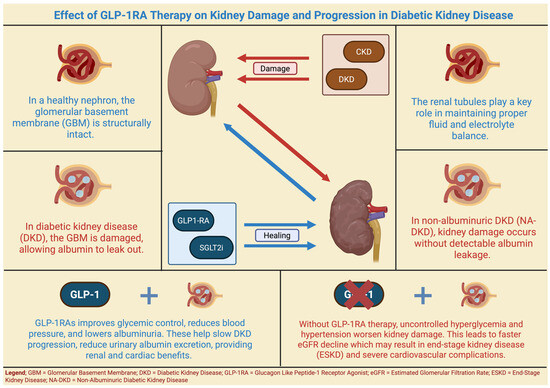
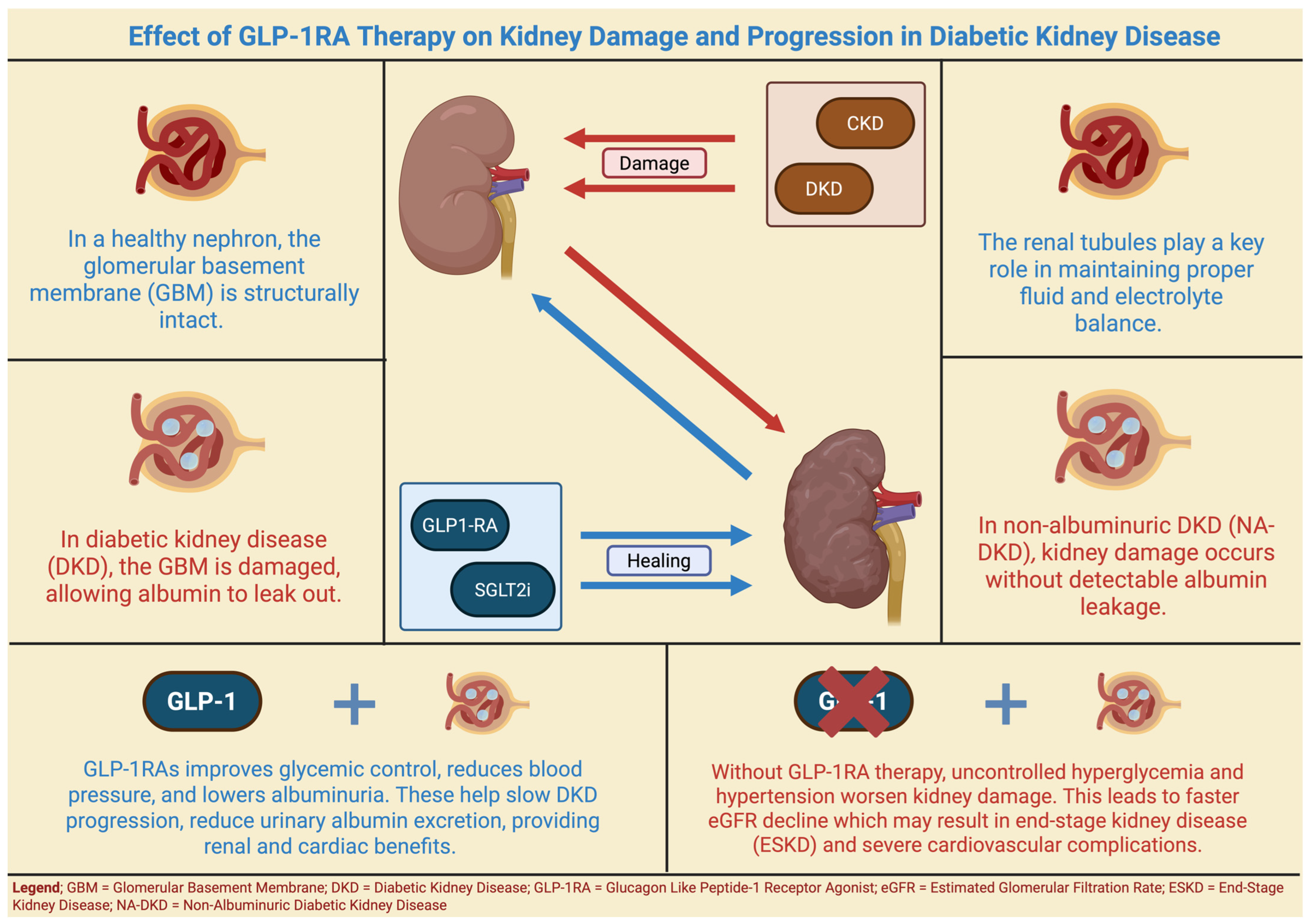

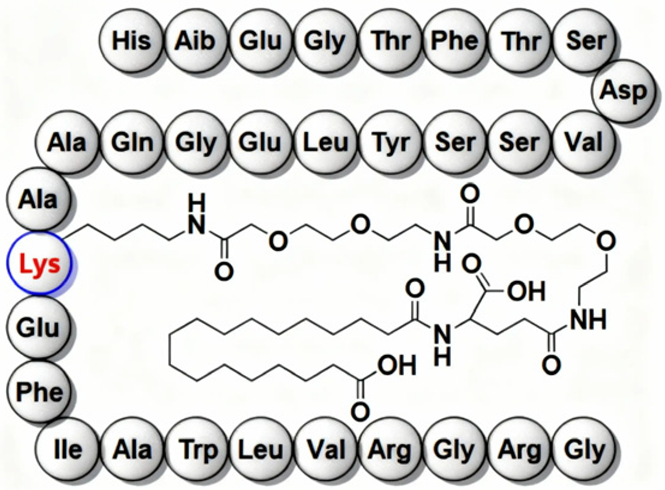
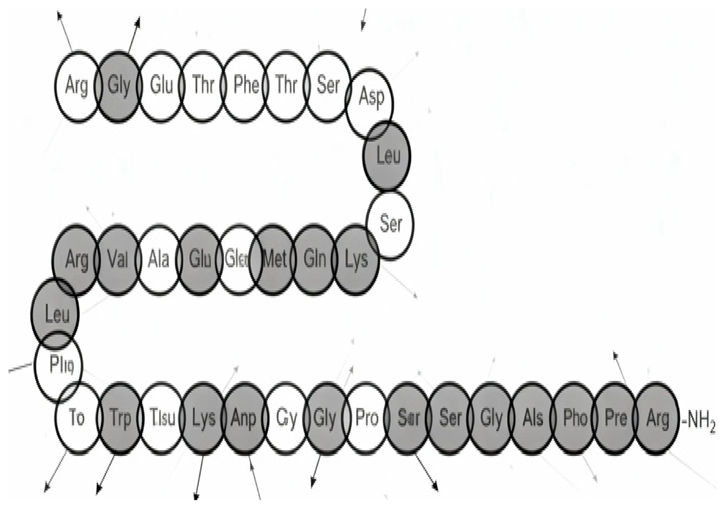
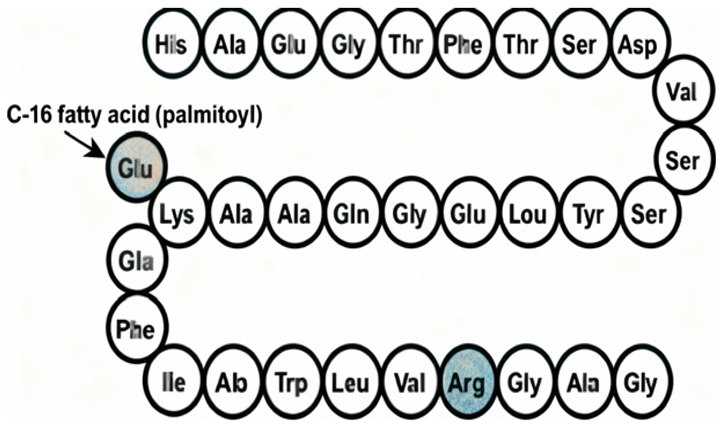
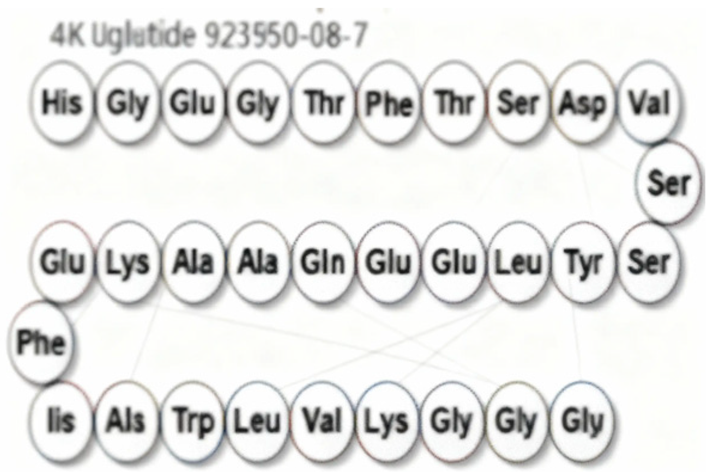
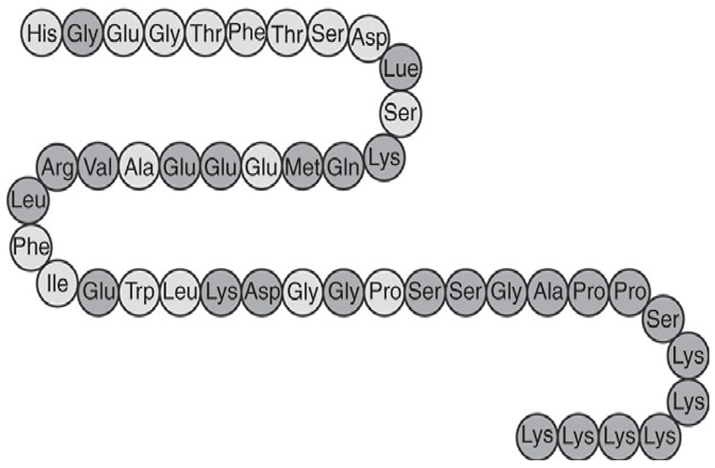
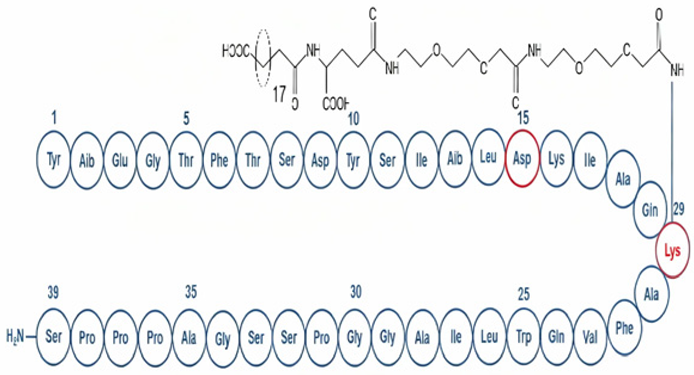
Disclaimer/Publisher’s Note: The statements, opinions and data contained in all publications are solely those of the individual author(s) and contributor(s) and not of MDPI and/or the editor(s). MDPI and/or the editor(s) disclaim responsibility for any injury to people or property resulting from any ideas, methods, instructions or products referred to in the content. |
© 2026 by the authors. Licensee MDPI, Basel, Switzerland. This article is an open access article distributed under the terms and conditions of the Creative Commons Attribution (CC BY) license.