


Abstract
Background/Objectives: Omalizumab is an effective treatment for antihistamine-refractory chronic urticaria. However, post-injection urticaria exacerbation and related adverse reactions remain inconsistently reported. This scoping review mapped evidence on clinical presentation, timing, mechanisms, management strategies, rechallenge outcomes, treatment discontinuation, and patient outcomes associated with these reactions. Methods: The review followed the Joanna Briggs Institute methodology and was registered prospectively in INPLASY (INPLASY202650060). PubMed, Scopus, and the Directory of Open Access Journals were searched from inception to April 2026. Eligible studies included English-language case reports, case series, observational studies, cohort studies, registry or pharmacovigilance studies, postmarketing surveillance studies, and clinical trials reporting urticaria-related or hypersensitivity-type adverse reactions during omalizumab treatment for chronic urticaria. Data were charted descriptively and synthesized narratively. Results: Seventeen studies published between 2015 and 2026 included 2790 patients with chronic urticaria, 60 of whom experienced urticaria-related adverse reactions, corresponding to a mapped proportion of 2.2%. Clinical phenotypes included transient urticaria exacerbation, urticaria flare or worsening, localized urticarial plaques at the injection area, angioedema, anaphylaxis or anaphylaxis-like reactions, and serum sickness-like reactions. Reactions occurred within minutes to several hours, within 24 h, several days, or up to 1 week after injection or dose escalation. Reactions occurred following the first dose, repeated doses, and dose escalation. Proposed mechanisms included delayed hypersensitivity, possible IgE-mediated delayed-onset anaphylaxis, serum sickness-like reaction, paradoxical worsening, infection-associated flare, excipient-related reactions, and severe underlying CSU exacerbation mimicking anaphylaxis. Management strategies ranged from observation or symptomatic treatment to discontinuation of omalizumab and systemic interventions. Conclusions: Omalizumab-associated urticaria-related adverse reactions were infrequently reported across the mapped evidence but were clinically heterogeneous. Standardized definitions and detailed case reporting are needed to clarify causality, recurrence risk, rechallenge safety, and long-term outcomes.
1. Introduction
Chronic urticaria is a common dermatologic disorder characterized by recurrent transient wheals, angioedema, or both, persisting for more than 6 weeks and frequently lasting for several years [1]. It is broadly classified into chronic spontaneous urticaria (CSU), in which symptoms occur in the absence of an identifiable trigger; and chronic inducible urticaria (CIndU), in which symptoms are reproducibly elicited by specific external stimuli, including cold, heat, pressure, friction, water, vibration, sweating, exercise, sunlight, ultraviolet radiation, and contact with certain agents [1]. These two forms may coexist within the same patient. Chronic urticaria represents a substantial public health burden. Between 1990 and 2021, the estimated number of prevalent cases worldwide increased from approximately 47.9 million to 66.5 million, while incident cases increased from 84.9 million to 117 million, although age-standardized prevalence and incidence rates remained relatively stable over time [2]. Disease burden is greater among females, children, and populations in low- to middle-Socio-demographic Index (SDI) regions, with considerable geographic variation across countries. The global lifetime prevalence of chronic urticaria has been estimated at 4.4%, with a point prevalence of approximately 0.7%, and women account for up to 80% of affected individuals [3]. Angioedema occurs in approximately 40–60% of patients, while concomitant CIndU has been reported in 7–30% of adults with CSU. In adults, the mean duration of CSU has been estimated at 11.5 ± 10.8 years, and spontaneous remission within 5 years occurs in only 30–55% of patients [3].
Management strategies differ according to disease subtype and level of disease control. In patients with CIndU, avoidance of identified triggers constitutes a key component of management and is typically combined with symptomatic pharmacological therapy [4]. CSU is primarily managed pharmacologically, beginning with standard-dose non-sedating or minimally sedating second-generation H1 antihistamines, followed by dose escalation up to fourfold in patients with inadequate symptom control. For patients who remain uncontrolled despite up-dosed antihistamines, add-on omalizumab is recommended. Escalation of therapy is clinically important because approximately 50% of patients do not respond adequately to standard-dose H1 antihistamines, nearly 60% continue to exhibit disease activity despite licensed-dose antihistamines, and up to 25% ultimately require third- or fourth-line therapies, including omalizumab or ciclosporin [3,5,6].
Omalizumab is a recombinant humanized monoclonal anti-immunoglobulin E (IgE) antibody that selectively binds to the Cε3 domain of IgE, which mediates IgE interaction with the high-affinity IgE receptor (FcεRI) [7]. By forming complexes with circulating free IgE, omalizumab prevents IgE binding to effector cells, including mast cells and basophils, thereby reducing cellular activation and inflammatory mediator release. This mechanism results in rapid, dose-dependent suppression of serum-free IgE concentrations. Omalizumab has demonstrated significant efficacy in chronic urticaria, particularly at a dose of 300 mg administered every 4 weeks. In a systematic review of 10 clinical trials involving 1620 patients, omalizumab 300 mg reduced the Urticaria Activity Score over 7 days (UAS7) by 11.05 points and significantly increased complete response rates compared with standard care (43% vs. 8.6%; relative risk [RR], 4.12) [8]. Another meta-analysis demonstrated significant improvements in weekly itch score, weekly hive score, UAS7, and Dermatology Life Quality Index (DLQI) compared with placebo [9].
The safety profile of omalizumab in CSU is generally favorable, with randomized trials and pooled analyses demonstrating no significant differences from placebo in overall adverse events, serious adverse events, or severe adverse events [9,10]. Nevertheless, post-injection reactions remain clinically important. Anaphylaxis is rare, with reported incidences of approximately 0.1% in premarketing clinical trials, 0.2% in postmarketing surveillance, and 0.09% in a Joint Task Force review [10]. Additionally, urticaria flares and other urticaria-related reactions following omalizumab administration have been reported in both case-based and real-world evidence. Ertaş et al. reported four patients with severe antihistamine-resistant CSU who developed angioedema, anaphylaxis, or urticaria flare-ups following omalizumab administration and noted that similar reactions had not been previously reported outside phase studies [11]. Subsequent observational evidence also documented additional urticaria-related adverse events, including urticaria reported as an adverse event in 5 of 280 patients (1.8%) and as a serious adverse event in 1 patient (0.4%) in a Japanese postmarketing surveillance study [12], transient urticaria exacerbation in 3 of 82 patients (3.7%) in a real-world study [13], and angioedema or urticaria flare-up in 31 of 1859 patients (1.7%) in a multinational real-world cohort [14].
Despite these reports, evidence regarding omalizumab-associated post-injection urticaria exacerbation and urticaria-related adverse reactions remains fragmented. Reported events have been described across case reports, observational studies, postmarketing surveillance studies, and real-world cohorts. However, definitions, timing, clinical characteristics, causal interpretations, management strategies, rechallenge outcomes, and treatment-discontinuation data are inconsistently reported. Consequently, uncertainty remains regarding the differentiation of post-injection urticaria exacerbation from baseline CSU activity, disease flare, anaphylaxis or anaphylaxis-like reactions, serum sickness-like reactions, and other hypersensitivity-type adverse reactions. Therefore, this scoping review aimed to map the available evidence regarding omalizumab-associated post-injection urticaria exacerbation and urticaria-related adverse reactions in patients with CSU or chronic urticaria. Specifically, this review summarized reported clinical presentations, timing of onset following omalizumab administration, proposed mechanisms, management strategies, treatment discontinuation or rechallenge, and subsequent clinical outcomes. This synthesis was intended to clarify the current state of evidence and identify knowledge gaps requiring further investigation.
2. Materials and Methods
2.1. Study Design and Protocol Registration
This scoping review was conducted in accordance with the Joanna Briggs Institute methodology for scoping reviews [15]. An a priori protocol was developed and prospectively registered with the International Platform of Registered Systematic Review and Meta-analysis Protocols (INPLASY202650060; DOI: 10.37766/inplasy2026.5.0060) on 10 May 2026, before the literature search, study selection, data extraction, and evidence synthesis were conducted. The initial database search was conducted on 11 May 2026. Screening, data extraction, evidence charting, narrative synthesis, and manuscript preparation were conducted between 11 May and 4 June 2026. The final search update was conducted on 31 May 2026 before manuscript finalization.
This review aimed to map the available evidence regarding post-injection urticaria exacerbation and urticaria-related adverse reactions occurring during omalizumab treatment for chronic urticaria. Specifically, the review sought to summarize the reported clinical presentations, timing of onset following omalizumab injection, proposed mechanisms, management strategies, and subsequent patient outcomes. The review question was as follows: “What evidence is available regarding urticaria exacerbation and urticaria-related adverse reactions following omalizumab treatment for chronic urticaria, including their clinical presentation, timing, possible mechanisms, management, and outcomes?”
The target population consisted of patients with CSU or chronic urticaria receiving omalizumab therapy. The concept of interest was post-injection urticaria exacerbation and urticaria-related adverse reactions associated with the clinical use of omalizumab in any healthcare setting without geographic restriction.
2.2. Eligibility Criteria
The eligibility criteria were structured according to the population–concept–context (PCC) framework. The population included patients with CSU or chronic urticaria receiving omalizumab therapy. The concept of interest comprised post-injection urticaria exacerbation and urticaria-related adverse reactions following omalizumab administration, including clinical presentations, timing of symptom onset, proposed mechanisms, management strategies, and subsequent treatment outcomes. The context encompassed the clinical use of omalizumab in any healthcare setting, including dermatology, allergy/immunology, outpatient, hospital-based, and real-world practice settings, without geographic restriction.
Eligible sources of evidence included case reports, case series, observational studies, cohort studies, retrospective studies, prospective studies, registry studies, pharmacovigilance surveillance studies, and clinical trials reporting urticaria-related or hypersensitivity-type adverse reactions during omalizumab treatment for chronic urticaria. Only English-language studies published or indexed from database inception to 30 April 2026 were included, consistent with the registered protocol.
2.3. Search Strategy
The search strategy was developed to identify published studies reporting omalizumab-associated post-injection urticaria exacerbation and urticaria-related adverse reactions during treatment for chronic urticaria. A three-step search strategy was employed. First, an initial limited search of PubMed and Scopus was conducted to identify relevant articles. Text words contained in the titles and abstracts of relevant articles, together with relevant index terms, were then used to develop the full search strategy.
The final search strategy was adapted for each database and information source. The databases searched included PubMed, Scopus, and the Directory of Open Access Journals (DOAJ). Searches were conducted from database inception to the pre-specified eligibility cut-off of 30 April 2026 and were limited to English-language publications. The initial database search was conducted on 11 May 2026, after INPLASY registration. The final search update was conducted on 31 May 2026 to confirm that all additional eligible studies published or indexed within the predefined eligibility period had been included. Therefore, May 2026 refers to the date on which the search was run or updated, whereas 30 April 2026 represents the pre-specified publication/indexing cut-off for eligible records. Additionally, the reference lists of included studies and relevant review articles were screened to identify additional eligible studies. No geographic restrictions were applied. Database-specific filters were used, where available, to limit results to relevant publication types, including original articles, letters, and notes in Scopus. The search was designed to capture case reports, case series, observational studies, cohort studies, retrospective and prospective studies, registry studies, pharmacovigilance surveillance studies, and clinical trials reporting relevant adverse events.
The Scopus search strategy was as follows:
TITLE-ABS-KEY ((omalizumab OR xolair OR “anti-IgE” OR “anti IgE” OR “anti-immunoglobulin E” OR “anti immunoglobulin E”) AND (“chronic spontaneous urticaria” OR “chronic idiopathic urticaria” OR “chronic urticaria” OR CSU OR CIU) AND (exacerbation OR flare OR flares OR worsening OR aggravation OR “urticaria flare” OR “urticarial flare” OR “disease flare” OR “disease exacerbation” OR “post-injection” OR “post injection” OR “after injection” OR “following injection” OR “delayed reaction” OR “delayed hypersensitivity” OR “paradoxical reaction” OR “paradoxical exacerbation” OR “injection reaction” OR “injection-site reaction” OR “adverse event” OR “adverse reaction” OR “adverse drug reaction” OR “treatment-emergent”)) AND (PUBYEAR < 2027) AND (LIMIT-TO (DOCTYPE, “ar”) OR LIMIT-TO (DOCTYPE, “le”) OR LIMIT-TO (DOCTYPE, “no”)) AND (LIMIT-TO (LANGUAGE, “English”))
This strategy was adapted for PubMed and DOAJ using database-specific syntax, field tags, and available filters.
During revision, and in response to peer-review feedback, a supplementary sensitivity search was performed in PubMed, Scopus, and DOAJ using additional phenotype-specific adverse-reaction terms, including “angioedema,” “anaphylaxis,” “hypersensitivity,” “injection-site urticaria,” “injection site urticaria,” “delayed anaphylaxis,” “excipient reaction,” “excipient hypersensitivity,” “adverse effect,” “side effect,” “serum sickness,” and “serum sickness-like reaction.” This supplementary search was conducted to assess whether the original registered search strategy had missed eligible sources using more specific adverse-reaction terminology. Newly identified records were screened using the same predefined eligibility criteria. The full original database search strategies and the supplementary sensitivity search strategies performed during revision are provided in Supplementary Table S2.
2.4. Study and Source of Evidence Selection
Following the search, all identified citations were collated and imported into EndNote X9 (Clarivate Analytics, Philadelphia, PA, USA), and duplicate records were removed. After a pilot screening process, two reviewers independently screened titles and abstracts against the predefined eligibility criteria. Sources considered potentially relevant were retrieved in full text and assessed further for eligibility.
The full texts of selected citations were independently reviewed by two reviewers according to the PCC criteria. Reasons for exclusion at the full-text stage were recorded and reported in the review. Disagreements during title/abstract screening or full-text assessment were resolved through discussion, and, when necessary, consultation with a third reviewer.
The search and study-selection process was reported in full and presented using a PRISMA flow diagram. The source-selection process followed the principles of transparent reporting for scoping reviews and was guided by the PRISMA Extension for Scoping Reviews and the PRISMA 2020 statement [16,17].
2.5. Data Extraction
Data were extracted independently by two reviewers using a standardized data-charting form developed specifically for this scoping review. The draft data-charting form, including all prespecified extraction domains, is provided in Supplementary Table S1. The form was designed to capture information relevant to the review question and the PCC framework.
Extracted data included author name, year of publication, country, study design, source type, participant characteristics, type of chronic urticaria, omalizumab dose and treatment schedule, duration of omalizumab treatment before the adverse event, type of urticaria-related or hypersensitivity-type adverse reaction, timing of onset after injection, clinical presentation, proposed mechanism, management strategies, treatment discontinuation or rechallenge, subsequent treatment, clinical outcome, and key conclusions reported by the study authors.
The draft data-charting form was piloted using a sample of included studies and refined as necessary to improve clarity and consistency. Any modifications to the extraction form were documented during the review process. Disagreements between reviewers were resolved through discussion and, when necessary, consultation with a third reviewer. Where relevant information was missing or unclear, study authors were contacted, where appropriate, to request additional data.
Critical appraisal of individual sources of evidence was not performed because the purpose of this scoping review was to map the extent, range, and characteristics of the available evidence rather than to assess the certainty of effect estimates or exclude studies based on methodological quality.
2.6. Data Analysis and Presentation
Extracted data were analyzed descriptively and mapped according to the review objective and research question. Study characteristics and key findings were summarized in tabular form, including author and year, country, study design, population, omalizumab treatment details, type of urticaria-related or hypersensitivity-type adverse reaction, timing of onset following injection, clinical presentation, management strategies, and patient outcomes.
The evidence was synthesized narratively according to the main concepts of interest, namely clinical presentation, timing after omalizumab administration, proposed mechanisms, management strategies, treatment discontinuation or rechallenge, and subsequent outcomes. Where appropriate, findings were grouped according to source type, including case reports or case series, observational studies, real-world studies, registry studies, pharmacovigilance or database studies, and clinical trials.
The results were presented using descriptive tables and a PRISMA flow diagram. A narrative summary accompanied the tabulated findings to explain how the evidence addressed the review question and to identify patterns, evidence gaps, and areas requiring further investigation. Meta-analysis was not performed because the objective of this scoping review was to map the available evidence, and substantial heterogeneity was anticipated across study designs, populations, adverse-event definitions, and outcome reporting methods.
For case-based reports with sufficient patient-level information, a structured causality-plausibility assessment was performed descriptively. This assessment was informed by the World Health Organization–Uppsala Monitoring Centre (WHO-UMC) causality assessment system and considered the temporal relationship, clinical phenotype compatibility, dechallenge, rechallenge or recurrence after re-exposure, objective or laboratory support, alternative explanations, and overall causality plausibility [18]. Formal numerical causality scoring was not applied because the included reports varied in completeness and often lacked sufficient information for standardized scoring across all domains. The structured causality-plausibility assessment for case-based reports is provided in Supplementary Table S3.
3. Results
The database search identified 438 records. After removal of duplicates and title/abstract screening, 22 reports were assessed for full-text eligibility. During revision, a supplementary sensitivity search using additional phenotype-specific adverse-reaction terms identified three further eligible case-based reports. Therefore, 17 studies were included in the final revised synthesis. The study-selection process, including reasons for exclusion, is summarized in Figure 1.
Figure 1.
PRISMA 2020 flow diagram. The original database search followed the prospectively registered protocol. During revision, a supplementary sensitivity search was performed in PubMed, Scopus, and DOAJ using additional phenotype-specific adverse-reaction terms. Three additional eligible case-based reports were identified and incorporated into the revised synthesis. DOAJ, Directory of Open Access Journals.
The 17 included studies were published between 2015 and 2026 and comprised 8 case reports, case series, letters, or correspondence reports [11,19,20,21,22,23,24,25], 6 retrospective studies, cohort studies, or chart reviews [13,14,26,27,28,29], and 3 prospective observational, postmarketing surveillance, or real-world studies [12,30,31]. The included evidence was geographically diverse, with studies conducted in Italy, Belgium, China, Greece, Israel/Georgia, Japan, Turkey, the United Kingdom, and the United States, as well as one multinational cohort.
Most studies focused on adult populations [11,13,19,21,22,23,24,25,26,27,28,29], whereas three studies involved pediatric populations [20,30,31], and two studies included mixed-age populations [12,14]. Across the included studies, the total chronic urticaria population comprised 2790 patients, among whom 60 patients were reported to have urticaria-related adverse reactions. However, these figures should be interpreted cautiously because several studies reported adverse events at the study level rather than at the individual-patient level, and some denominators were not fully stratified for the chronic urticaria subgroup.
The most commonly reported omalizumab regimen was 300 mg administered every 4 weeks or monthly [11,12,13,14,20,21,22,24,26,31]. A minority of studies described treatment initiation at 150 mg, dose escalation from 150 mg to 300 mg, or dose escalation above the standard 300 mg dose [14,22,25,30]. In some studies, omalizumab dose and schedule were not reported in the extracted data [27,28,29].
The level of clinical detail varied substantially according to study design. Case reports, case series, letters, and correspondence reports provided detailed descriptions of timing after injection, clinical presentation, suspected mechanisms, management, and outcomes [11,19,20,21,22,23,24,25]. In contrast, larger observational, postmarketing, real-world, and cohort studies primarily reported adverse events at the aggregate level, with limited information regarding patient-level timing, causal assessment, management decisions, rechallenge, and long-term outcomes [12,13,14,26,27,28,29,30,31]. The characteristics of the included studies and patient populations are summarized in Table 1.
Table 1.
Characteristics of included studies and patient populations.
Across the 17 included studies, omalizumab-associated urticaria-related reactions were reported as urticaria flare or worsening, angioedema, anaphylaxis or anaphylaxis-like reactions, serum sickness-like reactions, transient urticaria exacerbation, and localized urticarial plaques at the injection area. Detailed patient-level clinical information was available in 8 case reports, case series, letters, or correspondence reports, whereas the remaining 9 cohort, surveillance, real-world, or observational studies primarily reported adverse events at the aggregate level without detailed descriptions of timing or symptom patterns for individual affected patients [12,13,14,26,27,28,29,30,31].
Among the 60 affected patients identified across the included studies, 49 patients were reported in larger observational, real-world, cohort, or surveillance studies. These included 31 of 1859 patients (1.7%) in the multinational cohort, 5 of 280 patients (1.8%) in the Japanese postmarketing surveillance study, 4 of 9 CSU patients in the pediatric observational study, 3 of 82 patients (3.7%) in one retrospective cohort, 2 of 46 patients (4.3%) in the UK retrospective case-note review, 1 of 235 patients (0.4%) in the Belgian chart review, 1 of 141 CSU patients (0.7%) in the Turkish tertiary referral allergy-center experience, 1 of 61 pediatric patients (1.6%) in the multicenter pediatric real-world study, and 1 of 24 patients (4.2%) in the treatment-resistant CSU cohort [12,13,14,26,27,28,29,30,31]. The remaining 11 affected patients were reported in case reports, case series, letters, or correspondence reports with more detailed patient-level clinical descriptions [11,19,20,21,22,23,24,25].
The timing of onset varied considerably among reports with available data. Reactions occurred within a few minutes after the first injection, with recurrent anaphylactic episodes at 24 and 36 h [21]; within 30 min to more than 12 h after injection [11]; approximately 12–24 h after injection [19]; within 24 h after the first dose [30]; 1 day after the second dose [27]; 2.5 h or on the day of dosing [28]; 2 days after the first injection and after subsequent injections [24]; several days after dose escalation [25]; a few days after first administration [23]; 1 week after the second injection [20]; and 1 week after dose escalation [22]. Reactions occurred after the first administration, after repeated doses, after rechallenge, and after dose escalation, indicating that onset was not limited to initial exposure [11,19,20,21,22,23,24,25,27,28,30].
The severity of reactions ranged from transient or mild urticaria exacerbation to severe systemic reactions requiring treatment discontinuation, hospitalization, epinephrine administration, systemic corticosteroids, ciclosporin, oxygen, or other interventions [11,13,19,20,21,23,24,26,27,28]. Recurrence following subsequent omalizumab administration was clearly described in selected reports in which treatment was continued, repeated, or rechallenged after an initial reaction [11,19,20,24,28]. The clinical presentation, timing, severity, duration, and recurrence of reported reactions are summarized in Table 2.
Table 2.
Clinical presentation, timing, and severity of omalizumab-associated urticaria-related reactions.
Proposed mechanisms were described in greater detail in the case-based studies than in the larger observational studies. Among the 17 included studies, 8 case reports, case series, letters, or correspondence reports discussed possible mechanisms or differential explanations, whereas the remaining 9 cohort, surveillance, real-world, or observational studies provided limited or no patient-level mechanistic interpretation for urticaria-related adverse events [12,13,14,26,27,28,29,30,31].
The reported mechanisms were heterogeneous and included delayed hypersensitivity, possible IgE-mediated delayed-onset anaphylaxis, triphasic anaphylaxis, serum sickness-like reactions, nonhistaminergic or possibly bradykinin-mediated angioedema, paradoxical CSU worsening, infection-associated flare, possible excipient-related reactions, nocebo effect or overlap between side effects and uncontrolled disease activity, and severe CSU exacerbation mimicking anaphylaxis rather than true omalizumab-induced anaphylaxis [11,14,19,20,21,22,23,24,25,28]. Evidence supporting an association with omalizumab included temporal onset after injection, recurrence following continued dosing or rechallenge, improvement after discontinuation, positive intradermal testing, laboratory abnormalities, multisystem involvement compatible with anaphylaxis, response to epinephrine or targeted treatment, and prevention of recurrence with adjunctive therapy, depending on the study [11,19,20,21,22,23,24,25].
Alternative explanations were variably considered and included spontaneous CSU exacerbation, uncontrolled baseline disease, concomitant or external triggers, infection, autoimmune disease activity, malignancy, parasitic infestation, hormonal sensitivity, histaminergic or complement-mediated angioedema, and omalizumab-induced anaphylaxis as a differential diagnosis in anaphylaxis-like presentations [11,19,20,22,23,24,25,28]. Reported or suspected predisposing factors included severe antihistamine-resistant CSU, baseline angioedema, dose escalation, repeated exposure after an initial reaction, possible subclinical dysimmune status, parasite exposure in endemic settings, complex or severe CSU, previous anaphylaxis-like episodes before omalizumab, female sex, chronic inducible urticaria, worse baseline disease control, and fast response failure [11,14,20,21,22,23,24,25,28]. The proposed mechanisms, differential considerations, risk factors, and causality interpretations are summarized in Table 3. Because patient-level causality data were most complete in the case-based reports, a structured WHO-UMC-informed causality-plausibility assessment was performed for these reports. Overall causality plausibility was classified as probable/likely in several reports with compatible timing, clinical phenotype, dechallenge, recurrence, rechallenge, or objective support; possible in heterogeneous cases where spontaneous CSU fluctuation or other explanations remained plausible; and unlikely for direct omalizumab hypersensitivity when an alternative cause was more strongly supported. This assessment is summarized in Supplementary Table S3.
Table 3.
Proposed mechanisms, differential diagnosis, and risk factors.
Management strategies were most comprehensively described in the 8 case reports, case series, letters, or correspondence reports and in selected retrospective reports with available clinical details. Reported interventions included antihistamines, systemic corticosteroids, intravenous fluids, epinephrine, oxygen, ciclosporin, tranexamic acid, and treatment of alternative or contributing conditions, such as parasitic infection or suspected hormonal contribution to recurrent urticaria/angioedema [11,19,20,21,22,23,24,25,27,28]. In contrast, patient-level management details were limited or unavailable in several larger cohort, surveillance, real-world, and observational studies [12,13,14,26,29,30,31].
Permanent discontinuation, temporary discontinuation, or no further omalizumab administration after the reaction was reported in selected studies, including 4 affected patients in one case series [11] and individual patients in several additional case-based or retrospective reports [19,20,21,22,23,24,25,27]. In contrast, treatment discontinuation was not required in cases involving transient or mild urticaria events or reactions judged most likely to reflect underlying CSU activity rather than true omalizumab-induced anaphylaxis [13,28,29,30,31]. In the larger observational studies, it could not always be clearly determined whether treatment discontinuation was specifically attributable to urticaria or angioedema flare-up [12,14,26].
Clinical outcomes ranged from complete resolution within minutes to days to persistent symptoms lasting several weeks or months [11,19,20,21,23,24,25,28]. Rechallenge, continuation, or repeated administration after the initial reaction was described in selected reports and was associated with recurrent or more severe reactions in some cases, whereas other patients continued treatment without recurrent complications [11,19,20,24,28,30]. Evidence regarding subsequent biologic therapy or cross-reactivity with other biologic agents was not consistently reported across the included studies. Management strategies, treatment decisions, clinical outcomes, and evidence gaps are summarized in Table 4.
Table 4.
Management, treatment decisions, outcomes, and evidence gaps.
4. Discussion
4.1. Principal Findings and Overall Evidence Map
This scoping review mapped 17 studies published between 2015 and 2026 describing omalizumab-associated post-injection urticaria exacerbation and urticaria-related adverse reactions in patients with chronic urticaria. Across the included evidence, 60 affected patients were identified among 2790 patients, corresponding to a mapped proportion of 2.2%. This figure should not be interpreted as an incidence estimate because the included studies differed in design, denominator reporting, adverse-event definitions, and level of patient-level detail. Most affected patients were identified in larger real-world, cohort, or postmarketing studies, whereas case reports, case series, letters, and correspondence reports provided the most detailed descriptions of timing, clinical presentation, management, rechallenge, and outcomes. The clinical spectrum was broad, ranging from mild transient urticaria exacerbation to urticaria flare or worsening, localized urticarial plaques at the injection area, angioedema, anaphylaxis or anaphylaxis-like reactions, and serum sickness-like reactions. Figure 2 provides an overall visual summary of the mapped evidence, including the mapped patient count, mapped proportion, clinical spectrum, timing, proposed mechanisms, management strategies, and major evidence gaps associated with omalizumab-associated urticaria-related reactions.
Figure 2.
Evidence map of omalizumab-associated urticaria exacerbation and urticaria-related reactions in chronic urticaria. The figure summarizes the mapped evidence across 17 included studies, including the mapped patient count, clinical spectrum, timing after injection or dose escalation, possible mechanisms and differential explanations, management approaches, outcomes, and key evidence gaps. The mapped proportion should not be interpreted as an incidence estimate because the included studies were heterogeneous, and several larger studies reported adverse events at the aggregate level rather than at the affected-patient level.
The findings of this scoping review should be interpreted within the broader context of biologic-associated hypersensitivity. Urticaria-related reactions, angioedema, anaphylaxis, delayed localized injection-site urticaria, serum sickness-like reactions, and other hypersensitivity phenotypes have been described across multiple biologic classes [32,33]. Reslizumab carries an anaphylaxis risk of approximately 0.1–1%, with reactions typically occurring during or within 20 min of infusion, whereas benralizumab-associated hypersensitivity reactions, including urticaria, angioedema, and anaphylaxis, occur in approximately 3% of patients [32]. Mepolizumab is primarily associated with injection-site reactions, reported in approximately 3–9% of patients, with no reported cases of anaphylaxis. These comparisons suggest that urticaria-related and systemic hypersensitivity reactions are not unique to omalizumab but instead represent part of a broader spectrum of biologic-associated adverse reactions.
Another biologic agent used in chronic urticaria is dupilumab [4,34]. Dupilumab has been associated with hypersensitivity reactions in approximately 0.1–1% of patients, injection-site reactions in approximately 8–19%, and very rare serum sickness-like reactions occurring in less than 0.01% [32]. One case report further illustrates the heterogeneous nature of dupilumab-associated reactions, including diffuse pruritic wheals occurring approximately 12 h after each injection and controlled with antihistamine prophylaxis [35], delayed localized injection-site urticaria after repeated doses managed with topical corticosteroids without discontinuation [36], and severe progressive angioedema with episodic urticaria requiring treatment discontinuation [37]. Newer therapies for chronic urticaria also demonstrate distinct safety profiles relevant to the interpretation of omalizumab-associated reactions. Ligelizumab, a high-affinity anti-IgE antibody, has been associated with a higher incidence of mild-to-moderate injection-site reactions and erythema compared with both omalizumab and placebo, although anaphylaxis has not been reported [33]. Remibrutinib, an oral Bruton tyrosine kinase inhibitor, provides a different safety comparison because it targets intracellular signaling involved in mast cell and basophil activation [38]. Although overall adverse events, serious adverse events, and treatment discontinuation due to adverse events were not significantly different from placebo, remibrutinib was associated with increased risks of total infections (RR, 1.59), upper respiratory tract infections (RR, 2.89), and petechiae (RR, 7.53). Long-term extension data also identified infections, bleeding, and cytopenias as adverse events of special interest, occurring in 23%, 4.4%, and 0.5% of patients, respectively [33]. Notably, urticaria-related adverse reactions have not been reported with remibrutinib.
4.2. Clinical Heterogeneity and Timing of Omalizumab-Associated Urticaria-Related Reactions
The timing and clinical phenotype of omalizumab-associated urticaria-related reactions were heterogeneous across the included studies. Reported onset ranged from within minutes to several hours after injection, within 24 h, approximately 12–24 h, several days, or up to 1 week after injection or dose escalation. Reactions occurred after first administration, repeated doses, and dose escalation, indicating that post-injection monitoring should not be restricted to the initial exposure. Importantly, post-injection worsening should not be interpreted as a single uniform clinical entity. The reported phenotypes included transient CSU flare, urticaria worsening, localized urticarial plaques at the injection area, angioedema, anaphylaxis or anaphylaxis-like reactions, and serum sickness-like reactions. This distinction is clinically important because these entities differ in timing, severity, recurrence risk, causality interpretation, and management strategies. Therefore, careful assessment of symptom onset, lesion morphology, systemic manifestations, recurrence following subsequent injections, and alternative explanations is required before attributing post-injection urticaria worsening directly to omalizumab.
The broader biologic literature similarly supports the concept that urticaria-related and hypersensitivity-type reactions are clinically heterogeneous and vary substantially in timing. Immediate reactions have been described with rituximab and infliximab, typically occurring during infusion or within the first hour, whereas delayed reactions may occur hours to weeks after administration, including immune checkpoint inhibitor-associated urticaria developing within 6 weeks of treatment initiation and delayed serum sickness-like reactions reported with other biologics [39,40,41]. Clinical manifestations also vary across biologic agents, ranging from isolated pruritic wheals after immune checkpoint inhibitors to localized injection-site reactions after adalimumab, recurrent urticaria after infliximab, angioedema or anaphylaxis after rituximab, and severe first-dose anaphylaxis after cetuximab [39,40,41,42]. These reactions are not limited to initial exposure. Immune checkpoint inhibitor-associated urticaria has been reported after the first or second treatment cycle, rituximab reactions after the first or second dose, infliximab reactions after both early and later infusions, and adalimumab injection-site reactions after repeated dosing [39,40,42]. Mechanistically, biologic-associated reactions may involve distinct and potentially overlapping pathways, including IgE-mediated or non-IgE-mediated reactions, cytokine-release reactions, delayed cellular hypersensitivity, serum sickness-like reactions, and pre-existing cross-reactive IgE, as described for cetuximab and alpha-gal sensitization [41,42]. Recognition of the diversity of hypersensitivity reactions across biologic therapies highlights the importance of individualized monitoring strategies and standardized diagnostic criteria in clinical practice. Future systematic data collection and mechanistic studies are needed to improve patient selection, optimize management strategies, and minimize adverse outcomes associated with biologic therapies.
4.3. Mechanistic Interpretations and Challenges in Causal Attribution
When urticaria-related reactions occur during omalizumab treatment, a broad differential diagnosis should be considered before concluding that the event represents a direct omalizumab-associated adverse reaction. Post-injection worsening may reflect several distinct entities, including background CSU activity, spontaneous disease fluctuation, uncontrolled CSU, inadequate background treatment, inducible urticaria or trigger exposure, omalizumab-related immediate or delayed hypersensitivity, anaphylaxis or anaphylaxis-like reactions, serum sickness-like reactions, paradoxical worsening, excipient-related hypersensitivity, infection-associated flare, parasitic infestation, autoimmune or autoinflammatory disease activity, concomitant medication-induced urticaria or angioedema, idiopathic anaphylaxis, or other mast-cell-mediated disorders.
Background chronic urticaria activity represents an important differential diagnosis when symptoms worsen during omalizumab therapy. Chronic urticaria is inherently fluctuating, and symptoms may worsen because of spontaneous disease activity, uncontrolled baseline inflammation, inadequate background treatment, or exposure to inducible or aggravating triggers. Previous chronic urticaria literature emphasizes that outbreaks or swelling episodes may be triggered or aggravated by stress, foods, nonsteroidal anti-inflammatory drugs (NSAIDs), trauma, infections, or other external stimuli [4,43,44]. This is particularly relevant because patients requiring omalizumab often have difficult-to-control disease, including antihistamine-refractory CSU or incomplete response to standard therapy [4,44,45]. Furthermore, CIndU may coexist with CSU, and trigger exposure may mimic treatment-related worsening; therefore, physical or environmental triggers should be assessed before attributing post-injection symptoms directly to omalizumab [4,46].
Formulation-related reactions should also be considered when urticaria-related symptoms occur after omalizumab administration, particularly when the clinical pattern suggests hypersensitivity but the active drug itself may not be the only plausible trigger. Omalizumab contains several non-medicinal ingredients, including L-arginine hydrochloride, L-histidine, L-histidine hydrochloride monohydrate, and polysorbate 20 [47]. Among these, polysorbates are clinically relevant because excipient-related hypersensitivity has been described with both biologic and non-biologic formulations. In the broader excipient literature, polysorbate 80 has been implicated in generalized urticaria and angioedema, supported by positive intradermal testing and subsequent tolerance of polysorbate-free formulations [48]. Polysorbate-containing preparations have also been associated with urticarial reactions that resolved after discontinuation and recurred following rechallenge, supporting a formulation-related mechanism in selected cases [49]. For omalizumab specifically, polysorbate 20 has been proposed as a potential contributor to hypersensitivity reactions, including anaphylaxis and serum sickness-like reactions, with reports of positive skin testing to polysorbate 20 in patients receiving Xolair® [50]. Confirmation of excipient- or formulation-related hypersensitivity requires careful allergy evaluation, including skin prick testing with the suspected product and relevant excipients, stepwise intradermal testing when appropriate, patch testing for delayed reactions, and selected in vitro assays such as basophil activation testing, histamine-release assays, or anti-excipient IgE/IgG testing [51,52,53,54,55]. Controlled provocation or challenge testing may provide diagnostic confirmation, but should be reserved for carefully selected cases because of the risk of severe reactions, particularly when polyethylene glycol or polysorbate hypersensitivity is suspected [54,55,56]. Clinical tolerance of an alternative formulation lacking the suspected excipient may further support excipient causality [48]. Although excipient-related hypersensitivity appears uncommon and is not routinely evaluated in most omalizumab studies, it remains an important differential diagnosis when urticaria, angioedema, or anaphylaxis-like symptoms occur temporally after injection, particularly when reactions recur despite otherwise stable chronic urticaria control.
External or comorbid triggers should also be considered when urticaria-related symptoms develop during omalizumab treatment because infection, parasitic infestation, and autoimmune or autoinflammatory disease activity may independently aggravate urticaria. Infectious triggers have been associated with both acute and chronic urticaria, including viral infections, bacterial infections, Helicobacter pylori, urinary tract infection, streptococcal infection, and other inflammatory foci; evaluation generally includes clinical history, physical examination, complete blood count, inflammatory markers, cultures, serology, or targeted microbiological testing [57,58,59,60]. Parasitic infestation is another relevant consideration, particularly in endemic settings or in patients with gastrointestinal symptoms, eosinophilia, relevant travel or exposure history, or treatment-resistant urticaria. Reported investigations include stool examination, stool culture, parasite serology, specific IgE testing, and, in selected cases, histopathologic confirmation of the organism; improvement following antiparasitic therapy may further support causality [61,62,63,64,65]. Autoimmune activity may also contribute to chronic urticaria through IgG-mediated autoimmunity or IgE-mediated autoallergy, with reported associations involving thyroid autoimmunity, rheumatoid arthritis, systemic lupus erythematosus, celiac disease, and autoantibodies against FcεRI, IgE, or thyroid peroxidase. Evaluation may include antinuclear antibodies, rheumatoid factor, antithyroid antibodies, complement testing, autologous serum skin testing, basophil activation assays, or other immunologic investigations when clinically indicated [66,67,68]. Additionally, autoinflammatory disorders such as cryopyrin-associated periodic syndromes, Schnitzler syndrome, and tumor necrosis factor receptor-associated periodic syndrome may present with urticarial eruptions accompanied by systemic inflammatory features and may require evaluation of fever patterns, inflammatory markers, skin biopsy, and genetic testing in selected patients [69].
Medication-related and mast-cell-mediated mimickers should likewise be considered when urticaria, angioedema, or anaphylaxis-like symptoms occur during omalizumab therapy because these presentations may result from concomitant medications or underlying mast-cell disorders rather than omalizumab itself. Drug-induced urticaria or angioedema may be associated with NSAIDs, aspirin, antibiotics, opioids, radiocontrast agents, and angiotensin-converting enzyme (ACE) inhibitors. NSAIDs may exacerbate chronic urticaria through cyclooxygenase-1 inhibition, whereas ACE inhibitor-related angioedema is typically bradykinin-mediated and may occur without urticaria [70,71,72]. Medication causality assessment may involve a detailed medication timeline, evaluation of temporal relationships, dechallenge after withdrawal of the suspected medication, recurrence following inadvertent or supervised rechallenge, and selected allergy testing or drug-provocation testing when appropriate [72,73,74]. Idiopathic anaphylaxis and mast-cell activation disorders may also mimic biologic-associated hypersensitivity, particularly in patients presenting with recurrent anaphylaxis, urticaria, angioedema, hypotension, flushing, or respiratory symptoms without an identifiable trigger. Evaluation may include acute and baseline serum tryptase, urinary mast-cell mediators, flow cytometry for aberrant mast-cell markers, KIT D816V mutation testing, and bone marrow evaluation in selected patients with recurrent or severe episodes [75,76]. This distinction is clinically important because some patients initially diagnosed with idiopathic anaphylaxis may have an underlying clonal mast-cell disorder, and mast-cell activation syndrome requires both compatible clinical symptoms and objective evidence of mediator elevation with response to mast-cell-directed therapy [75,76].
Causality assessment was challenging because post-injection worsening may reflect either an omalizumab-associated adverse reaction or fluctuation of underlying CSU. Therefore, we used a structured WHO-UMC-informed causality-plausibility assessment for case-based reports with sufficient patient-level detail. Overall, causality appeared more plausible when reactions showed compatible timing, improvement after discontinuation, recurrence after repeated exposure or rechallenge, objective support, or careful exclusion of competing causes [19,20,21,23,24,25]. In contrast, causality remained less certain when spontaneous CSU fluctuation, treatment ineffectiveness, or alternative triggers such as parasitic infection remained plausible explanations [11,22]. These findings support standardized reporting of timing, baseline disease activity, dechallenge, rechallenge, objective investigations, and alternative explanations in future studies.
From a practical bedside perspective, several features may raise suspicion for an omalizumab-associated adverse drug reaction rather than spontaneous fluctuation of underlying CSU. These include onset within minutes to a few hours after injection; rapidly progressive generalized urticaria; angioedema; respiratory, cardiovascular, or gastrointestinal involvement; and reproducible recurrence after rechallenge or subsequent dosing [11,28,77,78]. Symptoms developing after 24 h may suggest delayed hypersensitivity or serum sickness-like reaction, particularly when accompanied by fever, arthralgia, malaise, lymphadenopathy, gastrointestinal symptoms, or low complement levels [19,23,25]. Localized urticaria confined to the injection area may indicate an injection-site reaction [29]. Therefore, clinical assessment should consider the time from injection, lesion distribution, systemic involvement, dose number or dose escalation, recurrence after re-exposure, response to dechallenge, and competing explanations such as infection, inducible triggers, concomitant medications, or uncontrolled baseline disease. No single feature confirms causality; however, systemic symptoms, recurrence after rechallenge, or improvement after discontinuation strengthen the plausibility of an omalizumab-associated adverse drug reaction [11,19,23,25,28,77,78].
4.4. Clinical Implications for Documentation, Monitoring, and Cautious Rechallenge
Across the 17 included studies, the mapped evidence indicates that clinical decision-making following omalizumab-associated urticaria-related reactions should be guided by timing, severity, recurrence, and diagnostic uncertainty rather than by temporal association alone. Reactions occurred after initial exposure, repeated doses, dose escalation, rechallenge, and subsequent injections. Previous safety reviews also reported that most omalizumab-associated anaphylaxis events occurred within the first three doses and within 1–2 h after administration, although delayed reactions occurring more than 12–24 h after injection have also been described [11,19,20,21,22,23,24,25,77,78]. Therefore, adverse-reaction monitoring should not be restricted to the first injection, and patients should receive education regarding delayed reactions and clear return precautions.
Management should be guided by reaction severity, ranging from continued treatment with observation for mild or transient urticaria exacerbation to withholding or discontinuing omalizumab and providing acute systemic treatment for severe, recurrent, or systemic reactions [11,13,19,20,21,23,24,27,28,29,30,31]. Careful documentation of symptom timing, clinical phenotype, systemic manifestations, dose context, baseline CSU activity, treatment response, and alternative explanations is essential before attributing post-injection worsening directly to omalizumab because excipient-related reactions, comorbid conditions, concomitant exposures, or underlying disease activity may confound causality assessment [12,14,19,20,22,24,28,78,79,80]. Rechallenge after a suspected adverse reaction should be individualized and approached cautiously, taking into account the severity of the initial event, anticipated treatment benefit, available alternatives, patient preference, and the feasibility of supervised management. Selected reports suggest that continuation, rechallenge, prophylaxis, or desensitization may be feasible in carefully selected patients; however, severe systemic reactions generally warrant avoidance of unsupervised re-exposure [24,28,30,77,81].
4.5. Evidence Gaps and Priorities for Future Research
This scoping review identified several important evidence gaps that should guide future research on omalizumab-associated post-injection urticaria exacerbation and urticaria-related adverse reactions. First, there is currently no standardized definition for post-injection urticaria exacerbation during omalizumab treatment. Across the included studies, events were variably described as urticaria flare-up, worsening of urticaria, transient exacerbation, angioedema, anaphylaxis or anaphylaxis-like reaction, and serum sickness-like reaction. This variability limits comparability across studies and complicates differentiation between true treatment-associated reactions and spontaneous CSU fluctuation, uncontrolled baseline disease, infection-associated flare, excipient-related hypersensitivity, or other mimicking conditions. Future studies should establish standardized criteria incorporating timing after administration, lesion morphology, presence or absence of angioedema, systemic manifestations, baseline CSU activity, recurrence after subsequent injections, and response to dechallenge or rechallenge.
Second, larger observational, postmarketing, and real-world studies provided useful estimates of event frequency but frequently lacked patient-level information regarding timing, clinical phenotype, management, causality assessment, and outcomes. In contrast, case reports and case series provided detailed clinical descriptions but were limited by small sample size and publication bias. This imbalance restricts the interpretation of the true clinical spectrum, recurrence risk, and prognostic significance of these reactions. Future prospective pharmacovigilance studies, registries, and multicenter cohort studies should use standardized adverse-event reporting forms capturing dose number, dose escalation, time from injection to onset, symptom duration, severity, treatment requirements, emergency visits or hospitalization, discontinuation, rechallenge, recurrence, and long-term disease control. These data would help clarify which reactions may be safely monitored, which require treatment discontinuation, and which warrant specialist allergy evaluation.
Third, evidence regarding diagnostic workup and mechanistic evaluation remains limited. Few studies reported objective biomarkers or structured investigations such as acute and baseline serum tryptase, complement levels, inflammatory markers, skin testing with omalizumab, excipient testing, basophil activation testing, anti-drug antibodies, anti-excipient antibodies, or formal causality assessment tools. Consequently, mechanistic interpretations often relied primarily on temporal association, recurrence, or clinical judgment. Future studies should incorporate structured diagnostic algorithms capable of distinguishing IgE-mediated reactions, non-IgE-mediated mast-cell activation, serum sickness-like reactions, excipient-related hypersensitivity, paradoxical CSU worsening, and unrelated disease flares. Additional research should also evaluate whether biomarkers, baseline CSU endotypes, autoimmune features, infection or parasite status, dose escalation, or prior mild post-injection symptoms predict recurrence or severe reactions.
Finally, future studies should address management questions directly relevant to clinical practice. These include whether omalizumab can be safely continued after a mild transient urticaria exacerbation, when rechallenge is appropriate, how rechallenge should be supervised, whether premedication or desensitization has a role, and which alternative therapies are safest after suspected omalizumab-associated urticaria-related reactions. Evidence regarding long-term outcomes after discontinuation, switching to another biologic, or using emerging therapies also remains limited. In the included studies, subsequent management after omalizumab discontinuation was limited to conventional therapies, including antihistamines, systemic corticosteroids, cyclosporine, or treatment of an alternative contributing condition, or was unreported. None of the included studies reported successful switching to dupilumab, ligelizumab, remibrutinib, or another biologic or targeted therapy without recurrence of similar reactions. Therefore, the safety and outcome of switching to alternative biologics or other targeted therapies after suspected omalizumab-associated urticaria-related reactions remains a critical knowledge gap. Addressing these gaps will require prospective patient-level data collection and harmonized reporting across dermatology, allergy, and pharmacovigilance settings. Such efforts would improve causal attribution, support risk-stratified management, and enhance clinician counseling after post-injection urticaria-related reactions.
4.6. Strengths and Limitations
This scoping review has several strengths. To our knowledge, it is among the first reviews specifically focused on mapping omalizumab-associated post-injection urticaria exacerbation and urticaria-related adverse reactions in patients with chronic urticaria. By focusing on this specific adverse-reaction pattern, the review addresses a clinically important topic that is often inconsistently reported within broader biologic safety studies. Another strength is the inclusion of both case-based reports and larger real-world, cohort, postmarketing, and retrospective studies. Case reports and case series provided detailed clinical information on timing, phenotype, management, rechallenge, and outcomes, whereas larger studies contributed broader safety data from routine clinical practice. Moreover, the review was guided by the PCC framework and conducted according to a prospectively registered protocol, thereby enhancing the transparency, structure, and reproducibility of the search strategy, study selection, data charting, and narrative synthesis.
Several limitations should also be acknowledged. First, although the electronic search followed the prospectively registered protocol and was supplemented during revision with additional phenotype-specific adverse-reaction terms, the information sources were restricted to PubMed, Scopus, and DOAJ. Additional bibliographic, regulatory, trial-registry, and pharmacovigilance sources, such as Embase, Web of Science, the Cochrane Library, ClinicalTrials.gov, WHO ICTRP, FDA FAERS, EMA/EudraVigilance, WHO VigiBase, manufacturer pharmacovigilance reports, and regulatory safety documents, were not systematically searched. Therefore, unpublished data, regulatory safety signals, spontaneous adverse-event reports, and non-indexed pharmacovigilance evidence may have been missed. Second, the search was restricted to English-language publications, which may have resulted in the exclusion of relevant studies published in other languages. Third, the included evidence was heterogeneous with respect to study design, population, clinical setting, omalizumab regimen, adverse-event terminology, and outcome reporting. This heterogeneity limited direct comparison across studies and precluded quantitative synthesis. Fourth, many larger observational, surveillance, real-world, and cohort studies reported adverse events only at the aggregate level, with limited patient-level information regarding timing, clinical morphology, systemic manifestations, management, rechallenge, discontinuation, and long-term outcomes. Fifth, causality could not be confirmed in many cases because objective investigations, structured causality assessment, dechallenge or rechallenge data, and evaluation of alternative explanations were inconsistently reported. Finally, although the review mapped the number of reported affected patients, it was not designed to estimate incidence or risk. The frequency of omalizumab-associated urticaria-related reactions cannot be reliably determined from scoping-review evidence because of differences in study design, denominators, adverse-event definitions, reporting thresholds, and the likely influence of publication and reporting bias.
5. Conclusions
This scoping review mapped the available evidence regarding omalizumab-associated post-injection urticaria exacerbation and urticaria-related adverse reactions in patients with chronic urticaria. Across 17 included studies, these reactions appeared uncommon but clinically heterogeneous, ranging from transient urticaria exacerbation to urticaria worsening, localized urticarial plaques at the injection area, angioedema, anaphylaxis or anaphylaxis-like reactions, and serum sickness-like reactions. Reaction onset varied from within minutes to several hours, within 24 h, several days, or up to 1 week after injection or dose escalation, and reactions occurred after initial exposure, repeated doses, rechallenge, or dose escalation.
These findings suggest that post-injection worsening should not be regarded as a single uniform event or attributed to omalizumab solely on the basis of temporal association. Clinical interpretation should consider symptom onset, clinical phenotype, systemic manifestations, baseline chronic urticaria activity, recurrence, response to dechallenge or rechallenge, and alternative explanations. Mild or transient reactions may be managed with observation and symptomatic treatment, whereas severe, recurrent, or systemic reactions require careful evaluation, possible treatment discontinuation, and appropriate acute management. Future studies should employ standardized definitions and detailed patient-level reporting of timing, severity, management, causality assessment, rechallenge outcomes, and long-term follow-up to support more accurate diagnosis and risk-stratified clinical management.
Supplementary Materials
The following supporting information can be downloaded at: https://www.mdpi.com/article/10.3390/life16071124/s1, Checklist S1: PRISMA-ScR checklist; Supplementary Table S1: Draft data-charting form used for data extraction; Supplementary Table S2: Original and supplementary sensitivity search strategies; Supplementary Table S3: Structured WHO-UMC-informed causality-plausibility assessment for case-based reports.
Author Contributions
Conceptualization, W.T.; methodology, W.T. and C.E.; validation, W.T. and C.E.; formal analysis, W.T., C.E. and P.J.; investigation, W.T., C.E. and P.J.; data curation, W.T.; writing—original draft preparation, W.T.; writing—review and editing, W.T., C.E. and P.J.; visualization, W.T.; project administration, W.T. All authors have read and agreed to the published version of the manuscript.
Funding
This research received no external funding.
Institutional Review Board Statement
The review protocol was reviewed and approved by the Ethics Committee in Human Research, Walailak University (Exemption Review No. WUEC-26-238-01) on 2 June 2026.
Informed Consent Statement
Not applicable.
Data Availability Statement
All data supporting the findings of this review are included in the manuscript. No additional datasets were generated or analyzed.
Conflicts of Interest
The authors declare no conflicts of interest.
Abbreviations
The following abbreviations are used in this manuscript:
| ACE | Angiotensin-converting enzyme |
| ADR | Adverse drug reaction |
| CIU | Chronic idiopathic urticaria |
| CIndU | Chronic inducible urticaria |
| CSU | Chronic spontaneous urticaria |
| CU | Chronic urticaria |
| DLQI | Dermatology Life Quality Index |
| DOAJ | Directory of Open Access Journals |
| EMA | European Medicines Agency |
| FAERS | Food and Drug Administration Adverse Event Reporting System |
| H1 | Histamine-1 receptor |
| H2 | Histamine-2 receptor |
| IgE | Immunoglobulin E |
| INPLASY | International Platform of Registered Systematic Review and Meta-analysis Protocols |
| IV | Intravenous |
| JBI | Joanna Briggs Institute |
| PCC | Population–concept–context |
| PRISMA | Preferred Reporting Items for Systematic Reviews and Meta-Analyses |
| PRISMA-ScR | Preferred Reporting Items for Systematic Reviews and Meta-Analyses extension for Scoping Reviews |
| UAS7 | Urticaria Activity Score over 7 days |
| UCARE | Urticaria Centers of Reference and Excellence |
| WHO ICTRP | World Health Organization International Clinical Trials Registry Platform |
| WHO-UMC | World Health Organization–Uppsala Monitoring Centre |
References
- Kolkhir, P.; Bonnekoh, H.; Metz, M.; Maurer, M. Chronic spontaneous urticaria: A review. JAMA 2024, 332, 1464–1477. [Google Scholar] [PubMed]
- Zhao, Z.; Huang, Y.; Chen, D.; Wang, Y. Global health implications of urticaria burden (1990–2021): A comprehensive analysis of trends across nations and regions. Arch. Med. Sci. 2025. [Google Scholar] [CrossRef] [Scilit]
- Gonçalo, M.; Gimenéz-Arnau, A.; Al-Ahmad, M.; Ben-Shoshan, M.; Bernstein, J.A.; Ensina, L.F.; Fomina, D.; Galvàn, C.A.; Godse, K.; Grattan, C.; et al. The global burden of chronic urticaria for the patient and society. Br. J. Dermatol. 2021, 184, 226–236. [Google Scholar] [CrossRef] [Scilit] [PubMed]
- Zuberbier, T.; Abdul Hameed Ansari, Z.; Abdul Latiff, A.H.; Abuzakouk, M.M.; Agcaoili-De Jesus, M.S.; Agondi, R.C.; Al-Ahmad, M.; Alangari, A.A.; Alhameli, H.; Alonso Bello, C.D.; et al. The international guideline for the definition, classification, diagnosis and management of urticaria. Allergy 2026, 1–51. [Google Scholar] [CrossRef] [Scilit] [PubMed]
- Metz, M.; Vadasz, Z.; Kocatürk, E.; Giménez-Arnau, A.M. Omalizumab Updosing in Chronic Spontaneous Urticaria: An Overview of Real-World Evidence. Clin. Rev. Allergy Immunol. 2020, 59, 38–45. [Google Scholar] [CrossRef] [Scilit] [PubMed]
- Sabroe, R. Commentary: Omalizumab for the treatment of chronic idiopathic or spontaneous urticaria. Br. J. Dermatol. 2014, 171, 13–15. [Google Scholar] [CrossRef] [Scilit] [PubMed]
- Easthope, S.; Jarvis, B. Omalizumab. Drugs 2001, 61, 253–260. [Google Scholar] [CrossRef] [Scilit] [PubMed]
- Casale, T.B.; Gimenez-Arnau, A.M.; Bernstein, J.A.; Holden, M.; Zuberbier, T.; Maurer, M. Omalizumab for patients with chronic spontaneous urticaria: A narrative review of current status. Dermatol. Ther. 2023, 13, 2573–2588. [Google Scholar] [CrossRef] [Scilit]
- Jia, H.-X.; He, Y.-L. Efficacy and Safety of Omalizumab for Chronic Spontaneous Urticaria: A Systematic Review and Meta-Analysis of Randomized Controlled Trials. Am. J. Ther. 2020, 27, e455–e467. [Google Scholar] [CrossRef] [Scilit] [PubMed]
- Pongdee, T.; Li, J.T. Omalizumab safety concerns. J. Allergy Clin. Immunol. 2025, 155, 31–35. [Google Scholar] [CrossRef] [Scilit] [PubMed]
- Ertaş, R.; Özyurt, K.; Yildiz, S.; Ulaş, Y.; Turasan, A.; Avci, A. Adverse reaction to omalizumab in patients with chronic urticaria: Flare up or ineffectiveness? Iran. J. Allergy Asthma Immunol. 2016, 15, 82–86. [Google Scholar] [PubMed]
- Hide, M.; Fukunaga, A.; Suzuki, T.; Nakamura, N.; Kimura, M.; Sasajima, T.; Kiriyama, J.; Igarashi, A. Real-world safety and effectiveness of omalizumab in Japanese patients with chronic spontaneous urticaria: A post-marketing surveillance study. Allergol. Int. 2023, 72, 286–296. [Google Scholar] [CrossRef] [Scilit] [PubMed]
- Chen, J.; Ou, S.; Wu, W.; Zou, H.; Li, H.; Zhu, H. Omalizumab in Chronic Spontaneous Urticaria: A Real-World Study on Effectiveness, Safety and Predictors of Treatment Outcome. Clin. Cosmet. Investig. Dermatol. 2024, 17, 1799–1808. [Google Scholar] [CrossRef] [Scilit] [PubMed]
- Soegiharto, R.; Van der Wind, E.; Alizadeh Aghdam, M.; Sørensen, J.A.; Van Lindonk, E.; Bulut Demir, F.; Mohammad Porras, N.; Matsuo, Y.; Kiefer, L.; Knulst, A.C.; et al. Spectrum and Impact of Reported Side Effects of Omalizumab in Patients With Chronic Urticaria: A Long-Term Multicentre Real-World Study. Clin. Exp. Allergy 2025, 55, 481–492. [Google Scholar] [CrossRef] [Scilit] [PubMed]
- Pollock, D.; Tricco, A.C.; Peters, M.D.; Mclnerney, P.A.; Khalil, H.; Godfrey, C.M.; Alexander, L.A.; Munn, Z. Methodological quality, guidance, and tools in scoping reviews: A scoping review protocol. JBI Evid. Synth. 2022, 20, 1098–1105. [Google Scholar] [CrossRef] [Scilit] [PubMed]
- Tricco, A.C.; Lillie, E.; Zarin, W.; O’Brien, K.K.; Colquhoun, H.; Levac, D.; Moher, D.; Peters, M.D.; Horsley, T.; Weeks, L. PRISMA extension for scoping reviews (PRISMA-ScR): Checklist and explanation. Ann. Intern. Med. 2018, 169, 467–473. [Google Scholar] [CrossRef] [Scilit] [PubMed]
- Page, M.J.; McKenzie, J.E.; Bossuyt, P.M.; Boutron, I.; Hoffmann, T.C.; Mulrow, C.D.; Shamseer, L.; Tetzlaff, J.M.; Akl, E.A.; Brennan, S.E. The PRISMA 2020 statement: An updated guideline for reporting systematic reviews. BMJ 2021, 372, n71. [Google Scholar] [CrossRef] [Scilit] [PubMed]
- Shukla, A.K.; Jhaj, R.; Misra, S.; Ahmed, S.N.; Nanda, M.; Chaudhary, D. Agreement between WHO-UMC causality scale and the Naranjo algorithm for causality assessment of adverse drug reactions. J. Fam. Med. Prim. Care 2021, 10, 3303–3308. [Google Scholar] [CrossRef] [Scilit] [PubMed]
- Dies, L.; Sernicola, A.; Magri, F.; Chello, C.; Paolino, G.; Carnicelli, G.; Faina, V.; Nencini, F.; Grieco, T. A severe adverse reaction to omalizumab therapy in chronic spontaneous urticaria. Dermatol. Ther. 2020, 33, e13204. [Google Scholar] [CrossRef] [Scilit] [PubMed]
- Eapen, A.; Kloepfer, K.M. Serum sickness-like reaction in a pediatric patient using omalizumab for chronic spontaneous urticaria. Pediatr. Allergy Immunol. 2018, 29, 449–450. [Google Scholar] [CrossRef] [Scilit] [PubMed]
- Gönül, M.; Özenergün Bittacı, A.; Ergin, C. Omalizumab-induced triphasic anaphylaxis in a patient with chronic spontaneous urticaria. J. Eur. Acad. Dermatol. Venereol. 2016, 30, e135–e136. [Google Scholar] [CrossRef] [Scilit] [PubMed]
- Konstantinou, G.N.; Podder, I. Paradoxical Worsening of Chronic Spontaneous Urticaria Following Omalizumab Administration: The Missing Link. Cureus 2024, 16, e61453. [Google Scholar] [CrossRef] [Scilit] [PubMed]
- Lestani, V.; Zelin, E.; Stinco, G.; Errichetti, E. Serum sickness-like reaction after omalizumab administration: A case report and short literature review. J. Dtsch. Dermatol. Ges. 2025, 23, 1587–1589. [Google Scholar] [CrossRef] [Scilit] [PubMed]
- Magen, E.; Chikovani, T. Development of angio-oedema after omalizumab injections in a patient with chronic spontaneous urticaria. Clin. Exp. Dermatol. 2018, 43, 825. [Google Scholar] [CrossRef] [Scilit] [PubMed]
- Weiss, S.L.; Smith, D.M. A Case of Serum Sickness-Like Reaction in an Adult Treated with Omalizumab. Mil. Med. 2020, 185, E912–E913. [Google Scholar] [CrossRef] [Scilit] [PubMed]
- Lapeere, H.; Baeck, M.; Stockman, A.; Sabato, V.; Grosber, M.; Moutschen, M.; Lambert, J.; Vandebuerie, L.; de Montjoye, L.; Rabijns, H.; et al. A retrospective analysis omalizumab treatment patterns in patients with chronic spontaneous urticaria: A real-world study in Belgium. J. Eur. Acad. Dermatol. Venereol. 2020, 34, 127–134. [Google Scholar] [CrossRef] [Scilit] [PubMed]
- Öztop, N.; Demir, S.; Beyaz, Ş.; Tüzer, Ö.C.; Çolakoğlu, B.; Büyüköztürk, S.; Gelincik, A. Omalizumab in Practice: Ten-Year Experience of A Tertiary Referral Allergy Centre. Asthma Allergy Immunol. 2022, 20, 36–47. [Google Scholar] [CrossRef] [Scilit]
- Savic, S.; Marsland, A.; McKay, D.; Ardern-Jones, M.R.; Leslie, T.; Somenzi, O.; Baldock, L.; Grattan, C. Retrospective case note review of chronic spontaneous urticaria outcomes and adverse effects in patients treated with omalizumab or ciclosporin in UK secondary care. Allergy Asthma Clin. Immunol. 2015, 11, 21. [Google Scholar] [CrossRef] [Scilit] [PubMed]
- Tabanlioğlu-Onan, D.; Öktem, A.; Yalçin, B.; Artüz, F. Efficacy of omalizumab in treatment-resistant chronic spontaneous urticaria. Asthma Allergy Immunol. 2019, 17, 41–46. [Google Scholar] [CrossRef] [Scilit]
- Cekic, S.; Canitez, Y.; Ozceker, D.; Uysal, P.; Ozdemir, O.; Filiz, S.; Bologur, H.; Karali, Y.; Yuksel, H.; Sapan, N. The Efficacy of Different Dosing Regimens of Omalizumab in Children and Adolescents with Chronic Spontaneous Urticaria Based on Real-Life Data. Int. Arch. Allergy Immunol. 2026, 187, 131–140. [Google Scholar] [CrossRef] [Scilit] [PubMed]
- Galletta, F.; Caminiti, L.; Lugarà, C.; Foti Randazzese, S.; Barraco, P.; D’Amico, F.; Irrera, P.; Crisafulli, G.; Manti, S. Long-Term Safety of Omalizumab in Children with Asthma and/or Chronic Spontaneous Urticaria: A 4-Year Prospective Study in Real Life. J. Pers. Med. 2023, 13, 1068. [Google Scholar] [CrossRef] [Scilit] [PubMed]
- Jackson, K.; Bahna, S.L. Hypersensitivity and adverse reactions to biologics for asthma and allergic diseases. Expert Rev. Clin. Immunol. 2020, 16, 311–319. [Google Scholar] [CrossRef] [Scilit] [PubMed]
- Kocaturk, E.; Saini, S.S.; Rubeiz, C.J.; Bernstein, J.A. Existing and investigational medications for refractory chronic spontaneous urticaria: Safety, adverse effects, and monitoring. J. Allergy Clin. Immunol. Pract. 2022, 10, 3099–3116. [Google Scholar] [CrossRef] [Scilit] [PubMed]
- Maurer, M.; Casale, T.B.; Saini, S.S.; Ben-Shoshan, M.; Giménez-Arnau, A.M.; Bernstein, J.A.; Yagami, A.; Stjepanovic, A.; Radin, A.; Staudinger, H.W. Dupilumab in patients with chronic spontaneous urticaria (LIBERTY-CSU CUPID): Two randomized, double-blind, placebo-controlled, phase 3 trials. J. Allergy Clin. Immunol. 2024, 154, 184–194. [Google Scholar] [CrossRef] [Scilit] [PubMed]
- Mastorino, L.; Ortoncelli, M.; Virginia, B.; Rolla, G.; Avallone, G.; Cavaliere, G.; Riccardo, V.; Quaglino, P.; Ribero, S. Dupilumab-induced Urticaria. Dermatol. Ther. 2021, 34, e15117. [Google Scholar] [CrossRef] [Scilit] [PubMed]
- Xu, J.; Shih, J.; Kalangara, M. Delayed onset localized urticarial reactions to dupilumab. J. Allergy Clin. Immunol. 2021, 147, AB12. [Google Scholar] [CrossRef] [Scilit]
- Fritz, A.L.; Lacy, F.A.; Morrell, D.S. Angioedema: A potential complication of dupilumab in atopic dermatitis. Pediatr. Dermatol. 2021, 38, 237–238. [Google Scholar] [PubMed]
- Burhan, M.; Ashraf, S.; Ali, A.; Shahid, I.; Ahmed, J.; Shah, M.S.U.; Bhagwan Das, N.; Nashwan, A.J. Safety and Efficacy of Remibrutinib for Chronic Spontaneous Urticaria: A Systematic Review and Meta-Analysis. Int. Arch. Allergy Immunol. 2025, 187, 635–646. [Google Scholar] [CrossRef] [Scilit] [PubMed]
- Chen, C.B.; Hsu, T.H.; Chen, I.W.; Chang, P.N.; Wang, C.W.; Chung, W.H. Immune checkpoint inhibitor-related urticaria characterized by a distinct autoimmune and autoallergic signatures. Dermatol. Sin. 2025, 43, 326–334. [Google Scholar] [CrossRef] [Scilit]
- Yilmaz Topal, O.; Kose, V.; Acar, B.; Bayrakci, U.S.; Ozyoruk, D.; Hizal, G.; Karaatmaca, B.; Toyran, M.; Yarali, H.N.; Ozbek, N.Y. Evaluation of hypersensitivity reactions in pediatric patients using biological drugs. Int. Arch. Allergy Immunol. 2021, 182, 844–851. [Google Scholar] [CrossRef] [Scilit] [PubMed]
- Sala-Cunill, A.; Luengo, O.; Cardona, V. Biologics and anaphylaxis. Curr. Opin. Allergy Clin. Immunol. 2019, 19, 439–446. [Google Scholar] [CrossRef] [Scilit] [PubMed]
- Vultaggio, A.; Maggi, E.; Matucci, A. Immediate adverse reactions to biologicals: From pathogenic mechanisms to prophylactic management. Curr. Opin. Allergy Clin. Immunol. 2011, 11, 262–268. [Google Scholar] [CrossRef] [Scilit] [PubMed]
- Grumach, A.S.; Staubach-Renz, P.; Villa, R.C.; Diez-Zuluaga, S.; Reese, I.; Lumry, W.R. Triggers of exacerbation in chronic urticaria and recurrent angioedema—Prevalence and relevance. J. Allergy Clin. Immunol. Pract. 2021, 9, 2160–2168. [Google Scholar] [CrossRef] [Scilit] [PubMed]
- Kolkhir, P.; Muñoz, M.; Asero, R.; Ferrer, M.; Kocatürk, E.; Metz, M.; Xiang, Y.-K.; Maurer, M. Autoimmune chronic spontaneous urticaria. J. Allergy Clin. Immunol. 2022, 149, 1819–1831. [Google Scholar] [CrossRef] [Scilit] [PubMed]
- Rönsch, H.; Berndt, K.; Bauer, A. Treatment satisfaction in chronic urticaria during guideline-based therapy. JDDG J. Ger. Soc. Dermatol. 2021, 19, 833–840. [Google Scholar] [CrossRef] [Scilit]
- Sánchez, J.; Amaya, E.; Acevedo, A.; Celis, A.; Caraballo, D.; Cardona, R. Prevalence of Inducible Urticaria in Patients with Chronic Spontaneous Urticaria: Associated Risk Factors. J. Allergy Clin. Immunol. Pract. 2017, 5, 464–470. [Google Scholar] [CrossRef] [Scilit] [PubMed]
- Genentech, I. XOLAIR (Omalizumab) Injection, for Subcutaneous Use; Reference ID: 5330389; U.S. Food and Drug Administration: Silver Spring, MD, USA, 2024. [Google Scholar]
- Steele, R.H.; Limaye, S.; Cleland, B.; Chow, J.; Suranyi, M.G. Hypersensitivity reactions to the polysorbate contained in recombinant erythropoietin and darbepoietin. Nephrology 2005, 10, 317–320. [Google Scholar] [CrossRef] [Scilit] [PubMed]
- Bartels, C.L.; Sanz, C.; Stec, R.; Coulter, D.W. Parenteral nutrition–induced hypersensitivity in an adolescent. J. Parenter. Enter. Nutr. 2012, 36, 117–121. [Google Scholar]
- Singh, S.K.; Mahler, H.C.; Hartman, C.; Stark, C.A. Are Injection Site Reactions in Monoclonal Antibody Therapies Caused by Polysorbate Excipient Degradants? J. Pharm. Sci. 2018, 107, 2735–2741. [Google Scholar] [CrossRef] [Scilit] [PubMed]
- Caballero, M.L.; Quirce, S. Delayed hypersensitivity reactions caused by drug excipients: A literature review. J. Investig. Allergol. Clin. Immunol. 2020, 30, 400–408. [Google Scholar] [CrossRef] [Scilit] [PubMed]
- Coors, E.A.; Seybold, H.; Merk, H.F.; Mahler, V. Polysorbate 80 in medical products and nonimmunologic anaphylactoid reactions. Ann. Allergy Asthma Immunol. 2005, 95, 593–599. [Google Scholar] [CrossRef] [Scilit] [PubMed]
- Stone, C.A., Jr.; Liu, Y.; Relling, M.V.; Krantz, M.S.; Pratt, A.L.; Abreo, A.; Hemler, J.A.; Phillips, E.J. Immediate Hypersensitivity to Polyethylene Glycols and Polysorbates: More Common Than We Have Recognized. J. Allergy Clin. Immunol. Pract. 2019, 7, 1533–1540.e1538. [Google Scholar] [CrossRef] [Scilit] [PubMed]
- Wenande, E.; Garvey, L.H. Immediate-type hypersensitivity to polyethylene glycols: A review. Clin. Exp. Allergy 2016, 46, 907–922. [Google Scholar] [CrossRef] [Scilit]
- Wylon, K.; Dölle, S.; Worm, M. Polyethylene glycol as a cause of anaphylaxis. Allergy Asthma Clin. Immunol. 2016, 12, 67. [Google Scholar] [CrossRef] [Scilit] [PubMed]
- Co-Minh, H.; Demoly, P.; Guillot, B.; Raison-Peyron, N. Anaphylactic shock after oral intake and contact urticaria due to polyethylene glycols. Allergy 2007, 62, 92. [Google Scholar] [PubMed]
- Imbalzano, E.; Casciaro, M.; Quartuccio, S.; Minciullo, P.L.; Cascio, A.; Calapai, G.; Gangemi, S. Association between urticaria and virus infections: A systematic review. Allergy Asthma Proc. 2016, 37, 18–22. [Google Scholar] [CrossRef] [Scilit] [PubMed]
- Liu, Z.; Al-Quran, L.; Tong, J.; Cao, X. Analysis of clinical features and inflammatory-related molecules with the disease in acute infectious urticaria. Arch. Dermatol. Res. 2023, 315, 1915–1925. [Google Scholar] [CrossRef] [Scilit] [PubMed]
- Sackesen, C.; Sekerel, B.E.; Orhan, F.; Kocabas, C.N.; Tuncer, A.; Adalioglu, G. The etiology of different forms of urticaria in childhood. Pediatr. Dermatol. 2004, 21, 102–108. [Google Scholar] [CrossRef] [Scilit] [PubMed]
- Wedi, B.; Raap, U.; Kapp, A. Chronic urticaria and infections. Curr. Opin. Allergy Clin. Immunol. 2004, 4, 387–396. [Google Scholar] [CrossRef] [Scilit] [PubMed]
- Arik Yilmaz, E.; Karaatmaca, B.; Sackesen, C.; Sahiner, U.M.; Cavkaytar, O.; Sekerel, B.E.; Soyer, O. Parasitic infections in children with chronic spontaneous urticaria. Int. Arch. Allergy Immunol. 2016, 171, 130–135. [Google Scholar] [CrossRef] [Scilit] [PubMed]
- Kolkhir, P.; Balakirski, G.; Merk, H.F.; Olisova, O.; Maurer, M. Chronic spontaneous urticaria and internal parasites—A systematic review. Allergy 2016, 71, 308–322. [Google Scholar] [PubMed]
- Matucci, A.; Parronchi, P.; Rossi, O.; Vultaggio, A.; Deleonardi, G.; Orsi, A.; Maggi, E.; Romagnani, S. A case of chronic urticaria due to Dirofilaria infestation. Allergol. Int. 2004, 53, 383–385. [Google Scholar] [CrossRef] [Scilit]
- Minciullo, P.L.; Cascio, A.; Gangemi, S. Association between urticaria and nematode infections. Allergy Asthma Proc. 2018, 39, 86–95. [Google Scholar] [CrossRef] [Scilit] [PubMed]
- Pasqui, A.; Savini, E.; Saletti, M.; Guzzo, C.; Puccetti, L.; Auteri, A. Chronic urticaria and Blastocystis hominis infection. A case report. Eur. Rev. Med. Pharmacol. Sci. 2004, 8, 117–120. [Google Scholar] [PubMed]
- Bracken, S.J.; Abraham, S.; MacLeod, A.S. Autoimmune theories of chronic spontaneous urticaria. Front. Immunol. 2019, 10, 627. [Google Scholar] [CrossRef] [Scilit] [PubMed]
- Confino-Cohen, R.; Chodick, G.; Shalev, V.; Leshno, M.; Kimhi, O.; Goldberg, A. Chronic urticaria and autoimmunity: Associations found in a large population study. J. Allergy Clin. Immunol. 2012, 129, 1307–1313. [Google Scholar] [CrossRef] [Scilit] [PubMed]
- Kolkhir, P.; Pogorelov, D.; Olisova, O.; Maurer, M. Comorbidity and pathogenic links of chronic spontaneous urticaria and systemic lupus erythematosus—A systematic review. Clin. Exp. Allergy 2016, 46, 275–287. [Google Scholar] [CrossRef] [Scilit] [PubMed]
- Krause, K.; Grattan, C.; Bindslev-Jensen, C.; Gattorno, M.; Kallinich, T.; De Koning, H.; Lachmann, H.; Lipsker, D.; Navarini, A.; Simon, A. How not to miss autoinflammatory diseases masquerading as urticaria. Allergy 2012, 67, 1465–1474. [Google Scholar] [CrossRef] [Scilit] [PubMed]
- Mathelier-Fusade, P. Drug-induced urticarias. Clin. Rev. Allergy Immunol. 2006, 30, 19–23. [Google Scholar] [CrossRef] [Scilit] [PubMed]
- Inomata, N. Recent advances in drug-induced angioedema. Allergol. Int. 2012, 61, 545–557. [Google Scholar] [CrossRef] [Scilit] [PubMed]
- Kowalski, M.L.; Woessner, K.; Sanak, M. Approaches to the diagnosis and management of patients with a history of nonsteroidal anti-inflammatory drug–related urticaria and angioedema. J. Allergy Clin. Immunol. 2015, 136, 245–251. [Google Scholar] [PubMed]
- Fong, A.T.; Jacob, J.G.; Carroll, B.; Fernando, S.L. Acute dystonic reaction mimicking angioedema secondary to metoclopramide ingestion. Emerg. Med. Australas. 2021, 33, 762–763. [Google Scholar] [CrossRef] [Scilit] [PubMed]
- Gulec, M.; Caliskaner, Z.; Kartal, O.; Erel, F.; Karaayvaz, M. Not all ACE inhibitor related angioedema is always evident: A case which is misdiagnosed as panic attack and speech disorder. Allergol. Immunopathol. 2007, 35, 278–279. [Google Scholar] [CrossRef] [Scilit]
- Carter, M.C.; Desai, A.; Komarow, H.D.; Bai, Y.; Clayton, S.T.; Clark, A.S.; Ruiz-Esteves, K.N.; Long, L.M.; Cantave, D.; Wilson, T.M. A distinct biomolecular profile identifies monoclonal mast cell disorders in patients with idiopathic anaphylaxis. J. Allergy Clin. Immunol. 2018, 141, 180–188. e183. [Google Scholar] [CrossRef] [Scilit] [PubMed]
- Gülen, T.; Akin, C.; Bonadonna, P.; Siebenhaar, F.; Broesby-Olsen, S.; Brockow, K.; Niedoszytko, M.; Nedoszytko, B.; Oude Elberink, H.N.; Butterfield, J.H. Selecting the right criteria and proper classification to diagnose mast cell activation syndromes: A critical review. J. Allergy Clin. Immunol. Pract. 2021, 9, 3918–3928. [Google Scholar] [CrossRef] [Scilit] [PubMed]
- Kim, H.L.; Leigh, R.; Becker, A. Omalizumab: Practical considerations regarding the risk of anaphylaxis. Allergy Asthma Clin. Immunol. 2010, 6, 32. [Google Scholar] [CrossRef] [Scilit] [PubMed]
- Lieberman, P.L.; Jones, I.; Rajwanshi, R.; Rosén, K.; Umetsu, D.T. Anaphylaxis associated with omalizumab administration: Risk factors and patient characteristics. J. Allergy Clin. Immunol. 2017, 140, 1734–1736.e4. [Google Scholar] [CrossRef] [Scilit] [PubMed]
- Mandel, V.D.; Guanti, M.B.; Liberati, S.; Demonte, A.; Pellacani, G.; Pepe, P. Omalizumab in Chronic Spontaneous Urticaria Refractory to Conventional Therapy: An Italian Retrospective Clinical Analysis with Suggestions for Long-Term Maintenance Strategies. Dermatol. Ther. 2018, 8, 291–301. [Google Scholar] [CrossRef] [Scilit] [PubMed]
- Ozbagcivan, O.; Akarsu, S.; Ilknur, T.; Fetil, E. Urticaria and angioedema as possible reactions of omalizumab. Bras. Dermatol. 2018, 93, 304–305. [Google Scholar] [CrossRef] [Scilit] [PubMed]
- Gan, H.; Wang, L.; Fu, W.; Zhang, J.; Yu, M.; Liu, G. Rapid subcutaneous desensitization for the management of delayed hypersensitivity reactions to omalizumab: A case report. J. Clin. Pharm. Ther. 2019, 44, 486–488. [Google Scholar] [CrossRef] [Scilit] [PubMed]
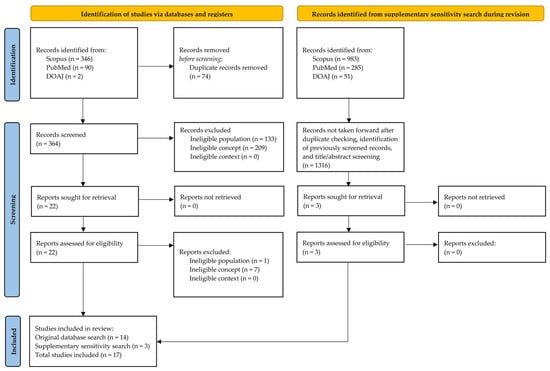
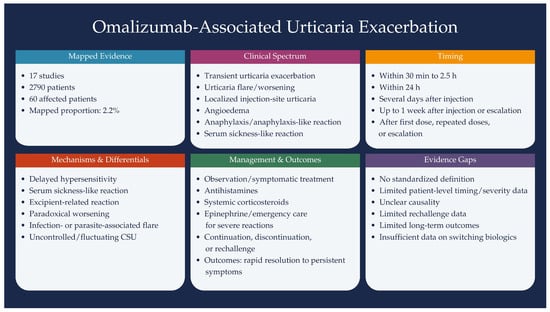

Disclaimer/Publisher’s Note: The statements, opinions and data contained in all publications are solely those of the individual author(s) and contributor(s) and not of MDPI and/or the editor(s). MDPI and/or the editor(s) disclaim responsibility for any injury to people or property resulting from any ideas, methods, instructions or products referred to in the content. |
© 2026 by the authors. Licensee MDPI, Basel, Switzerland. This article is an open access article distributed under the terms and conditions of the Creative Commons Attribution (CC BY) license.