


Abstract
Stroke frequently causes sensory deficits, decreased muscle strength, and impaired postural control, all of which contribute to reduced mobility and functional capacity, highlighting the need for effective rehabilitation strategies. Conventional rehabilitation methods do not always succeed in fully restoring mobility and functional independence. Robot-assisted gait training (RAGT) provides an innovative approach to improving motor recovery and enhancing the quality of life of stroke survivors. The integration of the robotic concept, using devices to assist gait training, offers significant therapeutic potential. RAGT has been introduced as a complementary approach to the rehabilitation process, encouraging repetitive practice and leveraging neuroplasticity to enhance motor recovery. Objective: The systematic review focused on analyzing the available findings regarding the applicability of RAGT in enhancing task-specific performance, mobility, and functional capacity in stroke survivors. Data sources/Methods: Available research on gait limitations caused by stroke was analyzed, and available therapeutic options were subsequently examined in detail. A systematic search was performed in three databases, namely PubMed on 2 August 2026, PEDro on 3 August 2026, and Scopus on 5 August 2026. The outcomes of studies investigating the integration of RAGT were reviewed. Randomized controlled trials (RCTs) evaluating RAGT in patients with stroke were included. The selection of studies, extraction of data, and methodological quality assessment were carried out according to predefined criteria. The Cochrane Risk of Bias 2 (RoB2) tool was used to determine the methodological quality and risk of bias of the selected studies. Overall, the risk of bias assessment indicated that 11 studies had some concerns, while 4 studies were rated as having a low risk and 5 as having a high risk of bias. The certainty of evidence for the main outcomes was assessed using the GRADE approach, considering risk of bias, inconsistency, indirectness, imprecision, and publication bias. Certainty was classified as high, moderate, low, or very low. GRADE indicated low-certainty evidence for functional ambulation, gait speed, balance, and activities of daily living, and very-low-certainty evidence for walking endurance. Main results: A total of 20 RCTs involving 851 participants met the inclusion criteria. The results showed that most reported significant improvements in walking performance, postural control, and dynamic balance. However, between-group differences were less consistent. Greater improvements were generally reported when RAGT was combined with conventional rehabilitation or other adjunctive interventions. Differences were observed between studies regarding research design, implemented intervention protocols, and the scales used to assess functional outcomes. Conclusions: RAGT may be a useful adjunct to conventional rehabilitation by increasing the amount and standardization of task-specific gait practice. However, the included RCTs did not demonstrate consistent superiority over conventional rehabilitation across functional outcomes. The certainty of evidence was low or very low, and the optimal device, training dose, patient profile, and durability of benefit remain uncertain.
1. Introduction
Stroke represents a leading cause of disability among adults and is often accompanied by lower-limb motor dysfunction, resulting in substantial deficits in mobility, coordination, and balance that limit ADLs and social participation [1,2].
According to the Global Burden of Disease, the mortality rate following stroke is 42.56 per 100,000 individuals, with approximately 3.3 million deaths reported annually. Worldwide, one in four people over the age of 25 will experience a stroke during their lifetime. The incidence of this condition continues to rise annually, resulting in a global economic burden exceeding USD 891 billion [3,4].
Approximately 60% of patients lose or limit their ability to walk immediately after stroke, while nearly 20% continue to remain unable to bear weight one year later [5,6].
Following a stroke, patients continue to face a persistently high risk of cardiovascular morbidity, recurrent stroke, myocardial infarction, and cardiac-related mortality [7,8].
Balance and gait dysfunction are common complications in patients with stroke, with more than 50% of these individuals estimated to be at risk of falls and injury, which affects independence in ADLs. Gait is a complex process that requires dynamic balance, adequate motor control, and precise movement of the center of pressure for its normal execution [9,10].
Recent studies have also consistently demonstrated that unilateral muscle weakness contributes to gait asymmetry and that the rehabilitation process is particularly critical immediately after stroke [11,12].
Impaired gait patterns limit ADLs, walking distance, and exercise tolerance, while reduced or lost walking function leads to long-term disability [13,14,15].
Programs that emphasize functional mobility and the ability to perform ADLs are essential for improving the quality of life of stroke survivors. The feasibility of maintaining these programs is important for preserving the progress achieved [16,17,18].
To restore walking capacity, modern rehabilitation concepts emphasize task-specific repetitive training, and high-intensity practice has demonstrated significant outcomes [19,20].
The repetitive nature of training, closely resembling physiological gait, together with continuous proprioceptive and exteroceptive feedback, provides favorable conditions for motor relearning [21,22].
Rehabilitation alternatives for motor dysfunction are based on motor relearning principles aimed at promoting motor neural network plasticity. Accordingly, RAGT integrates intensive, repetitive, and structured task-oriented practice, which is fundamental for motor relearning and has been shown to contribute to targeted motor improvement in individuals after stroke [23,24,25].
RAGT reduces the workload of physiotherapists while ensuring task-specific gait practice. Studies have shown that RAGT optimizes movement patterns and muscle activation of the affected lower limb during walking compared with conventional rehabilitation [26,27,28].
The interactive component of RAGT, combined with virtual reality or therapeutic games, increases active patient participation [29,30].
The primary objective of RAGT is to deliver structured, high-intensity, repetitive, and task-specific training [31,32].
In accordance with the fundamental principles of neurorehabilitation, enhancing neuroplasticity through motivation, multisensory stimulation, early initiation, and the application of appropriately timed therapy with progressive intensity is essential for effective gait training. In this context, effective methods that support the standard neurorehabilitation process for gait and mobility disorders in post-stroke patients are continuously being developed and investigated, involving assistive robotic technologies, virtual reality, and biofeedback [33,34].
The integration of robotic systems for gait training aims to promote nervous system activation, encourage active participation, stabilize balance control, and enhance muscle activation [35].
During robotic-locomotion-based therapy, the patient is secured in a body-weight support harness, and the robotic exoskeleton is attached to the lower limbs. The exoskeleton applies guiding forces throughout movement, enabling patients to engage in repetitive gait practice at near-normal speeds. RAGT provides intensive, repetitive, and task-specific practice that may support motor relearning; however, the included clinical trials did not directly assess neural reorganization [36].
Clinical guidelines emphasize the significance of intensive, repetitive, and task-oriented training to stimulate neuroplasticity, taking into account both visual feedback and motor input. RAGT has demonstrated positive effects on balance. The concept of rehabilitation has undergone a significant change with the development of robotic technologies, representing a fundamental perspective in addressing conventional methods. The use of targeted, intensive, and engaging rehabilitation strategies based on RAGT outlines an innovative approach in the recovery process [37,38,39,40,41,42,43,44,45].
Patients with severe mobility impairments can practice movements resembling physiological gait at near-normal speeds, performing prolonged, regular training independent of the manual efforts of physiotherapists, compared with conventional rehabilitation [46].
Technology-assisted gait rehabilitation emphasizes repetitive, intensive, and task-specific practice, helping stroke survivors with both mild and severe motor impairments regain motor coordination [47].
RAGT has a positive impact on the psychological condition of patients by increasing active participation, attention, and motivation. The interactive component, together with real-time feedback, stimulates patients and encourages them to achieve the proposed objective. This psychological impact is important because it influences their adherence to the rehabilitation program [48,49].
Compared with conventional rehabilitation, integrating robotic gait rehabilitation intervention is cost-effective, as therapy sessions can be longer, gait patterns are more symmetrical, the intervention can be conducted by a single physiotherapist, and energy expenditure is reduced [50].
Recent studies have reported that RAGT supports a more symmetrical muscle activity pattern compared with conventional rehabilitation [51].
A systematic review of the effectiveness of robotic therapy in patients with neurological disorders reported statistically significant improvements in gait speed, functional abilities, and motor function following treatment [52].
The exploration of the effectiveness of robotic systems, including end-effector robots, fixed and wearable exoskeletons, as well as their combinations, has opened new perspectives for targeted gait and balance rehabilitation. Robotic systems provide distinct benefits in the field of functional recovery. Gait re-education through the use of an exoskeleton contributes to the development of a gait pattern similar to the physiological one, both in temporal and spatial terms. In addition, it supports postural control during walking through active patient involvement. Besides facilitating gait re-education, robotic systems also contribute to reducing the secondary consequences of immobilization [53,54,55].
Although previous systematic reviews and meta-analyses have evaluated robot-assisted and electromechanical gait rehabilitation after stroke, uncertainty remains regarding the additional clinical benefit of RAGT specifically during the subacute phase, when spontaneous neurological recovery and intensive conventional rehabilitation may substantially influence functional outcomes. Previous evidence has also frequently combined heterogeneous stroke stages, robotic technologies, and outcome domains. The present review updates the evidence through 2026 and focuses specifically on randomized controlled trials involving adults within 6 months after stroke. In addition, it distinguishes within-group improvements from between-group treatment effects and evaluates functional ambulation, gait speed, walking endurance, balance, and activities of daily living using both RoB2 and GRADE. This approach aims to clarify the additional contribution of RAGT beyond conventional rehabilitation and to identify areas in which the certainty of evidence remains limited.
Gait rehabilitation is a major component of clinical practice for patients with stroke. Robotic technologies designed for RAGT have gained significant popularity due to their potential to provide repeated, controlled, and intensive walking practice.
- To what extent does RAGT improve functional walking ability in patients with stroke compared with conventional rehabilitation?
- How does the level of active patient participation during RAGT influence rehabilitation outcomes?
- Are the improvements gained through RAGT transferred to real-life walking situations and maintained over time?
These three questions are important for understanding the effectiveness of RAGT in stroke rehabilitation, as they not only assess functional improvements in walking but also investigate the role of active patient engagement and the extent to which the results transfer to real-life situations, thereby providing a comprehensive view of the clinical and practical potential of robotic technology.
2. Materials and Methods
2.1. Selection Criteria
The systematic review was conducted by identifying studies in the PubMed, PEDro, and Scopus databases, focusing on studies published between 2011 and 2026. Only studies published in English were considered eligible. No language filters were applied during the searches in PubMed and PEDro, but in the Scopus database, the search was restricted to articles in English by using the “Language: Limited to English” filter. Additionally, the “Document Type: Limited to Article” filter was applied. The included studies involved adult patients (≥18 years) post-stroke, regardless of stroke type (ischemic or hemorrhagic) and post-stroke stage (subacute, ˂6 months post-stroke), reporting at least one of the relevant outcomes.
Eligible study designs included RCTs that evaluated the effects of RAGT in patients with stroke. The information selected for the Introduction was drawn from the existing literature and previous studies solely for contextual purposes and did not influence the data extraction or analysis of the results.
A systematic literature search was conducted in three electronic databases: PubMed, PEDro, and Scopus. The PubMed search was performed on 2 August 2026, the PEDro search on 3 August 2026, and the Scopus search on 5 August 2026.
The search strategy was adapted for each database according to its specific indexing and search syntax.
In PubMed, MeSH terms and free-text terms were searched using the All Fields option. (“subacute stroke” OR “post-stroke”) AND (“robot-assisted gait training” OR “robotic gait training” OR “robot-assisted locomotor training”) AND (gait OR walking OR locomotion OR ambulation). In PEDro, simplified free-text searches were performed in the Abstract and Title fields, as the database does not support complex Boolean combinations in the same way as bibliographic databases. The search terms “subacute stroke” AND “robot-assisted gait training” were used to identify potentially eligible studies. In Scopus, the search was performed in the article title, abstract, and keywords fields using the following search strategy: (“subacute stroke” AND (“robot-assisted gait training” OR “robotic technology”)).
The search strategy was intentionally focused on terminology explicitly describing task-specific robot-assisted gait training, rather than the broader category of electromechanical lower-limb rehabilitation technologies, in order to preserve the predefined intervention scope of the review.
2.2. Inclusion and Exclusion Criteria
For the purpose of conducting this systematic review, the inclusion and exclusion criteria were clearly established to select the most relevant studies, thereby ensuring the methodological coherence of the material.
Studies published between 2011 and 2026 were considered, focusing on the integration and use of robotic systems for gait rehabilitation in post-stroke patients and examining solutions supported by empirical data. Studies were excluded if they lacked empirical data, did not specifically investigate RAGT in patients after stroke, or did not include human participants. Eligible studies were published in English and included adult participants (≥18 years) with ischemic or hemorrhagic stroke in the subacute post-stroke phase, defined as less than 6 months from stroke onset to participant enrollment. The time from stroke onset to participant enrollment is summarized in Table 1.
Table 1.
Summary of the key characteristics of studies included in the review, published from 2011 to 2026.
Studies evaluating RAGT alone or in combination with conventional rehabilitation therapy or other adjunctive interventions, such as functional electrical stimulation (FES), were considered eligible.
Studies were required to report at least one relevant outcome related to balance, gait, functional mobility, or ADLs. Studies were excluded if they did not specifically investigate RAGT in post-stroke patients, lacked empirical data, did not include human participants, or were published in languages other than English. Observational studies, studies with incomplete or insufficient data, review articles, meta-analyses, and studies involving patients in the acute or chronic post-stroke phase, pediatric populations, or patients with other concomitant neurological conditions were also excluded.
2.3. Literature Selection Process
The literature selection process was carried out in multiple stages, in accordance with recommendations for conducting review articles and the PRISMA (Preferred Reporting Items for Systematic Reviews and Meta-Analyses) guidelines.
Initially, a systematic search was performed in relevant scientific databases, using keywords and combinations of terms specific to the field of RAGT and post-stroke rehabilitation. After duplicates were removed, the titles and abstracts of the identified studies were screened to assess their eligibility in relation to the study objectives. Articles that did not meet the inclusion criteria or that did not directly address the research topic were excluded at this stage.
The full texts of relevant studies were reviewed, and only those reporting outcomes on gait, balance, and functional recovery in post-stroke patients were included. Literature selection was performed in several stages, including title/abstract screening and full-text assessment, by two independent reviewers (G.M. and D.P.S.).
Any discrepancies that arose during the study selection or data extraction process were resolved by discussion and consensus or, when necessary, by consultation with a third senior reviewer (D.V.M.). The study selection process was documented and presented according to a PRISMA (Figure 1) flow diagram, ensuring transparency and reproducibility of the literature selection methods.
Figure 1.
Flowchart of literature search and selection process.
In accordance with PRISMA requirements, we declare that no detailed protocol was prepared prior to the research and no prospective registration was performed for this systematic review.
Initially, 210 records were selected using the following keywords: subacute stroke, robot-assisted gait training, robotic gait training, robot-assisted locomotor training, robotic technology, gait, walking, locomotion, and ambulation.
The following databases were consulted: PubMed (85 records), Scopus (104 records), and PEDro (21 records). Subsequently, 48 duplicate records were removed, resulting in 162 records for screening. Of these, 101 records were excluded during title and abstract screening.
A total of 61 reports were sought for retrieval, of which 14 could not be accessed in full text: 6 identified through PubMed, 4 through Scopus, and 4 through PEDro. For the 14 reports that could not be retrieved in full text, additional attempts were made through the corresponding journal and publisher websites. Full-text access could not be obtained because some articles were not accessible through the authors’ institutional subscription, some could not be opened because of access-related technical errors, and several required individual payment for full-text access. Consequently, these reports could not undergo full-text eligibility assessment. The remaining 47 reports were assessed for eligibility, of which 27 were excluded based on the predefined exclusion criteria. Finally, 20 studies that met the predefined inclusion criteria were included in the systematic review.
3. Overview of Included Studies
RAGT represents an effective method for providing repetitive training, improving gait function, balance, and ADLs in patients with stroke [40].
Robotic devices provide training that facilitates the principles of motor learning that involve active motor and cognitive participation by patients [75,76].
Robotic devices are particularly advantageous because they can control the lower limbs by mobilizing the joints and minimizing abnormal movements, thereby promoting a physiological gait pattern [77,78].
Although robotic systems for the lower limbs have introduced a new approach for individuals with gait difficulties, there is still limited evidence regarding optimal training parameters. Intensity is an important factor influencing rehabilitation results; however, in clinical practice, resource and time constraints often result in insufficient training duration. This may lead to limited functional recovery and delay the rehabilitation process. Current evidence demonstrates that there is no standardized protocol for determining the duration of a single training session, with session duration ranging from 10 to 60 min. This variability may result in different outcomes regarding walking capacity and postural control [16,79,80,81,82,83,84,85,86,87].
Gait and mobility were assessed using the Functional Ambulation Classification (FAC), Fugl-Meyer Assessment of the Lower Extremity (FMA-LE), 10-Meter Walk Test (10MWT), 6-Minute Walk Test (6MWT), Rivermead Mobility Index (RMI), and Motricity Index-Lower (MI-LL/MI), reflecting walking speed, endurance, and functional ambulation capacity.
The FAC is frequently employed in a clinical setting to evaluate walking ability, distinguishing 6 levels of locomotor ability based on the amount of physical support required. Currently, the FMA scale widely serves to evaluate gait quality and is recognized as a predominant clinical method, while the FMA-LE is integrated for a comprehensive clinical examination of the lower limb [88,89,90].
The 6MWT and the 10MWT were employed to assess walking endurance and speed. The 6MWT quantifies functional mobility based on the distance covered in meters over 6 min. The result represents a measure of endurance, being relevant for assessing the ability to perform continuous activities. Similarly, the 10MWT was also incorporated to assess walking speed [91,92,93,94,95].
The Motricity Index (MI) is an instrument used to assess and monitor improvements in muscle strength by measuring hip flexion, knee extension, and ankle dorsiflexion, while using mobility-related items to evaluate functional capacity [96,97,98].
Balance and postural control were mainly assessed using the Berg Balance Scale (BBS) and Timed Up and Go (TUG). Most of the included studies reported statistically significant improvements following RAGT, particularly when combined with conventional rehabilitation.
The BBS is a validated instrument used to assess fall risk, whereas the TUG evaluates dynamic balance and involves a sequence of specific functional tasks, such as sit-to-stand transfers, walking stability, and changes in gait trajectory [99,100,101,102,103,104,105].
The Functional Independence Measure (FIM) is a standardized instrument for assessing functional independence and disability and consists of 18 items: 13 motor and 5 cognitive items [106].
The Modified Barthel Index (MBI) assesses performance in ADLs, with scores ranging from 0 to 100, with higher scores indicating a higher level of functional independence [107].
Another important scale used in this category is the Barthel Index (BI), which evaluates the level of independence of patients in performing ADLs.
Physical, cognitive, and psychosocial impairments affect more than half of stroke survivors, reducing quality of life and social participation while limiting their ability to perform ADLs. Walking difficulties represent a major cause of disability after stroke and have a significant impact on functional independence. Therefore, restoring gait function is considered one of the primary goals of post-stroke rehabilitation.
RAGT is a safe, intensive, repetitive, and task-specific rehabilitation approach that may help patients with mild to severe motor impairments improve motor coordination and gait performance. RAGT enables patients with limited mobility to repeatedly practice gait-like movements at near-normal speeds and facilitates a more consistent and regular gait pattern, with reduced dependence on the physical efforts of physiotherapists. Furthermore, robotic devices can provide prolonged and intensive gait practice while allowing the level of assistance to be adjusted according to patient functional abilities.
A recent Cochrane review found that patients within the first three months after stroke who received RAGT combined with conventional rehabilitation were more likely to regain walking ability than those who received conventional rehabilitation alone. RAGT may contribute to improvements in walking ability and functional mobility, as well as enhanced cardiorespiratory fitness.
RAGT generally requires the involvement of a trained physiotherapist to perform patient assessments and functional measurements, ensure appropriate positioning within the device, and adjust the robotic device and training parameters accordingly. The acquisition, maintenance, and clinical use of robotic rehabilitation systems can involve considerable costs, thereby limiting their accessibility and widespread implementation, particularly in healthcare settings with limited financial resources.
4. Results
The final analysis included 20 studies published between 2011 and 2026, involving adult participants in the subacute phase after stroke. The included studies compared RAGT with conventional rehabilitation or other rehabilitation strategies. The duration of the interventions ranged from 2 to 8 weeks, with a frequency of 3–6 sessions per week and session durations ranging from 20 to 60 min.
Time from stroke onset to baseline assessment was reported in days, weeks or months, depending on the study design, with comparable values between the experimental and control groups in all included trials (Table 1).
Most studies reported improvements in gait performance, balance, and ADLs following the rehabilitation interventions. These improvements were observed in both the experimental and control groups. Greater improvements were observed when RAGT was combined with conventional rehabilitation.
4.1. Gait Outcomes
Gait performance was assessed using outcome measures, including the FAC, FMA-LE, 10MWT, 6MWT, 2MWT, RMI and MI/MI-LE. Participants in both the experimental and control groups demonstrated improvements in walking speed and endurance, suggesting that conventional rehabilitation is effective, while RAGT may be considered a complementary method rather than a replacement. The greatest benefits were reported in studies that implemented high-intensity, repetitive, and task-oriented training protocols.
Lee et al. [61] and Ochi et al. [72] demonstrated a more marked improvement in the FAC score from baseline to post-intervention than the control group. The robotic group showed more considerable changes after treatment compared with baseline values; however, the within-group difference regarding the changes in the scales used after treatment compared with baseline values was not statistically significant.
Fiedorova et al. [73] demonstrated a higher proportion of patients who achieved clinically relevant improvements in functional ambulation after RAGT. The results suggest that robotic training may improve walking capacity rather than modify isolated individual gait parameters. All patients showed an improvement of at least 1 FAC point over the course of 3 months. The improvement was observed in all patients in the RAGT group within the first three weeks, compared with 78.9% in the conventional group.
Gorsler et al. [68] did not identify a statistically significant difference between robotic training and conventional rehabilitation in terms of functional ambulation. Although the effect estimate suggested a possible advantage of gait training in the per-protocol analysis, the wide confidence interval indicated considerable uncertainty. Exploratory results suggested that potential benefits might be more pronounced in patients with lower baseline walking capacity.
Similarly, Han et al. [67] reported a significant difference in FAC in favor of RAGT, despite the absence of a significant difference between groups for FMA-LE. This result further supports the possibility that the effect of RAGT may be more pronounced on walking capacity than on measures of motor impairment. The Wilcoxon rank-sum test was applied to change scores as part of the sensitivity analysis, yielding consistent results. Participants who received RAGT showed a greater improvement in walking assistance levels than those who received conventional rehabilitation alone, indicating a greater improvement in ambulatory independence over the intervention period. Similarly, Alingh et al. [69] reported significant improvements over time in gait speed and efficiency. These improvements were not specifically attributed to robotic training.
Overall, the evidence suggests a potentially substantial and more consistent benefit of RAGT for functional ambulation and certain gait outcomes, particularly FAC, while superiority for all quantitative gait parameters remains less consistent.
4.2. Balance Outcomes
Balance and postural control were assessed using the BBS and TUG. Clinically relevant improvements in postural control and dynamic balance were demonstrated following the integration of RAGT into rehabilitation. These improvements were observed across all groups. Protocols that required active participant involvement and a reduced level of robotic assistance were associated with significant improvements in balance and motor control.
The majority of the studies reported improvements in balance following both robotic and conventional rehabilitation. However, several studies demonstrated greater improvements in the RAGT groups. Huo et al. [74] reported significantly higher improvements in BBS in the robotic group compared with the control group, together with a significant between-group effect for functional ambulation.
Gorsler et al. [68] identified a substantial improvement in BBS score in the experimental group, as well as a higher proportion of participants who achieved a clinically relevant change. Bergmann et al. [63] reported a significantly greater short-term advantage of the intervention group regarding balance performance.
Concurrently, Lin et al. [58] showed improvements in BBS in both groups, with no significant differences between them. All participants presented difficulties with walking, but both after robotic intervention and after conventional rehabilitation, one participant in the experimental group and three in the control group managed to walk independently. Additionally, seven and five participants in the two groups, respectively, were able to walk with assistance from a device. Three months after the intervention, seven participants in the RAGT group and four in the conventional rehabilitation group managed to walk without assistance. Eight and twelve participants in the two groups, respectively, achieved the feasibility of assisted walking with a device. It was found that fifteen participants in the experimental group and sixteen in the control group were able to walk. Considering the number of patients capable of walking, no statistically significant difference was recorded between the groups.
Similarly, Chang et al. [60] identified improvements in the same scale in both groups, with no significant differences.
Overall, the results indicate that RAGT may enhance balance and postural control; the additional benefit compared with conventional rehabilitation appears to be less consistent than that observed for walking performance. Between-group effects vary depending on the specific instrument used to assess balance and the timing of the assessment.
4.3. ADL Outcomes
Functional independence was assessed using the FIM, MBI, and BI. Improvements were reported in both the experimental and control groups. Although the differences between groups were not always statistically significant, the combination of RAGT and conventional rehabilitation demonstrated greater functional benefits than rehabilitation strategies applied independently.
Tang et al. [65] also identified a between-group effect in favor of RAGT for MBI; however, this result was not accompanied by a significant time × group interaction, which limits the extent to which the improvement can be specifically attributed to the robotic intervention. In contrast, Chang et al. [60] showed improvements in FIM in both groups, without a significant difference between them, and similarly, other studies reported improvements in functional outcomes without demonstrating a greater effect of RAGT.
Significant improvements over time were observed in MBI score with the conventional and assistive treatment groups showing relevant improvements in the study by Xie et al. [70]. Thus, although RAGT may contribute to enhancing ADLs and functional independence, the evidence regarding an additional benefit compared with conventional rehabilitation is less consistent than that for gait outcomes. Improvements in ADLs may reflect the combined effects of gait training, conventional rehabilitation, increased activity levels, and neurological recovery, while between-group comparisons highlight that the additional benefit of RAGT is not uniform across all functional domains.
Many studies demonstrated significantly greater improvements in these outcomes in the intervention groups, whereas others reported comparable improvements between groups. The available evidence supports the integration of RAGT as a potential adjunctive intervention to conventional rehabilitation; thus, the variability in between-group outcomes indicates that the effectiveness of RAGT may depend on participant characteristics, initial functional status, and the type of robotic devices used.
Table 1 and Table 2 summarize the main characteristics of the included studies, as well as the effects of RAGT on gait, balance, and ADLs in patients with subacute stroke.
Table 2.
Summary of the key characteristics of studies included in the review.
5. Discussion
Previous studies that evaluated and monitored the effectiveness of RAGT, complemented by conventional strategies, involving patients with stroke, reported improvements in lower limb motor function, gait function, balance, and ambulatory performance immediately after the respective interventions. The outcomes were greater when RAGT was supported by conventional rehabilitation [108,109,110,111,112,113,114,115,116].
Robotic therapy can stimulate cortical reorganization, enhance the excitability of the corticospinal tract, activate the central pattern generator, and improve neural plasticity and motor function through high-intensity, task-specific, repetitive gait training [117,118,119].
Likewise, robotic devices dynamically adjust the movement parameters of the lower limbs during gait training, correcting impaired walking patterns, reducing compensatory movements, and optimizing hip-knee coordination, thereby supporting the development of more coordinated and physiologically appropriate gait patterns [120,121,122].
RAGT can extend the duration of task-specific training, allow real-time adjustment of training intensity and body-weight support, and provide support for postural control, while potentially improving cardiopulmonary function through intensive training [60,123,124,125,126].
It has been demonstrated that RAGT enhances the ability of patients to distribute body weight, increasing left-right symmetry and thereby influencing overall balance [127].
Assessment using the BBS and FMA demonstrated favorable changes in balance and motor function, supporting the importance of RAGT for patients with stroke compared with conventional rehabilitation [128,129,130,131].
Regarding functional independence and ADLs, the results suggest that RAGT contributes to improvements in overall functional recovery.
Several of the selected studies reported clinically meaningful improvements in ADLs, such as transfers, mobility, and self-care, indicating that the motor benefits gained through robotic training extend beyond the task directly assessed.
Recent studies have shown that neurorehabilitation programs should be intensive, repetitive, and task-oriented to improve gait capacity.
The present systematic review assessed the efficacy of combining RAGT with conventional rehabilitation in adults with subacute stroke through an analysis of 20 studies. The combination of RAGT and conventional rehabilitation may increase the likelihood of achieving independent walking compared with conventional rehabilitation alone.
The results of this review suggest that RAGT may provide additional benefits when combined with conventional rehabilitation programs in patients with subacute stroke. In addition to conventional rehabilitation, other strategies, such as occupational therapy and FES, were also integrated, as described by Kim et al. [56], Huang et al. [57], and Tang et al. [65]. In the included studies, improvements in gait performance, balance, and ADLs were observed in both the experimental and control groups; however, the consistency of between-group differences varied according to the domain assessed. This may explain why the effect of integrating RAGT was not uniform across all components of functional recovery.
The most consistent evidence in favor of a possible advantage of RAGT was identified regarding gait performance. The studies analyzed demonstrated significantly greater improvements in FAC among participants who received RAGT compared with those who underwent conventional rehabilitation alone. Similarly, several studies reported significant improvements in BBS or other parameters associated with balance following robotic intervention.
In the study conducted by Han et al. [62], the control group underwent a conventional rehabilitation program provided by physiotherapists who delivered a program focused on balance and mobility. The functional tasks consisted of balance exercises in standing and sitting positions, active transfers performed by the participants, sit-to-stand transitions, and muscle-strengthening exercises. The subsequent tasks included functional exercises for dynamic balance in the sitting position and gait training assisted by a physiotherapist. Occupational therapy was included in the majority of studies and involved stretching and strengthening exercises for the upper extremities, task-oriented therapy for ADLs, fine motor training, and sensorimotor recovery. Participants in both groups demonstrated favorable changes in the assessed parameters, using the BBS and other measures for gait evaluation. Conventional rehabilitation was performed using neurodevelopmental treatment techniques, as described in the majority of the studies analyzed.
Regarding functional independence and ADLs, evidence concerning the effectiveness of the robotic component was limited. Although some studies reported greater improvements in MBI, other studies demonstrated comparable improvements in both intervention groups. An important aspect is also the difference between within-group and between-group changes. Most studies reported significant improvements following the rehabilitation intervention, regardless of whether participants received RAGT or conventional rehabilitation. The significant improvements observed within the experimental groups were not consistently accompanied by significant differences compared with the control group. This perspective is important when interpreting the effectiveness of RAGT, as the observed improvements cannot automatically be attributed to the robotic intervention and may reflect the combined effects of spontaneous recovery, conventional rehabilitation, increased activity levels, and the additional contribution of robotic training.
Differences between studies may be explained by the heterogeneity of RAGT protocols, with different robotic devices, training intensities, session durations, and frequencies, levels of robotic assistance, and degrees of body-weight support being used across the studies analyzed. These differences in rehabilitation protocols may influence the level of active participation required from patients and, consequently, the effectiveness of the intervention.
Thus, it is plausible that rehabilitation outcomes may be influenced by the degree of active patient involvement and the progressive reduction in robotic assistance; however, the included trials did not directly establish this relationship. The use of robotic devices was provided by qualified physiotherapists individualized the program according to the abilities of each participant. Therefore, therapeutic progress may depend on how robotic technology is integrated rather than solely on its use.
The included studies used robotic devices for gait rehabilitation, highlighting the technological diversity of RAGT systems. The implementation of repetitive and controlled training using robotic devices supports the adaptation of rehabilitation strategies to the individual needs of patients. These systems included wearable lower-limb exoskeletons, such as Angel Legs M, Flexbot, MRG-P100, BEAR-H1, Morning Walk, Welwalk, UGO220, R-Bot Plus, AiWalker, A3, and GAR, as well as end-effector systems, such as G-EO and LiteStepper. Other studies integrated the Lokomat exoskeleton, which involve walking on a treadmill. These devices have been widely investigated in clinical rehabilitation studies and are frequently cited in scientific research. They differ in terms of mechanical design, degree of assistance, control strategies, and ability to provide repetitive and task-specific gait training. Therefore, these characteristics should be considered when interpreting differences between functional outcomes across the studies analyzed.
Current evidence is insufficient to establish the consistent superiority of robotic rehabilitation over conventional rehabilitation in improving key outcomes, including walking capacity and motor function.
In the study conducted by Han et al. [67], it was highlighted that evidence regarding the effectiveness of FES combined with RAGT remains unclear, although a systematic review analyzed the effectiveness of FES combined with various robotic technologies for lower-limb rehabilitation in patients with stroke. The results showed that the combination of FES and robotic training was superior to robotic training alone or conventional rehabilitation [132].
An additional important aspect is the integration of concomitant rehabilitation interventions in the studies described by Huang et al. [57] and Kim et al. [56], through strategies such as FES. These therapeutic interventions may contribute to the recovery process, and their concomitant use makes it difficult to isolate the specific effect of RAGT. Consequently, between-group differences may reflect the combined effect of RAGT and the additional intervention. This aspect represents an important source of clinical and methodological heterogeneity among the included studies.
Recent studies evaluating the efficacy of RAGT as an adjunct to conventional rehabilitation have reported favorable outcomes in walking capacity, lower-extremity motor function, and balance. The outcomes following the combination of RAGT with conventional rehabilitation were comparable to those observed in patients who received conventional rehabilitation alone. Furthermore, previous studies have reported that the effects of RAGT on gait function, balance, and ADLs were not superior to those achieved through conventional rehabilitation.
Overall, the results regarding gait performance, balance, and ADLs support the use of RAGT as an adjunctive intervention to functional rehabilitation. However, improvements were also observed following conventional rehabilitation, and between-group differences were not consistently demonstrated. Therefore, RAGT appears to represent a complementary intervention that may reinforce conventional rehabilitation rather than consistently replace it.
The pre- and post-intervention functional outcomes reported in the included studies are presented in Table 3.
Table 3.
Functional outcomes before and after intervention in the included studies on RAGT in post-stroke.
Considering the selection of studies, no adverse events or major complications were reported in the groups analyzed. The main reason for withdrawal from the study in the experimental group was the desire to discontinue treatment. In the control group, no participant withdrew for this reason. No significant differences were observed in the characteristics of patients who withdrew from the study and those who completed it in the RAGT group. These findings suggest that treatment adherence and tolerability should be considered when implementing RAGT, particularly in patients with stroke who may have greater functional limitations.
5.1. Risk of Bias Assessment
The Cochrane Risk of Bias 2 (RoB2) tool was used to assess the risk of bias in the RCTs included in the systematic review. Five domains were evaluated: bias arising from the randomization process, bias due to deviations from intended interventions, bias due to missing outcome data, bias in the measurement of the outcome, and bias in the selection of the reported result.
Most included RCTs were judged as presenting certain concerns regarding the overall risk of bias, as follows: the randomization process was well conducted, although some concerns were identified in studies with insufficient information regarding allocation concealment or the randomization procedures; because blinding of participants and therapists is generally difficult in RAGT trials, lack of blinding alone was not considered sufficient to determine the judgment for deviations from intended interventions. Domain 2 judgments were based on whether deviations from the intended intervention occurred because of the trial context and whether the statistical analysis appropriately estimated the effect of assignment to intervention; missing outcome data showed a low risk of bias, considering that only a limited number of studies raised concerns related to participant attrition during the intervention period; the risk of bias in the measurement of outcomes was low when outcome assessors were blinded to participant allocation. The risk of bias assessments are presented in Table 4 and Figure 2 (Traffic Light Plot of Risk of Bias).
Table 4.
Risk of bias assessment of RCTs using the Cochrane RoB2 Tool.
Figure 2.
Risk of bias assessment of the included studies using the Cochrane RoB 2 tool: Kim et al., 2025 [56]; Huang et al., 2026 [57]; Lin et al., 2022 [58]; Li et al., 2021 [59]; Chang et al., 2025 [60]; Lee et al., 2023 [61]; Han et al., 2016 [62]; Bergmann et al., 2018 [63]; Thimabut et al., 2022 [64]; Tang et al., 2026 [65]; Chang et al., 2012 [66]; Han et al., 2026 [67]; Gorsler et al., 2025 [68]; Alingh et al., 2021 [69]; Xie et al., 2026 [70]; Zhang et al., 2024 [71]; Ochi et al., 2015 [72]; Fiedorova et al., 2026 [73]; Huo et al., 2024 [74]; Hesse et al., 2012 [44]. Domains: D1, bias arising from the randomization process; D2, bias due to deviations from intended interventions; D3, bias due to missing outcome data; D4, bias in measurement of the outcome; D5, bias in selection of the reported result. Symbols: +, low risk of bias; −, some concerns; X, high risk of bias.
5.2. Certainty of Evidence Assessment
The quality of evidence for five clinically relevant outcomes—functional ambulation/independent walking, gait speed, walking endurance, balance, and activities of daily living—was assessed using the GRADE approach (Table 5). Evidence derived from RCTs was initially assigned as high certainty and was subsequently downgraded, when necessary, based on risk of bias, inconsistency, indirectness, imprecision, and publication bias. Because a meta-analysis was not performed, judgments were based on the consistency and direction of between-group effects, RoB2 assessments, applicability of the study populations and interventions, the number of contributing participants and trials, and the precision of the estimates reported by individual studies. Certainty was classified as high, moderate, low, or very low.
Table 5.
GRADE assessment of the certainty of evidence for the main outcomes.
Table 6.
Studies contributing to each GRADE outcome.
Because a meta-analysis was not performed, no pooled comparative effect estimates were calculated. Comparative between-group effect estimates and 95% confidence intervals were considered where they were reported by the individual studies; however, these data were not uniformly available across the included trials. Therefore, the GRADE judgments were based on the direction and consistency of between-group effects, risk of bias, applicability, sample size, and the precision of the available study-level estimates.
6. Limitations
Nevertheless, some limitations should be acknowledged. The absence of a prospectively registered protocol represents an important limitation and may have allowed methodological flexibility in eligibility criteria, outcome prioritization, and risk-of-bias decisions. The majority of the included studies involved relatively small participant groups, potentially limiting the extent to which the findings can be generalized to broader population.
Furthermore, methodological heterogeneity across intervention protocols, session duration, and outcome measures limits the extent to which direct comparisons can be made between studies.
Because the search strategy prioritized terminology specifically related to robot-assisted gait training rather than broader electromechanical rehabilitation terms, relevant studies indexed exclusively under broader device-related terminology may not have been identified.
The inability to retrieve 14 of the 61 reports sought for full-text assessment represents a potential source of availability bias. Because eligibility could not be verified for these reports, their absence may have affected the completeness of the evidence synthesis.
Future research should prioritize larger, methodologically robust clinical trials with consistent intervention protocols and long-term follow-up, thereby enabling a more precise evaluation of the benefits and appropriate application of RAGT in stroke rehabilitation. Further research is needed to develop and validate standardized protocols for RAGT in patients with stroke. Prospective research is needed to achieve a more detailed understanding of the mechanism and clinical attributes of robotic therapy. Through this approach, a much more extensive investigation of the effectiveness of RAGT will be enabled.
7. Conclusions and Future Directions
The present review provides an overview of the potential benefits of RAGT for improving walking ability, balance, and functional recovery in post-stroke patients. One of the strengths of this review lies in its systematic approach, focused on identifying, analyzing, and synthesizing relevant studies. This approach provides a comprehensive synthesis of the existing evidence in the field.
This systematic review aimed to investigate the effects of RAGT on walking capacity, functional recovery, and ADLs across intervention periods ranging from 2 to 8 weeks. Improvements in physical function were observed based on the assessment scales used before and after RAGT. The use of robotic devices, in combination with conventional rehabilitation, may contribute to improvements in walking ability and functional recovery.
Most included studies reported improvements in gait, balance, and ADLs in both the experimental and control groups. However, between-group differences were not consistently significant. Based on the available evidence, RAGT may provide additional benefits when integrated as an adjunct to conventional rehabilitation, particularly for selected gait and balance outcomes. RAGT may facilitate the delivery of intensive, repetitive, and task-specific gait practice, but it does not fully replace conventional rehabilitation approaches. The available evidence suggests that combining RAGT with conventional rehabilitation may provide additional benefits in selected functional outcomes, although these effects are not consistently demonstrated across all domains.
The GRADE assessment indicated low-certainty evidence for functional ambulation/independent walking, gait speed, balance, and activities of daily living, and very-low-certainty evidence for walking endurance. Certainty was primarily reduced because of risk-of-bias concerns and inconsistency in between-group effects. Gait speed was additionally downgraded for imprecision, whereas walking endurance was downgraded for risk of bias, inconsistency, and imprecision. No outcome was downgraded for indirectness because the included populations were consistent with the predefined subacute post-stroke period (<6 months).
Based on the current scientific literature, the following conclusions can be drawn in response to the research questions presented at the beginning of this review:
- RAGT may provide additional benefits for selected aspects of functional walking ability when used as an adjunct to conventional rehabilitation, particularly for functional ambulation and some balance-related outcomes. However, improvements were frequently observed in both the RAGT and control groups, and between-group superiority was not consistently demonstrated for gait speed, walking endurance, or other quantitative gait parameters. Therefore, the current evidence supports RAGT primarily as a complementary rather than a replacement intervention, with low certainty for most outcomes and very low certainty for walking endurance.
- Active participation is now described as a plausible mechanism requiring further investigation rather than as an established mediator of treatment effect. The evidence suggests that reducing excessive guidance, using assist-as-needed strategies, and encouraging active neuromuscular engagement may contribute to more favorable outcomes.
- The available evidence is insufficient to establish that improvements obtained with RAGT consistently transfer to free-living or community walking or are maintained over the long term. Some studies reported sustained clinical improvements at follow-up, but most trials assessed gait and mobility using clinical or laboratory-based measures rather than community ambulation, accelerometry, participation outcomes, or prolonged follow-up. Consequently, real-life transfer and long-term durability of RAGT-related gains remain uncertain.
Overall, RAGT may be considered a complementary intervention to conventional rehabilitation in patients with subacute stroke. Although selected functional outcomes may improve with its addition, superiority over conventional rehabilitation is not consistently demonstrated, and the certainty of evidence remains low or very low across the principal outcomes.
Supplementary Materials
The following supporting information can be downloaded at: https://www.mdpi.com/article/10.3390/life16122012/s1, Supplementary File S1: PRISMA 2020 Checklist; Supplementary File S2: Risk of bias; Supplementary File S3: Article; reason of exclusion.
Author Contributions
Conceptualization, G.M. and D.P.S.; methodology, D.-V.M. and D.P.S.; software, C.A.O. and C.K.; validation, G.M., D.P.S. and D.-V.M.; formal analysis, D.P.S.; investigation, G.M. and D.P.S.; resources, A.T., C.K. and C.A.O.; data curation, G.M. and D.-V.M.; writing—original draft preparation, G.M.; writing—review and editing, D.P.S. and G.M.; visualization, A.T. and C.A.O.; supervision, D.-V.M. and G.M.; All authors have read and agreed to the published version of the manuscript.
Funding
This research was funded by The Health Programme (PS) 2021-2027, Policy Objective 4, Priority 3, Project Title “Support for Enhancing Performance and Innovation in Excellent Medical Doctoral Research” acronym INNODOC-MED, SMIS code 351058.
Institutional Review Board Statement
Not applicable.
Informed Consent Statement
Not applicable.
Data Availability Statement
All relevant data extracted from the studies, including study characteristics and scores of assessment scales—such as FMA-LE, BBS, FAC, 10MWT, and others—are presented in full in the tables and results section of this article/Supplementary Materials.
Conflicts of Interest
The authors declare no conflicts of interest.
Abbreviations
| RAGT | Robot-Assisted Gait Training |
| RCT | Randomized controlled trials |
| ADL | Activities of daily living |
| FES | Functional Electrical Stimulation |
| FAC | Functional Ambulation Classification |
| FMA-LE | Lower extremity of the Fugl Meyer Assessment |
| 10MWT | 10-Meter Walk Test |
| 6MWT | 6-Minute Walk Test |
| RMI | Rivermead Mobility Index |
| MI-LL | Motricity Index of the Lower Extremities |
| MI | Motricity Index |
| BBS | Berg’s Balance Scale |
| TUG | Timed Up and Go Test |
| FIM | Functional Independence Measure |
| MBI | Modified Barthel Index |
| BI | Barthel Index |
References
- Hufnagel, D.K. Randomized, Clinical Trials on the Effects of Robotic-Assisted Gait Training for Stroke Subjects: A Scoping Review. Bachelor’s Thesis, Portland State University, Portland, OR, USA, 2022. [Google Scholar] [CrossRef] [Scilit]
- Longatelli, V.; Pedrocchi, A.; Guanziroli, E.; Molteni, F.; Gandolla, M. Robotic exoskeleton gait training in stroke: An electromyography-based evaluation. Front. Neurorobotics 2021, 15, 150. [Google Scholar] [CrossRef] [Scilit] [PubMed]
- Feigin, V.L.; Brainin, M.; Norrving, B.; Martins, S.; Sacco, R.L.; Hacke, W.; Fisher, M.; Pandian, J.; Lindsay, P. World Stroke Organization (WSO): Global Stroke Fact Sheet 2022. Int. J. Stroke 2022, 17, 18–29. [Google Scholar] [CrossRef] [Scilit] [PubMed]
- Zhang, B.; Li, D.; Liu, Y.; Wang, J.; Xiao, Q. Virtual reality for limb motor function, balance, gait, cognition and daily function of stroke patients: A systematic review and meta-analysis. J. Adv. Nurs. 2021, 77, 3255–3273. [Google Scholar] [CrossRef] [Scilit] [PubMed]
- Jørgensen, H.S.; Nakayama, H.; Raaschou, H.O.; Olsen, T.S. Recovery of walking function in stroke patients: The Copenhagen Stroke Study. Arch. Phys. Med. Rehabil. 1995, 76, 27–32. [Google Scholar] [CrossRef] [Scilit] [PubMed]
- Skilbeck, C.E.; Wade, D.T.; Hewer, R.L.; Wood, V.A. Recovery after stroke. J. Neurol. Neurosurg. Psychiatry 1983, 46, 5–8. [Google Scholar] [CrossRef] [Scilit] [PubMed]
- Williams, G.R. Incidence and characteristics of total stroke in the united states. BMC Neurol. 2001, 1, 2. [Google Scholar] [CrossRef] [Scilit] [PubMed]
- Williams, G.R.; Jiang, J.G.; Matchar, D.B.; Samsa, G.P. Incidence and occurrence of total (first-ever and recurrent) stroke. Stroke 1999, 30, 2523–2528. [Google Scholar] [CrossRef] [Scilit] [PubMed]
- Seo, H.G.; Lee, W.H.; Lee, S.H.; Yi, Y.; Kim, K.D.; Oh, B.M. Robotic-assisted gait training combined with transcranial direct current stimulation in chronic stroke patients: A pilot double-blind, randomized controlled trial. Restor. Neurol. Neurosci. 2017, 35, 527–536. [Google Scholar] [CrossRef] [Scilit] [PubMed]
- Yiou, E.; Caderby, T.; Delafontaine, A.; Fourcade, P.; Honeine, J.L. Balance control during gait initiation: State-of-the-art and research perspectives. World J. Orthop. 2017, 8, 815–828. [Google Scholar] [CrossRef] [Scilit] [PubMed]
- Patterson, K.K.; Gage, W.H.; Brooks, D.; Black, S.E.; McIlroy, W.E. Evaluation of gait symmetry after stroke: A comparison of current methods and recommendations for standardization. Gait Posture 2010, 31, 241–246. [Google Scholar] [CrossRef] [Scilit] [PubMed]
- Patterson, K.K.; Parafianowicz, I.; Danells, C.J.; Closson, V.; Verrier, M.C.; Staines, W.R.; Black, S.E.; McIlroy, W.E. Gait asymmetry in community-ambulating stroke survivors. Arch. Phys. Med. Rehabil. 2008, 89, 304–310. [Google Scholar] [CrossRef] [Scilit] [PubMed]
- Beyaert, C.; Vasa, R.; Frykberg, G. Gait post-stroke: Pathophysiology and rehabilitation strategies. Neurophysiol. Clin. Neurophysiol. 2015, 45, 335–355. [Google Scholar] [CrossRef] [Scilit] [PubMed]
- Drużbicki, M.; Przysada, G.; Guzik, A.; Brzozowska-Magoń, A.; Kołodziej, K.; Wolan-Nieroda, A.; Majewska, J.; Kwolek, A. The Efficacy of Gait Training Using a Body Weight Support Treadmill and Visual Biofeedback in Patients with Subacute Stroke: A Randomized Controlled Trial. BioMed Res. Int. 2018, 2018, 3812602. [Google Scholar] [CrossRef] [Scilit] [PubMed]
- Mehrholz, J.; Pohl, M.; Elsner, B. Treadmill training and body weight support for walking after stroke. Cochrane Database Syst. Rev. 2014, 2014, CD002840. [Google Scholar] [CrossRef] [Scilit] [PubMed]
- Talaty, M.; Esquenazi, A. Feasibility and Outcomes of Supplemental Gait Training by Robotic and Conventional Means in Acute Stroke Rehabilitation. J. Neuroeng. Rehabil. 2023, 20, 134. [Google Scholar] [CrossRef] [Scilit] [PubMed]
- Yokota, C.; Tanaka, K.; Omae, K.; Kamada, M.; Nishikawa, H.; Koga, M.; Ihara, M.; Fujimoto, Y.; Sankai, Y.; Nakajima, T.; et al. Effect of Cyborg-Type Robot Hybrid Assistive Limb on Patients with Severe Walking Disability in Acute Stroke: A Randomized Controlled Study. J. Stroke Cerebrovasc. Dis. 2023, 32, 107020. [Google Scholar] [CrossRef] [Scilit] [PubMed]
- Palmcrantz, S.; Wall, A.; Vreede, K.S.; Lindberg, P.; Danielsson, A.; Sunnerhagen, K.S.; Häger, C.K.; Borg, J. Impact of Intensive Gait Training with and without Electromechanical Assistance in the Chronic Phase after Stroke—A Multi-Arm Randomized Controlled Trial with a 6 and 12 Months Follow Up. Front. Neurosci. 2021, 15, 660726. [Google Scholar] [CrossRef] [Scilit] [PubMed]
- French, B.; Thomas, L.H.; Leathley, M.J.; Sutton, C.J.; McAdam, J.; Forster, A.; Langhorne, P.; Price, C.I.M.; Walker, A.; Watkins, C.L. Repetitive task training for improving functional ability after stroke. Cochrane Database Syst. Rev. 2007, 4, CD006073. [Google Scholar] [CrossRef] [Scilit] [PubMed]
- Van Peppen, R.P.; Kwakkel, G.; Wood-Dauphinee, S.; Hendriks, H.J.; Van der Wees, P.J.; Dekker, J. The impact of physical therapy on functional outcomes after stroke: What’s the evidence? Clin. Rehabil. 2004, 18, 833–862. [Google Scholar] [CrossRef] [Scilit] [PubMed]
- Dobkin, B.H. Strategies for stroke rehabilitation. Lancet Neurol. 2004, 3, 528–536. [Google Scholar] [CrossRef] [Scilit] [PubMed]
- Barbeau, H. Locomotor training in neurorehabilitation: Emerging rehabilitation concepts. Neurorehabil. Neural Repair. 2003, 17, 3–11. [Google Scholar] [CrossRef] [Scilit] [PubMed]
- Veerbeek, J.M.; van Wegen, E.; van Peppen, R.; van der Wees, P.J.; Hendriks, E.; Rietberg, M.; Kwakkel, G. What is the evidence for physical therapy poststroke? A systematic review and meta-analysis. PLoS ONE 2014, 9, e87987. [Google Scholar] [CrossRef] [Scilit] [PubMed]
- Rojek, A.; Mika, A.; Oleksy, L.; Stolarczyk, A.; Kielnar, R. Effects of exoskeleton gait training on balance, load distribution, and functional status in stroke: A randomized controlled trial. Front. Neurol. 2019, 10, 1344. [Google Scholar] [CrossRef] [Scilit] [PubMed]
- Tedla, J.S.; Dixit, S.; Gular, K.; Abohashrh, M. Robotic-assisted gait training effect on function and gait speed in subacute and chronic stroke population: A systematic review and meta-analysis of randomized controlled trials. Eur. Neurol. 2019, 81, 103–111. [Google Scholar] [CrossRef] [Scilit] [PubMed]
- Fricke, S.S.; Smits, H.J.G.; Bayón, C.; Buurke, J.H.; van der Kooij, H.; van Asseldonk, E.H.F. Effects of selectively assisting impaired subtasks of walking in chronic stroke survivors. J. Neuroeng. Rehabil. 2020, 17, 143. [Google Scholar] [CrossRef] [Scilit] [PubMed]
- Mehrholz, J.; Thomas, S.; Kugler, J.; Pohl, M.; Elsner, B. Electromechanical-assisted training for walking after stroke. Cochrane Database Syst. Rev. 2025, 5, CD006185. [Google Scholar] [CrossRef] [Scilit] [PubMed]
- Zhang, H.; Li, X.; Gong, Y.; Wu, J.; Chen, J.; Chen, W.; Pei, Z.; Zhang, W.; Dai, L.; Shu, X.; et al. Three-dimensional gait analysis and sEMG measures for robotic-assisted gait training in subacute stroke: A randomized controlled trial. BioMed Res. Int. 2023, 2023, 7563802. [Google Scholar] [CrossRef] [Scilit] [PubMed]
- Heng, H.M.; Lu, M.K.; Chou, L.W.; Meng, N.H.; Huang, H.C.; Hamada, M.; Tsai, C.H.; Chen, J.C. Changes in Balance, Gait and Electroencephalography Oscillations after Robot-Assisted Gait Training: An Exploratory Study in People with Chronic Stroke. Brain Sci. 2020, 10, 821. [Google Scholar] [CrossRef] [Scilit] [PubMed]
- Bae, Y.H.; Lee, S.M.; Ko, M. Comparison of the Effects on Dynamic Balance and Aerobic Capacity between Objective and Subjective Methods of High-Intensity Robot-Assisted Gait Training in Chronic Stroke Patients: A Randomized Controlled Trial. Top. Stroke Rehabil. 2017, 24, 309–313. [Google Scholar] [CrossRef] [Scilit] [PubMed]
- Nedergård, H.; Arumugam, A.; Sandlund, M.; Bråndal, A.; Häger, C.K. Effect of Robotic-Assisted Gait Training on Objective Biomechanical Measures of Gait in Persons Post-Stroke: A Systematic Review and Meta-Analysis. J. Neuroeng. Rehabil. 2021, 18, 64. [Google Scholar] [CrossRef] [Scilit] [PubMed]
- Chang, W.H.; Kim, T.W.; Kim, H.S.; Hanapiah, F.A.; Kim, D.H.; Kim, D.Y. Exoskeletal Wearable Robot on Ambulatory Function in Patients with Stroke: A Protocol for an International, Multicentre, Randomised Controlled Study. BMJ Open 2023, 13, e065298. [Google Scholar] [CrossRef] [Scilit] [PubMed]
- Maier, M.; Ballester, B.R.; Verschure, P.F.M.J. Principles of neurorehabilitation after stroke based on motor learning and brain plasticity mechanisms. Front. Syst. Neurosci. 2019, 13, 74. [Google Scholar] [CrossRef] [Scilit] [PubMed]
- Payedimarri, A.B.; Ratti, M.; Rescinito, R.; Vanhaecht, K.; Panella, M. Effectiveness of platform-based robot-assisted rehabilitation for musculoskeletal or neurologic injuries: A systematic review. Bioengineering 2022, 9, 129. [Google Scholar] [CrossRef] [Scilit] [PubMed]
- Goffredo, M.; Guanziroli, E.; Pournajaf, S.; Gaffuri, M.; Gasperini, G.; Filoni, S.; Baratta, S.; Damiani, C.; Franceschini, M.; Molteni, F.; et al. Overground wearable powered exoskeleton for gait training in subacute stroke subjects: Clinical and gait assessments. Eur. J. Phys. Rehabil. Med. 2019, 55, 710–721. [Google Scholar] [CrossRef] [Scilit] [PubMed]
- Kleim, J.A.; Jones, T.A. Principles of experience-dependent neural plasticity: Implications for rehabilitation after brain damage. J. Speech Lang. Hear Res. 2008, 51, S225–S239. [Google Scholar] [CrossRef] [Scilit] [PubMed]
- English, C.; Hillier, S.L.; Lynch, E.A. Circuit class therapy for improving mobility after stroke. Cochrane Database Syst. Rev. 2017, 6, CD007513. [Google Scholar] [CrossRef] [Scilit] [PubMed]
- Tong, R.K.; Ng, M.F.; Li, L.S. Effectiveness of gait training using an electromechanical gait trainer, with and without functional electric stimulation, in subacute stroke: A randomized controlled trial. Arch. Phys. Med. Rehabil. 2006, 87, 1298–1304. [Google Scholar] [CrossRef] [Scilit] [PubMed]
- Mayr, A.; Kofler, M.; Quirbach, E.; Matzak, H.; Fröhlich, K.; Saltuari, L. Prospective, blinded, randomized crossover study of gait rehabilitation in stroke patients using the Lokomat gait orthosis. Neurorehabil. Neural Repair. 2007, 21, 307–314. [Google Scholar] [CrossRef] [Scilit] [PubMed]
- Chang, W.H.; Kim, Y.H. Robot-Assisted Therapy in Stroke Rehabilitation. J. Stroke 2013, 15, 174–181. [Google Scholar] [CrossRef] [Scilit] [PubMed]
- Hornby, T.G.; Campbell, D.D.; Kahn, J.H.; Demott, T.; Moore, J.L.; Roth, H.R. Enhanced gait-related improvements after therapist-versus robotic-assisted locomotor training in subjects with chronic stroke. Stroke 2008, 39, 1786–1792. [Google Scholar] [CrossRef] [Scilit] [PubMed]
- Hidler, J.; Nichols, D.; Pelliccio, M.; Brady, K.; Campbell, D.D.; Kahn, J.H.; Hornby, T.G. Multicenter randomized clinical trial evaluating the effectiveness of the Lokomat in subacute stroke. Neurorehabil. Neural Repair. 2009, 23, 5–13. [Google Scholar] [CrossRef] [Scilit] [PubMed]
- Peurala, S.H.; Airaksinen, O.; Huuskonen, P.; Jäkälä, P.; Juhakoski, M.; Sandell, K.; Tarkka, I.; Sivenius, J. Effects of intensive therapy using gait trainer or floor walking exercises early after stroke. J. Rehabil. Med. 2009, 41, 166–173. [Google Scholar] [CrossRef] [Scilit] [PubMed]
- Hesse, S.; Bardeleben, A.; Werner, C.; Waldner, A. Robot-assisted practice of gait and stair climbing in nonambulatory stroke patients. J. Rehabil. Res. Dev. 2012, 49, 613. [Google Scholar] [CrossRef] [Scilit] [PubMed]
- Taveggia, G.; Borboni, A.; Mulé, C.; Villafañe, J.H.; Negrini, S. Conflicting results of robot-assisted versus usual gait training during postacute rehabilitation of stroke patients: A randomized clinical trial. Int. J. Rehabil. Res. 2016, 39, 29–35. [Google Scholar] [CrossRef] [Scilit] [PubMed]
- Krewer, C.; Müller, F.; Husemann, B.; Heller, S.; Quintern, J.; Koenig, E. The influence of different Lokomat walking conditions on the energy expenditure of hemiparetic patients and healthy subjects. Gait Posture 2007, 26, 372–377. [Google Scholar] [CrossRef] [Scilit] [PubMed]
- Sale, P.; Franceschini, M.; Waldner, A.; Hesse, S. Use of the robot assisted gait therapy in rehabilitation of patients with stroke and spinal cord injury. Eur. J. Phys. Rehabil. Med. 2012, 48, 111–121. [Google Scholar] [PubMed]
- Tamburella, F.; Moreno, J.C.; Herrera Valenzuela, D.S.; Pisotta, I.; Iosa, M.; Cincotti, F.; Mattia, D.; Pons, J.L.; Molinari, M. Influences of the Biofeedback Content on Robotic Post-Stroke Gait Rehabilitation: Electromyographic vs Joint Torque Biofeedback. J. NeuroEng. Rehabil. 2019, 16, 95. [Google Scholar] [CrossRef] [Scilit] [PubMed]
- Choi, W. Effects of Robot-Assisted Gait Training with Body Weight Support on Gait and Balance in Stroke Patients. Int. J. Environ. Res. Public Health 2022, 19, 5814. [Google Scholar] [CrossRef] [Scilit] [PubMed]
- Swinnen, E.; Beckwée, D.; Meeusen, R.; Baeyens, J.P.; Kerckhofs, E. Does robot-assisted gait rehabilitation improve balance in stroke patients? A systematic review. Top. Stroke Rehabil. 2014, 21, 87–100. [Google Scholar] [CrossRef] [Scilit] [PubMed]
- Krishnan, C.; Kotsapouikis, D.; Dhaher, Y.Y.; Rymer, W.Z. Reducing robotic guidance during robot-assisted gait training improves gait function: A case report on a stroke survivor. Arch. Phys. Med. Rehabil. 2013, 94, 1202–1206. [Google Scholar] [CrossRef] [Scilit] [PubMed]
- Tefertiller, C.; Pharo, B.; Evans, N.; Winchester, P. Efficacy of rehabilitation robotics for walking training in neurological disorders: A review. J. Rehabil. Res. Dev. 2011, 48, 387–416. [Google Scholar] [CrossRef] [Scilit] [PubMed]
- Chen, G.; Chan, C.K.; Guo, Z.; Yu, H. A review of lower extremity assistive robotic exoskeletons in rehabilitation therapy. Crit. Rev. BioMed Eng. 2013, 41, 343–363. [Google Scholar] [CrossRef] [Scilit] [PubMed]
- Belas Dos Santos, M.; Barros de Oliveira, C.; Dos Santos, A.; Garabello Pires, C.; Dylewski, V.; Arida, R.M. A Comparative Study of Conventional Physiotherapy versus Robot-Assisted Gait Training Associated to Physiotherapy in Individuals with Ataxia after Stroke. Behav. Neurol. 2018, 2018, 2892065. [Google Scholar] [CrossRef] [Scilit] [PubMed]
- Vaughan-Graham, J.; Brooks, D.; Rose, L.; Nejat, G.; Pons, J.; Patterson, K. Exoskeleton use in post-stroke gait rehabilitation: A qualitative study of the perspectives of persons post-stroke and physiotherapists. J. Neuroeng. Rehabil. 2020, 17, 123. [Google Scholar] [CrossRef] [Scilit] [PubMed]
- Kim, Y.; Baek, S.; Suram, R.P.; Fatima, R.; An, S.-J.L.; Hong, Y. Effect of Wearable Robot-Assisted Gait Training on Balance and Walking Ability in Subacute Stroke Patients. Am. J. Phys. Med. Rehabil. 2025, 104, 859–868. [Google Scholar] [CrossRef] [Scilit] [PubMed]
- Huang, Y.; Tang, Y.; Zhang, Z.; Shen, L.; Guo, Z.; Chen, Z.; Long, J. Novel lower limb robot-assisted gait phase stimulation enhances walking and balance in stroke patients: A pilot trial. J. NeuroEng. Rehabil. 2026, 23, 63. [Google Scholar] [CrossRef] [Scilit] [PubMed]
- Lin, Y.-N.; Huang, S.-W.; Kuan, Y.-C.; Chen, H.-C.; Jian, W.-S.; Lin, L.-F. Hybrid robot-assisted gait training for motor function in subacute stroke: A single-bling randomized controlled trial. J. NeuroEng. Rehabil. 2022, 19, 99. [Google Scholar] [CrossRef] [Scilit] [PubMed]
- Li, D.-X.; Zha, F.-B.; Long, J.-J.; Liu, F.; Cao, J.; Wang, Y.-L. Effect of Robot Assisted Gait Training on Motor and Walking Function in Patients with Subacute Stroke: A Random Controlled Study. J. Stroke Cerebrovasc. Dis. 2021, 30, 105807. [Google Scholar] [CrossRef] [Scilit] [PubMed]
- Chang, W.H.; Kim, T.-W.; Kim, H.S.; Hanapiah, F.A.; Lee, J.W.; Han, S.-H.; Jia, C.W.; Kim, D.H.; Kim, D.Y. Interim results of exoskeletal wearable robot for gait recovery in subacute stroke patients. Sci. Rep. 2025, 15, 11671. [Google Scholar] [CrossRef] [Scilit] [PubMed]
- Lee, J.L.; Kim, D.Y.; Lee, S.H.; Kim, J.H.; Kim, D.Y.; Lim, K.-B.; Yoo, J. End-effector lower limb robot-assisted gait training effects in subacute stroke patients: A randomized controlled pilot trial. Medicine 2023, 102, e35568. [Google Scholar] [CrossRef] [Scilit] [PubMed]
- Han, E.Y.; Im, S.H.; Kim, B.R.; Seo, M.J.; Kim, M.O. Robot-assisted gait training improves brachial-ankle pulse wave velocity and peak aerobic capaciety in subacute stroke patients with totally dependent ambulation: Randomized controlled trial. Medicine 2016, 95, e5078. [Google Scholar] [CrossRef] [Scilit] [PubMed]
- Bergmann, J.; Krewer, C.; Jahn, K.; Muller, F. Robot-assisted gait training to reduce pusher behavior: A randomized controlled trial. Neurology 2018, 91, e1319–e1327. [Google Scholar] [CrossRef] [Scilit] [PubMed]
- Thimabut, N.; Yotnuengnit, P.; Charoenlimprasert, J.; Sillapachai, T.; Hirano, S.; Saitoh, E.; Piravej, K. Effects of the Robot-Assisted Gait Training Device Plus Physiotherapy in Improving Ambulatory Functions in Patients With Subacute Stroke With Hemiplegia: An Assessor-Blinded, Randomized Controlled Trial. Arch. Phys. Med. Rehabil. 2022, 103, 843–850. [Google Scholar] [CrossRef] [Scilit] [PubMed]
- Tang, C.; Zhang, Y.; Zhou, T.; Yin, R.; Zhang, L.; Ren, C.; Gong, Z.; Wu, Y.; Chen, Y.; Zhu, Y.; et al. Effects of lower limb exoskeleton robot assisted rehabilitation on motor function, activities of daily living, and electromyography in hemiplegic stroke: A randomized controlled trial. BMC Neurol. 2026, 26, 440. [Google Scholar] [CrossRef] [Scilit] [PubMed]
- Chang, W.H.; Kim, M.S.; Huh, J.P.; Lee, P.K.W.; Kim, Y.-H. Effects of Robot-Assisted Gait Training on Cardiopulmonary Fitness in Subacute Stroke Patients: A Randomized Controlled Study. Neurorehabil. Neural Repair. 2012, 26, 318–324. [Google Scholar] [CrossRef] [Scilit] [PubMed]
- Han, Y.K.; Kim, K.H.; Son, J.E.; Jeon, A.; Lee, H.B.; Lee, M.; Noh, S.G.; Park, E.J.; Lee, S.A.; Chung, S.J.; et al. Effects of Robot-Assisted Gait Training on Stage-Based Lower Limb Motor Recovery and Muscle Tone in Subacute Stroke: A Randomized Controlled Trial. J. Clin. Med. 2026, 15, 2514. [Google Scholar] [CrossRef] [Scilit] [PubMed]
- Gorsler, A.; Ernst, D.; Grittner, U.; Harnack, D.; Koßmehl, P.; Mehrholz, J.; Mueske, C.; Schneider, P.; Kuelzow, N. Early end-effector-based gait training in non-ambulatory patients with visuospatial neglect after subacute stroke. Front. Neurol. 2025, 16, 1639659. [Google Scholar] [CrossRef] [Scilit] [PubMed]
- Alingh, J.F.; Fleerkotte, B.M.; Groen, B.E.; Rietman, J.S.; Weerdesteyn, V.; Asseldonk, E.H.F.; Geurts, A.C.H.; Buurke, J.H. Effect of assist-as-needed robotic gait training on the gait pattern post stroke: A randomized controlled trial. J. NeuroEng. Rehabil. 2021, 18, 26. [Google Scholar] [CrossRef] [Scilit] [PubMed]
- Xie, Y.-J.; Song, M.-S.; Ma, X.-D.; Chen, K.-X.; Xie, H.; Li, K.; Dou, Z.-L. Effectiveness of passive vs. assistive robotic gait training on functional recovery and neuroplasticity post-stroke: A randomized controlled trial. Gait Posture 2026, 130, 110249. [Google Scholar] [CrossRef] [Scilit] [PubMed]
- Zhang, L.-J.; Wen, X.; Peng, Y.; Hu, W.; Liao, H.; Liu, Z.-C.; Liu, H.-Y. Effectiveness of the A3 robot on lower extremity motor function in stroke patients: A prospective, randomized controlled trial. World J. Clin. Cases 2024, 12, 5523–5533. [Google Scholar] [CrossRef] [Scilit] [PubMed]
- Ochi, M.; Wada, F.; Saeki, S.; Hachisuka, K. Gait training in subacute non-ambulatory stroke patients using a full weight-bearing gait-assistance robot: A prospective, randomized, open, blinded-endpoint trial. J. Neurol. Sci. 2015, 353, 130–136. [Google Scholar] [CrossRef] [Scilit] [PubMed]
- Fiedorova, I.; Banikova, S.; Adamec, T.; Konde, A.; Hanzlikova, P.; Ganesh, A.; Bar, M.; Volny, O. Robot-Assisted Gait Therapy in the Subacute Phase of Ischemic Stroke: A Randomized Controlled Trial. Ann. Indian Acad. Neurol. 2026, 29, 52–58. [Google Scholar] [CrossRef] [Scilit] [PubMed]
- Huo, C.; Shao, G.; Chen, T.; Li, W.; Wang, J.; Xie, H.; Wang, Y.; Li, Z.; Zheng, P.; Li, L.; et al. Effectiveness of unilateral lower-limb exoskeleton robot on balance and gait recovery and neuroplasticity in patients with subacute stroke: A randomized controlled trial. J. NeuroEng. Rehabil. 2024, 21, 213. [Google Scholar] [CrossRef] [Scilit] [PubMed]
- Pihlaja, R.; Uimonen, J.; Mustanoja, S.; Tatlisumak, T.; Poutiainen, E. Post-stroke fatigue is associated with impaired processing speed and memory functions in first-ever stroke patients. J. Psychosom. Res. 2014, 77, 380–384. [Google Scholar] [CrossRef] [Scilit] [PubMed]
- Winstein, C.J.; Stein, J.; Arena, R.; Bates, B.; Cherney, L.R.; Cramer, S.C.; DeRuyter, F.; Eng, J.J.; Fisher, B.; Harvey, R.L.; et al. Guidelines for Adult Stroke Rehabilitation and Recovery: A Guideline for Healthcare Professionals from the American Heart Association/American Stroke Association. Stroke 2016, 47, e98–e169. [Google Scholar] [CrossRef] [Scilit] [PubMed]
- Jayaraman, A.; O’Brien, M.K.; Madhavan, S.; Mummidisetty, C.K.; Roth, H.R.; Hohl, K.; Tapp, A.; Brennan, K.; Kocherginsky, M.; Williams, K.J.; et al. Stride management assist exoskeleton vs functional gait training in stroke: A randomized trial. Neurology 2019, 92, e263–73. [Google Scholar] [CrossRef] [Scilit] [PubMed]
- Tomida, K.; Sonoda, S.; Hirano, S.; Suzuki, A.; Tanino, G.; Kawakami, K.; Saitoh, E.; Kagaya, H. Randomized Controlled Trial of Gait Training using Gait Exercise assist Robot (GEAR) in stroke patients with Hemiplegia. J. Stroke Cerebrovasc. Dis. 2019, 28, 2421–2428. [Google Scholar] [CrossRef] [Scilit] [PubMed]
- Boyne, P.; Billinger, S.A.; Reisman, D.S.; Awosika, O.O.; Buckley, S.; Burson, J.; Carl, D.; DeLange, M.; Doren, S.; Earnest, M.; et al. Optimal Intensity and Duration of Walking Rehabilitation in Patients With Chronic Stroke: A Randomized Clinical Trial. JAMA Neurol. 2023, 80, 342–351. [Google Scholar] [CrossRef] [Scilit] [PubMed]
- Reynolds, H.; Steinfort, S.; Tillyard, J.; Ellis, S.; Hayes, A.; Hanson, E.D.; Wijeratne, T.; Skinner, E.H. Feasibility and adherence to moderate intensity cardiovascular fitness training following stroke: A pilot randomized controlled trial. BMC Neurol. 2021, 21, 132. [Google Scholar] [CrossRef] [Scilit] [PubMed]
- Boyne, P.; Dunning, K.; Carl, D.; Gerson, M.; Khoury, J.; Rockwell, B.; Keeton, G.; Westover, J.; Williams, A.; McCarthy, M.; et al. High-Intensity Interval Training and Moderate-Intensity Continuous Training in Ambulatory Chronic Stroke: Feasibility Study. Phys. Ther. 2016, 96, 1533–1544. [Google Scholar] [CrossRef] [Scilit] [PubMed]
- Holleran, C.L.; Straube, D.D.; Kinnaird, C.R.; Leddy, A.L.; Hornby, T.G. Feasibility and potential efficacy of high-intensity stepping training in variable contexts in subacute and chronic stroke. Neurorehabil. Neural Repair. 2014, 28, 643–651. [Google Scholar] [CrossRef] [Scilit] [PubMed]
- Yaxian, Z.; Zhiqing, T.; Xinting, S.; Rongrong, W.; Tianhao, L.; Hao, Z. Effects of different intensity of wearable lower limb rehabilitation robot-assisted training on lower limb function after stroke. Chin. J. Rehabil. Theory Pract. 2023, 29, 497–503. [Google Scholar] [CrossRef]
- Muroi, D.; Ohtera, S.; Kataoka, Y.; Banno, M.; Tsujimoto, Y.; Tsujimoto, H.; Higuchi, T. Obstacle avoidance training for individuals with stroke: A systematic review and meta-analysis. BMJ Open 2019, 9, e028873. [Google Scholar] [CrossRef] [Scilit] [PubMed]
- Nam, Y.G.; Lee, J.W.; Park, J.W.; Lee, H.J.; Nam, K.Y.; Park, J.H.; Yu, C.S.; Choi, M.R.; Kwon, B.S. Effects of Electromechanical Exoskeleton-Assisted Gait Training on Walking Ability of Stroke Patients: A Randomized Controlled Trial. Arch. Phys. Med. Rehabil. 2019, 100, 26–31. [Google Scholar] [CrossRef] [Scilit] [PubMed]
- Calabrò, R.S.; Naro, A.; Russo, M.; Bramanti, P.; Carioti, L.; Balletta, T.; Buda, A.; Manuli, A.; Filoni, S.; Bramanti, A. Shaping neuroplasticity by using powered exoskeletons in patients with stroke: A randomized clinical trial. J. NeuroEng. Rehabil. 2018, 15, 35. [Google Scholar] [CrossRef] [Scilit] [PubMed]
- Wall, A.; Borg, J.; Vreede, K.; Palmcrantz, S. A randomized controlled study incorporating an electromechanical gait machine, the Hybrid Assistive Limb, in gait training of patients with severe limitations in walking in the subacute phase after stroke. PLoS ONE 2020, 15, e0229707. [Google Scholar] [CrossRef] [Scilit] [PubMed]
- Mehrholz, J.; Wagner, K.; Rutte, K.; Meiβner, D.; Pohl, M. Predictive validity and responsiveness of the functional ambulation category in hemiparetic patients after stroke. Arch. Phys. Med. Rehabil. 2007, 88, 1314–1319. [Google Scholar] [CrossRef] [Scilit] [PubMed]
- Gladstone, D.J.; Danells, C.J.; Black, S.E. The fugl-meyer assessment of motor recovery after stroke: A critical review of its measurement properties. Neurorehabil. Neural Repair. 2002, 16, 232–240. [Google Scholar] [CrossRef] [Scilit] [PubMed]
- Sanford, J.; Moreland, J.; Swanson, L.R.; Stratford, P.W.; Gowland, C. Reliability of the Fugl–Meyer assessment for testing motor performance in patients following stroke. Phys. Ther. 1993, 73, 447–454. [Google Scholar] [CrossRef] [Scilit] [PubMed]
- Grecco, L.A.; Zanon, N.; Sampaio, L.M.; Oliveira, C.S. A comparison of treadmill training and overground walking in ambulant children with cerebral palsy: Randomized controlled clinical trial. Clin. Rehabil. 2013, 27, 686–696. [Google Scholar] [CrossRef] [Scilit] [PubMed]
- ATS Committee on Proficiency Standards for Clinical Pulmonary Function Laboratories. ATS statement: Guidelines for the six-minute walk test. Am. J. Respir. Crit. Care Med. 2002, 166, 111–117. [Google Scholar] [CrossRef] [Scilit] [PubMed]
- Dean, C.M.; Richards, C.L.; Malouin, F. Walking speed over 10 metres overestimates locomotor capacity after stroke. Clin. Rehabil. 2001, 15, 415–421. [Google Scholar] [CrossRef] [Scilit] [PubMed]
- Chisari, C.; Bertolucci, F.; Monaco, V.; Venturi, M.; Simonella, C.; Micera, S.; Rossi, B. Robot-assisted gait training improves motor performances and modifies Motor Unit firing in post-stroke patients. Eur. J. Phys. Rehabil. Med. 2015, 51, 59–69. [Google Scholar] [PubMed]
- Cheng, D.K.; Nelson, M.; Brooks, D.; Salbach, N.M. Validation of stroke-specific protocols for the 10-meter walk test and 6-minute walk test conducted using 15-meter and 30-meter walkways. Top. Stroke Rehabil. 2020, 27, 251–261. [Google Scholar] [CrossRef] [Scilit] [PubMed]
- Fayazi, M.; Dehkordi, S.N.; Dadgoo, M.; Salehi, M. Test-retest reliability of Motricity Index strength assessments for lower extremity in post stroke hemiparesis. Med. J. Islam. Repub. Iran. 2012, 26, 27–30. [Google Scholar] [PubMed]
- Forlander, D.A.; Bohannon, R.W. Rivermead mobility index: A brief review of research to date. Clin. Rehabil. 1999, 13, 97–100. [Google Scholar] [CrossRef] [Scilit] [PubMed]
- Demeurisse, G.; Demol, O.; Robaye, E. Motor evaluation in vascular hemiplegia. Eur. Neurol. 1980, 19, 382–389. [Google Scholar] [CrossRef] [Scilit] [PubMed]
- Blum, L.; Korner-Bitensky, N. Usefulness of the Berg balance scale in stroke rehabilitation: A systematic review. Phys. Ther. 2008, 88, 559–566. [Google Scholar] [CrossRef] [Scilit] [PubMed]
- Park, H.K.; Lee, H.J.; Lee, S.J.; Lee, W.H. Land-based and aquatic trunk exercise program improve trunk control, balance, and activities of daily living ability in stroke: A randomized clinical trial. Eur. J. Phys. Rehabil. Med. 2019, 55, 687–694. [Google Scholar] [CrossRef] [Scilit] [PubMed]
- Kim, S.M.; Jang, S.H. The effect of a trunk stabilization exercise program using weight loads on balance and gait in stroke patients: A randomized controlled study. NeuroRehabilitation 2022, 51, 407–419. [Google Scholar] [CrossRef] [Scilit] [PubMed]
- Chen, S.C.; Lin, C.H.; Su, S.W.; Chang, Y.T.; Lai, C.H. Feasibility and effect of interactive telerehabilitation on balance in individuals with chronic stroke: A pilot study. J. Neuroeng. Rehabil. 2021, 18, 71. [Google Scholar] [CrossRef] [Scilit] [PubMed]
- Dundar, U.; Toktas, H.; Solak, O.; Ulasli, A.M.; Eroglu, S. A comparative study of conventional physiotherapy versus robotic training combined with physiotherapy in patients with stroke. Top. Stoke Rehabil. 2014, 21, 453–461. [Google Scholar] [CrossRef] [Scilit] [PubMed]
- Miyamoto, S.T.; Lombardi Junior, I.; Berg, K.O.; Ramos, L.R.; Natour, J. Brazilian version of the Berg balance scale. Braz. J. Med. Biol. Res. 2004, 37, 1411–1421. [Google Scholar] [CrossRef] [Scilit] [PubMed]
- Hafsteinsdóttir, T.B.; Rensink, M.; Schuurmans, M. Clinimetric properties of the timed up and go test for patients with stroke: A systematic review. Top. Stroke Rehabil. 2014, 21, 197–210. [Google Scholar] [CrossRef] [Scilit] [PubMed]
- Granger, C.V.; Hamilton, B.B.; Keith, R.A.; Zielezny, M.; Sherwin, F.S. Advances in functional assessment for medical rehabilitation. Top. Geriatr. Rehabil. 1986, 1, 59–74. [Google Scholar] [CrossRef] [Scilit]
- Pohl, M.; Werner, C.; Holzgraefe, M.; Kroczek, G.; Mehrholz, J.; Wingendorf, I.; Hoölig, G.; Koch, R.; Hesse, S. Repetitive locomotor training and physiotherapy improve walking and basic activities of daily living after stroke: A single-blind, randomized multicentre trial (DeutscheGAngtrainerStudie, DEGAS). Clin. Rehabil. 2007, 21, 17–27. [Google Scholar] [CrossRef] [Scilit] [PubMed]
- Aprile, I.; Iacovelli, C.; Goffredo, M.; Cruciani, A.; Galli, M.; Simbolotti, C.; Pecchioli, C.; Padua, L.; Galafate, D.; Pournajaf, S.; et al. Efficacy of end-effector robot-assisted gait training in subacute stroke patients: Clinical and gait outcomes from a pilot bi-centre study. NeuroRehabilitation 2019, 45, 201–212. [Google Scholar] [CrossRef] [Scilit] [PubMed]
- Park, I.J.; Park, J.H.; Seong, H.Y.; You, J.S.H.; Kim, S.J.; Min, J.H.; Ko, H.Y.; Shin, Y.I. Comparative effects of different assistance force during robot-assisted gait training on locomotor functions in patients with subacute stroke: An assessor-blind, randomized controlled trial. Am. J. Phys. Med. Rehabil. 2019, 98, 58–64. [Google Scholar] [CrossRef] [Scilit] [PubMed]
- Morone, G.; Masiero, S.; Coiro, P.; De Angelis, D.; Venturiero, V.; Paolucci, S.; Iosa, M. Clinical features of patients who might benefit more from walking robotic training. Restor. Neurol. Neurosci. 2018, 36, 293–299. [Google Scholar] [CrossRef] [Scilit] [PubMed]
- Cho, J.E.; Yoo, J.S.; Kim, K.E.; Cho, S.T.; Jang, W.S.; Cho, K.H.; Lee, W.H. Systematic review of appropriate robotic intervention for gait function in subacute stroke patients. BioMed Res. Int. 2018, 2018, 4085298. [Google Scholar] [CrossRef] [Scilit] [PubMed]
- Hornby, T.G.; Reisman, D.S.; Ward, I.G.; Scheets, P.L.; Miller, A.; Haddad, D.; Fox, E.J.; Fritz, N.E.; Hawkins, K.; Henderson, C.E.; et al. Clinical Practice Guideline to improve locomotor function following chronic stroke, incomplete spinal cord injury, and brain injury. J. Neurol. Phys. Ther. 2020, 44, 49–100. [Google Scholar] [CrossRef] [Scilit] [PubMed]
- Moucheboeuf, G.; Griffier, R.; Gasq, D.; Glize, B.; Bouyer, L.; Dehail, P.; Cassoudesalle, H. Effects of robotic gait training after stroke: A meta-analysis. Ann. Phys. Rehabil. Med. 2020, 63, 518–534. [Google Scholar] [CrossRef] [Scilit] [PubMed]
- Reichl, S.; Weilbach, F.; Mehrholz, J. Implementation of a gait center training to improve walking ability and vital parameters in inpatient neurological rehabilitation—A cohort study. J. Neuroeng. Rehabil. 2020, 17, 38. [Google Scholar] [CrossRef] [Scilit] [PubMed]
- Wright, A.; Stone, K.; Martinelli, L.; Fryer, S.; Smith, G.; Lambrick, D.; Stoner, L.; Jobson, S.; Faulkner, J. Effect of combined home-based, overground robotic-assisted gait training and usual physiotherapy on clinical functional outcomes in people with chronic stroke: A randomized controlled trial. Clin. Rehabil. 2020, 35, 882–893. [Google Scholar] [CrossRef] [Scilit] [PubMed]
- Yeung, L.F.; Lau, C.C.Y.; Lai, C.W.K.; Soo, Y.O.Y.; Chan, M.L.; Tong, R.K.Y. Effects of Wearable Ankle Robotics for Stair and Over-Ground Training on Sub-Acute Stroke: A Randomized Controlled Trial. J. Neuroeng. Rehabil. 2021, 18, 19. [Google Scholar] [CrossRef] [Scilit]
- Coleman, E.R.; Moudgal, R.; Lang, K.; Hyacinth, H.I.; Awosika, O.O.; Kissela, B.M.; Feng, W. Early Rehabilitation After Stroke: A Narrative Review. Curr. Atheroscler. Rep. 2017, 19, 59. [Google Scholar] [CrossRef] [Scilit] [PubMed]
- Morone, G.; Bragoni, M.; Iosa, M.; De Angelis, D.; Venturiero, V.; Coiro, P.; Pratesi, L.; Paolucci, S. Who may benefit from robotic-assisted gait training? A randomized clinical trial in patients with subacute stroke. Neurorehabil. Neural Repair. 2011, 25, 636–644. [Google Scholar] [CrossRef] [Scilit] [PubMed]
- Bergqvist, M.; Möller, M.C.; Björklund, M.; Borg, J.; Palmcrantz, S. The Impact of Visuospatial and Executive Function on Activity Performance and Outcome after Robotic or Conventional Gait Training, Long-Term after Stroke—As Part of a Randomized Controlled Trial. PLoS ONE 2023, 18, e0281212. [Google Scholar] [CrossRef] [Scilit] [PubMed]
- Zhang, Y.; Zhao, W.; Wan, C.; Wu, X.; Huang, J.; Wang, X.; Huang, G.; Ding, W.; Chen, Y.; Yang, J.; et al. Exoskeleton rehabilitation robot training for balance and lower limb function in sub-acute stroke patients: A pilot, randomized controlled trial. J. Neuroeng. Rehabil. 2024, 21, 98. [Google Scholar] [CrossRef] [Scilit] [PubMed]
- Fan, T.; Zheng, P.; Zhang, X.; Gong, Z.; Shi, Y.; Wei, M.; Zhou, J.; He, L.; Li, S.; Zeng, Q.; et al. Effects of exoskeleton rehabilitation robot training on neuroplasticity and lower limb motor function in patients with stroke. BMC Neurol. 2025, 25, 193. [Google Scholar] [CrossRef] [Scilit] [PubMed]
- Infarinato, F.; Romano, P.; Goffredo, M.; Ottaviani, M.; Galafate, D.; Gison, A.; Petruccelli, S.; Pournajaf, S.; Franceschini, M. Functional gait recovery after a combination of conventional therapy and overground Robot-Assisted gait training is not associated with significant changes in muscle activation pattern: An EMG preliminary study on subjects subacute post stroke. Brain Sci. 2021, 11, 448. [Google Scholar] [CrossRef] [Scilit] [PubMed]
- Huang, H.; Su, X.; Zheng, B.; Cao, M.; Zhang, Y.; Chen, J. Effect and optimal exercise prescription of robot-assisted gait training on lower extremity motor function in stroke patients: A network meta-analysis. Neurol. Sci. 2025, 46, 1151–1167. [Google Scholar] [CrossRef] [Scilit] [PubMed]
- Chen, X.; Yin, L.; Hou, Y.; Wang, J.; Li, Y.; Yan, J.; Tao, J.; Ma, S. Effect of robot-assisted gait training on improving cardiopulmonary function in stroke patients: A meta-analysis. J. Neuroeng. Rehabil. 2024, 21, 92. [Google Scholar] [CrossRef] [Scilit] [PubMed]
- Do, J.; Lim, W.-T.; Kim, D.Y.; Ko, E.J.; Ko, M.-H.; Kim, G.W.; Kim, J.H.; Kim, S.; Kim, H. Effects of high-intensity interval robot-assisted gait training on cardiopulmonary function and walking ability in chronic stroke survivors: A multicenter single-blind randomized controlled trial. J. Back. Musculoskelet. Rehabil. 2024, 37, 1309–1319. [Google Scholar] [CrossRef] [Scilit] [PubMed]
- Gunduz, M.S.P.; Mustafaoglu, R.; Ural, I.H. Effects of Robot-Assisted gait training on balance and fear of falling in patients with stroke: A randomized controlled clinical trial. Am. J. Phys. Med. Rehabil. 2025, 104, 558–566. [Google Scholar] [CrossRef] [Scilit] [PubMed]
- Patterson, K.K.; Mansfield, A.; Biasin, L.; Brunton, K.; Inness, E.L.; McIlroy, W.E. Longitudinal changes in poststroke spatiotemporal gait asymmetry over inpatient rehabilitation. Neurorehabil. Neural Repair. 2015, 29, 153–162. [Google Scholar] [CrossRef] [Scilit] [PubMed]
- Kim, H.Y.; Shin, J.H.; Yang, S.P.; Shin, M.A.; Lee, S.H. Robot-assisted gait training for balance and lower extremity function in patients with infratentorial stroke: A single-blinded randomized controlled trial. J. Neuroeng. Rehabil. 2019, 16, 1–12. [Google Scholar] [CrossRef] [Scilit] [PubMed]
- Srivastava, S.; Kao, P.C.; Reisman, D.S.; Scholz, J.P.; Agrawal, S.K.; Higginson, J.S. Robotic assist-as-needed as an alternative to therapist-assisted gait rehabilitation. Int. J. Phys. Med. Rehabil. 2016, 4, 370. [Google Scholar] [CrossRef] [PubMed]
- Morone, G.; Paolucci, S.; Cherubini, A.; De Angelis, D.; Venturiero, V.; Coiro, P.; Iosa, M. Robot-assisted gait training for stroke patients: Current state of the art and perspectives of robotics. Neuropsychiatr. Dis. Treat. 2017, 13, 1303–1311. [Google Scholar] [CrossRef] [Scilit] [PubMed]
- Mustafaoglu, R.; Erhan, B.; Yeldan, I.; Gunduz, B.; Tarakci, E. Does robot-assisted gait training improve mobility, activities of daily living, and quality of life in stroke? A single-blinded, randomized controlled trial. Acta Neurol. Belg. 2020, 120, 335–344. [Google Scholar] [CrossRef] [Scilit] [PubMed]
- Rikhof, C.; Feenstra, Y.; Fleuren, J.; Buurke, J.H.; Prinsen, E.C.; Rietman, J.S.; Prange-Lasonder, G.B. Robot-assisted support combined with electrical stimulation for the lower extremity in stroke patients: A systematic review. J. Neural Eng. 2024, 21, 021001. [Google Scholar] [CrossRef] [Scilit] [PubMed]
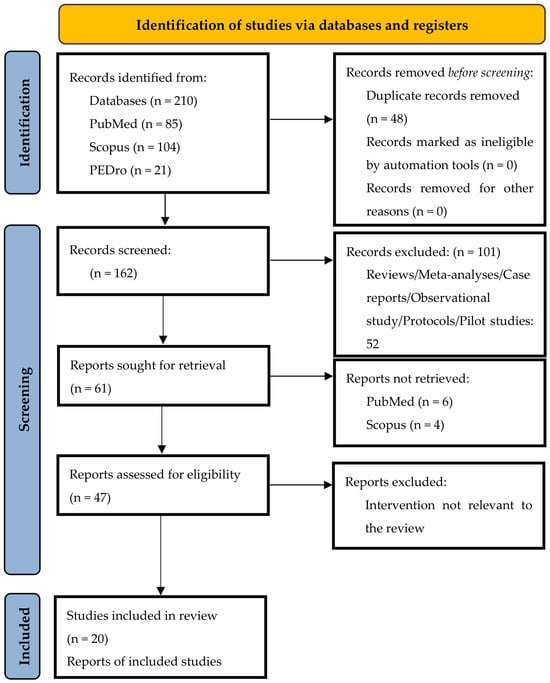
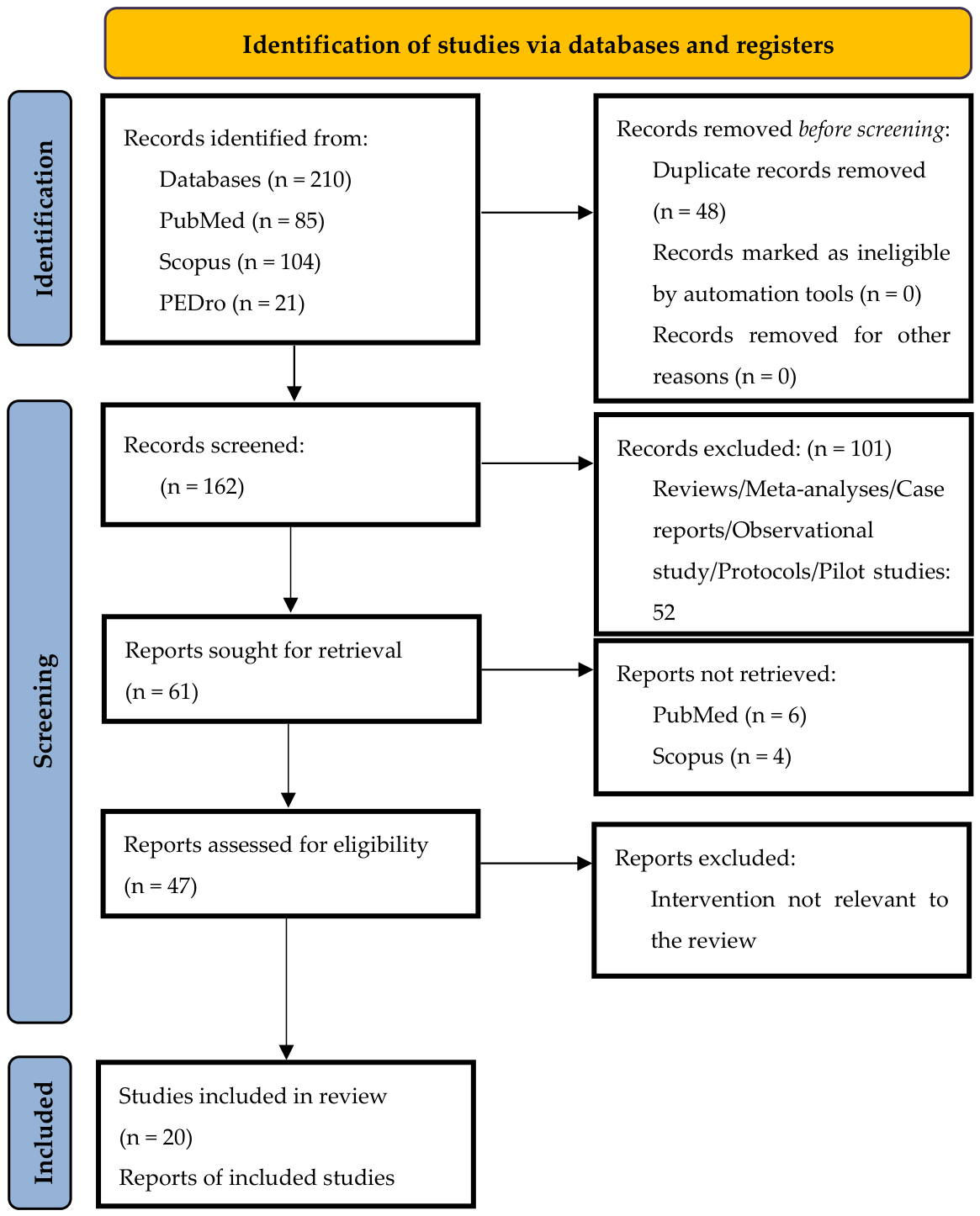
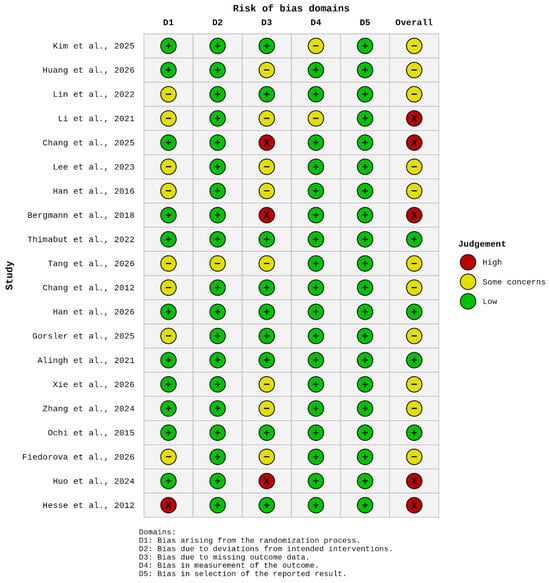
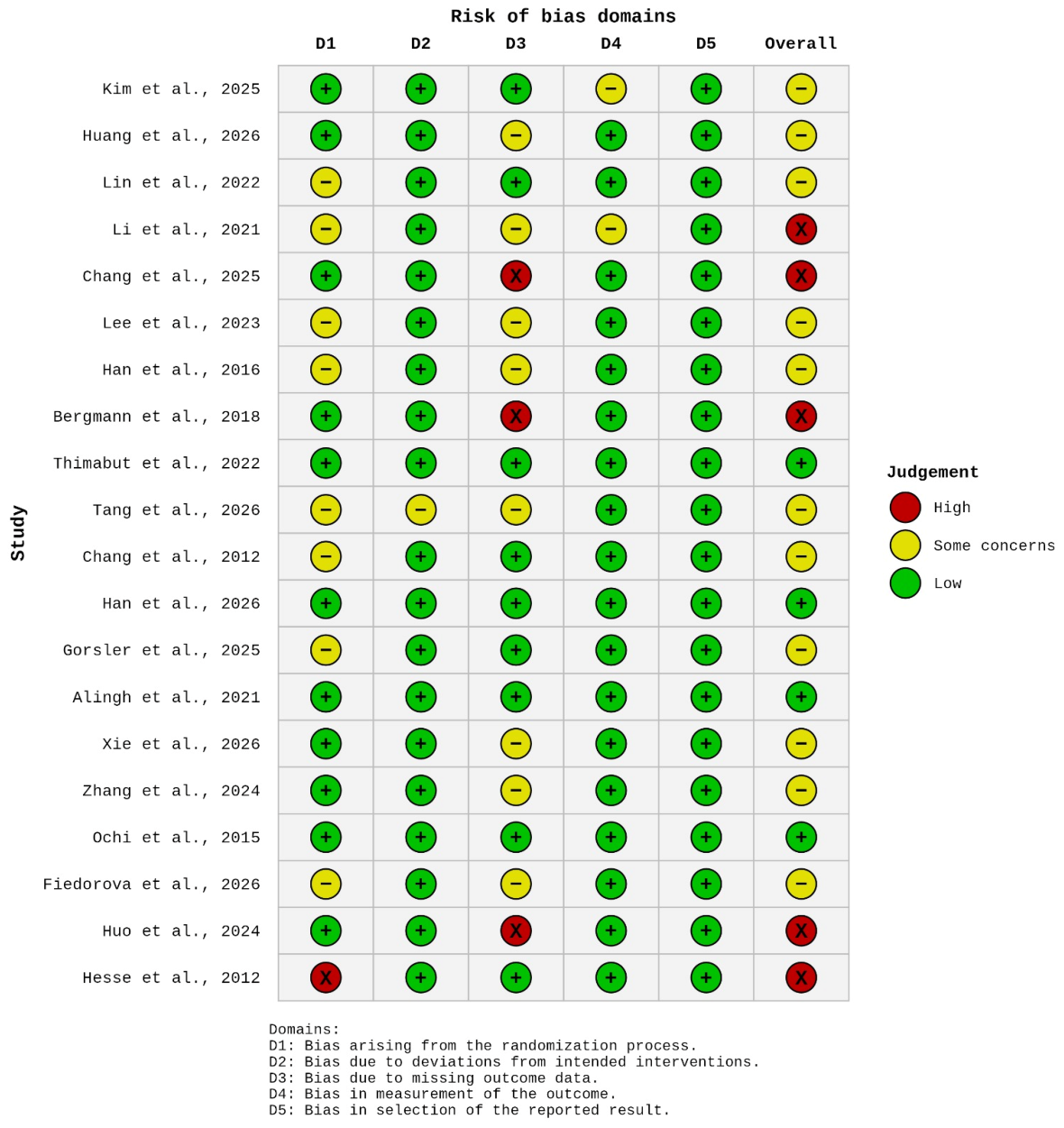

Disclaimer/Publisher’s Note: The statements, opinions and data contained in all publications are solely those of the individual author(s) and contributor(s) and not of MDPI and/or the editor(s). MDPI and/or the editor(s) disclaim responsibility for any injury to people or property resulting from any ideas, methods, instructions or products referred to in the content. |
© 2026 by the authors. Licensee MDPI, Basel, Switzerland. This article is an open access article distributed under the terms and conditions of the Creative Commons Attribution (CC BY) license.