


Abstract
In winter-annual plants, floral repression before winter gives way to reproductive competence after sufficient cold exposure. In Arabidopsis thaliana, vernalization-independent mutants (vip) revealed that the RNA polymerase II-associated factor 1 complex (PAF1C) maintains expression of FLOWERING LOCUS C (FLC) and related floral repressors. PAF1C links transcription elongation, histone modification, and cotranscriptional RNA processing. This review examines how PAF1C components contribute to transcriptional regulation, how recruitment and interacting proteins generate locus-dependent activities, and how these activities intersect with seasonal control at FLC and FLOWERING LOCUS M. We examine H2B monoubiquitination and productive transcription, reciprocal recruitment of chromatin regulators, and emerging connections between PAF1C and antisense RNA processing. We distinguish maintenance of active FLC transcription from the parallel transcriptional and Polycomb-mediated processes that repress FLC during cold and preserve its silencing after warming. Nucleosome dynamics, RNA modification, and cell-specific responses refine this framework. Developmental, defense, and genome-maintenance functions explain why the effects of PAF1C alleles extend beyond flowering. Evidence from Brassica PHP/CDC73 variation is assessed alongside downstream flowering alleles, developmental chilling responses, and polyploid gene interactions. Together, these findings support allele-specific approaches to crop adaptation while identifying molecular selectivity, reproductive performance, and environmental robustness as the main requirements for translation.
1. Introduction
Flowering time determines the seasonal conditions encountered during reproduction [1]. In winter-annual Arabidopsis thaliana, the floral repressor FLOWERING LOCUS C (FLC) delays reproductive development until prolonged cold has reduced its activity [2,3]. Functional FRIGIDA (FRI) alleles maintain high FLC expression before winter [4], whereas FLC protein restricts both systemic floral signaling from leaves and competence at the shoot apex [5]. Seasonal history consequently acts alongside photoperiod and current growth conditions to determine the floral transition [1].
The discovery of vernalization-independent (vip) mutants exposed a requirement for general gene-regulatory machinery in maintaining floral repression [6,7]. Several VIP loci encode components of the conserved RNA polymerase II-associated factor 1 complex (PAF1C); their disruption reduces FLC expression and promotes flowering without the normal cold treatment [8,9]. These phenotypes identify a transcriptional support system for floral repressors. Its mechanism can be examined by connecting the flowering genetics with the activities that permit RNA polymerase II (RNAPII) to produce and process a transcript [10,11].
PAF1C illustrates how a broadly acting transcription complex can influence a specific developmental decision [11,12]. Complex purification, chromatin profiling and nuclear-RNA measurements connect plant PAF1C with RNAPII progression and histone H2B monoubiquitination [10,13,14]. Recruitment factors, RNA-associated partners, and subunit-specific phenotypes reveal further regulation [15,16,17]. At FLC, transcription, RNA processing, and chromatin states change with development and temperature [18]. Both graded expression and switching between active and silenced states contribute to its output [19]. Taken together, these studies leave unresolved how the relative contributions of recruitment, transcriptional progression, and RNA processing vary among seasonal targets and growth conditions. A related translational gap is which PAF1C activities can be altered while preserving the complex’s broader developmental and reproductive functions. These uncertainties define the mechanistic and crop questions examined in this review.
This review examines how PAF1C maintains floral-repressor transcription, how interacting proteins and chromatin features specify its activities, and how these mechanisms relate to seasonal flowering. Crop improvement is considered through evidence for particular alleles and biological contexts, with Brassica PHP/CDC73 providing the most direct crop example [20]. We connect molecular recruitment, transcriptional progression, RNA processing, and cold-dependent chromatin transitions, then assess which properties an allele would need to retain for an altered flowering response to be agronomically useful.
Literature was examined through 22 October 2026 using PubMed-indexed publication records, Europe PMC, and publisher websites. Searches combined PAF1C and component names with flowering, FLC, FLM, elongation, histone modification, antisense transcription, vernalization, and Brassica, followed by reference list searches and targeted checks of recent primary studies. Published, peer-reviewed research articles and reviews were prioritized; preprints were not used as evidence. Foundational experiments were retained where they directly established the mechanism. This is a critical narrative review, not a systematic review: evidence is organized by biological mechanism and experimental question, with crop associations, functional allele tests, and agronomic outcomes distinguished explicitly.
2. Genetic Discovery and Functional Organization of Plant PAF1C
2.1. Flowering Mutants Revealed a Transcriptional Maintenance System
VIP4 was initially identified as a regulator required for normal FLC expression [6]. Genetic analyses then grouped several early-flowering mutants into a class with additional morphological and reproductive phenotypes [7]. Molecular characterization of VIP5 and VIP6 linked the class to the yeast Paf1 complex and extended its targets to FLC-related MADS-box genes [8]. Independently, ELF7 and ELF8 were shown to support FLC chromatin methylation and the vernalization-responsive winter-annual habit [9]. Together, these experiments connected complex identity, active chromatin, and seasonal flowering.
Some vip mutants flower earlier than flc-null plants and show developmental abnormalities that an FLC mutation does not reproduce [6,7,8]. Genome-wide analysis subsequently found effects on histone methylation and expression at many genes, with non-equivalent relationships between local modification changes and RNA abundance [21]. Thus, FLC is one sensitive developmental target within a broader regulatory network. A flowering phenotype can reveal a general transcriptional defect while leaving its other molecular consequences unresolved.
2.2. Complex Composition and Subunit Specialization
The recognized Arabidopsis complex contains ELF7/VIP2, ELF8/VIP6, VIP3, VIP4, VIP5, and PHP/CDC73, corresponding to Paf1, Ctr9, Ski8/WDR61, Leo1, Rtf1, and Cdc73, respectively [8,10,22,23]. The VIP labels identify structurally different complex components rather than one paralogous gene family [8,10]. Purification recovered these components with RNAPII-associated elongation and RNA-processing factors, placing the genetic discoveries in a biochemical complex [10]. A reconstituted mammalian Pol II–DSIF–PAF–SPT6 structure provides an architectural model for PAF1C engagement with the elongation machinery [24]. Its species and experimental context must be distinguished from the plant interaction evidence [10,11].
Strong vip6/elf8 alleles disrupt development and fertility [25], whereas early PHP/CDC73 studies described more limited morphological effects together with early flowering and altered FLC chromatin [22,23]. VIP3 alleles affect meristem formation, and its homology to Ski8 does not reproduce the meiotic function of the yeast protein [26,27]. Under NaCl exposure, elf7 shows impaired growth and a reduced transcriptional response, whereas cdc73 is relatively tolerant and its transcriptional response resembles wild type [17]. These results favor analysis of each allele over an assumption that all components are interchangeable. Table 1 compares representative alleles and experimental contexts.
Table 1.
Plant PAF1C components and representative genetic evidence. Alleles and the cool-temperature comparison come from the six-component study, which measured total leaf number under long days at 10–27 °C and compared expression at matched developmental stages at 10 and 23 °C [28]. Component-specific studies are cited within each row. Entries do not rank allele severity across experiments.
Figure 1 places the complex in the plant-level pathway that originally revealed it. PAF1C sustains FLC transcription [8,9]; FLC represses FT in leaves and SOC1 at the apex [5]. Movement of FT protein provides a physical connection between leaf signaling and the shoot apex [29]. This pathway explains how a nuclear transcription complex can affect a whole-plant seasonal trait. Reduced transcriptional support and the Polycomb-associated memory established by cold provide distinct routes to reduced FLC output [9,30,31].
Figure 1.
PAF1C composition and tissue-specific floral repression. (A) The six recognized plant components form a functional assembly associated with RNAPII and sustained FLC transcription [8,10,22,23]. Shapes distinguish components rather than reconstructing a solved plant structure. (B) FLC-dependent repression of FT in leaf phloem restricts systemic floral promotion, while repression of SOC1 at the shoot apex limits reproductive competence [5]. FT protein movement links the tissue contexts [29]. The blue route identifies the pathway restricted by FLC, not a measurement of signal flux under high FLC activity. Arrowheads indicate transcription or movement, blunt ends repression, and dashed gray lines spatial callouts. The enlarged apex and protein cartoons are schematic; equivalent PAF1C occupancy in every illustrated cell is not implied.
3. Mechanisms Linking PAF1C to Transcription and Chromatin
3.1. Recruitment into an Active Transcriptional Environment
RNAPII progresses from initiation into productive transcription while interacting with nucleosomes and nascent-RNA-processing machinery [11]. PAF1C contributes through its association with RNAPII and other elongation factors [10,12]. Recruitment, modification of an interacting factor, and local chromatin dependencies offer experimentally supported routes to specificity [15,32,33]. A further possibility is differential sensitivity of individual transcripts to inefficient progression, suggested by genome-wide nuclear-RNA profiles [14]. These mechanisms need to be distinguished at each flowering target.
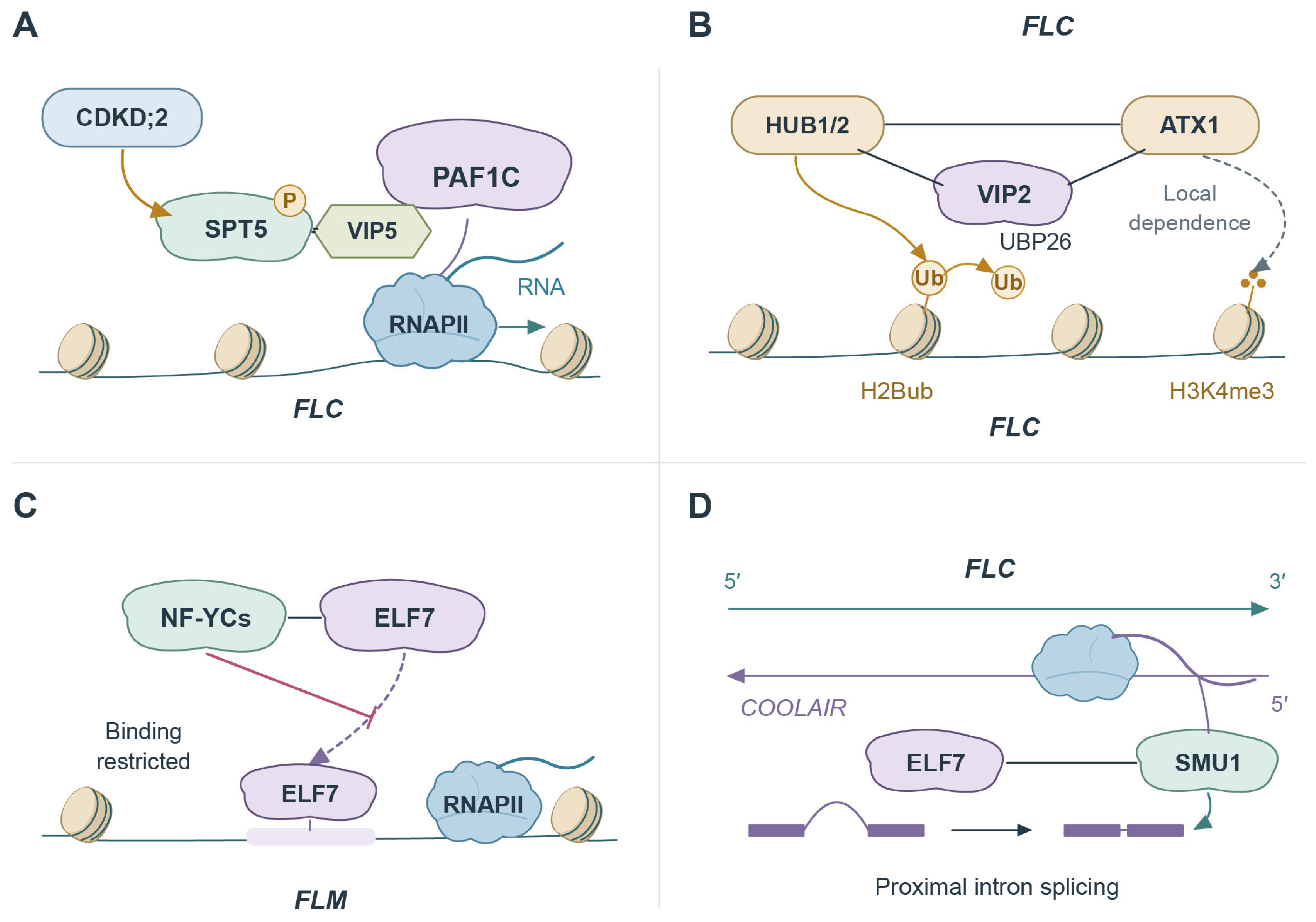
CDKD;2 phosphorylates SPT5, promoting its interaction with VIP5 and VIP5 recruitment at FLC; the corresponding mutants show reduced FLC expression and early flowering [15]. This connects a regulated elongation-factor interaction with the historical VIP phenotype. In the broader elongation machinery, SPT4–SPT5, PAF1C, and histone chaperones are biochemically associated [10], but their chromatin distributions and functional requirements differ [14].
FRI scaffolds FRL1, FES1, SUF4, and FLX; SUF4 recognizes a promoter cis-element, while other partners contribute activation or complex stability [34]. FRI also interacts with the nuclear cap-binding complex, linking FLC activation to RNA capping and splicing [35]. Subsequent work linked FRI with histone acetylation, COMPASS-like activity, and local interactions between the transcription-start and downstream regions [36]. These experiments define a locus-specific environment for efficient RNA production. How its individual activities engage PAF1C remains a recruitment question rather than a single established chain.
ATX1 and HUB1/HUB2 interact with VIP2 [32]. At FLC, loss of ATX1 or HUB2 reduces VIP2 enrichment, while loss of VIP2 reduces local HUB1 and ATX1 enrichment and the associated histone modifications [32]. These reciprocal dependencies support coordinated recruitment or retention of factors responsible for H3K4 methylation, H2B ubiquitination, and transcription. They are consistent with feedback within an active locus, although they do not establish the temporal order of each recruitment event.
NF-YC proteins interact with ELF7 and antagonize its association with FLM chromatin, reducing RNAPII-mediated FLM expression and floral repression [33]. FLM therefore supplies a second seasonal target with a defined PAF1C-interacting regulator. Together with SPT5-dependent VIP5 recruitment and the ATX1–HUB–VIP2 dependencies, this establishes several distinct local inputs to the complex [15,32,33]. Figure 2 presents these interactions separately.
3.2. Productive Elongation and the Interpretation of RNAPII Profiles
Genome-wide profiling of ELF7 and VIP3 places plant PAF1C predominantly within transcribed gene bodies [13]. Enrichment correlates with RNAPII occupancy and expression; loss of ELF7 reduces RNAPII occupancy across gene bodies and transcription-end regions while increasing its relative accumulation near transcription starts [13]. This pattern supports a role in the transition to productive elongation, consistent with biochemical recovery of PAF1C with elongation and RNA-processing machinery [10]. The interpretation concerns RNAPII distribution and productive transcription, rather than a direct measurement of elongation speed.
Plants lack recognizable canonical NELF components, and mammalian NELF-dependent promoter-proximal pausing cannot be assumed to operate equivalently in Arabidopsis [11]. Comparisons among Arabidopsis SPT4–SPT5, PAF1C, and FACT support conserved elongation functions alongside distinct distributions around transcription starts and ends [14]. An elevated start-to-body RNAPII ratio is compatible with inefficient progression, but occupancy alone does not specify polymerase speed: FLC kinetic studies required additional RNA measurements and modeling to distinguish initiation from elongation [37,38].
Under acute heat stress, elf7 plants show reduced transcript coverage toward gene ends, with defects accumulating across consecutive intron/exon boundaries [14]. The pattern implicates transcriptional processivity and suggests a connection to cotranscriptional splicing. SPT4-deficient and FACT-deficient plants show distinguishable defects in the same study [14]. The genome-wide heat-stress result therefore motivates target-specific tests of how PAF1C supports transcription during seasonal FLC regulation; it does not establish that cold produces the same defect.
During prolonged cold, transcription profiling and mathematical modeling identify reduced productive initiation together with increased splicing, whereas the change in polymerase speed is comparatively small [38]. In warm-grown autonomous-pathway backgrounds, earlier work instead found coordinated variation in initiation and elongation [37]. The experimental contexts differ, so one kinetic model should not be assigned to all FLC regulatory states. These measurements provide a framework for testing whether a PAF1C allele changes recruitment, progression, processing, or several steps together.
3.3. Histone Ubiquitination and Methylation as Coupled Activities
Arabidopsis UBC1 and UBC2 act redundantly with HUB1/HUB2 in H2B monoubiquitination. The ubc1-ubc2 double mutant and hub1 or hub2 mutants have reduced FLC-clade expression and flower early [39,40]. ELF7 deficiency strongly reduces H2Bub genome wide, particularly at PAF1C-occupied genes, and its expression changes overlap with those in hub1 [13]. Independent genetic and chromatin evidence thus supports an H2Bub-associated contribution to floral repression.
The H2B deubiquitinase UBP26 is also required for normal FLC activation, and ubp26 mutants flower early [41]. Thus, both deposition and removal of ubiquitin contribute to a transcriptionally competent locus [39,40,41]. This argues against a simple monotonic rule in which more H2Bub always produces more FLC transcription. Modification turnover is therefore a candidate explanation to test when static chromatin profiles are compared with dynamic transcription.
ELF7/ELF8-dependent FLC expression was connected to active histone methylation in the original genetic study [9]. EFS/SDG8 and ATX1 experiments independently established roles for methyltransferases in the winter-annual habit and FLC activation [42,43]. More broadly, histone modifications associate with promoter activity, gene-body transcription, and RNA processing [44]. PAF1C provides an organizational connection to RNAPII [10], while the modifying enzymes provide catalytic activities [42,43]. Genome-wide modification changes and RNA changes are nevertheless non-equivalent at individual PAF1C-dependent genes [21].
VIP2 loss reduces HUB1 occupancy at FLC in locus-specific chromatin assays [32], whereas ELF7 loss does not reduce bulk HUB1/HUB2 association with chromatin [13]. Local retention or activity can therefore change while overall association persists. The genomic study also identifies PAF1C-occupied genes without a detectable H2Bub peak [13]. Turnover, transient occupancy, and H2Bub-independent activity remain possible explanations for that subset; these measurements do not select one immediate biochemical mechanism.
Genome-wide Arabidopsis experiments show that H3K4me2 removal by LYSINE-SPECIFIC DEMETHYLASE 1-LIKE 3 (LDL3) depends on PAF1C and RNAPII C-terminal-domain phosphorylation; LDL3 also binds phosphorylated RNAPII [45]. At FLC, NERD-dependent N6-methyladenosine (m6A) modification of nascent RNA is linked through SDG8 to reduced H3K36me3 and transcription [46]. These studies connect histone and RNA modification with transcription. The PAF1C dependence of LDL3-mediated demethylation is established. Whether PAF1C also contributes to the NERD–SDG8 feedback at FLC remains to be tested.
3.4. Cotranscriptional RNA Processing and Antisense Regulation
RNA processing begins during RNAPII transcription, with splicing and 3′-end formation coupled to elongation machinery [10,11]. FLC produces sense mRNA and antisense COOLAIR transcripts with different processing outcomes [47,48]. Targeted antisense 3′ processing, COOLAIR splicing, and links between RNA-processing factors and chromatin regulators contribute to FLC repression [47,48,49]. These mechanisms provide a setting in which a PAF1C-associated factor could affect flowering through transcript processing as well as sense-RNA output.
SKIP connects PAF1C-associated transcription with a protein also functioning in RNA splicing [50]. Early work linked SKIP–PAF1C interaction to FLC activation [50,51]; subsequent biochemical and genetic analyses distinguished its PAF1C-associated complex from its spliceosomal complex [50]. A flowering phenotype caused by SKIP perturbation therefore cannot be assigned automatically to defective splicing of a particular transcript. The separated assemblies provide a basis for testing these contributions independently.
A hypomorphic allele of SUPPRESSORS OF MEC-8 AND UNC-52 1 (SMU1), which encodes a conserved spliceosome component, impairs cold-dependent COOLAIR regulation and FLC repression [16]. SMU1 associates with proximal nascent COOLAIR, promotes proximal intron splicing and interacts with ELF7 [16]. After cold exposure, smu1 shows increased ELF7 occupancy at FLC and increased H3K4me3 over the proximal COOLAIR region [16]. This connects PAF1C with antisense-RNA regulation during cold, extending a model restricted to activation of sense FLC transcription.
Figure 2.
Molecular connections between PAF1C and transcription. (A) CDKD;2-dependent SPT5 phosphorylation promotes VIP5 recruitment to RNAPII-associated machinery [10,15]. (B) At FLC, VIP2, HUB1/HUB2, and ATX1 show physical interactions and reciprocal occupancy dependencies [32]. H2Bub and H3K4me3 are transcription-associated marks [9,13]; UBP26-mediated H2B deubiquitination also supports FLC activation [41]. Gold arrows in B summarize H2Bub deposition/removal. The gray dashed ATX1 connection denotes a local H3K4me3-enrichment dependency, not demonstrated direct trimethylation. (C) NF-YC3/4/9 interact with ELF7 and restrict its association with FLM chromatin [33]. The purple dashed arrow terminates at chromatin-bound ELF7, distinguishing DNA occupancy from ELF7–RNAPII contact. (D) SMU1 associates with nascent COOLAIR, promotes proximal intron splicing, and interacts transiently with ELF7 during cold-dependent FLC regulation [16]. The unheaded ELF7–SMU1 line indicates association without specifying a causal order. Opposite transcriptional orientations and a local splice cartoon are shown; complete isoform structures are not reconstructed. The four panels summarize separate experiments. P, phosphorylation; Ub, ubiquitin; H2Bub, H2B monoubiquitination; H3K4me3, histone H3 lysine 4 trimethylation. Gold arrows indicate SPT5 phosphorylation in (A) and H2Bub deposition/removal in (B). Teal arrows indicate transcriptional direction in (A,D), or promotion of splicing in (D). The purple dashed arrow in (C) indicates ELF7 recruitment to chromatin, opposed by the rose blunt-ended line. The purple arrow in (D) indicates antisense transcription; the black arrow indicates intron removal. Unheaded connecting lines indicate molecular association.
Related studies at FLC explain how RNA processing and termination can influence chromatin repression. The developmental context matters: antagonistic FRI and FCA activities during an embryonic window set FLC expression [52]. AGO1 and THO/TREX have opposing effects through COOLAIR processing [53]. RNA termination provides another connection. A CPF-like phosphatase module links termination with chromatin repression [54], while a separate modeling and experimental study connects proximal termination with the rate of subsequent silencing by Polycomb repressive complex 2 (PRC2) [55]. VAL1 provides a platform on which cotranscriptional and chromatin regulators can assemble [56]. These findings connect RNA processing to repression, while retaining the distinct developmental and transcriptional settings in which each mechanism was established.
RNA modification and processing also affect how much FLC RNA persists. FIONA1-dependent methylation contributes to FLC mRNA stability [57], whereas the m6A reader FLK reduces FLC transcript stability and splicing [58]. RNA modification can also connect to chromatin regulation: NERD-SDG8 coupling links it with transcription-associated histone methylation [46]. Recent studies extend this connection between RNA-associated factors and FLC regulation. In 2026, FCA-ECAP interactions were linked to FVE/FLD-associated FLC repression [59], and CDC5-SYF2 experiments connected FLC splicing with RNAPII recruitment and RNA-DNA hybrids [60]. These experiments define neighboring mechanisms at FLC. Their inclusion provides context for PAF1C without establishing every regulator as a component of the complex.
Locus organization provides a further connection between RNA regulation and transcription. FRI-associated local chromatin interactions promote efficient FLC RNA production [36]. Site-specific phosphorylation of the RNA-binding protein LRP connects its stability with FLC looping and RNAPII occupancy [61]. A nuclear-pore Y-complex study provides another link between FLC regulation and nuclear organization [62]. Together, these results motivate examining the organization of the locus alongside the abundance of its regulators. For PAF1C, the question is which of these relationships affects its recruitment or activity. Table 2 distinguishes these contextual FLC studies from experiments that directly test PAF1C.
Table 2.
Selected experiments connecting PAF1C with transcription, chromatin, and seasonal RNA regulation. Direct PAF1C studies are followed by FLC studies that resolve the surrounding regulatory mechanism. The latter provide context rather than evidence that every named factor belongs to PAF1C. Treatments and assays identify the scale at which each conclusion was established.
4. Seasonal Regulation Through Transcriptional and Chromatin States
4.1. Active FLC Before Winter
Before prolonged cold, FRI-dependent activation and PAF1C-dependent transcription help maintain floral repression through FLC [4,9]. Early embryonic regulation determines an initial expression state [52], and promoter polymorphisms alter FLC transcription and flowering [65]. H2Bub, H3K4 methylation, and H3K36 methylation accompany its active chromatin environment [9,39,42,43]. Mutations affecting elongation, RNA processing, or histone modification can consequently reduce FLC output [15,32,50]. These dependencies identify ongoing transcriptional maintenance as a distinct regulatory problem.
The pre-cold expression state and the stability of later silencing should be considered separately. Promoter polymorphisms can alter FLC transcription and flowering [65], whereas other noncoding variants change the persistence of silencing after vernalization [66]. In B. napus, total FLC-paralog expression dynamics are associated with cultivar differences in cold requirement [67]. Together, these studies indicate several contributors to a seasonal response; they do not establish that starting RNA abundance alone determines the required cold duration. We propose testing whether a PAF1C allele changes pre-cold expression, repression during cold, post-cold maintenance, or a combination of these properties.
4.2. Parallel Responses During Prolonged Cold
Cold induces transcriptional repression at FLC and progressively establishes Polycomb-associated silencing, with distinguishable dynamics [30]. Genetic and chromatin analyses of COOLAIR-defective or hyperactive lines support an antisense-mediated pathway operating in parallel with a slower PRC2 switching mechanism [30]. This model explains how RNA output can fall before extensive H3K27me3 accumulation. The contribution of antisense regulation also depends on treatment and genotype [30,68,69]. PAF1C-associated RNA processing can therefore be examined within this changing locus through the SMU1–ELF7 connection [16].
COOLAIR responds to the temporal pattern of temperature: natural fluctuations promote its contribution to FLC regulation [68]. CBF proteins activate cold-induced COOLAIR transcription [69], and WRKY63 regulates noncoding-RNA expression at FLC during vernalization [70]. In the CBF study, impaired COOLAIR induction did not abolish FLC silencing under the tested conditions [69]. Together with parallel-pathway experiments, this supports a conditional contribution rather than a universal requirement inferred from cold induction [30]. SMU1-dependent processing adds a route through which COOLAIR isoform production influences FLC repression [16].
The original condensate study proposed that COOLAIR favors sequestration of the FLC activator FRI into nuclear assemblies away from FLC, reducing activation [71]. A subsequent Matters Arising reported FRI condensation in COOLAIR-promoter deletion lines [72]; the authors’ Reply reported attenuated condensation and repression under additional analyses and conditions [73]. These published experimental discussions leave the magnitude and conditions of the antisense contribution contested. Mechanistic interpretation should therefore retain the genotype, expression context, temperature regime, and quantification method, rather than treating condensate formation as a uniform binary response.
Cold sensing, locus recognition, and assembly of the silencing machinery provide different inputs to FLC repression. VIN3 is a cold-induced protein containing a plant homeodomain (PHD) [74]; VRN2 is a core Polycomb component required for vernalization memory [75]. VRN5 participates in the PHD-PRC2 machinery responsible for FLC silencing [76,77], and early chromatin experiments established the associated histone methylation [78]. These silencing proteins have roles distinct from the VIP factors that support active transcription [9]. Locus recognition and cold registration provide additional inputs. VAL1 connects sequence recognition with assembly of cotranscriptional and chromatin regulators at FLC [56,79], while temperature-dependent growth contributes to cold registration through NTL8 accumulation [80]. Keeping these functions separate clarifies how environmental information reaches the locus.
Assembly provides a further level of control over Polycomb repression. Head-to-tail polymerization and distinct accessory functions of VIN3, VRN5 and related proteins contribute to silencing [81,82]. A 2025 study shows that VIN3 polymerization promotes higher-order assemblies and multivalent chromatin association, whereas VRN5 connects VIN3 with PRC2 and has different functional requirements [83]. These findings distinguish the assembly of the machinery, its retention on chromatin, and its connection to PRC2. These properties contribute to H3K27me3 nucleation, and VIN3 and VRN5 make different contributions to the process.
Local chromatin organization is another part of the transition. In vivo measurements and simulations show a dynamic nucleosome arrangement that exposes the transcription start site at active FLC [64]. Cold reduces these dynamics and repositions the +1 nucleosome, creating a local state compatible with repression [64]. The transition partially depends on the Arabidopsis DNA-binding protein VRN1; its loss causes H2A.Z hyperaccumulation and impaired acquisition of H2Aub and H3K27me3 [64]. These results connect temperature with the organization of FLC chromatin. An earlier observation that VIP4 RNA remains expressed after vernalization shows that FLC repression need not coincide with loss of this activator’s transcript [6]. That measurement concerns RNA and does not establish unchanged VIP4 protein or PAF1C activity.
RNA regulators can also contribute differently before and during cold. In a 2025 study, cdc5-2 flowered early under normal conditions but late after vernalization, with impaired cold repression of FLC, altered noncoding-RNA transcription, and reduced H3K27me3 deposition [84]. CDC5 also interacted with PRC2 components [84]. The 2026 CDC5–SYF2 study resolves contributions to FLC sense transcription and cotranscriptional splicing [60]. Together, these observations suggest that a regulator can support pre-cold activation and cold-associated repression through different interactions. For PAF1C, they motivate testing which component or partner contributes to each state and whether an allele preserves the transition between them.
4.3. Memory After Warming and Resetting in the Next Generation
At FLC, H3K27me3 nucleation during cold and spreading after return to warmth are distinguishable phases [31,85]. Modeling and expression measurements support digital registration of cold at FLC, with the fraction of stably silenced gene copies increasing as cold exposure lengthens [86]. Graded transcription and discrete switching can coexist at different stages or scales within the same system [18,19]. Consequently, declining bulk FLC RNA may reflect lower output from active loci, an increasing fraction of silenced loci, or both [19].
Replication-coupled histone modification contributes to maintenance of Polycomb repression in plants [87]. Noncoding sequence variation can modify the stability of FLC silencing after cold [66]. These results distinguish inheritance of a chromatin state from continued transcriptional activation. A VIP mutation that lowers FLC before cold [6,8] can therefore produce an early-flowering outcome through a route distinct from cold-induced Polycomb switching [30,31], as illustrated in Figure 3.
Figure 3.
Distinct routes to lower FLC output. (A) Before cold, active FLC is supported by transcription-associated machinery and chromatin modifications [9,32]. During cold, COOLAIR-associated repression operates alongside Polycomb switching [30]; VIN3/VRN5–PRC2 contributes to H3K27me3 nucleation near the 5′ region [74,77]. After warming, spreading and maintenance support a memory of cold [31,87]. The 5′/3′ labels indicate FLC sense orientation; COOLAIR is transcribed oppositely. Gold triads denote histone H3 lysine 4 trimethylation (H3K4me3) and rose diamonds denote H3 lysine 27 trimethylation (H3K27me3). The snapshots do not imply direct mark conversion, synchronous switching, or physical loss of every omitted factor. Floral competence permits flowering with other inductive inputs. (B) Reduced PAF1C activity weakens floral-repressor transcription and promotes early flowering without the usual cold treatment [6,8,28]. That phenotype alone establishes neither normal cold memory nor freedom from developmental or fertility effects. RNA curves do not encode transcript truncation or polymerase speed; mark densities and plant sizes are qualitative. PRC2, Polycomb repressive complex 2. Black arrows indicate temporal progression. The teal arrow in (A) indicates sense transcription, and the teal arrow in (B) links reduced floral repression to earlier flowering. The purple arrow indicates the antisense orientation of COOLAIR. Rose arrows indicate H3K27me3 nucleation and spreading. Blue snowflake symbols indicate cold exposure and do not denote statistical significance.
Winter memory is normally reset during reproduction so progeny can establish their own seasonal requirement [88]. Demethylation and embryonic transcription-factor activities contribute to FLC reactivation, including B3-domain regulators and ABSCISIC ACID-INSENSITIVE3 [88,89,90]. For crop interpretation, an allele’s effects on establishment, maintenance, and resetting should therefore be tested separately. Comparative conversion between annual and polycarpic perennial flowering in Brassicaceae further demonstrates the importance of MADS-box gene dosage, functional strength, and expression context to life history [91].
4.4. Ambient Temperature and Photoperiod Act Through a Wider Repressor Network
Ambient temperature can sustain floral repression while plants remain in that environment, whereas vernalization enables later flowering after a sufficiently long cold history [1]. In the six-component PAF1C study, mutants flowered early across 10–27 °C and had reduced expression of several FLC-clade genes, with pronounced effects under cool conditions [28]. Developmentally matched expression measurements strengthen that comparison [28], but the experiment does not establish a common cold-memory mechanism for every clade member.
Loss of FLC eliminates the late-flowering effects of FRI and several autonomous-pathway mutations, while some vernalization responsiveness remains [92]. Some vip mutants also flower earlier than flc null plants [6,8]. The six-subunit study identifies additional contributions from FLM and MAF2–MAF5 [28]. Lowering FLC is consequently a major route to flowering without explaining every temperature response. Each target’s contribution should be interpreted within the temperature, photoperiod, and developmental background in which it was tested.
PAF1C contributes to FLM expression, and NF-YCs antagonize ELF7 occupancy at the locus [33]. Independently, UBA2c promotes FLM transcription [93], CRY2–CIS1 influences its alternative splicing [94], and FLM isoforms affect the localization and stability of SHORT VEGETATIVE PHASE (SVP) [95]. MAC3A/MAC3B-associated FLM splicing connects the repressor to photoperiod-dependent flowering [96], while a CUL3A-containing ubiquitin-ligase system promotes SVP degradation at high ambient temperature [97]. These mechanisms regulate both repressor-RNA supply and protein activity.
Experiments with FRI-containing plants established interactions among cold exposure, day length and light quality [98], while tissue-specific analyses placed FLC action in both leaves and the shoot meristem [5]. Thus, a light-dependent flowering phenotype need not establish direct PAF1C regulation of FT. Single-cell studies in Brassica identify tissue-specific vernalization responses [99] and shoot-apex transcriptional states [100]. These resources offer a way to test whether whole-seedling RNA measurements combine distinct local responses.
5. Developmental and Stress Functions Define the Limits of Flowering Selectivity
VIP3 alleles affect meristem behavior [26]; PAF1C defects disturb phyllotactic regularity [101] and reduce the robustness of floral-meristem termination [102]. FLC itself regulates developmental pathways across the life cycle [103]. These findings make it necessary to distinguish the breadth of the transcription complex from that of its individual downstream repressors. A change in flowering date alone cannot establish that an allele selectively modifies seasonal timing.
A 2026 study links a plant-lineage N-terminal extension of PAF1 with SKIP association and transcription of plant-specific CDKB genes [104]. Perturbing this module affects cell-cycle progression [104], extending the earlier flowering and complex-separation studies of SKIP [50,51]. We therefore propose comparing candidate alleles for complex assembly, seasonal-target expression, and retained CDKB regulation when testing separation of function. Their overall morphology alone would provide an incomplete measure of selectivity.
SMC5/6 recruits PAF1C to DNA double-strand breaks and facilitates repair in Arabidopsis [105]. A 2026 study identifies WEE1-dependent PAF1 stabilization and RFC-dependent PAF1C recruitment to stalled replication forks, supporting replication-stress responses [106]. These results motivate tests of growth and genome-maintenance competence during allele evaluation. The effects of a particular flowering-associated PHP variant on these functions remain to be established experimentally.
In Arabidopsis defense regulation, PAF1C interacts with histone deacetylases, including HDA6, to repress defense genes [107]. Salicylic acid promotes the PAF1-NPR1 interaction; NPR1 acts as an E3 ubiquitin ligase that promotes PAF1 polyubiquitination and degradation, relieving repression [107]. This demonstrates a transcriptional outcome dependent on recruitment and partners. Together with the contrasting salt responses of elf7 and cdc73 [17], it supports measuring an allele’s molecular and physiological specificity under the environments in which it would be used.
ELF7 participates in coordinated H2A.Z eviction and H3.3 deposition during Arabidopsis thermomorphogenesis [108]. High-temperature flowering responses in Brassica include H2A.Z-dependent and independent components [109]. Vernalization also alters dehydration tolerance in winter-annual Arabidopsis [110]. These results identify overlap among flowering, growth, and environmental responses. They motivate searching for alleles whose flowering effects remain useful within a defined seasonal regime while retaining other required responses.
6. Translating the Mechanism to Crop Flowering and Reproductive Performance
6.1. Direct Evidence from Brassica PHP Variation
A 2024 study of BnaPHP.A05 compared an Arabidopsis-like haplotype, HAP1, with HAP2 carrying a predicted 5′-UTR deletion extending into the predicted start codon and HAP3 haplotypes with predicted exon deletions [20]. Associations differed between spring and winter B. napus: HAP3 spring varieties flowered earlier, whereas HAP2 winter varieties showed enhanced responses to chilling [20]. Growth habit therefore needs to remain part of the candidate definition. FLC-paralog expression dynamics also vary across B. napus crop types [67], providing a downstream context in which PHP effects should be tested.
Winter HAP2 varieties had approximately 10% higher seed weight per pod than HAP1 varieties across the tested vernalization intensities; increasing vernalization temperature reduced this endpoint irrespective of haplotype [20]. Spring HAP3 varieties generally had lower seed weight per pod [20]. These associations show why earlier flowering alone cannot predict reproductive benefit. The favorable HAP2 association warrants matched-background testing; seed weight per pod is a yield component rather than a field measurement of yield per area.
In a segregating B. rapa R-o-18 TILLING population, a premature-stop allele of BraPHP.A05 produced visible buds about eight days earlier and first flowering about five days earlier than wild-type segregants under heated long-day glasshouse conditions [20]. This provides functional genetic evidence for PHP-dependent flowering-time control in that background. R-o-18 is rapid cycling without an obligatory vernalization requirement [20], so the experiment does not establish removal of a winter requirement. The B. napus association and B. rapa mutant comparison remain separate evidence streams in Figure 4 and Table 3.
Figure 4.
Crop evidence and intervention scale. (A) Vernalization before the floral transition and chilling of developing oilseed-rape buds act in distinct developmental windows [111]; the bars are not calendar-temperature profiles. (B) B. napus PHP.A05 cartoons show HAP1 with an Arabidopsis-like architecture, HAP2 with a predicted 5′-UTR deletion extending into the predicted start codon, and HAP3 with predicted exon deletions [20]. HAP3 occurred in spring varieties in the tested panel. The dashed unheaded link indicates the winter HAP2 association with higher seed weight per pod than HAP1, rather than demonstrated field yield [20]. (C) The segregating B. rapa R-o-18 php.A05 comparison supports earlier flowering in a rapid-cycling background [20]. (D) ELF7 targeting in an active fwa epiallele represses FWA; Pol II Ser5 ChIP–seq shows increased signal near the zinc-finger site and reduced signal across transcribed regions [63]. The RNAPII icons in (D) indicate relative ChIP–seq enrichment, not polymerase residence time or elongation velocity. The dashed arrow to crop validation remains prospective. Variant positions and plant sizes are qualitative. ZF, zinc finger. Blue snowflake symbols indicate cold exposure during vernalization or flower-bud chilling and do not denote statistical significance. Rose dashed segments in (B) indicate predicted deletions. The gray dashed unheaded line indicates the association between winter HAP2 and seed weight per pod; the gray dashed arrow in (D) indicates prospective crop validation. Black arrows in (A) indicate developmental progression. Blue bars and snowflake symbols indicate the developmental windows of cold exposure.
6.2. Developmental Stage and Polyploid Networks Change the Target
Chilling must be assigned to the developmental stage at which it acts. In winter oilseed rape, cold after floral initiation promotes flower-bud development, whereas winter warming activates a bud-dormancy-associated program and delays flowering [111]. Thus, a shift in first flowering can arise through altered floral initiation or subsequent bud progression. We propose scoring both stages when evaluating PHP alleles, before relating flowering date to fertility and seed production. Figure 4 distinguishes these chilling windows.
Divergent FLC-paralog expression contributes to B. napus flowering diversity [67]. Recent work identifies additive effects of BnaFLC.A10 and BnaFLC.A2 and potential epistasis with BnaFT.A2 alleles [112], while multiplex FLC editing in spring cultivar Westar confirms unequal copy contributions [113]. FLC5 characterization in B. rapa and FLC-copy associations in radish extend the importance of copy context [114,115]. A separate resynthesized B. napus study links A09 chromosome dosage with expression and flowering time; it does not isolate FLC dosage as the cause [116]. These findings favor testing PAF1C alleles against the gene complement present in the target cultivar.
A time-resolved B. rapa single-cell atlas identifies different mesophyll and vascular responses and relates tissue-wide BrFLC changes to the proportion of expressing cells [99]. An earlier shoot-apex atlas provides complementary information about the tissue in which flowering is executed [100]. Such resources can guide tissue and sampling-time choices for allele comparisons. Functional perturbation would still be required to distinguish a primary locus effect from a broader change in cell state.
6.3. Downstream Alleles Offer Biologically Distinct Alternatives
The appropriate control point depends on the crop objective. A dominant B. rapa FT allele confers flowering without a vernalization requirement [117], while natural FT variation in B. napus associates with flowering time and seasonal crop type [118]. Cabbage FLC2 intronic variation was associated with vernalization response and functionally tested in Arabidopsis and rapid-cycling B. oleracea [119]. A separate BrFLC2 cold-memory-element study tested altered BrCME sequences in heterologous Arabidopsis [120]. These experimental systems bound inference about performance in vernalization-requiring crop backgrounds. Together, they identify downstream seasonal regulators that can be compared with a PAF1C target.
BrJMJ18 has temperature-dependent effects on H3K36 methylation, flowering and growth [121], whereas BrCLF contributes to H3K27 methylation and B. rapa flowering [122]. Rapeseed structural-variation mapping [123], functional CDF3 characterization [124] and inferred SOC1-ortholog networks during cold [125] provide further candidates with different levels of causal resolution. These studies help define alternative control points. Their effects cannot be assigned to a PHP allele without a direct test.
Comparisons outside Brassica reinforce crop-specific target choice. Regulatory changes at FT-related loci contribute to reduced cold dependence in narrow-leafed lupin and Medicago [126,127]. In lentil, early-phenology mapping and near-isogenic expression analysis associate a candidate FTa1-region deletion with FTa1 derepression; the study does not establish the deletion as a functionally validated loss of vernalization requirement [128]. Temperate cereals instead use a central network in which VRN1 promotes reproductive development, VRN2 represses flowering, and VRN3 is an FT ortholog [129,130,131]. Embryonic resetting restores winter requirements in wheat [132]. Similar seasonal phenotypes can therefore arise through distinct regulatory architectures; these comparisons provide analogy rather than direct crop PAF1C evidence.
Table 3.
Crop and comparative allele evidence relevant to seasonal adaptation. Direct PHP evidence occupies the first two rows; subsequent entries are alternative flowering control points or contextual comparisons. Association, within-species functional perturbation, and heterologous tests are distinguished explicitly. Chilling effects and yield components refer to the original study conditions, not a universal agronomic outcome.
6.4. Choosing the Scale of Intervention
The PHP association and mutant results motivate introgression or recreation of candidate variants in matched backgrounds [20]. Locus-specific recruitment has also been tested: tethering ELF7 to the Arabidopsis FWA promoter through an artificial zinc finger repressed FWA. Pol II Ser5 ChIP–seq showed higher signal near the binding site and lower signal over transcribed regions [63]. This pattern supports a retention model without directly measuring polymerase residence time or elongation velocity. The same study tested dCas9-SunTag recruitment, with efficacy dependent on the expression background [63]. This establishes an experimentally tractable synthetic route, while its transfer to crop flowering remains prospective.
The synthetic FWA result and the crop PHP results demonstrate different modes of intervention [20,63]. We propose evaluating promoter-targeted recruitment, coding variants and downstream cis alleles against separate molecular objectives and off-target consequences. Separation-of-function variants would be useful where a defined interaction can be altered while essential transcription is retained. Directed evolution of agronomically validated PAF1C alleles remains a prospective approach: a useful screen would need a selected target response together with counter-selection against impaired growth or fertility.
The relevant endpoint is reproductive performance in the intended environment. Temperature and day length interact after vernalization in B. napus [133], and prolonged heat during flowering changes yield and reproductive metabolism [134]. In annual B. rapa, drought selected for earlier flowering, whereas pollinators selected for larger flowers; the watering treatment did not itself shift flowering time [135]. A recent study relating FLC expression, vernalization intensity, and seed traits further extends phenotyping beyond first flower [136]. We therefore recommend evaluating flowering synchrony, fertility, seed number, seed mass, and yield per area alongside cold response. The preferred crop cycle should be defined by performance in the intended production system.
7. Research Priorities for a Selective and Transferable Mechanism
The first priority is to identify which step of transcription a PAF1C allele changes at a seasonal target. We propose matched measurements of occupancy, nascent RNA, RNA processing, and histone modifications across one cold time course. FLC kinetic studies demonstrate the need to estimate productive initiation, elongation, and splicing separately [37,38]. SMU1 and recruitment experiments identify interactions that can be perturbed directly [15,16,32,33]. Acute or conditional perturbation could help separate immediate effects from developmental advancement. FLC, FLM, and non-flowering targets should be compared in the same tissue and developmental window.
A second priority is to identify molecular selectivity. ELF7–CDC73 differences [17], CDKB regulation [104], defense repression [107], and genome-maintenance functions [105,106] provide experimentally established comparison endpoints. We propose characterizing a candidate’s protein abundance, complex assembly, recruitment, and retained transcription at essential targets. An interaction-specific or regulatory allele may preserve more functions than a null, but this requires direct demonstration. Synthetic ELF7 recruitment further shows that promoter targeting can produce a different output from endogenous elongation-associated activity [63].
A third priority is to bridge molecular studies with environmental and genetic variation. We propose varying cold duration, fluctuating temperature, photoperiod, and developmental stage rather than relying on one condition. FLC/FT copy contributions and allele interactions in B. napus make cultivar-specific expression measurements necessary [67,112,113]. Single-cell and tissue-specific resources can guide sampling [99,100]. Natural candidate alleles should then be recreated or introgressed with matched controls to reduce the uncertainty introduced by contrasting varietal backgrounds.
Finally, crop tests should establish whether the desired response persists through reproduction and across environments. Existing PHP data identify flowering-time effects and seed weight per pod [20], while bud-chilling experiments establish a distinct developmental temperature response [111]. On that basis, we propose scoring floral initiation and bud development separately, then measuring fertility, seed number, and seed mass before yield per area in replicated field environments. This sequence would connect the current evidence with a testable breeding claim and allow an unfavorable trade-off to redirect target choice.
8. Conclusions
Vernalization-independent mutants revealed that plant PAF1C sustains floral-repressor transcription [6,8,9]. Current evidence links its RNAPII-associated activity with productive transcription and H2Bub [10,13,14], active histone methylation [9,32], and cotranscriptional RNA regulation [16,50]. SPT5-dependent recruitment [15], reciprocal ATX1-HUB-VIP2 dependencies [32], NF-YC antagonism at FLM [33], and the SMU1-ELF7 connection [16] supply distinct mechanisms of local regulation. These findings support a model in which PAF1C output depends on its partners, target, and environmental context.
At FLC, transcriptional maintenance and cold-induced memory are connected but distinguishable processes [18,30]. Antisense-associated repression, Polycomb switching, post-cold maintenance, and embryonic resetting resolve different stages of seasonal control [30,31,88,90]. Developmental, defense, and genome-maintenance studies show why PAF1C alleles require evaluation beyond flowering date [104,105,106,107]. Brassica PHP variation provides a direct crop starting point [20], while downstream alleles and synthetic recruitment identify alternative scales of intervention [63,113,117]. We propose advancing candidates only after defining their molecular selectivity and testing reproductive performance in the intended environment.
Author Contributions
Conceptualization, H.W. and W.J.; investigation, H.W. and S.W.; writing—original draft preparation, H.W.; writing—review and editing, H.W., S.W. and W.J.; visualization, H.W. and S.W.; supervision, W.J. All authors have read and agreed to the published version of the manuscript.
Funding
This work was supported by the Natural Science Foundation of Jilin Province (Grant No. YDZJ202501ZYTS575).
Institutional Review Board Statement
Not applicable.
Informed Consent Statement
Not applicable.
Data Availability Statement
No new data were created or analyzed in this study. Data sharing is not applicable to this article.
Acknowledgments
ChatGPT 6 Astra Ultra via Codex (Version 26.1103) OpenAI, San Francisco, CA 94158, United States, accessed October 2026) assisted with English grammar and readability, and the code used to prepare the original schematic figures. The figures were then modified in Adobe illustrator (Adobe Illustrator for Mac 30.8.2). The authors have verified the cited sources and reviewing and approving the manuscript and figures before submission.
Conflicts of Interest
The authors declare no conflicts of interest.
References
- Maple, R.; Zhu, P.; Hepworth, J.; Wang, J.-W.; Dean, C. Flowering time: From physiology, through genetics to mechanism. Plant Physiol. 2024, 195, 190–212. [Google Scholar] [CrossRef] [Scilit]
- Michaels, S.D.; Amasino, R.M. FLOWERING LOCUS C encodes a novel MADS domain protein that acts as a repressor of flowering. Plant Cell 1999, 11, 949–956. [Google Scholar] [CrossRef] [Scilit]
- Sheldon, C.C.; Rouse, D.T.; Finnegan, E.J.; Peacock, W.J.; Dennis, E.S. The molecular basis of vernalization: The central role of FLOWERING LOCUS C (FLC). Proc. Natl. Acad. Sci. USA 2000, 97, 3753–3758. [Google Scholar] [CrossRef]
- Johanson, U.; West, J.; Lister, C.; Michaels, S.; Amasino, R.; Dean, C. Molecular analysis of FRIGIDA, a major determinant of natural variation in Arabidopsis flowering time. Science 2000, 290, 344–347. [Google Scholar] [CrossRef] [Scilit]
- Searle, I.; He, Y.; Turck, F.; Vincent, C.; Fornara, F.; Kröber, S.; Amasino, R.A.; Coupland, G. The transcription factor FLC confers a flowering response to vernalization by repressing meristem competence and systemic signaling in Arabidopsis. Genes Dev. 2006, 20, 898–912. [Google Scholar] [CrossRef] [Scilit]
- Zhang, H.; van Nocker, S. The VERNALIZATION INDEPENDENCE 4 gene encodes a novel regulator of FLOWERING LOCUS C. Plant J. 2002, 31, 663–673. [Google Scholar] [CrossRef] [Scilit]
- Zhang, H.; Ransom, C.; Ludwig, P.; van Nocker, S. Genetic analysis of early flowering mutants in Arabidopsis defines a class of pleiotropic developmental regulator required for expression of the flowering-time switch flowering locus C. Genetics 2003, 164, 347–358. [Google Scholar] [CrossRef] [Scilit]
- Oh, S.; Zhang, H.; Ludwig, P.; van Nocker, S. A mechanism related to the yeast transcriptional regulator Paf1c is required for expression of the Arabidopsis FLC/MAF MADS box gene family. Plant Cell 2004, 16, 2940–2953. [Google Scholar] [CrossRef] [Scilit]
- He, Y.; Doyle, M.R.; Amasino, R.M. PAF1-complex-mediated histone methylation of FLOWERING LOCUS C chromatin is required for the vernalization-responsive, winter-annual habit in Arabidopsis. Genes Dev. 2004, 18, 2774–2784. [Google Scholar] [CrossRef] [Scilit]
- Antosz, W.; Pfab, A.; Ehrnsberger, H.F.; Holzinger, P.; Köllen, K.; Mortensen, S.A.; Bruckmann, A.; Schubert, T.; Längst, G.; Griesenbeck, J.; et al. The Composition of the Arabidopsis RNA Polymerase II Transcript Elongation Complex Reveals the Interplay between Elongation and mRNA Processing Factors. Plant Cell 2017, 29, 854–870. [Google Scholar] [CrossRef] [Scilit]
- Obermeyer, S.; Kapoor, H.; Markusch, H.; Grasser, K.D. Transcript elongation by RNA polymerase II in plants: Factors, regulation and impact on gene expression. Plant J. 2024, 118, 645–656. [Google Scholar] [CrossRef] [Scilit]
- Francette, A.M.; Tripplehorn, S.A.; Arndt, K.M. The Paf1 Complex: A Keystone of Nuclear Regulation Operating at the Interface of Transcription and Chromatin. J. Mol. Biol. 2021, 433, 166979. [Google Scholar] [CrossRef] [Scilit]
- Blanco-Touriñán, N.; Pérez-Alemany, J.; Bourbousse, C.; Latrasse, D.; Ait-Mohamed, O.; Benhamed, M.; Barneche, F.; Blázquez, M.A.; Gallego-Bartolomé, J.; Alabadí, D. The plant POLYMERASE-ASSOCIATED FACTOR1 complex links transcription and H2B monoubiquitination genome wide. Plant Physiol. 2024, 195, 640–651. [Google Scholar] [CrossRef] [Scilit]
- Obermeyer, S.; Schrettenbrunner, L.; Stöckl, R.; Schwartz, U.; Grasser, K.D. Different elongation factors distinctly modulate RNA polymerase II transcription in Arabidopsis. Nucleic Acids Res. 2023, 51, 11518–11533. [Google Scholar] [CrossRef] [Scilit]
- Lu, C.; Tian, Y.; Wang, S.; Su, Y.; Mao, T.; Huang, T.; Chen, Q.; Xu, Z.; Ding, Y. Phosphorylation of SPT5 by CDKD;2 Is Required for VIP5 Recruitment and Normal Flowering in Arabidopsis thaliana. Plant Cell 2017, 29, 277–291. [Google Scholar] [CrossRef] [Scilit]
- Long, X.; Cai, Y.; Wang, H.; Liu, Y.; Huang, X.; Xuan, H.; Li, W.; Zhang, X.; Zhang, H.; Fang, X.; et al. Cotranscriptional splicing is required in the cold to produce COOLAIR isoforms that repress Arabidopsis FLC. Proc. Natl. Acad. Sci. USA 2024, 121, e2407628121. [Google Scholar] [CrossRef] [Scilit]
- Obermeyer, S.; Stöckl, R.; Schnekenburger, T.; Moehle, C.; Schwartz, U.; Grasser, K.D. Distinct role of subunits of the Arabidopsis RNA polymerase II elongation factor PAF1C in transcriptional reprogramming. Front. Plant Sci. 2022, 13, 974625. [Google Scholar] [CrossRef] [Scilit]
- Dean, C.; Howard, M. Graded versus ON/OFF control in quantitative gene expression and epigenetic memory. EMBO J. 2026, 45, 2869–2881. [Google Scholar] [CrossRef] [Scilit]
- Antoniou-Kourounioti, R.L.; Meschichi, A.; Reeck, S.; Berry, S.; Menon, G.; Zhao, Y.; Fozard, J.; Holmes, T.; Zhao, L.; Wang, H.; et al. Integrating analog and digital modes of gene expression at Arabidopsis FLC. eLife 2023, 12, e79743. [Google Scholar] [CrossRef] [Scilit]
- Warner, S.; O’Neill, C.M.; Doherty, R.; Wells, R.; Penfield, S. Adaptation to reductions in chilling availability using variation in PLANT HOMOLOGOUS TO PARAFIBROMIN in Brassica napus. Front. Plant Sci. 2024, 15, 1481282. [Google Scholar] [CrossRef] [Scilit]
- Oh, S.; Park, S.; van Nocker, S. Genic and global functions for Paf1C in chromatin modification and gene expression in Arabidopsis. PLoS Genet. 2008, 4, e1000077. [Google Scholar] [CrossRef] [Scilit]
- Park, S.; Oh, S.; Ek-Ramos, J.; van Nocker, S. PLANT HOMOLOGOUS TO PARAFIBROMIN is a component of the PAF1 complex and assists in regulating expression of genes within H3K27ME3-enriched chromatin. Plant Physiol. 2010, 153, 821–831. [Google Scholar] [CrossRef] [Scilit]
- Yu, X.; Michaels, S.D. The Arabidopsis Paf1c complex component CDC73 participates in the modification of FLOWERING LOCUS C chromatin. Plant Physiol. 2010, 153, 1074–1084. [Google Scholar] [CrossRef] [Scilit]
- Vos, S.M.; Farnung, L.; Boehning, M.; Wigge, C.; Linden, A.; Urlaub, H.; Cramer, P. Structure of activated transcription complex Pol II-DSIF-PAF-SPT6. Nature 2018, 560, 607–612. [Google Scholar] [CrossRef] [Scilit]
- Shiraya, T.; Sato, S.; Kato, T.; Tabata, S.; Iwasaki, T. Arabidopsis VIP6/ELF8, the homolog of CTR9 component of the transcriptional complex PAF1, is essential for plant development. Plant Biotechnol. 2008, 25, 447–455. [Google Scholar] [CrossRef] [Scilit]
- Takagi, N.; Ueguchi, C. Enhancement of meristem formation by bouquet-1, a mis-sense allele of the vernalization independence 3 gene encoding a WD40 repeat protein in Arabidopsis thaliana. Genes Cells 2012, 17, 982–993. [Google Scholar] [CrossRef] [Scilit]
- Jolivet, S.; Vezon, D.; Froger, N.; Mercier, R. Non conservation of the meiotic function of the Ski8/Rec103 homolog in Arabidopsis. Genes Cells 2006, 11, 615–622. [Google Scholar] [CrossRef] [Scilit]
- Nasim, Z.; Susila, H.; Jin, S.; Youn, G.; Ahn, J.H. Polymerase II-Associated Factor 1 Complex-Regulated FLOWERING LOCUS C-Clade Genes Repress Flowering in Response to Chilling. Front. Plant Sci. 2022, 13, 817356, Correction in Front. Plant Sci. 2024, 14, 1346245. [Google Scholar] [CrossRef] [Scilit]
- Corbesier, L.; Vincent, C.; Jang, S.; Fornara, F.; Fan, Q.; Searle, I.; Giakountis, A.; Farrona, S.; Gissot, L.; Turnbull, C.; et al. FT protein movement contributes to long-distance signaling in floral induction of Arabidopsis. Science 2007, 316, 1030–1033. [Google Scholar] [CrossRef] [Scilit]
- Nielsen, M.; Menon, G.; Zhao, Y.; Mateo-Bonmati, E.; Wolff, P.; Zhou, S.; Howard, M.; Dean, C. COOLAIR and PRC2 function in parallel to silence FLC during vernalization. Proc. Natl. Acad. Sci. USA 2024, 121, e2311474121. [Google Scholar] [CrossRef] [Scilit]
- Yang, H.; Berry, S.; Olsson, T.S.G.; Hartley, M.; Howard, M.; Dean, C. Distinct phases of Polycomb silencing to hold epigenetic memory of cold in Arabidopsis. Science 2017, 357, 1142–1145. [Google Scholar] [CrossRef] [Scilit]
- Lu, Q.; Shi, W.; Zhang, F.; Ding, Y. ATX1 and HUB1/2 promote recruitment of the transcription elongation factor VIP2 to modulate the floral transition in Arabidopsis. Plant J. 2024, 118, 1760–1773. [Google Scholar] [CrossRef] [Scilit]
- Yao, X.; Chen, A.; Jian, M.; Li, X.; Liu, X.; Hou, X.; Zhang, C.; Li, K. NF-YCs modulate RNA polymerase II-mediated transcription to regulate FLM expression. Plant J. 2025, 122, e70293. [Google Scholar] [CrossRef] [Scilit]
- Choi, K.; Kim, J.; Hwang, H.-J.; Kim, S.; Park, C.; Kim, S.Y.; Lee, I. The FRIGIDA complex activates transcription of FLC, a strong flowering repressor in Arabidopsis, by recruiting chromatin modification factors. Plant Cell 2011, 23, 289–303. [Google Scholar] [CrossRef] [Scilit]
- Geraldo, N.; Bäurle, I.; Kidou, S.-I.; Hu, X.; Dean, C. FRIGIDA delays flowering in Arabidopsis via a cotranscriptional mechanism involving direct interaction with the nuclear cap-binding complex. Plant Physiol. 2009, 150, 1611–1618. [Google Scholar] [CrossRef] [Scilit]
- Li, Z.; Jiang, D.; He, Y. FRIGIDA establishes a local chromosomal environment for FLOWERING LOCUS C mRNA production. Nat. Plants 2018, 4, 836–846. [Google Scholar] [CrossRef] [Scilit]
- Wu, Z.; Ietswaart, R.; Liu, F.; Yang, H.; Howard, M.; Dean, C. Quantitative regulation of FLC via coordinated transcriptional initiation and elongation. Proc. Natl. Acad. Sci. USA 2016, 113, 218–223. [Google Scholar] [CrossRef] [Scilit]
- Maple, R.; Menon, G.; Duncan, S.; Schulten, A.; Sindalovskaya, M.; Yang, H.; Bloomer, R.; Howard, M.; Dean, C. Co-transcriptional splicing changes combine with reduced productive transcription initiation for cold-induced repression of FLC. Nucleic Acids Res. 2026, 54, gkaf1462. [Google Scholar] [CrossRef] [Scilit]
- Cao, Y.; Dai, Y.; Cui, S.; Ma, L. Histone H2B monoubiquitination in the chromatin of FLOWERING LOCUS C regulates flowering time in Arabidopsis. Plant Cell 2008, 20, 2586–2602. [Google Scholar] [CrossRef] [Scilit]
- Gu, X.; Jiang, D.; Wang, Y.; Bachmair, A.; He, Y. Repression of the floral transition via histone H2B monoubiquitination. Plant J. 2009, 57, 522–533. [Google Scholar] [CrossRef] [Scilit]
- Schmitz, R.J.; Tamada, Y.; Doyle, M.R.; Zhang, X.; Amasino, R.M. Histone H2B deubiquitination is required for transcriptional activation of FLOWERING LOCUS C and for proper control of flowering in Arabidopsis. Plant Physiol. 2009, 149, 1196–1204. [Google Scholar] [CrossRef] [Scilit]
- Kim, S.Y.; He, Y.; Jacob, Y.; Noh, Y.-S.; Michaels, S.; Amasino, R. Establishment of the vernalization-responsive, winter-annual habit in Arabidopsis requires a putative histone H3 methyl transferase. Plant Cell 2005, 17, 3301–3310. [Google Scholar] [CrossRef] [Scilit]
- Pien, S.; Fleury, D.; Mylne, J.S.; Crevillen, P.; Inzé, D.; Avramova, Z.; Dean, C.; Grossniklaus, U. ARABIDOPSIS TRITHORAX1 dynamically regulates FLOWERING LOCUS C activation via histone 3 lysine 4 trimethylation. Plant Cell 2008, 20, 580–588. [Google Scholar] [CrossRef] [Scilit]
- Le, H.; Simmons, C.H.; Zhong, X. Functions and Mechanisms of Histone Modifications in Plants. Annu. Rev. Plant Biol. 2025, 76, 551–578. [Google Scholar] [CrossRef] [Scilit]
- Mori, S.; Oya, S.; Takahashi, M.; Takashima, K.; Inagaki, S.; Kakutani, T. Cotranscriptional demethylation induces global loss of H3K4me2 from active genes in Arabidopsis. EMBO J. 2023, 42, e113798. [Google Scholar] [CrossRef] [Scilit]
- Shao, Y.; Ma, J.; Zhang, S.; Xu, Y.; Yu, H. NERD-dependent m6A modification of the nascent FLC transcript regulates flowering time in Arabidopsis. Nat. Plants 2025, 11, 468–482. [Google Scholar] [CrossRef] [Scilit]
- Liu, F.; Marquardt, S.; Lister, C.; Swiezewski, S.; Dean, C. Targeted 3’ processing of antisense transcripts triggers Arabidopsis FLC chromatin silencing. Science 2010, 327, 94–97. [Google Scholar] [CrossRef] [Scilit]
- Marquardt, S.; Raitskin, O.; Wu, Z.; Liu, F.; Sun, Q.; Dean, C. Functional consequences of splicing of the antisense transcript COOLAIR on FLC transcription. Mol. Cell 2014, 54, 156–165. [Google Scholar] [CrossRef] [Scilit]
- Fang, X.; Wu, Z.; Raitskin, O.; Webb, K.; Voigt, P.; Lu, T.; Howard, M.; Dean, C. The 3’ processing of antisense RNAs physically links to chromatin-based transcriptional control. Proc. Natl. Acad. Sci. USA 2020, 117, 15316–15321. [Google Scholar] [CrossRef] [Scilit]
- Li, Y.; Yang, J.; Shang, X.; Lv, W.; Xia, C.; Wang, C.; Feng, J.; Cao, Y.; He, H.; Li, L.; et al. SKIP regulates environmental fitness and floral transition by forming two distinct complexes in Arabidopsis. New Phytol. 2019, 224, 321–335. [Google Scholar] [CrossRef] [Scilit]
- Cao, Y.; Wen, L.; Wang, Z.; Ma, L. SKIP Interacts with the Paf1 Complex to Regulate Flowering via the Activation of FLC Transcription in Arabidopsis. Mol. Plant 2015, 8, 1816–1819. [Google Scholar] [CrossRef] [Scilit]
- Schon, M.; Baxter, C.; Xu, C.; Enugutti, B.; Nodine, M.D.; Dean, C. Antagonistic activities of cotranscriptional regulators within an early developmental window set FLC expression level. Proc. Natl. Acad. Sci. USA 2021, 118, e2102753118. [Google Scholar] [CrossRef] [Scilit]
- Xu, C.; Fang, X.; Lu, T.; Dean, C. Antagonistic cotranscriptional regulation through ARGONAUTE1 and the THO/TREX complex orchestrates FLC transcriptional output. Proc. Natl. Acad. Sci. USA 2021, 118, e2113757118. [Google Scholar] [CrossRef] [Scilit]
- Mateo-Bonmatí, E.; Montez, M.; Maple, R.; Fiedler, M.; Fang, X.; Saalbach, G.; Passmore, L.A.; Dean, C. A CPF-like phosphatase module links transcription termination to chromatin silencing. Mol. Cell 2024, 84, 2272–2286.e7. [Google Scholar] [CrossRef] [Scilit]
- Menon, G.; Mateo-Bonmati, E.; Reeck, S.; Maple, R.; Wu, Z.; Ietswaart, R.; Dean, C.; Howard, M. Proximal termination generates a transcriptional state that determines the rate of establishment of Polycomb silencing. Mol. Cell 2024, 84, 2255–2271.e9. [Google Scholar] [CrossRef] [Scilit]
- Mikulski, P.; Wolff, P.; Lu, T.; Nielsen, M.; Echevarria, E.F.; Zhu, D.; Questa, J.I.; Saalbach, G.; Martins, C.; Dean, C. VAL1 acts as an assembly platform co-ordinating co-transcriptional repression and chromatin regulation at Arabidopsis FLC. Nat. Commun. 2022, 13, 5542. [Google Scholar] [CrossRef] [Scilit]
- Sun, B.; Bhati, K.K.; Song, P.; Edwards, A.; Petri, L.; Kruusvee, V.; Blaakmeer, A.; Dolde, U.; Rodrigues, V.; Straub, D.; et al. FIONA1-mediated methylation of the 3’UTR of FLC affects FLC transcript levels and flowering in Arabidopsis. PLoS Genet. 2022, 18, e1010386. [Google Scholar] [CrossRef] [Scilit]
- Amara, U.; Hu, J.; Cai, J.; Kang, H. FLK is an mRNA m6A reader that regulates floral transition by modulating the stability and splicing of FLC in Arabidopsis. Mol. Plant 2023, 16, 919–929. [Google Scholar] [CrossRef] [Scilit]
- Zhang, J.; Zhang, P.; Deng, Z.; Li, X.; Huang, Y.; Li, C.; Huang, C.; Wang, L.; Yan, S. The RNA-binding protein FCA and the adaptor protein ECAP coordinately repress FLC to facilitate flowering in Arabidopsis. Plant Cell 2026, 38, koag138. [Google Scholar] [CrossRef] [Scilit]
- Tian, Y.; Lin, P.; Li, M.; Lu, H.; Li, Y.; Gao, B.; Zhang, J.-H.; Chen, M.-X.; Zhu, F.-Y.; Liu, Y.-G. Co-transcriptional splicing regulation in FLC mediated by AtCDC5 and AtSYF2 regulates plant flowering. Cell Rep. 2026, 45, 117508. [Google Scholar] [CrossRef] [Scilit]
- Fan, S.; Zhang, Y.; Zhu, S.; Teng, Z.; Zhang, Q.; Yan, Y.; Shen, L. Site-specific phosphorylation of LRP regulates FLC chromatin looping and flowering. Sci. Adv. 2026, 12, eadz0645. [Google Scholar] [CrossRef] [Scilit]
- Huang, P.; Zhang, X.; Cheng, Z.; Wang, X.; Wang, X.; Miao, Y.; Huang, G.; Fu, Y.-F.; Feng, X. The nuclear pore Y-complex functions as a platform for transcriptional regulation of FLOWERING LOCUS C in Arabidopsis. Plant Cell 2024, 36, 346–366. [Google Scholar] [CrossRef] [Scilit]
- Wang, M.; Zhong, Z.; Gallego-Bartolomé, J.; Li, Z.; Feng, S.; Kuo, H.Y.; Kan, R.L.; Lam, H.; Richey, J.C.; Tang, L.; et al. A gene silencing screen uncovers diverse tools for targeted gene repression in Arabidopsis. Nat. Plants 2023, 9, 460–472. [Google Scholar] [CrossRef] [Scilit]
- Montez, M.; Zhu, D.; Huertas, J.; Maristany, M.J.; Rutjens, B.; Nielsen, M.; Collepardo-Guevara, R.; Dean, C. Cold-induced nucleosome dynamics linked to silencing of Arabidopsis FLC. Nat. Commun. 2025, 16, 5550. [Google Scholar] [CrossRef] [Scilit]
- Zhu, P.; Schon, M.; Questa, J.; Nodine, M.; Dean, C. Causal role of a promoter polymorphism in natural variation of the Arabidopsis floral repressor gene FLC. Curr. Biol. 2023, 33, 4381–4391.e3. [Google Scholar] [CrossRef] [Scilit]
- Qüesta, J.I.; Antoniou-Kourounioti, R.L.; Rosa, S.; Li, P.; Duncan, S.; Whittaker, C.; Howard, M.; Dean, C. Noncoding SNPs influence a distinct phase of Polycomb silencing to destabilize long-term epigenetic memory at Arabidopsis FLC. Genes Dev. 2020, 34, 446–461. [Google Scholar] [CrossRef] [Scilit]
- Calderwood, A.; Lloyd, A.; Hepworth, J.; Tudor, E.H.; Jones, D.M.; Woodhouse, S.; Bilham, L.; Chinoy, C.; Williams, K.; Corke, F.; et al. Total FLC transcript dynamics from divergent paralogue expression explains flowering diversity in Brassica napus. New Phytol. 2021, 229, 3534–3548. [Google Scholar] [CrossRef] [Scilit]
- Zhao, Y.; Zhu, P.; Hepworth, J.; Bloomer, R.; Antoniou-Kourounioti, R.L.; Doughty, J.; Heckmann, A.; Xu, C.; Yang, H.; Dean, C. Natural temperature fluctuations promote COOLAIR regulation of FLC. Genes Dev. 2021, 35, 888–898. [Google Scholar] [CrossRef] [Scilit]
- Jeon, M.; Jeong, G.; Yang, Y.; Luo, X.; Jeong, D.; Kyung, J.; Hyun, Y.; He, Y.; Lee, I. Vernalization-triggered expression of the antisense transcript COOLAIR is mediated by CBF genes. eLife 2023, 12, e84594. [Google Scholar] [CrossRef] [Scilit]
- Hung, F.-Y.; Shih, Y.-H.; Lin, P.-Y.; Feng, Y.-R.; Li, C.; Wu, K. WRKY63 transcriptional activation of COOLAIR and COLDAIR regulates vernalization-induced flowering. Plant Physiol. 2022, 190, 532–547. [Google Scholar] [CrossRef] [Scilit]
- Zhu, P.; Lister, C.; Dean, C. Cold-induced Arabidopsis FRIGIDA nuclear condensates for FLC repression. Nature 2021, 599, 657–661, Correction in Nature 2023, 620, E29. [Google Scholar] [CrossRef] [Scilit]
- Zhang, Z.; Luo, X.; Yang, Y.; He, Y. Cold induction of nuclear FRIGIDA condensation in Arabidopsis. Nature 2023, 619, E27–E32. [Google Scholar] [CrossRef] [Scilit]
- Zhu, P.; Dean, C. Reply to: Cold induction of nuclear FRIGIDA condensation in Arabidopsis. Nature 2023, 619, E33–E37. [Google Scholar] [CrossRef] [Scilit]
- Sung, S.; Amasino, R.M. Vernalization in Arabidopsis thaliana is mediated by the PHD finger protein VIN3. Nature 2004, 427, 159–164. [Google Scholar] [CrossRef] [Scilit]
- Gendall, A.R.; Levy, Y.Y.; Wilson, A.; Dean, C. The VERNALIZATION 2 gene mediates the epigenetic regulation of vernalization in Arabidopsis. Cell 2001, 107, 525–535. [Google Scholar] [CrossRef] [Scilit]
- Greb, T.; Mylne, J.S.; Crevillen, P.; Geraldo, N.; An, H.; Gendall, A.R.; Dean, C. The PHD finger protein VRN5 functions in the epigenetic silencing of Arabidopsis FLC. Curr. Biol. 2007, 17, 73–78. [Google Scholar] [CrossRef] [Scilit]
- De Lucia, F.; Crevillen, P.; Jones, A.M.E.; Greb, T.; Dean, C. A PHD-polycomb repressive complex 2 triggers the epigenetic silencing of FLC during vernalization. Proc. Natl. Acad. Sci. USA 2008, 105, 16831–16836. [Google Scholar] [CrossRef] [Scilit]
- Bastow, R.; Mylne, J.S.; Lister, C.; Lippman, Z.; Martienssen, R.A.; Dean, C. Vernalization requires epigenetic silencing of FLC by histone methylation. Nature 2004, 427, 164–167. [Google Scholar] [CrossRef] [Scilit]
- Qüesta, J.I.; Song, J.; Geraldo, N.; An, H.; Dean, C. Arabidopsis transcriptional repressor VAL1 triggers Polycomb silencing at FLC during vernalization. Science 2016, 353, 485–488. [Google Scholar] [CrossRef] [Scilit]
- Zhao, Y.; Antoniou-Kourounioti, R.L.; Calder, G.; Dean, C.; Howard, M. Temperature-dependent growth contributes to long-term cold sensing. Nature 2020, 583, 825–829, Correction in Nature 2020, 585, E8. [Google Scholar] [CrossRef] [Scilit]
- Fiedler, M.; Franco-Echevarría, E.; Schulten, A.; Nielsen, M.; Rutherford, T.J.; Yeates, A.; Ahsan, B.; Dean, C.; Bienz, M. Head-to-tail polymerization by VEL proteins underpins cold-induced Polycomb silencing in flowering control. Cell Rep. 2022, 41, 111607. [Google Scholar] [CrossRef] [Scilit]
- Franco-Echevarría, E.; Nielsen, M.; Schulten, A.; Cheema, J.; Morgan, T.E.; Bienz, M.; Dean, C. Distinct accessory roles of Arabidopsis VEL proteins in Polycomb silencing. Genes Dev. 2023, 37, 801–817. [Google Scholar] [CrossRef] [Scilit]
- Schulten, A.; Jang, G.-J.; Payne-Dwyer, A.; Fiedler, M.; Nielsen, M.L.; Mateo-Bonmatí, E.; Bienz, M.; Leake, M.C.; Dean, C. VEL-dependent polymerization maintains the chromatin association of Polycomb proteins for the switch to epigenetic silencing. Mol. Cell 2025, 85, 3321–3332.e5. [Google Scholar] [CrossRef] [Scilit]
- Xin, X.; Li, J.; Wang, S.; Pan, Y.; Ye, L.; Ma, H.; Zhang, J.; Li, X.; Yang, W.; Zhang, S. Cell division cycle 5 is important for exerting the repressive function of non-coding RNAs and PRC2 on FLC during vernalization. Plant J. 2025, 124, e70600. [Google Scholar] [CrossRef] [Scilit]
- Berry, S.; Dean, C. Environmental perception and epigenetic memory: Mechanistic insight through FLC. Plant J. 2015, 83, 133–148. [Google Scholar] [CrossRef] [Scilit]
- Angel, A.; Song, J.; Yang, H.; Questa, J.I.; Dean, C.; Howard, M. Vernalizing cold is registered digitally at FLC. Proc. Natl. Acad. Sci. USA 2015, 112, 4146–4151. [Google Scholar] [CrossRef] [Scilit]
- Jiang, D.; Berger, F. DNA replication-coupled histone modification maintains Polycomb gene silencing in plants. Science 2017, 357, 1146–1149. [Google Scholar] [CrossRef] [Scilit]
- Crevillén, P.; Yang, H.; Cui, X.; Greeff, C.; Trick, M.; Qiu, Q.; Cao, X.; Dean, C. Epigenetic reprogramming that prevents transgenerational inheritance of the vernalized state. Nature 2014, 515, 587–590. [Google Scholar] [CrossRef] [Scilit]
- Tao, Z.; Hu, H.; Luo, X.; Jia, B.; Du, J.; He, Y. Embryonic resetting of the parental vernalized state by two B3 domain transcription factors in Arabidopsis. Nat. Plants 2019, 5, 424–435. [Google Scholar] [CrossRef] [Scilit]
- Xu, G.; Tao, Z.; He, Y. Embryonic reactivation of FLOWERING LOCUS C by ABSCISIC ACID-INSENSITIVE 3 establishes the vernalization requirement in each Arabidopsis generation. Plant Cell 2022, 34, 2205–2221. [Google Scholar] [CrossRef] [Scilit]
- Zhai, D.; Zhang, L.-Y.; Li, L.-Z.; Xu, Z.-G.; Liu, X.-L.; Shang, G.-D.; Zhao, B.; Gao, J.; Wang, F.-X.; Wang, J.-W. Reciprocal conversion between annual and polycarpic perennial flowering behavior in the Brassicaceae. Cell 2024, 187, 3319–3337.e18. [Google Scholar] [CrossRef] [Scilit]
- Michaels, S.D.; Amasino, R.M. Loss of FLOWERING LOCUS C activity eliminates the late-flowering phenotype of FRIGIDA and autonomous pathway mutations but not responsiveness to vernalization. Plant Cell 2001, 13, 935–941. [Google Scholar] [CrossRef] [Scilit]
- Zhao, N.; Su, X.-M.; Liu, Z.-W.; Zhou, J.-X.; Su, Y.-N.; Cai, X.-W.; Chen, L.; Wu, Z.; He, X.-J. The RNA recognition motif-containing protein UBA2c prevents early flowering by promoting transcription of the flowering repressor FLM in Arabidopsis. New Phytol. 2022, 233, 751–765. [Google Scholar] [CrossRef] [Scilit]
- Zhao, Z.; Dent, C.; Liang, H.; Lv, J.; Shang, G.; Liu, Y.; Feng, F.; Wang, F.; Pang, J.; Li, X.; et al. CRY2 interacts with CIS1 to regulate thermosensory flowering via FLM alternative splicing. Nat. Commun. 2022, 13, 7045. [Google Scholar] [CrossRef] [Scilit]
- Jin, S.; Kim, S.Y.; Susila, H.; Nasim, Z.; Youn, G.; Ahn, J.H. FLOWERING LOCUS M isoforms differentially affect the subcellular localization and stability of SHORT VEGETATIVE PHASE to regulate temperature-responsive flowering in Arabidopsis. Mol. Plant 2022, 15, 1696–1709. [Google Scholar] [CrossRef] [Scilit]
- Huang, Y.-W.; Tseng, C.-Y.; Wang, Y.-S.; Tu, Y.-T.; Hsieh, H.-Y.; Ly, Y.-T.; Chen, Y.-Z.; Tu, S.-L.; Lee, C.-M. MAC3A and MAC3B Modulate FLOWERING LOCUS M Splicing to Repress Photoperiod-Dependent Floral Transition. Plant Cell Environ. 2025, 48, 6765–6781. [Google Scholar] [CrossRef] [Scilit]
- Jin, S.; Youn, G.; Kim, S.Y.; Kang, T.; Shin, H.-Y.; Jung, J.-Y.; Seo, P.J.; Ahn, J.H. The CUL3A-LFH1-UBC15 ubiquitin ligase complex mediates SHORT VEGETATIVE PHASE degradation to accelerate flowering at high ambient temperature. Plant Commun. 2024, 5, 100814. [Google Scholar] [CrossRef] [Scilit]
- Lee, I.; Amasino, R.M. Effect of Vernalization, Photoperiod, and Light Quality on the Flowering Phenotype of Arabidopsis Plants Containing the FRIGIDA Gene. Plant Physiol. 1995, 108, 157–162. [Google Scholar] [CrossRef] [Scilit]
- Zhang, Z.; Cai, X.; Liang, J.; Liu, J.; Guo, J.; Yang, W.; Wang, X.; Wu, J. Time-resolved single-cell atlas identifies the spatiotemporal transcription dynamics in vernalization response in Brassica rapa. Cell Rep. 2025, 44, 115725. [Google Scholar] [CrossRef] [Scilit]
- Dai, Y.; Zhang, S.; Guan, J.; Wang, S.; Zhang, H.; Li, G.; Sun, R.; Li, F.; Zhang, S. Single-cell transcriptomic analysis of flowering regulation and vernalization in Chinese cabbage shoot apex. Hortic. Res. 2024, 11, uhae214. [Google Scholar] [CrossRef] [Scilit]
- Fal, K.; Liu, M.; Duisembekova, A.; Refahi, Y.; Haswell, E.S.; Hamant, O. Phyllotactic regularity requires the Paf1 complex in Arabidopsis. Development 2017, 144, 4428–4436. [Google Scholar] [CrossRef] [Scilit]
- Fal, K.; Cortes, M.; Liu, M.; Collaudin, S.; Das, P.; Hamant, O.; Trehin, C. Paf1c defects challenge the robustness of flower meristem termination in Arabidopsis thaliana. Development 2019, 146, dev173377. [Google Scholar] [CrossRef] [Scilit]
- Deng, W.; Ying, H.; Helliwell, C.A.; Taylor, J.M.; Peacock, W.J.; Dennis, E.S. FLOWERING LOCUS C (FLC) regulates development pathways throughout the life cycle of Arabidopsis. Proc. Natl. Acad. Sci. USA 2011, 108, 6680–6685. [Google Scholar] [CrossRef] [Scilit]
- Li, Y.; Yuan, R.; Shang, X.; Xiao, Q.; Yang, L.; Jiang, M.; Zhang, Q.; Xu, Y.; Li, R.; Zhang, Y.; et al. Evolutionary acquisition of an interaction between conserved proteins drives plant-specific cell cycle progression. Nat. Commun. 2026, 17, 6953. [Google Scholar] [CrossRef] [Scilit]
- Li, C.; Guo, Y.; Wang, L.; Yan, S. The SMC5/6 complex recruits the PAF1 complex to facilitate DNA double-strand break repair in Arabidopsis. EMBO J. 2023, 42, e112756. [Google Scholar] [CrossRef] [Scilit]
- Li, C.; Guo, Y.; Wang, Z.; Zheng, H.; Deng, J.; Yan, S.; Wang, L. Plant-specific and conserved mechanisms of the polymerase-associated factor 1 complex in replication stress responses. Nat. Plants 2026, 12, 1798–1813. [Google Scholar] [CrossRef] [Scilit]
- Guo, Y.; Li, C.; Liu, Y.; Mao, H.; Zhang, Y.; Genschik, P.; Wang, L.; Yan, S. The polymerase-associated factor 1 complex modulates the growth-defense tradeoff in Arabidopsis. Sci. Adv. 2025, 11, eady5876. [Google Scholar] [CrossRef] [Scilit]
- Zhao, F.; Xue, M.; Zhang, H.; Li, H.; Zhao, T.; Jiang, D. Coordinated histone variant H2A.Z eviction and H3.3 deposition control plant thermomorphogenesis. New Phytol. 2023, 238, 750–764. [Google Scholar] [CrossRef] [Scilit]
- Abelenda, J.A.; Trabanco, N.; Del Olmo, I.; Pozas, J.; Martín-Trillo, M.D.M.; Gómez-Garrido, J.; Esteve-Codina, A.; Pernas, M.; Jarillo, J.A.; Piñeiro, M. High ambient temperature impacts on flowering time in Brassica napus through both H2A.Z-dependent and independent mechanisms. Plant Cell Environ. 2023, 46, 1427–1441. [Google Scholar] [CrossRef] [Scilit]
- Chen, L.; Hu, P.; Lu, Q.; Zhang, F.; Su, Y.; Ding, Y. Vernalization attenuates dehydration tolerance in winter-annual Arabidopsis. Plant Physiol. 2022, 190, 732–744. [Google Scholar] [CrossRef] [Scilit]
- Lu, X.; O’Neill, C.M.; Warner, S.; Xiong, Q.; Chen, X.; Wells, R.; Penfield, S. Winter warming post floral initiation delays flowering via bud dormancy activation and affects yield in a winter annual crop. Proc. Natl. Acad. Sci. USA 2022, 119, e2204355119. [Google Scholar] [CrossRef] [Scilit]
- Yin, S.; Peng, Y.; Yang, T.; Jin, Q.; Wang, Y.; Wan, M.; Mu, D.; King, G.J.; Zeng, C.; Ge, X.; et al. BnaFLC.A10, BnaFLC.A2, and BnaFT.A2 jointly regulate flowering time in Brassica napus. J. Exp. Bot. 2026, 77, 1042–1057. [Google Scholar] [CrossRef] [Scilit]
- Duveneck, S.; Ille, K.; Melzer, S. FLC genes control flowering time to varying degrees in a Brassica napus spring cultivar. Plant Mol. Biol. 2026, 116, 79. [Google Scholar] [CrossRef] [Scilit]
- Akter, A.; Kakizaki, T.; Itabashi, E.; Kunita, K.; Shimizu, M.; Akter, M.A.; Mehraj, H.; Okazaki, K.; Dennis, E.S.; Fujimoto, R. Characterization of FLOWERING LOCUS C 5 in Brassica rapa L. Mol. Breed. 2023, 43, 58. [Google Scholar] [CrossRef] [Scilit]
- Mitsui, Y.; Yokoyama, H.; Nakaegawa, W.; Tanaka, K.; Komatsu, K.; Koizuka, N.; Okuzaki, A.; Matsumoto, T.; Takahara, M.; Tabei, Y. Epistatic interactions among multiple copies of FLC genes with naturally occurring insertions correlate with flowering time variation in radish. AoB Plants 2023, 15, plac066. [Google Scholar] [CrossRef] [Scilit]
- Bai, Y.; Zhao, K.; Wang, B.; Wu, L.; Xiong, Z. Transgressive expression and dosage effect of A09 chromosome genes and their homoeologous genes influence the flowering time of resynthesized allopolyploid Brassica napus. BMC Plant Biol. 2025, 25, 226. [Google Scholar] [CrossRef] [Scilit]
- Nishikawa, M.; Tamiru-Oli, M.; Hara, M.; Segawa, T.; Saiga, S.; Makita, N.; Itoh, N.; Imamura, T.; Sekine, M.; Takagi, H. Non-vernalization requirement for flowering in Brassica rapa conferred by a dominant allele of FLOWERING LOCUS T. Theor. Appl. Genet. 2023, 136, 132. [Google Scholar] [CrossRef] [Scilit]
- Wan, M.; Zhao, D.; Lin, S.; Wang, P.; Liang, B.; Jin, Q.; Jiao, Y.; Song, Y.; Ge, X.; King, G.J.; et al. Allelic Variation of BnaFTA2 and BnaFTC6 Is Associated With Flowering Time and Seasonal Crop Type in Rapeseed (Brassica napus L.). Plant Cell Environ. 2025, 48, 852–865. [Google Scholar] [CrossRef] [Scilit]
- Li, Q.; Peng, A.; Yang, J.; Zheng, S.; Li, Z.; Mu, Y.; Chen, L.; Si, J.; Ren, X.; Song, H. A 215-bp indel at intron I of BoFLC2 affects flowering time in Brassica oleracea var. capitata during vernalization. Theor. Appl. Genet. 2022, 135, 2785–2797. [Google Scholar] [CrossRef] [Scilit]
- Moon, H.; Park, M.; Kim, D.-H. Epigenetic suppression of Brassica rapa FLC via a COLD MEMORY ELEMENT-like motif during vernalization. Mol. Breed. 2026, 46, 1. [Google Scholar] [CrossRef] [Scilit]
- Xin, X.; Li, P.; Zhao, X.; Yu, Y.; Wang, W.; Jin, G.; Wang, J.; Sun, L.; Zhang, D.; Zhang, F.; et al. Temperature-dependent jumonji demethylase modulates flowering time by targeting H3K36me2/3 in Brassica rapa. Nat. Commun. 2024, 15, 5470. [Google Scholar] [CrossRef] [Scilit]
- Poza-Viejo, L.; Payá-Milans, M.; Wilkinson, M.D.; Piñeiro, M.; Jarillo, J.A.; Crevillén, P. Brassica rapa CURLY LEAF is a major H3K27 methyltransferase regulating flowering time. Planta 2024, 260, 27. [Google Scholar] [CrossRef] [Scilit]
- Li, B.; Yang, Q.; Yang, L.; Zhou, X.; Deng, L.; Qu, L.; Guo, D.; Hui, R.; Guo, Y.; Liu, X.; et al. A gap-free reference genome reveals structural variations associated with flowering time in rapeseed (Brassica napus). Hortic. Res. 2023, 10, uhad171. [Google Scholar] [CrossRef] [Scilit]
- Ma, Q.; Zhao, Z.; Liu, K.; Li, H.; Quan, Y.; Wang, L.; Zhao, H.; Pei, D.; Tang, G.; Xu, L.; et al. Map-based cloning and functional characterization reveal CDF3 as the causal gene for the flowering time phenotype in Brassica rapa and Brassica napus. Hortic. Res. 2026, 13, uhaf324. [Google Scholar] [CrossRef] [Scilit]
- Sidhu, G.S.; Burrows, S.; Woolfenden, H.; Wells, R.; Morris, R.J. Network analysis of flowering time genes suggests regulatory changes among SOC1 orthologues in response to cold in Brassica napus. J. Exp. Bot. 2026, 77, erag420. [Google Scholar] [CrossRef] [Scilit]
- Nelson, M.N.; Książkiewicz, M.; Rychel, S.; Besharat, N.; Taylor, C.M.; Wyrwa, K.; Jost, R.; Erskine, W.; Cowling, W.A.; Berger, J.D.; et al. The loss of vernalization requirement in narrow-leafed lupin is associated with a deletion in the promoter and de-repressed expression of a Flowering Locus T (FT) homologue. New Phytol. 2017, 213, 220–232. [Google Scholar] [CrossRef] [Scilit]
- Jaudal, M.; Yeoh, C.C.; Zhang, L.; Stockum, C.; Mysore, K.S.; Ratet, P.; Putterill, J. Retroelement insertions at the Medicago FTa1 locus in spring mutants eliminate vernalisation but not long-day requirements for early flowering. Plant J. 2013, 76, 580–591. [Google Scholar] [CrossRef] [Scilit]
- Rajandran, V.; Ortega, R.; Vander Schoor, J.K.; Butler, J.B.; Freeman, J.S.; Hecht, V.F.G.; Erskine, W.; Murfet, I.C.; Bett, K.E.; Weller, J.L. Genetic analysis of early phenology in lentil identifies distinct loci controlling component traits. J. Exp. Bot. 2022, 73, 3963–3977. [Google Scholar] [CrossRef] [Scilit]
- Yan, L.; Loukoianov, A.; Tranquilli, G.; Helguera, M.; Fahima, T.; Dubcovsky, J. Positional cloning of the wheat vernalization gene VRN1. Proc. Natl. Acad. Sci. USA 2003, 100, 6263–6268. [Google Scholar] [CrossRef] [Scilit]
- Yan, L.; Loukoianov, A.; Blechl, A.; Tranquilli, G.; Ramakrishna, W.; SanMiguel, P.; Bennetzen, J.L.; Echenique, V.; Dubcovsky, J. The wheat VRN2 gene is a flowering repressor down-regulated by vernalization. Science 2004, 303, 1640–1644. [Google Scholar] [CrossRef] [Scilit]
- Yan, L.; Fu, D.; Li, C.; Blechl, A.; Tranquilli, G.; Bonafede, M.; Sanchez, A.; Valarik, M.; Yasuda, S.; Dubcovsky, J. The wheat and barley vernalization gene VRN3 is an orthologue of FT. Proc. Natl. Acad. Sci. USA 2006, 103, 19581–19586. [Google Scholar] [CrossRef] [Scilit]
- Niu, D.; Gao, Z.; Cui, B.; Zhang, Y.; He, Y. A molecular mechanism for embryonic resetting of winter memory and restoration of winter annual growth habit in wheat. Nat. Plants 2024, 10, 37–52. [Google Scholar] [CrossRef] [Scilit]
- Heinrich, E.; Schierholt, A.; Möllers, C. QTL mapping of flowering time in Brassica napus: A study on the interplay between temperature and day length after vernalization. Front. Plant Sci. 2025, 16, 1513353. [Google Scholar] [CrossRef] [Scilit]
- Kourani, M.; Anastasiadi, M.; Hammond, J.P.; Mohareb, F. Prolonged heat stress in Brassica napus during flowering negatively impacts yield and alters glucosinolate and sugars metabolism. Front. Plant Sci. 2025, 16, 1507338. [Google Scholar] [CrossRef] [Scilit]
- Rathnayake, K.; Parachnowitsch, A.L. Drought drives selection for earlier flowering, while pollinators drive selection for larger flowers in annual Brassica rapa. AoB Plants 2025, 17, plae070. [Google Scholar] [CrossRef] [Scilit]
- Doherty, B.; Lu, X.; Stefanato, F.; Hepworth, J.; Tudor, E.; Woolfenden, H.; Chinoy, C.; O’Neill, C.M.; Wells, R.; Penfield, S. FLOWERING LOCUS C orthologues with expression maxima in seeds are associated with an effect of vernalisation intensity on seed size Brassica napus. Seed Sci. Res. 2026, 1–10. [Google Scholar] [CrossRef] [Scilit]
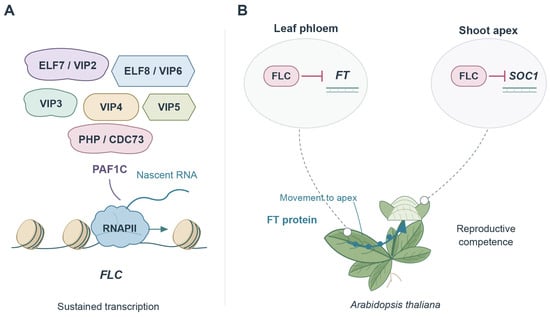
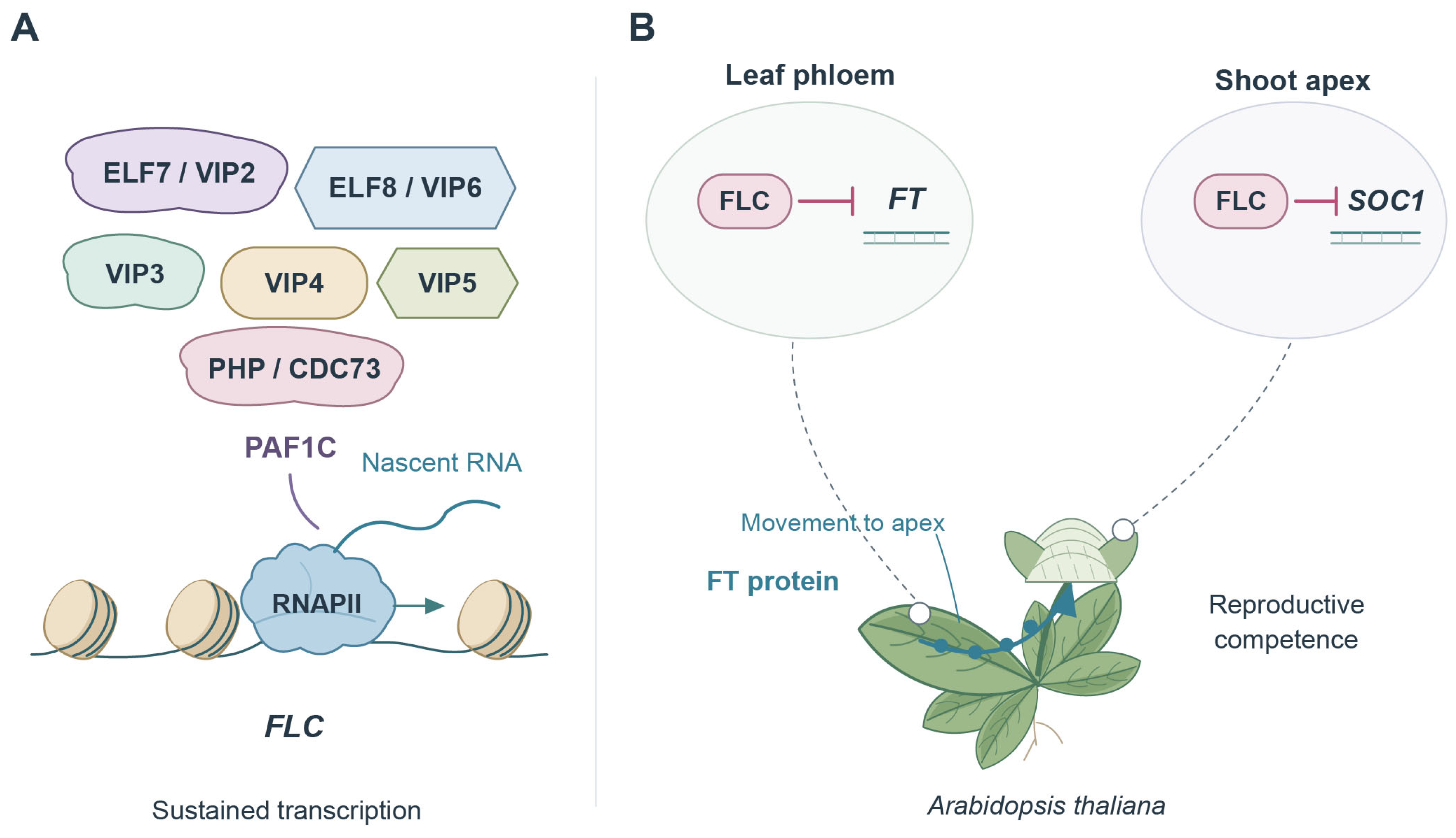
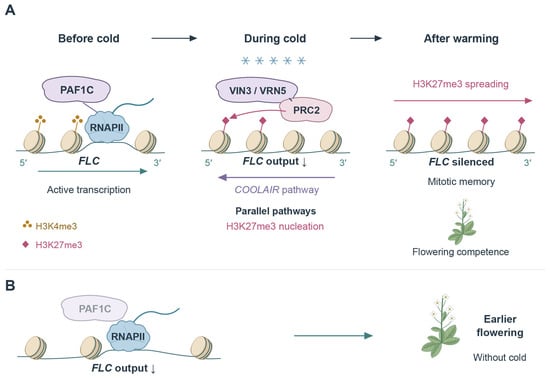
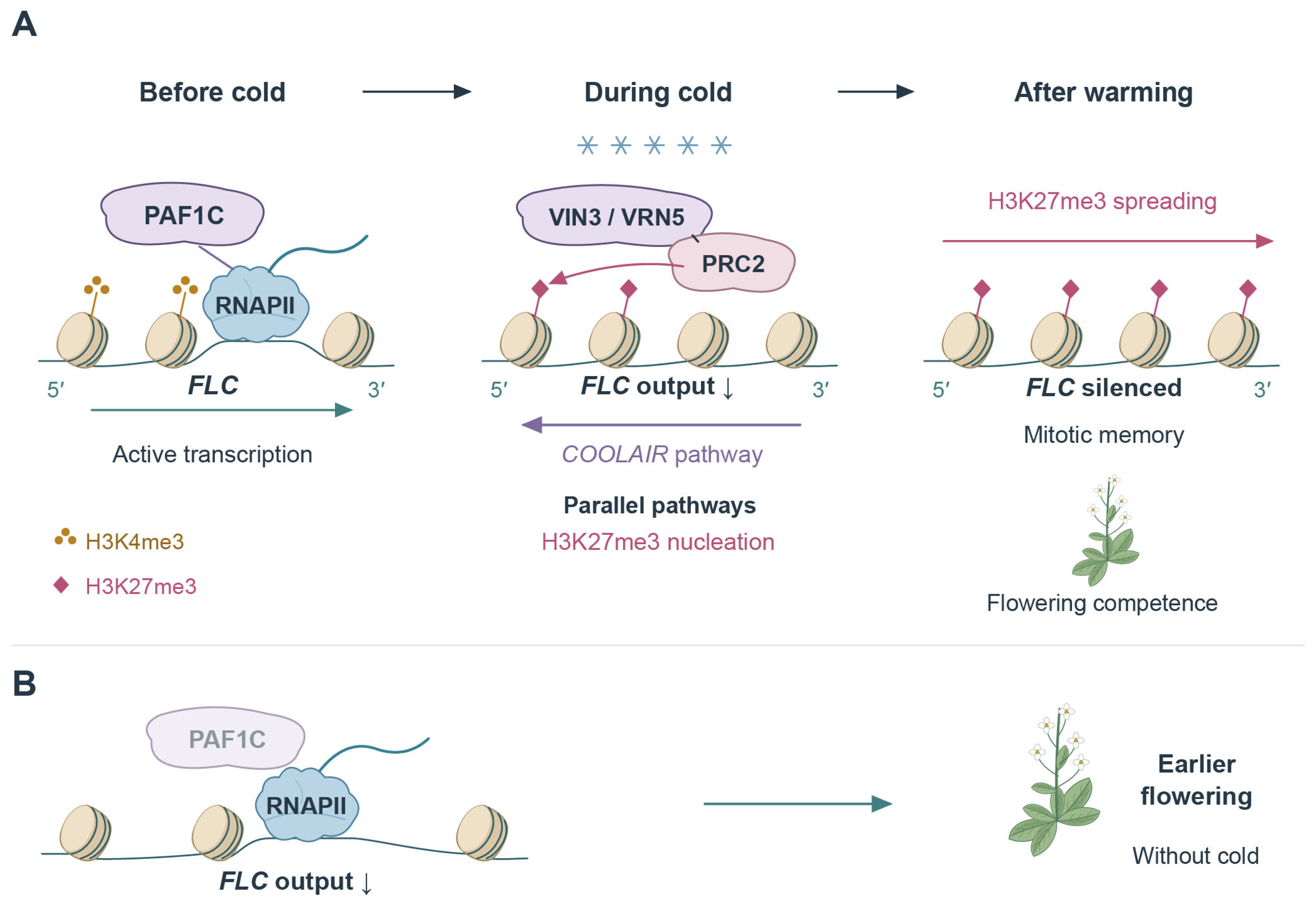
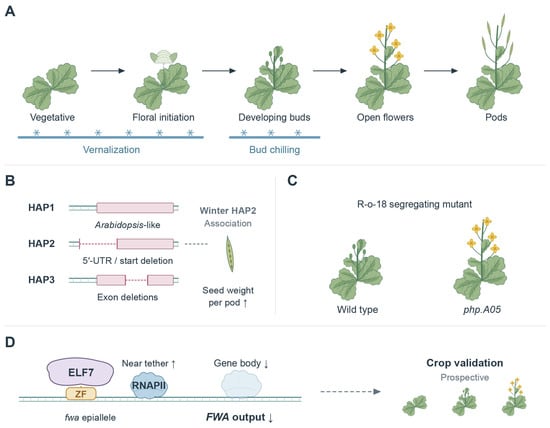
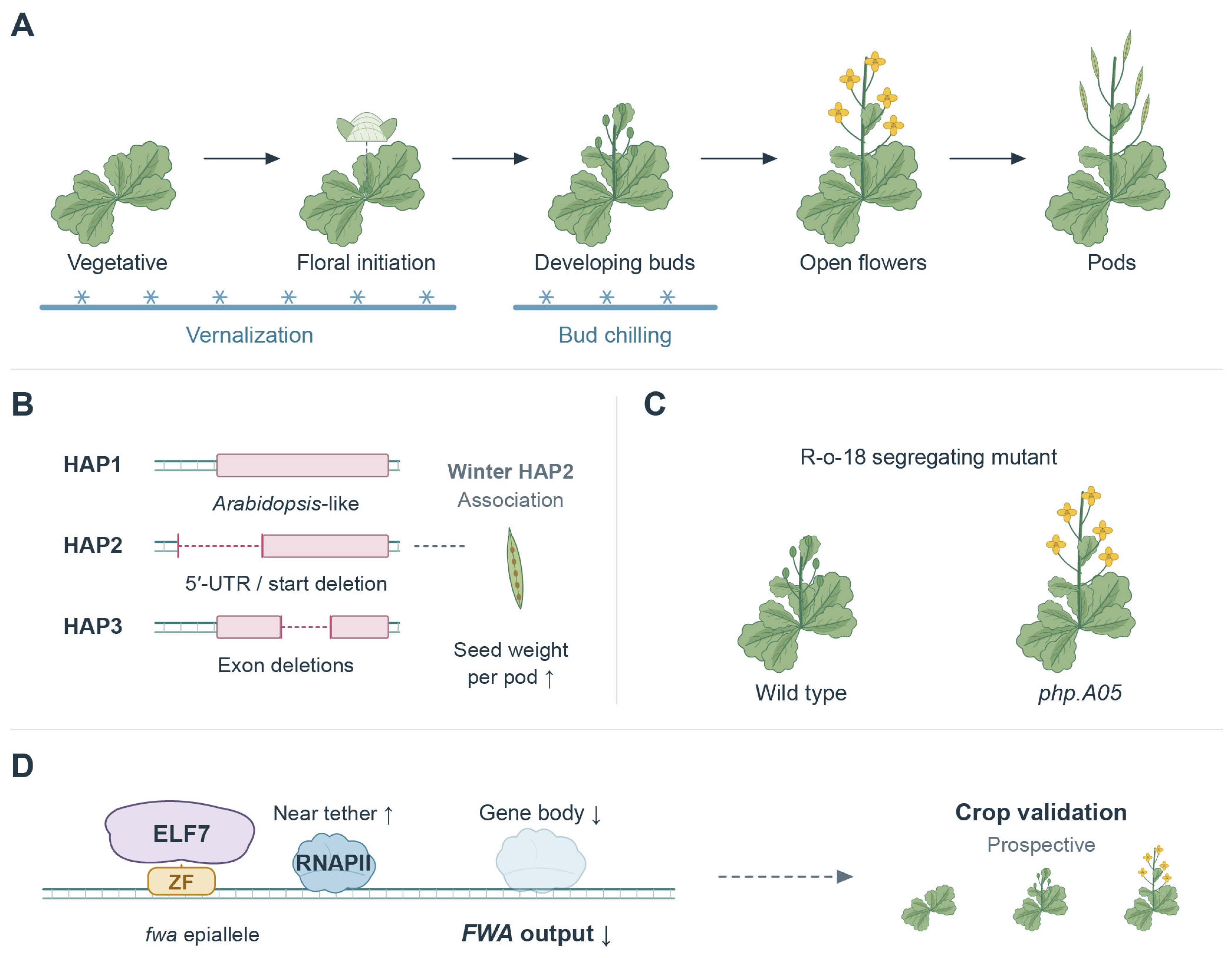

Disclaimer/Publisher’s Note: The statements, opinions and data contained in all publications are solely those of the individual author(s) and contributor(s) and not of MDPI and/or the editor(s). MDPI and/or the editor(s) disclaim responsibility for any injury to people or property resulting from any ideas, methods, instructions or products referred to in the content. |
© 2026 by the authors. Licensee MDPI, Basel, Switzerland. This article is an open access article distributed under the terms and conditions of the Creative Commons Attribution (CC BY) license.