


Abstract
Geranium psilostemon Ledeb. is a rhizomatous perennial whose cultivation performance under low-altitude conditions requires further investigation. This study evaluated survival, vegetative growth and meter-estimated total leaf chlorophyll content across five growing media in a single experiment conducted in an open-top section of a greenhouse facility. Rhizomes collected from a natural clump at 1375 m elevation in Maçka, Trabzon, Türkiye, were cultivated at 53 m elevation in peat, cocopeat, river silt, forest soil and an equal-volume mixture of these materials, with 30 individually potted rhizomes per treatment. Following approximately one year of cultivation, seven measurements were conducted between May and August 2024. Plant height, crown diameter, leaf number and chlorophyll content were recorded alongside substrate temperature, moisture, pH and electrical conductivity. Data were examined using exploratory ANOVA, post hoc comparisons, correlation analysis and artificial neural network (ANN) modeling. River silt and peat supported the highest survival percentages (83.3% and 80.0%, respectively), whereas survival in cocopeat was 10.0%. Peat produced the highest mean plant height and crown diameter, while river silt and peat had the highest mean leaf chlorophyll content. Chlorophyll content showed weak negative associations with substrate temperature (20.8–45.9 °C) and pH (5.30–10.20), and a weak positive association with electrical conductivity (0.00–0.31 mS cm−1). ANN modeling showed limited-to-moderate discrimination for survival status (ROC-AUC = 0.6653) and limited predictive performance for continuous traits, with plant height yielding the highest R2 (0.3192). These findings provide an initial basis for growing-media selection for low-altitude cultivation of G. psilostemon, with further independent trials needed to evaluate their consistency.
1. Introduction
The Eastern Black Sea Region lies within the Euro-Siberian floristic zone, one of the world’s major biogeographic regions, and hosts exceptionally rich plant diversity due to long-term migration corridors between Europe and the Caucasus [1,2,3,4]. Despite this richness, native taxa remain underrepresented in urban planting schemes, where exotic species still dominate [5,6,7,8,9,10]. The broader use of native perennials is increasingly emphasized for sustainable landscape design, as these species typically require fewer inputs, exhibit higher environmental compatibility, and contribute to ecosystem resilience [11,12,13,14,15,16,17,18,19,20]. Integrating native plant material into urban landscapes strengthens ecological quality, reduces maintenance demands, and supports biodiversity [21,22,23,24,25,26,27,28,29].
Chlorophyll dynamics play a central role in the adaptation of plant taxa to environmental conditions, directly influencing photosynthesis, growth, and stress responses [30,31,32,33,34,35,36,37,38,39,40]. Advances in non-destructive chlorophyll measurement techniques, such as portable sensors and digital analysis, now allow for rapid physiological assessment under field and controlled conditions [41,42,43,44,45,46,,47]. These tools enable detailed evaluation of how substrate temperature, moisture, pH, and electrical conductivity influence plant performance [48,49,50,51,52,53,54].
Geranium is a cosmopolitan genus comprising more than 400 taxa worldwide, many of which possess significant medicinal and biochemical properties, including antidiabetic, anti-inflammatory, antioxidant, antiviral and cytotoxic activities [55]. Within this genus, Geranium psilostemon Ledeb. is a rhizomatous perennial native to northeastern Türkiye and the western Transcaucasus [56,57]. Aedo’s taxonomic monograph reports the species from alpine meadows, grassy slopes and the margins of Abies and Picea forests, with a documented elevational range of 500–2200 m [56]. Published specimen localities and the collection site of the present study are shown in Figure 1, while reported habitat characteristics and cultivation conditions are summarized in Table 1. Phytochemical studies have identified phenolic compounds and hydrolysable tannins in G. psilostemon, including gallic acid, methyl gallate, pusilagin and galloyl-glucose derivatives [58,59]. In addition to its biochemical richness, G. psilostemon is increasingly considered a promising candidate for use in ecological and ornamental landscape design due to its perennial habit, high stress tolerance, and visual appeal. Despite these qualities, the species remains largely underrepresented in horticultural cultivation, and no standardized propagation or establishment protocols currently exist for lowland urban environments. Therefore, testing substrate suitability for this species is necessary for both horticultural production and urban landscape integration.
Figure 1.
Published specimen localities of Geranium psilostemon compiled from Aedo [56] (red circles): greenhouse experimental site (green star; 53 m) and the collection site of the present study in Maçka, Trabzon, Türkiye (blue star; 1375 m). Points represent documented localities rather than the complete boundaries of the native range. Basemap credits are shown within the map.
The ecological performance of G. psilostemon, like that of many perennial taxa, is strongly influenced by environmental factors such as substrate temperature, pH, moisture, nutrient availability and soil structure [60,61,62,63,64,65,66,67]. Soil physical and chemical properties shape root development, chloroplast activity, water balance and overall physiological adaptation [68,69,70,71,72,73,74,75,76,77,78,79,80,81,82,83]. As a result, successful establishment of native perennials in new environments—particularly when transferred from high-elevation habitats to lowland urban settings—depends heavily on substrate characteristics [84,85,86,87,88,89].
However, the environmental footprint of peat extraction has become a major sustainability concern, as peatlands function as critical global carbon sinks and their degradation leads to significant greenhouse gas emissions and ecological losses [90,91]. Therefore, evaluating peat alongside peat-free alternatives such as river silt and forest soil is essential for identifying more environmentally responsible growing media for horticultural and landscape practices. Since G. psilostemon naturally occurs in moist, organic-rich montane soils, assessing different substrates also provides insight into whether low-altitude environments can support its establishment without relying on high-impact materials such as peat. Identifying appropriate growing media is therefore essential for supporting plant vitality, enhancing ecological functions and improving ornamental value in landscape applications [92,93,94,95,96,97,98,99]. Previous studies on ornamental perennials have shown that substrate composition markedly influences biomass accumulation, water relations and physiological performance, mainly through differences in aeration, nutrient availability and moisture retention [100,101,102]. Chlorophyll dynamics have been demonstrated to be substrate-dependent in several species, where changes in substrate water status and chemical properties modify photosynthetic efficiency and stress physiology [103,104,105]. Increasing interest in peat-free substrate formulations has also stimulated research on sustainable mixes involving soil, sphagnum moss, compost and river-based materials for ornamental production systems, with significant effects on flowering performance, post-production quality and resource efficiency [106,107,108]. Previous research has evaluated the growth and chlorophyll performance of Geranium psilostemon under low-altitude conditions using three soil–sand media, including two mixtures [13]. The present study extends this line of research by comparing five growing media—peat, cocopeat, river silt, forest soil and an equal-volume mixture of these materials—and integrating assessments of survival, vegetative growth and meter-estimated total leaf chlorophyll content with ANN modeling. Plant growth and physiological responses are rarely governed by single environmental factors alone; rather, they arise from interacting and frequently non-linear relationships among substrate properties. In this context, substrate temperature, moisture, pH, and electrical conductivity may simultaneously affect survival status, plant height, crown diameter, leaf production, and chlorophyll content, generating response patterns that are difficult to explain fully through conventional statistical methods alone. Artificial neural networks (ANNs) offer a robust alternative for modeling such complex systems, as they can capture hidden, non-linear dependencies among multiple input variables and generate predictive insights beyond simple linear associations. Their increasing use in plant science and horticulture reflects their capacity to handle multifactorial datasets and to improve interpretation of physiological and growth-related responses under variable environmental conditions. Accordingly, the integration of ANN modeling into the present study was intended not only to support predictive evaluation of plant performance across substrates, but also to better elucidate the relative contribution of substrate-related variables to the adaptation of G. psilostemon under lowland cultivation conditions.
Table 1.
Geographic characteristics of the collection and transplant sites, reported natural habitat characteristics, and cultivation requirements of Geranium psilostemon.
This study aimed to evaluate the horticultural adaptation potential of G. psilostemon under low-altitude cultivation conditions by comparing survival, vegetative growth and meter-estimated total leaf chlorophyll content across five growing media. In this context, adaptation potential refers to the species’ capacity to survive and grow under the cultivation conditions tested. Substrate temperature, pH, moisture and electrical conductivity were monitored, and ANN modeling was used to explore their predictive relationships with plant performance. We hypothesized that the growing medium would affect survival, vegetative growth and total leaf chlorophyll content.
2. Materials and Methods
2.1. Study Area and Plant Material
Plant collection was conducted in the Değirmendere basin of Trabzon Province (Eastern Black Sea Region). During field surveys, Geranium psilostemon Ledeb. populations were identified, and collection sites were selected to ensure accessibility and to avoid reducing the natural population size (Figure 1). Necessary permits were obtained from the Republic of Türkiye Ministry of Agriculture and Forestry, General Directorate of Nature Conservation and National Parks (Permit No: E-21264211-288.04 [Biodiversity Research Permits]-1664441). All rhizomes used in the experiment were collected from the same natural clump (mother plant group) of G. psilostemon to minimize potential genotypic variation. Standardized rhizome cuttings of approximately 5 cm in length were prepared and used for planting. In total, 150 rhizome cuttings were obtained. The collection site was located at 1375 m altitude in Maçka (Trabzon), while the experimental site was established in the greenhouse of Recep Tayyip Erdoğan University, Department of Landscape Architecture (Rize, 53 m altitude) (Table 1). The distribution map was prepared using geographic coordinates of published specimen localities compiled from Aedo’s taxonomic monograph [56]. Coordinates were converted to decimal degrees and mapped using ArcGIS 10.5 (Esri, Redlands, CA, USA). Duplicate coordinate pairs were represented by a single point, and the locality explicitly identified as cultivated was excluded. The collection and greenhouse experimental sites of the present study were plotted separately using their recorded coordinates. An Esri basemap was used, with provider attribution retained in the figure. The mapped points represent documented localities rather than the complete boundaries of the species’ native range (Figure 1). Rhizomes were washed, cleaned of soil residues, and transplanted into the experimental pots under controlled greenhouse conditions. Following planting on 9 May 2023, the plants were maintained under greenhouse conditions for approximately one year before measurements began on 7 May 2024. This pre-measurement cultivation period was intended to allow establishment and acclimatization to the low-altitude cultivation conditions. The natural habitat of G. psilostemon (Maçka, 1375 m) is characterized by a cool–humid montane climate, with annual precipitation exceeding 1200 mm and mean annual temperatures of 8–10 °C, typical of organic-rich acidic forest soils. In contrast, the experimental site (Rize, 53 m) exhibits a warm, humid coastal climate with >2000 mm annual precipitation, mean annual temperatures of 14–15 °C, and alluvial soils—representing environmental conditions that differ from those of the montane collection site. During the experimental period (May–August), outdoor mean daily temperatures ranged between 9.1 and 31.7 °C, and relative humidity ranged between 56.6% and 93.2%, according to data from the Rize Meteorological Station of the Turkish State Meteorological Service. Plants were grown in an open-top section of the greenhouse facility under ambient environmental conditions. Temperature, relative humidity and irradiance were not controlled. Plants received natural daylight, and no artificial lighting or shading screens were used.
2.2. Experimental Design
Five different growing media were prepared to evaluate plant performance:
- A: 100% peat;
- B: 100% cocopeat;
- C: 100% river silt;
- D: 100% Forest soil collected from the natural habitat;
- E: Equal volumetric mixture of the four substrates (peat (Kanmer Mühendislik, Trabzon, Türkiye), cocopeat (Kanmer Mühendislik, Trabzon, Türkiye), river silt, and forest soil).
Each treatment consisted of 30 replicates, with one rhizome per pot. Rhizomes were planted on 9 May 2023 into perforated plastic pots (2.8 L; 16 cm diameter; 15 cm depth) placed on benches to ensure adequate drainage. Irrigation was applied manually using a field-capacity-based approach: substrates were watered when moisture dropped below approximately 55% [48], avoiding both excessive drying and oversaturation. Water was applied uniformly to all pots until initial drainage onset (approximately 10–12% leaching), typically every 3–4 days depending on substrate moisture dynamics. No fertilizer or chemical treatment was applied during the experiment.
Prior to planting, the initial physicochemical properties of each substrate were measured, including temperature, electrical conductivity (EC), moisture content, and pH. For each parameter, three subsamples were analyzed per substrate, and the resulting mean values are presented in Table 2. Substrate characterization was limited to temperature, electrical conductivity, moisture and pH. Available nitrogen, phosphorus and potassium, and organic carbon were not determined at the beginning or at the end of the growing season.
Table 2.
Initial physicochemical properties of the five substrates used in the experiment (mean, n = 3).
2.3. Data Collection
Seven consecutive measurements were conducted during the 2024 growing season at approximately 15-day intervals: 7 May (M1), 23 May (M2), 7 June (M3), 22 June (M4), 7 July (M5), 22 July (M6), and 6 August (M7). Because measurements were taken repeatedly on the same individuals over time, all traits were evaluated as dynamic variables, and statistical analyses were performed considering both substrate and measurement time effects.
Plant traits
The following equipment and measurement techniques were used to assess plant traits and substrate conditions:
Plant growth measurements: Plant height and crown diameter were measured directly using a tape measure and recorded in centimeters [110,111]. Leaf number was determined by manually counting the leaves on each living plant at each measurement date.
Leaf chlorophyll measurements: Total leaf chlorophyll content (chlorophyll a + b; μmol m−2) was estimated non-destructively using an Apogee MC-100 (Apogee Instruments Inc., Logan, UT, USA) chlorophyll meter. Measurements were taken between 14:00 and 16:00 under consistent leaf orientation. Chlorophyll a and b were not quantified separately.
Substrate temperature and electrical conductivity: A Hanna HI98331 GroLine (Hanna Instruments, Temse, Belgium) device was used to measure substrate temperature (°C) and electrical conductivity (mS cm−1). Measurements were taken at three positions within each pot.
Substrate moisture: Smart Sensor PH328 soil tester was used to record substrate moisture (%).
Substrate pH: Hanna HI 981030 Dijital GroLin (Hanna Instruments, Temse, Belgium) soil tester was used to record substrate pH.
2.4. Statistical Analysis
All statistical analyses were performed using SPSS 29 (IBM Corp., Armonk, NY, USA). Since measurements were repeated on the same individuals over time, plant height, crown diameter, and chlorophyll concentration were evaluated using a two-way ANOVA with substrate (A–E) and measurement time (M1–M7) as fixed factors. Interaction effects between substrate and time were also examined. When variances were unequal, pairwise comparisons were conducted using Dunnett’s T3 post hoc test.
Survival was summarized descriptively as the number and percentage of surviving rhizomes in each substrate treatment, with 30 pots per treatment and one rhizome per pot. Relationships among substrate parameters (pH, EC, temperature, and moisture) and plant traits were analyzed using Pearson correlation coefficients. In addition, multiple regression models were constructed to determine the predictive power of substrate variables for height, crown diameter, and chlorophyll content.
A significance level of p < 0.05 was considered for all statistical tests.
2.5. Artificial Neural Network Analysis
In this study, artificial neural network models were created using substrate, measurement time, pH, soil temperature, EC, and moisture content as input variables. The output variables were determined as plant survival status, plant height, crown diameter, leaf number, and chlorophyll content. A classification-based ANN model was established to predict plant survival status, while regression-based ANN models were established to predict plant height, crown diameter, leaf number, and chlorophyll content. In the survival status variable, living individuals were coded as 1, and non-living individuals as 0. Since plant height, crown diameter, and leaf number could only be measured in living individuals, regression models for these variables were only conducted using observations with survival status = 1.
Before modeling, the categorical variable, the breeding environment, was numerically coded, and continuous variables were normalized. Missing observations were removed from the dataset, and the generalizability of the models was evaluated by dividing the dataset into training, validation, and test subsets. ANN models were created using a multilayer perceptron (MLP) architecture. The network structure included an input layer, one or two hidden layers, and an output layer. In the hidden layers, the ReLU (Rectified Linear Unit) activation function was used to model non-linear relationships, while in the output layer, the appropriate activation structure was chosen depending on the model type. Accordingly, in the classification model established for viability status, the sigmoid activation function was used to obtain probability estimation, while in the regression models where continuous variables were estimated, a linear output function was used.
Different numbers of hidden layers and neurons were tested for each output variable, and the most suitable network structure was selected based on test performance. During model training, network weights were optimized using feed-forward computation and back-propagation mechanisms. Thus, the aim was to model the non-linear relationships between input variables and plant growth and physiological responses.
The success of the classification model was evaluated using accuracy, precision, recall, F1 score, and area under the ROC curve (ROC-AUC) values. Accuracy, precision, recall, and F1 score were calculated according to the following equations:
Here, TP represents the number of true positive observations, TN the number of true negative observations, FP the number of false positive observations, and FN the number of false negative observations. The ROC-AUC value is calculated as the area under the ROC curve. The ROC curve is based on the relationship between the true positive rate and the false positive rate.
The success of regression models was evaluated using the coefficient of determination (R2), mean square error (MSE), root mean square error (RMSE), and mean absolute error (MAE) values. These measures were calculated according to the following equations:
Here, yi represents the observed value, yi represents the value predicted by the model, represents the average of the observed values, and nnn represents the total number of observations.
3. Results
3.1. Survival Rate
Survival rates of G. psilostemon differed substantially among the five substrate treatments (Figure 2). The highest survival percentages were recorded in river silt (83.3%) and peat (80.0%) during the 2024 measurement period. The mixture treatment showed moderate survival (70%), followed by Forest Soil (63.3%). In contrast, cocopeat exhibited the lowest survival rate (10%), suggesting that this medium was inadequate for initial establishment of the species under the given conditions.
Figure 2.
Survival percentages of Geranium psilostemon under five substrate treatments. Each treatment comprised 30 individually potted rhizomes. Survival was calculated as the number of surviving rhizomes divided by the initial number planted, multiplied by 100. Surviving rhizome counts were 24/30 for peat, 3/30 for cocopeat, 25/30 for river silt, 19/30 for forest soil, and 21/30 for the mixture. Results represent a single greenhouse experiment.
Survival percentages describe the outcomes observed in the present experiment. No inferential statistical comparisons among substrate treatments were performed.
3.2. Correlation Analysis
Correlation analysis demonstrated several significant but mostly low-to-moderate associations among plant traits and substrate parameters (Figure 3). Chlorophyll content showed a weak positive correlation with EC, whereas temperature and pH were weakly and negatively correlated with chlorophyll. These findings indicate weak associations between total leaf chlorophyll content and substrate electrical conductivity, pH and temperature under the conditions tested.
Figure 3.
Pearson correlation matrix among growth and environmental parameters of Geranium psilostemon. Blue cells represent positive correlations, while red cells indicate negative correlations. Color intensity corresponds to correlation strength.
Moisture did not show a significant correlation with chlorophyll; however, moisture and EC were moderately and positively correlated, reflecting the natural relationship between water content and ionic mobility within the substrate. Temperature exhibited a positive correlation with pH, while EC showed negative correlations with both temperature and pH, suggesting contrasting shifts in chemical and thermal soil properties across substrates.
Morphological traits displayed stronger internal coherence. Plant height and crown diameter were strongly positively correlated (r = 0.655), indicating parallel increases in vertical and lateral growth. Measurement time exhibited positive correlations with plant height, temperature, and moisture, consistent with seasonal progression during the growing period.
Overall, the correlation matrix describes associations among plant traits, substrate conditions and measurement time. These patterns should be interpreted in the context of differences among growing media and changes during the measurement period.
3.3. Morphological Traits
Plant height and crown diameter of G. psilostemon differed significantly among substrates and across measurement times (Figure 4a and Figure 5a). Peat produced the highest mean plant height (3.10 cm), followed by the mixture (2.87 cm) and river silt (2.79 cm) treatments, while cocopeat resulted in the lowest mean height (2.29 cm). Similar patterns were observed for crown diameter, with peat exhibiting the highest values (3.66 cm) and cocopeat the lowest (3.02 cm) (Figure 5a). These findings indicate substrate-dependent differences in vegetative growth under the cultivation conditions tested.
Figure 4.
Plant height (cm, square-root-transformed) of G. psilostemon under different growing conditions. (a) Mean height and standard deviations across substrate types. (b) Mean height across measurement times (M1–M7) with standard deviations. In panels (a,b), different letters above bars indicate significant differences according to Dunnett’s T3 post hoc test (p ≤ 0.05), while the same letters indicate no significant differences (p > 0.05). (c) Temporal trend of height development fitted with a quadratic regression model (R2 = 0.388, p < 0.001), showing peak growth at mid-season followed by a decline.
Figure 5.
Crown diameter (cm, square-root-transformed) of G. psilostemon under different growing conditions. (a) Mean crown diameter across substrate types with standard deviations. (b) Mean crown diameter across measurement times (M1–M7) with standard deviations. In panels (a,b), different letters above bars indicate significant differences according to Dunnett’s T3 post hoc test (p ≤ 0.05), while the same letters indicate no significant differences (p > 0.05). (c) Temporal trend of crown diameter fitted with a quadratic regression model (R2 = 0.148, p < 0.001), showing an increase until mid-season followed by a decline.
Growth varied significantly over time for both traits. Height increased progressively from M1 to M6, followed by a slight decline at M7 (Figure 4b). Crown diameter reached its highest mean at M2, followed by fluctuations across subsequent measurement dates and a decline from M6 to M7 (Figure 5b). The exploratory comparisons indicated significant differences in plant height and crown diameter among substrates and measurement dates (p < 0.001; Figure 4a,b and Figure 5a,b).
Regression analysis showed a modest quadratic trend for plant height (R2 = 0.388, p < 0.001), with growth reaching its maximum around mid-season (Figure 4c). Crown diameter also exhibited a polynomial pattern, although with lower explanatory power (R2 = 0.148) (Figure 5c), reflecting greater variability.
Overall, morphological development was highest in the peat and mixture substrates, moderate in river silt and forest soil, and lowest in cocopeat. Temporal patterns suggest an early establishment phase (M1–M3), a mid-season peak (M4–M6), and a late-season reduction (M7), consistent with seasonal growth dynamics of perennial taxa under controlled conditions.
3.4. Chlorophyll Content
Meter-estimated total leaf chlorophyll content (chlorophyll a + b) of G. psilostemon differed significantly among substrate treatments (Figure 6a). The highest mean values were recorded in river silt (207.86 μmol m−2) and peat (205.58 μmol m−2), while cocopeat exhibited the lowest mean chlorophyll content (152.73 μmol m−2). According to the T3 post hoc test, substrates formed three statistically distinct groups, indicating that chlorophyll levels were affected by differences in substrate properties.
Figure 6.
Chlorophyll content (μmol m−2) of G. psilostemon under different growing conditions. (a) Mean chlorophyll values across substrate types with standard deviations. (b) Mean chlorophyll values across measurement times (M1–M7) with standard deviations. In panels (a,b), different letters above bars indicate significant differences according to Dunnett’s T3 post hoc test (p ≤ 0.05), while the same letters indicate no significant differences (p > 0.05). (c) Temporal trend of chlorophyll content fitted with a quadratic regression model (R2 = 0.098, p < 0.001), showing a decline toward mid-season followed by partial recovery.
Temporal changes in chlorophyll content revealed a significant decline from M1 onward, reaching the lowest values at M5–M6 (165.2–170.1 μmol m−2), followed by a slight increase toward M7 (Figure 6b). The highest chlorophyll concentration occurred at M1 (228.3 μmol m−2), and measurement dates also formed three statistically distinct groups. Two-way ANOVA indicated significant effects of substrate, time and their interaction (p < 0.05), demonstrating that chlorophyll responses varied concurrently with substrate composition and seasonal progression.
Regression analysis identified a modest quadratic trend (R2 = 0.098, p < 0.001), reflecting a general decrease in chlorophyll until mid-season with stabilization toward the end of the measurement period (Figure 6c). These results indicate that chlorophyll content in G. psilostemon is influenced by both substrate characteristics and temporal factors, although variability among individual measurements contributed to the relatively low model fit.
3.5. Substrate Temperature
Soil temperature differed significantly among the substrate treatments (Figure 7a). Peat had the highest arithmetic mean substrate temperature (30.95 °C), with a mean log10-transformed value of 1.48. river silt and Forest Soil both had mean log10-transformed values of 1.47. Cocopeat had the lowest mean temperature (1.44), indicating relatively cooler substrate conditions compared with the other media.
Figure 7.
Soil temperature (°C, log-transformed) of G. psilostemon under different growing conditions. (a) Mean soil temperature across substrate types with standard deviations. (b) Mean soil temperature across measurement times (M1–M7) with standard deviations. In panels (a,b), different letters above bars indicate significant differences according to Dunnett’s T3 post hoc test (p ≤ 0.05), while the same letters indicate no significant differences (p > 0.05). (c) Temporal trend of soil temperature fitted with a quadratic regression model (R2 = 0.445, p < 0.001), showing a mid-season peak followed by a decline.
Temperature values showed clear temporal variation, with significant differences across measurement dates (F = 1109.11, p < 0.001). The highest log-transformed value occurred at M6 (1.59), which was classified as a statistically distinct group by the T3 test (Figure 7b). A quadratic temporal trend was observed, characterized by increasing temperature values toward mid-season and a subsequent decline. The regression model (R2 = 0.445, p < 0.001) explained a moderate portion of the variance, reflecting a consistent seasonal pattern across the measurement period (Figure 7c).
3.6. Moisture
Soil moisture values differed across the substrate treatments (Figure 8a). The mixture medium had the highest mean moisture content (64.22%), followed by cocopeat (54.61%) and peat (54.58%). River silt exhibited the lowest mean moisture percentage (52.46%). Standard deviations indicated that the mixture substrate maintained a relatively more consistent moisture profile compared with the other media.
Figure 8.
Soil moisture (%) of G. psilostemon under different growing conditions. (a) Mean soil moisture across substrate types with standard deviations. (b) Mean soil moisture across measurement times (M1–M7) with standard deviations. In panels (a,b), different letters above bars indicate significant differences according to Dunnett’s T3 post hoc test (p ≤ 0.05), while the same letters indicate no significant differences (p > 0.05). (c) Temporal trend of soil moisture fitted with a quadratic regression model (R2 = 0.228, p < 0.001), showing a gradual increase toward the end of the growing season.
Moisture content also varied significantly across measurement dates (F = 84.36, p < 0.001). A gradual increase in moisture levels was observed over time, with the highest values recorded at M7 (65.00%) (Figure 8b). The regression model (R2 = 0.228, p < 0.001) indicated a modest quadratic trend, reflecting the overall upward trajectory in moisture content throughout the measurement period (Figure 8c).
3.7. Soil pH
Soil pH values differed significantly among the substrate treatments (Figure 9a). The highest mean pH was recorded in forest soil (6.97), followed by peat (6.72). Cocopeat exhibited the lowest pH value (6.06) and formed a statistically distinct group according to the T3 test. River silt (6.40) and the mixture substrate (6.28) showed intermediate pH levels. Temporal analysis revealed significant variation in soil pH across measurement dates (F = 294.87, p < 0.001). pH increased from M1 (5.95) to M5 (7.52), reached its maximum at M6 (8.39), and then declined sharply at M7 (5.63) (Figure 9b). Standard deviations were highest at M5 and M6, indicating greater variability during these mid-season measurements. The quadratic regression model (R2 = 0.197, p < 0.001) indicated a general increasing trend during early measurements followed by a decline toward the end of the study period (Figure 9c). These results demonstrate that soil pH exhibited substantial temporal fluctuation across the growing season.
Figure 9.
Soil pH of G. psilostemon under different growing conditions. (a) Mean soil pH across substrate types with standard deviations. (b) Mean soil pH across measurement times (M1–M7) with standard deviations. In panels (a,b), different letters above bars indicate significant differences according to Dunnett’s T3 post hoc test (p ≤ 0.05), while the same letters indicate no significant differences (p > 0.05). (c) Temporal trend of soil pH fitted with a quadratic regression model (R2 = 0.197, p < 0.001), showing a peak at mid-season followed by a decline.
3.8. ANN Findings
In this study, artificial neural network (ANN) models were created using substrate, measurement time, pH, soil temperature, EC, and humidity as input variables. One classification model and four regression models were developed within the scope of the modeling. The classification model was designed to predict plant survival status, while the regression models were designed to predict plant height, crown diameter, number of leaves, and chlorophyll content. The dataset contains a total of 1050 observations, and the regression models were run only on 459 observations of living individuals. The optimal network structures and performance metrics for all developed ANN models are presented in Table 3. Table 3 shows that the success metrics for the classification model were evaluated using accuracy, precision, sensitivity, F1-score, and ROC-AUC, while for the regression models, they were evaluated using R2, RMSE, and MAE values.
Table 3.
Optimal network structures and performance metrics for ANN models.
The confusion matrix of the ANN classification model developed for estimating plant vitality is presented in Figure 10a, and the ROC curve is presented in Figure 10b. Examining the confusion matrix, it is seen that the model classified dead individuals as true negatives (TNs) 76 times and false positives (FPs) 42 times and live individuals as true positives (TPs) 63 times and false negatives (FNs) 29 times (Figure 10a). This distribution shows that the model can distinguish both classes to a certain extent, but that the number of erroneous classifications is also considerable. In particular, the fact that the number of false positives is higher than the number of false negatives suggests that the model tends to predict some dead individuals as live. In contrast, the relatively high rate of correct classification of live individuals reveals that the model performs better than a completely random discrimination in determining vitality.
Figure 10.
ANN classification model for predicting plant vitality status: (a) confusion matrix and (b) ROC curve.
When the model’s discriminative power is also evaluated via the ROC curve, it is seen that the curve is above the reference diagonal and the AUC value is 0.6653 (Figure 10b). This result shows that the model’s capacity to distinguish between living and dead individuals is above that of random classification, but it does not achieve strong classification performance. In other words, the ROC-AUC result, evaluated together with the accuracy (0.6619), precision (0.6000), sensitivity (0.6848), and F1 score (0.6396), reveals that the ANN approach, while usable in predicting plant vitality, offers only a moderate level of success. This situation indicates that plant vitality may be related not only to environmental variables such as substrate, measurement time, pH, soil temperature, EC, and humidity, but also to more complex factors such as individual physiological differences, microenvironmental effects, and biological stress factors.
Among regression-based ANN models, the highest prediction success was obtained in the plant height variable. The distribution of the observed and predicted values of the ANN model for plant height, and the percentage differences between them, is presented in Figure 11a, and the relationship between the observed and predicted values is presented in Figure 11b. Examining Figure 11a, it can be seen that the model was able to produce predictions close to the actual values in some observations, but the deviation between the observed and predicted values increased, especially in some samples. This situation reveals that the model did not show homogeneous prediction success across the entire dataset, but it was able to partially capture the general trend.
Figure 11.
Sample-based distribution of (a) observed, predicted, and percentage difference values of the ANN model for plant height estimation, and (b) the relationship between observed and predicted values.
The observed-predicted distribution graph given in Figure 11b also supports this finding. The limited proximity of the points around the 1:1 reference line indicates that the model can predict plant height to a certain extent, but the prediction accuracy is not at a high level. Indeed, the most suitable network structure was determined as a 12-neuron architecture in a single hidden layer, and the coefficient of determination (R2) for this model was calculated as 0.3192, the root mean square error (RMSE) as 3.0703, and the mean absolute error (MAE) as 2.4250. These results show that plant height can be explained better with the input variables used in the study compared to other growth parameters, but the explanatory power of the model is still limited. Therefore, it can be said that plant height is affected not only by substrate, measurement time, pH, soil temperature, EC, and moisture variables, but also by additional factors such as individual growth differences and microenvironmental conditions.
The distribution of the observed and predicted values on a sample basis and the percentage differences between them of the ANN model developed for the estimation of crown diameter are presented in Figure 12a, and the relationship between the observed and predicted values is presented in Figure 12b. Although the most appropriate network structure was determined as an architecture containing 16 neurons in a single hidden layer, the explanatory level of the model was found to be quite low. In fact, the coefficient of determination (R2) for this model was calculated as 0.0731, the root mean square error (RMSE) was 4.5175, and the mean absolute error (MAE) was calculated as 3.6519.
Figure 12.
The relationship between (a) the sample-based distribution of observed, predicted and percentage difference values of the ANN model for the prediction of crown diameter and (b) the observed and predicted values.
When Figure 12a is examined, it is seen that the predicted values approach the observed values in some examples, but there are significant deviations throughout the dataset. The high variability of percentage difference values in many samples suggests that the model does not adequately capture individual differences in crown diameter. Similarly, the fact that the points do not show a strong clustering around the 1:1 reference line in the observed-predicted scatter plot presented in Figure 12b reveals that the model predictions have limited compliance with the actual values. These results show that crown diameter is poorly explained by the input variables used and that this parameter is affected not only by substrate, measurement time, pH, soil temperature, EC and moisture variables, but also by more complex factors such as individual developmental characteristics, microenvironmental heterogeneity and physiological differences.
The distribution of the observed and predicted values on a sample basis and the percentage differences between them of the ANN model developed for the estimation of chlorophyll content is presented in Figure 13a, and the relationship between the observed and predicted values is presented in Figure 13b. Although the most suitable network structure for chlorophyll content was determined as an architecture with two hidden layers (16, 8), it was observed that the prediction performance of the model remained low. In fact, the coefficient of determination (R2) for this model was calculated as 0.0510, the root mean square error (RMSE) was 51.2976, and the mean absolute error (MAE) was calculated as 40.9184.
Figure 13.
The relationship between (a) sample-wise distribution of observed, predicted and percentage difference values of the ANN model for chlorophyll content estimation and (b) observed and predicted values.
When Figure 13a is examined, it is seen that the predicted values are clustered in a narrower range, whereas the observed chlorophyll content values show a wider distribution. This shows that the model cannot adequately reflect the variability in the dataset. In addition, it is understood that the difference between the observed and predicted values has increased significantly in some examples. In the observed-predicted distribution graph given in Figure 13b, the fact that the points are not concentrated around the 1:1 reference line and the predictions are mostly collected around the middle values reveals that the model is insufficient to distinguish low and high chlorophyll levels. These findings indicate that chlorophyll content cannot be adequately explained only by variables such as substrate, measurement time, pH, soil temperature, EC and moisture. It suggests that additional factors such as physiological state, individual variation and microenvironmental differences may also be decisive.
The distribution of the observed and predicted values on a sample basis and the percentage differences between them of the ANN model developed for the estimation of the number of leaves is presented in Figure 14a, and the relationship between the observed and predicted values is presented in Figure 14b. The most appropriate network structure for the number of leaves was determined as an architecture containing 8 neurons in a single hidden layer. However, it was observed that the explanatory level of the model was quite low. In fact, the coefficient of determination (R2) for this model was calculated as 0.0566, the root mean square error (RMSE) was 1.2963, and the mean absolute error (MAE) was calculated as 0.9143.
Figure 14.
The relationship between (a) the sample-based distribution of observed, predicted and percentage difference values of the ANN model for the prediction of the number of leaves and (b) the observed and predicted values.
When Figure 14a is examined, it is seen that the predicted values are mostly collected in a narrow band, whereas the observed values show a wider range of variation. This shows that the model cannot adequately capture the variability in the number of leaves. Additionally, the percentage difference values fluctuate widely in many samples, revealing that prediction errors vary significantly between samples. In the observed-predicted distribution graph given in Figure 14b, the fact that the points are not clustered around the 1:1 reference line and that the predictions cannot adequately represent especially low and high observed values supports the poor model fit. These findings suggest that the number of leaves can be explained to a limited extent by the input variables used and that this parameter is affected not only by environmental variables such as substrate, measurement time, pH, soil temperature, EC and moisture, but also by individual developmental differences and physiological processes.
When evaluated in general, the highest prediction success among the developed ANN models was achieved in the plant height variable. The fact that the plant height model produces higher R2 and lower error values compared to other regression models shows that this parameter can be explained relatively better by the input variables used. The classification model for plant vitality status, according to the confusion matrix and ROC curve results, had a moderate level of performance, above random classification, but with a limited discriminatory power. On the other hand, it was observed that the harmony between the observed and predicted values in the models developed for crown diameter, number of leaves and chlorophyll content was poor; the points in the scatter plots did not show a clear clustering around the 1:1 reference line, and the deviations on a sample basis were high. These findings reveal that these parameters cannot be adequately explained only by environmental and environment-based variables such as substrate, measurement time, pH, soil temperature, EC and moisture. Therefore, it can be said that growth and physiological responses such as crown diameter, number of leaves and chlorophyll content are shaped under the joint influence of more complex and multidimensional factors such as individual developmental differences, microenvironmental heterogeneity, plant stress level and physiological state.
4. Discussion
This study investigated how growing media differing in type and origin influenced the growth, survival and total leaf chlorophyll content of Geranium psilostemon under low-altitude cultivation conditions. Plant survival, height, crown diameter and total leaf chlorophyll content differed among substrate treatments. Variation in the measured substrate conditions, including pH, electrical conductivity, moisture and temperature, was also recorded across treatments and measurement times. These findings demonstrate that substrate characteristics play a central role in shaping growth performance and physiological stability in this species. In particular, the study provides one of the first comprehensive assessments of G. psilostemon cultivated under controlled but contrasting substrate conditions at low elevation, thereby addressing a notable gap in the current literature. Overall, the results indicate substrate-dependent variation in early establishment, growth and total leaf chlorophyll content under the conditions tested.
4.1. Survival Rates
Survival rates of G. psilostemon differed notably among the five substrates, with peat and river silt supporting the highest establishment success. Similar findings have been reported in previous studies, where substrate properties strongly influenced establishment success in perennial and herbaceous taxa [112,113,114]. One possible explanation for the performance of peat is the balance between water retention and root-zone aeration. Experimental characterization of peat- and coir-based growing media demonstrated that water retention, pore-size distribution and hydraulic conductivity vary with substrate composition, and that plant performance cannot be explained by static physical properties alone [115]. In the present experiment, the water-storage capacity and pore structure of the peat used may have helped maintain water supply between irrigations while allowing gas exchange after drainage. These conditions could have contributed to successful rhizome establishment and the greater plant height and crown diameter observed in peat.
For river silt, particle-size distribution, aggregate structure and native mineral nutrient supply are possible contributors to the high survival percentage. Research on remediated canal sediments mixed with agricultural soil demonstrated that sediment incorporation could improve drainage and support aboveground and belowground growth in ornamental shrubs [116]. Although those mixtures differ from the river silt tested here, the findings suggest that sediment-derived growing media can support plant development through a combination of hydraulic and nutritional properties. The contribution of these properties depends on the characteristics of the particular material rather than on its sedimentary origin alone.
The measured initial conditions provide additional context: peat and river silt had pH values of 6.34 and 5.93, respectively, and electrical conductivities of 0.12 and 0.10 mS cm−1. These measurements describe substrate reaction and conductivity but do not establish an optimal pH range for G. psilostemon or quantify the supply of individual nutrients. Water–air relationships and nutrient availability therefore offer plausible explanations for the observed establishment and growth patterns, although their individual contributions could not be determined because water-retention characteristics, air-filled porosity and nutrient concentrations were not measured.
In contrast, only three of the 30 rhizomes planted in cocopeat survived (10%), compared with survival percentages of 63.3–83.3% in the other substrates. This lower establishment success may partly reflect the nutritional characteristics of the medium under the unfertilized conditions of the experiment. Low concentrations of available nitrogen, calcium and magnesium, despite relatively high phosphorus and potassium concentrations, have been reported in coir dust samples from different sources [117]. These findings suggest that the native nutrient supply of some coir products may be insufficient to support plant establishment without supplementary fertilization. Nutrient limitation is therefore a plausible explanation for the present outcome, although it was not directly tested.
Physical characteristics may also have contributed. Particle-size distribution and the relative proportions of pith and fiber strongly influence coir air–water relationships [118,119]. Consequently, the response observed here may have depended on the characteristics of the particular cocopeat product and its interaction with the irrigation regime. Because nutrient concentrations, particle-size distribution and air-filled porosity were not determined, their individual contributions cannot be established. The description of cocopeat as less suitable therefore applies to the product and cultivation conditions. The low survival percentage in cocopeat demonstrates reduced establishment success under the conditions tested. Physiological stress tolerance was not directly assessed; therefore, the survival results alone cannot establish a reduction in stress tolerance.
The moderate survival observed in the mixture substrate, despite its relatively higher moisture content, suggests that water availability alone is not a reliable predictor of establishment success. Studies on other species have likewise demonstrated that survival is shaped by multiple interacting substrate properties rather than by single environmental variables [67,71,120]. The moderate performance of Forest Soil further supports the idea that substrate characteristics such as texture, organic matter content, and aeration jointly influence early-stage plant viability.
Overall, the survival data indicate that G. psilostemon exhibits differential responses depending on the substrate used, with peat and river silt providing the most favorable conditions for establishment. These findings align with previous research demonstrating that both water balance and substrate structure are critical components of early plant survival across diverse species [67,71,112,120].
Although each substrate treatment included 30 individually potted rhizomes, all plant material originated from a single natural clump, and survival was assessed within one greenhouse experiment. Reproducibility across independent experimental runs, source populations, years, and cultivation settings was therefore not evaluated. The observed survival percentages should be interpreted within these limits, and further independent trials are needed to assess the consistency of the substrate-related patterns.
4.2. Total Leaf Chlorophyll Content
Total leaf chlorophyll content varied significantly among substrates, with river silt and peat producing the highest values and cocopeat the lowest. These differences should also be considered in the context of plant nutrition because substrate pH influences nutrient solubility and availability to roots, including the availability of micronutrients such as iron and manganese. Smith et al. [121] demonstrated that pigment responses to substrate pH in container-grown petunia and impatiens depended on micronutrient supply, highlighting the interaction between substrate reaction and nutritional conditions. Similarly, Lefever et al. [122] reported that pH and phosphorus treatments affected chlorophyll content and tissue nutrient concentrations in hydroponically grown Salvia chamelaeagnea.
In the present study, leaf chlorophyll content showed a weak negative correlation with pH (r = −0.143). The higher mean pH values recorded at M5 and M6 (7.52 and 8.39, respectively) coincided with relatively low chlorophyll content during these measurement periods. This pattern is consistent with a possible contribution of pH-related changes in nutrient availability. However, pH was not manipulated independently, and substrate nutrient availability and plant tissue mineral concentrations were not measured. Consequently, the observed association cannot establish a nutritional mechanism or confirm a specific nutrient deficiency.
The recorded substrate temperature (20.8–45.9 °C) and pH (5.30–10.20) ranges can be considered two observed environmental windows in the present experiment. Temperature variation is relevant to chlorophyll metabolism [71], while studies in other species have shown that pH and nutrient supply can affect leaf pigment content [121,122]. These studies provide context for interpreting the present observations, but the endpoints of the measured ranges do not establish optimal or tolerance limits for G. psilostemon. Because temperature and pH were not manipulated independently, controlled experiments are needed to identify ranges that favor its survival, growth and leaf chlorophyll content.
Temporal patterns showed a general mid-season decline in chlorophyll followed by partial recovery, which aligns with typical seasonal fluctuations reported in other perennial taxa [45,120]. Although moisture and EC differed among substrates, the chlorophyll responses observed here likely reflect the combined influence of substrate chemistry and seasonal progression rather than any single variable. This interpretation is consistent with earlier findings that multiple substrate characteristics collectively shape chlorophyll dynamics in herbaceous species [112,120].
Furthermore, the mid-season reduction and subsequent partial recovery in chlorophyll content closely matched the environmental measurements recorded during the experiment. Substrate temperature increased markedly between M4–M6, moisture levels fluctuated across substrates, and pH showed a pronounced rise followed by a sharp decrease at M7. These specific temporal patterns in thermal and chemical conditions correspond to the observed chlorophyll responses, indicating that chlorophyll dynamics in G. psilostemon reflect not only general stress factors but also the measured environmental conditions unique to the experimental period.
Mechanistically, the observed responses may reflect the combined influence of substrate chemical conditions, water availability and physical structure. The ecological relevance of soil moisture, reaction and fertility is documented for Geranium pratense [100], while studies of Lavandula and container-grown ornamentals have demonstrated relationships between growing-media characteristics, plant growth and physiological traits [101,103,104]. Nutritional conditions are also relevant when interpreting leaf-based indicators, as optical measurements have been used to assess nitrogen status in potted Pelargonium [105]. In the present study, differences in pH and EC may therefore be considered alongside water conditions as possible contributors to chlorophyll variation. Differences in substrate water retention and aeration could also have influenced root-zone conditions and plant development. These mechanisms provide possible explanations for the observed patterns, although substrate aeration, root respiration, mineral uptake, stomatal regulation and osmotic adjustment were not directly measured in this experiment.
Overall, the observed variation in total leaf chlorophyll content indicates differences in leaf pigment status among growing media and measurement dates. These measurements do not directly quantify photosynthetic carbon assimilation or photochemical efficiency and therefore cannot demonstrate corresponding changes in photosynthetic activity.
Additionally, the moisture pattern observed in the mixture substrate can be explained by its combined physical properties: the peat and cocopeat components retain water effectively, while the mineral fractions (river silt and forest soil) reduce rapid drainage, resulting in overall higher moisture compared to the individual substrates. This emergent behavior is consistent with findings from other mixed-media studies where composite substrates exhibit water-holding characteristics not predictable from their isolated components.
Plant traits should also be interpreted within a coordinated root–shoot system involving water and nutrient acquisition, hormonal signaling and leaf development. Root-derived cytokinin signals can link nutrient availability with shoot development, as demonstrated experimentally in Arabidopsis [123]. Such coordination provides an additional framework for interpreting the growth and chlorophyll patterns observed in G. psilostemon. However, root development and the temporal dynamics and spatial gradients of cytokinin signaling were not assessed in this experiment, so their contributions remain possible explanations rather than demonstrated mechanisms.
4.3. Growth Performance: Plant Height and Diameter
Plant height and crown diameter exhibited clear substrate-dependent differences, with peat producing the highest values for both traits and cocopeat consistently yielding the lowest growth. These results indicate that the vegetative development of G. psilostemon is responsive to differences in substrate structure and chemical characteristics. Similar patterns have been reported in studies on other herbaceous and perennial taxa, where growth performance was shown to vary according to the properties of the growing medium [94].
The correlation analysis in the present study supported these observations, revealing moderate to strong associations between morphological parameters and substrate-related variables. These findings are consistent with previous research demonstrating that growth traits are often influenced by the combined effects of substrate composition, physical structure, and nutrient availability [124].
Overall, the growth responses observed in G. psilostemon across substrates suggest that media with more favorable physical and chemical conditions—such as peat—support greater height and diameter development. However, since physiological processes such as nutrient uptake or enzyme activity were not directly measured, no mechanistic conclusions can be drawn regarding the underlying causes of the observed variation. Instead, the results should be interpreted as evidence of substrate-dependent growth differences within the scope of the experimental conditions.
4.4. Implications and Future Directions
The present findings indicate that the low-altitude growth performance of G. psilostemon varied among growing media differing in type and origin. This is consistent with previous studies reporting substrate-dependent variation in growth and nutrient responses in perennial taxa [114,124]. Peat and river silt supported the highest survival percentages, while peat produced the highest mean plant height and crown diameter under the conditions tested. In contrast, cocopeat consistently resulted in lower performance, indicating that substrate characteristics can constrain early development. These results are relevant for landscape applications, particularly in regions where native perennial taxa are being considered for use in urban planting designs [125].
Despite these insights, several limitations should be acknowledged. First, all plant material originated from a single natural clump, which restricts genetic variability and limits the ability to generalize the findings across broader populations; similar limitations have been emphasized in ecophysiological research on controlled-environment plant studies [126]. Although rhizomes were standardized to uniform sizes to reduce initial variability, the genetic narrowness remains a constraint. Second, although the rhizomes were planted in May 2023, repeated measurements were restricted to May–August 2024. The findings therefore represent one measurement season. Environmental factors such as temperature, humidity, and irradiance could not be fully controlled in the greenhouse setting. Multi-year evaluations have been recommended in the literature to improve the reliability of seasonal and long-term growth assessments [126,127]. Third, available nitrogen, phosphorus and potassium, and organic carbon were not determined at the beginning or at the end of the growing season. This limited the assessment of substrate nutrient supply and its changes during cultivation. As nutrient profiles can strongly influence plant growth responses [114,124], future experiments should include these analyses at both stages to help distinguish nutritional contributions from other substrate-related influences on plant establishment and growth. Finally, physiological processes such as gas exchange, enzyme activity, osmotic adjustment, and nutrient accumulation were not measured, which limits the ability to interpret the mechanistic basis of the observed growth patterns; incorporating such indices has been identified as essential for understanding plant stress physiology and adaptation mechanisms [127,128].
Future research should therefore incorporate multi-year trials across different elevations and microclimatic conditions, include genetically diverse plant material, and integrate detailed analyses of substrate nutrients. Complementary physiological measurements, such as leaf gas exchange, chlorophyll fluorescence, enzymatic activity, and mineral content, would further clarify the mechanisms underlying substrate-dependent responses [127,128]. Such studies would contribute to a more comprehensive understanding of the adaptation strategies of G. psilostemon and support its potential wider use in ecological landscape applications.
4.5. ANN-Based Evaluation of Substrate–Plant Relationships
ANN models have shown that environmental and substrate-based inputs explain plant height better than other response variables. This finding is consistent with studies reporting that artificial neural network approaches based on temperature, radiation, humidity and similar environmental variables under controlled growing conditions can model plant growth responses, but the prediction success varies depending on the nature of the target trait. In particular, variables such as plant height and crown area, which are structural growth indicators, can be predicted more successfully with machine learning and deep learning models. On the other hand, it is stated that model performance may be more limited in variables that reflect complex biological processes [129,130].
On the other hand, the moderate classification success achieved for viability and the low R2 values calculated for crown diameter, number of leaves and chlorophyll content suggest that these parameters cannot be adequately explained only by measured variables such as substrate, measurement time, pH, soil temperature, EC and moisture. Plant physiological state is a multilayered structure shaped by environmental conditions and genotype–phenotype interaction. In particular, it is emphasized that direct measurement of physiological indicators requires a more complex evaluation than predictions based solely on morphological or environmental inputs. Therefore, the limited explanatory power of the ANN models for leaf number and chlorophyll content may reflect the influence of unmeasured physiological and developmental factors on these traits [131].
The low model success is noteworthy, especially in terms of chlorophyll content because chlorophyll level is under the influence of not only the characteristics of the growing environment, but also the level of stress, defense responses and metabolic regulation processes. A synthesis of experimental studies reported that chlorophyll content can exhibit biphasic responses to stress, increasing at low exposure levels and decreasing at higher levels [132]. This finding illustrates that changes in pigment content may depend on the intensity of environmental challenges. However, such dose-dependent responses were not tested in the present experiment and cannot be inferred from the low predictive performance of the ANN model. Similarly, morphological traits such as crown diameter and number of leaves are affected by inter-individual developmental rhythm, plasticity and microenvironmental heterogeneity, which may explain the poor model fit observed in these variables [132].
In conclusion, current ANN findings indicate that plant height is a relatively more predictable variable that is more sensitive to environmental and substrate-based inputs; on the other hand, it reveals that more comprehensive explanatory variables are needed to model viability, crown diameter, number of leaves and especially chlorophyll content with higher accuracy. In future studies, including additional variables such as light intensity, nutrients, water stress, root zone characteristics and direct physiological measurements in the model may increase explanatory ability. This approach shows that ANN-based plant performance modeling should include not only environmental inputs but also data that more directly represent physiological processes.
5. Conclusions
Under the low-altitude cultivation conditions tested in an open-top section of the greenhouse facility, the survival, vegetative growth and meter-estimated total leaf chlorophyll content of Geranium psilostemon varied among growing media. Peat and river silt supported the highest survival percentages (80.0% and 83.3%, respectively), whereas cocopeat supported 10.0% survival. Peat also produced the highest mean plant height and crown diameter. These results provide an initial basis for selecting growing media for low-altitude cultivation of this native perennial.
ANN modeling showed moderate discrimination for survival status and limited predictive performance for the continuous traits. Plant height was predicted more successfully than crown diameter, leaf number and chlorophyll content, although its explanatory power remained modest. Further independent trials using plant material from different sources, together with detailed substrate characterization and direct nutritional and physiological measurements, are needed to evaluate the consistency of the observed patterns and long-term cultivation performance.
Author Contributions
Conceptualization, T.O.; methodology, T.O. and G.E.O.; software, T.O. and C.A.; validation, E.E.(Erdi Ekren), E.E.(Emircan Ersayin), and T.O.; formal analysis, T.O. and C.A.; investigation, G.E.O.; resources, E.E.(Emircan Ersayin) and T.O.; data curation, T.O. and G.E.O.; writing—original draft preparation, G.E.O., C.A., E.E.(Erdi Ekren), and T.O.; writing—review and editing, G.E.O. and T.O.; visualization, E.E.(Erdi Ekren) and T.O.; supervision, G.E.O.; project administration, T.O. and G.E.O.; funding acquisition, T.O. All authors have read and agreed to the published version of the manuscript.
Funding
This study has been supported by the Recep Tayyip Erdoğan University Development Foundation (Grant Number: 0202601000260825).
Institutional Review Board Statement
Not applicable. This study did not involve humans or animals.
Informed Consent Statement
Not applicable. This study did not involve human participants.
Data Availability Statement
The data supporting the findings of this study are available from the corresponding author upon reasonable request.
Acknowledgments
This study is derived from the project titled “Monitoring the development of the Natural Species Geranium psilostemon Ledeb. (Dark-eyed Cranebill) in different nutrient environments and revealing its landscape value” carried out in the Department of Landscape Architecture, Faculty of Engineering and Architecture, Recep Tayyip Erdoğan University, supported under the code TÜBİTAK-2209A (Project No:1919B012209111). In addition, Recep Tayyip Erdoğan University Scientific Research Projects Unit supported this study as a student participation project with the project code “FLO-2024-1819”.The authors would like to thank Hüseyin Tuncer Terzioğlu for his valuable practical and logistical assistance during the experimental work.
Conflicts of Interest
The authors declare no conflicts of interest.
Abbreviations
The following abbreviations are used in this manuscript:
| A | 100% peat |
| B | 100% cocopeat |
| C | 100% river silt |
| D | 100% forest soil brought from the forest edge |
| E | Mixture of 4 media |
| °C | Degrees Celsius |
| EC | Electrical conductivity |
| mS cm−1 | MikroSiemens/santimetre |
| cm | Centimeter |
| μmol m−2 | Micromole per square meter |
| M1 | 7 May 2024 |
| M2 | 23 May 2024 |
| M3 | 7 June 2024 |
| M4 | 22 June 2024 |
| M5 | 7 July 2024 |
| M6 | 22 July 2024 |
| M7 | 6 August 2024 |
References
- Tembelo, B.; Arslan, Z.F.; Aksoy, N. Medicinal Weed Species in the Western Black Sea Region of EuroSiberian Flora. Duzce Univ. J. Sci. Technol. 2020, 8, 2193–2207. [Google Scholar] [CrossRef] [Scilit]
- Wu, B.; Wen, J.; Lu, R.; Zhou, W. Genetic diversity, population structure, and phylogenetic relationships of a widespread East Asia herb, Cryptotaenia japonica Hassk. (Apiaceae) based on genomic SNP data generated by dd-RAD sequencing. Front. Genet. 2024, 15, 1368760. [Google Scholar] [CrossRef] [Scilit]
- Kahveci, H.; Acar, C.; Hergül, Ö.C. Evaluation of perennial plants growing in eastern black sea coastal areas in terms of landscape architecture. J. Soc. Humanit. Sci. Res. 2018, 5, 4568–4579. [Google Scholar] [CrossRef] [Scilit]
- Arslan, N. The importance of agricultural biodiversity and local varieties/ecotypes on the Occasion of the 2010 International Year of Biodiversity. Agric. Eng. 2010, 354, 4–9. [Google Scholar]
- Tan, A. Plant genetic resources and conservation in Turkey. ANADOLU J. Aegean Agric. Res. Inst. 2010, 20, 9–37. [Google Scholar]
- Atik, A.D.; Öztekin, M.; Erkoç, F. Biodiversity and Examples of Endemic Plants in Türkiye. Gazi Univ. J. Gazi Educ. Fac. 2010, 30, 219–240. [Google Scholar]
- Kahveci, H.; Acar, C. Determination of Selection Criteria of Plants in Urban Coastal Landscapes: An Example of the Eastern Black Sea Coast, Turkey. Forestist 2022, 72, 165–174. [Google Scholar] [CrossRef] [Scilit]
- Çağlar, G.; Abak, K. Obtention of in vitro haploid plants from in situ induced haploid embryos in cucumber (Cucumis sativus L.). Turk. J. Agric. For. 1999, 23, 283–290. [Google Scholar]
- Deniz, B.; Şirin, U. Potential Use of Some Native Herbaceous Plants Found of Samson Mountain as Ornamentals. Adnan Menderes Üniversitesi Ziraat Fakültesi Derg. 2005, 2, 5–12. [Google Scholar]
- Aslan, H.; Uslu, A. Use of Plant Species Attracting Polinators in Urban Landscape to Improve Biodiversity: Kalecik Sample. J. Archit. Sci. Appl. 2021, 6, 358–373. [Google Scholar] [CrossRef] [Scilit]
- Korkut, A.; Kiper, T.; Üstün Topal, T. Kentsel peyzaj tasarımda ekolojik yaklaşımlar. Artium 2017, 5, 14–26. [Google Scholar]
- Paudel, S.; States, S.L. Urban green spaces and sustainability: Exploring the ecosystem services and disservices of grassy lawns versus floral meadows. Urban For. Urban Green. 2023, 84, 127932. [Google Scholar] [CrossRef] [Scilit]
- Oğuztürk, T.; Acar, C. Effects of Soil–Sand Mixtures on Alchemilla mollis and Geranium psilostemon: A Multi-Criteria Performance Analysis Under Low-Altitude Conditions Using PROMETHEE. Horticulturae 2025, 11, 653. [Google Scholar] [CrossRef] [Scilit]
- Atik, E.; Genç, F.N. COVID-19 pandemi sürecinde büyükşehir belediyelerinin gerçekleştirdiği çalışmalar. Artuklu Kaime Uluslar. İktisadi İdari Araştırmalar Derg. 2022, 5, 49–83. [Google Scholar] [CrossRef] [Scilit]
- Özbay, S.N. Reconsidering the Balcony Design in Housings with the Concept of Biophilia After the Pandemic: The Case of Istanbul Bakirköy, Istanbul. Master’s Thesis, Istanbul Kültür University, Istanbul, Türkiye, 2023. [Google Scholar]
- Diekelmann, J.; Schuster, R.M. Natural Landscaping: Designing with Native Plant Communities, 2nd ed.; University of Wisconsin Press: Madison, WI, USA, 2002; ISBN 9780299173241. [Google Scholar]
- Chowdhury, R.R.; Narula, S. Native plants usage in Indian ornamental landscaping scenario: A review. Ecol. Environ. Conserv. 2022, 28, 768–773. [Google Scholar] [CrossRef] [Scilit]
- Yildirim, N.; Pulatkan, M.; Ercan Oğuztürk, G. GA3 treatments on seed germination in Rhodothamnus sessilifolius, an endangered species in Turkey. Caldasia 2022, 44, 241–247. [Google Scholar] [CrossRef] [Scilit]
- Ercan Oğuztürk, G.; Pulatkan, M.; Alparslan, C.; Oğuztürk, T. Comparative Evaluation and Optimization of Auxin Type and Concentration on Rooting Efficiency of Photinia× fraseri Dress: Stem Cuttings Using Response Surface Methodology. Plants 2025, 14, 2420. [Google Scholar] [CrossRef] [Scilit]
- Oğuztürk, T.; Alparslan, C.; Aydın, Y.; Öztatar, U.; Oğuztürk, G.E. Effect of Different Indole Butyric Acid (IBA) Concentrations in Various Rooting Media on the Rooting Success of Loropetalum chinense var. rubrum Yieh Cuttings and Its Modeling with Artificial Neural Networks. Horticulturae 2025, 11, 564. [Google Scholar] [CrossRef] [Scilit]
- Lewis, C.A. Green Nature/Human Nature: The Meaning of Plants in Our Lives; University of Illinois Press: Champaign, IL, USA, 1996. [Google Scholar]
- Takeuchi, K. Rebuilding the relationship between people and nature: The Satoyama Initiative. Ecol. Res. 2010, 25, 891–897. [Google Scholar] [CrossRef] [Scilit]
- Kösa, S.; Atik, M. Colour and Form in Planting Design; Preferences of Landscape Architecture Students in the Use of Turkish Sweetgum (Liquidambar orientalis) and Oriental Plane (Platanus orientalis). Artvin Coruh Univ. J. For. Fac. 2013, 14, 13–24. [Google Scholar]
- Yakandawala, K.; Bandara, A.; Yakandawala, D.; Abeynayake, R. Beyond aesthetics: Integration of textural groups of tropical ornamental shrubs into urban planting designs. J. Natl. Sci. Found. Sri Lanka 2023, 51, 463–477. [Google Scholar] [CrossRef] [Scilit]
- Mashizi, A.K.; Sharafatmandrad, M.; Alizadeh, R. Exploring plant diversity and aesthetic service of mountain and plain landscapes in semiarid ecosystems. J. Nat. Conserv. 2024, 82, 126740. [Google Scholar] [CrossRef] [Scilit]
- Çorbacı, Ö.L.; Ekren, E.; Atasoy, M. Rize kentsel açık yeşil alanlarındaki istilacı bitki türleri üzerine bir araştırma. J. Anatol. Environ. Anim. Sci. 2022, 7, 156–162. [Google Scholar] [CrossRef] [Scilit]
- Majeski, M.; Zentner, D. Final Study Report: The Effect of Three Different Seeding Rates and Two Different Seeding Times of Sixweeks Fescue (Vulpia octoflora [Walter] Rydb.) on Suppression of Cheatgrass (Bromus tectorum L.) in a Rangeland Setting, Bridger Plant Materials Center; United States Department of Agriculture: Washington, DC, USA, 2024.
- Raza, Q.U.A.; Rehim, A.; Bashir, M.A.; Raza, H.M.A.; Aon, M.; Geng, Y.; Moustafa, M.; Alshaharni, M.O.; Ali, H.; Lucas, R.S. Identifying the abilities of biostimulants to improve vegetable production compared with conventional fertilizer. Front. Sustain. Food Syst. 2024, 8, 1345259. [Google Scholar] [CrossRef] [Scilit]
- Byers, A.K.; Condron, L.; Wakelin, S.A.; Black, A. Land use intensity is a major driver of soil microbial and carbon cycling across an agricultural landscape. Soil Biol. Biochem. 2024, 196, 109508. [Google Scholar] [CrossRef] [Scilit]
- Suresh, G.; Sharma, P.; Kumari, A. Fundamentals of crop photosynthesis. In Crop Physiology: A Collaborative Insights; Stella International Publication: Haryana, India, 2023; pp. 1–29. [Google Scholar]
- Pimentel, C. A new application of fluorescence measurements to discriminate the behavior of plants under environmental stress. Environ. Sci. Ecol. Curr. Res. 2024, 5, 10102. [Google Scholar] [CrossRef] [Scilit]
- Younis, A.A.; Mansour, M.M.F. Hydrogen sulfide-mitigated salinity stress impact in sunflower seedlings was associated with improved photosynthesis performance and osmoregulation. BMC Plant Biol. 2024, 24, 422. [Google Scholar] [CrossRef] [Scilit]
- Jallow, A. The Role of Chromatin Modifiers in Plant Response to Light Acclimation. Bachelor’s Thesis, University of South Bohemia in České Budějovice, České Budějovice, Czech Republic, 2023. [Google Scholar]
- Platovschii, N.; Zdioruc, N.; Ralea, T.; Gore, A. Chlorophyll index as a criterion for assessing the development of Triticum aestivum L. In Natural Sciences in the Dialogue of Generations; Instrumentul Bibliometric National: Chişinău, Republic of Moldova, 2023; p. 59. [Google Scholar]
- Dordas, C.A.; Sioulas, C. Safflower yield, chlorophyll content, photosynthesis, and water use efficiency response to nitrogen fertilization under rainfed conditions. Ind. Crops Prod. 2008, 27, 75–85. [Google Scholar] [CrossRef] [Scilit]
- Rabinowitch, E.I.; Govindjee. The role of chlorophyll in photosynthesis. Sci. Am. 1965, 213, 74–83. [Google Scholar] [CrossRef] [Scilit]
- Tanaka, A.; Tanaka, R. Chlorophyll metabolism. Curr. Opin. Plant Biol. 2006, 9, 248–255. [Google Scholar] [CrossRef] [Scilit]
- Pareek, S.; Sagar, N.A.; Sharma, S.; Kumar, V.; Agarwal, T.; González-Aguilar, G.A.; Yahia, E.M. Chlorophylls: Chemistry and biological functions. In Fruit and Vegetable Phytochemicals: Chemistry and Human Health, 2nd ed.; Yahia, E.M., Ed.; John Wiley & Sons: Hoboken, NJ, USA, 2017; pp. 269–284. [Google Scholar] [CrossRef] [Scilit]
- Mandal, R.; Dutta, G. From photosynthesis to biosensing: Chlorophyll proves to be a versatile molecule. Sens. Int. 2020, 1, 100058. [Google Scholar] [CrossRef] [Scilit]
- Zhang, J.; Sui, C.; Liu, H.; Chen, J.; Han, Z.; Yan, Q.; Liu, S.; Liu, H. Effect of chlorophyll biosynthesis-related genes on the leaf color in Hosta (Hosta plantaginea Aschers) and tobacco (Nicotiana tabacum L.). BMC Plant Biol. 2021, 21, 45. [Google Scholar] [CrossRef] [Scilit]
- Shimoda, Y.; Ito, H.; Tanaka, A. Conversion of chlorophyll b to chlorophyll a precedes magnesium dechelation for protection against necrosis in Arabidopsis. Plant J. 2012, 72, 501–511. [Google Scholar] [CrossRef] [Scilit]
- Yadava, U.L. A rapid and nondestructive method to determine chlorophyll in intact leaves. HortScience 1986, 21, 1449–1450. [Google Scholar] [CrossRef] [Scilit]
- Costache, M.A.; Campeanu, G.; Neata, G. Studies concerning the extraction of chlorophyll and total carotenoids from vegetables. Rom. Biotechnol. Lett. 2012, 17, 7702–7708. [Google Scholar]
- Riccardi, M.; Mele, G.; Pulvento, C.; Lavini, A.; d’Andria, R.; Jacobsen, S.-E. Non-destructive evaluation of chlorophyll content in quinoa and amaranth leaves by simple and multiple regression analysis of RGB image components. Photosynth. Res. 2014, 120, 263–272. [Google Scholar] [CrossRef] [Scilit]
- Uddling, J.; Gelang-Alfredsson, J.; Piikki, K.; Pleijel, H. Evaluating the relationship between leaf chlorophyll concentration and SPAD-502 chlorophyll meter readings. Photosynth. Res. 2007, 91, 37–46. [Google Scholar] [CrossRef] [Scilit]
- Aminot, A.; Rey, F. Standard Procedure for the Determination of Chlorophyll a by Spectroscopic Methods; International Council for the Exploration of the Sea: Copenhagen, Denmark, 2000; pp. 1–17. [Google Scholar]
- Civelek, C. Low power wide area network (LPWAN) and internet of things adaptation in agricultural machinery. Sch. J. Agric. Vet. Sci. 2017, 4, 18–23. [Google Scholar]
- Ercan Oğuztürk, G.; Murat, C.; Yurtseven, M.; Oğuztürk, T. The Effects of AI-Supported Autonomous Irrigation Systems on Water Efficiency and Plant Quality: A Case Study of Geranium psilostemon Ledeb. Plants 2025, 14, 770. [Google Scholar] [CrossRef] [Scilit]
- Parry, C.; Blonquist, J.M., Jr.; Bugbee, B. In situ measurement of leaf chlorophyll concentration: Analysis of the optical/absolute relationship. Plant Cell Environ. 2014, 37, 2508–2520. [Google Scholar] [CrossRef] [Scilit]
- Markwell, J.; Osterman, J.C.; Mitchell, J.L. Calibration of the Minolta SPAD-502 leaf chlorophyll meter. Photosynth. Res. 1995, 46, 467–472. [Google Scholar] [CrossRef] [Scilit]
- Biber, P.D. Evaluating a chlorophyll content meter on three coastal wetland plant species. J. Agric. Food Environ. Sci. 2007, 1, 1–11. [Google Scholar]
- Silla, F.; González-Gil, A.; González-Molina, M.E.; Mediavilla, S.; Escudero, A. Estimation of chlorophyll in Quercus leaves using a portable chlorophyll meter: Effects of species and leaf age. Ann. For. Sci. 2010, 67, 108. [Google Scholar] [CrossRef] [Scilit]
- Kalaji, H.M.; Dąbrowski, P.; Cetner, M.D.; Samborska, I.A.; Łukasik, I.; Brestic, M.; Zivcak, M.; Tomasz, H.; Mojski, J.; Kociel, H.; et al. A comparison between different chlorophyll content meters under nutrient deficiency conditions. J. Plant Nutr. 2017, 40, 1024–1034. [Google Scholar] [CrossRef] [Scilit]
- He, L.; Yu, L.; Li, B.; Du, N.; Guo, S. The effect of exogenous calcium on cucumber fruit quality, photosynthesis, chlorophyll fluorescence, and fast chlorophyll fluorescence during the fruiting period under hypoxic stress. BMC Plant Biol. 2018, 18, 1801–1810. [Google Scholar] [CrossRef] [Scilit]
- Şöhretoğlu, D.; Genç, Y.; Harput, Ş. Comparative evaluation of phenolic profile, antioxidative and cytotoxic activities of different Geranium species. Iran. J. Pharm. Res. 2017, 16, 178–187. [Google Scholar] [CrossRef]
- Aedo, C. A Monograph of the Genus Geranium L. (Geraniaceae); Consejo Superior de Investigaciones Científicas: Madrid, Spain, 2023; pp. 264–267. [Google Scholar]
- Royal Botanic Gardens, Kew. Geranium psilostemon Ledeb. Plants of the World Online. Available online: https://powo.science.kew.org/taxon/urn:lsid:ipni.org:names:373524-1 (accessed on 23 October 2026).
- Sabuncuoğlu, S.; Nejad, S.M.; Şöhretoğlu, D. Assessment of cytotoxic and genotoxic properties of phenolic compounds and hydrolysable tannins from Geranium psilostemon Ledeb. Hacet. Univ. J. Fac. Pharm. 2017, 37, 63–72. Available online: https://izlik.org/JA95EB68EP (accessed on 7 October 2026).
- Söhretoğlu, D.; Sabuncuoğlu, S.A.; Sakar, M.K.; Ozgüneş, H.; Sterner, O. Antioxidant effects of secondary metabolites from Geranium psilostemon. Nat. Prod. Commun. 2010, 5, 899–902. [Google Scholar] [CrossRef] [Scilit]
- Fetcher, N.; Oberbauer, S.F.; Chazdon, R.L. Physiological ecology of plants. In La Selva: Ecology and Natural History of a Neotropical Rain Forest; University of Chicago Press: Chicago, IL, USA, 1994; pp. 128–141. [Google Scholar]
- Anjum, S.A.; Xie, X.Y.; Wang, L.C.; Saleem, M.F.; Man, C.; Lei, W. Morphological, physiological and biochemical responses of plants to drought stress. Afr. J. Agric. Res. 2011, 6, 2026–2032. [Google Scholar]
- Zhu, J.; Zhu, H.; Cao, Y.; Li, J.; Zhu, Q.; Yao, J.; Xu, C. Effect of simulated warming on leaf functional traits of urban greening plants. BMC Plant Biol. 2020, 20, 139. [Google Scholar] [CrossRef] [Scilit]
- Martiniello, P.; Teixeira da Silva, J.A. Physiological and bioagronomical aspects involved in growth and yield components of cultivated forage species in Mediterranean environments: A review. Eur. J. Plant Sci. Biotechnol. 2011, 5, 64–98. [Google Scholar]
- Li, Y.; Kong, D.; Fu, Y.; Sussman, M.R.; Wu, H. The effect of developmental and environmental factors on secondary metabolites in medicinal plants. Plant Physiol. Biochem. 2020, 148, 80–89. [Google Scholar] [CrossRef] [Scilit]
- Maseda, P.H.; Fernández, R.J. Stay wet or else: Three ways in which plants can adjust hydraulically to their environment. J. Exp. Bot. 2006, 57, 3963–3977. [Google Scholar] [CrossRef] [Scilit]
- Calleja-Cabrera, J.; Boter, M.; Oñate-Sánchez, L.; Pernas, M. Root growth adaptation to climate change in crops. Front. Plant Sci. 2020, 11, 544. [Google Scholar] [CrossRef] [Scilit]
- He, X.; Xu, L.; Pan, C.; Gong, C.; Wang, Y.; Liu, X.; Yu, Y. Drought resistance of Camellia oleifera under drought stress: Changes in physiology and growth characteristics. PLoS ONE 2020, 15, e0235795. [Google Scholar] [CrossRef] [Scilit]
- Li, J.; Terzaghi, W.; Deng, X.W. Genomic basis for light control of plant development. Protein Cell 2012, 3, 106–116. [Google Scholar] [CrossRef] [Scilit]
- Ni, W.; Xu, S.L.; Tepperman, J.M.; Stanley, D.J.; Maltby, D.A.; Gross, J.D.; Burlingame, A.L.; Wang, Z.Y.; Quail, P.H. A mutually assured destruction mechanism attenuates light signaling in Arabidopsis. Science 2014, 344, 1160–1164. [Google Scholar] [CrossRef] [Scilit]
- Dietzel, L.; Gläßer, C.; Liebers, M.; Hiekel, S.; Courtois, F.; Czarnecki, O.; Schlicke, H.; Zubo, Y.; Börner, T.; Mayer, K.; et al. Identification of early nuclear target genes of plastidial redox signals that trigger the long-term response of Arabidopsis to light quality shifts. Mol. Plant 2015, 8, 1237–1252. [Google Scholar] [CrossRef] [Scilit]
- Li, X.; Zhang, W.; Niu, D.; Liu, X. Effects of abiotic stress on chlorophyll metabolism. Plant Sci. 2024, 342, 112030. [Google Scholar] [CrossRef] [Scilit]
- Roosta, H.R.; Bikdeloo, M.; Ghorbanpour, M. The growth, nutrient uptake and fruit quality in four strawberry cultivars under different spectra of LED supplemental light. BMC Plant Biol. 2024, 24, 179. [Google Scholar] [CrossRef] [Scilit]
- Ow, L.F.; Yeo, T.Y.; Sim, E.K. Identification of drought-tolerant plants for roadside greening-An evaluation of chlorophyll fluorescence as an indicator to screen for drought tolerance. Urban For. Urban Green. 2011, 10, 177–184. [Google Scholar] [CrossRef] [Scilit]
- Sarwar, G.; Anwar, T.; Malik, M.; Rehman, H.U.; Danish, S.; Alahmadi, T.A.; Ansari, M.J. Evaluation of potassium-enriched biochar and GA3 effectiveness for improving wheat growth under drought stress. BMC Plant Biol. 2023, 23, 615. [Google Scholar] [CrossRef] [Scilit]
- Kennard, D.K.; Gholz, H.L. Effects of high-and low-intensity fires on soil properties and plant growth in a Bolivian dry forest. Plant Soil 2001, 234, 119–129. [Google Scholar] [CrossRef] [Scilit]
- Philip, E.; Noor Azlin, Y. Measurement of soil compaction tolerance of Lagestromia speciosa (L.) Pers. using chlorophyll fluorescence. Urban For. Urban Green. 2005, 3, 203–208. [Google Scholar] [CrossRef] [Scilit]
- Dai, Y.; Zheng, H.; Jiang, Z.; Xing, B. Combined effects of biochar properties and soil conditions on plant growth: A meta-analysis. Sci. Total Environ. 2020, 713, 136635. [Google Scholar] [CrossRef] [Scilit]
- Khaled, H.; Fawy, H.A. Effect of different levels of humic acids on the nutrient content, plant growth, and soil properties under conditions of salinity. Soil Water Res. 2011, 6, 21–29. [Google Scholar] [CrossRef] [Scilit]
- Onwuka, B.M. Effects of soil temperature on some soil properties and plant growth. Sch. J. Agric. Sci. 2016, 6, 89–93. [Google Scholar]
- Yunanto, T.; Amanah, F.; Wulansari, A.R.; Wisnu, N.P. Effect of soil properties on plant growth and diversity at various ages of coal mine reclamation in Indonesia. Biodiversitas 2022, 23, 459–468. [Google Scholar] [CrossRef] [Scilit]
- Wacal, C.; Basalirwa, D.; Byalebeka, J.; Tsubo, M.; Nishihara, E. Low-cost maize stover biochar as an alternative to inorganic fertilizer for improvement of soil chemical properties, growth, and yield of tomatoes on degraded soil of Northern Uganda. BMC Plant Biol. 2023, 23, 473. [Google Scholar] [CrossRef] [Scilit]
- Movahedirad Rad, Z.; Hamidpour, M. Release of zinc, manganese and magnesium from Mg-Zn-Mn-Al-LDH: Effect of malic acid and divalent to trivalent cation ratios in mineral structure. J. Water Soil 2024, 38, 495–509. [Google Scholar] [CrossRef]
- Oliveira, L.D.A.; Galvão, J.R.; Pantoja, M.V.D.C.; Souza, J.C.D.; Ferreira, A.K.D.A.; Oliveira, M.N.H.D. Heliconia development as a function of different soil types and nitrogen doses. Ornam. Hortic. 2024, 30, e242704. [Google Scholar] [CrossRef] [Scilit]
- Yang, D.; Loughran, S. Using bacterial endophytes to treat Fusarium-induced seedling wilt in Sorghum bicolor under abiotic stress. J. High Sch. Sci. 2024, 8, 321–340. [Google Scholar] [CrossRef] [Scilit]
- Yüksek, T.; Yüksek, F.; Ercan Oğuztürk, G.; Karaca Yüksek, E.; Oğuztürk, T. Biomass Distribution and Aboveground Carbon Stock in Green Retaining Walls Covered with Hedera colchica. Plants 2026, 15, 3030. [Google Scholar] [CrossRef] [Scilit]
- Chabili, A.; Minaoui, F.; Hakkoum, Z.; Douma, M.; Meddich, A.; Loudiki, M. A Comprehensive Review of Microalgae and Cyanobacteria-Based Biostimulants for Agriculture Uses. Plants 2024, 13, 159. [Google Scholar] [CrossRef] [Scilit]
- Rose, K.A.; Scantlebury, C.M.; Williams, M.C.; Francis, R.D. Assessment of semi-autotrophic hydroponics on in vitro propagated Jamaican Sweet Yam (Dioscorea alata)—Analysis of variance and principal component analysis. J. Mod. Agric. Biotechnol. 2024, 3, 2. [Google Scholar] [CrossRef] [Scilit]
- Seleem, M.; Khalafallah, N.; Zuhair, R.; Ghoneim, A.M.; El-Sharkawy, M.; Mahmoud, E. Effect of integration of poultry manure and vinasse on the abundance and diversity of soil fauna, soil fertility index, and barley (Hordeum aestivum L.) growth in calcareous soils. BMC Plant Biol. 2022, 22, 492. [Google Scholar] [CrossRef] [Scilit]
- Liu, J.; Lyu, P.; Wu, C.; Liu, F.; Zhao, X.; Tang, H. The effects of different soil substrates on the growth and root coixol content of local Coix varieties in China. Agronomy 2024, 14, 1792. [Google Scholar] [CrossRef] [Scilit]
- Flood, K.; Wilson, D.; Renou-Wilson, F. Evidence Synthesis and Knowledge Integration for Sustainable Peatland Management. Land 2025, 14, 1397. [Google Scholar] [CrossRef] [Scilit]
- Patel, N.; Ieviņa, B.; Kažmēre, D.; Feofilovs, M.; Kamenders, A.; Romagnoli, F. Towards resilient peatlands: Integrating ecosystem-based strategies, policy frameworks, and management approaches for sustainable transformation. Sustainability 2025, 17, 3419. [Google Scholar] [CrossRef] [Scilit]
- Oğuztürk, T.; Yüksek, T.; Yüksek, F.; Sipahi, M.; Pirim, B.; Erkmen, R.; Ercan Oğuztürk, G. Split Versus Single Applications of Solid and Liquid Vermicompost: Impacts on Growth, Chlorophyll Content and Soil Characteristics of Tea (Camellia sinensis L.) Seedlings. Plants 2026, 15, 3082. [Google Scholar] [CrossRef] [Scilit]
- Manteghi, G.; Noor, M.P.; Hariri, A.S.B.M.; Seman, A.A. A review of the principles governing sustainable landscape design. In Perspectives in Architecture and Built Environment; Noor, M.P.b.M., Abdullah, S.B., Taib, I.B., Eds.; IKRAM Education Sdn. Bhd., Infrastructure University Kuala Lumpur: Kajang, Malaysia, 2024; pp. 10–16. [Google Scholar]
- Ahmad, K.S.; Hameed, M.; Hamid, A.; Nawaz, F.; Kiani, B.H.; Ahmad, M.S.A.; Deng, J.; Ahmad, F.; Hussain, I.; Fatima, S. Beating cold by being tough: Impact of elevation on leaf characteristics in Phleum himalaicum Mez. endemic to Himalaya. Acta Physiol. Plant. 2018, 40, 56. [Google Scholar] [CrossRef] [Scilit]
- Acar, C.; Sarı, D. Kentsel yerleşim alanlarındaki bitkilerin peyzajda kullanım tercihleri açısından değerlendirilmesi: Trabzon kenti örneği. Ekoloji 2010, 19, 173–180. [Google Scholar] [CrossRef] [Scilit]
- Kazemi, F.; Golzarian, M.R.; Rabbani Kheir Khah, S.M. Quality and establishment of some water-conserving turfgrass species for sustainable development and some ecosystem services in arid urban environments. Land 2024, 13, 721. [Google Scholar] [CrossRef] [Scilit]
- Sedelnikova, L.L. Morphobiological characteristics of the variety Iris ensata ‘Vasily Alferov’ in the south of Western Siberia. Vestn. Orenbg. State Pedagog. Univ. Electron. Sci. J. 2023, 1, 19–30. [Google Scholar] [CrossRef] [Scilit]
- Ye, D.; Zhou, X.; Liu, X.; Wang, W.; Bian, J.; He, Z. Application of AMF alleviates growth and physiological characteristics of Impatiens walleriana under sub-low temperature. Horticulturae 2024, 10, 856. [Google Scholar] [CrossRef] [Scilit]
- Mahmood, M.K.; Ahmed, M.A. The effect of spraying with nano-iron oxide and adding potassium on the growth and flowering of baby rose plants (Rose pygmaea L.). IOP Conf. Ser. Earth Environ. Sci. 2024, 1371, 042055. [Google Scholar] [CrossRef] [Scilit]
- Jefferson, R.G.; Wagner, M.; Sullivan, E.; Tatarenko, I.; Westbury, D.B.; Ashton, P.; Hulmes, L. Biological Flora of Britain and Ireland: Geranium pratense: No. 305. J. Ecol. 2023, 111, 2750–2780. [Google Scholar] [CrossRef] [Scilit]
- Kotsiris, G.; Nektarios, P.A.; Paraskevopoulou, A.T. Lavandula angustifolia growth and physiology is affected by substrate type and depth when grown under Mediterranean semi-intensive green roof conditions. HortScience 2012, 47, 311–317. [Google Scholar] [CrossRef] [Scilit]
- Altobaishi, S.F.; Almana, F.A.; Abd-ElGawad, A.M.; Al-Yafrsi, M.A.; Elhindi, K.M. Ivy Geranium (Pelargonium peltatum (L.) L’Hér.) Plant Growth and Flowering as Affected by Mineral or Biofertilizer with or without Compost Amendment. Agriculture 2023, 13, 1106. [Google Scholar] [CrossRef] [Scilit]
- Toumazou, G.; Prasad, M.; Chrysargyris, A. Application of Wine and Olive Oil Production Residues as Substrates for the Cultivation of Chrysanthemum morifolium Potted Plants. Plants 2025, 14, 1166. [Google Scholar] [CrossRef] [Scilit]
- Lamichhane, B.; Dunn, B.L.; Singh, H.; Kumar, A.; Norwood, F.B. Determining Eastern Red Cedar Biochar Soilless-Media Supplementation Rates for Potted Geranium and Petunia Production. Horticulturae 2024, 10, 467. [Google Scholar] [CrossRef] [Scilit]
- Wang, Y.W.; Dunn, B.L.; Arnall, D.B. Assessing nitrogen status in potted Geranium through discriminant analysis of ground-based spectral reflectance data. HortScience 2012, 47, 343–348. [Google Scholar] [CrossRef] [Scilit]
- Nektarios, P.A.; Amountzias, I.; Kokkinou, I.; Ntoulas, N. Green roof substrate type and depth affect the growth of the native species Dianthus fruticosus under reduced irrigation regimens. HortScience 2011, 46, 1208–1216. [Google Scholar] [CrossRef] [Scilit]
- Chrysargyris, A.; Petropoulos, S.A.; Prvulovic, D.; Tzortzakis, N. Performance of Hydroponically Cultivated Geranium and Common Verbena under Salinity and High Electrical Conductivity Levels. Agronomy 2021, 11, 1237. [Google Scholar] [CrossRef] [Scilit]
- Rhie, Y.H.; Kang, S.; Kim, J. Substrate water content influences the flowering of Doritaenopsis Queen Beer ‘Mantefon’. HortScience 2017, 52, 1823–1828. [Google Scholar] [CrossRef] [Scilit]
- Royal Horticultural Society. Geranium psilostemon: Armenian Cranesbill. Available online: https://www.rhs.org.uk/plants/7919/Geranium-psilostemon/details (accessed on 23 October 2026).
- Acar, C. Trabzon ve Yöresinde Yetişen Doğal Bazı Yerörtücü Bitki Türlerinin PEYZAJ mimarlığında Değerlendirilmeleri Üzerine bir Araştırma. Ph.D. Thesis, Karadeniz Teknik Üniversitesi Fen Bilimleri Enstitüsü, Trabzon, Türkiye, 1997. [Google Scholar]
- Oğuztürk, T.; Acar, C. Examination of soil temperature changes in different growing environments: KTÜ Perennial Garden Example. J. Anatol. Environ. Anim. Sci. 2024, 9, 269–275. [Google Scholar]
- Ortiz-Delvasto, N.; Garcia-Ibañez, P.; Olmos-Ruiz, R.; Bárzana, G.; Carvajal, M. Substrate composition affects growth and physiological parameters of blueberry. Sci. Hortic. 2023, 308, 111528. [Google Scholar] [CrossRef] [Scilit]
- Liu, Y.; Yan, M.; Na, K.; Hwang, J.; Shin, S.; Yin, L.; Deng, X.; Wang, S. The New Soil Conditioner DewEco Could Improve Sandy Soil’s Properties for Efficient Maize Growth. Agronomy 2022, 12, 1124. [Google Scholar] [CrossRef] [Scilit]
- Ma, D.; Yi, B.; Teng, W.; Ali, I.; Shao, J.; Lin, Y.; Yu, J.; Tian, X.; Wang, Y.; Wang, L. Growth, physiological and N, P, K accumulation responses of Erythropalum scandens Bl. Seedlings under different substrates. BMC Plant Biol. 2024, 24, 972. [Google Scholar] [CrossRef] [Scilit]
- Londra, P.; Paraskevopoulou, A.; Psychogiou, M. Hydrological Behavior of Peat- and Coir-Based Substrates and Their Effect on Begonia Growth. Water 2018, 10, 722. [Google Scholar] [CrossRef] [Scilit]
- Ugolini, F.; Calzolari, C.; Lanini, G.M.; Massetti, L.; Pollaki, S.; Raschi, A.; Sabatini, F.; Tagliaferri, G.; Ungaro, F.; Massa, D.; et al. Testing decontaminated sediments as a substrate for ornamentals in field nursery plantations. J. Environ. Manag. 2017, 197, 681–693. [Google Scholar] [CrossRef] [Scilit]
- Abad, M.; Noguera, P.; Puchades, R.; Maquieira, A.; Noguera, V. Physico-chemical and chemical properties of some coconut coir dusts for use as a peat substitute for containerised ornamental plants. Bioresour. Technol. 2002, 82, 241–245. [Google Scholar] [CrossRef] [Scilit]
- Noguera, P.; Abad, M.; Puchades, R.; Maquieira, A.; Noguera, V. Influence of particle size on physical and chemical properties of coconut coir dust as container medium. Commun. Soil Sci. Plant Anal. 2003, 34, 593–605. [Google Scholar] [CrossRef] [Scilit]
- Abad, M.; Fornes, F.; Carrión, C.; Noguera, V.; Noguera, P.; Maquieira, A.; Puchades, R. Physical properties of various coconut coir dusts compared to peat. HortScience 2005, 40, 2138–2144. [Google Scholar] [CrossRef] [Scilit]
- Cambrón-Sandoval, V.H.; España-Boquera, M.L.; Sánchez-Vargas, N.M.; Sáenz-Romero, C.; Vargas-Hernández, J.J.; Herrerías-Diego, Y. Producción de clorofila en Pinus pseudostrobus en etapas juveniles bajo diferentes ambientes de desarrollo. Rev. Chapingo Ser. Cienc. For. Amb. 2011, 17, 253–260. [Google Scholar] [CrossRef] [Scilit]
- Smith, B.R.; Fisher, P.R.; Argo, W.R. Growth and pigment content of container-grown impatiens and petunia in relation to root substrate pH and applied micronutrient concentration. HortScience 2004, 39, 1421–1425. [Google Scholar] [CrossRef] [Scilit]
- Lefever, K.; Laubscher, C.P.; Ndakidemi, P.A.; Nchu, F. Effects of pH and phosphorus concentrations on the chlorophyll responses of Salvia chamelaeagnea (Lamiaceae) grown in hydroponics. In Chlorophyll; Jacob-Lopes, E., Zepka, L.Q., Queiroz, M.I., Eds.; InTech/IntechOpen: London, UK, 2017; p. 79. [Google Scholar] [CrossRef] [Scilit]
- Gautrat, P.; Buti, S.; Romanowski, A.; Lammers, M.; Matton, S.E.; Buijs, G.; Pierik, R. Phytochrome-dependent responsiveness to root-derived cytokinins enables coordinated elongation responses to combined light and nitrate cues. Nat. Commun. 2024, 15, 8489. [Google Scholar] [CrossRef] [Scilit]
- Ahmed, M.S.; Yasin, M.; Zia, M.U.; Nadeem, M.A.; Muhammad, S.; Mahmood, A. Composted Melia azedarach L. (Chinaberry tree) sawdust mixtures regulate the sprouting and growth of single bud node seedlings of sugarcane. J. Soil Sci. Plant Nutr. 2023, 23, 2465–2475. [Google Scholar] [CrossRef] [Scilit]
- Yuksek, T.; Oğuztürk, T.; Çorbacı, Ö.L. The Effect of Worm Fertilizer and Peat Applications on the Development of Plectranthus amboinicus (Lour.) Plant in Different Pot Environment. J. Anatol. Environ. Anim. Sci. 2020, 5, 743–749. [Google Scholar] [CrossRef] [Scilit]
- Poorter, H.; Fiorani, F.; Pieruschka, R.; Wojciechowski, T.; van der Putten, W.H.; Kleyer, M.; Schurr, U.; Postma, J. Pampered inside, pestered outside? Differences and similarities between plants growing in controlled conditions and in the field. New Phytol. 2016, 212, 838–855. [Google Scholar] [CrossRef] [Scilit]
- Petrík, P.; Hu, Y.; Koubouris, G.; Sperotto, R.A.; Stojnic, S. Editorial: Plant ecophysiology: Responses to climate changes and stress conditions. Front. Plant Sci. 2025, 16, 1677128. [Google Scholar] [CrossRef] [Scilit]
- Verma, S.; Verma, P.K. Mobile Genetic Elements and Abiotic Stress Tolerance. In Decoding Non-Coding RNA: Enhancing Plant Abiotic Stress Tolerance; Springer Nature: Singapore, 2025; pp. 125–140. [Google Scholar]
- Mohmed, G.; Heynes, X.; Naser, A.; Sun, W.; Hardy, K.; Grundy, S.; Lu, C. Modelling daily plant growth response to environmental conditions in Chinese solar greenhouse using Bayesian neural network. Sci. Rep. 2023, 13, 4379. [Google Scholar] [CrossRef] [Scilit]
- J, R.; Nidamanuri, R.R. Deep learning-based prediction of plant height and crown area of vegetable crops using LiDAR point cloud. Sci. Rep. 2024, 14, 14903. [Google Scholar] [CrossRef] [Scilit]
- Haworth, M.; Marino, G.; Atzori, G.; Fabbri, A.; Daccache, A.; Killi, D.; Carli, A.; Montesano, V.; Conte, A.; Balestrini, R.; et al. Plant Physiological Analysis to Overcome Limitations to Plant Phenotyping. Plants 2023, 12, 4015. [Google Scholar] [CrossRef] [Scilit]
- Agathokleous, E.; Feng, Z.; Peñuelas, J. Chlorophyll hormesis: Are chlorophylls major components of stress biology in higher plants? Sci. Total Environ. 2020, 726, 138637. [Google Scholar] [CrossRef] [Scilit]
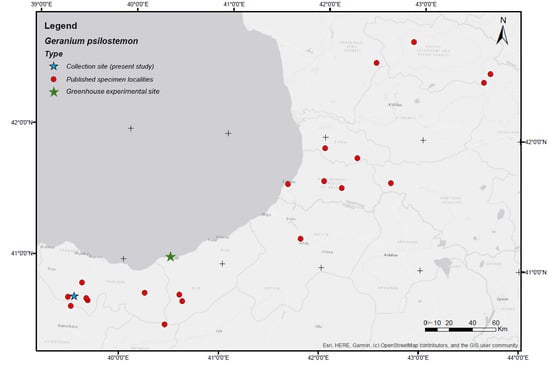
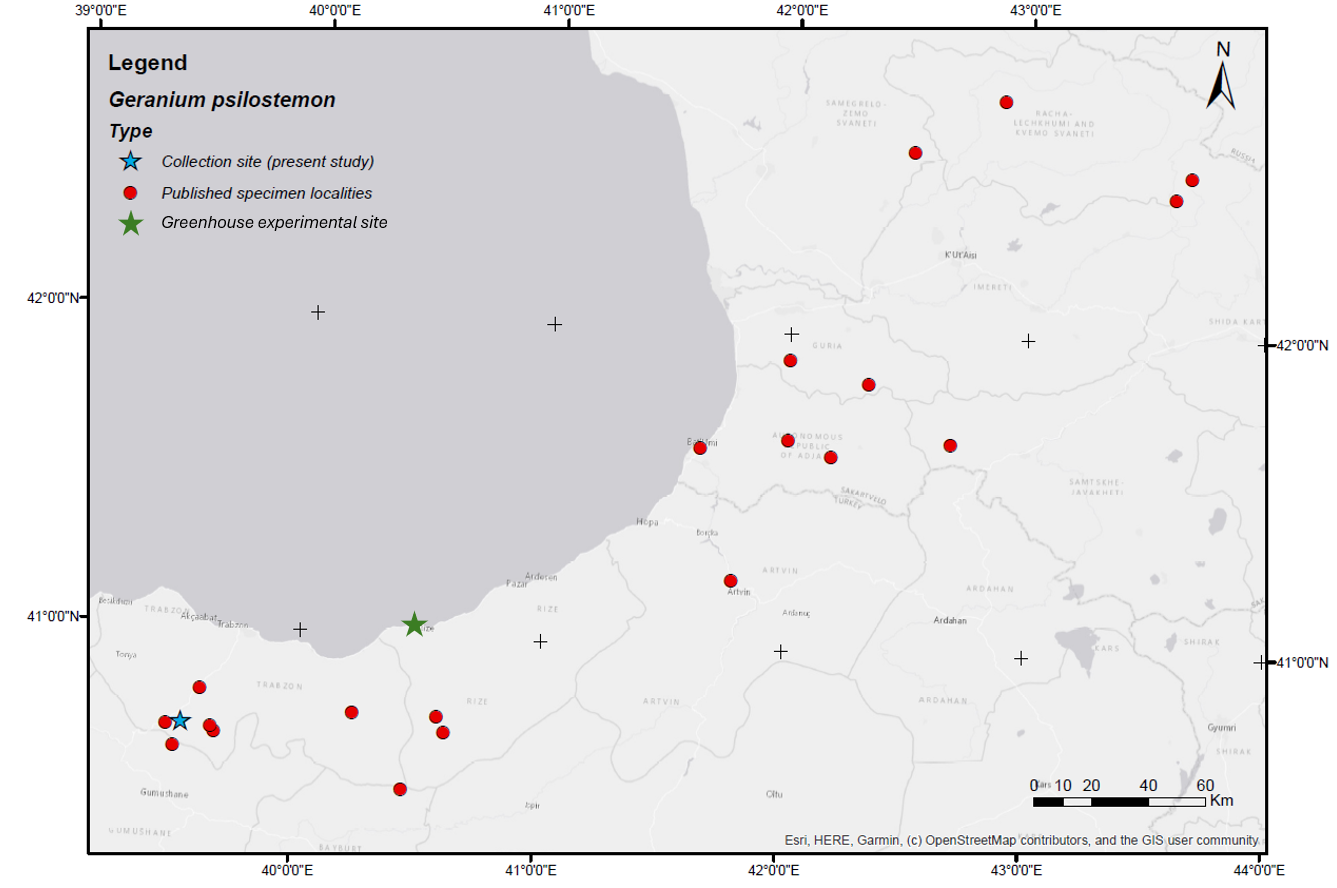
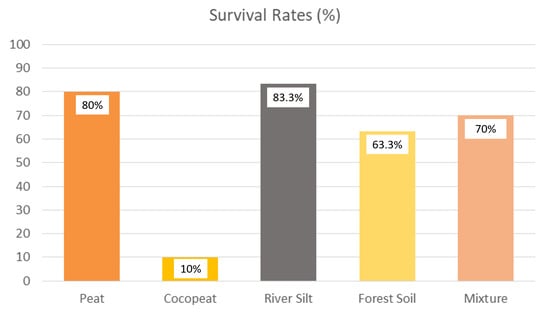
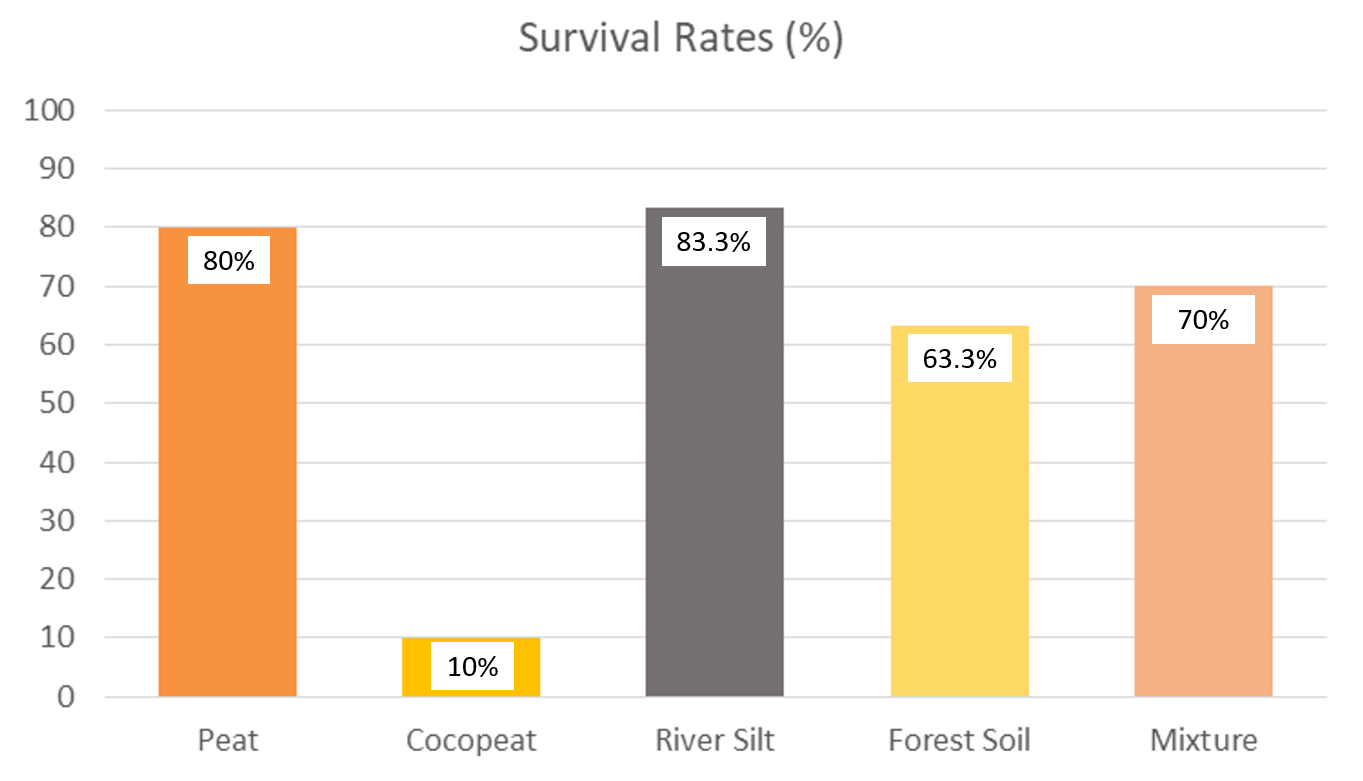
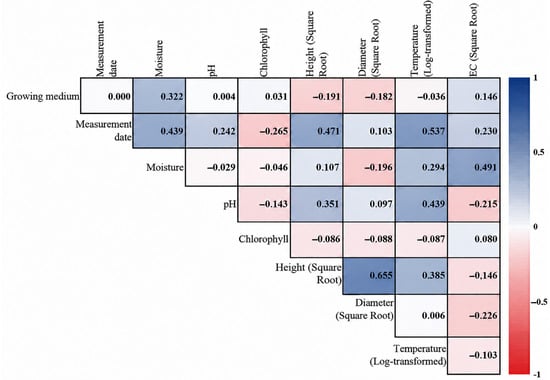
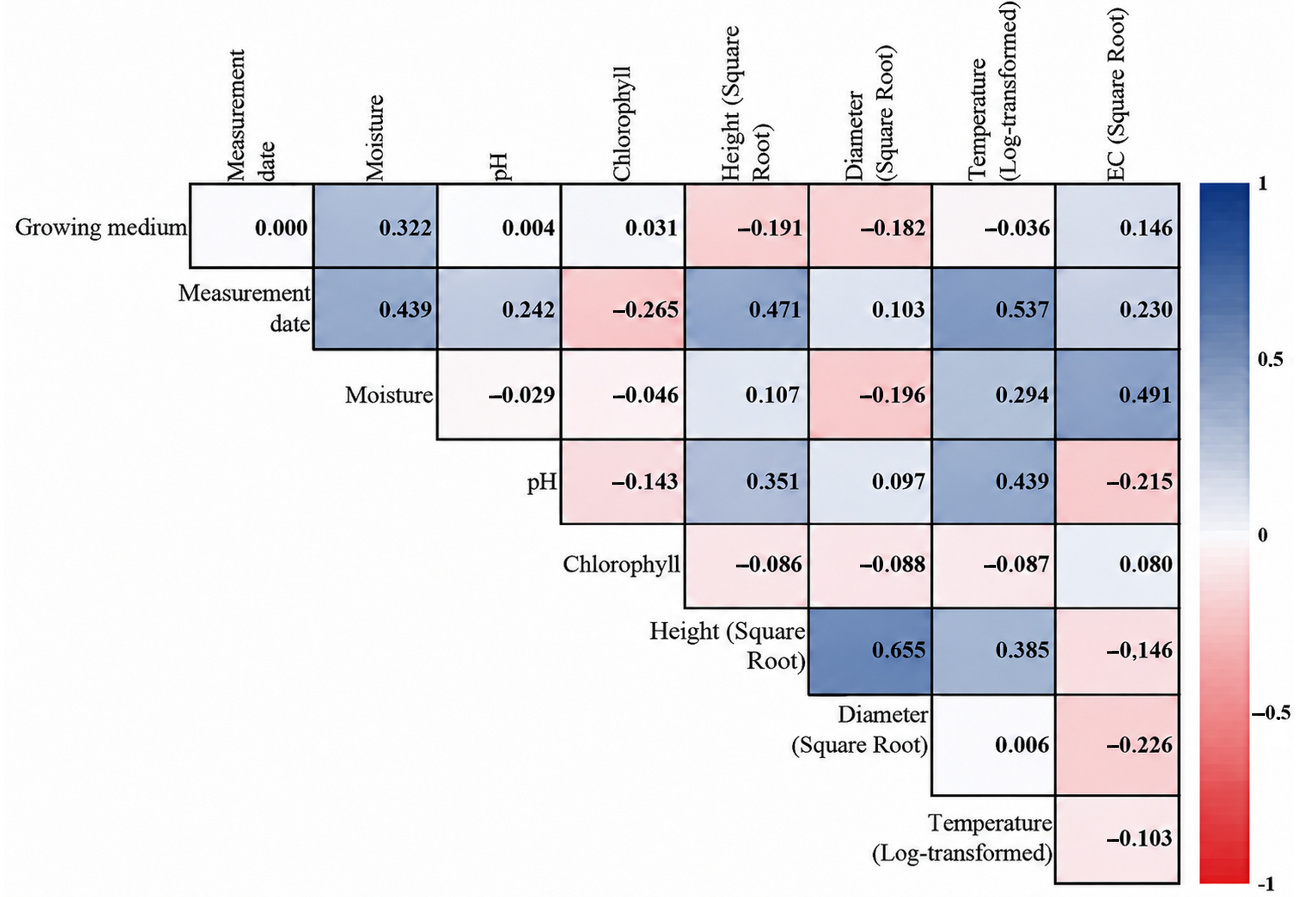
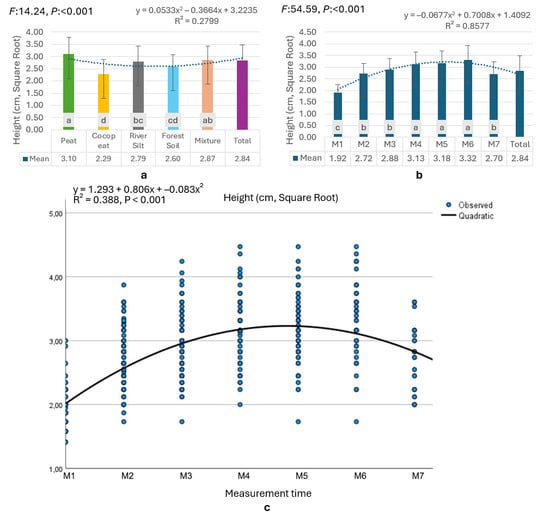
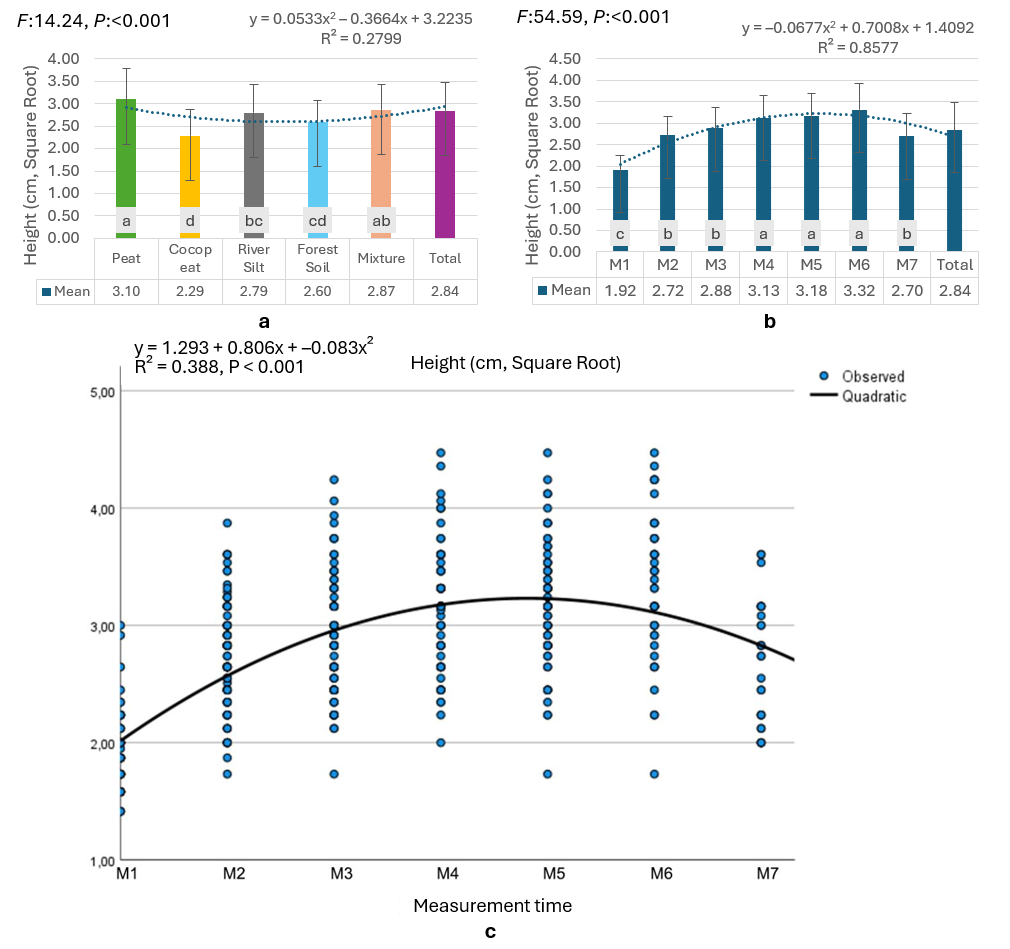
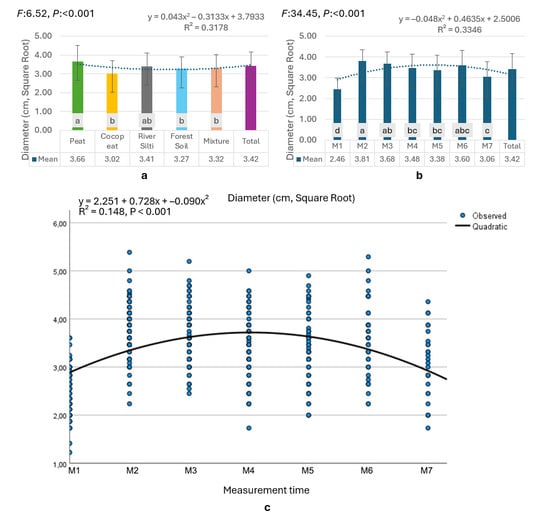
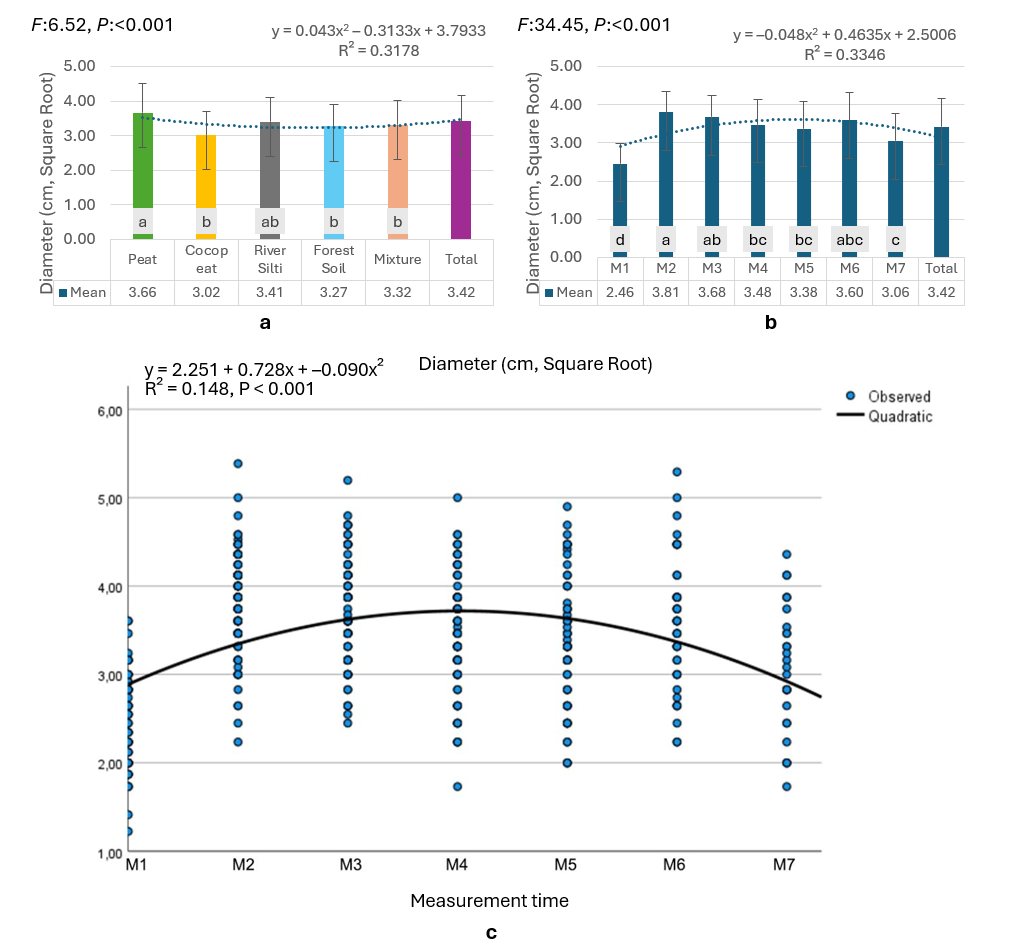
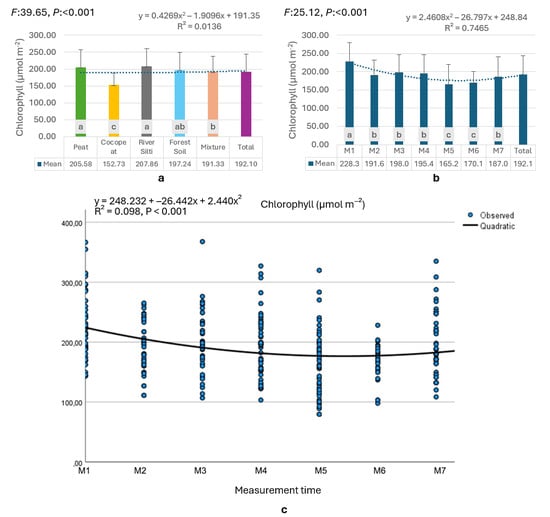
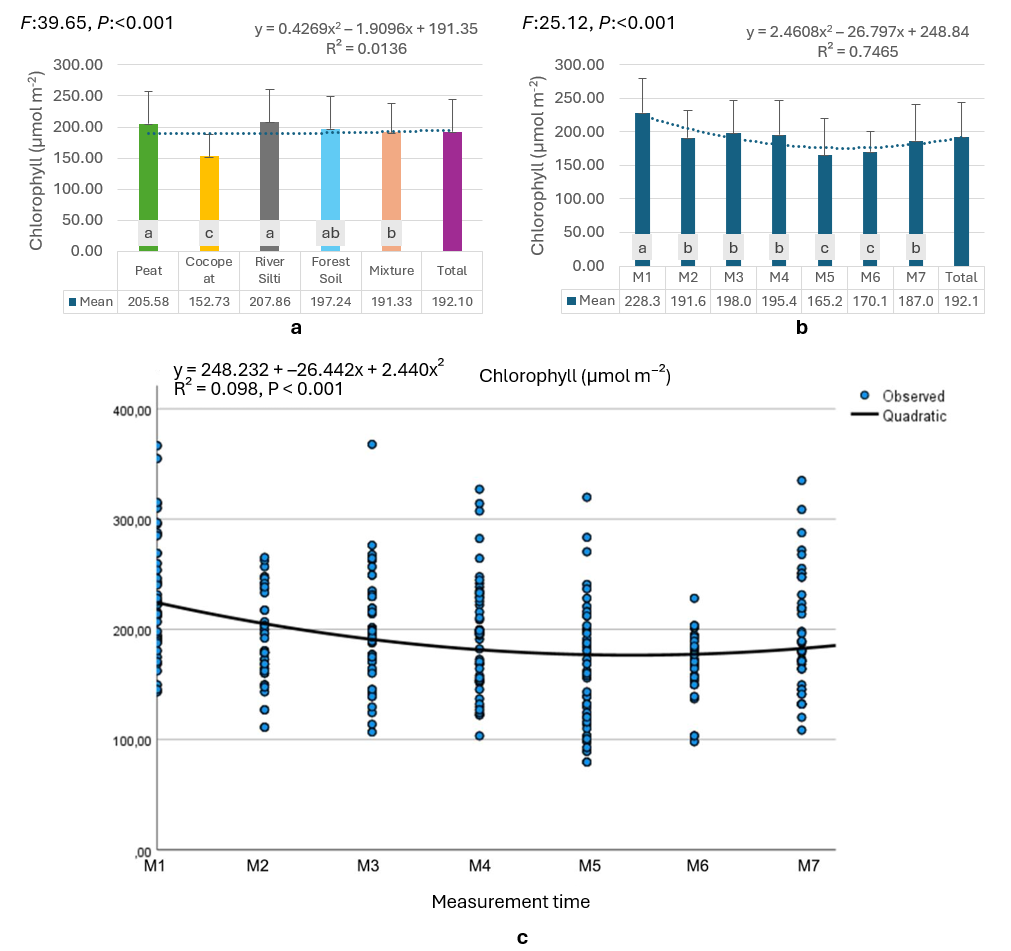
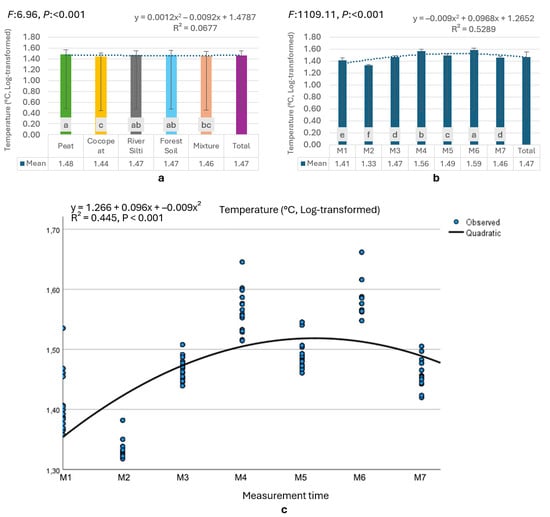
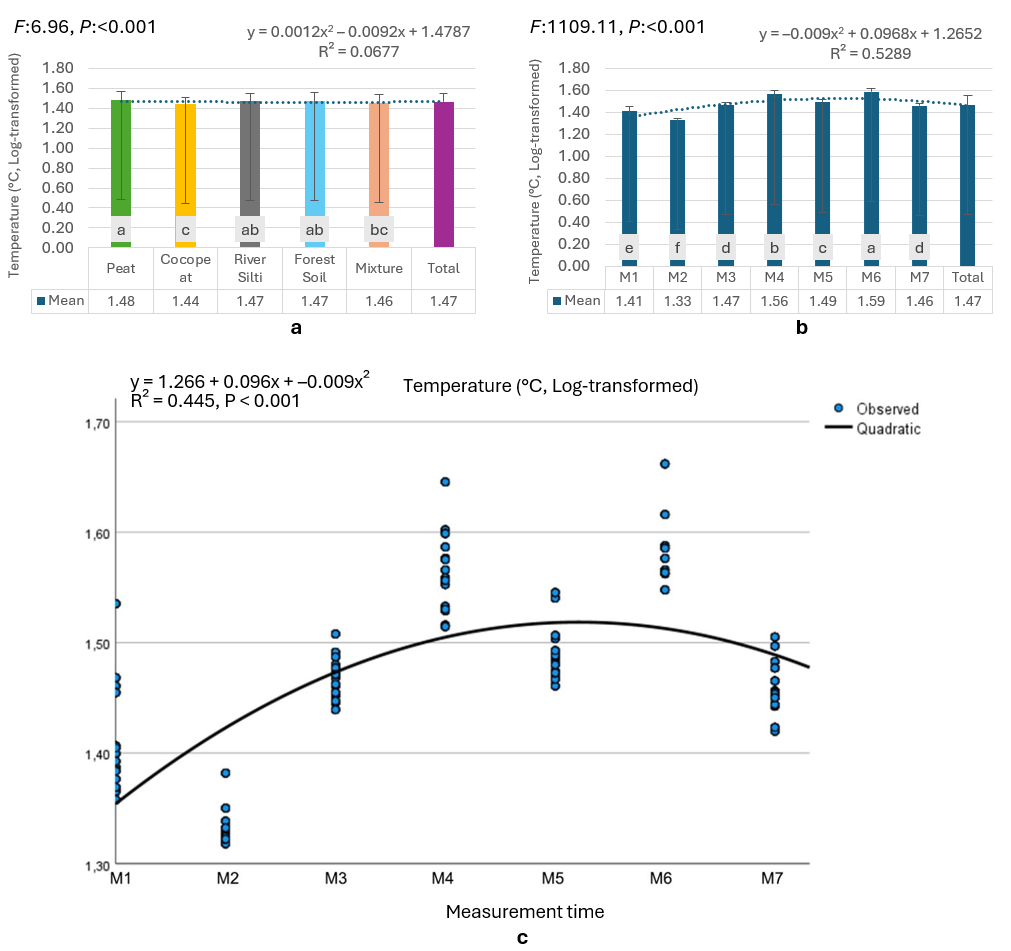
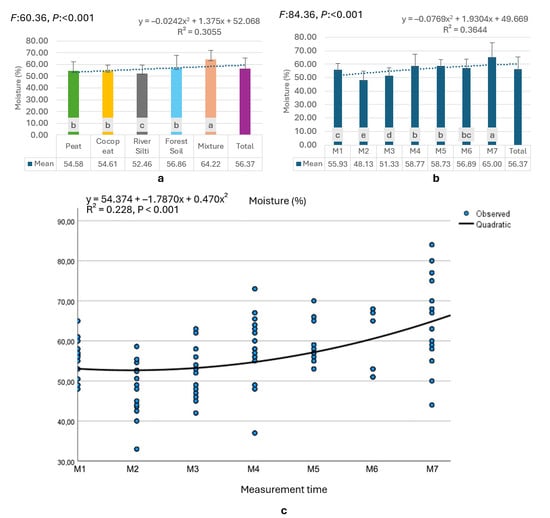
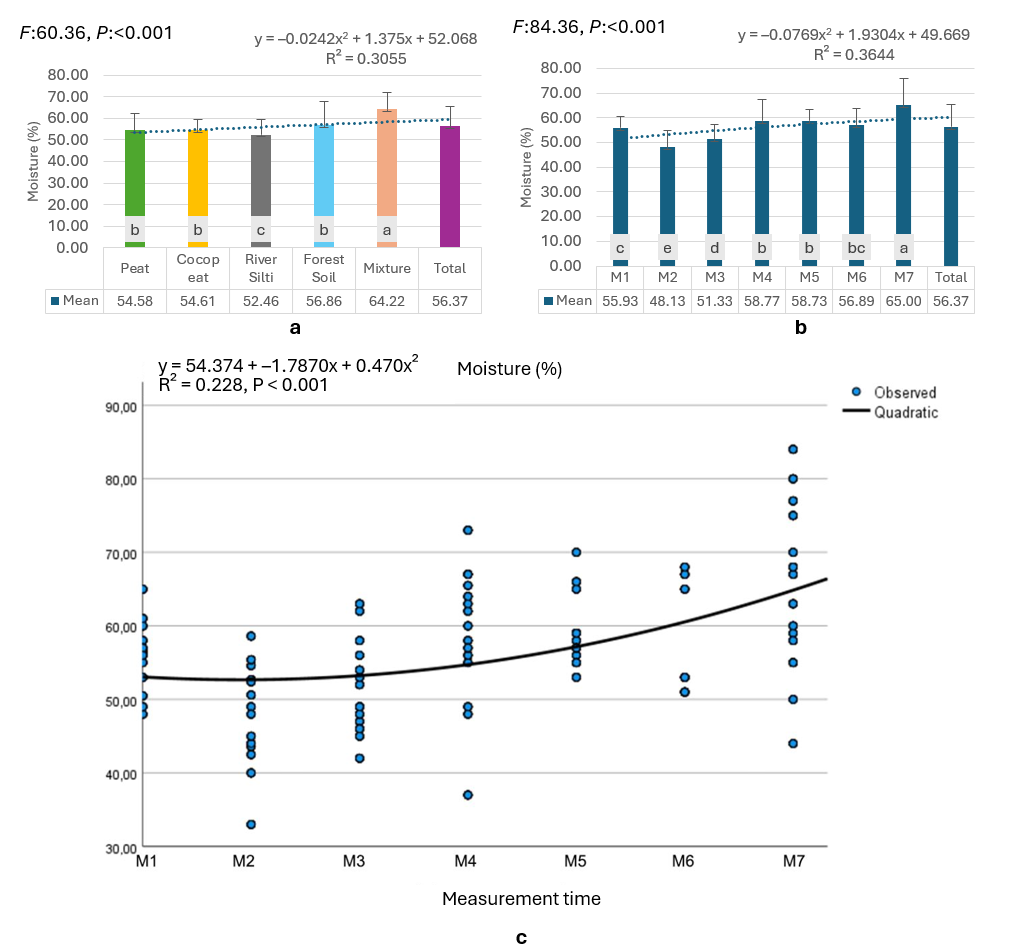
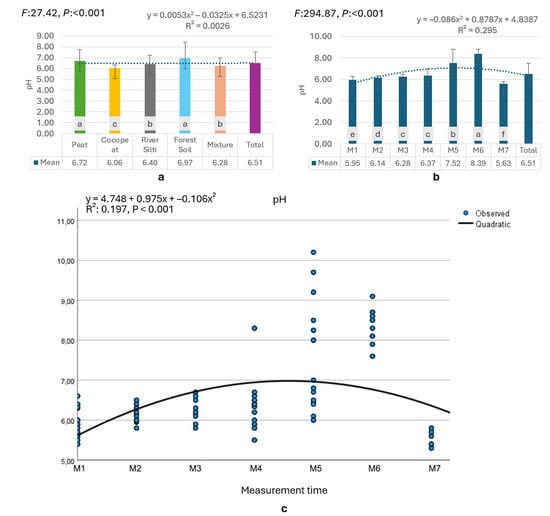
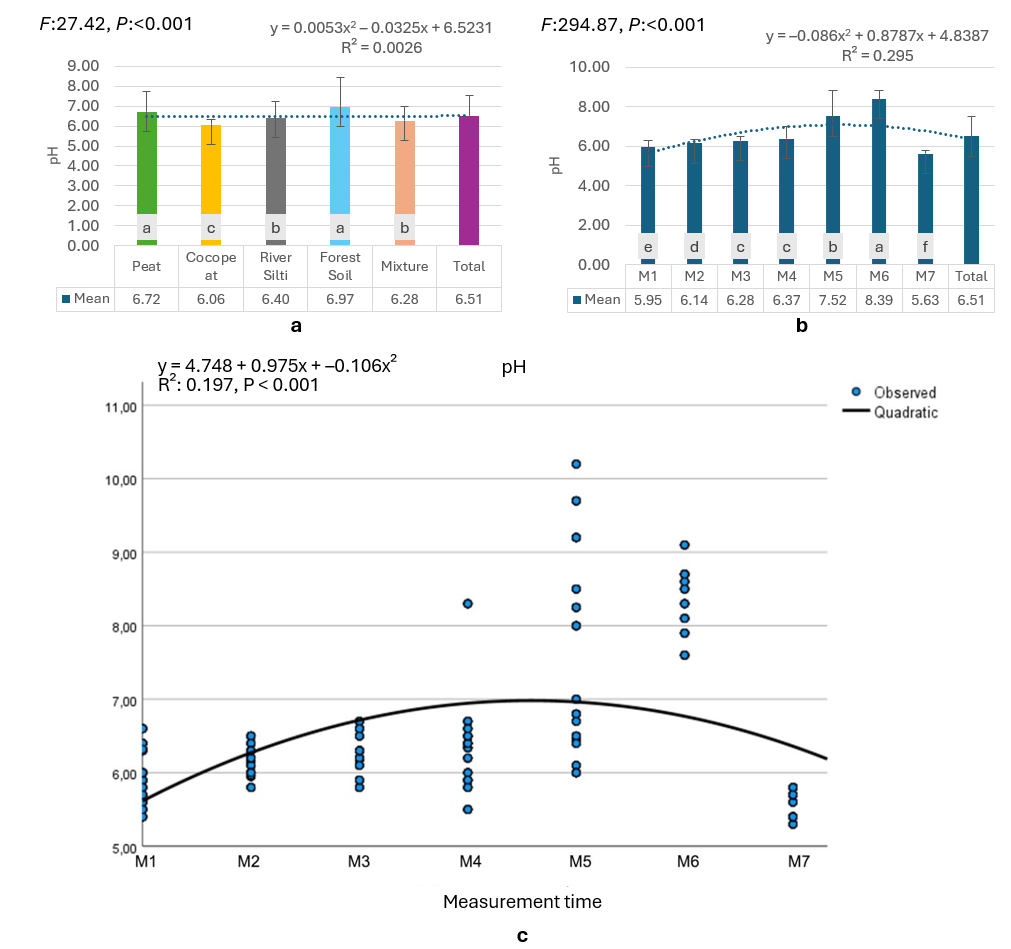
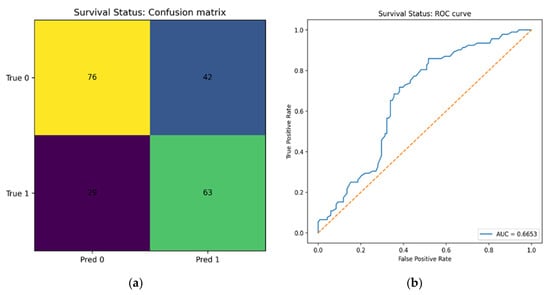
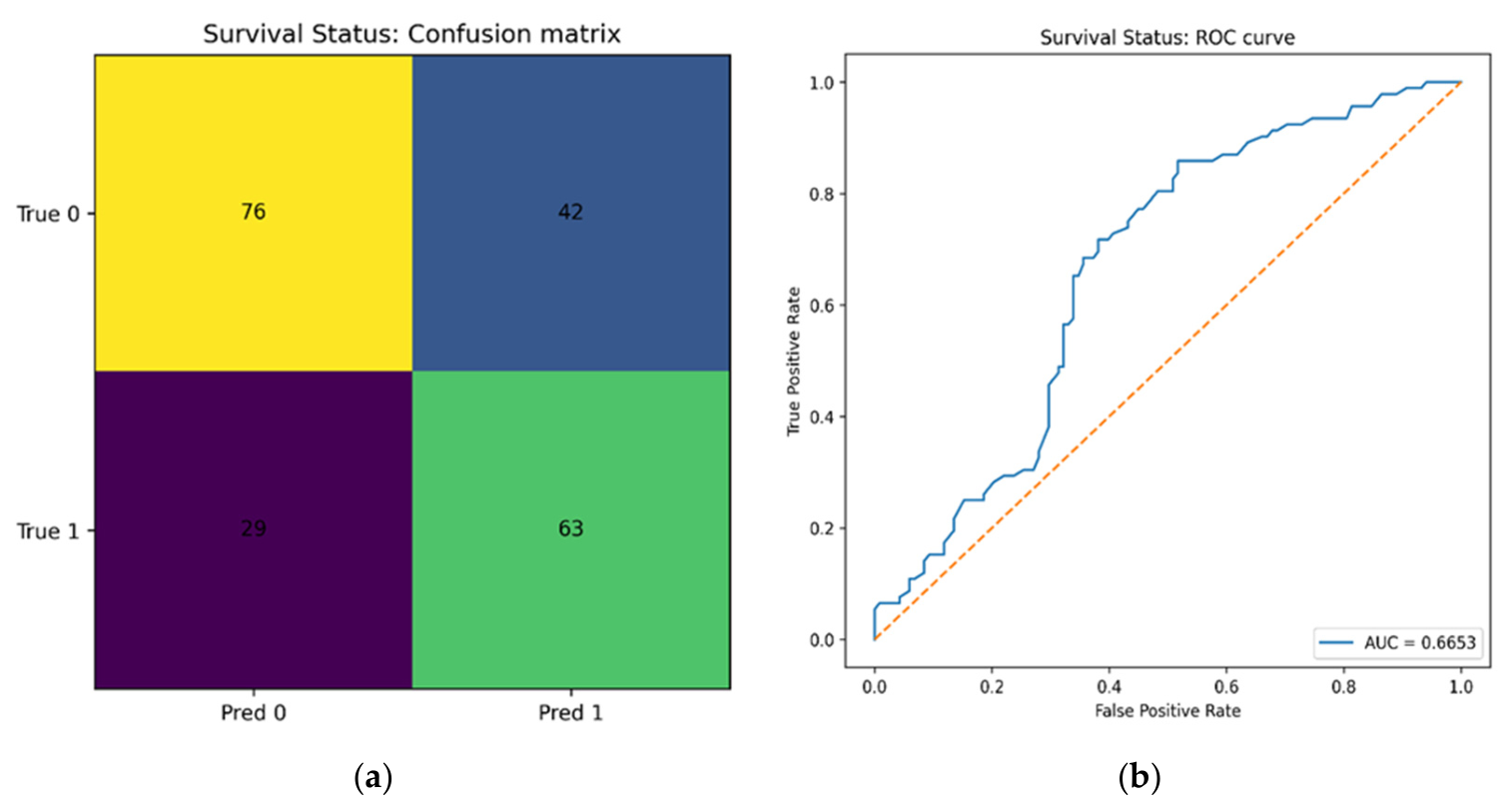
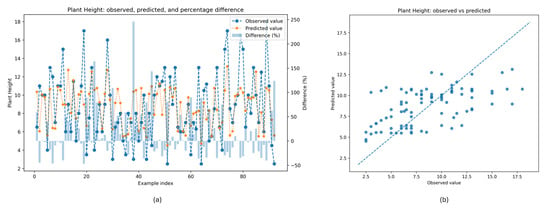
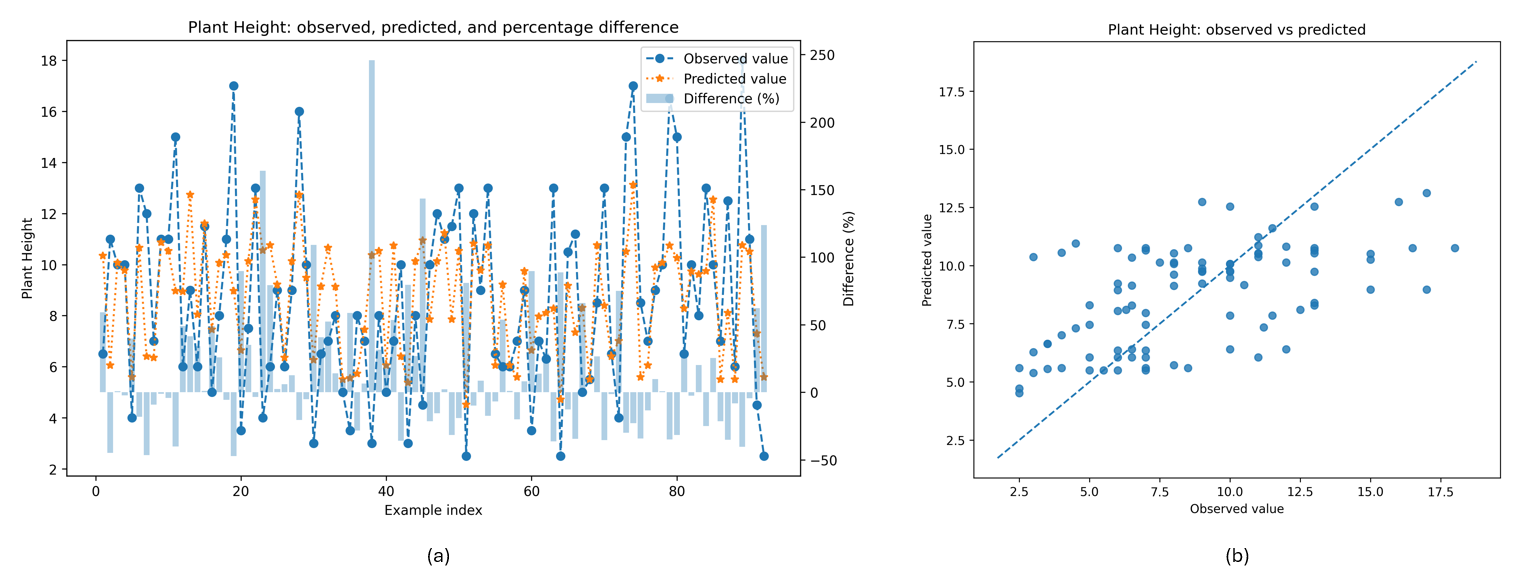
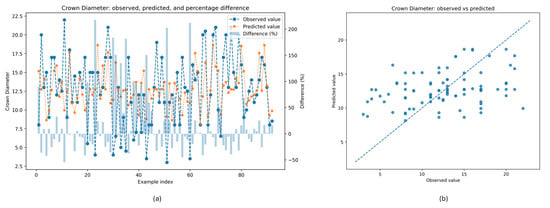
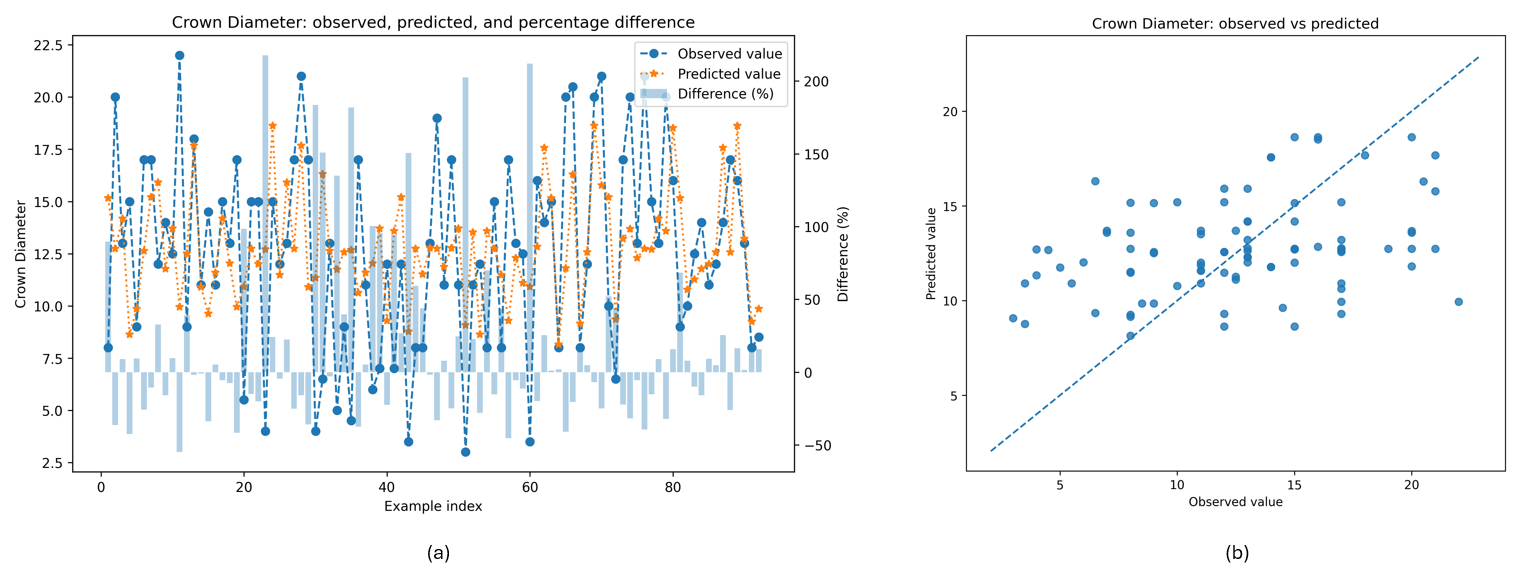
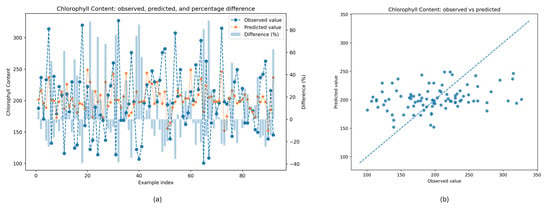
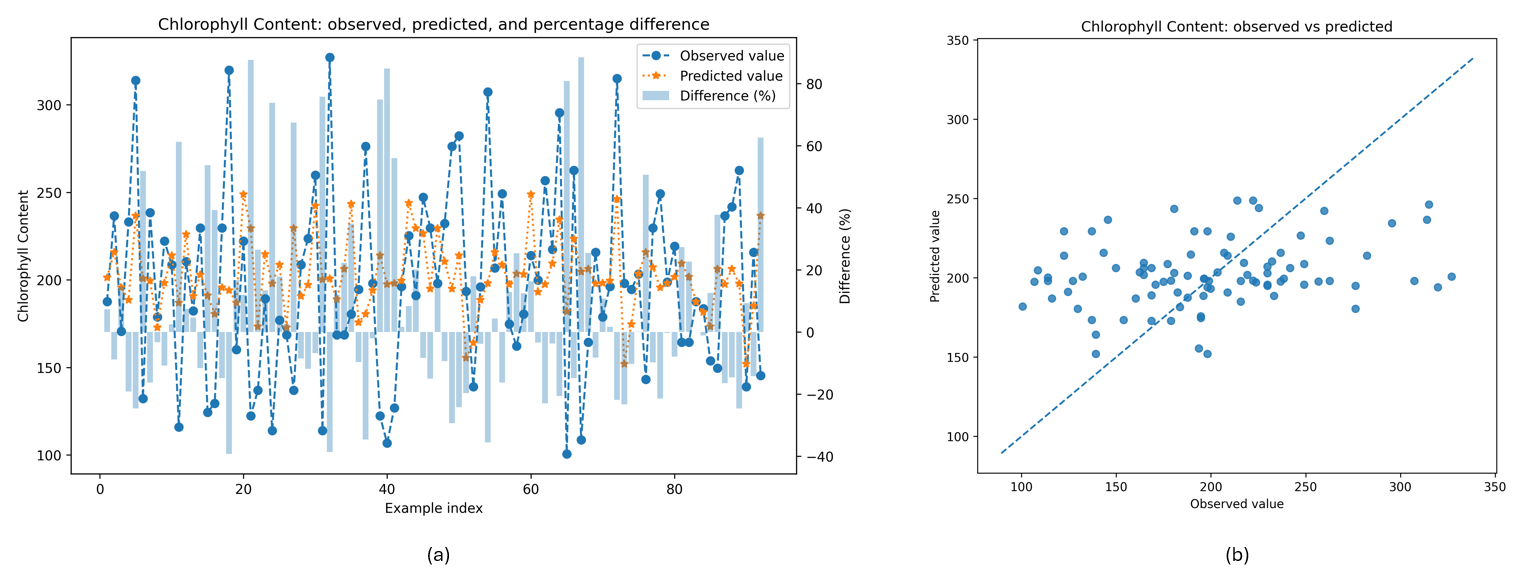
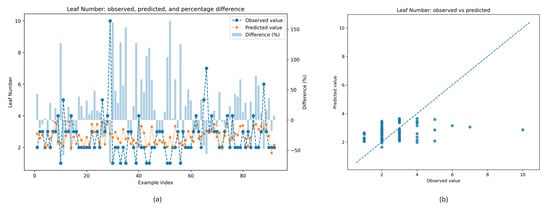
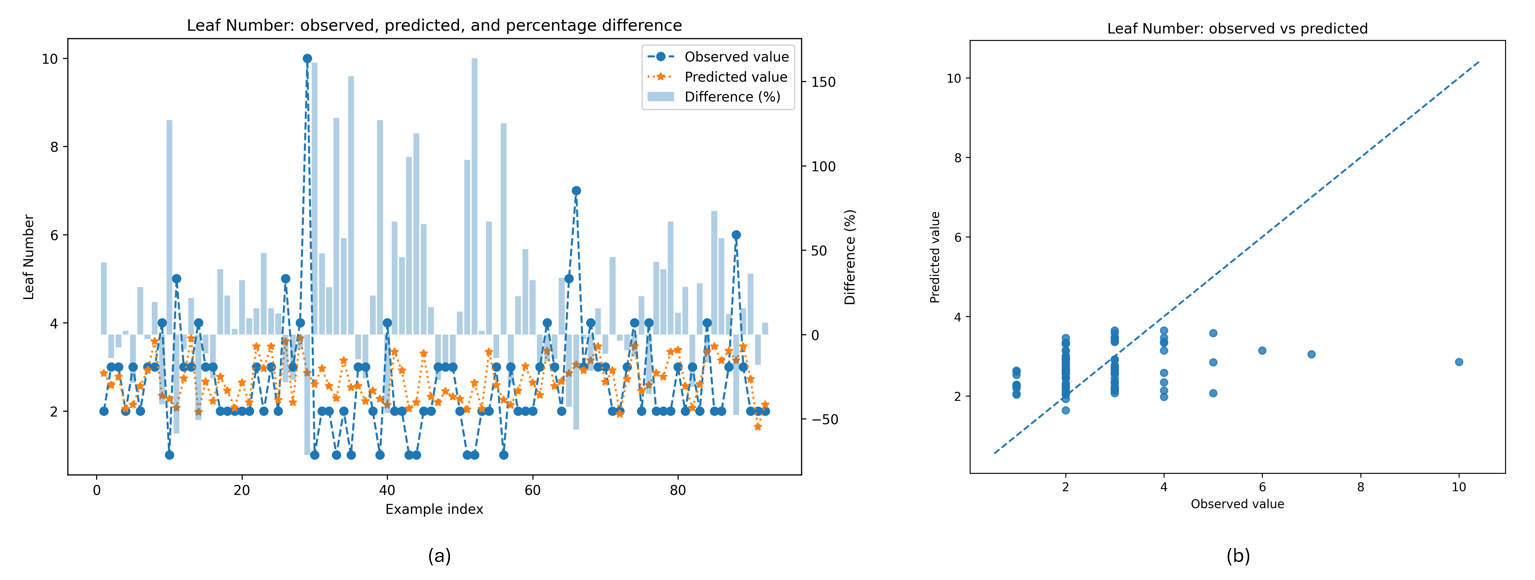

Disclaimer/Publisher’s Note: The statements, opinions and data contained in all publications are solely those of the individual author(s) and contributor(s) and not of MDPI and/or the editor(s). MDPI and/or the editor(s) disclaim responsibility for any injury to people or property resulting from any ideas, methods, instructions or products referred to in the content. |
© 2026 by the authors. Licensee MDPI, Basel, Switzerland. This article is an open access article distributed under the terms and conditions of the Creative Commons Attribution (CC BY) license.