


Abstract
Parental microbiome composition and nutritional and metabolic status have been studied in relation to in vitro fertilization (IVF), but their contribution to recurrent implantation failure (RIF) remains uncertain. This narrative review examines maternal and paternal microbial profiles, nutrition, inflammation, oxidative stress, and epigenetic regulation, distinguishing human observational and interventional findings from animal experiments, in vitro studies, and proposed mechanisms. The literature search was conducted in PubMed/MEDLINE, Scopus, and Web of Science, covering publications from 2000 to 2026. Search concepts included “in vitro fertilization”, “recurrent implantation failure”, “reproductive tract microbiota”, “gut microbiome”, “parental nutrition”, “oxidative stress”, and “sperm epigenetics”. Associations between reproductive-tract microbial profiles and pregnancy outcomes vary across populations and analytical methods. Endometrial findings require particular caution because low microbial biomass increases susceptibility to contamination. Evidence linking parental gut microbiota to epigenetic programming of human preimplantation embryos remains indirect, and paternal gut–testis mechanisms are supported predominantly by experimental research. Randomized probiotic studies have produced inconsistent results and have not established a reproducible improvement in implantation or live birth across IVF populations. Nutritional adequacy and management of relevant metabolic disorders belong within established preconception care, whereas microbiome testing, targeted microbial manipulation, and proposed epigenetic interventions remain investigational for RIF. The available evidence supports further study of these relationships but does not establish parental dysbiosis as a cause of RIF or demonstrate that microbiome modification prevents implantation failure.
1. Introduction
Infertility is a substantial clinical and public-health concern with psychological, social, and financial consequences [1]. Assisted reproductive technologies (ART), including in vitro fertilization (IVF), provide treatment options for many affected couples. Nevertheless, reproductive outcomes differ across patient populations and treatment settings, and unsuccessful treatment can occur at several stages. Interpretation of IVF success therefore requires specification of the denominator and endpoint: pregnancy per transfer, live birth per initiated cycle, and cumulative live birth across treatment are different measures [2].
Repeated unsuccessful treatment prompts investigation of embryo competence, the uterine environment, and treatment-related factors. Endometrial markers have been studied extensively, but association with reproductive outcome does not necessarily establish clinical utility [3]. Similarly, evaluation of an intervention such as intentional endometrial injury requires outcome evidence rather than a presumed improvement in receptivity [4]. These distinctions are particularly important in recurrent implantation failure (RIF), where heterogeneous definitions and populations complicate interpretation of both diagnostic and treatment studies [5].
Implantation requires interaction between a developmentally competent embryo and a hormonally responsive endometrium [6]. Clinical studies of RIF examine different pregnancy endpoints and cannot be treated as describing a single uniform disorder [7]. Potential embryonic, uterine, endocrine, and procedural contributors should be considered individually; a mechanistic explanation that is plausible for one subgroup may not apply to another [8].
The human microbiota comprise microorganisms occupying different body sites, while the microbiome encompasses their collective genetic and ecological context [9]. Intestinal communities contribute to nutrient metabolism and immune signaling [10]. The term dysbiosis is commonly used to describe microbial changes associated with disease, but it does not have a universally applicable taxonomic definition. A microbial pattern observed in a disease cohort may represent a contributing exposure, a consequence of disease, or a marker of another underlying condition [11].
In many reproductive-age women, vaginal communities are dominated by Lactobacillus species, although composition varies between individuals and over time [12]. Lactobacilli can maintain an acidic environment through lactic acid production and support local barrier functions [13]. Associations between reproductive-tract communities, inflammation, and gynecological conditions provide a rationale for fertility research [14]. However, describing these biological functions does not establish that a particular community causes implantation success or that changing it improves IVF outcomes [15].
Sequencing studies have reported bacterial signals in endometrial samples and examined their relationship with reproductive receptivity [16]. Interpretation is complicated by low microbial biomass, sampling variation, and possible contamination [17]. The detection of microbial deoxyribonucleic acid (DNA) should not be equated with a stable community of viable organisms, and vaginal findings cannot automatically be extrapolated to the endometrium. Current evidence supports investigation of endometrial microbial signals while leaving their functional significance and clinical utility unresolved [18].
The maternal gut microbiome provides a separate, predominantly indirect research pathway through host metabolism and endocrine function [19]. A retrospective IVF cohort associated fecal short-chain fatty acids (SCFAs) with clinical pregnancy outcomes, but this design cannot establish causation or metabolite exposure at the embryo [20]. Metabolic syndrome has also been investigated in women with polycystic ovary syndrome (PCOS), illustrating the importance of metabolic and diagnostic context when interpreting reproductive outcomes [21]. These observations motivate study of microbiome–host interactions without establishing a continuous maternal gut–embryo causal pathway [22].
Paternal microbial and metabolic factors should be distinguished from maternal pathways. Research on the seminal microbiome examines environmental exposures and semen characteristics [23], whereas human studies of obesity report associations with sperm DNA methylation [24]. These are different exposures and should not be combined into a single demonstrated mechanism [25]. In mice, experimental perturbation of the paternal gut microbiota affected offspring growth and survival. This establishes an experimental rationale, but not an equivalent causal pathway in human IVF or RIF [26].
Sperm epigenetics is another potential interface between paternal exposures and early development. Lifestyle and environmental factors have been investigated in relation to sperm DNA methylation, chromatin organization, and small non-coding ribonucleic acids (RNAs) [27]. Research on paternal age and small RNAs provides additional context [28]. Human molecular associations and animal transmission experiments must nevertheless be interpreted separately, especially when discussing embryo development or long-term offspring health [29].
Preimplantation development involves extensive remodeling of DNA methylation and chromatin states. Human embryo studies link these changes with developmental progression, but do not identify parental microbial composition as their upstream cause [30]. Mammalian epigenetic profiling further demonstrates substantial variation across developmental stages and experimental systems. Such findings establish the biological importance of reprogramming rather than a validated epigenetic explanation for clinical RIF [31].
Oxidative stress and cellular metabolism can interact with epigenetic regulation in gametes and embryos. Proposed mechanisms include changes in methyl-donor availability and the activity of chromatin-modifying enzymes. However, evidence concerning oxidative and epigenetic homeostasis in IVF embryos should not be used to imply that gut-derived metabolites have been shown to reprogram human preimplantation embryos. Direct evidence for that exposure-specific pathway remains limited [32].
Diet influences gut microbial composition and function, including the production of bioactive metabolites [33]. Western-style dietary patterns have been studied in relation to gastrointestinal immune and microbial changes [34], while Mediterranean dietary studies report effects on selected microbial and metabolic measures [35]. Reproductive associations vary by dietary exposure, sex, population, and endpoint; a diet–microbiome association is not sufficient to establish an improvement in implantation or live birth [36].
Micronutrients contribute to reproductive physiology through DNA synthesis, enzymatic reactions, and antioxidant defense [37]. Their importance in spermatogenesis does not mean that supplementation benefits individuals without deficiency [38]. Nutritional–epigenetic mechanisms provide a further rationale for preconception research, but effects observed in experimental embryos cannot be assumed to demonstrate clinical benefit in RIF [39].
The clinical relevance of vaginal and endometrial microbial testing remains under evaluation [40]. Exploratory gut microbiome studies in women with multiple implantation failures broaden the research question, but small observational datasets cannot separate microbial effects from metabolic, dietary, or treatment-related differences [41].
Interest in maternal microbiome modification has increased alongside broader preconception research [42]. Nutritional assessment and management of clinically relevant metabolic conditions may be appropriate for reproductive health, but their established indications must be separated from unproven claims that they prevent RIF through microbiome or epigenetic modification [43].
This narrative review examines reproductive-tract, maternal gut, paternal gut, and seminal microbial evidence alongside parental nutrition and proposed epigenetic mechanisms. It distinguishes associations, experimental findings, and intervention outcomes, with particular attention to their applicability to RIF. The objective is to identify what these research areas can presently contribute to interpretation of assisted reproduction and where clinical translation remains premature [40,43].
2. Literature Search Strategy and Study Organization
2.1. Search Strategy
This is a narrative review rather than a systematic or scoping review. The literature search was conducted in PubMed/MEDLINE, Scopus, and Web of Science, covering publications from 2000 to 2026. Search concepts included “in vitro fertilization”, “recurrent implantation failure”, “maternal gut microbiome”, “reproductive tract dysbiosis”, “paternal gut–testis axis”, “oxidative stress”, “sperm epigenetics”, “DNA methylation”, “short-chain fatty acids”, and “preconception nutrition”. Thematic inclusion criteria were English-language, peer-reviewed original studies, intervention trials, evidence syntheses, and mechanistic reviews relevant to parental microbial profiles, nutrition, metabolic health, assisted reproduction, implantation, sperm biology, or related inflammatory and epigenetic mechanisms. Human clinical studies were distinguished from animal, cell-culture, and non-reproductive studies. Experimental and non-reproductive sources were included as mechanistic context when relevant to the proposed pathways, without treating them as direct evidence of human IVF or RIF outcomes. Sources outside the stated publication period, non-English publications, non-peer-reviewed material, and publications without relevance to these themes were excluded from the thematic scope. Selection was thematic rather than exhaustive and did not follow a prespecified systematic screening protocol. No quantitative pooling or formal study-level risk-of-bias grading was performed. Detailed screening counts, study-level exclusion logs, database-specific Boolean strings, exact search dates, and the number of independent selectors are not documented; systematic completeness and reproducibility are therefore not claimed. Selection bias and literature omissions remain possible.
2.2. Study Organization
Section 3 defines unsuccessful IVF and RIF and considers embryo and endometrial factors. Section 4 reviews reproductive-tract microbiota and local immune mechanisms. Section 5 and Section 6 distinguish maternal gut pathways from paternal gut and seminal findings. Section 7 considers parental nutrition, while Section 8 separates established care from investigational interventions and discusses limitations. Section 9 provides a concise conclusion. The organization reflects the need to distinguish clinical recommendations from research hypotheses in RIF.
3. Recurrent Implantation Failure and Its Distinction from Unsuccessful IVF
An unsuccessful IVF cycle can involve failure to obtain suitable oocytes, achieve fertilization, develop transferable embryos, or establish pregnancy after transfer. In contrast, recurrent implantation failure (RIF) concerns repeated failure to establish implantation after embryo transfer and requires individualized assessment; it does not include every unsuccessful IVF cycle. A single failed transfer is an individual treatment outcome and does not, by itself, establish RIF. Recurrent pregnancy loss concerns pregnancies that have been established and subsequently lost. Immune and endometrial investigations address only part of this broader clinical context [44]. Transcriptomic research also illustrates why molecular differences should not be interpreted as a universal explanation for reproductive failure [45].
Endometrial receptivity changes with hormonal exposure, age, and treatment context [46]. The window of implantation (WOI) is a physiological concept rather than an identical, fixed interval in every patient [47]. Transcriptomic assessments have been studied for transfer timing [48], while uterine immune populations and inflammatory factors have also been investigated [49,50]. These approaches evaluate different aspects of the implantation environment and do not establish that timing or inflammation caused all previous failures.
Endometrial receptivity testing seeks to identify molecular features of the receptive state, but a test’s biological rationale must be separated from its ability to improve live birth [51]. Uterine natural killer (uNK) cells, macrophages, and other immune populations participate in tissue remodeling and pregnancy adaptation [52]. Extracellular vesicles may also contribute to communication between stromal and embryonic cells [53]. These physiological roles do not justify interpreting every measured immune difference as pathological or using routine immune-directed treatment without outcome evidence.
Reactive oxygen species (ROS) have physiological signaling functions, whereas excessive oxidative exposure can damage reproductive cells [54]. Decidualizing stromal cells possess adaptive mechanisms that regulate oxidative stress; impairment of these mechanisms is biologically relevant, but does not identify an upstream microbial cause. Clinical attribution requires evidence linking exposure, tissue response, and reproductive outcome rather than a single oxidative biomarker [55].
Lipid metabolism and endometrial function are interconnected, and metabolic disturbances may accompany adverse reproductive outcomes [56]. Progesterone resistance has been investigated in several gynecological disorders, but these disease-specific mechanisms should not be generalized to all RIF [57]. Repeated cycles are not evidence that a maternal environment needs to become progressively “optimized”; treatment decisions should follow the identified clinical problem.
Embryo morphology and morphokinetic analysis provide information about development but do not characterize every aspect of competence [58]. Additional selection strategies evaluate other features, yet a favorable assessment cannot guarantee implantation. The limitations of embryo assessment therefore remain relevant even when maternal investigations appear normal, and failed implantation cannot automatically be assigned to endometrial or microbial factors [59].
Molecular investigations of receptivity encompass cytokines, adhesion proteins, and hormone-responsive transcription [60]. Experimental endometriosis work has examined changes in leukemia inhibitory factor, homeobox A10 (HOXA10), vascular endothelial growth factor, and matrix metalloproteinase 9 [61]. Reviews of endometrial microRNAs (miRNAs) describe further candidate regulatory mechanisms [62], with important disease-specific context in endometriosis-associated infertility [63]. MiRNA-mediated regulation and long non-coding RNA effects on HOXA10 provide plausible biological links [64,65]. Transcriptomic differences following treatment of endometriosis are not evidence that the same mechanism explains RIF across all IVF populations [66].
Prospective studies of endometrial receptivity, experimental investigations of circadian regulation, and comparisons of transfer protocols contribute complementary information [67,68]. None establishes a fixed proportion of failed transfers attributable to maternal endometrial factors. The relative contribution of embryo competence, uterine conditions, treatment, and chance varies by population, making a general “two-thirds” attribution inappropriate [69].
4. Reproductive Tract Microbiota and Proposed Implantation-Related Mechanisms
Retrospective endometrial studies have reported associations between microbial profiles and pregnancy outcomes in RIF. Such findings do not establish that a particular profile causes failed implantation. Association, predictive performance, and clinical benefit from changing the profile are separate questions, each requiring appropriate validation [70].
Longitudinal vaginal studies examine microbial variation during IVF and early pregnancy. Timing matters because ovarian stimulation, hormonal exposure, medications, and pregnancy itself may alter the microbial environment. An association measured after treatment or conception cannot establish that the same profile preceded and contributed to failure [71].
Microbial metabolites, including SCFAs, provide an additional mechanistic link between microbial activity and host–cell signaling. SCFAs can influence epithelial-barrier function, immune responses, and cellular metabolism through receptor-mediated signaling and epigenetic mechanisms such as histone-deacetylase inhibition. However, the extent to which gut- or genital-tract-derived SCFAs directly regulate human endometrial decidualization and implantation remains an emerging area of investigation rather than an established clinical mechanism [72].
Reviews of the reproductive-tract microbiome describe possible links with fertility and gynecological disease, while emphasizing that clinical translation remains incomplete [73]. A pilot RIF study related endometrial microbial findings to inflammatory markers. Small associations of this kind require replication and careful contamination control before they can support diagnostic thresholds or targeted treatment [74].
Human stromal-cell experiments involving antiphospholipid antibodies implicate Toll-like receptor 4 (TLR4)-associated signaling, ROS, and inflammatory responses in decidualization and senescence. These experiments demonstrate that a relevant cellular pathway can be activated; they do not directly demonstrate activation by endometrial dysbiosis or prove microbial causation in RIF [75].
Chronic endometritis and sequence-based endometrial microbial profiles are related research topics but should not be treated as interchangeable diagnoses. Clinical and histological assessment of endometritis addresses a defined inflammatory condition, whereas a taxonomic sequencing profile may not establish viable infection. Studies of RIF and pregnancy loss also involve distinct populations and outcomes [76].
HOXA10 participates in endometrial differentiation and has been studied in several endometrial disorders [77]. Experimental work on protein arginine methyltransferase 5-mediated HOXA10 modification provides a mechanism for regulation of epithelial receptivity [78]. Reviews of endometriosis-associated gut and reproductive-tract microbial changes describe a separate, disease-specific evidence base [79]. Gut microbial β-glucuronidase contributes to estrogen metabolism [80], and a small endometrial study reported associations with estrobolome-related measures [81]. These findings do not establish that gut estrogen recycling controls human IVF implantation. Decidualization, autophagy, and senescence studies add mechanistic context without resolving that causal question [82].
uNK cells, macrophages, dendritic cells, and regulatory T cells participate in tissue remodeling and immune regulation around implantation [83]. Human uNK cells are functionally heterogeneous [84]; reported differences in RIF are inconsistent and do not validate routine cell counting or immune-directed treatment [85]. Functional studies of uterine macrophages and trophoblast invasion provide additional mechanistic context, not a patient-level causal test [86].
Microbial metabolites influence immune function in several non-reproductive systems [87]. Succinate participates in host–microbe signaling [88], and SCFAs can regulate immune responses [89]. Experimental studies of tryptophan availability and kynurenine-related aryl hydrocarbon receptor signaling illustrate additional pathways [90,91]. Hyperglycemia-associated histone changes in human endothelial cells provide evidence of a metabolism–chromatin interaction outside the reproductive tract [92]. Application of these mechanisms to implantation is therefore a hypothesis that must be tested in reproductive tissues rather than inferred from pathway overlap [93].
Matrix metalloproteinases contribute to tissue remodeling at the maternal–fetal interface [94]. Experimental lipopolysaccharide (LPS)-related inflammatory work in trophoblasts has been undertaken in a preeclampsia context [95], and an in vitro study of monosodium glutamate examined ROS-mediated changes in trophoblast invasion. These studies support exposure-specific cellular mechanisms; neither directly establishes a microbiome-mediated cause of human implantation failure [96].
Endometrial microbial profiles have been associated with receptivity measures [97], while systematic synthesis of vaginal dysbiosis studies indicates substantial variation in reproductive associations [98]. Studies examining vaginal and endometrial samples should preserve their anatomical distinction [99]. Jepsen and colleagues found that specific probiotic lactobacilli did not improve an unfavorable vaginal microbiota compared with placebo. A microbial association cannot therefore be treated as evidence that supplementation corrects it or improves reproduction [100].
Biomarkers of receptivity, inflammation, or microbiome composition require prospective validation against clinically meaningful outcomes, particularly live birth [101]. Until analytical validity, prediction beyond established clinical factors, and intervention benefit are demonstrated, these assays should not be presented as routine personalized management of RIF [102].
5. Maternal Gut Microbiome and Proposed Metabolic–Epigenetic Links
The gut microbiome interacts with host metabolism and immunity, providing a rationale for investigating indirect reproductive effects [103]. SCFAs are one component of this interaction [104], while plant-based dietary substrates influence microbial function [105]. These general physiological relationships do not establish that the maternal gut microbiome determines implantation success.
Microbial fermentation of dietary fiber generates acetate, propionate, and butyrate [106]. Their effects differ across tissues, and research on communication with the nervous system should not be interpreted as direct reproductive evidence [107]. Intestinal utilization, hepatic metabolism, and systemic concentrations are relevant to exposure; fecal abundance alone does not establish the concentration reaching an endometrial cell or embryo [108].
SCFAs can signal through host receptors and influence immune-cell function [109,110]. Experimental and clinical gastrointestinal work suggests therapeutic possibilities, but benefits in intestinal or inflammatory disorders cannot be transferred directly to IVF. Reproductive relevance requires evidence at physiologically appropriate concentrations and in the relevant tissue [111].
Butyrate can modify macrophage responses and inhibit histone deacetylases in experimental systems [112]. These chromatin effects have been investigated in obesity and inflammation [113]. Their magnitude depends on cell type, concentration, and metabolic conditions; the presence of this mechanism does not demonstrate equivalent epigenetic effects in human preimplantation embryos [114].
Butyrate has metabolic as well as signaling functions, with effects described across several experimental contexts [115]. Microbial metabolites and polyphenols can interact with host immunometabolism [116]. AMP-activated protein kinase and mechanistic target of rapamycin signaling provide nutrient-sensing mechanisms [117], while studies of T-cell differentiation show how metabolism can influence chromatin regulation. These findings explain biological plausibility rather than clinical efficacy in RIF [118].
Immune responses to SCFAs vary with experimental conditions and tissue context [119]. Macrophage polarization research examines inducible nitric oxide synthase and other regulatory pathways [120]. Related inflammatory signaling has also been studied in biomaterial-based bone-regeneration models, which provide indirect rather than reproductive evidence [121]. Pattern-recognition and immunometabolic studies [122], together with research on SCFAs and immune tolerance, do not support a uniform prediction that increased SCFA production improves endometrial receptivity [123].
Mitochondrial responses to diet have been investigated in intestinal epithelium [124], while fusion and fission regulate cellular homeostasis more generally [125]. Reproductive research separately examines mitochondrial dysfunction in oocytes [126] and mitochondrial biology in embryos. The involvement of mitochondria in these tissues does not demonstrate an SCFA-mediated causal chain linking the maternal gut to embryo competence [127].
Human ovarian-aging research identifies oxidative damage and mitochondrial dysfunction without establishing a microbial cause [128]. Intestinal permeability and systemic inflammation provide another possible exposure pathway [129]. Experimental LPS studies examine intestinal tight-junction signaling [130], while additional innate immune signaling mechanisms have been reviewed in broader disease settings. Evidence that these mechanisms translate naturally occurring maternal gut variation into implantation failure remains indirect [131].
Free-fatty-acid exposure can influence macrophage inflammatory responses experimentally [132]. Oocyte energy metabolism is an important but distinct reproductive research area [133]. Chronic inflammation and insulin resistance are linked through interacting cellular pathways [134]. Their overlap provides a hypothesis for metabolic contributions to reproduction, but does not isolate gut dysbiosis as the upstream cause in human IVF [135].
Follicular fluid and cumulus cells contribute to the oocyte environment [136]. Ovarian-aging research investigates mitochondrial inflammation [137], while a mechanistic review examines mitochondrial dysfunction and candidate therapeutic approaches in ovarian aging [138]. Endometriosis research separately examines progesterone resistance [139], and endothelial nitric oxide dysfunction provides additional vascular context. These distinct evidence bases do not establish a clinically proven maternal gut–ovary–endometrium pathway [140].
The proposed gut–endometrial axis brings together microbial metabolites, endocrine signaling, and local inflammatory responses [141]. In porcine endometrial epithelial cells, butyrate increased receptivity-related measures alongside histone H3 lysine 9 acetylation [142]. In human epithelial-cell models, LPS affected trophoblastic spheroid attachment and outgrowth. The first finding is animal-cell evidence and the second is human in vitro evidence; neither demonstrates improved or impaired implantation in a clinical IVF population [143].
An endometrial microbiota–metabolite–regulatory T-cell pathway has been investigated in RIF, but it should be distinguished from the maternal intestinal microbiome [144]. Estrobolome research provides general context for microbial estrogen metabolism, including work outside fertility [145]. Human studies associating progesterone concentrations with endometrial gene expression address another component of receptivity. Establishing a gut-derived endocrine effect on IVF outcomes requires direct assessment rather than inference from these separate relationships [146].
Metabolic syndrome encompasses several correlated exposures, including adiposity, insulin resistance, and inflammation [147,148]. Gut microbiome variation has been observed in these settings, but confounding and reverse causation complicate inference about reproductive outcomes [149].
Mammalian sperm epigenome research explores whether selected paternal chromatin features contribute to embryo development [150]. This evidence concerns germline information and does not establish that maternal gut metabolites alter the human embryo. Human preimplantation methylation changes should be considered separately from animal exposure and transmission experiments [30].
Experimental exposures around fertilization may alter gamete or embryo epigenetic states. Translation to naturally occurring human microbiome variation requires direct exposure measurements and embryo-specific endpoints [151].
Cellular metabolites supply substrates and cofactors for chromatin-modifying enzymes, establishing a general metabolism–epigenetics interface. The proposed relevance to human RIF is mechanistic inference rather than a validated clinical pathway [152].
One-carbon metabolism supplies methyl donors relevant to DNA methylation. Human placental studies associate nutritional markers with selected methylation patterns, but placental results cannot be directly extrapolated to human preimplantation embryos or RIF [153].
Early embryo development involves coordinated epigenetic regulation from genome activation to lineage specification. This establishes the biological importance of chromatin remodeling, but not a parental microbiome cause of abnormal development. A continuous maternal gut metabolite–human embryo epigenome–RIF pathway remains a proposed model requiring direct exposure, molecular, and clinical evidence [154] (Figure 1).
Figure 1.
Proposed maternal gut microbiome–metabolism–epigenome framework in assisted reproduction.
The conceptual illustration links maternal gut microbial balance with proposed metabolic, inflammatory, and epigenetic processes that may be relevant to endometrial function and early embryonic development. The depicted components include short-chain fatty acids (SCFAs), lipopolysaccharide (LPS), Toll-like receptor 4 (TLR4), nuclear factor kappa B (NF-κB), reactive oxygen species (ROS), DNA methylation, histone modifications, and microRNAs (miRNAs). Human studies provide selected observational associations, whereas several intermediate mechanisms are supported by animal or cell-culture experiments. The arrows indicate conceptual connections, not established causal relationships, evidence grades, or a validated sequence in human in vitro fertilization (IVF). The dietary and microbiome-directed measures shown are potential research or preconception considerations; the illustration does not establish their efficacy in preventing recurrent implantation failure or improving live birth.
6. Paternal and Seminal Factors: Human Associations and Experimental Mechanisms
Paternal health can affect sperm parameters and may relate to assisted reproduction outcomes, but the evidence is not equivalent for every proposed pathway. Human studies support associations of some metabolic and semen characteristics with reproductive endpoints; the paternal gut microbiome–sperm–embryo sequence is supported chiefly by experimental models [155].
The “gut–testis axis” describes proposed interactions among intestinal microbiota, systemic metabolism, immunity, and testicular function. It is a useful experimental framework, not a clinically validated diagnostic or therapeutic pathway in human IVF [156].
Diet, obesity, medications, and other exposures may correlate with both gut microbial profiles and semen characteristics, making confounding a major concern. Describing a single “healthy” intestinal profile or inferring that changing diversity will improve human live birth would exceed current evidence [157].
Microbial products can activate innate immune responses in experimental systems [158]. Whether paternal gut permeability and endotoxemia account for sperm abnormalities in human IVF cohorts remains uncertain, particularly when obesity, inflammation, and diet coexist [158].
Oxidative stress has been studied in relation to male infertility and sperm dysfunction. Its biological relevance does not identify the gut microbiome as the source of exposure. Human assessment must account for smoking, infection, metabolic disease, age, and other correlated factors before assigning a microbiome-mediated explanation [159].
Sperm membranes are susceptible to lipid peroxidation, and oxidative markers have been associated with impaired sperm function. These observations do not identify the gut microbiome as the specific source of oxidative exposure [160].
Sperm mitochondrial function relates to motility and energy metabolism. Most evidence connecting paternal gut microbial changes to specific human sperm mitochondrial abnormalities remains indirect or preclinical [161].
Elevated sperm DNA fragmentation has been associated with adverse reproductive outcomes in some studies, but effect sizes and clinical utility differ across populations, assays, and treatment settings. It cannot be attributed to dysbiosis without direct evidence [162].
Standard semen analysis does not measure every aspect of sperm DNA integrity or epigenetic status. This limitation supports further research, but does not establish routine gut-microbiome profiling or broad molecular testing for every couple with unsuccessful IVF [163].
Androgen signaling and gut microbiota have been examined within the proposed gut–testis framework. The relationship may involve endocrine and metabolic interactions, but evidence does not establish a specific intestinal profile as a validated predictor of human implantation or live birth [164].
Male obesity is associated with several reproductive and offspring outcomes, although the underlying pathways and strength of evidence vary. Obesity, diet, and microbial composition are correlated but distinct exposures. Evidence concerning obesity should not be cited as direct proof that changing the paternal gut microbiota restores fertility [165].
A human gut immune-cell study demonstrated that butyrate can modify T-cell function through histone deacetylase and receptor-related signaling. This is direct evidence in intestinal immune cells, not sperm. It supports a possible general mechanism while leaving effects on human sperm epigenetics and IVF outcomes unresolved [166].
Sperm DNA fragmentation is investigated as an aspect of male infertility that is not fully represented by conventional semen measures. Its interpretation varies with assay, population, and treatment context. Fragmentation, altered DNA methylation, and small-RNA changes are different molecular findings and should not be treated as interchangeable indicators of dysbiosis [167].
The randomized folic acid and zinc supplementation study examined sperm DNA methylation as a molecular outcome. This interventional design differs from observational exposure studies and animal transmission experiments. A methylation finding does not, by itself, establish improved embryo development or live birth, and supplementation cannot be interpreted as a clinically validated epigenetic treatment for RIF [168].
Animal experiments have linked paternal obesity with offspring metabolic changes and alterations in Igf2/H19 methylation. These findings support an exposure-specific experimental mechanism. They should not be extrapolated to demonstrate altered human implantation or to imply that paternal gut dysbiosis and obesity produce identical effects [169].
Spermatozoa carry several classes of small non-coding RNA. Dietary perturbation can alter sperm RNA and offspring phenotypes in animal experiments, but comparable causal effects on human IVF or offspring health remain unconfirmed [170].
Chromatin packaging and protamination protect sperm DNA; abnormalities may accompany impaired semen quality. Associations with embryo or pregnancy outcomes should be interpreted in light of differing assays and patient populations rather than presented as a universal explanation for RIF [171].
Seminal microbiome studies report associations with semen parameters, but sampling, contamination controls, and definitions of dysbiosis vary. Evidence that a specific seminal bacterial profile changes implantation or live birth through maternal immune signaling is insufficient [172].
Systematic synthesis of folic acid, with or without zinc, evaluates semen characteristics and pregnancy outcomes in infertile men. Different formulations, baseline nutritional states, and endpoints limit generalization. The physiological role of a nutrient is not sufficient to justify supplementation as a treatment for implantation failure [173].
Mediterranean-style dietary adherence has been associated with some favorable semen measures in observational studies. Such findings support dietary assessment as part of general preconception care, not a claim that a specific diet restores sperm epigenetic stability or prevents recurrent implantation failure [174].
A systematic review and meta-analysis evaluates Mediterranean dietary adherence, semen quality, and medically assisted reproduction outcomes. Improvements or associations in semen parameters should not be equated with a reproducible increase in implantation or live birth. Dietary counseling can be appropriate without claiming a proven microbiome-mediated treatment effect [175].
An umbrella review of sperm DNA fragmentation and ART outcomes illustrates variation across assays and reproductive endpoints. Clinical assessment should therefore distinguish male-factor evaluation from unvalidated paternal gut microbiome or epigenetic testing. The continuous paternal gut–sperm–embryo pathway remains predominantly experimental [176] (Figure 2).
Figure 2.
Proposed paternal lifestyle–gut microbiome–sperm framework.
The conceptual illustration presents proposed links between paternal diet, obesity, smoking, alcohol, stress, environmental exposures, gut dysbiosis, intestinal permeability, systemic inflammation, oxidative stress, mitochondrial function, and sperm DNA or epigenetic characteristics. Human associations involving lifestyle, metabolism, and semen measures should be distinguished from animal and cell-model evidence for intermediate gut–testis mechanisms. The arrows depict a proposed framework rather than evidence of a continuous causal pathway in humans. Altered sperm molecular measures do not establish a microbiome-mediated cause of recurrent implantation failure or demonstrate that modifying the paternal gut microbiome improves implantation or live birth.
7. Parental Nutrition: Established Health Measures and Uncertain IVF Effects
Preconception nutrition contributes to general reproductive and pregnancy health [177]. Studies of diet and assisted reproduction report associations, but differences in diet measurement, confounding, and outcomes limit causal conclusions, particularly for paternal epigenetic claims [178].
Mediterranean dietary patterns have been examined in assisted reproduction [179], while mechanistic reviews consider nutrients and sperm energy metabolism [180]. Nutrient-sensing pathways in diabetes [181] and glycation-associated inflammation in vascular disease [182] provide indirect biological context rather than direct IVF evidence. Antioxidant supplementation studies address sperm parameters and DNA fragmentation, which remain distinct from implantation and live birth [183].
Folate, choline, and vitamin B12 contribute to one-carbon metabolism and are important in preconception nutritional assessment [184]. Personalized nutritional approaches in female infertility remain heterogeneous in their clinical evidence. The availability of methyl donors provides biological plausibility for epigenetic effects, but does not establish that supplementation in nutritionally adequate couples improves IVF live birth [185].
Micronutrient–antioxidant interventions have been investigated during ART [186]. Trace elements have different physiological and toxicological properties, making dose and baseline status relevant [187]. Reviews of nutritional therapies in male infertility do not justify treating all supplements as equivalent or assuming a benefit in unselected couples with RIF [188].
Systematic reviews of vitamin D and IVF report heterogeneous evidence that requires distinction between baseline status and treatment effects [189]. Maternal iodine research concerns thyroid-dependent fetal development, including neurodevelopment. These established nutritional considerations should not be presented as direct evidence that supplementation prevents implantation failure [190].
Observational ART research has evaluated omega-3 intake in women and men [191], and evidence synthesis examines intake in relation to oocyte quality [192]. Such studies do not establish an optimal omega-6/omega-3 ratio or a universal supplementation regimen for IVF. Specialized pro-resolving lipid mediators provide a mechanistic explanation for inflammatory effects, but their biology is not a demonstration of clinical implantation benefit [193].
Dietary fiber fermentation links nutrition with SCFA-dependent mucosal immune regulation [194]. Experimental studies also examine SCFA effects on lymphocyte and myeloid-cell activity. These findings support general microbiome–immune biology; direct improvement in human implantation through dietary fiber-induced microbial change remains unestablished [195].
Bile acids and their receptors participate in gastrointestinal and metabolic signaling [196]. Microbial tryptophan metabolites likewise interact with intestinal immune pathways. Their proposed reproductive relevance requires separate evidence; intestinal signaling cannot demonstrate epigenetic modification of human preimplantation embryos [197].
Microbial metabolites can influence intestinal barrier function and host immunity [198]. In an animal gut–testis model, fecal microbiota transplantation was investigated in high-fat-diet-associated reproductive impairment. This experiment should not be interpreted as evidence supporting microbiota transplantation or equivalent microbial treatment for human IVF [199].
Established preconception care provides a framework for evaluating relevant health and nutritional risks [200]. Reviews of female diet and fertility distinguish observational findings [201], while the International Federation of Gynecology and Obstetrics checklist supports structured preconception assessment [202]. Male dietary research [203] and paternal observational studies [204] further support including both partners in counseling. These principles do not establish that a diet, supplement, or microbial profile prevents RIF through epigenetic modification [205] (Figure 3).
Figure 3.
Proposed parental nutrition–microbiome–epigenome framework in assisted reproduction.
The conceptual illustration brings together maternal and paternal microbial and nutritional factors with proposed epigenetic, immune, oxidative, hormonal, and endometrial pathways. The central embryo represents early embryonic programming, and the uterine component represents endometrial receptivity and unsuccessful in vitro fertilization (IVF) outcomes. Extracellular matrix (ECM) alterations are included among the candidate endometrial mechanisms. The arrows denote conceptual relationships rather than proven human causal effects. Reproductive-tract microbial associations, parental dietary observations, and animal or cell-model mechanisms provide different levels and types of evidence and do not establish the complete integrated pathway.
Implantation, clinical pregnancy, and live birth are distinct reproductive endpoints. Recurrent implantation failure concerns repeated failed implantation and should not be equated with every unsuccessful IVF cycle. The illustration does not identify a validated predictive biomarker or demonstrate an effective microbiome-directed treatment.
8. Clinical Implications and Limitations of the Evidence
Microbiome findings have generated research interest in assisted reproduction [206]. However, reproductive-tract associations, gut-based hypotheses, and experimental epigenetic observations are different evidence categories; none alone establishes that routine microbiome testing improves treatment decisions or live birth [207,208].
Oocyte mitochondrial biology identifies potential therapeutic questions but does not establish a particular dietary or probiotic treatment for IVF [209]. Reviews of probiotics in assisted reproduction describe a developing and inconsistent clinical evidence base [210]. The ability to change a microbial or cellular measure is therefore insufficient to establish reproductive benefit.
The Lactovag randomized study reported a favorable interpretation, but its overall between-group differences in reported pregnancy proportions were not statistically significant [211]. Observational studies of vaginal communities address associations rather than treatment efficacy. These designs should not be combined as if they provide the same evidence for clinical benefit [212].
The randomized study by Thanaboonyawat and colleagues found comparable biochemical and clinical pregnancy rates after vaginal probiotic supplementation. It reported lower miscarriage and a favorable blastocyst-transfer subgroup finding, which require consideration alongside the overall results and independent replication. These outcomes do not establish a general probiotic class effect or an indication for routine treatment of RIF [213].
In a randomized RIF study, intravaginal probiotics did not improve pregnancy rates [214]. A separate observational study found that vaginal community state types did not predict IVF outcomes, although selected taxa were associated with adverse endpoints. These results challenge the assumption that a broad Lactobacillus-dominant classification is uniformly predictive or that changing it necessarily improves reproduction [215].
Gut-based mechanisms have been discussed in relation to female reproductive dysfunction [216]. A systematic review of prebiotics, synbiotics, and SCFAs in respiratory and immune outcomes provides non-reproductive evidence. It should not be used as direct support for implantation, clinical pregnancy, or live-birth benefit [217].
Prebiotics are substrates selectively utilized by host microorganisms, with effects depending on formulation and physiological context. Changes in gut microbial abundance or metabolites are surrogate outcomes; clinical benefit in IVF requires trials evaluating reproductive endpoints rather than an assumed extension of general health effects [218].
Reviews of prebiotic health effects describe several plausible metabolic and immune mechanisms. However, those mechanisms do not establish improvement in human endometrial receptivity or prevention of RIF. Adequately powered trials with prespecified reproductive outcomes are needed before such claims can support routine care [219].
Probiotic, prebiotic, and synbiotic interventions have been studied in inflammatory bowel disease, illustrating their indication-specific evidence. Strain, dose, route, duration, and baseline disease differ from IVF settings. Evidence from gastrointestinal treatment cannot establish efficacy of synbiotics for RIF [220].
Dietary evidence in ART requires assessment by intervention, patient population, and endpoint. Nutritional adequacy and correction of clinically relevant deficiency should be distinguished from claims that a specified diet improves implantation through microbial or epigenetic changes [221].
Mediterranean dietary studies report associations with female reproductive health, but encompass different populations and outcomes [222]. Research on phenolics and oxidative signaling [223], and on polyphenol bioavailability and microbial interactions, supplies mechanistic context. These pathways do not demonstrate that a diet-related molecular change mediates improved human live birth [224].
A randomized dietary intervention trial evaluated sexual function and semen parameters in infertile men [225]. Semen outcomes should be distinguished from implantation, clinical pregnancy, and live birth, and the trial does not establish prevention of RIF. Evidence syntheses of Mediterranean dietary adherence and female infertility-related outcomes include observational studies that remain susceptible to residual confounding by adiposity, smoking, physical activity, socioeconomic factors, and other dietary behaviors. Clinical counseling should reflect those limitations [226].
Limiting nutritionally poor foods can be part of general preconception counseling [227]. Claims that reducing ultra-processed foods reverses dysbiosis and prevents RIF have not been established by intervention trials [228].
Obesity and insulin resistance may coexist with adverse reproductive outcomes, but effects vary by patient group and endpoint. Clinical management of metabolic disease is appropriate; “metabolic conditioning” should not imply a validated IVF treatment protocol [229].
Dietary interventions in overweight or obese women must be assessed in relation to baseline status, nutritional outcomes, and reproductive endpoints. Management of relevant comorbidities is appropriate, but counseling should not imply that fertility treatment must be postponed until an unvalidated microbial or metabolic target has been reached [230].
Mitochondrial function matters for gamete and embryo biology. Evidence that a particular nutritional intervention changes mitochondrial biomarkers and thereby improves human IVF live birth is insufficient [231].
Limitations of the Current Evidence
Much of the clinical literature is observational and vulnerable to confounding by age, body mass index (BMI), PCOS, infertility diagnosis, metabolic status, antibiotic exposure, diet, ethnicity, medications, smoking, and other lifestyle factors. IVF protocols, embryo characteristics, transfer timing, and endpoint definitions further complicate comparisons. Vaginal, endometrial, gastrointestinal, and seminal samples represent different ecological environments and cannot be interpreted as interchangeable measures of parental dysbiosis [40,98,172].
Sampling and analytical variation affect results, particularly in low-biomass endometrial specimens. Background reagent DNA, cervical carryover, differences in sequencing platforms, and bioinformatic classification can generate apparently different communities without demonstrating viable microorganisms or biological activity. Appropriate negative controls, standardized sampling, and independent replication are prerequisites for interpreting an endometrial taxonomic signal as a candidate biomarker [17,18].
Positive associations must be considered alongside conflicting evidence. Studies in which vaginal community state types did not predict outcomes challenge broad microbial classifications [215]. Randomized studies without improved microbial profiles or pregnancy rates likewise weaken the assumption that supplementation benefits unselected patients [100]. These findings do not exclude effects in carefully defined subgroups, but indicate that strain, baseline profile, administration route, dose, duration, and reproductive endpoint must be evaluated separately [214].
Reverse causation is plausible: endocrine disease, inflammation, treatment exposure, or reproductive dysfunction may change microbial composition, rather than microbial change initiating the disorder. Direct demonstration that parental microbial variation modifies human preimplantation embryo epigenetics is especially limited. Animal experiments, human cell-culture findings, and clinical associations answer different questions and cannot establish an equivalent human pathway simply because they involve similar signaling molecules [26,151,154].
Future studies should separate exploratory associations from externally validated prediction and intervention benefit. Prospective sampling before treatment, prespecified confounder adjustment, and rigorous contamination controls would improve interpretability. Intervention trials should prioritize live birth, report adverse effects, and account for embryo and treatment characteristics. The narrative selection used here does not provide a systematic risk-of-bias assessment or exhaustive screening record, so literature omissions and uneven evidence coverage remain possible [102,208]. Data summarized in Table 1 include evidence on parental microbiota, nutrition, and assisted reproductive outcomes.
Table 1.
Evidence relevant to parental microbiota, nutrition, and assisted reproduction. The table summarizes the main evidence domains discussed in the review. “Predominant evidence” identifies the principal study designs, “reproductive endpoint” lists the outcomes examined, and “principal limitation” states the main reason why the findings should not be interpreted as proof of a causal pathway or clinical treatment benefit.
9. Conclusions
Parental microbial profiles, nutrition, and metabolic health are relevant research domains in assisted reproduction, but current evidence does not establish dysbiosis as a cause of RIF. Established preconception care should address individual nutritional and medical needs, while microbiome testing and targeted microbial or epigenetic interventions remain investigational. Clinical translation requires reproducible human evidence and adequately powered trials demonstrating benefit in live birth.
Author Contributions
Conceptualization, M.Z.J., K.J., M.M., M.K., M.I., D.T., and S.B.; data curation, M.Z.J., M.K., and S.B.; formal analysis, M.Z.J.; investigation, M.Z.J. and M.K.; methodology, M.Z.J., M.I., D.T., K.J., and T.I.; resources, M.Z.J.; software, M.Z.J. and S.B.; supervision, S.B. and D.T.; validation, M.Z.J.; visualization, M.Z.J. and S.B.; writing—original draft, M.Z.J., S.B., K.J., and T.I.; writing—review and editing, M.Z.J., S.B., and M.M. All authors contributed equally. All authors have read and agreed to the published version of the manuscript.
Funding
This research received no external funding.
Institutional Review Board Statement
Not applicable.
Informed Consent Statement
Not applicable.
Data Availability Statement
No new datasets were generated or analyzed for this narrative review.
Acknowledgments
To all of the authors.
Conflicts of Interest
The authors declare no conflicts of interest.
References
- Vander Borght, M.; Wyns, C. Fertility and infertility: Definition and epidemiology. Clin. Biochem. 2018, 62, 2–10. [Google Scholar] [CrossRef] [Scilit]
- Fauser, B.C. Towards the global coverage of a unified registry of IVF outcomes. Reprod. Biomed. Online 2019, 38, 133–137. [Google Scholar] [CrossRef] [Scilit]
- Craciunas, L.; Gallos, I.; Chu, J.; Bourne, T.; Quenby, S.; Brosens, J.J.; Coomarasamy, A. Conventional and modern markers of endometrial receptivity: A systematic review and meta-analysis. Hum. Reprod. Update 2019, 25, 202–223. [Google Scholar] [CrossRef] [Scilit]
- Sar-Shalom Nahshon, C.; Sagi-Dain, L.; Wiener-Megnazi, Z.; Dirnfeld, M. The impact of intentional endometrial injury on reproductive outcomes: A systematic review and meta-analysis. Hum. Reprod. Update 2019, 25, 95–113. [Google Scholar] [CrossRef] [Scilit]
- Günther, V.; Otte, S.V.; Freytag, D.; Maass, N.; Alkatout, I. Recurrent implantation failure—An overview of current research. Gynecol. Endocrinol. 2021, 37, 584–590. [Google Scholar] [CrossRef] [Scilit]
- Simon, A.; Laufer, N. Repeated implantation failure: Clinical approach. Fertil. Steril. 2012, 97, 1039–1043. [Google Scholar] [CrossRef] [Scilit]
- He, Y.; Shi, S.; Su, X.; Chen, G.; Zhao, X. Incidence of pregnancy outcomes among patients with recurrent implantation failure: A systematic review and meta-analysis. BMC Pregnancy Childbirth 2025, 25, 1184. [Google Scholar] [CrossRef] [Scilit]
- Bashiri, A.; Halper, K.I.; Orvieto, R. Recurrent Implantation Failure: Update overview on etiology, diagnosis, treatment, and future directions. Reprod. Biol. Endocrinol. 2018, 16, 121. [Google Scholar] [CrossRef] [Scilit]
- Sender, R.; Fuchs, S.; Milo, R. Revised Estimates for the Number of Human and Bacteria Cells in the Body. PLoS Biol. 2016, 14, e1002533. [Google Scholar] [CrossRef] [Scilit]
- Thursby, E.; Juge, N. Introduction to the human gut microbiota. Biochem. J. 2017, 474, 1823–1836. [Google Scholar] [CrossRef] [Scilit]
- Gomaa, E.Z. Human gut microbiota/microbiome in health and diseases: A review. Antonie Van Leeuwenhoek 2020, 113, 2019–2040. [Google Scholar] [CrossRef] [Scilit]
- Chen, X.; Lu, Y.; Chen, T.; Li, R. The Female Vaginal Microbiome in Health and Bacterial Vaginosis. Front. Cell Infect. Microbiol. 2021, 11, 631972. [Google Scholar] [CrossRef] [Scilit]
- Chee, W.J.Y.; Chew, S.Y.; Than, L.T.L. Vaginal microbiota and the potential of Lactobacillus derivatives in maintaining vaginal health. Microb. Cell Fact. 2020, 19, 203. [Google Scholar] [CrossRef] [Scilit]
- Gholiof, M.; Adamson-De Luca, E.; Wessels, J.M. The female reproductive tract microbiotas, inflammation, and gynecological conditions. Front. Reprod. Health 2022, 4, 963752. [Google Scholar] [CrossRef] [Scilit]
- Liu, X.; Xu, J.; Fan, Z.; Cai, J.; Zuo, D.; Wang, F. The female reproductive tract microbiotas, inflammation, and gynecological conditions: Mechanisms, therapeutic advances, and future perspectives. Front. Microbiol. 2026, 17, 1863564. [Google Scholar] [CrossRef] [Scilit]
- Stoyancheva, G.; Mihaylova, N.; Gerginova, M.; Krumova, E. Endometrial Microbiome and Reproductive Receptivity: Diverse Perspectives. Int. J. Mol. Sci. 2025, 26, 10796. [Google Scholar] [CrossRef] [Scilit]
- Yuan, C.; Xie, K.; Feng, L.; Gao, S.; Cai, L. The role and challenges of regulating endometrial microbiome in uterine health and diseases. Crit. Rev. Microbiol. 2024, 50, 937–954. [Google Scholar] [CrossRef] [Scilit]
- Toson, B.; Simon, C.; Moreno, I. The Endometrial Microbiome and Its Impact on Human Conception. Int. J. Mol. Sci. 2022, 23, 485. [Google Scholar] [CrossRef] [Scilit]
- Qi, X.; Yun, C.; Pang, Y.; Qiao, J. The impact of the gut microbiota on the reproductive and metabolic endocrine system. Gut Microbes 2021, 13, 1–21. [Google Scholar] [CrossRef] [Scilit]
- Yao, X.; Dong, S.; Guan, W.; Fu, L.; Li, G.; Wang, Z.; Jiao, J.; Wang, X. Gut Microbiota-Derived Short Chain Fatty Acids Are Associated with Clinical Pregnancy Outcome in Women Undergoing IVF/ICSI-ET: A Retrospective Study. Nutrients 2023, 15, 2143. [Google Scholar] [CrossRef] [Scilit]
- He, Y.; Lu, Y.; Zhu, Q.; Wang, Y.; Lindheim, S.R.; Qi, J.; Li, X.; Ding, Y.; Shi, Y.; Wei, D.; et al. Influence of metabolic syndrome on female fertility and in vitro fertilization outcomes in PCOS women. Am. J. Obstet. Gynecol. 2019, 221, 138.e1–138.e12. [Google Scholar] [CrossRef] [Scilit]
- Peng, S.; Meri, A.Q.; Zhou, M.; Yu, Y.; Tian, D.; Zhu, S. Human embryo implantation: The complex interplay between endometrial receptivity and the microbiome. J. Reprod. Immunol. 2025, 168, 104440. [Google Scholar] [CrossRef] [Scilit]
- Neto, F.T.L.; Viana, M.C.; Cariati, F.; Conforti, A.; Alviggi, C.; Esteves, S.C. Effect of environmental factors on seminal microbiome and impact on sperm quality. Front. Endocrinol. 2024, 15, 1348186. [Google Scholar] [CrossRef] [Scilit]
- Keyhan, S.; Burke, E.; Schrott, R.; Huang, Z.; Grenier, C.; Price, T.; Raburn, D.; Corcoran, D.L.; Soubry, A.; Hoyo, C.; et al. Male obesity impacts DNA methylation reprogramming in sperm. Clin. Epigenet. 2021, 13, 17. [Google Scholar] [CrossRef] [Scilit]
- Kuribayashi, S.; Naik, N.; Miller, A.W.; Lundy, S.D. Micromanagement: How the male reproductive microbiome shapes male fertility. Fertil. Steril. 2026, 125, 583–595. [Google Scholar] [CrossRef] [Scilit]
- Argaw-Denboba, A.; Schmidt, T.S.B.; Di Giacomo, M.; Ranjan, B.; Devendran, S.; Mastrorilli, E.; Lloyd, C.T.; Pugliese, D.; Paribeni, V.; Dabin, J.; et al. Paternal microbiome perturbations impact offspring fitness. Nature 2024, 629, 652–659. [Google Scholar] [CrossRef] [Scilit]
- Akhatova, A.; Jones, C.; Coward, K.; Yeste, M. How do lifestyle and environmental factors influence the sperm epigenome? Effects on sperm fertilising ability, embryo development, and offspring health. Clin. Epigenet. 2025, 17, 7. [Google Scholar] [CrossRef] [Scilit]
- Matenge, N.; Evans, J.P.; Batley, J.; Firman, R.C. Epigenetic links between paternal age, reproduction, and offspring health: A focus on sncRNAs. Reprod. Fertil. 2025, 6, e250093. [Google Scholar] [CrossRef] [Scilit]
- Wu, X.; Zhang, W.; Chen, H.; Weng, J. Multifaceted paternal exposures before conception and their epigenetic impact on offspring. J. Assist. Reprod. Genet. 2024, 41, 2931–2951. [Google Scholar] [CrossRef] [Scilit]
- Arand, J.; Reijo Pera, R.A.; Wossidlo, M. Reprogramming of DNA methylation is linked to successful human preimplantation development. Histochem. Cell Biol. 2021, 156, 197–207. [Google Scholar] [CrossRef] [Scilit]
- Ikeda, S. Current status of genome-wide epigenetic profiling of mammalian preimplantation embryos. Reprod. Med. Biol. 2023, 22, e12521. [Google Scholar] [CrossRef] [Scilit]
- Menezo, Y.; Clement, P.; Dale, B.; Elder, K. Modulating oxidative stress and epigenetic homeostasis in preimplantation IVF embryos. Zygote 2022, 30, 149–158. [Google Scholar] [CrossRef] [Scilit]
- Ross, F.C.; Patangia, D.; Grimaud, G.; Lavelle, A.; Dempsey, E.M.; Ross, R.P.; Stanton, C. The interplay between diet and the gut microbiome: Implications for health and disease. Nat. Rev. Microbiol. 2024, 22, 671–686. [Google Scholar] [CrossRef] [Scilit]
- Las Heras, V.; Melgar, S.; MacSharry, J.; Gahan, C.G.M. The influence of the Western diet on microbiota and gastrointestinal immunity. Annu. Rev. Food Sci. Technol. 2022, 13, 489–512. [Google Scholar] [CrossRef] [Scilit]
- Kimble, R.; Gouinguenet, P.; Ashor, A.; Stewart, C.; Deighton, K.; Matu, J.; Griffiths, A.; Malcolmson, F.C.; Joel, A.; Houghton, D.; et al. Effects of a Mediterranean diet on the gut microbiota and microbial metabolites: A systematic review of randomized controlled trials and observational studies. Crit. Rev. Food Sci. Nutr. 2023, 63, 8698–8719. [Google Scholar] [CrossRef] [Scilit]
- Winter, H.G.; Rolnik, D.L.; Mol, B.W.J.; Torkel, S.; Alesi, S.; Mousa, A.; Habibi, N.; Silva, T.R.; Oi Cheung, T.; Thien Tay, C.; et al. Can Dietary Patterns Impact Fertility Outcomes? A Systematic Review and Meta-Analysis. Nutrients 2023, 15, 2589. [Google Scholar] [CrossRef] [Scilit]
- Mashhadi, F.; Sedghi, Z.; Hemmat, A.; Rivaz, R.; Roudi, F. Nutritional Interventions for Enhancing Female Fertility: A Comprehensive Review of Micronutrients and Their Impact. Nurs. Res. Pract. 2025, 2025, 2137328. [Google Scholar] [CrossRef] [Scilit]
- Chao, H.H.; Zhang, Y.; Dong, P.Y.; Gurunathan, S.; Zhang, X.F. Comprehensive review on the positive and negative effects of various important regulators on male spermatogenesis and fertility. Front. Nutr. 2023, 9, 1063510. [Google Scholar] [CrossRef] [Scilit]
- Cai, S.; Quan, S.; Yang, G.; Chen, M.; Ye, Q.; Wang, G.; Yu, H.; Wang, Y.; Qiao, S.; Zeng, X. Nutritional Status Impacts Epigenetic Regulation in Early Embryo Development: A Scoping Review. Adv. Nutr. 2021, 12, 1877–1892. [Google Scholar] [CrossRef] [Scilit]
- Gao, X.; Louwers, Y.V.; Laven, J.S.E.; Schoenmakers, S. Clinical Relevance of Vaginal and Endometrial Microbiome Investigation in Women with Repeated Implantation Failure and Recurrent Pregnancy Loss. Int. J. Mol. Sci. 2024, 25, 622. [Google Scholar] [CrossRef] [Scilit]
- La Placa, G.; Fabozzi, G.; Pala, B.; Peluso, D.; Cimadomo, D.; Vaiarelli, A.; Gualtieri, P.; Di Renzo, L. Exploring the Association Between Gut Microbiota and Infertility in Women with Multiple Implantation Failures: An Exploratory Study. Microorganisms 2026, 14, 1334. [Google Scholar] [CrossRef] [Scilit]
- Barnea, E.R.; Nazareth, A.; Purandare, C.N.; Pinheiro-Borovac, A.; Carluccio, R.D.; Purandare, N.C.; McAuliffe, F.M.; FIGO Reproductive Endocrinology and Infertility Committee Members. Optimizing Maternal Microbiome: Role in Improved Conception and Pregnancy Outcome. Reprod. Med. Biol. 2026, 25, e70014. [Google Scholar]
- Fabozzi, G.; Verdone, G.; Allori, M.; Cimadomo, D.; Tatone, C.; Stuppia, L.; Franzago, M.; Ubaldi, N.; Vaiarelli, A.; Ubaldi, F.M.; et al. Personalized Nutrition in the Management of Female Infertility: New Insights on Chronic Low-Grade Inflammation. Nutrients 2022, 14, 1918. [Google Scholar] [CrossRef] [Scilit]
- Benkhalifa, M.; Joao, F.; Duval, C.; Montjean, D.; Bouricha, M.; Cabry, R.; Bélanger, M.C.; Bahri, H.; Miron, P.; Benkhalifa, M. Endometrium Immunomodulation to Prevent Recurrent Implantation Failure in Assisted Reproductive Technology. Int. J. Mol. Sci. 2022, 23, 12787. [Google Scholar] [CrossRef] [Scilit]
- Messaoudi, S.; El Kasmi, I.; Bourdiec, A.; Crespo, K.; Bissonnette, L.; Le Saint, C.; Bissonnette, F.; Kadoch, I.J. 15 years of transcriptomic analysis on endometrial receptivity: What have we learnt? Fertil. Res. Pract. 2019, 5, 9. [Google Scholar] [CrossRef] [Scilit]
- Pathare, A.D.S.; Loid, M.; Saare, M.; Gidlöf, S.B.; Zamani Esteki, M.; Acharya, G.; Peters, M.; Salumets, A. Endometrial receptivity in women of advanced age: An underrated factor in infertility. Hum. Reprod. Update 2023, 29, 773–793. [Google Scholar] [CrossRef] [Scilit]
- Opuchlik, K.; Pankiewicz, K.; Pierzyński, P.; Sierdziński, J.; Aleksejeva, E.; Salumets, A.; Issat, T.; Laudański, P. Factors influencing endometrial receptivity in women with recurrent implantation failure. BMC Womens Health 2025, 25, 15. [Google Scholar] [CrossRef] [Scilit]
- He, A.; Zou, Y.; Wan, C.; Zhao, J.; Zhang, Q.; Yao, Z.; Tian, F.; Wu, H.; Huang, X.; Fu, J.; et al. The role of transcriptomic biomarkers of endometrial receptivity in personalized embryo transfer for patients with repeated implantation failure. J. Transl. Med. 2021, 19, 176. [Google Scholar] [CrossRef] [Scilit]
- Sfakianoudis, K.; Rapani, A.; Grigoriadis, S.; Pantou, A.; Maziotis, E.; Kokkini, G.; Tsirligkani, C.; Bolaris, S.; Nikolettos, K.; Chronopoulou, M.; et al. The Role of Uterine Natural Killer Cells on Recurrent Miscarriage and Recurrent Implantation Failure: From Pathophysiology to Treatment. Biomedicines 2021, 9, 1425. [Google Scholar] [CrossRef] [Scilit]
- Wang, Q.; Sun, Y.; Fan, R.; Wang, M.; Ren, C.; Jiang, A.; Yang, T. Role of inflammatory factors in the etiology and treatment of recurrent implantation failure. Reprod. Biol. 2022, 22, 100698. [Google Scholar] [CrossRef] [Scilit]
- Dahiphale, S.M.; Dewani, D.; Dahiphale, J.M.; Agrawal, M.; Dave, A.; Pajai, S.; Jyotsna, G. A Comprehensive Review of the Endometrial Receptivity Array in Embryo Transfer: Advancements, Applications, and Clinical Outcomes. Cureus 2024, 16, e67866. [Google Scholar] [CrossRef] [Scilit]
- Yang, F.; Zheng, Q.; Jin, L. Dynamic Function and Composition Changes of Immune Cells During Normal and Pathological Pregnancy at the Maternal-Fetal Interface. Front. Immunol. 2019, 10, 2317. [Google Scholar] [CrossRef] [Scilit]
- Wu, H.M.; Chen, L.H.; Hsu, L.T.; Lai, C.H. Immune Tolerance of Embryo Implantation and Pregnancy: The Role of Human Decidual Stromal Cell- and Embryonic-Derived Extracellular Vesicles. Int. J. Mol. Sci. 2022, 23, 13382. [Google Scholar] [CrossRef] [Scilit]
- Goutami, L.; Jena, S.R.; Swain, A.; Samanta, L. Pathological Role of Reactive Oxygen Species on Female Reproduction. Adv. Exp. Med. Biol. 2022, 1391, 201–220. [Google Scholar] [CrossRef] [Scilit]
- Thapa, R.; Monsivais, D. Mechanisms driving resistance to oxidative stress during endometrial stromal cell decidualization. Biol. Reprod. 2026, 114, 511–530. [Google Scholar] [CrossRef] [Scilit]
- Yang, T.; Zhao, J.; Liu, F.; Li, Y. Lipid metabolism and endometrial receptivity. Hum. Reprod. Update 2022, 28, 858–889. [Google Scholar] [CrossRef] [Scilit]
- MacLean, J.A., II; Hayashi, K. Progesterone Actions and Resistance in Gynecological Disorders. Cells 2022, 11, 647. [Google Scholar] [CrossRef] [Scilit]
- Giménez, C.; Conversa, L.; Murria, L.; Meseguer, M. Time-lapse imaging: Morphokinetic analysis of in vitro fertilization outcomes. Fertil. Steril. 2023, 120, 218–227. [Google Scholar] [CrossRef] [Scilit]
- Anagnostopoulou, C.; Maldonado Rosas, I.; Singh, N.; Gugnani, N.; Chockalingham, A.; Singh, K.; Desai, D.; Darbandi, M.; Manoharan, M.; Darbandi, S.; et al. Oocyte quality and embryo selection strategies: A review for the embryologists, by the embryologists. Panminerva Med. 2022, 64, 171–184. [Google Scholar] [CrossRef] [Scilit]
- Sun, B.; Yeh, J. Non-Invasive and Mechanism-Based Molecular Assessment of Endometrial Receptivity During the Window of Implantation: Current Concepts and Future Prospective Testing Directions. Front. Reprod. Health 2022, 4, 863173. [Google Scholar] [CrossRef] [Scilit]
- Cheng, J.; Li, C.; Ying, Y.; Lv, J.; Qu, X.; McGowan, E.; Lin, Y.; Zhu, X. Metformin Alleviates Endometriosis and Potentiates Endometrial Receptivity via Decreasing VEGF and MMP9 and Increasing Leukemia Inhibitor Factor and HOXA10. Front. Pharmacol. 2022, 13, 750208. [Google Scholar] [CrossRef] [Scilit]
- Goharitaban, S.; Abedelahi, A.; Hamdi, K.; Khazaei, M.; Esmaeilivand, M.; Niknafs, B. Role of endometrial microRNAs in repeated implantation failure (mini-review). Front. Cell Dev. Biol. 2022, 10, 936173. [Google Scholar] [CrossRef] [Scilit]
- Bonavina, G.; Taylor, H.S. Endometriosis-associated infertility: From pathophysiology to tailored treatment. Front. Endocrinol. 2022, 13, 1020827. [Google Scholar] [CrossRef] [Scilit]
- Shekibi, M.; Heng, S.; Nie, G. MicroRNAs in the Regulation of Endometrial Receptivity for Embryo Implantation. Int. J. Mol. Sci. 2022, 23, 6210. [Google Scholar] [CrossRef] [Scilit]
- Geng, J.; Cui, C.; Yin, Y.; Zhao, Y.; Zhang, C. LncRNA NEAT1 affects endometrial receptivity by regulating HOXA10 promoter activity. Cell Cycle 2022, 21, 1932–1944. [Google Scholar] [CrossRef] [Scilit]
- Xiang, R.; Chen, P.; Zeng, Z.; Liu, H.; Zhou, J.; Zhou, C.; Peng, J.; Zeng, H. Transcriptomic analysis shows that surgical treatment is likely to influence the endometrial receptivity of patients with stage III/IV endometriosis. Front. Endocrinol. 2022, 13, 932339. [Google Scholar] [CrossRef] [Scilit]
- Saxtorph, M.H.; Hallager, T.; Persson, G.; Petersen, K.B.; Eriksen, J.O.; Larsen, L.G.; Hviid, T.V.; Macklon, N. Assessing endometrial receptivity after recurrent implantation failure: A prospective controlled cohort study. Reprod. Biomed. Online 2020, 41, 998–1006. [Google Scholar] [CrossRef] [Scilit]
- Zhai, J.; Li, S.; Hu, J.; Gao, M.; Sun, Y.; Chen, Z.J.; Giudice, L.C.; Du, Y. In Silico, In Vitro, and In Vivo Analysis Identifies Endometrial Circadian Clock Genes in Recurrent Implantation Failure. J. Clin. Endocrinol. Metab. 2021, 106, 2077–2091. [Google Scholar] [CrossRef] [Scilit]
- Shu, M.; Yao, S.; Zhong, W.; Song, C.; Chen, F.; Shang, W. Personalized embryo transfer based on RNA sequencing endometrial receptivity test in repeated implantation failure patients: Artificial cycle versus natural cycle. Gynecol. Endocrinol. 2023, 39, 2181639. [Google Scholar] [CrossRef] [Scilit]
- Zou, Y.; Liu, X.; Chen, P.; Wang, Y.; Li, W.; Huang, R. The endometrial microbiota profile influenced pregnancy outcomes in patients with repeated implantation failure: A retrospective study. J. Reprod. Immunol. 2023, 155, 103782. [Google Scholar] [CrossRef] [Scilit]
- Väinämö, S.; Saqib, S.; Kalliala, I.; Kervinen, K.; Luiro, K.; Niinimäki, M.; Halttunen-Nieminen, M.; Virtanen, S.; Nieminen, P.; Salonen, A.; et al. Longitudinal analysis of vaginal microbiota during IVF fresh embryo transfer and in early pregnancy. Microbiol. Spectr. 2023, 11, e0165023. [Google Scholar] [CrossRef] [Scilit]
- Fu, L.; Wang, M.; Li, D.; Ma, S.; Zhang, F.; Zheng, L. Microbial metabolites short chain fatty acids, tight junction, gap junction, and reproduction: A review. Front. Cell Dev. Biol. 2025, 13, 1624415. [Google Scholar] [CrossRef] [Scilit]
- Hiratsuka, D.; Matsuo, M.; Hirota, Y. The reproductive tract microbiome and female fertility: Dysbiosis, disease links, and emerging therapeutic strategies. Fertil. Steril. 2026, 125, 574–582. [Google Scholar] [CrossRef] [Scilit]
- Cela, V.; Daniele, S.; Obino, M.E.R.; Ruggiero, M.; Zappelli, E.; Ceccarelli, L.; Papini, F.; Marzi, I.; Scarfò, G.; Tosi, F.; et al. Endometrial Dysbiosis Is Related to Inflammatory Factors in Women with Repeated Implantation Failure: A Pilot Study. J. Clin. Med. 2022, 11, 2481. [Google Scholar] [CrossRef] [Scilit]
- Tong, M.; Kayani, T.; Jones, D.M.; Salmon, J.E.; Whirledge, S.; Chamley, L.W.; Abrahams, V.M. Antiphospholipid Antibodies Increase Endometrial Stromal Cell Decidualization, Senescence, and Inflammation via Toll-like Receptor 4, Reactive Oxygen Species, and p38 MAPK Signaling. Arthritis Rheumatol. 2022, 74, 1001–1012. [Google Scholar] [CrossRef] [Scilit]
- Takimoto, K.; Yamada, H.; Shimada, S.; Fukushi, Y.; Wada, S. Chronic Endometritis and Uterine Endometrium Microbiota in Recurrent Implantation Failure and Recurrent Pregnancy Loss. Biomedicines 2023, 11, 2391. [Google Scholar] [CrossRef] [Scilit]
- Mishra, A.; Modi, D. Role of HOXA10 in pathologies of the endometrium. Rev. Endocr. Metab. Disord. 2025, 26, 81–96. [Google Scholar] [CrossRef] [Scilit]
- Cao, Z.; Jiang, J.; Wang, Y.; Lu, Y.; Wu, M.; Zhen, X.; Cai, X.; Sun, H.; Yan, G. Role of PRMT5-mediated HOXA10 arginine 337 methylation in endometrial epithelial cell receptivity. Biochem. Biophys. Res. Commun. 2024, 739, 151004. [Google Scholar] [CrossRef] [Scilit]
- Crestani, B.; Uccella, S.; Pavone, M.; Barra, F.; Baggio, S.; Ceccaroni, M.; Ferrari, F.A. Gut Microbiota Alterations and Reproductive Tract Dysbiosis in Endometriosis: A Systematic Review. Medicina 2026, 62, 351. [Google Scholar] [CrossRef] [Scilit]
- Hu, S.; Ding, Q.; Zhang, W.; Kang, M.; Ma, J.; Zhao, L. Gut microbial beta-glucuronidase: A vital regulator in female estrogen metabolism. Gut Microbes 2023, 15, 2236749. [Google Scholar] [CrossRef] [Scilit]
- Scarfò, G.; Daniele, S.; Chelucci, E.; Papini, F.; Epifani, F.; Ruggiero, M.; Cela, V.; Franzoni, F.; Artini, P.G. Endometrial Dysbiosis: A Possible Association with Estrobolome Alteration. Biomolecules 2024, 14, 1325. [Google Scholar] [CrossRef] [Scilit]
- Shigetomi, H.; Nishio, M.; Umetani, M.; Imanaka, S.; Hashimoto, H.; Kobayashi, H. Balancing Decidualization, Autophagy, and Cellular Senescence for Reproductive Success in Endometriosis Biology. Int. J. Mol. Sci. 2025, 26, 9125. [Google Scholar] [CrossRef] [Scilit]
- Anoshko, Y.; Dons’koi, B.; Sudoma, I.; Khazhylenko, K.; Zabara, D.; Goncharova, Y. Changes in the immunophenotype of endometrium during implantation window receptivity formation in healthy fertile women. Placenta 2023, 143, 62–68. [Google Scholar] [CrossRef] [Scilit]
- Male, V.; Moffett, A. Natural Killer Cells in the Human Uterine Mucosa. Annu. Rev. Immunol. 2023, 41, 127–151. [Google Scholar] [CrossRef] [Scilit]
- Woon, E.V.; Greer, O.; Shah, N.; Nikolaou, D.; Johnson, M.; Male, V. Number and function of uterine natural killer cells in recurrent miscarriage and implantation failure: A systematic review and meta-analysis. Hum. Reprod. Update 2022, 28, 548–582. [Google Scholar] [CrossRef] [Scilit]
- Mani, S.; Garifallou, J.; Kim, S.J.; Simoni, M.K.; Huh, D.D.; Gordon, S.M.; Mainigi, M. Uterine macrophages and NK cells exhibit population and gene-level changes after implantation but maintain pro-invasive properties. Front. Immunol. 2024, 15, 1364036. [Google Scholar] [CrossRef] [Scilit]
- Takeuchi, T.; Nakanishi, Y.; Ohno, H. Microbial Metabolites and Gut Immunology. Annu. Rev. Immunol. 2024, 42, 153–178. [Google Scholar] [CrossRef] [Scilit]
- Wei, Y.H.; Ma, X.; Zhao, J.C.; Wang, X.Q.; Gao, C.Q. Succinate metabolism and its regulation of host-microbe interactions. Gut Microbes 2023, 15, 2190300. [Google Scholar] [CrossRef] [Scilit]
- Mann, E.R.; Lam, Y.K.; Uhlig, H.H. Short-chain fatty acids: Linking diet, the microbiome and immunity. Nat. Rev. Immunol. 2024, 24, 577–595. [Google Scholar] [CrossRef] [Scilit]
- Rankin, L.C.; Kaiser, K.A.; de Los Santos-Alexis, K.; Park, H.; Uhlemann, A.C.; Gray, D.H.D.; Arpaia, N. Dietary tryptophan deficiency promotes gut RORγt+ Treg cells at the expense of Gata3+ Treg cells and alters commensal microbiota metabolism. Cell Rep. 2023, 42, 112135. [Google Scholar] [CrossRef] [Scilit]
- Solvay, M.; Holfelder, P.; Klaessens, S.; Pilotte, L.; Stroobant, V.; Lamy, J.; Naulaerts, S.; Spillier, Q.; Frédérick, R.; De Plaen, E.; et al. Tryptophan depletion sensitizes the AHR pathway by increasing AHR expression and GCN2/LAT1-mediated kynurenine uptake, and potentiates induction of regulatory T lymphocytes. J. Immunother. Cancer 2023, 11, e006728. [Google Scholar] [CrossRef] [Scilit]
- Sánchez-Ceinos, J.; Hussain, S.; Khan, A.W.; Zhang, L.; Almahmeed, W.; Pernow, J.; Cosentino, F. Repressive H3K27me3 drives hyperglycemia-induced oxidative and inflammatory transcriptional programs in human endothelium. Cardiovasc. Diabetol. 2024, 23, 122. [Google Scholar] [CrossRef] [Scilit]
- Kubota, K. Molecular approaches to mammalian uterine receptivity for conceptus implantation. J. Reprod. Dev. 2024, 70, 207–212. [Google Scholar] [CrossRef] [Scilit]
- Jing, M.; Chen, X.; Qiu, H.; He, W.; Zhou, Y.; Li, D.; Wang, D.; Jiao, Y.; Liu, A. Insights into the immunomodulatory regulation of matrix metalloproteinase at the maternal-fetal interface during early pregnancy and pregnancy-related diseases. Front. Immunol. 2023, 13, 1067661. [Google Scholar] [CrossRef] [Scilit]
- Li, R.; Xie, J.; Xu, W.; Zhang, L.; Lin, H.; Huang, W. LPS-induced PTGS2 manipulates the inflammatory response through trophoblast invasion in preeclampsia via NF-κB pathway. Reprod. Biol. 2022, 22, 100696. [Google Scholar] [CrossRef] [Scilit]
- Mukherjee, I.; Biswas, S.; Singh, S.; Talukdar, J.; Alqahtani, M.S.; Abbas, M.; Nag, T.C.; Mridha, A.R.; Gupta, S.; Sharma, J.B.; et al. Monosodium Glutamate Perturbs Human Trophoblast Invasion and Differentiation through a Reactive Oxygen Species-Mediated Pathway: An In-Vitro Assessment. Antioxidants 2023, 12, 634. [Google Scholar] [CrossRef] [Scilit]
- Zhang, R.; Wang, M.; Zhong, J.; Xue, H. Altered Endometrial Microbiota Profile Is Associated with Poor Endometrial Receptivity of Repeated Implantation Failure. Am. J. Reprod. Immunol. 2024, 92, e70005. [Google Scholar] [CrossRef] [Scilit]
- Maksimovic Celicanin, M.; Haahr, T.; Humaidan, P.; Skafte-Holm, A. Vaginal dysbiosis—The association with reproductive outcomes in IVF patients: A systematic review and meta-analysis. Curr. Opin. Obstet. Gynecol. 2024, 36, 155–164. [Google Scholar] [CrossRef] [Scilit]
- Miyagi, M.; Mekaru, K.; Tanaka, S.E.; Arai, W.; Ashikawa, K.; Sakuraba, Y.; Nakamura, R.; Oishi, S.; Akamine, K.; Aoki, Y. Endometrial and vaginal microbiomes influence assisted reproductive technology outcomes. JBRA Assist. Reprod. 2023, 27, 267–281. [Google Scholar] [CrossRef] [Scilit]
- Jepsen, I.E.; Saxtorph, M.H.; Englund, A.L.M.; Petersen, K.B.; Wissing, M.L.M.; Hviid, T.V.F.; Macklon, N. Probiotic treatment with specific lactobacilli does not improve an unfavorable vaginal microbiota prior to fertility treatment-A randomized, double-blinded, placebo-controlled trial. Front. Endocrinol. 2022, 13, 1057022. [Google Scholar] [CrossRef] [Scilit]
- Mukherjee, N.; Sharma, R.; Modi, D. Immune alterations in recurrent implantation failure. Am. J. Reprod. Immunol. 2023, 89, e13563. [Google Scholar] [CrossRef] [Scilit]
- ESHRE Working Group on Recurrent Implantation Failure; Cimadomo, D.; de Los Santos, M.J.; Griesinger, G.; Lainas, G.; Le Clef, N.; McLernon, D.J.; Montjean, D.; Toth, B.; Vermeulen, N.; et al. ESHRE good practice recommendations on recurrent implantation failure. Hum. Reprod. Open 2023, 2023, hoad023. [Google Scholar] [CrossRef] [Scilit]
- Fan, Y.; Pedersen, O. Gut microbiota in human metabolic health and disease. Nat. Rev. Microbiol. 2021, 19, 55–71. [Google Scholar] [CrossRef] [Scilit]
- Cong, J.; Zhou, P.; Zhang, R. Intestinal Microbiota-Derived Short Chain Fatty Acids in Host Health and Disease. Nutrients 2022, 14, 1977. [Google Scholar] [CrossRef] [Scilit]
- Jovandaric, M.Z.; Jovanović, K.; Raus, M.; Babic, S.; Igic, T.; Kotlica, B.; Milicevic, S. The Significance of Plant Nutrition in the Creation of the Intestinal Microbiota-Prevention of Chronic Diseases: A Narrative Review. Medicina 2024, 60, 1969. [Google Scholar] [CrossRef] [Scilit]
- Koh, A.; De Vadder, F.; Kovatcheva-Datchary, P.; Bäckhed, F. From Dietary Fiber to Host Physiology: Short-Chain Fatty Acids as Key Bacterial Metabolites. Cell 2016, 165, 1332–1345. [Google Scholar] [CrossRef] [Scilit]
- Dalile, B.; Van Oudenhove, L.; Vervliet, B.; Verbeke, K. The role of short-chain fatty acids in microbiota-gut-brain communication. Nat. Rev. Gastroenterol. Hepatol. 2019, 16, 461–478. [Google Scholar] [CrossRef] [Scilit]
- Blaak, E.E.; Canfora, E.E.; Theis, S.; Frost, G.; Groen, A.K.; Mithieux, G.; Nauta, A.; Scott, K.; Stahl, B.; van Harsselaar, J.; et al. Short chain fatty acids in human gut and metabolic health. Benef. Microbes 2020, 11, 411–455. [Google Scholar] [CrossRef] [Scilit]
- Rooks, M.G.; Garrett, W.S. Gut microbiota, metabolites and host immunity. Nat. Rev. Immunol. 2016, 16, 341–352. [Google Scholar] [CrossRef] [Scilit]
- Corrêa-Oliveira, R.; Fachi, J.L.; Vieira, A.; Sato, F.T.; Vinolo, M.A. Regulation of immune cell function by short-chain fatty acids. Clin. Transl. Immunol. 2016, 5, e73. [Google Scholar] [CrossRef] [Scilit]
- Gill, P.A.; van Zelm, M.C.; Muir, J.G.; Gibson, P.R. Review article: Short chain fatty acids as potential therapeutic agents in human gastrointestinal and inflammatory disorders. Aliment. Pharmacol. Ther. 2018, 48, 15–34. [Google Scholar] [CrossRef] [Scilit]
- Duan, H.; Wang, L.; Huangfu, M.; Li, H. The impact of microbiota-derived short-chain fatty acids on macrophage activities in disease: Mechanisms and therapeutic potentials. Biomed. Pharmacother. 2023, 165, 115276. [Google Scholar] [CrossRef] [Scilit]
- Kopczyńska, J.; Kowalczyk, M. The potential of short-chain fatty acid epigenetic regulation in chronic low-grade inflammation and obesity. Front. Immunol. 2024, 15, 1380476. [Google Scholar] [CrossRef] [Scilit]
- King, J.; Patel, M.; Chandrasekaran, S. Metabolism, HDACs, and HDAC Inhibitors: A Systems Biology Perspective. Metabolites 2021, 11, 792. [Google Scholar] [CrossRef] [Scilit]
- Kalkan, A.E.; BinMowyna, M.N.; Raposo, A.; Ahmad, M.F.; Ahmed, F.; Otayf, A.Y.; Carrascosa, C.; Saraiva, A.; Karav, S. Beyond the Gut: Unveiling Butyrate’s Global Health Impact Through Gut Health and Dysbiosis-Related Conditions: A Narrative Review. Nutrients 2025, 17, 1305. [Google Scholar] [CrossRef] [Scilit]
- Man, A.W.C.; Zhou, Y.; Xia, N.; Li, H. Involvement of Gut Microbiota, Microbial Metabolites and Interaction with Polyphenol in Host Immunometabolism. Nutrients 2020, 12, 3054. [Google Scholar] [CrossRef] [Scilit]
- Smiles, W.J.; Ovens, A.J.; Kemp, B.E.; Galic, S.; Petersen, J.; Oakhill, J.S. New developments in AMPK and mTORC1 cross-talk. Essays Biochem. 2024, 68, 321–336. [Google Scholar] [CrossRef] [Scilit]
- Yerinde, C.; Siegmund, B.; Glauben, R.; Weidinger, C. Metabolic Control of Epigenetics and Its Role in CD8+ T Cell Differentiation and Function. Front. Immunol. 2019, 10, 2718. [Google Scholar] [CrossRef] [Scilit]
- Liu, X.F.; Shao, J.H.; Liao, Y.T.; Wang, L.N.; Jia, Y.; Dong, P.J.; Liu, Z.Z.; He, D.D.; Li, C.; Zhang, X. Regulation of short-chain fatty acids in the immune system. Front. Immunol. 2023, 14, 1186892. [Google Scholar] [CrossRef] [Scilit]
- Kang, J.H.; Kim, J.H.; Gim, J.A.; Lee, M.Y. iNOS in Macrophage Polarization: Pharmacological and Regulatory Insights. Int. J. Mol. Sci. 2025, 26, 12056. [Google Scholar] [CrossRef] [Scilit]
- Zheng, J.; Li, C.; Zhang, Q.; Ou, T.; Li, L.; Yu, P.; Wei, S.; Hou, G.; Yan, H. Bioinspired porous core-shell microspheres with spatiotemporal delivery coordinate immunomodulatory-osteogenic coupling via NF-κB/P-STAT6 and Rho/MAPK signaling for enhanced calvarial regeneration. Bioact. Mater. 2025, 54, 103–125. [Google Scholar] [CrossRef] [Scilit]
- Kumar, V.; Stewart, J.H., IV. Pattern-Recognition Receptors and Immunometabolic Reprogramming: What We Know and What to Explore. J. Innate Immun. 2024, 16, 295–323. [Google Scholar] [CrossRef] [Scilit]
- Kim, C.H. Complex regulatory effects of gut microbial short-chain fatty acids on immune tolerance and autoimmunity. Cell Mol. Immunol. 2023, 20, 341–350. [Google Scholar] [CrossRef] [Scilit]
- Guerbette, T.; Boudry, G.; Lan, A. Mitochondrial function in intestinal epithelium homeostasis and modulation in diet-induced obesity. Mol. Metab. 2022, 63, 101546. [Google Scholar] [CrossRef] [Scilit]
- Adebayo, M.; Singh, S.; Singh, A.P.; Dasgupta, S. Mitochondrial fusion and fission: The fine-tune balance for cellular homeostasis. FASEB J. 2021, 35, e21620. [Google Scholar] [CrossRef] [Scilit]
- Wang, T.; Xu, P.; Yuan, J.; Chen, H.; Guo, X.; Gao, J.; Wang, Y.; Yao, D.; Li, X.; Liu, B.; et al. Mitochondrial dysfunction in oocytes: Implications for fertility and ageing. J. Ovarian Res. 2025, 18, 186. [Google Scholar] [CrossRef] [Scilit]
- May-Panloup, P.; Boguenet, M.; Hachem, H.E.; Bouet, P.E.; Reynier, P. Embryo and Its Mitochondria. Antioxidants 2021, 10, 139. [Google Scholar] [CrossRef] [Scilit]
- Smits, M.A.J.; Schomakers, B.V.; van Weeghel, M.; Wever, E.J.M.; Wüst, R.C.I.; Dijk, F.; Janssens, G.E.; Goddijn, M.; Mastenbroek, S.; Houtkooper, R.H.; et al. Human ovarian aging is characterized by oxidative damage and mitochondrial dysfunction. Hum. Reprod. 2023, 38, 2208–2220. [Google Scholar] [CrossRef] [Scilit]
- Di Vincenzo, F.; Del Gaudio, A.; Petito, V.; Lopetuso, L.R.; Scaldaferri, F. Gut microbiota, intestinal permeability, and systemic inflammation: A narrative review. Intern. Emerg. Med. 2024, 19, 275–293. [Google Scholar] [CrossRef] [Scilit]
- Guo, S.; Nighot, M.; Al-Sadi, R.; Alhmoud, T.; Nighot, P.; Ma, T.Y. Lipopolysaccharide Regulation of Intestinal Tight Junction Permeability Is Mediated by TLR4 Signal Transduction Pathway Activation of FAK and MyD88. J. Immunol. 2015, 195, 4999–5010. [Google Scholar] [CrossRef] [Scilit]
- Fu, Y.; Zhan, Y.; Li, L.; Shen, W.; Guo, C. TIFA: A signaling hub linking inflammation, innate immunity, and human disease. Front. Immunol. 2026, 17, 1862078. [Google Scholar] [CrossRef] [Scilit]
- Luo, Z.L.; Ren, J.D.; Huang, Z.; Wang, T.; Xiang, K.; Cheng, L.; Tang, L.J. The Role of Exogenous Hydrogen Sulfide in Free Fatty Acids-Induced Inflammation in Macrophages. Cell Physiol. Biochem. 2017, 42, 1635–1644. [Google Scholar] [CrossRef] [Scilit]
- Bao, S.; Yin, T.; Liu, S. Ovarian aging: Energy metabolism of oocytes. J. Ovarian Res. 2024, 17, 118. [Google Scholar] [CrossRef] [Scilit]
- Li, H.; Meng, Y.; He, S.; Tan, X.; Zhang, Y.; Zhang, X.; Wang, L.; Zheng, W. Macrophages, Chronic Inflammation, and Insulin Resistance. Cells 2022, 11, 3001. [Google Scholar] [CrossRef] [Scilit]
- Suren Garg, S.; Kushwaha, K.; Dubey, R.; Gupta, J. Association between obesity, inflammation and insulin resistance: Insights into signaling pathways and therapeutic interventions. Diabetes Res. Clin. Pract. 2023, 200, 110691. [Google Scholar] [CrossRef] [Scilit]
- Dumesic, D.A.; Meldrum, D.R.; Katz-Jaffe, M.G.; Krisher, R.L.; Schoolcraft, W.B. Oocyte environment: Follicular fluid and cumulus cells are critical for oocyte health. Fertil. Steril. 2015, 103, 303–316. [Google Scholar] [CrossRef] [Scilit]
- Ju, W.; Yan, B.; Li, D.; Lian, F.; Xiang, S. Mitochondria-driven inflammation: A new frontier in ovarian ageing. J. Transl. Med. 2025, 23, 1005. [Google Scholar] [CrossRef] [Scilit]
- Wang, Z.H.; Wang, Z.J.; Liu, H.C.; Wang, C.Y.; Wang, Y.Q.; Yue, Y.; Zhao, C.; Wang, G.; Wan, J.P. Targeting mitochondria for ovarian aging: New insights into mechanisms and therapeutic potential. Front. Endocrinol. 2024, 15, 1417007. [Google Scholar] [CrossRef] [Scilit]
- Zhang, P.; Wang, G. Progesterone Resistance in Endometriosis: Current Evidence and Putative Mechanisms. Int. J. Mol. Sci. 2023, 24, 6992. [Google Scholar] [CrossRef] [Scilit]
- Janaszak-Jasiecka, A.; Płoska, A.; Wierońska, J.M.; Dobrucki, L.W.; Kalinowski, L. Endothelial dysfunction due to eNOS uncoupling: Molecular mechanisms as potential therapeutic targets. Cell Mol. Biol. Lett. 2023, 28, 21. [Google Scholar] [CrossRef] [Scilit]
- Sehring, J.; Beltsos, A.; Jeelani, R. Human implantation: The complex interplay between endometrial receptivity, inflammation, and the microbiome. Placenta 2022, 117, 179–186. [Google Scholar] [CrossRef] [Scilit]
- Ye, Q.; Li, H.; Xu, B.; He, Z.; Yan, X. Butyrate Improves Porcine Endometrial Epithelial Cell Receptivity via Enhancing Acetylation of Histone H3K9. Mol. Nutr. Food Res. 2023, 67, e2200703. [Google Scholar] [CrossRef] [Scilit]
- Kim, W.; Choi, J.; Yoon, H.; Lee, J.; Jun, J.H. Detrimental effects of lipopolysaccharide on the attachment and outgrowth of various trophoblastic spheroids on human endometrial epithelial cells. Clin. Exp. Reprod. Med. 2021, 48, 132–141. [Google Scholar] [CrossRef] [Scilit]
- Liu, F.T.; Zhou, P.; Deng, F.; Liao, B.Y.; Yang, Z.; Sun, D.; Pan, H.; Yu, Y.; Yang, S.; Li, R. Endometrial microbiota-dimethylglycine-Treg cell axis affects endometrial receptivity in recurrent implantation failure. Sci. China Life Sci. 2026, 69, 1271–1283. [Google Scholar] [CrossRef] [Scilit]
- Kwa, M.; Plottel, C.S.; Blaser, M.J.; Adams, S. The Intestinal Microbiome and Estrogen Receptor-Positive Female Breast Cancer. J. Natl. Cancer Inst. 2016, 108, djw029. [Google Scholar] [CrossRef] [Scilit]
- Suthaporn, S.; Jayaprakasan, K.; Thornton, J.; Walker, K.; Medrano, J.H.; Castellanos, M.; May, S.; Polanski, L.; Raine-Fenning, N.; Maalouf, W.E. Suboptimal mid-luteal progesterone concentrations are associated with aberrant endometrial gene expression, potentially resulting in implantation failure. Reprod. Biomed. Online 2021, 42, 595–608. [Google Scholar] [CrossRef] [Scilit]
- Thomas, M.S.; Blesso, C.N.; Calle, M.C.; Chun, O.K.; Puglisi, M.; Fernandez, M.L. Dietary Influences on Gut Microbiota with a Focus on Metabolic Syndrome. Metab. Syndr. Relat. Disord. 2022, 20, 429–439. [Google Scholar] [CrossRef] [Scilit]
- Fujisaka, S.; Watanabe, Y.; Tobe, K. The gut microbiome: A core regulator of metabolism. J. Endocrinol. 2023, 256, e220111. [Google Scholar] [CrossRef] [Scilit]
- Rosendo-Silva, D.; Viana, S.; Carvalho, E.; Reis, F.; Matafome, P. Are gut dysbiosis, barrier disruption, and endotoxemia related to adipose tissue dysfunction in metabolic disorders? Overview of the mechanisms involved. Intern. Emerg. Med. 2023, 18, 1287–1302. [Google Scholar] [CrossRef] [Scilit]
- Lismer, A.; Kimmins, S. Emerging evidence that the mammalian sperm epigenome serves as a template for embryo development. Nat. Commun. 2023, 14, 2142. [Google Scholar] [CrossRef] [Scilit]
- Li, X.Y.; Pan, J.X.; Zhu, H.; Ding, G.L.; Huang, H.F. Environmental epigenetic interaction of gametes and early embryos. Biol. Reprod. 2022, 107, 196–204. [Google Scholar] [CrossRef] [Scilit]
- Milazzotto, M.P.; Ispada, J.; de Lima, C.B. Metabolism-epigenetic interactions on in vitro produced embryos. Reprod. Fertil. Dev. 2022, 35, 84–97. [Google Scholar] [CrossRef] [Scilit]
- van Vliet, M.M.; Schoenmakers, S.; Gribnau, J.; Steegers-TheunissenRPM. The one-carbon metabolism as an underlying pathway for placental DNA methylation—A systematic review. Epigenetics 2024, 19, 2318516. [Google Scholar] [CrossRef] [Scilit]
- Xu, R.; Li, Y.; Wu, Y.; Liu, X.; Gao, S. Epigenetic regulation in early embryo development: From zygotic genome activation to the first lineage specification. Trends Genet. 2025, 41, 899–918. [Google Scholar] [CrossRef] [Scilit]
- Pascoal, G.F.L.; Geraldi, M.V.; Maróstica, M.R., Jr.; Ong, T.P. Effect of Paternal Diet on Spermatogenesis and Offspring Health: Focus on Epigenetics and Interventions with Food Bioactive Compounds. Nutrients 2022, 14, 2150. [Google Scholar] [CrossRef] [Scilit]
- Cai, H.; Cao, X.; Qin, D.; Liu, Y.; Liu, Y.; Hua, J.; Peng, S. Gut microbiota supports male reproduction via nutrition, immunity, and signaling. Front. Microbiol. 2022, 13, 977574. [Google Scholar] [CrossRef] [Scilit]
- Lundy, S.D.; Sangwan, N.; Parekh, N.V.; Selvam, M.K.P.; Gupta, S.; McCaffrey, P.; Bessoff, K.; Vala, A.; Agarwal, A.; Sabanegh, E.S.; et al. Functional and Taxonomic Dysbiosis of the Gut, Urine, and Semen Microbiomes in Male Infertility. Eur. Urol. 2021, 79, 826–836. [Google Scholar] [CrossRef] [Scilit]
- Alqawasmeh, O.; Fok, E.; Yim, H.; Li, T.; Chung, J.; Chan, D. The microbiome and male infertility: Looking into the past to move forward. Hum. Fertil. 2023, 26, 450–462. [Google Scholar] [CrossRef] [Scilit]
- Sudhakaran, G.; Kesavan, D.; Kandaswamy, K.; Guru, A.; Arockiaraj, J. Unravelling the epigenetic impact: Oxidative stress and its role in male infertility-associated sperm dysfunction. Reprod. Toxicol. 2024, 124, 108531. [Google Scholar] [CrossRef] [Scilit]
- Aitken, R.J.; Drevet, J.R. The Importance of Oxidative Stress in Determining the Functionality of Mammalian Spermatozoa: A Two-Edged Sword. Antioxidants 2020, 9, 111. [Google Scholar] [CrossRef] [Scilit]
- Kumar, N. Sperm Mitochondria, the Driving Force Behind Human Spermatozoa Activities: Its Functions and Dysfunctions—A Narrative Review. Curr. Mol. Med. 2023, 23, 332–340. [Google Scholar] [CrossRef] [Scilit]
- Andrabi, S.W.; Ara, A.; Saharan, A.; Jaffar, M.; Gugnani, N.; Esteves, S.C. Sperm DNA Fragmentation: Causes, evaluation and management in male infertility. JBRA Assist. Reprod. 2024, 28, 306–319. [Google Scholar] [CrossRef] [Scilit]
- Farkouh, A.; Saleh, R.; Shah, R.; Agarwal, A. Sperm DNA fragmentation in male infertility: From bench to bedside. Arab. J. Urol. 2023, 21, 199–203. [Google Scholar] [CrossRef] [Scilit]
- Li, X.; Cheng, W.; Shang, H.; Wei, H.; Deng, C. The Interplay between Androgen and Gut Microbiota: Is There a Microbiota-Gut-Testis Axis. Reprod. Sci. 2022, 29, 1674–1684. [Google Scholar] [CrossRef] [Scilit]
- Venigalla, G.; Ila, V.; Dornbush, J.; Bernstein, A.; Loloi, J.; Pozzi, E.; Miller, D.; Ramasamy, R. Male obesity: Associated effects on fertility and the outcomes of offspring. Andrology 2025, 13, 64–71. [Google Scholar] [CrossRef] [Scilit]
- Kibbie, J.J.; Dillon, S.M.; Thompson, T.A.; Purba, C.M.; McCarter, M.D.; Wilson, C.C. Butyrate directly decreases human gut lamina propria CD4 T cell function through histone deacetylase (HDAC) inhibition and GPR43 signaling. Immunobiology 2021, 226, 152126. [Google Scholar] [CrossRef] [Scilit]
- Ziouziou, I.; Rambhatla, A.; Shah, R.; Agarwal, A. Sperm DNA fragmentation and infertility: A narrative review. World J. Urol. 2024, 42, 408. [Google Scholar] [CrossRef] [Scilit]
- Jenkins, T.; Aston, K.; Carrell, D.; DeVilbiss, E.; Sjaarda, L.; Perkins, N.; Mills, J.L.; Chen, Z.; Sparks, A.; Clemons, T.; et al. The impact of zinc and folic acid supplementation on sperm DNA methylation: Results from the folic acid and zinc supplementation randomized clinical trial (FAZST). Fertil. Steril. 2022, 117, 75–85. [Google Scholar] [CrossRef] [Scilit]
- Wu, H.Y.; Cheng, Y.; Jin, L.Y.; Zhou, Y.; Pang, H.Y.; Zhu, H.; Yan, C.C.; Yan, Y.S.; Yu, J.E.; Sheng, J.Z.; et al. Paternal obesity impairs hepatic gluconeogenesis of offspring by altering Igf2/H19 DNA methylation. Mol. Cell Endocrinol. 2021, 529, 111264. [Google Scholar] [CrossRef] [Scilit]
- Wang, B.; Xia, L.; Zhu, D.; Zeng, H.; Wei, B.; Lu, L.; Li, W.; Shi, Y.; Liu, J.; Zhang, Y.; et al. Paternal High-Fat Diet Altered Sperm 5’tsRNA-Gly-GCC Is Associated With Enhanced Gluconeogenesis in the Offspring. Front. Mol. Biosci. 2022, 9, 857875. [Google Scholar] [CrossRef] [Scilit]
- Okada, Y. Sperm chromatin condensation: Epigenetic mechanisms to compact the genome and spatiotemporal regulation from inside and outside the nucleus. Genes. Genet. Syst. 2022, 97, 41–53. [Google Scholar] [CrossRef] [Scilit]
- Farahani, L.; Tharakan, T.; Yap, T.; Ramsay, J.W.; Jayasena, C.N.; Minhas, S. The semen microbiome and its impact on sperm function and male fertility: A systematic review and meta-analysis. Andrology 2021, 9, 115–144. [Google Scholar] [CrossRef] [Scilit]
- Li, X.; Zeng, Y.M.; Luo, Y.D.; He, J.; Luo, B.W.; Lu, X.C.; Zhu, L.L. Effects of folic acid and folic acid plus zinc supplements on the sperm characteristics and pregnancy outcomes of infertile men: A systematic review and meta-analysis. Heliyon 2023, 9, e18224. [Google Scholar] [CrossRef] [Scilit]
- Piera-Jordan, C.Á.; Prieto Huecas, L.; Serrano De La Cruz Delgado, V.; Zaragoza Martí, A.; García Velert, M.B.; Tordera Terrades, C.; Sánchez-SanSegundo, M.; Hurtado-Sánchez, J.A.; Tuells, J.; Martín Manchado, L. Influence of the Mediterranean diet on seminal quality: A systematic review. Front. Nutr. 2024, 11, 1287864. [Google Scholar] [CrossRef] [Scilit]
- Agarwal, R.; Salas-Salvadó, J.; Davila-Cordova, E.; Shyam, S.; Fernández de la Puente, M.; Azurmendi, M.P.; Babio, N.; Salas-Huetos, A. Mediterranean Diet, Semen Quality, and Medically Assisted Reproductive Outcomes in the Male Population: A Systematic Review and Meta-Analysis. Adv. Nutr. 2025, 16, 100454. [Google Scholar] [CrossRef] [Scilit]
- Maghraby, H.; Elsuity, M.A.; Adel, N.; Magdi, Y.; Abdelbadie, A.S.; Rashwan, M.M.; Ahmed, O.Y.; Elmahdy, M.; Khan, K.S.; Fawzy, M. Quantifying the association of sperm DNA fragmentation with assisted reproductive technology outcomes: An umbrella review. BJOG 2024, 131, 1181–1196. [Google Scholar] [CrossRef] [Scilit]
- Kellow, N.J.; Le Cerf, J.; Horta, F.; Dordevic, A.L.; Bennett, C.J. The Effect of Dietary Patterns on Clinical Pregnancy and Live Birth Outcomes in Men and Women Receiving Assisted Reproductive Technologies: A Systematic Review and Meta-Analysis. Adv. Nutr. 2022, 13, 857–874. [Google Scholar] [CrossRef] [Scilit]
- Dimofski, P.; Meyre, D.; Dreumont, N.; Leininger-Muller, B. Consequences of Paternal Nutrition on Offspring Health and Disease. Nutrients 2021, 13, 2818. [Google Scholar] [CrossRef] [Scilit]
- Baroutis, D.; Kalampokas, T.; Katsianou, E.; Psarris, A.; Daskalakis, G.; Panoulis, K.; Eleftheriades, M. The Role of the Mediterranean Diet in Assisted Reproduction: A Literature Review. Nutrients 2024, 16, 2807. [Google Scholar] [CrossRef] [Scilit]
- Ferramosca, A.; Zara, V. Diet and Male Fertility: The Impact of Nutrients and Antioxidants on Sperm Energetic Metabolism. Int. J. Mol. Sci. 2022, 23, 2542. [Google Scholar] [CrossRef] [Scilit]
- Parmar, U.M.; Jalgaonkar, M.P.; Kulkarni, Y.A.; Oza, M.J. Autophagy-nutrient sensing pathways in diabetic complications. Pharmacol. Res. 2022, 184, 106408. [Google Scholar] [CrossRef] [Scilit]
- Adeshara, K.A.; Bangar, N.; Diwan, A.G.; Tupe, R.S. Plasma glycation adducts and various RAGE isoforms are intricately associated with oxidative stress and inflammatory markers in type 2 diabetes patients with vascular complications. Diabetes Metab. Syndr. 2022, 16, 102441. [Google Scholar] [CrossRef] [Scilit]
- Noegroho, B.S.; Siregar, S.; Tampubolon, K.A.G. Antioxidant Supplementation on Sperm DNA Fragmentation and Sperm Parameters: A Systematic Review and Meta-Analysis. Turk. J. Urol. 2022, 48, 375–384. [Google Scholar] [CrossRef] [Scilit]
- Obeid, R.; Holzgreve, W.; Pietrzik, K. Folate, Choline, and Vitamin B12 Supplementation for Pre-Conceptional and Pregnant Women. Ther. Umsch. 2022, 79, 541–548. [Google Scholar]
- Kohil, A.; Chouliaras, S.; Alabduljabbar, S.; Lakshmanan, A.P.; Ahmed, S.H.; Awwad, J.; Terranegra, A. Female infertility and diet: Is there a role for a personalized nutritional approach in assisted reproductive technologies? A Narrative Review. Front. Nutr. 2022, 9, 927972. [Google Scholar] [CrossRef] [Scilit]
- Lahimer, M.; Capelle, S.; Lefranc, E.; Bosquet, D.; Kazdar, N.; Ledu, A.; Agina, M.; Cabry, R.; BenKhalifa, M. Micronutrient-Antioxidant Therapy and Male Fertility Improvement During ART Cycles. Nutrients 2025, 17, 324. [Google Scholar] [CrossRef] [Scilit]
- Jomova, K.; Alomar, S.Y.; Valko, R.; Nepovimova, E.; Kuca, K.; Valko, M. The role of redox-active iron, copper, manganese, and redox-inactive zinc in toxicity, oxidative stress, and human diseases. EXCLI J. 2025, 24, 880–954. [Google Scholar] [CrossRef] [Scilit]
- Zafar, M.I.; Mills, K.E.; Baird, C.D.; Jiang, H.; Li, H. Effectiveness of Nutritional Therapies in Male Factor Infertility Treatment: A Systematic Review and Network Meta-analysis. Drugs 2023, 83, 531–546. [Google Scholar] [CrossRef] [Scilit]
- Eller, A.B.P.; Ejzenberg, D.; Monteleone, P.A.A.; Soares, J.M., Jr.; Baracat, E.C. Vitamin D and in vitro fertilization: A systematic review. J. Assist. Reprod. Genet. 2023, 40, 735–743. [Google Scholar] [CrossRef] [Scilit]
- Luo, Q.; Wang, Z.; Jiang, J.; Luo, X.; Feng, T.; Wang, C.; Ruan, S.; Li, X. Maternal Iodine Status During Pregnancy and Child Neurodevelopment: A Systematic Review and Dose-Response Meta-Analysis of Prospective Cohort Studies. Nutrients 2026, 18, 1474. [Google Scholar] [CrossRef] [Scilit]
- Salas-Huetos, A.; Arvizu, M.; Mínguez-Alarcón, L.; Mitsunami, M.; Ribas-Maynou, J.; Yeste, M.; Ford, J.B.; Souter, I.; Chavarro, J.E.; EARTH Study Team. Women’s and men’s intake of omega-3 fatty acids and their food sources and assisted reproductive technology outcomes. Am. J. Obstet. Gynecol. 2022, 227, 246.e1–246.e11. [Google Scholar] [CrossRef] [Scilit]
- Abodi, M.; De Cosmi, V.; Parazzini, F.; Agostoni, C. Omega-3 fatty acids dietary intake for oocyte quality in women undergoing assisted reproductive techniques: A systematic review. Eur. J. Obstet. Gynecol. Reprod. Biol. 2022, 275, 97–105. [Google Scholar] [CrossRef] [Scilit]
- Ferreira, I.; Falcato, F.; Bandarra, N.; Rauter, A.P. Resolvins, Protectins, and Maresins: DHA-Derived Specialized Pro-Resolving Mediators, Biosynthetic Pathways, Synthetic Approaches, and Their Role in Inflammation. Molecules 2022, 27, 1677. [Google Scholar] [CrossRef] [Scilit]
- Tan, J.K.; Macia, L.; Mackay, C.R. Dietary fiber and SCFAs in the regulation of mucosal immunity. J. Allergy Clin. Immunol. 2023, 151, 361–370. [Google Scholar] [CrossRef] [Scilit]
- Porbahaie, M.; Hummel, A.; Saouadogo, H.; Coelho, R.M.L.; Savelkoul, H.F.J.; Teodorowicz, M.; van Neerven, R.J.J. Short-chain fatty acids inhibit the activation of T lymphocytes and myeloid cells and induce innate immune tolerance. Benef. Microbes 2023, 14, 401–419. [Google Scholar] [CrossRef] [Scilit]
- Lin, S.; Wang, S.; Wang, P.; Tang, C.; Wang, Z.; Chen, L.; Luo, G.; Chen, H.; Liu, Y.; Feng, B.; et al. Bile acids and their receptors in regulation of gut health and diseases. Prog. Lipid Res. 2023, 89, 101210. [Google Scholar] [CrossRef] [Scilit]
- Li, Y.; Liu, N.; Ge, Y.; Yang, Y.; Ren, F.; Wu, Z. Tryptophan and the innate intestinal immunity: Crosstalk between metabolites, host innate immune cells, and microbiota. Eur. J. Immunol. 2022, 52, 856–868. [Google Scholar] [CrossRef] [Scilit]
- Gasaly, N.; de Vos, P.; Hermoso, M.A. Impact of Bacterial Metabolites on Gut Barrier Function and Host Immunity: A Focus on Bacterial Metabolism and Its Relevance for Intestinal Inflammation. Front. Immunol. 2021, 12, 658354. [Google Scholar] [CrossRef] [Scilit]
- Hao, Y.; Feng, Y.; Yan, X.; Chen, L.; Ma, X.; Tang, X.; Zhong, R.; Sun, Z.; Agarwal, M.; Zhang, H.; et al. Gut Microbiota-Testis Axis: FMT Mitigates High-Fat Diet-Diminished Male Fertility via Improving Systemic and Testicular Metabolome. Microbiol. Spectr. 2022, 10, e0002822. [Google Scholar] [CrossRef] [Scilit]
- Harper, T.; Kuohung, W.; Sayres, L.; Willis, M.D.; Wise, L.A. Optimizing preconception care and interventions for improved population health. Fertil. Steril. 2023, 120, 438–448. [Google Scholar] [CrossRef] [Scilit]
- Alesi, S.; Habibi, N.; Silva, T.R.; Cheung, N.; Torkel, S.; Tay, C.T.; Quinteros, A.; Winter, H.; Teede, H.; Mousa, A.; et al. Assessing the influence of preconception diet on female fertility: A systematic scoping review of observational studies. Hum. Reprod. Update 2023, 29, 811–828. [Google Scholar] [CrossRef] [Scilit]
- Benedetto, C.; Borella, F.; Divakar, H.; O’Riordan, S.L.; Mazzoli, M.; Hanson, M.; O’Reilly, S.; Jacobsson, B.; Conry, J.A.; McAuliffe, F.M. FIGO Committee on Well Woman Healthcare, FIGO Committee on the Impact of Pregnancy on Long-Term Health. FIGO Preconception Checklist: Preconception care for mother and baby. Int. J. Gynaecol. Obstet. 2024, 165, 1–8. [Google Scholar]
- Tully, C.A.; Alesi, S.; McPherson, N.O.; Sharkey, D.J.; Teong, X.T.; Tay, C.T.; Silva, T.R.; Puglisi, C.; Barsby, J.P.; Moran, L.J.; et al. Assessing the influence of preconception diet on male fertility: A systematic scoping review. Hum. Reprod. Update 2024, 30, 243–261. [Google Scholar] [CrossRef] [Scilit]
- Carter, T.; Schoenaker, D.; Adams, J.; Steel, A. Paternal preconception modifiable risk factors for adverse pregnancy and offspring outcomes: A review of contemporary evidence from observational studies. BMC Public Health 2023, 23, 509. [Google Scholar] [CrossRef] [Scilit]
- Valensise, H.; Banzi, C.; Bonin, C.; Dell’Avanzo, M.; Di Simone, N.; Farsetti, D.; Manganello, F.; Mecacci, F.; Serena, C.; Villaccio, B.; et al. Optimizing Pregnancy Outcomes: The Role of Gynecologists in Preconceptional Care in Italy. Int. J. Womens Health 2025, 17, 1897–1909. [Google Scholar] [CrossRef] [Scilit]
- Gullo, G.; Satullo, M.; Billone, V.; De Paola, L.; Petousis, S.; Kotlik, Y.; Margioula-Siarkou, C.; Perino, A.; Cucinella, G. The Role of the Genital Tract Microbiome in Human Fertility: A Literature Review. J. Clin. Med. 2025, 14, 2923. [Google Scholar] [CrossRef] [Scilit]
- Wang, N.; Chen, L.; Yi, K.; Zhang, B.; Li, C.; Zhou, X. The effects of microbiota on reproductive health: A review. Crit. Rev. Food Sci. Nutr. 2024, 64, 1486–1507. [Google Scholar] [CrossRef] [Scilit]
- Favaron, A.; Turkgeldi, E.; Elbadawi, M.; Gaisford, S.; Basit, A.W.; Orlu, M. Do probiotic interventions improve female unexplained infertility? A critical commentary. Reprod. Biomed. Online 2024, 48, 103734. [Google Scholar] [CrossRef] [Scilit]
- Adhikari, D.; Lee, I.W.; Yuen, W.S.; Carroll, J. Oocyte mitochondria-key regulators of oocyte function and potential therapeutic targets for improving fertility. Biol. Reprod. 2022, 106, 366–377. [Google Scholar] [CrossRef] [Scilit]
- Santana, A.S.A.; Póvoa, A.M. Female genital tract microbiome: The influence of probiotics on assisted reproduction. Rev. Bras. Ginecol. Obs. 2024, 46, e-rbgo82. [Google Scholar] [CrossRef] [Scilit]
- Tanha, F.D.; Rahmani, Z.; Rezaei, Z.; Asbagh, F.A.; Ebrahimi, M.; Quchani, S.H.; Feizabad, E.; Shahraki, Z. The effect of normalizing vaginal microbiome using Lactovag in improving pregnancy outcomes in frozen embryo transfer cycles: A randomized clinical trial. Arch. Gynecol. Obstet. 2023, 308, 1587–1592. [Google Scholar] [CrossRef] [Scilit]
- Wang, T.; Li, P.; Bai, X.; Tian, S.; Yang, M.; Leng, D.; Kui, H.; Zhang, S.; Yan, X.; Zheng, Q.; et al. Vaginal microbiota are associated with in vitro fertilization during female infertility. Imeta 2024, 3, e185. [Google Scholar] [CrossRef] [Scilit]
- Thanaboonyawat, I.; Pothisan, S.; Petyim, S.; Laokirkkiat, P. Pregnancy outcomes after vaginal probiotic supplementation before frozen embryo transfer: A randomized controlled study. Sci. Rep. 2023, 13, 11892. [Google Scholar] [CrossRef] [Scilit]
- Naghi Jafarabadi, M.; Hadavi, F.; Ahmadi, M.; Masoumi, M.; Zabihzadeh, S. Intravaginal probiotics before embryo transfer do not improve pregnancy rates in recurrent implantation failure cases: An RCT. Int. J. Reprod. Biomed. 2024, 22, 363–374. [Google Scholar] [CrossRef] [Scilit]
- Graspeuntner, S.; Lupatsii, M.; Hamala, N.; Masuch, A.; Depenbusch, M.; Pfeffer, I.; Schultze-Mosgau, A.; Eggersmann, T.K.; Rupp, J.; Griesinger, G. Vaginal microbial community state types fail to predict IVF outcomes, whereas Ureaplasma parvum and Lactobacillus iners are negative predictors of implantation, clinical pregnancy, and live birth. Hum. Reprod. Open 2026, 2026, hoag018. [Google Scholar] [CrossRef] [Scilit]
- Chadchan, S.B.; Singh, V.; Kommagani, R. Female reproductive dysfunctions and the gut microbiota. J. Mol. Endocrinol. 2022, 69, R81–R94. [Google Scholar] [CrossRef] [Scilit]
- Williams, L.M.; Stoodley, I.L.; Berthon, B.S.; Wood, L.G. The Effects of Prebiotics, Synbiotics, and Short-Chain Fatty Acids on Respiratory Tract Infections and Immune Function: A Systematic Review and Meta-Analysis. Adv. Nutr. 2022, 13, 167–192. [Google Scholar] [CrossRef] [Scilit]
- Bevilacqua, A.; Campaniello, D.; Speranza, B.; Racioppo, A.; Sinigaglia, M.; Corbo, M.R. An Update on Prebiotics and on Their Health Effects. Foods 2024, 13, 446. [Google Scholar] [CrossRef] [Scilit]
- Kumari, A.; KGR; Sudhakaran, V.A.; Warrier, A.S.; Singh, N.K. Unveiling the Health Benefits of Prebiotics: A Comprehensive Review. Indian. J. Microbiol. 2024, 64, 376–388. [Google Scholar] [CrossRef] [Scilit]
- Roy, S.; Dhaneshwar, S. Role of prebiotics, probiotics, and synbiotics in management of inflammatory bowel disease: Current perspectives. World J. Gastroenterol. 2023, 29, 2078–2100. [Google Scholar] [CrossRef] [Scilit]
- Fabozzi, G.; Conforti, A.; Abodi, M.; Balò, V.; Bordignon, E.; Canichella, S.; Cantatore, C.; Cutini, M.; Deleuse, M.; De Maio, F.; et al. Specialist Interest Group ‘Nutrition and Reproduction’ of the Italian Society of Fertility and Sterility and Reproductive Medicine (SIFES-MR). Diet in assisted reproductive technology: What should we recommend? A systematic review from current evidence to tailored nutritional approaches for enhancing reproductive success. Reprod. Biomed. Online 2026, 53, 105527. [Google Scholar]
- Yang, J.; Song, Y.; Gaskins, A.J.; Li, L.J.; Huang, Z.; Eriksson, J.G.; Hu, F.B.; Chong, Y.S.; Zhang, C. Mediterranean diet and female reproductive health over lifespan: A systematic review and meta-analysis. Am. J. Obstet. Gynecol. 2023, 229, 617–631. [Google Scholar] [CrossRef] [Scilit]
- Liu, Y.; Wang, X.; Podio, N.S.; Wang, X.; Xu, S.; Jiang, S.; Wei, X.; Han, Y.; Cai, Y.; Chen, X.; et al. Research progress on the regulation of oxidative stress by phenolics: The role of gut microbiota and Nrf2 signaling pathway. J. Sci. Food Agric. 2024, 104, 1861–1873. [Google Scholar] [CrossRef] [Scilit]
- Sejbuk, M.; Mirończuk-Chodakowska, I.; Karav, S.; Witkowska, A.M. Dietary Polyphenols, Food Processing and Gut Microbiome: Recent Findings on Bioavailability, Bioactivity, and Gut Microbiome Interplay. Antioxidants 2024, 13, 1220. [Google Scholar] [CrossRef] [Scilit]
- Ghasemi, A.; Jaladat, A.M.; Sharifi, M.H.; Tavakoli, A.; Ghaem, H.; Haghpanah, A. The effects of mediterranean and Persian diet on sexual function and semen parameters quality among infertile men: A randomized controlled trial. Sci. Rep. 2025, 15, 21656. [Google Scholar] [CrossRef] [Scilit]
- Muffone, A.R.M.C.; de Oliveira Lübke, P.D.P.; Rabito, E.I. Mediterranean diet and infertility: A systematic review with meta-analysis of cohort studies. Nutr. Rev. 2023, 81, 775–789. [Google Scholar] [CrossRef] [Scilit]
- Brichacek, A.L.; Florkowski, M.; Abiona, E.; Frank, K.M. Ultra-Processed Foods: A Narrative Review of the Impact on the Human Gut Microbiome and Variations in Classification Methods. Nutrients 2024, 16, 1738. [Google Scholar] [CrossRef] [Scilit]
- Bevilacqua, A.; Speranza, B.; Racioppo, A.; Santillo, A.; Albenzio, M.; Derossi, A.; Caporizzi, R.; Francavilla, M.; Racca, D.; Flagella, Z.; et al. Ultra-Processed Food and Gut Microbiota: Do Additives Affect Eubiosis? A Narrative Review. Nutrients 2024, 17, 2. [Google Scholar] [CrossRef] [Scilit]
- Li, F.; Qi, J.J.; Li, L.X.; Yan, T.F. Impact of insulin resistance on IVF/ICSI outcomes in women with polycystic ovary syndrome: A systematic review and meta-analysis. Eur. J. Obstet. Gynecol. Reprod. Biol. 2024, 299, 54–61. [Google Scholar] [CrossRef] [Scilit]
- Meisa, A.F.; Monal, V. Do dietary interventions aimed at enhancing fertility improve nutritional status in overweight or obese women? Asia Pac. J. Clin. Nutr. 2025, 34, 974–990. [Google Scholar] [CrossRef] [Scilit]
- Kang, M.H.; Kim, Y.J.; Lee, J.H. Mitochondria in reproduction. Clin. Exp. Reprod. Med. 2023, 50, 1–11. [Google Scholar] [CrossRef] [Scilit]
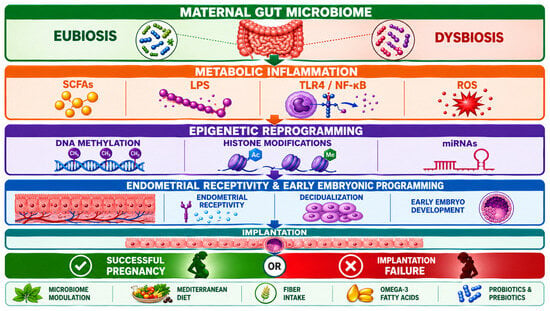
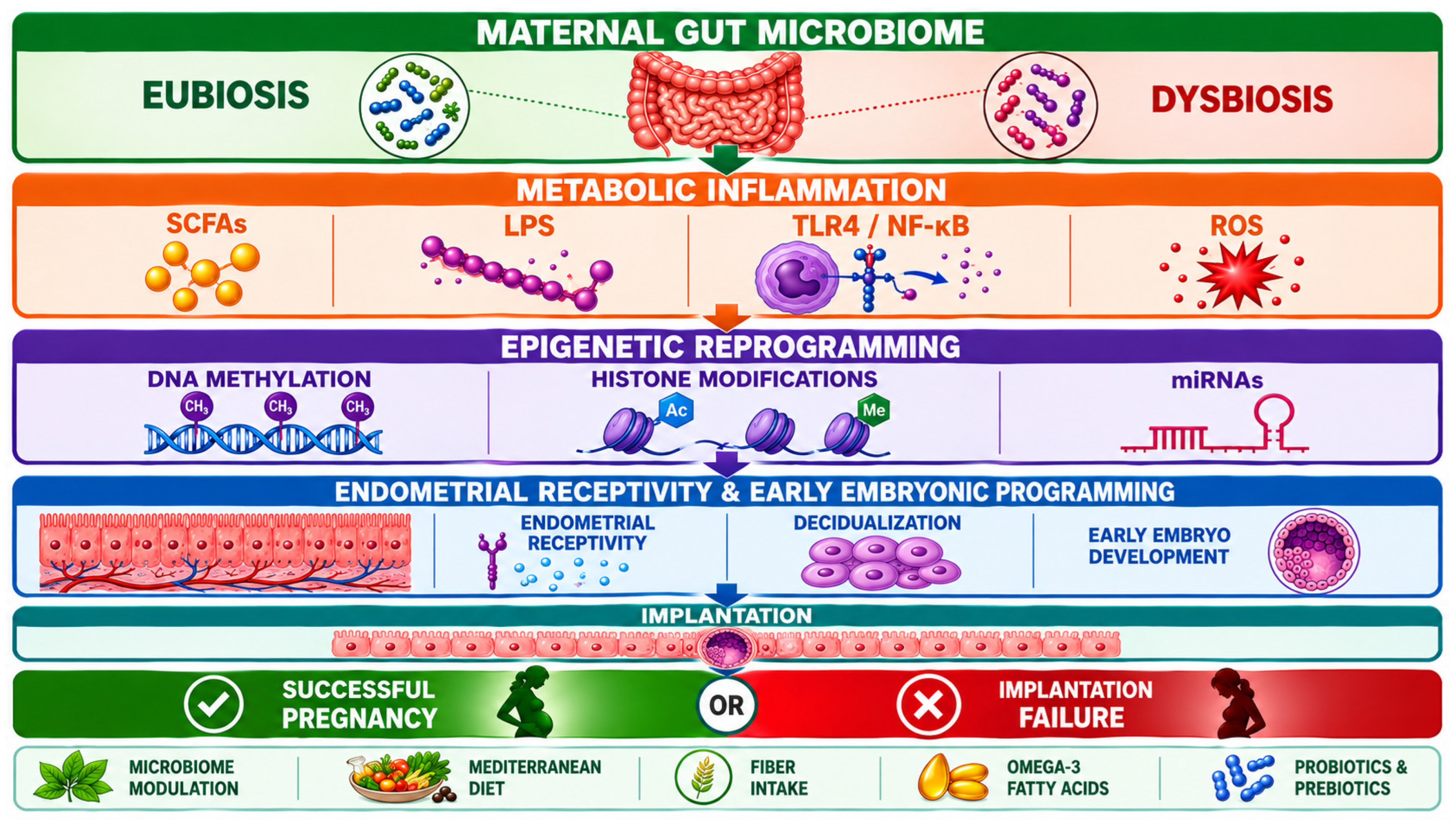
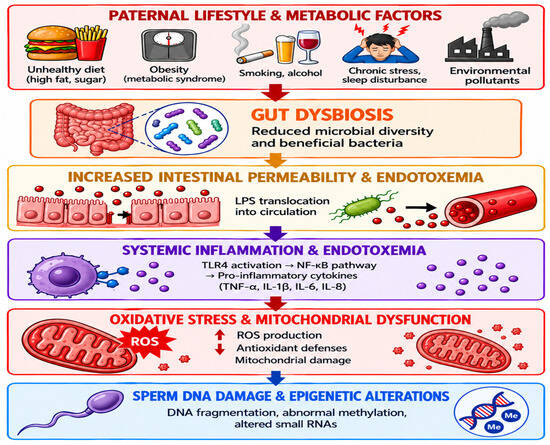
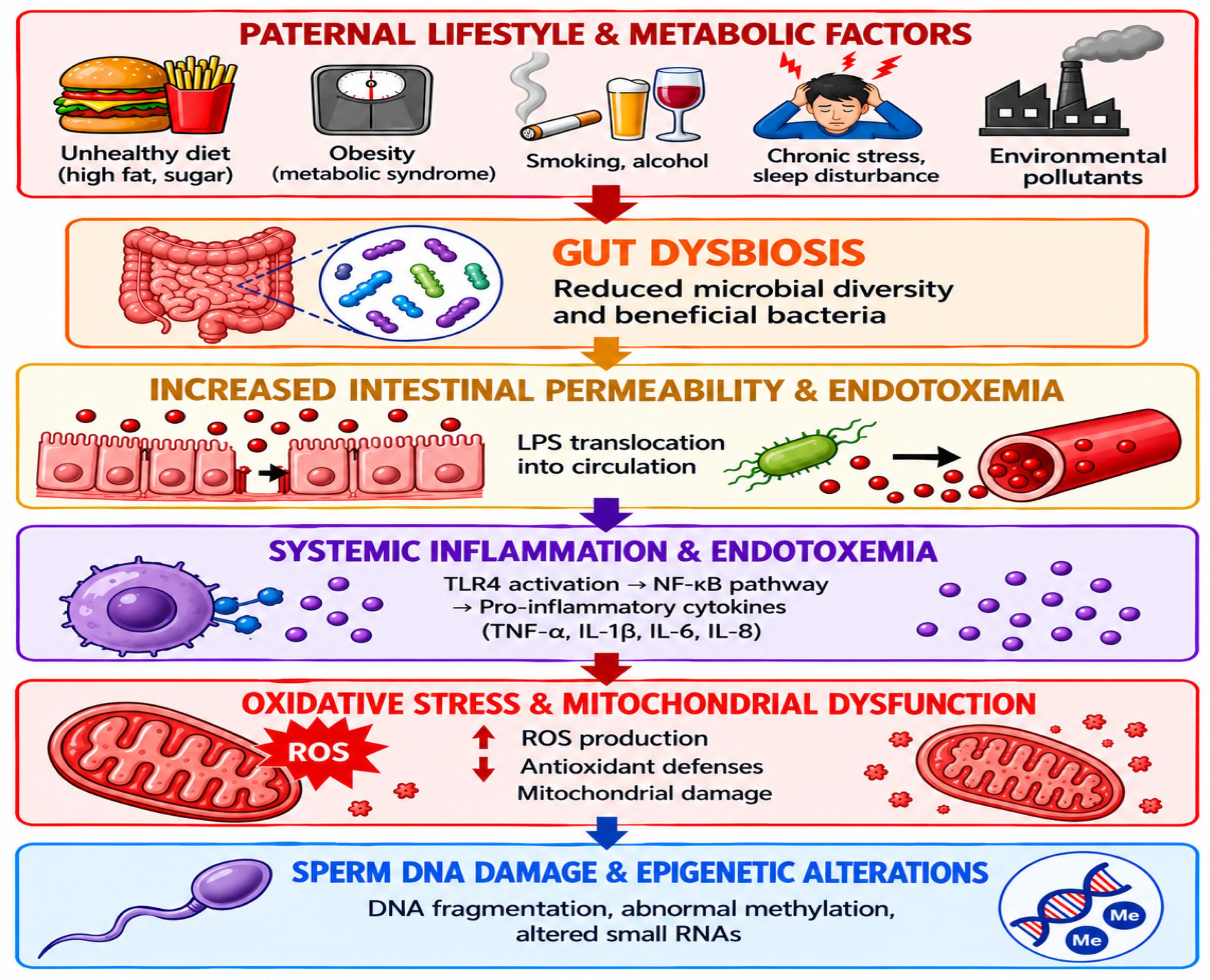
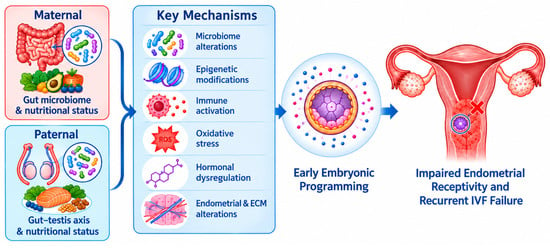
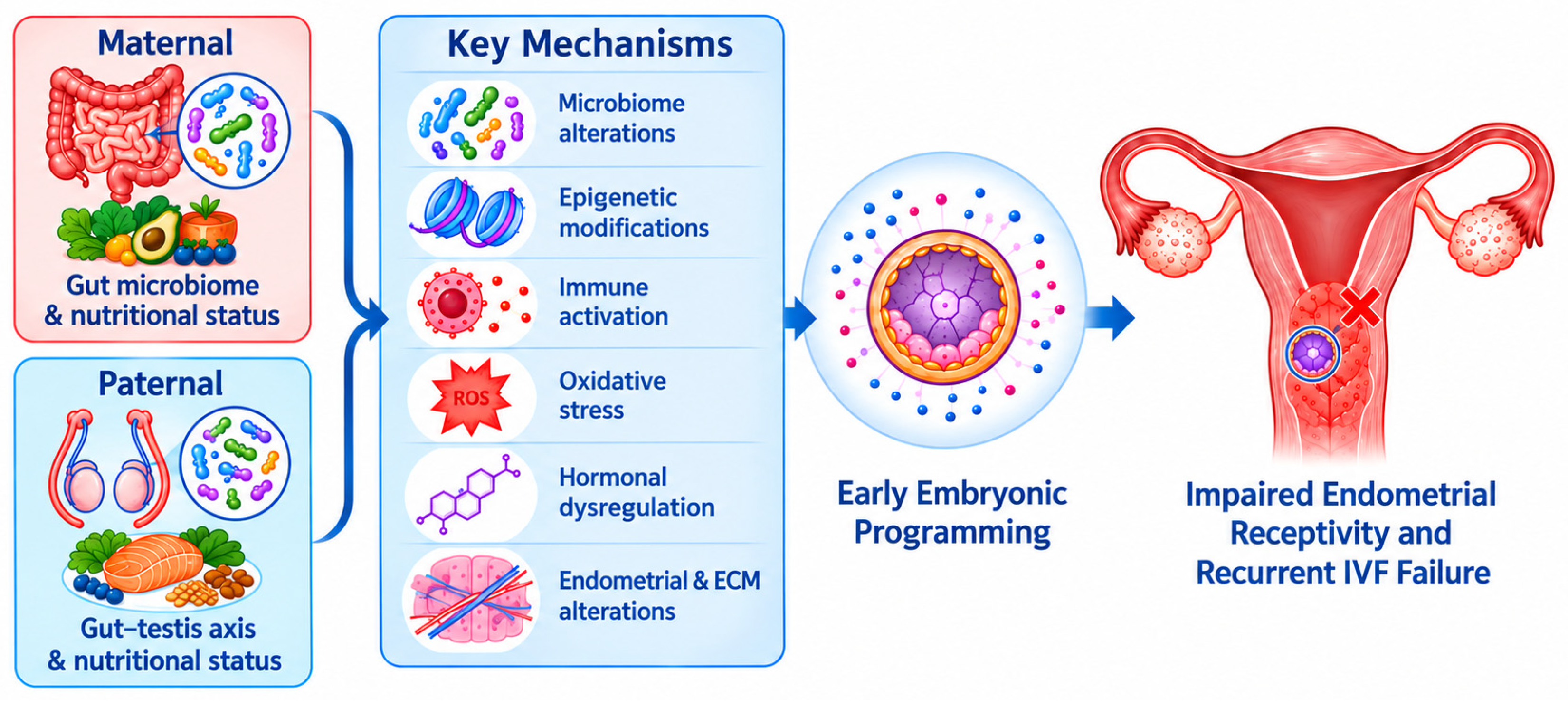
Disclaimer/Publisher’s Note: The statements, opinions and data contained in all publications are solely those of the individual author(s) and contributor(s) and not of MDPI and/or the editor(s). MDPI and/or the editor(s) disclaim responsibility for any injury to people or property resulting from any ideas, methods, instructions or products referred to in the content. |
© 2026 by the authors. Licensee MDPI, Basel, Switzerland. This article is an open access article distributed under the terms and conditions of the Creative Commons Attribution (CC BY) license.