


Abstract
General aviation has experienced sustained global growth, yet landing safety attracts significant attention, with nearly 60% of accidents occurring during ground operations and take-off or landing phases. The expanding operational scenarios of general aviation towards unpaved and non-standard airfields have led to an increasing demand for high-performance landing gear shock absorption systems. Mechanical variable stiffness and damping serves as a conventional and mature solution, but it cannot maintain optimal performance across the full range of varying landing and taxiing conditions. Adaptive stiffness and damping technologies offer a promising R&D direction to overcome the limitations of traditional landing gear designs. However, no previous review has examined both their mechanisms and control strategies together from the general aviation perspective. This review follows the PRISMA methodology to propose a hierarchical assessment framework for variable stiffness and damping mechanisms in general aviation landing gear, covering the representative spectrum from conventional passive mechanisms to adaptive solutions. The potentially transferable concepts from other aircraft categories and non-aviation domains are also identified to strengthen and broaden the technical pathways, and their suitability for general aviation aircraft is critically assessed. Adaptive control strategies addressing three categories of external uncertainties are reviewed and compared, namely uncertain sink speed and landing weight, uncertain landing attitude, and uneven operating surfaces. Technology readiness, airworthiness requirements, and practical implementation concerns are systematically discussed, revealing notable challenges in transitioning from laboratory research to engineering applications. Finally, a three-term roadmap is proposed to outline the future research priorities, including hardware maturity enhancement, networked cooperative control, and AI-enabled autonomous adaptation. The findings presented herein provide an integrated reference for researchers and industry practitioners and are intended to foster the advancement of adaptive shock absorption systems for general aviation aircraft landing gear.
1. Introduction
General aviation has experienced sustained global growth, with expanding market potential, increasingly diverse operational scenarios, and continuous technological innovation. General aviation aircraft are widely used in flight training, sightseeing tours, specialised aerial operations, and short-distance deliveries at low altitude. However, take-off and landing safety remains a serious concern. According to statistics on global general aviation accidents by phase of flight from 2012 to 2021 [1], nearly 60% of accidents occur during ground operations and take-off/landing phases, while accidents during approach and landing account for more than 40% (Figure 1). These statistics highlight the importance of landing gear shock absorption systems for ensuring take-off and landing safety [2]. Meanwhile, general aviation scenarios are expanding towards higher-frequency operations, unpaved surfaces, and non-standard airfields [3]. This trend imposes design requirements for landing gear featuring faster dynamic response, greater energy management capability, and stronger environmental adaptability.
Figure 1.
Global general aviation accidents by phase of flight (2012–2021).
1.1. Performance Metrics for Landing Gear Shock Absorber
The total impact energy to be absorbed by the landing gear during touchdown is governed by the aircraft’s kinetic energy and gravitational potential energy, reduced by the negative work done by aerodynamic lift. Based on the law of energy conservation, the impact energy is then sequentially absorbed by the tyres (10–20%), the shock absorber (80–90%), and the flexible airframe (<10%) [4]. Consequently, the performance of a landing gear shock absorber is primarily evaluated by its ability to store or dissipate the impact energy. Two fundamental metrics are commonly used to quantify this capability:
- (1)
- Shock absorption efficiency (η), defined as the ratio of the actual amount of energy absorbed and dissipated over the compression stroke (numerator) to the theoretical maximum energy that could be absorbed and dissipated (denominator):where F(S) is the instantaneous force at stroke position S; Fmax and Smax denote the maximum force and maximum stroke, respectively. This metric reflects how effectively the shock absorber utilises its available stroke to store energy as potential energy through its stiffness characteristics, and to dissipate it through its damping characteristics.
- (2)
- Load factor n is defined as the ratio between the peak vertical load (Fpeak) transmitted to the airframe and the aircraft’s weight (W):This metric directly indicates the severity of impact loads imposed on the structures and occupants.
The shock absorption process can be decomposed into several aspects: energy input, storage, dissipation, and rebound. These aspects are not equally important across all operational phases:
- (1)
- During landing, energy input and storage dominate, making shock absorption efficiency (Equation (1)) and load factor (Equation (2)) the primary concerns. This is particularly critical under asymmetric landing conditions, where both sides of the landing gear must withstand the respective impact forces while preserving aircraft stability. Consequently, rebound control also matters, as unbalanced energy release can induce rolling or bouncing.
- (2)
- During taxiing, energy input is lower than that during landing, while ride comfort becomes the main objective. For general aviation aircraft, which frequently operate from unpaved and non-standard airfields, maintaining load factor (Equation (2)) or acceleration is more challenging.
To meet these diverse demands, landing gear on general aviation aircraft must be adaptable to achieve the desired performance across the full mission spectrum. Specifically, the damping and stiffness characteristics of shock absorbers can be passively or actively adjusted in response to real-time conditions.
1.2. Limitations of Mechanical Variable Stiffness and Damping
Currently, smaller general aviation aircraft still rely on leaf-spring landing gear with nearly linear damping and stiffness characteristics, resulting in a low shock absorption efficiency of approximately 50% during landing and poor adaptability to uneven runways and abnormal landing attitudes [5].
The oleo-pneumatic shock absorber (OPSA) is essential for most larger general aviation aircraft, as it provides limited nonlinear characteristics to accommodate heavier loads and more complex operating conditions. Mechanical variable stiffness and damping (MVSD) is a conventional technique widely used in OPSAs to achieve nonlinear stiffness and damping variations through fixed mechanical features. From an energy perspective, MVSD involves no external energy input, and the system response is predetermined by the structure design, which can be regarded as a form of passive adaptive control (PAC).
Although MVSD can be optimised to achieve the highest shock absorption efficiency at a single design point, it cannot maintain that level across the full range of landing conditions. The efficiency may vary widely (from about 60% to about 90%) due to variations in pilot skills and habits, as well as the complex time-varying nature of internal and external landing gear parameters. This limitation makes it difficult for MVSD-based landing gear to guarantee stable shock absorption performance in practice, further highlighting the necessity of real-time damping and stiffness adaptation for general aviation.
1.3. The Need for Adaptive Stiffness and Damping
Consequently, an increasing number of researchers are focusing on technologies that enable the landing gear system to automatically and intelligently adapt to real-time operating conditions, namely the capability of adaptive stiffness and damping (ASD). From an energy perspective, the ASD mechanisms can be further classified according to whether they rely on a substantial external power source to modulate the system response:
- (1)
- Active adaptive control (AAC) employs external actuators to directly generate controllable forces (such as servo motors for gas volume regulation) based on real-time sensor feedback, thereby actively adjusting stiffness and damping parameters to achieve superior adaptability. In principle, the shock absorption efficiency of AAC landing gear can approach 100% [6]. However, it requires direct force and displacement control, leading to high energy consumption and a significant weight penalty.
- (2)
- Semi-active adaptive control (SAAC) adjusts internal system parameters (such as orifice size control, fluid viscosity control, or gas volume switching) to indirectly adjust stiffness and damping characteristics. The SAAC landing gear has been reported to achieve a shock absorption efficiency of 90–95% [6] while using minimal control energy, significantly outperforming conventional PAC landing gear.
It should be noted that the shock absorption efficiency values of ASD-based landing gear cited throughout this review are representative figures reported under specific experimental or simulation conditions, as documented in the referenced literature. These values are intended to illustrate general trends rather than to serve as universally applicable performance limits. Actual efficiency depends on multiple factors, including but not limited to aircraft mass, sink speed, landing attitude, tyre model, control strategies, and shock absorber architecture.
ASD provides a significant pathway to improving shock absorption efficiency, flight safety, ride comfort, and adaptability to complex operating conditions. Although ASD has been widely applied in fields such as vehicle suspension and structural vibration damping, ASD-based landing gear in general aviation aircraft still faces challenges in the trade-off between design and certification. Engineering-oriented research remains relatively limited, with most studies of ASD-based landing gear still at the theoretical and experimental validation stages.
1.4. Scope of This Review
Throughout this review, “general aviation aircraft” refers to fixed-wing, normal-category aeroplanes as defined in Part 23 (FAR Part 23-64 [7] or CCAR-23-R4 [8]), with a maximum take-off mass of ≤8618 kg and seating for ≤19 passengers. This definition excludes ASD-based landing gear used on rotorcraft, military aircraft, and transport aircraft. However, the relevant literature from those domains, as well as from non-aerospace applications, may offer methodological insights or transferable concepts. Such studies are also included as reference points with explicit clarifications or evidence levels.
To provide a structured perspective on the technologies involved, this review proposes a hierarchical classification framework that organises the various implementations according to technical mechanisms, control logics, realisation approaches, and energy consumption (Figure 2). Section 3 and Section 4 examine MVSD and ASD mechanisms, respectively, focusing on their physical realisation. Section 5 introduces the control strategies for ASD-based landing gear, considering the three typical uncertainties in the general aviation operating environment. Section 6 discusses the technology readiness and validation requirements of the reviewed mechanisms, with emphasis on their practical certifiability for general aviation. Section 7 concludes the review with a roadmap of three-term research directions for future R&D.
Figure 2.
A hierarchical classification framework for variable stiffness and damping technologies in landing gear shock absorption.
1.5. Novelties and Contributions
Among existing review articles on landing gear and related systems, Deng et al. [9] systematically reviewed material-related mechanical failures and structural health monitoring technologies in landing gear, but they did not address the failures of shock absorption functions, particularly those associated with ASD-based systems. Luong [10] and Bai et al. [11] comprehensively surveyed magnetorheological (MR) shock absorbers in aircraft landing gear, covering structural design, modelling, and shock mitigation control. However, neither study considered the safety concerns and airworthiness certification difficulties arising from potential defects of MR materials.
Other review articles have addressed ASD suspension systems, but these are situated within the vehicle suspension domain rather than aviation. Examples include reviews of active suspensions [12], semi-active suspensions [13], and intelligent control strategies [14,15]. Although these reviews offer valuable references for hardware design and control methodologies, they do not account for the specific requirements of aircraft landing gear, such as landing performance, airworthiness constraints, and the special operational conditions of general aviation. Furthermore, existing reviews tend to treat mechanisms and control strategies separately, and few have attempted to integrate them into a unified framework that captures the coupling between physical realisation and control logic.
Based on the above situation, this review provides a comprehensive and integrated analysis through four key contributions:
- (1)
- Focus on general aviation aircraft, which face more diverse and unpredictable operational scenarios and landing conditions.
- (2)
- Systematic integration of hardware mechanisms (MVSD and ASD) with software control strategies.
- (3)
- Comparative assessment of variable stiffness and damping mechanisms using common criteria, with their technology readiness for general aviation applications.
- (4)
- Discussions on airworthiness certification constraints and maintenance requirements for ASD mechanisms, to bridge the gap between laboratory research and practical engineering realisation.
2. Review Methodology
This study was conducted in accordance with the Preferred Reporting Items for Systematic Reviews and Meta-Analyses (PRISMA) 2020 statement [16]. This guideline comprises a 27-item checklist and a standard flow diagram, providing a unified framework for literature search, screening, critical appraisal, and data synthesis, thereby enhancing the transparency and reliability of the review findings.
2.1. Eligibility Criteria
To be included in this review, the selected literature was required to meet the following predefined criteria:
- (1)
- Publication date between 1985 and 2025;
- (2)
- Document types including journal articles, full conference papers, review articles, graduate dissertations, monographs, and patents, published in English or Chinese;
- (3)
- Research content involving a shock absorption system equipped with an independent shock absorber, or technical solutions that are potentially transferable to the shock absorption applications of general aviation aircraft landing gear;
- (4)
- Realisation of variable stiffness or variable damping regulation of the shock absorber through PAC, SAAC, or AAC means;
- (5)
- Considerations of compliance with the provisions of general aviation airworthiness regulations pertaining to landing gear shock absorption performance.
2.2. Databases and Search Strategies
The four databases were selected to form a complementary and comprehensive evidence base tailored to the scope of this review:
- (1)
- Web of Science: primary source of peer-reviewed journal articles in English, offering the broadest coverage of high-impact engineering literature with well-established indexing standards.
- (2)
- ProQuest: the most comprehensive repository of graduate dissertations in English, capturing detailed experimental data, modelling approaches, and design methodologies not always fully reported in journals.
- (3)
- China National Knowledge Infrastructure (CNKI): the most comprehensive literature database covering the peer-reviewed journal articles and graduate dissertations in Chinese.
- (4)
- Wanfang Data: the database specialising in patent search, providing access to patent documents from multiple countries and their legal status information, thereby capturing industrially relevant intellectual property beyond academic literature.
The following keywords and their synonyms were used as search terms: General Aviation, Landing Gear, Adaptive Stiffness and Damping, Shock Absorption Mechanism, Control Strategy, Aviation Regulation, Adaptation to Landing Uncertainty, Intelligent Control, Shock Absorption Energy Management, Aviation Certification, and Landing Gear Modelling. The exact database-specific search strings with search dates and filters applied to the four databases are provided in Supplementary Table S1. The whole search was completed on 20 July 2026.
2.3. Selection Process
The initial search yielded 612 records, comprising 502 from Web of Science, 5 from ProQuest, 77 from CNKI, and 28 from Wanfang Data. The applied selection process is depicted in Figure 3 following the PRISMA flow diagram, consisting of the phases of identification, screening, and inclusion.
Figure 3.
Flow chart of source selection process (adapted from the PRISMA template in [16]).
In the identification phase, 213 duplicate records (based on DOI or title) were removed, along with 16 records automatically flagged as ineligible by the reference management software and 3 articles that were clearly irrelevant or retracted.
In the screening phase, the titles and abstracts of the remaining 380 records were independently assessed by two reviewers, with disagreements resolved through discussion. A total of 120 records were excluded for failing to meet the criteria specified in Section 2.1. Subsequently, full-text PDF files were sought for the remaining 260 records, of which 44 were inaccessible.
In the eligibility phase, 216 records were successfully downloaded in full text and assessed following the same procedure as in the screening phase. Following a detailed evaluation, 121 documents were excluded for the diverse reasons stated in Figure 3.
Ultimately, a total of 95 records were included in this review, which differ in their levels of peer review and evidential weight. To provide a clear source type classification, the following categories were applied throughout the review:
- (1)
- Primary sources: peer-reviewed journal articles, particularly those with experimental results or validated models.
- (2)
- Supporting sources: conference papers and graduate dissertations, especially those with preliminary findings or novel concepts not yet published in journal form.
- (3)
- Reference sources: patents, which are cited to illustrate innovative concepts and designs, but are not treated as validated sources of performance.
- (4)
- Standards and regulations: authoritative sources for definitions, test protocols, and certification requirements for landing gear shock absorption systems.
In this way, different types of sources are used and interpreted with transparency, while the full breadth of technical developments reported is still captured in drawing conclusions.
2.4. Limitations of the Methodology
The methodology employed in this review has several inherent limitations that should be acknowledged to enable a balanced interpretation of the findings.
- (1)
- Database coverageThe literature search was limited to four databases, excluding Scopus and IEEE Xplore, for the following reasons: (a) Scopus overlaps with Web of Science for the core journals in this field, and preliminary scoping searches did not identify additional relevant records beyond those already retrieved; (b) IEEE Xplore primarily covers electrical and electronic engineering, whereas the present review focuses on mechanical design and control of landing gear systems. This may introduce a slight coverage bias, as some relevant studies indexed exclusively in these databases could have been missed.
- (2)
- Language restrictionOnly publications in English and Chinese were considered. While these two languages cover the majority of the peer-reviewed literature in this field, relevant studies published in other languages may have been excluded, potentially introducing language bias. This decision was made for practical reasons, as the authors lacked the capacity to systematically screen literature in other languages.
- (3)
- Publication and selection biasStudies that were not openly accessible or not covered by the institutional subscriptions of the authors could not be retrieved for eligibility assessment. These inaccessible records may contain relevant findings, and their omission could affect the completeness of the review.
- (4)
- Heterogeneous evidence typesThe review adopted a tiered evidence-weighting framework (described in Section 2.3), without applying formal risk-of-bias instruments. Currently, no widely accepted and standardised tool exists for such diverse evidence in engineering disciplines.
- (5)
- Evidence transferred from other domainsSome literature on ASD mechanisms applied to other types of aircraft or other domains was also included, for the reasons stated in Section 1.4. Although this broader coverage offers potentially transferable insights, it may introduce certain limitations regarding direct applicability to the general aviation context.
- (6)
- Subjectivity in technology readiness assignmentAlthough the ratings on technology readiness ratings were based on documented evidence from the reviewed literature and commercial products, the final assignments inevitably involve subjective judgement regarding the maturity of each technology. Readers are therefore recommended to interpret the assignment as indicative rather than definitive.
- (7)
- Difficulties in performance comparisons and lack of standardised benchmarksDirect quantitative comparisons between studies are complicated by differences in landing parameters, landing gear design, and test methodologies. This difficulty is compounded by the absence of standardised benchmark datasets for general aviation landing gear shock absorption performance, which limits the generalisability of cross-study comparisons and hinders the validation of new control strategies against established baselines.
3. Mechanical Variable Stiffness and Damping Mechanisms
Modern landing gear OPSAs incorporate MVSD technologies such as variable orifices and multi-stage/multi-chamber configurations to effectively meet the diverse requirements of different operating phases. This section reviews the specific techniques of mechanical variable damping and mechanical variable stiffness, respectively, and further presents a multidimensional comparison and evaluation.
3.1. Mechanical Variable Damping Mechanisms
In the OPSA, the orifice generates the required damping force by throttling the oil flow, thereby dissipating impact energy during compression and rebound strokes. Orifices can be broadly classified into two types: fixed and variable. In existing purely mechanical landing gear, variable damping characteristics are primarily achieved by adjusting the orifice cross-sectional area using metering pins and check valves.
3.1.1. Fixed Orifice Geometry and Damping Performance
The fixed orifice design has remained widely used in engineering owing to its simple structure and cost-effectiveness. Preliminary studies focused on the influence of the geometry of fixed orifices. Nie et al. [17] systematically analysed the effects of oil inlet velocity, orifice length, orifice diameter, and chamfering on damping performance. Al-Shabab et al. [18] and Silva et al. [19] compared the influence of different orifice shapes, including circular and rectangular, on damping force (Figure 4), and specifically evaluated the effectiveness of each shape in suppressing local cavitation. Bharath [20], Ding [21], and Gan [22] introduced advanced tools such as the Lattice Boltzmann Method, main effect plots, and interaction plots to propose more accurate estimation methods for key parameters such as the orifice contraction coefficient. These studies aim to establish stable and reliable hydrodynamic models of orifices and to obtain corresponding damping coefficients and design parameters. However, the damping characteristics of the turbulent jet formed by oil passing through the orifice under landing conditions are extremely difficult to predict precisely. Moreover, no matter how the fixed orifice is geometrically optimised, the damping force near the end of the stroke may remain insufficient because the compression velocity decreases, limiting the improvement in shock absorption efficiency.
Figure 4.
Different orifice shapes and their pressure drop variation with stroke (reprinted from [19]; published under CC BY 4.0 licence).
3.1.2. Variable Orifice Realisation via Metering Pins
For landing gear requiring high shock absorption efficiency, designs with variable orifice areas are commonly adopted, allowing damping parameters to vary with compression stroke. The metering pin, owing to its simple structure, high flexibility, and ease of optimisation and replacement, has become a primary mechanical solution for realising variable damping.
Current modelling and optimisation of metering pins mostly employ piecewise descriptions, mainly including single-taper and multi-taper configurations (Figure 5). Wu et al. [23] proposed a multi-objective optimisation method for metering pin shapes based on the genetic algorithm (GA), using multi-segment taper angles and diameters as design variables to simultaneously optimise the load factor and shock absorption efficiency. Shi et al. [24,25] presented several typical metering pin configurations and used GA to optimise the multi-segment size nodes and initial inflation pressure, thereby reducing the landing load factor. On this basis, they further optimised the four metering pin designs as well as a fixed orifice design (without a pin) with shock absorption efficiency as the sole objective. Vencatasawmy et al. [26] explored the potential of novel metering pin designs to improve landing gear shock absorption efficiency, comparing single-taper, four-segment taper, and no-pin configurations, and validated the effectiveness of the new design. Dinc [27] set the load factor and airframe displacement as two optimisation objectives with equal weights and used a GA to optimise the top and bottom diameters of a single-taper metering pin.
Figure 5.
Profile characteristics of different types of metering pins: (a) single-tapered; (b) multi-tapered; (c) Single-parabolic; and (d) multi-parabolic (reprinted from [24]; published under CC BY 4.0 licence).
Most of the above studies on metering pins and their optimisation have employed GA, while limitations remain: (a) the pin profiles are approximated as piecewise linear tapers with relatively large segment intervals, and continuous-curve profiles have not been modelled; and (b) the investigations rely heavily on phenomenological fitting of computational fluid dynamics (CFD) simulation data, without in-depth analysis of the underlying flow dynamics. Moreover, all the above approaches follow a “design-and-verify” forward iterative process, in which the metering pin design parameters are optimised in advance, and then the performance is evaluated through simulation or experiment. As a result, the driving relationship between the optimisation process and the final performance objectives is relatively weak.
Consequently, a target-oriented inverse optimisation method was proposed by Liu et al. [28], in which the required oil damping force at each stroke is inversely derived from the desired shock absorption performance. Then the necessary orifice area variation law to achieve this damping force is solved backwards, and finally, the optimised metering pin profile curve is directly determined. Figure 6 shows the optimisation result of the force-stroke diagram of the shock absorber, indicating that the shock absorption efficiency is greatly improved and the peak load is reduced. However, its effectiveness strongly depends on prior knowledge of an accurate mapping between orifice area and damping force, which usually must be established using experimental data or high-fidelity flow field models. Otherwise, the designed metering pin may fail to achieve the expected performance.
Figure 6.
Comparison of force-stroke diagrams of shock absorber before and after the target-oriented optimisation of metering pin (reprinted from [28]; published under CC BY 4.0 licence).
Fine-scale local modelling of the complex flow field between a variable-section metering pin and the corresponding orifice helps to obtain an accurate predictive model of the shock absorber damping force. Shimizu et al. [29] developed a refined fluid damping force model for a tapered pin inside a cylindrical orifice, which treats the flow in a layered manner according to the oil flow regime. However, this modelling approach is also limited to the ideal cylindrical orifice and tapered pin configuration, and it can only linearly approximate curved pin profiles that may appear in engineering practice.
The CFD simulations by Du et al. [30,31] have shown that under high-speed compression conditions, the oil is ejected as a turbulent jet from the annular gap and directly enters the gas chamber, where it mixes with nitrogen (Figure 7). This process may induce unsteady cavitation or gas dissolution effects. However, the studies did not quantitatively analyse the specific influence of these phenomena on the oil damping force. Furthermore, the flow field in the model was simplified as an ideal cylindrical space by ignoring internal components such as the support tube that exist in actual shock absorbers, which may lead to simulation errors.
Figure 7.
CFD simulation of oil rapidly flowing through an orifice and jetting into the gas chamber (reprinted from [31]; published under CC BY 4.0 licence).
3.1.3. Switching Orifice Realisation via Check Valves
To cope with increasingly complex take-off and landing environments (e.g., unpaved runways, wind shear), structural adaptive schemes that achieve multi-stage damping switching by check valves (Figure 8) have been adopted in the landing gear of almost all aircraft types. This design not only enables multi-stage damping switching but also provides asymmetric damping characteristics (i.e., different damping forces during compression and rebound strokes) according to impact intensity. However, such damping switching methods via check valves exhibit discrete, stepwise behaviour. Their control logic depends on preset mechanical structures and lacks active sensing of external runway conditions and real-time aircraft attitude, as well as dynamic adaptability. Nevertheless, conventional variable damping technologies and mechanisms are quite mature and have become the core solution for the landing gear shock absorption systems of most general aviation aircraft.
Figure 8.
Check valve example in the OPSA providing asymmetric or stepwise damping characteristics.
3.2. Mechanical Variable Stiffness Mechanisms
To accommodate the diverse and often conflicting stiffness requirements encountered across different operating scenarios, the OPSAs have evolved from single-stage to multi-stage/multi-chamber configurations to achieve richer nonlinear stepwise stiffness characteristics. In this way, the timing of energy storage can be tailored across the stroke, allowing the impact energy to be absorbed in a more progressive manner.
3.2.1. Characteristics and Performance of Basic Multi-Chamber Configurations
The dual-chamber configuration represents the fundamental form of multi-stage stiffness variation mechanisms, with its structural arrangement and nonlinear behaviour depicted in Figure 9 and Figure 10, respectively. The low-pressure gas chamber is used under routine landing conditions, while the high-pressure gas chamber is engaged exclusively under severe impact scenarios to offer extra stroke absorption capacity, also improving crashworthiness.
Figure 9.
Typical structure of dual-chamber OPSA in landing gear.
Figure 10.
The non-linear stiffness characteristics of a dual-chamber OPSA in landing gear.
In theoretical studies, Chen et al. [32] compared the dynamic drop characteristics of single-chamber and dual-chamber OPSAs, showing that the dual-chamber design helps improve aircraft landing dynamic response and ride comfort. This study mainly employed a formula-based engineering model, which, although convenient for application, did not perform fine modelling or simulation analysis of fluid damping, and the computational accuracy needs to be verified.
Zhang et al. [33] further established a more detailed landing dynamic model of a dual-chamber shock absorber by calculating the oil damping force, flow coefficient, and damping coefficient from the pressure difference across the orifice based on flow field data obtained from CFD simulations. The common conclusion of the two studies is that the dual-chamber OPSA with two-stage stiffness characteristics can significantly suppress the second peak impact load, but the overall shock absorption efficiency is still slightly lower than that of the single-chamber design.
3.2.2. Dual-Chamber Systems with Auxiliary Accumulators
In a dual-chamber OPSA, the high-pressure chamber is primarily intended for hard landing conditions and is generally not activated during normal landings; hence its contribution to improving taxiing performance is limited. In some non-aviation studies, the dual-chamber OPSA can operate with both the high-pressure and low-pressure chambers activated simultaneously, where the gas spring can be configured as an accumulator (Figure 11). Sang et al. [34] and Łuczko et al. [35] have both indicated that the energy storage stiffness of a dual-chamber OPSA operating with both chambers activated is strongly related to the excitation frequency. As the excitation frequency increases, the auxiliary accumulator gradually ceases to work, leaving only the main accumulator to provide the elastic force, thereby achieving variable stiffness for road excitations of different frequencies. This principle is worth exploring and adapting to general aviation aircraft operating on unpaved runways where the excitation frequency varies with the surface profile. Although such a tandem dual-chamber configuration enhances performance, it may also increase complexity due to additional external components and introduce the risk of reduced overall reliability if one chamber fails.
Figure 11.
The dual-chamber OPSA based on two additional accumulators (redrawn based on the description in [34]).
3.2.3. Rapid Extension Induced by High-Pressure Gas Chamber
In addition to accommodating hard landings, the high-pressure chamber of a dual-chamber OPSA also enables a faster rebound speed, which precisely meets the rapid extension requirement of the nose landing gear for catapult-assisted take-off of carrier-based aircraft. However, Fang et al. [36] revealed the formation mechanism of cavitation in the main oil chamber during rapid extension (Figure 12), demonstrating that cavitation can cause the shock absorber output force to deviate from the traditional oil damping model. Cavitation alters the oil bulk modulus and pressure, thereby accelerating extension while inducing unstable stiffness variations, which may compromise take-off, landing, and taxiing safety. Nevertheless, this study considered only the dissolution and release of nitrogen gas as the primary source of cavitation, neglecting cavitation caused by the liquid–vapour phase change in the hydraulic oil itself, thereby imposing a certain limitation.
Figure 12.
The cavitation phenomenon in the rapid extension process of dual-chamber OPSA (redrawn based on the description in [36]).
3.2.4. Three-Stage Variable Stiffness Systems
Based on the two-stage OPSA shock absorber, a three-stage variable stiffness system with an externally connected pressure-adjustable recuperator has been adopted in military aircraft such as the AV-8B [6]. This configuration exhibits excellent adaptability during landings on rough runways, where the second and third stage chambers together implement a progressive cushioning mechanism to meet the requirements of low static stiffness and extreme impact protection. Although the three-stage variable stiffness OPSA offers significant advantages in shock absorption performance and fade resistance, its complex structure leads to considerably higher manufacturing and maintenance costs, necessitating a trade-off between performance and life-cycle cost.
3.3. Summary and Comments
Conventional MVSD mechanisms for landing gear OPSAs have reached a high level of maturity; nevertheless, two major limitations persist:
- (1)
- On the variable-damping side, most metering pin profiles remain simplified as piecewise linear segments, and the influence of complex multiphase flow phenomena (turbulent jets, cavitation, gas dissolution) on shock absorption performance is not yet fully understood.
- (2)
- On the variable-stiffness side, multi-chamber designs rely on complex mechanical configurations that significantly increase manufacturing costs and maintenance requirements.
Table 1 summarises the key technical characteristics of conventional MVSD mechanisms and relevant research hotspots. A summary of their technical trends is provided below:
Table 1.
The key technical characteristics of MVSD mechanisms in landing gear shock absorbers.
- (1)
- From fixed orifices to variable-area orifice designs, enabling damping modulation with stroke;
- (2)
- From single-chamber to multi-chamber architectures, providing piecewise stiffness adaptation for different load levels;
- (3)
- From “design-and-verify” forward iteration to “target-oriented inverse design”, which directly derives orifice area variation from desired energy absorption profiles;
- (4)
- Increasing integration of mechanical adaptive elements (e.g., check valves integrated with metering pins) for PAC, stroke-dependent switching.
Moreover, even when MVSD mechanisms achieve certain levels of PAC through purely mechanical structures, they inevitably introduce additional system complexity and weight. Facing the internal uncertainties in parameters and the external uncertainties in landing conditions, MVSD solutions are incapable of achieving true adaptability. Therefore, future research is expected to shift from PAC solutions towards AAC and SAAC solutions, aiming for truly adaptive landing gear systems suitable for general aviation aircraft.
4. Adaptive Stiffness and Damping Mechanisms
ASD mechanisms provide a new pathway for improving the robustness of landing gear shock absorption systems under complex and varying operating conditions. Introducing intelligent control algorithms into landing gear systems enables parameter self-tuning, system interconnection, and intelligent decision-making. The goal of ASD is to achieve a fuller force-stroke diagram (i.e., higher efficiency) while reducing the load factor. However, during the rapid impact of landing, adaptively matching the damping and stiffness at every stroke position poses a considerable challenge.
4.1. Adaptive Damping Mechanisms
Current adaptive damping mechanisms can be broadly classified into three major categories: (a) valves integrated into the shock absorber interior; (b) valves mounted on an external bypass circuit; and (c) MR shock absorbers.
4.1.1. Internally Integrated Valve Configurations
Continuous damping control (CDC) is a regulation strategy that can achieve continuous and smooth damping force variation, without discrete level switching. Xie et al. [37] investigated the theoretical and experimental characteristics of a shock absorber equipped with a CDC valve, in which the damping coefficient can be adjusted by directly regulating the flow area of the throttle valve. Shi et al. [38] proposed a landing gear shock absorber with a miniature valve controlled by a stepper motor integrated at the bottom of a hollow metering pin (Figure 13). Meanwhile, the Aircraft Strength Research Institute of China designed a built-in mechanically adaptive variable-orifice valve [39] (Figure 14). Both designs enable CDC through valve-controlled throttling. However, the highly integrated design of a variable throttle valve inside the shock absorber core brings engineering challenges such as structural complexity, high manufacturing costs, and difficulties in miniaturisation, limiting its application in general aviation aircraft landing gear.
Figure 13.
Landing gear OPSA with a miniature valve controlled by a stepper motor integrated at the bottom of a hollow metering pin (redrawn based on the description in [38]).
Figure 14.
Landing gear OPSA with integrated valve-controlled variable orifice (reprinted from patent [39]).
4.1.2. Externally Mounted Bypass Valve Configurations
The bypass circuits with valves have been adopted as another solution to regulate the orifice area externally and realise adaptive damping. In early theoretical explorations of SAAC landing gear, Liu et al. [40] proposed a damping regulation actuator based on high-speed on/off valves to control the number of engaged orifices (a finite set), thereby achieving stepwise regulation of the total orifice area (Figure 15). However, this approach is inherently discrete, imposing an upper limit on regulation accuracy and smoothness, which makes it difficult to cope with complex impact processes.
Figure 15.
The OPSA of SAAC landing gear with high-speed solenoid on/off valves to realise adaptive damping (redrawn based on the description in [40]).
The CDC concept was realised through an external multi-stage servo-valve SAAC system and tested on a modified main landing gear of the SEPECAT Jaguar attack aircraft (Figure 16). This approach preserves the original OPSA structure, offering both mechanical simplicity and fail-safe advantages. Tests have shown that it can approach optimal damping with low energy consumption under obstacle-taxiing conditions, achieving a shock absorption efficiency of approximately 90%. However, external valve assemblies and hydraulic circuits increase overall system weight and complexity. Although the increase is less pronounced than that of AAC landing gear, it has still confined such designs mostly to ground testing, with few practical engineering applications.
Figure 16.
SAAC prototype of SEPECAT Jaguar main landing gear shock absorber based on multistage piloted servo throttling valve (redrawn based on the description in [41]).
4.1.3. Adaptive Damping Mechanisms Based on Magnetorheology
MR fluid, as a typical perception-actuation-integrated smart material, exhibits significant viscosity changes under a controllable external magnetic field [42]. In an MR shock absorber, the viscosity change directly affects the damping force when the MR fluid passes through the orifice, thereby realising an adaptive damping mechanism with CDC mode. Based on the above principle, MR landing gear (Figure 17) offers advantages such as rapid response, reversibility, and high control accuracy, thereby demonstrating significant engineering value.
The team of S. B. Choi at Inha University (Korea) has conducted systematic research on MR landing gear, covering novel configurations of MR shock absorbers [43], full-aircraft MR landing gear modelling [44], analysis of magnetic core parameter effects [45], and high-speed compression cavitation effects in MR shock absorbers [46]. These studies have laid the technical foundation for MR landing gear. Nevertheless, MR landing gear for general aviation aircraft has yet to reach practical engineering applications, and its development faces several bottlenecks:
- (1)
- Stability issues of MR fluid, such as performance degradation caused by sedimentation of magnetic particles.
- (2)
- Risk of magnetic particles clogging the orifice, leading to high maintenance complexity and cost.
- (3)
- Poor long-term stability under the harsh operating conditions of general aviation, which may cause particle oxidation and agglomeration, resulting in gradual performance degradation.
- (4)
- Sealing durability issues caused by abrasive wear from magnetic particles, together with the risk of cavitation erosion under high-speed compression.
- (5)
- Parameter uncertainties in MR shock absorbers, arising from calibration errors and inherent nonlinear and hysteretic dynamics, which increase the difficulties in modelling and precise control [47].
Figure 17.
Typical configuration and principle of an MR landing gear (reprinted from [48]; published under CC BY 4.0 licence).
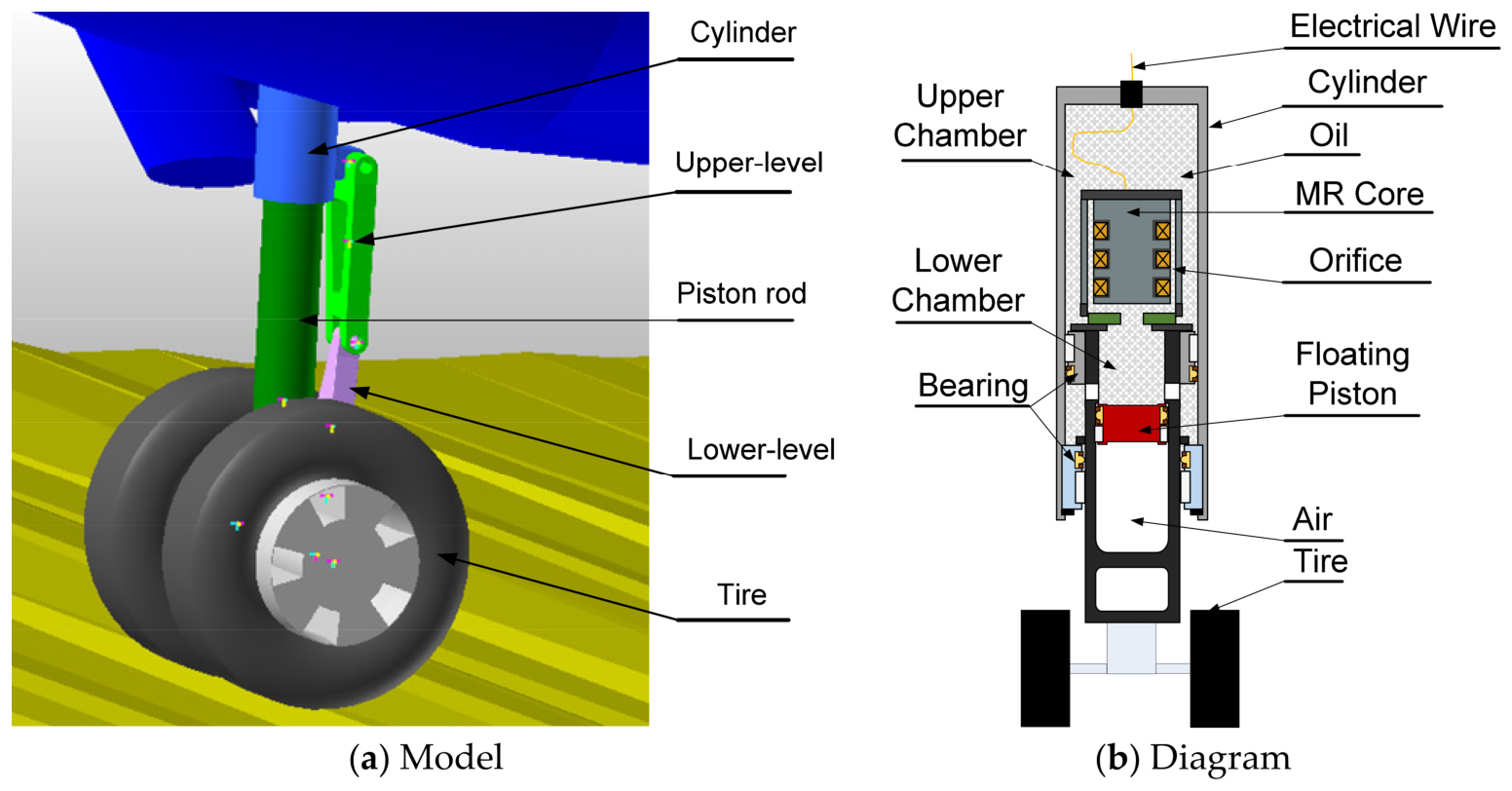
The above bottlenecks significantly constrain the suitability of MR landing gear for general aviation, where cost-effectiveness and dispatch reliability are paramount. Nevertheless, using MR landing gear as a research carrier in the field of control algorithms is still feasible.
Alternatively, the adaptive damping mechanism based on valve-controlled throttling offers greater advantages in terms of engineering feasibility, safety, and power cost, making it a more realistic choice for developing ASD shock absorption systems for general aviation aircraft landing gear at the current stage.
4.1.4. Comparison of Adaptive Damping Mechanisms
The main characteristics of each variable damping mechanism are summarised in Table 2 for comparison. As reviewed in Section 3, passive solutions represent the primary means of achieving stroke-dependent damping, but suffer from limited real-time adaptability due to their open-loop nature. Within this subsection, the adaptive mechanisms (specifically on/off valves, CDC valves, and MR) offer continuous controllability and a wide damping range, but they face actuator-level constraints, such as valve bandwidth limitations and MR fluid durability issues. These hardware-imposed limits must be carefully considered in control implementation, as they cannot be overcome by algorithm design alone.
Table 2.
Comparison of variable damping mechanisms in landing gear shock absorbers.
4.2. Adaptive Stiffness Mechanisms
The approaches for achieving adaptive stiffness in landing gear OPSAs are relatively limited, essentially relying on gas volume variation, which can be further divided into on/off switching and continuous regulation.
4.2.1. On/off Switching of Gas Volume
For OPSA based on multi-stage/multi-chamber series configurations, stepwise stiffness adaptation can be achieved by switching the number of activated gas chambers. This approach aligns with the SAAC definition, since only signal-level power is required for on/off valve or passage control. However, the relevant literature and applications in landing gear systems are extremely limited; hence, most studies focus on vehicle suspensions [50] and can only serve as reference evidence. Similarly, a potentially transferable approach for landing gear applications would be to externally connect several accumulators to the shock absorber, thereby controlling the number of activated accumulators to realise adaptive stiffness.
The stiffness of the gas spring exhibits considerable instability due to gas state changes and dissolution in OPSAs with oil–gas mixture design. Separators have been proposed to address this issue; however, they impose stringent sealing and lubrication problems in the pure gas chamber, which directly affect the remaining useful life (RUL). Li et al. [51] proposed a dual-chamber solid–liquid mixture vibration isolator with adjustable stiffness (Figure 18). The system consists of a vertically compressible main chamber and a rigid auxiliary chamber connected by a tube, both filled with incompressible oil and several miniature inflatable bellows (elastic elements). By controlling the on/off state of a valve, the number of elastic elements engaged in the oil can be varied, thereby switching the overall stiffness between two discrete levels. In principle, this scheme is similar to multi-chamber switching approaches and is also limited to two-step adjustment. Nevertheless, by adopting a solid–liquid mixture, the design effectively avoids stiffness uncertainties caused by oil–gas mixing or dissolution, offering a more robust solution. However, structural complexity and susceptibility to clogging still confine this design to the exploratory stage.
Figure 18.
The dual-chamber solid–liquid mixture vibration isolator with payload (courtesy of Dr Li, first author of [51]; used with permission).
4.2.2. Continuous Regulation of Gas Volume
Another approach to achieving adaptive stiffness is to continuously regulate the gas chamber volume usually via a motor-driven actuator, enabling continuous stiffness control (CSC). This typically requires substantial energy input and is therefore classified as an AAC implementation. Arık et al. [52] proposed a conceptual regulation method for variable-stiffness landing gear, which adjusts the mass of incompressible hydraulic oil in the shock absorber in real time according to the stroke velocity and peak velocity, thereby directly altering the gas chamber pressure and consequently achieving adaptive stiffness regulation. Although this study has not yet involved a specific actuator design, it provides a valuable mechanism for achieving CSC in landing gear.
Li et al. [53] pointed out that the dynamic characteristics of air springs are susceptible to variations in temperature, pressure, gas dissolution, and other factors during regulation, which is detrimental to control stability. The team proposed a dual-chamber OPSA for vehicle suspension (Figure 19) to realise stiffness adaptation, which consists of two parts: (a) a main body including a main gas chamber and a secondary gas chamber; and (b) an adjustable gas chamber integrated with a stepper motor and a ball screw mechanism. The stepper motor continuously adjusts the gas chamber volume, enabling the CSC mode without affecting the main body’s stroke or basic actuation functions. This feature meets the fail-safe requirements of landing gear and is therefore transferable.
Figure 19.
Dual-chamber OPSA with CSC function via auxiliary adjustable gas chamber (reprinted from [53]; published under CC BY 4.0 licence).
4.2.3. Comparison of Adaptive Stiffness Mechanisms
The main characteristics of each adaptive stiffness mechanism are summarised in Table 3, with a column of conventional multi-chamber solution included as a reference. Gas volume switching offers a relatively simple structure and fast response, whereas regulating the gas volume using servo components provides the advantage of CSC. Both approaches are based on mature principles and technologies but remain limited in their research or application to general aviation aircraft. Only for aircraft operating under severely varying conditions with an urgent need for adaptive stiffness shock absorption can such technologies be considered of high engineering value.
Table 3.
Comparison of variable stiffness mechanisms in landing gear shock absorbers.
4.3. Summary and Comments
The core mechanisms, advantages, limitations, and current research hotspots of the two main technical pathways for ASD shock absorption are compared in Table 4. Valve-based orifice area control offers a practical damping regulation solution for current general aviation landing gear. MR technology, despite its excellent performance, remains at the laboratory stage because the material and system reliability bottlenecks have yet to be overcome. Gas volume regulation provides an effective means for stiffness adaptation, but a trade-off between lightweight design and reliability is still required.
Table 4.
The key technical characteristics of ASD mechanisms in landing gear shock absorbers.
To enable an intuitive comparison of the overall performance across the ASD mechanisms, radar charts (Figure 20) are employed, including the following evaluation criteria:
Figure 20.
Radar chart evaluation for ASD mechanisms applied to general aviation landing gear.
- (1)
- Continuity of adjustment: Refers to whether damping or stiffness can be varied continuously or only in discrete steps.
- (2)
- Regulation accuracy: Describes how precisely the actual damping or stiffness can match the commanded value.
- (3)
- Hysteresis and response: Describes the width of the force–velocity hysteresis loop and the time required, which together reflect energy loss and control uncertainty.
- (4)
- System complexity: Assesses the overall mechanical, hydraulic, and control complexity of the mechanism. Simpler systems require fewer components and are more reliable; complex systems lead to more failure modes and maintenance demands.
- (5)
- Weight penalty: The additional mass introduced by the adaptive mechanism relative to a conventional passive baseline. Lightweight design is essential for performance and fuel efficiency.
- (6)
- Cost: Considers both initial procurement and lifecycle costs, including manufacturing, installation, and maintenance. Mechanisms with simple structures and off-the-shelf components perform better than those requiring custom fabrication or frequent servicing.
- (7)
- General aviation suitability: An overall assessment of how well the mechanism meets the specific requirements of general aviation under the diverse operating conditions typical of this sector.
Two reviewers independently scored the four ASD mechanisms based on the literature review and their industrial design experience. The final scores represent the average of the two assessments, rounded to the nearest multiple of 1. These detailed scores with justifications are provided in Supplementary Table S2 as the basis for generating Figure 20.
Based on the above review, the following future trends of ASD mechanisms in general aviation aircraft landing gear can be summarised:
- (1)
- ASD is evolving from discrete step-wise switching to stepless CDC and CSC, enabling precise matching of damping force and elastic characteristics over a wide range of operating conditions.
- (2)
- Actuation systems are shifting from separate external valve blocks to highly integrated, lightweight units, reducing the weight penalty through structural integration and actuator innovation.
- (3)
- Major obstacles of MR fluid must be overcome before MR landing gear can be considered for airworthiness certification and engineering applications.
5. Adaptive Stiffness and Damping Control Strategies
The control strategies of ASD-based landing gear must perform effectively under both landing and taxiing conditions, with priority given to operational safety and efficiency. To this end, a variety of control algorithms have been developed for ASD-based landing gear, including on–off control [54], skyhook control [55,56,57], model predictive control (MPC) [58,59], and hybrid control [60,61], aiming to reduce the load factor and suppress oscillations while maximising shock absorption efficiency.
However, the approach and landing phases are subject to many uncertainties, which increase the likelihood of abnormal landing attitudes and hard landings. This risk is particularly pronounced during general aviation training flights, where student pilots exhibit wide variations in skill levels. As shown in Figure 21, these uncertainties can be broadly divided into external and internal categories, which differ considerably in their control objectives.
Figure 21.
Uncertainty taxonomy and corresponding control objectives for ASD-based landing gear.
Internal uncertainties in ASD-based landing gear arise primarily from the system itself, including (a) fluctuations in fluid properties inside the shock absorber and (b) mechanical behaviours such as valve delay and hysteresis. Regrettably, no research article that addresses the control objective of adaptive compensation for internal uncertainties has been identified. This is possibly because the control actions required to counteract external uncertainties are significantly larger than those needed to compensate for internal parameter variations.
Most existing studies have focused on control strategies for external uncertainties, which can be broadly classified into three categories: (a) kinetic energy conditions; (b) landing attitude; and (c) operating surfaces. The primary control objectives include improving shock absorption efficiency, reducing impact loads, enhancing attitude stability, preventing strikes, and improving ride comfort. It is worth noting that aerodynamic disturbances (such as crosswinds and wind shear) are also typical external uncertainties, but they fall within the responsibility of the flight control system (either through pilot input or autopilot). The demarcation point lies at the instant of touchdown. In cases where the final attitude and sink speed are not adequately regulated at touchdown, the ASD-based landing gear, with a dedicated control strategy, serves primarily as a post-touchdown recovery measure.
5.1. Control Strategies for Uncertain Sink Speed and Landing Weight
5.1.1. Control Strategies in Early Studies
In early studies, Mikułowski et al. [62] classified ASD-based landing gear control algorithms according to whether landing weight and sink speed are known in advance and pointed out that knowing the landing weight is crucial for control effectiveness. To balance real-time computation speed and controller cost, Wu et al. [63] proposed a control strategy for SAAC landing gear that combines offline and online computation (Figure 22). Although this strategy achieves fast computational response, once the offline-computed lookup table is determined, it cannot adapt to real-time dynamic deviations such as time-varying internal parameters, filling errors, or leakage in the shock absorber. This may render the control logic ineffective, requiring recalibration of the parameters.
Figure 22.
Block diagram of the control strategy combining offline and online computation for SAAC landing gear (redrawn based on the description in [63]).
5.1.2. Model-Based Robust Control Strategies
Model-based robust control strategies offer a feasible pathway for enhancing disturbance rejection capability and addressing uncertainties in ASD-based landing gear. Sliding mode control (SMC) is a representative approach grounded in the principle of robustness against system nonlinearities and parameter variations. Choi et al. [64] developed an SMC controller but considered only one or two preset landing weight or sink speed parameters, while neglecting actual uncertain parameters and sensor noise [65], which may lead to tracking errors in system state variables. Luong et al. [66] adopted a third-order integral SMC algorithm to minimise the tracking error of the damping force, introducing four uncertain parameters while maintaining optimal system performance. They further proposed a robust control strategy based on model-reference SMC and adaptive hybrid control [67] (Figure 23). Nevertheless, the inherent discontinuous switching characteristic of SMC tends to induce chattering, affecting ride comfort and safety. To address this issue, Khammas et al. [68] employed both a linear quadratic regulator (LQR) and an SMC algorithm to improve the adaptability of the ASD-based landing gear to unstable aerodynamic impacts. The LQR achieves a smooth transition under rapid landing impact while preserving phase diversity, whereas the SMC exhibits a delayed stabilisation process with high short-term oscillations.
Figure 23.
Block diagram of the control strategy based on model-reference SMC and adaptive hybrid control for ASD-based landing gear (reprinted from [67]; published under CC BY 4.0 licence).
As another class of model-based robust control strategies, H2 and H∞ control provide two complementary approaches tailored to different requirements of landing and taxiing scenarios. H2 control aims to minimise the average response energy of the system to Gaussian random disturbances (e.g., stationary runway noise), thereby optimising taxiing comfort. In contrast, H∞ control seeks to suppress the peak gain under the worst energy-bounded disturbances (e.g., unknown landing impacts), thereby enhancing system reliability. The worst-case design philosophy of H∞ control aligns well with the stringent safety requirements of landing gear, making it a research hotspot. For example, Zhou et al. [69] designed a robust H∞ controller for helicopter landing gear based on a mixed-sensitivity approach, but their model simplified external loads as disturbances, which deviates from real scenarios.
To address real-world scenarios involving hard landing or crashworthiness, Saleh [70], Ahuré-Powell [71], and Choi [72] each conducted research on helicopter landing gear. They adopted a feedback control strategy that dynamically adjusts the shock absorption system to maintain a constant load, thereby bringing the force–stroke diagram of the system towards its fullest state and significantly improving shock absorption efficiency. Additionally, their studies employed simple control algorithms such as Bang-Bang control and continuous (analogue) current control to nearly double the allowable sink speed. The controller proposed by Saleh [70] is explicitly designed for the instantaneous sink speed and helicopter weight. However, the other two studies [71,72] mainly demonstrated the ability to withstand high impact load without deeply addressing the uncertainties in sink speed and landing weight, which directly determine the amount of kinetic energy to be absorbed or dissipated by the shock absorption system.
In order to predict the maximum stroke of the shock absorber and compute the optimal force–stroke curve with maximum achievable efficiency (Figure 24), Yoon et al. [73] proposed a control law based on sink speed and the principle of conservation of mechanical energy. This control law offers higher adaptability than skyhook control, but its force-stroke diagram exhibits a noticeable time-delay effect when first reaching the maximum stroke position. To overcome the effect, Kang et al. [74] integrated the desired-force model based on the energy principle, the time-delay model, and the three-stage hysteresis regulator, and designed a model-based force-tracking controller. In contrast, conventional controllers such as PID and skyhook lack such mechanisms for time-delay compensation and hysteresis nonlinearity management, making it difficult for them to maintain efficient operation under uncertain conditions.
Figure 24.
Force–stroke curve configuration illustrating the shock absorption efficiency (as defined in the explanation of Equation (1)) and the optimal curve of the control target.
5.1.3. Intelligent and Data-Driven Control Strategies
Conventional control algorithms based on precise models have inherent limitations when dealing with the strong nonlinearity, time-varying behaviour, and uncertain parameters of landing gear systems. Fuzzy logic control (FLC), as a basic rule-based control method, offers a solution that does not rely on an accurate mathematical model [52]. Some monographs [75,76] view FLC as a precursor or early form of intelligent control; however, it lacks the core features that define true intelligent control, namely learning and self-adaptation capabilities. Subsequently, the design of fuzzy rule bases and membership functions depends heavily on expert knowledge, and it is difficult to rigorously prove the closed-loop stability. Therefore, the reliability of FLC for ASD-based landing gear must be carefully evaluated before engineering application.
Fuzzy PID control, while incorporating modern algorithms, retains the reliable structure and engineering familiarity of classical controllers, thus constituting an advanced engineering strategy with high performance and ease of implementation. Ren et al. [77] designed an SAAC model based on fuzzy PID control theory and the valve-controlled throttling mechanism for ASD-based landing gear. This model effectively reduces acceleration and load factor and improves shock absorption efficiency and ride comfort. Nevertheless, fuzzy inference is inherently approximate, which limits the precision and response speed of fuzzy PID control. Moreover, once the fuzzy rules are set, they remain fixed. When dealing with drastic model changes or extreme disturbances, the fuzzy system exhibits weak robustness and may suffer from persistent steady-state errors.
Driven by advances in artificial intelligence (AI), Dong et al. [78] proposed an SAAC landing gear based on human-simulated intelligent control (HSIC). This approach significantly reduces the peak impact load on the sprung mass within the stroke, outperforming skyhook control and exhibiting superior adaptability and robustness. However, the structure and modes of HSIC are relatively complex (Figure 25), and its parameters and rules depend on the dynamic characteristics of the specific landing gear shock absorption system. Therefore, the generalisability of HSIC to different aircraft types remains to be verified.
Figure 25.
Principle of the HSIC controller based on motor sensory intelligent schema for SAAC (MR) landing gear system (reprinted from [78]; published under CC BY 4.0 licence).
The above control algorithms rely on prior knowledge to determine optimal parameters, which inevitably increases system complexity and potential failure risk. Applying neural network (NN) control to ASD-based landing gear offers a promising solution for coping with uncertainties in landing parameters, by virtue of its powerful nonlinear learning ability. From 2020 to 2023, the team of Q. V. Luong at Korea Aerospace University systematically investigated intelligent control strategies for MR landing gear and designed several NN-based controllers. These controllers were trained using GA, policy gradient estimation [79], and a greedy bandit algorithm [80] to improve shock absorption efficiency under varying aircraft weights and sink speeds. Their key advantage is that they can operate autonomously without requiring an accurate model or online estimation of landing conditions, achieving performance comparable to adaptive hybrid controllers.
The team also outperforms SMC [66] in shock absorption performance while avoiding the reliance on an accurate model inherent to MPC. Nevertheless, NN controllers have notable drawbacks that warrant caution in safety-critical aviation systems: (a) reliance on large amounts of costly experimental data; (b) uncertain generalisation capability; and (c) lack of interpretability in decision-making. To address these issues, the team further proposed an NN controller with supervised learning [81] (Figure 26), which utilises desired data generated by a hybrid controller with accurate mass and force information as the supervised learning target. The controller maintains good control performance without requiring an explicit shock absorber model or information on aircraft weight and support forces, significantly reducing training cost and time.
Figure 26.
Block diagram of the three-layer NN controller model with supervised learning for SAAC (MR) landing gear (reprinted from [81]; published under CC BY 4.0 licence).
The core strategy of ASD-based landing gear control for uncertainties in sink speed and landing weight has shifted from relying on accurate physical models towards synergistic management of dynamic prediction and energy absorption through intelligent control algorithms. AI-based control techniques that integrate data-driven learning with physical models hold promise for enhancing the adaptive capability of landing gear and ensuring the reliability and verifiability of the ASD shock absorption system.
5.2. Control Strategies for Uncertain Landing Attitude
Aircraft landing gear system is typically arranged symmetrically and performs well under symmetric landing conditions. However, under uncertain special landing attitudes such as crosswind landing or tail-down landing, the probability of safety incidents such as bouncing, roll-over, or wing/tail strike increases significantly compared to standard landing conditions.
5.2.1. Overview of Control Strategies
The use of multiple ASD-based landing gears on the entire aircraft can effectively overcome this limitation, enhancing overall adaptability and safety margin under complex landing attitudes. It is worth noting that the event-triggered mechanism (ETM) has been successfully applied in AAC vehicle suspension for roll angle estimation and stability control, significantly reducing communication and computational loads [82]. This concept is particularly attractive for aircraft applications, as typical landing gear configurations have only three ground contact points, making them inherently more susceptible to roll instability. Hu et al. [83] constructed an interconnected AAC landing gear system for the whole aircraft and designed an adaptive observer for online identification of time-varying attitude parameters and system state estimation. They adopted an integral ETM to establish the interconnected communication architecture among all landing gears and devised a corresponding integrated AAC law. This approach effectively saves communication resources while enhancing robustness against pitch vibrations, though it did not consider roll vibrations.
Luong et al. [84] proposed an extended skyhook control strategy based on the Nelder–Mead simplex method (Figure 27), introducing a rotational virtual damper for the helicopter’s centre of gravity and multi-parameter gains based on conventional skyhook control. This approach achieves coordinated control of pitch, roll, and sink motions but relies on an off-line lookup table, with its robustness depending heavily on the completeness of the parameter table. The control performance may degrade when encountering extreme landing dynamics that are not pre-modelled or system parameter uncertainties.
Figure 27.
The flow chart of the Nelder–Mead simplex method for the skyhook controller of SAAC landing gear (reprinted from [84]; published under CC BY 4.0 licence).
Kang et al. [85,86] developed an improved skyhook controller combined with a semi-active bouncing control (SBC) strategy (Figure 28) for the Beechcraft Baron B55 general aviation aircraft. The effectiveness of this strategy is demonstrated through full-aircraft landing simulations, aiming to suppress main landing gear tyre bounce and reduce roll motion. However, only the two main landing gears were equipped with SAAC in their study, while the nose landing gear remained conventional PAC. Furthermore, the effectiveness of SBC in preventing tail strike, roll-over, or wing strike was not evaluated.
Figure 28.
Schematic diagram of the skyhook control and SBC strategy for ASD-based landing gear of general aviation aircraft (redrawn based on the description in [86]).
To construct a more refined full-aircraft dynamic model and suppress undesirable vibrations of the airframe through cooperative control of ASD-based landing gear, research has shifted towards robust control and optimal control. In this context, intelligent cooperative control is defined as a strategy in which ASD-based landing gears are interconnected via intelligent algorithms. This strategy is capable of perceiving operating conditions and autonomously adjusting control actions to achieve superior vibration suppression and attitude stability.
Gharapurkar et al. [87] proposed a switching technique for landing impact dynamic models of the Avro 707-B aircraft, enabling the aircraft model to switch from a single-DoF to a three-DoF representation to simulate the sequential ground contact of different gears. They designed LQR and H∞ controllers, which outperformed the optimal control strategy in suppressing landing disturbances and bounce responses. However, the influence of unsprung masses such as tyres in their aircraft models was neglected, which may lead to distortion in the dynamic description.
Subsequently, Nkemdirim et al. [88] introduced a linear quadratic Gaussian (LQG) controller combined with Kalman filtering, demonstrating superior performance in suppressing full-aircraft vibrations, maintaining attitude stability, and improving ride comfort compared with conventional PID control. Nevertheless, most studies focus on ideal or specific operating conditions, and their adaptability to broader uncertainties such as asymmetric landings and system parameter perturbations remains insufficiently validated.
The intelligent algorithms represented by bio-inspired heuristics and reinforcement learning offer new pathways to address the safety control challenges of uncertain landing attitudes. Zarchi et al. [89] employed the artificial bee colony algorithm to optimise the PID controller parameters in a landing gear with adjustable damping. They systematically analysed the sensitivity of three-point landing attitudes to additional loads and touchdown speed, as well as the robustness of one-point and two-point landing attitudes to wind conditions. The results showed that the optimised AAC landing gear more effectively suppresses bounce and pitch motions and reduces impact loads.
To further enhance the online adaptive control capability under uncertain landing attitudes, Luong et al. [48] introduced a Q-learning-based reinforcement learning approach to MR landing gear, achieving better shock absorption performance than conventional skyhook control (Figure 29). Nevertheless, existing intelligent control strategies still face common challenges when dealing with abnormal landing attitudes, including a lack of physical validation, insufficient interpretability, and limited adaptability to extremely uncertain real-world landing attitudes.
Figure 29.
Performance comparisons of nose landing gear with passive damper, skyhook control, and Q-learning control under single-point touchdown in terms of stroke–time and force–stroke curves (reprinted from [48]; published under CC BY 4.0 licence).
5.2.2. Dynamic System Models for Analysis of Control Strategies
Establishing a full-aircraft landing gear dynamic model is crucial for analysing the effectiveness of ASD systems in suppressing undesired motions under uncertain landing attitudes. Some of the above studies [48,87,88,89] adopted a simplified triangular aircraft landing gear model (Figure 30) that considers only the DoFs at the three landing gear attachment points, while neglecting fuselage dimensions and flexibility. Although convenient for simulation, such models make it difficult to directly evaluate the suppression capability of control strategies against adverse events such as wing/tail strike.
Figure 30.
Six-DoF aircraft landing gear model with triangular layout (reprinted from [88]; published under CC BY 4.0 licence).
Although other studies [44,84,85] have progressively established more realistic full-aircraft models with more DoFs and actual dimensions (Figure 31), they still generally lack dedicated analyses of the risk of airframe strike. Moreover, they rarely consider the influence of time-varying lift, weight, and centre of gravity, or ground effect on ASD control strategies for interconnected landing gears.
Figure 31.
Model of MR main landing gear system based on real general aviation aircraft dimensions (reprinted from [44]; published under CC BY 4.0 licence).
As summarised in Table 5, the level of modelling fidelity directly determines the scope of research questions that can be addressed. Simplified models (single-leg drop, two-DoF, triangular six-DoF) offer computational efficiency and are suitable for preliminary control design and parametric studies, but they cannot capture pitch/roll dynamics, asymmetric touchdown, or airframe strike risks. Full-aircraft models with actual dimensions and increased DOFs provide more realistic representations of coupled dynamics and multi-gear coordination. However, they require substantially more validation data and are computationally more demanding. A critical gap identified in this review is that even the most detailed full-aircraft models in existing studies rarely incorporate time-varying lift, centre-of-gravity shifts, ground effect, or dedicated airframe strike risk assessment. These factors are essential for the airworthiness certification of ASD-based landing gear for general aviation under complex operational conditions.
Table 5.
Comparison of dynamic modelling approaches for control strategies of ASD-based landing gear under uncertain landing attitude.
5.3. Control Strategies for Uneven Operating Surfaces
The evenness of aircraft operating surfaces (Figure 32) is a primary factor influencing vibration during taxiing and landing, which is particularly pronounced in general aviation environments. The effective suppression of taxiing vibration is crucial for enhancing operational safety, ride comfort, and occupant health.
Figure 32.
Typical uneven operating surfaces for general aviation aircraft landing gear: (a) Cracks and broken concrete slabs at Hanoi International Airport because of overload (reproduced from [90], original photo from sggp.org.vn); (b) unpaved runway built by Embraer to test C-390 Millennium (reproduced from [91]).
5.3.1. Overview of Control Strategies
Conventional PID control remains widely utilised for taxiing vibration suppression in ASD-based landing gear owing to its simplicity and well-defined tuning. Although studies by Wang [92], Sivakumar [93,94,95], and Khot [96] have shown that conventional PID control can meet the basic shock absorption requirements for uneven surfaces, its linear nature imposes limitations when dealing with system nonlinearities. In contrast, fuzzy PID control can more effectively suppress nonlinear vertical vibrations and impact loads and accelerate the airframe stabilisation process after landing [97,98]. However, fuzzy logic lacks online self-learning capability, making it struggle to respond rapidly and accurately to complex, time-varying disturbances, especially when rolling on uneven surfaces. Automatically tuning the parameters using optimisation algorithms such as GA and swarm intelligence algorithms [99,100] has become an important research trend to enhance the adaptability of the conventional PID controllers for landing gear under complex operating conditions.
State feedback provides a fundamental framework for enhancing the disturbance rejection capability of aircraft operating on uneven surfaces, and for realising ASD regulation in landing gear, with LQR being the representative control algorithm. Toloei et al. [101] designed an LQR controller for AAC landing gear, which improved taxiing smoothness and tyre adhesion by suppressing the airframe acceleration, displacement, and loads.
However, conventional LQR is designed based on a linearised model and has limited capability in handling system nonlinearities and random parameters. To overcome this limitation, the linear matrix inequality (LMI) framework has proven to be an effective tool for designing controllers that ensure stability and robustness under varying operating conditions [102,103]. Yazici et al. [104,105] proposed a robust LQR controller based on LMIs and validated its performance under different runway classes and taxiing speeds. A notable feature of their work is the incorporation of ergonomic considerations, using an 11-DoF aircraft model that includes four human-body DoFs and one seat DoF. Simulation results demonstrated that the robust LQR controller significantly reduces vibration amplitudes of both the airframe and the pilot’s head. However, this algorithm still assumes full state observability and does not explicitly handle random disturbances.
Krüger [106] pointed out that, when dealing with the full-frequency structural modes of flexible airframes, the LQG control algorithm outperforms skyhook control and FLC, albeit at the cost of higher algorithmic complexity and a greater computational burden. Zhang et al. [107] further introduced an LQG algorithm based on stochastic optimal control. This algorithm balances ride comfort, vibration suppression, ground adhesion, and low energy consumption, offering a more stable control strategy against random taxiing disturbances. Nevertheless, LQG controllers rely on accurate system models and assume ideal actuator dynamics, which may not hold in practice due to unmodelled nonlinearities and actuator bandwidth constraints. Consequently, their superior performance in simulation may not fully translate to real-world landing gear applications, particularly under extreme or off-design conditions.
To achieve control performance with guaranteed specifications under random runway excitations, Zapateiro et al. [108] applied adaptive backstepping control based on an H∞ algorithm to a landing gear system. The study by Wang et al. [109] also confirmed the rapid stabilisation capability of an SAAC landing gear using an H∞ algorithm. However, it performed similarly to LQR in shock absorption efficiency, airframe amplitude, and load factor, but slightly worse than fuzzy PID control. This is mainly because the H∞ algorithm has inherent limitations when dealing with the strong nonlinearity of the landing gear system and the high-frequency random vibrations under combined landing/taxiing conditions.
In the control field of ASD-based landing gear, a trade-off generally exists between passenger comfort and aircraft handling. Pursuing higher comfort (minimising load factor) often requires lower stiffness and damping of the shock absorption system, which reduces tyre dynamic loads and ground contact, thereby harming handling stability. To address this issue, Pirooz et al. [110,111,112] carried out a series of studies based on AAC landing gear. They first adopted impedance FLC, employing three interior control loops (PI-based force loop, PD-like fuzzy position loop, and impedance loop) to balance passenger comfort and aircraft handling [110]. Subsequently, they introduced a variable mechanical admittance approach to generate a reference trajectory for the vertical displacement of the airframe, which was tracked by a PD controller [111]. To further enhance system robustness under random disturbances, they proposed a robust nonlinear control system with a dual-loop control structure integrating displacement and force [112] (Figure 33). Nevertheless, the claimed comfort-handling trade-off in this series of studies lacks quantitative verification. The control strategy may generate large transient tyre forces during the initial contact phase, posing a potential risk of damage.
Figure 33.
Block diagram of the robust nonlinear control system with a dual-loop control structure integrating displacement and force for ASD-based landing gear (reprinted from [112]; published under CC BY 4.0 licence).
Durmusoglu et al. [113] further combined fuzzy inference with the adaptive learning capability of NN and proposed a robust adaptive neuro-fuzzy inference system (Figure 34). Under random runway excitations, this system outperforms both pure model-based NN and adaptive neuro-fuzzy inference systems in terms of response speed, response amplitude, and steady-state error. These studies collectively point to an evolutionary trend in intelligent control: (a) from rule-based design towards online learning and (b) from a single-mode approach to multi-algorithm fusion.
Figure 34.
Block diagram of the robust adaptive neuro-fuzzy inference system for AAC landing gear (reprinted from [113]; published under CC BY 4.0 licence).
5.3.2. Runway Excitation Models for Analysis of Control Strategies
The choice of runway excitation model directly determines the realism and validity of control strategy evaluation. Figure 35 shows the distribution of uneven airfield surface models, based on 22 studies that simultaneously addressed both ASD-based landing gear and at least one type of uneven runway excitation. Studies involving only perfectly flat runways, or those using uneven runways for research in other domains, were excluded. Although the sample size is relatively small, the statistics adequately cover the main excitation model types and provide useful guidance for model selection in future studies on ASD-based landing gear.
Figure 35.
The distribution of uneven airfield surface models based on 22 studies cited in this review, along with their typical excitation curves and main characteristics [114].
The mainstream method, adopted by 36.4% of the above studies [55,93,94,97,104,105,107,113], employs theoretical models based on power spectral density (PSD) from ISO 8608 [114], generating random road profiles via the filtered white noise method. However, the PSD model was primarily developed for vehicle roads and has limited capability to capture the distinctive texture and extreme excitations of uneven airport pavements. In real aviation practice, pilots are particularly concerned about isolated single bumps or successive bumps on the runway. Consequently, Boeing proposed a method for evaluating runway evenness [115], yet only a few studies (4.5%) on ASD-based landing gear [96] have directly used uneven runways determined by this method.
A considerable number of the aforementioned studies (41.0%) have employed simplified bump models, such as single half-sine bumps [92,95,99,100,104,110] or multiple independent bumps for full-aircraft landing gear [101,105,111]. Besides commonly used bumps, Luong [48] and Sancak [98] utilised sawtooth bumps, while Yıldız et al. [116] adopted a continuous bump constructed by superimposing sine waves of varying amplitudes and frequencies. These bump models offer physical clarity and low computational cost, making them suitable for preliminary validation. However, their idealised nature lacks stochasticity and cannot replicate real runway spectral characteristics.
For a more realistic representation, few researchers (4.5%) [106] directly use measured profile data of the “San Francisco Airport Runway 28R before repaving (SFO-28R)” [117]. This approach significantly improves practical relevance, although it remains a specific paved-runway case and cannot represent the unpaved, rough-field scenarios that general aviation aircraft frequently encounter.
Together, the PSD model, the bump models, and the SFO-28R data constitute a hierarchical excitation framework that provides a progressively more realistic test basis for the verification and optimisation of ASD-based landing gear. However, the choice of runway excitation model directly affects the reported performance of control strategies, thereby complicating cross-study comparisons. For instance, an LQR controller on an AAC-based landing gear that appears superior under idealised bump excitations [101] may not perform as well under PSD-based random profiles. Moreover, the design parameters of the ASD-based landing gear platforms adopted across different studies vary considerably. Consequently, while most studies consistently demonstrate that ASD systems outperform their PAC systems, it remains difficult to draw definite conclusions regarding the relative superiority of one controller over another. Claims such as “controller A outperforms controller B” are strictly valid only under the same excitation conditions and the same landing gear platform and should not be extrapolated as universal findings.
A meaningful step towards a fair comparison between controllers would be the adoption of standardised runway excitation profiles for general aviation, covering both paved and unpaved airfields. However, no such unified standard currently exists for the complex operating surfaces encountered in general aviation.
5.4. Summary and Comments
A broad spectrum of control strategies and algorithms has been explored for ASD-based landing gear. Despite their diversity, the central challenge remains the construction of a usable control model that can accommodate the strongly nonlinear, time-varying, and uncertain conditions typical of landing and taxiing.
5.4.1. Multidimensional Performance Comparison of Control Strategies
To enable a systematic performance comparison between classic, modern, intelligent, and hybrid control families, the following common engineering criteria are considered:
- (1)
- Adaptability to uncertainties: Ability to maintain acceptable performance under varying landing conditions and internal system parameter variations.
- (2)
- Sensing requirement: (a) Direct measurement—number and complexity of sensors required, and sensitivity to sensor errors; (b) indirect estimation—reliance on state estimation or observers for variables that cannot be directly measured.
- (3)
- Computational lightness: Evaluates the computational burden, including the time required from data acquisition to control command output.
- (4)
- Actuator feasibility: Considers the physical limitations and capabilities of the actuator, including bandwidth, time delay, and saturation limits. A controller that demands actuator performance beyond practical capabilities is unlikely to be feasible in real applications.
- (5)
- Hysteresis handling: Capacity to manage the inherent nonlinear hysteretic behaviour of shock absorbers. Effective hysteresis handling is critical for accurate force control and energy dissipation in landing gear systems.
- (6)
- Failure behaviour: Describes system response under fault conditions, such as sensor failure, communication loss, or actuator malfunction. Controllers with graceful degradation and clear fail-safe modes are preferred for ASD-based landing gear.
- (7)
- Validation level: Indicates the extent to which the controller has been validated, ranging from pure simulation to ground and flight tests. This is distinct from the readiness of the hardware technology itself.
- (8)
- Interpretability and certifiability: Reflects whether the control algorithm is transparent, interpretable, and amenable to certification. Black-box controllers with AI-based online learning may offer high performance but face significant barriers to airworthiness approval due to lack of explainability and verifiability.
Two reviewers independently scored the control strategies based on the literature review and their industrial design experience. The final scores represent the average of the two assessments, rounded to the nearest multiple of 0.5. These detailed scores with justifications are provided in Supplementary Table S3 as the basis for generating Figure 36. Classic methods excel in sensor requirements and computational lightness but lack the robustness and hysteresis handling needed for uncertain general aviation conditions. Modern controllers substantially improve robustness yet rely on accurate models. Intelligent algorithms bypass the dependence on accurate models to address strong nonlinearities, though at considerable computational and training cost.
Figure 36.
Radar chart of multidimensional performance evaluation for classic, modern, intelligent and hybrid control strategies in ASD-based landing gear ([a] assessment from experimental validations; [b] assessment from numerical studies).
A further distinction must be drawn between offline-trained AI used for parameter estimation or condition recognition, and online-learning AI that directly modifies safety-critical control actions. The latter faces substantially greater certification barriers due to nondeterminism, lack of explainability, and difficulty in runtime assurance. Therefore, real-time computational feasibility, certification viability, and robustness to the complex operating conditions of general aviation should be particularly emphasised. Hybrid strategies, especially FLC-PID, emerge as a promising path forward in ASD-based landing gear, combining reliability, adaptability, and efficiency.
5.4.2. Exploring Potential Hybrid Control Combinations
A central theme emerging from this review is the critical coupling between control strategy and actuator feasibility. Many advanced control algorithms demonstrate excellent performance in simulation but may be impractical in the real world. The success of ASD-based landing gear lies not in pursuing a sophisticated control algorithm, but in achieving a balanced design between the controller and actuator. This perspective underscores the need for integrated mechanism-control in future R&D. Hybrid control strategies combine the strengths of different control paradigms and offer a potential avenue for ASD-based landing gear, yet they remain largely unexplored.
To identify the hybrid control strategies that are potentially applicable to ASD-based landing gear, this subsection presents a heuristic cross-disciplinary exploration independent of the main PRISMA-based systematic review. The exploration involved pairing all control algorithms cited in this review into keyword combinations and searching the Web of Science database. The search focused on journal articles in the broad fields of vehicle suspension and aircraft landing gear shock absorption. Two reviewers independently screened the titles and abstracts of the retrieved records and jointly documented the findings.
A total of 713 records were identified across all combinations, from which 40 feasible hybrid control strategy pairs were recorded. The number of retrieved records for each pair reflects the relative research activity and attention devoted to that specific hybrid control strategy. These relationships are visualised in a chord diagram (Figure 37), where the chord width is proportional to the number of retrieved records. The complete dataset, including the search results and chord width calculation, is provided in Supplementary Table S4.
Figure 37.
Chord diagram of hybrid intelligent control strategy pairs potentially and currently conducted in ASD-based landing gear research.
The combinations involving FLC and NN received the most attention, with most of them focusing on combining intelligent methods with classical PID or modern MPC. However, only about 1/4 of these combinations have been applied to ASD-based landing gear research (shown as dark red chords). These findings suggest that the application of hybrid intelligent control strategies to ASD-based landing gear still has much room for exploration. The hybrid intelligent control strategies with simpler structures and better overall performance are expected to be developed in the future.
In addition, all the cited strategies and algorithms address macro-scale uncertainties, while the micro-scale physical factors such as foaming, thermal accumulation, and flow transient effects have been largely overlooked. Therefore, dedicated investigations into hybrid strategies that are structurally simpler and more practical will be essential to enhance the feasibility of ASD mechanisms for the landing gear of general aviation aircraft. Such efforts are needed not only to expand the range of feasible control options, but also to better reconcile the inherent trade-off between advanced control performance and actuator hardware constraints.
6. Discussion
Building on the preceding analysis of variable stiffness and damping mechanisms and control strategies for landing gear, this section discusses the technology readiness and the feasibility of sensing and monitoring. Airworthiness certification pathways are also evaluated with particular emphasis on their practical viability in general aviation applications.
6.1. Technology Readiness and Validation Status
The practical deployment in general aviation ultimately depends on their maturity and validation status. Figure 38 summarises the current technology readiness level (TRL) of the eight mechanisms discussed in this review, following the standard assessment scale defined by NASA [118]. The assessment is based on the highest demonstrated instance reported in the reviewed literature or commercial applications, and was conducted by one author, then endorsed by all co-authors during a joint meeting. Evidence derived from other types of aircraft or vehicle suspensions cannot be used to determine the TRL for general aviation aircraft. Accordingly, they are explicitly distinguished to indicate whether they are transferable or should be treated as reference only. Detailed justifications with evidence for each TRL assignment are provided in Supplementary Table S5.
Figure 38.
TRL assessment result of MVSD and ASD mechanisms.
Metering pins and check valves of MVSD mechanisms have reached TRL 9, as validated through extensive production service across numerous aircraft types. Nevertheless, the multi-chamber configurations have reached TRL 9 only in larger aircraft and vehicle suspensions, with no evidence identified in general aviation aircraft. This is possibly because the associated weight penalty is incompatible with the lightweight design philosophy typically pursued in lighter aircraft.
Among the ASD solutions, besides externally mounted bypass valves, the mature technologies are primarily found in vehicle suspensions. For aircraft applications, no ASD solution has yet to reach TRL 7 or above. Specifically, for general aviation aircraft, only externally mounted bypass valves and MR shock absorbers have demonstrated tangible progress in TRL. The development of MR-based landing gear has been significantly driven by the sustained efforts of numerous research groups, with most studies conducted on general aviation aircraft platforms [10], resulting in TRL 6. This is possibly because the power demands of MR are considered too substantial for heavier aircraft, where MR systems have only reached TRL 3 [119], due to the difficulty in generating sufficient damping force.
In contrast, internally integrated valves in general aviation aircraft are likely to be constrained by the miniaturisation challenges, and no relevant evidence for TRL assessment has been identified. The available evidence pertains exclusively to larger and heavier aircraft (TRL 3) [38], where the larger shock absorber envelope offers greater feasibility for internal integration. As for the two gas-volume-based variable stiffness approaches, both have reached commercial maturity in vehicle suspensions. However, conceptual studies have only been reported for military aircraft [112], while general aviation applications remain far from practical realisation. This is possibly because of concerns over sealing durability and long-term reliability under harsh operating conditions.
More importantly, the progression of ASD technologies in the aviation sector lags notably behind that in vehicle suspensions. This disparity can be largely attributed to the inherently conservative design philosophy that prevails in aviation, where safety considerations tend to favour established MVSD solutions over more advanced alternatives. This trend highlights the substantial gap that remains between current practice and the full realisation of intelligent landing gear systems.
6.2. Sensing and Monitoring Requirements
Unlike MVSD-based landing gear, ASD systems rely on real-time sensor feedback to modulate damping and stiffness. Accurate and reliable sensing of stroke, acceleration, pressure, sink speed, wheel load, and aircraft attitude is therefore a prerequisite for control effectiveness. Table 6 summarises the key measurements required for ASD control, along with typical sensor types and potential failure modes.
Table 6.
Sensing and monitoring requirements for ASD-based landing gear systems.
From a control perspective, the fidelity and robustness of sensor measurements directly affect control performance. Sensor drift, signal loss, or EMI can introduce errors in state estimation, which in turn may lead to suboptimal damping force, delayed response, or even unintended control actions. Similarly, loss of stroke measurement during compression may lead to incorrect estimation of the remaining stroke margin, increasing the risk of bottoming out and subsequent structural damage.
In addition, degradation and fluid leakage are not only maintenance concerns but also relevant to robust and fault-tolerant control and therefore should be continuously monitored. A control strategy that does not explicitly account for the above issues may fail unpredictably as the system ages or experiences off-nominal events. Thus, degradation-aware and fault-tolerant control designs should be pursued from the outset, rather than treated as afterthoughts to be left to maintenance schedules alone.
The sensor configuration also differs significantly between laboratory testing and in-service aircraft. In drop-test rigs, sink speed and landing weight can be directly determined from the setup parameters, which are known a priori and remain invariant throughout the test. In operational aircraft, however, these quantities must be estimated indirectly from onboard sensors, thereby introducing additional estimation errors and communication delays that degrade control performance. Consequently, ASD controllers validated on test rigs under idealised conditions may not achieve the same level of performance when deployed on actual aircraft, unless robust state estimation and sensor fusion strategies are employed.
6.3. Certification and Practical Implementation
Certification of ASD-based landing gear inevitably poses greater challenges than conventional MVSD-based landing gear, as the additional sensing, computation, and control algorithms introduce new sources of uncertainty and failure. Five specific aspects merit particular attention:
- (1)
- On-board power lossASD systems draw electrical power for the additional sensors, controllers, and actuators. The power demand varies considerably between AAC and SAAC configurations, as mentioned in Section 1. Power loss or supply degradation can compromise control functionality and must be addressed in system design.
- (2)
- Software and hardware assuranceSensors are subject to drift and noise, as discussed in the last subsection. Controllers and control software must be verified for correctness and timing. Electrical actuators require validation of response and reliability. Fault-detection logic, if any, must reliably distinguish between nominal and off-nominal conditions.
- (3)
- EMI and environmental qualificationASD systems, particularly those employing MR shock absorbers, are susceptible to EMI from avionics and onboard electrical systems. In addition, environmental factors such as temperature extremes, humidity, vibration, and thermal cycling can affect sensor accuracy, actuator response, and material stability. Comprehensive environmental qualification is therefore required to ensure reliable performance across the full operational envelope.
- (4)
- Passive fallback modeASD-based landing gear introduces multiple new failure points. Each mechanism must therefore demonstrate a well-defined and validated fail-safe capability, typically by reverting to a safe passive mode upon power or control failure.
- (5)
- Reliability of intelligent controlUnlike offline-training approaches, online-learning AI that directly modifies control actions introduces uncertainty in system behaviour, which must be rigorously qualified and verified before considering certification.
The above imply that the certification process for ASD-based landing gear must extend beyond the regulatory framework established for traditional mechanical qualification. Particularly, rigorous hardware and software validation is required under all foreseeable failure conditions. For general aviation aircraft, the reorganised Part 23 [7,8] serves as the overarching airworthiness regulation that establishes the safety requirements and certification basis. The relevant advisory circular [120] further specifies the means of compliance (MC) available for demonstrating compliance with the regulatory requirements: (a) ASTM standards or (b) the pre-reorganised Part 23 [121].
The applicable airworthiness clauses and accepted MC, considering both the inherent provisions for landing gear and the additional considerations for ASD-specific technologies, are summarised in Table 7. The relevance to ASD-based landing gear shown in Table 7 reflects the authors’ interpretation, as no official ASD-specific certification guidance is currently available.
Table 7.
Airworthiness requirements and accepted MC under aviation regulation Part 23 for ASD-based landing gear systems.
It should be noted that TRL and certification readiness are distinct concepts. A technology can reach a relatively high TRL through experimental or operational validation without having a clear and feasible certification pathway. Conversely, a lower-maturity technology, if designed with certification requirements in mind from the beginning, may have a clearer path to airworthiness approval. Two examples illustrate this distinction:
- (1)
- MR shock absorbers have reached TRL 9 in vehicle suspension and TRL 6 in general aviation aircraft applications through experimental validation. However, they remain difficult to certify for general aviation due to unresolved material stability and reliability issues.
- (2)
- Gas volume regulation for adaptive stiffness, although only at TRL 3 in other aircraft types with no direct general-aviation assessment yet, may still have a feasible certification pathway if its design is aligned with certification requirements from the beginning.
7. Future Roadmap
This section outlines a roadmap for the future development of ASD-based landing gear for general aviation across three terms, which are defined as planning horizons for academic and early-stage industrial R&D. The timeframes serve as planning scenarios to illustrate the relative priority and sequence of research activities. They are neither intended to reflect full product development cycles from concept to type certification, nor to predict the TRLs that will be achieved accordingly. This tiered structure is intended to offer researchers and industry practitioners actionable guidance.
7.1. Near-Term Research
The near-term research priority is to establish the test framework through standardised testing, material characterisation, and lightweight actuator development.
- (1)
- Standardised test protocols and benchmark datasetsA major obstacle to comparing different ASD designs is the lack of unified test protocols. Research efforts should focus on establishing standardised drop-test datasets covering representative general aviation landing scenarios. These datasets would serve as benchmarks for validating both mechanisms and control strategies, enabling meaningful cross-study comparisons. The objective is to develop an open-access benchmark database of drop-test results for representative ASD configurations, along with standardised test protocols aligned with Part 23 certification specifications.
- (2)
- Lightweight and integrated actuator designThe weight penalty of ASD actuators remains a major barrier for general aviation. Near-term research should explore actuator architectures that minimise added mass through structural integration. For valve-controlled systems, this means embedding control valves within the shock absorber envelope without compromising repairability. The objective is to achieve weight reduction relative to current prototype actuators through integrated design, validated by prototype manufacturing and bench testing.
- (3)
- MR material durability and stabilityThe practical deployment of MR landing gear depends on overcoming material degradation under realistic service conditions. Near-term research should systematically characterise MR fluid stability under temperature cycling and particle sedimentation. The objective is to establish validated durability models for MR fluids under general aviation operating conditions, with quantitative predictions of sedimentation rates, viscosity degradation, and sealing wear over service life.
- (4)
- Baseline control algorithm benchmarkingBefore pursuing more complex intelligent control, recognised baseline controllers (such as classical PID controllers) should be established to provide a reference for evaluating new algorithms. These baselines should be tested under identical simulation and experimental conditions using the benchmark datasets described above. The objective is to publish a comparative study of baseline control strategies under standardised test conditions, establishing performance benchmarks for future algorithm development.
7.2. Medium-Term Research
The medium-term research priority is to move towards system-level integration, multi-gear coordination, and hybrid control architectures that combine classical reliability with intelligent adaptability.
- (1)
- Cooperative control of interconnected landing gearsAttitude-related uncertainties require cooperative control among multiple ASD-based landing gears. Research in the medium term should shift towards decentralised but cooperative architectures, supported by a Fly-by-Wire system or even wireless communication. These architectures must account for fuselage flexibility and realistic risks of airframe strikes to enable active prevention of tail and wing strikes. The objective is to demonstrate cooperative control strategies that reduce roll angle and tail-strike probability under uncertain and asymmetric landing conditions through full-aircraft simulation.
- (2)
- Sensor fusion and state estimation for internal uncertaintiesFuture ASD systems require robust state estimation that fuses multiple sensor inputs to compensate for individual sensor limitations. The fusion of acceleration, pressure, stroke, as well as the data from an inertial measurement unit, can provide accurate estimates of sink speed, stroke position, and wheel load, even under sensor drift or partial signal loss. The objective is to develop and experimentally validate a sensor fusion algorithm that maintains state estimation accuracy within a reasonable range despite the failure of any single sensor, verified through HIL testing.
- (3)
- Hybrid intelligent control architecturesOnline-learning AI controllers with purely black-box architectures are unlikely to be certified due to reliability concerns. A more viable path lies in hybrid architectures, in which classical or robust controllers provide stability and safety guarantees, while intelligent algorithms adapt parameters or compensate for disturbances. The objective is to design, simulate, and validate such hybrid controllers, demonstrating both improved shock absorption efficiency and reduced peak overload factor relative to classical control alone, while maintaining provable stability guarantees.
- (4)
- Health monitoring and fault-tolerant designAs ASD systems introduce new failure points, health monitoring and fault-tolerant strategies become essential [122]. Research could develop diagnostic algorithms capable of detecting system faults and activating fail-safe fallback strategies (reverting to PAC) when anomalies are detected. The objective is to develop and validate a fault detection system for common ASD failure modes, triggering appropriate fail-safe strategies upon detection.
7.3. Long-Term Research
The long-term research priority is to achieve digital twin-enabled health management, AI-enabled adaptive control with provable stability guarantees, and autonomous adaptation to non-standard airfields. This should be accompanied by demonstrated system-level performance and reliability under real-world operating conditions.
- (1)
- Digital twin for landing gear health managementDigital twin simulations can predict the RUL, detect incipient failures, and optimise maintenance schedules. For ASD-based landing gear, digital twins could also simulate control performance under untested landing scenarios, reducing the need for extensive physical testing. The objective is to build and validate a digital twin prototype for an ASD-based landing gear system that can predict RUL and simulate control performance under untested landing scenarios.
- (2)
- AI-enabled adaptive control and self-learningLong-term research should explore self-learning control architectures that continuously improve performance through operational experience. Reinforcement learning offers a pathway to autonomous adaptation to diverse and unfamiliar landing environments. The objective is to develop and validate an AI-enabled control architecture that demonstrates improvement in shock absorption efficiency compared to classical control, while maintaining fail-safe guarantees.
- (3)
- Autonomous adaptation to non-standard airfieldsGeneral aviation frequently operates from unpaved or improvised airfields. Long-term research should explore perception-driven adaptation to recognise operating surface conditions in real time and adjust ASD parameters accordingly. The objective is to develop and validate a perception-driven ASD controller that autonomously adapts damping and stiffness parameters to distinct runway surface types.
7.4. Summary of Future Roadmap
The research directions with corresponding objectives outlined above are consolidated into a visual roadmap in Figure 39, which illustrates the temporal progression in three terms. The future of ASD-based landing gear for general aviation lies not in pursuing higher complexity alone, but in systematic integration within an engineering-driven framework. Only through such a holistic approach can ASD technologies move from research prototypes to safe and practical landing gear systems that truly serve the expanding general aviation activities under diverse and uncertain operating conditions.
Figure 39.
Future roadmap for ASD-based landing gear development for general aviation aircraft.
Supplementary Materials
The following supporting information can be downloaded at: https://www.mdpi.com/article/10.3390/machines14091078/s1, Table S1: Database-specific search strings and filters applied for the literature search; Table S2: Scoring of ASD mechanisms with justifications for the radar chart evaluation in Figure 20; Table S3: Scoring of control strategies with justifications for the radar chart evaluation in Figure 36; Table S4: Retrieved literature counts and chord root width calculations for hybrid control strategy combinations. Table S5.1: Evidences for TRL assessment [123,124,125,126,127,128]; Table S5.2: Standard TRL assessment scale provided by NASA [118].
Author Contributions
Conceptualisation, F.L. and J.Z.; methodology, F.L. and Z.M.; investigation, Z.M. and F.L.; formal analysis, F.L.; resources, J.Z. and X.Z.; writing—original draft preparation, F.L.; writing—review and editing, J.Z. and X.Z.; supervision, J.Z. and W.W.; project administration, J.Z. and W.W. All authors have read and agreed to the published version of the manuscript.
Funding
This research was funded by the Hunan Province Key Research and Development Programme, grant number 2025JK2051; and the Central South University Postgraduate Scientific Research Practice Project (Independent Exploration), grant number 1053320240479.
Data Availability Statement
No new data were created or analyzed in this study. Data sharing is not applicable to this article.
Acknowledgments
The authors gratefully acknowledge the foundation and technical support from Central South University, Sunward Intelligent Equipment Co., Ltd. and Hunan Huayu Aviation Technology Co., Ltd. in support of this work.
Conflicts of Interest
Author Jianxin Zhu was employed by company Sunward Intelligent Equipment Co., Ltd., Author Xiangfu Zou was employed by company Hunan Huayu Aviation Technology Co., Ltd. The remaining authors declare that the research was conducted in the absence of any commercial or financial relationships that could be construed as a potential conflict of interest.
Abbreviations
| AAC | Active Adaptive Control |
| AI | Artificial Intelligence |
| ASD | Adaptive Stiffness and Damping |
| ASTM | American Society of Testing Materials |
| CDC | Continuous Damping Control |
| CFD | Computational Fluid Dynamics |
| CNKI | China National Knowledge Infrastructure |
| CSC | Continuous Stiffness Control |
| DoF | Degrees of Freedom |
| EMI | Electromagnetic Interference |
| FLC | Fuzzy Logic Control |
| GA | Genetic Algorithm |
| GH | Groundhook Control |
| HSIC | Human-Simulated Intelligent Control |
| ETM | Event-Triggered Mechanism |
| LMI | Linear Matrix Inequality |
| LQG | Linear Quadratic Gaussian |
| LQR | Linear Quadratic Regulator |
| MC | Means of Compliance |
| MPC | Model Predictive Control |
| MR | Magnetorheological |
| MVSD | Mechanical Variable Stiffness and Damping |
| NN | Neural Network |
| OPSA | Oleo-Pneumatic Shock Absorber |
| PAC | Passive Adaptive Control |
| PD | Proportional Differential |
| PI | Proportional Integral |
| PID | Proportional Integral Differential |
| PRISMA | Preferred Reporting Items for Systematic Reviews and Meta-Analyses |
| PSD | Power Spectral Density |
| RUL | Remaining Useful Life |
| SAAC | Semi-Active Adaptive Control |
| SBC | Semi-Active Bouncing Control |
| SFO-28R | San Francisco Airport Runway 28R |
| SH | Skyhook Control |
| SMC | Sliding Mode Controller |
| TRL | Technology Readiness Level |
References
- National Transportation Safety Board. General Aviation Accident Dashboard: 2012–2021; National Transportation Safety Board: Washington, DC, USA, 2022. [Google Scholar]
- Raouf, I.; Kumar, P.; Cheon, Y.; Tanveer, M.; Jo, S.H.; Kim, H.S. Advances in Prognostics and Health Management for Aircraft Landing Gear—Progress, Challenges, and Future Possibilities. Int. J. Precis. Eng. Manuf.-Green Technol. 2024, 12, 301–320. [Google Scholar] [CrossRef] [Scilit]
- Guan, X.; Shi, H.; Xu, D.; Zhang, B.; Wei, J.; Chen, J. The Exploration and Practice of Low-Altitude Airspace Flight Service and Traffic Management in China. Green Energy Intell. Transp. 2024, 3, 100149. [Google Scholar] [CrossRef] [Scilit]
- Gudmundsson, S. Chapter 13: The Anatomy of the Landing Gear. In General Aviation Aircraft Design—Applied Methods and Procedures, 1st ed.; Butterworth-Heinemann, Elsevier: Oxford, UK, 2014. [Google Scholar]
- Li, F.; Zhu, J.; Zou, X.; Pan, Z.; Chen, J. Multibody Analysis of Lever-Spring Landing Gear with Elastomer Shock Absorbers: Modelling, Simulations and Drop Tests. Aerospace 2025, 12, 367. [Google Scholar] [CrossRef] [Scilit]
- Schmidt, R.K. The Design of Aircraft Landing Gear, 1st ed.; SAE International—Sherry Dickinson Nigam: Warrendale, PA, USA, 2021. [Google Scholar]
- Federal Aviation Administration. Airworthiness Standards: Normal Category Airplanes. In CFR Part 23; U.S. Government Publishing Office: Washington, DC, USA, 2017. [Google Scholar]
- Civil Aviation Administration of China. Airworthiness Standards: Normal Category Airplanes. In CCAR-23-R4, R4 ed.; Civil Aviation Administration of China: Beijing, China, 2022. [Google Scholar]
- Deng, K.; Ompusunggu, A.P.; Xu, Y.; Skote, M.; Zhao, Y. A Review of Material-Related Mechanical Failures and Load Monitoring-Based Structural Health Monitoring (SHM) Technologies in Aircraft Landing Gear. Aerospace 2025, 12, 266. [Google Scholar] [CrossRef] [Scilit]
- Luong, Q.V. Application of Magnetorheological Damper in Aircraft Landing Gear: A Systematic Review. Machines 2026, 14, 106. [Google Scholar] [CrossRef] [Scilit]
- Bai, X.F.; Zhang, X.; Choi, Y.T.; Shou, M.; Zhu, G.; Wereley, N.M. Adaptive Magnetorheological Fluid Energy Absorption Systems: A Review. Smart Mater. Struct. 2024, 33, 033002. [Google Scholar] [CrossRef] [Scilit]
- Yu, M.; Evangelou, S.A.; Dini, D. Advances in Active Suspension Systems for Road Vehicles. Engineering 2024, 33, 160–177. [Google Scholar] [CrossRef] [Scilit]
- Subramanian, P.M.; Balamurugan, L.; Prabhu, G.A. Novel Approaches in Developing Sustainable and Cost-Effective Semi-Active Suspension Systems for Smart Vehicles-A Review. Proc. Inst. Mech. Eng. Part E J. Process Mech. Eng. 2026, 240, 4744–4758. [Google Scholar] [CrossRef] [Scilit]
- Mei, Y.; Wang, R.; Ding, R.; Jiang, Y. Classification Evolution, Control Strategy Innovation, and Future Challenges of Vehicle Suspension Systems: A Review. Actuators 2025, 14, 485. [Google Scholar] [CrossRef] [Scilit]
- Kimball, J.B.; DeBoer, B.; Bubbar, K. Adaptive Control and Reinforcement Learning for Vehicle Suspension Control: A Review. Annu. Rev. Control 2024, 58, 100974. [Google Scholar] [CrossRef] [Scilit]
- Page, M.J.; McKenzie, J.E.; Bossuyt, P.M.; Boutron, I.; Hoffmann, T.C.; Mulrow, C.D.; Shamseer, L.; Tetzlaff, J.M.; Akl, E.A.; Brennan, S.E.; et al. The PRISMA 2020 Statement: An Updated Guideline for Reporting Systematic Reviews. Br. Med. J. 2021, 372, n71. [Google Scholar] [CrossRef] [Scilit] [PubMed]
- Nie, W.; Lu, J.; Ma, Y.; Chen, X. Analysis on the Characteristics of the Damping Hole of Landing Gear Buffer. Mach. Tool. Hydraul. 2021, 49, 151–155. [Google Scholar] [CrossRef]
- Al-Shabab, A.A.S.; Grenko, B.; Vitlaris, D.; Tsoutsanis, P.; Antoniadis, A.F.; Skote, M. Numerical Investigation of Orifice Nearfield Flow Development in Oleo-Pneumatic Shock Absorbers. Fluids 2022, 7, 54. [Google Scholar] [CrossRef] [Scilit]
- Silva, P.A.S.F.; Al-Shabab, A.A.S.; Tsoutsanis, P.; Skote, M. Study of Orifice Design on Oleo-Pneumatic Shock Absorber. Fluids 2024, 9, 108. [Google Scholar] [CrossRef] [Scilit]
- Bharath, M.; Singh, P.; Kantheti, B. Determination of Influence of Parameters on Undercarriage Shock Absorber. SAE Int. J. Aerosp. 2018, 11, 85–114. [Google Scholar] [CrossRef] [Scilit]
- Ding, Y.W.; Wei, X.H.; Nie, H.; Li, Y.P. Discharge Coefficient Calculation Method of Landing Gear Shock Absorber and Its Influence on Drop Dynamics. J. Vibroeng. 2018, 20, 2250–2562. [Google Scholar] [CrossRef] [Scilit]
- Gan, S.; Fang, X.; Wei, X. Analysis and Optimisation Design on Damping Orifice of Oleo-Pneumatic Landing Gear. Aeronaut. J. 2022, 126, 973–992. [Google Scholar] [CrossRef] [Scilit]
- Wu, Z.; Chen, J.; Zhang, C. Research on the Optimization Design of Variable Cross-section Oil Needle of Landing Gear Damper Based on Genetic Algorithm. Adv. Aeronaut. Sci. Eng. 2018, 9, 111–119. [Google Scholar] [CrossRef]
- Shi, F. Multi-Objective Optimization of Passive Shock Absorber for Landing Gear. Am. J. Mech. Eng. 2019, 7, 79–86. [Google Scholar] [CrossRef] [Scilit]
- Shi, F.; Isaac Anak Dean, W.; Suyama, T. Single-Objective Optimization of Passive Shock Absorber for Landing Gear. Am. J. Mech. Eng. 2019, 7, 107–115. [Google Scholar] [CrossRef] [Scilit]
- Vencatasawmy, D.A.; Xue, C. Research on Landing Gear Metering Pin and Analysis of its Impact on the Buffer Performance. Int. J. Eng. Res. Technol. 2020, 9, 356–361. [Google Scholar] [CrossRef] [Scilit]
- Dinc, A. Metering Pin Diameter Optimization of an Aircraft Landing Gear Shock Absorber. Eskişeh. Tek. Üniversitesi Bilim. Teknol. Derg. B-Teor. Bilim. 2021, 9, 37–46. [Google Scholar] [CrossRef] [Scilit]
- Liu, W.; Zhao, B.; Pan, X.; Song, Z.; Wang, P. Modeling of the Nose Landing Gear Shock Absorber for Carrier-Based Aircraft and Optimization of Oil Orifice Area Configuration. Fluids 2025, 10, 285. [Google Scholar] [CrossRef] [Scilit]
- Shimizu, Y.; Endo, T.; Takagi, S.; Sawada, T. Effect of a Tapered Metering Pin on Magnetorheological Fluid Under an Impact Load. Int. J. Appl. Electromagn. Mech. 2016, 52, 1393–1400. [Google Scholar] [CrossRef] [Scilit]
- Du, S.; Zhang, C.; Jia, Z.; Zhou, K. Numerical Simulation of Oleo-Pneumatic Two-Phase Flow in Variable Shock Absorber. In Proceedings of the 5th International Conference on Mechanical, Electrical and Material Application (MEMA 2022), Chengdu, China, 16–19 June 2022; IOP Publishing: Bristol, UK, 2022; Volume 2355, p. 12029. [Google Scholar]
- Du, S.; Zhang, C.; Zhou, K.; Zhao, Z. Study of the Two-Phase Flow Characteristics of a Damping Orifice in an Oleo-Pneumatic Shock Absorber. Fluids 2022, 7, 360. [Google Scholar] [CrossRef] [Scilit]
- Chen, B.; Shao, L.; He, J.; Yang, J.; Yang, W. Comparison of Dynamic Characteristics of Single and Double Cavity Buffers. Mech. Sci. Technol. Aerosp. Eng. 2025, 44, 1090–1096. [Google Scholar] [CrossRef]
- Zhang, R.; Zhao, Z.; Huang, Q.; Chen, X. Research on the Damping Characteristics of Dual-Chamber Oil-Gas Shock Absorbers in Aircraft Landing Gear. J. Shaanxi Univ. Technol. (Nat. Sci. Ed.) 2025, 41, 1–9. [Google Scholar] [CrossRef]
- Sang, Z.; Dong, M.; Gu, L. Numerical Analysis of a Dual-Chamber Hydro-Pneumatic Suspension Using Nonlinear Vibration Theory and Fractional Calculus. Adv. Mech. Eng. 2017, 9, 1687814017705797. [Google Scholar] [CrossRef] [Scilit]
- Łuczko, J.; Ferdek, U. Non-Linear Analysis of a Quarter-Car Model with Stroke-Dependent Twin-Tube Shock Absorber. Mech. Syst. Signal Process. 2019, 115, 450–468. [Google Scholar] [CrossRef] [Scilit]
- Fang, X.; Chen, H.; Wei, X.; Nie, H. Study on the Fast Extension Mechanism of Double-Cavity Shock Absorber with High-Pressure Piston. Int. J. Aerosp. Eng. 2021, 2021, 5539401. [Google Scholar] [CrossRef] [Scilit]
- Xie, F.; Shi, X.; Wan, K.; Gao, K.; Yu, C.; Tian, Z. Theoretical and Experimental Research on Damping Characteristics of CDC Shock Absorber. Proc. Inst. Mech. Eng. Part D J. Automob. Eng. 2023, 237, 2310–2328. [Google Scholar] [CrossRef] [Scilit]
- Shi, F.; Tanigawa, N.; Koganei, R.; Maemori, K.I. Optimum Trade-Off Charts Considering Mass Variation for the Design of Semi-Active and Passive Shock Absorbers for Landing Gear. J. Adv. Mech. Des. Syst. Manuf. 2016, 10, JAMDSM0005. [Google Scholar] [CrossRef] [Scilit]
- Bai, C.; Liu, H.; Wang, J.; Ren, J.; Zhang, Y.; Zhu, C.; Li, W. An Aircraft Landing Gear Shock Strut with Variable Orifice and Its Shock Absorption Method. CN202311242325.6 2023, 15 December 2023. [Google Scholar]
- Liu, H.; Gu, H.; Chen, D. Application of High-Speed Solenoid Valve to the Semi-Active Control of Landing Gear. Chin. J. Aeronaut. 2008, 21, 232–240. [Google Scholar] [CrossRef] [Scilit]
- Simpson, M.N. The Application of Semi-Active Control Technology to Aircraft Landing Gear. Ph.D. Thesis, Loughborough University, Loughborough, UK, 1988. [Google Scholar]
- Wang, Z.; Liu, C.; Zheng, X.; Zhao, L.; Qiu, Y. Advancements in Semi-Active Automotive Suspension Systems with Magnetorheological Dampers: A Review. Appl. Sci. 2024, 14, 7866. [Google Scholar] [CrossRef] [Scilit]
- Kang, B.H.; Hwang, J.H.; Choi, S.B. A New Design Model of an MR Shock Absorber for Aircraft Landing Gear Systems Considering Major and Minor Pressure Losses: Experimental Validation. Appl. Sci. 2021, 11, 7895. [Google Scholar] [CrossRef] [Scilit]
- Kang, B.H.; Jo, B.H.; Kim, B.G.; Hwang, J.H.; Choi, S.B. Linear and Nonlinear Models for Drop Simulation of an Aircraft Landing Gear System with MR Dampers. Actuators 2023, 12, 287. [Google Scholar] [CrossRef] [Scilit]
- Han, C.; Kim, B.G.; Kang, B.H.; Choi, S.B. Effects of Magnetic Core Parameters on Landing Stability and Efficiency of Magnetorheological Damper-Based Landing Gear System. J. Intell. Mater. Syst. Struct. 2020, 31, 198–208. [Google Scholar] [CrossRef] [Scilit]
- Kang, B.H.; Kim, B.G.; Jung, D.; Choi, S.B. A Mathematical Model of Cavitation Behaviour in a Single-Ended Magnetorheological Damper: Experimental Validation. Smart Mater. Struct. 2022, 31, 35012. [Google Scholar] [CrossRef] [Scilit]
- Gutiérrez-Moizant, R.N.; Valdez, A.S.R.; Lopez Boada, M.J.; Lopez Boada, B.; Ramírez-Berasategui, M.A. Reliability Analysis of Vehicle Semi-Active Suspension Systems Under Parameter Uncertainties in Magnetorheological Dampers. Results Eng. 2025, 27, 106301. [Google Scholar] [CrossRef] [Scilit]
- Luong, Q.V.; Le, Q.N.; Hwang, J.H.; Ho, T.M.N. 6DOF Aircraft Landing Gear System with Magnetorheological Damper in Various Taxing and Touchdown Scenarios. Micromachines 2025, 16, 355. [Google Scholar] [CrossRef] [Scilit] [PubMed]
- Sun, S.; Yang, J.; Li, W.; Deng, H.; Du, H.; Alici, G. Development of a Novel Variable Stiffness and Damping Magnetorheological Fluid Damper. Smart Mater. Struct. 2015, 24, 085021. [Google Scholar] [CrossRef] [Scilit]
- Xu, H.; Liu, J.; Luo, T.; Yao, Y.; Lv, C. Model-Based Design of an Active Suspension for the Improvement of In-Wheel Motor Drive Electric Vehicle. IEEE Access 2024, 12, 45597–45615. [Google Scholar] [CrossRef] [Scilit]
- Li, F.S.; Chen, Q.; Zhou, J.H. Modeling and Dynamic Properties of Dual-Chamber Solid and Liquid Mixture Vibration Isolator. J. Sound Vib. 2016, 374, 61–76. [Google Scholar] [CrossRef] [Scilit]
- Arık, A.E.; Bilgiç, B. Fuzzy Control of a Landing Gear System with Oleo-Pneumatic Shock Absorber to Reduce Aircraft Vibrations by Landing Impacts. Aircr. Eng. Aerosp. Technol. 2022, 95, 284–291. [Google Scholar] [CrossRef] [Scilit]
- Li, R.; Yang, F.; Zhao, F.; Zhang, W.; Lin, D. Suspension Height Tune-Up with Constant Stiffness Properties Through Motor-Driving Double-Gas-Chamber Hydro-Pneumatic Strut: Experimental Study and Modeling. PLoS ONE 2024, 19, e0314529. [Google Scholar] [CrossRef] [Scilit] [PubMed]
- Kang, Z.; Wang, L.; Jiang, P.; Yang, Z. Experimental Research on Drop Loading Alleviation Using On⁃Off Control for Magneto⁃Rheological Landing Gear. Acta Aeronaut. Astronaut. Sin. 2024, 45, 229425. [Google Scholar] [CrossRef]
- Lee, H.S.; Jang, D.E.S.; Hwang, J.H. Monte Carlo Simulation of MR Damper Landing Gear Taxiing Mode under Nonstationary Random Excitation. J. Aerosp. Syst. Eng. 2020, 14, 10–17. [Google Scholar]
- Han, C.; Kang, B.H.; Choi, S.B.; Tak, J.M.; Hwang, J.H. Control of Landing Efficiency of an Aircraft Landing Gear System with Magnetorheological Dampers. J. Aircr. 2019, 56, 1980–1986. [Google Scholar] [CrossRef] [Scilit]
- Han, C.; Kim, B.G.; Choi, S.B. Design of a New Magnetorheological Damper Based on Passive Oleo-Pneumatic Landing Gear. J. Aircr. 2018, 55, 2510–2520. [Google Scholar] [CrossRef] [Scilit]
- Fu, L.; Guan, W.; Wang, Q.; Xu, X. Modeling and Adaptive Control of Magneto-Rheological Buffer System for Aircraft Landing Gear. Appl. Math. Model. 2015, 39, 2509–2517. [Google Scholar] [CrossRef] [Scilit]
- Liu, W.; Shi, W.; Ya, H. Semi-Active Vibration Control of Landing Gear Using Magneto-Rhelological Dampers. Sae Int. J. Aerosp. 2011, 4, 958–964. [Google Scholar] [CrossRef] [Scilit]
- Kang, B.H.; Han, C.; Choi, S.B. A Sky-Ground Hook Controller for Efficiency Enhancement of Aircraft Landing Gear with MR Damper. In SPIE Smart Structures + Nondestructive Evaluation; SPIE: Denver, CO, USA, 2019. [Google Scholar]
- Jo, B.H.; Jang, D.E.S.; Hwang, J.H.; Choi, Y.H. Experimental Validation for the Performance of MR Damper Aircraft Landing Gear. Aerospace 2021, 8, 272. [Google Scholar] [CrossRef] [Scilit]
- Mikułowski, G.; Jankowski, Ł. Adaptive Landing Gear: Optimum Control Strategy and Potential for Improvement. Shock Vib. 2009, 16, 175–194. [Google Scholar] [CrossRef] [Scilit]
- Wu, D.S.; Gu, H.B.; Liu, H. GA-Based Model Predictive Control of Semi-Active Landing Gear. Chin. J. Aeronaut. 2007, 20, 47–54. [Google Scholar] [CrossRef] [Scilit]
- Choi, Y.T.; Wereley, N.M. Vibration Control of a Landing Gear System Featuring Electrorheological/Magnetorheological Fluids. J. Aircr. 2003, 40, 432–439. [Google Scholar] [CrossRef] [Scilit] [PubMed]
- Esteve, C.S.; Meléndez-Useros, M.; Viadero-Monasterio, F. Active Disturbance Rejection Control of an Active Suspension System Based on Fuzzy Extended State Observers. Actuators 2026, 15, 132. [Google Scholar] [CrossRef] [Scilit]
- Luong, Q.V.; Lee, H.S.; Jang, D.E.S.; Hwang, J.H. Sliding Mode Control for an Intelligent Landing Gear Equipped with Magnetorheological Damper. J. Aerosp. Syst. Eng. 2020, 14, 20–27. [Google Scholar]
- Luong, Q.V.; Jang, D.E.S.; Hwang, J.H. Robust Adaptive Control for an Aircraft Landing Gear Equipped with a Magnetorheological Damper. Appl. Sci. 2020, 10, 1459. [Google Scholar] [CrossRef] [Scilit]
- Khammas, F.A.; Sowoud, K.M.; Hussein, E.Q. Investigating Aerodynamic Characteristics of Active Landing Gear Control in Aircraft Using Advanced Control Techniques. J. Eng. Sci. Technol. 2025, 20, 1543–1553. [Google Scholar]
- Zhou, M.; Xu, F. Landing Gear Drop Simulation Based on Semi-Active H∞ Control Approach. Mach. Des. Manuf. 2012, 67–69. [Google Scholar] [CrossRef]
- Saleh, M. Analysis, Design Optimization, and Semi-Active Control of Skid Landing Gear Featuring Bi-Fold Magnetorheological Dampers. Ph.D. Thesis, Concordia University, Montreal, QC, Canada, 2017. [Google Scholar]
- Ahuré-Powell, L.A. Magnetorheological Fluids and Applications to Adaptive Landing Gear for a Lightweight Helicopter. Ph.D. Thesis, University of Maryland, College Park, MD, USA, 2014. [Google Scholar]
- Choi, Y.T.; Robinson, R.; Hu, W.; Wereley, N.M.; Birchette, T.S.; Bolukbasi, A.O.; Woodhouse, J. Analysis and Control of a Magnetorheological Landing Gear System for a Helicopter. J. Am. Helicopter Soc. 2016, 61, 32006. [Google Scholar] [CrossRef] [Scilit]
- Yoon, J.Y.; Kang, B.H.; Kim, J.H.; Choi, S.B. New Control Logic Based on Mechanical Energy Conservation for Aircraft Landing Gear System with Magnetorheological Dampers. Smart Mater. Struct. 2020, 29, 84003. [Google Scholar] [CrossRef] [Scilit]
- Kang, B.H.; Choi, S.B. Design, Structure Analysis and Shock Control of Aircraft Landing Gear System with MR Damper. Smart Mater. Struct. 2024, 33, 55049. [Google Scholar] [CrossRef] [Scilit]
- Castillo, O.; Melin, P. Type-3 Fuzzy Logic in Intelligent Control, 1st ed.; Springer Nature: Cham, Switzerland, 2023; p. 85. [Google Scholar]
- Castillo, O.; Ochoa, P.; Soria, J. Differential Evolution Algorithm with Type-2 Fuzzy Logic for Dynamic Parameter Adaptation with Application to Intelligent Control, 1st ed.; Springer Nature: Cham, Switzerland, 2021; p. 61. [Google Scholar]
- Ren, P.; Xu, F. Simulation Analysis on Semi-Active Control Drop Dynamics of Whole Aircraft Landing Gear. Adv. Aeronaut. Sci. Eng. 2023, 14, 101–109+115. [Google Scholar] [CrossRef]
- Dong, X.M.; Xiong, G.W. Vibration Attenuation of Magnetorheological Landing Gear System with Human Simulated Intelligent Control. Math. Probl. Eng. 2013, 2013, 242476. [Google Scholar] [CrossRef] [Scilit]
- Luong, Q.V.; Jang, D.E.S.; Hwang, J.H. Intelligent Control Based on a Neural Network for Aircraft Landing Gear with a Magnetorheological Damper in Different Landing Scenarios. Appl. Sci. 2020, 10, 5962. [Google Scholar] [CrossRef] [Scilit]
- Le, Q.N.; Park, H.M.; Kim, Y.J.; Pham, H.H.; Hwang, J.H.; Luong, Q.V. An Intelligent Control and a Model Predictive Control for a Single Landing Gear Equipped with a Magnetorheological Damper. Aerospace 2023, 10, 951. [Google Scholar] [CrossRef] [Scilit]
- Luong, Q.V.; Jo, B.H.; Hwang, J.H.; Jang, D.E.S. A Supervised Neural Network Control for Magnetorheological Damper in an Aircraft Landing Gear. Appl. Sci. 2022, 12, 400. [Google Scholar] [CrossRef] [Scilit]
- Viadero-Monasterio, F.; García, J.; Meléndez-Useros, M.; Jiménez-Salas, M.; Boada, B.L.P.; Boada, M.A.J.S.L.P. Simultaneous Estimation of Vehicle Sideslip and Roll Angles Using an Event-Triggered-Based IoT Architecture. Machines 2024, 12, 53. [Google Scholar] [CrossRef] [Scilit]
- Hu, W.; Du, C.; Li, F.; Chen, X.; Yang, C.; Gui, W. Adaptive Observer-Based Integral Event-Triggered Antivibration Control of a Full Aircraft Active Landing Gear System with Irregular Runway Excitations. Sci. China Inf. Sci. 2024, 67, 162201. [Google Scholar] [CrossRef] [Scilit]
- Luong, Q.V.; Jang, D.E.S.; Hwang, J.H. Semi-Active Control for a Helicopter with Multiple Landing Gears Equipped with Magnetorheological Dampers. Appl. Sci. 2021, 11, 3667. [Google Scholar] [CrossRef] [Scilit]
- Kang, B.H.; Yoon, J.Y.; Kim, G.W.O.; Choi, S.B. Landing Efficiency Control of a Six-Degree-of-Freedom Aircraft Model with Magnetorheological Dampers: Part 1—Modeling. J. Intell. Mater. Syst. Struct. 2021, 32, 1290–1302. [Google Scholar] [CrossRef] [Scilit]
- Kang, B.H.; Yoon, J.Y.; Kim, G.W.O.; Choi, S.B. Landing Efficiency Control of a Six Degrees of Freedom Aircraft Model with Magneto-Rheological Dampers: Part 2—Control Simulation. J. Intell. Mater. Syst. Struct. 2021, 32, 1303–1315. [Google Scholar] [CrossRef] [Scilit]
- Gharapurkar, A.A.; Jahromi, A.F.; Bhat, R.B.; Xie, W.F. Semi-Active Control of Aircraft Landing Gear System Using H-Infinity Control Approach. In Proceedings of the International Conference on Connected Vehicles and Expo (ICCVE); IEEE: Las Vegas, NV, USA, 2013. [Google Scholar]
- Nkemdirim, C.M.; Alzayed, M.; Chaoui, H. Linear Quadratic Gaussian Control of a 6-DOF Aircraft Landing Gear. Energies 2023, 16, 6902. [Google Scholar] [CrossRef] [Scilit]
- Zarchi, M.; Attaran, B. Improved Design of an Active Landing Gear for a Passenger Aircraft Using Multi-Objective Optimization Technique. Struct. Multidiscip. Optim. 2019, 59, 1813–1833. [Google Scholar] [CrossRef] [Scilit]
- Viet Nam News. Noi Bai and Tan Son Nhat Runways to be Repaired in June. Available online: https://vietnamnews.vn/economy/717710/noi-bai-and-tan-son-nhat-runways-to-be-repaired-in-june.html (accessed on 20 July 2026).
- Meier, R. Embraer Builds Unpaved Runway for Testing the C-390 Millennium. Air Data News, 25 July 2021. Available online: https://www.airdatanews.com/embraer-builds-unpaved-runway-for-testing-the-c-390-millennium/ (accessed on 20 July 2026).
- Wang, H.; Xing, J.T.; Price, W.G.; Li, W. An Investigation of an Active Landing Gear System to Reduce Aircraft Vibrations Caused by Landing Impacts and Runway Excitations. J. Sound Vib. 2008, 317, 50–66. [Google Scholar] [CrossRef] [Scilit]
- Sivakumar, S.; Selvakumaran, T.; Sanjay, B. Investigation of Random Runway Effect on Landing of an Aircraft with Active Landing Gears Using Nonlinear Mathematical Model. J. Vibroeng. 2021, 23, 1785–1799. [Google Scholar] [CrossRef] [Scilit]
- Sivakumar, S.; Haran, A.P. Mathematical Model and Vibration Analysis of Aircraft with Active Landing Gears. J. Vib. Control 2015, 21, 229–245. [Google Scholar] [CrossRef] [Scilit]
- Sivakumar, S.; Haran, A.P. Parametric Analysis and Vibration Control of Landing Gears with PID Controllers. Eur. J. Sci. Res. 2012, 89, 441–453. [Google Scholar]
- Khot, M.B.; Prekash, A.; Gopalakrishna, R.; Nanda, K.; Ghosh, H. Modelling and Optimisation of Structural Parameters of Main Landing Gear During Touchdown and Taxing. Int. J. Eng. Syst. Model. Simul. 2025, 16, 294–301. [Google Scholar] [CrossRef] [Scilit]
- Li, H.L.; Chen, Y.; Huang, Q.; Li, J. Fuzzy PID Control for Landing Gear Based on Magneto-Rheological (MR) Damper. In Proceedings of the International Conference on Apperceiving Computing and Intelligence Analysis; IEEE: Chengdu, China, 2009. [Google Scholar]
- Sancak, Ö.F.; Güçlü, R. Semi Active Control of Fighter Jet Landing Gear Comparing with PID and Fuzzy Logic Controller Equipped Magnetorheological Damper. Sigma J. Eng. Nat. Sci. 2018, 36, 1215–1234. [Google Scholar]
- Toloei, A.R.; Zarchi, M.; Attaran, B. Oscillation Control of Aircraft Shock Absorber Subsystem Using Intelligent Active Performance and Optimized Classical Techniques Under Sine Wave Runway Excitation. Int. J. Eng. 2016, 29, 1167–1174. [Google Scholar] [CrossRef] [Scilit]
- Toloei, A.R.; Zarchi, M.; Attaran, B. Application of Active Suspension System to Reduce Aircraft Vibration using PID Technique and Bees Algorithm. Int. J. Comput. Appl. 2014, 98, 17–24. [Google Scholar] [CrossRef] [Scilit]
- Toloei, A.R.; Aghamirbaha, E.; Zarchi, M. Mathematical Model and Vibration Analysis of Aircraft with Active Landing Gear System using Linear Quadratic Regulator Technique. Int. J. Eng. 2016, 29, 137–144. [Google Scholar] [CrossRef] [Scilit]
- Viadero-Monasterio, F.; Meléndez-Useros, M.; Jiménez-Salas, M.; Boada, B.L.P. Robust Static Output Feedback Control of a Semi-Active Vehicle Suspension Based on Magnetorheological Dampers. Appl. Sci. 2024, 14, 10336. [Google Scholar] [CrossRef] [Scilit]
- Viadero-Monasterio, F.; Meléndez-Useros, M.; Jiménez-Salas, M.; Boada, M.A.J.S.L.P. Avoiding Lyapunov-Krasovskii Functionals: Simple Nonlinear Sampled–Data Control of a Semi-Active Suspension with Magnetorheological Dampers. Machines 2025, 13, 512. [Google Scholar] [CrossRef] [Scilit]
- Yazici, H.; Sever, M. Active Control of a Non-Linear Landing Gear System Having Oleo Pneumatic Shock Absorber Using Robust Linear Quadratic Regulator Approach. Proc. Inst. Mech. Eng. Part G J. Aerosp. Eng. 2018, 232, 2397–2411. [Google Scholar] [CrossRef] [Scilit]
- Yazici, H.; Sever, M. Observer Based Optimal Vibration Control of a Full Aircraft System Having Active Landing Gears and Biodynamic Pilot Model. Shock. Vib. 2016, 2016, 2150493. [Google Scholar] [CrossRef] [Scilit]
- Krüger, W. Design and Simulation of Semi-Active Landing Gears for Transport Aircraft. Mech. Struct. Mach. 2002, 30, 493–526. [Google Scholar] [CrossRef] [Scilit]
- Zhang, M.; Nie, H.; Zhu, R. Stochastic Optimal Control of Flexible Aircraft Taxiing at Constant or Variable Velocity. Nonlinear Dyn. 2010, 62, 485–497. [Google Scholar] [CrossRef] [Scilit]
- Zapateiro, M.; Pozo, F.; Rossell, J.M.; Karimi, H.R.; Luo, N. Landing Gear Suspension Control through Adaptive Backstepping Techniques with H∞ Performance. In Proceedings of the 18th International Federation of Automatic Control World Congress; International Federation of Automatic Control: Milano, Italy, 2011. [Google Scholar]
- Wang, R.; Yan, Y.; Xu, F. Research on Semi-Active Suppression of Landing Gear Vibration Based on Optimal Control Strategy. Control Eng. China 2023, 30, 1024–1029+1035. [Google Scholar] [CrossRef]
- Pirooz, M.; Fateh, M.M. Impedance Fuzzy Control of an Active Aircraft Landing Gear System. Int. J. Dyn. Control 2019, 7, 1392–1403. [Google Scholar] [CrossRef] [Scilit]
- Pirooz, M.; Mirmahdi, S.H.; Moafi, S.R. Promoting Both Passenger Comfort and Aircraft Handling of 6 DOF Landing Gear Utilizing Variable Mechanical Admittance Approach. Vibroeng. Procedia 2020, 30, 79–85. [Google Scholar] [CrossRef] [Scilit]
- Pirooz, M.; Mirmahdi, S.H.; Khoogar, A.R. Robust Force and Displacement Control of an Active Landing Gear for Vibration Reduction at Touchdown and During Taxiing. SN Appl. Sci. 2021, 3, 410. [Google Scholar] [CrossRef] [Scilit]
- Durmusoglu, A.; Yildirim, S. Vibration Control of Passenger Aircraft Active Landing Gear Using Neural Network-Based Fuzzy Inference System. Appl. Sci. 2025, 15, 10855. [Google Scholar] [CrossRef] [Scilit]
- ISO 8608: 2016; Mechanical Vibration—Road Surface Profiles—Reporting of Measured Data. International Organization for Standardization: Geneva, Switzerland, 2016.
- DeBord, K.J.; Gervais, E.L.; Hagelin, J.S.; Jenkinson, W.W. Runway Roughness Measurement, Quantification, and Application—The Boeing Method; D6-81746; Boeing Commercial Airplane Group, Airport Technology Organization (B-B210): Seattle, WA, USA, 1995. [Google Scholar]
- Yıldız, A.S.; Eker, S.B. Semi-Active Control Implementation in Aircraft Landing Gear Systems Using Hardware-in-the-Loop Test Bench. Eng. Res. Express 2024, 6, 035529. [Google Scholar] [CrossRef] [Scilit]
- Federal Aviation Administration. Taxi, Takeoff and Landing Roll Design Loads; Federal Aviation Administration: Washington, DC, USA, 2000.
- Mankins, J.C. Technology Readiness Assessments: A Retrospective. Acta Astronaut. 2009, 65, 1216–1223. [Google Scholar] [CrossRef] [Scilit]
- Khani, M. Magneto-Rheological (MR) Damper for Landing Gear System. Master’s Thesis, Concordia University, Montreal, QC, Canada, 2010. [Google Scholar]
- Civil Aviation Administration of China. Airworthiness Certification: Normal Category Airplanes; AC-23-AA-2022-01; Civil Aviation Administration of China: Beijing, China, 2022.
- Civil Aviation Administration of China. Airworthiness Certification: Normal, Utility, Acrobatic, and Commuter Category Airplanes. In CCAR-23-R3, R3 ed.; Civil Aviation Administration of China: Beijing, China, 2005. [Google Scholar]
- Meléndez-Useros, M.; Jiménez-Salas, M.; Viadero-Monasterio, F.; López-Boada, M.A.J.S. Novel Methodology for Integrated Actuator and Sensors Fault Detection and Estimation in an Active Suspension System. IEEE Trans. Reliab. 2024, 74, 2171–2184. [Google Scholar] [CrossRef] [Scilit]
- Web Team. (Vehicle Dynamics International). XPENG Opts for Two-Chamber Air Spring System for G9 All-Electric SUV. Available online: https://www.vehicledynamicsinternational.com/news/oem-news/xpeng-opts-for-two-chamber-air-spring-system-for-g9-all-electric-suv.html (accessed on 1 September 2026).
- FOX Factory. FOX Academy: How Live Valve & Internal Bypass Work on the All-New 2024 Ford Ranger Raptor. Available online: https://ridefox.com/blogs/stories/fox-academy-how-live-valve-internal-bypass-work-on-the-all-new-2024-ford-ranger-raptor (accessed on 1 September 2026).
- Liu, H. Research on Property and Semi-Active Control of Landing Gear Shock Absorption System. Ph.D. Thesis, Nanjing University of Aeronautics and Astronautics, Nanjing, China, 2007. [Google Scholar]
- Yang, L.; Wang, R.; Ding, R.; Liu, W.; Zhu, Z. Investigation on the Dynamic Performance of a New Semi-Active Hydro-Pneumatic Inerter-Based Suspension System with MPC Control Strategy. Mech. Syst. Signal Process. 2021, 154, 107569. [Google Scholar] [CrossRef] [Scilit]
- Automotive World. New Porsche Cayenne Equipped with Vibracoustic Three-Chamber Air Springs. Available online: https://www.automotiveworld.com/news/new-porsche-cayenne-equipped-with-vibracoustic-three-chamber-air-springs/ (accessed on 1 September 2026).
- Porsche Minneapolis. New Porsche Models with Air Suspension for Sale in Minneapolis, MN. Available online: https://minneapolis.porsche.com/en/new-vehicles/air-suspension (accessed on 1 September 2026).
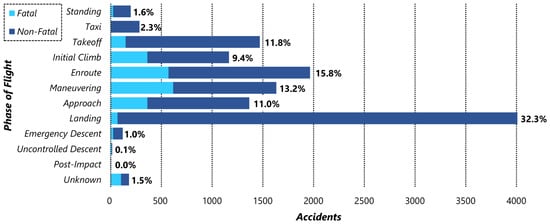
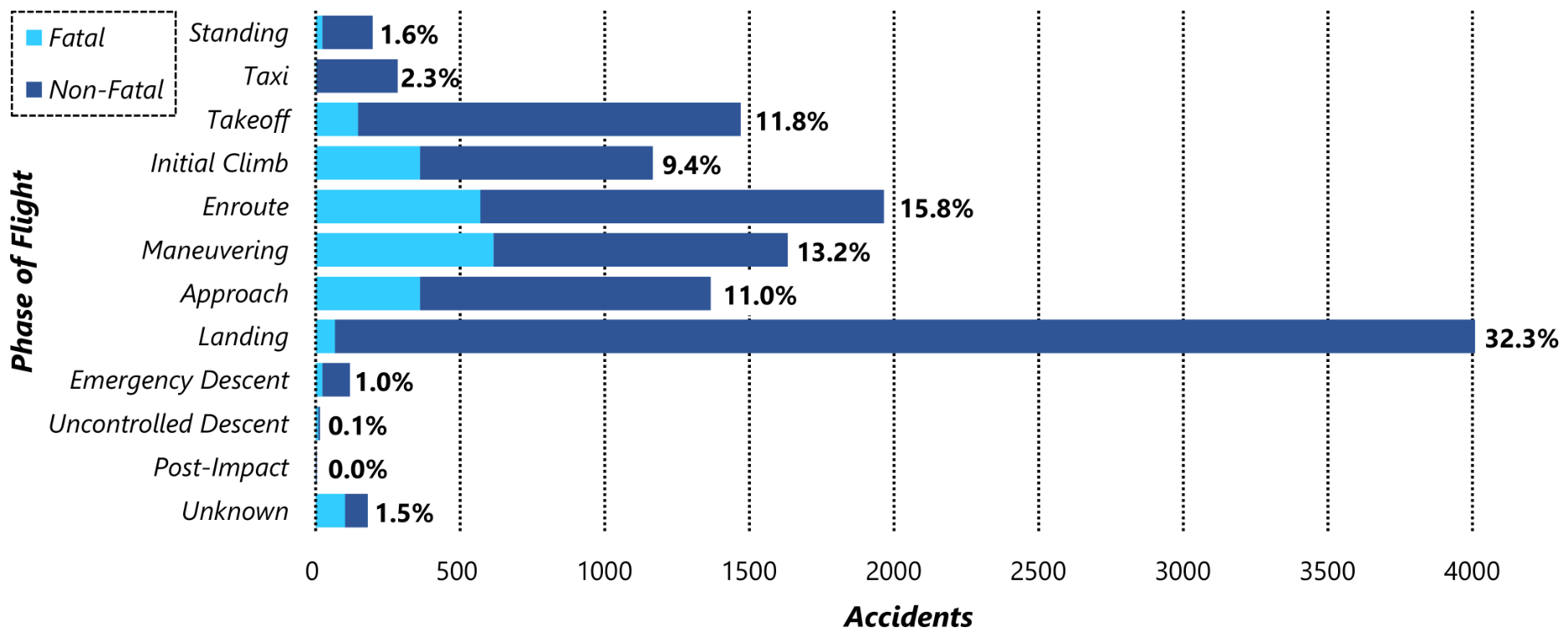
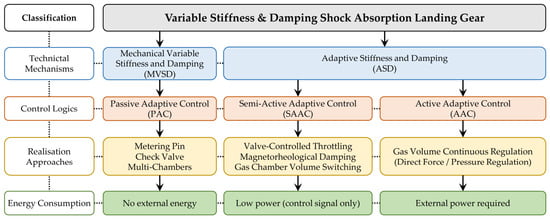
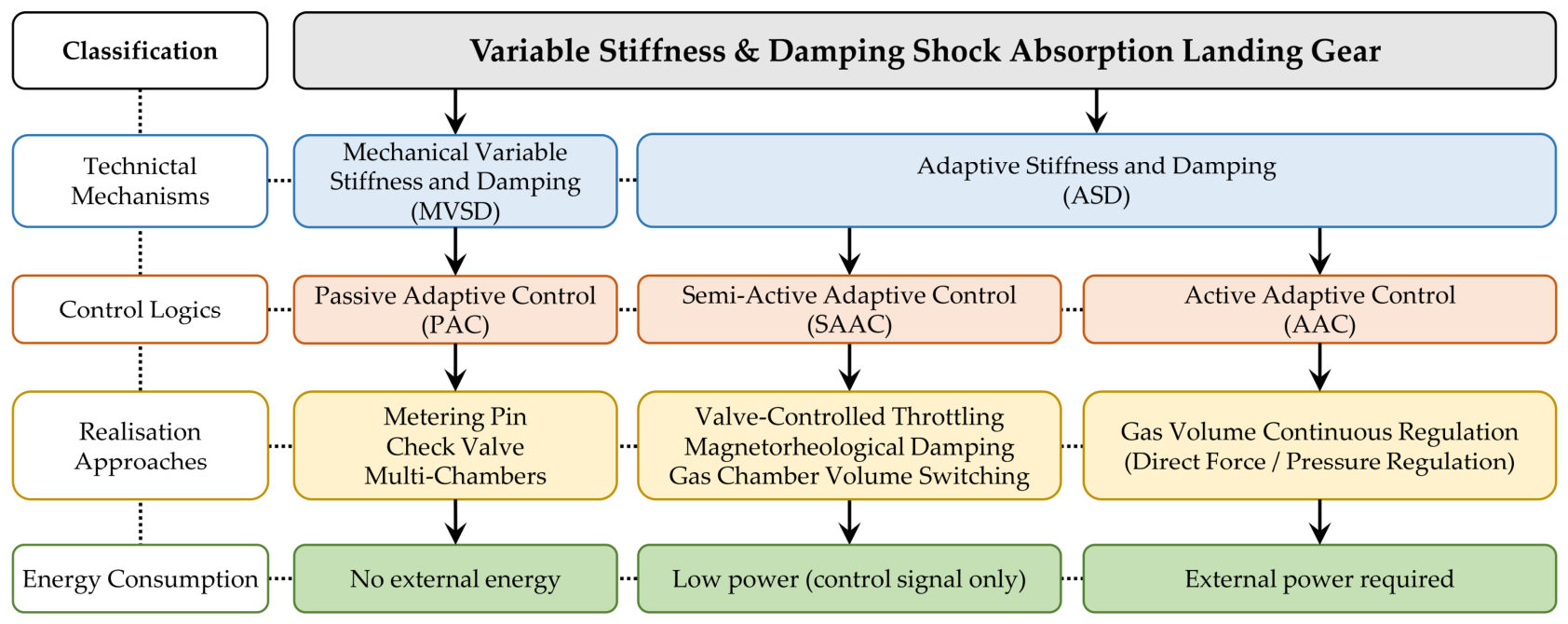
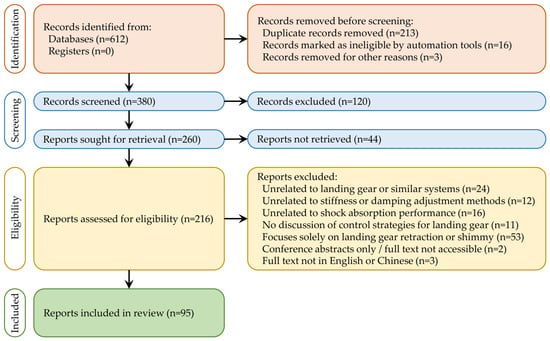
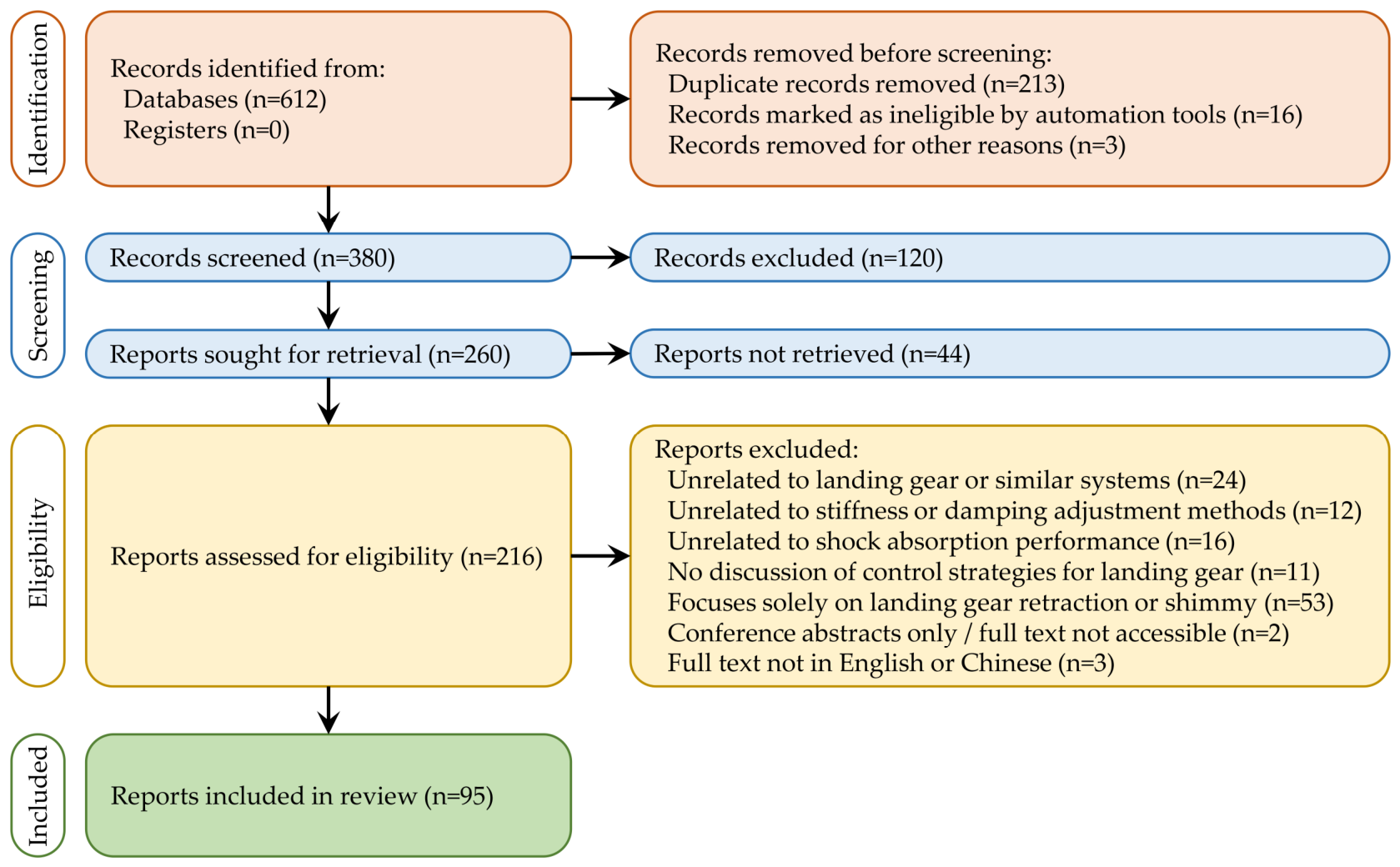
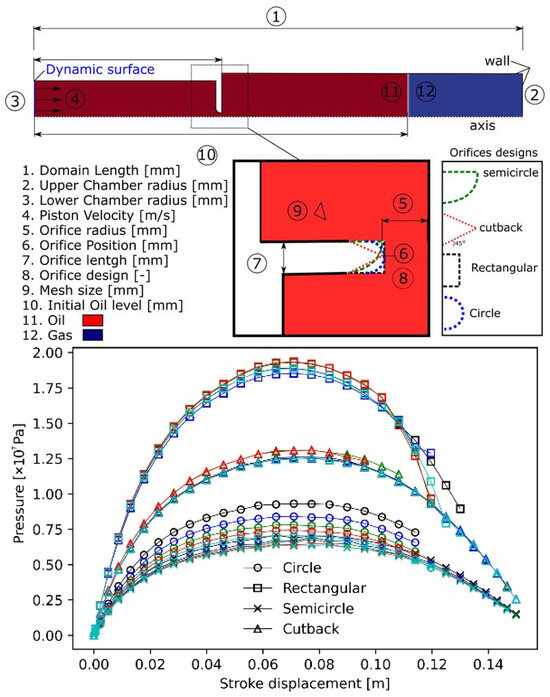
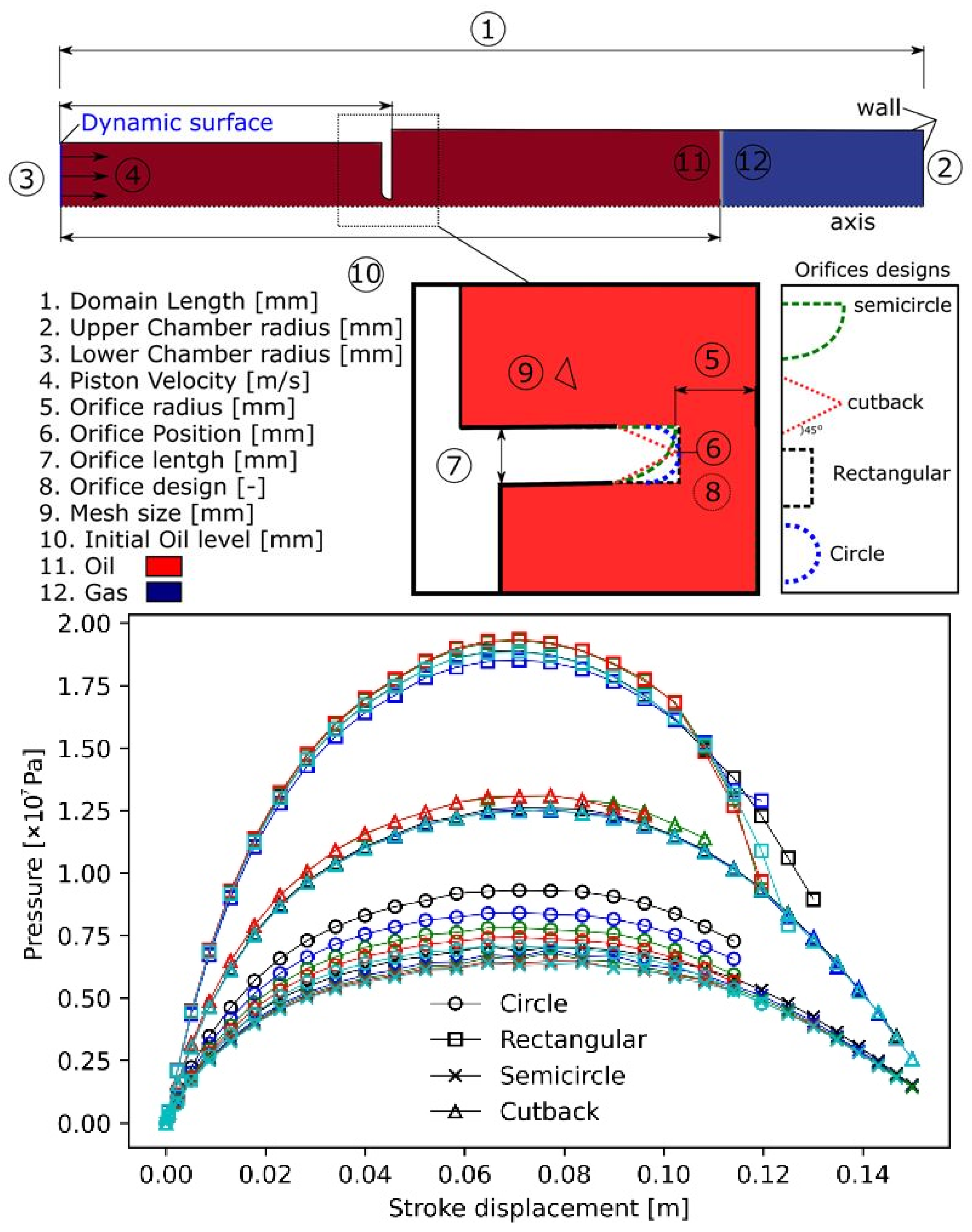
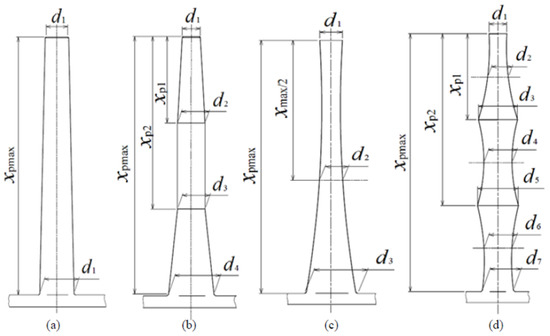
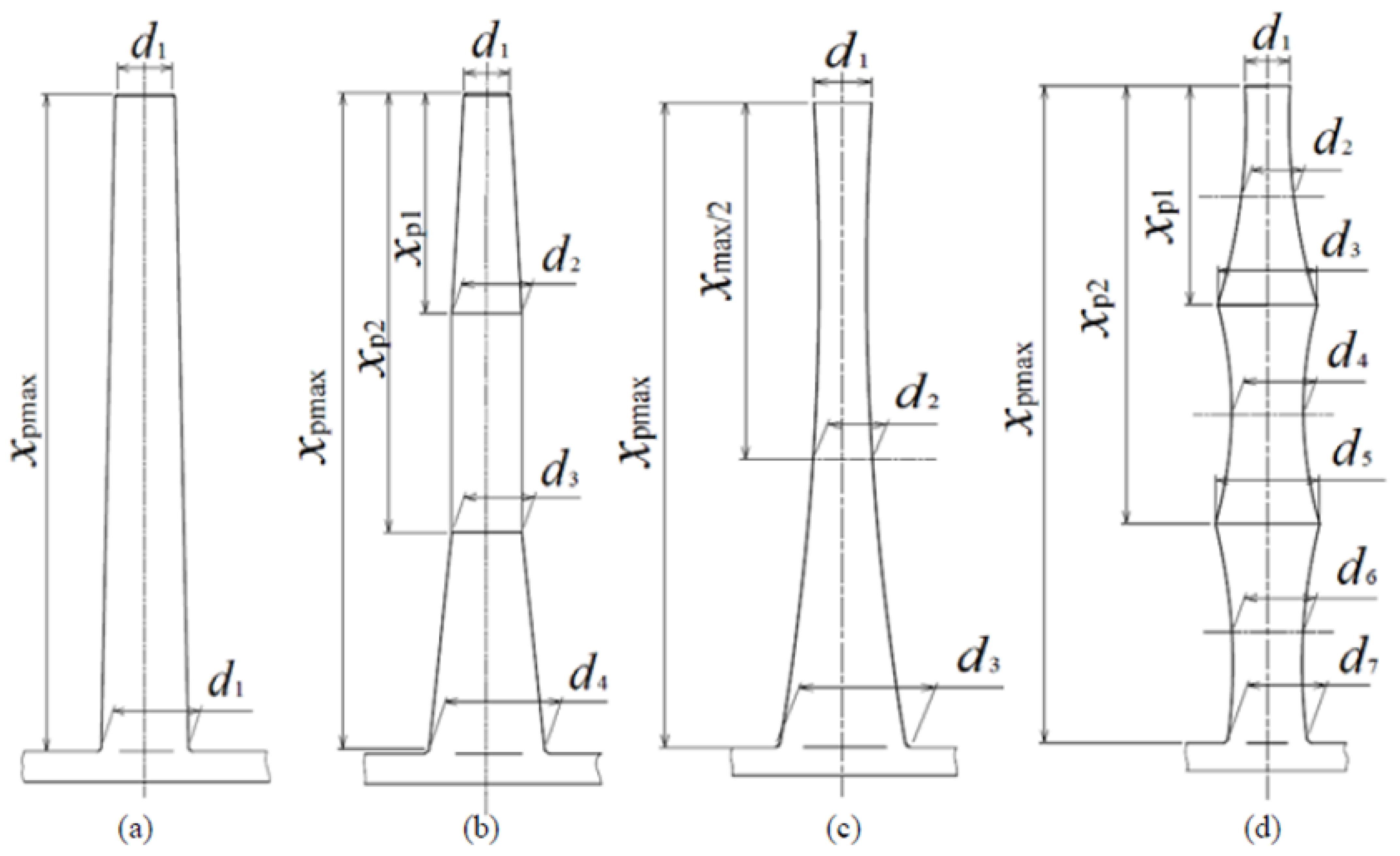
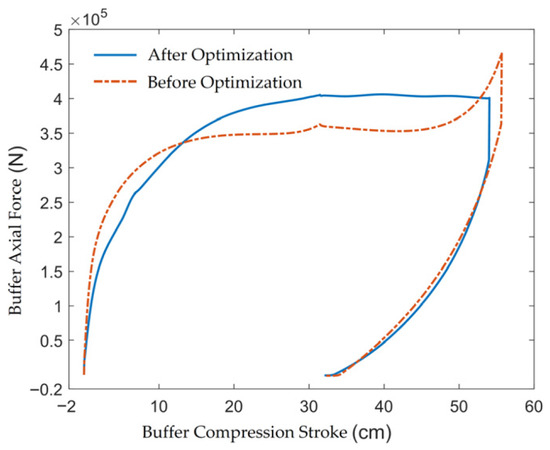
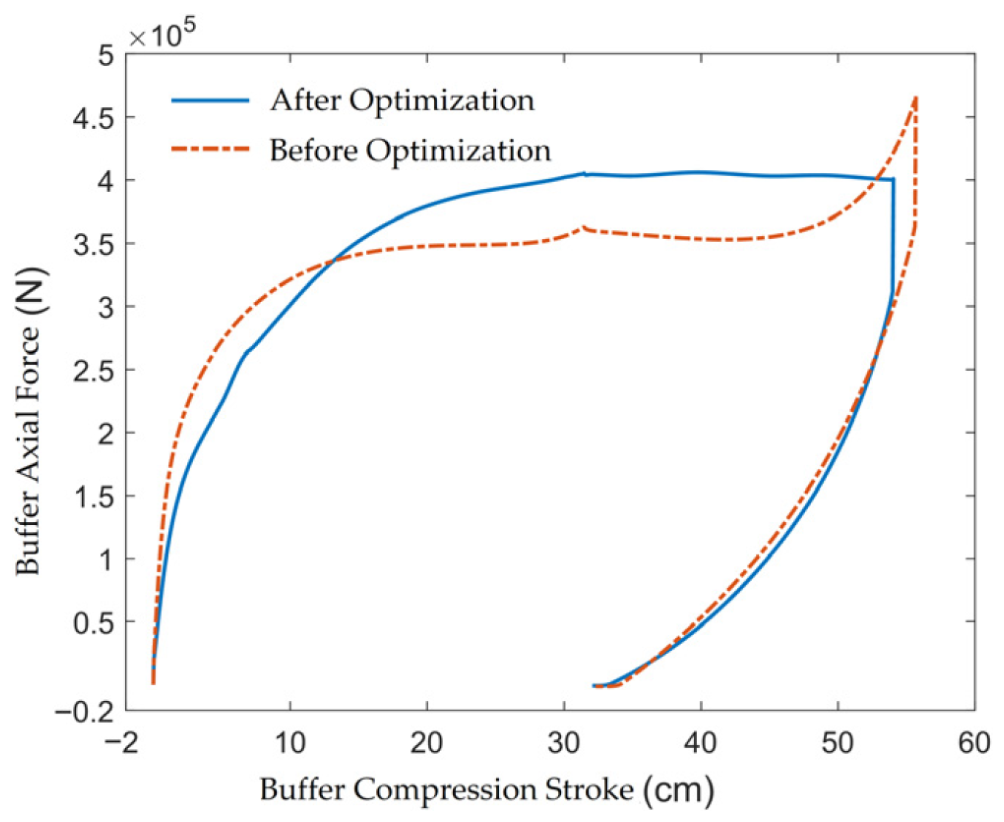
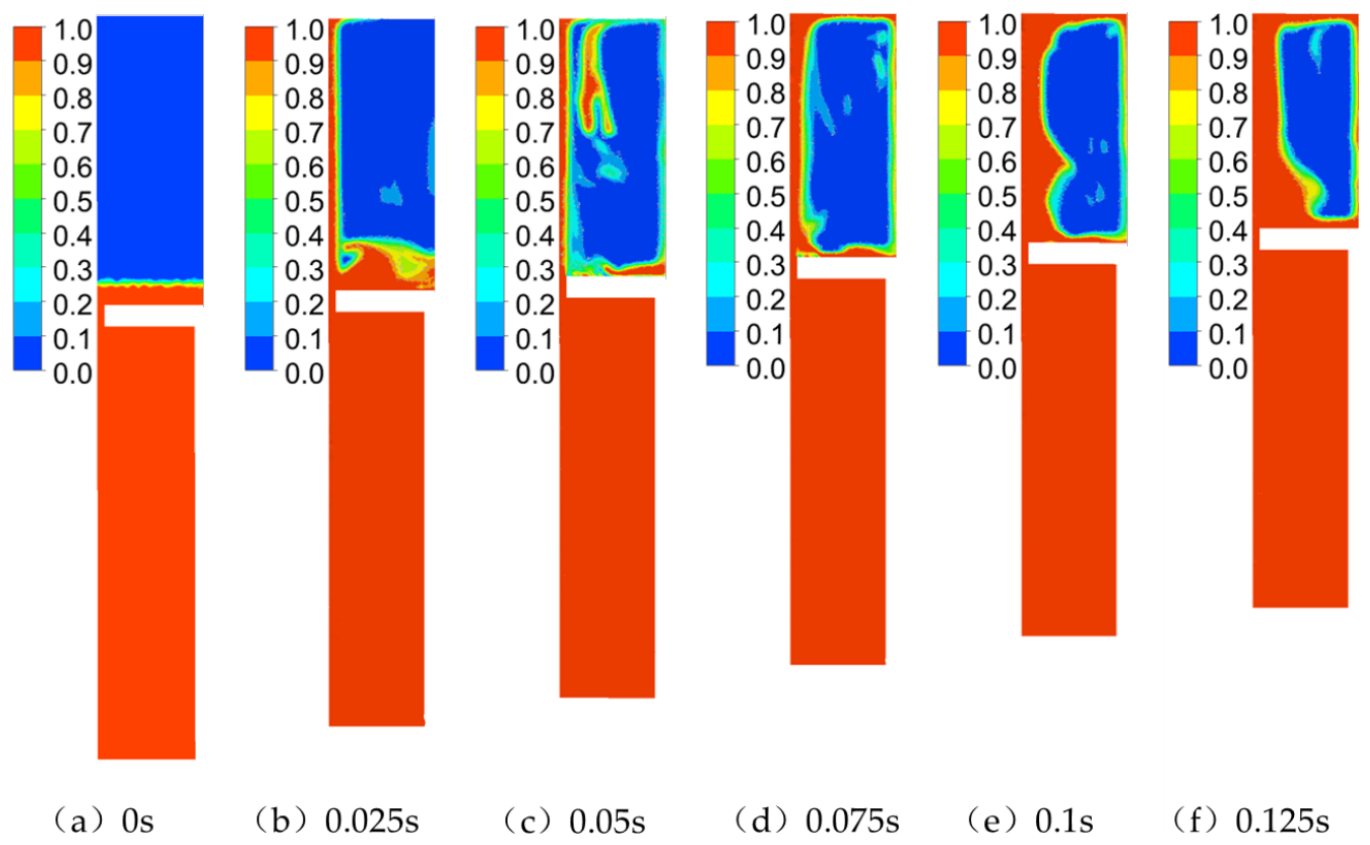
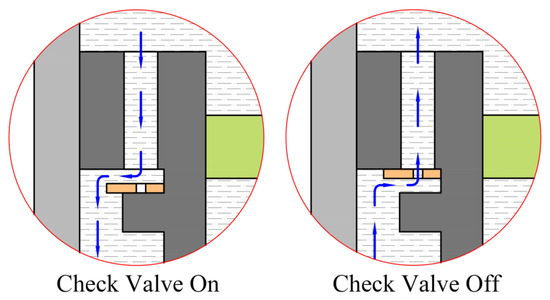
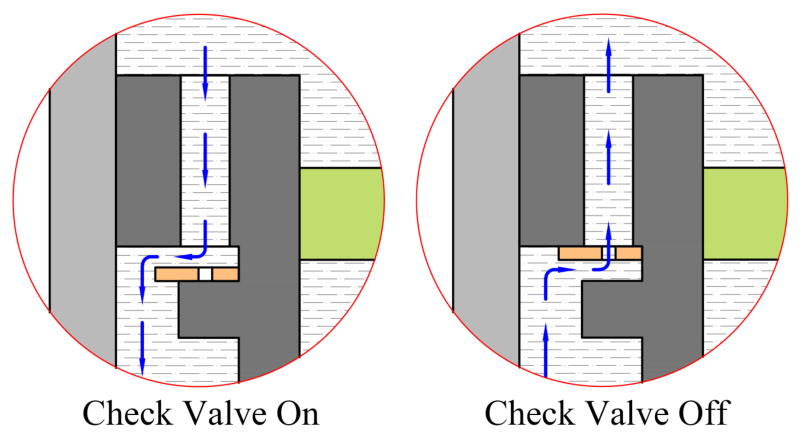
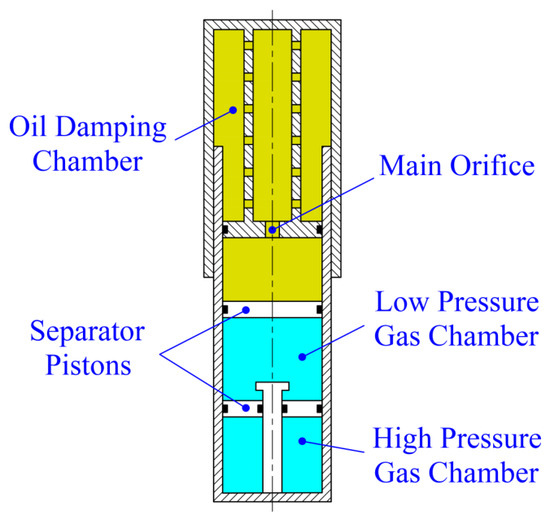
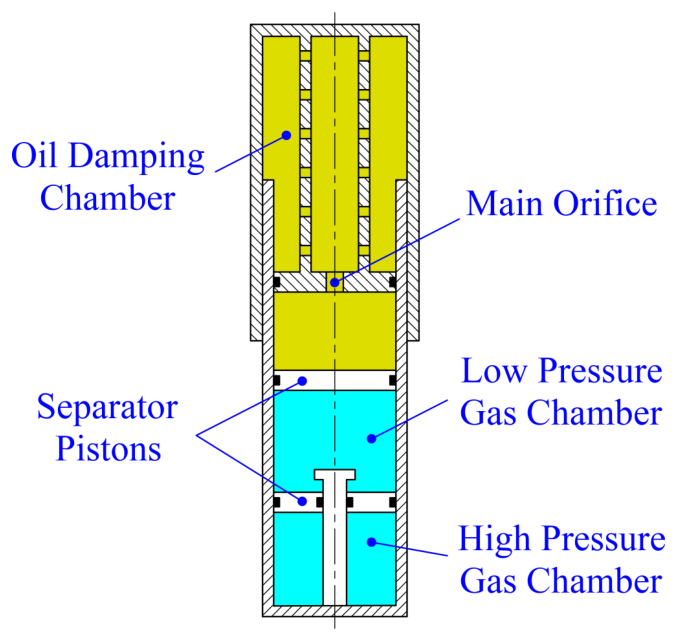
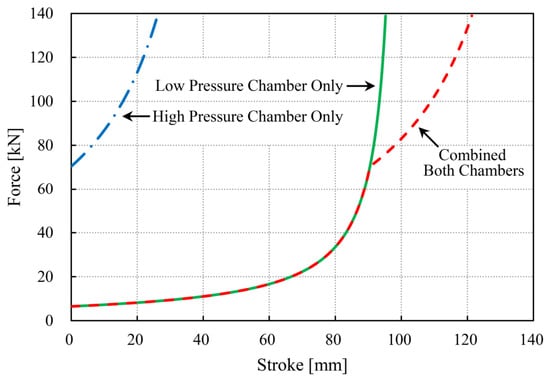
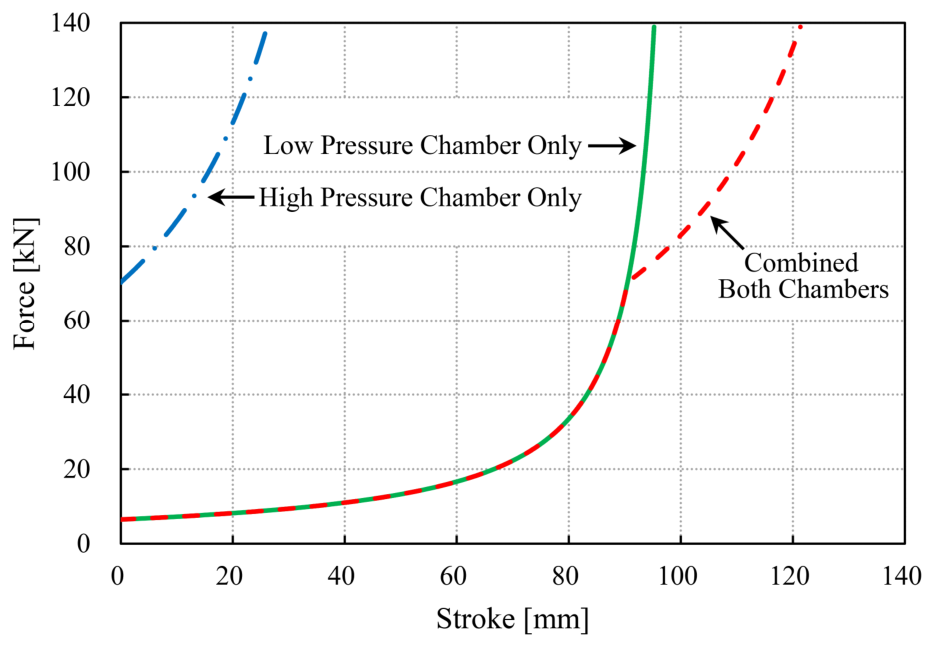
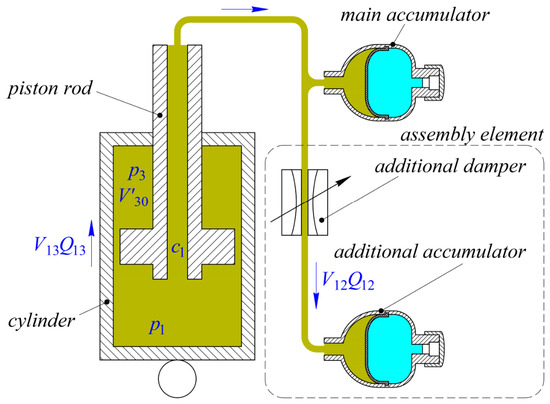
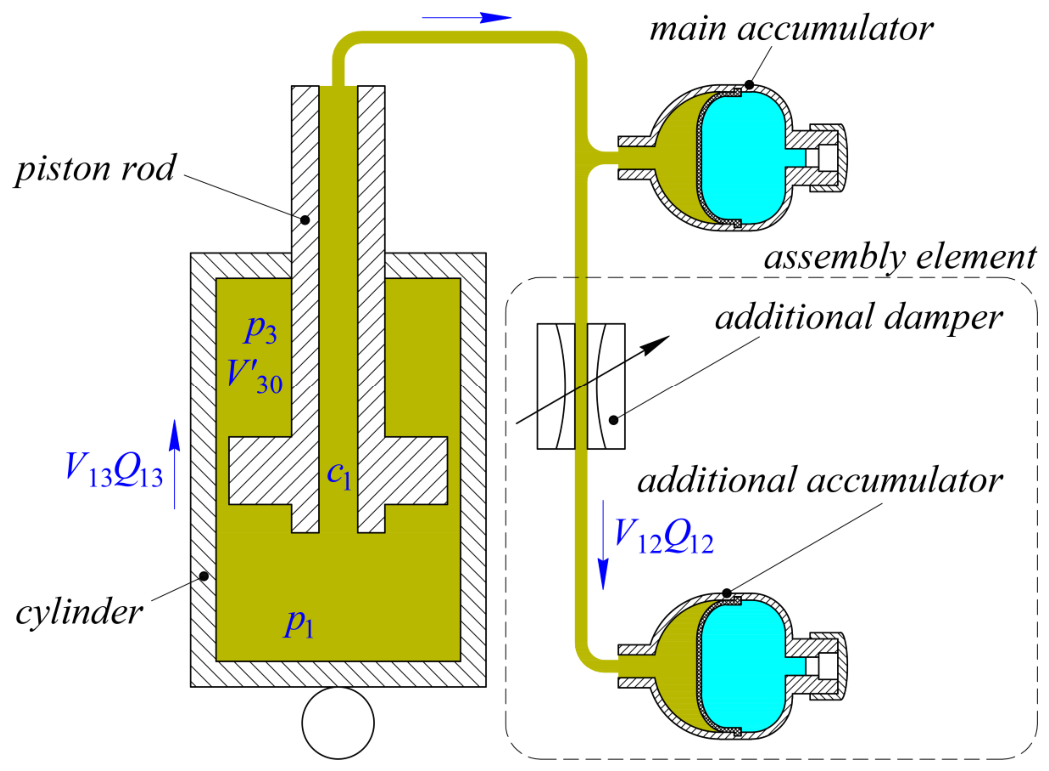
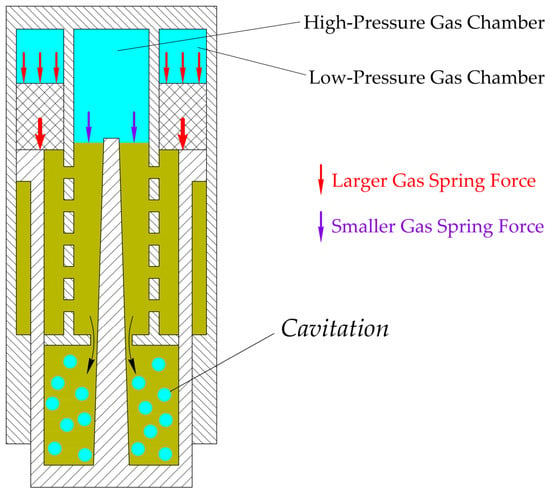
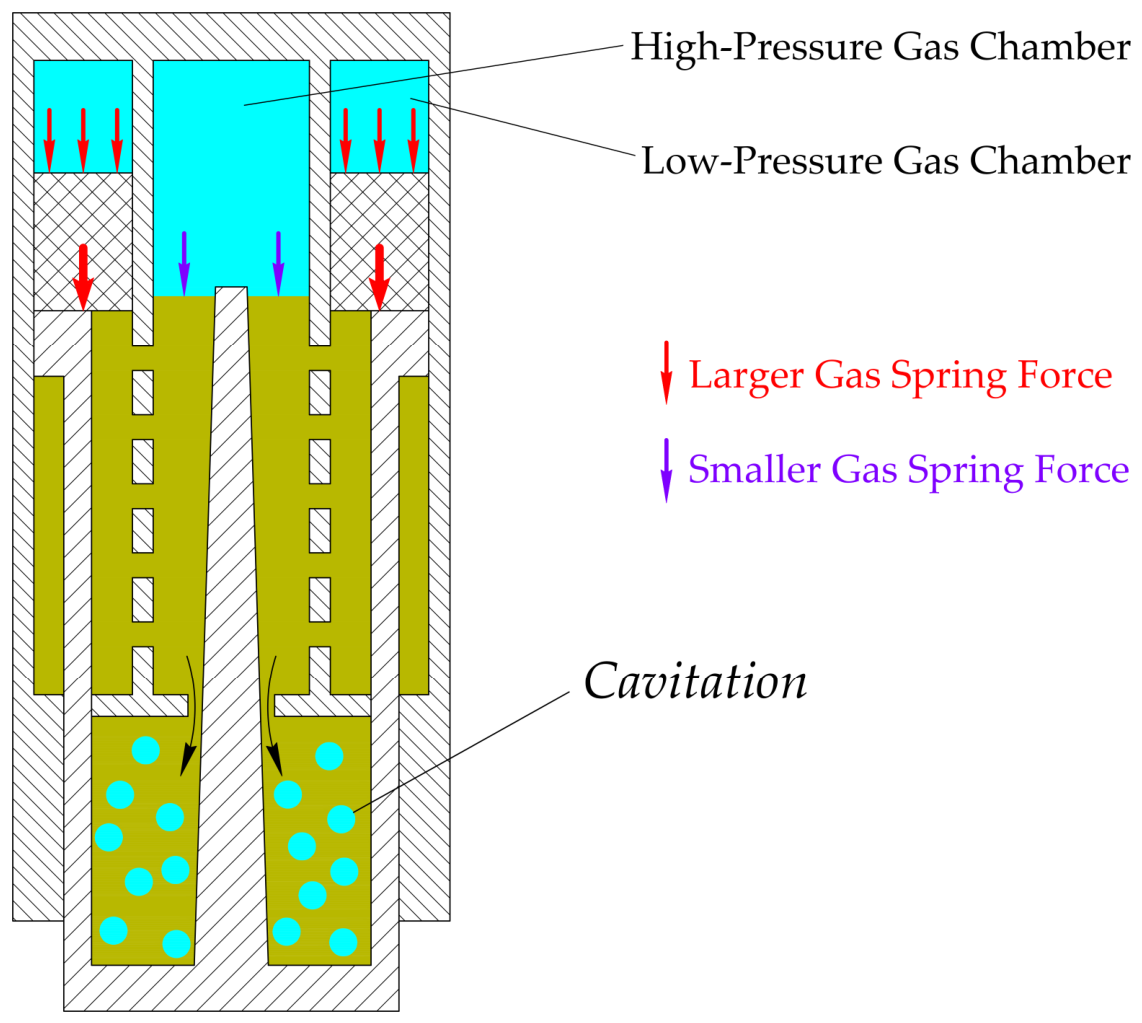
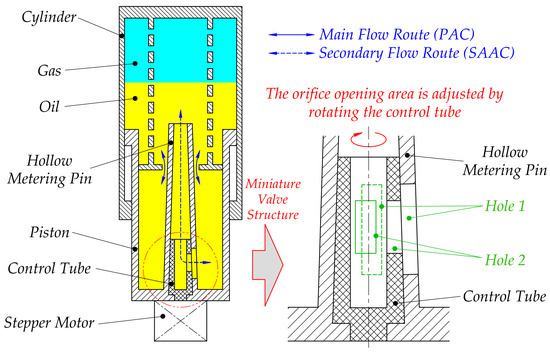
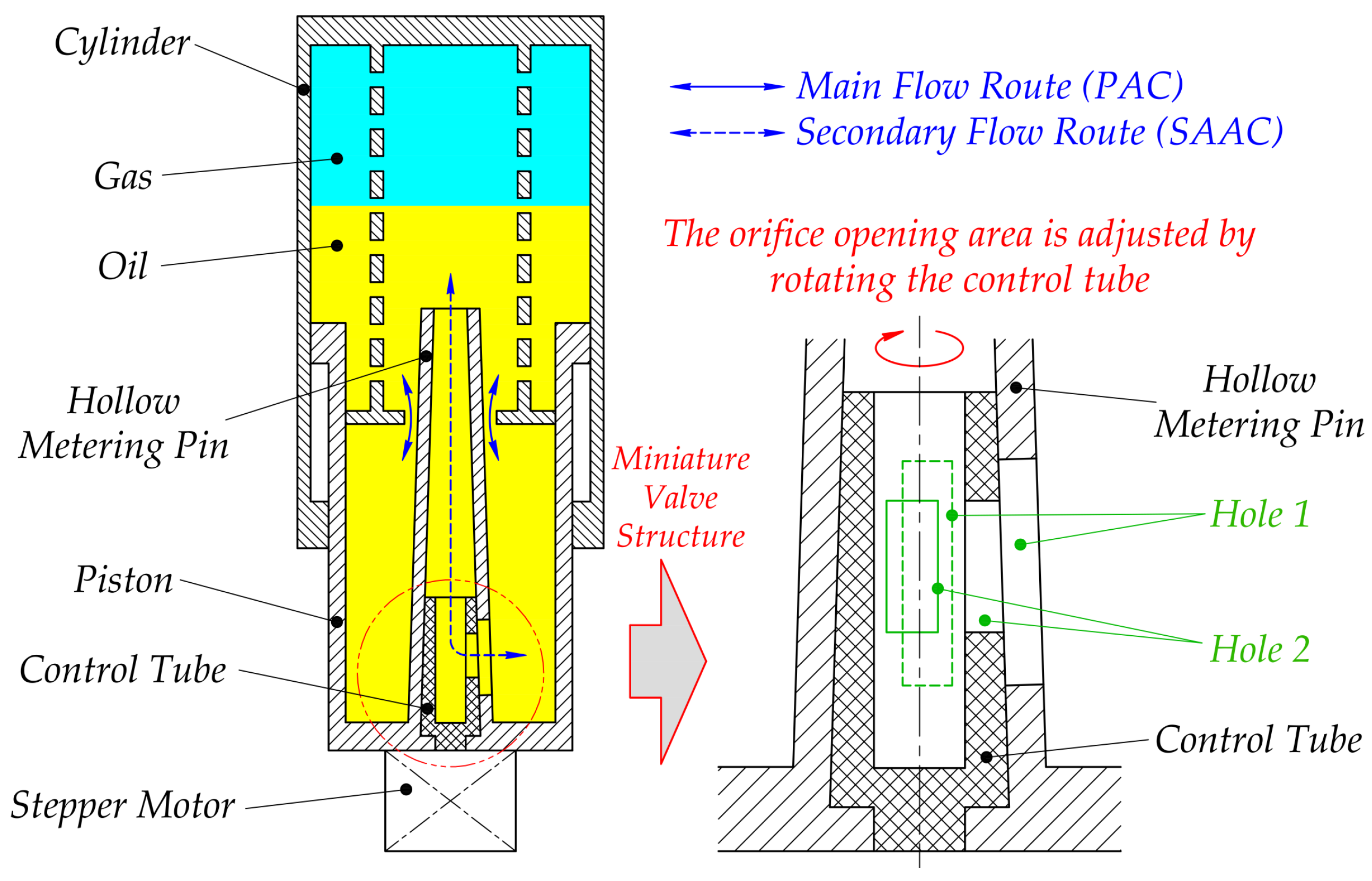
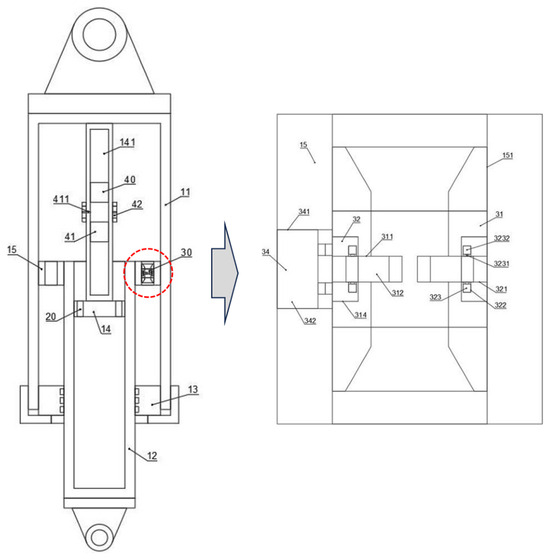
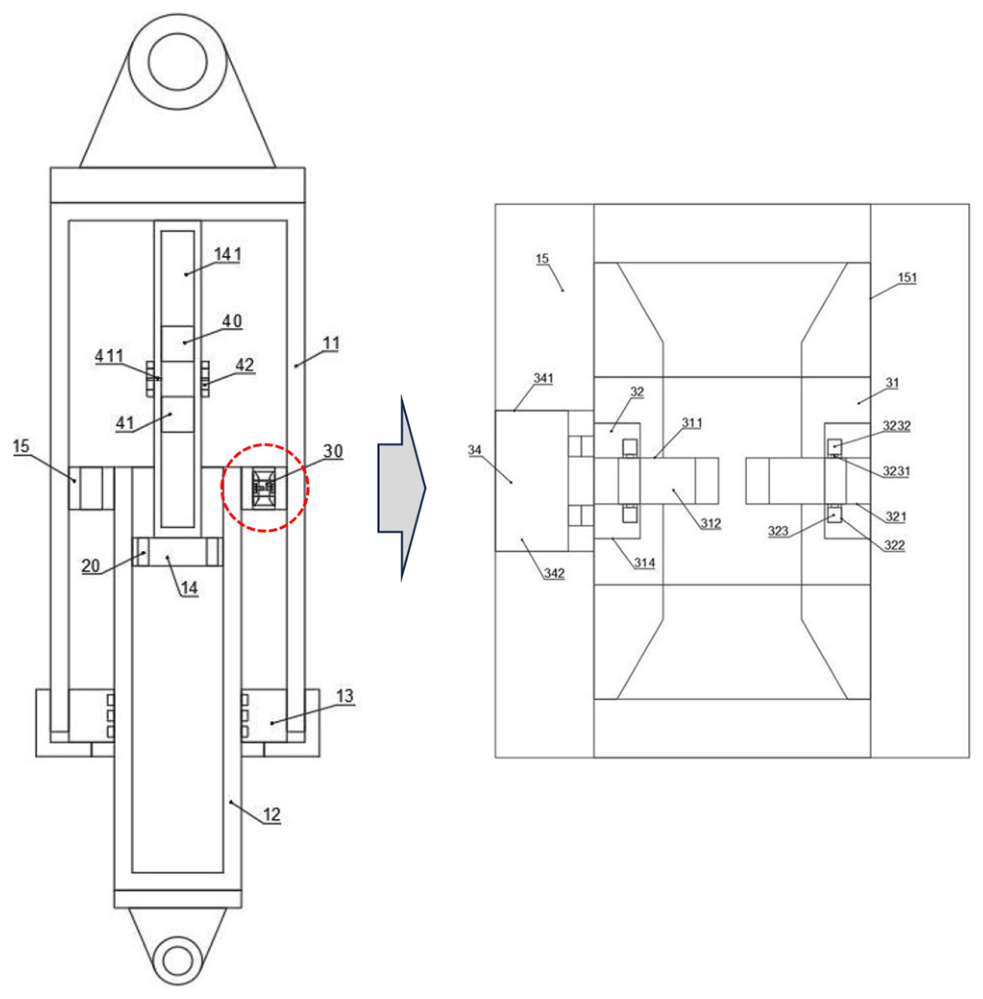
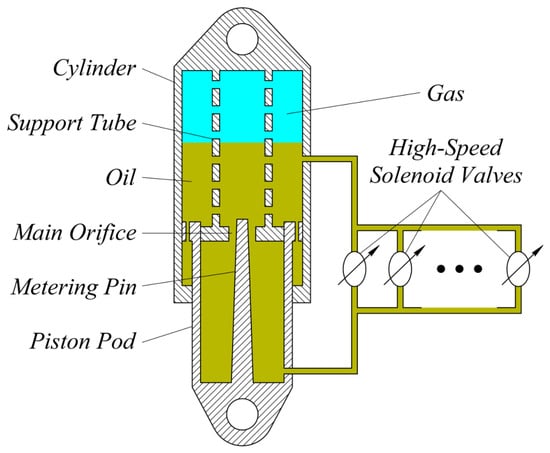
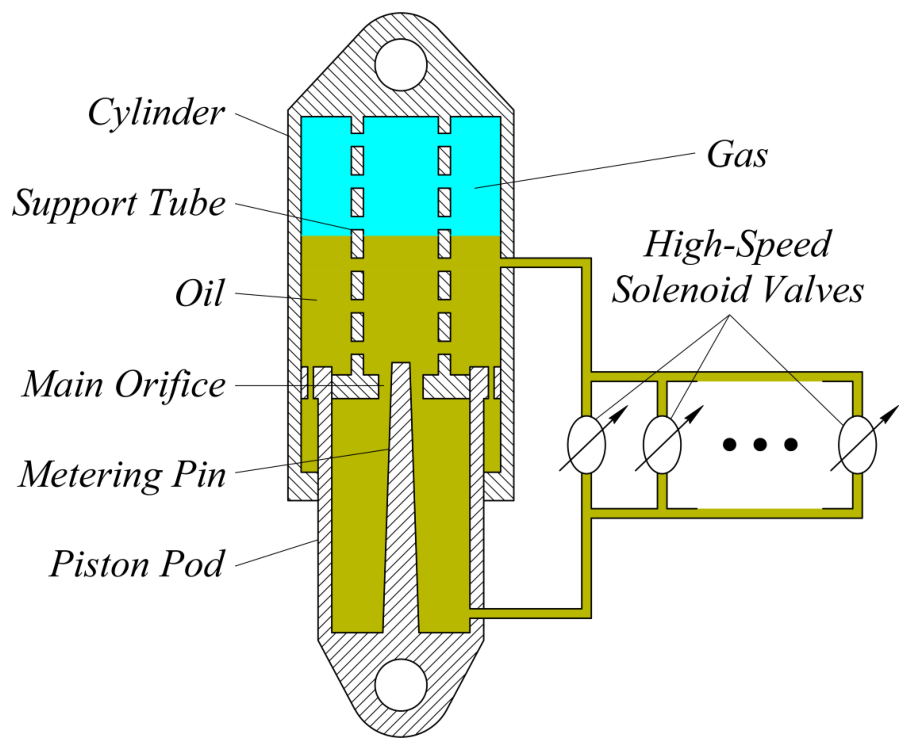
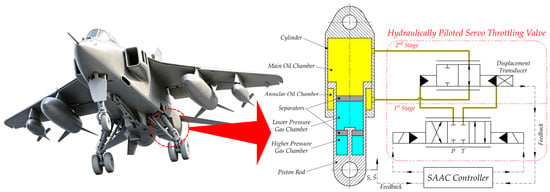
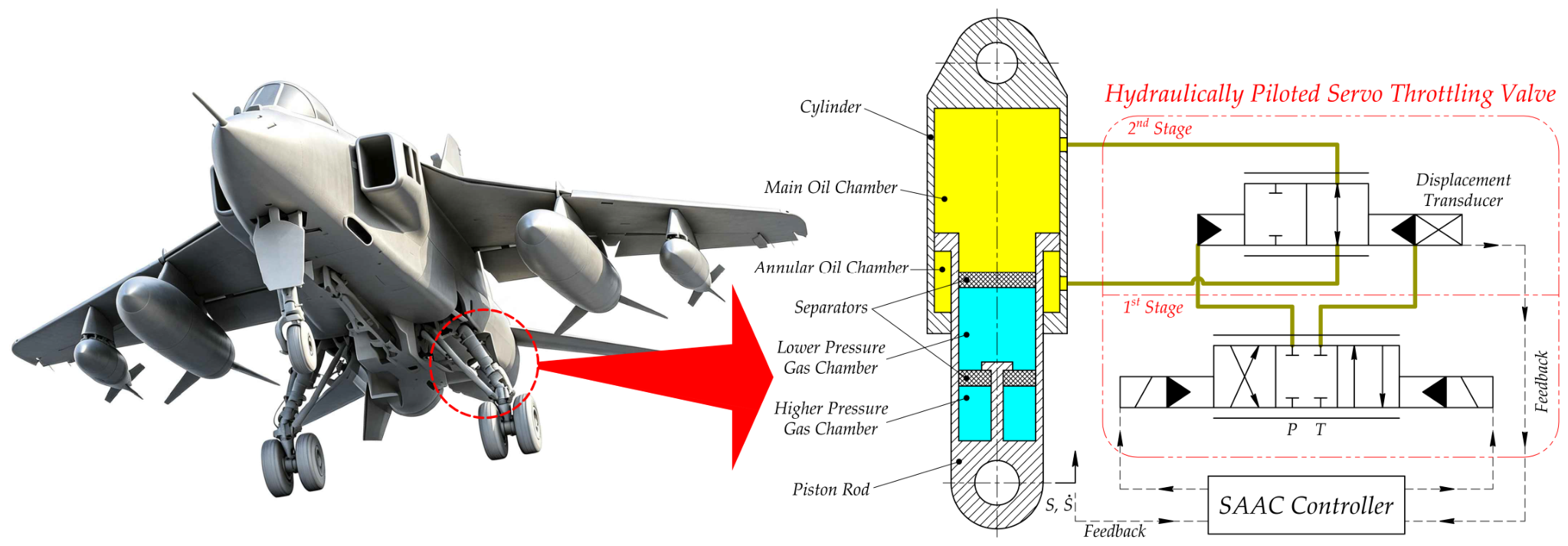
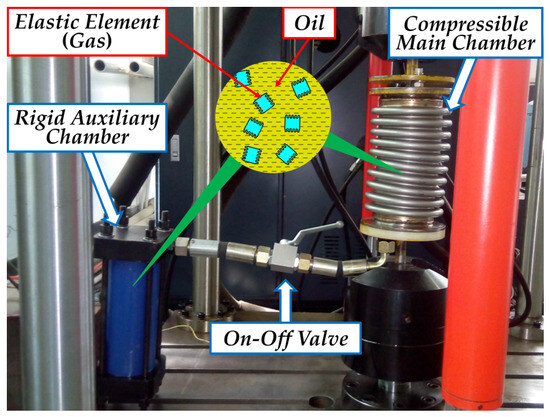
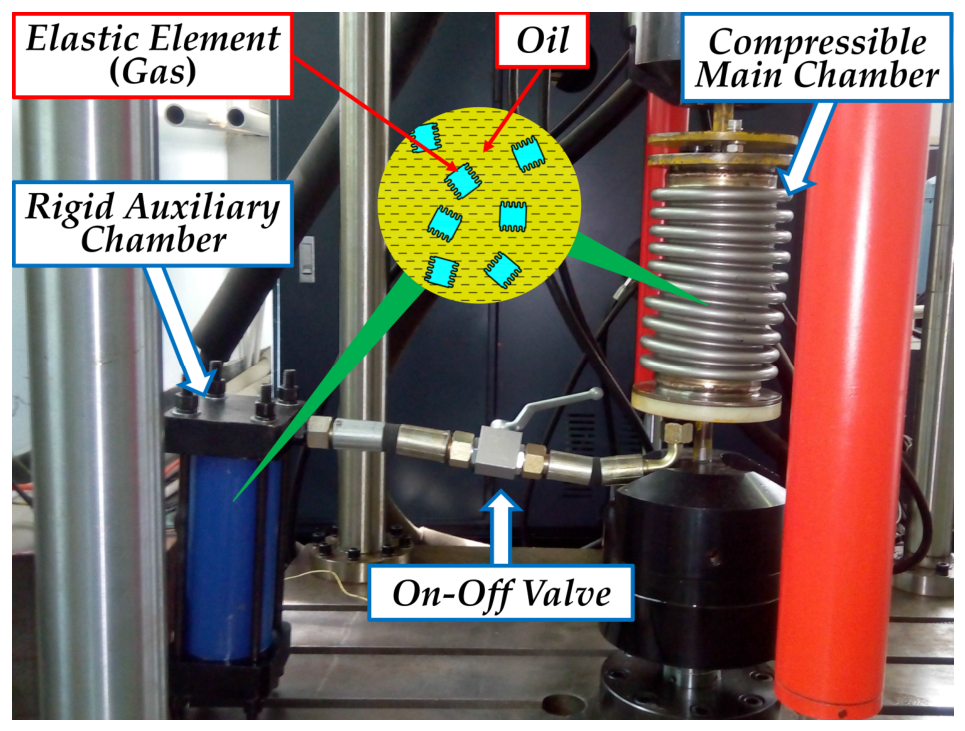
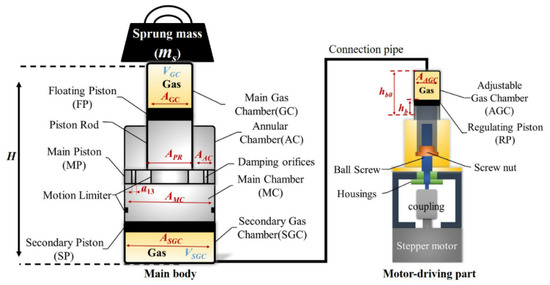
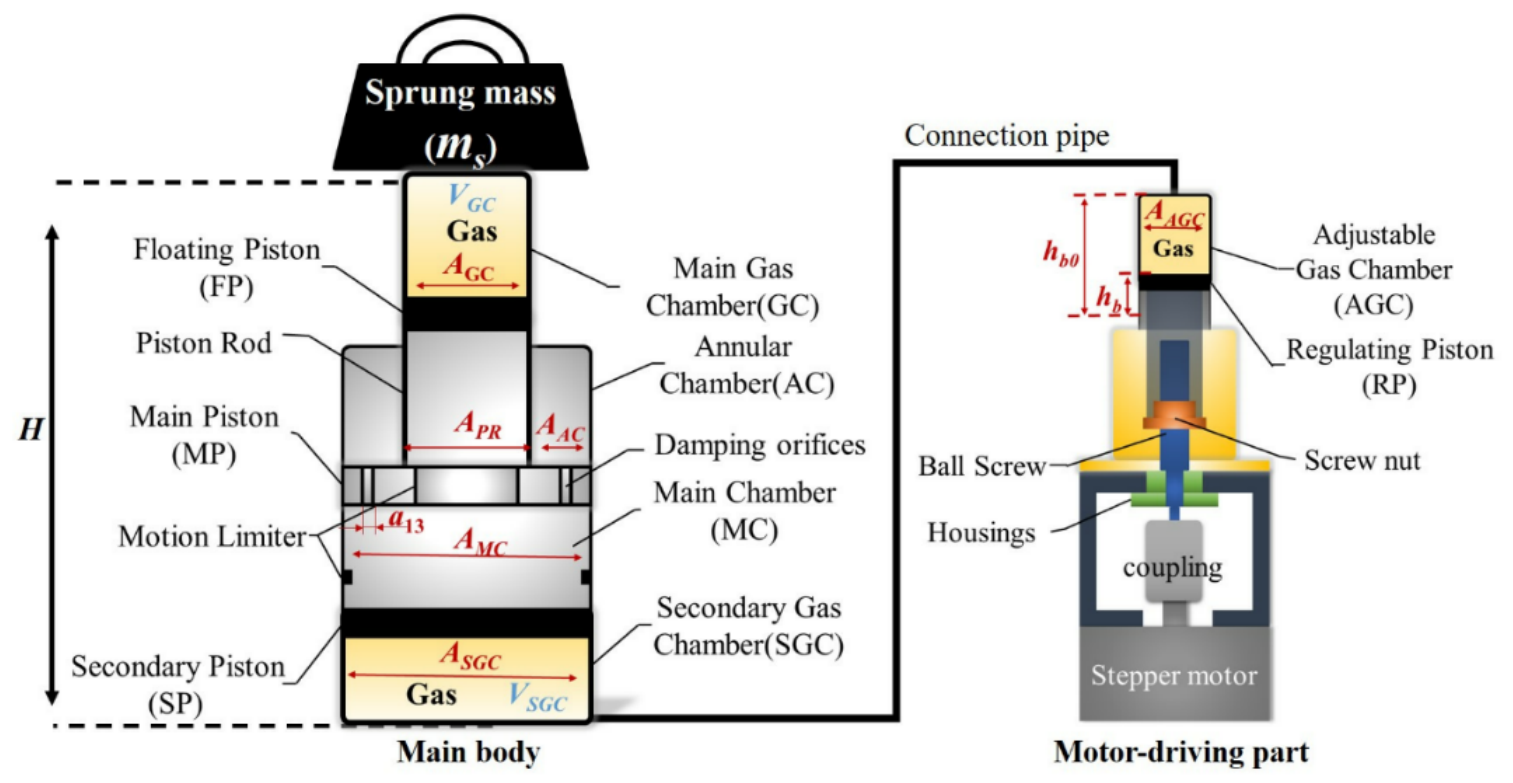
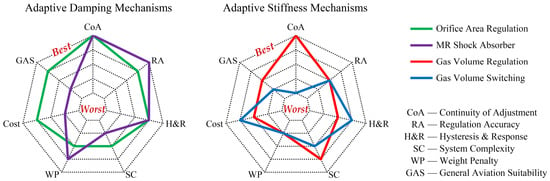
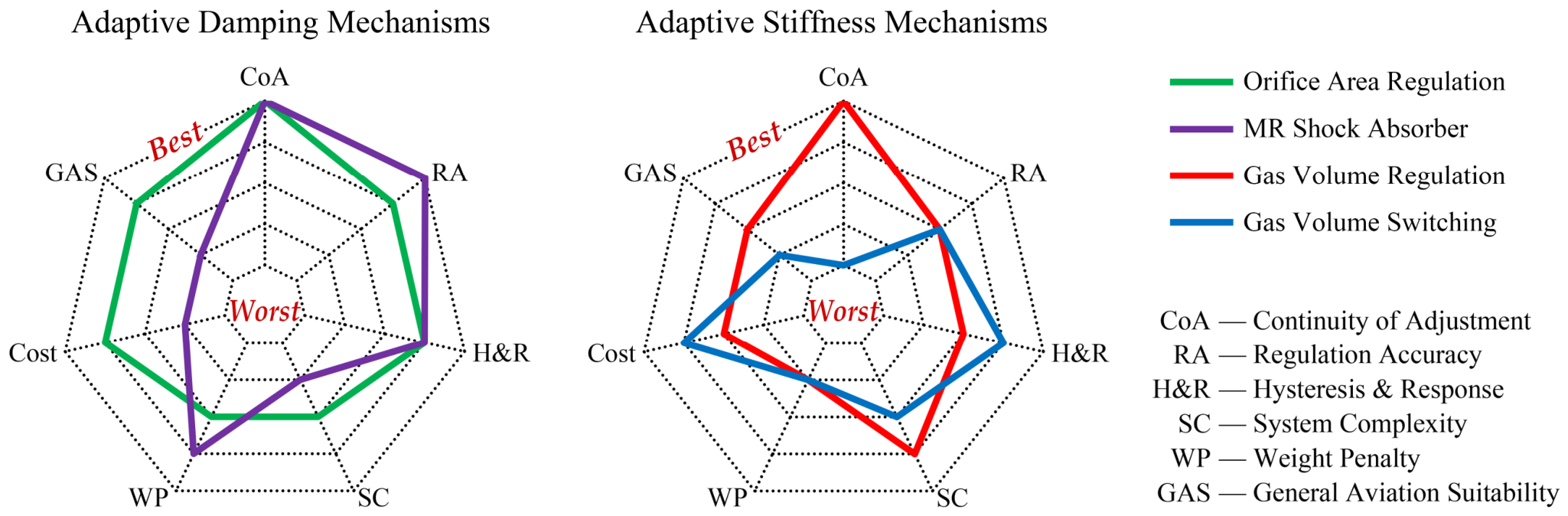
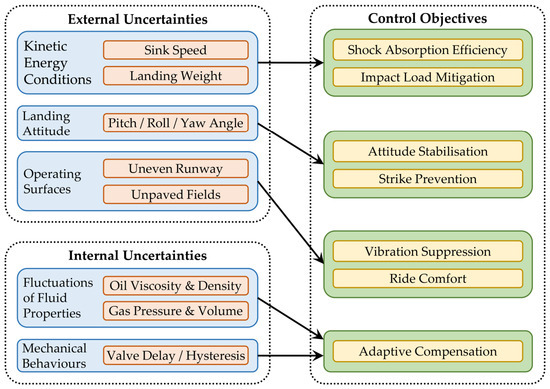
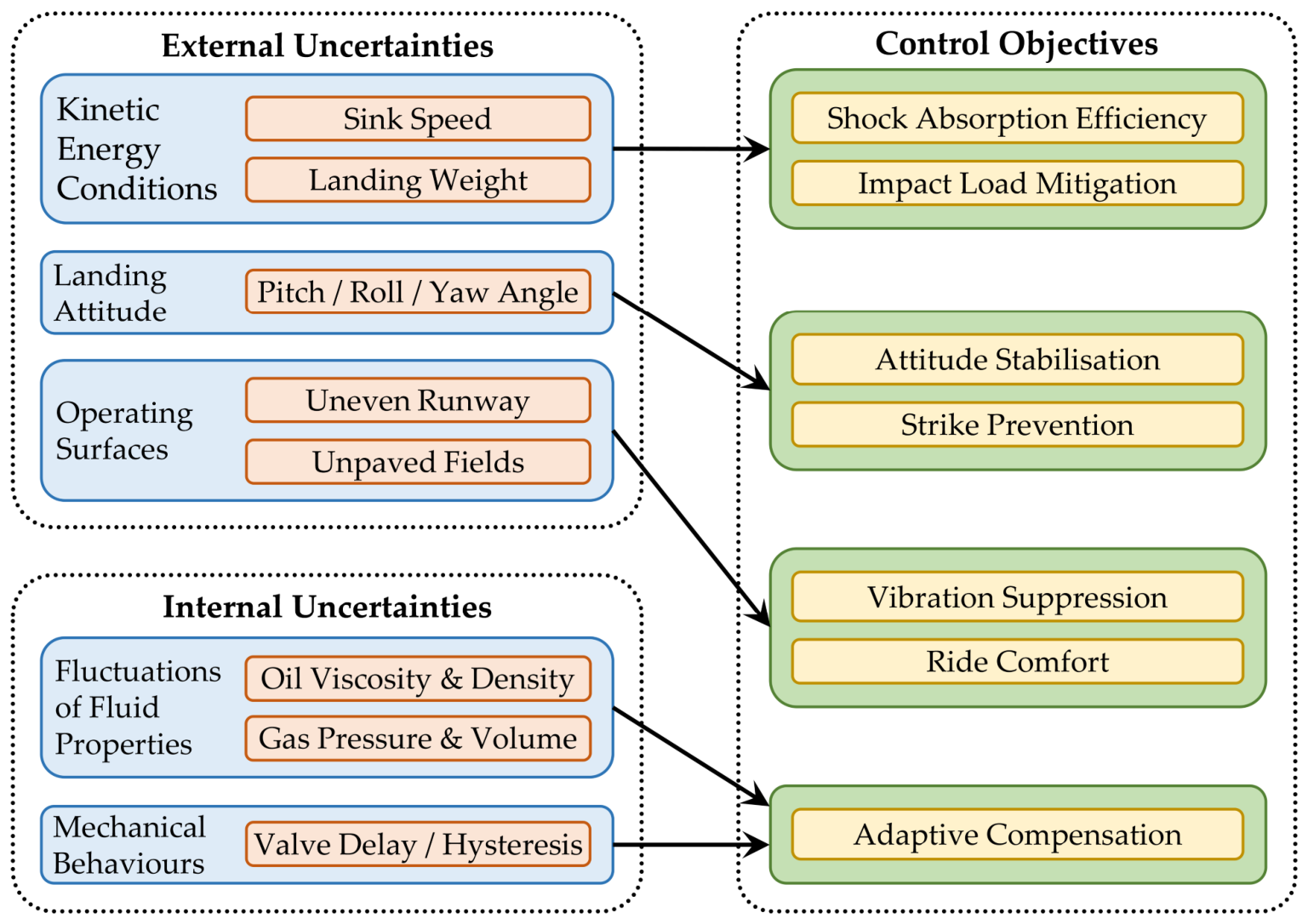
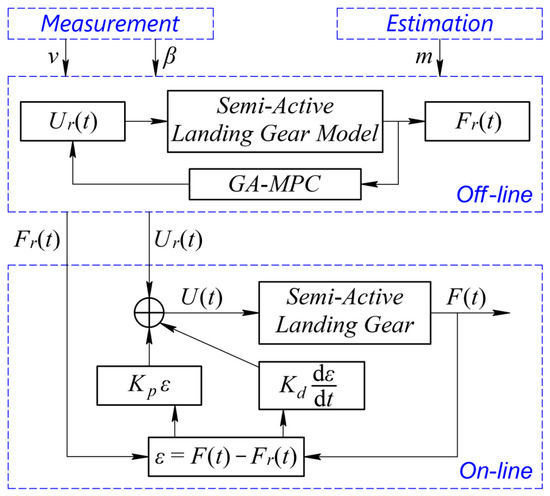
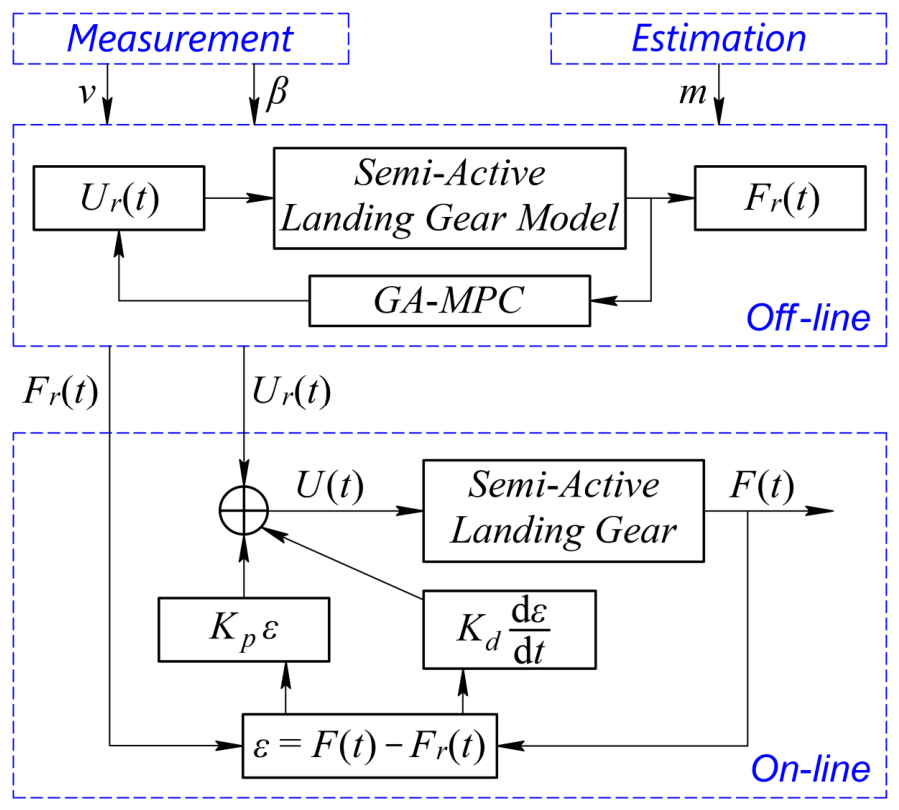
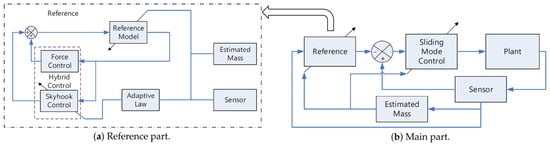
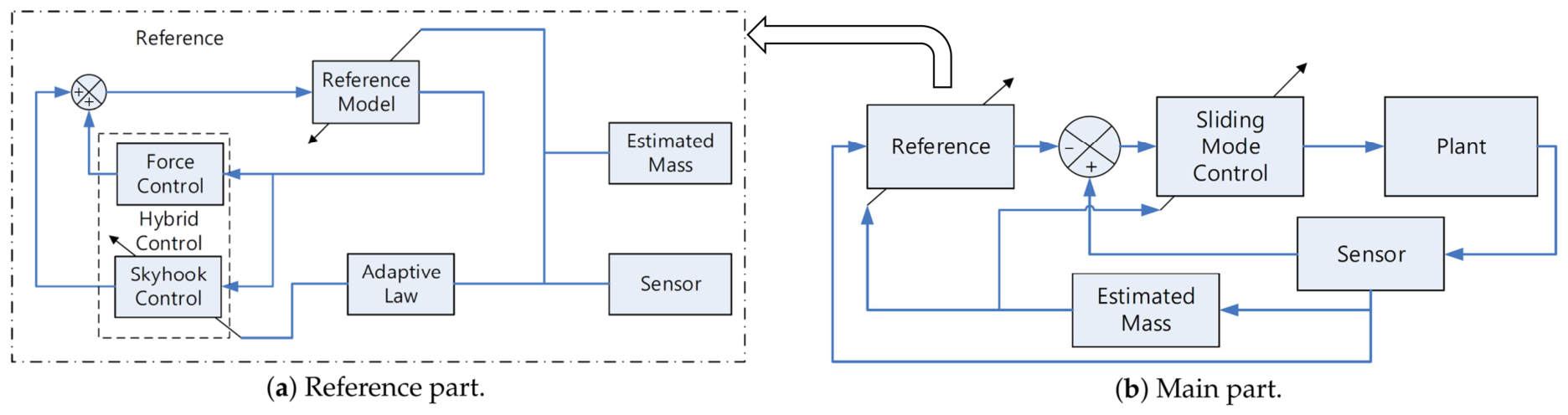
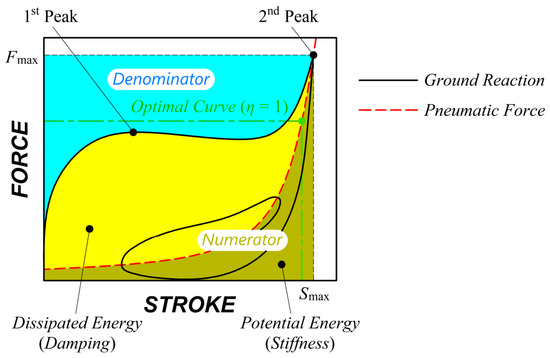
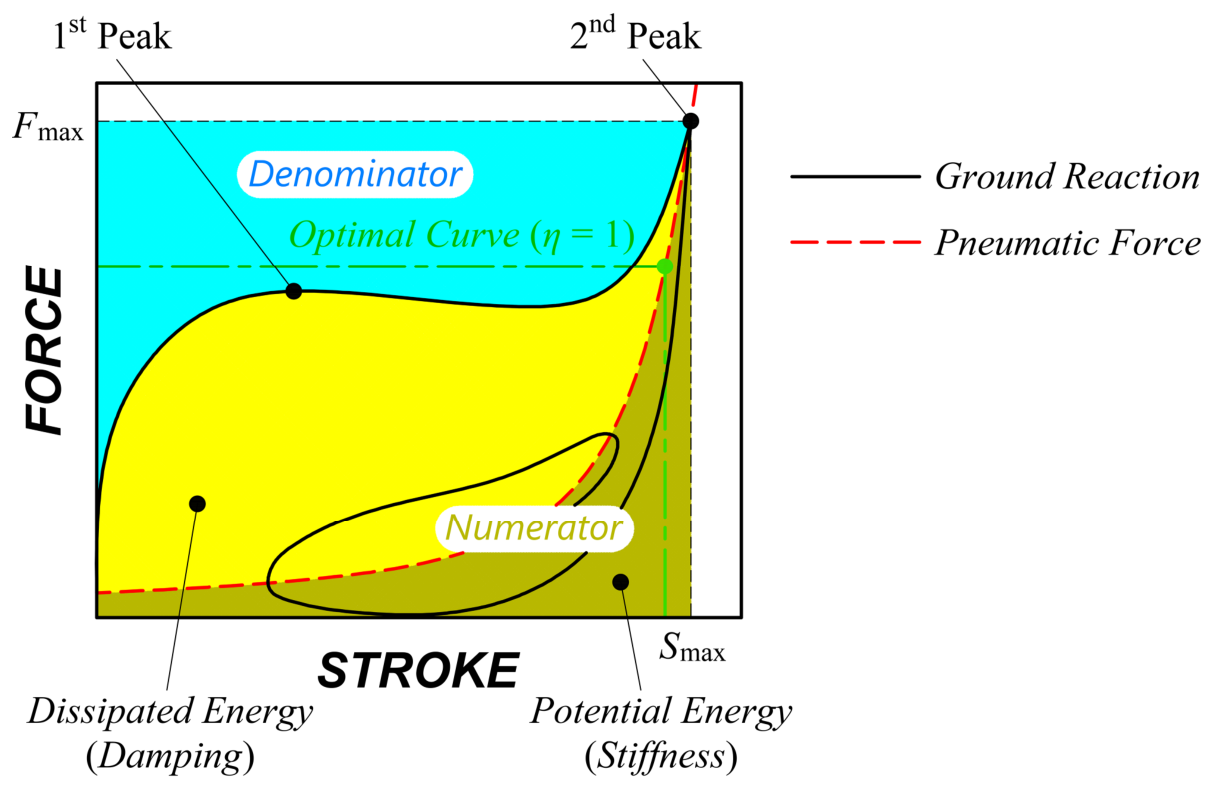
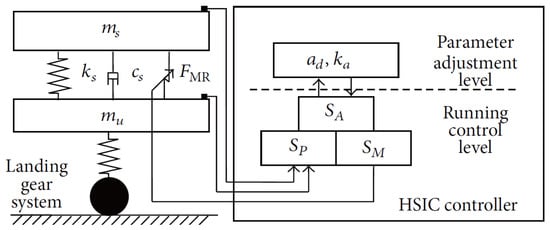
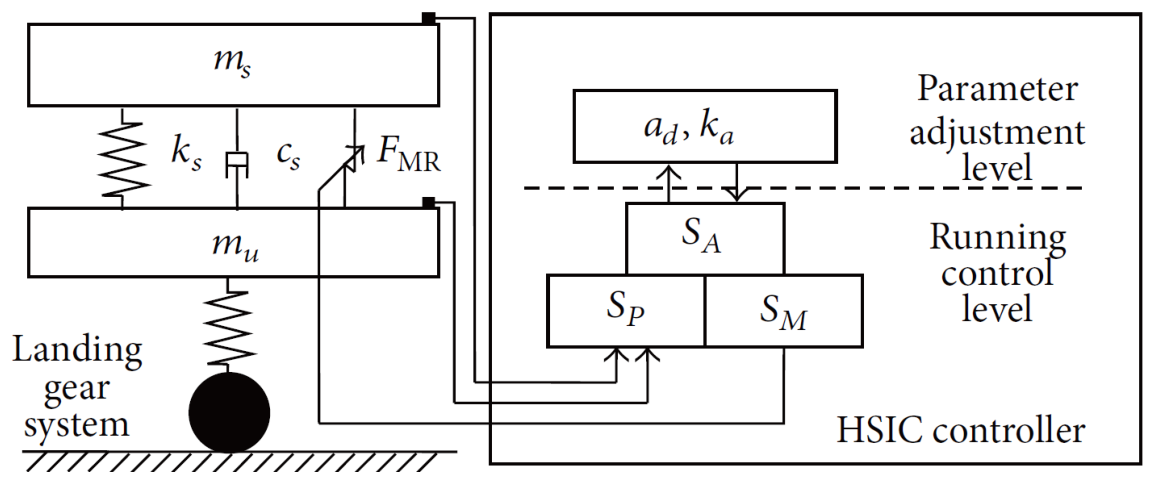
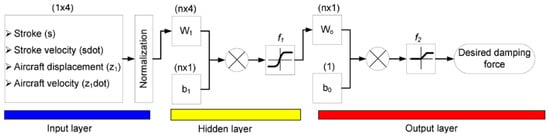
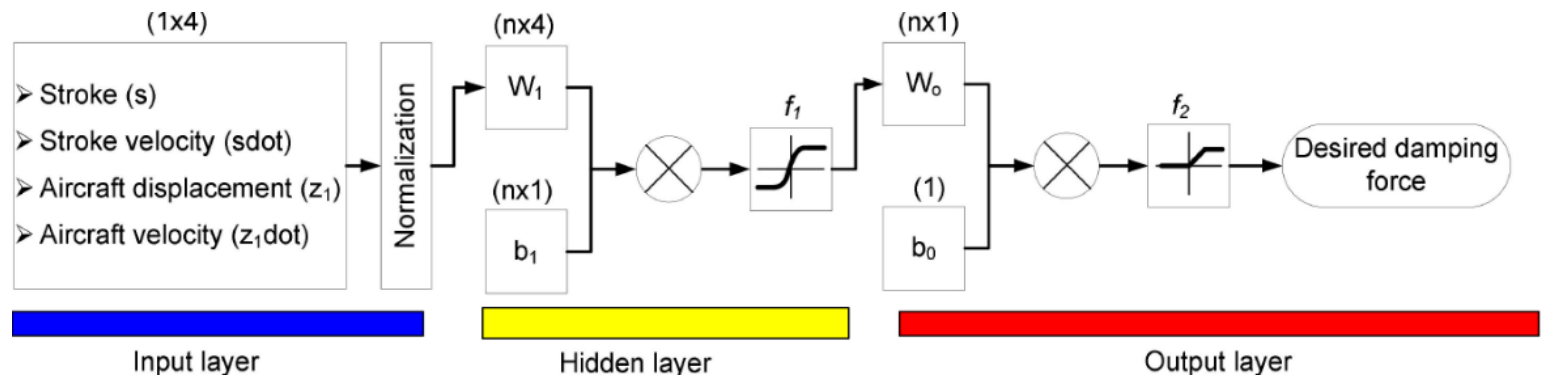
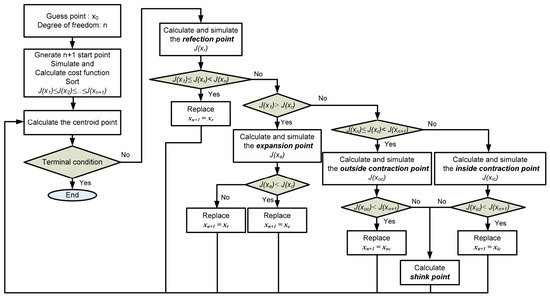
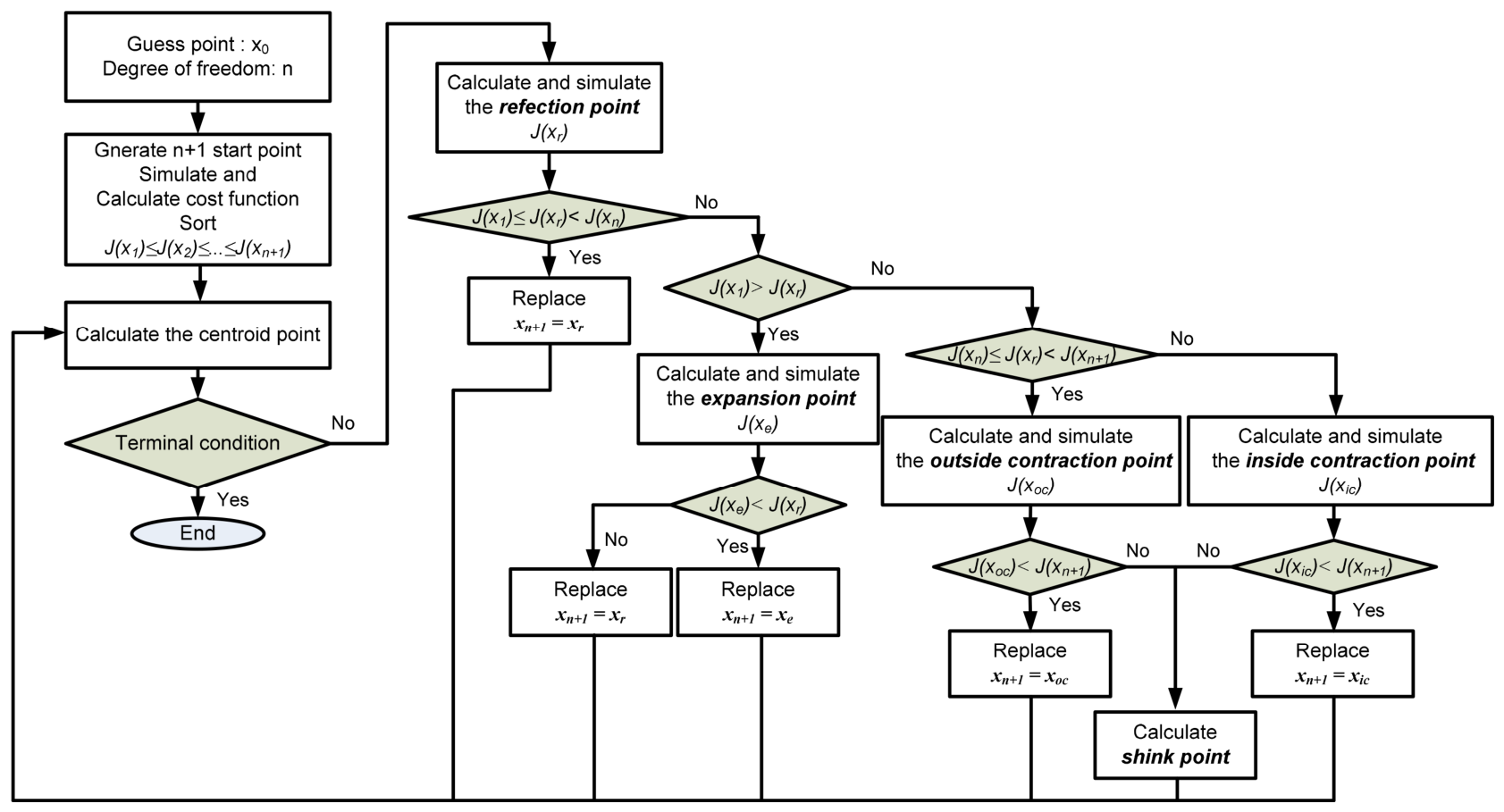
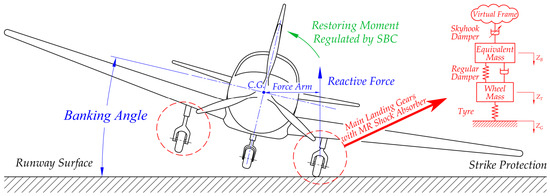
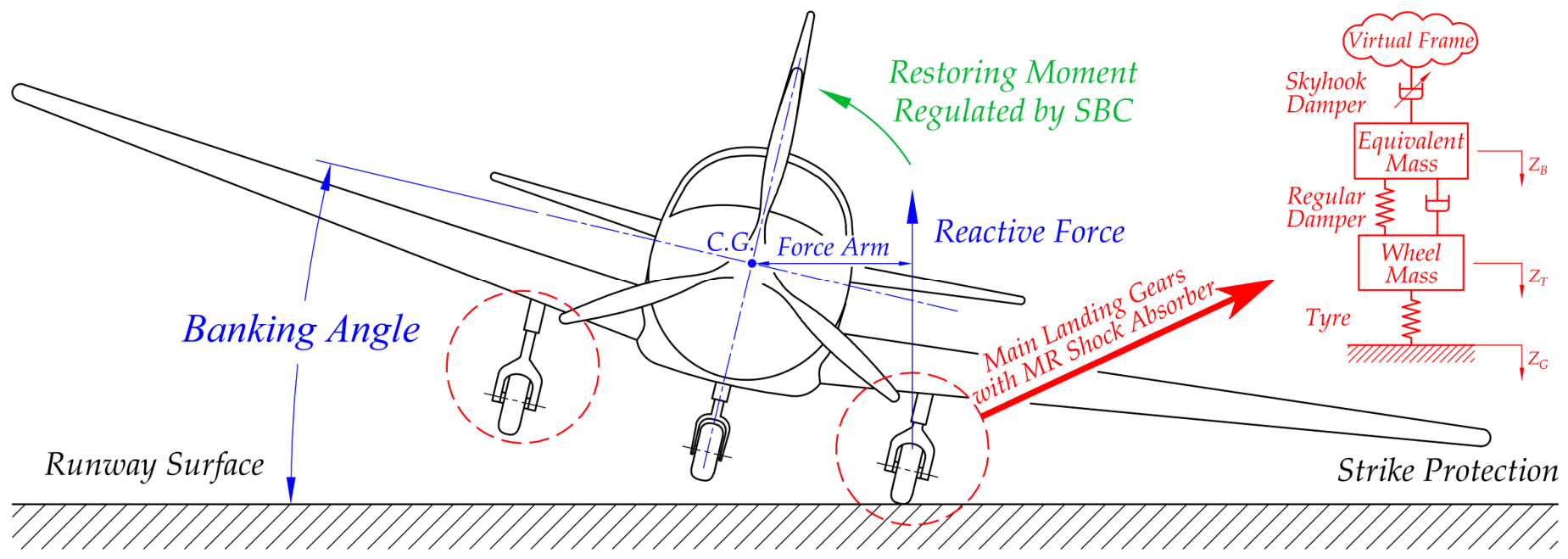
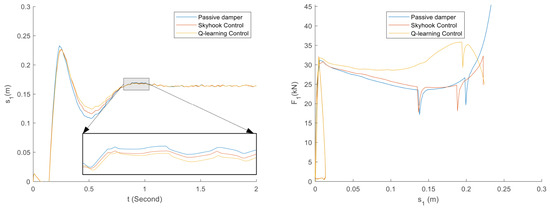
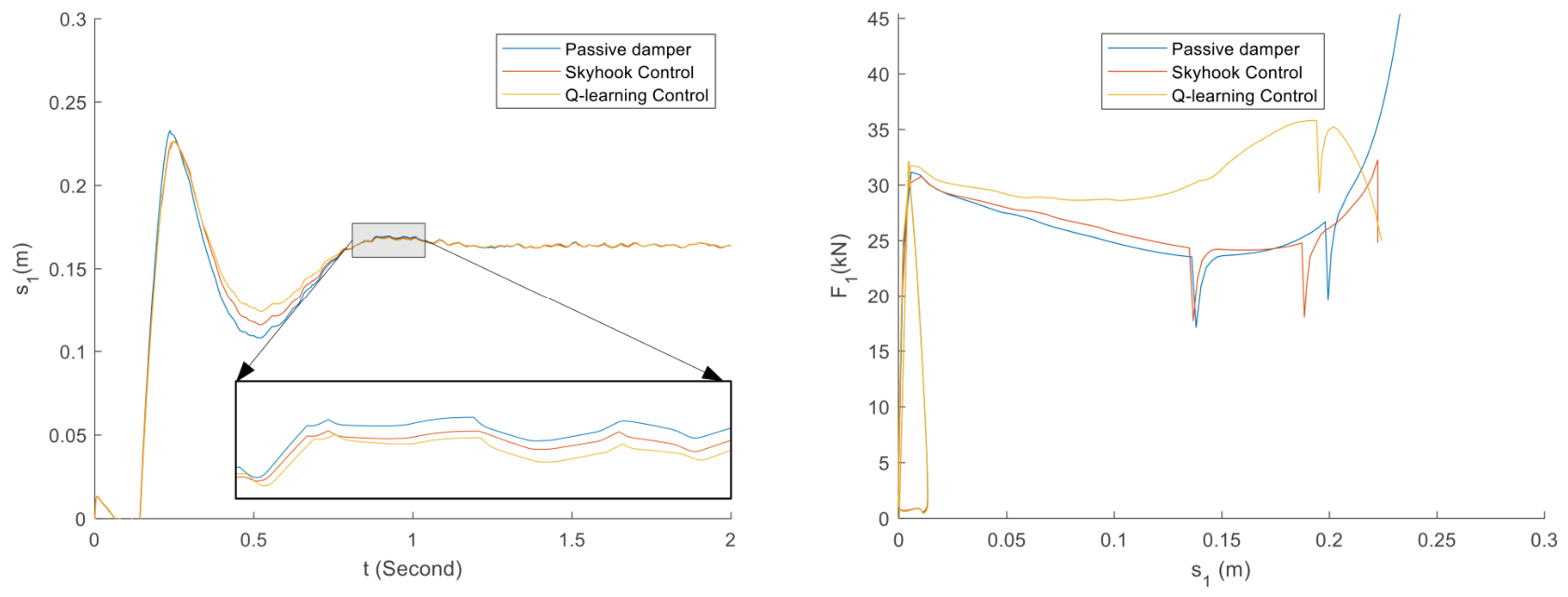
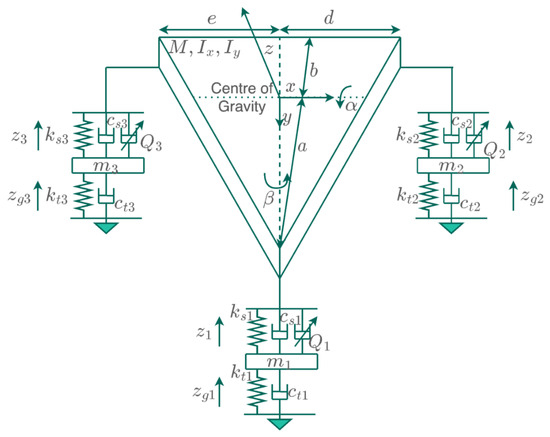
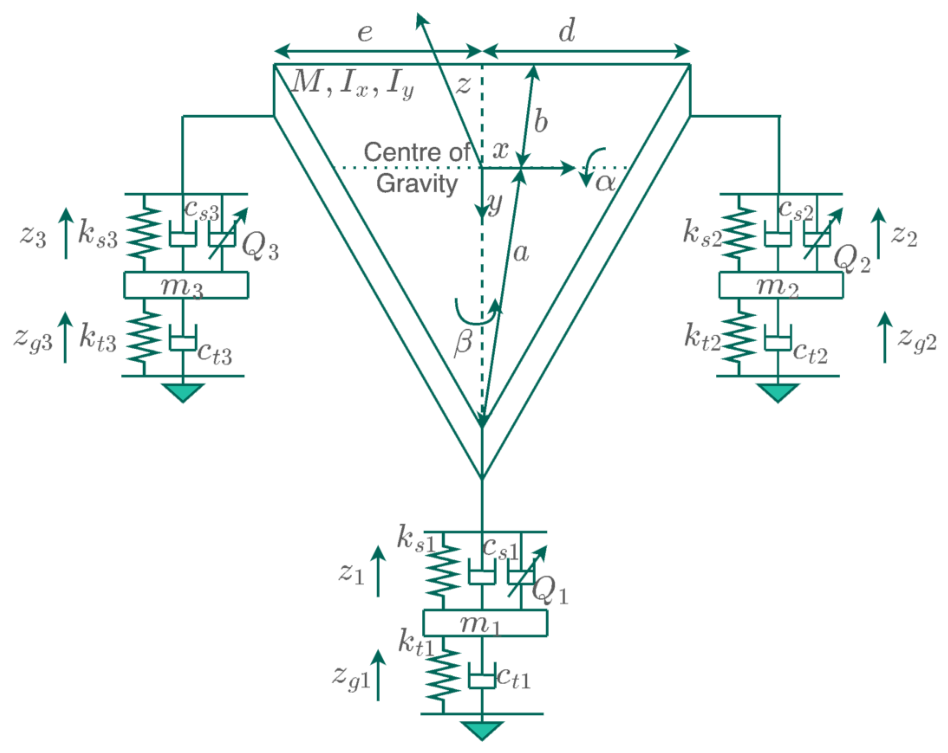
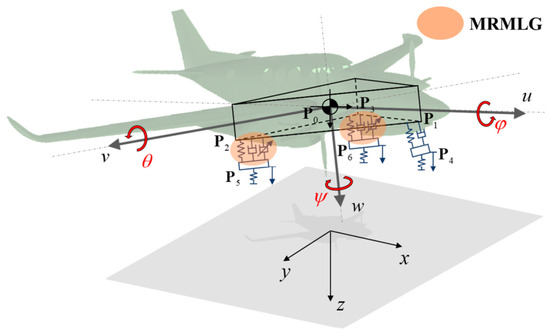
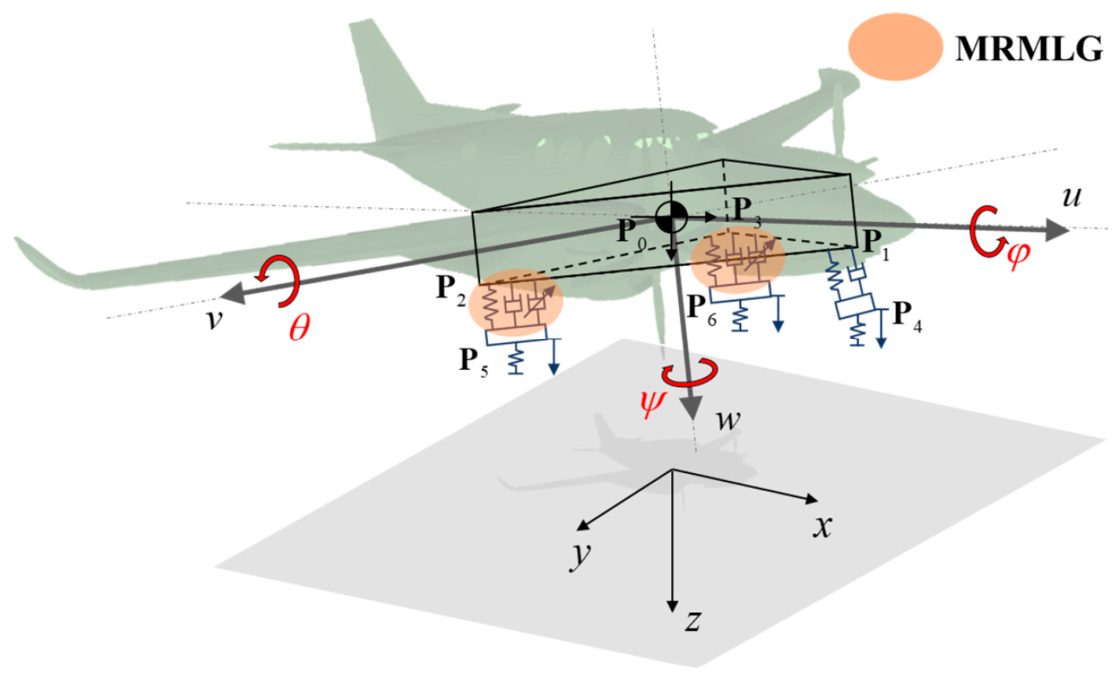
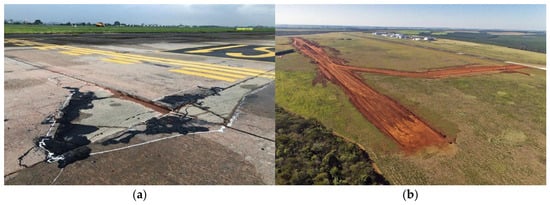
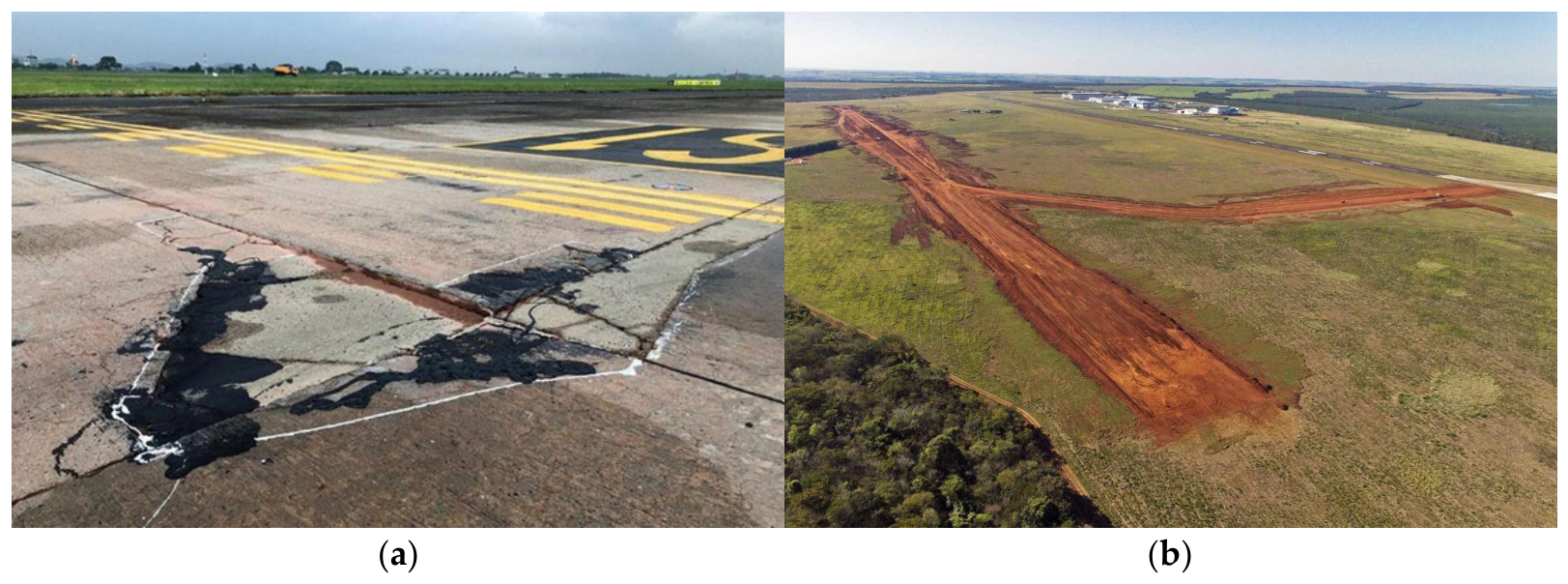
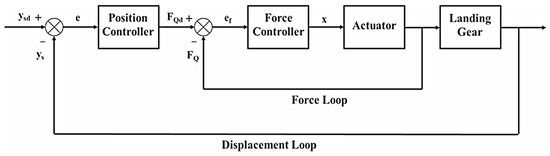
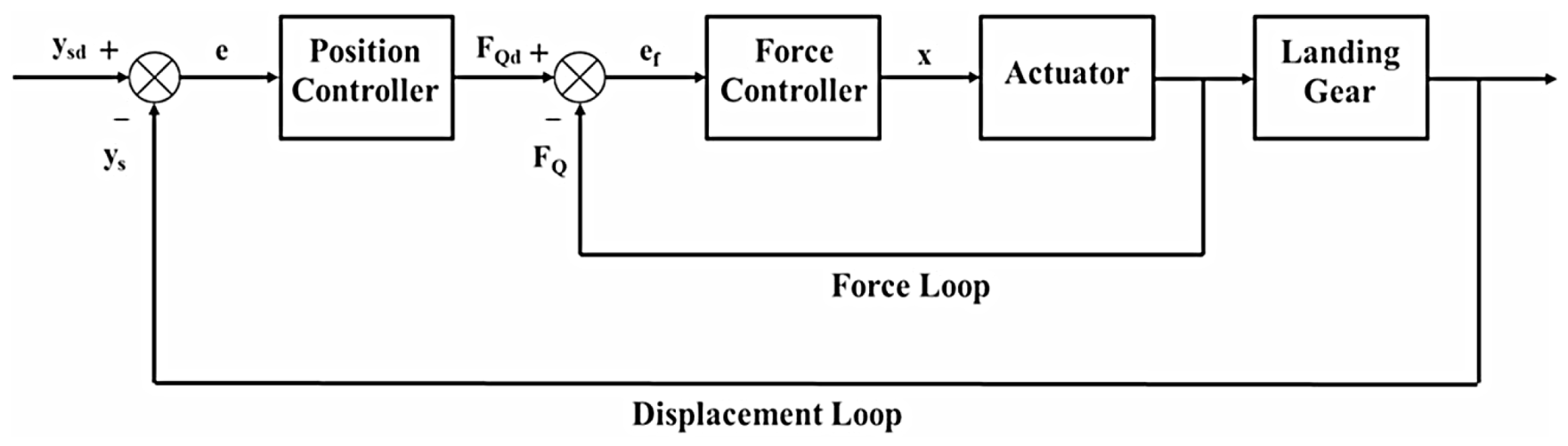
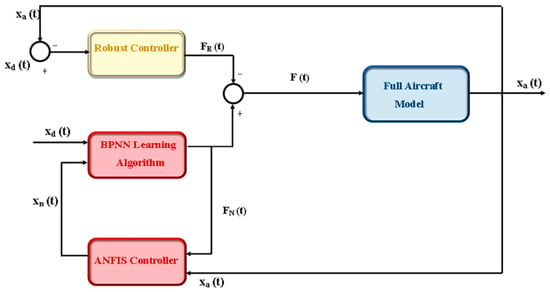
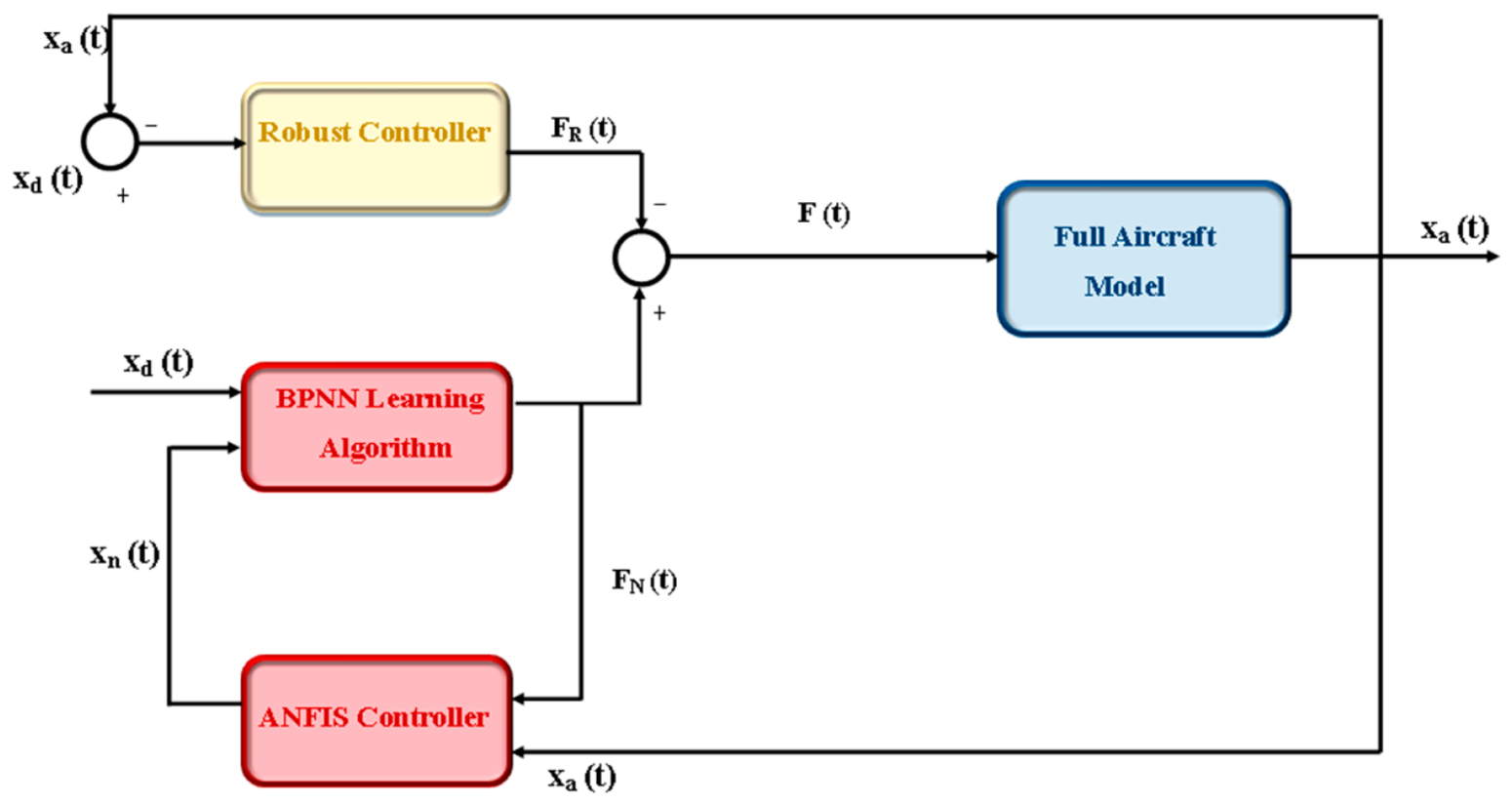
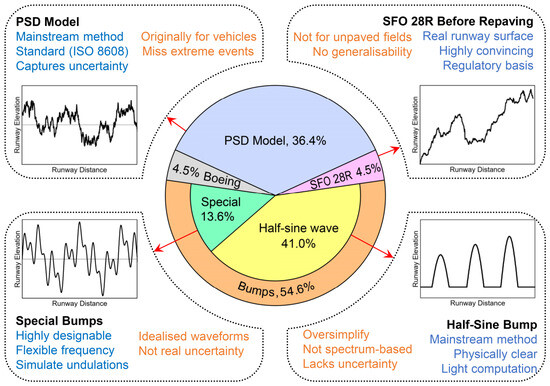
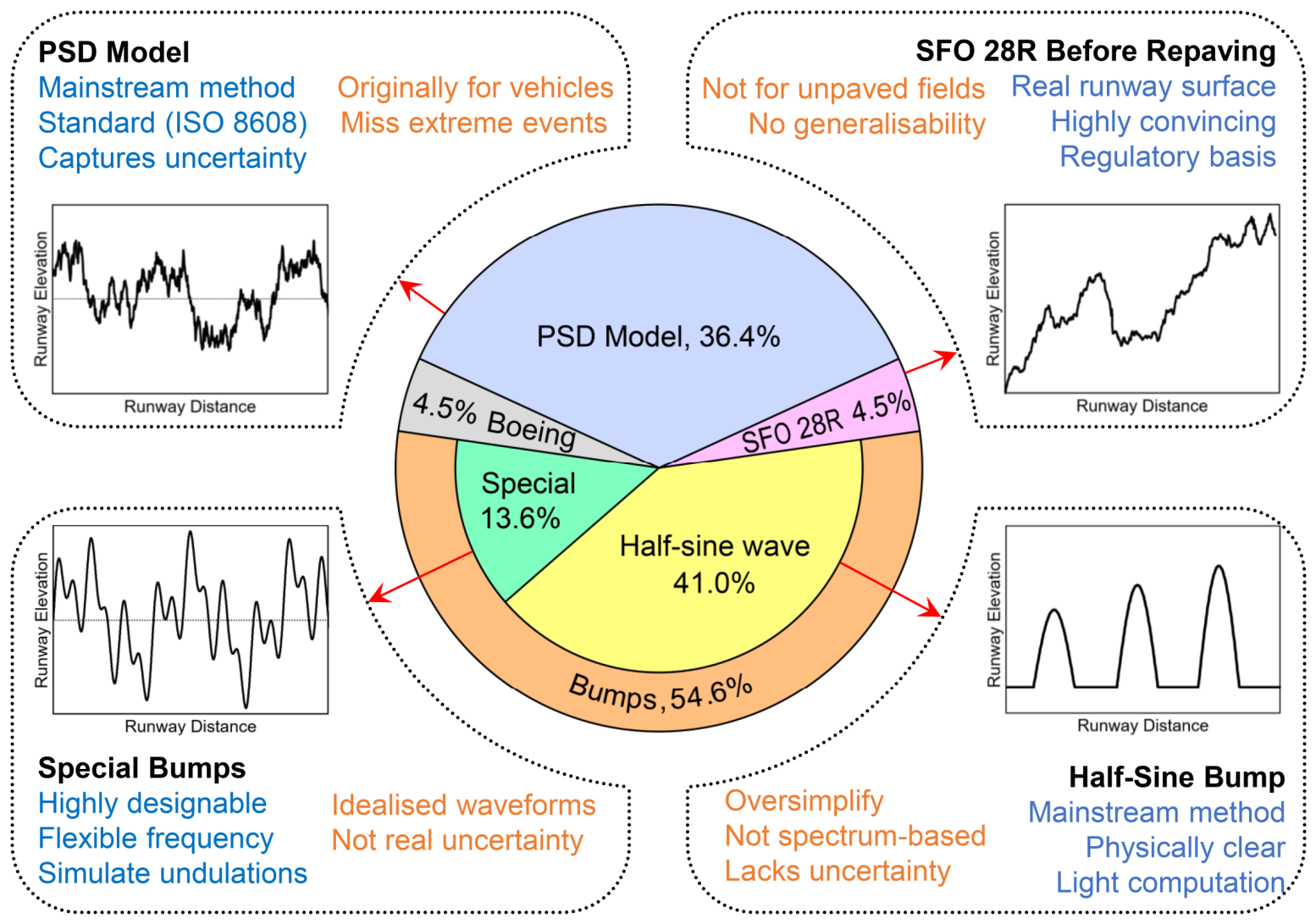
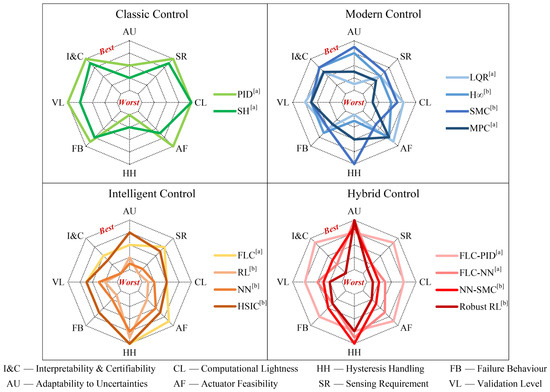
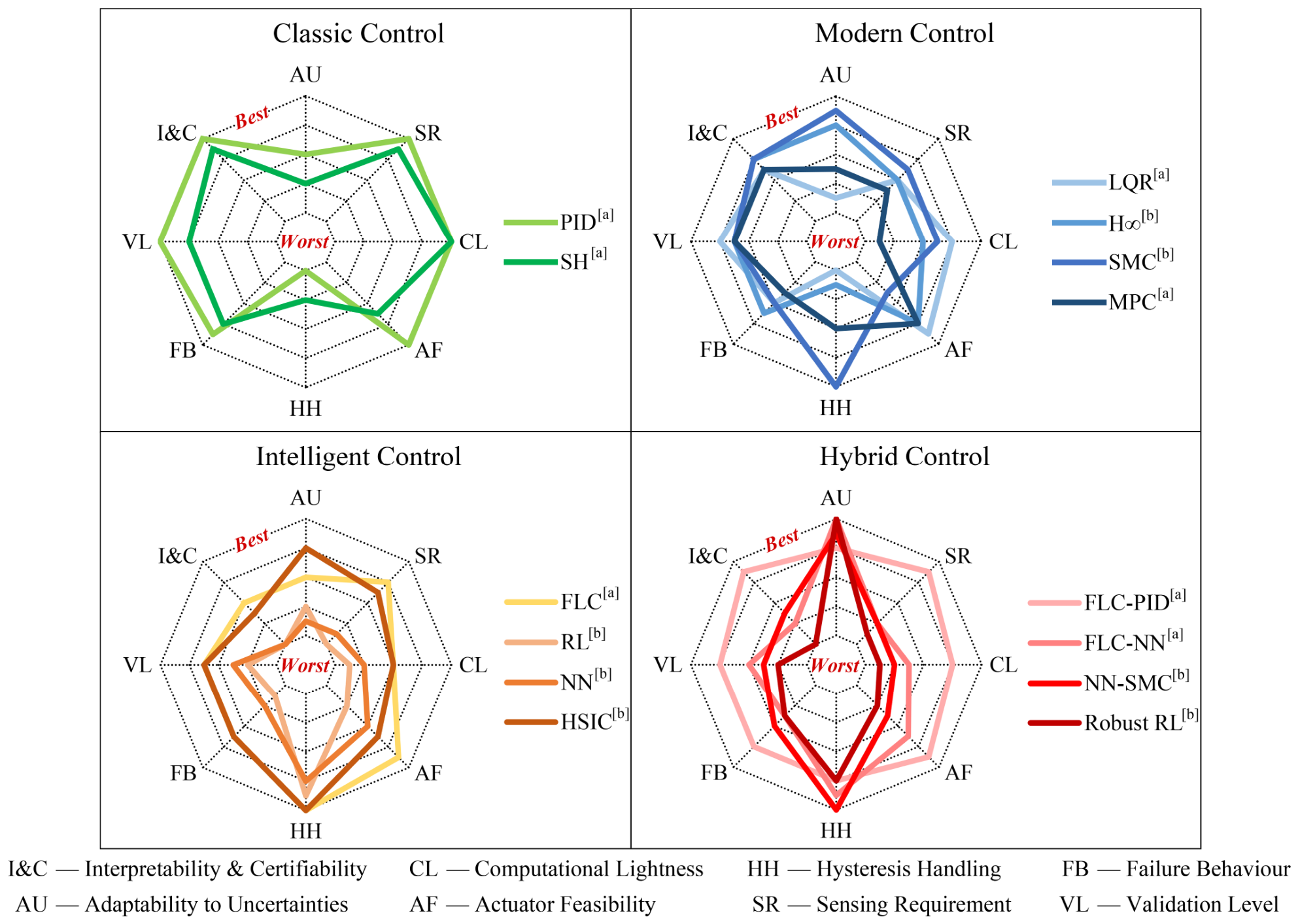
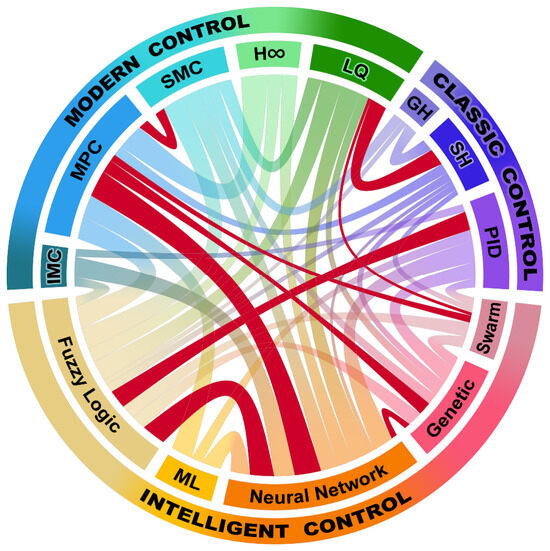
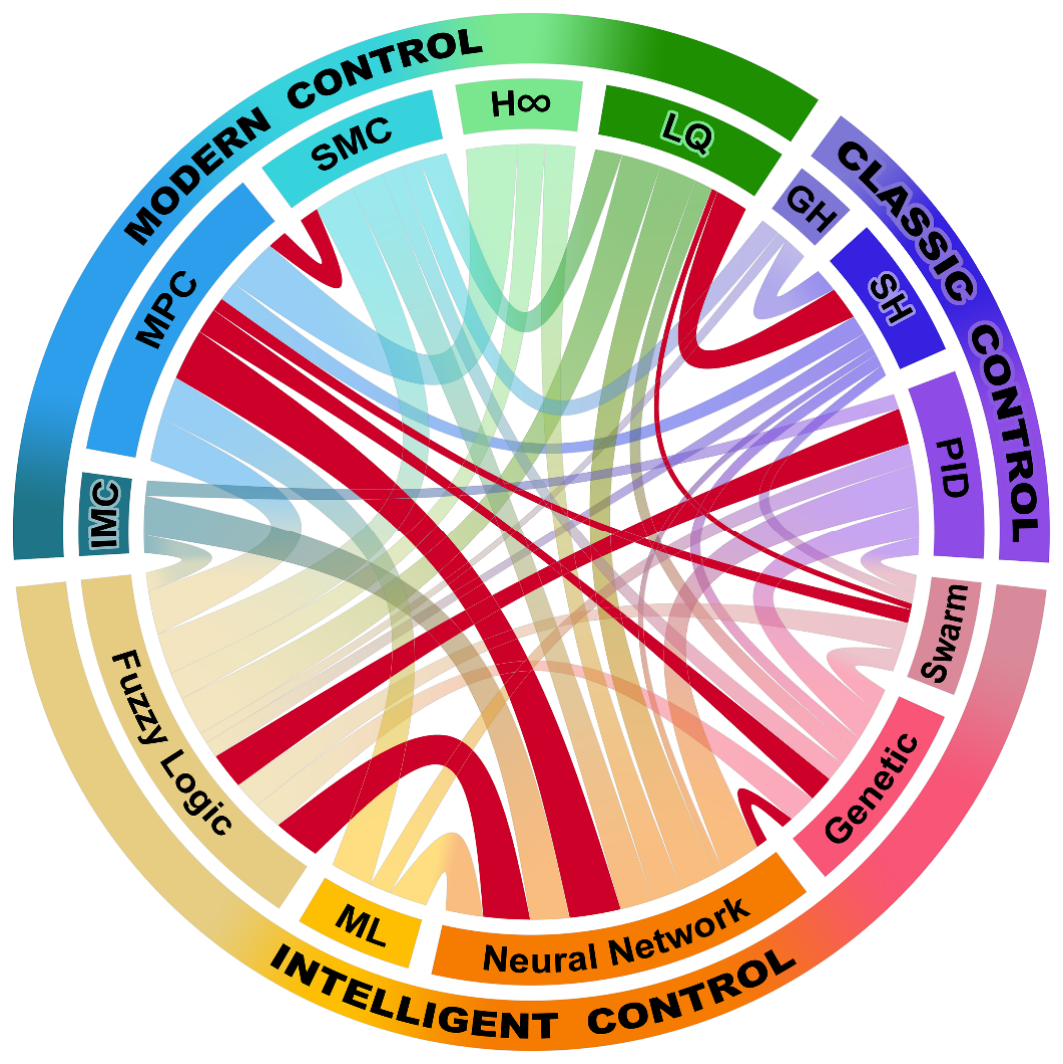
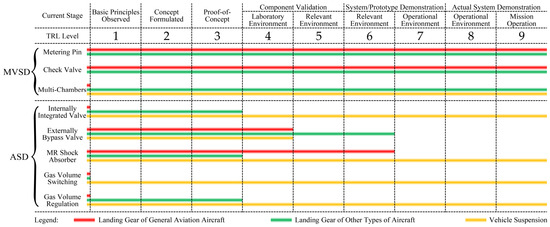
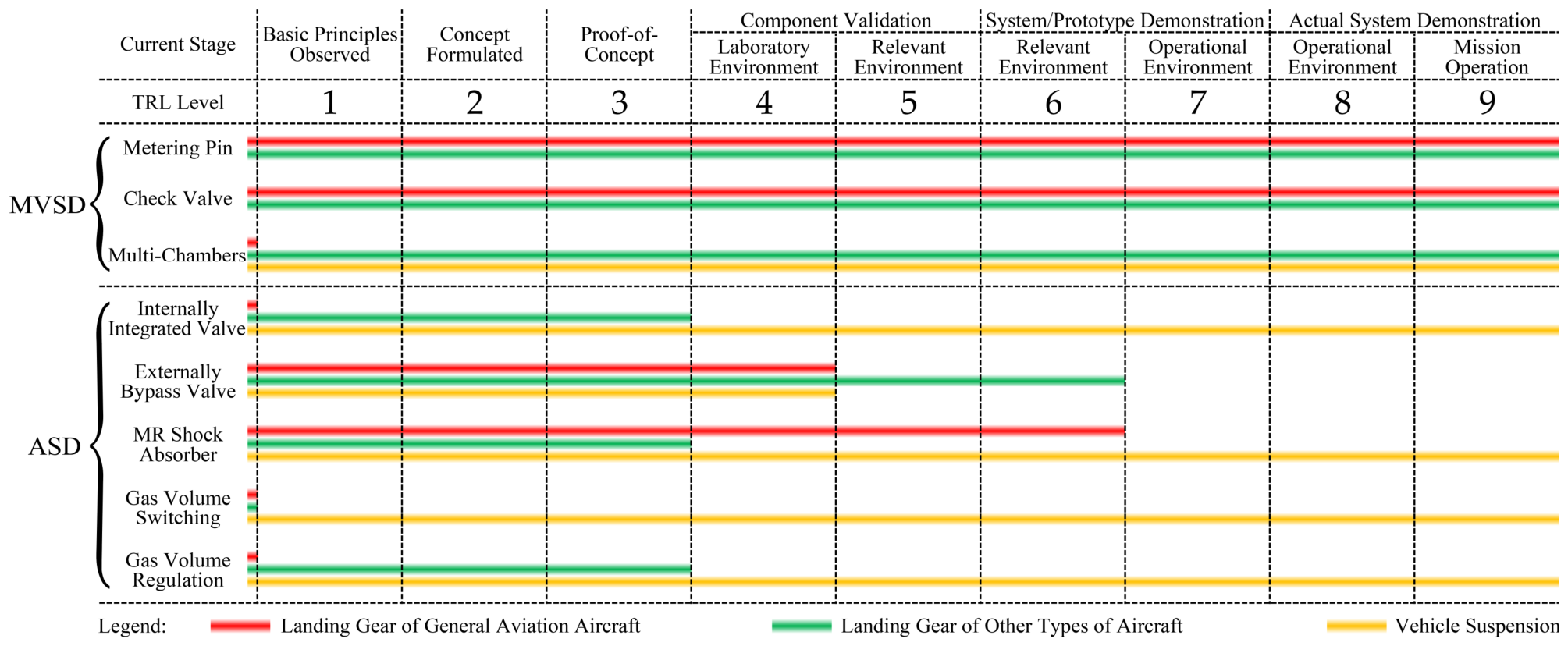
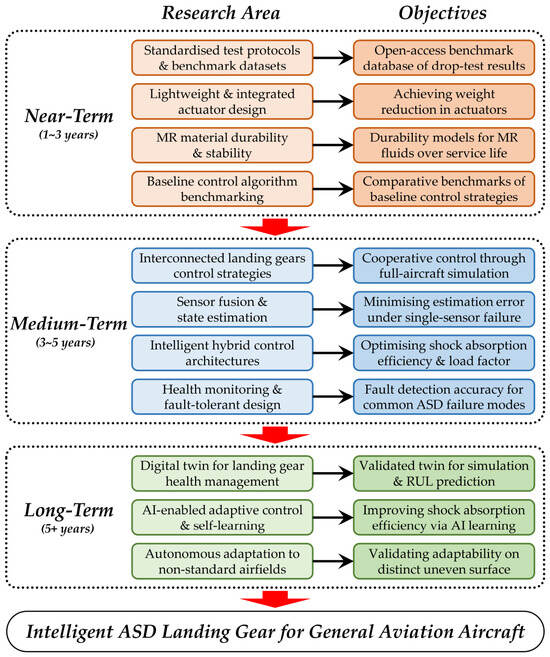
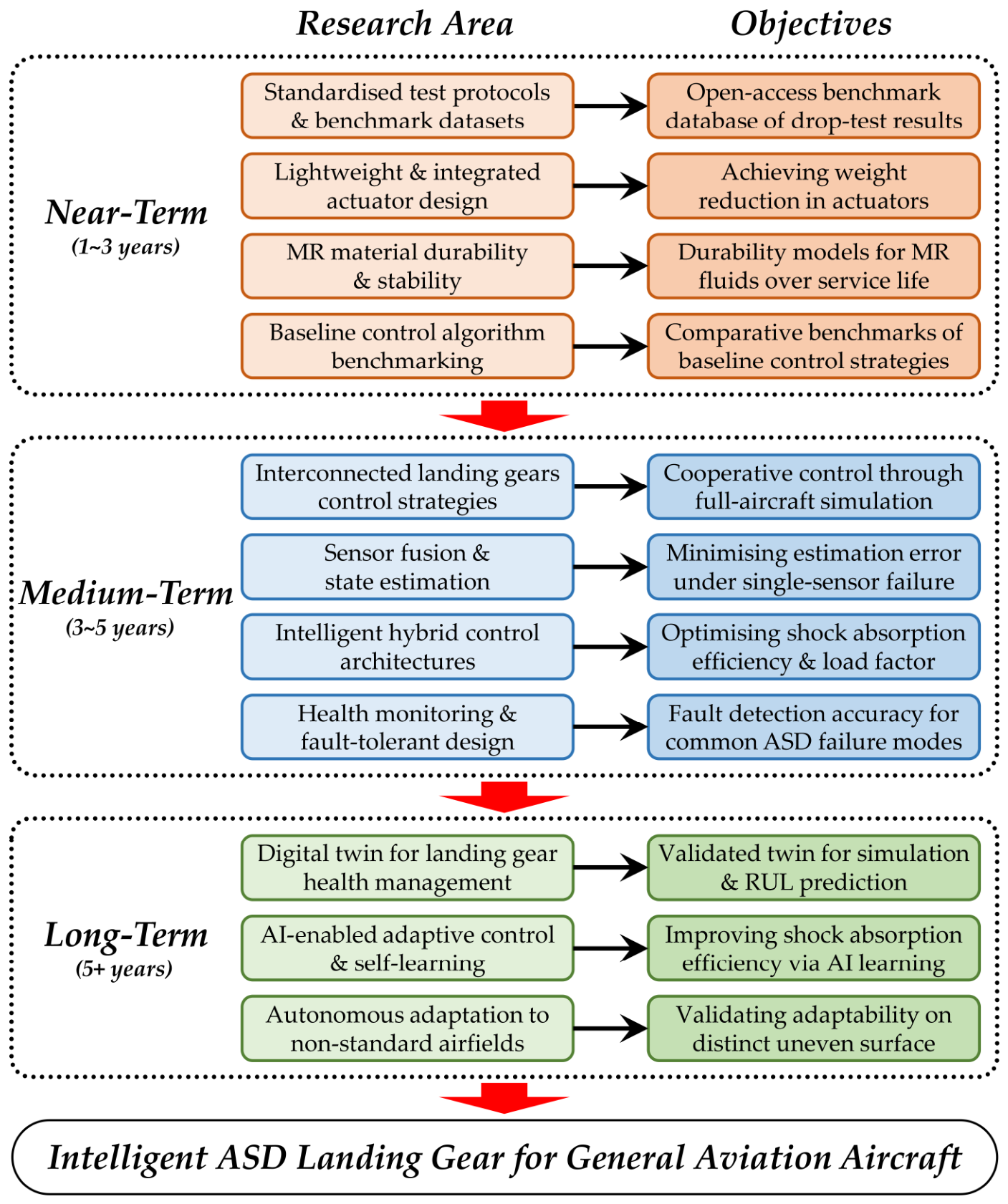

Disclaimer/Publisher’s Note: The statements, opinions and data contained in all publications are solely those of the individual author(s) and contributor(s) and not of MDPI and/or the editor(s). MDPI and/or the editor(s) disclaim responsibility for any injury to people or property resulting from any ideas, methods, instructions or products referred to in the content. |
© 2026 by the authors. Licensee MDPI, Basel, Switzerland. This article is an open access article distributed under the terms and conditions of the Creative Commons Attribution (CC BY) license.