


Abstract
Automotive wiring harnesses are safety-critical subassemblies whose complexity grows with driver-assistance systems, electrification, and connectivity, while pre-assembly and final assembly remain predominantly manual. This structured narrative review examines how collaborative robots (cobots), AI-based perception and planning, and Digital Twins (DTs) support harness production, with deformable-linear-object (DLO) perception and manipulation treated as a cross-cutting harness-specific domain. A database search (2015–early 2026) yielded 64 studies; citation tracking and a targeted update to 30 August 2026 added 19, giving an evidence base of 83 studies. Reported outcomes were separated into algorithm, task, operator, and system levels, and maturity was graded with explicit, review-specific Technology Readiness Level (TRL) criteria. Most evidence is at the algorithm, task, or operator level. Harness-specific cobot workstations reach industrially relevant prototype validation for single operations—for example, cobot-assisted taping with an approximately 50% reduction in ergonomic risk scores and a 12% shorter cycle—whereas harness-specific perception and DLO manipulation remain mainly at laboratory level. System-level evidence on throughput, changeover, and cost is scarce, and no continuously operating cell integrating the three core domains was identified. Key gaps concern branched DLO modelling, ergonomics-aware task planning, Human Digital Twins, connector design for automation, DT-supported safety verification, digital continuity, and reconfigurable hardware.
1. Introduction
Automotive wiring harnesses constitute the electrical and electronic backbone of modern vehicles, distributing power and signals among sensors, actuators, and control units. The widespread adoption of advanced driver-assistance systems (ADAS), vehicle connectivity, and electrified powertrains has led to a significant increase in harness complexity, wiring content per vehicle, and variant diversity [1,2,3]. Wiring harnesses are also safety-critical components, particularly in high-voltage (HV) applications, where insulation integrity, connector reliability, and traceability are essential [3].
From a manufacturing perspective, automotive wiring harnesses present a combination of characteristics that make automation challenging:
- High product variety and frequent engineering changes;
- Complex three-dimensional routing and branching;
- Flexible, soft components that are difficult to fixture and manipulate;
- Numerous small, heterogeneous elements (terminals, seals, clips).
Comprehensive surveys confirm that while wire cutting, stripping, and crimping have reached high automation levels, pre-assembly and final assembly onto boards and into vehicle bodies remain predominantly manual [1,2]. For HV harnesses, an overall automation degree of approximately 15% has been reported, with connector assembly and routing/taping operations being particularly labour-dependent [3].
The predominance of manual assembly creates at least three interconnected challenges. First, productivity and cost are affected by the difficulty of balancing high-variety, one-piece-flow lines and managing bottlenecks. Second, occupational ergonomics and health are compromised by repetitive tasks, awkward postures, and significant static loads [4,5,6]. Third, quality assurance must cope with complex geometries, occlusions, and subtle defect modes that are difficult to detect via conventional rule-based inspection methods [7,8,9,10,11].
Recent advances in collaborative robots (cobots), AI-based perception and decision support, and Digital Twin (DT) technologies have opened new possibilities for assisting or automating these operations [12,13,14,15]. However, in harness production, their value depends on how well they can be combined within flexible, human-centred, and data-connected workstations [16,17,18,19,20]. Therefore, the review focuses on this integration problem and on the parts of the evidence base that remain incomplete or fragmented.
The review examines the intersection of collaborative robotics, AI-based perception and planning, and Digital Twin technologies in human–robot collaborative wire-harness production. DLO perception and manipulation are treated as a cross-cutting, harness-specific domain. This scope reflects two practical features of the process: pre-assembly and final assembly remain highly manual under substantial product variability, and the value of individual automation technologies depends on whether they can be integrated without compromising safety, flexibility, or operator well-being. Accordingly, the paper uses a structured narrative approach rather than a formal PRISMA systematic-review protocol. Section 1.2 describes the database search, supplementary update, and citation tracking. The analysis addresses two guiding questions: what evidence is currently available across the four analytical domains, and where do integration and validation gaps remain?
1.1. Novelty and Positioning Relative to Existing Reviews
Several related reviews establish important parts of this research landscape. Navas-Reascos et al. [4] reviewed cobot-supported wire-harness assembly, with emphasis on collaborative robotics, ergonomics, and computer vision. Trommnau et al. [1] and Nguyen et al. [2] surveyed harness-manufacturing automation broadly, whereas Villani et al. [14] and Matheson et al. [15] reviewed industrial HRC without a harness-specific scope. Salunkhe et al. [21] subsequently reviewed collaborative and semi-automated automotive wire-harness assembly, focusing on robot-assisted final assembly, ergonomics, quality, and human-centred automation. More recent reviews address specific enabling domains. Wang et al. [22] systematically reviewed computer-vision applications in robotised wire-harness assembly, and Hernandez-Mejia et al. [23] reviewed robotic and cobotic DLO-manipulation solutions for wire-harness (co-)assembly. Chen et al. [24] reviewed AI-enabled forward design of wire harnesses and the transition toward augmented-intelligence approaches. Caporali et al. [25] surveyed DLO perception and manipulation across modelling, sensing, planning, and control. Nie et al. [26] reviewed Digital-Twin-enabled human–robot collaborative assembly, with particular attention to state perception, task planning, constraint modelling, and system-level deployment challenges. However, their analytical scopes differ in how they treat HRC, AI, Digital Twins, ergonomics, and process-chain integration. Table 1 summarises the positioning of the present review relative to these closely related contributions.
Table 1.
Positioning of the present review relative to closely related existing reviews.
The present review builds on this literature by examining collaborative robotics/HRC, AI-based perception and planning, Digital Twin technologies, and harness-specific DLO perception/manipulation within a common manufacturing framework. The Industry 5.0 perspective [16,18] is used to keep ergonomic and operator-centred criteria visible alongside productivity and technical performance. The main distinction is analytical rather than chronological: the four domains are mapped against the harness-production process chain, their reported validation maturity is compared, and the resulting system-level gaps are formulated as testable research questions.
1.2. Review Methodology
This review uses a structured narrative analysis of literature on automotive wiring-harness production, collaborative robotics, artificial intelligence, DLO manipulation, and Digital Twin technologies. A narrative synthesis was selected because the evidence spans robotics, computer vision, manufacturing systems, simulation, and ergonomics, with substantial differences in tasks, datasets, validation environments, and outcome metrics. These differences preclude a meaningful quantitative meta-analysis. The approach is comparable to related HRC and ergonomics reviews by Lorenzini et al. [27] and Gualtieri et al. [19], while adding a technology-by-subprocess analysis and an indicative maturity assessment of the enabling evidence.
The initial literature search combined structured concept blocks and free-text search terms across Scopus, Web of Science, IEEE Xplore, and Google Scholar. For Scopus, Web of Science, and IEEE Xplore, the concept blocks were applied to title, abstract, and keyword metadata where supported. Google Scholar was used as a complementary discovery source rather than as a field-restricted bibliographic database; its ranking is dynamic, so the 33 records reported below represent candidate records retrieved during the search sessions rather than a fixed ranked result set. The core query was (“wiring harness” OR “wire harness” OR “cable harness”) AND (“collaborative robot” OR cobot OR “human–robot collaboration” OR “artificial intelligence” OR “deep learning” OR “Digital Twin” OR “deformable linear object” OR “cable manipulation” OR “quality inspection”), covering publications from 2015 to early 2026. The search returned 123 records (Scopus n = 55, Web of Science n = 9, IEEE Xplore n = 26, Google Scholar n = 33). After removal of 37 duplicate and off-topic records, 86 full-text articles were assessed; 22 were excluded at the full-text stage for the reasons summarised in Figure 1, leaving 64 studies in the database-derived synthesis. A supplementary update completed on 30 August 2026 combined backward/forward citation tracking with targeted searches for cross-cutting themes that emerged during synthesis, particularly ergonomics and Human Digital Twins, safety and standardisation, task allocation and planning, digital continuity/interoperability, and recent harness-specific HRC and DLO work. This update added 19 studies published or made available in 2023–2026, producing an expanded evidence base of 83 studies. Online-first articles available by the cutoff were eligible even when assigned to a later issue year. Figure 1 shows both evidence-identification routes and their convergence in the expanded 83-study evidence base; Table 2 provides the corresponding numerical summary.
Figure 1.
Evidence-identification and assembly workflow for the structured narrative review. The initial database-derived search yielded 64 studies; a separate targeted update and citation-tracking route added 19 cross-cutting studies, producing an expanded evidence base of 83 studies. Exclusions are shown as side branches; normative, regulatory, data-exchange, and contextual references are cited separately and are not counted (Supplementary Table S1, Part B).
The selection criteria were (i) direct relevance to automotive wiring-harness production or closely analogous assembly processes; (ii) coverage of collaborative robotics/HRC, AI-based perception or planning, DLO manipulation, or Digital Twin technologies; and (iii) availability of experimental results, case studies, industrial applications, or, for review articles, a clearly defined synthesis relevant to the present scope. Papers without direct manufacturing applicability, purely theoretical studies without a clear path to manufacturing validation, redundant sources, and inadequately documented records were excluded. Because this is a structured narrative rather than a PRISMA systematic review, no formal risk-of-bias score or inter-rater reliability statistic was computed. To improve methodological transparency without implying a validated risk-of-bias instrument, the empirical evidence underpinning the maturity synthesis was characterised descriptively by validation environment, evidence level (Section 1.3), use of real harness or automotive hardware where applicable, experimental scale, and baseline/comparison information where reported. These attributes qualify the evidence and the maturity interpretation; they are not combined into a numerical quality score. Study-level maturity judgements for the representative empirical works used in the maturity assessment (Section 9) are reported in Supplementary Table S2.
The literature corpus principally comprised peer-reviewed journal articles, conference papers, and book chapters in edited proceedings published in English. One recent preprint was retained because no peer-reviewed equivalent was identified and its contribution was directly relevant to harness-specific modelling; its status and treatment are discussed in Section 10. Authoritative normative and institutional sources were retained separately for standards and contextual framing and were not used to raise maturity ratings. For the 64 studies retained from the initial database search, one mutually exclusive primary analytical domain was assigned according to the principal technical contribution—that is, the component or methodology developed or validated rather than technologies used only as context. Secondary thematic tags were recorded where a study also contributed to other domains. The 19 studies added during the supplementary update were selected specifically to cover recent and cross-cutting evidence; they were therefore mapped using a multi-label thematic scheme rather than forced into a second mutually exclusive cluster distribution. Table 2 reports the primary-domain counts for the database-derived corpus, while Supplementary Table S1 lists the 19 supplementary studies and their thematic mapping. The process-coverage mapping (Table 6), domain- and gap-level maturity assessments (Table 7 and Table 8), and the research questions in Section 9 draw on the full 83-study evidence base. Normative standards and contextual references are cited separately and are not used as evidence for maturity ratings.
Table 2.
Study selection summary.
The resulting analytical framework and the relationships among the three core technology domains are summarised in Figure 2.
Figure 2.
Conceptual framework of the review. Collaborative robotics (HRC), AI-based perception and planning, and Digital Twins overlap in integrated cobot–AI–DT workstations; the pairwise overlaps correspond to the integration topics analysed in Section 3, Section 4, Section 5 and Section 6 (ergonomics-aware task allocation, AI-enhanced twins and sim-to-real transfer, Human Digital Twins and safety monitoring). DLO perception and manipulation is treated as a cross-cutting harness-specific domain, and shared data streams, simulation environments, and real-time control loops form the enabling infrastructure.
1.3. Evidence Levels and Maturity Grading
The reviewed studies report outcomes at different levels of a production system, and these outcomes are not interchangeable. A detection accuracy (mAP) or a frame rate characterises an algorithm. A grasp success rate or a task cycle time characterises a robotic operation. RULA, JSI, or NASA-TLX scores characterise the effect on the operator. Throughput, overall equipment effectiveness (OEE), changeover time, or payback characterise the production system. High values at one level do not imply readiness at the next. The review therefore distinguishes four evidence levels (Table 3) and interprets maturity separately from performance: a method may achieve high task-level performance while remaining at laboratory maturity. Throughout the review, performance statements refer to the level at which they were reported, and statements about deployability are reserved for system-level evidence, which is scarce in the reviewed corpus.
Table 3.
Evidence levels used to interpret the outcomes reported in the reviewed studies.
Maturity is graded using the conventional Technology Readiness Level (TRL) 2–7 nomenclature, but the assessment applied here is a review-specific operationalisation rather than a formal TRL certification. Because TRLs were developed for technology-development programmes rather than literature synthesis, each level was translated into criteria that can be checked in published reports: the test article, validation environment, degree of system integration, use of real harness hardware, and involvement of operators (Table 4). Each representative work was assigned the highest level for which the relevant criteria could be verified from the publication. If a criterion could not be established, the lower level was retained. Author-reported TRLs were noted where available but did not override the common assessment rule. Individual ratings and their justification are listed in Supplementary Table S2; domain-level summaries are given in Table 7 and gap-level summaries in Table 8.
Table 4.
Operational Technology Readiness Level (TRL) criteria applied in this review.
2. Structure and Challenges of Automotive Wiring Harness Production
2.1. Process Structure and Automation
A typical automotive wiring harness production process can be structured into the following stages [1,2,3]:
- Goods receiving and storage of wires, connectors, terminals, seals, clips, tubes, and other components.
- Wire processing, including cutting, stripping, crimping, and often seal insertion or wire labelling, performed on automated machines.
- Sub-harness pre-assembly, including connector housing with seals, clips, and other local elements.
- Final assembly onto harness boards, where operators route wires onto supports or pins, apply tape and cable ties, insert plugs into connectors, and fix clips.
- End-of-Line (EoL) testing, including 100% electrical tests and visual inspection.
- Packing and delivery with labelling and traceability.
Wire processing is largely automated and benefits from specialised, high-throughput equipment [1,2]. By contrast, pre-assembly and final assembly are characterised by high manual labour content, particularly for customer-specific harnesses, commonly referred to as Kundenspezifischer Kabelsatz (KSK), where each board corresponds to a specific vehicle variant. HV harness production further increases complexity due to larger cable cross-sections, shielding, high connector insertion forces, and stricter safety requirements [3].
2.2. Product Variety and Design Constraints
Product variety is driven by different vehicle platforms, trim levels, market-specific options, and regulatory requirements. Each harness may exist in multiple variants, and a vehicle may contain several distinct harness families (e.g., cockpit, door, engine, battery) [1]. Design decisions, particularly regarding connectors and interfaces, have a decisive influence on manufacturability and automation potential [2,3]. Olbrich and Lackinger show that interface decisions made early in product development can facilitate or impede later automation [3]. Their subsequent systematic review of design for automatic assembly broadens this argument by treating the automation fitness of sub-components as a design-stage issue rather than a downstream equipment constraint [28]. For harnesses, this supports co-design of connector geometry, tolerances, retention features, grasping access, and the intended assembly process.
2.3. Ergonomics and Human Factors
Manual harness assembly is associated with significant ergonomic risks [19,27,29,30]. Operators frequently work on large, vertical or inclined boards, performing repetitive fine-motor tasks with elevated arms, a flexed neck, and a rotated torso [4,5,6]. Using RULA (Rapid Upper Limb Assessment), Gualtieri et al. [5] report high risk scores (6–7) for manual taping operations, indicating that immediate ergonomic intervention is warranted. Harness-specific cable-tie ergonomics and the corresponding RULA/JSI results are discussed in Section 3.2.
Kim et al. [29] demonstrate a cobot-based framework that reduces joint overloading torques during dexterous power-tool operations, achieving measurable ergonomic improvements through online biomechanical state monitoring. Weckenborg et al. [30] show that integrating collaborative robots and upper-body exoskeletons into assembly line balancing can simultaneously address ergonomic and economic objectives. Caporaso et al. [31] introduce an integrated virtual reality (VR) and wearable sensor system for real-time ergonomic evaluation of human–robot cooperative workstations, validated in an automotive use case. Lorenzini et al. [27] provide a comprehensive review of ergonomic assessment methods in industrial HRC settings, confirming the need for multi-index approaches that integrate postural, muscular, and cognitive indicators.
Across these studies, ergonomics is increasingly treated as a design variable rather than a corrective measure applied after workstation deployment. In HRC, it is evaluated alongside productivity and quality, often through several complementary indicators rather than a single posture score [5,14,15,19,27].
2.4. Quality Assurance and Inspection
Quality assurance typically combines EoL electrical tests with manual visual inspection of harness geometry, component presence and orientation, and visible damage [1,2]. However, the specific nature of harnesses creates difficulties:
- Overlapping branches and connectors produce occlusions;
- Small, reflective plastic and metal components challenge conventional image processing methods;
- Subtle defects (e.g., partial insertion or missing secondary locks) are difficult to detect visually;
- Wide variety requires frequent reparametrisation of inspection systems.
These challenges have driven the development of AI-based perception approaches supported by synthetic data generation, which aim to provide more robust and scalable inspection solutions [7,8,9,10,11,32].
3. Collaborative Robotics in Automotive Wiring Harness Manufacturing
3.1. Human–Robot Collaboration Concepts
General studies on human–robot collaboration (HRC) describe four primary interaction modes: coexistence, cooperation, collaboration, and co-manipulation [14,15]. They emphasise that safe and efficient HRC requires: a clear allocation of tasks between human and robot; appropriate safety strategies (power and force limiting, speed and separation monitoring); intuitive interaction and programming interfaces; and early integration of safety and ergonomic considerations in workstation design [17,19,20,33]. In a complementary industrial HRI study, Mocan et al. [34] presented a multimodal interface combining speech, hand gestures, text-based programming, and direct interaction to support more intuitive robot programming and adaptation to changing tasks.
Gualtieri et al. [19] provide a systematic literature review of safety and ergonomics in collaborative robotics, identifying contact avoidance, ergonomic risk reduction, and cognitive assistance as the three primary research clusters. Mukherjee et al. [17] survey robot learning strategies for industrial HRC, proposing a novel taxonomy of human–robot interaction (HRI) levels based on robot intelligence and reviewing multimodal input methods for effective human–robot interaction. Li et al. [20] advance the concept of proactive HRC, introducing a mutual-cognitive framework in which both human and robot agents dynamically update task models and adapt their behaviour, rather than reactively following pre-defined instructions.
In numerous industrial implementations, cobots are used to support repetitive and ergonomically demanding tasks, while humans retain responsibility for complex, variable, or cognitively intensive operations [14,15]. Lu et al. [16] frame this division within the Industry 5.0 paradigm, arguing that human-centric manufacturing should place operator well-being, not only efficiency, at the centre of production system design.
3.2. HRC Applications Specific to Harness Manufacturing
In the context of automotive harnesses, Navas-Reascos et al. [4] provide a focused analysis of cobot applications and identify several tasks with significant automation potential: wire routing support, taping, cable-tie placement, and connector mating. Palomba et al. [35] present a detailed case study in which a manual taping workstation is redesigned as a collaborative one. Using RULA assessments, they initially identify high-risk postures in the existing configuration. The final design integrates a UR10 cobot with an automated taping tool, positioned between two mirrored harness boards. The workstation was developed for an industrial case at a harness supplier and tested as a prototype in a relevant industrial environment. Reported outcomes include a reduction in RULA scores from six to seven to approximately three and a cycle-time reduction from 40 to 35 s per harness (12.3%). The study also reports an estimated commercial workstation cost of about EUR 55,000 and a payback period below 1.5 years [35]. Safety measures and a mechanical risk assessment were included in the prototype evaluation. Although the authors describe the prototype as TRL 7, the common criteria used in Table 4 lead to a conservative TRL 6 rating because sustained series-production operation is not documented.
For cable-tie placement, Navas-Reascos et al. [36] present an early prototype developed with a Mexican harness manufacturer. A cobot positioned behind a prototype assembly board uses a vision system to locate the tie positions and emulates tie placement from the rear, while the operator places the harness at the front; a dedicated tie-placing gripper had not yet been developed. Ergonomic assessment of the emulated task indicates a reduction from RULA = 7 and JSI = 12 to RULA = 4 and JSI = 4.5 [36]. Cycle time was not measured and is identified by the authors as future work. The study therefore supports the ergonomic potential of the concept rather than its productivity effect.
Weckenborg et al. [30] extend this perspective to assembly-line-level optimisation, using a multi-objective model for collaborative-robot and exoskeleton integration that jointly considers ergonomic risk and production cost. Salunkhe et al. [37] propose a wire-harness-specific task-allocation methodology based on cognitive and physical levels of automation, levels of collaboration, task complexity, and skill requirements. Navas-Reascos et al. [38] then examine the technical feasibility and financial viability of cobot-supported assembly for different harness types using process simulation and ergonomic assessment. Across the analysed configurations, the reported simulations indicate cycle-time improvements of approximately 12.3–22.3%, investment costs of about USD 50,500–92,500, and estimated return-on-investment periods of approximately 11–20 months [38]. These values are economic projections derived from the simulation scenarios rather than post-deployment financial measurements. Together, these studies shift the unit of analysis from isolated automated tasks toward workstation and line-design decisions under high product variety.
A recent automotive final-assembly study provides a useful counterpoint to task-level cobot results. Wang et al. [39] validate a vision-based HRC framework for wire-harness installation on a vehicle chassis in laboratory and industrially relevant environments (TRL 4–6). Robotic assistance reduced local physical discomfort and perceived physical demand while maintaining assembly quality; the authors also identify cognitive ergonomics and cycle-time improvement as issues that still require attention. The study therefore highlights a trade-off among physical ergonomics, task execution, and operator interaction, rather than an ergonomic gain in isolation.
3.3. Methodologies for HRC Workstation Design and Assessment
Several methodologies for designing and evaluating collaborative assembly workstations can be adapted for harness manufacturing. Heisler et al. [40] propose an optimisation-oriented approach for harness assembly using HRC, combining ergonomic, process, and component criteria to allocate tasks between operators and robots. Gualtieri et al. [5] present a human-centred design of collaborative workstations that explicitly balances ergonomic and productivity objectives, while Lorenzini et al. [27] consolidate a multi-index assessment framework integrating RULA, EMG-based muscular activity, and cognitive load indicators for HRC environments.
Malik and Bilberg [41] describe Digital Twin integration with collaborative robots to support HRC system design and operation, including simulation-based exploration of layout configurations and task allocations. Kovič et al. [42] combine a DT-based model with a laboratory collaborative-workplace experiment to analyse how robot motion parameters, acoustic signals, and visual factors influence assembly efficiency, measured as operation time.
Recent work has also explored reinforcement learning (RL) for dynamic task allocation in assembly processes [43]. Unlike deterministic approaches, RL can learn adaptive policies for production variability and changing human–robot interaction conditions. Zhang et al. [43] apply RL to HRC task allocation in assembly systems, while Li et al. [20] introduce mutual-cognitive proactive HRC that self-organises task distribution at runtime. Wang et al. [44] explore reinforcement learning from human feedback (RLHF) for HRC task allocation, integrating operator preferences into decision-making, and Zhou et al. [45] apply deep multi-agent RL to online scheduling in smart factories. Wang et al. [46] extend this line of work to aerospace wire-harness assembly with an LLM-based autonomous HRC agent. These methods remain heterogeneous in maturity and validation settings, but they broaden the design space for adaptive task planning in collaborative harness assembly cells.
4. AI-Based Perception and Quality Control
4.1. Perception of Harness Branches and Connectors
Robust perception underpins every downstream automation task—manipulation, assembly, and inspection [32]—yet harnesses pose two distinct perception problems that the literature has largely addressed in isolation: recovering the topology and geometry of flexible, self-occluding branches, and estimating the pose of discrete connectors for mating. On the first, RGB-D sensing is frequently used in harness-perception studies. Kicki et al. [7] show that fusing colour and depth outperforms either stream alone for branch classification and, through saliency analysis, that elastic-deformation augmentation steers the network toward geometric rather than appearance cues—a property that directly conditions robustness across product variants. Nguyen and Yoon [9] carry perception from classification to reconstruction, segmenting wires and recovering the three-dimensional harness trajectory to derive feasible grasp points for routing support.
The second problem, connector mating, is constrained less by perception alone than by the tight tolerances and compliance effects of insertion. Kienle et al. [8] address this by coupling vision-based pose estimation with hybrid model- and learning-based insertion strategies, improving robustness to the misalignments and contact dynamics that render rule-based mating brittle. Kernbach et al. [47] approach the same insertion problem from a skill-based control perspective, integrating force-controlled search-and-insertion skills within a skill-based programming system; on an automotive door harness, they report 76.7% successful insertions over 60 trials under positional uncertainties of up to 15 mm.
At the broader manufacturing level, Zhou et al. [32] review computer-vision techniques, whereas Wang et al. [22] provide a wire-harness-specific systematic review of computer-vision applications in robotised assembly. The latter identifies robustness, practicality, exploitation of harness-specific physical features, multimodal perception, and vision-enabled HRC as unresolved issues. This comparison suggests that perception methods should be evaluated not only by benchmark accuracy but also by transferability across harness variants, occlusion conditions, and production constraints.
4.2. Synthetic Data and Limited-Dataset Techniques
A key challenge in applying deep learning to harness perception and inspection is the limited availability of annotated datasets, particularly for rare defect modes and new product variants [32,48,49]. Nguyen et al. [10] address this by constructing digital harness models using CAD representations and cable simulation tools, generating synthetic point clouds of harness assemblies and automatically labelling them by component class. PointNet++ networks trained on this synthetic data, supplemented by limited real data for fine-tuning, achieve competitive performance on segmentation of real harness assemblies [10].
In subsequent work, Nguyen et al. [11] generate synthetic RGB images of harness assemblies from CAD models under varied lighting and camera configurations. Detectors pre-trained on these images and fine-tuned with small real datasets perform comparably to models trained only on large real datasets, which reduces annotation effort [11].
Caporali et al. [48] introduce FASTDLO, a fast instance segmentation method for deformable linear objects using a deep convolutional neural network (CNN) for background segmentation followed by a skeletonisation pipeline and similarity-based intersection resolution. FASTDLO is trained exclusively on synthetic data and achieves processing rates exceeding 20 fps, making it suitable for real-time robotic manipulation guidance. Caporali et al. [49] address cluttered environments with Ariadne+, a deep-learning-augmented framework for wire instance segmentation that reports robust performance on entangled harness configurations [49]. These synthetic-data approaches are particularly relevant to harness manufacturing, where detailed digital models and bill of materials (BOM) information are routinely available at design time [10,11,50].
4.3. Collaborative Robots in Quality Control
Collaborative robots can also support quality control by acting as flexible sensor carriers. A recent systematic review of cobots in quality control suggests that while industrial applications remain limited, cobots can increase inspection coverage and consistency, especially when combined with AI-based analysis [51]. In harness production, cobots equipped with cameras could be programmed, potentially through DT-based simulation, to acquire images or point clouds from multiple perspectives around boards or within cavities, feeding data to AI inspection algorithms. Inspection results could be integrated into Manufacturing Execution Systems (MES) and into Digital Twins for upstream process feedback and continuous improvement.
5. Deformable Linear Object (DLO) Manipulation
5.1. Modelling and Control
Wiring-harness segments can be treated as deformable linear objects (DLOs), with additional complexity arising from branching, local stiffness variations, and discrete attached components [52,53,54]. General DLO research provides modelling, perception, planning, and control techniques that can be adapted to this domain [25,55,56]. Hernandez-Mejia et al. [23] specifically review robotic and cobotic DLO-manipulation solutions for wire-harness (co-)assembly and identify continuing needs in deformation estimation, adaptive motion planning, manipulation-system design, and ergonomic task allocation. These recent syntheses confirm that the principal difficulty is not DLO manipulation in isolation, but transferring and integrating DLO methods under harness-specific topology and manufacturing constraints.
Zürn et al. [52] present a graph-based method for topology matching of branched DLOs to stereo camera data, evaluating correspondence estimation across multiple non-overlapping wire harness configurations. The method is specifically designed to handle the branching structure characteristic of automotive harnesses, demonstrating that standard DLO approaches designed for unbranched cables are insufficient for harness manipulation. Ouyang et al. [53] extend this with a deep learning model that predicts the complete topology of branched DLOs from artificially generated datasets mixed with annotated real data, achieving a mean average precision (mAP@50–95) of 89.8% on harness configurations. Zürn et al. [54] further address feature extraction for branched DLOs using deep learning-based instance segmentation networks that identify topological features, including connectors, clips, branch points, and overlapping points, from camera data.
Suberkrub et al. [55] propose the “Feel the Tension” method for cable manipulation in fixture environments, using force-torque feedback to maintain controlled tension while routing cables through fixtures, enabling robust execution without detailed 3D environment models. Chang and Padır [56] present a model-based framework for DLO manipulation using a beam model and visual curvature feedback; deviations between desired and observed curvature drive corrective robot motions. This work was further developed by Chang and Padır [57], with experimental validation on the DARPA Robotics Challenge cable-plugging task, demonstrating reliable execution within 30 s.
Caporali et al. [48] and Caporali et al. [49] contribute fast instance segmentation methods (FASTDLO, Ariadne+) that provide the perception layer necessary for real-time DLO state estimation during manipulation. Caporali et al. [58] advance DLO manipulation control by introducing a framework for simultaneous online estimation of DLO model parameters (stiffness, damping) alongside shape control, enabling adaptation to harness segments with heterogeneous and unknown mechanical properties. This adaptive capability is particularly relevant for automotive harnesses, where bundle rigidity varies significantly along the harness length due to varying cable cross-sections and binding elements.
Zürn et al. [59] introduce a complete bin-picking system for harness segments using a multi-stereo camera setup and deep learning-based spline prediction, reporting success rates exceeding 80% in real-world experiments. Zhang et al. [60] address the additional challenge of entangled harnesses in bin-picking, deploying a dual-arm robot with a closed-loop framework using haptic feedback to detect entanglement in real time and achieve an overall success rate of 91.2% across two harness types. Wnuk et al. [61] present a case study on localisation for robotic wire harness installation, proposing a two-step concept combining harness shape estimation with component localisation to support subsequent robotic manipulation during vehicle assembly.
Harness-specific DLO models could leverage available CAD data and bills-of-materials to encode the branched structure and local stiffness variations, providing a richer basis for planning and control [52,53,54,58,61].
5.2. Sim-to-Real and Multi-Sensory Strategies
Simulation is widely used to develop and evaluate DLO models and manipulation policies, but transfer from simulated or simplified settings to physical manipulation remains a persistent challenge in DLO robotics [25]. Recent studies tackle different parts of this transfer problem. DEFT introduces a differentiable branched discrete-elastic-rod model for furcated DLOs in real time [62]; hierarchical imitation learning has been applied to multistage cable routing [63]; reinforcement learning combined with a diffusion policy has been investigated for routing manipulation [64]; and multiview model-based visual tracking improves shape estimation under occlusion during manipulation [65]. These contributions advance modelling, policy learning, and state estimation, but they do not yet form a common sim-to-real pipeline for complete automotive harnesses.
Contact-rich DLO manipulation also benefits from sensing beyond vision. The recent DLO survey by Caporali et al. [25] identifies tactile and force/torque sensing as important complements where occlusion or contact makes purely visual state estimation unreliable. Suberkrub et al. [55] use force/torque feedback to regulate cable tension during fixture-based manipulation, while Zhao et al. [66] show that a multisensory soft hand with embedded tactile sensing can grasp thin deformable objects, including cables and fabrics, under partial occlusion. Caporali et al. [58] address a different source of uncertainty by estimating DLO model parameters online during shape control. For harness manipulation, the available evidence therefore supports multisensory and adaptive control strategies, while not yet establishing a mature visual–tactile learning solution for automotive harnesses.
To make this heterogeneous evidence base directly comparable, Table 5 consolidates representative AI-based perception and DLO-manipulation methods by task, sensing or training data, and reported outcome. Two patterns stand out. First, the field is methodologically rich at the level of individual sub-problems—branch perception, topology estimation, connector mating, and shape control—with several methods reporting quantitative task-level results (e.g., 89.8% mAP@50–95 for branched-topology prediction [53] and 91.2% picking success for entangled harnesses [60]). Second, these results are obtained predominantly on isolated tasks and, with few exceptions, on synthetic or laboratory benchmarks rather than on complete harness assemblies, which limits direct cross-method comparison and motivates the integration gaps discussed in Section 9.
Table 5.
Representative AI-based perception and DLO-manipulation methods for wiring-harness automation.
5.3. End Effectors, Fixtures, and Reconfiguration Hardware
Harness automation depends not only on perception and control algorithms but also on the mechanical interface to the product. Automotive harnesses combine compliant wires and bundles with comparatively rigid connectors, clips, tapes, and board fixtures, so a single generic gripper is unlikely to cover the complete process chain. Connector mating requires controlled compliance and force-sensitive insertion [8,47], whereas routing and bin-picking require secure but non-damaging grasping of deformable branches under uncertain shape and entanglement [23,55,59,60,66]. The cable-tie prototype of Navas-Reascos et al. [36] illustrates the hardware gap directly: the collaborative concept was evaluated before a dedicated tie-placement end effector had been completed.
Fixtures and harness boards are equally important. Board geometry defines routing constraints, occlusion patterns, robot access, and reference features for localisation; changes in board layout or harness variant can therefore require re-calibration, tool exchange, fixture modification, or re-teaching of robot skills. For industrial deployment, end-effector modularity, quick-change interfaces, fixture repeatability, and reference-calibration procedures should be evaluated together with algorithmic robustness. The reviewed literature rarely reports tool-change time, fixture-change time, or reprogramming effort, making reconfiguration hardware and changeover performance an explicit evidence gap rather than a demonstrated production capability.
6. Digital Twins for Harness Production and Human–Robot Collaboration
6.1. Digital Twins for Robots and Collaborative Cells
Digital Twin (DT) technology has become increasingly established in smart-manufacturing research and industrial digitalisation [12,13,67,68]. For robotic systems, a commonly adopted layered architecture comprises the physical robot, a virtual representation containing geometric and kinematic/dynamic models, a data layer linking physical and virtual assets, and application services for monitoring, optimisation, and control [68]. Reviews of DTs for HRC additionally emphasise real-time synchronisation, sufficiently accurate human models, and explicit representation of safety constraints [12,67]. Nie et al. [26] further organise DT-enabled human–robot collaborative assembly around state perception, task planning, constraint modelling, and application-level integration, and identify dynamic uncertainty, multi-objective conflicts, human-factor adaptation, and system integration as persistent challenges.
Existing HRC-DT safety approaches range from data-driven reaction to formal verification. Wang et al. [13] place deep neural networks within an Unreal Engine and Robot Operating System (ROS) twin to classify human and robot actions and to trigger emergency stops or speed reduction. Douthwaite et al. [69] instead pursue verifiable safety by synthesising probabilistically verified controllers from explicit models of robots, operators, and safety devices. Yi et al. [70] realise vision-driven speed-and-separation monitoring from skeletal tracking. They represent distinct assurance strategies for the same underlying safety objective.
Work on interaction design takes a different direction. Li et al. [71] embed augmented reality (AR) in a human-in-the-loop multi-robot twin, structuring collaboration into observation, supervision, and collaboration modes and reducing operator learning effort. Related work on augmented-reality-supported robotic-cell customisation illustrates how AR can also support layout and configuration decisions in robotic production systems [72]. These architectures are not harness-specific. Their transfer to harness assembly would require digital models of harness boards, deformable components, and fixtures to be combined with harness-specific task and safety strategies—an integration that remains largely unrealised in the reviewed evidence base.
For online use, “real-time synchronisation” should not be interpreted as a single universal update frequency. The required update rate and allowable latency depend on the function of the twin: condition monitoring and production optimisation can tolerate slower updates than motion-level feedback or protective functions. The reviewed HRC-DT literature does not establish a harness-specific latency threshold. The engineering requirement is therefore to derive the timing budget from the controlled process and to state explicitly whether the DT is used for offline design, supervisory monitoring, optimisation, or closed-loop control [12,13,26,67,68,69,70,71].
A deployable DT architecture must also manage loss of synchronisation. Sensor streams and controller states should be time-consistent; stale or missing data should be detected; divergence between the physical cell and the virtual model should be monitored; and communication interruption should lead to a defined degraded or fail-safe operating state. These requirements are especially important in high-variant harness assembly, where board changes, connector substitutions, or manual interventions can invalidate the virtual state. A non-safety-rated DT or AI communication path should therefore not be the sole basis of a protective safety function; safety-related functions require their own validated architecture and verification [13,69,70].
6.2. Human Digital Twins (HDT) and Industry 5.0
The Industry 5.0 paradigm, formally articulated by Breque et al. [18] for the European Commission, emphasises human-centricity, resilience, and sustainability in manufacturing. Lu et al. [16] propose an Industrial Human Needs Pyramid as the conceptual foundation for human-centric manufacturing systems, arguing that operator well-being, rather than productivity alone, must drive system design. Asad et al. [73] provide a comprehensive systematic review of Human-Centric Digital Twins (HCDTs) in industry, surveying enabling technologies including motion sensors, biological sensors, computational intelligence, and VR/AR interfaces for HCDT development across industrial application areas.
Human Digital Twins (HDT) extend DT concepts to operators, integrating models of physical, cognitive, and emotional states with real-time data from wearables, cameras, and interaction logs [74,75]. Fasina et al. [74] propose an Industry 5.0-compliant HRC framework that couples HDT and robot DTs through shared task models and visualisation dashboards. Müller et al. [75] explore self-improving situational awareness for HRC using intelligent Digital Twins that detect when model updates are needed to maintain safety and efficiency. Recent syntheses further map the convergence of human–robot teaming, Digital Twins, and machine learning within Industry 5.0, underscoring their combined role in perception, prediction, and human-centric decision-making [76]. In automotive assembly specifically, Benazzouz et al. [77] derive a maturity-graded taxonomy of Digital-Twin ergonomic models—from simulation-driven prevention to personalised, forecasting-oriented ergonomics—illustrating how such twins can shift ergonomic management from reactive monitoring towards predictive, operator-specific intervention.
In ergonomically demanding contexts such as harness assembly, HDT could enable ergonomics-aware scheduling, dynamic task allocation, and adaptive cobot assistance, aligning productivity objectives with long-term operator well-being [19,27,29,73]. Caporaso et al. [31] demonstrate the practical foundation for HDT through a VR and wearable sensor integration system for real-time ergonomic evaluation in automotive HRC workstations, providing the sensor data infrastructure that an HDT would require.
6.3. Line-Level Simulation and Digital Continuity
At line level, Guerrero et al. [78] develop a discrete-event simulation of a door harness production line using SimPy, modelling multiple harness variants, processing times, and resource constraints for bottleneck identification and layout/staffing evaluation. Popa et al. [79] use WITNESS Horizon and mathematical modelling to redesign the logistics and line structure of an engine-harness line. They propose a hybrid dynamic-rotary line in which conveyors replace forklifts and, from a simulation based on data from an operating line, project a 52% increase in weekly output with reduced takt time and unchanged footprint. More generally, layout-optimisation studies in robotic manufacturing show how equipment placement and material-flow design can be treated explicitly as efficiency variables during robotic-system configuration [80].
Smith [50] discusses “digital continuity” in harness manufacturing, emphasising integration of electrical design tools, manufacturing BOMs, work-instruction systems, and production feedback. Such continuity supports coherent data flow from design to manufacturing and is directly relevant to perception systems, cobots, and Digital Twins. Chen et al. [24] extend the upstream perspective by reviewing AI-enabled forward design of wire harnesses and the transition toward augmented-intelligence approaches, highlighting the importance of integrated digital models during design and verification. At the execution layer, Li et al. [71] use an AR-assisted DT framework to connect digital models with assembly activities, while Asad et al. [73] place integrated sensor and simulation data within the broader HCDT ecosystem.
Table 6 brings the four analytical domains together at the process level. Evidence is comparatively dense for several isolated sub-process–domain pairs—cobot-assisted taping [35], prototype-level cable-tie placement [36], AI-based branch and connector perception [7,8,9], and harness bin-picking [59,60]—but no sub-process in the reviewed corpus is supported by strong evidence across all four domains, and no single domain spans the full process chain. The resulting coverage gap underpins the end-to-end integration question formalised in Section 9.
Table 6.
Coverage of wiring-harness production sub-processes across the four analytical domains in the reviewed literature.
7. Safety, Standardisation, and Human Factors in Collaborative Harness Assembly
Safety, standardisation, and human factors determine whether HRC concepts can be deployed effectively in harness manufacturing. They are therefore treated here as cross-cutting constraints on the collaborative robotics, AI, and Digital Twin technologies reviewed in this article.
Michalos et al. [33] provide practical design considerations for safe HRC workplaces, emphasising early hazard analysis, clear specification of collaborative modes (coexistence, cooperation, collaboration, co-manipulation), and careful selection and configuration of safety devices. Villani et al. [14] review HRC applications and highlight that safety measures must be co-designed with productivity requirements, as overly conservative speed-and-separation monitoring can cause frequent stops and reduced throughput.
Gualtieri et al. [19] systematically map safety and ergonomics research in industrial collaborative robotics, identifying contact avoidance and detection/mitigation as the most developed topics, while cognitive and organisational ergonomics remain comparatively underdeveloped. Lorenzini et al. [27] consolidate ergonomic assessment frameworks for HRC, including RULA, REBA, EMG-based muscular activity, and cognitive load indicators, and demonstrate their application in industrial cobot deployments. Kim et al. [29] demonstrate a real-time framework that monitors human joint overloading during cobot-assisted power-tool operations and adapts robot motion to maintain safe ergonomic configurations.
Barros et al. [82] present a cost-effective thermal imaging safety sensor for human detection in collaborative cells, complementing conventional safety systems. Halme et al. [83] provide a systematic review of vision-based safety systems for HRC, documenting stereo camera, depth sensor, and skeleton-detection approaches relevant to configuring and validating safety zones in harness assembly cells where line-of-sight for conventional scanners is partially obstructed by boards or fixtures. Caporaso et al. [31] demonstrate the integration of VR simulation and wearable sensors as a pre-deployment tool for evaluating safety and ergonomics of candidate HRC workstation configurations before physical implementation.
From an ergonomic standpoint, Gualtieri et al. [5] and Navas-Reascos et al. [4,36] report substantial reductions in ergonomic risk scores in cobot-supported harness-related tasks [19,27,29,31]. The cobot-exoskeleton line-balancing approach of Weckenborg et al. [30] (Section 3.2) is likewise relevant to high-repetition harness assembly operations. Integrating ergonomic metrics into DT-based monitoring and optimisation frameworks is therefore a technically grounded direction for human-centred harness production, provided that benefits are validated jointly against productivity, safety, and operator-acceptance criteria.
For harness assembly, the general HRC principles above translate into several process-specific hazards that should be treated explicitly:
- A Digital Twin can support hazard exploration and evidence generation, but a stale or inaccurate virtual state can invalidate simulated safety margins. DT-based analysis cannot replace physical verification, validation of safety functions, or conformity assessment of the integrated application [69,84,85,86].
- AI-based perception introduces an additional uncertainty boundary. Misclassification of a connector or branch, failure to recognise a person, or an out-of-distribution harness variant can propagate into an unsafe robot decision. Confidence monitoring, plausibility checks, restricted operating envelopes, and a deterministic safe fallback are therefore needed whenever AI influences robot behaviour [13,22,32].
- Human detection can be degraded by occlusion from large harness boards, fixtures, or the harness itself. Vision-based sensing may complement other protective measures, but coverage loss and false negatives must be tested explicitly; protective separation should rely on validated safety functions rather than on an unqualified perception model alone [70,82,83].
- Routing, taping, and cable-tie operations combine moving tools, tensioned cables, and board fixtures. These interactions can create snagging, impact, entanglement, and local pinch points, so tool paths, accessible fixture gaps, cable tension, and operator reach must be included in the application-level risk assessment [35,36,55,81].
- Connector mating and high-force insertion can create pinch/crush or trapped-finger hazards when the operator shares access to the insertion zone. Risk reduction therefore requires appropriate separation of the contact zone, force/torque limiting or compliant insertion where applicable, and verification of worst-case insertion/contact conditions [3,8,47].
The normative basis for industrial collaborative applications has been updated substantially. ISO 10218-1:2025 and ISO 10218-2:2025 define the current safety requirements for industrial robots and industrial robot applications/cells, respectively [84,85]. For collaborative applications, the 2025 framework explicitly addresses hand-guided control (HGC), speed and separation monitoring (SSM), and power and force limiting (PFL); ISO/TS 15066:2016 remains a published complementary technical specification and is formally marked for revision; ISO/AWI 15066-1 is under development as part of that revision process [86]. Consequently, safety claims for harness HRC cells should be framed in terms of application-level risk assessment, validated safety functions, biomechanical limits where contact is possible, and verification of the integrated robot application—not merely the collaborative capability of the robot. DT-based safety models can support scenario exploration and evidence generation, but formal compliance still requires validation against the applicable normative requirements; Douthwaite et al. [69] illustrate probabilistic model checking as one rigorous pathway for DT-supported safety assurance.
The boundary between AI and safety functions is also becoming more explicit in the normative and regulatory framework. Safety-related control functions, including those that limit force or monitor separation, must be designed and validated to a defined performance level, for example according to ISO 13849-1 [87]. ISO/IEC TR 5469 describes the risk factors of using AI inside safety-related functions and the alternative of bounding AI-controlled equipment with non-AI safety functions [88]; the latter corresponds to the fallback architecture outlined above for harness cells. In addition, the EU Machinery Regulation (EU) 2023/1230, applicable from 20 January 2027, replaces the Machinery Directive and requires third-party conformity assessment for machinery whose safety functions rely on systems with self-evolving behaviour [89]. Harness cells that place learning-based components in safety-relevant roles would therefore face a substantially higher certification burden, which reinforces the separation between AI-assisted task execution and validated safety functions.
8. Logistics, Maintenance, and Supply Chain Considerations
Internal logistics and maintenance practices significantly influence the overall performance of harness production systems. Popa et al. [79] indicate, through simulation based on data from an operating engine-harness line, that replacing forklifts with conveyors and redesigning buffer locations can increase capacity and reduce waiting times, with a projected increase in weekly output of approximately 52% and reduced takt time. The comparison is made between the simulated initial and proposed line configurations; investment cost, operating cost, maintenance burden, and payback are not quantified. The result should therefore be interpreted as a simulation-based capacity projection rather than as evidence of economic superiority over alternative automation investments.
The multi-objective line-balancing model of Weckenborg et al. [30] (Section 3.2), which jointly optimises cobot assignments, exoskeleton deployment, and human task allocation, is directly applicable to multi-model harness assembly lines, where variant variety makes static line balancing suboptimal. Discrete-event simulation of harness lines, as demonstrated by Guerrero et al. [78], provides a practical tool for evaluating alternative logistics strategies, line structures, and scheduling policies. Hybrid metaheuristic approaches, such as combinations of the Greedy Randomised Adaptive Search Procedure (GRASP) and a genetic algorithm (GA) applied to real automotive supply-chain scheduling problems [90], illustrate how large-scale logistics and supply-chain decisions can be supported through optimisation and simulation.
Maintenance has also been addressed in the harness context. Case studies using Total Productive Maintenance (TPM) and root-cause analysis in automotive harness plants suggest that structured maintenance programmes can reduce unplanned downtime and overtime at critical equipment [91].
The reviewed literature provides stronger support for production-level digital continuity than for fully integrated enterprise resource planning (ERP)–Digital-Twin coordination in harness manufacturing. Smith [50] links design and manufacturing information across the harness lifecycle, while Li et al. [71] and Asad et al. [73] show how DT/HCDT frameworks can connect execution-layer and human-state data. Extending these data flows toward planning and logistics is therefore a plausible integration direction, but no harness-specific closed-loop ERP–DT implementation was identified in the reviewed corpus. Real-time assembly data—including machine states, ergonomic measurements from wearable or vision-based systems [31,32], and inspection outputs—could support adaptive scheduling and coordination; at present, this should be treated as a research proposition rather than an established industrial capability.
Industrial deployment is also constrained by changeover and integration effort. Frequent harness engineering changes can require camera re-calibration, new reference frames, end-effector or fixture changes, updated robot programmes, new AI training data, and re-validation of safety functions. The literature contains useful methods for task allocation, simulation, digital continuity, and small-data adaptation [37,42,50,71,78,92], but changeover time and reprogramming effort are rarely reported as measured outcomes. This omission limits direct assessment of whether a technically successful prototype remains viable in high-mix production.
Operator acceptance is a related deployment variable rather than a purely ergonomic after-effect. Vision-based HRC studies report that reduced physical demand can coexist with unresolved cognitive or interaction burdens [39], while DT/HRC studies show that interface design, predictability, and human supervision affect how collaborative systems are used [42,71,75]. Future harness-cell validation should therefore report not only cycle time and ergonomic scores but also training and reprogramming effort, interruption recovery, operator workload or trust, and the cost of maintaining sensors, calibration, software models, and legacy-system interfaces.
9. Research Gaps and Future Directions
Progress is uneven across the four analytical domains. Several constituent technologies have reached task-level validation, but the evidence becomes much thinner when perception, manipulation, human factors, safety assurance, and digital continuity must operate together within the same production setting.
Each gap is restated below as a testable research question (RQ) and associated with the approximate validation maturity of its enabling evidence. TRL bands are assigned using the operational criteria of Table 4 and characterise the supporting technologies and demonstrations, not the unresolved research gap itself. Table 7 summarises the domain-level evidence conservatively: harness-specific collaborative workstations reach TRL 6 for selected single operations, whereas harness-specific AI perception and DLO manipulation are predominantly at TRL 3–4. Generic HRC Digital-Twin safety and integration frameworks reach higher maturity in some cases, but harness-specific cell-level Digital Twins remain largely at simulation or early-prototype level. Human-Digital-Twin evidence is still mainly generic and operator-monitoring oriented. Across domains, most reported outcomes remain at algorithm, task, or operator level (Table 3), while sustained system-level evidence is rare. Table 8 relates this evidence maturity to the identified research gaps.
Table 7.
Highest demonstrated maturity and evidence characteristics by technology domain.
Figure 3 shows the same pattern at study level. Of the 44 studies rated in Supplementary Table S2, the 21 automotive harness-specific studies are concentrated at TRL 3 (13 studies), whereas the 23 generic or analogous studies are concentrated at TRL 4 (16 studies). Only two harness-specific studies, both single-operation collaborative workstations [35,39], reach TRL 6. The enabling technologies are therefore more mature in generic cable, DLO, and HRC settings than in their application to automotive harnesses. This indicates that transfer to harness-specific conditions—branched topology, variant diversity, and board and fixture constraints—is itself a central research problem rather than a routine implementation step.
Figure 3.
Indicative TRL of the 44 empirical studies rated in Supplementary Table S2, separated into automotive harness-specific studies (real automotive harness components, data, or processes) and generic or analogous studies (generic cables and DLOs, generic HRC or DT cells, or non-automotive harnesses). Two entries without a technology rating are excluded. Ratings follow the operational criteria of Table 4.
9.1. End-to-End Integration
Most contributions in the reviewed corpus address specific sub-processes (e.g., taping, cable-tie insertion, connector mating, automated optical inspection (AOI)) in isolation [4,36,60]. No continuously operating harness-production system combining cobots, AI, and Digital Twins across successive manufacturing operations was identified at comparable validation maturity. Recent dual-arm systems for multi-branch harness routing and taping [81], simulation-based multi-harness cobot studies [38], and wire-harness-specific task-allocation methods [37] mark progress toward broader integration but still cover only part of the process chain. The bin-picking results of Zürn et al. [59], Zhang et al. [60], and the localisation framework of Wnuk et al. [61] provide additional building blocks whose integration into a continuously operating production cell remains an open challenge.
RQ-9.1. Can cobot manipulation, AI-based perception, and a Digital Twin be integrated into a single harness cell that operates continuously across successive sub-processes (picking, routing, taping, mating), and which architecture sustains that continuity? Enabling-evidence maturity: the constituent technologies span approximately TRL 3–6, but this range reflects separate components and single-operation workstations rather than an integrated system. Harness-specific HRC reaches TRL 6 in selected tasks [35,39], while the supporting AI/DLO evidence is predominantly TRL 3–4; no continuously operating integrated harness cell was identified.
9.2. Harness-Specific DLO Modelling
Current DLO research frequently employs simple unbranched cables or ropes with homogeneous properties [55,56,57]. Zürn et al. [52,53,54] have advanced topology-aware approaches specifically for branched DLOs, and Caporali et al. [58] demonstrate online adaptive parameter estimation for DLOs of varying stiffness. However, models and controllers that explicitly handle the branched, heterogeneous nature of real harnesses, with discrete connectors, clips, and locally varying rigidity, remain an active research frontier. Harness-specific models could leverage CAD data and BOMs available at design time, as suggested by Nguyen et al. [10,11].
RQ-9.2. How can DLO models and controllers explicitly capture the branched, heterogeneous topology of real harnesses—discrete connectors, clips, and locally varying stiffness—while exploiting CAD/BOM priors available at design time? Enabling-evidence maturity: branched-topology perception is mainly TRL 3, while selected physical DLO/harness-manipulation prototypes reach TRL 4; coupled harness-specific branched modelling-and-control has not yet been validated beyond this level.
9.3. AI-Enhanced Task Planning and Scheduling
AI is widely applied to perception and inspection [7,9,10,22,32], but its use for dynamic task allocation, ergonomics-aware scheduling, and multi-objective line balancing in cobot-based harness cells remains limited. RL approaches [20,43,44] demonstrate potential in HRC-specific contexts, while Zhou et al. [45] show transferable results in smart-factory scheduling. Salunkhe et al. [37] provide a structured, human-centred task-allocation method for automotive wire-harness assembly, and Wang et al. [46] demonstrate an LLM-based autonomous HRC agent in aerospace wire-harness assembly. Nie et al. [26] classify DT-enabled collaborative-assembly task allocation across optimisation-based, constraint-based, data-driven intelligent, and LLM-assisted paradigms, further underscoring the role of planning intelligence in DT-supported assembly. These contributions expand the available planning paradigms, but harness-specific comparative validation of learning-based scheduling and allocation under production variability remains limited.
RQ-9.3. To what extent can learning-based planning—including reinforcement learning and emerging tool-using AI agents—be combined with combinatorial optimisation and DT-based simulation to deliver ergonomics-aware, multi-objective task allocation under high harness-variant complexity? Enabling-evidence maturity: supporting planning methods are predominantly TRL 3–4, with physical harness-related demonstrations available for selected functions but no systematic automotive-harness validation of adaptive scheduling at production scale.
9.4. Human Digital Twins for Ergonomics-Driven Optimisation
The HDT concept is developing [73,74,75], but no harness-specific HDT application was identified in the reviewed corpus. Caporaso et al. [31] provide relevant sensing infrastructure, while Lorenzini et al. [27] and Kim et al. [29] demonstrate real-time ergonomic monitoring in HRC. Recent Industry 5.0 syntheses map how human–robot teaming, Digital Twins, and machine learning can support perception, prediction, and human-centred decision-making, while also showing that operationalised Human Digital Twins for ergonomics remain limited in manufacturing practice [76]. Integrating these capabilities with robot DTs and scheduling systems could enable real-time ergonomics-aware task allocation and adaptive cobot assistance, but this remains to be validated in harness production.
RQ-9.4. Can a Human Digital Twin coupled to robot DTs and scheduling enable real-time, ergonomics-aware task allocation that measurably reduces operator load without productivity loss in harness assembly? Enabling-evidence maturity: harness-specific HDT implementation remains at approximately TRL 2–3, while generic ergonomic sensing and intelligent-DT prototypes reach TRL 4; no harness-specific HDT operating in the control loop was identified.
9.5. Connector Design for Automation
Connector design for HV harnesses is widely recognised as a major automation bottleneck [3,8]. The design-for-automatic-assembly literature likewise treats component geometry and interface characteristics as determinants of automation fitness [28]. Kienle et al. [8] demonstrate AI-based connector-mating methods with force control, while Kernbach et al. [47] show that force-controlled search-and-insertion skills can tolerate substantial positional uncertainty. In both cases, connector geometry is essentially treated as a fixed input. Co-design methods that jointly optimise connector geometry, tolerances, grasp access, and insertion strategy therefore remain insufficiently developed for harness-specific robotic assembly.
RQ-9.5. Which co-optimisation of connector geometry, tolerances, grasping, and insertion strategies maximises robotic mating reliability for high-voltage harnesses? Enabling-evidence maturity: physical connector-mating prototypes support approximately TRL 4 for the insertion function [8,47], whereas connector-process co-design remains less mature and is not yet validated as an integrated industrial methodology.
9.6. DT-Based Safety Verification and Validation
DT frameworks for HRC safety assurance are available [13,69], but the reviewed corpus contains little harness-specific validation involving cable dynamics or high-force connector insertion. Nie et al. [26] likewise identify safety–efficiency co-optimisation and standardised integration as unresolved system-level challenges in DT-enabled collaborative assembly. Digital-Twin-based scenario testing and formal verification could support verification and validation of safety measures in such cells, provided that the resulting evidence is linked to the applicable risk assessment and normative requirements rather than treated as certification in itself.
RQ-9.6. Can Digital-Twin-based scenario testing and formal verification provide credible evidence for verification and validation of harness-specific safety measures, including hazards associated with cable dynamics and high-force insertion? Enabling-evidence maturity: generic HRC-DT safety frameworks reach approximately TRL 4–5 [13,69,70], but harness-specific safety validation was not identified. The higher maturity therefore applies to transferable enabling methods, not to a certified harness application.
9.7. Interoperability and Domain Ontologies
General industrial interoperability frameworks such as Open Platform Communications Unified Architecture (OPC UA) and the Asset Administration Shell are increasingly relevant to manufacturing integration. For harnesses, two domain-specific building blocks already exist outside the reviewed research corpus. The Vehicle Electric Container (VEC) provides a standardised, tool-independent data model for harness design data, covering components, connectivity, topology, geometry, and variants, and is also available as an RDF representation [93]. The OPC UA companion specification for wire harness manufacturing (OPC 40570) reuses VEC concepts to standardise communication between production machines and manufacturing execution systems, but its first release covers only wire-processing steps such as cutting, stripping, crimping, and sealing [94]. The reviewed corpus provides limited evidence of shared semantics for board-level assembly processes, collaborative tasks, and defects [50,71,73]. Extending these models to assembly, HRC, and inspection would support consistent exchange among AI models, cobot controllers, MES/ERP functions, and Digital Twins, and would extend the digital-continuity concept described by Smith [50].
RQ-9.7. How can existing harness data models (VEC) and machine-communication specifications (OPC 40570) be extended into a domain ontology for board-level assembly processes, collaborative tasks, and defects that enables interoperable integration of AI models, cobots, and MES/ERP systems? Enabling-evidence maturity: digital-continuity and generic DT-integration evidence in the reviewed corpus is approximately TRL 3–4; product-data and wire-processing specifications exist [93,94] but are not assigned a TRL in this review, and shared semantics for board-level assembly, HRC, and defects were not identified.
9.8. Robustness and Change Management
Harness manufacturing is subject to frequent engineering changes and evolving product portfolios. The resulting robustness problem is broader than model accuracy alone: a new variant may require fixture changes, camera re-calibration, updated reference frames, robot re-teaching, end-effector exchange, and re-validation of safety functions. Domain adaptation and small-data methods can reduce the burden of re-training perception systems [10,11,92], while adaptive model estimation and recent simulation- and learning-based DLO methods provide complementary mechanisms for handling changing object properties and configurations [25,55,56,57,58,62,63,64,65]. Combining these capabilities with Digital Twins could support change-robust operation, but the reviewed evidence does not yet establish a harness-specific closed-loop approach that quantifies changeover or reprogramming effort.
RQ-9.8. Can Digital Twins combined with active learning, domain adaptation, and sim-to-real transfer sustain perception and control performance across frequent harness engineering changes while keeping changeover, re-calibration, and reprogramming effort within production-viable limits? Enabling-evidence maturity: small-data, adaptation, and physical DLO-control methods are predominantly TRL 3–4 in related settings; harness-specific change robustness and measured reconfiguration effort have not been systematically validated.
The common difficulty across these gaps is the transition from task-level demonstrations to continuously operating cells that combine perception, manipulation, human factors, safety assurance, and digital continuity. Table 8 therefore compares industrial relevance, research complexity, and the maturity of the enabling evidence without imposing a prescriptive ranking of research priorities.
Table 8.
Summary of identified research gaps with industrial relevance, research complexity, highest demonstrated maturity of enabling evidence, and representative works.
10. Limitations of This Review
Several limitations of the present review should be acknowledged. First, the structured narrative methodology is appropriate for the interdisciplinary scope of the topic but does not provide the formal risk-of-bias assessment, protocol registration, or inter-rater reliability reporting expected of a PRISMA-compliant systematic review. The descriptive evidence-characterisation scheme and the review-specific TRL criteria introduced in Section 1.2 and Section 1.3 make the basis of the maturity interpretation more transparent, but they do not constitute a validated quality-assessment instrument. Results are therefore primarily qualitative; performance comparisons should be interpreted cautiously because tasks, datasets, hardware configurations, validation environments, and reporting completeness differ substantially across studies.
Second, the search strategy was limited to publications in English, potentially omitting relevant contributions from Chinese, German, or other non-English-language sources. Chinese academic literature is particularly active in robotic DLO manipulation and Digital Twin applications and may contain relevant harness-related work not captured here.
Third, the initial database search covered 2015 to early 2026, followed by a targeted update and citation tracking completed on 30 August 2026. This captures the recent development of Industry 4.0/5.0, AI, HRC, and DLO-manipulation research but may omit foundational robotised-harness work published before 2015. Papers made available after the update cutoff are likewise outside the evidence base.
Fourth, the 64 database-derived studies and 19 supplementary studies form a thematically filtered evidence base rather than an exhaustive inventory of every potentially relevant publication. Adjacent topics—for example, general deformable-object manipulation, assembly automation outside the automotive sector, or design-stage harness optimisation—were included only when their transferability to the present manufacturing scope was clear. This introduces an unavoidable degree of selection judgement. One recent preprint on differentiable branched DLO modelling [62] was retained because of its direct relevance to harness-specific modelling; its findings are treated as preliminary and are not used independently to support maturity assessments.
Fifth, rapidly evolving areas such as generative AI, large language models for robot programming, vision–language–action models, and foundation models for manipulation are only beginning to enter wire-harness-related research. The LLM-based HRC agent reported by Wang et al. [46] illustrates this emerging direction, but the evidence remains too limited for strong conclusions regarding robustness, safety assurance, or production-scale generalisation. Future updates should reassess these technologies as peer-reviewed industrial evidence accumulates.
11. Conclusions
This review examined collaborative robotics, AI, DLO perception/manipulation, and Digital Twins in automotive wiring-harness production, with particular attention to the system-level integration gap. Wiring-harness manufacturing combines high product complexity and variety, strict quality and safety requirements, and substantial ergonomic challenges. While wire processing is largely automated, pre-assembly and final assembly remain predominantly manual [1,2,3].
In answer to the first guiding question—what evidence currently exists across the four analytical domains—the strongest harness-specific evidence concerns isolated collaborative workstations, AI-based perception for selected inspection and localisation tasks, and selected DLO operations such as topology estimation, bin-picking, routing, and taping. Collaborative taping and vision-based installation have reached industrially relevant prototype validation [35,39], whereas most harness-specific AI and DLO studies remain at algorithm or task level. Digital Twins provide established architectures for HRC monitoring, simulation, safety assurance, and line-level optimisation, but harness-specific cell-level twins remain sparse. The evidence is therefore substantial at component and task level but uneven at system level.
In answer to the second guiding question—where integration and validation gaps remain—the main deficit is not the absence of individual enabling technologies but their coordinated operation under production constraints. Within the reviewed corpus, no continuously operating harness cell combines cobot manipulation, AI perception/planning, Digital-Twin synchronisation, safety assurance, and digital continuity across successive sub-processes at comparable maturity. Further gaps concern branched DLO modelling and control, connector/process co-design, end-effector and fixture reconfiguration, changeover and reprogramming effort, DT data consistency and interruption handling, operator acceptance, and economic validation over production-relevant periods.
The review contributes four elements to this body of work:
- An integrative synthesis of three core technology domains—collaborative robotics/HRC, AI-based perception and planning, and Digital Twins—together with DLO perception/manipulation as a cross-cutting harness-specific domain, mapped against the automotive wiring-harness process chain.
- An explicit Industry 5.0-grounded ergonomic perspective, contextualising HRC workstation design and Human Digital Twin development within the human-centricity, resilience, and sustainability framework of Breque et al. [18] and Lu et al. [16].
- A current synthesis of DLO-manipulation research—including branched-topology-aware approaches [52,53,54], adaptive model estimation [58], recent tracking and routing methods [62,63,64,65], and contemporary DLO surveys [23,25]—with explicit interpretation of their transferability to real harness handling.
- A structured research-gap analysis (Table 8) combining testable research questions, representative evidence, and criteria-based TRL positioning (Table 3 and Table 4; Supplementary Table S2) to support comparison of maturity across the identified gaps.
Future work should therefore prioritise experimentally validated integration rather than stronger isolated benchmark results. Harness-specific cells should be evaluated across manipulation robustness, throughput, changeover effort, ergonomic exposure, operator interaction, safety verification, maintainability, and digital continuity, with investment and operating costs reported whenever industrial feasibility is claimed. Evidence across these coupled criteria will be more informative for industrial readiness than isolated task-level performance.
Supplementary Materials
The following supporting information can be downloaded at https://www.mdpi.com/article/10.3390/machines14101178/s1: Table S1, Part A, supplementary studies and cross-cutting thematic mapping, and Part B, references cited but not counted in the 83-study evidence base; Table S2, study-level evidence characterisation and indicative maturity mapping.
Author Contributions
C.Ș.: Conceptualisation, literature search and screening, writing—original draft preparation, review and editing. M.M. and M.F.: Methodology, validation, review and editing. B.M.: Supervision, conceptualisation, validation, review and editing. All authors have read and agreed to the published version of the manuscript.
Funding
This research received no external funding.
Data Availability Statement
No new experimental data were generated. The study-level evidence characterisation supporting this review is provided in Supplementary Tables S1 and S2.
Conflicts of Interest
The authors declare no conflicts of interest.
References
- Trommnau, J.; Kühnle, J.; Siegert, J.; Inderka, R.; Bauernhansl, T. Overview of the state of the art in the production process of automotive wire harnesses, current research and future trends. Procedia CIRP 2019, 81, 387–392. [Google Scholar] [CrossRef] [Scilit]
- Nguyen, H.G.; Kuhn, M.; Franke, J. Manufacturing automation for automotive wiring harnesses. Procedia CIRP 2020, 97, 379–384. [Google Scholar] [CrossRef] [Scilit]
- Olbrich, S.; Lackinger, J. Manufacturing Processes of automotive high-voltage wire harnesses: State of the art, current challenges and fields of action to reach a higher level of automation. Procedia CIRP 2022, 107, 653–660. [Google Scholar] [CrossRef] [Scilit]
- Navas-Reascos, G.E.; Romero, D.; Stahre, J.; Caballero-Ruiz, A. Wire Harness Assembly Process Supported by Collaborative Robots: Literature Review and Call for R&D. Robotics 2022, 11, 65. [Google Scholar] [CrossRef] [Scilit]
- Gualtieri, L.; Palomba, I.; Merati, F.A.; Rauch, E.; Vidoni, R. Design of human-centered collaborative assembly workstations for the improvement of operators’ physical ergonomics and production efficiency: A case study. Sustainability 2020, 12, 3606. [Google Scholar] [CrossRef] [Scilit]
- Sugiono, S.; Efranto, R.Y.; Budiprasetya, A.R. Reducing musculoskeletal disorder (MSD) risk of wiring harness workstation using WERA method. Sci. Rev. Eng. Environ. Sci. 2018, 27, 536–551. [Google Scholar] [CrossRef] [Scilit]
- Kicki, P.; Bednarek, M.; Lembicz, P.; Mierzwiak, G.; Szymko, A.; Kraft, M.; Walas, K. Tell me, what do you see?—Interpretable classification of wiring harness branches with deep neural networks. Sensors 2021, 21, 4327. [Google Scholar] [CrossRef] [Scilit] [PubMed]
- Kienle, C.; Alt, B.; Schneider, F.; Pertlwieser, T.; Jäkel, R.; Rayyes, R. AI-Based Framework for Robust Model-Based Connector Mating in Robotic Wire Harness Installation. In 2025 IEEE 21st International Conference on Automation Science and Engineering (CASE); IEEE: Piscataway, NJ, USA, 2025; pp. 2444–2449. [Google Scholar] [CrossRef] [Scilit]
- Nguyen, T.P.; Yoon, J. A novel vision-based method for 3D profile extraction of wire harness in robotized assembly process. J. Manuf. Syst. 2021, 61, 365–374. [Google Scholar] [CrossRef] [Scilit]
- Nguyen, H.G.; Habiboglu, R.; Franke, J. Enabling deep learning using synthetic data: A case study for the automotive wiring harness manufacturing. Procedia CIRP 2022, 107, 1263–1268. [Google Scholar] [CrossRef] [Scilit]
- Nguyen, H.G.; Bründl, P.; Franke, J. Synthetic Image Data Generation for Wiring Harness Component Detection Using Machine Learning. Eng. Proc. 2025, 89, 30. [Google Scholar] [CrossRef] [Scilit]
- Ramasubramanian, A.K.; Mathew, R.; Kelly, M.; Hargaden, V.; Papakostas, N. Digital Twin for Human-Robot Collaboration in Manufacturing: Review and Outlook. Appl. Sci. 2022, 12, 4811. [Google Scholar] [CrossRef] [Scilit]
- Wang, S.; Zhang, J.; Wang, P.; Law, J.; Calinescu, R.; Mihaylova, L. A deep learning-enhanced Digital Twin framework for improving safety and reliability in human–robot collaborative manufacturing. Robot. Comput. Integr. Manuf. 2024, 85, 102608. [Google Scholar] [CrossRef] [Scilit]
- Villani, V.; Pini, F.; Leali, F.; Secchi, C. Survey on human–robot collaboration in industrial settings: Safety, intuitive interfaces and applications. Mechatronics 2018, 55, 248–266. [Google Scholar] [CrossRef] [Scilit]
- Matheson, E.; Minto, R.; Zampieri, E.G.G.; Faccio, M.; Rosati, G. Human-robot collaboration in manufacturing applications: A review. Robotics 2019, 8, 100. [Google Scholar] [CrossRef] [Scilit]
- Lu, Y.; Zheng, H.; Chand, S.; Xia, W.; Liu, Z.; Xu, X.; Wang, L.; Qin, Z.; Bao, J. Outlook on human-centric manufacturing towards Industry 5.0. J. Manuf. Syst. 2022, 62, 612–627. [Google Scholar] [CrossRef] [Scilit]
- Mukherjee, D.; Gupta, K.; Chang, L.H.; Najjaran, H. A Survey of Robot Learning Strategies for Human-Robot Collaboration in Industrial Settings. Robot. Comput. Integr. Manuf. 2022, 73, 102231. [Google Scholar] [CrossRef] [Scilit]
- Breque, M.; De Nul, L.; Petridis, A. Industry 5.0: Towards a Sustainable, Human-Centric and Resilient European Industry; European Commission, Directorate-General for Research and Innovation: Brussels, Belgium, 2021. [Google Scholar] [CrossRef] [PubMed]
- Gualtieri, L.; Rauch, E.; Vidoni, R. Emerging research fields in safety and ergonomics in industrial collaborative robotics: A systematic literature review. Robot. Comput. Integr. Manuf. 2021, 67, 101998. [Google Scholar] [CrossRef] [Scilit]
- Li, S.; Zheng, P.; Liu, S.; Wang, Z.; Wang, X.V.; Zheng, L.; Wang, L. Proactive human–robot collaboration: Mutual-cognitive, predictable, and self-organising perspectives. Robot. Comput. Integr. Manuf. 2023, 81, 102510. [Google Scholar] [CrossRef] [Scilit]
- Salunkhe, O.; Quadrini, W.; Wang, H.; Stahre, J.; Romero, D.; Fumagalli, L.; Lämkull, D. Review of Current Status and Future Directions for Collaborative and Semi-Automated Automotive Wire Harnesses Assembly. Procedia CIRP 2023, 120, 696–701. [Google Scholar] [CrossRef] [Scilit]
- Wang, H.; Salunkhe, O.; Quadrini, W.; Lämkull, D.; Ore, F.; Despeisse, M.; Fumagalli, L.; Stahre, J.; Johansson, B. A systematic literature review of computer vision applications in robotized wire harness assembly. Adv. Eng. Inf. 2024, 62, 102596. [Google Scholar] [CrossRef] [Scilit]
- Hernandez-Mejia, M.; Romero, D.; Ruppert, T.; Guedea, F.; Salunkhe, O.; Rodriguez, C.A.; Stahre, J. A review of robotic manipulation solutions for deformable linear objects: The case of wire harnesses (Co-)assembly by robots. Robot. Auton. Syst. 2026, 199, 105375. [Google Scholar] [CrossRef] [Scilit]
- Chen, M.; Zhao, X.; Wang, Y.; Ma, C.; Yang, C.; Lv, W.; Bi, J.; Geng, J. From artificial intelligence to augmented intelligence: A review of intelligent forward design of wire harnesses. J. Manuf. Syst. 2026, 86, 1229–1255. [Google Scholar] [CrossRef] [Scilit]
- Caporali, A.; Cuiral-Zueco, I.; López-Nicolás, G.; Palli, G. Robotic perception and manipulation of deformable linear objects: A survey. Int. J. Robot. Res. 2026. [Google Scholar] [CrossRef] [Scilit]
- Nie, Q.; Chen, J.; Liu, C.; Zhao, Z.; Xu, H. Digital Twin-Enabled Human–Robot Collaborative Assembly: A Review of Technical Systems, Application Evolution, and Future Outlook. Machines 2026, 14, 255. [Google Scholar] [CrossRef] [Scilit]
- Lorenzini, M.; Lagomarsino, M.; Fortini, L.; Gholami, S.; Ajoudani, A. Ergonomic human-robot collaboration in industry: A review. Front. Robot. AI 2023, 9, 813907. [Google Scholar] [CrossRef] [Scilit] [PubMed]
- Olbrich, S.; Lackinger, J. Design for automatic Assembly—A systematic literature review to assess the fitness of sub-components for automation. Procedia CIRP 2023, 120, 667–672. [Google Scholar] [CrossRef] [Scilit]
- Kim, W.; Peternel, L.; Lorenzini, M.; Babič, J.; Ajoudani, A. A Human-Robot Collaboration Framework for Improving Ergonomics During Dexterous Operation of Power Tools. Robot. Comput. Integr. Manuf. 2021, 68, 102084. [Google Scholar] [CrossRef] [Scilit]
- Weckenborg, C.; Thies, C.; Spengler, T.S. Harmonizing ergonomics and economics of assembly lines using collaborative robots and exoskeletons. J. Manuf. Syst. 2022, 62, 681–702. [Google Scholar] [CrossRef] [Scilit]
- Caporaso, T.; Grazioso, S.; Di Gironimo, G. Development of an Integrated Virtual Reality System with Wearable Sensors for Ergonomic Evaluation of Human–Robot Cooperative Workplaces. Sensors 2022, 22, 2413. [Google Scholar] [CrossRef] [Scilit] [PubMed]
- Zhou, L.; Zhang, L.; Konz, N. Computer Vision Techniques in Manufacturing. IEEE Trans. Syst. Man. Cybern. Syst. 2023, 53, 105–117. [Google Scholar] [CrossRef] [Scilit]
- Michalos, G.; Makris, S.; Tsarouchi, P.; Guasch, T.; Kontovrakis, D.; Chryssolouris, G. Design considerations for safe human-robot collaborative workplaces. Procedia CIRP 2015, 37, 248–253. [Google Scholar] [CrossRef] [Scilit]
- Mocan, B.; Fulea, M.; Brad, S. Designing a Multimodal Human-Robot Interaction Interface for an Industrial Robot. In Advances in Robot Design and Intelligent Control. Advances in Intelligent Systems and Computing; Borangiu, T., Ed.; Springer: Cham, Switzerland, 2016; Volume 371. [Google Scholar] [CrossRef] [Scilit]
- Palomba, I.; Gualtieri, L.; Rojas, R.; Rauch, E.; Vidoni, R.; Ghedin, A. Mechatronic re-design of a manual assembly workstation into a collaborative one for wire harness assemblies. Robotics 2021, 10, 43. [Google Scholar] [CrossRef] [Scilit]
- Navas-Reascos, G.E.; Romero, D.; Rodriguez, C.A.; Guedea, F.; Stahre, J. Wire Harness Assembly Process Supported by a Collaborative Robot: A Case Study Focus on Ergonomics. Robotics 2022, 11, 131. [Google Scholar] [CrossRef] [Scilit]
- Salunkhe, O.; Stahre, J.; Romero, D.; Li, D.; Johansson, B. Specifying task allocation in automotive wire harness assembly stations for Human-Robot Collaboration. Comput. Ind. Eng. 2023, 184, 109572. [Google Scholar] [CrossRef] [Scilit]
- Navas-Reascos, G.E.; Romero, D.; Guedea, F.; Rodriguez, C.A.; Stahre, J. Simulation tests of wire harness assembly tasks supported by collaborative robots for different types of wire harnesses. Int. J. Comput. Integr. Manuf. 2026, 1–27, published online. [Google Scholar] [CrossRef] [Scilit]
- Wang, H.; Salunkhe, O.; Hartmann, A.; Ekered, S.; Bründl, P.; Franke, J.; Stahre, J.; Johansson, B. Vision-based human–robot collaboration for wire harness assembly in automotive manufacturing. Robot. Comput. Integr. Manuf. 2027, 103, 103390. [Google Scholar] [CrossRef] [Scilit]
- Heisler, P.; Utsch, D.; Kuhn, M.; Franke, J. Optimization of wire harness assembly using human-robot-collaboration. Procedia CIRP 2020, 97, 260–265. [Google Scholar] [CrossRef] [Scilit]
- Malik, A.A.; Bilberg, A. Digital Twins of human robot collaboration in a production setting. Procedia Manuf. 2018, 17, 278–285. [Google Scholar] [CrossRef] [Scilit]
- Kovič, K.; Javernik, A.; Ojsteršek, R.; Palčič, I. The Impact of Changing Collaborative Workplace Parameters on Assembly Operation Efficiency. Robotics 2024, 13, 36. [Google Scholar] [CrossRef] [Scilit]
- Zhang, R.; Lv, Q.; Li, J.; Bao, J.; Liu, T.; Liu, S. A reinforcement learning method for human-robot collaboration in assembly tasks. Robot. Comput. Integr. Manuf. 2022, 73, 102227. [Google Scholar] [CrossRef] [Scilit]
- Wang, J.; Yan, Y.; Hu, Y.; Yang, X. A reinforcement learning from human feedback based method for task allocation of human robot collaboration assembly considering human preference. Adv. Eng. Inf. 2025, 66, 103497. [Google Scholar] [CrossRef] [Scilit]
- Zhou, T.; Tang, D.; Zhu, H.; Zhang, Z. Multi-agent reinforcement learning for online scheduling in smart factories. Robot. Comput. Integr. Manuf. 2021, 72, 102202. [Google Scholar] [CrossRef] [Scilit]
- Wang, Y.; Guo, Q.; Zheng, L.; Wang, B.; Zheng, P.; Qi, Z. LLM based autonomous agent of human-robot collaboration for aerospace wire harnessing assembly. Robot. Comput. Integr. Manuf. 2026, 97, 103120. [Google Scholar] [CrossRef] [Scilit]
- Kernbach, A.; Bargmann, D.; Zürn, M.; Schmerbeck, C.; Yaman, A.; Kläb, M.; Zeh, L.; Tenbrock, P.; Durnagoez, S.; Mayer, M.; et al. Automotive Wire Harness Connector Installation Using Skill-Based Robotic Programming. In Advances in Automotive Production Technology (SCAP 2024); Springer: Berlin/Heidelberg, Germany, 2025. [Google Scholar] [CrossRef] [Scilit]
- Caporali, A.; Galassi, K.; Zanella, R.; Palli, G. FASTDLO: Fast Deformable Linear Objects Instance Segmentation. IEEE Robot. Autom. Lett. 2022, 7, 9075–9082. [Google Scholar] [CrossRef] [Scilit]
- Caporali, A.; Zanella, R.; De Gregorio, D.; Palli, G. Ariadne+: Deep Learning-Based Augmented Framework for the Instance Segmentation of Wires. IEEE Trans. Ind. Inf. 2022, 18, 8607–8617. [Google Scholar] [CrossRef] [Scilit]
- Smith, N. Enhancing Automotive Wire Harness Manufacturing Through Digital Continuity; SAE Technical Papers 2015; SAE International: Warrendale, PA, USA, 2015. [Google Scholar] [CrossRef] [Scilit]
- Puttero, S.; Verna, E.; Genta, G.; Galetto, M. Collaborative robots for quality control: An overview of recent studies and emerging trends. J. Intell. Manuf. 2025, 37, 1345–1381. [Google Scholar] [CrossRef] [Scilit]
- Zürn, M.; Wnuk, M.; Lechler, A.; Verl, A. Topology Matching of Branched Deformable Linear Objects. In IEEE International Conference on Robotics and Automation (ICRA); IEEE: Piscataway, NJ, USA, 2023; pp. 7097–7103. [Google Scholar] [CrossRef] [Scilit]
- Ouyang, S.; Zürn, M.; Zeh, L.; Lechler, A.; Verl, A. Topology Prediction of Branched Deformable Linear Objects Using Deep Learning. IEEE Access 2024, 12, 194399–194411. [Google Scholar] [CrossRef] [Scilit]
- Zürn, M.; Kienzlen, A.; Klingel, L.; Lechler, A.; Verl, A.; Ren, S.; Xu, W. Deep Learning-Based Instance Segmentation for Feature Extraction of Branched Deformable Linear Objects for Robotic Manipulation. In 2023 IEEE 19th International Conference on Automation Science and Engineering (CASE); IEEE: Piscataway, NJ, USA, 2023; pp. 1–6. [Google Scholar] [CrossRef] [Scilit]
- Suberkrub, F.; Laezza, R.; Karayiannidis, Y. Feel the Tension: Manipulation of Deformable Linear Objects in Environments with Fixtures using Force Information. In IEEE/RSJ International Conference on Intelligent Robots and Systems (IROS); IEEE: Piscataway, NJ, USA, 2022; pp. 11216–11222. [Google Scholar] [CrossRef] [Scilit]
- Chang, P.; Padir, T. Model-Based manipulation of linear flexible objects: Task automation in simulation and real world. Machines 2020, 8, 46. [Google Scholar] [CrossRef] [Scilit]
- Chang, P.; Padır, T. Model-Based Manipulation of Linear Flexible Objects with Visual Curvature Feedback. In 2020 IEEE/ASME International Conference on Advanced Intelligent Mechatronics (AIM); IEEE: Piscataway, NJ, USA, 2020. [Google Scholar] [CrossRef] [Scilit]
- Caporali, A.; Kicki, P.; Galassi, K.; Zanella, R.; Walas, K.; Palli, G. Deformable Linear Objects Manipulation With Online Model Parameters Estimation. IEEE Robot. Autom. Lett. 2024, 9, 2598–2605. [Google Scholar] [CrossRef] [Scilit]
- Zürn, M.; Schmerbeck, C.; Kernbach, A.; Kläb, M.I.; Yaman, A.; Bragmann, D.; Heizmann, M.; Huber, M.; Kraus, W.; Lechler, A.; et al. Robotic Wiring Harness Bin Picking Solution Using a Deep-Learning-Based Spline Prediction and a Multi-stereo Camera Setup. In Advances in Automotive Production Technology—Digital Product Development and Manufacturing, SCAP 2024; Holder, D., Wulle, F., Lind, J., Eds.; ARENA2036; Springer: Cham, Switzerland, 2025. [Google Scholar] [CrossRef] [Scilit]
- Zhang, X.; Domae, Y.; Wan, W.; Harada, K. A closed-loop bin picking system for entangled wire harnesses using bimanual and dynamic manipulation. Robot. Comput. Integr. Manuf. 2024, 86, 102670. [Google Scholar] [CrossRef] [Scilit]
- Wnuk, M.; Zürn, M.; Paukner, M.; Ulbrich, S.; Lechler, A.; Verl, A. Case Study on Localization for Robotic Wire Harness Installation. In Advances in Automotive Production Technology—Towards Software-Defined Manufacturing and Resilient Supply Chains SCAP 2022; Kiefl, N., Wulle, F., Ackermann, C., Holder, D., Eds.; ARENA2036; Springer: Cham, Switzerland, 2023; pp. 333–343. [Google Scholar] [CrossRef] [Scilit]
- Chen, Y.; Wu, X.; Zong, Y.; Chen, Y.; Li, A.; Zhang, B.; Vasudeva, R. DEFT: Differentiable Branched Discrete Elastic Rods for Modeling Furcated Deformable Linear Objects in Real-Time. arXiv 2025. [Google Scholar] [CrossRef] [Scilit]
- Luo, J.; Xu, C.; Geng, X.; Feng, G.; Fang, K.; Tan, L.; Schaal, S.; Levine, S. Multistage Cable Routing Through Hierarchical Imitation Learning. IEEE Trans. Robot. 2024, 40, 1476–1491. [Google Scholar] [CrossRef] [Scilit]
- Li, M.; Yu, H.; Choi, C. Routing Manipulation of Deformable Linear Object Using Reinforcement Learning and Diffusion Policy. In Proceedings of the 2025 IEEE International Conference on Robotics and Automation (ICRA), Atlanta, GA, USA, 13–23 May 2025. [Google Scholar] [CrossRef] [Scilit]
- Caporali, A.; Palli, G. Robotic Manipulation of Deformable Linear Objects via Multiview Model-Based Visual Tracking. IEEE/ASME Trans. Mechatron. 2025, 30, 3966–3977. [Google Scholar] [CrossRef] [Scilit]
- Zhao, C.; Jiang, C.; Luo, L.; Yuan, S.; Chen, Q.; Yu, H. Learning Thin Deformable Object Manipulation With a Multisensory Integrated Soft Hand. IEEE Trans. Robot. 2025, 41, 4606–4621. [Google Scholar] [CrossRef] [Scilit]
- Baratta, A.; Cimino, A.; Longo, F.; Nicoletti, L. Digital Twin for human-robot collaboration enhancement in manufacturing systems: Literature review and direction for future developments. Comput. Ind. Eng. 2024, 187, 109764. [Google Scholar] [CrossRef] [Scilit]
- Qin, Q.; Liu, Z.; Zhong, R.; Wang, X.V.; Wang, L.; Wiktorsson, M.; Wang, W. Robot Digital Twin systems in manufacturing: Technologies, applications, trends and challenges. Robot. Comput. Integr. Manuf. 2026, 97, 103103. [Google Scholar] [CrossRef] [Scilit]
- Douthwaite, J.A.; Lesage, B.; Gleirscher, M.; Calinescu, R.; Aitken, J.M.; Alexander, R.; Law, J. A Modular Digital Twinning Framework for Safety Assurance of Collaborative Robotics. Front. Robot. AI 2021, 8, 758099. [Google Scholar] [CrossRef] [Scilit] [PubMed]
- Yi, S.; Liu, S.; Xu, X.; Wang, X.V.; Yan, S.; Wang, L. A vision-based human-robot collaborative system for Digital Twin. Procedia CIRP 2022, 107, 552–557. [Google Scholar] [CrossRef] [Scilit]
- Li, C.; Zheng, P.; Li, S.; Pang, Y.; Lee, C.K.M. AR-assisted digital twin-enabled robot collaborative manufacturing system with human-in-the-loop. Robot. Comput. Integr. Manuf. 2022, 76, 102321. [Google Scholar] [CrossRef] [Scilit]
- Mocan, B.; Fulea, M.; Murar, M.; Chereches, I.A.; Marian, S. Robotic Cell Customization Using Augmented Reality. Acta Tech. Napoc. Ser. Appl. Math. Mech. Eng. 2021, 64, 725–732. Available online: https://atna-mam.utcluj.ro/index.php/Acta/article/view/1703 (accessed on 3 September 2026).
- Asad, U.; Khan, M.; Khalid, A.; Lughmani, W.A. Human-Centric Digital Twins in Industry: A Comprehensive Review of Enabling Technologies and Implementation Strategies. Sensors 2023, 23, 3938. [Google Scholar] [CrossRef] [Scilit] [PubMed]
- Fasina, E.O.P.; Sawyerr, B.A.; Akinola-Taiwo, K.; Murainah, A.-A.; Ojiako, C.P. An Industry 5.0 Compliant Human-Robot Collaboration Digital Twin Framework for African Medium Scale Enterprises. Indones. J. Comput. Sci. 2025, 14, 10239–10258. [Google Scholar] [CrossRef] [Scilit]
- Müller, M.; Ruppert, T.; Jazdi, N.; Weyrich, M. Self-improving situation awareness for human–robot-collaboration using intelligent Digital Twin. J. Intell. Manuf. 2024, 35, 2045–2063. [Google Scholar] [CrossRef] [Scilit]
- Langås, E.F.; Zafar, M.H.; Sanfilippo, F. Exploring the synergy of human–robot teaming, digital twins, and machine learning in Industry 5.0: A step towards sustainable manufacturing. J. Intell. Manuf. 2026, 37, 999–1022. [Google Scholar] [CrossRef] [Scilit]
- Benazzouz, T.; Iman, A.O.; Saloua, M.; Samya, D. Digital twin-driven, human-centric ergonomic risk forecasting in automotive and industrial assembly: A collective case study. Ergonomics 2026, 1–12. [Google Scholar] [CrossRef] [Scilit]
- Guerrero, R.; Serrano-Hernandez, A.; Pascual, J.; Faulin, J. Simulation Model for Wire Harness Design in the Car Production Line Optimization Using the SimPy Library. Sustainability 2022, 14, 7212. [Google Scholar] [CrossRef] [Scilit]
- Popa, C.L.; Iorga, I.; Cotet, C.E.; Ifrim, A.M.; Popescu, C.-A.; Dobrescu, T.G. Optimization of Wiring Harness Logistics Flow in the Automotive Industry. Appl. Sci. 2024, 14, 10636. [Google Scholar] [CrossRef] [Scilit]
- Mocan, B.; Buna, D.; Fulea, M.; Brad, S. Increasing the Efficiency of Robotic Manufacturing Systems by Layout Optimization. Appl. Mech. Mater. 2015, 762, 283–290. [Google Scholar] [CrossRef] [Scilit]
- Malvido Fresnillo, P.; Vasudevan, S.; Mohammed, W.; Garcia, J.A.P.; Lastra, J.L.M. A dual-arm robotic system for automated multi-branch wire harness assembly in the automotive industry. J. Manuf. Syst. 2025, 83, 577–596. [Google Scholar] [CrossRef] [Scilit]
- Barros, D.; Fraga-Lamas, P.; Fernández-Caramés, T.M.; Lopes, S.I. A Cost-Effective Thermal Imaging Safety Sensor for Industry 5.0 and Collaborative Robotics. In Smart Technologies for Sustainable and Resilient Ecosystems. Edge-IoT SmartGov 2022 2022. Lecture Notes of the Institute for Computer Sciences, Social Informatics and Telecommunications Engineering; Lopes, S.I., Fraga-Lamas, P., Fernándes-Camáres, T.M., Dawadi, B.R., Rawat, D.B., Shakya, S., Eds.; Springer: Cham, Switzerland, 2023; Volume 510. [Google Scholar] [CrossRef] [Scilit]
- Halme, R.J.; Lanz, M.; Kämäräinen, J.; Lopes, S.I. Review of vision-based safety systems for human-robot collaboration. Procedia CIRP 2018, 72, 111–116. [Google Scholar] [CrossRef] [Scilit]
- ISO 10218-1:2025; Robotics—Safety Requirements—Part 1: Industrial Robots. ISO: Geneva, Switzerland, 2025. Available online: https://www.iso.org/standard/73933.html (accessed on 3 September 2026).
- ISO 10218-2:2025; Robotics—Safety Requirements—Part 2: Industrial Robot Applications and Robot Cells. ISO: Geneva, Switzerland, 2025. Available online: https://www.iso.org/standard/73934.html (accessed on 3 September 2026).
- ISO/TS 15066:2016; Robots and Robotic Devices—Collaborative Robots. ISO: Geneva, Switzerland, 2016. Available online: https://www.iso.org/standard/62996.html (accessed on 3 September 2026).
- ISO 13849-1:2023; Safety of Machinery—Safety-Related Parts of Control Systems—Part 1: General Principles for Design. ISO: Geneva, Switzerland, 2023.
- ISO/IEC TR 5469:2024; Artificial Intelligence—Functional Safety and AI Systems. ISO: Geneva, Switzerland; IEC: Geneva, Switzerland, 2024.
- European Parliament; Council of the European Union. Regulation (EU) 2023/1230 of the European Parliament and of the Council of 14 June 2023 on Machinery and Repealing Directive 2006/42/EC of the European Parliament and of the Council and Council Directive 73/361/EEC. Off. J. Eur. Union 2023, L 165, 1–102. Available online: http://data.europa.eu/eli/reg/2023/1230/oj (accessed on 24 September 2026).
- Pérez, C.; Climent, L.; Nicoló, G.; Arbelaez, A.; Salido, M.A. A hybrid metaheuristic with learning for a real supply chain scheduling problem. Eng. Appl. Artif. Intell. 2023, 126, 107188. [Google Scholar] [CrossRef] [Scilit]
- Farihi, A.H.; Al; Sumartini, S.; Herdiman, L. Designing Lean Maintenance Using Total Productive Maintenance Method—A Case Study at Wiring Harness Production. E3S Web Conf. 2023, 465, 02016. [Google Scholar] [CrossRef] [Scilit]
- Drescher, B.; Rippe, C. Industrial Small Data: Definition and Techniques for Data Augmentation in Manufacturing. Procedia CIRP 2024, 126, 266–271. [Google Scholar] [CrossRef] [Scilit]
- Verband der Automobilindustrie (VDA). VDA 4968 Vehicle Electric Container (VEC), 03/2020 (Prostep Ivip Recommendation PSI 21); VDA: Berlin, Germany, 2020; Available online: https://ecad-wiki.prostep.org/specifications/vec/ (accessed on 24 September 2026).
- OPC Foundation. OPC 40570: OPC UA for Wire Harness Manufacturing, Release 1.00. 2025. Available online: https://reference.opcfoundation.org/specs/OPC-40570 (accessed on 24 September 2026).
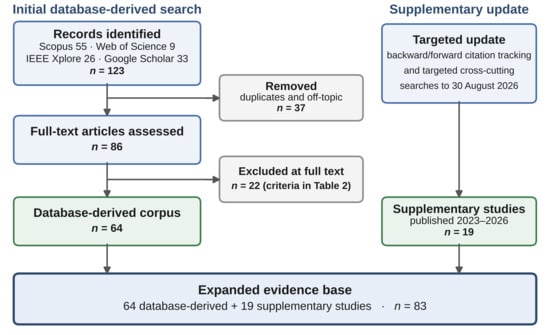
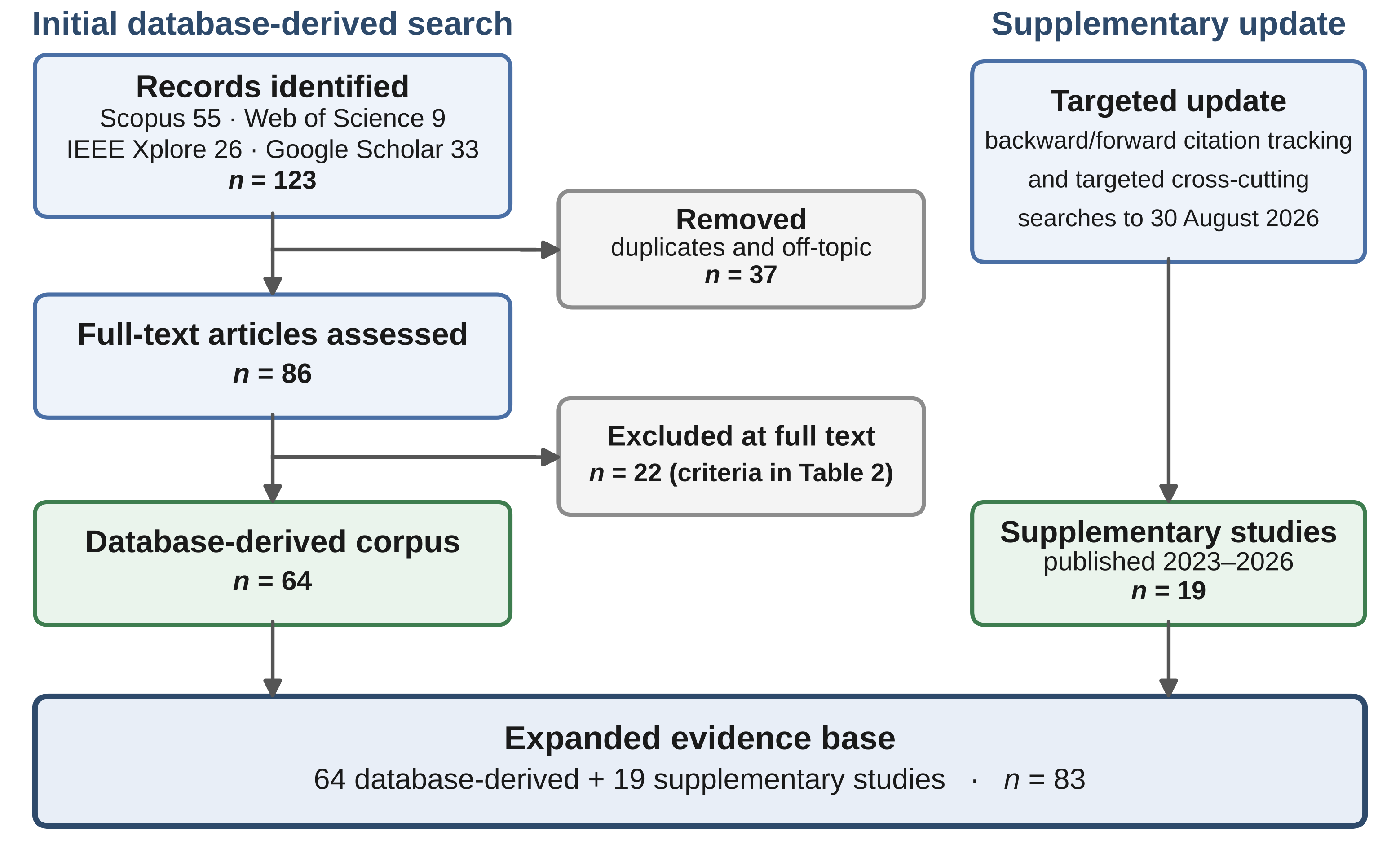
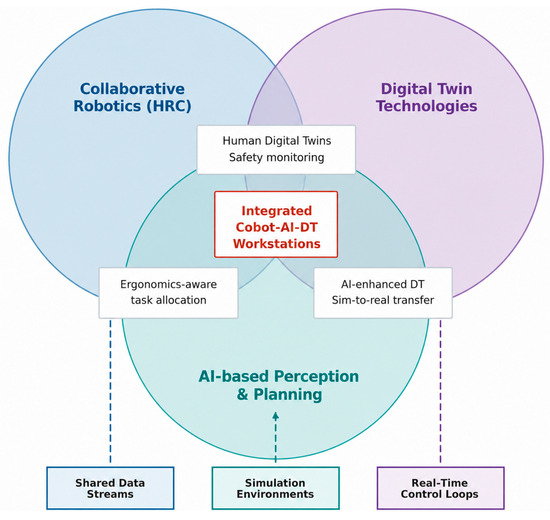
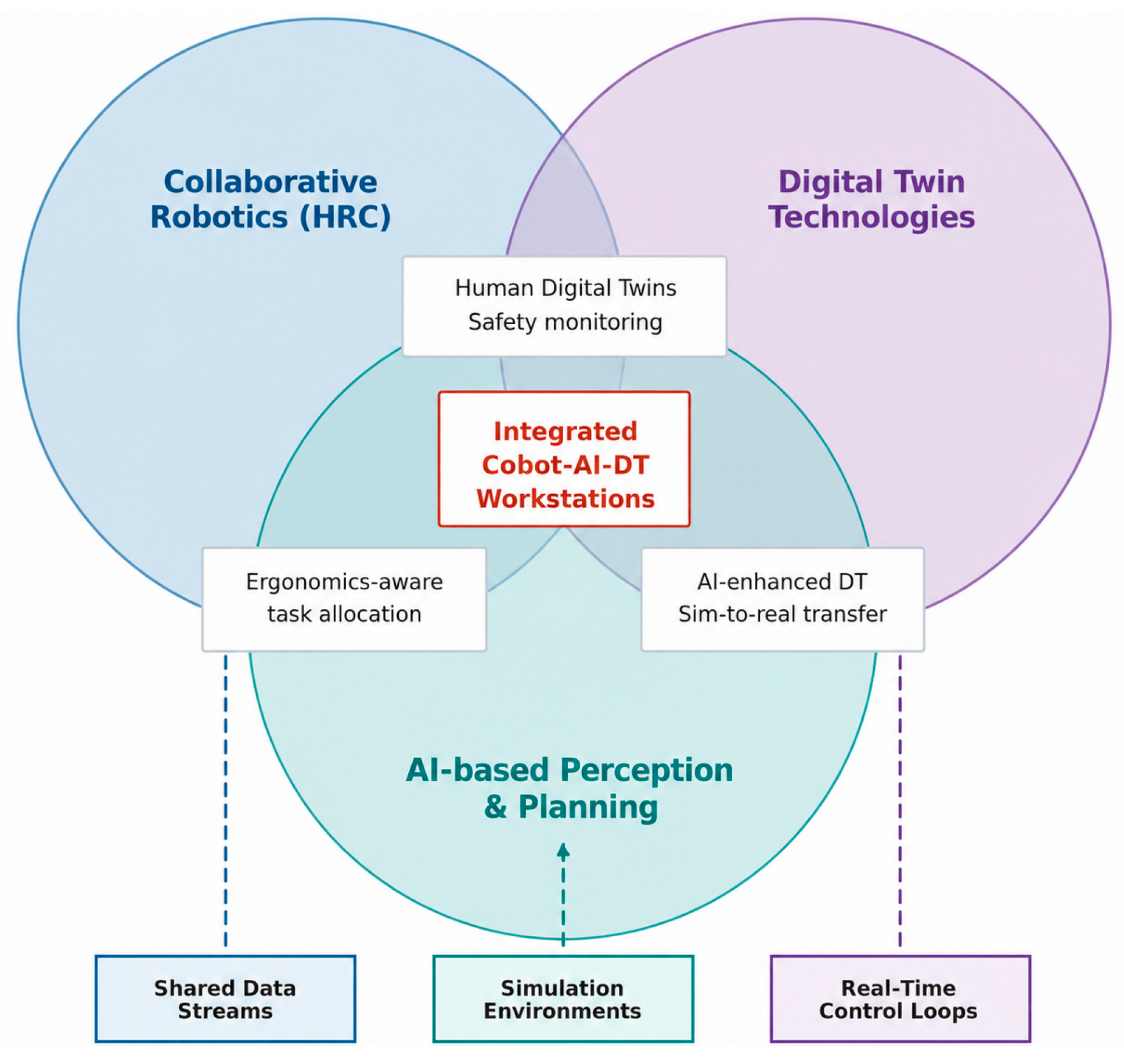
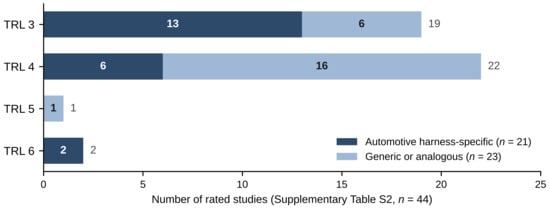
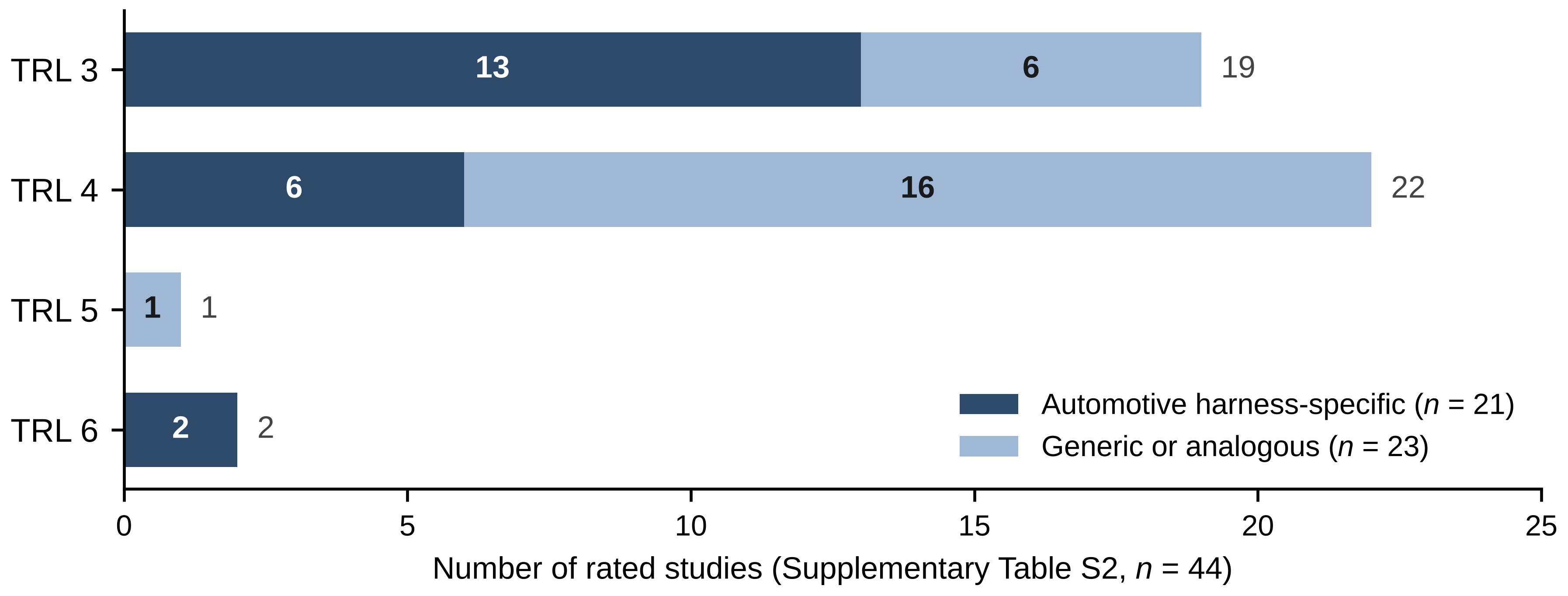
Disclaimer/Publisher’s Note: The statements, opinions and data contained in all publications are solely those of the individual author(s) and contributor(s) and not of MDPI and/or the editor(s). MDPI and/or the editor(s) disclaim responsibility for any injury to people or property resulting from any ideas, methods, instructions or products referred to in the content. |
© 2026 by the authors. Licensee MDPI, Basel, Switzerland. This article is an open access article distributed under the terms and conditions of the Creative Commons Attribution (CC BY) license.