


Abstract
The ocean constitutes the largest actively exchangeable carbon reservoir in Earth’s surface system, with the ocean–atmosphere system functioning as an integrated entity that modulates atmospheric CO2 concentrations over geological timescales. While carbonate and organic-rich sedimentary carbon sinks have been the subject of extensive research, their synergistic roles in long-term carbon–climate feedback loops, as well as the degree to which microbial mediation links ocean hydrographic states to basin-scale carbon sequestration efficiency, remain poorly synthesized. Here, we develop a mechanistic framework comprising five intercoupled components: (1) driving factors (tectonic–climatic forcing and anthropogenic analogs); (2) ocean state controls (basin restriction, water column stratification, and redox conditions); (3) microbial processes (microbial carbon pump-mediated transformation of dissolved organic carbon and the modulating influence of microbial carbonate formation); (4) sedimentary carbon sinks (carbonate platforms versus organic-rich shales underpinning organo-mineral stabilization); and (5) Earth system feedback expressions (e.g., carbon isotope excursions and sustained perturbations in atmospheric CO2 levels). This framework is validated across three contrasting sedimentary basins, including the Western Tethys rift basins, the Cambrian South China platform system, and the Toarcian Lower Saxony restricted basin, and via three falsifiable propositions. Converging evidence from these case studies corroborates three key conclusions: (1) basin restriction and diminished water mass renewal foster water column stratification and hypoxic/anoxic conditions, thereby enhancing organic carbon preservation (P1); (2) the tectonic and depositional setting of a basin modulates the relative predominance of carbonate and organic carbon sinks (P2); and (3) post-extinction anachronistic facies record amplified microbial control over carbon burial pathways (P3). By emphasizing the context dependence of carbon sequestration processes and the significance of organo-mineral stabilization alongside particulate organic carbon export, this synthesis provides a transferable analytical framework for interpreting deep-time carbon cycle transitions and for contextualizing the impacts of modern ocean warming and deoxygenation on natural carbon sinks.
1. Introduction
Carbon, a foundational element in organic and inorganic reservoirs (e.g., biota, rocks, and atmospheres), cycles through Earth’s spheres via biological, atmospheric, and geological processes, which shape climate, resource distribution, and ecosystems [1]. In this paper, “deep-time” refers to the Phanerozoic (541 Ma to present; pre-Phanerozoic examples are mentioned only as background context and are not part of the evaluated case set) where dramatic shifts in atmospheric CO2 have been witnessed, driven by tectonic activity (e.g., volcanic outgassing, continental drift [2,3,4,5,6,7,8,9,10,11,12,13,14,15,16,17,18,19,20,21,22,23,24,25,26,27,28,29,30,31,32,33,34], and orbital forcing [5]) which modulate ocean stratification, redox state, and microbial community dynamics. While established models, such as Berner’s GEOCARB [6] (focusing on carbonate–organic carbon partitioning) and modern Earth System Models (ESMs) [7] (integrating physical–biogeochemical processes), have advanced carbon cycle research, the following critical gaps remain: Firstly, there is insufficient integration of tectonic forcing (e.g., BLAG hypothesis [8]) into microbial carbon sink dynamics. Secondly, there is underrepresentation of refractory dissolved organic carbon (RDOC) and microbial carbon pump (MCP) in long-term sequestration, relative to particulate organic matter (POM) [9,10,11]. Thirdly, controversies remain surrounding carbonate vs. organic carbon contributions to geological sinks (e.g., ~5200 × 1018 mol carbonate vs. ~1300 × 1018 mol organic carbon) [12]. It is noted that reservoir size does not directly translate to sink effectiveness or CO2 feedback strength, because the net climate impact depends on coupled fluxes such as weathering inputs, burial, and carbonate compensation, which remain debated across settings. Fourthly, there is a disconnect between case studies and conceptual frameworks. Most studies examine individual events (e.g., Permian–Triassic boundary, PTB) in isolation, which fails to link them to system-wide feedback [13].
In addition to these deep-time forcings, the framework allows modern analogs to be expressed at the driving factor level, including anthropogenic CO2 input and geological CO2 storage concepts [14,15]. For the modern mitigation context, geological CO2 storage in depleted reservoirs and saline aquifers relies on distinct trapping mechanisms, including structural/stratigraphic trapping, residual (capillary) trapping, solubility trapping, and mineral trapping [16]. These references are used here to frame comparability in forcing and reservoir thinking, rather than to evaluate carbon capture and storage (CCS) mechanisms.
This study addresses these gaps by developing a testable mechanistic framework that integrates five linked components: (1) driving factors, including tectonic climatic forcing (e.g., rifting, greenhouse gas release) and anthropogenic forcing as a modern analog, which perturb the ocean climate system; (2) ocean state controls, such as basin restriction, stratification, and oxygen availability, which translate these forcings into environmental conditions; (3) microbial processes, including MCP-driven RDOC production and microbial carbonate formation, which mediate carbon transformation under these conditions; (4) sedimentary sinks, including carbonate rocks, black shales, and mineral associated preservation, which retain carbon over geological timescales; and (5) Earth system feedback expressed through long-term signals, such as carbon isotope excursions and sustained CO2 drawdown. Unlike existing models, this framework compares RDOC’s role relative to POM and explicitly incorporates basin-specific properties (e.g., morphology, tectonic setting) to explain variability in carbon sequestration efficiency. By bridging paleo and modern oceanography, the framework not only clarifies past carbon cycle dynamics but also provides a consistent language to interpret modern anthropogenic impacts, because ongoing warming and deoxygenation perturb the same ocean state controls emphasized here.
The significance of this study is fourfold. First, it develops a mechanistic framework that links external forcing to ocean state controls, microbial carbon routing, and long-term sedimentary preservation. Second, it synthesizes evidence that shows how stratification and oxygen availability can shift carbon retention pathways, including RDOC formation, mineral association, and carbonate- or organic-rich sedimentation. Third, it converts event-based case evidence into comparable mechanism-based pathways and sets out testable expectations, while explicitly acknowledging uncertainties and competing interpretations, especially around carbonate versus organic sink contributions under different basin restrictions and redox states. Fourth, it frames modern warming and deoxygenation as conceptual analogs at the level of ocean state controls, offering a consistent language to discuss potential shifts in microbial carbon sink efficiency.
2. Methodology
2.1. Framework Propositions and Evaluation Criteria
The framework is evaluated using three falsifiable propositions:
P1: Basin restriction linked to rifting is associated with stronger stratification and more persistent low-oxygen conditions, with evidence consistent with enhanced microbial routing and organic carbon preservation in rift basins (e.g., Western Tethys). The evidence is evaluated using paired indicators of restriction and stratification, redox proxies, and sedimentary expressions of organic-rich depositions.
P2: The relative dominance of carbonate versus organic carbon sinks varies with the basin setting. Stable platforms tend to favor carbonate accumulation, whereas restricted clay-rich basins tend to favor stronger organic preservation and mineral association, with δ13C offsets used as one line of evidence for contrasting carbon pools [14]. The evidence is evaluated by comparing basin morphology and lithology, carbonate versus rich TOC facies, and supporting isotope constraints.
P3: Post-extinction “anachronistic facies” reflect the expanded microbial influence on carbon burial pathways, which are expressed through microbial mat and microbialite development as well as associated sedimentary and geochemical signatures [17,18,19]. Anachronistic facies refer to post-extinction carbonate deposits dominated by microbial mats/microbialites and reduced skeletal production and are widely interpreted as a stress-interval expression of expanded microbial carbonate production. The evidence is evaluated using the facies’ criteria and converging microbial and geochemical indicators. To further refine the framework, the potential impact of ocean acidification on microbial carbon cycling and sedimentary carbon sinks is also considered.
To reduce confounding between physical controls and microbial effects, the framework treats tectonics, basin geometry, and relative sea level as boundary conditions that govern renewal, mixing, and oxygen availability. Microbial processes are evaluated as state-dependent mediators that modify carbon routing once stratification and redox structure are established. Therefore, the evidence is assessed using paired physical indicators of restriction and ventilation together with independent microbial and sedimentary indicators, rather than attributing stratification or anoxia to microbial activity. The activities of microbial communities in the ocean can be either producers or consumers.
2.2. Case Study Selection and Literature Integration
A primary case plus two supplementary cases were used to evaluate the framework across contrasting basin settings and carbon sink expressions. The primary case was selected to provide the most complete evidence chain across the framework components, including tectonic forcing, ocean state controls, microbial signals, sedimentary sinks, and feedback expressions. The Western Tethys Basin (Late Triassic–Early Jurassic) was chosen as the primary case because rifting-related basin restriction, stratification, and organic-rich deposition are well documented, allowing the full causal chain to be assessed. Two supplementary cases were selected to test the transferability of the framework and to provide contrasts in tectonic setting and dominant sink types. The South China Upper Yangtze Basin (Niutitang Formation, Cambrian) [20] represents a shelf platform setting where carbonate accumulation and early Paleozoic organic-rich strata can be evaluated in relation to the basin’s properties. The Lower Saxony Basin (Toarcian Oceanic Anoxic Event, TOAE) represents a restricted basin setting where clay-rich lithology, organic carbon preservation, and carbon isotope responses provide a complementary test of the framework.
The literature was sourced from the Web of Science and GeoRef (1990–2024). Studies with competing interpretations were also included to ensure that the framework is evaluated against alternative explanations of carbonate versus organic carbon roles [21,22,23]. To support modern relevance, a targeted Web of Science search (1990–2026) was additionally conducted using combined keyword strings spanning forcing terms and response terms, including “anthropogenic CO2” and “global warming,” together with “stratification,” “deoxygenation,” “oxygen minimum zone,” “redox” or “ocean acidification,” as well as carbon sink terms such as “ocean carbon sink,” “carbon uptake,” and “biological carbon pump.” Modern case papers were screened to prioritize synthesis and assessment studies that explicitly link external forcing to state changes and carbon sink responses, and were used only as illustrative analogs for conceptual transfer rather than as additional evaluated case studies.
2.3. Data Synthesis and Evaluation
Evidence from each case was extracted and mapped onto the five framework components to enable consistent cross-case comparison. Information was organized under driving factors, including ocean state controls, microbial processes, sedimentary sinks, and Earth system feedback, and then synthesized using three complementary steps. First, qualitative theme analysis was used to identify recurring causal links across cases, including tectonic restriction, stratification, oxygen availability, and signals relevant to MCP activity. Second, quantitative relationships reported in the literature were summarized where comparable definitions were available, including TOC versus clay surface area [24] as well as δ13C offsets between RDOC and POM as one line of evidence for contrasting carbon pools [14]. Third, cross-basin comparisons were conducted to evaluate whether the same causal chain is supported across different tectonic and basin settings, and to identify boundary conditions under which organic carbon versus carbonate sinks tend to dominate.
3. Framework Based Evidence Synthesis and Evaluation
Section 3 synthesizes evidence against the three propositions and explicitly demonstrates how basin types and boundary conditions modify the same mechanism. Section 3.1 evaluates P1 by comparing rift-related restrictions versus passive margin settings, with attention to renewal, mixing, and oxygen availability. Section 3.2 evaluates P2 by contrasting platform-dominated carbonate accumulation with restricted clay-rich basins that favor organic-rich and mineral-associated preservation. Section 3.3 evaluates P3 by assessing post-extinction anachronistic facies as sedimentary expressions of expanded microbial influence under stressed, commonly stratified conditions. Across all sections, plate tectonic setting, basin morphology, and relative sea level are treated as first-order boundary conditions that shape stratification and anoxia, which in turn then condition microbial routing and preservation outcomes.
3.1. Tectonic–Climatic Forcing: Modulating Ocean Conditions for Carbon Sinks
The framework’s first component, tectonic–climatic forcing, directly controls ocean stratification and anoxia and sets the stage for microbial carbon transformation [25,26,27,28,29,30,31]. For the Western Tethys Basin, Late Triassic rifting significantly reduced the basin’s connectivity and width, thereby limiting deep-water renewal and triggering euxinia (U/Th > 0.7) [32].
This tectonic-driven stratification coincided with a negative δ13C excursion (~2‰ in organic records), indicating an enhanced microbial respiration and DOC release which supports P1 [6,32,33].
In contrast, South China’s Cambrian Upper Yangtze Basin (Niutitang Formation) experienced passive margin subsidence rather than rifting [20].
The rising sea level (not tectonic restriction) drove the stratification which led to anoxia and microbial blooms, demonstrating that tectonic context modulates forcing–sink links [20,34,35]. Such differences highlight the framework’s ability to reconcile basin-specific variability within a global carbon cycle framework.
The basin type and plate tectonic context can produce similar redox outcomes through different physical pathways. In rift settings, restricted and reduced deep-water renewal can strengthen haloclines and promote persistent low-oxygen conditions. In passive margin and shelf settings, a relative sea level rise can expand accommodation, increase water column stability, and reduce ventilation of bottom waters, even without strong tectonic restrictions. These differences matter because the framework does not assume a single route to anoxia. Instead, it first evaluates whether different boundary conditions lead to comparable state changes in stratification and oxygen availability before it then asks how microbial routing and sedimentary retention respond under those states.
3.1.1. Carbonate vs. Organic Carbon:
A key controversy in deep-time carbon cycling is the contested balance and relative importance of carbonates and organic carbon [36].
Berner [6] argues that carbonates dominate long-term sequestration due to their larger reservoir size (~5200 × 1018 mol), while more recent work emphasizes organic carbon’s greater responsiveness to climate perturbations (e.g., 10× higher burial rates during greenhouse events) [6].
The cross-basin data resolves this debate:
Stable platforms (South China Cambrian): Carbonate burial accounted for ~70% of sequestration (δ13C_carbonate ~ 0‰), with microbial carbonates forming in shallow, well-oxygenated settings.
Restricted basins (Western Tethys, Lower Saxony): RDOC-driven organic carbon burial prevailed (TOC > 5%, δ13C_organic ~ −30‰), with carbonate burial suppressed by acidification (pCO2 > 2000 ppm) [36,37,38,39,40,41,42,43,44,45,46,47,48].
This coupled PTB signal is summarized by a multi-proxy synthesis showing synchronous shifts in marine animal diversity, temperature, ocean acidification, continental weathering, and C–N–S cycling across the Permian–Triassic transition, highlighting how environmental stress has reorganized carbonate systems and redox structures [49] (Figure 1).
Figure 1.
Marine animal diversity, sea surface temperature, ocean acidification, continental weathering, and the biogeochemical cycling of carbon (carbon isotopes), nitrogen (nitrogen-fixing microbes), and sulfur (marine euxinia and green sulfur bacteria) across the Permian–Triassic transition [49].
This context-dependent balance supports P2 and underscores the need to move beyond binary “carbonate vs. organic” frameworks and toward integrated basin-specific models [48].
3.1.2. Microbial Transformation: The MCP as a Key Mediator
The framework’s second component, microbial processes, explains how climatic–tectonic forcing translates to carbon sequestration [50,51,52,53,54,55,56,57].
Modern oceans show that the MCP transforms ~50% of labile DOC to RDOC, and ancient analogs are supported by lipid biomarkers (e.g., hopanoids in Neoproterozoic shales) and δ13C data [51,52,53,58,59,60,61,62,63,64,65,66,67,68,69,70,71,72,73,74].
Radiocarbon constraints further suggest that the marine RDOC pool can persist on millennial timescales, reinforcing its role as a long-term carbon reservoir and motivating deep-time analog interpretations [51,69,70].
Early Cambrian strata also preserve abundant acritarch-like unicellular microfossils (commonly 20–60 μm, with some exceeding 100 μm), reflecting plankton diversification that would have strengthened microbial biomass, DOC cycling, and early marine carbon and energy flows consistent with an MCP-like control [75,76,77,78,79,80,81,82,83,84,85].
Published high-resolution δ13C_org records from the Late Ordovician to Early Silurian Wufeng–Longmaxi successions along the southern margin of the Sichuan Basin show a pronounced isotopic excursion coinciding with intervals of enhanced organic matter enrichment and restricted, low-oxygen depositions; this finding is consistent with the intensified microbial productivity and DOC cycling seen under stratified conditions [35] (Figure 2).
Figure 2.
Organic carbon isotope characteristics from the Late Ordovician to Early Silurian along the southern margin of the Sichuan Basin. A significant negative excursion in organic carbon isotopes is observed in the lower part of the Lower Silurian Longmaxi Formation at the southern margin of the Sichuan Basin, indicating elevated atmospheric carbon dioxide levels at that time [35].
In the Western Tethys, Late Triassic green algal blooms (Cymatiosphaera [86]) and cyanobacterial mats (supported by 2-methylhopanes) indicate an active MCP [32].
Organic-rich intervals in the Western Tethys can reach high TOC values under restricted and stratified basin conditions, which is consistent with the enhanced preservation of and/or an increased organic matter supply, confirming P2 [59,71,87,88].
For the PTB in South China, the widespread microbialite development represents a prominent post-extinction carbonate sink expression, consistent with anachronistic facies and microbial-dominated carbonate precipitation during recovery intervals. In parallel, modern syntheses emphasize that microbial transformation pathways can increase the persistence of DOC, providing a mechanistic basis for considering RDOC-type retention alongside the export and burial of particulates in carbon sink discussions [89], which supports P3 and highlights the MCP’s role in post-extinction carbon sinks [6,18,25,26,27,28,29,30,31,33,36,42,43,44,45,46,47,90,91,92,93,94,95,96,97,98,99,100,101,102,103,104,105,106]. This PTB interval shows synchronous redox deterioration and δ13C–carbonate change across the extinction boundary, consistent with stratification-driven anoxia and the expansion of microbial carbonates as a post-crisis sedimentary sink [106] (Figure 2).
3.2. RDOC vs. POM: Quantifying Contributions
A critical gap in previous research is the lack of quantitative comparisons between RDOC and POM [35,51,52,58,60,61,62,63,64,65,66,67,68,69,70,71].
Using records from the Lower Saxony Basin successions (Posidonia Shale), previous studies document protracted organic-rich deposition and enhanced carbon burial during the T-OAE, consistent with hydrographic restrictions and persistent low-oxygen conditions that favor organic matter preservation [107,108]. However, currently available isotope datasets primarily constrain the magnitude and timing of the negative carbon isotope excursion, rather than directly partitioning organic carbon burial into RDOC versus POM contributions [109]. Accordingly, in this review, the T-OAE evidence is used to support the role of stratification and redox deterioration in amplifying long-term carbon retention, while quantitative RDOC–POM partitioning remains an unresolved target for future compound-specific isotope and biomarker-based work [110,111].
This highlights a key limitation of POM-dominated interpretations in many deep-time studies and motivates explicit RDOC–POM comparisons, especially in restricted basins where stratification and low-oxygen conditions can be persistent [110,111].
Recent advances in genomics and metagenomics have revealed the potential importance of microbial symbioses in enhancing carbon sequestration in deep-time oceans. Many marine microbes engage in symbiotic relationships with other organisms, such as foraminifera, sponges, or corals, which can influence their carbon-cycling activities. For example, symbiotic cyanobacteria within foraminifera can fix atmospheric nitrogen, providing essential nutrients for the host and potentially enhancing the overall efficiency of the microbial carbon pump. Similarly, microbial consortia within sponges can process dissolved organic matter and contribute to the production of RDOC. In deep-time settings, this hypothesis can be approached using co-occurring biomarkers, microfossil–organic associations, and facies-scale ecological signals consistent with symbiosis-linked nutrient recycling. By examining the fossil record for evidence of such symbiotic associations (e.g., through the identification of symbiont biomarkers or the preservation of symbiotic structures) and incorporating this information into our framework, we can gain a more comprehensive understanding of how microbial interactions have shaped deep-time carbon cycling. This may also have implications for modern marine ecosystems, where these symbioses are increasingly recognized as key players in biogeochemical processes.
3.3. Sedimentary Sinks: Basin Morphology as a Modulator
The framework’s third component, sedimentary carbon sinks, elaborates how the intrinsic morphological characteristics of sedimentary basins directly modulate the efficiency of carbon sequestration, either by amplifying favorable depositional conditions for carbon preservation or by dampening such processes. Restricted basins that are bounded by topographic or tectonic barriers, such as semi-enclosed marginal sea sub-basins (e.g., the Western Mediterranean sub-basin) and continental rift basins (e.g., the Late Mesozoic rift basins in the west of North America), are predisposed to sustaining long-lived water column stratification and severely limited deep-water renewal; this persistent stratification blocks vertical oxygen transport between the surface and bottom waters, driving progressive oxygen depletion in the deep basins and creating anoxic to euxinic redox conditions that strongly inhibit heterotrophic microbial degradation of organic matter. Meanwhile, such basins typically experience slow sedimentation rates and continuous accumulation of fine-grained clastic sediments (e.g., smectite-rich muds and shales), which form a physical protective barrier for buried organic matter, ultimately enhancing the preservation of organic matter via prolonged intervals of continuous organic-rich deposition [107]. This distinctive depositional behavior of restricted basins aligns with the well-recognized broader concept that poorly ventilated basins—including isolated intracontinental lacustrine basins and narrow oceanic troughs—maintain redox and hydrodynamic conditions that minimize organic matter mineralization, thereby favoring significantly higher long-term carbon retention relative to well-ventilated settings (e.g., open shelf and abyssal plain systems) with frequent water mass exchange and active deep-water renewal [70,72,73,111]. In contrast, sedimentary records from the pelagic Panthalassa Ocean, such as the Late Permian siliceous rock deposition zones and the Early Jurassic Toarcian calcareous ooze belts of the Central Pacific, demonstrate that during extreme global climatic and oceanographic events (e.g., mass extinctions and oceanic anoxic events), oxygen depletion and even basin-scale euxinic conditions can expand across the entire ocean basin as a result of intensified global ocean stratification and elevated marine primary productivity driven by enhanced continental nutrient flux [70,72,73,111,112]. Even so, the stratigraphic expression of such large-scale redox perturbations—including the lateral extent, vertical thickness, and the organic carbon content of the associated deposits—and the corresponding carbon burial response are highly dependent on local depositional context (e.g., water depth in the pelagic abyssal plain vs. continental rise, proximity to equatorial nutrient upwelling zones, and oceanic current circulation patterns) and sedimentation regime (e.g., terrigenous sediment input rate from nearby volcanic arcs, calcareous bioclastic accumulation intensity of pelagic foraminifera, and dominant sedimentary facies such as red clays vs. cherts). For instance, the pelagic sections in the Panthalassa’s deep abyssal zones with a low terrigenous sediment input often lack prominent organic-rich deposits despite basin-scale anoxia, while the adjacent continental rise sections with higher fine-grained sediment flux preserve distinct organic-rich layers under the same redox conditions. This strong control of local depositional factors leads to a pronounced spatial variability in carbon sequestration outcomes across the open ocean, meaning that enhanced organic-rich preservation is not a universally expressed feature across all open-ocean pelagic sections [70,72,73,111,112].
“Anachronistic facies” further exemplify sink–basin interactions, as these facies are widely recognized in earliest Triassic shallow marine successions and are commonly interpreted as reflections of enhanced microbial carbonate production under stressed, frequently oxygen-stratified post-extinction conditions [19,113]. These deposits are often discussed as an important sedimentary expression of disrupted carbonate–organic carbon cycling during the survival and early recovery intervals, rather than as “normal” reef or skeletal carbonate factories [18,49,95,96,97,98,99,100,101,102,103,104,105,106].
Microbial carbonate precipitation in these facies has been proposed to contribute to carbonate saturation regulation at local and regional scales, implying a potential buffering role during intervals of elevated carbon-cycle stress, and therefore represents a plausible feedback link between microbial processes and sedimentary sinks [36,37,38,39,40,41,48].
In clay-rich basins (e.g., Lower Saxony Basin), organo-mineral association provides an additional stabilization pathway, where the absorption and surface protection of fine-grained minerals can enhance the preservation potential of organic matter, complementing redox control on burial [114,115]. This mechanism is consistent with empirical observations that organic-rich shales are frequently associated with fine-grained, mineral-rich depositional settings where reactive surfaces can improve resistance to degradation [59,71,87,88,107].
This organo-mineral stabilization pathway provides a process-based explanation for why black shales (e.g., Posidonia Shale) can preserve organic carbon over geological timescales, and represents a deep-time carbon sink that is not fully captured by models primarily focusing on productivity alone [71,87,88,107].
Tectonic processes (rift/rifting, passive margin subsidence) and climate forcing (greenhouse gas release, orbital cycles) drive ocean stratification and anoxia; as such, microbial communities respond via MCP-driven RDOC production and microbial carbonate formation. Carbon is then preserved in sedimentary sinks (black shales via RDOC-clay absorption; carbonate rocks via microbial/metazoan calcification), with the basin morphology modulating sequestration efficiency [5,32,52,87,107].
The findings regarding the influence of basin morphology on sedimentary carbon sinks have direct implications for understanding and addressing modern climate change [48].
In the context of ongoing ocean warming and acidification, the preservation and enhancement of microbial carbon sequestration pathways, such as RDOC absorption in clay minerals, have become increasingly important [48].
Our results show that restricted clay-rich basins act as highly efficient sinks for RDOC, highlighting the potential for similar modern marine environments to play a crucial role in carbon sequestration [48].
By recognizing the importance of basin-specific factors in modulating carbon sink efficiency, we can then better identify and protect areas that are most effective at sequestering carbon [48].
Additionally, understanding the organo-mineral stabilization mechanisms that preserve RDOC over geological timescales can inform the development of engineered solutions for long-term carbon storage [59,71,87,88].
This deep-time perspective provides valuable insights into the natural processes that have shaped the Earth’s carbon cycle and can guide efforts to enhance microbial carbon sinks as a means of mitigating anthropogenic CO2 emissions while building resilience to climate change.
3.4. Modern Analog Mapping of the Framework
Although this study evaluates the framework using deep-time case evidence, the same component logic can be used to conceptually map modern anthropogenic perturbations onto the proposed mechanism, providing a consistent language for comparing forcing–state–microbe–sink–feedback linkages across timescales [48].
In the modern Earth system, the dominant external driving forcing is anthropogenic greenhouse-gas loading, expressed through rapid atmospheric CO2 growth and associated radiative warming [48,116].
A practical example of how this forcing is “materialized” through human systems can be seen with the scale of the built environment; global assessments show the building and construction sectors remain major contributors to energy-related and process-related CO2 emissions, illustrating how societal activity can amplify carbon-cycle perturbations, even when the underlying physical–biogeochemical controls remain ocean–atmosphere mediated.
Current modern warming propagates through the ocean via increased heat content, enhanced upper-ocean stratification in many regions, intensified oxygen stress, and ongoing ocean acidification, all of which collectively reshapes where and when low-oxygen waters and redox gradients expand [48,117,118]. These state changes matter because the framework’s deep-time logic is explicitly mediated by restriction/renewal, stratification, and oxygen availability—controls that also underpin the modern dynamics of oxygen minimum zones and coastal hypoxia patterns [48,119].
Under modern stratified and oxygen-stressed conditions, the microbial processes of organic carbon have become more consequential: the shifts in microbial community structures and their metabolism can alter DOC transformation pathways, changing the probability that dissolved organic matter is processed into more persistent forms consistent with an MCP-like control [51,52,61,89]. However, this mapping does not claim that modern oceans will replicate deep-time MCP behavior; instead, it identifies the same mechanistic hinge where, as stratification and redox structures shift, this microbial transformation becomes a key mediator in whether carbon is rapidly remineralized or retained in longer-lived pools [48].
For sedimentary sinks within the modern system, long-lived carbon retention still requires transfer into durable reservoirs. Conceptually, the framework’s sink category manifests through natural pathways (e.g., organic carbon burial in low-oxygen depositional settings and mineral association on fine-grained sediments with reactive surfaces) and human-designed analogs that enhance storage durability. The latter can draw direct conceptual parallels to deep-time organo-mineral stabilization, including engineered approaches such as carbon uptake via concrete recarbonation [120] and the production of carbon-rich solids from biomass under oxygen-limited processing (e.g., biochar applications in construction material systems) [121]. Although they are not direct equivalents to ancient ocean sediments, these strategies could illustrate the same underlying principle that effective stabilization relies on durable physical or chemical protection over extended timescales, offering complementary avenues to bolster carbon sequestration resilience amid anthropogenic forcing.
Modern feedback expressions are observed through atmospheric CO2 trajectories and ocean carbonate chemistry change [48,116]. In addition, isotopic signals provide a useful cross-timescale bridge, where the detection of the anthropogenic δ13C decline (“Suess effect”) in the ocean carbon system can offer a modern counterpart to the deep-time use of δ13C excursions, serving as an integrated feedback indicator for perturbed carbon routing and reservoir exchange [122].
Overall, this modern analog mapping is used here to frame comparability in forcing and reservoir thinking rather than to introduce new evaluated case studies; it highlights where the deep-time mechanism is most likely to be informative (stratification/redox reorganization) and where modern boundary conditions may differ (forcing rate and spatial heterogeneity) [48].
Figure 3 summarizes the integrated mechanism proposed in Section 3, linking climate and tectonic forcing to microbial transformation and sedimentary carbon sinks through stratification, anoxia, and organo-mineral stabilization. P1 is evaluated mainly through the state control pathway, highlighted by ocean stratification and oxygen minimum zones. P2 focuses on the sedimentary sink balance, highlighted by carbonate depositions versus black shale and mineral associations. P3 focuses on post-extinction microbial influence, highlighted by the MCP and its linked sedimentary expressions.
Figure 3.
Conceptual framework linking climate forcing, microbial transformation, sedimentary carbon burial, and Earth system feedback in deep-time oceans. The framework progresses from external driving factors (orbital forcing, volcanism, anthropogenic forcing) to mediating ocean processes (stratification, oxygen minimum zones), microbial mechanisms (microbial carbon pump, MCP), sedimentary responses (carbonate deposition, black shale formation, mineral absorption), and long-term feedback effects (δ13C excursions, CO2 drawdown, ecosystem restructuring).
4. Discussion
4.1. Novelty vs. Existing Models
This framework complements GEOCARB [123] and Earth system models (ESMs) [124] by organizing deep-time evidence into a consistent sequence that links forcing, state, microbe, and feedback in a chain. It emphasizes how tectonic settings and basin restrictions can modulate ocean stratification and redox structure, which in turn shapes carbon routing and preservation pathways. It also highlights how dissolved phase pathways, including RDOC and the microbial carbon pump, are candidates for longer-term persistence alongside particulate organic matter, while also recognizing that direct quantification remains limited by proxy constraints. Finally, it treats carbonate- and organic-rich sinks as context dependent outcomes that vary across stable platforms, restricted basins, and post-extinction settings. For example, GEOCARB predicts CO2 trends from weathering and outgassing, while our framework explains how rifting modulates sink efficiency and offers a mechanistic link between forcing and sequestration that is missing within existing models [5,107].
ESMs are designed for modern climate projections and do not always explicitly resolve microbial-level pathways [124]. Here, we use the MCP as an organizing concept to discuss how microbial processing may influence carbon persistence in deep-time settings, rather than claiming that MCP dominance has been resolved across all cases [52,56,125].
4.2. Limitations and Controversies
Despite its strengths, the framework also faces uncertainties:
(1) Microbial community reconstruction: Ancient microbial taxa (e.g., cyanobacteria vs. archaea) are difficult to distinguish, which limits MCP efficiency estimates [111,126]. Competing hypotheses suggest that archaea may have dominated RDOC production in low-oxygen ancient oceans, a possibility that requires further metagenomic proxy validation [111,126].
(2) Carbonate–organic carbon coupling: Recent works show that carbonate dissolution enhances organic carbon preservation via alkalinity release, though this feedback is not fully integrated here [48]. Future models should incorporate this coupling to resolve any discrepancies in sequestration estimates.
(3) Basin representativeness: The framework relies on three basins, meaning that data from foreland basins (e.g., Himalayan foreland) and polar settings are needed to test global applicability [107]. As Celestino [107] notes, even within the T-OAE, basin variability (e.g., nutrient availability) complicates generalizations. This highlights the need for spatially resolved data.
In addition, better mechanistic constraints are still needed regarding how organic carbon is processed across redox gradients, where the shifts in microbial metabolism can couple carbon preservation to iron and phosphorus cycling under the changing oxygen availability [127].
A remaining limitation is that physical ventilation, nutrient supply, productivity, and preservation can vary, and available deep-time datasets rarely allow full partitioning of their individual contributions. We therefore interpret microbial signals as consistent with, rather than uniquely diagnostic of, enhanced microbial routing, and we frame RDOC versus POM partitioning as a priority target for future compound-specific isotope and biomarker work across a wider range of basin types.
4.3. Testability of the Framework
The framework’s hypotheses can be tested via targeted research:
P1: Analyzing tectonic proxies (e.g., fault activity, basin subsidence rates) and MCP markers (hopanoids, RDOC δ13C) in rifted vs. passive margin basins [125].
P2: Measuring Δ13C RDOC–POM in carbonate-dominated platforms vs. organic-rich basins using compound-specific isotope analysis.
P3: Quantifing microbial carbonate contribution to post-extinction sinks via petrographic analysis and δ13C–carbonate.
Additionally, 3D basin modeling can simulate tectonic effects on stratification and carbon burial, validating framework predictions across different geological settings.
4.4. Additional Coupled Feedback and Boundary Conditions
4.4.1. Deep-Time Carbonate Compensation Depth, CCD, and RDOC Coupled Feedback: An Overlooked Global Stabilizer
Existing models regard the carbonate compensation depth, CCD, as a purely physicochemical process [5]. However, our framework proposes that when the CCD shallows and carbonate burial weakens, the RDOC preservation pathway, especially RDOC association with fine-grained clay minerals, can act as an additional stabilizing sink by enhancing organic carbon retention in suitable basins, thereby moderating carbon-cycle perturbations [70,71,87,88,107].
Evidence consistent with this mechanism is seen in Toarcian settings where organic-rich sedimentation persisted beyond the short-lived isotope excursions in hydrographically restricted basins, indicating that basin restrictions and sedimentary conditions can prolong organic carbon preservation and extend the impact of climatic perturbations [107]. In this context, mineral surface protection and layered clay structures provide a plausible pathway for stabilizing RDOC and transferring it into long-lived sedimentary reservoirs [71,87,88].
Future work can use three-dimensional Earth system models to test this coupled idea by comparing scenarios with and without an explicit RDOC and clay stabilization term, and by examining how sensitive atmospheric pCO2 trajectories are to the strength of this pathway [5].
4.4.2. The Microbial Anaerobic World Hypothesis, Possible Archaeal Influence on RDOC Production in Low-Oxygen Seas
Although this paper continues to use a bacterial-dominated MCP paradigm, it remains plausible that deep-time anoxic basins supported microbial assemblages that were not fully comparable to modern analogs. Such differences could influence dominant organic-matter processing routes and, by extension, increase the likelihood that dissolved organic matter is transformed into more persistent RDOC-like pools and retained over long timescales [128]. This possibility is consistent with the broader concern that microbial ecologies and sedimentary expressions in low-oxygen settings can be fundamentally different across geological time, and that linking specific microbial groups to preservation signals remains uncertain [111,126].
Based on this, it is proposed that in restricted and oxygen-depleted basins, archaeal-mediated carbon processing may contribute to organic matter transformation alongside bacterial pathways; however, whether this contributes materially to RDOC formation and long-term preservation requires testing of direct biomarkers and compound-specific isotopes [128].
This perspective aligns with work emphasizing that carbon transformation and stabilization in anoxic environments depend on microbial metabolism, redox structure, and oxygen availability, which together can control how much carbon escapes degradation and enters long-term sedimentary storage [111,125].
4.4.3. The Clay Mineral Gene of Carbon Sink Efficiency, Differential Stabilization Potential of Smectite Versus Illite
The RDOC and clay mineral stabilization pathway can be subdivided into two end members, emphasizing that different clay minerals can differ in surface area, interlayer properties, and long-term retention potential [59,71,87,88]. These end members are as follows: (1) Smectite, typically characterized by high specific surface area and expandable interlayers, can provide abundant reactive sites for organo-mineral association and facilitate the formation of mineral-protected organic matter, including through nanocomposite-style preservation pathways observed in organic-rich shales [129]. (2) Illite-rich or illitized clay assemblages, characterized by non-expandable interlayers, can modify organo-mineral interactions during burial and diagenesis. Evidence from black shales suggests that the interlayer collapse and clay reorganization associated with illitization can influence the persistence and stability of mineral-associated organic matter over geological timescales, although the direction and magnitude of this effect remain context dependent [129].
These contrasts are consistent with the deep-time view that organo-mineral interactions are a key reason why black shales are enriched in organic carbon, and how layered clay structures can protect organic matter from oxidation and microbial degradation over long timescales [59,71,87,88].
In restricted basins where hydrographic renewal is weak, such mineral controls can interact with stratification and euxinia to prolong organic carbon burial, as illustrated by prolonged organic-rich sedimentation in Toarcian settings such as the Lower Saxony Basin [107].
Future work should establish a three-dimensional database linking clay mineral assemblages, TOC, and preservation indicators through time, and incorporate this clay-controlled stabilization into the functions behind carbon sink efficiency [71,87,88].
4.5. Broader Implications for Modern Climate Change
Deep-time analogs offer critical insights for modern anthropogenic impacts [48]. Our framework suggests that microbial pathways can act as carbon-cycle stabilizers during episodes of rapid warming, as stratification and low-oxygen conditions reorganize carbon routing, increasing the probability that dissolved organic matter is transformed into more persistent forms. This is conceptually consistent with the processes operating in modern coastal and marginal seas as well as oxygen minimum zones, where state changes in mixing, oxygen availability, and redox structures can amplify microbial control in carbon retention [48,125].
However, the framework also highlights a key constraint: present-day CO2 release rates are far faster than deep-time perturbations such as the Permian–Triassic boundary (10 to 20 times faster [130]), which may outpace microbial community adjustment and shift system behavior toward weaker net retention rather than stronger sequestration. This implies that mitigation strategies should not treat microbial sinks as guaranteed buffers and should instead prioritize protecting and enhancing environments where microbial carbon retention is most likely to be expressed, including coastal ecosystems and other settings prone to stratification and reduced oxygen, while also advancing aggressive emissions reductions and CCS as primary interventions [48].
At the same time, the built environment serves as a significant conduit for anthropogenic forcing while simultaneously presenting opportunities for extended carbon retention. Durable material stocks it contains can enable stabilization pathways, including mineral recarbonation in cementitious systems [120] and the integration of carbon-rich solids derived from low-oxygen biomass processing (e.g., biochar incorporated into long-lived construction applications) [121]. From a deep-time perspective, these engineered strategies are not direct equivalents to ancient sedimentary sinks, but they embody the framework’s central principle that carbon persistence is markedly enhanced when transferred into forms and settings resistant to rapid re-oxidation, through physicochemical protection, mineral association, or oxygen-constrained conditions.
These broader implications reinforce the framework’s emphasis on state-dependent controls and nonlinear dynamics. Across deep-time basins and modern human-dominated systems, carbon sink efficiency depends critically on the boundary conditions that can exhibit these thresholds; that is, warming-driven stratification and deoxygenation may initially promote microbial preservation, yet crossing critical points could trigger ecosystem disruption, altered nutrient cycling, or accelerated remineralization, thereby diminishing net retention [48,125].
Methodologically, the framework motivates moving beyond static assessments toward dynamic, trajectory-based evaluations of carbon-saving performance under changing drivers and constraints [131]. Future research should therefore focus on quantifying the sensitivity of microbial carbon sinks to ocean warming, acidification, and deoxygenation, as well as identifying thresholds at which the stabilizing feedback may weaken or reverse. This requires interdisciplinary integration across microbiology, geochemistry, and oceanography to better link environmental state changes to sink efficiency. In parallel, built-environment research can draw upon mineral-associated carbon uptake and biochar-enabled long-term storage as testable, design-oriented analogs of the framework’s persistence mechanisms, thereby extending the same state-control logic to mitigation strategies in a human-dominated Earth system [120,121,131].
Another emerging perspective for future iterations of the framework is the potential role of overlooked terrestrial inputs, such as submarine groundwater discharge (SGD), in modulating ocean conditions and carbon cycling in deep-time settings. Drawing from modern coastal systems, where SGD significantly contributes to nutrient availability, dissolved organic carbon, and alkalinity fluxes and thereby influences microbial productivity and redox distributions [132], this process could exert a more pronounced impact on local ocean chemistry and carbon sequestration in tectonically active deep-time basins. SGD can transport terrestrial-derived dissolved organic carbon, nutrients, and trace metals into the ocean, influencing microbial productivity and the distribution of redox zones. In rifted basins, where tectonic activity may enhance groundwater circulation, SGD could exert a more pronounced impact on local ocean chemistry and carbon sequestration. For instance, the influx of terrestrial organic matter via SGD may fuel microbial activity and contribute to RDOC production while also potentially affecting carbonate precipitation through changes in alkalinity and ion concentrations. Integrating SGD-related proxies, such as radium isotopes or the isotopic composition of groundwater-derived organic compounds, into paleo-analyses would help quantify the extent to which this pathway could influence deep-time ocean carbon cycling across different tectonic contexts.
5. Conclusions
This study develops a five-component mechanistic framework that links forcing, ocean state controls, microbial transformation, sedimentary sinks, and feedback signals to explain deep-time, basin-scale carbon sequestration efficiency. Across the evaluated cases, tectonic settings and basin restrictions emerge as primary controls because they can reorganize stratification and oxygen availability, setting the boundary conditions for long-term carbon retention. The cross-basin synthesis supports a context-dependent carbonate–organic balance, where stable platform settings tend to be expressed as carbonate-dominated sinks, while restricted basins are more strongly expressed by organic-rich and mineral-associated preservation pathways. Post-extinction “anachronistic facies” are best interpreted as sedimentary expressions of amplified microbial influence under stressed, frequently stratified conditions, rather than as normal skeletal carbonate factories. The Lower Saxony Basin synthesis further highlights that the basin morphology and clay-rich depositional contexts can extend sink persistence, as the limited renewal and organo-mineral stabilization reinforce preservation beyond productivity alone. Relevant to the present day, the same forcing–state–microbe–sink–feedback logic can be used to interpret modern warming, deoxygenation, and acidification, but the modern processes used here only serve as conceptual analogs rather than as evaluated case evidence. This transfer emphasizes that the shifts in stratification and oxygen stress are likely to be the key hinge points which control where microbial routing and durable carbon retention strengthen or weaken under anthropogenic forcing.
The key message is that carbon sink efficiency is state-dependent, as basin restriction/renewal, stratification, and oxygen availability act as first-order boundary conditions that determine whether carbon is rapidly recycled or retained. Microbial routing (including RDOC-type persistence and microbial carbonate production) matters most when these boundary conditions shift, but the microbial signals should be interpreted as consistent with, rather than uniquely diagnostic of, enhanced microbial control. The framework therefore provides a practical way to compare basins and to generate testable expectations regarding when organic-rich versus carbonate-dominated sinks are most likely to prevail.
Despite its integrative scope, the framework has limitations. It is conceptual in nature and relies on syntheses across selected case studies rather than on new quantitative modeling or basin-wide datasets. Differences in the preservation potential, proxy resolution, and stratigraphic completeness across basins could introduce uncertainty when comparing carbon burial efficiency at a global scale. In particular, microbial routing processes such as RDOC persistence and microbial carbonate production are inferred from sedimentary and geochemical signals, but the direct quantification of their relative contributions remains limited.
In addition, the transfer of modern process analogs to deep-time systems involves assumptions about ocean chemistry, redox structures, and ecological organization that may not be fully comparable across geological intervals. Future work combining high-resolution isotope stratigraphy, mineral-organic interaction experiments, and basin-scale carbon budget modeling will be required to test and refine the proposed state-dependent controls on carbon sink efficiency.
Author Contributions
Conceptualization, J.Z.; methodology, T.Z.; software, H.H. and X.Z.; validation, T.Z.; formal analysis, J.Z. and X.Z.; investigation, X.Z.; resources, X.Z.; data curation, H.H. and J.Z.; writing—original draft preparation, J.Z. and T.Z.; writing—review and editing, H.H. and T.Z.; visualization, X.Z.; supervision, J.Z.; project administration, X.Z.; funding acquisition, T.Z. All authors have read and agreed to the published version of the manuscript.
Funding
This research received no external funding.
Data Availability Statement
The original contributions presented in this study are included in the article. Further inquiries can be directed toward the corresponding author(s).
Conflicts of Interest
All authors declare that the research was conducted in the absence of any commercial or financial relationships that could be construed as a potential conflict of interest.
References
- Sarmiento, J.L. Ocean biogeochemical dynamics. In Ocean Biogeochemical Dynamics; Princeton University Press: Oxford, UK, 2013. [Google Scholar]
- Nance, R.D. The supercontinent cycle and Earth’s long-term climate. Ann. N. Y. Acad. Sci. 2022, 1515, 33–49. [Google Scholar] [CrossRef] [Scilit]
- Merdith, A.S.; Gernon, T.M.; Maffre, P.; Donnadieu, Y.; Goddéris, Y.; Longman, J.; Müller, R.D.; Mills, B.J.W. Phanerozoic icehouse climates as the result of multiple solid-Earth cooling mechanisms. Sci. Adv. 2025, 11, eadm9798. [Google Scholar] [CrossRef] [Scilit]
- Steinthorsdottir, M.; Montañez, I.P.; Royer, D.L.; Mills, B.J.; Hönisch, B. Phanerozoic atmospheric CO2 reconstructed with proxies and models: Current understanding and future directions. Treatise Geochem. 2025, 5, 467–492. [Google Scholar] [CrossRef] [Scilit]
- Storm, M.S.; Hesselbo, S.P.; Jenkyns, H.C.; Ruhl, M.; Ullmann, C.V.; Xu, W.; Leng, M.J.; Riding, J.B.; Gorbanenko, O. Orbital pacing and secular evolution of the Early Jurassic carbon cycle. Proc. Natl. Acad. Sci. USA 2020, 117, 3974–3982. [Google Scholar] [CrossRef] [Scilit]
- Berner, R.A. The Phanerozoic Carbon Cycle: CO2 and O2; Oxford University Press: Oxford, UK, 2004. [Google Scholar]
- Cleland, S.E.; Daines, S.J.; Williams, H.M. Integrating paleo data and models to understand Earth system responses to global change. Nat. Rev. Earth Environ. 2022, 3, 513–528. [Google Scholar]
- Berner, R.A.; Lasaga, A.C.; Garrels, R.M. The carbonate–silicate geochemical cycle and its effect on atmospheric carbon dioxide over the past 100 million years. Am. J. Sci. 1983, 283, 641–683. [Google Scholar] [CrossRef] [Scilit]
- Baltar, F.; Alvarez-Salgado, X.A.; Arístegui, J.; Benner, R.; Hansell, D.A.; Herndl, G.J.; Lønborg, C. What is refractory organic matter in the ocean? Front. Mar. Sci. 2021, 8, 642637. [Google Scholar] [CrossRef] [Scilit]
- Yi, Y.; Tanentzap, A.J.; He, C.; Merder, J.; Osterholz, H.; Bao, H.; Hawkes, J.A.; Cai, R.; Li, S.-L.; Shi, Q.; et al. Underestimated input of terrestrial dissolved organic carbon to the ocean. Proc. Natl. Acad. Sci. USA 2025, 122, e2505838122. [Google Scholar] [CrossRef] [Scilit]
- Kong, X.; Lechtenfeld, O.J.; Kaesler, J.M.; Granskog, M.A.; Stedmon, C.A.; Graeve, M.; Koch, B.P. Major terrestrial contribution to the dissolved organic carbon budget in the Arctic Ocean. Nat. Geosci. 2026, 19, 90–98. [Google Scholar] [CrossRef] [Scilit]
- Berner, R.A.; Caldeira, K. The Need for Mass Balance and Feedback in the Geochemical Carbon Cycle. Geology 1997, 25, 955–956. [Google Scholar] [CrossRef] [Scilit]
- Zeebe, R.E.; Zachos, J.C. Carbon cycle feedbacks in the Earth system. Nat. Rev. Earth Environ. 2022, 3, 891–903. [Google Scholar]
- Derry, L.A. Closing the geologic carbon cycle. Proc. Natl. Acad. Sci. USA 2024, 121, e2409333121. [Google Scholar] [CrossRef] [Scilit]
- Salles, T.; Husson, L.; Trung Nguyen, T.; Vila-Concejo, A.; Leonard, J.; Da Silva, A.P.; Webster, J.M.; Giraud, F. Carbonate burial regimes, the Meso-Cenozoic climate, and nannoplankton expansion. Proc. Natl. Acad. Sci. USA 2025, 122, e2516468122. [Google Scholar] [CrossRef] [Scilit]
- Suditu, S.; Dumitrache, L.; Brănoiu, G.; Prundurel, A.; Ghețiu, I. Carbon Capture and Storage Subsurface Study for a Natural Gas-Burning Power Plant in Oltenia, Romania. Processes 2024, 12, 1648. [Google Scholar] [CrossRef] [Scilit]
- Li, H.; Zhang, R.; Yan, A.; Xie, W.; Wang, M.; Yu, K. Black carbon in deep-sea seamount sediment cores: Vertical variation and non-negligible char black carbon. Environ. Sci. Technol. 2023, 57, 14602–14610. [Google Scholar] [CrossRef] [Scilit]
- Zhao, X.; Tong, J.; Yao, H.; Zhang, K.; Chen, Z. Early Triassic Anachronistic Facies Sedimentary in South China and Its Implications for Aftermath Ecosystem Recovery. Sci. Sin. Terrae 2008, 51, 1564–1574, (In Chinese without English Abstract). [Google Scholar]
- Woods, A.D.; Baud, A. Anachronistic facies from a drowned Lower Triassic carbonate platform: Lower member of the Alwa Formation (Ba’id Exotic), Oman Mountains. Sediment. Geol. 2008, 209, 1–14. [Google Scholar] [CrossRef]
- Wu, K.; Zhang, T.; Yang, Y.; Sun, Y.; Yuan, D. Contribution of Oxygenic Photosynthesis to Palaeo-Oceanic Organic Carbon Sink Fluxes in Early Cambrian Upper Yangtze Shallow Sea: Evidence from Black Shale Record. J. Earth Sci. 2016, 27, 211–224. [Google Scholar] [CrossRef] [Scilit]
- Wang, J.; Tarhan, L.G.; Jacobson, A.D.; Oehlert, A.M.; Planavsky, N.J. The evolution of the marine carbonate factory. Nature 2023, 615, 265–269. [Google Scholar] [CrossRef] [Scilit]
- Husson, J.M.; Peters, S.E. Shifting carbonate burial between oceanic and continental crust across Earth history. Earth Planet. Sci. Lett. 2026, 677, 119810. [Google Scholar] [CrossRef] [Scilit]
- Ridgwell, A.; Hargreaves, J.C. Regulation of atmospheric CO2 by deep-sea sediments in an Earth system model. Glob. Biogeochem. Cycles 2007, 21. [Google Scholar] [CrossRef] [Scilit]
- Song, S.; Santos, I.R.; Yu, H.; Wang, F.; Burnett, W.C.; Bianchi, T.S.; Dong, J.; Lian, E.; Zhao, B.; Mayer, L.; et al. A global assessment of the mixed layer in coastal sediments and implications for carbon storage. Nat. Commun. 2022, 13, 4903. [Google Scholar] [CrossRef] [Scilit]
- Renne, P.R.; Zichao, Z.; Richards, M.A.; Black, M.T.; Basu, A.R. Synchrony and Causal Relations Between Permian-Triassic Boundary Crises and Siberian Flood Volcanism. Science 1995, 269, 1413–1416. [Google Scholar] [CrossRef] [Scilit]
- Kamo, S.L.; Czamanske, G.K.; Amelin, Y.; Fedorenko, V.A.; Davis, D.W.; Trofimov, V.R. Rapid eruption of Siberian flood-volcanic Rocks and Evidence for Coincidence with the Permian-Triassic Boundary and Mass Extinction at 251 Ma. Earth Planet. Sci. Lett. 2003, 214, 75–91. [Google Scholar] [CrossRef] [Scilit]
- Bottjer, D.J. The beginning of the Mesozoic: 70 million Years of Environmental Stress and Extinction. In Extinctions in the History of Life; Taylor, P.D., Ed.; Cambridge University Press: Cambridge, UK, 2004; pp. 99–118. [Google Scholar]
- Hallam, A. Catastrophes and Lesser Calamities-The Causes of Mass Extinctions; Oxford University Press: Oxford, UK, 2004; 274p. [Google Scholar]
- Isozaki, Y.; Yao, J.; Matsuda, T.; Sakai, H.; Ji, Z.; Shimizu, N.; Kobayashi, N.; Kawahata, H.; Nishi, H.; Takano, M. Stratigraphy of the Middle–Upper Permian and Lowermost Triassic at Chaotian, Sichuan, China: Record of Late Permian double mass extinction event. Proc. Jpn. Acad. Ser. B Phys. Biol. Sci. 2004, 80, 10–16. [Google Scholar] [CrossRef] [Scilit]
- Knoll, A.H.; Bambach, R.K.; Payne, J.L.; Pruss, S.; Fischer, W.W. Paleophysiology and end-Permian Mass Extinction. Earth Planet. Sci. Lett. 2007, 256, 295–313. [Google Scholar] [CrossRef] [Scilit]
- Yu, J.; Peng, Y.; Zhang, S.; Yang, F.; Zhao, Q.; Huang, Q. Terrestrial Events Across the Permian–Triassic Boundary along the Yunnan-Guizhou Border, SW China. Glob. Planet. Change 2007, 55, 193–208. [Google Scholar]
- Bonis, N.R.; Ruhl, M.; Kürschner, W.M. Climate Change Driven Black Shale Deposition during the End-Triassic in the Western Tethys. Palaeogeogr. Palaeoclimatol. Palaeoecol. 2010, 290, 151–159. [Google Scholar] [CrossRef] [Scilit]
- Ganino, C.; Arndt, N.T. Resources Minérales. Nature Origine, et Exploitation; Dunod: Malakoff, France, 2009; ISBN 978-2-10-055081-4. (In French without English Abstract). [Google Scholar]
- Chen, K.; Zhang, T.; Liang, X.; Zhang, Z.; Wang, G. Analysis of Shale Lithofacies and Sedimentary Environment on Wufeng Formation-Lower Longmaxi Formation in Dianqianbei Depression. Acta Sedimentol. Sin. 2018, 36, 743–755, (In Chinese with English Abstract). [Google Scholar]
- Zhang, T.; Du, X.; Yang, W.; Cheng, X. A Discussion on Deformation Structures of Early Silurian Soft Sediment and Its Trigger Mechanism in the front of Micangshan Mountain. Acta Sedimentol. Sin. 2017, 35, 253–263, (In Chinese with English Abstract). [Google Scholar]
- Kiessling, W.; Simpson, C. On the Potential for Ocean Acidification to be a General Cause of Ancient Reef Crises. Glob. Change Biol. 2011, 17, 56–67. [Google Scholar] [CrossRef] [Scilit]
- Gao, K.S.; Yi, Y.; Aruga, Y. Relationship of CO2 Concentrations to Photosynthesis of Intertidal Macroalgae during Emersion. Hydrobiology 1999, 398, 355–359. [Google Scholar] [CrossRef] [Scilit]
- Zondervan, I.; Rost, B.; Riebesell, U. Effect of CO2 Concentration on the Coccolithophore Emiliania Huxleyi Grown under Light Limiting Conditions and Different Day Lengths. J. Exp. Mar. Biol. Ecol. 2002, 27, 55–70. [Google Scholar] [CrossRef] [Scilit]
- Engel, A.; Zondervan, I.; Aerta, K.; Beaufort, L.; Benthien, A.; Chou, L.; Delille, B.; Gattuso, J.P.; Harlay, J.; Heemann, C.; et al. Testing the Direct Effect of CO2 Concentration on a Bloom of the Coccolithophorid Emiliania huxleyi in Mesocosm Experiments. Limnol. Oceanogr. 2005, 50, 493–507. [Google Scholar] [CrossRef] [Scilit]
- Czerny, J.; Ramos, J.B.E.; Riebesell, U. Influence of Elevated CO2 Concentrations on Cell Division and Nitrogen Fixation Rates in the Bloom-forming Cyanobacterium Nodularia spumigena. Biogeoscience 2009, 6, 1865–1875. [Google Scholar] [CrossRef] [Scilit]
- Wang, S.; Yin, K.; Cai, W.; Wang, D. Advances in Studies of Ecological Effects of Ocean Acidification. Acta Ecol. Sin. 2006, 32, 5859–5869, (In Chinese with English Abstract). [Google Scholar] [CrossRef] [Scilit]
- Wignall, P.B.; Hallam, A. Anoxia as a Cause of the Permian/Triassic Mass Extinction: Facies Evidence from Northern Italy and the Western United States. Palaeogeogr. Palaeoclimatol. Palaeoecol. 1992, 93, 21–46. [Google Scholar] [CrossRef] [Scilit]
- Wignall, P.B.; Hallam, A. Griesbachian (Earliest Triassic) Paleoenvironmental Changes in the Salt Range, Pakistan and Southern China and their Bearing on the Permo-Triassic Mass Extinction. Palaeogeogr. Palaeoclimatol. Palaeoecol. 1993, 102, 215–237. [Google Scholar] [CrossRef] [Scilit]
- Wignall, P.B.; Hallam, A.; Lai, X.; Yang, F. Paleoenvironmental Changes Across the Permian/Triassic Boundary at Shangsi (N. Sichuan, China). Hist. Biol. 1995, 10, 175–189. [Google Scholar] [CrossRef] [Scilit]
- Wignall, P.B.; Twitchett, R.J. Oceanic Anoxia and the End Permian Mass Extinction. Science 1996, 272, 1155–1158. [Google Scholar] [CrossRef] [Scilit] [PubMed]
- Isozaki, Y. Permo-Triassic Boundary Superanoxia and Stratified Superocean; Records from Lost Deep Sea. Science 1997, 276, 235–238. [Google Scholar] [CrossRef] [Scilit]
- Kato, Y.; Nakao, K.; Isozaki, Y. Geochemistry of Late Permian to Early Triassic Pelagic Cherts from Southwest Japan: Implications for an Oceanic Redox Change. Chem. Geol. 2002, 182, 15–34. [Google Scholar] [CrossRef] [Scilit]
- IPCC. Climate Change 2022: Impacts, Adaptation and Vulnerability. Contribution of Working Group II to the Sixth Assessment Report of the Intergovernmental Panel on Climate Change; Cambridge University Press: Cambridge, UK; New York, NY, USA, 2022. [Google Scholar]
- Xie, S. The Shift of Biogeochemical Cycles Indicative of the Progressive Marine Ecosystem Collapse Across the Permian-Triassic Boundary: An Analog to Modern Oceans. Sci. China Earth Sci. 2018, 48, 1600–1605, (In Chinese with English Abstract). [Google Scholar] [CrossRef] [Scilit]
- Trujillo, A.P.; Thurman, H.V. Essentials of Oceanography, 9th ed.; Pearson Education International, Prentice Hall: Upper Saddle River, NJ, USA, 2005; 534p. [Google Scholar]
- Jiao, N.; Zhang, C.; Chen, F.; Kan, J.; Zhang, F. Frontiers and Technological Advances in Microbial Processes and Carbon Cycling in the Ocean. In Biological Oceanography Research Trends; Mertens, L., Ed.; NOVA Science Publishers Inc.: New York, NY, USA, 2008; pp. 217–267. [Google Scholar]
- Jiao, N.Z.; Herndl, G.J.; Hansell, D.A.; Hansell, D.A.; Benner, R.; Kattner, G.; Wilhelm, S.W.W.; Kirchman, D.L.; Weinbauer, M.G.; Luo, T.; et al. Microbial production of Recalcitrant Dissolved Organic Matter: Long-term Carbon Storage in the Global Ocean. Nat. Rev. Microbiol. 2010, 8, 593–599. [Google Scholar] [CrossRef] [Scilit]
- Jiao, N. Carbon Fixation and Sequestration in the Ocean, with Special Reference to the Microbial Carbon Pump. Sci. Sin. Terrae 2012, 42, 1473–1486, (In Chinese with English Abstract). [Google Scholar]
- Jiao, N.; Zhang, C.; Li, C.; Wang, X.; Dang, H.; Zeng, Q.; Zhang, R.; Zhang, Y.; Tang, K.; Zhang, Z.; et al. Controlling Mechanisms and Climate Effects of Microbial Carbon Pump in the Ocean. Sci. Sin. Terrae 2013, 43, 1–18, (In Chinese without English Abstract). [Google Scholar]
- Jiao, N.; Zhang, C.; Xie, S.; Liu, J.; Zhang, F. To Decipher the Ocean Carbon Snk through Interdisciplinarity and the Integration of the Past and Present. Adv. Earth Sci. 2014, 29, 1294, (In Chinese without English Abstract). [Google Scholar]
- Stone, R. The invisible hand behind a vast carbon reservoir. Science 2010, 328, 1476–1477. [Google Scholar] [CrossRef] [Scilit]
- Chisholm, S.W. Oceanography: Stirring Times in the Southern Ocean. Nature 2000, 407, 685–687. [Google Scholar] [CrossRef] [Scilit]
- Reeburgh, W.S. Figures Summarizing the Global Cycles of Biogeochemically Important Elements. Bull. Ecol. Soc. Am. 1997, 78, 260–267. [Google Scholar] [CrossRef] [Scilit]
- Zhang, C. Untangling the Role that Microbes Play in Ocean Carbon Cycle-A New paradigm in marine biogeochemistry. Sci. China Earth Sci. 2017, 60, 409–412. [Google Scholar] [CrossRef] [Scilit]
- Zhang, Y.; Zhao, M.; Cui, Q.; Fan, W.; Qi, J.; Chen, Y.; Zhang, Y.; Gao, K.; Fan, J.; Wang, G.; et al. Processes of Coastal Ecosystem Carbon Sequestration and Approaches for Increasing Carbon Sink. Sci. China Earth Sci. 2017, 47, 438–449, (In Chinese with English Abstract). [Google Scholar] [CrossRef] [Scilit]
- Hansell, D.A.; Carlson, C.A.; Repeta, D.J.; Schlitzer, R. Dissolved Organic Matter in the Ocean: A Controversy Stimulates New Insights. Oceanography 2009, 22, 202–211. [Google Scholar] [CrossRef] [Scilit]
- Kirchman, D.L.; Lancelot, C.; Fasham, M.; Legendre, L.; Radach, G.; Scott, M. Dissolved Organic Matter in Biogeochemical Models of the Ocean. In Towards a Model of Ocean Biogeochemical Processes; Evans, G.T., Fasham, M.J., Eds.; Springer: Berlin, Germany, 1993; pp. 209–225. [Google Scholar]
- Carlson, C.A.; Ducklow, H.W. Dissolved Organic Carbon in the Upper Ocean of the Central Equatorial Pacific Ocean, 1992: Daily and Finescale Vertical Variation. Deep. Sea Res. Part II: Top. Stud. Oceanogr. 1995, 42, 639–656. [Google Scholar] [CrossRef] [Scilit]
- Eichinger, M.; Poggiale, J.C.; Van Wambeke, F.; Lefevre, D. Modelling DOC Assimilation and Bacterial Growth Efficiency in Biodegradation Experiments: A Case Study in the Northeast Atlantic Ocean. Aquat. Microb. Ecol. 2006, 43, 139–151. [Google Scholar] [CrossRef] [Scilit]
- Hedges, J.I. Global Biogeochemical Cycles: Progress and Problems. Mar. Chem. 1992, 39, 67–93. [Google Scholar] [CrossRef] [Scilit]
- Falkowski, P. The Global Carbon Cycle: A test of our Knowledge of Earth as a system. Science 2000, 290, 291–296. [Google Scholar] [CrossRef] [Scilit]
- Ogawa, H.; Taenoe, E. Dissolved Organic Matter in Oceanic Waters. J. Oceanogr. 2003, 59, 129–147. [Google Scholar] [CrossRef] [Scilit]
- Bauer, J.E.; Williams, P.M.; Druffel, E.R.M. 14C Activity of Dissolved Organic Carbon Fractions in the North-central Pacific and Sargasso Sea. Nature 1992, 357, 667–670. [Google Scholar] [CrossRef] [Scilit]
- Mc Nichol, A.P.; Aluwihare, L.I. The Power of Radiocarbon in Biogeochemical Studies of the Marine Carbon Cycle: Insights from Studies of Dissolved and Particulate Organic Carbon (DOC and POC). Chem. Rev. 2007, 107, 443–466. [Google Scholar] [CrossRef] [Scilit]
- Rothman, D.H.; Hayes, J.M.; Summons, R.E. Dynamics of the Neoproterozoic Carbon Cycle. Proc. Natl. Acad. Sci. USA 2003, 100, 8124–8129. [Google Scholar] [CrossRef] [Scilit]
- Xie, S.; Jiao, N.; Luo, G.; Li, D.; Wang, P. Geological evolution of the marine biological carbon pump: The carbon sink role of microorganisms. Sci. Bull. 2022, 67, 1715–1726. [Google Scholar]
- Grotzinger, J.P.; Fike, D.A.; Fischer, W.W. Enigmatic Origin of the Largest-known Carbon Isotope Excursion in Earth’s History. Nat. Geosci. 2011, 4, 285–292. [Google Scholar] [CrossRef] [Scilit]
- Bartley, J.K.; Kah, L.C. Marine carbon reservoir, Corg-Ccarb Coupling, and the Evolution of the Proterozoic Carbon Cycle. Geology 2004, 32, 129–132. [Google Scholar] [CrossRef] [Scilit]
- Ehrlich, H.L.; Newman, D.K. Lithosphere as Microbial Habitat. In Geomicrobiology; Taylor & Francis: New York, NY, USA, 2009; pp. 37–55. ISBN 978-0-8493-7906-2. [Google Scholar]
- Tappan, H. The Paleobiology of Plant Protists; W.H. Freeman: San Francisco, CA, USA, 1980; 1028p. [Google Scholar]
- Downie, C. Lower Cambrian acritarchs from Scotland, Norway, Greenland and Canada. Trans. R. Soc. Edinb. Earth Sci. 1982, 72, 257–295. [Google Scholar] [CrossRef] [Scilit]
- Yang, R.; Wang, S.; Ouyang, Z.; Yi, L. Study on the Relationship between Radiation and Extinction of Proterozoic and Cambrian Phytoplanktons (acritarchs) and Marine Geochemical Evolution. Geol.-Geochem. 2001, 29, 65–72, (In Chinese with English Abstract). [Google Scholar]
- Wicander, R. Acritarchs and Prasinophyte Phycomata. Short Course. In Proceedings of the Joint Meeting of Spore/Pollen and Acritarch Subcommissions, Lisbon, Portugal, 24–28 September 2007; INETI: Lisboa, Portugal, 2007. [Google Scholar]
- Willman, S. Morphology and Wall Ultrastructure of Leiosphaeric and Acanthomorphic acritarchs from the Ediacaran of Australia. Geobiology 2009, 7, 8–20. [Google Scholar] [CrossRef] [Scilit]
- Moczydłowska, M. Taxonomic Review of some Ediacaran Acritarchs from the Siberian Platform. Precambrian Res. 2005, 136, 283–307. [Google Scholar] [CrossRef] [Scilit]
- Moczydłowska, M.; Zang, W.L. The Early Cambrian Acritarchs Skiagia and its Significance for Global Correlation. Palaeoworld 2006, 15, 328–347. [Google Scholar] [CrossRef] [Scilit]
- Moczydłowska, M. The Ediacaran Microbiota and the Survival of Snowball Earth Conditions. Precambrian Res. 2008, 167, 1–15. [Google Scholar] [CrossRef] [Scilit]
- Moczydłowska, M. New Records of Late Ediacaran Microbiota from Poland. Precambrian Res. 2008, 167, 71–92. [Google Scholar] [CrossRef] [Scilit]
- Moczydłowska, M. Life Cycle of early Cambrian Microalgae from the Skiagia-plexus Acritarchs. J. Paleontol. 2010, 84, 216–230. [Google Scholar] [CrossRef] [Scilit]
- Moczydłowska, M. The Early Cambrian Phytoplankton Radiation: Acritarch Evidence from the Lukati Formation, Estonia. Palynology 2011, 35, 103–145. [Google Scholar] [CrossRef] [Scilit]
- Lindström, S.; Pedersen, G.K.; Vosgerau, H.; Hovikoski, J.; Dybkjær, K.; Nielsen, L.H. Palynology of the Triassic–Jurassic transition of the Danish Basin (Denmark): A palynostratigraphic zonation of the Gassum–lower Fjerritslev formations. Palynology 2023, 47, 2241068. [Google Scholar] [CrossRef] [Scilit]
- Zhang, X. Marine inert dissolved organic carbon reservoir and marine transgression black shale. Sci. Bull. 2022, 67, 1607–1613. [Google Scholar]
- Xie, S.; Chen, J.; Wang, F.; Xun, L.; Tang, K.; Zhai, W.; Ma, W. Mechanisms of carbon storage in the ocean and the coupling of regional carbon, nitrogen and sulfur cycles in response to global change. Sci. China Earth Sci. 2017, 47, 378–382. [Google Scholar]
- Jiao, N.; Luo, T.; Chen, Q.; Zhao, Z.; Xiao, X.; Liu, J.; Jian, Z.; Xie, S.; Thomas, H.; Herndl, G.J.; et al. The microbial carbon pump and climate change. Nat. Rev. Microbiol. 2024, 22, 408–419. [Google Scholar] [CrossRef] [Scilit]
- Li, Y.; Mu, X.; Kershaw, S. Microbilites and Calcareous Algae from Reefal Facies of the Ningqiang Formation (Telychian, Silurian), South Shaanxi and North Sichuan. Acta Micropalaeontologica Sin. 2002, 19, 170–177, (In Chinese with English Abstract). [Google Scholar]
- Shen, J.; Wang, Y. Microbial Carbonate deposition and the Environmental Significance in Meiji Lagoon of Nansha, China. Sci. Sin. Terrae 2008, 2008, 284–293, (In Chinese without English Abstract). [Google Scholar]
- Shen, W.; Lin, Y.; Sun, Y.; Xu, L.; Zhang, H. Black Carbon Record Across the Permian–Triassic Boundary Section at Meishan, Changhsing County, Zhejiang Province and its Significance. Acta Petrol. Sin. 2008, 24, 2407–2414. [Google Scholar]
- Xie, S.; Yin, H.; Cao, Z.; Wang, C.; Lai, X. Episodic Changes of the Earth Surface System Across the Permian-Triassic Boundary: Molecular Geobiological Records. Acta Palaeontol. Sin. 2009, 48, 487–496, (In Chinese with English Abstract). [Google Scholar]
- Kump, L.R.; Pavlov, A.; Arthur, M.A. Massive Release of Hydrogen Sulfide to the Surface Ocean and Atmosphere during Intervals of Oceanic Anoxia. Geology 2005, 33, 397–400. [Google Scholar] [CrossRef] [Scilit]
- Xie, S.; Pancost, R.D.; Wang, Y.; Yang, H.; Wignall, P.B.; Luo, G.; Jia, C.; Chen, L. Cyanobacterial blooms tied to volcanism during the 5 m.y. Permo-Triassic biotic crisis. Geology 2010, 38, 447–450. [Google Scholar] [CrossRef] [Scilit]
- Kershaw, S.; Zhang, T.; Lan, G.A. Microbialite Carbonate Crust at the Permian Triassic Boundary in South China, and its Palaeoenvironmental Significance. Palaeogeogr. Palaeoclimatol. Palaeoecol. 1999, 146, 1–18. [Google Scholar] [CrossRef] [Scilit]
- Kershaw, S.; Guo, L.; Swift, A.; Fan, J. Microbialites in the Permian-Triassic Boundary Interval in Central China: Structure, Age and Distribution. Facies 2002, 47, 83–89. [Google Scholar] [CrossRef] [Scilit]
- Kershaw, S.; Zhang, T.; Li, Y. Calcilobes wangshenghaii n. gen., n. sp., microbial constructor of Permian–Triassic boundary microbialites of South China, and its place in microbialite classification. Facies 2021, 67, 28. [Google Scholar] [CrossRef] [Scilit]
- Lehrmann, D.J. Early Triassic Calcimicrobial Mounds and Biostromes of the Nanpanjiang Basin, south China. Geology 1999, 27, 359–362. [Google Scholar] [CrossRef] [Scilit]
- Lehrmann, D.J.; Payne, J.L.; Felix, S.V.; Dillett, P.M.; Wang, H.M.; Yu, Y.Y.; Wei, J.Y. Permian-Triassic Boundary Sections from Shallow-marine Carbonate Platforms of the Nanpanjiang Basin, South China: Implications for Oceanic Conditions Associated with the End-Permian Extinction and its aftermath. Palaios 2003, 18, 138–152. [Google Scholar] [CrossRef] [Scilit]
- Ezaki, Y.; Liu, J.B.; Adachi, N. Earliest Triassic Microbialite Micro-to Megastructures in the Huaying Area of Sichuan Province, South China: Implications for the Nature of Oceanic Conditions after the End-Permian Extinction. Palaios 2003, 18, 388–402. [Google Scholar] [CrossRef] [Scilit]
- Wang, Y.; Tong, J.; Wang, J.; Zhou, X. Calcareous Microbiolites and Paleoenvironmental Significance after the End-Permian Extinction in Southern China. Chin. Sci. Bull. 2005, 50, 552–558, (In Chinese with English Abstract). [Google Scholar]
- Wu, Y.; Fan, J.; Jiang, H.; Yang, W. The Extinction of the Reef Ecosystem at the end of the Permian. Chin. Sci. Bull. 2007, 52, 207–214, (In Chinese without English Abstract). [Google Scholar]
- Xie, S.; Yin, H.; Shi, X. Interaction and Co-Evolution Between Life and the Earth’s Environment; Science Press: Beijing, China, 2011; pp. 1–335, (In Chinese without English Abstract). [Google Scholar]
- Burne, R.V.; Moore, L.S. Microbialites: Organosedimentary Deposits of Benthic Microbial Communities. Palaios 1987, 2, 241–254. [Google Scholar] [CrossRef] [Scilit]
- Zhang, T.; Yang, W.; Wu, K. Late Changhsingian (Permian) Microbial Mounds in the Northeastern Sichuan: A Sign of the Mass Extinction Event? Acta Micropalaeontol. Sin. 2014, 31, 229–242. [Google Scholar]
- Celestino, R.F.S.; Ruhl, M.; Dickson, A.J.; Idiz, E.; Jenkyns, H.C.; Leng, M.J.; Mattioli, E.; Minisini, D.; Hesselbo, S.P. Protracted carbon burial following the Early Jurassic Toarcian Oceanic Anoxic Event (Posidonia Shale, Lower Saxony Basin, Germany). Int. J. Earth Sci. 2024, 113, 2023–2041. [Google Scholar] [CrossRef] [Scilit]
- Kemp, D.B.; Suan, G.; Fantasia, A.; Jin, S.; Chen, W. Global organic carbon burial during the Toarcian oceanic anoxic event: Patterns and controls. Earth-Sci. Rev. 2022, 231, 104086. [Google Scholar] [CrossRef] [Scilit]
- Ullmann, C.V.; Thibault, N.; Ruhl, M.; Hesselbo, S.P.; Korte, C. Effect of a Jurassic oceanic anoxic event on belemnite ecology and evolution. Proc. Natl. Acad. Sci. USA 2014, 111, 10073–10076. [Google Scholar] [CrossRef] [Scilit]
- Chen, F.; Xu, R.; Lao, Q.; Chen, C.; Liu, S.; Cai, S.; Xu, J.; Jin, G. Characteristics and mechanisms of ocean fronts-induced decomposition of particulate organic matter and its implication for marine carbon burial. J. Geophys. Res. Ocean. 2025, 130, e2024JC021804. [Google Scholar] [CrossRef] [Scilit]
- White, C.M. Organic Matter Cycling in Hypoxic Environments: The Role of Oxygen Availability and Benthic Faunal Communities. Ph.D. Thesis, University of Leeds, West Yorkshir, UK, 2016. [Google Scholar]
- Takahashi, S.; Hori, R.S.; Yamakita, S.; Aita, Y.; Takemura, A.; Ikehara, M.; Xiong, Y.; Poulton, S.W.; Wignall, P.B.; Itai, T.; et al. Progressive development of ocean anoxia in the end-Permian pelagic Panthalassa. Glob. Planet. Change 2021, 207, 103650. [Google Scholar] [CrossRef] [Scilit]
- Kershaw, S.; Crasquin, S.; Li, Y.; Collin, P.Y.; Forel, M.B.; Mu, X.; Baud, A.; Wang, Y.; Xie, S.; Maurer, F.; et al. Microbialites and global environmental change across the Permian–Triassic boundary: A synthesis. Geobiology 2012, 10, 25–47. [Google Scholar] [CrossRef] [Scilit]
- Kennedy, M.J.; Wagner, T. Clay mineral continental amplifier for marine carbon sequestration in a greenhouse ocean. Proc. Natl. Acad. Sci. USA 2011, 108, 9776–9781. [Google Scholar] [CrossRef] [Scilit]
- LaRowe, D.E.; Arndt, S.; Bradley, J.A.; Estes, E.R.; Hoarfrost, A.; Lang, S.Q.; Lloyd, K.G.; Mahmoudi, N.; Orsi, W.D.; Walter, S.S.; et al. The fate of organic carbon in marine sediments-New insights from recent data and analysis. Earth-Sci. Rev. 2020, 204, 103146. [Google Scholar] [CrossRef] [Scilit]
- Friedlingstein, P.; O’sullivan, M.; Jones, M.W.; Andrew, R.M.; Hauck, J.; Landschützer, P.; Le Quéré, C.; Li, H.; Luijkx, I.T.; Olsen, A.; et al. Global carbon budget 2024. Earth Syst. Sci. Data Discuss. 2024, 17, 965–1039. [Google Scholar] [CrossRef] [Scilit]
- Cheng, L.; von Schuckmann, K.; Abraham, J.P.; Trenberth, K.E.; Mann, M.E.; Zanna, L.; England, M.H.; Zika, J.D.; Fasullo, J.T.; Yu, Y.; et al. Past and future ocean warming. Nat. Rev. Earth Environ. 2022, 3, 776–794. [Google Scholar] [CrossRef] [Scilit]
- Cheng, L.; Abraham, J.; Trenberth, K.E.; Fasullo, J.; Boyer, T.; Mann, M.E.; Zhu, J.; Wang, F.; Locarnini, R.; Li, Y.; et al. Another year of record heat for the oceans. Adv. Atmos. Sci. 2023, 40, 963–974. [Google Scholar] [CrossRef] [Scilit] [PubMed]
- Gong, H.; Li, C.; Zhou, Y. Emerging global ocean deoxygenation across the 21st century. Geophys. Res. Lett. 2021, 48, e2021GL095370. [Google Scholar] [CrossRef] [Scilit]
- Patrisia, Y.; Law, D.W.; Zhang, J. Quantifying concrete recarbonation potential: A life cycle approach to carbon uptake. Environ. Impact Assess. Rev. 2026, 118, 108300. [Google Scholar] [CrossRef] [Scilit]
- Zhang, J.; Saberian, M.; Roychand, R.; Li, J.; Li, C.Q.; Zhang, G.; Robert, D. Carbon footprint reduction in concrete using spent coffee grounds biochar: A life cycle perspective. Int. J. Constr. Manag. 2025, 1–17. [Google Scholar] [CrossRef] [Scilit]
- Kwon, E.Y.; Timmermann, A.; Tipple, B.J.; Schmittner, A. Projected reversal of oceanic stable carbon isotope ratio depth gradient with continued anthropogenic carbon emissions. Commun. Earth Environ. 2022, 3, 62. [Google Scholar] [CrossRef] [Scilit]
- Berner, R.A.; Kothavala, Z. GEOCARB III: A revised model of atmospheric CO2 over Phanerozoic time. Am. J. Sci. 2001, 301, 182–204. [Google Scholar] [CrossRef] [Scilit]
- Pan, X.; Chen, D.; Pan, B.; Huang, X.; Yang, K.; Piao, S.; Zhou, T.; Dai, Y.; Chen, F.; Li, X. Evolution and prospects of Earth system models: Challenges and opportunities. Earth-Sci. Rev. 2025, 260, 104986. [Google Scholar] [CrossRef] [Scilit]
- Suominen, S.M. The Role of Microorganisms in the Cycling of Organic Matter in Anoxic Marine Environments: A Culture-independent Approach. Ph.D. Thesis, Utrecht University, Utrecht, The Netherlands, 2020. [Google Scholar]
- Bohacs, K.M.; Junium, C.K. Microbial mat sedimentary structures and their relation to organic-carbon burial in the Middle Neoproterozoic Chuar group, Grand Canyon, Arizona. In Atlas of Microbial Mat Features Preserved Within the Siliciclastic Rock Record; Elsevier Science: London, UK, 2007; p. 208. [Google Scholar]
- Lehtoranta, J.; Ekholm, P.; Pitkänen, H. Coastal eutrophication thresholds: A matter of sediment microbial processes. AMBIO A J. Hum. Environ. 2009, 38, 303–308. [Google Scholar] [CrossRef] [Scilit]
- Zou, D.; Qi, Y.; Zhou, J.; Liu, Y.; Li, M. Unveiling the life of archaea in sediments: Diversity, metabolic potentials, and ecological roles. Imetaomics 2025, 2, e56. [Google Scholar] [CrossRef] [Scilit]
- Kennedy, M.J.; Löhr, S.C.; Fraser, S.A.; Baruch, E.T. Direct evidence for organic carbon preservation as clay-organic nanocomposites in a Devonian black shale; from deposition to diagenesis. Earth Planet. Sci. Lett. 2014, 388, 59–70. [Google Scholar] [CrossRef] [Scilit]
- Cui, Y.; Kump, L.R.; Ridgwell, A. Initial assessment of the carbon emission rate and climatic consequences during the end-Permian mass extinction. Palaeogeogr. Palaeoclimatol. Palaeoecol. 2013, 389, 128–136. [Google Scholar] [CrossRef] [Scilit]
- Zhang, J.; Ma, M.; Zhang, G.; Dodampegama, S.; Li, C.Q. Modelling system evolving in circular economy transitions: A trajectory-based analysis of carbon saving. Int. J. Constr. Manag. 2025, 1–22. [Google Scholar] [CrossRef] [Scilit]
- Taniguchi, M.; Dulai, H.; Burnett, K.M.; Santos, I.R.; Sugimoto, R.; Stieglitz, T.; Kim, G.; Moosdorf, N.; Burnett, W.C. Submarine groundwater discharge: Updates on its measurement techniques, geophysical drivers, magnitudes, and effects. Front. Environ. Sci. 2019, 7, 141. [Google Scholar] [CrossRef] [Scilit]
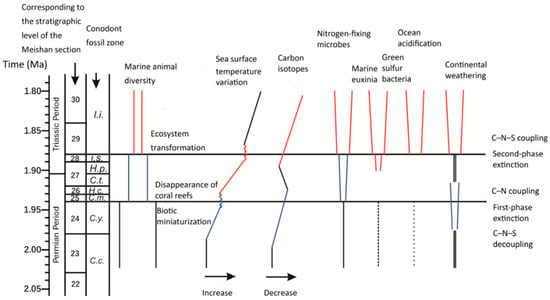
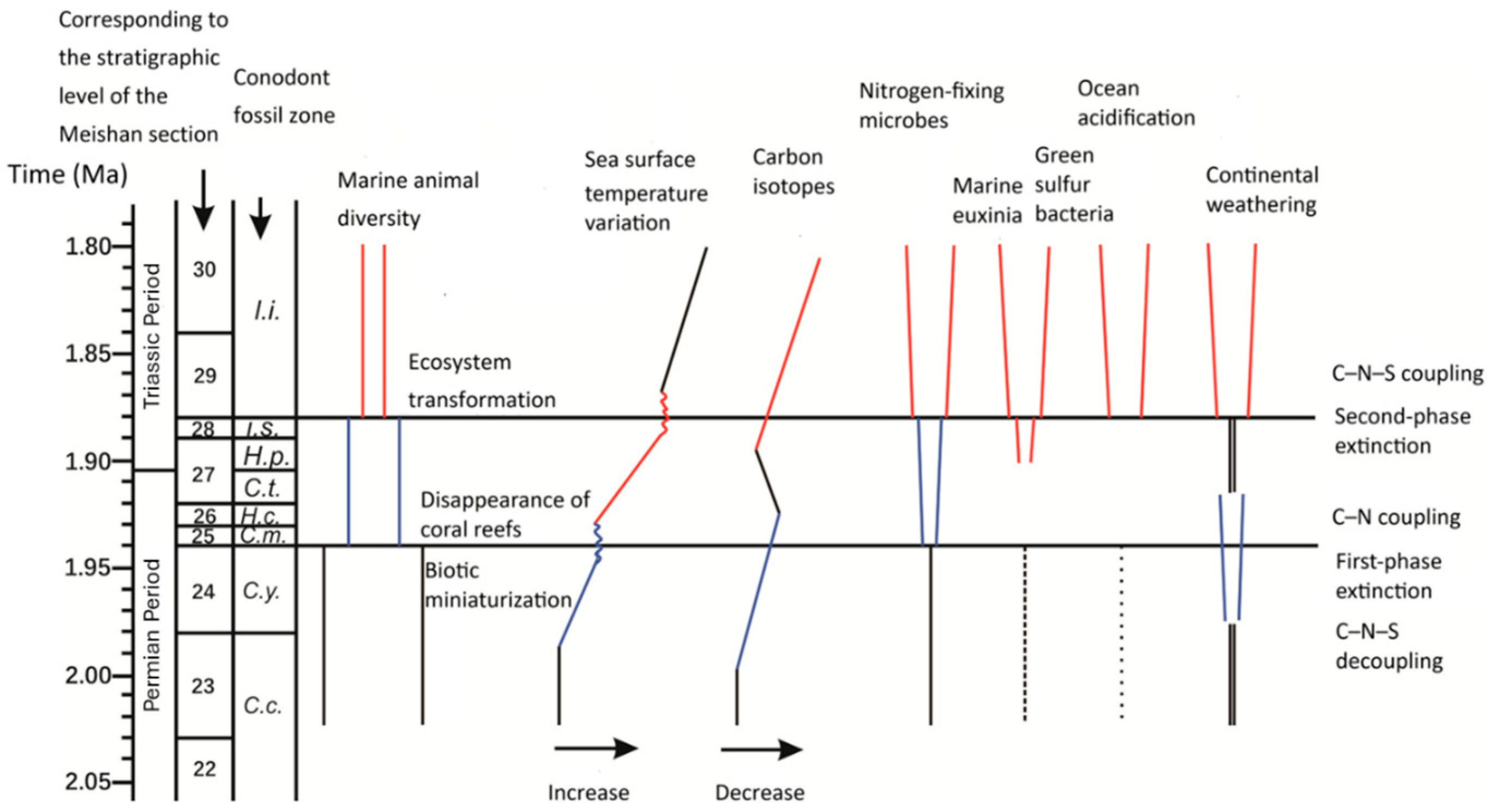
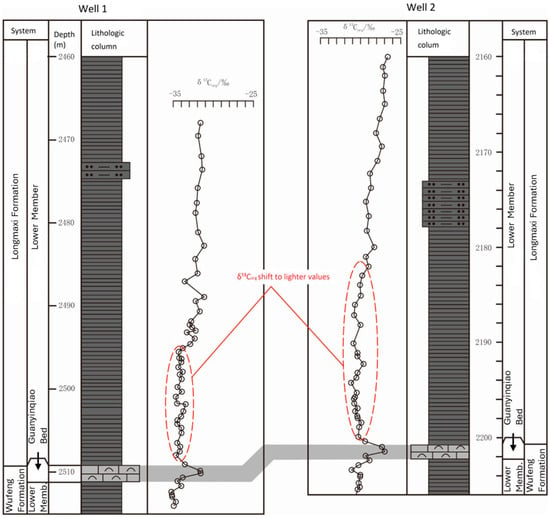
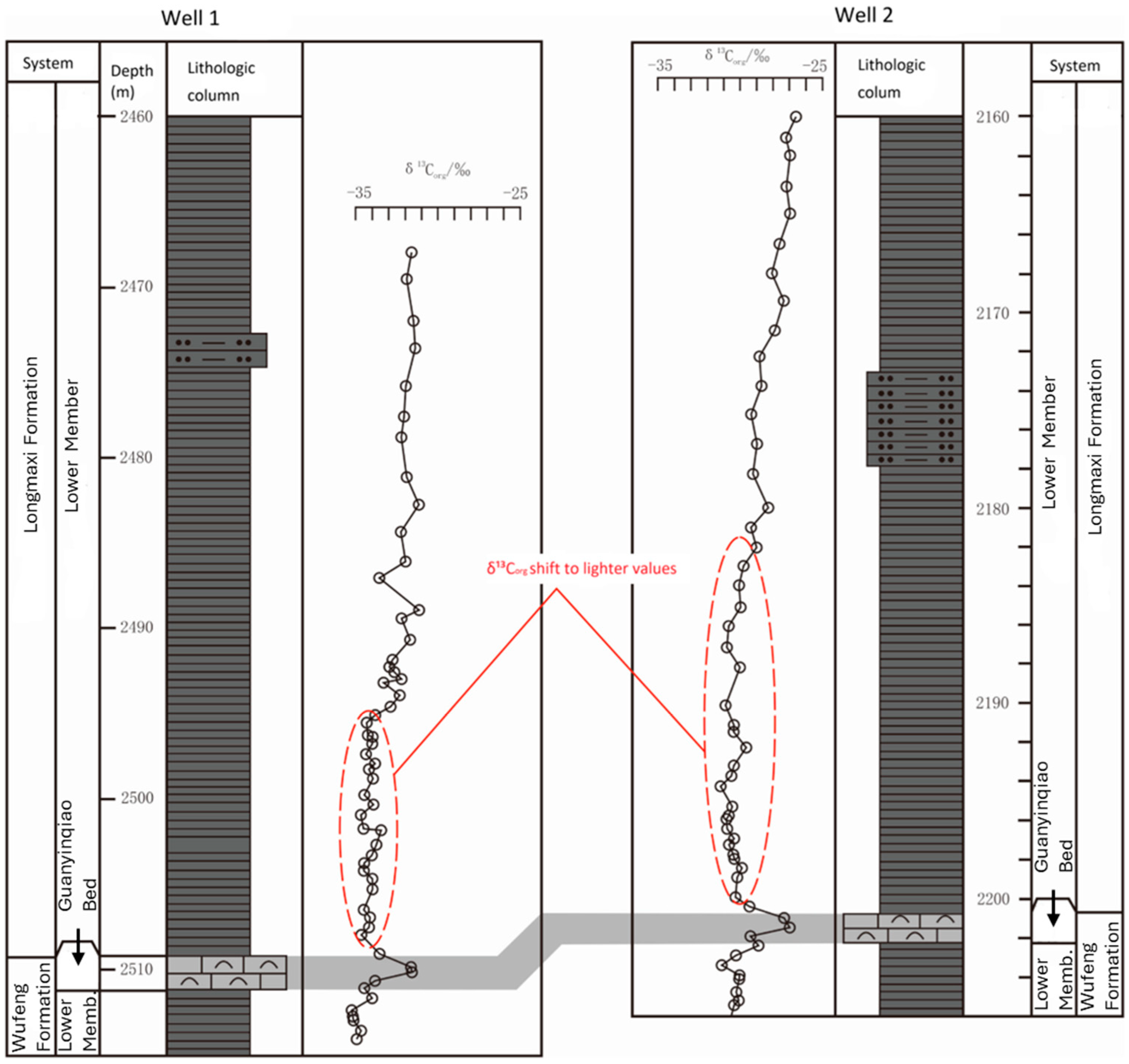
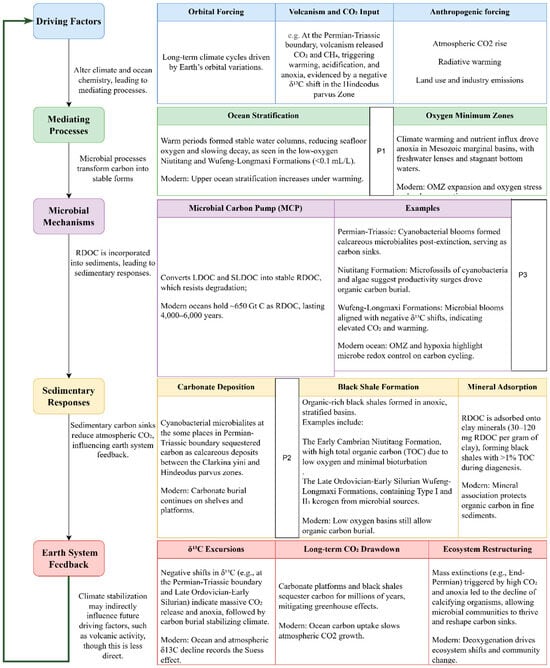
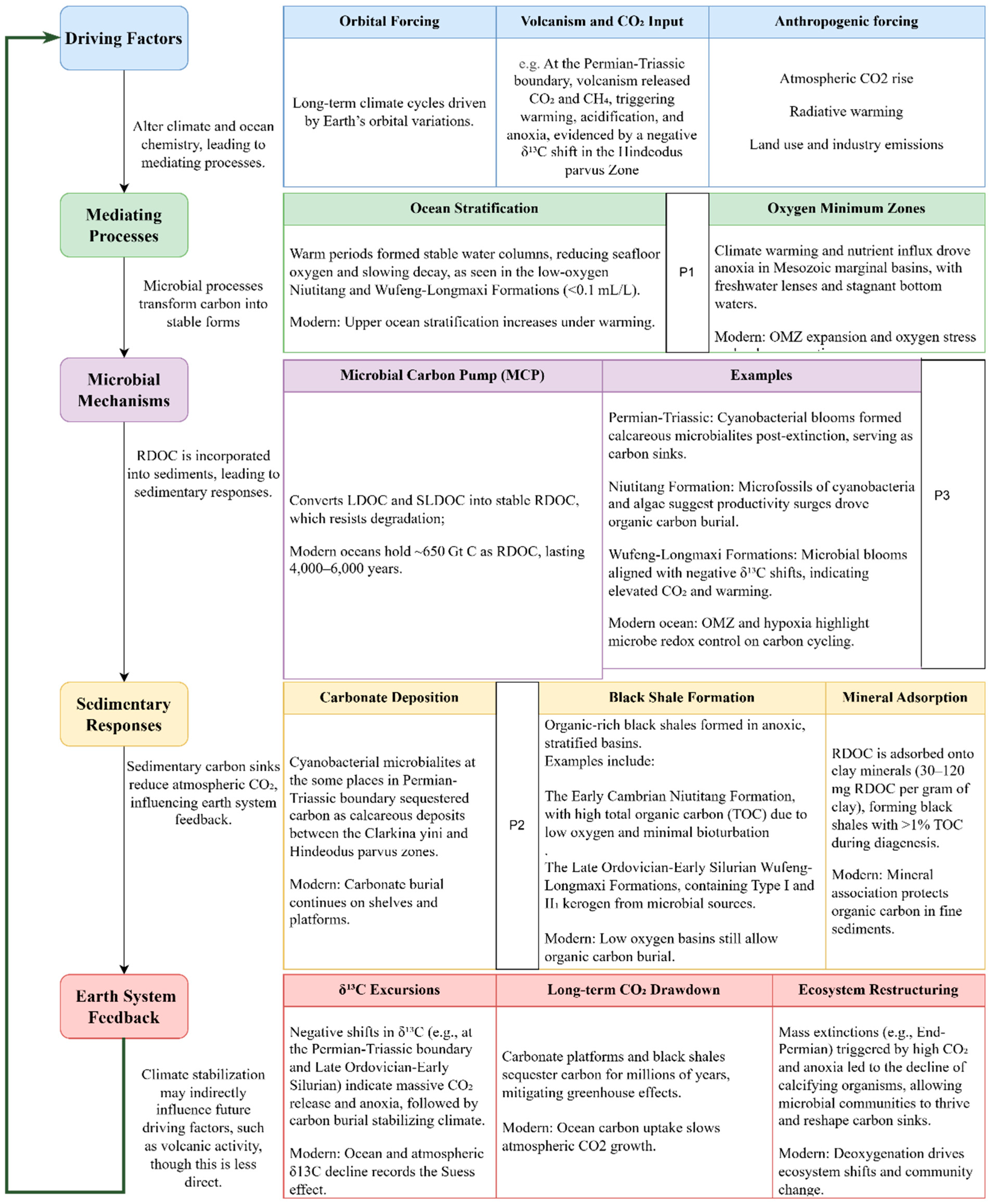
Disclaimer/Publisher’s Note: The statements, opinions and data contained in all publications are solely those of the individual author(s) and contributor(s) and not of MDPI and/or the editor(s). MDPI and/or the editor(s) disclaim responsibility for any injury to people or property resulting from any ideas, methods, instructions or products referred to in the content. |
© 2026 by the authors. Licensee MDPI, Basel, Switzerland. This article is an open access article distributed under the terms and conditions of the Creative Commons Attribution (CC BY) license.