


Abstract
Secondary raw materials (SRM) such as phosphogypsum, pyritic mining wastes, and metallurgical slags constitute increasingly important alternative sources of critical raw materials within circular economy strategies. However, these materials commonly exhibit strong compositional heterogeneity at micro- to millimeter scales, making their characterization challenging using conventional bulk analytical approaches. This study presents a multivariate n-dimensional synthetic µ-XRF fluorescence mapping workflow for the automated characterization and classification of heterogeneous secondary resources. High-resolution µ-EDXRF elemental maps were integrated into multidimensional feature spaces combining elemental intensities, spatial relationships, and statistical descriptors. Unsupervised machine learning approaches, including hierarchical clustering, K-means and Gaussian mixture models (GMM), were applied to identify compositional domains and reconstruct synthetic fluorescence maps representing statistically coherent elemental associations. Case studies involving phosphogypsum and slag resulting from pyrite roasting demonstrate the capability of the proposed workflow to distinguish complex mineralogical textures, identify elemental associations related to critical raw materials, and detect environmentally relevant compositional domains. The developed methodology provides a non-destructive and transferable computational framework for advanced secondary resource characterization and process-oriented evaluation of complex waste-derived materials.
1. Introduction
The increasing global demand for critical raw materials (CRMs), combined with the progressive depletion of high-grade primary deposits and the implementation of circular economy strategies, has intensified interest in secondary raw materials as alternative sources of economically valuable elements [1,2,3,4]. Secondary resources from distinct industrial activities such as phosphogypsum, mining wastes, pymetallurgical slags, and tailings frequently contain significant concentrations of critical elements, including rare earth elements (REEs), Sc, Co, V, Sb, In, Ga, Ge, Nb, Ta, W, and Li, together with other technologically relevant metals [5,6,7,8]. Simultaneously, these materials may also contain environmentally hazardous constituents, including As, Pb, Cd, Hg, U, and radionuclides, requiring detailed characterization to support safe reuse, resource recovery, and environmental management strategies [9,10,11,12].
A major challenge in the characterization of secondary resources derives from their strong compositional heterogeneity across multiple spatial scales. Conventional bulk analytical techniques such as ICP-OES, ICP-MS, and bulk XRF provide average elemental concentrations but fail to adequately capture spatially resolved compositional variability and complex mineral associations. In heterogeneous waste-derived materials, critical information regarding mineral liberation, encapsulation, weathering processes, secondary precipitation, and contaminant partitioning is frequently controlled by micro-scale elemental distributions and inter-element relationships.
Advanced spectroscopic and microscopic techniques such as SEM-EDS, LIBS, Raman spectroscopy, QEMSCAN, and micro-energy dispersive X-ray fluorescence (µ-EDXRF) have significantly improved the capability to investigate heterogeneous SRM material systems [13,14,15,16]. Among these techniques, µ-EDXRF presents several important advantages, including non-destructive analysis, minimal sample preparation, multi-element detection capability, and high spatial resolution for large-area elemental mapping [17,18,19,20]. Recent advances in detector technology, acquisition speed, spectral deconvolution, and quantitative spatial modeling and mapping procedures have enabled the acquisition of large multielement fluorescence datasets with micrometric spatial resolution, considerably expanding the applicability of µ-XRF imaging for mineralogical and geochemical characterization [18,19,20].
Despite these advances, interpretation of high-dimensional µ-XRF datasets remains a major analytical challenge. Conventional approaches commonly rely on independent visualization of isolated elemental maps or simplified RGB overlays combining a limited number of elemental channels. Although these approaches may provide useful qualitative information, they frequently fail to adequately represent the multidimensional compositional complexity of heterogeneous secondary raw materials characterized by overlapping chemical and/or mineralogical associations, diffuse geochemical boundaries, and mixed compositional domains [21]. In many cases, complex inter-element relationships and transitional compositional regions cannot be reliably interpreted through conventional univariate visualization alone.
In recent years, multivariate statistical methods and machine learning approaches have increasingly been applied to hyperspectral, geochemical, and mineralogical imaging datasets [22,23,24]. Principal component analysis (PCA), hierarchical clustering, k-means clustering, self-organizing maps, and Gaussian mixture models (GMM) have demonstrated considerable potential for automated classification and segmentation of mineralogical and geochemical domains. Similarly, digital mineralogy platforms such as QEMSCAN and automated mineralogical mapping approaches have highlighted the importance of computational workflows for quantitative characterization of complex mineral systems [25,26,27,28]. Recent advances in µ-XRF imaging have demonstrated the capability of high-resolution elemental mapping to resolve complex compositional heterogeneity and spatial elemental associations in heterogeneous materials, highlighting the increasing importance of image-based analytical workflows for advanced mineralogical and geochemical characterization [29,30]. Nevertheless, applications integrating spatially resolved µ-XRF datasets into synthetic multidimensional compositional spaces for computational domain modelling remain comparatively limited, particularly for heterogeneous secondary raw materials.
Previous work demonstrated that µ-EDXRF combined with multivariate statistical analysis can successfully identify spatial heterogeneity and elemental associations controlling REE distribution within phosphogypsum matrices [31]. Building upon these findings, the present study extends the methodology from elemental pattern recognition to probabilistic compositional domain modelling through the integration of multivariate clustering, Gaussian Mixture Modelling (GMM), multidimensional compositional mapping, spatial autocorrelation metrics and connectivity analyses. The resulting framework provides an objective and statistically robust characterisation of heterogeneous materials, enabling the delineation of chemically coherent domains together with their spatial continuity, uncertainty and compositional relationships.
In the proposed approach, each spatial location of the µ-XRF dataset is treated as a multidimensional compositional descriptor integrating simultaneously resolved elemental fluorescence responses. Rather than analysing elemental maps independently, the workflow reconstructs synthetic multivariate compositional spaces that preserve both chemical and spatial relationships within the investigated materials. Each pixel is represented as an n-dimensional compositional vector associated with a given spatial location where each variable corresponds to the normalized fluorescence intensity of a specific chemical element.
This multidimensional spectral–spatial representation enables computational mapping of statistically coherent compositional domains. Consequently, the proposed methodology extends beyond conventional elemental overlays by integrating multielement fluorescence datasets into synthetic n-dimensional compositional spaces which can be inclusively potentially suitable for future advanced computational mineral characterization.
The proposed workflow considers unsupervised multivariate approaches, including hierarchical clustering, K-means and probabilistic Gaussian mixture modelling, which are employed to reconstruct statistically coherent compositional domains and identify chemical heterogeneity beyond conventional elemental visualization. It is demonstrated using case studies involving phosphogypsum and slag samples. The main objectives are: (i) to develop a transferable computational framework for synthetic multivariate fluorescence mapping; (ii) to reconstruct probabilistic compositional domains from high-dimensional µ-XRF datasets; (iii) to enhance the automated identification and spatial characterization of geochemical heterogeneity in secondary raw materials; and (iv) to support compositional characterization, resource recovery assessment, and environmental evaluation of complex waste materials.
2. Materials and Methods
2.1. Secondary Raw Materials
For better diversification of results, two types of distinct examples of SRM from distinct industrial activities were considered for synthetic multivariate µ-EDXRF domain mapping: a phosphogypsum sample, and a slag sample. Phosphogypsum is a waste associated with fertilizer production industry and a product that results from phosphate rock processing for phosphoric acid production. The sample was collected in an old stockpile of the historical chemical plant and phosphogypsum facility “Zakłady Chemiczne Wizów” located in Lower Silesia, Poland. The slag sample considered in this study was collected in an old waste dump of the São Domingos mine, located in the Iberian Pyrite Belt. It results from pyrite roasting activities to produce sulphuric acid in the past century (decades of 50 and 60). This metallurgical process was included in the mining production cycle and presently these slags are classified as mining waste, being part of the environmental mining legacy of the São Domingos mine.
Composite waste samples were collected from its respective stockpiles. Samples were homogenized, disaggregated, and quartered, following the usual and appropriate procedures for preparation of granular samples. Granulometry dimensions were reduced using a laboratory jaw crusher (POWTEQ Laboratory Desktop Jaw Crusher, MSE Supplies®, Tucson, AZ, USA), and an agate ball mill (LabZee, Laramie, WY, USA). Samples were pulverized in the ball mill, and the resulting powder was stored in plastic containers properly identified. Materials were pressed into compacted pellets for measuring purposes. Before pressing, the pressing tool was carefully cleaned and covered with film to prevent subsequent sticking and contamination of the pellet from the hardened steel (mainly Cr, and Fe). Continuous increasing direct pressing from 0 to 4.9 × 10⁵ Pa (≅5 kgf/cm2) was applied to prevent major cracks in the pressed pellet. Pressed pellets of both samples were considered for µ-EDXRF map surveys and interpretations.
In Figure 1a it is possible to observe that the phosphogypsum sample consists of a fine-grained, loose powder displaying a homogeneous white to very pale grey colour. The material is predominantly composed of silt- to fine sand-sized particles with occasional millimetre-scale agglomerates produced by particle aggregation during storage or handling. No preferential orientation or sedimentary structures are evident at the macroscopic scale, and the overall appearance suggests a relatively uniform bulk composition. The pellet prepared from the powdered material exhibits a smooth, compact surface with only sparse dark inclusions and minor isolated pores. The matrix appears highly homogeneous at the millimetre scale, reflecting the fine particle size distribution and effective compaction during pellet preparation. This macroscopic uniformity is consistent with the nearly continuous elemental distributions observed in the major constituents, particularly Ca and S, whereas the rare earth elements occur as finely disseminated, discrete particles distributed throughout the matrix.
Figure 1.
Representative macroscopic samples and corresponding µ-EDXRF mapping areas of two industrial secondary resources: (a) phosphogypsum generated during phosphoric acid production and (b) pyrite-roasting slag from historical sulphuric acid production. The upper panels show the bulk sample morphology and the area selected for elemental mapping, while the lower panels present representative elemental distribution maps highlighting some of the principal chemical constituents and trace-element heterogeneity within each material.
Phosphogypsum materials are chemically and mineralogically heterogeneous residues generated during phosphoric acid production from both sedimentary and igneous phosphate ores. Their composition is primarily dominated by calcium sulphate phases but commonly includes variable concentrations of Sr, REEs, Fe, Ti, P, F, radionuclides, and trace metals inherited from the original phosphate rock and modified during phosphoric acid production. Previous studies have demonstrated that elemental distributions within phosphogypsum are strongly influenced by ore provenance, processing technology, impurity partitioning behaviour, recrystallization processes, and post-depositional weathering, resulting in complex spatial heterogeneity and the formation of compositionally distinct microdomains [32,33,34,35]. For the PG sample, maps at micrometric scale were obtained for chemical elements Al, Ba, Ca, Ce, Cr. Cu. Fe, K, La, Mn, Nb. Nd, Ni, P, Pb, S, Sr, Ti, Y, Zn, and Zr. Representative micro-EDXRF spectrum highlighting the rare earth element (REE) peaks for the case of phosphogypsum sample is presented in Figure 2. REE K-lines occur in a relatively interference-free high-energy region (≈31–40 keV), enabling reliable identification and quantification in phosphogypsum. Although both L- and K-lines of REEs are visible in the spectrum, elemental mapping and quantitative interpretation were performed using the REE K-lines which provide superior spectral resolution and substantially lower matrix interferences than the corresponding L-lines.
Figure 2.
Representative micro-EDXRF spectrum highlighting the rare earth element (REE) peaks for the case of phosphogypsum sample.
Figure 1 also presents the slag sample considered in this study, characterised by an irregular, coarse hand specimen displaying a dark grey to bluish-grey colour with abundant vesicular cavities and highly angular fracture surfaces. The sample possesses a rough, heterogeneous texture and locally exhibits metallic lustre associated with residual sulphide or iron oxide phases. The porous texture and irregular morphology reflect its pyrometallurgical origin and rapid cooling during historical roasting operations. The corresponding polished pellet reveals a comparatively homogeneous surface at the millimetre scale, although small metallic particles, darker domains and isolated inclusions remain visible throughout the compacted matrix. Compared with phosphogypsum, the slag pellet displays greater textural variability resulting from the wider mineralogical diversity and the presence of refractory silicate, iron oxide and sulphide phases. This intrinsic heterogeneity is reflected by the more variable elemental distributions observed in the µ-EDXRF maps, particularly for Fe, Cu and Zn, which occur as discrete enriched domains superimposed on the iron-rich matrix.
The slags from IPB are typically characterized by complex mineral assemblages comprising Fe oxides, residual sulphides, silicate phases, sulphates, and secondary weathering products formed during long-term oxidation and acid mine drainage processes. These materials commonly exhibit significant enrichments in environmentally relevant trace elements and metalloids, including As, Pb, Zn, Cu, Sb, Cd, and other potentially toxic elements inherited from the original volcanogenic massive sulphide deposits and subsequently redistributed during metallurgical processing and weathering reactions. Such complex mineralogical and geochemical heterogeneity strongly influences contaminant mobility, environmental risk, and the behaviour of secondary resources during remediation and valorisation processes [36,37,38]. For the investigates slag sample, micrometric maps were obtained for the chemical elements Al, Ca, Cu, Fe, K, Mn, Pb, S, Si, Ti, Zn, and Zr.
2.2. µ-EDXRF Elemental Mapping
The micro-X-ray fluorescence technique was applied by means of the energy dispersive X-ray spectrometer M4 TORNADO by Bruker (Berlin, Germany). This instrument consists of a low-power X-ray tube with a Rh anode and was operated at 50 kV and 300 µA. Placed after the X-ray tube, a poly-capillary lens focuses the beam to a spot size that can go down to 25 μm for the energy of Mo-Kα. This way, by selecting an area in the sample, point-by-point measurements are performed to identify the existing elements, and elemental 2D images surveys are generated. Detection of fluorescence radiation was performed by an XFlash® energy-dispersive silicon drift detector (SDD) fitted with a beryllium (Be) entrance window, which enables elemental quantification over the range Na (Z = 11) to U (Z = 92) [39]. Measurements were conducted under 20 mbar vacuum conditions to improve sensitivity for low atomic number elements and improve detection limits. Mappings were acquired with a step size of 15 μm and 10 ms/pixel acquisition per spectrum rendering, in an average of one hour and thirty minutes to ensure high resolution 2D maps.
Spectra deconvolution of micro-2D mapping was performed using the inbuilt software MQuant MQuant®. The M4 TORNADO by Bruker (Berlin, Germany) generates RGB elemental maps where intensity colours are assigned to each element based on its X-ray fluorescence intensity at each pixel. The detection software of M4Tornado assigns colour gradients proportional to fluorescence intensity, enhancing contrast for visualization. Final outputs of micro-2D maps, including the definition of each element colour, were defined with M4Tornado software. Elemental distributions were mapped for major, minor, and trace elements relevant to mineralogical interpretation and secondary resource evaluation.
2.3. Data Preprocessing
Elemental fluorescence maps generated by the µ-EDXRF analyses were exported as aligned raster datasets and subsequently pre-processed prior to multivariate spatial analysis. Original mapped regions were manually and computationally filtered to exclude non-sample areas, acquisition artefacts, edge effects, sparse-pixel regions, and low-information background zones that could introduce bias into the multivariate compositional mapping workflow.
The preprocessing stage was designed to preserve spatial coherence while standardizing fluorescence responses between elemental channels. The workflow was implemented through a modular computational interface allowing user-defined selection of:
- −
- mapped regions;
- −
- elemental channels;
- −
- fluorescence intensity thresholds;
- −
- classification parameters;
- −
- and spatial modelling and mapping options.
Input datasets could be processed directly from uploaded image collections, compressed archives, or cloud-based storage environments. Pre-processing output included:
- 1.
- luminance-normalized elemental maps;
- 2.
- probabilistic occurrence maps and related multielement spatial coordinate tables (X,Y);
- 3.
- binary occurrence maps per element generated from user-defined thresholds;
- 4.
- binary occurrence maps per element generated using Tukey inner-fence statistical classification.
Prior to multivariate spatial modelling, fluorescence intensities were standardized through colour intensity normalization and image scaling procedures to reduce inter-element variability associated with detector response and acquisition conditions. Elemental maps were subsequently converted into normalized grayscale luminance distributions suitable for quantitative multivariate processing.
Two complementary thresholding strategies were implemented to support spatial occurrence mapping. The first approach employed user-defined elemental thresholds for generation of binary occurrence maps, allowing selective extraction of elemental enrichments associated with specific mineralogical or geochemical features. The second approach employed automated statistical thresholding based on Tukey inner-fence classification [31], enabling adaptive segmentation according to elemental distribution behaviour.
According to its statistical luminance distribution profile, each elemental channel could be classified as:
- −
- “localised”, using a threshold defined as ;
- −
- “generalised”, using ;
- −
- “overgeneralised”, using the median distribution threshold ;
- −
- and “partially generalised”, using .
where , , and correspond to the first quartile, median, and third quartile luminance distributions, respectively, and IQRrepresents the interquartile range.
These procedures enabled adaptive classification of elemental occurrence patterns according to their spatial distribution behaviour, allowing discrimination between localized enrichments, diffuse compositional distributions, and transitional geochemical domains.
Binary occurrence maps generated from both thresholding approaches were subsequently integrated into multi-element co-occurrence maps used for synthetic domain mapping and multivariate spatial analysis.
2.4. Synthetic Multivariate Domain Mapping Workflow
The proposed computational workflow integrates multivariate statistics, unsupervised machine learning, spatial analysis, and probabilistic domain modelling procedures to identify synthetic compositional domains from high-dimensional µ-XRF datasets.
Rather than treating elemental maps independently, the workflow considers each spatial location as a multidimensional compositional descriptor integrating simultaneously resolved fluorescence responses from multiple elemental channels. Each pixel of the µ-XRF dataset was therefore represented as an n-dimensional compositional vector:
where represents the compositional descriptor associated with pixel , and each variable corresponds to the normalized fluorescence intensity of a specific elemental channel.
This approach transforms spatially resolved multielement fluorescence datasets into multidimensional spectral–spatial feature spaces suitable for advanced compositional characterization and probabilistic domain modelling. The resulting synthetic compositional spaces preserve both geochemical relationships and spatial organization, enabling automated identification of statistically coherent compositional domains and spatial patterns of geochemical heterogeneity.
The computational workflow was structured into the following sequential analytical stages:
- 1.
- Luminance and Spatial Domain Identification—normalized luminance maps were first generated for all elemental channels. Full spatial coordinate tables (X,Y) were subsequently generated to preserve spatial relationships between elemental responses and permit pixel-wise multivariate analysis.
- 2.
- Binary Occurrence Mapping—elemental occurrence maps were generated using both user-defined thresholds and automated Tukey inner-fence statistical classification. These procedures enabled extraction of localized enrichments, generalized distributions, and diffuse compositional structures associated with distinct geochemical behaviours.
- 3.
- Multi-Element Co-Occurrence Mapping—binary occurrence maps from both classification approaches were integrated into synthetic multi-element co-occurrence maps representing statistically associated elemental distributions. These maps enabled visualization of spatial relationships between elemental enrichments and facilitated identification of compositional assemblages.
- 4.
- Spatial Clustering and Domain Segmentation—prior to multivariate analysis, the elemental fluorescence datasets were transformed into a standardized multidimensional compositional matrix in which rows corresponded to spatial pixels and columns represented normalized elemental variables. To minimize analytical bias associated with differences in elemental intensity ranges and variance structures, all variables were standardized using z-score normalization. The resulting standardized matrix () provided the basis for subsequent clustering and probabilistic modelling procedures. Hierarchical clustering, k-means clustering, and self-organizing multivariate classification approaches were employed to identify statistically coherent compositional groupings within the multidimensional feature space. These procedures enabled automated segmentation of heterogeneous mineralogical domains and transitional compositional regions.
- 5.
- Probabilistic Domain Modelling—Gaussian mixture models (GMM) were subsequently applied to reconstruct probabilistic compositional domains and estimate spatial membership probabilities for each pixel location. Unlike deterministic clustering approaches, GMM enabled identification of mixed-domain regions and diffuse compositional transitions commonly observed in heterogeneous secondary raw materials. The optimal number of Gaussian components was determined using the Bayesian Information Criterion (BIC), which balances model likelihood and complexity, minimizing overfitting while preserving statistically coherent compositional domains.
The probability density function of each compositional domain was expressed as:
where
- −
- represents the mixture weight of domain k;
- −
- corresponds to the centroid vector;
- −
- represents the covariance matrix;
- −
- and denotes the number of identified compositional domains.
Spatial domain probability maps were subsequently generated to evaluate compositional uncertainty, domain continuity, and transitional geochemical interfaces.
- 6.
- Synthetic Multivariate Domain Mapping—the final stage consisted of synthetic mapping of multivariate fluorescence domains through integration of:
- −
- elemental luminance distributions;
- −
- occurrence probability maps;
- −
- co-occurrence relationships;
- −
- clustering outputs;
- −
- and probabilistic spatial memberships.
Synthetic multivariate fluorescence maps were generated by integrating multiple elemental distributions and probabilistic domain assignments into composite multidimensional representations. RGB synthesis and multidimensional projections enabled visualization of statistically coherent compositional domains beyond conventional univariate elemental overlays.
Spatial continuity and compositional connectivity were evaluated through local spatial statistics and domain adjacency analysis. Moran’s I and neighbourhood relationships were used to assess spatial coherence of modelled compositional domains. Moran’s I was calculated independently for each GMM-derived compositional domain using binary spatial masks representing the presence or absence of each domain. This enabled evaluation of the spatial continuity, clustering tendency, and coherence of each modelled chemical association. High positive Moran’s I values indicate that pixels belonging to the same compositional domain are spatially clustered, whereas low or non-significant values indicate weaker spatial organization or more dispersed domain occurrence.
This process enabled generation of synthetic multidimensional compositional maps representing statistically coherent chemical domains beyond conventional elemental overlays. The resulting workflow therefore provides a transferable computational framework for advanced characterization of heterogeneous secondary raw materials and digital compositional mapping. Figure 3 presents the developed integrated workflow for transforming high-resolution micro-EDXRF (μ-EDXRF) elemental maps into synthetic multivariate compositional domain maps through statistical occurrence mapping, multivariate clustering, probabilistic modelling, and spatial analysis. The workflow enables the identification and characterization of statistically coherent compositional domains and spatial patterns of geochemical heterogeneity in complex secondary raw materials and geomaterials.
Figure 3.
Synthetic Multivariate μ-EDXRF Domain Mapping Workflow.
3. Results and Discussion
3.1. Multiscale µ-EDXRF Mapping of Geochemical Heterogeneity in Secondary Resources
The investigated secondary resources exhibited pronounced compositional heterogeneity across multiple spatial scales that are consistent with the expected geochemical and textural complexity of both phosphogypsum and pyrometallurgical-derived residues. High-resolution µ-EDXRF mapping revealed strong spatial variability in elemental distributions, together with marked contrasts in particle morphology, granularity, and microstructural organisation. The occurrence of discrete compositional microdomains, diffuse geochemical gradients, and heterogeneous trace-element enrichment patterns demonstrates the intrinsic complexity of these secondary materials.
In the PG sample (Figure 4), the elemental maps were dominated by Ca and S, confirming the prevalence of a sulphate-rich gypsum matrix. Texturally, the PG material exhibited a relatively fine-grained and homogeneous matrix with low macroscopic roughness and limited particle-size contrast, consistent with the precipitation-controlled formation of gypsum during phosphoric acid production. Nevertheless, µ-EDXRF mapping revealed the presence of dispersed micron-scale heterogeneities embedded within the dominant sulphate matrix. REEs such as Ce and Nd displayed highly localized enrichments characterized by fine granular accumulations and isolated compositional clusters distributed throughout the sample. These enrichments likely correspond to REE-bearing accessory phases, residual phosphate particles, or micro-precipitates incorporated during industrial processing. The relatively diffuse and rounded morphology of several enriched domains suggests partial redistribution or encapsulation within the gypsum matrix during recrystallization and storage. The occurrence-based Tukey binarization effectively isolated statistically significant elemental enrichments from the diffuse background signal, allowing clearer identification of localized REE accumulations. Subsequent multi-element co-occurrence analysis demonstrated that several REEs exhibit partially overlapping spatial distributions, suggesting compositional associations and common geochemical partitioning mechanisms. The synthetic multivariate µ-EDXRF domain map further revealed the coexistence of multiple compositional domains associated with Ca-rich sulphates, REE-enriched microdomains, mixed La–Ce–Nd assemblages, and localized trace-metal accumulations. These results highlight the strong internal heterogeneity of PG materials despite their macroscopically homogeneous appearance.
Figure 4.
Multiscale µ-EDXRF mapping and synthetic compositional domain analysis of a Phosphogypsum sample.
Figure 4 presents high-resolution µ-EDXRF mapping workflow applied to the PG sample, illustrating the progressive transformation of elemental information into synthetic multivariate compositional domains. The upper panel presents the original sample together with elemental distribution maps for Ca, S, Ce, and Nd, highlighting the dominance of the sulphate-rich gypsum matrix and the localized distribution of REE-enriched microdomains. The lower panel shows the statistical occurrence mapping workflow, including luminance normalization, elemental probability-of-occurrence maps, and Tukey binarization used to isolate statistically significant elemental enrichments. Multi-element co-occurrence mapping reveals spatial associations among REEs and trace elements, while the synthetic multivariate µ-EDXRF domain map identifies distinct probabilistic compositional domains generated through multivariate clustering and Gaussian mixture modelling (GMM). The resulting domains reflect heterogeneous associations between Ca-rich sulphates, REE-bearing phases, mixed La–Ce–Nd assemblages, and localized trace-metal accumulations within the fine-grained PG matrix.
The slag sample (Figure 5) exhibited a markedly different textural and compositional organization, dominated by coarse heterogeneous domains associated with pyrometallurgical processes and subsequent weathering. In contrast to PG, the slag displayed a much more irregular and granular microstructure, characterized by variable particle sizes, angular mineral fragments, vesicular textures, and heterogeneous matrix density. Fe-rich domains formed the dominant compositional background and were spatially associated with oxidized sulphide phases and secondary alteration products. The elemental distributions of Fe and S revealed heterogeneous sulphide and oxidized regions, whereas Cu and Zn occurred predominantly as localized enrichments associated with discrete mineral grains, fracture-controlled accumulations, or secondary precipitates. Several enriched domains displayed sharp compositional boundaries, suggesting incomplete melting, phase segregation, or secondary mineral precipitation during cooling and weathering. The probability-of-occurrence maps demonstrated that Cu and Zn are concentrated within isolated hotspots rather than uniformly distributed throughout the matrix. Binary Tukey maps further emphasized the spatial segregation of these enriched zones, enabling improved discrimination between background material and high-concentration mineralized domains. Multi-element co-occurrence mapping revealed complex associations among Fe, S, Cu, and Zn, reflecting the coexistence of oxidized sulphides, secondary Fe oxyhydroxides, and trace-metal-bearing phases generated during metallurgical processing and post-depositional alteration. The resulting synthetic multivariate domain map identified distinct compositional clusters corresponding to Fe-rich matrices, Zn-enriched domains, Cu-bearing microphases, Pb–S–Fe associations, and aluminosilicate-rich regions, illustrating the high geochemical complexity and mineralogical diversity of the slag material.
Figure 5.
Multiscale µ-EDXRF mapping and synthetic compositional domain analysis of a slag sample.
Figure 5 contains the integrated µ-EDXRF mapping workflow applied to the slag sample, demonstrating the spatial characterization of complex metallurgical and weathering-derived compositional domains. The upper panel presents the original sample together with elemental maps for Fe, S, Cu, and Zn, revealing the heterogeneous distribution of Fe-rich matrices, sulphidic phases, and localized trace-metal enrichments. The lower panel illustrates the statistical occurrence analysis, including elemental probability-of-occurrence maps and Tukey binarization used to discriminate significant elemental hotspots from the heterogeneous background matrix. Multi-element co-occurrence mapping highlights spatial relationships among Fe, S, Cu, and Zn associated with oxidized sulphides, secondary Fe oxyhydroxides, and trace-metal-bearing mineral phases. The synthetic multivariate µ-EDXRF domain map identifies distinct compositional clusters generated through probabilistic multivariate modelling, including Fe-rich domains, Zn-enriched microphases, Cu-bearing mineralized zones, Pb–S–Fe associations, and aluminosilicate-rich regions. The maps further illustrate the coarse granular texture, irregular particle morphology, and strong geochemical heterogeneity characteristic of pyrometallurgical slag materials.
Overall, conventional elemental overlays alone provided limited capability for resolving overlapping compositional domains due to the complexity of elemental interactions, mixed compositional assemblages, and diffuse geochemical transitions. The integration of statistical occurrence mapping, multi-element co-occurrence analysis, and multivariate probabilistic domain modelling substantially improved the discrimination of compositional microdomains and enabled a more robust interpretation of spatial geochemical heterogeneity, compositional associations, and textural organization within both phosphogypsum and slag materials.
3.2. Multivariate Clustering and Probabilistic Synthetic Domain Mapping
Multivariate clustering and probabilistic modelling enabled the identification of statistically coherent compositional domains within both phosphogypsum and slag samples. Initial unsupervised classification using hierarchical clustering and K-means segmentation revealed distinct compositional groupings associated with different mineralogical and geochemical assemblages. These clusters reflected spatial variations in elemental associations linked to sulphate matrices, Fe-rich phases, REE-bearing domains, silicate-rich components, and trace-metal accumulations. However, deterministic clustering approaches inherently generated sharp and discrete boundaries between classes, which did not adequately represent the gradual compositional transitions and mixed-domain interfaces commonly observed in heterogeneous secondary materials.
To address these limitations, Gaussian Mixture Modelling (GMM) was applied to introduce probabilistic classification into the spatial interpretation workflow. In contrast to deterministic clustering, GMM assigns each pixel a probability of belonging to multiple compositional groups, thereby enabling a more realistic representation of diffuse geochemical transitions, overlapping mineralogical assemblages, and partially mixed phases. This probabilistic approach proved particularly effective for weathered phosphogypsum matrices and oxidized waste materials, where secondary alteration processes frequently produce compositional gradients rather than discrete mineralogical boundaries.
Figure 6 illustrates the comparison between K-means clustering and GMM-based compositional grouping for the phosphogypsum sample. It demonstrates that probabilistic multivariate modelling improves the representation of heterogeneous phosphogypsum matrices by incorporating transitional compositional interfaces and mixed geochemical memberships that are not adequately captured by deterministic clustering alone. The average compositional signatures obtained from both approaches (Figure 6a,b) demonstrate that the major geochemical structure of the sample is consistently preserved, particularly for Ca-, S-, P-, and REE-associated domains. Nevertheless, the GMM groups exhibit smoother compositional distributions and reduced variability between adjacent domains, reflecting the probabilistic integration of mixed compositional memberships. The difference matrix (Figure 6c) highlights the principal variations between deterministic clusters and probabilistic groups, showing that the largest deviations occur mainly for Fe, Ni, Pb, Ti, Zr, La, and Sr. These differences indicate that GMM better accommodates transitional enrichments and diffuse trace-element associations that are difficult to capture using purely distance-based clustering approaches.
Figure 6.
Comparison between deterministic clustering and probabilistic GMM domain modelling for phosphogypsum µ-XRF data. (a) Average elemental composition of spatial clusters obtained using K-means clustering, showing the relative enrichment patterns of major, minor, and trace elements within each deterministic compositional cluster. (b) Average elemental composition of Gaussian Mixture Model (GMM) groups, illustrating smoother probabilistic compositional distributions and improved representation of mixed-domain memberships. (c) Difference matrix between K-means clusters and GMM groups, highlighting the principal compositional deviations between deterministic and probabilistic classifications. The largest differences are observed for Fe, Ni, Pb, Ti, Zr, La, and Sr, indicating enhanced sensitivity of GMM to transitional trace-element enrichments and diffuse compositional gradients. (d) Spatial map of deterministic pixel clusters generated using K-means segmentation. The resulting domains exhibit abrupt boundaries and strong pixel-scale fragmentation typical of hard clustering approaches. (e) Spatial map of probabilistic compositional groups generated using Gaussian Mixture Modelling. Compared with K-means clustering, the GMM-derived map exhibits greater spatial continuity, smoother compositional transitions, and improved representation of statistically coherent compositional domains, reflecting the heterogeneous geochemical organization of the investigated materials.
The spatial maps generated by K-means and GMM (Figure 6d,e) further demonstrate the advantages of probabilistic domain modelling. Although both methods identify similar large-scale compositional structures, the GMM-derived domain map exhibits greater spatial continuity and more realistic transitions between adjacent domains. Abrupt pixel-to-pixel variations observed in the deterministic clustering output are substantially reduced in the probabilistic representation, resulting in geologically and geochemically more coherent compositional domains. This behaviour is particularly relevant in fine-grained phosphogypsum matrices, where elemental dispersion, recrystallization processes, and secondary precipitation generate diffuse interfaces between compositional microdomains.
Overall, the synthetic multivariate µ-XRF domain maps identified statistically coherent geochemical regions corresponding to sulphate-rich matrices, Fe-rich oxidation domains, silicate-associated assemblages, REE-enriched microdomains, trace-metal accumulation zones, and transitional compositional interfaces probably related to secondary weathering and mineral alteration processes. These domains reflect the complex compositional heterogeneity of the investigated secondary raw materials and demonstrate the capability of probabilistic spatial modelling to delineate statistically representative spatial patterns from high-dimensional µ-XRF datasets. The proposed framework therefore provides an effective approach for compositional characterization, spatial statistical analysis, and potentially supports geochemically informed mineralogical interpretation if used in conjunction with complementary mineralogical techniques.
3.3. Synthetic Multidimensional µ-EDXRF Mapping and Spatial Domain Connectivity
Synthetic multidimensional fluorescence mapping enabled the integration of multiple elemental distributions into coherent compositional representations capable of capturing the intrinsic complexity of heterogeneous secondary resources. In contrast to conventional RGB overlays based on a limited number of isolated elemental maps, the proposed methodology integrates complete n-dimensional feature spaces combining elemental intensities, spatial co-occurrence relationships, multivariate clustering, probabilistic domain assignments, and spatial connectivity metrics. This integrated framework therefore provides a substantially more robust representation of compositional and geochemical heterogeneity than traditional elemental visualization approaches, enabling the identification of statistically coherent spatial domains from complex multielement µ-XRF datasets.
The resulting synthetic µ-EDXRF domain maps revealed complex spatial organizations that were not directly observable in individual elemental distributions. In the phosphogypsum sample (Figure 7), the multidimensional mapping approach identified several statistically coherent compositional domains associated with distinct REE-enriched compositional associations, sulphate-rich matrices, and trace-element-enriched microdomains. The spatial coherence analysis demonstrated consistently high Moran’s I values for all GMM domains (0.763–0.854), indicating strong positive spatial autocorrelation and providing independent evidence that the identified domains correspond to meaningful spatial compositional structures rather than random statistical groupings. The adjacency matrix and connectivity network further revealed strong interactions between specific compositional domains, particularly among REE-associated and sulphate-rich assemblages, suggesting progressive geochemical transitions and partial compositional overlap within the fine-grained PG matrix. The probabilistic confidence map additionally demonstrated that most pixels exhibit high GMM membership probabilities, indicating stable and internally coherent domain classification despite the strong compositional heterogeneity of the material.
Figure 7.
Synthetic multidimensional µ-EDXRF domain mapping and spatial connectivity analysis of phosphogypsum. Integrated probabilistic multidimensional mapping workflow applied to the phosphogypsum sample, illustrating the spatial organization, coherence, and connectivity of synthetic compositional domains derived from µ-EDXRF data. (a) Synthetic multivariate µ-EDXRF domain map generated using Gaussian Mixture Modelling (GMM), showing the spatial distribution of statistically coherent compositional domains associated with distinct elemental assemblages, including REE-enriched phases, sulphate-rich matrices, trace-metal accumulations, and mixed transitional domains. (b) Maximum probability map of GMM membership, representing the spatial confidence associated with probabilistic domain assignment. High probability values indicate stable and internally coherent compositional domains, whereas lower probabilities correspond to transitional interfaces and mixed geochemical regions. (c) Spatial coherence statistics for each GMM domain based on Moran’s I spatial autocorrelation analysis. All domains exhibit strong positive spatial autocorrelation (Moran’s I = 0.763–0.854; p = 0.001), confirming that the identified domains represent statistically meaningful geochemical structures rather than random spatial distributions. (d) Domain adjacency matrix showing the number of shared borders between compositional domains. Strong adjacency relationships indicate frequent spatial contact and progressive compositional transitions between specific geochemical assemblages. (e) Domain adjacency/connectivity network illustrating the spatial relationships and connectivity intensity between probabilistic compositional domains. Edge thickness is proportional to the number of shared boundaries between adjacent domains. The network highlights strong interactions among REE-associated, sulphate-rich, and mixed transitional domains within the fine-grained phosphogypsum matrix.
In the slag sample (Figure 8), the synthetic multidimensional mapping revealed a markedly different spatial organization characterized by coarse granular structures, isolated high-concentration mineralized domains, and heterogeneous metallurgical textures. The probabilistic domain mapping identified compositional regions associated with Fe-rich matrices, Pb–S–Fe assemblages, Zn-enriched domains, probable aluminosilicate-rich phases, and low-concentration background matrices containing Ti and Ca. In contrast to the phosphogypsum sample, the spatial coherence statistics indicated strong positive autocorrelation only for a subset of compositional domains, particularly the Al–K–Si-enriched domain and the low-concentration Ti–Ca background matrix. Several trace-metal-enriched domains exhibited weak Moran’s I values and near-random spatial structures, reflecting the highly fragmented and discontinuous distribution of metallurgical phases within the slag matrix. The adjacency matrices and connectivity networks further highlighted the strong compartmentalization of the slag material, with limited connectivity between several high-concentration domains. This behaviour reflects the combined effects of pyrometallurgical segregation, incomplete melting, secondary oxidation, and post-depositional weathering processes that generate abrupt compositional discontinuities and isolated trace-metal hotspots.
Figure 8.
Synthetic multidimensional µ-EDXRF domain mapping and spatial connectivity analysis of slag. Integrated probabilistic multidimensional mapping workflow applied to the slag sample, illustrating the spatial organization and connectivity of heterogeneous metallurgical and weathering-derived compositional domains. (a) Synthetic multivariate µ-EDXRF domain map generated using Gaussian Mixture Modelling (GMM), revealing coarse granular compositional structures associated with Fe-rich matrices, Pb–S–Fe assemblages, Zn-enriched domains, probable aluminosilicate-rich regions, and low-concentration background matrices containing Ti and Ca. (b) GMM spatial confidence map representing the maximum probability associated with probabilistic domain assignment. Most domains exhibit high classification confidence, although transitional regions surrounding mineralized phases display lower membership certainty due to diffuse compositional boundaries and heterogeneous textures. (c) Spatial coherence statistics based on Moran’s I spatial autocorrelation analysis. Strong positive spatial autocorrelation is observed for the Al–K–Si-enriched domain and the low-concentration Ti–Ca background matrix, whereas several trace-metal-enriched domains exhibit weak or near-random spatial structures. These results reflect the fragmented distribution of metallurgical phases and the strong compositional discontinuities characteristic of pyrometallurgical residues. (d) Domain adjacency matrix showing the spatial interaction intensity between compositional domains through the number of shared boundaries. The matrix reveals strong compartmentalization of the slag material, with limited connectivity between several trace-metal-rich domains. (e) Domain adjacency/connectivity network illustrating the spatial connectivity between compositional domains. The sparse network structure and uneven edge distribution indicate the presence of isolated mineralized domains and discontinuous geochemical interfaces associated with pyrometallurgical segregation, secondary oxidation, and weathering processes.
Overall, the multidimensional synthetic mapping framework enabled:
- −
- improved visualization of multidimensional compositional heterogeneity,
- −
- enhanced discrimination of overlapping compositional domains,
- −
- identification of statistically coherent spatial geochemical associations,
- −
- probabilistic characterization of transitional compositional interfaces,
- −
- automated detection of environmentally relevant trace-element enrichment zones,
- −
- improved interpretation of CRM-associated compositional patterns and elemental relationships,
- −
- and quantitative assessment of spatial coherence and domain connectivity.
The integration of multivariate compositional modelling, probabilistic classification, and spatial statistics therefore represents a substantial advancement beyond conventional elemental mapping methodologies commonly applied in secondary resource characterization. The proposed workflow provides a robust and scalable framework for the interpretation of complex µ-EDXRF datasets enabling improved compositional characterization, spatial analysis, environmental assessment, and resource-recovery evaluation of heterogeneous industrial residues and critical raw material-bearing secondary resources.
3.4. Implications for Secondary Resource Characterization
The proposed synthetic multivariate µ-EDXRF framework provides significant advances for the characterization, interpretation, and process-oriented evaluation of heterogeneous secondary resources. By integrating elemental distributions, spatial statistics, multivariate clustering, probabilistic domain modelling, and connectivity analyses into a unified computational workflow, the methodology enables a substantially more robust representation of geochemical heterogeneity than conventional elemental mapping approaches.
For phosphogypsum, the multidimensional domain mapping approach enabled the discrimination of statistically coherent compositional regions associated with REE enrichment, sulphate matrices, and trace-element partitioning. The identification of localized REE-bearing microdomains and transitional compositional interfaces provides important insights into the mechanisms controlling elemental incorporation, redistribution, and secondary alteration within industrial phosphate residues. Such spatially resolved information is highly relevant for the development of selective beneficiation strategies, targeted CRM recovery approaches, and optimized process design for phosphogypsum valorisation. In addition, the capability to identify contaminant-rich domains and their spatial relationships with major compositional phases may support more reliable environmental assessments and improved evaluation of reuse suitability for construction, agricultural, or rehabilitation applications.
For old slag resulting from pyrite roosting process developed in the past century, probabilistic domain modelling significantly improved the characterization of oxidation products, sulphide-derived weathering assemblages, and trace-metal-enriched phases. The methodology enabled the discrimination of heterogeneous metallurgical textures and environmentally relevant contaminant associations that are often difficult to resolve using conventional elemental overlays or bulk analytical techniques. The integration of spatial coherence statistics and domain connectivity analyses further provided quantitative information regarding the organization, fragmentation, and interaction of contaminant-bearing domains. These capabilities are particularly important for environmental risk assessment, prediction of contaminant mobility, identification of reactive hotspots, and the design of remediation or resource recovery strategies in complex residues.
More broadly, the developed framework constitutes a transferable computational workflow applicable to a wide range of heterogeneous geomaterials and industrial residues, including:
- −
- mine tailings;
- −
- metallurgical slags;
- −
- phosphatic residues;
- −
- industrial by-products;
- −
- contaminated soils and sediments;
- −
- combustion residues;
- −
- and complex waste-derived secondary raw materials.
The integration of spatially resolved fluorescence datasets into synthetic multidimensional compositional spaces therefore represents an important step toward automated computational compositional characterization and automated geochemical domain mapping workflows. Beyond conventional visualization, the proposed methodology establishes a scalable and statistically robust framework capable of integrating spatial, compositional, and probabilistic information into coherent representations of complex mineralogical systems. This approach is particularly relevant within the context of circular economy strategies and critical raw material recovery, where accurate identification of heterogeneous compositional domains is essential for resource valorisation, environmental management and resource recovery evaluation.
4. Discussion
This study presents an integrated synthetic multivariate µ-XRF domain mapping workflow for the advanced characterization of heterogeneous secondary raw materials. By combining multivariate statistics, probabilistic modelling and spatial analysis within a unified framework, the methodology reconstructs statistically coherent compositional domains from the complete multielement dataset rather than interpreting individual elemental distributions independently. Compared with conventional µ-EDXRF interpretation based on elemental maps, RGB overlays or qualitative visual inspection, this approach provides a more objective representation of chemical heterogeneity, resolves gradual compositional transitions and quantifies spatial organisation through Moran’s I statistics and domain connectivity analysis.
The phosphogypsum and pyrite-roasting slag case studies demonstrate the robustness of the proposed methodology across materials exhibiting markedly different compositional complexity and spatial organisation. Phosphogypsum comprises a relatively homogeneous Ca-rich matrix containing dispersed REE-associated domains with diffuse boundaries, whereas the slag exhibits pronounced compositional heterogeneity resulting from pyrometallurgical processing and subsequent weathering. Despite these contrasting characteristics, the workflow consistently identified chemically coherent domains and resolved compositional transitions that are difficult to distinguish using conventional elemental mapping, demonstrating its applicability to both relatively homogeneous and highly heterogeneous secondary raw materials.
The reconstructed domains should be interpreted as statistically derived compositional entities rather than direct mineral phases. Although many domains correspond closely to expected mineralogical assemblages and spatial distributions, definitive mineral identification requires complementary techniques such as SEM-EDS, Raman spectroscopy or automated mineralogy. The proposed workflow should therefore be regarded as a computational framework that complements and strengthens mineralogical interpretation rather than replacing established mineralogical characterisation methods.
Despite its advantages as a rapid, non-destructive, multi-element tool, µ-EDXRF has well-recognized limitations that constrain the interpretation of the present dataset. Detection of a characteristic X-ray line requires that the fluorescent photon both escapes the sample and passes through the detector entrance window, so the elements that can be measured are governed jointly by the instrumental configuration and by the sample itself, rather than being a fixed characteristic of the XRF technique. On the instrumental side, semiconductor SDDs fitted with a conventional beryllium (Be) entrance window cannot transmit the very low-energy fluorescence emitted by elements lighter than sodium [40]; light-element-optimized configurations (e.g., polymer or graphene windows) shift this cutoff down to oxygen or carbon, but at the cost of specialized hardware [17,41].
Regarding the sample and matrix effects, even elements nominally within the detector’s energy range can escape detection if their characteristic radiation is reabsorbed within the sample matrix before reaching the surface: quantitative estimates for a biological matrix show that low-energy K and Ca Kα photons are effectively absorbed within about 0.2 mm of material, whereas higher-energy lines from heavier elements can be transmitted through several millimetres of the same matrix [42]. This self-absorption effect is matrix-, density- and thickness-dependent, meaning that a given element may be readily detected in one sample type and effectively invisible in another of different composition, even using an identical instrumental configuration. This is enhanced by sample heterogeneity: micro-EDXRF mapping of phosphogypsum has itself demonstrated pronounced micrometric-scale spatial variability among REEs and associated elements, so that a single spot or bulk measurement can misrepresent the true elemental distribution [31]. Pellet thickness experiments on biological and mineral matrices further show that saturation (infinite-thickness) conditions are reached at markedly different depths depending on atomic number, so apparent concentrations for heavier elements can remain thickness-dependent even when lighter elements have already saturated [43]. This way, the effective analytical depth and detectable elemental range of µ-EDXRF should therefore be understood as emergent properties of the specific detector/window/geometry combination in use and the composition of the sample under study, rather than as fixed technique-level constants; this should be considered when extrapolating the synthetic multivariate domain maps presented here to processes governed by true sub-surface or depth-wise elemental gradients. Comparative reviews of elemental analysis techniques confirm that XRF’s practical detection window and depth sensitivity differ substantially from complementary methods such as LIBS, PIXE, and EDX, each of which samples a different effective volume and elemental range [44]. These limitations should be considered when extrapolating the synthetic multivariate domain maps presented here to processes governed by true sub-surface or depth-wise elemental gradients.
Nevertheless, these limitations are associated with the acquisition of the elemental imaging data rather than with the computational framework itself. Consequently, the proposed methodology is readily transferable across different analytical imaging platforms, provided that the spatial resolution, analytical sensitivity and inherent limitations of the input datasets are appropriately considered.
5. Conclusions
This study presents an integrated computational framework for multivariate µ-EDXRF compositional domain mapping, providing an objective approach for characterising heterogeneous secondary raw materials. By integrating multivariate statistical analysis, probabilistic modelling and spatial descriptors, the proposed workflow transforms complex multielement imaging datasets into statistically robust compositional domain maps, significantly enhancing the interpretation of chemical heterogeneity beyond conventional elemental mapping.
Application of the methodology to phosphogypsum and slag samples demonstrated the capability of the framework to resolve distinct chemical and compositional structures associated with sulphate-rich matrices, REE-bearing domains, oxidized sulphide assemblages, trace-metal hotspots, aluminosilicate phases, and transitional weathering interfaces. The phosphogypsum samples exhibited relatively fine-grained but compositionally heterogeneous matrices characterized by strong spatial coherence and interconnected REE-associated domains. In contrast, the slag materials displayed coarse granular textures, fragmented metallurgical phases, and discontinuous trace-metal enrichments associated with pyrometallurgical segregation and secondary oxidation processes. These differences highlight the capacity of the proposed framework to capture both compositional and spatial complexity across contrasting classes of secondary resources.
The incorporation of Moran’s I spatial statistics, adjacency matrices, and connectivity networks further demonstrated that synthetic multidimensional mapping could provide quantitative information regarding the spatial organization, continuity, and interaction of compositional domains. Such information extends the interpretation of µ-EDXRF datasets beyond purely descriptive elemental mapping toward spatially explicit digital chemical characterization. The resulting synthetic chemical domain representations therefore constitute a powerful tool for identifying environmentally relevant hotspots, assessing contaminant partitioning, interpreting CRM-bearing phases, and supporting selective processing and remediation strategies.
The proposed methodology provides a generic computational framework for transforming spatially resolved multielement datasets into statistically robust compositional domain maps, making it readily transferable across different elemental imaging techniques. Importantly, the methodology remains entirely non-destructive and transferable, making it particularly suitable for the characterization of complex secondary raw materials where preservation of spatial relationships and fine-scale heterogeneity is critical. The workflow also provides strong compatibility with emerging data-driven mineral characterization approaches and can be integrated with other analytical techniques such as LIBS, hyperspectral imaging, Raman spectroscopy, SEM-based mineralogy, and synchrotron-derived datasets.
The methodology provides a computational framework for analysing multielement imaging datasets integrating compositional information with probabilistic modelling and spatial statistics. It offers new opportunities for the digital characterisation of heterogeneous materials, with potential for applications in critical raw material evaluation, mineral processing, environmental monitoring and circular economy research. It establishes a possible foundation for next-generation digital compositional characterisation workflows, enabling objective interpretation of increasingly complex multielement imaging datasets across a broad range of geological, environmental and materials science applications.
Author Contributions
Conceptualization, S.B. and S.P.; methodology, S.B.; software, S.B.; validation, S.B., S.P. and A.D.; formal analysis, S.B.; investigation, S.B., P.C.-M. and S.P.; resources, S.B. and S.P.; data curation, S.B., P.C.-M. and S.P.; writing—original draft preparation, S.B.; writing—review and editing, S.B., S.P. and A.D.; visualization, S.B. and S.P.; supervision, S.B.; project administration, S.B.; funding acquisition, S.B. All authors have read and agreed to the published version of the manuscript.
Funding
This research was funded through Fundação para a Ciência e Tecnologia (FCT–Portugal) grant project reference FCT/0008/PG2CRM/ Phosphogypsum: Processing to Critical Raw Materials (ERA-MIN3/0008/2021). This publication was also partially supported by FCT Portugal, granted to GeoBioTec Research Institute (UIDB/04035/2025) and LIBPhys Research Institute (UID/FIS/04559/2019).
Data Availability Statement
The data presented in this study and computational code for the developed framework are available on request from the corresponding author due to his intention on patent registration.
Acknowledgments
During the preparation of this manuscript/study, the author used ChatGPTPlus for the purposes of text and figure generation. The author has reviewed and edited the output and take full responsibility for the content of this publication.
Conflicts of Interest
The authors declare no conflicts of interest.
Abbreviations
The following abbreviations are used in this manuscript:
| 2D | Two-Dimensional |
| Al | Aluminium |
| BIC | Bayesian Information Criterion |
| Ca | Calcium |
| Ce | Cerium |
| CRM | Critical Raw Material |
| Cu | Copper |
| EDS | Energy Dispersive Spectroscopy |
| EDX | Energy-Dispersive X-ray Spectroscopy |
| EPMA | Electron Probe Microanalysis |
| Fe | Iron |
| GMM | Gaussian Mixture Model |
| HC | Hierarchical Clustering |
| ICP-MS | Inductively Coupled Plasma Mass Spectrometry |
| ICP-OES | Inductively Coupled Plasma Optical Emission Spectrometry |
| IPB | Iberian Pyrite Belt |
| IQR | Interquartile Range |
| K | Potassium |
| La | Lanthanum |
| LIBS | Laser-Induced Breakdown Spectroscopy |
| ML | Machine Learning |
| Mn | Manganese |
| n-D | n-Dimensional |
| Nb | Niobium |
| Nd | Neodymium |
| P | Phosphorus |
| PIXE | Particle-Induced X-ray Emission |
| Pb | Lead |
| PG | Phosphogypsum |
| QEMSCAN | Quantitative Evaluation of Minerals by Scanning Electron Microscopy |
| REE | Rare Earth Element |
| RGB | Red–Green–Blue Composite Image |
| ROI | Region of Interest |
| S | Sulphur |
| SEM | Scanning Electron Microscopy |
| SEM-EDS | Scanning Electron Microscopy with Energy Dispersive Spectroscopy |
| Si | Silicon |
| SRM | Secondary Raw Material |
| Ti | Titanium |
| XRF | X-Ray Fluorescence |
| Zn | Zinc |
| Zr | Zirconium |
| µ-EDXRF | Micro-Energy Dispersive X-Ray Fluorescence |
| µ-XRF | Micro-X-Ray Fluorescence |
| (X_{scaled}) | Standardized Multivariate Compositional Matrix |
References
- European Parliament and Council of the European Union. Regulation (EU) 2024/1252 Establishing a Framework for Ensuring a Secure and Sustainable Supply of Critical Raw Materials and Amending Regulations (EU) No 168/2013, (EU) 2018/858, (EU) 2018/1724 and (EU) 2019/1020 (Critical Raw Materials Act); Official Journal of the European Union: Luxembourg, 2024; pp. 1–90. Available online: http://data.europa.eu/eli/reg/2024/1252/oj (accessed on 5 May 2026).
- European Commission. Communication from the Commission to the European Parliament, the Council, the European Economic and Social Committee and the Committee of the Regions—A New Circular Economy Action Plan: For a Cleaner and More Competitive Europe; COM(2020) 98 Final; European Commission: Brussels, Belgium, 2020; Available online: https://eur-lex.europa.eu/legal-content/EN/TXT/HTML/?uri=CELEX:52020DC0098 (accessed on 5 May 2026).
- International Energy Agency (IEA). The Role of Critical Minerals in Clean Energy Transitions; IEA: Paris, France, 2021; Available online: https://www.iea.org/reports/the-role-of-critical-minerals-in-clean-energy-transitions (accessed on 5 May 2026).
- Walsh, M.; Schenk, G.; Schmidt, S. Realising the circular phosphorus economy delivers for sustainable development goals. Npj Sustain. Agric. 2023, 1, 2. [Google Scholar] [CrossRef] [Scilit]
- Balaram, V. Rare earth elements: A review of applications, occurrence, exploration, analysis, recycling, and environmental impact. Geosci. Front. 2019, 10, 1285–1303. [Google Scholar] [CrossRef] [Scilit]
- Lottermoser, B.G. Mine Wastes: Characterization, Treatment and Environmental Impacts, 3rd ed.; Springer: Berlin, Germany, 2010. [Google Scholar]
- Pérez-López, R.; Nieto, J.M.; López-Coto, I.; Aguado, J.L.; Bolívar, J.P.; Santisteban, M. Dynamics of contaminants in phosphogypsum of the fertilizer industry of Huelva (SW Spain): From phosphate rock ore to the environment. Appl. Geochem. 2010, 25, 705–715. [Google Scholar] [CrossRef] [Scilit]
- Shao, C.; Ma, M.; Zhu, X.; Xing, B.; Zhang, C.; Du, D.; Chi, R. Phosphogypsum as an industrial byproduct: A critical review on environmental risks, remediation, and resource recovery-circular challenges. Process. Saf. Environ. Prot. 2026, 208, 108456. [Google Scholar] [CrossRef] [Scilit]
- International Atomic Energy Agency (IAEA). Radiation Protection and Management of NORM Residues in the Phosphate Industry; Safety Reports Series No. 78, STI/PUB/1582; IAEA: Vienna, Austria, 2013; Available online: https://library.iaea.org/discovery/fulldisplay/alma991000175299709096/43IAEA_INST:VU (accessed on 5 May 2026).
- United Nations Scientific Committee on the Effects of Atomic Radiation (UNSCEAR). Sources and Effects of Ionizing Radiation; United Nations: New York, NY, USA, 2008; Available online: https://digitallibrary.un.org/record/422833 (accessed on 5 May 2026).
- Tayibi, H.; Choura, M.; López, F.A.; Alguacil, F.J.; López-Delgado, A. Environmental impact and management of phosphogypsum. J. Environ. Manag. 2009, 90, 2377–2386. [Google Scholar] [CrossRef] [Scilit] [PubMed]
- Niang, M.; El Afia, Z.; El Hadji Mamadou, F.; Mahmi, W.; Zefti, H. Assessment of natural radioactivity in phosphogypsum generated in Senegal: A radiological investigation. Iran. J. Sci. 2024, 48, 893–900. [Google Scholar] [CrossRef] [Scilit]
- Pirrie, D.; Rollinson, G.K. Unlocking the applications of automated mineral analysis. Geol. Today 2011, 27, 226–235. [Google Scholar] [CrossRef] [Scilit]
- Harmon, R.S.; DeLucia, F.C.; McManus, C.E.; McMillan, N.J.; Jenkins, T.F.; Walsh, M.E.; Miziolek, A.W. Laser-induced breakdown spectroscopy—An emerging chemical sensor technology for real-time field-portable, geochemical, mineralogical, and environmental applications. Appl. Geochem. 2006, 21, 730–747. [Google Scholar] [CrossRef] [Scilit]
- Nasdala, L.; Smith, D.C.; Kaindl, R.; Ziemann, M.A. Raman spectroscopy: Analytical perspectives in mineralogical research. In Spectroscopic Methods in Mineralogy and Materials Sciences; Beran, A., Libowitzky, E., Eds.; Mineralogical Society of Great Britain and Ireland: London, UK, 2004; Volume 6, pp. 281–343. [Google Scholar] [CrossRef] [Scilit]
- Goodall, W.R.; Scales, P.J.; Butcher, A.R. The use of QEMSCAN and diagnostic leaching in the characterisation of visible gold in complex ores. Miner. Eng. 2005, 18, 877–886. [Google Scholar] [CrossRef] [Scilit]
- Haschke, M. Laboratory Micro-X-Ray Fluorescence Spectroscopy: Instrumentation and Applications. In Springer Series in Surface Sciences; Springer: Cham, Switzerland, 2014; Volume 55. [Google Scholar] [CrossRef] [Scilit]
- Vekemans, B.; Janssens, K.; Vincze, L.; Adams, F.; Van Espen, P. Analysis of X-ray spectra by iterative least squares (AXIL): New developments. X-Ray Spectrom. 1994, 23, 278–285. [Google Scholar] [CrossRef] [Scilit]
- Janssens, K.; Van Grieken, R. (Eds.) Non-Destructive Microanalysis of Cultural Heritage Materials. In Comprehensive Analytical Chemistry; Elsevier: Amsterdam, The Netherlands, 2004; Volume 42. [Google Scholar] [CrossRef] [Scilit]
- Potts, P.J.; Ellis, A.T.; Kregsamer, P.; Marshall, J.; Streli, C.; West, M.; Wobrauschek, P. Atomic spectrometry update. X-ray fluorescence spectrometry. J. Anal. At. Spectrom. 2005, 20, 1124–1194. [Google Scholar] [CrossRef] [Scilit]
- Hajaj, S.; El Harti, A.; Pour, A.B.; Jellouli, A.; Adiri, Z.; Hashim, M. A review on hyperspectral imagery application for lithological mapping and mineral prospecting: Machine learning techniques and future prospects. Remote Sens. Appl. Soc. Environ. 2024, 35, 101218. [Google Scholar] [CrossRef] [Scilit]
- Bishop, C.M. Pattern Recognition and Machine Learning. In Information Science and Statistics Series; Springer: New York, NY, USA, 2006. [Google Scholar]
- Tarabalka, Y.; Benediktsson, J.A.; Chanussot, J. Spectral–spatial classification of hyperspectral imagery based on partitional clustering techniques. IEEE Trans. Geosci. Remote Sens. 2009, 47, 2973–2987. [Google Scholar] [CrossRef] [Scilit]
- Fauvel, M.; Tarabalka, Y.; Benediktsson, J.A.; Chanussot, J.; Tilton, J.C. Advances in spectral-spatial classification of hyperspectral images. Proc. IEEE 2013, 101, 652–675. [Google Scholar] [CrossRef] [Scilit]
- Pirrie, D.; Power, M.R.; Rollinson, G.K.; Wiltshire, P.E.J.; Newberry, J.; Campbell, H.E. Automated SEM-EDS (QEMSCAN®) mineral analysis in forensic soil investigations: Testing instrumental reproducibility. In Criminal and Environmental Soil Forensics; Ritz, K., Dawson, L., Miller, D., Eds.; Springer: Dordrecht, The Netherlands, 2009; pp. 411–430. [Google Scholar] [CrossRef] [Scilit]
- Sutherland, D.N.; Gottlieb, P. Application of automated quantitative mineralogy in mineral processing. Miner. Eng. 1991, 4, 753–762. [Google Scholar] [CrossRef] [Scilit]
- De Castro, B.; Benzaazoua, M.; St-Jean, A.; Scortino, M.; Plante, B.; Bélisle, B.; Cloutier, R. Automated mineralogy using optical microscopy in a geometallurgical context: A comparative study on Dumont nickel project ores, Amos, Quebec. Miner. Eng. 2023, 198, 108089. [Google Scholar] [CrossRef] [Scilit]
- Fu, C.; Du, Y.; Song, W.; Sang, S.; Pan, Z.; Wang, N. Application of automated mineralogy in petroleum geology and development and CO2 sequestration: A review. Mar. Pet. Geol. 2023, 151, 106206. [Google Scholar] [CrossRef] [Scilit]
- Yang, Z.; Yang, L.; Zhao, L.; Huang, D.; Li, J.; Chen, X.; Shen, X.; Wang, H. Micro X-ray fluorescence (μ-XRF) methodology for quantitative elemental imaging of Al–Zn–Mg–Cu alloys with varying chemical compositions. Talanta 2024, 269, 125407. [Google Scholar] [CrossRef] [Scilit] [PubMed]
- Kearney, L.I.; Christy, A.G.; Belousova, E.A.; Hines, B.R.; Kontonikas-Charos, A.; de Bruyn, M.; Cathey, H.E.; Lisitsin, V. Automated, not autonomous: Integrating automated mineralogy with complementary techniques to refine and validate phase libraries in complex mineral systems. Minerals 2025, 15, 1118. [Google Scholar] [CrossRef] [Scilit]
- Barbosa, S.; Moura, P.C.; Dias, A.; Haneklaus, N.; Bellefqih, H.; Kiegiel, K.; Canovas, C.R.; Nieto, J.M.; Bilal, E.; Pessanha, S. An advanced image processing and multivariate statistical methodology to interpret Micro-EDXRF 2D maps: Uncovering heterogeneity and spatial distribution patterns of rare earth elements in phosphogypsum. Chemosphere 2025, 381, 144478. [Google Scholar] [CrossRef] [Scilit] [PubMed]
- Guan, Q.; Wang, Z.; Zhou, F.; Yu, W.; Yin, Z.; Zhang, Z.; Chi, R.; Zhou, J. The Impurity Removal and Comprehensive Utilization of Phosphogypsum: A Review. Materials 2024, 17, 2067. [Google Scholar] [CrossRef] [Scilit] [PubMed]
- Khalil, F.; Pagnanelli, F.; Moscardini, E. Phosphogypsum as the Secondary Source of Rare Earth Elements. Sustainability 2025, 17, 8828. [Google Scholar] [CrossRef] [Scilit]
- Maina, L.W.; Kiegiel, K.; Herdzik-Koniecko, I.; Zakrzewska-Kołtuniewicz, G.; Bartilol, S.K.; Bituh, T.; Barbosa, S. Chemical and radiochemical characterization of various phosphogypsum deposits in Poland. J. Radioanal. Nucl. Chem. 2026, 335, 1481–1491. [Google Scholar] [CrossRef] [Scilit]
- Cánovas, C.R.; Macías, F.; Pérez-López, R.; Nieto, J.M. Mobility of rare earth elements, yttrium and scandium from a phosphogypsum stack: Environmental and economic implications. Sci. Total Environ. 2018, 618, 847–857. [Google Scholar] [CrossRef] [Scilit] [PubMed]
- Yesares, L.; González-Jiménez, J.M.; Jiménez-Cantizano, F.A.; González-Pérez, I.; Caro-Moreno, D.; Sánchez, I.M. Unveiling High-Tech Metals in Roasted Pyrite Wastes from the Iberian Pyrite Belt, SW Spain. Sustainability 2023, 15, 12081. [Google Scholar] [CrossRef] [Scilit]
- Arranz-González, J.C.; Cala-Rivero, V.; Iribarren-Campaña, I. Geochemistry and mineralogy of surface pyritic tailings impoundments at two mining sites of the Iberian Pyrite Belt (SW Spain). Environ. Earth Sci. 2012, 65, 669–680. [Google Scholar] [CrossRef] [Scilit]
- Mourinha, C.; Palma, P.; Alexandre, C.; Cruz, N.; Rodrigues, S.M.; Alvarenga, P. Potentially toxic elements’ contamination of soils affected by mining activities in the Portuguese sector of the Iberian Pyrite Belt and optional remediation actions: A review. Environments 2022, 9, 11. [Google Scholar] [CrossRef] [Scilit]
- Bruker Corporation. M4 TORNADO Micro-XRF Spectrometer—Product Specifications. Available online: https://www.bruker.com/en/products-and-solutions/elemental-analyzers/micro-xrf-spectrometers/m4-tornado.html (accessed on 23 July 2026).
- Shtel’makh, S.I. X-Ray Detectors and Associated Imaging Applications: Emerging Trends and Challenges. In X-Ray Fluorescence Spectroscopy and Chemometrics: Instrumentations, Techniques, and Applications; Singh, V.K., Ed.; Springer Nature: Cham, Switzerland, 2025; pp. 39–76. [Google Scholar] [CrossRef] [Scilit]
- Ellis, A.T. Portable X-ray fluorescence spectrometry: Capabilities for in situ analysis. In Portable X-Ray Fluorescence Spectrometry: Capabilities for In Situ Analysis; Potts, P.J., West, M., Eds.; Royal Society of Chemistry: Cambridge, UK, 2008; pp. 1–27. [Google Scholar]
- Vogel-Mikuš, K. Synchrotron X-Ray Fluorescence Imaging and Recent Developments. In X-Ray Fluorescence Spectroscopy and Chemometrics: Instrumentations, Techniques, and Applications; Singh, V.K., Ed.; Springer Nature: Cham, Switzerland, 2025; pp. 77–112. [Google Scholar] [CrossRef] [Scilit]
- Pessanha, S.; Silva, J.; Dias, A.A.; Catalão-Moura, P. Thin pellets, uncertain results?—Optimizing pellet thickness for accurate EDXRF determination of trace elements in biological matrices. Spectrochim. Acta Part B At. Spectrosc. 2026, 243, 107589. [Google Scholar] [CrossRef] [Scilit]
- Baig, M.A.; Fayyaz, A.; Ahmed, R.; Umar, Z.A.; Asghar, H.; Liaqat, U.; Hedwig, R.; Kurniawan, K.H. Analytical Techniques for Elemental Analysis: LIBS, LA-TOF-MS, EDX, PIXE, and XRF: A Review. Proc. Pak. Acad. Sci. A Phys. Comput. Sci. 2024, 61, 61–76. [Google Scholar] [CrossRef] [Scilit]
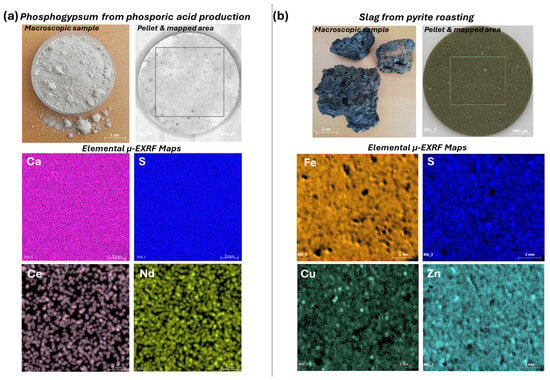
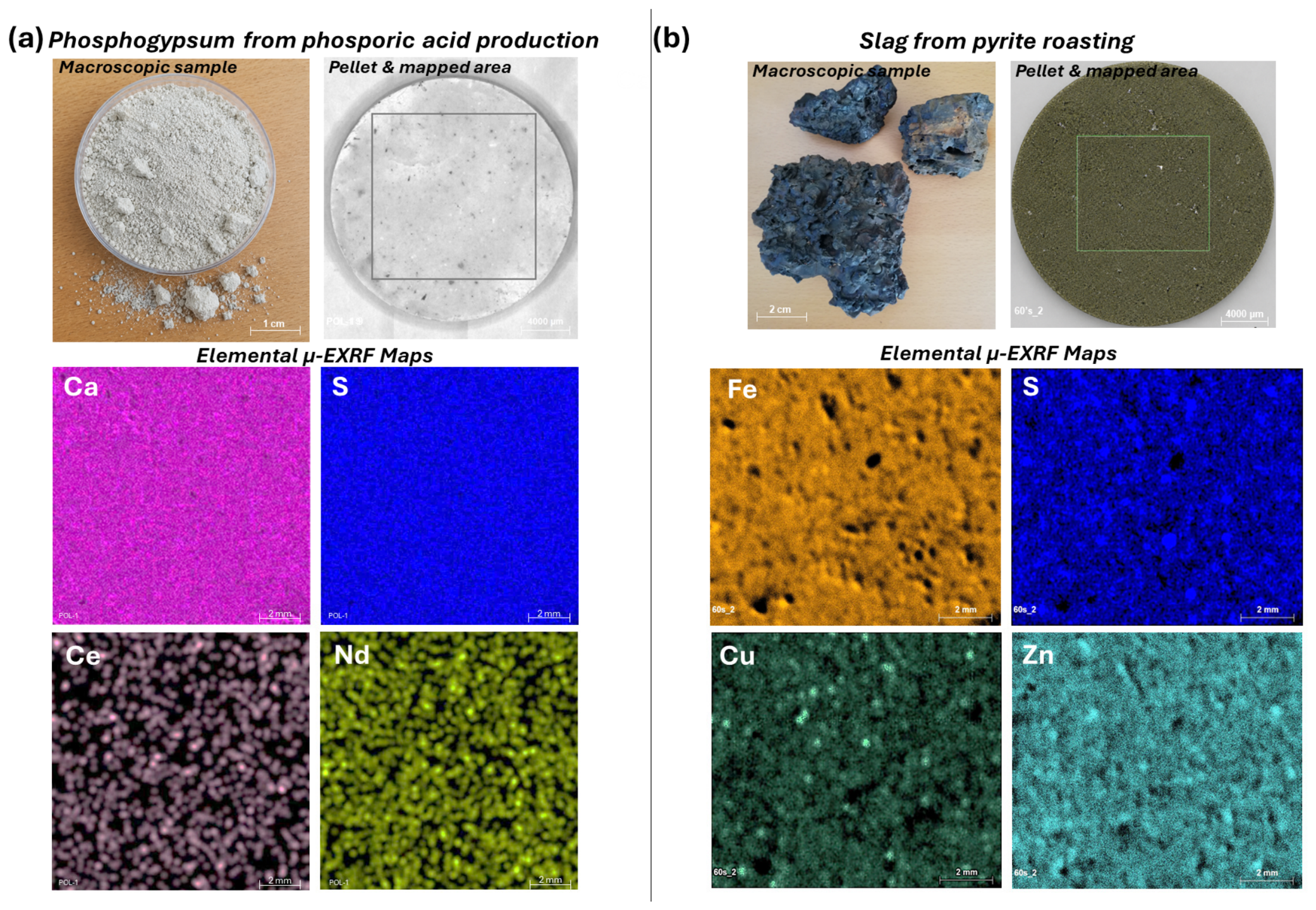
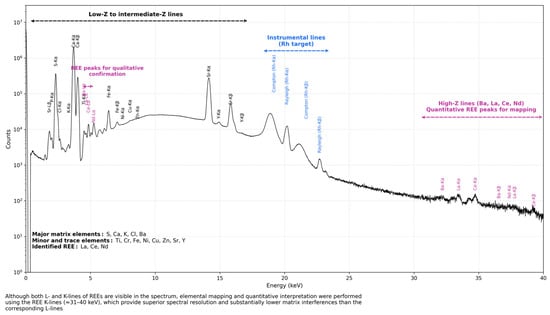
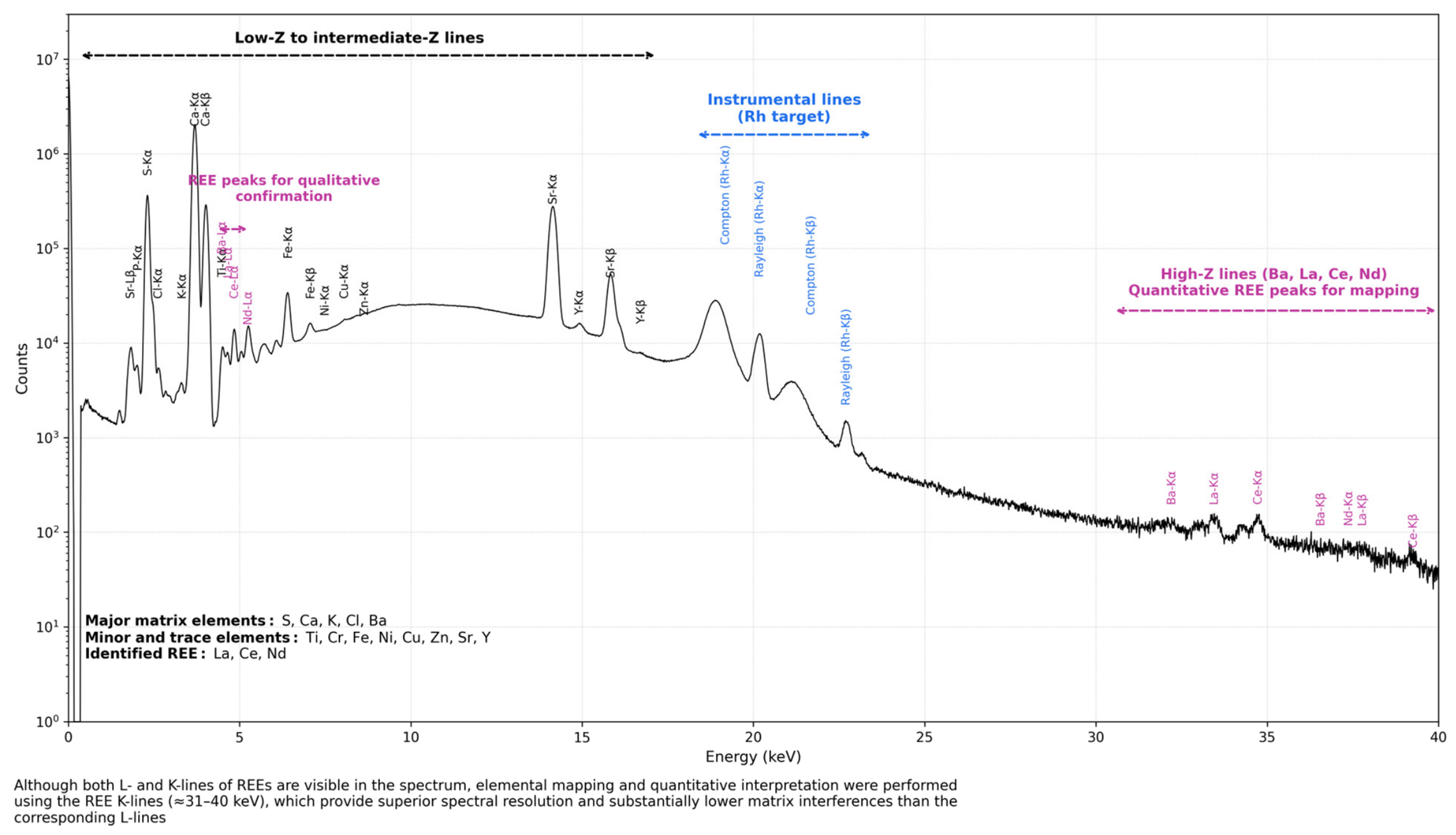
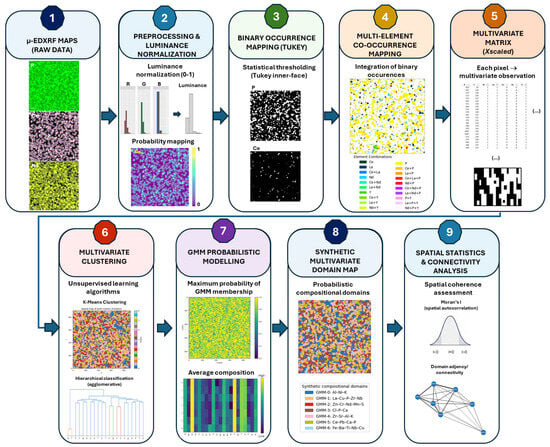
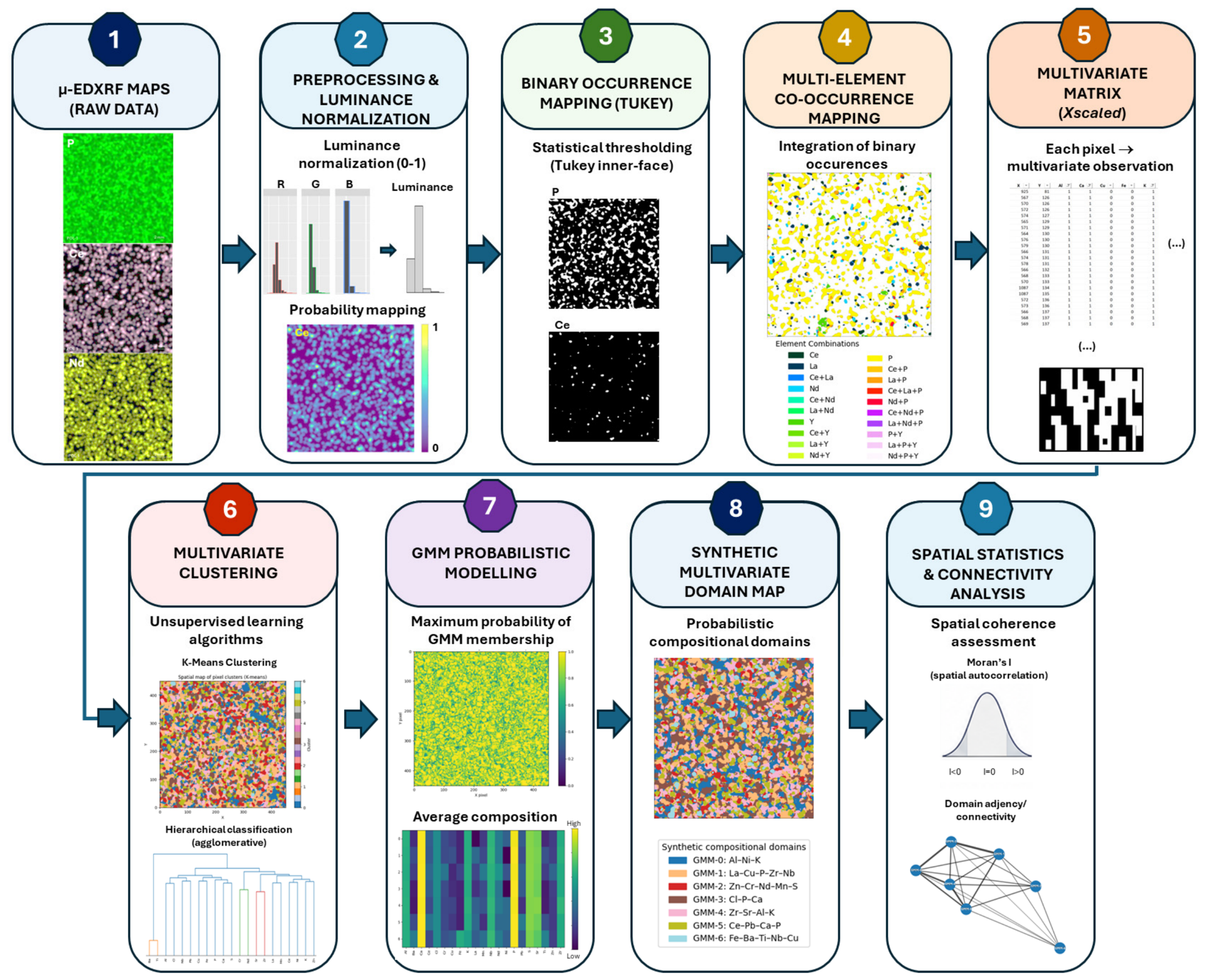
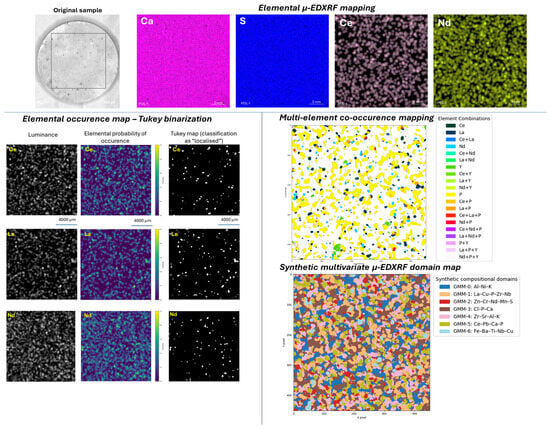
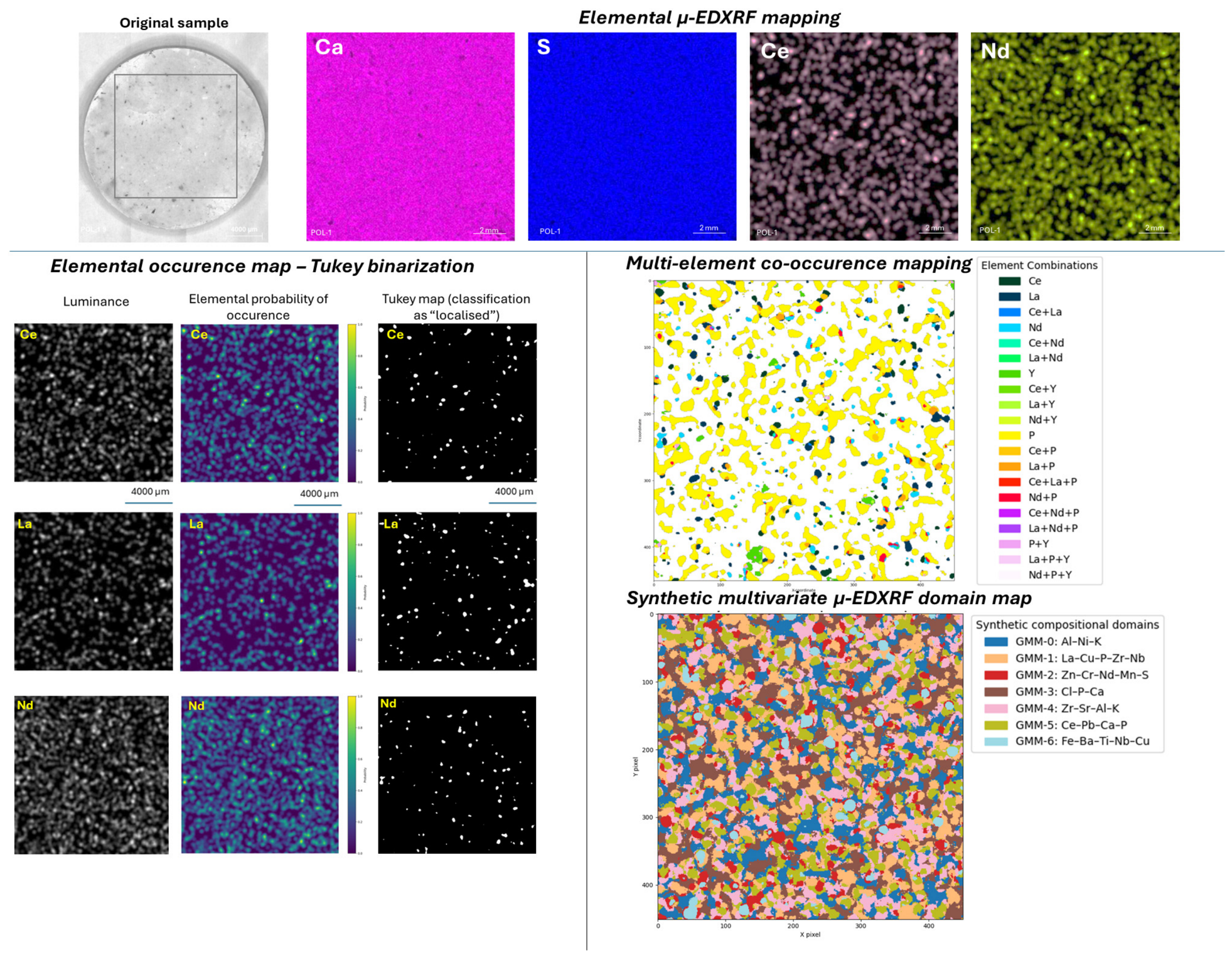
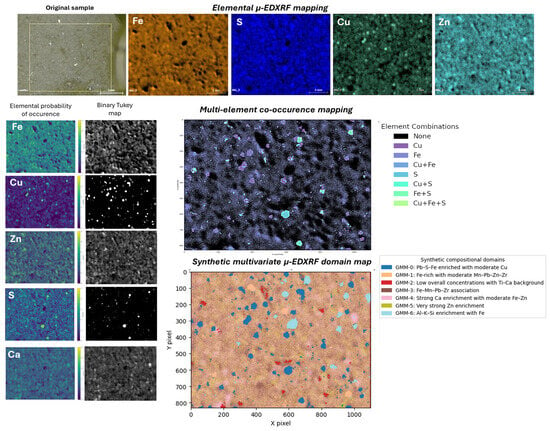
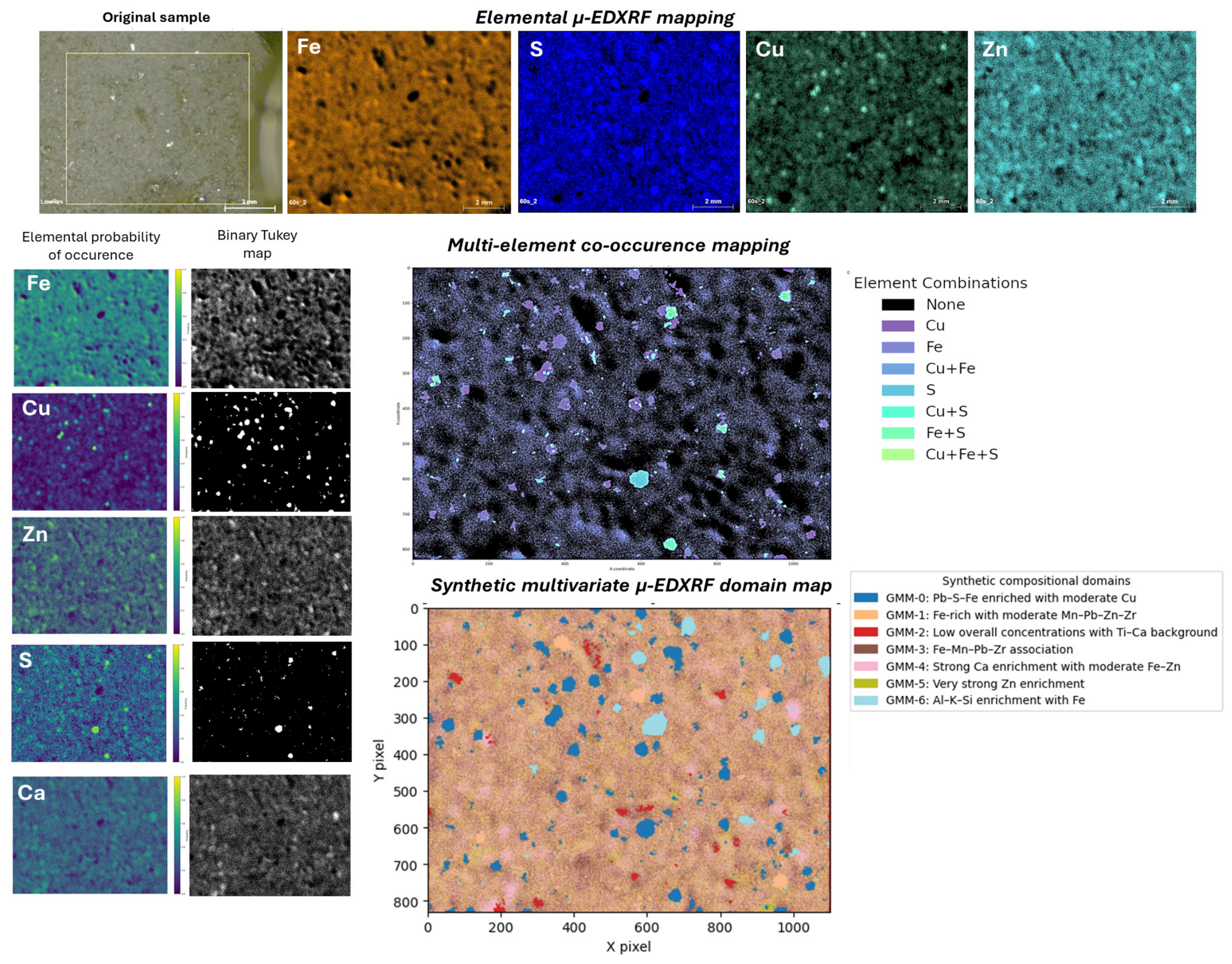
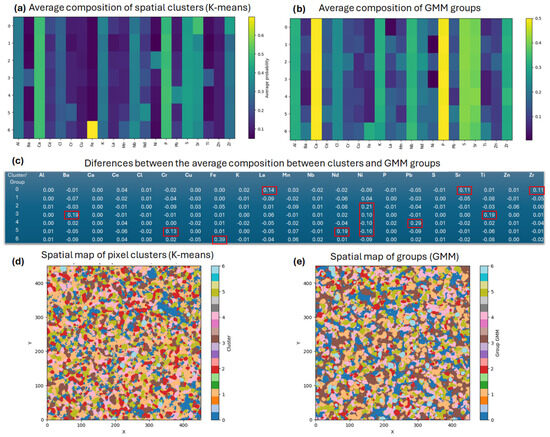
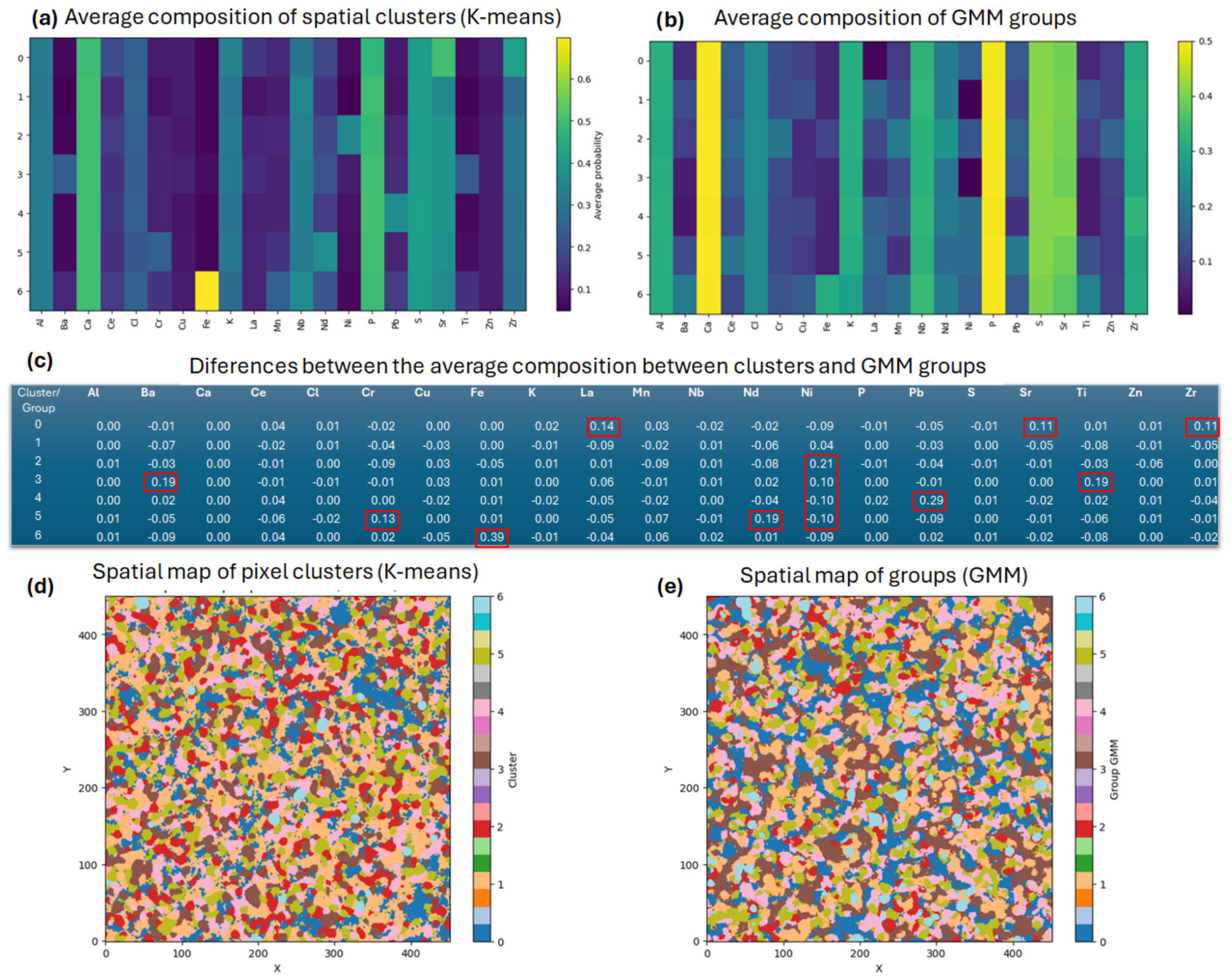
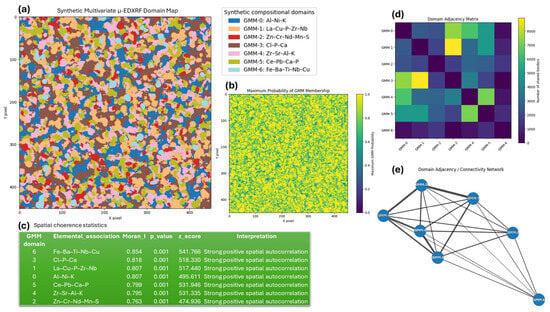
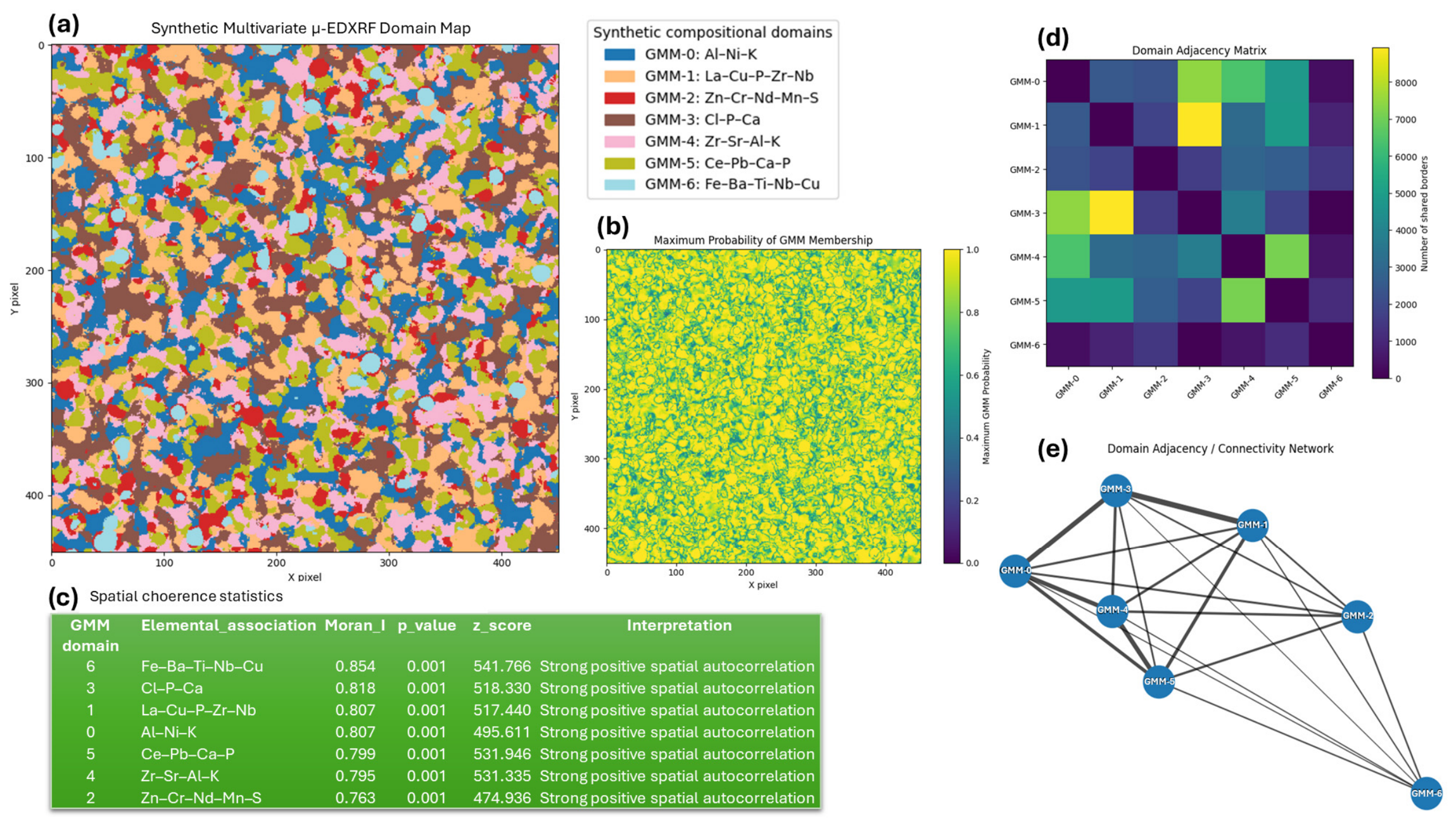
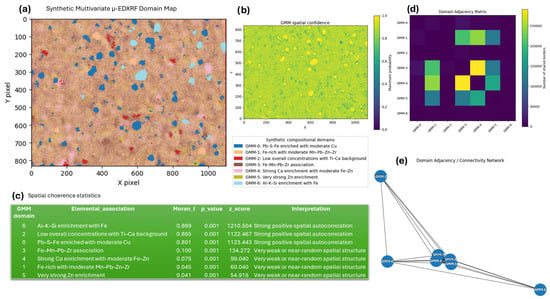
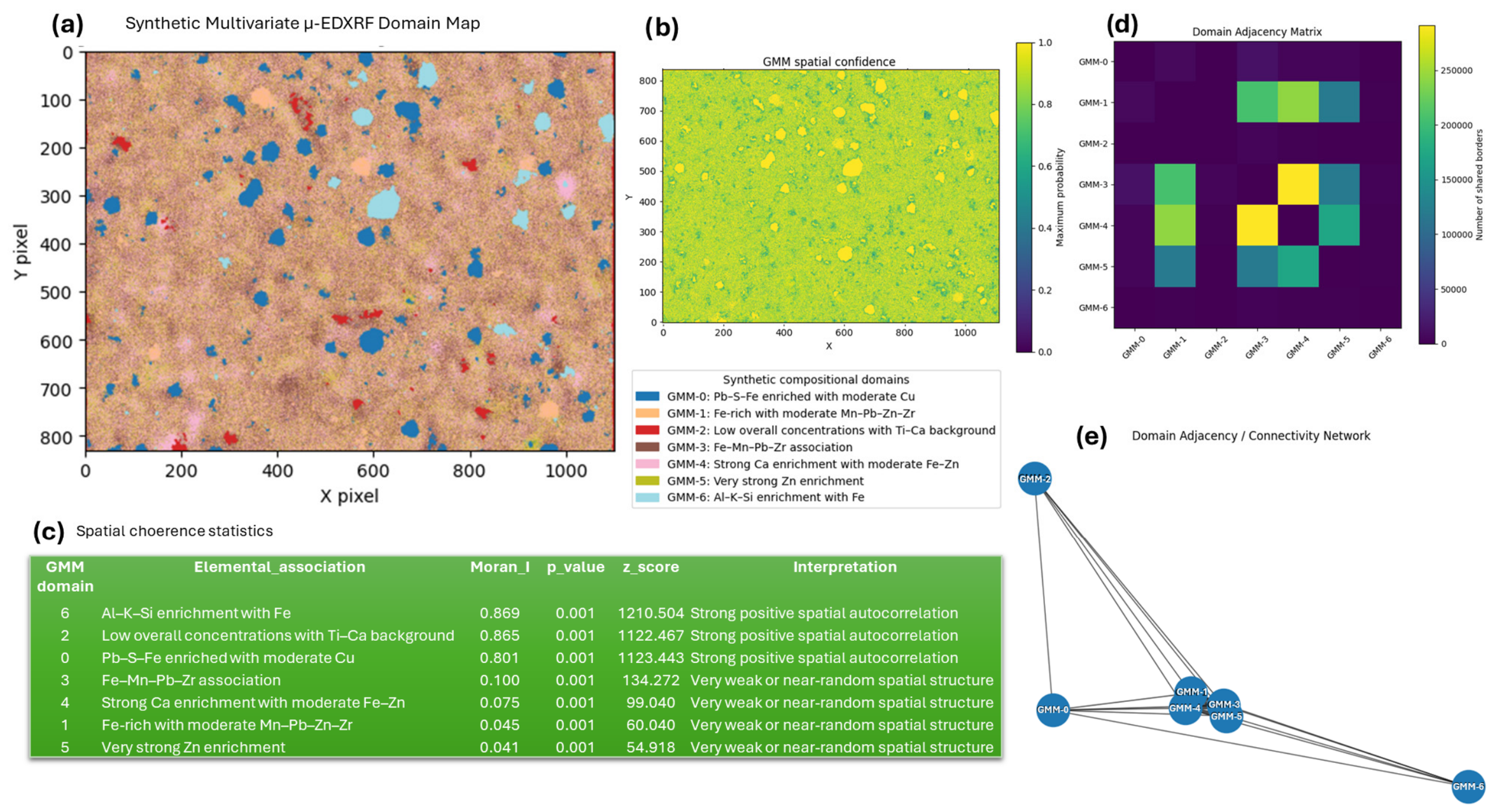
Disclaimer/Publisher’s Note: The statements, opinions and data contained in all publications are solely those of the individual author(s) and contributor(s) and not of MDPI and/or the editor(s). MDPI and/or the editor(s) disclaim responsibility for any injury to people or property resulting from any ideas, methods, instructions or products referred to in the content. |
© 2026 by the authors. Licensee MDPI, Basel, Switzerland. This article is an open access article distributed under the terms and conditions of the Creative Commons Attribution (CC BY) license.