


Abstract
The Abrolhos Magmatic Province (AMP), situated along the southeastern Brazilian passive margin, comprises a Paleocene–Eocene transitional basalt series of alkaline affinity. Despite the lack of mineral chemistry and thermobarometric estimates, it has long been linked to a classical deep-mantle plume model. This study integrates mineral chemistry, calculations of intensive parameters (P, T, H2O), geochronology, and geochemical modeling to evaluate an alternative explanation for AMP magmatism. Whole-rock and clinopyroxene compositions from different AMP localities are consistent with parental magmas derived from fertile, pyroxenite-enriched mantle sources that melted under ambient mantle potential temperatures (~1300–1400 °C). Inverse petrological modeling using alphaMELTS and MeltPT, together with trace-element systematics, suggests low degrees of partial melting within asthenospheric domains. These results indicate that shallow (upper-mantle) processes and high mantle fertility were important controls on melt generation. New 40Ar/39Ar ages of 24.3–28.4 Ma for southern AMP rocks are also difficult to reconcile with a simple age-progressive evolution of the previously proposed plume model. Taken together, the data support ambient-temperature melting of a fertile mantle as a plausible explanation for Abrolhos magmatism and reduce the need to invoke a classical high-temperature mantle plume as the sole model. Here, we favor a tectonically controlled model, involving localized shallow mantle processes such as edge-driven convection and/or lithospheric delamination as triggers for intraplate magmatism along the South Atlantic margins.
1. Introduction
Alkaline magmatism offers valuable insights into mantle composition and interactions throughout tectonic evolution, playing an important role in shaping continental margins. Along the southeastern Brazilian margin, one of the most conspicuous manifestations of this type of magmatism is the Abrolhos Magmatic Province (AMP) [1,2,3], a region distinguished by its long-standing volcanic activity during the Eocene [1,4] and its association with large-scale geological structures such as the younger Vitória–Trindade Ridge.
This province is frequently linked to the Trindade Mantle Plume model [5,6]. In its original formulation, this model corresponds to a classical plume scenario in which a deep-mantle thermal anomaly first affected the continental lithosphere and later sustained younger magmatic activity along the proposed track [5,6]. Proposed linear tracks of alkaline magmatic activity also suggest, albeit with limited precision, a decrease in ages from the Goiás and Alto Paranaíba alkaline provinces (interpreted as plume-head manifestations) toward Trindade and Martin Vaz Island (interpreted as the plume tail). Over the past two and a half decades, discussions on the tectonomagmatic mechanisms responsible for silica-undersaturated Cretaceous magmatism in Central–Southern Brazil have consistently been constrained by the assumption that more precise age determinations were required [7]. In response, a robust and expanding geochronological database has been established, particularly for occurrences in the Alto Paranaíba, Serra do Mar, and Cabo Frio Magmatic Lineament provinces [8,9].
Despite these advances, few studies have directly addressed the thermal anomaly required to generate melting under these conditions. In this sense, modeling mantle potential temperatures should help constrain the mechanisms responsible for transitional and alkaline intraplate magmatism in South America. Mantle potential temperature, Tp, is the temperature that a mantle parcel would have if it rose adiabatically to the surface without melting [10]. It provides a common metric for comparing the thermal state of mantle domains in settings dominated by decompression melting. Before this type of modeling, however, it is necessary to constrain the source composition and to minimize the geochemical effects of magma evolution within plumbing systems. This study examines the mantle thermal conditions and magmatic plumbing systems that controlled the development and evolution of magmatism in the Abrolhos region. Using thermobarometric techniques [11] and petrological modeling of mantle potential temperatures [12,13], we reconstructed the pressure–temperature conditions under which magmas were generated in the upper mantle and subsequently stored within the crust. These interpretations are supported by mineralogical, geochemical, and petrological analyses, which together elucidate the transcrustal dynamics of the magmatic system.
Beyond its geodynamic relevance, the Abrolhos magmatism has important implications for petroleum systems in the neighboring Espírito Santo Basin and Mucuri sedimentary basins. Possible thermal anomalies associated with magmatic activity may have influenced hydrocarbon maturation processes, potentially contributing to petroleum generation [14,15]. As such, this study not only advances the understanding of mantle processes and alkaline magmatism but also provides critical input for modeling petroleum systems in southeastern Brazil.
2. Geological and Petrogenetic Background
2.1. Mantle Plume Models Applied to the Southeast of Brazil
The Trindade plume hypothesis suggests that the Upper Cretaceous intraplate alkaline magmatism resulted from hotspot activity. Subsequent studies [5,6,8] have supported this hypothesis based on petrological, geochronological, and paleomagnetic data. Analysis of the available geochronological dataset, together with new 40Ar/39Ar data [8], appears to corroborate the mantle-plume hypothesis by showing a broadly decreasing age pattern in both continental and oceanic domains.
The classic model of mantle plumes, proposed by Morgan [16], presents hotspots as manifestations of cylindrical plumes derived from convection in the lower mantle. Campbell [17] proposed testable criteria to differentiate mantle plume activity, including mantle potential temperature higher than that associated with mid-ocean ridge basalt (MORB) magmatism. Petrological models [18,19,20,21] allow inference of the mantle’s thermal state, typically linking plume-related magmatism to hotter mantle regions [21,22].
The Trindade plume hypothesis suggests that the impact of the plume head, around 85 Ma, was responsible for the generation of kimberlites, kamafugites, and alkaline rocks associated with the Alto Paranaíba, Iporá, and Poxoréu provinces [5]. This activity would have extended southeastwards due to deflection of the plume head beneath the thick keels of the São Francisco Craton, giving rise to magmatism beneath the thinner lithosphere of the orogenic belts (Figure 1A). This process would have generated the Serra do Mar Alkaline Province and the Cabo Frio Magmatic Lineament, culminating in the re-emergence of magmatic activity in the Abrolhos archipelago during the Eocene [6]. From there, the activity would have continued along the Vitória–Trindade Ridge, ending in the Trindade Island and Martin Vaz Archipelago in the Plio-Pleistocene [8,23,24].
Figure 1.
(A) Simplified geological sketch, modified from Refs. [6,8], illustrating the regional context of the Meso–Cenozoic intraplate alkaline magmatism associated with the Trindade plume. The larger red circle shows the proposed plume head, and the smaller one shows the proposed youngest manifestations. Red numbers represent radiometric age ranges for the magmatic provinces. Serra do Mar and Alto Paranaíba province ages were updated using recent geochronological compilations. Black squares represent the proposed plume track. Red arrows indicate plume deflection around the São Francisco cratonic keel. (B) Location map of the study area along the southeastern Brazilian margin, highlighting the Abrolhos Magmatic Province. The map shows the locations of the two boreholes analyzed in this study: SBST-1-BA, on Santa Bárbara Island (Abrolhos Archipelago), and ESS-210, offshore near the southern boundary of the Abrolhos Platform. The Espírito Santo and Mucuri sedimentary basins are outlined, together with bathymetric contours and basin limits.
Arguments that support the Trindade plume hypothesis attribute the chemical and isotopic variations to mixing of two compositional end-members: a sublithospheric component of ocean island basalt (OIB) type, representative of the Trindade plume, which would have been contaminated to varying degrees during its ascent by metasomatized components of the lithospheric mantle, similar to the ultrapotassic rocks of the Alto Paranaíba Province [6].
The analysis of available geochronological K-Ar and 40Ar/39Ar data from various occurrences along the proposed trajectory of the Trindade hotspot, combined with new 40Ar/39Ar data from Martin Vaz Island, led Santos et al. [8] to corroborate the mantle plume hypothesis. These authors argue that, although the progression of ages is not linear, it exhibits a general pattern of decrease in both continental and oceanic domains. This irregularity would be caused by the presence of the thick, relatively cold lithosphere of the São Francisco Craton, which would deflect the plume’s conduit.
However, some studies argue against the plume model as an explanation for Cretaceous to Cenozoic onshore magmatism, presenting reasonable evidence favoring lithospheric extension, changes in stress fields, and reactivation of regional structures as possible geodynamic processes [7,25]. These works point out that the geochronological data available for the Poços de Caldas-Cabo Frio Lineament, an intermediate position along the hypothetical Trindade plume track, are inconsistent with the monotonic age progression expected for the magmatism associated with a fixed mantle plume [26].
Recently, seismic tomography and electromagnetic models from the southeastern Brazilian margin have provided evidence for low-velocity and high-conductivity anomalies in the mantle, consistent with partial melting and metasomatized sublithospheric mantle [27]. Concurrently, lithospheric-scale modeling across the Vitória–Trindade Ridge indicates a thinned lithosphere and shallow lithosphere–asthenosphere boundary (LAB), with mantle compositions suggesting a hybrid source composed predominantly of depleted asthenospheric mantle mixed with pyroxenite [28].
2.2. Abrolhos and Vitória Trindade Ridge
AMP stands out as an extensive igneous complex (approximately 63,000 km2) located on the continent–ocean boundary of the southeastern Brazilian margin (Figure 1B). It spreads across the Espírito Santo, Mucuri, and Cumuruxatiba sedimentary basins [2]. It emerges as five small islands (Santa Bárbara, Redonda, Siriba, Sueste, and Guarita) composed of transitional and alkaline basalt series [1,2]. 40Ar/39Ar dating of these basalts yielded ages ranging from 64 to 42 Ma, with a main pulse of magmatic activity at 42–44 Ma [2].
There is an alignment of more than 30 seamounts southeast of the AMP known as the Vitória–Trindade Ridge, culminating in the islands of Trindade and Martin Vaz, thought to represent the latest magmatic episodes attributed to the Trindade mantle plume. These seamounts and islands comprise a bimodal sodic and strongly silica-undersaturated alkaline series, ranging from ultrabasic rocks such as melanephelinites to phonolites, clearly separated by a compositional gap in the intermediate types. The ages of the seamounts vary from 29.8 to 19 Ma [24], from 4.0 Ma to 0.17 Ma for Trindade Island, and between 0.72 ± 0.32 Ma and 0.32 ± 0.37 Ma for Martin Vaz [8,23,29].
2.3. Study Area
This study examined igneous rock samples from two wells. Well SBST-1-BA was drilled on Santa Bárbara Island in the Abrolhos Archipelago and recovered cores with igneous rocks. Additional samples were collected from outcrops on the islands of Santa Bárbara, Sueste, and Siriba during previous fieldwork. Well ESS-210 is located approximately 200 km to the south–southwest of SBST-1-BA, on the Abrolhos Platform slope and near the beginning of the Vitória–Trindade Ridge, close to Vitória Seamount (Figure 1B).
3. Materials and Methods
The initial stage of this research involved the development of a comprehensive database integrating petrographic descriptions and whole-rock geochemical data from igneous rocks occurring in the Abrolhos Archipelago [2].
New, polished thin sections were prepared to support the petrographic investigations. Petrographic analyses of mineral modal abundances were estimated visually under a polarized microscope. Automated mineralogical assessments were performed on polished thin sections most representative of melt compositions using a QEMSCAN 650/FEI coupled with two Bruker energy-dispersive X-ray spectroscopy (EDS) detectors, operating in high vacuum at 15 kV acceleration potential and 10 µm spot resolution.
Electron microprobe analyses (EPMA) were conducted on clinopyroxene crystals from nine polished thin sections collected on the islands of Santa Bárbara, Sueste, and Siriba, providing 230 spots with mineral chemistry data obtained by wavelength-dispersive spectrometry (WDS). In addition, 196 mineral chemistry analyses were obtained from three samples collected at 3560.00 m, 3832.50 m, and 3808.50 m, along well ESS-210. All EPMA data were obtained by a JEOL FXA-FE 8530F Field Emission instrument, in the Electron Microprobe Laboratory of the GeoAnalítica-USP core facility, using the following analytical parameters: 15 kV acceleration potential and 20 nA of current intensity, with a beam diameter of 1 µm for clinopyroxene. Structural formulae were calculated in accordance with [11].
Whole-rock major- and trace-element geochemical data were determined via inductively coupled plasma optical emission spectrometry (ICP-OES) and inductively coupled plasma mass spectrometry (ICP-MS), respectively. These analyses were performed by Activation Laboratories Ltd. (ACTLABS) in Ancaster, ON, Canada, using the 4LITHORES (11+) analytical package. A total of 18 new igneous-rock samples were analyzed: seven diabase samples from core sections of borehole SBST-1-BA and eleven sidewall-core samples from borehole ESS-210. Lithogeochemical and geochronological (40Ar/39Ar) analyses from the PETROBRAS database were also used for well ESS-210. In total, 25 samples from Abrolhos were selected for lithogeochemical analysis in this study, including seven newly acquired samples from borehole SBST-1-BA at depths of 572.25 m, 572.65 m, 619.85 m, 655.99 m, 656.2 m, 656.6 m, and 1008.3 m. In addition, eleven new lithogeochemical analyses were performed on sidewall-core samples from ESS-210, collected at depths between 3455 m and 4238.5 m (specifically: 3455 m, 3513 m, 3526 m, 3560.2 m, 3808.5 m, 3815 m, 3832.5 m, 3836.5 m, 4161.5 m, 4209.5 m, and 4238.5 m). To minimize the influence of alteration, only samples with loss on ignition (LOI) values below 6 wt.% were considered in Section 6.
40Ar/39Ar geochronology was conducted in 2013, at the request of PETROBRAS, on three basalt samples recovered from well ESS-210 at depths of 3522 m, 3535 m, and 3585 m. Analyses were performed at the Open University (Milton Keynes, UK). Whole-rock chips were hand-picked under a binocular microscope to exclude altered material, ultrasonically cleaned, and wrapped in aluminum foil prior to irradiation. Samples were irradiated for 120 h at the McMaster Nuclear Reactor (Hamilton, ON, Canada) in position 8B with cadmium shielding, alongside GA1550 biotite standard (98.8 ± 0.5 Ma) as the neutron-flux monitor.
Step-heating experiments were performed using a 1059 nm CSI fiber laser under ultra-high vacuum. Released gases were purified with SAES AP-10 getters and a liquid-nitrogen trap before analysis in a MaP 215-50 mass spectrometer. Argon isotopes were measured in multicycle mode, and analyses were corrected for blanks, interfering reactions, and mass discrimination. J-values were calculated by linear interpolation between standards and include a 0.5% uncertainty. Ages were calculated using Isoplot 3 [30], and plateaus were defined as comprising ≥50% of the total 39Ar released across at least three consecutive steps.
4. Results
4.1. Petrography
The Abrolhos suite (surface samples on the islands of Santa Bárbara, Sueste, and Siriba, and from well SBST-1-BA) encompasses massive basalts and diabases essentially composed of plagioclase, clinopyroxene, and Fe-Ti oxides (ilmenite and magnetite). Textures are dominantly porphyritic (Figure 2A) to equigranular and intergranular to subophitic (Figure 2C,D). Phenocrysts mainly consist of clinopyroxene (augite) and plagioclase, locally accompanied by Fe-Ti oxides (ilmenite and magnetite) and olivine (Figure 2B). The groundmass comprises fine- to very fine-grained plagioclase, clinopyroxene, Fe-Ti oxides, biotite, and patches of devitrified glass. Apatite occurs as an accessory phase. Secondary alteration is subtle to moderate and includes amphibole (uralitization), chlorite and smectite replacement of glass and very fine-grained groundmass patches, and local plagioclase albitization. Cumulate horizons occur in borehole SBST-1-BA and in an overlying surface exposure on western Santa Bárbara Island. They are composed of cumulus plagioclase and clinopyroxene, with intergranular ilmenite that locally exhibits skeletal morphology. Owing to their crystal-accumulation signature, these cumulates were excluded from geochemical modeling (see Section 6).
Figure 2.
Photomicrographs in crossed polarization and automated QEMSCAN mineralogical characterization of igneous rocks from Abrolhos and the ESS-210 well. Panels A and B show thin-section photomicrographs under cross-polarized light of an augite-phyric porphyritic basalt from 619.20 m depth in SBST-1-BA well (A) and an olivine-phyric basalt from Siriba Island (sample FA-CV-11) (B). Olivine macrocrysts are indicated by red arrows in panel B. (C) Photomicrograph under polarized light of an alkaline diabase from SBST-1-BA well (656.20 m depth) and (D) the corresponding QEMSCAN mineral map with identified mineral proportions. (E) Photomicrograph under crossed polarized light of a porphyritic trachybasalt from ESS-210 and (F) the corresponding QEMSCAN mineral map with identified mineral proportions. Compositional maps illustrate the spatial distribution of primary phases and alteration products, including clinopyroxene, plagioclase, amphibole (primary or produced by uralitization), zeolite, chlorite, clay minerals, and accessory phases. Tables to the right of each mineral map indicate estimated mineral proportions as percentages of area (% area), based on automated quantitative mineralogical evaluation (QEMSCAN).
Sidewall samples from borehole ESS-210 range from hypocrystalline to hypohyaline and locally display amygdaloidal textures. The dominant texture is porphyritic, with clinopyroxene phenocrysts and subordinate feldspars represented by plagioclase and alkali feldspars. Fe-Ti oxides are present in variable amounts, with ilmenite reaching up to 1.5%. Titanite is also present in variable proportions (0.05–4.7 vol.%). Much of the groundmass has been replaced by hydrothermal secondary minerals; however, some samples were less altered. The main alteration products include smectite, chlorite, Al-micas, amphibole, albite/zeolite, and calcite (Figure 2E,F). Despite the alteration in the groundmass, clinopyroxene phenocrysts remain well-preserved in many samples. Volcaniclastic facies such as hyaloclastites were identified but omitted from subsequent geochemical treatment due to advanced alteration.
4.2. Lithogeochemistry
Despite slight alterations observed in some of the investigated samples, and given their geological setting, the chemical composition of the rocks generally remains relatively unchanged. This interpretation is supported by the trace-element screening criteria established for global OIB datasets to identify samples with significant post-magmatic disturbance [31]. These criteria use LOI, Ba/Rb, Ce/Ce*, and Y/Y*
where the subscript n denotes normalization to McDonough and Sun [32]. In Figure 3C,D, these screening parameters are used to evaluate the effects of alteration in both suites.
[Ce/Ce* = Cen/(Lan × Prn)0.5 and Y/Y* = Yn/(Dyn × Ybn)0.5],
Figure 3.
Major- and trace-element plots comparing Abrolhos lavas and ESS-210 samples. (A) R1–R2 classification [33] defines an alkaline suite restricted to Santa Bárbara Island and a transitional suite on the remaining islands; ESS-210 extends to more alkaline compositions. (B) Na2O–K2O (wt.%) systematics [34] show mainly sodic Abrolhos compositions, with ESS-210 reaching higher K2O. (C,D) Y/Y* vs. Ce/Ce* and Y/Y* vs. Ba/Rb screening diagrams highlight the “fresh OIB” field [31]. (E,F) Primitive mantle-normalized multi-element [35] and chondrite-normalized REE patterns [32] show incompatible-element enrichment, with ESS-210 being the most enriched. Symbol key as in the inset legend.
The Abrolhos samples selected for modeling consistently fall within the “fresh” OIB window defined by these thresholds: Ba/Rb remains between ~10 and 30, Ce/Ce* between ~0.9 and 1.1, and Y/Y* between ~0.85 and 1.05, with no trend toward fractionation or anomaly development as LOI (−0.3–3.88 wt.%) increases. Samples outside these bounds were excluded from petrogenetic modeling.
In contrast, ESS-210 samples display greater scatter in Ba/Rb, Ce/Ce*, and Y/Y*, consistent with petrographic evidence of more extensive alteration. Some analyses exceed the recommended alteration limits (e.g., LOI > 4 wt.% or Ba/Rb > 50), indicating partial modification of both major- and trace-element budgets. For this reason, ESS-210 whole-rock compositions are used exclusively for qualitative evaluation of differentiation trends and are not used to calculate mantle potential temperatures. This approach ensures that the petrogenetic interpretations are based only on datasets whose immobile-element behavior is demonstrably consistent with minimally altered OIB compositions.
According to the R1–R2 diagram [33], the Abrolhos rocks range in composition from basanites and tephrites to alkaline basalts, trachybasalts, and subalkaline basalts. The alkaline types are restricted to Santa Bárbara Island, whereas the remaining islands define the transitional series. For the R1–R2 classification, total iron was recalculated assuming Fe2O3/FeO = 0.2. In this study, samples containing normative nepheline (CIPW) were assigned to the undersaturated suite, whereas the remaining samples were assigned to the transitional suite. The undersaturated compositions in Abrolhos are restricted to Santa Bárbara Island, whereas the other islands are dominated by transitional compositions (normative hypersthene).
In terms of alkali composition, the rocks predominantly follow a sodic trend [34], with transitional-series samples plotting near the boundary with the potassic field (Figure 3D). Additionally, the rocks exhibit relative enrichment in LREE over HREE, with (La/Yb)n ratios ranging from 8.8 to 13.1 among samples with MgO contents greater than 6 wt.%.
The samples collected from ESS-210 were classified as tephrites, phonotephrites, hawaiites, and mugearites (Figure 3A). This undersaturated suite displays a more alkaline character than the Abrolhos samples, consistent with the abundance of primary alkali feldspars, which are subordinate in the Abrolhos rocks. Primitive mantle-normalized multi-element diagrams [35] reveal a general enrichment in incompatible elements (Figure 3E). Notably, strong positive anomalies are observed in high-field-strength elements (HFSE), particularly Nb, Ta, and Ti. The REE diagram [32] highlights strong light-REE enrichment, with (La/Yb)n ratios ranging from 11.4 to 18.8 among samples with MgO contents greater than 6 wt.%.
4.3. Clinopyroxene Compositions
Clinopyroxene from Abrolhos and the ESS-210 well is classified as diopside to augite [36]. Core-to-rim variations fall within relatively restricted Wo components but show significant dispersion along the En–Fs end-members. Transitional Abrolhos crystals define compositions of Wo37–47En33–46Fs10–25, whereas the undersaturated series spans Wo40–47En34–46Fs8–23. Crystals from ESS-210 are comparatively more magnesian and Ca-rich, clustering in the interval Wo41–50En36–47Fs6–17.
Mg# [Mg/(Mg+FeT)] shows systematic inter-suite differences. Transitional Abrolhos compositions range from 0.57 to 0.81, undersaturated Abrolhos from 0.60 to 0.85, and ESS-210 from 0.68 to 0.88, demonstrating that ESS-210 records the most primitive clinopyroxene assemblages among the suites. In the transitional suite, Mg# exhibits moderate correlations with Cr2O3, Al2O3, and TiO2, indicating coupled Di–Hd exchange and progressive incorporation of Ca-Tschermak and Ca-Ti-Tschermak components during fractional crystallization.
The ESS-210 clinopyroxene exhibits strong Mg# correlations with Cr2O3, Al2O3, TiO2, and Na2O. Increasing Al and Ti with decreasing Mg# highlights the progressive enrichment of Ca-Tschermak and Ca-Ti-Tschermak components during differentiation, whereas the positive Mg#–Cr2O3 correlation reflects early Cr-rich diopside crystallization from parental melts.
4.4. Geochronology
The Ar–Ar step-heating analyses performed on the three samples from well ESS-210 (at depths of 3522 m, 3535 m, and 3585 m), despite petrographic evidence of alteration, all yielded well-defined plateau ages. The sample from 3522 m produced an age of 24.96 ± 0.73 Ma, based on six heating steps with 100% 39Ar release. The 3535 m sample yielded an age of 24.23 ± 0.73 Ma, also with 100% 39Ar release. The sample from 3585 m yielded an age of 28.41 ± 0.73 Ma, derived from seven steps and 73.6% of 39Ar released.
All plateau steps lie within 2σ of the weighted mean, confirming the robustness of the results. These ages suggest that the associated volcanic event is younger than the typical ages reported in the literature for the Abrolhos Magmatism. Detailed age spectra and the full set of analytical parameters and results are provided in the Supplementary Materials.
5. Thermobarometry and Hygrometry
Thermobarometry plays a critical role in understanding the petrogenesis of basaltic magmas, as it allows estimation of the pressure–temperature conditions of magmatic crystallization [37]. This approach leverages the compositional sensitivity of minerals to intensive variables such as pressure and temperature, thereby enabling reconstruction of magmatic plumbing systems [11,37].
Clinopyroxene compositions from outcrop and borehole samples from Santa Bárbara, Sueste, and Siriba islands were used to investigate the intensive parameters governing magmatic differentiation within the Abrolhos magmatism. The clinopyroxene-only deep learning model GAIA [11] was applied for data processing. This approach offers advantages over traditional thermodynamically based methods for igneous thermobarometry because it does not require explicit crystal–melt equilibrium tests and provides individualized uncertainties for each analysis [11].
The crystallization temperature and pressure distribution (Figure 4) reveals a KDE (Kernel Density Estimator) peak for the undersaturated magmas at 1106 ± 28 °C and 2.3 ± 0.8 kbar, accounting for average analytical uncertainty (1σ). In contrast, transitional magmas display similar temperature ranges (1116 ± 17 °C) but crystallized at shallower depths (1.4 ± 0.7 kbar). This disparity in crystallization pressures suggests that the two series evolved within different crustal levels.
Figure 4.
(A) Pressure–temperature scatter plot for the undersaturated and transitional series of the Abrolhos magmatism, together with associated kernel density estimates (KDEs). (B) Pressure–temperature scatter plot for samples from well ESS-210, with corresponding KDEs. Thermobarometric calculations were performed using clinopyroxene compositions and the method proposed by Chicchi et al. [11].
The same clinopyroxene thermobarometric model was applied to ESS-210 borehole samples. The pressure–temperature KDE distribution for these samples (Figure 4) shows peaks at 1105 ± 30 °C and 2.1 ± 1.1 kbar. Although these values are broadly similar to those of the undersaturated Abrolhos series, the KDE curves reveal a bimodal pattern, with a shallower pressure mode around 0.5 kbar and a higher temperature peak near 1130 °C.
Beyond pressure and temperature conditions, the availability of volatile phases, particularly H2O, plays a fundamental role in mantle melting and subsequent magmatic differentiation. To estimate the water content in these magmas, the calculated P–T conditions were used as inputs for the clinopyroxene hygrometer model proposed by Perinelli et al. [38].
The results for Abrolhos samples (Figure 5) indicate that undersaturated series magmas are significantly more hydrated than the transitional counterparts, with KDE peaks at 1.99 ± 0.45 wt.% and 1.17 ± 0.45 wt.% H2O, respectively. This variation in water content likely influenced the crystallization pathways and mineral assemblages of each series. Figure 5 also illustrates the positive correlation between pressure and H2O solubility in the melt.
Figure 5.
(A) H2O (wt.%) versus pressure (kbar) scatter plot for the undersaturated and transitional series of the Abrolhos magmatism, together with associated kernel density estimates (KDEs). (B) H2O (wt.%) versus pressure (kbar) scatter plot for samples from well ESS-210, with corresponding KDEs. Water contents were estimated using clinopyroxene compositions and pressure data following the method of Perinelli et al. [38].
Clinopyroxenes from ESS-210 Well (Figure 5) show hygrometric values comparable to the undersaturated Abrolhos series, with a KDE peak of 1.85 ± 0.45 wt.% H2O. These samples similarly exhibit a progressive decrease in water content with decompression, a trend frequently observed in other volcanic systems [38].
6. Discussion
6.1. Magmatic Differentiation
Fenner diagrams provide evidence that the magmatic evolution of the Abrolhos and ESS-210 samples was dominated by fractional crystallization of mafic phases and Fe-Ti oxides, with minor evidence of open-system processes (Figure 6). In the Abrolhos samples, a clear trend of Al2O3 enrichment and MgO depletion is found, consistent with residual liquid enrichment in Al2O3, as MgO is preferentially removed by fractionation of mafic phases, particularly clinopyroxene.
Figure 6.
Major element oxides are plotted against MgO (wt.%) to track liquid line-of-descent relationships. Fractional crystallization paths were calculated with PetThermoTools using Rhyolite-MELTS v1.2.0. Fayalite–magnetite–quartz was chosen as the oxygen buffer, with pressures of 1 kbar and 2.3 kbar, matching the calculated values for the Abrolhos samples.
The inverse relationship between SiO2 and MgO reflects typical differentiation paths of mafic magmas, where early crystallization of silica-poor phases results in SiO2 enrichment in the residual melt. Also, an initial FeO* (total iron expressed as FeO) enrichment trend is observed in ESS-210, indicative of FeO* concentration in the evolving melt, likely due to the dominant crystallization of Mg-rich clinopyroxene and olivine in the early stages, whereas Abrolhos samples show depletion, reflecting iron-oxide fractionation. A shift occurs at around 7 wt.% MgO, after which FeO* begins to decline, potentially reflecting the onset of significant Fe–Ti oxide crystallization, a hypothesis supported by the presence of phenocrysts of these minerals. Similar behavior is observed for TiO2, likely due to magnetite and ilmenite crystallization. ESS-210 samples exhibit an overall TiO2 enrichment trend, suggesting less intense fractionation of Fe–Ti oxides than Abrolhos samples. The trends of the alkalis Na2O and K2O in both suites show progressive enrichment as MgO decreases, typical of residual-melt evolution. The negative correlation between CaO and MgO in Abrolhos samples is consistent with fractional crystallization of calcic clinopyroxene and possibly early plagioclase. In contrast, CaO trends are less coherent in the ESS-210 suite, indicating either a more complex crystallization history or post-magmatic modification. The P2O5 trend presents a negative correlation with MgO, likely reflecting P2O5 enrichment during the final stages of melt evolution, with apatite crystallization acting as a controlling phase.
Thermodynamic simulations of isobaric fractional crystallization were carried out using the PetThermoTools interface (version 0.2.32), an open-source Python 3 tool for performing phase-equilibria calculations with the MELTS family of models. In this case, Rhyolite-MELTS v1.2.0 [39] was used together with the H2O–CO2 mixed-fluid saturation model of Ghiorso and Gualda [40], built on the MELTS framework of Ghiorso and Sack [41]. Oxygen fugacity was buffered at fayalite–magnetite–quartz (FMQ), and simulations were run at 1 kbar and 2.3 kbar with H2O contents of 1 wt.% and 2 wt.%, respectively, based on clinopyroxene hygrometry. The model reasonably reproduces the general fractional crystallization paths (Figure 6).
The crystallization temperature and pressure distributions (Figure 4) provide valuable insights into the magmatic evolution of the studied suites. Kernel Density Estimation (KDE) analysis reveals a peak crystallization temperature for undersaturated magmas at 1106 ± 28 °C and a pressure of 2.3 ± 0.8 kbar, incorporating average analytical uncertainties (1σ). Translating pressure into depth using a standard lithostatic gradient (ca. 1 kbar per 3.3 km in the continental crust), these values correspond to crystallization at an average depth of approximately 7.6 ± 3 km.
In contrast, transitional magmas display a comparable crystallization temperature (1116 ± 16 °C) but formed at lower pressures, around 1.4 ± 0.7 kbar, equivalent to a depth of approximately 4.6 ± 2 km. Despite similar thermal conditions, the two groups thus record crystallization at markedly different crustal levels.
From a plumbing system perspective, the similarities between the ESS-210 and undersaturated Abrolhos samples suggest that both evolved from magma bodies initially stored at moderate to deep crustal levels under higher H2O concentrations. The progressive loss of water with ascent in ESS-210 samples reinforces the idea of a vertically structured and dynamic plumbing system, where magmas ascend, undergoing degassing and chemical evolution along the way. The bimodal pressure–temperature and Mg# distributions previously observed for ESS-210 align well with this interpretation, suggesting episodic magma recharge or mixing between more hydrated, deeper-derived melts and drier, shallower-residing melts. In contrast, the lower water content in the transitional Abrolhos magmas suggests that they may have undergone crystallization and differentiation in shallower, more degassed reservoirs.
6.2. Geochemical Constraints on Mantle Sources
Although the upper mantle is predominantly composed of lherzolites and harzburgites, the generation of alkaline magmas is often attributed to mantle sources enriched in incompatible trace elements, formed through metasomatic processes involving the addition of melts, fluids, and recycled crustal components [42,43]. Such processes may lead to the development of sources with lower solidus temperatures than those of anhydrous peridotitic mantle [42,43,44].
To investigate the presence of non-peridotitic components involved in the genesis of the Abrolhos and ESS-210 samples, we combine major and trace element constraints. For the major elements, we use the methodology proposed by Yang et al. [45], based on experimental melt compositions derived from peridotites, pyroxenites, and hornblendites. This approach employs logarithmic ratios of major elements in basaltic rocks and a multivariate regression to distinguish olivine-poor source lithologies. Sources are classified as “mafic” (for example, pyroxenites, eclogites, hornblendites, with Mg# < 0.85 and <30% modal olivine), “transitional” (intermediate between mafic and peridotitic), and “peridotitic” (defined as having Mg# > 0.89 and >50% modal olivine). The resulting parameter, named FCKANTMS, is defined as:
where major oxides are expressed in weight percent.
FCKANTMS = ln(FeOt/CaO) − 0.08 × ln(K2O/Al2O3) − 0.052 × ln(TiO2/Na2O) − 0.036 × ln(Na2O/K2O) ×
ln(Na2O/TiO2) − 0.062 × [ln(MgO/SiO2)]3 − 0.641 × [ln(MgO/SiO2)]2 − 1.871 × ln(MgO/SiO2) − 1.473
ln(Na2O/TiO2) − 0.062 × [ln(MgO/SiO2)]3 − 0.641 × [ln(MgO/SiO2)]2 − 1.871 × ln(MgO/SiO2) − 1.473
Application of the FCKANTMS versus ln(SiO2/(CaO + Na2O + TiO2)) diagram (Figure 7A, modified by Ref. [46]) to the studied samples indicates a “mafic” (that is, non-peridotitic) source signature. This result suggests that the mantle source sampled by the Abrolhos and ESS-210 magmas contains a significant contribution from olivine-poor mafic lithologies such as pyroxenites or related rocks.
The trace-element signatures of the Abrolhos and ESS-210 magmas provide complementary constraints on their mantle source. The positive Nb–Ta–Ti enrichments observed in these suites are comparable to TITAN-type OIB signatures described by Jackson et al. [47]. The overall enrichment in incompatible trace elements and the high LREE/HREE ratios (La/Yb)n > 8 indicate low degrees of partial melting and require melting in the presence of residual garnet. In dry fertile peridotite melting, garnet stability at the solidus typically implies pressures of ≳2.5–2.8 GPa and elevated mantle temperatures [48,49,50,51]. Garnet can nonetheless remain stable at lower pressures (>1.9 GPa) if garnet-bearing pyroxenite lithologies are present in the mantle source [44].
Importantly, a pyroxenite-enriched or otherwise fertile mantle source is not diagnostic of a unique geodynamic setting. Similar source characteristics may develop in plume-related asthenosphere, metasomatized subcontinental lithospheric mantle, or mixed lithosphere–asthenosphere domains [42,43,44,52].
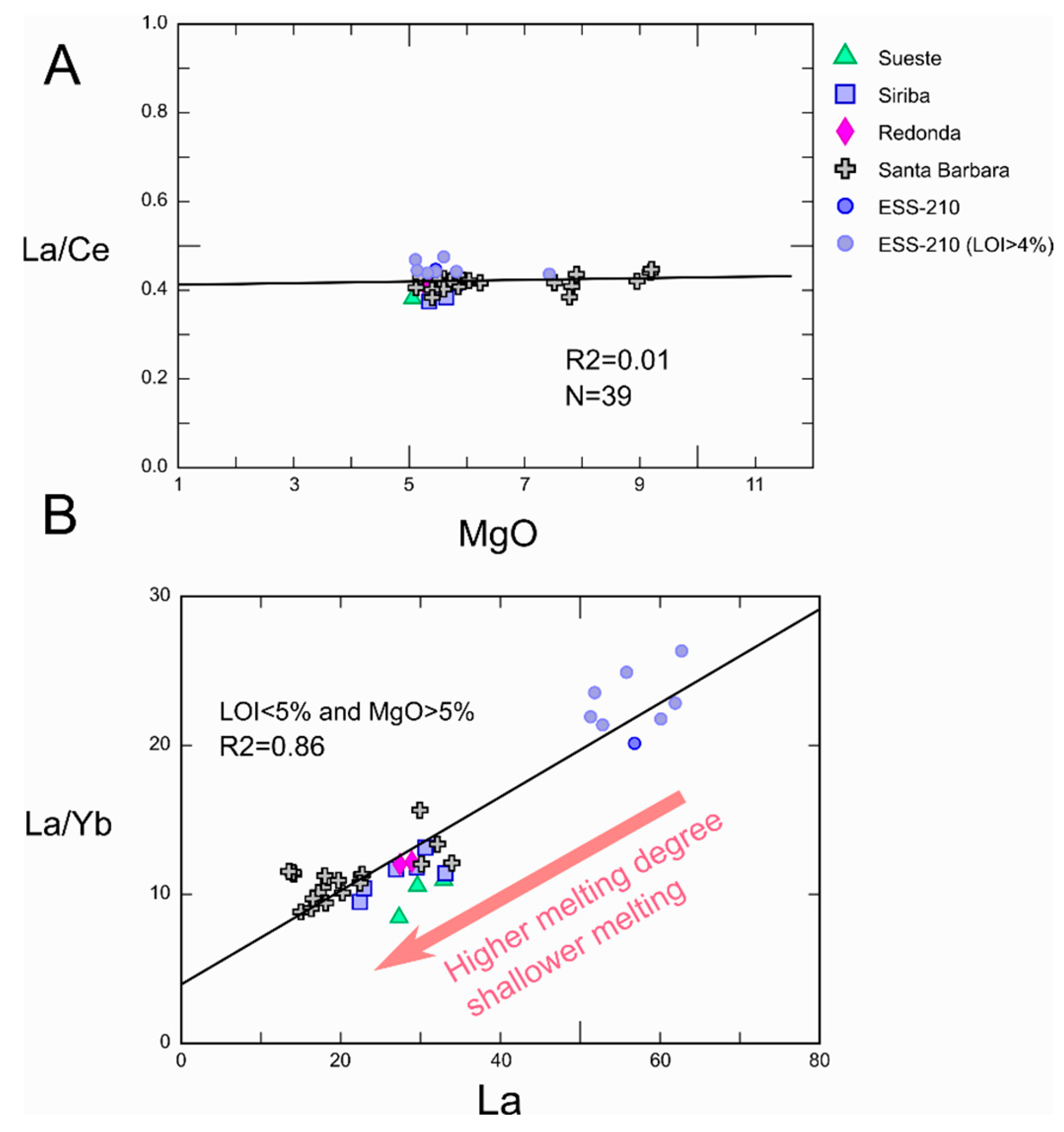
Assuming that the Abrolhos and ESS-210 magmas originated from a compositionally similar mantle source, their relative degrees of partial melting can also be evaluated. The La/Yb ratio serves as a sensitive proxy for this parameter, because La is more incompatible than Yb during mantle melting, particularly in the presence of residual garnet, a phase in which Yb behaves compatibly [53]. In this context, the La versus La/Yb diagram can be used as a qualitative indicator of both the degree and depth of partial melting. Figure 8B illustrates this behavior clearly, suggesting that the Abrolhos samples experienced the highest degrees of partial melting and lower final melting pressures. In contrast, the magmas represented by samples from borehole ESS-210 reflect the lowest degrees of partial melting and higher melting pressures.
A recent approach to further distinguish mantle source characteristics is the diagram proposed by Akbari et al. [54], based on a global geochemical dataset of ocean island basalt compositions. This classification scheme is based on the elemental ratios Ce/Rb, Tb/La, and Ba/Nb, and applies to both oceanic and continental intraplate basalts. According to the authors, the method is most reliable when applied to samples with MgO > 7 wt.% and LOI < 2 wt.%; however, for broader comparison, samples were filtered here using a threshold of MgO > 6 wt.% and LOI < 4 wt.%.
The Abrolhos samples within the red circle in Figure 7B, corresponding to alkaline diabase recovered from borehole SBST-1-BA (specifically those from depths of 655.99 m, 656.20 m, and 656.60 m), represent the most primitive samples from this locality, and the only ones that fully meet the quality criteria established by Akbari et al. [54]. These samples plot within the pyroxenite field, corroborating the interpretation derived from the FCKANTMS diagram. In contrast, the Martin Vaz and Trindade samples in the Ce/Rb–Tb/La–Ba/Nb diagram (Figure 7B) define a trace element signature consistent with different mantle sources, more typical of hydrated peridotites, especially amphibole peridotite.
To further evaluate the compositional similarity of the mantle source sampled by these magmas, a plot of MgO versus La/Ce was constructed (Figure 8A). Lanthanum and cerium have very similar ionic radii and are both highly incompatible during partial melting, with nearly identical partition coefficients. As such, their ratio tends to remain stable during both partial melting and fractional crystallization [55]. This behavior is clearly reflected in Figure 8A, where the linear regression across samples yields a slope close to zero, reinforcing the geochemical coherence among the analyzed rocks and supporting derivation from a compositionally similar, garnet-bearing, low-Mg # mantle source. These qualitative source constraints are further quantified in Section 6.3, where we combine Y/Yb-based depth estimates with thermodynamic modeling of parental and primary melts to derive partial melting conditions and mantle potential temperatures of the Abrolhos magmas.
Figure 7.
(A) FCKANTMS vs. ln(SiO2/(CaO + Na2O + TiO2)) diagram [45] applied to the studied samples, with a filter of MgO > 6% and LOI < 4%. (B) Ce/Rb − (Tb/La) × 100 − (Ba/Nb)/5 diagram proposed by Ref. [54] for mantle source identification. Note the three samples circled in red, which are the only ones that meet the authors’ quality criteria. The Martin Vaz and Trindade samples (compiled from Refs. [23,29]) plot toward the hydrated-peridotite field.
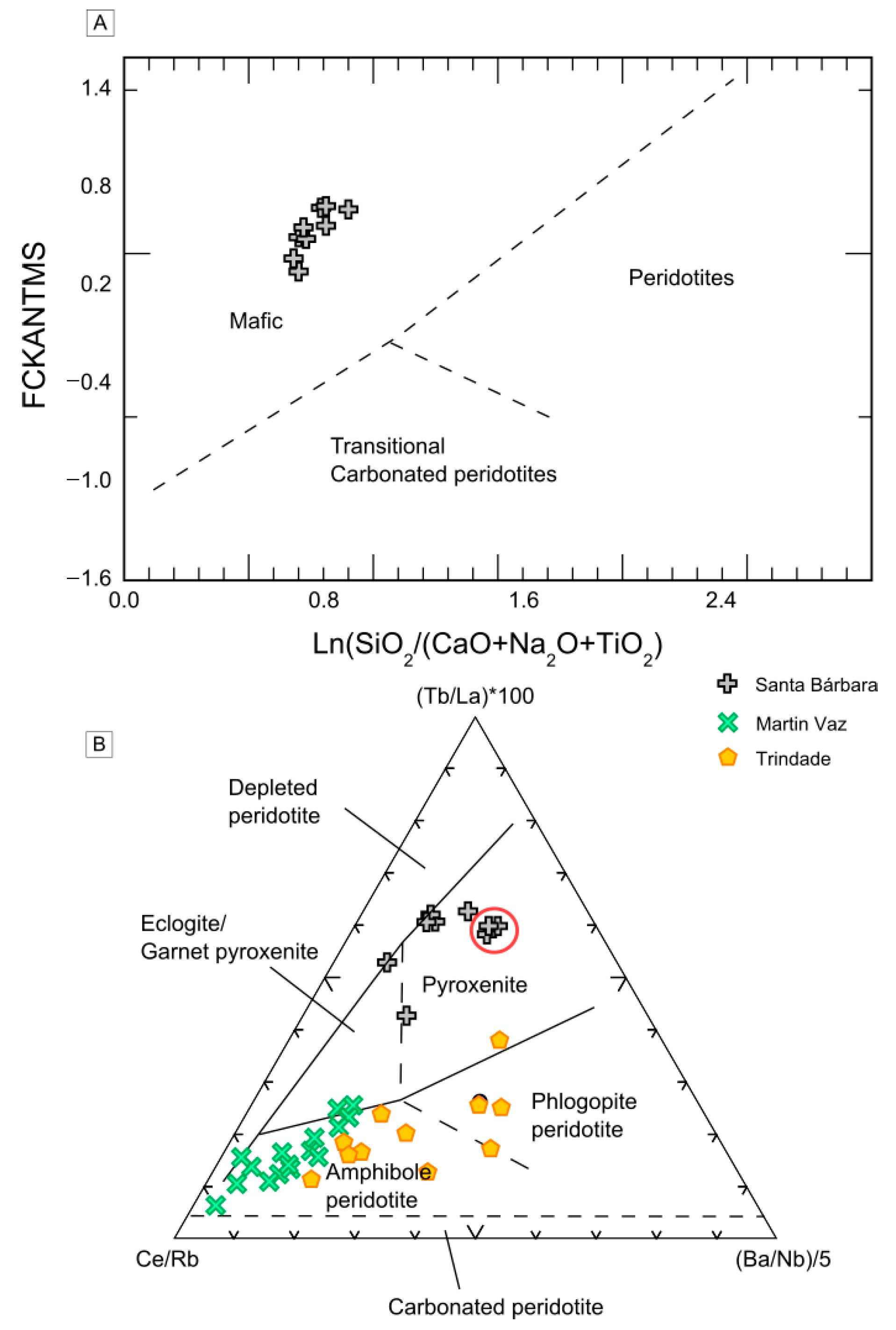
Figure 8.
(A) Plot of La/Ce versus MgO for basalt samples. The absence of correlation (R2 ≈ 0) reflects similar partitioning behavior of La and Ce, indicating that this ratio remains stable during magmatic differentiation and suggests a source of uniform composition for these elements. (B) Plot of La/Ybn versus La, showing a strong positive correlation (R2 = 0.86), interpreted as resulting from variable degrees and depths of partial melting. Santa Bárbara samples display lower La/Ybn ratios, consistent with higher degrees of melting at shallower levels. In comparison, ESS-210 samples exhibit higher La/Ybn ratios, suggesting lower degrees of melting at greater depths. R2 is the coefficient of determination, and N is the number of samples.
6.3. Partial Melting Conditions and Mantle Potential Temperatures
Building on the geochemical source constraints outlined above, we next quantify partial melting conditions and mantle potential temperatures for the Abrolhos magmatism. We first use the Y/Yb proxy of Zhang et al. [56] to estimate melt extraction depths from the mantle source, and then combine these constraints with inverse and forward thermodynamic modeling of parental and primary melts to infer mantle potential temperatures (Tp) and the relative contributions of peridotite and pyroxenite in the mantle source.
To estimate melt extraction depths, Zhang et al. [56] propose a quantitative relationship between the average Y/Yb ratios of basaltic magmas and the depth of melt segregation, based on the integration of geochemical and geophysical datasets. This approach yields a proxy for basalt extraction depth of the form:
Depth (km) = 7.933 × Y/Yb − 15.987
The resulting extraction depth can be taken as a first-order approximation of the lithosphere–asthenosphere boundary (LAB) at the time of magmatism. The strength of this proxy lies in its applicability to routine whole-rock geochemical analyses and its high resistance to modification by fractional crystallization. Because Y and Yb are relatively resistant to low-temperature alteration (as explained in [56]), the method was also applied to samples with LOI > 4 wt.%.
Application of this method (see Supplementary Materials) supports distinct melt-extraction depths for the studied occurrences. The Abrolhos magmatism exhibits shallower melt-extraction depths than the magmatism recorded in well ESS-210 (95 ± 8 km). Within the Abrolhos region, the undersaturated series shows an extraction depth of 83 ± 8 km, comparable, within uncertainty, to that of the transitional series (82 ± 9 km). The slightly higher nominal extraction depths of the younger ESS-210 magmas, dated here at 24.23–28.41 Ma, may reflect either deeper melt segregation beneath the southern sector or a temporal change in LAB geometry during post-Eocene magmatism. Because the ESS-210 ages overlap the oldest ages reported for the central Vitória–Trindade Ridge [24], these data are more consistent with temporally complex regional magmatism than with a simple monotonic plume track.
The potential temperature (Tp) is a metric for comparing the thermal state of mantle domains in settings dominated by decompression melting. Inverse approaches estimate Tp by reconstructing mantle-equilibrated primary melts, typically obtained by adding olivine back to a parental melt along the olivine-control line and projecting the resulting P–T conditions back along an isentropic path to the solidus [19,20,21,48]. Forward approaches instead prescribe Tp, source lithology, and volatile content, calculate polybaric melts produced during adiabatic ascent, and iteratively adjust Tp until the calculated liquids reproduce the observed compositions [12]. These approaches are inherently non-unique and sensitive to assumptions about source lithology, Fe3+/Fe ratios, volatile contents, and the adopted melting parameterization. Accordingly, the modeled Tp values are treated here as first-order estimates that must be assessed jointly with the independent constraints.
In the following subsections, we integrate inverse and forward approaches by first reconstructing parental melts from whole-rock compositions, then using these compositions to estimate melting conditions and Tp, and finally testing the preferred scenarios with independent forward trace-element modeling. All parental, primary, and Tp calculations are based exclusively on Abrolhos samples that satisfy the alteration-screening criteria; ESS-210 whole-rock compositions are not used in these calculations.
6.3.1. Parental-Melt Reconstruction
We first reconstruct parental melts by inverting fractional crystallization using the Amoeba routine in alphaMELTS [57,58], coupled to the MELTS thermodynamic framework [41,59]. Here, we use the term “parental melts” to refer to low-pressure melts in which olivine is the only liquidus phase. These melts lie on the olivine-control line, just before the appearance of additional liquidus phases, and provide starting compositions that can be back-corrected toward mantle-equilibrated primary melts.
Reverse crystallization was performed to a target melt Mg# (molar [Mg/(Mg+Fe2+)] × 100) of 68, a composition selected to ensure olivine as the sole liquidus phase. This choice was made to minimize potential biases introduced by early clinopyroxene fractionation, which can systematically displace melt compositions away from the olivine-control line. Such compositional shifts, if left uncorrected, result in significant overestimation of crystallization temperatures [49].
Inversions were run separately for the undersaturated and transitional series, using crystallization pressures and melt H2O contents constrained from clinopyroxene thermobarometry and hygrometry (undersaturated: 2300 bar, 2 wt.% H2O; transitional: 1000 bar, 1 wt.% H2O), with fO2 fixed at the FMQ buffer. This procedure yielded five parental melts for the undersaturated series and four for the transitional series (Supplementary Materials).
To propagate uncertainty associated with limited sampling, we used Monte Carlo parametric resampling of major-oxide parental compositions, drawing each oxide from normal distributions with means and standard deviations for each series (undersaturated and transitional). We retained 100 accepted compositions per series after enforcing closure (99.5–100.5 wt.%), non-negativity, and Fe2O3/FeO within the original series mean ± 1σ, thereby constraining the ensemble to the dataset’s compositional and redox envelope (Supplementary Materials).
6.3.2. Primary Melts and Tp Estimation
Primary melts were back-calculated from parental-melt compositions through iterative olivine addition to equilibrium (Kd = 0.3) with mantle olivine using the MeltPT package [13], to estimate Tp, pressure, and melt fraction from primary melts and mantle source compositions. Two main modeling scenarios were considered to evaluate plausible mantle-melting conditions beneath the Abrolhos magmatism, with a source Fe3+/FeTotal ratio fixed at 0.15, parental-magma Fe2O3/FeO ratios fixed at 0.2 in both cases, and CO2 concentrations estimated from silica contents using the approach of Sun and Dasgupta [60].
Scenario I employed a lherzolitic mantle source with the model of Katz et al. [61] and the thermobarometric approach of Plank and Forsyth [20]. The mantle olivine target composition was Fo90, following [19]. This end-member lherzolite scenario yielded a potential temperature of °C, and an average degree of partial melting of 3.9%. Because newer calibrations indicate that the [61] solidus for fertile peridotite may be too low at ~2–4 GPa [50,51], the calculated melt fractions in this scenario are better viewed as approximate upper-bound estimates rather than as definitive values.
However, as discussed above (Section 6.2), geochemical evidence indicates the involvement of pyroxenitic sources. This interpretation is further supported by isotopic data suggesting a depleted mantle component combined with at least one enriched source [2], and by geophysical evidence of pyroxenite-enriched domains within the nearby mantle [28]. Consequently, Scenario II was developed to account for these observations.
Scenario II considered a hybrid mantle source composed of 90% depleted peridotite [62] and 10% of an enriched pyroxenitic component (KG1 silica-undersaturated pyroxenite from Ref. [63]). We employed the thermobarometric method of Plank and Forsyth [20] with corrected thermodynamic parameters from the MELT_Px model [64]. Pyroxenites typically exhibit lower Mg# values than peridotites, resulting in lower equilibrium olivine forsterite contents in the mantle source (see Supplementary Materials). To account for the compositional contribution of pyroxenitic melts in addition to peridotitic melts in the hybrid mantle source, parental melts were corrected to equilibrium with a less magnesian olivine (Fo89). This scenario yielded a potential temperature of °C, and an average degree of partial melting of 4.2% (Figure 9). The obtained Tp for Scenario II overlaps the ambient upper-mantle field (~1300–1400 °C) and falls below classical plume-like values (>1500 °C) [21]. These results support a scenario of ambient-temperature melting of a fertile source as a viable explanation for Abrolhos magmatism.
Figure 9.
Pressure–temperature (P–T) diagram showing the best-fit adiabatic melting path for the Abrolhos primary-melt solutions and the corresponding mantle potential temperature (Tp) for a hybrid mantle source composed of 90% depleted mantle (DM) and 10% KG1, using a Fo89 olivine target. The Ball DM solidus (brown line), Matthews KG1 solidus (brown dashed line), best-fit melting path (red line), corresponding adiabat (blue dashed line), and uncertainty envelope (gray dashed lines) are shown. Blue- and green-shaded fields mark the pressure ranges independently estimated from Y/Yb ratios for the transitional and undersaturated series, respectively. Monte Carlo-generated synthetic primary melts are plotted as open circles, whereas primary melts calculated with the Amoeba Routine are shown as filled black circles. Mean and maximum melt fractions (F) are reported at the top of the panel.
6.3.3. Trace-Element Forward Modeling (OBS1)
Major-element inverse results were independently evaluated via forward trace-element modeling using OBS1 (Ocean Basalt Simulator v1) [12] (Figure 10). The source was parameterized as depleted peridotite containing 0.03 wt.% H2O (after Ref. [12]), mixed with 0–15% pyroxenite using the trace-element composition of KG1 from Lambart [65]. The target trace-element composition was the FA-GE-4-FA-CV-07 parental melt calculated via the Amoeba routine. Extraction pressures were guided by the Y/Yb-derived estimates and were allowed to vary between 2.45 and 3.50 GPa. Model–data misfit was evaluated using only HFSE and REE to minimize sensitivity to alteration, and the fitting index was the absolute percent deviation between model outputs and the target parental melt composition (Supplementary Materials).
Figure 10.
(A) Primitive mantle-normalized trace-element patterns [35] and (B) chondrite-normalized REE diagram comparing the calculated parental magma from Santa Bárbara with the best-fit melting model generated using OBS1. Error bars represent 1σ for the 121 fits. Only samples with MgO > 7 wt.% were included for comparison.
The best-fit ensemble yields Tp = 1342 ± 10 °C (1σ) and extraction pressure = 2.63 ± 0.09 GPa (1σ) (Figure 10A), and constrains a pyroxenite proportion of 8 ± 4%. Although volumetrically minor, the higher fusibility of pyroxenite enables a disproportionate contribution to aggregate melts, consistent with the inferred source signature. The calculated melting conditions are compatible with ambient mantle potential temperatures [19,21,22]. Together with the major-element models, these results (summarized in Table 1), indicate that higher source fertility can account for the observed compositions without requiring excess mantle temperatures.
Table 1.
Summary of mantle potential temperature (Tp) modeling scenarios for the Abrolhos suites.
6.4. Geodynamic Implications
Classical mantle plumes are commonly invoked to explain intraplate magmatism. However, along the Atlantic Ocean and its passive continental margins, some intraplate volcanic provinces pose notable challenges or present additional complexities for this model.
Examples from the South Atlantic illustrate this ambiguity. The Cenozoic magmatic provinces of Northeast Brazil and the Cameroon Line display broadly comparable ages and compositions on opposite sides of the Atlantic, which complicates a simple interpretation in terms of a single fixed deep-mantle plume. Guimarães et al. [66] attributed this magmatism to lateral flow of enriched asthenospheric mantle initially trapped beneath thickened continental lithosphere during Gondwana assembly. Following continental breakup, this volatile-rich mantle layer may have migrated toward regions of thinner lithosphere, promoting decompression melting. Another pertinent example is the Jean Charcot Seamount Chain and the alkaline lavas west of the Rio Grande Rise, which have been linked to lithospheric extension and are broadly contemporaneous with continental alkaline magmatism at Cabo Frio [67].
For the Abrolhos region, the geochronological evidence does not favor a simple age-progressive Trindade plume track. Alleged plume-head events such as the kimberlitic, kamafugitic, and alkaline-carbonatitic rocks of the southwestern São Francisco Craton [9,68] occurred contemporaneously with alkaline magmatism in the offshore Santos Basin [69], located approximately 900 km to the southeast, where significant tectonic influence has been proposed. In addition, the ESS-210 40Ar/39Ar ages reported here (24.23–28.41 Ma) are not only younger than the main Abrolhos volcanic pulse (42–64 Ma) [2] but also overlap the oldest ages reported for the central Vitória–Trindade Ridge (29.8–19 Ma) [24]. This pattern suggests a temporally complex, multi-stage regional evolution rather than a single monotonic progression.
These observations justify evaluating top–down models involving shallow mantle-flow instabilities and lithospheric removal [70], within the broader plume versus non-plume frameworks discussed for intraplate provinces and large igneous events, particularly during rifting and passive-margin reactivation [71].
The proximity of the thick São Francisco cratonic keel to the markedly thinner lithosphere beneath the adjacent sedimentary basins, underlain by stretched mobile-belt basement, is expected to promote shallow-mantle flow instabilities such as edge-driven convection (EDC) and shear-driven upwelling (SDU) [70]. Numerical models show that such instabilities can induce thermomechanical erosion and progressive thinning of the mobile-belt lithosphere [72].
Some studies predict only modest melt fractions for EDC/SDU acting alone [73]; other recent simulations demonstrate that reduced mantle viscosities and volatile-induced solidus depression can lead to higher aggregate melt fractions (up to approximately 15%), even in the absence of deep-mantle plumes. These models are sensitive to the adopted melting parameterization, thermal structure, and energy-conservation scheme [74]. In this context, EDC or SDU may have acted together, inducing lithospheric delamination [75] and enhancing decompression melting of low-solidus metasomatized mantle domains (Figure 11). This interpretation is compatible with recent deep-seismic evidence for drift-stage delamination beneath southeastern Brazil [76].
Figure 11.
Conceptual, non-kinematic sketch of possible geodynamic processes involved in the AMP: (A) thermomechanical erosion of the lower lithospheric mantle by EDC/SDU; (B) lithospheric delamination and associated decompression melting of the asthenosphere.
The introduction of delaminated fragments of continental lower lithosphere can create a heterogeneous, locally hydrous upper mantle and short-duration eruptive episodes of hydrous, alkali-rich magmas [77]. Subsequent melting of such mantle domains may help explain the hydrated-mantle signature (Figure 7), inferred for Martin Vaz and Trindade magmas, as well as their Brasiliano Nd model ages (TDM) [8].
Overall, the available petrological, geochemical, geochronological, and geophysical evidence indicates that Abrolhos magmatism can be explained by a fertile-source model involving localized shallow processes such as edge-driven convection and lithospheric delamination. We therefore interpret ambient-temperature melting of a fertile mantle as a plausible and coherent alternative to a classical high-temperature plume model. However, plume-related contributions cannot be entirely ruled out.
7. Conclusions
Integrated clinopyroxene thermobarometry–hygrometry, whole-rock geochemistry, geochronology, and forward–inverse melting models delineate a self-consistent petrogenetic framework for the Abrolhos Magmatic Province. Crystallization pressures of ca. 1–2.5 kbar derived from GAIA barometry indicate shallow differentiation and crustal storage of mafic liquids. Y/Yb systematics suggest slightly deeper melt extraction beneath the younger ESS-210 event than beneath the main Abrolhos suite.
Major- and trace-element modeling indicates parental melts derived from a fertile, pyroxenite-enriched mantle source embedded within depleted asthenosphere. Mantle potential temperatures estimated with MeltPT and OBS1 overlap the ambient upper-mantle field and fall below classical plume-like values (>1500 °C).
These ambient Tp estimates, together with low calculated melt fractions and the regional geochronological pattern, show that Abrolhos magmatism can be explained by mantle fertility and shallow upper-mantle processes without requiring excess temperatures. We therefore present ambient-temperature melting of a fertile mantle as a plausible alternative to a classical plume model for Abrolhos magmatism.
Supplementary Materials
The following supporting information can be downloaded at: https://www.mdpi.com/article/10.3390/min16050437/s1. Supplementary File S1: Additional methods, supporting figures, and file descriptions for Y/Yb-based melt-extraction pressure estimates and thermodynamic evaluation of Fo targets for KG1-bearing mantle sources. Supplementary File S2: Lithogeochemistry and Modeling, including quality-control data, lithogeochemistry, forward and inverse petrological modeling outputs, partition coefficients, OBS1 results, and clinopyroxene chemistry with intensive parameters estimates. Supplementary File S3: Geochronology, including full 40Ar/39Ar analytical results and step-heating spectra for the ESS-210 samples. References [11,12,19,38,39,41,56,57,58,59,64,78,79,80] are cited in the Supplementary Materials.
Author Contributions
N.M.L.: Conceptualization, Writing—review & editing, Writing—original draft, Investigation, Formal analysis, Data curation, Data visualization, Software. R.G.A.: Writing—review & editing, Formal analysis, Data curation, Investigation, Funding Acquisition, Project administration. L.M.L.: Writing—review & editing, Formal analysis, Investigation. A.C.d.S.: Writing—review & editing, Formal analysis, Investigation. T.M.M.: Writing—review & editing. L.A.B.: Writing—review & editing, Formal analysis. S.d.C.V.: Writing—review & editing, Formal analysis, Investigation. G.M.M.: Writing—review & editing, Formal analysis, Project administration. V.G.: Writing—review & editing. All authors have read and agreed to the published version of the manuscript.
Funding
This research was funded by Petróleo Brasileiro S.A. (Petrobras/ANP, Convênio 2024/00039-9) and Fundação de Amparo à Pesquisa do Estado de São Paulo (FAPESP), grants 2019/22084-8 and 2023/11675-0. R.G.A. acknowledges CNPq grant 303855/2025-8. L.M.L. acknowledges FAPESP grant 2023/06771-0.
Data Availability Statement
The original contributions presented in this study are included in the article/Supplementary Materials. Further inquiries can be directed to the corresponding authors.
Acknowledgments
The authors thank the reviewers and the editorial board of Minerals for their constructive comments. The authors also thank the technical staff of the GeoAnalítica-USP facilities for analytical support.
Conflicts of Interest
The authors declare that this study received funding from Petróleo Brasileiro S.A. The funder was not involved in the study design, collection, analysis, interpretation of data, the writing of this article or the decision to submit it for publication.
References
- Fodor, R.V.; Mukasa, S.B.; Gomes, C.B.; Cordani, U.G. Ti-rich Eocene basaltic rocks, Abrolhos Platform, offshore Brazil, 18° S: Petrology with respect to South Atlantic magmatism. J. Petrol. 1989, 30, 763–786. [Google Scholar] [CrossRef] [Scilit]
- Maia, T.M.; Santos, A.C.; Valente, S.C.; Rocha-Júnior, E.R.V.; Pacheco Watson de Barros, G.; Heilbron, M.; de Morisson Valeriano, C.; Arena, M. Abrolhos Magmatic Province petrogenesis and its link with the Vitória–Trindade Ridge, Southeast Brazilian Margin, South Atlantic Ocean. J. South Am. Earth Sci. 2022, 120, 104075. [Google Scholar] [CrossRef] [Scilit]
- Stanton, N.; Gordon, A.C.; Valente, S.C.; Mohriak, W.U.; Maia, T.M.; Arena, M. The Abrolhos Magmatic Province, the largest postbreakup magmatism of the Eastern Brazilian margin: A geological, geophysical, and geochemical review. In Meso-Cenozoic Brazilian Offshore Magmatism; Santos, A.C., Zalán, P.V., Ramos, A.C.S., Eds.; Elsevier: Amsterdam, The Netherlands, 2022; pp. 189–230. [Google Scholar] [CrossRef] [Scilit]
- Sobreira, J.F.F.; Szatmari, P. Idades Ar-Ar para as rochas ígneas do arquipélago de Abrolhos, margem sul da Bahia. Simpósio Nac. De Estud. Tectônicos 2003, 9, 382–383. [Google Scholar]
- Gibson, S.A.; Thompson, R.N.; Leonardos, O.H.; Dickin, A.P.; Mitchell, J.G. The Late Cretaceous impact of the Trindade mantle plume: Evidence from large-volume, mafic, potassic magmatism in SE Brazil. J. Petrol. 1995, 36, 189–229. [Google Scholar] [CrossRef] [Scilit]
- Thompson, R.N.; Gibson, S.A.; Mitchell, J.G.; Dickin, A.P.; Leonardos, O.H.; Brod, J.A.; Greenwood, J.C. Migrating Cretaceous–Eocene magmatism in the Serra do Mar Alkaline Province, SE Brazil: Melts from the deflected Trindade mantle plume? J. Petrol. 1998, 39, 1493–1526. [Google Scholar] [CrossRef]
- Riccomini, C.; Velázquez, V.F.; Gomes, C.B. Tectonic controls of the Mesozoic and Cenozoic alkaline magmatism in central–southeastern Brazilian platform. In Mesozoic to Cenozoic Alkaline Magmatism in the Brazilian Platform; Comin-Chiaramonti, P., Gomes, C.B., Eds.; EDUSP/FAPESP: São Paulo, Brazil, 2005; pp. 31–55. [Google Scholar]
- Santos, A.C.; Mata, J.; Jourdan, F.; de Oliveira Rodrigues, S.W.; Pereira Monteiro, L.G.; Guedes, E.; Benedini, L.; Geraldes, M.C. Martin Vaz island geochronology: Constraint on the Trindade Mantle Plume track from the youngest and easternmost volcanic episodes. J. South Am. Earth Sci. 2021, 106, 103090. [Google Scholar] [CrossRef] [Scilit]
- Azzone, R.G.; Pearson, D.G.; Sarkar, C.; Cetina, L.M.T.; Chmyz, L.; Luo, Y.; Ruberti, E.; Guarino, V.; Cabral-Neto, I. Robust methods, tricky materials: Challenges in dating high common-Pb perovskite from Cretaceous Brazilian kimberlites. Chem. Geol. 2024, 670, 122392. [Google Scholar] [CrossRef] [Scilit]
- McKenzie, D.; Bickle, M.J. The volume and composition of melt generated by extension of the lithosphere. J. Petrol. 1988, 29, 625–679. [Google Scholar] [CrossRef] [Scilit]
- Chicchi, L.; Bindi, L.; Fanelli, D.; Tommasini, S. Frontiers of thermobarometry: GAIA, a novel deep learning-based tool for volcano plumbing systems. Earth Planet. Sci. Lett. 2023, 620, 118352. [Google Scholar] [CrossRef] [Scilit]
- Kimura, J.-I.; Kawabata, H. Ocean Basalt Simulator version 1 (OBS1): Trace element mass balance in adiabatic melting of a pyroxenite-bearing peridotite. Geochem. Geophys. Geosystems 2015, 16, 267–300. [Google Scholar] [CrossRef] [Scilit]
- McNab, F.; Ball, P.W. meltPT: A Python package for basaltic whole-rock thermobarometric analysis with application to Hawaiʻi. Volcanica 2023, 6, 63–76. [Google Scholar] [CrossRef] [Scilit]
- Thomaz Filho, A.; Mizusaki, A.M.P.; Antonioli, L. Magmatism and petroleum exploration in the Brazilian Paleozoic basins. Mar. Pet. Geol. 2008, 25, 143–151. [Google Scholar] [CrossRef] [Scilit]
- Bastos, L.P.H.; Rodrigues, R.; Alferes, C.L.F.; da Silva, D.B.N.; da Costa Cavalcante, D.; Lemos, G.B.; Bergamashi, S.; Pereira, E. Magma-induced thermal alteration in Devonian organic-rich rocks (Paraná Basin, Brazil): Molecular transformations and clay-catalyzed maturation. Org. Geochem. 2025, 210, 105083. [Google Scholar] [CrossRef] [Scilit]
- Morgan, W.J. Convection plumes in the lower mantle. Nature 1971, 230, 42–43. [Google Scholar] [CrossRef] [Scilit]
- Campbell, I.H. Large igneous provinces and the mantle plume hypothesis. Elements 2005, 1, 265–269. [Google Scholar] [CrossRef] [Scilit]
- Herzberg, C.; Asimow, P.D. PRIMELT3 MEGA.XLSM software for primary magma calculation: Peridotite primary magma MgO contents from the liquidus to the solidus. Geochem. Geophys. Geosystems 2015, 16, 563–578. [Google Scholar] [CrossRef] [Scilit]
- Lee, C.-T.A.; Luffi, P.; Plank, T.; Dalton, H.; Leeman, W.P. Constraints on the depths and temperatures of basaltic magma generation on Earth and other terrestrial planets using new thermobarometers for mafic magmas. Earth Planet. Sci. Lett. 2009, 279, 20–33. [Google Scholar] [CrossRef] [Scilit]
- Plank, T.; Forsyth, D.W. Thermal structure and melting conditions in the mantle beneath the Basin and Range province from seismology and petrology. Geochem. Geophys. Geosystems 2016, 17, 1312–1338. [Google Scholar] [CrossRef] [Scilit]
- Putirka, K. Rates and styles of planetary cooling on Earth, Moon, Mars, and Vesta, using new models for oxygen fugacity, ferric–ferrous ratios, olivine–liquid Fe–Mg exchange, and mantle potential temperature. Am. Mineral. 2016, 101, 819–840. [Google Scholar] [CrossRef] [Scilit]
- Shellnutt, J.G.; Pham, T.T. Mantle potential temperature estimates and primary melt compositions of the low-Ti Emeishan flood basalt. Front. Earth Sci. 2018, 6, 67. [Google Scholar] [CrossRef] [Scilit]
- Pires, G.L.C.; Bongiolo, E.M. The nephelinitic–phonolitic volcanism of the Trindade Island (South Atlantic Ocean): Review of the stratigraphy, and inferences on the volcanic styles and sources of nephelinites. J. South Am. Earth Sci. 2016, 72, 49–62. [Google Scholar] [CrossRef] [Scilit]
- Skolotnev, S.G.; Bylinskaya, M.E.; Golovina, L.A.; Ipat’eva, I.S. First data on the age of rocks from the central part of the Vitoria–Trindade Ridge (Brazil Basin, South Atlantic). Dokl. Earth Sci. 2011, 437, 316–322. [Google Scholar] [CrossRef] [Scilit]
- Ferreira, A.C.D.; Conceição, R.V.; Mizusaki, A.M.P. Mesozoic to Cenozoic alkaline and tholeiitic magmatism related to West Gondwana break-up and dispersal. Gondwana Res. 2022, 106, 15–33. [Google Scholar] [CrossRef] [Scilit]
- Teodoro, M.A.M.; Santos, A.C.; Bertolino, L.C.; Rosa, P.A.S.; Bezerra, C.R.; Monteiro, L.G.P.; Silva, J.C.L.; Fagundes, M.B.; Geraldes, M.C.; Cardoso, L.M.C.; et al. Poços de Caldas—Cabo Frio Alignment: A petrochronological review of an unconventional plume model. Anuário Inst. Geociências 2025, 48, e65281. [Google Scholar] [CrossRef] [Scilit]
- Szameitat, L.S.A.; Heilbron, M.; Aragão, M.A.N.F.; Manatschal, G.; Ferreira, F.J.F.; Bongiolo, A.B.S.; Santos, A.C.; Mohriak, W.U. Geophysical evidence for lithospheric scale asymmetry and inherited mantle in the SE Brazilian–Angola and Newfoundland–Iberia rifted margins. J. South Am. Earth Sci. 2023, 123, 104214. [Google Scholar] [CrossRef] [Scilit]
- das Flores, O.H.D.J.; Dutra, A.C.; Rocha-Júnior, E.R.V.; dos Santos, A.C.; Yadav, R.; Oliveira, V.A.R. 2D lithospheric multiphysics modeling of the Vitória–Trindade Ridge—South Atlantic Ocean, Brazil. Tectonophysics 2025, 908, 230755. [Google Scholar] [CrossRef] [Scilit]
- Bevilaqua, L.A.; Bongiolo, E.M.; Marins, G.M.; Lima, N.M.; Machado Júnior, D.L. Stratigraphy, volcanic processes and evolution of the Martin Vaz archipelago. J. South Am. Earth Sci. 2023, 123, 104191. [Google Scholar] [CrossRef] [Scilit]
- Ludwig, K.R. User’s Manual for Isoplot 3.00: A Geochronological Toolkit for Microsoft Excel; Berkeley Geochronology Center, Special Publication 4; Berkeley Geochronology Center: Berkeley, CA, USA, 2003. [Google Scholar]
- Harðardóttir, S.; Jackson, M.G. A new geochemical database for ocean island basalts: Inferring an OIB mantle source from unevenly sampled oceanic hotspots. Chem. Geol. 2025, 672, 122505. [Google Scholar] [CrossRef] [Scilit]
- McDonough, W.F.; Sun, S.-S. The composition of the Earth. Chem. Geol. 1995, 120, 223–253. [Google Scholar] [CrossRef] [Scilit]
- De la Roche, H.; Leterrier, J.; Grandclaude, P.; Marchal, M. A classification of volcanic and plutonic rocks using R1–R2 diagram and major-element analyses—Its relationships with current nomenclature. Chem. Geol. 1980, 29, 183–210. [Google Scholar] [CrossRef] [Scilit]
- Middlemost, E.A.K. The basalt clan. Earth-Sci. Rev. 1975, 11, 337–364. [Google Scholar] [CrossRef] [Scilit]
- Sun, S.-S.; McDonough, W.F. Chemical and Isotopic Systematics of Oceanic Basalts: Implications for Mantle Composition and Processes; Geological Society, Special Publications: London, UK, 1989; Volume 42, pp. 313–345. [Google Scholar]
- Morimoto, N. Nomenclature of pyroxenes. Mineral. Petrol. 1988, 39, 55–76. [Google Scholar] [CrossRef] [Scilit]
- Wieser, P.E.; Gleeson, M.L.M.; Matthews, S.; DeVitre, C.; Gazel, E. Determining the pressure-temperature-composition (P-T-X) conditions of magma storage. In Treatise on Geochemistry, 3rd ed.; Elsevier: Amsterdam, The Netherlands, 2024; Volume 2, pp. 83–151. [Google Scholar] [CrossRef] [Scilit]
- Perinelli, C.; Mollo, S.; Gaeta, M.; De Cristofaro, S.P.; Palladino, D.M.; Armienti, P.; Scarlato, P.; Putirka, K.D. An improved clinopyroxene-based hygrometer for Etnean magmas and implications for eruption triggering mechanisms. Am. Mineral. 2016, 101, 2774–2777. [Google Scholar] [CrossRef] [Scilit]
- Gualda, G.A.R.; Ghiorso, M.S.; Lemons, R.V.; Carley, T.L. Rhyolite-MELTS: A Modified Calibration of MELTS Optimized for Silica-rich, Fluid-bearing Magmatic Systems. J. Petrol. 2012, 53, 875–890. [Google Scholar] [CrossRef] [Scilit]
- Ghiorso, M.S.; Gualda, G.A.R. An H2O–CO2 Mixed Fluid Saturation Model Compatible with rhyolite-MELTS. Contrib. Mineral. Petrol. 2015, 169, 53. [Google Scholar] [CrossRef] [Scilit]
- Ghiorso, M.S.; Sack, R.O. Chemical mass transfer in magmatic processes IV. A revised and internally consistent thermodynamic model for the interpolation and extrapolation of liquid–solid equilibria in magmatic systems at elevated temperatures and pressures. Contrib. Mineral. Petrol. 1995, 119, 197–212. [Google Scholar] [CrossRef]
- Hirschmann, M.M.; Kogiso, T.; Baker, M.B.; Stolper, E.M. Alkalic magmas generated by partial melting of garnet pyroxenite. Geology 2003, 31, 481–484. [Google Scholar] [CrossRef] [Scilit]
- Pilet, S.; Baker, M.B.; Müntener, O.; Stolper, E.M. Monte Carlo simulations of metasomatic enrichment in the lithosphere and implications for the source of alkaline basalts. J. Petrol. 2011, 52, 1415–1442. [Google Scholar] [CrossRef] [Scilit]
- Hole, M.J.; Gibson, S.A.; Morris, M.C. Slab window–related magmatism as a probe for pyroxenite heterogeneities in the upper mantle. Geology 2023, 51, 268–272. [Google Scholar] [CrossRef] [Scilit]
- Yang, Z.; Li, J.; Jiang, Q.; Xu, F.; Guo, S.; Li, Y.; Zhang, J. Using major element logratios to recognize compositional patterns of basalt: Implications for source lithological and compositional heterogeneities. J. Geophys. Res. Solid Earth 2019, 124, 3458–3490. [Google Scholar] [CrossRef] [Scilit]
- Geng, X.-L.; Tian, S.-H.; Xu, W.-C.; Chen, L.; Lu, N.; Liang, Z.-W.; Hu, W.-J.; Liu, J.-W. A two-stage geodynamic model for post-collisional potassic–ultrapotassic magmatism in Southeast Tibet. J. Geophys. Res. Solid Earth 2024, 129, e2024JB028887. [Google Scholar] [CrossRef] [Scilit]
- Jackson, M.G.; Hart, S.R.; Saal, A.E.; Shimizu, N.; Kurz, M.D.; Blusztajn, J.S.; Skovgaard, A.C. Globally elevated titanium, tantalum, and niobium (TITAN) in ocean island basalts with high 3He/4He. Geochem. Geophys. Geosystems 2008, 9, Q04027. [Google Scholar] [CrossRef] [Scilit]
- Robinson, J.A.C.; Wood, B.J. The depth of the spinel to garnet transition at the peridotite solidus. Earth Planet. Sci. Lett. 1998, 164, 277–284. [Google Scholar] [CrossRef] [Scilit]
- Herzberg, C.; Asimow, P.D.; Arndt, N.; Niu, Y.; Lesher, C.M.; Fitton, J.G.; Cheadle, M.J.; Saunders, A.D. Temperatures in ambient mantle and plumes: Constraints from basalts, picrites, and komatiites. Geochem. Geophys. Geosystems 2007, 8, Q02006. [Google Scholar] [CrossRef] [Scilit]
- Tomlinson, E.L.; Holland, T.J.B. A Thermodynamic Model for the Subsolidus Evolution and Melting of Peridotite. J. Petrol. 2021, 62, egab012. [Google Scholar] [CrossRef] [Scilit]
- Duvernay, T.; Jiang, S.; Ball, P.W.; Davies, D.R. Coupled Geodynamical–Geochemical Perspectives on the Generation and Composition of Mid-Ocean Ridge Basalts. Geochem. Geophys. Geosystems 2024, 25, e2023GC011288. [Google Scholar] [CrossRef] [Scilit]
- Zheng, Y.-F. Subduction zone geochemistry. Geosci. Front. 2019, 10, 1223–1254. [Google Scholar] [CrossRef] [Scilit]
- Johnson, K.T.M. Experimental determination of partition coefficients for rare earth and high-field-strength elements between clinopyroxene, garnet, and basaltic melt at high pressures. Contrib. Mineral. Petrol. 1998, 133, 60–68. [Google Scholar] [CrossRef] [Scilit]
- Akbari, M.; Ghorbani, M.R.; Cousens, B.L.; Graham, I.T. A robust discrimination scheme for ocean island basalts based on Ce/Rb, Tb/La, and Ba/Nb ratios. Chem. Geol. 2023, 628, 121486. [Google Scholar] [CrossRef] [Scilit]
- Hart, S.R.; Allègre, C.J. Trace-element constraints on magma genesis. In Physics of Magmatic Processes; Hargraves, R.B., Ed.; Princeton University Press: Princeton, NJ, USA, 1980; pp. 121–159. [Google Scholar] [CrossRef] [Scilit]
- Zhang, J.-B.; Liu, Y.-S.; Foley, S.F.; Moynier, F.; Zhao, L.; Xu, R.; Wang, C.-Y. Widespread two-layered melt structure in the asthenosphere. Nat. Geosci. 2024, 17, 472–477. [Google Scholar] [CrossRef] [Scilit]
- Antoshechkina, P.M.; Asimow, P.D.; Hauri, E.H.; Luffi, P.I. Effect of water on mantle melting and magma differentiation, as modeled using Adiabat_1ph 3.0. In AGU Fall Meeting Abstracts; American Geophysical Union: Washington, DC, USA, 2010; Volume 53. [Google Scholar]
- Smith, P.M.; Asimow, P.D. Adiabat_1ph: A new public front-end to the MELTS, pMELTS, and pHMELTS models. Geochem. Geophys. Geosystems 2005, 6, Q02004. [Google Scholar] [CrossRef] [Scilit]
- Asimow, P.D.; Ghiorso, M.S. Algorithmic modifications extending MELTS to calculate subsolidus phase relations. Am. Mineral. 1998, 83, 1127–1132. [Google Scholar] [CrossRef] [Scilit]
- Sun, C.; Dasgupta, R. Thermobarometry of CO2-rich, Silica-undersaturated Melts Constrains Cratonic Lithosphere Thinning through Time in Areas of Kimberlitic Magmatism. Earth Planet. Sci. Lett. 2020, 550, 116549. [Google Scholar] [CrossRef] [Scilit]
- Katz, R.F.; Spiegelman, M.; Langmuir, C.H. A new parameterization of hydrous mantle melting. Geochem. Geophys. Geosystems 2003, 4, 1073. [Google Scholar] [CrossRef] [Scilit]
- Ball, P.W.; Duvernay, T.; Davies, D.R. A coupled geochemical–geodynamic approach for predicting mantle melting in space and time. Geochem. Geophys. Geosystems 2022, 23, e2022GC010421. [Google Scholar] [CrossRef] [Scilit]
- Matthews, S.; Wong, K.; Shorttle, O.; Edmonds, M.; Maclennan, J. Do olivine crystallization temperatures faithfully record mantle temperature variability? Geochem. Geophys. Geosystems 2021, 22, e2020GC009157. [Google Scholar] [CrossRef] [Scilit]
- Lambart, S.; Baker, M.B.; Stolper, E.M. The role of pyroxenite in basalt genesis: Melt-PX, a melting parameterization for mantle pyroxenites between 0.9 and 5 GPa. J. Geophys. Res. Solid Earth 2016, 121, 5708–5735. [Google Scholar] [CrossRef] [Scilit]
- Lambart, S. No direct contribution of recycled crust in Icelandic basalts. Geochem. Perspect. Lett. 2017, 4, 7–12. [Google Scholar] [CrossRef] [Scilit]
- Guimarães, A.R.; Fitton, J.G.; Kirstein, L.A.; Barfod, D.N. Contemporaneous intraplate magmatism on conjugate South Atlantic margins: A hotspot conundrum. Earth Planet. Sci. Lett. 2020, 536, 116147. [Google Scholar] [CrossRef] [Scilit]
- Hoyer, P.A.; Haase, K.M.; Regelous, M.; O’Connor, J.M.; Homrighausen, S.; Geissler, W.H.; Jokat, W. Mantle plume and rift-related volcanism during the evolution of the Rio Grande Rise. Commun. Earth Environ. 2022, 3, 18. [Google Scholar] [CrossRef] [Scilit]
- Takenaka, L.B.; Förster, M.W.; Alard, O.; Griffin, W.L.; Jacob, D.E.; Basei, M.A.S.; O’Reilly, S.Y. Multi-mineral geochronology of kimberlites, kamafugites and alkaline-carbonatite rocks, SW São Francisco Craton, Brazil: Appraisal of intrusion ages. Gondwana Res. 2023, 124, 246–272. [Google Scholar] [CrossRef] [Scilit]
- Gordon, A.C.; Mohriak, W.U.; Stanton, N.; Santos, A.C. Magmatic cycles in Santos Basin (S.E. Brazil): Tectonic control in the temporal-spatial distribution and geophysical signature. J. South Am. Earth Sci. 2023, 121, 104111. [Google Scholar] [CrossRef] [Scilit]
- Kaislaniemi, L.; van Hunen, J. Dynamics of lithospheric thinning and mantle melting by edge-driven convection: Application to Moroccan Atlas mountains. Geochem. Geophys. Geosystems 2014, 15, 3175–3189. [Google Scholar] [CrossRef] [Scilit]
- Manu Prasanth, M.P.; Shellnutt, J.G.; Lee, T.-Y. Secular variability of the thermal regimes of continental flood basalts in large igneous provinces since the Late Paleozoic: Implications for the supercontinent cycle. Earth-Sci. Rev. 2022, 226, 103928. [Google Scholar] [CrossRef] [Scilit]
- Gernon, T.M.; Brune, S.; Hincks, T.K.; Palmer, M.R.; Spencer, C.J.; Watts, E.J.; Glerum, A. Enriched mantle generated through persistent convective erosion of continental roots. Nat. Geosci. 2025, 18, 1311–1318. [Google Scholar] [CrossRef] [Scilit]
- Duvernay, T.; Davies, D.R.; Mathews, C.R.; Gibson, A.H.; Kramer, S.C. Continental magmatism: The surface manifestation of dynamic interactions between cratonic lithosphere, mantle plumes and edge-driven convection. Geochem. Geophys. Geosystems 2022, 23, e2022GC010363. [Google Scholar] [CrossRef] [Scilit]
- Sun, Y.; Liu, M. Edge-driven asthenospheric convection beneath the North China Craton: A numerical study. Tectonophysics 2023, 849, 229726. [Google Scholar] [CrossRef] [Scilit]
- Boemmels, J.R.C.; Crespi, J.M.; Fleming, T.H. Early Cretaceous stress field variations and relationship to intraplate magmatism in the New England portion of the eastern North American margin. Geol. Soc. Am. Bull. 2025, 137, 1049–1068. [Google Scholar] [CrossRef] [Scilit]
- Bernardes, R.B.; Soares, J.E.P.; de Lima, M.V.A.G.; Fuck, R.A.; Viana, A.R. Cretaceous magmatic underplating and delamination beneath continental SE Brazil and their tectonic implications: Evidence from the PABBRISE wide-angle reflection and refraction seismic profile. Tectonophysics 2023, 856, 229856. [Google Scholar] [CrossRef] [Scilit]
- Elkins-Tanton, L.T. Continental magmatism, volatile recycling, and a heterogeneous mantle caused by lithospheric gravitational instabilities. J. Geophys. Res. Solid Earth 2007, 112, B03405. [Google Scholar] [CrossRef] [Scilit]
- Cunningham, E.H.; Lambart, S.; Guo, P.; Chatterjee, S.; Tegner, C.; Hartley, A.; Morris, A.M.; Planke, S.; Berndt, C.; Alvarez Zarikian, C.A.; et al. Evolution of the source mineralogy and lithospheric controls on magmatism during the Northeast Atlantic continental breakup. Geochem. Geophys. Geosyst. 2026, 27, e2025GC012556. [Google Scholar] [CrossRef] [Scilit]
- Riel, N.; Kaus, B.J.P.; Green, E.C.R.; Berlie, N. MAGEMin, an efficient Gibbs energy minimizer: Application to igneous systems. Geochem. Geophys. Geosyst. 2022, 23, e2022GC010427. [Google Scholar] [CrossRef] [Scilit]
- Green, E.C.R.; Holland, T.J.B.; Powell, R.; Weller, O.M.; Riel, N. Corrigendum to: Melting of peridotites through to granites: A simple thermodynamic model in the system KNCFMASHTOCr, and, a thermodynamic model for the subsolidus evolution and melting of peridotite. J. Petrol. 2025, 66, egae079. [Google Scholar] [CrossRef] [Scilit]
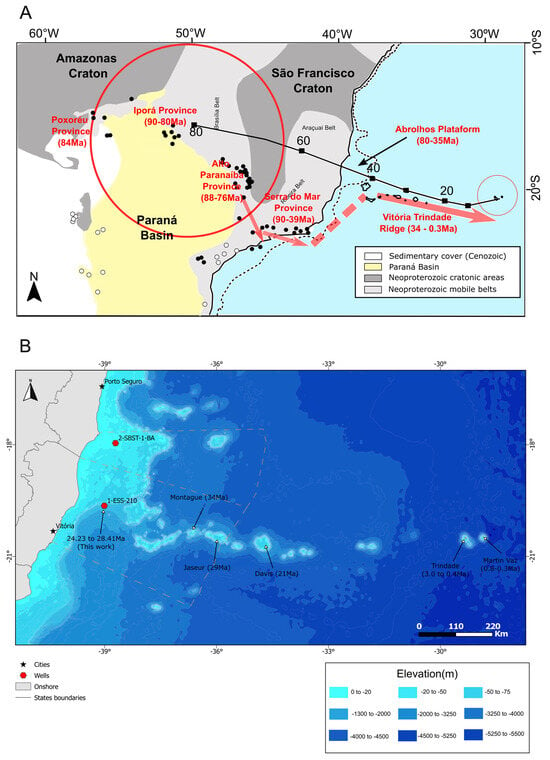
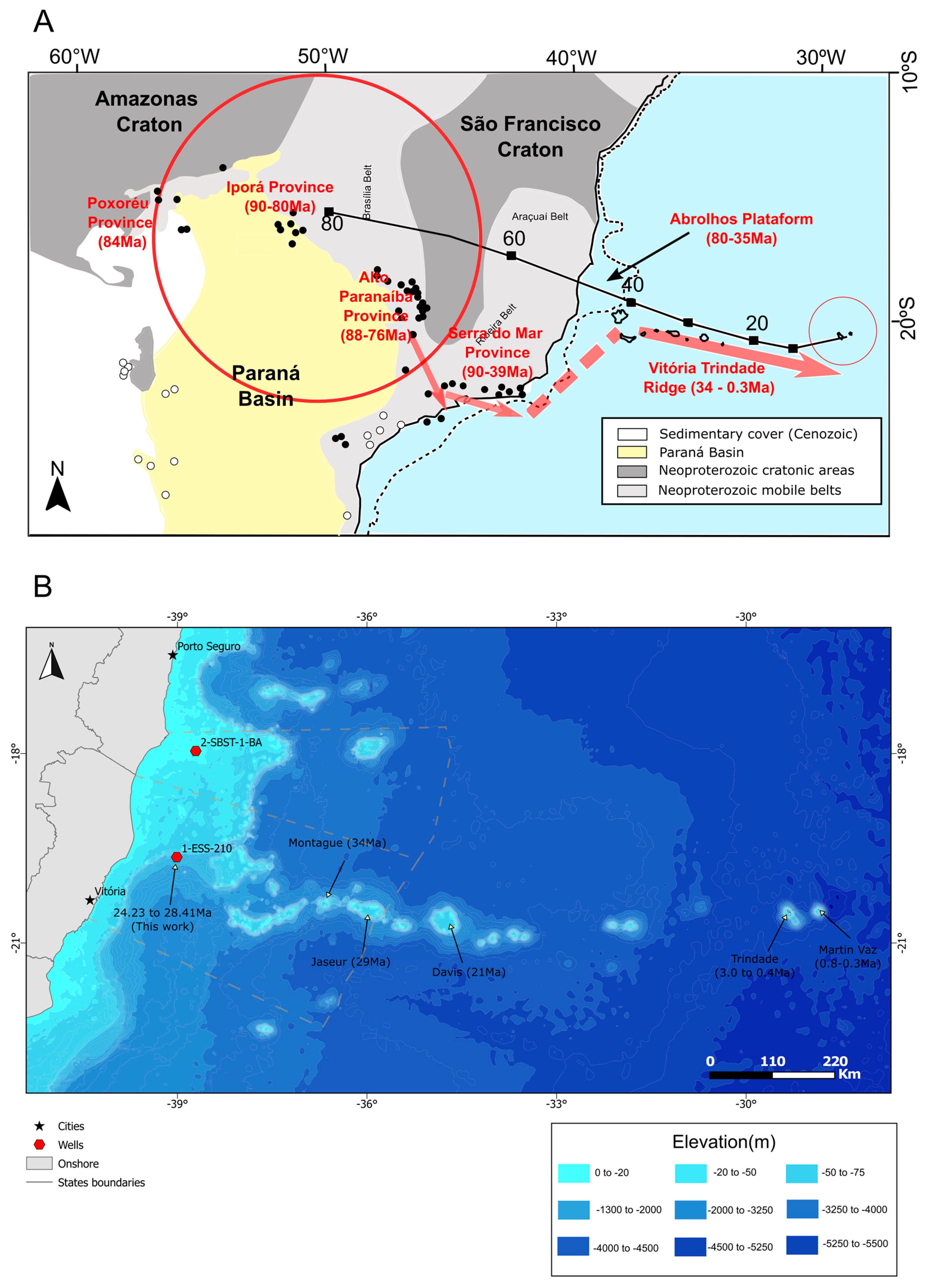
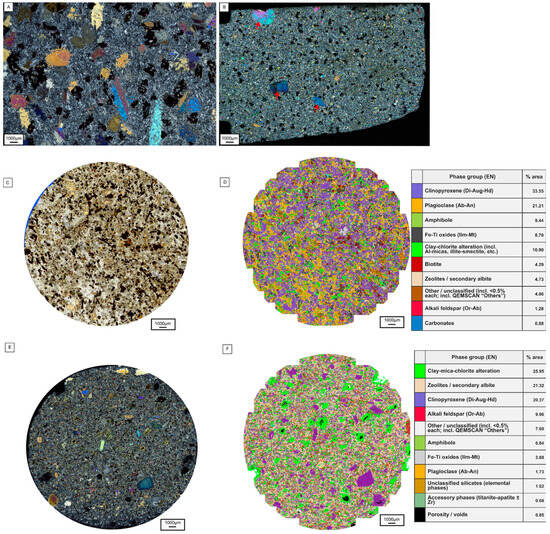
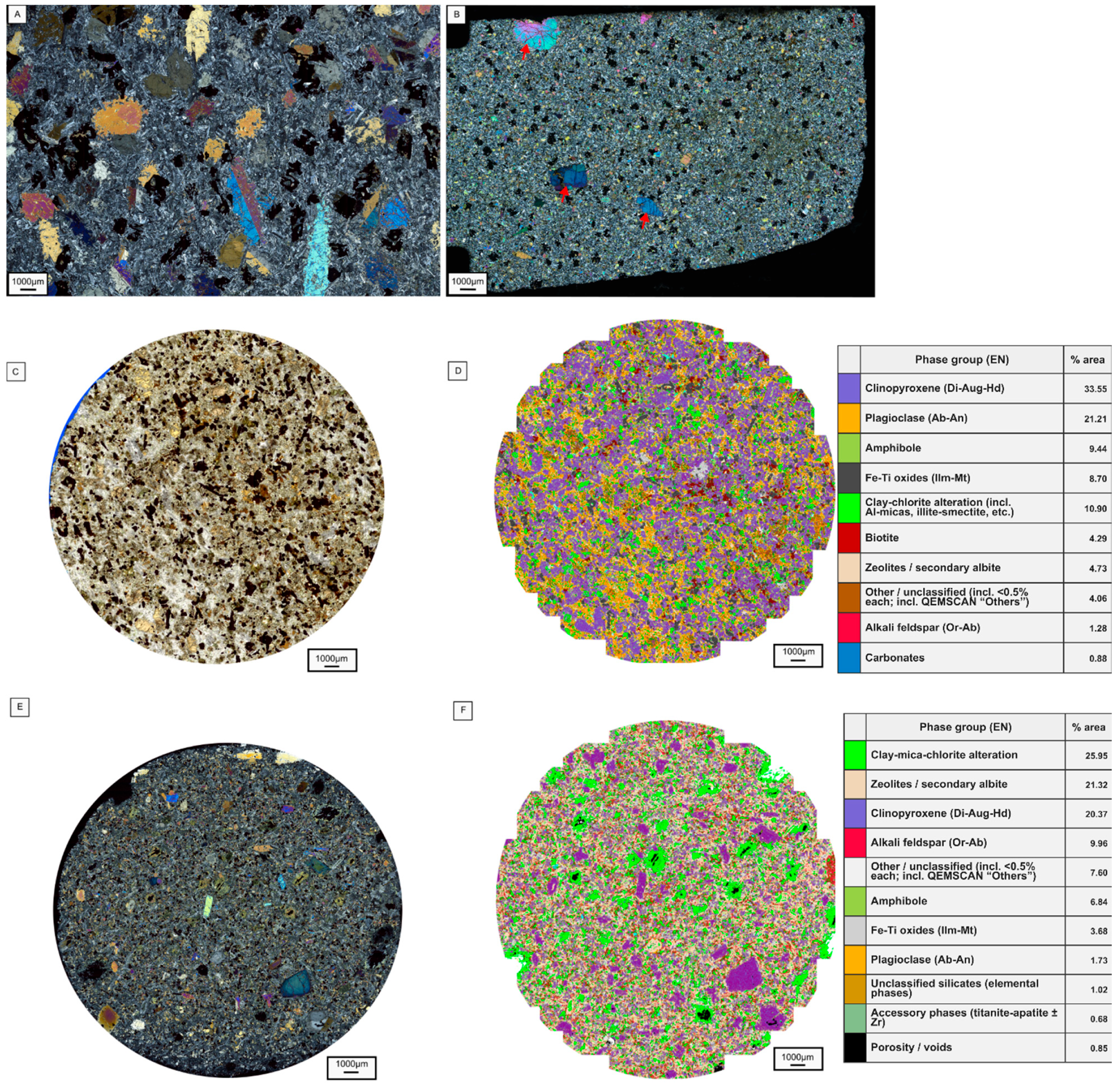
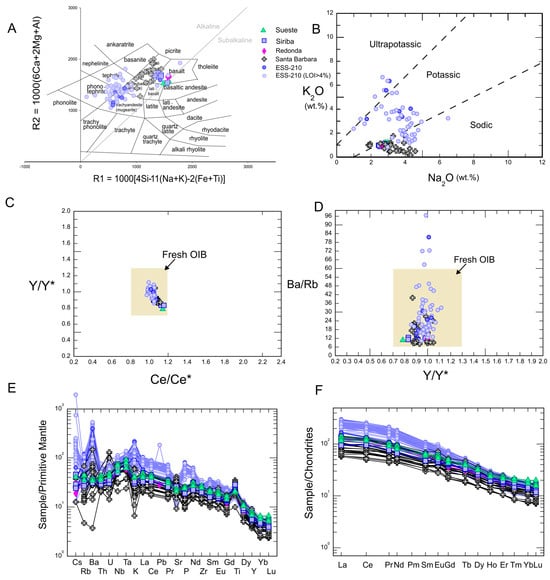
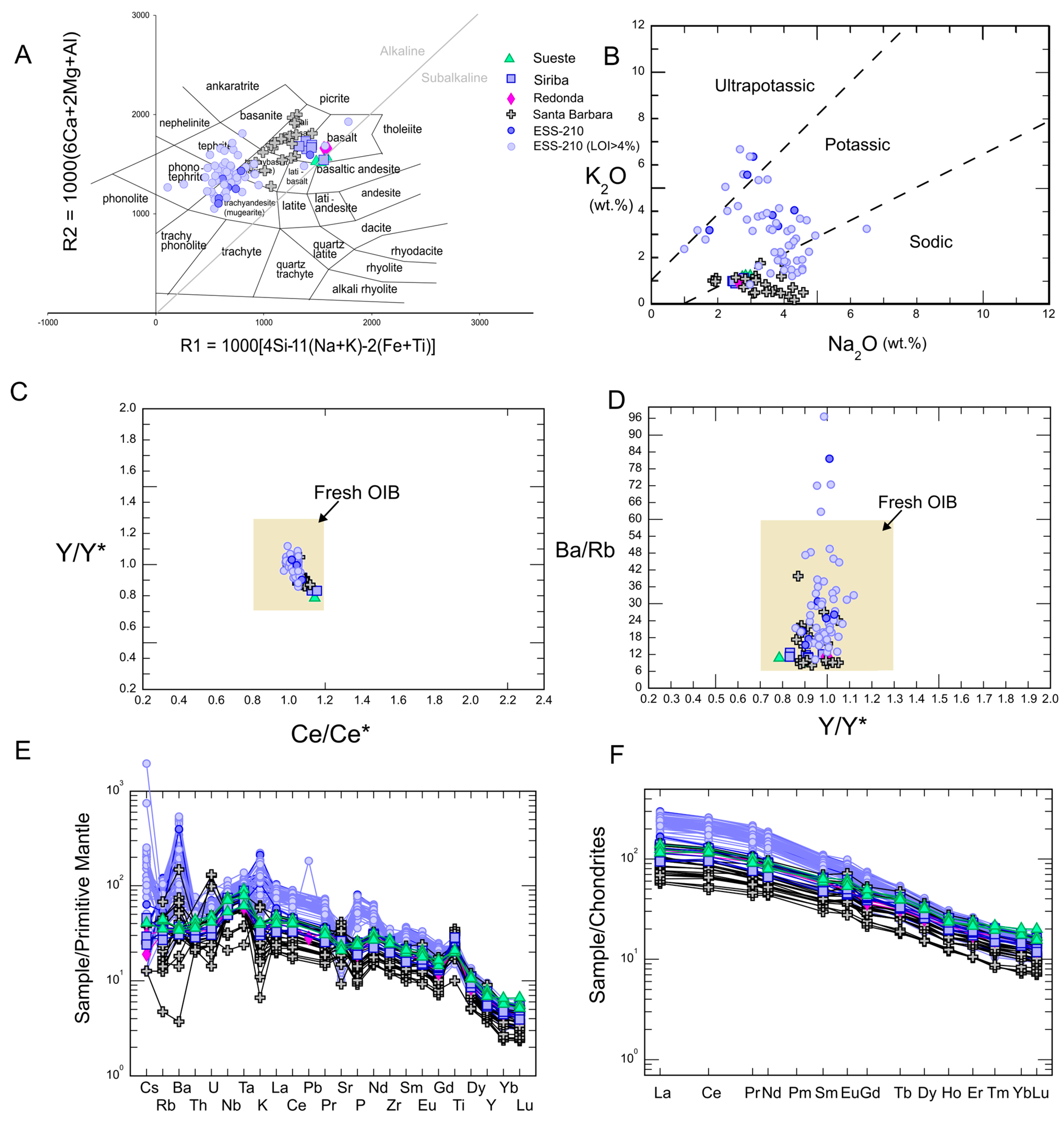
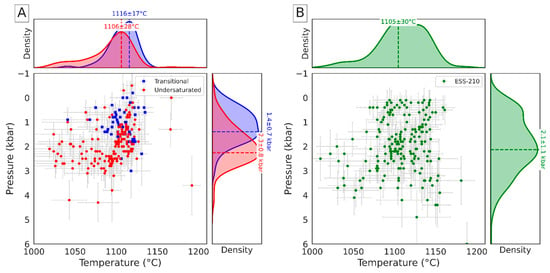
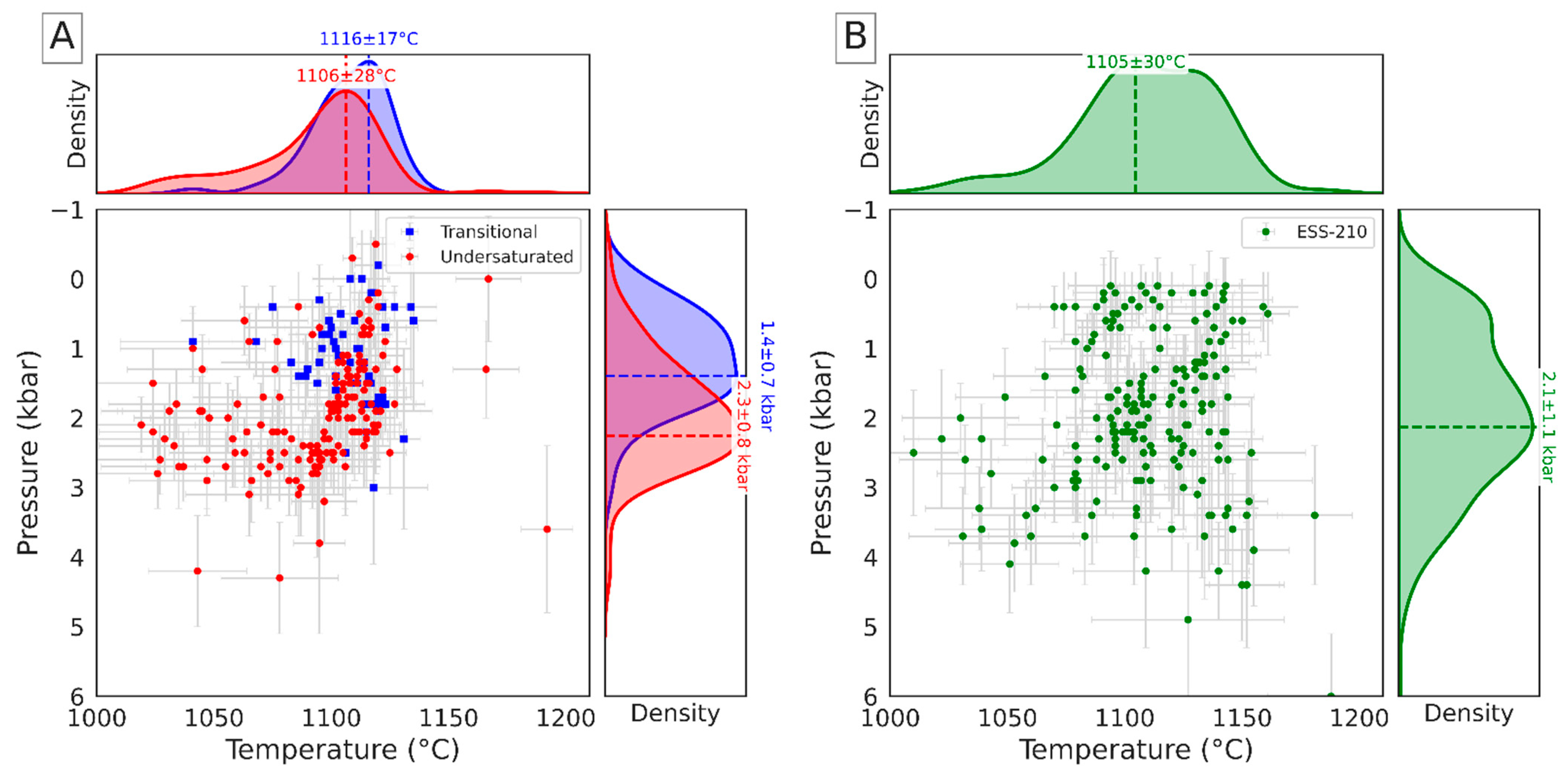
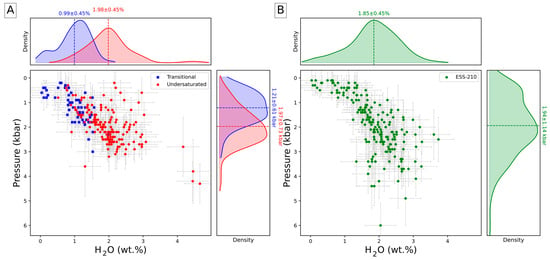
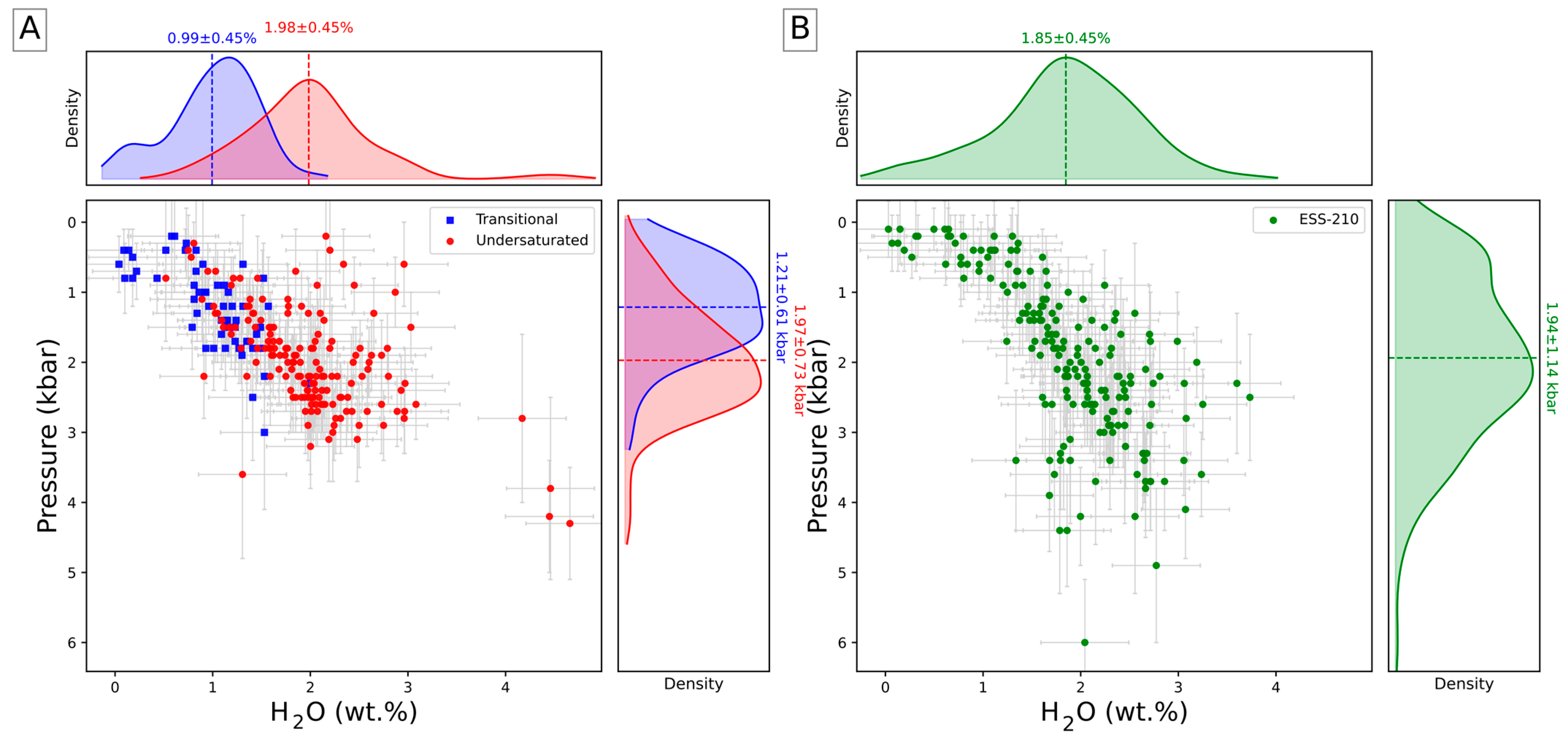
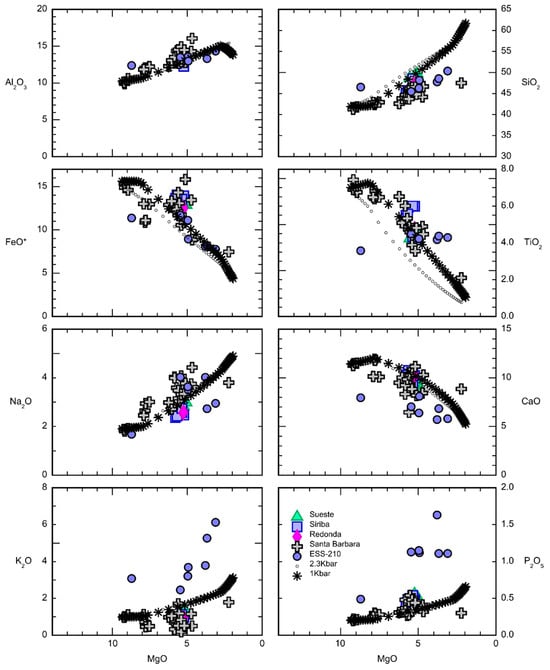
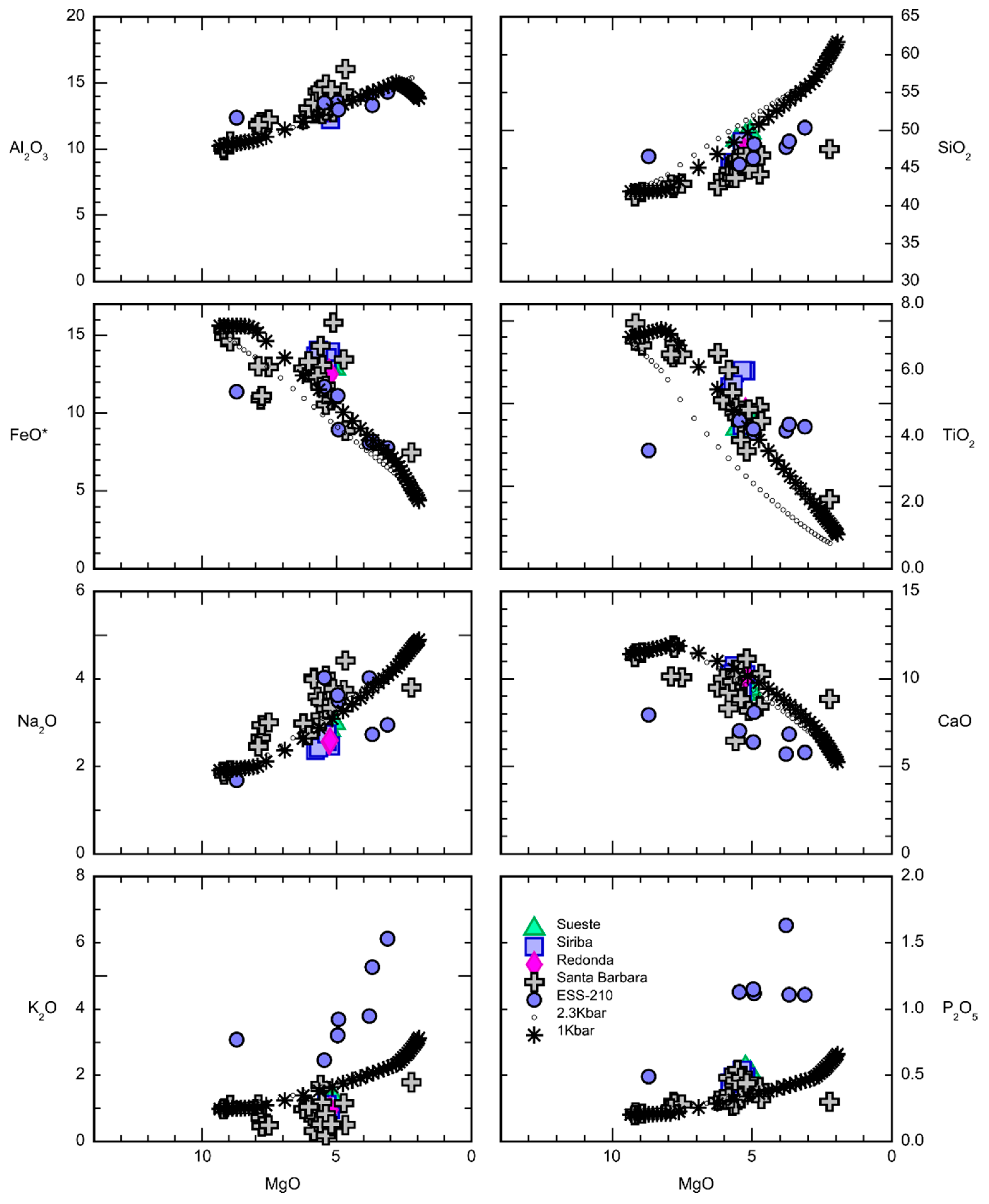
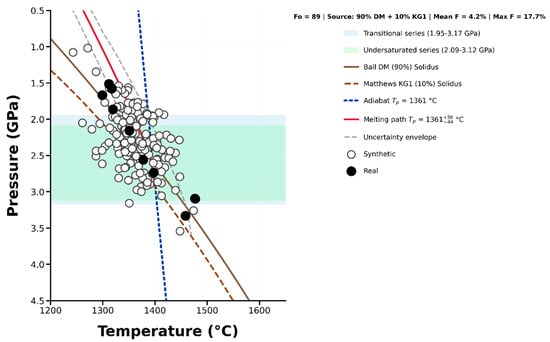
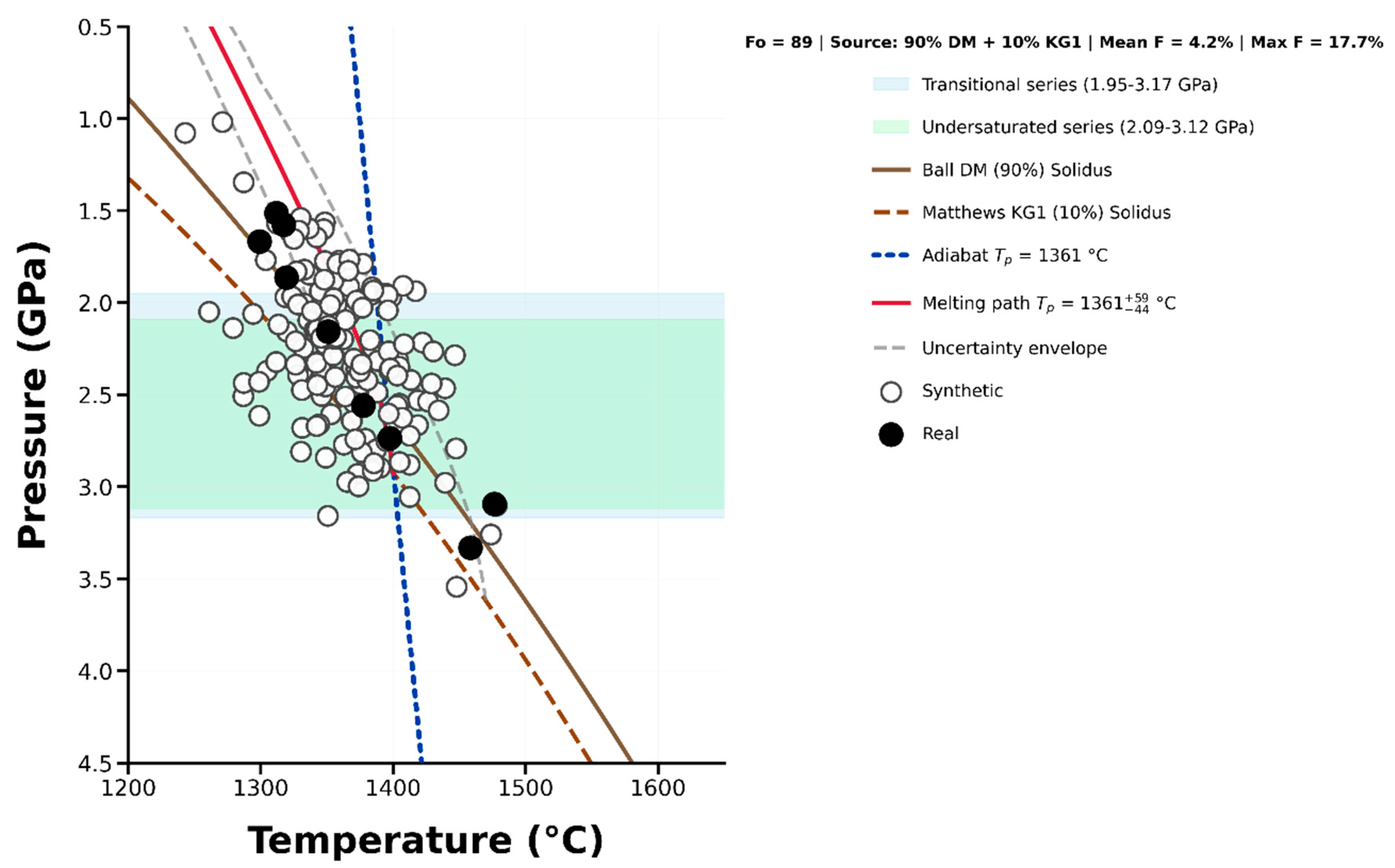
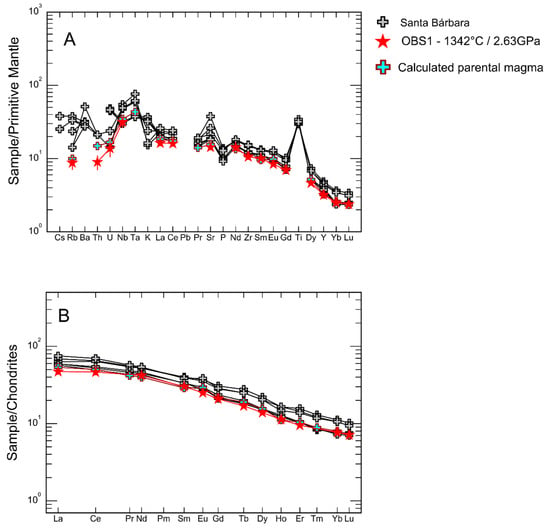
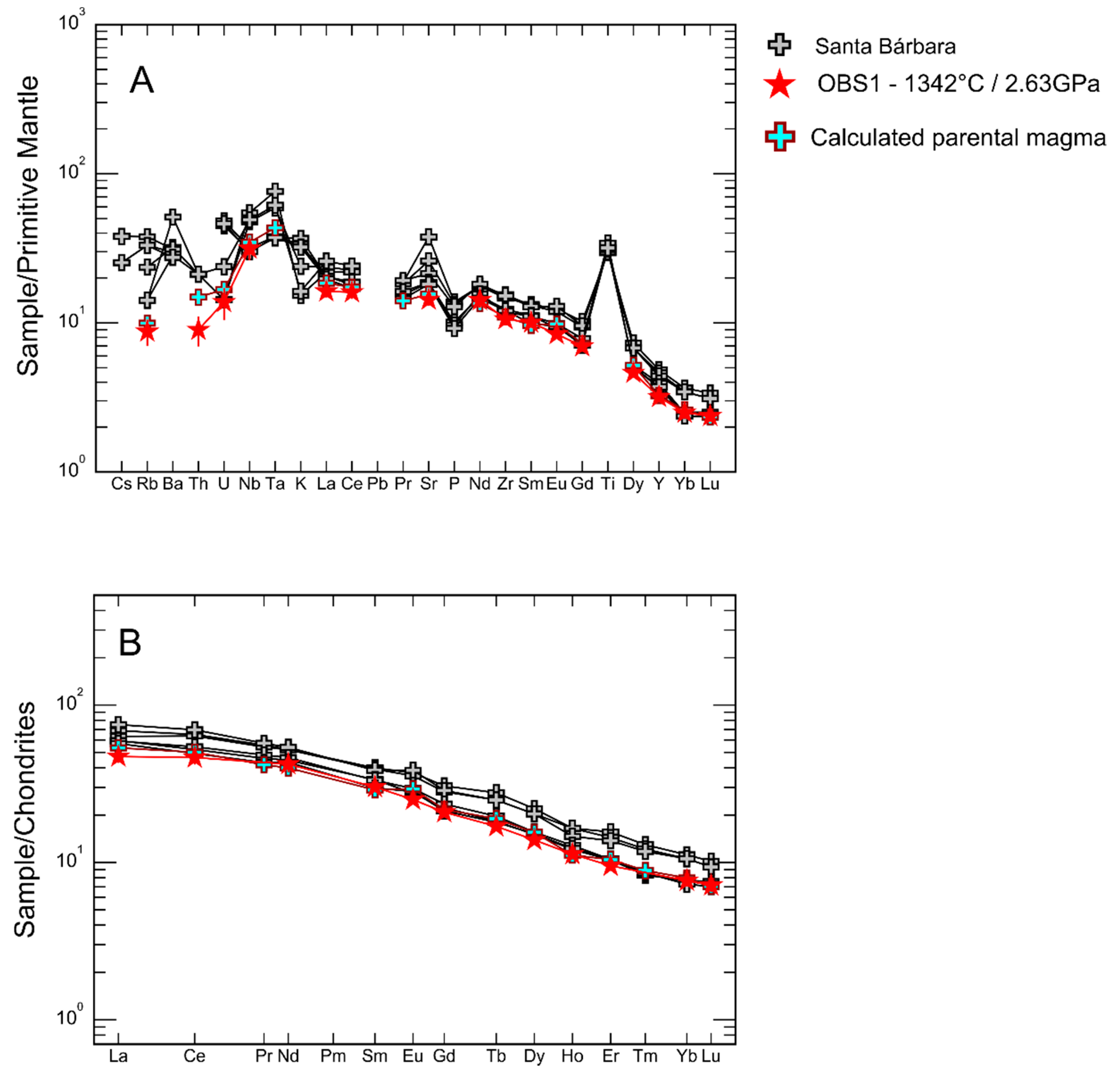
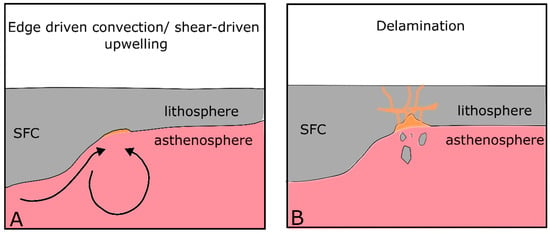
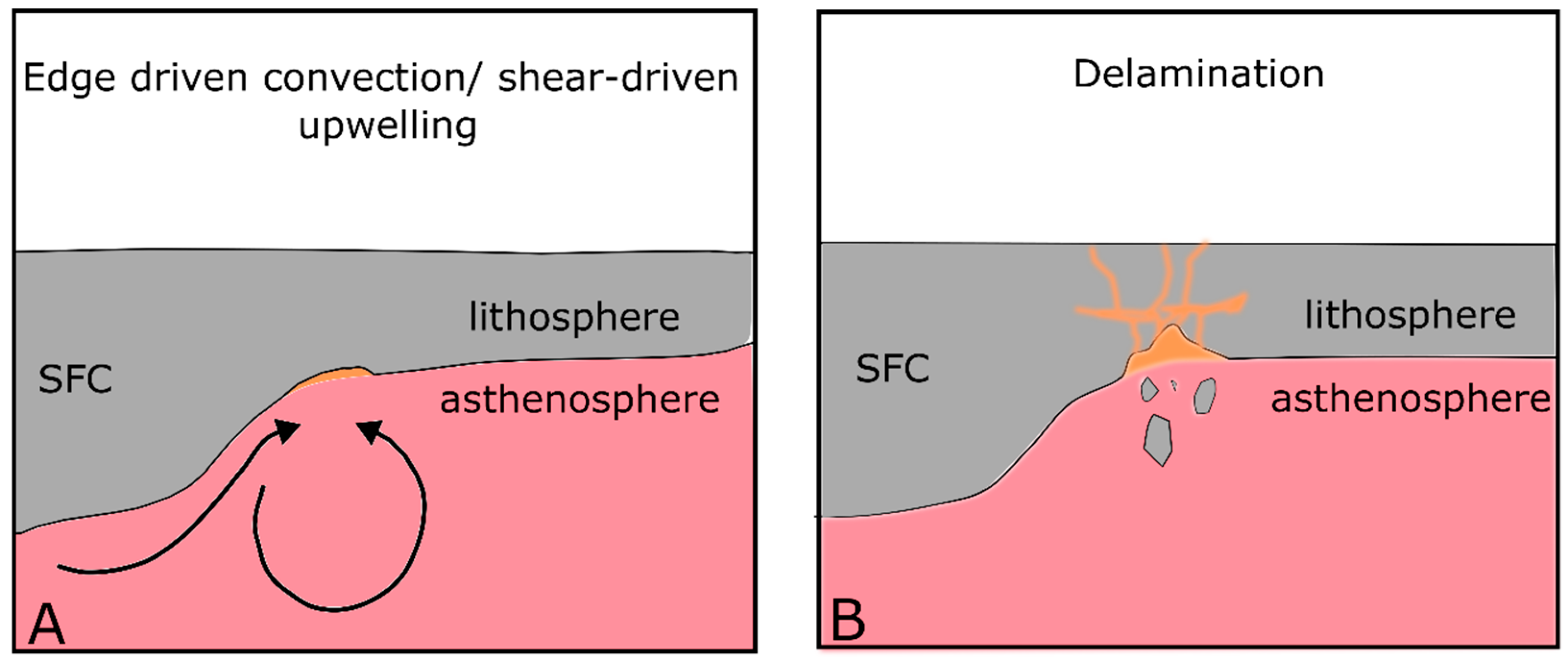

Disclaimer/Publisher’s Note: The statements, opinions and data contained in all publications are solely those of the individual author(s) and contributor(s) and not of MDPI and/or the editor(s). MDPI and/or the editor(s) disclaim responsibility for any injury to people or property resulting from any ideas, methods, instructions or products referred to in the content. |
© 2026 by the authors. Licensee MDPI, Basel, Switzerland. This article is an open access article distributed under the terms and conditions of the Creative Commons Attribution (CC BY) license.