


Abstract
This paper proposes an improved metaheuristic algorithm named LHBBO, which incorporates legal and moral constraints into a human behavior-based optimization framework to tackle the limitations of conventional methods in high-dimensional and multimodal problem spaces. Three key innovations are introduced: a dual-layer normative audit mechanism that enforces hard legal and soft moral constraints during candidate evaluation; a jury-guided collaborative consultation strategy that diversifies search direction references; and a directional migration mechanism triggered by population diversity and stagnation metrics. The proposed LHBBO is evaluated on the CEC2017 and CEC2022 benchmark suites, where it demonstrates significantly better convergence behavior and solution quality compared to several state-of-the-art algorithms. Notably, in 100-dimensional tests, LHBBO improves optimization precision by over 97% relative to the standard HBBO. When applied to unsupervised visual anomaly detection in industrial settings using the M2AD dataset, LHBBO effectively optimizes key parameters of a collaborative discrepancy-based model. The resulting system achieves a 9.05% increase in pixel-level localization accuracy (AUPRO) compared to the baseline CDO model, confirming its practical utility in complex, non-convex industrial optimization tasks.
1. Introduction
With the profound development of intelligent manufacturing, unsupervised anomaly detection based on computer vision has become a core technology for quality control [1]. However, on actual industrial production lines, the visibility of defects (such as scratches, wear, and tiny deformations) often carries high uncertainty due to the complex interaction of product surface materials, geometric structures, and varying observation angles or lighting conditions [2]. This coupling of viewpoint and illumination leads to significant adaptability issues for traditional fixed-parameter detection models when facing variable operating conditions [3]. To enhance model robustness in complex imaging environments, fine-tuning core hyperparameters—such as loss function weights and dynamic weighting factors—is typically required. Nevertheless, these parameter spaces often exhibit high-dimensional, non-convex, and multimodal characteristics, making it difficult for traditional gradient descent or grid search methods to balance efficiency and precision [4]. Therefore, researching efficient and robust heuristic optimization algorithms to achieve automated and intelligent parameter searching for industrial detection models holds immense engineering application value.
In recent years, numerous research teams have extensively explored how to more accurately model the features of normal images. These efforts can be mainly categorized into three technical trajectories:
Reconstruction-based Methods: Early teams primarily utilized autoencoders and their variants to reconstruct normal samples. Bergmann et al. pioneered the integration of the Structural Similarity Index (SSIM) into the loss function of autoencoders [5], locating industrial texture defects through pixel-level and structural-level reconstruction errors. Subsequently, Schlegl et al. introduced AnoGAN [6], which for the first time applied Generative Adversarial Networks (GANs) to medical and visual defect detection. This work utilized a generator to learn the manifold of normal data and calculated anomaly residuals by iteratively searching for the optimal latent variable in the latent space. To mitigate the “identity shortcut” problem caused by the overly strong generalization capabilities of generative models, Zavrtanik et al. proposed the DRAEM architecture [7]. By artificially generating perceptually coherent pseudo-anomalies on normal images and masking them, their team forced the reconstruction network to learn texture restoration for anomalous regions, thereby significantly improving the localization accuracy of surface defects.
Feature Distribution Modeling Methods: With the popularization of large-scale pre-trained vision models, directly extracting deep features for statistical modeling has become mainstream. Defard et al. proposed the PaDiM model [8], where their team utilized pre-trained CNNs to extract multi-scale feature patches and constructed a multivariate Gaussian distribution at each spatial location, achieving high-precision anomaly localization by calculating the Mahalanobis distance during testing. Building on this, Roth et al. developed the industry-landmark PatchCore algorithm [9]. By introducing a greedy “Coreset” subsampling mechanism, their work constructed a compact and representative normal feature memory bank, setting new benchmark records while maintaining inference speed. Additionally, Gudovskiy et al. proposed the normalizing flow-based CFLOW-AD [10], which achieved precise density estimation of normal features by establishing a reversible mapping between complex image features and a standard normal distribution.
Knowledge Distillation-based Methods [11]: The knowledge distillation paradigm captures anomalies through the feature discrepancies between teacher and student networks. Wang et al. proposed the STPM framework [12], successfully converting unseen anomalous features into significant regression errors by having a student network, trained from scratch, mimic a pre-trained and frozen teacher network at multi-scale feature levels. To further amplify this discrepancy, Deng et al. designed the Reverse Distillation architecture [13]. Their team innovatively projected high-dimensional semantic features back into a low-dimensional feature space for decoding and comparison, effectively suppressing the student network’s blind fitting of anomalous features. The baseline model CDO adopted in this paper also follows this advanced architectural philosophy of multi-source collaboration and differential observation.
In summary, although various research teams have made significant progress in network architectures and feature extraction mechanisms, the performance of these advanced models in practical deployment is often constrained by empirically configured hyperparameters (e.g., feature layer fusion weights, loss function balance coefficients, distance metric thresholds, etc.) [14]. Especially in complex industrial scenarios characterized by strong coupling between field of view and illumination, as well as diverse and variable interferences, fixed parameter combinations can easily cause the model to fall into a suboptimal state [15]. Therefore, how to find the global optimum within a multimodal, non-convex parameter space by introducing efficient metaheuristic optimization algorithms has become a key step to enhance or even break through the upper limit of the generalization capability of existing UAD models [16].
Parameter optimization plays an important role in improving the performance of industrial anomaly detection models. However, such optimization tasks often involve complex search spaces, nonlinear parameter interactions, and multiple local optima, making it difficult for traditional optimization methods to obtain stable and high-quality solutions. Therefore, metaheuristic algorithms have been widely adopted due to their flexibility, global search capability, and independence from gradient information.
In recent years, many representative metaheuristic algorithms have been proposed or improved from different perspectives. For example, the Grey Wolf Optimizer (GWO) [17] uses hierarchical leadership and hunting behavior to guide population search, while the Improved Adaptive Grey Wolf Optimizer (IAGWO) [18] further enhances the search process through adaptive adjustment mechanisms. The Crayfish Optimization Algorithm (COA) [19], Crested Porcupine Optimizer (CPO) [20], Dung Beetle Optimizer (DBO) [21], and Snake Optimizer (SO) [22] construct optimization processes by simulating different biological behaviors. In contrast, the RIME Optimization Algorithm [23] is inspired by physical rime-ice growth and designs corresponding exploration and exploitation mechanisms.
Although these algorithms provide diverse search strategies and have shown promising optimization performance, most of them mainly focus on population position updating, biological behavior simulation, or physical process modeling. For parameter optimization in industrial anomaly detection, the optimizer is expected not only to maintain global search capability but also to handle complex constraints, reduce search bias caused by limited guidance information, and recover population diversity when stagnation occurs. To address these limitations, this paper further develops an enhanced human behavior-based optimizer, named LHBBO. Before presenting the detailed design of LHBBO, Table 1 provides a horizontal comparison between representative metaheuristic algorithms and the proposed LHBBO to clarify its motivation and positioning.
Table 1.
Comparison between representative metaheuristic algorithms and LHBBO.
Human Behavior-Based Optimization (HBBO) [24], as a novel metaheuristic method simulating social learning and decision-making behaviors, has demonstrated potential in solving general optimization tasks. However, when confronting stringent challenges such as parameter optimization for industrial anomaly detection, the standard HBBO reveals limitations, including weak local optima avoidance and blind search directions. Specifically, the single guidance mechanism of standard HBBO may lead to search bias and insufficient information interaction among individuals, while the lack of a targeted diversity maintenance strategy makes the algorithm prone to premature convergence when population stagnation occurs. In addition, its search process lacks an effective normative regulation mechanism under complex constraints, which may reduce the quality and feasibility of candidate solutions. In response, this paper proposes an enhanced LHBBO algorithm from the perspectives of social governance and collaborative decision-making. First, a Legal–Moral Dual-Layer Normative Audit mechanism is introduced to optimize the quality of solution space search under complex constraints through a combination of hard constraints and soft penalties. Second, a Jury-Guided Collaborative Consultation mechanism is designed to calibrate individual update directions using multi-source high-quality information, thereby avoiding search bias caused by single-expert guidance. Finally, a Diversity-Stagnation-Driven Directional Migration strategy is constructed to achieve purposeful cross-domain exploration when the algorithm suffers from premature stagnation.
The primary innovations and contributions of this work are summarized as follows:
- (1)
- A novel LHBBO algorithm integrating three complementary enhancement strategies: Unlike the standard Human Behavior-Based Optimization (HBBO), the proposed LHBBO incorporates a legal–moral dual-layer normative audit mechanism, a jury-guided collaborative consultation mechanism, and a diversity-stagnation-driven directional migration strategy. These components collectively improve global search capability, directional guidance, and the ability to escape local optima.
- (2)
- Comprehensive empirical validation on benchmark suites: Extensive experiments are conducted on the CEC2017 and CEC2022 test suites. The performance of LHBBO is compared against nine representative algorithms, including GWO, CMA-ES, RIME, and IAGWO. Ablation studies, convergence curve analyses, and statistical tests (Wilcoxon rank-sum and Friedman) confirm that LHBBO achieves superior accuracy, stability, and scalability, particularly in high-dimensional settings.
- (3)
- Successful application to industrial unsupervised anomaly detection: The LHBBO algorithm is deployed to optimize the key hyperparameters γ and α in a collaborative discrepancy-based unsupervised anomaly detection (CDO) model. Experiments on the M2AD [25] industrial vision dataset, which features complex interactions between viewpoint and illumination, demonstrate that the LHBBO-optimized model significantly outperforms the baseline in both detection and localization metrics, validating its practical value in real-world manufacturing quality control scenarios.
The remainder of this paper is organized as follows: Section 2 first introduces the origin, mathematical model, and search strategy of the standard HBBO, and then elaborates on the mathematical models of the three core strategies: legal–moral constraints, jury consultation, and directional migration. Section 3 conducts performance validation on the CEC2017 and CEC2022 benchmark suites, designs ablation experiments, analyzes the convergence behavior of LHBBO using metrics such as convergence curves and search trajectories, and employs the Wilcoxon rank-sum test and Friedman test for stability analysis to verify its optimization performance. Section 4 applies LHBBO to industrial visual anomaly detection tasks to demonstrate its advantages. Section 5 summarizes the research and provides an outlook, discussing the strengths and weaknesses of LHBBO and exploring potential future improvement directions.
2. Human Behavior-Based Optimization and the Proposed Methodology
2.1. Human Behavior-Based Optimization (HBBO)
Human Behavior-Based Optimization (HBBO) is a metaheuristic optimization algorithm inspired by human social behavior. Unlike most optimization methods abstracted from collective behaviors observed in nature, HBBO mainly simulates the processes of learning, communication, and occupational transition in human society and performs the search for complex optimization problems through these behavioral mechanisms. According to the original HBBO study, the basic procedure of the algorithm consists of five stages: initialization, education, consultation, field-changing probability, and termination judgment.
Let be the dimension of the optimization problem and be the population size. The -th individual is represented as:
Its fitness is determined by the objective function:
In the initialization phase, HBBO randomly generates individuals and distributes them into distinct fields. The original HBBO defines the best individual in each field as the Expert, and other individuals learn from this expert in subsequent iterations. The number of individuals in each field during the initial stage can be expressed as:
In the Education Phase, each individual within a field updates its position around the local expert. The original HBBO describes this process using spherical coordinates: let be the Euclidean distance from the individual to the expert; the new radial search range is given by:
where and are control parameters. This mechanism allows individuals to perform local learning and exploitation near the expert. However, it also implies that the entire field is highly dependent on a single expert; if the expert falls into a local optimum, the search direction of the field may become entirely biased.
In the Consultation Phase, all individuals except the global best randomly select a consultant from the entire population and borrow part of the consultant’s dimensional information to form a candidate solution. In the original HBBO, the number of replaced dimensions is determined by the consultation factor:
where is the consultation factor. HBBO distinguishes between an advanced mode and a simple mode: the advanced mode accepts the update only if the candidate is better than the current solution, while the simple mode replaces it directly. This process facilitates information exchange among the group, but since the source of consultants is random and their quality is inconsistent, it often introduces ineffective perturbations in complex multimodal problems.
In the Field Migration Phase, HBBO first ranks the fields based on the performance of their experts and then sets a migration probability for each field. The original formula is:
where denotes the rank of the -th field. Subsequently, an individual is selected within the chosen field via roulette wheel selection and migrated to another random field. Although this mechanism helps maintain population diversity, the purely random nature of the migration target lacks directionality, leaving room for improvement in search efficiency. Overall, HBBO constructs a clear human-behavioral search framework through intra-field learning, inter-individual consultation, and cross-field migration.
2.2. Proposed Legal-and-Moral Constrained Human Behavior-Based Optimization (LHBBO)
To address the limitations of standard HBBO in constraint expression, guidance mechanisms, and local optima escape, this paper proposes a Legal-and-Moral constrained Human Behavior-Based Optimization (LHBBO). While retaining the basic framework of HBBO, this algorithm introduces three enhancement strategies: a Legal–Moral Dual-Layer Normative Audit Mechanism, a Jury-Guided Collaborative Consultation Mechanism, and a Diversity-Stagnation-Driven Directional Migration Mechanism.
2.2.1. Legal–Moral Dual-Layer Normative Audit Mechanism
In real society, human behavior is not only driven by the single goal of maximizing profit but is also constrained by institutional boundaries and ethical standards. To align the algorithm with the research theme, this paper introduces a dual-layer audit mechanism. Let the original optimization problem be:
where the Legal Constraints are defined as:
and the Moral Constraints are defined as:
Legal constraints are hard constraints representing impassable boundaries, while moral constraints are soft constraints representing behavioral norms where moderate deviation is allowed but incurs a cost.
To characterize the degree of violation, the Legal Violation is defined as:
The Moral Violation is defined as:
where is the penalty weight for the -th moral constraint. Furthermore, a comprehensive fitness function with an audit term is constructed:
The dynamic penalty coefficient is defined as:
where is the current iteration and is the maximum number of iterations. This design allows the algorithm to maintain exploration elasticity in the early stages and gradually strengthen the constraints on moral acceptability in the later stages, preventing solutions that have optimal objective values but unacceptable behavior.
During the individual selection phase, a Legality-First hierarchical comparison rule is adopted:
- (1)
- If the candidate solution satisfies all legal constraints while the current solution does not, the candidate is preferred.
- (2)
- If both satisfy legal constraints, their values are compared.
- (3)
- If both violate legal constraints, the one with the smaller is retained, with the original objective value compared only if necessary.
Through this mechanism, LHBBO incorporates optimization performance, legality, and morality into the evaluation system, enhancing the interpretability and acceptability of the algorithm for practical applications.
2.2.2. Jury-Guided Collaborative Consultation Mechanism
Standard HBBO relies on a single expert in the education phase and random consultants in the consultation phase, which can lead to information that is either too narrow or too scattered. Thus, this paper proposes a Jury-Guided Collaborative Consultation Mechanism, emphasizing joint review by multiple high-quality individuals. The top individuals within each field are regarded as Local Jury Members, and several elite individuals from other fields are selected as External Review Members to provide multi-source judgment for the current individual’s update direction.
Specifically, for the -th field, the top individuals are selected to form the jury set . For the -th individual in this field, the update form is defined as:
where represents a local review individual randomly selected from the local jury, is a cross-field review individual selected from elites of other fields, and are random numbers in [0,1], and is a Gaussian perturbation term. Here, local review provides intra-field refinement information, cross-field review provides inter-field supplementary information, and the Gaussian perturbation maintains necessary stochastic exploration.
To achieve multi-source learning in the early stage and directional exploitation in the later stage, the three weights follow a time-adaptive relationship:
As iterations progress, the weight of local review increases while cross-field review and random perturbation decrease. This suggests that the algorithm prioritizes multi-source information fusion early on to avoid being misled by a single direction, and focuses on local refinement later to improve convergence accuracy.
2.2.3. Diversity-Stagnation-Driven Directional Migration Mechanism
The core issue with the original migration mechanism is that although migration occurs, the target field is random, leading to many migrations that fail to improve the search state. To enhance effectiveness, this paper proposes a Diversity-Stagnation-Driven Directional Migration Mechanism. Let the -th field contain individuals; its center is defined as:
Accordingly, the Field Diversity is defined as:
The Field Stagnation is defined as:
where represents the best fitness of field at iteration , is the stagnation detection window, and is a small constant. If a field exhibits low diversity + high stagnation, it is likely trapped in a local region, necessitating a higher migration probability.
The migration trigger probability for field is defined as:
where is the base migration rate, and are adjustment coefficients, and are normalized diversity and stagnation, and is the Sigmoid function.
When migration is triggered, instead of selecting a target field randomly, LHBBO prioritizes migrating low-quality individuals to high-quality target fields. The update form is:
where is the target field expert, is the target field center, and are random coefficients, is a heavy-tailed perturbation (Levy flight), and is the decaying jump intensity. This update utilizes both the best direction and overall trend of the target field while retaining cross-basin jumping capability via heavy-tailed perturbation, thereby improving migration targeting and breakthrough ability.
To clearly illustrate the overall execution process of the proposed LHBBO algorithm, a complete flowchart is provided in Figure 1. As shown in Figure 1, LHBBO starts with population initialization and fitness evaluation. Then, the Legal–Moral Dual-Layer Normative Audit mechanism is first performed to regulate the feasibility and quality of candidate solutions under complex constraints. After that, the Jury-Guided Collaborative Consultation mechanism is used to guide individual updates based on multi-source high-quality information, thereby reducing the search bias caused by single-source guidance.
Figure 1.
Complete flowchart of the proposed LHBBO algorithm.
During the iterative optimization process, the population state is continuously monitored. If population stagnation or insufficient diversity is detected, the Diversity-Stagnation-Driven Directional Migration strategy is activated to perform purposeful cross-domain exploration and enhance population diversity. Otherwise, the algorithm continues the normal population update process. After each iteration, the fitness values are recalculated and the best solution is updated. The above process is repeated until the termination condition is satisfied, and the optimal solution is finally output.
Through this flowchart, the interaction among the three proposed strategies can be more clearly observed. The Legal–Moral Dual-Layer Normative Audit mechanism improves the quality and feasibility of the search process, the Jury-Guided Collaborative Consultation mechanism enhances the accuracy of individual update directions, and the Diversity-Stagnation-Driven Directional Migration strategy helps the algorithm escape premature stagnation. Therefore, the three strategies cooperate with each other during the iterative process to improve the optimization stability and search performance of LHBBO.
Through the collaborative design of these three mechanisms, LHBBO demonstrates superior global search capability, robust search behavior, and higher convergence quality. The Legal–Moral Dual-Layer Normative Audit Mechanism expands the evaluation from a single objective to a performance–legality–morality joint constraint, strengthening the algorithm’s ability to identify feasible boundaries. The Jury-Guided Collaborative Consultation Mechanism mitigates direction bias caused by single-expert dominance through joint review. Simultaneously, the Diversity-Stagnation-Driven Directional Migration Mechanism triggers cross-field reorganization when local search stalls, enhancing the ability to escape local optima. Together, these strategies allow LHBBO to maintain the behavioral framework of HBBO while significantly improving its adaptability to complex constraints and multimodal structures. Algorithm 1 presents the pseudo-code of LHBBO.
| Algorithm 1. Pseudo-Code of LHBBO |
| 1: Input N, dim, T, LB, UB, fobj 2: Expand bounds to 1 × dim; if LB(d) > UB(d) swap; if LB(d) == UB(d) set UB(d)+ = 1 × 10⁻¹² 3: Set algorithm parameters Nf, K1, K2, sigma, rhoJ, lambda0, lambdaMax, p0, alpha, beta, Delta 4: X ← uniform_init(N,dim,LB,UB); randomly divide X into Nf fields; for i = 1…N: fit(i) = fobj(X(i,:)); [VL(i),VM(i)] = constraint_check(X(i,:)); auditFit(i) = audited_value(fit(i),VL(i),VM(i),lambda0); [Best,idx] = legality_first_best(…); BestVec = X(idx,:) 5: for t = 1…T 6: tau = t/T; lambda = lambda0 + (lambdaMax − lambda0)·tau^2; a = 0.2 + 0.8·tau; b = 1 − tau; c = (1 − tau)^2; eta = 1 − tau 7: for each field k: sort field k by legality-first rule; Expert ← best of field k 8: for each individual i in field k: Xedu = X(i,:) + K1·rand·(Expert − X(i,:)) + K2·randn(1,dim); Xedu = clip(Xedu,LB,UB); greedy update by legality-first audit rule 9: for each field k: Jk ← top ceil(rhoJ·nk) of field k; Qk ← elite references from other fields 10: for each individual i in field k 11: choose jloc from Jk and jcross from Qk 12: Xcon = X(i,:) + a·rand·(X(jloc,:) − X(i,:)) + b·rand·(X(jcross,:) − X(i,:)) + c·randn(1,dim) 13: mask = (rand(1,dim) < sigma); Xcand = X(i,:); Xcand(mask) = Xcon(mask); Xcand = clip(Xcand,LB,UB) 14: greedy update by legality-first audit rule 15: for each field k: compute center Ck, diversity Dk, and stagnation Sk from field-best history 16: for each field k 17: pk = p0·sigmoid(alpha·(1 − Dn(k)) + beta·(1 − Sn(k))) 18: if rand < pk: choose worst individual wk in field k; choose promising target field q; Eq ← best of q; Cq ← center of q 19: Xmig = X(wk,:) + rand·(Eq − X(wk,:)) + rand·(Cq − Ck) + eta·levy(1,dim,1.5); Xmig = clip(Xmig,LB,UB) 20: greedy update by legality-first audit rule; if accepted then move wk from field k to field q 21: [Best,idx] = legality_first_best(…); BestVec = X(idx,:); Convergence_curve(t) = Best 22: end return Best, BestVec, Convergence_curve |
2.2.4. Time Complexity Analysis
Let , , and denote the population size, problem dimension, and maximum number of iterations, respectively, and let denote the computational cost of evaluating the fitness function for one individual [26]. The initialization of the population requires time, and the initial fitness evaluation requires time. In each iteration, the Legal–Moral Dual-Layer Normative Audit mechanism checks hard constraints and calculates soft penalties for candidate solutions, whose computational cost is . The Jury-Guided Collaborative Consultation mechanism updates individuals based on multi-source guidance information, and its cost is also , since the number of guidance sources is fixed. The Diversity-Stagnation-Driven Directional Migration strategy detects population stagnation and performs directional migration when necessary, which introduces an additional cost. Together with boundary handling and fitness re-evaluation, the computational cost of each iteration is . Therefore, the overall time complexity of LHBBO can be derived as
When the fitness evaluation cost is proportional to the problem dimension, namely , the overall time complexity can be simplified to .
In terms of space complexity, LHBBO mainly stores the population matrix, fitness values, best solution, guidance vectors, constraint penalty information, and stagnation-related auxiliary variables. The population matrix requires space, while the fitness values and penalty or stagnation indicators require space. The best solution and guidance-related vectors require space. Since the additional variables introduced by the three strategies are mainly or , they do not change the dominant storage term. Therefore, the overall space complexity of LHBBO is .
3. Numerical Experiments
3.1. Algorithm Parameter Settings
To systematically verify the optimization performance of LHBBO, nine representative algorithms were selected as benchmarks for comparative experiments on the CEC2017 and CEC2022 test suites [27]. The selected comparison algorithms are categorized into two groups: classic, widely influential methods, including GWO [17], CMA-ES [28], and SO [22]; and high-performing novel optimization algorithms from recent years, including COA [19], CPO [20], RIME [23], IAGWO [18], and DBO [21]. The experimental section first analyzes and compares the performance of each algorithm based on the CEC2017 test functions. The parameter configurations for all algorithms are listed in Table 2. To minimize interference from stochastic factors, all algorithms were run independently 30 times under identical experimental conditions. Relevant results will be presented collectively in the subsequent sections [29]. For each test function and its corresponding dimension, the best results in the tables are highlighted in bold.
Table 2.
Compare algorithm parameter settings.
3.2. Ablation Experiment Analysis
To further analyze the specific roles of the three enhancement strategies within LHBBO, this paper conducts ablation experiments on the CEC2017 test suite. Six representative functions (F5, F6, F8, F10, F16, and F19) under 30-dimensional conditions were selected to plot the iterative convergence curves, as shown in Figure 2. The algorithms participating in the comparison include the complete LHBBO and three variants that each retain only a single strategy: LHBBO-S1, LHBBO-S2, and LHBBO-S3. By comparing the descent speed of different variants in the early stage of convergence, their continuous optimization capability in the middle and late stages, and their final fitness levels, the operational modes and synergistic effects of each strategy within the overall framework can be more clearly identified.
Figure 2.
Comparison of different improvement strategies.
As illustrated in Figure 2, all four algorithms can rapidly reduce the objective value in the initial phase of iteration, indicating that the improved framework built upon HBBO possesses strong initial search capabilities. However, as iterations progress, the differences between different strategy combinations gradually emerge. Overall, the complete LHBBO demonstrates the optimal or most stable convergence results across all six test functions. The black curve consistently maintains a lower fitness level in F5, F6, F8, F10, F16, and F19; on most functions, it not only descends faster in the early stage but also continues to improve in the later stage. This suggests that after coupling the three mechanisms, the algorithm achieves a more coordinated dynamic balance between global search and local exploitation. Especially on functions like F10, F16, and F19, where the curve differences are more pronounced, a significant gap appears between the complete LHBBO and each single-strategy variant, proving that multi-strategy synergy significantly promotes continuous optimization in complex search spaces.
Regarding the performance of individual strategies, LHBBO-S2 is generally the most competitive among the three ablation variants. The blue curve achieves sub-optimal results on F8, F10, F16, and F19, maintaining a steady downward trend across most iteration intervals. This indicates that the Jury-Guided Collaborative Consultation Mechanism effectively improves the information interaction mode of the population and weakens the directional bias that may be caused by single-expert guidance, allowing individuals to obtain more reliable search references during the update process. Particularly in F19, LHBBO-S2 quickly escapes high-value regions in the early-to-mid stage and maintains a low convergence level in the later stage, demonstrating the strategy’s strong role in information filtering and directional correction in complex multimodal environments.
LHBBO-S3 also demonstrates significant value on certain functions. Especially in F5 and F6, the green curve is overall superior to S1 and shows a better ability to continue descending in the later stages, with final results second only to the complete LHBBO. This suggests that the Diversity-Stagnation-Driven Directional Migration Mechanism functions effectively when the search stagnates or the population clusters too quickly, restoring search activity through purposeful cross-domain movement and enhancing the algorithm’s ability to jump out of local regions. However, looking at F8, F10, F16, and F19, the final performance of S3 when used alone is still weaker than S2, indicating that while the migration mechanism can improve search activity, its advantages are insufficient to consistently translate into optimal convergence results across all complex problems without higher-quality information guidance.
In contrast, the overall performance of LHBBO-S1 is relatively conservative. The red curve maintains a continuous descent across all six functions without significant oscillations, indicating that the Legal–Moral Dual-Layer Normative Audit Mechanism exerts a certain degree of constraint and filtering on individual updates, improving the orderliness and stability of the search process. However, in terms of final fitness, S1 does not show the strongest competitiveness on most functions, only coming close to S3 in a few cases. This suggests that the primary contribution of S1 leans more toward optimizing the retention rules for candidate solutions and suppressing low-quality updates, rather than directly enhancing the algorithm’s cross-regional breakthrough capability. Therefore, this strategy is better suited as a stabilizer and filter within the overall framework, rather than independently carrying the main task of performance enhancement.
Comprehensive analysis of the convergence curves reveals that the complete LHBBO outperforms any single-strategy variant across all test functions. This result indicates a clear complementary relationship among the three enhancement mechanisms rather than a simple superposition. The Legal–Moral Dual-Layer Normative Audit Mechanism improves the filtering quality and update order of solutions; the Jury-Guided Collaborative Consultation Mechanism enhances the reliability and stability of directional information; and the Diversity-Stagnation-Driven Directional Migration Mechanism strengthens the algorithm’s ability to break free from stagnation and local extrema. Their joint action empowers LHBBO with superior expansion capabilities in the early search stage while maintaining continuous and steady performance improvement in the middle and late stages, ultimately resulting in superior comprehensive performance in terms of convergence speed, final accuracy, and overall robustness.
3.3. Parameter Sensitivity Analysis
In metaheuristic optimization methods, coordinating exploration and exploitation is always a critical aspect of algorithm design. Exploration primarily refers to the expansive search by individuals in regions that have not been fully visited, aiming to increase the coverage of the solution space and discover new potential basins of attraction. In contrast, exploitation emphasizes a more meticulous neighborhood search around existing high-quality solutions to continuously improve the quality of current candidates. These two are not isolated processes; together, they determine whether the algorithm can balance global optimization capability with late-stage convergence precision. If exploration is insufficient, the population tends to cluster prematurely in local regions, leading to stagnation. Conversely, if exploitation is weak, the algorithm may fail to approach the optimal solution even after entering a promising area. Therefore, a rational exploration-exploitation coordination mechanism not only helps maintain population diversity but also enhances the generalization capability and search stability across different problem types.
To more intuitively characterize the search behavior of LHBBO during the iteration process, this paper utilizes Equations (23) and (24) to measure the exploration ratio and exploitation ratio at different stages, respectively [30]. Simultaneously, to describe the evolution of the population distribution over time, a dimensional diversity index is introduced and calculated according to Equation (25). Here, represents the position coordinate of the -th individual in the -th dimension, and denotes the maximum diversity observed throughout the iteration process [31]. By leveraging these indicators, the dynamic transition from dispersed search to concentrated exploitation can be analyzed quantitatively, facilitating an evaluation of LHBBO’s ability to balance search breadth and convergence depth. The experimental results are shown in Figure 3.
Figure 3.
Exploration and Exploitation Balance Ratio.
3.4. Convergence Behavior Analysis
To further investigate the dynamic search behavior of LHBBO, nine representative functions from the CEC2017 benchmark suite were selected, and the convergence characteristics were visualized from five perspectives, namely the function landscape, search history, average fitness evolution, trajectory variation, and best-so-far convergence curve, as shown in Figure 4. Since these functions include unimodal, multimodal, hybrid, and composition types, they provide a comprehensive basis for examining the search pattern and convergence behavior of the proposed algorithm under different problem complexities.
Figure 4.
Convergence behavior of LHBBO.
As observed from the function landscapes, the selected benchmarks differ significantly in surface topology, local ruggedness, and distribution of extrema, thereby imposing distinct requirements on both global exploration and local exploitation. The search-history plots indicate that LHBBO maintains a relatively broad spatial coverage during the early search stage, while the population gradually contracts toward promising regions as the iteration proceeds and finally forms dense clusters around high-quality areas. This demonstrates that the proposed method is able to preserve sufficient exploration at the beginning and then effectively focus the search on more promising basins.
The average-fitness curves further reveal a typical rapid descent followed by a stable refinement pattern on most benchmark functions. In the early stage, LHBBO quickly removes a large portion of low-quality solutions and establishes promising search regions; in the later stage, it gradually shifts to a more stable local-refinement process. Such behavior suggests that the algorithm achieves a well-coordinated transition between exploration and exploitation. In addition, the trajectory plots show that representative individuals exhibit relatively strong positional fluctuations at the beginning of the search, whereas these movements become much smoother and more localized in the later iterations. This indicates that LHBBO can effectively suppress unnecessary oscillations in the final stage and maintain a relatively stable search process.
From the best-so-far convergence curves, LHBBO consistently shows continuous improvement across different classes of functions. For functions such as F1, F3, and F22, the algorithm is capable of approaching promising regions rapidly at the early stage. For more complex problems, including F5, F6, F7, F23, F24, and F26, the convergence becomes relatively slower but still exhibits a sustained descending trend, indicating that LHBBO retains a strong ability to escape local optima and to perform fine-grained refinement in the later stage. Overall, Figure 4 confirms that LHBBO can realize a smooth transition from broad-range exploration to targeted exploitation in complex optimization landscapes, while maintaining a favorable balance among convergence speed, search stability, and late-stage refinement capability.
This convergence behavior can be attributed to the joint effect of the three core mechanisms embedded in LHBBO. The legal–moral dual-layer normative audit mechanism improves the effectiveness and orderliness of candidate-solution selection, the jury-guided collaborative consultation mechanism enhances the reliability of information exchange within the population, and the diversity-stagnation-driven directional migration mechanism strengthens the relocation capability when the search begins to stagnate. Through the interaction of these mechanisms, LHBBO exhibits strong adaptability, robustness, and sustained optimization capability on different categories of benchmark functions.
3.5. Experimental Results and Analysis of CEC2017 and CEC2022 Test Suite
The performance of LHBBO and several benchmark algorithms was systematically evaluated on the CEC2017 and CEC2022 benchmark suites. These two test suites include four representative categories of optimization problems, namely unimodal, multimodal, hybrid, and composition functions, which provide a comprehensive basis for assessing the search behavior of different algorithms. Specifically, unimodal functions are mainly used to examine local exploitation capability, whereas multimodal functions, due to the presence of numerous local optima, are more suitable for testing global exploration and the ability to escape from local traps. Hybrid and composition functions present more complicated landscapes and irregular structures, thereby offering a more demanding assessment of robustness and resistance to premature convergence.
To ensure a fair comparison and minimize the influence of randomness, all algorithms were evaluated under identical experimental settings. The population size was fixed at 30, the maximum number of iterations was set to 500, and each algorithm was run independently 30 times on every benchmark function. The experimental results are reported in terms of the average value (Ave) and standard deviation (Std), and the best results are highlighted in bold. All experiments were carried out on a Windows 11 platform using MATLAB 2023a, with an Intel i5-13400 processor and 16 GB of RAM. To provide a clearer comparison of algorithmic behavior, the convergence characteristics are presented in Figure 5, the solution distributions are visualized in Figure 6 using boxplots, and the detailed numerical results are listed in Table 3, Table 4, Table 5, Table 6 and Table 7.
Figure 5.
Part of the test function iterates convergence curves.
Figure 6.
Boxplot analysis for different algorithms on the test set.
Table 3.
Experimental results of CEC2022 (dim = 10).
Table 4.
Experimental results of CEC2022 (dim = 20).
Table 5.
Experimental results of CEC2017 (dim = 30).
Table 6.
Experimental results of CEC2017 (dim = 50).
Table 7.
Experimental results of CEC2017 (dim = 100).
Table 7 indicates that LHBBO exhibits strong overall competitiveness on both the CEC2022 and CEC2017 benchmark suites, with particularly notable advantages on several difficult functions and in high-dimensional scenarios. In general, compared with the original HBBO and other competing algorithms, LHBBO achieves varying degrees of improvement in solution accuracy, result stability, and adaptability to complex search landscapes. These observations suggest that the three enhancement components introduced into LHBBO effectively strengthen the original HBBO when dealing with multimodal, high-dimensional, and challenging optimization tasks.
On the CEC2022 benchmark suite, LHBBO already demonstrates promising performance under relatively low-dimensional settings. For instance, on F1 with dim = 10 in Table 3, LHBBO attains an average value of only , which is about 79.29% lower than that of HBBO (). Meanwhile, its standard deviation drops dramatically from to , indicating not only higher optimization accuracy but also an almost deterministic level of consistency across repeated runs. Under the same dimensional setting, LHBBO also achieves the best average values on F4, F5, and F6. In particular, for F6, the average fitness is reduced from obtained by HBBO to , corresponding to an improvement of 46.48%, which highlights its stronger search regulation capability on problems with complicated local structures. Further evidence can be found in Table 4 for dim = 20, where LHBBO still maintains a clear advantage on F1. Its average value is , representing an 81.72% reduction relative to HBBO (), while the standard deviation decreases from to . Although LHBBO does not rank first on every medium-dimensional CEC2022 function, its strong improvement on representative unimodal problems already confirms its effectiveness in refined exploitation and search stability.
The superiority of LHBBO becomes more evident on the CEC2017 benchmark suite, especially under dim = 30, where its improvement on complicated functions is particularly pronounced. As shown in Table 5, LHBBO achieves the best average results among all algorithms on a number of functions, including F2, F4, F6, F9, F11, F16, F17, F20, F25, F27, and F29. On F2, for example, LHBBO records an average value of , whereas HBBO yields , corresponding to an improvement of approximately eight orders of magnitude. This result indicates that the proposed method is far more effective at suppressing divergence on extremely difficult or highly unstable problems. For F9, the average fitness obtained by LHBBO is , which is about 75.43% lower than that of HBBO (), while the standard deviation is reduced from to . Such a result confirms that LHBBO not only provides better solution quality but also ensures stronger consistency over independent runs. On F6, both the average value and the standard deviation of LHBBO are reduced to and , respectively, outperforming the original HBBO and demonstrating a clear advantage in local exploitation and stable convergence. In addition, LHBBO also delivers the best average values on F16 and F17, namely and , further confirming its effectiveness on moderately and highly complex functions.
When the problem dimension increases to 100, the advantage of LHBBO becomes even more prominent on several high-dimensional benchmarks. According to Table 6, LHBBO achieves the best average values on F1, F2, F7, F17, F25, F26, and F28. On F1, its average value is only , which is approximately 97.54% lower than that of HBBO (), while the standard deviation is simultaneously reduced from to . This shows that LHBBO can maintain both high accuracy and strong robustness on high-dimensional unimodal problems. For F2, LHBBO attains an average value of , which is dramatically smaller than HBBO’s , demonstrating a cross-order-of-magnitude advantage and suggesting a much stronger ability to prevent divergence in severely ill-conditioned high-dimensional landscapes. On the more challenging F26 and F28, LHBBO further obtains the best overall results of and , respectively. In particular, on F28, the average fitness is improved by about 12.32% relative to HBBO (), while the standard deviation decreases from to , indicating that LHBBO preserves not only better solution quality but also stronger statistical stability on high-dimensional hybrid and composition problems.
Overall, the performance gain of LHBBO is not confined to a single function category; rather, it demonstrates solid adaptability across different dimensions and different levels of problem complexity. Its advantage is especially evident on high-dimensional unimodal functions, severely ill-conditioned problems, and several multimodal or composition functions. This observation suggests that the legal–moral dual-layer normative audit mechanism, the jury-guided collaborative consultation mechanism, and the diversity-stagnation-driven directional migration mechanism form an effective complementary framework: the first improves the quality of candidate selection, the second strengthens the reliability of search guidance, and the third enhances the capability to escape stagnation and local traps. As a consequence, LHBBO achieves a more comprehensive improvement in optimization accuracy, robustness, and stability under complex search environments, which also provides strong support for its potential in practical applications.
3.6. Stability Analysis
In optimization research, statistical analysis plays a critical role in establishing an objective framework for performance comparison among different algorithms. Compared with direct comparisons based only on average values or standard deviations, statistical tests can further determine whether the observed differences are significant, thereby improving the reliability and rigor of the experimental conclusions. With this motivation, nonparametric statistical methods are employed in this study to assess the performance of LHBBO, including the Wilcoxon rank-sum test and the Friedman test [32]. The former is used to examine pairwise differences between LHBBO and each competing algorithm, while the latter provides an overall ranking-based evaluation across multiple benchmark functions. In the following, the implementation procedure and the corresponding statistical results are presented in detail.
3.6.1. Wilcoxon Rank Sum Test
To provide a more informative statistical summary of LHBBO, three complementary indicators are reported in addition to the conventional +/≈/− counts. The first is the significant-win rate, defined as the proportion of significantly better cases over all pairwise comparisons [33]. The second is the decisive-win ratio, which measures the winning percentage only among comparisons with statistically significant outcomes, excluding ties. The third is the non-inferiority rate, which quantifies the proportion of cases in which LHBBO is either significantly better or statistically comparable to its competitors. As summarized in Table 8, LHBBO achieves 692 significant wins out of 1026 pairwise comparisons, corresponding to a significant-win rate of 67.45%. When only decisive comparisons are considered, its decisive-win ratio increases to 77.93%. Moreover, if statistically indistinguishable cases are regarded as non-inferior outcomes, the non-inferiority rate reaches 80.90%. These results indicate that, although not every comparison yields a significant advantage under a strict statistical criterion, LHBBO still exhibits a consistent and meaningful competitive edge across the majority of benchmark scenarios.
Table 8.
Summary of Wilcoxon rank-sum test results ().
Overall, these results indicate that LHBBO achieves statistically superior performance over the competing algorithms in the majority of benchmark cases, and this advantage becomes more evident on high-dimensional and challenging functions. Together with the previously reported average and standard deviation results, the statistical evidence confirms that LHBBO not only provides high-quality solutions in numerical terms but also maintains strong robustness and consistency from a statistical standpoint. This further supports the effectiveness of the legal–moral dual-layer normative audit mechanism, the jury-guided collaborative consultation mechanism, and the diversity-stagnation-driven directional migration mechanism in enhancing the overall performance of HBBO.
3.6.2. Friedman Mean Rank Test
To obtain an overall ranking of LHBBO against multiple competing algorithms, a statistical procedure capable of handling multi-algorithm comparisons is required. For this purpose, the Friedman test is adopted in this study. As a rank-based nonparametric test, it does not rely on any strict distributional assumption and is therefore well suited for evaluating the relative performance of several optimization algorithms over the same set of benchmark functions. By converting the results of different algorithms on each test problem into ranking information, the Friedman test provides an effective way to assess their overall comparative behavior [34]. The corresponding test statistic is given in Equation (27),
In this formulation, is the total number of blocks, is the number of compared groups, and denotes the summed rank assigned to the -th group. When both and are sufficiently large, the statistic can be approximated by a chi-square distribution with degrees of freedom. The experimental results are summarized in Table 9.
Table 9.
Friedman’s mean rank test results.
The Friedman mean-rank results provide an overall ranking-based comparison of LHBBO against the competing algorithms under different benchmark suites and dimensional settings. As a representative nonparametric multi-algorithm comparison method, the Friedman test evaluates the relative performance of each algorithm by assigning ranks across all benchmark functions, thereby reducing the influence of outliers and non-normal data distributions. In the reported table, the overall behavior of each algorithm is described by the average rank (A.R) and the final rank (F.R), where a smaller A.R indicates better comprehensive performance and F.R denotes the final ranking position.
From the overall results, LHBBO achieves the smallest A.R and the best F.R in all considered scenarios of both CEC2017 and CEC2022, demonstrating the strongest comprehensive competitiveness across different function categories and dimensions. Specifically, on the CEC2017 benchmark suite, LHBBO obtains A.R values of 1.38 and 1.19 under the 30-dimensional and 100-dimensional settings, respectively, with F.R consistently equal to 1. This indicates a stable leading position on medium- and high-dimensional complex problems. Notably, under the 100-dimensional setting, the average rank of LHBBO further improves to 1.19, suggesting that its relative advantage is not weakened by increasing dimensionality, but instead becomes even more evident.
A similar trend can be observed on the CEC2022 benchmark suite, where LHBBO also ranks first in both dimensional settings. Its A.R values are 1.42 for dim = 10 and 1.52 for dim = 20, while F.R remains 1 in both cases. Although the average rank exhibits slight variation compared with CEC2017, it consistently stays at a very low level, indicating that LHBBO maintains strong stability across low-, medium-, and high-dimensional problems. A closer comparison further shows that in CEC2022 (dim = 20), the second-best algorithm, HBBO, has an A.R of 2.86, which is still substantially higher than the 1.52 achieved by LHBBO. Likewise, in CEC2017 (dim = 30), the second- and third-ranked algorithms, DBO and IAGWO, obtain A.R values of 3.68 and 3.69, respectively, both clearly inferior to LHBBO. These observations indicate that LHBBO not only improves upon the original HBBO but also consistently surpasses most state-of-the-art competitors.
From the perspective of algorithm categories, conventional methods such as GWO and CMA-ES generally exhibit relatively high average ranks. For example, the A.R values of CMA-ES are 8.89, 9.80, 8.58, and 8.11 across the four experimental settings, placing it near the bottom in all cases. In contrast, the A.R values of LHBBO remain consistently within the narrow interval of 1.19–1.52, reflecting strong robustness and ranking stability. Meanwhile, some algorithms that are competitive on specific functions, such as IAGWO, RIME, CPO, and SO, may achieve favorable positions under certain dimensional settings, but their overall average ranks are still notably worse than those of LHBBO. For instance, even the relatively good performance of CPO on CEC2017 (dim = 100), with an A.R of 3.23, remains far behind LHBBO. This suggests that the superiority of LHBBO is not due to occasional success on a few isolated functions, but rather arises from a consistent advantage across benchmark suites, dimensional settings, and function categories.
Overall, the Friedman ranking analysis confirms that LHBBO is not only competitive in numerical indicators such as Ave and Std, but also achieves the strongest comprehensive performance from a global ranking perspective. Its consistently leading A.R and stable top F.R demonstrate that the three proposed enhancement mechanisms operate in a highly complementary manner across different optimization scenarios. The legal–moral dual-layer normative audit mechanism improves candidate selection quality, the jury-guided collaborative consultation mechanism enhances the reliability of search directions, and the diversity-stagnation-driven directional migration mechanism strengthens the ability to escape stagnation and local optima. Through their joint effect, LHBBO achieves superior global performance, stronger robustness, and better high-dimensional adaptability across multiple benchmark suites.
4. LHBBO for Real-World Engineering Problems
4.1. Typical Real-World Engineering Problems
4.1.1. Gear System Design Problem
The gear system design problem is a practical issue in the field of mechanical engineering. The goal is to minimize the ratio of the angular velocity of the output to the input by designing relevant parameters of the gears. Figure 7 illustrates the structure of the optimization problem, and Equation (28) describes the mathematical model of the optimization problem.
Figure 7.
Gear System Structure.
From Table 10, it is evident that the optimized parameters obtained by LHBBO, GWO, DBO, GTO, CPO, and IAGWO result in the minimum cost for the gear system design, with a value of 0.00 × 100.
Table 10.
Experimental Results of LHBBO in Gear System Design.
4.1.2. Pressure Vessel Design Problem
The structure of the pressure vessel design problem is illustrated in Figure 8. The design objective of this problem is to minimize costs while meeting usage requirements. The four optimization parameters include container thickness (), head thickness (), inner radius (), and head length (). Equation (29) provides its mathematical model.
Figure 8.
Pressure Vessel Structure.
From the results in Table 11, Experimental Results of LHBBO in Pressure Vessel Design, it is evident that LHBBO’s optimal value surpasses all other competitors, achieving a minimum cost of 5.89 × 10³.
Table 11.
Experimental Results of LHBBO in Pressure Vessel Design.
4.2. Unsupervised Anomaly Detection Method Based on LHBBO
4.2.1. Application Background and Problem Description
Unsupervised visual anomaly detection is one of the core technologies in intelligent manufacturing quality control, aiming to identify and localize abnormal regions on product surfaces or structures using only normal samples for training. Unlike standard laboratory environments, the imaging process in real industrial scenarios is usually affected simultaneously by viewpoint variation and illumination variation. As a result, anomaly visibility is not fixed, but is closely related to material properties, surface geometry, observation angle, and lighting conditions. For fine-grained defects such as scratches, wear, holes, or slight structural deformations, different combinations of viewpoints and illuminations may cause substantial fluctuations in response intensity, and may even lead to situations where a defect is visible under some configurations but invisible under others. This uncertainty introduced by the coupling of viewpoint and illumination significantly increases the difficulty of unsupervised anomaly detection and causes methods that perform well under single-view and constant-illumination settings to suffer obvious performance degradation in practical industrial deployment.
To address this issue, the LHBBO proposed in the previous sections is introduced into the task of industrial visual unsupervised anomaly detection under complex multi-view and multi-illumination conditions. The goal is to exploit its global search capability and robust optimization ability to improve the parameter adaptability and overall detection performance of the model in challenging imaging environments. Rather than redesigning the anomaly detection backbone from scratch, this section adopts an optimization algorithm + visual detection model strategy, in which LHBBO is embedded into the existing unsupervised anomaly detection pipeline as an intelligent optimizer for key parameters. By automatically searching for better parameter combinations, the proposed method improves anomaly discrimination and localization performance under complex imaging conditions. This strategy preserves the structural stability of the anomaly detection model while fully utilizing the advantages of LHBBO in solving high-dimensional, non-convex, and multimodal optimization problems, thereby providing a more adaptive and automated solution for model tuning in industrial scenarios.
4.2.2. Dataset and Evaluation Metrics
The experiments in this section are conducted on the M2AD dataset. M2AD is a large-scale industrial visual anomaly detection benchmark specifically designed for complex view–illumination interaction conditions. It contains 10 categories, 20 subcategories, 999 specimens, and 119,880 high-resolution images. Each specimen is synchronously captured under 12 viewpoints and 10 illumination settings, resulting in 120 imaging configurations in total. Compared with conventional industrial anomaly detection datasets, M2AD not only provides higher image resolution but also explicitly preserves appearance variations caused by the joint effect of viewpoint and illumination. Therefore, it can more realistically characterize the fact that defect visibility changes with imaging conditions in real industrial environments. The dataset further provides two evaluation protocols, namely M2AD-Synergy and M2AD-Invariant. The former emphasizes the ability to exploit information across multiple configurations, whereas the latter focuses on robustness under single-image conditions. Since the purpose of this section is to investigate the optimization effect of LHBBO on anomaly detection models under complex multi-configuration scenarios, the experiments are mainly conducted under the M2AD-Synergy protocol.
For evaluation, three metrics are adopted, including the object-level anomaly detection performance , the image-level anomaly detection performance , and the pixel-level localization metric . Specifically, measures the overall anomaly discrimination capability of the model for the same object under multiple viewpoints and illumination conditions; evaluates the stability of anomaly recognition across illumination conditions under a fixed viewpoint; and reflects the pixel-level localization accuracy of anomalous regions. This evaluation scheme characterizes the model performance from the object level, image level, and region level, thus providing a comprehensive assessment of the applicability and robustness of anomaly detection methods in complex industrial scenarios.
4.2.3. LHBBO-Optimized Anomaly Detection Method
Under the above dataset and evaluation protocol, a collaborative discrepancy-based unsupervised anomaly detection method optimized by LHBBO is further constructed. Assume that the model training objective consists of a local discrepancy constraint and a global discriminative constraint. The parameter is introduced to control the dynamic weighting intensity for hard samples, while the parameter is used to balance the contributions of different loss components. Since these two parameters directly affect the fitting ability of the model to normal patterns as well as its sensitivity to anomalous regions, they are jointly optimized by LHBBO.
Let and denote the feature maps of the teacher network and the student network at the -th scale, respectively, where the spatial size is and the channel number is . For the feature response at position in the -th layer, the teacher–student feature discrepancy is defined as
where is used to measure the reconstruction consistency of the normal pattern at the corresponding position. A larger discrepancy indicates that the student network fits the teacher’s normal representation less accurately, and the corresponding position is therefore more likely to belong to a potential anomalous region.
To enhance the focus on hard samples and weak anomaly patterns, a dynamic weighting mechanism is further introduced into the discrepancy term. The average discrepancy at the -th scale is defined as
Then, for the normal-sample branch, the corresponding weighting factor is defined as
where is the dynamic weighting parameter and is a small positive constant to avoid division by zero. According to Equation (32), when the discrepancy at a certain position is larger than the current average level, the corresponding weight will be amplified, forcing the model to pay more attention to hard regions in normal samples.
Similarly, for the anomaly-constrained branch, the inverse weight is defined as
This term highlights those anomalous responses that are not sufficiently distinguishable from normal patterns, thereby further enlarging the margin between normal and anomalous features during training. Here, the anomaly-constrained branch is generated from pseudo-anomalous samples or disturbance-augmented samples constructed during training, so as to improve the discrimination ability of the model toward anomaly patterns.
Based on the above weighting design, the local discrepancy constraint can be written as
where and denote the feature discrepancies of the normal branch and the anomaly-constrained branch, respectively. This term essentially redistributes local discrepancies through dynamic weighting, enabling the model to focus more on regions with ambiguous boundaries and poor separability.
In addition to the local discrepancy constraint, a global discriminative constraint is introduced to further enhance the compactness and consistency of normal representations in the feature space. Let denote the global average pooling operation over the spatial dimension of the -th feature map. Then the global discriminative term can be expressed as
where is the number of involved scales. This term constrains the teacher–student feature distributions from a global representation perspective, preventing the model from focusing only on local responses while neglecting overall semantic consistency.
Accordingly, the final training objective is defined as the weighted combination of the local discrepancy constraint and the global discriminative constraint:
where is used to balance the relative contributions of the two loss components, and controls the emphasis of the dynamic weighting mechanism on hard samples. The two parameters and jointly determine the trade-off between local anomaly enhancement and global normal aggregation, and are therefore treated as the joint decision variables of LHBBO.
Based on this formulation, an individual candidate solution is represented as
where denotes the parameter combination corresponding to the -th individual at the -th iteration. For each candidate parameter set, limited-round training is first conducted on the training set, and the object-level, image-level, and pixel-level performance metrics are then computed on the validation set to construct a comprehensive fitness function. To balance the three evaluation metrics, the fitness is defined as
where , , and are nonnegative weights satisfying
If no preference is imposed, they can be set as
so that the three metrics contribute equally to the fitness. Therefore, the LHBBO-based parameter search problem can be formulated as
That is, the objective of LHBBO is to search for the optimal parameter combination within the prescribed bounds so that the object-level anomaly detection capability, the image-level discrimination stability, and the pixel-level localization precision on the validation set are jointly maximized.
During inference, the anomaly response map is obtained by aggregating the multi-scale teacher–student feature discrepancies. Since feature maps at different scales have different spatial resolutions, an upsampling operator is introduced to project all discrepancy maps to a unified resolution before fusion. Accordingly, the anomaly response map is defined as
After normalization, the final anomaly heatmap can be generated and further used to calculate the image-level anomaly score and the pixel-level localization result. In this way, LHBBO optimizes and , indirectly regulating the feature distribution learning process during training and ultimately affecting the discriminability and localization accuracy of the anomaly response map during inference.
4.2.4. Experimental Results and Analysis
Table 12 reports the detailed performance of LHBBO-CDO on 10 industrial object categories in the M2AD-Synergy dataset, with the best values highlighted in bold. All experiments were conducted under the same hardware environment and data partition to ensure fairness and comparability. According to the current results, the average values of LHBBO-CDO on the object-level anomaly detection metric , the image-level anomaly detection metric , and the pixel-level localization metric reach 87.949, 78.813, and 92.951, respectively, showing superior overall performance compared with the baseline CDO model.
Table 12.
Performance of the LHBBO-CDO model on the M2AD-Synergy dataset.
From the overall results, LHBBO-CDO achieves better performance on most evaluation metrics, with the most pronounced improvement observed in pixel-level anomaly localization. As shown in Figure 9, on the object-level anomaly detection metric , LHBBO-CDO achieves an average score of 87.949, which is 3.859 higher than the baseline value of 84.09. This indicates that the overall anomaly discrimination capability of the model under multi-view and multi-illumination conditions has been enhanced. Furthermore, as shown in Figure 10, on the image-level metric , LHBBO-CDO reaches an average score of 78.813, improving upon the baseline value of 74.35 by 4.463, which suggests a clear gain in discrimination stability and generalization ability under complex imaging conditions. The most substantial gain is observed on the pixel-level localization metric . As illustrated in Figure 11, LHBBO-CDO attains an average score of 92.951, which is 9.051 higher than the baseline score of 83.9, fully demonstrating the stronger capability of the proposed method in accurate anomaly localization.
Figure 9.
Comparison of target-level anomaly detection performance between LHBBO-CDO and baseline models.
Figure 10.
Comparison of image-level anomaly detection performance between LHBBO-CDO and baseline models.
Figure 11.
Comparison of pixel-level anomaly localization performance between LHBBO-CDO and baseline models.
A more detailed analysis across categories further reveals that LHBBO-CDO achieves considerable improvements on multiple objects. In particular, the comprehensive performance gains for Doll, Holder, Cube, Motor, and Car all exceed 20%, reaching +33.976, +34.797, +28.291, +24.816, and +20.45, respectively. This indicates that, for objects with complex structures, fine-grained textures, or relatively weak anomaly signals, the adaptive parameter optimization provided by LHBBO is more effective in improving the separability between normal and anomalous patterns. Although slight fluctuations are observed in the object-level detection performance of Ring and Teapot, and the Tube category shows a certain degree of degradation across the three metrics, the overall trend still demonstrates stable positive improvements in the majority of categories. These observations suggest that the joint optimization of the key parameters and by LHBBO helps strengthen hard-sample mining and improves the discriminative boundary in feature space, thereby enabling the model to achieve higher detection accuracy and robustness under highly variable multi-view and multi-illumination conditions.
4.2.5. Ablation Study on Industrial Anomaly Detection
To further verify the actual contribution of each proposed strategy in LHBBO, an ablation study was conducted on the M2AD-Synergy protocol. For consistency and comparability, the same dataset, data partition, hardware environment, and evaluation metrics as those used in the original industrial anomaly detection experiment were adopted. Specifically, the object-level anomaly detection metric the image-level anomaly detection metric , and the pixel-level localization metric were used for evaluation.
In the ablation study, six models were compared: the baseline CDO, HBBO-CDO, LHBBO-CDO w/o LN, LHBBO-CDO w/o JC, LHBBO-CDO w/o DSM, and the complete LHBBO-CDO. Here, w/o LN denotes removing the Legal–Moral Dual-Layer Normative Audit mechanism, w/o JC denotes removing the Jury-Guided Collaborative Consultation mechanism, and w/o DSM denotes removing the Diversity-Stagnation-Driven Directional Migration strategy. Table 13 reports the average results of the six models over the 10 object categories, and Figure 12 presents the visual comparison of the three evaluation metrics.
Table 13.
Ablation results of LHBBO-CDO on the M2AD-Synergy dataset.
Figure 12.
Ablation study of LHBBO-CDO on the M2AD-Synergy dataset.
As shown in Table 13, the baseline CDO achieves average scores of 84.090, 74.350, and 83.900 on , , and , respectively. After introducing the basic HBBO optimizer, the corresponding results are improved to 86.214, 76.982, and 88.746, indicating that optimization-based parameter tuning is beneficial to the anomaly detection model. More importantly, the complete LHBBO-CDO further achieves the best performance of 87.949, 78.813, and 92.951 on the three metrics, outperforming both HBBO-CDO and all ablated variants. Compared with HBBO-CDO, the full LHBBO-CDO improves , , and by 1.735, 1.831, and 4.205, respectively. Compared with the baseline CDO, the improvements reach 3.859, 4.463, and 9.051, respectively.
Among the three ablated variants, removing any strategy leads to a performance drop, which demonstrates that all three strategies contribute positively to the final model. In particular, removing the Diversity-Stagnation-Driven Directional Migration strategy causes the largest decline in , suggesting that this strategy plays an important role in improving pixel-level anomaly localization. Overall, the ablation study verifies that the gain of LHBBO-CDO does not merely come from introducing an optimizer, but from the effective cooperation of the proposed three strategies.
Figure 12 and Table 13 consistently show that the introduction of optimization improves the industrial anomaly detection model, while the proposed LHBBO brings additional gains beyond the basic HBBO optimizer. Specifically, HBBO-CDO outperforms the baseline CDO on all three metrics, which confirms the effectiveness of optimization-based parameter tuning. However, the complete LHBBO-CDO further achieves the best results among all compared methods, indicating that the improvement is not merely due to replacing the optimizer, but also due to the coordinated effects of the three proposed strategies.
In addition, the three ablated variants all perform worse than the complete LHBBO-CDO. This suggests that the Legal–Moral Dual-Layer Normative Audit mechanism, the Jury-Guided Collaborative Consultation mechanism, and the Diversity-Stagnation-Driven Directional Migration strategy all contribute positively to the final performance. Among them, the removal of the DSM strategy leads to a relatively larger reduction in , implying that diversity preservation and stagnation-aware migration are especially helpful for precise anomaly localization under complex multi-view and multi-illumination conditions.
To further illustrate the effectiveness of LHBBO-CDO, Figure 13, Figure 14 and Figure 15 present several typical visualization results under extreme viewpoints and challenging illumination conditions. Figure 13 shows the anomaly detection results on Dice samples. By comparing the input image, the ground-truth annotation, and the predicted anomaly heatmap, it can be observed that the anomalous regions exhibit strong responses at multiple scales, indicating that the model can effectively capture both subtle and obvious anomaly features. Figure 14 presents the results on Holder samples, where the response distributions between normal and anomalous regions are clearly distinguishable in the heatmap, suggesting that the proposed method can achieve relatively accurate anomaly localization on structurally complex components. Figure 15 shows the detection results on Motor samples, which usually contain complex textures and strong background interference. From the heatmap, it can still be seen that LHBBO-CDO is able to stably focus on the true anomalous regions, demonstrating strong feature discrimination capability and robustness. Overall, these visualization results are consistent with the quantitative results and further confirm that LHBBO-CDO can effectively handle industrial anomaly detection tasks under multi-view and multi-illumination conditions, yielding strong detection and localization performance on different types of object surfaces.
Figure 13.
Anomaly detection results of LHBBO-CDO on Dice class samples. (a) Input image; (b) Ground truth (anomaly regions highlighted in white); (c) Predicted anomaly heat map.
Figure 14.
Anomaly detection results of LHBBO-CDO on the Holder class samples. (a) Input image; (b) Ground truth; (c) Predicted anomaly heat map.
Figure 15.
Anomaly detection results of LHBBO-CDO on the Motor class samples. (a) Input image; (b) Ground truth; (c) Predicted anomaly heat map.
5. Conclusion and Future Work
5.1. Limitations
Although the proposed LHBBO shows promising performance in benchmark optimization and industrial anomaly detection tasks, several limitations remain. First, the legal–moral audit, jury-guided consultation, and diversity-stagnation-driven migration mechanisms improve search quality but also introduce additional computational overhead, especially when the problem dimension or population size becomes large. Therefore, further acceleration or lightweight implementation is still needed for time-sensitive applications.
Second, the current LHBBO framework is mainly designed for single-objective optimization. However, practical industrial scenarios often involve multiple conflicting objectives, such as detection accuracy, localization precision, inference latency, and computational cost. Extending LHBBO to multi-objective optimization remains an important direction for future research.
Third, the experimental validation in this study is mainly conducted on standard benchmark suites and a fixed industrial anomaly detection dataset. Although these experiments demonstrate the effectiveness of LHBBO, its adaptability to dynamic environments, streaming data, and real-time online optimization still requires further investigation.
5.2. Conclusion and Future Directions
This paper proposed a Legal-and-Moral Constrained Human Behavior-Based Optimization algorithm, named LHBBO, to improve the search performance of the original HBBO in complex, high-dimensional, and multimodal optimization problems. Three complementary mechanisms were introduced: a legal–moral dual-layer normative audit mechanism for improving candidate-solution evaluation, a jury-guided collaborative consultation mechanism for enhancing search-direction reliability, and a diversity-stagnation-driven directional migration mechanism for escaping local optima.
Extensive experiments on the CEC2017 and CEC2022 benchmark suites demonstrated that LHBBO achieves competitive optimization accuracy, convergence stability, and robustness compared with several representative algorithms. The Wilcoxon rank-sum test and Friedman mean-rank test further confirmed that the performance advantages of LHBBO are statistically meaningful across different benchmark settings. In addition, the application to the M2AD industrial anomaly detection task showed that LHBBO can effectively optimize key parameters of the CDO model and improve both detection and localization performance.
Future work will focus on three aspects. First, more efficient implementations of the proposed mechanisms will be explored to reduce computational cost. Second, LHBBO will be extended to multi-objective optimization problems to better meet practical industrial requirements. Third, its application to dynamic, online, and real-time anomaly detection scenarios will be investigated to further improve its practical applicability.
Author Contributions
Conceptualization, C.L. (Changheng Li); methodology, C.L. (Changheng Li); software, C.L. (Changheng Li); validation, C.L. (Changheng Li); formal analysis, C.L. (Changheng Li); investigation, C.L. (Changheng Li); resources, C.L. (Changheng Li); data curation, C.L. (Changheng Li); writing—original draft preparation, C.L. (Changheng Li); writing—review and editing, C.L. (Changheng Li); visualization, C.L. (Changheng Li) and C.L. (Chengpeng Li); supervision, C.L. (Chengpeng Li); funding acquisition, C.L. (Chengpeng Li). All authors have read and agreed to the published version of the manuscript.
Funding
This research received no external funding.
Data Availability Statement
The original contributions presented in this study are included in the article. Further inquiries can be directed to the corresponding author.
Conflicts of Interest
The authors declare no conflicts of interest.
References
- Bouman, R.; Bukhsh, Z.; Heskes, T. Unsupervised Anomaly Detection Algorithms on Real-world Data: How Many Do We Need? J. Mach. Learn. Res. 2024, 25, 1–34. [Google Scholar]
- Zhu, L.; Ma, S.; Xu, C.; Xu, X.; Du, H. GTBAD: GVSAO-Transformer-BiLSTM-based time-series anomaly detection for photovoltaic power generation. Appl. Intell. 2026, 56, 140. [Google Scholar] [CrossRef] [Scilit]
- Mirzabozorg, S.A.A.S.; Saremi, M.; DehghanNiri, R.; Abedi, M.; Yousefi, M.; Pour, A.B.; Hezarkhani, A.; Maghsoudi, A. Hyperparameter optimization in unsupervised anomaly detection for mineral prospectivity mapping. Ore Geol. Rev. 2025, 181, 106627. [Google Scholar] [CrossRef] [Scilit]
- Yang, L.; Moubayed, A.; Shami, A.; Heidari, P.; Boukhtouta, A.; Larabi, A. Multi-Perspective Content Delivery Networks Security Framework Using Optimized Unsupervised Anomaly Detection. IEEE Trans. Netw. Serv. Manag. 2022, 19, 686–705. [Google Scholar] [CrossRef] [Scilit]
- Bergmann, P.; Löwe, S.; Fauser, M.; Sattlegger, D.; Steger, C. Improving Unsupervised Defect Segmentation by Applying Structural Similarity to Autoencoders. In Proceedings of the 14th International Joint Conference on Computer Vision, Imaging and Computer Graphics Theory and Applications; SciTePress: Rome, Italy, 2019; pp. 372–380. [Google Scholar] [CrossRef] [Scilit]
- Schlegl, T.; Seeböck, P.; Waldstein, S.M.; Schmidt-Erfurth, U.; Langs, G. Unsupervised Anomaly Detection with Generative Adversarial Networks to Guide Marker Discovery. arXiv 2017, arXiv:1703.05921. [Google Scholar] [CrossRef] [Scilit]
- Zavrtanik, V.; Kristan, M.; Skočaj, D. DRAEM—A discriminatively trained reconstruction embedding for surface anomaly detection. arXiv 2021, arXiv:2108.07610. [Google Scholar] [CrossRef] [Scilit]
- Defard, T.; Setkov, A.; Loesch, A.; Audigier. PaDiM: A Patch Distribution Modeling Framework for Anomaly Detection and Localization. arXiv 2020, arXiv:2011.08785. [Google Scholar] [CrossRef] [Scilit]
- Roth, K.; Pemula, L.; Zepeda, J.; Schölkopf, B.; Brox, T.; Gehler, P. Towards Total Recall in Industrial Anomaly Detection. arXiv 2022, arXiv:2106.08265. [Google Scholar] [CrossRef] [Scilit]
- Gudovskiy, D.; Ishizaka, S.; Kozuka, K. CFLOW-AD: Real-Time Unsupervised Anomaly Detection with Localization via Conditional Normalizing Flows. arXiv 2021, arXiv:2107.12571. [Google Scholar] [CrossRef] [Scilit]
- Tang, W.; Dai, Q.; Hao, F. An Efficient Knowledge Distillation-Based Detection Method for Infrared Small Targets. Remote Sens. 2024, 16, 3173. [Google Scholar] [CrossRef] [Scilit]
- Wang, G.; Han, S.; Ding, E.; Huang, D. Student-Teacher Feature Pyramid Matching for Anomaly Detection. arXiv 2021, arXiv:2103.04257. [Google Scholar] [CrossRef] [Scilit]
- Deng, H.; Li, X. Anomaly Detection via Reverse Distillation from One-Class Embedding. arXiv 2022, arXiv:2201.10703. [Google Scholar] [CrossRef] [Scilit]
- Guo, M.; Pan, S.; Li, W.; Gao, F.; Qin, S.; Yu, X.; Zhang, X.; Wen, Q. Quantum algorithm for unsupervised anomaly detection. Phys. A Stat. Mech. Its Appl. 2023, 625, 129018. [Google Scholar] [CrossRef] [Scilit]
- Zhao, C.; Chang, X.; Xie, T.; Fujita, H.; Wu, J. Unsupervised anomaly detection based method of risk evaluation for road traffic accident. Appl. Intell. 2023, 53, 369–384. [Google Scholar] [CrossRef] [Scilit]
- Xiao, Q.; Wang, J.; Lin, Y.; Gongsa, W.; Hu, G.; Li, M.; Wang, F. Unsupervised Anomaly Detection with Distillated Teacher-Student Network Ensemble. Entropy 2021, 23, 201. [Google Scholar] [CrossRef] [Scilit] [PubMed]
- Mirjalili, S.; Mirjalili, S.M.; Lewis, A. Grey Wolf Optimizer. Adv. Eng. Softw. 2014, 69, 46–61. [Google Scholar] [CrossRef] [Scilit]
- Yu, M.; Xu, J.; Liang, W.; Qiu, Y.; Bao, S.; Tang, L. Improved multi-strategy adaptive Grey Wolf Optimization for practical engineering applications and high-dimensional problem solving. Artif. Intell. Rev. 2024, 57, 277. [Google Scholar] [CrossRef] [Scilit]
- Jia, H.; Rao, H.; Wen, C.; Mirjalili, S. Crayfish optimization algorithm. Artif. Intell. Rev. 2023, 56, 1919–1979. [Google Scholar] [CrossRef] [Scilit]
- Abdel-Basset, M.; Mohamed, R.; Abouhawwash, M. Crested Porcupine Optimizer: A new nature-inspired metaheuristic. Knowl.-Based Syst. 2024, 284, 111257. [Google Scholar] [CrossRef] [Scilit]
- Xue, J.; Shen, B. Dung beetle optimizer: A new meta-heuristic algorithm for global optimization. J. Supercomput. 2023, 79, 7305–7336. [Google Scholar] [CrossRef] [Scilit]
- Hashim, F.A.; Hussien, A.G. Snake Optimizer: A novel meta-heuristic optimization algorithm. Knowl.-Based Syst. 2022, 242, 108320. [Google Scholar] [CrossRef] [Scilit]
- Su, H.; Zhao, D.; Heidari, A.A.; Liu, L.; Zhang, X.; Mafarja, M.; Chen, H. RIME: A physics-based optimization. Neurocomputing 2023, 532, 183–214. [Google Scholar] [CrossRef] [Scilit]
- Ahmadi, S.-A. Human behavior-based optimization: A novel metaheuristic approach to solve complex optimization problems. Neural Comput. Applic 2017, 28, 233–244. [Google Scholar] [CrossRef] [Scilit]
- Cao, Y.; Zhao, D.; Heidari, A.A.; Liu, L.; Zhang, X.; Mafarja, M.; Chen, H. Visual Anomaly Detection under Complex View-Illumination Interplay: A Large-Scale Benchmark. arXiv 2025, arXiv:2505.10996. [Google Scholar] [CrossRef] [Scilit]
- Abualigah, L.; Yousri, D.; Elaziz, M.A.; Ewees, A.A.; Al-qaness, M.A.A.; Gandomi, A.H. Aquila Optimizer: A novel meta-heuristic optimization algorithm. Comput. Ind. Eng. 2021, 157, 107250. [Google Scholar] [CrossRef] [Scilit]
- ALRahhal, H.; Jamous, R. AFOX: A new adaptive nature-inspired optimization algorithm. Artif. Intell. Rev. 2023, 56, 15523–15566. [Google Scholar] [CrossRef] [Scilit]
- Aggarwal, S.; Tripathi, S. MODE/CMA-ES: Integrated multi-operator differential evolution technique with CMA-ES. Appl. Soft Comput. 2025, 176, 113177. [Google Scholar] [CrossRef] [Scilit]
- Khishe, M.; Mosavi, M.R. Chimp optimization algorithm. Expert Syst. Appl. 2020, 149, 113338. [Google Scholar] [CrossRef] [Scilit]
- Huang, H.; Fu, Y.; Liu, D.; Chen, J.; He, L. Adaptive Gazelle optimization algorithm: A novel solution for complex optimization problems. Clust. Comput. 2025, 28, 419. [Google Scholar] [CrossRef] [Scilit]
- Faramarzi, A.; Heidarinejad, M.; Stephens, B.; Mirjalili, S. Equilibrium optimizer: A novel optimization algorithm. Knowl.-Based Syst. 2020, 191, 105190. [Google Scholar] [CrossRef] [Scilit]
- Castillo, O.; Neyoy, H.; Soria, J.; Melin, P.; Valdez, F. A new approach for dynamic fuzzy logic parameter tuning in Ant Colony Optimization and its application in fuzzy control of a mobile robot. Appl. Soft Comput. 2015, 28, 150–159. [Google Scholar] [CrossRef] [Scilit]
- Fu, Y.; Liu, D.; Chen, J.; He, L. Secretary bird optimization algorithm: A new metaheuristic for solving global optimization problems. Artif. Intell. Rev. 2024, 57, 123. [Google Scholar] [CrossRef] [Scilit]
- Heidari, A.A.; Mirjalili, S.; Faris, H.; Aljarah, I.; Mafarja, M.; Chen, H. Harris hawks optimization: Algorithm and applications. Future Gener. Comput. Syst. 2019, 97, 849–872. [Google Scholar] [CrossRef] [Scilit]
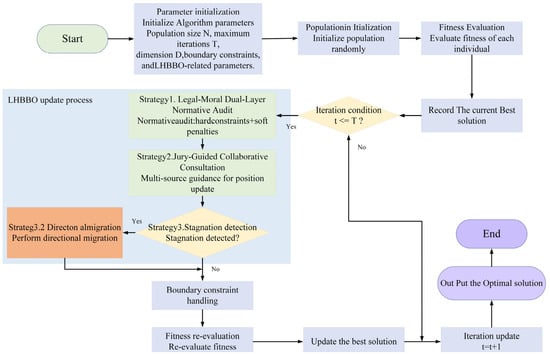
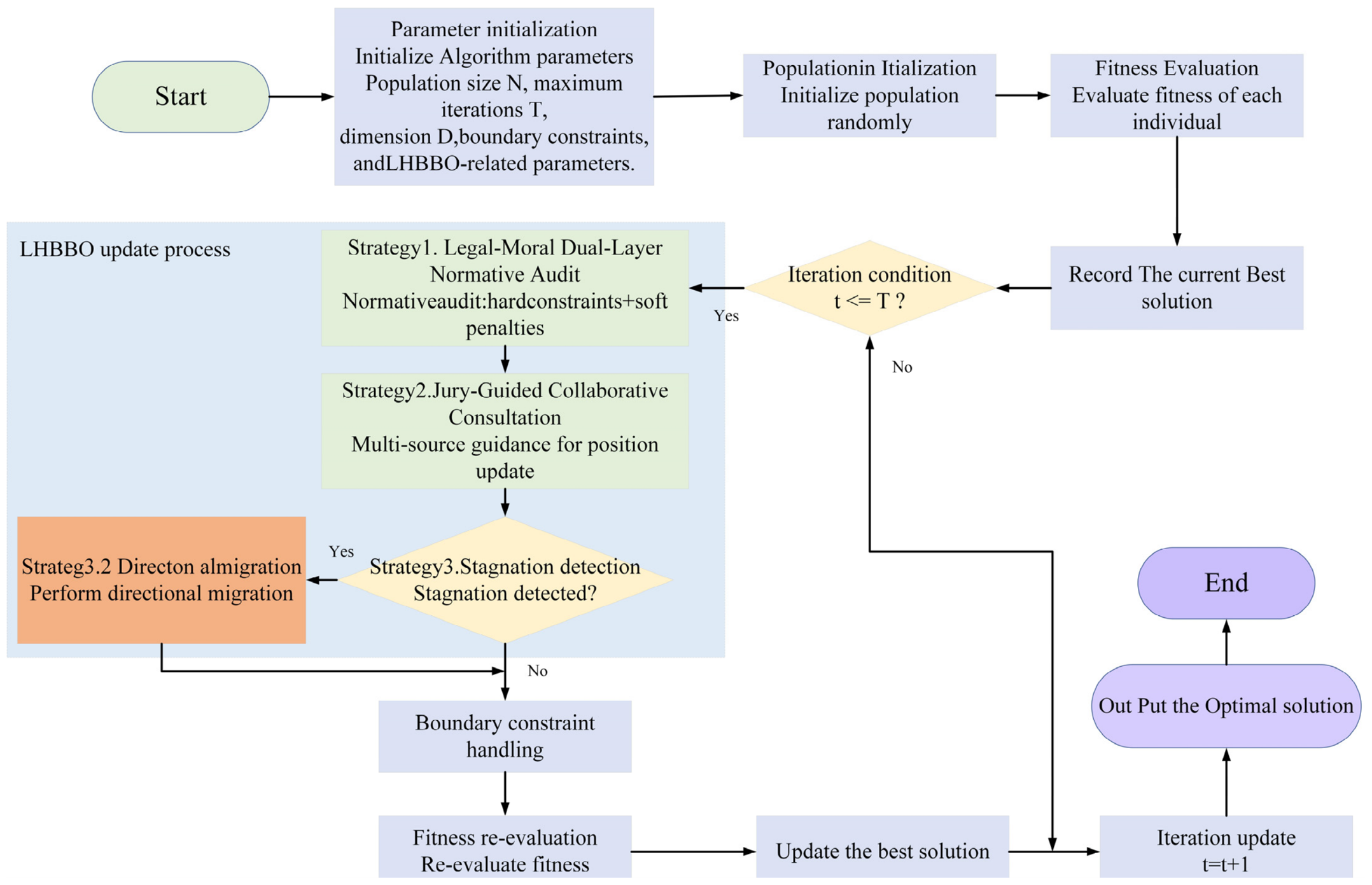
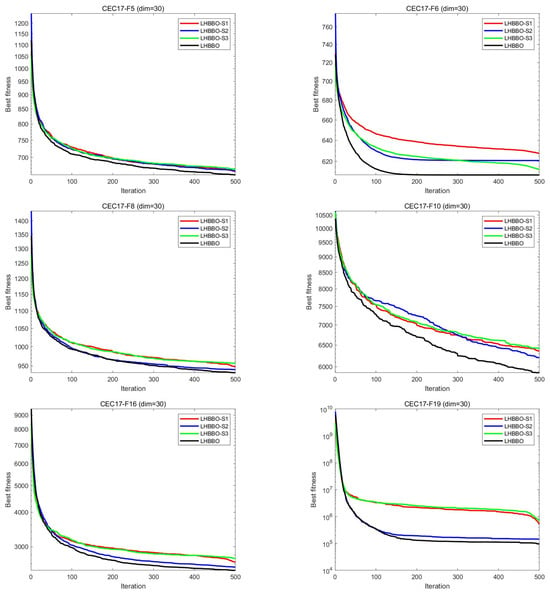
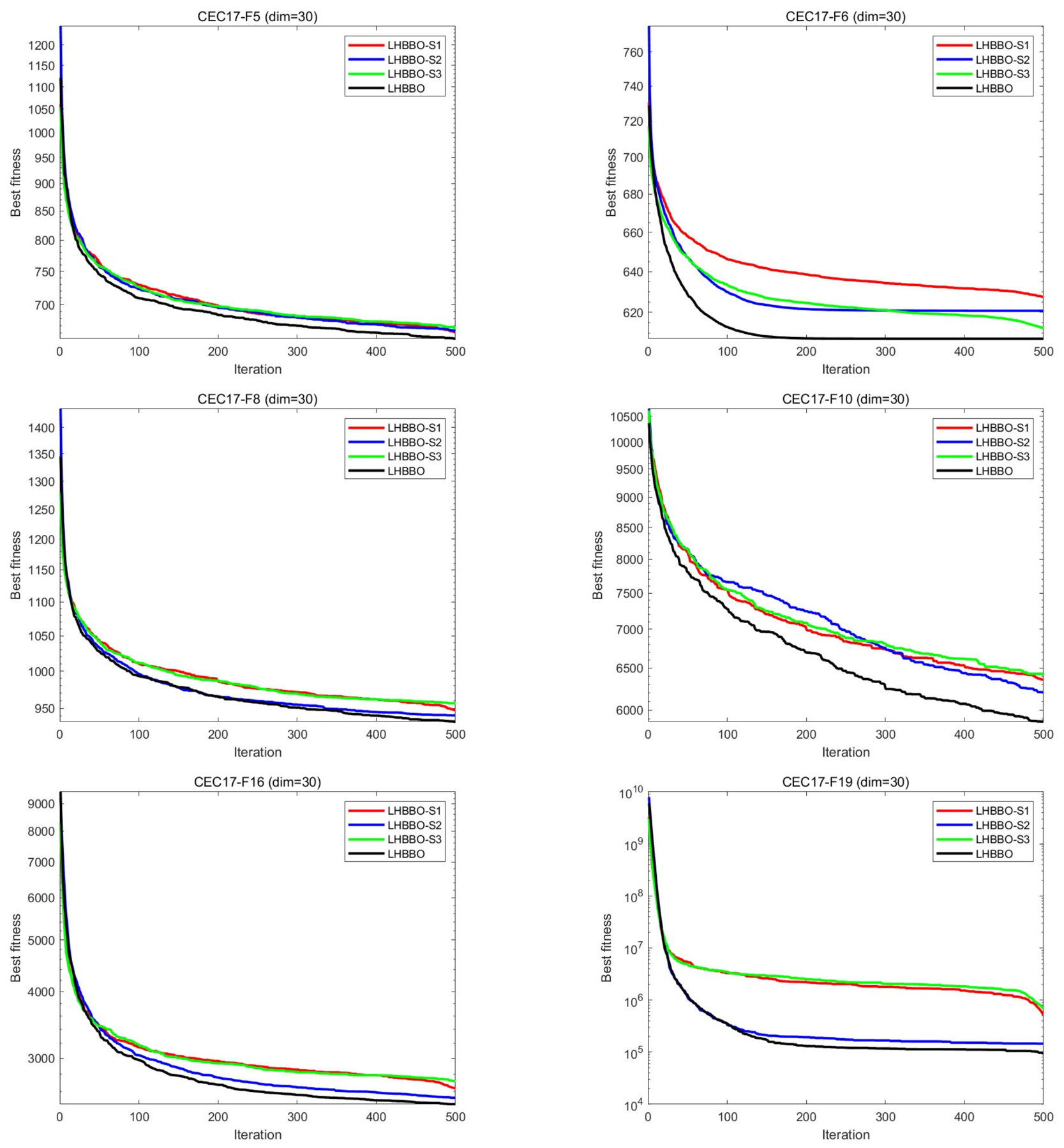
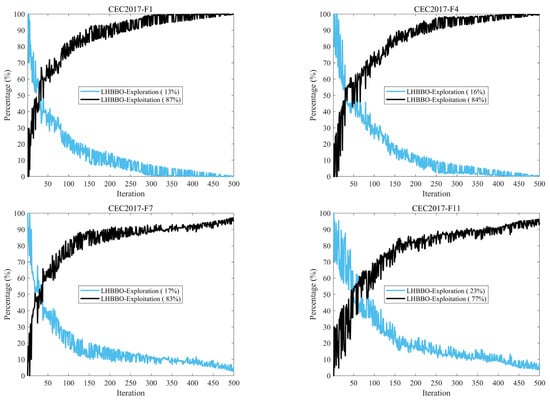
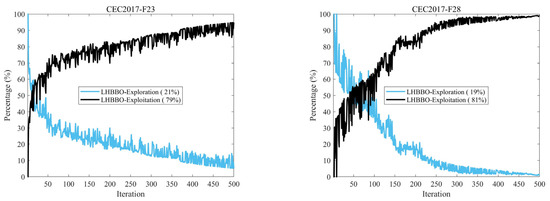
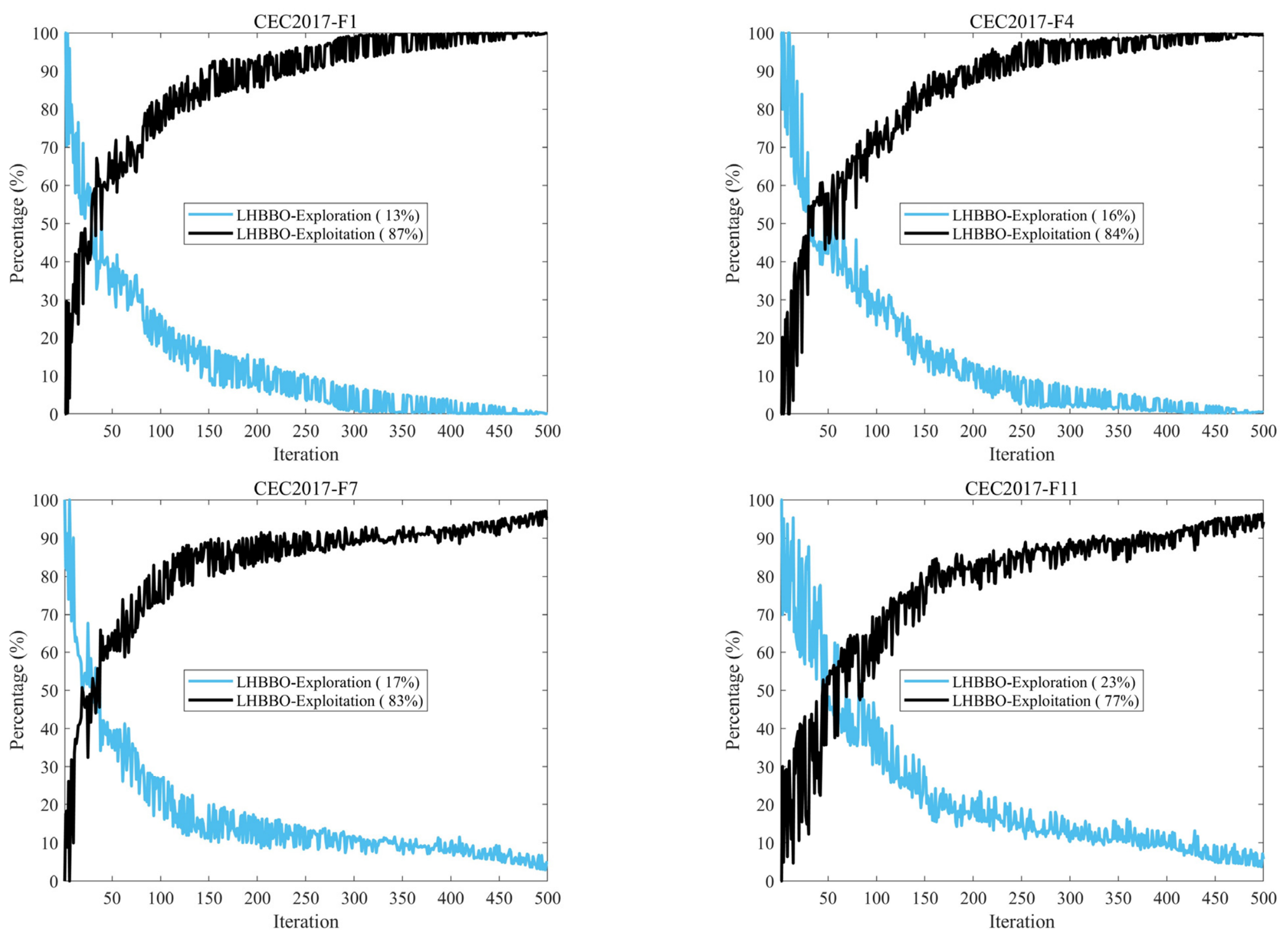
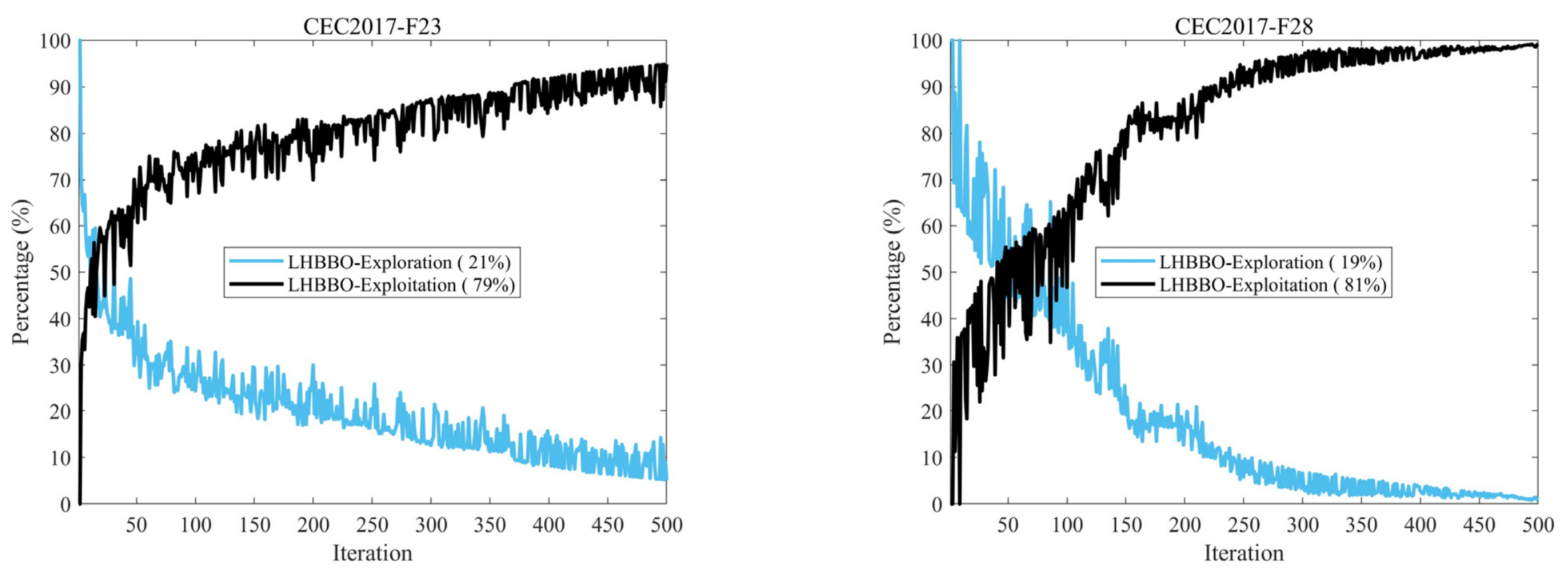
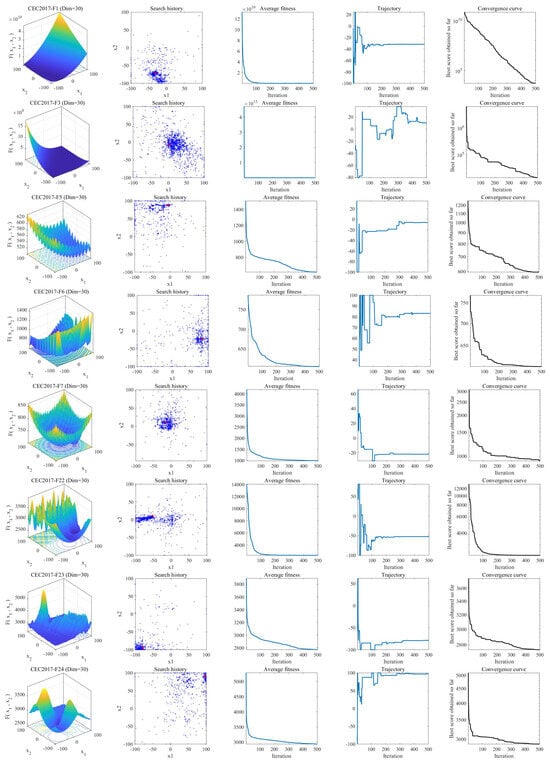

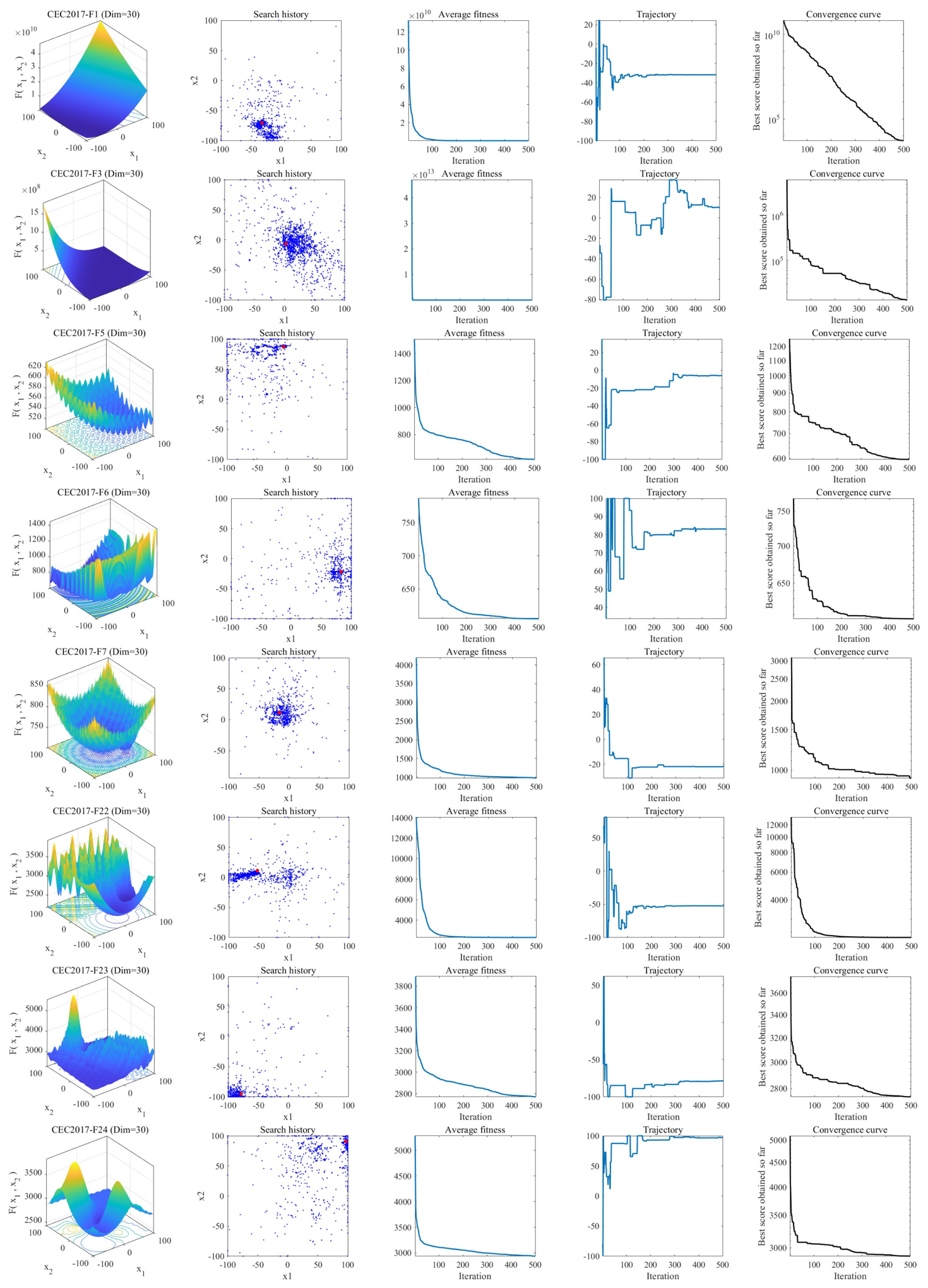

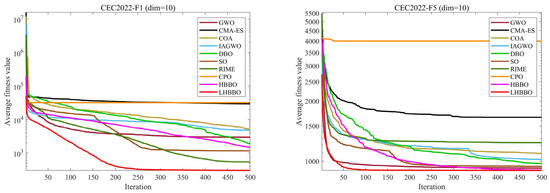
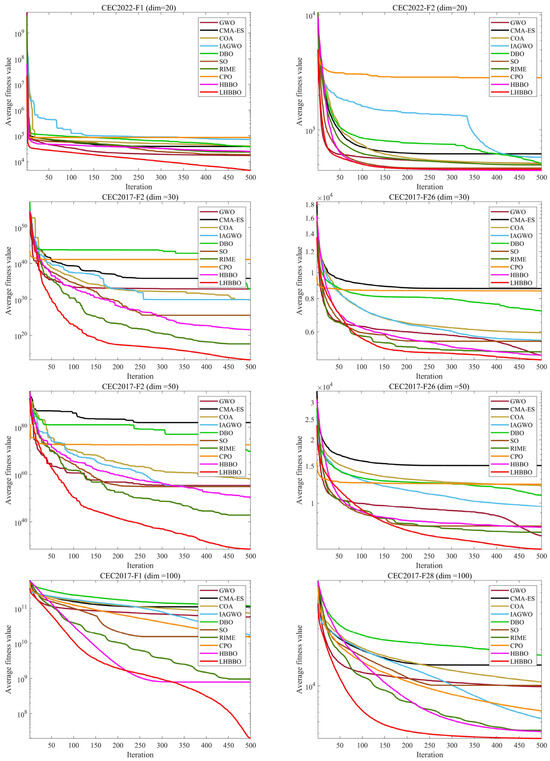
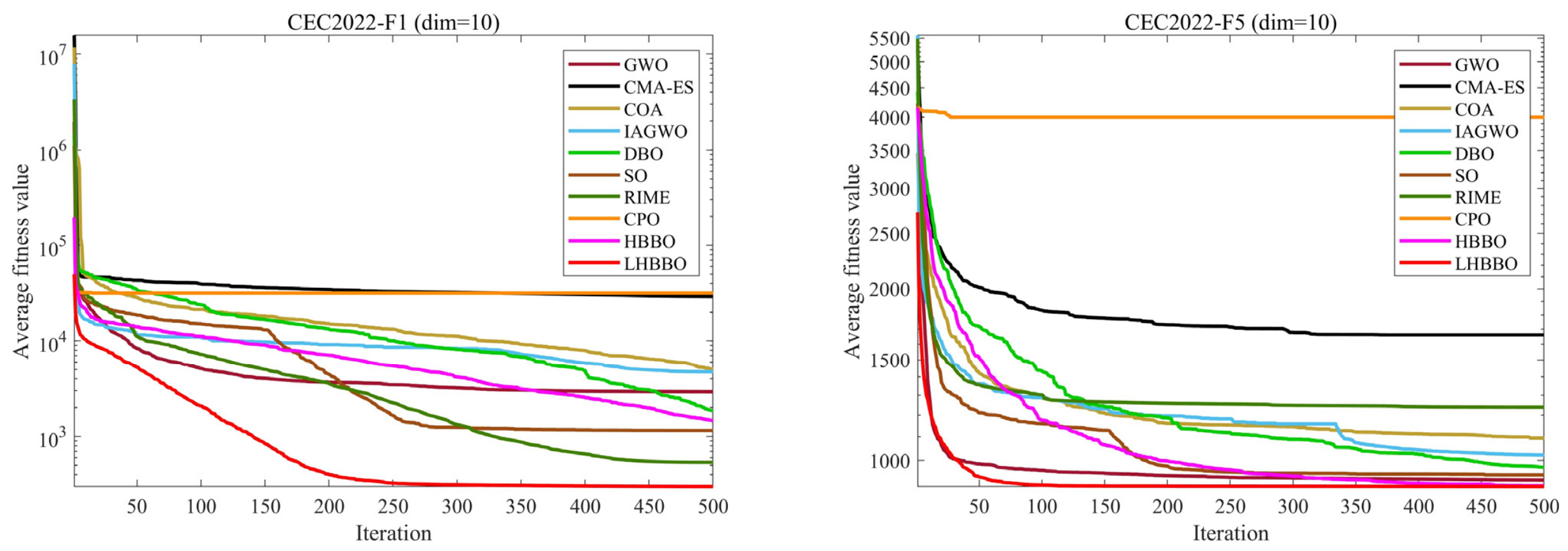
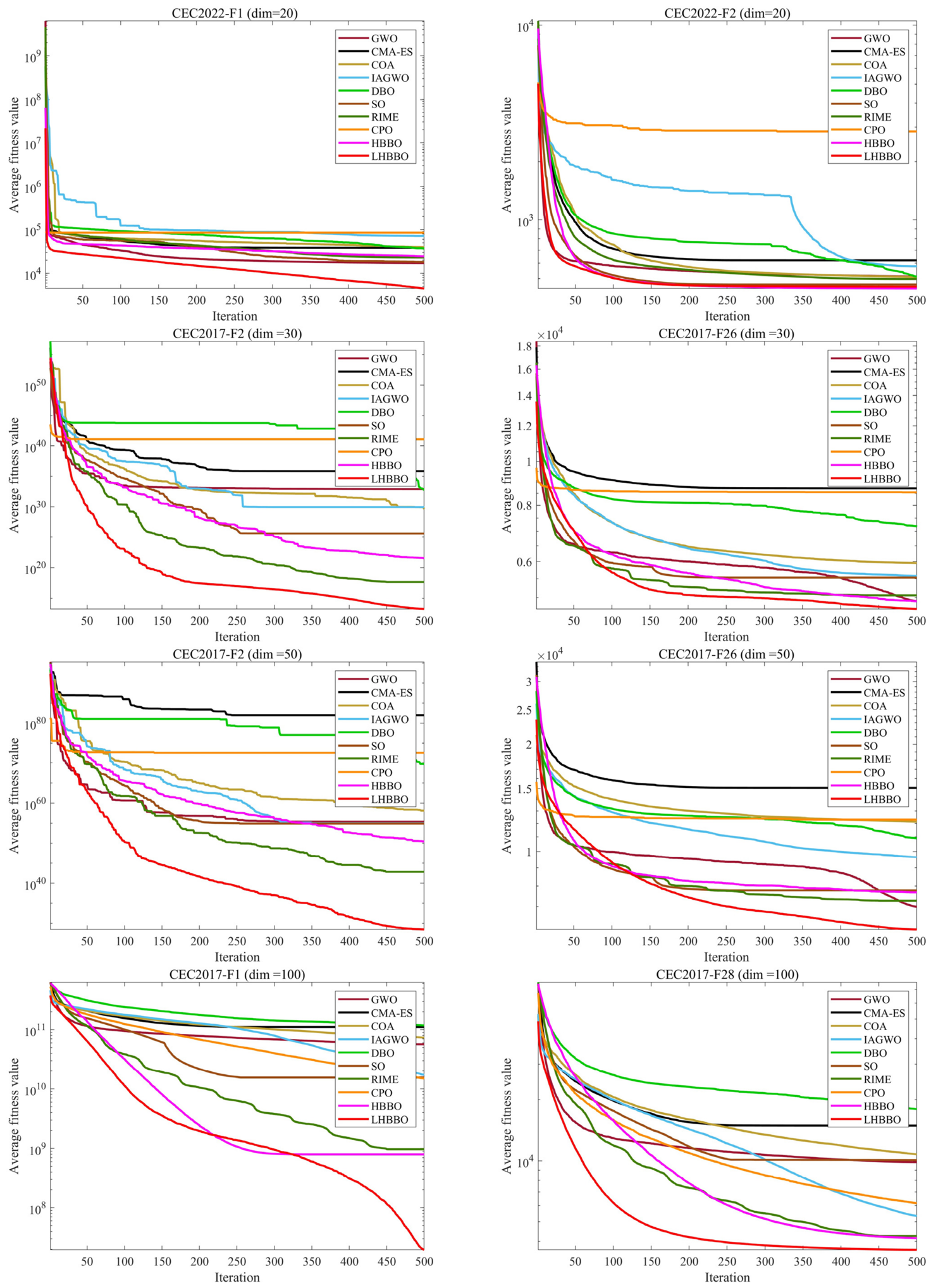
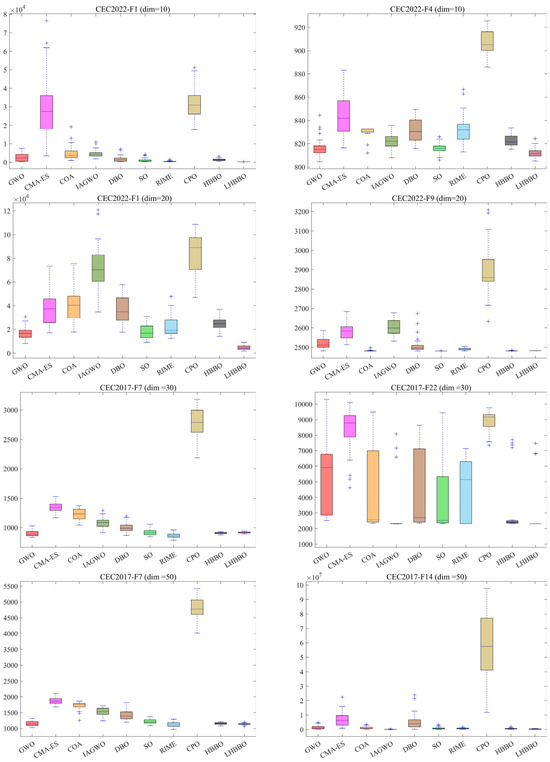
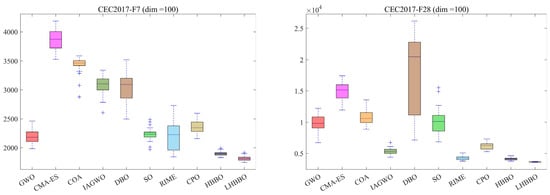
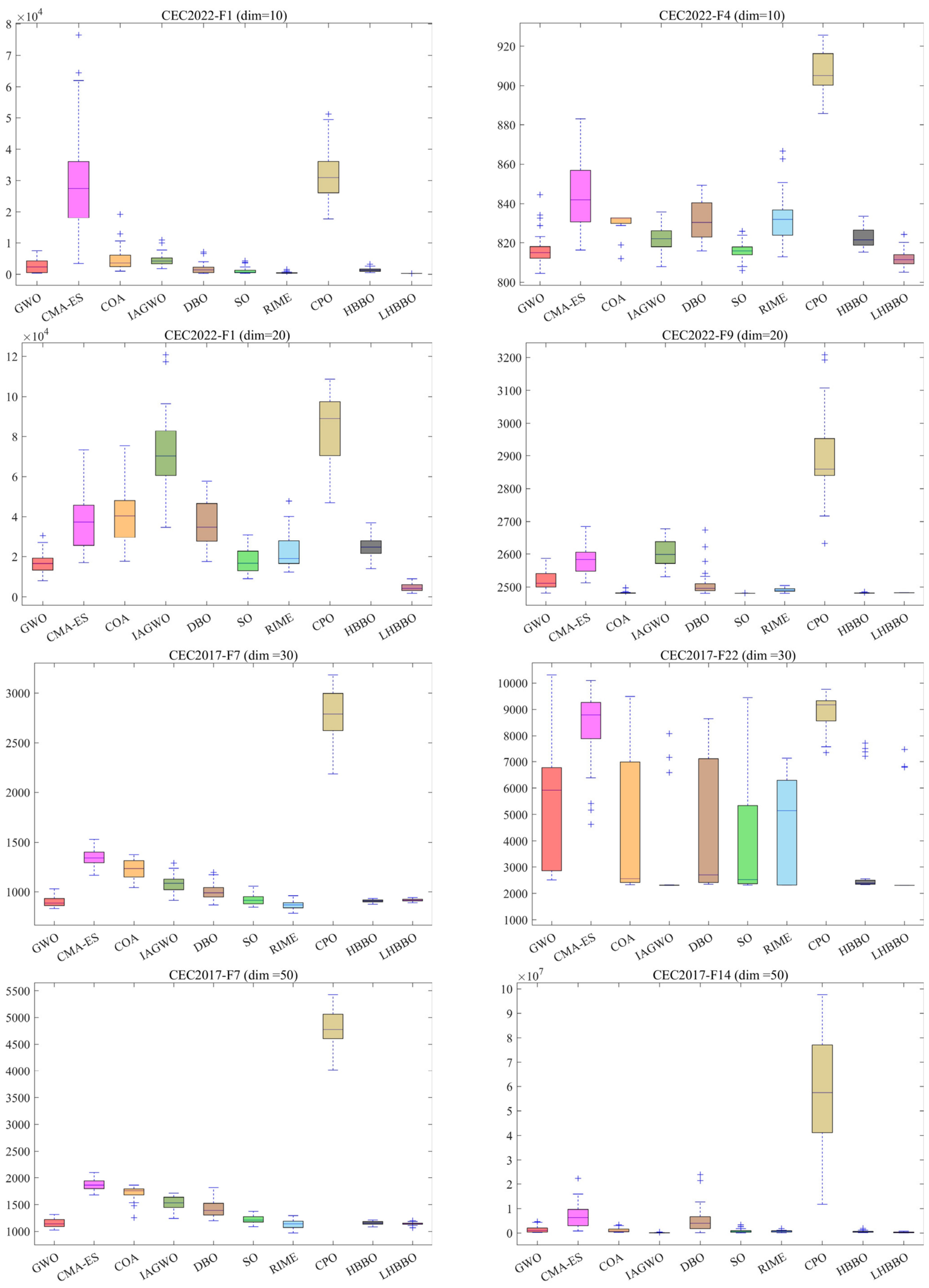
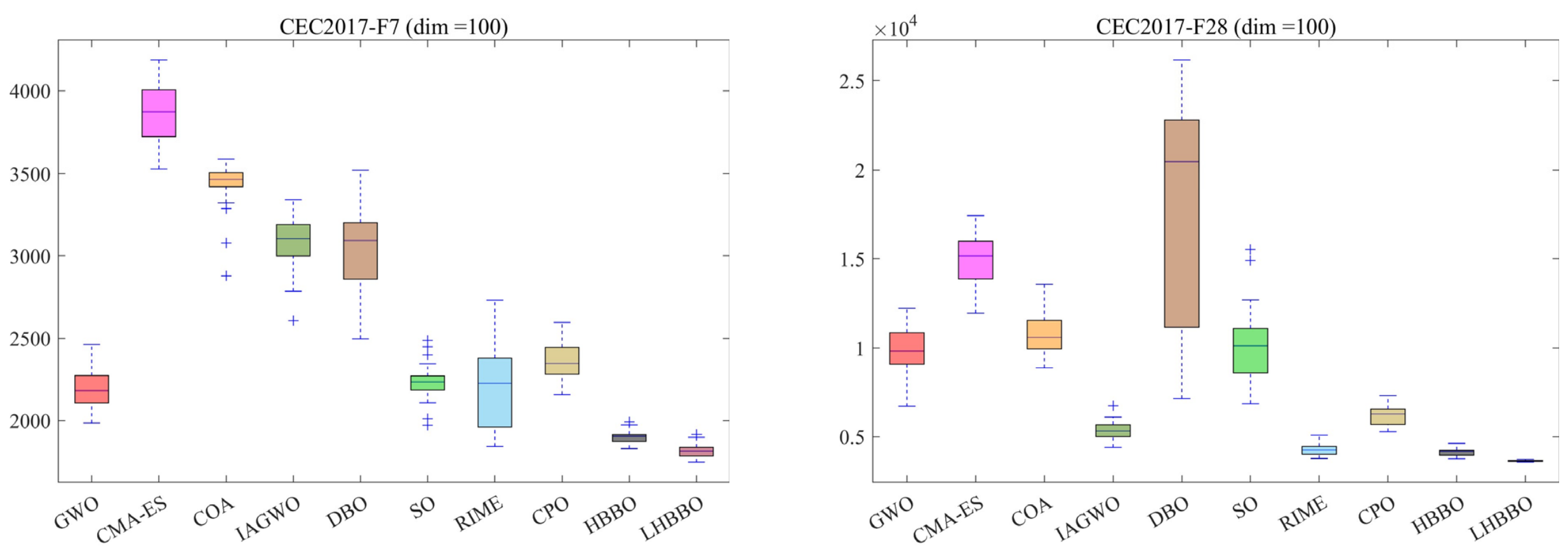
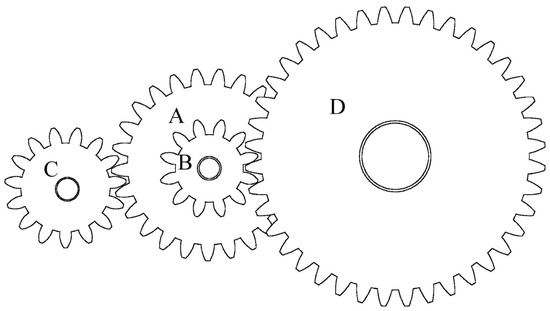
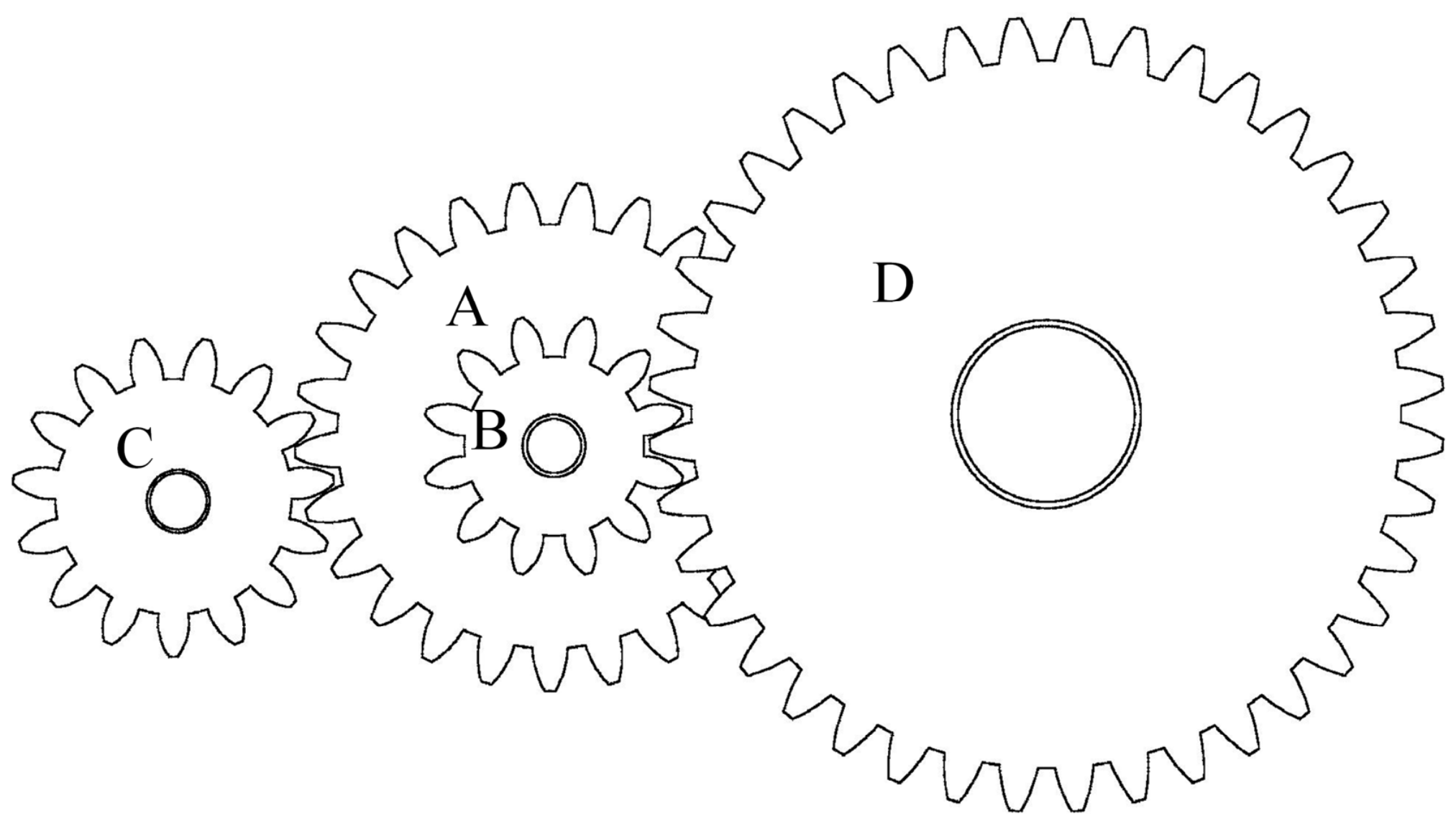
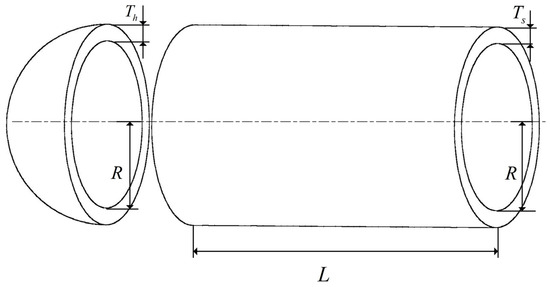
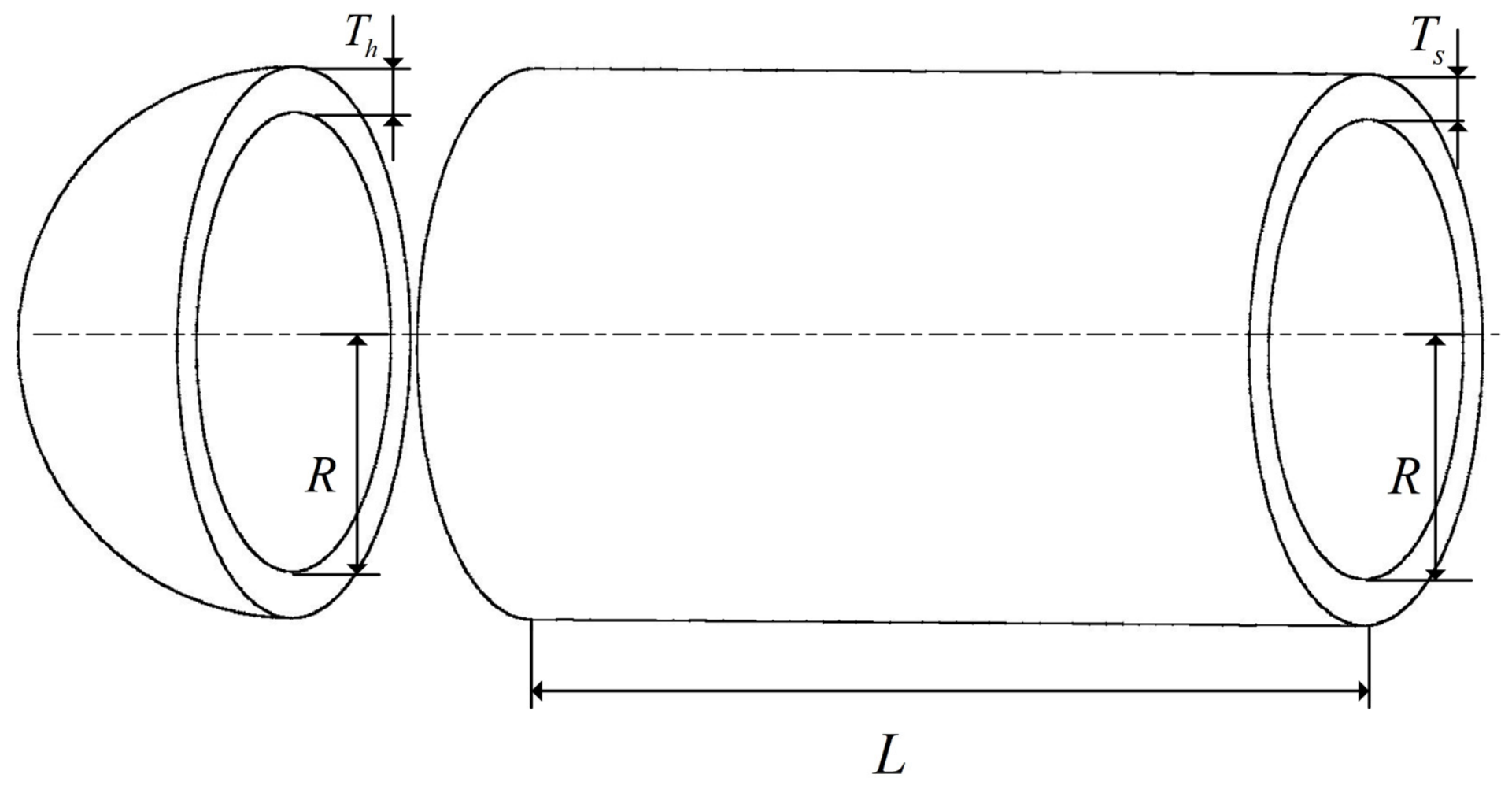
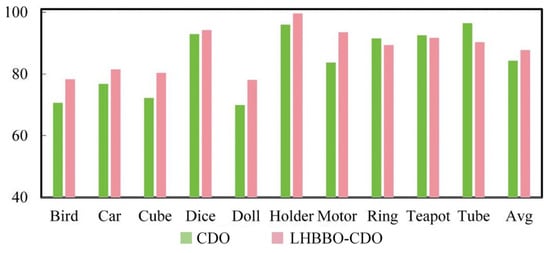
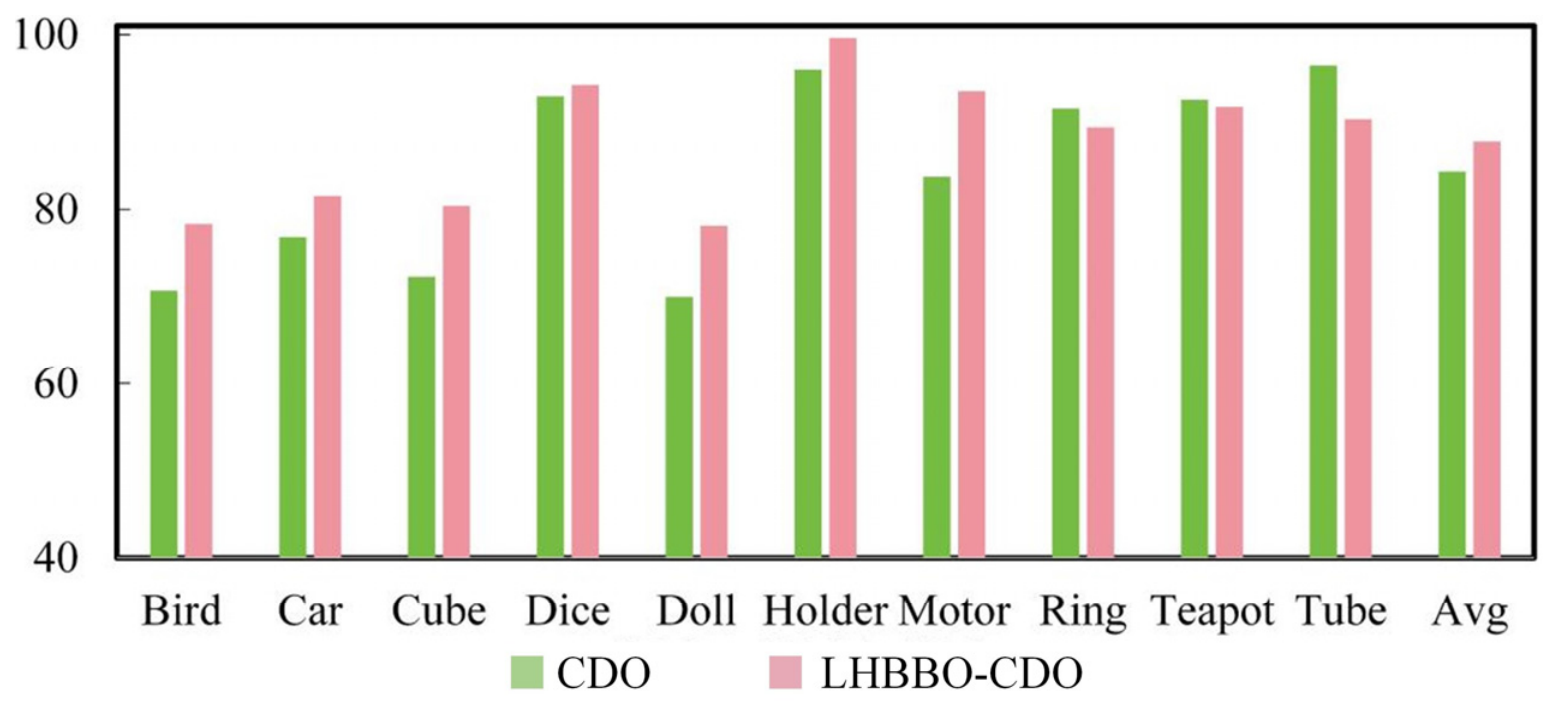
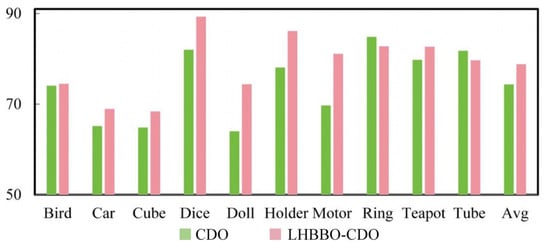
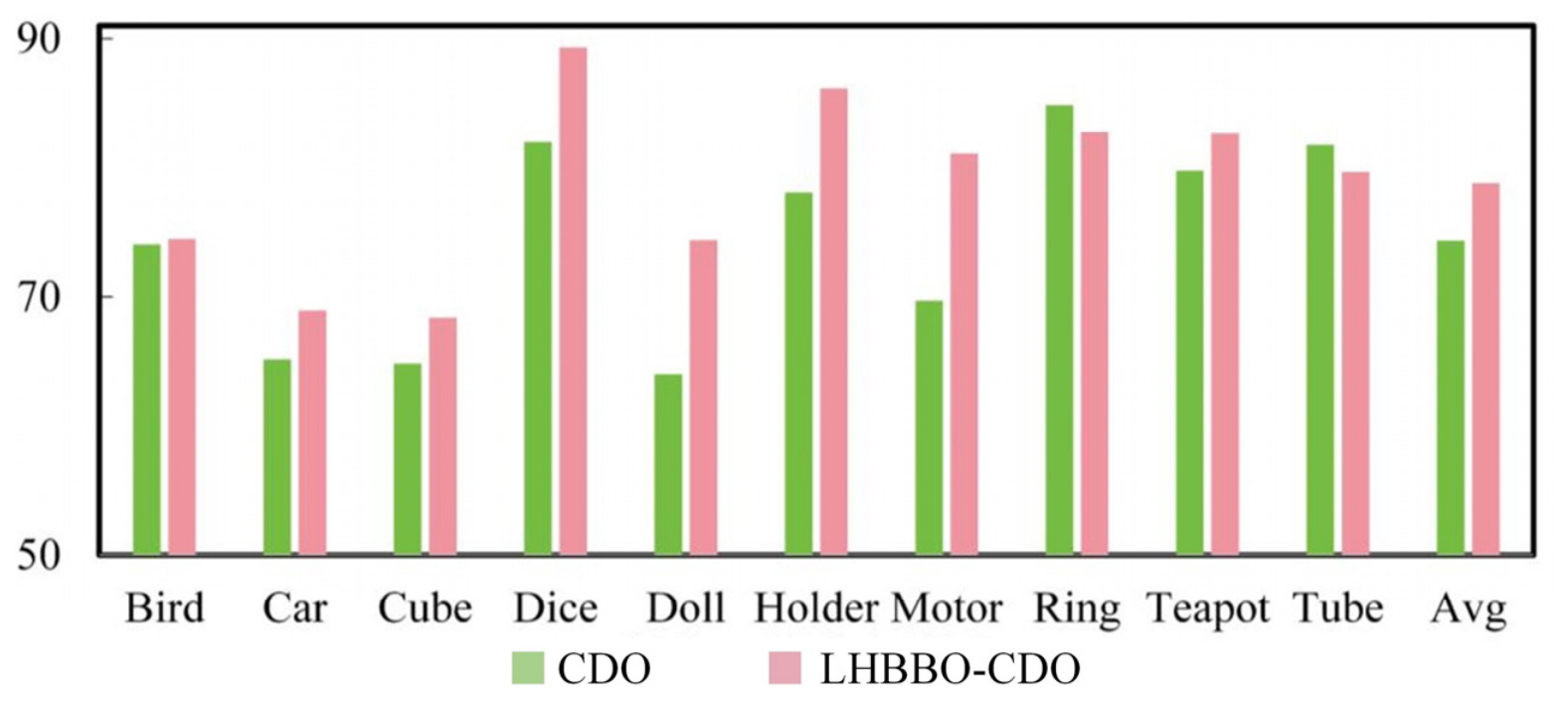
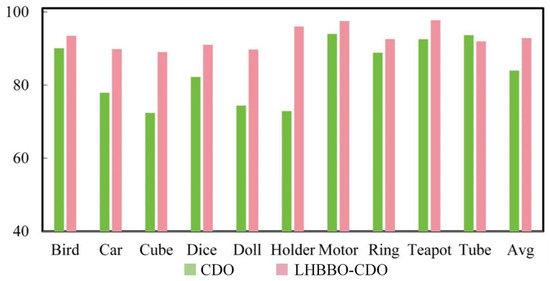
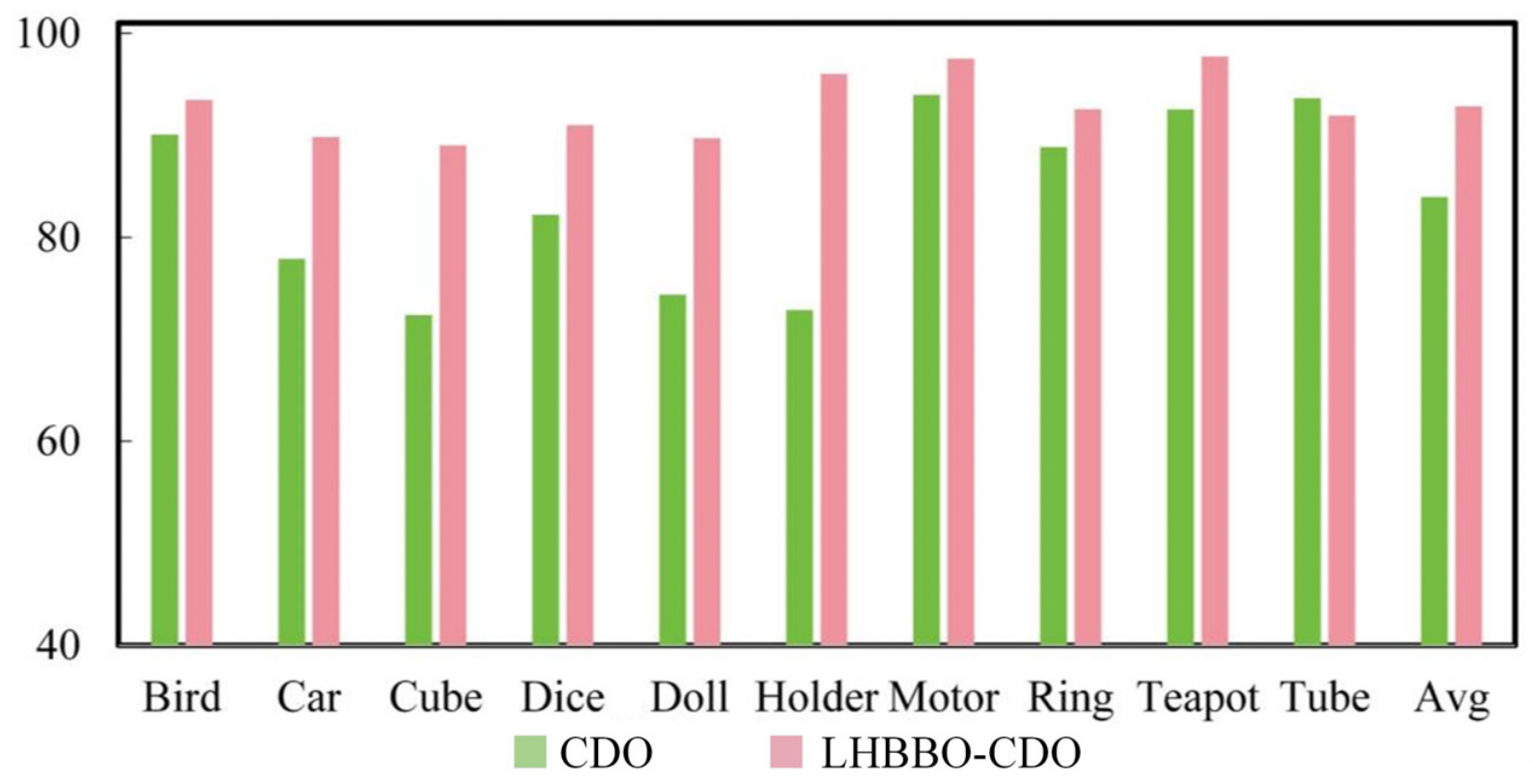
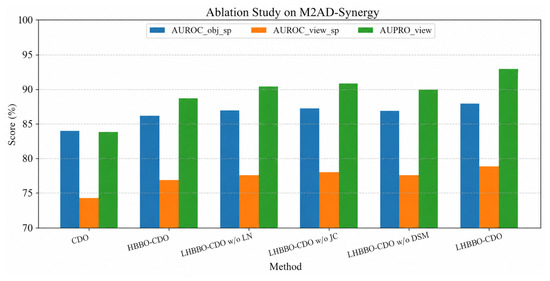
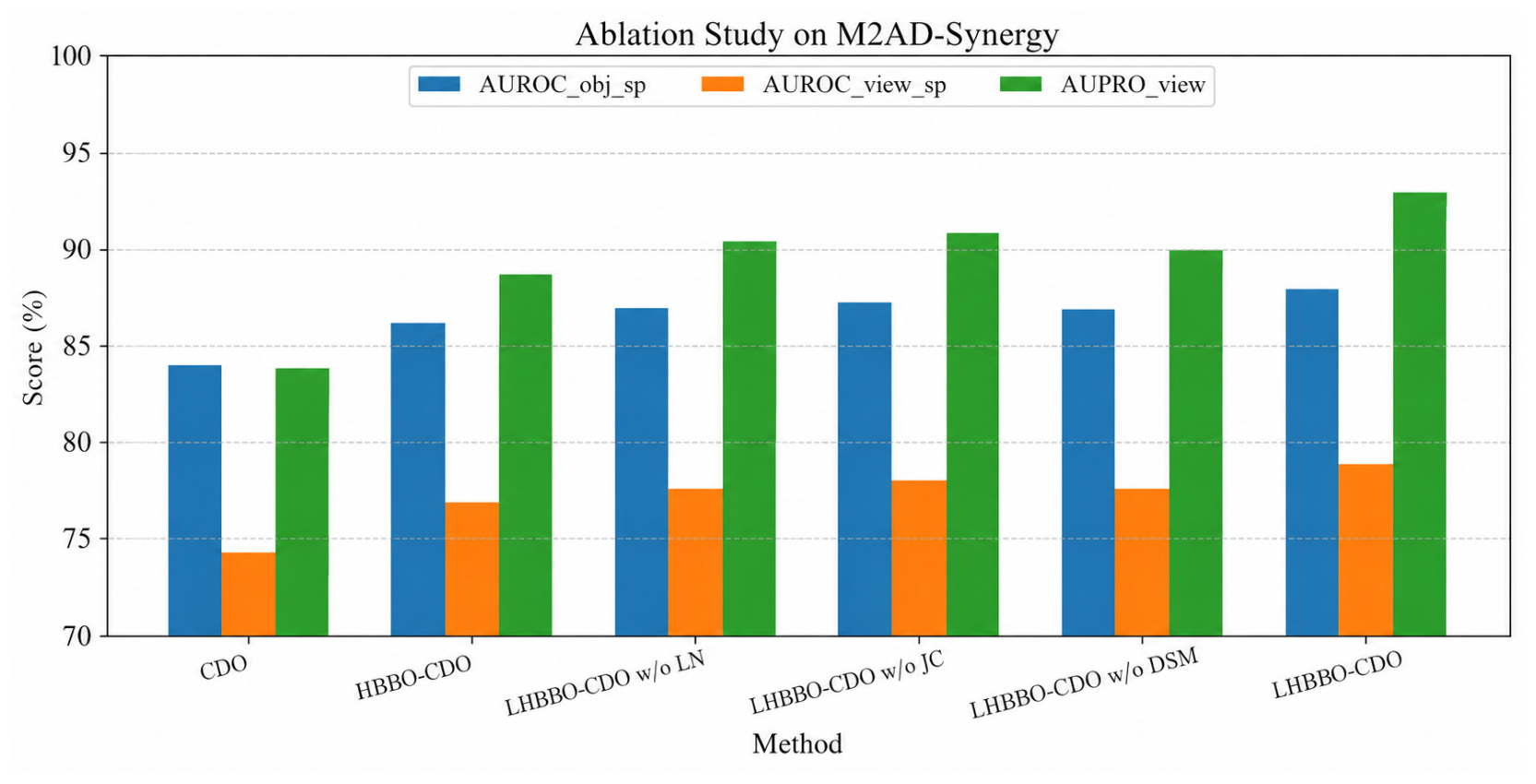
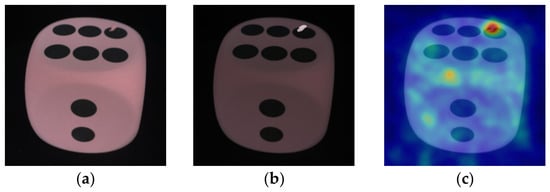
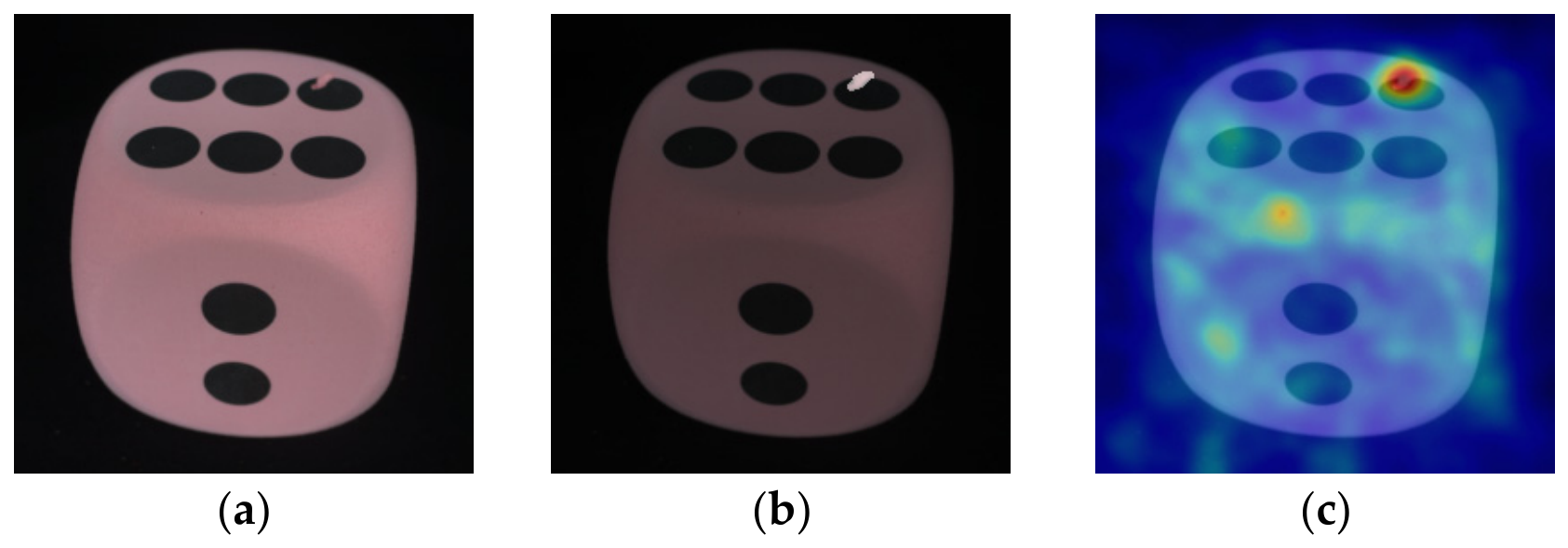
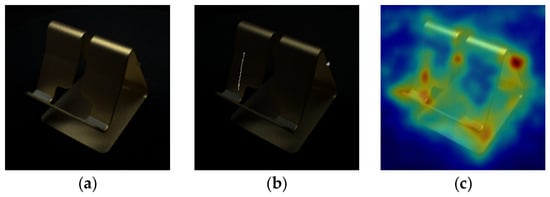
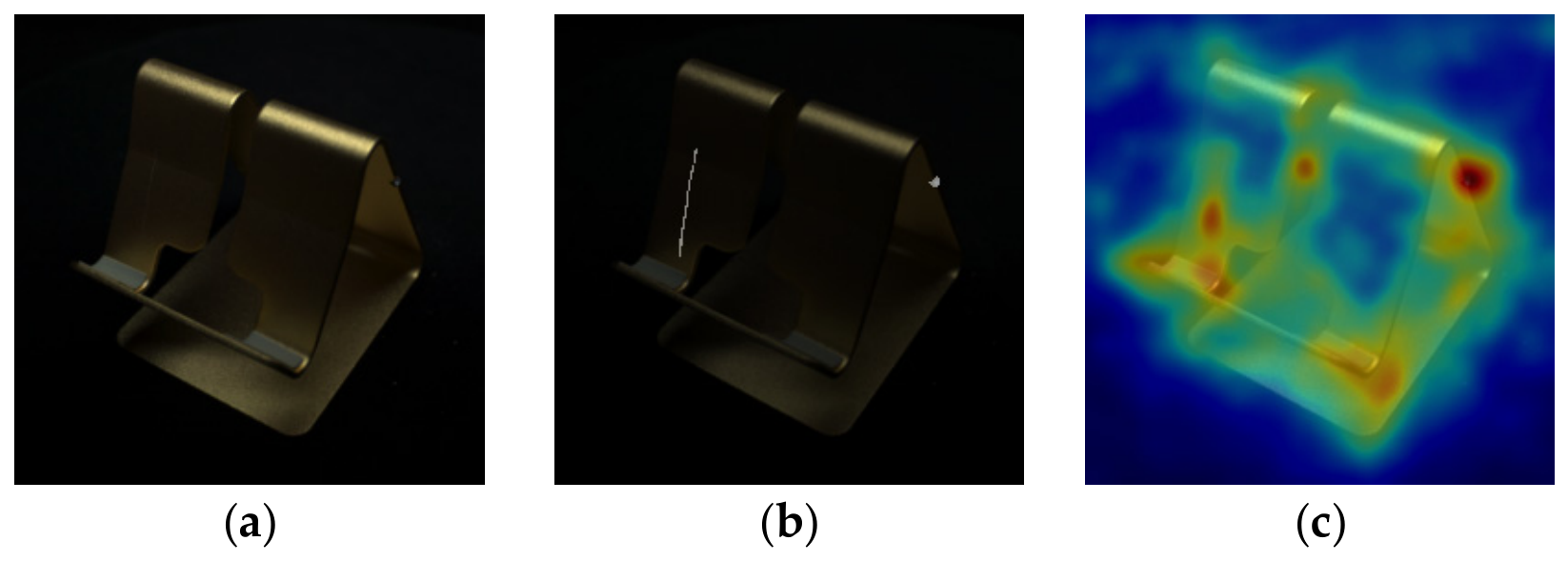
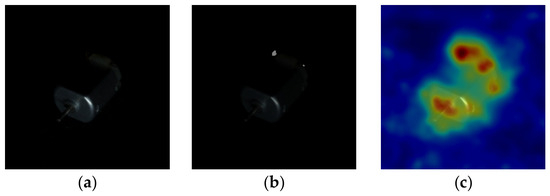
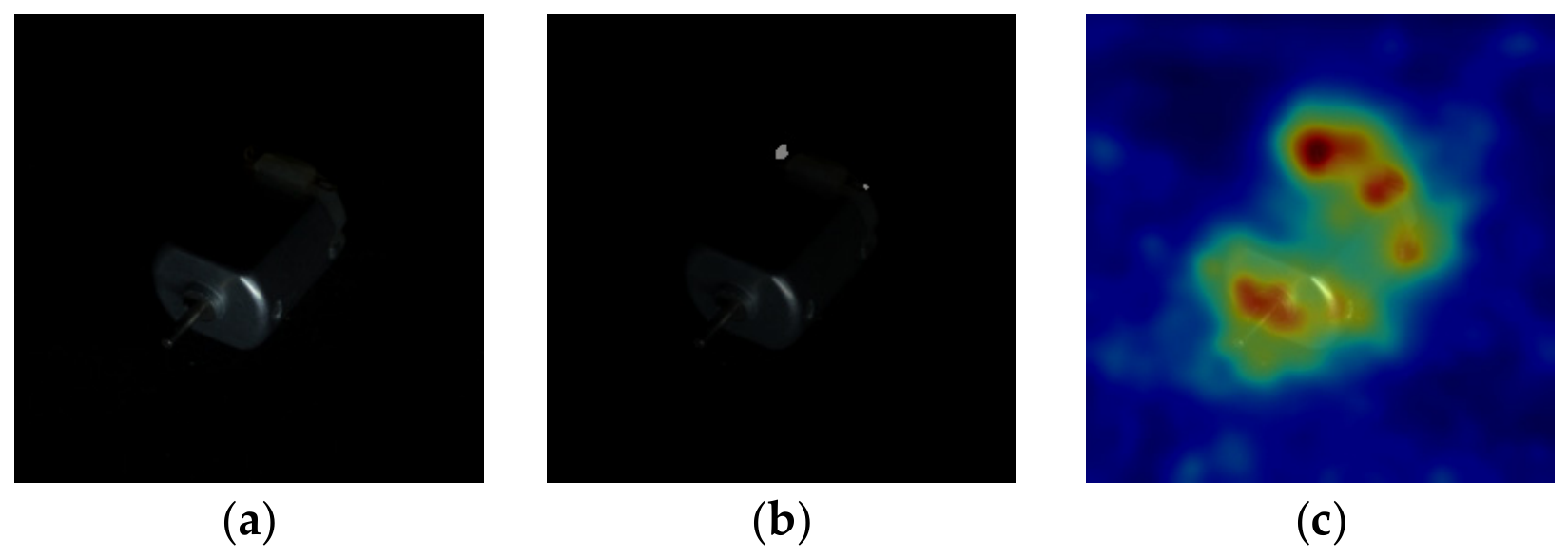

Disclaimer/Publisher’s Note: The statements, opinions and data contained in all publications are solely those of the individual author(s) and contributor(s) and not of MDPI and/or the editor(s). MDPI and/or the editor(s) disclaim responsibility for any injury to people or property resulting from any ideas, methods, instructions or products referred to in the content. |
© 2026 by the authors. Licensee MDPI, Basel, Switzerland. This article is an open access article distributed under the terms and conditions of the Creative Commons Attribution (CC BY) license.