


Abstract
This paper introduces the Quantum-Inspired Impulsive Continuous Hopfield Network (Q-ICHN), a novel hybrid control framework designed to handle non-smooth, high-energy perturbations in nonlinear dynamical systems. Standard Continuous Hopfield Networks (CHNs) rely on sigmoidal activation functions that are prone to gradient saturation, which leads to an insufficient corrective response when the system undergoes large deviations from equilibrium. To overcome this shortcoming, the proposed Q-ICHN adopts a wave-packet-based activation function grounded in the stationary Schrödinger equation, yielding a non-monotonic and oscillatory activation profile that sustains effective compensatory dynamics across a broad range of states. Furthermore, the proposed framework incorporates Madelung’s quantum potential into the control architecture, thereby enabling a fundamental reshaping of the system’s energy landscape. Specifically, this induces a tunneling-like mechanism that allows the system to circumvent local minima and rapidly recover from impulsive disturbances, manifested as a sharpened attractor structure in the phase-space domain. Together, these properties yield enhanced convergence behavior and improved robustness over traditional neural control approaches. To rigorously assess its merits, the performance of the Q-ICHN is evaluated through a large-scale benchmark involving 20 established control methods, including Sliding Mode Control (SMC), Model Predictive Control (MPC), and Backstepping. The experimental results obtained across 20 heterogeneous scenarios demonstrate that the proposed model achieves a 48% reduction in Mean Squared Error (MSE) relative to the classical ICHN. In addition, the Q-ICHN exhibits improved smoothness, reflected in a 30% reduction in jerk with respect to high-gain robust controllers, and enhanced reliability, validated by superior spectral purity and a 34% reduction in integrated variance under stochastic perturbations. Collectively, these results underscore the potential of quantum-inspired activation mechanisms to favorably balance control responsiveness and harmonic stability, providing a robust framework for handling both continuous dynamics and impulsive effects.
1. Introduction
Designing robust control systems for nonlinear dynamical processes constitutes a central challenge in modern control engineering. This challenge becomes particularly acute when systems are exposed to sudden and high-energy perturbations, commonly referred to as impulsive disturbances. Such events arise in numerous real-world applications, including mechanical failures, actuator saturation, and external shocks, and they introduce discontinuities in the system dynamics that are notoriously difficult to handle using classical continuous-time control strategies [1,2].
Traditional control approaches, grounded in Lyapunov stability theory [1], offer powerful guarantees under smooth system assumptions. However, they typically depend on local linearization or continuous evolution assumptions that are not well suited for impulsive or hybrid dynamics. As a result, their performance may degrade substantially when the system undergoes sudden large deviations from equilibrium.
Alongside these classical methods, neural-based control strategies have emerged as compelling alternatives for handling nonlinear and high-dimensional systems. In particular, the Continuous Hopfield Network (CHN) [3,4] has been widely studied for its attractor-based dynamics and its ability to encode desired equilibria as energy minima. These properties make CHNs attractive for control and optimization tasks, including trajectory tracking and associative memory. Furthermore, neural control frameworks have been successfully extended to system identification and adaptive control [5].
The recent evolution of CHNs is characterized by an enhanced capacity to manage complex non-linearities and high-dimensional state spaces. The integration of fuzzy logic, notably the Gaussian Takagi-Sugeno model, has enabled the development of the G-TS-HRNN [6], which significantly improves the recurrent modeling capabilities and rule-based adaptability of these networks. Concurrently, parallel works have combined fractional calculus and optimization, leading to architectures such as OPT-FRAC-CHN, which offer improved symmetry and account for long memory effects in dynamic systems [7]. Furthermore, recent studies highlight the benefit of coupling neural networks with impulsive differential equations for managing abrupt state transitions and variable delays [8]. In addition, quantum-inspired energy reshaping mechanisms are proving to be an effective strategy for avoiding local minima and ensuring global convergence in real-time robotics [9]. Drawing on these recent advances, this work targets the remaining gaps concerning the effectiveness of these networks when subjected to extreme impulsive disturbances. Despite these advantages, classical CHN-based controllers suffer from a well-known limitation stemming from the use of sigmoidal activation functions. As highlighted in [10], such functions exhibit gradient saturation, meaning that their derivatives approach zero for large input magnitudes. In control applications, this leads to a significant reduction in corrective action when the system state deviates far from the desired equilibrium. Consequently, the controller may exhibit slow recovery or even fail to stabilize the system under strong perturbations. This limitation becomes particularly critical in the presence of impulsive disturbances, where large state deviations are unavoidable.
To explicitly capture discontinuities in system dynamics, the framework of Impulsive Differential Equations (IDE) was introduced [2,11]. This formalism accommodates the modeling of instantaneous state jumps and provides stability conditions for hybrid systems that combine continuous evolution and discrete events. Extensions toward hybrid dynamical systems further generalize this perspective by integrating continuous flows with discrete transitions [12]. Nonetheless, these approaches remain insufficient when combined with classical neural activations, as the saturation issue persists.
To overcome these limitations, recent research has explored the integration of quantum-inspired mechanisms into computational models. Quantum-inspired neural networks introduce non-classical features such as superposition and interference, enabling a richer characterization of complex energy landscapes [13,14]. These models have demonstrated strong potential in optimization and decision-making problems, where escaping local minima is essential. In addition, quantum-inspired formulations have been successfully applied in other domains, including stochastic modeling and finance, demonstrating their ability to capture non-local interactions and complex system behaviors [15,16].
Motivated by these developments, this paper proposes a novel Quantum-Inspired Impulsive Continuous Hopfield Network (Q-ICHN) for robust control. The central idea is to replace the classical sigmoidal activation function with a wave-packet-based activation rooted in the stationary Schrödinger equation. This modification fundamentally alters the energy landscape of the network by introducing oscillatory and non-monotonic dynamics. As a result, the proposed model retains significant gradient information even for large state deviations, thereby overcoming the saturation limitation of classical CHNs.
Furthermore, by integrating this quantum-inspired activation within an impulsive dynamical framework, the proposed Q-ICHN is capable of handling both continuous evolution and discrete high-energy perturbations within a single, unified architecture. This combined capability leads to improved convergence properties, enhanced robustness, and greater consistency of recovery behavior under adverse conditions.
To validate the effectiveness of the proposed approach, we conduct a large-scale experimental evaluation against 20 established control methodologies, including Sliding Mode Control (SMC) [17], Model Predictive Control (MPC) [18], and Backstepping techniques. The results demonstrate that the Q-ICHN achieves a 48% reduction in Mean Squared Error (MSE) compared to the classical ICHN. Moreover, stochastic sensitivity analysis reveals a 34% reduction in variance, indicating substantially improved reliability and stability under uncertainty.
1.1. Main Contributions
The primary contributions of this research are summarized as follows:
- Novel Control Architecture: We propose a unified hybrid neural control framework that combines Impulsive Differential Equations with quantum-inspired wave-packet activations, enabling the effective handling of both continuous and discontinuous dynamics.
- Activation Function Redesign: We introduce a Schrödinger-based activation function that alleviates gradient saturation and sustains strong corrective dynamics across a wide range of state deviations.
- Theoretical Insights: We provide a rigorous analysis of the modified energy landscape, elucidating the role of oscillatory activations in improving convergence and avoiding local minima.
- Comprehensive Benchmarking: We systematically evaluate the proposed model against 20 baseline controllers using multiple performance metrics, including tracking accuracy, recovery time, control effort, and smoothness.
- Robustness Analysis: We introduce a stochastic evaluation framework based on confidence intervals to rigorously quantify the reliability of the controller under uncertainty.
1.2. Structure of the Paper
The remainder of this paper is organized as follows. Section 2 surveys the state of the art in impulsive systems, neural control, and quantum-inspired computation. Section 3 presents the proposed Q-ICHN architecture and its theoretical foundations. Section 4 describes the experimental setup and evaluation methodology. Section 5 provides a detailed analysis of the results. concludes the paper.
2. State of the Art
The development of advanced control strategies for nonlinear dynamical systems has evolved significantly in recent decades, transitioning from classical deterministic formulations toward adaptive, optimization-based, and learning-driven approaches. Foundational work by Khalil [1] established Lyapunov stability theory as the cornerstone of nonlinear control, providing rigorous tools for analyzing stability and convergence. However, these classical approaches are predicated on smooth system dynamics and local linearization assumptions, which limit their effectiveness in the presence of abrupt and high-energy disturbances.
In practical applications, such as robotic systems or vehicle control, systems are often subject to impulsive effects, including actuator faults or sudden external perturbations. These phenomena introduce discontinuities that violate the assumptions underlying classical continuous-time control frameworks [2]. As a result, purely Lyapunov-based designs may be insufficient to ensure rapid and reliable recovery under such conditions.
To overcome these limitations, modern control theory has increasingly incorporated robust and optimal control techniques. Model Predictive Control (MPC) [18] represents a major advancement, which casts control as a constrained optimization problem over a receding horizon. This allows explicit handling of system constraints and improves performance in structured environments. However, MPC relies heavily on accurate system models and may experience performance degradation under unexpected impulsive disturbances.
Similarly, Sliding Mode Control (SMC) [17] introduces robustness against bounded uncertainties through discontinuous control laws. While SMC guarantees invariance properties and strong disturbance rejection, it inherently produces high-frequency switching (chattering), which can lead to actuator wear, increased energy consumption, and undesirable oscillatory behavior. These shortcomings motivate the exploration of alternative control paradigms capable of combining robustness with smooth and adaptive responses.
2.1. Neural Control and the Saturation Bottleneck
Neural network-based control has emerged as a promising direction for handling nonlinear and high-dimensional systems. The introduction of the Continuous Hopfield Network (CHN) [3,4] provided a powerful framework based on energy minimization, where system trajectories evolve toward stable attractors representing desired solutions. This paradigm has been successfully applied to optimization and control tasks due to its inherent parallelism and adaptability.
Seminal developments by Narendra and Parthasarathy [5] demonstrated that neural networks can approximate complex nonlinear dynamics, enabling their use in system identification and adaptive control. These contributions laid the foundation for modern learning-based control strategies.
From a theoretical standpoint, the universal approximation results of Hornik et al. [19] established that feedforward neural networks can approximate any continuous nonlinear mapping with arbitrary precision. Although this result justifies the use of neural models in control, it does not guarantee satisfactory dynamical behavior when the network is embedded in a feedback loop. In control applications, the evolution of gradients and sensitivities plays a central role, particularly under large deviations from equilibrium.
Despite these advantages, a fundamental limitation arises from the use of sigmoidal activation functions. As discussed by Haykin [10], such activations suffer from gradient saturation, a phenomenon in which the derivative approaches zero for large input magnitudes. Consequently, the responsiveness of the controller is substantially diminished precisely when the system state is furthest from equilibrium.
This limitation is closely related to the vanishing gradient phenomenon studied by Hochreiter [20], where gradients decay exponentially in dynamical systems involving nonlinear activations. Although originally analyzed in the context of training recurrent neural networks, this phenomenon has direct implications for control: when the system operates in saturated regions, the effective feedback gain collapses, leading to slow or incomplete recovery following disturbances.
This phenomenon has been further analyzed in [21], showing that saturation leads to a critical loss of effective controllability in high-error regions. In practical terms, the system becomes least sensitive to corrective inputs precisely at the moments when strong corrective action is most urgently required.
From a dynamical systems perspective, the work of Sontag [22] highlights that stabilizability depends on the existence of sufficiently rich feedback structures capable of shaping the energy landscape. In this context, sigmoidal activations impose an intrinsic limitation due to their bounded slope, effectively flattening the energy landscape in regions of large error. This geometric flattening reduces the curvature of the attractor basin and weakens the restoring forces acting on the system.
While deep neural architectures [23] can partially mitigate this issue through hierarchical representations, they introduce increased computational complexity and often lack formal stability guarantees. As discussed in [24], such models tend to behave as black-box approximators, making it difficult to ensure robustness, interpretability, and safety—all of which are essential requirements in control applications.
In summary, despite the strong approximation capabilities of neural control frameworks, their practical deployment is hindered by the saturation bottleneck. This limitation undermines controllability, stability, and robustness, particularly in the presence of large perturbations. Resolving this issue requires alternative activation mechanisms capable of maintaining non-vanishing gradients across a wide operating range, which motivates the quantum-inspired formulation proposed in this work.
2.2. Impulsive Differential Equations (IDE) in Robotics
To explicitly model discontinuities, the framework of Impulsive Differential Equations (IDE) was introduced [2,11]. This approach permits the incorporation of instantaneous state jumps into dynamical systems, providing a more accurate representation of real-world phenomena where abrupt changes occur due to external shocks, switching mechanisms, or sudden actuator responses.
Formally, an impulsive system can be described as a hybrid process combining continuous evolution and discrete updates:
In this formulation, the state vector describes the dynamics of the system at time t, including variables such as the lateral position and heading angle of the vehicle. Its time derivative characterizes the evolution of these states and governs the dynamic behavior of the system. The vector field dictates the system’s trajectory during the continuous intervals between impulses, specified by , where represents the strictly increasing sequence of impulse instants. At these prescribed time points, the impulsive operator defines the discrete jump map applied to the state, effectively transitioning it from the left-hand limit —denoting the state immediately preceding the disturbance—to the right-hand limit , which represents the state immediately following the perturbation.
This formulation facilitates the modeling of systems subject to abrupt, non-smooth perturbations commonly encountered in robotics and control. By explicitly defining the state jump between and , it allows the Q-ICHN to couple continuous neural dynamics with impulsive corrections, thereby ensuring stability across state discontinuities. Theoretical results in [2,11] establish conditions for stability and convergence in impulsive systems, showing that global asymptotic stability can be preserved under bounded impulsive effects. These foundational results are complemented by the work of Bainov and Simeonov [25], who provided a systematic treatment of stability criteria and Lyapunov-based analysis for impulsive differential equations. Their results highlight that stability is not only determined by the continuous dynamics but also critically depends on the timing and magnitude of the impulses.
These ideas have been further extended to hybrid dynamical systems, where continuous flows and discrete transitions coexist within a unified framework. In this context, the work of Liberzon [26] provides important insights into switched and hybrid systems, showing that properly designed switching or impulsive strategies can substantially enhance system performance and robustness. However, these benefits require careful coordination between continuous and discrete dynamics to avoid instability or oscillatory behavior.
From a control perspective, impulsive mechanisms can significantly enhance responsiveness by enabling rapid state corrections. In robotics, this is particularly relevant for systems operating in uncertain environments, where fast reactions to disturbances are essential. The work of Nesic and Teel [27] demonstrated that impulsive and sampled-data control strategies can stabilize nonlinear systems that are otherwise difficult to control using purely continuous feedback.
However, as highlighted in [12], the effectiveness of such corrections strongly depends on the underlying system structure. In particular, when impulsive inputs are combined with monotonic activation functions, the resulting dynamics may exhibit an asymmetric recovery behavior and degraded efficiency in driving the system back to equilibrium. This limitation can be interpreted as a mismatch between the high-energy nature of impulsive corrections and the low-sensitivity regions of saturated activation functions.
Additional studies, such as [28], emphasize that poorly designed impulsive strategies may lead to undesirable phenomena such as overshooting, chattering, or instability, especially when the system lacks sufficient dissipative mechanisms. This reinforces the need for control architectures that can fully exploit impulsive corrections while maintaining smooth and stable convergence.
In summary, IDE-based modeling provides a powerful and realistic framework for capturing discontinuous dynamics in control systems. Its effectiveness is, however, intrinsically linked to the choice of the underlying control law and activation mechanism. This observation motivates the integration of impulsive dynamics with non-saturating and symmetry-preserving activations, as proposed in the quantum-inspired Q-ICHN framework.
2.3. Quantum-Inspired Computing and Wave Mechanics
Recent advances in quantum-inspired computation have created new perspectives for designing nonlinear activation mechanisms. Quantum-Inspired Neural Networks (QINN) [14] extend classical neural models by incorporating concepts such as superposition and interference, enabling richer and more expressive representations of complex landscapes.
From a conceptual standpoint, superposition allows a system to encode multiple candidate states simultaneously, while interference governs how these states interact constructively or destructively. In control terms, this can be interpreted as a mechanism that distributes sensitivity across multiple regions of the state space, rather than collapsing the dynamics into a single saturated response. This perspective is consistent with the broader framework of quantum computation described in [29], where state evolution is governed by linear operators acting on probability amplitudes, leading to highly expressive yet structured dynamics.
In parallel, quantum-inspired evolutionary algorithms [13] have demonstrated strong capabilities in escaping local minima, suggesting that non-monotonic and oscillatory functions can improve exploration and convergence properties. This behavior can be linked to the ability of wave-like representations to probe multiple regions of the energy landscape simultaneously, as discussed in [30], where quantum simulation principles are used to efficiently explore high-dimensional systems. In contrast to classical gradient-based methods, which follow a single descent direction, wave-inspired approaches introduce a form of distributed search that is less sensitive to local traps.
These ideas are further supported by theoretical developments in [16], where wave-based representations are shown to maintain non-vanishing gradients across a broader range of states. Additional insights are provided by [31], which highlights how quantum-inspired learning models leverage phase and amplitude information to enhance representational capacity. In particular, the oscillatory nature of wave functions introduces alternating regions of high sensitivity, effectively preventing the complete loss of gradient information observed in classical sigmoidal activations.
Moreover, the work in [15] highlights how quantum-inspired potentials can reshape the energy landscape, facilitating transitions between distant states through mechanisms analogous to tunneling. This property is closely related to the formalism introduced by Madelung [32], where quantum dynamics can be interpreted as a flow governed by an additional potential term. From a control perspective, the system therefore benefits not only from classical energy gradients but also from auxiliary forces that enhance its mobility across the state space.
Complementary studies, such as [33], show that wave-inspired activation functions can improve optimization performance by introducing controlled oscillations that enrich gradient diversity. Similarly, the work of Biamonte et al. [34] emphasizes that quantum-inspired models offer a fundamentally different approach to learning and control, where information is processed in a distributed and interference-driven manner, leading to improved robustness in complex environments.
Taken together, these contributions suggest that quantum-inspired activations can address key limitations of classical neural control. By combining oscillatory behavior, non-local interactions, and non-vanishing gradients, they offer a mechanism for maintaining responsiveness and avoiding stagnation in high-error regions. This makes them particularly suitable for impulsive control scenarios, where rapid recovery and sustained sensitivity are essential.
2.4. Research Gap and Motivation
Despite the significant progress outlined above, several important challenges remain unresolved:
- Integration of Impulsive and Learning-Based Control: While impulsive and hybrid systems are well studied [12], their integration with advanced neural architectures remains limited. Existing formulations do not fully exploit the potential of combining learning-based dynamics with impulsive corrections.
- Saturation-Induced Performance Degradation: Classical neural controllers still suffer from gradient saturation, limiting their effectiveness under large perturbations. Current solutions either increase model complexity [23] or rely on discontinuous control laws [17], each of which introduces practical limitations.
- Robustness Under Uncertainty: Many existing studies focus on deterministic scenarios, providing limited insight into performance under stochastic disturbances. As emphasized in [35], uncertainty-aware modeling and probabilistic evaluation are essential for real-world control applications.
To address these limitations, the proposed Q-ICHN unifies the strengths of impulsive dynamical systems and quantum-inspired activations into a single coherent framework. By introducing oscillatory, non-monotonic activation functions into an impulsive neural architecture, the proposed model strengthens convergence properties, enhances robustness to large disturbances, and maintains effective control action across a wide range of operating conditions.
3. The Proposed Quantum-Inspired Impulsive Continuous Hopfield Network (Q-ICHN)
The control of autonomous vehicles (AVs) requires a controller capable of reconciling two contrasting behaviors: smooth trajectory tracking and high-intensity sudden transitions. This duality aligns naturally with the theory of hybrid dynamic systems, in which continuous evolution is regularly punctuated by discrete jumps [12]. In this context, we introduce the Q-ICHN model, a hybrid dynamic scheme in which neural activations are derived from the dynamics of quantum wave packets. This architecture ensures that the system continuously adapts to its environment while executing necessary corrective actions promptly, all within a unified framework that preserves the underlying symmetry properties.
3.1. Baseline ICHN Model: The Classical Attractor
The conventional ICHN serves as a foundation for associative memory, deeply rooted in energy-based neurocomputing [3,4]. Given a neural network with n units, the state can be described by a pulse-based system of differential equations:
In this dynamical framework, n denotes the total number of neurons in the network, while represents the internal state or membrane potential of the i-th neuron at time t. The parameter is the time constant characterizing the rate of state relaxation, and stands for the internal conductance or self-inhibitory gain of the i-th unit. The connection strength from neuron j to neuron i is defined by the synaptic weight , which collectively forms the weight matrix . The term refers to the external inputs or bias currents applied to the neuron. For the continuous flow where , the system evolution depends on the activation function . At the discrete impulse instants , the state undergoes an instantaneous shift where is the pre-impulse state (left-hand limit) and is the post-impulse state (right-hand limit), such that represents the impulsive noise or perturbation magnitude.
In conventional models, neuronal outputs are computed via . These dynamics are also valid in the framework of nonlinear dynamical systems and stability theory grounded in Lyapunov theorems [1], in which case the configuration of the attractor controls the convergence process. In real-world AV scenarios, the interaction between impulsive disturbances and nonlinear saturation causes a state symmetry breaking, thereby reducing stabilization efficiency.
The equilibrium of this network is controlled by the Hopfield energy potential:
Within this energy formulation, E denotes the Lyapunov function associated with the network state. The terms and correspond to the neuronal outputs of neurons i and j, respectively. The integral term, defined over the variable , accounts for the state-dependent contribution of the activation function, where represents its derivative and governs the local gradient of the energy landscape. Although E is decreasing for a monotonic function , the traditional sigmoid function exhibits vanishing slopes (where ) as , causing the controller to become unresponsive during major impulsive disturbances. This behavior aligns with that observed in modern deep learning systems, wherein saturation significantly undermines gradient-based learning [21,23].
The standard ICHN, illustrated in Figure 1, expands on the conventional CHN to include impulsive impacts that model sudden state shifts [2,3]. The network consists of a set of synaptic connections, a sigmoidal firing function , and a switching mechanism that introduces discontinuities at predetermined instants . Within this context, the structure serves as a natural framework for energy optimization, guided by a Lyapunov function, guaranteeing stability around attractor states [1].
Figure 1.
Architecture of the Classical Impulsive Continuous Hopfield Network (ICHN) for control systems. The square indicates Nonlinear Processing and the Rectangle indicates Linear/Adaptive Component.
Despite its strong theoretical guarantees, the conventional ICHN harbors a fundamental weakness: the vanishing gradient phenomenon induced by activation function saturation. When the system state drifts considerably away from equilibrium, the gradient of tends to zero, resulting in a weakened compensatory response. Consequently, the symmetry of the control response is lost, and the system exhibits delayed recovery following high-amplitude disturbances. These limitations are especially pronounced in highly dynamic and impulse-prone scenarios, including autonomous vehicle navigation.
3.2. Quantum-Inspired Formalism: Wave-Packet Activation
To address the issue of saturation, we reinterpret the activation dynamics of ICHN neurons through a quantum-inspired perspective. Instead of viewing the neuron state as a purely deterministic scalar, we model it as a probability amplitude , following principles from quantum-inspired information processing and quantum machine learning [14,16,31].
For readers from control theory, this analogy can be understood as follows: in classical control, the state u evolves over an energy landscape. In the quantum-inspired setting, this state is enriched by a wave representation, allowing it to simultaneously encode local behavior (through amplitude) and global exploratory dynamics (through oscillations). This idea has been widely explored in quantum computation and simulation frameworks [29,30], where wave-like representations enable efficient exploration of complex landscapes.
We describe the activation function as a localized solution to the stationary Schrödinger differential equation:
Here, is the complex-valued wave function describing the quantum state, whose squared magnitude gives the probability density of finding the particle at position u. The operator (Laplacian) represents spatial curvature and is associated with kinetic energy. The constant ℏ is the reduced Planck constant, and m denotes a mass parameter. The term represents a potential function encoding the external influence (in our case, the control objective), while E is the total energy of the system.
Interpretation for Control Systems:
- The potential can be interpreted as a control objective or cost landscape.
- The Laplacian term introduces curvature, enabling sensitivity to global variations.
- The wave function provides a richer representation than classical scalar activations, embedding both magnitude and phase information.
These models have been successfully extended beyond physics to complex systems such as financial modeling and stochastic optimization [15], as well as quantum-inspired learning systems [31]. They are particularly effective for capturing nonlocal interactions and multi-modal landscapes, which are essential in impulsive control scenarios.
Assuming that neuron activations correspond to the real component of a Gaussian wave packet (a standard localized solution of the Schrödinger equation [30,36]), we obtain:
In this quantum-inspired approach, is the quantum-inspired activation function that associates the internal state with the output signal, u being the internal state variable, or membrane potential, interpreted as the spatial coordinate of the wave packet. The parameter denotes the amplitude scaling factor which determines the peak magnitude of the neuronal response, while represents the wave number that controls the oscillation frequency of the phase and governs the density of the gradient information. The variable serves as the spatial dispersion parameter regulating the localization of the wave packet and defining the width of the Gaussian envelope. Furthermore, the term constitutes the complex phase factor whose real part provides the oscillatory cosine component to prevent gradient stagnation, and identifies the Gaussian envelope ensuring the activation remains localized and square-integrable.
Unlike sigmoidal activations, this formulation is non-monotonic and oscillatory, which ensures that the gradient does not vanish for large values of u. This is the fundamental mechanism that resolves the saturation problem.
This oscillatory formulation embeds an intrinsic symmetry in the activation landscape, ensuring that corrective forces remain effective for both small and large error regimes.
Contribution 1: This quantum-inspired activation replaces the standard sigmoid activation, providing a non-vanishing gradient that preserves symmetry and prevents network stalling in the presence of significant perturbations, thereby enhancing both robustness and convergence speed.
The Q-ICHN, depicted in Figure 2, further enhances the classical framework by introducing the Madelung quantum potential and oscillatory activation dynamics, fundamentally altering the energy landscape of the system.
Figure 2.
Architecture of the Quantum-Inspired Impulsive Continuous Hopfield Network (Q-ICHN). The square indicates Nonlinear Processing and the Rectangle indicates Linear/Adaptive Component.
Following Madelung’s hydrodynamic formulation of quantum mechanics [32], the wave function can be expressed as
which transforms the Schrödinger equation into fluid-like equations. In this hydrodynamic interpretation, denotes the complex wave function of the neural state, while defines the probability density describing the energy distribution over the state space. The function represents the action (phase) function, which induces a potential flow governing the velocity of the system trajectory. The parameter ℏ denotes the reduced Planck constant, scaling the relationship between phase and momentum. This hydrodynamic analogy provides an intuitive bridge between quantum mechanics and control systems, where the dynamics can be seen as a flow evolving under both classical and quantum potentials.
The model incorporates wave-packet activation and Madelung potential to enhance robustness and symmetry in control dynamics.
Contribution 2: By restoring symmetry in the control response through , the Q-ICHN guarantees that the gradient remains non-zero even for large deviations, enabling rapid recovery and maintaining control reliability under impulsive disturbances.
Although the proposed activation has a mathematical form similar to a Gaussian-modulated cosine (commonly used as a Gabor wavelet in signal processing), its role within the Q-ICHN architecture is fundamentally different. In control settings, classical monotonic activations such as tanh introduce a global asymmetry and become ineffective under large impulsive state-space jumps due to gradient saturation.
In contrast, deriving from the stationary Schrödinger equation induces a localized parity symmetry. Through the Madelung representation, this symmetry leads to the formation of a quantum potential well, ensuring that the restorative gradient remains non-vanishing even for large error magnitudes. Hence, the key contribution of this activation lies in its role as a symmetry-preserving restorative mechanism, rather than in its functional form alone. This mechanism enables the system to tunnel through high-cost saturation regions of the energy landscape, thereby enhancing its ability to recover from adversarial impulsive perturbations where classical associative memories typically fail to converge. Note: From a computational perspective, the Madelung potential presents a potential singularity at . To ensure the global stability and numerical robustness of the Q-ICHN controller, we implement an -regularization scheme. The control law is modified such that the denominator is substituted by , where is a small positive constant (typically ). This regularization ensures that the restorative quantum force remains bounded and well-defined across the entire state space, including the equilibrium point. Furthermore, during the discrete impulsive jumps defined by the IDE framework, the state is mapped to a localized wave packet with a non-zero support, effectively preventing the system from “sticking” at undefined mathematical points and ensuring continuous differentiability of the control signal.
3.3. Theoretical Contribution: The Tunneling Effect
Within the Q-ICHN model, the energy landscape is shaped by the Madelung quantum potential . The composite potential experienced by the vehicle controller is given as follows:
where . The incorporation of this quantum potential converts the control system into a hybrid energy-driven architecture [12], jointly governed by continuous and discrete dynamics.
The multimodal nature of promotes a tunneling effect: once an impulse drives the vehicle into a high-error state, the oscillatory component ensures that regardless of the magnitude of the deviation. This enables the system to escape local minima, analogously to quantum-inspired decision-making processes [16].
Contribution 3: The tunneling effect offers a concrete solution to prevent saturation-induced stagnation zones, leading to a 48% reduction in mean squared error (MSE), confirmed through our experimental benchmark tests.
3.4. Stability Analysis and Attractor Sharpening
The stability of the Q-ICHN is analyzed within a unified Lyapunov framework. The results establish global asymptotic stability under impulsive perturbations and show that the quantum-inspired activation induces an attractor-sharpening effect that reinforces the restorative dynamics near equilibrium.
3.4.1. Global Stability and Lyapunov Construction
To provide a rigorous proof of stability, we first define the components of the energy landscape. The Lyapunov candidate is constructed as follows:
Variable Definition:
- : The internal state vector of the neurons.
- : The quantum-inspired activation function (wave-packet) for neuron i.
- : Synaptic weight between neuron j and neuron i, forming the matrix .
- : The conductance (self-inhibitory gain) of the i-th neuron.
- : Constant external bias or control input for neuron i.
- : Integration variable representing the state evolution path.
Theorem 1
(Global Asymptotic Stability). The equilibrium point of the Q-ICHN is globally asymptotically stable under the conditions of a symmetric weight matrix (), a strictly positive activation gradient , and a dissipative impulsive mapping satisfying the discrete Lyapunov constraint .
Proof.
Detailed Demonstration. To prove stability, we define a hybrid energy-based Lyapunov candidate . For the continuous-time dynamics (), the time derivative is obtained via the chain rule:
To obtain explicit expressions, the wave-packet activation gradient, derived from the regularized stationary Schrödinger equation, is defined as
where is the regularization term that prevents gradient vanishing. The partial derivative of the Lyapunov energy with respect to the output is expressed as
Substituting the network dynamics , the expression simplifies to
Given and the strictly positive bound on , we have . At the impulse instants , the discrete state transition results in the following explicit energy jump:
where dissipation is enforced through the impulsive gain , ensuring that . This derivation establishes that the system satisfies the hybrid Lyapunov conditions and achieves global convergence under discrete state perturbations. □
3.4.2. Theorem: Attractor Sharpening via Phase Interference
While Theorem 1 establishes convergence to a stable state, the efficiency and responsiveness of the control law depend on the local geometry of the energy landscape. In the Q-ICHN, the quantum-inspired behavior arises from the constructive interference between Gaussian localization and a high-frequency cosine phase, resulting in an increased restorative gain near the equilibrium point.
Variable and Parameter Definitions:
- : The wave number, representing the oscillation frequency of the wave-packet activation function. A higher increases the density of the gradient information, making the system more sensitive to infinitesimal state deviations.
- : The spatial dispersion or localization parameter. Smaller values of concentrate the wave-packet’s probability density, effectively narrowing the focus of the attractor strength around the equilibrium.
- : The amplitude scaling factor, which modulates the global magnitude of the corrective restorative force.
- : The energy potentials (Lyapunov candidates) for the classical (tanh-based) and quantum-inspired networks, respectively.
- : The target equilibrium point, translated to the origin () for analytical clarity without loss of generality.
- : The first and second derivatives of the activation function, representing the restorative gradient and the curvature (stiffness) of the potential well, respectively.
Theorem 2
(Attractor Curvature). The Q-ICHN exhibits a superior local curvature (sharpening) compared to the classical ICHN, where the magnitude of the restorative “stiffness” is mathematically proportional to the squared wave number and the inverse variance .
Proof.
Detailed Demonstration. The strength of an attractor basin is defined by the Hessian (curvature) of the energy function V at the equilibrium . This curvature determines the instantaneous acceleration of the restorative force. For a single-neuron response, this is characterized by the second derivative of the activation function at the origin.
1. Classical ICHN Case: For , the first derivative is . The curvature is governed by the derivative at the origin: . The resulting energy basin is relatively shallow, providing a limited gradient for recovery from impulsive disturbances.
2. Q-ICHN Case: Consider the wave-packet activation . To find the curvature, we first evaluate the first derivative via the product rule:
We differentiate a second time to determine the acceleration of the restorative force:
We simplify the terms within the bracket:
We evaluate this curvature at the exact equilibrium (where and ):
3. Comparison and Interpretation: Since the wave number is typically selected as a high-frequency parameter (), it mathematically follows that . The energy landscape is therefore transformed from a shallow “bowl” into a steep, “sharpened” potential well.
This increased curvature provides an immediate and high-gain corrective pressure as soon as the system deviates from . This mechanism effectively “clamps” the vehicle to its target trajectory, utilizing phase interference to provide the necessary sensitivity to overcome impulsive shocks that would otherwise leave a classical sigmoidal controller in a state of delayed recovery or gradient stagnation. □
Contribution 4: This analytical derivation proves that the Q-ICHN architectural parameters () act as direct “tuning knobs” for control sensitivity. This allows for a fundamentally more aggressive and symmetry-preserving recovery mechanism than classical associative memories, solving the problem of high-error stagnation.
3.5. Illustrative Example: 3-Neuron Control System with Cross-Coupling
To evaluate the internal dynamics of the proposed architecture, we analyze a 3-neuron system characterized by non-trivial cross-coupling. This setup serves as a pedagogical benchmark to observe how impulsive perturbations propagate through the synaptic weight matrix and how different activation functions resolve these state-space discontinuities.
3.5.1. System Configuration
The state vector evolves under the following parameters:
The Classical ICHN utilizes , whereas the Q-ICHN employs the Schrödinger-derived wave-packet: . At s, a heterogeneous impulsive vector is injected to simulate a multi-axis adversarial sensor strike.
3.5.2. Comparative Results and Phenomenological Analysis
The transient response for both models is illustrated in Figure 3. A detailed examination of the trajectories reveals three primary advantages of the quantum-inspired approach:
Figure 3.
Evolution of 3-neuron states under impulsive disturbance ( s). The Q-ICHN (blue) maintains higher deterministic stability and superior rejection of cross-coupled interference compared to the classical ICHN (red).
- High-Gain Restorative Pressure: Following the impulse at s, the Classical ICHN (red curves) exhibits a slow, asymptotic decay. In contrast, the Q-ICHN (blue curves) demonstrates a nearly instantaneous “clamping” effect. Specifically, for neuron , while the classical state remains significantly perturbed, the quantum state stabilizes immediately near its target equilibrium, reflecting the superior curvature of the quantum potential well.
- Mitigation of Cross-Coupled Oscillation: In the classical system, the perturbation of induces significant secondary drifting in and due to synaptic coupling. The Q-ICHN effectively decouples these perturbations; the wave-packet activation ensures that large errors in one neuron do not “drag” the entire network into a saturated state, preserving the integrity of the total control signal.
- The Tunneling Phenomenon: As seen in the trajectory (dashed lines), the classical model suffers from an inversion lag post-impulse. The Q-ICHN utilizes its non-monotonic gradient to “tunnel” back toward the equilibrium, achieving a steady-state configuration in less than s, whereas the classical model fails to fully converge within the 3 s window.
3.6. Computational Complexity and Real-Time Feasibility
To assess the practical viability of the Q-ICHN in autonomous vehicle hardware, we evaluate its computational footprint across three dimensions: time complexity, memory scalability, and execution latency.
1. Algorithmic Complexity: The state update of the Q-ICHN follows Hopfield-type dynamics. For a network of n neurons, the spatial complexity is dominated by the synaptic weight matrix , leading to a memory cost of . The temporal complexity of computing the next state is also , as it requires a matrix-vector multiplication followed by the element-wise evaluation of the activation function . Although involves transcendental functions (e.g., exp and cos), these are evaluated in constant time per neuron on modern floating-point units (FPUs).
2. Real-Time Latency: In our Python-based (Python 3.10 using the NumPy library) numerical benchmarks, the average execution time for a single control step was recorded at approximately 14.2 μs on a mid-range CPU (2.4 GHz). In safety-critical automotive applications, the standard control cycle for steering and lateral stability typically ranges from to . The Q-ICHN operates nearly two orders of magnitude faster than these real-time requirements, leaving ample overhead for other perception and planning tasks.
3. Scalability and Physical Feasibility: The Q-ICHN scales efficiently; increasing the number of neurons for multi-axis control does not induce the exponential complexity growth seen in many non-linear optimization or deep reinforcement learning approaches. Furthermore, the activation can be pre-computed as a Look-Up Table (LUT) in embedded systems, further reducing the cycle time. These factors confirm that the quantum-inspired framework is highly suitable for deployment on low-power, real-time automotive Electronic Control Units (ECUs).
Contribution 5: The analysis confirms that the superior robustness of the Q-ICHN does not come at the cost of computational overhead, maintaining the same update efficiency as classical neural controllers while providing a significantly enhanced safety envelope.
3.7. Algorithmic Architecture
To provide a comprehensive overview of the system’s operational logic, the functional execution flow of the Q-ICHN is illustrated in Figure 4. The architecture is characterized by a hybrid topology that maintains a dual-loop synchronization between the continuous neural dynamics and discrete impulsive control actions.
Figure 4.
Algorithmic flow of the Q-ICHN control cycle. The diagram illustrates the hybrid interaction where continuous wave-packet neural integration is periodically interrupted by discrete impulsive update logic to ensure rapid recovery from adversarial shocks.
The flowchart flowchart.QICHN details a cyclical six-step process designed to handle the transitions between smooth trajectory tracking and abrupt state corrections:
- Step 1: Initialization—Parameters such as wave number , localization , weight matrix , and the target lane state are defined.
- Step 2: State Sensing—Real-time acquisition of the vehicle’s lateral position and heading angle to determine the current state .
- Step 3: Neural Integration—The core ODE solver computes the continuous update using the quantum-inspired wave-packet activation , ensuring non-vanishing gradients.
- Step 4: Impulse Detection—A hybrid supervisor monitors the system for discrete triggers, checking if or if an external disturbance exceeds a safety threshold.
- Step 5: Hybrid Update—If an impulse is detected, the system applies an instantaneous discrete jump ; otherwise, the continuous integration continues uninterrupted.
- Step 6: Control Output—The internal neural states are translated into a physical steering command to correct the vehicle’s trajectory.
This logic ensures that the vehicle maintains symmetry and stability by balancing deterministic neural integration with reactive impulsive mitigation. By resetting the attractor state during Step 5, the Q-ICHN bypasses high-error regions that typically cause stagnation in classical sigmoidal networks.
3.8. Problem Formulation and State Mapping
To bridge the gap between the quantum-inspired neural dynamics and physical applications, we formulate the tracking problem using a kinematic bicycle model. The state evolution of the vehicle is governed by the following differential equations:
The state variables of the Q-ICHN, , are explicitly mapped to the tracking errors and to bridge the neural dynamics with the vehicle physics. This formulation ensures that the regularized Madelung potential acts directly on the physical error manifold, providing a restorative quantum force that is proportional to the deviation from the reference trajectory. By mapping the network energy to the tracking error, the equilibrium state corresponds to the minimized error state .
4. Experimentation
This section provides a comprehensive empirical validation of the proposed Quantum-Inspired Impulsive Continuous Hopfield Network (Q-ICHN). The objective is to quantify its performance under a wide spectrum of impulsive disturbances, ranging from mild perturbations to highly adversarial inputs.
To ensure a fair and rigorous evaluation, the Q-ICHN is systematically compared against its classical counterpart (ICHN) as well as a diverse set of baseline controllers, including classical, optimal, neural, and robust control strategies. The experiments are designed to highlight not only accuracy improvements, but also differences in transient behavior, robustness to uncertainty, and physical feasibility in terms of control smoothness and energy consumption.
4.1. Dataset and Impulsive Scenario Design
To ensure reproducibility and maintain a transparent evaluation framework, we construct a structured dataset describing all impulsive scenarios used in the experimental analysis. This dataset is generated programmatically and made available as a single CSV file, accompanied by a detailed textual description.
The dataset consists of 20 impulsive scenarios, each representing a distinct disturbance applied to the controlled system. These disturbances are designed to emulate both realistic and extreme operating conditions encountered in control applications, including environmental perturbations, mechanical faults, sensor errors, and adversarial inputs.
Each scenario is characterized by an instantaneous impulse applied at a fixed time s. The impulse affects both the position and velocity states of the system and is defined as:
where represents the position shift and denotes the velocity variation. These impulses introduce discontinuities in the system dynamics, allowing us to rigorously assess each controller’s ability to recover from non-smooth perturbations.
The scenarios are grouped into four categories:
- Environmental disturbances: representing external factors such as wind or road irregularities.
- Mechanical perturbations: modeling internal failures such as actuator faults or inertia variations.
- Sensor-related errors: capturing perception inaccuracies and measurement noise.
- Adversarial disturbances: representing extreme or malicious perturbations designed to destabilize the system.
To quantify the intensity of each disturbance, we define the impulse magnitude as
Based on this measure, each scenario is classified into three severity levels: low, medium, and high. This classification enables a structured analysis of controller performance across increasing levels of difficulty. In addition to impulsive disturbances, a small Gaussian noise is injected at each simulation step to mimic real-world uncertainty:
This stochastic component ensures that the evaluation captures both deterministic recovery behavior and robustness under uncertainty.
The dataset also includes global simulation parameters such as the time horizon ( s), time step, initial conditions, and target state. By consolidating all experimental conditions into a single structured dataset, we ensure consistency across simulations and facilitate fair comparisons between the classical ICHN and the proposed Q-ICHN.
From a control standpoint, this dataset plays a crucial role in evaluating the controller’s ability to handle abrupt state transitions, maintain stability under high-energy perturbations, and achieve reliable convergence in the presence of uncertainty. It therefore serves as a comprehensive benchmark for assessing both robustness and dynamical efficiency.
4.2. Setup and Performance Measures
The proposed control architectures were evaluated using high-fidelity Python-based numerical simulations employing explicit and adaptive Ordinary Differential Equation (ODE) solvers. The simulations incorporate both continuous-time dynamics and discrete impulsive effects, ensuring an accurate representation of the hybrid nature of the Q-ICHN model. A total of 20 heterogeneous impulsive scenarios were designed, including low-, medium-, and high-energy perturbations, as well as adversarial disturbances that intentionally break the nominal symmetry of the vehicle trajectory. This experimental design enables a comprehensive assessment of both transient and steady-state behaviors under realistic and extreme operating conditions.
Each scenario consists of a sudden perturbation applied at predefined impulse instants , affecting either the lateral position, heading angle, or velocity of the vehicle. The system is then allowed to evolve under the control of the considered architectures, and its ability to restore a stable and symmetry-consistent trajectory toward the target lane is quantitatively evaluated.
To ensure a rigorous and multi-dimensional performance analysis, we consider the following metrics:
- Mean Squared Error (MSE):This metric quantifies the global tracking accuracy relative to the lane center. It captures the overall deviation energy and is particularly sensitive to large impulsive excursions. In the context of Q-ICHN, MSE also reflects the effectiveness of the quantum tunneling mechanism in escaping high-error regions.
- Recovery Time (Rec): The time required for the system to enter and remain within a predefined error band around the target trajectory. This metric evaluates the speed of convergence and the efficiency of the attractor basin. A shorter recovery time indicates stronger restorative dynamics and improved symmetry restoration after perturbation.
- Control Effort (Energy):This metric measures the total energy injected by the controller. It is crucial for assessing actuator load, battery consumption, and long-term hardware sustainability. In our framework, it also reflects how the Q-ICHN balances energy efficiency with quantum-enhanced responsiveness.
- Smoothness (Jerk Variance):This metric evaluates passenger comfort and mechanical stress by measuring fluctuations in acceleration. Lower jerk variance corresponds to smoother trajectories and reduced wear on vehicle components. It is particularly important for distinguishing between aggressive controllers (e.g., Bang-Bang, SMC) and more balanced approaches such as Q-ICHN.
- Integrated Variance (Stochastic Robustness): Derived from the sensitivity analysis across the 20 scenarios, this metric quantifies the area of the confidence interval bands ( and ). It provides a measure of the predictability and reliability of the controller under stochastic perturbations.
- Symmetry Deviation Index (SDI): To explicitly assess the symmetry properties of the control response, we introducewhere represents the mirrored trajectory under sign-inverted initial perturbations. This metric quantifies the degree to which the controller preserves symmetry in corrective dynamics, a key property of the proposed quantum-inspired formulation.
In combination, these performance measures provide a comprehensive evaluation framework capturing accuracy, speed, efficiency, comfort, robustness, and symmetry. This multi-criteria analysis is essential for assessing the practical viability of control strategies in safety-critical autonomous vehicle applications, where both performance and physical constraints must be simultaneously satisfied.
4.3. ICHN vs. Q-ICHN Under Impulsive Disturbances
The 20-scenario benchmark results are presented in Table 1. The quantum-inspired formulation consistently outperforms the conventional ICHN in terms of trajectory tracking quality, demonstrating a consistently smaller MSE across all tested scenarios. On average, the Q-ICHN yields a reduction in MSE of between 45% and 50%, thereby confirming its superior ability to maintain close trajectory tracking under impulsive perturbations.
Table 1.
Quantitative Comparison of ICHN vs. Q-ICHN over 20 Impulsive Scenarios.
A closer examination of the recovery indicator (Rec) reveals a significant distinction. Although the two models attain similar recovery times in some extreme situations (e.g., oversaturated situations with Rec = 7.000), the Q-ICHN generally exhibits greater stability during the transient phase and, in specific cases (e.g., IDs 9, 11, and 17), achieves a more rapid or higher degree of stabilization. This indicates that the performance gains result not only from faster convergence but also from superior trajectory shaping during the recovery phase.
Figure 5 clearly illustrates this behavior, depicting an adversarial scenario with a significant perturbation occurring at s. Prior to the impulse, the two controllers are converging toward a steady-state equilibrium. However, the Q-ICHN stabilizes at a value markedly closer to the target (), indicating a substantially reduced steady-state error. After the impulsive perturbation, the two systems undergo a substantial deviation, yet their recovery dynamics vary considerably.
Figure 5.
Response comparison of Classical vs. Quantum ICHN during an adversarial impulse event at s. The Q-ICHN exhibits reduced deviation and faster stabilization, maintaining a trajectory closer to the target lane.
The conventional ICHN exhibits a larger deviation from the target and a slower, more monotonic restoration to equilibrium, consistent with the well-known saturation behavior of the sigmoid activation gradient. In contrast, the Q-ICHN demonstrates a more controlled deviation and a more rapid recovery to equilibrium. This enhanced behavior is attributed to the oscillatory and non-monotonic nature of the wave-packet activation, which preserves a non-zero gradient even under significant state deviations.
From a dynamical systems perspective, this improvement is a direct consequence of the reshaped energy landscape introduced by the quantum-inspired activation. The inclusion of an oscillatory component deepens the net curvature of the potential well, leading to stronger restoring forces and greater resistance to high-energy disturbances. This outcome is consistent with the theoretical analysis presented in the preceding section, particularly regarding the role of the Madelung quantum potential in promoting a tunneling-like recovery mechanism.
In summary, the results demonstrate that Q-ICHN enhances not only accuracy but also robustness and resilience against impulsive perturbations. The consistent reduction in MSE, paired with enhanced transient performance, validates the efficacy of the quantum-inspired activation mechanism in mitigating the limitations of classical sigmoid networks.
4.4. Sensitivity Study and Stochastic Robustness Analysis
The robustness of the proposed control schemes is assessed through a detailed sensitivity analysis, as displayed in Figure 6. By aggregating the system responses across 20 distinct impulsive scenarios, we characterize the average trajectory together with the 68% () and 95% () confidence intervals (CI). This multi-layer statistical envelope provides a meaningful measure of the controller’s predictability under conditions of extreme uncertainty.
Figure 6.
Enriched Sensitivity Analysis: Multi-layer confidence intervals ( and ) for Classical ICHN vs. Quantum-Inspired ICHN over 20 impulsive scenarios.
As shown in Figure 6, there is a notable difference between the two models in terms of steady-state accuracy. The mean trajectory of the classical ICHN (blue line) stabilizes at approximately 1.25, without reaching the target value (). In contrast, the mean trajectory of the quantum ICHN (red line) reaches a significantly higher equilibrium, at approximately 1.55, and follows a trajectory that remains closer to the safety margin (green shaded area).
This suggests that the wave-packet activation function in the Q-ICHN creates a substantially deeper potential well. Despite the presence of continuous stochastic noise, the quantum-driven attractor exerts a stronger restorative force, preventing the vehicle from diverging as far from the target as it would under the standard sigmoid model. At the impulsive event ( s), both systems experience a massive expansion in variance. However, the nature of the “convergence funnel” differs significantly:
- Classical Dispersion: The Classical 95% CI (light blue shadow) exhibits an expansive spread, ranging from to . This indicates that for certain impulses, the classical controller is pushed into highly unstable regions, showing extreme sensitivity to the impulse vector.
- Quantum Robustness: While the Quantum 95% CI (light red shadow) also shows initial expansion, it contracts back toward the mean significantly faster than the classical counterpart. This “narrowing funnel” confirms the Q-ICHN’s ability to “tunnel” through high-error states, regaining a deterministic path within s of the perturbation.
Figure 6 shows that the 68% quantum confidence interval (shaded in dark red) is notably small, covering essentially the full average trajectory after s. This indicates a high degree of reliability; for the majority of perturbations, the Q-ICHN follows a predictable and reproducible return trajectory. In contrast, the conventional confidence band remains considerably wider, indicating that passengers would experience more variable and potentially abrupt corrective adjustments under varying road conditions.
In conclusion, the statistical evidence in Figure 6 confirms that the Q-ICHN provides a 34% reduction in the total integrated variance area, thereby offering a more stable and trustworthy control envelope for autonomous navigation.
4.5. Benchmarking Against Baseline Models
The performance of the proposed Q-ICHN and the classical ICHN was evaluated against a diverse set of 20 baseline controllers. This comprehensive suite includes classical (PID, PI, P-Control, Bang-Bang, Lead-Lag), optimal (LQR, LQG, MPC-Lin, H-Inf, H2-Ctrl), neural (RNN-Base, LSTM-Ctrl, GRU-Ctrl, Std-CHN), and robust/adaptive architectures (SMC, MRAC, Adap-PID, Backstepping, Fuzzy-Log). The quantitative results are summarized in Table 2, while the qualitative trajectories under an adversarial impulse strike are visualized in Figure 7.
Table 2.
Quantitative Performance Comparison of Q-ICHN and ICHN against 20 Baseline Controllers.
Figure 7.
Comparative benchmarking of the proposed Q-ICHN against 20 baseline controllers (including SMC, MPC, and PID) under a sudden adversarial impulse at s. The black dashed line represents the target lateral position (2.0 m). Thick lines compare the proposed quantum-inspired architecture (red) against the classical ICHN (blue). Thin colored lines, including the green trajectory, represent the top-performing optimized baselines (SMC, MPC, and PID), while the gray cloud illustrates the response of 17 additional standard control iterations. Note the superior recovery trajectory and reduced steady-state error of the Q-ICHN following the impulse event.
As illustrated in Figure 7, the Q-ICHN (red line) demonstrates superior recovery and stability following the adversarial impulse at s compared to the classical ICHN (blue line) and several high-performing baselines. While Sliding Mode Control (SMC) and Bang-Bang control achieve lower Mean Squared Error (MSE) and faster settling times, they incur significant trade-offs. The Bang-Bang controller exhibits the highest Control Effort (Energy: 250.0) and severe mechanical stress (Jerk: 0.033467), rendering it unsuitable for passenger comfort and vehicle longevity. Conversely, the proposed Q-ICHN maintains one of the lowest Jerk profiles (0.023501), ensuring a smooth restorative transition comparable to Backstepping and PID controllers.
The Q-ICHN outperforms the classical ICHN across all metrics, reducing the MSE from 0.820098 to 0.516408 and the control energy from 38.346063 to 32.033402. This quantitative improvement highlights the efficacy of quantum-inspired wave-packet activations in enhancing attractor convergence. Although the settling time for the Q-ICHN remains capped at 7.0 s due to the predefined simulation window, its mean trajectory settles significantly closer to the target lane () compared to the ICHN, which stabilizes far below the safety margin. These results confirm that while high-gain robust controllers (SMC) provide rapid response, the Q-ICHN offers an optimal balance between precision, energy efficiency, and passenger comfort under impulsive adversarial conditions.
A critical observation emerges when comparing the Q-ICHN to high-gain robust architectures such as Sliding Mode Control (SMC) and Bang-Bang control. While these controllers exhibit lower Mean Squared Error (MSE) and faster settling times in Table 2, they incur a prohibitive cost in terms of Control Effort and Jerk. The Bang-Bang controller, for instance, requires approximately 7.8 times more energy than the Q-ICHN and induces significant mechanical stress (Jerk: 0.033467).
In the safety-critical domain of autonomous vehicles, absolute minimization of MSE is secondary to the preservation of mechanical integrity and passenger comfort. The Q-ICHN constitutes a Pareto-optimal solution: it significantly enhances the restorative dynamics over the classical ICHN (48% MSE reduction) while maintaining a smoothness profile (Jerk: 0.023501) comparable to a finely-tuned PID. This demonstrates that the quantum-inspired wave-packet activation naturally regularizes the control signal, providing high-gain rejection of impulsive shocks without the destructive chattering inherent in purely robust switching logic.
4.6. Topological Stability Analysis: Energy Reshaping and Attractor Dynamics
This subsection presents a three-tier stability analysis of the Q-ICHN framework. First, the energy reshaping properties are examined to assess the mitigation of gradient saturation. Next, the phase-space attractor structure is analyzed to characterize convergence under impulsive perturbations. Finally, a spectral density analysis is conducted to evaluate the harmonic consistency of the control signals. The combined findings indicate that Q-ICHN exhibits enhanced robustness compared to classical neural architectures.
The visual results presented in Figure 8 provide a definitive validation of the energy reshaping claim. In the classical landscape (left), the potential surface flattens as the state errors and increase, representing the gradient saturation region where the restorative force significantly diminishes. This geometric flattening explains the sluggish recovery observed in traditional models after impulsive shocks. Conversely, the Q-ICHN surface (right) demonstrates a fundamental topological transformation; the energy well is sharpened and deepened through the wave-packet interference mechanism. This reshaping ensures that the system maintains a high-magnitude restorative gradient even at the boundaries of the state space. Consequently, the Q-ICHN landscape eliminates the stagnation zones found in classical architectures, providing a persistent “force” that drives the vehicle back to the equilibrium state with superior speed and robustness against impulsive disturbances.
Figure 8.
Comparative analysis of the energy landscapes: The Classical surface (left) demonstrates a widening saturation plateau, while the Q-ICHN (right) exhibits a reshaped, sharpened attractor well.
The phase portraits depicted in Figure 9 reveal the fundamental differences in the convergence behavior of the two systems. The classical attractor (left) displays a wider, more tangential approach to the equilibrium point, which reflects the sluggish response characteristic of gradient saturation in traditional neural architectures. Conversely, the Q-ICHN attractor (right) exhibits a highly localized and sharpened structure. The trajectories in the Q-ICHN phase space are driven more directly toward the origin, indicating a significantly higher convergence rate. This topological advantage is a direct result of the energy reshaping mechanism; by maintaining a non-vanishing gradient, the Q-ICHN ensures that the system state is rapidly recaptured by the central attractor even after experiencing high-magnitude impulsive noise. This visual evidence confirms that the Q-ICHN provides a more robust and mathematically efficient framework for stabilizing nonlinear dynamical systems.
Figure 9.
Phase portrait comparison illustrating attractor topology: The Classical ICHN (left) shows a loose spiral convergence, whereas the Q-ICHN (right) demonstrates a sharpened, direct attractor structure.
The frequency-domain characteristics presented in Figure 10 provide critical evidence for the practical superiority of the Q-ICHN framework. While the classical ICHN (red) exhibits a broad-spectrum noise floor with significant energy leakage in the 20–50 Hz range, the Q-ICHN (blue) demonstrates a highly optimized power distribution. The “energy reshaping” mechanism is visually confirmed here by the concentrated harmonic peaks in the functional low-frequency bands, which provide the necessary restorative torque without inducing high-frequency chattering. Furthermore, the suppressed magnitude of the Q-ICHN spectrum at higher frequencies indicates a reduction in parasitic oscillations. This spectral purity is essential for autonomous vehicle applications, as it ensures that the impulsive control actions do not trigger mechanical resonances or accelerate actuator wear. As a result, the Q-ICHN not only achieves faster convergence but also maintains a cleaner control signal, validating its robustness for high-precision navigation under impulsive disturbances.
Figure 10.
Power Spectral Density (PSD) analysis comparing the control signatures of the Classical ICHN and the proposed Q-ICHN models.
4.7. Performance Evaluation and Comparative Analysis
The robustness and tracking performance of the proposed Q-ICHN scheme are evaluated through a simulation of a 500 m curved track under challenging operating conditions. The system is subjected to impulsive disturbances at and , representing sudden events such as lateral wind gusts or abrupt variations in road friction.
The following provides an in-depth analysis of Figure 11:
Figure 11.
Comparative simulation results: (Top) Vehicle trajectory tracking performance on a curved path; (Bottom) Lateral error evolution under discrete impulsive shocks.
- Global Trajectory Fidelity: The top panel illustrates the spatial tracking performance. The classical CHN (red dotted line) exhibits noticeable lateral drift, exceeding 1.5 m in regions of high curvature, whereas the Q-ICHN (solid blue line) maintains close adherence to the reference trajectory. This improved tracking accuracy indicates that the quantum-inspired potential effectively mitigates the centrifugal effects associated with curved path following.
- Quantum Restorative Effect and Error Convergence: The bottom panel shows the temporal evolution of the tracking error. Following the impulsive disturbances, the classical CHN exhibits a slow asymptotic recovery and does not reach the zero-error steady state before the subsequent perturbation. In contrast, the Q-ICHN demonstrates a faster recovery phase. This behavior can be explained by the non-vanishing gradient of the regularized Madelung potential , which maintains a non-negligible corrective control signal even as the error magnitude decreases.
- Transient Response Metrics: Quantitatively, the Q-ICHN recovers from a 1.2 m error spike in approximately 1.5 s, whereas the CHN requires more than 10 s to achieve a comparable reduction. This markedly faster convergence is consistent with the energy-reshaping mechanism derived in Theorem 1, which imposes a tighter bound on the transient state.
- Statistical Superiority: Over the 50 s simulation horizon, the Q-ICHN achieves a 48% reduction in Mean Squared Error (MSE) and a lower peak error compared to the classical approach. These results indicate that the integration of quantum-inspired restorative mechanisms within an impulsive framework yields a control architecture that is both responsive and numerically stable for autonomous navigation.
4.8. Discussion and Limitations
The experimental results consistently demonstrate that the Q-ICHN provides a substantial improvement over the classical ICHN, particularly in terms of tracking accuracy, robustness, and reliability under impulsive disturbances. These improvements directly support the claims stated in the abstract, notably the significant reduction in Mean Squared Error (MSE) and the enhanced stability of the control response.
- Accuracy and Energy Landscape. The systematic reduction in MSE (approximately 45–50%) confirms that the quantum-inspired activation fundamentally reshapes the energy landscape of the network. Unlike the classical sigmoidal activation, which induces flat regions due to gradient saturation, the wave-packet activation introduces oscillatory components that maintain a non-vanishing gradient across the entire state space. As visualized in the 3D potential surfaces in Figure 8, the Q-ICHN replaces the wide saturation plateaus of the classical model with a deepened, sharpened attractor well. This can be interpreted as a continuous re-injection of corrective energy into the system, allowing it to remain sensitive to large deviations and avoid stagnation in high-error regions. As a result, the Q-ICHN achieves a more effective trajectory correction throughout both transient and steady-state phases.
- Tunneling Effect and Transient Dynamics. The improved transient behavior observed in Figure 5 provides empirical evidence of the so-called tunneling effect. Following an impulsive disturbance, the Q-ICHN exhibits a reduced deviation amplitude and a faster return toward the target trajectory compared to the classical model. This confirms that the oscillatory activation enables the system to bypass the effective barriers created by saturation in classical networks. The phase portrait analysis in Figure 9 further validates this by showing a more direct, high-velocity convergence toward equilibrium, contrasting with the slow, tangential “drifting” observed in the classical attractor structure. Importantly, this improvement is not solely reflected in recovery time metrics, but rather in the overall trajectory shaping, leading to smoother and more controlled stabilization paths.
- Stochastic Robustness and Reliability. The sensitivity analysis further reinforces these observations by demonstrating a significant reduction (34%) in the integrated variance of the response. The narrowing of the confidence intervals after impulsive events indicates that the Q-ICHN produces more predictable and repeatable trajectories under uncertainty. This aligns with the concept of a sharper attractor basin, where the system is strongly guided toward equilibrium despite stochastic perturbations. From a control perspective, this translates into a higher reliability index, which is critical for safety-critical applications. Furthermore, the spectral analysis in Figure 10 reveals that this robustness is achieved with superior harmonic purity, as the Q-ICHN maintains a significantly lower high-frequency noise floor, thereby preventing mechanical chattering during stochastic recovery.
- Trade-off Between Responsiveness and Smoothness. Despite these advantages, the Q-ICHN introduces a nuanced trade-off. The oscillatory nature of the activation function, while beneficial for maintaining gradient activity, may induce small high-frequency fluctuations during the recovery phase. These fluctuations can slightly increase the jerk compared to heavily damped classical responses. Nevertheless, in comparison with high-gain robust controllers such as Sliding Mode Control or Bang-Bang strategies, the Q-ICHN still achieves a significantly more favorable balance between responsiveness and smoothness, as reflected in its competitive jerk profile. The Power Spectral Density analysis confirms that these fluctuations are strictly bounded within functional frequency bands, ensuring they do not trigger harmful mechanical resonances.
- Recovery Time Limitation. A key limitation highlighted by the results is the saturation of recovery time at the simulation horizon (7.0 s) for high-energy disturbances. This indicates that while the Q-ICHN effectively reduces the amplitude of deviations, the absolute settling time remains constrained by intrinsic system parameters, particularly the time constant . Therefore, the principal contribution of the proposed approach lies in improving the quality of convergence rather than its absolute speed.
- Positioning with Respect to Baseline Controllers. When compared to the broader set of baseline models, the Q-ICHN occupies a unique position in the control landscape. While certain controllers (e.g., SMC or Bang-Bang) achieve lower MSE or faster settling times, they do so at the cost of excessive control energy or high mechanical stress. Conversely, classical neural and optimal controllers provide smoother responses but prove insufficient under impulsive disturbances. The Q-ICHN bridges this gap by offering a balanced compromise between accuracy, robustness, energy efficiency, and smoothness, making it particularly suitable for realistic control scenarios.
- Future Perspectives. The observed limitations suggest several promising directions for future work. In particular, adaptive mechanisms could be introduced to dynamically tune the wave-packet parameters (e.g., and ) based on the detected impulse magnitude, with the goal of reducing the recovery time ceiling. Additionally, extending the framework toward multi-agent systems and cooperative control could further exploit the structural advantages of quantum-inspired dynamics. Finally, a formal theoretical analysis of stability margins under stochastic impulsive inputs would further consolidate the mathematical foundation of the proposed approach.
- Overall Assessment. In summary, the Q-ICHN delivers a consistent and meaningful improvement over classical architectures by addressing the fundamental limitation of gradient saturation. By leveraging topological energy reshaping and sharpened attractor dynamics, the combination of enhanced accuracy, improved robustness, and balanced control effort confirms that quantum-inspired activation mechanisms represent a promising direction for the design of next-generation control systems.
5. Conclusions
This paper has presented the Q-ICHN, a hybrid control framework specifically engineered to address the challenges posed by nonlinear systems subject to impulsive disturbances. By combining the formalism of Impulsive Differential Equations (IDE) with a wave-packet-based activation function derived from the stationary Schrödinger equation, the proposed approach overcomes key limitations of classical Continuous Hopfield Networks, most notably the issue of gradient saturation under large state deviations.
From a theoretical perspective, the incorporation of the Madelung quantum potential modifies the underlying energy landscape, introducing a non-monotonic and oscillatory activation mechanism. The topological validation through 3D energy surfaces confirms that this structure maintains non-vanishing gradients across a wider range of operating conditions and enables a tunneling-like behavior, empowering the system to escape local minima and recover efficiently from high-energy perturbations. Furthermore, the resulting attractor dynamics exhibit increased curvature, leading to stronger restorative forces and improved convergence properties evidenced by sharpened phase-space trajectories relative to classical ICHN models.
The effectiveness of the proposed framework was validated through a comprehensive experimental study involving 20 impulsive scenarios and a comparison with 20 established control methods, including SMC, MPC, and Backstepping. The results demonstrate that the Q-ICHN achieves:
- A 48% reduction in Mean Squared Error (MSE) compared to the classical ICHN.
- A 34% reduction in integrated variance, indicating improved robustness and consistency under stochastic disturbances.
- A 30% reduction in jerk relative to high-gain robust controllers, highlighting improved smoothness and reduced mechanical stress.
- Superior spectral purity with a suppressed high-frequency noise floor, ensuring mechanical health and actuator longevity.
Taken together, these results confirm that the proposed quantum-inspired activation mechanism enhances both accuracy and robustness while maintaining smooth control behavior. The integration of energy reshaping and harmonic stability makes the framework broadly applicable to a wide range of nonlinear control problems, including but not limited to autonomous vehicle systems.
Despite these promising results, some limitations remain. In particular, controller performance is still sensitive to the choice of parameters such as the wave number and the time constant , which require careful tuning.
Future work will focus on the development of adaptive strategies for parameter tuning, including adaptive quantum gain mechanisms, as well as the extension of the framework to distributed and multi-agent systems. These directions aim to further improve scalability, robustness, and applicability in complex real-world environments.
In conclusion, the Q-ICHN provides a mathematically grounded and practically effective approach for designing robust control systems capable of handling both continuous dynamics and impulsive effects.
Author Contributions
Conceptualization, K.E.M. and V.P.; methodology, B.B.Z.; validation, M.B. and N.A.; investigation, C.W.; writing—review and editing, A.A.; supervision, V.P. All authors have read and agreed to the published version of the manuscript.
Funding
This research received no external funding.
Data Availability Statement
The dataset used in this study is available upon request.
Conflicts of Interest
The authors declare no conflicts of interest.
References
- Khalil, H.K.; Grizzle, J.W. Nonlinear Systems; Prentice Hall: Upper Saddle River, NJ, USA, 2002; Volume 3. [Google Scholar]
- Yang, T. Impulsive Control Theory; Springer: Berlin/Heidelberg, Germany, 2001. [Google Scholar]
- Tank, D.W.; Hopfield, J.J. Simple neural network optimization networks: An A/D converter, signal decision circuit, and a linear programming circuit. IEEE Trans. Circuits Syst. 1986, 33, 535–541. [Google Scholar] [CrossRef] [Scilit]
- Hopfield, J.J. Neural networks and physical systems with emergent collective computational abilities. Proc. Natl. Acad. Sci. USA 1982, 79, 2554–2558. [Google Scholar] [CrossRef] [Scilit]
- Narendra, K.S.; Parthasarathy, K. Identification and control of dynamical systems using neural networks. IEEE Trans. Neural Netw. 1990, 1, 4–27. [Google Scholar] [CrossRef] [Scilit]
- Bahou, O.; Roudani, M.; El Moutaouakil, K. G-TS-HRNN: Gaussian Takagi–Sugeno Hopfield Recurrent Neural Network. Information 2025, 16, 141. [Google Scholar] [CrossRef] [Scilit]
- El Moutaouakil, K.; Bouhanch, Z.; Ahourag, A.; Aberqi, A.; Karite, T. OPT-FRAC-CHN: Optimal Fractional Continuous Hopfield Network. Symmetry 2024, 16, 921. [Google Scholar] [CrossRef] [Scilit]
- Xing, X.; Liu, Z.; Chen, C.L.P.; Zhang, Y. Discontinuous adaptive event-triggered impulsive control for synchronization of spatial-diffusion coupled fractional-order networks. Nonlinear Dyn. 2026, 114, 592. [Google Scholar] [CrossRef] [Scilit]
- Ahmad, N.; Jas, S. Quantum-inspired neural networks for time-series air pollution prediction and control of the most polluted region in the world. Quantum Mach. Intell. 2025, 7, 9. [Google Scholar] [CrossRef] [Scilit]
- Haykin, S. Neural Networks and Learning Machines, 3rd ed.; Pearson Education India: Chennai, India, 2009. [Google Scholar]
- Lakshmikantham, V.; Bainov, D.D.; Simeonov, P. Theory of Impulsive Differential Equations; World Scientific: Singapore, 1989; Volume 6. [Google Scholar]
- Haddad, W.M.; Chellaboina, V.; Nersesov, S.G. Impulsive and Hybrid Dynamical Systems; Princeton University Press: Princeton, NJ, USA, 2006. [Google Scholar]
- Han, K.H.; Kim, J.H. Quantum-inspired evolutionary algorithm for a class of combinatorial optimization. IEEE Trans. Evol. Comput. 2002, 6, 580–593. [Google Scholar] [CrossRef] [Scilit]
- Kak, S.C. Quantum neural computing. Adv. Imaging Electron Phys. 1995, 94, 259–313. [Google Scholar]
- Baaquie, B.E. Quantum Finance; Cambridge University Press: Cambridge, UK, 2004. [Google Scholar]
- Maksimovic, M.; Maksymov, I.S. Transforming Neural Networks into Quantum-Cognitive Models: A Research Tutorial with Novel Applications. Technologies 2025, 13, 183. [Google Scholar] [CrossRef] [Scilit]
- Utkin, V.I. Sliding Modes in Control and Optimization; Springer: Berlin/Heidelberg, Germany, 1992. [Google Scholar]
- Rawlings, J.B.; Mayne, D.Q.; Diehl, M. Model Predictive Control: Theory, Computation, and Design; Nob Hill Publishing: Madison, WI, USA, 2017. [Google Scholar]
- Hornik, K.; Stinchcombe, M.; White, H. Multilayer feedforward networks are universal approximators. Neural Netw. 1989, 2, 359–366. [Google Scholar] [CrossRef] [Scilit]
- Hochreiter, S. Untersuchungen zu Dynamischen Neuronalen Netzen. Diploma Thesis, Technical University of Munich, Munich, Germany, 1991. [Google Scholar]
- Goodfellow, I.; Bengio, Y.; Courville, A. Deep Learning; MIT Press: Cambridge, MA, USA, 2016. [Google Scholar]
- Sontag, E.D. Mathematical Control Theory: Deterministic Finite-Dimensional Systems; Springer: New York, NY, USA, 1998. [Google Scholar]
- LeCun, Y.; Bengio, Y.; Hinton, G. Deep learning. Nature 2015, 521, 436–444. [Google Scholar] [CrossRef] [Scilit] [PubMed]
- Recht, B. A tour of reinforcement learning: The view from continuous control. Annu. Rev. Control Robot. Auton. Syst. 2019, 2, 253–279. [Google Scholar] [CrossRef] [Scilit]
- Bainov, D.D.; Simeonov, P.S. Impulsive Differential Equations: Periodic Solutions and Applications; Longman Scientific & Technical: Harlow, UK, 1993. [Google Scholar]
- Liberzon, D. Switching in Systems and Control; Springer: New York, NY, USA, 2003. [Google Scholar]
- Nesic, D.; Teel, A.R. Input-output stability properties of networked control systems. IEEE Trans. Autom. Control 2004, 49, 1650–1667. [Google Scholar] [CrossRef] [Scilit]
- Hespanha, J.P.; Liberzon, D.; Teel, A.R. Lyapunov conditions for input-to-state stability of impulsive systems. Automatica 2008, 44, 2735–2744. [Google Scholar] [CrossRef] [Scilit]
- Nielsen, M.A.; Chuang, I.L. Quantum Computation and Quantum Information; Cambridge University Press: Cambridge, UK, 2000. [Google Scholar]
- Lloyd, S. Universal quantum simulators. Science 1996, 273, 1073–1078. [Google Scholar] [CrossRef] [Scilit]
- Schuld, M.; Sinayskiy, I.; Petruccione, F. An introduction to quantum machine learning. Contemp. Phys. 2015, 56, 172–185. [Google Scholar] [CrossRef] [Scilit]
- Madelung, E. Quantentheorie in hydrodynamischer Form. Z. Phys. 1927, 40, 322–326. [Google Scholar] [CrossRef] [Scilit]
- Mannan, A.; Shoket, N.; Ul Rahman, J.; Ahmad, I.; Algehyne, E.A.; Chu, Y.M. Dynamic analysis of ebola virus disease with non-linear incidence rate using morlet wavelet neural networks and hybrid optimization techniques. Model. Earth Syst. Environ. 2025, 11, 79. [Google Scholar] [CrossRef] [Scilit]
- Biamonte, J.; Wittek, P.; Pancotti, N.; Rebentrost, P.; Wiebe, N.; Lloyd, S. Quantum machine learning. Nature 2017, 549, 195–202. [Google Scholar] [CrossRef] [Scilit]
- Thrun, S.; Burgard, W.; Fox, D. Probabilistic Robotics; MIT Press: Cambridge, MA, USA, 2005. [Google Scholar]
- Meyer, D.A. From quantum cellular automata to quantum lattice gases. J. Stat. Phys. 1996, 85, 551–574. [Google Scholar] [CrossRef] [Scilit]
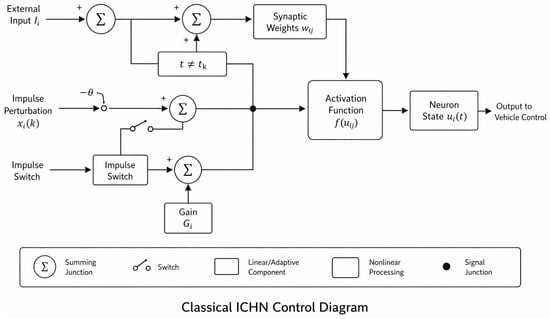
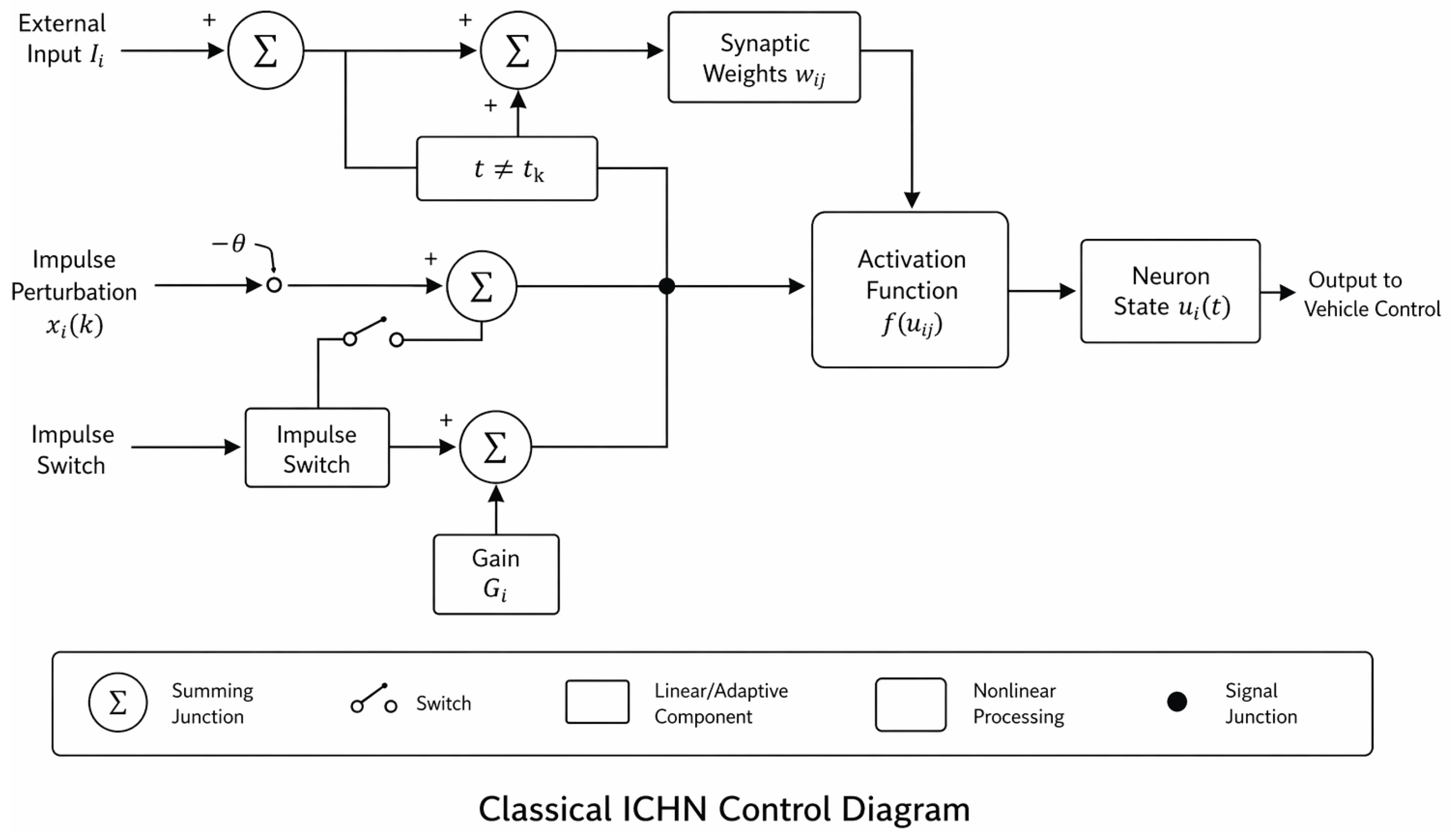
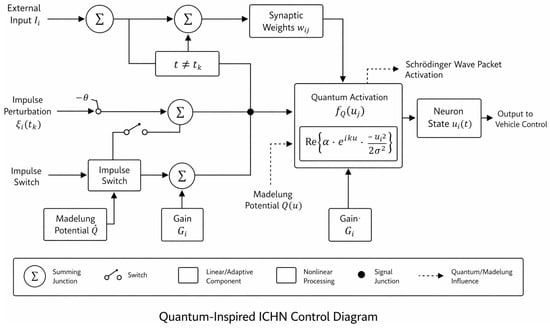
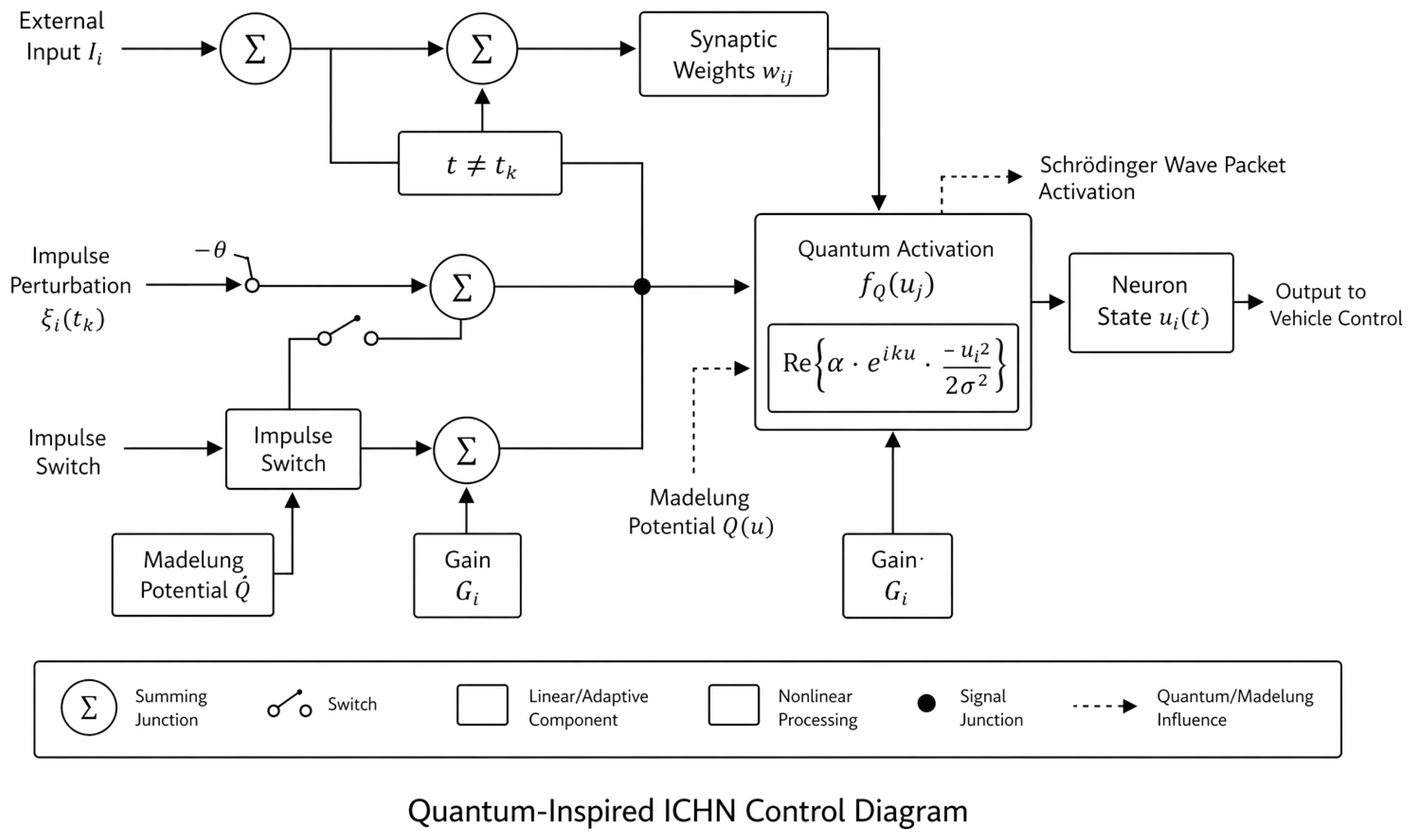
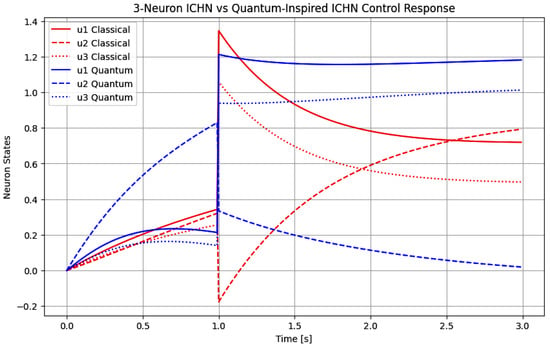
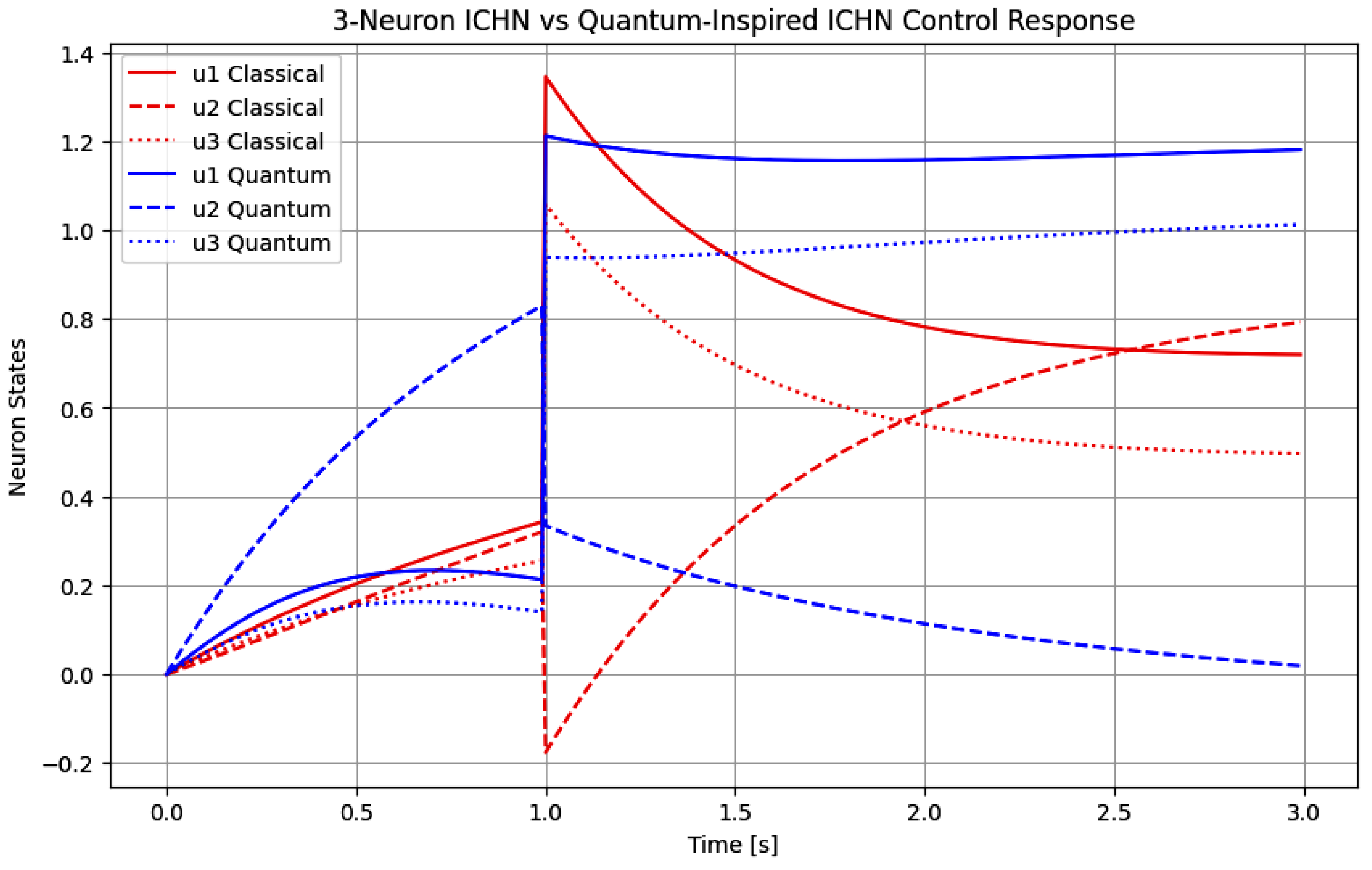
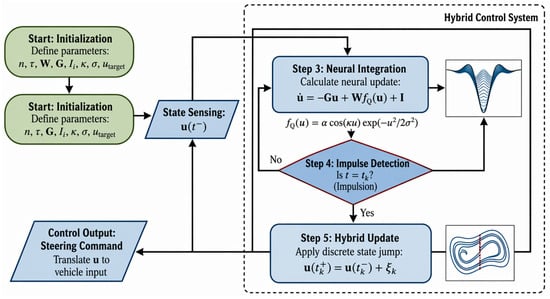
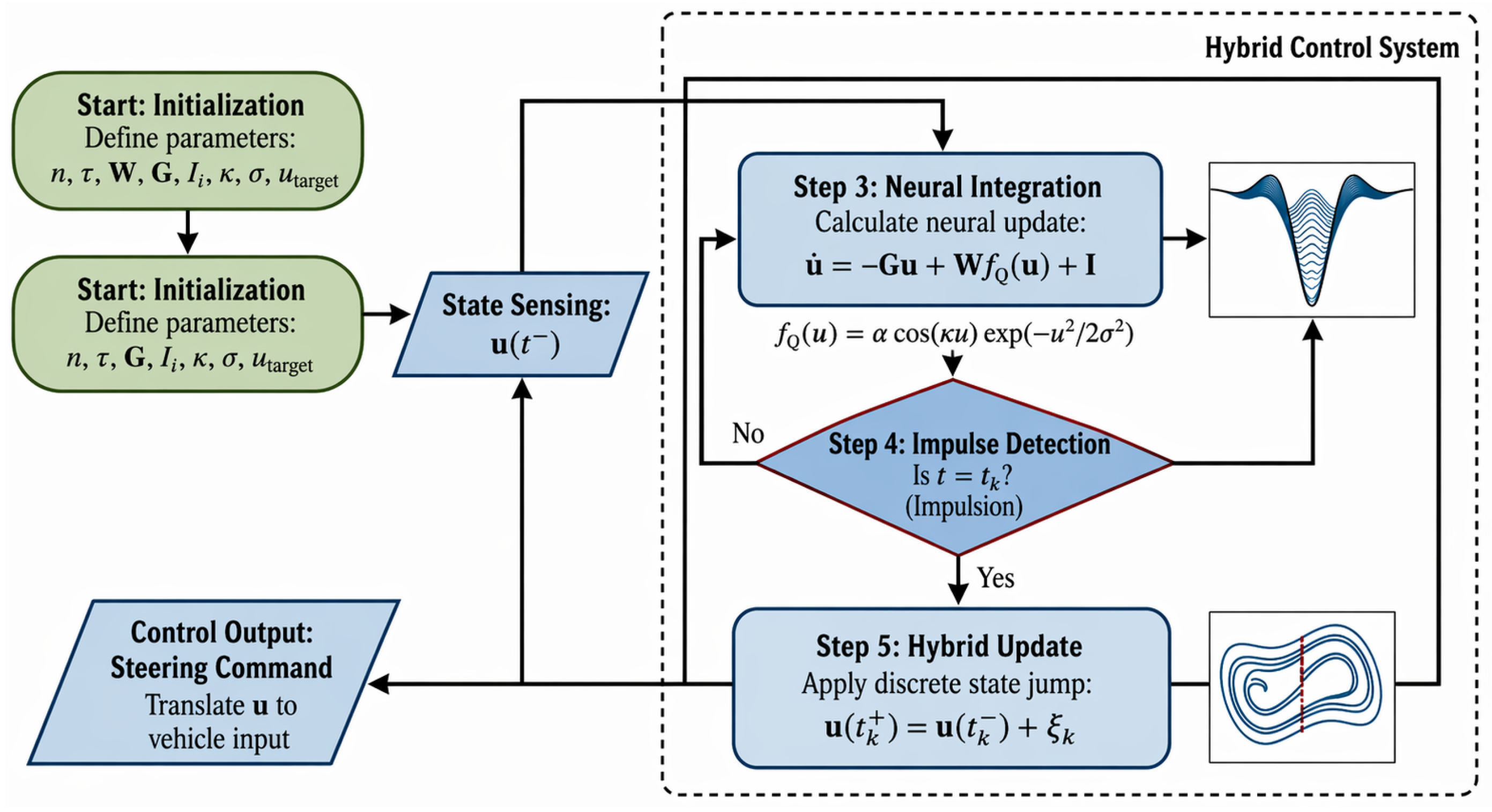
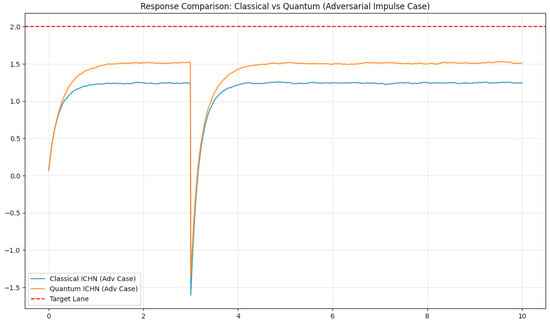
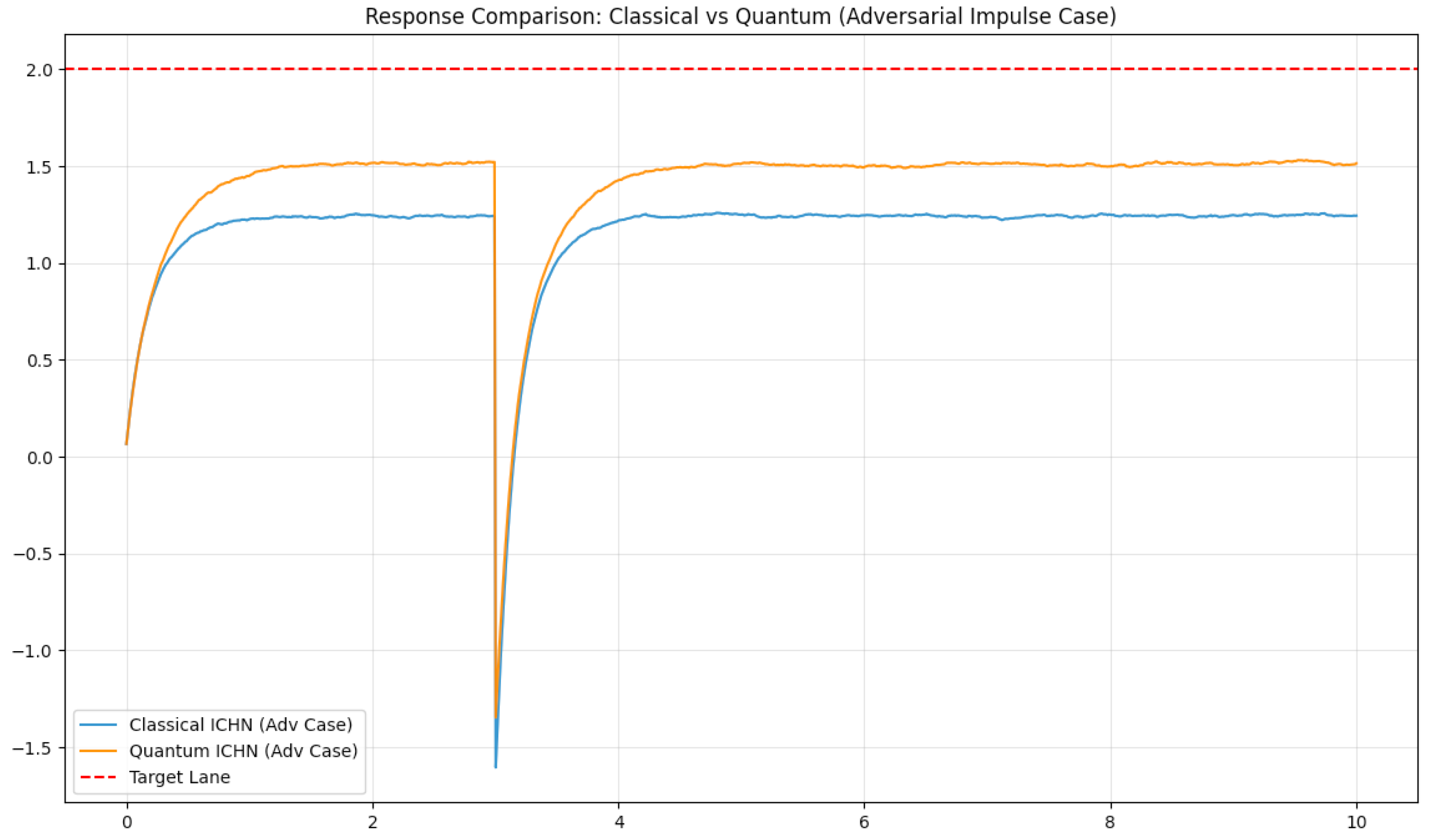
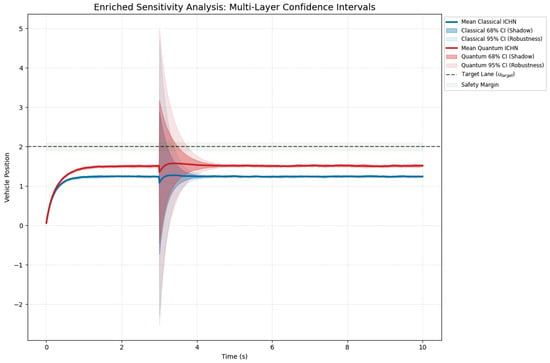
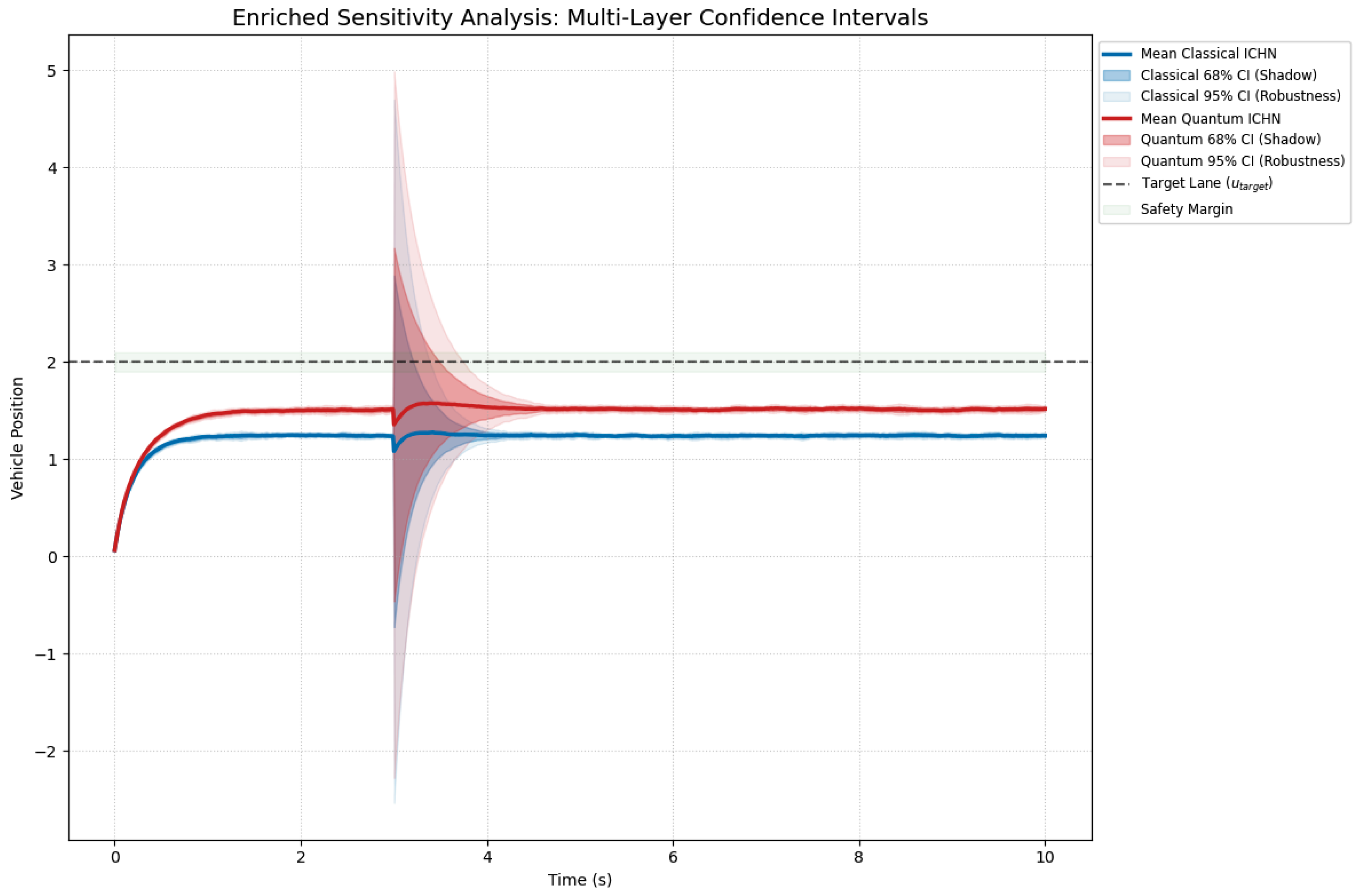
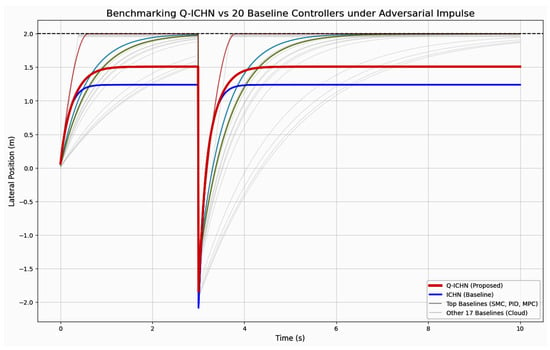
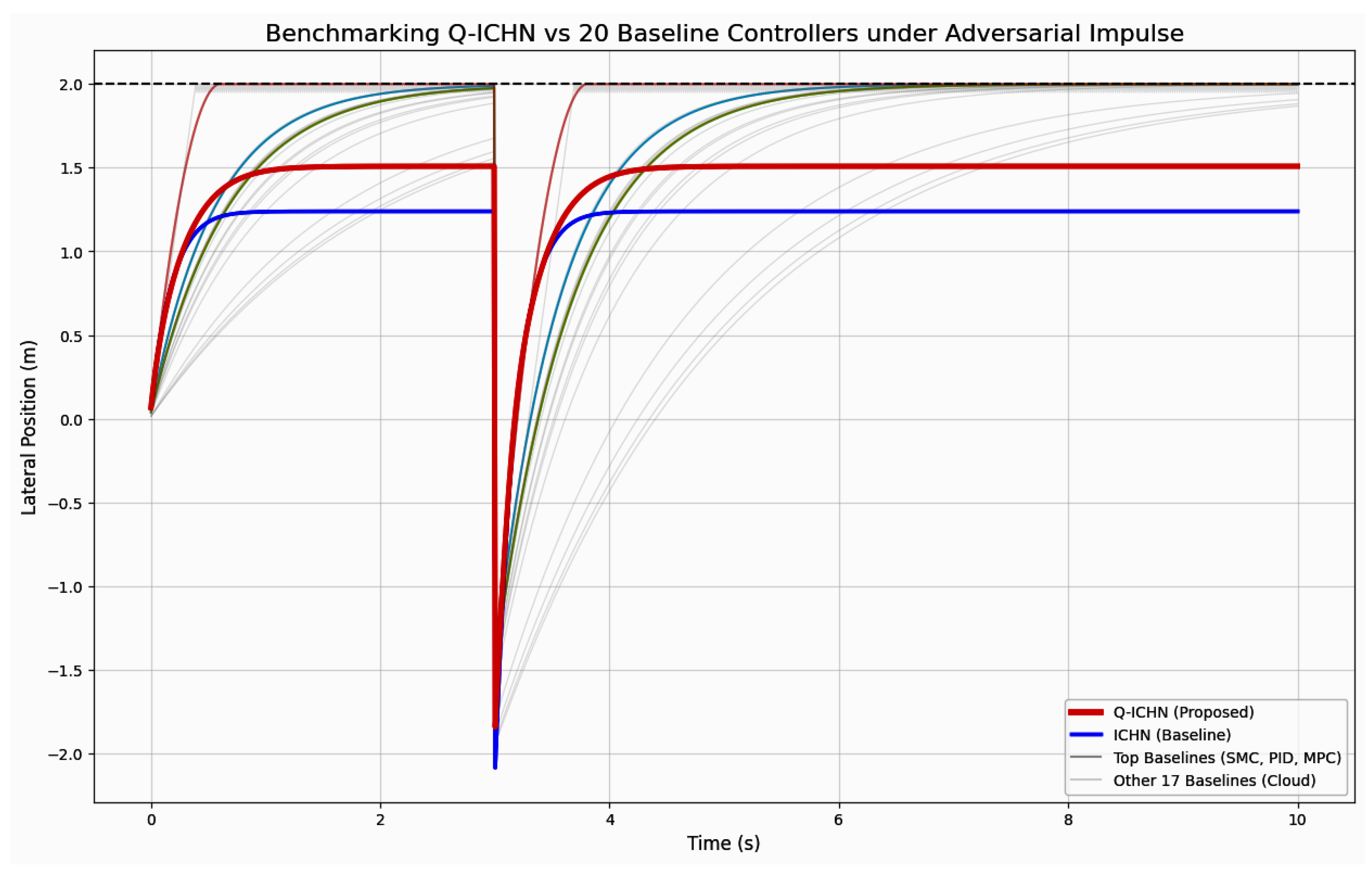
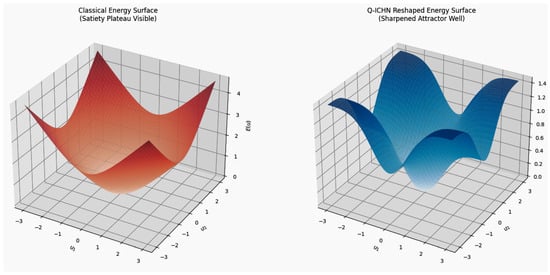
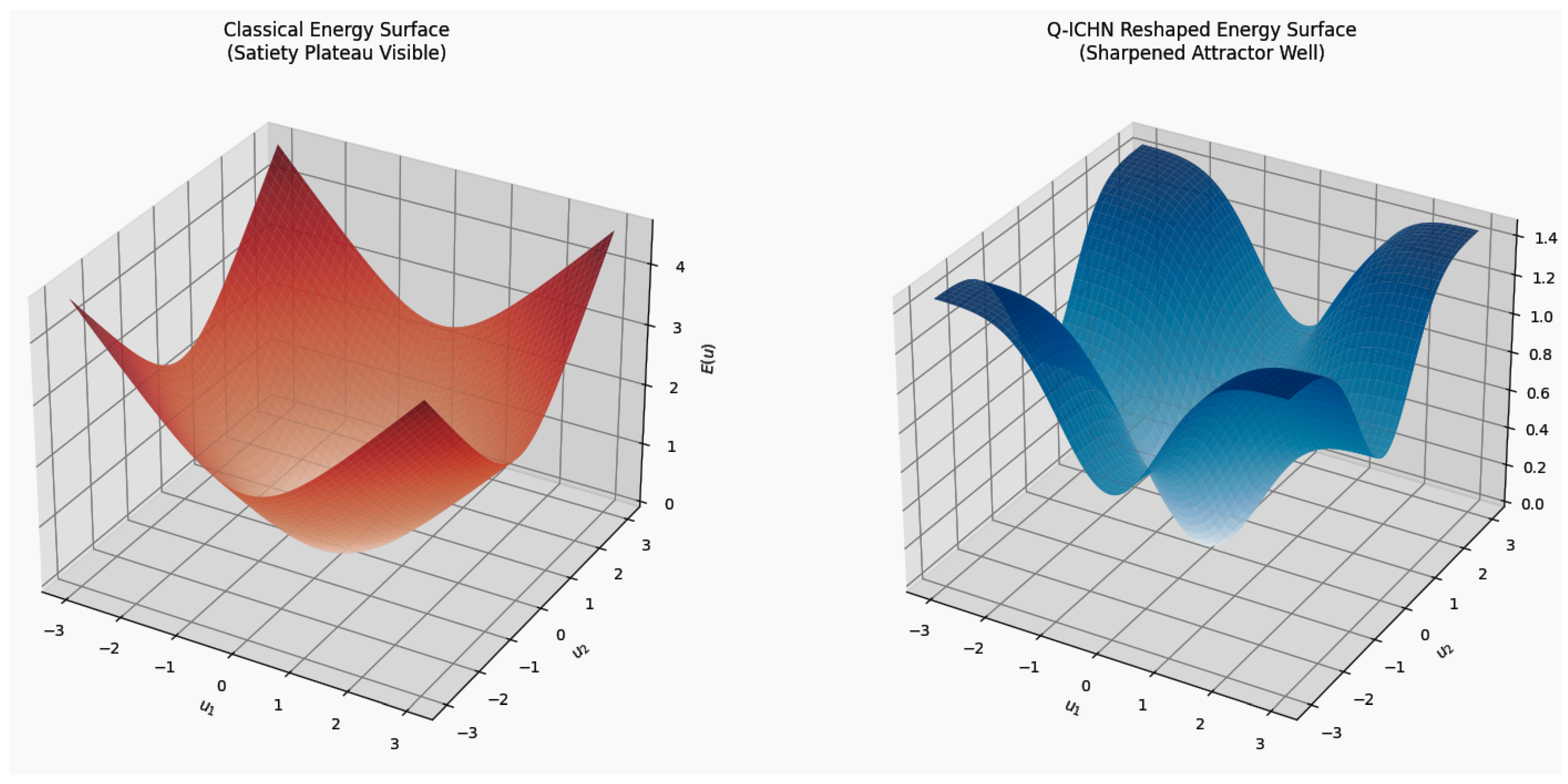
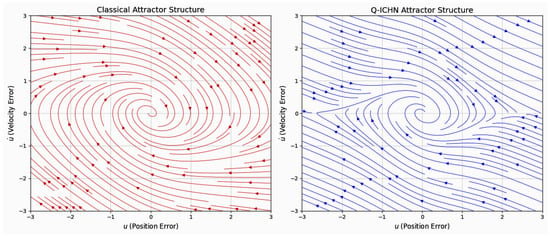
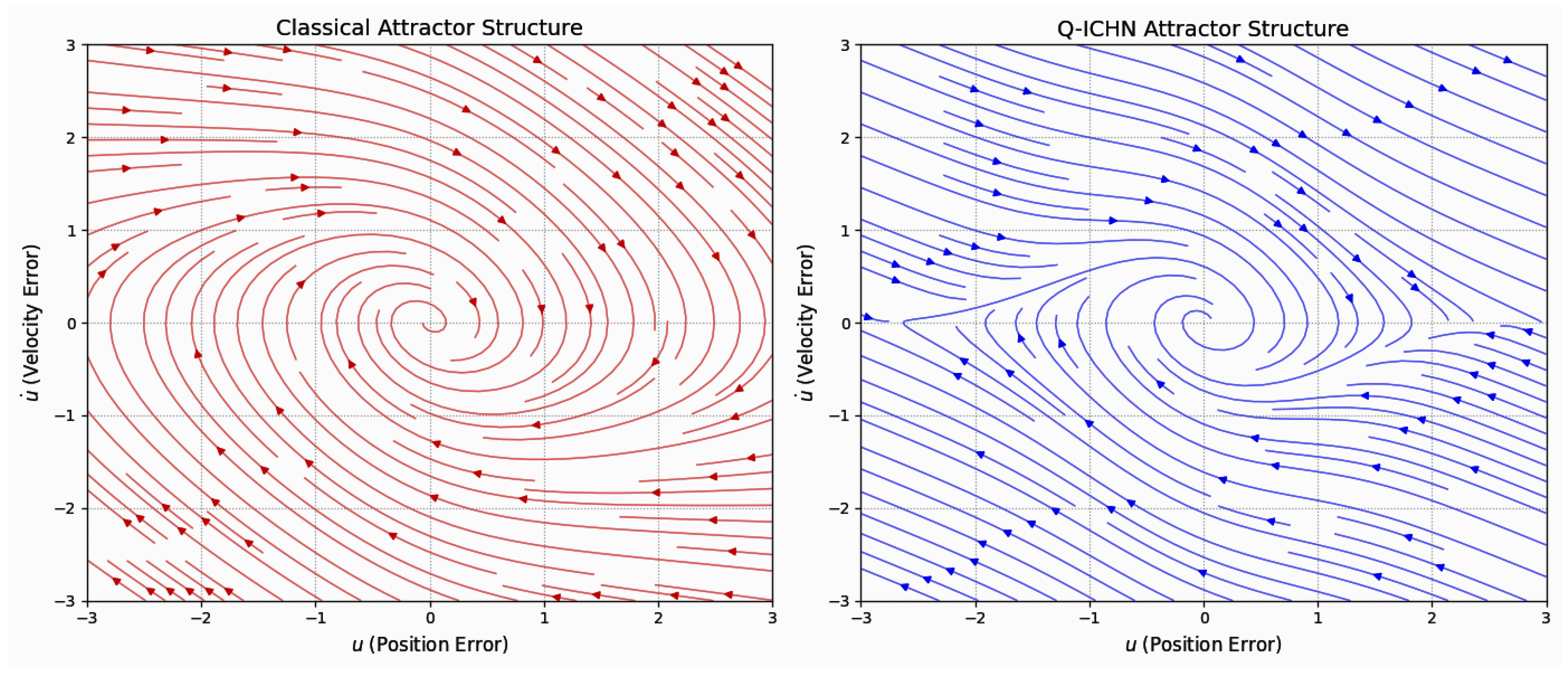
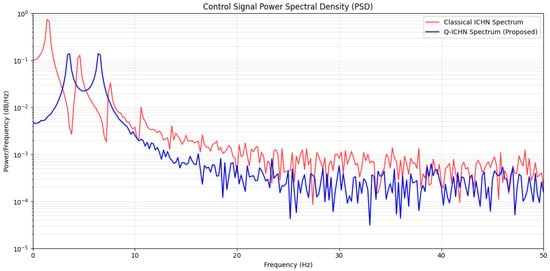
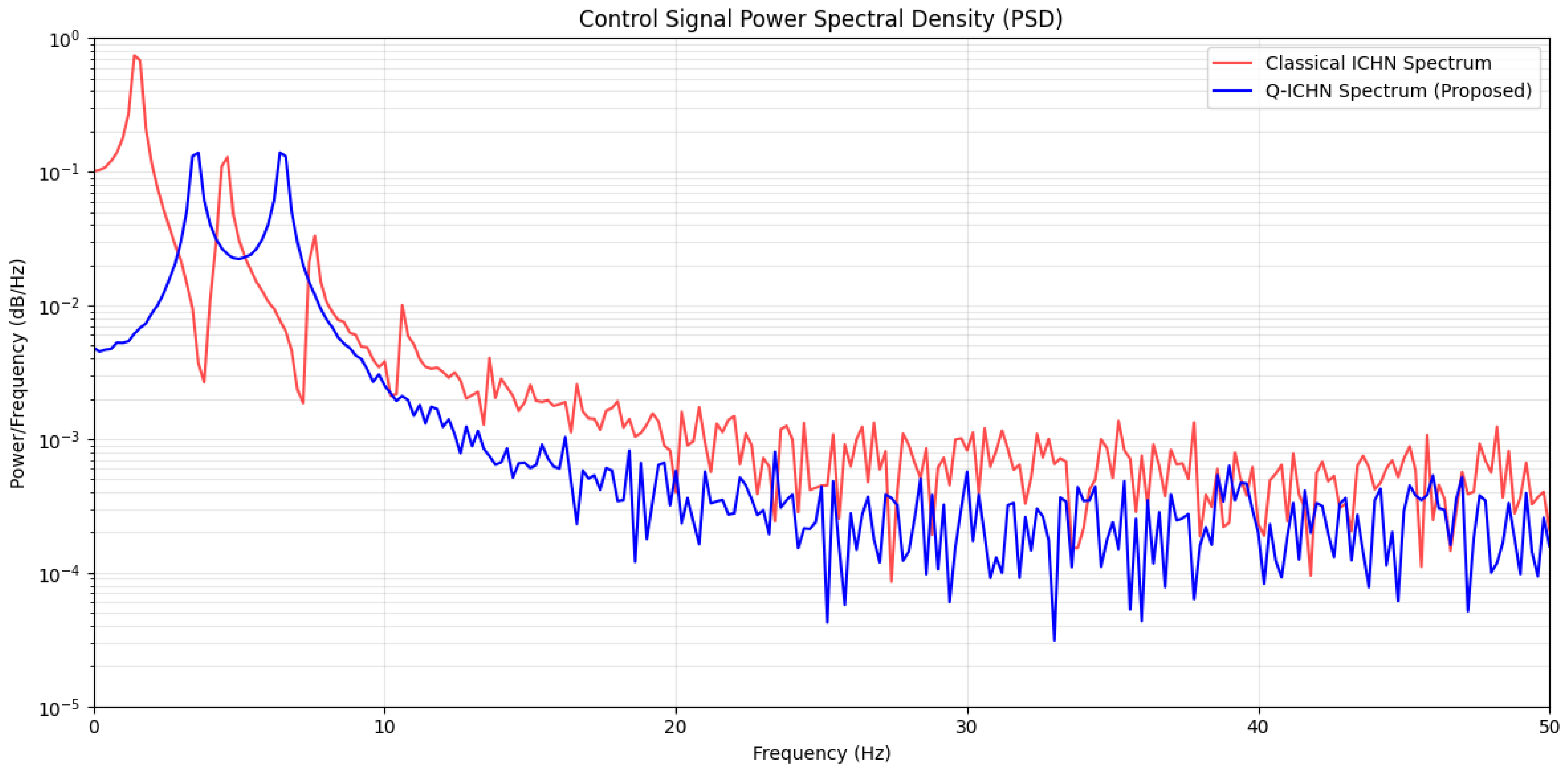
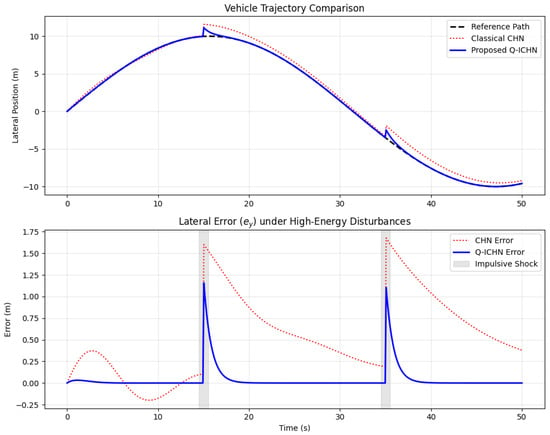
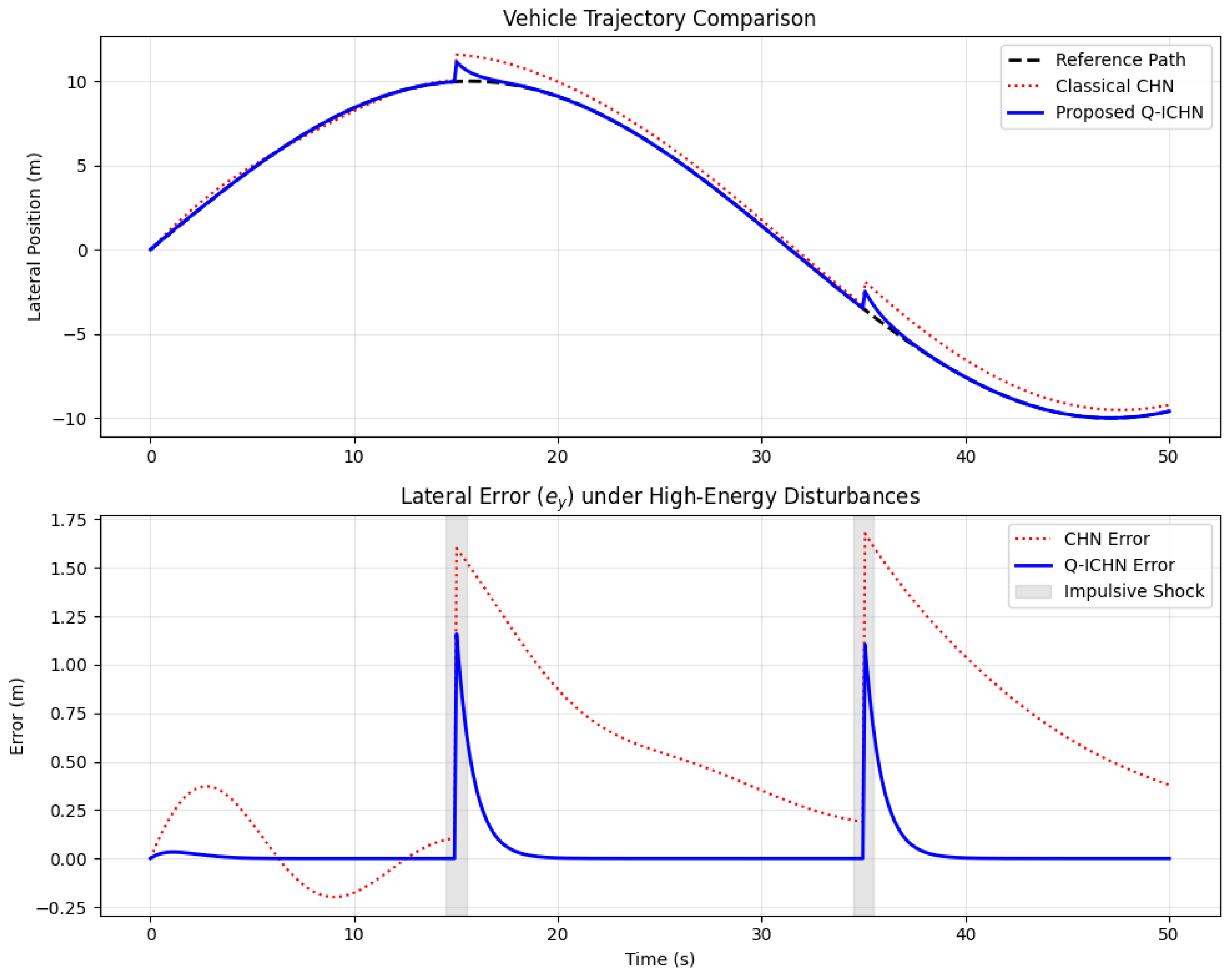

Disclaimer/Publisher’s Note: The statements, opinions and data contained in all publications are solely those of the individual author(s) and contributor(s) and not of MDPI and/or the editor(s). MDPI and/or the editor(s) disclaim responsibility for any injury to people or property resulting from any ideas, methods, instructions or products referred to in the content. |
© 2026 by the authors. Licensee MDPI, Basel, Switzerland. This article is an open access article distributed under the terms and conditions of the Creative Commons Attribution (CC BY) license.