


Abstract
Home automation is undergoing a paradigm shift from connected IoT environments with rule-based control to intelligent homes exhibiting ambient intelligence and proactive adaptation. Artificial intelligence, privacy-preserving sensing, and converging connectivity standards are the primary forces driving this transition. This systematic literature review synthesizes the technological foundations, architectural developments, emerging paradigms, and socio-technical challenges characterizing the next generation of smart homes, evaluated against the original Ambient Intelligence (AmI) vision. Following PRISMA 2020 guidelines, searches were conducted across four databases—IEEE Xplore, ACM Digital Library, Scopus, and Web of Science—covering studies published between January 2020 and June 2025. From 3450 records, 113 studies were selected through a two-reviewer screening procedure with inter-rater reliability assessments. Quality was assessed using a modified JBI Critical Appraisal Checklist, and findings were synthesized through thematic analysis. Three converging technological pillars were identified: multi-modal privacy-preserving sensing including mmWave radar; a hierarchical cloud-edge-TinyML intelligence engine; and unified connectivity through the Matter/Thread standard. Emerging paradigms include LLM-based cognitive orchestration, hyper-personalization, Digital Twin simulation, and grid-interactive prosumer energy management. Realizing that the intelligent home vision requires addressing the privacy–security–trust trilemma, algorithmic bias, system reliability, and human–agent collaboration, a research roadmap encompassing explainable AI, privacy-by-design, lifelong learning, and standardized ethical auditing is proposed.
1. Introduction
1.1. Background
There have been three stages of home automation. The original (1970s–1990s) one was based on electromechanical timers and the X10 powerline protocol and had isolated, unidirectional control of devices with no contextual awareness [1,2]. The second stage (2000s–2010s) brought forward the Internet of Things (IoT) with networked devices that can communicate with each other using Zigbee, Z-Wave, and Wi-Fi, allowing remote control with smartphones and cloud computing systems [2,3,4,5]. Nevertheless, these linked houses were still relying on explicit user instructions and weak when-then-that (IFTTT) rule-based logic [6,7,8].
The third stage, which represents the present era of home automation, denotes a shift to intelligent homes that display ambient intelligence (AmI): ambient-aware, proactively adaptive, learning environments that continuously adapt to the needs of their residents over time [6,9,10]. This is facilitated by the intersection of three technological trends, which are improvements in AI and machine learning (in particular, deep learning, transformer architectures, and large language models) [11,12,13,14,15], the maturation of distributed computing between cloud and edge to TinyML [16,17], and the development of standardized connectivity, chiefly the Matter protocol based on Thread networks [18,19].
At the same time, forces in society are creating the need for domestic intelligence. The elderly population needs ambient assisted living systems that can facilitate their independent lives by having unobtrusive health care surveillance [20,21,22]. The sustainability imperative is the key to the creation of AI-based home energy management systems that utilize methods to schedule loads, integrate renewable sources, and respond to demand [23,24]. The COVID-19-increased expectations of homes that support work, health, and well-being at once, such as intelligent zoning of various activities, circadian-friendly lighting that adapts to the biorhythms of occupants, and active indoor air quality control to ensure longer occupancy, are already normalized [25].
1.2. Research Gap and Rationale
Although a significant scholarly effort has been made on smart environments, there is a gap in synthesis in the literature after 2020. The Matter standard itself has been preceded by previous reviews of IoT architectures [3,26,27,28] that do not have the potential to evaluate its influence on interoperability. Before the disruption of generative AI and LLMs to arrange tasks in smart homes, machine learning surveys based on Smart Homes were published [10,13,29]. Disciplinary reviews of ambient assisted living [20,21], home energy management [23,30], and security [31] do not look across the cuts in the technologies that change more than one of the fields at once, including federated learning [32,33] and Digital Twins [34,35]. Moreover, previous challenge-based approaches concentrated on the classical security and privacy issues without sufficiently considering the issue of algorithmic bias, explainable artificial intelligence (XAI), or the collaboration between humans and AI [36,37]. No review reassesses the original AmI vision in relation to the ability of the present technologies.
1.3. Research Questions
- This review is guided by four research questions:
- ▪
- RQ1: What are the core technological foundations (sensing, intelligence, connectivity) enabling the transition from connected smart homes to intelligent homes in the post-2020 era?
- ▪
- RQ2: What emerging paradigms (e.g., LLM-based orchestration, Digital Twins, hyper-personalization) are reshaping human–home interaction?
- ▪
- RQ3: What socio-technical challenges (privacy, security, trust, bias, usability) remain unresolved, and how have they evolved?
- ▪
- RQ4: What research directions are needed to realize the original AmI vision of a collaborative, adaptive, and trustworthy domestic environment?
1.4. Contributions
This review contributes in five aspects (to the best knowledge of the authors): (i) the first post-2020 horizontal synthesis integrating the specific post-2020 instantiations of AI, sensing, and connectivity—namely Matter/Thread standardization (ratified 2022), TinyML on bare microcontrollers, federated learning for domestic privacy, and LLM-based cognitive orchestration—as a convergent system rather than parallel developments (Gap 1; confirms that none of the prior studies covers all five dimensions simultaneously; the novelty lies not in the categories but in their co-maturation and combined architectural implications, which only became assessable after 2020); (ii) cross-cutting software technologies reshaping more than one domain at once (Gap 2); (iii) the change in thinking of the A comparative analysis against seven previous review papers has been provided in (Section 2, Section 3 and Section 4) and the coverage gaps, which justify this synthesis, are explicitly documented there. This review is an integration of two complementary functions that are carefully preserved separately in all its parts: a systematic evidence synthesis (Section 3, Section 4, Section 5 and Section 6, based on the 113 included studies) and a forward-looking research roadmap (Section 7 and Section 8, extrapolating evidence on directions). The cross-domain integration and evidence maturity mapping are the two original analytical contributions of this review, distinct from its narrative synthesis function. Specifically, the Evidence Maturity Assessment framework (M1–M4)—defined by explicit pre-specified criteria, applied independently by two coders at the technology-cluster level with documented inter-rater reliability (κ = 0.78), and resolved conservatively in cases of disagreement—constitutes a structured classification instrument, not a descriptive label. Its function is to operationalize the distinction between commercially validated technologies (M1), empirically validated laboratory evidence (M2), proof-of-concept demonstrations (M3), and conceptual or simulation-only proposals (M4), thereby preventing the conflation of maturity levels that characterizes several prior reviews in this domain. All forward-looking claims in Section 7 and Section 8 are explicitly grounded in this evidence base and clearly marked with their maturity level.
1.5. Paper Organization
The rest is arranged in the following manner. Section 2 examines related work and finds gaps in the research. Section 3 is a description of the systematic review method. The findings on the three technological pillars are given in Section 4. Section 5 looks into trends emerging. Challenges are analyzed in Section 6. A synopsis discussion is given in Section 7. Future research direction is described in Section 8. Section 9 recognizes limitations, and Section 10 is the conclusion. Other materials are included in Appendix A, Appendix B, Appendix C and Appendix D.
- Key Terminology: To ensure clarity throughout this review, the operational definitions for core concepts adopted in this work are presented in Table 1.Table 1. Operational definitions of key terminology in home automation and intelligence.
2. Related Work
2.1. IoT Architectures and Early Automation (2010–2018)
The early IoT era was concerned with connectivity, interoperability, and data management [2,3,38,39,40]. Layered architectures, which included perception, network, and application layers, dealt with a heterogeneous device ecosystem [26,27,41,42]. Interoperability has continued to be a thorn in the flesh, with vendor-based ecosystems developing disjointed user experiences [7,18]. Hub-based architectures tried to connect such silos [43,44], whereas cloud platforms allowed aggregation at the center [3,45] (see Figure 1).
Figure 1.
Evolution of smart home architectural paradigms. Arrows indicate the direction of data and control flow between system components within each architectural layer. Author-generated synthesis.
Studies focused on energy-conserving MAC protocols for sensor networks to increase battery life [22,46], security architecture to secure vulnerable devices [31,47], and middleware platforms to abstract hardware heterogeneity to enable the same applications to run across heterogeneous hardware.
Deterministic IFTTT logic-controlled automation [6]. The AmI was still of interest [9,10] but was unfortunate to be held back by the limitations of the then-current computers and architectures. These connectivity-era limitations—fragmented interoperability, cloud dependence, and rigid rule-based control—created the very conditions that motivated the next wave of research: applying machine learning to transform accumulated sensor data into adaptive, data-driven home intelligence [48], as examined in Section 2.2.
2.2. Machine Learning for Smart Homes (2015–2022)
The spread of sensor data transformed homes into a data-driven environment [29,49]. HAR (Human Activity Recognition) has developed deep architectures (LSTMs, 1D-CNNs) to extract features automatically [13,29,50,51,52]. The anomaly-detection methods were used to model baselines to detect falls or cognitive deterioration. Non-Intrusive Load Monitoring (NILM) has evolved from factorial Hidden Markov Models (HMMs) to transformer-based attention mechanisms [53,54] (see Figure 2). However, privacy threats, latency problems, generalization problems, and concept drift were the weak points of the existing cloud-centric architecture [6,16,55,56,57,58]. Hence, these limitations reflected a potential threat to one-dimensional machine learning capability, which also relied on a data-centric, independent, and heterogeneous client-server architecture. The human-centered vision of an adaptive and intelligent responsive home environment was yet to be realized [6]. This led to the identification of the Ambient Intelligence paradigm discussed in Section 2.3. Instead of machine learning, many years back, there was a focus on human-centered vision to utilize technology in a responsive home environment. Unlike previously discussed technologies, Ambient Intelligence seems to demonstrate a strong linkage to today’s developments to ensure its applicability in homes as predicted previously.
Figure 2.
The data-driven intelligence pipeline in smart homes. Solid arrows indicate the sequential flow of data across pipeline stages; dashed arrows represent the feedback signal for iterative model retraining; downward arrows denote internal processing hierarchies within each module.
2.3. The Ambient Intelligence Paradigm
AmI stipulated the human-centered vision guiding [9,10], according to which the environment should be sensitive, adaptive, responsive, and transparent. Instead of providing the convenience of the remote control, AmI projected the home as an invisible butler—intelligent partner that can foresee and address the new needs of the occupants [6,59]. AmI extended the idea of ubiquitous computing (see Figure 3) to include the concept of an intelligent and user-centric response: contextual intelligence, personalization, adaptiveness, and proactive response [9,10,60].
Figure 3.
The confluence of driving forces in intelligent home automation. The blue arrow (PUSH) represents technology-driven forces propelling smart home adoption, while the green arrow (PULL) denotes societal demands driving technological development. Small arrows within the Societal Catalysts panel indicate interconnections between sustainability and lifestyle factors.
Context-awareness is the gist of AmI, where context moves beyond the mere sensor events of a home environment to a multi-dimensional and changing image. They have singled out several important types of context: Physical Context—location and occupancy of users through mmWave radar [61] or Wi-Fi CSI sensing [62,63], ambient temperature, lighting, and noise levels [64]; Temporal Context—time of day, day of the week and season, duration of an activity [6,65,66]; Personal Context—user identity (gait recognition) [67] or voice [68], current activity through HAR [29,69], emotional state (based on behavioral patterns).
Advanced context-aware systems usually use a central context manager or reasoning engine that combines ambiguous low-level information (e.g., “kitchen motion,” “oven on,” “water flow”) into higher-level inferences (e.g., user is making dinner) via rule-based systems, ontologies [70,71,72], and probabilistic models (e.g., Dynamic Bayesian Networks) [73,74,75]. There has been substantial interest in developing formal ontologies of home settings as a tool to develop common terms and logical structures of rooms, devices, and activities, and increase semantic interoperability [75,76].
The strong context-awareness allows active service delivery. In contrast to reactive IFTTT triggers, AmI systems can identify intent by looking at a combination of data points—such as seeing somebody headed to the bedroom, bathroom lights on, and time of the day to conclude that somebody is going to sleep and turn on sleep doors, first-floor lights, and the thermostat [6,77]. This paradigm change of reactivity to proactive and contextual anticipation is a qualitative jump in system intelligence [6,10]. Nevertheless, before actualization was technically feasible, concepts had already reached a high level of conceptual maturity, but this was initially limited by computational capability and the privacy considerations of pervasive sensing [10,58].
2.4. The Evolutionary Journey of Home Automation
Table 2 summarizes the key paradigms, characteristics, and enabling technologies across four evolutionary eras of home automation.
Table 2.
The evolutionary journey of home automation—key paradigms, characteristics, and technologies across different eras.
2.5. Identification of Research Gaps
Table 3 provides a comparative analysis of seminal review papers, identifying five research gaps that this review addresses.
Table 3.
Comparative analysis of seminal review papers on smart and intelligent homes (with added columns for number of studies and quality assessment tool).
The five gaps identified include the following: (1) lack of post-convergence synthesis; (2) a discrete and not integrated treatise of the cross-cutting technologies; (3) cloud-based and not hybrid architecture study; (4) technical and not socio-technical problem-setting; and (5) no reevaluation of the AmI vision in relation to modern enablers. Importantly, even the most recent post-2022 reviews do not close these gaps individually or collectively. Reviews of Edge AI and TinyML [107] address on-device inference at a general IoT level but do not connect this to home-specific connectivity standards or cognitive orchestration. FL surveys [108] treat privacy-preserving learning in isolation from domestic sensing architectures. LLM-IoT reviews [109] cover natural-language interfaces broadly but do not engage with the residential AmI vision or the trilemma of privacy, security, and trust specific to the home environment. Last but not least, human-centered evaluations [110] cover some aspects regarding the UX of these systems. However, the method they adopt is not harmonized with the technical convergence delivered by this review. As a result, there is no novelty introduced in one specific technology, but a unique synthesis that horizontally interconnects all five dimensions of the current architecture—namely, privacy-preserving ubiquitous sensing, tiered intelligence, interoperable connectivity, innovative cognitive approaches, and socio-technical ramifications—along with its corresponding state-of-the-art evidence base, following the PRISMA guidelines, in the context of intelligent home applications.
3. Methodology
This review follows the Preferred Reporting Items for Systematic Reviews and Meta-Analyses (PRISMA) 2020 guidelines [111]. PRISMA is an internationally recognized methodological framework designed to ensure transparency, reproducibility, and rigor in systematic literature reviews. It has a structured protocol that includes four steps: finding records through database searches, screening titles and abstracts, checking the eligibility of full texts, and adding final studies. Each step has clear reporting requirements. PRISMA 2020 was selected for this review for three reasons: it is the current gold standard for systematic evidence synthesis across disciplines; it accommodates heterogeneous study designs, including empirical, system design, and conceptual papers, which characterizes the intelligent home literature; and its structured reporting requirements enable readers to independently verify the review process and assess the risk of bias. The PRISMA flow diagram is presented in Figure 4, and all reporting checklist items are addressed across Section 3.1, Section 3.2, Section 3.3, Section 3.4 and Section 3.5.
Figure 4.
PRISMA 2020 flow diagram.
3.1. Search Strategy
An electronic search was done in four databases, including IEEE Xplore, ACM Digital Library, Scopus, and Web of Science Core Collection (see Figure 4). The search was limited in time to January 2020–June 2025. Thematic synthesis was chosen as the method for integrating evidence instead of meta-analysis or statistical aggregation because the corpus includes a variety of study designs, such as empirical evaluations, system design papers, review articles, and conceptual frameworks, with outcome measures that cannot be compared across domains. In these circumstances, PRISMA 2020 guidelines advocate for thematic synthesis as the methodologically suitable approach; employing quantitative aggregation across such diverse designs would yield illusory precision rather than legitimate analytical conclusions [111].
The search query was based on three conceptual pillars, namely domain (“smart home” OR “intelligent home” OR “home automation”), technology (“artificial intelligence” OR “machine learning” OR “edge computing”), and scope (“trend” OR “framework” OR “review”). The pillar of scope was also added to accommodate the architectural and synthesis-based work that defines the current trend of the field; it did not include empirical papers, and those were also obtained via backward reference searching, forward citation tracking, and a manual search of the leading venues. To evaluate sensitivity, a pilot search was conducted on IEEE Xplore without the scope pillar that retrieved 2341 records, and a 50-record random sample was reviewed manually, indicating that 94% of the added records were either out-of-scope primary hardware studies or duplicates of existing records had been included, which justifies retention of the tripartite query design. All database-specific search query adoptions can be found in Appendix D. The sensitivity analysis result, which showed that 94% of records retrieved without the scope pillar were out-of-scope hardware studies or duplicates, is important because it is consistent with the corpus composition reported in Section 3.5. This shows that the tripartite query did not create a conceptually biased corpus in practice.
3.2. Inclusion and Exclusion Criteria
Inclusion: the articles published between 2020 and 2025, peer-reviewed journal articles, conference papers, or systematic reviews, English language, and devoted to the development of AI/ML, architectural innovations, context-aware sensing, or critical review of emerging issues related to intelligent home settings. Exclusions: books, editorials, patents, theses; all-hardware studies that do not involve AI elements; all tangential aspects of smart home; smart city/industrial IoT; non-residential pathway; duplicates. Publications published before 2020 are mentioned as background materials but not included in the 113 systematically reviewed articles (see Figure 4).
3.3. Study Selection Process
Phase 1—Identification: The database search yielded 3422 records; supplementary searches added 28, totaling 3450. Phase 2—Screening: Deduplication removed 532 duplicates (2918 unique). Title/abstract screening by two independent reviewers (pilot calibration: Cohen’s κ = 0.84) excluded 2420 records, advancing 498. Phase 3—Eligibility: Two reviewers independently assessed 498 full texts; 385 were excluded, and 113 were included. Categorized exclusion reasons: wrong topic or domain (n = 148, 38%); insufficient AI/ML component—purely hardware or protocol-only studies (n = 89, 23%); wrong publication type—editorials, theses, extended abstracts (n = 52, 14%); insufficient methodological quality (low JBI score; n = 41, 11%); duplicate or superseded by a more comprehensive work already included (n = 31, 8%); and not in English (n = 24, 6%). Exclusion reasons were independently coded by both reviewers; inter-rater agreement on the exclusion category was κ = 0.79 (see Figure 5).
Figure 5.
Schematic of the systematic search strategy.
3.4. Quality Assessment
Methodological quality was assessed using a modified JBI Critical Appraisal Checklist adapted for the heterogeneous study designs in this corpus (empirical, system design, review/survey, and analytical/conceptual papers). Two reviewers independently assessed each study; disagreements were resolved through discussion and, where consensus could not be reached, by a third-reviewer tiebreak. The inter-rater agreement for quality scoring was Cohen’s κ = 0.81 (substantial agreement). Each study was scored against eight criteria (maximum 16 points): (C1) clear research objective or question; (C2) adequate description of participants/systems/data; (C3) valid and reliable measurement or data collection method; (C4) appropriate analytical or experimental method for the study type; (C5) control of confounds or alternative explanations; (C6) findings supported by the data presented; (C7) ethical or reproducibility considerations addressed; (C8) conclusions consistent with findings. For non-empirical studies (conceptual, system-design, review papers), criteria C3, C4, and C5 were adapted: C3 assessed whether the methodology or design rationale was transparently described; C4 assessed whether the evaluation or validation approach was appropriate for the study type; and C5 assessed whether limitations and scope boundaries were acknowledged. Scores were mapped to quality bands: High, ≥12/16; Moderate, 8–11/16; Low, <8/16. Low-quality studies were retained but flagged; their evidence was weighted conservatively and not used as primary support for conclusions. The quality distribution is reported in Table 4, and individual scores are provided in Appendix C.
Table 4.
Quality assessment summary—distribution of included studies across quality ratings by study type.
3.5. Data Extraction and Synthesis
A systematic extraction form was used: bibliographic features, type of study, technology of interest, field of application, methodology, essential conclusions, and limitations. Inductive coding in NVivo (v14) was used to perform thematic synthesis following the methodology proposed by Thomas and Harden (2008) [111]. The coding was conducted in three steps: (1) line-by-line open coding of the results of each included study, generating initial descriptive codes (e.g., on-device inference latency, occupant privacy concern); (2) grouping codes into descriptive themes based on semantic similarity (e.g., edge inference, TinyML deployment, and MCU power constraints coalesced into the TinyML tier); and (3) organizing analytical themes into the structure of Section 4, Section 5 and Section 6.
The two reviewers independently coded 20% of the studies; inter-rater reliability for the theme assignment was κ = 0.76 (substantial agreement). Disagreements were resolved through discussion, and the codebook was refined over three iterative review cycles. One reviewer performed data extraction, and a second reviewer verified all 113 studies; discrepancies were resolved before synthesis. The 17 included review/survey articles were treated as sources of contextual triangulation rather than primary units of evidence: their findings were used to support or contrast trends identified in primary studies but were not counted as empirical evidence. This approach avoids the duplication of evidence where review articles overlap with primary sources. Where a claim was supported solely by review literature, it was explicitly identified as such. A hierarchy of evidence weighting was applied across study types: (1) multi-site empirical field deployments with end-users; (2) single-site empirical studies; (3) laboratory/simulation studies; (4) system design papers with partial evaluation; (5) review and survey papers (contextual); and (6) conceptual and theoretical papers. This hierarchy informed confidence levels in Table 5. The complete data extraction table (n = 113) is provided in Appendix B. Descriptive summary: publication years 2020 (14), 2021 (22), 2022 (19), 2023 (24), 2024 (21), 2025 (13); study types: empirical (47%), system design (28%), review (15%), conceptual (10%); domains: general (32%), health/AAL (24%), energy (22%), security (14%), other (8%). These study types were not treated as equivalent in the synthesis. Formal evidence weighting hierarchy was applied throughout: (1) multi-site empirical field deployments with real end-users carried the highest evidential weight; (2) single-site empirical studies; (3) laboratory and simulation studies; (4) system design papers with partial evaluation; (5) review and survey papers used for contextual triangulation only, not as primary evidence units; and (6) conceptual and theoretical papers. Claims in Section 4, Section 5 and Section 6 are grounded in this hierarchy, and readers can verify the evidence type supporting any specific claim by consulting the study design column in Appendix B, where each of the 113 included studies is classified by design type and evidence maturity label.
Table 5.
Evidence maturity assessment of key technologies and paradigms.
4. The Technological Pillars of Modern Intelligent Homes (RQ1)
Building on the systematic methodology described in Section 3, the following sections present the synthesized findings, beginning with the core technological pillars that underpin modern intelligent home systems.
The progression from connected to intelligent homes is driven by three interdependent pillars: perception, intelligence, and connectivity. It is important to clarify that these pillars are not generic IoT architectural layers—they represent specific technological instantiations that reached simultaneous practical maturity only in the post-2020 period. The first pillar is not sensing in the broad IoT sense, but specifically the emergence of privacy-preserving modalities—chiefly mmWave radar and Wi-Fi CSI—that enable rich, room-level behavioral inference without cameras, a capability that became deployable in domestic settings only after 2020 [61,62,63]. The second pillar is not distributed intelligence generically, but the crystallization of a three-tier computing continuum—cloud for large-model training and federated aggregation, edge gateways for sub-100 ms local inference, and TinyML on bare microcontrollers for milliwatt-level always-on sensing—as a coherent, co-designed architecture rather than isolated deployment choices [16,17,32]. The third pillar is not connectivity in general, but the 2022 ratification of the Matter protocol as the first cross-vendor, IP-native unification layer for smart home devices, an event that structurally changes the interoperability landscape in ways that all pre-2022 reviews could not assess [18,19]. Critically, it is the simultaneous convergence of these three specific developments—not any one of them in isolation—that creates the qualitatively new design space within which the emerging paradigms of Section 5 (LLM-based cognitive orchestration, Digital Twins, hyper-personalization), and the socio-technical challenges of Section 6 become both technically possible and socially urgent.
4.1. Advanced Sensing and Perception
- ▪
- Visual and RF-Based Sensing
Visual and RF-based sensing constitute two primary modalities for perception in intelligent homes, each characterized by different trade-offs between accuracy and privacy. Camera-based systems provide high-fidelity human activity recognition (HAR) but introduce significant privacy concerns [23,49,95,112,113]. Conversely, RF-based techniques, such as mmWave radar, enable trajectory tracking, fine-grained motion detection, and vital sign monitoring (e.g., heart rate and respiration) without capturing identifiable visual information [61,62,114,115]. IR thermal imaging is used to offer occupancy detection based on body heat with less intrusion [84,116]. Wi-Fi Channel State Information (CSI) sensing utilizes the infrastructure that is already in place to monitor the presence and activity based on signal perturbations as a device-free, infrastructure-reusing technology [62,63]. Figure 6 illustrates the trade-off between information fidelity and privacy intrusiveness across these sensing modalities, demonstrating how privacy-preserving alternatives such as mmWave and Wi-Fi CSI can achieve comparable behavioral inference to camera-based systems while substantially reducing privacy risk.
Figure 6.
Balancing information fidelity and user privacy in intelligent home sensing.
- ▪
- Acoustic, Environmental, and Power-Based Sensing
Low-cost VOC, PM2.5, and CO2 environmental sensors can be used to achieve environmental sensor fusion and thus dynamic Indoor Air Quality (IAQ) management [49,64]. Appliance disaggregation has been significantly enhanced using transformer-based NILM models [117].
- ▪
- Multi-Modal Sensor Fusion
Fusion unites heterogeneous data streams on data, feature, and decision levels into single context models [83,84,98,118]. Evidence maturity varies: camera-based HAR is well-validated; mmWave shows promising but limited deployment evidence; multi-modal frameworks remain predominantly proof-of-concept.
4.2. The Intelligence Engine: A Hierarchical Computing Continuum
- ▪
- Cloud Tier
The cloud tier is essential for large-scale model training, federated learning aggregation [32,33,119], and hosting billion-parameter LLMs [12,13]. However, sole reliance on cloud processing introduces significant constraints, including latency, privacy exposure, reliability risks, and bandwidth limitations [16,58] (see Figure 7).
Figure 7.
The hierarchical intelligence engine of the modern intelligent home.
- ▪
- Edge Tier
The edge tier delivers low-latency local decision-making, directly supporting time-critical applications such as fall detection and voice response [16,114,120,121]. It also enhances privacy by processing data locally rather than transmitting it to the cloud [16,55,58,122] and maintains operational continuity during internet outages [16,123].
- ▪
- TinyML Tier
The TinyML tier deploys ultra-lightweight machine learning models directly on microcontrollers, enabling milliwatt-level always-on sensing and on-sensor data preprocessing [17,124,125,126,127]. Empirical evaluations of TinyML in real domestic settings remain limited; most included studies report laboratory benchmarks rather than field deployments.
4.3. The Connectivity Fabric: Matter and Thread
The Matter protocol offers cross-vendor IP-based interoperability [18,19], and Thread is the low-power mesh-based transport with self-healing topology [18,100,128]. The Wi-Fi is the high-bandwidth data backbone of data-intensive applications like video streaming. Bridges provide pre-Matter compatibility (e.g., Z-Wave, Zigbee), thereby preserving existing consumer investments. Figure 8 summarizes this unified connectivity fabric, showing how Matter, Thread, Wi-Fi, BLE, and LPWAN protocols occupy complementary roles across different device types, data rates, and range requirements within a single intelligent home architecture. The Bluetooth Low Energy (BLE) is a critical component of commissioning (onboarding) new Matter devices [18,104]. In specialty applications, Low-Power Wide-Area Network (LPWAN) systems like LoRaWAN have been proposed as a highly long-range, low-bandwidth capture data of large estates where Wi-Fi and Thread cannot reach [22,129]. Shortcomings consist of partial coverage of device categories, slow uptake, the so-called Matter-Plus vendor lock-in phenomenon, where vendors only give innovative functionality to proprietary systems, and an open semantic interoperability gap [18,19].
Figure 8.
The unified connectivity fabric of the intelligent home.
5. Emerging Trends and Paradigms (RQ2)
Having established the foundational technological pillars of intelligent homes, we now examine the emerging paradigms that build upon these capabilities and are reshaping human–home interaction.
5.1. Generative AI and LLM-Based Cognitive Orchestration
LLMs enable three qualitatively new capabilities for home intelligence.
First is the semantic interpretation of open-ended intentions. Rather than parsing rigid commands, LLMs understand abstract natural-language directives. For example, a request such as “I want to watch a movie in a comfortable place—it is a bit too hot in here” can elicit coordinated actions across air conditioning, lighting, and media playback systems without requiring the user to specify each device individually [12,13,130].
Second is reasoning about time and context. LLMs use real-time sensor data and historical patterns, such as the time of day, recent device activations, and noise logs, to come up with smart answers. The system uses the location, time, and activation history to give a contextual answer when someone asks, “What was that noise?” This is a big step up from following commands to understanding conversations.
Third is multi-step task planning and orchestration. The LLM acts as a cognitive orchestrator, generating unique action plans across multiple devices in response to high-level requests. A command such as “Get everything ready before my parents come this weekend” can trigger calendar inspection, thermostat adjustment to age-appropriate temperatures, and the reconfiguration of security settings [12,13,131]. LLMs also enable a shift from user-pulling—user-initiated commands—to system-pushing—proactive suggestions based on continuously updated models of user preferences and habits.
It is important to note that the evidence base for these capabilities is limited. The hallucination risk, inference latency, and real-world deployment evidence remain unestablished. LLM-based home orchestration is rated largely conceptual (M4) or early proof-of-concept (M3) in this review. No included study reported a longitudinal field implementation involving end-users in a real home. The assertions in this section are therefore research directions and design proposals, not proven domestic implementations (see Figure 9).
Figure 9.
The LLM as the central cognitive orchestrator in the intelligent home. Downward arrows indicate the flow of inputs into the orchestrator and the propagation of outputs from it; horizontal arrows between processing stages denote their sequential execution order.
5.2. Hyper-Personalization and Behavioral Learning
Environmental personalization (climate zones, lighting) is the most mature application [6,30,70,117,132,133]. Health personalization extends to sleep optimization and nutrition [20,134]. Multi-occupant profiling requires preference arbitration via multi-agent systems [67,135,136]. Affective computing, inferring emotional states for responsive routines, is classified as early-stage/conceptual (M4) in this review: no included study provided field-validated evidence of reliable affective state inference in uncontrolled domestic settings [10,71,87] (see Figure 10).
Figure 10.
The continuous learning loop for hyper-personalization in intelligent homes. Downward arrows indicate the sequential flow across pipeline stages; the horizontal arrow denotes internal processing within the user modeling stage; the return path from Stage 4 back to Stage 1 represents the continuous learning cycle through which user feedback iteratively refines the personalization policy.
5.3. Digital Twins for Home
Core DT applications include MPC for HVAC optimization [132,137,138], integration with renewable energy systems [34,138,139], and predictive maintenance through sensor-to-model comparison [34,105,140]. Advanced applications extend to safety simulation [34,35,141] and AAL activity recognition [20,53]. Energy optimization has the strongest empirical support; safety and health applications remain largely conceptual (see Figure 11).
Figure 11.
The architecture and function of a home Digital Twin. Downward arrows indicate the flow of real-time sensor data from the physical home to the data bridge layer; upward arrows represent optimized control commands returned to the physical environment; bidirectional arrows between the data bridge and digital twin denote two-way synchronization of IoT data and control signals; dashed arrows indicate internal communication between IoT protocol endpoints and the edge gateway.
5.4. Intelligence for Health and Well-Being
The AAL applications mmWave-based fall detection [114], gait monitoring [20,116], ADL tracking [20,53] make it possible to use aging-in-place [46]. Passive physiological measurements of heart rate, respiration, and quality of sleep, which qualify as clinical-grade remote patient monitoring (RPM), hold promise to enable constant health monitoring without the wearable burden [62,142]. The wellness apps include optimizing sleep and individualized fitness advice [20,116,134,143,144]. This is a field that has comparatively good empirical data on fall detection and ADL monitoring. Figure 12 maps the layered architecture of the intelligent home as a health and well-being guardian, illustrating how passive sensing, physiological monitoring, and wellness applications combine to support aging-in-place across varying levels of clinical acuity.
Figure 12.
The intelligent home as a health and well-being guardian. Upward arrows indicate the sequential flow of health data across the four processing layers, from raw multi-modal data acquisition (Layer 1) through AI analytics (Layer 2) and personalized intervention (Layer 3) to final goal achievement (Layer 4); arrow colors correspond to each respective layer. The curved arrow on the right denotes the continuous feedback loop through which outputs from upper layers iteratively refine processing in lower layers.
5.5. Sustainability and Prosumer Energy Intelligence
Machine learning in HEMS (AI) is used to predict future loads and do strategic shifting. The home is an element in a virtual power plant because the administration of demand responds automatically through grid-interactive functionality. Extensions include the ability to connect electric vehicles to the home (V2H) and the grid (V2G), active management of the building envelope, and precise water management [23,24,30,139,145,146,147]. Energy management is one of the most advanced fields in terms of research (see Figure 13).
Figure 13.
The intelligent home as a grid-interactive prosumer. Solid blue arrows indicate the flow of input data into the AI decision core and the propagation of control commands to resource management modules; yellow bidirectional arrows denote two-way energy exchange between home resources and controllable loads; bidirectional arrows in the energy flow panel represent grid import and export interactions between the smart home and the electrical grid; and solid arrows toward the sustainability outcomes panel represent the measurable environmental and economic impacts of the energy management strategy.
5.6. Swarm Robotics and Multi-Agent Systems
Multi-agent coordination to distribute tasks among heterogeneous teams of robots is necessary, as well as collision-free multi-agent path planning (MAPP) to operate in shared dynamic settings and extensive integration of the intelligence infrastructure of the home [48,106,148]. The Digital Twin has two purposes: as a testing field and control center, which presents a spatial simulation of the house to all robots and assists in coordinating their actions. The connection fabric creates the effect of near-real-time inter-robot communication. The situational awareness of the swarm is complemented by the shared perception of fixed home sensors (e.g., security cameras). This paradigm is the most hypothetical, and the literature reviewed is mostly in the form of conceptual frameworks and simulations. Evidence rating: the paradigm is M4 (Conceptual/Early-Stage) in all studies that were included in this paradigm. The literature reviewed is mostly conceptual frameworks and simulations of multi-robots; no study in it introduced a domestic field implementation of a heterogeneous robotic swarm with actual end-users. The assertions in this part are therefore research directions and architectural conjectures and not proven applications. Figure 14 depicts the conceptual architecture of a domestic robotic swarm, illustrating how heterogeneous robot teams, shared home sensor perception, Digital Twin coordination, and the Matter/Thread connectivity fabric are envisioned to work together, while making clear that this integration remains at the simulation and conceptual stage with no field-validated domestic implementations reported in the included corpus.
Figure 14.
The The domestic robotic swarm: a multi-agent system for physical automation. The downward arrow denotes AI-generated control commands dispatched from the central coordination layer to the robotic execution fleet; the upward arrow represents real-time sensor feedback and state updates returned to the intelligence layer to enable continuous coordination and adaptive task allocation.
6. Challenges and Open Issues (RQ3)
The following challenges were identified inductively through a thematic synthesis of the 113 included studies and the broader cited literature; they are presented as evidence-identified unresolved issues rather than independently asserted propositions, and readers are directed to the evidence type labels in Appendix B to assess the evidentiary basis of any specific claim.
6.1. The Privacy–Security–Trust Trilemma
Hyper-personalization requires continuous multi-modal data collection, which creates significant privacy pressure [36,58,149,150]. Federated learning and edge processing offer partial mitigation [16,32,91,118], but genuine data sovereignty remains unachieved [16,151,152].
The expanding device ecosystem creates large attack surfaces. Inexpensive, high-volume sensors represent the most frequent entry points for attackers [31,58,153]. Physical adversarial attacks—using specially crafted signals to deceive camera, LiDAR, and microphone systems—are an emerging safety-critical threat [47,106].
The black-box problem compounds these security concerns. Deep learning and LLM decision-making processes lack transparency. When an LLM assistant refuses to act without explanation, it causes user frustration and erodes trust. Developing XAI systems capable of providing real-time, intelligible explanations of LLM reasoning remains an open research problem [36,37,154,155].
6.2. Interoperability and Fragmentation
Three interoperability issues remain despite the Matter standard. It should be noted at the outset that the evidence base for these limitations is partially architectural—derived from peer-reviewed analysis of Matter’s design and early deployment literature rather than large-scale empirical field studies, of which only three field-oriented studies were identified in the included corpus. The analytical claims that follow should therefore be read as evidence-informed architectural assessments rather than empirically established findings.
First, the legacy device bridge burden introduces additional error risks and architectural inefficiencies when connecting pre-Matter devices to the new standard. Second, the Matter-Plus vendor lock-in dilemma arises because Matter defines a shared grammar of communication but does not mandate a shared vocabulary of device capabilities, leaving vendors free to restrict advanced functionality to proprietary systems. Third, the semantic interoperability gap means that different brand devices can interpret the same high-level commands, like “create a relaxing setting,” in different ways if they do not all use the same ontological model. This disconnect is especially bad when LLMs are involved because these models need a lot of semantic knowledge to make coherent action plans for multiple devices [18,19].
6.3. Ethical and Societal Implications
Ethical and socio-technical concerns were explicitly raised in at least nine included studies and across multiple domains of the corpus [25,36,58,103,149,150,151,156,157], as well as in the broader cited literature on responsible AI and smart home governance. Algorithmic bias—whereby demographic groups underrepresented in training data are subjected to systematically higher error rates—carries the risk of so-called digital redlining, where access to premium health and safety features becomes contingent on adherence to majority behavioral norms [36]. This concern was raised primarily in security, HAR, and health-monitoring studies within the corpus, where performance disparities across age, gender, and mobility profiles were documented or flagged as unaddressed limitations. Coercive control through smart home technology represents a distinct and underexplored ethical dimension: offenders can exploit cameras, sensors, remote locking systems, and environmental controls as instruments of domestic abuse [58,149,156]. This problem was noted in a few studies included in the collection and the wider literature cited on it; it is comparatively underrepresented in the corpus because it has been under-published rather than not causing real-world harm, as it is discussed in the limitations in Section 9. Lastly, the digital divide, a phenomenon fueled by the high price of both hardware and subscriptions and broadband connection, implies that intelligent home functions will continue to be available to only wealthy residents, further separating developed and developing areas [25,151,158]. It should be noted that the empirical measurement of these socio-technical harms within the included corpus remains limited; the claims in this section are therefore presented as identified concerns requiring dedicated empirical investigation rather than established prevalence findings, consistent with the evidence maturity boundaries discussed in Section 7.2.
6.4. Reliability and Robustness
Cascading single points of failure. Single points of failure in critical functions may be cascaded—one central connection point may be critical to automation, security monitoring, and health monitoring, and a single false negative of a fall detection algorithm may trigger an unattended medical emergency [6,56]. ML models that are trained on curated data are brittle in the presence of the long tail of real-world domestic experiences, e.g., pets playing with sensors or odd visitor behavior outside of training data [6,56].
6.5. Human Factors and Usability
Calibration failures occur when user expectations of AI capabilities do not match what the system can actually deliver, leading to frustration and eventual abandonment [6,25,36,37]. A key driver of this mismatch is the black-box nature of LLM reasoning—users who cannot construct an accurate mental model of how the system makes decisions will progressively lose trust in its autonomy. The universal inclusivity imperative requires universal design principles to be designed at the very beginning: the existing smartphone-centric controls and the complicated voice recognition systems tend to disenfranchise older adults and people with disabilities instead of empowering them [20,21,157]. Installation and administration complexity—even with the Matter standard—is too complex to be used by an average consumer; there is no out-of-the-box experience yet to make the technology easily accessible to mass markets [7,18,19,25,158].
7. Discussion
7.1. Synthesis Across Research Questions
An intelligent home is not determined by a particular technology but by the interaction of sensing, intelligence, and connectivity (RQ1). This convergence allows paradigm shifts between the idea of command parsing and cognitive orchestration, scheduled and predictive maintenance, passive consumption, and active participation as prosumers (RQ2). There is a high gap in maturity between proven areas (energy, HAR, fall detection) and the hypothetical frontiers (LLM orchestration, affective computing, swarm robotics). Challenges (RQ3) are socio-technical issues that demand interdisciplinary solutions. This hybrid form of the review (evidence synthesis plus a prospective roadmap) is premeditated and explicitly under control: each of the claims in Section 4, Section 5 and Section 6 can be directly linked to the studies included in the review, and all the claims in Section 7 and Section 8 are based on the evidence base and are then projected to research directions. This difference is what explains why review papers were considered in the frame of contextual triangulation and not primary evidence (Section 3.5) and why the evidence maturity label (M1–M4) is used everywhere to indicate the level of strength behind every assertion.
7.2. Evidence Maturity Assessment
Evidence maturity labels in Table 4 follow explicit, pre-defined criteria applied by two independent coders (inter-rater agreement κ = 0.78): (M1) Commercial/Validated—technology has been independently replicated across ≥3 peer-reviewed field deployments with real end-users; (M2) Empirically Validated (Lab)—evaluated in controlled or simulated laboratory settings with adequate experimental rigor, but lacking multi-site or longitudinal field evidence; (M3) Proof-of-Concept—working prototype demonstrated, but evaluation limited to a single study, small sample, or developer-controlled environment; (M4) Conceptual/Early-Stage—theoretical framework or preliminary simulation only, with no working system evaluated against real-world data. Where studies reported conflicting maturity assessments for the same technology, the more conservative (lower maturity) label was assigned. Disagreements between coders were resolved through discussion; unresolved cases defaulted to the lower maturity level.
Maturity coding procedure: the unit of analysis was the technology/paradigm cluster (e.g., “mmWave-based HAR”, “LLM home orchestration”) rather than the individual study. For each cluster, the two coders independently reviewed all studies mapped to that cluster during thematic coding, completed a structured maturity coding form recording: (a) the highest evidence type available (field deployment/lab/simulation/conceptual); (b) number of independent replications; (c) whether end-users in real homes were involved; and (d) quality band of the supporting studies. The maturity label was then assigned following the M1–M4 criteria: a cluster could reach M1 only if ≥3 independently published field deployments with real end-users were identified among the included studies; M2 if well-controlled lab evidence was available but field evidence was absent or limited to a single site; M3 if a working prototype had been demonstrated but not rigorously evaluated; and M4 if only theoretical frameworks, architectural proposals, or simulations were present. It is important to note that the M1–M4 criteria are operationalized against specific, verifiable conditions rather than subjective impressions: M1 is assignable only when ≥3 independently published field deployments with real end-users are identifiable among the included studies; M2 requires well-controlled laboratory evidence with adequate experimental rigor but absence of multi-site field evidence; M3 requires a working prototype demonstrated in at least one included study; and M4 applies when only theoretical frameworks, architectural proposals, or simulations are present. These are binary-checkable conditions applied against the extracted evidence, producing a structured classification instrument with documented inter-rater reliability (κ = 0.78) rather than a purely qualitative judgment. A representative sample of studies supporting each maturity assignment is included in Appendix B (flagged with maturity label in the extraction table).
7.3. Comparison with Prior Reviews
In contrast to reviews based on architecture [3,26,27], this synthesis examines the effect of the Matter standard and the semantic gap. This review includes generative AI disruption as opposed to ML surveys [10,13,29]. This work is different in that the subjects are described using a horizontal cross-domain approach compared to vertically siloed reviews [12,20,21,23,30].
7.4. Mapping to Identified Gaps
This section explicitly maps the five research gaps identified in Section 2.5 to the specific sections of this review that address them, demonstrating that the review’s structure was deliberately designed to close each identified gap.
Gap 1: the absence of a post-2020 horizontal synthesis integrating sensing, intelligence, and connectivity advances—is addressed in Section 4, which provides the first systematic evidence-based account of the three converging technological pillars as a co-evolved architecture rather than isolated developments.
Gap 2: the lack of integrated treatment of cross-cutting technologies reshaping multiple domains simultaneously is addressed across Section 4 and Section 5, which examine how federated learning, TinyML, LLMs, and Digital Twins each operate across sensing, energy, health, and security domains rather than within a single vertical silo.
Gap 3: the absence of reviews examining hybrid edge-cloud architectures rather than purely cloud-centric models is addressed specifically in Section 4.2, which characterizes the three-tier cloud-edge-TinyML computing continuum as the defining architectural shift of the post-2020 intelligent home.
Gap 4: the insufficient treatment of socio-technical challenges, including algorithmic bias, explainability, and human-agent collaboration, is addressed in Section 6, which systematically identifies and evidentially grounds five categories of unresolved challenges that extend beyond the classical security and privacy concerns of prior reviews.
Gap 5: the absence of any reassessment of the original Ambient Intelligence vision against the capabilities of modern enabling technologies is addressed in Section 7 and Section 8, which evaluate the degree to which the AmI vision has been realized, identify where the most critical gaps between vision and reality remain, and propose a research roadmap to close them.
8. Future Research Directions (RQ4)
Drawing on the synthesis and identified gaps discussed in the previous section, we now outline key future research directions required to advance the intelligent home paradigm. This section presents a normative research roadmap that is derived from, but deliberately distinct from, the emerging paradigms described in Section 5. Where Section 5 provided an evidence-based descriptive account of what is currently emerging in the literature—classified by evidence maturity (M1–M4) and grounded in the 113 included studies—this section answers a different question: given what the evidence reveals about the current state of development, what specific research investments are most urgently needed to advance the intelligent home vision responsibly, equitably, and at scale? The five directions that follow are therefore not repetitions of Section 5’s findings but prescriptive extensions of them, each directly motivated by the maturity gaps, unresolved challenges, and socio-technical tensions identified in Section 4, Section 5 and Section 6. Readers are encouraged to read these directions in conjunction with the evidence maturity labels in Table 4, which indicate where the research need is most acute.
8.1. Explainable and Transparent AI
A primary research need is the development of natural language explanation systems grounded in causal reasoning and powered by LLMs. For example, a system should be able to explain the following: “I unlocked your front door because I recognized your face, no other people were around the entrance, and you arrived at your usual time of day” [36,37,159,160]. Such explanations should be adaptive and contextualized—varying in depth and technical detail according to the significance of the action, the user’s technical background, and their current context. Additionally, user-controlled model auditing tools should enable occupants to query what data the AI collects and how that data informs its decisions, thereby building justified confidence in the systems installed in their homes.
8.2. Privacy-by-Design and Novel Sensing
The studies in this direction must have a number of complementary objectives. To begin with, privacy-sensitive sensing modalities such as mmWave radar and structural vibration sensing as an alternative to airborne sound capture need to be created and tested in a domestic environment. Second, better TinyML models must apply the principle that the raw data never leaves the device, and thus, anonymity-preserving feature extraction is achieved fully on-sensor. Third, a generation of synthetic data based on existing data should be considered to allow the strong training of models without revealing actual user data. Fourth, differentiating privacy guarantees must be coupled with massively scalable federated learning systems with the ability to cope with the extreme heterogeneity of devices within each household [16,32,33,123,151].
8.3. Lifelong and Compositional Learning
A key research direction is the development of self-learning algorithms that adapt continuously to changes in occupants’ lives. These algorithms must update user preference models without suffering the catastrophic forgetting of previously learned behaviors [6,19,27,161].
Meta-learning—or learning how to learn—offers a promising pathway. Such systems can adopt new user routines on a few-shot basis, using only a small number of examples [6,24,162,163,164]. Complementing this, compositional learning enables systems to recombine previously learned knowledge in new contexts. Together, these approaches provide a new avenue toward generalizable domestic intelligence.
Human–AI model calibration is equally important. Intuitive interactive feedback loops—in which the system proposes a behavioral hypothesis and the user offers granular corrections—enable effective co-training of the intelligent home over time [6,165,166].
8.4. Standardized Security and Ethical Auditing
Security certification for intelligent home architectures should follow standardized audit procedures analogous to appliance safety certification, including benchmark suites and automated penetration testing tools tailored to intelligent home systems [36,103,106]. Bias detection and fairness toolkits should provide customized practical instruments—with diverse and representative datasets—that identify discriminative outcomes and propose targeted remedies. Finally, Ethical Impact Assessments (EIAs) should be established as mandatory formal documents within the product development lifecycle, requiring developers to identify and report all potential privacy intrusions, discriminatory outcomes, and social harms before a product is introduced to the market.
8.5. Human–Agent Teaming
Future intelligent home systems should support mixed-initiative interaction—neither fully automated nor fully compliant with user commands. When a conflict arises, the agent should enter a transparent negotiation process with the user. Achieving this requires advances in dialogue systems and multi-objective optimization [6,74,78,94,98]. Effective proactive assistance depends on accurate inference of the user state. Multi-modal analysis—combining behavioral, vocal, and physiological signals—can be used to predict cognitive load, emotional state, and user intent [83,84,167,168].
Physical assistance represents the longer-term frontier. Mobile robotic manipulators operating in shared human environments must support dynamic space navigation and safe physical human–robot interaction (pHRI). They should also be capable of learning complex multi-step tasks from human demonstrations [169,170]. Evidence rating: human-agent teaming is rated M3–M4 across the included corpus. Mixed-initiative interaction and intent modeling have been demonstrated at the prototype level (M3) in controlled laboratory settings. Embodied AI and safe pHRI in real domestic environments remain at the conceptual or simulation stage (M4). Claims regarding long-horizon teaming capabilities represent proposed research directions rather than documented deployments.
9. Limitations
While the proposed research directions highlight promising pathways forward, it is important to acknowledge the limitations of the present review, which are discussed in this section. This review was conducted with rigorous adherence to PRISMA 2020 guidelines; nonetheless, several limitations must be acknowledged. These are organized below under two categories: study-level limitations arising from the scope and design decisions of this review, and threats to the validity of the review process itself.
9.1. Study-Level Limitations
- ▪
- The English-language restriction may exclude relevant non-English research, introducing language bias. Although English dominates the indexed engineering and computer science literature, important contributions from non-English-speaking research communities—particularly in Asia and Europe—may be underrepresented.
- ▪
- The exclusion of gray literature, patents, and industry white papers means that commercially deployed innovations may be underrepresented, particularly for rapidly evolving technologies such as Matter and LLM-based orchestration, where industry practice often leads academic publication.
- ▪
- The exclusion of purely hardware-focused or protocol-only studies without an AI/ML component (n = 89, 23% of excluded full-text records) represents a principled scope boundary that nonetheless limits coverage of sensing infrastructure and connectivity hardware developments that are foundational to intelligent homes but whose contributions are independent of AI integration. Readers interested in the hardware substrate—including antenna design, radar hardware characterization, and low-power MCU architectures—are directed to dedicated hardware-focused reviews in the cited literature.
- ▪
- Additional databases, such as Google Scholar, used as a primary source, could have identified further relevant studies not indexed in the four databases searched.
- ▪
- The modified JBI quality assessment was applied pragmatically across heterogeneous study designs. Although the adaptation is documented, it introduces a degree of subjective judgment that purpose-built single-design checklists would avoid.
- ▪
- Thematic synthesis inherently involves subjective judgment in theme development. This was mitigated through multi-reviewer independent coding, a structured codebook, and three iterative codebook refinement cycles, but residual subjectivity cannot be fully eliminated.
- ▪
- Significant advances may have occurred between the search cutoff date of 12 June 2025 and the date of publication. The LLM orchestration and Matter/Thread fields in particular are evolving at a pace that may render some findings partially outdated by the time of publication.
- ▪
- The breadth of horizontal coverage across five technological dimensions necessarily limits the depth of treatment within any single domain. Readers seeking in-depth coverage of a specific technology are directed to the domain-specific reviews cited in Table 2.
- ▪
- As a PRISMA-compliant systematic literature review, this work is, by methodological design, a synthesis and appraisal instrument rather than a theory-building one. The development of formal taxonomies, predictive models, or deductive theoretical frameworks derived from this evidence base constitutes a natural direction for future primary research. The M1–M4 evidence maturity instrument introduced here is offered as an analytical foundation to support such work.
9.2. Threats to Review Validity
The following threats to the validity of the review process were identified and, where possible, mitigated:
- Selection bias: The tripartite search query may over-represent synthesis-oriented work relative to primary experimental studies. This was mitigated by supplementary backward and forward citation searching, manual venue searching, and the sensitivity analysis reported in Section 3.1, which confirmed that omitting the scope pillar did not meaningfully increase the yield of primary experimental studies.
- Database coverage bias: IEEE Xplore and ACM Digital Library dominate engineering literature. Socio-technical and HCI-oriented studies may therefore be underrepresented relative to their actual volume in the field.
- Keyword drift: The rapidly evolving terminology of this field—including emerging terms such as ‘agentic AI’ and ‘matter interoperability’—may not have been fully captured by search terms fixed at query design time. This is acknowledged as an inherent limitation of any time-bounded systematic review in a fast-moving domain.
- Publication bias: Positive results and novel architectures are more likely to be published than null results, deployment failures, and usability problems. The latter are therefore likely underrepresented in the corpus, which may lead to an overly optimistic picture of technological readiness.
- Rapid field evolution: The intelligent home field is advancing faster than the typical review-to-publication cycle. Readers should interpret the findings of this review as a structured snapshot of the 2020–2025 literature rather than a definitive account of the current state of technology.
10. Conclusions
This systematic review involved the synthesis of 113 studies (2020–2025) to give the complete picture of the intelligent home at an important evolution point. Three converging pillars that support the change of connected to intelligent domestic environments include multi-modal privacy-preserving sensing, hierarchical cloud-edge-TinyML intelligence engine, and the standardized unified Matter/Thread connectivity standard. These pillars are making possible the new paradigms of LLM-based orchestration, hyper-personalization, simulating the Digital Twin, proactive health monitoring, prosumer energy management, and multi-agent robotics. The home ceases to be a reactive tool and becomes a collaborative partner.
But the evidence maturity evaluation indicates a diverse range of commercially available solutions to conceptual models. To achieve the AmI vision, it is necessary to fix the privacy–security–trust trilemma, bias in algorithms, unstructured problems, and human–agent collaboration calibration. The suggested roadmap, which includes explainable AI, privacy-by-design, lifelong learning, ethical auditing, and human-agent teaming, serves as a guided way to go. Finally, the effectiveness will be quantified through the fair, clear, and compassionate assistance of intelligent homes to a wide variety of residents, and it will take multidisciplinary cooperation, which will last over time.
Author Contributions
Conceptualization, K.M.A. (Khalil M. Abdelnaby), M.A.F.A.-H. and K.A.E.; methodology, K.M.A. (Khalil M. Abdelnaby), M.A.F.A.-H., M.O.A. and K.A.E.; software, K.M.A. (Khalil M. Abdelnaby); validation, K.M.A. (Khalil M. Abdelnaby), M.A.R. and K.M.A. (Khairy M. Assar); formal analysis, M.A.F.A.-H. and K.M.A. (Khairy M. Assar); investigation, M.O.A. and M.A.R.; resources, M.A.R. and K.M.A. (Khairy M. Assar); data curation, K.M.A. (Khalil M. Abdelnaby) and M.O.A.; writing—original draft preparation, K.M.A. (Khalil M. Abdelnaby); writing—review and editing, M.A.F.A.-H., M.O.A. and K.M.A. (Khairy M. Assar); visualization, K.M.A. (Khalil M. Abdelnaby); supervision, M.A.F.A.-H. and K.A.E.; project administration, K.M.A. (Khalil M. Abdelnaby). All authors have read and agreed to the published version of the manuscript.
Funding
This research received no external funding.
Data Availability Statement
All data generated or analyzed during this study are included in this published article.
Acknowledgments
This research paper is not supported by any company or organization; it relies solely on the efforts of the authors.
Conflicts of Interest
The authors declare no conflicts of interest.
Abbreviations
The following abbreviations are used in this manuscript:
| AAL | Ambient Assisted Living | ACM | Association for Computing Machinery |
| ADL | Activities of Daily Living | AI | Artificial Intelligence |
| D2D | Device-to-Device | AmI | Ambient Intelligence |
| BLE | Bluetooth Low Energy | BERT | Bidirectional Encoder Representations from Transformers |
| CO2 | Carbon Dioxide | CNN | Convolutional Neural Network |
| DP | Differential Privacy | API | Application Programming Interface |
| DR | Demand Response | DRL | Deep Reinforcement Learning |
| DT | Digital Twin | GPT | Generative Pre-trained Transformer |
| EIA | Ethical Impact Assessment | HVAC | Heating, Ventilation, and Air Conditioning |
| EV | Electric Vehicle | IEEE | Institute of Electrical and Electronics Engineers |
| FL | Federated Learning | PRISMA | Preferred Reporting Items for Systematic Reviews and Meta-Analyses |
| HAR | Human Activity Recognition | AIoT | Artificial Intelligence of Things |
| HCI | Human–Computer Interaction | HEMS | Home Energy Management System |
| HMM | Hidden Markov Model | IAQ | Indoor Air Quality |
| IFTTT | If-This-Then-That | LiDAR | Light Detection and Ranging |
| IoT | Internet of Things | LoRaWAN | Long Range Wide Area Network |
| IP | Internet Protocol | LPWAN | Low-Power Wide-Area Network |
| LLM | Large Language Model | NIPS | Neural Information Processing Systems |
| LSTM | Long Short-Term Memory | NILM | Non-Intrusive Load Monitoring |
| MAC | Medium Access Control | NLP | Natural Language Processing |
| MAPP | Multi-Agent Path Planning | PM2.5 | Particulate Matter (2.5 micrometers or less) |
| MCU | Microcontroller Unit | pHRI | Physical Human–Robot Interaction |
| ML | Machine Learning | PIR | Passive Infrared |
| mmWave | Millimeter Wave | LfD | Learning from Demonstration |
| MPC | Model-Predictive Control | RF | Radio Frequency |
| RGB | Red, Green, Blue | SLR | Systematic Literature Review |
| RNN | Recurrent Neural Network | SVM | Support Vector Machine |
| RPM | Remote Patient Monitoring | Wi-Fi | Wireless Fidelity |
| TinyML | Tiny Machine Learning | XAI | Explainable Artificial Intelligence |
| UbiComp | Ubiquitous Computing | V2H | Vehicle-to-Home |
| V2G | Vehicle-to-Grid | VOC | Volatile Organic Compound |
Appendix A. PRISMA 2020 Checklist
Paper: The Intelligent Home: A Systematic Review of Technological Pillars, Emerging Paradigms, and Future Directions
Table A1.
PRISMA 2020 checklist compliance for the present systematic review. Each item indicates the manuscript section where the corresponding reporting criterion is fulfilled. N/A denotes items not applicable to qualitative synthesis.
Table A2.
Characteristics and quality assessment of included primary studies. Abbreviations—Study Type: Emp. = Empirical; Rev. = Review; Sys. = System/Prototype; Ana. = Analytical. Technology Focus: AI/ML = Artificial Intelligence/Machine Learning; Connect. = Connectivity; Sensing = Sensor-based systems. Method types reflect the primary research methodology employed in each study. Quality ratings are based on the modified JBI critical appraisal criteria: High = fully meets appraisal criteria; Mod. = Moderately meets appraisal criteria.
Appendix B. Data Extraction Table (n = 113 Included Studies)
This table summarizes the key characteristics of all 113 studies included in the systematic review. A representative sample is shown below.
Legend: Emp. = Empirical evaluation; Sys. = System/framework design; Rev. = Review/survey; Ana. = Analytical/conceptual; Mod. = Moderate quality.
Appendix C. Detailed Quality Assessment Scores
Quality assessment was conducted using a modified JBI Critical Appraisal Checklist. Each study was independently evaluated by two reviewers based on eight criteria (Yes = 2, Partial = 1, No = 0; maximum 16 points). Quality bands: High, ≥12/16; Moderate, 8–11/16; Low, <8/16. Inter-rater agreement for quality scoring: Cohen’s κ = 0.81. Disagreements resolved through discussion; unresolved cases adjudicated by a third reviewer. For non-empirical and hybrid studies, criteria C3, C4, and C5 were adapted as described in Section 3.4. The criteria below (C1–C8) correspond directly to those defined in the main text Section 3.4 and were applied consistently across all 113 included studies.
Table A3.
Modified JBI Critical Appraisal Checklist criteria used for quality assessment of included studies. Eight criteria (C1–C8) were applied to evaluate the methodological quality of all 113 included studies. Applicability of each criterion varies by study type: criteria marked ‘All study types’ were applied universally, while criteria marked ‘Empirical, System, Review’ or ‘Empirical, Review’ were adapted as described in Section 3.4 for non-empirical and hybrid study designs.
Table A4.
Individual quality assessment scores for a representative sample of included studies (n = 4 of 113). Scores are based on the modified JBI Critical Appraisal Checklist comprising eight criteria (C1–C8). Each criterion is scored as follows: Yes = 2, Partial = 1, No = 0; maximum total score = 16. Quality bands: High ≥ 12/16; Moderate = 8–11/16; Low < 8/16. Inter-rater agreement: Cohen’s κ = 0.81. Full scores for all 113 included studies are available upon request.
Appendix D. Search Query Adaptations by Database
The core search query was adapted to the syntax requirements of each database while maintaining equivalent semantic scope. All searches were conducted between 9 and 12 June 2025. No automated alert or top-up search was run after 12 June 2025; this date represents the final search cutoff and is acknowledged as a limitation in Section 9.
Appendix D.1. IEEE Xplore Digital Library
Search fields: All Metadata
(“smart home” OR “intelligent home” OR “home automation” OR “ambient intelligence” OR “connected home” OR “domestic IoT”) AND (“artificial intelligence” OR “machine learning” OR “deep learning” OR “Internet of Things” OR “edge comput*” OR “TinyML” OR “federated learning”) AND (“trend*” OR “framework*” OR “architect*” OR “review” OR “survey” OR “paradigm*”)
Filters: Year: 2020–2025; Content Type: Conferences, Journals. Results: 987 records.
Appendix D.2. ACM Digital Library
Search fields: Abstract, Title, Keywords
[[Abstract: “smart home”] OR [Abstract: “intelligent home”] OR [Abstract: “home automation”] OR [Abstract: “ambient intelligence”]] AND [[Abstract: “artificial intelligence”] OR [Abstract: “machine learning”] OR [Abstract: “deep learning”] OR [Abstract: “internet of things”] OR [Abstract: “edge computing”]] AND [[Abstract: trend*] OR [Abstract: framework*] OR [Abstract: review]]
Filters: Published: 01/2020–06/2025; Publication Type: Research Article, Review Article, Conference Paper. Results: 643 records.
Appendix D.3. Scopus
Search fields: TITLE-ABS-KEY
TITLE-ABS-KEY((“smart home” OR “intelligent home” OR “home automation” OR “ambient intelligence”) AND (“artificial intelligence” OR “machine learning” OR “deep learning” OR “Internet of Things” OR “edge comput*” OR “TinyML”) AND (“trend*” OR “framework*” OR “architect*” OR “review” OR “survey”)) AND PUBYEAR > 2019 AND PUBYEAR < 2026
Filters: Document Type: Article, Conference Paper, Review; Language: English. Results: 1124 records.
Appendix D.4. Web of Science Core Collection
Search fields: Topic (TS)
TS=(“smart home” OR “intelligent home” OR “home automation” OR “ambient intelligence”) AND TS=(“artificial intelligence” OR “machine learning” OR “deep learning” OR “Internet of Things” OR “edge comput*”) AND TS=(“trend*” OR “framework*” OR “architect*” OR “review” OR “survey”)
Filters: Timespan: 2020–2025; Document Types: Article, Proceedings Paper, Review Article; Languages: English. Results: 668 records.
Table A5.
Summary of database search yields and record counts after deduplication. Records were retrieved from four primary electronic databases (IEEE Xplore, ACM Digital Library, Scopus, and Web of Science) and supplemented by manual searches of reference lists and gray literature. Deduplication was performed using reference management software, resulting in 2918 unique records carried forward to the title and abstract screening stage. All searches were conducted between 9 and 12 June 2025.
References
- Weiser, M. The computer for the 21st century. ACM SIGMOBILE Mob. Comput. Commun. Rev. 1999, 3, 3–11. [Google Scholar] [CrossRef] [Scilit]
- Atzori, L.; Iera, A.; Morabito, G. The Internet of Things: A survey. Comput. Netw. 2010, 54, 2787–2805. [Google Scholar] [CrossRef] [Scilit]
- Xu, L.D.; He, W.; Li, S. Internet of Things in Industries: A Survey. IEEE Trans. Ind. Inform. 2014, 10, 2233–2243. [Google Scholar] [CrossRef] [Scilit]
- Mattern, F.; Floerkemeier, C. From the internet of computers to the Internet of Things. In From Active Data Management to Event-Based Systems and More; Springer: Berlin/Heidelberg, Germany, 2010; pp. 242–259. [Google Scholar] [CrossRef] [Scilit]
- Tan, L.; Wang, N. Future internet: The Internet of Things. In Proceedings of the 2010 3rd International Conference on Advanced Computer Theory and Engineering (ICACTE), Chengdu, China, 20–22 August 2010; IEEE: Piscataway, NJ, USA, 2010. [Google Scholar] [CrossRef] [Scilit]
- Rashidi, P.; Cook, D.J. Keeping the Resident in the Loop: Adapting the Smart Home to the User. IEEE Trans. Syst. Man Cybern. Part A Syst. Hum. 2009, 39, 949–959. [Google Scholar] [CrossRef] [Scilit]
- Alam, M.R.; Reaz, M.B.I.; Ali, M.A.M. A Review of Smart Homes—Past, Present, and Future. IEEE Trans. Syst. Man Cybern. C Appl. Rev. 2012, 42, 1190–1203. [Google Scholar] [CrossRef] [Scilit]
- Chan, M.; Campo, E.; Estève, D.; Fourniols, J.-Y. Smart homes—Current features and future perspectives. Maturitas 2009, 64, 90–97. [Google Scholar] [CrossRef] [Scilit] [PubMed]
- Aarts, E.; Encarnação, J. (Eds.) True Visions: The Emergence of Ambient Intelligence; Springer Nature: Berlin/Heidelberg, Germany, 2006. [Google Scholar] [CrossRef] [Scilit]
- Cook, D.J.; Augusto, J.C.; Jakkula, V.R. Ambient intelligence: Technologies, applications, and opportunities. Pervasive Mob. Comput. 2009, 5, 277–298. [Google Scholar] [CrossRef] [Scilit]
- Ashish, V. Attention Is All You Need. In Proceedings of the Advances in Neural Information Processing Systems 30 (NIPS 2017), Long Beach, CA, USA, 4–9 December 2017; pp. 5998–6008. [Google Scholar]
- Zhao, W.X.; Zhou, K.; Li, J.; Tang, T.; Wang, X.; Hou, Y.; Min, Y.; Zhang, B.; Zhang, J.; Dong, Z.; et al. A Survey of Large Language Models. arXiv 2024, arXiv:2303.18223. [Google Scholar] [CrossRef] [Scilit]
- Shen, Y.; Song, K.; Tan, X.; Li, D.; Lu, W.; Zhuang, Y. HuggingGPT: Solving AI Tasks with ChatGPT and its Friends in Hugging Face. In Proceedings of the Advances in Neural Information Processing Systems 36 (NeurIPS 2023), New Orleans, LA, USA, 10–16 December 2023; pp. 38154–38180. Available online: https://proceedings.neurips.cc/paper_files/paper/2023/hash/77c33e6a367922d003ff102ffb92b658-Abstract-Conference.html (accessed on 20 March 2026).
- Brown, T.; Mann, B.; Ryder, N.; Subbiah, M.; Kaplan, J.D.; Dhariwal, P.; Neelakantan, A.; Shyam, P.; Sastry, G.; Askell, A.; et al. Language Models are Few-Shot Learners. Adv. Neural Inf. Process. Syst. 2020, 33, 1877–1901. Available online: https://proceedings.neurips.cc/paper/2020/file/1457c0d6bfcb4967418bfb8ac142f64a-Paper.pdf (accessed on 20 March 2026).
- Devlin, J.; Chang, M.-W.; Lee, K.; Toutanova, K. BERT: Pre-training of Deep Bidirectional Transformers for Language Understanding. In Proceedings of the NAACL-HLT, 2019, Minneapolis, MN, USA, 2–7 June 2019; pp. 4171–4186. [Google Scholar]
- Satyanarayanan, M. The Emergence of Edge Computing. Computer 2017, 50, 30–39. [Google Scholar] [CrossRef] [Scilit]
- Warden, P.; Situnayake, D. TinyML: Machine Learning with TensorFlow Lite on Arduino and Ultra-Low-Power Microcontrollers; O’Reilly Media: Sebastopol, CA, USA, 2019. [Google Scholar]
- Zegeye, W.; Jemal, A.; Kornegay, K. Connected Smart Home over Matter Protocol. In Proceedings of the 2023 IEEE International Conference on Consumer Electronics (ICCE), Las Vegas, NV, USA, 6–8 January 2023; IEEE: Piscataway, NJ, USA, 2023; pp. 1–7. [Google Scholar] [CrossRef] [Scilit]
- Mota, A.; Serôdio, C.; Valente, A. Matter Protocol Integration Using Espressif’s Solutions to Achieve Smart Home Interoperability. Electronics 2024, 13, 2217. [Google Scholar] [CrossRef] [Scilit]
- Cicirelli, G.; Marani, R.; Petitti, A.; Milella, A.; D’orazio, T. Ambient Assisted Living: A Review of Technologies, Methodologies and Future Perspectives for Healthy Aging of Population. Sensors 2021, 21, 3549. [Google Scholar] [CrossRef] [Scilit]
- Perez, A.J.; Siddiqui, F.; Zeadally, S.; Lane, D. A review of IoT systems to enable independence for the elderly and disabled individuals. Internet Things 2023, 21, 100653. [Google Scholar] [CrossRef] [Scilit]
- Sanchez-Iborra, R.; Cano, M.-D. State of the Art in LP-WAN Solutions for Industrial IoT Services. Sensors 2016, 16, 708. [Google Scholar] [CrossRef] [Scilit] [PubMed]
- Elkholy, M.H.; Senjyu, T.; Lotfy, M.E.; Elgarhy, A.; Ali, N.S.; Gaafar, T.S. Design and Implementation of a Real-Time Smart Home Management System Considering Energy Saving. Sustainability 2022, 14, 13840. [Google Scholar] [CrossRef] [Scilit]
- Lissa, P.; Deane, C.; Schukat, M.; Seri, F.; Keane, M.; Barrett, E. Deep reinforcement learning for home energy management system control. Energy AI 2021, 3, 100043. [Google Scholar] [CrossRef] [Scilit]
- Hargreaves, T.; Wilson, C.; Hauxwell-Baldwin, R. Learning to live in a smart home. Build. Res. Inf. 2017, 46, 127–139. [Google Scholar] [CrossRef] [Scilit]
- Al-Fuqaha, A.; Guizani, M.; Mohammadi, M.; Aledhari, M.; Ayyash, M. Internet of Things: A Survey on Enabling Technologies, Protocols, and Applications. IEEE Commun. Surv. Tutor. 2015, 17, 2347–2376. [Google Scholar] [CrossRef] [Scilit]
- Whitmore, A.; Agarwal, A.; Da Xu, L. The Internet of Things—A survey of topics and trends. Inf. Syst. Front. 2015, 17, 261–274. [Google Scholar] [CrossRef] [Scilit]
- Stankovic, J.A. Research Directions for the Internet of Things. IEEE Internet Things J. 2014, 1, 3–9. [Google Scholar] [CrossRef] [Scilit]
- Lara, O.D.; Labrador, M.A. A Survey on Human Activity Recognition using Wearable Sensors. IEEE Commun. Surv. Tutor. 2013, 15, 1192–1209. [Google Scholar] [CrossRef] [Scilit]
- Yu, L.; Xie, W.; Xie, D.; Zou, Y.; Zhang, D.; Sun, Z.; Zhang, L.; Zhang, Y.; Jiang, T. Deep Reinforcement Learning for Smart Home Energy Management. IEEE Internet Things J. 2020, 7, 2751–2762. [Google Scholar] [CrossRef] [Scilit]
- Soni, S.; Singh, A. A hybrid blockchain and smart contract framework for resilient IoT security in smart homes. Front. Blockchain 2025, 8, 1707911. [Google Scholar] [CrossRef] [Scilit]
- McMahan, H.B.; Moore, E.; Ramage, D.; Hampson, S.; Arcas, B.A.Y. Communication-Efficient Learning of Deep Networks from Decentralized Data. In Proceedings of the 20th International Conference on Artificial Intelligence and Statistics (AISTATS); PMLR: Cambridge, MA, USA, 2017; Volume 54, pp. 1273–1282. [Google Scholar]
- Yang, Q.; Liu, Y.; Chen, T.; Tong, Y. Federated Machine Learning: Concept and Applications. ACM Trans. Intell. Syst. Technol. 2019, 10, 1–19. [Google Scholar] [CrossRef] [Scilit]
- Mbasso, W.F.; Harrison, A.; Dagal, I.; Jangir, P.; Khishe, M.; Kotb, H.; Shaikh, M.S.; Smerat, A.; Donfack, E.F.; Kumar, R. Digital twins in renewable energy systems: A comprehensive review of concepts, applications, and future directions. Energy Strat. Rev. 2025, 61, 101814. [Google Scholar] [CrossRef] [Scilit]
- Bouchabou, D.; Grosset, J.; Nguyen, S.M.; Lohr, C.; Puig, X. A Smart Home Digital Twin to Support the Recognition of Activities of Daily Living. Sensors 2023, 23, 7586. [Google Scholar] [CrossRef] [Scilit] [PubMed]
- Arrieta, A.B.; Díaz-Rodríguez, N.; Del Ser, J.; Bennetot, A.; Tabik, S.; Barbado, A.; Garcia, S.; Gil-Lopez, S.; Molina, D.; Benjamins, R.; et al. Explainable Artificial Intelligence (XAI): Concepts, taxonomies, opportunities and challenges toward responsible AI. Inf. Fusion 2020, 58, 82–115. [Google Scholar] [CrossRef] [Scilit]
- Gunning, D.; Stefik, M.; Choi, J.; Miller, T.; Stumpf, S.; Yang, G.-Z. XAI—Explainable artificial intelligence. Sci. Robot. 2019, 4, eaay7120. [Google Scholar] [CrossRef] [Scilit]
- Choudhary, A. Internet of Things: A comprehensive overview, architectures, applications, simulation tools, challenges and future directions. Discov. Internet Things 2024, 4, 31. [Google Scholar] [CrossRef] [Scilit]
- Ojha, T.; Misra, S.; Raghuwanshi, N.S. Wireless sensor networks for agriculture: The state-of-the-art in practice and future challenges. Comput. Electron. Agric. 2015, 118, 66–84. [Google Scholar] [CrossRef] [Scilit]
- Chae, B. The Internet of Things (IoT): A Survey of Topics and Trends using Twitter Data and Topic Modeling. In Proceedings of the 22nd ITS Biennial Conference, Seoul, Republic of Korea, 24–27 June 2018; International Telecommunications Society (ITS): Calgary, AB, Canada, 2018. [Google Scholar]
- Li, S.; Da Xu, L.; Zhao, S. The internet of things: A survey. Inf. Syst. Front. 2014, 17, 243–259. [Google Scholar] [CrossRef] [Scilit]
- Vlacheas, P.; Giaffreda, R.; Stavroulaki, V.; Kelaidonis, D.; Foteinos, V.; Poulios, G.; Demestichas, P.; Somov, A.; Biswas, A.R.; Moessner, K. Enabling smart cities through a cognitive management framework for the internet of things. IEEE Commun. Mag. 2013, 51, 102–111. [Google Scholar] [CrossRef] [Scilit]
- Cook, D.J.; Crandall, A.S.; Thomas, B.L.; Krishnan, N.C. CASAS: A Smart Home in a Box. Computer 2012, 46, 62–69. [Google Scholar] [CrossRef] [Scilit]
- Thakur, P.; Goel, S.; Puthooran, E. Edge AI Enabled IoT Framework for Secure Smart Home Infrastructure. Procedia Comput. Sci. 2024, 235, 3369–3378. [Google Scholar] [CrossRef] [Scilit]
- Vaz, M.d.O.; Rohrich, R.F.; Fabro, J.A.; de Oliveira, A.S. A Concise Dataset for Intelligent Behaviors in Domestic Tasks. IEEE Access 2025, 13, 54722–54738. [Google Scholar] [CrossRef] [Scilit]
- Zhu, Z.; Fu, Y.; Shen, W.; Mihailidis, A.; Liu, S.; Zhou, W.; Huang, Z. CBASH: A CareBot-Assisted Smart Home System Architecture to Support Aging-in-Place. IEEE Access 2023, 11, 33542–33553. [Google Scholar] [CrossRef] [Scilit]
- Vardakis, G.; Hatzivasilis, G.; Koutsaki, E.; Papadakis, N. Review of Smart-Home Security Using the Internet of Things. Electronics 2024, 13, 3343. [Google Scholar] [CrossRef] [Scilit]
- Niloy, A.K.; Shama, A.; Chakrabortty, R.K.; Ryan, M.J.; Badal, F.R.; Tasneem, Z.; Ahamed, H.; Moyeen, S.I.; Das, S.K.; Ali, F.; et al. Critical Design and Control Issues of Indoor Autonomous Mobile Robots: A Review. IEEE Access 2021, 9, 35338–35370. [Google Scholar] [CrossRef] [Scilit]
- van Kasteren, T.; Noulas, A.; Englebienne, G.; Kröse, B. Accurate activity recognition in a home setting. In Proceedings of the UbiComp08: The 10th International Conference on Ubiquitous Computing, Seoul, Republic of Korea, 21–24 September 2008; ACM: New York, NY, USA, 2008; pp. 1–9. [Google Scholar] [CrossRef] [Scilit]
- Kwapisz, J.R.; Weiss, G.M.; Moore, S.A. Activity recognition using cell phone accelerometers. ACM SigKDD Explor. Newsl. 2010, 12, 74–82. [Google Scholar] [CrossRef] [Scilit]
- Prasad, A.; Tyagi, A.K.; Althobaiti, M.M.; Almulihi, A.; Mansour, R.F.; Mahmoud, A.M. Human Activity Recognition Using Cell Phone-Based Accelerometer and Convolutional Neural Network. Appl. Sci. 2021, 11, 12099. [Google Scholar] [CrossRef] [Scilit]
- Quan, W.; Tang, Y.; Luo, W.; Zhang, L. MSA–HAR: Multi-scale segmented attention networks for human activity recognition using sensor signals. J. Supercomput. 2025, 81, 1130. [Google Scholar] [CrossRef] [Scilit]
- Cook, D.J.; Schmitter-Edgecombe, M. Deep learning for early detection of mild cognitive impairment using smart home ambient sensor data. Clin. Neuropsychol. 2025, 40, 960–978. [Google Scholar] [CrossRef] [Scilit]
- Ayad, A.G.; Sakr, N.A.; Hikal, N.A. Fog-empowered anomaly detection in IoT networks using one-class asymmetric stacked autoencoder. Clust. Comput. 2025, 28, 550. [Google Scholar] [CrossRef] [Scilit]
- Liu, H.; Li, S.; Sun, W. Resource Allocation for Edge Computing without Using Cloud Center in Smart Home Environment: A Pricing Approach. Sensors 2020, 20, 6545. [Google Scholar] [CrossRef] [Scilit] [PubMed]
- Liu, Q.; Jackson, P. Transfer Learning in Sensor-Based Human Activity Recognition: A Survey. ACM Comput. Surv. 2025, 58, 1–39. [Google Scholar] [CrossRef] [Scilit]
- Li, H.; Ota, K.; Dong, M. Learning IoT in Edge: Deep Learning for the Internet of Things with Edge Computing. IEEE Netw. 2018, 32, 96–101. [Google Scholar] [CrossRef] [Scilit]
- Al-Garadi, M.A.; Mohamed, A.; Al-Ali, A.K.; Du, X.; Ali, I.; Guizani, M. A Survey of Machine and Deep Learning Methods for Internet of Things (IoT) Security. IEEE Commun. Surv. Tutor. 2020, 22, 1646–1685. [Google Scholar] [CrossRef] [Scilit]
- Periša, M.; Teskera, P.; Cvitić, I.; Grgurević, I. Empowering People with Disabilities in Smart Homes Using Predictive Informing. Sensors 2025, 25, 284. [Google Scholar] [CrossRef] [Scilit]
- Caceres, R.; Friday, A. Ubicomp Systems at 20: Progress, Opportunities, and Challenges. IEEE Pervasive Comput. 2012, 11, 14–21. [Google Scholar] [CrossRef] [Scilit]
- Xiao, J.; Li, H.; Wu, M.; Jin, H.; Deen, M.J.; Cao, J. A Survey on Wireless Device-free Human Sensing: Application Scenarios, Current Solutions, and Open Issues. ACM Comput. Surv. 2022, 55, 1–35. [Google Scholar] [CrossRef] [Scilit]
- Liu, J.; Liu, H.; Chen, Y.; Wang, Y.; Wang, C. Wireless Sensing for Human Activity: A Survey. IEEE Commun. Surv. Tutor. 2020, 22, 1629–1645. [Google Scholar] [CrossRef] [Scilit]
- Yu, Z.; Zhang, S.; Zhang, L.; Wen, C.; Yu, S.; Sun, J.; Deng, S.; Ci, H.; Gan, Y. Design and Performance Evaluation of a Home-Based Automatic Acupoint Identification and Treatment System. IEEE Access 2024, 12, 25491–25500. [Google Scholar] [CrossRef] [Scilit]
- Chefira, R.; Mahmou, R.; Ayou, M. Smart Data Imputation techniques for Indoor Air Quality Monitoring in e-Health-like environments. In Proceedings of the 2024 IEEE Symposium on Computers and Communications (ISCC), Paris, France, 29 June–3 July 2024; IEEE: Piscataway, NJ, USA, 2024; pp. 1–7. [Google Scholar] [CrossRef] [Scilit]
- Bhutta, M.N.M.; Ahmad, M. Secure Identification, Traceability and Real-Time Tracking of Agricultural Food Supply During Transportation Using Internet of Things. IEEE Access 2021, 9, 65660–65675. [Google Scholar] [CrossRef] [Scilit]
- Liu, W.; Wenxuan, T.; Ziming, Z.; Yin, J. Individual Commute Time Recognition Based on the Hierarchical Semantic Model. IEEE Access 2020, 8, 157037–157049. [Google Scholar] [CrossRef] [Scilit]
- Ding, J.; Wang, Y.; Fu, X. Wihi: WiFi Based Human Identity Identification Using Deep Learning. IEEE Access 2020, 8, 129246–129262. [Google Scholar] [CrossRef] [Scilit]
- Nasr, M.; Islam, M.; Shehata, S.; Karray, F.; Quintana, Y. Smart Healthcare in the Age of AI: Recent Advances, Challenges, and Future Prospects. IEEE Access 2021, 9, 145248–145270. [Google Scholar] [CrossRef] [Scilit]
- Qureshi, T.S.; Shahid, M.H.; Farhan, A.A.; Alamri, S. A Systematic Literature Review on Human Activity Recognition Using Smart Devices. ACM Comput. Surv. 2025, 58, 276. [Google Scholar] [CrossRef] [Scilit]
- Zhang, W.; Li, W. A Deep Reinforcement Learning Based Human Behavior Prediction Approach in Smart Home Environments. In Proceedings of the 2019 International Conference on Robots & Intelligent System (ICRIS), Haikou, China, 15–16 June 2019; IEEE: Piscataway, NJ, USA, 2019; pp. 59–62. [Google Scholar] [CrossRef] [Scilit]
- Lu, Y.; Zhou, L.; Zhang, A.; Wang, M.; Zhang, S.; Wang, M. Research on Designing Context-Aware Interactive Experiences for Sustainable Aging-Friendly Smart Homes. Electronics 2024, 13, 3507. [Google Scholar] [CrossRef] [Scilit]
- Hosseinzadeh, M.; Mohammadi, V.; Lansky, J.; Nulicek, V. Advancing the Social Internet of Things (SIoT): Challenges, Innovations, and Future Perspectives. Mathematics 2024, 12, 715. [Google Scholar] [CrossRef] [Scilit]
- Strang, T.; Linnhoff-Popien, C. A Context Modeling Survey. In Workshop on Advanced Context Modelling, Reasoning and Management; Springer: Berlin/Heidelberg, Germany, 2004. [Google Scholar]
- Chen, L.; Hoey, J.; Nugent, C.D.; Cook, D.J.; Yu, Z. Sensor-Based Activity Recognition. IEEE Trans. Syst. Man Cybern. Part C Appl. Rev. 2012, 42, 790–808. [Google Scholar] [CrossRef] [Scilit]
- Sahoo, S.K.; Pattnaik, S.K.; Samal, S.R.; Nayak, C.K.; Das, J.K.; Poulkov, V. STeSH: Intelligent Speech Technology Enabled Smart Home Automation Using IoT. J. Mob. Multimed. 2022, 18, 1471–1496. [Google Scholar] [CrossRef] [Scilit]
- Zhuang, L.; Schouten, K.; Frasincar, F. SOBA: Semi-automated Ontology Builder for Aspect-based sentiment analysis. J. Web Semant. 2020, 60, 100544. [Google Scholar] [CrossRef] [Scilit]
- Yang, W.; Jing, X.; Huang, H. An Intelligent Human Behavior-Based Reasoning Model for Service Prediction in Smart Home. IEEE Access 2018, 6, 68535–68544. [Google Scholar] [CrossRef] [Scilit]
- Tao, F.; Zhang, H.; Liu, A.; Nee, A.Y.C. Digital Twin in Industry: State-of-the-Art. IEEE Trans. Ind. Inform. 2019, 15, 2405–2415. [Google Scholar] [CrossRef] [Scilit]
- Badenhop, C.W.; Graham, S.R.; Ramsey, B.W.; Mullins, B.E.; Mailloux, L.O. The Z-Wave routing protocol and its security implications. Comput. Secur. 2017, 68, 112–129. [Google Scholar] [CrossRef] [Scilit]
- Satyanarayanan, M. Pervasive computing: Vision and challenges. IEEE Pers. Commun. 2001, 8, 10–17. [Google Scholar] [CrossRef] [Scilit]
- Vermesan, O.; Friess, P. (Eds.) Internet of Things: Converging Technologies for Smart Environments and Integrated Ecosystems; River Publishers: Gistrup, Denmark, 2013. [Google Scholar]
- Ravindran, S.; Sarveshwaran, V. Deep Learning Towards Intrusion Detection System (IDS): Applications, Challenges and Opportunities. J. Mob. Multimed. 2023, 19, 1299–1329. [Google Scholar] [CrossRef] [Scilit]
- Oh, Y.; Kim, S. Multi-modal lifelog data fusion for improved human activity recognition: A hybrid approach. Inf. Fusion 2024, 110, 102464. [Google Scholar] [CrossRef] [Scilit]
- Aguileta, A.A.; Brena, R.F.; Mayora, O.; Molino-Minero-Re, E.; Trejo, L.A. Multi-Sensor Fusion for Activity Recognition—A Survey. Sensors 2019, 19, 3808. [Google Scholar] [CrossRef] [Scilit]
- Chen, H.; Gouin-Vallerand, C.; Bouchard, K.; Gaboury, S.; Couture, M.; Bier, N.; Giroux, S. Enhancing Human Activity Recognition in Smart Homes with Self-Supervised Learning and Self-Attention. Sensors 2024, 24, 884. [Google Scholar] [CrossRef] [Scilit]
- Dey, A.K. Understanding and Using Context. Pers. Ubiquitous Comput. 2001, 5, 4–7. [Google Scholar] [CrossRef] [Scilit]
- Augusto, J.C. Ambient Intelligence: The Confluence of Ubiquitous/Pervasive Computing and Artificial Intelligence. In Intelligent Computing Everywhere; Springer: Berlin/Heidelberg, Germany, 2007; pp. 213–234. [Google Scholar] [CrossRef] [Scilit]
- Plasson-Simoni, L.; Bisgambiglia, P.-A.; Antoine-Santoni, T. Towards the integration of ambient intelligence in smart buildings: Definitions and propositions. J. Ambient. Intell. Smart Environ. 2026, 18, 5–23. [Google Scholar] [CrossRef] [Scilit]
- Abowd, G.D.; Mynatt, E.D. Charting past, present, and future research in ubiquitous computing. ACM Trans. Comput. Hum. Interact. 2000, 7, 29–58. [Google Scholar] [CrossRef] [Scilit]
- Nawaz, A.; Hafeez, G.; Khan, I.; Jan, K.U.; Li, H.; Khan, S.A.; Wadud, Z. An Intelligent Integrated Approach for Efficient Demand Side Management with Forecaster and Advanced Metering Infrastructure Frameworks in Smart Grid. IEEE Access 2020, 8, 132551–132581. [Google Scholar] [CrossRef] [Scilit]
- Gheisari, M.; Pham, Q.-V.; Alazab, M.; Zhang, X.; Fernandez-Campusano, C.; Srivastava, G. ECA: An Edge Computing Architecture for Privacy-Preserving in IoT-Based Smart City. IEEE Access 2019, 7, 155779–155786. [Google Scholar] [CrossRef] [Scilit]
- Koroniotis, N.; Moustafa, N.; Sitnikova, E. Forensics and Deep Learning Mechanisms for Botnets in Internet of Things: A Survey of Challenges and Solutions. IEEE Access 2019, 7, 61764–61785. [Google Scholar] [CrossRef] [Scilit]
- Tian, Y.; Wang, H.; Zhang, Y.; Su, B.; Wang, L.; Wang, X.; Sang, L.; Feng, Y.; Niu, J. Design and Evaluation of a Novel Person Transfer Assist System. IEEE Access 2021, 9, 14306–14318. [Google Scholar] [CrossRef] [Scilit]
- Kabir, R.; Halder, D.; Ray, S. Digital Twins for IoT-Driven Energy Systems: A Survey. IEEE Access 2024, 12, 177123–177143. [Google Scholar] [CrossRef] [Scilit]
- Zhou, Z.; Chen, X.; Li, E.; Zeng, L.; Luo, K.; Zhang, J. Edge Intelligence: Paving the Last Mile of Artificial Intelligence with Edge Computing. Proc. IEEE 2019, 107, 1738–1762. [Google Scholar] [CrossRef] [Scilit]
- Radford, A.; Wu, J.; Child, R.; Luan, D.; Amodei, D.; Sutskever, I. Language Models Are Unsupervised Multitask Learners, OpenAI. 2019. Available online: https://cdn.openai.com/better-language-models/language_models_are_unsupervised_multitask_learners.pdf (accessed on 20 March 2026).
- Mohsenian-Rad, A.-H.; Leon-Garcia, A. Optimal Residential Load Control with Price Prediction in Real-Time Electricity Pricing Environments. IEEE Trans. Smart Grid 2010, 1, 120–133. [Google Scholar] [CrossRef] [Scilit]
- Qiu, S.; Zhao, H.; Jiang, N.; Wang, Z.; Liu, L.; An, Y.; Zhao, H.; Miao, X.; Liu, R.; Fortino, G. Multi-sensor information fusion based on machine learning for real applications in human activity recognition: State-of-the-art and research challenges. Inf. Fusion 2022, 80, 241–265. [Google Scholar] [CrossRef] [Scilit]
- Madadi-Barough, S.; Ruiz-Blanco, P.; Lin, J.; Vidal, R.; Gomez, C. Matter: IoT Interoperability for Smart Homes. IEEE Commun. Mag. 2025, 63, 106–112. [Google Scholar] [CrossRef] [Scilit]
- Matta, C.; Pinna, S.; Ortu, S.; Parodo, F.; Giusto, D.; Anedda, M. A Survey on IoT-Based Smart Electrical Systems: An Analysis of Standards, Security, and Applications. Energies 2026, 19, 965. [Google Scholar] [CrossRef] [Scilit]
- Mouhim, S.; Lachhab, F. Towards a Context Awareness System Using IoT, AI, and Big Data Technologies. IEEE Access 2025, 13, 40302–40315. [Google Scholar] [CrossRef] [Scilit]
- Bouchabou, D.; Nguyen, S.M.; Lohr, C.; LeDuc, B.; Kanellos, I. A Survey of Human Activity Recognition in Smart Homes Based on IoT Sensors Algorithms: Taxonomies, Challenges, and Opportunities with Deep Learning. Sensors 2021, 21, 6037. [Google Scholar] [CrossRef] [Scilit] [PubMed]
- Kuyucu, M.K.; Bahtiyar, S.; İnce, G. Security and Privacy in the Smart Home: A Survey of Issues and Mitigation Strategies. In Proceedings of the 2019 4th International Conference on Computer Science and Engineering (UBMK), Samsun, Turkey, 11–15 September 2019; IEEE: Piscataway, NJ, USA, 2019; pp. 113–118. [Google Scholar] [CrossRef] [Scilit]
- Jankowski-Mihułowicz, P.; Pawłowicz, B.; Kołcz, M.; Węglarski, M. Identification Efficiency in RFIDtex Enabled Washing Machine. IEEE Access 2023, 11, 103814–103829. [Google Scholar] [CrossRef] [Scilit]
- Piras, G.; Agostinelli, S.; Muzi, F. Smart Buildings and Digital Twin to Monitoring the Efficiency and Wellness of Working Environments: A Case Study on IoT Integration and Data-Driven Management. Appl. Sci. 2025, 15, 4939. [Google Scholar] [CrossRef] [Scilit]
- Guesmi, A.; Hanif, M.A.; Ouni, B.; Shafique, M. Physical Adversarial Attacks for Camera-Based Smart Systems: Current Trends, Categorization, Applications, Research Challenges, and Future Outlook. IEEE Access 2023, 11, 109617–109668. [Google Scholar] [CrossRef] [Scilit]
- Gill, S.S.; Singh, M.; Buyya, R. Edge AI: A taxonomy, systematic review and future directions. Clust. Comput. 2025, 28, 18. [Google Scholar] [CrossRef] [Scilit]
- Li, H.; Ge, L.; Tian, L. Survey: Federated learning data security and privacy-preserving in edge-Internet of Things. Artif. Intell. Rev. 2024, 57, 130. [Google Scholar] [CrossRef] [Scilit]
- Xiao, B.; Kantarci, B.; Kang, J.; Niyato, D.; Guizani, M. Efficient Prompting for LLM-Based Generative Internet of Things. arXiv 2024, arXiv:2406.10382. [Google Scholar] [CrossRef] [Scilit]
- Yao, Y.; Huang, L.; He, Y.; Ma, Z.; Xu, X.; Mi, H. Reviewing and Reflecting on Smart Home Research from the Human-Centered Perspective. In Proceedings of the CHI ‘23: CHI Conference on Human Factors in Computing Systems, Hamburg, Germany, 23–28 April 2023; ACM: New York, NY, USA, 2023; pp. 1–21. [Google Scholar] [CrossRef] [Scilit]
- Thomas, J.; Harden, A. Methods for the thematic synthesis of qualitative research in systematic reviews. BMC Med. Res. Methodol. 2008, 8, 45. [Google Scholar] [CrossRef] [Scilit]
- Cotti, L.; Guizzardi, D.; Barricelli, B.R.; Fogli, D. Enabling End-User Development in Smart Homes: A Machine Learning-Powered Digital Twin for Energy Efficient Management. Future Internet 2024, 16, 208. [Google Scholar] [CrossRef] [Scilit]
- Williams, D. Smart Home Control Using Real-Time Hand Gesture Recognition and Artificial Intelligence on Raspberry Pi 5. In Proceedings of the ACM International Conference on Pervasive Technologies Related to Assistive Environments (PETRA), Corfu, Greece, 2–4 July 2025; ACM: New York, NY, USA, 2025; pp. 245–252. [Google Scholar] [CrossRef] [Scilit]
- Gorce, P.; Jacquier-Bret, J. Fall Detection in Elderly People: A Systematic Review of Ambient Assisted Living and Smart Home-Related Technology Performance. Sensors 2025, 25, 6540. [Google Scholar] [CrossRef] [Scilit] [PubMed]
- Chen, H.; Wang, X.; Hao, Z.; Lu, Y.; Li, J.; Zhang, H.; Xi, B. RaGeoSense for Smart Home Gesture Recognition Using Sparse Millimeter Wave Radar Point Clouds. Sci. Rep. 2025, 15, 15267. [Google Scholar] [CrossRef] [Scilit] [PubMed]
- Lin, Y.; Zhao, Q. Human Occupancy Monitoring and Positioning with Speed-Responsive Adaptive Sliding Window Using an Infrared Thermal Array Sensor. Sensors 2024, 25, 129. [Google Scholar] [CrossRef] [Scilit]
- Zerveas, G.; Jayaraman, S.; Patel, D.; Bhamidipaty, A.; Eickhoff, C. A Transformer-based Framework for Multivariate Time Series Representation Learning. In Proceedings of the 27th ACM SIGKDD Conference on Knowledge Discovery & Data Mining, Virtual, 14–18 August 2021; pp. 2114–2124. [Google Scholar] [CrossRef] [Scilit]
- Mukherjee, A.; Panja, A.K.; Dey, N. Real-life application of sensors and systems. In A Beginner’s Guide to Data Agglomeration and Intelligent Sensing, 1st ed.; Academic Press: Cambridge, MA, USA, 2020; pp. 29–66. [Google Scholar] [CrossRef] [Scilit]
- Lim, W.Y.B.; Luong, N.C.; Hoang, D.T.; Jiao, Y.; Liang, Y.-C.; Yang, Q.; Niyato, D.; Miao, C. Federated Learning in Mobile Edge Networks: A Comprehensive Survey. IEEE Commun. Surv. Tutor. 2020, 22, 2031–2063. [Google Scholar] [CrossRef] [Scilit]
- Bader, A.; Ghazzai, H.; Kadri, A.; Alouini, M.-S. Front-end intelligence for large-scale application-oriented internet-of-things. IEEE Access 2016, 4, 3257–3272. [Google Scholar] [CrossRef] [Scilit]
- Reis, M.J.C.S.; Serôdio, C. Edge AI for Real-Time Anomaly Detection in Smart Homes. Future Internet 2025, 17, 179. [Google Scholar] [CrossRef] [Scilit]
- Wang, X.; Han, Y.; Leung, V.C.M.; Niyato, D.; Yan, X.; Chen, X. Convergence of Edge Computing and Deep Learning: A Comprehensive Survey. IEEE Commun. Surv. Tutor. 2020, 22, 869–904. [Google Scholar] [CrossRef] [Scilit]
- Shi, W.; Cao, J.; Zhang, Q.; Li, Y.; Xu, L. Edge Computing: Vision and Challenges. IEEE Internet Things J. 2016, 3, 637–646. [Google Scholar] [CrossRef] [Scilit]
- Haba, C.-G.; Breniuc, L.; David, V. Developing Embedded Platforms for Ambient Assisted Living. In Ambient Assisted Living and Enhanced Living Environments, 1st ed.; Academic Press: Cambridge, MA, USA, 2017; pp. 211–246. [Google Scholar] [CrossRef] [Scilit]
- Chen, L.; Xiong, X.; Liu, J. A Survey of Intelligent Chip Design Research Based on Spiking Neural Networks. IEEE Access 2022, 10, 89663–89686. [Google Scholar] [CrossRef] [Scilit]
- Park, J.; Yang, K.O.; Park, S.; Choi, J.W. Human Daily Indoor Action (HDIA) Dataset: Privacy-Preserving Human Action Recognition Using Infrared Camera and Wearable Armband Sensors. IEEE Access 2025, 13, 60822–60832. [Google Scholar] [CrossRef] [Scilit]
- David, R.; Duke, J.; Jain, A.; Janapa Reddi, V.; Jeffries, N.; Li, J.; Kreeger, N.; Nappier, I.; Natraj, M.; Wang, T.; et al. TensorFlow Lite Micro: Embedded Machine Learning for TinyML Systems. Proc. Mach. Learn. Syst. 2021, 3, 800–811. Available online: https://proceedings.mlsys.org/paper/2021/hash/6c44dc73014d66ba49b28d483a8f8b0d-Abstract.html (accessed on 20 March 2026).
- Chandra, S.; Arya, R.; Singh, M.P. Efficient Resource Allocation for D2D-Enabled Social IoT Networks: A Tripartite and Time-Scale Optimization Approach. Intell. Converg. Netw. 2024, 5, 380–401. [Google Scholar] [CrossRef] [Scilit]
- Yao, C.; Liu, Y.; Wei, X.; Wang, G.; Gao, F. Backscatter technologies and the future of internet of things: Challenges and opportunities. Intell. Converg. Netw. 2020, 1, 170–180. [Google Scholar] [CrossRef] [Scilit]
- Filipe, L.; Peres, R.S.; Tavares, R.M. Voice-Activated Smart Home Controller Using Machine Learning. IEEE Access 2021, 9, 66852–66863. [Google Scholar] [CrossRef] [Scilit]
- Bommasani, R.; Hudson, D.A.; Adeli, E.; Altman, R.; Arora, S.; von Arx, S.; Bernstein, M.S.; Bohg, J.; Bosselut, A.; Brunskill, E.; et al. On the Opportunities and Risks of Foundation Models; Technical Report; Stanford University, Center for Research on Foundation Models (CRFM), Stanford Institute for Human-Centered AI (HAI): Stanford, CA, USA, 2021; Available online: https://crfm.stanford.edu/report.html (accessed on 20 March 2026).
- de la Puente-Gil, Á.; González-Martínez, A.; Rosales-Asensio, E.; Diez-Suárez, A.-M.; Peiró, J.-J.B. Efficient Heating System Management Through IoT Smart Devices. Machines 2025, 13, 643. [Google Scholar] [CrossRef] [Scilit]
- Liang, T.; Zeng, B.; Liu, J.; Ye, L.; Zou, C. An Unsupervised User Behavior Prediction Algorithm Based on Machine Learning and Neural Network for Smart Home. IEEE Access 2018, 6, 49237–49247. [Google Scholar] [CrossRef] [Scilit]
- Anumudu, C.K.; Augustine, J.A.; Uhegwu, C.C.; Uche, J.N.; Ugwoegbu, M.O.; Shodeko, O.R.; Onyeaka, H. Smart Kitchens of the Future: Technology’s Role in Food Safety, Hygiene, and Culinary Innovation. Standards 2025, 5, 21. [Google Scholar] [CrossRef] [Scilit]
- Wilk, P.; Wang, N.; Li, J. Multi-Agent Reinforcement Learning for Smart Community Energy Management. Energies 2024, 17, 5211. [Google Scholar] [CrossRef] [Scilit]
- Zhong, Y. Collaboration of IoT devices in smart home scenarios: Algorithm research based on graph neural networks and federated learning. Discov. Internet Things 2025, 5, 1. [Google Scholar] [CrossRef] [Scilit]
- Fabrizio, E.; Ferrara, M.; Monetti, V. Smart Heating Systems for Cost-Effective Retrofitting. In Cost-Effective Energy Efficient Building Retrofitting: Materials, Technologies, Optimization and Case Studies; Elsevier: Amsterdam, The Netherlands, 2017; pp. 279–304. [Google Scholar] [CrossRef] [Scilit]
- Ardebili, A.A.; Zappatore, M.; Ramadan, A.I.H.A.; Longo, A.; Ficarella, A. Digital Twins of smart energy systems: A systematic literature review on enablers, design, management and computational challenges. Energy Inform. 2024, 7, 94. [Google Scholar] [CrossRef] [Scilit]
- Saroha, P.; Singh, G.; Lilhore, U.K.; Simaiya, S.; Khan, M.; Alroobaea, R.; Alsafyani, M.; Alsufyani, H. Dynamic appliance scheduling and energy management in smart homes using adaptive reinforcement learning techniques. Sci. Rep. 2025, 15, 24594. [Google Scholar] [CrossRef] [Scilit] [PubMed]
- Ji, T.; Xu, P.; Guo, D.; Sun, L.; Ma, K.; Wang, Y.; Han, X. Variational Autoencoder Based Anomaly Detection in Large-Scale Energy Storage Power Stations. Energies 2025, 18, 2770. [Google Scholar] [CrossRef] [Scilit]
- Guizzardi, D.; Fogli, D. Interacting with a Green Smart Home Through its Digital Twin: A First-Person Experience. In Proceedings of the CHItaly 2025: 16th Biannual Conference of the Italian SIGCHI Chapter, Bolzano, Italy, 7–10 September 2025; ACM: New York, NY, USA, 2025; pp. 1–3. [Google Scholar] [CrossRef] [Scilit]
- Sarbishaei, G.; Modarres, A.M.A.; Jowshan, F.; Khakzad, F.Z.; Mokhtari, H. Smart Home Security: An Efficient Multi-Factor Authentication Protocol. IEEE Access 2024, 12, 106253–106272. [Google Scholar] [CrossRef] [Scilit]
- Moreno, L.V.; Ruiz, M.L.M.; Hernández, J.M.; Duboy, M.Á.V.; Lindén, M. The Role of Smart Homes in Intelligent Homecare and Healthcare Environments. In Ambient Assisted Living and Enhanced Living Environments, 1st ed.; Academic Press: Cambridge, MA, USA, 2017; pp. 345–394. [Google Scholar] [CrossRef] [Scilit]
- Berrezueta-Guzman, S.; Dolón-Poza, M.; Wagner, S. Supporting Preschool Emotional Development with AI-Powered Robot. In Proceedings of the IDC ‘25: Interaction Design and Children, Boston, MA, USA, 23–26 June 2025; ACM: New York, NY, USA, 2025; pp. 1134–1139. [Google Scholar] [CrossRef] [Scilit]
- Latoń, D.; Grela, J.; Ożadowicz, A. Applications of Deep Reinforcement Learning for Home Energy Management Systems: A Review. Energies 2024, 17, 6420. [Google Scholar] [CrossRef] [Scilit]
- Singh, Y.; Walingo, T. Smart Water Quality Monitoring with IoT Wireless Sensor Networks. Sensors 2024, 24, 2871. [Google Scholar] [CrossRef] [Scilit]
- Iqbal, M.M.; Ahmad, I.; Ahmad, M.; Jhanjhi, N.Z.; Aljahdali, S.; Mushtaq, M. Smart Home Automation Using Intelligent Electricity Dispatch. IEEE Access 2021, 9, 118077–118086. [Google Scholar] [CrossRef] [Scilit]
- Gaggero, M.; Di Paola, D.; Petitti, A.; Caviglione, L. When Time Matters: Predictive Mission Planning in Cyber-Physical Scenarios. IEEE Access 2019, 7, 11246–11257. [Google Scholar] [CrossRef] [Scilit]
- Aziz, A.A.; Zaini, N.A.Z.M.; Noah, S.A.M. Understanding Privacy and Trust in Smart Home Environments. In Proceedings of the HCI for Cybersecurity, Privacy and Trust, Copenhagen, Denmark, 15–20 July 2018; Springer International Publishing: Cham, Switzerland, 2020; pp. 513–532. [Google Scholar] [CrossRef] [Scilit]
- Bauer, J.; Wichert, R.; Konrad, C.; Hechtel, M.; Dengler, S.; Uhrmann, S.; Ge, M.; Poller, P.; Kahl, D.; Ristok, B.; et al. ForeSight—User-Centered and Personalized Privacy and Security Approach for Smart Living. In Distributed, Ambient and Pervasive Interactions: Smart Living, Learning, Well-being and Health, Art and Creativity; Springer: Berlin/Heidelberg, Germany, 2022; pp. 18–36. [Google Scholar] [CrossRef] [Scilit]
- Anthony, B. Decentralized AIoT based intelligence for sustainable energy prosumption in local energy communities: A citizen-centric prosumer approach. Cities 2024, 152, 105198. [Google Scholar] [CrossRef] [Scilit]
- Vedeshin, A.; Dogru, J.M.U.; Liiv, I.; Ben Yahia, S.; Draheim, D. A Secure Data Infrastructure for Personal Manufacturing Based on a Novel Key-Less, Byte-Less Encryption Method. IEEE Access 2019, 8, 40039–40056. [Google Scholar] [CrossRef] [Scilit]
- Sarwar, N.; Bajwa, I.S.; Hussain, M.Z.; Ibrahim, M.; Saleem, K. IoT Network Anomaly Detection in Smart Homes Using Machine Learning. IEEE Access 2023, 11, 119462–119480. [Google Scholar] [CrossRef] [Scilit]
- Shadi, M.R.; Mirshekali, H.; Shaker, H.R. Explainable artificial intelligence for energy systems maintenance: A review on concepts, current techniques, challenges, and prospects. Renew. Sustain. Energy Rev. 2025, 216, 115668. [Google Scholar] [CrossRef] [Scilit]
- Dosilovic, F.K.; Brcic, M.; Hlupic, N. Explainable artificial intelligence: A survey. In Proceedings of the 2018 41st International Convention on Information and Communication Technology, Electronics and Microelectronics (MIPRO), Opatija, Croatia, 21–25 May 2018; MIPRO: Opatija, Croatia, 2018; pp. 210–215. [Google Scholar] [CrossRef] [Scilit]
- Xu, R.; Zeng, Q.; Zhu, L.; Chi, H.; Du, X.; Guizani, M. Privacy Leakage in Smart Homes and Its Mitigation: IFTTT as a Case Study. IEEE Access 2019, 7, 63457–63471. [Google Scholar] [CrossRef] [Scilit]
- Pal, D.; Funilkul, S.; Vanijja, V.; Papasratorn, B. Analyzing the Elderly Users’ Adoption of Smart-Home Services. IEEE Access 2018, 6, 51238–51252. [Google Scholar] [CrossRef] [Scilit]
- FakhrHosseini, S.; Lee, C.; Lee, S.-H.; Coughlin, J. A Taxonomy of Home Automation: Expert Perspectives on the Future of Smarter Homes. Inf. Syst. Front. 2025, 27, 449–466. [Google Scholar] [CrossRef] [Scilit]
- Adadi, A.; Berrada, M. Peeking Inside the Black-Box: A Survey on Explainable Artificial Intelligence (XAI). IEEE Access 2018, 6, 52138–52160. [Google Scholar] [CrossRef] [Scilit]
- Belle, V.; Papantonis, I. Principles and Practice of Explainable Machine Learning. Front. Big Data 2021, 4, 688969. [Google Scholar] [CrossRef] [Scilit]
- Nurlan, Z.; Zhukabayeva, T.; Othman, M.; Adamova, A.; Zhakiyev, N. Wireless Sensor Network as a Mesh: Vision and Challenges. IEEE Access 2021, 10, 46–67. [Google Scholar] [CrossRef] [Scilit]
- Akabane, R.; Kato, Y. Pedestrian Trajectory Prediction Based on Transfer Learning for Human-Following Mobile Robots. IEEE Access 2021, 9, 126172–126185. [Google Scholar] [CrossRef] [Scilit]
- Jiang, H.; Cai, C.; Ma, X.; Yang, Y.; Liu, J. Smart Home Based on WiFi Sensing: A Survey. IEEE Access 2018, 6, 13317–13325. [Google Scholar] [CrossRef] [Scilit]
- Al-Shammari, H.Q.; Lawey, A.Q.; El-Gorashi, T.E.H.; Elmirghani, J.M.H. Resilient Service Embedding in IoT Networks. IEEE Access 2020, 8, 123571–123584. [Google Scholar] [CrossRef] [Scilit]
- Zhang, Y.; Yang, F.; Fan, Q.; Yang, A.; Li, X. Research on sEMG-Based Gesture Recognition by Dual-View Deep Learning. IEEE Access 2022, 10, 32928–32937. [Google Scholar] [CrossRef] [Scilit]
- Minhas, D.M.; Frey, G. Rolling Horizon Based Time-Triggered Distributed Control for AC/DC Home Area Power Network. IEEE Trans. Ind. Appl. 2021, 57, 4021–4032. [Google Scholar] [CrossRef] [Scilit]
- Acharya, S. Private or On-Demand Autonomous Vehicles? Modeling Public Interest Using a Multivariate Model. J. Intell. Connect. Veh. 2023, 6, 211–226. [Google Scholar] [CrossRef] [Scilit]
- Lee, S.-H.; Lee, D.-W.; Song, H.-S.; Jeong, S.; Ji, Y.; Song, J.-S.; Kim, J.; Yi, B.-J. Robotic Manipulation System Design and Control for Non-Contact Remote Diagnosis in Otolaryngology: Digital Twin Approach. IEEE Access 2023, 11, 28735–28750. [Google Scholar] [CrossRef] [Scilit]
- Mitchell, D.; Blanche, J.; Zaki, O.; Roe, J.; Kong, L.; Harper, S.; Robu, V.; Lim, T.; Flynn, D. Symbiotic System of Systems Design for Safe and Resilient Autonomous Robotics in Offshore Wind Farms. IEEE Access 2021, 9, 141421–141452. [Google Scholar] [CrossRef] [Scilit]
- Pang, G.; Yang, G.; Pang, Z. Review of Robot Skin: A Potential Enabler for Safe Collaboration, Immersive Teleoperation, and Affective Interaction of Future Collaborative Robots. IEEE Trans. Med. Robot. Bionics 2021, 3, 681–700. [Google Scholar] [CrossRef] [Scilit]
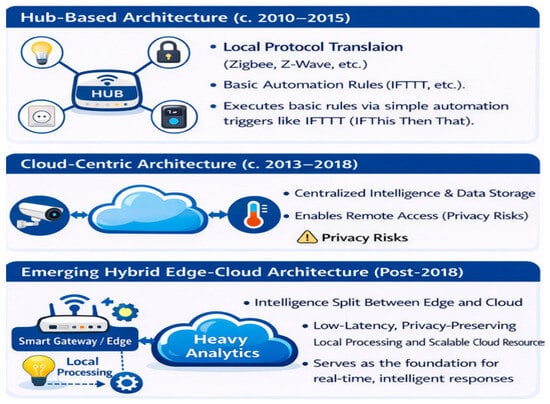
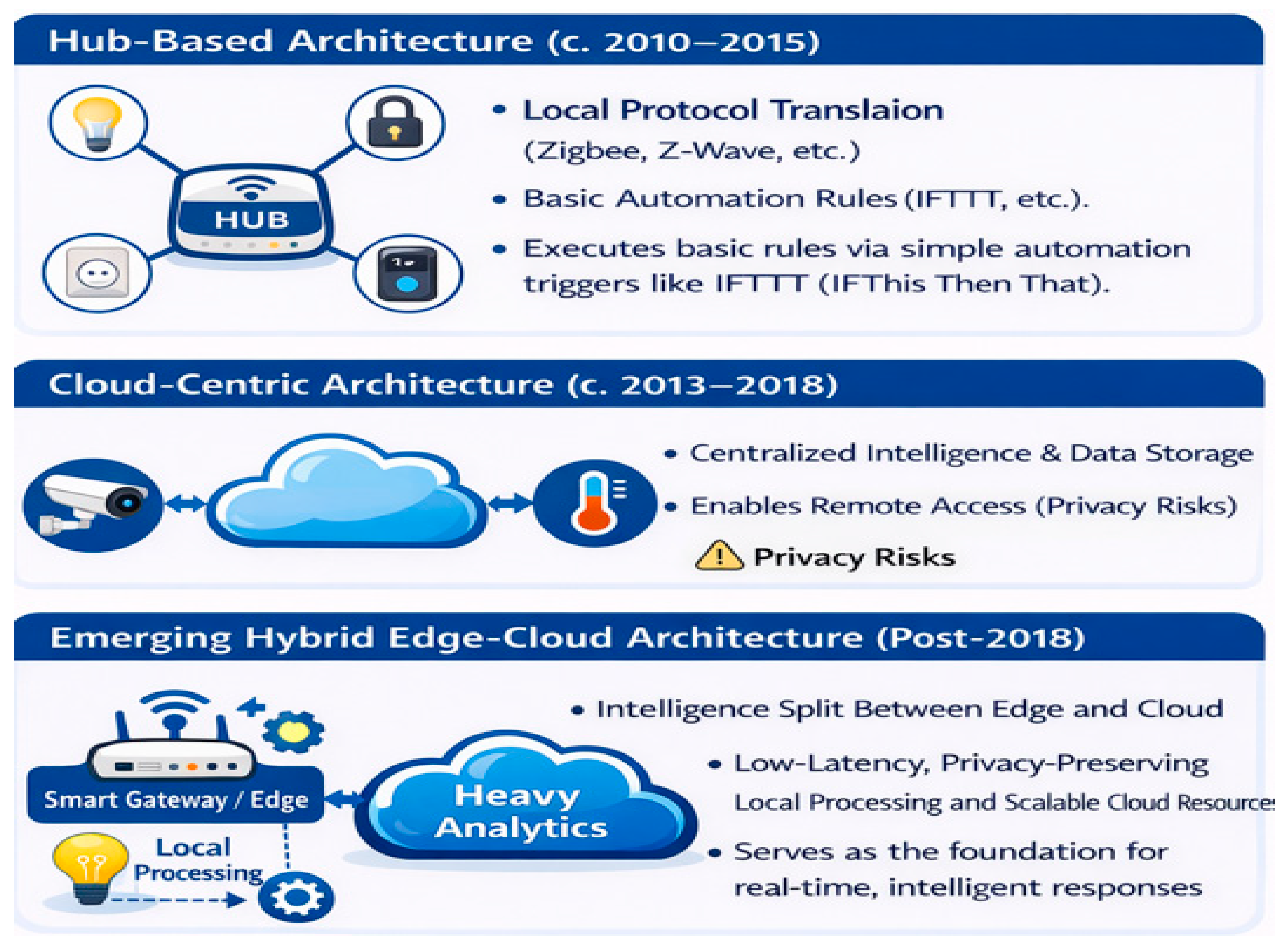
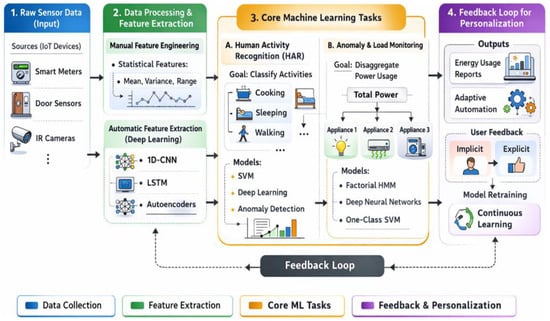
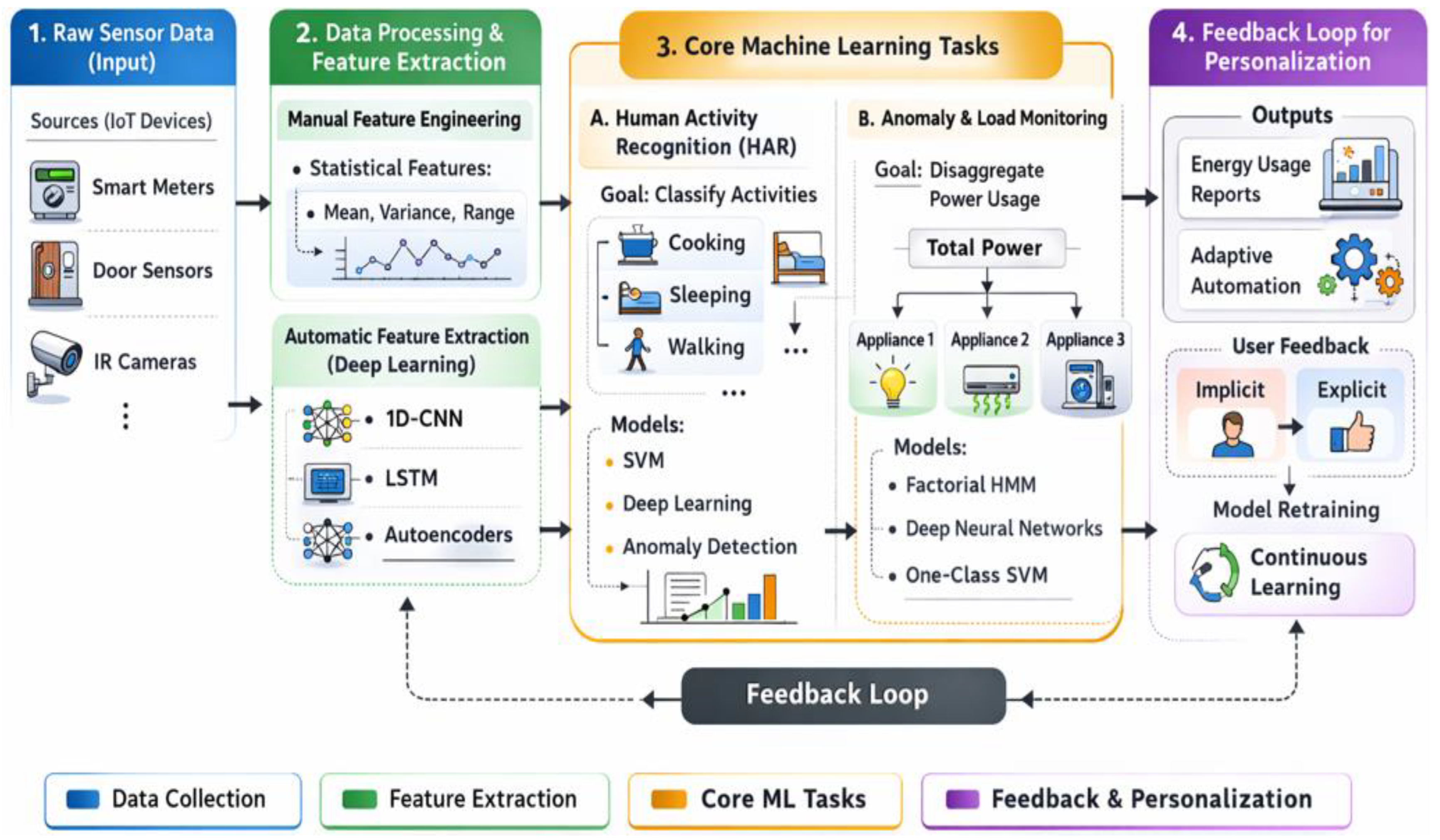
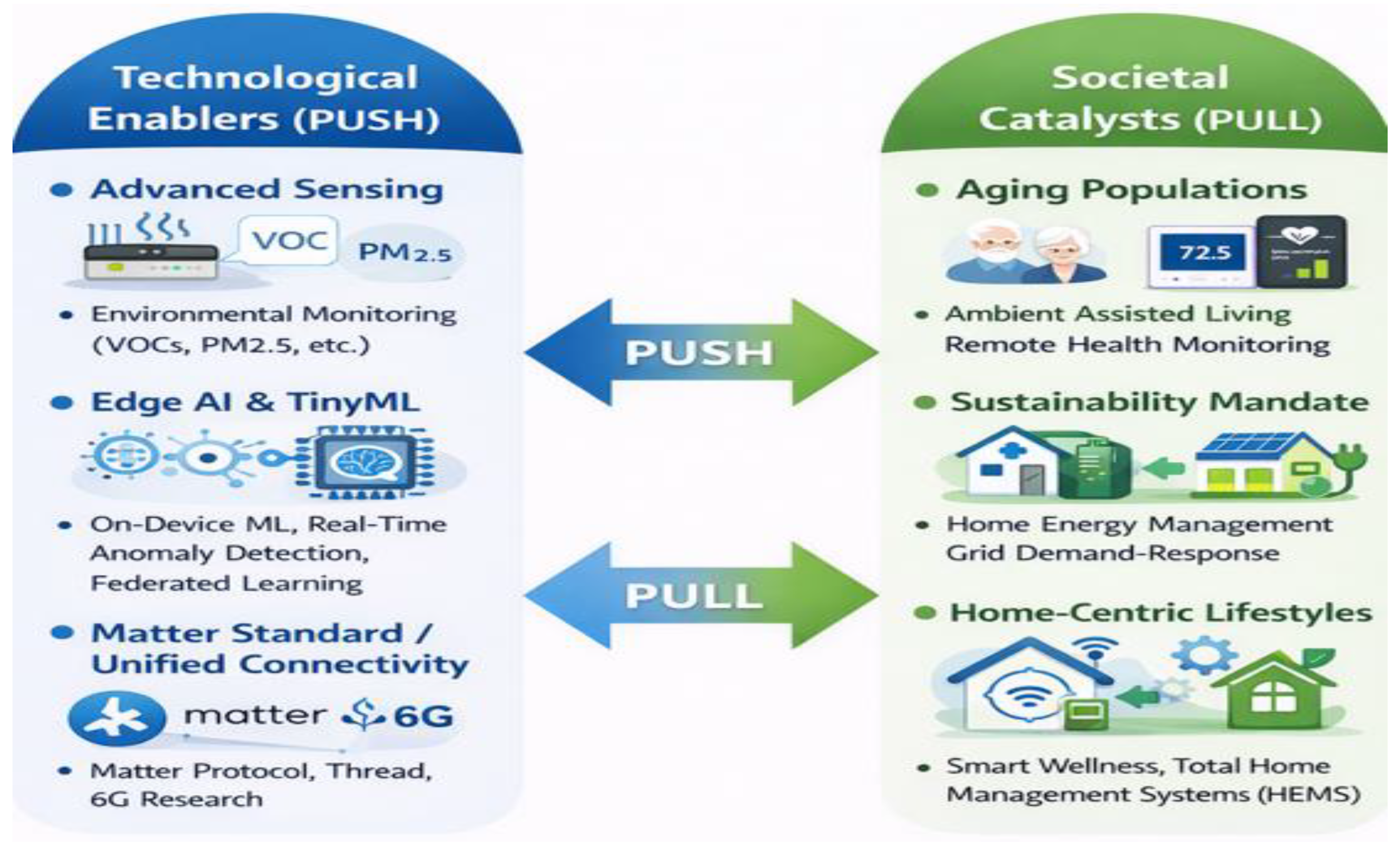
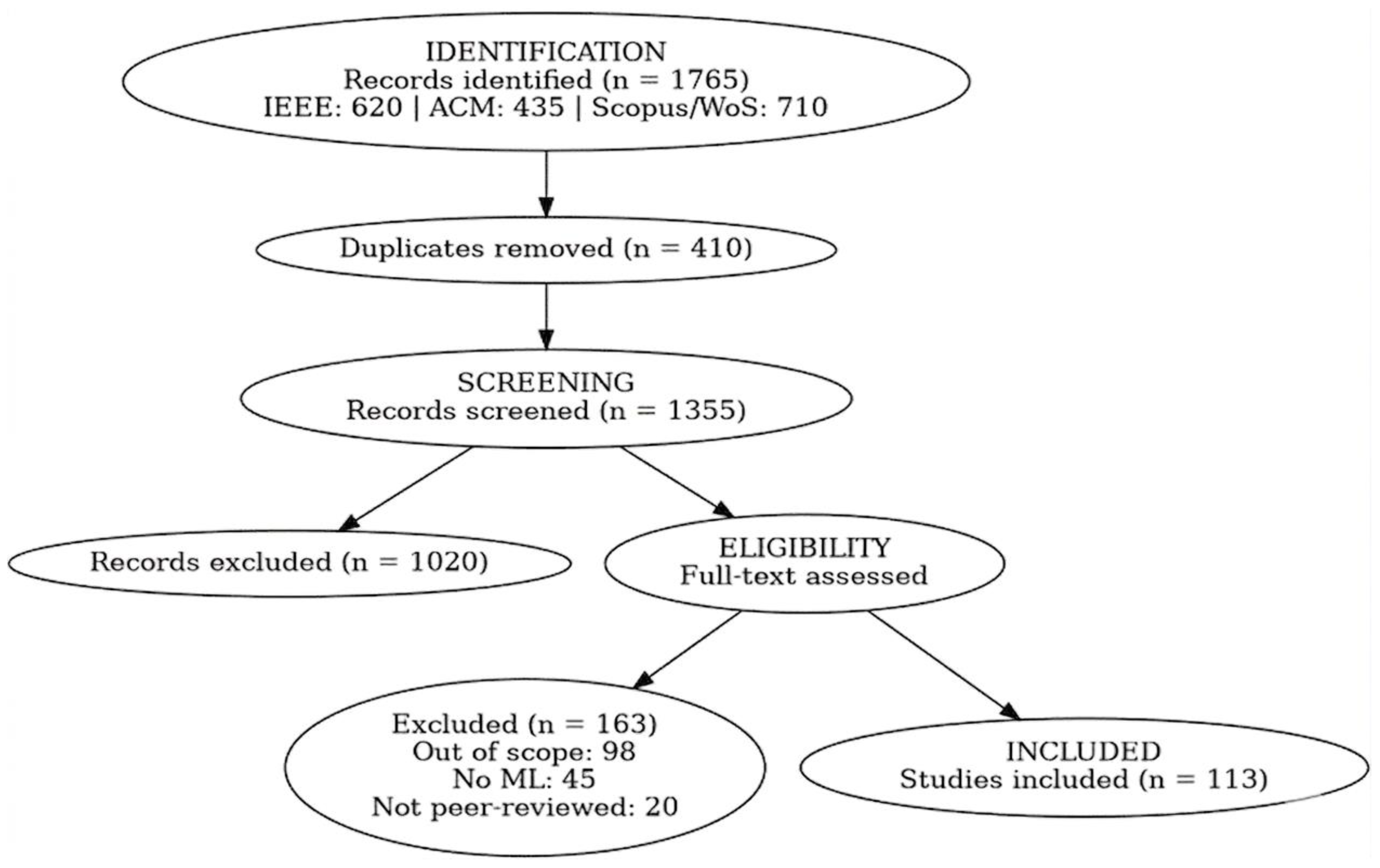
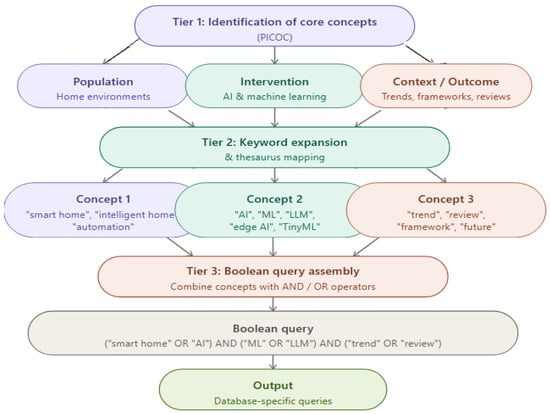
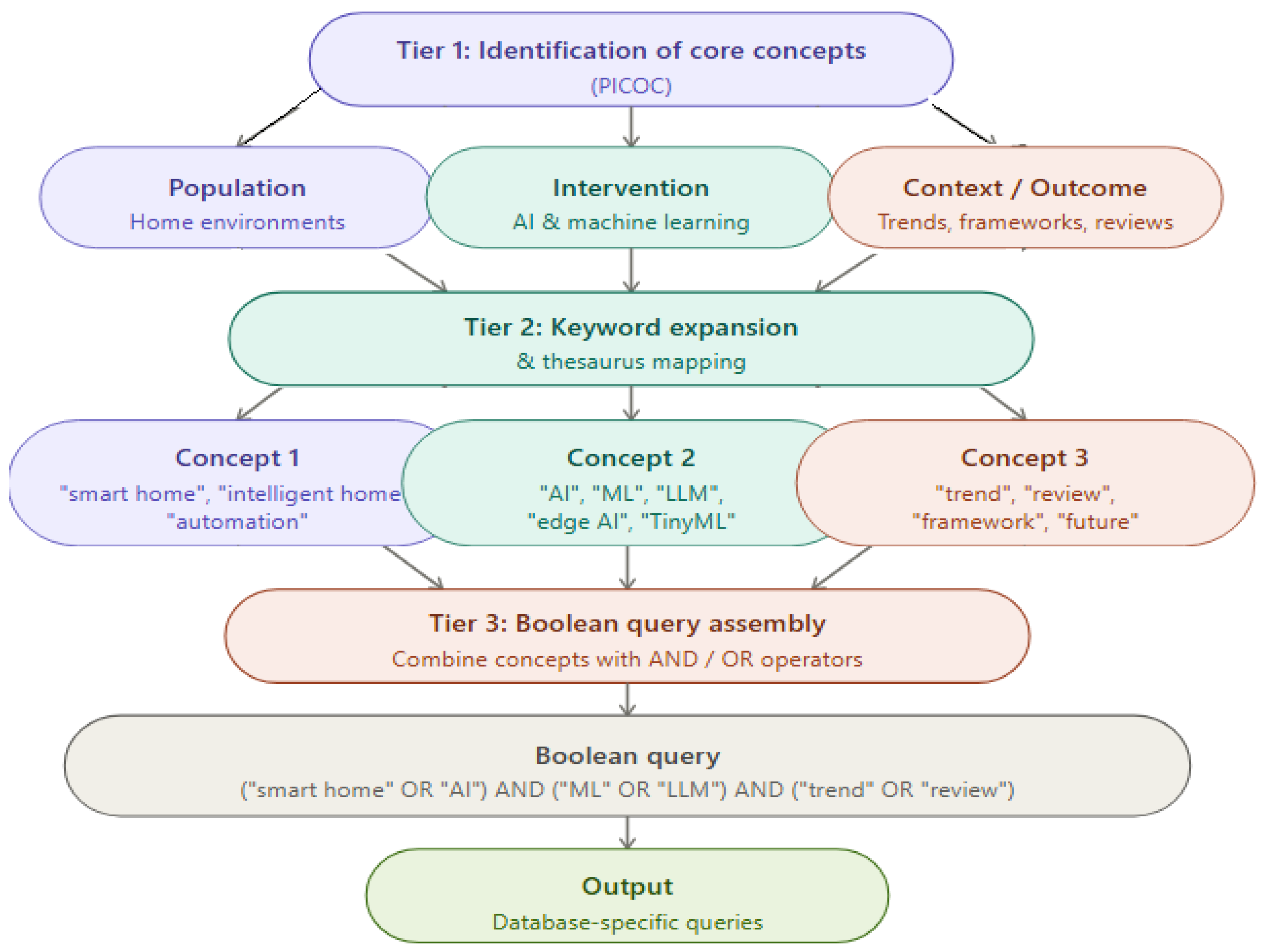
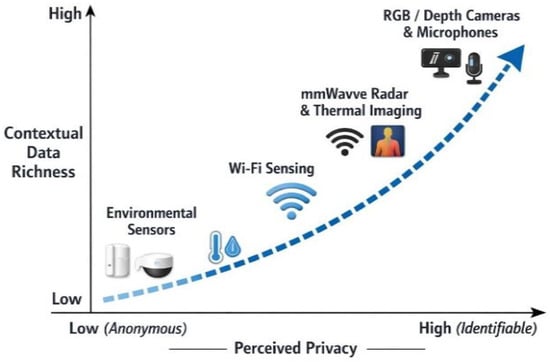
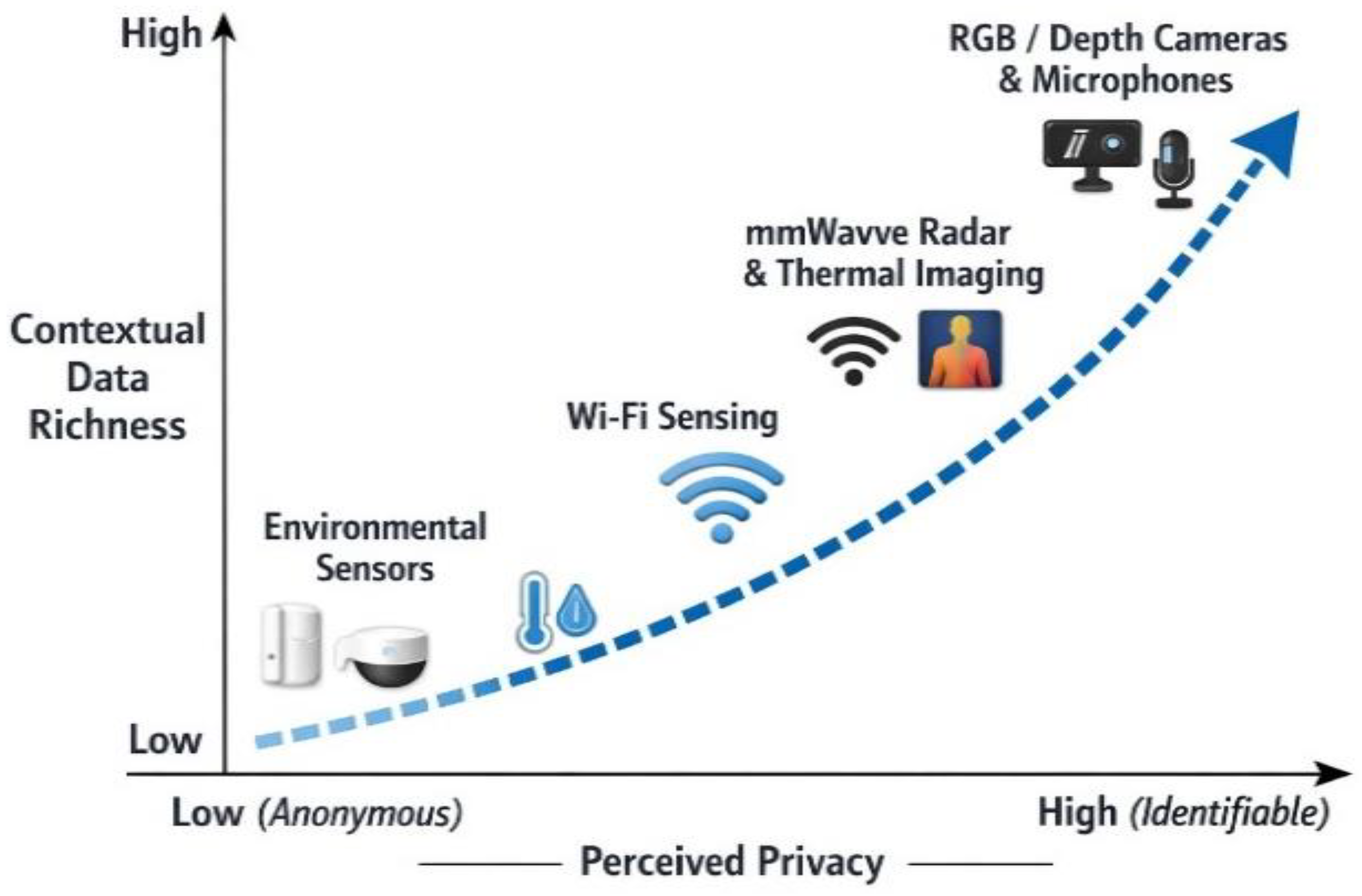
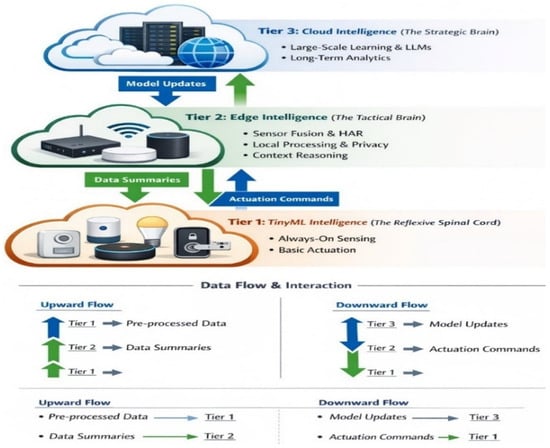
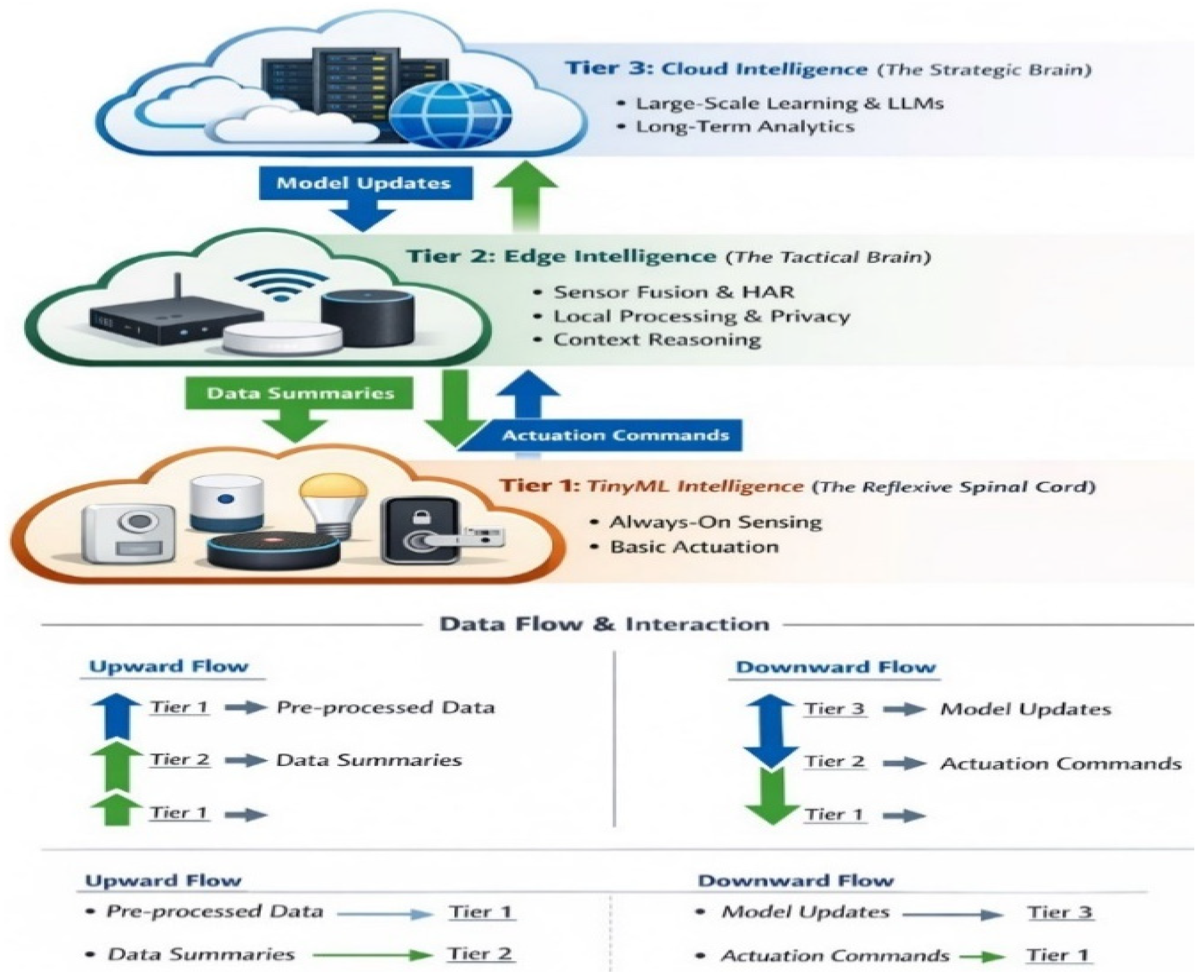
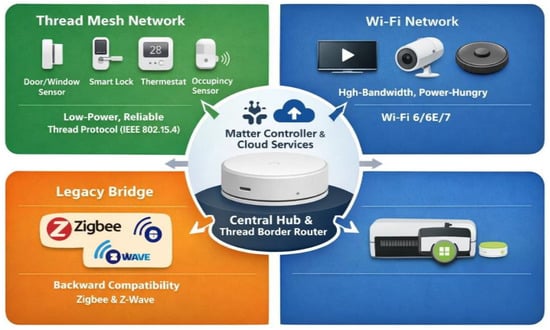
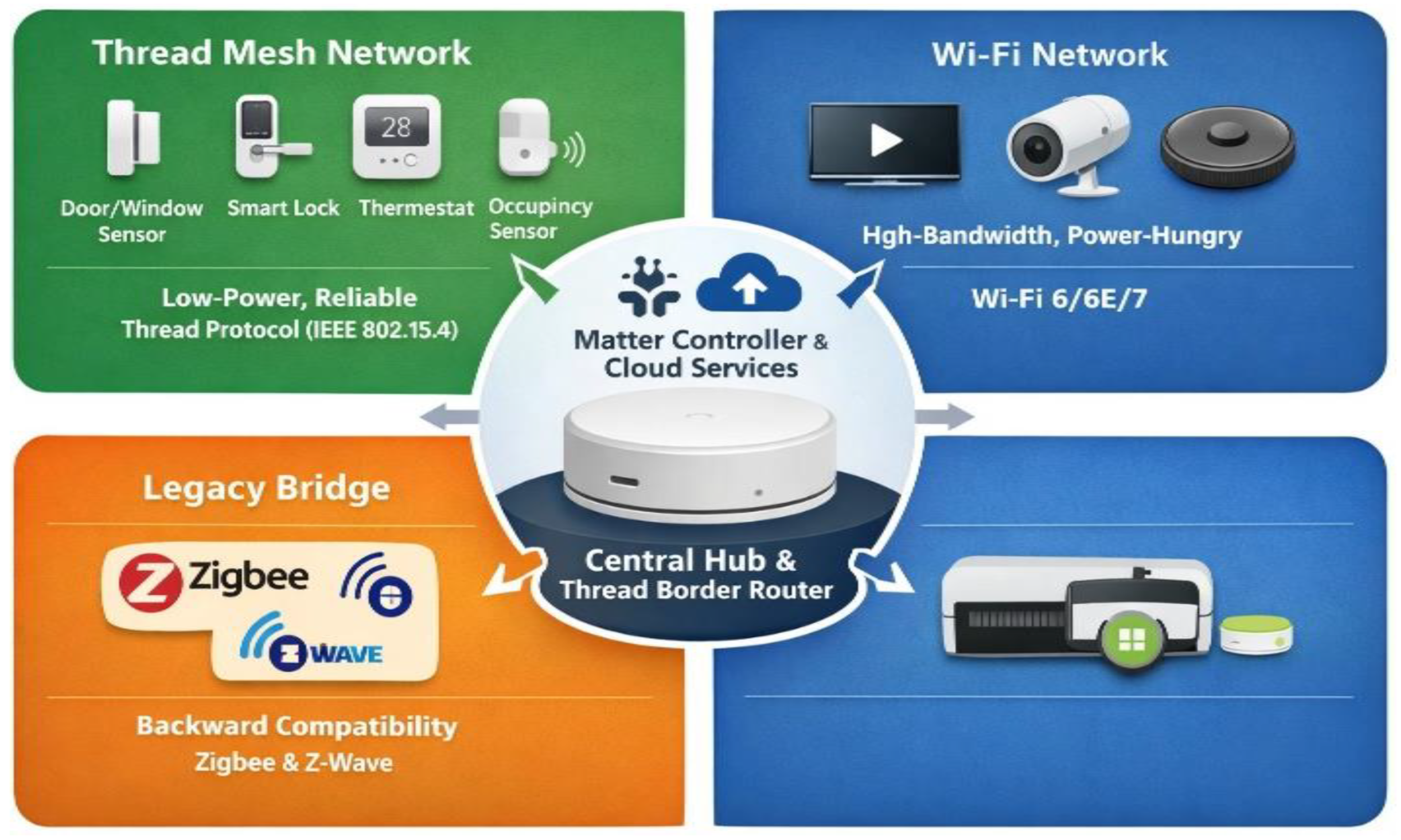
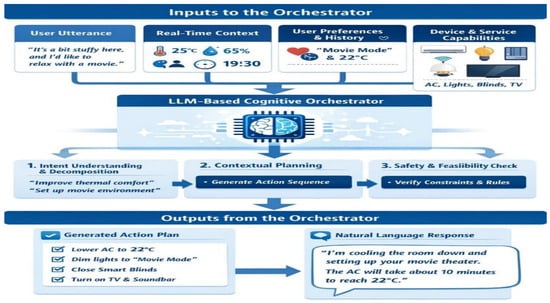
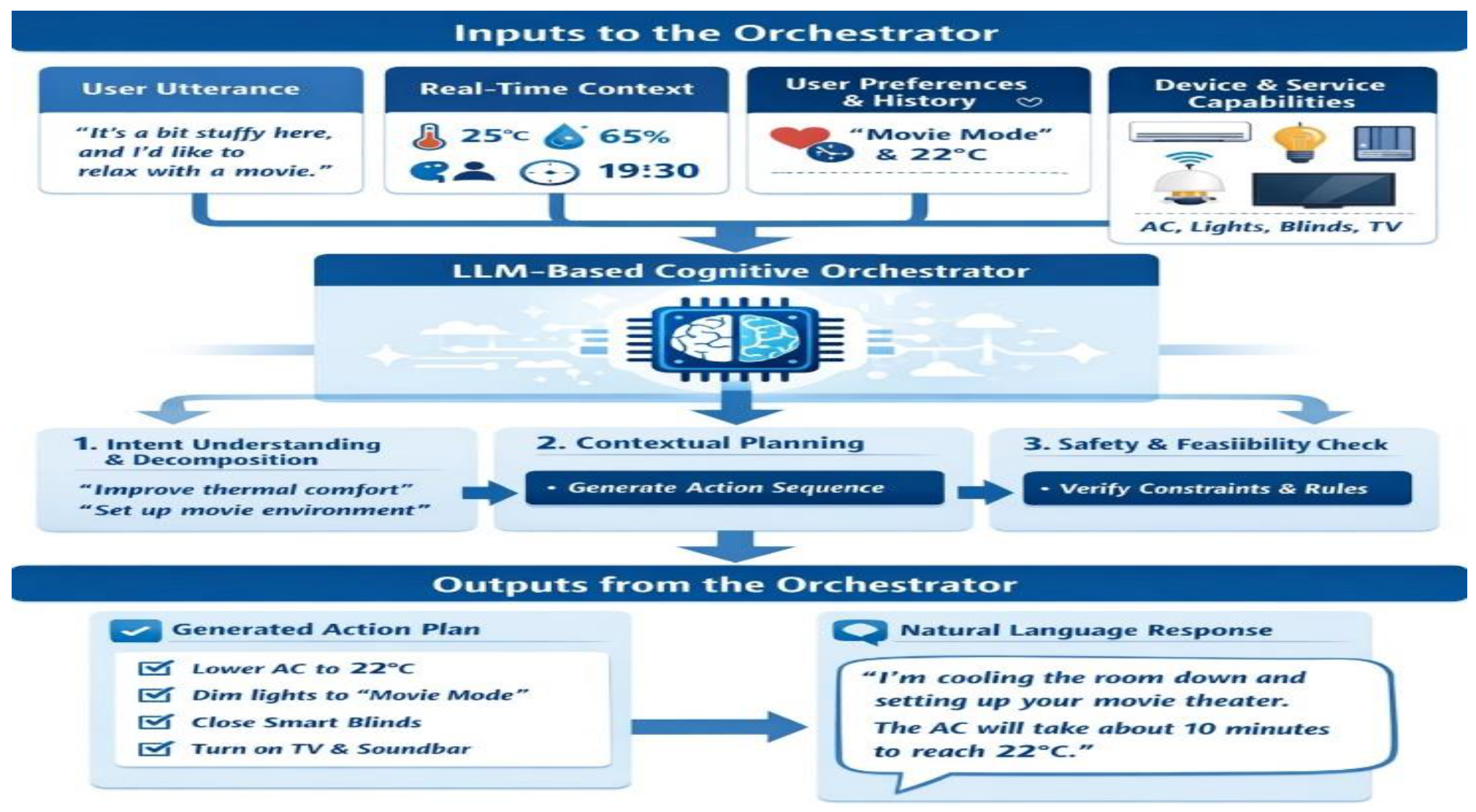
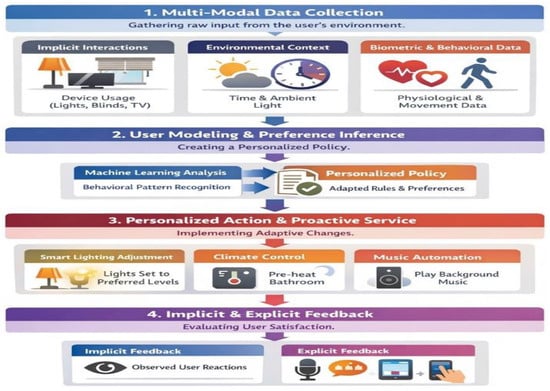
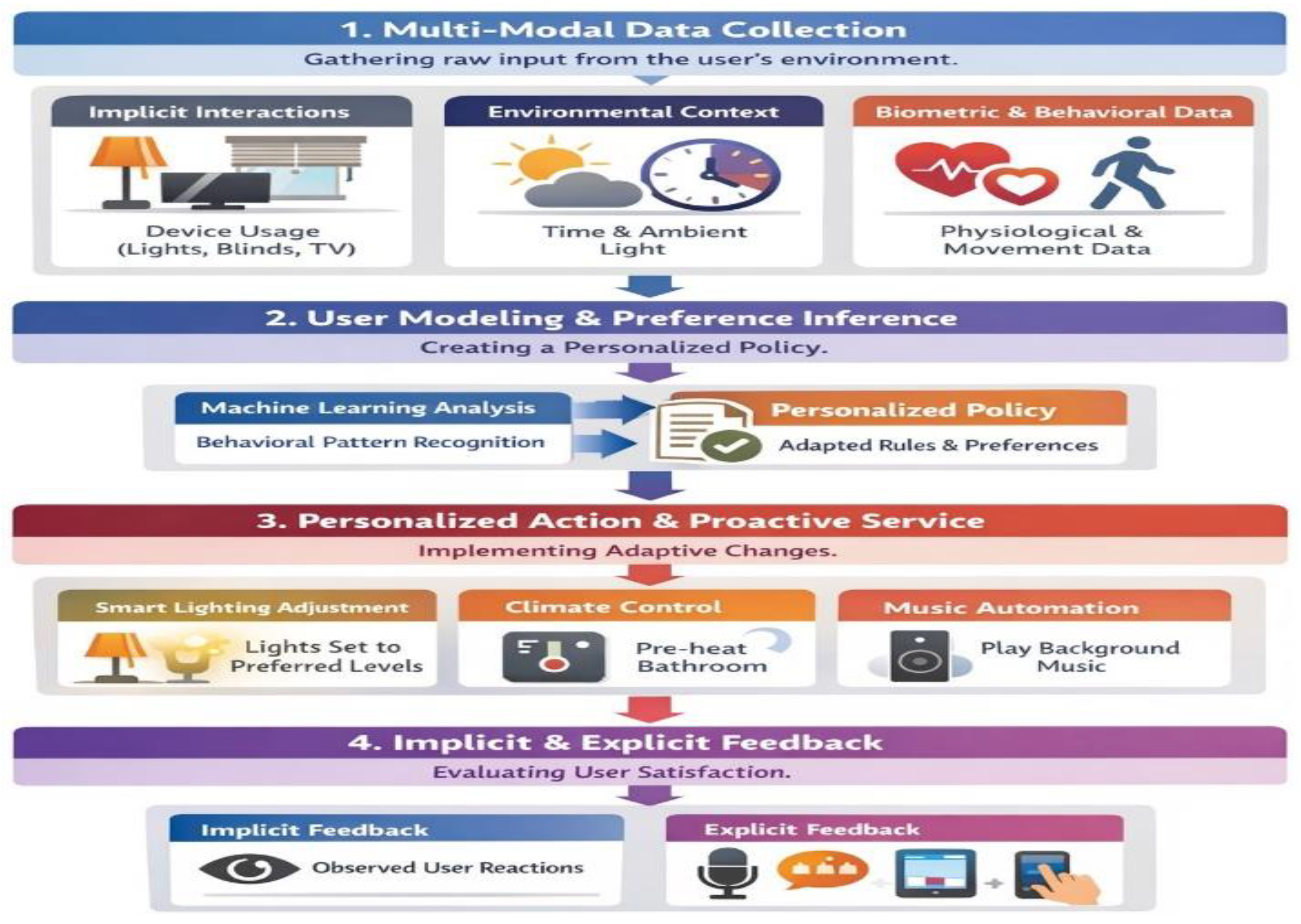
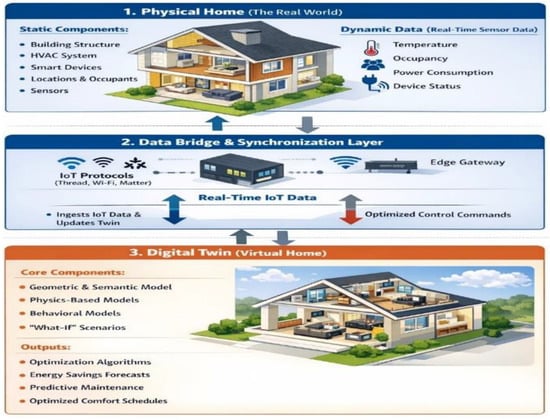
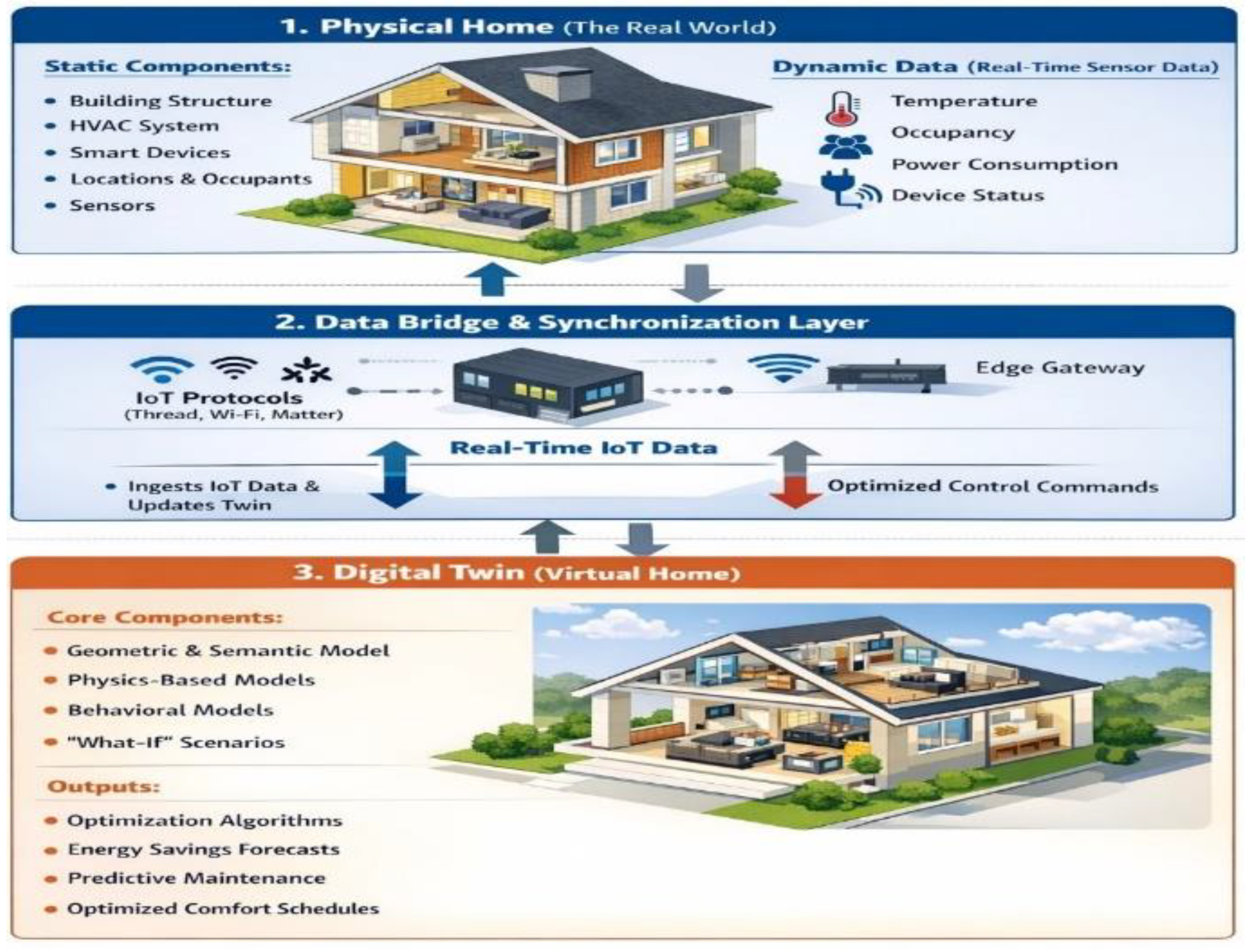
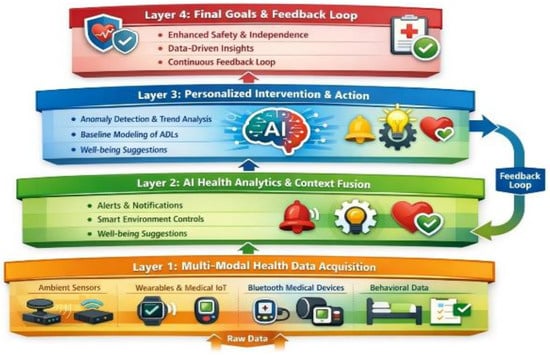
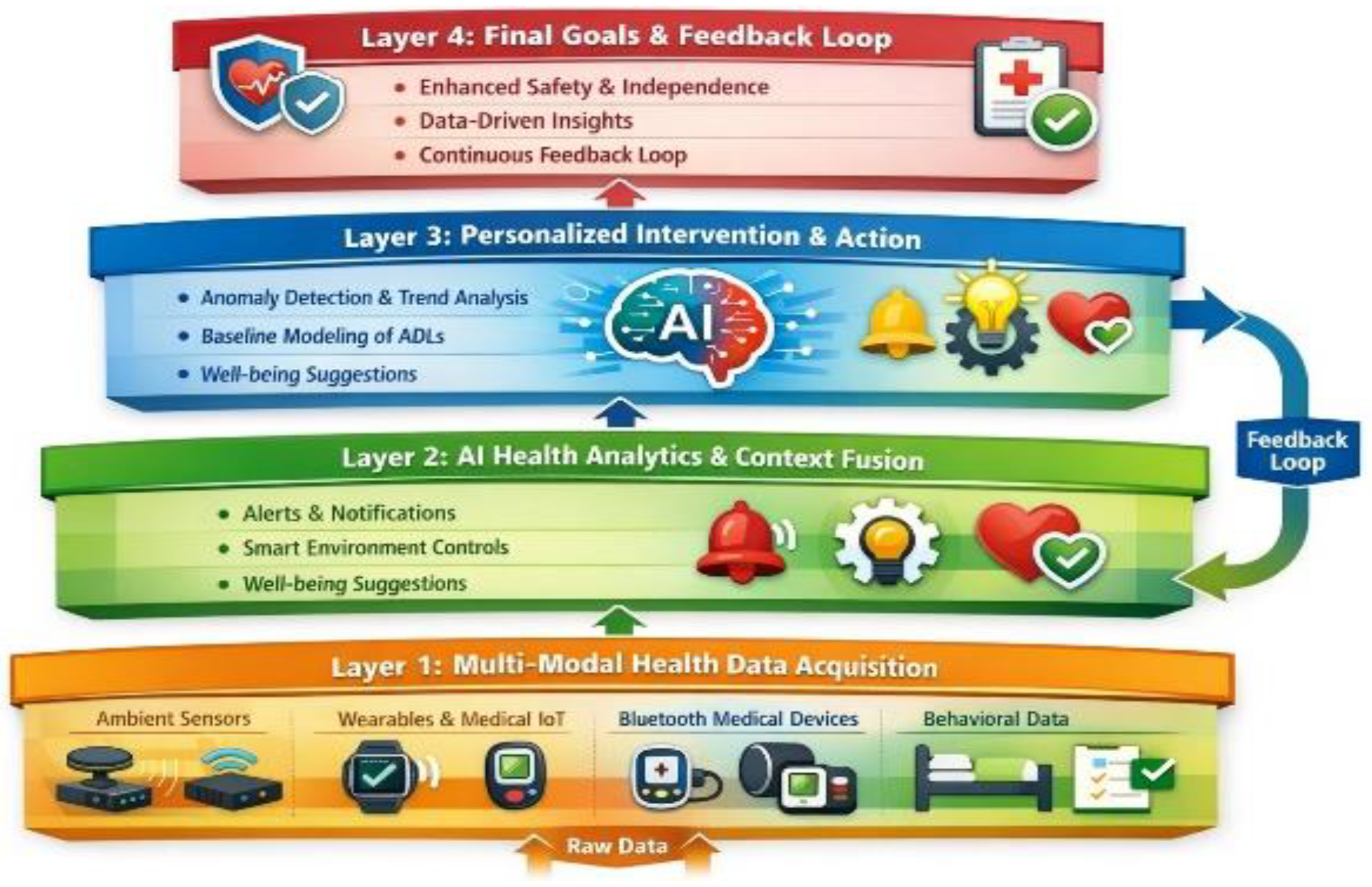
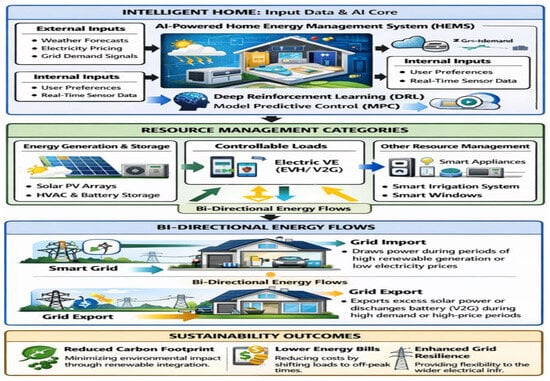
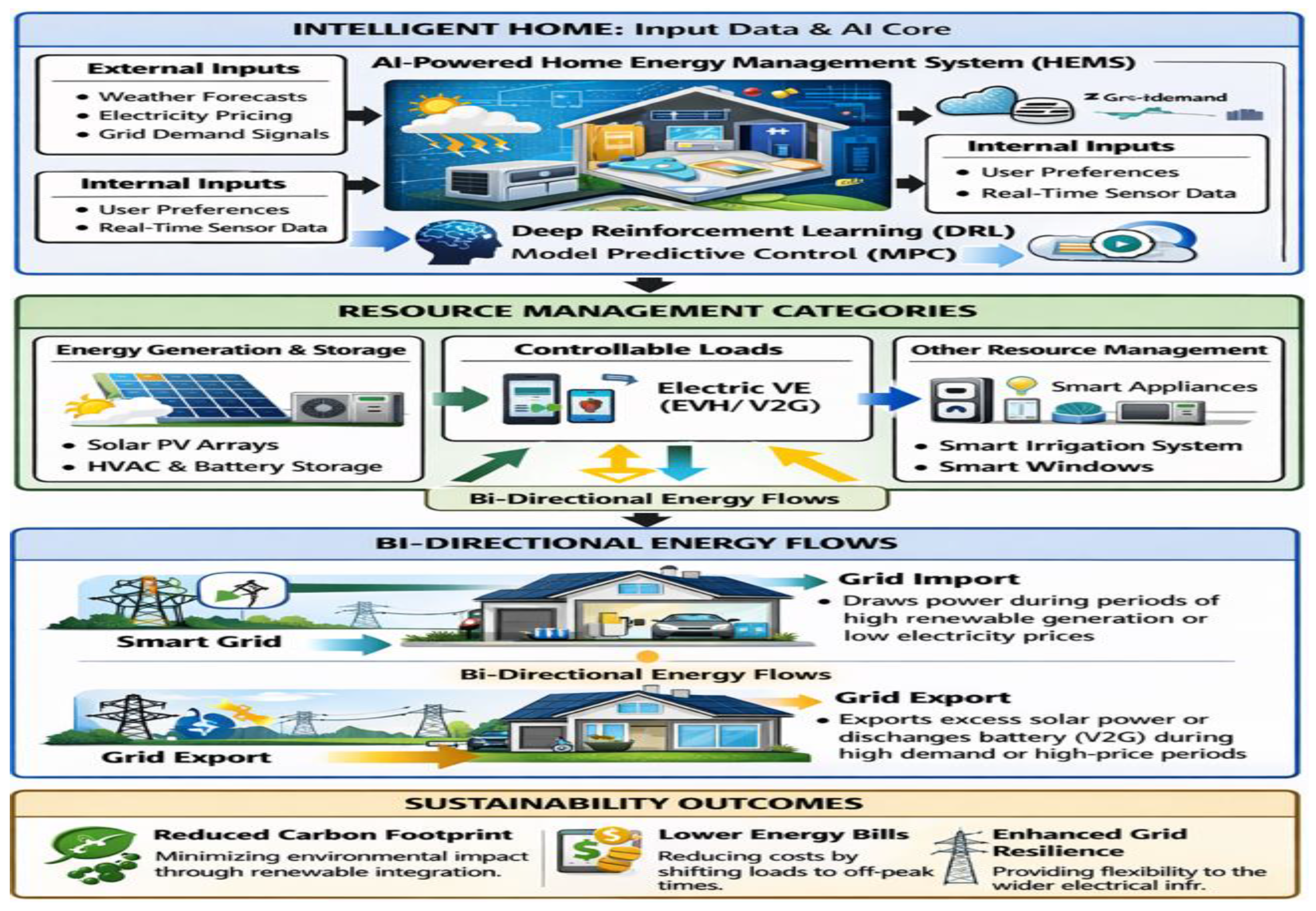
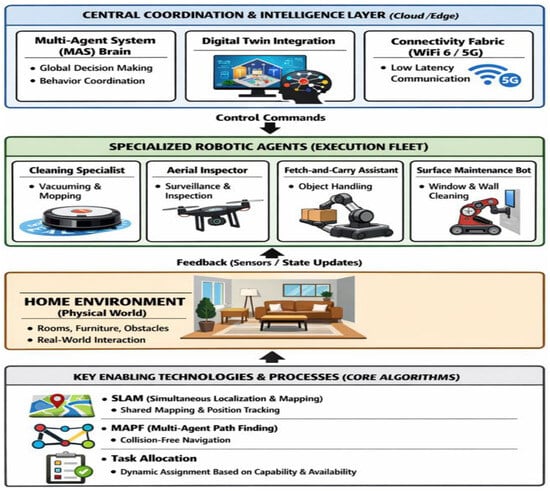
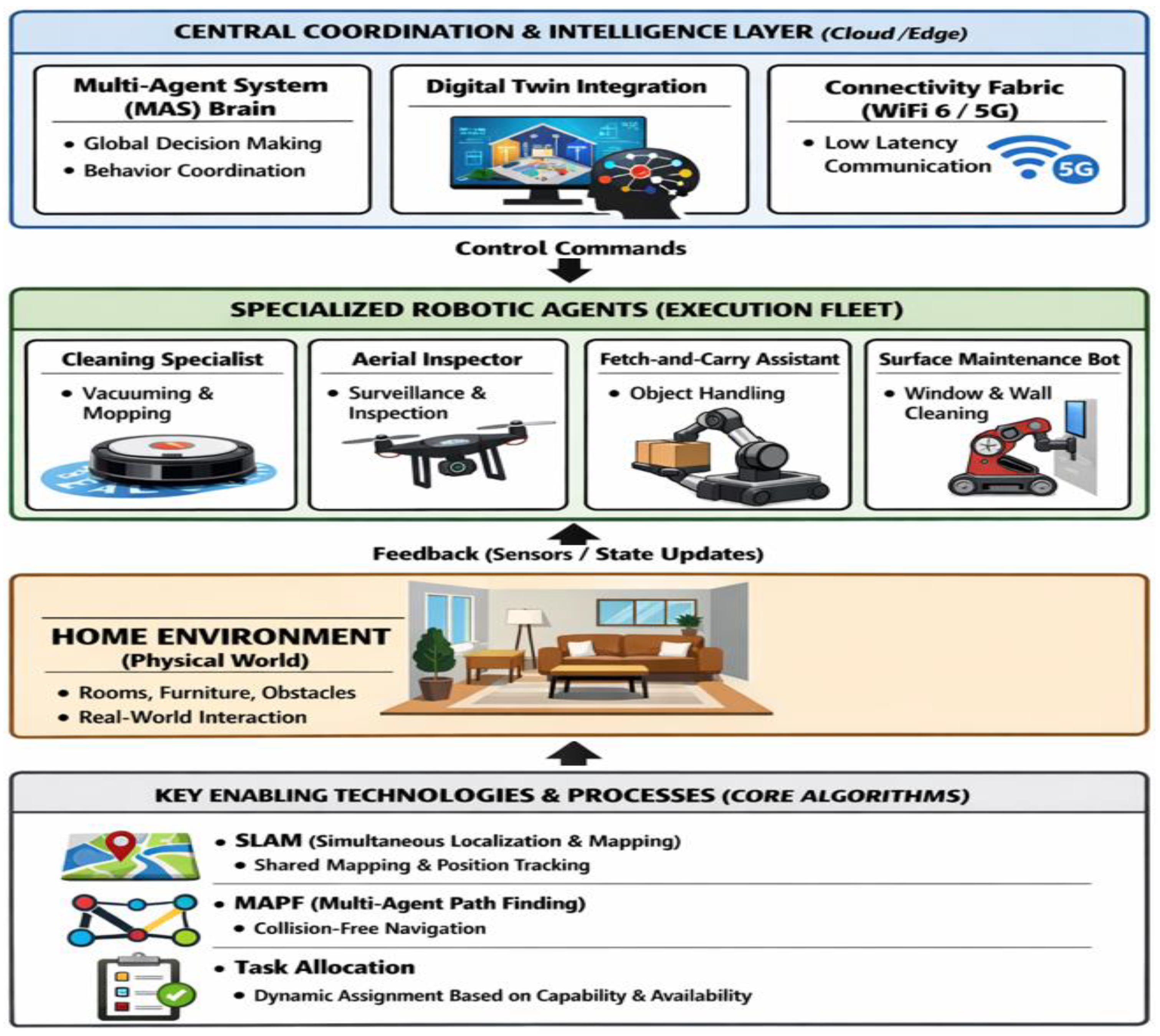

Disclaimer/Publisher’s Note: The statements, opinions and data contained in all publications are solely those of the individual author(s) and contributor(s) and not of MDPI and/or the editor(s). MDPI and/or the editor(s) disclaim responsibility for any injury to people or property resulting from any ideas, methods, instructions or products referred to in the content. |
© 2026 by the authors. Licensee MDPI, Basel, Switzerland. This article is an open access article distributed under the terms and conditions of the Creative Commons Attribution (CC BY) license.