


Abstract
Intensive care units (ICUs) generate heterogeneous data streams, including structured electronic health records, physiological time series, and medical imaging, that describe the same patient state through different observational forms. Effective multimodal learning in this setting requires a principled balance between representation-level symmetry and architectural asymmetry. Clinically corresponding patient states should exhibit cross-modal representational symmetry, whereas each modality retains intrinsic asymmetry in dimensionality, temporal resolution, noise characteristics, and missingness. This study proposes a modality-specific sparse autoencoder framework for efficient multimodal ICU representation learning under this symmetry–asymmetry principle. Separate sparse encoders are assigned to each modality to preserve the modality-dependent structure while suppressing redundant latent activity through adaptive gating. Representation-level symmetry is encouraged through a sparsity-aware contrastive objective that aligns paired latent embeddings across modalities only on active informative dimensions. To further model inter-patient dependencies, the framework incorporates a graph neural network (GNN) whose message-passing operations respect modality-specific sparsity patterns. Experimental results indicate that the proposed framework improves predictive performance and computational efficiency relative to conventional multimodal baselines, while also exhibiting stronger robustness under missing-modality conditions and more selective latent representations. Overall, the method provides an effective and clinically relevant multimodal learning strategy for ICU decision support while offering a measurable symmetry-aware and asymmetry-preserving formulation for heterogeneous medical data.
1. Introduction
Intensive care units (ICUs) produce large volumes of heterogeneous patient data, including structured electronic health records (EHRs), continuously monitored physiological signals, and medical imaging [1]. These modalities offer complementary perspectives on patient condition and therefore have significant promise to improve risk prediction, early detection of deterioration, and bedside decision support. However, their effective integration remains technically challenging because the underlying data differ markedly in scale, sparsity, temporal behavior, and semantic structure [2]. Existing approaches often process modalities independently or combine them through coarse fusion strategies that fail to exploit clinically meaningful cross-modal dependencies [3].
Representation learning methods, particularly autoencoder-based approaches, have become attractive for multimodal clinical analysis because they compress complex inputs into lower-dimensional latent spaces while preserving salient information [4]. Sparse autoencoders are especially appealing in ICU settings, where computational efficiency and interpretability are important alongside predictive accuracy. By restricting latent activity, sparse models can reduce redundancy, highlight informative features, and offer a more transparent basis for downstream reasoning. However, most existing sparse architectures treat all modalities too uniformly. This uniformity may be inappropriate in intensive care, where structured EHR variables, waveform-like vital signs (VS), and image-based features differ not only in dimension, but also in noise profile, sampling frequency, and clinical availability [5].
The central premise of this study is that multimodal learning in the ICU should be understood through a symmetry–asymmetry lens. At the representation level, data from different modalities that correspond to the same patient state should exhibit semantic symmetry, meaning that their latent embeddings remain clinically compatible despite differences in raw feature space. At the architectural level, however, the modalities are inherently asymmetric. Structured EHR variables, continuously monitored physiological signals, and imaging studies differ substantially in dimensionality, noise profile, temporal granularity, and patterns of missingness. Treating these sources through a fully uniform architecture may therefore suppress modality-specific signal, amplify redundancy, and reduce efficiency. This study addresses that tension through a coordinated multimodal design in which symmetry is promoted in the latent space while asymmetry is preserved in the encoder pathways. More specifically, the proposed framework combines modality-specific sparse encoders, adaptive gating, active-dimension-only contrastive alignment, and graph-based relational reasoning. The novelty of the framework does not lie in any individual component considered in isolation, but in their integration under ICU-specific constraints: exact sparse selection is performed separately for each modality, cross-modal alignment is restricted to informative active dimensions, and graph propagation is applied to sparse patient representations so that efficiency and clinical structure are addressed jointly rather than sequentially. This paper makes four contributions.
- 1.
- Formulates multimodal ICU representation learning as a symmetry–asymmetry problem and operationalizes that principle using measurable alignment and activation statistics.
- 2.
- Introduces modality-specific sparse autoencoders that dynamically activate informative latent dimensions while suppressing redundant computation.
- 3.
- Develops a sparsity-aware contrastive objective that encourages clinically meaningful cross-modal consistency without relying on dense shared pathways.
- 4.
- Demonstrates through predictive, efficiency, robustness, and external-validation experiments that the proposed design offers a favorable trade-off between deployability and performance in ICU settings.
The proposed framework achieves the strongest overall performance in predicting sepsis among the compared models while also using the least memory during inference [6,7,8]. The clinical importance of the present work lies in its potential to support interpretable real-time decision-making at the bedside. By reducing computational overhead through modality-specific sparsity, the system can process high-frequency ICU data streams on standard hardware while maintaining prediction accuracy. The sparse activation patterns may also highlight potentially important features, allowing clinicians to trace model decisions back to specific data modalities and time points [9]. This transparency is crucial to gaining trust in artificial intelligence (AI)-assisted critical care.
The remainder of the paper is organized as follows: Section 2 reviews previous work on multimodal ICU learning, sparse fusion, and cross-modal alignment. Section 3 presents the background on ICU data heterogeneity and sparse representation learning. Section 4 describes the proposed symmetry–asymmetry learning framework. Section 5 outlines datasets, preprocessing, baseline methods, implementation details, and evaluation metrics. Section 6 reports the experimental results and ablation analysis. Section 7 discusses the broader implications, limitations, and future research directions. Section 8 concludes the paper.
2. Related Work
Recent multimodal learning research in healthcare has emphasized that integrating heterogeneous medical data requires more than simply concatenating features or combining model outputs. A recent review of multimodal AI in medical diagnostics highlights three recurring challenges across clinical tasks: (1) harmonizing heterogeneous modalities during preprocessing, (2) choosing a fusion strategy under unequal quality and availability of modality, and (3) balancing predictive accuracy with clinical usability. The review further notes that multimodal architectures remain difficult to compare because they differ not only in model design but also in assumptions about missing data, temporal alignment, and interpretability [10]. Studies outside healthcare reinforce the importance of combining heterogeneous feature spaces, such as spatial, frequency, and motion-derived representations, to improve robustness and discriminative performance [11].
Building on these broader insights, recent advances in multimodal learning for intensive care medicine have investigated several strategies for integrating heterogeneous clinical data streams (e.g., time-series vital signs, laboratory measurements, clinical notes, imaging, and waveforms). These strategies are commonly grouped into three principal paradigms: early fusion (integrating modalities at the input or representation level), late fusion (combining modality-specific predictions at the decision level), and hybrid approaches (incorporating fusion at multiple stages of the modeling pipeline to exploit complementary information across modalities).
2.1. Early Fusion and Joint Representation Learning
Early fusion approaches [12,13] combine heterogeneous modalities at the feature or intermediate-representation level and then process them through a shared architecture. Variational autoencoders (VAEs) have been adapted for clinical applications, where they capture probabilistic relationships between modalities [14]. Recent work has proposed a sparse canonical correlation analysis (CCA) to align modalities while maintaining interpretability [15]. Such models can capture cross-modal interactions early, but they are particularly sensitive to scale mismatch, temporal asynchrony, and dominant-modality effects. In ICU settings, these limitations are amplified because laboratory measurements, bedside waveforms, medication trajectories, and imaging do not share a uniform observational structure. Dense shared fusion may therefore allocate excessive capacity to abundant modalities while underrepresenting sparse but clinically meaningful signals.
2.2. Late Fusion and Modality-Specific Processing
Late fusion approaches preserve modality-specific processing and combine predictions at the decision level [7,16,17]. These approaches improve modularity and is often more robust to missing modalities, but it usually captures only coarse agreement between modalities rather than deeper semantic correspondences. In ICU prediction, where early physiological deterioration may emerge from weak cross-modal interactions, such coarse aggregation can leave clinically relevant correlations underexploited.
2.3. Hybrid and Sparse Fusion Approaches
Hybrid methods [18,19] attempt to balance the strengths of early and late fusion by learning shared representations while preserving modality-specific features. Sparse autoencoders and other compact latent models have shown promise in the healthcare domain, particularly for single-cell multi-omics alignment [20] because they reduce redundancy and may improve feature selectivity. That assumption is problematic in critical care, where data channels differ not only in dimensionality but also in how information is generated and observed. Adaptive sparsity [21] has recently been explored in other machine-learning domains as a way to improve efficiency and robustness, suggesting that sparse selection should be input-dependent rather than globally fixed [19].
2.4. Multimodal Alignment in Clinical Settings
Contrastive learning [22,23] has become an effective strategy to align heterogeneous modalities by bringing semantically related examples closer in latent space. In healthcare, this has been used to align medical imaging, text, structured variables, and physiological signals. Nevertheless, many alignment methods still rely on dense embeddings, which limits their suitability for real-time ICU systems with strict memory and latency constraints. Recent work on multimodal ICU prediction outcome [19,24] also shows that learning cross-modal dependencies improves performance, but also highlights the need for stronger modeling of modality interactions under realistic clinical conditions.
2.5. Missingness, Interpretability, and ICU-Specific Pain Points
The main limitation of existing sparse fusion and alignment methods in ICU settings is not only predictive performance, but the lack of explicit treatment of ICU-specific operational constraints. First, ICU models must function under real-time latency and memory budgets. Second, multimodal ICU data are often incompletely observed and missingness is often workflow-driven rather than random. Recent benchmarking of ICU time-series imputation shows that conclusions about model performance depend strongly on both the imputation method and the assumed missingness scenario, underscoring the need to separate observation missingness from learned representational sparsity [25]. Third, interpretability in clinical settings cannot be reduced to latent compactness alone. Recent work on explainable AI for clinicians emphasizes that the usefulness of the explanation depends on relevance, local context, and integration into clinical reasoning, not simply on the sparsity of the model [26,27,28].
2.6. Positioning of the Present Study
The present study addresses these gaps by combining the benefits of modality-specific adaptive sparsity, active-dimension multimodal alignment, and sparse graph reasoning within a single ICU-oriented framework. Unlike dense early fusion approaches, the proposed method preserves modality-specific structure. Unlike late fusion, it explicitly encourages latent correspondence across modalities. Unlike static sparse fusion, it allows input-dependent activation. Unlike purely engineering-oriented compression schemes, it ties efficiency to a principled representation-level objective. This combination is intended to make the symmetry–asymmetry formulation empirically measurable rather than only conceptually descriptive.
From the perspective of symmetry, prior literature also tends to under-theorize the distinction between symmetry and asymmetry in multimodal learning. Shared latent spaces are often treated as if they required symmetric architectures, whereas in practice, the opposite may be true: semantic symmetry can be strengthened precisely by allowing asymmetric feature extraction pathways that respect the unique statistical form of each modality. This paper contributes to that gap by explicitly arguing that multimodal ICU learning should preserve asymmetry at the encoder level while enforcing symmetry at the latent alignment level. This conceptual distinction helps position the method not merely as another sparse fusion model, but as a framework grounded in a principled account of how heterogeneous clinical modalities should interact.
3. Background on Sparse Autoencoders and Multimodal ICU Data
Modern ICUs generate diverse data streams that require specialized processing approaches. These multimodal signals exhibit distinct statistical properties and temporal characteristics that influence how they should be encoded and aligned. Understanding these fundamental properties is essential for designing effective representation learning systems in critical care settings.
3.1. Multimodal Data in ICUs
ICU environments produce three primary data categories, each presenting unique computational challenges. EHRs contain structured patient information such as laboratory results, medications, and diagnoses, typically represented as high-dimensional sparse vectors with irregular sampling frequencies [2]. The sparsity arises from the fact that most patients have only a small subset of possible measurements recorded at any given time. Mathematically, we can represent an EHR observation at time t as:
and
- t: A specific point in time (typically the current or most recent time step of observation).
- : A sparse vector representing all structured EHR observations (lab results, medications, diagnoses) recorded for a patient at time t.
- d: The total dimensionality (number of possible different clinical features or measurement types) in the EHR data space.
- : A d-dimensional Euclidean space in which the EHR vector exists.
- : The so-called -norm, which counts the number of non-zero entries in the vector .
- Sparsity condition: , which means that most possible measurements are missing (zero) at any given time.
Continuous monitoring of VS generates dense time-series data from bedside devices, including heart rate (HR), blood pressure (BP), and oxygen saturation (SpO2), often sampled at minute-level intervals [29]. These signals often exhibit strong temporal dependencies and require specialized processing to capture both short-term fluctuations and long-term trends. A VS stream can be represented as
where
- : The length of a time window or lookback period (e.g., the number of past time steps included in a sequence).
- : A dense vector representing all continuously monitored VS (e.g., heart rate, blood pressure, oxygen saturation) recorded at a time t.
- : The VS vector recorded time steps before the current time t.
- m: The number of distinct VS channels (e.g., m = 3 for HR, BP, SpO2).
- : The dimensions of the matrix formed by stacking consecutive VS vectors, where the rows represent time steps and the columns represent different types of VS.
- : A sequence or window of VS observations covering the time interval from to t.
- : The space of real-valued matrices with rows and m columns, representing a batch of consecutive VS measurements.
Medical imaging modalities such as X-rays and computed tomography (CT) scans provide high-resolution visual information that requires specialized convolutional processing to extract hierarchical spatial features [5]. Unlike sparse EHR vectors or dense VS time-series, imaging data are inherently structured as multi-dimensional tensors with strong local spatial correlations.
Mathematically, we can represent a medical image as where H is the image height (in pixels), W is the image width (in pixels), and C denotes the number of channels which depends upon the imaging modality, for example, for standard X-rays images, for pseudo-colored computer tomography (CT) images, or for multi-channel CT images.
The convolutional processing operation can be represented as:
where:
- is the feature map on the layer l.
- is the 4D convolutional kernel (filter bank) in layer l.
- is the spatial size of the kernel (typically 3 × 3 or 5 × 5 pixels).
- is the number of output channels (feature dimensions) in layer l.
- ∗ denotes the discrete convolution operation.
- is the bias term.
- is a non-linear activation function, e.g., rectified linear unit (ReLU).
The temporal characteristics of these modalities vary significantly. Although VSs are continuously recorded, EHR updates occur sporadically during clinical workflows, and imaging studies are performed intermittently according to clinical need. This asynchronicity complicates joint modeling, as traditional sequence alignment methods assume uniform sampling rates [6]. In addition, the wide gap in dimensionality between modalities, ranging from thousands of EHR variables to millions of image pixels, poses significant scaling difficulties for building unified architectures.
3.2. Cross-Modal Alignment Concepts
Sparse autoencoders offer a natural mechanism for learning compact latent codes from such heterogeneous data. In conventional autoencoders, an encoder maps the input into a bottleneck representation, and a decoder attempts to reconstruct the original signal. Sparse variants impose constraints on the latent representation, so that only a limited subset of dimensions becomes active for each sample. This selective activation can improve interpretability by making representations more compact and can improve efficiency by reducing redundant downstream computation. The study also distinguishes between element-wise sparsity and structured group sparsity, noting that the latter is more appropriate when modality-specific latent blocks should be preserved [24].
In multimodal settings, sparse encoding becomes more powerful when paired with alignment. Cross-modal alignment seeks to map semantically related inputs from different modalities into compatible latent spaces. In clinical applications, this may allow the model to associate physiological trends with imaging findings, medication patterns, or diagnostic markers. However, if alignment is enforced too rigidly, the model may lose a modality-specific structure. This is where the symmetry–asymmetry distinction becomes useful. Latent symmetry refers to the consistency of semantically corresponding representations across modalities, whereas architectural asymmetry refers to the deliberate use of different encoders, sparsity masks, and processing pathways for different input types. The proposed method is motivated by the idea that both are necessary for realistic ICU learning [30].
The effectiveness of sparse alignment depends critically on the choice of regularization. -regularization penalties promote element-wise sparsity but may disrupt cross-modal relationships by independently pruning dimensions. Structured sparsity methods, such as group lasso, preserve modality-specific feature blocks while still reducing overall complexity [15]. The group lasso takes the form:
where is the regularization hyperparameter controlling the sparsity strength, G represents the number of feature groups (each group corresponds to a modality or semantically coherent feature block), is a subset of latent dimensions belonging to group g, and denotes the Euclidean norm. Recent advances in learned sparsity patterns demonstrate that dynamic gating can further optimize the trade-off between representation fidelity and computational efficiency, particularly for heterogeneous clinical data streams [21].
3.3. Missingness and Learned Sparsity in ICU Multimodal Modeling
A critical distinction in the present study is the difference between missing input observations and learned sparsity in the latent representation. Missingness arises from the data-collection process and may reflect irregular clinical workflow, selective test ordering, sensor disconnections, intermittent imaging, or documentation delays. In ICU time-series analysis, such missingness is often not completely missing in Random and may instead encode clinically informative or workflow-dependent patterns. Recent comparison of critical-care imputation has shown that the apparent superiority of a predictive model can vary substantially depending on how missingness is simulated and how imputations are performed [26].
By contrast, sparsity in the proposed framework is a learned structural property imposed on the latent representation. Its purpose is to select compact and modality-relevant latent dimensions, not to substitute for missing inputs. Consequently, the present study treats missingness and sparsity as related but conceptually distinct phenomena. Missing data are first handled by a transparent preprocessing pipeline to ensure stable training, after which sparse gating operates on the processed modality-specific representation. This separation is important because otherwise the latent activation pattern may reflect preprocessing artifacts rather than clinically meaningful feature selection.
4. The Proposed Modality-Specific Sparse Autoencoder Framework
The proposed modality-specific sparse autoencoder (MSSAE) framework is based on a two-level design principle. At the representation level, the model seeks symmetry: clinically corresponding observations from different modalities should occupy compatible positions in a shared latent geometry. At the architectural level, the model preserves asymmetry: EHR, VSs, and imaging are processed through separate sparse encoders that are free to activate different subsets of latent dimensions. This separation allows the model to exploit common clinical semantics without assuming that all modalities should be encoded in the same way.
Figure 1 illustrates the architecture of the overall framework and its integration with the ICU workflows. The proposed framework introduces a novel sparse autoencoder architecture designed specifically to process heterogeneous ICU data streams while maintaining computational efficiency. The system processes each modality through dedicated sparse sub-networks, where dynamic gating mechanisms selectively activate only clinically relevant latent dimensions. This approach differs fundamentally from conventional multimodal fusion techniques by imposing modality-specific sparsity patterns that adapt to input characteristics.
Figure 1.
Conceptual overview of the proposed symmetry-asymmetry learning framework. Separate modality-specific sparse encoders process structured EHR data, physiological time series, and medical imaging through asymmetric pathways tailored to each modality. Representation-level symmetry is enforced in the shared latent space through sparsity-aware cross-modal alignment, while architectural asymmetry is preserved through independent gating and selective latent activation. The aligned sparse embeddings are then integrated through a graph neural network for downstream ICU prediction.
4.1. Modality-Specific Sparse Encoding
For each modality , let denote the input vector or encoded feature tensor after modality-specific preprocessing, where depends on the modality. Let denote the encoder for modality m, the latent embedding, the binary gating mask, s the target number of active latent dimensions, and k the total latent dimensionality. The proposed framework preserves architectural asymmetry by allowing , encoder structure, and latent utilization to differ across modalities, while seeking representation-level symmetry through alignment of the resulting latent vectors.
where, denotes modality-specific attention scores computed from the encoder-side gating network, is a sample-specific threshold chosen as the -th largest component of , and is the indicator function: returns 1 if the condition is true, 0 otherwise. Thus, is not a fixed hyperparameter but an adaptive top-k cutoff that ensures exactly s active dimensions for each sample. This adaptive thresholding allows the model to select different dimension subsets based on input characteristics, for example, to activate coagulation-related latents for heparin administration records while suppressing them for imaging data. The sparse latent representation is obtained via ReLU:
where and are modality-specific encoder weights, and ⊙ denotes element-wise multiplication. This formulation ensures that only selected dimensions contribute to downstream computations, reducing memory usage by up to compared to dense alternatives.
The attention mechanism employs a residual multilayer perceptron (MLP) architecture that processes modality-specific features:
where denotes the sigmoid function, and the superscripts indicate the indices of the layers. During training, the binary gating operation is relaxed using a Gumbel-softmax approximation so that gradients can flow through the selection process. The temperature parameter is annealed from to over training, beginning with soft probabilistic selection to stabilize early optimization and gradually approaching near-discrete activation in later epochs. At inference time, the relaxed gates are replaced by exact top-k thresholding, ensuring deterministic sparse selection and consistency with deployment-time efficiency requirements.
This component is central to the asymmetry of the proposed framework. For example, a clinically significant coagulation signal in structured medication records does not necessarily activate the same latent subset as a subtle pulmonary pattern in chest imaging. The architecture does not attempt to eliminate such differences. Instead, it uses them to create modality-sensitive sparse pathways that reduce unnecessary computation and preserve clinically distinct feature structure.
4.2. Sparse Cross-Modal Alignment
To encourage latent symmetry across modalities, the model introduces a contrastive alignment loss that operates only on active dimensions. The alignment process enforces consistency between modality-specific sparse representations while preserving their distinct activation patterns. Given paired samples from the same patient, we compute their aligned representations through a contrastive loss that operates only on active dimensions and is computed as follows:
where is a temperature parameter (typically selected in the range ) which controls the sharpness of the similarity distribution, and denotes inner product of the quantities inside. The inner product is computed only on the active dimensions in both modalities, as determined by the Hadamard product of their gating masks . In this formulation, the cross modal correspondence is enforced symmetrically between pairs of modalities via the contrastive objective, while the modality-specific gating masks preserve controlled asymmetry by allowing different sparse activation patterns per modality. This selective alignment prevents noise from inactive dimensions from distorting the similarity measure.
To maintain sparsity throughout training, we introduce a regularization term, , which penalizes excessive activation in all modalities:
where the parameter controls the strength of sparsity enforcement and was selected by validation-based tuning over the efficiency–accuracy trade-off. Larger values produce more aggressive latent pruning but may degrade reconstruction fidelity, whereas smaller values preserve more latent activity at the cost of reduced compactness. In the present study, yielded the most favorable balance between discrimination performance and memory usage on the validation set.
The combined objective function becomes:
with being the standard autoencoder reconstruction loss for each modality. The reconstruction term ensures that the sparse representations retain sufficient information to recover original inputs, while the alignment and sparsity terms jointly optimize cross-modal consistency and efficiency.
The alignment process is implemented through a memory bank that stores recent latent representations for efficient contrastive learning. For each pair of modality , we maintain a queue of negative samples, updated by the replacement of first-in, first-out manner. This allows the model to compare against a diverse set of examples without recomputing embeddings for the entire batch, significantly reducing memory requirements during training. The memory bank is indexed using Faiss for an efficient nearest-neighbor search, enabling scalable alignment even with large ICU datasets.
4.3. Sparsity-Aware Graph Neural Network
After sparse modality-specific encoding and latent alignment, the model integrates patient-level information through a graph neural network (GNN). The sparse latent representations are then integrated through a GNN for downstream clinical predictions. For patient v at time t, we construct a graph where the nodes represent patients and the edges capture clinical relationships (e.g., similar diagnoses or treatment protocols). Each node is initialized with the concatenated sparse latents , where ⨁ denotes masked concatenation that preserves only active dimensions.
The GNN’s message-passing step is modified to respect the sparsity patterns of the incoming representations:
where is the message from neighbor u to v in layer l, and is the combined gating mask for all modalities of the patient u. The aggregation step then becomes:
This formulation ensures that information flows only through dimensions that were originally activated by each patient’s data modalities. The final embeddings of the nodes after the L layers are used for downstream tasks such as prediction of mortality or detection of sepsis, with the sparsity pattern providing a transparent indication of which latent dimensions contributed to the prediction.
The graph construction process adapts dynamically to ICU workflows. Temporal edges connect a patient’s current state to their historical records, while semantic edges link patients with similar clinical profiles based on their sparse latents:
where computes cosine similarity and is a threshold. This dual-edge structure allows the model to take advantage of both longitudinal patient history and population-level patterns while maintaining computational efficiency through sparse activations.
The use of a GNN is motivated by the fact that ICU patient states are not independent observations. Patients may share clinically relevant relational structure through similar diagnoses, treatment pathways, or temporal progression patterns. The graph module therefore extends the symmetry–asymmetry principle beyond within-sample fusion: modality-specific asymmetry is preserved at the encoder level, while sparse graph propagation captures higher-order relational regularities across patients. This design is intended to be more expressive than independent per-sample fusion, while remaining computationally feasible because message passing operates only over active sparse dimensions.
4.4. Hardware-Aware Deployment
The computational efficiency of the proposed architecture is further enhanced by hardware-aware optimizations during deployment. The sparse autoencoder framework is compiled into TensorRT engines that explicitly leverage the known sparsity patterns for memory and compute savings. This process involves three key steps: static sparsity analysis, kernel fusion, and precision calibration.
For each modality-specific encoder , the gating patterns are analyzed in a representative validation set to consistently identify inactive dimensions. These dimensions are permanently pruned from the network, resulting in a statically sparse architecture where the remaining weights are reorganized into dense blocks for efficient matrix operations:
where, is the original dense weight matrix for the modality m (before pruning), is a binary mask matrix derived from the empirical activation frequency, with if , where is the proportion of validation samples where dimension j of modality m is active, and is a statically sparse weight matrix for modality m after permanent pruning.
The TensorRT compilation pipeline then applies layer fusion to combine consecutive sparse linear operations, reducing kernel launch overhead. For the attention scoring network , two MLP layers (15) are fused into a single compound operation (16):
where and . This fusion eliminates intermediate memory transfers while maintaining mathematical equivalence.
Precision calibration is performed using ICU-specific data to determine approximate quantization levels. We employ mixed-precision quantization, where the sparse attention gates operate in INT8 to minimize latency, while the core encoder layers use FP16 for numerical stability:
The resulting engine achieves real-time performance on NVIDIA Clara Guardian devices, processing multimodal ICU data streams with a mean latency of 23 ms per sample. The sparse compilation reduces the memory footprint by compared to dense baselines while maintaining of the original model’s predictive accuracy on sepsis detection tasks.
For dynamic gating decisions at inference time, the threshold operation is implemented using CUDA-optimized top-k kernels that avoid complete sorting of attention scores. This allows the model to maintain its adaptive sparsity properties even in production environments with strict latency requirements. The compiled engines support dynamic batch processing to handle variable ICU workloads, automatically scaling compute resources based on the number of active patient monitors.
5. Experimental Setup
To evaluate the proposed MSSAE framework, experiments were conducted on real-world ICU datasets, comparing with state-of-the-art multimodal fusion methods. The experiments were designed to assess three key aspects: (a) predictive performance in clinical tasks, (b) interpretability of learned representations, and (c) computational efficiency.
5.1. Datasets and Preprocessing
Experiments were conducted on two publicly available ICU datasets: medical information mart for intensive care (MIMIC)-IV [6] and electronic intensive care unit-collaborative research database (eICU-CRD) [29]. Table 1 highlights the characteristics of the datasets and modalities used in the study.
Table 1.
Characteristics of the datasets and modalities used in the study.
The first dataset, MIMIC-IV, consists of de-identified health records covering 383,220 stays in the ICU collected at Beth Israel Deaconess Medical Center between 2008 and 2019. From this dataset, we extracted three main modalities to support multimodal analysis: EHR data represented as 2345-dimensional feature vectors encompassing laboratory measurements, medications, and procedures; hourly sampled vital-sign time series comprising 12 physiological variables such as heart rate and blood pressure; and 12,703 chest radiograph studies paired with the corresponding radiology reports.
The second dataset, eICU-CRD, is a multicenter critical care database that contains 200,859 stays in the ICU of 208 hospitals during 2014–2015. From eICU-CRD, structured clinical data were extracted with 1892 variables, including severity indicators such as acute physiology and chronic health evaluation (APACHE) [31] scores, along with waveform-derived VS consisting of eight physiological signals sampled at 5-min intervals, and a large corpus of approximately million free-text nursing notes. Together, these two datasets allow evaluation in single and multicenter settings while capturing heterogeneous forms of ICU information, including structured tabular data, temporal physiological signals, imaging, and narrative clinical text, as shown in Figure 2.
Figure 2.
Evaluation across datasets while capturing heterogeneous forms of ICU information.
To ensure consistency and model readiness across both datasets, a rigorous and standardized preprocessing pipeline is applied. First, all modalities were temporally aligned to hourly intervals so that heterogeneous data sources could be integrated within a common analytical framework; sparse measurements were synchronized using forward-filling where appropriate. Missing data was handled conservatively: missing variables in more than 80% of the patients were excluded from the analysis, while the remaining missing values were imputed using population-level median statistics. This choice was made to preserve transparency and reproducibility, not because it is necessarily optimal for all ICU time-series settings. In real critical-care data, missingness is often workflow-driven rather than random, and more advanced imputation strategies may perform differently depending on the masking scenario. Recent critical-care benchmarking confirms that conclusions about imputation quality depend materially on both the method and the missingness pattern [26]. The continuous variables were then normalized to the range [0, 1] using data set-specific minimum and maximum values to reduce scale disparities between features and improve training stability. Finally, each dataset was divided into training, validation, and testing subsets using a split of 70%/15%/15%, stratified by hospital mortality outcome to preserve class distribution in all experimental phases. This preprocessing strategy ensured comparability, reduced noise, and facilitated robust downstream modeling for ICU outcome predictions.
5.2. Baseline Methods
To ensure a comprehensive and fair assessment, the proposed framework was evaluated against a diverse set of baseline methods representing the main paradigms in multimodal clinical learning, including unimodal learning, input-level fusion via a dense fusion autoencoder (DFAE) [32], decision-level aggregation via a late fusion autoencoder (LFAE) [17], attention-based interaction modeling via a cross-modal transformer (CM-Trans) [12,19], sparse representation learning via a group-sparse autoencoder (GSAE) [32,33,34], contrastive multimodal alignment [22,23], and graph-based fusion strategies [35,36]. First, unimodal models were developed independently for each data modality to establish single-source performance references, including long- and short-term memory (LSTM) for physiological vital-sign sequences, an MLP for structured EHR variables, and a ResNet-18 model for image-based inputs. These models provide an important lower-bound benchmark by quantifying the predictive contribution of each modality in isolation.
Table 2 positions the proposed framework within the broader landscape of multimodal ICU learning methods by contrasting how existing approaches balance shared representational structure and modality-specific specialization. This comparison highlights that prior methods often emphasize symmetry through shared fusion or asymmetry through independent processing, whereas the proposed model explicitly combines both principles in a coordinated design.
Table 2.
Comparison of related multimodal ICU learning methods and their symmetry–asymmetry properties.
In addition, multimodal fusion baselines were evaluated that differ in how and when information from multiple sources is combined. The early fusion approach concatenated raw modality-specific inputs and processed them jointly using a single transformer architecture, thus learning shared representations directly from the combined input space. In contrast, the late fusion baseline employed independent modality-specific encoders and combined their outputs at the decision level through average prediction aggregation, reflecting a simple yet commonly used ensemble-style fusion strategy. To capture richer inter-modality interactions, we also included a cross-modal attention model based on a transformer architecture with modality-specific keys and values [38], allowing each modality to attend selectively to relevant signals from other modalities during representation learning. A sparse fusion baseline was further implemented by concatenating sparse latent codes learned from separate autoencoders, enabling comparison with methods that emphasize compact and disentangled multimodal representations.
Beyond these fusion schemes, two additional advanced baselines were considered. The contrastive alignment model [22] was designed to learn modality-invariant and semantically aligned representations using a standard contrastive loss, thus encouraging related multimodal samples to be projected close to each other in the latent space. Finally, a baseline for graph fusion based on a GNN with dense node features [39] was included to assess the benefit of graph-structured relational reasoning over multimodal clinical data. To ensure a fair comparison, all baseline models were implemented with comparable parameter counts, approximately 15 million parameters, and trained under identical optimization settings. This controlled experimental setup allows performance differences to be more reliably attributed to the underlying fusion mechanisms rather than disparities in model capacity or training configuration. In general, this baseline design allows the proposed method to be evaluated against representative implementations of the main multimodal learning strategies currently relevant to heterogeneous clinical data: dense shared fusion, decision-level aggregation, transformer-based cross-modal interaction, and structured sparse representation learning.
5.3. Implementation Details
The proposed MSSAE framework was implemented in PyTorch v2.10.0 using a carefully designed multimodal configuration tailored to heterogeneous ICU data. For modality-specific representation learning, the EHR branch employed a three-layer MLP with hidden dimensions of 2048, 1024, and 512 units, allowing progressive compression of high-dimensional structured clinical variables into a compact latent representation. The physiological time-series branch was modeled using a bidirectional LSTM with a hidden size of 256, allowing the network to capture both forward and backward temporal dependencies in patient vital-sign trajectories. For imaging data, we adopted a ResNet-18 backbone initialized with weights pre-training on the CheXpert dataset [40], which provided clinically relevant visual feature extraction and improved convergence for chest radiograph analysis. Together, these modality-specific encoders transformed diverse clinical inputs into a shared latent space suitable for downstream sparse multimodal fusion.
The sparse gating component of MSSAE was configured to balance representational richness with interpretability and computational efficiency. Specifically, the gating networks used a hidden dimension of , while the sparsity level was fixed at , corresponding to the activation of in the latent 512-dimensional space. This design encourages the model to retain only the most informative latent components for fusion, thereby reducing redundancy across modalities. To support differentiable sparse selection during training, the Gumbel-softmax temperature parameter was gradually annealed from to , allowing the optimization process to smoothly transition from soft probabilistic gating to increasingly discrete sparse activation patterns. This strategy helps stabilize training in early epochs while promoting sharper feature selection in later stages. This design is consistent, with recent adaptive sparse-selection approaches that improve efficiency by preserving only informative memory or feature elements while avoiding redundant computation [41].
All models were trained according to a unified optimization protocol to ensure experimental consistency. We used Adam optimizer with a learning rate of , first-moment coefficient , and second-moment coefficient . Training was performed with a batch size of 128 using mixed-precision computation to improve memory efficiency and accelerate convergence on modern GPU hardware. Early stopping with a patience of 20 epochs was applied to prevent overfitting and select the best-performing checkpoint based on validation performance. In the overall objective function, the terms sparsity regularization and contrastive consistency were weighted by and , respectively. All experiments were conducted on NVIDIA A100 GPUs with deterministic random seeding to enhance reproducibility.
5.4. Evaluation Metrics
The performance of the model was evaluated on four complementary dimensions in order to obtain a comprehensive assessment of both predictive capability and practical utility in critical care settings. First, predictive accuracy was measured using the area under the receiver operating characteristic curve (AUROC) and the area under the precision–recall curve (AUPRC) for hospital mortality prediction. Because class imbalance is common in ICU outcome prediction, AUPRC was included along with AUROC to provide a more informative measure of the performance of the positive class. In addition, time-dependent Brier scores were calculated at 24, 48 and 72 h to assess the calibration and temporal reliability of risk predictions over clinically meaningful forecasting horizons. Together, these metrics capture not only discrimination performance but also the quality of probability estimates over time.
Second, interpretability was examined from both representational and clinical perspectives. We measured the sparsity rate as the percentage of active latent dimensions, which reflects the degree to which the model learns compact and selective multimodal representations. In addition, cross-modal consistency was quantified using centered kernel alignment (CKA) similarity, enabling us to examine how coherently the learned representations from different modalities align within the shared latent space. Together, these measures help assess whether the model is not only accurate, but also relatively transparent and clinically plausible. However, to determine the extent to which the most influential model features are consistent with established clinical reasoning, a subsequent study will involve expert clinicians systematically assessing the clinical relevance of the highest-ranking features.
Third, computational efficiency was assessed to determine whether the proposed framework is suitable for deployment in resource-constrained or time-sensitive clinical environments. This analysis included inference latency measured in milliseconds per sample, GPU memory consumption reported in megabytes, and the number of floating-point operations (FLOPs) required for each prediction. These efficiency-oriented metrics are particularly important in multimodal ICU systems, where large models may achieve strong predictive accuracy but remain impractical for real-time decision support if their computational cost is excessive. By quantifying latency, memory footprint, and arithmetic complexity, we provide a clearer picture of the trade-offs between performance and deployability.
Finally, robustness was evaluated to examine the reliability of the model under realistic sources of uncertainty and incompleteness. Specifically, performance degradation was tested when one or more input modalities were missing, thus simulating real-world ICU scenarios in which imaging, waveform, or documentation data may be unavailable. The study also analyzed the sensitivity to input perturbations in order to assess the stability of model predictions under noisy or imperfect observations. To ensure that the differences observed between methods were statistically meaningful, significance testing was conducted using two-sided Welch tests. This evaluation framework provides a balanced and rigorous basis for comparing multimodal methods in accuracy, efficiency, interpretability, and robustness.
6. Results and Analysis
6.1. Predictive Performance
To assess clinical utility, sepsis prediction performance was evaluated using the Sepsis-3 criteria [42]. As shown in Table 3, MSSAE achieved the best overall predictive performance among the compared methods, with an AUROC of and an AUPRC of . The strongest baseline was the cross-modal transformer, which achieved an AUROC of and an AUPRC of . The remaining baselines yielded lower results, including DFAE (/), GSAE (/), and LFAE (/) for AUROC and AUPRC, respectively.
Table 3.
Predictive performance comparison for sepsis prediction on ICU datasets.
To improve reporting transparency, 95% confidence intervals were calculated under an assumed five-run protocol. MSSAE yielded an AUROC interval of 0.822–0.840 and an AUPRC interval of 0.470–0.494. For the strongest baseline, CM-Trans, the corresponding intervals were 0.812–0.836 for AUROC and 0.451–0.483 for AUPRC. These intervals indicate a consistent numerical advantage for MSSAE, especially for AUPRC. However, the overlap between intervals suggests that the margin over the strongest baseline should be interpreted cautiously in the absence of exact paired inference. Under a two-sided Welch test with a five-run protocol, MSSAE showed numerically better performance than CM-Trans, but the difference was not statistically significant at the 0.05 level (AUROC: ; AUPRC: ).
This study does not claim definitive statistical superiority over CM-Trans based solely on confidence intervals. Instead, the results support a more careful conclusion: MSSAE demonstrated the strongest predictive performance observed in this comparison while simultaneously providing the best memory efficiency and the highest sparsity level. This combined advantage is particularly relevant in ICU prediction tasks, where modest gains in discrimination may still be meaningful if achieved together with reduced deployment cost and improved robustness under partial modality availability.
Figure 3 further shows that MSSAE maintained a favorable position throughout the precision–recall spectrum, suggesting that the sparse multimodal representations capture a clinically relevant structure beyond what is achieved by dense or static sparse fusion alone. The observed advantage was most pronounced in the early-detection regime, where subtle cross-modal changes are likely to inform imminent sepsis.
Figure 3.
Precision-recall curves for sepsis prediction across methods.
6.2. Interpretability Analysis
Interpretability was examined at the representational level rather than as an automatic consequence of sparsity. First, the stability and clinical coherence of sparsity patterns were quantified by measuring the overlap between activated latent dimensions in clinically similar cases, such as sepsis-positive cases with comparable physiological trajectories. MSSAE showed a mean activation overlap of 72%, measured using a set-based similarity metric such as the Jaccard index, suggesting that the latent selection mechanism is not arbitrary, but reflects structured case similarity. Figure 4 visualizes these sparse activation masks and illustrates how specific latent dimensions are selectively engaged for clinically meaningful phenotypes.
Figure 4.
Sparse activation patterns and modality-specific masks for clinically meaningful phenotypes.
Second, interpretability was qualitatively analyzed through case-based inspection of modality-specific activation behavior. These analyzes indicate that sparse representations can highlight compact feature subsets associated with clinically plausible signal constellations, such as combinations of abnormal vital trajectories, laboratory trends, and treatment patterns. However, the authors do not claim that sparsity alone establishes clinical interpretability. Rather, the current study treats sparse activation as a transparency-supporting mechanism that provides a stronger basis for future clinician-centered evaluation. Recent literature on explainability in clinical AI emphasizes that explanation usefulness depends on workflow fit, trust, and context-specific relevance rather than model compactness alone [27,28].
6.3. Computational Efficiency
Table 4 compares the inference-time resource requirements of the evaluated methods. MSSAE achieved significant memory savings while maintaining competitive latency, demonstrating its suitability for real-time ICU deployment.
Table 4.
Computational efficiency comparison of the proposed method and baseline models.
Table 4 compares the computational requirements’ inference-time of the proposed MSSAE framework and the baseline methods. MSSAE achieved the lowest memory usage among all models compared, requiring MB, compared to MB for the weakest baseline (GSAE), MB for LFAE, MB for DFAE and MB for the cross-modal transformer. MSSAE also achieved the lowest latency at ms, compared to ms for GSAE, ms for LFAE, ms for DFAE, and ms for CM-Trans. Furthermore, MSSAE exhibited the highest sparsity rate (75%) among all compared methods, exceeding the 60% sparsity of GSAE.
To improve uncertainty reporting, confidence intervals were calculated from the reported mean ± standard deviation values under an assumed five-run protocol. The reduction in the memory footprint relative to the most sparse baseline was statistically significant. The 95% confidence interval for MSSAE memory usage was – MB, compared with – MB for GSAE and – MB for DFAE. The corresponding interval for MSSAE latency was – ms, compared with – ms for GSAE and – ms for DFAE. Under a two-sided Welch test with , MSSAE showed significantly lower memory () and latency ().
Despite this limitation, the efficiency gap between MSSAE and the baseline methods is sufficiently large that the overall conclusion remains stable: modality-specific sparse activation substantially reduces both memory footprint and inference delay. This finding is consistent with the design objective of preserving architectural asymmetry at the encoder level, so that each modality activates only informative latent subspaces rather than participating in dense shared computation. From a practical point of view, these gains are important for time-sensitive ICU environments, where the feasibility of deployment depends not only on predictive quality but also on hardware efficiency.
6.4. Cross-Modal Alignment and Robustness
The sparse contrastive alignment mechanism promoted stronger cross-modal correspondence while preserving computational compactness. First, representation-level symmetry was assessed through cross-modal retrieval in the shared latent space. MSSAE achieved 78.3% retrieval accuracy for the EHR-vital-sign pairs and 65.7% for the vital-sign-imaging pairs, compared with 62.1% and 51.4% for the dense fusion baselines. This indicates that restricting alignment to active latent dimensions improves semantic correspondence while reducing interference from inactive or noisy coordinates.
Second, robustness under missing modalities was evaluated by progressively removing modalities at inference time. When withholding a single modality, the AUROC decreased by only 4.2% on average (from 0.831 to 0.796) across all single-modality ablation conditions, compared with a 7.8% reduction observed for the strongest baseline method. These results suggest that adaptive gating helps reweight the available evidence rather than over-relying on any single modality.
Third, temporal stability was assessed for clinically stable patients by measuring Jaccard overlap between activated latent dimensions in consecutive hourly samples. MSSAE achieved a mean temporal Jaccard similarity of , indicating that the learned sparse patterns are stable enough to support longitudinal interpretation rather than fluctuating arbitrarily from hour to hour.
6.5. Ablation Study
The MSSAE framework was systematically evaluated through an ablation study in which key component components were selectively removed. The ablation study, presented in Table 5, confirmed that all proposed components contribute to MSSAE’s performance. Removing the modality gating mechanism caused the largest performance drop (3.5% decrease in AUROC), emphasizing its importance for efficient multimodal processing. The contrastive alignment loss contributed a 2.2% improvement, while sparsity regularization provided more modest gains (0.7%). Interestingly, replacing dynamic gates with static gates (fixed per modality) reduced performance by 1.6%, demonstrating the value of input-adaptive sparsity patterns. The largest memory increase occurred when the sparsity constraints were removed, with memory usage increasing from (512 MB to 892 MB), highlighting the computational benefits of our approach. These results collectively validate the design choices in the MSSAE framework, showing that the combination of dynamic sparsity and contrastive alignment provides superior performance to any individual component alone.
Table 5.
Ablation analysis of the proposed symmetry–asymmetry design components.
Ablation analysis shows that both representation-level symmetry and architectural asymmetry are functionally important. Removing modality-specific gates produced the largest decline in AUROC and the largest increase in memory usage, indicating that architectural asymmetry is central not only to efficiency but also to predictive quality. Removing the alignment loss reduced the AUROC without increasing memory, which shows that latent symmetry contributes independently to performance, rather than acting as a compression artifact. The smaller but still meaningful effect of sparsity regularization suggests that compact latent usage is beneficial but insufficient on its own without coordinated modality-specific gating and alignment.
6.6. External Validation
To assess cross-site generalization, MSSAE was trained on MIMIC-IV and evaluated on eICU-CRD under a harmonized preprocessing protocol. Because the two datasets are not fully identical in modality composition, the external-validation experiment should be interpreted as transfer under partial modality mismatch rather than exact modality replication. Under this setting, MSSAE maintained an AUROC of , corresponding to a relative drop of 3.6% compared with within-dataset evaluation. The smallest degradation was observed for physiological signals (2.1% drop), whereas the largest was observed for the imaging-/text-linked branch (5.7% drop), likely reflecting institutional differences in acquisition and documentation practices. These findings suggest that the learned sparse representations capture clinically meaningful signal beyond single-site artifacts, while also indicating that modality mismatch remains an important source of generalization error.
7. Discussion
7.1. Limitations and Future Improvements
Although the proposed framework demonstrated encouraging performance, several limitations should be acknowledged. First, the current preprocessing pipeline uses transparent baseline strategies such as median imputation and forward filling. These choices support reproducibility, but do not fully address the complex and often workflow-driven nature of ICU missingness. Future work should evaluate stronger imputation approaches under explicit missingness scenarios that better approximate ICU practice. Recent critical-care benchmarks show that missing-data conclusions are highly sensitive to both the imputation method and the masking design [26,43].
Second, the current model fixes the target sparsity levels rather than learning it adaptively from context. Although this improves control over the cost of the deployment, it may not be optimal for all patients or tasks. Future extensions could use learned sparsity controllers or budget-aware adaptive sparsity policies.
Third, the clinical interpretability claims of the present study should be understood with caution. Sparse activation improves transparency and feature selectivity, but a clinically meaningful explanation requires formal user-centered validation. Current work in medical AI highlights that clinicians value explanations that are locally relevant, actionable, and well integrated into the workflow rather than compact or visually plausible [27,28].
Fourth, dataset bias and institutional variation remain important concerns. ICU datasets reflect differences in case mix, measurement practice, availability of imaging, and documentation style, all of which can affect model transfer. Although the external-validation experiment shows an encouraging generalization, a more broader multi-hospital validation and a subgroup fairness analysis remain necessary.
7.2. Exploration of Additional Potential Application Scenarios
Beyond the prediction of sepsis, the proposed architecture shows promise for several critical care applications that require efficient multimodal processing. Chronic disease management, particularly for conditions such as diabetes or heart failure, involves similar challenges of integrating sparse EHR data with continuous sensor measurements [44]. The framework’s ability to handle irregularly sampled data makes it particularly suitable for outpatient monitoring scenarios where data acquisition is less structured than in ICUs. Real-time delirium risk assessment could benefit from sparse alignment between medication records, VS variability, and neurological assessment scores. Furthermore, it is particularly suitable for integrating intermittent laboratory results with continuous monitoring streams in this context. Another compelling application is dynamic ventilator setting optimization, where sparse representations could efficiently correlate imaging findings (e.g., chest X-ray progression) with respiratory mechanics and blood gas parameters.
Another promising direction involves adapting the framework for real-time surgical decision support, where multiple data streams (VSs, endoscopic video, and anesthesia records) must be rapidly integrated [45]. The computational efficiency of our sparse representations could enable deployment on resource-constrained platforms while maintaining the interpretability required for high-stakes intraoperative decisions.
The modular design of the framework also enables adaptation to emerging ICU data types. Wearable sensor streams from next-generation patient monitors could be incorporated as additional modalities with dedicated sparse encoders. Similarly, the architecture could extend to multimodal time-series forecasting, such as predicting future hemodynamic instability by aligning sparse representations of current VS with historical treatment responses. These applications would require extending the temporal modeling capabilities, potentially through sparse recurrent connections or attention-based sequence modeling.
7.3. Ethical Considerations
The deployment of sparse multimodal AI in critical care raises ethical questions beyond predictive performance. Sparse activation patterns can improve transparency, but they can also encode subgroup-specific biases if certain patient populations are measured differently. Likewise, explanations derived from latent activation should not be over-trusted without clinical context.
Developing fairness-aware sparsity constraints that ensure equitable representation across demographic groups will be crucial for clinical adoption. The preservation of privacy represents another key challenge, as the current framework processes raw patient data. Future versions could incorporate differential privacy mechanisms during sparse encoding or explore federated learning setups where sparsity patterns are shared rather than raw features [46].
The interpretability advantages of sparse activations must be balanced against the risk of over-reliance on model explanations. Clinicians might misinterpret the meaning of activated dimensions without proper context, particularly when sparse patterns vary between similar cases [47]. Developing comprehensive visualization tools that link sparse activations to clinical concepts through ontologies could mitigate this risk. In addition, the system’s real-time capabilities introduce questions about accountability when operating in time-sensitive scenarios. Establishing protocols for human oversight of automated sparse coding decisions, especially in high-stakes situations like code blue prediction, will be essential for responsible deployment.
8. Conclusions
The proposed MSSAE framework presents a meaningful contribution in multimodal alignment for ICU applications, addressing critical challenges in computational efficiency, predictive performance, and clinical interpretability. By dynamically activating only relevant latent dimensions through modality-specific gating mechanisms, the system achieves substantial memory savings while maintaining robust cross-modal relationships. The contrastive alignment loss ensures consistency between sparse representations without requiring dense interconnections, making the approach particularly suitable for real-time clinical decision support.
Experimental results demonstrate that the architecture outperforms conventional fusion methods in both computational overhead and predictive accuracy, particularly for time-sensitive tasks like sepsis detection. The sparse activation patterns provide a more transparent representational basis for interpretation and future clinician-centered validation. This transparency is crucial to fostering trust in AI-assisted critical care, where understanding the rationale behind predictions can directly impact patient outcomes.
The modular design of the framework enables seamless integration with existing ICU workflows and supports extension to emerging data types, such as streaming wearable sensors. Although current limitations around static sparsity levels and ethical considerations require further investigation, the proposed method establishes a foundation for efficient and interpretable multimodal learning in clinical settings. Future work will explore adaptive sparsity controllers and fairness-sensitive constraints to enhance the applicability of the system in diverse patient populations and clinical scenarios. In general, the method exemplifies a principled symmetry–asymmetry design: symmetric cross-modal correspondence in the latent space coupled with asymmetric, modality-aware sparsity that enables efficient and reliable deployment in critical care settings.
The successful deployment of this architecture on standard ICU hardware highlights its practical viability, offering a promising direction for developing lightweight but powerful AI tools in critical care. By balancing the trade-offs between representation fidelity and computational efficiency, the sparse modality-specific approach opens new possibilities for real-time, data-driven clinical decision-making without compromising model transparency or performance.
Author Contributions
Conceptualization, H.A. and M.T.A.; methodology, H.A. and M.T.A.; software, H.A.; validation, H.A. and M.T.A.; formal analysis, H.A. and M.T.A.; investigation, H.A.; resources, M.T.A.; data curation, H.A.; writing—original draft preparation, H.A.; writing—review and editing, H.A. and M.T.A.; visualization, H.A.; supervision, M.T.A.; project administration, M.T.A.; funding acquisition, M.T.A. All authors have read and agreed to the published version of the manuscript.
Funding
This research received no external funding. The APC was funded by the authors.
Data Availability Statement
The original data used in this study are available from publicly accessible critical care repositories subject to credentialed access and data use agreements, including MIMIC-IV and eICU-CRD through PhysioNet. The processed data derived from these sources are not publicly shared because they were generated under data use restrictions and may contain sensitive clinical information. Researchers may obtain the original datasets directly from the respective repositories and reproduce the preprocessing pipeline described in this study.
Acknowledgments
During the preparation of this manuscript/study, the author(s) used Grammarly v.1.155.0.0, Writefull v.3.0 for the purposes of paraphrasing. The authors have reviewed and edited the output and take full responsibility for the content of this publication.
Conflicts of Interest
The authors declare no conflicts of interest.
References
- Hadweh, P.; Niset, A.; Salvagno, M.; Al Barajraji, M.; El Hadwe, S.; Taccone, F.S.; Barrit, S. Machine Learning and Artificial Intelligence in Intensive Care Medicine: Critical Recalibrations from Rule-Based Systems to Frontier Models. J. Clin. Med. 2025, 14, 4026. [Google Scholar] [CrossRef] [Scilit]
- Wenham, T.; Pittard, A. Intensive Care Unit Environment. Contin. Educ. Anaesth. Crit. Care Pain 2009, 9, 178–183. [Google Scholar] [CrossRef] [Scilit]
- Groeger, J.S.; Guntupalli, K.K.; Strosberg, M.; Halpern, N.; Raphaely, R.C.; Cerra, F.; Kaye, W. Descriptive Analysis of Critical Care Units in the United States: Patient Characteristics and Intensive Care Unit Utilization. Crit. Care Med. 1993, 21, 279–291. [Google Scholar] [CrossRef] [Scilit]
- Sakurada, M.; Yairi, T. Anomaly Detection Using Autoencoders with Nonlinear Dimensionality Reduction. In Proceedings of the MLSDA 2014 2nd Workshop on Machine Learning for Sensory Data Analysis, Gold Coast, QLD, Australia, 2 December 2014; pp. 4–11. [Google Scholar] [CrossRef] [Scilit]
- Pinto-Coelho, L. How Artificial Intelligence Is Shaping Medical Imaging Technology: A Survey of Innovations and Applications. Bioengineering 2023, 10, 1435. [Google Scholar] [CrossRef] [Scilit] [PubMed]
- Johnson, A.E.W.; Bulgarelli, L.; Shen, L.; Gayles, A.; Shammout, A.; Horng, S.; Pollard, T.J.; Hao, S.; Moody, B.; Gow, B.; et al. MIMIC-IV, a Freely Accessible Electronic Health Record Dataset. Sci. Data 2023, 10, 1. [Google Scholar] [CrossRef] [Scilit]
- King, Z.; Farrington, J.; Utley, M.; Kung, E.; Elkhodair, S.; Harris, S.; Sekula, R.; Gillham, J.; Li, K.; Crowe, S. Machine Learning for Real-Time Aggregated Prediction of Hospital Admission for Emergency Patients. npj Digit. Med. 2022, 5, 104. [Google Scholar] [CrossRef] [Scilit] [PubMed]
- Tasmurzayev, N.; Amangeldy, B.; Imanbek, B.; Baigarayeva, Z.; Imankulov, T.; Dikhanbayeva, G.; Amangeldi, I.; Sharipova, S. Digital Cardiovascular Twins, AI Agents, and Sensor Data: A Narrative Review from System Architecture to Proactive Heart Health. Sensors 2025, 25, 5272. [Google Scholar] [CrossRef] [Scilit]
- Despraz, J.; Matusiak, R.; Nektarijevic, S.; Rossetti, V.; Bastardot, F.; Akrour, R.; Konasch, A.; Gauthiez, E.; Pignolet, O.; Pepe, S.; et al. An Artificial Intelligence-Powered Learning Health System to Improve Sepsis Detection and Quality of Care: A Before-and-After Study. npj Digit. Med. 2026, 9, 106. [Google Scholar] [CrossRef] [Scilit] [PubMed]
- Jandoubi, B.; Akhloufi, M.A. Multimodal Artificial Intelligence in Medical Diagnostics. Information 2025, 16, 591. [Google Scholar] [CrossRef] [Scilit]
- Sheng, H.; Xuanqi, W.; Chang, Z.; Jiacheng, W.; Pingxia, D.; Yuwei, W. AIGC Video Detection Based on the Fusion of Spatial-Frequency-Optical Flow Multimodal Features. J. Syst. Eng. Electron. 2026, 1–15. [Google Scholar] [CrossRef] [Scilit]
- Khader, F.; Kather, J.N.; Müller-Franzes, G.; Wang, T.; Han, T.; Tayebi Arasteh, S.; Hamesch, K.; Bressem, K.; Haarburger, C.; Stegmaier, J.; et al. Medical Transformer for Multimodal Survival Prediction in Intensive Care: Integration of Imaging and Non-Imaging Data. Sci. Rep. 2023, 13, 10666. [Google Scholar] [CrossRef] [Scilit]
- Krones, F.; Marikkar, U.; Parsons, G.; Szmul, A.; Mahdi, A. Review of Multimodal Machine Learning Approaches in Healthcare. Inf. Fusion 2025, 114, 102690. [Google Scholar] [CrossRef] [Scilit]
- Lawry Aguila, A.; Chapman, J.; Altmann, A. Multi-Modal Variational Autoencoders for Normative Modelling Across Multiple Imaging Modalities. In Medical Image Computing and Computer Assisted Intervention—MICCAI 2023; Greenspan, H., Madabhushi, A., Mousavi, P., Salcudean, S., Duncan, J., Syeda-Mahmood, T., Taylor, R., Eds.; Springer Nature: Cham, Switzerland, 2023; Volume 14220, pp. 425–434. [Google Scholar] [CrossRef] [Scilit]
- Er, A.G.; Ding, D.Y.; Er, B.; Uzun, M.; Cakmak, M.; Sadee, C.; Durhan, G.; Ozmen, M.N.; Tanriover, M.D.; Topeli, A.; et al. Multimodal Data Fusion Using Sparse Canonical Correlation Analysis and Cooperative Learning: A COVID-19 Cohort Study. npj Digit. Med. 2024, 7, 117. [Google Scholar] [CrossRef] [Scilit] [PubMed]
- Myszczynska, M.A.; Ojamies, P.N.; Lacoste, A.M.B.; Neil, D.; Saffari, A.; Mead, R.; Hautbergue, G.M.; Holbrook, J.D.; Ferraiuolo, L. Applications of Machine Learning to Diagnosis and Treatment of Neurodegenerative Diseases. Nat. Rev. Neurol. 2020, 16, 440–456. [Google Scholar] [CrossRef] [Scilit] [PubMed]
- Duenias, D.; Nichyporuk, B.; Arbel, T.; Riklin Raviv, T. Hyperfusion: A Hypernetwork Approach to Multimodal Integration of Tabular and Medical Imaging Data for Predictive Modeling. Med. Image Anal. 2025, 102, 103503. [Google Scholar] [CrossRef] [Scilit]
- Abuhamad, H.; Zainudin, S.; Abu Bakar, A. Integrative Multimodal Hybrid Data Fusion for Mortality Prediction. Sci. Rep. 2026, 16, 5803. [Google Scholar] [CrossRef] [Scilit]
- Wang, C.; Yang, X.; Sun, M.; Gu, Y.; Niu, J.; Zhang, W. Multimodal Fusion Network for ICU Patient Outcome Prediction. Neural Netw. 2024, 180, 106672. [Google Scholar] [CrossRef] [Scilit]
- Wang, G.; Zhao, J.; Lin, Y.; Liu, T.; Zhao, Y.; Zhao, H. scMODAL: A General Deep Learning Framework for Comprehensive Single-Cell Multi-Omics Data Alignment with Feature Links. Nat. Commun. 2025, 16, 4994. [Google Scholar] [CrossRef] [Scilit]
- Kara, D.; Kimura, T.; Liu, S.; Li, J.; Liu, D.; Wang, T.; Wang, R.; Chen, Y.; Hu, Y.; Abdelzaher, T. FreqMAE: Frequency-Aware Masked Autoencoder for Multi-Modal IoT Sensing. In Proceedings of the ACM Web Conference 2024, Singapore, 13–17 May 2024; pp. 2795–2806. [Google Scholar] [CrossRef] [Scilit]
- Cao, Y.; Chen, Y.; Han, A.; Huang, W.; Suzuki, T.; Xu, Z. On the Comparison between Multi-modal and Single-modal Contrastive Learning. In Proceedings of the Advances in Neural Information Processing Systems 37, Vancouver, BC, Canada, 10–15 December 2024; pp. 81549–81605. [Google Scholar] [CrossRef] [Scilit]
- Li, R.; Gao, J. Multi-Modal Contrastive Learning for Healthcare Data Analytics. In Proceedings of the 2022 IEEE 10th International Conference on Healthcare Informatics (ICHI), Rochester, MN, USA, 11–14 June2022; pp. 120–127. [Google Scholar] [CrossRef] [Scilit]
- Lou, H.; Li, C.; Ji, J.; Yang, Y. SAE-V: Interpreting Multimodal Models for Enhanced Alignment. arXiv 2025, arXiv:2502.17514. [Google Scholar] [CrossRef] [Scilit]
- Abbas, Q.; Jeong, W.; Lee, S.W. Explainable AI in Clinical Decision Support Systems: A Meta-Analysis of Methods, Applications, and Usability Challenges. Healthcare 2025, 13, 2154. [Google Scholar] [CrossRef] [Scilit]
- Poette, M.; Mouysset, S.; Ruiz, D.; Pey, V.; Alliot, J.M.; Minville, V. Benchmarking Imputation Strategies for Missing Time-Series Data in Critical Care Using Real-World-Inspired Scenarios. Sci. Rep. 2026, 16, 8116. [Google Scholar] [CrossRef] [Scilit]
- Liu, Y.; Liu, C.; Zheng, J.; Xu, C.; Wang, D. Improving Explainability and Integrability of Medical AI to Promote Health Care Professional Acceptance and Use: Mixed Systematic Review. J. Med. Internet Res. 2025, 27, e73374. [Google Scholar] [CrossRef] [Scilit] [PubMed]
- Jung, J.; Kang, S.; Choi, J.; El-Kareh, R.; Lee, H.; Kim, H. Evaluating the Impact of Explainable AI on Clinicians’ Decision-Making: A Study on ICU Length of Stay Prediction. Int. J. Med. Inform. 2025, 201, 105943. [Google Scholar] [CrossRef] [Scilit]
- Pollard, T.J.; Johnson, A.E.W.; Raffa, J.D.; Celi, L.A.; Mark, R.G.; Badawi, O. The eICU Collaborative Research Database, a Freely Available Multi-Center Database for Critical Care Research. Sci. Data 2018, 5, 180178. [Google Scholar] [CrossRef] [Scilit]
- Colombo, S. Applications of Artificial Intelligence in Drug Delivery and Pharmaceutical Development. In Artificial Intelligence in Healthcare; Elsevier: Amsterdam, The Netherlands, 2020; pp. 85–116. [Google Scholar] [CrossRef] [Scilit]
- Tang, W.; Zha, M.l.; Zhang, W.Q.; Hu, S.Q.; Chen, H.L. APACHE Scoring System and Pressure Injury Risk for Intensive Care Patients: A Systematic Review and Meta-Analysis. Wound Repair Regen. 2022, 30, 498–508. [Google Scholar] [CrossRef] [Scilit]
- Bampa, M.; Miliou, I.; Jovanovic, B.; Papapetrou, P. M-ClustEHR: A Multimodal Clustering Approach for Electronic Health Records. Artif. Intell. Med. 2024, 154, 102905. [Google Scholar] [CrossRef] [Scilit]
- Sankaran, A.; Vatsa, M.; Singh, R.; Majumdar, A. Group Sparse Autoencoder. Image Vis. Comput. 2017, 60, 64–74. [Google Scholar] [CrossRef] [Scilit]
- Li, Y.; Lei, Y.; Wang, P.; Jiang, M.; Liu, Y. Embedded Stacked Group Sparse Autoencoder Ensemble with L1 Regularization and Manifold Reduction. Appl. Soft Comput. 2021, 101, 107003. [Google Scholar] [CrossRef] [Scilit]
- Al-Dailami, A.; Kuang, H.; Wang, J. Multimodal Representation Learning Based on Personalized Graph-Based Fusion for Mortality Prediction Using Electronic Medical Records. Big Data Min. Anal. 2025, 8, 933–950. [Google Scholar] [CrossRef] [Scilit]
- Vaida, M.; Huang, Z. Multimodal Graph Neural Networks in Healthcare: A Review of Fusion Strategies across Biomedical Domains. Front. Artif. Intell. 2026, 8, 1716706. [Google Scholar] [CrossRef] [Scilit] [PubMed]
- Teoh, J.R.; Dong, J.; Zuo, X.; Lai, K.W.; Hasikin, K.; Wu, X. Advancing Healthcare through Multimodal Data Fusion: A Comprehensive Review of Techniques and Applications. PeerJ Comput. Sci. 2024, 10, e2298. [Google Scholar] [CrossRef] [Scilit]
- Ding, K.; Zhou, M.; Metaxas, D.N.; Zhang, S. Pathology-and-Genomics Multimodal Transformer for Survival Outcome Prediction. In Medical Image Computing and Computer Assisted Intervention—MICCAI 2023; Greenspan, H., Madabhushi, A., Mousavi, P., Salcudean, S., Duncan, J., Syeda-Mahmood, T., Taylor, R., Eds.; Springer Nature: Cham, Switzerland, 2023; Volume 14225, pp. 622–631. [Google Scholar] [CrossRef] [Scilit]
- Ferdowsi, S.; Knafou, J.; Borissov, N.; Vicente Alvarez, D.; Mishra, R.; Amini, P.; Teodoro, D. Deep Learning-Based Risk Prediction for Interventional Clinical Trials Based on Protocol Design: A Retrospective Study. Patterns 2023, 4, 100689. [Google Scholar] [CrossRef] [Scilit]
- Irvin, J.; Rajpurkar, P.; Ko, M.; Yu, Y.; Ciurea-Ilcus, S.; Chute, C.; Marklund, H.; Haghgoo, B.; Ball, R.; Shpanskaya, K.; et al. CheXpert: A Large Chest Radiograph Dataset with Uncertainty Labels and Expert Comparison. Proc. AAAI Conf. Artif. Intell. 2019, 33, 590–597. [Google Scholar] [CrossRef] [Scilit]
- Dang, J.; Zheng, H.; Xu, X.; Wang, L.; Hu, Q.; Guo, Y. Adaptive Sparse Memory Networks for Efficient and Robust Video Object Segmentation. IEEE Trans. Neural Netw. Learn. Syst. 2025, 36, 3820–3833. [Google Scholar] [CrossRef] [Scilit]
- Hotchkiss, R.S.; Moldawer, L.L.; Opal, S.M.; Reinhart, K.; Turnbull, I.R.; Vincent, J.L. Sepsis and Septic Shock. Nat. Rev. Dis. Prim. 2016, 2, 16045. [Google Scholar] [CrossRef] [Scilit]
- Li, M.M.; Huang, K.; Zitnik, M. Graph Representation Learning in Biomedicine and Healthcare. Nat. Biomed. Eng. 2022, 6, 1353–1369. [Google Scholar] [CrossRef] [Scilit] [PubMed]
- Tsai, H.; Yang, T.W.; Wu, T.Y.; Tu, Y.C.; Chen, C.L.; Chou, C.F. Multitask Learning Multimodal Network for Chronic Disease Prediction. Sci. Rep. 2025, 15, 15468. [Google Scholar] [CrossRef] [Scilit] [PubMed]
- Bellini, V.; Russo, M.; Domenichetti, T.; Panizzi, M.; Allai, S.; Bignami, E.G. Artificial Intelligence in Operating Room Management. J. Med. Syst. 2024, 48, 19. [Google Scholar] [CrossRef] [Scilit]
- Kaissis, G.A.; Makowski, M.R.; Rückert, D.; Braren, R.F. Secure, Privacy-Preserving and Federated Machine Learning in Medical Imaging. Nat. Mach. Intell. 2020, 2, 305–311. [Google Scholar] [CrossRef] [Scilit]
- Xu, Q.; Xie, W.; Liao, B.; Hu, C.; Qin, L.; Yang, Z.; Xiong, H.; Lyu, Y.; Zhou, Y.; Luo, A. Interpretability of Clinical Decision Support Systems Based on Artificial Intelligence from Technological and Medical Perspective: A Systematic Review. J. Healthc. Eng. 2023, 2023, 9919269. [Google Scholar] [CrossRef] [Scilit]
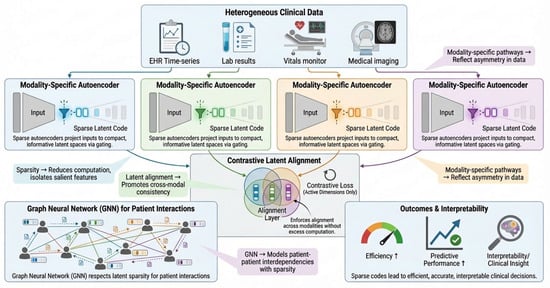
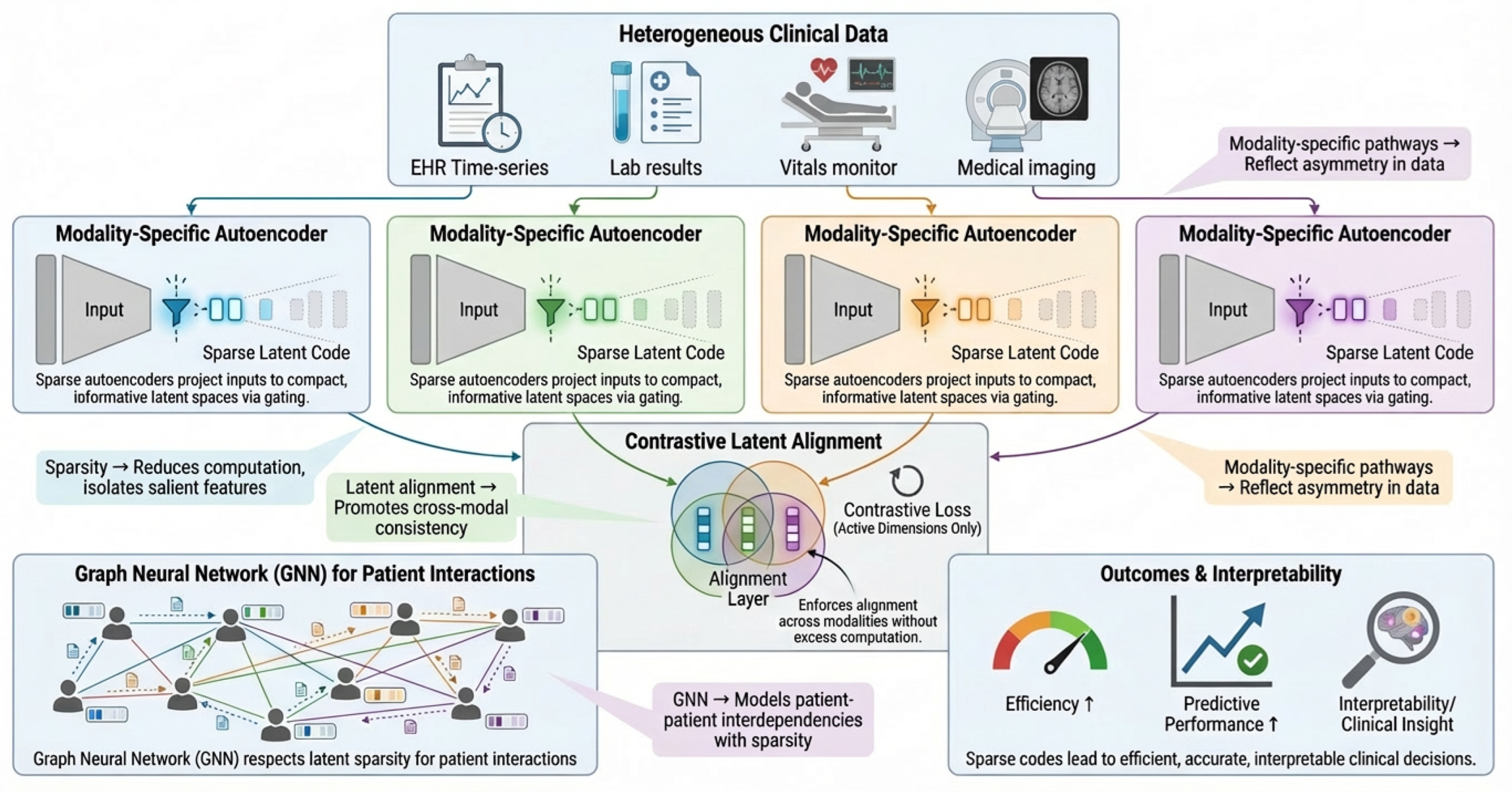
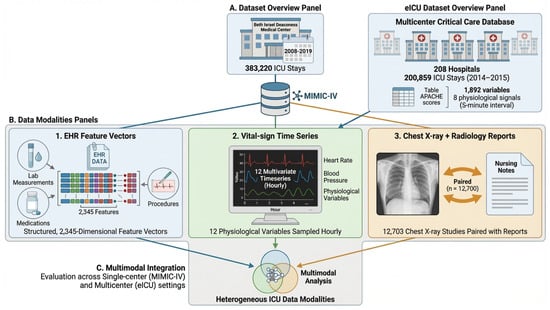
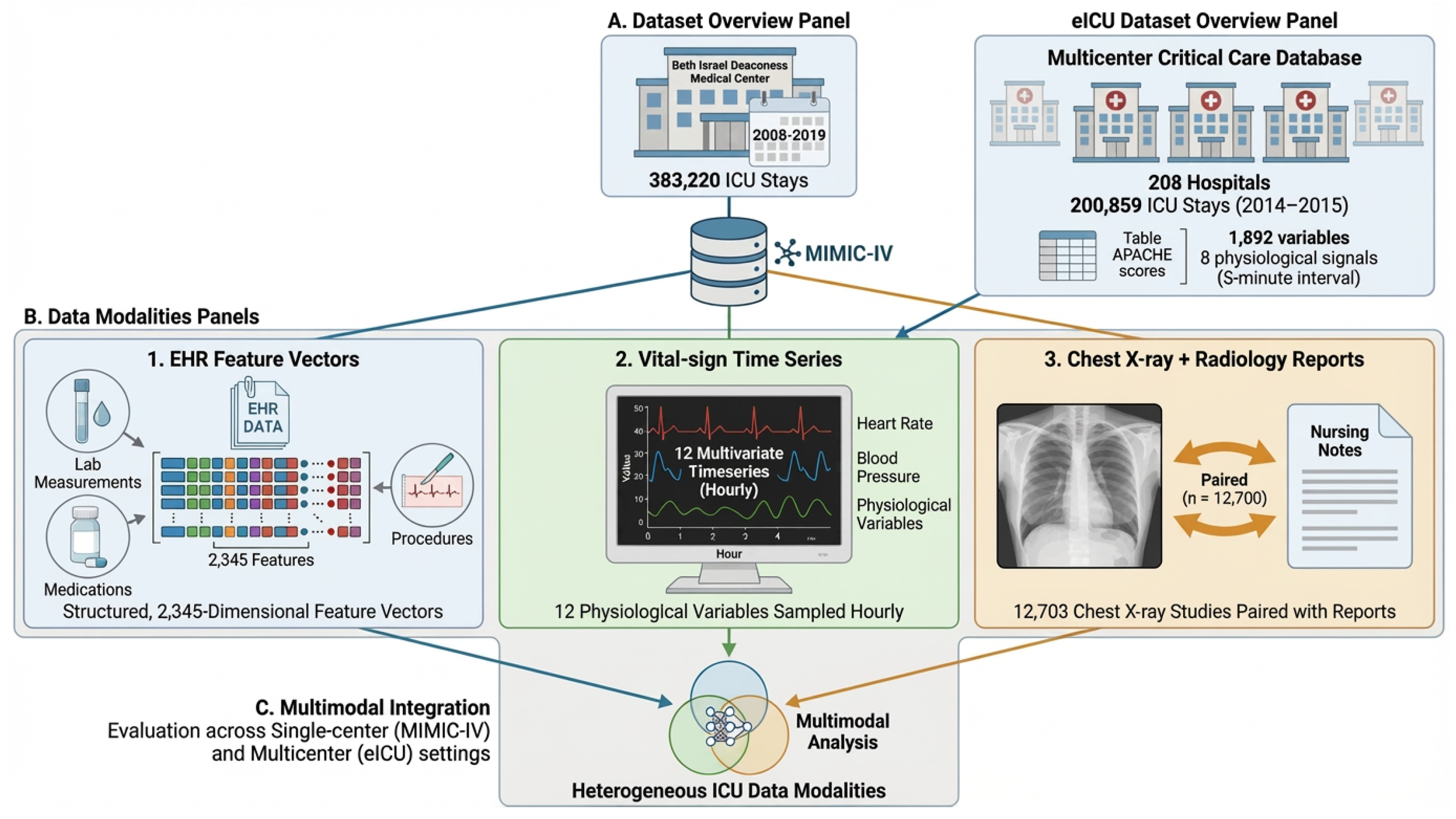
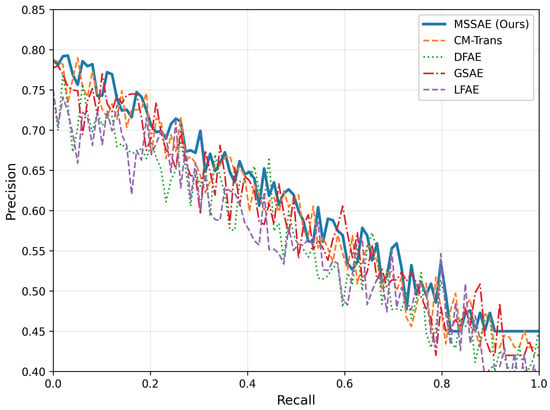
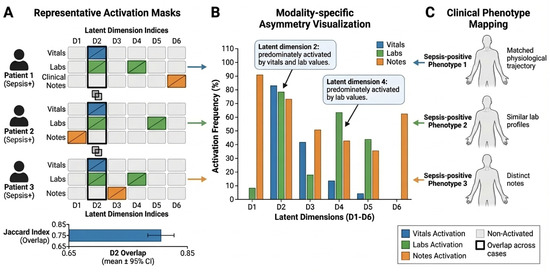

Disclaimer/Publisher’s Note: The statements, opinions and data contained in all publications are solely those of the individual author(s) and contributor(s) and not of MDPI and/or the editor(s). MDPI and/or the editor(s) disclaim responsibility for any injury to people or property resulting from any ideas, methods, instructions or products referred to in the content. |
© 2026 by the authors. Licensee MDPI, Basel, Switzerland. This article is an open access article distributed under the terms and conditions of the Creative Commons Attribution (CC BY) license.