


Abstract
Multi-material fused filament fabrication (FFF) enables the development of polymer components with tailored internal architectures and mechanical responses. This study investigates the flexural behavior of dual-material polylactic acid/acrylonitrile butadiene styrene (PLA/ABS) specimens manufactured using FFF. Three architectural parameters were examined: raster-angle configuration (0°/90° and ±45°), raster-alternation strategy (By layer and By block), and PLA/ABS volume fraction (60/40 and 40/60). A Taguchi L4 orthogonal array was employed to investigate four configurations, with five specimens tested per configuration under three-point bending. The mean maximum flexural stress ranged from 28.72 to 32.76 MPa, while mean flexural strain ranged from 2.14% to 3.08%. The mean flexural modulus ranged from 1626.48 to 1845.46 MPa. Configuration 4 (±45°, By layer, 60% PLA/40% ABS) exhibited the highest mean maximum flexural stress, Configuration 3 (±45°, By block, 40% PLA/60% ABS) exhibited the highest mean flexural strain, and Configuration 2 (0°/90°, By layer, 40% PLA/60% ABS) exhibited the highest mean flexural modulus. One-way ANOVA indicated no statistically significant overall differences in maximum flexural stress among the configurations (p = 0.3015), whereas significant differences were identified in flexural strain (p = 0.0017). The Taguchi analysis identified raster-alternation strategy as the parameter associated with the largest estimated main-effect differences in both maximum flexural stress and flexural modulus, while raster-angle configuration exhibited the largest estimated main-effect difference in flexural strain. The findings indicate that the investigated dual-material architectures exhibit different strength, stiffness, and deformation responses. However, the limited experimental design and the absence of direct interfacial characterization restrict the independent interpretation of individual parameter effects. The study provides an experimental basis for further investigation of architecture-dependent flexural behavior in dual-material FFF components.
1. Introduction
Additive manufacturing (AM) has developed from a technology primarily intended for rapid prototyping into a manufacturing approach capable of producing functional components with complex geometries and controlled internal architectures. Among polymer-based AM processes, fused filament fabrication (FFF), also widely referred to as fused deposition modeling (FDM), has received considerable attention because of its relatively low equipment cost, wide range of available thermoplastic materials, ease of operation, and ability to manufacture geometrically complex components.
The mechanical behavior of FFF-manufactured components differs substantially from that of conventionally manufactured polymers. This difference originates primarily from the layer-by-layer nature of the process and the resulting anisotropic internal structure. Mechanical performance is therefore influenced not only by the intrinsic properties of the feedstock material but also by manufacturing parameters (factors) such as layer thickness, raster angle, build orientation, infill density, deposition temperature, printing speed, and the bonding quality between adjacent filaments and layers.
An additional degree of design freedom is introduced through multi-material FFF. Dual-extrusion systems enable two different thermoplastic materials to be deposited within the same component, allowing the local mechanical response to be modified through both material selection and spatial distribution. Instead of considering the printed component as a homogeneous structure, multi-material FFF enables the development of architected structures in which different regions can contribute differently to stiffness, strength, deformation, and energy absorption.
PLA and ABS represent two of the most extensively used thermoplastics in material-extrusion additive manufacturing. PLA generally exhibits relatively high stiffness and ease of processing, whereas ABS offers increased toughness and greater deformation capability. Their combination within a single FFF component therefore provides an interesting approach for developing structures whose mechanical response cannot be described solely by the properties of either constituent material.
However, the mechanical behavior of a dual-material structure depends not only on the relative amount of each constituent but also on how the two materials are spatially distributed. Raster orientation, material arrangement, and the sequence through which different architectures are repeated across the specimen thickness can modify load transfer, interfacial stresses, crack propagation, and deformation mechanisms. Consequently, specimens containing identical proportions of PLA and ABS may exhibit different mechanical responses depending on their internal architecture.
Multi-material FFF offers additional opportunities for tailoring the mechanical response of polymer components through the combined selection and spatial arrangement of different materials [1,2]. Previous investigations have highlighted the importance of material compatibility, interfacial characteristics, and deposition architecture in determining the mechanical performance of multi-material structures. Seregi et al. showed that interfacial adhesion depends strongly on material compatibility and processing conditions, with several material pairs exhibiting negligible adhesion [3], whereas Dairabayeva et al. identified weak bonding between dissimilar polymers as the central challenge of multi-material FFF [4]. O’Connor reported that dual TPU/Nylon specimens with alternating layer arrangements failed by cohesive material rupture rather than at the interface [5]. With respect to interface geometry, Frascio et al. found that a linear butt interface retained 60% of the reference strength for homogeneous compounds but only 10% for heterogeneous PLA/PETG pairs, whereas interlocking designs produced enhancements of 7% and 58% for the lobate and T-shaped geometries, respectively [6]; Dairabayeva et al. similarly concluded that geometries imposing mechanical constriction between the two materials favour better mechanical performance [4]. Pahari and Melenka measured a shear strength of 2.701 MPa for a PETG–PETC single-lap joint, comparable to the 2.923 MPa of the strongest homogeneous PLA–PLA joint [7], while Goh et al. showed that functional fillers in soft–rigid bilayers reduced interlaminar tensile and shear strength by as much as 44% and 78%, respectively [8]. At the process level, Cai et al. treated interfacial tailoring as a parameter-optimization problem using machine-learning methods [9]. Finally, Gómez Amador et al. found that although certain multi-polymer combinations performed better in tension and compression, the single materials remained stronger in flexure owing to improved interlayer adhesion [10]. Taken together, these studies establish that compatibility, interface design and deposition architecture co-determine the performance of dual-material parts, and that the ranking of configurations is loading-mode dependent.
However, the relative contributions of these mechanisms depend on the specific material system, manufacturing conditions, and loading configuration. In the case of PLA/ABS structures, the combination of different raster orientations, layer-alternation strategies, and material fractions provides an opportunity to investigate architecture-dependent flexural responses. The present study therefore focuses on the experimentally measurable relationships between selected manufacturing configurations and their resulting flexural strength, stiffness, and deformation behavior, without attempting to independently quantify interfacial adhesion or fracture mechanisms.
Recent research has demonstrated growing interest in multi-material fused filament fabrication (FFF) as an approach for manufacturing polymer components with tailored mechanical responses. Kumar et al. [11] investigated dual-thermoplastic structures with different layer combinations, considering tensile and flexural properties, while Dairabayeva et al. [4] examined the mechanical performance of mono-material and multi-material interface geometries. Al-Tamimi et al. [12] employed a design-of-experiments approach to investigate multi-polymer structures manufactured through material extrusion, highlighting the relevance of material arrangement and processing conditions. More recently, Yilmaz et al. [13] investigated layered ABS/PA structures incorporating intermediate compatibilizing layers, demonstrating the continuing research interest in interfacial performance and material compatibility. Furthermore, Ettayan et al. [14] reviewed recent developments in multi-material FDM, emphasizing the importance of printing parameters, material selection, and mechanical performance. Collectively, these studies highlight the increasing attention devoted to multi-material polymer extrusion and the potential of material combination and architectural design to tailor mechanical behavior.
Although previous studies have investigated multi-material combinations, interfacial geometries, and processing parameters in FFF-manufactured structures, further experimental investigation is needed to understand how selected architectural variables are associated with the combined flexural strength, stiffness, and deformation responses of dual-material PLA/ABS components. The present study addresses this objective by examining raster-angle configuration, raster-alternation strategy, and PLA/ABS volume fraction within a common Taguchi L4 experimental framework. Rather than seeking to demonstrate universally superior mechanical properties compared with single-material components, the investigation focuses on the potential for architecture-dependent mechanical tailoring through the combined use of two polymers and controlled internal arrangements. The resulting experimental comparison provides an initial basis for identifying different strength–stiffness–deformation combinations, while recognizing that the limited experimental design does not permit independent estimation of factor interactions.
The objective of the present study is to experimentally investigate the flexural mechanical response of dual-material PLA/ABS specimens manufactured using FFF. Three architectural parameters are considered: (i) Raster Angle: raster angle configuration; (ii) Raster Alternation Strategy: the strategy used for alternating the deposition architecture through the specimen thickness; (iii) Material Content: the relative volume fraction of PLA and ABS. Four representative manufacturing configurations are examined through three-point bending testing using the Taguchi Method.
The novelty of the present study lies in the experimental comparison of distinct dual-material PLA/ABS architectures combining orthogonal and ±45° raster arrangements, different raster-alternation strategies, and controlled material volume fractions. Particular emphasis is placed on how geometrical arrangement and heterogeneous material distribution are associated with changes in flexural strength, stiffness, and deformation response. The study provides experimental evidence for architecture-dependent mechanical behavior while identifying the limitations of a reduced experimental design in independently quantifying the contributions of individual manufacturing factors.
2. Materials and Methods
The experimental specimens were fabricated using a dual-extrusion fused filament fabrication system to combine distinct thermoplastic polymers, utilizing specific layer heights and printing temperatures to optimize interlayer adhesion.
2.1. Material Selection
Polylactic acid (PLA) and acrylonitrile butadiene styrene (ABS) were selected because of their widespread use in material-extrusion additive manufacturing [11] and their differing mechanical and thermal characteristics. Their combination enables the investigation of dual-material architectures with varying material fractions and deposition arrangements. The experimental objective was to evaluate the resulting flexural responses rather than to independently characterize the mechanical properties of the PLA/ABS interface. Rectangular beam specimens were manufactured and tested using a three-point bending procedure based on ASTM D790 [15], with the specific experimental conditions described in the following sections.
The specimens were manufactured using commercially available PLA and ABS filaments supplied by Flashforge, both with a nominal diameter of 1.75 mm. The two polymers were selected because of their different mechanical, thermal, and physical characteristics, which provide an opportunity to investigate the flexural response of heterogeneous material architectures. According to the manufacturer’s specifications, PLA exhibits a flexural strength of 69–75 MPa and a heat deflection temperature of 53 °C, whereas ABS exhibits corresponding values of 65–70 MPa and 88 °C. The manufacturer-reported properties of both materials are summarized in Table 1. These values are provided as nominal material reference data and should not be interpreted as experimentally determined properties of the specimens investigated in the present study, since mechanical performance depends on the manufacturing architecture and testing conditions.
Table 1.
Manufacturer-reported mechanical, thermal, and physical properties of the PLA and ABS filaments used in this study.
2.2. Experimental Design
The design of experiments was developed using the Taguchi method, which was selected for its effectiveness and its ability to minimize the number of required experimental trials [16]. The factors studied and their selected levels are presented in Table 2.
Table 2.
DoE. Factors and levels.
The first variable is the Raster Angle of each layer, defined as the angle between the X direction and the deposition path of the nozzle [17]. Figure 1a shows a specimen printed with a deposition (raster) angle of 0°, and Figure 1b one with 90°. The second variable is the Raster Alternation Strategy of the raster angle—that is, the number of layers after which the deposition angle changes. If the change occurs every one (by layer) or two (By block) layers, a cohesive volume of material printed at the same angle is created (Figure 2 and Figure 3). The third variable is the Material Content as volumetric content of each material in each specimen. Each variable comprises two levels: (i) raster angle—0°/90° or 45°/−45°; (ii) Raster Alternation Strategy—By layer (by one layer) or By block (by two layers); (iii) Material Content—60% PLA/40% ABS or 60% ABS/40% PLA. The notation 0°/90° means that if one layer or block has a deposition angle of 0°, the next layer or block is deposited at 90°, and this continues across all layers or blocks of the specimen; the same logic applies to the 45°/−45° case.
Figure 1.
Specimens with different raster angle value: (a) Raster angle 0°. (b) Raster angle 90°.
Figure 2.
Bending specimens—Section layers.
Figure 3.
Bending specimens—BB’ Section view: (a) Raster Alternation Strategy By layer. (b) Raster Alternation Strategy By block.
Raster Angle and Material Content are realized through the morphology and internal architecture of each printed layer. In particular, each layer consists of alternating strips of PLA and ABS arranged according to a predefined geometry. The volumetric content of the two materials is determined by the relative width (1.6 mm) of the strips, since varying their thickness allows the desired proportions of each material within the overall cross-section of the specimen to be achieved.
At the same time, the raster angle is determined by the deposition direction of the strips relative to the principal axis of the specimen. Figure 4 schematically presents the cross-sections of the specimens for deposition angles of 0°, 45° and 90°; the −45° case is not depicted separately, as it is a geometrically symmetric arrangement of the 45° case with opposite orientation. In all configurations shown in Figure 4, the dimensions and arrangement of the strips were selected so as to maintain a constant volumetric ratio of 60–40%, allowing the effect of the deposition angle to be investigated independently of the variation in the composition of the composite specimen. Combining the 40% and 60% models of each experiment yields the four specimen types (Figure 5 and Figure 6), and thus the complete representation of each combination, where PLA is shown in black and ABS in white.
Figure 4.
Bending specimens—AA’ Section view: 0°, 90° and 45° Raster angles.
Figure 5.
Schematic representation of the first two PLA/ABS dual-material configurations investigated: (a) Configuration 1 and (b) Configuration 2. PLA is represented in black and ABS in white.
Figure 6.
Schematic representation of the remaining PLA/ABS dual-material configurations investigated: (a) Configuration 3 and (b) Configuration 4. PLA is represented in black and ABS in white.
In the By block configuration, each block consists of two consecutive layers with the same raster angle, rather than two layers composed of different materials. In contrast, in the By layer configuration, the raster angle alternates between successive layers. In both configurations, each layer consists of alternating PLA and ABS strips, arranged to achieve the specified material volume ratio of 60/40. Consequently, the 24-layer specimens comprise 12 two-layer blocks in the By block configuration, whereas the raster angle changes at every layer in the By layer configuration.
Based on the selection of three parameters (factors) and two values (levels) for each parameter, an L4 Taguchi orthogonal array was adopted, following the principle that the orthogonal array must be selected according to the number of factors and levels in order to obtain valid conclusions while minimizing the number of trials [18]. Table 3 and Table 4 present the array with the factor values assigned to each experiment. The L4 design was used as a screening approach for examining the principal effects associated with the internal architecture while maintaining a limited experimental matrix. Because of the characteristics of an L4 orthogonal array, interaction effects between the investigated factors cannot be independently estimated. Consequently, the interpretation of the present experimental design is restricted primarily to the observed main effects and the comparison of the four manufactured configurations.
Table 3.
DoE. Taguchi L4 orthogonal array.
Table 4.
DoE. Taguchi L4 orthogonal array with values.
Figure 5 and Figure 6 illustrate the four dual-material configurations considered in the experimental investigation. For each experimental condition, specimens with 40% and 60% assembly ratios were manufactured, resulting in four distinct material configurations and allowing a comprehensive investigation of the PLA/ABS distribution within the specimens. In the schematic representations, PLA is shown in black and ABS in white. Figure 5a,b presents Configurations 1 and 2, respectively, while Figure 6a,b presents Configurations 3 and 4, respectively.
The four configurations are characterized by different spatial distributions of PLA and ABS, resulting in distinct arrangements of the interfaces between the two constituent materials. As shown in Figure 5 and Figure 6, some configurations exhibit more continuous regions of the same material along the specimen, whereas others introduce a more frequent alternation between PLA and ABS through the thickness and along the longitudinal direction. Consequently, the configurations differ not only in the relative material distribution but also in the number, location, and orientation of the PLA/ABS interfaces. These variations can affect load transfer between the two polymers, local stress and strain development, interfacial behavior, and the initiation and propagation of damage under flexural loading. The comparison of the four configurations therefore enables the influence of the material distribution strategy on the overall flexural response of dual-material FFF specimens to be systematically investigated.
2.3. Specimen Fabrication
Five specimens were manufactured for each of the four configurations included in the initial Taguchi L4 experimental matrix, resulting in a total of 20 specimens, excluding the additional specimens used for experimental confirmation. Commercially available PLA and ABS thermoplastic filaments supplied by Flashforge, both with a nominal diameter of 1.75 mm, were used for specimen fabrication. The two materials were selected because of their distinct mechanical and thermal characteristics and their suitability for investigating architecture-dependent flexural behavior in dual-material structures. Both PLA and ABS are widely used in material-extrusion additive manufacturing [19]. Each deposited layer incorporated both materials according to the prescribed PLA/ABS volume fraction and spatial arrangement. All specimens were manufactured using a Flashforge Creator 3 dual-extrusion 3D printer. The principal fabrication parameters are summarized in Table 5. Most processing conditions were maintained constant across the experimental configurations, while the nozzle temperatures were selected according to the respective polymer and the build-platform temperature was adjusted based on the predominant material used in the raft.
Table 5.
Printing parameters and processing conditions.
The build plate temperature (Table 5) was adjusted according to the predominant material in the first printed layer of each specimen, as the raft was fabricated using the same material. Specifically, a bed temperature of 70 °C was applied to Configurations 1 and 4, where PLA accounted for 60% of the material composition, whereas 90 °C was used for Configurations 2 and 3, where ABS was predominant (60%). This adjustment was implemented to accommodate the different thermal requirements of PLA and ABS and promote adequate raft adhesion to the build plate during printing.
A raft structure was employed during the fabrication of all specimens to improve adhesion to the build plate and reduce the risk of warping and premature detachment during printing. Its use was particularly important due to the different thermal characteristics and shrinkage behavior of PLA and ABS, which may lead to dimensional instability during the fabrication of dual-material structures. The raft provided a stable printing foundation, facilitating consistent deposition conditions and reducing the likelihood of printing defects associated with insufficient first-layer adhesion.
The part-cooling fan speed was set to 30% for the PLA extruder, while the part-cooling fan of the ABS extruder was disabled (0%) to minimize rapid cooling and associated thermal stresses. A constant flow rate of 100% was applied to both materials. Thus, settings were maintained consistently across all experimental configurations.
2.4. Dimensional Accuracy and Repeatability
All specimens had nominal dimensions of 120 × 8 × 8 mm and the dimensional measurements presented in Table 6 and Table 7 were performed by using a caliper of displayed resolution of 0.01 mm. Measurements were obtained at the locations illustrated in Figure 7, following the same procedure for all 20 specimens. The individual measured dimensions are reported in Table 6, while the corresponding mean values and standard deviations for each configuration are presented in Table 7.
Table 6.
Dimensions of all specimens in mm.
Table 7.
Statistical analysis (Xm: mean; σ: standard deviation; mm).
Figure 7.
Schematic representation of the bending specimen showing the locations of the dimensional measurements reported in the subsequent tables.
Results indicate generally consistent specimen geometry across the four experimental configurations. The mean values of the measured dimensions remained close to their nominal values, with relatively limited variability among the five specimens within each configuration. Most dimensional measurements exhibited standard deviations below 0.15 mm, indicating satisfactory dimensional repeatability under the investigated printing conditions.
Minor dimensional variations were observed among the configurations, particularly in the transverse dimensions. These differences may be associated with the different raster orientations, deposition strategies, and material distributions employed during fabrication. However, the present measurements do not allow the individual contributions of these factors to be independently established.
Overall, the dimensional results indicate that the specimens maintained broadly comparable external geometries despite differences in their internal architectures. This provides a consistent geometric basis for comparing their flexural responses. Nevertheless, dimensional repeatability alone cannot be considered direct evidence of improved interlayer adhesion, interfacial bonding, or internal structural integrity, as these characteristics were not independently evaluated in the present study.
2.5. Three-Point Bending Tests
The flexural response of the dual-material specimens was investigated through three-point bending experiments. Mechanical testing was performed using a Galdabini Quasar 100 universal testing machine (Figure 8). The tests were conducted at a crosshead speed of 5 mm/min and support span at 80 mm corresponding to a nominal span-to-depth ratio of 10:1. The experimental procedure was based on ASTM D790. During the three-point bending tests, the applied force and crosshead displacement were continuously recorded by the testing machine. These experimental data were subsequently used to calculate the flexural stress, flexural strain and flexural modulus according to Equations (1)–(3).
Figure 8.
Three-point bending test.
The equation of the flexural stress is as follows:
where P is the load (N), L the support span (mm), b is the specimen width (mm), d the specimen thickness (mm).
The equation of the flexural strain is as follows:
where D is the crosshead displacement (mm), d the specimen thickness (mm) and L the support span (mm).
The equation of the flexural modulus is as follows:
where L is the support span (mm), m the slope of the initial linear region of the load–displacement curve (N/mm), b is the specimen width (mm) and d the specimen thickness (mm).
The complete stress–strain behavior was additionally examined to identify differences in deformation behavior among the different internal architectures.
2.6. Statistical Analysis
Five specimens were tested for each experimental configuration (n = 5 per configuration; N = 20). Descriptive statistics were calculated for maximum flexural stress and flexural strain, including the mean, sample standard deviation, coefficient of variation, and 95% confidence interval. Differences among the four configurations were evaluated using one-way analysis of variance (ANOVA), with a significance level of α = 0.05. The homogeneity of variances was assessed using the Brown–Forsythe test. The suitability of the ANOVA procedure was evaluated considering the distribution of residuals and the variance-homogeneity results.
The statistical comparisons were performed at the configuration level. Consequently, the ANOVA results indicate whether differences exist among the four experimental configurations but do not establish the independent statistical significance of the individual Taguchi factors. The Taguchi analysis was used separately to estimate main-effect trends through response means and signal-to-noise ratios.
3. Results
Following the completion of the experimental procedures and subsequent data processing, the representative flexural stress–strain curves presented in Figure 9 were obtained. Among the investigated experimental sets, this set exhibited the greatest variability between repeated measurements, highlighting the importance of evaluating the experimental scatter.
Figure 9.
Mean flexural stress–strain curves of the four dual-material PLA/ABS configurations.
For each experimental configuration, a representative flexural stress–strain curve was constructed by point-by-point arithmetic averaging of the five individual experimental curves. The datasets were aligned at common strain values, and averaging was restricted to the strain range shared by all five specimens to avoid extrapolation. The flexural modulus was calculated independently for each specimen through linear regression within the common strain interval of 0.405–1.275%. The resulting specimen-level modulus values were subsequently used to calculate the mean, sample standard deviation, and coefficient of variation for each configuration. This approach provides a representative description of the average flexural response while accounting for the experimental variability among specimens.
The comparative evaluation of the four experimental configurations revealed differences in their measured flexural responses. These differences were examined through descriptive statistics, one-way ANOVA, and exploratory Taguchi main-effects analysis. The results were interpreted considering the limitations of the L4 experimental design and the inability to independently estimate interactions among the investigated factors. The L4 Taguchi orthogonal array was deliberately selected as a screening experimental design in order to determine the relative effect of the principal factors related to architecture while minimizing the number of experimental trials. The L4 design estimates only the main effects of the factors studied and does not allow independent evaluation of interaction effects, since these are confounded within the orthogonal array. Consequently, the results presented in this DoE are interpreted as an assessment of main effects only, and no conclusions are drawn regarding interactions among the raster angle, the angle-alternation strategy, and the PLA/ABS volume ratio.
3.1. Flexural Response
The experimental results (Table 8) revealed clear differences in the flexural behavior of the four dual-material configurations. The average maximum flexural stress varied from 28.72 to 32.76 MPa, corresponding to an overall difference of approximately 14.1% relative to the lowest value. The highest mean maximum flexural stress (32.76 MPa) was obtained for Configuration 4, whereas the lowest value (28.72 MPa) was obtained for Configuration 1. The lowest flexural strength was observed for Configuration 1, which employed 0°/90° raster angle, By block raster alternation strategy and 60% PLA (40% ABS) for the material content.
Table 8.
Responses of all five specimens of all experimental configurations.
The relatively moderate variation in maximum stress compared with the substantially different internal architectures indicates that all configurations retained a significant load-carrying capability. Nevertheless, the observed differences suggest that the combined architectural characteristics may be associated with variations in flexural performance, although their individual contributions cannot be established from the present experimental design.
3.1.1. Experimental Configuration 1
The mechanical response obtained for the first PLA/ABS configuration is summarized in Table 9, while Figure 10 presents the five specimens after flexural testing. The maximum flexural stress ranged from 21.1 to 34.6 MPa, with an average value of 28.72 MPa, whereas the corresponding strain ranged from 1.8% to 2.8%, with an average value of 2.36%. The highest stress was recorded for Iteration 1 (34.6 MPa), which also exhibited the highest strain (2.8%). Iteration 2 showed a similarly high stress of 33.6 MPa, while Iterations 3 and 4 exhibited intermediate and nearly identical values of 27.1 and 27.2 MPa, respectively. The lowest mechanical response was observed for Iteration 5, with a maximum stress of 21.1 MPa and a strain of 1.8%.
Table 9.
Responses of all five specimens of first experimental configuration.
Figure 10.
PLA/ABS dual-material specimens of the first configuration after flexural testing, showing the permanent deformation observed following the applied bending load.
The tested specimens shown in Figure 10 exhibit visible permanent flexural deformation, although its magnitude varies among the individual specimens. The absence of complete specimen separation indicates that the dual-material structure maintained its overall structural integrity after the applied flexural loading. Nevertheless, the variation in maximum stress among the five iterations indicates a certain degree of experimental scatter. Considering that the specimens were produced using the same nominal material configuration and processing conditions, this variability may be associated with local differences in the printed structure and, particularly, with the behavior of the numerous PLA/ABS interfaces. Such interfaces can affect local stress transfer and deformation during bending and may therefore contribute to the observed specimen-to-specimen variation.
The statistical analysis of the five experimental repetitions (Table 10) revealed a mean maximum flexural stress of 28.72 ± 5.51 MPa and a mean flexural strain of 2.36 ± 0.36%, expressed as mean ± standard deviation. The corresponding coefficients of variation were 19.18% and 15.16%, respectively, indicating greater relative variability in maximum flexural stress than in flexural strain. The 95% confidence intervals for the mean values were 21.88–35.56 MPa for flexural stress and 1.92–2.80% for flexural strain. The observed variability in flexural stress suggests that the mechanical response was not fully uniform across the five specimens, potentially reflecting differences in local material distribution, interfacial bonding, or manufacturing-induced imperfections.
Table 10.
Statistical summary of flexural properties for the first Configuration.
3.1.2. Experimental Configuration 2
The mechanical response obtained for the second PLA/ABS configuration is summarized in Table 11, while Figure 11 presents the five specimens after flexural testing. The maximum flexural stress ranged from 27.5 to 35.9 MPa, with an average value of 31.90 MPa, whereas the corresponding strain exhibited a considerably narrower range, from 2.1% to 2.2%, with an average value of 2.14%. The highest stress was recorded for Specimen 1 (35.9 MPa), followed by Specimen 2 (34.6 MPa). Specimens 3 and 4 exhibited intermediate values of 29.9 and 31.6 MPa, respectively, while the lowest maximum stress was recorded for Specimen 5 (27.5 MPa). Despite these differences in flexural strength, the strain values remained remarkably consistent among the five specimens.
Table 11.
Responses of all five specimens of second experimental configuration.
Figure 11.
PLA/ABS dual-material specimens of the second configuration after flexural testing, showing the deformation observed following the applied bending load.
As shown in Figure 11, the tested specimens maintained their overall structural integrity after flexural loading, with no complete separation of the specimens being observed. Compared with the variation in maximum stress, the very limited scatter in strain indicates a highly repeatable deformation response for this material configuration. The observed variation in flexural stress may be related to local differences within the printed dual-material structure, including the quality and distribution of the PLA/ABS interfaces. Nevertheless, the relatively narrow range of the experimental results indicates that the second configuration provided a consistent mechanical response under the applied bending conditions.
The statistical analysis (Table 12) of the five experimental repetitions yielded a mean maximum flexural stress of 31.90 ± 3.42 MPa and a mean flexural strain of 2.14 ± 0.055%, expressed as mean ± standard deviation. The corresponding coefficients of variation were 10.72% and 2.56%, respectively, indicating substantially lower relative variability in flexural strain than in maximum flexural stress. The 95% confidence intervals for the mean values were 27.66–36.14 MPa for flexural stress and 2.072–2.208% for flexural strain.
Table 12.
Statistical summary of flexural properties for the second Configuration.
3.1.3. Experimental Configuration 3
The mechanical response obtained for the third PLA/ABS configuration is summarized in Table 13, while Figure 12 presents the five specimens after flexural testing. The maximum flexural stress ranged from 28.4 to 31.0 MPa, with an average value of 29.90 MPa, whereas the corresponding strain ranged from 2.7% to 3.4%, with an average value of 3.08%. The highest stress was recorded for Specimen 2 (31.0 MPa), followed by Specimen 3 (30.6 MPa) and Specimen 1 (30.0 MPa). Specimen 5 exhibited a stress of 29.5 MPa, while the lowest value was recorded for Specimen 4 (28.4 MPa). In contrast to the relatively small variation in flexural stress, a somewhat greater variation was observed in strain, with the highest values of 3.4% recorded for Specimens 3 and 5.
Table 13.
Responses of all five specimens of third experimental configuration.
Figure 12.
PLA/ABS dual-material specimens of the third configuration after flexural testing, showing the permanent deformation developed under the applied bending load.
As shown in Figure 12, all specimens exhibit pronounced permanent flexural deformation after testing while maintaining their overall structural continuity. Compared with the previous configurations, the third configuration combines a relatively consistent flexural strength with a higher average deformation capacity. In particular, the narrow stress range of only 2.6 MPa indicates good repeatability in terms of maximum flexural stress, despite the variation observed in strain. The characteristic PLA/ABS distribution of this configuration may influence the deformation mechanism and load transfer between the two materials, allowing greater deformation before reaching the maximum flexural response. These results suggest that the spatial arrangement of the two materials plays an important role not only in the flexural strength but also in the deformation behavior of the dual-material specimens.
The statistical analysis of the five experimental repetitions (Table 14) yielded a mean maximum flexural stress of 29.90 ± 1.01 MPa and a mean flexural strain of 3.08 ± 0.31%, expressed as mean ± standard deviation. The corresponding coefficients of variation were 3.39% and 10.11%, respectively, indicating considerably lower relative variability in maximum flexural stress than in flexural strain. The 95% confidence intervals for the mean values were 28.64–31.16 MPa for flexural stress and 2.69–3.47% for flexural strain.
Table 14.
Statistical summary of flexural properties for the third Configuration.
3.1.4. Experimental Configuration 4
The mechanical response obtained for the fourth PLA/ABS configuration is summarized in Table 15, while Figure 13 presents the five specimens after flexural testing. The maximum flexural stress ranged from 30.5 to 37.6 MPa, with an average value of 32.76 MPa, whereas the corresponding strain ranged from 2.2% to 3.2%, with an average value of 2.58%. The highest stress was recorded for Specimen 2 (37.6 MPa), which also exhibited the highest strain (3.2%). Specimens 4 and 5 showed similar stress values of 32.7 and 32.3 MPa, respectively, while Specimens 1 and 3 exhibited values of 30.7 and 30.5 MPa. The lowest strain was recorded for Specimen 3 (2.2%).
Table 15.
Responses of all five specimens of fourth experimental configuration.
Figure 13.
PLA/ABS dual-material specimens of the fourth configuration after flexural testing, showing the permanent deformation developed under the applied bending load.
As shown in Figure 13, the specimens exhibit visible permanent flexural deformation after testing while maintaining their overall structural continuity. The fourth configuration achieved a relatively high average flexural stress together with a moderate deformation capacity. Although some specimen-to-specimen variation is evident, particularly due to the higher response of Specimen 2, the remaining specimens show comparatively similar maximum stress values. The observed response indicates that the specific spatial distribution of PLA and ABS in this configuration provides an effective load-transfer mechanism while retaining the ability to accommodate flexural deformation. As with the previous configurations, the results further demonstrate that the arrangement and continuity of the two materials, as well as the resulting PLA/ABS interfaces, can influence both the strength and deformation response of dual-material FFF specimens.
The statistical analysis of the five experimental repetitions (Table 16) yielded a mean maximum flexural stress of 32.76 ± 2.87 MPa and a mean flexural strain of 2.58 ± 0.41%, expressed as mean ± standard deviation. The corresponding coefficients of variation were 8.77% and 16.07%, respectively, indicating greater relative variability in flexural strain than in maximum flexural stress. The 95% confidence intervals for the mean values were 29.19–36.33 MPa for flexural stress and 2.07–3.09% for flexural strain.
Table 16.
Statistical summary of flexural properties for the second Configuration.
3.2. Flexural Modulus
The flexural modulus was independently calculated for each of the five specimens per experimental configuration using linear regression within a common strain interval of 0.405–1.275%. The mean flexural modulus, standard deviation (SD), and coefficient of variation (CV) are summarized in Table 17. The mean values ranged from 1626.48 to 1845.46 MPa, while the CV varied between 4.04% and 12.08%. Configuration 4 exhibited the lowest variability (CV = 4.04%), indicating the highest repeatability in flexural modulus among the investigated configurations, whereas Configuration 1 exhibited the greatest variability (CV = 12.08%).
Table 17.
Mean flexural modulus, standard deviation (SD), and coefficient of variation (CV) for the four experimental configurations (n = 5 per configuration).
3.2.1. Experimental Configuration 1
The flexural modulus was independently determined for each of the five specimens using linear regression of the experimental stress–strain data within a common strain interval of 0.405–1.275%. The resulting mean flexural modulus was 1698.21 ± 205.06 MPa, corresponding to a coefficient of variation (CV) of 12.08% (n = 5). The coefficients of determination (R2 = 0.9969–0.9996) indicated excellent linearity within the selected strain interval.
3.2.2. Experimental Configuration 2
The flexural modulus was independently determined for each of the five specimens using linear regression of the experimental stress–strain data within a common strain interval of 0.405–1.275%. The resulting mean flexural modulus was 1845.46 ± 123.55 MPa, corresponding to a coefficient of variation (CV) of 6.69% (n = 5). The coefficients of determination (R2 > 0.998) indicated excellent linearity within the selected strain interval.
3.2.3. Experimental Configuration 3
The flexural modulus was independently determined for each of the five specimens using linear regression of the experimental stress–strain data within a common strain interval of 0.405–1.275%. The resulting mean flexural modulus was 1626.48 ± 147.70 MPa, corresponding to a coefficient of variation (CV) of 9.08% (n = 5). The coefficients of determination (R2 = 0.9915–0.9986) indicated a high degree of linearity within the selected strain interval.
3.2.4. Experimental Configuration 4
The flexural modulus was independently determined for each of the five specimens using linear regression of the experimental stress–strain data within a common strain interval of 0.405–1.275%. The resulting mean flexural modulus was 1789.41 ± 72.20 MPa, corresponding to a coefficient of variation (CV) of 4.04% (n = 5). The coefficients of determination (R2 = 0.9994–0.9996) indicated excellent linearity within the selected strain interval.
3.3. Flexural Strain
The four configurations exhibited distinct combinations of flexural stress and strain. The mean maximum flexural stress ranged from 28.72 to 32.76 MPa, corresponding to an overall difference of approximately 14.1% relative to the lowest value. The highest mean maximum flexural stress was obtained for Configuration 4 (32.76 MPa), whereas the lowest value was recorded for Configuration 1 (28.72 MPa).
Flexural strain exhibited a more pronounced relative variation, ranging from 2.14% for Configuration 2 to 3.08% for Configuration 3, corresponding to an increase of approximately 43.9% relative to the lowest mean value. Configuration 2 combined a relatively high mean maximum flexural stress (31.90 MPa) with the lowest mean flexural strain (2.14%), indicating a comparatively stiffer and less deformable response. In contrast, Configuration 3 exhibited a lower mean maximum flexural stress (29.90 MPa) but the highest mean flexural strain (3.08%), indicating an increased deformation capacity.
Considering the main effects of the investigated factors, changing the raster-angle configuration from 0°/90° to ±45° increased the mean maximum flexural stress from 30.31 to 31.33 MPa, corresponding to an increase of approximately 3.4%. A considerably stronger effect was associated with the deposition strategy: changing from By block to By layer increased the mean maximum flexural stress from 29.31 to 32.33 MPa, corresponding to an increase of approximately 10.3%. These results indicate that, within the investigated experimental space, the deposition strategy had a greater effect on maximum flexural stress than the raster-angle configuration.
The strain response followed a different trend. Configuration 3 exhibited the highest mean flexural strain, whereas Configuration 2 exhibited the lowest, demonstrating that the configuration associated with increased flexural strength does not necessarily maximize deformation capacity. Overall, the results indicate that modifications to the internal PLA/ABS architecture affect strength and deformation differently, highlighting the possibility of tailoring the flexural response of dual-material FFF components through appropriate selection of the deposition strategy and raster orientation.
3.4. Taguchi Analysis
For the Taguchi analysis, the investigated parameters were designated as Factor A (raster-angle configuration: 0°/90° and ±45°), Factor B (raster-alternation strategy: By block and By layer), and Factor C (PLA/ABS volume fraction: 60/40 and 40/60). The same factor definitions and level assignments were used for the analyses of maximum flexural stress, flexural strain, and flexural modulus. The calculated main effects represent exploratory estimates within the L4 experimental design and should not be interpreted as independently established causal effects.
3.4.1. Flexural Stress
The experimental results revealed differences in the maximum flexural stress among the four investigated dual-material PLA/ABS configurations. The mean maximum flexural stress ranged from 28.72 to 32.76 MPa, corresponding to an overall difference of approximately 14.1% relative to the lowest mean value. These findings indicate that variations in the internal architecture were associated with differences in the flexural load-bearing response, despite the use of the same constituent materials.
The Taguchi analysis (Figure 14 and Figure 15, Table 18 and Table 19) identified the raster alternation strategy (Factor B) as the factor exhibiting the largest estimated main effect on maximum flexural stress. Based on the response table for means, Factor B exhibited the highest Delta value (3.02 MPa), followed by raster-angle configuration (Factor A, 1.02 MPa) and PLA/ABS volume fraction (Factor C, 0.16 MPa). Accordingly, the ranking of the estimated main effects was B > A > C. A consistent ranking was obtained from the signal-to-noise (S/N) ratio analysis, with Delta values of 0.85, 0.29, and 0.06 dB for factors B, A, and C, respectively.
Figure 14.
Main Effect Plot for Means—Stress.
Figure 15.
Main Effect Plot for SN ratios. Stress.
Table 18.
Response Table for Means—Stress (MPa).
Table 19.
Response Table for Signal-to-Noise Ratios (Larger is Better)—Stress.
More specifically, changing the raster alternation strategy from Level 1 (By block) to Level 2 (By layer) was associated with an increase in mean maximum flexural stress from 29.31 to 32.33 MPa, corresponding to approximately 10.3%. Similarly, changing the raster-angle configuration from Level 1 (0°/90°) to Level 2 (+45°/−45°) increased the mean response from 30.31 to 31.33 MPa, representing an increase of approximately 3.4%. In contrast, changing the PLA/ABS volume fraction between the two investigated levels resulted in a comparatively small difference, with mean maximum flexural stress values of 30.74 and 30.90 MPa. These results suggest that the raster alternation strategy was associated with the largest variation in mean flexural strength within the investigated experimental domain.
The Taguchi main-effects model predicted a maximum flexural stress of 32.92 MPa for the estimated optimal combination of factor levels. This value was slightly higher than the highest experimentally observed mean maximum flexural stress of 32.76 MPa, corresponding to a difference of approximately 0.49%.
Furthermore, the adopted L4 orthogonal array represents a screening design in which the three investigated factors occupy all available degrees of freedom. Consequently, potential interaction effects cannot be independently distinguished from the estimated main effects. The relative ranking of the investigated factors should therefore be interpreted as an indication of their apparent influence within the specific experimental design rather than as definitive evidence of their independent contributions to flexural strength.
3.4.2. Flexural Strain
A different trend was observed for flexural strain. The average experimental strain varied from 2.14% to 3.08%, with the highest value obtained for Configuration 3. Unlike maximum flexural stress, the Taguchi analysis identified factor A as the most influential factor for strain, followed by factor B and factor C.
The response results (Figure 16 and Figure 17, Table 20 and Table 21) for means yielded Delta values of 0.580% for factor A, 0.360% for factor B, and 0.140% for factor C, resulting in the ranking A > B > C. The same ranking was obtained from the signal-to-noise analysis, with Delta values of 1.968, 1.194, and 0.344 for factors A, B, and C, respectively.
Figure 16.
Main Effect Plot for Means—Strain.
Figure 17.
Main effect plot for SN ratios—Strain.
Table 20.
Response Table for Means—Strain (%).
Table 21.
Response Table for Signal-to-Noise Ratios (Larger is Better)—Strain.
Therefore, in contrast to maximum flexural stress, raster angle (factor A) appears to be the principal factor controlling deformation capacity. Changing factor A from Level 1 to Level 2 increased the mean strain from 2.25% to 2.83%, representing an increase of approximately 25.8%. Factor B also produced an appreciable effect, with the mean strain changing from 2.72% to 2.36% between its two levels. In comparison, factor C produced a considerably smaller change, from 2.47% to 2.61%.
The predicted maximum flexural strain obtained from the Taguchi model was 3.08%. Interestingly, this value corresponds to the highest average strain experimentally observed among the four configurations, indicating that the configuration promoting maximum deformation capacity was already represented within the original experimental design.
3.4.3. Flexural Modulus
The flexural modulus exhibited moderate variation among the investigated configurations. Configuration 3 showed the lowest mean flexural modulus (1626.48 MPa), followed by Configuration 1 (1698.21 MPa) and Configuration 4 (1789.41 MPa), whereas Configuration 2 exhibited the highest mean value (1845.46 MPa). This indicates that Configuration 2 provided the highest estimated flexural stiffness among the investigated configurations, consistent with its relatively low flexural strain.
For flexural modulus (Figure 18 and Figure 19, Table 22 and Table 23), Factor B exhibited the largest estimated main-effect difference within the investigated design. The response results for means yielded Delta values of 155 MPa for Factor B, 64 MPa for Factor A, and 8 MPa for Factor C, resulting in the ranking B > A > C. The signal-to-noise results showed the same factor ranking, with Factor B exhibiting the highest Delta value (0.78), followed by Factor A (0.32) and Factor C (0.05).
Figure 18.
Main effect plot for means—flexural modulus.
Figure 19.
Main effect plot for SN ratios—flexural modulus.
Table 22.
Response Table for Means—Flexural Modulus (MPa).
Table 23.
Response table for signal-to-noise ratios (larger-is-better criterion) for flexural modulus.
Changing Factor B from Level 1 to Level 2 increased the mean flexural modulus from 1662 to 1817 MPa, corresponding to an increase of approximately 9.3%. Factor A exhibited a smaller effect, with the mean flexural modulus decreasing from 1772 to 1708 MPa (approximately 3.6%) when changing from Level 1 to Level 2. In contrast, Factor C showed a negligible estimated main-effect difference of only 8 MPa (approximately 0.5%).
Both the response means and signal-to-noise ratios indicated that the combination A1–B2–C1 was associated with the highest estimated flexural modulus within the Taguchi main-effects model. However, since this combination was not directly included in the original L4 experimental matrix, its predicted performance requires independent experimental confirmation.
3.4.4. Experimental Validation of Taguchi Predictions
The optimal printing parameter combinations identified through the Taguchi analysis were experimentally validated for maximum flexural stress, flexural strain, and flexural modulus. The predicted optimal combinations were A2–B2–C2 for maximum flexural stress, A2–B1–C2 for flexural strain, and A1–B2–C1 for flexural modulus. Three additional experimental tests were conducted for each combination, to evaluate the accuracy of these predictions. The relative deviations between the predicted and experimentally measured values were 2.0% for maximum flexural stress, 3.3% for flexural strain, and 3.4% for flexural modulus (Table 24). The close agreement between predicted and experimental results supports the reliability of the Taguchi-based predictions within the investigated parameter ranges.
Table 24.
Errors between Taguchi predictions and experimental validation.
3.4.5. Overall
Taken together, the Taguchi results indicate that different aspects of the flexural response of dual-material PLA/ABS specimens are associated with different characteristics of their internal architecture. The raster alternation strategy (Factor B) exhibited the largest estimated main effect on maximum flexural stress, whereas raster-angle configuration (Factor A) showed the greatest estimated influence on flexural strain. The PLA/ABS volume fraction (Factor C) exhibited the smallest estimated effect on both responses. Regarding flexural modulus, the raster-alternation strategy (Factor B) exhibited the largest estimated main-effect difference (155 MPa), followed by raster-angle configuration (Factor A, 64 MPa), whereas material composition (Factor C) exhibited the smallest difference (8 MPa). This ranking was also consistent with the corresponding signal-to-noise ratio analysis.
These findings suggest that the flexural behavior of dual-material FFF components depends not only on the relative proportions of PLA and ABS but also on their spatial arrangement and the orientation of deposited filaments. Within the investigated experimental domain, the raster alternation strategy was associated with the largest variation in mean maximum flexural stress, while raster-angle configuration was associated with the largest variation in mean flexural strain. The factor rankings obtained from the Taguchi analysis should be interpreted as estimated main-effect trends rather than definitive evidence of independent causal relationships.
From an engineering perspective, the results highlight the potential of modifying the internal architecture of dual-material FFF structures to achieve different combinations of flexural strength, stiffness, and deformation capacity. Nevertheless, the limited number of experimental configurations and the inability of the adopted L4 design to independently resolve interaction effects restrict the generalization of these findings. Further experimental validation is required to establish optimal processing conditions and confirm the individual contributions of the investigated parameters to the mechanical response.
3.5. Analysis of Variance (ANOVA)
The results of the one-way ANOVA (Table 25) revealed no statistically significant differences in maximum flexural stress among the four experimental configurations (F = 1.324, p = 0.3015). In contrast, statistically significant differences were observed in flexural strain (F = 8.093, p = 0.0017). These findings indicate that the investigated configurations exhibited significant differences in deformation response, whereas the observed variations in flexural strength were not statistically significant at the 0.05 significance level.
Table 25.
One-way ANOVA results for maximum flexural stress and flexural strain across the four experimental configurations.
3.6. Comparison with Single-Material PLA and ABS Specimens
To provide a direct experimental comparison with the dual-material PLA/ABS specimens, six additional single-material reference specimens were manufactured, comprising three pure PLA and three pure ABS specimens. All reference specimens were fabricated using the same Flashforge Creator 3 3D printer, specimen geometry, and manufacturing conditions described in Table 5, with the corresponding material-specific nozzle and build-platform temperatures. The reference specimens were subsequently subjected to the same three-point bending testing procedure as the dual-material specimens, enabling a comparative evaluation of maximum flexural stress, flexural modulus, and flexural strain. The results were compared with those obtained for the dual-material PLA/ABS specimens, as summarized in Table 26.
Table 26.
Comparison of the flexural properties of single-material PLA, single-material ABS, and dual-material PLA/ABS specimens.
The pure PLA specimens exhibited the highest flexural modulus (2352.39 MPa), maximum flexural stress (51.39 MPa), and flexural strain (4.13%) among the compared material configurations. In contrast, pure ABS exhibited the lowest corresponding values of 1390.05 MPa, 21.78 MPa, and 2.66%, respectively. The dual-material PLA/ABS specimens exhibited intermediate values, with a flexural modulus of 1918.00 MPa, maximum flexural stress of 33.58 MPa, and flexural strain of 3.18%.
Relative to pure ABS, the dual-material specimens exhibited a 38.0% higher flexural modulus, a 54.2% higher maximum flexural stress, and a 19.4% higher flexural strain. However, compared with pure PLA, the dual-material specimens exhibited lower values for all three mechanical responses.
These findings demonstrate that the investigated dual-material configuration exhibited a mechanical response between those of the two constituent materials under the examined testing conditions. The comparison provides an experimental reference for assessing the relative performance of the dual-material approach, although the results should be interpreted in relation to the specific material distribution and printing architecture investigated.
4. Discussion
4.1. Influence of Deposition Strategy
The experimental results and Taguchi analysis indicated that the raster alternation strategy was associated with the largest estimated main effect on maximum flexural stress among the investigated printing parameters. Specifically, changing from the By block to the By layer strategy was associated with an increase in the mean maximum flexural stress from 29.31 to 32.33 MPa, corresponding to approximately 10.3% within the investigated experimental domain. However, this difference represents a trend derived from the Taguchi main-effects analysis rather than a statistically confirmed improvement.
The observed trend may be related to differences in the through-thickness arrangement of the deposited material and raster orientations [19,20]. In the By layer strategy, the raster orientation alternates between successive layers, whereas the By block strategy maintains the same raster orientation for two consecutive layers before alternation. These differences in the internal architecture may influence the distribution of local stresses and the deformation response under flexural loading [19,21]. Conversely, the By block strategy produces larger contiguous regions with the same raster orientation, which may result in different local deformation patterns and potential damage propagation mechanisms [16,22]. Nevertheless, these explanations remain hypothetical, as the present investigation did not include direct measurements of PLA/ABS interfacial adhesion, microscopic examination of the material interfaces, or quantitative fracture analysis. Therefore, the observed differences in flexural behavior cannot be conclusively attributed to specific interfacial bonding or load-transfer mechanisms.
Regarding flexural stiffness, Configuration 2, corresponding to the 0°/90° By layer architecture, exhibited the highest mean flexural modulus (1845.46 ± 123.55 MPa). The Taguchi analysis further indicated that deposition strategy (Factor B) exhibited the largest estimated main-effect difference in flexural modulus (Δ = 155 MPa), followed by raster-angle configuration (Δ = 64 MPa) and material composition (Δ = 8 MPa). This observation is consistent with the possibility that layer-scale raster alternation influences the stiffness response of dual-material FFF specimens [17,23]. However, the observed modulus cannot be attributed exclusively to the deposition strategy since the experimental configurations also differed in raster-angle configuration and PLA/ABS volume fraction. Consequently, the results suggest that the raster alternation strategy may contribute to the flexural response of dual-material PLA/ABS structures, although additional experiments are required to independently quantify its influence and clarify the underlying mechanical mechanisms.
4.2. Influence of Raster Angle
The Taguchi analysis indicated that raster-angle configuration was associated with a relatively small estimated main effect on maximum flexural stress. Changing the raster configuration from 0°/90° to ±45° was associated with an increase in the mean maximum flexural stress from 30.31 to 31.33 MPa, corresponding to approximately 3.4%. However, this difference should be interpreted as a trend within the investigated experimental design rather than a statistically confirmed improvement.
Raster orientation influences the alignment of deposited filament paths relative to the specimen’s longitudinal axis and the applied bending load, potentially affecting the distribution and transfer of tensile and compressive stresses within the printed structure [18,21]. Nevertheless, the magnitude and direction of these effects may depend on the material system, raster arrangement, and interfacial characteristics. Consequently, the mechanical response of the investigated dual-material PLA/ABS specimens cannot be directly inferred from observations reported for single-material FFF structures [18,21].
A more pronounced variation associated with raster-angle configuration was observed for flexural strain. Changing from the 0°/90° to the ±45° raster configuration increased the mean flexural strain from 2.25% to 2.83%, corresponding to approximately 25.8%. The Taguchi analysis identified raster angle as the factor exhibiting the largest estimated main effect on flexural strain, with a Delta value of 0.580 percentage points. These findings suggest that raster orientation may be particularly relevant to the deformation response of the investigated dual-material structures.
The ±45° configuration introduces filament paths oriented obliquely relative to the longitudinal axis of the specimen [16,20]. Under flexural loading, this arrangement may influence the distribution of local deformation and the transfer of stresses between adjacent deposited regions [20,21]. Although these architectural characteristics may contribute to the observed differences in flexural strain, the underlying mechanisms were not directly investigated. Consequently, any proposed relationship between raster orientation, interfacial load transfer, and local deformation should be regarded as a possible explanation rather than an experimentally established mechanism.
The experimental results showed that Configuration 3 (±45°, By block, 60% ABS) exhibited the highest mean flexural strain (3.08 ± 0.31%) among the four investigated configurations.
Overall, the results suggest that raster-angle configuration was associated with a comparatively limited variation in maximum flexural stress but a more pronounced variation in flexural strain within the investigated experimental domain. Nevertheless, the limited L4 experimental design and the potential influence of interactions among printing parameters prevent the independent quantification of raster-angle effects. Additional experiments would therefore be necessary to establish the extent to which raster orientation independently influences the flexural response of dual-material PLA/ABS specimens.
4.3. Strength–Deformation Trade-Off
The experimental results revealed differences in the relative performance of the four investigated dual-material PLA/ABS configurations in terms of maximum flexural stress, flexural modulus, and flexural strain. Notably, no single configuration exhibited the highest mean value for all three mechanical responses. Configuration 4 (±45°, By layer, 60% PLA) exhibited the highest mean maximum flexural stress (32.76 MPa), with a corresponding mean flexural strain of 2.58%. Configuration 2 (0°/90°, By layer, 60% ABS) exhibited the highest mean flexural modulus (1845.46 ± 123.55 MPa) and the lowest mean flexural strain (2.14%). In contrast, Configuration 3 (±45°, By block, 60% ABS) exhibited the highest mean flexural strain (3.08%), while maintaining a mean maximum flexural stress of 29.90 MPa.
These findings indicate that the configuration associated with the highest mean deformation response differed from those exhibiting the highest mean flexural stress and stiffness. This distinction suggests a potential trade-off among the investigated mechanical responses, although the limited number of experimental configurations does not establish a general inverse relationship between strength, stiffness, and deformation capacity. Furthermore, the statistical analysis did not identify significant differences in maximum flexural stress among the four configurations (p > 0.05), whereas a statistically significant overall difference was observed in flexural strain (p = 0.0017). Further statistical analysis would be needed to determine which specific configurations differ significantly. Therefore, the observed differences in mechanical performance should be interpreted within the statistical and experimental limitations of the study.
The differences in response may be associated with variations in raster orientation, layer alternation strategy, and the spatial distribution of PLA and ABS within the printed structures. Previous studies have reported that raster architecture can influence the balance between strength and deformation in FFF-manufactured polymer components [24]. However, the present experimental design does not permit the independent identification of the contributions of these parameters or their potential interactions.
From an engineering perspective, the results suggest that the selection of the internal architecture should consider the mechanical requirements of the intended application rather than relying exclusively on a single performance indicator. Within the investigated configurations, the 0°/90° By layer architecture exhibited the highest mean flexural modulus and the lowest mean flexural strain, making it a potentially relevant candidate for applications prioritizing stiffness and limited deformation under comparable loading conditions [25]. Conversely, the ±45° By block architecture exhibited the highest mean flexural strain, suggesting potential suitability for applications in which greater deformation before reaching maximum flexural stress is desirable. Nevertheless, these interpretations are based on the measured responses of the specific experimental configurations and require further validation before broader application-oriented conclusions can be established.
It is also important to distinguish deformation capacity from energy absorption. Although a higher strain response may indicate an increased ability to deform under flexural loading, it does not necessarily correspond to greater energy absorption or toughness. A quantitative assessment of energy absorption would require integration of the relevant load–displacement or stress–strain curves over a clearly defined deformation interval [26]. Consequently, the present findings support the potential for architecture-dependent tailoring of flexural behavior but do not establish the energy-absorption performance of the investigated configurations.
The additional comparison with single-material PLA and ABS specimens provides further insight into the practical significance of the dual-material approach. The investigated dual-material configuration exhibited intermediate flexural strength, stiffness, and strain values relative to the two constituent polymers. Specifically, the dual-material specimens demonstrated higher values for all three measured responses than pure ABS, but lower values than pure PLA under the investigated conditions.
These results indicate that combining PLA and ABS does not necessarily produce superior mechanical properties compared with the stronger-performing constituent material. Instead, the dual-material approach provides an additional means of adjusting the mechanical response through material combination and internal architectural design. The potential engineering benefit should therefore be considered in relation to application-specific requirements, rather than evaluated solely in terms of maximizing flexural strength or stiffness.
Nevertheless, the observed intermediate response does not independently establish the contribution of material distribution or interfacial characteristics. Additional experiments involving matched single-material and dual-material architectures would be required to isolate these effects and assess whether the combined-material design offers advantages beyond those achievable through conventional single-material FFF processing.
The primary motivation for combining PLA and ABS in the present study was not necessarily to achieve higher mechanical properties than those of the individual constituent materials, but rather to investigate the potential for tailoring flexural behavior through material combination and internal architectural design. Dual-material FFF introduces additional design variables, such as material fraction and spatial distribution, which may provide greater flexibility in adjusting the balance between strength, stiffness, and deformation. The present results indicate that different dual-material configurations exhibit distinct combinations of these mechanical responses, suggesting opportunities for architecture-dependent mechanical tailoring. However, since pure PLA and pure ABS reference specimens were not included, the extent to which this approach offers advantages over comparable single-material architectures remains to be established through further experimental investigation.
4.4. Dimensional Stability and Mechanical Repeatability
The dimensional measurements indicated relatively limited variation in the external geometry of the manufactured specimens across the investigated configurations. This observation suggests that major differences in external specimen dimensions were unlikely to be the primary source of the observed variations in flexural behavior. Nevertheless, dimensional consistency alone does not establish equivalent internal structural quality, particularly in dual-material FFF specimens, where local material distribution and interfacial characteristics may also influence the mechanical response [18,27,28].
The mechanical test results revealed differences in repeatability among the four experimental configurations. For maximum flexural stress, the coefficient of variation (CV) ranged from 3.39% to 19.18%. Configuration 3 exhibited the lowest relative variability (CV = 3.39%), followed by Configuration 4 (8.77%) and Configuration 2 (10.72%), whereas Configuration 1 exhibited the highest variability (19.18%). These findings indicate that the consistency of the measured maximum flexural stress differed among the investigated internal architectures.
A different pattern was observed for flexural strain, for which the coefficient of variation ranged from 2.56% to 16.07%. Configuration 2 exhibited the lowest relative variability (CV = 2.56%), followed by Configuration 3 (10.11%) and Configuration 1 (15.16%), while Configuration 4 exhibited the highest variability (16.07%). Therefore, the configurations exhibiting the most consistent stress and strain responses were not identical, suggesting that repeatability depends on the specific mechanical response being evaluated.
The observed variability may be associated with local manufacturing characteristics that cannot be adequately assessed through external dimensional measurements alone. Potential contributing factors include variations in interfacial bonding between PLA and ABS, filament placement, void distribution, and thermal history during deposition [16,29,30]. However, these mechanisms were not directly quantified in the present study, and their individual contributions to the observed mechanical variability cannot be established from the available measurements.
Configuration 1 exhibited the highest variability in maximum flexural stress among the four investigated configurations, with a coefficient of variation of 19.18%. This relatively high variability was primarily associated with the substantially lower maximum flexural stress recorded for the fifth specimen compared with the other specimens in the same configuration. Such variability may be related to local manufacturing inconsistencies, including differences in filament deposition, interlayer bonding, void formation, or PLA/ABS interfacial characteristics. However, these potential mechanisms were not directly investigated, and the available experimental evidence does not allow the lower result to be conclusively attributed to a specific processing defect.
The fifth specimen was retained in the statistical analysis, as no independently verified experimental or manufacturing error was established that would justify its exclusion. Consequently, the reported mean, standard deviation, and coefficient of variation reflect the variability observed across all five specimens. The relatively high dispersion in Configuration 1 highlights the importance of considering mechanical repeatability when evaluating dual-material FFF architectures and indicates that further investigations involving additional specimens and microstructural characterization would be beneficial.
Overall, the results suggest that dimensional consistency does not necessarily imply uniform mechanical repeatability in dual-material FFF specimens. Although the manufactured specimens exhibited relatively consistent external dimensions, differences in the variability of maximum flexural stress and strain were observed among the experimental configurations. Further investigations incorporating microstructural characterization, quantitative porosity assessment, and interfacial analysis would be required to determine the mechanisms responsible for these differences and establish more direct relationships between manufacturing quality and mechanical performance.
4.5. Limitations
Several limitations should be considered when interpreting the present results. First, the Taguchi L4 orthogonal array enabled an initial comparison of three architectural parameters but did not allow their interaction effects to be independently estimated. Therefore, the reported factor rankings should be interpreted as exploratory main-effect estimates rather than definitive causal relationships [23,31,32].
Second, the study included five specimens per configuration, allowing the assessment of experimental variability but limiting the statistical power and precision of the comparisons. Furthermore, the build-platform temperature varied according to the predominant raft material and was therefore confounded with material composition.
Third, the investigation focused exclusively on dual-material PLA/ABS specimens. Single-material PLA and ABS reference specimens were not included, preventing direct assessment of the mechanical benefits or limitations of the dual-material architecture relative to its individual constituents.
Fourth, although the flexural modulus was independently determined for each specimen through linear regression within a common strain interval, the reported values were calculated using crosshead-displacement-based stress–strain data. Consequently, potential contributions from testing-system compliance and the selected bending geometry should be considered when interpreting the absolute modulus values. Nevertheless, the independent specimen-level calculations enabled the experimental variability in flexural modulus to be quantified through the standard deviation and coefficient of variation for each configuration.
Finally, the present investigation did not include microscopic examination of the PLA/ABS interfaces, direct adhesion measurements, or quantitative fracture characterization. The proposed explanations concerning interfacial load transfer and damage development therefore remain hypotheses requiring further experimental investigation. Future work should incorporate expanded experimental designs, single-material controls, and direct interfacial characterization to provide a more comprehensive understanding of the mechanical response of dual-material FFF structures.
5. Conclusions
The present study investigated the flexural behavior of dual-material PLA/ABS specimens manufactured using fused filament fabrication (FFF). Four experimental configurations were examined using a Taguchi L4 design, considering raster orientation, deposition strategy, and PLA/ABS volume fraction. A total of 20 specimens were evaluated through quasi-static three-point bending tests, with five repetitions per configuration.
The main conclusions are summarized as follows:
- The investigated configurations exhibited differences in flexural strength, stiffness, and deformation behavior, despite their relatively consistent external dimensions. These findings suggest that internal architecture may influence the mechanical response of dual-material FFF structures.
- Mean maximum flexural stress ranged from 28.72 to 32.76 MPa, representing an overall increase of approximately 14.1% between the lowest and highest values. Configuration 4 exhibited the highest mean flexural stress (32.76 MPa). However, one-way ANOVA did not identify significant differences among the four configurations (F = 1.324, p = 0.3015).
- The mean flexural modulus ranged from 1626.48 to 1845.46 MPa, corresponding to a difference of approximately 13.5% relative to the lowest mean value. Configuration 2 exhibited the highest mean flexural modulus (1845.46 ± 123.55 MPa), whereas Configuration 4 demonstrated the lowest relative variability (CV = 4.04%). These findings indicate differences in the estimated flexural stiffness and experimental repeatability among the investigated configurations.
- The Taguchi analysis indicated that deposition strategy exhibited the largest estimated main-effect difference in both maximum flexural stress and flexural modulus, whereas raster orientation exhibited the largest estimated main-effect difference in flexural strain. For flexural modulus, the factor ranking was B > A > C, with corresponding Delta values of 155, 64, and 8 MPa, respectively. These rankings represent trends within the investigated experimental domain and should not be interpreted as independently established causal effects.
- The configurations exhibiting the highest mean flexural stress, flexural modulus, and flexural strain were different. This indicates that selecting an appropriate internal architecture requires consideration of the specific mechanical response of interest rather than optimization of a single parameter.
Overall, the findings highlight the potential of internal architectural design to modify the flexural response of dual-material PLA/ABS structures manufactured by FFF. The statistical analysis identified differences in flexural strain but did not establish corresponding differences in maximum flexural stress. Nevertheless, the limited experimental design and the lack of direct interfacial characterization restrict the generalization of these findings. Furthermore, the ANOVA results describe differences among the experimental configurations rather than the independent statistical significance of individual Taguchi factors. Further investigations involving expanded experimental designs are required to evaluate individual parameter effects and their interactions more comprehensively.
Author Contributions
Conceptualization, V.D.S.; methodology, V.D.S.; software, V.D.S. and N.L.; validation, D.G.P., V.D.S. and P.Z.; formal analysis, V.D.S. and D.G.P.; investigation, P.Z., V.D.S., D.G.P. and N.L.; resources, V.D.S. and C.I.S.; data curation, N.L., D.G.P. and V.D.S.; writing—original draft preparation, N.L. and V.D.S.; writing—review and editing, P.Z., V.D.S. and D.G.P.; visualization, N.L. and D.G.P.; supervision, C.I.S. All authors have read and agreed to the published version of the manuscript.
Funding
This research received no external funding.
Data Availability Statement
The data supporting the findings of this study are presented within the article. The raw experimental data are available from the corresponding author upon reasonable request.
Acknowledgments
During the preparation of this manuscript, the authors used Microsoft 365 Copilot (Basic) for the purposes of typesetting and proofreading the manuscript. The authors have reviewed and edited the output and take full responsibility for the content of this publication.
Conflicts of Interest
The authors declare no conflicts of interest.
References
- Kechagias, J.D.; Fountas, N.A.; Papantoniou, I.; Vaxevanidis, N.M. Interlaminar Bonding Assessment in Vertical-Oriented Filament Material Extrusion Bending Specimens. Int. J. Adv. Manuf. Technol. 2025, 136, 4977–4989. [Google Scholar] [CrossRef] [Scilit]
- Liu, Q.; Zhang, Z.; Yavaş, D.; Shen, W.; Wu, D. Multi-Material Additive Manufacturing: Effect of Process Parameters on Flexural Behavior of Soft-Hard Sandwich Beams. Rapid Prototyp. J. 2022, 29, 885–896. [Google Scholar] [CrossRef] [Scilit]
- Frascio, M.; Zafferani, A.; Monti, M.; Avalle, M. Investigating Enhanced Interfacial Adhesion in Multi-Material Filament 3D Printing: A Comparative Study of t and Mickey Mouse Geometries. Prog. Addit. Manuf. 2024, 9, 2113–2122. [Google Scholar] [CrossRef] [Scilit]
- Dairabayeva, D.; Perveen, A.; Talamona, D. Investigation on the Mechanical Performance of Mono-Material vs Multi-Material Interface Geometries Using Fused Filament Fabrication. Rapid Prototyp. J. 2023, 29, 40–52. [Google Scholar] [CrossRef] [Scilit]
- O’Connor, L. The Mechanical Behavior of Dual TPU/Nylon 3D Printed Parts. J. Appl. Polym. Sci. 2026, 143, e70504. [Google Scholar] [CrossRef] [Scilit]
- Goh, G.L.; Lee, S.P.; Han, B.S.; Yeong, W.Y. Interlaminar Adhesion Study of Fused Filament Fabrication (FFF)-Printed Soft and Rigid Bilayer Structure with Composites. Mater. Sci. Forum 2024, 1112, 73–80. [Google Scholar] [CrossRef] [Scilit]
- Pahari, S.; Melenka, G.W. Analysis of the Interface Properties of Multi-Material Fused Filament Fabricated (FFF) Printed Polymer Composite Structures. Int. J. Adhes. Adhes. 2025, 142, 104074. [Google Scholar] [CrossRef] [Scilit]
- Seregi, B.L.; Ficzere, P.; Zsoldos, G. Investigation of Polymer Adhesion of Materials in Multimaterial FFF Process. Polymers 2026, 18, 805. [Google Scholar] [CrossRef] [Scilit] [PubMed]
- Cai, R.; Wen, W.; Wang, K.; Peng, Y.; Ahzi, S.; Chinesta, F. Tailoring Interfacial Properties of 3D-Printed Continuous Natural Fiber Reinforced Polypropylene Composites through Parameter Optimization Using Machine Learning Methods. Mater. Today Commun. 2022, 32, 103985. [Google Scholar] [CrossRef] [Scilit]
- Amador, A.M.G.; Avendaño, R.; González, A.Q.; Fernández, L.P. Mechanical Characterization and Testing of Multi-Polymer Combinations in 3D Printing. Heliyon 2025, 11, e42420. [Google Scholar] [CrossRef] [Scilit] [PubMed]
- Kumar, S.; Singh, R.; Singh, T.; Batish, A.; Kumar, A. Three-Dimensional Printing of Dual Thermoplastic Materials with Different Layer Combinations: Tensile, Flexural, and Fractured Surface Investigations. J. Thermoplast. Compos. Mater. 2020, 35, 826–845. [Google Scholar] [CrossRef] [Scilit]
- Al-Tamimi, A.A.; Tlija, M.; Abidi, M.H.; Anis, A.; Elgawad, A.E.E.A. Material Extrusion of Multi-Polymer Structures Utilizing Design and Shrinkage Behaviors: A Design of Experiment Study. Polymers 2023, 15, 2683. [Google Scholar] [CrossRef] [Scilit] [PubMed]
- Yilmaz, S.; Gül, O.; Çoban, O. Investigation of Mechanical Properties in Layered Multi-Material 3D Printing Using Commercial Filaments: Direct Stacking of ABS, PA, and Compatibilizing Layers. J. Vinyl Addit. Technol. 2026, 32, 484–498. [Google Scholar] [CrossRef] [Scilit]
- Ettayan, H.; Abdous, I.; Ouballouch, A.; Boutahar, L. Review on Multi-Material 3D Printing via FDM: Insights into Mechanical Performance and Printing Parameters. Arch. Mater. Sci. Eng. 2025, 133, 49–63. [Google Scholar] [CrossRef] [Scilit]
- Utzeri, M.; Sasso, M.; Deshpande, V.S.; Kumar, S. Multiscale Experiments and Predictive Modeling for Failure Mitigation in Additive Manufacturing of Lattices. Adv. Mater. Technol. 2024, 9, 2400457. [Google Scholar] [CrossRef] [Scilit]
- Daminabo, S.I.C.; Goel, S.; Grammatikos, S.; Nezhad, H.Y.; Thakur, V.K. Fused Deposition Modeling-Based Additive Manufacturing (3D Printing): Techniques for Polymer Material Systems. Mater. Today Chem. 2020, 16, 100248. [Google Scholar] [CrossRef] [Scilit]
- Hasan, M.R.; Davies, I.J.; Pramanik, A.; John, M.; Biswas, W.K. Impact of Process Parameters on Improving the Performance of 3D Printed Recycled Polylactic Acid (rPLA) Components. Int. J. Adv. Manuf. Technol. 2024, 131, 3751–3779. [Google Scholar] [CrossRef] [Scilit]
- Kristiawan, R.B.; Imaduddin, F.; Ariawan, D.; Ubaidillah, U.; Arifin, Z. A Review on the Fused Deposition Modeling (FDM) 3D Printing: Filament Processing, Materials, and Printing Parameters. Open Eng. 2021, 11, 639–649. [Google Scholar] [CrossRef] [Scilit]
- Aslani, Κ.E.; Kitsakis, K.; Kechagias, J.D.; Vaxevanidis, N.M.; Manolakos, D.E. On the Application of Grey Taguchi Method for Benchmarking the Dimensional Accuracy of the PLA Fused Filament Fabrication Process. SN Appl. Sci. 2020, 2, 1016. [Google Scholar] [CrossRef] [Scilit]
- Naveed, N. Investigating the Material Properties and Microstructural Changes of Fused Filament Fabricated PLA and Tough-PLA Parts. Polymers 2021, 13, 1487. [Google Scholar] [CrossRef] [Scilit] [PubMed]
- Kafle, A.; Luis, E.; Silwal, R.; Pan, H.M.; Shrestha, P.L.; Bastola, A. 3D/4D Printing of Polymers: Fused Deposition Modelling (FDM), Selective Laser Sintering (SLS), and Stereolithography (SLA). Polymers 2021, 13, 3101. [Google Scholar] [CrossRef] [Scilit] [PubMed]
- Ramasamy, M.; Slíva, A.; Nag, A.; Ma, Q.-P.; Hilšer, O.; Heliová, M.; Martynková, G.S.; Brožová, S.; Dižo, J. Characterization of PC-ABS and PETG Multi-Material Laminates Fabricated by MEX Method. Polymers 2026, 18, 763. [Google Scholar] [CrossRef] [Scilit] [PubMed]
- Ahmed, S.W.; Hussain, G.; Altaf, K.; Ali, S.; Alkahtani, M.; Abidi, M.H.; Al-Zabidi, A. On the Effects of Process Parameters and Optimization of Interlaminate Bond Strength in 3D Printed ABS/CF-PLA Composite. Polymers 2020, 12, 2155. [Google Scholar] [CrossRef] [Scilit] [PubMed]
- Kiendl, J.; Gao, C. Controlling Toughness and Strength of FDM 3D-Printed PLA Components through the Raster Layup. Composites Part B. Engineering 2019, 180, 107562. [Google Scholar] [CrossRef] [Scilit]
- Buss, C.; Reci, F.; Hribernig, T.; Steininger, S. Experimental Investigation into the Influence of Infill Density, Print Pattern, and Built-Up Direction on the Flexural Strength of FFF-Manufactured PLA Components. J. Manuf. Mater. Process. 2026, 10, 21. [Google Scholar] [CrossRef] [Scilit]
- Bahrami, B.; Talebi, H.; Momeni, M.M.; Ayatollahi, M.R. Experimental and Theoretical Investigation of the Influence of Post-Curing on Mixed Mode Fracture Properties of 3d-Printed Polymer Samples. Sci. Rep. 2024, 14, 13216. [Google Scholar] [CrossRef] [Scilit] [PubMed]
- Dağlı, S. Mechanical Characterization and Interface Evaluation of Multi-Material Composites Manufactured by Hybrid Fused Deposition Modeling (HFDM). Polymers 2025, 17, 1631. [Google Scholar] [CrossRef] [Scilit] [PubMed]
- Espino, M.T.; Tuazon, B.J.; Espera, A.H.; Nocheseda, C.J.C.; Manalang, R.S.; Dizon, J.R.C.; Advíncula, R.C. Statistical Methods for Design and Testing of 3D-Printed Polymers. MRS Commun. 2023, 13, 193–211. [Google Scholar] [CrossRef] [Scilit] [PubMed]
- Vanaei, H.R.; Raissi, K.; Deligant, M.; Shirinbayan, M.; Fitoussi, J.; Khelladi, S.; Tcharkhtchi, A. Toward the Understanding of Temperature Effect on Bonding Strength, Dimensions and Geometry of 3D-Printed Parts. J. Mater. Sci. 2020, 55, 14677–14689. [Google Scholar] [CrossRef] [Scilit]
- Radzuan, N.A.M.; Sulong, A.B.; Verma, A.; Muhamad, N. Layup Sequence and Interfacial Bonding of Additively Manufactured Polymeric Composite: A Brief Review. Nanotechnol. Rev. 2021, 10, 1853–1872. [Google Scholar] [CrossRef] [Scilit]
- Dong, G.; Wijaya, G.N.R.; Tang, Y.; Zhao, Y.F. Optimizing Process Parameters of Fused Deposition Modeling by Taguchi Method for the Fabrication of Lattice Structures. Addit. Manuf. 2017, 19, 62–72. [Google Scholar] [CrossRef] [Scilit]
- Pilagatti, A.N.; Vinčić, J.; Atzeni, E.; Salmi, A.; Manfredi, D. Factor Screening for Adaptive Powder Feeding in Laser-Beam Directed Energy Deposition. Int. J. Adv. Manuf. Technol. 2026, 144, 8303–8319. [Google Scholar] [CrossRef] [Scilit]
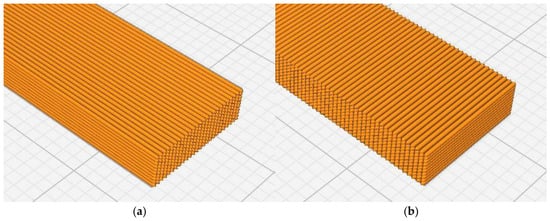
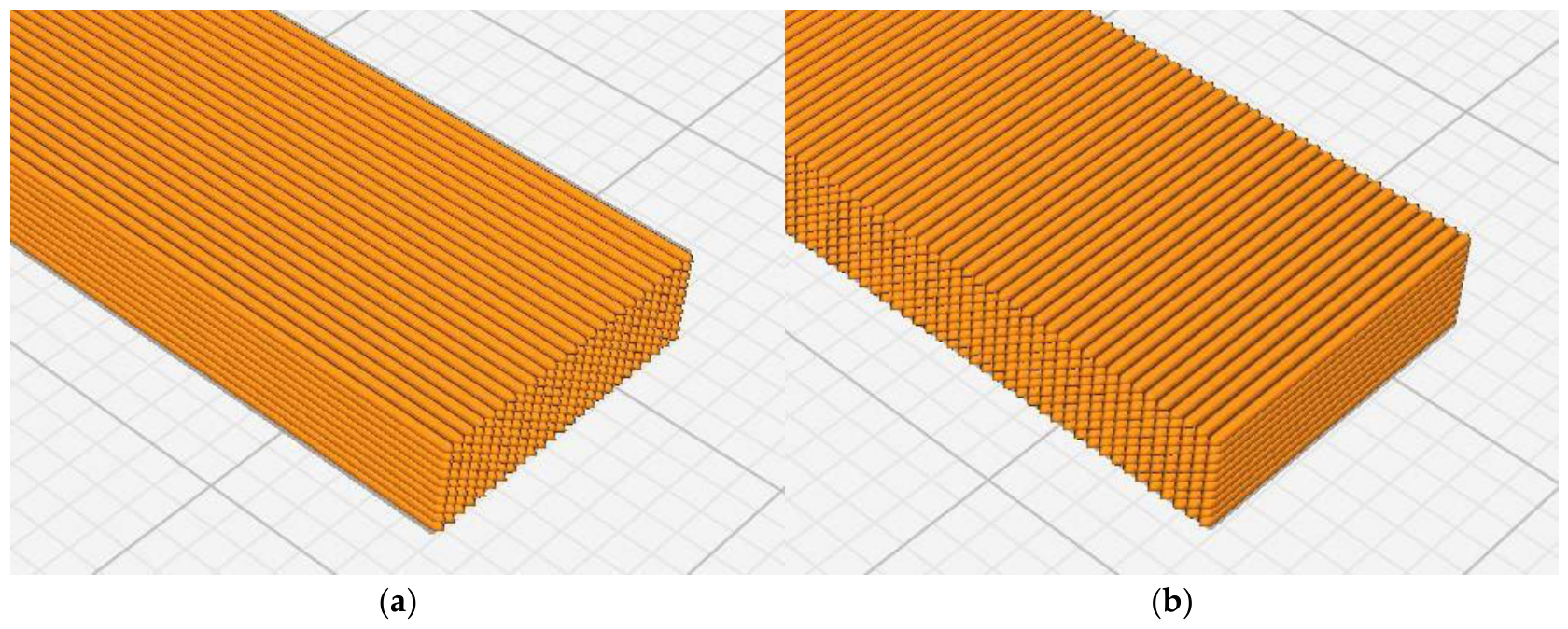


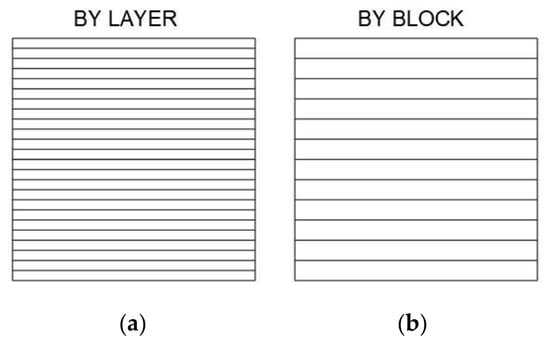
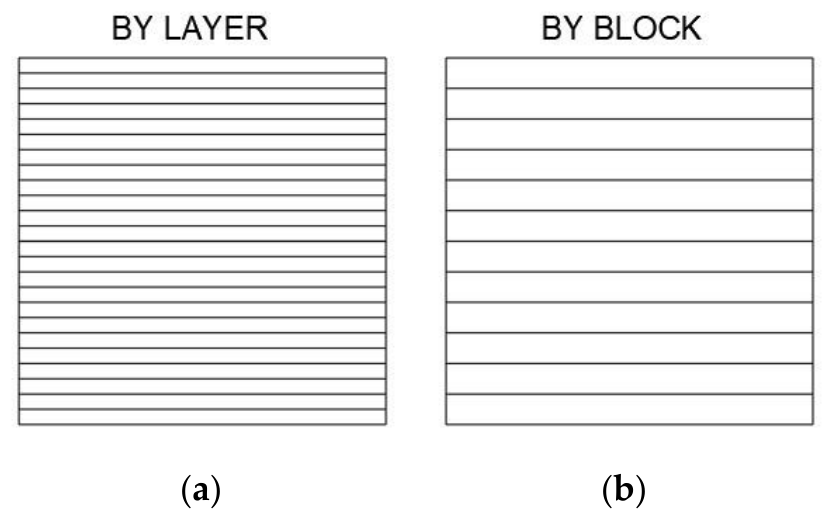
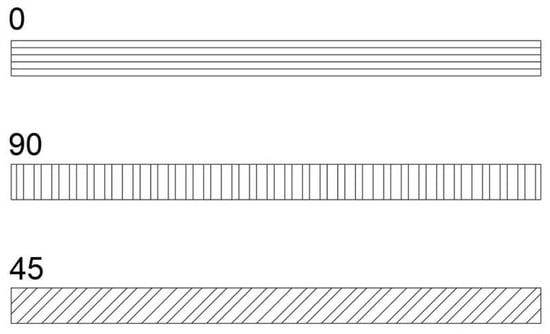
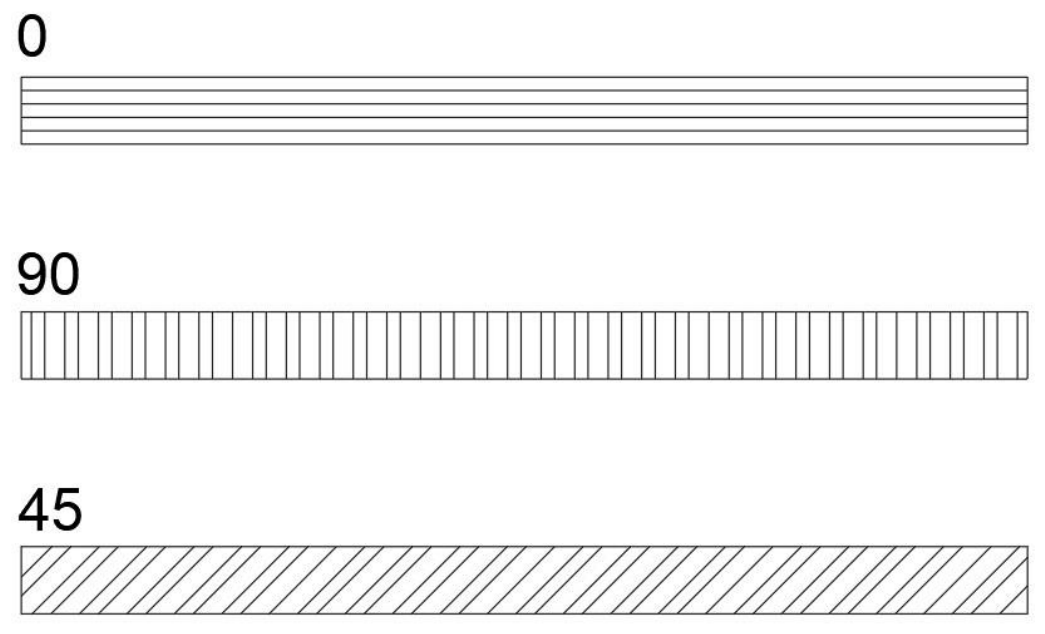
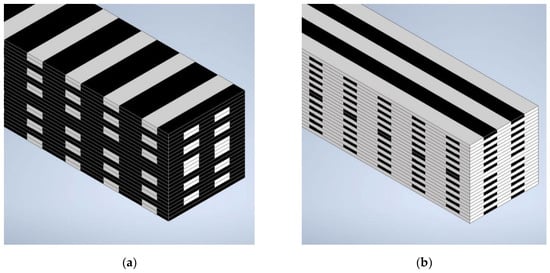
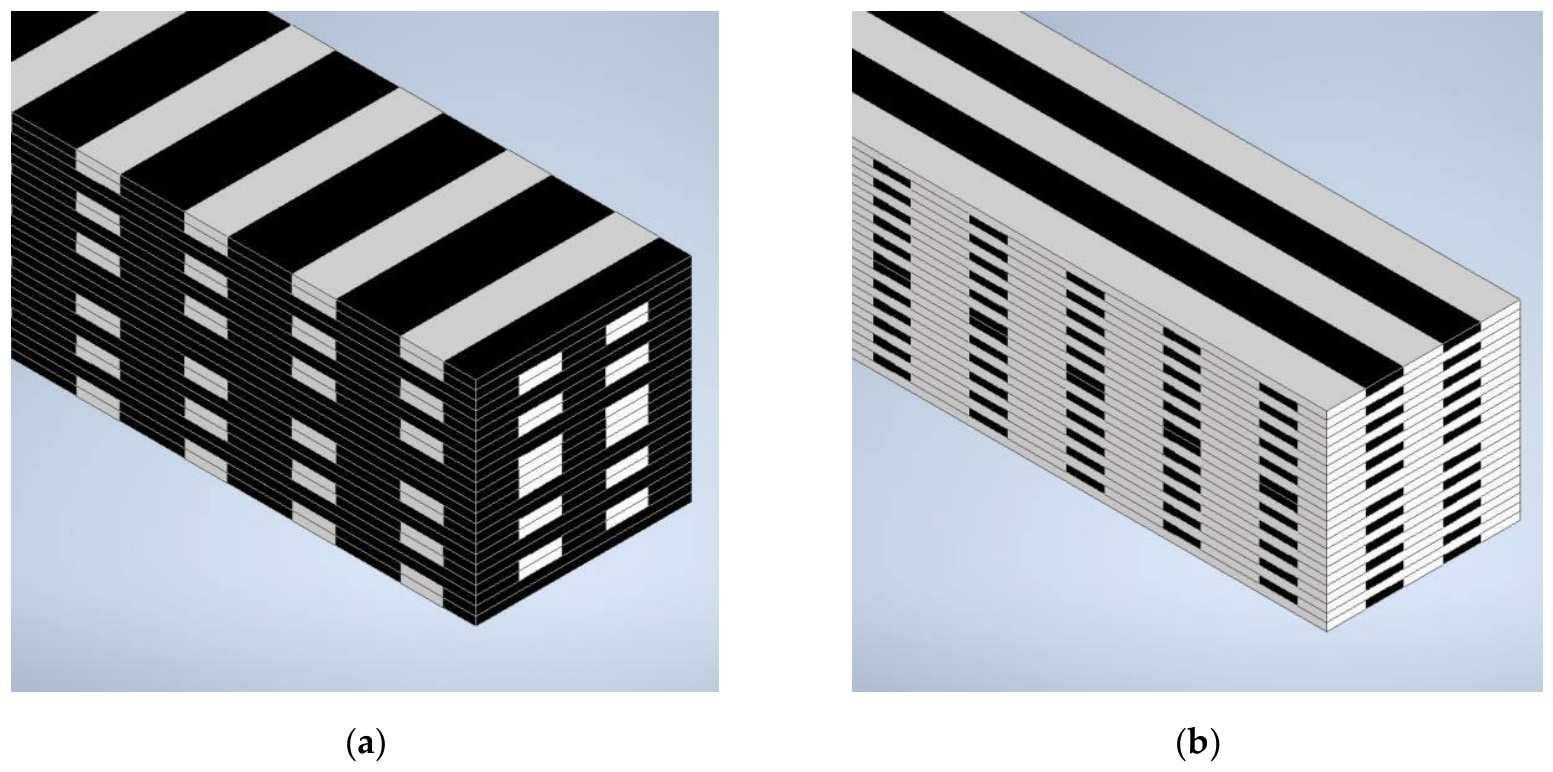
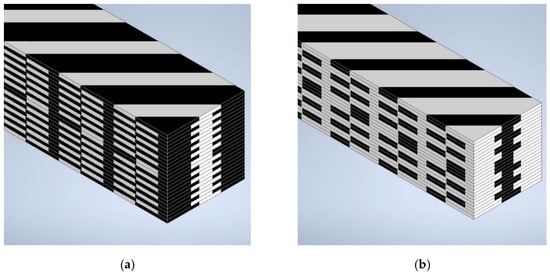
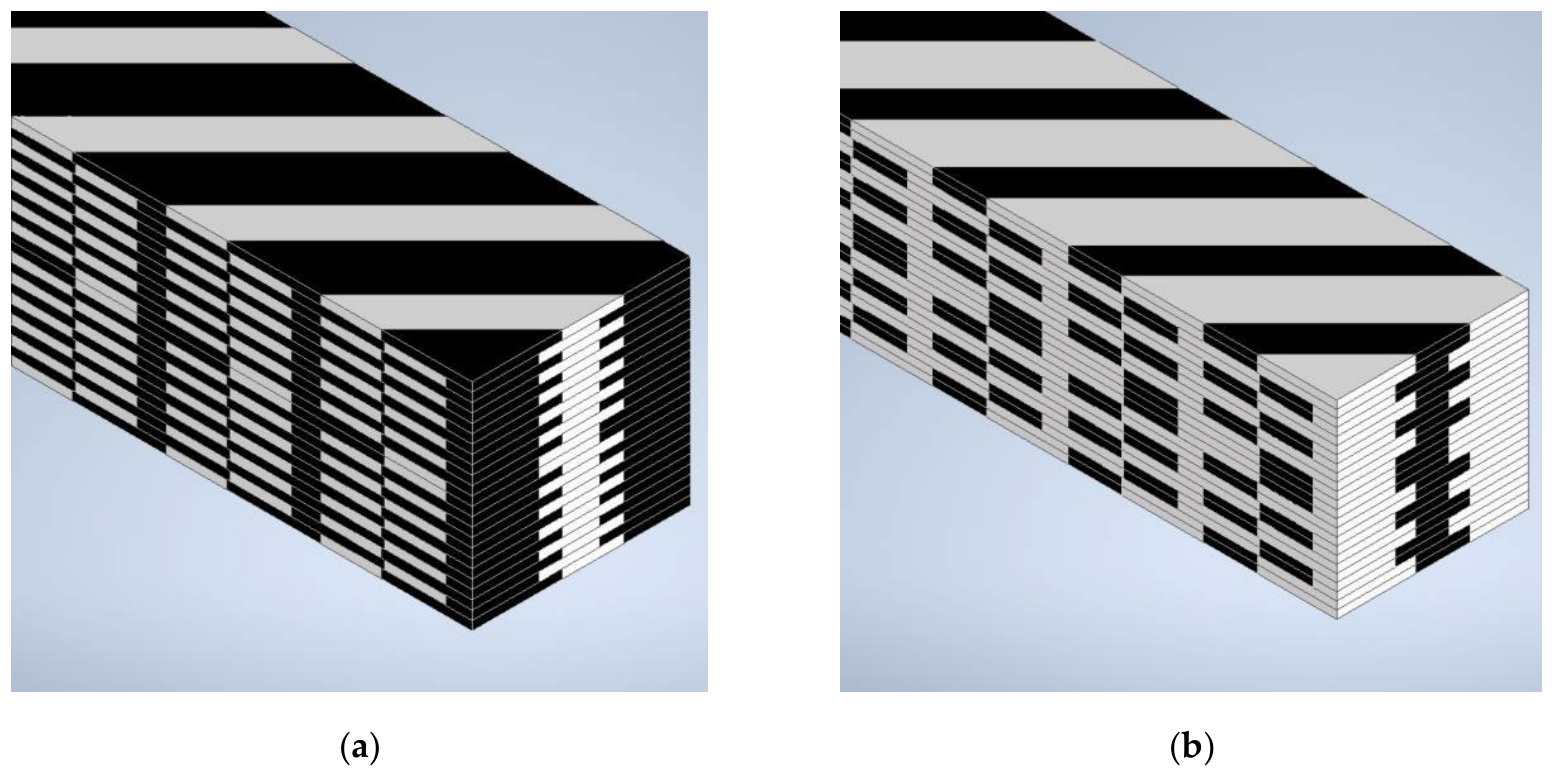
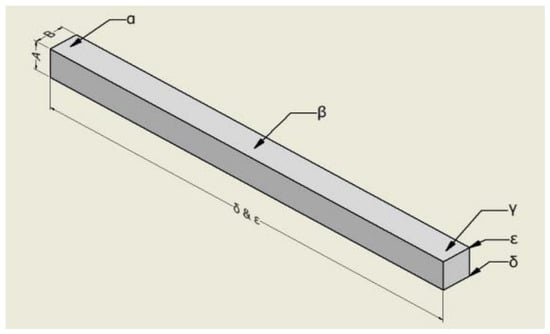
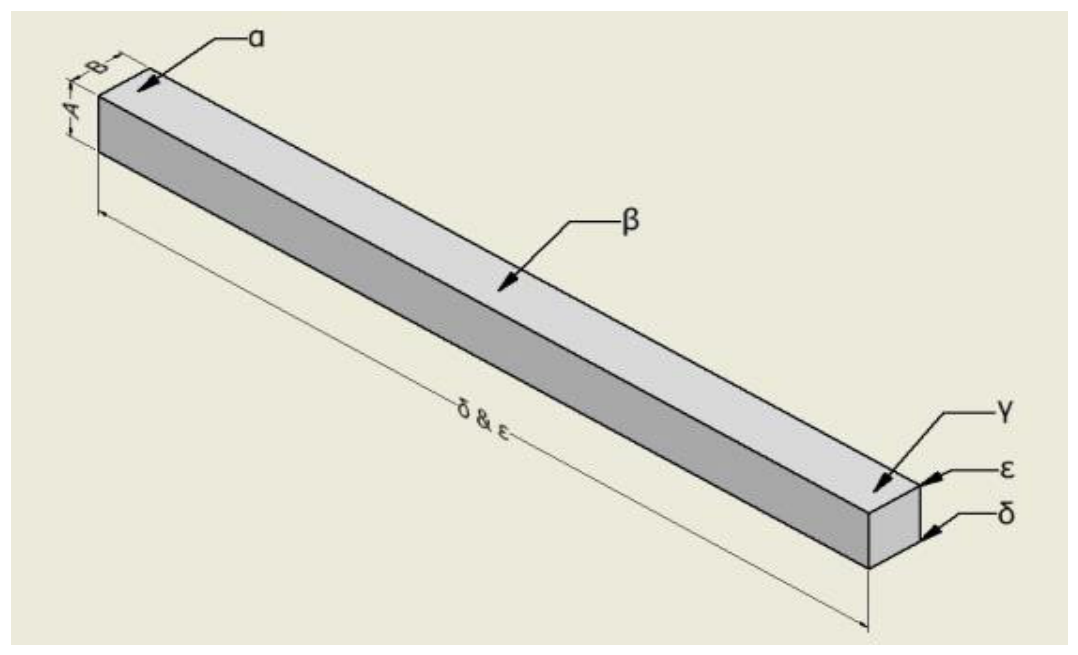
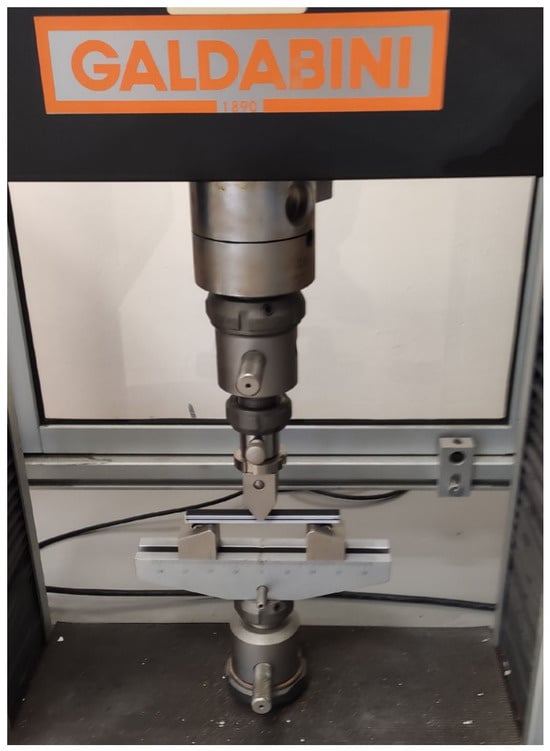
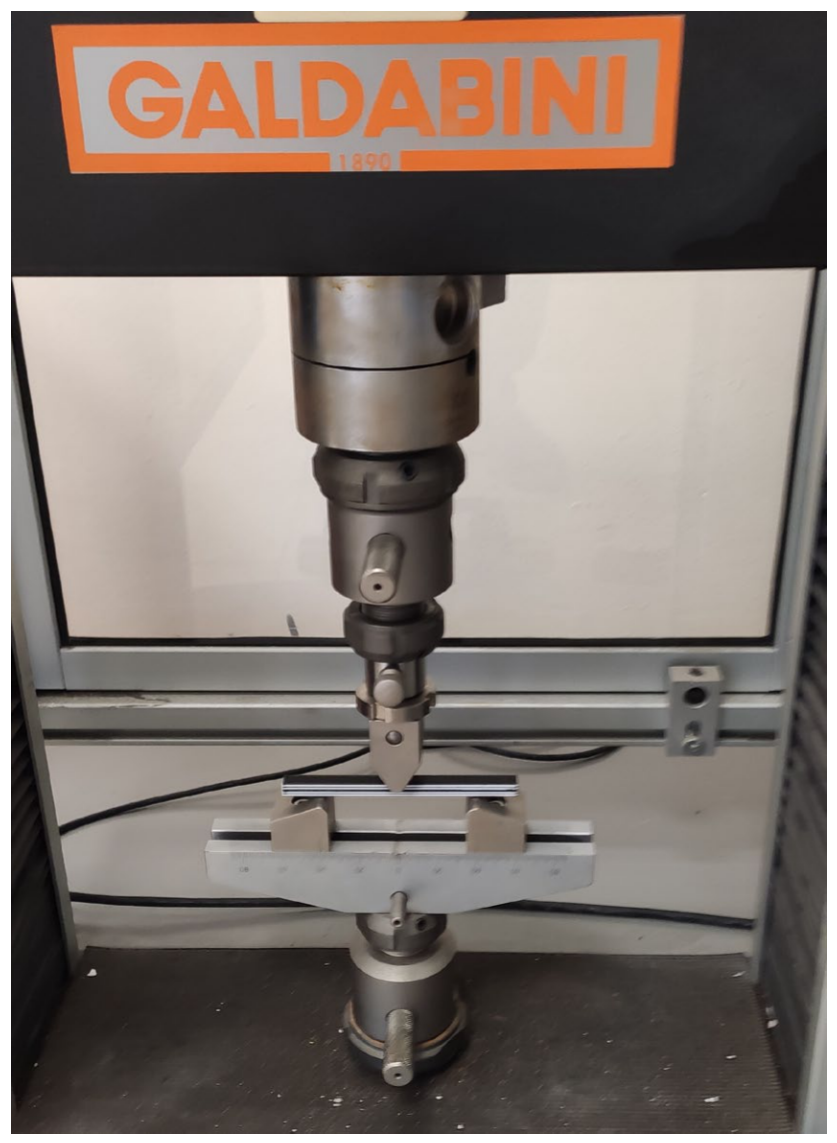
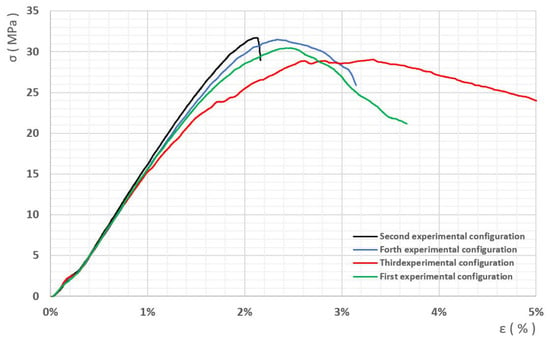
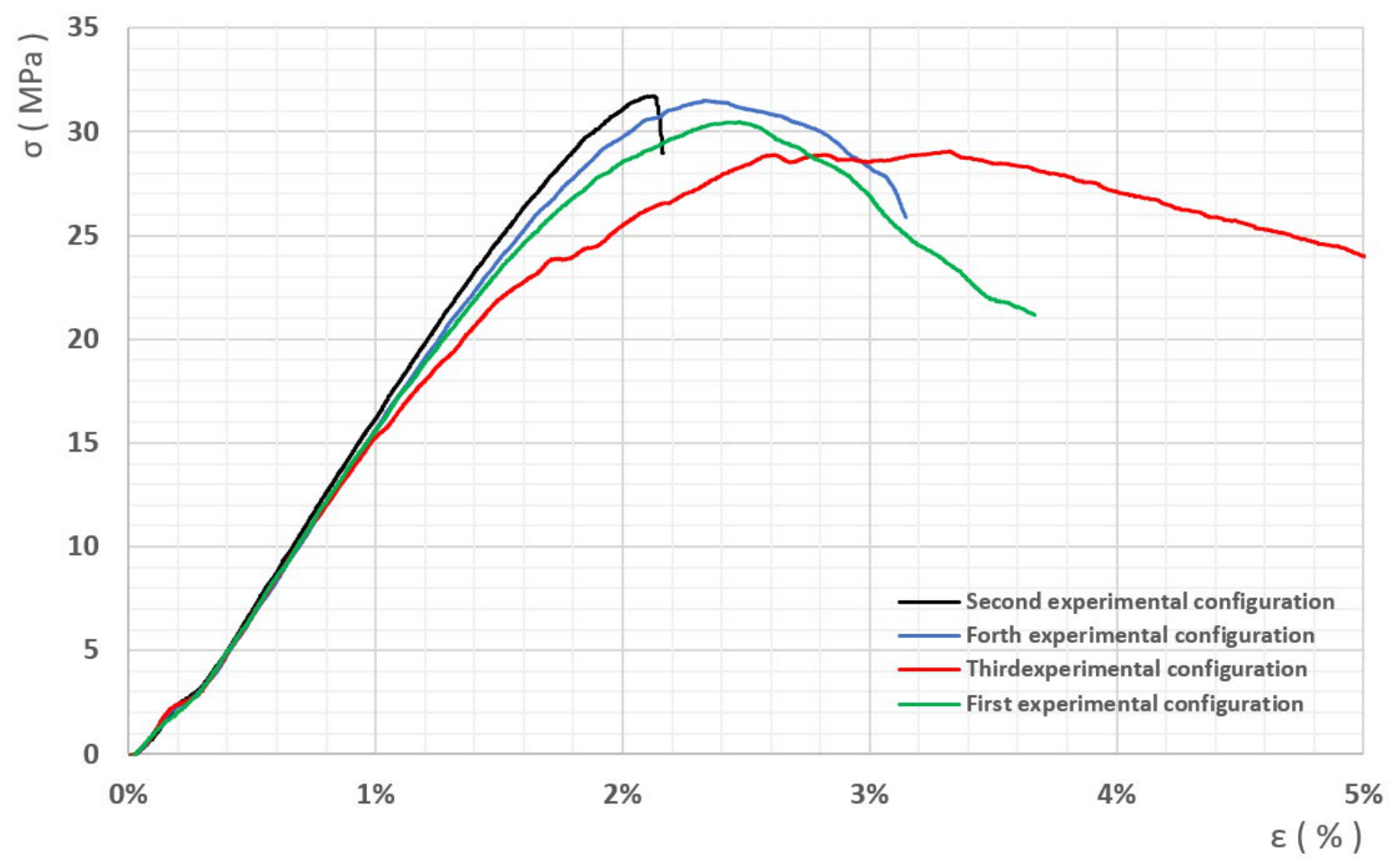
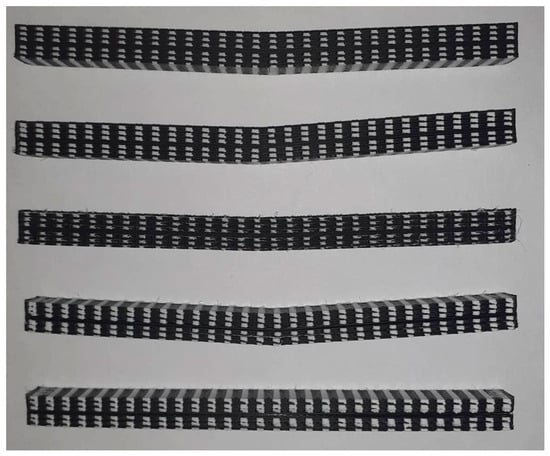
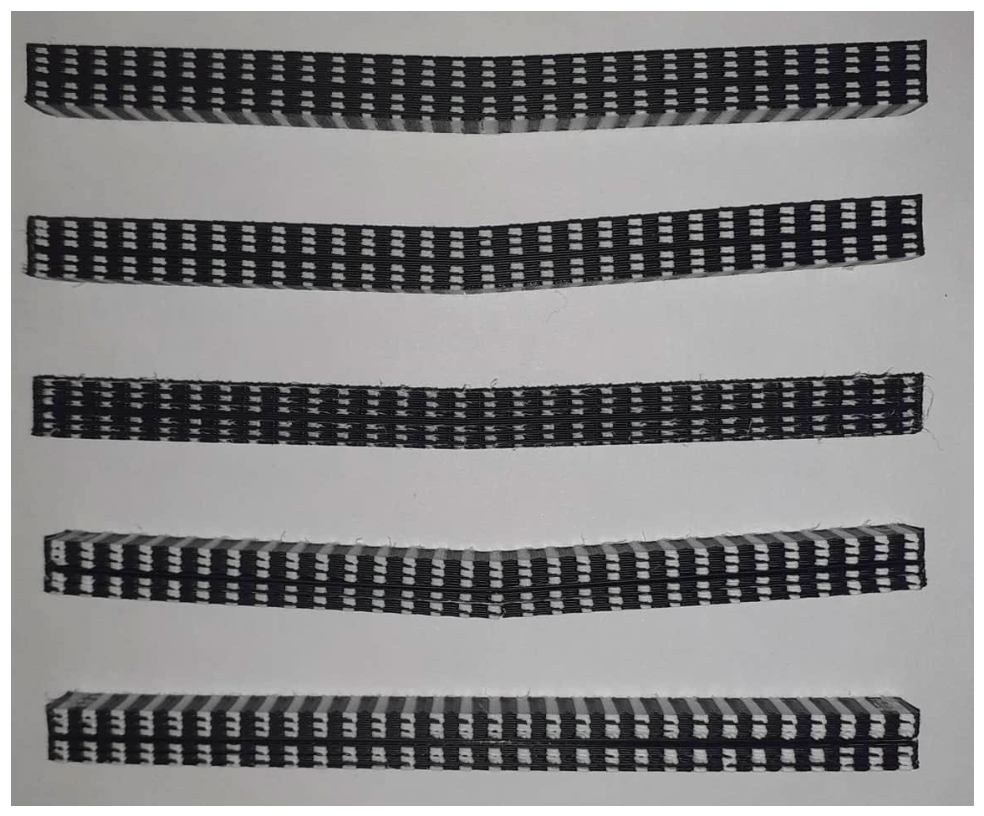
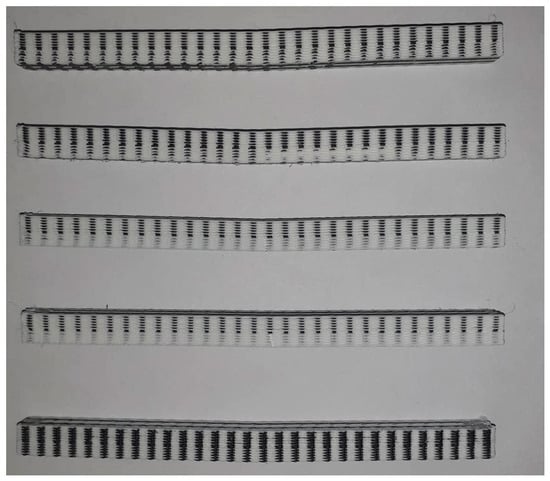
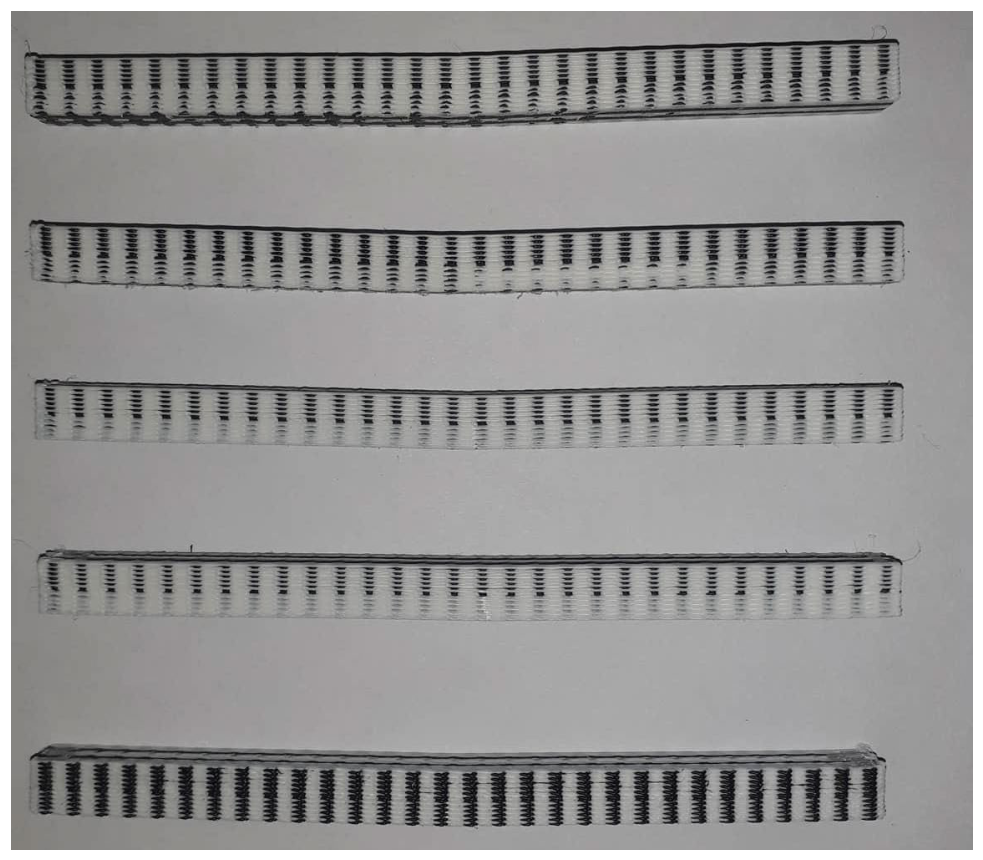
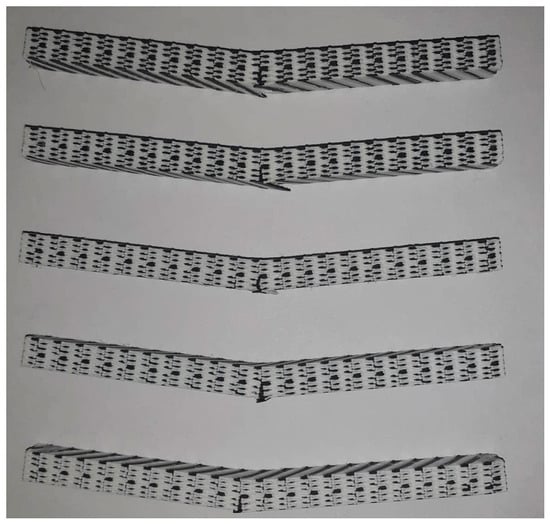
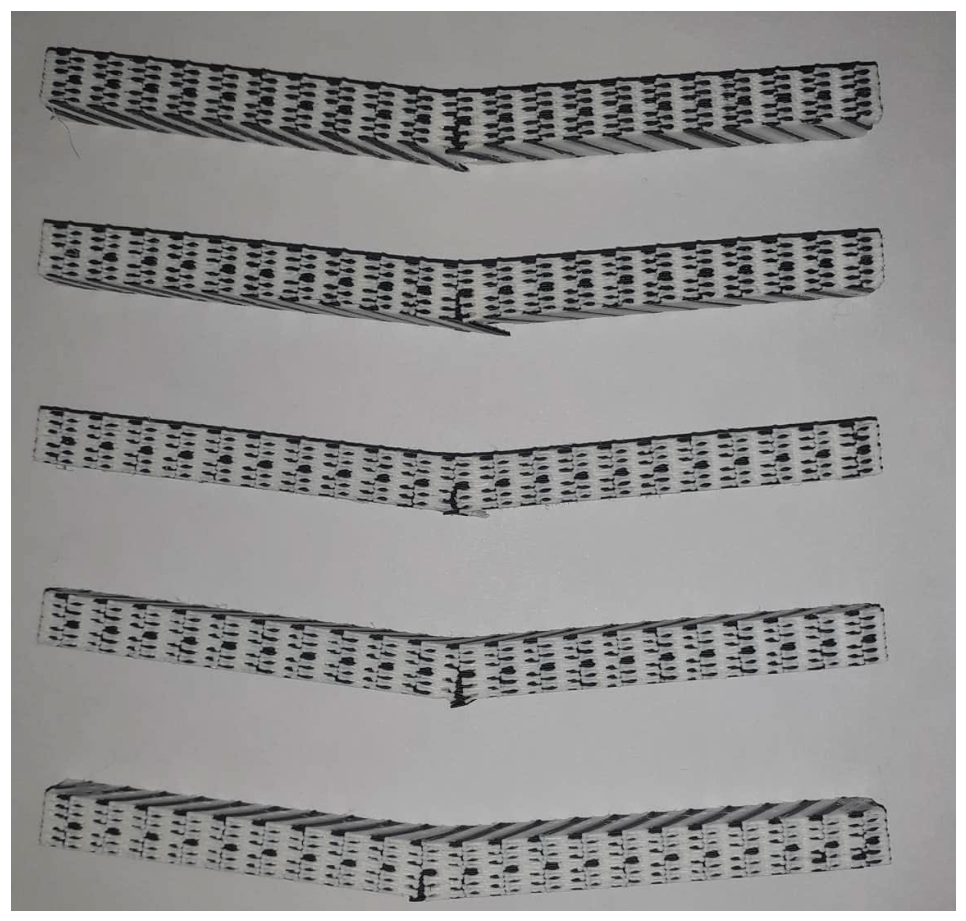
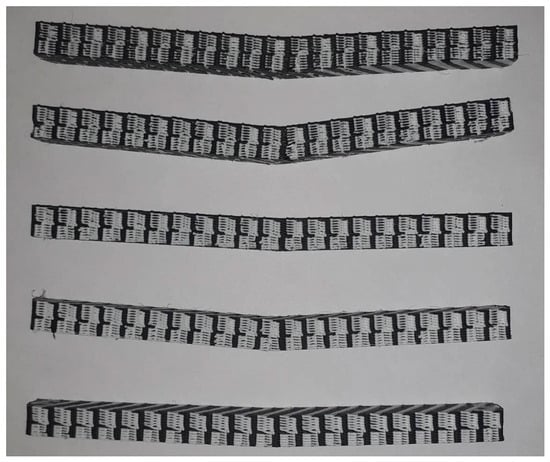
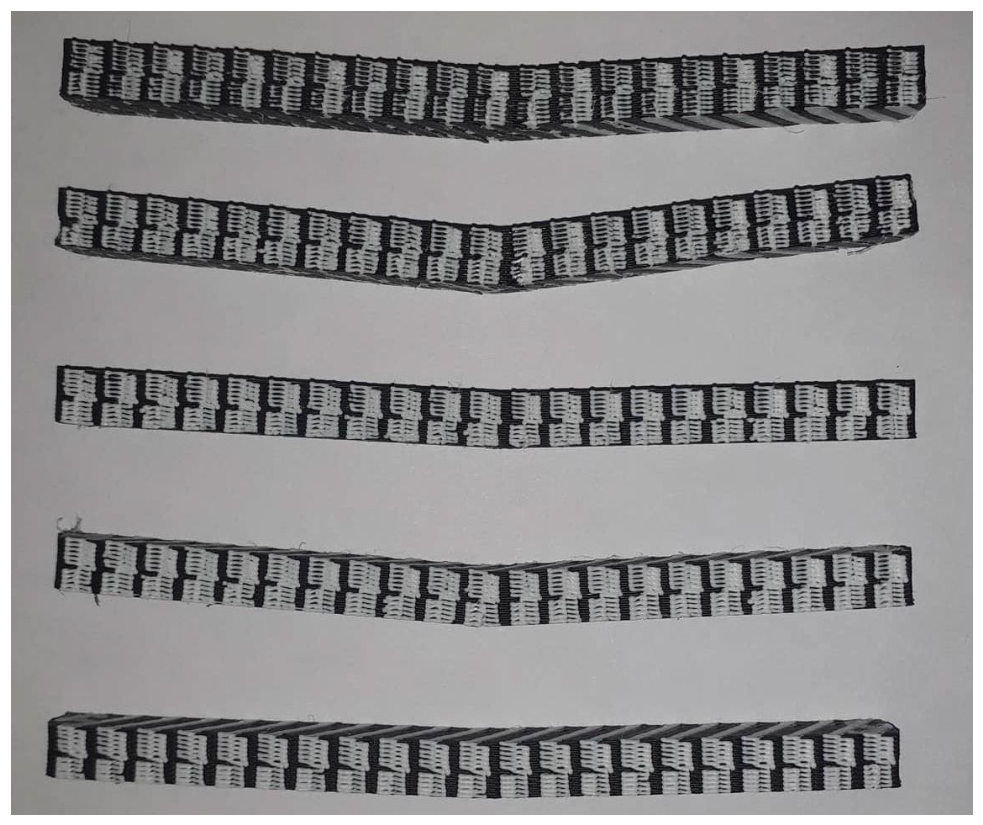
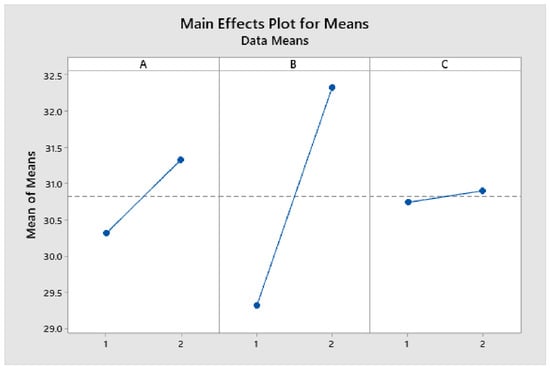
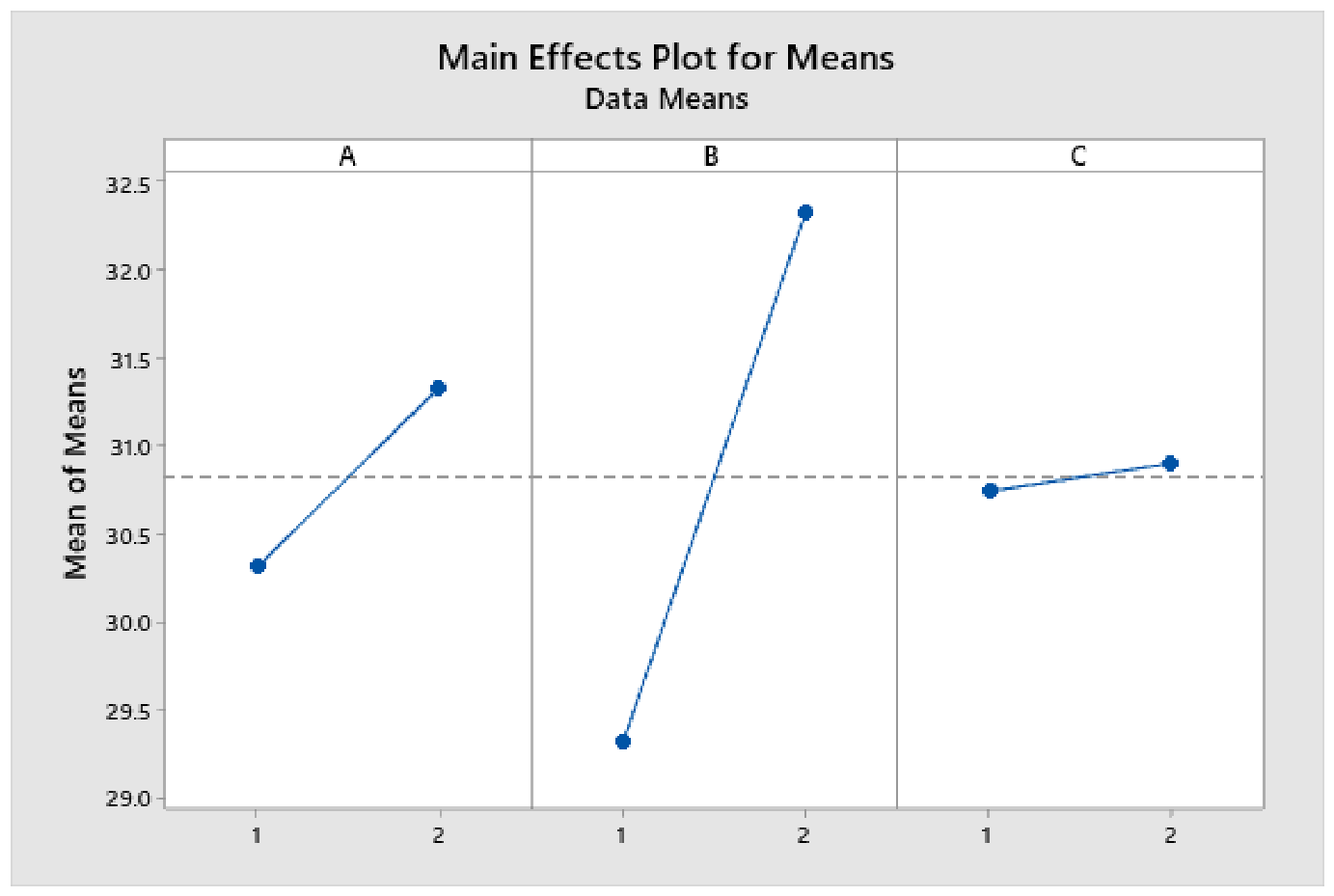
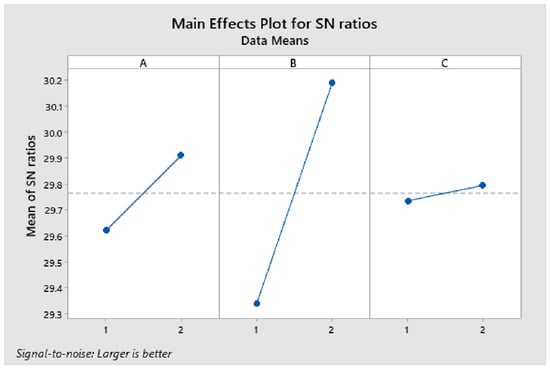
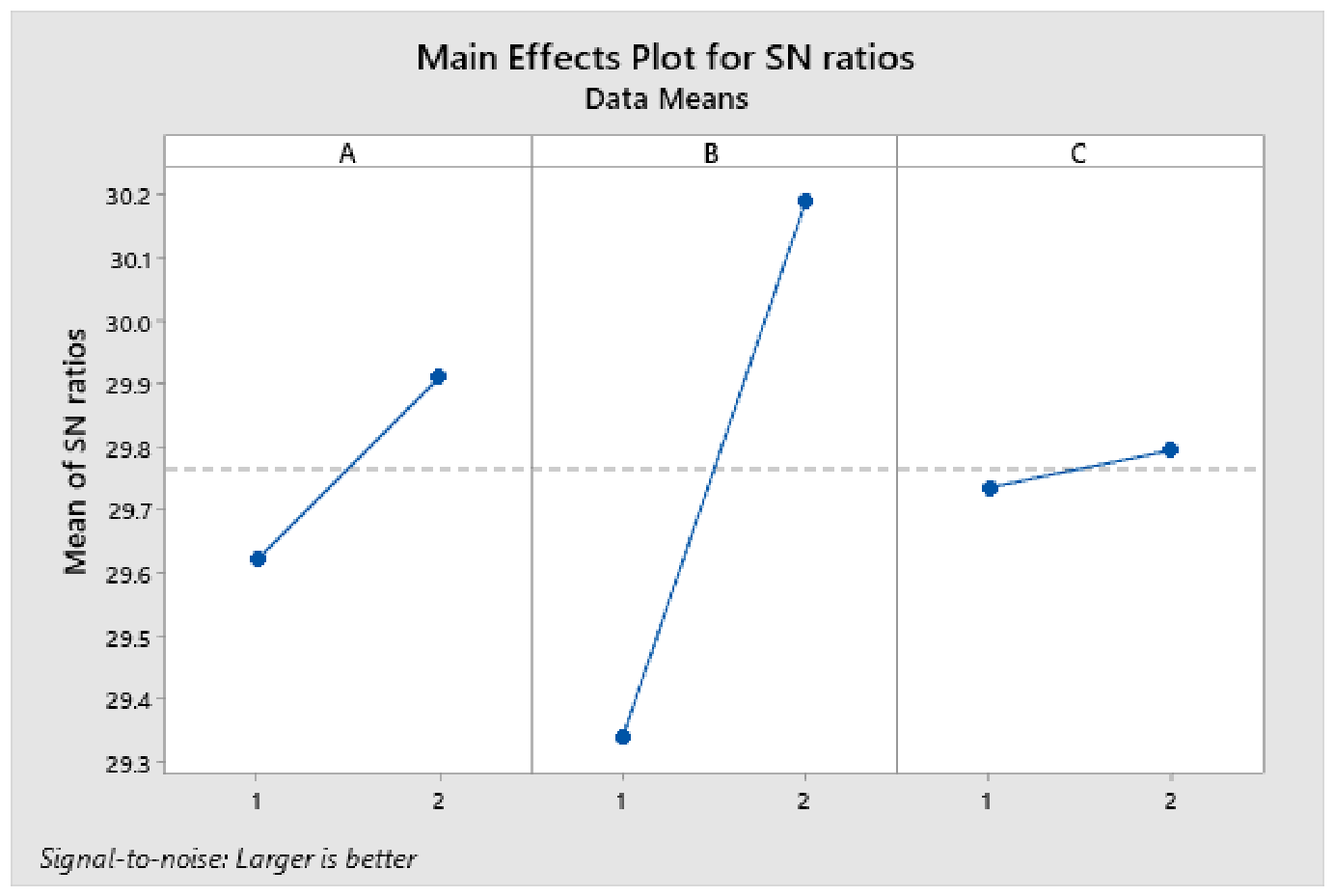
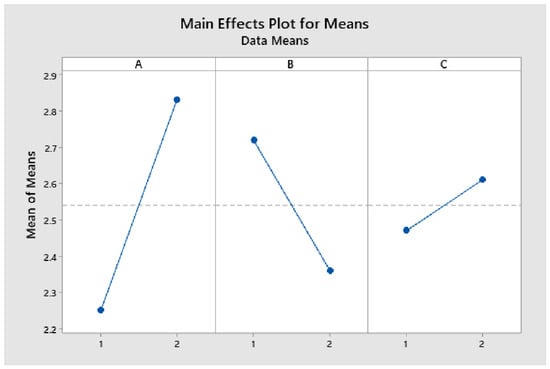
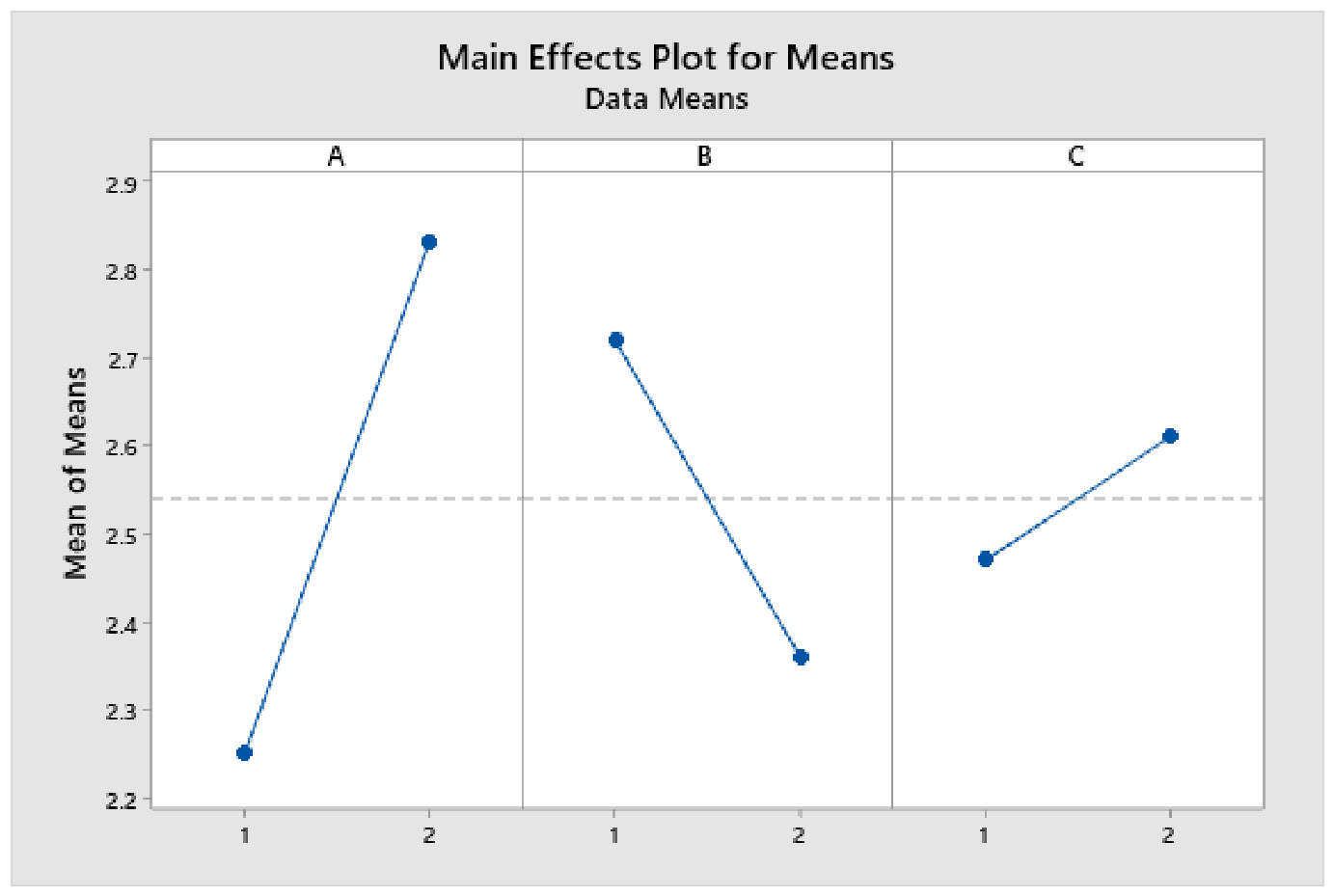
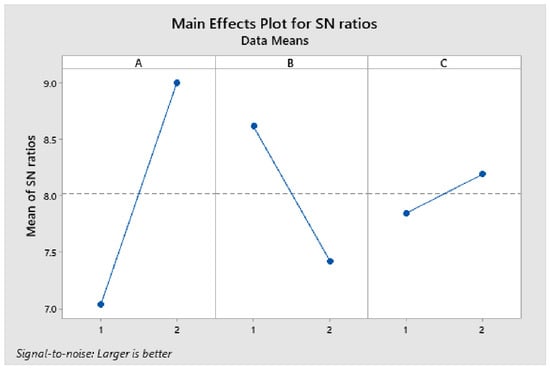
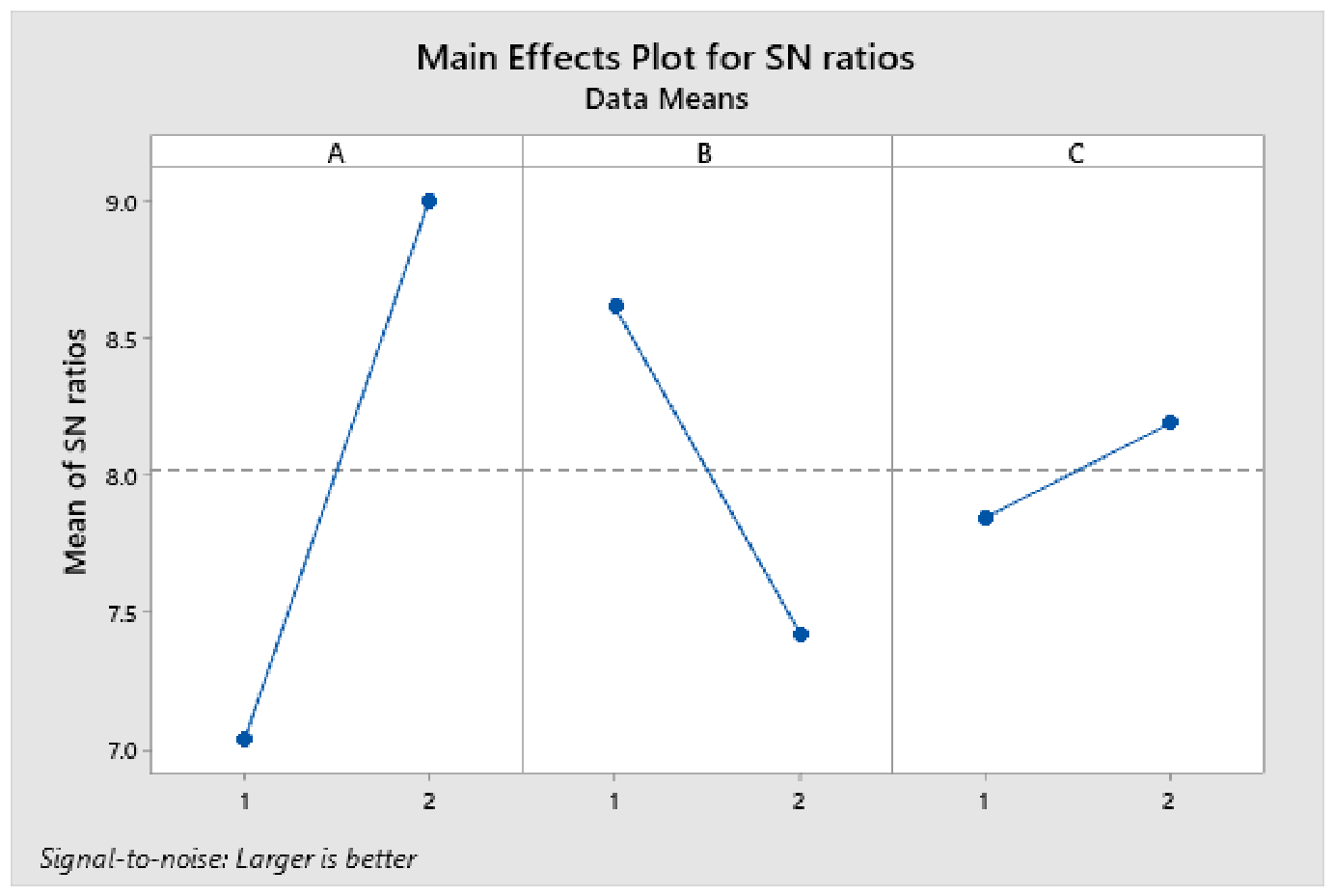
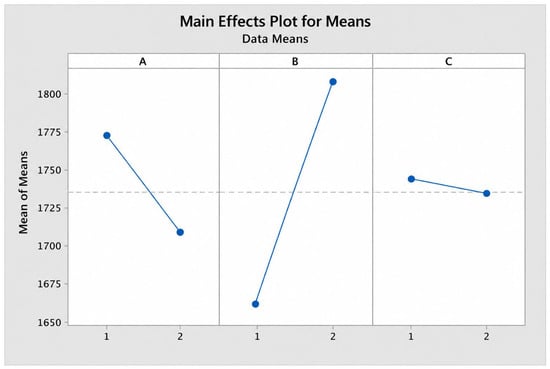
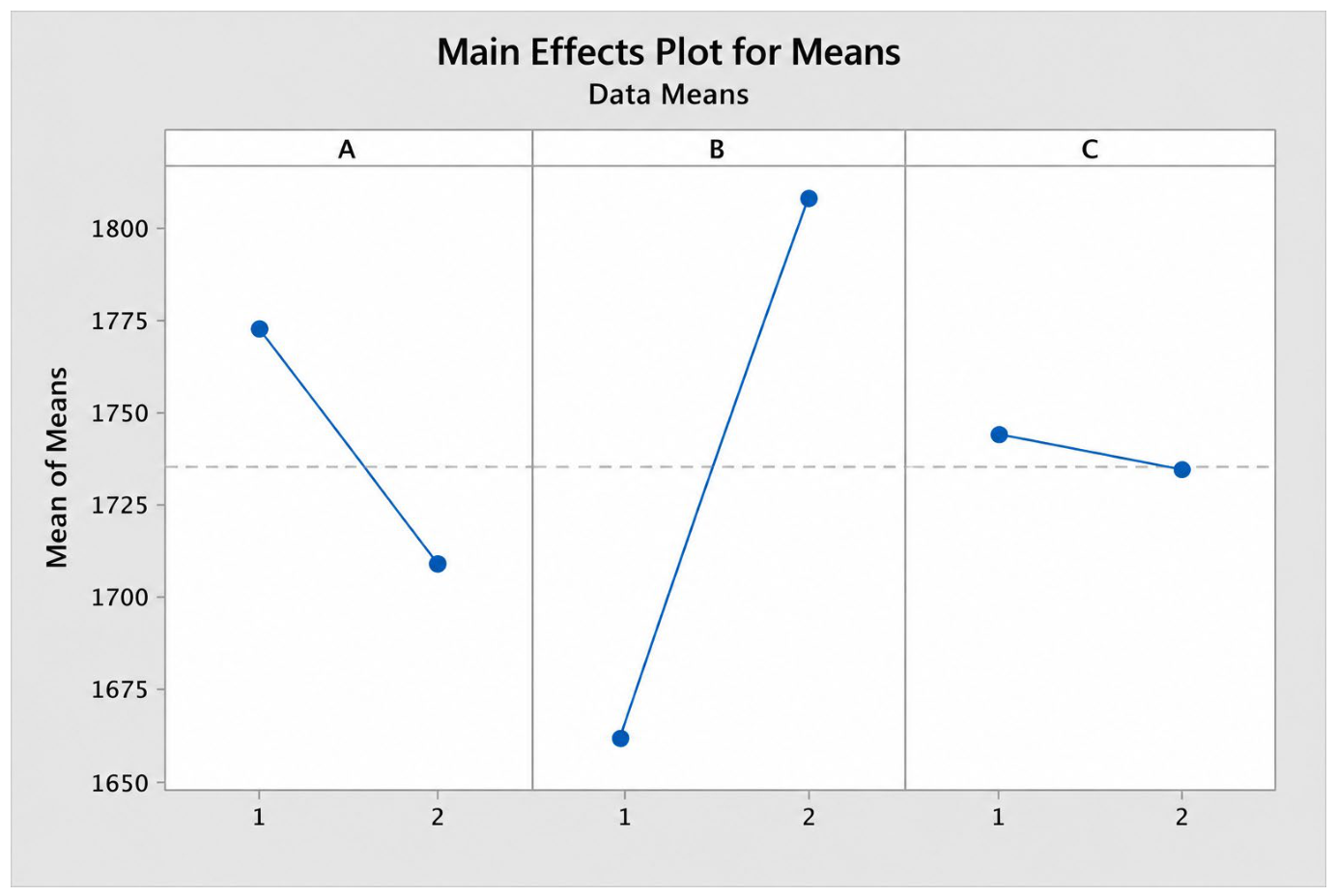
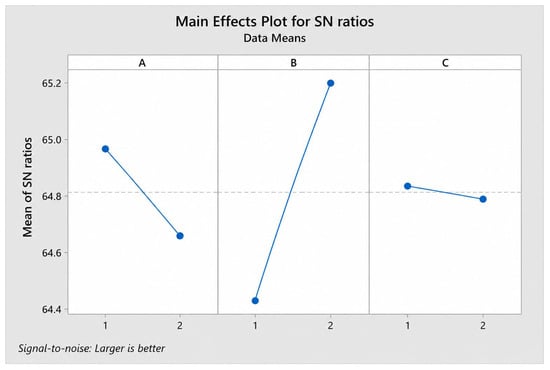
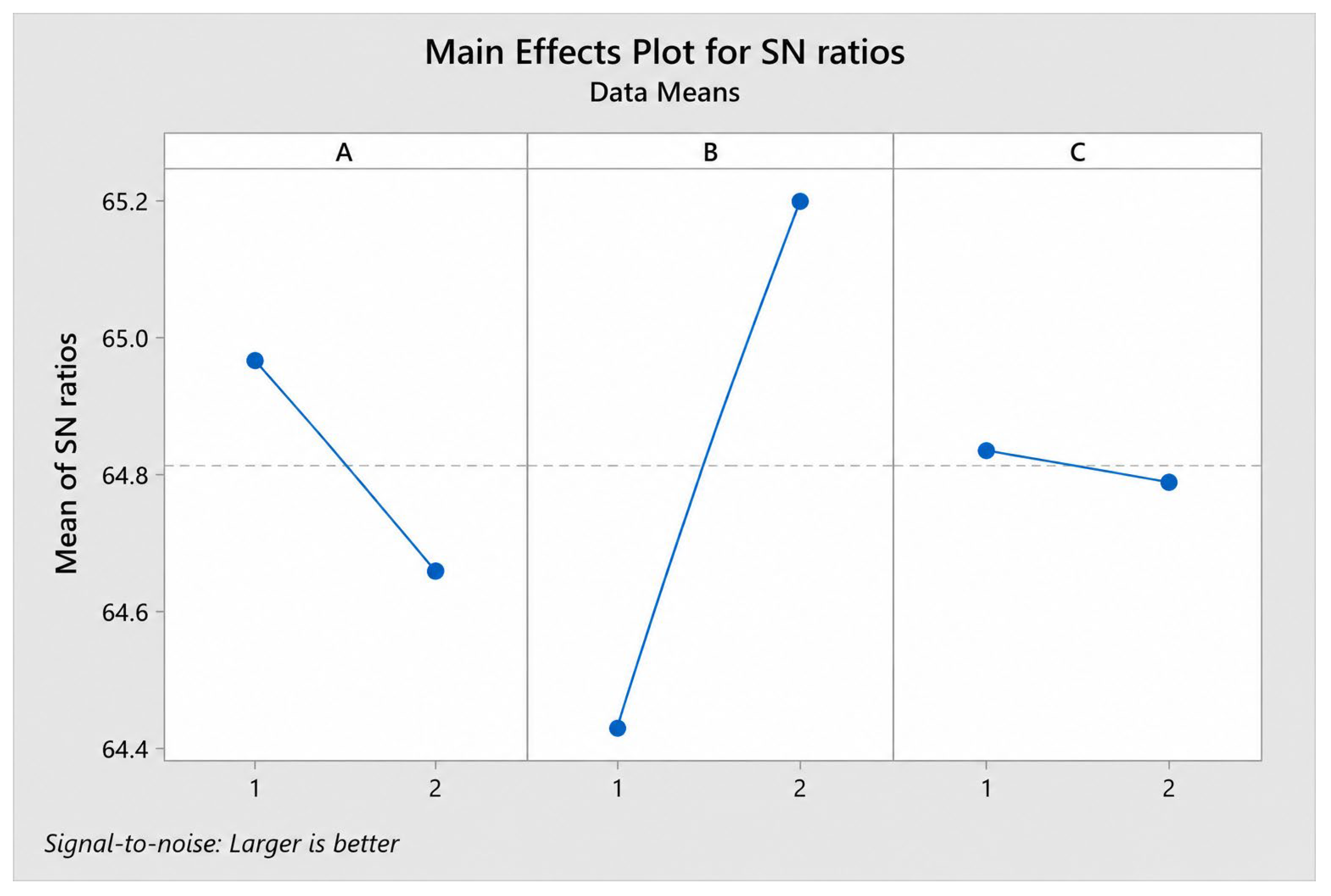

Disclaimer/Publisher’s Note: The statements, opinions and data contained in all publications are solely those of the individual author(s) and contributor(s) and not of MDPI and/or the editor(s). MDPI and/or the editor(s) disclaim responsibility for any injury to people or property resulting from any ideas, methods, instructions or products referred to in the content. |
© 2026 by the authors. Licensee MDPI, Basel, Switzerland. This article is an open access article distributed under the terms and conditions of the Creative Commons Attribution (CC BY) license.