


Abstract
Deep joint source–channel coding (Deep JSCC) provides an end-to-end alternative to separated image compression and channel coding, but reconstruction fidelity, channel use, and task utility are distinct design objectives. This study evaluates these objectives in three coordinated experimental tracks. The reconstruction track examines a residual-convolutional Deep JSCC mapping under AWGN and Rayleigh fading; the resource-adaptation track exposes channel use as a controllable variable through SNR-conditioned feature modulation and differentiable rate selection; and the task-oriented track changes the receiver objective from image recovery to classification through semantic feature prioritization. All tracks use CIFAR-10 but are interpreted with objective-specific metrics. At SNR = 10 dB over AWGN, the reconstruction track records 25.54 dB PSNR, compared with 20.07 and 22.34 dB for the two digital operating configurations. The adaptive track exhibits penalty-dependent PSNR–CPP behavior rather than uniform superiority at every SNR. In the classification track, TO-JSCC remains above the compared Deep JSCC classifier across the plotted AWGN operating points, with the largest visual gap occurring in the lower-SNR region. Because the compared task systems are not capacity- and training-matched, the difference is interpreted at the complete-system level rather than attributed solely to attention. These results support bounded conclusions on reconstruction robustness, resource adaptation, and task-level semantic transmission under the reported channel conditions.
1. Introduction
Future wireless networks are expected to transport increasingly large volumes of visual data under stringent latency, bandwidth, and energy constraints. Semantic and goal-oriented communication therefore evaluates transmission according to the information required for reconstruction, inference, or action rather than exact recovery of every source bit [1,2].
From a rate–distortion perspective, communication quality depends on the fidelity measure associated with the receiver objective rather than on one universal notion of accuracy [3]. Recent semantic-driven integrated sensing-and-communication designs further emphasize that sensing features, semantic representation, and communication resources should be coordinated rather than optimized in isolation [4].
Deep JSCC provides an end-to-end realization of this principle for wireless image transmission by learning the source representation and channel mapping jointly. The foundational convolutional formulation demonstrated graceful quality degradation under channel variation [5], while bandwidth-agile extensions showed that a learned representation can support multiple channel-use budgets without relying on one fixed operating rate [6].
A second problem is channel mismatch. A model trained under one channel condition may not preserve the same behavior when the test distribution changes. Model-driven Deep JSCC has addressed time-varying channels through explicit channel structure [7], whereas collaborative semantic communication has shifted the optimization target from pixel reconstruction toward task-level inference [8]. These directions motivate separating reconstruction robustness, resource adaptation, and task sufficiency in the present study.
Deployment relevance also depends on whether learned communication mechanisms can operate within distributed and operational network settings. Federated model aggregation has been studied for cooperative wireless communication [9], while automated control and validation have been developed for multi-vendor optical transport networks [10]. These examples motivate reporting communication objectives and implementation assumptions explicitly rather than treating learned models as isolated numerical blocks.
Robust feature learning under imperfect observations is also a recurring problem in data-driven sensing. Degradation-aware distillation has been used to improve object-detection robustness [11], frequency-enhanced sequence modeling has been used for weak-fault detection [12], and lightweight multi-view processing has been used for spatial recognition from GPR imagery [13]. Although these applications are not communication baselines, they support the general principle that representation design should reflect the disturbance structure seen at inference time.
Task-oriented communication introduces a further representation-selection problem: only a subset of encoded features may materially contribute to the downstream decision. The general attention mechanism provides content-dependent weighting [14], while modality-interaction fusion [15] and convolutional block attention for onboard sensing [16] illustrate how feature emphasis can be adapted to task-relevant evidence. This principle motivates prioritizing discriminative semantic features before transmission.
Resource adaptation is equally important when communication cost changes with operating state. Adaptive routing and clustering in wireless sensor networks [17], communication-efficient asynchronous federated recognition [18], low-rate attack-aware control in software-defined networks [19], and multi-objective allocation under uncertainty [20] all illustrate state-dependent resource decisions. In the present problem, the corresponding state variable is channel quality and the controlled resource is the active channel-use budget.
Feature weighting and discrete selection must remain trainable if they are to be embedded into an end-to-end transceiver. Attention-based multi-task networks show that learned masks can route different information to different receiver heads [21]. The Gumbel-Softmax estimator supplies a complementary tool: a categorical decision can be approximated continuously during training and annealed toward a one-hot choice while retaining gradients for backpropagation [22]. In the experiments reported here, the trainable branches are optimized with AdamW, while image reconstruction is assessed primarily through PSNR and task-oriented transmission through classification accuracy. No additional perceptual metric is introduced into the reported comparisons.
Several mechanisms used in the present study have direct precedents and are therefore not claimed as individually novel. Ding et al. introduced SNR-adaptive Deep JSCC in which channel quality is explicitly used to improve adaptation across operating conditions [23], while Xu et al. incorporated attention modules into Deep JSCC to condition learned image transmission on channel state [24]. Most closely related to the rate-control branch, Yang and Kim proposed a single-network adaptive-rate Deep JSCC scheme whose policy network uses channel condition and image content and is trained through Gumbel-Softmax relaxation [25]. Zhang et al. further investigated predictive and adaptive deep coding with rate adaptation for semantic image transmission [26]. The present rate-control branch should therefore be read as an adaptation and evaluation of established channel-conditioned rate-selection ideas within the residual reconstruction architecture used here, not as a claim that SNR conditioning, Gumbel-Softmax, or discrete rate control was first introduced in this work.
The task-oriented branch is positioned similarly. Task-oriented semantic communication has already established that a transmitter can optimize a representation for downstream inference rather than image reconstruction. Ma et al. formulated explainable task-oriented semantic communication around task-relevant information [27], and Xie et al. developed a discrete task-oriented JSCC framework with digital modulation and a robust information-bottleneck objective [28]. The configuration evaluated here is narrower: it combines the recorded convolutional semantic encoder with trainable embeddings, attention weighting, squared Euclidean distance, and a recorded 16-PSK block, and evaluates classification accuracy under AWGN/Rayleigh channels and SNR mismatch. Its contribution is the evaluated system configuration and comparative analysis under the present protocol; it is not a claim of originality for attention, digital modulation, Gumbel-Softmax, or task-oriented communication as independent concepts.
Attention-based feature prioritization is also relevant outside communication-specific benchmarks. In intelligent transportation, Zhang et al. use lane attention and multi-head interaction modeling together with driving-style information for heterogeneous-vehicle trajectory prediction [29], while Chen et al. combine fatigue-state detection, distraction recognition, and risk-factor modeling to focus inference on information that is consequential for driving risk [30]. These studies are not communication baselines and are not used for numerical comparison here; rather, they illustrate the broader engineering principle that feature extraction should be conditioned on the downstream decision and operating context. This principle motivates the task-oriented branch, where channel resources are devoted to features intended to support classification instead of pixel-perfect reconstruction. Multidimensional driving-behavior analysis likewise shows that operating variables can interact in ways that are lost when a single scalar descriptor is used [31].
The study is organized around three engineering questions rather than a sequence of nominal model upgrades. Q1 asks whether an end-to-end residual JSCC analysis–synthesis mapping preserves useful reconstruction quality as additive noise and multiplicative fading change the received latent representation. Q2 asks whether channel consumption can be treated as an explicit design variable, so that the model exposes a measurable PSNR–CPP operating trade-off instead of using one fixed latent rate at every SNR. Q3 asks how the transmitted representation should change when the receiver no longer requires an RGB image and only needs a class decision. These questions are evaluated in separate experimental tracks with different objectives and metrics. The reconstruction track uses PSNR, the adaptive track uses the joint behavior of PSNR and CPP, and the task track uses classification accuracy and training–testing SNR mismatch. Table 1 positions the mechanisms used in these tracks against their nearest methodological precedents and makes clear which elements are established tools and which evidence is specific to the present experimental setting. The contribution is therefore the comparative, question-driven analysis of reconstruction robustness, resource adaptation, and task sufficiency under one documented image/channel context, not a claim that the three branches form a single jointly trained architecture or that the borrowed mechanisms are individually novel.
Table 1.
Design-oriented positioning of the present experimental tracks relative to nearest Deep JSCC and task-oriented precedents.
2. System Model and Baseline Deep Joint Source–Channel Coding
2.1. Problem Formulation and Wireless Channel Models
Let an RGB image be represented by X ∈ ℝᴴ×ᵂ×3. For CIFAR-10, H = W = 32. A learned encoder maps X into a lower-dimensional real-valued feature representation. Consecutive feature components are paired to form complex baseband symbols before transmission, and the resulting symbol vector is normalized so that the models are compared under the same average transmit-power constraint. The source dimension determines the source bandwidth, whereas the number of complex channel symbols determines the channel-use budget. Because the channel is included as a stochastic layer between the encoder and decoder, the complete transmitter–channel–receiver chain can be optimized by backpropagation.
For an additive white Gaussian noise (AWGN) channel, the received symbol is modeled as
where x is the transmitted channel symbol and n is zero-mean additive Gaussian noise. In the source model, the two-sided noise power spectral density is denoted by N0/2. The SNR controls the ratio between normalized signal power and noise power and is varied during training or testing according to the protocol of each experiment.
y = x + n
For Rayleigh fading, multiplicative channel variation is added to the same noise term:
where h denotes the channel fading coefficient and n denotes additive Gaussian noise with variance σ2. This form captures random attenuation before the additive-noise perturbation. The study does not introduce Rician, Nakagami, frequency-selective, or measured over-the-air channels; conclusions about robustness are therefore restricted to the two simulated distributions used in the experiments.
y = hx + n
The channel layer has no trainable parameters, but the simulated mapping is differentiable with respect to its input. Gradients therefore propagate from the reconstruction loss through the channel realization to both sides of the learned transceiver, while the random noise or fading sample itself remains an external perturbation. This distinction is important: the network does not learn the physical channel coefficients; it learns an encoder–decoder representation that minimizes expected distortion under samples drawn from the prescribed channel model. The same end-to-end objective consequently couples source compression, power-constrained channel representation, and reconstruction robustness. A separated digital chain instead passes a discrete bitstream between independently designed image compression, error-control coding, and modulation stages. The learned formulation removes that discrete interface and allows information to be redistributed continuously across latent symbols, which is the mechanism later examined under channel degradation rather than assumed a priori to guarantee robustness. Related signal-learning studies have combined time–frequency embeddings with deep models [32] and learnable DSP-enhanced Transformers [33] to improve weak-signal representation; here, by contrast, the physical channel remains an explicit nontrainable stochastic layer.
2.2. End-to-End Deep JSCC Semantic Image Transmission Framework
For the reconstruction-robustness question, the Deep JSCC branch is used as a reference mapping from the RGB source domain to a noisy latent channel representation and back to the image domain. Its role is to establish how an end-to-end analysis–synthesis pair behaves when the latent variables are perturbed by the simulated wireless channel; it is not treated as the first stage of a later integrated pipeline. The transmitter replaces the separated source-coding/channel-coding interface with a learned encoder, the resulting latent variables are power normalized and corrupted by the channel, and the receiver reconstructs the image directly from the disturbed representation. This formulation makes reconstruction fidelity and channel perturbation part of the same optimization graph and provides the reference against which later resource- and task-oriented questions are interpreted.
The compact structure eliminates an intermediate lossless bitstream between the learned image representation and the channel model. The encoder can therefore distribute visually relevant information across the available latent symbols instead of assigning all recovery success to a discrete decoding threshold. After real-valued latent components are paired into complex symbols, average-power normalization fixes the transmission scale before noise or fading is applied. This normalization is essential for a fair comparison because otherwise a network could improve reconstruction simply by increasing transmitted amplitude. The received latent representation is then decoded directly in the image domain. In this formulation, compression ratio, power constraint, channel corruption, and reconstruction quality are coupled by the same forward graph, so changes in one component affect the representation learned by the others.
A single reconstruction loss is shared by the transmitter and receiver. During optimization, the encoder is rewarded for constructing a low-dimensional representation that remains useful after channel perturbation, while the decoder is rewarded for recovering image content from the resulting noisy features. The latent code can therefore allocate redundancy non-uniformly: features that are difficult to preserve under noise may be represented more robustly, whereas less influential pixel variation can be compressed more aggressively. This is different from declaring the system intrinsically immune to poor channels. Its testable expectation is only that reconstruction quality changes continuously with channel quality because there is no hard bit-decoding threshold inside the learned path. Section 5 evaluates whether the measured PSNR curves exhibit that behavior under the specified AWGN and Rayleigh conditions.
2.3. Residual CNN Encoder–Decoder Architecture
The baseline encoder is a convolutional residual network composed of convolution layers, batch-normalization layers, Gaussian error linear unit (GELU) activations, residual blocks, and strided downsampling. An RGB input first passes through a convolution that expands the channel dimension from 3 to 64. Four residual stages then transform the representation through channel configurations 64→128, 128→128, 128→32, and 32→8. The second and fourth residual stages use stride 2 to reduce spatial resolution; the other stages use stride 1. Each residual block contains two convolutional transformations and a shortcut connection, allowing the input to bypass the nonlinear branch when dimensions are compatible.
The shortcut paths are intra-network residual connections rather than communication links. They preserve a direct gradient route around each nonlinear branch and reduce the optimization difficulty of the deeper encoder. The stride-1 stages primarily refine channel-wise and local spatial representations, whereas the stride-2 stages reduce spatial resolution so that the final transmitted feature map is compact. Because channel depth and spatial resolution are changed jointly, the encoder does not perform a single abrupt compression; it progressively converts the RGB input into an eight-channel latent representation. This staged contraction is useful for JSCC because feature abstraction and bandwidth reduction occur inside the same trainable mapping rather than in separate source- and channel-coding modules.
The decoder performs the complementary transformation. Its input is the channel-corrupted latent representation, which is first expanded from eight to 64 channels. Residual blocks refine the recovered features, and transposed-convolution operations increase spatial resolution at stages corresponding to encoder downsampling. Subsequent channel reductions integrate the expanded features until the final stage produces a three-channel RGB image. The reconstruction path is therefore not a literal weight mirror of the encoder, but its dimensional operations are paired: contraction in the transmitter is followed by expansion in the receiver. This complementary organization provides a concrete architectural meaning for symmetry in the reconstruction branch while still allowing the two networks to learn different parameters appropriate to analysis and synthesis.
The encoder and decoder are thus functionally paired around the same stochastic latent bottleneck. Their correspondence is defined by complementary resolution changes and compatible feature transformations, not by tied weights or geometric invariance. Channel noise breaks the equality between transmitted and received latent features, and the learning problem becomes one of recovering a stable synthesis mapping from this perturbed representation. This distinction is important for the later symmetry discussion: structural correspondence is preserved where the receiver must reconstruct the source domain, whereas the task-oriented branch can relax that correspondence when the receiver output changes to a semantic label.
2.4. Reconstruction Objective and Quality Metric
The baseline is optimized by minimizing mean squared error (MSE) between the original image and the reconstructed image. Peak signal-to-noise ratio (PSNR) is then used as the reported reconstruction-quality metric. For an image whose maximum possible pixel value is MAX, PSNR is defined as
where MSE is the pixel-wise squared reconstruction error averaged over the evaluated samples. Larger PSNR indicates that the reconstructed image is closer to the original in squared-error terms.
The training loss is
where yi denotes the reference value, ỹi denotes the predicted value, and n is the number of evaluated scalar data points. The encoder and decoder parameters are updated jointly with AdamW so that the expected MSE after the stochastic channel is reduced. PSNR is not used as the training objective; it is derived from MSE for evaluation. This distinction avoids conflating the optimization loss with the reported image-quality measure.
3. Adaptive Rate-Controlled Deep JSCC
3.1. Rate-Adaptive Transmission Architecture and Channel Usage per Pixel
The rate-control track addresses a resource-allocation question that is distinct from merely obtaining another reconstruction network. The source and receiver objective remain image reconstruction, but the number of transmitted latent groups is made variable so that channel consumption becomes part of the model decision. The channel-coded representation is partitioned into always-active groups Gn and selectable groups Gs, each of length L. The always-active groups preserve a minimum communication path, whereas the selectable groups allow the policy to change the active payload as a function of the current representation and channel condition. In this track, the quantity of interest is therefore not only reconstruction error but the joint operating point formed by image quality and channel usage.
The policy network receives information derived from the source feature representation together with the current SNR. Its output controls the number of selectable groups that remain active. Let Ĝ denote the total number of active feature groups. Channel usage per pixel (CPP) is defined as
where H and W are the input-image height and width. The factor of two appears because each complex symbol is formed from two real-valued feature components. With Gn always-active groups and Gs selectable groups, Ĝ lies between Gn and Gn+ Gs, so the architecture supports a bounded range of channel-use rates rather than an unconstrained number of symbols.
After the policy decision, the first L/2 components of each active group are used as real parts and the remaining L/2 components as imaginary parts. The active symbols are power normalized to unit average power and passed through the wireless channel. In the AWGN implementation, the complex received representation is written as
where Xc is the normalized complex transmitted vector, Nc is complex channel noise, and Yc is the received vector. The channel decoder maps Yc back to the source-feature domain, and the source decoder reconstructs the image. Because the rate mask participates in the computational graph, the model can learn that poor SNR requires more active latent features while favorable SNR permits a lower CPP without an equally large loss in PSNR.
Yc = Xc + Nc
3.2. Channel-Adaptive Feature Modulation in the Encoder–Decoder
Within this resource-adaptation problem, SNR-aware feature modulation and rate selection have different functions. Feature modulation changes how the currently active representation is conditioned on the channel state, whereas rate selection changes how much of the latent representation is transmitted. Intermediate features are average pooled and concatenated with the current SNR; two multilayer perceptrons then produce multiplicative and additive modulation terms. This separation is important for interpreting the experiment: a PSNR change can reflect a different representation of the same payload, a different active payload, or both. The manuscript therefore treats the complete adaptive branch as one operating configuration and does not use the available results to assign an isolated causal gain to either mechanism. Conditional representation control is also used outside communication, for example in action- and style-conditioned generative modeling [34]; in the present work the conditioning variable is channel state rather than a motion attribute.
The first MLP generates multiplicative channel-scaling factors, whereas the second produces additive corrections. Applied to intermediate feature maps, these two terms condition the latent representation on the current SNR without changing the overall encoder–decoder topology. Average pooling supplies a compact summary of the image-dependent feature state, so the modulation depends on both source content and the scalar channel condition. The module is inserted between residual stages; the residual blocks retain their convolution–normalization–GELU processing and use projection shortcuts only when dimensionality changes. In consequence, channel adaptation occurs through feature modulation inside a shared network rather than by storing a separate full transceiver for every SNR operating point.
Feature modulation and rate selection address different degrees of freedom. The modulation block changes the numerical representation carried by a fixed set of intermediate channels, whereas the policy network changes the number of latent feature groups that are ultimately transmitted. Keeping these mechanisms conceptually separate prevents a common ambiguity in adaptive JSCC: improved performance may come from representing the same payload more appropriately for the channel, from transmitting a different payload, or from both. In the present adaptive experiment, channel conditions are sampled from −2 to 22 dB during training, and CPP is used to track the resulting change in active channel usage.
3.3. Differentiable Discrete Rate Selection with Gumbel-Softmax
The number of active feature groups is a discrete variable, but direct discrete sampling would interrupt gradient-based training. Let pk be the probability assigned by the policy network to rate option k, for k = 0, …, Gs. Gumbel-Softmax sampling replaces the non-differentiable categorical draw with a temperature-controlled continuous approximation:
where gk= −log(−log Uk), Uk is sampled from the uniform distribution U(0,1), and τ is the temperature. A high temperature produces a smoother probability vector and supports exploration among rate choices. As τ decreases, the distribution becomes increasingly concentrated and approaches a one-hot categorical decision.
The continuous approximation is used during training so gradients can propagate from the reconstruction and rate-related terms back into the policy network. Following the differentiable rate-selection strategy represented by adaptive-rate Deep JSCC methods, the present implementation initializes τ at 2.0 and exponentially anneals it to 0.20. The schedule moves the policy from softer exploration toward more discrete feature-group activation without treating the final categorical choice as a separate post-processing step.
3.4. Policy Network and Joint Rate–Distortion Objective
The policy network converts pooled source features and SNR into an ordered transmission mask. The image feature tensor is first pooled and concatenated with SNR. Two MLP layers produce logits for the available rate options, softmax converts them to probabilities, and Gumbel-Softmax generates a differentiable approximation of a one-hot choice. The selected option is then converted to a thermometer-coded mask M.
Thermometer coding creates nested activation patterns rather than arbitrary independent masks. The kth component of the mask is defined from the sampled rate probabilities as
so choosing a higher-rate option activates all feature groups up to the corresponding level. Because the mask structure itself reveals how many ordered groups are present, the receiver does not require a separate explicit control message identifying every activated group.
The policy is trained by jointly penalizing image distortion and channel usage:
where X is the original image, Y is the reconstructed image, the first term is the squared reconstruction error, and the second term counts the activated selectable groups weighted by α. The scalar α therefore determines the operating preference: a larger α penalizes channel use more strongly and favors lower CPP, whereas a smaller α permits more selectable groups when they improve image quality. The method does not assume one universal optimum α; the experiments explicitly compare two values to show the resulting rate–quality trade-off. Treating α as a preference parameter is consistent with optimization settings in which competing utility terms are balanced explicitly, including preference-based objective balancing [35] and dynamic allocation under uncertainty [36].
4. Task-Oriented Attention-Based JSCC
4.1. Task-Oriented Communication Model and Classification Objective
The task-oriented track changes the definition of successful reception. Instead of asking the decoder to reproduce RGB pixels, it asks whether the received representation still contains enough information to infer the CIFAR-10 label. For image–label pairs (X, L), the semantic encoder Es produces a representation Z, and the task-attention stage reduces this representation to a compact set of task-relevant features before the recorded 16-PSK transmission block. After channel corruption and demodulation, the receiver maps the resulting representation directly to a class prediction. The methodological role of this branch is therefore to study task sufficiency under communication noise, rather than to provide a second route to image reconstruction.
The physical-channel relation is
where S is the modulated transmitted signal, H is the channel gain, N is zero-mean AWGN, and R is the received signal. Under AWGN, H reduces to the non-fading case; under Rayleigh fading, H represents multiplicative fading. Demodulation produces the received task representation , which is passed to the task decoder. Because classification accuracy is the final objective, the system is evaluated by the correctness of the inferred labels rather than by PSNR.
R = HS + N
The task-oriented bottleneck is therefore defined by task sufficiency rather than image invertibility. Only information needed to discriminate the CIFAR-10 classes must survive modulation and channel corruption; texture or color variation that does not materially support the classification decision need not be reconstructed. Positioning the attention module before modulation is critical because feature rejection then reduces the representation before it consumes channel resources. The resulting architecture is intentionally asymmetric with respect to the reconstruction models: the transmitter still performs feature analysis, but the receiver maps the disturbed semantic representation to a decision space instead of synthesizing an RGB image. This objective-dependent asymmetry is a design consequence of the task, not an additional loss term.
The implemented task branch includes a 16-PSK modulation/demodulation stage between the selected semantic representation and the simulated channel. The current implementation description does not specify a bit-level continuous-feature quantizer, constellation labeling rule, exact PSK symbol count per image, or a separately parameterized inverse-quantization stage. Accordingly, the reported TO-JSCC results are interpreted at the semantic-classification level rather than as a fully specified digital-link budget. This boundary does not affect the classification comparisons shown in Section 5, but it prevents unsupported claims about exact bit rate or CPP savings for the 16-PSK stage.
4.2. Semantic Encoder and Feature Representation
For the classification endpoint, the encoder is treated as a task-representation interface rather than a generic image compressor. Convolution, batch normalization, max pooling, and residual processing progressively transform the 32 × 32 RGB input into an embedding whose usefulness is judged by downstream label inference after transmission. Spatial contraction reduces the dimension presented to the subsequent attention calculation, while residual paths support optimization of the deeper feature extractor. Unlike the reconstruction encoder in Section 2, this encoder is not required to retain every visual detail needed to synthesize the original image; it only needs to preserve information that remains discriminative after feature selection and channel corruption.
For tensor notation, let B denote the mini-batch size and d the semantic embedding dimension. The encoder output is Z with shape B × d; each row contains the representation of one image. Let E contain m trainable task-embedding vectors and have shape m × d. The matrix product used in Equation (15) therefore produces a score matrix U with shape B × m. The mini-batch axis is used only for vectorized computation. Candidate normalization, Gumbel perturbation, distance evaluation, and final feature selection are performed independently for each image over the candidate index j = 1, …, m; no softmax or maximum operation is taken over the batch axis.
This axis definition also removes an ambiguity about inference-time batch composition. In Equations (12)–(14), the local vector length denotes the alternatives within one categorical decision rather than the number of images in the mini-batch. Equation (14) is applied row-wise to the candidate logits of each image. Consequently, the selection rule is structurally defined for B = 1 as well as for B > 1. Batch-normalization layers, when placed in evaluation mode, use their stored running statistics rather than statistics from other test images. The study does not report a separate single-image latency benchmark, so only structural independence from batch composition is asserted here. The tensor dimensions, normalization and selection axes, and corresponding functional roles of the task-oriented and rate-control branches are summarized in Table 2.
where Z has shape n × d and d is the embedding dimension. The role of this encoder differs from the reconstruction encoder in Section 2: its output is not required to preserve every detail necessary to synthesize an RGB image. Instead, it must produce an embedding in which task-relevant information can be measured and selected by the attention module.
Z = Es(X)
Table 2.
Tensor dimensions and normalization/selection axes in the task-oriented and rate-control branches.
The specific encoder stages shown consist of preprocessing, repeated Conv–BatchNorm–ReLU and max-pooling operations, followed by residual blocks. The architecture therefore contracts the image representation before the task-attention computation. The training record does not provide a separate independently optimized embedding dimension sweep, so no additional dimensionality result is inferred.
4.3. Task-Attention Feature Selection via Gumbel-Softmax and Euclidean Distance
In this branch, Gumbel-Softmax, trainable embeddings, attention scores, and squared Euclidean distance are used specifically to construct a communication bottleneck for label inference. The purpose of the module is not to provide a generic exposition of attention, but to rank candidate task representations before they consume channel resources. The notation below therefore separates the mini-batch dimension from the candidate-selection dimension and defines how one image is evaluated against the trainable embedding set. This task-specific interpretation also distinguishes the module from the rate mask in Section 3: the rate controller selects the amount of reconstruction-oriented latent information to transmit, whereas the present module selects which semantic candidate is most relevant to the classification objective.
Gumbel noise G is added componentwise to obtain
and the ith component is converted to a temperature-controlled probability by
where τ controls the sharpness of the approximation. As in the rate controller, this construction allows the model to move toward one-hot feature decisions while retaining gradients during training.
The differentiability claim is restricted to the mechanism that is explicitly documented. Gumbel-Softmax supplies a differentiable relaxation of the categorical weighting step, so gradients can pass through the soft probabilities during that relaxation. By contrast, a hard distance-threshold test and a maximum-weight/argmax decision are non-differentiable unless an additional straight-through estimator or continuous surrogate is specified. The retained method record does not document such an estimator for the threshold/max operations. The revision therefore no longer implies that the complete threshold-and-maximum selection path is differentiable end to end.
A trainable embedding matrix E ∈ ℝm×d stores m embedding vectors of dimension d. The encoded image representation Z is compared with these embeddings through a scaled dot-product attention score:
which produces an n × m attention-score matrix. Scaling by √d prevents the dot products from becoming unnecessarily large as the embedding dimension increases. The score matrix is normalized, and each candidate embedding column receives Gumbel perturbation before softmax weighting. For the ith element associated with candidate j, the attention weight is
so large weights identify latent components that are more strongly associated with the learned task embedding.
wj′(i) = softmax(Vj′(i))
Attention weight is complemented by squared Euclidean distance. For each image, the recorded implementation evaluates candidate embeddings by both attention weight and distance; the candidate dimension is j, whereas the image/mini-batch dimension is processed independently.
For each image, the distance criterion restricts the candidate set and the largest attention weight is then used to select among admissible candidates. The present manuscript does not assign an additional contribution to the numerical threshold itself, and no claim is made that threshold tuning is an independently validated source of performance gain. The reproducible part of the reported mechanism is therefore the per-image combination of candidate scoring, distance screening, and task-oriented selection; any implementation-specific threshold schedule should be treated as a deployment parameter rather than as a separate methodological contribution.
This selection mechanism reduces the number of symbols that must be carried by the physical link while attempting to preserve the discriminative information needed for classification. Its operation is thus different from the rate-control mask in Section 3. The rate controller decides how many ordered latent groups to transmit for image reconstruction, whereas task attention evaluates task relevance inside the semantic embedding and selects features according to attention and distance. Decision-aware ranking [37], one-step evidence fusion [38], and graph-attention for network-event correlation [39] provide related examples of prioritizing information according to downstream relevance, although they address different application domains.
The task-training configuration is summarized in Table 3. The implementation uses AdamW, the stated learning-rate schedule, batch size, Gumbel-Softmax temperature, data augmentation, and randomized channel realizations. Equation (19) remains an evaluation metric for classification accuracy rather than an optimization objective. The method description therefore separates the training configuration from the reported task metric and avoids introducing an auxiliary loss coefficient that is not explicitly defined elsewhere in the model.
Table 3.
Simulation and training settings used in the three experimental tracks.
4.4. Task Decoder and Inference
After 16-PSK transmission and demodulation, the receiver observes , a channel-corrupted version of the compact task representation. The decoder uses residual blocks for nonlinear feature refinement, adaptive max pooling reduces the received representation to a stable feature size, flattening converts the pooled representation to a vector, and a linear layer generates the final class scores.
The inference mapping is
where Dc(·) denotes the task decoder and Ŷ is the predicted label vector. The output is compared directly with the ground-truth label L. Although the encoder and decoder still form a transmitter–receiver pair, they are not required to be geometric inverses: the transmitter produces a compact semantic representation, whereas the receiver produces a class decision. This deliberate asymmetry is consistent with the task objective and distinguishes TO-JSCC from the image-reconstruction branches. Secure semantic alignment for image classification [40] and mutual-learning reconstruction across distributed imaging settings [41] similarly emphasize preserving task-relevant structure rather than reproducing every intermediate representation exactly.
5. Experimental Setup, Results, and Discussion
5.1. Dataset, Implementation Details, and Training Protocols
All three experimental tracks use CIFAR-10, which contains 60,000 RGB images of size 32 × 32 in 10 classes, with 50,000 images for training and 10,000 for testing. Keeping the source dataset fixed makes it possible to compare how the communication objective changes from image reconstruction to resource adaptation and semantic inference without introducing a new image domain. The task-oriented branch additionally applies random cropping and horizontal flipping. Table 3 reports the training and simulation settings used for the three tracks.
All three tracks were implemented in PyTorch (version 2.14.1) on Windows 11 using an Intel Core i7-12700H processor at 2.70 GHz and an NVIDIA GeForce RTX 3050 GPU. For the baseline reconstruction track, AdamW is used for 160 epochs with batch size 96, an initial learning rate of 3 × 10⁻⁴ followed by cosine decay to 1 × 10⁻⁶, weight decay 1 × 10⁻⁴, and training SNR uniformly sampled from 2 to 18 dB. The reconstruction objective is optimized end to end, while PSNR is used as the principal reconstruction metric reported in Section 5.2.
Table 4 separates algorithmic settings from computational measurements. Model-parameter counts, FLOPs, measured inference latency, and peak memory were not measured under the current benchmark protocol. Producing post hoc estimates would require reconstructing implementation-level kernels, tensor shapes, padding rules, and software paths and would not be equivalent to a measured benchmark. These fields are therefore reported transparently as unavailable rather than estimated.
Table 4.
Computational-performance reporting status for the three experimental tracks.
For the adaptive rate-control track, AdamW is used for 240 epochs with batch size 64, an initial learning rate of 2 × 10⁻⁴ annealed to 5 × 10⁻⁶, weight decay 5 × 10⁻⁵, and training SNR uniformly sampled from −2 to 22 dB. The rate controller uses six always-active and six selectable feature groups, with Gumbel-Softmax temperature annealed from τ = 2.0 to 0.20. For TO-JSCC, AdamW is used for 180 epochs with batch size 128, an initial learning rate of 4 × 10⁻⁴ reduced to 4 × 10⁻⁵ after epoch 120, weight decay 1 × 10⁻⁴, training SNR uniformly sampled from 0 to 18 dB, and τ = 0.8. Equation (19) defines classification accuracy for evaluation; it is not the training loss.
where Ncorrect is the number of correctly inferred labels and Ntotal is the total number of evaluated samples. The three branches use different objectives, epoch counts, batch sizes, and temperature settings; results are therefore interpreted within each experimental track rather than used to claim an uncontrolled absolute ranking among the three models.
5.2. Baseline Deep JSCC: Reconstruction Quality and Channel Robustness
The reconstruction experiment is read primarily as a channel-robustness test rather than as a search for a single maximum PSNR. Under the updated training protocol in Table 3, the baseline model is trained across an SNR interval instead of at only one fixed operating point. Table 5 then reports discrete AWGN evaluation points. The resulting PSNR values are not strictly monotonic at every sampled SNR, so the analysis does not infer a deterministic one-to-one PSNR increase with SNR. Instead, the relevant question for Q1 is whether the learned mapping remains usable across adverse and favorable channel conditions without a hard decoding failure.
Table 5.
PSNR values for the baseline Deep JSCC system and separated digital configurations over the AWGN channel.
Table 5 compares the baseline Deep JSCC reconstruction with two separated digital image-transmission configurations over AWGN. The first digital reference uses BPG compression, a rate-5/6 LDPC code, and QPSK; the second uses BPG, a rate-1/2 LDPC code, and 16-QAM. At the common 10, 15, and 20 dB operating points, the learned reconstruction track records 25.54, 31.95, and 29.13 dB PSNR, respectively. These values exceed the corresponding reported digital operating points, but the comparison remains descriptive because the digital source bit rate, block length, decoding iterations, padding, and failed-frame accounting are not matched explicitly. Table 6 therefore separates the available transmission information from the missing digital-budget details.
Table 6.
Transmission-budget information available for the systems summarized in Table 5.
Accordingly, Table 5 is interpreted as an operating-point comparison rather than as proof of universal superiority over an optimally adapted digital system. The current implementation description does not establish identical total channel use, power convention, padding/metadata overhead, or failed-frame accounting across the learned and separated digital references. The 10 dB values—25.54 dB for Deep JSCC, 20.07 dB for BPG + QPSK + LDPC (5/6), and 22.34 dB for BPG + 16-QAM + LDPC (1/2)—therefore describe the reported configurations only. A strictly budget-matched digital benchmark would require an additional controlled experiment.
Figure 1 compares the baseline architecture over AWGN and Rayleigh fading at 0, 10, and 20 dB. The updated AWGN values are 23.46, 25.54, and 29.13 dB, while the Rayleigh series remains lower at the same plotted operating points. The gap is modest at 10 and 20 dB but is still visible, which is consistent with the additional multiplicative uncertainty introduced by fading. The figure is therefore used to compare channel-specific behavior rather than to claim invariance across channel distributions.
Figure 1.
Grouped PSNR comparison of the baseline Deep JSCC system over AWGN and Rayleigh fading at the reported SNR operating points.
The reconstruction results support a limited robustness conclusion. Across the 0/10/20 dB AWGN points shown in Figure 1, PSNR increases from 23.46 to 25.54 and 29.13 dB, whereas the Rayleigh series remains lower at the corresponding points. Table 5 includes additional sampled SNR values and shows that PSNR is not strictly monotonic across every operating point. The evidence therefore supports usable reconstruction over a range of channel conditions, but not a stronger claim of monotonicity or channel invariance. Cross-domain robust-learning studies likewise model degradation or condition shift explicitly, including degradation decoupling for battery-health estimation [42] and uncertainty-aware adversarial transfer for class-imbalanced fault diagnosis [43].
5.3. Adaptive Rate Control: Rate–Quality Trade-Off Under Varying SNR
The resource-adaptation experiment is evaluated in the joint PSNR–CPP space rather than by PSNR alone. Table 7 shows that both penalty settings reduce CPP as channel quality improves, but the corresponding PSNR trajectories are not monotonic and the quality ranking between the two penalties changes with SNR. The lower penalty α = 5 × 10⁻⁴ consistently keeps at least as much active payload as α = 1.5 × 10⁻³, yet that additional payload does not yield higher PSNR at every operating point. This pattern is more informative than a simple ‘higher rate gives higher quality’ interpretation and indicates that rate regularization interacts with the learned representation and channel condition. Q2 is therefore evaluated as a controllable resource-allocation trade-off rather than as a uniformly improving rate policy. Comparable resource-allocation logic appears in two-stage multi-objective decision systems [44] and queuing-based operational optimization [45], where performance must be interpreted jointly with the cost of the allocated resource.
Table 7.
PSNR–CPP operating points under the two recorded rate-penalty weights α across SNR conditions.
The two penalty settings generate distinct operating trajectories. With α = 1.5 × 10⁻³, CPP decreases from 0.53 at 0 dB to 0.24 at 20 dB; with α = 5 × 10⁻⁴, CPP decreases from 0.55 to 0.32 over the same SNR range. The smaller penalty maintains the larger payload throughout the reported points, but its PSNR is lower at 0 and 5 dB and higher from 10 dB onward. Thus, α changes both the resource cost and the representation learned by the system; it should be treated as an operating-control parameter rather than as a parameter with a universally dominant setting.
Figure 2 and Figure 3 compare the complete adaptive configurations with the fixed-rate baseline at the same SNR points. For α = 1.5 × 10⁻³, the adaptive configuration is higher at 0, 5, and 10 dB but slightly lower at 15 and 20 dB. For α = 5 × 10⁻⁴, it is lower at 0 dB and higher at 5–20 dB. These crossings show why the adaptive mechanism should be interpreted through the joint PSNR–CPP operating point rather than through a single claim of uniform PSNR superiority. Because feature modulation, rate selection, active symbol count, and training schedule all differ from the baseline, the figures do not isolate a rate-selection-only causal effect.
Figure 2.
Grouped PSNR comparison between rate-controlled and baseline JSCC systems at α = 1.5 × 10⁻³.
Figure 3.
Grouped PSNR comparison between rate-controlled and baseline JSCC systems at α = 5 × 10⁻⁴.
The current comparison does not include a fixed-rate capacity-matched adaptive backbone, a feature-modulation-only variant, a rate-selection-only variant, or a hand-designed SNR-only allocation rule. Consequently, the experiment supports the behavior of the complete adaptive configuration but does not identify the marginal contribution of content-aware selection over simpler channel-only allocation. This limitation is stated explicitly rather than replaced by an unverified ablation result.
Within these limits, the CPP values in Table 7 demonstrate that the adaptive configuration changes channel usage systematically with SNR and rate penalty. The PSNR crossings in Figure 2 and Figure 3 further show that lower CPP is not synonymous with lower quality at every operating point. The contribution of this track is therefore the documented quality–resource operating behavior of the complete configuration, not a claim that one isolated mechanism has been proven superior. Network-control studies also show that mitigation policies can change resource use in response to operating conditions, as illustrated by flow-table protection mechanisms in software-defined networks [46] and uncertainty-aware allocation based on stochastic sampling [47].
5.4. Task-Oriented Transmission: Classification Accuracy and SNR-Mismatch Robustness
The classification experiment asks whether label-relevant information remains usable after semantic feature selection and wireless corruption. Figure 4 compares TO-JSCC with a Deep JSCC classification baseline over AWGN. TO-JSCC is higher at every plotted SNR, but the separation is not uniform: the largest visible gap occurs around 4 dB and the gap narrows as SNR increases. This result is treated as evidence about the complete semantic decision path. Because the two systems differ in model capacity and training configuration, the figure does not establish an attention-only causal gain. The same emphasis on combining multiple information sources appears in multi-sensor and multi-model fusion for reliability prediction [48], although the present experiment evaluates semantic transmission rather than prognostics.
Figure 4.
Grouped image-classification accuracy comparison of TO-JSCC and Deep JSCC over the AWGN channel.
Figure 4 should therefore be interpreted at the system level. The compared TO-JSCC and Deep JSCC classifiers are not capacity-matched, and no attention-removed TO-JSCC variant is available under the same optimization schedule. The observed accuracy difference is consequently attributed to the tested end-to-end configurations rather than to a single feature-selection component. This interpretation is consistent with the contribution boundary stated in Section 1 and avoids assigning causality beyond the available controls.
Figure 5 compares TO-JSCC classification accuracy under AWGN and Rayleigh fading. Rayleigh accuracy is slightly higher over the plotted range, but that pattern should not be interpreted as evidence that Rayleigh fading is intrinsically easier. The channel-specific training/evaluation procedures are not a controlled common-weight comparison, and no repeated-run uncertainty interval is reported. The figure is therefore used only to document the observed channel-specific outcomes. Bayesian network analysis provides another example of explicitly representing dependence among uncertain factors [49], which reinforces the need to avoid attributing channel-specific outcomes to a single uncontrolled cause.
Figure 5.
Grouped classification-accuracy comparison of TO-JSCC over AWGN and Rayleigh fading.
Figure 6 visualizes training–testing SNR mismatch over AWGN. The surface shows that models trained at high SNR can lose substantial accuracy when evaluated far below their training condition, whereas matched and near-matched regions remain close to the low-90% range. The relevant conclusion is not that the semantic branch is insensitive to mismatch, but that its degradation is continuous rather than a hard digital decoding failure. This distinction places a clear boundary on the robustness claim.
Figure 6.
Heat-map representation of TO-JSCC classification accuracy under training–testing SNR mismatch over the AWGN channel.
Figure 7 is interpreted under the same constraint. Its mismatch surface is comparatively flatter than the AWGN surface, while Figure 5 also shows slightly higher Rayleigh accuracy over the displayed SNR points. These observations may reflect channel-specific optimization or stochastic training effects; without a common-weight cross-channel test, repeated runs, confidence intervals, or a separately controlled CSI/equalization protocol, they cannot be used to rank the intrinsic difficulty of the two channel models. Comparative studies between machine-learning and physical models under heterogeneous environmental conditions reach a similar methodological conclusion: performance differences should be interpreted relative to the modeled regime rather than generalized beyond it [50].
Figure 7.
Heat-map representation of TO-JSCC classification accuracy under training–testing SNR mismatch over the Rayleigh fading channel.
Taken together, Figure 4, Figure 5, Figure 6 and Figure 7 document the classification behavior of the complete task-oriented configuration under the recorded AWGN/Rayleigh and SNR-mismatch settings. The experiments do not isolate an attention-only gain, do not provide an exact symbol-saving percentage for task selection, and do not establish cross-channel superiority. The supported claim is therefore narrower: the implemented semantic decision path remains operational across the tested channel conditions, while severe mismatch can still produce substantial accuracy loss.
5.5. Integrated Discussion, Engineering Implications, and Limitations
The present study does not establish real-time computational capability. No measured end-to-end inference latency, peak memory, energy per image, or radio-interface timing was preserved for the three branches. Moreover, practical communication latency would include neural encoder/decoder execution, modulation/demodulation, buffering and control, and the airtime associated with the transmitted channel symbols; CPP alone is not a latency measurement. The current experiments therefore support reconstruction/classification quality and channel-use behavior only. A real-time claim would require implementation-specific latency measurements on a stated hardware/software stack under a complete transmission budget. Operational network systems also emphasize automation and online adaptation, from YANG-grounded control of multi-vendor optical networks [51] to programmable defenses against DNS-based attacks [52]; such systems highlight why deployment claims require end-to-end timing and control overhead rather than model inference time alone.
The three experimental tracks are best understood as controlled changes in what the communication system is required to preserve. In the reconstruction track, the preserved quantity is image-domain fidelity after a stochastic latent channel. In the adaptive track, image reconstruction remains the endpoint, but the system is additionally charged for channel consumption, so robustness is evaluated together with resource use. In the task-oriented track, the preserved quantity changes again: the receiver only needs class-discriminative information, not an invertible image representation. This problem-based view is important because it prevents the three branches from being interpreted as a simple sequence of increasingly complex models. They share an end-to-end communication setting and some computational tools, but they answer different engineering questions and use different success criteria. The independent value of the study lies in showing how the same source domain leads to different representation requirements when the objective shifts from pixel fidelity, to rate-aware reconstruction, to semantic decision making. System-level simulation studies with interacting agents similarly show that aggregate behavior depends on the modeled objectives and interaction rules [53], supporting the use of objective-specific evaluation in the present three-track design.
The AWGN/Rayleigh comparisons also show why channel robustness cannot be summarized by a single SNR value. Under AWGN, increasing SNR directly reduces the strength of the additive perturbation and produces a pronounced high-SNR PSNR improvement. Under Rayleigh fading, random multiplicative attenuation remains even when additive noise is small, which limits the corresponding reconstruction gain. The task-oriented accuracy curves are less sensitive to this difference because classification does not require pixel-level agreement: a distorted received feature can still preserve the class-discriminative structure needed by the decoder. Reconstruction fidelity and task fidelity therefore respond differently to the same physical perturbation, which justifies using PSNR for image synthesis and accuracy for semantic inference rather than forcing a common metric across objectives. More broadly, engineering response can change materially with the physical operating model, as shown by electrodynamics-based structural optimization in microfluidic systems [54]. Multivariable operating effects have likewise been observed in data-driven vehicle-emission analysis [55].
The rate-control objective exposes a transparent engineering trade-off. Its reconstruction component rewards image fidelity, while the channel-use component charges the model for activating selective feature groups. A larger penalty makes the policy more conservative and drives it toward lower CPP when channel quality improves; a smaller penalty permits a larger latent payload and correspondingly higher PSNR where the additional symbols remain useful. Interpreting the two settings as operating preferences is more defensible than declaring one weight universally optimal. In a deployed system, the preferred operating point would depend on bandwidth availability, latency constraints, and service-level requirements, none of which are varied in the present experiment. The CPP mechanism should therefore be viewed as a controllable interface between learned representation quality and channel consumption, with the reported curves demonstrating the trade-off rather than a universal optimum. Online mitigation systems for time-varying network attacks provide another example in which policy effectiveness depends on adapting decisions to the current operating state rather than applying a fixed action uniformly [56].
The architectural results also admit a precise symmetry/asymmetry interpretation. In the reconstruction branches, the transmitter performs an analysis transformation that contracts spatial information into a latent bottleneck, while the receiver performs a complementary synthesis transformation that expands that bottleneck back to the RGB domain. The two sides are not weight-tied and need not contain identical layers; their symmetry is functional, expressed by paired dimensional transformations around a common representation space. Channel noise and fading break the ideal correspondence between transmitted and received latent variables. End-to-end training and, in the rate-adaptive branch, SNR-aware feature modulation attempt to preserve a stable input–output mapping despite this perturbation. Rate control changes the width of the bottleneck but retains the same source and reconstruction domains, so the analysis–synthesis correspondence remains structurally intact. TO-JSCC deliberately breaks this reconstruction symmetry. Its encoder maps images to semantic features, but its decoder maps the received representation to a class decision rather than reconstructing the source geometry. In this case an asymmetric receiver is not a defect; it is the appropriate architecture for a heterogeneous source/output objective. The experimental gains should therefore be attributed to the tested residual, rate-control, and attention mechanisms, while symmetry and symmetry breaking describe how those mechanisms are organized with respect to the communication objective rather than serving as an independent performance cause. Geometry-dependent performance is also evident in bioinspired robotic propulsion, where array layout changes the realized motion [57]; this analogy reinforces the distinction between architectural organization and the causal source of a measured performance gain.
Additional reproducibility limitations follow directly from the reviewer-requested implementation details. The task branch does not preserve a complete continuous-feature-to-16-PSK index mapping or exact symbol count, the distance-threshold schedule/fallback is not documented, and the retained task-training record does not specify a classification-loss formula or auxiliary-loss weights. For the digital BPG–LDPC references, exact BPG rate settings, LDPC block length, decoder iterations, padding/overhead, failed-decoding handling, and matched power/channel-use accounting are also unavailable. These omissions prevent exact reconstruction of several implementation-level comparisons and are therefore stated explicitly rather than filled with inferred parameters. Mechanism-level specification is equally important in hydrodynamic simulations, where waveform and kinematic assumptions directly determine the modeled propulsion response [58].
Cross-branch comparisons must also respect the different training protocols summarized in Table 3. The reconstruction, adaptive-rate, and TO-JSCC tracks use different epoch counts, batch sizes, learning-rate schedules, SNR sampling ranges, representation paths, and objectives. Their outputs answer different engineering questions and are not evidence for an uncontrolled absolute ranking among the three models. Component-level attribution would require common training conditions, capacity matching, repeated trials, and controlled ablations. Complex transport processes provide a parallel example: mixing and sedimentation outcomes depend on interacting operating conditions and should not be reduced to one isolated factor [59].
6. Conclusions
6.1. Findings Across Reconstruction, Resource Adaptation, and Semantic Inference
The results distinguish three meanings of robustness within the tested Deep JSCC setting. For image reconstruction, robustness refers to maintaining useful reconstruction quality as the channel changes. At 10 dB AWGN, the residual-CNN reconstruction track records 25.54 dB PSNR, compared with 20.07 and 22.34 dB for the two digital operating configurations in Table 5. The learned system is also higher at the common 15 and 20 dB comparison points, but the sampled PSNR values are not strictly monotonic across all SNRs. The supported conclusion is therefore operating-range robustness under the reported protocol rather than universal superiority or monotonic channel invariance.
When channel use is treated as a design variable, robustness becomes a resource-allocation problem rather than a reconstruction-quality problem alone. The updated Table 7 shows that the smaller rate penalty maintains a larger active payload across all reported SNR points, while the PSNR ordering reverses between the lower- and higher-SNR regions. This result supports α as a control over the learned quality–resource operating point, but it does not establish a universally optimal penalty or isolate rate selection from SNR-conditioned feature modulation and other training differences.
When the receiver objective is classification, the relevant notion of robustness is semantic sufficiency after transmission. TO-JSCC remains above the compared Deep JSCC classifier across the AWGN points in Figure 4, with the largest visual separation around the lower-SNR region and a narrower gap at higher SNR. Because the systems are not capacity- and training-matched, this difference is interpreted at the complete-system level. The SNR-mismatch surfaces further show that severe train–test mismatch can cause substantial task loss even when degradation remains continuous. The resulting conclusion is therefore bounded to the reported semantic decision path and channel conditions.
6.2. Limitations and Future Work
Future work should prioritize controlled evidence that is absent from the current record: capacity-matched task backbones; attention-removed and rate-control ablations; modulation-only, rate-only, combined, and SNR-only allocation policies; matched-CPP or matched-PSNR digital comparisons; repeated runs with uncertainty estimates; and complete reporting of parameter count, FLOPs, memory, inference latency, energy, symbol/bit mapping, side information, and failed-frame handling. The physical layer should also be extended to additional fading models and over-the-air measurements, and higher-resolution datasets are needed to assess generalization beyond CIFAR-10. These additions are necessary before making component-level causal or real-time deployment claims. Condition-aware validation and optimization across multiple operating regimes, as used in variable-oxygen temperature prediction [60], provide a useful methodological precedent for future repeated-run and cross-condition evaluation.
Broader task evaluation may subsequently extend classification to detection, segmentation, or joint human/machine objectives, but such extensions fall outside the evidence reported here. Any future integrated channel–rate–task design should be evaluated under one common training/evaluation protocol rather than by concatenating the three present configurations.
Author Contributions
Investigation, Z.L.; Resources, Z.L.; Data curation, Z.L.; Writing—original draft, Z.L. and R.Z.; Writing—review & editing, Z.L. and R.Z. All authors have read and agreed to the published version of the manuscript.
Funding
This research received no external funding.
Data Availability Statement
The original contributions presented in this study are included in the article. Further inquiries can be directed to the corresponding author.
Conflicts of Interest
The authors declare no conflicts of interest.
References
- Getu, T.M.; Kaddoum, G.; Bennis, M. A Survey on Goal-Oriented Semantic Communication: Techniques, Challenges, and Future Directions. IEEE Access 2024, 12, 51223–51274. [Google Scholar] [CrossRef] [Scilit]
- Calvanese Strinati, E.; Barbarossa, S. 6G Networks: Beyond Shannon towards Semantic and Goal-Oriented Communications. Comput. Netw. 2021, 190, 107930. [Google Scholar] [CrossRef] [Scilit]
- Stavrou, P.A.; Kountouris, M. The Role of Fidelity in Goal-Oriented Semantic Communication: A Rate Distortion Approach. IEEE Trans. Commun. 2023, 71, 3918–3931. [Google Scholar] [CrossRef] [Scilit]
- Peng, Y.; Xiang, L.; Yang, K.; Jiang, F.; Wang, K.; Wu, D.O. SIMAC: A semantic-driven integrated multimodal sensing and communication framework. IEEE J. Sel. Areas Commun. 2025, 44, 673–688. [Google Scholar] [CrossRef] [Scilit]
- Bourtsoulatze, E.; Burth Kurka, D.; Gündüz, D. Deep Joint Source-Channel Coding for Wireless Image Transmission. IEEE Trans. Cogn. Commun. Netw. 2019, 5, 567–579. [Google Scholar] [CrossRef] [Scilit]
- Burth Kurka, D.; Gündüz, D. Bandwidth-Agile Image Transmission With Deep Joint Source-Channel Coding. IEEE Trans. Wirel. Commun. 2021, 20, 8081–8095. [Google Scholar] [CrossRef] [Scilit]
- Karamanli, C.; Tung, T.-Y.; Gündüz, D. Model-Driven Deep Joint Source-Channel Coding over Time-Varying Channels. In Proceedings of the WSA & SCC 2023: 26th International ITG Workshop on Smart Antennas and 13th Conference on Systems, Communications, and Coding, Braunschweig, Germany, 27 February–3 March 2023; pp. 13–18. [Google Scholar]
- Lo, W.F.; Mital, N.; Wu, H.; Gündüz, D. Collaborative Semantic Communication for Edge Inference. IEEE Wirel. Commun. Lett. 2023, 12, 1125–1129. [Google Scholar] [CrossRef] [Scilit]
- Sanu, S.; Chitra, C.M. A novel federated approach to model aggregation for global model in cooperative wireless communication. Cybern. Syst. 2025, 57, 2236–2266. [Google Scholar] [CrossRef] [Scilit]
- Xiao, L.; Latha, A.G.; Bathula, B.; Zhang, T.; Fumagalli, A. Optical Network Robotic Automation Platform for Multi-Vendor Optical Transport Network: Accelerating Validation, Troubleshooting, and Proof of Concept Efforts. In Proceedings of the 2025 International Conference on Optical Network Design and Modeling (ONDM), Pisa, Italy, 6–9 May 2025; pp. 1–6. [Google Scholar] [CrossRef] [Scilit]
- Gu, X.; Chen, J. Progressive degradation-aware distillation for robust indoor object detection. Sci. Rep. 2026. [Google Scholar] [CrossRef] [Scilit]
- Luo, H.; Feng, Q.; Sun, W.; Li, W.; Li, Q.; Zhao, W.; Liu, Z. FD-Mamba with neural observer and frequency-enhanced update for incipient feeder fault detection. IEEE Internet Things J. 2026, 13, 20761–20772. [Google Scholar] [CrossRef] [Scilit]
- Lv, H.; Li, C.; Dai, J.; Zhang, Y.; Fan, Z.; Tan, Y.; Wang, D.; Xie, B. Lightweight framework for underground pipeline recognition and spatial localization based on multi-view 2D GPR images. IEEE Trans. Geosci. Remote Sens. 2025, 63, 5110115. [Google Scholar] [CrossRef] [Scilit]
- Vaswani, A.; Shazeer, N.; Parmar, N.; Uszkoreit, J.; Jones, L.; Gomez, A.N.; Kaiser, L.; Polosukhin, I. Attention Is All You Need. In Proceedings of the Advances in Neural Information Processing Systems 30, Long Beach, CA, USA, 4–9 December 2017; pp. 5998–6008. [Google Scholar]
- Liu, X.; Li, Z.; Zhou, Y.; Peng, Y.; Luo, J. Camera–radar fusion with modality interaction and radar Gaussian expansion for 3D object detection. Cyborg Bionic Syst. 2024, 5, 0079. [Google Scholar] [CrossRef] [Scilit] [PubMed]
- Wang, Y.; Xiao, H.; Ma, C.; Zhang, Z.; Cui, X.; Xu, A. On-board detection of rail corrugation using improved convolutional block attention mechanism. Eng. Appl. Artif. Intell. 2025, 146, 110349. [Google Scholar] [CrossRef] [Scilit]
- Nadanam, P.; Kumaratharan, N.; Devi, M.A. Innovative hybrid framework for routing and clustering in wireless sensor networks with quantum optimization. Cybern. Syst. 2025, 57, 449–484. [Google Scholar] [CrossRef] [Scilit]
- Hou, Y.; Lv, D.; Liwang, M.; Wang, J.; Li, Z.; Xia, X.; Wu, D.; Tian, Y.; Quek, T.Q.; Wang, X. AsyncFed-SAR: Toward Communication-Efficient Asynchronous Federated Learning for SAR Image Target Recognition. IEEE Trans. Mob. Comput. 2026, 25, 16757–16773. [Google Scholar] [CrossRef] [Scilit]
- Tang, D.; Tan, P.; Yan, Y.; Li, K.; Liang, W.; Qin, Z.; Zhang, J. Low-rate flow table overflow attacks in SDN: Model, analysis and a machine learning based mitigation approach. IEEE Trans. Comput. 2026, 75, 2253–2266. [Google Scholar] [CrossRef] [Scilit]
- Yang, G. Multi-Objective Collaborative Optimization Model and Application of the Water-Energy-Food-Carbon Nexus Under Uncertainty: A Case Study of the Heihe Irrigation Area. Water 2026, 18, 841. [Google Scholar] [CrossRef] [Scilit]
- Liu, S.; Johns, E.; Davison, A.J. End-to-End Multi-Task Learning With Attention. In Proceedings of the IEEE/CVF Conference on Computer Vision and Pattern Recognition (CVPR), Long Beach, CA, USA, 16–20 June 2019; pp. 1871–1880. [Google Scholar] [CrossRef] [Scilit]
- Jang, E.; Gu, S.; Poole, B. Categorical Reparameterization with Gumbel-Softmax. In Proceedings of the International Conference on Learning Representations (ICLR), Toulon, France, 24–26 April 2017. [Google Scholar]
- Ding, M.; Li, J.; Ma, M.; Fan, X. SNR-Adaptive Deep Joint Source-Channel Coding for Wireless Image Transmission. In Proceedings of the ICASSP 2021–2021 IEEE International Conference on Acoustics, Speech and Signal Processing, Toronto, ON, Canada, 6–11 June 2021; pp. 1555–1559. [Google Scholar] [CrossRef] [Scilit]
- Xu, J.; Ai, B.; Chen, W.; Yang, A.; Sun, P.; Rodrigues, M.R.D. Wireless Image Transmission Using Deep Source Channel Coding With Attention Modules. IEEE Trans. Circuits Syst. Video Technol. 2022, 32, 2315–2328. [Google Scholar] [CrossRef] [Scilit]
- Yang, M.; Kim, H.-S. Deep Joint Source-Channel Coding for Wireless Image Transmission with Adaptive Rate Control. In Proceedings of the ICASSP 2022—2022 IEEE International Conference on Acoustics, Speech and Signal Processing, Singapore, 23–27 May 2022; pp. 5193–5197. [Google Scholar] [CrossRef] [Scilit]
- Zhang, W.; Zhang, H.; Ma, H.; Shao, H.; Wang, N.; Leung, V.C.M. Predictive and Adaptive Deep Coding for Wireless Image Transmission in Semantic Communication. IEEE Trans. Wirel. Commun. 2023, 22, 5486–5501. [Google Scholar] [CrossRef] [Scilit]
- Ma, S.; Qiao, W.; Wu, Y.; Li, H.; Shi, G.; Gao, D.; Shi, Y.; Li, S.; Al-Dhahir, N. Task-Oriented Explainable Semantic Communications. IEEE Trans. Wirel. Commun. 2023, 22, 9248–9262. [Google Scholar] [CrossRef] [Scilit]
- Xie, S.; Ma, S.; Ding, M.; Shi, Y.; Tang, M.; Wu, Y. Robust Information Bottleneck for Task-Oriented Communication With Digital Modulation. IEEE J. Sel. Areas Commun. 2023, 41, 2577–2591. [Google Scholar] [CrossRef] [Scilit]
- Zhang, Q.; Xing, Y.; Wang, J.; Fang, Z.; Liu, Y.; Yin, G. Interaction-Aware and Driving Style-Aware Trajectory Prediction for Heterogeneous Vehicles in Mixed Traffic Environment. IEEE Trans. Intell. Transp. Syst. 2025, 26, 10710–10724. [Google Scholar] [CrossRef] [Scilit]
- Chen, J.; Zhang, Q.; Chen, J.; Wang, J.; Fang, Z.; Liu, Y.; Yin, G. A Driving Risk Assessment Framework Considering Driver’s Fatigue State and Distraction Behavior. IEEE Trans. Intell. Transp. Syst. 2024, 25, 20120–20136. [Google Scholar] [CrossRef] [Scilit]
- Yu, Q.; Yang, Y.; Xiong, X.; Sun, S.; Liu, Y.; Wang, Y. Assessing the Impact of Multi-Dimensional Driving Behaviors on Link-Level Emissions Based on a Portable Emission Measurement System (PEMS). Atmos. Pollut. Res. 2021, 12, 414–424. [Google Scholar] [CrossRef] [Scilit]
- Li, Q.; Luo, H.; Cheng, H.; Deng, Y.; Sun, W.; Li, W.; Liu, Z. Incipient fault detection in power distribution system: A time–frequency embedded deep-learning-based approach. IEEE Trans. Instrum. Meas. 2023, 72, 1–14. [Google Scholar] [CrossRef] [Scilit]
- Luo, H.; Li, Q.; Zhou, H.; Sun, W.; Li, W.; Liu, Z.; Ji, Y.; Ding, L. Weak single phase-to-ground fault time detection with learnable-parameter-driven DSP-enhanced Transformer. IEEE Trans. Smart Grid 2026, 17, 1693–1708. [Google Scholar] [CrossRef] [Scilit]
- Li, Z.; Wang, Y.; Du, X.; Wang, C.; Koch, R.; Liu, M. ASMNet: Action and style-conditioned motion generative network for 3D human motion generation. Cyborg Bionic Syst. 2024, 5, 0090. [Google Scholar] [CrossRef] [Scilit] [PubMed]
- Yang, D.; Liu, J.; Li, J. Balancing privacy, utility, and safety in LLM alignment through preference optimization. arXiv 2026, arXiv:2608.30141. [Google Scholar]
- Yang, G. Optimized Allocation of Irrigation Water Resources Based on Uncertainty: Model Construction and Dynamic Regulation Mechanism. Water 2026, 18, 612. [Google Scholar] [CrossRef] [Scilit]
- Huang, S.; He, J.; Shang, D.; Xu, Y.; Li, J.; Lyu, Y.; Nair, L.M. DACRI: Decision-aware causal intervention ranking for critical supply chains. arXiv 2026, arXiv:2608.11154. [Google Scholar]
- Ye, Z.; Zhang, L.; Zhou, S.; Yu, Y.; Shi, Y.; Xuan, J.; Dong, S.; Tong, G.; Zhang, M.; Li, B. OSEF: One-step evidence fusion for cross-video scene procedure planning. arXiv 2026, arXiv:2607.29401. [Google Scholar] [CrossRef] [Scilit]
- Xiao, L.; Gudepu, V.; Fumagalli, A. Joint Alarm Correlation and Root Alarm Detection in Optical Transport Networks with Graph-Attention. In Proceedings of the 2025 IEEE 30th International Workshop on Computer Aided Modeling and Design of Communication Links and Networks (CAMAD), Tempe, AZ, USA, 14–16 October 2025; pp. 1–6. [Google Scholar] [CrossRef] [Scilit]
- Hou, Y.; Jiao, J.; Wang, J.; Jin, G.; Zhang, Z.; Xia, X.; Liu, Z.; Li, M.; Tian, Y. Federated Analytics Assisted Semantic Alignment for Secure and Privacy-preserving Image Classification. In IEEE Transactions on Dependable and Secure Computing; IEEE: Piscataway, NJ, USA, 2026. [Google Scholar] [CrossRef] [Scilit]
- Wang, H.; Zhang, X.; Guo, H.; Ren, X.; Wang, S.; Fan, F.; Ma, J.; Zeng, D. Federated metadata-constrained iRadonMAP framework with mutual learning for all-in-one computed tomography imaging. Cyborg Bionic Syst. 2025, 6, 0376. [Google Scholar] [CrossRef] [Scilit] [PubMed]
- Guo, F.; Tao, S.; Zhang, J.; Zhou, H.; Ji, J.J.; Dong, D.; Mo, H. Frequency spectral prior guided graph learning for degradation decoupling in reliable battery SOH estimation. Green Energy Intell. Transp. 2026, 100446. [Google Scholar] [CrossRef] [Scilit]
- Chen, J.; Yin, Y.; Lu, F.; Gu, X. Class-unbalance fault diagnosis via spectral sparse enhancement and uncertainty-aware dynamically weighted adversarial transfer. IEEE Sens. J. 2026; early access. [CrossRef] [Scilit]
- Yang, G.; Xia, S.; Huo, L.; Li, M.; Zhang, C.; Su, Y.; Guo, D. Two-Stage Multiobjective Decision-Making Method Based on Agricultural Water-Energy-Food Nexus: Case Study in Hetao Irrigation District China. J. Water Resour. Plan. Manag. 2023, 149, 05023006. [Google Scholar] [CrossRef] [Scilit]
- Yang, G.; Li, M.; Huo, L. Decision Support System Based on Queuing Theory to Optimize Canal Management. Water Resour. Manag. 2019, 33, 4367–4384. [Google Scholar] [CrossRef] [Scilit]
- Tang, D.; Zuo, C.; Li, X.; Wang, S.; Liang, W.; Li, K.; Zhang, J. MWD-CFM: Detection and mitigation of DDoS attack against SDN flow tables. IEEE/ACM Trans. Netw. 2026, 34, 4269–4282. [Google Scholar] [CrossRef] [Scilit]
- Yang, G.Q.; Li, M.; Guo, P. Monte Carlo-Based Agricultural Water Management under Uncertainty: A Case Study of Shijin Irrigation District, China. J. Environ. Inform. 2020, 39, 152. [Google Scholar] [CrossRef] [Scilit]
- Liu, M.; Dong, Z.; Shi, H. Multi-Sensor Information Fusion and Multi-Model Fusion-Based Remaining Useful Life Prediction of Fan Slewing Bearings with the Nonlinear Wiener Process. Sustainability 2023, 15, 12010. [Google Scholar] [CrossRef] [Scilit]
- Chen, Z.; Qiao, G.; Zeng, J. Study on the Relationship between Worker States and Unsafe Behaviours in Coal Mine Accidents Based on a Bayesian Networks Model. Sustainability 2019, 11, 5021. [Google Scholar] [CrossRef] [Scilit]
- Feng, L.; Guo, M.; Wang, W.; Chen, Y.; Shi, Q.; Guo, W.; Lou, Y.; Kang, H.; Chen, Z.; Zhu, Y. Comparative Analysis of Machine Learning Methods and a Physical Model for Shallow Landslide Risk Modeling. Sustainability 2023, 15, 6. [Google Scholar] [CrossRef] [Scilit]
- Xiao, L.; Latha, A.G.; Gudepu, V.; Fumagalli, A. A YANG-Grounded LLM Agent Supporting Multi-Vendor OpenROADM Optical Transport Networks. In Proceedings of the ACM SIGCOMM 2026 Conference, Denver, CO, USA, 17–21 August 2026; pp. 2109–2115. [Google Scholar]
- Tang, D.; Wang, X.; Tan, P.; Qin, Z.; Li, K.; Zhang, J. DNSGreen: A comprehensive defense system against bounce-style DNS DDoS attacks with P4. IEEE Trans. Comput. 2026, 75, 247–260. [Google Scholar] [CrossRef] [Scilit]
- Pan, L.; Yang, F.; Lu, F.; Qin, S.; Yan, H.; Peng, R. Multi-Agent Simulation of Safe Livability and Sustainable Development in Cities. Sustainability 2020, 12, 2070. [Google Scholar] [CrossRef] [Scilit]
- Zhao, Y.; Zheng, Z.; Liu, J.; Dong, X.; Yang, H.; Wu, A.; Shi, Q.; Wang, H. Structural optimization of microfluidic chips for enhancing droplet manipulation and observation via electrodynamics simulation. Cyborg Bionic Syst. 2025, 6, 0217. [Google Scholar] [CrossRef] [Scilit] [PubMed]
- Yang, Y.; Hou, J. Exploring the Interactive Effects of Speed and Slope on Pollutant Emissions from Light-Duty Vehicles Based on Big Data. Atmos. Pollut. Res. 2026, 17, 102962. [Google Scholar] [CrossRef] [Scilit]
- Tang, D.; Tao, R.; Gao, C.; Li, K.; Qin, Z.; Zhang, J.; Dai, R. Gemini: An online mitigation system against sneaky DoS attacks in SDN. IEEE Trans. Comput. 2026; early access. [CrossRef] [Scilit]
- Li, Z.; Lei, M.; Jiao, S.; Yan, H.; Li, Y.; Xia, D. Using the windmill-shaped array layout to realize the self-rolling propulsion of a multi-tentacled underwater robot. Ocean. Eng. 2025, 331, 121352. [Google Scholar] [CrossRef] [Scilit]
- Li, Z.; Liu, J.; Xu, Y.; Lee, L.-H.; Zhao, Z. A computational study on the hydrodynamics of real-time pitch manipulation in dolphins during self-propulsion: The promoting effect of caudal fin under offset sinusoidal waveform. Phys. Fluids 2025, 37, 111905. [Google Scholar] [CrossRef] [Scilit]
- Wang, Y.; Xu, Z.; Tian, Z.; Liu, W.; Yang, J.; Huang, Q. Progress in the flocculation and sedimentation mechanisms and jet mixing transportation of heavy components in crude oil storage tanks. J. Pipeline Sci. Eng. 2026, 100511. [Google Scholar] [CrossRef] [Scilit]
- Wang, J.; Deng, J.; Rashwan, T.L.; Liu, D.; Ren, S.; Qu, G.; Wang, C. Coal spontaneous combustion temperature prediction under variable oxygen atmospheres using Chameleon Swarm Algorithm-optimized Long Short-Term Memory. Energy 2026, 363, 142304. [Google Scholar] [CrossRef] [Scilit]
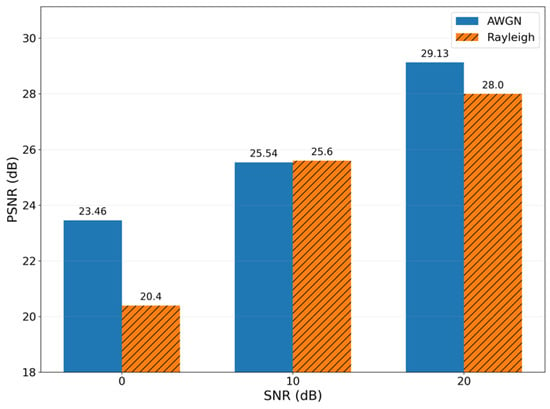
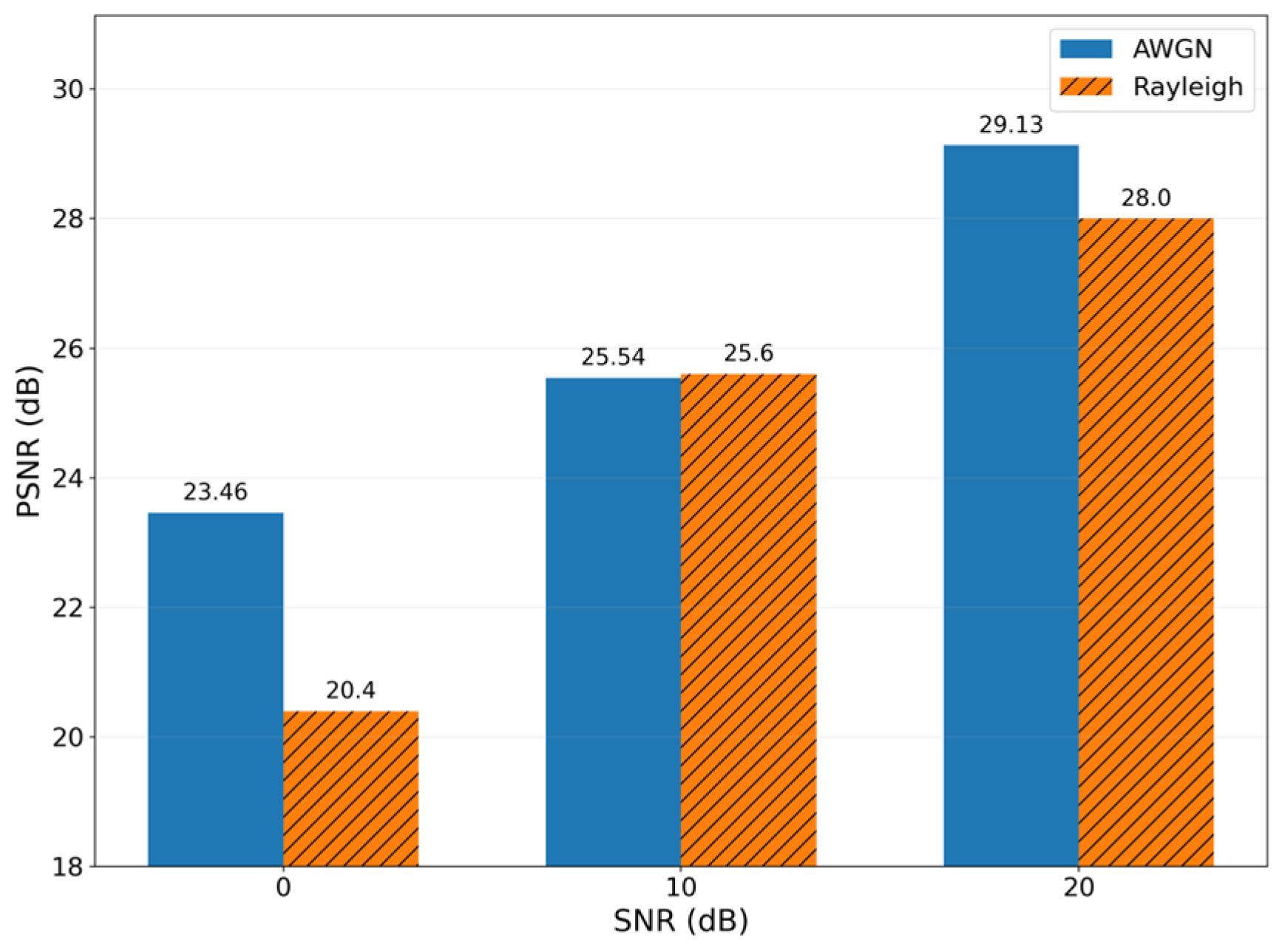
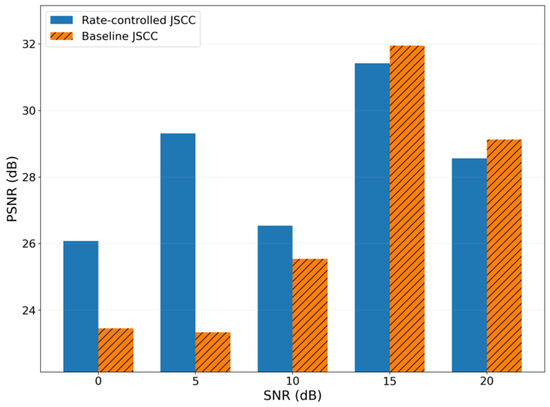
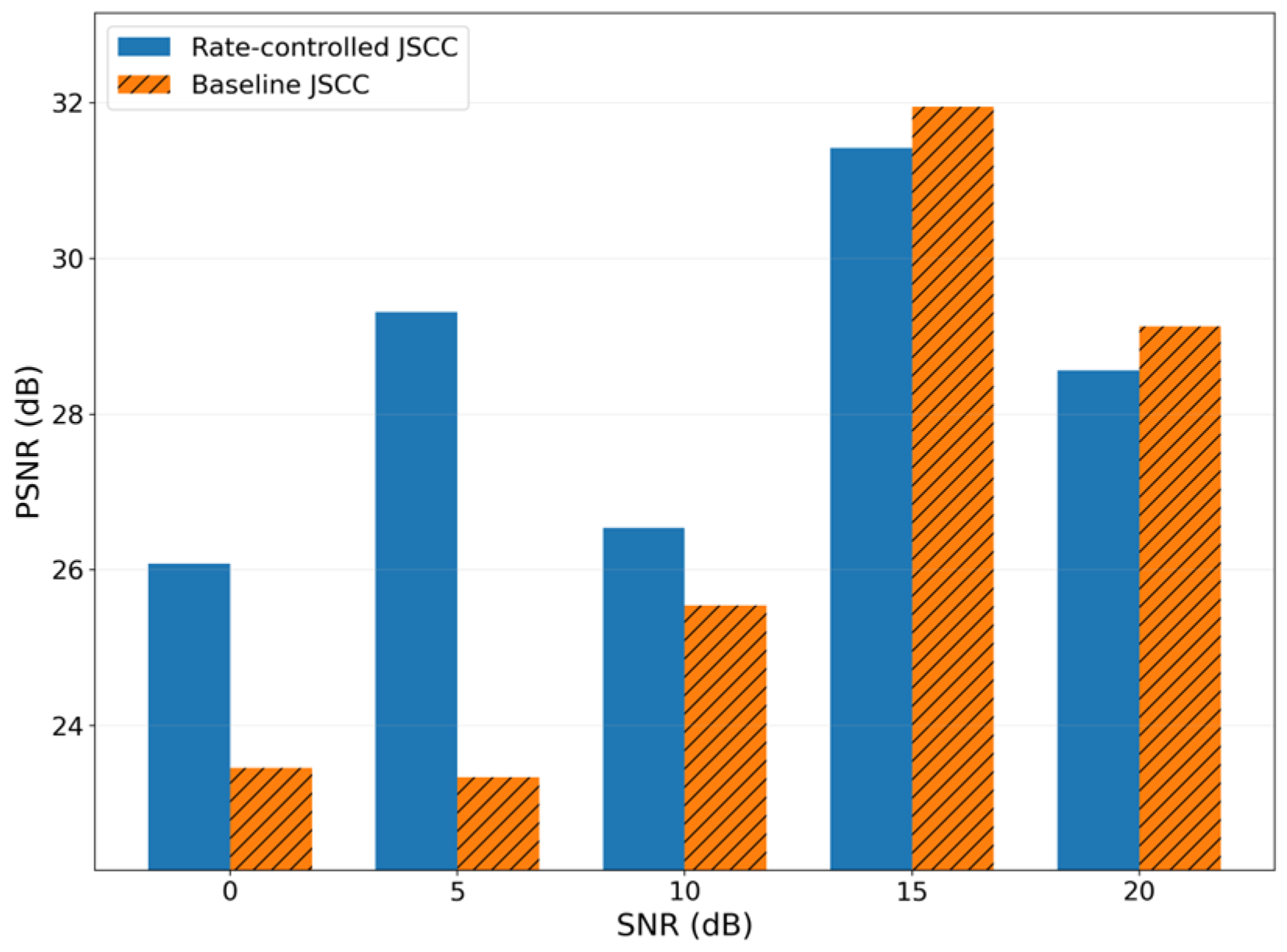
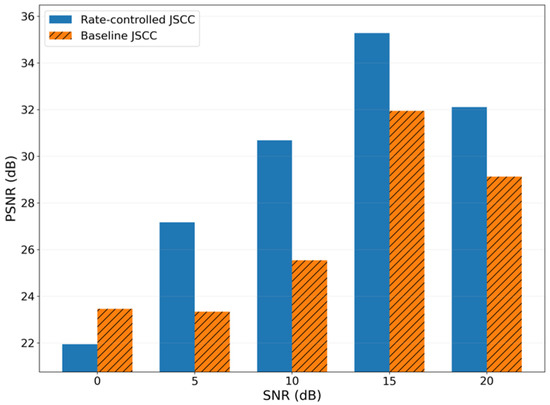
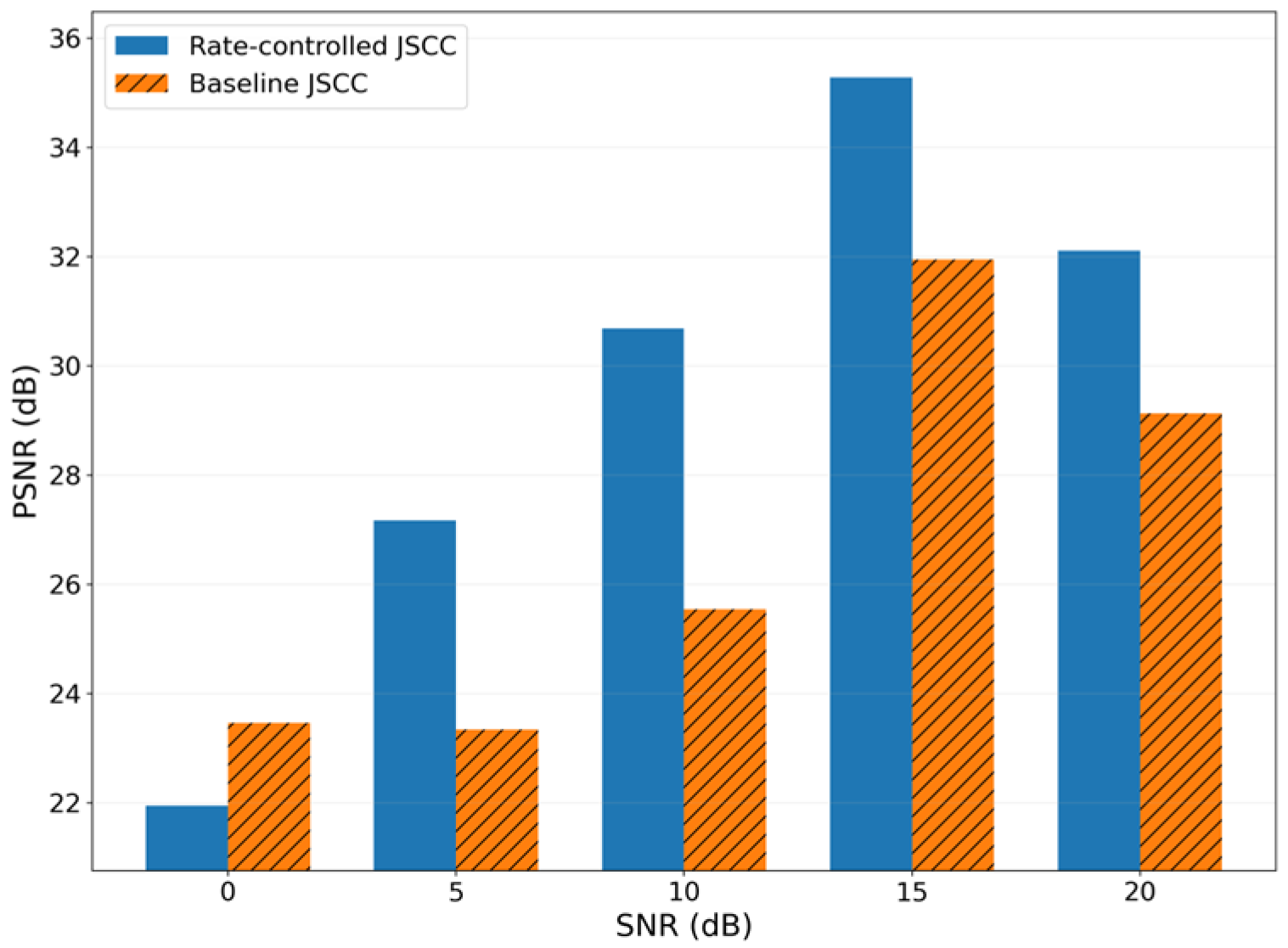
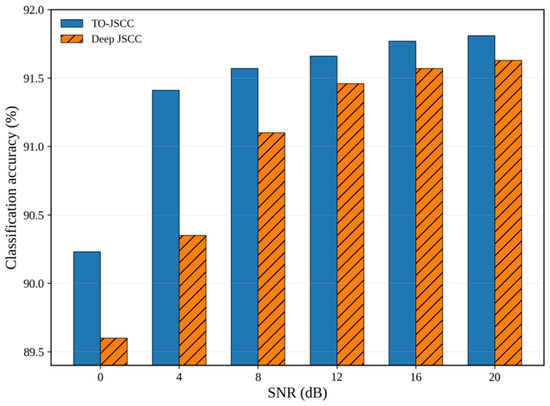
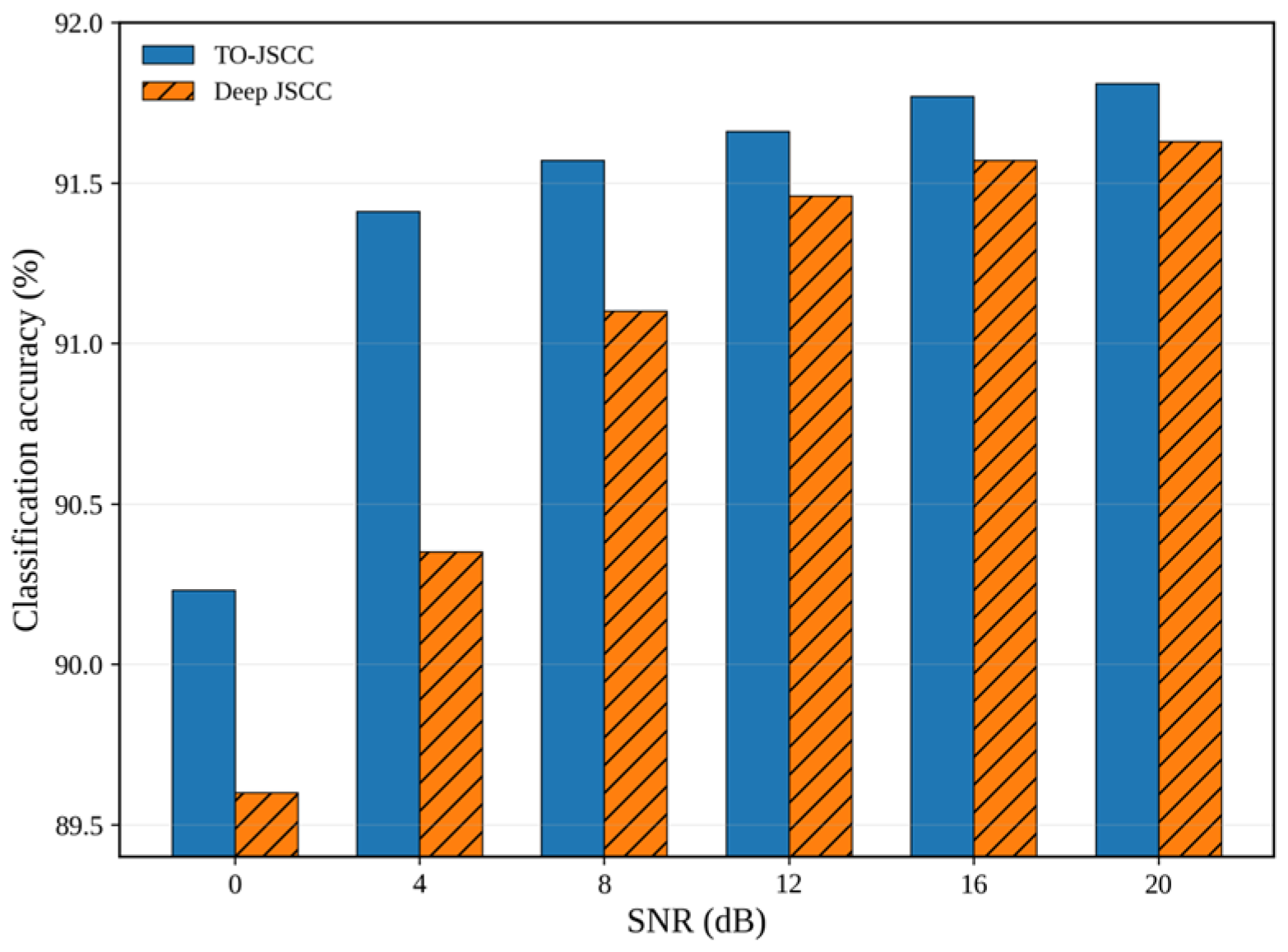
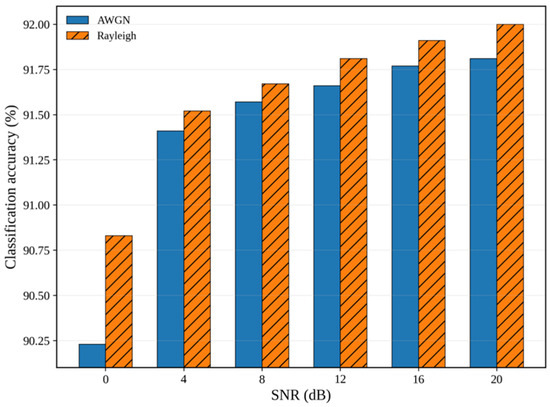
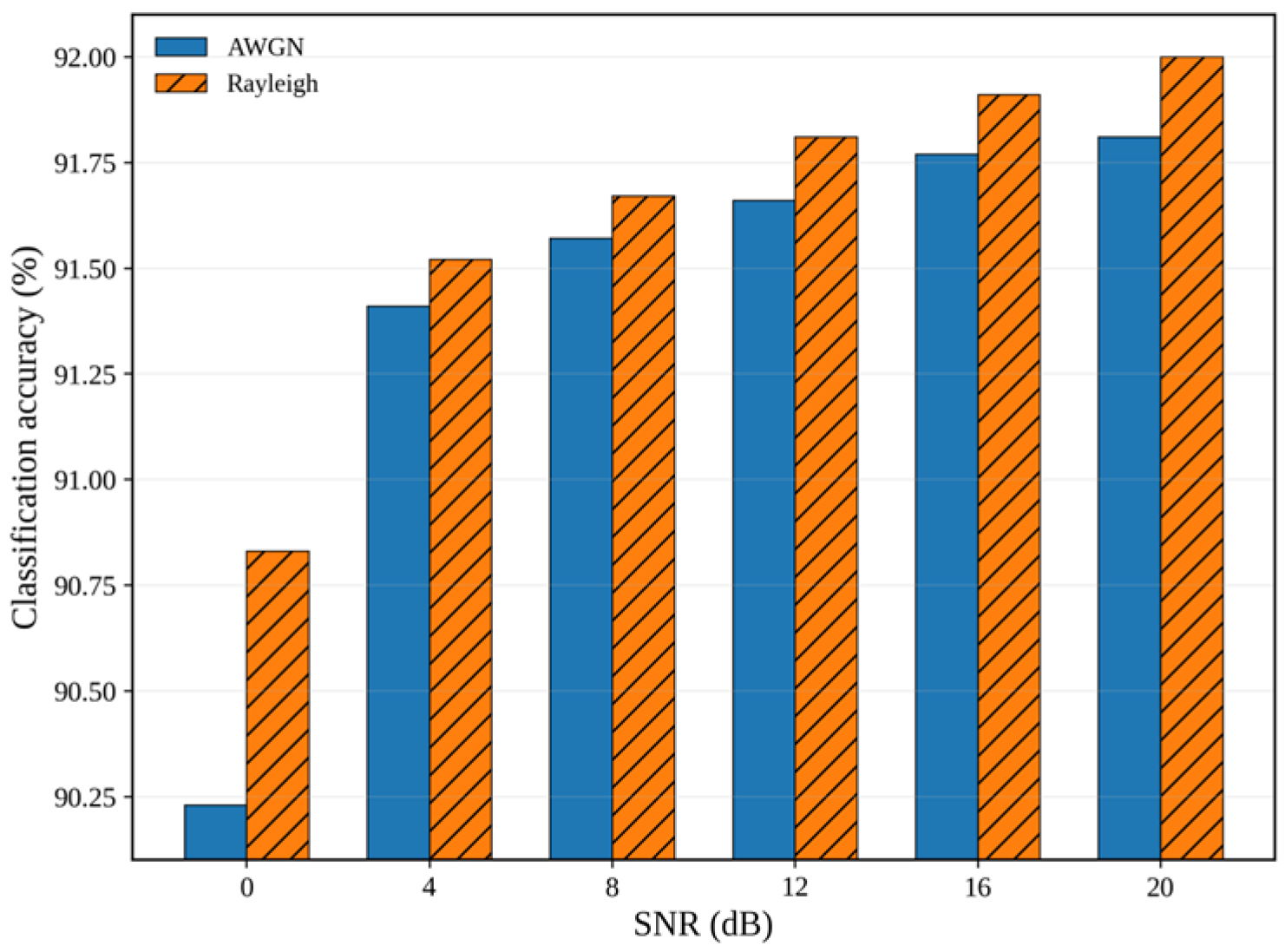
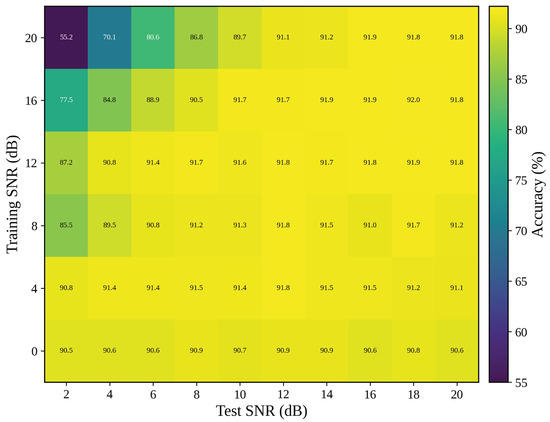
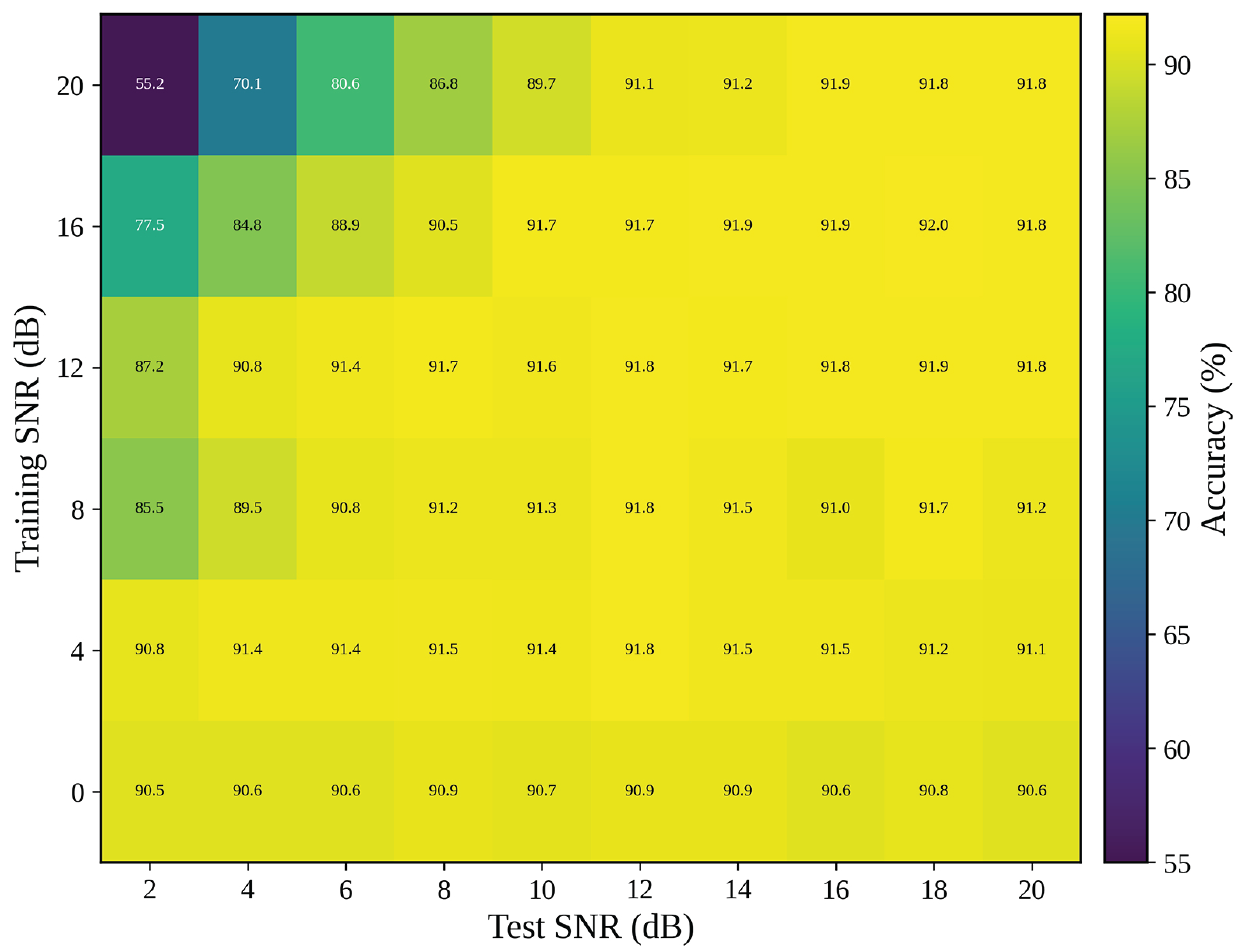
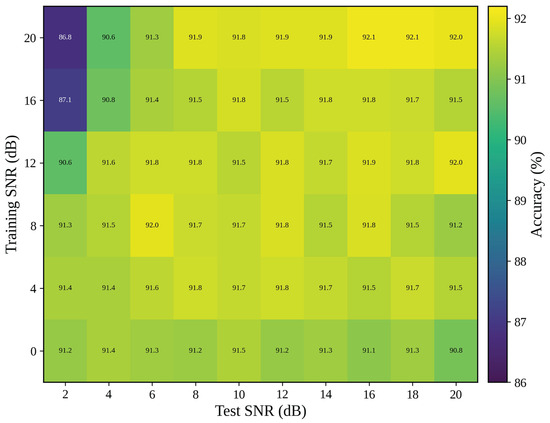
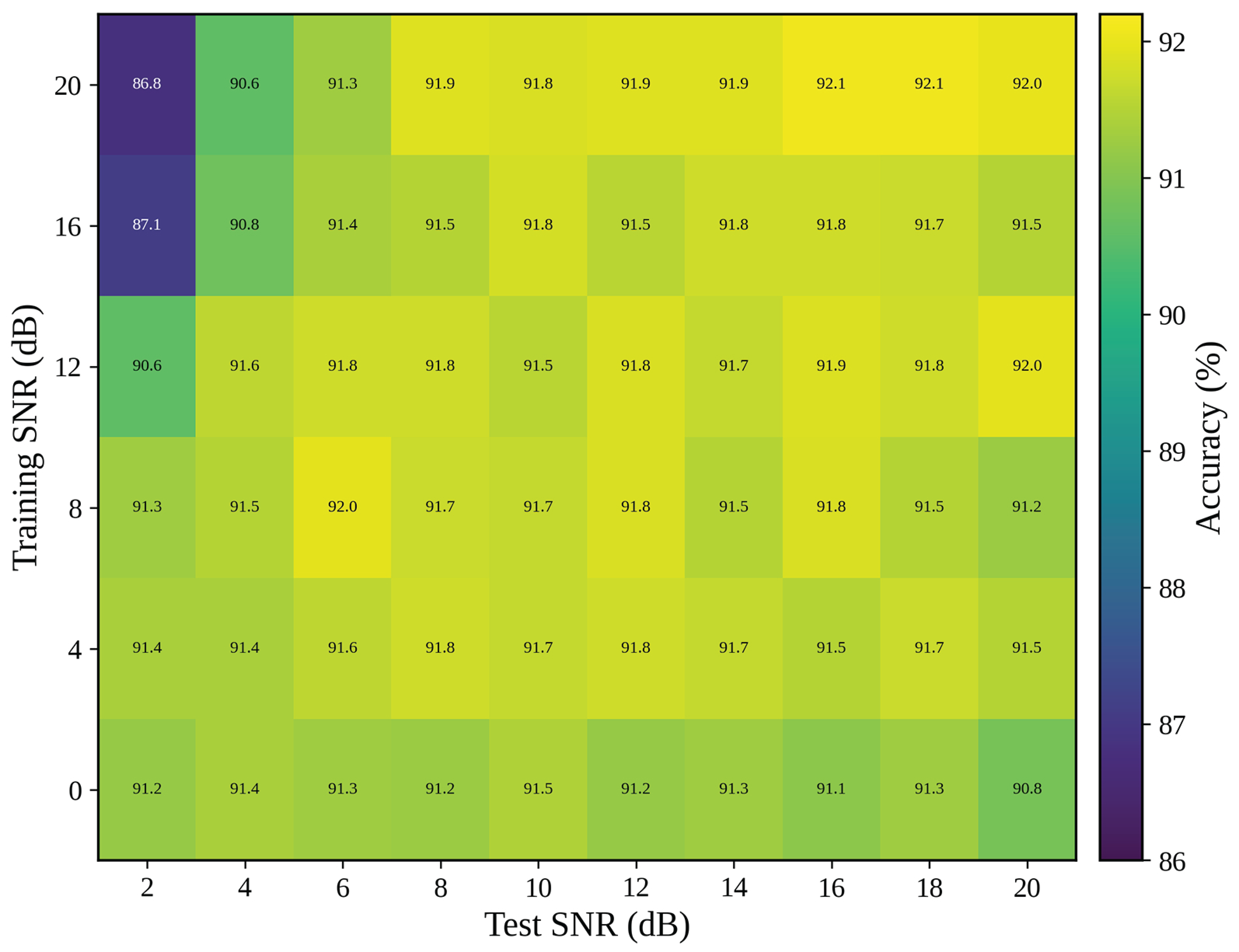

Disclaimer/Publisher’s Note: The statements, opinions and data contained in all publications are solely those of the individual author(s) and contributor(s) and not of MDPI and/or the editor(s). MDPI and/or the editor(s) disclaim responsibility for any injury to people or property resulting from any ideas, methods, instructions or products referred to in the content. |
© 2026 by the authors. Licensee MDPI, Basel, Switzerland. This article is an open access article distributed under the terms and conditions of the Creative Commons Attribution (CC BY) license.