


Abstract
This paper introduces the concept of rural mining, defined as the systematic recovery and reuse of construction materials from abandoned rural building stock within a circular economy framework. Although rural depopulation and its consequences have been extensively studied, the material dimension of abandonment, the substantial quantities of construction materials embedded in deserted rural settlements, has received comparatively little systematic analytical attention. Three interconnected contributions respond to this gap. First, the paper operationalizes the concept of rural mining, consolidating a term that remains terminologically rare and theoretically underdeveloped. Second, it develops the Rural Mining Potential Assessment Framework (RMPAF), an original ten-criterion analytical tool spanning the material, infrastructural, legal, economic, institutional, cultural, and technological dimensions of rural mining potential. Third, it articulates an ethical foundation establishing the non-negotiable boundaries of rural mining practice. The RMPAF is applied through a comparative assessment of three European national contexts, Serbia, Slovenia, and Greece, revealing that rural mining potential is neither uniform nor straightforwardly derivable from the scale of depopulation alone. Across all three contexts, ownership fragmentation, the absence of legal recognition, and the lack of dedicated policy instruments emerge as shared structural barriers. Development of operational protocols for culturally mediated rural mining and legal recognition of the concept are identified as priority directions for future action.
1. Introduction
The phenomenon of rural abandonment is documented across different regions of Europe and beyond [1]. It is driven by a complex interplay of demographic, economic, and socio-political factors [2,3]. Among the most frequently cited causes of rural abandonment are aging, insufficient birth rates, rural-to-urban migration driven by urbanization and industrialization, the intensification of agricultural production and the unviability of small-scale farming, changing lifestyles, unemployment, land consolidation, wars and other social conflicts, natural disasters, and broader socio-political transformations [1,4,5,6,7]. All these processes have been unfolding over decades, but their consequences are becoming increasingly visible in the present.
The changes in rural ways of life are inevitably part of larger transformations in food production systems and land use. As the bond between the agrarian landscape and its inhabitants has weakened, so too has place attachment [8]. With declining populations, rural landscapes undergo further transformation: built structures deteriorate, cultural, historical and aesthetic values are lost, the landscape becomes homogenized, and spontaneous vegetation gradually reclaims abandoned spaces, initiating processes of re-naturalization—transformations that, as Jaszczak et al. [2] note, remain insufficiently studied. When a settlement reaches the threshold of extinction, investment ceases, the provision of services becomes a burden, and it becomes increasingly marginalized within national development frameworks. However, abandoned rural settlements carry a very distinct sense of place, one that persists beyond depopulation, embedded in the landscape, the ruins of built structures, and the memory of generations of those who once inhabited them [2,9,10] (Figure 1).
Figure 1.
Slapnik, a small, abandoned rural settlement in the Goriška brda region of western Slovenia. Once home to prosperous farming families, it was gradually abandoned after World War II as many residents moved to larger towns or emigrated abroad. Today, Slapnik has no permanent inhabitants and is known for its picturesque stone houses. Despite its abandoned state, the village is an important example of traditional Brda architecture and a popular destination for photographers, hikers, and history enthusiasts. Source: Authors.
Rural depopulation is an accelerating trend across Europe, concentrated primarily in Eastern and Southern Europe, with Balkan countries and the Baltic states representing the most dramatic cases [11,12,13]. This regional pattern provides the grounding for the selection of three national case studies, Serbia, Slovenia, and Greece, which share a significant problem of rural depopulation and a substantial fund of abandoned buildings (Figure 2), while differing sufficiently to make comparison meaningful. Serbia represents a transitional, post-socialist Balkan context with dramatic demographic collapse and weak circular practices; Slovenia offers a middle ground as a post-socialist EU member state with a milder depopulation trend and stronger regulatory frameworks; and Greece introduces a Mediterranean dimension characterized by a distinct building tradition, economically driven rural abandonment, and a well-developed tourism sector that creates specific market conditions for material recovery.
Figure 2.
Examples of abandoned rural houses in Slovenia, Serbia, and Greece. Source: Authors.
Rural materiality, encompassing both the physical artefacts of the rural past and the material traces of abandoned settlements, has emerged as a growing focus of inquiry in rural and human geography [14]. A body of research addresses the possibilities of reversing the trend of rural abandonment, proposing a range of revitalization-oriented interventions that broadly fall into four approaches: reforestation, museumification, tourism and resettlement [15], as cited in Ferwati et al. [16]. More specifically, these interventions include heritage regeneration and adaptive reuse; preservation of ruins as palimpsest layers; restoration of the sacral landscape; spatial integration of original structures into new built forms; introduction of new functions such as recreation, culture, education and new forms of habitation; protection of sites and built ensembles of significant historical and socio-cultural value; rewilding; as well as the return to agricultural use and introduction of shared community spaces [3,17,18,19]. Field evidence confirms that these transformation processes are spatially very diverse and can co-occur within different parts of the same settlement [20], and are typically underpinned by EU and UN programs and instruments supporting revitalization within sustainable rural development frameworks.
However, a critical observation emerges from the existing literature: proposed interventions presuppose that the settlement in question retains significant heritage, and architectural or cultural values worthy of revival, i.e., values that can be activated, reinterpreted and built upon. The settlements that appear as case studies in the published works, such as the abandoned village of Moya in Spain [21], Borgo Castello in Italy [18], or Tinbak in Qatar [16], are precisely those with exceptional and recognized historical, architectural and cultural qualities that make revitalization both justifiable and feasible.
Yet, this raises a question that the existing literature largely leaves unanswered: what happens when revitalization is not an option? What if the heritage value of an abandoned settlement is insufficient, undocumented or outweighed by unfavorable economic, infrastructural and demographic factors? What if the critical mass of population, investment or institutional support needed to sustain any form of revival simply cannot be achieved? In such cases, which may in fact represent most abandoned rural settlements, neither preservation nor adaptive reuse offers a viable path forward. It is precisely to this question that this study responds: not as an alternative to revitalization where revitalization is possible, but as a responsible and ethically grounded response to abandonment where it is not.
The concept of urban mining, broadly defined as the recovery and reuse of building materials and components following the end of their service life within existing buildings and infrastructure, has become an increasingly established field of research and practice within circular economy discourse [22]. Urban mining emerged as a response to the growing imperative to reduce the depletion of virgin raw materials, the generation of waste, and the negative environmental impacts associated with the life cycle of materials and products. The treatment of materials at the end of their service life represents one of the key actions for managing their ecological quality; it is an objective central to the concept of circularity and the broader circular economy framework with which urban mining is closely associated. Accordingly, Xavier et al. [23] position urban mining as one of the key tools for structuring processes and business models grounded in circular economy principles, while Arora et al. [24] emphasize its function as a source of secondary resources. Unlike the extraction of virgin materials, urban mining recognizes the built stock as a material bank in its own right, to be systematically mobilized rather than discarded.
By contrast, the rural equivalent of the urban mining process has received comparatively little systematic attention. The term rural mining is not yet established in the literature, and the concept itself remains dispersed across adjacent fields, including vernacular architecture studies, rural heritage conservation, circular economy research and spatial planning, without a consolidated theoretical framework of its own. Related terminology such as rural brownfields and agricultural brownfields has been introduced to describe abandoned built-up areas in rural contexts [25,26,27] yet the material recovery potential embedded in such sites remains largely unaddressed. Nevertheless, the underlying logic is compelling: if urban mining is justified by the material value embedded in end-of-life urban buildings, the same reasoning applies, arguably with even greater urgency, to the growing fund of abandoned rural buildings across Europe and beyond. As rural depopulation accelerates, the number of abandoned buildings continues to rise, representing an untapped reservoir of construction materials.
Therefore, this paper pursues three interconnected objectives. First is to introduce and operationalize the concept of rural mining as a legitimate circular economy strategy for the material recovery of abandoned rural building stock. Second is to develop an original multidimensional analytical framework for the systematic assessment of rural mining potential. Third objective is to apply the framework through a comparative assessment of three European national contexts: Serbia, Slovenia and Greece, in order to examine whether rural mining represents a viable option in practice, under what conditions, and where and why it falls short.
Accordingly, the paper makes three interconnected contributions to an emerging area of research at the intersection of rural depopulation, circular economy and building material recovery. First, it introduces and operationalizes the term rural mining, defined as the systematic recovery and reuse of construction materials from abandoned rural building stock within a circular economy framework, thus contributing to the consolidation of a concept that is not only terminologically rare in the existing literature but also theoretically underdeveloped. Second, it develops an original analytical tool, the Rural Mining Potential Assessment Framework (RMPAF), comprising ten criteria that span the material, infrastructural, legal, economic, institutional, cultural and technological dimensions of rural mining potential, designed to be applicable across different national and regional contexts and applied here through a comparative assessment of three European cases. Third, it articulates ethical non-negotiable boundaries, positioning rural mining not as an extractive activity indifferent to cultural value, but as an ethically grounded process that respects the layered meanings embedded in the rural environment even in its abandoned state. In this framework, cultural sensitivity is treated as a constitutive dimension of the concept itself, one that distinguishes rural mining from conventional demolition and positions it as an ethically grounded form of material stewardship. Taken together, these contributions address a dimension of rural abandonment that has so far escaped systematic scholarly attention: the vast quantities of construction materials embedded in deserted rural settlements that current research frameworks have largely overlooked.
The paper is structured as follows. Section 2 presents the methodology, outlining the desk research approach, the selection of case studies and the data sources employed. Section 2.1 introduces the RMPAF, detailing its ten criteria and the indicators through which each is operationalized. Section 2.2 articulates the ethical boundaries, identifies categories of rural built heritage excluded from intervention under all circumstances and establishes the requirement for systematic heritage valorization of the abandoned built stock. Section 3 presents the results of the RMPAF application through individual structured assessments of three national case studies: Serbia (Section 3.1), Slovenia (Section 3.2) and Greece (Section 3.3), organized criterion by criterion to facilitate systematic comparison. Section 3.4 presents a cross-case evaluation, drawing together the findings from the three case reports and identifying the patterns that emerge across criteria and national contexts. Section 4 presents the discussion and Section 5 the conclusions, situating the findings within the broader circular economy and rural development literature, summarizing the key contributions of the study and identifying directions for future research.
2. Materials and Methods
This study employs an interdisciplinary approach drawing on spatial planning and rural development, sociology of depopulation, circular economy and material recovery, cultural geography, heritage studies and ethics. Listed disciplines rarely converge in the existing literature; however, their intersection is necessary to introduce and apply the novel concept of rural mining across different national contexts.
The study is conducted as a desk research investigation combining a systematic literature review with a comparative case study analysis across three national contexts: Serbia, Slovenia and Greece. The three cases differ in terms of the scale and intensity of rural depopulation, the character of rural built stock, the regulatory frameworks, and the attitudes toward rural heritage, all of which are analytically significant differences for the assessment of rural mining potential.
Empirical data on population trends and settlement patterns are drawn from national census sources and comparable Eurostat indicators. For Serbia and Slovenia, long-term demographic trends were analyzed using national census data covering the post-Second World War period, allowing the identification of persistent rural depopulation across successive census rounds. For Greece, demographic changes were analyzed using census data covering the period from 1991 to 2021, with particular emphasis on the 2011 and 2021 censuses, as reported in the relevant literature. The most recent census data used in this study refer to different reference years across the three national contexts: 2022 for Serbia, 2025 for Slovenia, and 2021 for Greece.
The geographical distribution of abandoned or sparsely populated settlements was assessed using the most appropriate nationally available datasets for each case study. For Serbia, the analysis was based on census data from the Statistical Office of the Republic of Serbia (RZS) and spatial data from the Republic Geodetic Authority (RGZ). For Slovenia, these included census data from the Statistical Office of the Republic of Slovenia (SURS) and spatial data from the Surveying and Mapping Authority of the Republic of Slovenia (GURS). For Greece, the assessment relied on published spatial analyses and demographic studies addressing rural depopulation and settlement distribution.
The study focuses on the constructed yet abandoned elements of the rural built environment: residential buildings, ancillary agricultural structures and built ensembles, as potential sources of secondary building materials and components. Within the quantitative analysis, available data are expected to permit systematic assessment of residential rural structures only, while ancillary agricultural structures are addressed qualitatively.
The paper operationalizes rural mining through a new analytical tool, the RMPAF. By evaluating how abandoned rural structures can be mobilized for secondary materials in a circular economy, the RMPAF fills a gap in the literature, where no comparable framework currently exists.
The RMPAF comprises ten criteria. Their selection was guided by three principles. First, each criterion had to capture a distinct dimension of rural mining potential. Second, each criterion had to be operationalizable at the national level through available documentary sources. Third, the set of criteria as a whole had to span the full spectrum of conditions that determine rural mining feasibility, without privileging any single disciplinary perspective. The criteria were identified through a systematic and iterative review of the existing literature across five interconnected fields: circular economy and building material recovery, rural depopulation studies, heritage studies, spatial planning and cultural geography, with particular attention to documented barriers and enablers relevant to the recovery and reuse of traditional building materials.
The ten criteria are not assigned weights or rankings, as their relative importance may vary according to local conditions and specific contexts. Furthermore, criteria such as cultural heritage, social acceptability and the availability of knowledge and skills are by their nature resistant to numerical reduction, making a qualitative rather than quantitative assessment approach more appropriate. The RMPAF therefore provides a structure adaptable to the conditions of different rural settlements and national contexts, allowing stakeholders to assign appropriate weights to the criteria based on local priorities and circumstances. This flexibility also reflects the global character of rural depopulation and supports the potential universality of rural mining as a circular economy strategy. The framework may also serve as a basis for future quantitative approaches enabling the comparison and prioritization of settlements according to their suitability for rural mining intervention.
Each RMPAF criterion contains one or more indicators that capture a non-overlapping dimension of rural mining potential.
In addition to the RMPAF, this paper identifies and articulates a set of ethical boundaries that must precede any rural mining intervention. These boundaries are established through a systematic review of heritage protection principles and ethical frameworks documented in the existing literature. Ethical boundaries function as a normative support to the decision-making process, ensuring that the framework remains aligned with legal requirements, cultural values, heritage significance, community interests and social acceptability as they apply in each national context.
The RMPAF is applied and illustrated through individual and comparative analyses of three selected national case studies (Figure 3). Each national case is presented as a structured assessment report, following an identical structure across all three cases to facilitate systematic comparison, and is accompanied by a dedicated assessment of the ethical boundaries applicable in each national context.
Figure 3.
Methodological workflow of the study and application of the RMPAF. Source: Authors.
2.1. RMPAF Structure
2.1.1. Criterion 1: Demographic Profile and Condition of Rural Building Stock
Over the period 2015–2020, the population of predominantly rural regions in Europe fell on average by 0.1% each year [5]. As rural settlements lose inhabitants across successive census periods, the volume of uninhabited buildings grows correspondingly [3], generating the material that could potentially be mobilized through rural mining.
Criterion 1 first identifies settlements that recorded no more than 100 inhabitants in the most recent census, as well as settlements that have been completely abandoned. It then assesses the demographic profile and condition of the rural built stock in these settlements through three indicators: (1) the trend of population decline across consecutive census periods; (2) the share of abandoned dwelling units in the total housing stock; and (3) settlement morphology type. Together, these indicators allow the national profile to be characterized as a point of departure for evaluating overall rural mining potential.
The analysis of population trends and the share of abandoned dwelling units is based on statistical data drawn from national census sources and comparable Eurostat databases [28]. Rural settlements exhibiting continuous population decline across three or more consecutive census periods can be treated as areas with rural mining potential. This threshold is adopted because multi-period decline indicates a structural and, in most cases, irreversible depopulation trajectory rather than a temporary fluctuation, and further suggests that the volume of uninhabited stock—including not only residential buildings but all structures associated with the traditional rural household, such as barns, stables, storage facilities and ancillary farm buildings—has accumulated over time to a level that may allow material recovery. The analysis of morphology of identified small or abandoned settlements, whether nucleated or dispersed, complements the demographic and built stock indicators by allowing an assessment of the economic viability of material collection. Dispersed settlement patterns generate higher per-unit collection costs, potentially neutralizing the material value of the rural stock even where demographic decline is significant. Settlement morphology is assessed through cartographic analysis of settlement patterns in the study area.
2.1.2. Criterion 2: Accessibility and Infrastructure
Rural abandonment is less visible than urban abandonment: vacant houses are typically scattered across the landscape, located remotely or hidden deep within mountainous terrain [29], making their systematic assessment and material recovery logistically more demanding. Public goods provision and transport accessibility are among the most important predictors of rural depopulation and settlement abandonment [1]. Nevertheless, the same geographical and infrastructural conditions that drive abandonment also determine the economic viability of material recovery. Criterion 2 assesses accessibility and infrastructure conditions in abandoned or small settlements undergoing continuous depopulation through three indicators: (1) terrain type and geographical position; (2) condition of the local road network and vehicular accessibility; and (3) proximity to urban centers and material processing or reuse facilities. Together, these indicators determine whether the logistical conditions for rural mining are economically viable in a given settlement.
Settlements in lowland or peri-urban areas benefit from lower material transport costs and are generally better connected to processing facilities and reuse networks, where these exist. In contrast, upland, mountainous and isolated villages face logistical costs and shallow investment potential [26]. The condition of local road networks, proximity to urban centers and processing facilities, and the existence of regional material reuse centers further determine the practical rural mining potential. It should be noted, however, that the same accessibility conditions that favor rural mining also favor regeneration and adaptive reuse, opening a broader spectrum of intervention options in better-connected settlements [30]. In remote and logistically constrained upland locations, where regeneration is economically unviable and repopulation structurally improbable, rural mining may represent not merely the most practical, but the only purposeful form of engagement with the abandoned built stock—a final act of material stewardship before complete dereliction.
2.1.3. Criterion 3: Period and Method of Construction, and Ecological Quality of Materials
Until the mid-twentieth century, rural buildings were constructed on-site using local labor and locally sourced natural materials, with little or no use of industrial elements. Post-Second World War rural construction introduced composite, prefabricated, and standardized elements alongside various ecological problems that often did not manifest immediately [31]. The quality of materials available for rural mining is therefore directly linked to the period and method of construction.
Criterion 3 assesses the construction profile of the rural built stock through a single primary indicator—the period of construction—which serves as a proxy for the method of construction and the ecological quality of recoverable materials. While the period of construction can be established drawing on census data and building registries, the method of construction and the presence of hazardous substances can only be inferred on this basis rather than directly measured; field verification is required for individual building assessment. Traditional building materials, such as the stone, timber and clay bricks, are frequently of higher ecological quality than contemporary equivalents, free of hazardous substances and locally distinctive in character [32] making them sought after in the eco-construction and design sectors. Further, older buildings offer cleaner and more homogeneous material streams that are easier to separate and better suited for direct reuse [33]. By contrast, industrialized construction materials present greater challenges for material recovery. For example, buildings constructed between 1950s and 1980s frequently contain asbestos and other hazardous substances, making deconstruction costly and high-risk [34]. More broadly, the European Environment Agency has noted that material streams arising from demolition and renovation works are generally not suitable for reuse or closed-loop recycling, as high recovery rates of construction and demolition waste are largely based on backfilling operations and low-grade recovery applications—practices that erode the inherent value of materials and hamper full implementation of circular economy objectives [35]. The lack of reliable data on the composition of materials in existing buildings represents a further barrier to high-quality material recovery [36]. The distinction between pre-industrialized (traditional) and industrialized building stock is therefore not merely historical but directly determines the quality and circularity potential of materials available for rural mining.
2.1.4. Criterion 4: Cadastral Evidence and Ownership Resolvability
The legal accessibility of abandoned rural built stock is a foundational precondition for rural mining. Regardless of the demographic profile, material quality or logistical conditions of a given settlement, deconstruction of any building requires either the consent of its legal owner or a clear legal basis for intervention in the absence of identifiable ownership. Where neither condition can be met, rural mining remains legally impossible irrespective of its material or economic potential. Criterion 4 assesses the legal accessibility of the rural built stock through two indicators: (1) the completeness, currency and digital accessibility of the national cadastral system as a basis for ownership identification; and (2) the availability of legal mechanisms for resolving fragmented, contested or unidentifiable ownership in rural areas. Both indicators are assessed at the national level; parcel-level ownership analysis falls outside the scope of the present framework and is identified as a prerequisite for any subsequent operational phase of rural mining.
2.1.5. Criterion 5: Market Demand for Reclaimed Building Materials and Components
The reuse potential of materials and components is determined both by supply and the existence of a market capable of absorbing them [37]. The absence of organized demand [38] renders material recovery economically unviable and leaves high-quality building stock to deteriorate without valorization. Criterion 5 assesses market conditions for reclaimed rural building materials and components through two indicators: (1) the degree of market development, encompassing the existence of organized reuse networks, the presence of an eco-construction and renovation sector with demonstrated demand for traditional materials, and the interest of the design and architectural professions in authentic vernacular building elements; and (2) the availability of quality assurance frameworks, standardized grading systems, certification schemes and provenance documentation that enable reclaimed materials and components to enter formal supply chains with verifiable quality credentials. In several European countries, reclaimed traditional building materials command established market prices and are actively sought by contractors, designers and private clients engaged in heritage renovation, sustainable construction and high-end residential projects. Reclaimed timber beams, hand-cut stone blocks, fired clay roof tiles and solid brick are among the most consistently valued categories, particularly where provenance, age and material homogeneity can be documented. Certification stimulates market acceptance by addressing the mistrust in material quality—a persistent barrier [35] that limits demand even where quality is objectively high.
2.1.6. Criterion 6: Public Policy and Circular Economy Regulatory Framework
Practical viability of rural mining depends on the degree to which public policy frameworks and regulations recognize and support the recovery and reuse of materials from the rural built stock. Criterion 6 assesses the degree to which public policies and regulations recognize rural mining as a legitimate economic and ecological activity through a single composite indicator, examining: the existence of national legislation incorporating circular economy principles governing construction and demolition waste; the existence of strategies or action plans explicitly addressing the reuse of materials from rural building stock; and the availability of financial incentives and funds for circular economy projects in rural areas. The principal binding instrument at EU level is the Waste Framework Directive [39] which establishes the waste hierarchy and sets mandatory recycling targets for construction and demolition waste. The EU Circular Economy Action Plan [40] and the Construction and Demolition Waste Management Protocol [36] constitute complementary strategic and guidance frameworks within which national approaches to material recovery from buildings are situated. However, these instruments address construction and demolition waste in general terms and do not explicitly recognize the rural building stock or the specific conditions of depopulated settlements as a distinct policy object. The translation of circular economy objectives into national strategies and local planning instruments [35], and the extent to which these instruments create operational conditions for rural mining, is expected to vary across countries, and constitutes the primary object of assessment under this criterion.
2.1.7. Criterion 7: Cultural Heritage, Collective Memory and Social Acceptability
Rural mining necessarily engages questions of cultural identity, ethics towards the past, and the collective memory of communities. Rural built structures are not merely assemblages of materials and components but carriers of collective memory [41,42,43] a memory that, even in the absence of living inhabitants, continues its own metabolism, shaping community identity, diasporic attachment and cultural resistance to deconstruction. In many cultures, the ancestral rural house is a materialized memory of family, lineage and community, rendering its deconstruction culturally and emotionally unacceptable even when legal and logistical conditions are otherwise favorable. Although the cultural potential of abandoned settlements has long been overlooked and neglected, recent years have seen a growing interest in local history and a re-appreciation of rural heritage [20].
Criterion 7 assesses the cultural and social dimensions of rural mining through three indicators: (1) the formal status of abandoned rural buildings within national heritage protection systems: which categories of objects enjoy legal protection and what procedures govern intervention; (2) the presence of informal or living heritage—objects without formal protection but carrying strong cultural value for local communities or diaspora, which may be legally accessible but socially sensitive for deconstruction; and (3) the cultural and ethical attitude towards the reuse of materials from abandoned buildings, which affects the social acceptability of rural mining.
The built fabric of an abandoned settlement comprises a range of man-made elements of varying cultural significance, from ruins of residential and farm buildings, sacral structures, cemeteries and grave markers, historical monuments, stone walls and fences, wells and water infrastructure, to transport routes and other traces of past human activity. Each of these elements could be carrying a different degree of formal protection, community attachment and social sensitivity to intervention. Cultures characterized by strong family-based housing regimes and intergenerational property transmission, such as Mediterranean and Balkan societies, tend to exhibit particularly strong emotional attachment to ancestral rural dwellings, directly affecting the social acceptability of rural mining and constituting a structural constraint that regulatory or logistical frameworks cannot fully resolve.
2.1.8. Criterion 8: Availability of Knowledge, Skills and Human Resources
Rural mining presupposes the existence of specific knowledge and skills that are not part of standard construction practice. The abandonment of traditional rural construction entails the progressive loss of the knowledge of local materials, their properties, sourcing and assembly, that is indispensable for the careful deconstruction and reuse of traditional built stock [14], and has resulted in a documented shortage of craftspeople [44]. In this context, deconstruction, understood as the well-considered selective dismantlement of building components in anticipation of future reuse, as distinct from conventional demolition [45] requires a specific set of technical competencies that must be systematically developed, maintained and transmitted.
Criterion 8 assesses the availability of knowledge, skills and human resources for rural mining through three indicators: (1) the availability of craftspeople and enterprises with relevant experience in the assessment, deconstruction and reprocessing of traditional building materials; (2) the presence of educational and research institutions that develop and transmit this knowledge; and (3) the existence of training or requalification programs that address the specific skill requirements of rural mining in the national context.
In settings where the tradition of building crafts has been interrupted—as is the case across much of Europe and beyond as a result of industrialization, urbanization and the systematic replacement of traditional construction practices by modern methods—the knowledge required for rural mining is rare, fragmented and at risk of irreversible loss. Its recovery requires systematic institutional effort, including investment in craft education, documentation of traditional building techniques and the development of professional networks linking material assessment, deconstruction and reuse expertise. It is for this reason that the indicators of Criterion 8 are oriented not only toward the current availability of relevant skills and expertise, but also toward the institutional capacity to recover, transmit and sustain this knowledge over time.
2.1.9. Criterion 9: Post-Mining Space Management
Circular economy principles imply responsibility for the complete resource cycle, not only for the materials extracted, but for the space that remains once the mining process is complete. The management of parcels and their surroundings after building deconstruction, and the existence of planning and regulatory mechanisms to govern this transition, therefore constitute a distinct and necessary dimension of rural mining assessment.
Criterion 9 assesses post-mining space management through two indicators: (1) the existence of spatial planning instruments that define the future use of abandoned rural parcels following the removal of buildings, and whether national or local plans recognize these surfaces and offer clear guidance for their subsequent management; and (2) the definition of responsibility—whether the national framework assigns clear obligations for the management of post-mining parcels and provides financial instruments to support this. Where neither condition is met, post-mining parcels risk becoming illegal dumping sites or abandoned surfaces without ecological or social value, representing a negation of circular economy principles.
Following the deconstruction of rural buildings, the resulting parcel may follow a range of trajectories, from spontaneous vegetation succession and active ecological restoration to afforestation, establishment of grassland habitats, green corridors, agroforestry systems or recreational use. Research on abandoned agricultural land in European mountain areas shows that spontaneous vegetation succession is the most frequent trajectory observed after land abandonment [46], suggesting that ecological recovery potential is often inherent in depopulated rural landscapes and may require facilitation rather than active intervention. Converting abandoned rural parcels into productive or natural habitats is, however, frequently hampered by high costs, lack of incentives, and unresolved land tenure and ownership structures [26] further underscoring the need for clear regulatory frameworks that assign responsibility and provide mechanisms for the management of post-mining space.
2.1.10. Criterion 10: Digital Documentation and Stock Inventory
Systematic and strategic rural mining is not possible without prior knowledge of what exists, where it is located, what condition it is in, and what material value it holds. The development of information infrastructure enabling the identification, mapping and assessment of abandoned rural building stock is therefore a necessary precondition for the operationalization of rural mining. In the absence of developed digital documentation infrastructure, rural mining necessarily remains reactive, dependent on individual knowledge and informal networks, rather than a strategically planned and data-driven activity. Criterion 10 assesses the degree of development of digital documentation and stock inventory infrastructure through a single primary indicator: the existence, currency and accessibility of national and local registers of abandoned or uninhabited buildings, and their interoperability with other public data systems including cadastral registers.
2.2. Ethical Boundaries for Rural Mining Interventions: Protected Categories and Heritage Valorization
In this study, the term rural mining is introduced deliberately, in continuity with the established and increasingly influential concept of urban mining, which reframes the built environment as a material bank rather than a source of waste. Yet, the mining metaphor carries an unavoidable connotation of extraction indifferent to context, a connotation this study explicitly rejects. Where conventional mining and conventional demolition treat the resource as culturally inert, rural mining is defined here as a culturally mediated practice in which ethical considerations are not external constraints imposed on the process but a constitutive dimension of the concept itself. The choice of term is therefore intentional: it inherits the analytical clarity and circular-economy legitimacy of urban mining while redefining what “mining” can mean when the material bank in question is also a repository of collective memory. It is in this reframing from extraction to material stewardship that the concept makes its distinct contribution.
Rural mining, as conceptualized in this study, is therefore not a value-neutral extractive activity. It must be preceded by the recognition that the rural built environment, even in its abandoned state, carries layered meanings [47] that impose ethical obligations on those who intervene in it. It is necessary, then, to define an ethical framework intended to govern the operational application of rural mining in practice. Though this framework exceeds the scale of analysis of the present work, it is included here because it establishes the ethical preconditions that any field-based rural mining intervention must observe—preconditions that have not previously been formulated in the literature on rural building stock management. Although articulated separately from the ten criteria, the ethical boundaries function as a normative support to the RMPAF, establishing the preconditions within which the framework’s assessment is always situated. The development of standardized operational instruments for both boundaries described below, including mapping protocols, valorization methodologies and community consultation procedures, is identified as a necessary direction for future research and a prerequisite for the responsible scaling of rural mining practice.
2.2.1. Boundary 1: Absolutely Protected Categories
The following categories of rural built heritage must be excluded from rural mining under all circumstances, regardless of their state of abandonment or physical condition:
- Sacred and religious structures: churches, chapels, shrines, and other places and objects, because their spiritual, cultural and community significance extends far beyond their material composition and must be preserved even when the settlement they served has been completely depopulated;
- Burial sites and cemeteries, including rural graveyards, family burial plots and memorial sites, because they remain active spaces of family and community identity even when no living inhabitants remain in the settlement [41];
- Formally protected cultural heritage: objects and ensembles listed under national or regional heritage protection registers, UNESCO designations or equivalent legal instruments, because their legal status constitutes an unconditional ground for exclusion from any form of material intervention;
- Historical monuments, markers and structures erected in memory of historical events or people, because they carry a public commemorative function that transcends their physical presence (Figure 4).
Figure 4.
An abandoned vernacular dwelling in a rural area of southern Serbia. The house bears a commemorative plaque marking a Second World War event, yet holds no formal heritage protection. It exemplifies a category that carries public memorial value and must therefore be treated as an absolute constraint, even in the absence of legal designation. Source: Authors.
2.2.2. Boundary 2: Heritage Valorization
Once absolutely protected categories have been identified and spatially delineated, the remaining building stock must be subject to a systematic heritage valorization process before any rural mining intervention proceeds. Heritage valorization is understood here as a structured evaluation of the cultural, historical, architectural and community significance of individual objects and ensembles that do not fall under formal protection but may nonetheless carry substantial heritage value.
This process serves to identify objects and ensembles that, while not formally protected, warrant preservation, documentation or alternative adaptive reuse rather than deconstruction, on the basis of their intrinsic cultural value, their significance for local communities or diaspora, or their role as carriers of collective memory [20,41,43]. Where heritage valorization reveals that an object or ensemble carries substantial cultural significance, this constitutes an independent ethical ground for exclusion from rural mining. The combination of Boundary 1 and Boundary 2 (Figure 5) ensures that rural mining is approached not as an extractive activity indifferent to cultural value, but as an ethically grounded process that respects the layered meanings embedded in the rural built environment, even in its abandoned state.
Figure 5.
Ethical assessment protocol for rural mining interventions. Source: Authors.
3. Results
The RMPAF was applied consistently across the three national case studies using the ten criteria and ethical boundaries. Each country was assessed following the same analytical structure to enable subsequent cross-case evaluation.
3.1. Serbia
The case study of Serbia is characterized by a tension between strong material preconditions and limited operational capacity. The scale and intensity of rural depopulation, the concentration of ecologically sound pre-1960 built stock, and the volume of structurally vacant dwellings establish significant material foundations for rural mining. However, the regulatory framework, market infrastructure, knowledge base, ownership resolution mechanisms and digital inventory systems required for rural mining operationalization remain largely absent or underdeveloped. The strong cultural and emotional attachment to the ancestral rural house constitutes an additional structural limitation that formal instruments alone cannot resolve. The assessment that follows examines each of these dimensions in detail, criterion by criterion, with the aim of establishing the rural mining potential of Serbia’s critically depopulated rural settlements and the conditions under which it could be realized.
3.1.1. Criterion-by-Criterion Assessment for Serbia
Criterion 1
Statistical data for the period 1948–2022 [48] reveal an intense wave of rural depopulation in Serbia. Following the country’s demographic peak in 1981, the rural population nearly halved by 2022, with the Region of Southern and Eastern Serbia bearing the greatest burden of decline (Figure 6). Of the 24 rural settlements recording no inhabitants in the 2022 census, 23 represent cases of long-term demographic abandonment, and 18 of them are in the Region of Southern and Eastern Serbia [48]. Almost all small rural settlements (with up to 100 inhabitants) in Serbia registered in 2022 exhibit three or more consecutive census periods of decline, confirming the structural and irreversible character of rural depopulation. The collective population of all three groups of small settlements (1–20, 21–50 and 51–100) was reduced by approximately 89% between 1948 and 2022.
Figure 6.
Share of settlements with ≤100 inhabitants within each statistical region of Serbia, at the (a) 2002, (b) 2011 and (c) 2022 censuses; for each region and census, calculated as the number of settlements with ≤100 inhabitants divided by the total number of settlements in that region. The share rises steadily and is concentrated in the Southern and Eastern Serbia region (from 23.6% to 41.8%), while it stays near zero in the lowland north; Belgrade has 0% (no settlement of ≤100 inhabitants at any of the three censuses). Source: authors’ elaboration based on the Statistical Office of the Republic of Serbia, Comparative Overview of the Number of Population 1948–2022; administrative boundaries: Republic Geodetic Authority (RGZ).
Analysis of the rural housing stock confirms the depth of structural vacancy. Across 1300 settlements recording between 0 and 100 inhabitants in 2022, 16.3% of dwelling units are formally classified as abandoned and a further 19.4% are temporarily unoccupied, together representing a potential rural mining stock of 35.7% of the total. A further 35.1% of units are registered as used for recreation or seasonal purposes. The effective share of structurally vacant and potentially available building stock is likely higher than the figures suggest: census housing classifications rest on owner declaration rather than field verification, and in settlements where depopulation has occurred within a single generation, out-migrants typically register the ancestral house as temporarily unoccupied or used for recreation not because it genuinely serves that function, but because the family’s connection to the ancestral home, however distant in space and time, persists. It should be noted that ancillary rural structures are not systematically recorded in national statistics and could not be included in the quantitative analysis; the actual volume of built stock potentially available for rural mining is therefore likely higher than the figures presented here.
Settlement morphology introduces a further consideration: as established under the preceding indicators, almost all critically depopulated Serbian settlements are located in mountainous or hilly-mountainous terrain (Criterion 2), producing predominantly dispersed spatial patterns in which buildings are scattered across slopes and valley sides rather than concentrated in a nucleated core. This morphological profile increases the logistical complexity of rural mining operations, though it does not preclude them.
Criterion 2
The vast majority of Serbian settlements recording between 1 and 100 inhabitants are located in mountainous or hilly-mountainous terrain (Figure 7). This spatial overlap between demographic vulnerability and infrastructural constraint reflects the fundamental dynamic of upland rural abandonment, in which the withdrawal of population and the deterioration of infrastructure are mutually reinforcing processes [49]. Settlements in lowland and peri-urban areas benefit from lower transport costs and better logistical conditions, but these represent only a marginal share of all critically depopulated settlements. The absence of organized material reuse infrastructure at the regional level further constrains rural mining viability across the affected areas.
Figure 7.
(left) Settlements with ≤100 inhabitants (2022 Census), shown in red, concentrated in the hilly and mountainous south and east of Serbia. (right) Terrain of the same area, showing that these small settlements coincide with hilly and mountainous relief. Source: (left) authors’ elaboration based on the Statistical Office of the Republic of Serbia, 2022 Census, Population geo-census application https://geocensus.stat.gov.rs/?popis=PS22 (accessed on 1 August 2026), basemap: Esri, Earthstar Geographics; (right) satellite imagery: Esri, TomTom, Garmin, FAO, NOAA, USGS © OpenStreetMap contributors, and the GIS User Community, Earthstar Geographics, ArcGIS Map Viewer https://www.arcgis.com/apps/mapviewer/index.html (accessed on 9 August 2026).
Criterion 3
Although the available data on building age are reported at the municipal rather than settlement level, they provide a meaningful proxy for the construction profile of critically depopulated rural areas in Serbia. In the municipalities recording the highest concentrations of settlements with up to 100 inhabitants, including Kuršumlija, Knjaževac, Pirot, Dimitrovgrad, Bela Palanka and Prokuplje, between 39% and 58% of the rural building stock predates 1960, compared to a national rural average of 23.8% [48]. Buildings constructed before 1945 can be considered with high certainty to consist of traditional vernacular materials, stone, timber, unfired or fired clay brick (Figure 8), free of synthetic additives and ecologically clean. Those constructed between 1945 and 1960 very likely share these characteristics, though the early introduction of cement-based mortars and standardized brick introduces a degree of uncertainty that can only be resolved through field verification. Buildings predating 1960 are therefore more likely to consist of materials that are structurally separable and increasingly sought after in sustainable construction markets.
Figure 8.
Abandoned rural structures from southern Serbia showing traditional, ecologically sound and reusable materials: stone, fired brick, and timber. Source: Authors.
In most of listed municipalities, construction activity dropped sharply after 1980, the point at which rural depopulation accelerated most intensively. In Knjaževac municipality, for example, only 8.4% of the rural building stock postdates 1980; in Kuršumlija, 17.9%. This confirms that the built stock in the most depopulated areas was largely constructed before or during the early phases of depopulation and has since been abandoned without replacement. Many of these abandonments have occurred within the last one to two generations, a timeframe too short for full structural deterioration in most cases, but one in which vernacular structures in mountainous climates deteriorate rapidly without maintenance. The recency of abandonment thus simultaneously represents an opportunity and an urgency for rural mining intervention.
Criterion 4
The national cadastral system in Serbia is well developed and digitally accessible. The Republic Geodetic Authority maintains a comprehensive real estate cadastre, publicly available through the GeoSrbija platform https://a3.geosrbija.rs (accessed on 8 June 2026), and the e-Cadaster portal https://www.rgz.gov.rs/e-katastar (accessed on 8 June 2026), enabling ownership identification at the parcel level across the entire national territory. However, the availability of legal mechanisms for resolving fragmented, contested or unidentifiable ownership over abandoned rural properties remains limited. Serbian property law [50] formally provides that abandoned immovable property passes into state ownership at the moment of abandonment, and recognizes adverse possession after ten to twenty years depending on the possessor’s good faith, but neither instrument is systematically applied in practice. No dedicated legal mechanism exists for the administrative resolution of fragmented or unidentifiable ownership over abandoned rural dwellings in the context of building stock intervention, and the concept of rural mining is not recognized in Serbian legislation.
Criterion 5
The market for reclaimed rural building materials and components in Serbia is at an early and largely unorganized stage of development. While architectural professionals demonstrate interest in reclaimed materials, particularly reclaimed wood, surveys of architects across South-Central Europe indicate that support for the reuse of building materials within circular construction frameworks remains insufficient [51]. Organized reuse networks for reclaimed building materials remain largely absent. No quality certification or grading system for reclaimed building materials has yet been established in the Serbian market. Where demand exists, it remains informal and fragmented, driven primarily by individual clients and design professionals seeking authentic traditional materials, most notably reclaimed timber beams and salvaged solid bricks.
Criterion 6
In Serbia, a foundational legislative and strategic framework for waste management and circular economy development has been established. The Law on Waste Management [52] incorporates the waste hierarchy, prioritizing prevention, reuse and recycling over recovery and disposal, and is complemented by the National Waste Management Program 2022–2031 [52] and the Circular Economy Development Program 2022–2024 [53], which define priorities and measures for the transition toward a circular economy across key sectors. Serbia’s ongoing EU accession process, particularly the negotiations under Chapter 27 on environment and climate change, provides an additional driver for progressive alignment with EU circular economy standards. However, none of these instruments explicitly addresses the rural building stock or the recovery of materials from abandoned rural settlements. No strategy or action plan specifically targeting the reuse of materials from critically depopulated or abandoned rural areas has been identified, and no dedicated financial incentive or fund for circular economy projects in this domain exists.
Criterion 7
Under the Law on Cultural Heritage, a well-developed formal system for heritage protection operates in Serbia [54]. However, formal protection is predominantly oriented toward monumental and ecclesiastical heritage and covers vernacular rural architecture only marginally [55], indicating both the fragility of this heritage category and the limited effectiveness of formal protection instruments in rural depopulated contexts. The presence of informal or living heritage is particularly significant in the Serbian context. The ancestral rural house carries strong cultural and emotional significance in Serbian society, rooted in family-based housing regimes and intergenerational property transmission. This attachment persists even in completely depopulated settlements, sustained through diaspora communities and seasonal returnees, and constitutes a structural constraint on the social acceptability of rural mining that formal legal frameworks cannot fully resolve. The cultural and ethical attitude toward the reuse of materials from abandoned buildings reflects this broader pattern. While material reuse is not categorically rejected in Serbian culture, the deconstruction of an ancestral rural dwelling is frequently perceived as an act of disrespect toward family memory and communal identity, a cultural sensitivity that must be carefully considered in any rural mining intervention.
Criterion 8
Serbia displays considerable diversity in its traditional rural architecture [56,57,58], each type requiring distinct material knowledge and construction skills. The abandonment of traditional techniques, initiated in the mid-twentieth century, has resulted in a progressive loss of the specific knowledge required for revitalization as well as careful deconstruction and material recovery. Educational and research institutions in Serbia engage with traditional building techniques to a limited extent, and this engagement is predominantly oriented toward documentation and heritage protection [55] or toward the scholarly illumination of traditional building methods and materials [59] rather than toward the development of practical deconstruction and material reuse competencies. Formal education at both secondary and higher levels provides students with theoretical knowledge about vernacular architecture but rarely includes practical training in traditional building techniques; curricula with explicit circular economy orientation addressing the recovery and reuse of traditional rural building materials count only isolated exceptions. The institutional deficit is further reflected in the national register of intangible cultural heritage, in which only one traditional building technique—stone carving—has been formally listed [55]. Training opportunities outside formal education are provided by several citizen associations and non-governmental organizations which have reached over 1000 participants in the past decade, with activities focused predominantly on earthen building techniques. Formal requalification programs addressing the specific knowledge and skills required for rural mining operations have not yet been developed.
Criterion 9
No spatial planning instruments specifically addressing the management of post-mining parcels exist in Serbia. While the Law on Planning and Construction [60] recognizes abandoned villages as a distinct settlement category, general spatial plans at national, regional and local levels do not codify rural mining as a distinct land use scenario, thereby offering no strategic guidance for parcel management following building deconstruction. In the absence of dedicated planning provisions, clear definitions of responsibility and financial mechanisms to support post-mining space management are equally absent. This regulatory vacuum is further complicated by the strict sectoral division of land use legislation in Serbia. Once a residential building is removed, the future use of the resulting parcel is nominally determined by its cadastral classification. In practice, however, none of the applicable legal frameworks [60,61,62] provides mechanisms for the ecological restoration or adaptive reuse of post-deconstruction rural plots. The Law on Agricultural Land [61] imposes strict obligations on owners regarding land use and maintenance, creating an operational paradox where a salvaged plot cannot legally be transitioned into facilitated ecological or productive use without undergoing complex and costly administrative reclassification. Furthermore, these parcels remain tied to unresolved and highly fragmented private ownership structures. Without institutional facilitation, financial incentives or regulatory oversight, post-mining spaces face a risk of socio-ecological degradation rather than evolving into productive or ecologically valuable habitats.
Criterion 10
The national spatial data infrastructure, centered on the GeoSrbija platform, provides open public access to Serbian cadastral data, building registers, address registers, and spatial data layers. However, abandonment or vacancy is not captured as a cadastral attribute within this system, and no dedicated register of abandoned or uninhabited buildings exists as a distinct category. As a result, the identification of abandoned rural building stock cannot be carried out through existing data systems and must rely on indirect indicators or on field-based surveys, representing a key limitation for the systematic operationalization of rural mining in Serbia.
3.1.2. Ethical Boundaries for Serbia
The traditional rural built stock of Serbia remains inadequately documented and is at significant risk of devastation and irreversible loss. The heritage values embedded in the rural residential building stock in particular remain insufficiently described. No international designation covers Serbian rural vernacular heritage. Of approximately 400 registered cultural properties of folk architecture, more than one third have been demolished or severely damaged [63], indicating its fragility. In the absence of a systematic, detailed national rural heritage register, the identification of heritage categories and the valorization process cannot be carried out without direct field assessment.
Of the absolutely protected categories, Orthodox churches are present in many rural settlements but are absent from a significant share of small and remote mountain villages, precisely those that record the highest depopulation rates. However, the sacred topography of the Serbian rural settlement has historically extended well beyond the parish church to encompass a diverse range of man-made and natural sacred objects and places, including chapels, zapis (sacred trees), molitve (sacred sites embedded in the landscape), crkvišta (sites of former or ruined churches that retain their sacred character), freestanding crosses, sacred springs and water sources, commemorative sites and other informal sacred spaces [64,65] many of which persist in the landscape even after complete depopulation. Historical monuments related to rural history are present in some settlements but are not a consistent feature of the critically depopulated rural landscape. Burial sites and cemeteries are present in virtually every abandoned rural settlement and must be treated as a non-negotiable prerequisite for any intervention.
Overall, the heritage of the Serbian rural settlement is layered, scarcely documented and deeply embedded in community identity, making the ethical framework not a procedural formality but the most demanding and consequential dimension of any potential rural mining intervention in this context. The full operationalization of ethical boundaries in Serbia requires a settlement-by-settlement analysis that maps protected categories, defines buffer zones around objects and places, and establishes the heritage value of the remaining built stock.
3.2. Slovenia
The case study of Slovenia is characterized by a combination of moderate material availability and comparatively favorable institutional conditions. Slovenia’s rural mining potential is rooted in the interaction of demographic ageing, dispersed settlement patterns, underutilized buildings and strong governance systems. The country possesses advanced cadastral infrastructure, comprehensive spatial databases, supportive circular economy policies, extensive heritage expertise and a well-developed planning framework. At the same time, strong cultural attachment to ancestral buildings, fragmented ownership structures, limited certification systems and the absence of dedicated rural mining policies constitute constraints that the assessment must examine. The assessment that follows examines each of these dimensions, criterion by criterion, with the aim of establishing the rural mining potential of Slovenia’s underutilized rural building stock and the conditions under which it could be realized.
3.2.1. Criterion-by-Criterion Assessment for Slovenia
Criterion 1
Slovenia is characterized by an exceptionally fragmented settlement structure comprising more than 6000 settlements, making it one of the most dispersed settlement systems in Europe [66]. As of 2025, 56 settlements were recorded as uninhabited [63], almost one half of all settlements contained fewer than 100 inhabitants, and approximately one quarter contained fewer than 50 inhabitants [66,67] (Figure 9). This pattern reflects both the physical geography and the historical development. Namely, nearly 90% of Slovenian territory lies above 300 m above sea level, while lowland areas occupy only a relatively small share of the national territory. These conditions have historically favored dispersed habitation and the emergence of numerous small rural settlements, particularly in Alpine, pre-Alpine and Dinaric-karst regions [68,69,70].
Figure 9.
(left) Share of settlements with ≤100 inhabitants in Slovenia (2025 census). (right) Number of settlements with ≤100 inhabitants for each region. In 2025, Slovenia had 6035 settlements. Of these, 56 had no permanent residents. The largest number of uninhabited settlements was in the Municipality of Kočevje (16), followed by the Municipality of Kostel (6). Nearly half (2868, 2025 censuses) of all settlements had fewer than 100 inhabitants. Source: authors’ elaboration based on the Statistical Office of the Republic of Slovenia (SURS) https://pxweb.stat.si/sistat/en (accessed on 1 August 2026), Surveying and Mapping Authority of the Republic of Slovenia (GURS), eProstor portal https://www.e-prostor.gov.si/ (accessed on 1 August 2026); administrative boundaries eKataster services https://ipi.eprostor.gov.si/jv/ (accessed on 1 August 2026); basemap: QGIS 4.2.
Slovenia’s rural transformation is primarily driven by demographic ageing, declining household size and the gradual concentration of population in urbanised areas [71] (Figure 10). Peripheral and border regions such as Pomurje, Haloze, Koroška, Kočevsko-Belokranjsko and parts of Primorsko-Notranjska have been identified as particularly vulnerable to long-term demographic decline [68]. These processes are accompanied by increasing levels of building underutilization. According to national statistics, approximately 96,000 dwellings in rural areas were uninhabited in 2018, including more than 68,000 vacant houses and nearly 14,000 holiday dwellings [66]. Although vacancy cannot be equated directly with abandonment, these figures indicate the existence of a substantial reserve of potentially recoverable building stock.
Figure 10.
Population density within each statistical region of Slovenia, as of the (a) 2008 and (b) 2025 censuses; for each region and census, calculated as the number of inhabitants/km2. The analysis of population density indicates an increasingly uneven spatial distribution of population in Slovenia. Temporal comparison across census periods shows a progressive concentration of population along the country’s main motorway corridor connecting Koper, Ljubljana and Maribor, while population densities have continued to decline in peripheral rural areas, particularly in mountainous and border regions. These long-term demographic trends reveal an increasing spatial polarization that provides an important basis for assessing rural mining potential. Source: authors’ elaboration based on the Statistical Office of the Republic of Slovenia (SURS) https://pxweb.stat.si/sistat/en (accessed on 1 August 2026), Surveying and Mapping Authority of the Republic of Slovenia (GURS), eProstor portal https://www.e-prostor.gov.si/ (accessed on 1 August 2026); administrative boundaries eKataster services https://ipi.eprostor.gov.si/jv/ (accessed on 1 August 2026); basemap: QGIS 4.2.
The significance of this stock is reinforced by the age structure of Slovenian housing. The Slovenian housing stock is relatively old, with the majority of dwellings constructed before 1990 and more than forty years old [66,72,73]. As ageing populations continue to occupy detached houses and farmsteads in rural areas, increasing numbers of properties may become underutilized or abandoned in coming decades, creating a growing reservoir of buildings potentially available for adaptive reuse, regeneration or material recovery [71].
Criterion 2
Despite its mountainous terrain and dispersed settlement morphology (Figure 11), Slovenia possesses a dense transport network, comprising approximately 39,000 km of public roads, and a long-established polycentric settlement structure that significantly reduces territorial isolation [74] (Figure 12). Previous studies have shown that accessibility to regional centers remains exceptionally high by European standards, reflecting decades of spatial planning aimed at ensuring balanced territorial development [75,76,77]. The dispersed settlement patterns (Figure 11) undoubtedly increase the logistical complexity of rural mining. Buildings are frequently located on slopes, in valleys or as isolated farmsteads rather than within compact village cores. Nevertheless, relatively short travel distances, extensive road coverage and the proximity of regional service centers substantially mitigate these challenges. Consequently, accessibility and infrastructure are unlikely to constitute significant barriers to rural mining implementation.
Figure 11.
(left) Terrain of Slovenia. (right) Settlements with ≤100 inhabitants (2025 Census; marked areas of settlements), shown in blue, are distributed throughout the country, with the lowest concentration along the Koper–Maribor motorway corridor. Source: authors’ elaboration based on the Statistical Office of the Republic of Slovenia (SURS) https://pxweb.stat.si/sistat/en (accessed on 1 August 2026), Surveying and Mapping Authority of the Republic of Slovenia (GURS), eProstor portal https://www.e-prostor.gov.si/ (accessed on 1 August 2026); administrative boundaries eKataster services https://ipi.eprostor.gov.si/jv/ (accessed on 1 August 2026); basemap: QGIS 4.2.
Figure 12.
(left) The Slovenian motorway network forms a strategic motorway cross, connecting Austria, Italy, Hungary, and Croatia. (right) The railway network follows these main transport corridors and links Slovenia with neighboring countries, providing both passenger and freight connections. Although Slovenia is crossed by major European transport corridors, many small rural settlements remain relatively isolated and face limited accessibility to services. Source: authors’ elaboration based on the Statistical Office of the Republic of Slovenia (SURS) https://pxweb.stat.si/sistat/en (accessed on 1 August 2026), Surveying and Mapping Authority of the Republic of Slovenia (GURS), eProstor portal https://www.e-prostor.gov.si/ (accessed on 1 August 2026); administrative boundaries eKataster services https://ipi.eprostor.gov.si/jv/ (accessed 1 August 2026); basemap: QGIS 4.2.
Criterion 3
The Slovenian rural building stock reflects a long transition from vernacular construction based on locally sourced materials to industrialized post-war construction systems [78,79]. Approximately one fifth of dwellings were constructed before 1945, while almost two thirds were built between 1946 and 1990, during the period of intensive post-war urbanization and housing construction [66,72,73]. This distinction is highly relevant for rural mining. Traditional buildings constructed before 1945 frequently contain locally sourced timber, natural stone, brick, and lime-based materials that offer relatively homogeneous material streams, low contamination levels, and high potential for direct reuse (Figure 13). Old buildings also embody regionally distinctive construction knowledge and craftsmanship, enhancing both their cultural and material value [72,79]. By contrast, post-war construction introduced reinforced concrete, prefabricated systems and increasingly complex material assemblies. Although these buildings represent a substantial material reservoir by volume, their recovery potential is often lower because of material heterogeneity and more complicated separation processes. Additional challenges arise from the widespread use of asbestos-containing products between the 1960s and the 1990s. Roofing materials, façade panels and insulation products from this period frequently require specialized assessment and controlled removal procedures before material recovery can occur [80].
Figure 13.
Abandoned houses in Slapnik, Slovenia (Source: Authors).
Criterion 4
The Slovenian cadastral system is well developed and digitally accessible through the Surveying and Mapping Authority of the Republic of Slovenia (GURS), including the eProstor portal https://www.e-prostor.gov.si (accessed on 1 August 2026) and the eKataster services https://ipi.eprostor.gov.si/jv (accessed on 1 August 2026), enabling parcel-level ownership and spatial information [81]. Compared with many regions where incomplete or outdated records hinder intervention, ownership identification in Slovenia is generally straightforward and legally transparent. The principal challenge here therefore lies not in the availability of information but in ownership fragmentation. Long-term inheritance processes have frequently divided rural properties among multiple heirs, often dispersed across different regions or countries. This fragmentation increases transaction costs and complicates decision-making regarding renovation, redevelopment or deconstruction.
Criterion 5
The demand for reclaimed materials in Slovenia is primarily associated with heritage conservation, vernacular architecture and the renovation of historic rural buildings. Research on Slovenian architectural regions and cultural landscapes consistently emphasizes the importance of traditional materials such as timber, stone and brick as carriers of regional identity and cultural distinctiveness [72,78]. Institutions such as the Institute for the Protection of Cultural Heritage of Slovenia and initiatives such as the School of Renovation [82], actively promote traditional construction techniques, authentic materials and heritage-sensitive renovation practices. As a result, a specialized niche market exists for reclaimed architectural elements and traditional building materials. However, Slovenia currently lacks a mature market infrastructure for reclaimed products. Organized material banks, formal reuse centers, grading systems and certification frameworks remain underdeveloped. Consequently, although demand exists, particularly within heritage-renovation sectors, the market remains fragmented and largely project-based. The absence of recognized quality assurance mechanisms continues to constrain broader market acceptance and limits the integration of reclaimed materials into mainstream construction supply chains [32].
Criterion 6
Slovenia demonstrates a high degree of policy readiness regarding circular economy principles and resource efficiency. National legislation aligns closely with the European Waste Framework Directive and associated circular economy initiatives, while strategic documents such as the Program for Waste Management and Waste Prevention (2022) and the Strategic Plan for Circular Spatial Management 2024–2030 explicitly promote material recovery, reuse and the revitalization of underutilized built environments [83,84]. Additional support is provided through the Eco Fund (https://www.ekosklad.si/, accessed on 1 July 2026), cohesion funding mechanisms and the Recovery and Resilience Plan, all of which contribute financial resources for sustainable renovation and environmental investments. Nevertheless, rural mining is not explicitly recognized within Slovenian legislation or policy documents. Existing policies address construction and demolition waste in general terms but do not specifically target abandoned rural building stock or depopulated settlements. As a result, rural mining remains indirectly supported through broader circular-economy and spatial-development objectives rather than through dedicated instruments.
Criterion 7
Cultural heritage constitutes one of the most distinctive dimensions of the Slovenian case. Rural buildings are deeply embedded within cultural landscapes and regional building traditions, and many structures enjoy formal protection through heritage legislation administered by the Institute for the Protection of Cultural Heritage of Slovenia. Even more significant is the widespread presence of informal or living heritage. Research on Slovenian architectural regions has demonstrated that vernacular buildings function as carriers of regional identity, traditional knowledge and collective memory [72,73,79]. Farmhouses, hayracks, agricultural buildings and traditional dwellings frequently possess cultural significance that extends beyond formal protection status. Strong traditions of intergenerational property transmission reinforce this phenomenon. In many rural areas, ancestral houses continue to be perceived as repositories of family memory and local identity, even when no longer inhabited. Such attachment may limit the social acceptability of deconstruction and represents a significant constraint that cannot be fully resolved through legal or technical measures alone. At the same time, heritage values increase the perceived worth of traditional materials and encourage their reuse in conservation-oriented projects.
Criterion 8
Slovenia retains a substantial body of traditional building knowledge, particularly within heritage-conservation circles. Craftspeople skilled in timber construction, stone masonry, roofing and lime-based construction techniques continue to operate throughout the country, supported by the Restoration Centre of the Institute for the Protection of Cultural Heritage of Slovenia and a network of specialized practitioners. Educational and research institutions, including the University of Ljubljana, ZRC SAZU and various heritage organizations, have produced extensive documentation of vernacular architecture and traditional construction practices. Particularly important are training initiatives developed within the School of Renovation, which combine theoretical instruction with practical workshops covering traditional carpentry, wooden-shingle roofing, slate roofing, moisture remediation and related skills. Despite these strengths, knowledge relevant specifically to rural mining remains fragmented. Training programs addressing selective deconstruction, material assessment, reclaimed-material grading and reuse logistics are largely absent. Thus, while the foundations for rural mining expertise exist, significant efforts would be required to integrate them into a coherent professional field.
Criterion 9
The sustainability of rural mining depends not only on material recovery but also on the future management of land following deconstruction. Slovenia benefits from a planning framework that increasingly promotes the regeneration of underutilized land and buildings, ecological restoration and the reduction of land consumption. The Strategic Spatial Development Strategy of Slovenia 2050 and the Strategic Plan for Circular Spatial Management 2024–2030 explicitly encourage the activation of vacant buildings, the rehabilitation of degraded areas and the reuse of already developed land [77,84]. Responsibility for post-deconstruction land management is currently regulated through ownership, environmental and planning legislation. Municipal spatial plans define future land uses, while owners remain responsible for property management. Although no dedicated framework exists for post-rural-mining landscapes, existing planning instruments provide a relatively strong basis for ecological restoration, adaptive reuse and landscape integration.
Criterion 10
Slovenia possesses one of the most advanced digital spatial-information infrastructures. National systems such as the Real Estate Cadastre, Building Cadastre, Real Estate Register, Register of Spatial Units, eProstor and the Spatial Information System provide detailed and interoperable information on buildings, parcels, ownership structures and land use. Combined with demographic and housing statistics maintained by the Statistical Office of the Republic of Slovenia, these datasets create favorable conditions for identifying potentially relevant rural building stock. Nevertheless, an important limitation remains. Slovenia does not maintain a dedicated national inventory of abandoned rural buildings or a register specifically designed to assess material recovery potential. Existing databases were developed for cadastral, statistical and planning purposes rather than for circular-economy applications. Consequently, operational rural mining would require the integration of multiple datasets and extensive field verification.
3.2.2. Ethical Boundaries for Slovenia
Slovenia’s rural built stock is comparatively well documented through an advanced heritage protection system administered by the Institute for the Protection of Cultural Heritage of Slovenia, extensive architectural and ethnographic research on regional building traditions [72,79] and comprehensive spatial databases. This provides a strong documentary foundation for the heritage valorization process compared with many countries where such documentation remains fragmented or incomplete. Nevertheless, no systematic national inventory of abandoned rural buildings exists from the perspective of material recovery potential, and direct field assessment remains a prerequisite for any rural mining intervention.
Of the absolutely protected categories, churches, chapels and other sacral structures are widely present across Slovenian rural settlements, reflecting a dense network of Catholic parish and chapel architecture deeply embedded in the rural landscape. Cemeteries and burial sites are widespread throughout rural Slovenia and form an integral component of the historical settlement network. Formally protected cultural heritage is extensive: Slovenia maintains a well-developed register of immovable cultural heritage administered under the Cultural Heritage Protection Act [85] which includes numerous examples of vernacular architecture, historic farmsteads, hayracks (kozolci) and agricultural ensembles. However, ethical assessment cannot be limited to legally protected assets alone. Many traditional agricultural structures, including granaries, ancillary farm buildings and other vernacular elements, possess considerable cultural and landscape value despite lacking individual heritage designation, and should therefore be evaluated within the heritage valorization process prior to any rural mining intervention. Historical monuments and commemorative structures, including monuments related to the Second World War and the National Liberation Struggle, are a consistent feature of the Slovenian rural landscape and should be regarded as non-negotiable constraints within any rural mining framework.
The heritage valorization process is particularly demanding in the Slovenian context because of the exceptionally strong cultural significance of vernacular rural architecture. As established under Criterion 7, farmhouses, hayracks, agricultural buildings and traditional dwellings frequently carry cultural meaning that extends well beyond formal protection status, functioning as carriers of regional identity, traditional knowledge and collective memory [72,79]. Strong traditions of intergenerational property transmission reinforce this phenomenon, and social acceptability of deconstruction is likely to be limited even where formal protection does not apply. Heritage valorization in Slovenia must therefore engage not only with registered heritage but with the broader cultural landscape, drawing on the rich body of existing documentation while also conducting community consultation with current and former residents. The full operationalization of ethical boundaries in Slovenia requires a settlement-by-settlement analysis that maps protected categories, defines buffer zones around sacral objects and commemorative structures, and establishes the heritage significance of the remaining built stock prior to any rural mining intervention.
3.3. Greece
The case study of Greece is characterized by a combination of meaningful material potential and a distinctively complex cultural and institutional landscape. Greece’s rural mining potential is shaped by a long-standing pattern of depopulation in mountainous, island and border regions, a building stock dominated by pre-1950 vernacular structures of high material quality, and a relatively favorable market environment driven by heritage restoration and tourism-related demand. At the same time, the exceptional density of formally and informally protected cultural heritage embedded within rural landscapes, fragmented ownership structures, the absence of dedicated rural mining policy instruments and limited institutional market infrastructure constitute significant constraints. The assessment that follows examines each of these dimensions, with the aim of identifying where rural mining potential in Greece is strongest, where it is most constrained, and what conditions would need to be met for it to become operationally viable.
3.3.1. Criterion-by-Criterion Assessment for Greece
Criterion 1
Greece exhibits a long-standing pattern of rural depopulation, particularly affecting mountainous, island and border regions [86,87]. Since the second half of the twentieth century, sustained rural-to-urban migration, population ageing, declining fertility rates and changing agricultural structures have contributed to the gradual abandonment of numerous settlements. Depopulation has been concentrated in peripheral rural regions characterized by weak economic diversification and limited-service accessibility, consistent with broader European trends [88,89,90]. Papadopoulos and Baltas [86] analyzed demographic change across Greece’s 325 municipalities using census data from 1991 to 2021, reporting a national population decline from 11.12 million in 2011 to 10.48 million in 2021 (−5.8%). Spatial autocorrelation analysis using Local Moran’s I identified 80 High–High clusters (24.6%) of population growth, primarily in the peri-urban areas of Greater Athens, the Cyclades, and the Dodecanese, while 83 Low–Low clusters (25.5%) of persistent population decline were concentrated in the mountainous municipalities of Central Greece, the Peloponnese, and parts of Thrace (Figure 14 and Figure 15). Focusing on the census data from the years 2011 and 2021, population decline can be mapped in peripheral regions compared to the capital and other metropolitan areas (Figure 14).
Figure 14.
Map of Greece showing population decline by region between 2011 and 2021 Census periods. Source: Authors’ elaboration based on data from the Hellenic Statistical Authority (ELSTAT), available at https://elstat-outsourcers.statistics.gr/Census2022_GR.pdf (assessed on 1 August 2026); background map: https://www.in2greece.com/english/maps/maps.htm (accessed on 1 August 2026).
Figure 15.
Relief map of Greece showing natural landscape. Source: https://www.bluegreenatlas.com/maps/relief_map_of_greece.jpg, licensed under CC BY 4.0 (accessed on 9 August 2026).
These findings demonstrate that rural depopulation is spatially clustered, with the most severe population losses occurring in remote and mountainous regions (Figure 15). Although complete settlement abandonment is less widespread than in some other European contexts, a substantial number of Greek villages have experienced severe demographic contraction and contain a growing stock of vacant, derelict or seasonally occupied buildings [88,91,92]. In many cases, permanent residency has been replaced by occasional use associated with tourism, second-home ownership or diaspora return visits, meaning that formally occupied buildings frequently conceal varying degrees of functional abandonment and physical deterioration [93].
The rural building stock in these areas includes not only residential buildings but also ancillary agricultural structures such as barns, storage facilities and animal shelters, all of which represent potential sources of recoverable construction materials. Settlement morphology varies significantly and conditions the feasibility of rural mining: compact and nucleated villages, such as those commonly found in Epirus, Western Macedonia and many Cycladic islands, may facilitate the efficient recovery and aggregation of materials compared to more dispersed settlement patterns. The combination of sustained demographic decline and a substantial stock of abandoned or functionally vacant buildings establishes meaningful rural mining potential across Greece’s critically depopulated rural areas.
Criterion 2
Accessibility conditions vary significantly across Greek rural regions. Many depopulated settlements are located in mountainous areas (Figure 15), remote valleys, border regions or islands, where transport costs are comparatively high [88,94]. Greece benefits from a relatively dense transport network linking rural areas to regional urban centers; however, mountain villages in Epirus, Western Macedonia and parts of Thessaly remain more difficult to access due to terrain and weather conditions, while island settlements incur additional maritime transport costs [87]. In contrast, villages near regional cities often enjoy better accessibility and proximity to construction markets. These geographical conditions both contribute to rural abandonment and condition the economic feasibility of rural mining: remote areas face higher logistical costs, while Greece’s network of regional centers offers potential nodes for material reuse, despite the limited development of dedicated material recovery infrastructure (Figure 16a,b). A settlement-level assessment of road quality and distance to the nearest urban center or processing facility is therefore identified as a prerequisite for the operational application of the framework.
Figure 16.
(a) Transportation networks in Greece. Motorway network, national roads. Source: Wikimedia Commons, https://upload.wikimedia.org/wikipedia/commons/a/a9/Greekmotorways2026.jpg?utm_source=en.wikipedia.org&utm_campaign=imageinfo&utm_content=original (accessed on 9 August 2026). (b) Railway network in Greece. Source: https://commons.wikimedia.org/wiki/File:Railway_map_of_Greece.png (assessed on 11 August 2026).
Criterion 3
The Greek rural building stock is dominated by pre-1950 traditional structures, particularly in regions such as Epirus, Western Macedonia, the Peloponnese, Crete and the Aegean islands, where vernacular architecture is strongly associated with traditional forms, locally embedded materials and construction techniques that jointly contribute to the settlements’ identity [95]. Stone-built architecture using locally sourced limestone, granite, slate, timber and clay remain prevalent, characterized by high durability, low embodied energy and strong potential for direct reuse. Elements such as stone masonry units, timber beams, roofing slates and clay tiles are especially valuable for material recovery [96]. In contrast, post-war construction (approximately 1950–1980) introduced increasing use of reinforced concrete, steel, and industrially produced building components. Although recoverable, these materials often require energy-intensive processing and are more commonly downcycled than directly reused, while hazardous components such as asbestos may necessitate specialized deconstruction [97,98]. The prevalence of traditional construction in Greece’s rural building stock represents a favorable condition for rural mining, strengthening its potential through the high recoverability and ecological quality of its material base.
Criterion 4
The legal accessibility of abandoned rural buildings in Greece is shaped by a complex property regime under the Greek Civil Code, where ownership rights remain strongly protected and inheritance practices often result in fragmented multi-ownership structures. As a result, many abandoned buildings remain legally owned despite long-term physical neglect. The development of the National Cadaster under Law 2664/1998 on the National Cadaster has improved property registration and ownership transparency [99] although coverage in rural areas remains incomplete and inheritance disputes continue to create legal uncertainty [100,101]. While ownership can often be established in principle, fragmented or unresolved property rights remain a key barrier to intervention. To the authors’ knowledge, no dedicated legal mechanism exists to enable material recovery from abandoned buildings in cases of unclear or highly fragmented ownership. The concept of rural mining is not recognized in Greek legislation.
Criterion 5
Greece presents a relatively favorable market environment for reclaimed traditional building materials, driven by demand from heritage restoration, settlement conservation, tourism-related renovations and high-end residential projects. Natural stone, timber, traditional roofing elements and architectural components retain significant value, particularly in tourism-intensive regions such as the Cyclades, Crete, the Dodecanese and parts of the Peloponnese. However, the lack of harmonized standards, certification procedures and quality assurance mechanisms continues to undermine stakeholder confidence and constrain the broader uptake of reclaimed construction materials across Europe [102]. In Greece, formal reuse networks and certification schemes remain limited, with transactions occurring mainly through informal or project-based channels. Consequently, while demand is present, institutional market structures for secondary construction materials remain underdeveloped.
Criterion 6
Greece has a well-developed regulatory foundation relevant to rural mining. Law 4819/2021 incorporates the principles of Directive 2008/98/EC and its amendments on waste prevention and reuse, aligning with the Circular Economy Action Plan and the EU Construction and Demolition Waste Management Protocol. Construction and demolition waste is further regulated by Joint Ministerial Decision 36259/1757/E103/2010, while demolition activities are governed by Law 4495/2017 and the New Building Regulation (Law 4067/2012), requiring source separation, cooperation with approved Alternative Waste Management Systems and disposal of residual materials through certified recycling facilities. However, abandoned rural buildings are not explicitly addressed within this framework, and no dedicated policy instrument targets the recovery of materials from critically depopulated rural settlements. Rural mining therefore benefits indirectly from existing circular economy legislation rather than from dedicated instruments designed for this purpose.
Criterion 7
Cultural heritage constitutes one of the principal constraints on rural mining in Greece, as many abandoned villages possess significant architectural and historical value and are protected through heritage legislation, traditional settlement designations or archaeological regulations. The principal framework is Law 4858/2021 (Code of Legislation on the Protection of Antiquities and Cultural Heritage), complemented by Presidential Decrees designating traditional settlements and listed buildings. The extent of formal protection is considerable: by 2012, Greece had officially designated 924 traditional settlements, including 421 under the 1978 Traditional Settlements Protection Act and a further 503 through subsequent legislative acts [103]. In protected areas, demolition is often prohibited and interventions require prior approval from the competent services of the Ministry of Culture. Beyond formal legal restrictions, ancestral dwellings frequently retain symbolic value linked to family ownership, inheritance and diaspora connections, making their dismantling socially sensitive. The combination of extensive formal protection and strong informal cultural attachment conditions the scope and modalities of any rural mining intervention in the Greek context.
Criterion 8
Greece retains a relatively strong tradition of craftsmanship associated with vernacular architecture, particularly in stone masonry, timber construction and traditional roofing techniques, especially in regions with active restoration sectors. The academic community engages with heritage conservation, sustainable construction and circular economy practices, supporting the transmission of traditional building knowledge. However, expertise in systematic deconstruction, material auditing and large-scale component recovery remains limited. Traditional heritage skills face generational decline and shortages in training pathways across Europe, while deconstruction requires specialized competencies that differ substantially from conventional demolition practices [45,104] (Figure 17). Although Greece possesses a developed heritage skills base, targeted requalification and the development of specialized training programs would be required to support rural mining operations at scale.
Figure 17.
Derelict and abandoned stone-built houses in Mani, Lakonia, Southern Peloponnese, Greece. Source: Authors.
Criterion 9
The future management of sites following building deconstruction remains insufficiently addressed within existing planning frameworks in Greece. Although national and regional planning instruments regulate land use and environmental protection, they do not explicitly define procedures for post-deconstruction rural landscapes. Potential post-mining trajectories include ecological restoration, landscape rehabilitation, agricultural reuse, reforestation or integration into tourism and cultural heritage networks. In many mountainous areas, spontaneous ecological succession is already occurring as a consequence of long-term abandonment, a pattern widely documented in European mountain regions [105]. Dedicated strategies for post-mining landscapes are largely absent, and responsibility for post-deconstruction parcel management remains fragmented across institutional actors. Similar constraints related to ownership fragmentation and investment gaps have been identified in broader European research on abandoned rural land management [106].
Criterion 10
Greece has made substantial progress in digitalizing cadastral information, spatial planning systems and cultural heritage databases. The ongoing expansion of the Hellenic Cadaster and various geospatial platforms provides a strong foundation for future rural mining inventories. However, no comprehensive national register of abandoned rural buildings currently exists. Existing datasets focus primarily on ownership, planning status or heritage protection rather than vacancy, abandonment or material recovery potential. As a result, the systematic identification of rural mining opportunities depends largely on local studies, field surveys and project-specific investigations. The absence of a dedicated abandoned building inventory remains a key constraint for the strategic operationalization of rural mining at national scale, reflecting a broader European challenge regarding the availability and interoperability of building stock data.
3.3.2. Ethical Boundaries for Greece
The ethical boundaries established in this study are particularly relevant in the Greek context due to the exceptional density of cultural heritage resources embedded within rural landscapes. Numerous abandoned villages contain protected churches, chapels, monasteries, cemeteries, archaeological remains, historical monuments and traditional architectural ensembles. These categories must remain excluded from rural mining interventions under all circumstances. Beyond formally protected heritage, many rural structures possess substantial cultural significance for local communities and diaspora populations despite lacking official designation. Research on vernacular settlements in Greece has shown that traditional rural architecture generates significant non-market value through its contribution to cultural identity, landscape quality and tourism [107]. Heritage valorization therefore becomes a critical prerequisite for intervention. The identification of culturally significant buildings, community memory sites and historically meaningful landscape elements must precede any assessment of material recovery potential. The Greek rural landscape can be understood as a layered cultural palimpsest in which built structures, sacred places, cemeteries and settlement patterns continue to carry social meaning even after depopulation. As argued in broader discussions of collective memory and place attachment, the physical disappearance of buildings does not necessarily extinguish the cultural significance of the site itself. Consequently, the principal challenge for rural mining in Greece is not the availability of recoverable materials but the reconciliation of circular economy objectives with the exceptionally strong cultural, historical and emotional values embedded in the rural built environment [41,108].
3.4. Cross-Case Evaluation
The three national case studies, Serbia, Slovenia and Greece, were selected to represent a range of demographic, institutional and cultural conditions relevant to rural mining potential. Although all three share the phenomenon of rural depopulation and a substantial fund of abandoned or underutilized building stock, they differ considerably in the scale and intensity of demographic decline, the character and age profile of the rural built stock, the maturity of circular economy legislation and market infrastructure, the extent and character of heritage protection, and the availability of knowledge and digital documentation systems. The comparative assessment presented in this section draws together the findings from the three case reports, examining the patterns that emerge across criteria (Table 1) and identifying the conditions that enable or constrain rural mining potential. The analysis is organized thematically, with the aim of identifying cross-cutting findings that extend beyond any single national case and contribute to the broader operationalization of the RMPAF as a comparative analytical tool.
Table 1.
Comparative assessment of rural mining potential across three national contexts (Source: Authors).
All three national contexts present meaningful material preconditions for rural mining, but differ in scale and character. Serbia presents the most intense demographic conditions and a high concentration of pre-1960 ecologically sound vernacular materials in the most depopulated municipalities. Greece similarly offers a building stock dominated by pre-1950 traditional structures of high material quality, particularly in regions with strong vernacular stone and timber traditions. Slovenia’s material potential is more moderate in scale but significant in quality, with approximately one fifth of the rural stock predating 1945 and an ageing demographic profile suggesting that the volume of potentially available buildings will grow in coming decades. A common feature across all three cases is the partial concealment of functional abandonment behind formal occupancy categories through seasonal use, tourism or diaspora visits, meaning that the actual volume of potentially recoverable building stock is likely higher than official figures suggest in all three contexts. A further shared challenge concerns post-war construction: buildings erected between approximately 1950 and 1990 present lower reuse potential due to material heterogeneity and, in many cases, the potential presence of harmful products, requiring selective deconstruction protocols across all three countries.
Ownership fragmentation emerges as a shared and structurally entrenched barrier across all three contexts. The three countries differ in the maturity of their cadastral systems, but all face the same underlying challenge of inheritance-driven fragmentation that increases transaction costs and complicates decision-making. Most significantly, the concept of rural mining is not recognized in the legislation of any of the three countries. This shared absence is structural rather than terminological: without legal recognition, there is no basis for dedicated ownership resolution mechanisms, no permitting framework for material recovery from abandoned buildings, and no access to dedicated public funding. The development of a legal definition of rural mining and its integration into circular economy and spatial planning legislation represents a foundational prerequisite across all three contexts.
The three contexts represent a clear spectrum of market and policy development. Slovenia demonstrates the highest degree of general policy readiness, with strategic documents explicitly promoting material recovery, circular spatial development and the revitalization of underutilized built environments, and a functioning niche market for reclaimed traditional materials linked to heritage renovation. Greece presents a well-developed regulatory foundation aligned with EU circular economy standards and a relatively favorable market environment driven by heritage restoration and tourism demand, though formal reuse networks and certification systems remain absent. In Serbia, the market for reclaimed rural building materials is at an early stage of development, with demand remaining informal and fragmented, while the policy framework is at a foundational stage of circular economy development. Across all three countries, however, no dedicated policy instrument specifically targets the recovery of materials from abandoned rural structures, and none has translated general circular economy objectives into instruments capable of supporting rural building stock recovery, which represents a shared structural gap that limits operationalization in all three contexts.
Cultural heritage constitutes a significant conditioning factor in all three contexts, though its character differs. Greece presents the strongest formal constraints, with 924 designated traditional settlements and an exceptional density of protected archaeological sites, monasteries and architectural ensembles. Slovenia combines extensive formal protection with a particularly broad layer of informal living heritage that carry cultural meaning well beyond their registration status, and strong intergenerational attachment reinforces social resistance to deconstruction. Serbia’s formal protection of vernacular architecture is comparatively limited, but the spiritual heritage of the Serbian rural settlement is particularly rich and spatially complex, encompassing a diverse layer of informal sacred places and objects. Across all three contexts, strong emotional attachment to the ancestral rural house, sustained through diaspora communities and seasonal returnees, constitutes a shared structural constraint on social acceptability that formal instruments alone cannot resolve.
The three contexts differ considerably in knowledge availability. Slovenia presents the strongest base, with active heritage conservation networks, training initiatives and extensive vernacular documentation. Greece retains a relatively strong craftsmanship tradition in stone and timber, supported by universities and research centers. Serbia faces the most significant knowledge deficit, with progressive loss of traditional building skills and only one technique formally listed in the national intangible heritage register. Critically, however, knowledge and skills specific to rural mining are largely absent across all three contexts, representing a shared capacity gap that would need to be addressed through dedicated requalification programs before rural mining can be operationalized at scale anywhere.
Post-mining space management is the least developed dimension across all three contexts. None of the three countries has established dedicated planning instruments or financial mechanisms for parcel management following rural building deconstruction. Regarding digital infrastructure, all three countries have invested substantially in cadastral and spatial data systems, yet none maintains a dedicated national inventory of abandoned rural buildings designed to assess material recovery potential. This shared limitation points to a clear direction for future investment across all three contexts.
4. Discussion
The comparative assessment of three European national contexts, Serbia, Slovenia, and Greece, through the ten criteria of the RMPAF confirms that rural mining potential is neither uniform nor straightforwardly derivable from the scale of rural depopulation alone. The three cases examined differ in the character of their building stock, the maturity of their institutional and market infrastructure, the density and character of their cultural heritage, and the availability of knowledge and digital documentation systems. What they share, however, is more structurally significant than what divides them: in all three contexts, ownership fragmentation constitutes an entrenched barrier, rural mining is unrecognized in existing legislation, no dedicated policy instruments target the recovery of materials from abandoned rural settlements, and no national inventory of abandoned rural buildings exists. These shared absences are not incidental gaps but structural conditions that would need to be addressed through legal recognition, dedicated instruments, and digital infrastructure development, before rural mining can be operationalized at scale in any of the three contexts, or indeed across the broader European policy landscape.
The settlements most vulnerable to abandonment share a consistent set of spatial characteristics: remoteness, weak connectivity, dispersed settlement patterns, peripheral or border locations, and environmentally challenging terrain, a profile confirmed across all three national cases and documented across different regional and cultural contexts [1]. This spatial convergence suggests that the conditions underpinning rural mining potential are not context-specific but structurally recurring, lending support to the cross-national applicability of the RMPAF as an analytical tool.
A fundamental distinction must be drawn between completely abandoned settlements and partially depopulated settlements where a living community persists. In the former, rural mining may be ethically justified as a form of dignified material stewardship, provided that physical deconstruction is accompanied by the preservation of the settlement’s heritage and cultural memory. In the latter, community engagement, heritage activation, and the strengthening of place attachment are primary instruments of rural development in their own right, and rural mining, if considered at all, requires the explicit consent and active involvement of those communities, and must be subordinated to the broader goal of settlement survival.
Taking into account all dimensions assessed within the RMPAF, the reuse of reclaimed building materials in situ or within the immediate regional context emerges as the most appropriate circular economy intervention. This model minimizes transport-related emissions, preserves the cultural and geographical provenance of materials, and offers a logistically viable pathway in remote upland areas where long-distance material transfer would neutralize the ecological and economic benefits of recovery. In the specific case of completely abandoned settlements, the regional material loop represents the most appropriate alternative, with materials recovered from fully depopulated villages ideally directed toward the renovation and maintenance of depopulated settlements in the same area, creating a form of material solidarity between settlements at different stages of decline. In this model, rural mining is not conceived as a terminal act of material extraction but as an instrument of regional circular development, one that places the material resources of dying settlements in the service of sustaining those that are still alive.
The relationship between rural mining and the cultural memory of abandoned settlements need not be conceived as inherently antagonistic. Krag’s practice-based research in depopulated Danish villages demonstrates that the physical deconstruction of an abandoned building can simultaneously function as a catalyst for the transformation of personal memories into collective memory, provided that the intervention is deliberately designed to trigger and preserve the latent immaterial values embedded in the structure [109]. This proposition directly challenges the assumption that physical removal and cultural preservation are mutually exclusive. Conceived as a culturally mediated process, combining engagement with diaspora communities, oral history collection, documentation, and selective retention of material traces, rural mining can constitute a dignified closure of the building’s life cycle. In this framework, reclaimed materials are not merely physical resources but carriers of the memory of their place of origin, what recent scholarship has termed the memory of materials [110], lending additional cultural weight to the principle of in situ or regional reuse. Where deconstruction has been carried out, the resulting space retains its identity as a place of memory, and surviving sacral structures, having been excluded from intervention under Boundary 1, become the natural focal points of collective memory in the absence of all other built fabric [111]. This observation reinforces the logic of the ethical framework: the absolutely protected categories are not merely constraints on rural mining but the material anchors of cultural memory that outlast the intervention itself.
Among the absolutely protected categories, cemeteries and burial plots constitute the only category that can be assumed to be present in virtually every abandoned rural settlement, regardless of its size, location, or cultural context. They remain active spaces of family and community identity long after all other traces of habitation have disappeared, living repositories of collective memory that must remain undisturbed to safeguard social continuity.
This study has several limitations that should be acknowledged. The assessment is based on desk research and does not include field-based verification of building condition, material quality, or ownership status at the settlement level. The three national cases, while selected to represent a range of conditions, do not exhaust the diversity of European rural contexts. The RMPAF is applied here for the first time, and its criteria, while grounded in the existing literature, have not yet been tested through field-based application. A precise cost–benefit analysis comparing the costs of rural mining operations with the price of new building materials falls outside the scope of the present desk research study but is identified as a necessary direction for future empirical research, requiring field-based data collection and market surveys specific to each national and regional context.
Future research should address the operationalization of rural mining within the ethical boundaries established in this paper, and, in particular, the development of operational protocols for culturally mediated rural mining integrating material recovery with immaterial preservation, community engagement and the recognition of the mnemonic provenance of reclaimed materials. Particular attention should be given to settlements in partial or fragmented abandonment, that is, in villages experiencing progressive decline where rural mining must be positioned not as a terminal intervention but as a tool in the service of settlement survival. Further investigation is also needed into the operationalization of ethical boundaries in relation to absolutely protected heritage categories, and into whether the palimpsest of place will remain legible and living after mining interventions have been carried out [47]. Finally, a systematic field-based heritage inventory is identified as a foundational methodological requirement for the responsible scaling of rural mining practice.
5. Conclusions
This study introduces rural mining as a novel circular economy strategy for the systematic recovery and reuse of construction materials embedded in abandoned rural building stock, thereby extending the principles of urban mining to the specific challenges of rural depopulation. It makes three principal contributions: the conceptualization of rural mining as a distinct field of research, the development of the RMPAF, and the establishment of an ethical framework that defines the boundaries within which rural mining can be responsibly implemented. The comparative assessment of Serbia, Slovenia and Greece demonstrates that rural mining potential is shaped by the interaction of material availability, legal and institutional conditions, market demand, cultural values and technical capacity, rather than by the scale of rural abandonment alone. Although all three countries possess significant stocks of recoverable construction materials, common barriers, including fragmented ownership, the absence of dedicated legal recognition, limited reuse markets, insufficient digital inventories and the lack of targeted policy instruments, currently constrain large-scale implementation.
At the same time, the findings confirm that ethical considerations, particularly the protection of heritage sites alongside culturally significant buildings, must precede any material recovery intervention in respect of collective memory. Consequently, rural mining should be understood not as a substitute for heritage conservation or rural regeneration, but as a complementary strategy for settlements where revitalization is no longer feasible. Future research should focus on validating the proposed framework through field applications in other case studies, developing operational protocols for selective deconstruction and material assessment. Moreover, improvement of digital inventories of abandoned rural building stock would further facilitate the discussion on rural depopulation and revitalization. Policy mechanisms should be designed to integrate rural mining into broader circular economy and sustainable rural development strategies. In this way, rural mining has the potential to transform abandoned rural settlements from overlooked liabilities into valuable material resources while supporting environmental sustainability, resource efficiency and responsible stewardship of rural landscapes.
Author Contributions
Conceptualization, S.K.; methodology, S.K.; validation, S.K., A.F., E.T. and Z.K.; formal analysis, A.F., S.K., E.T. and Z.K.; investigation, S.K., A.F., E.T. and Z.K.; resources, A.F., S.K., E.T. and Z.K.; data curation, S.K., A.F., E.T. and Z.K.; writing—original draft preparation, S.K., A.F., E.T. and Z.K.; writing—review and editing, S.K., A.F., E.T. and Z.K.; visualization, S.K.; supervision, S.K.; project administration, S.K. and E.T. All authors have read and agreed to the published version of the manuscript.
Funding
The author Alenka Fikfak acknowledges the financial support of the Public Agency for Research and Innovation of the Republic of Slovenia (ARIS) through the Research Program “Sustainable Planning for the quality of living space” (P5-0068).
Data Availability Statement
The data supporting the findings of this study were obtained from Eurostat; the Statistical Office of the Republic of Serbia (Republički zavod za statistiku, RZS) and the Republic Geodetic Authority (Republički geodetski zavod, RGZ) (Serbia); the Surveying and Mapping Authority of the Republic of Slovenia (Geodetska uprava Republike Slovenije) and the Spatial Information System (Prostorski informacijski sistem) (Slovenia); and the Hellenic Statistical Authority (ELSTAT) (Greece). While some of the data are publicly accessible via national spatial data portals, other datasets are subject to licensing restrictions and are not publicly available. Derived data supporting the results of this study are available from the authors upon reasonable request.
Conflicts of Interest
The authors declare no conflicts of interest. The funders had no role in the design of the study; in the collection, analyses, or interpretation of data; in the writing of the manuscript; or in the decision to publish the results.
Abbreviations
The following abbreviations are used in this manuscript:
| CDW | Construction and Demolition Waste |
| CE | Circular Economy |
| EC | European Commission |
| ELSTAT | Hellenic Statistical Authority (Ελληνική Στατιστική Aρχή) |
| EU | European Union |
| FCRBE | Facilitating the Circulation of Reclaimed Building Elements |
| GURS | Surveying and Mapping Authority of the Republic of Slovenia (Geodetska uprava Republike Slovenije) |
| NOB | National Liberation Struggle (Narodnoosvobodilna borba) |
| RGZ | Geodetic Authority of the Republic of Serbia (Republički geodetski zavod) |
| RMPAF | Rural Mining Potential Assessment Framework |
| RZS | Statistical Office of the Republic of Serbia (Republički zavod za statistiku) |
| SURS | Statistical Office of the Republic of Slovenia |
| UNESCO | United Nations Educational, Scientific and Cultural Organization |
| UN | United Nations |
| ZRC SAZU | Research Centre of the Slovenian Academy of Sciences and Arts (Znanstvenoraziskovalni center Slovenske akademije znanosti in umetnosti) |
References
- Wang, C.; Wang, Y.; Tian, Y.; Chen, S. Spatial Patterns and Determinants of Village Abandonment in the Mountainous Areas of China. Soc. Indic. Res. 2021, 157, 1111–1130. [Google Scholar] [CrossRef] [Scilit]
- Jaszczak, A.; Kristianova, K.; Vaznonienė, G.; Zukovskis, J. Phenomenon of Abandoned Villages and Its Impact on Transformation of Rural Landscapes. Manag. Theory Stud. Rural Bus. Infrastruct. Dev. 2018, 40, 467–480. [Google Scholar] [CrossRef] [Scilit]
- Zagorskas, J.; Makutėnienė, D.; Stauskis, G.; Dijokienė, D. Managing Rural Decline in the 21st Century: Spatial Insights from European Shrinking Regions. Sustainability 2026, 18, 5091. [Google Scholar] [CrossRef] [Scilit]
- Kokotović Kanazir, V.; Panić, M.; Drobnjaković, M. What Is Our Demographic Reality? The First Results of the 2022 Census in Serbia. Geogr. Rev. 2024, 56–57, 65–78. [Google Scholar] [CrossRef] [Scilit]
- Eurostat. Predominantly Rural Regions Experience Depopulation. 2023. Available online: https://ec.europa.eu/eurostat/web/products-eurostat-news/w/ddn-20230117-2 (accessed on 5 June 2026).
- Sabljić, L.; Lukić, T.; Bajić, D.; Marković, S.B.; Delić, D. Application of Remote Sensing in Monitoring Land Degradation: A Case Study of Stanari Municipality (Bosnia and Herzegovina). Open Geosci. 2024, 16, 20220671. [Google Scholar] [CrossRef] [Scilit]
- Delić, D.; Gatarić, D.; Ratkaj, I.; Mandić, M.; Poljašević, B.Z.; Sabljić, L.; Lukić, T. Functional Transformation of Settlements in Coal Exploitation Zones: A Case Study of the Municipality of Stanari in Republic of Srpska (Bosnia and Herzegovina). Open Geosci. 2025, 17, 20250844. [Google Scholar] [CrossRef] [Scilit]
- Kosanovic, S.; Fikfak, A.; Popovic, S.G. Agrarian Landscape Between Transition and Sustainability: Gračanica Area Case Study. Agric. For. 2016, 62, 227–241. [Google Scholar] [CrossRef] [Scilit]
- Soszyński, D.; Sowińska, B. Koncepcja Zagospodarowania i Kształtowania Krajobrazu Opuszczonych Wsi, Na Przykładzie Poleskiej Wsi Starzyzna. Probl. Ekol. Kraj. 2012, 33, 267–275. [Google Scholar]
- Wilkaniec, A.; Vavrouchová, H.; Gałecka-Drozda, A. Vanishing Villages: A Comparative Study of Rural Depopulation in Wielkopolska, Moravia, and Czech Silesia. Landsc. Hist. 2025, 46, 117–138. [Google Scholar] [CrossRef] [Scilit]
- Newsham, N.; Rowe, F. Understanding Trajectories of Population Decline across Rural and Urban Europe: A Sequence Analysis. Popul. Space Place 2023, 29, e2630. [Google Scholar] [CrossRef] [Scilit]
- Swianiewicz, P. Depopulation in Rural Areas of Central and Eastern Europe and Its Consequences: Proposed Research Agenda. Geogr. Rev. 2024, 56–57, 23–34. [Google Scholar] [CrossRef] [Scilit]
- Gatarić, D.; Đerčan, B.; Bubalo Živković, M.; Vujadinović, S.; Živak, N.; Delić, D.; Lutovac, M.; Đaković, M.L. Spatial Disparities and Demographic Vulnerability of Small Settlements in Serbia: A Typological Framework for Place-Based Territorial Governance. Land 2026, 15, 723. [Google Scholar] [CrossRef] [Scilit]
- Paniagua, A. Exploring Sustainable Rural Materiality in Remote Areas: A Geographical Perspective of Ten Years of Research. Sustainability 2026, 18, 2033. [Google Scholar] [CrossRef] [Scilit]
- Güler, K.; Kâhya, Y. Developing an Approach for Conservation of Abandoned Rural Settlements in Turkey. AZ ITU J. Fac. Archit. 2019, 16, 97–115. [Google Scholar] [CrossRef] [Scilit]
- Ferwati, M.S.; El-Menshawy, S.; Mohamed, M.E.A.; Ferwati, S.; Al Nuami, F. Revitalising Abandoned Heritage Villages: The Case of Tinbak, Qatar. Cogent Soc. Sci. 2021, 7, 1973196. [Google Scholar] [CrossRef] [Scilit]
- Oktay, M. Questioning the Rural Architectural Typology and Its Transmission Due to Reuse: The Cases of Guest Houses in Bağlıköy/Ampelikou. In Conservation of Architectural Heritage (CAH); Germanà, M.L., Akagawa, N., Versaci, A., Cavalagli, N., Eds.; Advances in Science, Technology & Innovation; Springer International Publishing: Cham, Switzerland, 2024; pp. 261–271. ISBN 978-3-031-33221-0. [Google Scholar]
- Musso, S.F.; Franco, G. Reconstruct to Reinhabit: New Life for an Abandoned and Ruined Medieval Village in Italy. Buildings 2025, 15, 1231. [Google Scholar] [CrossRef] [Scilit]
- Giorgi, E.; Cattaneo, T.; Barquero Díaz Barriga, V.M.; Mariscal Nogales, A.N. Regeneration Strategies to Promote Shared Life and Contrast the Abandonment of Rural Settlements. In Living and Sustainability: An Environmental Critique of the Building Practices of Housing; AMPS, Architecture_MPS; London South Bank University: London, UK.
- Latocha, A. Modern Transformation of Deserted Settlements in the Sudetes Mountains, SW Poland. GeoScape 2020, 14, 80–95. [Google Scholar] [CrossRef] [Scilit]
- Torner-Feltrer, M.E.; Barelles-Vicente, E.; Besana, D.; Cañada-Soriano, M. Architecture for Rural Renewal: Reconstructing the Domestic Fabric of Abandoned Settlements for New Sustainable Uses. Buildings 2026, 16, 67. [Google Scholar] [CrossRef] [Scilit]
- Oliveira, J.D.; Schreiber, D.; Jahno, V.D. Circular Economy and Buildings as Material Banks in Mitigation of Environmental Impacts from Construction and Demolition Waste. Sustainability 2024, 16, 5022. [Google Scholar] [CrossRef] [Scilit]
- Xavier, L.H.; Ottoni, M.; Abreu, L.P.P. A Comprehensive Review of Urban Mining and the Value Recovery from E-Waste Materials. Resour. Conserv. Recycl. 2023, 190, 106840. [Google Scholar] [CrossRef] [Scilit]
- Arora, M.; Raspall, F.; Cheah, L.; Silva, A. Buildings and the Circular Economy: Estimating Urban Mining, Recovery and Reuse Potential of Building Components. Resour. Conserv. Recycl. 2020, 154, 104581. [Google Scholar] [CrossRef] [Scilit]
- Tousi, E.; Serraos, K. Brownfield Management in Greece. The Case of Piraeus. J. Sustain. Archit. Civ. Eng. 2020, 27, 5–15. [Google Scholar] [CrossRef] [Scilit]
- Klusáček, P.; Navrátil, J.; Martinát, S.; Krejčí, T.; Golubchikov, O.; Pícha, K.; Škrabal, J.; Osman, R. Planning for the Future of Derelict Farm Premises: From Abandonment to Regeneration? Land Use Policy 2021, 102, 105248. [Google Scholar] [CrossRef] [Scilit]
- Skála, J.; Vácha, R.; Čechmánková, J.; Horváthová, V. Various Aspects of the Genesis and Perspectives on Agricultural Brownfields in the Czech Republic. Morav. Geogr. Rep. 2013, 21, 46–55. [Google Scholar] [CrossRef] [Scilit]
- Eurostat. Population and Housing Censuses. Census Hub. Available online: https://ec.europa.eu/CensusHub2 (accessed on 5 June 2026).
- Lee, C. Detecting Abandoned Houses in Rural Areas Using Multi-Source Data. Real Estate Manag. Valuat. 2023, 31, 58–66. [Google Scholar] [CrossRef] [Scilit]
- Navrátil, J.; Krejčí, T.; Martinát, S.; Pícha, K.; Klusáček, P.; Škrabal, J.; Osman, R. Abandonment or Regeneration and Re-Use? Factors Affecting the Usage of Farm Premises in Different Social Spaces of the Rural. Sustainability 2020, 12, 9124. [Google Scholar] [CrossRef] [Scilit]
- Hildebrand, L.; Konstantinou, T.; Kosanović, S.; Klein, T.; Knaack, U. Origin and Development of Environmental Design. In Sustainable and Resilient Building Design: Approaches, Methods and Tools; Kosanović, S., Klein, T., Konstantinou, T., Radivojević, A., Hildebrand, L., Eds.; TU Delft Open: Delft, The Netherlands, 2018; pp. 17–36. ISBN 978-94-6366-032-7. [Google Scholar]
- Nguyen, A.T.; Truong, N.S.H.; Rockwood, D.; Tran Le, A.D. Studies on Sustainable Features of Vernacular Architecture in Different Regions across the World: A Comprehensive Synthesis and Evaluation. Front. Archit. Res. 2019, 8, 535–548. [Google Scholar] [CrossRef] [Scilit]
- Schützenhofer, S.; Kovacic, I.; Rechberger, H.; Mack, S. Improvement of Environmental Sustainability and Circular Economy through Construction Waste Management for Material Reuse. Sustainability 2022, 14, 11087. [Google Scholar] [CrossRef] [Scilit]
- European Commission, Joint Research Centre. Identification of Vulnerable EU Regions Considering Asbestos Presence and Seismic Risk: Unlocking Wider Benefits of Building Deep Energy Renovation; Publications Office of the European Union: Luxembourg, 2023. [Google Scholar]
- European Environment Agency. Construction and Demolition Waste: Challenges and Opportunities in a Circular Economy; Publications Office of the European Union: Luxembourg, 2019. [Google Scholar]
- European Commission. EU Construction and Demolition Waste Management Protocol Including Guidelines for Pre-Demolition and Pre-Renovation Audits of Construction Works; Publications Office of the European Union: Luxembourg, 2024. [Google Scholar]
- Sivers, M.; Fivet, C. Reuse Market Dynamics: Unlocking Building-Component Reuse in European Construction. IOP Conf. Ser. Earth Environ. Sci. 2025, 1554, 012019. [Google Scholar] [CrossRef] [Scilit]
- FCRBE. Facilitating the Circulation of Reclaimed Building Elements in Northwestern Europe; Interreg North-West Europe: Brussels, Belgium, 2022. [Google Scholar]
- European Parliament and Council of the European Union. Directive 2008/98/EC of the European Parliament and of the Council of 19 November 2008 on Waste and Repealing Certain Directives, as Amended by Directive (EU) 2018/851. Off. J. Eur. Union 2008, L312, 3–30. [Google Scholar]
- European Commission. A New Circular Economy Action Plan for a Cleaner and More Competitive Europe; COM (2020) 98 final; European Commission: Brussels, Belgium, 2020; Available online: https://eur-lex.europa.eu/legal-content/EN/TXT/?uri=celex%3A52020DC0098 (accessed on 9 August 2026).
- Nora, P. Between Memory and History: Les Lieux de Mémoire. Representations 1989, 26, 7–24. [Google Scholar] [CrossRef] [Scilit]
- Cittati, V.-M.; Balest, J.; Exner, D. What Is the Relationship between Collective Memory and the Commoning Process in Historical Building Renovation Projects? The Case of the Mas Di Sabe, Northern Italy. Sustainability 2022, 14, 11870. [Google Scholar] [CrossRef] [Scilit]
- Krag, M.M.S. The Abandoned Building Becoming Collective Memory: Radical Transformation as Catalyst for the Immaterial Preservation of the Rural Built Environment in Denmark. In Proceedings of the Spaces & Flows, Heidelberg, Germany, 25–26 October 2018. [Google Scholar]
- Pardo, J.M.F. Challenges and Current Research Trends for Vernacular Architecture in a Global World: A Literature Review. Buildings 2023, 13, 162. [Google Scholar] [CrossRef] [Scilit]
- Bertino, G.; Kisser, J.; Zeilinger, J.; Langergraber, G.; Fischer, T.; Österreicher, D. Fundamentals of Building Deconstruction as a Circular Economy Strategy for the Reuse of Construction Materials. Appl. Sci. 2021, 11, 939. [Google Scholar] [CrossRef] [Scilit]
- Sobala, M. Assessment of the Traditional Landscapes’ State in Mountain Areas as the Basis for Their Restoration (the Western Beskids, Poland). Appl. Geogr. 2023, 161, 103123. [Google Scholar] [CrossRef] [Scilit]
- Kosanović, S.; Tousi, E.; Gvozdić, M.; Marković, Đ.; Papantoniou, P.; Hloupis, G. The Living Palimpsest Profile: An Integrated Assessment Framework for Vernacular Rural Settlements. Land 2025, 14, 2130. [Google Scholar] [CrossRef] [Scilit]
- Republički zavod za statistiku (RZS). Popis Stanovništva, Domaćinstava i Stanova 2022; RZS: Beograd, Serbia, 2023. Available online: https://popis2022.stat.gov.rs (accessed on 8 June 2026).
- Bisaschi, R.; Romano, B.; Tamburini, G.; Fiorini, L.; Marucci, A. Research for TRAN Committee—Transport Infrastructure in Low-Density and Depopulating Areas; Policy Department for Structural and Cohesion Policies; European Parliament: Brussels, Belgium, 2021. [Google Scholar]
- Zakon o osnovama svojinskopravnih odnosa. Sl. list SFRJ 1980, 6 (sa izmenama). Available online: https://www.paragraf.rs/propisi/zakon_o_osnovama_svojinskopravnih_odnosa.html (accessed on 9 August 2026).
- Kitek Kuzman, M.; Zbašnik-Senegačnik, M.; Kosanović, S.; Miloshevska Janakieska, M.; Novaković, N.; Rajković, I.; Grošelj, P. Architectural Perspectives on Wood Reuse within Circular Construction: A South–Central European Study. Buildings 2024, 14, 560. [Google Scholar] [CrossRef] [Scilit]
- Zakon o upravljanju otpadom. Sl. glasnik RS 2025, 109. Available online: https://www.paragraf.rs/propisi/zakon_o_upravljanju_otpadom.html (accessed on 9 August 2026).
- Republika Srbija. Program razvoja cirkularne ekonomije u Republici Srbiji za period 2022–2024; Ministarstvo zaštite životne sredine: Beograd, Srbija, 2022.
- Zakon o kulturnom nasleđu. Sl. glasnik RS 2021, 129. Available online: https://www.propisi.net/zakon-o-kulturnom-nasledju/ (accessed on 9 August 2026).
- Curk, A.; Petronijević, A.M.; Cvetković, I.; Stajić, D. Preservation of Vernacular Knowledge and Skills as a Form of Architectural Heritage Protection in Serbia. J. Asian Archit. Build. Eng. 2026, 25, 1173–1191. [Google Scholar] [CrossRef] [Scilit]
- Mandrapa, Đ.; Parežanin, V. Vernacular Architecture in Serbia in the 19th and First Half of the 20th Centuries: Transformation and Disappearance. SAJ—Serbian Archit. J. 2016, 8, 1–22. [Google Scholar] [CrossRef] [Scilit]
- Findrik, R. O prostoru stare seoske kuće. Saopštenja Republičkog zavoda za zaštitu spomenika kulture 1982, XIV. Available online: https://www.heritage.gov.rs/cirilica/Download/Saopstenja/Saopstenje-XIV-1982/Saopstenje_XIV_1982_O_prostoru_stare_kuce.pdf (accessed on 15 June 2026).
- Kojić, B.B. Seoska arhitektura i rurizam: Teorija i elementi; Građevinska knjiga: Beograd, Serbia, 1958. [Google Scholar]
- Radivojević, A.; Roter-Blagojević, M.; Đukanović, L. Sustainability and the Material Aspect of Traditional Residential Buildings in Serbia. In Materials for a Healthy, Ecological and Sustainable Built Environment; Elsevier: Amsterdam, The Netherlands, 2017; pp. 239–254. ISBN 978-0-08-100707-5. [Google Scholar]
- Zakon o planiranju i izgradnji. Sl. glasnik RS 2009, 72 (sa izmenama). Available online: https://www.paragraf.rs/propisi/zakon_o_planiranju_i_izgradnji.html (accessed on 9 August 2026).
- Zakon o poljoprivrednom zemljištu. Sl. glasnik RS 2006, 62 (sa izmenama). Available online: https://www.paragraf.rs/propisi/zakon_o_poljoprivrednom_zemljistu.html (accessed on 9 August 2026).
- Zakon o šumama. Sl. glasnik RS 2010, 30 (sa izmenama). Available online: https://www.paragraf.rs/propisi/zakon-o-sumama-republike-srbije.html (accessed on 9 August 2026).
- Radonjić Živkov, E. Narodno graditeljsko nasleđe—Prepoznati, shvatiti, očuvati: Etno-sela i seoske ambijentalne celine u Republici Srbiji i Republici Srpskoj. In Proceedings of the Scientific Conference; Serbian Academy of Sciences and Arts (SANU): Belgrade, Serbia, 2018. [Google Scholar]
- Bojanin, S. Sacred and Profane Topography in a Medieval Serbian Parish—An Outline. Збoрник радoва византoлoшкoг института 2013, 50, 1013–1024. [Google Scholar] [CrossRef] [Scilit]
- Jokić, J. Sacred and Demonic Trees in Serbian Folklore Tradition. In Plants and Herbs in Traditional Serbian Culture: Handbook of Folk Botany; Karanović, Z., Jokić, J., Eds.; University of Novi Sad, Faculty of Philosophy: Novi Sad, Serbia, 2014; pp. 5–16. Available online: https://digitalna.ff.uns.ac.rs/sites/default/files/db/books/978-86-6065-172-5.pdf (accessed on 1 August 2026).
- Statistical Office of the Republic of Slovenia (SURS). SiStat Database. Available online: https://pxweb.stat.si/sistat/en (accessed on 18 June 2026).
- Statistical Office of the Republic of Slovenia (SURS). Settlements, Slovenia, 1 January 2025; Statistical Office of the Republic of Slovenia: Ljubljana, Slovenia, 2025.
- Ravbar, M. Slovene Cities and Suburbs in Transformation. Acta Geogr. Slov. 1997, 37, 65–109. [Google Scholar] [CrossRef] [Scilit]
- Rebernik, D.; Krevs, M. Prostorski in prebivalstveni razvoj naselij v južnem delu Ljubljanske urbane regije. Dela 2013, 91–116. Available online: https://journals.uni-lj.si/Dela/article/view/dela.40.6.91-116/2036 (accessed on 18 June 2026). [CrossRef]
- Konjar, M.; Kosanović, S.; Popović, S.G.; Fikfak, A. Urban/Rural Dichotomy and the Forms-in-Between. In Sustainability and Resilience: Socio-Spatial Perspective; Fikfak, A., Kosanović, S., Konjar, M., Anguillari, E., Eds.; TU Delft Open: Delft, The Netherlands, 2018; pp. 149–169. ISBN 978-94-6366-030-3. [Google Scholar]
- Nared, J.; Repolusk, P.; Černič Istenič, M.; Trobec, A.; Zavodnik Lamovšek, A.; Drobne, S.; Foški, M.; Mrak, G.; Rozman, U. Celovita demografska analiza s projekcijami za podeželska in urbana območja; Znanstvenoraziskovalni center Slovenske akademije znanosti in umetnosti; Univerza v Ljubljani, Fakulteta za gradbeništvo in geodezijo: Ljubljana, Slovenia, 2019. [Google Scholar]
- Fikfak, A.; Grom, J.P.; Lavtižar, K.; Lazič, M.; Novljan, T.; Kušar, D.; Nikšič, M.; Gantar, D.; Goršič, N.; Koblar, S.; et al. Arhitekturne tipologije in arhitekturne krajine in regije Slovenije; Ciljno raziskovalni program »CRP 2021« v letu 2021–23; Univerza v Ljubljani, Fakulteta za arhitekturo; Univerza v Ljubljani, Biotehniška fakulteta; Urbanistični Inštitut: Ljubljana, Slovenia, 2023. [Google Scholar]
- Švigelj, A.; Lazić, M.; Fikfak, A.; Novljan, T. Does Building Identity Still Exist? Does The Building Identity Needs to Be Redefined? Igra Ustvarjalnosti—Creat. Game 2023, 2023, 40–47. [Google Scholar] [CrossRef] [Scilit]
- Odprti Podatki Slovenije (OPSI). Gostota Javnega Cestnega Omrežja Po Regijah Od Leta 1990. 2026. Available online: https://podatki.gov.si/dataset/gostota-javnega-cestnega-omrezja-po-regijah-od-leta-1990 (accessed on 18 June 2026).
- Drozg, V. Koncepti policentrične ureditve Slovenije. Dela 2005, 147–158. Available online: https://journals.uni-lj.si/Dela/article/view/dela.24.12.147-158/1333 (accessed on 19 June 2026). [CrossRef] [Scilit]
- Nared, J.; Bole, D.; Breg Valjavec, M.; Ciglič, R.; Černič Istenič, M.; Goluža, M.; Kozina, J.; Lapuh, L.; Razpotnik Visković, N.; Repolusk, P.; et al. Policentrično omrežje središč in dostopnost prebivalstva do storitev splošnega in splošnega gospodarskega pomena; Znanstvenoraziskovalni center Slovenske akademije znanosti in umetnosti: Ljubljana, Slovenia, 2016. [Google Scholar]
- Bartol, B.; Humerca Šolar, L.; Lupše, I.; Miklavčič, T.; Torbica, J. Strategija prostorskega razvoja Slovenije 2050; Ministrstvo za naravne vire in prostor: Ljubljana, Slovenia, 2023.
- Fister, P.; Boh-Pečnik, N.; Debevec, L.; Deu, Ž.; Kavčič, M.; Lah, L. Arhitekturne krajine in regije Slovenije; Ministrstvo za okolje in prostor Republike Slovenije, Zavod Republike Slovenije za prostorsko planiranje: Ljubljana, Slovenia, 1993; ISBN 961-90033-1-4.
- Fister, P.; Boh-Pečnik, N.; Deu, Ž.; Lah, L. Glosar arhitekturne tipologije; Ministrstvo za okolje in prostor Republike Slovenije, Zavod Republike Slovenije za prostorsko planiranje: Ljubljana, Slovenia, 1993. [Google Scholar]
- Bitenc, K.; Krošel, M.; Lampič, V.; Pohar, M.; Veninšek Perpar, I. Informacija o nastajajočih registrih stavb, ki vsebujejo azbest; Nacionalni inštitut za javno zdravstvo: Ljubljana, Slovenia, 2023. [Google Scholar]
- Surveying and Mapping Authority of the Republic of Slovenia. Activities Report 2024; Surveying and Mapping Authority of the Republic of Slovenia, Ministry of Natural Resources and Spatial Planning: Ljubljana, Slovenia, 2024.
- The School of Renovation (Šola Prenove). Available online: https://solaprenove.si (accessed on 1 August 2026).
- Republika Slovenija, Vlada Republike Slovenije. Program ravnanja z odpadki in program preprečevanja odpadkov Republike Slovenije; Vlada Republike Slovenije: Ljubljana, Slovenia, 2022.
- Geo Slovenija. Strateški načrt krožnega gospodarjenja s prostorom 2024–2030; Geodetska uprava Republike Slovenije: Ljubljana, Slovenia, 2024. Available online: https://www.gov.si/assets/organi-v-sestavi/GURS/Projekti/SLO4D/eMOP_SkupnaIPI_RSS_Strategija-kroznega-gospodarjenja-s-prostorom.pdf (accessed on 1 August 2026).
- Zakon o varstvu kulturne dediščine (ZVKD-1). Uradni list RS 2008, 16, s spremembami. Available online: https://pisrs.si/pregledPredpisa?id=ZAKO4144 (accessed on 19 June 2026).
- Papadopoulos, A.G.; Baltas, P. Rural Depopulation in Greece: Trends, Processes, and Interpretations. Geographies 2023, 4, 1–20. [Google Scholar] [CrossRef] [Scilit]
- Panagiotopoulos, G.; Kaliampakos, D. Accessibility and Spatial Inequalities in Greece. Appl. Spat. Anal. Policy 2019, 12, 567–586. [Google Scholar] [CrossRef] [Scilit]
- Papadopoulos, A.G.; Fratsea, L.-M.; Baltas, P.; Theofili, A. Rural Greece in Transition: Digitalisation, Demographic Dynamics, and Migrant Labour. Geographies 2025, 5, 61. [Google Scholar] [CrossRef] [Scilit]
- Kiousopoulos, I.; Tousi, E. Urban Sprawl: The Case of Athens. In Urbanity, Theories and Project Designs: New Strategies for Sustainable Developments of Ukrainian Cities; Esempi di Architettura; Spazi di riflessione/39; Aracne Editrice, Maria-Grazia Folli: Canterano, Italy; pp. 40–49. ISBN 978-88-255-0314-2.
- Hastaoglou, V.; Hadjimichalis, C.; Kalogirou, N.; Papamichos, N. Urbanisation, Crisis and Urban Policy in Greece. Antipode 1987, 19, 154–177. [Google Scholar] [CrossRef] [Scilit] [PubMed]
- Maragkou, A. Rurality, Ruins and Archives: Mapping the Architectural History of the Greek Countryside. SHS Web Conf. 2019, 63, 08004. [Google Scholar] [CrossRef] [Scilit]
- Ntassiou, K. Studying Abandoned Settlements’ Renaissance in the Context of Rural Geography: Perspectives for Prespes, Greece. Eur. Plan. Stud. 2022, 30, 359–383. [Google Scholar] [CrossRef] [Scilit]
- Tousi, E. Interaction Among Social, Cultural and Environmental Factors in Vernacular Settlements. The Case of Korogonianika, in Lakonia, Greece. J. Sustain. Archit. Civ. Eng. 2020, 27, 32–39. [Google Scholar] [CrossRef] [Scilit]
- Panagiotopoulos, G.; Kaliampakos, D. Accessibility, Rural Depopulation and the Modified Areal Unit Problem: An Analysis of Mainland Greece. Eur. J. Geogr. 2024, 15, 42–53. [Google Scholar] [CrossRef] [Scilit]
- Griva, M.; Caradimas, C.; Kanari, C. Accessibility in Vernacular Settlements. In World Heritage and Tourism Innovation; Jere Jakulin, T., Brezovec, A., Eds.; University of Primorska Press: Koper, Slovenia, 2025; pp. 77–100. ISBN 978-961-293-417-0. [Google Scholar]
- Wise, F.; Moncaster, A.; Jones, D.; Dewberry, E. Considering Embodied Energy and Carbon in Heritage Buildings—A Review. IOP Conf. Ser. Earth Environ. Sci. 2019, 329, 012002. [Google Scholar] [CrossRef] [Scilit]
- Gogou, E.; Hatzoglou, C.; Siachpazidou, D.; Zarogiannis, S.G.; Gourgoulianis, K.I. Asbestos Ban Policies and Mesothelioma Mortality in Greece. BMC Public Health 2024, 24, 1177. [Google Scholar] [CrossRef] [Scilit] [PubMed]
- Kyriakidis, F.; Dianellou, I.; Vollas, A.; Alatzoglou, M.; Gargoulas, N.; Oikonomou, P. Presence of Asbestos in Building Materials and Soils in Postfire Areas of Mati, Kineta and Varimbombi in Greece. Environ. Geochem. Health 2024, 46, 452. [Google Scholar] [CrossRef] [Scilit] [PubMed]
- European Commission. Land Registers in EU Countries—Greece. European e-Justice Portal, 2026. Available online: https://e-justice.europa.eu/35/EN/land_registers_in_eu_countries (accessed on 1 August 2026).
- Perperidou, D.-G. Inconsistencies Amongst Urban Plans and Cadastral Data of Hellenic Cadastre. In Proceedings of the FIG Working Week, Orlando, FL, USA, 28 May–1 June 2023; Available online: https://www.researchgate.net/publication/371191948_Inconsistencies_amongst_Urban_Plans_and_Cadastral_Data_of_Hellenic_Cadastre (accessed on 1 August 2026).
- Potsiou, C.; Paunescu, C.; Ioannidis, C.; Apostolopoulos, K.; Nache, F. Reliable 2D Crowdsourced Cadastral Surveys: Case Studies from Greece and Romania. ISPRS Int. J. Geo-Inf. 2020, 9, 89. [Google Scholar] [CrossRef] [Scilit]
- Silva, I.; Martinho, G.; Ramos, M. Material Reuse in the European Union Construction Sector: A Review. Recycling 2026, 11, 79. [Google Scholar] [CrossRef] [Scilit]
- Pozoukidou, G.; Papageorgiou, M. Protection of Traditional Settlements in Greece: Legislation and Practice. In Proceedings of the International Conference on “Changing Cities” Spatial, Morphological, Formal & Socio-Economic Dimensions, Skiathos Island, Greece, 18–21 June 2013; Available online: https://www.researchgate.net/publication/296196655_Protection_of_traditional_settlements_in_Greece_Legislation_and_practice (accessed on 1 August 2026).
- Future for Religious Heritage (FRH); Mad’in Europe. Study on the Situation of Craft Professions Involved in Safeguarding Built Heritage; FRH; Mad’in Europe: Brussels, Belgium, 2024; Available online: https://www.frh-europe.org/cms/wp-content/uploads/2024/11/SURVEY-REPORT-FINAL_-Study-on-the-Situation-of-Craft-Professions-Involved-in-Safeguarding-Built-Heritage.pdf (accessed on 1 August 2026).
- Sobala, M. Detection of Past Landscape Elements in Marginal Mountain Areas—The Example of the Western Carpathians. Archaeol. Anthropol. Sci. 2023, 15, 48. [Google Scholar] [CrossRef] [Scilit]
- European Parliament (AGRI Committee). The Challenge of Land Abandonment After 2020 and Options for Mitigating Measures; European Parliament: Brussels, Belgium, 2020. [Google Scholar]
- Giannakopoulou, S.; Damigos, D.; Kaliampakos, D. Assessing the Economic Value of Vernacular Architecture of Mountain Regions Using Contingent Valuation. J. Mt. Sci. 2011, 8, 629–640. [Google Scholar] [CrossRef] [Scilit]
- Chan, S.H.G.; Lee, W.H.H.; Tang, B.M.; Chen, Z. Legacy of Culture Heritage Building Revitalization: Place Attachment and Culture Identity. Front. Psychol. 2024, 14, 1314223. [Google Scholar] [CrossRef] [Scilit] [PubMed]
- Krag, M.M.S. Immaterial Preservation of The Abandoned Society: A Critical Practice. In Proceedings of the Annual Design Research Conference 2019: Real/Material/Ethereal; Monash University: Melbourne, Australia, 2020; pp. 446–459. [Google Scholar]
- Plate, L. Remembering Things: The Materiality of Memory and the Memory of Materials. In Dynamics, Mediation, Mobilization: Doing Memory Studies With Ann Rigney; Erll, A., Knittel, S., Wüstenberg, J., Eds.; De Gruyter: Berlin, Germany, 2025; pp. 245–250. ISBN 978-3-11-143927-3. [Google Scholar]
- Kreisslová, S.; Vavrouchová, H.; Jílek, K.; Kovařík, D. Reanimation of Abandoned Places: Three Case Studies from Czechia. Int. J. Herit. Stud. 2025, 31, 1357–1373. [Google Scholar] [CrossRef] [Scilit]
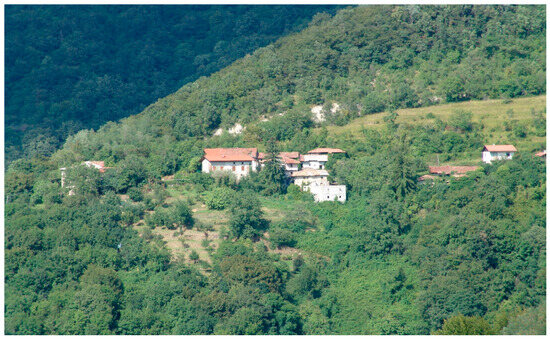
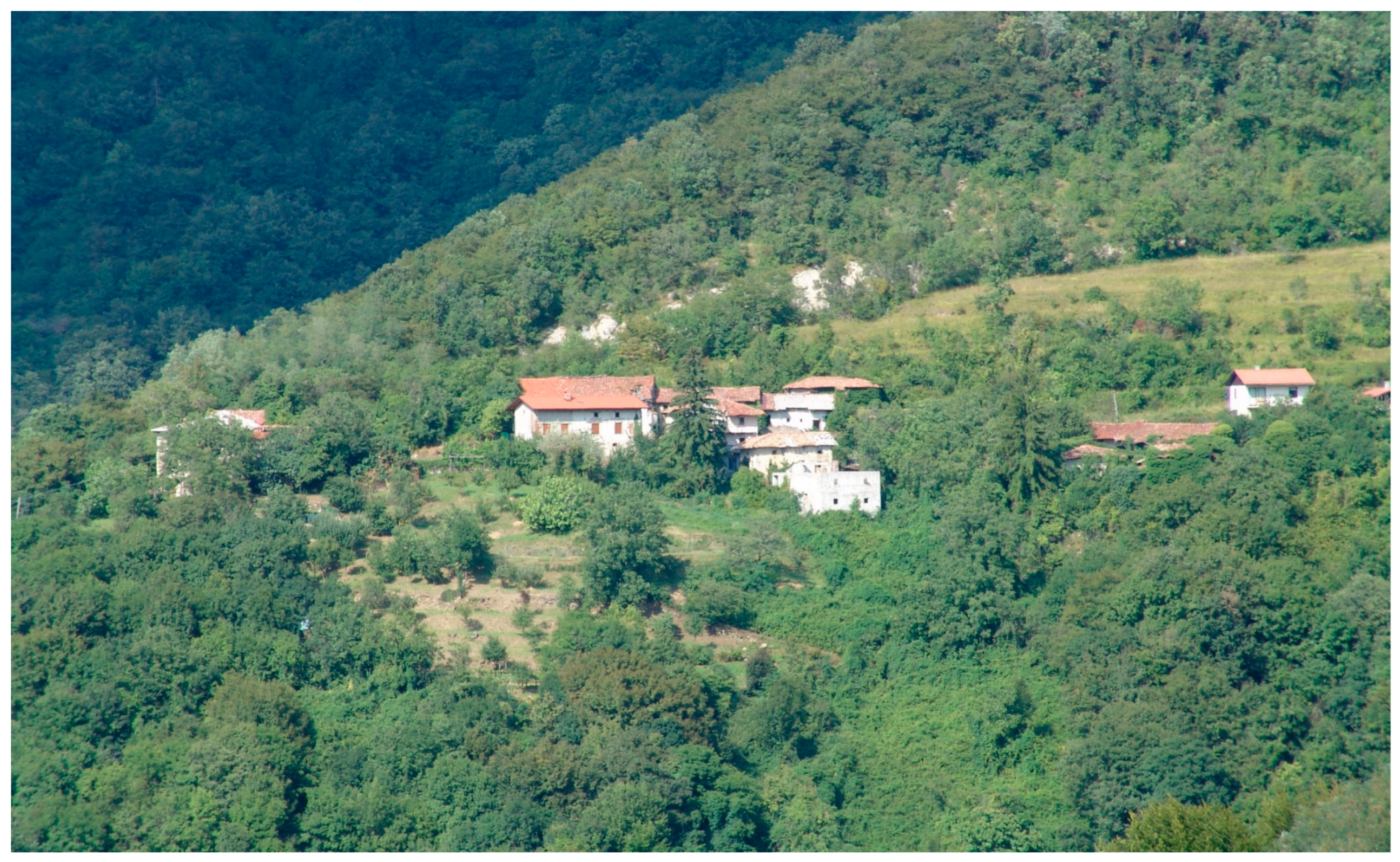
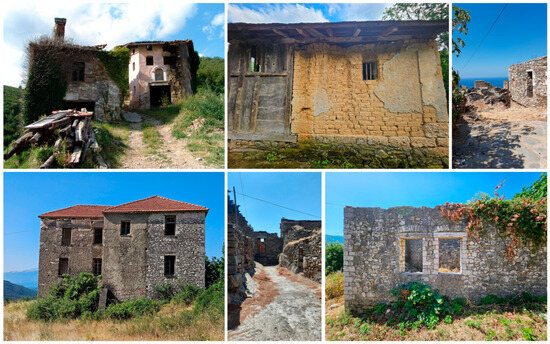
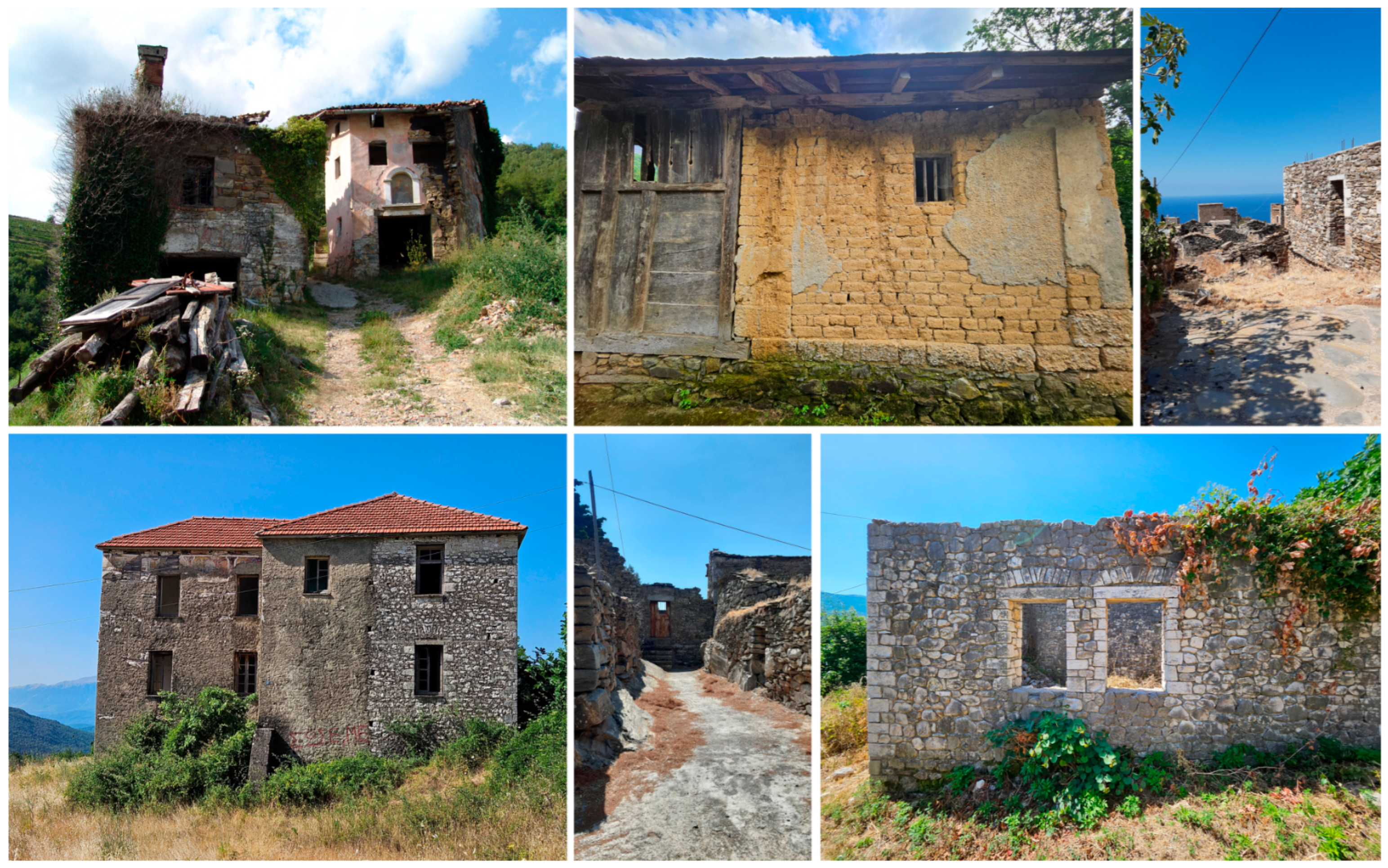
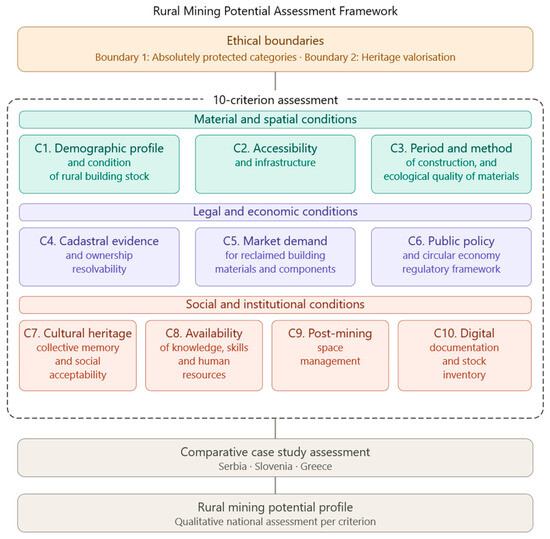
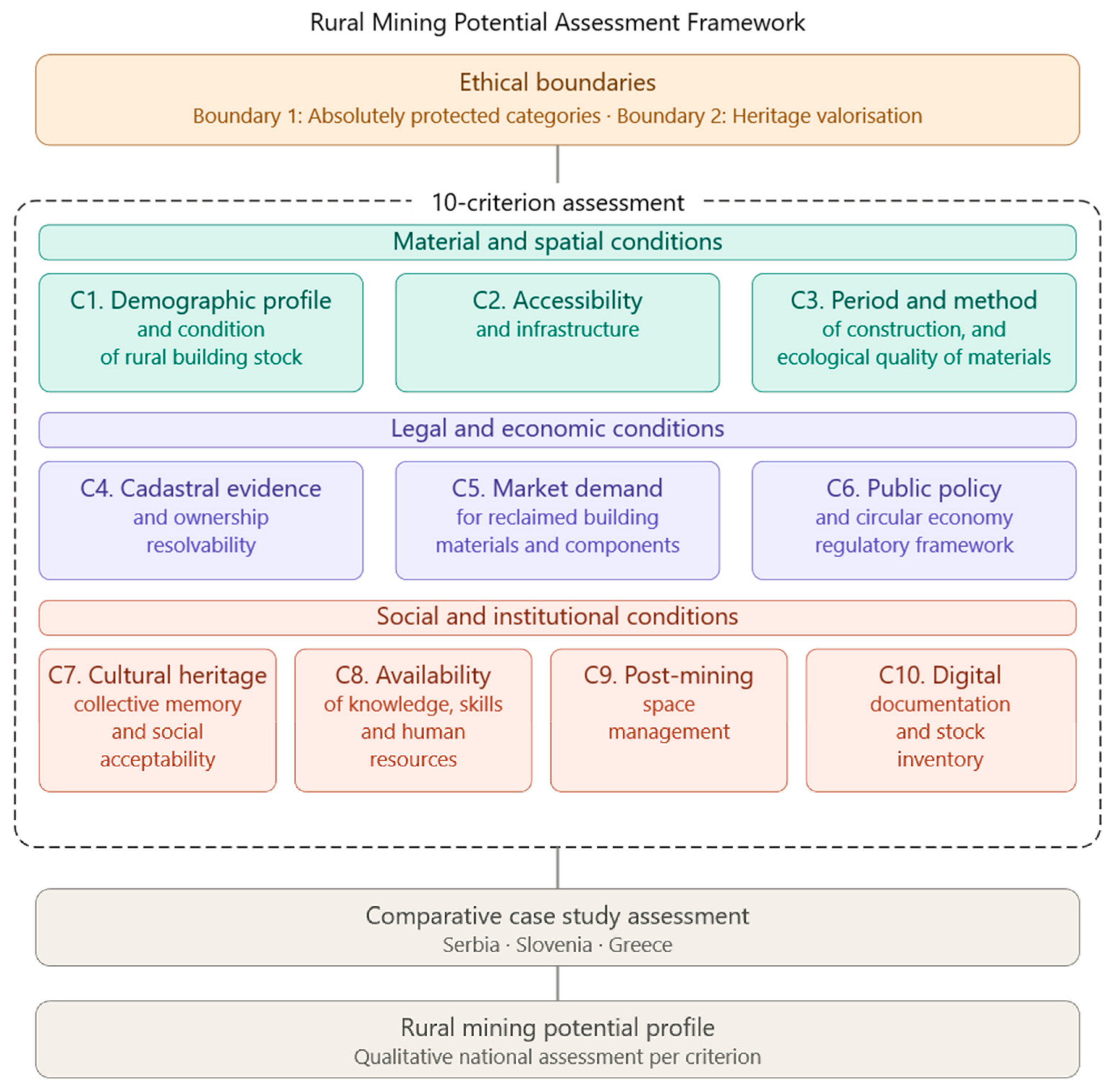
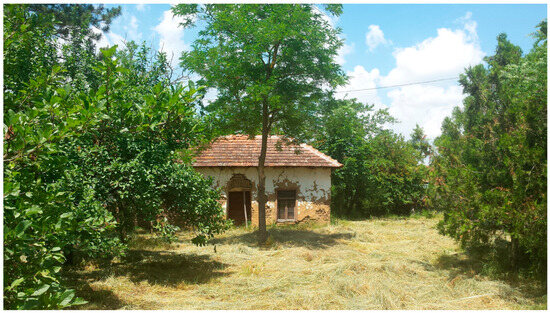
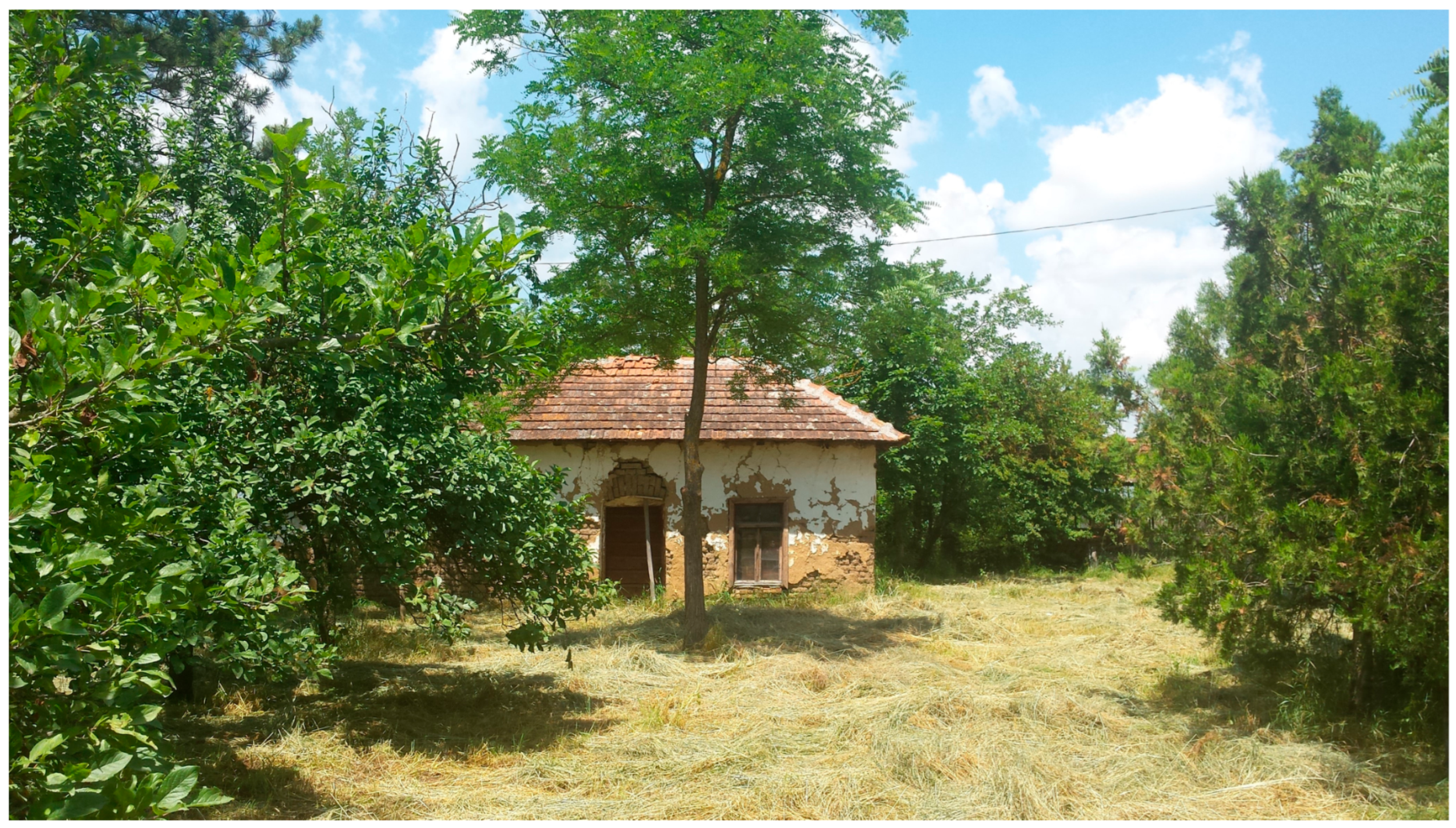
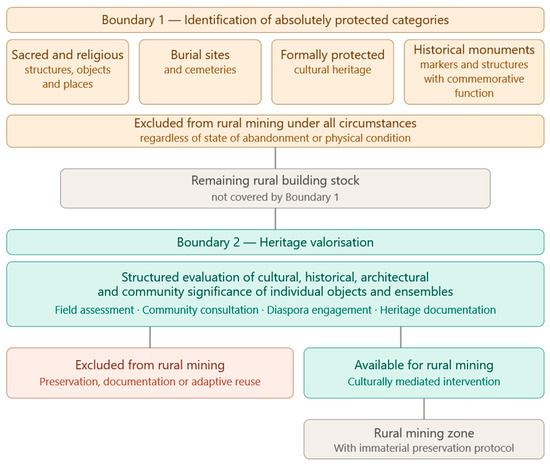
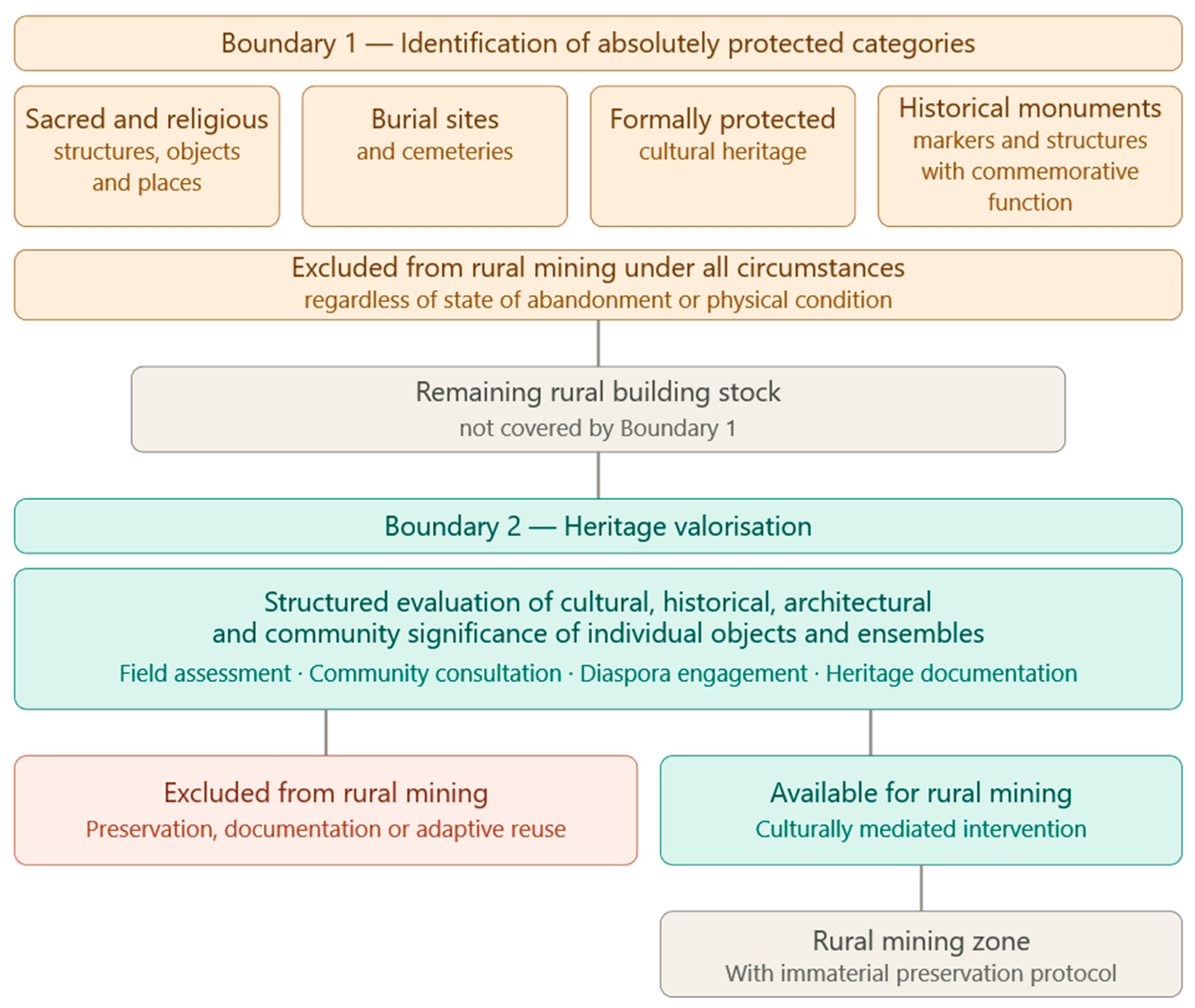
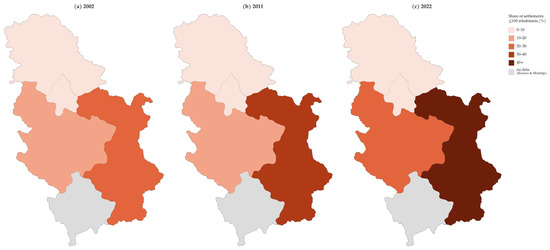
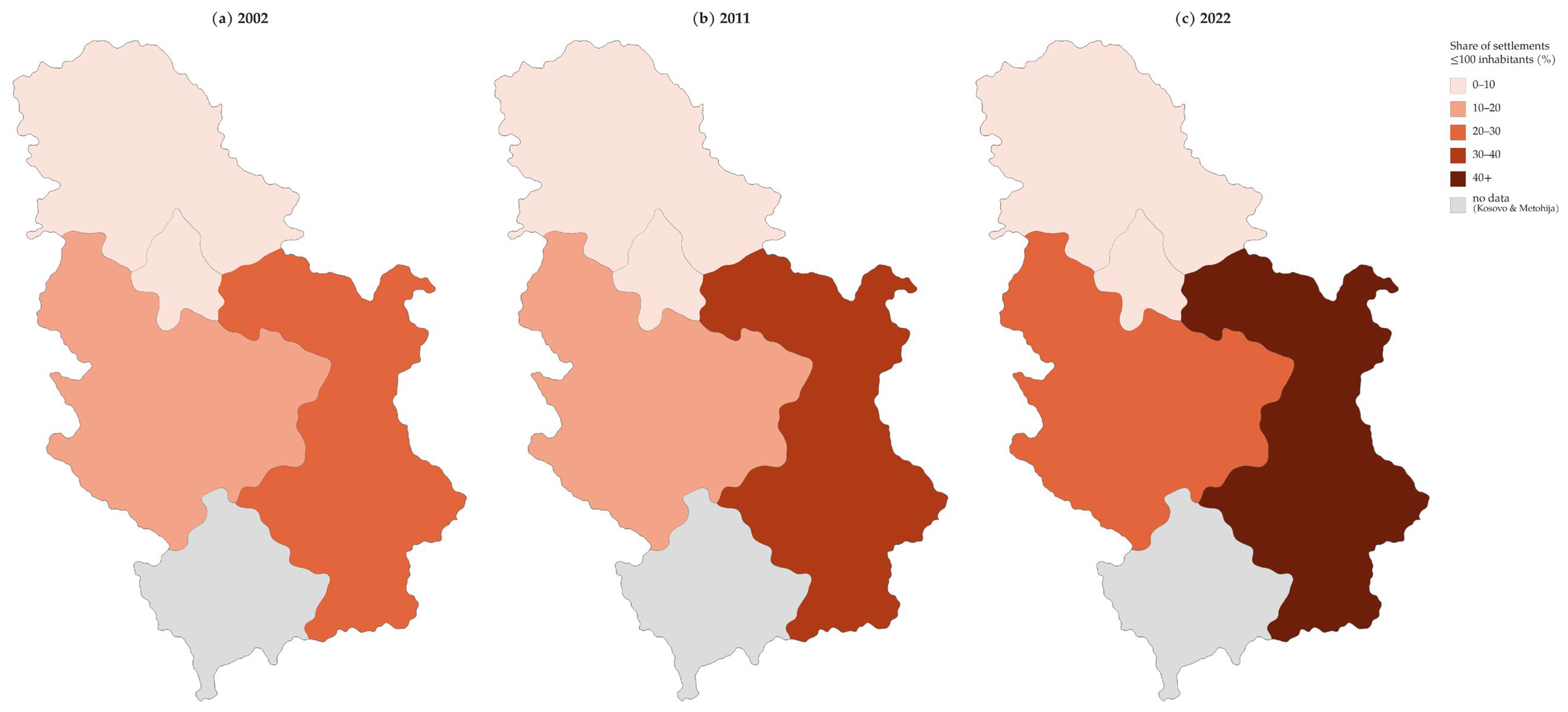
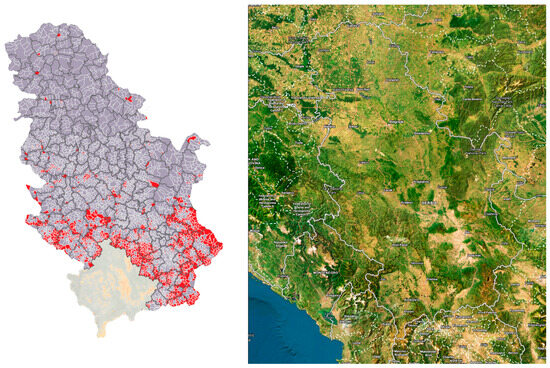
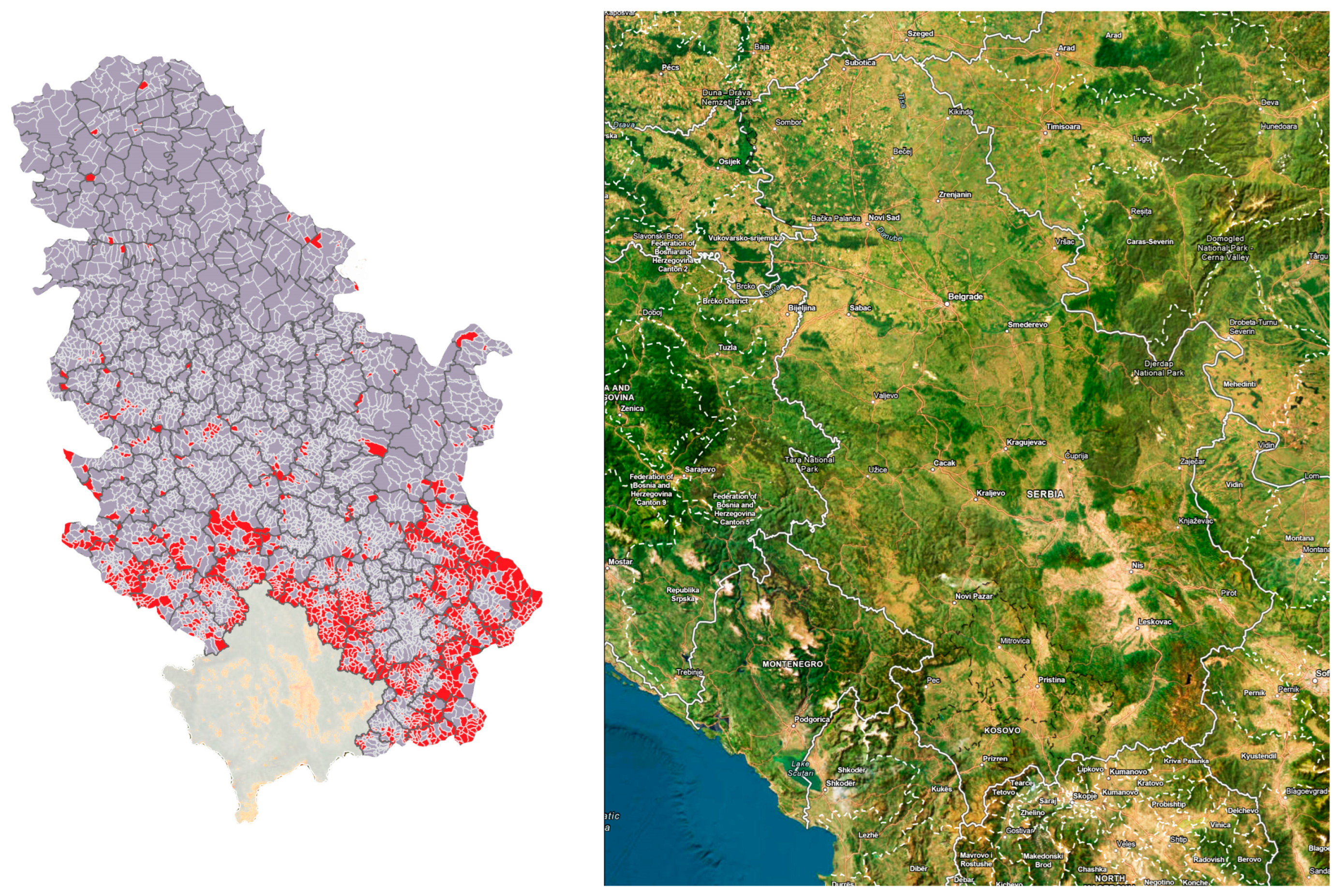
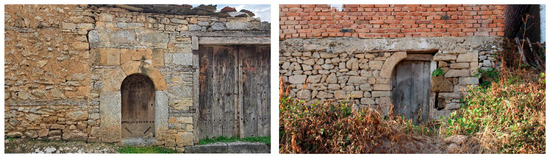
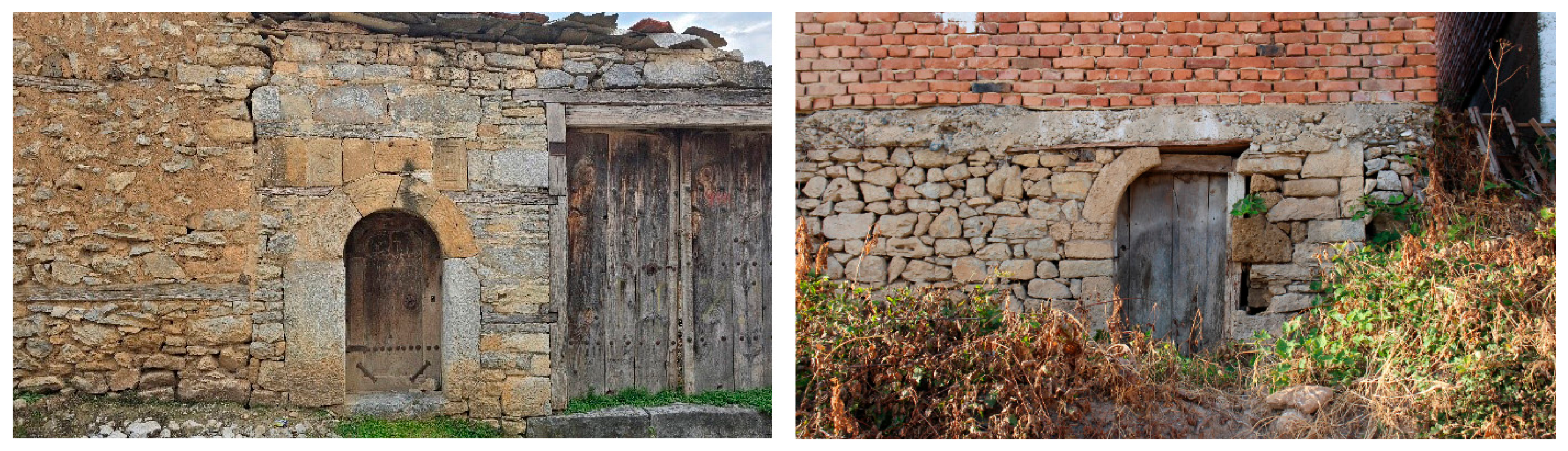
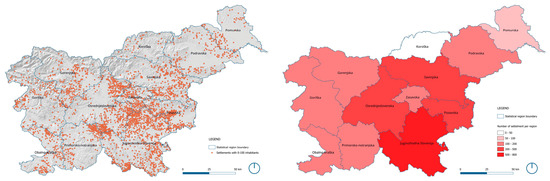
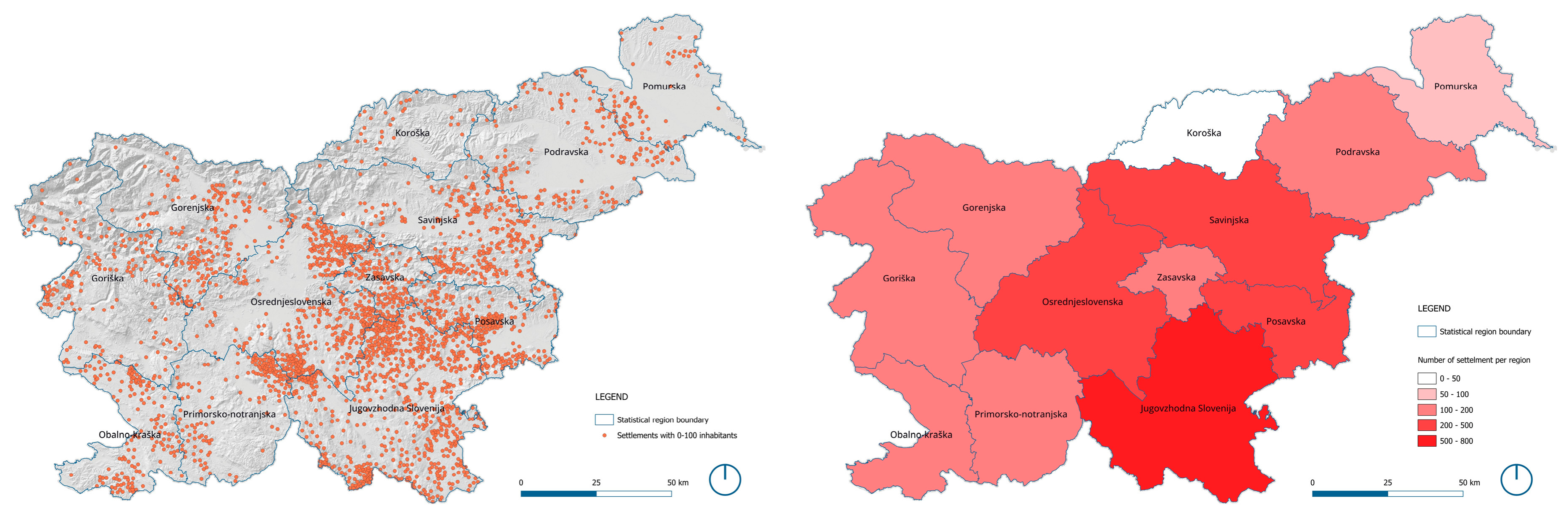
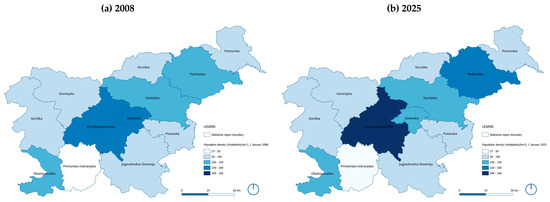
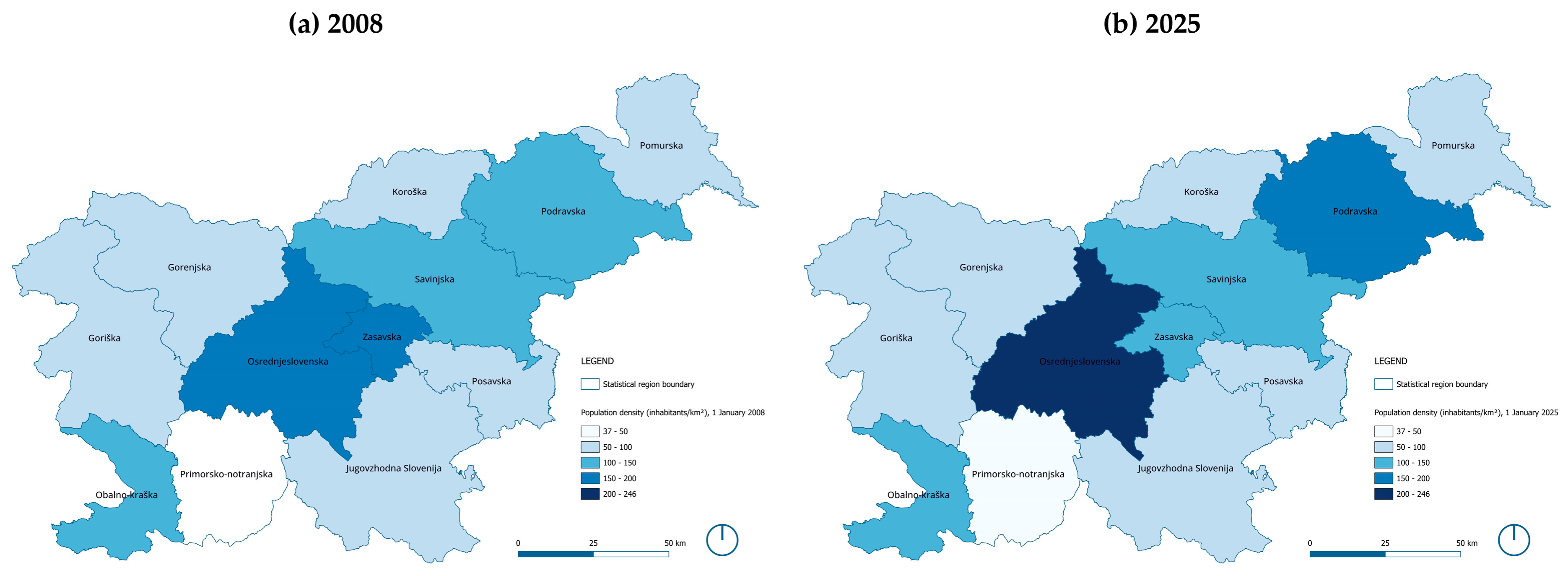
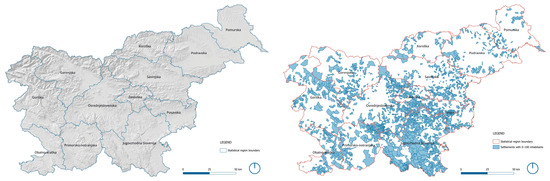
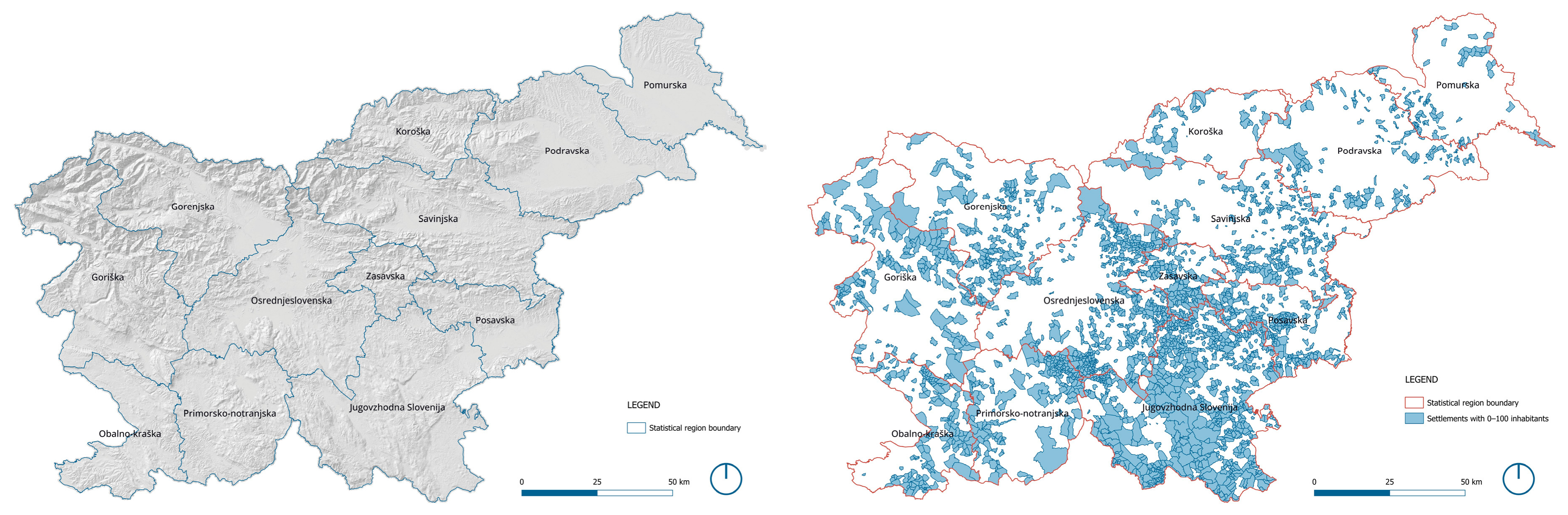
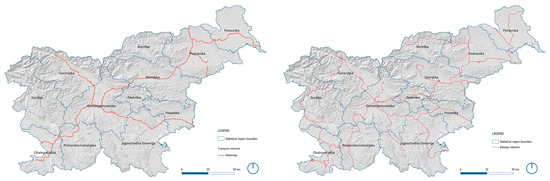
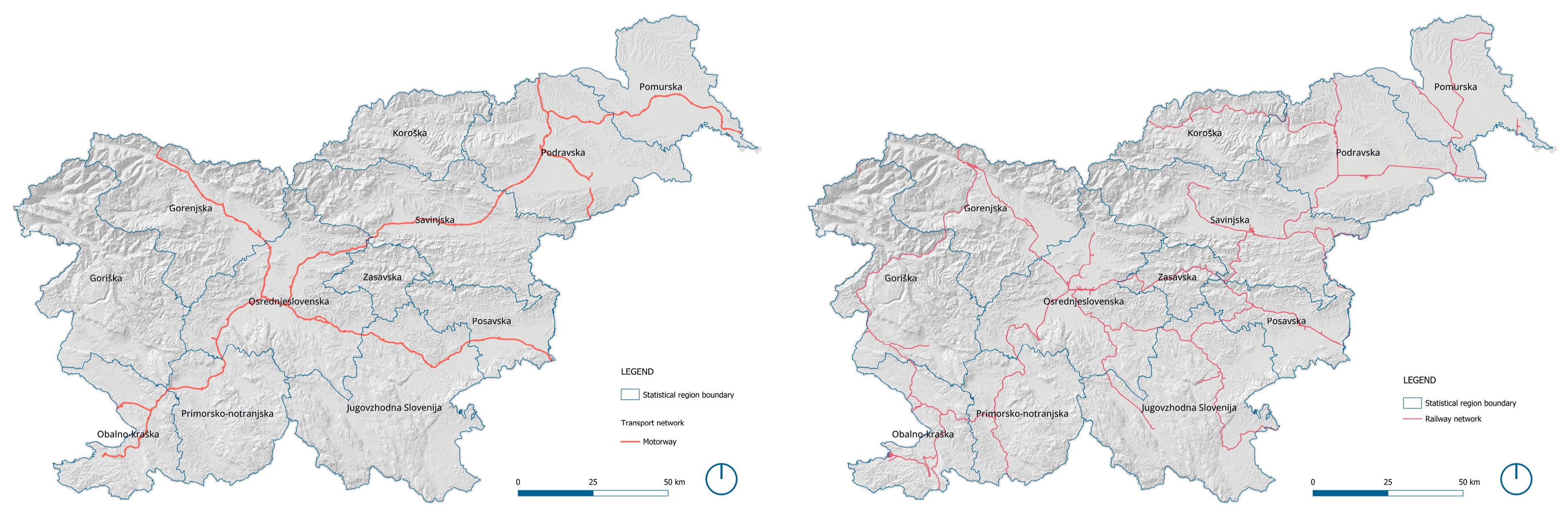
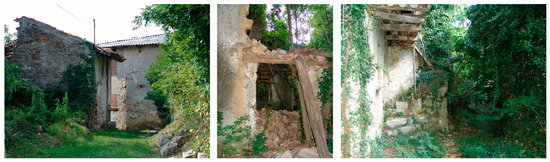
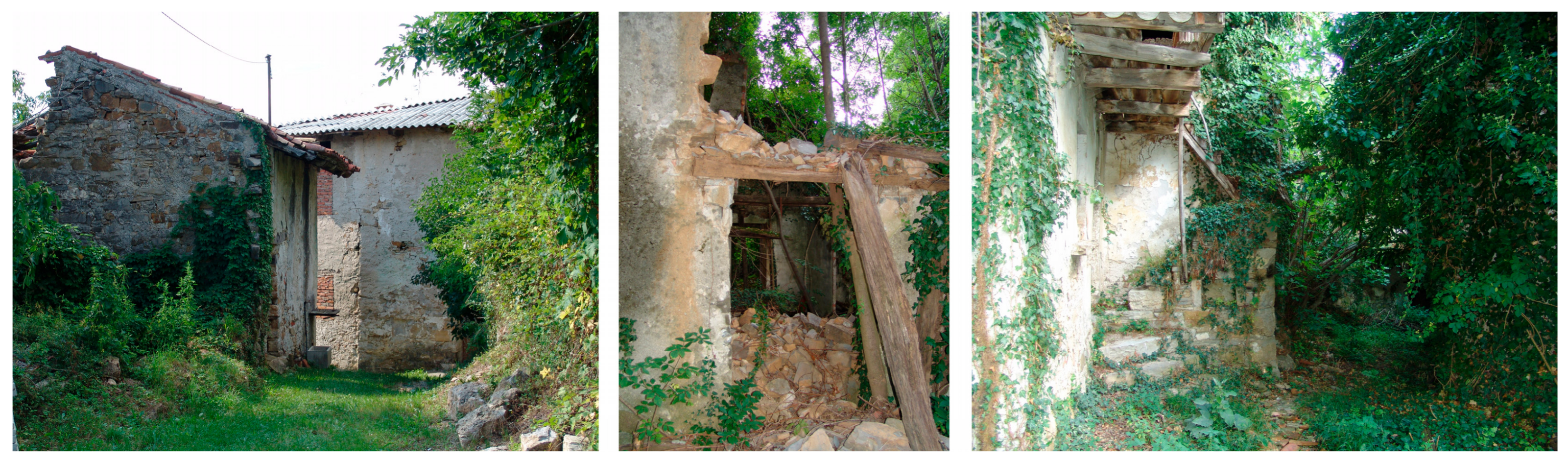
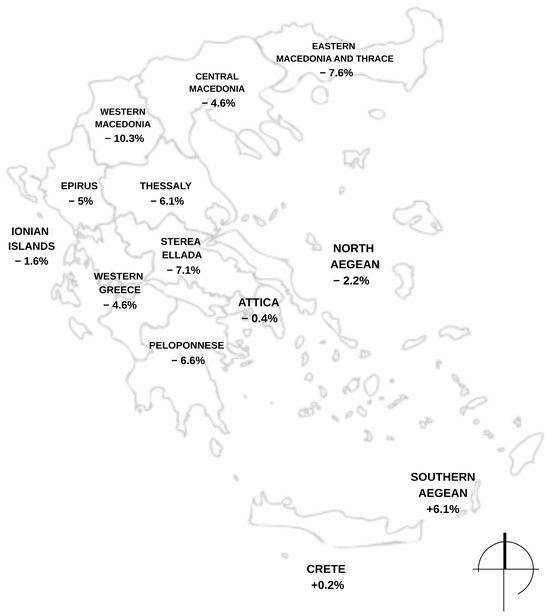
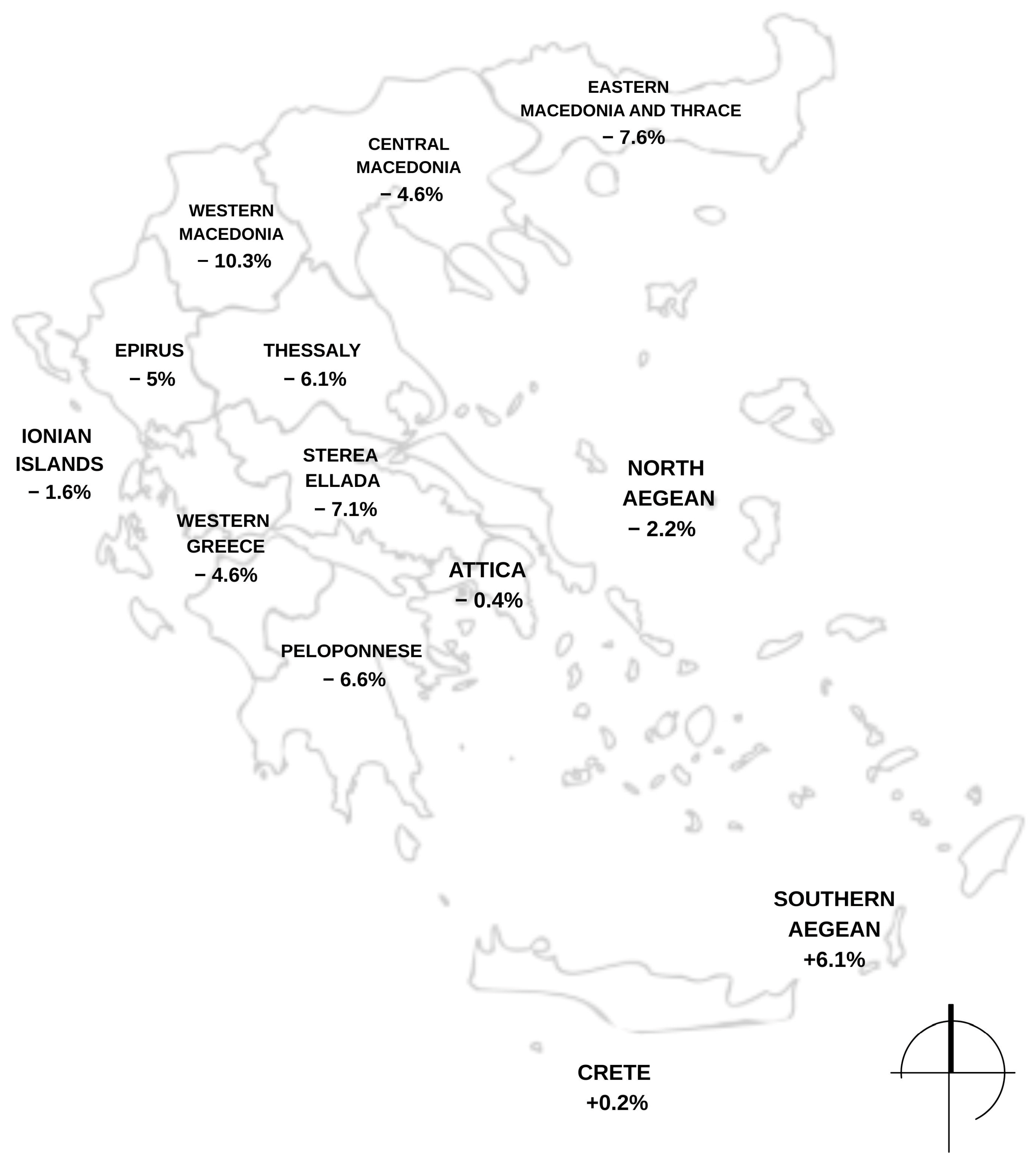
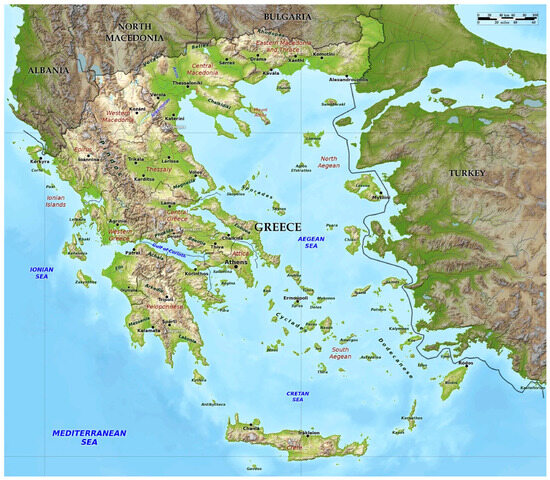
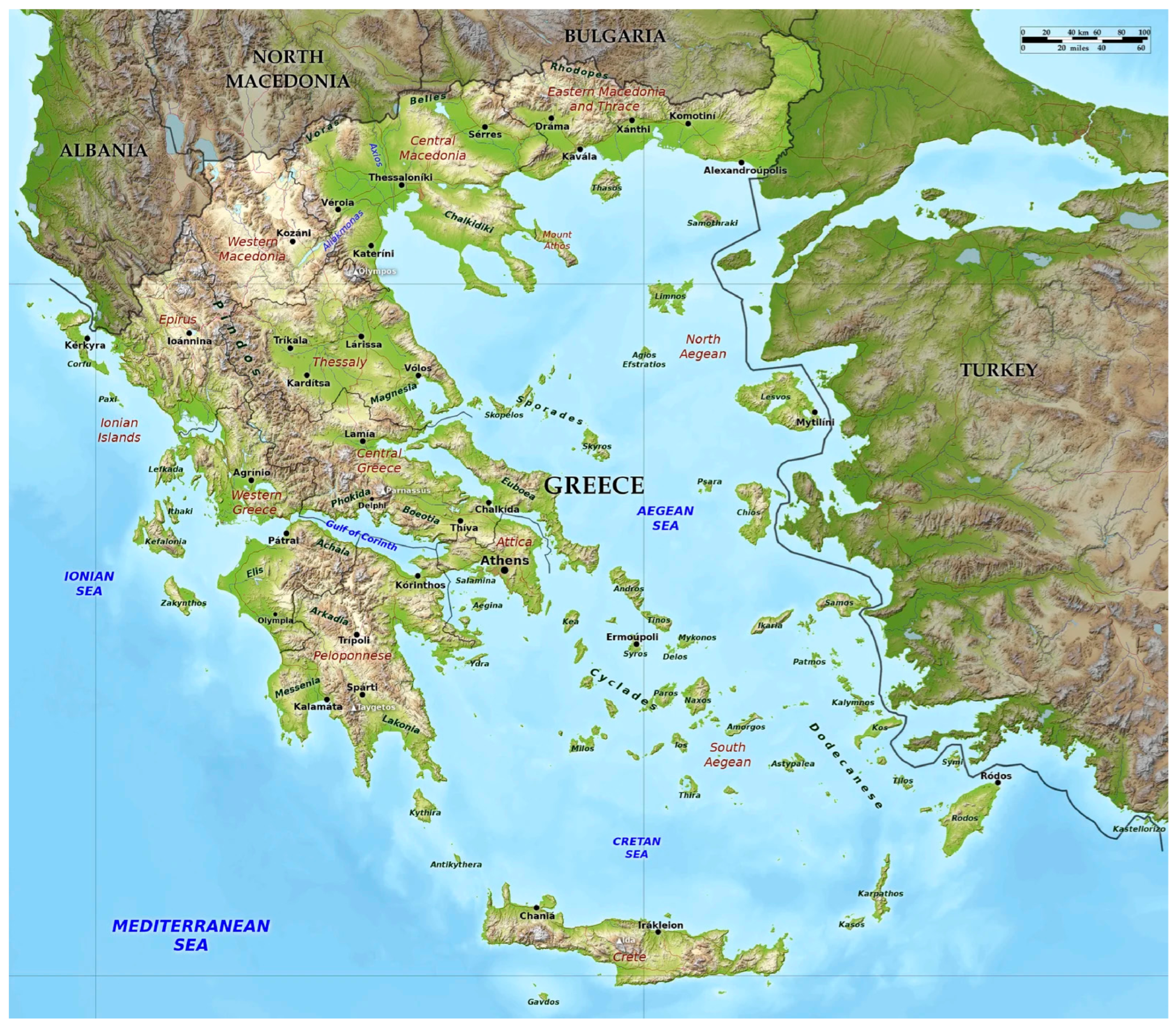
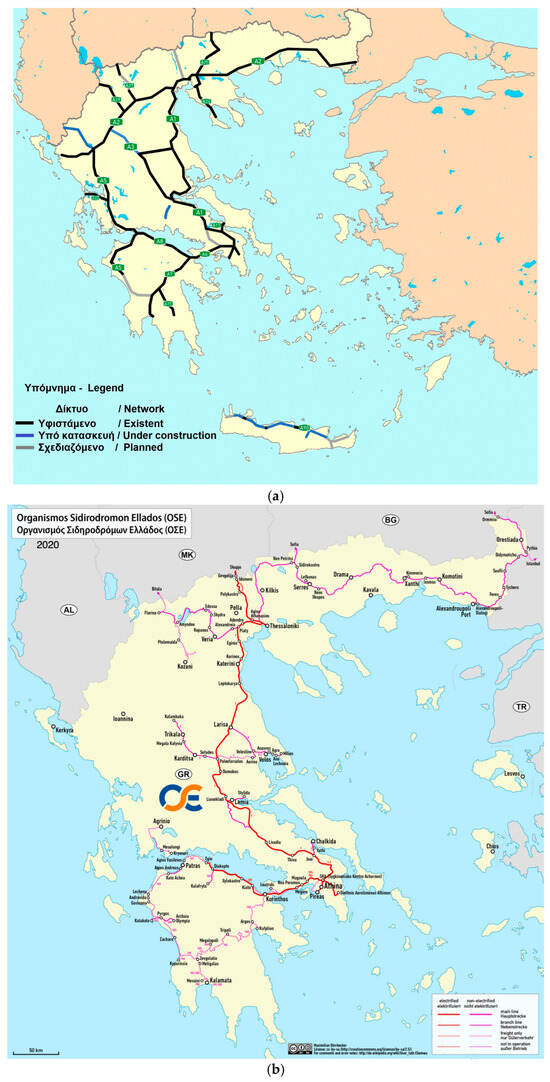
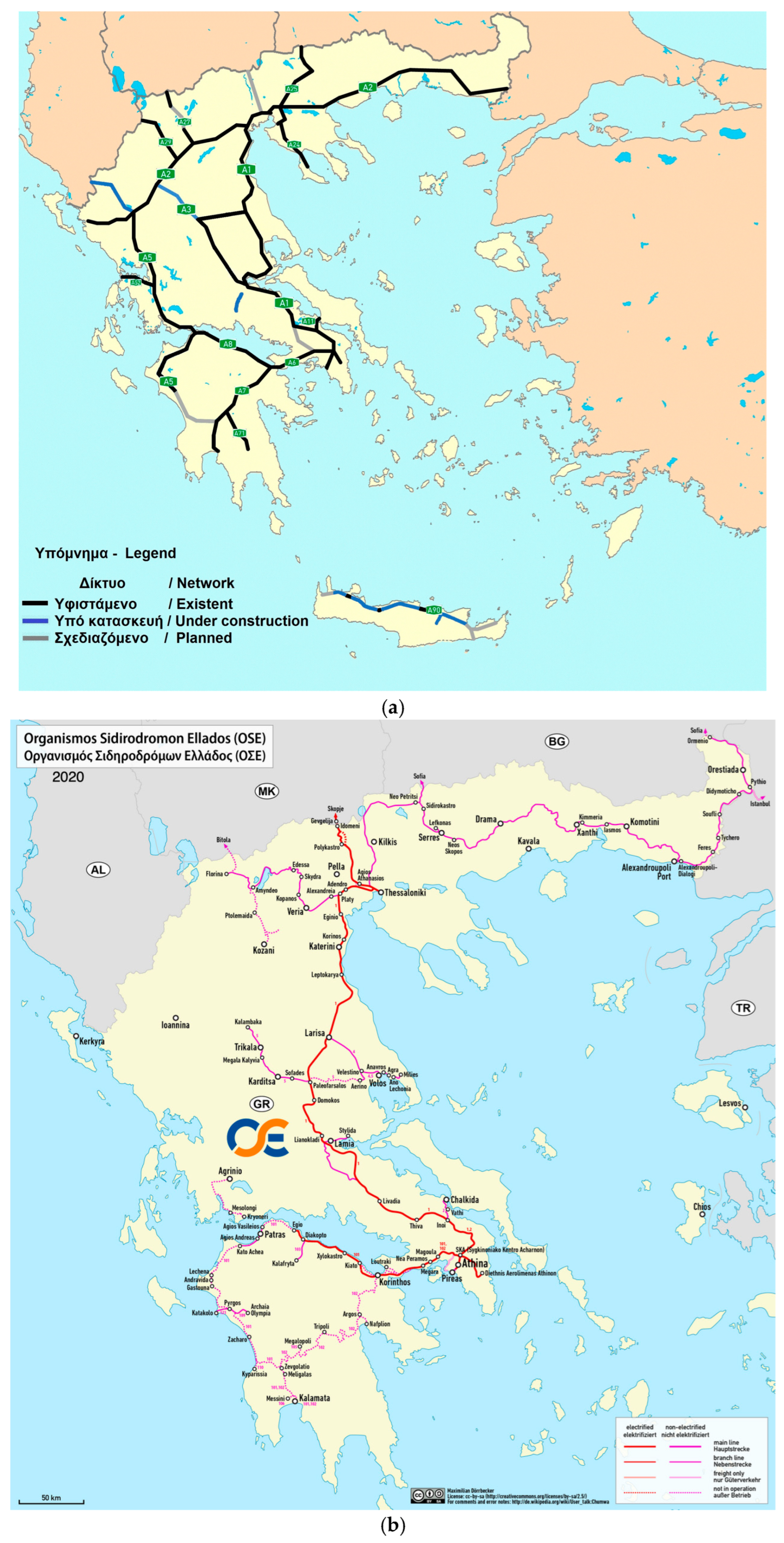
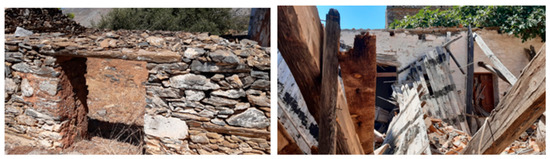
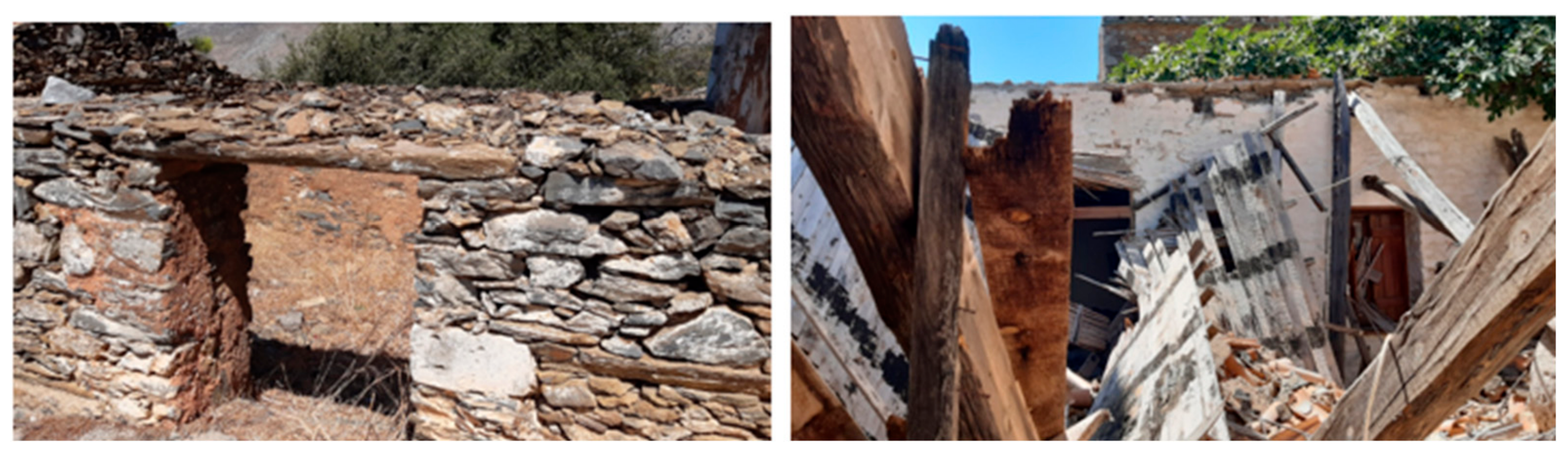

Disclaimer/Publisher’s Note: The statements, opinions and data contained in all publications are solely those of the individual author(s) and contributor(s) and not of MDPI and/or the editor(s). MDPI and/or the editor(s) disclaim responsibility for any injury to people or property resulting from any ideas, methods, instructions or products referred to in the content. |
© 2026 by the authors. Licensee MDPI, Basel, Switzerland. This article is an open access article distributed under the terms and conditions of the Creative Commons Attribution (CC BY) license.