


Abstract
The need to achieve the sustainability goals and to reduce the continuous exploitation of the limited urban areas increases requests for the regeneration of brownfields. The current study aims to review the state of brownfields in the Northern Czech Region and neighboring German (Saxony) and Polish (Silesian) Regions which share a common geological background and environmental problems. The peculiarities of the brownfield’s properties related to the term, classification, legislative framework, access to available data, degree of contamination, and remediation methods were the focus of this review. It was established that the state with brownfield identification and transformation is better in the Czech Republic, followed by Germany, with lower awareness in Poland. The relevant examples of successful brownfield revitalization and the importance of educational components were introduced. A prospective application of the phytotechnology with the second-generation crops for the remediation of brownfields was discussed. The utilization of Miscanthus spp. for marginal lands with low contamination can provide an economic return by having biomass converted into energy or bioproducts and the utilization of the accompanied waste as carbon-rich biochar which can indeed support phytoremediation, enhance plants’ growth and serve as a medium for carbon sequestration. The next steps in the research have to concentrate on comparison of the rehabilitation methods introduced for the targeted regions with the global approach in brownfield redevelopment along with the practical ensuring the phytotechnology potential at the selected brownfields.
1. Introduction
The global requests for soil protection and sustainable land management call for regeneration of the brownfield territories [1]. The importance of the revitalization of these lands is due to necessity to fulfill the sustainable development goals and limited availability of new land for development [2]. Countries have found brownfield regeneration to be an opportunity to bring back the derelict or detrimental underused sites into the cycle of territorial utilization [3].
The prevailing definition of the brownfield area does not exist [4]. The term “brownfield” was first used in 1992 by the United States Environmental Protection Agency (EPA) when the pioneer brownfield project was designated in 1993 in Cuyahoga County [3]. In the USA the following definition is commonly used: “The lands that have been once used industrially or commercially and are now abandoned and inactive, and the possibility for their redevelopment is very complicated due to environmental pollution” [5]. The Federal Environmental Agency of Germany defined brownfield as “previously developed lands that are to be redeveloped for ecological reasons, urban development or social reasons but which redevelopment potentials are hampered by [severe] conditions. Such hindrance could be for example a suspected contamination because of previous commercial, industrial or military use” [6]. In the Czech Republic brownfields are defined as territories “which have been affected by the former uses of the site and surrounding land, are derelict and underused, may have real or perceived contamination problems, and requires an intervention to bring them back to beneficial use” [7,8]. In [9], brownfields are defined as “any land or premises which has been previously used or developed and is not currently fully in use, although it may be partially occupied or utilized. It may also be vacant, derelict, or contaminated. Therefore, a brownfield site is not available for immediate use without intervention”.
The commonly used definition is proposed by the Contaminated Land Rehabilitation Network for Environmental Technologies [10], which defines brownfields as “sites that have been affected by the former uses of the site and surrounding land; are derelict and underused; may have real or perceived contamination problems; are mainly in developed urban areas and require intervention to bring them back to beneficial use”.
Summarizing, brownfields can be described as former industrial zones used currently as cultural or community centers, or areas originally in operation but which remained inactive after the completion of production; the site may be contaminated with physically damaged external and internal structures.
The studies on brownfield revitalization are common in the Czech Republic and Germany but are not broadly presented in Poland [11]. Research is focused on the evaluation, redevelopment patterns, perceptions in a framework of sustainability, and impact of policy and administrative measures. The results are often based on experts and stakeholder’s interviews and surveys, and only a limited number of researchers introduced the experimental results [2]. A few investigations used a spatial pattern analysis with comprehensive data to facilitate the approach to brownfield regeneration [2,3,12,13]. Tentative EU Reports [14,15] introduced successful case studies on the regeneration of brownfields in the selected European countries.
Soil remediation is an essential step in brownfield redevelopment because these localities had often been used for industrial or commercial purposes. Thus, brownfield sites are in many cases subject to contamination, causing soil, groundwater and indoor air pollution in urban areas. The contaminants of brownfields are difficult to determine, especially in cases of contamination by volatile organic compounds such as chlorinated hydrocarbons [16].
Abandoned and contaminated lands pose a threat to the environment and are considered environmental problems with underlying economic and social consequences. The key issue of brownfield management is the elimination of environmental risks with respect to the site’s use; however, it does not necessarily require additional measures to revitalize the area to be used again. It is therefore crucial that in the decision-making process, the environmental issues and land use planning have to be considered simultaneously.
The challenges and barriers for the proper transformation of brownfields are sometimes common for various regions [17]; however, rather often, territories have their own priorities and incentives [2,18]. In the Central Europe, the mapping of brownfields and developing methods for revitalization had gained intensive attention since the 1990s [11].
This paper looks at the current state of brownfields and their revitalization in the territory of the Northern Czech Republic and the neighboring regions of Germany (Saxony) and Poland (Lower Silesian) and has a goal to deeply provide an overview of the state of the art and the peculiarities of the brownfield’s legislation, management and prospects for revitalization, and to propose practical advice for more successful redevelopment of the region. The focused territory was known as the so-called Sudeten region, which had a lot in common in terms of industrial development and mining exploitation being a part of the Austro-Hungarian empire before WW1 and Czechoslovakia till 1938, before its annexation in accordance with the Munich agreement. After WW2, the focused region belonged to the former Warsaw’s agreement countries and was essentially exploited without proper attention to the environmental security [19,20]. A massive redistribution of resources took place during the socialist area. Having such a heavy ecological legacy, the focused region still has the negative consequences of the merciless exploitation of natural resources. Moreover, the focused areas of the Northern Czech, Saxony and Silesian are considered as belonging to the repressive areas in each of the countries.
Numerous existing barriers to development make brownfield projects more complicated, long in duration, costlier and riskier [21]. An important kind of barrier to brownfield reuse is the lack of technical tools and professional know-how. Some of these are quite simple, such as a sufficient method for local authorities to audit and prioritize the brownfield holdings or a nation-wide registry of contaminated sites and their parameters, linked to the cadastral registry, so that buyers can unambiguously know the status of the sites and sellers can record the kind of cleanup or investigation performed [22].
To overcome these limitations, it was necessary to assess the similarities and differences in policies and management of the brownfields in the targeted region of the Northern Czech, Saxony and Silesian, to summarize the previous revitalization efforts and to propose the next steps for improving the situation through the joint policy by coordinated work and common financial support, which formulated the significance of the current study.
2. Methodology
The methodology involved two main stages: the screening of literature, and the selection of data for evaluation.
2.1. Literature Search
The first step in the methodology was the literature search and its critical evaluation. It was conducted in two steps: first, articles from peer-reviewed journals were identified and screened to examine the current status of brownfield research; secondly, the search for existing data on available brownfields and case studies on their regeneration was introduced with a focus on remediation. Information and available data on the brownfields in the focused region of the Northern Czech Republic territory, Saxony and Lower Silesia, and the case studies of brownfield regeneration, were gathered. The published case studies including the addressed projects websites and the websites of the respected ministries were evaluated and critically assessed.
2.1.1. Search for Peer-Reviewed Articles
The search for peer-reviewed articles was carried out using two online databases:
- Web of Science (WOS): https://apps.webofknowledge.com/ (accessed on 27 December 2022).
- Google Scholar: https://scholar.google.com/ (accessed on 27 December 2022).
2.1.2. Search for Data on Available Brownfields and Case Studies
The search was implemented using keywords common in brownfields studies identified by [11], which included brownfield, regeneration and remediation. These keywords were used in the search of literature in the various databases. In addition to the selected keywords, the score regarding geography was included, i.e., the Czech Republic, Germany and Poland as the focused countries.
The search concerning information on existing brownfields and related case studies started with a Google search (https://google.com/ (accessed on 27 December 2022)), followed by a search through brownfields databases, websites of respected government organizations and international and domestic projects. The specific databases on identified brownfields were collected from the various websites and published documents of governmental entities and private organizations involved in brownfield remediation.
2.2. Literature Screening and Data Selection
From the search of the peer-reviewed articles,
- 103 articles were identified from the WOS using: Brownfield* AND (Regeneration OR Remediation) AND (“Czech Republic” OR Germany* OR Poland*).
- Search from Google scholar taking the first 100 hits using: Brownfield* AND (Regeneration OR Remediation) AND (“Czech Republic” OR Germany* OR Poland*).
In total, 203 articles were identified from the databases; from this amount, 83 articles were refused based on their titles, 64 articles were omitted based on information in their abstracts, 9 articles were excluded for being written in a language other than English, 6 articles were eliminated after the full-text screening, 18 articles were removed for being duplicated in the WOS and Google Scholar and 10 articles were included from additional records after contact with experts and a search of cited references. Finally, 33 articles were selected and deeply analyzed, which are presented in Table 1.
Table 1.
Articles selected for analysis in the study.
2.3. Analysis of the Collected Data
The following methods were utilized for the analysis of the collected data: a) method of comparative analysis for case study research [23]; b) method on the identification of dimensions covered in each selected study and the association of thematic areas [24]. In addition, a study area map and maps with brownfields in the Northern Czech Republic were developed by mapping with geographic information tools (ArcGIS). A Bar Plot on R software was created to show the different shares of total expenditure spent on the management of contaminated sites in Europe.
3. Results and Discussion
3.1. Categories of Brownfields
Generally, brownfield sites can be classified based on their background, size, level of pollution, likelihood of use, financial consequences of the revival, economic attractiveness and location [25]. According to their previous use, brownfields can be categorized as follows [9,25]:
- unused agricultural areas of former farms and agricultural businesses;
- former mining area where extraction of raw materials was provided; these territories are extremely large, with millions of cubic meters of degraded soil;
- former industrial territories where production no longer exists and pollution is visible;
- post-military territories including former barracks and military areas left vacant after changing the national military codes and the reduction of army corps;
- civic amenities: cultural buildings, administrative or residential spaces, closed or partially used amenities (shops, small operation, repairing, health centers, former schools);
- housing/public amenities: unused buildings, blocks, settlements, abandoned houses;
- abandoned transport structures due to technological and organizational transformation, including oversized freight stations, sidings, terminals, depots, shipyards, ports;
- former tourism attraction including entertainment parks, recreation areas;
- unfinished buildings not being used due to a wide range of reasons, which can be dangerous.
3.2. Background and History of the Focused Region
The focused regions are culturally and historically connected and share common environmental problems caused by the former mining activities, intensive industrialization, and the current joint policy implementation.
The transformation of brownfields into secure sites is the responsibility of the regional and state authorities. For the focused regions, they are presented by the Ministry of the Environment (the Czech Republic), the Federal Environment Agency “Umweltbundesamt” (Germany) and the Ministry of Environment (Poland). The map of the targeted region is presented in Figure 1. The review highlights the relevance of soil remediation and common technologies as well as the prevailing challenges, and presents opportunities for the future re-development of brownfields in the aimed regions.
Figure 1.
Map of Targeted Regions in the Northern Czech Republic, Saxony and Lower Silesia.
Three main interconnected dimensions exist concerning the regeneration of brownfields, i.e.: political and economic, social and cultural, and environmental [16]. The most important geological event affecting the targeted regions of the Northern Czech, Saxony and Lower Silesia was the Hercynian (Variscan) orogeny in the Late Paleozoic period, which led to folding and formatting of the tight rock [26]. The Alpine orogeny in the Late Mesozoic period led to the breaking and formation of fault-block mountain ranges which currently form the Czech–Germany and the Czech–Poland borders. The location includes Ore mountains (called Krušné hory in the Czech language and Erzgebirge in the German language), Lusatian mountains (called Lužické hory in the Czech language, Lausitzer Gebirge in the German language and Góry Łużyckie in the Polish language) and Giant mountains (called Krkonoše in the Czech language, Karkonosze in the Polish language, and Riesengebirge in the German language). The mountains are generally quite steep on the Czech side, while the slope is mild in the German and Polish territories. The mountains are rich in metal ores (Zn, Sn, Pb, Cu, Hg, As, W, Li) which have been mined here from the ancient times, as well as in deposits of lower-quality brown coal in depressions. The shape of the mountains affects the local climate, forming a precipitation shadow on the Czech side [27,28].
The existence of various ore deposits led to intensive development during the Industrial Revolution. An uneven distribution of the resources (dominantly metal deposits have been located on the Saxonian and Silesian sides, whilst dominantly coal deposits have been located in the Northern Czech region) significantly stimulated the formation of the railway network, exploited primarily for the transportation of coal to the Saxony and metals to the Czech territories.
The political changes after World War II shaped the areas significantly: a communist regime was established in all three countries, Prussia was annexed to Poland and Germans were moved from the Czech Republic. This led to the reduction of populations in some villages and cities by up to 100% (including large cities such as Ústí nad Labem or Teplice, which used to be dominantly German) and the loss of social roots. The followed intensification of the industry and ruthless exploitation of the natural resources without maintaining environmental rules forced the significant pollution of the areas, enormous changes to the landscape and formation of tremendous disturbed and contaminated areas, including brownfields. In particular, the surface-operated brown coal mining increased by order of magnitudes in terms of its air emission of sulfur dioxide, mercury and ash and the contamination of the surface and ground waters [29].
After the falling of the communist regimes in the late eighties, restoration measures were reviewed up to the modern state-of-the art and intensified. The efforts have been essentially intensified after the reunification of Germany in 1990 and entrance of the Czech Republic and Poland to the EU in 2004. This transition required the harmonization of in-country environmental legislation and a new policy for management of stricter EU environmental rules and regulations, including strengthening pressures toward brownfield reclamation and revitalization [30,31,32,33].
Since 2021, the EU has established a Just Transition Fund, aimed to create a modern sustainable economy at the supporting regions dominated by coal mining (including, among others, regions overviewed in this review). This implies reclamation of post-mining sites, research and development, support of renewable resources, investments into energy-saving technologies, education, social support and other relevant activities [34].
3.3. Brownfields in the Czech Republic and Neighboring Saxony and Lower Silesia Regions
In the Czech Republic, Germany and Poland, different approaches are utilized for the regeneration of brownfields. Since the early 2000s, in the Czech Republic research on brownfields focused on the evaluation of sites and redevelopment patterns. The brownfields were discovered and registered in the various regions, and questions about their revitalization had attracted public administration efforts [2]. In Germany, the Federal Environmental Agency identified brownfields as areas in the cities that are unused and needed refurbishment [8]. Thus, research efforts on brownfields in Germany, including Saxony, has been skewed towards urban greening, urban shrinkage and growth, and ecosystem services [35,36]. In Poland, including in the Lower Silesian region, less attention is paid to the brownfield restoration issues, and existed attempts were rather fragmentary. However, a recently published investigation supported by EU funds [37] introduced complex inventory data on brownfields located in Silesia province which is the first database of such a type in the region. The different ways how brownfields are conceptualized in the Czech Republic, Germany and Poland are described in Table 2.
Table 2.
Conceptualization of brownfields in the Czech Republic, Germany and Poland.
3.3.1. Brownfields in the Czech Republic
The main governmental organization dealing with brownfields is CzechInvest. It defines brownfields as follows: “A brownfield is a property (land plot, building, complex) that is underused or is abandoned and possibly contaminated, and cannot be effectively used without undergoing a process of regeneration. Brownfields arise as remnants of industrial, agricultural, residential, military or other activities” [38]. This definition has been quoted and reflected in the country’s several legislative documents.
The Ministry of Regional Development of the Czech Republic has own definition of the brownfields, i.e.: “Brownfields are all land plots and properties in urban areas that have lost their original purpose and are underused. Such properties are economically and physically detrimental to their surroundings and to themselves”; the Ministry of the Environment proposed the following definition: “Brownfields are all land areas that have been fundamentally disturbed by human activity and cannot be further used effectively or may potentially pose a threat to the environment” [39].
The First National survey on brownfields was conducted by CzechInvest in 2005–2007, and the database comprised brownfields greater than one ha in all regions of the country. According to the estimation, about two thousands three hundred and fifty-five brownfields with an overall surface of ten thousand three hundred and twenty-six hectares were recorded [40]. However, nowadays, the CzechInvest database does not cover many brownfields across the country. That happened because owners of brownfields must consent to publish information about the property, and as a result, they refused to disclose necessary data, being convinced that properties designated as brownfields would not be interesting to potential investors [14]. A total number of four hundred fifty-seven brownfields are listed nowadays in the database of CzechInvest, and the majority of these territories are former industrial sites or agricultural lands, estimated as one hundred eighty-four and ninety-two sites, respectively. The biggest number of brownfields are identified in the Ústí and Liberec regions, fifty-six and fifty-one sites, respectively (Table 3), whilst for the capital city, Prague, only one brownfield was reported [41]. The data about brownfields varied depending on the database. The survey of brownfields conducted in seven regions of the Czech Republic found [14] rather bigger numbers of brownfields compared with the data of CzechInvest, i.e., the total number of brownfields are estimated as one thousand three hundred four, and from those, one hundred and eighty are reported for the Moravian-Silesian Region, one hundred fourteen are in the Zlín Region, one hundred twenty-five are in the Olomouc Region, two hundred seventy-five are in the South Moravian Region, one hundred seventy-six are in the Pardubice Region, sixty-two are in the Hradec Králové Region, and three hundred seventy-two are in the Liberec Region.
Table 3.
Number of brownfields of different origins in the Northern Czech Republic [41].
Brownfields in the Ústí Region
The Ústí Region does not have its own database supplementary to the national CzechInvest database as some other regions do, despite the areas belonging to an intensively developed industrial zone with numerous large-scale brownfields. The revitalization of these territories requires huge regeneration costs, which creates difficulties in the transformation to a new full-fledged utilization. The map presented in Figure 2 shows locations of brownfields in the Ústí Region. From fifty-six brownfields reported for the Ústí Region, some 55% were former industrial sites; others are former agricultural lands and post-mining territories; there is also the former extraction site of the raw materials located in the city of Teplice.
Figure 2.
Map of brownfields in the Ústí Region; own creation based on mapping with geographic information tools (ArcGIS) using data from [41].
The rapid development of new greenfield sites at the outskirts of the cities contrasts sharply with the slowly functional changes in the brownfields within cities, which are often associated with the historical legacy of industrial production [42].
Brownfields in the Liberec Region
Similar to the Ústí Region, the other Northern Czech Region, Liberec, has numerous brownfields, associated with the former industrial background. In accordance with the state inventory, fifty-one recorded brownfields are located there [41]. However, in accordance with the regional database, the essentially bigger number of brownfields are reported as being equal to three hundred and forty, which is about five times higher compared with data of the national survey [43].
The map of brownfields registered in the Liberec Region is presented in Figure 3.
Figure 3.
Map of brownfields in the Liberec Region, own creation based on mapping with geographic information tools (ArcGIS) using data from [41].
Former industrial buildings are the most frequently occurring brownfields in the Liberec Region: one hundred and seventeen brownfields with industrial backgrounds are registered by the local inventory, while the state inventory reported about thirty industrial sites only. Similar to the Ústí, the Liberec Region has one brownfield formerly used for the extraction of the raw materials recorded, especially uranium using acid leaching [44].
3.3.2. Brownfields in the Saxony Region, Germany
In Germany, the term “brownfield” is defined by the Federal Environment Agency “Umweltbundesamt” as “Mostly abandoned factory sites or pieces of land no longer needed by still operating firms. The existence of brownfield land is mainly attributable to economic change and plant closings. Before brownfield land can be used, it has to undergo land recycling or brownfield redevelopment” [45]. Surveys conducted in the early 2010s estimated the total area of the unused sites at about 150,000–176,000 hectares. Unlike in the Czech Republic, the brownfields in Germany are not recognized as contaminated sites. In contrast, data about contaminated sites are operated by the State Working Group on Soil Protection “Länder-Arbeitsgemeinschaft Bodenschutz” (LABO), which is a part of the Ministry of Environment and Consumer Protection. The Ministry is responsible for strategic policies on soil conservation and protection provided in collaboration with the Federal and Provinces’ governments [46]. In 2011, LABO estimated approximately 128,000 hectares of contaminated sites, of which about 19,672 ha were reported for Saxony [46]. According to [9], the Saxony region has the biggest number of brownfields and abandoned sites in Germany. The remediation activities started in 2001 as part of an integrated brownfield remediation program funded by the European Regional Development Fund (ERDF). Unlike the Czech Republic, neither Germany nor Saxony itself have an online database of the brownfield sites.
3.3.3. Brownfields in the Lower Silesian Region, Poland
In Poland, the Ministry of the Environment defines brownfields as: “Degraded areas due to diffuse soil contamination - high density of landfill site”. The Ministry of Regional Development proposed the following definition: “Areas designed for recultivation including degraded or desolated grounds, such as closed dumps, dumping grounds, depressions (hollows), post-industrial areas, post-mining areas, post-military training ground for which the administrative bodies approved recultivation projects” [47]. About three thousand potential brownfields were estimated, although that number may be undervalued [46].
The online database of registered brownfields does not exist in the Lower Silesian Region; however, the nearby located Upper Silesian Region has its own database. Recent research [37] reported about six hundred brownfield sites with a total area of about nine thousands nine hundreds ha estimated in the Silesian Region. The territory has been strongly influenced by heavy industries, notably coal mining and metallurgy, which makes it one of the most industrialized regions in the EU. A heavy concentration of varied industrial activities has contributed to the destruction of the natural environment and resulted in the appearance of different brownfields: waste dumps, pits and sites left after disused plants [48]. Practically every city in the region has brownfield sites directly or indirectly related to industrial activities which require revitalization and reconversion [49]. The biggest number of the brownfields are reported for cities Ruda Śląska, Bytom, Zabrze, Siemianowice Śląskie, and Rybnik [37]. At the same time, a significant part of the brownfield areas is located in places attractive for business [50].
The Regional Agency for Environmental Protection (Regionalna Dyrekcja Ochrony Środowiska—RDOŚ) is a governmental entity responsible for the registration and management of the brownfields at the provincial level, including in the Lower Silesian Region. This unit provides for the revitalization of the brownfields and processing of former brownfields to the new owners. The governmental understanding of the revitalization of brownfields is the process of reclamation and redevelopment of land including for the remediation, reconstruction and modernization of the existing land cover [51].
3.4. Policies for Brownfield Regeneration in Targerted Regions
The dominant role in urban development strategies is the limitation of sources and efficiency of land use. The priorities include reducing greenfield land use and reusing brownfield areas, particularly where the existing urban infrastructure can be utilized and contribute to the reduction of urban sprawl, achievement of urban sustainability and improvements in the quality of life. The ensuring of sustainable, desirable and competitive urban environments is an important priority in the development including in the focused region [52].
The specific strategic approach to brownfield redevelopment and regeneration as a part of the complex spatial development of the territory is obvious [13]. The strategies at the local level are of special importance; however, in many cases, the range of brownfield regeneration problems exceeds the capacity at the municipal level, even in the big cities. A selective approach to brownfield regeneration has to be integrated into the complex spatial development policy [53]. Table 4 shows the various regulatory state organizations and policies on brownfield regeneration in the targeted region.
Table 4.
Regulatory organizations and policies on brownfield regeneration in the targeted region.
3.5. Regeneration Practices
The process for the remediation and redevelopment of brownfields requires the creation of a complex organizational and financial system [37]. The problem of access to information on brownfields concerns many countries despite experts highlight the role of public access to these data as a first step in solving the problem of the revitalization of brownfields and degraded areas [59]. The initial step towards the renewal of brownfields is their identification, evaluation, assessment of development potential and promotion. In this regards, interactive, GIS and web-oriented digital databases of brownfields are very useful tools for visibility that makes the process of brownfield regeneration efficient and faster [60]. At the stage of characterization for brownfield sites, a particularly important aspect is inventory research, which is the only way to check the current state of sites with the information obtained by the traditional methods such as desk research, community interviews, official reports and documents obtained from the site manager. The possibility of conducting a quick inventory of the areas that are difficult to access due to the relief of the terrain and the potential risks for researchers is currently provided by drones [61] or unmanned aerial vehicles (UAVs). The ability of UAVs to view from altitude large sites and areas at a low cost significantly extends the range of applications, including new image acquisition capabilities and new data acquisition abilities (obtaining or updating data) [62].
In accordance with [17], the redevelopment and regeneration of brownfields included three main aspects, i.e.:
- Remediation (environmental aspect): cleaning the site from contaminations;
- Revitalization (social aspect): elaborating land use concepts as part of the planning concept to integrate the remediated brownfield into the urban fabric;
- Reintegration (economic aspect): the commercialization and utilization of the former brownfield in the market.
In addition, the regeneration practices have to ensure the restoration of ecosystems and ecosystem services.
The typical barriers for brownfield redevelopment and regeneration include: the presence of existing constructions, old utility lines, old foundations, and site contamination [17].
The demolition of existing structures and decontamination of sites are essential parts of comprehensive brownfield redevelopment. According to [8], the contamination of brownfields is often a technical barrier for their proper reuse, which raises concerns about the cost of remediation and thus discourages an investment. On the other hand, the sustainable remediation and regeneration of brownfields makes for an essential input to circular land management practices that positively impact the proper land usage.
In the targeted Region of the Northern Czech Republic and neighboring Saxonian and Lower Silesian Regions, many brownfields have a similar historical background conditioned by commonly aged practices in post-mining and industrial activities, construction policy and agricultural activities. It was the reason why the international projects on brownfield redevelopment and regeneration were implemented jointly by three countries. The main accomplished international projects on brownfields in the targeted Region are presented in Table 5, along with the most important projects in the Central and Eastern Europe. The main projects which specifically focused on regeneration of the brownfields in the targeted regions are: TIMBRE, COBRAMAN, and CIRCUSE which are described in details below.
3.5.1. TIMBRE Project
The project “Tailored improvement of brownfield regeneration in Europe (TIMBRE, 2011–2014)” was focused on estimating the country-specific drivers and barriers for brownfield regeneration in the Czech Republic, Poland, Germany, and Romania using the results of surveys of stakeholders including state administrative officers and local government officials. The factors for successful brownfield regeneration were identified for partnering countries [17]. Local socio-cultural conditions and the organizational embeddedness of institutions involved in the brownfield regeneration process were key success factors. In the Czech Republic, information on brownfields was centralized by CzechInvest and was easy available online, unlike in Germany, where potential investors/developers need to make their own query on available brownfields in different regional organizations, which creates an information barrier.
3.5.2. COBRAMAN Project
The project “Manager Coordinating Brownfield Redevelopment Activities (COBRAMAN, 2008–2011)” was implemented in the Czech Republic, Germany, Poland, Slovenia, and Italy. Through the project, an inventory of brownfields located in Ústí nad Labem city was accomplished. The results identified a relatively high number of underutilized areas with an area of four hundred twenty-nine hectares which have negatively impacted regional development. The project recommended to limit the brownfield areas in Ústí nad Labem city to one hundred hectares by the year 2020 and contributed to the regeneration of a former brown coal site located in Most city, Ústí Region. The lignite-contaminated soil was excavated and treated; the nearby damp sites were reclaimed. Additionally, new professional specialists called “the brownfield regeneration managers” were trained in management instruments effective for brownfield regeneration.
3.5.3. CIRCUSE Project
The project was accomplished in 2010–2013 in Germany, the Czech Republic and Poland along with Slovakia, Austria, and Italy with a goal to create action plans for selected brownfields and implementation concepts which define adequate institutional solutions ensuring sustainable realization. The concept of circular land management was exploited with the philosophy of “avoid—recycle—compensate” [63]. In the framework of the project, education materials on brownfield redevelopment and circular land use management were prepared.
The project set out action plans for selected brownfield pilot sites in the current review targeted regions, i.e.:
- Saxony, Germany. Large brownfields in urban areas were proposed to revitalize for industrial and commercial use. Key objectives of the action plan included the introduction of the CIRCUSE data management tool to support efficient municipal land management and implementation of the redevelopment at the former porcelain factory in Freiberg [64].
- Ústí Region, the Czech Republic. Regional Action Plan for the Ústí region was developed which focused on measures to help local communities to collect urban land qualitative data and to assess the development potential of local urbanized areas. It also included procedures to support alleviation measures (regional demolition programs, proposals for changing the legal framework at the national level) and to increase public awareness [65].
Table 5.
The most important projects on brownfields in the targeted regions and in the Central and Eastern Europe.
According to [83], remediation is the first and major problem in the regeneration of brownfields. A number of studies are focused on the revitalization of brownfields [35,36,84,85] and their reintegration [84,86]. However, these studies failed to mention whether the researched brownfields were contaminated, which exact contaminants were in the soil/water, which remediation methods could be selected and how productive it could be. Indeed, the authors did not pay attention to the possible contamination of the brownfields and mainly focused on urban planning, stakeholder and inhabitants’ perceptions, economic development and regeneration costs. There is an essential need to identify and to indicate if the brownfield site has real contamination problems, and how the site may be remediated before revitalization. It is also imperative to mention that the remediation cost contributes largely to the total regeneration costs and hence cannot be neglected. The case studies for the focused regions concerning brownfield regeneration are summarized in Table 6. It may be concluded that despite scanty published records, only a few reported about the contamination levels of the brownfields.
In situ and ex situ methods are traditionally proposed [15] for the remediation of contaminated sites including the rehabilitation of brownfields. Methods included physical, chemical, biological, electrical and thermal processes for rectifying soil contamination by containments (surface capping, encapsulation, landfilling), immobilization (solidification, stabilization) and extraction (e.g., phytoextraction, electrokinetic, soil flushing, soil washing). Alternatively, the use of plants and associated microorganisms (phytoremediation) is proposed as a promising, environmentally friendly method when large-scale sites with relatively low concentrations of contaminants at shallow depths have to be regenerated [87,88,89]. Compared with other techniques, phytoremediation is a cost-effective approach, has ecological benefits and is highly accepted by the public, despite it is time-consuming and sometimes not too effective [90].
Table 6.
Local case studies on brownfield regeneration in the targeted regions of the Northern Czech Republic, Germany and Poland and nearby locations.
The region under consideration in the review is borderline and has an ordinal cause for the brownfields’ appearance, being due to the common landscape, similar causes of the emergence of brownfields sites, related to the exploitation of natural deposits, and the common socialist management of the territory in the past. Therefore, it is actually to spread positive examples of successful revitalization of the brownfields carried out in one country to other border countries.
In the Ústí Region, for the revitalization of the post-mining brownfields, hydric reclamation (i.e. flooding by water) was utilized, with further transformation of brownfields to restoration zone [29,93]. The Most Lake was opened to the public in 2021 located at the site of a former historical city with the same name demolished in the 1970s during the establishment of a brown coal mine. Other examples of revitalized areas are the Benedikt quarry and the Vrbenský quarry, where the artificial Lake Matylda is located. Another, more massive artificial lake was made by flooding the Chabařovice quarry, which was filled with water during 2001–2010. In 2015, Lake Milada, with a surface of two hundred fifty-two ha, was opened and became a popular tourist destination offering opportunities for swimming, water sports, in-line skating and cycling. These two lakes are part of a larger plan to reshape the North Bohemian Landscape: hydrological mine reclamations are planned for the Vršany and Bílina quarries and the ČSA (Czechoslovak Army) quarry, which is supposed to have a surface of one thousand two hundred fifty-nine ha after the flooding [29]. The ambitious plan is to create a network of lakes stretching from the city of Chomutov to Ústí nad Labem, which would be interconnected by canals [29]. Taking into account that Germany and Poland have similar types of brownfields formed by the post-mining areas, the flooding approach utilized in the Czech Republic can be useful in the Saxonian and Low Silesian Regions.
In the last years, two projects were accomplished in the targeted region of the Northern Czech Republic and Saxony. An international project entitled “The new view of the common landscape” was supported by the Czech–Saxony Interreg foundation and implemented in 2016–2019 in the countries’ borderland. It was focused on enhancing cross-border cooperation and strengthening the information exchange on rehabilitation of former mining brownfields in the region Krušnohoří/Erzgebirge [94]. Within the project, the Czech State enterprise Diamo and Mining Academy in Freiberg, Saxony, provided workshops and training at the borderlines and presented approaches on transformation of the former mining areas into attractive landscape zones and lakes [95]. Another project supported by the Czech Technical Agency is “Energetic usage of the brownfields in the Usti region”, 2020–2023. The Czech State enterprise Diamo, in cooperation with the universities’ specialists from Usti and Prague, has to develop scenarios to transform the brownfield localities in the Ústí region affected by former mining activities, for the production of energy. The main energy sources to be considered are nuclear power, hydropower, biomass energy, hydrogen technologies and waste incineration [96].
3.6. Challenges with Remediation
The state-of-the-art for global brownfield policy and remediation are presented in a number of publications [97,98]. The ways of defining the concept of brownfield sites and approaches for their redevelopment essentially differ from country to country [99]. Some publications presented comparative analysis between brownfields areas in the European regions, including the Central Europe [22]. The literature shows that assumptions are commonly made about the size or extent of brownfields, such as they are mostly large industrial complexes, yet little is known about smaller sites, noting that the identification of brownfield sites and ways for their redevelopment could prove critical in some regions. To this end, the comparison of the brownfields policy and management for the regions of the Northern Czech, Saxony and Silesian introduced in the current study is new and important for the regional development and stakeholders, including governmental officials involved in decision-making processes.
The high costs of remediation actions and lack of funding are the major obstacles in the revitalization of brownfields. Rather often, the practice is that contaminated sites come with uncertainties, and a large number of potentially contaminated brownfields have never been investigated for pollution and toxicity before transformation, hence investors may overestimate the regeneration values of brownfields if the site were to be identified as a contaminated one [100]. Overall, brownfields with even small fixed levels of contamination can be extremely challenging to remediate [101]. The value of brownfields may be significantly reduced with the perceived presence of any contamination [102].
Brownfield remediation faces additional challenges caused by insufficient legislation systems [101] and contradictory goals: from one side, governments intend to focus on remediating and redeveloping the urban contaminated areas which provide economic benefits to surrounding communities; however, from the another side, governments seek to promote public health by imposing strict environmental laws which increase liability risk for parties and actors involved in the processes of remediation.
Currently excavation and in situ or ex situ physical/chemical treatments are common approaches for contaminated brownfields’ regeneration, these methods are highly energy- and resource-intensive, deteriorate land functionality and may cause secondary pollution. According to [103,104], the vast majority of finances allocated for the regeneration of contaminated sites in Europe (80.6%) were spent for the excavation of contaminated soil and offsite physical/chemical treatment, while 15.1% was spent for on-site investigation, and only 4.3% was allocated for the aftercare measures and redevelopment of the sites as shown in Figure 4. Indeed, the utilization of environmentally friendly remediation technologies can limit the environmental disturbance and positively reduce the costs of regeneration [105,106]. However, phytoremediation and bioremediation methods have some limitations such as a long time to remediate a site and a necessity to select the proper plants effective for remediation [87]. The plants proposed as phytoagents have to grow easily and quickly even at the contaminated soil and produce enough biomass to eliminate notable amounts of contaminants.
Figure 4.
Shares of the total expenditure spent on the management of contaminated sites for different strategies in Europe; selected data for creation of the figure was taken from [104].
3.7. Potential of Phytotechnologies Applications
Phytoremediation is recognized as one of the inexpensive and environmentally friendly approaches to remediate contaminated sites [87,88]. The method has the potential to be utilized for the regenerations of brownfields [105,106]. This application falls under the term “gentle remediation options” (GROs), which is defined as technologies involving plant-, fungi- and/or bacteria-based methods which resulted in a net gain (or at least no gross reduction) in soil function as well as effective risk management [105]. According to [106], GROs involve managing risks posed by contaminants with the simultaneous enhancing of ecosystem services by improving the soil ecosystem in a low-impact and cost-effective manner. The way how to refocus from simple phytoremediation to GROs or phytomanagement while gaining the broader benefits on-site and using gentle remediation techniques as part of integrated risk management solutions was proposed in project GREENLAND (Gentle Remediation of Trace Element Contaminated Land) [107]. The combination of GROs with renewable energy sources in terms of biomass production and environmentally friendly technologies such as wind and solar can offer various economic benefits and potentially support the rehabilitation of brownfields [107]. GROs including phytotechnology with the energy crops of second generation, provides the opportunity to produce clean energy and bio-products, thus decreasing the economic expenses for remediation [108].
Among energy crops of the second generation, Miscanthus spp. is recognized as the most prospective for phytoremediation [109], particular it is about species Miscanthus × giganteus (Mxg) which shows a high biomass yield [109,110,111] and immense lignocellulose content [112]. Its cultivation requires less input compared to other energy crops [113] and promotes carbon sequestration potential [114,115]. Having wide temperature ranges, a good tolerance to nutrient deficiency and a sufficient ability to be cultivated in marginal and contaminated soils, Mxg has become effective in different phytoremediation processes [116]. The phytotechnology with Miscanthus spp. has been proved when the soil at the sites were contaminated by trace elements [117], pesticides [118], oil products [119,120], and a mixture of xenobiotics of organic and inorganic origins [121]. When the process was supported by soil amendments [122], isolates [87], plant priming [123] and plant growth regulators [124], Mxg grows sufficiently on nutrient-poor and marginal soils, and demonstrates an ability to enhance the soil health [114,120]. Biomass from Mxg and other energy crops used for phytoremediation on contaminated brownfields can be converted to energy and other useful bio-products such as pulp, fiber and paper.
As a perennial crop, once established, Miscanthus spp. plantation requires a further 2–3 years to be fully developed, depending on the climate conditions and soil quality. Thereafter, the plantation gives an annual yield over a lifetime of 20–30 years [110,111] with very limited maintaining costs. In addition to the prevention of competition with food production, cultivation of Miscanthus spp. on the slightly contaminated fields or marginal lands such as brownfields can provide environmental and economic benefits. Miscanthus spp. showed good growth in the poor post-military and post-mining soils [125] and can be proposed for the phytoremediation of brownfields. Economic returns can be obtained from contaminated land with a market value of biomass fuels and bioproducts [109]. The potential of using phytomanagement with the second generation energy crops as an optional method for brownfields’ redevelopment looks attractive for the focused region which has common climate conditions and soil characteristics and proper conditions for the cultivation of the energy crop Miscanthus spp. [114]. The potential of utilizing the approach for some selected brownfields in the Northern Czech Region is presented in Table 7 and showed that the crop’s cultivation can be profitable for biomass production starting from the 3rd year of cultivation. In addition, researchers demonstrated [111,119,120,122] that during crop’s multiyear utilization, the soil characteristics improved essentially. The positive impact of optional phytotechnology utilized at the brownfield is the mitigation of climate change during the production, because the plant has carbon sequestration potential [126]. Miscanthus spp. cultivation on marginal and slightly contaminated lands in Germany [112,127,128], the Czech Republic [129,130] and Poland [131,132] demonstrated promising yields and positive effects on the degraded soil. It was indicated [133] that about eighteen-ton dry biomass yield per hectare can be produced on marginal land, and this value can be achieved in the 3rd year of plantations establishing when the crop reaches its regular yield level [134]. When biomass yield is above eleven ton per hectare, the production of the crop is economically viable for conversion to energy compared to maize [128]. Table 7 shows the expected biomass yields when Mxg to be cultivated on the selected brownfields in the Ústí and Liberec regions which are of interest to be redeveloped.
Table 7.
Expected Mxg biomass yields when the crops are cultivated on the selected brownfields in the Ústí and Liberec regions.
In addition to the opportunity to utilize the phytotechnology of Miscanthus spp. for the regeneration of brownfields, the utilization of waste that accompanied the process (contaminated plant’s parts and non-conditioned biomass) by converting to biochar is effective [135]. The incorporation of Mxg biochar in contaminated soil can support phytoremediation, thus reducing the availability of contaminants to move to the biomass [136,137], and enhance crops’ productivity, decrease plant stress and prolong the vegetation period [119] serving as a carbon capture storage method [138], thus contributing to the reduction of carbon emissions. After years of implementing the phytotechnology at the brownfield land it can be possible to return revitalized territories to the land bank and to ensure the constant production of biomass for the energy purpose [139], or bioproducts [130].
Albeit all the positives associated with the Mxg and other energy crops’ phytotechnology, there are some limitations. The main threats are due to the low efficiency of contamination removal per unit of land resulting in the long periods of revitalization [140]. Thus, the cleaning of contaminated brownfields with phytotechnology has to be implemented on sites that are not designated for immediate rehabilitation actions.
4. Conclusions
This paper overviews the state-of-the-art in brownfield terminology, policy and management in the transboundary territories of the Northern Czech Republic, Saxony (Germany) and Lower Silesia (Poland). The brownfield’s projects accomplished in the targeted area were analyzed and compared with selected projects in Europe, including an overview of the environmental, economic and social indicators proposed for estimation of the progress. The findings indicate that the definition, identification and policies applied for revitalization are different, i.e., an increasing interest in brownfield redevelopment is evident in the Czech Republic and Saxony; however, much less attention has been paid to the problems in the Lower Silesian Region. In the Czech Republic, brownfield data are easy available online, while the data are difficult to be accessed in Saxony and almost missing for the Lower Silesian Region. The transboundary Liberec and Ústí Regions have the biggest number of recorded brownfields in the Czech Republic; similarly, the Saxonian and Silesian Regions have the biggest number of brownfields in Germany and Poland, consequently. This fact confirmed that the territories have not yet overcome the negative consequences of the merciless exploitation in the past. The numerous brownfields studies ignored the fact of land contamination, mainly due to essential increases in the potential cost for redevelopment; often the fact of contamination was also ignored during redevelopment.
The refreshing of knowledge, technological and methodological advices, and ways of revitalization gained in the former multinational projects are important for the future success of territories’ redevelopment. Currently the common remediation methods proposed within the targeted Region are excavation, ex situ regeneration and flooding. In the current study, the phytomanagement with the second-generation energy crops was introduced as an optional method which looks attractive because the region has common climate conditions, soil characteristics, and proper states for cultivation of the energy crops. The potential of utilization of the phytotechnology was illustrated at the selected brownfields in Ústí and Liberec regions, results revealed that the approach can provide an economic return by using produced biomass. The next steps in the research have to be concentrated on comparisons of the rehabilitation methods proposed for the targeted regions with the global approach in brownfield redevelopment and testing the phytotechnology at the selected brownfields within the targeted Region.
Author Contributions
Conceptualization, V.P. and R.A.N.; methodology, R.A.N. and V.P.; software, R.A.N.; validation, L.N. and J.T.; data curation, V.P., R.A.N. and E.W.; writing—original draft preparation, R.A.N., V.P., E.W. and J.T.; writing—review and editing, V.P. and R.A.N.; visualization, R.A.N.; supervision, V.P.; project administration, V.P. and L.N.; funding acquisition, V.P. and L.N. All authors have read and agreed to the published version of the manuscript.
Funding
This research was funded by the Czech-German CORNET project “MiscanValue”, Reg. No.CZ.01.1.02/0.0/0.0/19_263/0018837, co-financed by the European Union from the European Regional Development Fund through the Operational Program Research, Development, and Education.
Data Availability Statement
Data presented as results for brownfields in the Ústí Region in the Czech Republic were sourced from the CzechInvest brownfields database: https://brownfieldy-dotace.czechinvest.org/Aplikace/bf-public-x.nsf/bfs.xsp (accessed on 27 December 2022). Data from the Liberec Region in the Czech Republic were sourced from the CzechInvest brownfields database: https://brownfieldy-dotace.czechinvest.org/Aplikace/bf-public-x.nsf/bfs.xsp (accessed on 27 December 2022) and the Liberec Regional administration website: https://investujpodjestedem.cz/lokality/prodej/ (accessed on 27 December 2022).
Conflicts of Interest
The authors declare no conflict of interest.
References
- FAO; UNEP. Global Assessment of Soil Pollution: Report; FAO: Rome, Italy, 2021; Available online: https://www.fao.org/documents/card/en/c/cb4894en (accessed on 27 December 2022).
- Frantál, B.; Greer-Wootten, B.; Klusáček, P.; Krejčí, T.; Kunc, J.; Martinát, S. Exploring Spatial Patterns of Urban Brownfields Regeneration: The Case of Brno, Czech Republic. Cities 2015, 44, 9–18. [Google Scholar] [CrossRef] [Scilit]
- Mehdipour, A.; Nia, H.R. The Role of Brownfield Development in Sustainable Urban Regeneration. J. Sustain. Dev. 2013, 4, 78–87. [Google Scholar]
- Bunat, M. All-Society Economic Benefits Through Usage of Brownfield. Bus. IT 2019, 3, 42–53. [Google Scholar] [CrossRef] [Scilit]
- US EPA. Available online: https://www.epa.gov/brownfields/brownfields-laws-and-regulations (accessed on 27 June 2022).
- Federal Environmental Agency. The Future Lies on Brownfields, Reactivation of Urban Land Reserves—Redevelopment Potentials and Practical: Reactivation of Urban Land Reserves—Redevelopment Potentials and Practical; AZ Druck und Datentechnik GmbH: Kempten (Allgäu), Germany, 2005. [Google Scholar]
- Czech Ministry of Environment. The Strategy for Brownfields 2019–2024. August 2019. Available online: https://www.brownfieldy.eu/wp-content/uploads/2019/08/NSRB-2019-2024_20190708.pdf (accessed on 9 March 2022).
- Oliver, L.; Ferber, U.; Grimski, D.; Millar, K.; Nathanail, P. The Scale and Nature of European Brownfields. In Proceedings of the CABERNET 2005-International Conference on Managing Urban Land, Nottingham, UK, Belfast, Northern Ireland, UK, Belfast, Northern Ireland, UK, 13–15 April 2005. [Google Scholar]
- Alker, S.; Joy, V.; Roberts, P.; Smith, N. The Definition of Brownfield. J. Environ. Plan. Manag. 2000, 43, 49–69. [Google Scholar] [CrossRef] [Scilit]
- Ferber, U.; Grimski, G. Brownfields and Redevelopment of Urban Areas: A Report from the Contaminated Land Rehabilitation Network for Environmental Technologies; Umweltbundesamt GmbH (Federal Environment Agency Ltd.): Wien, Austria, 2002. [Google Scholar]
- Zhang, X.; Song, Y.; Wang, S.; Qian, S. Exploring Research Trends and Building a Multidisciplinary Framework Related to Brownfield: A Visual Analysis Using CiteSpace. Complexity 2021, 2021, 8882415. [Google Scholar] [CrossRef] [Scilit]
- Sun, W.; Jones, B. Using Multi-Scale Spatial and Statistical Analysis to Assess the Effects of Brownfield Redevelopment on Surrounding Residential Property Values in Milwaukee County, USA. Morav. Geogr. Rep. 2013, 21, 56–64. [Google Scholar] [CrossRef] [Scilit]
- Turečková, K.; Nevima, J.; Škrabal, J.; Martinát, S. Uncovering Patterns of Location of Brownfields to Facilitate their Regeneration: Some Remarks from the Czech Republic. Sustainability 2018, 10, 1984. [Google Scholar] [CrossRef] [Scilit]
- Payá Pérez, A.; Peláez Sánchez, S.; Van Liedekerke, M. (Eds.) Remediated Sites and Brownfields: Success Stories in Europe. A report of the European Information and Observation Network’s National Reference Centres for Soil (Eionet NRC Soil); Publications Office of the European Commission, DG Joint Research Centre (JRC): Ispra, Italy, 2015. [Google Scholar] [CrossRef]
- Payá Pérez, A.; Peláez Sánchez, S. European Achievements in Soil Remediation and Brownfield Redevelopment A report of the European Information and Observation Network’s National Reference Centres for Soil (Eionet NRC Soil); Publications Office of the European Commission, DG Joint Research Centre (JRC): Ispra, Italy, 2017. [Google Scholar] [CrossRef]
- Doerle, J.M. Economic Perspectives of Brownfield Development in Germany, an Integrated Approach—Case Study Stuttgart-Feuerbach; Department for Environmental Protection: Stuttgart, Germany, 2012; p. 140.
- Rizzo, E.; Pesce, M.; Pizzol, L.; Alexandrescu, F.M.; Giubilato, E.; Critto, A.; Marcomini, A.; Bartke, S. Brownfield regeneration in Europe: Identifying stakeholder perceptions, concerns, attitudes and information needs. Land Use Policy 2015, 48, 437–453. [Google Scholar] [CrossRef] [Scilit]
- Thornton, G.; Franz, M.; Edwards, D.; Pahlen, G.; Nathanail, P. The Challenge of Sustainability: Incentives for Brownfield Regeneration in Europe. Environ. Sci. Policy 2007, 10, 116–134. [Google Scholar] [CrossRef] [Scilit]
- Illner, M.; Andrke, A. The Regional Aspect of Post-Communist Transformation in the Czech Republic. Czech Sociol. Rev. 1994, 1, 107–127. [Google Scholar] [CrossRef] [Scilit]
- Gorzelak, G.; Jalowiecki, B.; Kuklinski, A.; Zienkowski, L. (Eds.) Eastern and Central Europe 2000. Final Report; Commission of the European Union-Institute for Human Sciences-European Institute for Regional and Local Development: Warszawa, Poland, 1994. [Google Scholar]
- Heffner, K. Foundations and outlooks of cross-border co-operation. The Polish perspective. In The Situation and Perspectives of Trans-Border Development and Cooperation of Border-Regions in GERMANY, Poland, Slovakia and the Czech Republic; The House for Polish-German Co-operation: Gliwice, Poland, 1999; pp. 51–70. [Google Scholar]
- Jackson, J.B. Brownfields—The need for policy, strategy and an institutional framework. In Brownfields Handbook. Cross-Disciplinary Educational Tool Focused on the Issues of Brownfields Regeneration; Ferber, U., Ed.; Publication office of VŠB-Technical University of Ostrava: Ostrava, Czech Republic; pp. 24–34. Available online: http://fast10.vsb.cz/lepob/index1/handbook_eng_screen.pdf (accessed on 18 January 2023).
- Gerring, J. Case Study Research. Principles and Practices; Cambridge University Press: New York, NY, USA, 2007; p. 265. [Google Scholar]
- Cappai, F.; Forgues, D.; Glaus, M.A. Methodological Approach for Evaluating Brownfield Redevelopment Projects. Urban Sci. 2019, 3, 45. [Google Scholar] [CrossRef] [Scilit]
- Petríková, D.; Finka, M.; Ondrejička, V. Brownfield Redevelopment in the Visegrad Countries; Vysoká Škola Báňská-Technická Univerzita Ostrava Fakulta stavební: Bratislava, Slovakia, 2013. [Google Scholar]
- Schulmann, K.; Martínez Catalán, J.R.; Lardeaux, J.M.; Janousek, V.; Oggiano, G. (Eds.) The Variscan Orogeny: Extent, Timescale and the Formation of the European Crust; Geological Society of London: London, UK, 2014; ISBN 1862396582. [Google Scholar]
- McCann, T. (Ed.) The Geology of Central Europe, Volume 1; Geological Society of London: London, UK, 2008; ISBN 1862392455. [Google Scholar]
- McCann, T. (Ed.) The Geology of Central Europe, Volume 2; Geological Society of London: London, UK, 2008; ISBN 186239265X. [Google Scholar]
- Vráblík, P.; Vráblíková, J.; Wildová, E. Hydrological Mine Reclamations in the Anthropogenically Affected Landscape of North Bohemia. In Assessment and Protection of Water Resources in the Czech Republic; Zelenakova, M., Fialová, J., Negm, A., Eds.; Springer: Cham, Switzerland, 2020. [Google Scholar] [CrossRef] [Scilit]
- Klarer, J.B.; Moldan, B. The Environmental Challenge for Central European Economies in Transition; Wiley, Ernst & Sohn GmbH: Berlin, Germany, 1997; ISBN 0471966096. [Google Scholar]
- Wandycz, S.P. The Price of Freedom: A History of East Central Europe from the Middle Ages to the Present, 2nd ed.; Routledge: London, UK, 2001. [Google Scholar] [CrossRef] [Scilit]
- Carter, F.T.; David, T. Environmental Problems in East-Central Europe, 2nd ed.; Routledge: London, UK, 2002; ISBN 1134688067. [Google Scholar]
- Bochniarz, Z.; Cohen, G.B. (Eds.) The Environment and Sustainable Development in the New Central Europe; Berghahn Books: New York, NY, USA, 2006; ISBN 0857457160. [Google Scholar]
- Just Transition Funding Sources. Available online: https://commission.europa.eu/strategy-and-policy/priorities-2019-2024/european-green-deal/finance-and-green-deal/just-transition-mechanism/just-transition-funding-sources_en (accessed on 20 November 2022).
- Rall, E.L.; Haase, D. Creative Intervention in a Dynamic City: A Sustainability Assessment of an Interim Use Strategy for Brownfields in Leipzig, Germany. Landsc. Urban Plan. 2011, 100, 189–201. [Google Scholar] [CrossRef] [Scilit]
- Mathey, J.; Rossler, S.; Banse, J. Brownfields as an Element of Green Infrastructure for Implementing Ecosystem Services into Urban Areas. J. Urban Plan. Dev. 2015, 141, A4015001. [Google Scholar] [CrossRef] [Scilit]
- Zagórska, A.; Hamerla, A.; Bondaruk, J.; Zawartka, P. Development and Actualization of Brownfields Database with the Use of Unmanned Aerial Vehicles—The Case of Upper Silesia, Poland. Int. J. Coal. Sci. Technol. 2022, 9, 84. [Google Scholar] [CrossRef] [Scilit]
- CzechInvest. Available online: https://www.czechinvest.org/en/For-Investors/Real-estate-offer/Brownfields (accessed on 21 March 2022).
- CzechInvest Brownfields Database. Available online: https://www.brownfieldy.eu/en/history (accessed on 14 August 2022).
- Grulich, T.I.; Gargoš, I. National Strategy of regeneration Brownfield sites. Urban. Územní Rozv. 2009, 6, 121–125. [Google Scholar]
- CzechInvest Brownfields Database. Available online: https://brownfieldy-dotace.czechinvest.org/Aplikace/bf-public-x.nsf/bfs.xsp (accessed on 31 March 2022).
- Kunc, J.; Tonev, P. Industrial Brownfields in The Czech Republic: Formation, Development, Sectoral and Regional Differences. In 18th International Colloquium on Regional Sciences; Zitek, V., Klímová, V., Eds.; Masarykova Univerzita: Brno, Czech Republic, 2015; pp. 540–545. [Google Scholar] [CrossRef] [Scilit]
- Liberec Regional Administration. Available online: https://investujpodjestedem.cz/lokality/prodej/ (accessed on 31 March 2022).
- Franta, P.; Havlova, V.; Kraus, L.; Drtinova, B.; Stamberg, K.; Sracek, O.; Vencelides, Z. Some Approaches to Remediation Study of the Fucoid Sandstone in the Straz pod Ralskem Site—Nothern Bohemia. In Uranium, Mining and Hydrogeology; Merkel, B.J., Hasche-Berger, A., Eds.; Springer: Berlin/Heidelberg, Germany, 2008; pp. 71–82. [Google Scholar] [CrossRef] [Scilit]
- Federal Environment Agency “Umweltbundesamt”. Available online: https://www.umweltbundesamt.de/en/topics/soil-agriculture/land-use-reduction/brownfield-redevelopment-inner-urban-development#brownfield-reuse-greenfield-protection (accessed on 14 August 2022).
- Frantál, B.; Klusáček, P.; Kunc, J.; Martinát, S.; Osman, R.; Bartke, S.; Alexandrescu, F.; Hohmuth, A.; Bielke, A.; Pizzol, L.; et al. Report on Results of Survey on Brownfield Regeneration and Statistical Analysis; TIMBRE deliverable D3. 1, version 3, 2012, p. 76. Available online: https://www.researchgate.net/publication/306152657_Report_on_Results_of_Survey_on_Brownfield_Regeneration_and_Statistical_Analysis_Information (accessed on 27 December 2022).
- TIMBRE Project. Available online: http://www.timbre-project.eu/en/poland.html (accessed on 31 March 2022).
- Skowronek, J. Innowacyjne rozwiązania rewitalizacji terenów zdegradowanych: Paca zbiorowa; IETU: Katowice, Poland; DGP: Lędziny, Poland, 2016; p. 363. ISBN 978-83-939544-3-8. (In Polish) [Google Scholar]
- Gasidlo, K.; Stein, M. Spatial Restructuring of Old Industrial Areas: Polish and Former East German Experiences. Eur. Plan. Stud. 2007, 3, 397–409. [Google Scholar] [CrossRef] [Scilit]
- Zagórska, E. Działania podejmowane w województwie śląskim w dziedzinie rewitalizacji terenów poprzemysłowych. Stud. Ekon. 2014, 177, 67–76. (In Polish) [Google Scholar]
- Sroka, B. Specificity of Brownfield’s Revitalisation in Polish Legal Framework: Discussion on Current Legislature Problems Based on Case Study. IOP Conf. Ser. Mater. Sci. Eng. C 2019, 471, 072049. [Google Scholar] [CrossRef] [Scilit]
- Jamecny, L.; Husar, M. From Planning to Smart Management of Historic Industrial Brownfield Regeneration. Procedia Eng. 2016, 161, 2282–2289. [Google Scholar] [CrossRef] [Scilit]
- Osman, R.; Frantál, B.; Klusáček, P.; Kunc, J.; Martinát, S. Factors Affecting Brownfield Regeneration in Post-Socialist Space: The Case of the Czech Republic. Land Use Policy 2015, 48, 309–316. [Google Scholar] [CrossRef] [Scilit]
- TIMBRE Project. Available online: http://www.timbre-project.eu/en/germany.html (accessed on 27 June 2022).
- Federal Environment Agency of Germany. Available online: https://www.umweltbundesamt.de/en/topics/soil-agriculture/soil-protection/soil-protection-law#national-law (accessed on 27 June 2022).
- Saxony Region. Available online: https://www.boden.sachsen.de/bodenversiegelung-und-flacheninanspruchnahme-18604.html (accessed on 27 June 2022).
- German Scientific-Technical Association for Environmental Remediation and Brownfield Redevelopment (IVTA). Position Paper by the German Scientific-Technical Association for Environmental Remediation and Brownfield Redevelopment on the Closure-Related Obligations of Article 22 of the Directive 2010/75/EU on Industrial Emissions (IED); German Scientific-Technical Association for Environmental Remediation and Brownfield Redevelopment (IVTA): Berlin, Germany, 2012. [Google Scholar]
- Invest in Wroclaw. Available online: https://invest-in-wroclaw.pl/find-your-location (accessed on 27 June 2022).
- Ignjatić, J.; Nikolić, B.; Rikalović, A. Trends and Challenges in Brownfield Revitalization: A Gis Based Approach. In Proceedings of the XVII International Scientific Conference on Industrial Systems (IS’17), Novi Sad, Serbia, 4–6 October 2017. [Google Scholar]
- Vujičić, T.; Simonovic, D.; Djukic, A.; Šestić, M. Browninfo Methodology and Software for Development of Interactive Brownfield Databases. In Advanced Technologies, Systems, and Applications II; Hadžikadić, M., Avdaković, S., Eds.; Springer: Cham, Switzerland, 2017; Volume 28. [Google Scholar] [CrossRef] [Scilit]
- Young, S.S.; Rao, S.; Dorey, K. Monitoring the Erosion and Accretion of a Human—Built Living Shoreline with Drone Technology. Environ. Chall. 2021, 5, 100383. [Google Scholar] [CrossRef] [Scilit]
- Villarreal, C.A.; Garzón, C.G.; Mora, J.P.; Rojas, J.D. Workflow for Capturing Information and Characterizing Difficult-to-Access Geological Outcrops Using Unmanned Aerial Vehicles-Based Digital Photogrammetric Data. J. Ind. Inf. Integr. 2022, 26, 100292. [Google Scholar] [CrossRef] [Scilit]
- Ferber, U.; Jackson, J.B.; Starzewska-Sikorska, A. Circular Flow Land Use Management. In Proceedings of the REAL CORP, Essen, Germany, 18–20 May 2011. [Google Scholar]
- Preuß, T.; Verbücheln, M. (Eds.) Towards Circular Flow Land Use Management; The CircUse Compendium: Berlin, Germany, 2013. [Google Scholar]
- Jackson, J.B.; Starzewska-Sikorska, A. Contribution of CircUse Approach to Understanding of the Urbanized Land Use Dynamics. In Urban Environment; Springer: Dordrecht, The Netherlands, 2013; pp. 39–51. [Google Scholar]
- CARACAS Project. Available online: http://www.eugris.info/displayproject.asp?Projectid=4575 (accessed on 15 January 2023).
- Bardos, P. A review of the Contaminated Land Rehabilitation Network for Environmental Technologies in Europe (CLARINET). Part 2: Working Group finding. Land Contam. Reclam. 2003, 11, 15–30. [Google Scholar] [CrossRef] [Scilit]
- INCORE Project. Available online: https://cordis.europa.eu/project/id/EVK1-CT-1999-00017 (accessed on 18 January 2023).
- NORSIC Project. Available online: https://www.stadt-koeln.de/artikel/05678/index.html (accessed on 18 January 2023).
- Grimski, D.; Pahlen, G.; Ferber, U. Rescue—Sustainable Regeneration of European Sites in Cities and Urban Environments. In Proceedings of the ConSoil 2003: 8. International FZK/TNO Conference on Contaminated Soil, with Exhibition, Gent, Belgium, 12–16 May 2003. [Google Scholar]
- CARBENET Project. Available online: http://www.eugris.info/displayproject.asp?Projectid=4415 (accessed on 18 January 2023).
- PROSIDE Prooject. Available online: https://keep.eu/projects/219/Promoting-sustainable-inner-u-EN/ (accessed on 18 January 2023).
- REKULA Project. Available online: https://keep.eu/projects/242/Restructuring-Cultural-Landsc-EN/ (accessed on 18 January 2023).
- REVIT Project. Available online: https://keep.eu/projects/1250/REVIT-Towards-More-Effective-EN/ (accessed on 18 January 2023).
- LUDA Project. Available online: http://www.luda-project.net/proj02.html (accessed on 18 January 2023).
- Ferber, U.; Nathanial, P.; Jackson, J.B.; Gorski, M.; Drobiec, L.; Petríková, D. Brownfields Handbook: Cross-Disciplinary Educational Tool Focused on the Issue of Brownfields Regeneration. Lifelong Educational Project on Brownfields; VŠB-TU Ostrava: Ostrava-Poruba, Czech Republic, 2006. [Google Scholar]
- MAGIC Project. Available online: https://keep.eu/projects/216/Management-of-Groundwater-at--EN/ (accessed on 18 January 2023).
- SEBCO Project. Available online: https://keep.eu/projects/759/City-hinterland-cooperation-a-EN/ (accessed on 18 January 2023).
- RETINA Project. Available online: https://keep.eu/projects/578/Revitalisation-of-Traditional-EN/ (accessed on 15 January 2023).
- COBRAMAN Project. Available online: https://slidetodoc.com/manager-coordinating-brownfield-redevelopment-activities-www-cobramance-eu-4/ (accessed on 16 August 2022).
- HOMBRE Project. Available online: www.zerobrownfields.eu (accessed on 16 January 2023).
- Timber Project. Available online: http://www.timbre-project.eu/ (accessed on 27 June 2022).
- Ye, G. The Experience of Brownfield Regeneration in Ronneberg—Case Study on Former Uranium. In Proceedings of the Mining Redevelopment 47th ISOCARP Congress, Wuhan, China, 24–28 October 2011. [Google Scholar]
- Černík, J.; Kunc, J.; Martinát, S. Territorial-Technical and Socio-Economic Aspects of Successful Brownfield Regeneration: A Case Study of the Liberec Region (Czech Republic). Geogr. Tech. 2016, 3, 22–38. [Google Scholar] [CrossRef] [Scilit]
- Ali, L.; Haase, A.; Heiland, S. Gentrification Through Green Regeneration? Analyzing The Interaction Between Inner-City Green Space Development and Neighborhood Change in The Context of Regrowth: The Case of Lene-Voigt-Park in Leipzig, Eastern Germany. Land 2020, 9, 24. [Google Scholar] [CrossRef] [Scilit]
- Stangel, M. Transformation of Derelict Areas into Mixed-Use Urban Neighbourhoods–Case Studies in the Polish cities. In Proceedings of the REAL CORP, Essen, Germany, 18–20 May 2011. [Google Scholar]
- Khan, F.I.; Husain, T.; Hejazi, R. An Overview and Analysis of Site Remediation Technologies. J. Environ. Manag. 2004, 71, 95–122. [Google Scholar] [CrossRef] [Scilit] [PubMed]
- Yeung, A.T. Remediation Technologies for Contaminated Sites. In Advances in Environmental Geotechnics; Springer: Berlin/Heidelberg, Germany, 2010; pp. 328–369. [Google Scholar]
- Pidlisnyuk, V.; Mamirova, A.; Pranaw, K.; Shapoval, P.Y.; Trögl, J.; Nurzhanova, A. Potential Role of Plant Growth-promoting Bacteria in Miscanthus × giganteus Phytotechnology Applied to the Trace Elements Contaminated Soils. Int. Biodeterior. Biodegrad. 2020, 155, 105103. [Google Scholar] [CrossRef] [Scilit]
- Pandey, V.C.; Bajpai, O. Phytoremediation: From Theory Toward Practice. In Phytomanagement of Polluted Sites: Market Opportunities in Sustainable Phytoremediation; Pandey, V.C., Bauddh, K., Eds.; Elsevier: Amsterdam, The Netherlands, 2018; pp. 1–49. ISBN 978-0-12-813912-7. [Google Scholar]
- Marschalko, M.; Vicherek, P.; Vicherková, M.; Yilmaz, I.; Kubáč, J.; Popielarczyk, D.; Kempa, T.; Yang, S. Soil Contamination by Tar in the Alluvial Sediments: Case Study of the Brownfield Remediation Project in the Czech Republic. Environ. Earth Sci. 2020, 79, 52. [Google Scholar] [CrossRef] [Scilit]
- Intereg Central. Available online: https://www.interreg-central.eu/Content.Node/Solec-Kujaski-pilotaction2.html (accessed on 3 November 2022).
- Radio Prague International. Available online: https://english.radio.cz/former-mine-north-bohemia-filled-create-countrys-largest-pit-lake-8692087#:~:text=A%20new%20water%20reservoir%20created,nearly%2012%20years%20to%20complete (accessed on 14 August 2022).
- Ustecky Denik. Available online: https://ustecky.denik.cz/zpravy_region/cesi-a-sasove-spolecne-resi-budouci-tvar-uhelne-krajiny-20190616.html (accessed on 18 January 2023).
- The New Face of the Common Landscape: Revitalization of Post-Mining Areas in the Czech-Saxon Border Region (Nová Tvář Společné Krajiny Revitalizace území Po těžbě v česko-Saském Pohraničí). Available online: https://www.diamo.cz/storage/app/media/dokumenty/projekty-ostatni/nova-tvar-spolecne-krajiny.pdf (accessed on 18 January 2023).
- Energy Use of Brownfields in the Ústí nad Labem Region (Energetické využití brownfieldů Ústeckého kraje). Available online: https://www.diamo.cz/storage/app/media/dokumenty/projekty-ostatni/energeticke-vyuziti-brownfieldu-usteckeho-kraje.pdf (accessed on 18 January 2023).
- Sarni, W. Greening Brownfields: Remediation through Sustainable Development, 1st ed.; McGraw-Hill: New York, NY, USA, 2010; p. 303. Available online: https://www.amazon.com/Greening-Brownfields-Remediation-Sustainable-Development/dp/0071609091?asin=0071609091&revisionId=&format=4&depth=1 (accessed on 16 January 2023)ISBN 9780071609098.
- Naveed Ahmad, N.; Zhu, Y.; Ibrahim, M.; Waqas, M.; Waheed, A. Development of a Standard Brownfield Definition, Guidelines, and Evaluation Index System for Brownfield Redevelopment in Developing Countries: The Case of Pakistan. Sustainability 2018, 10, 4347. [Google Scholar] [CrossRef] [Scilit]
- Cotič, B.; Ažman Momirski, L. Inventory of Brownfield Sites in Slovenia: Towards a new methodology. Prostor 2020, 28, 166–179. [Google Scholar] [CrossRef] [Scilit]
- Chen, I.C.; Chuo, Y.Y.; Ma, H.W. Uncertainty Analysis of Remediation Cost and Damaged Land Value for Brownfield Investment. Chemosphere 2019, 220, 371–380. [Google Scholar] [CrossRef] [Scilit] [PubMed]
- BenDor, T.K.; Metcalf, S.S.; Paich, M. The Dynamics of Brownfield Redevelopment. Sustainability 2011, 3, 914–936. [Google Scholar] [CrossRef] [Scilit]
- Tvrdoň, M.; Chmielová, P. Interlinkages between Strategic, Financial and Regional Frameworks of Brownfield Regenerations: The Case of the Czech Republic. Geogr. Tech. 2021, 16, 113–127. [Google Scholar] [CrossRef] [Scilit]
- Panagos, P.; Van Liedekerke, M.; Yigini, Y.; Montanarella, L. Contaminated Sites in Europe: Review of the Current Situation Based on Data Collected Through a European Network. J. Environ. Public Health 2013, 2013, 158764. [Google Scholar] [CrossRef] [Scilit]
- Van Liedekerke, M.; Prokop, G.; Rabl-Berger, S.; Kibblewhite, M.; Louwagie, G. Progress in the Management of Contaminated Sites in Europe; Publications Office of the European Union: Luxembourg, 2014; ISBN 978-92-79-34846-4. [Google Scholar]
- Cundy, A.B.; Bardos, R.P.; Puschenreiter, M.; Mench, M.; Bert, V.; Friesl-Hanl, W.; Müller, I.; Li, X.N.; Weyens, N.; Witters, N.; et al. Brownfields to Green Fields: Realising Wider Benefits from Practical Contaminant Phytomanagement Strategies. J. Environ. Manag. 2016, 184, 67–77. [Google Scholar] [CrossRef] [Scilit]
- Drenning, P.; Norrman, J.; Chowdhury, S.; Rosén, L.; Volchko, Y.; Andersson-Sköld, Y. Enhancing Ecosystem Services at Urban Brownfield Sites–what Value Does Contaminated Soil Have in the Built Environment? IOP Conf. Ser. Earth Environ. Sci. 2020, 588, 052008. [Google Scholar] [CrossRef] [Scilit]
- Cundy, A.; Bardos, P.; Puschenreiter, M.; Witters, N.; Mench, M.; Bert, V.; Friesl-Hanl, W.; Müller, I.; Weyens, N.; Vangronsveld, J. Developing Effective Decision Support for the Application of “Gentle” Remediation Options: The GREENLAND Project. Remed. J. 2015, 25, 101–114. [Google Scholar] [CrossRef] [Scilit]
- Wang, C.; Kong, Y.; Hu, R.; Zhou, G. Miscanthus: A Fast-Growing Crop for Environmental Remediation and Biofuel Production. Glob. Chang. Biol. Bioenergy 2021, 13, 58–69. [Google Scholar] [CrossRef] [Scilit]
- Pidlisnyuk, V.; Stefanovska, T.; Lewis, E.E.; Erickson, L.E.; Davis, L.C. Miscanthus as a Productive Biofuel Crop for Phytoremediation. Crit. Rev. Plant Sci. 2014, 33, 1–19. [Google Scholar] [CrossRef] [Scilit]
- Lewandowski, I.; Scurlock, J.M.; Lindvall, E.; Christou, M. The Development and Current Status of Perennial Rhizomatous Grasses as Energy Crops in the US and Europe. Biomass Bioenergy 2003, 25, 335–361. [Google Scholar] [CrossRef] [Scilit]
- Kvak, V.; Stefanovska, T.; Pidlisnyuk, V.; Alasmary, Z.; Kharytonov, M. The Long-Term Assessment of Miscanthus × Gigantheus Cultivation in the Forest-Steppe Zone of Ukraine. INMATEH Agric. Eng. 2018, 54, 113–120. [Google Scholar]
- Lewandowski, I.; Clifton-Brown, J.; Trindade, L.M.; van der Linden, G.C.; Schwarz, K.-U.; Müller-Sämann, K.; Anisimov, A.; Chen, C.-L.; Dolstra, O.; Donnison, I.S.; et al. Progress on Optimizing Miscanthus Biomass Production for the European Bioeconomy: Results of the EU FP7 Project OPTIMISC. Front. Plant Sci. 2016, 7, 1620. [Google Scholar] [CrossRef] [Scilit] [PubMed]
- Roik, M.; Sinchenko, V.; Purkin, V.; Kvak, V.; Humentik, M. (Eds.) Miscanthus in Ukraine; FOP Yamchinskiy Press: Kyiv, Ukraine, 2019; ISBN 978-617-7804-11-5. [Google Scholar]
- Al Souki, K.S.; Burdová, H.; Trubač, J.; Štojdl, J.; Kuráň, P.; Kříženecká, S.; Machová, I.; Kubát, K.; Popelka, J.; Auer Malinská, H.; et al. Enhanced Carbon Sequestration in Marginal Land Upon Shift Towards Perennial C4 Miscanthus × Giganteus: A Case Study in North-Western Czechia. Agronomy 2021, 11, 293. [Google Scholar] [CrossRef] [Scilit]
- Hansen, E.M.; Christensen, B.T.; Jensen, L.S.; Kristensen, K. Carbon Sequestration in Soil Beneath Long-Term Miscanthus Plantations as Determined by 13C Abundance. Biomass Bioenergy 2004, 26, 97–105. [Google Scholar] [CrossRef] [Scilit]
- Wanat, N.; Austruy, A.; Joussein, E.; Soubrand, M.; Hitmi, A.; Gauthier-Moussard, C.; Lenain, J.-F.; Vernay, P.; Munch, J.C.; Pichon, M. Potentials of Miscanthus × giganteus Grown on Highly Contaminated Technosols. J. Geochem. Explor. 2013, 126, 78–84. [Google Scholar] [CrossRef] [Scilit]
- Nsanganwimana, F.; Pourrut, B.; Mench, M.; Douay, F. Suitability of Miscanthus Species for Managing Inorganic and Organic Contaminated Land and Restoring Ecosystem Services. A review. J. Environ. Manag. 2014, 143, 123–134. [Google Scholar] [CrossRef] [Scilit]
- Nurzhanova, A.; Pidlisnyuk, V.; Abit, K.; Nurzhanov, C.H.; Kenessov, B.; Stefanovska, T.; Erickson, L. Comparative Assessment of Using Miscanthus × Giganteus for Remediation of Soils Contaminated by Heavy Metals: A Case of Military and Mining Sites. Environ. Sci. Pollut. Res. 2019, 26, 13320–13333. [Google Scholar] [CrossRef] [Scilit]
- Pidlisnyuk, V.; Herts, A.; Khomenchuk, V.; Mamirova, A.; Kononchuk, O.; Ust’ak, S. Dynamic of Morphological and Physiological Parameters and Variation of Soil Characteristics during Miscanthus× giganteus Cultivation in the Diesel-Contaminated Land. Agronomy 2021, 11, 798. [Google Scholar] [CrossRef] [Scilit]
- Nebeská, D.; Trögl, J.; Ševců, A.; Špánek, R.; Marková, K.; Davis, L.; Burdová, H.; Pidlisnyuk, V. Miscanthus × giganteus Role in Phytodegradation and Changes in Bacterial Community of Soil Contaminated by Petroleum Industry. Ecotoxicol. Environ. Saf. 2021, 224, 12630. [Google Scholar] [CrossRef] [Scilit]
- Mamirova, A.; Pidlisnyuk, V.; Amirbekov, A.; Ševců, A.; Nurzhanova, A. Phytoremediation Potential of Miscanthus sinensis and in Organochlorine Pesticides Contaminated Soil Amended by Tween 20 and Activated Carbon. Environ. Sci. Pollut. Res. 2021, 28, 16092–16106. [Google Scholar] [CrossRef] [Scilit]
- Alasmary, Z.; Hettiarachchi, G.M.; Roozeboom, K.L.; Davis, L.C.; Erickson, L.E.; Pidlisnyuk, V.; Stefanovska, T.; Trögl, J. Phytostabilization of a Contaminated Military Site Using Miscanthus and Soil Amendments. J. Environ. Qual. 2021, 50, 1220–1232. [Google Scholar] [CrossRef] [Scilit]
- Malinská, H.A.; Vaněk, M.; Nebeská, D.; Šubrt, D.; Brestič, M.; Trögl, J. Plant Priming Changes Physiological Properties and Lignin Content in Miscanthus × giganteus. Ind. Crops Prod. 2021, 174, 114185. [Google Scholar] [CrossRef] [Scilit]
- Pidlisnyuk, V.; Mamirova, A.; Newton, R.A.; Stefanovska, T.; Zhukov, O.; Tsygankova, V.; Shapoval, P. The Role of Plant Growth Regulators in Miscanthus × giganteus Growth on Trace Elements-Contaminated Soils. Agronomy 2022, 12, 2999. [Google Scholar] [CrossRef] [Scilit]
- Davis, L.C.; Zeeb, B.; Erickson, L.E.; Mamirova, A.; Pidlisnyuk, V. Remediation of Sites Contaminated by Organic Compounds. In Phytotechnology with Biomass Production: Sustainable Management of Contaminated Sites; Erickson, L.E., Pidlisnyuk, V., Eds.; CRC Press: Boca Raton, FL, USA; Taylor & Francis Group, LLC: Boca Raton, FL, USA, 2021; pp. 37–59. ISBN 978-0-367-53620-6. [Google Scholar]
- Clifton-Brown, J.C.; Breuer, J.; Jones, M.B. Carbon Mitigation by the Energy Crop, Miscanthus. Glob. Chang. Biol. 2007, 13, 2296–2307. [Google Scholar] [CrossRef] [Scilit]
- Clifton-Brown, J.C.; Lewandowski, I. Overwintering Problems of Newly Established Miscanthus Plantations Can Be Overcome by Identifying Genotypes with Improved Rhizome Cold Tolerance. New Phytol. 2000, 148, 287–294. [Google Scholar] [CrossRef] [Scilit]
- Wagner, M.; Mangold, A.; Lask, J.; Petig, E.; Kiesel, A.; Lewandowski, I. Economic and Environmental Performance of Miscanthus Cultivated on Marginal Land for Biogas Production. Glob. Chang. Biol. Bioenergy 2019, 11, 34–49. [Google Scholar] [CrossRef] [Scilit]
- Pidlisnyuk, V.; Mamirova, A.; Pranaw, K.; Stadnil, V.; Kuran, P.; Trogl, J.; Shapoval, P. Miscanthusxgiganteus Phytoremediation of Soil Contaminated with Trace Elements as Influenced by the Presence of Plant Growth-Promoting Bacteria. Agronomy 2022, 12, 771. [Google Scholar] [CrossRef] [Scilit]
- Newton, R.A.; Mamirova, A.; Pidlisnyuk, V.; Einer, D.; Tech, S.; Stefanovska, T.; Trogl, J. Utilization of Miscanthus × giganteus fibres from biomass produced at the sustainable managed marginal and post-mining area. In Circular Sustainability Contribution: Miscanthus and Perennial Energy Grasses, Proceedings of the 11th International Miscanthus Conference, Bettemburg, Luxemburg, 28 November 2022; Pude, R., Ed.; In Verlag: Kiel, Germany; pp. 42–48. ISBN 978-3-927331-04-4.
- Jeżowski, S.; Mos, M.; Buckby, S.; Cerazy-Waliszewska, J.; Owczarzak, W.; Mocek, A.; Kaczmarek, Z.; McCalmont, J.P. Establishment, Growth, and Yield Potential of the Perennial Grass Miscanthus× giganteus on Degraded Coal Mine Soils. Front. Plant Sci. 2017, 8, 726. [Google Scholar] [CrossRef] [Scilit] [PubMed]
- Rusinowski, S.; Krzyżak, J.; Clifton-Brown, J.; Jensen, E.; Mos, M.; Webster, R.; Sitko, K.; Pogrzeba, M. New Miscanthus Hybrids Cultivated at A Polish Metal-Contaminated Site Demonstrate High Stomatal Regulation and Reduced Shoot Pb and Cd Concentrations. Environ. Pollut. 2019, 252, 1377–1387. [Google Scholar] [CrossRef] [Scilit]
- Mangold, A.; Lewandowski, I.; Hartung, J.; Kiesel, A. Miscanthus for Biogas Production: Influence of Harvest Date and Ensiling on Digestibility and Methane Hectare Yield. Glob. Chang. Biol. Bioenergy 2019, 11, 50–62. [Google Scholar] [CrossRef] [Scilit]
- Witzel, C.P.; Finger, R. Economic Evaluation of Miscanthus Production–A Review. Renew. Sustain. Energy Rev. 2016, 53, 681–696. [Google Scholar] [CrossRef] [Scilit]
- Pidlisnyuk, V.; Newton, R.A.; Mamirova, A. Miscanthus Biochar Value Chain-A Review. J. Environ. Manag. 2021, 290, 112611. [Google Scholar] [CrossRef] [Scilit] [PubMed]
- Houben, D.; Evrard, L.; Sonnet, P. Beneficial Effects of Biochar Application to Contaminated Soils on the Bioavailability of Cd, Pb and Zn and the Biomass Production of Rapeseed (Brassica Napus L.). Biomass Bioenergy 2013, 57, 196–204. [Google Scholar] [CrossRef] [Scilit]
- Houben, D.; Evrard, L.; Sonnet, P. Mobility, Bioavailability and Ph-Dependent Leaching of Cadmium, Zinc and Lead in a Contaminated Soil Amended with Biochar. Chemosphere 2013, 92, 1450–1457. [Google Scholar] [CrossRef] [Scilit]
- Enaime, G.; Lübken, M. Agricultural Waste-Based Biochar for Agronomic Applications. Appl. Sci. 2021, 11, 8914. [Google Scholar] [CrossRef] [Scilit]
- Dubis, B.; Jankowski, K.J.; Załuski, D.; Bórawski, P.; Szempliński, W. Biomass Production and Energy Balance of Miscanthus over a Period of 11 Years: A Case Study in a Large-Scale Farm in Poland. GCB Bioenergy 2019, 11, 1187–1201. [Google Scholar] [CrossRef] [Scilit]
- Nascimento, C.W.A.D.; Biondi, C.M.; Silva, F.B.V.D.; Lima, L.H.V. Using plants to remediate or manage metal-polluted soils: An overview on the current state of phytotechnologies. Acta Sci. Agron. 2021, 43, e58283. [Google Scholar] [CrossRef] [Scilit]
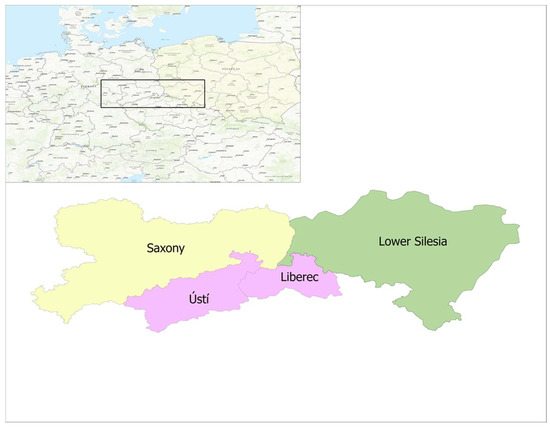
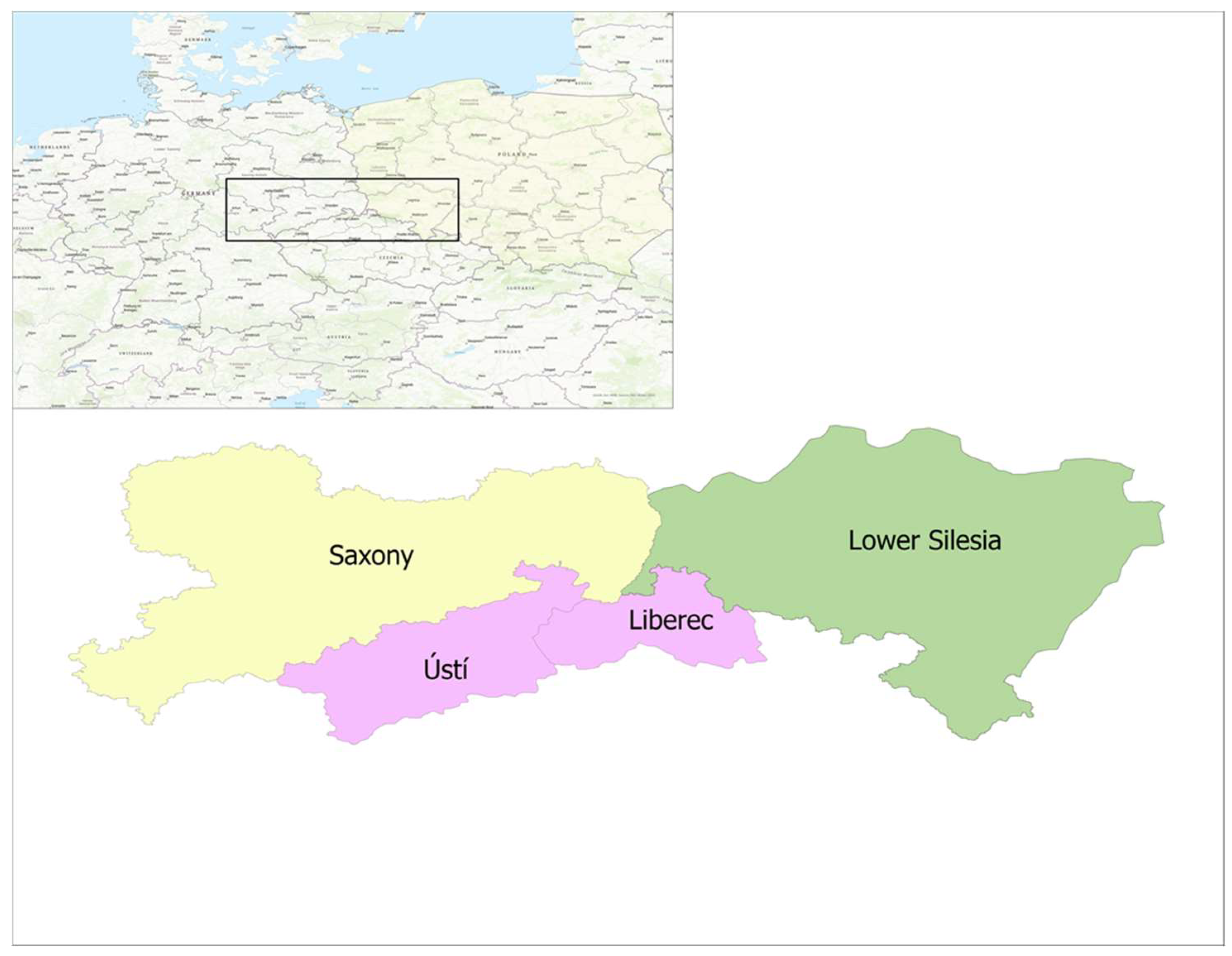
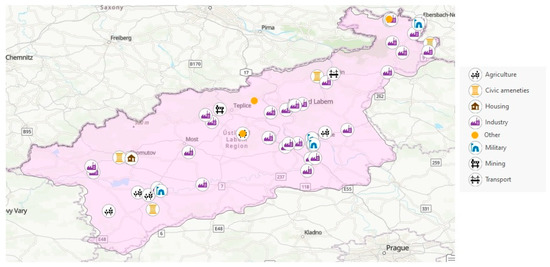
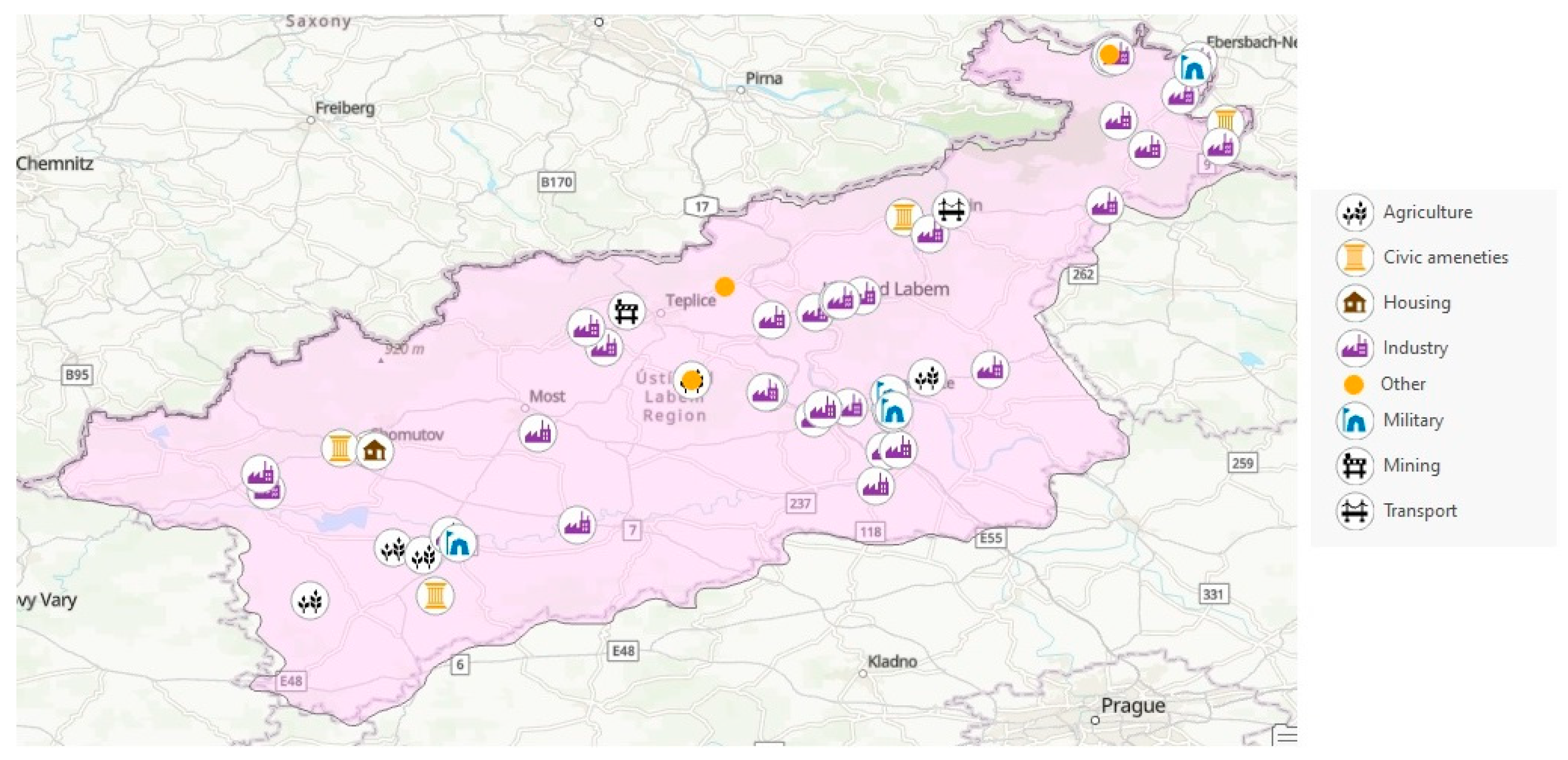
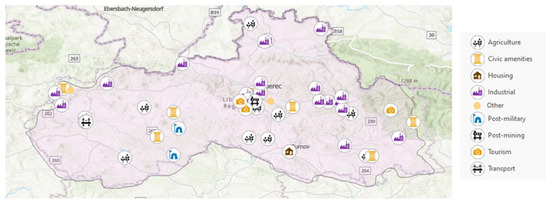
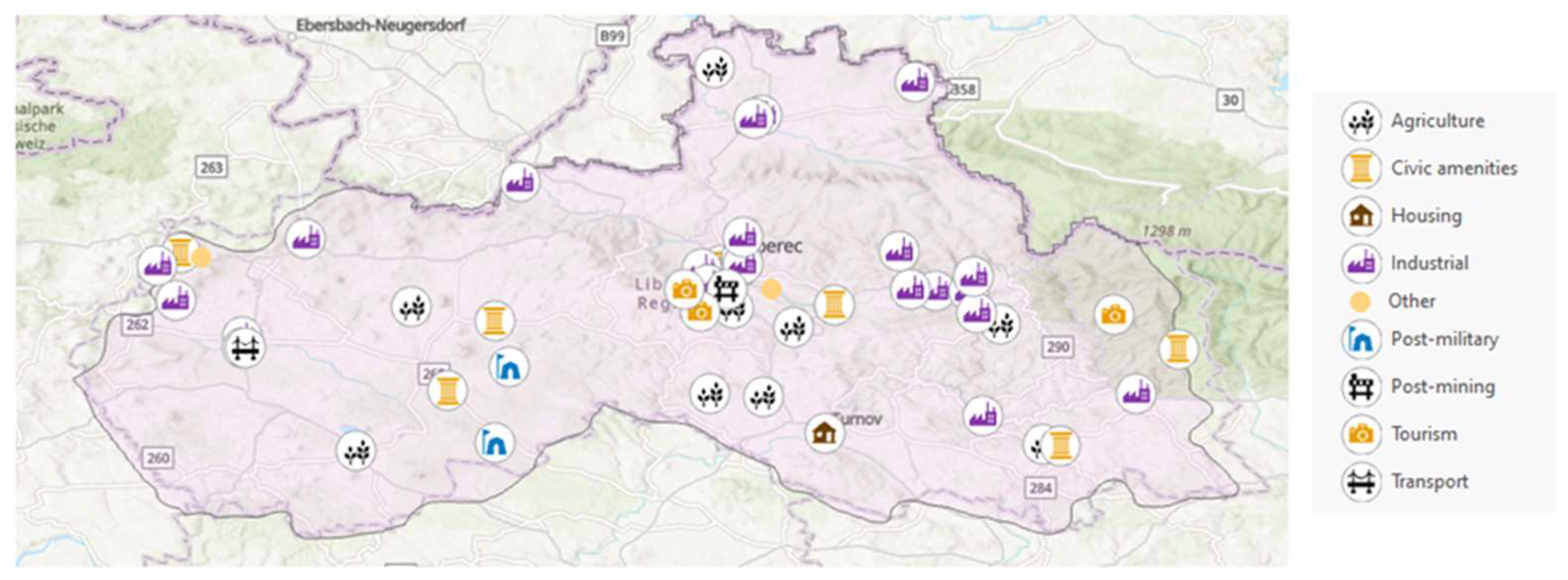
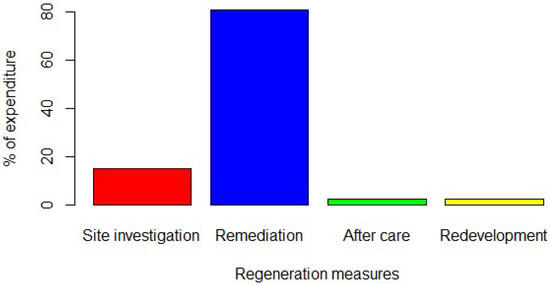
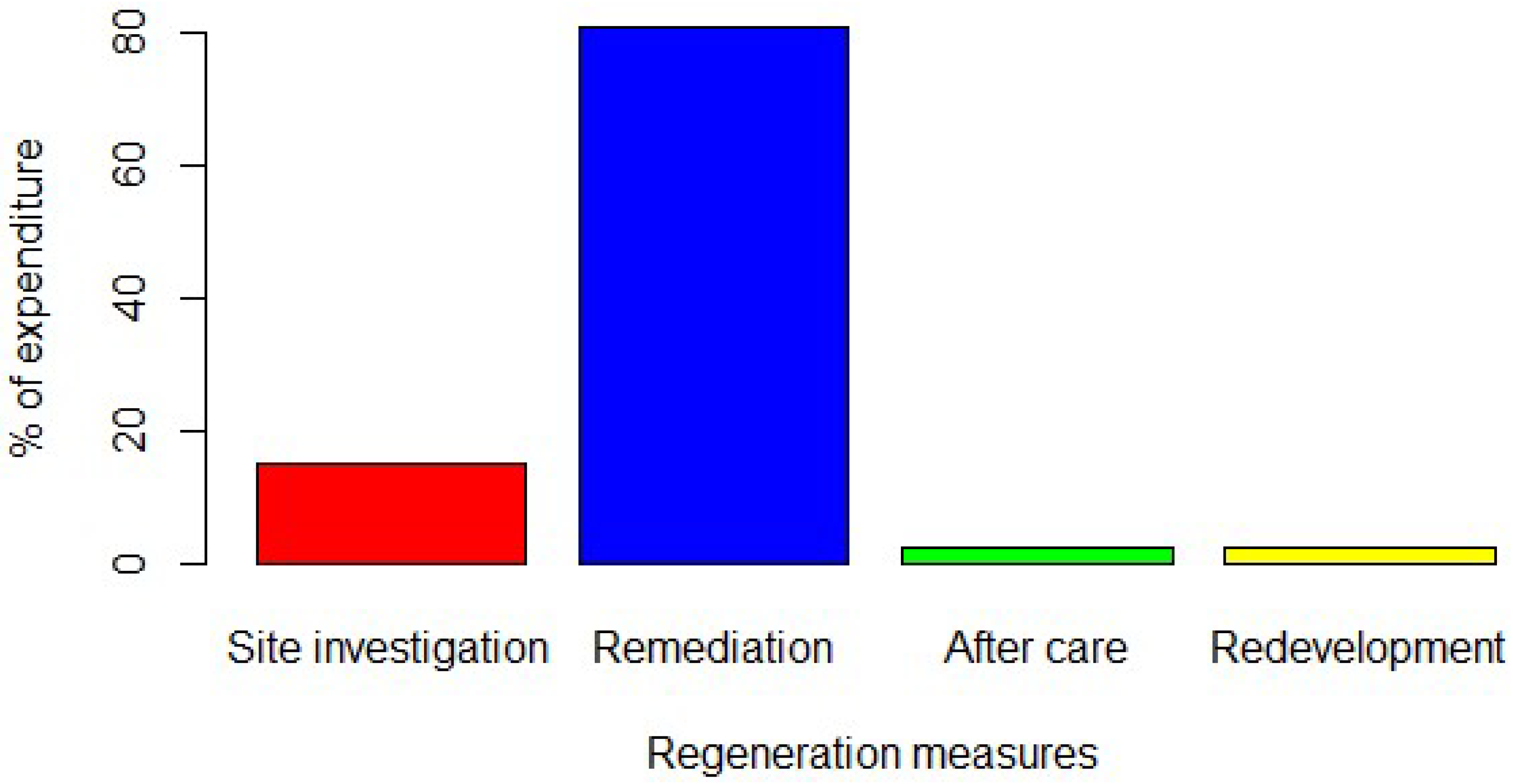

Disclaimer/Publisher’s Note: The statements, opinions and data contained in all publications are solely those of the individual author(s) and contributor(s) and not of MDPI and/or the editor(s). MDPI and/or the editor(s) disclaim responsibility for any injury to people or property resulting from any ideas, methods, instructions or products referred to in the content. |
© 2023 by the authors. Licensee MDPI, Basel, Switzerland. This article is an open access article distributed under the terms and conditions of the Creative Commons Attribution (CC BY) license (https://creativecommons.org/licenses/by/4.0/).