Article

Assessment of Soil Capability and Crop Suitability Using Integrated Multivariate and GIS Approaches toward Agricultural Sustainability

by
Radwa A. El Behairy
1,
Ahmed A. El Baroudy
1,
Mahmoud M. Ibrahim
1,
Elsayed Said Mohamed
2,3,
Dmitry E. Kucher
3 and
Mohamed S. Shokr
1,*
1
Soil and Water Department, Faculty of Agriculture, Tanta University, Tanta 31527, Egypt
2
National Authority for Remote Sensing and Space Sciences, Cairo 1564, Egypt
3
Department of Environmental Management, Institute of Environmental Engineering, People’s Friendship University of Russia (RUDN University), 6 Miklukho-Maklaya Street, 117198 Moscow, Russia
*
Author to whom correspondence should be addressed.
Land 2022, 11(7), 1027; https://doi.org/10.3390/land11071027
Submission received: 2 June 2022 / Revised: 2 July 2022 / Accepted: 4 July 2022 / Published: 6 July 2022
(This article belongs to the Special Issue Soil Management for Sustainable Agriculture and Ecosystem Services)

Abstract

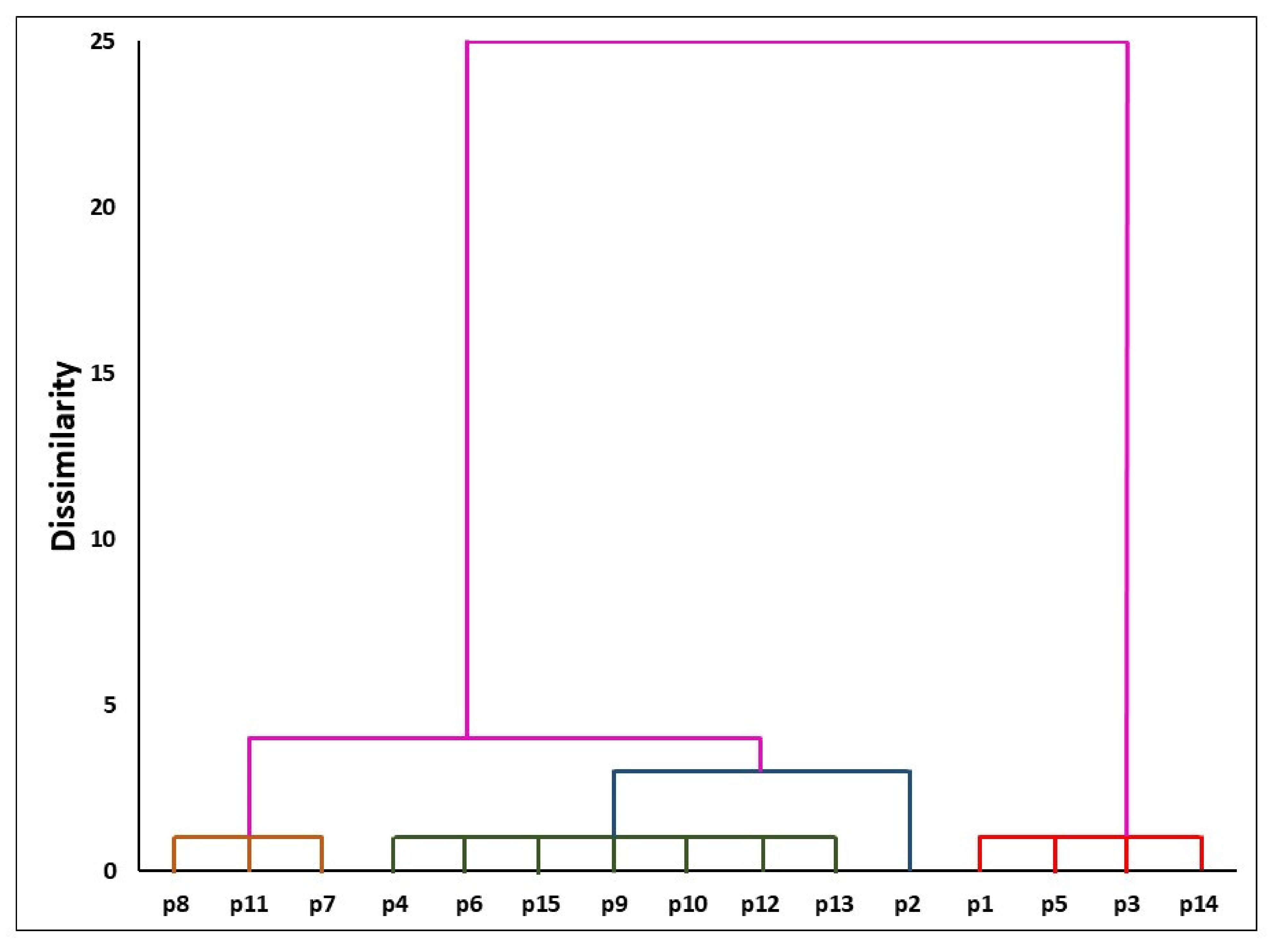
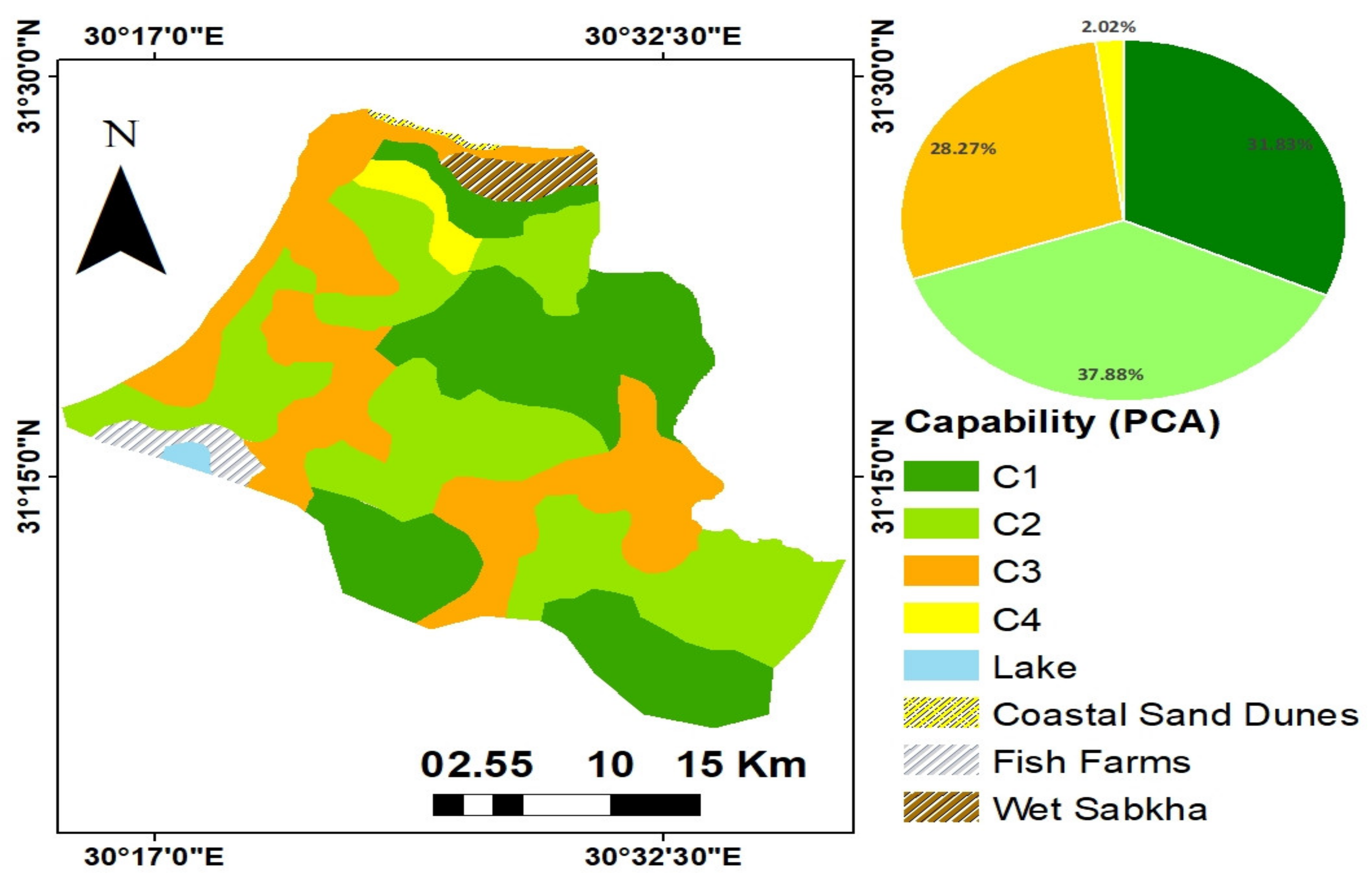
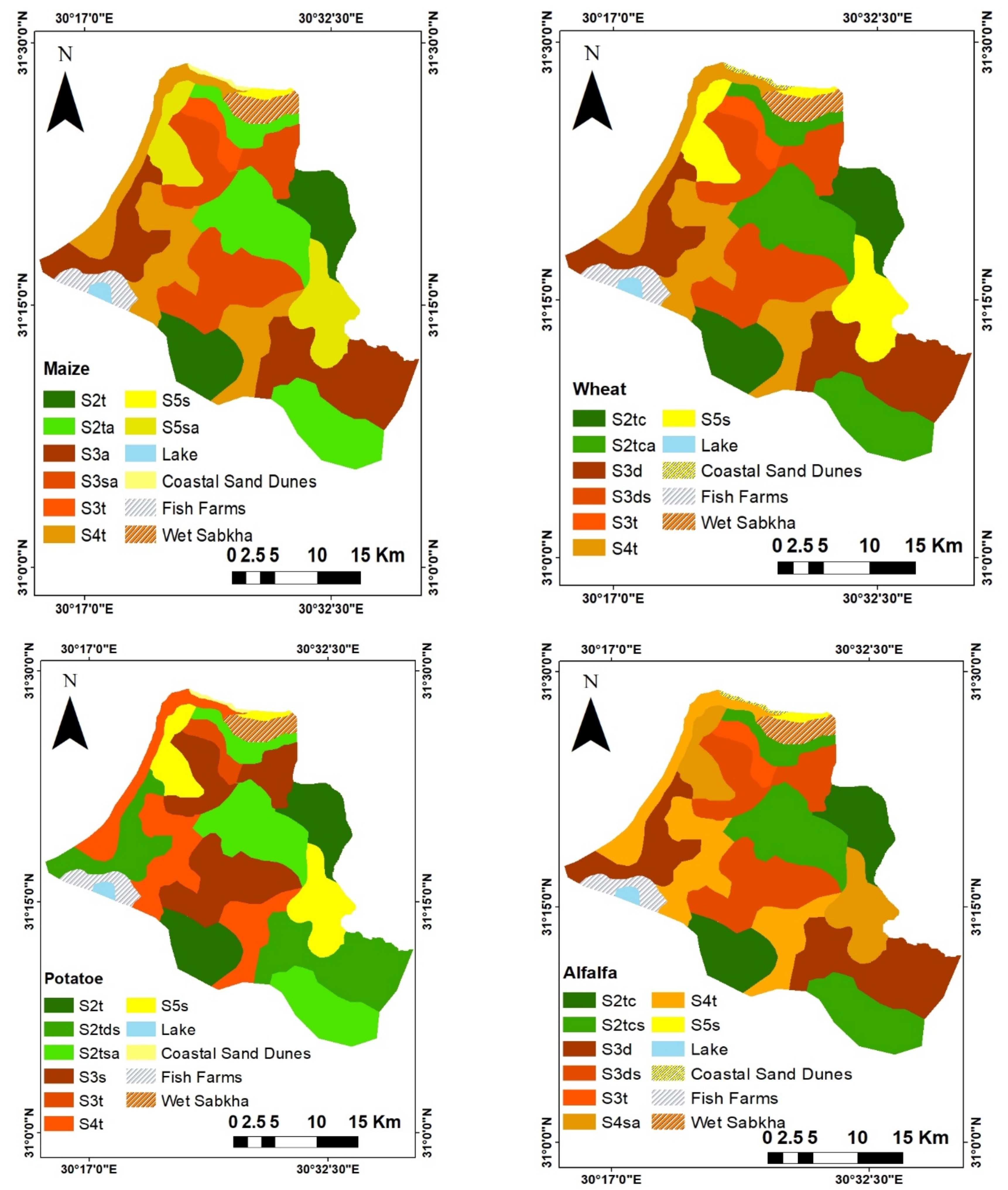
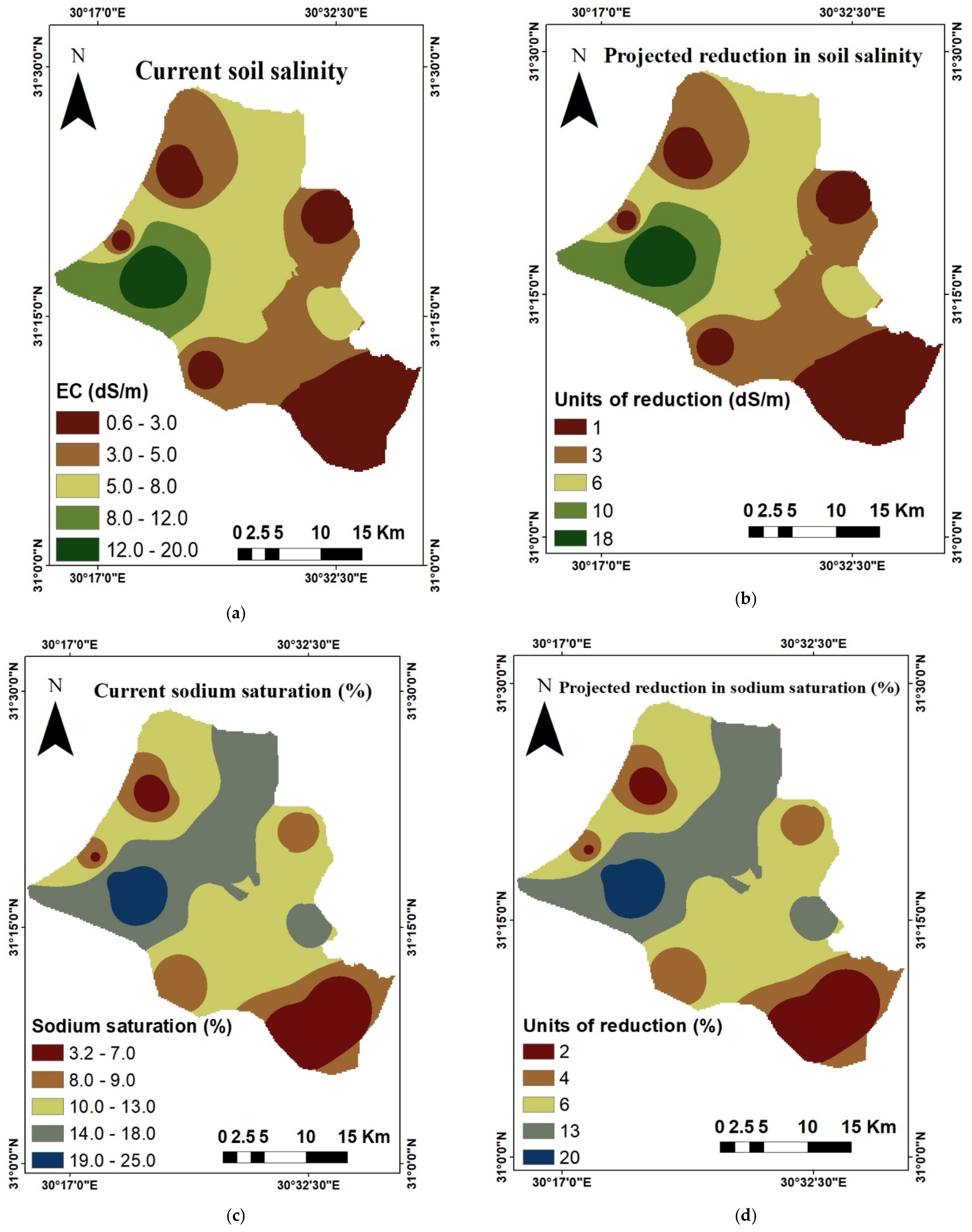
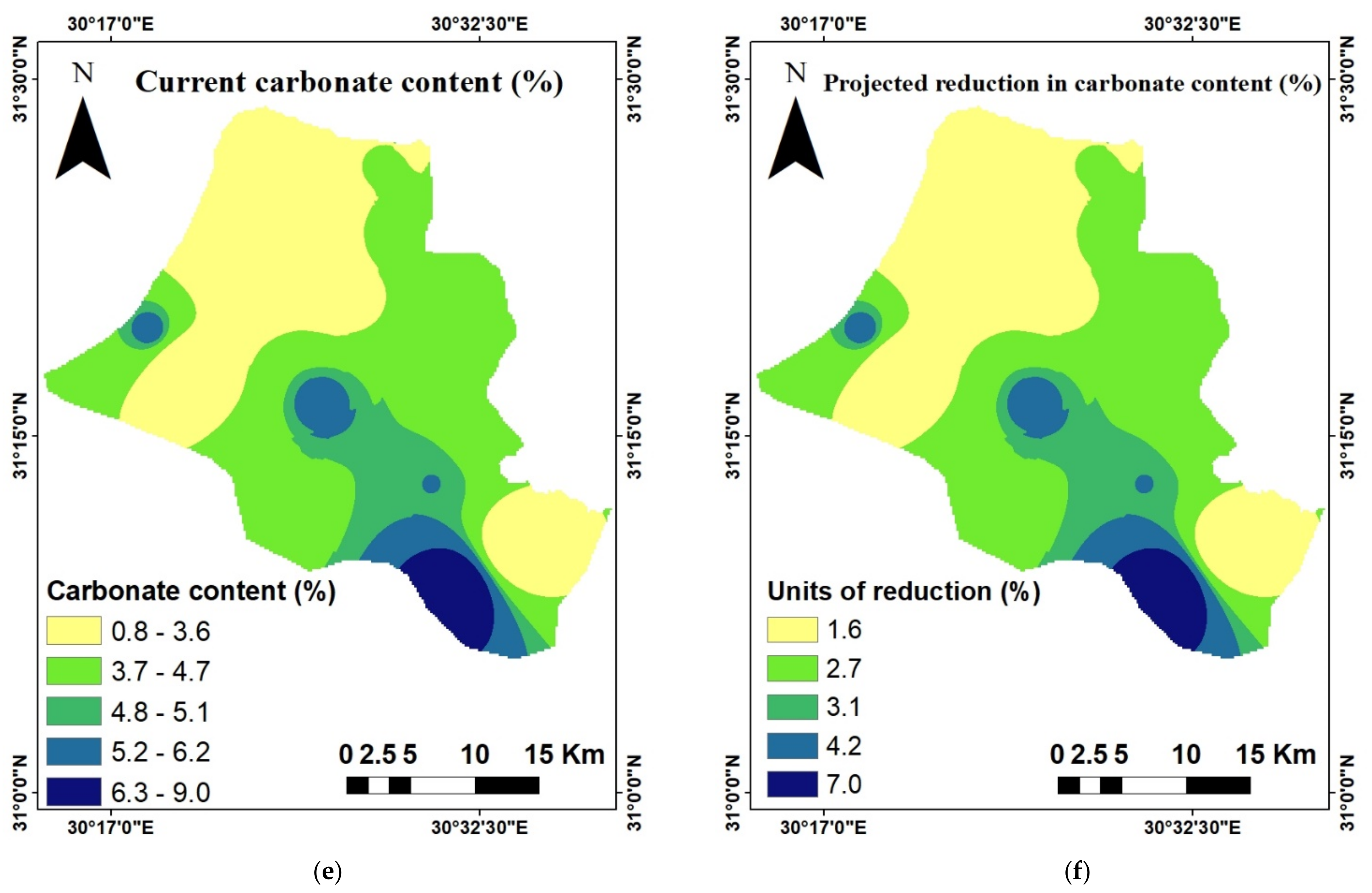
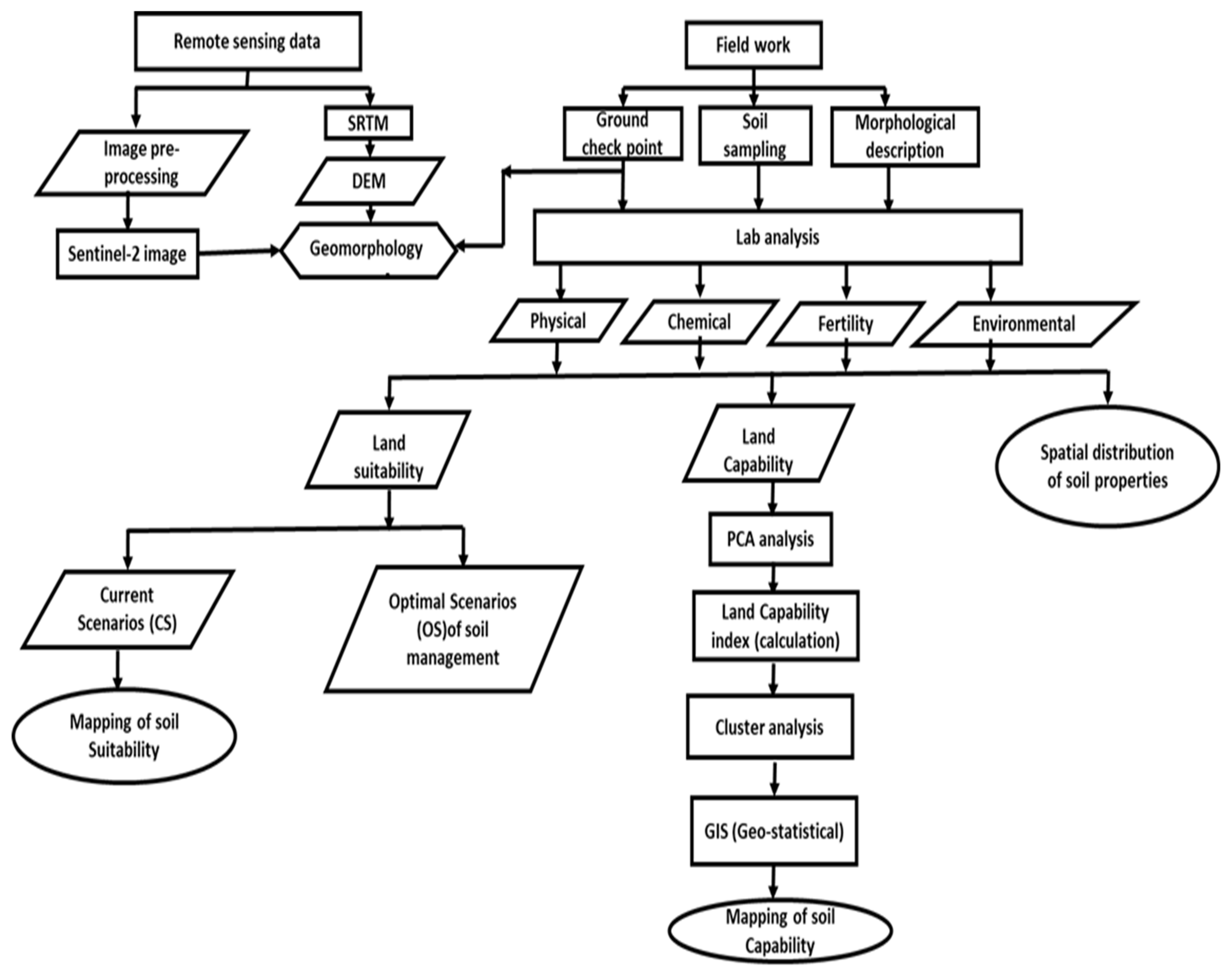
Land evaluation has an important role in agriculture. Developing countries such as Egypt face many challenges as far as food security is concerned due to the increasing rates of population growth and the limited agriculture resources. The present study used multivariate analysis (PCA and cluster analysis) to assess soil capability in drylands, Meanwhile the Almagra model of Micro LEIS was used to evaluate land suitability for cultivated crops in the investigated area under the current (CS) and optimal scenario (OS) of soil management with the aim of determining the most appropriate land use based on physiographic units. A total of 15 soil profiles were selected to characterize the physiographic units of the investigated area. The results reveal that the high capability cluster (C1) occupied 31.83% of the total study area, while the moderately high capability (C2), moderate capability (C3), and low capability (C4) clusters accounted for 37.88%, 28.27%, and 2.02%, respectively. The limitation factors in the studied area were the high contents of CaCO3, the shallow soil depth, and the high salinity and high percentage of exchangeable sodium (% ESP) in certain areas. The application of OS enhanced the moderate suitability (S3) and unsuitable clusters (S5) to the suitable (S2) and marginally suitable (S4) categories, respectively, while the high suitability cluster (S1) had increased land area, which significantly affected the suitability of maize crop. The use of multivariate analysis for mapping and modeling soil suitability and capability can potentially help decision-makers to improve agricultural management practices and demonstrates the importance of appropriate management to achieving agricultural sustainability under intensive land use in drylands.
Keywords: soil capability index; PCA; GIS; land capability and suitability; cluster analysis; sustainable agriculture soil capability index; PCA; GIS; land capability and suitability; cluster analysis; sustainable agriculture