


Abstract
This study analyses, within the post-pandemic tourism context, whether differences in degree and stage of tourism development in heritage historic centres shape the nature and direction of the social, demographic, and economic transformations they undergo. To this end, using Angra do Heroísmo (Azores, Portugal) and Vegueta–Triana (Canary Islands, Spain) as comparative study areas, a mixed-methods approach is applied, based on official statistics and accommodation records for the period 2018–2025, as well as fieldwork conducted between June and August 2024 and between July and September 2025, including 31 semi-structured interviews with key informants. The results show a recent intensification of touristification in both Macaronesian island spaces, although its forms and perceived effects differ according to their previous tourism trajectories and residential conditions. In Vegueta–Triana, it is more clearly associated with saturation, commodification of space, housing pressure, and weakening of the residential function, whereas in Angra do Heroísmo, it is more closely linked to heritage-based hotel development and functional revitalisation, although concerns about housing and population loss are also emerging. The comparison shows that the effects of post-pandemic tourism growth depend not only on visitor volumes, but also on the depth and speed of change and on local governance capacity.
1. Introduction
The recent intensification of urban tourism has placed heritage city centres in an especially vulnerable position. In this study, a heritage city centre is understood as a singular urban space [1], configured as a historic ensemble and shaped by an urban landscape composed of buildings, practices, functions, and values recognised and protected within the framework of heritage legislation [2,3,4]. From a risk-based perspective, these spaces are particularly exposed to tourism-induced transformation [5,6] because they concentrate heritage values, symbolic centrality, and tourist appeal, but also especially fragile residential, functional, and material fabrics.
This vulnerability is particularly relevant when tourism growth unfolds in areas that have previously experienced population loss, ageing, building deterioration, or difficulties in coordinating urban, tourism, and heritage policies. In such contexts, tourism may contribute to rehabilitation, economic revitalisation, and heritage valorisation, but it may also reinforce pressures on housing, public space, local commerce, and everyday residential life.
For this reason, this article adopts touristification as its main analytical category. Touristification is understood as the process through which urban space, housing, commercial activities, heritage buildings, and everyday practices are progressively integrated into dynamics of tourism valorisation and consumption [7,8]. In historic centres, this process is especially ambivalent, since it may combine urban renewal and economic opportunities with residential pressure, functional replacement, social recomposition, and the loss of everyday life [9].
This ambivalence takes on particular importance in the context following the COVID-19 pandemic. After the period of mobility restrictions, the literature has identified a strong rebound in tourism demand, referred to as the Revenge Travel Wave. This concept refers to the sudden increase in tourism consumption after the pandemic, associated with accumulated and pent-up demand that is released in a compensatory way in response to the feeling of lost time, deprivation of freedom, and loss of well-being [10,11,12]. Beyond its quantitative dimension, this phenomenon has reinforced new forms of tourism consumption linked to cultural, urban, heritage, and short-stay experiences. Consequently, historic centres not only receive more visitors, but are also more intensely integrated into strategies of urban-cultural consumption.
This article does not, however, interpret the post-pandemic rebound as the origin of touristification. Rather, it is treated as a conjunctural accelerator of longer-term processes, including heritage revalorisation, urban regeneration, tertiary restructuring, the expansion of digital accommodation platforms, and the progressive conversion of residential and commercial spaces to visitor-oriented uses.
This process is particularly relevant in island tourism contexts. In these settings, limited territorial size, restricted environmental and social carrying capacity, high external connectivity, and economic dependence on tourism amplify the effects of any tourism intensification. Moreover, on islands with consolidated tourism trajectories, historic centres can function as new spaces for the internal expansion of tourism. Post-pandemic touristification should therefore not be understood solely as visitor growth, but as a form of territorial penetration of tourism into heritage urban spaces that had retained residential, commercial, administrative, and symbolic functions.
Despite the growing literature on touristification, less attention has been paid to how post-pandemic tourism growth interacts with pre-existing residential vulnerability in island heritage centres outside major metropolitan destinations. From this perspective, the present study comparatively analyses two island historic centres in Macaronesia: the centre of Angra do Heroísmo in the Azores, Portugal, and the neighbourhoods of Vegueta–Triana in Las Palmas de Gran Canaria, Canary Islands, Spain (Figure 1). Both are Atlantic historic urban cores whose heritage value has become a tourism resource, but they entered the post-pandemic period with markedly different urban functions, residential trajectories, degrees of tourism specialisation, and positions within their respective island tourism systems.
Figure 1.
Location of the study areas. Author’s own elaboration.
The comparison is based on a most-similar yet contrasting case-study logic. Both centres share an Atlantic island location, heritage centrality, and recent tourism intensification, but they are embedded in tourism systems of different scale, maturity, and specialisation. Vegueta–Triana forms part of a mature, large-scale island destination historically organised around mass sun-and-beach tourism, whereas Angra do Heroísmo belongs to a smaller and more seasonal Azorean system associated particularly with nature, heritage, gastronomy, and specialised experiences. This contrast makes it possible to examine how a similar conjuncture of renewed tourism growth operates upon different inherited residential, functional, and accommodation structures.
The article addresses this research gap by investigating whether different prior tourism trajectories and residential conditions shape both the transformations associated with recent touristification and the meanings attributed to them by local actors.
The main aim of this article is to determine whether differences in the degree and stage of tourism implementation in heritage historic centres shape the nature of recent sociodemographic, residential, and socio-economic transformations, as well as the meanings locally attributed to their effects. To this end, the study describes and compares the recent process of touristification in Angra do Heroísmo and Vegueta–Triana, identifies the socio-economic and residential transformations associated with this process, and assesses how these transformations are perceived by key local informants.
The research is based on two working hypotheses. The first holds that post-pandemic tourism growth does not produce identical effects in all heritage historic centres, but that these depend on the previous tourism trajectory of the destination, its degree of integration into tourism circuits, and the relationship between the emerging tourism function and the pre-existing social and functional base. The second proposes that the meaning of the effects of touristification does not depend exclusively on the volume of visitors, but also on the depth and speed of change, its impact on housing and everyday life, and the capacity of local governance to modulate the process.
Empirically, the article adopts a mixed-methods comparative design, combining official statistical data, tourist accommodation records, spatial analysis, fieldwork, and 31 semi-structured interviews. The results show that touristification has intensified in both historic centres after the pandemic, although with differentiated effects: more clearly associated with saturation, housing pressure, and weakening of the residential function in Vegueta–Triana, and more ambivalently linked to hotel specialisation, heritage valorisation, and functional revitalisation in Angra do Heroísmo.
The original contribution of the article therefore lies in moving the analysis beyond the general idea of post-pandemic touristification as a homogeneous or linear process. Its specific contribution consists of showing how post-pandemic touristification extends into island historic centres with different tourism trajectories and how, in doing so, it produces differentiated residential, functional, and social effects. The study makes it possible to observe that tourism pressure on historic centres is not exclusive to major capitals or saturated urban destinations, but also affects medium- or small-scale Atlantic heritage cores, where the relative intensity of tourism can be very high and where prior residential fragility may amplify its consequences.
In line with the aims outlined above, following this introduction, Section 2 reconstructs the historical functions and tourism trajectories of the two case studies up to the COVID-19 pandemic. Section 3 presents the literature review and conceptual framework; Section 4 explains the methodological design; Section 5 and Section 6 analyse recent touristification, structural residential vulnerability, and its perceived effects; and the final sections discuss the comparative findings and their implications for the governance of island historic centres.
2. Background and Tourism Trajectories of the Case Studies
The recent changes analysed in this article cannot be interpreted without considering the historical functions of the two centres, their previous residential transformations, and the different ways in which they became incorporated into tourism. This section therefore establishes a concise pre-pandemic baseline for each case. It distinguishes between the reconstruction of their historical and functional trajectories—supported by academic literature, planning documents, previous research, and qualitative evidence—and the quantitative measurement of tourism accommodation, for which comparable and spatially detailed records are only consistently available from 2018 onwards. Accordingly, the absence of continuous and homogeneous pre-pandemic series at the intra-urban scale does not imply the absence of a prior tourism trajectory; rather, trajectory must be reconstructed by combining the available documentary, statistical, and qualitative evidence.
2.1. Vegueta–Triana
Vegueta and Triana constitute the foundational urban core of Las Palmas de Gran Canaria, although they developed with differentiated functions on either side of the Guiniguada ravine. Vegueta concentrated the principal civil, religious, military, and later judicial institutions of the city, together with aristocratic, middle-class, and popular housing [13]. Triana developed as the main commercial extension of the original settlement and subsequently reinforced its role as a retail, administrative, and service centre [14]. These differentiated but complementary functions produced a dense and socially heterogeneous central area whose importance extended well beyond its resident population.
During the second half of the twentieth century, both neighbourhoods were affected by decentralisation, suburbanisation, and the relocation of households and activities towards other parts of the expanding city. In Vegueta, families with greater resources moved especially towards areas such as Tafira and Ciudad Jardín, while other groups relocated to working-class neighbourhoods and public housing areas. The decline in some traditional residential forms, the abandonment or subdivision of older dwellings, and the conversion of buildings to institutional, judicial, office, and commercial uses progressively weakened the residential base. Triana likewise experienced functional change through the consolidation of retail, administrative, and service activities, although it retained a socially heterogeneous residential component.
Tourism was present in the area before the recent process of touristification, but mainly in the form of monument visitation. The Cathedral and other heritage sites had been adapted for visitors as early as the first half of the twentieth century, and Vegueta formed part of the cultural image of the city. Nevertheless, the mass tourism model developed in Gran Canaria from the 1960s was concentrated primarily in the southern coastal resorts. Within Las Palmas de Gran Canaria, tourism activity was centred mainly around Las Canteras beach, Santa Catalina park, and the port area. Vegueta–Triana consequently functioned for decades as a complementary urban excursion space rather than as a major accommodation destination.
From the final decades of the twentieth century and particularly from the 1990s onwards, public-space renewal, pedestrianisation, heritage rehabilitation, museum development, cultural programming, restaurants, nightlife, and the reinforcement of Triana as an open-air commercial district progressively increased the attractiveness of the area. These transformations produced a prior process of tertiary restructuring and leisure-oriented commodification upon which later tourism growth was able to develop [15]. Tourism did not create the commercial, cultural, and restaurant centrality of the two neighbourhoods, but increasingly took advantage of and reoriented this pre-existing functional base.
The relationship with the wider island tourism model was therefore indirect but increasingly important. Gran Canaria formed part of a mature international sun-and-beach destination with high air connectivity, an established external image, and large flows of tourists and cruise passengers. Vegueta–Triana became an accessible heritage and cultural excursion for visitors staying elsewhere on the island, cruise passengers arriving at the port, and tourists based in the coastal areas of Las Palmas de Gran Canaria [16]. The growth of urban and cultural tourism, together with platform-mediated accommodation and the rehabilitation of emblematic buildings, subsequently allowed the area to move from being primarily a place of daytime visitation towards becoming, progressively, a place of tourist stay.
Immediately before the COVID-19 pandemic, this transformation was still incomplete. The accommodation supply remained modest in comparison with the island’s resort areas and was composed mainly of small establishments dispersed through the historic fabric. However, hotels, emblematic houses, apartments, and vivienda vacacional (short-term tourist rentals denomination in Canary Islands) had begun to occupy former residential buildings, while restaurants, cultural venues, shops, events, guided tours, and cruise excursions increased the everyday visibility of tourism. Vegueta–Triana therefore entered the pandemic as an incipient urban-cultural tourism destination built upon an earlier trajectory of residential weakening, tertiary specialisation, heritage valorisation, and leisure-oriented urban renewal.
2.2. Angra do Heroísmo
Angra do Heroísmo developed as a port, administrative, religious, military, and commercial centre associated with Portuguese expansion across the Atlantic. Its sheltered bay made the city an important port of call on maritime routes linking Europe with Africa, Asia, and the Americas, while its orthogonal street pattern and concentration of institutional and defensive buildings reflected its strategic position within the Portuguese Atlantic system [17]. For centuries, these functions sustained a dense and multifunctional urban fabric in which housing coexisted with commerce, public administration, religious institutions, military facilities, and port-related activities.
The twentieth-century trajectory of the centre was marked by progressive demographic and material decline, followed by the major rupture caused by the earthquake of 1 January 1980. The disaster seriously damaged the built fabric and displaced a considerable share of the population towards newly developed peripheral neighbourhoods. Although some of this displacement responded to the destruction itself, it also accelerated a pre-existing movement away from an ageing and deteriorated centre whose traditional housing no longer met the expectations of many households regarding space, accessibility, parking, and residential comfort. The reconstruction maintained the principal street layout and architectural character of the city and was reinforced by its inscription on the UNESCO World Heritage List in 1983 [17,18]. European and national funding subsequently facilitated a large-scale process of physical rehabilitation and heritage protection.
The UNESCO designation increased the international visibility of Angra and provided an institutional basis for preserving and valorising its urban heritage. Nevertheless, it did not immediately transform the centre into a specialised tourism district. The classified area continued to function as Terceira’s principal administrative, commercial, cultural, and service centre and remained an everyday space for the island population. Its tourism function was initially based on visits to monuments, churches, museums, gardens, fortifications, and public spaces, as well as on its role as a cultural complement to an Azorean tourism model more strongly associated with nature and landscape [17,18].
Tourism in the Azores remained constrained for much of the twentieth century by remoteness, limited air accessibility, small markets, and strong seasonality. From 2014 onwards, however, improvements in accessibility and the rapid growth in tourism demand gave the sector a more strategic position in regional development. Terceira attracted visitors interested in nature, walking, whale watching, gastronomy, cultural heritage, and specialised experiences, together with family and short-stay tourism, winter cruise excursions, and summer recreational sailing. Within this system, Angra progressively consolidated its role as the island’s main space for urban visitation, accommodation, cultural consumption, and tourism services.
Immediately before the COVID-19 pandemic, the historic centre was therefore neither a non-touristic residential area nor a mature tourism enclave. It was a multifunctional island centre in which the tourism function had been growing gradually through hotels, alojamento local (short-term rentals denomination in Portugal), heritage visitation, restaurants, events, and maritime flows. This growth coexisted with long-term population loss, ageing, vacant or underused dwellings, and the conversion of parts of the former residential stock to offices, services, and other non-residential uses. The tourism trajectory prior to 2020 should consequently be understood as one of progressive specialisation within a still living administrative and commercial centre, rather than as a complete substitution of its pre-existing urban functions.
3. Literature Review and Conceptual Framework
3.1. Tourism-Led Restructuring of Heritage City Centres
At present, the global trend of the tourism market shows no signs of exhaustion: international tourist arrivals have continued to increase steadily, reaching approximately 1.5 billion tourists per year [19]. This figure, together with domestic tourism, has entailed the geographical expansion of tourism, a motivational shift in tourism demand, and the arrival of a significant volume of tourists to new destinations of interest, such as heritage destinations.
This is confirmed by cultural tourism statistics, which, according to the UNWTO (2018) [20], indicate that at least 40% of the global tourism market is motivated by cultural reasons, including visits to museums, historic sites, and monuments. Additionally, some studies indicate that the heritage tourism industry reached USD 21.4 billion in 2025 and will grow to USD 45.6 billion by 2035 [21].
The competitiveness of heritage city centres rests on their capacity to provide added value through their services and experiences [22]. In this context, the way in which heritage city centres are “touristically consumed” has shifted from a contemplative approach towards a more participatory and recreational one [23].
The previous view of these spaces positioned them as a disconnected sum of idealised and isolated monumental objects. This archaic paradigm led to their encapsulation, disuse, degradation, and deterioration, even in the presence of tourism activity. In the 1990s, many heritage city centres underwent a process of touristification [24] under this approach, which hindered their evolution.
Today, the paradigm has changed and has triggered new transformations in heritage city centres. According to UNESCO’s current doctrine on historic urban landscapes, heritage city centres are a representative but also living part of urban history, where, in addition to the material dimension, other dimensions such as the social, economic, and symbolic coexist [25].
From this perspective, heritage is formulated as an active component and a distinctive symbolic resource and attraction of the contemporary city. In other words, it is not only linked to conservation and maintenance policies, but also to more active or proactive policies, such as urban planning or tourism policies.
Moreover, their centrality is associated with cultural and amenity consumption. However, this very fact exposes them to current dynamics of mass consumption and to the arrival of large numbers of tourists. Nevertheless, tourism restructuring is not only expressed in the volume of arrivals, but also entails a change in the ways tourism operates, including duration, frequency, and expenditure. Behind this accumulation of changes, new tensions emerge in a historic space not accustomed to them.
Undoubtedly, tourism intervenes as a “factor of change”, reorganising flows, investments, and activities in the city [17], although there is no consensus on whether the outcomes are positive or negative.
For example, the rehabilitation of abandoned buildings or houses in order to shift them towards tourism use offers material improvements which, at times, include their implicit valorisation through typologies such as boutique hotels; however, on the other hand, they also indicate a transition towards circuits of consumption [26,27]. For other authors, this link between produced space and the market is so strong that its negative consequences are inevitable, and they refer to it as a type of gentrification [28,29].
This debate should be situated more clearly within the wider literature on tourism gentrification, tourism-induced displacement and the “Airbnbfication” of historic centres. Since Gotham’s contribution on tourism gentrification, tourism has been understood not merely as an external source of demand, but as an urban force capable of reshaping central neighbourhoods through their revalorisation for visitor consumption, leisure-oriented investment and higher-income users [30].
Subsequent research has refined this interpretation by showing that holiday rentals may operate as a key arena of gentrification, insofar as ordinary housing is progressively redirected towards temporary accommodation. At the same time, the literature warns against treating touristification and gentrification as interchangeable concepts: they often overlap spatially and socially, but they remain analytically distinct processes with different drivers, temporalities and urban effects [31,32].
A central mechanism behind these transformations is the platform-mediated conversion of residential housing into short-term rental accommodation. Studies on Airbnb and the rent gap have shown how digital platforms open up new circuits of revenue in culturally and internationally recognisable neighbourhoods, allowing potential tourist rent to surpass the income obtainable from long-term residential tenancies [33,34]. Empirical evidence from Madrid and Barcelona has linked the expansion of platform-based rentals to rising rent and housing prices, transnational demand, and the possible substitution of permanent residents by more profitable temporary users [35,36]. Broader research on home-sharing markets points in the same direction, suggesting that Airbnb can reduce the supply of long-term rental housing while exerting upward pressure on rents and property values [37]. The case of Lisbon is especially illustrative in this regard, showing how buy-to-let investment and short-term rentals can produce tourism-driven displacement through the replacement of residents by visitors and the increasing financialisation of housing [38].
In other words, the socio-economic effects of heritage revalorisation through tourism appear to be ambivalent. Improvements in and physical transformations of the urban landscape are accompanied by functional changes and by a greater social appreciation of place, expressed in the improvement of the urban image and in the increase in the area’s popular reputation. Yet this, in turn, may trigger dynamics of social replacement. These are therefore processes with contradictory and overlapping outcomes [39].
Precisely because it unfolds within this fragile framework—in material terms and in terms of the reconfiguration of relationships between actors and processes—heritage management requires a high level of collaboration among all parties, including public–private partnerships [40]. When this is achieved, heritage city centres stand out in comparison with other areas of the city in terms of multifunctionality: residential, cultural, administrative, scientific, educational, and tourism-related [41]. The current challenge lies in reconciling these modifications without detaching the heritage city centre from its essence, both social and functional, as well as in managing the disruptive power of tourism, which is itself subject to changing conjunctures.
3.2. Post-Pandemic Tourism Dynamics: From Tourism Rebound to Overtourism
There is a feedback relationship between urban landscape and tourism: urban attributes drive tourism demand and this, in turn, reconfigures urban space. Hence the need for planning and regulatory policies to prevent processes such as overtourism [42]. This concept, sometimes described as overcrowding, saturation, or tourism pressure, refers not only to situations in which the intensity of tourism activity exceeds the sustainability limits of a destination—through the disproportionate use of resources or common goods—but also to the alteration of the social, economic, and environmental conditions that, in addition to ensuring a good tourism experience, allow for balanced coexistence among residents, visitors, and the other actors involved [43].
At present, global dynamics related to consumption and tourism flows are driving tourism activity and its magnitude, redefining and expanding its transformative power to the point of becoming potentially uncontrollable. In the current post-pandemic moment, there is empirical evidence of an anomaly in terms of excess demand [44], although other studies, comparing 2019 and 2022 figures in the European context, argue the opposite [45]. This discrepancy, in any case, suggests that conclusions about its existence or absence depend on methodological issues, such as the choice of indicator, the market observed, or the spatial–temporal scope of the analysis. In any case, numerous studies analyse the strong resurgence of tourism activity after the pandemic, which the academic literature has termed the Revenge Travel Wave.
In its formulation, this term is aggressive and, according to the studies by Meenakshi et al. (2024) [46], tourists do not describe their behaviour as an attitude of revenge or within a hostile framework. However, beyond the academic terminology, if we focus on its impact on the trend, it can be stated that the behaviour recorded by the tourism market after overcoming the COVID-19 crisis is recurrent.
Nevertheless, the concept should be handled with caution. The expression “Revenge Travel” has gained greater traction in market reports and media narratives than as a clearly stabilised academic category, and its emotionally charged wording risks attributing a degree of intentionality that may not always be empirically warranted. Recent academic work has therefore questioned whether “Revenge Travel” should be treated as a fact or a myth [44]. At the same time, qualitative research suggests that post-pandemic travel cannot be reduced to a single behavioural pattern. Rather, it encompasses a plurality of motivations, including coping, compensation, the recovery of perceived freedom, wellbeing-seeking practices and fear of missing out [46].
The tourism market is extraordinarily dynamic and is characterised by high-impact crises with transitory effects, followed by a rebound effect. The precedents indicated by McKercher (2021) [47] show, for example, that tourism recovery from the SARS crisis in 2003 was virtually immediate and generated pent-up demand between three and seventeen times the background growth. Other crises, such as those triggered by the 9/11 attacks or the Global Financial Crisis, have led to restructuring in the sector and, although they had longer-lasting effects, their quantitative impact never exceeded five years. Consequently, post-crisis recovery in tourism normally follows a pattern of accumulation and release.
In the post-pandemic scenario, the rebound is not limited to a short-term upturn, but translates into high volumes of activity sustained over time. This context is shaped by structural transformations associated with digitalisation and, in particular, by the expansion of the platform economy in tourist accommodation, which has reconfigured intermediation and market access [48]. By reducing frictions in search, booking, and payment—including those linked to international mobility—digital intermediation contributes to increasing demand and the intensity of flows, favouring scenarios of mass tourism and amplifying externalities derived from the increase in scale [49].
In fact, during the first half of 2021, strong increases were already being recorded in searches on online travel agencies (OTAs) such as Booking, Hotels.com, Expedia, and Priceline.com, as well as on digital intermediation platforms or marketplaces such as Airbnb and Vrbo [50]. As a result, problems such as the lack of affordable housing have accelerated and intensified, due to the tourist use of residential housing. New forms of accommodation, especially short-term tourist rentals (STR), both formal and informal, have clearly contributed to increasing the weight of touristification towards overtourism [51].
From an institutional perspective, the Revenge Travel Wave has been interpreted as an adaptation mechanism to the “new normal” in the post-pandemic era. This context was promoted by governments as a sign of resilience and as a solution to the economic problems derived from COVID-19; in the tourism sector, this promotion was reinforced in order to overcome pandemic fatigue through incentives for travel and low-cost mobility, including aid to companies and individuals [52].
On the other hand, if we focus on the triggering factors of the Revenge Travel Wave, it may be argued that it has multiple origins, including increased savings, although most of the drivers operate within the psycho-affective sphere. On the one hand, the increased desire to travel is a response which, according to Wang & Xia (2021) [50], can be explained by the pandemic acting as a crisis stimulus that affects the individual, generating nostalgia as a way of coping with the experience lived through. Along similar lines, Girish (2021) [53] shows that the constant perception of fear of missing out (FOMO) draws tourists into last-chance behaviour.
This has also entailed a change in the main factors that make destinations attractive. For Meenakshi et al. (2024) [46], disengagement was the main motivation to travel during this period. Meenakshi et al. (2024) [46] also point out that the tourism market is moving towards the satisfaction of new needs such as introspection, offbeat getaways, traveling to nearby places, short vacations, and new activities, aspects that align with what cultural tourism in urban environments can offer.
In summary, the post-pandemic period combines the rebound in demand with structural changes linked to digitalisation and the platform economy. Consequently, in urban historic centres, the concentration of visitors intensifies and impacts such as housing pressure, congestion, and conflicts over use are amplified, increasing the risk of overtourism and the need for governance and regulation.
Accordingly, this article does not posit a linear causal sequence running from COVID-19 to “Revenge Travel” and, subsequently, to touristification. Rather, the post-pandemic rebound is understood as a circumstantial accelerator of structural dynamics that were already in place before the health crisis. These include the revalorisation of historic urban environments, the consolidation of urban-cultural consumption, the expansion of platform-mediated accommodation, the formation of rent gaps, and the heightened vulnerability of residential populations in areas exposed to tourist pressure [30,33,34,38].
3.3. Uncertainties for Heritage City Centres Under Recent Tourism Growth
The conjunction between the disruptive capacity of tourism in heritage city centres and the recent strengthening of this capacity during the Revenge Travel Wave places these locations in an uncertain and worrying scenario. The risk increases when heritage city centres are already located within geographical areas with high tourist appeal and strong tourism flows.
This is the situation experienced by some island spaces in Macaronesia, such as the Azores and the Canary Islands, where the limited environmental and social carrying capacity resulting from their small territorial size is compounded by their proximity and high connectivity to major outbound tourism markets. These are regions where, despite the negative externalities of tourism, it remains hegemonic due to the geographical limitations faced by islands in developing a realistic economic alternative.
As previously discussed, the emergence of cultural tourism in island tourism contexts has been shaped by a shift in global consumption patterns and, especially, by the redistribution of flows and the attraction of new segments: visitors initially drawn by other motivations end up concentrating in heritage urban spaces. However, the models differ. In the Canary Islands, there is a historically consolidated mass tourism model based on “sun and beach”, which generates a high level of economic dependence and in which heritage management, in many cases, depends on collaboration among multiple stakeholders [40]. In the Azores, a nature-based tourism model has developed, with a more balanced integration of local products and less pressure on the territory [54].
In this conjuncture of changes driven by the touristification of these spaces with heritage value, it is important to consider not only their consequences for urban heritage, but also the challenges they may pose to institutional legitimacy. Indeed, the 2017 Eurobarometer showed that two out of five Europeans believe that the number of tourists threatens cultural heritage sites [55]. Along the same lines, Rodrigues et al. (2022) [56] demonstrate that there is a direct relationship between being more exposed to tourists and having a critical view of tourism.
However, according to Adie et al. (2020) [55], citizens also recognise that tourism activity in heritage city centres brings benefits, even if this means that the number of tourists is too high. This suggests that the social perception of costs and benefits, as well as public debate on the acceptance of policies, regulations, and tourism development models in these areas, must be taken into account. Indeed, some studies suggest that the response must go beyond the sectoral level and should coordinate instruments, manage visitors, and involve society in the solutions [57]. In other words, the fundamental objective is to ensure an enhanced quality of life for all residents, with a particular focus on those living in historic centres [58].
Within a more radical framework of action, others directly advocate the path of degrowth. Demarketing strategies fall within this line, aiming to discourage certain types of customers from consuming a particular product or destination [25].
In any case, it can be observed that among citizens there is concern about who is harmed and who benefits from this activity, and how gains are distributed. This dilemma makes it possible to distinguish between a form of revitalisation that pursues collective benefits—including visitors, but prioritising residents—and lines of action without safeguards for local interests, aimed at promoting tourism-based economic benefits for the agents who drive and develop the activity.
Therefore, this is not a reductionist question about the ideal number of tourists, but rather a problem of model and growth management. From an applied perspective, the literature has already suggested that it seems advisable to act through detailed spatial logics, with specific measures by neighbourhood and considering redistribution of tourist pressure across the entire city, rather than only in areas of concentration such as historic centres [24]. However, it has been shown that one of the main difficulties in controlling these phenomena is the contrast between the rapid speed of the economic process and the slow response of governments [59].
Taken together, the literature reveals a debate that has evolved from an initial concern with the physical conservation and tourism valorisation of monumental heritage towards a broader interpretation of historic centres as living, multifunctional and socially contested urban spaces. The studies reviewed broadly agree that tourism acts as a powerful factor of urban change, capable of mobilising investment, rehabilitating deteriorated buildings, improving the image and visibility of historic areas, and diversifying their economic and cultural functions [17,26,27,39,40,41]. They also converge in identifying housing conversion, platform-mediated short-term rentals, rising property values, functional replacement and the possible displacement of permanent residents as central risks when tourism valorisation becomes subordinated to visitor consumption and real-estate profitability [30,31,32,33,34,35,36,37,38]. The principal disagreement therefore concerns neither the transformative capacity of tourism nor the coexistence of benefits and costs, but the interpretation of their balance and inevitability: whereas some approaches emphasise the potential compatibility between heritage rehabilitation, tourism and urban revitalisation, others consider commodification and gentrification to be structurally embedded in tourism-led restructuring [26,27,28,29]. A similar divergence characterises the post-pandemic debate, since some studies identify an exceptional excess of demand, while others question both its empirical magnitude and the analytical validity of the term “Revenge Travel” [44,45,46]. More recent contributions have consequently shifted the discussion away from a linear causal explanation and from the search for an ideal number of tourists towards the analysis of pre-existing structural vulnerabilities, the distribution of benefits and costs, the spatial concentration of pressure, and the capacity of governance to regulate the speed, intensity and social consequences of tourism growth [24,42,43,55,56,57,58,59].
This study seeks to shed light on the evolution of this process in the city centre of Angra do Heroísmo and the neighbourhoods of Vegueta–Triana in Las Palmas de Gran Canaria, assessing whether the promotion of cultural tourism operates as a sustainable complement [17] and whether post-pandemic growth affects urban authenticity in both cases.
4. Materials and Methods
This study adopts a mixed and comparative methodological design to analyse recent touristification in two island heritage historic centres: the centre of Angra do Heroísmo (Azores, Portugal) and the neighbourhoods of Vegueta–Triana, in Las Palmas de Gran Canaria (Canary Islands, Spain). This approach responds to the main objective of the research: to examine whether, in the context of the post-pandemic tourism rebound associated with the so-called Revenge Travel Wave, the different level and stage of tourism implementation in both heritage city centres influences the nature of sociodemographic and socio-economic changes, as well as the meaning locally attributed to their effects.
The selection of Angra do Heroísmo and Vegueta–Triana followed a strategic comparative case-study design. Both are Macaronesian Atlantic island historic centres with strong heritage centrality and recent post-pandemic tourism intensification, but they are embedded in tourism systems with different degrees of maturity, scale, and specialisation. This combination of shared structural conditions and contrasting tourism trajectories makes them suitable for analysing whether similar processes of touristification produce differentiated residential, functional, and social effects. Other Macaronesian historic centres were not included because the aim was not to develop an exhaustive regional typology, but to provide an in-depth comparison of two cases with sufficient similarity and meaningful analytical contrast.
To this end, the research strategy was structured around two complementary dimensions. On the one hand, a quantitative analysis was developed in order to describe the recent evolution of tourism implementation in both spaces. On the other hand, a qualitative analysis was carried out to identify and interpret the transformations associated with this process based on the perceptions of key local informants. The combination of both approaches made it possible not only to describe measurable trends of change, but also to understand their social, residential, and functional scope in urban contexts with different tourism trajectories.
Prior to the development of the empirical work, a literature review was conducted based on national and international academic sources. This phase made it possible to delimit the conceptual framework of the study and situate it within recent debates on touristification, post-pandemic tourism growth, and the transformation of heritage historic centres. It also facilitated the identification of some of the main indicators through which touristification tends to manifest itself in this type of space, including the expansion of boutique hotels, the proliferation of tourist accommodation in residential buildings, heritage revalorisation, gentrification, and the increase in tourism flows after the pandemic. This review also served to define the analytical dimensions that subsequently guided the treatment of the empirical information.
The quantitative component was based on official registry and statistical sources for both case studies. Specifically, data from the National Statistics Institute of Spain [60,61], the Canary Islands Institute of Statistics [62,63,64], and the Azores Regional Statistics Service [65,66,67] were used, together with official tourist accommodation registers provided by the Government of the Canary Islands [68] and data made available by the Azores Regional Government upon request for research purposes. These sources were complemented by fieldwork carried out in both historic centres, which made it possible to contrast, update, and contextualise the information obtained from administrative records. The quantitative analysis focused on describing the type and degree of tourism implementation in the areas studied and the changes observed since 2018 in relation to accommodation, urban functions, and certain sociodemographic variables. In addition, this information was represented using GIS techniques in order to visualise the spatial distribution and recent evolution of the elements linked to touristification. Given the recent and intensified nature of the process analysed in the post-pandemic context, the available quantitative information does not always allow the residential, social, and functional effects of touristification to be captured with sufficient temporal and spatial detail.
This is particularly relevant at the intra-urban scale of historic centres, where official statistical series and administrative records are often insufficient to capture recent functional, residential, and social transformations. For the Angra do Heroismo case it is not possible to express this entire trajectory through a continuous and homogeneous quantitative series. Detailed accommodation data for the classified area are available mainly for the most recent period, while earlier evidence is dispersed across census information, heritage and planning documents, previous studies, and stakeholder accounts. The post-2018 figures should therefore be interpreted as the measurable phase of a longer historical process, rather than as its starting point. For Vegueta–Triana case, comparable official records at the intra-urban scale are available: census data, urban and tourism planning, previous research. But, as in Angra do Heroísmo, the earlier trajectory cannot be reconstructed through a complete accommodation or restaurant series. For this reason, fieldwork and qualitative evidence are essential for contrasting, updating, and interpreting the available quantitative information.
The qualitative design was therefore aimed at deepening the interpretation of the transformations detected in the quantitative phase and incorporating the perspective of local actors. Based on previous work on Vegueta–Triana and on the centre of Angra do Heroísmo, the main fields of expertise or action from which it was relevant to gather qualitative information were identified. Participants were considered eligible when their professional, institutional, academic, commercial, or community activity provided them with direct knowledge of tourism development, residential change, heritage management, local commerce, or the everyday functioning of the corresponding historic centre. On this basis, a list of potential interviewees was drawn up (purposive sampling technique) and a semi-structured interview guide was designed. The questions were organised into several thematic blocks: historic centre and heritage; touristification; dimensions potentially affected by tourism—economy, environment, society, and cultural changes—institutional regulation; real estate market; guest accommodation; and STR. These blocks were not applied uniformly to all participants, but were adapted to the professional profile or field of activity of each interviewee. Thus, for example, questions relating to the real estate market were addressed specifically to professionals in that sector, while those linked to everyday life, residence, or neighbourhood transformation were formulated for profiles with direct knowledge of the functioning of the study area.
Participants were contacted via official channels, such as institutional email addresses or phone numbers. In some instances, participants helped facilitate access to others they knew personally.
In total, 31 interviews were conducted with key informants: 22 in Angra do Heroísmo and 9 in Vegueta–Triana. In accordance with the guidelines established by the Human Research Ethics Committee of the University of Las Palmas de Gran Canaria, all interviewees were informed about the study at the beginning of each interview and participated only after providing informed consent. The informed consent document was either provided in writing or read aloud when necessary. The interviewee profiles (Table 1) included lecturers and researchers, accommodation business owners or workers, intermediation agents and complementary service providers, members of commercial associations, ecclesiastical representatives, public-sector workers, real estate professionals, journalists, and political or municipal representatives. This diversity made it possible to gather plural perspectives on the process of touristification and on its social, economic, residential, and institutional implications. Fieldwork was concluded after further recruitment attempts did not yield additional participants. The resulting sample nevertheless covered the main professional profiles and analytical dimensions defined in the research design.
Table 1.
Professional profiles and identification of the interviews conducted in Vegueta–Triana and Angra do Heroísmo.
The difference in the number of interviews between the two case studies resulted from unequal conditions of access, availability, and collaboration encountered during fieldwork, rather than to an intentionally uneven research design. Since the qualitative component was based on key informants and not on statistical representativeness, comparability was ensured through the use of the same interview guide structure, equivalent thematic blocks, common analytical dimensions, and triangulation with quantitative data, accommodation registers, GIS analysis, and direct fieldwork in both historic centres. Therefore, comparability was established through the equivalence of the research and analytical procedures rather than through equality in the number of interviews.
All interviews were audio-recorded and subsequently transcribed, except for two that were answered in writing. In Angra do Heroísmo, the 22 interviews conducted in 2024 were manually transcribed in Portuguese using a word processor. In Vegueta–Triana, where the interviews were conducted in 2025, the 9 completed interviews were transcribed in Spanish using an online automatic transcription tool and subsequently checked and corrected manually. This process was accompanied by fieldwork in both historic centres, which made it possible to gain first-hand knowledge of the configuration of the spaces, the location of tourism uses, and the materiality of some of the transformations observed.
The analysis of the qualitative material was carried out through content analysis assisted by generative artificial intelligence (GenAI), used exclusively as a support tool for systematising and organising the discourse. Its use did not, under any circumstances, replace the direct reading of the interviews or the analytical judgement of the researchers. Specifically, a procedure was designed to examine the informants’ responses based on the full set of testimonies, identifying relevant verbatim fragments and shared or divergent patterns of meaning. The analysis was structured according to the specific objectives of the study: to describe recent touristification—tourism pressure, changes in use, tourist accommodation, and commodification; to identify associated socio-economic and sociodemographic changes—social change, cost of living, and social replacement; and to evaluate these changes in terms of perceived benefits, costs, and proposals. In addition, the content was organised around five cross-cutting analytical dimensions: risk, touristification, tourism restructuring, temporality, and governance. GenAI was therefore used as a support tool for organising, comparing, and synthesising the discourses, while the final selection of categories, the validation of quotations, and the interpretation of the results remained, at all times, the responsibility of the researchers.
Subsequently, a second phase of comparative analysis was carried out to identify areas of consensus and disagreement both within each case and between the two case studies. This procedure made it possible to detect not only discursive regularities, but also nuances, disagreements, and differentiated assessments according to profiles and local contexts. A case-oriented analytical strategy was adopted, whereby each historic centre was examined independently and without weighting responses by their frequency, prior to comparing the resulting thematic patterns. In this sense, one of the main contributions of the study lies precisely in addressing how local actors interpret, hierarchise, and discuss the effects of recent tourism growth on their historic centres.
In sum, the methodological procedure combined, in a sequential and integrated manner, the initial literature review, the collection and analysis of quantitative data, their cartographic representation through GIS, fieldwork in both historic centres, the selection of interviewee profiles, the design and conduct of semi-structured interviews, the transcription and linguistic standardisation of the material, and, finally, its content analysis assisted by GenAI and its comparative interpretation.
As with any research, this study has some limitations. First, the number of interviews differs between the two cases; however, the cross-case analysis examined recurring patterns, convergences, divergences, and explanatory mechanisms across the two historic centres, rather than relying on the numerical frequency or statistical prevalence of particular statements [69]. This imbalance was mitigated through a common analytical framework and triangulation with quantitative, spatial, and fieldwork evidence. Second, the qualitative analysis is based on the perceptions of local actors, which constitutes both a strength and a limitation: it provides access to recent, complex processes that cannot yet be fully captured through broad quantitative series, but it does not replace the need for future research based on resident surveys, longitudinal indicators, and other triangulation techniques. Consequently, the results should be understood as a grounded approach to understanding an ongoing process, rather than as a closed and definitive measurement of all its effects.
5. Recent Touristification Processes in the Case Studies
The historic centres of Vegueta–Triana and Angra do Heroísmo show clear signs of tourism growth and intensifying processes of touristification in the post-pandemic period. Their comparative interest also lies in the fact that both share an insular and heritage status, while being embedded in different tourism trajectories in terms of scale, intensity, and specialisation. This contrast makes it possible to examine how the post-pandemic tourism impulse adopts differentiated forms of implementation and how these differences condition its effects on urban uses, housing, and the resident social base.
In order to interpret these dynamics properly, it is necessary to frame them within their respective island, local, and tourism contexts. In this regard, both cases are located in archipelagos where tourism plays a central role in economic and territorial organisation. The Canary Islands constitute one of the main European tourist destinations and show a high degree of dependence on this activity, to the point that it accounts for a very significant share of their gross domestic product—35.5% according to Exceltur, 2022 [60]. The Azores, although with lower intensity, have also become consolidated as an international destination, especially through an offer oriented towards nature, culture, and landscape uniqueness. In both island spaces, therefore, the recent advance of tourism into historic centres cannot be understood as an isolated phenomenon, but rather as part of a broader reconfiguration of Atlantic tourism models in the post-pandemic stage.
However, the differences between the two contexts are substantial. Vegueta–Triana are located in the municipality of Las Palmas de Gran Canaria, a large city with a markedly urban character and 380,436 inhabitants in 2024, where the study area has a high level of commercial centrality, but within a polycentric urban structure. The historic centre of Angra do Heroísmo, by contrast, is embedded within a much smaller urban setting—33,786 inhabitants in the municipality in 2023—but with greater centrality within the island space, linked to commercial and service functions.
The island tourism frameworks also differ clearly and this is reflected in passenger traffic (Table 2). The island of Gran Canaria forms part of a large-scale tourism system, supported by the sun-and-beach model and by international demand, especially European, sustained throughout the year. The island received 4.71 million tourists in 2024 according to FRONTUR [61] and recorded more than 28.1 million overnight stays in 2025 [64], 2.39% less than in 2019. These data relate to the increase in bed spaces in the STR category, whose overnight stays are not reflected in the overall statistics. Therefore, it accurately reflects a change in the distribution of places according to the type of tourist accommodation. According to data from ISTAC [63], the number of marketed bed spaces in STRs on the island of Gran Canaria increased by nearly 3000—a rise of 7.52%—between 2019 and 2025. The island of Terceira, where Angra do Heroísmo is located, has, by contrast, a more specialised and seasonal model, associated with nature, cultural, and gastronomic tourism. In 2025, it recorded 574,578 overnight stays (all types of accommodation) [67], an increase of 46.59% compared to 2019, with a demand profile in which the United States and Canada stand out alongside the European market [65]. It is precisely this combination of structural similarities and divergent tourism products that makes both historic centres especially useful cases for analysing recent touristification in Atlantic island contexts and, above all, for assessing how this tourism expansion may translate into unequal pressures on residence, the urban fabric, and the local social composition.
Table 2.
Air passengers disembarked.
5.1. Vegueta–Triana
In Vegueta–Triana, recent touristification is expressed through the expansion of accommodation within the historic fabric, the intensification of visitor flows, and the growing tourism orientation of an already highly developed commercial, restaurant, cultural, and leisure base. Despite the heritage and cultural value of both spaces, until recently the two neighbourhoods had not experienced significant growth in tourism activity. By the end of 2022, only 1062 bed places were offered across 172 accommodation establishments, almost all of them created in the preceding years. Within this offer, urban hotels had limited relevance, with two low-category establishments, while hotels and emblematic houses had a greater presence—6 and 7 establishments, respectively—accounting for 393 bed places. The largest number of bed places, 690, corresponded to the STR typology. In general terms, the area was characterised by an offer made up of small-scale establishments and by their spatial dispersion [15].
Although the number of beds was relatively limited, the quantitative relationship with the resident population already showed signs of clear tourism specialisation, with 12.1 bed places per 100 residents, reaching even higher figures in the neighbourhood of Vegueta [14]. These values have continued to grow since then. Data from the end of 2025 show an increase in the accommodation offer to 1600 bed places, according to the official tourism register of the Canary Islands [68]. This represents an increase of approximately 50.7% in registered capacity between the end of 2022 and the end of 2025. The increase confirms that the post-pandemic period did not merely restore the previous accommodation supply, but accelerated the incorporation of the historic centre into the city’s tourism accommodation market. Moreover, because a substantial share of this expansion corresponds to STR and small establishments inserted into existing buildings, its spatial effects extend directly into the residential fabric.
Regarding the restaurant sector—bars, cafés, restaurants, and similar establishments—there was already a high number of establishments in 2023, totalling 224, which represented a ratio of 2.5 establishments per 100 registered residents. Restaurant-sector turnover far exceeded what resident demand alone would require, but it was also characterised by the widespread occupation of public space and by typological and quality features aligned with the needs of tourists and visitors [14]. The restaurant and leisure offer cannot be attributed exclusively to the recent tourism expansion. Nevertheless, its scale, use of terraces and public space, and adaptation to visitor consumption make it one of the principal mechanisms through which touristification becomes visible in the everyday urban landscape.
In addition to the increase in the number of people staying in the neighbourhoods, there has also been a significant rise in visitors. To a large extent, these correspond to cruise passengers visiting the city, as cruise arrivals have experienced strong growth since 2018. According to data from the Las Palmas Port Authority, nearly one and a half million cruise passengers arrived in the city, mostly during the autumn and winter months in 2022, a figure that appears to have increased subsequently despite the impact that the pandemic had on the cruise market. These tourists usually visit the neighbourhoods of Vegueta–Triana through guided tours. These visitors, together with those coming from coastal accommodation areas in the south of the island to spend the day in the area, explain the rapid growth in the number of foreigners visiting the cultural and museum spaces of both neighbourhoods (Figure 2). For example, still in the aftermath of the pandemic, almost 31,000 foreigners visited the Casa de Colón, the main museum in Vegueta, in 2021, accounting for half of its total visitors; this figure practically doubled in 2022, according to the Cabildo de Gran Canaria [15].
Figure 2.
Map of tourist resources and pedestrian streets (Vegueta–Triana). Author’s own elaboration.
Thus, the recent advance of tourism in Vegueta–Triana represents not only quantitative growth but also an intensification of the relationship between visitor consumption and the pre-existing urban fabric. The expansion of STR, the increase in accommodation capacity, the scale of the restaurant sector, and the continuity of excursion flows reinforce the tourism specialisation of the historic centre and open the possibility of new residential and functional transformations, examined in the following sections.
5.2. Angra do Heroísmo
In the historic centre of Angra do Heroísmo the post-pandemic intensification of tourism is likewise visible in accommodation growth, visitor numbers, restaurants, heritage visitation, and maritime flows. However, this process is concentrated in a smaller and more cohesive historic area and is more strongly articulated around hotel accommodation than in Vegueta–Triana.
In recent years, the city has strengthened its role as a space of reception, consumption, and visitation within Terceira’s tourism system. In 2023, it received more than 175,000 guests [65], and a growing share of this demand is concentrated in its heritage historic core. This is supported by the consolidation of different visitor profiles: from tourists interested in nature, heritage, and specialised experiences to short-stay tourists of a more generalist nature, as well as cruise passengers in winter and recreational boaters in summer [67]. Rather than describing a mere sum of segments, these flows show that Angra has increasingly become a central space for tourist stays, walking, and consumption, reinforcing the functional specialisation of its historic centre.
This intensification is clearly observed in the accommodation supply. In 2023, the area classified as World Heritage, which accounts for 41.3% of the municipal total, accounted for 1532 bed places distributed across 75 accommodation establishments. However, unlike Vegueta–Triana, where recent tourism expansion has relied mainly on STR, Angra is clearly dominated by hotel accommodation. STR accounted for 509 bed places in 63 establishments, while hotels concentrated 63% of the accommodation capacity, with 965 bed places [70]. This difference is central to the comparison. In Angra, touristification has not depended primarily on the numerical proliferation of STR throughout the residential stock. Although “alojamento local” has grown and occupies a relevant number of buildings, most accommodation capacity is concentrated in hotels located within the protected historic area.
The composition of this supply further reinforces the specific nature of the process. The presence of four- and five-star hotels, together with the existence of the municipality’s only pousada, reveals an orientation towards higher-quality tourism and towards a more institutionally embedded heritage valorisation of the historic centre. At the same time, restrictions arising from urban protection limit the size of establishments, meaning that the hotel supply has a lower average size than at the municipal level. By contrast, STR units have a relatively high average size, associated with the presence of large single-family dwellings within the protected area. Consequently, touristification in Angra presents a different physiognomy from that of Vegueta–Triana: it is less dominated by the expansive logic of STR and more articulated around a heritage-based hotel supply of higher category, spatially embedded in the historic centre.
However, although the total supply may appear moderate in absolute terms, its weight in relation to the resident population is very high. The 1532 existing bed places were equivalent to 59.06 bed places per 100 registered residents, taking as a reference the 2594 residents recorded in the latest available census. This ratio is much higher than that observed in Vegueta–Triana and constitutes a much stronger indication of the tourism specialisation of the historic space. Indeed, if the recent trend of population loss and the opening of new establishments are taken into account, it is likely that the real degree of touristification is already even greater. In this sense, the main difference from the Gran Canaria case does not lie in the presence or absence of touristification, but in its modality: in Angra, the process appears less voluminous, but considerably more intense in relation to the size of the neighbourhood and its resident social base.
The tourism reorientation of the historic centre is also manifested in the restaurant sector and in the use of public space. At the end of 2024, 62 restaurant establishments were inventoried [70], representing 2.39 establishments per 100 residents. As in Vegueta–Triana, this figure is likely to exceed the needs of the registered population and points to a commercial structure increasingly oriented towards tourists and visitors. Added to this are the widespread occupation of public space, the typological adaptation of businesses to tourist demand, and the seasonal price increases observed in some cases [70]. Once again, the difference with Vegueta–Triana lies not in the direction of the process, but in the scale and in the way it materialises: in Angra, pressure unfolds over a smaller centre with greater island centrality, which intensifies its urban visibility.
Visitor flows have also diversified. Angra receives tourists staying elsewhere on Terceira, participants in events and festivals, cruise passengers, and recreational boaters [70]. Maritime tourist traffic has also changed: in 2025, 24,348 cruise passengers and crew members disembarked in Terceira, while the arrival of crew members on recreational vessels rose to 3055, representing growth of 31.5% compared with 2023 [71], also favoured by improvements to berthing at the Porto das Pipas pier [71]. Although these volumes are not comparable to those of Las Palmas de Gran Canaria, their impact on Angra is significant, as they are channelled towards a compact historic centre that concentrates much of the city’s main monumental, commercial, and cultural attractions (Figure 3).
Figure 3.
Map of tourist resources and pedestrian streets (Angra do Heroísmo). Author’s own elaboration.
In sum, Angra do Heroísmo also shows a clear recent intensification of touristification, visible in the growth of the accommodation supply, in the relative overrepresentation of the restaurant sector, and in the increase in visitors attracted by heritage, events, and maritime tourist traffic. However, unlike Vegueta–Triana, this is a form of touristification less reliant on STR and more on hotel accommodation, which is less extensive in absolute terms, but more intense in relation to the resident population and with a greater functional concentration in the historic ensemble. Thus, recent tourism growth not only reinforces the tourism specialisation of Angra, but also points to a reconfiguration of the urban functions of the historic centre and to the possible opening up of new residential dynamics, an issue addressed in the following sections.
6. Structural Sociodemographic Trends and Residential Vulnerability
In order to contextualise the recent effects of touristification, this section examines the underlying sociodemographic trajectories of the historic centres analysed. Census information does not allow the observed changes to be attributed directly to post-pandemic touristification, but it does make it possible to identify the structural conditions upon which this process unfolds. In both cases, recent tourism growth is taking place in spaces that already showed population loss, ageing, and a weakened residential function.
In this study, residential vulnerability is empirically approached through a set of structural indicators that reflect the weakening of the residential function in the historic centres analysed: population decline, demographic ageing, a limited capacity for generational replacement, and changes in the social composition of the resident population. These indicators do not measure touristification directly, but they identify the pre-existing residential fragility upon which recent tourism intensification unfolds.
The evolution of the resident population between 2001 and 2021 shows a generally downward trend in the study areas (Table 3). In Vegueta–Triana, considered jointly, the population fell from 7536 inhabitants in 2001 to 7206 in 2021, with uneven internal trajectories, but within an overall downward dynamic (−4.38%). In Angra do Heroísmo, despite the limitations arising from the Portuguese statistical delimitation, both the freguesia of Sé and the specific census for the area classified as World Heritage also point to a reduction in the resident population (−22.67% between 2001 and 2021 in Sé). Rather than indicating a recent rupture, the data suggest that both historic centres enter the current cycle of tourism intensification with a prior trajectory of demographic fragility.
Table 3.
Population evolution in the study areas.
This trend is compounded by marked population ageing. As shown in Table 4, ageing indices, calculated on the basis of the percentage ratio between the population aged over 65 and those under 15, increase steadily and reach very high values in 2021 across all the areas analysed: 300% in Vegueta, 251.35% in Triana, 266.20% in Vegueta–Triana as a whole, 321.24% in Angra do Heroísmo, and 371.05% in the freguesia of Sé. These results indicate that recent touristification is not taking place in dynamic residential fabrics, but rather in areas with an ageing demographic structure and, therefore, potentially more exposed to processes of functional transformation and weakening of stable residence.
Table 4.
Ageing indices.
The evolution of the foreign-born population introduces an additional nuance, although its interpretation must be approached with caution. In 2021, Vegueta recorded a share of foreign-born population of 28.32%, Triana 13.81%, and Vegueta–Triana as a whole 18.62%, while in Angra do Heroísmo the values are lower and relatively stable. Foreign-born population refers here to residents whose country of birth is different from the country in which the census area is located, regardless of their current nationality. This indicator is therefore not equivalent to foreign nationality, since it includes naturalised residents born abroad.
These data (Table 5) point to a certain recomposition of the residential base, particularly visible in the Gran Canaria case. However, on their own, they do not allow a direct causal relationship to be established between touristification and social replacement, nor do they conclusively identify a process of transnational gentrification. Their main analytical usefulness lies, rather, in showing that the loss and ageing of the resident population coexist, in some sectors, with changes in the social composition of the space.
Table 5.
Foreign-born population indices.
Overall, the census data make it possible to identify three common structural features: demographic decline, intense ageing, and, in some areas, a partial recomposition of the resident population by country of origin. These results do not constitute direct evidence of the recent impact of touristification, but they do show that this process is unfolding in vulnerable historic centres. From this perspective, the sociodemographic evidence presented here should be understood as the structural context that helps to interpret, in the following sections, local actors’ discourses on the loss of residential function, housing pressure, and the social transformation of historic centres.
Taken together, these empirical indicators show that residential vulnerability is not merely a perceived effect reported by local actors, but a measurable structural condition in both historic centres. The decline in and ageing of the resident population reduce the capacity of these areas to absorb new tourism pressures without further weakening their everyday residential function. This evidence is particularly relevant for interpreting the qualitative results presented in the following section, where local actors associate touristification with housing pressure, loss of stable residence, and changes in neighbourhood life.
7. Perceived Effects of Post-Pandemic Touristification in the Historic Centres of Vegueta–Triana and Angra do Heroísmo
The results presented below examine how recent touristification, described in the previous sections for both case studies, is perceived, assessed, and discussed by local actors in both historic centres. In line with the objectives of the study, this section addresses the main socio-economic and sociodemographic changes associated with recent touristification. From this perspective, the interest of the analysis lies not only in identifying the existence of transformations, but also in understanding their nature, depth, and the direction of their effects.
7.1. Recent Tourism Intensification and Forms of Touristification
In both historic centres, there is a clear perception that touristification has intensified after the pandemic. Interviewees in both cases acknowledge the growth of tourist accommodation in housing—vivienda vacacional in Vegueta–Triana and alojamento local in Angra do Heroísmo; the emergence or consolidation of new hotel establishments; the increase in restaurants; and a greater presence of visitors in the historic space. In Vegueta–Triana, it is noted that “old houses are being turned into real disguised hotels” (VT-Academia-1), that the neighbourhood “has become depopulated” (VT-Público-2), and that, in relation to the loss of residential function, this “does not benefit the resident” (VT-Comercio-2). In Angra do Heroísmo, for its part, it is likewise acknowledged that “in recent years there has been very marked growth, especially in alojamento local” (AH-Público-5). In this sense, the discourses do not point to two completely different forms of touristification, but rather to the same general process of tourism specialisation which, in both historic centres, is expressed through the expansion of accommodation, the reorientation of uses, and the growing centrality of heritage as a resource for visitation and consumption.
The perceived difference between the two cases therefore lies not so much in the nature of the process as in its scale, intensity, and everyday visibility. In Angra do Heroísmo, although STR is clearly growing, the greater relative weight of the hotel supply and the heritage centrality of the historic centre favour an interpretation in which tourism appears more closely linked to the valorisation of the historic centre, its functional revitalisation, and progressive specialisation, but is not necessarily interpreted in an unequivocally negative way. In Vegueta–Triana, by contrast, although the presence of new hotels and STR is also recognised, perceptions shift more towards the volume of visitors, the continuity of flows, and everyday pressure on urban space, reinforced by the presence of cruise passengers, day-trippers, and organised groups. In this way, tourism growth is perceived there more clearly as a deepening of the touristification already underway and as a process with more visible effects on everyday neighbourhood life. The different assessments of touristification can therefore be explained by the interaction of three factors: the accommodation structure, the continuity and composition of visitor flows, and the inherited urban conditions of each historic centre. In Vegueta–Triana, the dispersed expansion of STR within the residential fabric coincides with continuous flows of cruise passengers, day visitors, and organised groups, intensifying everyday pressure on an already highly developed commercial, restaurant, and leisure environment. In Angra do Heroísmo, the greater concentration of accommodation capacity in hotels, together with more seasonal visitor flows and the association of tourism with heritage rehabilitation, favours a more ambivalent interpretation linked to functional revitalisation. The main comparative difference thus lies in the depth and everyday visibility with which tourism growth affects the residential function and local life in each case.
7.2. Perceived Effects on Housing, Social Structure, Local Economy, Coexistence, Identity, and Heritage
The interviews conducted in both historic centres indicate that the recent intensification of touristification is not limited to an increase in tourist presence, but is associated with perceived transformations in the social structure, residence, the local economy, and everyday life. Although these transformations present different intensities and nuances in each case, the discourses collected make it possible to identify several converging effects.
First, the testimonies point to a social recomposition linked to the weakening of the residential base. In Vegueta–Triana, the consensus focuses on the alteration of the social composition and resident profile, visible both in ageing and in population turnover. Thus, it is stated that “the average age at the moment in Vegueta is between 40 and 50 years old” (VT-Academia-1) and that these neighbourhoods “have been affected in terms of the residential housing supply” (VT-Comercio-2), since the fact that “the area is busier means that interest grows and, with that, rental prices rise” (VT-Comercio-3). Added to this is a particularly marked image of emptying in Vegueta, described as a space that “has become a deserted neighbourhood” (VT-Público-1). However, this diagnosis is nuanced in Triana, where some voices suggest a persistent capacity for residential attraction by pointing out that “many people have come to live in Triana” (VT-Comercio-1).
In Angra do Heroísmo, for its part, the discourses also underline residential fragility, expressed in statements such as “few people now live in the streets of the historic centre” (AH-Academia-1), “the historic centre is losing population” (AH-Iglesia-1), and “there are no young people living in the centre of Angra” (AH-Academia-2). However, in this case there is greater disagreement regarding the intensity and direction of change, since some voices relativise the diagnosis by stating that “I do not think it can be said that the historic centre is losing population” (AH-Alojamiento-3), while others point to a partial recomposition, with “a certain rejuvenation of the city” (AH-Periodismo-1) and “more young people interested in living in the centre of Angra” (AH-Academia-4). Overall, both cases show residential vulnerability, although in Vegueta–Triana the image of emptying and turnover is more dominant, while in Angra the debate is structured around population loss and the possible emergence of a still incipient renewal.
On this basis, the most solid and cross-cutting effect lies in housing and residential stability. In both historic centres, there is very clear agreement around the rising cost of access to housing and rental accommodation, as well as the growing difficulty of maintaining stable residence in these spaces. In Vegueta–Triana, this diagnosis is expressed with particular force through references to very sharp price increases, such as when mention is made of “homes for four people (…) 2000 euros (…) and the penthouse (…) 4000 euros per month” (VT-Academia-1), or when it is stated that “Triana suffers from the fact that we have some of the most expensive rents in all of the Canary Islands” (VT-Comercio-1). Added to this is the perception that this situation directly affects the local population, since for a local person “it is harder to be able to buy a house” (VT-Alojamiento-1) and, in the most extreme cases, “their entire salary goes on rent or they have to leave” (VT-Turismo-1).
In Angra do Heroísmo, the consensus on this point is equally clear. The interviews describe housing as increasingly inaccessible, stressing that “housing is very expensive; (…) this sometimes drives people away” (AH-Periodismo-1) and that “I have seen houses here being sold for 400 and 500 thousand euros” (AH-Político-1). Added to this is the perception of a reduction in the long-term residential supply, visible in testimonies such as “there are many houses transformed into alojamento local, there is less availability of rentals and rents have increased” (AH-Academia-1) or “all the houses, or many of the houses, are in local accommodation” (AH-Alojamiento-3). The disagreement lies not so much in the existence of the problem as in its causal attribution. In Vegueta–Triana, some voices link it to the economic appeal of “turning it into a tourist offer” (VT-Comercio-2) or to buyers with “greater purchasing power” (VT-Alojamiento-1), while others argue that “it has more to do with demographic growth” (VT-Público-1). In Angra, the contrast is between those who state that “due to tourism, numerous alojamento local units have emerged” (AH-Inmobiliario-1) and those who argue that rising prices respond to more general dynamics: “our prices are increasing because of the instability the world is going through (…) not because of tourism” (AH-Turismo-2).
When these residential transformations are read in relation to the social recomposition previously described, signs of gentrification also appear, understood here as the combination of rising prices, changes in ownership, functional reorientation of the housing stock, and social filtering by ability to pay. In Vegueta–Triana, this reading appears in a clearer and more linear way. The interviews underline, on the one hand, the reconfiguration of the neighbourhood towards profiles with greater purchasing power, visible in expressions such as Vegueta being an “aristocratic neighbourhood of the 21st century” (VT-Academia-1), or in the reference to an area suited to people with “very high purchasing power” (VT-Comercio-1). On the other hand, they insist on the conversion of housing into a tourism resource for reasons of profitability, when “many houses are being sold for tourism businesses” (VT-Público-2) and when some “residential-use dwellings [become] viviendas vacacionales” (VT-Público-1). In this way, housing ceases to appear primarily as a basis for stable residence and tends to function as an economic asset.
In Angra do Heroísmo, signs of residential pressure and social replacement are also identified, although with a more ambivalent tone. The testimonies point to greater difficulty in renting and to social selection increasingly mediated by ability to pay, as shown by expressions such as “nowadays it is more difficult to rent a house in Angra” (AH-Academia-1) or “there are people with money, from abroad or from here, who have bought many old properties” (AH-Academia-3). Added to this is the idea of displacement towards other areas and the incorporation of new profiles linked to the tourism labour market, visible in statements such as “it is cheaper to build a house from scratch outside the city” (AH-Público-2) or that “people from Cape Verde are being received in order to work” (AH-Público-1). However, in Angra the diagnosis appears more disputed, since alongside interpretations that emphasise tourism pressure, others refer to structural factors or public policy decisions, as well as some signs of partial recomposition, for example when it is stated that “I see that there are more young people interested in living in the centre of Angra” (AH-Academia-4). In this sense, while in Vegueta–Triana the reading of gentrification is more compact, in Angra it remains more open and contested.
On a different level, the interviews also point to a reordering of the local economy in favour of visitor-oriented activities. In both cases, the discourses coincide in indicating that tourism has reinforced the centrality of restaurants, hospitality, retail, and other services linked to tourist consumption. In Vegueta–Triana, the sector most clearly benefiting is restaurants, as reflected in statements such as “restaurants benefit the most” (VT-Alojamiento-1), in the observation of the emergence of “bars and cafés, which basically also live from tourism” (VT-Público-2), and in the idea that “the commercial area and the restaurant area benefit quite a lot” (VT-Comercio-2). Added to this is a broader perception of the reconfiguration of the economic fabric towards services, visible in expressions such as “we are fundamentally dedicated to the service sector” (VT-Iglesia-1) or, more emphatically, “tourism has saved us a great deal” (VT-Comercio-1).
In Angra do Heroísmo, the interpretation is similar, although it incorporates more clearly the idea of diversification and job creation. Thus, it is argued that “restaurants and hotels are the main beneficiaries” (AH-Academia-2) and that “retail and restaurants and, obviously, hotels, end up being the major beneficiaries of this tourist flow” (AH-Periodismo-1). Likewise, the emergence of new activities linked to the tourism experience is highlighted, since “companies linked to tourist entertainment are beginning to appear” (AH-Público-3), while “tourism generates many jobs” (AH-Alojamiento-3). The main disagreement does not deny the existence of these benefits, but focuses on their distribution. In Vegueta–Triana, some voices consider that the greatest positive impact falls on local private activity, while others maintain that “the greatest beneficiary of tourism is the administration itself” (VT-Público-1). In Angra, the divergence contrasts a sectorally concentrated reading—“the hotels. And the transport company, both air and land” (AH-Academia-1)—with a broader one, according to which “Azorean society as a whole” (AH-Político-2) shares in these benefits.
Finally, the discourses show that these transformations also affect everyday coexistence, the perception of saturation, and the relationship between urban identity, heritage, and tourist uses. In Vegueta–Triana, the conflict is formulated in a more immediate and everyday way. The interviews refer to community strain resulting both from the change in resident profile and from the intensification of frictions in public space. Thus, expressions appear such as “change in the profile of the inhabitant of the area” (VT-Academia-1) or “there are few residents” (VT-Público-2), together with others that reflect direct annoyances associated with the daily experience of tourism, such as “there is no dialogue [from the city council] with the resident” (VT-Comercio-3) or “you leave your house and want to go to Hiperdino and all you do is run into groups of Free walking tour tourists. Obviously, that is a pain” (VT-Comercio-1). Despite this, there is no full unanimity regarding the intensity or origin of these tensions: while some voices state that “there is not a fierce struggle either” (VT-Público-2), others underline very clear annoyances; likewise, some relativise the problem by considering that “I do not think the problem is the tourist per se” (VT-Alojamiento-1), while others directly link discomfort to the continuous pressure of tourist groups on urban space.
In this same case, everyday coexistence appears closely linked to the perception of saturation and to the symbolic transformation of the neighbourhood. The interviews describe overcrowding as an already visible risk, stating that “we are already seeing the consequences of saturation on this issue” (VT-Academia-1), that certain spaces “are going to become overcrowded” (VT-Alojamiento-1) due to the effect of social media, or that “mass tourism” (VT-Público-1) constitutes a threat. Added to this is concern over the commodification of the historic environment and the loss of functional balance, expressed in phrases such as Vegueta “is on its way to becoming one big hotel” (VT-Público-2) or that the tourist offer stands out “above everything else” (VT-Iglesia-1).
In Angra do Heroísmo, by contrast, the main consensus revolves around more partial frictions and an impact on resident’s everyday life that is not yet generalised. The tensions are described as “it really creates a disturbance” (AH-Turismo-3) or as a process that is “conditioning the lives of residents” (AH-Público-5), especially in specific moments and spaces. Here too, disagreement focuses on the intensity of the problem: in contrast to those who consider that there is already an appreciable disturbance, others maintain that it is not yet happening, suggesting a more open interpretative field. Added to this community dimension, in the Portuguese city, is a perception of risk especially linked to physical and heritage degradation. The reference to the termite plague, considered even “the biggest problem in the centre of Angra” (AH-Iglesia-1), introduces a material dimension less visible in Vegueta–Triana. Alongside this, there is also a certain consensus around saturation, with many interviewees relativising the problem, even stating that “I would not say that there are too many tourists in Angra” (AH-Turismo-3).
Overall, the interviews show that recent touristification is associated in both historic centres with a combination of residential fragility, housing pressure, social recomposition, economic reorientation towards visitors, and growing tensions in everyday coexistence. However, the intensity and meaning attributed to these effects are not identical. In Vegueta–Triana, a reading more clearly linked to emptying, rising housing costs, the commodification of the neighbourhood, and everyday saturation predominates, while in Angra do Heroísmo the diagnosis appears more ambivalent and combines concerns about housing and residential fragility with more nuanced assessments of the intensity of conflict and of the functional and heritage-related benefits of tourism.
7.3. Measures and Synthesis
The interviews reveal, first, the need to strengthen public regulatory capacity, especially in relation to tourist accommodation, housing, and the protection of the residential function. In both cases, the discourses suggest that the central issue is not only how many tourists each historic centre receives, but how the relationship between tourism activity, residence, and heritage is governed. In this sense, the measures demanded are aimed at modulating the growth of tourist accommodation when it comes into conflict with resident’s ability to remain and the functional balance of the neighbourhoods. At the same time, the existing disagreement over the causes of rising housing costs suggests that responses cannot be proposed automatically or homogeneously, but must instead be based on finer local diagnoses and on governance capable of integrating different interests, scales, and temporalities.
Second, the need emerges for active policies of rehabilitation, heritage maintenance, and support for the residential fabric. In Vegueta–Triana, this demand appears linked to the insufficiency of resources to conserve buildings and sustain neighbourhood life, while in Angra do Heroísmo the issues of seasonality and physical-heritage deterioration also emerge strongly.
Overall, the qualitative results show a shared matrix of transformation: the weakening of stable residence, social recomposition, economic reorientation towards visitors, and growing pressure on everyday life. At the same time, they demonstrate the usefulness of attending to the perceptions of local actors in order to interpret the scope and meaning of the changes underway.
8. Discussion and Conclusions
The results of this research should be interpreted within the context of post-pandemic tourism intensification. Within this framework, the value of comparing Vegueta–Triana and Angra do Heroísmo lies in demonstrating how recent touristification affects not only major capitals or the urban destinations, but also island heritage historic centres. In this sense, the study confirms that heritage city centres today operate as living and multifunctional spaces increasingly integrated into circuits of consumption, as suggested by Bobic and Akhavan (2022) [1], Serpa Silva (2021) [17] and Mendoza et al. (2023) [25], but also that this integration adopts different intensities and meanings depending on the context in which it occurs.
These findings confirm the first hypothesis of the study: the same post-pandemic context does not produce identical effects in all historic centres; rather, those effects depend on the previous trajectory of the destination, its insertion into tourism circuits, and the relationship between the new tourism function and the pre-existing social and functional base. In line with Bouchon and Rauscher (2019) [39], Rezaei et al. (2019) [26], Santos-Izquierdo et al. (2023) [7], and Herruzo-Domínguez et al. (2024) [28], the results show that the tourism restructuring of historic centres generates ambivalent and territorially differentiated effects.
The study further suggests that the intensity of the process is closely related to the position that each island already occupied within previous tourism frameworks. This means that the recent touristification of historic centres cannot be understood as an isolated phenomenon, but rather as an internal extension of already consolidated island tourism systems. Here, insularity introduces a decisive nuance: limited territorial size, strong economic dependence on tourism, the concentration of flows in strategic nodes, and high external connectivity mean that the tourist appropriation of historic space can reach a high relative intensity even with moderate absolute volumes.
The results also support the second hypothesis of the study. The direction of the effects does not depend exclusively on the volume of visitors, but on the depth of the transformations, the speed of their implementation, and the local capacity to modulate them. In both cases, tourism appears simultaneously as a factor of revitalisation and as a source of tension.
Demographic and residential vulnerability is not merely an outcome associated with recent tourism growth, but also a pre-existing structural condition that amplifies its effects and helps explain the intensity with which they are perceived. This reinforces the arguments of García-Hernández, de la Calle-Vaquero and Yubero (2017) [3] and Hiriart (2018) [24] regarding the special exposure of historic centres when tourism expansion overlaps with previously weakened urban and social fabrics.
From an applied perspective, these findings underscore the need for an integrated governance framework that coordinates tourist accommodation, residential protection, heritage conservation, and visitor-flow management [24,57,59]. The study also confirms a difficulty identified in previous research: the mismatch between the speed of the tourism-led economic change and the slower pace of the public response.
Ultimately, the main contribution of this research lies in showing that the post-pandemic tourism rebound can act as a conjunctural accelerator of pre-existing touristification processes, rather than as their sole cause, and in demonstrating that, in island heritage spaces, this intensification operates as a mechanism of territorial appropriation of historic centres, albeit with different degrees of depth and conflict.
In view of the methodological and data-related context of the study, future research should examine these processes through resident surveys, longitudinal indicators, and comparisons with other heritage historic centres undergoing recent intensifications of urban-cultural tourism.
Author Contributions
Conceptualization, C.D.O.-G., J.M.P.-C. and V.J.B.; methodology, J.M.P.-C. and C.D.O.-G.; software, C.D.O.-G.; validation, J.M.P.-C. and V.J.B.; formal analysis, C.D.O.-G.; investigation, C.D.O.-G.; resources, C.D.O.-G.; data curation, C.D.O.-G. and V.J.B.; writing—original draft preparation, C.D.O.-G., J.M.P.-C. and V.J.B.; writing—review and editing, J.M.P.-C. and V.J.B.; visualization, C.D.O.-G. and V.J.B.; supervision, J.M.P.-C. and V.J.B.; project administration, J.M.P.-C. and V.J.B.; funding acquisition, C.D.O.-G., J.M.P.-C. and V.J.B. All authors have read and agreed to the published version of the manuscript.
Funding
Programa Predoctoral de Formación del Personal Investigador financiado por la Universidad de Las Palmas de Gran Canaria & grant project: “Cities in transition. Urban fragmentation and new socio-spatial patterns of inequality in the post-pandemic context. The case of the urban area of Palma (Mallorca)” (PID2021-122410OB-C31), funded by MCIU/AEI/10.13039/501100011033 and by ERDF, EU.
Informed Consent Statement
The study was conducted in accordance with the ethical protocols and guidelines of the Human Research Ethics Committee of the University of Las Palmas de Gran Canaria. Informed consent was obtained from all subjects involved in the study. All interviewees were informed at the beginning of each interview and participated only after accepting the ethics document, which was either provided to them or read aloud when necessary.
Data Availability Statement
The original contributions presented in the study are included in the article, further inquiries can be directed to the corresponding author.
Acknowledgments
The authors would like to thank all interviewees in both study areas for their time, collaboration, and valuable insights that made this research possible. During the preparation of this manuscript, the authors used ChatGPT 5.2 to support the translation of the manuscript from Spanish to English and to assist in the identification of some bibliographic references. The authors have reviewed and edited the output and take full responsibility for the content of this publication.
Conflicts of Interest
The authors declare no conflicts of interest. The funders had no role in the design of the study; in the collection, analyses, or interpretation of data; in the writing of the manuscript; or in the decision to publish the results.
References
- Bobic, M.; Akhavan, M. Tourism gentrification in Mediterranean heritage cities: The necessity for multidisciplinary planning. Cities 2022, 124, 103616. [Google Scholar] [CrossRef] [Scilit]
- Siguencia Avila, M.E.; Rey Pérez, J. Heritage values protection, from the monument to the urban dimension. Case study: The historic centre of Santa Ana de los Ríos de Cuenca, Ecuador. Hist. Environ. Policy Pract. 2016, 7, 164–176. [Google Scholar] [CrossRef] [Scilit]
- García-Hernández, M.; de la Calle-Vaquero, M.; Yubero, C. Cultural Heritage and Urban Tourism: Historic City Centres under Pressure. Sustainability 2017, 9, 1346. [Google Scholar] [CrossRef] [Scilit]
- Hassan, G.F.; Rashed, R.; El Nagar, S.M. Regenerative urban heritage model: Scoping review of paradigms’ progression. Ain Shams Eng. J. 2022, 13, 101652. [Google Scholar] [CrossRef] [Scilit]
- UNISDR. UNISDR Terminology on Disaster Risk Reduction; United Nations International Strategy for Disaster Reduction (UNISDR): Geneva, Switzerland, 2009. [Google Scholar]
- Lavell, A.; Oppenheimer, M.; Diop, C.; Hess, J.; Lempert, R.; Li, J.; Muir-Wood, R.; Myeong, S.; Moser, S.; Takeuchi, K.; et al. Climate Change: New Dimensions in Disaster Risk, Exposure, Vulnerability, and Resilience. In Managing the Risks of Extreme Events and Disasters to Advance Climate Change Adaptation; Field, C.B., Barros, V., Stocker, T.F., Qin, D., Dokken, D.J., Ebi, K.L., Mastrandrea, M.D., Mach, K.J., Plattner, G.-K., Allen, S.K., et al., Eds.; Cambridge University Press: Cambridge, UK; New York, NY, USA, 2012; pp. 25–64. [Google Scholar] [CrossRef] [Scilit]
- Santos-Izquierdo, F.; Blanco-Vílchez, M.; Romero-Padilla, Y.; Navarro-Jurado, E. Tourism and Urban Policy: Rehabilitation, touristification, and transformation of the commercial fabric of Malaga’s Historic Centre. Bol. Asoc. Geogr. Esp. 2023, 99, 1–32. [Google Scholar] [CrossRef] [Scilit]
- González-Pérez, J.M.; Novo-Malvárez, M. Ibiza (Spain) World Heritage Site: Socio-Urban Processes in a Touristified Space. Sustainability 2022, 14, 9554. [Google Scholar] [CrossRef] [Scilit]
- Tarsi, E.; Carta, M. Verso una Firenze (più) resiliente: Riflessioni oltre il post-COVID. Ri-Vista 2021, 1, 84–99. [Google Scholar]
- Singh, S.; Srivastava, P. Vacation Vengeance: An Interpretive Phenomenological Analysis of Revenge Travel in India. J. Hosp. Tour. Insights 2024, 7, 272–290. [Google Scholar] [CrossRef] [Scilit]
- Lee, W.; Park, Y.; Han, H. A Study on the Revenge Travel Intention in the Endemic Era: Using the Theory of Planned Behavior and Heuristic Cues. Sustainability 2024, 16, 6577. [Google Scholar] [CrossRef] [Scilit]
- Mandal, S.; Dubey, R.; Raman, R. Revenge Travel Unleashed: The Behavioral Echo of Work-from-Home Culture. Sustain. Futur. 2025, 9, 100503. [Google Scholar] [CrossRef] [Scilit]
- Parreño Castellano, J.M.; Díaz Hernández, R. Implicaciones socioeconómicas y territoriales de la doble capitalidad autonómica en Canarias. Estud. Geográficos 2014, 75, 395–420. [Google Scholar] [CrossRef] [Scilit][Green Version]
- Ortiz García, C.D.; Parreño Castellano, J.M. La turistificación de los conjuntos históricos (BIC) de Vegueta y Triana. In Geografía: Cambios, Retos y Adaptación, Proceedings of the XXVIII Congreso de la Asociación Española de Geografía, Logroño, Spain, 12–14 September 2023; pp. 1483–1492. [CrossRef] [Scilit]
- Ortiz-García, C.D.; Parreño-Castellano, J.M.; Jiménez Barrado, V. Leisure, tourism and urban policy in the historical sites (BIC). Vegueta and Triana in Las Palmas de Gran Canaria (Spain). Cuad. Geográficos 2026, 65, 72–91. [Google Scholar] [CrossRef] [Scilit]
- Parreño Castellano, J.M.; Moreno Medina, C.J. (Eds.) La Reconfiguración Capitalista de los Espacios Urbanos: Transformaciones y Desigualdades; Servicio de Publicaciones y Difusión Científica, Universidad de Las Palmas de Gran Canaria: Las Palmas de Gran Canaria, Spain, 2021. [Google Scholar]
- Serpa Silva, S. Angra do Heroísmo, Açores, Portugal. Cidade Património Mundial: Um convite ao turismo cultural. Rosa Dos Ventos-Tur. E Hosp. 2021, 13, 434–459. [Google Scholar] [CrossRef] [Scilit]
- Dutra, H.; Lopes, T.; Silva, F. Tourism Management at UNESCO World Heritage Sites: The Case of Angra do Heroísmo. Tour. Hosp. Int. J. 2023, 21, 47–65. [Google Scholar] [CrossRef]
- World Tourism Organization (UN Tourism). World Tourism Barometer, Volume 23, Issue 4, November 2025; UN Tourism: Madrid, Spain, 2025; Available online: https://tourismanalytics.com/uploads/1/2/0/4/120443739/world_tourism_barometer_volume_23_issue_4_november_2025.pdf (accessed on 15 January 2026).
- World Tourism Organization (UNWTO). Tourism and Culture Synergies; UNWTO: Madrid, Spain, 2018. [Google Scholar] [CrossRef] [Scilit]
- Future Market Insights (FMI). Heritage Tourism Market: Global Heritage Tourism Market Analysis by Experience Type, by End User, and by Region—Forecast for 2025 to 2035. Available online: https://www.futuremarketinsights.com/reports/heritage-tourism-industry-outlook (accessed on 15 January 2026).
- Regalado-Pezúa, O.; Sirkis, G.; Carvache-Franco, O.; Carvache-Franco, M.; Carvache-Franco, W. Urban Tourism Perception and Recommendation in Mexico City and Lima. Land 2022, 11, 2021. [Google Scholar] [CrossRef] [Scilit]
- Oehmichen, C. El turismo recreativo en la Ciudad de México: Perspectivas post-COVID-19. Kult-Ur 2021, 8, 123–142. [Google Scholar] [CrossRef] [Scilit]
- Hiriart Pardo, C.A. Estrategias de resiliencia y escenarios adversos para la recuperación turística y gestión del patrimonio del Centro Histórico de Morelia, Michoacán, México (2001–2017). Intervención 2018, 9, 32–47. [Google Scholar]
- Mendoza de Miguel, S.; De la Calle Vaquero, M.; Martínez Parra, B. Gestión del overtourism en centros históricos mediante demarketing. Investig. Tur. 2023, 25, 196–219. [Google Scholar] [CrossRef] [Scilit]
- Rezaei, N.; Alborzi, G.; Alilou, L. Transformation of Historic Neighborhoods: How Tourism Is Changing the Historic Center of Kashan, Iran. Herit. Soc. 2019, 12, 176–196. [Google Scholar] [CrossRef] [Scilit]
- Bojorquez-Luque, J.; Osuna-Covarrubias, J.E.; Chávez-López, M.C. Regeneración urbana y turistización en el centro histórico de San José del Cabo, Baja California Sur, México (1974–2022). PASOS Rev. DE Tur. Y Patrim. Cult. 2025, 23, 227–242. [Google Scholar] [CrossRef] [Scilit]
- Herruzo-Domínguez, G.; Aladro-Prieto, J.-M.; Rey-Pérez, J. Analysis of Touristification Processes in Historic Town Centers: The City of Seville. Architecture 2024, 4, 24–34. [Google Scholar] [CrossRef] [Scilit]
- Parralejo, J.-J.; Díaz-Parra, I. Gentrification and Touristification in the Central Urban Areas of Seville and Cádiz. Urban Sci. 2021, 5, 40. [Google Scholar] [CrossRef] [Scilit]
- Gotham, K.F. Tourism gentrification: The case of New Orleans’ Vieux Carré. Urban Stud. 2005, 42, 1099–1121. [Google Scholar] [CrossRef] [Scilit]
- Cócola Gant, A. Holiday Rentals: The New Gentrification Battlefront. Sociol. Res. Online 2016, 21, 112–120. [Google Scholar] [CrossRef] [Scilit]
- Sequera, J.; Nofre, J. Shaken, not stirred: New debates on touristification and the limits of gentrification. City 2018, 22, 843–855. [Google Scholar] [CrossRef] [Scilit]
- Wachsmuth, D.; Weisler, A. Airbnb and the rent gap: Gentrification through the sharing economy. Environ. Plan. A Econ. Space 2018, 50, 1147–1170. [Google Scholar] [CrossRef] [Scilit]
- Yrigoy, I. Rent gap reloaded: Airbnb and the shift from residential to touristic rental housing in the Palma Old Quarter in Mallorca, Spain. Urban Stud. 2019, 56, 2709–2726. [Google Scholar] [CrossRef] [Scilit]
- Ardura Urquiaga, A.; Lorente-Riverola, I.; Ruiz Sanchez, J. Platform-mediated short-term rentals and gentrification in Madrid. Urban Stud. 2020, 57, 3095–3115. [Google Scholar] [CrossRef] [Scilit]
- García-López, M.-À.; Jofre-Monseny, J.; Martínez-Mazza, R.; Segú, M. Do short-term rental platforms affect housing markets? Evidence from Airbnb in Barcelona. J. Urban Econ. 2020, 119, 103278. [Google Scholar] [CrossRef] [Scilit]
- Barron, K.; Kung, E.; Proserpio, D. The Effect of Home-Sharing on House Prices and Rents: Evidence from Airbnb. Mark. Sci. 2021, 40, 23–47. [Google Scholar] [CrossRef] [Scilit]
- Cócola-Gant, A.; Gago, A. Airbnb, buy-to-let investment and tourism-driven displacement: A case study in Lisbon. Environ. Plan. A Econ. Space 2021, 53, 1671–1688. [Google Scholar] [CrossRef] [Scilit]
- Bouchon, F.; Rauscher, M. Cities and tourism, a love and hate story; towards a conceptual framework for urban overtourism management. Int. J. Tour. Cities 2019, 5, 598–619. [Google Scholar] [CrossRef] [Scilit]
- Moreno Mendoza, H.; Santana Talavera, A.; León, C.J. The Role of Stakeholder Involvement in the Governance of Tourist Museums: Evidence of Management Models in the Canary Islands. Herit. Soc. 2020, 11, 229–248. [Google Scholar] [CrossRef] [Scilit]
- Wang, F.; Zhang, Y.; Dong, Z. How to achieve a balance between functional improvement and heritage conservation? A case study on the renewal of old Beijing city. Sustain. Cities Soc. 2023, 98, 104790. [Google Scholar] [CrossRef] [Scilit]
- De Falco, S.; Corbino, A. Naples and tourism: Conflicts of a dream realised? Analysis of a fast-changing urban landscape. AIMS Geosci. 2023, 9, 754–768. [Google Scholar] [CrossRef] [Scilit]
- Milano, C. Overtourism, malestar social y turismofobia. Un debate controvertido. PASOS Rev. DE Tur. Y Patrim. Cult. 2018, 16, 551–564. [Google Scholar] [CrossRef] [Scilit]
- Liu, X.; Wang, W. REVENGE travel: Fact or myth? Curr. Issues Tour. 2024, 27, 517–523. [Google Scholar] [CrossRef] [Scilit]
- Crespo, C.; Gomes, C.; Malheiros, C.; Lima Santos, L. Determinants and COVID-19 effects on RevPAR: The case of Europe. EJTHR 2023, 13, 97–109. [Google Scholar] [CrossRef] [Scilit]
- Meenakshi, N.; Dhir, A.; Mahto, R.V.; Nicolau, J.L.; Kaur, P. Travelers’ Coping Strategies in the Backdrop of Revenge Tourism. J. Travel Res. 2024, 63, 1473–1489. [Google Scholar] [CrossRef] [Scilit]
- McKercher, B. Can pent-up demand save international tourism? Ann. Tour. Res. Empir. Insights 2021, 2, 100020. [Google Scholar] [CrossRef] [Scilit]
- Fang, M.; Lu, C.-S.; Wang, X.; Lai, P.-L. When a revenger evolves into a loyal follower: The causes and consequences of revenge travel. Curr. Issues Tour. 2024, 27, 4659–4675. [Google Scholar] [CrossRef] [Scilit]
- Salman, A.; Trupp, A.; Chan, L.-F. Tourism in Times of Crisis and Post-Crisis: A Model to Understand Tourists’ Post-Pandemic Travel Intentions. Tourism 2024, 72, 252–261. [Google Scholar] [CrossRef] [Scilit]
- Wang, J.; Xia, L. Revenge travel: Nostalgia and desire for leisure travel post COVID-19. J. Travel Tour. Mark. 2021, 38, 935–955. [Google Scholar] [CrossRef] [Scilit]
- Shirvani Dastgerdi, A.; De Luca, G. A post-pandemic look at short-term tourist accommodations and World Heritage Site management. J. Tour. Cult. Change 2023, 21, 706–717. [Google Scholar] [CrossRef] [Scilit]
- Zaman, U.; Raza, S.H.; Abbasi, S.; Aktan, M.; Farías, P. Sustainable or a Butterfly Effect in Global Tourism? Nexus of Pandemic Fatigue, COVID-19-Branded Destination Safety, Travel Stimulus Incentives, and Post-Pandemic Revenge Travel. Sustainability 2021, 13, 12834. [Google Scholar] [CrossRef] [Scilit]
- Girish, V.G. COVID-19 pandemic and the emergence of revenge travel. Int. J. Tour. Hosp. Res. 2021, 35, 125–129. [Google Scholar] [CrossRef] [Scilit]
- Gonzalez, J.A.; Alvarez-Falcon, A.L.; Sousa, R.; Freitas, M.; Correia, S.; Azevedo, J.M. Fishing resources of the traditional gastronomy of Macaronesia: A navigation through the intangible food heritage in the Azores, Madeira, Canary Islands and Cabo Verde. Int. J. Gastron. Food Sci. 2024, 36, 100942. [Google Scholar] [CrossRef] [Scilit]
- Adie, B.A.; Falk, M.; Savioli, M. Overtourism as a perceived threat to cultural heritage in Europe. Curr. Issues Tour. 2020, 23, 1737–1741. [Google Scholar] [CrossRef] [Scilit]
- Rodrigues, H.; Soares, A.; Remoaldo, P.C.; Gabriel, L.; Perinotto, A.R.C.; Lezcano-González, F.; Sánchez-Fernández, M.D. Perceptions of the resident of Santiago de Compostela regarding tourism effects on hospitality. Cogent Soc. Sci. 2022, 8, 2109262. [Google Scholar] [CrossRef] [Scilit]
- Moreno-Izquierdo, L.; Bernabeu-Bautista, A.; Alvarez, E.; Serrano-Estrada, L. How did COVID-19 affect tourism occupancy and prices? A spatiotemporal and economic analysis of Madrid and Valencia through Airbnb geospatial data. Int. J. Appl. Earth Obs. Geoinf. 2023, 122, 103448. [Google Scholar] [CrossRef] [Scilit]
- Liberatore, G.; Biagioni, P.; Ciappei, C.; Francini, C. Dealing with uncertainty, from overtourism to overcapacity: A decision support model for art cities: The case of UNESCO WHCC of Florence. Curr. Issues Tour. 2023, 26, 1067–1081. [Google Scholar] [CrossRef] [Scilit]
- Calle-Vaquero, M.d.l.; García-Hernández, M.; Mendoza de Miguel, S. Urban Planning Regulations for Tourism in the Context of Overtourism. Applications in Historic Centres. Sustainability 2021, 13, 70. [Google Scholar] [CrossRef] [Scilit]
- Exceltur. Estudio del Impacto Económico del Turismo: IMPACTUR Canarias 2022; Exceltur: Madrid, Spain, 2023; Available online: https://www.exceltur.org/wp-content/uploads/2023/12/Impactur-Canarias-2022-.pdf (accessed on 20 April 2026).
- Instituto Nacional de Estadística (INE). Estadística de Movimientos Turísticos en Fronteras (FRONTUR). Available online: https://ine.es/dyngs/INEbase/es/operacion.htm?c=Estadistica_C&cid=1254736176996&idp=1254735576863&menu=ultiDatos (accessed on 23 June 2026).
- Instituto Canario de Estadística (ISTAC). Estadísticas de Transporte Aéreo/Series Mensuales y Anuales. Aeropuertos de Canarias. 2004–2026. Available online: https://www3.gobiernodecanarias.org/istac/statistical-visualizer/visualizer/data.html?resourceType=query&agencyId=ISTAC&resourceId=C00017A_000010#visualization/table (accessed on 23 June 2026).
- Instituto Canario de Estadística (ISTAC). Encuesta de Alojamiento Turístico. Series Mensuales y Anuales Sobre Viviendas Vacacionales. Municipios e Islas de Canarias. 2019–2026. Available online: https://www3.gobiernodecanarias.org/istac/statistical-visualizer/visualizer/collection.html?resourceType=collection&agencyId=ISTAC&resourceId=C00065A_000003 (accessed on 25 June 2026).
- Instituto Canario de Estadística (ISTAC). Encuesta de Alojamiento Turístico. Series Mensuales y Anuales. Municipios e Islas de Canarias. 2009–2026. Available online: https://www.gobiernodecanarias.org/istac/estadisticas/sectorservicios/hosteleriayturismo/oferta/C00065A.html (accessed on 20 April 2026).
- Serviço Regional de Estatística dos Açores (SREA). Estatísticas do Turismo—Região Autónoma dos Açores—2024; SREA: Angra do Heroísmo, Portugal, 2025. Available online: https://srea.azores.gov.pt/wp-content/uploads/2025/10/Turismo-2024.pdf (accessed on 20 April 2026).
- Serviço Regional de Estatística dos Açores (SREA). Transportes-Aéreos de Passageiros Embarcados e Desembarcados. 1986–2026. Available online: https://reports-estatistica.azores.gov.pt/ReportServer/Pages/ReportViewer.aspx?%2fRelatoriosVarios%2fTransportes-A%C3%A9reos&Ilha=Terceira (accessed on 22 June 2026).
- Serviço Regional de Estatística dos Açores (SREA). Hóspedes, Dormidas e Estada Média por Ilha. 2001–2026. Available online: https://reports-estatistica.azores.gov.pt/Reportserver/Pages/ReportViewer.aspx?%2fTurismo%2fHospedes+Dormidas+e+Estada+Media+por+Ilha&ilhas=Ilha+Terceira (accessed on 23 June 2026).
- Gobierno de Canarias. Registro General Turístico de Canarias; Consejería de Turismo y Empleo, Gobierno de Canarias: Santa Cruz de Tenerife, Spain, 2025. Available online: https://sede.gobiernodecanarias.org/sede/procedimientos_servicios/tramites/9314 (accessed on 31 December 2025).
- Malterud, K.; Siersma, V.D.; Guassora, A.D. Sample size in qualitative interview studies: Guided by information power. Qual. Health Res. 2016, 26, 1753–1760. [Google Scholar] [CrossRef] [Scilit] [PubMed]
- Ortiz García, C.D.; Parreño Castellano, J.M. La turistización de la zona patrimonio mundial en Angra do Heroísmo (Azores, Portugal) como factor de desarrollo. In La Ciudad “Veinte-Treinta”: Miradas a los Espacios Urbanos del Siglo XXI, Proceedings of the XVII Coloquio de Geografía Urbana and I Coloquio Internacional de Geografía Urbana, Valladolid–Burgos, Spain, 17–21 June 2024; pp. 451–462.
- Portos dos Açores, S.A. Estatísticas PA; Portos dos Açores, S.A.: Horta, Portugal, 2026; Available online: https://portosdosacores.pt/estatisticas/ (accessed on 20 April 2026).
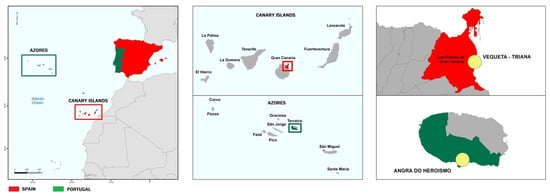
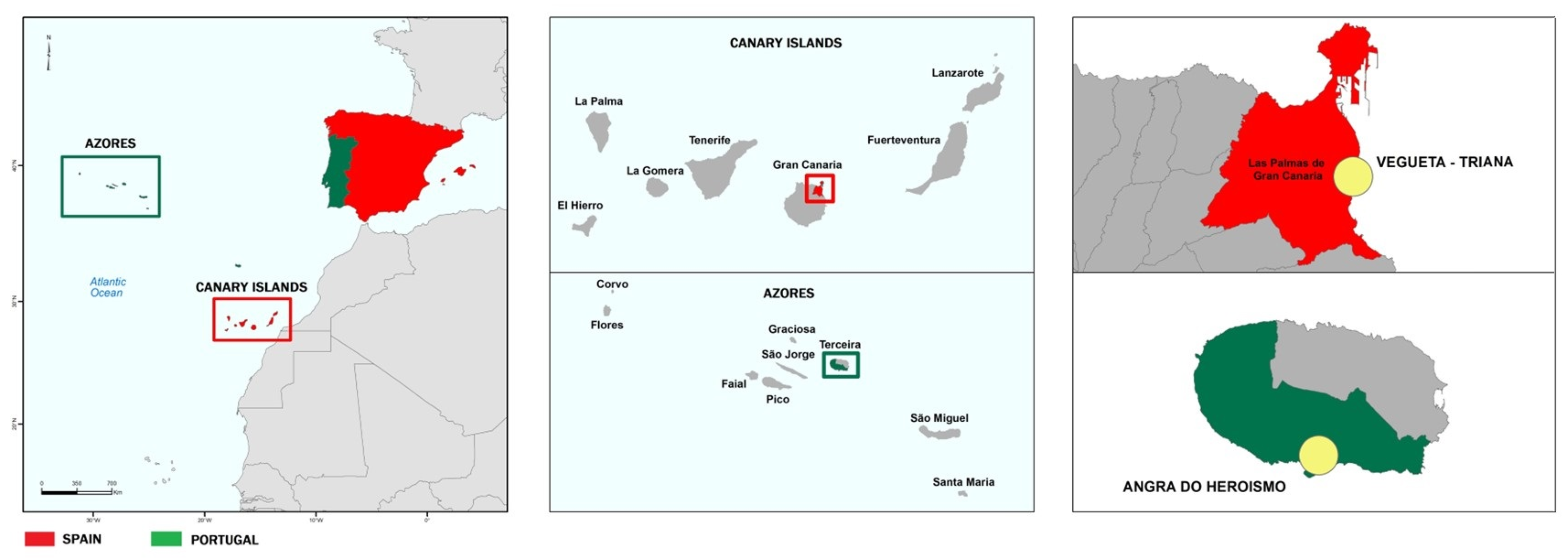
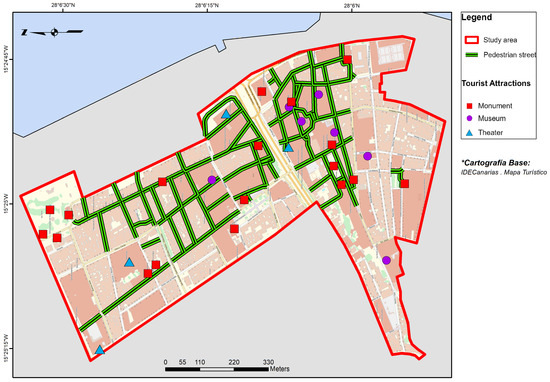
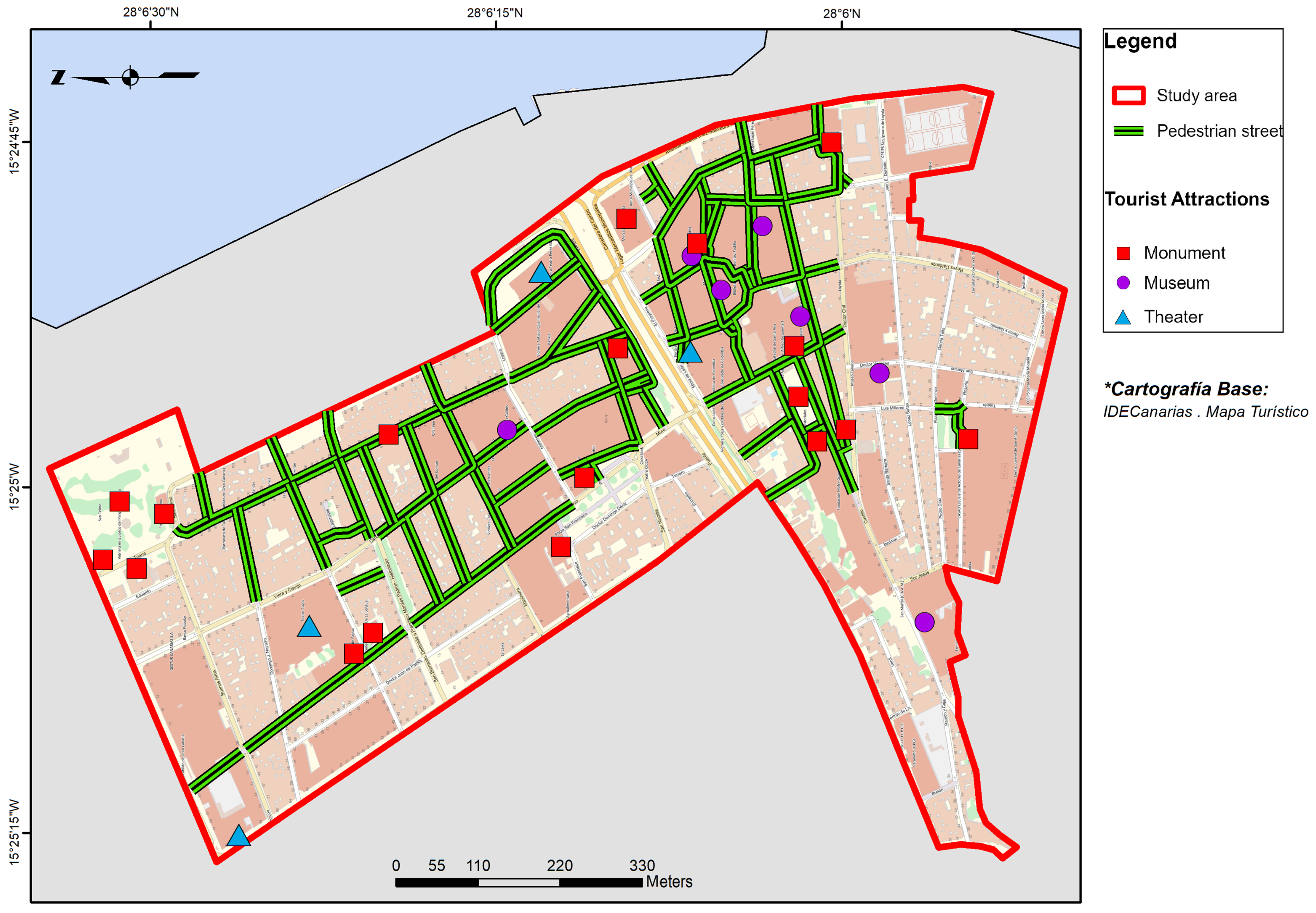
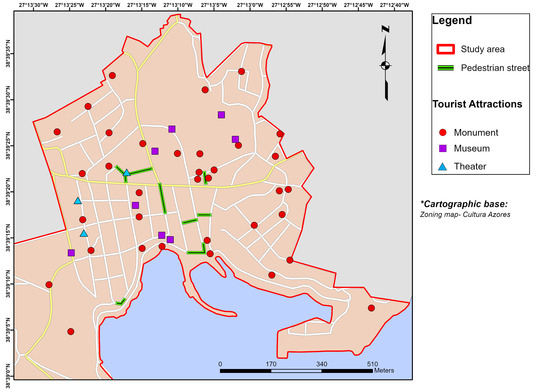
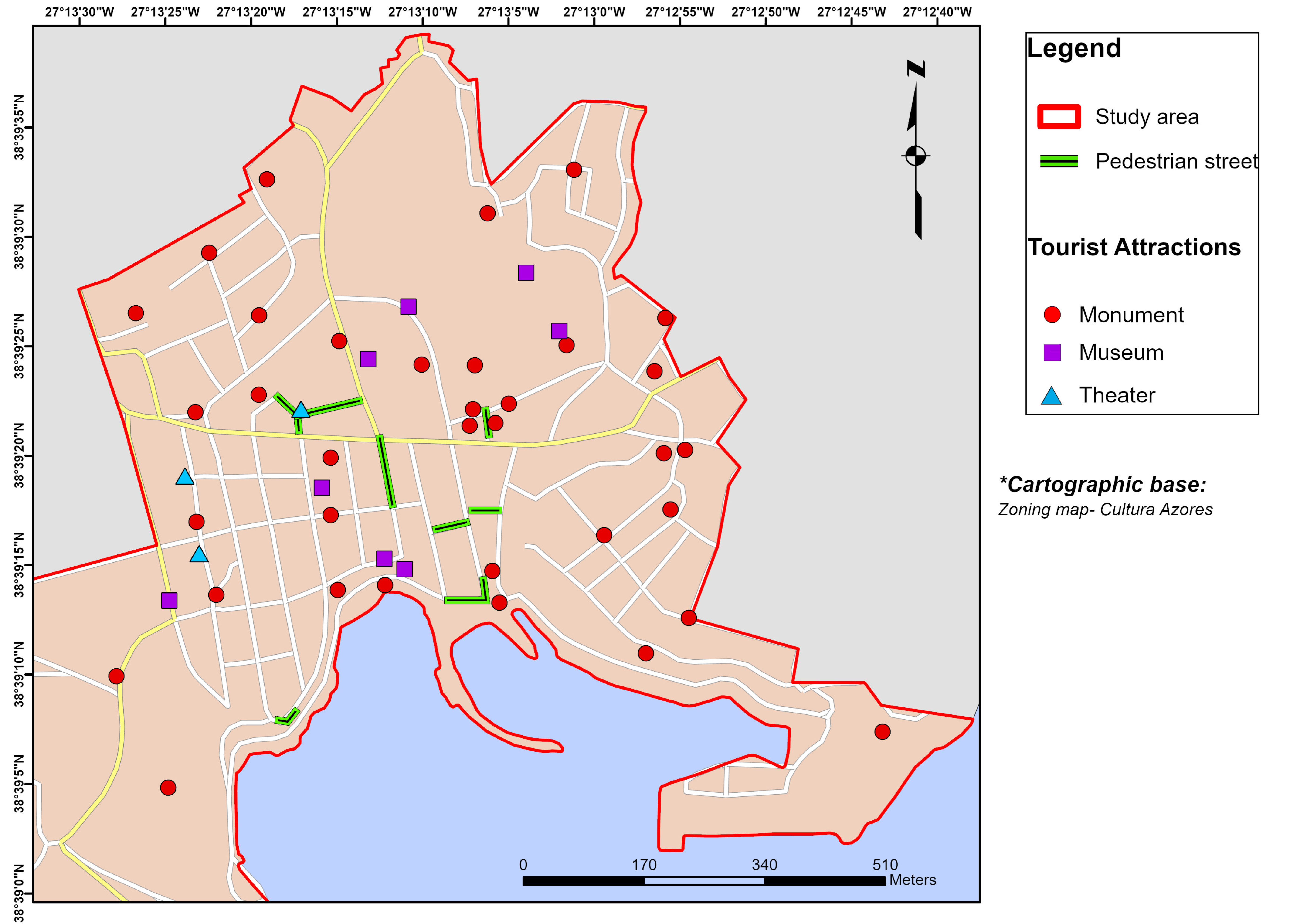

Disclaimer/Publisher’s Note: The statements, opinions and data contained in all publications are solely those of the individual author(s) and contributor(s) and not of MDPI and/or the editor(s). MDPI and/or the editor(s) disclaim responsibility for any injury to people or property resulting from any ideas, methods, instructions or products referred to in the content. |
© 2026 by the authors. Licensee MDPI, Basel, Switzerland. This article is an open access article distributed under the terms and conditions of the Creative Commons Attribution (CC BY) license.