


Abstract
Urban wetlands serve as vital spatial platforms for ecological restoration, carbon sequestration enhancement, and public environmental education; however, systematic research on their carbon sequestration benefits and the mechanisms linking these benefits to spatial design and public participation remains limited. Taking Nanjing Yuzui Wetland Park as a case study, this paper conducts a comprehensive assessment of plant community carbon sequestration benefits, spatial structural variations, and public ecological awareness by integrating official tree species data, field measurement data, the i-Tree Eco model, and questionnaire surveys. The results indicate that Yuzui Wetland Park already possesses a solid foundation for carbon sequestration, with a total carbon sequestration benefit of $48,777.38 and an average carbon sequestration benefit per tree of $24.63. Salix babylonica and Ulmus pumila L. are the primary contributors to current carbon sequestration, while Ginkgo biloba demonstrate strong long-term carbon storage potential, suggesting a clear division of labor among different tree species in short-term carbon fixation and long-term carbon storage. At the same time, significant differences exist between the native areas within the wetland and the peripheral roadside areas in terms of tree species composition, community structure, and carbon sequestration performance, indicating that spatial zoning is a key factor influencing the carbon sequestration benefits of urban wetlands. By integrating i-Tree Eco-based carbon assessment with questionnaire data, this study identifies a perceptual gap between the carbon-sink performance of Yuzui Wetland Park and public recognition of its ecological functions. The model results show measurable carbon-sequestration benefits and differentiated contribution patterns among tree species: Salix babylonica and Ulmus pumila L. contribute mainly to current carbon storage, while Ginkgo biloba shows long-term carbon-storage potential. The questionnaire results indicate that respondents recognized the wetland primarily through recreational and landscape functions, with lower recognition of carbon sequestration and water purification. These findings provide the basis for translating carbon-sink assessment into spatial visualization, environmental interpretation, and participatory landscape design. The study indicates that the optimization of urban wetlands should not be limited to plant selection and ecological calculations but should further integrate carbon sink assessment with spatial design and public participation to enhance the perceptibility, communicability, and practicability of wetland ecological value.
1. Introduction
The world is currently facing the challenge of climate change, and its impact on human society is expected to intensify in the coming years [1,2,3,4]. Evidence shows that human activities directly produce carbon dioxide, a major greenhouse gas that contributes to climate change [5,6]. Soil carbon plays a critical role in regulating climate, water supply, and biodiversity—processes that collectively underpin the provision of ecosystem services. Within the global carbon cycle, although wetland soils cover only about 5–8% of the Earth’s land surface, they store 20–30% of the planet’s total soil carbon, amounting to approximately 1500 Pg [7]. Because the unique anoxic conditions of wetland soils slow down the decomposition of organic matter, large amounts of organic carbon accumulate there, making wetlands one of the world’s most important natural carbon sinks [8,9].
Wetlands are the most productive ecosystems [10], and have the highest soil carbon density compared to other ecosystems such as forests, grasslands, and shrublands [11]. Alcamo argues that wetlands are not only critical ecosystems in strategies to address global climate change through carbon sequestration, but also provide services that help mitigate the impacts of climate change [12]. First, wetlands contain a disproportionately large share of the Earth’s total soil carbon, holding an estimated 20% to 30% of the global soil carbon stock of 1500 Pg [13]. Second, although wetlands cover only 5–8% of the Earth’s land surface [13], the anoxic conditions characteristic of their soils effectively slow decomposition and lead to the accumulation of organic matter. Consequently, wetlands can accumulate substantial carbon stocks and serve as significant sinks for atmospheric carbon dioxide, capable of storing 40% or more of soil carbon—far exceeding the 0.5–2% typically found in agricultural soils. Wetland ecosystems are formed by the interaction between water and land [14]. As such, wetlands have become important carbon sinks in the atmosphere, exerting a profound influence on the reduction in greenhouse gas emissions [9,15].
Research on wetland carbon sinks is still in its early stages, as wetland carbon cycling processes are complex and numerous factors influence wetland carbon sinks. Natural ecosystems such as wetlands have been shown to be among the most important, cost-effective, and efficient options for sequestering carbon dioxide from the atmosphere [16,17,18].
Carbon storage encompasses various processes and methods for retaining or containing carbon in different reservoirs, such as the atmosphere, oceans, land, and biomass. Carbon sequestration is essentially a natural process involving the removal of carbon dioxide from the atmosphere and its storage in various reservoirs, including terrestrial ecosystems and the oceans [19]. Together, these form the “sink-sequestration” continuum: the former emphasizes the existing carbon stock within a system, while the latter emphasizes the increase in carbon achieved through biological growth or human intervention. Carbon storage in forest ecosystems primarily includes vegetation carbon storage, soil carbon storage, and litter carbon storage. Estimates of these stores typically employ different methodologies. Researchers have applied forest carbon storage estimation methods to forest types at various scales [20].
In wetland and urban ecosystems, the role of trees in carbon storage and sequestration is equally significant. Although wetlands are primarily driven by hydrological processes, their woody components—including emergent trees (such as pond cypress and bald cypress), riparian trees (such as weeping willow and Chinese hackberry), and artificially planted landscape tree species—also constitute green carbon reservoirs. The magnitude of carbon storage in trees is governed by the interaction of multiple factors, including biomass structure, species composition, canopy cover, stand density, and site moisture conditions [21]. In wetland microenvironments, periodic flooding stress reduces root respiration and decomposition rates, promoting the long-term preservation of woody residues and thereby forming slow-turnover carbon pools unique to wetlands [22].
Currently, research on carbon sinks has employed a variety of methods to measure carbon storage and sequestration capacity. These methods include field surveys, National Forest Inventories (NFIs), remote sensing, geostatistical techniques, modeling based on environmental factors, and the i-Tree Eco software (2025) [23]. Although field surveys are thorough, they can be both costly and time-consuming [24,25]. Advances in remote sensing technologies—such as LiDAR, drone-based modeling, and machine learning—have improved the accuracy of carbon sink measurements in urban environments [26]. Compared to forested areas, the environmental structure of urban wetlands is more complex, making accurate carbon sink measurements challenging. However, current research on tree carbon sinks has primarily focused on single-type sites such as forests, with limited exploration of the carbon storage and sequestration potential of wetland carbon sinks in urban areas [27].
To address the gap between ecological quantification and social design in urban wetland carbon neutrality research, this study uses Nanjing Yuzui Wetland Park as a case study. It aims to quantify the carbon storage and sequestration capacities of the dominant plant species in the Yuzui urban wetland through field measurements and the i-Tree Eco model. The study analyzes the spatial heterogeneity of carbon sequestration capacity across different functional zones and identifies the ecological and structural factors driving these differences. Carbon assessment results will be converted into spatialized carbon maps to provide empirical evidence for vegetation planning, public engagement, and urban wetland design. To achieve these objectives, the study will address the following research questions:
Q1: What are the current carbon storage and annual carbon sequestration benefits of the dominant tree communities in Yuzui Wetland Park, as estimated through field measurements and the i-Tree Eco model?
Q2: How are carbon-sequestration benefits associated with tree species composition, diameter at breast height (DBH), tree height, and spatial functional zones within the park?
Q3: How do visitors perceive the ecosystem services and carbon-related functions of Yuzui Wetland Park, and how can quantified carbon-sink results be translated into spatial design guidelines to enhance ecological functions and public awareness of the carbon cycle?
The study will establish a wetland plant carbon sequestration model using multi-source data and analyze the carbon fixation characteristics of different tree species and spatial zones. This study also aims to translate quantified carbon-sink results into spatially explicit and publicly understandable design information. By integrating tree-level carbon assessment, spatial vegetation analysis, and public-perception data, the study develops visual carbon maps and spatial design guidelines to support vegetation optimization, environmental interpretation, and public engagement in urban wetland management.
2. Study Area and Methods
2.1. Study Area
Nanjing, located in Jiangsu Province, China, lies in the middle and lower reaches of the Yangtze River (31°14′–32°37′ N, 118°22′–119°14′ E). It spans 50–70 km from east to west and 150 km from north to south. It has a subtropical monsoon climate with abundant rainfall and an average annual temperature of 15.4 °C. As the capital of Jiangsu Province in eastern China, Nanjing is one of the core cities of the Yangtze River Delta. The annual average temperature is approximately 16.3 °C, and annual precipitation is about 1150 mm. Nanjing is situated in the Ningtian-Yangzhou hilly region, characterized by gentle terrain with an average elevation of approximately 23 m. The city is crisscrossed by a network of waterways, with the Yangtze River flowing from north to south through the entire city; water areas account for more than 11% of the total land area. Nanjing covers a total area of approximately 6587 square kilometers and has a total population of about 9.31 million. The city has a high population density, placing significant pressure on its urban ecosystem. Over the past two decades, the urban population has grown by nearly 50%, reflecting rapid urbanization, which has led to significant changes in landscape patterns and habitat quality. Consequently, the city serves as a typical case study for research on the relationship between landscape patterns and habitat quality.
Nanjing’s topography is characteristic of the Nanjing-Zhenjiang-Yangzhou hilly region, consisting primarily of low mountains, hills, and lowlands (60.8%), with plains, depressions, rivers, and lakes accounting for approximately 39.2%. The study site is located in Hexi New Town, Jianye District, specifically at the southernmost tip of Hexi New Town, surrounded on three sides by the Yangtze River, Jiajiang River, and Qinhuai New River. The Wetland Park is a wetland park shaped like a pointed tip, vividly referred to as the “Fish Mouth.” With a total area of 640,000 square meters, it is an urban wetland park serving multiple functions, including urban green space, wetland ecological conservation, and science education. Additionally, the park features 28 hectares of natural riverbank wetland landscapes, as shown in Figure 1.
Figure 1.
Topography and Land Use Distribution of Nanjing.
Nanjing not only enjoys a favorable geographical location, but the city has also largely established a system of protected natural areas comprising national parks, nature reserves, and various types of natural parks, such as forest parks and wetland parks. First, Yuzui Wetland Park, themed around pristine wetlands, is an urban ecological and educational nature park brimming with natural charm. It combines wildlife conservation with ecological appreciation and recreational services, providing an ideal setting for tourists to engage in eco-friendly activities. Second, as a “viral” hotspot for nature and eco-tourism, Yuzui Wetland Park uses its unspoiled natural landscapes and ecosystems as direct tourist attractions. It emphasizes tourists’ preference for natural ecosystems and their reliance on environmental resources, holding strong appeal for nature-oriented tourists. It can quickly stimulate tourists’ moral emotional experiences and pro-environmental behaviors, while also helping to activate the park’s educational functions, as shown in Figure 2.
Figure 2.
Analysis of Location and Site Dimensions for Yuzui Wetland Park.
2.2. Method
2.2.1. Data Source
The data for this study were primarily derived from two sources: official records from Yuzui Wetland Park and field surveys conducted by the research team. First, the tree species and basic plant information within the study area were compiled and verified based on official records from Yuzui Park to clarify the park’s tree species composition and the distribution of major plant species. Second, to ensure the accuracy of parameters required for carbon sink calculations, the research team conducted field measurements of trees within the study area to obtain basic data such as tree diameter at breast height (DBH), tree height, light conditions, and canopy health.
Among these, tree DBH and height are important indicators reflecting tree growth and estimating biomass, and they are also key parameters for subsequent calculations of carbon storage and carbon sequestration capacity; light conditions and canopy health, meanwhile, were used to assess individual trees’ growing environments and overall growth status, thereby enhancing the reliability of the model’s evaluation results. The combination of official records and field survey data ensured the accuracy of tree species identification while strengthening the authenticity and relevance of the baseline data, providing a solid data foundation for subsequent calculations of tree carbon stocks, carbon sequestration capacity, and related ecological benefits in Yuzui Wetland Park using the i-Tree Eco model.
2.2.2. i-Tree
In this study, the i-Tree Eco model was used to quantitatively assess vegetation carbon stocks. Developed by the U.S. Forest Service in collaboration with multiple research institutions, i-Tree is designed to assess the structural characteristics and ecosystem services of urban forests in a standardized manner. As one of the core modules within this toolkit, i-Tree Eco (formerly the UFORE model) integrates field plot survey data, hourly meteorological records, and local air pollutant concentrations to generate comprehensive estimates of urban tree growth, health, and ecological functions [28,29].
The i-Tree model calculation program incorporates allometric growth equations for trees [30]. The model’s algorithms also account for factors such as canopy characteristics and light competition to calculate annual carbon sequestration and storage for each tree [30]. The results have high spatial resolution. Annual carbon sequestration can be estimated directly based on forest resource inventories [31]. Annual carbon sequestration can be obtained without comparing annual carbon sequestration data [30], thereby reducing data requirements. By measuring trees on an annual basis, the model avoids significant errors in tree height and density increments [32].
Unlike the commonly used InVEST model, i-Tree Eco emphasizes carbon sequestration resulting from natural tree growth, an aspect not considered by other models such as InVEST. Compared to plot inventory-sampled tree analysis and biomass conversion factor methods, i-Tree Eco does not require comparisons of forest resource inventories across survey years and does not rely on tables. This makes carbon storage/sequestration calculations faster while saving labor and resources. Additionally, i-Tree Eco accounts for meteorological conditions and canopy characteristics, significantly improving estimation accuracy.
i-Tree Eco is based on a database of species-specific allometric equations [21]. The carbon sink estimation equations are as follows (different formulas are used depending on the data and tree species):
Biomass = exp(β1 + β2 × LN(DBH) + σ2/2)
Biomass = exp(β1 + β2 × LN(DBH2 × HEIGHT) + σ2/2)
Biomass = β1 × (DBHβ2)
Biomass = β1 × ((DBH2 × HEIGHT)β2)
β1 and β2 are species-specific coefficients; DBH is measured at a height of 1.37 m above ground level; HEIGHT represents the total tree height; and σ2 denotes the variance of the model error, which is used to correct for transformation bias when converting predictions from a logarithmic scale back to the original scale. The estimated biomass of the entire tree (including above- and below-ground biomass) is multiplied by 0.5 to convert it to carbon storage.
Based on data measured by the research team at Nanjing Yuzui Wetland Park in 2025, the data was converted and entered into the attribute table. First, the data year was entered into the i-Tree Eco modeling software (2025). Second, the data types were entered into the complete list. Third, the location was entered as Nanjing, Jiangsu Province; we selected meteorological data from the Nanjing Lukou Meteorological Station for the year 2025. Fourth, we entered tree species, trunk weight, crown size (including live crown height, crown height, crown width, and percentage of crown loss), total tree height, and land use. For the attribute “crown health,” we selected “dieback.” The above input indicators included all attributes required or strongly recommended by the i-Tree Eco software [33], the specific procedure is shown in Figure 3.
Figure 3.
Circulation Analysis Map of Yuzui Wetland Park.
i-Tree Eco has been applied in numerous urban forest studies worldwide and is widely used for ecosystem service assessments at the city-wide scale or for comparing ecological performance across different spatial zones. However, the model also has certain limitations, such as its reliance on a North American tree species database, which may lead to biases in biomass estimates for local tree species, and its relatively inadequate characterization of hydrological-vegetation coupling features in complex wetland ecosystems. Therefore, in this study, we enhanced the model’s applicability to wetland parks in the humid subtropical climate zone of southern Jiangsu by combining field data validation with regional background analysis. The instructions for using i-Tree Eco are shown in Figure 4.
Figure 4.
i-Tree Eco Flowchart.
2.2.3. Survey
The questionnaire survey was designed to examine the social-perception dimension of urban wetland ecosystem services. The questionnaire consisted of two parts. The first part collected respondents’ socio-demographic information, including gender, age, education level, occupation, residential area, familiarity with wetlands, and familiarity with Yuzui Wetland Park. The second part focused on respondents’ perceptions of wetland ecosystem services and participation in wetland conservation.
All data were organized and subjected to preliminary statistical analysis in SPSS, including descriptive statistics and correlation analysis, to explore the relationship between ecological indicators and social behavior [34]. Respondents’ recognition of wetland functions was measured through multiple-choice items covering water purification, climate regulation, freshwater supply, habitat provision, food provision, land formation, energy supply, and recreational use. Awareness of human-activity impacts was measured through items concerning perceived wetland degradation risks and the perceived importance of conservation actions. Participation motivation was measured through items including environmental interest, school or workplace activities, social influence, material incentives, and recognition. Participation constraints were measured through items including lack of relevant knowledge, limited participation channels, time constraints, economic costs, lack of confidence in conservation effectiveness, and weak local participation atmosphere.
These data provided the basis for identifying public recognition patterns and participation constraints related to wetland ecosystem-service perception.
3. Results
3.1. Main Tree Species at Yuzui Wetland Park
To provide a structural foundation for the i-Tree Eco assessment, this study conducted an inventory-based field survey of trees within the predefined study area of Yuzui Wetland Park. The survey was not designed as a random sampling survey. The surveyed area included the native wetland area and the peripheral roadside planting zones incorporated into the carbon assessment. Within these areas, all accessible trees with measurable diameter at breast height (DBH) were recorded. For each tree, species, DBH, tree height, crown condition, and crown light exposure were collected and used as input variables for the subsequent i-Tree Eco analysis.
As shown in Figure 5, a total of 1980 trees were recorded in the tree inventory. Five dominant tree species were included in the carbon-sequestration assessment: Salix babylonica, Ginkgo biloba, Ulmus pumila L., Morus alba, and Platanus × acerifolia. Among them, Salix babylonica was the most abundant species, with 971 individuals, accounting for 49.0% of the total. Ginkgo biloba ranked second, with 411 individuals, accounting for 20.8%, followed by Ulmus pumila L. with 336 individuals, Morus alba with 198 individuals, and Platanus × acerifolia with 64 individuals.
Figure 5.
Tree Species Analysis Chart.
As shown in Figure 6 and Figure 7, the DBH distribution showed that the tree community was dominated by young and middle-aged individuals. Trees in the 5–10 inch DBH class accounted for 32.5% of the total and were mainly composed of Ginkgo biloba, Morus alba, and young Platanus × acerifolia. Trees in the 10–20 inch DBH class accounted for 50.5%, representing the most concentrated DBH group and consisting primarily of Salix babylonica and Platanus × acerifolia. Trees in the 20–30 inch DBH class accounted for 16.2%, with Ulmus pumila L. as the dominant species. Only 0.1% of the trees had DBH values greater than 30 inches.
Figure 6.
Tree Species Composition in the 5–10 Inch DBH Class.
Figure 7.
Tree Species Composition in the 10–20 Inch DBH Class.
These structural characteristics indicate that the carbon-sequestration performance of Yuzui Wetland Park is closely related to the dominance of young and middle-aged wetland-adapted tree species. The native wetland area is mainly characterized by Salix babylonica, Ulmus pumila L., and Morus alba, whereas the peripheral roadside planting zones contain more Ginkgo biloba and Platanus × acerifolia. This spatial differentiation in species composition and DBH structure provides the basis for analyzing differences in carbon-sequestration benefits across species and functional zones.
3.2. Carbon Sequestration Benefits of Trees in Yuzui Wetland Park
This study employed i-Tree Eco to estimate tree-based carbon storage, annual carbon sequestration, and related ecosystem-service values in Yuzui Wetland Park. The model derives carbon estimates from tree structural variables, including species, DBH, tree height, crown condition, and local environmental data, in combination with published allometric equations and ecosystem-service valuation parameters. The results presented in this section are model-derived estimates generated within the methodological framework of i-Tree Eco.
The monetary estimates reported here are based on the valuation assumptions and parameter settings embedded in the model. These estimates are used to examine the contribution patterns of different tree species and spatial zones to the carbon-related ecosystem-service performance of Yuzui Wetland Park. Ecosystem-service monetization involves methodological choices related to valuation parameters, regional applicability, and socio-economic context, which are considered in the interpretation of the results.
According to the model’s calculations, the total carbon sink benefit of the trees in Yuzui Wetland Park is approximately $48,777.38, while the average carbon sink benefit per tree is $24.63. These results demonstrate the crucial role of trees in carbon sequestration, particularly within large ecosystems such as urban wetland parks, where tree carbon absorption not only enhances the park’s environmental quality but also plays a significant role in the context of global climate change.
Further analysis reveals that the Salix babylonica, as a dominant tree species in the wetland park, has become a key contributor to water regulation, air purification, and carbon dioxide sequestration due to its large population size and substantial growth volume. The economic values for the Salix babylonica across these three ecological benefits are as follows: water regulation: $3890.04; air purification: $13,016.22; and carbon dioxide sequestration: $11,563.88. These values are significantly higher than those of other tree species, highlighting its fast-growing nature and vital role within the wetland ecosystem. The rapid growth of Salix babylonica not only accelerates carbon accumulation but also positions it as a critical element in the wetland’s ecosystem services.
In terms of carbon sink benefits, the Ulmus pumila L. follows closely behind. Although the carbon sink benefits of Ulmus pumila L. are not as high as those of Salix babylonica, its carbon dioxide sequestration and water regulation capabilities remain relatively strong. Particularly in the edge zones of wetlands, its role in supporting ecological stability and biodiversity is significant and cannot be overlooked. Ginkgo biloba, Morus alba, and Platanus × acerifolia contribute to carbon sequestration, but their immediate carbon sequestration benefits are relatively lower compared to Salix babylonica and Ulmus pumila L. This can be attributed to their smaller DBH and slower growth rates per unit area. Although these tree species currently contribute less to carbon sequestration, their future potential for carbon sequestration will become more evident as they continue to grow.
In terms of existing carbon sink stock, Salix babylonica and Ulmus pumila L. are the primary contributors to the park’s current carbon sink. The existing carbon sink stock of Salix babylonica amounts to $28,470.14, accounting for 58.3% of the total carbon sink stock, while that of Ulmus pumila L. is $17,852.50, accounting for 36.5%. Together, they account for 94.8% of the park’s carbon sink benefits. In contrast, the combined existing carbon stock of Morus alba, Platanus × acerifolia, and Ginkgo biloba accounts for only 5.2%, indicating that the young and middle-aged forest communities within the wetland, such as Salix babylonica and Ulmus pumila L., are primarily responsible for the park’s carbon sequestration, particularly in terms of current carbon storage.
From the perspective of temporal carbon-sequestration functions, Salix babylonica and Ginkgo biloba form a dual-core carbon-sink structure in Yuzui Wetland Park. In this study, “dual-core” refers to the functional division between the species contributing most strongly to current carbon storage and the species showing the greatest long-term carbon-storage potential. Salix babylonica, supported by its large population size and rapid growth, constitutes the current carbon-sequestration core, whereas Ginkgo biloba, characterized by longevity and stable growth, constitutes the long-term carbon-storage potential core. The carbon sequestration value of Salix babylonica over the past 20 years was $687,480.72, accounting for 54.6% of the total long-term carbon sequestration value. This high proportion of carbon sequestration benefits reflects their rapid growth characteristics and the efficient carbon accumulation capacity of their large populations. Ginkgo trees have contributed $475,649.97 in carbon sequestration over the past 20 years, accounting for 37.8%. As a long-lived species, Ginkgo biloba plays a vital role in the park’s long-term carbon sequestration reserves. Ginkgo trees not only possess high carbon storage capacity but also exhibit strong growth stability, providing sustained support for future carbon sequestration.
However, the long-term carbon sequestration potential of Ulmus pumila L., Morus alba, and Platanus × acerifolia is relatively low, primarily due to their smaller population sizes and slower growth rates. Although their current contribution to carbon sequestration is limited, as their populations increase, these tree species may play a more significant role in the park’s carbon sequestration potential in the future, as shown in Table 1.
Table 1.
Carbon Sink Analysis Map of Yuzui Wetland Park.
3.3. Survey Analysis
Between October 2025 and January 2026, the questionnaire survey collected 214 valid questionnaires through offline on-site distribution at Yuzui Wetland Park and online distribution via a web-based questionnaire link. The survey adopted a non-probability convenience sampling strategy. The offline questionnaires were completed by visitors who voluntarily agreed to participate during the on-site survey, and the online questionnaires were collected through the same questionnaire items. The final dataset included 214 valid questionnaires for subsequent analysis, for details on the survey, please refer to the Supplementary Materials.
The gender distribution of respondents was relatively balanced, with women accounting for 50.93% and men for 49.07%. The age distribution shows that respondents aged 18–35 accounted for 35.05%. In terms of educational attainment, those with a bachelor’s degree or higher constituted the largest proportion at 35.98%. Regarding occupational distribution, employees of enterprises and public institutions accounted for 37.38%. In terms of geographic distribution, over 70% of respondents resided in other regions (as shown in Figure 7). Regarding perceptions of the key features of wetland parks, 46.26% of the sample considered the display of wetland plants, animals, and water systems, as well as the restoration and enrichment of the wetland’s original topography and landforms, to be important; meanwhile, 31.78% of respondents cited various wetland-related experiential activities, as shown in Figure 8.
Figure 8.
Chart Analyzing Basic Information of Survey Participants.
As shown in Table 2, the valid questionnaires were imported into SPSS Statistics 26.0 for descriptive statistics, reliability analysis, factorability assessment, and categorical-variable analysis. The questionnaire included socio-demographic questions, single-choice questions, multiple-choice questions, and seven Likert-scale items related to wetland cognition and participation attitudes. Cronbach’s alpha was calculated for the seven Likert-scale items to examine their internal consistency [35]. The Kaiser–Meyer–Olkin (KMO) measure and Bartlett’s test of sphericity were used to assess the factorability of these Likert-scale items. Socio-demographic questions, single-choice questions, and multiple-choice questions were analyzed separately using descriptive statistics and categorical-variable analysis.
Table 2.
Cronbach’s Alpha Analysis.
The standardized Cronbach’s alpha coefficient for the seven Likert-scale items was 0.901, showing high internal consistency within this item group. The KMO value was 0.895, and Bartlett’s test of sphericity was significant (χ2 = 857.526, df = 21, p < 0.001), indicating that the correlation matrix of the seven Likert-scale items had adequate factorability. These tests were used as preliminary checks of internal consistency and data structure. The interpretation of the questionnaire results also incorporated the content of the exact items, the separation of questionnaire modules, and the relationships among variables examined in the subsequent analysis. The full questionnaire is provided in the Supplementary Materials.
In addition to these preliminary checks, chi-square tests of independence were used to examine associations among categorical variables, including respondent characteristics, familiarity with Yuzui Wetland Park, recognition of regulating ecosystem services, and participation-related variables. Correlation analysis was used to examine relationships among the Likert-scale variables concerning wetland cognition and participation attitudes.
Validity refers to the extent to which a test or scale can accurately measure the intended psychological and behavioral characteristics, that is, the accuracy and reliability of the test results. The Bartlett sphericity test is used to determine whether the correlation coefficients between items are significant; if the significance level is less than 0.05, it indicates that each item is suitable for factor analysis [36]. Validity was verified using the KMO and Bartlett’s tests. The KMO value is 0.895. Since the KMO value exceeds 0.8, the validity of the research data is excellent, as shown in Table 3.
Table 3.
KMO and Bartlett’s Test.
For multiple-choice questions, respondents were allowed to select more than one option. Therefore, option frequencies may exceed the number of valid respondents when summed across all options. In these questions, frequency represents the number of respondents selecting a given option, and selection percentage represents the proportion of valid respondents selecting that option. Selection percentage was calculated by dividing the frequency of each option by the total number of valid respondents (N = 214).
As shown in Table 4, the exploratory chi-square goodness-of-fit test showed that the selection frequencies differed among the wetland-type options (χ2 = 47.089, p < 0.001). This result indicates that respondents did not select all wetland-type categories with equal frequency. Among the listed options, “ice fields” and “swamps” received the highest selection percentages, suggesting that respondents associated wetlands not only with typical wetland forms such as swamps, but also with broader water- or ice-related landscapes. These results reveal a broad but partly imprecise public understanding of wetland types.
Table 4.
Responses to Question 11: Recognition of Wetland Types.
To gain a deeper understanding of the public’s cognitive foundations regarding wetland ecosystems and their perceptions of the Yuzui Wetland Park, this study conducted a systematic descriptive statistical analysis of the scales in the questionnaire that pertain to the public’s cognitive dimensions (As shown in Table 5). For this section, the Five-point Likert Scale was employed for psychometric measurement, with a score of 1 representing the lowest level of agreement (e.g., “completely unaware/completely irrelevant”) and a score of 5 representing the highest level of agreement (e.g., “very aware/very relevant”). This quantitative conversion not only objectively and precisely measures the intensity of respondents’ psychological tendencies but also provides a solid statistical basis for subsequent analysis of the structural differences between public behavior and the level of wetland cognition [37].
Table 5.
Analysis of Survey Participants’ Perceptions of Wetland Functions.
Statistical results based on the aforementioned scoring criteria show that the 214 valid respondents achieved an overall average score of 3.46 on this dimension, placing it at an above-average level overall; however, significant structural differences were observed among the specific variables. Specifically, at the level of basic knowledge and behavioral intentions, the public scored highest on “overall awareness of wetland reserves or wetland parks” and “frequency of recreational participation.” Frequency statistics show that regarding knowledge of wetland parks (mean score of 3.58), as many as 59.34% of respondents selected “very familiar” (30.37%) or “quite familiar” (28.97%); regarding recreational frequency (mean score of 3.50), more than half (54.67%) of respondents explicitly stated that they “like to go” (28.50%) or “always go” (26.17%). This indicates that wetlands, as a form of urban green infrastructure, have achieved widespread conceptual awareness among the public and possess extremely high recreational space stickiness.
However, regarding deeper ecological connections and the recognition of specific spatial attributes, the data revealed a noticeable decline in engagement. When asked about the “relevance of the wetland concept to personal life” (mean score: 3.43), although 33.64% of respondents considered it “very relevant,” more than one-fifth (21.49%) still perceived it as “completely irrelevant” or “only slightly relevant.” More notably, the score for localized awareness regarding the core empirical space of this study—“Yuzui Park possesses wetland attributes”—ranked last among all measured items (mean score of 3.30). The survey revealed that nearly one-third (29.44%) of respondents indicated they were “completely unaware” (14.49%) or “only slightly aware” (14.95%) of the fact that Yuzui Park in their vicinity is a wetland park, while only 22.90% selected “very aware.”
To explore the specific cognitive structure of the public’s perception of the abstract ecological value of wetlands, this study adopted the “ecosystem services” classification framework from the Millennium Ecosystem Assessment (MA) to conduct an in-depth analysis of the multiple-response data regarding “perception of wetland functions” in the questionnaire (Question 12, N = 214, total response frequency 948). The statistical results reveal that the public’s perception of wetland ecosystem services exhibits significant “structural imbalance” and a “preference for concrete services.”
First, regarding support and provisioning services, the data exhibited a highly concentrated pattern. Contrary to conventional ecological wisdom, as many as 74.30% of respondents regarded **“land formation”** as the primary function of wetlands, ranking it first among all options; this was closely followed by “providing food for humans” (67.29%) and “providing habitat” (61.68%). The formation of this cognitive preference profoundly reflects the shaping influence of the local environment on the public’s ecological perception. Located in the Jiajiang region where the Yangtze River converges, Nanjing Yuzui Wetland Park features natural landform changes resulting from water erosion and sediment deposition (i.e., sedimentation-driven land formation) that are highly visually accessible. This suggests that the public is more likely to perceive and identify with “visually observable physical changes” (such as land formation through sedimentation) and “material supplies directly related to human survival” (such as food).
Second, regarding regulatory services (the core focus of this study), public perceptions show a marked polarization. On the one hand, as a high-frequency term in the context of global climate change, the “climate regulation” function received a high level of recognition (65.42% awareness, ranking third). This provides a solid psychological foundation for this study’s promotion of “low-carbon landscape and carbon sink awareness”—indicating that the public is not entirely lacking in climate awareness; on the other hand, however, the awareness rate for the most fundamental biochemical regulatory function of wetlands—“water purification”—is exceptionally low, at only 38.32%, ranking second to last.
Table 6 shows that there are significant differences in the factors driving public participation in wetland-related activities. Among these, personal interest in environmental protection was considered the most important factor, with a response rate of 24.96% and a prevalence rate of 79.44%, indicating that intrinsic motivation is the core driving force behind participation. Material rewards (67.76%), influence from others (65.42%), and the desire for recognition (64.02%) also contributed to participation to some extent, while the influence of schools or work organizations was relatively low (41.59%). Overall, individual intrinsic interest plays a significantly greater role in promoting participation than external organizational factors or incentives.
Table 6.
Analysis of the Reasons Why Survey Participants Engage in Wetland Conservation.
The main constraints affecting public participation in wetland conservation activities, as shown in Table 7, include a lack of confidence in the effectiveness of conservation efforts (response rate: 20.71%, prevalence: 73.36%) and financial costs (20.05%, 71.03%). This indicates that public skepticism regarding the effectiveness of such activities and the financial burden are key barriers to participation. A lack of relevant knowledge (61.22%) and limitations regarding participation channels and time (both 54.67%) also restrict participation to some extent, while a lack of a supportive local environment (31.31%) and other factors (7.94%) have a relatively minor impact. Overall, psychological confidence and economic factors are the key areas for enhancing public participation, which requires improvement through educational outreach, economic incentives, and convenient participation channels.
Table 7.
Analysis of Factors Influencing Survey Participants’ Engagement in Wetland Conservation.
These data characteristics vividly reveal the widespread disconnect between the use of surface-level spaces and the perception of deep-level ecological processes in current urban wetland management. The public’s frequent recreational activities have not effectively translated into a scientific recognition of the core ecological attributes of these spaces. Combined with the immense carbon sequestration potential of the Yuzui Wetland calculated by the i-Tree Eco model mentioned earlier, as well as its “dual-core” structure of existing carbon stocks and long-term carbon sinks, this high level of objective ecological performance contrasts sharply with the relatively weak subjective local awareness. This further underscores the urgency of the low-carbon landscape social design pathway proposed in this study: “translating from plant carbon sink assessment to public engagement.” In future urban wetland revitalization efforts, relying solely on the spatial physical configuration of plant communities is no longer sufficient to maximize ecological value. It is essential to softly translate intangible carbon sink data through social media such as nature education experiences and visualized carbon maps, breaking through the public’s cognitive limitation of viewing the wetland merely as a recreational park rather than an urban carbon sink. This will reshape the public’s pro-environmental behavioral intentions beyond mere physical recreation. Therefore, in response to the above issues, this study proposes three strategies targeting tree species composition, spatial distribution, and public perception.
4. Discussion
This study conducted field surveys of the vegetation communities in Nanjing Yuzui Wetland Park and used the i-Tree Eco model to quantitatively assess their carbon storage and carbon sink capacities. It further analyzed the effects of different tree species, DBH distribution, and spatial functional zones on carbon sink benefits. Concurrently, a public questionnaire survey was conducted to explore public perceptions of wetland ecosystem services and participation behaviors, providing empirical evidence for the optimization of urban wetland carbon sinks and social design. The Section 4 focuses primarily on the following aspects.
4.1. The Contribution of Key Tree Species to Carbon Sequestration and Their Ecological Significance
The results of this study indicate that key tree species contribute significantly to both wetland carbon stocks and annual carbon sequestration. Their contribution is reflected not only in their numerical dominance but also in their functional dominance within the community structure. The young and middle-aged forest communities within the wetland are primarily dominated by Morus alba, Salix babylonica, and Ulmus pumila L., which together account for 76.8% of the total number of native dominant tree species in the wetland. Salix babylonica and Ulmus pumila L. contribute over 80% of the carbon sink. This result suggests that these young and middle-aged forest communities not only support the ecological stability of the wetland but also perform the primary carbon sequestration function.
Comparing the successful succession experience of Xixi Wetland with cutting-edge ecological theories [38], the long-lived tree species currently found in Yuzui Wetland Park, such as Ginkgo biloba, are mostly concentrated along the outer perimeter roads, while the core wetland lacks a strategic reserve of long-lived carbon-sequestering tree species. Therefore, from an ecological functional perspective, fast-growing tree species support carbon sink increments during the early stages of the system through their high annual biomass growth rates, while longer-lived, relatively stable-growing species assume the function of stable carbon storage over time. This “growth-type–stability-type” species division of labor structure enables the wetland carbon sink system to exhibit phased accumulation characteristics.
Based on this, the study proposes a relay carbon sequestration model involving the construction of “pioneer-climax” composite communities. While retaining existing Salix babylonica and Ulmus pumila L. communities to maintain current carbon sink output, native broad-leaved slow-growing trees with longer life cycles and tolerance to moderate waterlogging should be systematically introduced into the understory or patch edges of the core wetlands. Through artificial spatial interventions to accelerate positive succession, wetland vegetation can transition from monotonous fast-growing forests to more stable, multi-layered, mixed-age forests. As fast-growing tree species gradually enter their decline phase, long-lived trees will begin their peak photosynthetic carbon sequestration phase, thereby establishing a seamless relay-style carbon reservoir.
At the same time, by strategically increasing species diversity in the herbaceous and shrub layers and leveraging the niche differentiation resulting from varying root depths, carbon fixed through photosynthesis can be more evenly distributed and stored at greater depths in the anoxic soil layers of the wetland. Tree species tolerant of flooding and disturbance are more likely to achieve a scale advantage in riparian zones, thereby enhancing overall carbon storage at the community level and ultimately facilitating a transition for Yuzui Urban Wetland Park from short-term carbon absorption to long-term, stable carbon sequestration. This also indicates that carbon sink efficiency is not isolated from ecological niches but is integrated within hydrological conditions and spatial environments, shaped by the combined effects of species strategies and environmental gradients. However, from the perspective of community life cycles and long-term carbon sequestration, an over-reliance on a few dominant species for the carbon sink structure could pose systemic risks in the event of disease outbreaks or extreme weather events. Extensive short-term observational data and flux models indicate that wetland tree species typically have short life cycles and low wood density. When these species enter a growth decline phase or suffer widespread mortality due to extreme meteorological events, the decomposition of large amounts of woody debris will lead to greenhouse gas emissions, potentially causing a sudden shift in the wetland from a “carbon sink” to a “carbon source.”
To mitigate this risk and ensure a smooth transition in carbon sequestration benefits over time, the tree species optimization at Yuzui Wetland Park must shift away from a static afforestation approach and adopt dynamic spatial adjustment strategies. Recent research by Liu et al. [39] confirms that in natural wetland ecosystems, communities dominated by larger, slow-growing, highly hydrophilic plants exhibit significantly higher long-term soil carbon stocks than shallow-rooted plant communities that solely pursue functional diversity. This theoretical research has been strongly corroborated by ecological restoration practices at Hangzhou Xixi National Wetland Park, which is also located in the subtropical monsoon climate zone of the Yangtze River Delta. Pan et al. [40], in their study on the long-term evolution of ecosystem services in the Xixi Wetland, noted that despite severe pressure from urban expansion, the carbon sink services and biodiversity conservation functions within Xixi Wetland Park have maintained a positive trend of synergistic growth. Behind this long-term enhancement of carbon sequestration lies the scientific succession of its plant community composition. During its early phase of conservation-oriented development, Xixi Wetland selected a large number of fast-growing plants; however, in subsequent landscape renewal efforts, long-lived, slow-growing trees were deliberately interplanted within the fast-growing forests.
Therefore, maintaining species diversity is not only ecologically significant but also helps enhance the stability and resilience of the carbon sink structure.
4.2. The Regulatory Mechanisms of Spatial Zoning and Tree Species Composition on Carbon Sink Benefits
Different spatial zones exhibit varying carbon sink performance, indicating that carbon sink benefits are not determined solely by tree species but are instead influenced by a combination of spatial structure and ecological gradients. The native zone within the wetland and the outer street tree zone display distinct structural characteristics in terms of carbon sink contribution, reflecting significant spatial heterogeneity. Specifically, the interior of the wetland is dominated by young and middle-aged trees, forming an area with high growth potential. This structure suggests that the area holds potential for sustained future carbon sink growth and is the most critical location for enhancing carbon sink benefits. In contrast, the outer roadside tree area is dominated by mature Ginkgo biloba and Platanus × acerifolia, which have larger trunk diameters and higher existing carbon stocks, but their growth rates are leveling off, showing stable characteristics. Spatial zoning itself does not directly determine carbon sink levels; rather, it indirectly regulates carbon stocks and sequestration rates by altering community structure and growth conditions.
From a landscape planning perspective, the functional zoning of space not only influences recreational experiences and landscape layers but also subtly shapes the structure of carbon sink benefits. Based on the carbon sink assessment, plant community structure, and public survey results of Yuzui Wetland Park, this study proposes targeted planting and optimization strategies to enhance wetland ecological functions, carbon storage capacity, and the public experience.
In the core wetland area, efforts should be strengthened to protect and expand native, dominant wetland tree species such as Morus alba, Salix babylonica, and Ulmus pumila L. Maintaining a balanced proportion of young and middle-aged trees will help preserve ecological stability and enhance carbon sequestration efficiency. At the same time, the natural distribution of the wetland’s native vegetation should be preserved, with appropriate arrangements of trees, shrubs, and herbaceous layers to optimize light and water utilization. The riparian zone and inland forest area exhibit notable differences in hydrological conditions, soil moisture content, and the intensity of human disturbance; these factors influence tree species composition and diameter-at-breast-height (DBH) structure, resulting in distinct biomass accumulation patterns. Therefore, in wetland margins and shallow water zones, it is recommended to introduce highly water-tolerant, seasonally diverse trees and herbaceous plants such as Phragmites australis, Oenanthe javanica, and Artemisia scoparia to create a multi-layered vegetation structure. This approach not only enhances landscape aesthetics and biodiversity but also strengthens carbon sequestration capacity.
In outer roadside corridors and open areas, long-lived trees like Ginkgo biloba and Platanus × acerifolia should be planted to form tall landscape forests, providing long-term carbon storage and serving as the backbone of the landscape. Additionally, low-growing shrubs or ornamental flowers can be planted beneath these roadside trees to enrich the landscape layers and accommodate recreational functions. By combining fast-growing, moisture-loving tree species with long-lived trees, rapid short-term carbon sequestration can be achieved while ensuring long-term carbon storage stability. Moreover, the robustness of the forest stand can be further enhanced through phased planting and management of multi-age structures.
Spatial zoning itself does not directly determine carbon sequestration levels; rather, it indirectly regulates carbon storage and sequestration rates by influencing community structure and growth conditions. It is clear that tree species composition plays a key role in mediating spatial regulation mechanisms. Spatial attributes impact species composition ratios and age structure distributions, and these structural differences ultimately lead to variations in carbon sequestration benefits. Therefore, optimizing carbon sequestration should not be seen as merely increasing the number of high-carbon tree species, but rather as balancing ecological adaptability and community stability across different spatial units.
4.3. Public Preferences and Perceptions of Ecosystem Services
Urban wetland parks are not only physical carbon sinks but also “social-ecological systems (SES)” in which human activities and the natural environment are highly intertwined [41]. Findings on public preferences indicate that aesthetic and recreational experiences often take precedence over perceptions of ecological functions, reflecting the dominant role of cultural services at the perceptual level. Most respondents focused more on direct or perceptible ecosystem services, such as land reclamation, food supply, and climate regulation, while their awareness of indirect ecosystem services, such as energy supply and carbon neutrality, was relatively limited. This cognitive structure indicates that the public is more sensitive to highly visible ecological functions but has a weaker understanding of abstract processes such as the carbon cycle. At the same time, participation is primarily driven by intrinsic interest, while a lack of confidence in conservation effectiveness and economic costs serve as the main constraints. This implies that, in the practice of carbon neutrality in urban wetlands, relying solely on ecological calculations is insufficient to generate public support. Carbon sink data must undergo social translation through visualization and scenario-based design, transforming abstract carbon metrics into perceptible, participatory spatial experiences.
In their study on urban residents’ mechanisms of perceiving natural spaces, Riechers et al. [42] noted that this high sensitivity to cultural ecosystem services and the relative insensitivity to regulating ecosystem services constitute a common cognitive disconnect in current global urban green space management. As a typical regulating ecosystem service, carbon sequestration is characterized by its process-oriented and invisible nature, and its level of social recognition is generally lower than that of landscape appreciation and recreational functions. This disparity does not stem from public indifference to ecological issues, but rather from the difficulty of intuitively perceiving carbon cycle processes. Therefore, to facilitate the translation of plant carbon sink data into proactive, eco-friendly public behavior, this study proposes a dual-track social translation strategy combining “implicit design” and “citizen science.”
First, regarding the reconstruction of spatial information media, scenario-based interventions and experiential science communication aligned with recreational motivations should be promoted. In their classic empirical study on environmental education and visitor behavior, Ballantyne and Packer [43] demonstrated that in informal learning environments (such as parks and nature reserves), interactive experiences integrated with visitors’ core recreational motivations (leisure and socializing) can more effectively stimulate long-term ecological conservation intentions than rigid information dissemination. Specifically, landscape designers should not isolate science education zones in secluded corners rarely visited by the public. Instead, they should transform the carbon sequestration data for high-contribution tree species—such as weeping willows and elms—calculated by the i-Tree model mentioned earlier into visual and interactive landscape elements, and precisely anchor them at high-traffic recreational nodes, such as the edges of large lawns and intersections of main garden paths. For example, by installing visually striking, dynamic interactive sculptures depicting the carbon cycle around key tree species, or by embedding digital interactive interfaces on tree plaques that calculate individual carbon footprints, the public can passively absorb and actively engage with low-carbon knowledge while in a naturally relaxed state—such as during photo sessions or family picnics, as shown in Figure 9 and Figure 10.
Figure 9.
Renderings of the Carbon Cycle Sculpture and Interactive Installation.
Figure 10.
Rendering of a Carbon Cycle Educational Sign.
Second, to expand the scope of public engagement, we should leverage the flexible spaces along wetland edges to create venues for citizen science. A fundamental improvement in public awareness often depends on direct, hands-on participation. Some high-carbon tree species have relatively limited aesthetic appeal, while highly ornamental species may not exhibit outstanding carbon sequestration efficiency. This reveals a potential structural tension between aesthetic preferences and ecological functions. Dickinson et al. [44] point out that inviting non-expert members of the public to participate in scientific data collection and ecological monitoring not only effectively fills spatial gaps in research data but also serves as the optimal approach to breaking down cognitive barriers between scientific elites and the general public, thereby reshaping local attachment and a sense of ecological responsibility. Therefore, in the process of updating its landscape functions, Yuzui Wetland Park should reserve sufficient space for activities such as zero-carbon community workshops and nature observation trails (as shown in the figure). By organizing public participation in phenological observations of wetland plants, leaf composting, or the long-term measurement of tree trunk diameters using simple tools, the abstract and macro-level goal of carbon neutrality can be broken down into concrete, tangible micro-actions. This educational and entertaining social design can fundamentally overcome the public’s tendency to view the park solely as a recreational space, unaware of its role as an urban carbon sink. Ultimately, it will reshape the public’s eco-friendly behavioral patterns in the low-carbon era, moving beyond mere physical recreation.
Therefore, public preferences are not external variables in carbon sink management but rather critical factors influencing spatial decision-making. A dynamic coupling relationship forms between ecological functions and social perceptions, jointly shaping the management pathways for urban wetlands. Raising awareness of carbon sinks may require spatial visualization and environmental education to transform invisible ecosystem services into tangible public value.
4.4. Limitations
This study has several limitations that should be considered when interpreting the results. First, the carbon-sequestration assessment was based on i-Tree Eco, which estimates tree-based carbon storage and annual sequestration using tree species information, DBH, tree height, crown condition, local environmental data, and parameterized allometric relationships. Although this approach provides a standardized basis for comparing carbon-related ecosystem-service contributions among tree species and spatial zones, the estimates remain sensitive to field input quality, species identification, DBH and height measurements, crown-condition assessment, and the regional applicability of species-specific parameters.
The wetland context also introduces carbon processes that are not fully represented in i-Tree Eco. In urban wetland ecosystems, carbon dynamics are strongly affected by water-level fluctuations, soil moisture, sediment characteristics, anaerobic decomposition, methane emissions, hydrological carbon transport, and the coupling between wetland hydrology and vegetation. These processes were not directly measured in this study. Therefore, the carbon values reported here mainly represent tree-based carbon storage and sequestration benefits within the surveyed vegetation community. The total carbon balance of Yuzui Wetland Park may differ when soil carbon, hydrological carbon transport, and greenhouse gas emissions are incorporated. Future studies should combine i-Tree Eco with soil carbon measurements, hydrological monitoring, and process-based wetland carbon models to evaluate these uncertainties more comprehensively.
Valuation results are influenced by model assumptions, valuation parameters, regional socio-economic conditions, and policy contexts. In this study, monetary estimates were used to compare the relative contributions of different tree species and spatial zones to carbon-related ecosystem-service performance. Ecosystem-service monetization involves methodological choices and cannot fully capture the ecological, cultural, and social values of urban wetlands. Future research can compare different carbon price standards or valuation scenarios to test the sensitivity of monetary carbon-benefit estimates.
The questionnaire results are limited by the sampling strategy and respondent composition. The survey adopted a non-probability convenience sampling strategy and included both on-site visitors and online respondents. More than 70% of the respondents reported residence outside the immediate local area. Therefore, the questionnaire results should be interpreted as perceptions of the surveyed public and park visitors rather than as representative opinions of all local residents. This sample composition reflects the role of Yuzui Wetland Park as an urban public open space that attracts visitors from different areas, but it also limits the generalizability of the findings to nearby residents. Future studies should adopt stratified sampling with a higher proportion of local residents to compare local and non-local perceptions of wetland ecosystem services, carbon-related functions, and participation behavior.
The design recommendations proposed in this study were derived from carbon assessment results, vegetation structure, and questionnaire findings. Their long-term ecological and behavioral effects require further post-implementation evaluation. Future research can track changes in vegetation growth, carbon-sequestration performance, visitor cognition, and participation behavior after design interventions are implemented.
5. Conclusions
This study focuses on Nanjing Yuzui Wetland Park. By combining field plant surveys, i-Tree Eco model calculations, and public questionnaire analysis, it conducts a comprehensive investigation into the carbon sequestration benefits, spatial structural characteristics, and public ecological perception of urban wetland plant communities. The results indicate that, as a typical urban wetland space, Yuzui Wetland Park already possesses a solid foundation for carbon sequestration. However, there is room for further enhancement of its ecological value, particularly through the establishment of a closer linkage between plant configuration optimization and the transformation of public perception.
The study found significant differences in carbon sequestration contributions among different tree species in Yuzui Wetland Park. Among them, weeping willows and elms, owing to their large population sizes, strong growth advantages, and good adaptability to the wetland environment, constitute the mainstay of the park’s current carbon sequestration benefits and are the core tree species for maintaining the wetland ecosystem’s carbon fixation capacity. In contrast, Ginkgo biloba and Platanus × acerifolia currently account for a smaller proportion of carbon sequestration, yet they play an irreplaceable role in long-term carbon storage, maintaining community stability, and shaping the landscape. Consequently, the optimization of urban wetland plant communities should not be limited to improving short-term carbon sequestration efficiency but should also focus on the comprehensive effects of different tree species in terms of growth cycles, ecological adaptability, and landscape functions, thereby establishing a plant configuration system that balances current benefits with long-term potential.
From a spatial structural perspective, the formation of carbon sequestration capacity in Yuzui Wetland Park does not depend solely on the tree species themselves, but is closely related to spatial zoning, community structure, and habitat conditions. The native areas within the wetland are dominated by young and middle-aged tree stands, which possess strong community regeneration capabilities and significant potential for carbon sequestration growth, serving as a crucial foundation for future ecological enhancement; in contrast, the perimeter street trees and open spaces primarily function as a landscape framework and provide stable carbon storage. Differences in hydrological conditions, disturbance intensity, and plant composition across various spatial zones collectively shape the spatial heterogeneity of the park’s carbon sequestration benefits. This indicates that optimizing carbon sequestration in urban wetlands cannot be limited to the simple addition of tree species; rather, it should be approached from the perspective of the overall spatial pattern, taking into account plant community succession, adaptation to site conditions, and functional zoning synergy to enhance the overall stability and sustained carbon sequestration capacity of the wetland ecosystem.
Survey results further indicate that the public has a high level of awareness regarding the landscape, recreational, and leisure functions of Yuzui Wetland Park, but their understanding of regulatory ecosystem services—such as carbon sequestration and water purification—remains relatively limited. The primary motivation for public participation in wetland conservation stems from personal interest in environmental protection, while economic costs, lack of knowledge, and a lack of confidence in the effectiveness of conservation efforts are key factors limiting further participation. To some extent, this suggests that while the ecological value of urban wetlands objectively exists, it has not yet been fully translated into concrete elements that the public can understand, perceive, and engage with. Therefore, future urban wetland development should not only prioritize the optimization of ecological conditions but also focus on enhancing the dissemination of ecological knowledge through visual displays, environmental interpretation, and interactive experiences. This will improve public awareness of wetland carbon sequestration functions and, in turn, promote the transformation of ecological conservation awareness into concrete action.
Overall, this study begins with the quantification of plant carbon sinks and extends to the levels of spatial optimization and public participation, preliminarily establishing an analytical framework that integrates “ecological benefits—spatial structure—social perception” for urban wetlands. The study suggests that the future optimization path for Yuzui Wetland Park should, on the basis of protecting existing high-efficiency carbon-sequestering tree species and native wetland communities, further refine the plant stratification to enhance the long-term carbon storage capacity and ecological resilience of the communities. Simultaneously, by integrating public activity patterns, abstract ecological functions should be transformed into spatial experiences and science education content, thereby shifting the ecological value of wetlands from “passive existence” to “active perception.” The study’s conclusions can serve as a reference for optimizing plant configurations, enhancing ecological functions, and establishing public participation mechanisms in urban wetland parks, while also providing a practical basis for the design of urban green spaces under a low-carbon framework.
Supplementary Materials
The following supporting information can be downloaded at: https://www.mdpi.com/article/10.3390/land15060996/s1, Survey S1: Survey on the Current State of Ecological Wetland Conservation and Public Participation.
Author Contributions
Q.S. proposed the research topic and drafted the manuscript. Y.L. (Yongchang Li) reviewed and edited the manuscript. Y.Z. performed the data analysis. Y.L. (Yuntao Lian) prepared the figures and tables. All authors have read and agreed to the published version of the manuscript.
Funding
This study was supported by the National Social Science Fund of China (Arts), Grant No. 22BG117.
Institutional Review Board Statement
The questionnaire survey involving human participants was reviewed and approved by the Ethics Committee of Jiangnan University under approval number JNU202509RB054.
Informed Consent Statement
Informed consent was obtained from all participants involved in the questionnaire survey.
Data Availability Statement
The original contributions presented in this study are included in the article. Further inquiries can be directed to the corresponding author.
Conflicts of Interest
The authors declare no conflicts of interest.
References
- Tang, K.H.D. Climate change in Malaysia: Trends, contributors, impacts, mitigation and adaptations. Sci. Total Environ. 2019, 650, 1858–1871. [Google Scholar] [CrossRef] [Scilit] [PubMed]
- Abunyewah, M.; Erdiaw-Kwasie, M.O.; Acheampong, A.O.; Arhin, P.; Okyere, S.A.; Zanders, K.; Frimpong, L.K.; Byrne, M.K.; Lassa, J. Understanding climate change adaptation in Ghana: The role of climate change anxiety, experience, and knowledge. Environ. Sci. Policy 2023, 150, 103594. [Google Scholar] [CrossRef] [Scilit]
- Schmidt, D.N. Summary for Policymakers. In Climate Change 2022: Impacts, Adaptation and Vulnerability; Contribution of Working Group II to the Sixth Assessment Report of the Intergovernmental Panel of Climate Change (IPCC); Cambridge University Press: Cambridge, UK, 2022. [Google Scholar]
- Aguiar, F.C.; Bentz, J.; Silva, J.M.; Fonseca, A.L.; Swart, R.; Santos, F.D.; Penha-Lopes, G. Adaptation to climate change at local level in Europe: An overview. Environ. Sci. Policy 2018, 86, 38–63. [Google Scholar] [CrossRef] [Scilit]
- Parmesan, C.; Morecroft, M.D.; Trisurat, Y. Climate Change 2022: Impacts, Adaptation and Vulnerability; Cambridge University Press: Cambridge, UK, 2022. [Google Scholar]
- Eyring, V.; Gillett, N.P.; Achutarao, K.; Barimalala, R.; Barreiro Parrillo, M.; Bellouin, N.; Cassou, C.; Durack, P.; Kosaka, Y.; McGregor, S. Human influence on the climate system. In Climate Change 2021: The Physical Science Basis; Contribution of Working Group I to the Sixth Assessment Report of the Intergovernmental Panel on Climate Change; Cambridge University Press: Cambridge, UK, 2021. [Google Scholar]
- Zhang, Y.; Li, C.; Trettin, C.C.; Li, H.; Sun, G. An integrated model of soil, hydrology, and vegetation for carbon dynamics in wetland ecosystems. Glob. Biogeochem. Cycles 2002, 16, 9-1–9-17. [Google Scholar] [CrossRef] [Scilit]
- Nahlik, A.M.; Fennessy, M.S. Carbon storage in US wetlands. Nat. Commun. 2016, 7, 13835. [Google Scholar] [CrossRef] [Scilit]
- Taillardat, P.; Thompson, B.S.; Garneau, M.; Trottier, K.; Friess, D.A. Climate change mitigation potential of wetlands and the cost-effectiveness of their restoration. Interface Focus 2020, 10, 20190129. [Google Scholar] [CrossRef] [Scilit]
- Assessment, M.E. Millennium Ecosystem Assessment; Millennium Ecosystem Assessment: Washington, DC, USA, 2001; Volume 2. [Google Scholar]
- Kayranli, B.; Scholz, M.; Mustafa, A.; Hedmark, Å. Carbon storage and fluxes within freshwater wetlands: A critical review. Wetlands 2010, 30, 111–124. [Google Scholar] [CrossRef] [Scilit]
- Alcamo, J. Ecosystems and Human Well-Being: A Framework for Assessment; Island Press: Washington, DC, USA, 2003. [Google Scholar]
- Lorenz, K.; Lal, R. Carbon sequestration in wetland soils. In Carbon Sequestration in Agricultural Ecosystems; Springer: Berlin/Heidelberg, Germany, 2018; pp. 211–234. [Google Scholar]
- Li, L.; He, Z.; Liang, T.; Sheng, T.; Zhang, F.; Wu, D.; Ma, F. Colonization of biofilm in wastewater treatment: A review. Environ. Pollut. 2022, 293, 118514. [Google Scholar] [CrossRef] [Scilit]
- Callaway, J.C.; Borgnis, E.L.; Turner, R.E.; Milan, C.S. Carbon sequestration and sediment accretion in San Francisco Bay tidal wetlands. Estuaries Coasts 2012, 35, 1163–1181. [Google Scholar] [CrossRef] [Scilit]
- Adhikari, S.; Bajracharaya, R.M.; Sitaula, B.K. A review of carbon dynamics and sequestration in wetlands. J. Wetl. Ecol. 2009, 2, 42–46. [Google Scholar] [CrossRef] [Scilit]
- Lal, R. Sequestration of atmospheric CO2 in global carbon pools. Energy Environ. Sci. 2008, 1, 86–100. [Google Scholar] [CrossRef] [Scilit]
- Lane, R.R.; Mack, S.K.; Day, J.W.; DeLaune, R.D.; Madison, M.J.; Precht, P.R. Fate of soil organic carbon during wetland loss. Wetlands 2016, 36, 1167–1181. [Google Scholar] [CrossRef] [Scilit]
- Sundquist, E.; Burruss, R.; Faulkner, S.; Gleason, R.; Harden, J.; Kharaka, Y.; Tieszen, L.; Waldrop, M. Carbon Sequestration to Mitigate Climate Change; US Geological Survey: Reston, VA, USA, 2008; pp. 2327–6932.
- Zhang, H.; Liu, Q.; Lu, P.; Yu, Q. Overview of the carbon cycle model of terrestrial ecosystems. China Sci. Technol. Inf. 2005, 13, 25–26. [Google Scholar]
- Nowak, D.J.; Greenfield, E.J.; Hoehn, R.E.; Lapoint, E. Carbon storage and sequestration by trees in urban and community areas of the United States. Environ. Pollut. 2013, 178, 229–236. [Google Scholar] [CrossRef] [Scilit]
- Mitsch, W.J.; Bernal, B.; Nahlik, A.M.; Mander, Ü.; Zhang, L.; Anderson, C.J.; Jørgensen, S.E.; Brix, H. Wetlands, carbon, and climate change. Landsc. Ecol. 2013, 28, 583–597. [Google Scholar] [CrossRef] [Scilit]
- Brown, S. Measuring carbon in forests: Current status and future challenges. Environ. Pollut. 2002, 116, 363–372. [Google Scholar] [CrossRef] [Scilit] [PubMed]
- Zevgolis, Y.G.; Alsamail, M.Z.; Akriotis, T.; Dimitrakopoulos, P.G.; Troumbis, A.Y. Detecting, quantifying, and mapping urban trees’ structural defects using infrared thermography: Implications for tree risk assessment and management. Urban For. Urban Green. 2022, 75, 127691. [Google Scholar] [CrossRef] [Scilit]
- Cavanaugh, K.C.; Bell, T.; Costa, M.; Eddy, N.E.; Gendall, L.; Gleason, M.G.; Hessing-Lewis, M.; Martone, R.; McPherson, M.; Pontier, O. A review of the opportunities and challenges for using remote sensing for management of surface-canopy forming kelps. Front. Mar. Sci. 2021, 8, 753531. [Google Scholar] [CrossRef] [Scilit]
- Lee, Y.; Son, B.; Im, J.; Zhen, Z.; Quackenbush, L.J. Two-step carbon storage estimation in urban human settlements using airborne LiDAR and Sentinel-2 data based on machine learning. Urban For. Urban Green. 2024, 94, 128239. [Google Scholar] [CrossRef] [Scilit]
- Du, C.; Jia, W.; Wang, K. Valuing carbon saving potential of urban parks in thermal mitigation: Linking accumulative and accessibility perspectives. Urban Clim. 2023, 51, 101645. [Google Scholar] [CrossRef] [Scilit]
- Nowak, D.J.; Maco, S.; Binkley, M. i-Tree: Global tools to assess tree benefits and risks to improve forest management. Arboric. Consult. 2018, 51, 10–13. [Google Scholar]
- Martin, N.A. A 100% Tree Inventory Using i-Tree Eco Protocol: A Case Study at Auburn University, Alabama. Master’s Thesis, Auburn University, Auburn, AL, USA, 2011. [Google Scholar]
- Nowak, D.J. Understanding i-Tree: Summary of Programs and Methods; General Technical Report NRS-200-2023; U.S. Department of Agriculture, Forest Service, Northern Research Station: Madison, WI, USA, 2024; 103p.
- Rossi, L.; Menconi, M.E.; Grohmann, D.; Brunori, A.; Nowak, D.J. Urban planning insights from tree inventories and their regulating ecosystem services assessment. Sustainability 2022, 14, 1684. [Google Scholar] [CrossRef] [Scilit]
- LIU, K.; ZHANG, H.; KONG, L.; QIAO, Y.; HU, M. An overview of terrestrial ecosystem carbon sink assessment methods towards achieving carbon neutrality in China. Acta Ecol. Sin. 2023, 43, 4294–4307. [Google Scholar] [CrossRef] [Scilit]
- Li, Y.-X.; Ma, W.; Zhang, W.-X.; He, P. Estimating Small-Scale Forest Carbon Sequestration and Storage: i-Tree Eco Model Improved Application. Forests 2025, 16, 1363. [Google Scholar] [CrossRef] [Scilit]
- Hinton, P.R.; McMurray, I.; Brownlow, C. SPSS Explained; Routledge: Abingdon, UK, 2014. [Google Scholar]
- George, D.; Mallery, P. Reliability analysis. In IBM SPSS Statistics 25 Step by Step; Routledge: Abingdon, UK, 2018; pp. 249–260. [Google Scholar]
- Borsboom, D.; Mellenbergh, G.J.; Van Heerden, J. The concept of validity. Psychol. Rev. 2004, 111, 1061. [Google Scholar] [CrossRef] [Scilit]
- Allen, I.E.; Seaman, C.A. Likert scales and data analyses. Qual. Prog. 2007, 40, 64–65. [Google Scholar]
- Zhang, W.; Zhu, Y.; Jiang, J. Effect of the urbanization of wetlands on microclimate: A case study of Xixi Wetland, Hangzhou, China. Sustainability 2016, 8, 885. [Google Scholar] [CrossRef] [Scilit]
- Liu, H.; Li, J.; Wu, J.; Li, B.; Nie, M. Large slow-growing hydrophytes increase wetland carbon storage. Nat. Plants 2026, 12, 294–307. [Google Scholar] [CrossRef] [Scilit]
- Mingxin, P.; Lixiao, Z.; Tangao, H.; Yan, H. Temporal and spatial changes and trade-offs analysis of urban wetland ecosystem services: A case study of Xixi wetland in Hangzhou. J. Beijing Norm. Univ. Nat. Sci. 2022, 58, 893–900. [Google Scholar]
- Berkes, F.; Folke, C.; Colding, J. Linking Social and Ecological Systems: Management Practices and Social Mechanisms for Building Resilience; Cambridge University Press: Cambridge, UK, 2000. [Google Scholar]
- Riechers, M.; Barkmann, J.; Tscharntke, T. Diverging perceptions by social groups on cultural ecosystem services provided by urban green. Landsc. Urban Plan. 2018, 175, 161–168. [Google Scholar] [CrossRef] [Scilit]
- Ballantyne, R.; Packer, J. Promoting environmentally sustainable attitudes and behaviour through free-choice learning experiences: What is the state of the game? Environ. Educ. Res. 2005, 11, 281–295. [Google Scholar] [CrossRef] [Scilit]
- Dickinson, J.L.; Shirk, J.; Bonter, D.; Bonney, R.; Crain, R.L.; Martin, J.; Phillips, T.; Purcell, K. The current state of citizen science as a tool for ecological research and public engagement. Front. Ecol. Environ. 2012, 10, 291–297. [Google Scholar] [CrossRef] [Scilit]
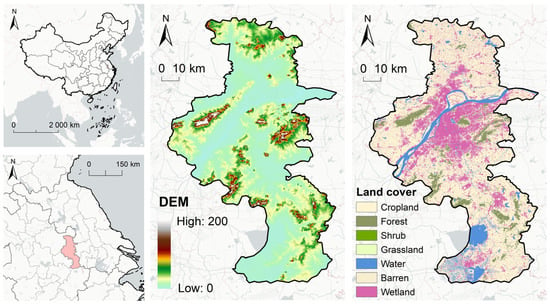
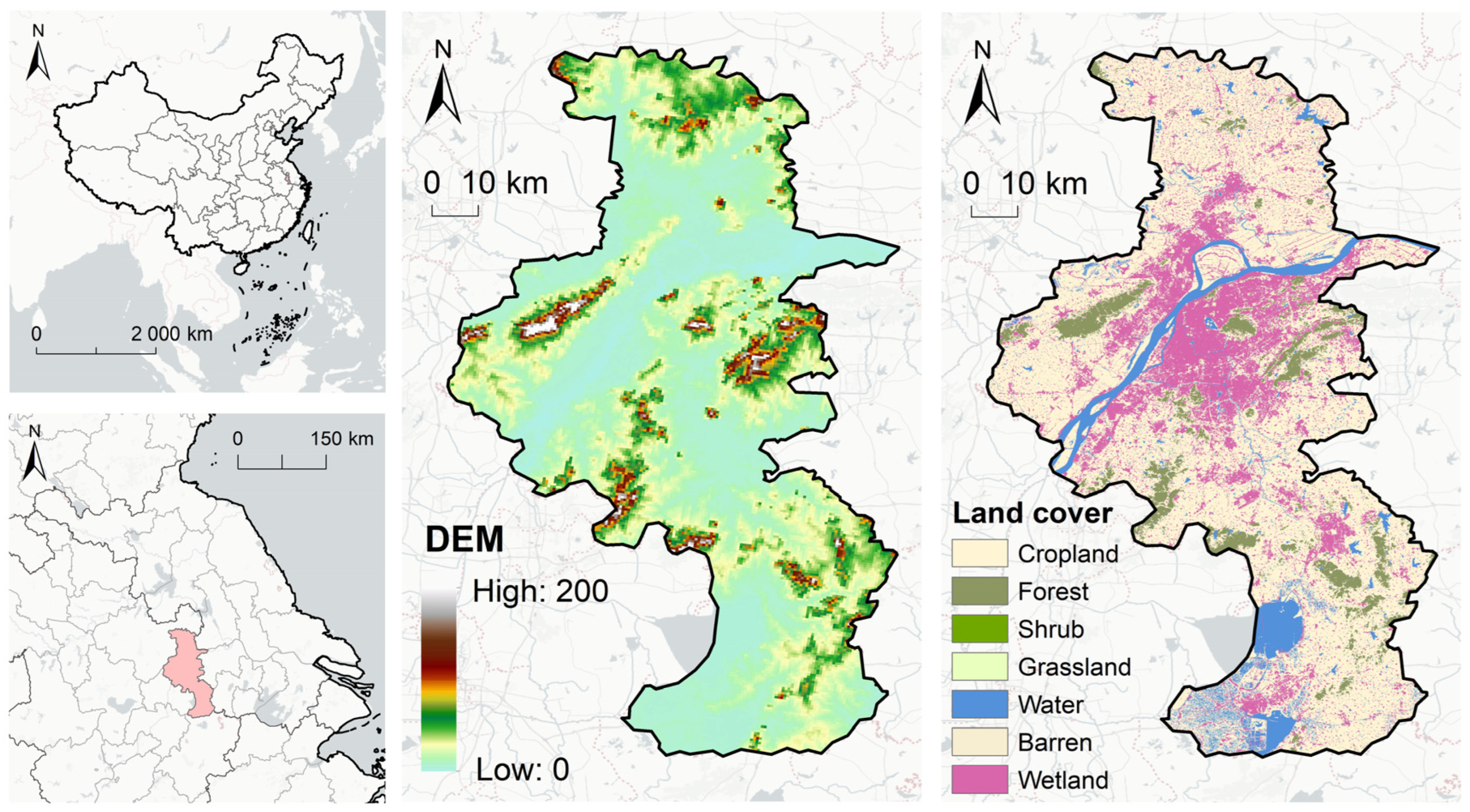
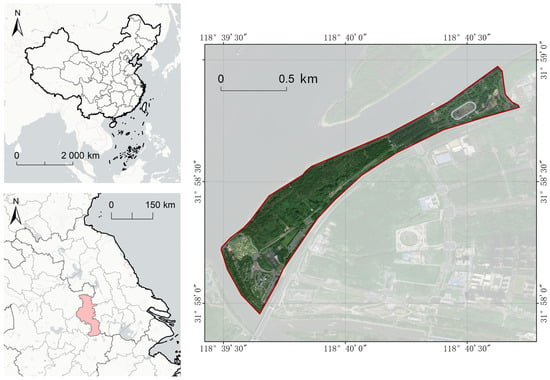
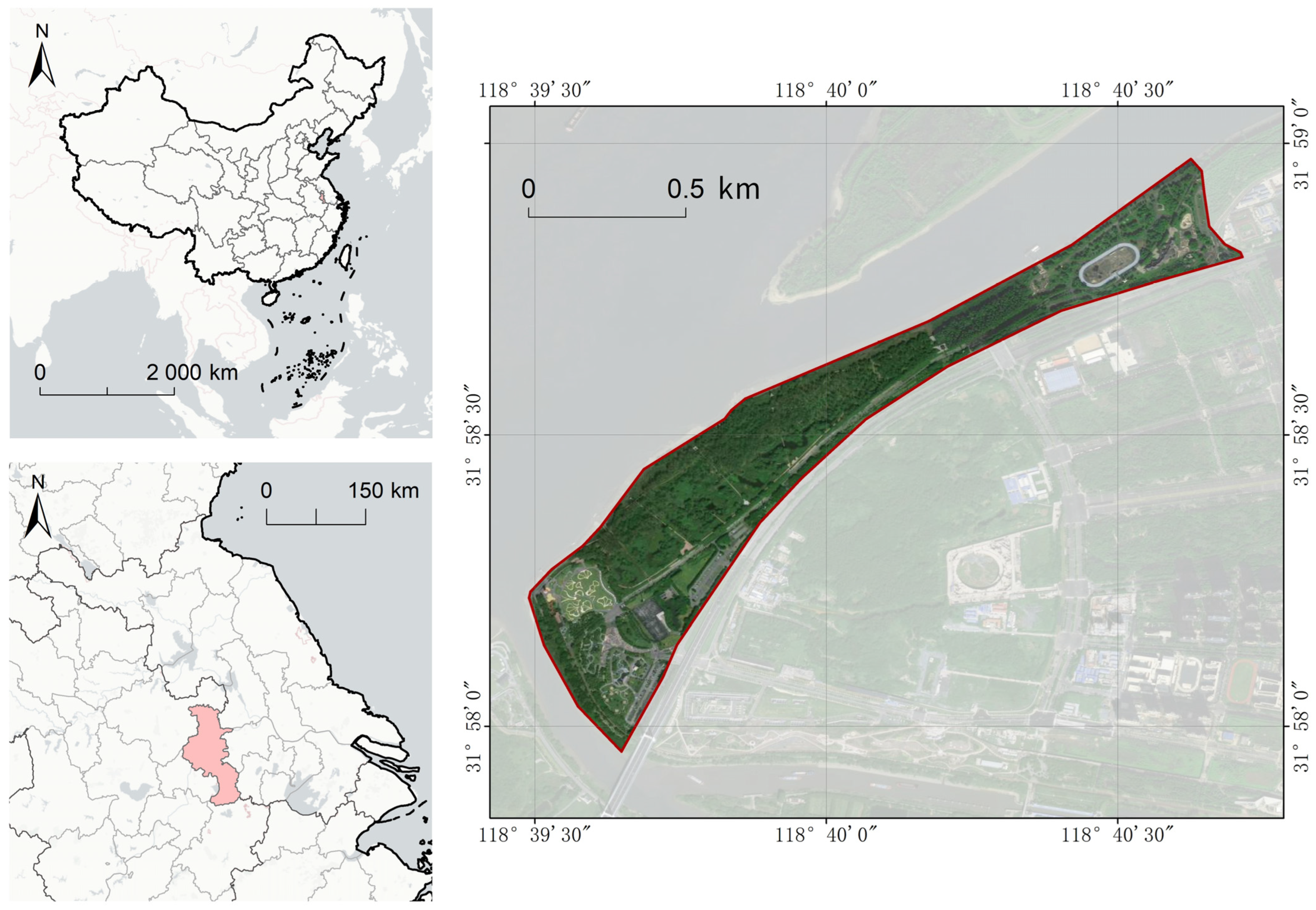
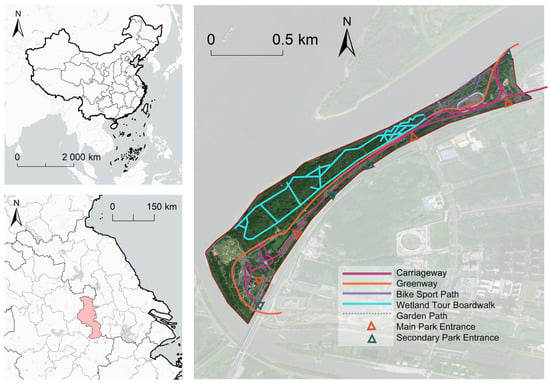
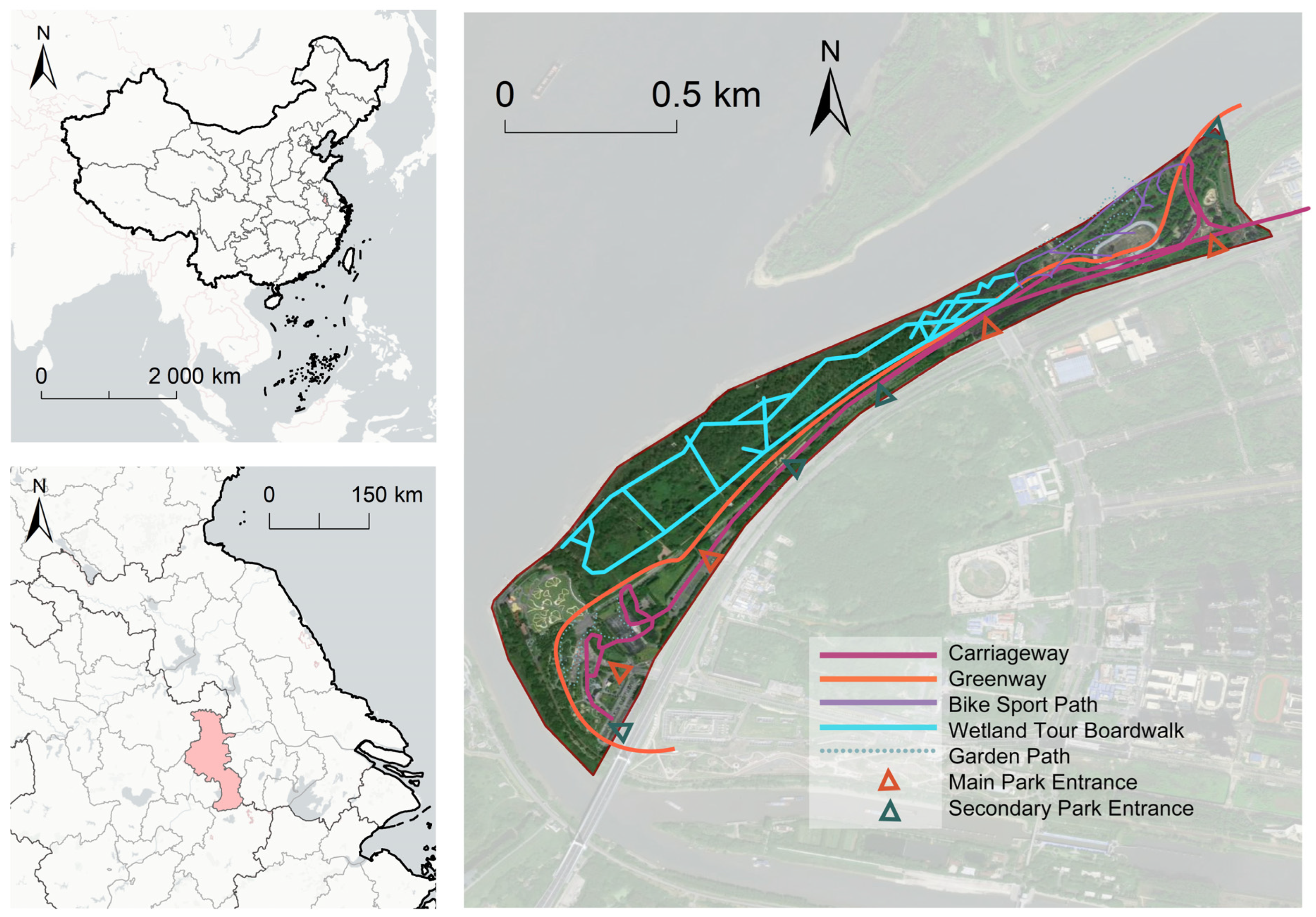
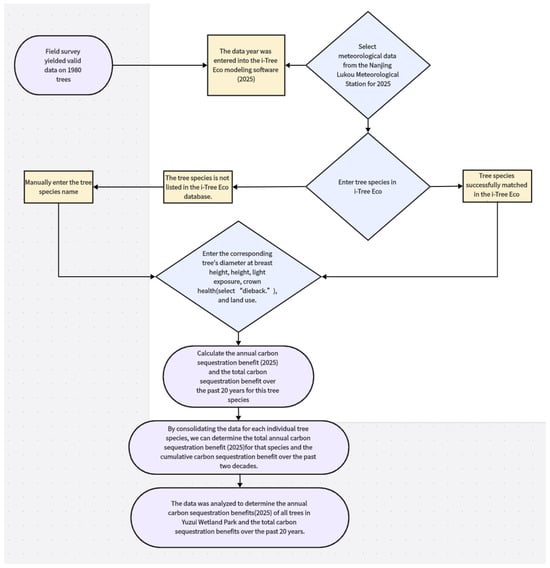
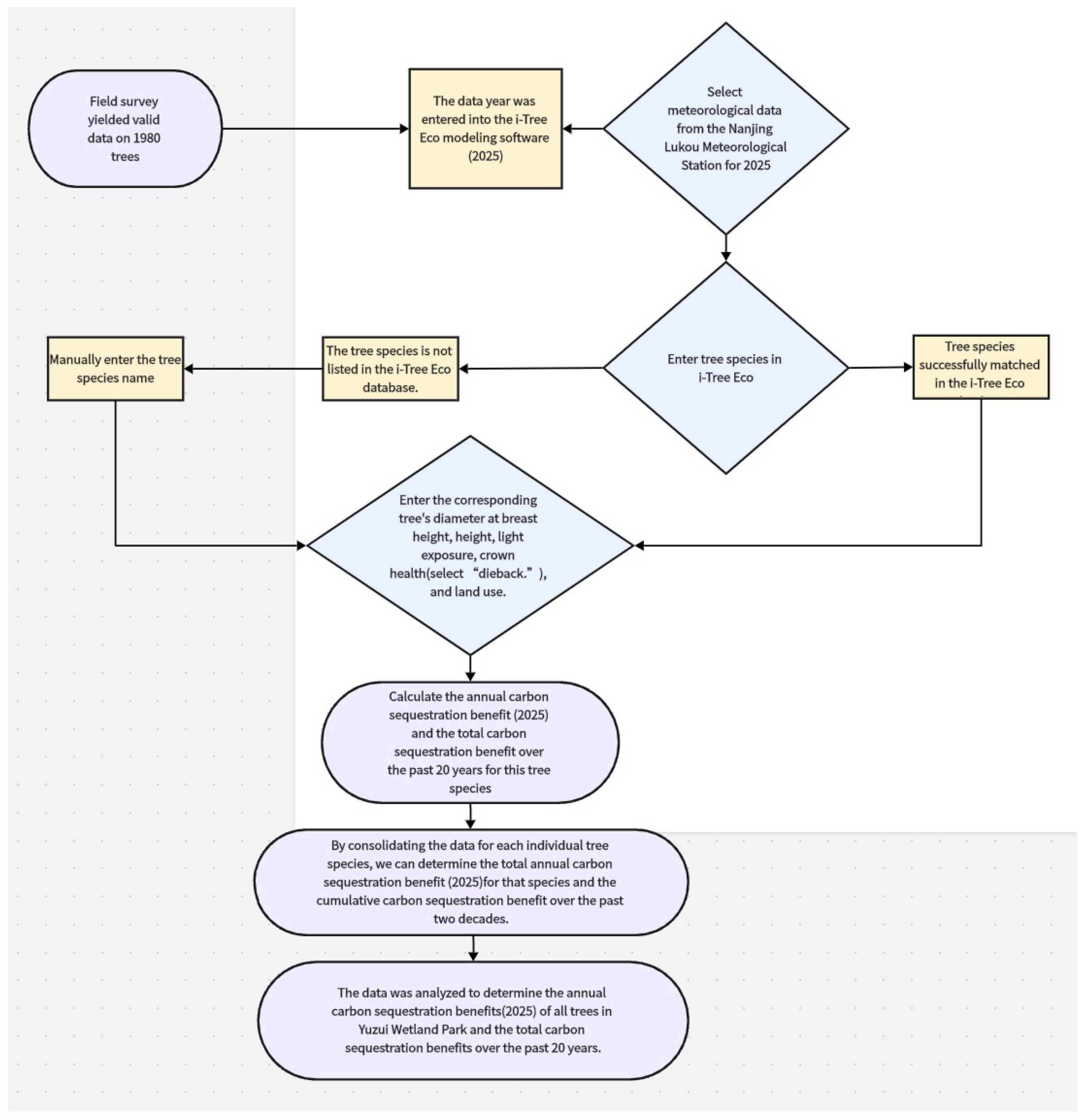
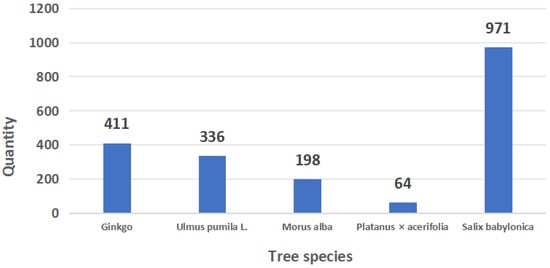
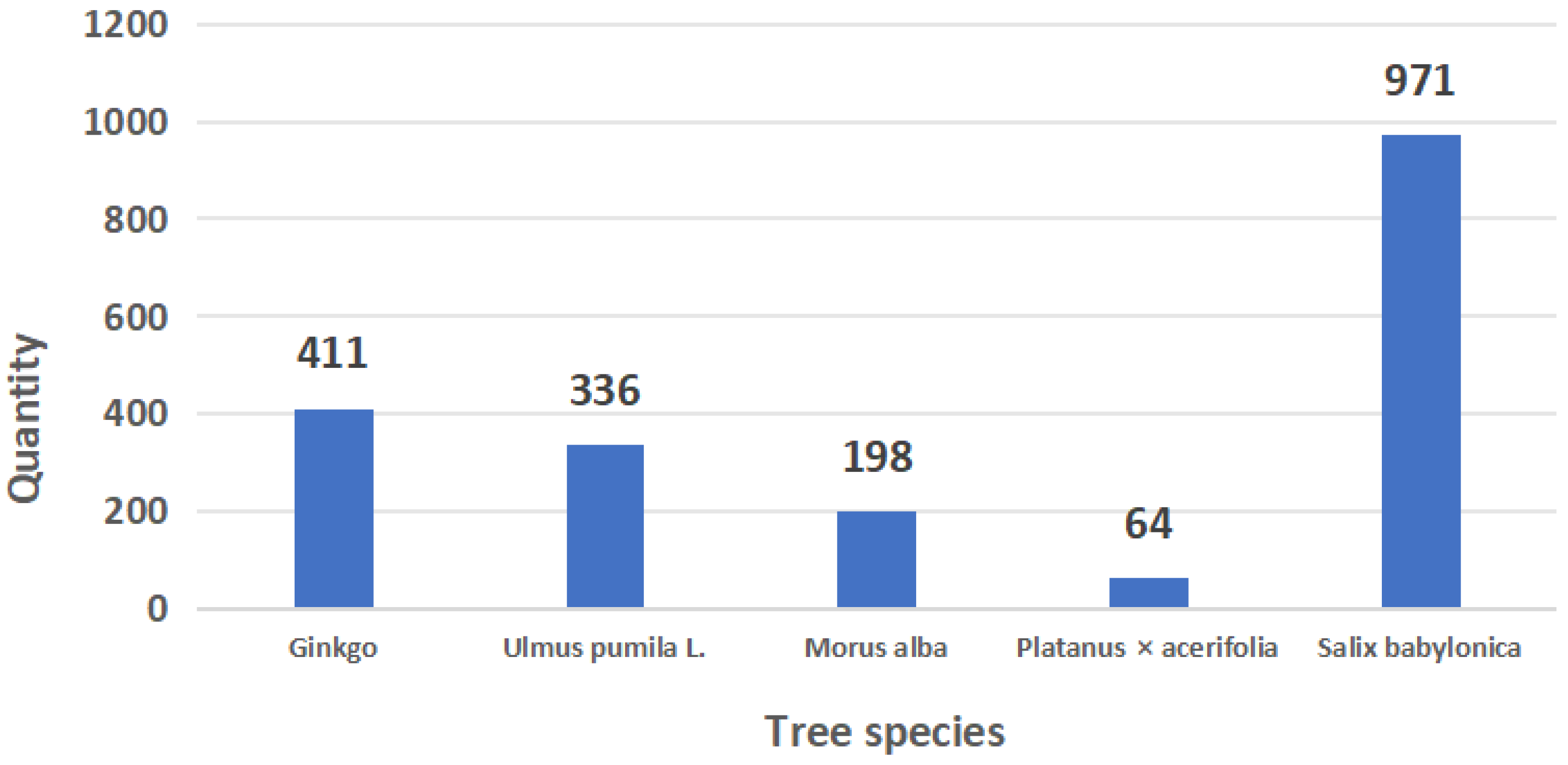
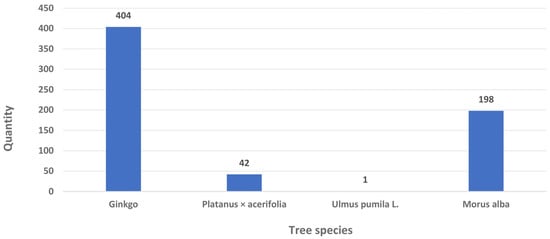
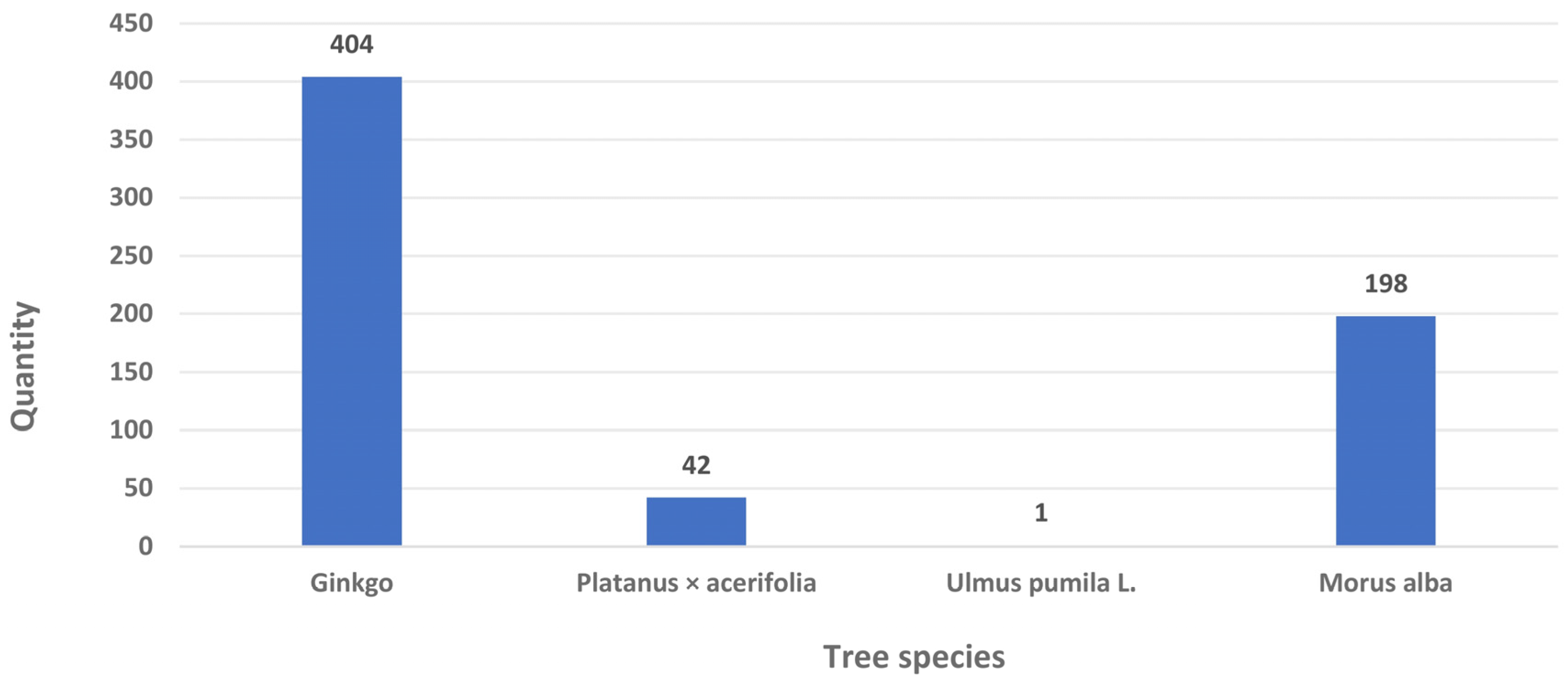
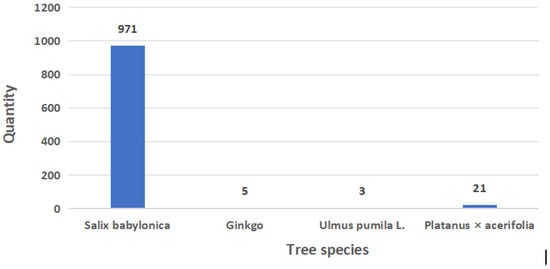
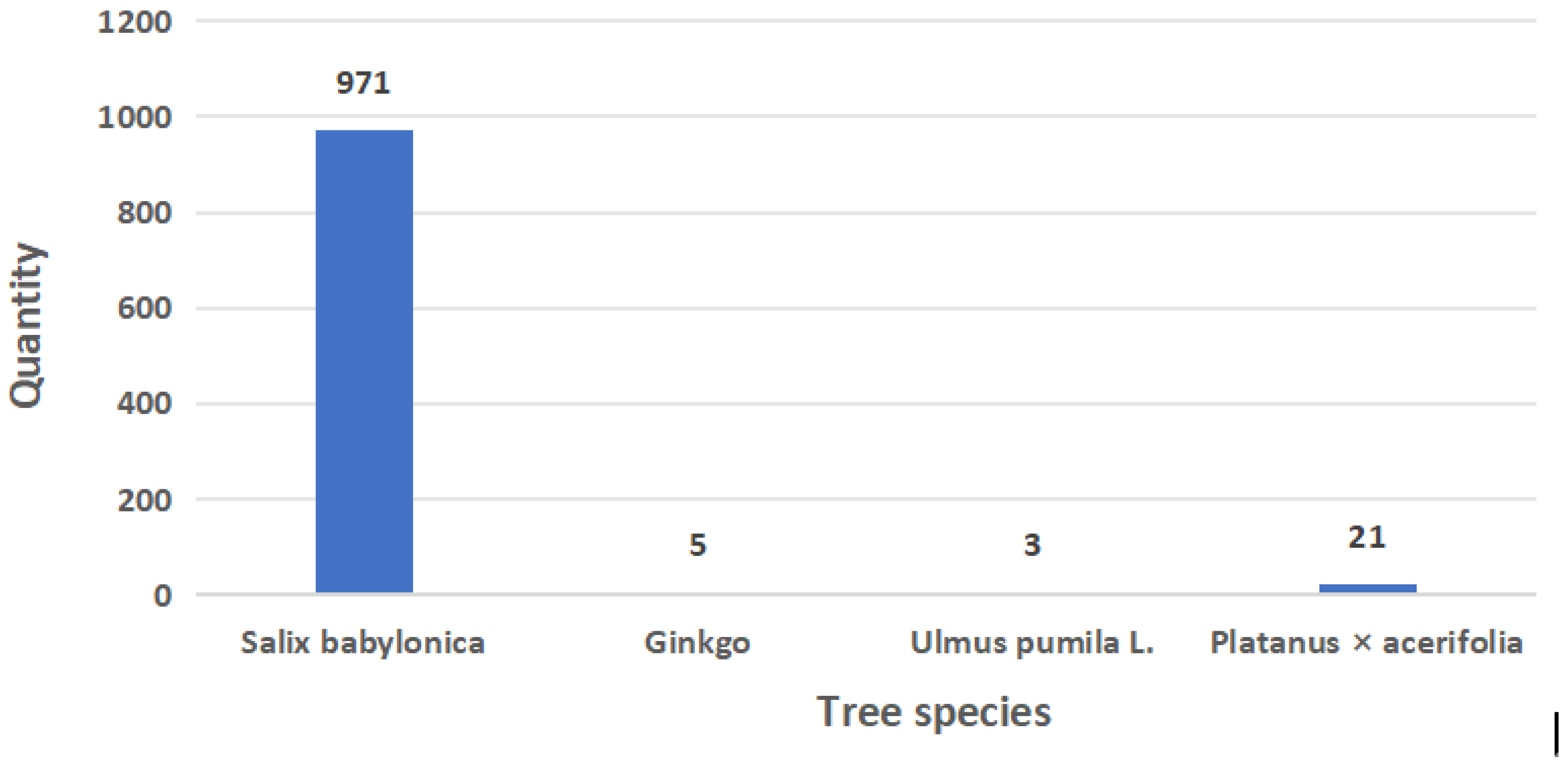
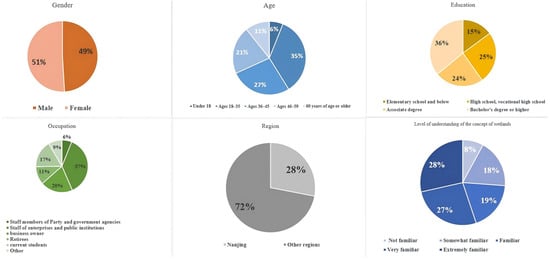
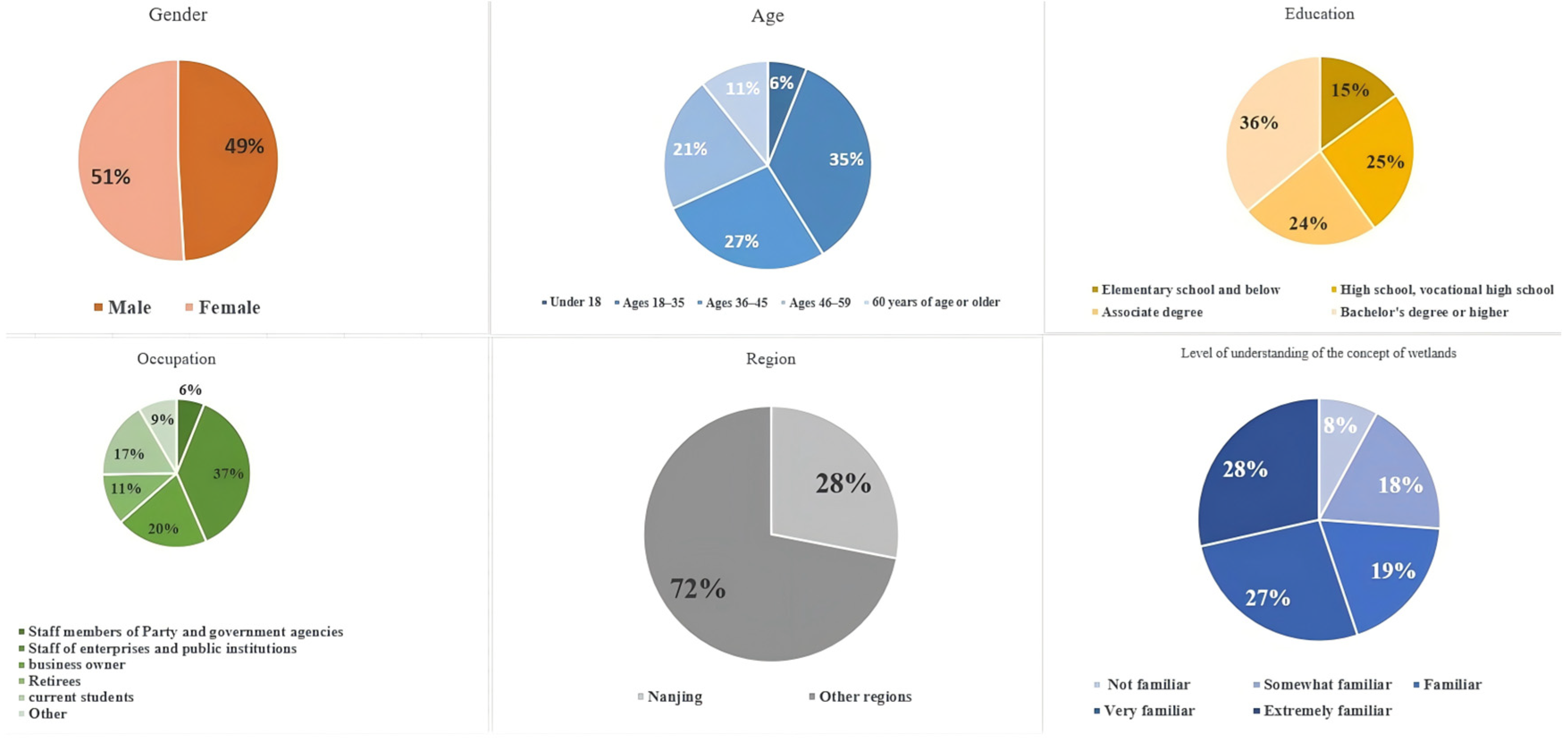
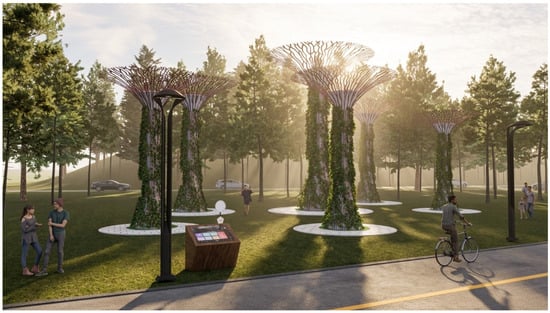
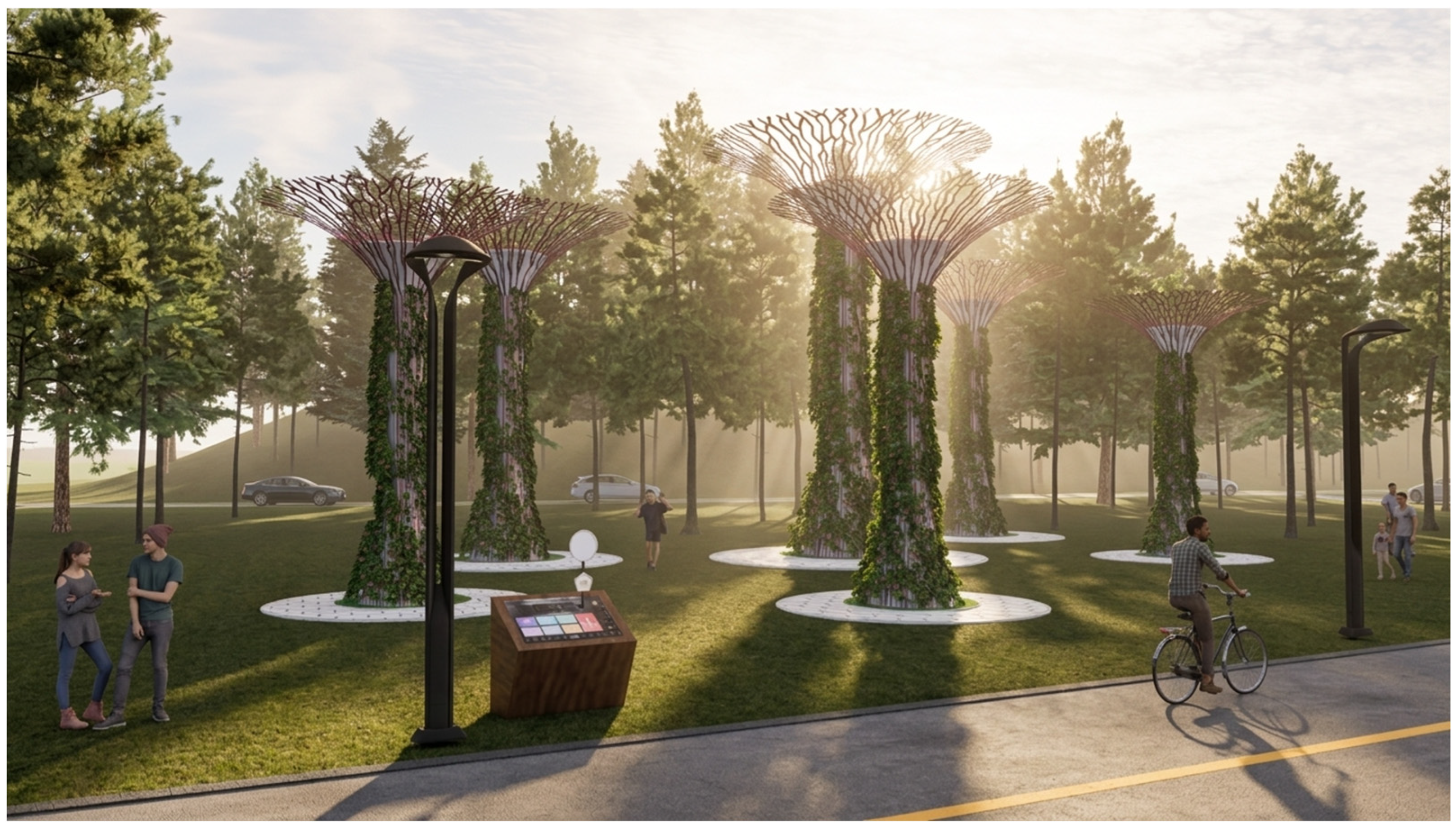
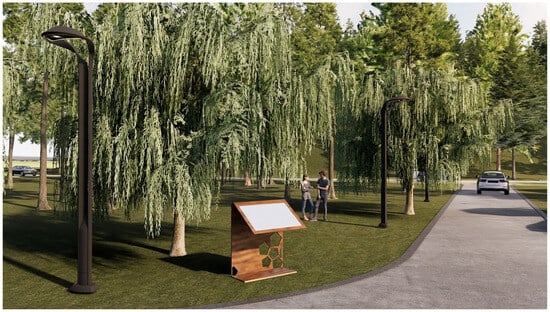
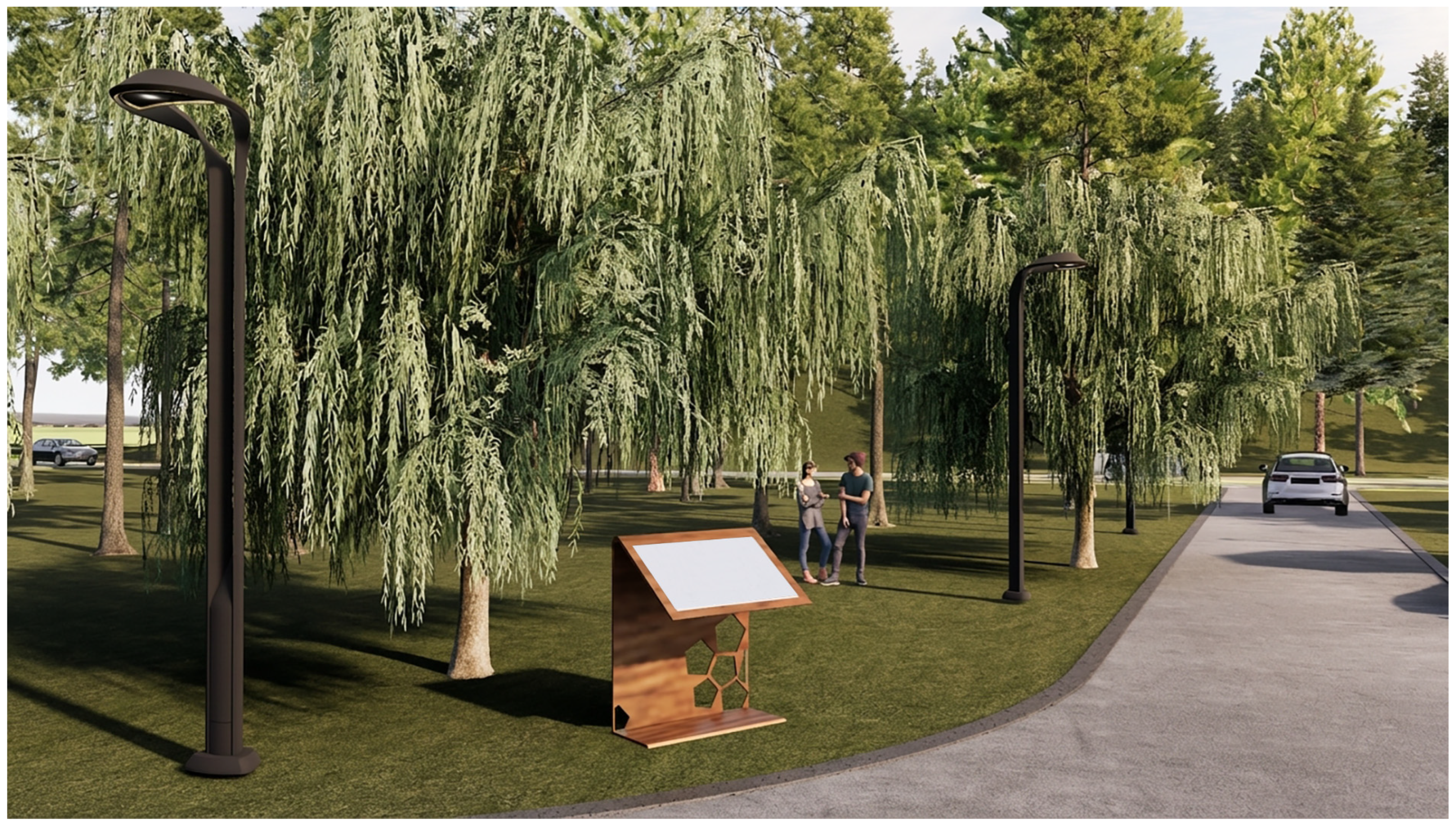

Disclaimer/Publisher’s Note: The statements, opinions and data contained in all publications are solely those of the individual author(s) and contributor(s) and not of MDPI and/or the editor(s). MDPI and/or the editor(s) disclaim responsibility for any injury to people or property resulting from any ideas, methods, instructions or products referred to in the content. |
© 2026 by the authors. Licensee MDPI, Basel, Switzerland. This article is an open access article distributed under the terms and conditions of the Creative Commons Attribution (CC BY) license.