Article

Artificial Intelligence for Learning 2D Debris-Flow Dynamics: Application of Fourier Neural Operators and Synthetic Data to a Case Study in Central Italy


1
Department of Sciences, University of G. D’Annunzio (Chieti-Pescara), Via dei Vestini, 31, 66013 Chieti, Italy
2
National Institute of Advanced Mathematics (INDAM), Via dei Vestini, 31, 66013 Chieti, Italy
*
Author to whom correspondence should be addressed.
Land 2026, 15(5), 759; https://doi.org/10.3390/land15050759
Submission received: 31 March 2026 / Revised: 24 April 2026 / Accepted: 28 April 2026 / Published: 29 April 2026

Abstract

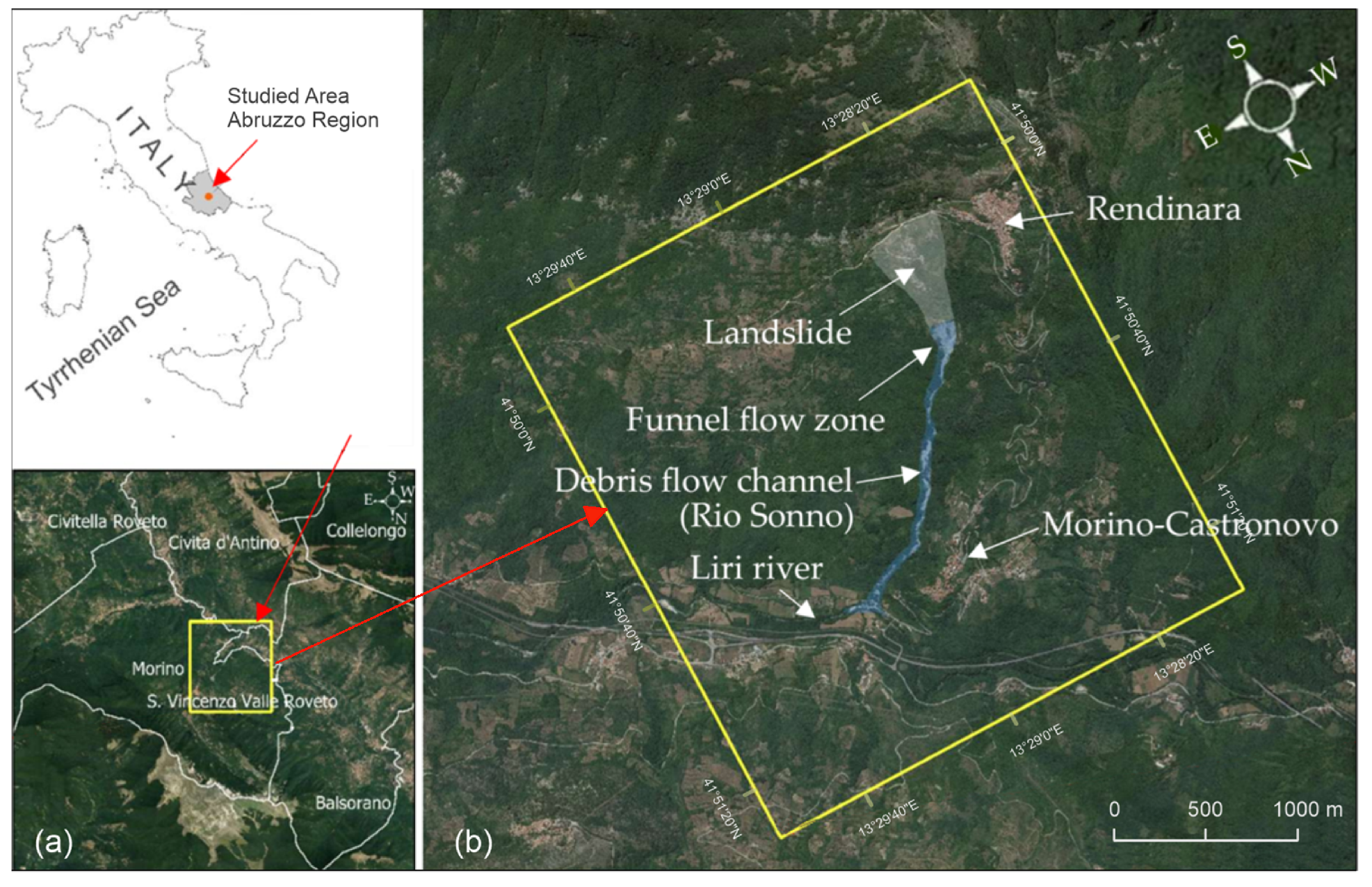
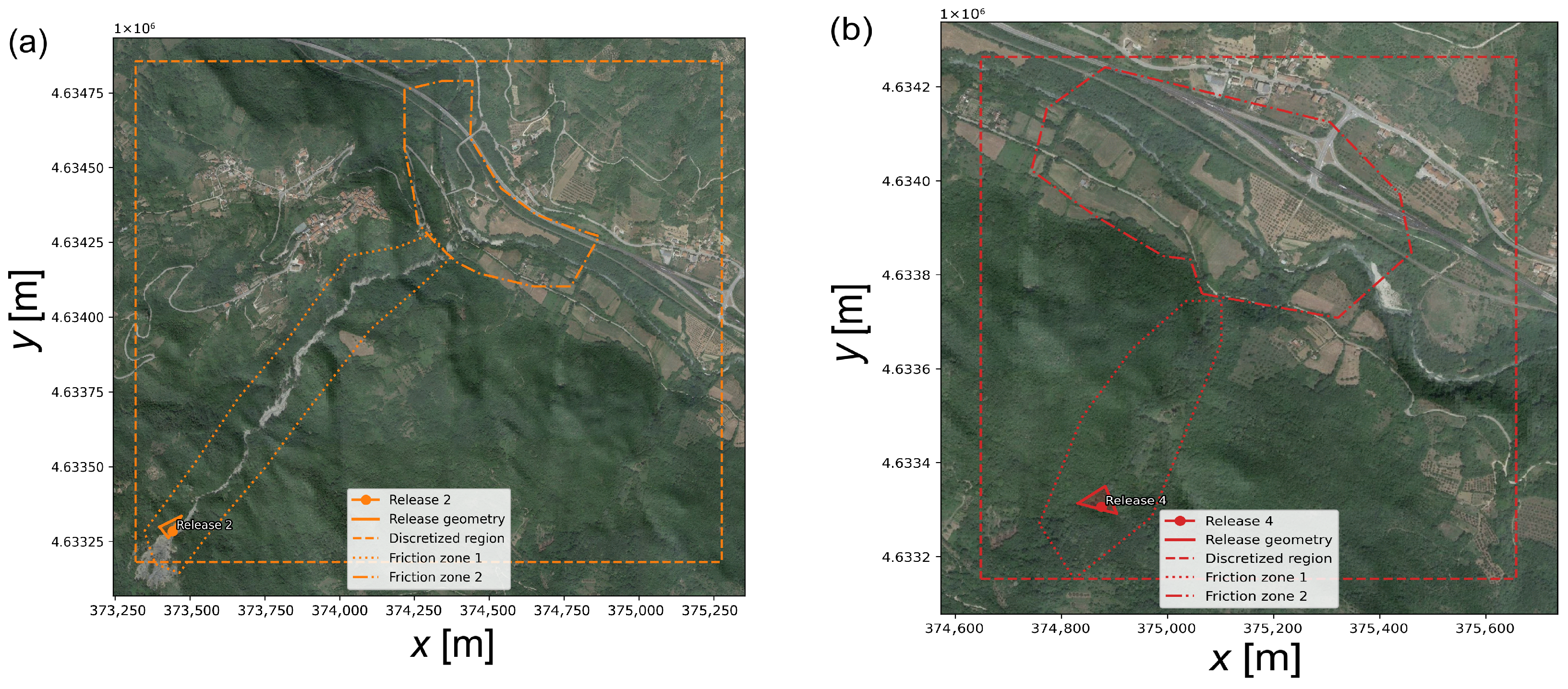
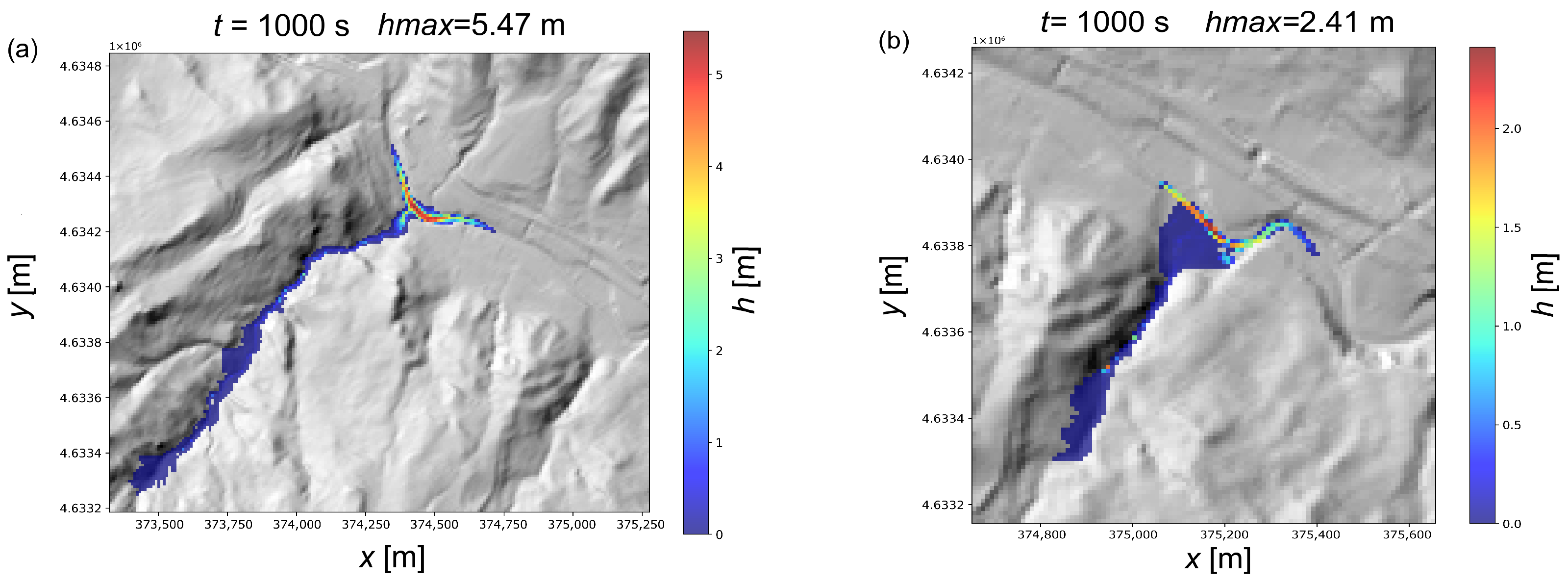
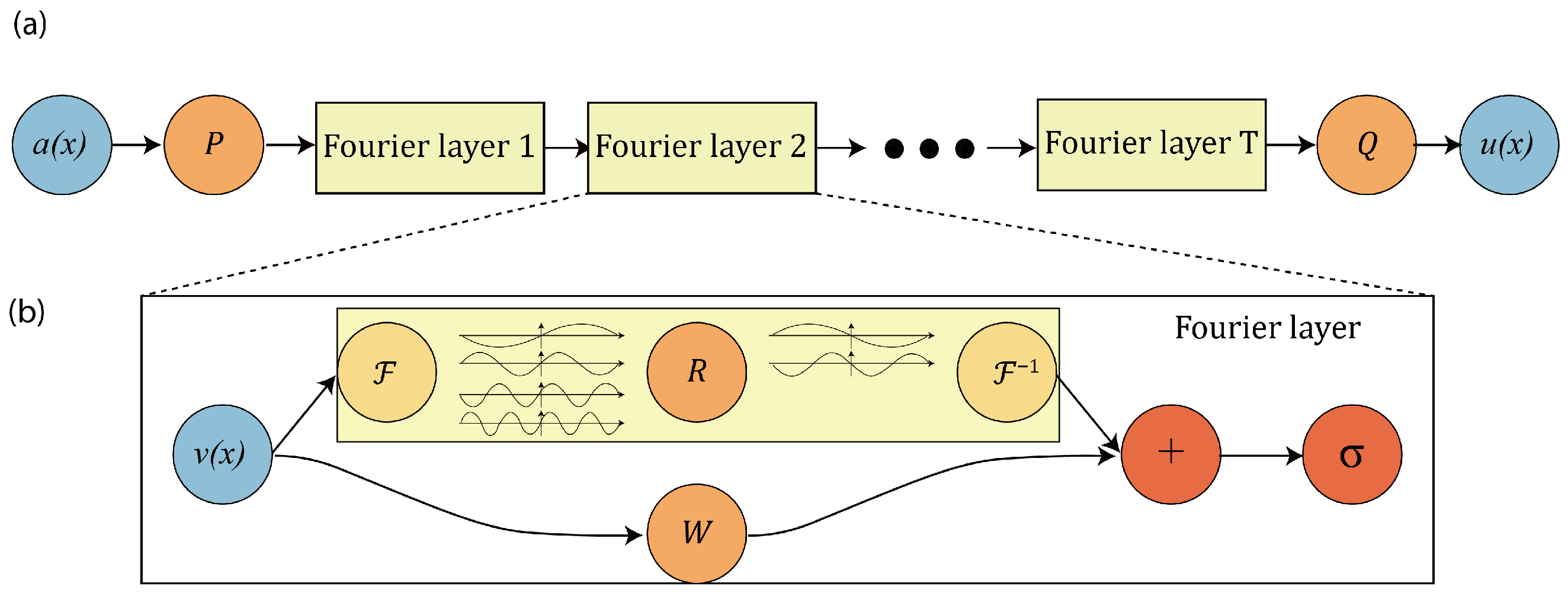
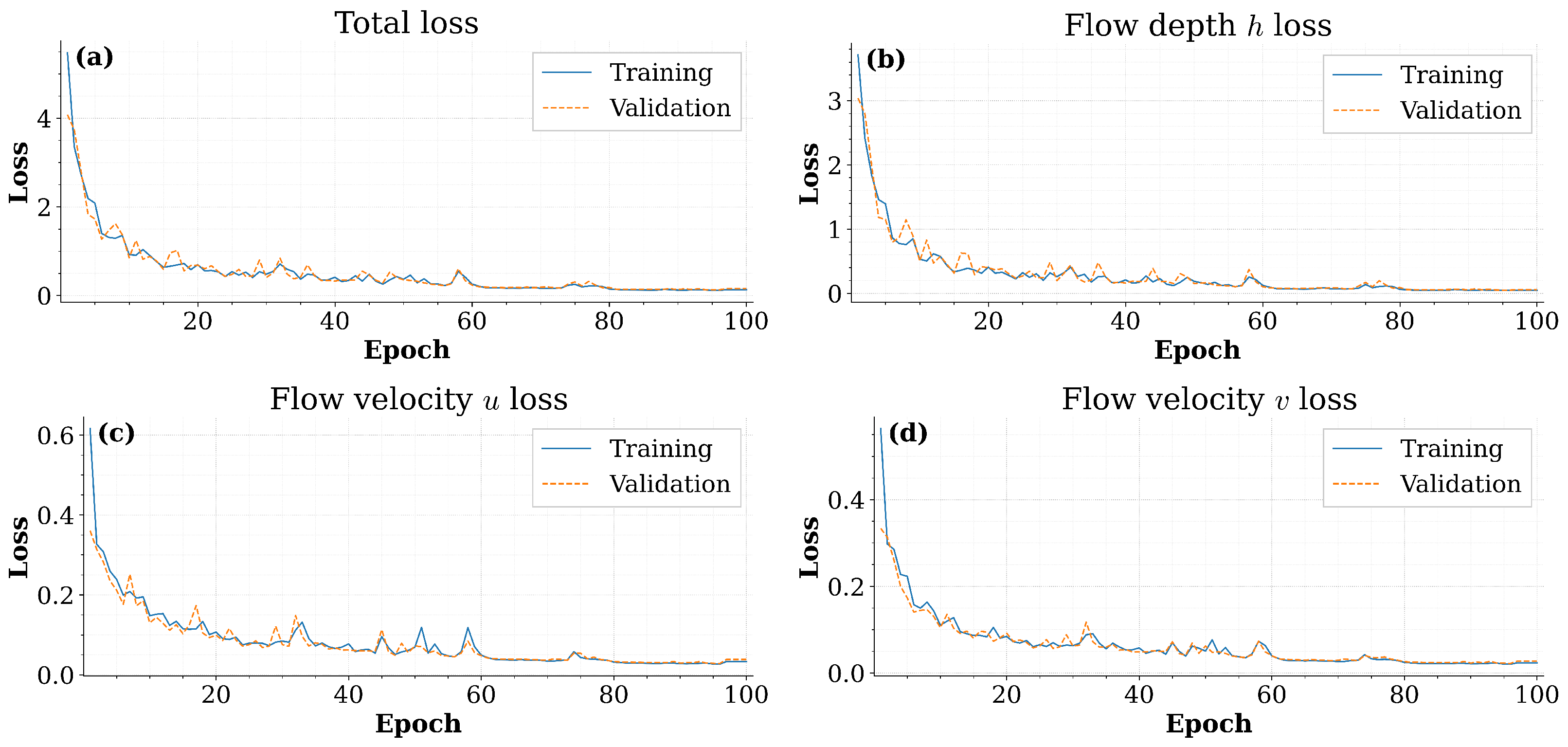
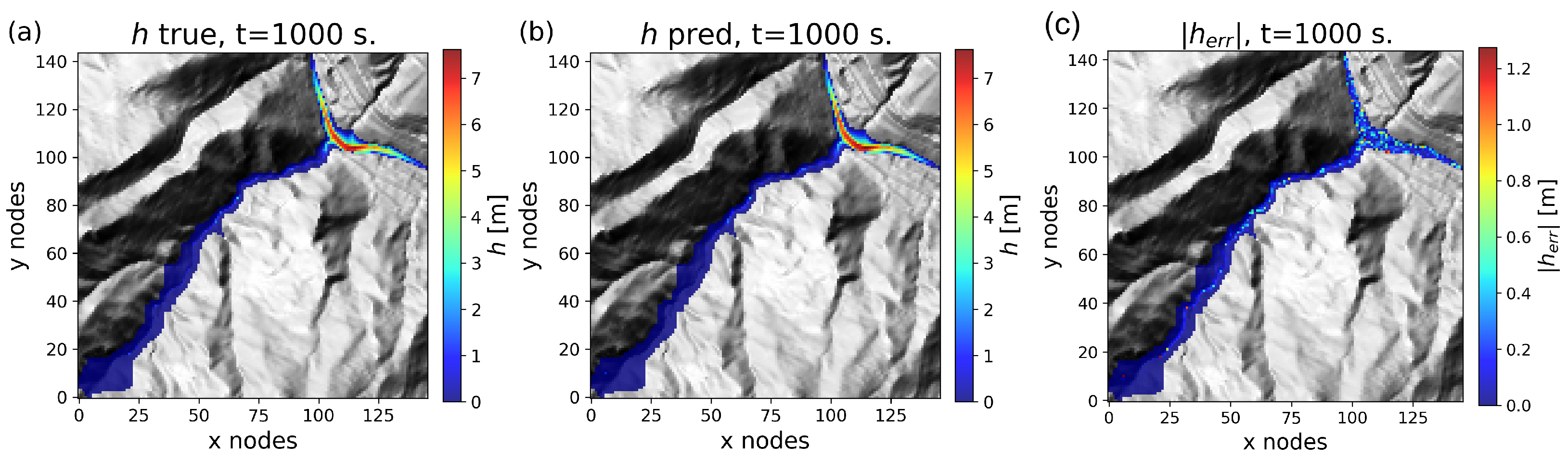
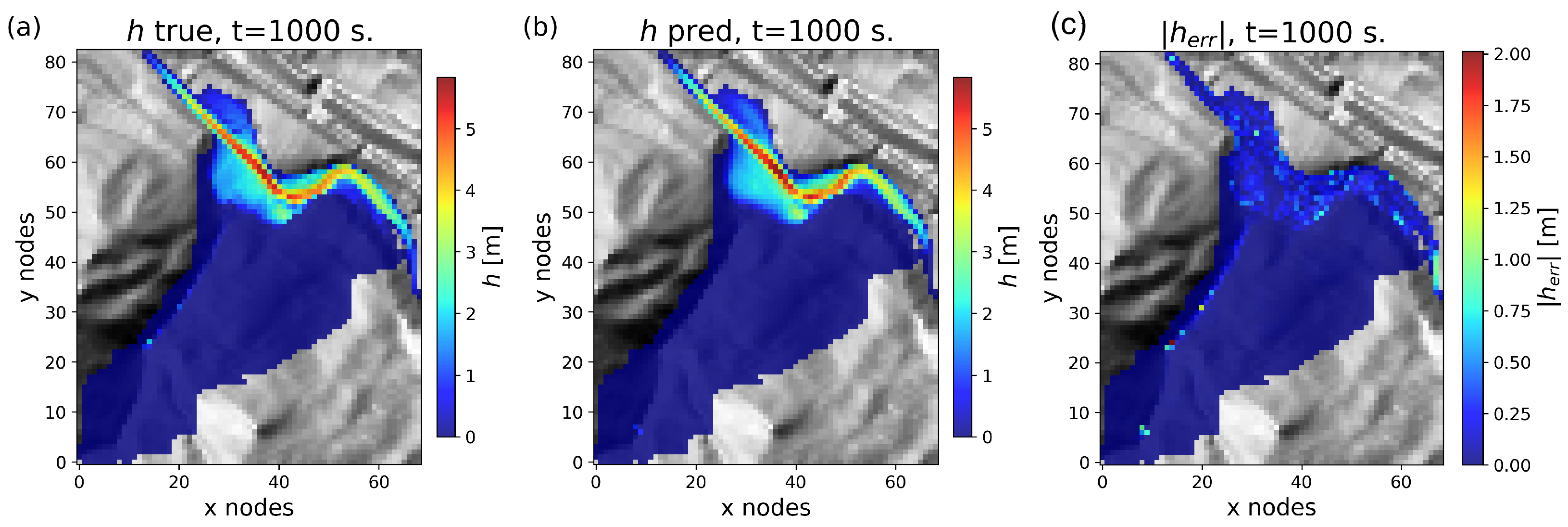
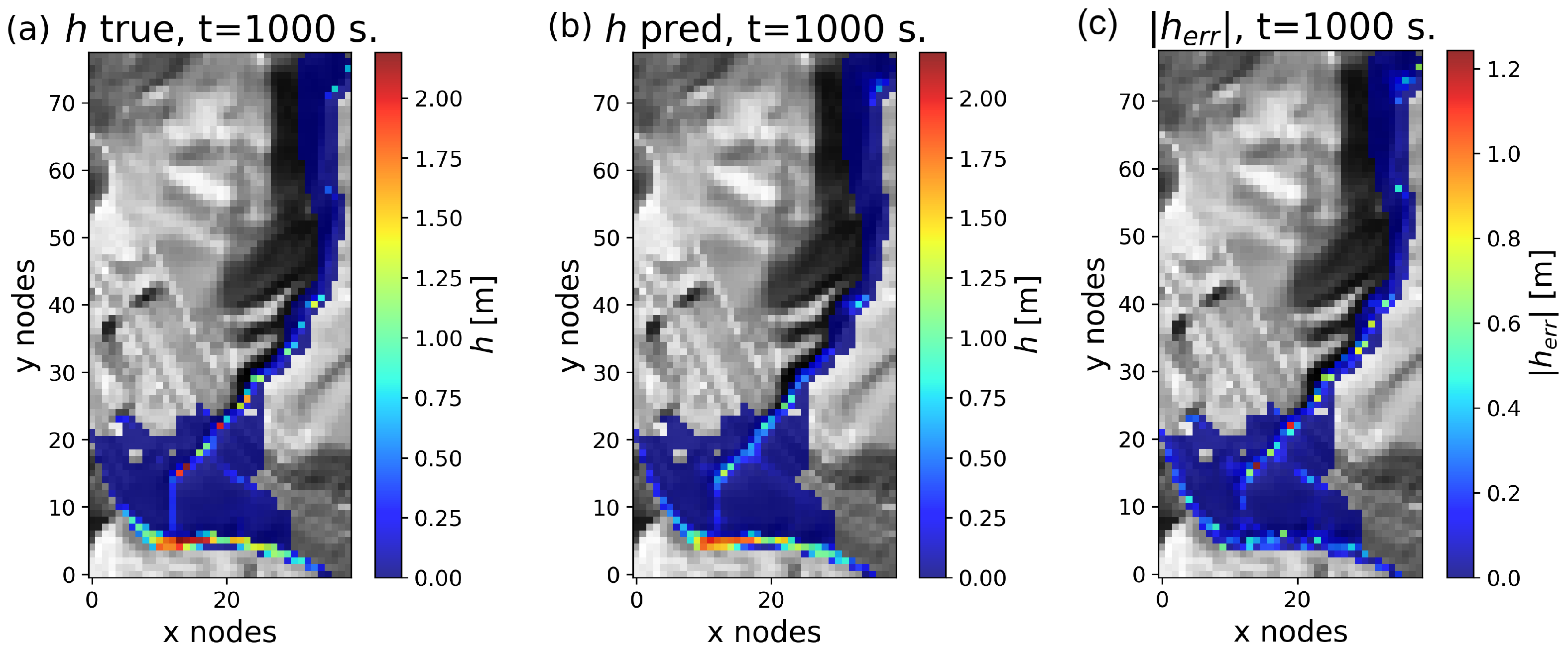
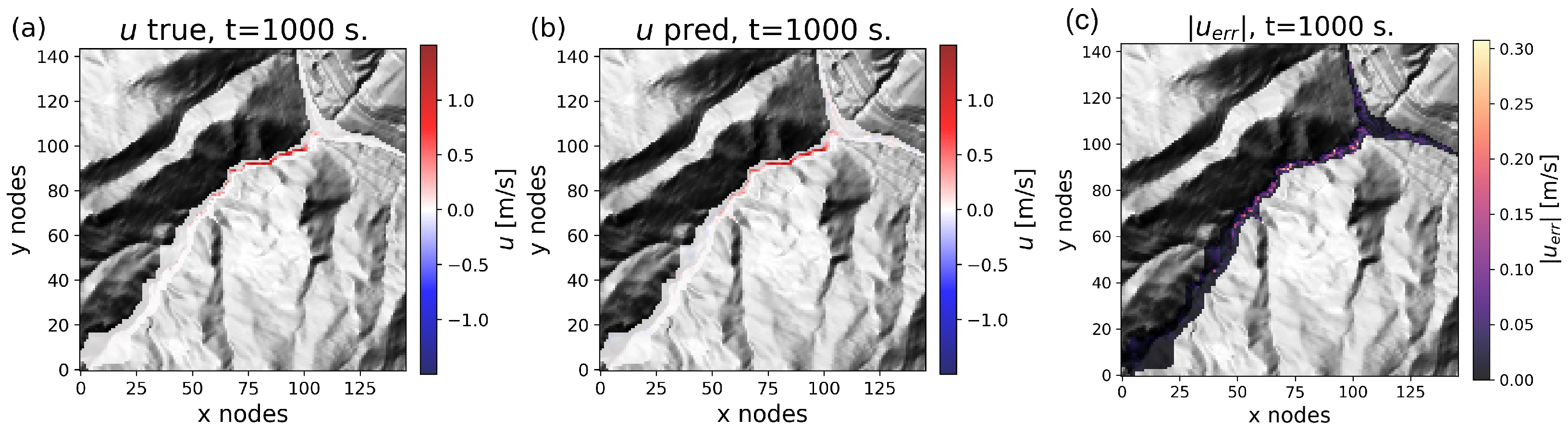
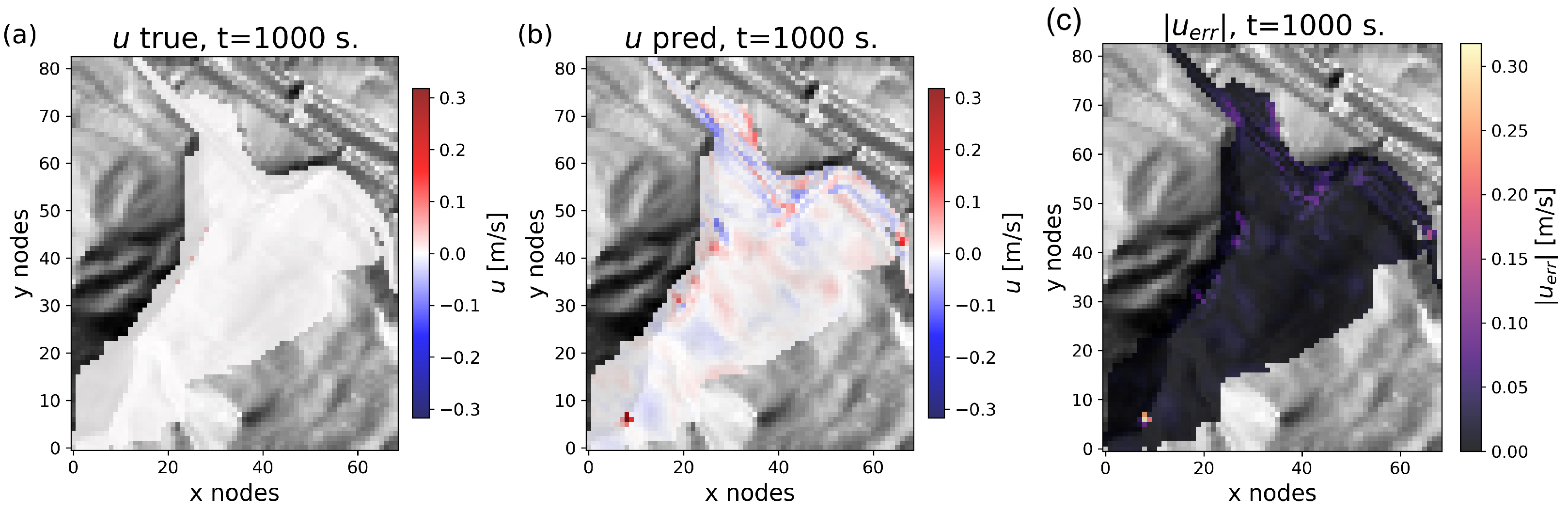
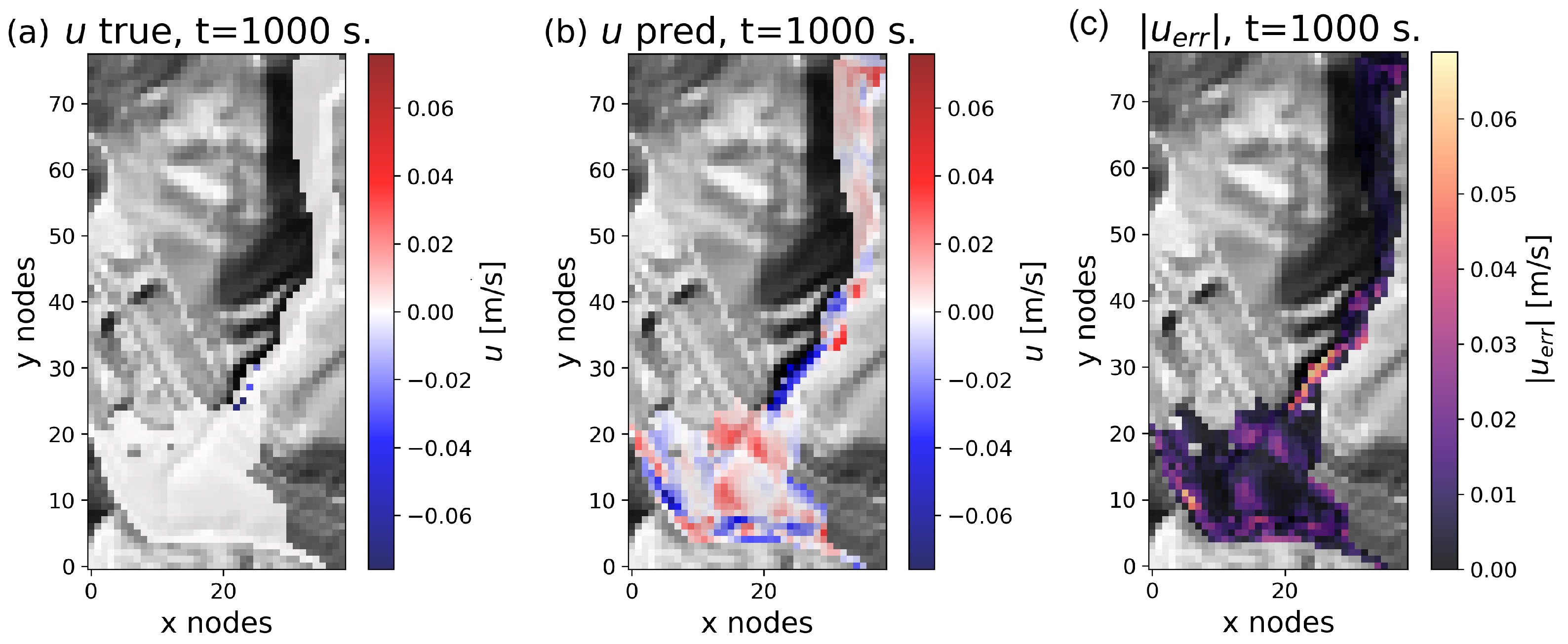
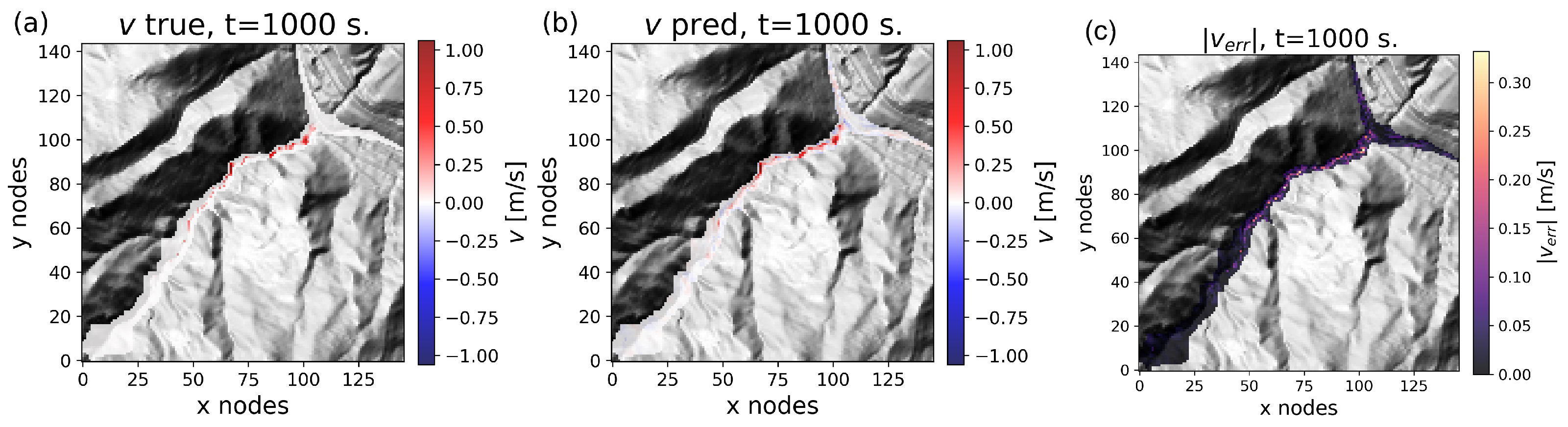
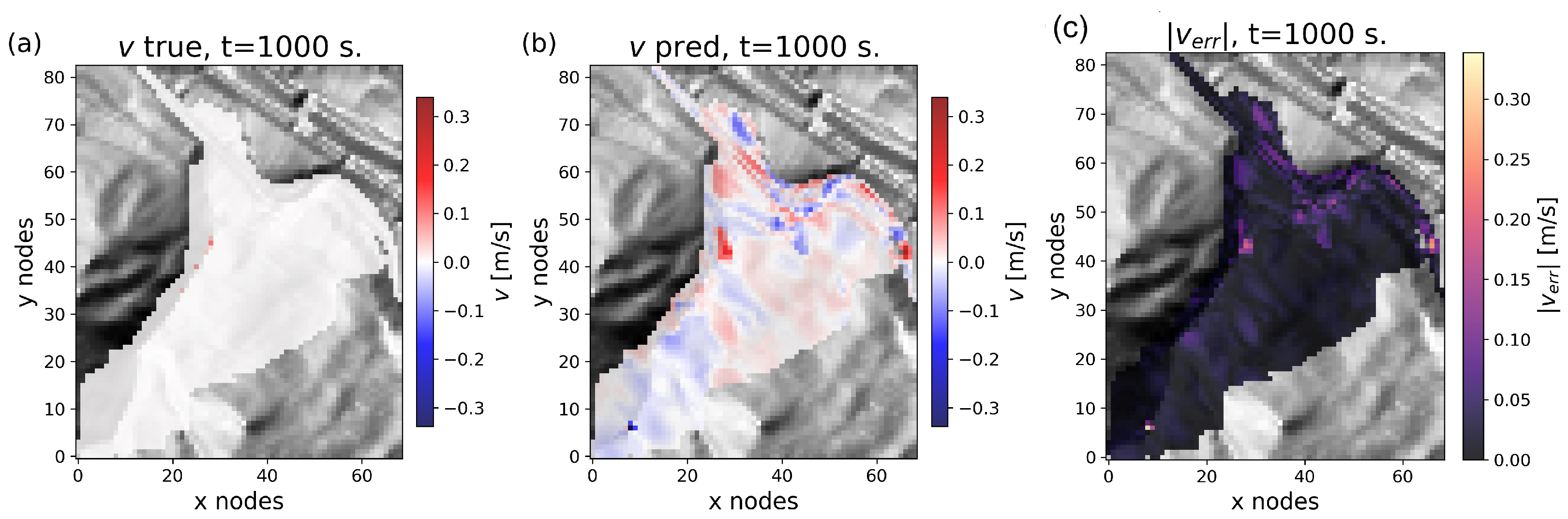
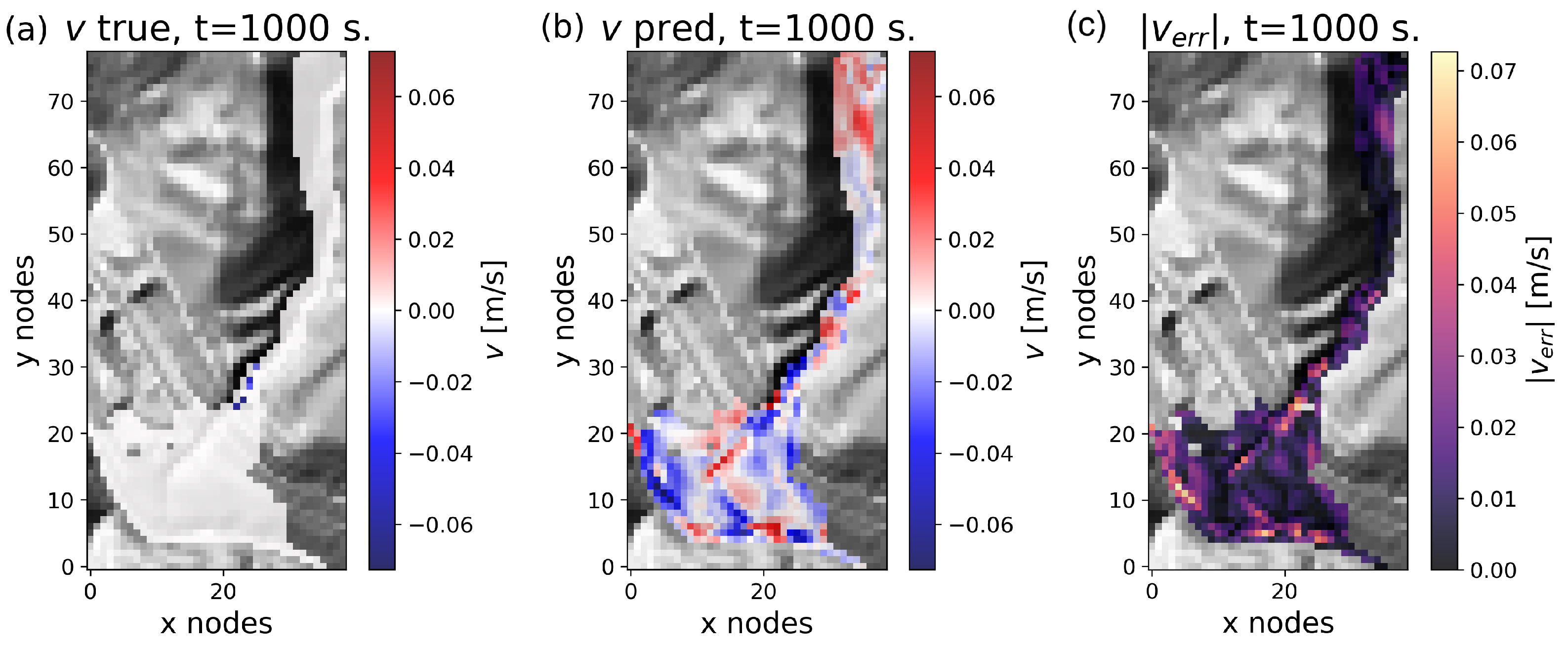
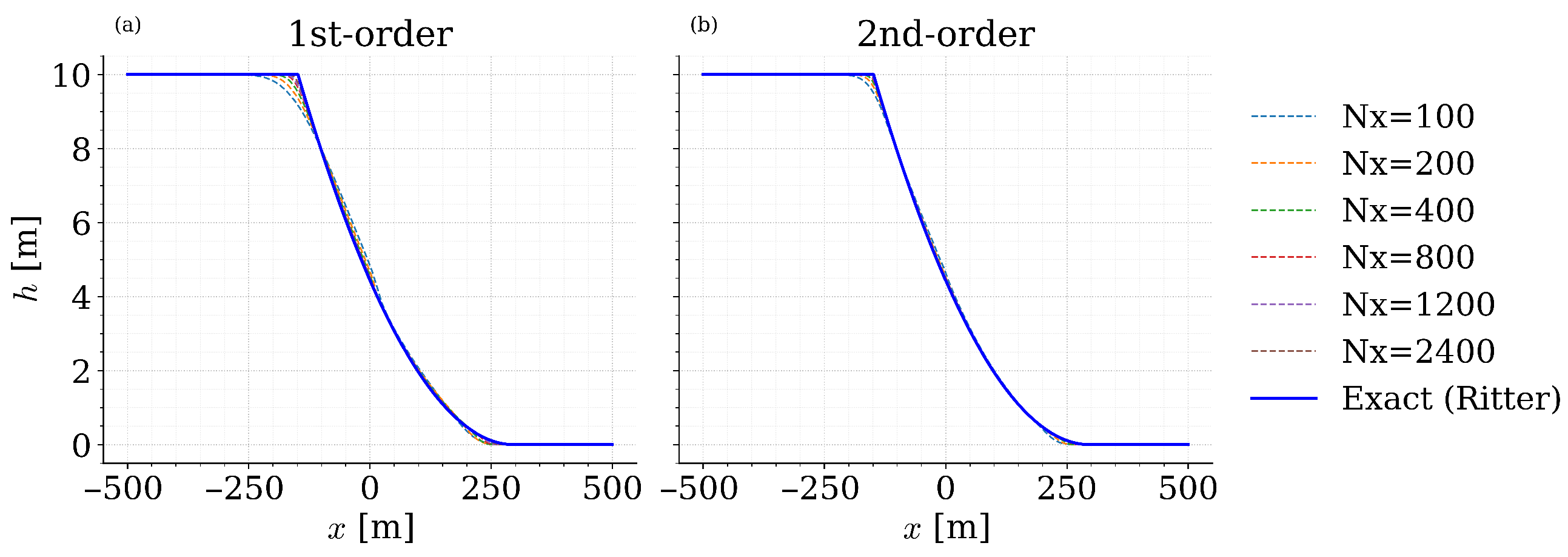
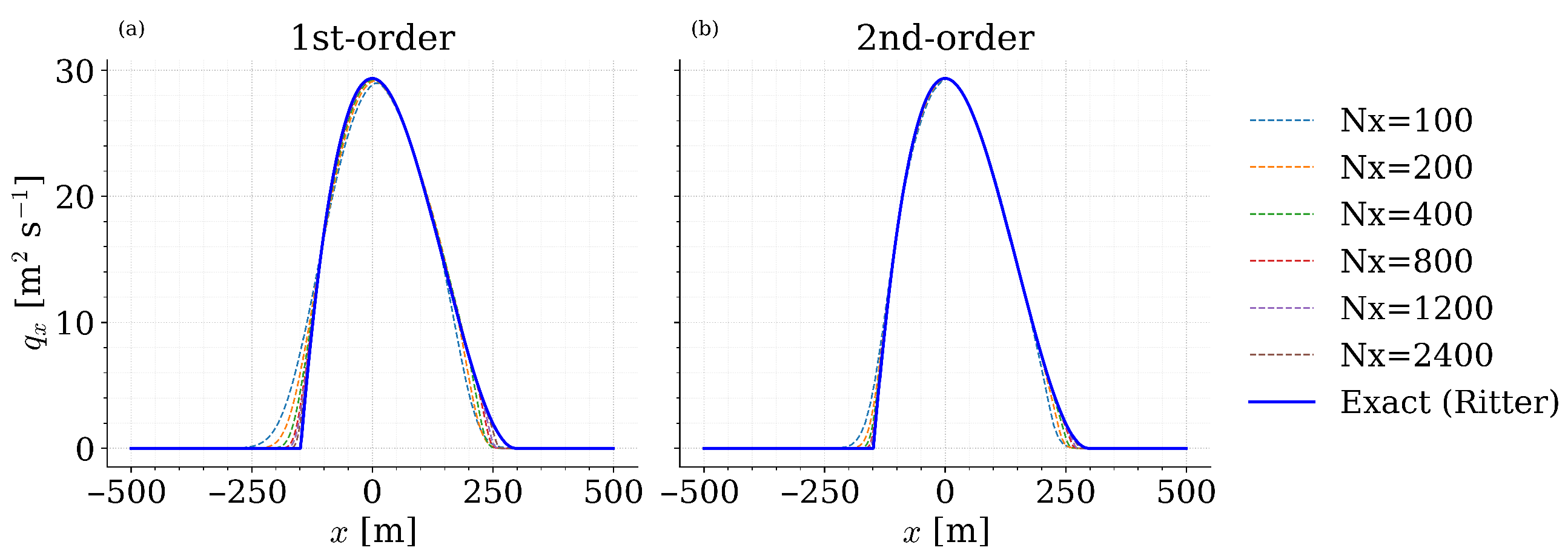
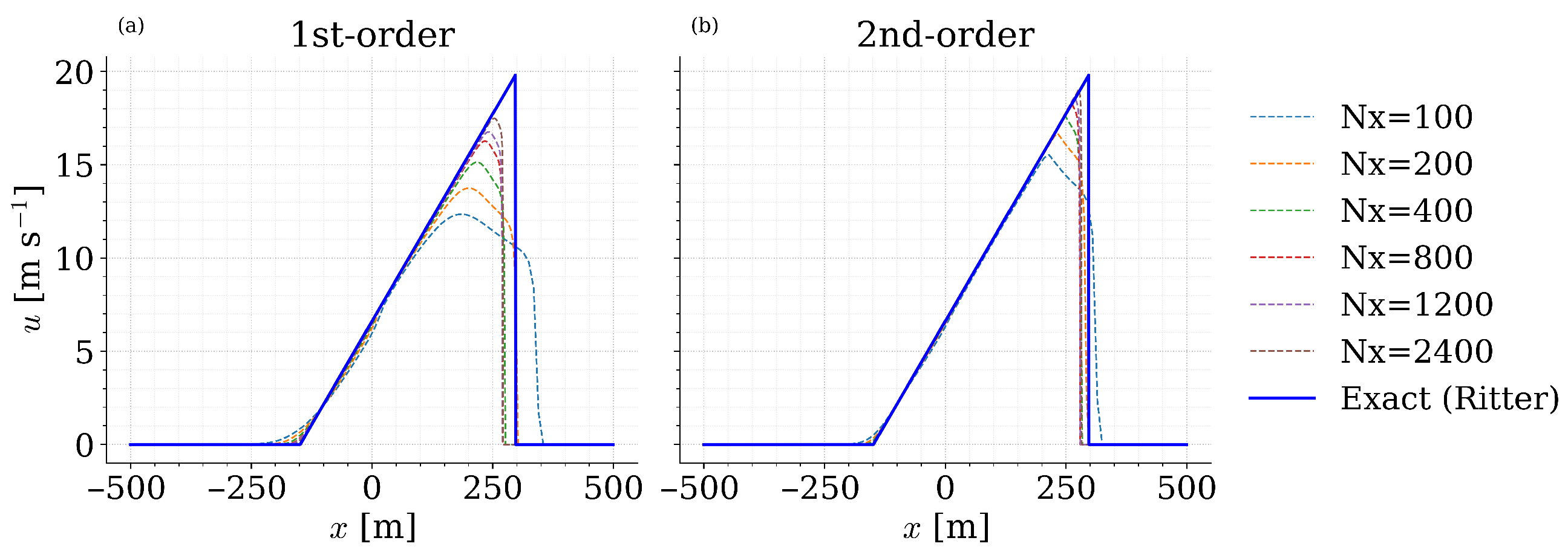
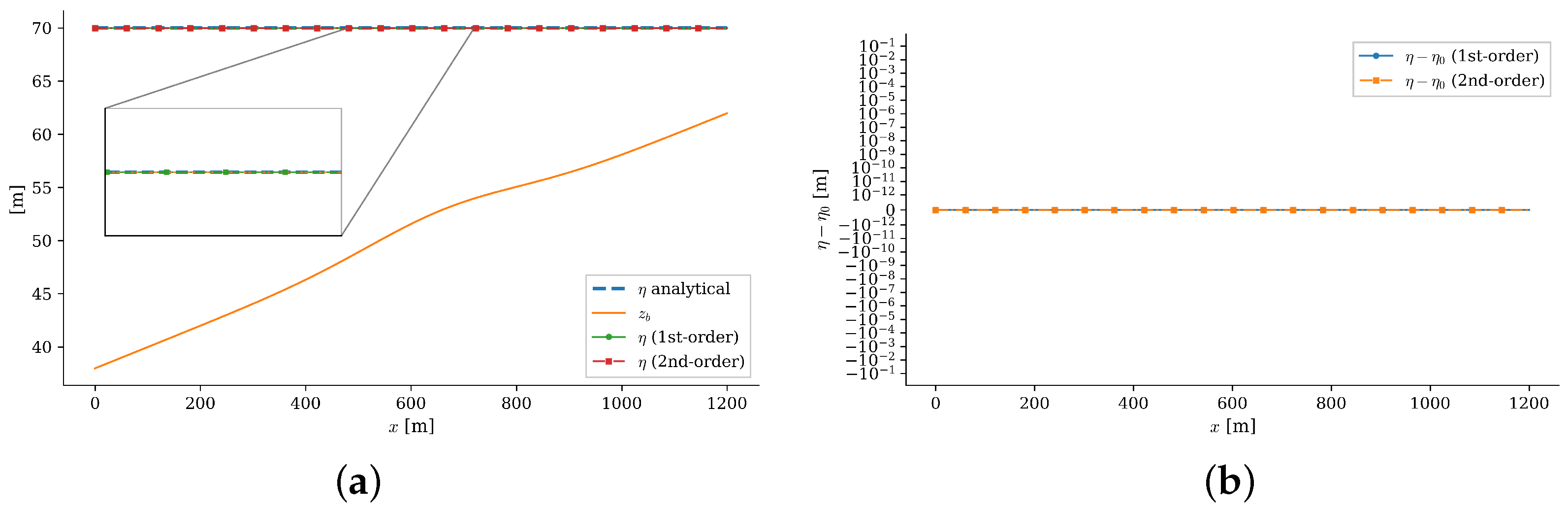
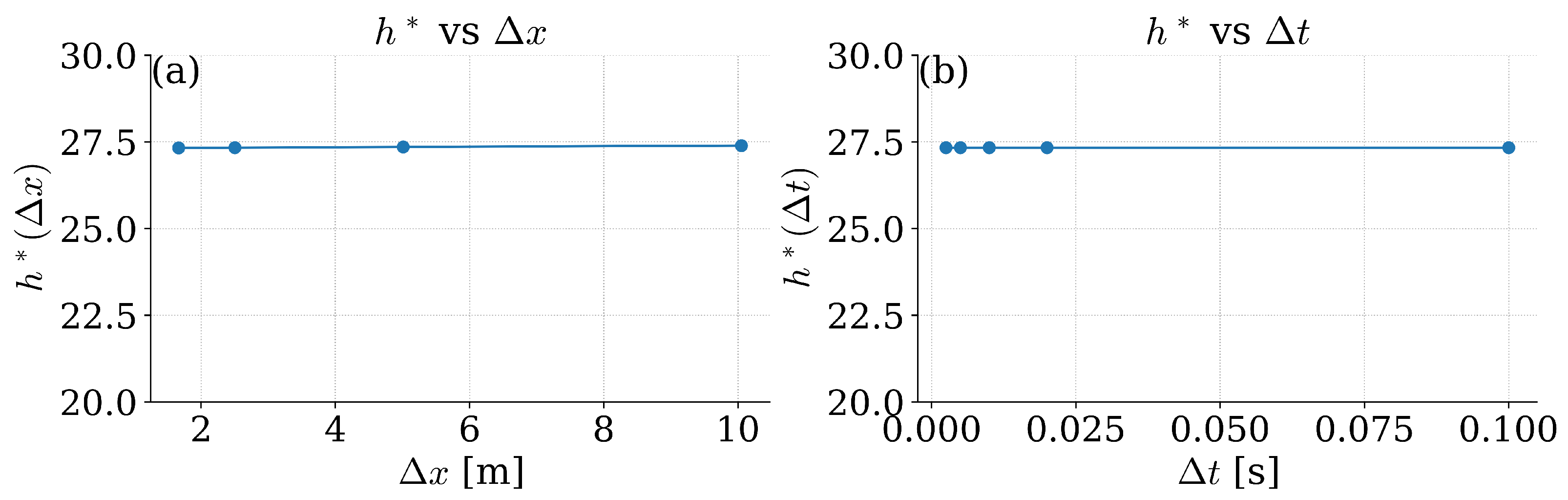
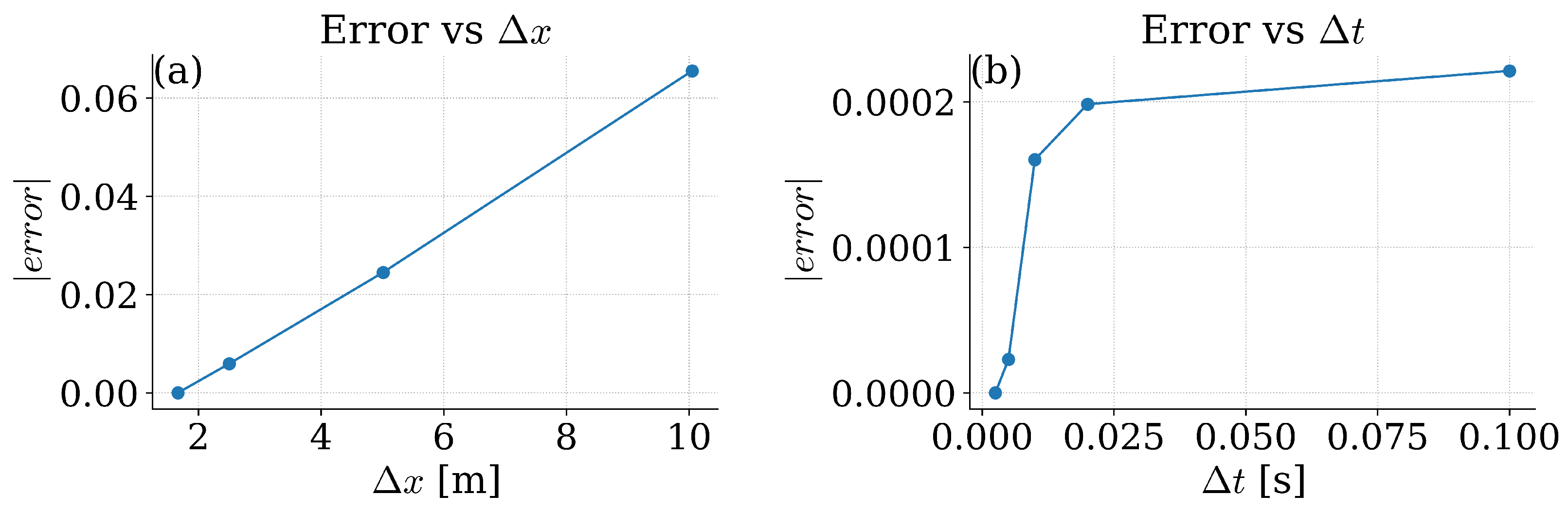
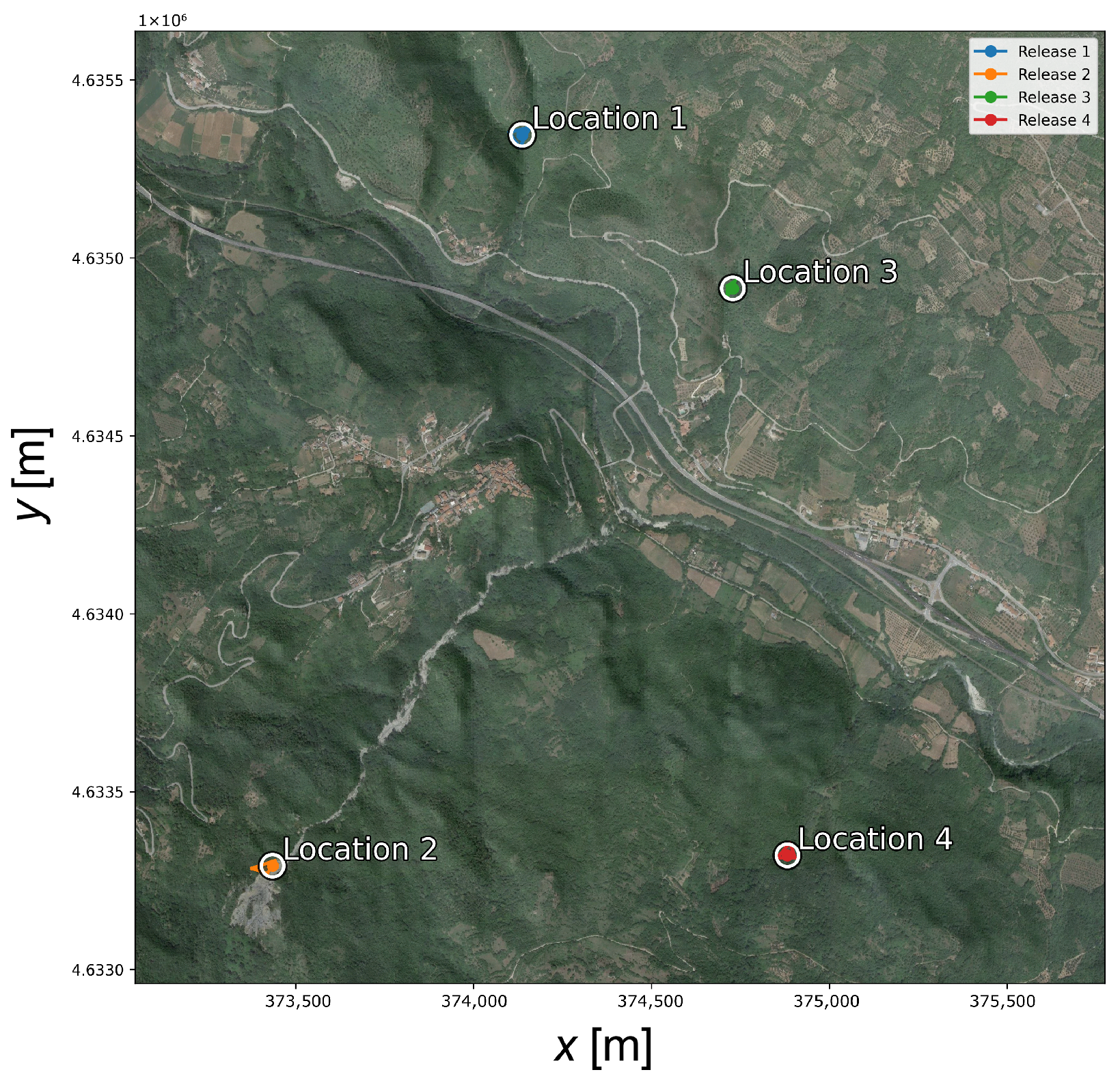
Physics-based simulation of debris flows over complex terrain is essential for hazard assessment, but repeated numerical integration is costly when many scenarios must be explored. We develop a general deep-learning surrogate modelling framework for two-dimensional (2D) debris-flow propagation, here applied to the Morino–Rendinara area (central Italy) using a three-dimensional (3D) Fourier Neural Operator (FNO) trained on synthetic simulations generated by a validated in-house finite-volume shallow-water solver. The solver reproduces debris-flow propagation over complex terrain and is specifically developed for artificial intelligence (AI) applications. It is based on a depth-averaged 2D formulation using the Harten–Lax–van Leer–Contact (HLLC) approximate Riemann solver, hydrostatic reconstruction, positivity-preserving wet–dry treatment, and Voellmy-type basal friction, and was verified through analytical benchmarks, numerical tests, and back-analyses of real events. The dataset was built from four site-specific release settings derived from real topography, combining different released volumes and bulk densities while preserving local geomorphological and rheological characteristics. Each simulation was stored as a full spatio-temporal tensor and used to train an FNO conditioned on coordinates, topography, friction parameters, bulk density, and initial release thickness. Training used a novel loss to emphasize active-flow areas and improve velocity reconstruction, and was performed using a graphics processing unit (GPU). The surrogate shows effective generalization to within-distribution validation samples, with global relative mean squared errors of 5.49% for flow thickness, 5.34% for velocity component u, and 2.60% for v, and mean R2 values of 0.95, 0.94, and 0.97. For a representative sample, the surrogate predicts the full spatio-temporal solution in 0.52 s, versus about 47 s for the first-order finite-volume solver, corresponding to a speed-up of about 91×, with an even larger gap expected for higher-order solvers, since, whilst the computation time of the solver increases as its complexity increases, the computation time of the FNO remains essentially unchanged. These results indicate that the proposed FNO is a reliable site-specific surrogate for rapid approximation of 2D debris-flow dynamics over real terrain, with potential for uncertainty propagation, Monte Carlo analysis, large-ensemble simulation, and hazard-oriented scenario assessment.
Keywords: debris flows; shallow-water equations; numerical solver; Fourier Neural Operator; synthetic data; deep learning; artificial intelligence; machine learning; site-specific surrogate debris flows; shallow-water equations; numerical solver; Fourier Neural Operator; synthetic data; deep learning; artificial intelligence; machine learning; site-specific surrogate