


Abstract
Climate change affects flood frequency and intensity throughout the world, leading to a research gap in the traditional management framework. Furthermore, traditional frameworks often rely on complex hydrological patterns and one-way communication, demonstrating urgent needs for adaptive and two-way communication approaches. For this purpose, the current systematic literature review (SLR) fills this gap by analyzing the widely reported literature on the role of an artificial intelligence (AI)-based framework. This SLR provides conceptual and theoretical insight into the potential role of generative AI and an OpenAI-based theoretical framework for effective flood management. Therefore, 77 peer-reviewed articles published between 2010 and 2025 in reputed sources such as ScienceDirect, Springer Nature, MDPI, Wiley, and others were analyzed using the Preferred Reporting Items for Systematic Reviews and Meta-Analyses (PRISMA) approach. According to the results of this paper, four hypothetical applications of generative AI are described, namely: (i) a knowledge translator to provide simplified hydrological information, (ii) a decision-support assistant that aids real-time strategic analysis, (iii) a community engagement tool to increase the participation and understanding of people, and (iv) an interface to harmonize and synthesize various sources of information. The discussion indicates that there is a lot of potential in terms of generative AI improving the inclusiveness, real-time sensitivity, and cost-effectiveness of flood risk management practice. Nevertheless, the research also presents significant issues that are connected to data integrity, algorithm bias, digital equity, and ethical governance. The results indicate that generative AI has a significant potential of developing robust, more accessible, and more communicative flood risk management systems, and that additional studies on the responsible and ethical use of the technology are necessary.
1. Introduction
Globally, climate change is a significant problem, causing catastrophic and deadly flood events, resulting in damage to critical infrastructure and economies [1]. The are rising concerns of climate change resulting in glacier melting, unpredictable precipitation patterns, and sea level rise, which combine in affecting the severity and frequency of flooding [2]. According to the Intergovernmental Panel on Climate Change report of 2021, in the future, the patterns of rainfall will change and fluctuate more rapidly, especially in monsoon-influenced and tropical regions. As a result of the fluctuating rainfall patterns, flood events become more intense due to the rising sea level, with storm surges, riverine floods, and torrential floods threatening the lives of communities located along coastal and inland areas throughout the world. Furthermore, intense flood events not only disrupt human lives but also affect the economy in billions of dollars and infrastructure [3,4]. Such damages influenced by flood events result in the displacement of the communities, outbreak of diseases, water security issues, and shortages of food [3,4].
Within the developing world, the influence of flood-generated problems related to well-being and health is more intense, especially in regions with less adaptive capacity and lacking organizational frameworks, which are essential for effective flood risk management [5,6]. The floods occurring in regions like Southeast Asia are often from monsoons, and some African nations in large river basins experience seasonal flooding of deltas that undermine agricultural output and food security [7]. Nevertheless, the disasters of floods are not only the responsibility of developing nations. Recent flooding in Europe, Hurricane Katrina in the United States, and other calamities have proven that vulnerability to floods has become an international issue [8]. With the increasing pace of climate change, the traditional views on flood management are becoming powerless to manage the changing hydrological extremes, and it is necessary to think of innovative, adaptive, and inclusive approaches to minimize flood risk and improve resilience [1,9].
Although impressive progress has been made in flood management in the fields of hydrological modeling, flood prediction, and structural protection, flood management continues to experience persistent problems [10]. Traditional methods tend to use complex, nonlinear hydrological and hydraulic models that require a high level of technical expertise to interpret and apply [11,12,13,14]. Although those models can be used to produce correct forecasts, the information they arrive at is generally not readily available to the general academic community and the technical team. The implications of these models are hard to comprehend for policymakers, emergency managers, and the general public, and thus, these models rarely find application in real-life decision-making situations.
In addition, the absence of efficient communication strategies is still a key obstacle to community-level flood risk management. The translation of sound flood forecasts and hazard maps into practical advice is often delayed or overlooked, even in cases where technically valid forecasts and hazard maps are available [15,16]. This lack of connection has been witnessed in recent flood calamities, as the communities were very well aware of how the floods would occur, and yet community losses were so significant due to a lack of preparedness and awareness. The additional hindrances in operationalizations of complex flood management models include infrastructural, financial, and institutional barriers, which are inherent in developing nations [17]. In areas with a well-built infrastructure, uncertainty related to probabilistic forecasting of floods is challenging to communicate, which can lead to a lack of trust or opposition to measuring policy.
Such high-level structural fixes like dams and levees are necessary in some situations, but are also resource-intensive, disruptive to the environment, and often out of sync with rapidly evolving climatic conditions [18]. These drawbacks demonstrate a fundamental weakness of the existing flood management systems: failure to achieve technical-quality standards and social-accessibility standards. To overcome this gap, it is necessary to have tools that are capable of transforming complex scientific information into knowledge accessible to people, two-way communication, and proactive interaction of communities in flood preparedness and response.
A potential interdisciplinary solution in this case is artificial intelligence (AI), especially generative and conversational AI systems like ChatGPT (Version: GPT-5.2 Pro). These systems are able to mediate between technical sources of data and even the human user by automating the interpretation, synthesizing, and communicating complex data in real time [19]. Contrary to the traditional tools of decision-support, ChatGPT (Version: GPT-5.2 Pro) can reword technical hydrological results into unique context-sensitive stories that are understandable to people with no expertise in the field and, therefore, empower policymakers, emergency managers, and the whole [20]. In the case of flood emergencies, effective, timely communication is essential, and conversational AI can aid quick evaluations of evacuation paths and people at risk, and predict uncertainties [21].
Additionally, it is not the aim of generative AI devices to replace the conventional models of flooding, but to act as a continuum between theoretical understanding and projective decisions [22]. Their multilingual and cross-cultural skills make them especially helpful in diverse societies where language barriers can be a significant impediment to communicating disasters effectively [23]. By being incorporated into the digital space, e.g., smartphones and social media, conversational AI systems can broaden flood risk communication to remote and underserved communities [24]. However, using such technologies should be done under the influence of ethical codes, scientific verification, and responsive governance to create reliability and trustworthiness [25]. Recent advances in AI deployment are increasingly accompanied by ethical codes, scientific validation practices, and governance mechanisms aimed at ensuring responsible use. Examples include the adoption of AI ethics guidelines emphasizing transparency, accountability, and human oversight; the use of validation and benchmarking protocols to verify model reliability and uncertainty; and the emergence of adaptive governance frameworks that promote human-in-the-loop decision-making, auditability, and institutional accountability in high-risk domains such as disaster risk management.
Although the application of AI in flood forecasting, early warning systems, and related topics has received increasing research attention, comparatively little research has focused on the communicative uses and integrative actions of generative AI in flood risk management (Table 1). The literature has focused mainly on the enhancement of the accuracy of forecasts and pressures of data, but has paid minimal attention to the manner in which technical expertise is transferred and embedded within the policymaking and societal framework. This is a gap in the research, since it does not involve conversational AI as a bridge between science and action. It is important to distinguish between predictive and optimization-based AI methods (such as ANN-PSO and XGBoost-PSO) and generative or conversational AI systems (such as ChatGPT or GPT models (Version: GPT-5.2 Pro)). Predictive AI focuses on learning quantitative relationships from data to improve flood forecasting accuracy and scenario simulation. In contrast, generative AI does not perform hydrological prediction; rather, it operates at the interface between model outputs and human stakeholders by translating technical results into natural language, facilitating dialogue, and supporting interpretation and communication. In this study, predictive AI models are considered upstream analytical tools, while generative AI is conceptualized as a downstream interpretative and communicative layer within the flood risk management workflow.
Table 1.
Comparative analysis of traditional, predictive-AI, and generative-AI approaches in flood risk management.
To fill this gap, the paper provides a theoretical view on how generative AI can be used in flood risk management, and its possible use as a knowledge translator, as a decision-support system, as a community engagement platform, and as an interface for data integration. This research increases access to, improves, and enhances responsiveness in flood preparedness and response by introducing the concept of generative AI as a behavioral component of a hybrid disaster management ecosystem. The research objectives include: (1) assessing the possibility of the generative AI simplifying and communicating hydrological and climate data to various stakeholders; (2) analyzing the applicability of generative AI to improve decision-making processes during flood events; (3) determining the potential of the applicability of generative AI to address the stakeholders and promote civic response to and localized preparedness for floods; (4) evaluating the applicability of the generative AI within the realms of the United Nations Sustainable Development Goals, especially, SDG 11 (Sustainable Cities and Communities), SDG 13 (Climate Action), and SDG 9 (Industry, Innovation, and Infrastructure).
While existing studies and review articles have extensively examined the role of artificial intelligence in flood risk communication and decision-support systems, the majority of this literature focuses on predictive modeling, rule-based decision-support systems (DSS), or machine learning-driven optimization tools. These approaches primarily aim to improve forecast accuracy or automate decision recommendations, often relying on structured inputs and expert interpretation. In contrast, generative and conversational AI represent a qualitatively different class of technologies. Their innovation lies not in prediction itself, but in their capacity for natural-language generation, interactive dialogue, contextual interpretation, and real-time translation of complex hydrological outputs into accessible, stakeholder-specific narratives. To date, few reviews have systematically examined how these distinctive capabilities of generative AI may reshape the prediction-to-decision pathway in flood risk management. This study addresses this gap by focusing explicitly on generative AI as a communicative and integrative intermediary, rather than as a conventional analytical or decision-support tool.
2. Research Questions
RQ1. How has artificial intelligence been applied in flood risk management research over the past decade, and what thematic trends emerge from the existing literature?
RQ2. What limitations in traditional flood prediction and management systems are identified in the literature with respect to communication, accessibility, and decision-making?
RQ3. How can generative and conversational AI tools contribute to improving flood alerts, stakeholder communication, and real-time decision-support?
RQ4. In what ways can generative AI support sustainable climate policy strategies and post-flood reconstruction processes within flood risk management frameworks?
RQ5. What ethical, technical, and institutional challenges must be addressed to responsibly integrate generative AI into flood risk management systems?
3. Methodology: Systematic Review Framework
The systematic review was conducted and reported following the Preferred Reporting Items for Systematic Reviews and Meta-Analyses (PRISMA) 2020 guidelines, which is a concise yet comprehensible list of steps to follow when identifying, screening, and synthesizing relevant research. The PRISMA 2020 checklist and flow diagram are included in the Supplementary Materials (Table S1 and Figure S1) to enhance the transparency and reproducibility of the review process. PRISMA approach was chosen to achieve methodological rigor, reduce selection bias, and conduct a structured evaluation of the available studies connected to flood risk management and artificial intelligence application, especially to generative- and conversational-AI tools.
The review methodology followed the Joanna Briggs Institute (JBI) Manual for Evidence Synthesis, which is designed for systematic reviews of qualitative and mixed-evidence studies. The JBI framework was chosen due to the review’s emphasis on conceptual, methodological, and thematic synthesis, rather than on quantitative effect-size estimation or meta-analysis. In this context, reviews of qualitative studies refer to systematic syntheses that analyze non-numerical evidence, such as conceptual frameworks, policy analyses, case study insights, expert interpretations, and stakeholder perspectives, rather than statistically aggregated quantitative outcomes.
The methodology included four major steps: identification, screening, eligibility assessment, and inclusion in accordance with the PRISMA 2020 requirements.
3.1. Literature Identification Strategy
For the identification for the literature review, diverse databases such as ScienceDirect, Google Scholar, Springer Nature, Scopus, Web of Science, and Dimension were assessed, considering that articles in the database are peer-reviewed journal focusing on the artificial intelligence, deep learning, generative AI, flood risk management, flood prediction, and flood control from 2010 to 2025, demonstrating the critical role of AI in disaster management and natural hazards. The selected publication span was considered to analyze a primary shift in the research related to flood risk management.
A combination of keywords and Boolean operators was used to ensure broad yet targeted coverage. Core search terms included “flood risk management,” “flood prediction,” “artificial intelligence,” “machine learning,” “deep learning,” “generative AI,” “ChatGPT,” “decision support systems,” and “risk communication,” as shown in the word cloud (Figure 1). These keywords were adapted according to the specific syntax requirements of each database. Reference lists of selected articles were also examined to identify additional relevant studies that may not have appeared in the initial search.
Figure 1.
Word cloud of literature identification strategy adopted in this systematic literature review.
3.2. Screening and Selection Process
The systematic review process was conducted by multiple reviewers. Two authors independently performed the title and abstract screening, followed by full-text eligibility assessment to minimize selection bias. Any discrepancies or disagreements regarding study inclusion were resolved through discussion and consensus among the reviewing authors. When consensus could not be reached, a third reviewer was consulted to support the final decision. Following the identification stage, all retrieved records were imported into a reference management system, and duplicate entries were removed. The remaining studies were subjected to a two-stage screening process. First, titles and abstracts were reviewed to exclude articles that were clearly irrelevant to the research objectives. Studies focusing exclusively on unrelated hazards, non-flood-related AI applications, or purely theoretical computer science topics without relevance to flood management were excluded at this stage.
The high number of records identified in the initial search reflects the deliberately broad search strategy designed to capture interdisciplinary literature across artificial intelligence, hydrology, disaster risk management, and decision-support. Screening was conducted in multiple stages in accordance with PRISMA guidelines. In the first stage, duplicate records and studies clearly unrelated to flood risk management were removed. In the second stage, title and abstract screening excluded studies that focused exclusively on AI applications unrelated to floods, purely technical algorithm development without application to disaster contexts, or traditional AI-based prediction models lacking relevance to decision-making or risk communication. In the final stage, full-text screening retained only peer-reviewed studies that explicitly addressed AI-supported flood risk management, decision-support, communication, or governance dimensions, with particular attention to emerging discussions on generative or conversational AI. As a result, only studies meeting all inclusion criteria were retained, leading to a final sample of 77 articles that were directly aligned with the research objectives.
In the second stage, full-text screening was conducted to assess the eligibility of the remaining articles. Inclusion criteria required that studies:
- Addressed flood prediction, flood risk management, or disaster response;
- Incorporated AI-based, data-driven, or decision-support approaches;
- Provided insights relevant to communication, decision-making, or stakeholder engagement.
Articles that lacked sufficient methodological detail, were not available in full text, or were not written in English were excluded.
3.3. Eligibility Criteria and Final Selection
Figure 2 depicts a total of 77 peer-reviewed articles selected during the eligibility phase of the systematic literature review to analyze the qualitative synthesis. The selected articles assessed in the eligibility phase of this study focused on various areas, including methodological, applications, and geographical domains of studies related to flood management of varying model approaches, i.e., risk communication, early warning systems, decision-support, and hydrological modeling.
Figure 2.
Number of articles selected in this review for the synthesis of literature on flood management.
The selected literature was then categorized thematically to facilitate systematic analysis. Key thematic categories included:
- AI-based flood prediction and forecasting models;
- Decision-support systems for flood management;
- Risk communication and public engagement strategies;
- Emerging applications of generative and conversational AI.
This thematic classification has the potential to enable a structured comparison of existing approaches and help identify patterns, gaps, and emerging trends within the literature.
3.4. Data Extraction and Synthesis
In line with the Joanna Briggs Institute (JBI) guidance for qualitative and mixed-methods reviews, a qualitative appraisal of the included studies was conducted. The appraisal focused on methodological transparency, relevance to flood risk management, clarity of AI application, and contribution to decision-making or communication processes. Studies were not excluded based on quality scores alone; rather, appraisal outcomes were used to inform the interpretation of findings and to contextualize the strength and limitations of the available evidence.
Instead of using the quantitative meta-analysis method, the current study used a qualitative synthesis method, which was suitable due to the conceptual and methodological diversity of the reviewed studies. The information (relevant to each article) that was extracted included the study objectives, AI methods, data sources, application scenario, stakeholder focus, and limitations that were encountered. The synthesis has been made by prioritizing the conceptual connection between the AI-inspired technical developments and their consequences on decision-making, communication, and community interactions. Particular focus was placed on the literature on transparency, interpretability, the communication of uncertainty, and ethical concerns, as these issues are essential to the responsible use of generative AI in managing flood risks.
3.5. PRISMA Flow Diagram and Framework Development
A PRISMA 2020 flow diagram was plotted, demonstrating the selection procedure for the peer-reviewed articles, following the stages of identification, screening, exclusion, and inclusion. The criteria of each stage are outlined in Section 3.1, Section 3.2 and Section 3.3. The visual analysis of the literature improves reproducibility and transparency of the current systematic literature review.
Insights derived from the systematic synthesis informed the development of a theoretical framework that conceptualizes generative AI as a multifunctional component within flood risk management systems. The framework integrates technical prediction capabilities with communication, decision-support, and community engagement functions, forming the foundation for the conceptual discussion presented in subsequent sections. Based on the extensive literature reported on the topic, the initial step in the PRISMA framework, that is, identification, was considered. In this phase of the PRISMA framework, a total of 19,587 articles were selected for developing this review paper (Figure 3).
Figure 3.
PRISMA framework and literature searched for this systematic literature review.
Out of the selected 19,587 articles, 19,220 papers were removed because of irrelevance, insufficient content, and misalignment with the scope of the review paper. Of the 19,587 records initially identified, the majority were excluded during preliminary screening stages. This included automated duplicate removal, exclusion of non-peer-reviewed document types, and title–abstract screening based on predefined inclusion and exclusion criteria. These steps substantially reduced the dataset prior to full-text assessment, which was conducted only on a much smaller subset of potentially relevant studies. Therefore, the exclusion of approximately 19,220 records did not involve full-text reading but resulted from systematic, criteria-based preliminary screening. Therefore, in the identification phase, 367 articles were selected for further steps. In the screening phase of the PRISMA framework, the selected 367 articles were further assessed. The recorded articles considered in the screening phase were assessed based on their relevance to the scope of this review paper. It was noted that out of 367 articles, 233 papers were irrelevant, general, and non-peer-reviewed; thus, those articles were excluded in the next phase. In the eligibility phase of the PRISMA framework, 134 articles were evaluated considering the availability of the content, broader methodology adopted, and sufficient detail. Therefore, it was found that 57 articles have duplicate findings, and the remaining 77 articles have access to the full-length paper; thus, for the inclusion phase of the PRISMA, 77 papers were selected. Considering the above-mentioned criteria for the PRISMA framework, a total of 77 full-length published articles were considered in this review paper. This detailed analysis of the literature considered in this review paper significantly enhanced the reliability, strength, and credibility of this review paper.
4. Results of the Systematic Review
The systematic review of the selected literature revealed several recurring thematic patterns related to the evolving role of artificial intelligence in flood risk management (Figure 4). Based on the systematic synthesis, the reviewed literature can be broadly categorized into two groups. The first includes empirically validated AI applications, such as machine learning and deep learning models for flood prediction, early warning systems, and decision-support tools that have been tested using observational or simulated data. The second group comprises conceptual, exploratory, or emerging applications of generative and conversational AI, which are primarily discussed in the literature as prospective tools for enhancing communication, integration, and stakeholder engagement rather than as operationally validated systems. However, Figure 4 summarizes sources in which articles are published, mainly focused on the scope of the systematic literature review. While most studies primarily focus on predictive accuracy and early warning systems, an emerging body of research emphasizes the importance of communication, decision-support, and post-disaster recovery [26,27,28,29]. In accordance with the thematic synthesis, it was possible to distinguish three overarching themes: flood alerts and real-time communication, support of sustainable climate policy strategies, and post-flood reconstruction and recovery assistance. The combination of these themes can show how, by going beyond technical prediction, generative and conversational AI tools can aid in facilitating a complete understanding of flood risk. In order to further elaborate on the thematic results of the systematic review, the bibliometric network analysis was performed based on VOSviewer (version 1.6.20) to represent the relationship among keywords, research themes, and an emergent focus area across the reviewed literature (Figure 4). The patterns of clustering are evident in the VOSviewer maps, and show that there are research trends prevailing in flood risk management, including the high concentration of research on flood prediction, early warning systems, and research based on machine learning and similar methodology. Smaller, but more noticeable clusters, on the other hand, emphasize the themes around decision-support, risk communication, policy integration, and post-disaster recovery (Figure 5). The relative positioning and connectability of these clusters show that the technical modeling is still central, but there is an increasing dependency on the integrative and human-related applications of AI. Notably, keywords associated with generative and conversational AI appear at the intersection of technical and social clusters, suggesting their emerging role as bridging tools between data-driven analysis and stakeholder engagement. These visual patterns reinforce the qualitative findings of this review and substantiate the identified thematic categories discussed in this section. A complete summary of the 77 studies included in the systematic literature review is provided in Table 2.
Figure 4.
Journal co-occurrence network of the reviewed literature generated using VOSviewer. Nodes represent journals in which the reviewed studies were published, with node size indicating the relative frequency of publications. Colors denote clusters of journals identified by VOSviewer based on co-occurrence relationships, reflecting thematic groupings across disciplines (e.g., hydrology and water resources, climate and atmospheric sciences, artificial intelligence and computational methods, environmental management, and remote sensing). Links between nodes indicate the strength of co-occurrence relationships, with denser connections representing stronger thematic or citation-related associations.
Figure 5.
Sankey-based mapping of AI innovation pathways in flood risk management.
Table 2.
Studies included in the systematic literature review.
To complement the qualitative synthesis, a semi-quantitative content analysis was conducted to examine the distribution of studies across major thematic categories. Of the 77 reviewed articles, the majority focused on AI-based flood prediction and early warning systems, followed by decision-support and planning applications, and risk communication and stakeholder engagement. Only a smaller subset explicitly discussed generative or conversational AI, highlighting the emerging nature of this research area (Table 3). This distribution underscores the dominance of predictive AI in the existing literature and reinforces the novelty of focusing on generative-AI-mediated communication and decision-support. A temporal analysis of publication trends indicates a rapid increase in AI-related flood management studies after 2018, while discussions explicitly addressing generative or conversational AI have largely emerged after 2022, reflecting the recent advancement of large language models.
Table 3.
Distribution of reviewed studies by AI application type.
4.1. Flood Alerts via ChatGPT
4.1.1. AI-Supported Early Warning and Risk Communication
A substantial portion of the reviewed studies highlights the critical role of early-warning systems in reducing flood-related losses (Figure 6). Figure 6 depicts the critical role of generative AI in early-warning and risk communication between stakeholders and community. The proposed framework in this systematic literature review enhances the communication with local communities located in flood zones, making it easy as generative-AI tools such as ChatGPT translate the risk-based communication from the stakeholders in their native language. Conventional flood alert mechanisms typically rely on technical bulletins, hazard maps, and probabilistic forecasts that are difficult for non-expert users to interpret [30,31]. Although such systems are effective in detecting hydrological extremes, their communication pathways remain largely one-directional and expert-centric.
Figure 6.
Application of ChatGPT in climate-induced flood risk management.
Recent literature emphasizes the growing need for human-centered flood alert systems, where warning messages are clear, contextualized, and actionable [32,33]. Within this context, generative AI tools such as ChatGPT are increasingly discussed as potential intermediaries capable of translating complex hydrological outputs into understandable language. By interacting conversationally with users, such systems can explain forecast uncertainty, expected flood severity, and recommended response actions in real time, thereby enhancing public comprehension and trust.
4.1.2. Context-Aware and Multilingual Alert Dissemination
Another recurring theme concerns the limitations of conventional alert systems in linguistically and culturally diverse regions. Several studies report that flood warnings often fail to reach vulnerable populations due to language barriers and a lack of localized information [35,36,80]. Conversational AI systems offer the ability to deliver context-specific and multilingual flood alerts, making early warning messages more inclusive and accessible.
The reviewed literature suggests that when integrated with digital platforms such as mobile applications and social media, generative AI can facilitate two-way communication, allowing users to ask follow-up questions and receive tailored guidance during flood events. This interactive capability represents a significant advancement over static warning systems and aligns with broader calls for participatory disaster risk reduction strategies.
4.2. Sustainable Climate Policy Strategies
4.2.1. AI-Assisted Policy Interpretation and Decision-Support
The review also reveals increasing interest in the use of AI to support evidence-based climate and flood policy development. Policymakers often face difficulties interpreting complex hydrological models, climate projections, and uncertainty ranges when designing long-term flood mitigation strategies [37,38,39]. Several studies emphasize that this disconnect contributes to delayed or suboptimal policy responses, particularly in rapidly urbanizing regions.
Generative AI tools are discussed in the literature as potential facilitators of policy interpretation by summarizing scientific findings, comparing alternative adaptation strategies, and translating technical assessments into policy-relevant narratives [40,41]. Generative AI tools may act as facilitators of policy interpretation by summarizing scientific findings, comparing alternative adaptation strategies, and supporting decision makers in understanding trade-offs between structural and non-structural flood management measures. However, the effectiveness of such applications depends critically on careful consideration of contextual constraints, institutional settings, data availability, and the clear definition of objectives guiding their use. Through scenario-based explanations, conversational AI can assist decision-makers in understanding trade-offs among structural and non-structural flood management measures (Figure 6).
4.2.2. Alignment with Sustainable Development Goals
Another prominent theme is the alignment of AI-supported flood management strategies with global sustainability agendas (Figure 6). Multiple studies emphasize the importance of integrating flood resilience into broader climate adaptation and urban development frameworks, particularly in relation to the United Nations Sustainable Development Goals [42,43]. Generative AI is increasingly viewed as a tool that can support this integration by linking flood risk data with social, economic, and environmental indicators.
The reviewed literature highlights the potential of conversational AI to promote transparent, inclusive, and adaptive policy processes that support SDG 11 (Sustainable Cities and Communities), SDG 13 (Climate Action), and SDG 9 (Industry, Innovation, and Infrastructure). However, authors consistently caution that AI-assisted policy tools must be used as decision-support mechanisms, rather than automated decision-makers, to ensure accountability and ethical governance.
4.3. Post-Flood Reconstruction Support
4.3.1. Damage Assessment and Recovery Planning
Post-flood reconstruction emerges as a critical yet underexplored domain in the reviewed literature. Several studies note that recovery decisions are often made under severe time pressure, with limited access to consolidated information regarding damage extent, infrastructure vulnerability, and resource availability [44,45,46]. This fragmentation frequently leads to inequitable recovery outcomes and inefficient allocation of resources.
Generative AI is increasingly discussed as a support tool capable of synthesizing post-disaster data from multiple sources, including remote sensing, field reports, and historical records. By summarizing damage assessments and presenting recovery options in accessible formats, conversational AI systems can assist authorities in prioritizing reconstruction efforts and coordinating relief operations.
4.3.2. Community Engagement and Long-Term Resilience
Beyond technical recovery planning, the literature emphasizes the importance of community participation in post-flood reconstruction. Studies highlight that reconstruction processes that exclude local knowledge often fail to address underlying vulnerabilities, resulting in repeated losses [47,48]. Conversational AI tools offer opportunities to engage affected communities by providing information on rebuilding guidelines, available assistance programs, and resilience-enhancing practices.
The reviewed studies suggest that by facilitating transparent communication and continuous feedback, generative AI can contribute to more inclusive and adaptive recovery pathways. Nevertheless, concerns regarding data reliability, digital accessibility, and ethical deployment remain prominent, underscoring the need for responsible integration of AI tools into post-disaster recovery frameworks.
An additional challenge in flood risk communication is the heterogeneity of audiences. Individuals may respond differently to risk information depending on emotional state, prior experience, and personal disposition; for example, anxious or fearful individuals may require reassurance and simplified messaging, whereas more confident or proactive individuals may seek detailed technical explanations or actionable options. Traditional communication strategies often struggle to accommodate such variability. In this context, generative and conversational AI tools offer potential advantages by enabling adaptive, user-specific communication styles, provided that their use is guided by ethical safeguards, contextual awareness, and clearly defined communication objectives.
5. Theoretical Framework Development
The following section outlines the theoretical framework based on the evidence in the systematic review that conceptualizes the role of generative artificial intelligence in flood risk management as an integrative and communicative system as opposed to a standalone predictive technology. The framework is a direct response to identified thematic gaps in Section 3, specifically, the lack of direct connection to the technical-focused flood models and to their actual usability by policymakers, emergency managers, and the community in private. The present work continues the previous literature by shedding light on the weakness of expert-based and model-based systems of flood management [49,50,51,52], and proposes generative AI as a balancing force within the hybrid flood governance ecosystems. It is important to note that the proposed framework is conceptual in nature and reflects synthesized insights from the literature rather than validated operational implementations of generative AI in flood management systems. To gain knowledge on the importance of the advanced artificial intelligence approaches in flood risk management, a systematic review of 50 articles published in reputable databases and journals like MDPI, Springer Nature, ScienceDirect, and Wiley was undertaken in this review paper (Figure 7). The literature has extensively acknowledged the importance of natural-language processing and artificial intelligence in flood risk forecasting, early-warning systems, and risk assessment of natural hazards through data-driven approaches. Moreover, this review paper assessed that the misunderstanding of such technical forecasts in the past has been known to induce delays, insufficiency of preparedness, and risk underestimation. Since ChatGPT uses a generative-AI language model, it is theoretically a viable solution because it presents itself as a knowledge translator.
Figure 7.
Literature reported on the flood risk management using advanced AI, ML, and deep learning.
5.1. Conceptual Basis of the Framework
The proposed framework is based on the understanding that flood risk management is not only a technical problem but also a social and institutional process that encompasses information interpretation and communication, as well as the ability to transform the scientific outputs into actionable knowledge accessible to various stakeholders [53,54,55]. Although traditional AI tools have been applied in flood management, with much focus on enhancing the accuracy of the forecasts, the literature reviewed reveals that it is necessary to have a tool that can convert the scientific outputs into actionable knowledge that various stakeholders can use [56,57].
Generative AI, conversational systems like ChatGPT, is conceptualized in this framework as an interface layer that is applied between data-driven models and human users. Generative AI does not replace hydrological or hydraulic models but can enhance their utility, and ideas of generating outputs, putting the context around uncertainty, and providing interactivity are supported. This normative change is consistent with recent demands to adopt more integrative and responsive approaches to managing flood risks in a climate change context [58,59,60].
The generative AI roles proposed in this framework are conceptual and forward-looking, reflecting synthesized insights from the literature rather than documented large-scale deployments in flood risk management practice. Table 4 summarizes advancements in the application of AI in flood risk management.
Table 4.
Advancements in AI applications in the field of flood risk management.
5.2. Core Functional Roles of Generative AI
The framework shows four interconnected functional roles of generative AI in flood risk management based on the thematic synthesis of the reviewed studies.
First, generative AI is a translator of knowledge to make complex information about hydrological and climate systems more straightforward and more user-friendly, in the form of a narrative, and available to different users. This role aims to mitigate some endemic communication challenges that are recognized in both developing and developed settings, where the extreme complexity of technical understanding tends to restrict societal cognition and policy adoption [61,62].
Second, generative AI is a decision-support tool that helps analyze real-time data in case of a flood situation across multiple streams of data and provides scenario-based explanations. It is implied in the literature that the given support may increase situational awareness and decrease delays in making a decision in the case of an emergency, especially when communication within a state of uncertainty is paramount [63,64].
Third, the framework theorizes generative AI as a community engagement tool, in which authorities and populations affected interact mutually. Conversational AI can enhance preparedness, trust, and engagement in flood risk reduction operations by providing multilingual and context-sensitive information and by responding to user queries [65,66].
Lastly, generative AI is an interface that integrates information and synthesizes data on the basis of hydrological models, remote sensing, policy documents, and social indicators. Such an integrative role will contribute to a more holistic approach to the governance of flood risks and complement other sustainability-related and resilience purposes [67,68].
5.3. Framework Structure and System Integration
The suggested framework uses a hybrid system design, whereby the generative AI will work with the conventional systems used in the prediction of floods and other types of emergencies, early-warning systems, and institutional systems of decision-making. Technical models continue to do the data generation and forecasting, whereas the generative AI mediates the interpretation, communication, and stakeholder interaction. This is because this division of roles guarantees rigor in science, but accessibility and usability are improved.
Notably, the framework ensures that it focuses on human-in-the-loop governance, with experts and authorities making the ultimate decisions. Generative AI has been placed in the role of an advisory and communicative layer, which is aligned with ethical issues in the literature regarding automation bias, data reliability, and accountability [69,70,71]. This type of arrangement will aid transparency and trust, which are the keys to effective flood risk management.
5.4. Alignment with Sustainable and Ethical Flood Governance
The theoretical framework clearly makes the generative AI applications coherent with sustainable development and moral governance. The analyzed articles demonstrate the significance of the incorporation of flood resilience into long-term climate adaptation and urban planning policies [1,72]. By improving accessibility to flood-related information and supporting inclusive decision-making, the framework contributes to SDG 11 (Sustainable Cities and Communities), SDG 13 (Climate Action), and SDG 9 (Industry, Innovation, and Infrastructure).
Simultaneously, the framework also recognizes the issues of algorithmic bias, digital inequality, and data governance. As in the reviewed literature, the responsible use of generative AI necessitates perpetual validation, ethical supervision, and connectivity to institutional capacities as opposed to the usage of the automated outputs only.
6. Discussion
The section addresses the implications of the systematic review findings and the suggested theoretical framework in accordance with the current flood risk management practices. The discussion highlights how generative AI, as a communicative and integrative intervention, fills long-standing gaps in the reviewed literature, including those associated with accessibility, decision-making, and stakeholder involvement.
6.1. Bridging the Gap Between Technical Models and Practical Decision-Making
The systematic review confirms that much progress has been made in flood prediction and hydrological modeling, but the progress has never fully translated to meaningful on-the-ground decisions. Numerous studies point out that complex model outputs, probabilistic forecasts, and the range of uncertainty are usually not accessible to policymakers and emergency managers, and hence, they do not have much use in an operational context. The suggested framework is the answer to such a gap, since it places generative AI at the intermediary stage that interprets and puts into context technical products without changing their scientific basis. This is in agreement with the results of the earlier studies, which focus on the fact that better communication is just as crucial as predictive accuracy in mitigating the impacts of floods [15,81].
6.2. Enhancing Risk Communication and Community Engagement
One of the significant lessons drawn out of the review is that flood risk communication at the community level persistently remains weak, especially in areas of linguistic diversity and areas that lack adequate technical capacity [73,74,75]. Conventional warning systems also fail to deliver timely and comprehensible information, even in the presence of accurate forecasts. The fact that conversational AI has been discussed in the reviewed studies implies that interactive, multilingual, and context-aware communication might be effectively implemented in raising awareness and preparedness among the population [76]. Generative AI facilitates passive information dissemination to participatory flood risk governance, as it allows engagement in bilateral interaction and offers explanations at the local level, which other authors have repeatedly highlighted in publications [82,83].
6.3. Implications for Policy Integration and Sustainable Flood Governance
The findings also suggest that policies of flood risk management are becoming more and more interlinked with larger climate policies as well as urban development policies. Nevertheless, policymakers tend to have difficulties in converting scientific information into consistent and practice-oriented actions. The reviewed studies indicate that generative AI could help in policy interpretation by summarizing the complexities of assessments, comparing alternatives of adaptation, and explaining trade-offs between competing priorities. This would be especially applicable in the process of harmonizing flood management plans and sustainability objectives, such as SDG 11 and SDG 13, which are prioritized.
6.4. Ethical, Institutional, and Practical Considerations
Although the given solution has a potentially long list of benefits, the literature is consistently warning of unquestioningly embracing generative AI in disaster management scenarios because of the integrity of the data, algorithmic bias, digital inequality, and accountability are frequently covered [77]. The discussion confirms that generative AI must be used in a human-in-the-loop system that still focuses on expert opinion and institutional control. Moreover, the unequal access to digital technologies can reduce the usefulness of AI-based communication technology in disadvantaged groups, which is reflected. These issues must be addressed to make generative AI a solution to the just and reliable management of flood risk.
6.5. Synthesis of Findings and Research Implications
As explained in the discussion, the main contribution of the present research is not a proposal of various predictive models, but the reformulation of the role of AI in the flood risk management systems. Through the synthesis of the evidence provided by the systematic review, this article proves that generative AI can positively influence communication, integration, and inclusivity as an auxiliary tool to the models and institutional procedures available. These lessons can be used to inform future empirical studies to test and confirm the suggested framework in the flood management context.
6.6. Hallucination Risks and Reliability Challenges of Generative AI
A critical limitation of generative and conversational AI systems is their susceptibility to hallucination, defined as the generation of feasible-sounding but factually incorrect or unsupported information. In the context of flood risk management, such behavior poses significant risks, particularly when generative AI tools are used to summarize model outputs, explain forecast uncertainty, or communicate emergency information to non-expert stakeholders. Unlike traditional decision-support systems that rely on predefined rules or validated numerical models, generative AI systems produce responses based on probabilistic language patterns rather than direct physical reasoning. As a result, there is a risk that flood-related explanations, scenario interpretations, or policy guidance generated by these systems may mistakenly introduce inaccuracies or oversimplifications. During time-sensitive disaster contexts, such errors could distort risk perception, reduce trust in official warnings, or lead to inappropriate individual or institutional responses. To mitigate these risks, the literature emphasizes the importance of human-in-the-loop governance, where generative AI outputs are reviewed and contextualized by domain experts before dissemination. Additional safeguards include restricting generative-AI access to verified and up-to-date data sources, clearly communicating uncertainty and confidence limitations, and positioning conversational AI as a supportive communication interface rather than an authoritative decision-maker. Future research should prioritize empirical evaluation of hallucination impacts in real-world disaster communication settings and develop standardized protocols to ensure reliability and accountability.
7. Limitations and Future Research Directions
Although this research offers a logical synthesis and a new theoretical framework for the use of generative AI in flood risk management, many limitations should be considered. To accurately interpret the findings and inform the research on the way forward, it is essential to be aware of such limitations. Despite increasing academic interest, empirical evidence of generative-AI deployment in operational flood risk management remains limited, and many cited applications are theoretical or pilot-stage. Therefore, conclusions regarding effectiveness should be interpreted as indicative rather than definitive.
7.1. Methodological and Scope Limitations
The research is founded on a qualitative systematic review that is carried out according to the PRISMA 2020 framework. Therefore, it entails neither a quantitative meta-analysis nor empirical validation of the qualities of applications of generative AI. The heterogeneity of methodologies, datasets, and application situations in the reviewed studies precluded the possibility of conducting a one-to-one performance comparison or statistical synthesis. In addition, the review was mainly focused on peer-reviewed literature in the English language and may have left out the pertinent regional literature, technical literature, or policy literature that may provide further illumination, especially in the developing regions. Secondly, the adoption of generative and conversational AI in flood risk management is a relatively new area, although the reviewed literature includes publications dated 2010–2025. Consequently, the literature on tools like ChatGPT remains scarce and mostly idealized and, thus, does not allow critical evaluation based on empirical evidence.
7.2. Technical and Ethical Constraints of Generative AI
The literature reviewed as a whole indicates that the use of generative AI in disaster management settings is also linked to technical and ethical issues. The importance of the quality, representativeness, and timeliness of the input data cannot be underestimated in generative AI systems, which is why they become the subject of numerous data bias and false information problems. Flood management cannot tolerate wrong or outdated information, especially when an emergency is at hand. Also, there are concerns about transparency in algorithm functions, explainability, and accountability. Automation bias, where users trust the outputs of AI too much, is a possibility, which highlights the need to maintain human control and institutional control. There is also the issue of digital inequality, which is a restrictive factor because there are communities that have less access to digital infrastructure and cannot benefit fully from AI-enabled communication tendencies.
7.3. Institutional and Implementation Challenges
Another limitation lies in the institutional readiness required to integrate generative AI into existing flood risk management systems. The reviewed studies suggest that successful implementation depends not only on technological capability but also on governance structures, legal frameworks, and organizational capacity. Many flood management agencies may lack the technical expertise or regulatory guidance necessary to deploy conversational AI tools responsibly and effectively. Furthermore, the integration of generative AI into policy and operational workflows requires alignment with existing early-warning systems, emergency protocols, and communication channels. Without such alignment, AI tools risk functioning as isolated components rather than as part of a coherent flood risk governance framework.
While empirical AI applications dominate flood prediction and early warning research, generative AI applications discussed in this review remain largely conceptual, highlighting the need for future validation through real-world case studies. Future research should prioritize empirical validation of the proposed theoretical framework through pilot studies, case studies, and real-world applications across diverse geographical and socio-economic contexts. Comparative studies evaluating the effectiveness of generative AI–assisted communication against traditional flood warning systems would provide valuable evidence of practical benefits and limitations. Further research is also needed to explore ethical-governance models, data validation mechanisms, and participatory-design approaches that involve communities in the development and deployment of conversational AI tools. Long-term studies assessing the role of generative AI in post-flood recovery and resilience-building could also enhance understanding of its contribution beyond emergency response phases.
8. Conclusions
Floods remain one of the most disruptive natural hazards to societies, economies, and ecosystems around the globe. With the rise of climate change, and with it hydrologic variability, climate change-related extreme precipitation/flooding events, and sea-level rise, there has never been a greater need to get even more creative with flood control solutions. Whilst these solutions are undoubtedly important and prevalent, they have become significantly lacking given the severity and scale of current flooding problems. In that sense, AI and, more specifically, generative AI via ChatGPT have the potential to support existing approaches towards prediction, communication, and decision-making.
This paper analyzed the potential of ChatGPT to aid flood risk management in the context of climate-informed planning through its positioning within a wider planning context. The review identified several areas where ChatGPT could add value, such as: real-time flood communications, raising awareness in communities, interfacing with hydrological models, policy, and emergency response decision-support. While the incorporation of AI into predictive analytics is nothing new, its unparalleled potential to break down complex information into natural language provides an essential bridge between those in charge of tech policy and the average consumer.
Discussions centered on the potential of embedding ChatGPT within flood risk management in relation to several Sustainable Development Goals (SDGs). By promoting preparedness for disasters, community, and minimizing human and economic losses and damages (SDG 13: Climate Action, SDG 11: Sustainable Cities and Communities, SDG 9: Industry, Innovation, and Infrastructure), ChatGPT is no longer a technological tool, but a socio-technological innovation for inclusivity and accessibility. Furthermore, the multilingual, local, and contextual nature of information dissemination can be an advantage to help overcome disparities (SDG 10) in disaster resilience, for countries with limited technical capacities.
There are a real number of challenges documented, but the analysis can really provide strong value. ChatGPT is sensitive to the quality and variability of the training data and how up-to-date that data is. Other important bottlenecks remain: a lack of open access flood information, an incomplete hydrological documentation record, and the impossibility of aggregating real-time data from sensors. Moreover, incorrect information, hallucination, or over-generalization contributes yet another variable to the question of credibility in a high-stakes disaster management setting. In addition to considerations for moving to big data, other considerations include ethical aspects such as potential bias in training data, privacy in the use of community-level data, accountability structures, and more.
Supplementary Materials
The following supporting information can be downloaded at: https://www.mdpi.com/article/10.3390/w18050582/s1, Figure S1: PRISMA 2020 flow diagram; Table S1: PRISMA 2020 checklist. Reference [84] is cited in Supplementary Materials.
Author Contributions
Conceptualization, N.M., A.R., M.A.S. and S.I.; methodology, M.A.S. and A.R.; software, N.M. and S.I.; resources, N.M., M.A.S. and S.I.; writing—original draft preparation, N.M. and S.I.; writing—review and editing, S.I., A.R. and M.A.S. All authors have read and agreed to the published version of the manuscript.
Funding
This work was supported and funded by the Deanship of Scientific Research at Imam Mohammad Ibn Saud Islamic University (IMSIU) (grant number IMSIU-DDRSP2602).
Data Availability Statement
No new data was generated in this systematic review paper.
Acknowledgments
During the preparation of this work, the authors used ChatGPT-5.2 and Grammarly to improve the writing of this paper. After using this tool/service, the authors reviewed and edited the content as needed and take full responsibility for the content of the published article.
Conflicts of Interest
The authors declare no conflicts of interest.
References
- Dharmarathne, G.; Waduge, A.O.; Bogahawaththa, M.; Rathnayake, U.; Meddage, D.P.P. Adapting cities to the surge: A comprehensive review of climate-induced urban flooding. Results Eng. 2024, 22, 102123. [Google Scholar] [CrossRef] [Scilit]
- IPCC. Climate Change 2021—The Physical Science Basis: Working Group I Contribution to the Sixth Assessment Report of the Intergovernmental Panel on Climate Change; Cambridge University Press: Cambridge, UK; New York, NY, USA, 2021. [Google Scholar]
- Aborode, A.T.; Otorkpa, O.J.; Abdullateef, A.O.; Oluwaseun, O.S.; Adegoye, G.A.; Aondongu, N.J.; Oyetunji, I.O.; Akingbola, A.; Scott, G.Y.; Komakech, J.J.; et al. Impact of Climate Change-Induced Flooding Water Related Diseases and Malnutrition in Borno State, Nigeria: A Public Health Crisis. Environ. Health Insights 2025, 19. [Google Scholar] [CrossRef] [Scilit]
- Jerome Glago, F. Flood Disaster Hazards; Causes, Impacts and Management: A State-of-the-Art Review. In Natural Hazards-Impacts, Adjustments and Resilience; IntechOpen: London, UK, 2021. [Google Scholar] [CrossRef] [Scilit]
- Murtaza, N.; Pasha, G.A. Ensemble Learning-Driven Flood Risk Management Using Hybrid Defense Systems. AI 2025, 7, 2. [Google Scholar] [CrossRef] [Scilit]
- Rezzoug, A.; Khan, A.; Murtaza, N.; Rizvi, S.A.S. Predicting flood energy reduction in vegetated open channel: Comparative assessment of hybrid artificial intelligence techniques. Eng. Appl. Artif. Intell. 2025, 159, 111756. [Google Scholar] [CrossRef] [Scilit]
- Shah, S.M.H.; Mustaffa, Z.; Teo, F.Y.; Imam, M.A.H.; Yusof, K.W.; Al-Qadami, E.H.H. A review of the flood hazard and risk management in the South Asian Region, particularly Pakistan. Sci. Afr. 2020, 10, e00651. [Google Scholar] [CrossRef] [Scilit]
- Barbier, E.B. Policy: Hurricane Katrina’s lessons for the world. Nature 2015, 524, 285–287. [Google Scholar] [CrossRef] [Scilit] [PubMed]
- Chapagain, D.; Hochrainer-Stigler, S.; Velev, S.; Keating, A.; Mechler, R. Realized resilience after community flood events: A global empirical study. Int. J. Disaster Risk Reduct. 2025, 118, 105246. [Google Scholar] [CrossRef] [Scilit]
- Kumar, V.; Sharma, K.; Caloiero, T.; Mehta, D.; Singh, K. Comprehensive Overview of Flood Modeling Approaches: A Review of Recent Advances. Hydrology 2023, 10, 141. [Google Scholar] [CrossRef] [Scilit]
- Kastridis, A.; Stathis, D. Evaluation of Hydrological and Hydraulic Models Applied in Typical Mediterranean Ungauged Watersheds Using Post-Flash-Flood Measurements. Hydrology 2020, 7, 12. [Google Scholar] [CrossRef] [Scilit]
- Braud, I.; Roux, H.; Anquetin, S.; Maubourguet, M.-M.; Manus, C.; Viallet, P.; Dartus, D. The use of distributed hydrological models for the Gard 2002 flash flood event: Analysis of associated hydrological processes. J. Hydrol. 2010, 394, 162–181. [Google Scholar] [CrossRef] [Scilit]
- Cappato, A.; Baker, E.A.; Reali, A.; Todeschini, S.; Manenti, S. The role of modeling scheme and model input factors uncertainty in the analysis and mitigation of backwater induced urban flood-risk. J. Hydrol. 2022, 614, 128545. [Google Scholar] [CrossRef] [Scilit]
- Alipour, A.; Jafarzadegan, K.; Moradkhani, H. Global sensitivity analysis in hydrodynamic modeling and flood inundation mapping. Environ. Model. Softw. 2022, 152, 105398. [Google Scholar] [CrossRef] [Scilit]
- Lin, C.A. Participatory Flood Risk Management and Environmental Sustainability: The Role of Communication Engagement, Severity Beliefs, Mitigation Barriers, and Social Efficacy. Sustainability 2025, 17, 2844. [Google Scholar] [CrossRef] [Scilit]
- Vu, B.T.; Obaitor, O.S.; Grobusch, L.C.; Sett, D.; Hagenlocher, M.; Schinkel, U.; Nguyen, L.K.H.; Bachofer, F.; Ngo, S.T.; Garschagen, M. Enablers and barriers to implementing effective disaster risk management according to good governance principles: Lessons from Central Vietnam. Int. J. Disaster Risk Reduct. 2025, 120, 105344. [Google Scholar] [CrossRef] [Scilit]
- Ashraf, I.; Ahmad, S.R.; Ashraf, U.; Khan, M. Community perspectives to improve flood management and socio-economic impacts of floods at Central Indus River, Pakistan. Int. J. Disaster Risk Reduct. 2023, 92, 103718. [Google Scholar] [CrossRef] [Scilit]
- Fluixá-Sanmartín, J.; Altarejos-García, L.; Morales-Torres, A.; Escuder-Bueno, I. Review article: Climate change impacts on dam safety. Nat. Hazards Earth Syst. Sci. 2018, 18, 2471–2488. [Google Scholar] [CrossRef] [Scilit]
- Roumeliotis, K.I.; Tselikas, N.D. ChatGPT and Open-AI Models: A Preliminary Review. Future Internet 2023, 15, 192. [Google Scholar] [CrossRef] [Scilit]
- Gnerre, M.; Biassoni, F. Uncovering chatgpt’s narrative identity through a psycholinguistic perspective. Curr. Psychol. 2025, 44, 16807–16819. [Google Scholar] [CrossRef] [Scilit]
- Xu, F.; Ma, J.; Li, N.; Cheng, J.C.P. Large language model applications in disaster management: An interdisciplinary review. Int. J. Disaster Risk Reduct. 2025, 127, 105642. [Google Scholar] [CrossRef] [Scilit]
- Maity, R.; Srivastava, A.; Sarkar, S.; Khan, M.I. Revolutionizing the future of hydrological science: Impact of machine learning and deep learning amidst emerging explainable AI and transfer learning. Appl. Comput. Geosci. 2024, 24, 100206. [Google Scholar] [CrossRef] [Scilit]
- Xia, Y.; Shin, S.-Y.; Kim, J.-C. Cross-Cultural Intelligent Language Learning System (CILS): Leveraging AI to Facilitate Language Learning Strategies in Cross-Cultural Communication. Appl. Sci. 2024, 14, 5651. [Google Scholar] [CrossRef] [Scilit]
- Okonta, D.E.; Vukovic, V. Smart cities software applications for sustainability and resilience. Heliyon 2024, 10, e32654. [Google Scholar] [CrossRef] [Scilit] [PubMed]
- Asif, M.; Gouqing, Z. Innovative application of artificial intelligence in a multi-dimensional communication research analysis: A critical review. Discov. Artif. Intell. 2024, 4, 37. [Google Scholar] [CrossRef] [Scilit]
- Bajracharya, S.R.; Khanal, N.R.; Nepal, P.; Rai, S.K.; Ghimire, P.K.; Pradhan, N.S. Community Assessment of Flood Risks and Early Warning System in Ratu Watershed, Koshi Basin, Nepal. Sustainability 2021, 13, 3577. [Google Scholar] [CrossRef] [Scilit]
- Islam, M.M.; Hasan, M.; Mia, M.S.; Al Masud, A.; Islam, A.R.M.T. Early warning systems in climate risk management: Roles and implementations in eradicating barriers and overcoming challenges. Nat. Hazards Res. 2025, 5, 523–538. [Google Scholar] [CrossRef] [Scilit]
- Gong, D.; Meng, L.; Lin, A.; Shi, L. Research on an urban flood early warning model based on multi-source data collaborative perception. Water Sci. Technol. 2025, 92, 1396–1411. [Google Scholar] [CrossRef] [Scilit]
- Fernández-Nóvoa, D.; González-Cao, J.; García-Feal, O. Enhancing Flood Risk Management: A Comprehensive Review on Flood Early Warning Systems with Emphasis on Numerical Modeling. Water 2024, 16, 1408. [Google Scholar] [CrossRef] [Scilit]
- Byaruhanga, N.; Kibirige, D.; Gokool, S.; Mkhonta, G. Evolution of Flood Prediction and Forecasting Models for Flood Early Warning Systems: A Scoping Review. Water 2024, 16, 1763. [Google Scholar] [CrossRef] [Scilit]
- Painter, P.; Semmens, K.; Maxfield, K.; Cattoën, C.; Carr, R.H. Designing Effective Flood Early Warning Systems: A Review of Barriers, Best Practices, and Key Characteristics. J. Flood Risk Manag. 2025, 18, e70145. [Google Scholar] [CrossRef] [Scilit]
- Ringo, J.; Sabai, S.; Mahenge, A. Contribution of flood early warning response measures in reducing flood effects in Kilosa District, Tanzania. Clim. Serv. 2025, 37, 100534. [Google Scholar] [CrossRef] [Scilit]
- Hammood, W.A.; Arshah, R.A.; Asmara, S.M.; Al Halbusi, H.; Hammood, O.A.; Al Abri, S. A Systematic Review on Flood Early Warning and Response System (FEWRS): A Deep Review and Analysis. Sustainability 2021, 13, 440. [Google Scholar] [CrossRef] [Scilit]
- Agbehadji, I.E.; Mabhaudhi, T.; Botai, J.; Masinde, M. A Systematic Review of Existing Early Warning Systems’ Challenges and Opportunities in Cloud Computing Early Warning Systems. Climate 2023, 11, 188. [Google Scholar] [CrossRef] [Scilit]
- Murtaza, N.; Murtaza, A.; Akbar, Z.; Pasha, G.A. Climate Change-Induced Challenges of Civil Engineering Infrastructures: A Critical Role of OpenAI; IOS Press: Amsterdam, The Netherlands, 2025. [Google Scholar] [CrossRef] [Scilit]
- Ogie, R.; Rho, J.C.; Clarke, R.J.; Moore, A. Disaster Risk Communication in Culturally and Linguistically Diverse Communities: The Role of Technology. Proceedings 2018, 2, 1256. [Google Scholar] [CrossRef] [Scilit]
- Tajuddin, W.A.N.W.A.; Sa’aDi, Z.; Alias, N.E.; Rosli, A.S.; Ramzan, M.A.; Noor, Z.Z.; Aris, A. Integrating climate scenarios, land use projections, and flood modelling into water-sensitive planning framework in Kota Tinggi, Johor: Addressing climate uncertainties. Theor. Appl. Climatol. 2025, 156, 380. [Google Scholar] [CrossRef] [Scilit]
- Zarei, E.; Dalir, A.N.; Saleh, F.N. Assessment of climate change impacts on floods with a hybrid data-driven and conceptual model across a data-scarce region. J. Water Clim. Change 2025, 16, 1422–1442. [Google Scholar] [CrossRef] [Scilit]
- Mosimann, M.; Martius, O.; Zischg, A.P. Two sides of the same coin? Hydrometeorological uncertainties in impact-based flood warning systems and climate change sensitivity of floodplains. Weather Clim. Extrem. 2025, 50, 100817. [Google Scholar] [CrossRef] [Scilit]
- Park, J. A systematic literature review of generative artificial intelligence (GenAI) literacy in schools. Comput. Educ. Artif. Intell. 2025, 9, 100487. [Google Scholar] [CrossRef] [Scilit]
- Bamasoud, D.M.; Mohammad, R.; Bilal, S. Adopting Generative AI in Higher Education: A Dual-Perspective Study of Students and Lecturers in Saudi Universities. Big Data Cogn. Comput. 2025, 9, 264. [Google Scholar] [CrossRef] [Scilit]
- Mugeni, M.M.; Djenontin, I.N.S. Integrating climate and urban development goals? An examination of policies with a focus on informal settlements in East Africa. Clim. Dev. 2025, 17, 1–17. [Google Scholar] [CrossRef] [Scilit]
- Cortiços, N.D.; Duarte, C.C. Climate Resilience and Adaptive Strategies for Flood Mitigation: The Valencia Paradigm. Sustainability 2025, 17, 4980. [Google Scholar] [CrossRef] [Scilit]
- Jayawardene, V.; Huggins, T.J.; Prasanna, R.; Fakhruddin, B. The role of data and information quality during disaster response decision-making. Prog. Disaster Sci. 2021, 12, 100202. [Google Scholar] [CrossRef] [Scilit]
- Liu, W.; Shan, M.; Zhang, S.; Zhao, X.; Zhai, Z. Resilience in Infrastructure Systems: A Comprehensive Review. Buildings 2022, 12, 759. [Google Scholar] [CrossRef] [Scilit]
- David, B.; Liu, J.; Wang, Y.; Georges, I. Toward Identifying and Analyzing Key Risk Factors and Their Interrelationships in Post-Disaster Reconstruction: A Comprehensive Study of Project Challenges and Case Analysis. Sustainability 2025, 17, 3696. [Google Scholar] [CrossRef] [Scilit]
- Rawat, A.; Witt, E.; Roumyeh, M.; Lill, I. Advanced Digital Technologies in the Post-Disaster Reconstruction Process—A Review Leveraging Small Language Models. Buildings 2024, 14, 3367. [Google Scholar] [CrossRef] [Scilit]
- Mushtaha, A.W.; Alaloul, W.S. Sustainability factors influencing post-disaster reconstruction projects: Critical review and bibliometric analysis. Sustain. Futures 2025, 10, 100930. [Google Scholar] [CrossRef] [Scilit]
- Khwairakpam, R.; Kundu, S. Dealing with flood disaster– different techniques, modelling, and real-time flood analysis: A systematic review of different river basins in India. Discov. Civ. Eng. 2025, 2, 126. [Google Scholar] [CrossRef] [Scilit]
- Ahmad, R.; Maulud, K.N.A.; Bin Zamir, U.; Razali, S.F.M.; Yaseen, Z.M.; Pradhan, B.; Khan, M.N.; Eshquvvatov, B. A systematic literature review of digital elevation models and hydrological models integration for advanced flood risk management. Geomat. Nat. Hazards Risk 2025, 16, 2549487. [Google Scholar] [CrossRef] [Scilit]
- Zhuo, L.; Han, D. Agent-based modelling and flood risk management: A compendious literature review. J. Hydrol. 2020, 591, 125600. [Google Scholar] [CrossRef] [Scilit]
- Khan, S.M.; Shafi, I.; Butt, W.H.; Díez, I.d.l.T.; Flores, M.A.L.; Galvlán, J.C.; Ashraf, I. Model Driven Approach for Efficient Flood Disaster Management with Meta Model Support. Land 2023, 12, 1538. [Google Scholar] [CrossRef] [Scilit]
- Avcı, C.B.; Vanolya, M. Proposed Framework for Sustainable Flood Risk-Based Design, Construction and Rehabilitation of Culverts and Bridges Under Climate Change. Water 2025, 17, 1663. [Google Scholar] [CrossRef] [Scilit]
- Tabasi, N.; Fereshtehpour, M.; Roghani, B. A review of flood risk assessment frameworks and the development of hierarchical structures for risk components. Discov. Water 2025, 5, 10. [Google Scholar] [CrossRef] [Scilit]
- Okunola, O.H.; Adeniyi, D.A.; Shekhar, H.; Werners, S.E. A diagnostic framework for integrated flood risk governance: Conceptual foundations and insights from Lagos and Accra. Environ. Sci. Policy 2026, 175, 104304. [Google Scholar] [CrossRef] [Scilit]
- Gacu, J.G.; Monjardin, C.E.F.; Mangulabnan, R.G.T.; Mendez, J.C.F. Application of Artificial Intelligence in Hydrological Modeling for Streamflow Prediction in Ungauged Watersheds: A Review. Water 2025, 17, 2722. [Google Scholar] [CrossRef] [Scilit]
- Albahri, A.S.; Khaleel, Y.L.; Habeeb, M.A.; Ismael, R.D.; Hameed, Q.A.; Deveci, M.; Homod, R.Z.; Albahri, O.; Alamoodi, A.; Alzubaidi, L. A systematic review of trustworthy artificial intelligence applications in natural disasters. Comput. Electr. Eng. 2024, 118, 109409. [Google Scholar] [CrossRef] [Scilit]
- Meng, M.; Dabrowski, M.; Stead, D. Enhancing Flood Resilience and Climate Adaptation: The State of the Art and New Directions for Spatial Planning. Sustainability 2020, 12, 7864. [Google Scholar] [CrossRef] [Scilit]
- McClymont, K.; Morrison, D.; Beevers, L.; Carmen, E. Flood resilience: A systematic review. J. Environ. Plan. Manag. 2020, 63, 1151–1176. [Google Scholar] [CrossRef] [Scilit]
- Vitale, C. Understanding the shift toward a risk-based approach in flood risk management, a comparative case study of three Italian rivers. Environ. Sci. Policy 2023, 146, 13–23. [Google Scholar] [CrossRef] [Scilit]
- Carmona-Galindo, V.D.; Ung, H.; Zeng, M.; Broussard, C.; Taranenko, E.; Daneshbod, Y.; Chappell, D.; Lorenz, T. Generative AI as a Sociotechnical Challenge: Inclusive Teaching Strategies at a Hispanic-Serving Institution. Knowledge 2025, 5, 18. [Google Scholar] [CrossRef] [Scilit]
- Hughes, L.; Davies, F.; Li, K.; Gunaratnege, S.M.; Malik, T.; Dwivedi, Y.K. Beyond the hype: Organisational adoption of Generative AI through the lens of the TOE framework–A mixed methods perspective. Int. J. Inf. Manag. 2026, 86, 102982. [Google Scholar] [CrossRef] [Scilit]
- Pantiris, P.; Pallis, P.L.; Chountalas, P.T.; Dasaklis, T.K. Enhancing Coordination and Decision Making in Humanitarian Logistics Through Artificial Intelligence: A Grounded Theory Approach. Logistics 2025, 9, 113. [Google Scholar] [CrossRef] [Scilit]
- Laurila-Pant, M.; Pihlajamäki, M.; Lanki, A.; Lehikoinen, A. A protocol for analysing the role of shared situational awareness and decision-making in cooperative disaster simulations. Int. J. Disaster Risk Reduct. 2023, 86, 103544. [Google Scholar] [CrossRef] [Scilit]
- Pursnani, V.; Sermet, M.; Demir, I. A Conversational Intelligent Assistant for Enhanced Operational Support in Floodplain Management with Multimodal Data. Int. J. Disaster Risk Reduct. 2025, 122, 105422. [Google Scholar] [CrossRef] [Scilit]
- Zajac, M.; Kulawiak, C.; Li, S.; Erickson, C.; Hubbell, N.; Gong, J. Unifying Flood-Risk Communication: Empowering Community Leaders Through AI-Enhanced, Contextualized Storytelling. Hydrology 2025, 12, 204. [Google Scholar] [CrossRef] [Scilit]
- Das, A. Integrated urban water management for climate resilience: Strategies for sustainable supply and flood risk mitigation. Green Technol. Resil. Sustain. 2025, 5, 7. [Google Scholar] [CrossRef] [Scilit]
- Nwogu, N.; Victoria, M.F.; Salman, H.; Oyetunji, A.K. Integrating GIS into Flood Risk Management: A Global South Perspective on Resilience, Planning, and Policy. Water 2025, 17, 3149. [Google Scholar] [CrossRef] [Scilit]
- Al-kfairy, M.; Mustafa, D.; Kshetri, N.; Insiew, M.; Alfandi, O. Ethical Challenges and Solutions of Generative AI: An Interdisciplinary Perspective. Informatics 2024, 11, 58. [Google Scholar] [CrossRef] [Scilit]
- Radanliev, P. AI Ethics: Integrating Transparency, Fairness, and Privacy in AI Development. Appl. Artif. Intell. 2025, 39, 2463722. [Google Scholar] [CrossRef] [Scilit]
- Afreen, J.; Mohaghegh, M.; Doborjeh, M. Systematic literature review on bias mitigation in generative AI. AI Ethics 2025, 5, 4789–4841. [Google Scholar] [CrossRef] [Scilit]
- Fitriyati, N.; Arifin, H.S.; Kaswanto, R.L. Marimin Flood resiliency approach for urban planning: Critical review and future research agenda. IOP Conf. Ser. Earth Environ. Sci. 2022, 1109, 012009. [Google Scholar] [CrossRef] [Scilit]
- Lee, Y.; Hong, C.-Y. Urban Institutional Vulnerabilities: A Multi-Source SETS Framework Analysis of Flood Disaster Management Breakdown in Valencia’s Urban–Ecological Interface. Urban Sci. 2025, 9, 474. [Google Scholar] [CrossRef] [Scilit]
- Velásquez-Espinoza, G.; Alcántara-Ayala, I. Flood risk perception and preparedness in Nicaraguan educational contexts: A study of student perspectives. Int. J. Disaster Risk Reduct. 2025, 120, 105375. [Google Scholar] [CrossRef] [Scilit]
- Bhanye, J. A review study on community-based flood adaptation in informal settlements in the Global South. Discov. Sustain. 2025, 6, 595. [Google Scholar] [CrossRef] [Scilit]
- Mikroyannidis, A.; Perifanou, M.; Economides, A.A. Enhancing Language Learning with Generative AI: The Case of the OpenLang Network Platform. Computers 2025, 14, 546. [Google Scholar] [CrossRef] [Scilit]
- Xiao, S.; Gu, H.; Shen, D.; Niu, Z.; Xiao, J.; Yu, F. A systematic review of social Media-Enabled flood disaster Informatics: Method, technology and application. Int. J. Appl. Earth Obs. Geoinf. 2025, 144, 104935. [Google Scholar] [CrossRef] [Scilit]
- Gacu, J.; Monjardin, C.; Mangulabnan, R.; Pugat, G.; Solmerin, J. Artificial Intelligence (AI) in Surface Water Management: A Comprehensive Review of Methods, Applications, and Challenges. Water 2025, 17, 1707. [Google Scholar] [CrossRef] [Scilit]
- Wang, P.; Wu, X. Yichen Ai-driven approaches to flood risk management: Overcoming data bias and enhancing decision-making. Clim. Risk Manag. 2025, 50, 100752. [Google Scholar] [CrossRef] [Scilit]
- Rezzoug, A. Tide Contribution in the Flood Event of Jeddah City: Mathematical Modelling and Different Field Measurements of the Groundwater Rise. World Acad. Sci. Eng. Technol. Int. J. Civ. Environ. Eng. 2020, 14, 336–340. [Google Scholar]
- Reichstein, M.; Benson, V.; Blunk, J.; Camps-Valls, G.; Creutzig, F.; Fearnley, C.J.; Han, B.; Kornhuber, K.; Rahaman, N.; Schölkopf, B.; et al. Early warning of complex climate risk with integrated artificial intelligence. Nat. Commun. 2025, 16, 2564. [Google Scholar] [CrossRef] [Scilit] [PubMed]
- Bhanye, J. Flood-tech frontiers: Smart but just? A systematic review of AI-driven urban flood adaptation and associated governance challenges. Discov. Glob. Soc. 2025, 3, 59. [Google Scholar] [CrossRef] [Scilit]
- Moisès, D.J.; Nyam, Y.S. Enhancing flood risk communication in Namibia: Participatory flood early warning for early action. Environ. Dev. 2026, 57, 101318. [Google Scholar] [CrossRef] [Scilit]
- Page, M.J.; McKenzie, J.E.; Bossuyt, P.M.; Boutron, I.; Hoffmann, T.C.; Mulrow, C.D.; Shamseer, L.; Tetzlaff, J.M.; Akl, E.A.; Brennan, S.E.; et al. The PRISMA 2020 statement: An updated guideline for reporting systematic reviews. BMJ 2021, 372, n71. [Google Scholar] [CrossRef] [Scilit] [PubMed]
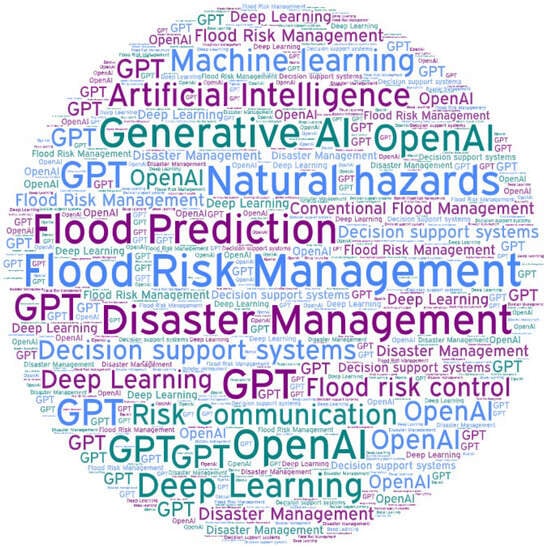
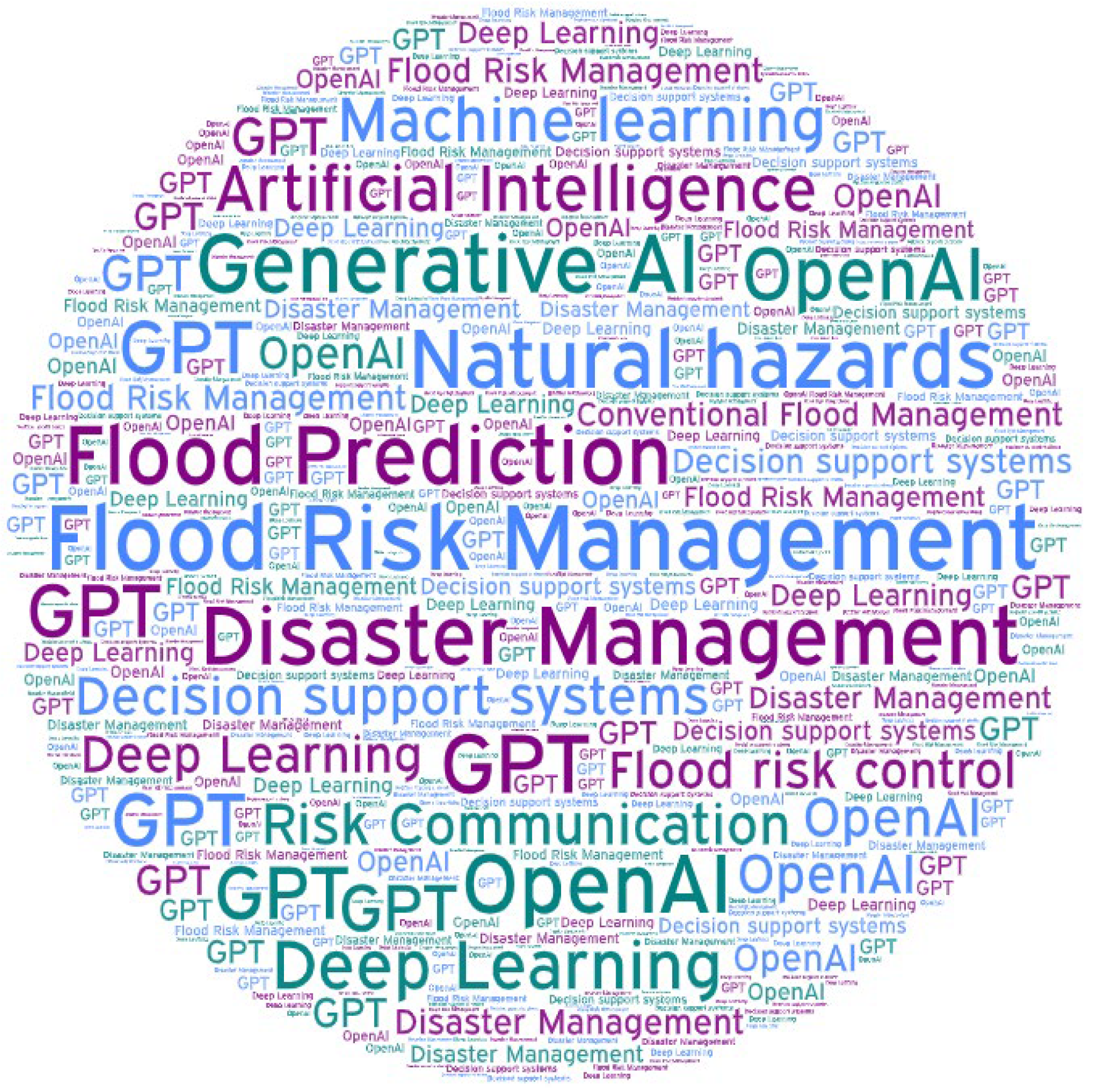
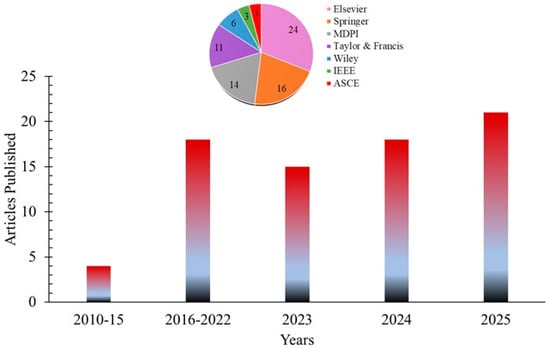
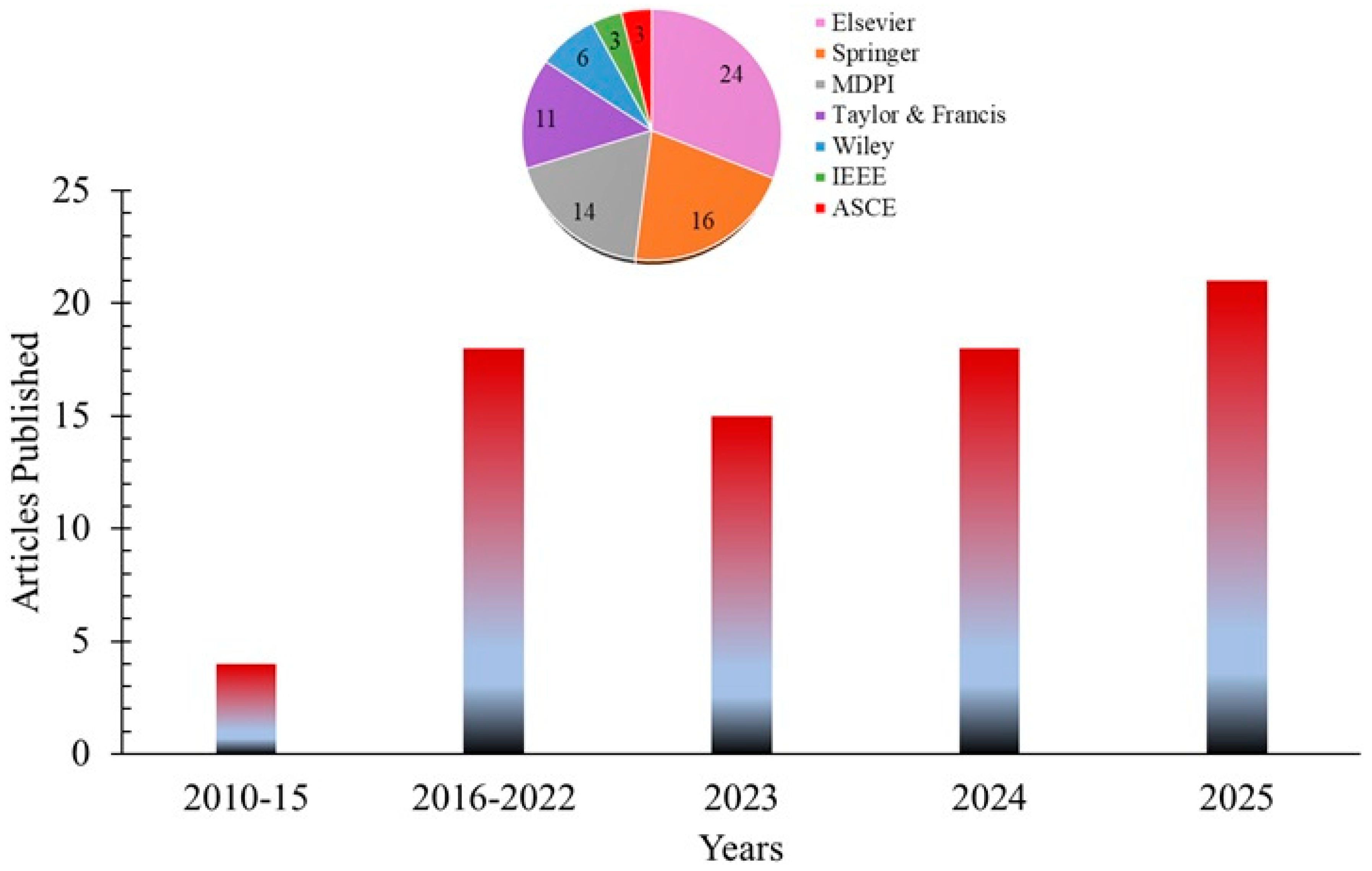
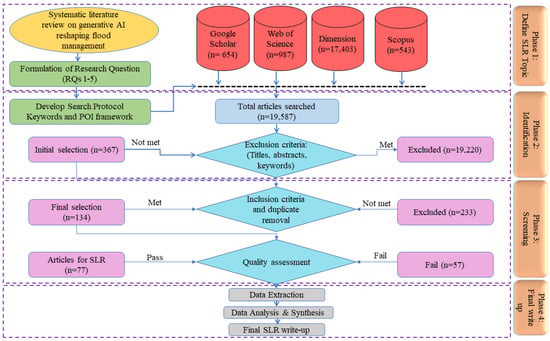
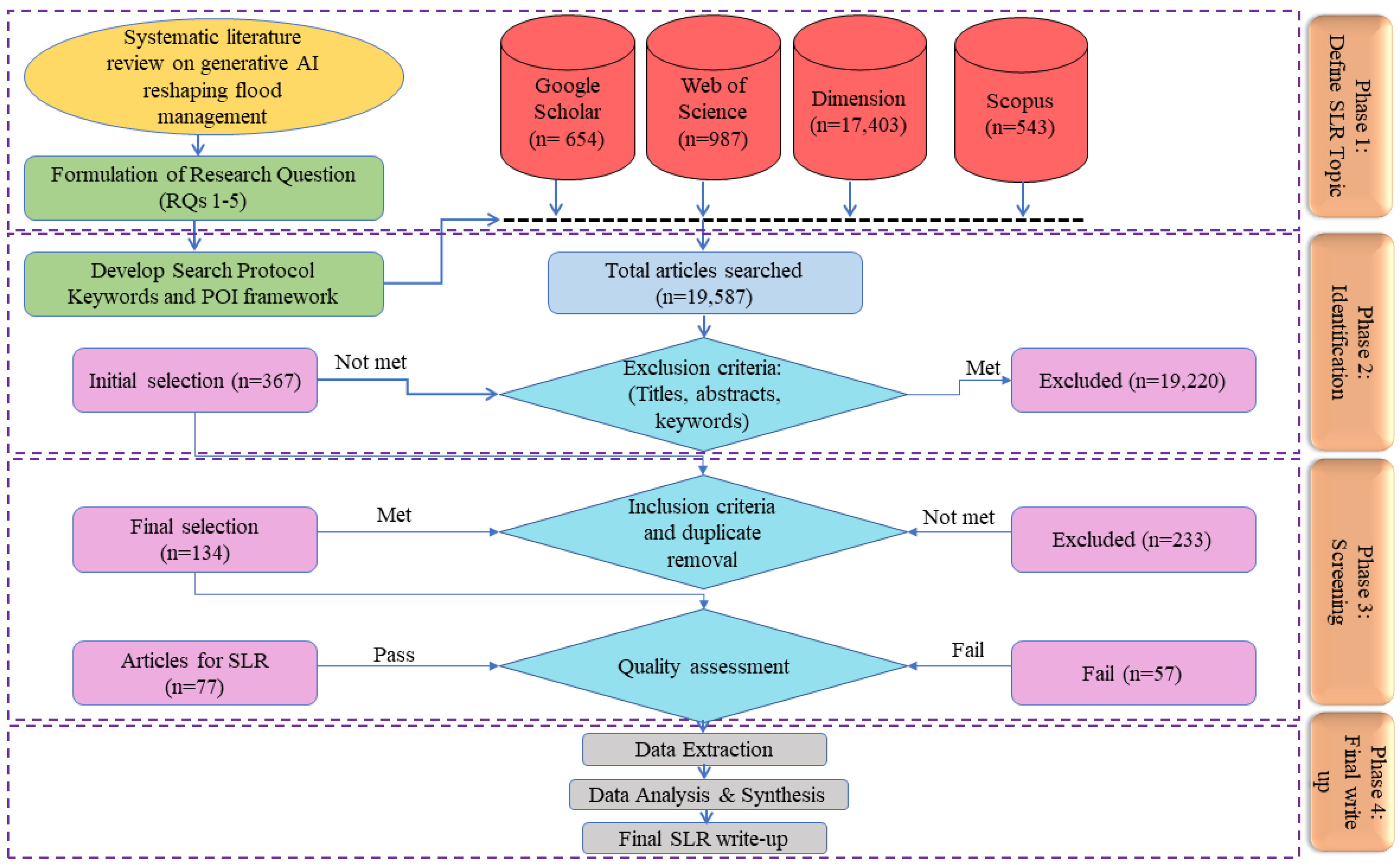
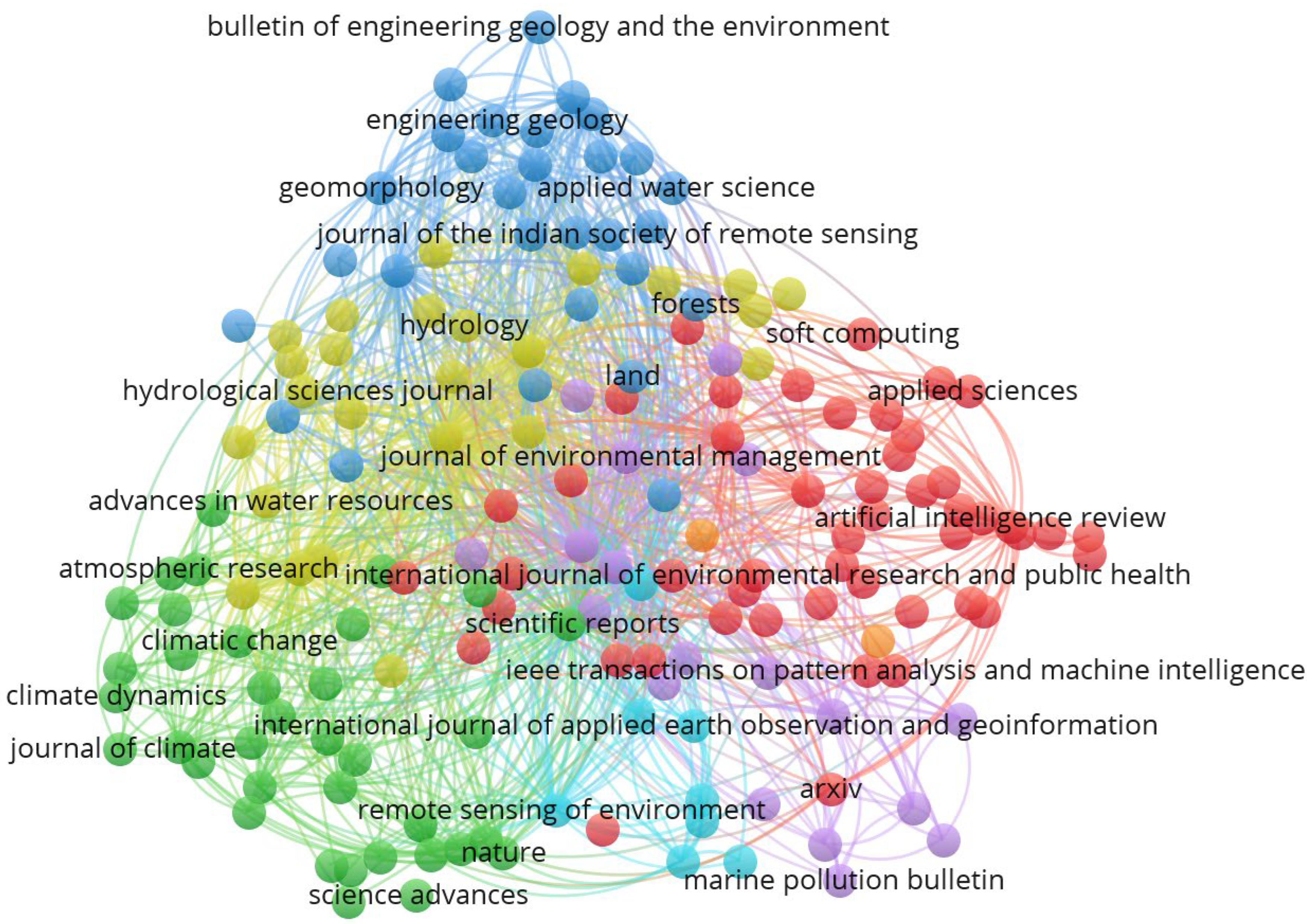
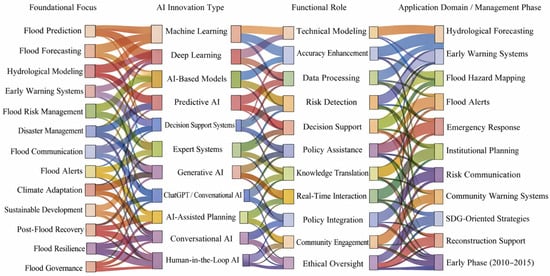
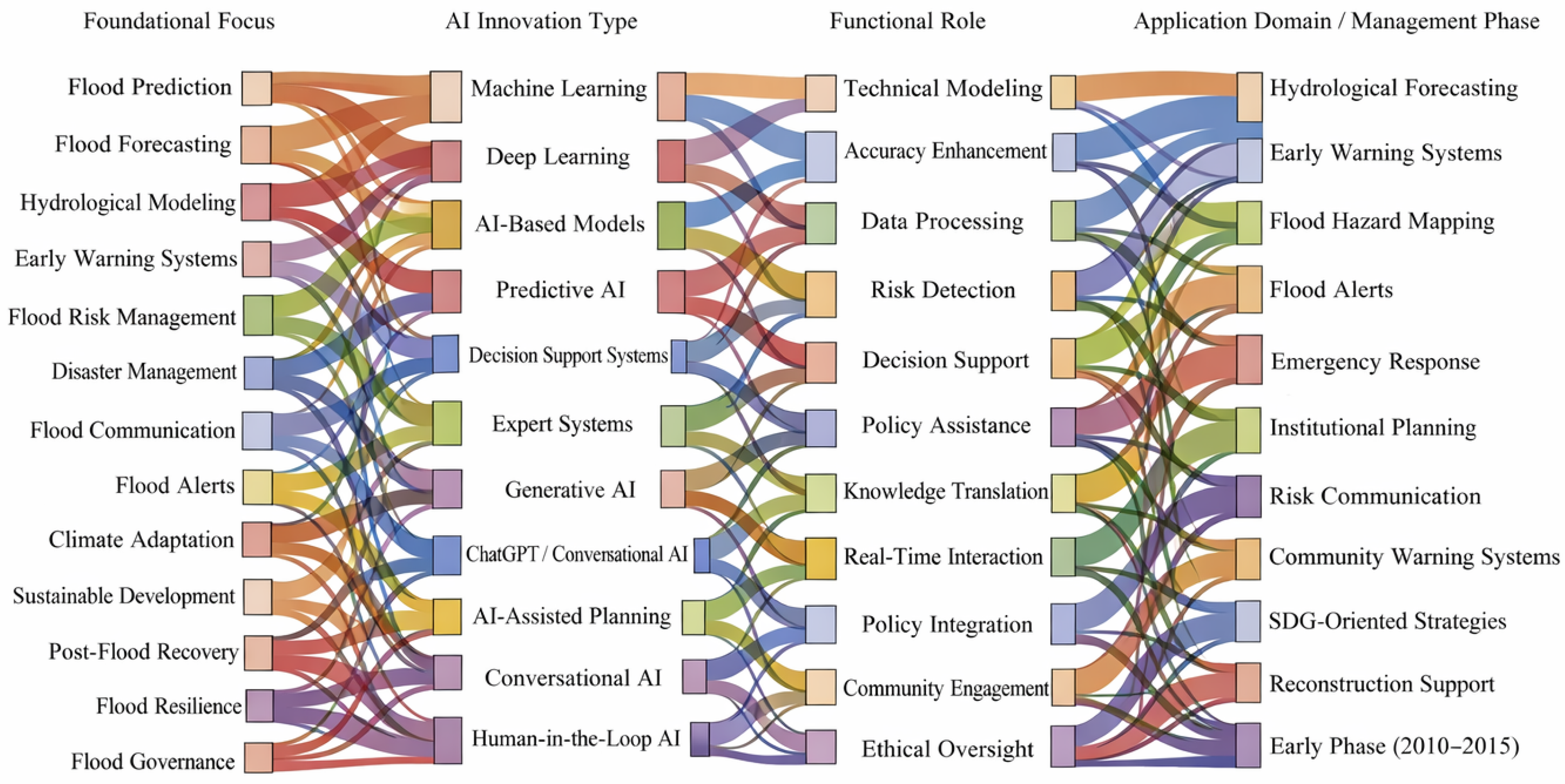
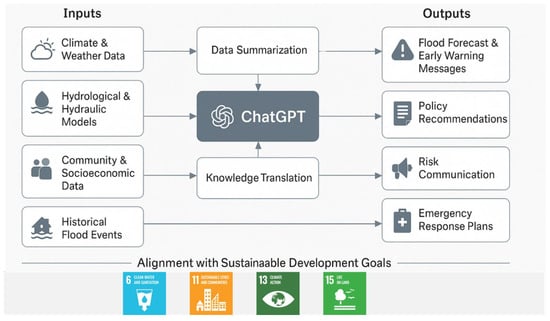
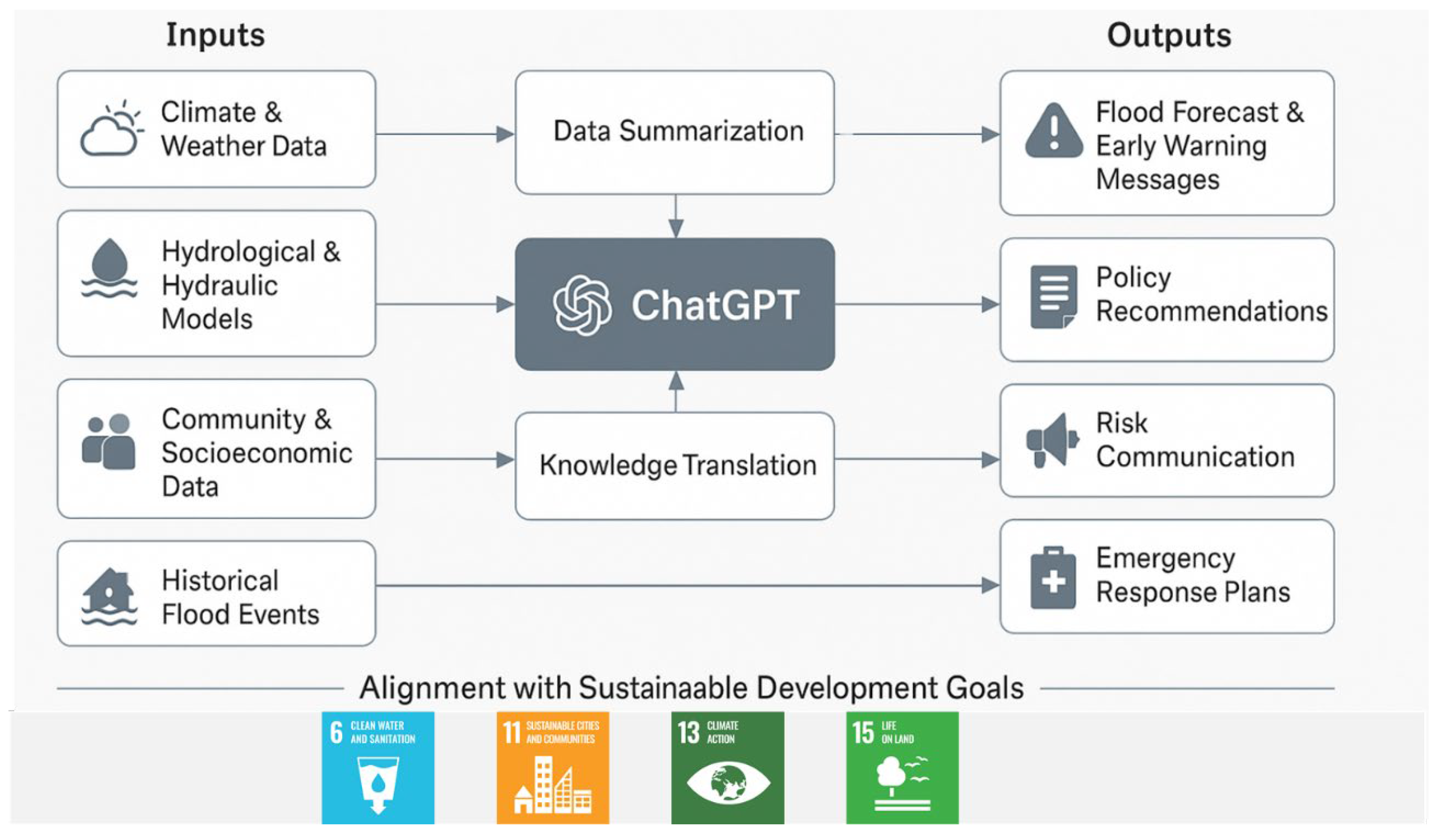
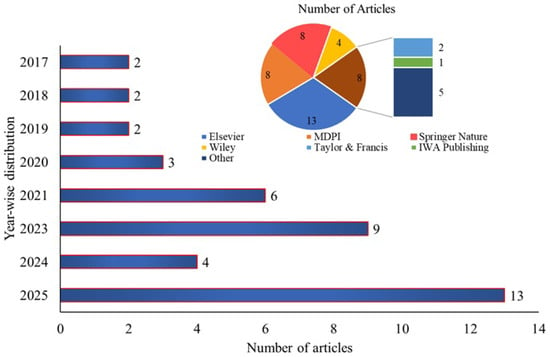
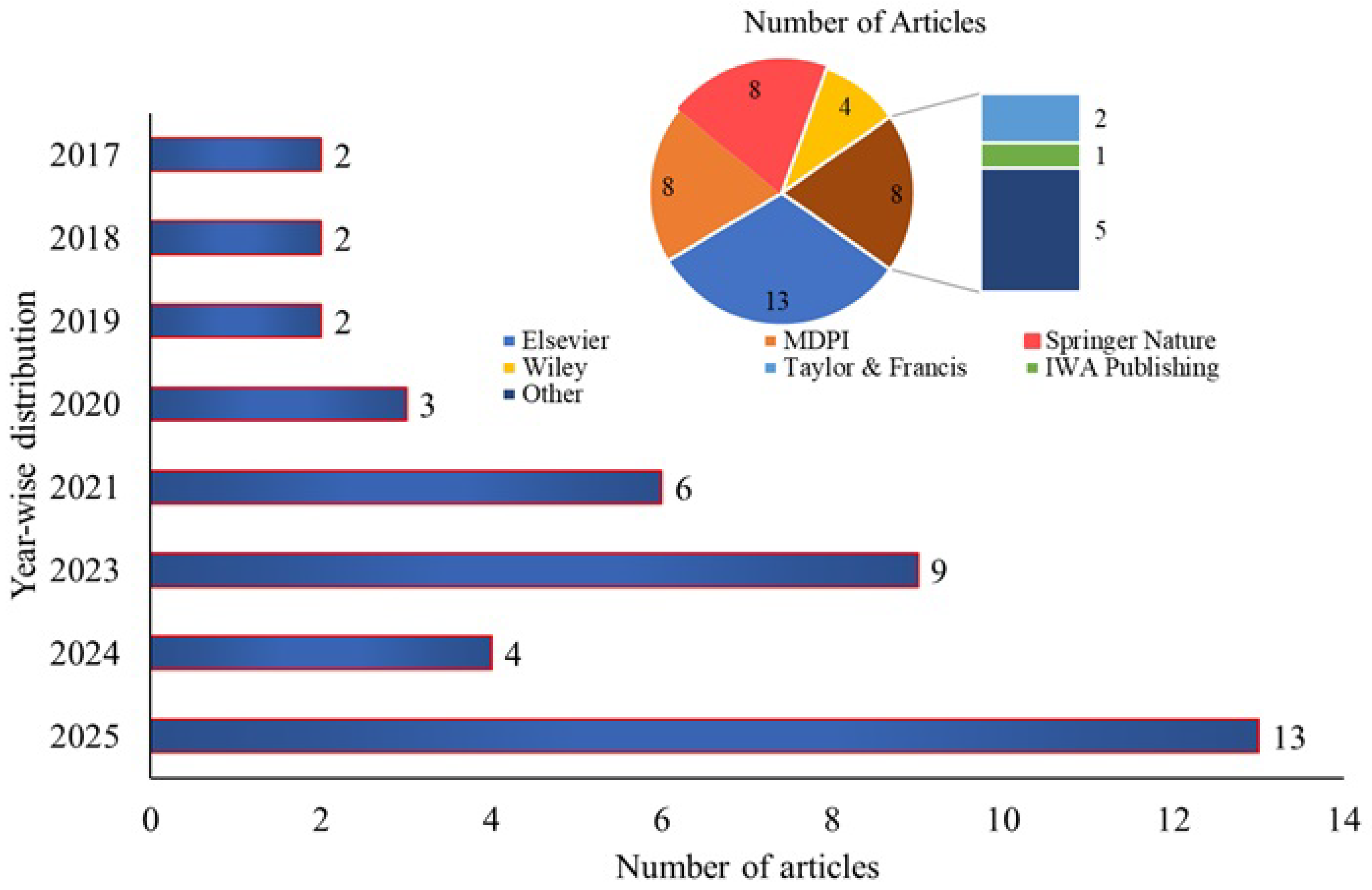

Disclaimer/Publisher’s Note: The statements, opinions and data contained in all publications are solely those of the individual author(s) and contributor(s) and not of MDPI and/or the editor(s). MDPI and/or the editor(s) disclaim responsibility for any injury to people or property resulting from any ideas, methods, instructions or products referred to in the content. |
© 2026 by the authors. Licensee MDPI, Basel, Switzerland. This article is an open access article distributed under the terms and conditions of the Creative Commons Attribution (CC BY) license.