


Abstract
Wine processing industries require a substantial amount of water and generate considerable volumes of wastewater. Winery wastewater (WWW) is notable for its high concentrations of biodegradable organic matter, while containing relatively low levels of nutrients. Due to seasonal variability in wastewater generation, treatment processes must be both efficient and adaptable. A range of wastewater treatment technologies are currently implemented at pilot and full scales, and ongoing research continues to yield innovative solutions in laboratory settings. This paper provides a comprehensive review of advancements in WWW treatment technologies, pinpoints gaps, and highlights future research directions. The treatment methods discussed include aerobic reactors, anaerobic systems, constructed wetlands (CWs) and biosand filters (BSFs), as well as advanced oxidation processes (AOPs). The advantages and limitations of these techniques, along with key factors affecting their performance, are examined. CWs are regarded as cost-effective and efficient solutions for small to medium wineries, whereas activated sludge and anaerobic digestion processes, which require a smaller footprint, are suitable for managing higher loads at large wineries. While anaerobic processes offer reduced operating costs, they often produce effluents of lower quality compared to aerobic processes, necessitating subsequent polishing prior to discharge. Advances in AOPs present promising alternatives for pre/post-treatment, facilitating the breakdown of persistent organics and achieving acceptable chemical oxygen demand (COD) levels. Nevertheless, further research is required to address operational optimization and reduce associated costs.
1. Introduction
Grapes are one of the world’s most abundant fruit crops, with approximately 77.8 million tons produced in 2018 [1]. In 2024, the total global vineyard surface area was estimated at 7.1 million hectares, and wine production at 225.8 million hectolitres (22.58 million cubic metres) [2], projected to increase by 3% in 2025 [3]. Wine production entails the generation of large amounts of organic waste and wastewater. For example, in Australia, wine grape crush in the 2022 harvest season was ~1.7 million tons, while around 5–10 million litres of wastewater were produced [4]. Winemaking typically involves four main activities: harvesting/sorting grapes, crushing and pressing, processing (fermentation and maturation), and bottling [5]. Depending on the winery, the wine being made, and management strategies, the winemaking processes/activities can vary. Some wineries may not have bottling or receival facilities [5]. Others may produce vinasses, acidic effluents with high organic content, from their distillation facilities [6]. Each step of winemaking produces different waste products [5]. Tank/floor cleaning and filtration equipment are major operations discharging a significantly large volume of wastewater with high organic load [7].
Wine production is considered both an art form and an industrial process; each winery is unique in its production process chain and kind of wine produced, and therefore, in the wastewater produced [8]. The wastewater generated from wine production can vary significantly from around 2 to 5 m3 per ton of grapes crushed [9,10] or between 1 and 4 m3 for each m3 of wine produced [11,12,13]. Another factor affecting winery wastewater (WWW) is the production period. In the winemaking process, there are usually two distinctive periods, namely the vintage and non-vintage periods. Vintage is the time of the year when grape harvesting and processing are carried out. This period generally occurs over 3–4 months [14,15]. It is, however, the period when the highest load of wastewater is generated [16]. A three-year diagnostic of wineries throughout Portugal found that up to 87% of wastewater was produced during the vintage period alone [17]. Following the vintage period, less critical activities in the winery continue: racking, filtering, bottling and cleaning. During this period, the wastewater generated is significantly lower in both volume and load, as compared to during the vintage period.
WWW shows characteristics of high organic loadings, especially a large amount of different recalcitrant compounds, which are slowly biodegradable [18]. Typically, it contains various types of organic compounds, including ethanol, sugars, glycerol, esters, organic acids (e.g., propionic, tartaric, and acetic), and polyphenolic compounds (e.g., tannins), and a diverse population of yeasts and bacteria [19]. Sugar is the main organic during the vintage season, while ethanol generally takes up to 80–90% of the total chemical oxygen demand (COD) of WWW [20]. Inorganic salts are also in wastewater. For example, sodium (Na+) and potassium (K+) are among them, many of which mainly come from cleaning or sanitation agents, or are derived from grapes and spillage of wine [21]. The average pH of winery effluent is usually between 4 and 5 [22], but varies widely from 3 to 11, resulting from both acidic grape juice and alkaline cleaners [16]. The average pH is generally lower during the vintage period than at other times of the year, due to the low pH of grape juice and wine (typically 3 to 4) [20]. The degradation of ethanol to acetic acid also contributes to the reduced pH [20].
Table 1 demonstrates the extensive range of WWW characteristics, as reported in the literature. Following a 12-month wastewater audit at four wineries in the Western Cape Province of South Africa, Welz et al. [21] summarized several findings on WWW. The composition of WWW varied largely by seasons and sites. During the crush season, high concentrations of organics were observed in WWW, while there were some inorganics, which were mainly derived from cleaning products. The quality of WWW was insufficient for irrigation according to legislative requirements and may cause environmental degradation if directly applied. This particularly complex wastewater stream entails unique challenges for treatment and management approaches. This review aims to present the recent research and achievements of various WWW treatments from lab-scale to full-scale levels, critically discuss technical limitations and offer solutions, as well as briefly highlight the energy costs and economic benefits. The review begins with water and waste minimization opportunities in the industry and an overview of available treatment systems. The methodology of the review of the literature is then explained to demonstrate its coverage. This is followed by advances in the various technologies employed and possible water recovery/reuse. Lastly, future research directions and perspectives on WWW treatment and management are presented.
Table 1.
Characteristics of WWW gathered by previous review papers.
2. Water/Waste Minimization Before Treatment
Significant progress in WWW treatment processes for improved removal efficiency has been seen in the literature. Nevertheless, it should be noted first that there is a strong correlation between specific winemaking practices and the characteristics of the resulting wastewater [8,28]. Before upgrading wastewater treatment design and efficiency, it is essential to consider minimizing the volume and load of wastewater produced from winemaking practices. The literature suggests that, based on existing practices, a significant proportion, up to 80%, of total water intake at a winery became wastewater [22,32,33]. It is strongly recommended to start management from the source by segregating waste and water of different qualities [5].
Evidence reveals that many wineries utilize inefficient practices resulting in excessive water consumption and chemical use, which negatively affect wastewater quality and quantity [34,35]. Conradie et al. [8] recommended a water and chemical audit as the first step to identify the use of water and chemicals. Understanding sources of different components that make up wastewater allows consideration of ways to reduce water and chemical usage, decrease treatment workload, and increase operation efficiency, as well as to reduce financial stress on the winery. Musee et al. [36] utilized the qualitative waste minimization methodology to identify 90 waste minimization strategies within the wine industry. Approximately 48% of them were related to the process execution and operating practices, followed by 30% for technological modification, 14% for waste/product recovery and reuse/recycling, and 8% for input substitution [36]. It suggests that some simple changes, e.g., process operation or waste handling, were able to reduce the amount of chemicals used and waste output. Chemicals used for cleaning and sanitation during winemaking processes also enter wastewater. The volume and chemical composition of these chemicals significantly determine the quality and quantity of wastewater and the treatment processes before the water can be safely disposed of or recycled [37]. Significant research interest is currently focusing on product recovery in the wine industry, attributed to the benefits of the recovered products. This is also a crucial means to reduce pollutants, especially difficult-to-degrade compounds, entering the wastewater treatment system.
3. Overview of WWW Treatment Systems
Over the years, various wastewater treatment processes have been investigated and implemented at full scale [9,13,19,24,26,29,38,39]. Typical treatments for WWW include conventional physicochemical processes, biological (aerobic and anaerobic) processes, constructed wetlands (CWs), and advanced oxidation processes (AOPs), as shown in Table 2. The performances of treatments are often evaluated on the removal efficiencies of target pollutants, such as chemical oxygen demand (COD), biological oxygen demand (BOD), total organic carbon (TOC), turbidity, total nitrogen (TN), total phosphorus (TP), etc. The selection of a suitable treatment requires a comprehensive and case-by-case evaluation of various economic, environmental, and technical factors, including influent characteristics, regulatory standards, land availability, energy consumption, retention time, flow rate, and removal percentage %.
Table 2.
Overview of technologies used for WWW treatment, including advantages and limitations.
WWW is known for its high-strength organic load [28]. Conventional physicochemical treatment methods have long been used for WWW treatment, primarily as pre-treatment to reduce turbidity and some organic matters before biological treatment [19,40]. They are also used to reduce solids, some organics or metals after other treatment processes, e.g., biological treatment [19]. Luz et al. [41] utilized lime precipitation in a laboratory test to achieve ~78% BOD and 99% turbidity removal. The produced precipitate was rich in nutrients, organics, and calcium for potential agricultural use [41]. Coagulation and flocculation are other physicochemical treatment processes, which were recently reported to be improved in a hybrid shear-enhanced flotation separation (SEFS) method, by using high-shear mixers to alter particle size and surface colloid charges [22,42]. A more than 99% reduction in turbidity and TSS was recorded when using SEFS, while a ~96% decrease in turbidity and TSS was seen with conventional Dissolved Air Flotation (DAF). The amount of chemicals (coagulant and flocculant) required for use in SEFS was reduced by ~35%, relative to DAF. However, higher energy consumption (SEF: 1.1 kWh·m−3·m−1, DAF: 0.6 kWh·m−3·m−1) and cost (SEFS: US$0.063; DAF: US$0.055) were noted. Furthermore, around 35% COD remained in the effluent product, indicating that soluble COD could not be removed by using SEFS [42], and therefore, would need to be further reduced by an additional treatment process.
For organic matter that is soluble and readily biodegradable, biological processes are well-suited for use. It should be noted that the processes that rely on microbial biodegradation can be negatively impacted by seasonal changes in waste streams [11]. Biological processes can be categorized into aerobic and anaerobic. Aerobic processes typically achieve high COD and BOD removal efficiency, as well as produce high-quality effluent. In Europe, where 50% of the world’s wine is produced, the small wineries usually discharge their wastewater into sewers, which is then co-treated with municipal wastewater in centralized wastewater treatment plants. Several papers have also identified co-treatment with municipal wastewater as a common practice [15,26,30,31,43,44,45,46]. Large wineries employ activated sludge processes before effluent discharge to sewers [47]. On the other hand, anaerobic processes are generally more advantageous than conventional aerobic systems, due to their lower energy requirements, reduced sludge production, and generation of renewable biogas. The composition of digestate shows potential for use as a fertilizer in agricultural applications [48]. However, one of the common limitations in anaerobic treatment is its insufficient final effluent quality to meet regulatory standards, thus requiring further post-treatment.
Constructed wetlands (CWs) are natural bioreactors removing pollutants by integrating chemical (e.g., precipitation), physical (e.g., settling and filtration), and biological processes (e.g., uptake by plants and microbial activity) [49]. When land is available, CWs are among the cost-effective and environmentally friendly treatment systems, especially to treat organic-rich waste streams [49], due to low installation costs and use of natural processes with minimal energy requirements [50,51]. CWs have been reported to assimilate large volumes, with variable flow and high loading, as well as neutralize low pH [13]. Due to their low maintenance and operating costs, CWs are currently being used by small to medium-sized wineries around the world for their wastewater treatment [13,49]. However, CWs face some limitations, such as the requirement of a large land area, susceptibility to climate, clogging issues, and slow treatment kinetics, thus requiring careful design and sometimes pre-treatment [52].
Advanced oxidation processes (AOPs) have gained increasing research interest in recent years, due to their capability for complete mineralization of organic and toxic pollutants. Historically, many of the studies on oxidation treatment of WWW have concerned ozonation and Fenton-based reactions [23,26]. Ozonation is a powerful treatment method, the efficiency of which can be significantly improved by combining with UV and/or H2O2 [53,54]. High selectivity and effective degradation of aromatic and polyphenol compounds in WWW were reported [23,54,55]. The high selectivity of ozonation towards polyphenols is beneficial for it as a pre-treatment to eliminate toxicity before biological treatment or as a post-treatment to eliminate recalcitrant compounds to meet high wastewater discharge standards [54]. However, ozonation has limited mass transfer of ozone, and its short lifetime results in high energy consumption [56]. The combination of coagulation–flocculation–decantation (CFD) and ozonation enhanced TOC removal and biodegradability of treated effluent [57]. Treatment with hydrogen peroxide, which is environmentally friendly with high oxidation potential over a wide pH range, has emerged as a viable alternative, although it is less reactive [58]. Its efficiency has been boosted by coupling with the presence of light, catalysts, iron, etc. Electrochemical AOPs are known for their efficiency and versatility, especially when treating complex industrial wastewater [59]. They can generate oxidants in situ, reduce the need for chemicals and degrade organics rapidly [60]. Sulphate radical-based AOPs (SR-AOPs) are emerging technologies [15]. Sulfate radicals with high selectivity were proven to induce more complete mineralization of organic pollutants or their transformation into less complex structures, which are then more easily biodegraded. Photocatalytic degradation with catalysts (e.g., TiO2 or ZnO) was investigated to treat WWW [61,62]. So far, AOPs have been investigated as standalone treatments for WWW treatment, but are more often used as pre-treatment to improve the biodegradability of wastewater or as post-treatment to enhance effluent quality.
Beyond those in the above discussion, there have been some other promising methods explored and developed as alternative treatments, which are not limited to only organic removal but also include energy production [63,64,65,66,67,68]. It should also be noted that WWW has been recognized as rich in nutrients for growing edible microalgae (Chlorella vulgaris and Arthrospira platensis) and, in turn, for producing protein products with a high value [69].
4. Methodology for Information Sources, Bibliometric Mapping and Analysis
In this review, Web of Science was selected as the source for collecting the literature, as it provides coverage of high-impact journals, books and conference proceedings for indexed publication and citation analysis, and later application of bibliometric techniques. Our literature search was limited to papers published between 2010 and 2025, related to the keywords of “wine”, “winery”, “effluent”, “wastewater” and “treat”.
A database of papers published in the last 15 years, including author, publication year, title, abstract and keywords, was downloaded from Web of Science and then analysed using VOSviewer (1.6.20, Netherlands) for bibliometric mapping. In the VOSviwer analysis, the minimum number of occurrences of a keyword was set as 5; thus, 81 keywords met the threshold. Figure 1a shows the visualization network map of co-occurrence and authors’ keywords. The analysis shows keywords related to “anaerobic digestion”, often correlating to “biogas” or “methane” generation and “sludge” treatment, and covering “UASB”. Other keywords which have attracted research attention include “advanced oxidation process”, “constructed wetlands”, “biological treatment” and “Fenton”. These keywords guided us to organize our review in a structure based on treatment processes, namely biological processes, AOPs, CWs and BSFs. It should be noted that in our literature search, it is often seen that different groups of technologies were integrated and combined to achieve the purpose of disposal or reuse, which are also discussed in the following sections of our review. In addition, some keywords, such as “irrigation”, “recycled water”, “growth”, “reuse”, and “soil” highlighted the research into water reuse and recycling. On the other hand, the keywords “potassium”, “pH”, “nitrogen”, “nutrient”, “toxicity”, and “COD removal” indicated the concern on the contaminant removal from WWW treatment and the impact of pollutants on recycling and reuse in irrigation. Figure 1b shows the co-operative network analysis of countries, highlighting research activities from Spain and Portugal, followed by the UK, Australia and Italy.
Figure 1.
(a) Visualization network map of co-occurrence and author keywords; (b) co-operative network analysis of countries for the publications in the recent 15 years (Data obtained from the Web of Science on 16 January 2026).
Within those papers published in the last 15 years, there are around 30 review papers reporting advances in WWW, of which a significant number were from the last 7 years (Figure 2). Many recent review articles focused on one or two categories of treatment processes [9,13,23,30,46,70,71,72,73,74,75]. On the other hand, some reviews attempted to provide an overview of various established and novel processes [19,24,26,28,29,31,37,40], but some have limited focus, e.g., on small wineries or regions. There has been limited updated in-depth and comprehensive review on WWW treatment and management in recent years. This paper aims to address that by including established and emerging WWW treatment technologies, which have been reported in the literature in the last 15 years. During our literature search, we noticed significant progress in design modification and performance improvement in biological processes, AOPs, CWs and BSFs, based on which this review paper was structured. Moreover, our discussion encompasses hybrid systems, which are created by integrating different treatment techniques to combine their strengths. Removal performances, such as the removal of COD, BOD, SS and colour, are emphasized; meanwhile, essential information, e.g., operational cost, scale suitability, and resource recycling and reuse, was covered. After coverage of the current advancements in WWW treatment, especially by highlighting the recent progress in design modification and treatment efficiency, challenges, opportunities, and future research directions are discussed.
Figure 2.
(a) Number of review publications and (b) times cited over time based on WWW treatment; data shown in (year, number) (source from Web of Science on 16 January 2026).
5. Advances in Biological Processes
It is widely known that microorganisms, like all living creatures, require a specific ratio of carbon, nitrogen and phosphorus sources for their growth [76]. It is generally accepted that during aerobic wastewater treatment, the C:N:P ratio should range from 100:10:1 to 100:5:1, while during anaerobic processes, the C:N:P ratio is recommended to be around 250:5:1 [76,77]. An imbalance of carbon, nitrogen and phosphorus in wastewater might lower the degradation efficiency of microorganisms; thus, they are essential parameters to be maintained at an appropriate ratio for system stability and performance optimization. Winery effluent has a C:N:P ratio well below the optimum level (Table 1). WWW is commonly low in essential nutrients; thus, supplementary dosing of nutrients is crucial for biological treatment [76]. Some studies have also found that there was a deficiency of trace elements in WWW and that the process performance could be improved by metal augmentation [78,79].
Another problem associated with biological treatment of WWW is the presence of high-molecular-weight recalcitrant compounds (e.g., tannins, lignins, and polyphenols) [13]. Despite their low levels, it is difficult for conventional biological treatment processes to degrade these substances [80]. At elevated levels, polyphenols are toxic to microorganisms and plants. Treatment processes reliant on microbial/plant activity can be adversely affected. An investigation by Hussain et al. [81] found that the acclimatization activity of activated sludge significantly decreased at phenol concentrations of >2000 mg·L−1. Li et al. [80] mentioned that the phenolic compounds in WWW reduced the COD removal. Polyphenols might also have phytotoxicity to plants, affecting the performance of CWs [82].
For all the reasons mentioned above, this particularly complex wastewater requires efficient and flexible treatment processes. Various biological treatment processes have been extensively studied (Table 3). An aerated lagoon or pond is the most traditional and common biological treatment system, which is mainly operated at small wineries [83]. In addition, sequencing batch reactors (SBRs) and conventional activated-sludge (CAS) processes have been investigated [83].
Table 3.
Progress in biological treatment for WWW treatment.
5.1. Aerobic Biological Treatment Processes
To fulfil the needs for bacterial growth in the activated-sludge process, the common practice has been to set the N-level to marginal availability (100:5:1). Bakos et al. [76] found that the conventional practice of dosing a nitrogen source to provide only marginal nutrient availability for nutrient-deficient winery influents in the activated-sludge process appeared to result in underdosing, due to the higher than usual bacterial growth yield (0.7 g biomass COD·g−1 substrate COD). As a result, sludge bulks caused severe problems in biomass separability. Re-evaluating appropriate N dosing may reduce the poor sludge settling. These authors recommended N-overdosing and pre-denitrification or using the excess biological carbon removal (EBCR) process [76,90]. EBCR is an anaerobic–aerobic activated-sludge process whereby glycogen-accumulating organisms (GAOs) are encouraged to grow and take up excess carbon in the wastewater. A full-scale EBCR treating WWW in Hungary with additional laboratory batch tests and micro-biological analysis revealed high COD removal and good sludge settling, without introducing extra nutrients to the influent, which was N- and P-deficient [90].
One of the main problems associated with aerobic treatment processes is the adaptation of microorganisms to the seasonal variability of winery effluents. During the vintage, due to the high organic load and wastewater volume, it is necessary to extend the hydraulic retention time to achieve the treatment target [97]. The high organic load also induces overgrowth of biomass, thus increasing the air need and creating a sludge problem (e.g., accumulation and disposal) [17]. Aerobic granulation in a laboratory sequencing batch reactor (SBR), which was reported by Basset et al. [84], was demonstrated to achieve high COD removal, sludge settleability, and biomass retention. It also exhibited a good capability to deal with seasonal fluctuations and high organic loads [84]. However, energy demand increased along with rising COD, resulting in higher operational costs and increased greenhouse gas emissions.
A recent report investigated a pilot WWW treatment system in Australia by using pre-treatment removing SS and then a two-step aerobic biological treatment (Figure 3) [98]. The bio-treatment phase adopted a bioaugmented bioreactor with Pseudomonas putida F1 encapsulated, which could enhance degradation of recalcitrant pollutants. After the first reactor, the subsequent reactor was run as an SBR to eliminate residual solids and organics. This method offered a novel solution to operate at a short HRT (4 days), achieve high organic elimination (up to 96% of BOD and 91% of COD), and run as a stable process when treating WWW. The effluent quality met the regulations required to discharge it into a municipal wastewater treatment plant or use it for irrigation [98]. This method was recommended for those wineries that are isolated or located far from local centralized-treatment systems. Limitations in the high cost of investment and operation, as well as the requirement of experts and professionals, were highlighted.
Figure 3.
Diagram of treatment process by using pre-treatment for solid removal and then a two-step aerobic biological treatment (modified based on [98]).
Membrane bioreactors (MBRs) have been widely used for WWW, due to several advantages. As hybrid systems, they integrate aerobic or anaerobic processes with low-pressure membrane separation (e.g., microfiltration). The models are configured as side-stream MBR, internal submerged MBR and external submerged MBR [99]. They are compact systems requiring smaller areas and have more flexibility with organic loading [85]. The use of aerobic MBRs can produce low SS in effluent and reduce sludge production [85]. After 6-month continuous operation of a pilot-scale MBR and a full-scale CAS, Valderrama et al. [85] summarized that the MBR system could operate with a higher content of mixed liquor suspended solids than CAS. As a result, higher organic matter removal was seen in MBR than in CAS when the HRT was maintained the same. Almost complete removal of biodegradable COD and TSS was achieved; thus, MBR produced effluent with a suitable quality for agricultural, recreational and urban use in Spain [85]. Additional polishing stages might be added after MBR to remove excessive amounts of soluble salts (e.g., Na+ and Cl−) before reuse. The MBR plant was also demonstrated with good stability and flexibility for operation. Similar performance was obtained by a full-scale MBR treating 110 m3·d−1 of wastewater with varying organic loading (~200–1600 kgCOD·d−1) [47]. On average, 95% COD removal was observed, with 0.1 kg mixed liquor volatile suspended solids·kg−1CODremoved. The specific energy required was in the range of ~2–4 kWh·m−3 of wastewater treated or 1 kWh·kg−1CODremoved [47]. To optimize MBR performance, different studies have reported the incorporation of various materials in the typical membranes and, in turn, improved membrane properties. Sonawane et al. [86] utilized PEG-600 to modify PVDF membrane for use in a pilot MBR system, resulting in enhanced membrane hydrophilicity, mechanical strength, and membrane flux with high removal efficiency (e.g., ~95% for COD, ~96% for BOD5, ~94% for TKN and ~95% for TP). Future work is expected to continuously focus on this area of research, targeting MBR treatment of wastewater from wineries. It offers great potential to enhance the viability of MBR systems at industrial-scale treatment by addressing problems, including membrane fouling and cost. Operation parameters and energy consumption need to be optimized to achieve high pollutant removal at moderate cost.
Immobilized biological reactors (IBRs) retain biomass on the media, thus minimizing sludge bulking or/and settling. The application of IBR to WWW (2958 mgCOD·L−1) by Souza et al. [87] achieved 95% COD removal, comparable to 97% COD removal obtained by Moreira et al. [88] when treating highly loaded WWW (12,000 mgCOD·L−1). Later, a high-rate pilot-scale system, consisting of two IBRs in series, treating wastewater from a local winery for over 3 years, was reported by de Beer [89]. The system showed effectiveness and robustness in treating wastewater with varying influent strengths, along with minimal sludge production, and 93% COD and 90% SS removals were observed. This system could achieve optimal performance during the treatment of highly concentrated wastewater in the vintage season. The microbial analysis revealed different roles of the two IBRs, with the bacteria responsible for removing sugars, carbohydrates, and alcohols being more abundant in the first IBR, while nitrifying and denitrifying bacteria were more abundant in the second IBR [100].
Aerobic treatment systems are commonly used in wastewater treatment because of their high efficacy and ease of use. Some success for their pilot- or full-scale WWW treatment has been seen in the scientific literature, as discussed above. The reduction in energy, which is required in aerobic treatment, especially in aeration, is essential. Closed-loop aeration was suggested for use, resulting in reduced operational cost, as compared with open-loop [99,101], which could be further examined in the WWW treatment. It should also be noted that biological treatment has limited capability to degrade some refractory compounds, i.e., polyphenols, in WWW [29]. The presence of a large amount of these compounds could lead to reduced process efficiency, extended residence time and/or increased aeration demand.
5.2. Anaerobic Biological Treatment Processes
Through a Mexican-based case study, two-stage anaerobic processes were demonstrated with better operation stability and less chemical use, when compared with the single-stage process. They were thus recommended for treating WWW, especially concentrated effluent at a high organic load (12.1 kgCOD·m−3·d−1) [102].
Some strategies have been explored to improve anaerobic processes, including optimization of operation, adjustment of pre-treatment, and introduction of additives [103]. For example, Ma et al. [104] combined WWW with sewage sludge in anaerobic co-digestion, which was demonstrated to enhance the stability of microbial communities, thus being more economical for effective waste management and energy recovery. Rice WWW was co-digested with molasses in an anaerobic digester for a more stable process in comparison to mono-digestion of molasses [105]. Several studies attempted to incorporate booster materials, e.g., activated carbon, graphene, biochar, and iron oxide [106,107,108], which improve adsorption of pollutants, immobilization of microorganisms, formation of biofilm, etc. [109]. For instance, magnetite and graphene oxide-doped organic xerogel as booster materials were added during anaerobic treatment of WWW [109]. A 25% increase in methane generation and 18% increase in organic removal were observed, as compared with the control. Fly ash (FA) addition in WWW for anaerobic digestion resulted in a 75% and 42% increase in methane production and organic removal [110]. The Fe in FA was bioavailable to microorganisms [111]. Therefore, introducing FA with optimized concentrations could promote methane generation [112]. However, one of the common limitations in anaerobic treatment is its insufficient final effluent quality to meet regulatory standards, thus requiring further post-treatment.
Research on WWW treatment via anaerobic processes has focused on the systems that retain high biomass, including fixed-bed/moving bed, up-flow anaerobic sludge blankets (UASBs) [30], and membrane-assisted reactors. These systems are conventionally used to treat wastewater streams with high soluble COD and are therefore well suited for WWW, in which soluble COD can account for as much as ~95% of total COD [78].
Anaerobic fixed-bed reactors or anaerobic filters have been reported to be more stable than conventional continuous stirred-tank reactors (CSTRs), with regard to high organic loadings, shock loadings, pH changes and temperature variations [91]. Ganesh et al. [91] reported 80% removal when using a lab up-flow anaerobic fixed-bed system to treat synthetic wastewater (total COD 18,000–21,000 mg·L−1) with a maximum organic loading rate (OLR) of 42 g·L−1·d−1. Similar results were obtained by Yang et al. [92]. Average removals of COD and SS were reported as approximately 72% and 75% at an OLR of 9.02 kgCOD·m−3·d−1 (COD ~18,000 mg·L−1), respectively [92]. In anaerobic moving-bed reactors (MBBR) with a maximum OLR of ~30 gCOD·L−1·d−1, >80% soluble COD was removed (HRT = 1.55 days) [78]. All these studies confirmed that the process efficiency of biofilm-based reactors correlated directly to the supporting media, especially their surface area. Careful selection of the media is essential for the optimization of process performance.
Ngwenya et al. [30] suggested that rapid quality analysis of WWW contents, e.g., polyphenolic and organic acids, was a necessary aid in controlling UASB operation. Upon the review of optimal biogas production and COD removal, UASB reactors were generally operated under mesophilic temperatures and required a stable sludge bed pH at around neutral. The optimal treatment of heavily organic-loaded wastewater (OLR > 11.0 kgCOD·m3·d−1) required HRT of >25 h, resulting in a biogas yield of 5.3 Lbiogas L−1·d−1 and COD removal of >80%. Improper control or insufficient optimization of anaerobic treatment could lower COD removal from the effluent. Some contaminants, such as inorganic salts and heavy metals, may also remain in the treated effluent after anaerobic treatment. Therefore, post-treatment, e.g., membrane separation, activated sludge, AOPs, or CWs, might be incorporated to polish the effluent product, in order to meet local water discharge or reuse standards [30].
Membrane-based anaerobic digestion, namely anaerobic MBR (AnMBR), has been successfully utilized for treating high-strength wastewater by retaining high biomass, reducing energy consumption, reducing footprint and accomplishing legal requirements [94]. Basset et al. [84] used a laboratory CSTR/AnMBR to treat 1.5 kgCOD·m−3·d−1 wastewater by removing 97% COD and generating up to 0.35 LCH4·L−1·d−1. The final effluent had no SS and <100 mgCOD·L−1. They also suggested the viability of this AnMBR applied in WWW treatment if COD was over 3.4 g−1·L, when energy recovered from biogas was sufficient to cover operation requirements. The same group’s subsequent study, investigating the AnMBR under variable feed, found that significant influent COD variation could cause process instability. To maintain good stability in operation, alkalinity was retained at an intermediate alkalinity/total alkalinity (IA/TA) ratio of <0.4 [95]. In this study, the maximum OLR observed was 3.4 kgCOD·m−3·d−1 and the biogas generation averaged at 0.50 m3biogas·m−3digester·d−1 (~87% of methane). It should be noted that the crossflow velocity was necessary to eliminate the cake that was attached to the membrane when in high-strength-flow wastewater. The energy analysis on AnMBR concluded that the side-stream configuration was a feasible option in the vintage season. The impact of temperature on AnMBRs was explored by Basset et al. by flowing wastewater with low organic load (1500 mgCOD·L−1) through two designs, UASB/AnMBR and CSTR/AnMBR [93]. Low operation temperature (15 °C vs. 25 °C) resulted in slightly reduced COD removal, lower biogas production and methane dissolution in the permeate. However, in terms of optimizing process efficiency, heating, which is required during the winter in some regions, could trigger extra costs. Higher removal rates and biogas production were recorded for UASB/AnMBR, along with no SS and 92% COD removal in the effluent, ascribed to the greater amount of biomass retained in the reactor [93].
Petta et al. [96] designed a pilot-scale multistage treatment process. This consisted of a UASB, followed by an anoxic–aerobic MBR, and two other post-treatment options (lime precipitation and granular activated carbon GAC adsorption) [96]. The optimal OLR for UASB operation was 4.5 kgCOD·m−3·d−1, achieving 97.2% and 75.0% removal of COD and total phenols, respectively. The anoxic–aerobic MBR unit, operated at an OLR of 0.185 kgCOD·kg−1VSS·d−1, further removed 48% and 65% of COD and total phenols, respectively. Chemical precipitation in the presence of lime was effective for residual COD removal, while GAC adsorption was effective for colour removal. Their addition as post-treatment would well address the ineffectiveness of UASB and anoxic–aerobic MBR in removing phosphate and colour. However, the use of chemical precipitation and GAC would increase the complexity of treatment, including reagent use and waste management. It may also induce additional cost, thus making the transferability of this design into other pilot- or full-scale plants challenging. The authors also highlighted the increased OLR to the system caused process instability and reduced biogas production.
Overall, anaerobic treatment is attracting interest, due to effective degradation of organics and biogas production. Recent advances have emphasized the development and improvement of hybrid/integrated system designs (e.g., AnMBRs), which would continue to be the focus. It is important to transition from small-scale (e.g., laboratory) operation to stable and economically viable full-scale operation. To achieve that, optimization is needed, including managing feedstock viability, enhancing operation monitoring, and selecting efficient and low-energy pre/post-treatment.
6. Advances in Advanced Oxidation Processes (AOPs)
WWW contains a variety of resistant organic compounds. Although they typically make up ~1–3% of total COD, traditional biological treatment struggles to remove them, due to their complex nature and persistence [80]. The quality of final effluent is usually affected by their presence [113]. With increasingly stringent treatment standards around the world, it is no surprise that many of the recent publications on WWW treatment involve AOPs either as a standalone treatment or pre/post-treatment process.
AOPs involve chemical oxidation processes, which have been widely studied for WWW treatment [71]. Wet air oxidation (WAO) and catalytic wet air oxidation (CWAO) need high pressures and temperatures, typically incurring high operational costs. However, they are ideal for high-strength waste where the oxidation of organics generates enough heat for self-sustaining autothermal operation [114]. To oxidize low-organic wastewater at moderate reaction temperatures, it is crucial to select more active oxidants. In wet peroxide oxidation (WPO), transition metal cations are often used with hydrogen peroxide (H2O2) to generate hydroxyl radicals (•OH). When heterogeneous catalysts are employed with H2O2, it is known as catalytic wet peroxide oxidation (CWPO). A comparative laboratory study by Dominguez et al. [115] used WAO, CWAO, WPO and CWPO to treat real WWW (COD = 35 g·L−1, TOC = 11 g·L−1, pH = 3.8) in Badajoz, Spain. H2O2 was evidenced as a promising oxidizing agent, while Fe(0.4 wt%)-containing graphite was the most active catalyst, as compared with activated carbon and carbon black. CWPO can be boosted using light irradiation, i.e., UV or solar light.
6.1. Fenton and Fenton-like AOPs
Fenton and Fenton-like AOPs are well known for their advantageous features, including high removal efficiency, fast reaction rate, simple operation, and use of available reagents. Table 4 summarizes the recent research on Fenton and Fenton-like reactions for WWW treatment.
Fenton and Fenton-like AOPs can be carried out in a homogeneous or heterogeneous phase [116]. In the homogeneous Fenton reaction [44,117], iron salts, the typical representative of which is ferrous sulphate, are in the same liquid phase as the reactant H2O2. However, some issues arising after the homogeneous oxidation include the problems of sludge generation and catalyst separation. Recently, the use of ion exchange was proven to successfully recover iron from the effluent after the Fenton reaction without sludge production [118]. On the other hand, some work revealed that the addition of oxalic acid in the ferrous/H2O2 solution formed ferrioxalate, which is a photosensitive complex that can extend the absorption up to 450 nm and then improve oxidation efficiency in photo-Fenton [119]. Nitrilotriacetic acid (NTA) or ethylenediamine-N,N′-disuccinic acid trisodium salt (EDDS) was also selected for investigation to form complexes with Fe3+, preventing its precipitation as iron hydroxide after the reaction between Fe2+ and H2O2 in the UV-C-driven Fenton reaction [120,121]. Their use improved the photo-Fenton kinetic rate, when the UV-C/Fenton was used as a standalone treatment or accompanied with the pre-treatment of CFD to treat winery waste [120,121].
As compared with homogeneous ones, heterogeneous Fenton and Fenton-like AOPs have attracted increasing research interest because of their improved degradation efficiency, generation of fewer byproducts, and catalyst recycle/reuse. Especially the integration of magnetite with Fenton catalysts shows potential to enhance degradation efficiency and ease recovery of resulting catalysts after oxidation via magnets [122]. However, more research should be conducted to maximize the magnetization values and reuse stability of magnetite-loaded catalysts, and eventually optimize their full-scale industrial application.
Table 4.
Fenton and Fenton-like reactions for WWW treatment.
Fenton and Fenton-like AOPs have been coupled with light, electricity, and ultrasound, to enhance the generation of •OH [130]. Using UV or visible light can significantly boost the efficiency of traditional Fenton-related reactions. For instance, the use of a lab-scale wireless UV-A LEDs reactor coupling with a resonant inductive-coupling system improved the Fenton reaction when treating agro-industrial wastewater, including WWW, in comparison to the wired LEDs and UV lamps [123]. Future work can target optimization of reactor design, scale-up operation, treatment performance and energy consumption. On the other side, the utilization of natural solar irradiation to improve Fenton offers advantages over artificial light sources, especially low operation cost. A pilot-scale solar Fenton process with a compound parabolic collector (CPC) photocatalytic reactor was used to treat pre-filtered WWW in Greece [124]. The solar Fenton was efficient, removing 80% COD and dissolved organic carbon (DOC), as well as producing low-toxicity effluent after ~400 min treatment (63 kJ/L of accumulated UV energy) [124]. Souza et al. [87] utilized solar CPC-driven Fenton as a pre-treatment before IBR biological treatment at a pilot plant. Their results demonstrated that the solar Fenton could improve wastewater biodegradability, thus enhancing microbial degradation rate, decreasing aeration demand and reducing retention time in the following IBR [87]. However, we should note that high organic loads in WWW need high doses of reagents (e.g., iron and H2O2) and, in turn, trigger high operating costs associated with the reagents used and the sludge treatment after oxidation [97]. Therefore, it is necessary to establish a trade-off taking into account the additional costs related to higher reagent load in Fenton methods, reduced aeration and retention in biological treatment, and local regulatory requirements. Technical and economic analysis would assist in assessing the viability of integrated systems, particularly facilitating the transition from lab-scale to large-scale operation.
Taking into consideration the possible high costs derived from the amount of chemicals required in the Fenton and Fenton-like AOPs, they are more often suggested for use as a final polishing step, following biological treatment, to remove the remaining bioresistant fractions in WWW. Ioannou et al. [125,126] studied bench-scale solar Fenton oxidation of WWW, which was obtained after an SBR or an MBR treatment. They concluded the complete oxidation via heterogeneous solar Fenton, in contrast to the partial oxidation via homogeneous solar Fenton. Nevertheless, the homogeneous solar Fenton was a more effective post-treatment solution. When the homogeneous solar Fenton was coupled with SBR, ~70% total phenolics and 50% colour were removed under the optimal experimental conditions [125]. Meanwhile, when combined with MBR, the removal of 70% COD, 53% DOC and 75% colour was achieved [126]. Following this success, Ioannou et al. [131] further assessed the MBR/homogenous solar Fenton on pilot (maximum capacity = 60 L) and, subsequently, industrial (maximum capacity = 250 L) scales using CPCs. At full-scale operation, by flowing the WWW after the MBR pre-treatment, the solar Fenton effectively produced an effluent well below the threshold defined by the Cypriot discharge limits (residual COD < 30 mg·L−1 and residual TSS < 10 mg·L−1) [131]. For an integrated MBR/solar/Fenton process which had a capacity to treat 50 m3·d−1 and run for 5 years, the cost (including capital and operation) was estimated to be 73,000 €·y−1 and 4 €·m−3 [131]. The optimization of MBR/solar/Fenton integration and design could further decrease the related cost and improve treatment capacity.
Recently, the combination of a laboratory-scale long-term aerated storage (LTAS) biological reactor and photo-Fenton reaction was reported with promisingly high organic removal in WWW in Portugal [127]. By using both endogenous yeast and bacteria, organics in wastewater were effectively reduced via LTAS operation, achieving ~99% COD and 89% DOC elimination. The following UV-C/Fenton further increased the DOC removal up to 98.2%. The combination of LTAS and photo-Fenton resulted in the total COD and DOC removals of 99% and 98%. The obtained effluent met the discharge requirements according to Portuguese Legislation at a cost of 0.158 €·g−1DOC [127]. Here, the cost analysis was carried out on pilot-plant scale-up, by considering reagent cost (FeSO4·7H2O and H2O2). A UV-C light source was utilized in this study, which entails energy consumption and capital investment. Therefore, to achieve optimization of industrial design and continuous operation, cost analysis should be further detailed.
Although extensive research has been carried out on the application of Fenton and Fenton-like AOPs in wastewater treatment, they still suffer from relatively high operating costs, due to the use of chemicals, collection and treatment/disposal of sludge required [97]. Future research should focus on finding stable iron reagents or catalysts with high recyclability and reusability. Optimization of light source design and efficiency is also essential, promoting Fenton-related reactions. Importantly, developing highly solar-active catalysts or exploring new industrial-scale photoreactors will largely reduce energy consumption and cost. There is limited effort contributing to an investigation into the toxicity of byproducts and their potential risks, e.g., when the final effluent is used for agricultural purposes. It is essential to transform lab-scale promising results into full-scale operation, especially taking into consideration existing on-site pre/post-treatment. Notably great interest has now been attracted by other AOPs, e.g., SR-AOPs, which are discussed later.
6.2. Electrochemical AOPs (EAOPs)
As discussed above, one of the main drawbacks of Fenton-based reactions is the difficulty of transporting, storing, and handling oxidizing agents such as H2O2 [132]. Electrochemical AOPs (EAOPs) overcome these problems through the in situ electrochemical generation of oxidizing agents, resulting in reduced process cost [133]. Moreover, EAOPs can degrade bioresistant compounds, which are sometimes difficult to remove with conventional biological treatment [88]. Other advantages include decreased use of chemicals, fast degradation of organics, and reduced formation of harmful byproducts [60]. The typical examples of EAOPs are anodic oxidation (AO), photo-electro-oxidation (PEO), electro-Fenton (EF), and photo-electro-Fenton (PEF). Moreira et al. [88] revealed the oxidative ability followed the sequence: SPEF (PEF with solar light) ≥ PEF (with UV-A) > EF > AO-H2O2 at lab scale when investigating IBR-treated WWW. The two-step IBR + SPEF process could deliver effluent quality that complied with the Portuguese Legislation targets [88].
In EF, Fenton reagents (Fe2+ and H2O2) can be added to the reactors, in which inert electrodes with high catalytic potential are used as anodes. The other operation is to add H2O2, while Fe2+ is offered by iron anodes. However, this will trigger electrode degradation. The iron dissolution might induce sludge production, separation and disposal [134]. Instead of using ferrous sulfate in the homogeneous EF, Iglesias et al. [135] explored Mn- or Fe-loaded alginate beads and Fe-loaded activated carbon (Fe-AC) in heterogeneous EF treatment of WWW. Fe-AC was concluded to improve oxidation by significantly increasing •OH production. The catalytic efficiency in EF can be changed by introducing light, the process of which is called PEF [136].
Similarly to for photo-Fenton or photo-Fenton-like reactions, the design of the reactor system is important for optimization of the efficiency of PEF. The literature has suggested some key factors for the design of a proper reactor in PEF, including voltage, electrode material and configuration, light source, energy use, etc. [137]. Díez et al. [137] developed a double-chamber cubic reactor incorporating the synergetic effect of Fenton, electrolysis and photolysis. Under the optimized conditions (2 cm electrode gap and 15 V electric field), 68% TOC removal was obtained in real WWW. Light radiation applied using an LED lamp was as effective as a mercury lamp, at reduced electricity consumption [137]. A subsequent study improved PEF efficiency further by using a new and cost-effective design: the LED-assisted EF sequential two-column reactor [138]. 50–70% TOC removal (electric energy consumption of ~1 kWh·g−1 TOC removal) was achieved after optimization of the design, including recirculation flow and electrode materials. A further refined reactor design, the sequential two-column electro-Fenton-photolytic reactor, achieved 67% TOC removal (energy use of 0.11 kWh·g−1 TOC removal) [139]. Later studies were seen to transform a lab-scale operation into a continuous flow system.
In addition to EF and PEF, other EAOPs were investigated for wastewater treatment and recovery [140]. In AO, organic matter is degraded via direct or mediated oxidative processes on the anode [141]. Some studies revealed that AO was not sensitively affected by pH and temperature [142]. In AO, electrode materials and configurations play important roles in affecting treatment performance. Boron-doped diamond (BDD) was recommended as the better anode, in comparison with two mixed-metal oxides (MMO)—Ti/Ru0.3Ti0.7O2 (MMO-Cl2) and Ti/Ir0.45Ta0.55O2 (MMO-O2), because of higher oxidation power and the improved generation of hydroxyl radicals [142] (Figure 4). When the BDD anode was used in the treatment of wastewater from a winery in Chile [143], around 64% of COD was removed in the absence of a support electrolyte. Almost complete COD removal and disinfection were observed in the presence of sodium sulphate and sodium chloride after 420 min. Similarly, Lauzurique et al. [142] concluded that the presence of inorganic ions could improve AO treatment performance. This was ascribed to the favourable production of •OH and active species, contributing to the high mineralization [142,143]. Moreover, the introduction of a supporting electrolyte to wastewater improved conductivity and lowered cell potential [143]. As a result, energy use and, therefore, treatment cost are likely to decrease. However, salt cost and the optimization of its addition as an additional step during operation should be included in the overall economic analysis. It should also be noted that the AO using BDD anodes provides additional benefit in removing some toxic and recalcitrant compounds in WWW, which are normally derived from grape seeds, stems, and skins. Baía et al. [33] reported, after 14 h treatment (at 300 A·m−2), the concentrations of recalcitrant compounds (such as phthalic acid, tyrosol, and catechin) were reduced to <0.10 mg·L−1, with ~95 mg COD·L−1, while the biodegradability index was recorded as 0.99, with 1.3-fold-reduced toxicity towards D. magna [33].
Figure 4.
(a) Electrochemical system and (b) AO mineralization by TOC in WWW (T = 25 °C, pH = 4.28, 30 mA·cm−2, anode (■) MMO-Cl2, (∆) MMO-O2, (●) BDD) (modified based on [142]).
EAOPs are known for their advantages, including reduced chemical need, rapid reaction rate, and degradation of recalcitrant compounds that cannot be removed by conventional treatment methods. However, current progress remains at the laboratory investigation stage. To the best of our knowledge, there are no large-scale systems utilized for industrial WWW treatment in the literature. Large-scale development still faces several hurdles. For example, a higher electric energy (15 V vs. 5 V) was needed in EF to sufficiently treat wastewater with high organic loads [135], thus increasing energy consumption and cost. Nevertheless, considering the large volume of wastewater produced during the few months of the vintage period, the rapid and efficient EAOPs still show potential for small or medium wineries working in a continuous mode with a short residence time. The issue relating to energy consumption and cost could be minimized by the utilization of renewable energies. More detailed techno-economic evaluation of EAOP systems should be carried out to compare them with other treatment methods and demonstrate their feasibility.
6.3. Sulfate Radical-Based AOPs (SR-AOPs)
AOPs can be classified based on the radical species generated, as either hydroxyl radical-based or sulphate radical-based [144]. In recent years, sulphate radical-based AOPs (SR-AOPs) have gained attention as a suitable alternative for the degradation of highly toxic and persistent pollutants [73]. Sulphate radicals (SO4•−) are produced by activating peroxymonosulphate (PMS) salts (such as KHSO5 and 2KHSO5·KHSO4·K2SO4) or persulphate (PS) salts (such as Na2S2O8–SPS and K2S2O8–KPS) in the presence of non-metal/metal catalysts or heat/light [145,146] (Figure 5). Sulphate radicals have several advantages: (1) their strong oxidative potential and selectivity, which reduces scavenging and interference of radicals by organic matter and inorganic ions; (2) effectiveness within a wide pH range, which eliminates the requirement of costly pH adjustment for wastewater treatment; (3) ease and safety of handling, as the oxidant agents required are solid at ambient temperature, whereas hydrogen peroxide (in Fenton) is liquid; (4) high reaction rate and longer half-life when compared with hydroxyl radicals [15,27,73,146]. In addition to SO4•−, SR-AOPs generate •OH and singlet oxygen. Activation processes can be improved when adopting integrated use of catalysts, light, electric fields, or/and heat.
Figure 5.
Sulfate radical-based advanced oxidation processes (SR-AOPs) [145].
Existing research on SR-AOPs is promising [15], though there is still plenty of room to explore. So far, there has been some research reported on the utilization of SR-AOPs for WWW treatment, as summarized in Table 5.
Table 5.
Current progress on SR-AOPs for WWW treatment.
Some drawbacks are associated with the conventional Fenton and Fenton-like AOPs, including the generation of sludge resulting from iron precipitation and the requirement of acidic conditions (typically pH ~3) for reactions [146,149]. SR-AOPs are recognized for their ability to operate efficiently under a wide range of conditions, often enabling treatment without strict pH adjustment and with significantly reduced sludge production/handling [146,148].
Rodríguez-Chueca et al. [146] found that, under the irradiation of UV-A LEDs, SR-AOP produced better-quality effluent (<50 mg·L−1 TSS and 120 NTU) than photo-Fenton (600 mg TSS/L and 717 NTU) at pH = 6.5. However, it should be noted that the photo-Fenton was not carried out at the typical acidic pH [26,71,121,149]. Typically, the average pH of WWW is between 4 and 5 [22], and even lower (3–4) during vintage [20], which spans 3–4 months of the year [14], during which wastewater generation is greatest [15,16]. Therefore, the effect of pH on performance difference between photo-Fenon and SR-AOPs can be further explored. Optimization of treatment should consider the pH adjustment and the associated cost of chemicals.
Other factors, including catalysts, temperatures, and light sources, have significant impact on the efficiency of SR-AOPs. For instance, in the PMS/Mn+/UV-A LEDs system, the use of Fe2+, Co2+, and Cu2+ as catalysts resulted in 51%, 43%, and 35% of COD removal, respectively [146]. In particular, at 323 K, the promising performance was observed using Co2+, with 79% COD removal and 64% TOC removal. On the other hand, at 293 K, the highest TOC and COD removals (52% and 65%, respectively) were recorded for Fe2+. However, in another study, the addition of Co2+ was found to reduce the performance of both PMS/Mn+/solar and KPS/Mn+/solar (pH = 4.5) [147]. Fe2+ addition improved effectiveness at all pH benchmarks (4.5, 7), along with more environmental sustainability (e.g., lower toxicity than Co2+) [147]. In terms of light sources, UV-A LED light, which is known for low operational cost and high energy efficiency, produced better results than a conventionally used mercury lamp [146,147]. Of three lamps tested, the order of effectiveness (COD removal) was 70 W·m−2 UV-A LED (80%) > 23 W·m−2 UV-A LED (62%) > UV mercury (55%) [146].
While the SR-AOPs utilizing PMS were outperformed by a hydroxyl radical process, sulphate-based treatment using PS salts (PS-AOP) was comparatively more effective. Two studies by the same authors used a photo-Fenton process as a benchmark for comparison [146,148]. The PMS/Fe2+/UV-A LEDs achieved 79% COD removal at pH = 6.5 and 323 K [146]. Under the same conditions, photo-Fenton (H2O2/Fe2+/UV-A LEDs) achieved COD removal of 85% with a faster rate. At pH = 3 this increased to 89%. In a subsequent study using PS/UV-C and H2O2/UV-C removed 96% and 22% of COD, respectively, at pH = 7 after 240 min [148]. Even with the addition of Fe2+ and at favourable pH 3, H2O2/Fe2+/UV-C, showing COD removal of 48%, remained less effective than PS/UV-C. These results suggested that the order of effectiveness followed PS > H2O2 > PMS. However, the same group concluded that PS was generally less effective than PMS and H2O2 in AOPs (when in combination with Co2+ or Fe2+/UV-A LEDs) for elderberry processing effluent [15,150]. Although PS presents higher redox potential than PMS, faster reaction of PMS with organics, such as aromatic and aliphatic aldehydes, was revealed in the literature [151]. Therefore, we believe the above effectiveness difference between PS and PMS might be explained by the high levels of total polyphenols, TOC, and BOD5/COD in the elderberry wastewater, when compared with the selected WWW. On the other hand, different light sources were selected in those studies, which might be another reason. More work should be carried out to explore relevant mechanisms.
The above studies using SR-AOP for WWW treatment are limited to the laboratory scale. Often SR-AOP process costs are higher than other AOPs, due to the price of reagents [15,145]. The percentage cost of oxidant in total may be reduced by the development of natural or waste material catalysts that possess transitional metals in their structures, or/and combination with pre-treatment with SR-AOPs for the removal of bulk organics [15,73]. Solís et al. [113] adopted UV-A/PMS with a novel LaCoO3-TiO2 composite catalyst after the activated-sludge process to remove remaining COD and polyphenol. From the initial 139.25 g·L−1 of COD and 44.5 g·L−1 of TOC, the activated sludge removed 40–50% in 8 h. The subsequent combination of UV-A/PMS/LaCoO3-TiO2 resulted in 95% polyphenol and 60% COD removal. So far, there has been a small amount of work exploring the use of SR-AOPs as pre/post-treatment of WWW. Integration with conventional treatment processes, e.g., biological, could be beneficial in terms of cost and process performance. The post-oxidation after biological treatment, which removes easily biodegradable pollutants, is expected to require less energy and chemical use. When biological treatment is added as a post-treatment after SR-AOPs, it is not yet clear if byproducts from SR-AOPs would be harmful to microorganisms during biological treatment.
Jorge et al. [27] validated the treatment of WWW via adsorption with a combination of both sulphate and hydroxyl radical-based thermocatalytic processes. Sodium bentonite (Na-Mt) was used for adsorption, while KPS and sodium percarbonate (SPC) were thermally activated to generate sulphate and hydroxyl radicals. In combination, these produced 81.4% COD, 76.7% TOC, and >99% total polyphenols removal, respectively. Their combination was found to be more efficient than when used independently, which was attributed to the effect of Na-Mt to adsorb TSS and polyphenols, both considered to be radical scavengers. Additionally, solid SPC was notable given its advantages over liquid H2O2: ease of storage and handling, ease of application given sustained release of H2O2, and non-toxicity of decomposition products to plant seeds and microorganisms.
As yet, SR-AOPs have only been tested in laboratory studies. It is necessary to study these processes at the pilot or even full scale to validate laboratory results. The application of this effective solution or even other AOPs to large scales is still seen to have many challenges, including energy consumption and reagent use. The use of waste materials as catalysts might help reduce treatment costs and move towards a circular economy. Little research has detailed the nature and toxicity of byproducts generated, along with reaction pathways during wastewater treatment.
7. Advances in Constructed Wetland and Biosand Filter
7.1. Constructed Wetland
Typically, constructed wetlands (CWs) consist of plants, a substrate (such as soil), and microbial communities, three of which are combined synergistically to remove contaminants from water [49]. Flores et al. [43] demonstrated a low carbon footprint (1.2 kg CO2eq·m−3water) for CW use in WWW treatment, as compared with activated-sludge operation (4.5 kg CO2eq·m−3water), ascribed to reduced sludge or wastewater transportation, as well as lowered power and chemical use. Different substrate media have been investigated, including gravel, cork, and zeolites [152,153]. Aguilar et al. [153] demonstrated that a cork-based mobile CW plant achieved good nitrogen removal, due to the improved attached biofilm and microbial communities. Introduction of air to the system could improve nitrate and total nitrogen removal by ~50% [153]. Mader et al. [46] highlighted the role of plants, microbes and their interactions, which respond to phytoremediation, bioremediation, and intra- and interspecies competition. In addition to those, their simultaneous occurrence in the CWs and variation along with time and space contributed differently to the performances of CWs [46].
CWs have different flow patterns, primarily classified as either surface flow (SF) or subsurface flow. Subsurface horizontal-flow (HF) CWs are effective at handling seasonal flow fluctuations, accompanied by good removal of organics and SS [154]. On the other hand, vertical-flow (VF) CWs can achieve high oxygen transfer and aerobic degradation [154]. Marzo et al. [155] summarized three main types of CWs which were operated at full scale in the last 25 years around the world, namely horizontal subsurface (HSSF), vertical subsurface (VSSF) and hybrid (combining two or more different types of CWs). For instance, a pilot-scale multistage system, by VSSF/HSSF/FSF (Figure 6), was able to remove, on average, ~70–80% of TSS, COD, BOD in wastewater from a small winery in southern Italy [38].
Figure 6.
Schematic of multistage system, by VSSF/HSSF/FSF CWs, at Sicily in Italy (modified based on [38]).
Selecting plants in CWs is always challenging because of the limited understanding of their roles in pollutant removal. Common plant species used in full-scale CWs for WWW treatment include Phragmites australis, Typha spp., and Schoenoplectus tabernaemontani [155]. Through the comparison of long-term performances of 13 CWs by Masi et al. [13], low surface removal rates (SRRs) were found during the vintage season. No phytotoxic or microbial inhibitory effect by toxic organics or inorganic ions was evidenced in CWs [13]. Low nutrient levels or pH in WWW were not seen to reduce organic removal, whilst low pH harmed nitrification and denitrification and, in turn, lowered nitrogen removal [156]. The final pH of CW effluent was 6–6.5 [13]. Thus, chemical neutralization was not needed. A pre-treatment is necessary to remove organics and solids from the inflow to the CWs, to avoid clogging of CWs and extend their lifetime [13].
The trickling filter was adopted as a pre-treatment by Akratos et al. [152] to combine with HSSF in a pilot study treating WWW from western Greece (Figure 7a). The trickling filter removed up to >90% of d-COD at the maximum initial concentration of 18,000 mg d-COD·L−1 (Figure 7b), followed by 92% and 81% removal of d-COD from residues using the CWs with and without plants. The d-COD in the final effluent fell below legislation requirement for discharge. Other studies were reported by Soto et al. [154,157] utilizing anaerobic pre-treatment, hydrolytic up-flow sludge bed (HUSB) digesters, to integrate with one VF CW and three HF CWs. The HUSB was effective in lowering SS concentration and, in turn, reduced the clogging problem in the subsequent CWs [154]. At the average hydraulic loading rate (HLR) of 19.5 mm·d−1 and surface loading rate (SLR) of 30.4 gCOD·m−2·d−1, the full-scale hybrid system reached the COD and SS removal of ~73% and 87%, respectively [154]. The increase in HF CW water depth (e.g., from 0.3 m to 0.6 m) allowed for better performance when there was a greater influent concentration [157]. The use of anaerobic digesters, e.g., HUSB or UASB, as a pre-treatment [43,51,72,158,159] limits organics and solids entering CWs and then eases clogging issues. The combined systems also potentially improve effluent quality for reuse purposes (e.g., irrigation), generate sludge as a soil conditioner, and produce biogas for energy generation on site. A comprehensive analysis is needed to assess social, economic, cultural and environmental costs and benefits for operation, by considering recovery of various resources, e.g., treated water, sludge and biogas at specific wineries. Their application should be closely monitored to ensure compliance with local legislation requirements and produce no secondary environmental (water, soil and air) contamination.
Figure 7.
The scheme of the hybrid system consisting of a biological trickling filter and CW for WWW treatment (a); cycles of the trickling filter at batch operation when recirculating wastewater with an initial d-COD of 18,000 mg·L−1 at 0.5 L·min−1 (b) (modified based on [152]).
French VF CWs, which consist of two VF beds with different media operating in series, have long been used for the treatment of domestic wastewater in small communities [160]. The main feature of this system is that it can accept raw wastewater directly without pre-treatment; thus, it is relatively simple to operate and maintain [72]. Meanwhile, as a subsurface VF system, less land area is required [161]. Such a “French” system, consisting of a batch-fed filtering bed, was used as the first stage CW to treat WWW in Italy [162]. A 3-year operation revealed its effectiveness in removing 75% COD from raw WWW by minimizing the clogging in the following HF CWs. The overall system (French + HSSF + FWF + sand filter), based on an upgrade of the existing plant, achieved 96% COD removal [162]. Both the French system and anaerobic processes have been demonstrated as effective pre-treatments to reduce organics and solids from WWW and, thus, ease clogging of CWs in the integrated systems [72].
7.2. Biosand Filter
Biological sand filters (BSFs), also known as “slow sand filters” and “biosand reactors” [163], can be seen as unplanted CWs, and are able to treat high-load WWW with small spatial footprints [164]. The sand in the filter provides a large surface area for biofilm attachment and enables passive pH neutralization. Moreover, the sand can adsorb contaminants, catalyse chemical reactions, and promote microbial metabolism (aerobic and anaerobic), enabling contaminant biotransformation, biodegradation, and mineralization [165,166]. A series of investigations were conducted by Welz et al. [11,164,165,166,167,168] on WWW treatment using pilot- and lab-scale BSFs, aiming at design and operation of real-world systems. A zero-waste model was proposed as a viable treatment for small-scale wineries, by combining primary settling and BSF [168].
A pilot-scale BSF operated in a mixed mode (VSSF and HSSF) at an OLR of 54 gCOD·m−3·d−1 removed 98% COD and 99.2% phenolic [49]. It showed especially promising removal of Na− (95.1%) and Cl− (100%), which are normally challenging to achieve by conventional biological methods. Holtman et al. [164] found that vertical operation (pilot scale) was more spatially efficient, as comparable COD removal could be achieved (70% for vertical vs. 79% for horizontal) at higher HLR (1017 L·d−1 for vertical vs. 402 L·d−1 for horizontal). Operation with continuous, rather than pulsed influent was found to perform better. Greater HLR and OLR were achieved (with 70% COD removal) under continuous operation (HLR = 113 L·m−3sand·d−1, OLR = 279 gCOD·m−3sand·d−1), compared to pulse mode (HLR = 90 L·m−3sand·d−1, OLR = 192 gCOD·m−3sand·d−1) [164]. The spatial footprint of the reported BSF reactor was around 13 m2·m−3 WW·day−1 (in year 1) and 6 m2·m−3 WW·day−1 (in year 2), which is smaller than those of CWs [49,164,166,169].
Some effort has been made to reveal degradation gradients within BSF from inlet to outlet, ascribed to the plug-flow system [166]. Biodegradation of ethanol and phenolics occurred under lower redox (anoxic) conditions in the deep niches. However, these conditions were not favourable for the breakdown of acetate and propionate; thus, accumulation was seen. This indicates that the accumulation and biodegradation of organic substrates and metabolites are strongly affected by redox status. Similar findings were confirmed in a follow-up study [11], again observing the accumulation of volatile fatty acids, and the degradation of ethanol, phenolics, and glucose, in the low-redox potential conditions of deep niches. The authors recommended that the BSFs should be designed and operated to vary the redox environment and promote the complete degradation of organics in wastewater [11].
Selecting sands for use in the BSF system is crucial, as the type of sand (media) has a direct influence on the microbe attachment, activity, and therefore, biodegradation of organic matter in WWW. A pilot-scale BSF system using a local dune sand was able to achieve an average of 79% COD removal and 77% total phenols removal from real WWW over 762-day operation (HLR = 150 L·m−3sand·d−1 and OLR = 152 gCOD·m−3sand·d−1) [165]. Biotic and abiotic mechanisms resulted in the neutralization of WWW (pH = 4.55–7.95 in influent vs. pH = 6.63–8.69 in effluent). Ca2+ concentration increased in the effluent due to the dissolution of calcite from the dune sand media [165]. Later study concluded that the neutralization of acidic wastewater in the pilot BSF was primarily mechanized through calcite dissolution within sand particles into carbonate and bicarbonate [167]. With respect to capacity for pH neutralization, the effective lifespan was dependent on sand calcite % and influent pH. By using a pilot unit with 9.6% calcite, the lifespan at pH = 2 was calculated to be 8.2 years, and 82 years for pH = 3 [167]. Larger sand particles contained lower amounts of calcite but allowed greater hydraulic conductivity [167]. Increased hydraulic conductivity enabled handling of greater HLR, which reduced the unit’s spatial footprint. However, practical hydraulic conductivity reduced over time, resulting from the accumulation of functional biomass [167]. The pilot BSF with sand particles sizing > 0.425 mm exhibited dramatically improved (9-fold) hydraulic conductivity, relative to that with raw sand [168]. COD removal was similar for both raw and fractionated sands (94% and 95%, respectively), as was effluent pH (8.13 and 8.10, respectively, from influent pH ~4.9) [168]. The above studies demonstrate the important roles of grain size and the composition of sand on BSF performance. BSFs have been suggested as viable options for WWW management, due to the low capital and ongoing costs and low labour requirements for maintenance and operation [165]. Filter media can be further explored and varied to achieve optimal design and operation in WWW treatment.
8. Water Recovery/Reuse
WWW treatment has been progressively shifting from simple disposal/discharge to sustainable, circular economy models focusing on resource recovery. This approach transforms waste into valuable products, such as biogas for energy production or biosolids for fertilizers and, most importantly, recycled water for irrigation, which has been evidenced in the above sections, while reducing the environmental footprint and energy consumption in the winemaking industry.
Extreme weather events, including prolonged drought, have been suggested as consequences of global climate change. In arid zones where grapes are usually grown, the competition for water resources is expected to increase. Winemaking processes usually generate a sustainable volume of wastewater. Reuse of treated wastewater for vineyard irrigation should be considered as an overall management issue. Without treatment, WWW was shown to impact microbial community, nitrogen cycling and soil respiration negatively and, therefore, is not suitable for irrigation [21,170]. However, if appropriately treated, the wastewater can provide an additional source of water for irrigation [17].
In different regions, local guidelines and regulations have specified the requirements for the physical, chemical, and microbial quality of the final effluent when it is discharged to the environment or reused for agricultural or recreational purposes. Microbial indicators of the final effluent were highlighted [85]; however, insufficient information in the literature is available to determine whether there is a need for disinfection.
WWW management differs from typical sewage treatment, due to its high salinity (e.g., Na+ and K+), as well as temporary variation in composition and production rate [171]. Various inorganic ions, generated by grape composition and cleaning agents, exist in WWW. Meanwhile, some WWW treatment processes (e.g., biological) are sometimes coupled with the use of nutrient addition or/and influent chemical neutralization. As discussed above, many conventional treatment systems do not remove cations from the WWW. While essential nutrients, e.g., N and P, are quickly assimilated into plant growth, the assimilation of Na+ and K+ by plants is low. High loading of Na+ or K+ (e.g., 600 kg per ha per year) from WWW would exceed plant requirements [172]. Long-term accumulation of such cations can result in a deterioration of soil structure [172]. In the work by Liang et al. [173], the long-term (>15 years) irrigation using treated WWW in Barossa Valley (Australia) could increase the buildup of exchangeable K+ and then negatively affect soil structural stability. As characteristics of the WWW and treatment process efficiency vary greatly, water analysis of treated effluent is essential to determine if the reuse option is appropriate. For example, a survey by Buelow et al. [16] over 20 months across 18 wineries in California discovered that the salinity of wastewater samples from the 18 participating wineries was mostly acceptable for irrigation. More monitoring and analysis are needed to affirm the impact of inorganic ions (e.g., Na+, Ca2+, Cl− and Mg2) in treated WWW on the environment, including groundwater, soil and plants.
Another issue in water recycling and reuse is related to the presence of excessive amounts of organic residues, especially refractory compounds, i.e., polyphenols. As discussed earlier in the section on biological processes, polyphenols in wastewater are not effectively removed by conventional biological treatment processes [33,80], and elevated levels may be toxic to plants and microbes [71,164]. While the presence of polyphenols can influence the viability of using treated wastewater for irrigation, these can be valorized and extracted as valuable compounds. They are highly valued in the pharmaceutical and cosmetic industries for their anti-oxidative and anti-inflammatory properties [174,175]. They also have industrial applications such as leather tanning, food preservatives, natural colourants, and in the production of paints, paper, cosmetics, and pharmaceuticals [174]. Valorization of phenolic compounds can support circular economic values through the production of both valuable phenolic compounds and recycled water. Several techniques can be used to extract phenolic coumpounds from winery wastes [174,175,176,177,178]. Solvent extraction and membrane filtration were reported to extract them from WWW and, in turn, potentially reduce the overall load of these difficult-to-degrade compounds entering the wastewater treatment system [174,177]. However, extracting these compounds is challenging due to their low concentration and complex mixture with other pollutants in WWW. Most of the currently relevant studies are limited to lab-scale investigations. There is a lack of pilot-scale data, especially for the combination of existing (conventional) treatment processes. Other challenges include energy consumption, operation complexity and process stability.
In a well-managed land application site, reuse of the treated WWW for irrigation imposed minimal effect on winemaking, which was concluded based on the analysis of cations in soil, leaves, grapes and wine product [169]. The utilization of treated WWW for vineyard irrigation could even be beneficial to soil fertility [10]. Overall, the published studies strongly suggest that WWW has great potential for on-site reuse [10,16,17,28,30,38,40,72,164,166,168,178]. Continuous evaluation in the short term and long term of treated effluent use on soil microbial community and physicochemical properties will reaffirm proper management strategies.
9. Conclusions and Outlook
WWW is rich in readily biodegradable organic compounds and, thus, is naturally suitable for biological processes. The choice of which process depends on the size and location of the winery. It should be noted that, to ensure adequate final effluent quality all year round, the majority of WWW treatment systems have been designed to deal with peak load conditions. As a result, treatment plants are often oversized, leading to high capital/operational costs and complex management [17].
Proper management of water and chemicals used, such as cleaner production practices, should be implemented to reduce the quantity and quality of wastewater generated on-site. Water auditing will gather data for a comprehensive understanding of water usage and reveal potential water savings. It will also examine opportunities to reduce pollution load in WWW, including the replacement of disinfecting agents and cleaning chemicals.
For small- to medium-scale wineries in a warm climate zone with available land, CWs offer effective and economical treatment options. From environmental and economic perspectives, CWs show attractive features in minimizing the use of chemicals and energy. To optimize the operation and cost of CWs, several important factors should be carefully considered, including plant selection, site situation, substrate choice, and operating parameters (e.g., HLR and HRT). Maintenance and associated costs and materials should not be neglected to maximize the economic benefits of CWs. As simple, robust and cost-effective solutions, CWs are preferable, especially when combined with traditional treatments (e.g., sedimentation, anaerobic or aerobic), to enhance pollutant removal. More research can explore the on-site application of treated sludge for reducing the associated cost of transportation, as well as the reuse of treated effluent for on-site irrigation. The quality of treated sludge and water should be closely monitored to ensure compliance with legislation. When anaerobic processes are integrated with CWs, the generated biogas would be utilized as an energy input at the same winery. BSFs are known for good performance with reduced footprint and cost in WWW treatment. Investigation can continue into treatment mechanisms, system designs (e.g., media properties) and operation variables (e.g., organic and hydraulic loading rates, etc.), which govern process efficiency. BSFs have great potential to act as sustainable off-grid systems, which can be added to existing treatment systems on-site.
Activated sludge and anaerobic treatment require a smaller footprint and can handle higher loads from relatively large wineries. All biological processes are adversely affected by the highly seasonal quantity and quality of WWW. Alternative treatment of the side-stream or storage during vintage may moderate problems associated with overloading. The insight into the microbial community structure in biological processes is of important meaning, by providing data to support the development of favourable conditions, design optimization of a bioreactor, and achievement of optimal removal performances. Aerobic processes are well-demonstrated with a high COD removal in WWW treatment (above 90%). However, aeration demand and energy cost are the main limitations. Anaerobic processes have low running costs and sludge accumulation but often require precise monitoring and increase operational complexity. There has been increasing interest in anaerobic treatments, because they can generate biogas, use it as a renewable energy source to produce electricity and, in turn, reduce power reliance and operating costs. MBR operation has been known for its high treatment efficiency, operation stability and flexibility. Further research is needed to improve membrane properties, including surface characteristics, mechanical strength and permeation flux. More investigation should be carried out into full-scale application and optimization of aerobic/anaerobic MBRs for WWW treatment, supported by economic and life-cycle assessment analysis. Some other strategies include prevention of fouling and exploration of environmentally friendly cleaning approaches. Due to the high level of recalcitrant compounds, biological treatment efficacy could be limited and, therefore, may not sufficiently reduce COD, necessitating pre- or post-treatment via chemical precipitation, physical adsorption, or AOPs. On the other hand, excessive amounts of inorganic ions, which are often not efficiently removed by biological treatment, might induce a negative impact on the environment, which should be examined by monitoring and would be coped with proper post-treatment.
Currently, AOPs entail significant capital investment and operational expenses for small wineries, which typically operate under constrained budgets and experience variable flow rates. Furthermore, research highlights that the variability and complexity of real WWW composition underscore the importance of testing these technologies on actual effluents rather than synthetic ones. Utilizing real wastewater is essential for robust data collection and validation, as it provides more reliable predictions of AOP efficiency and is fundamental for designing and operating pilot/full-scale systems. While AOPs offer considerable advantages, including high efficiency and potential for complete mineralization, there remains a pressing need for thorough identification of byproducts and final products, assessment of their biodegradability, and comprehensive process optimization. Such optimization should consider factors like oxidant type and concentration, solution pH, and initial pollutant concentrations. For sustainable implementation of AOPs in WWW management, optimization must account for system integration when used as pre- or post-treatment, life-cycle cost analysis, and regulatory compliance. The current literature strongly supports the potential for on-site agricultural, recreational and urban reuse of treated WWW, rather than disposal.
Recent studies further indicate substantial opportunities for waste valorization in both liquid and solid streams. By recovering valuable compounds, wineries can reduce their environmental impact and generate new revenue streams. Anaerobic digestion remains the conventional method for managing wine industry waste, yielding biogas (primarily methane) and digestate (a nutrient-rich solid/liquid residue). Research has also explored solvent extraction and membrane technologies for the recovery of proteins and phenolic compounds. Notably, waste valorization may be extended to other winery wastes, such as vine shoots, grape pomace, wine lees, and others, enabling recycling and reuse to maximize value during use. For example, there is great potential to tailor them into adsorbents or catalysts for reuse in WWW treatment. Continued effort is required to scale up these promising methodologies from laboratory experiments to industrial applications by addressing practical and economic challenges.
A detailed technical, economic, and environmental assessment provides valuable data, especially for decision-makers. The research efforts on WWW management will continue on its treatment processes, especially hybrid or integrated systems. Analysis results will be compared to determine which is the best solution available for a specific winery. Such assessments should explore capital (e.g., equipment, construction and land), as well as operation and maintenance costs (e.g., labour, energy, chemicals, maintenance, and sludge treatment/disposal) to transform innovative laboratory design into environmentally and economically feasible full-plant operation.
Author Contributions
Conceptualization, W.C. and D.L.; methodology, W.C. and D.L.; writing—original, W.C. and R.F.; writing—review and editing, G.H., P.A.B. and D.L.; supervision, D.L.; project administration, D.L.; funding acquisition, P.A.B. and D.L. All authors have read and agreed to the published version of the manuscript.
Funding
This research received no external funding.
Data Availability Statement
No new data was created in this study.
Conflicts of Interest
The authors declare no conflicts of interest.
Abbreviations
The following abbreviations are used in this manuscript:
| AO | anodic oxidation |
| AO-H2O2 | anodic oxidation with electrogenerated H2O2 |
| AnMBR | anaerobic MBR |
| BDD | boron-doped diamond |
| BSF | biological sand filter |
| CSTR | continuous stirred-tank reactor |
| CAS | conventional activated sludge |
| CFD | coagulation–flocculation–decantation |
| COD | chemical oxygen demand |
| CWAO | catalytic wet air oxidation |
| CWPO | catalytic wet peroxide oxidation |
| DAF | Dissolved Air Flotation |
| d-COD | dissolved chemical oxygen demand |
| EBCR | excess biological carbon removal |
| EDDS | ethylenediamine-N,N′-disuccinic acid trisodium salt |
| EF | electro-Fenton |
| EAOPs | electrochemical AOPs |
| FSF | free surface flow |
| GAO | glycogen-accumulating organism |
| GSBR | aerobic granular SBR |
| HF | horizontal flow |
| HLR | hydraulic loading rate |
| HSSF | horizontal subsurface |
| HUSB | hydrolytic upflow sludge bed |
| KPS | potassium persulphate |
| PEF | photo-electro-Fenton |
| LTAS | long-term aerated storage |
| MBR | membrane bioreactor |
| MBBR | moving bed biofilm reactor |
| MPS | monoperoxysulfate |
| NTA | nitrilotriacetic acid |
| OLR | organic loading rate |
| SPEF | PEF with solar light |
| PS | persulphate |
| PMS | peroxymonosulphate |
| IBR | immobilized biological reactor |
| SBR | sequencing batch reactor |
| SPC | sodium percarbonate |
| SPS | sodium persulphate |
| SR-AOP | sulfate radical-based advanced oxidation process |
| SS | suspended solids |
| TN | total nitrogen |
| TP | total phosphorus |
| UASB | up-flow anaerobic sludge blanket |
| VF | vertical flow |
| VSSF | vertical subsurface |
| WAO | wet air oxidation |
| WPO | wet peroxide oxidation |
| WWW | winery wastewater |
References
- OIV. 2019 Statistical Report on World Vitiviniculture; International Organization of Vine and Wine (OIV): Paris, France, 2019. [Google Scholar]
- OIV. State of the World Vine and Wine Sector in 2024; International Organization of Vine and Wine (OIV): Paris, France, 2025. [Google Scholar]
- OIV. World Wine Production Outlook: First Estimates 2025; International Organization of Vine and Wine (OIV): Paris, France, 2025. [Google Scholar]
- Australia, W. National Vintage Report 2022; Wine Australia Head Office: Adelaide, South Australia, 2022. [Google Scholar]
- Day, P.R. Operational Guidelines: Winery Wastewater Management & Recycling; Grape and Wine Research and Development Corporation: Adelaide, South Australia, 2011; pp. 1–84. [Google Scholar]
- Salgado, J.M.; Rodríguez, N.; Max, B.; Pérez, B.; Rodríguez, R.; Cortés, S.; Domínguez, J.M. Evaluation of wine vinasses as alternative nutrients in biotechnological processes Evaluación de vinazas vínicas como nutriente alternativo en procesos biotecnológicos. CyTA—J. Food 2011, 9, 278–281. [Google Scholar] [CrossRef] [Scilit]
- Spennati, E.; Casazza, A.A.; Perego, P.; Solisio, C.; Busca, G.; Converti, A. Microalgae growth in winery wastewater under dark conditions. Chem. Eng. Trans. 2019, 74, 1471–1476. [Google Scholar]
- Conradie, A.; Sigge, G.O.; Cloete, T.E. Inflence of winemaking practices on the characteristics of winery wastewater and water usage of wineries. S. Afr. J. Enol. Vitic. 2014, 35, 10–19. [Google Scholar]
- Bolzonella, D.; Papa, M.; Da Ros, C.; Anga Muthukumar, L.; Rosso, D. Winery wastewater treatment: A critical overview of advanced biological processes. Crit. Rev. Biotechnol. 2019, 39, 489–507. [Google Scholar] [CrossRef] [Scilit]
- Howell, C.L.; Myburgh, P.A. Management of winery wastewater by re-using it for crop irrigation—A review. S. Afr. J. Enol. Vitic. 2018, 39, 116–131. [Google Scholar] [CrossRef] [Scilit]
- Welz, P.J.; Palmer, Z.; Isaacs, S.; Kirby, B.; le Roes-Hill, M. Analysis of substrate degradation, metabolite formation and microbial community responses in sand bioreactors treating winery wastewater: A comparative study. J. Environ. Manag. 2014, 145, 147–156. [Google Scholar] [CrossRef] [Scilit]
- Kumar, A.; Frost, P.; Correll, R.O.; Oemcke, D. Winery Wastewater Generation, Treatment and Disposal: A Survey of Australian Practice; CSIRO: Adelaide, SA, Australia, 2010. [Google Scholar]
- Masi, F.; Rochereau, J.; Troesch, S.; Ruiz, I.; Soto, M. Wineries wastewater treatment by constructed wetlands: A review. Water Sci. Technol. 2015, 71, 1113–1127. [Google Scholar] [CrossRef] [Scilit]
- Amaral-Silva, N.; Martins, R.C.; Paiva, C.; Castro-Silva, S.; Quinta-Ferreira, R.M. A new winery wastewater treatment approach during vintage periods integrating ferric coagulation, Fenton reaction and activated sludge. J. Environ. Chem. Eng. 2016, 4, 2207–2215. [Google Scholar] [CrossRef] [Scilit]
- Domingues, E.; Silva, M.J.; Vaz, T.; Gomes, J.; Martins, R.C. Sulfate radical based advanced oxidation processes for agro-industrial effluents treatment: A comparative review with Fenton’s peroxidation. Sci. Total Environ. 2022, 832, 155029. [Google Scholar] [CrossRef] [Scilit]
- Buelow, M.C.; Steenwerth, K.; Silva, L.C.R.; Parikh, S.J. Characterization of winery wastewater for reuse in California. Am. J. Enol. Vitic. 2015, 66, 302–310. [Google Scholar] [CrossRef] [Scilit]
- Oliveira, M.; Duarte, E. Integrated approach to winery waste: Waste generation and data consolidation. Front. Environ. Sci. Eng. 2016, 10, 168–176. [Google Scholar] [CrossRef] [Scilit]
- Calheiros, C.S.C.; Pereira, S.I.A.; Castro, P.M.L. Culturable bacteria associated to the rhizosphere and tissues of Iris pseudacorus plants growing in a treatment wetland for winery wastewater discharge. Ecol. Eng. 2018, 115, 67–74. [Google Scholar] [CrossRef] [Scilit]
- Lofrano, G.; Meric, S. A comprehensive approach to winery wastewater treatment: A review of the state-of the-art. Desalination Water Treat. 2016, 57, 3011–3028. [Google Scholar] [CrossRef] [Scilit]
- Sheridan, C.M.; Glasser, D.; Hildebrandt, D.; Petersen, J.; Rohwer, J. An annual and seasonal characterisation of winery effluent in South Africa. S. Afr. J. Enol. Vitic. 2011, 32, 1–8. [Google Scholar] [CrossRef] [Scilit]
- Welz, P.J.; Holtman, G.; Haldenwang, R.; Le Roes-Hill, M. Characterisation of winery wastewater from continuous flow settling basins and waste stabilisation ponds over the course of 1 year: Implications for biological wastewater treatment and land application. Water Sci. Technol. 2016, 74, 2036–2050. [Google Scholar] [CrossRef] [Scilit] [PubMed]
- Vlotman, D.; Key, D.; Cerff, B.; Bladergroen, B.J. Shear enhanced flotation separation technology in winery wastewater treatment. Water 2023, 15, 2409. [Google Scholar] [CrossRef] [Scilit]
- Amor, C.; Marchão, L.; Lucas, M.; Peres, J. Application of advanced oxidation processes for the treatment of recalcitrant agro-industrial wastewater: A review. Water 2019, 11, 205. [Google Scholar] [CrossRef] [Scilit]
- Kyzas, G.Z.; Symeonidou, M.P.; Matis, K.A. Technologies of winery wastewater treatment: A critical approach. Desalination Water Treat. 2016, 57, 3372–3386. [Google Scholar] [CrossRef] [Scilit]
- Johnson, M.B.; Mehrvar, M. Winery wastewater management and treatment in the Niagara Region of Ontario, Canada: A review and analysis of current regional practices and treatment performance. Can. J. Chem. Eng. 2020, 98, 5–24. [Google Scholar] [CrossRef] [Scilit]
- Ioannou, L.A.; Puma, G.L.; Fatta-Kassinos, D. Treatment of winery wastewater by physicochemical, biological and advanced processes: A review. J. Hazard. Mater. 2015, 286, 343–368. [Google Scholar] [CrossRef] [Scilit]
- Jorge, N.; Teixeira, A.R.; Guimarães, V.; Lucas, M.S.; Peres, J.A. Treatment of winery wastewater with a combination of adsorption and thermocatalytic processes. Processes 2022, 10, 75. [Google Scholar] [CrossRef] [Scilit]
- Latessa, S.H.; Hanley, L.; Tao, W. Characteristics and practical treatment technologies of winery wastewater: A review for wastewater management at small wineries. J. Environ. Manag. 2023, 342, 118343. [Google Scholar] [CrossRef] [Scilit] [PubMed]
- Mosse, K.P.M.; Patti, A.F.; Christen, E.W.; Cavagnaro, T.R. Review: Winery wastewater quality and treatment options in Australia. Aust. J. Grape Wine Res. 2011, 17, 111–122. [Google Scholar] [CrossRef] [Scilit]
- Ngwenya, N.; Gaszynski, C.; Ikumi, D. A review of winery wastewater treatment: A focus on UASB biotechnology optimisation and recovery strategies. J. Environ. Chem. Eng. 2022, 10, 108172. [Google Scholar] [CrossRef] [Scilit]
- Vlotman, D.E.; Key, D.; Bladergroen, B.J. Technological advances in winery wastewater treatment: A comprehensive review. S. Afr. J. Enol. Vitic. 2022, 43, 58–80. [Google Scholar] [CrossRef] [Scilit]
- Knowles, L.; Hill, R. Environmental initiatives in South African wineries: A comparison between small and large wineries. Eco-Manag. Audit. 2001, 8, 210–228. [Google Scholar] [CrossRef] [Scilit]
- Baía, A.; Lopes, A.; Nunes, M.J.; Ciríaco, L.; Pacheco, M.J.; Fernandes, A. Removal of recalcitrant compounds from winery wastewater by electrochemical oxidation. Water 2022, 14, 750. [Google Scholar] [CrossRef] [Scilit]
- Christ, K.L.; Burritt, R.L. Critical environmental concerns in wine production: An integrative review. J. Clean. Prod. 2013, 53, 232–242. [Google Scholar] [CrossRef] [Scilit]
- Ene, S.A.; Teodosiu, C.; Robu, B.; Volf, I. Water footprint assessment in the winemaking industry: A case study for a Romanian medium size production plant. J. Clean. Prod. 2013, 43, 122–135. [Google Scholar] [CrossRef] [Scilit]
- Musee, N.; Lorenzen, L.; Aldrich, C. Cellar waste minimization in the wine industry: A systems approach. J. Clean. Prod. 2007, 15, 417–431. [Google Scholar] [CrossRef] [Scilit]
- Matos, C.; Castro, M.; Baptista, J.; Valente, A.; Briga-Sá, A. The use of water in wineries: A review. Sci. Total Environ. 2024, 951, 175198. [Google Scholar] [CrossRef] [Scilit] [PubMed]
- Milani, M.; Consoli, S.; Marzo, A.; Pino, A.; Randazzo, C.; Barbagallo, S.; Cirelli, G.L. Treatment of winery wastewater with a multistage constructed wetland system for irrigation reuse. Water 2020, 12, 1260. [Google Scholar] [CrossRef] [Scilit]
- Rizzo, A.; Bresciani, R.; Martinuzzi, N.; Masi, F. Online monitoring of a long-term full-scale constructed wetland for the treatment of winery wastewater in Italy. Appl. Sci. 2020, 10, 555. [Google Scholar] [CrossRef] [Scilit]
- Melchiors, E.; Freire, F.B. Winery wastewater treatment: A systematic review of traditional and emerging technologies and their efficiencies. Environ. Process. 2023, 10, 43. [Google Scholar] [CrossRef] [Scilit]
- Luz, S.; Rivas, J.; Afonso, A.; Carvalho, F. Immediate one-step lime precipitation process for the valorization of winery wastewater to agricultural purposes. Environ. Sci. Pollut. Res. 2021, 28, 18382–18391. [Google Scholar] [CrossRef] [Scilit]
- Vlotman, D.; Key, D.; Cerff, B.; Bladergroen, B.J. Wastewater treatment using shear enhanced flotation separation technology: A pilot plant study for winery wastewater processing. Processes 2024, 12, 3. [Google Scholar] [CrossRef] [Scilit]
- Flores, L.; García, J.; Pena, R.; Garfí, M. Carbon footprint of constructed wetlands for winery wastewater treatment. Ecol. Eng. 2020, 156, 105959. [Google Scholar] [CrossRef] [Scilit]
- Johnson, M.B.; Mehrvar, M. Treatment of actual winery wastewater by Fenton-like process: Optimization to improve organic removal, reduce inorganic sludge production and enhance co-treatment at municipal wastewater treatment facilities. Water 2021, 14, 39. [Google Scholar] [CrossRef] [Scilit]
- Johnson, M.B.; Mehrvar, M. Co-treatment of winery and domestic wastewaters in municipal wastewater treatment plants: Analysis of biodegradation kinetics and process performance impacts. Sustainability 2023, 15, 6741. [Google Scholar] [CrossRef] [Scilit]
- Mader, A.E.; Holtman, G.A.; Welz, P.J. Treatment wetlands and phyto-technologies for remediation of winery effluent: Challenges and opportunities. Sci. Total Environ. 2022, 807, 150544. [Google Scholar] [CrossRef] [Scilit]
- Bolzonella, D.; Fatone, F.; Pavan, P.; Cecchi, F. Application of a membrane bioreactor for winery wastewater treatment. Water Sci. Technol. 2010, 62, 2754–2759. [Google Scholar] [CrossRef] [Scilit] [PubMed]
- Kaira, W.M.; Kimpiab, E.; Mpofu, A.B.; Holtman, G.A.; Ranjan, A.; Welz, P.J. Anaerobic digestion of primary winery wastewater sludge and evaluation of the character of the digestate as a potential fertilizer. Biomass Convers. Biorefinery 2023, 13, 11245–11257. [Google Scholar] [CrossRef] [Scilit]
- Ramond, J.B.; Welz, P.J.; Tuffin, M.I.; Burton, S.G.; Cowan, D.A. Assessment of temporal and spatial evolution of bacterial communities in a biological sand filter mesocosm treating winery wastewater. J. Appl. Microbiol. 2013, 115, 91–101. [Google Scholar] [CrossRef] [Scilit] [PubMed]
- Mulidzi, A.R. Winery and distillery wastewater treatment by constructed wetland with shorter retention time. Water Sci. Technol. 2010, 61, 2611–2615. [Google Scholar] [CrossRef] [Scilit]
- Flores, L.; García, J.; Pena, R.; Garfí, M. Constructed wetlands for winery wastewater treatment: A comparative Life Cycle Assessment. Sci. Total Environ. 2019, 659, 1567–1576. [Google Scholar] [CrossRef] [Scilit]
- Varma, M.; Gupta, A.K.; Ghosal, P.S.; Majumder, A. A review on performance of constructed wetlands in tropical and cold climate: Insights of mechanism, role of influencing factors, and system modification in low temperature. Sci. Total Environ. 2021, 755, 142540. [Google Scholar] [CrossRef] [Scilit]
- Lucas, M.S.; Peres, J.A.; Puma, G.L. Treatment of winery wastewater by ozone-based advanced oxidation processes (O3, O3/UV and O3/UV/H2O2) in a pilot-scale bubble column reactor and process economics. Sep. Purif. Technol. 2010, 72, 235–241. [Google Scholar] [CrossRef] [Scilit]
- Li, J.; Zhang, X.; Zhang, H.; Liu, J.; Xia, W. Winery wastewater treatment by O3 pre-oxidation. Chin. J. Environ. Eng. 2014, 8, 2843–2847. [Google Scholar]
- Lucas, M.S.; Peres, J.A.; Lan, B.Y.; Li Puma, G. Ozonation kinetics of winery wastewater in a pilot-scale bubble column reactor. Water Res. 2009, 43, 1523–1532. [Google Scholar] [CrossRef] [Scilit]
- Joseph, C.G.; Farm, Y.Y.; Taufiq-Yap, Y.H.; Pang, C.K.; Nga, J.L.H.; Puma, G.L. Ozonation treatment processes for the remediation of detergent wastewater: A comprehensive review. J. Environ. Chem. Eng. 2021, 9, 106099. [Google Scholar] [CrossRef] [Scilit]
- Jorge, N.; Teixeira, A.R.; Matos, C.C.; Lucas, M.S.; Peres, J.A. Combination of coagulation-flocculation-decantation and ozonation Processes for winery wastewater treatment. Int. J. Environ. Res. Public Health 2021, 18, 8882. [Google Scholar] [CrossRef] [Scilit]
- Gopalakrishnan, G.; Jeyakumar, R.B.; Somanathan, A. Challenges and emerging trends in advanced oxidation technologies and integration of advanced oxidation processes with biological processes for wastewatert treatment. Sustainability 2023, 15, 4235. [Google Scholar] [CrossRef] [Scilit]
- Isaev, A.B.; Shabanov, N.S.; Magomedova, A.G.; Nidheesh, P.V.; Oturan, M.A. Electrochemical oxidation of azo dyes in water: A review. Environ. Chem. Lett. 2023, 21, 2863–2911. [Google Scholar] [CrossRef] [Scilit]
- Frigulio, M.A.P.; Valério, A.S.; Forti, J.C. An overview of electrochemical advanced oxidation processes for pesticide removal. Processes 2025, 13, 2227. [Google Scholar] [CrossRef] [Scilit]
- Davididou, K.; Vakros, J.; Frontistis, Z. Photocatalytic treatment as a polishing step for the degradation of bio-recalcitrant fractions of winery wastewater under solar, UVA-LED, and blacklight irradiation. J. Chem. Technol. Biotechnol. 2023, 98, 1003–1013. [Google Scholar] [CrossRef] [Scilit]
- Alfaro, V.A.; Zamorano, C.V.; Araya Vera, C.; Mera, A.C.; Zamarreño Bastias, R.; Alvarez, A.A. BiOI/magnetic nanocomposites derived from mine tailings for photocatalytic degradation of phenolic compounds (caffeic acid) in winery wastewater. Catalysts 2025, 15, 937. [Google Scholar] [CrossRef] [Scilit]
- Liu, T.; Nadaraja, A.V.; Friesen, J.; Gill, K.; Lam, M.I.; Roberts, D.J. Narrow pH tolerance found for a microbial fuel cell treating winery wastewater. J. Appl. Microbiol. 2021, 131, 2280–2293. [Google Scholar] [CrossRef] [Scilit]
- Liu, T.L.; Nadaraja, A.V.; Shi, J.M.; Roberts, D.J. Stable performance of microbial fuel cell technology treating winery wastewater irrespective of seasonal variations. J. Environ. Chem. Eng. 2021, 147, 04021043. [Google Scholar] [CrossRef] [Scilit]
- Matos, J.; Soria, M.A.; Madeira, L.M. Steam reforming for winery wastewater treatment: Hydrogen production and energy self-sufficiency assessment. Biomass Bioenergy 2025, 194, 107613. [Google Scholar] [CrossRef] [Scilit]
- Policastro, G.; Carraturo, F.; Compagnone, M.; Guida, M.; Fabbricino, M. Enhancing hydrogen production from winery wastewater through fermentative microbial culture selection. Bioresour. Technol. Rep. 2022, 19, 101196. [Google Scholar] [CrossRef] [Scilit]
- Baía, A.; Arroyo-Escoto, A.I.; Ramos, N.; Abdelkarim, B.; Pereira, M.; Fernandes, M.C.; Zhang, Y.F.; Fernandes, A. Hydrogen production from winery wastewater through a dual-chamber microbial electrolysis cell. Energies 2025, 18, 3043. [Google Scholar] [CrossRef] [Scilit]
- Farnocchia, G.; Gómez-Camacho, C.E.; Pipitone, G.; Hischier, R.; Pirone, R.; Bensaid, S. Techno-economic and life cycle assessments of aqueous phase reforming for the energetic valorization of winery wastewaters. Sustainability 2025, 17, 7856. [Google Scholar] [CrossRef] [Scilit]
- Spennati, E.; Casazza, A.A.; Converti, A.; Padula, M.P.; Dehghani, F.; Perego, P.; Valtchev, P. Winery waste valorisation as microalgae culture medium: A step forward for food circular economy. Sep. Purif. Technol. 2022, 293, 121088. [Google Scholar] [CrossRef] [Scilit]
- Andreottola, G.; Foladori, P.; Ziglio, G. Biological treatment of winery wastewater: An overview. Water Sci. Technol. 2009, 60, 1117–1125. [Google Scholar] [CrossRef] [Scilit]
- Davididou, K.; Frontistis, Z. Advanced oxidation processes for the treatment of winery wastewater: A review and future perspectives. J. Chem. Technol. Biotechnol. 2021, 96, 2436–2450. [Google Scholar] [CrossRef] [Scilit]
- Flores, L.; Josa, I.; García, J.; Pena, R.; Garfí, M. Constructed wetlands for winery wastewater treatment: A review on the technical, environmental and socio-economic benefits. Sci. Total Environ. 2023, 882, 163547. [Google Scholar] [CrossRef] [Scilit]
- Giannakis, S.; Lin, K.Y.A.; Ghanbari, F. A review of the recent advances on the treatment of industrial wastewaters by Sulfate Radical-based Advanced Oxidation Processes (SR-AOPs). Chem. Eng. J. 2021, 406, 127083. [Google Scholar] [CrossRef] [Scilit]
- Pan, Y.W.; Zhang, Y.Q.; Zhou, M.H.; Xue, J.K.; Qin, R.; Hou, M.H.; Zhang, Y. Properties of polyphenols and polyphenol-containing wastewaters and their treatment by Fenton/Fenton-like reactions. Sep. Purif. Technol. 2023, 317, 123905. [Google Scholar] [CrossRef] [Scilit]
- Reis, P.; Matia, C.M.; Alves, J.L.; Quinta-Ferreirae, M.E.; Gando-Ferreira, L.M.; Quinta-Ferreira, R.M. Winery wastewater characterization and treatment by Fenton’s process. In 10th International Conference on Energy and Environment Research (ICEER); Springer International Publishing Ag: Madrid, Spain, 2023. [Google Scholar]
- Bakos, V.; Kiss, B.; Jobbágy, A. Problems and causes of marginal nutrient availability in winery wastewater treatment. Acta Aliment. 2016, 45, 532–541. [Google Scholar] [CrossRef] [Scilit]
- Duan, Y.; Xi, H.; Qin, Z.; Guo, R.; Wang, F.; Yuan, Y. Water quality characteristics of municipal wastewater treatment plants and the prospect of reclaimed water utilization in lower-middle income and water-scarce areas: A case study of Puyang. Water Cycle 2025, 6, 61–70. [Google Scholar] [CrossRef] [Scilit]
- Chai, S.; Guo, J.; Chai, Y.; Cai, J.; Gao, L. Anaerobic treatment of winery wastewater in moving bed biofilm reactors. Desalination Water Treat. 2014, 52, 1841–1849. [Google Scholar] [CrossRef] [Scilit]
- Da Ros, C.; Cavinato, C.; Pavan, P.; Bolzonella, D. Mesophilic and thermophilic anaerobic co-digestion of winery wastewater sludge and wine lees: An integrated approach for sustainable wine production. J. Environ. Manag. 2017, 203, 745–752. [Google Scholar] [CrossRef] [Scilit] [PubMed]
- Li, J.C.; Chen, Z.X.; Xia, W.X.; Yang, X.T.; Dong, J.Z.; Li, J.C. Study on the composition of resistant organics in winery wastewater and their degradation technique. IOP Conf. Ser. Earth Environ. Sci. 2018, 191, 012057. [Google Scholar] [CrossRef] [Scilit]
- Hussain, A.; Dubey, S.K.; Kumar, V. Kinetic study for aerobic treatment of phenolic wastewater. Water Resour. Ind. 2015, 11, 81–90. [Google Scholar] [CrossRef] [Scilit]
- Arienzo, M.; Christen, E.W.; Quayle, W.C. Phytotoxicity testing of winery wastewater for constructed wetland treatment. J. Hazard. Mater. 2009, 169, 94–99. [Google Scholar] [CrossRef] [Scilit]
- Zorpas, A.A.; Saranti, A. Multi-criteria analysis of sustainable environmental clean technologies for the treatment of winery’s wastewater. Int. J. Glob. Environ. Issues 2016, 15, 151–168. [Google Scholar] [CrossRef] [Scilit]
- Basset, N.; López-Palau, S.; Dosta, J.; Mata-Álvarez, J. Comparison of aerobic granulation and anaerobic membrane bioreactor technologies for winery wastewater treatment. Water Sci. Technol. 2014, 69, 320–327. [Google Scholar] [CrossRef] [Scilit]
- Valderrama, C.; Ribera, G.; Bahí, N.; Rovira, M.; Giménez, T.; Nomen, R.; Lluch, S.; Yuste, M.; Martinez-Lladó, X. Winery wastewater treatment for water reuse purpose: Conventional activated sludge versus membrane bioreactor (MBR). Desalination 2012, 306, 1–7. [Google Scholar] [CrossRef] [Scilit]
- Sonawane, A.V.; Murthy, Z.V.P. Treatment of winery wastewater with PEG-600/PVDF Mixed Matrix membranes using submerged membrane bioreactor and process optimization by Box–Behnken design. Int. J. Environ. Res. 2022, 16, 92. [Google Scholar] [CrossRef] [Scilit]
- Souza, B.S.; Moreira, F.C.; Dezotti, M.W.C.; Vilar, V.J.P.; Boaventura, R.A.R. Application of biological oxidation and solar driven advanced oxidation processes to remediation of winery wastewater. Catal. Today 2013, 209, 201–208. [Google Scholar] [CrossRef] [Scilit]
- Moreira, F.C.; Boaventura, R.A.R.; Brillas, E.; Vilar, V.J.P. Remediation of a winery wastewater combining aerobic biological oxidation and electrochemical advanced oxidation processes. Water Res. 2015, 75, 95–108. [Google Scholar] [CrossRef] [Scilit] [PubMed]
- de Beer, D.M. A High Rate Biofilm Contact Reactor for Winery Wastewater Treatment. PhD Dissertation, Stellenbosch University, Stellenbosch, South Africa, 2016. [Google Scholar]
- Kiss, B.; Bakos, V.; Liu, W.-T.; Jobbágy, A. Full-scale use of glycogen-accumulating organisms for excess biological carbon removal. Water Environ. Res. 2011, 83, 855–864. [Google Scholar] [CrossRef] [Scilit] [PubMed]
- Ganesh, R.; Rajinikanth, R.; Thanikal, J.V.; Ramanujam, R.A.; Torrijos, M. Anaerobic treatment of winery wastewater in fixed bed reactors. Bioprocess Biosyst. Eng. 2010, 33, 619–628. [Google Scholar] [CrossRef] [Scilit] [PubMed]
- Yang, R.; Ma, Y.; Zhang, W.; Xu, R.; Yin, F.; Li, J.; Chen, Y.; Liu, S.; Xu, Y. The performance of new anaerobic filter process for high concentration Winery wastewater treatment. In Asia-Pacific Power and Energy Engineering Conference, APPEEC; IEEE: Piscataway, NJ, USA, 2011. [Google Scholar]
- Basset, N.; De Arana-Sarabia, M.E.; Vidal, C.; Coll, A.; Fernández, I.; Dosta, J.; Mata-Álvarez, J. AnMBR technologies (CSTR and UASB type) for winery wastewater treatment at low temperatures. In Proceedings of the 13th Conference on Small Water and Wastewater Systems, Athens, Greece, 14–16 September 2016. [Google Scholar]
- Judd, S. MBR Book: Principles and Applications of Membrane Bioreactors for Water and Wastewater Treatment; IWA Publishing: London, UK, 2010; p. 528. [Google Scholar]
- Basset, N.; Santos, E.; Dosta, J.; Mata-Álvarez, J. Start-up and operation of an AnMBR for winery wastewater treatment. Ecol. Eng. 2016, 86, 279–289. [Google Scholar] [CrossRef] [Scilit]
- Petta, L.; De Gisi, S.; Casella, P.; Farina, R.; Notarnicola, M. Evaluation of the treatability of a winery distillery (vinasse) wastewater by UASB, anoxic-aerobic UF-MBR and chemical precipitation/adsorption. J. Environ. Manag. 2017, 201, 177–189. [Google Scholar] [CrossRef] [Scilit]
- Ferreira, R.; Gomes, J.; Martins, R.C.; Costa, R.; Quinta-Ferreira, R.M. Winery wastewater treatment by integrating Fenton’s process with biofiltration by Corbicula fluminea. J. Chem. Technol. Biotechnol. 2018, 93, 333–339. [Google Scholar] [CrossRef] [Scilit]
- Menashe, O.A.; Orlofsky, E.; Bankowski, P.; Kurzbaum, E. Winery wastewater innovative biotreatment Using an immobilized biomass reactor followed by a sequence batch reactor: A case study in Australia. Processes 2025, 13, 1375. [Google Scholar] [CrossRef] [Scilit]
- Al-Asheh, S.; Bagheri, M.; Aidan, A. Membrane bioreactor for wastewater treatment: A review. Case Stud. Chem. Environ. Eng. 2021, 4, 100109. [Google Scholar] [CrossRef] [Scilit]
- de Beer, D.M.; Botes, M.; Cloete, T.E. The microbial community of a biofilm contact reactor for the treatment of winery wastewater. J. Appl. Microbiol. 2018, 124, 598–610. [Google Scholar] [CrossRef] [Scilit]
- Mannina, G.; Cosenza, A.; Rebouças, T.F. Aeration control in membrane bioreactor for sustainable environmental footprint. Bioresour. Technol. 2020, 301, 122734. [Google Scholar] [CrossRef] [Scilit]
- Vital-Jacome, M.; Cazares-Granillo, M.; Carrillo-Reyes, J.; Buitron, G. Characterization and anaerobic digestion of highly concentrated Mexican wine by-products and effluents. Water Sci. Technol. 2020, 81, 190–198. [Google Scholar] [CrossRef] [Scilit] [PubMed]
- Vargas-Morales, G.; Lauzurique, Y.; Huiliñir, C. Inclusion of fly ash effects in ADM1: Calibration and validation of a simple function using real wastewater. Biodegradation 2025, 36, 38. [Google Scholar] [CrossRef] [Scilit] [PubMed]
- Ma, Z.X.; Yu, L.F.; Wang, Z.; Tian, X.; Zheng, L.X.; Liu, R. Anaerobic co-digestion of winery wastewater with sewage sludge for methane production: Complementary feedstocks and potential direct interspecies electron transfer. Fuel 2025, 381, 133190. [Google Scholar] [CrossRef] [Scilit]
- Khan, S.; Ahmad, R.; Phulpoto, I.A.; Kashif, M.; Shen, P.H. Effect of rice winery wastewater as a co-substrate to enhance anaerobic digestion of molasses for methane production. Bioresour. Technol. Rep. 2022, 18, 101062. [Google Scholar] [CrossRef] [Scilit]
- Jadhav, P.; Khalid, Z.B.; Zularisam, A.W.; Krishnan, S.; Nasrullah, M. The role of iron-based nanoparticles (Fe-NPs) on methanogenesis in anaerobic digestion (AD) performance. Environ. Res. 2022, 204, 112043. [Google Scholar] [CrossRef] [Scilit]
- Altamirano-Corona, M.F.; Anaya-Reza, O.; Durán-Moreno, A. Biostimulation of food waste anaerobic digestion supplemented with granular activated carbon, biochar and magnetite: A comparative analysis. Biomass Bioenergy 2021, 149, 106105. [Google Scholar] [CrossRef] [Scilit]
- Ramírez-Montoya, L.A.; Montes-Morán, M.A.; Rangel-Mendez, J.R.; Cervantes, F.J. Enhanced anaerobic treatment of synthetic protein-rich wastewater promoted by organic xerogels. Biodegradation 2022, 33, 255–265. [Google Scholar] [CrossRef] [Scilit]
- Ramírez-Montoya, L.A.; Díaz-Muñiz, C.A.; Valenzuela, E.I.; Banda-Calderón, D.S.; Menéndez, J.A.; Montes-Morán, M.A.; Cervantes, F.J. Graphene oxide-doped organic xerogel and magnetite enhance the anaerobic treatment of winery wastewater. J. Water Process Eng. 2024, 64, 105715. [Google Scholar] [CrossRef] [Scilit]
- Lauzurique, Y.; Meza, A.; Huiliñir, C.; Salazar-González, R.; Vargas-Morales, G. Evaluation of the anaerobic digestion of winery wastewater: Effect of fly ash in anaerobic sequencing batch reactor. J. Environ. Chem. Eng. 2023, 11, 110997. [Google Scholar] [CrossRef] [Scilit]
- Lauzurique, Y.; Fermoso, F.G.; Sánchez, N.; Castillo, A.; Salazar, R.; García, V.; Huiliñir, C. Biogas production from winery wastewater: Effect of the substrate-inoculum ratio on fly ash addition and iron availability. J. Water Process Eng. 2022, 47, 102826. [Google Scholar] [CrossRef] [Scilit]
- Lauzurique, Y.; Fermoso, F.G.; Sánchez, N.; Castillo, A.; Valdés, N.; Tello, M.; Salazar, R.; García, V.; Huiliñir, C. Effect of the addition of fly ash on the specific methane production and microbial communities in the anaerobic digestion of real winery wastewater. J. Chem. Technol. Biotechnol. 2021, 96, 2882–2890. [Google Scholar] [CrossRef] [Scilit]
- Solís, R.R.; Rivas, F.J.; Ferreira, L.C.; Pirra, A.; Peres, J.A. Integrated aerobic biological–chemical treatment of winery wastewater diluted with urban wastewater. LED-based photocatalysis in the presence of monoperoxysulfate. J. Environ. Sci. Health—Part A Toxic/Hazard. Subst. Environ. Eng. 2018, 53, 124–131. [Google Scholar] [CrossRef] [Scilit]
- Catrinescu, C.; Teodosiu, C.; Macoveanu, M.; Miehe-Brendlé, J.; Le Dred, R. Catalytic wet peroxide oxidation of phenol over Fe-exchanged pillared beidellite. Water Res. 2003, 37, 1154–1160. [Google Scholar] [CrossRef] [Scilit] [PubMed]
- Domínguez, C.M.; Quintanilla, A.; Casas, J.A.; Rodriguez, J.J. Treatment of real winery wastewater by wet oxidation at mild temperature. Sep. Purif. Technol. 2014, 129, 121–128. [Google Scholar] [CrossRef] [Scilit]
- Patiño-Arévalo, C.D.; Alemán-Luna, E.M.; Zárate-Navarro, M.A.; Ocampo-Pérez, R.; Romero-Cano, L.A.; Zárate-Guzmán, A.I. Comparison of the environmental impact of Fenton and Fenton-like reactions in heterogeneous and homogeneous phase applied to organic pollutant degradation through life cycle assessment. Environ. Res. 2025, 285, 122517. [Google Scholar] [CrossRef] [Scilit] [PubMed]
- Lemos, J.P.; Nogueira, A.; Castro-Silva, S.; Rodrigues, C.S.D.; Madeira, L.M. Treatment of wine distillery effluent by the fenton’s process. J. Water Process Eng. 2025, 78, 108629. [Google Scholar] [CrossRef] [Scilit]
- Reis, P.M.; Rodrigues, J.R.; Gando-Ferreira, L.M.; Quinta-Ferreira, R.M. Optimization of Fenton process conditions in winery wastewaters treatment followed by ion exchange process to recover iron. J. Ind. Eng. Chem. 2024, 129, 365–372. [Google Scholar] [CrossRef] [Scilit]
- Monteagudo, J.M.; Durán, A.; Corral, J.M.; Carnicer, A.; Frades, J.M.; Alonso, M.A. Ferrioxalate-induced solar photo-Fenton system for the treatment of winery wastewaters. Chem. Eng. J. 2012, 181–182, 281–288. [Google Scholar] [CrossRef] [Scilit]
- Jorge, N.; Teixeira, A.R.; Lucas, M.S.; Peres, J.A. Enhancement of EDDS-photo-Fenton process with plant-based coagulants for winery wastewater management. Environ. Res. 2023, 229, 116021. [Google Scholar] [CrossRef] [Scilit]
- Teixeira, A.R.; Jorge, N.; Lucas, M.S.; Peres, J.A. Winery and olive mill wastewaters treatment using nitrilotriacetic acid/UV-C/Fenton process: Batch and semi-continuous mode. Environ. Res. 2024, 240, 117545. [Google Scholar] [CrossRef] [Scilit]
- Esteves, B.M.; Morales-Torres, S.; Maldonado-Hódar, F.J.; Madeira, L.M. Catalytic peroxidation of winery wastewater contaminants using activated carbon-supported magnetite nanoparticles. J. Water Process Eng. 2024, 58, 104772. [Google Scholar] [CrossRef] [Scilit]
- Ferreira, L.C.; Fernandes, J.R.; Peres, J.A.; Tavares, P.B.; Lucas, M.S. Wireless UV-A LEDs-driven AOP in the treatment of agro-industrial wastewaters. Environ. Res. 2021, 200, 111430. [Google Scholar] [CrossRef] [Scilit] [PubMed]
- Velegraki, T.; Mantzavinos, D. Solar photo-Fenton treatment of winery effluents in a pilot photocatalytic reactor. Catal. Today 2015, 240, 153–159. [Google Scholar] [CrossRef] [Scilit]
- Ioannou, L.; Velegraki, T.; Michael, C.; Mantzavinos, D.; Fatta-Kassinos, D. Sunlight, iron and radicals to tackle the resistant leftovers of biotreated winery wastewater. Photochem. Photobiol. Sci. 2013, 12, 664–670. [Google Scholar] [CrossRef] [Scilit] [PubMed]
- Ioannou, L.A.; Fatta-Kassinos, D. Solar photo-Fenton oxidation against the bioresistant fractions of winery wastewater. J. Environ. Chem. Eng. 2013, 1, 703–712. [Google Scholar] [CrossRef] [Scilit]
- Jorge, N.; Teixeira, A.R.; Lucas, M.S.; Peres, J.A. Combined long-term aerated storage and photo-Fenton process for winery wastewater treatment: Operational conditions optimization. Environ. Res. 2025, 284, 122203. [Google Scholar] [CrossRef] [Scilit]
- Jorge, N.; Teixeira, A.R.; Lucas, M.S.; Peres, J.A. Combined organic coagulants and photocatalytic processes for winery wastewater treatment. J. Environ. Manag. 2023, 326, 116819. [Google Scholar] [CrossRef] [Scilit]
- Jorge, N.; Teixeira, A.R.; Lucas, M.S.; Peres, J.A. Agro-industrial wastewater treatment with Acacia dealbata coagulation/flocculation and photo-Fenton-based processes. Recycling 2022, 7, 54. [Google Scholar] [CrossRef] [Scilit]
- Rodrigues, R.A.; Machado de Campos, M.B.; Tonello, P.S. Degradation of phenolic compounds and organic Matter from real winery wastewater by Fenton and photo-fenton processes combined with ultrasound. Water 2025, 17, 763. [Google Scholar] [CrossRef] [Scilit]
- Ioannou, L.; Michael, C.; Kyriakou, S.; Fatta-Kassinos, D. Solar Fenton: From pilot to industrial scale application for polishing winery wastewater pretreated by MBR. J. Chem. Technol. Biotechnol. 2013, 89, 1067–1076. [Google Scholar] [CrossRef] [Scilit]
- Zhang, M.-h.; Dong, H.; Zhao, L.; Wang, D.-x.; Meng, D. A review on Fenton process for organic wastewater treatment based on optimization perspective. Sci. Total Environ. 2019, 670, 110–121. [Google Scholar] [CrossRef] [Scilit] [PubMed]
- Brillas, E. Recent development of electrochemical advanced oxidation of herbicides. A review on its application to wastewater treatment and soil remediation. J. Clean. Prod. 2021, 290, 125841. [Google Scholar] [CrossRef] [Scilit]
- Olvera-Vargas, H.; Trellu, C.; Nidheesh, P.V.; Mousset, E.; Ganiyu, S.O.; Martínez-Huitle, C.A.; Zhou, M.; Oturan, M.A. Challenges and opportunities for large-scale applications of the electro-Fenton process. Water Res. 2024, 266, 122430. [Google Scholar] [CrossRef] [Scilit] [PubMed]
- Iglesias, O.; Meijide, J.; Bocos, E.; Sanromán, M.Á.; Pazos, M. New approaches on heterogeneous electro-Fenton treatment of winery wastewater. Electrochim. Acta 2015, 169, 134–141. [Google Scholar] [CrossRef] [Scilit]
- Umar, M.; Aziz, H.A.; Yusoff, M.S. Trends in the use of Fenton, electro-Fenton and photo-Fenton for the treatment of landfill leachate. Waste Manag. 2010, 30, 2113–2121. [Google Scholar] [CrossRef] [Scilit]
- Díez, A.M.; Iglesias, O.; Rosales, E.; Sanromán, M.A.; Pazos, M. Optimization of two-chamber photo electro Fenton reactor for the treatment of winery wastewater. Process Saf. Environ. Prot. 2016, 101, 72–79. [Google Scholar] [CrossRef] [Scilit]
- Díez, A.M.; Rosales, E.; Sanromán, M.A.; Pazos, M. Assessment of LED-assisted electro-Fenton reactor for the treatment of winery wastewater. Chem. Eng. J. 2017, 310, 399–406. [Google Scholar] [CrossRef] [Scilit]
- Díez, A.M.; Sanromán, M.A.; Pazos, M. Sequential two-column electro-Fenton-photolytic reactor for the treatment of winery wastewater. Environ. Sci. Pollut. Res. 2017, 24, 1137–1151. [Google Scholar] [CrossRef] [Scilit]
- Rodríguez-Peña, M.; Natividad, R.; Barrera-Díaz, C.E.; Balderas Hernández, P.; Alanis Ramírez, C.I.; Roa-Morales, G. Current perspective of advanced electrochemical oxidation processes in wastewater treatment and life cycle analysis. Int. J. Electrochem. Sci. 2024, 19, 100589. [Google Scholar] [CrossRef] [Scilit]
- Godini, K.; Azarian, G.; Rahmani, A.R.; Zolghadrnasab, H. Treatment of waste sludge: A comparison between anodic oxidation and electro-Fenton processes. J. Res. Health Sci. 2013, 13, 188–193. [Google Scholar]
- Lauzurique, Y.; Espinoza, L.C.; Huiliñir, C.; García, V.; Salazar, R. Anodic oxidation of industrial winery wastewater using different anodes. Water 2022, 14, 95. [Google Scholar] [CrossRef] [Scilit]
- Candia-Onfray, C.; Espinoza, N.; Sabino da Silva, E.B.; Toledo-Neira, C.; Espinoza, L.C.; Santander, R.; García, V.; Salazar, R. Treatment of winery wastewater by anodic oxidation using BDD electrode. Chemosphere 2018, 206, 709–717. [Google Scholar] [CrossRef] [Scilit] [PubMed]
- Scaria, J.; Nidheesh, P.V. Comparison of hydroxyl-radical-based advanced oxidation processes with sulfate radical-based advanced oxidation processes. Curr. Opin. Chem. Eng. 2022, 36, 100830. [Google Scholar] [CrossRef] [Scilit]
- Guerra-Rodríguez, S.; Rodríguez, E.; Singh, D.N.; Rodríguez-Chueca, J. Assessment of sulfate radical-based advanced oxidation processes for water and wastewater treatment: A review. Water 2018, 10, 1828. [Google Scholar] [CrossRef] [Scilit]
- Rodríguez-Chueca, J.; Amor, C.; Silva, T.; Dionysiou, D.D.; Li Puma, G.; Lucas, M.S.; Peres, J.A. Treatment of winery wastewater by sulphate radicals: HSO5/transition metal/UV-A LEDs. Chem. Eng. J. 2017, 310, 473–483. [Google Scholar] [CrossRef] [Scilit]
- Rodríguez-Chueca, J.; Amor, C.; Mota, J.; Lucas, M.; Peres, J. Oxidation of winery wastewater by sulphate radicals: Catalytic and solar photocatalytic activations. Environ. Sci. Pollut. Res. 2017, 24, 22414–22426. [Google Scholar] [CrossRef] [Scilit]
- Amor, C.; Rodríguez-Chueca, J.; Fernandes, J.L.; Domínguez, J.R.; Lucas, M.S.; Peres, J.A. Winery wastewater treatment by sulphate radical based-advanced oxidation processes (SR-AOP): Thermally vs UV-assisted persulphate activation. Process Saf. Environ. Prot. 2019, 122, 94–101. [Google Scholar] [CrossRef] [Scilit]
- Guimarães, V.; Lucas, M.S.; Peres, J.A. Combination of adsorption and heterogeneous photo-Fenton processes for the treatment of winery wastewater. Environ. Sci. Pollut. Res. 2019, 26, 31000–31013. [Google Scholar] [CrossRef] [Scilit]
- Amor, C.; Fernandes, J.R.; Lucas, M.S.; Peres, J.A. Hydroxyl and sulfate radical advanced oxidation processes: Application to an agro-industrial wastewater. Environ. Technol. Innov. 2021, 21, 101183. [Google Scholar] [CrossRef] [Scilit]
- Lee, J.; von Gunten, U.; Kim, J.-H. Persulfate-based advanced oxidation: Critical assessment of opportunities and roadblocks. Environ. Sci. Technol. 2020, 54, 3064–3081. [Google Scholar] [CrossRef] [Scilit]
- Akratos, C.S.; Tatoulis, T.I.; Tekerlekopoulou, A.G. Biotreatment of winery wastewater using a hybrid system combining biological trickling filters and constructed wetlands. Appl. Sci. 2020, 10, 619. [Google Scholar] [CrossRef] [Scilit]
- Aguilar, L.; Pérez, L.M.; Gallegos, Á.; Fores, E.; Arias, C.A.; Bosch, C.; Verdum, M.; Jove, P.; de Pablo, J.; Morató, J. Effect of aeration on nitrogen removal-associated microbial community in an innovative vertical cork-based constructed wetland for winery wastewater treatment. Ecol. Eng. 2022, 185, 106781. [Google Scholar] [CrossRef] [Scilit]
- Serrano, L.; de la Varga, D.; Ruiz, I.; Soto, M. Winery wastewater treatment in a hybrid constructed wetland. Ecol. Eng. 2011, 37, 744–753. [Google Scholar] [CrossRef] [Scilit]
- Marzo, A.; Silva, J.R.M.; Masi, F.; Rizzo, A.; Cirelli, A.G.L. A review of the full-scale constructed wetlands for the treatment and management of winery wastewater. Curr. Opin. Environ. Sci. Health 2025, 48, 100680. [Google Scholar] [CrossRef] [Scilit]
- Sánchez, M.; Gonzalo, O.G.; Yáñez, S.; Ruiz; Soto, M. Influence of nutrients and pH on the efficiency of vertical flow constructed wetlands treating winery wastewater. J. Water Process Eng. 2021, 42, 102103. [Google Scholar] [CrossRef] [Scilit]
- De La Varga, D.; Ruiz, I.; Soto, M. Winery wastewater treatment in subsurface constructed wetlands with different bed depths. Water Air Soil Pollut. 2013, 224, 1485. [Google Scholar] [CrossRef] [Scilit]
- Paschal, C.; Gastory, L.; Katima, J.H.Y.; Njau, K.N. Application of up-flow anaerobic sludge blanket reactor integrated with constructed wetland for treatment of banana winery effluent. Water Pract. Technol. 2017, 12, 667–674. [Google Scholar] [CrossRef] [Scilit]
- Flores, L.; Garfí, M.; Pena, R.; García, J. Promotion of full-scale constructed wetlands in the wine sector: Comparison of greenhouse gas emissions with activated sludge systems. Sci. Total Environ. 2021, 770, 145326. [Google Scholar] [CrossRef] [Scilit]
- Morvannou, A.; Forquet, N.; Michel, S.; Troesch, S.; Molle, P. Treatment performances of French constructed wetlands: Results from a database collected over the last 30 years. Water Sci Technol 2015, 71, 1333–1339. [Google Scholar] [CrossRef] [Scilit]
- Yadav, A.; Chazarenc, F.; Mutnuri, S. Development of the “French system” vertical flow constructed wetland to treat raw domestic wastewater in India. Ecol. Eng. 2018, 113, 88–93. [Google Scholar] [CrossRef] [Scilit]
- Masi, F.; Bresciani, R.; Bracali, M. A new concept of multistage treatment wetland for winery wastewater treatment: Long-term evaluation of performances. In The Role of Natural and Constructed Wetlands in Nutrient Cycling and Retention on the Landscape; Springer: Berlin/Heidelberg, Germany, 2015; pp. 189–201. [Google Scholar]
- Corbett, H.; Solan, B.; Tretsiakova-McNally, S.; Fernandez-Ibanez, A.P.; McDermott, R. New wine in old bottles: The sustainable application of slow sand filters for the removal of emerging contaminants, a critical literature review. Sustainability 2024, 16, 10595. [Google Scholar] [CrossRef] [Scilit]
- Holtman, G.A.; Haldenwang, R.; Welz, P.J. Comparison of continuous and pulse mode of operation of pilot biosand reactors treating winery effluent. Ecol. Eng. 2022, 182, 106706. [Google Scholar] [CrossRef] [Scilit]
- Holtman, G.A.; Haldenwang, R.; Welz, P.J. Biological sand filter system treating winery effluent for effective reduction in organic load and pH neutralisation. J. Water Process Eng. 2018, 25, 118–127. [Google Scholar] [CrossRef] [Scilit]
- Welz, P.J.; le Roes-Hill, M. Biodegradation of organics and accumulation of metabolites in experimental biological sand filters used for the treatment of synthetic winery wastewater: A mesocosm study. J. Water Process Eng. 2014, 3, 155–163. [Google Scholar] [CrossRef] [Scilit]
- Holtman, G.A.; Haldenwang, R.; Welz, P.J. Effect of particle character and calcite dissolution on the hydraulic conductivity and longevity of biosand filters treating winery and other acidic effluents. Water 2022, 14, 2603. [Google Scholar] [CrossRef] [Scilit]
- Holtman, G.A.; Haldenwang, R.; Welz, P.J. Biosand reactors for remediation of winery effluent in support of a circular economy and the positive effect of sand fractionation on hydraulic and operational performance. J. Water Process Eng. 2023, 53, 103849. [Google Scholar] [CrossRef] [Scilit]
- Hirzel, D.R.; Steenwerth, K.; Parikh, S.J.; Oberholster, A. Impact of winery wastewater irrigation on soil, grape and wine composition. Agric. Water Manag. 2017, 180, 178–189. [Google Scholar] [CrossRef] [Scilit]
- Mosse, K.P.M.; Patti, A.F.; Smernik, R.J.; Christen, E.W.; Cavagnaro, T.R. Physicochemical and microbiological effects of long- and short-term winery wastewater application to soils. J. Hazard. Mater. 2012, 201–202, 219–228. [Google Scholar] [CrossRef] [Scilit]
- Christen, E.W.; Quayle, W.C.; Marcoux, M.A.; Arienzo, M.; Jayawardane, N.S. Winery wastewater treatment using the land filter technique. J. Environ. Manag. 2010, 91, 1665–1673. [Google Scholar] [CrossRef] [Scilit]
- Laurenson, S.; Bolan, N.; Smith, E.; McCarthy, M. Winery Wastewater Irrigation—Effects of Sodium and Potassium on Soil Structure; CRC for Contamination Assessment and Remediation of the Environment: Callaghan, Australia, 2010. [Google Scholar]
- Liang, X.Y.; Rengasamy, P.; Smernik, R.; Mosley, L.M. Does the high potassium content in recycled winery wastewater used for irrigation pose risks to soil structural stability? Agric. Water Manag. 2021, 243, 106422. [Google Scholar] [CrossRef] [Scilit]
- Cañadas, R.; Díaz, I.; Rodríguez, M.; González, E.J.; González-Miquel, M. An integrated approach for sustainable valorization of winery wastewater using bio-based solvents for recovery of natural antioxidants. J. Clean. Prod. 2022, 334, 130181. [Google Scholar] [CrossRef] [Scilit]
- Reig-Valor, M.-J.; López-Borrell, A.; Lora-García, J.; Cardona, S.C.; López-Pérez, M.-F. Ultrafiltration-based fractionation of bioactive polyphenols from wine lees for posterior concentration: A sustainable process assessment. J. Environ. Manag. 2025, 395, 127694. [Google Scholar] [CrossRef] [Scilit]
- Teixeira, A.; Baenas, N.; Dominguez-Perles, R.; Barros, A.; Rosa, E.; Moreno, D.A.; Garcia-Viguera, C. Natural bioactive compounds from winery by-products as health promoters: A review. Int. J. Mol. Sci. 2014, 15, 15638–15678. [Google Scholar] [CrossRef] [Scilit]
- Giacobbo, A.; do Prado, J.M.; Meneguzzi, A.; Bernardes, A.M.; de Pinho, M.N. Microfiltration for the recovery of polyphenols from winery effluents. Sep. Purif. Technol. 2015, 143, 12–18. [Google Scholar] [CrossRef] [Scilit]
- Santos, J.R.F.; Rodrigues, R.P.; Quina, M.J.; Gando-Ferreira, L.M. Recovery of value-added compounds from winery wastewater: A review and bibliometric analysis. Water 2023, 15, 1110. [Google Scholar] [CrossRef] [Scilit]
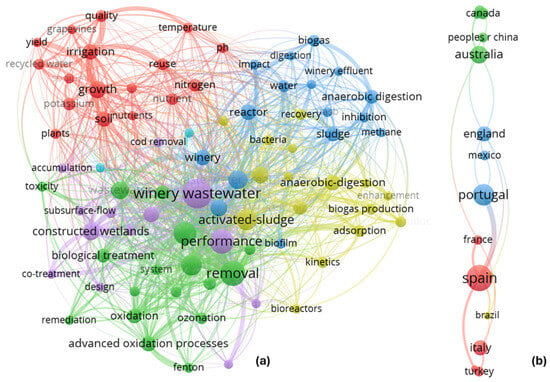
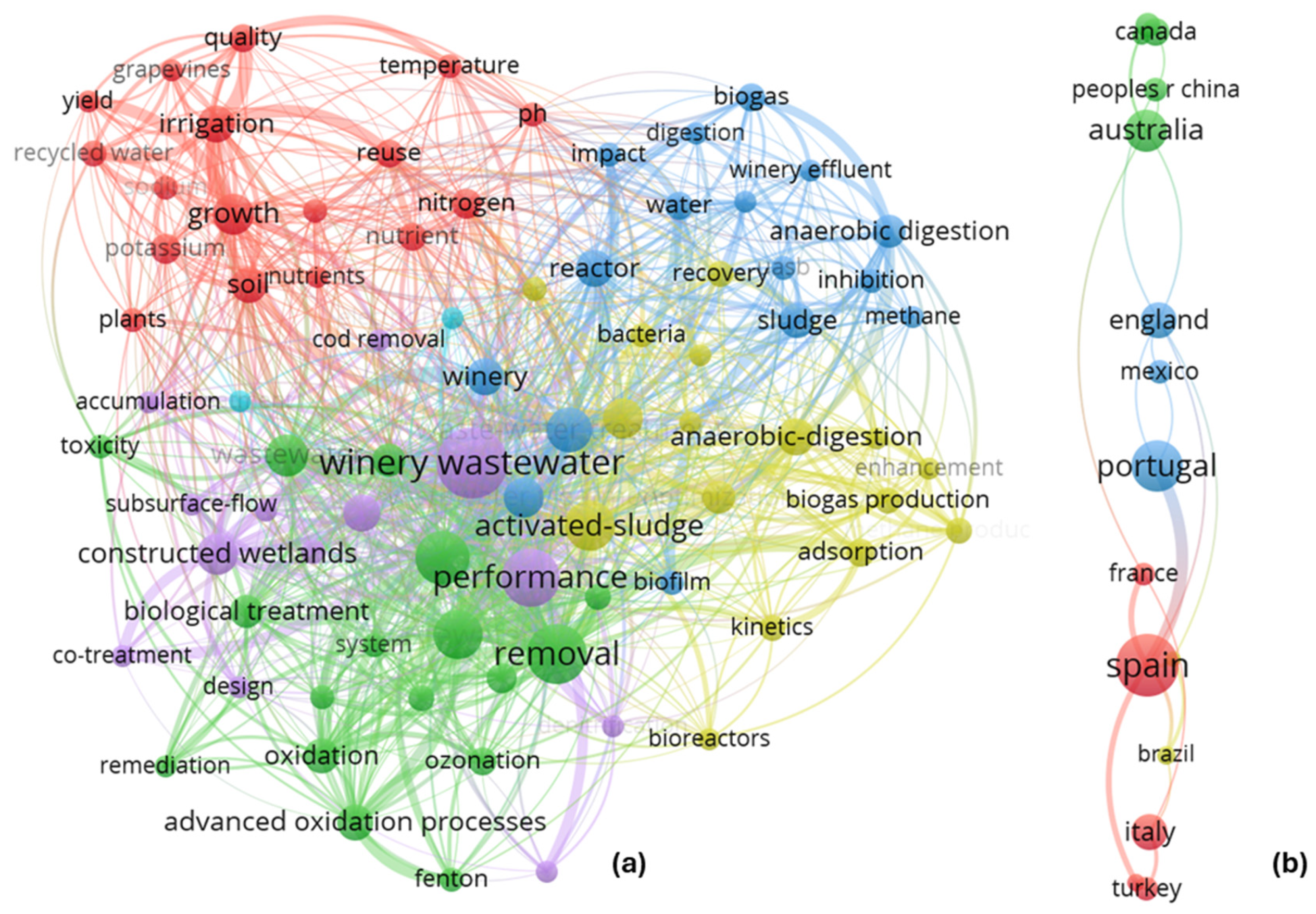
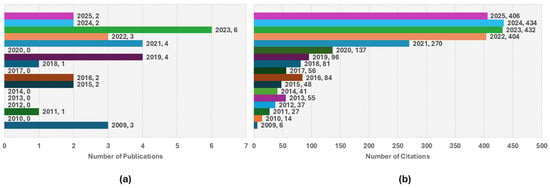
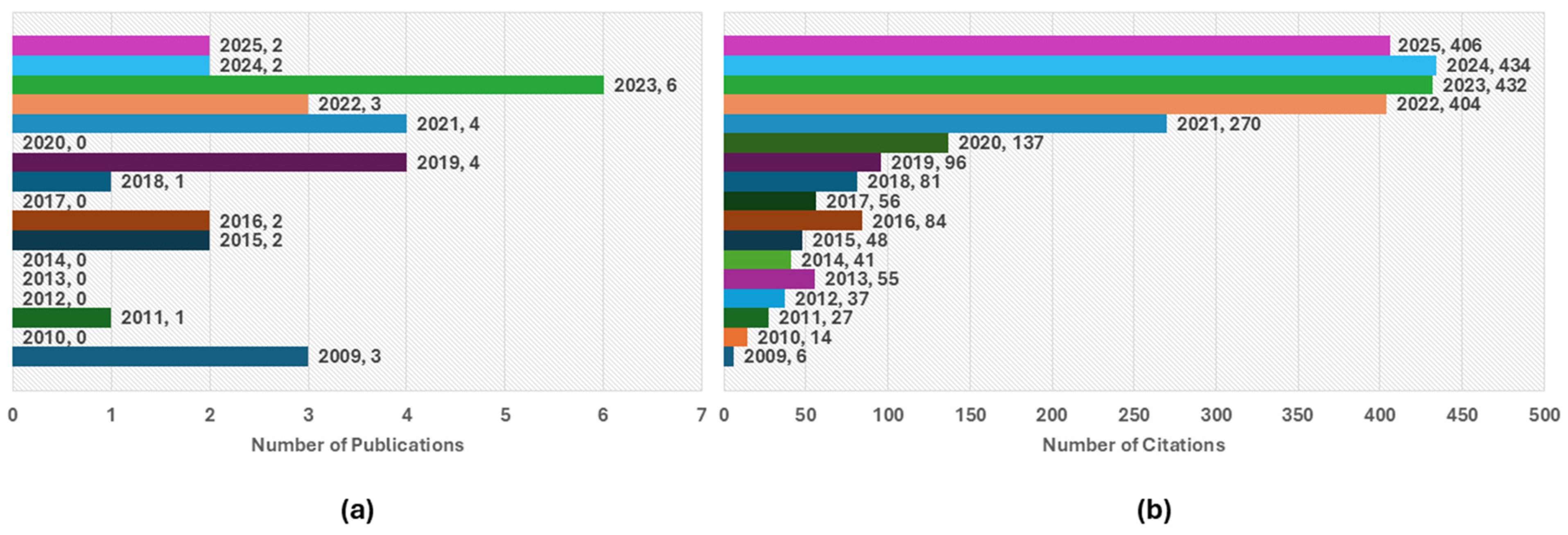
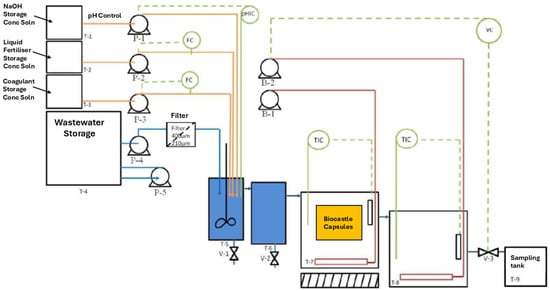
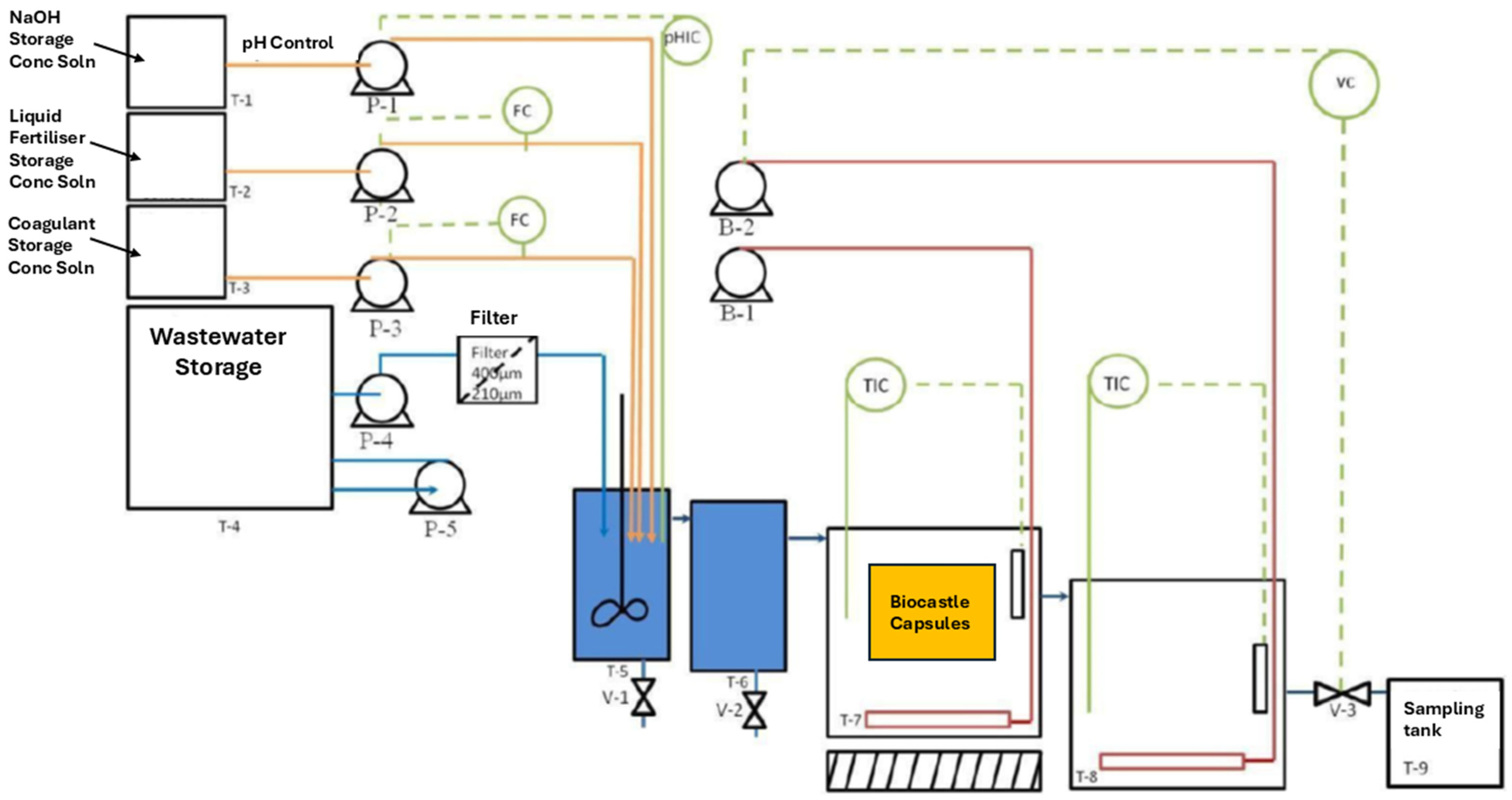
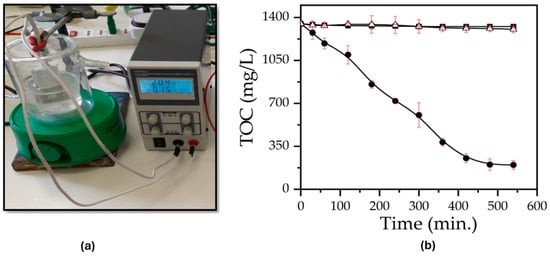
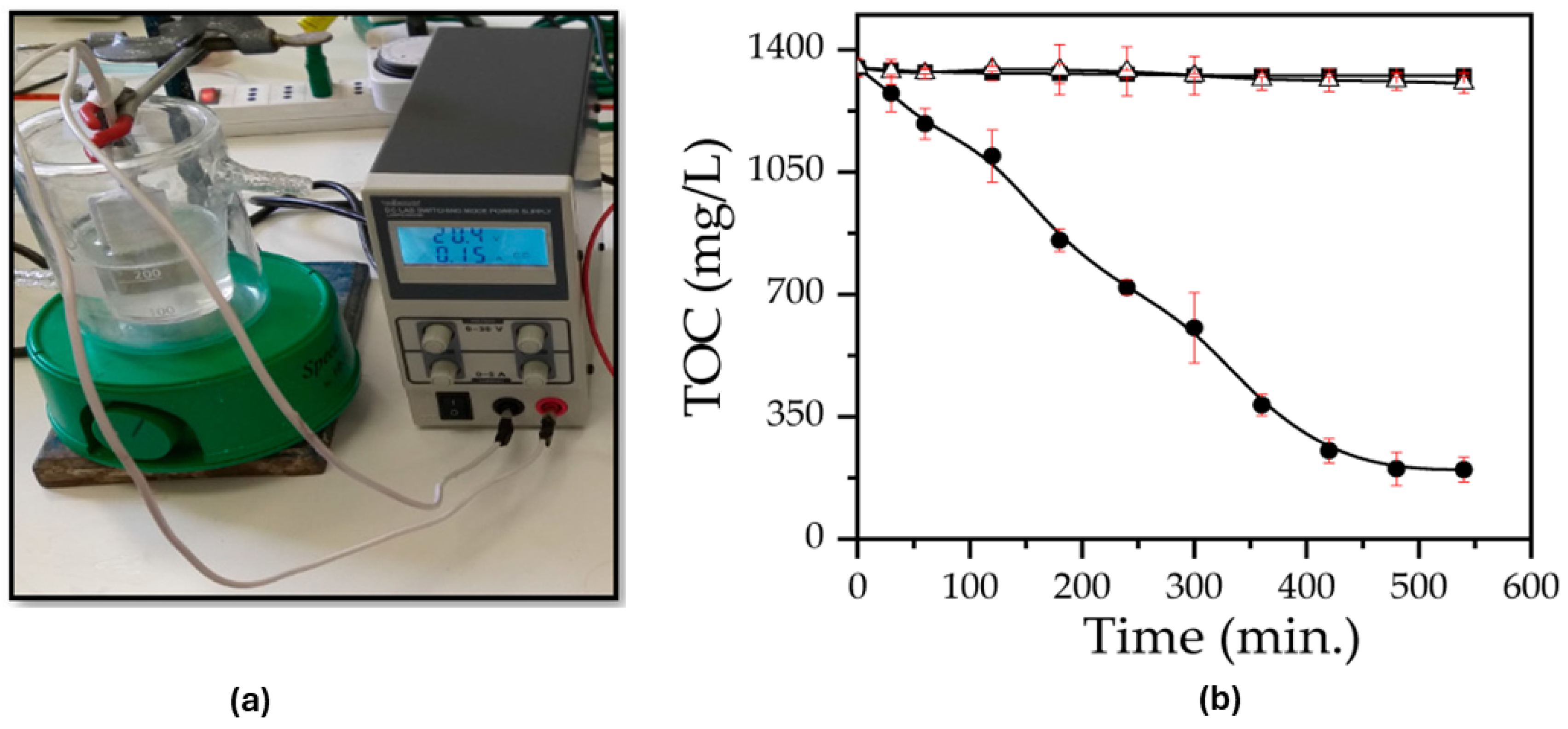
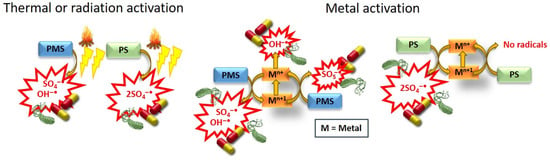
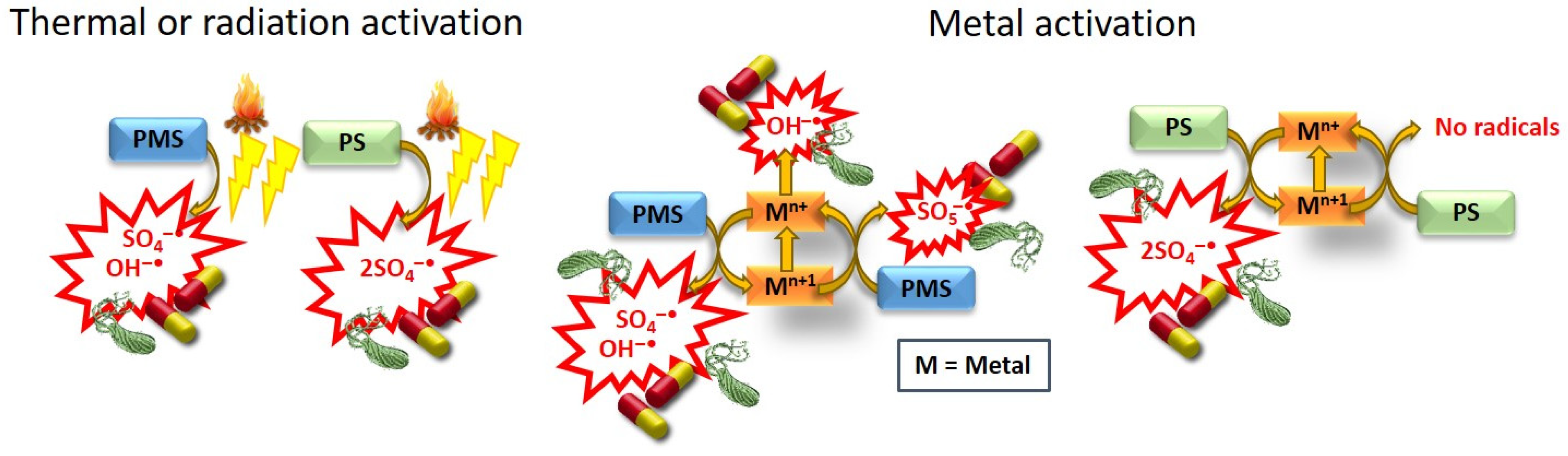
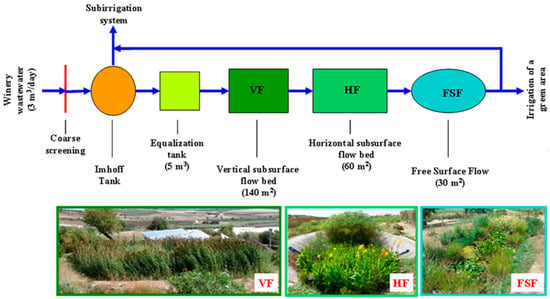
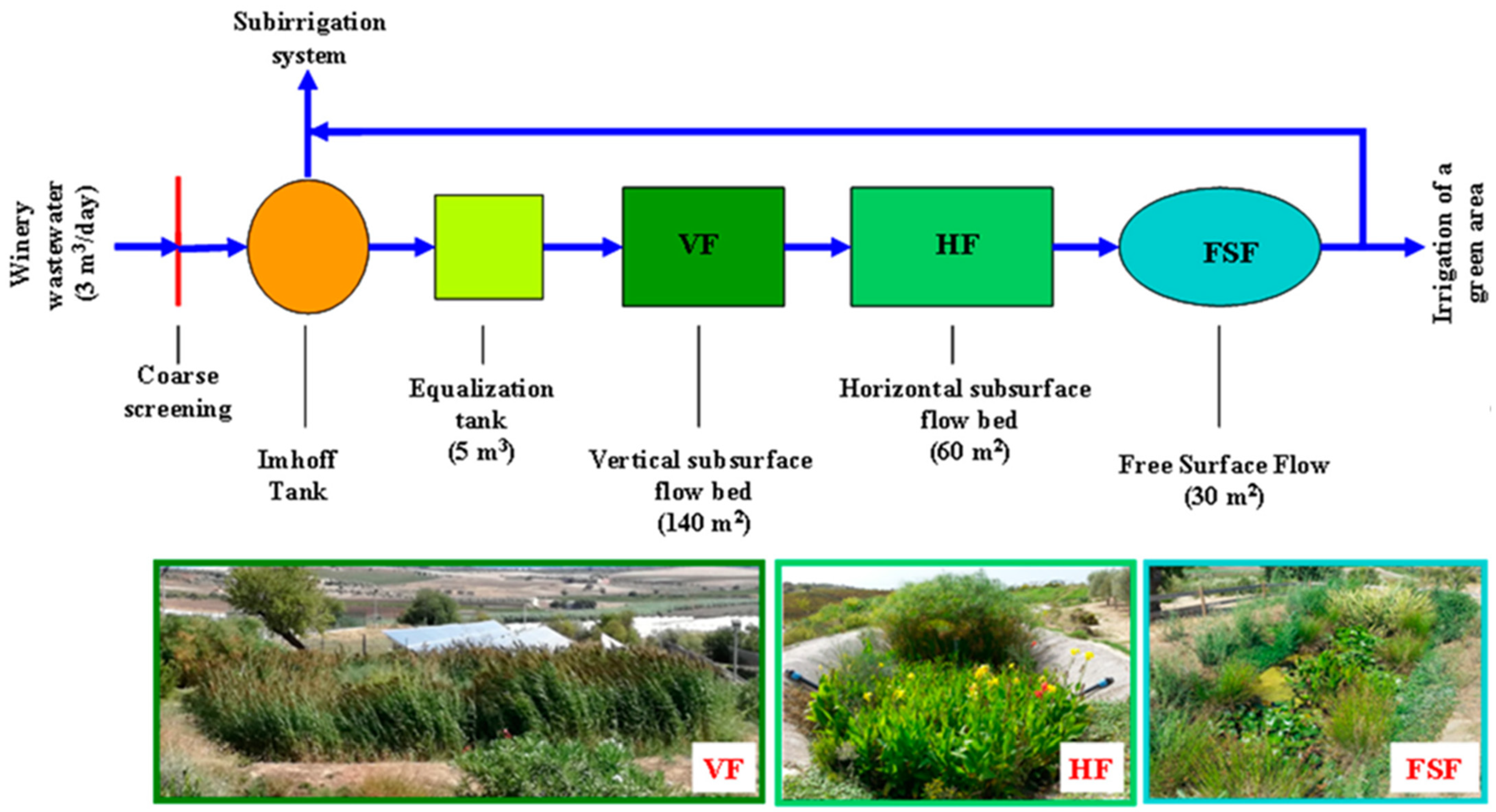
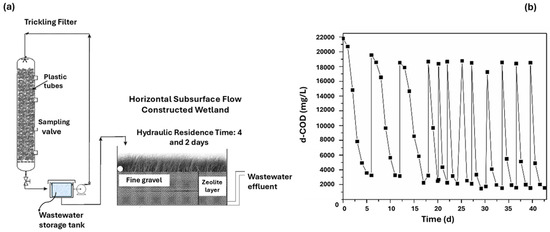
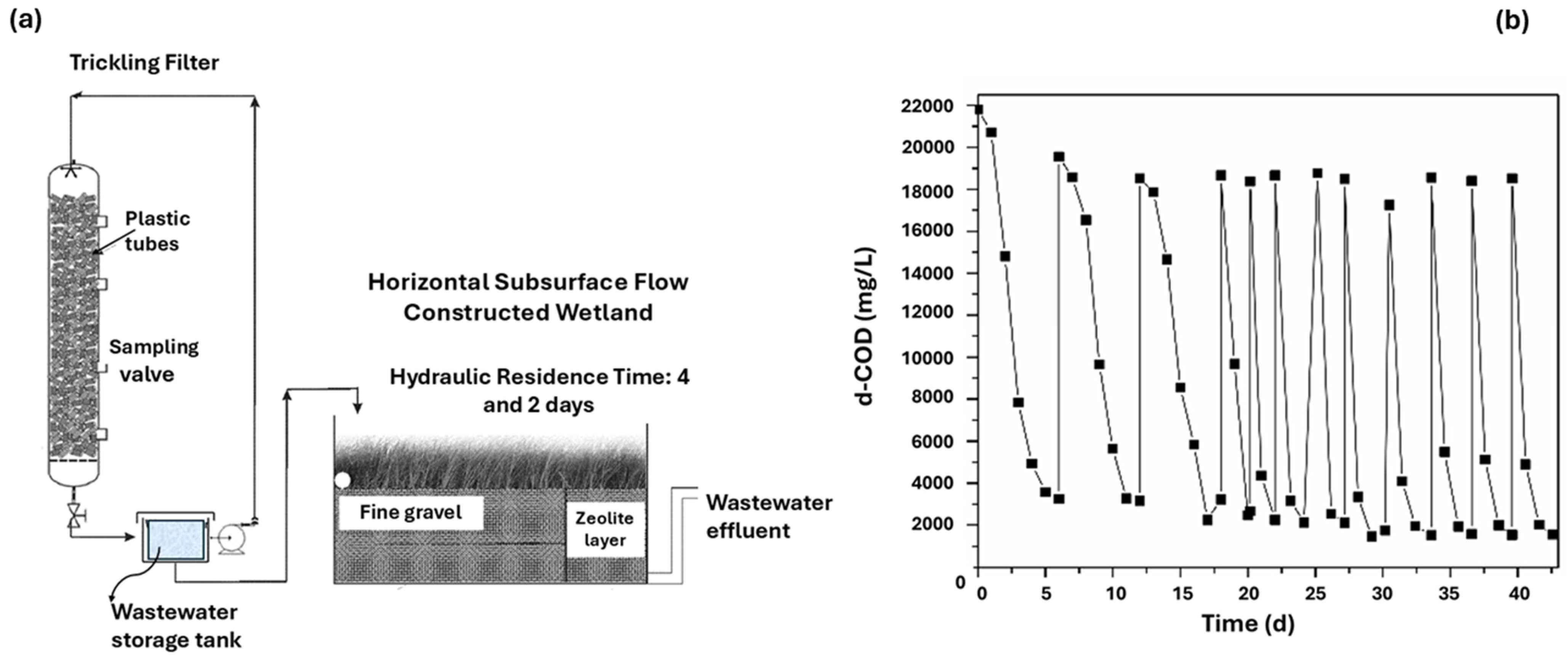

Disclaimer/Publisher’s Note: The statements, opinions and data contained in all publications are solely those of the individual author(s) and contributor(s) and not of MDPI and/or the editor(s). MDPI and/or the editor(s) disclaim responsibility for any injury to people or property resulting from any ideas, methods, instructions or products referred to in the content. |
© 2026 by the authors. Licensee MDPI, Basel, Switzerland. This article is an open access article distributed under the terms and conditions of the Creative Commons Attribution (CC BY) license.