


Highlights
- AA-CC5 showed controlled carbon release and 97.7% peak batch nitrate removal.
- At C/N = 0.4, TN removal rose from 4.59% to 19.53%; NO3⁻-N from 5.93% to 16.54%.
- AA-CC5 may partially relieve carbon limitation, but wetland removal remained low.
- Long-term costs, replacement needs, and reuse safety require further study.
Abstract
Low carbon-to-nitrogen (C/N) tailwater from wastewater treatment plants severely constrains denitrification in constructed wetlands, yet sustainable external carbon supplementation remains a major challenge. Herein, we developed a series of biomass-derived slow-release carbon composites by coupling alkali-modified reed or corn straw with polybutylene succinate (PBS) and inert skeletal materials, and systematically evaluated their carbon-release behavior, nutrient-leaching risks, structural evolution, and denitrification performance. Corn straw-based composites exhibited substantially higher carbon availability and more favorable release kinetics than reed-based counterparts. Among the tested materials, AA-CC5 (corn straw:PBS = 10:2) achieved the optimal balance between sustained carbon supply and release control. In batch denitrification tests, AA-CC5 enabled rapid nitrate removal with a peak NO3−-N removal efficiency of 97.7% while suppressing excessive nitrite accumulation. When integrated into continuous-flow constructed wetlands treating tailwater at an influent C/N of 0.4, AA-CC5 increased average total nitrogen and nitrate removal efficiencies to 19.5% and 16.5%, respectively. High-throughput sequencing showed higher observed relative abundances of several genera commonly associated with denitrification, including Pseudomonas, Paracoccus, and Dechloromonas, in the AA-CC5 wetland. These community patterns were consistent with the additional organic carbon supplied by AA-CC5. These findings suggest that agricultural straw-derived composites have potential as supplementary carbon sources for carbon-limited constructed wetlands.
1. Introduction
Nitrogen enrichment remains a major driver of eutrophication and ecological degradation in receiving waters worldwide [1,2]. Although municipal wastewater treatment plants effectively remove organic matter and ammonium, their tailwater often contains substantial residual nitrate and total nitrogen (TN), particularly after nitrification-dominated treatment processes. Such effluents are typically characterized by low carbon-to-nitrogen (C/N) and poor biodegradability, which substantially constrain subsequent biological denitrification during tertiary polishing stages [3,4]. As discharge regulations become increasingly stringent, developing efficient and sustainable strategies for advanced nitrogen removal from carbon-deficient tailwater has become an urgent priority.
Constructed wetlands (CWs) are widely recognized as cost-effective and nature-based systems for wastewater polishing because of their low energy demand, simple operation, and ecological co-benefits [5]. However, nitrogen removal in CWs is often unstable when treating low-C/N effluents, as heterotrophic denitrification requires sufficient electron donors for the stepwise reduction of nitrate to dinitrogen gas [6,7]. Insufficient biodegradable carbon frequently results in incomplete denitrification, nitrate accumulation, and poor TN removal efficiency.
External carbon dosing using soluble substrates such as methanol, ethanol, acetate, and sugars has been widely applied to overcome carbon limitation [8,9,10]. Nevertheless, these liquid carbon sources suffer from high operational costs, dosage-control challenges, safety concerns, and risks of residual organic leakage or secondary pollution [11,12]. In contrast, solid-phase carbon sources can provide sustained release of biodegradable organics, buffer carbon fluctuations, reduce sludge production, and simultaneously function as microbial carriers [13,14]. These advantages make them particularly attractive for integration with CWs.
Existing solid carbon sources are mainly derived from natural lignocellulosic biomass or biodegradable polymers. Agricultural residues such as straw, husk, and cob are abundant, inexpensive, and renewable, but often exhibit excessive initial dissolved organic carbon release and concomitant nitrogen/phosphorus leaching during early degradation stages [12,15,16,17]. Conversely, biodegradable polymers such as polycaprolactone (PCL), polylactic acid (PLA), and polybutylene succinate (PBS) provide more controlled carbon release [18,19] but remain relatively expensive and nutritionally limited for sustaining diverse microbial communities [2]. Therefore, combining agricultural biomass with biodegradable polymers may provide a promising approach for regulating carbon release and supporting denitrification in carbon-limited wastewater treatment systems [20,21]. However, the influence of biomass type and blending ratio on carbon-release kinetics, nutrient-leaching risk, microbial selection, and wetland nitrogen removal remains insufficiently understood.
In this study, alkali-modified reed straw and corn straw were composited with PBS at different mass ratios to fabricate six slow-release carbon source materials. Their release characteristics, structural evolution, and nutrient-leaching behaviors were systematically evaluated. A candidate formulation was selected through repeated-batch denitrification screening and subsequently evaluated in continuous-flow constructed wetlands treating low-C/N wastewater (C/N = 0.4). Microbial community analysis was further employed to characterize the spatial distribution and relative abundances of denitrification-associated taxa in the constructed wetlands. This study evaluates agricultural straw-derived composites as supplementary carbon sources for constructed wetlands treating low-C/N wastewater and explores their potential for agricultural residue valorization.
2. Materials and Methods
2.1. Preparation of Slow-Release Carbon Sources
Corn straw and reed straw were obtained from a rural area in Lianyungang, Jiangsu, China, and separately subjected to alkaline pretreatment using a 2% NaOH solution (Tianjin Kermel Chemical Reagent Co., Ltd., Tianjin, China) at 95–100 °C for 30 min to remove impurities and modify the lignocellulosic structure. After pretreatment, the straw materials were thoroughly washed with deionized water until neutral pH, oven-dried, crushed, and sieved to obtain particles with a size range of 0.45–1 mm.
For each formulation, straw particles (8, 10, or 12 g) were blended with polybutylene succinate (PBS; 4, 2, or 0 g, respectively) (PBS; Shanghai Macklin Biochemical Technology Co., Ltd., Shanghai, China) to obtain different biomass/polymer ratios. The polymeric skeleton matrix was prepared using polyvinyl alcohol (PVA) and sodium alginate (SA), both obtained from Shanghai Macklin Biochemical Technology Co., Ltd. (Shanghai, China). PVA (8 g) and SA (1 g) were dissolved in 100 mL of deionized water at 95–100 °C under continuous stirring for 120 min to prepare the polymeric skeleton solution. After cooling to room temperature, the straw/PBS mixture (total solids: 12 g) was homogeneously incorporated into the skeleton solution. The resulting slurry was poured into square plastic molds with a side length of 2 cm, frozen at −16 °C for 12 h to generate internal pore structures, and subsequently immersed in a 4% boric acid/CaCl2 crosslinking solution (both reagents supplied by Tianjin Kermel Chemical Reagent Co., Ltd., Tianjin, China) for 24 h. The formed composites were rinsed with deionized water and dried at 65 °C to constant weight.
Six slow-release carbon sources were obtained: AA-CC1 to AA-CC3 were reed straw-based materials with straw:PBS mass ratios of 8:4, 10:2, and 12:0, respectively. AA-CC4 to AA-CC6 were corn straw-based materials prepared using the same ratios. Detailed preparation procedures are provided in Text S1 (Supplementary Materials).
2.2. Static Carbon Release and Denitrification Tests
2.2.1. Static Carbon Release Test
To evaluate release behavior, each slow-release carbon source was placed in a 250 mL Erlenmeyer flask containing 200 mL deionized water. Each formulation was represented by one experimental flask containing three pieces of the same dried composite material; the three pieces were components of the same experimental unit and were not independent replicates. The total dry masses of AA-CC1, AA-CC2, AA-CC3, AA-CC4, AA-CC5, and AA-CC6 were 6.9260, 7.2136, 5.0765, 5.8690, 5.2585, and 5.0996 g per flask, respectively. The flasks were incubated in a thermostatic shaker at 25 °C and 100 rpm for 25 days. After each sampling event, the solution was fully renewed with fresh deionized water to maintain sink conditions and generate cumulative release profiles. Detailed preparation procedures are provided in Text S2 (Supplementary Materials). The duplicate measurements were used to characterize analytical variability and were not treated as independent experimental replicates.
2.2.2. Batch Denitrification Test
Batch denitrification experiments were conducted in 250 mL flasks containing activated sludge and synthetic wastewater prepared using KNO3 and KH2PO4 (both reagents supplied by Tianjin Kermel Chemical Reagent Co., Ltd., Tianjin, China). Three composite pieces were added to each carbon-amended flask, while the no-carbon control contained no composite material. The dry masses of AA-CC2, AA-CC3, AA-CC5, and AA-CC6 were 6.3672, 5.1324, 5.1019, and 5.2011 g per flask, respectively. Each cycle lasted 24 h. At the end of each cycle, the sludge was allowed to settle for 30 min, duplicate analytical samples were collected, and the supernatant was decanted while approximately 50 mL of the settled sludge suspension and the carbon-source material were retained. Subsequently, 150 mL of freshly prepared synthetic nitrate-containing wastewater was added, the flask was purged with N2 to restore anoxic conditions, and the reactor was sealed for the next 24 h cycle. Concentrations of TN, TP, NO3−−N, NO2−−N, NH4+−N, and COD were measured to compare denitrification performance among candidate materials and select a formulation for subsequent wetland evaluation. Detailed preparation procedures are provided in Text S3 (Supplementary Materials).
2.2.3. Constructed Wetland Validation Test
Two parallel plexiglass laboratory-scale constructed wetland reactors were operated at a hydraulic loading rate equivalent to 36 L/d (HRT = 1 d). Both wetlands received the same original synthetic wastewater feed. For Wetland I, influent COD was measured in the original feed. For Wetland II, the COD value previously termed influent COD was measured after the wastewater had contacted AA-CC5 and therefore included carbon released from the composite. During the start-up stage, glucose (Tianjin Kermel Chemical Reagent Co., Ltd., Tianjin, China) was used as the sole external carbon source to establish stable microbial activity. Thereafter, the systems were operated sequentially under Phase I (C/N = 2) and Phase II (C/N = 0.4). Detailed reactor configuration, media composition, influent formulation, and operational procedures are provided in Text S3 (Supplementary Materials).
2.3. Analytical Methods
2.3.1. Water Quality Analysis
Influent and effluent concentrations of TN, TP, NO2−−N, NO3−−N, NH4+−N, and COD were determined daily according to standard methods.
2.3.2. DOM Characterization
Three-dimensional excitation–emission matrix (EEM) spectra were obtained using a Hitachi F-7000 fluorescence spectrophotometer (Hitachi High-Tech Corporation, Tokyo, Japan). Fluorescence regional integration (FRI) was used to quantify five organic fractions: tyrosine-like, tryptophan-like, fulvic-like, soluble microbial byproduct-like, and humic acid-like substances. EEM contour plots were generated using Origin 2018 (OriginLab Corporation, Northampton, MA, USA). Detailed preparation procedures are provided in Text S4 (Supplementary Materials).
2.3.3. Material Characterization
Surface morphology of carbon sources before and after use was examined using field-emission scanning electron microscopy (SEM) with a GeminiSEM 500 instrument (Carl Zeiss Microscopy GmbH, Jena, Germany). Chemical functional groups were characterized by Fourier-transform infrared spectroscopy (FT-IR) using a Nicolet iS50 (Thermo Fisher Scientific, Waltham, MA, USA).
2.3.4. Microbial Community Analysis
After completion of the wetland experiment, biofilms attached to carbon sources and packing materials were detached by ultrasonication and filtered through 0.22 μm membranes. Samples collected from different vertical layers and along the hydraulic flow path were subjected to 16S rDNA high-throughput sequencing to analyze microbial community composition and spatial distribution. Additional sequencing procedures are described in Text S4 (Supplementary Materials). Samples collected from different spatial positions represented spatial observations within each individual wetland reactor rather than independent biological replicates. Because only one wetland reactor was operated per treatment, no inferential statistical test of differential microbial abundance between treatments was performed, and the microbial-community results were interpreted descriptively.
2.4. Data Analysis
In the static carbon-release and repeated-batch denitrification experiments, each treatment was represented by one experimental flask. Multiple material pieces within the same flask and duplicate analytical determinations were not considered independent experimental replicates. In the constructed wetland experiment, one reactor was operated per treatment, and daily observations were treated as repeated temporal measurements rather than independent treatment replicates. Therefore, no treatment-level inferential statistical tests or post hoc comparisons were performed for these experiments. Values are reported as mean ± SD/SE according to the actual calculation method.
3. Results and Discussion
3.1. Performance of Slow-Release Carbon Sources
3.1.1. Carbon-Release Characteristics
Six composite slow-release carbon sources were fabricated using alkali-modified reed straw or corn straw as biomass substrates. AA-CC1 to AA-CC3 were reed straw-based composites, whereas AA-CC4 to AA-CC6 were corn straw-based composites. The corresponding core-component mass ratios were 8:1:8:4, 8:1:10:2, and 8:1:12:0, respectively.
As shown in Figure 1a, the carbon-release profiles of all materials exhibited three distinct phases: (i) a rapid-release phase (days 1–10), (ii) a stable-release phase (days 11–20), and (iii) a slow-release phase (days 21–25). The elevated initial release rates were likely associated with matrix swelling after hydration, together with dissolution of surface-associated water-soluble organics and low-molecular-weight compounds [22,23]. Similar triphasic release behavior has been widely reported for biomass/polymer composite carbon sources, where readily biodegradable fractions are first liberated, followed by gradual diffusion-controlled release from the internal matrix [13].
Figure 1.
Release characteristics of slow-release carbon sources prepared at different mixing ratios during the static leaching test: (a) COD; (b) TP; (c) TN; (d) NH4+−N; (e) NO3−−N; (f) NO2−−N.
During the rapid-release phase, the average carbon-release rates of AA-CC1 to AA-CC6 were 18.641, 19.003, 23.141, 31.092, 37.186, and 42.061 mg/g/d, respectively. These values sharply declined during the stable-release phase to 3.178, 5.051, 8.395, 5.314, 7.937, and 10.591 mg/g/d, and further decreased during the final slow-release phase to 0.728, 0.749, 1.388, 0.845, 1.091, and 1.257 mg/g/d, respectively. This progressive decline indicates a gradual depletion of readily available carbon fractions and increasing mass-transfer resistance within the composite matrix.
The cumulative carbon release over the entire incubation period reached 221.835 ± 4.401, 240.801 ± 3.474, 315.977 ± 6.974, 367.951 ± 2.327, 452.412 ± 4.22, and 527.135 ± 5.666 mg/g, respectively, following the order: AA-CC6 > AA-CC5 > AA-CC4 > AA-CC3 > AA-CC2 > AA-CC1.
Corn straw-based composites consistently exhibited higher cumulative carbon release and faster release kinetics than reed straw-based materials, suggesting greater carbon availability and/or improved matrix degradability of corn straw. This difference may be attributed to the lower lignification degree and higher accessible cellulose/hemicellulose fractions in corn straw relative to reed straw, facilitating hydrolysis and microbial utilization. In addition, increasing the proportion of biomass core material markedly enhanced total carbon release, confirming that substrate loading was a key determinant of carbon-supply capacity.
From an engineering perspective, excessively high release rates may cause undesirable organic leakage during start-up, whereas insufficient release may fail to sustain denitrification under carbon-limited conditions. Therefore, materials with intermediate yet sustained release behavior (e.g., AA-CC5) may provide the most favorable balance between carbon availability and release control for subsequent wetland application.
3.1.2. Carbon-Release Kinetics Analysis
To further elucidate the release behavior of the composite carbon sources during the 25-day static leaching experiment, the cumulative COD data were fitted using second-order kinetic and Ritger–Peppas models (Table S1; Text S5). These models are widely applied to evaluate release capacity, equilibrium rate, and mass-transfer mechanisms of composite materials.
In the second-order kinetic model, a higher theoretical equilibrium concentration () indicates greater maximum carbon-release potential. In contrast, a lower half-release time () reflects faster attainment of release equilibration [24]. Under a fixed dosage, insufficient values may fail to provide adequate electron donors for sustained denitrification. Among all tested materials, AA-CC6 exhibited the highest , consistent with its largest cumulative COD release during the 25-day experiment, confirming its superior carbon-supply capacity. Within the reed straw-based group, AA-CC3 showed the highest and , whereas AA-CC6 ranked highest among the corn straw-based composites. These results indicate that increasing the proportion of straw core material enhances total carbon availability while prolonging release duration, which is advantageous for long-term denitrification applications.
The Ritger–Peppas model was further employed to distinguish the dominant release mechanism. Xiong et al. [21] reported an value of 0.77 for pristine PVA-SA skeleton materials, suggesting erosion-controlled release behavior. After incorporation of straw particles, the values decreased, implying improved matrix stability and reduced structural disintegration. In the present study, all AA-CC composites exhibited values close to 0.45, indicating predominantly diffusion-controlled release through relatively stable porous matrices. Specifically, AA-CC1, AA-CC2, AA-CC4, and AA-CC5 showed < 0.45, suggesting Fickian diffusion as the dominant mechanism, where dissolved low-molecular-weight organics were gradually released from embedded straw particles. In contrast, AA-CC3 and AA-CC6 exhibited 0.45 < < 0.89, indicating anomalous transport involving both diffusion and limited matrix relaxation/degradation. This suggests that, at higher biomass loading, a minor fraction of the polymeric skeleton also contributed to carbon release.
From an engineering perspective, diffusion-dominated release is desirable because it minimizes abrupt carbon leakage while maintaining prolonged substrate availability. Therefore, materials such as AA-CC5, which combine adequate carbon capacity with stable diffusion-controlled kinetics, are particularly promising for continuous-flow constructed wetlands treating carbon-deficient wastewater.
3.1.3. Ability to Control Nitrogen and Phosphorus Release Risks
Besides carbon supply, nutrient-leaching risk is a critical criterion for evaluating external carbon sources, as excessive nitrogen or phosphorus release may offset treatment benefits and deteriorate effluent quality. Figure 1c–f summarize nitrogen release during the 25-day static leaching experiment.
The cumulative total nitrogen (TN) from AA-CC1 to AA-CC6 was 0.063 ± 0.002, 0.029 ± 0.002, 0.084 ± 0.01, 0.384 ± 0.002, 0.463 ± 0.003, and 0.571 ± 0.008 mg/g, respectively. Overall, these values were substantially lower than the corresponding carbon-release amounts, indicating limited nitrogen-leaching risk. Alkali pretreatment likely contributed to this outcome by disrupting lignocellulosic structures, dissolving portions of lignin and hemicellulose, and removing soluble nitrogen-containing compounds [25]. Within the corn straw-based group (AA-CC4–AA-CC6), TN release increased with increasing straw proportion, reflecting greater inherent nitrogen content in the biomass fraction. For reed straw-based materials (AA-CC1–AA-CC3), TN release first decreased and then increased, with AA-CC2 showing the lowest value, possibly due to differences in tissue composition and nitrogen distribution within reed biomass [26].
Ammonium release exhibited trends similar to TN, while nitrate release remained minimal, with a maximum of only 0.087 ± 0.004 mg/g. Nitrite was nearly undetectable throughout the experiment. These results suggest that most released nitrogen occurred in organic rather than inorganic forms. Furthermore, TN release was concentrated within the first three days and then rapidly declined to near-zero levels, displaying a typical initial flush effect. In practical wetland systems, such transient release would likely be readily assimilated by biofilms and plants during start-up.
Total phosphorus (TP) release over the 25-day period reached 0.059 ± 0.005, 0.674 ± 0.003, 0.736 ± 0.006, 1.055 ± 0.003, 1.201 ± 0.006, and 1.350 ± 0.001 mg/g for AA-CC1 to AA-CC6, respectively (Figure 1b). TP release generally increased with higher biomass content, indicating that phosphorus was mainly associated with plant-derived fractions. Compared with TN, phosphorus release persisted longer, primarily during the first 15 days, likely due to slower desorption or hydrolysis of organically bound phosphorus species in plant tissues [27]. Even under a conservative dosing scenario (100 g/m3), the highest theoretical TP increase (AA-CC6) would be only 0.135 mg/L. In real constructed wetland systems, this value would be substantially lower because phosphorus can be removed through substrate adsorption, plant uptake, and microbial assimilation. Therefore, the phosphorus contribution from these materials is unlikely to cause effluent exceedance.
Collectively, the tested composites exhibited low nutrient-leaching risk while maintaining effective carbon supply. Among them, AA-CC5 provided a favorable balance between carbon-release performance and minimal secondary nitrogen/phosphorus loading, supporting its subsequent selection for denitrification validation.
3.1.4. Evolution and Fluorescence Characteristics of DOM
The composition and temporal evolution of dissolved organic matter (DOM) released from the composite carbon sources were further characterized by excitation–emission matrix (EEM) fluorescence spectroscopy coupled with fluorescence regional integration (FRI). The standardized fluorescence volumes of each DOM fraction are summarized in Figure 2, while representative EEM spectra on days 1, 10, and 25 are presented in Figure S1.
Figure 2.
Fluorescence regional integration (FRI) normalized volumes of dissolved organic matter (DOM) in leachates from AA-CC carbon sources during the carbon-release process.
Overall, the total fluorescent DOM released from corn straw-based composites (AA-CC4–AA-CC6) was consistently higher than that from reed straw-based materials (AA-CC1–AA-CC3), corroborating the greater carbon-release capacity observed in the COD leaching tests. At the initial release stage (day 1), the three corn straw-based materials showed similar component distributions within the group, as did the reed straw-based materials, indicating good reproducibility of biomass-dependent release characteristics. At day 1, DOM from all six materials was dominated by Region V (humic acid-like substances), accompanied by moderate contributions from Region III (fulvic-like substances) and Region IV (soluble microbial byproduct-/protein-like substances) [28]. This pattern suggests that the initially released organics contained relatively humified fractions together with fluorescence components that have been associated with potentially bioavailable organic matter [29]. By the middle release stage (day 10), marked differences among formulations became evident. The total fluorescence intensity of reed straw-based materials (AA-CC1–AA-CC3) and AA-CC4 declined to their lowest levels across the experiment, indicating depletion of readily leachable fractions. In contrast, AA-CC5 and AA-CC6, which contained higher proportions of corn straw, exhibited peak total DOM fluorescence on day 10. More than 90% of their fluorescence signal was attributed to Regions III, IV, and V, corresponding to fulvic-like, microbial byproduct-like, and humic-like components. Regions III and IV have been commonly associated with organic fractions that may be relatively accessible to microbial metabolism [30]. Fulvic-like substances contain abundant carboxyl and phenolic hydroxyl groups and have been reported to participate in microbial co-metabolism and electron-transfer processes [31,32]. Soluble microbial byproduct-like compounds are commonly associated with low-molecular-weight metabolites and proteinaceous substances that may be relatively bioavailable [33]. Although humic-like fractions are comparatively recalcitrant, lower-molecular-weight humic compounds may still be partially utilized after microbial acclimation and can also function as redox mediators in denitrification systems [34,35]. Previous studies have similarly shown that lignocellulosic residues such as rice straw, corn straw, and leaf litter release protein-like, fulvic-like, and humic-like fluorophores during decomposition [36]. In the present study, fluorescence components commonly associated with potentially bioavailable DOM were detected throughout the release period for all tested materials, indicating sustained carbon availability rather than short-term pulse release.
Notably, corn straw-based composites—particularly AA-CC5 and AA-CC6—generated abundant fulvic-like and protein-/microbial byproduct-like compounds during the middle release stage, which may have provided additional organic substrates favorable for denitrification-related microbial processes. This finding helps explain the superior denitrification performance subsequently observed for AA-CC5. From an application perspective, not only the quantity but also the quality of released carbon is critical for external carbon sources. Materials releasing predominantly biodegradable DOM fractions over extended periods are more desirable than those producing excessive refractory organics or short-lived carbon bursts. Therefore, the favorable DOM profile of AA-CC5 further supports its selection as the optimal formulation for continuous-flow constructed wetland application.
3.1.5. FT-IR Analysis and SEM Characterization of Surface Properties of Carbon Sources
Carbon-release behavior is intrinsically associated with the chemical structure and surface morphology of composite materials. Therefore, Fourier-transform infrared spectroscopy (FT-IR) and scanning electron microscopy (SEM) were employed to characterize structural changes in the carbon sources before and after the release experiment (Figure 3a–i).
Figure 3.
FT-IR spectra and SEM images of the slow-release carbon sources prepared with different formulations before and after leaching. FT-IR spectra of (a) AA-CC1, (b) AA-CC2, (c) AA-CC3, (d) AA-CC4, (e) AA-CC5, and (f) AA-CC6, respectively; representative SEM images of the corresponding materials before and after leaching of (g) AA-CC1, (h) AA-CC2, (i) AA-CC3, (j) AA-CC4, (k) AA-CC5, and (l) AA-CC6, respectively.
As shown in Figure 3a–f, all materials exhibited generally similar characteristic absorption profiles before and after carbon release, and no new peaks were detected after soaking. This suggests that the release process may have been dominated primarily by physical dissolution, swelling, and hydrolysis of pre-existing components. However, the extent of peak attenuation varied substantially among raw materials and formulations, demonstrating that compositional differences strongly influenced release behavior. Cellulose and hemicellulose are the principal polysaccharide constituents of biomass-based carbon sources. The broad band near 3390 cm−1 is assigned to O–H stretching vibration of hydrogen-bonded hydroxyl groups in cellulose and associated polysaccharides [21,37]. The peak at 2920 cm−1 corresponds to aliphatic C–H stretching of saturated methylene groups [38]. The absorption near 1730 cm−1 is attributed to acetyl and uronic ester groups mainly associated with hemicellulose [20,39], while the band at 1033 cm−1 represents C–O–C stretching vibrations of glycosidic linkages [24,40].
Corn straw-based composites (AA-CC4–AA-CC6) showed markedly stronger peaks at 1730 and 1033 cm−1 than reed straw-based materials (AA-CC1–AA-CC3), suggesting higher accessible hemicellulose and carbohydrate content. Moreover, these peaks declined more substantially after the release experiment, indicating that hydrolysis and dissolution of hemicellulosic fractions were major contributors to carbon release. In contrast, reed straw-based materials displayed comparatively limited peak changes, likely because lower hemicellulose abundance and stronger lignin encapsulation reduced accessibility of hydrolysable polysaccharides. PBS, used as the biodegradable polymer binder/crosslinking matrix, contains ester bonds and methylene chains whose characteristic bands partially overlap with biomass peaks. In samples with high PBS content (e.g., AA-CC1, straw:PBS = 8:4), cellulose/hemicellulose signals became relatively weaker and peak profiles smoother, indicating that the hydrophobic polymer matrix effectively shielded biomass surfaces and suppressed excessive initial carbon leakage. This observation is consistent with the lower early-stage COD release of high PBS formulations. After carbon release, most samples exhibited weakened hydroxyl and carbonyl signals, reflecting depletion of soluble oxygen-containing organic fractions. Interestingly, AA-CC3 and AA-CC6 (higher straw loading) showed slight enhancement near 1033 cm−1, which may indicate exposure of inner carbohydrate crystalline domains or reorganization/condensation of residual polysaccharide fragments after leaching.
SEM observation (Figure 3g–i) further revealed pronounced morphological changes after immersion that depended on biomass type and polymer ratio. Reed straw-based composites (AA-CC1–AA-CC3) generally exhibited collapse of layered structures, pore shrinkage, and localized densification after soaking. Such compact residual structures may hinder water penetration and internal mass transfer, partially explaining their lower sustained carbon-release capacity. In contrast, corn straw-based materials (AA-CC4–AA-CC6) showed loosened fibers, increased porosity, and more refined interconnected pores after immersion. These changes likely resulted from selective hydrolysis and removal of hemicellulose fractions, causing fiber peeling and matrix rearrangement. The resulting porous architecture may facilitate water diffusion, increase accessible surface area, and expose additional sites for enzymatic attack and carbon dissolution [41].
Among all formulations, AA-CC5 (straw:PBS = 10:2) displayed the most favorable structural evolution. Its layered framework was moderately fractured without complete skeleton collapse, while interconnected pore channels remained well distributed. This balanced morphology may support sustained diffusion of dissolved organics while preserving structural integrity, consistent with its diffusion-dominated release behavior (n = 0.44) derived from kinetic modeling. Surface roughness and porosity are also critical for microbial colonization. Materials with larger specific surface area and heterogeneous microtopography provide favorable niches for biofilm attachment, nutrient exchange, and microbial proliferation [42]. Therefore, the porous residual structure of AA-CC5 may have served not only as a carbon donor but also as a potential microbial carrier, possibly contributing to its favorable denitrification performance in the subsequent constructed wetland experiment.
Collectively, FT-IR and SEM analyses suggest that the favorable performance of corn straw-based composites, particularly AA-CC5, may be associated with a combination of chemical accessibility and structural stability, supporting controlled carbon release and potentially favorable biofilm-supporting properties.
3.2. Denitrification Performance Validation of Slow-Release Carbon Sources
To identify the optimal formulation for practical application, four representative carbon sources (AA-CC2, AA-CC3, AA-CC5, and AA-CC6) together with a no-carbon control (NO-C) were evaluated in 7-day batch denitrification experiments using synthetic wastewater containing 30 mg/L NO3−−N (Figure 4). The control, relying on endogenous respiration, achieved <20% removal.
Figure 4.
Batch denitrification performance of different slow-release carbon sources: (a) influent and effluent NO3−−N concentrations; (b) NO3−−N removal efficiency; (c) effluent NO2−-N concentration; (d) effluent COD concentration.
3.2.1. Nitrate Removal Performance
As shown in Figure 4b, the control group, relying solely on endogenous respiration and residual intracellular carbon reserves, achieved less than 20% nitrate removal throughout the experiment, confirming that carbon limitation was the principal factor restricting denitrification. All carbon-amended groups exhibited rapid nitrate reduction during the initial phase and reached maximum removal efficiencies on day 2. Peak NO3−-N removal efficiencies were 57.16% for AA-CC2, 70.67% for AA-CC3, 97.68% for AA-CC5, and 86.38% for AA-CC6. Thereafter, nitrate removal gradually declined as readily biodegradable carbon fractions were consumed.
In the repeated-batch experiments, corn straw-based composites (AA-CC5 and AA-CC6) exhibited higher observed nitrate removal efficiencies than reed straw-based composites (AA-CC2 and AA-CC3). Among all candidates, AA-CC5 showed the most stable performance, maintaining >70% nitrate removal through days 6–7, whereas AA-CC6 declined more rapidly after the initial peak. This suggests that although AA-CC6 supplied larger quantities of carbon, its release profile was less synchronized with sustained denitrification demand. In contrast, AA-CC5 achieved a more favorable balance between carbon availability and controlled release.
3.2.2. Nitrite Accumulation and Denitrification Performance
Nitrite-nitrogen (NO2−−N) concentrations initially increased and then declined in all carbon-amended groups (Figure 4c), reflecting a transient imbalance between nitrate reduction and subsequent nitrite reduction steps. Maximum NO2−-N accumulation also occurred on day 2, coinciding with peak nitrate removal. Peak concentrations were 7.96 mg/L (AA-CC2), 8.70 mg/L (AA-CC3), 6.99 mg/L (AA-CC5), and 3.86 mg/L (AA-CC6). Temporary nitrite accumulation is common in heterotrophic denitrification because nitrate reductase often competes more effectively for electrons than nitrite reductase under carbon-fluctuating conditions [20].
Despite achieving the highest nitrate removal, AA-CC5 accumulated less nitrite than the reed straw-based groups, suggesting a more balanced relationship between nitrate reduction and subsequent nitrite consumption. This behavior likely resulted from the alkali-modified, hemicellulose-rich corn straw matrix, which continuously released readily utilizable carbon substrates. In contrast, the higher nitrite accumulation observed for reed straw-based materials, particularly AA-CC3, suggests a mismatch between electron donor release kinetics and enzymatic reduction capacity [8]. By day 7, nitrite concentrations in the AA-CC5 treatment decreased to below 1 mg/L, indicating that denitrification was taking place once microbial communities adapted and sufficient reducing equivalents became available.
3.2.3. COD Consumption and Carbon Utilization Efficiency
Changes in COD concentration are shown in Figure 4d. During the first three days, COD levels among all carbon-amended groups were relatively similar (250–300 mg/L), indicating that early-stage carbon release was dominated by physical dissolution of readily soluble fractions rather than by biological selectivity. From days 4–7, COD declined substantially faster in the corn straw-based groups than in the reed straw-based groups. By day 7, residual COD decreased to approximately 80 mg/L for AA-CC5 and 100 mg/L for AA-CC6, whereas reed straw-based treatments remained above 100 mg/L. This trend closely paralleled nitrate removal performance and suggests more efficient microbial utilization of carbon released from corn straw composites. The higher residual COD in reed straw-based systems likely reflects the presence of less biodegradable lignocellulosic fractions (e.g., lignin-derived compounds) and less favorable release kinetics, resulting in incomplete coupling between carbon supply and denitrification demand [43,44].
3.3. Structure–Performance Correlation of Carbon Sources
3.3.1. Regulation of Carbon-Release Performance by Material Structure
Principal component analysis (PCA) was applied to the physicochemical descriptors of the six carbon sources (Figure 5; parameter calculations are shown in Table S2). The PCA score plot showed separation between corn straw-based and reed straw-based formulations, suggesting an association between biomass type and the measured material characteristics.
Figure 5.
Principal component analysis (PCA) of physicochemical properties and carbon-release characteristics of slow-release carbon sources.
Corn straw-based carbon materials clustered tightly in the negative region of PC2 with relatively low intra-group dispersion, indicating consistent structural characteristics among formulations. In contrast, reed straw-based composites were distributed more broadly in the positive PC2 region, suggesting greater heterogeneity in their physicochemical features. The near-complete separation of the two biomass groups along the PC2 axis indicates that this component captured the principal source of structural divergence. The loading plot showed that the crystallinity index and the hemicellulose index had strong positive loadings on PC2 and were positively associated with each other. These variables were aligned with the reed straw-based samples, implying that reed straw composites possessed comparatively higher crystallinity order and stronger hemicellulose-related spectral signatures. Increased crystallinity is generally associated with reduced water penetration and lower enzymatic accessibility, which may partially explain the weaker carbon-release performance of reed straw-based materials.
By contrast, the cellulose index and ester-bond index were primarily aligned along the positive PC1 direction and overlapped strongly with the corn straw-based cluster, indicating that these variables were characteristic descriptors of corn straw composites. The ester-bond contribution likely reflects stronger interaction with the polybutylene succinate matrix, while more accessible cellulose fractions may have promoted gradual hydrolysis and sustained carbon release.
The lignin index and straw proportion index (φstraw) were distributed toward the negative PC1 region and were associated with several reed straw-based samples, suggesting that variations in lignification degree and biomass loading contributed to the greater intra-group heterogeneity observed for reed straw materials. The second-order kinetic parameters K and the Cm showed negative loadings on PC2, coinciding with the corn straw-based cluster. This distribution was consistent with the observed carbon-release characteristics of the corn straw-based formulations.
Overall, PCA demonstrates that the PC2 primarily reflects biomass-dependent compositional factors—especially crystallinity and hemicellulose-related characteristics—that effectively distinguish corn straw- and reed straw-based carbon sources. PC1 captures formulation-level variation related to cellulose, ester bonds, and lignin content [44]. These observations suggest that the carbon-release characteristics of corn straw-based composites may be associated with accessible carbohydrate fractions, structural resistance, and interactions with the polymer matrix.
3.3.2. Impact of Carbon Release on Denitrification
Exploratory Pearson correlation analysis was performed using the kinetic parameters and denitrification indicators of four representative materials (AA-CC2, AA-CC3, AA-CC5, and AA-CC6; n = 4) (Figure 6). Given the small sample size, these analyses were used to identify possible associations rather than to establish statistically robust or predictive relationships.
Figure 6.
Pearson correlation analysis between carbon-release kinetic parameters and denitrification performance indicators of (a) AA-CC2, (b) AA-CC3, (c) AA-CC5, and (d) AA-CC6.
The cumulative COD release capacity (Cm) showed a positive association with peak nitrate removal efficiency (Rpeak; Pearson r = 0.845, R2 = 0.715, p = 0.155, 95% CI: −0.617 to 0.997). Although the correlation coefficient was relatively high, the relationship was not statistically significant at α = 0.05, reflecting the limited sample size. Sufficient electron donor supply is essential for nitrate reduction, particularly under low-C/N conditions [45]. However, carbon quantity alone did not fully determine performance. Although AA-CC6 exhibited the highest Cm (829 mg/g), its peak nitrate removal efficiency (86.4%) remained lower than that of AA-CC5 (97.7%). This comparison suggests that differences in carbon-release behavior may be associated with the observed nitrate removal performance. The mass-transfer coefficient (K) was also positively associated with Rpeak (Pearson r = 0.894, R2 = 0.799, p = 0.106, 95% CI for r: −0.477 to 0.998), suggesting that lower diffusion resistance and faster delivery of biodegradable substrates favored rapid denitrification onset.
The Ritger–Peppas exponent (n) showed a negative association with peak nitrite accumulation (Npeak; Pearson r = −0.816, R2 = 0.666, p = 0.184, 95% CI for r: −0.996 to 0.672). Materials with larger values tended to exhibit less controlled release behavior, which could disrupt the balance between nitrate and nitrite reduction steps. For example, AA-CC6 ( = 0.51) showed rapid early-stage release, which likely caused partial carbon inefficiency and less stable denitrification. In contrast, AA-CC5 ( = 0.44, diffusion-dominated release) achieved both high nitrate removal and moderate nitrite accumulation (6.99 mg/L), indicating more balanced electron donor delivery.
To descriptively evaluate the relationship between early-stage carbon availability and nitrate removal performance, a matching coefficient (M) was calculated as the ratio of peak nitrate removal efficiency (Rpeak) to the average COD concentration during the first three treatment cycles; detailed calculations are provided in Text S6 of the Supplementary Materials. M was used as a post-screening descriptive index rather than as a pre-specified or independent optimization criterion. AA-CC5 exhibited the highest M value (0.337), followed by AA-CC6 (0.298), whereas the two reed-straw-based formulations showed values below 0.27.
Overall, the exploratory correlation analysis revealed associations between carbon-release characteristics and the observed denitrification indicators across the four evaluated formulations. These trends suggest that both carbon availability and release behavior may be relevant to nitrate removal and nitrite accumulation during the repeated-batch experiments.
3.4. Enhanced Denitrification by Slow-Release Carbon Sources
Following batch screening, AA-CC5 was selected for continuous-flow constructed wetland evaluation because it showed the highest peak nitrate removal efficiency (97.68%), maintained >70% nitrate removal during days 6–7, and exhibited a comparatively controlled carbon-release pattern. Thus, AA-CC5 was selected for subsequent wetland evaluation based on its observed batch nitrate removal performance and carbon-release characteristics.
3.4.1. Denitrification Performance Under Different C/N
The treatment performance of AA-CC5 was evaluated in two parallel constructed wetlands (Figure 7): Wetland I (control, no solid carbon source) and Wetland II (supplemented with AA-CC5). During the start-up period (days 1–7), the influent C/N was gradually decreased from 6 to 2. As carbon availability declined, both wetlands showed similar decreases in TN and NO3−−N removal, indicating that microbial communities were still adapting to the low-carbon operating condition.
Figure 7.
Performance of constructed wetland systems with and without AA-CC5 supplementation: (a) TN removal efficiency; (b) NH4+−N removal efficiency; (c) NO3−−N removal efficiency; (d) NO2−−N accumulation.
In Phase I (days 8–15, C/N = 2), glucose was supplied as the external carbon source. Under these conditions, TN removal efficiencies were 19.66% in Wetland I and 22.51% in Wetland II, while NO3−−N removal efficiencies were 38.32% and 44.75%, respectively. The differences between systems were limited, suggesting that readily biodegradable glucose alone was sufficient to satisfy denitrification demand. Therefore, the contribution of AA-CC5 was not yet fully expressed. In Phase II (days 16–40, original influent C/N = 0.4), both wetland systems were operated under carbon-limited conditions. The average TN and NO3−−N removal efficiencies in Wetland I were 4.59% and 5.93%, respectively. In comparison, Wetland II supplemented with AA-CC5 exhibited higher average TN and NO3−−N removal efficiencies of 19.53% and 16.54%, representing increases of 14.94 and 10.61 percentage points, respectively. These values were approximately 4.25 and 2.79 times those of the corresponding control, respectively. The higher removal efficiencies observed in Wetland II indicate that AA-CC5 supplementation was associated with improved nitrogen removal under the tested low-C/N conditions. However, the relatively large proportional differences were partly influenced by the low removal efficiencies in the control wetland, and the absolute TN and NO3−−N removal efficiencies in Wetland II remained below 20%. Previous studies have shown that the performance of biomass-assisted constructed wetlands is strongly affected by influent C/N, hydraulic retention time (HRT), nitrogen loading, and reactor configuration [46,47,48]. Jia et al. reported that agricultural-biomass-amended intermittently aerated vertical-flow constructed wetlands achieved substantially enhanced nitrogen removal at an influent C/N of 0.5 [48]. Wang et al. also demonstrated that reed-straw supplementation improved nitrogen removal in constructed wetlands, with TN and NO3−−N removal increasing as HRT was extended from 2 to 4 d [47]. Nevertheless, the treatment performance reported in these studies cannot be directly compared with that of the present work because of differences in wetland configuration, hydraulic retention time, and operating conditions. In the present study, the relatively short HRT of 1 d and the extremely low influent C/N ratio of 0.4 may have constrained nitrogen removal. Although AA-CC5 supplementation was associated with improved removal compared with the control, the modest absolute efficiencies indicate that carbon supplementation alone was insufficient to achieve effective advanced nitrogen polishing under the tested conditions. From a practical perspective, further optimization of carbon-source dosage, hydraulic retention time, and the balance between nitrification and denitrification is required. In addition, replicated and longer-term experiments are necessary to establish the reproducibility and operational applicability of the observed improvements.
The influent NH4+-N concentration was 3.04 ± 0.05 mg/L. During Phase I, NH4+−N removal efficiencies were approximately 26% in both systems. In Phase II, NH4+−N removal in Wetland I increased to 59.15%, whereas Wetland II showed a lower value of 12.32%. This difference may reflect changes in local redox and microbial conditions associated with carbon supplementation. The additional organic carbon released from AA-CC5 may have enhanced heterotrophic activity and oxygen consumption, potentially affecting nitrification, while other processes such as microbial assimilation, adsorption/desorption by the wetland media, and ammonification may also have contributed to the observed NH4+−N dynamics [46,47]. The average effluent NO2−−N concentration during Phase II was 1.38 mg/L in Wetland I but only 0.33 mg/L in Wetland II, indicating lower nitrite accumulation in the AA-CC5 system [45,49,50]. Notably, the lower NH4+−N removal efficiency observed in Wetland II suggests a potential trade-off between nitrate reduction and ammonium removal under carbon-supplemented conditions. Therefore, the improvement in NO3−-N removal did not translate into high overall TN removal. This finding further highlights the importance of balancing nitrification and denitrification processes when applying solid carbon sources to constructed wetlands.
Total phosphorus (TP) removal efficiencies in Phase I were 50.82% (Wetland I) and 53.36% (Wetland II). During Phase II, these values decreased to 32.74% and 37.54%, respectively. The slightly higher phosphorus removal in Wetland II under ultra-low-C/N conditions may be attributed to the supplemental carbon source supporting phosphorus-accumulating organisms (PAOs), denitrifiers, and potentially denitrifying PAOs capable of simultaneous nitrogen and phosphorus removal using nitrate as an electron acceptor [51].
Importantly, the carbon source itself released negligible nitrogen and phosphorus, indicating low risk of secondary nutrient pollution.
3.4.2. Effect of Carbon Source Addition on System Stability
System stability was further evaluated through COD removal and carbon-utilization performance (Figure 8a,b). During Phase I (C/N = 2), the average effluent COD concentration of Wetland I (control) was 6.90 ± 0.13 mg/L, corresponding to a removal efficiency of 76.15%. In Wetland II (AA-CC5), the effluent COD was 10.29 ± 0.14 mg/L with a removal efficiency of 68.28%. The COD measurements in Wetland II also reflected the organic matter released from AA-CC5 upstream of the designated sampling point. In addition, the short operational time (8 days) may not have allowed the full acclimation of cellulolytic and heterotrophic microbial populations capable of degrading more complex organics [52].
Figure 8.
Carbon reduction and utilization performance of the two wetland systems: (a) influent/effluent COD concentrations and COD removal efficiency in Wetland I, (b) post-AA-CC5/effluent COD concentrations and COD removal efficiency in Wetland II, (c) apparent COD consumption/TN removal ratio (g COD/g TN).
Under ultra-low carbon conditions (C/N = 0.4), Wetland I exhibited substantial deterioration. Effluent COD decreased to 3.88 ± 0.16 mg/L, while COD removal efficiency dropped to 42.96%. In contrast, Wetland II maintained an effluent COD of 9.33 ± 0.18 mg/L and a COD removal efficiency of 67.73%, representing only a minor decline of 0.55% relative to Phase I. By comparison, the control system decreased by 33.19%. The observed COD profiles were consistent with additional carbon release from AA-CC5 during the investigated operating period [53].
Carbon utilization was further assessed using the ratio of COD consumption to TN removal (ΔCOD/ΔTN) (the calculation formula can be found in Text S7). In Wetland II during Phase II, the average value was approximately 6.63 g COD/g TN removed. This value reflects the observed relationship between COD attenuation downstream of the AA-CC5 zone and overall TN removal. Because the COD and TN terms were referenced to different upstream sampling locations, the ratio is interpreted as a descriptive operational index rather than a complete system-level carbon–nitrogen mass balance [54]. By contrast, Wetland I exhibited abnormally low values because severe carbon limitation nearly halted denitrification. Together, the COD observations suggest continued carbon availability in Wetland II during the investigated operating period. Further optimization of carbon-source loading and hydraulic conditions may help improve nitrogen removal under low-C/N conditions.
3.4.3. Microbial Community Structure and Functional Response
Microbial community composition was investigated using 16S rRNA gene sequencing of biofilm samples collected from different positions in the two constructed wetlands (Figure 9). At the phylum level, the combined abundance of dominant groups such as Pseudomonadota and Bacillota increased progressively along the flow direction in both systems, but values were consistently higher in the AA-CC5 wetland than in the control (83.01% → 87.81% vs. 68.22% → 76.85%). Notably, Bacillota increased sharply in the AA-CC5 system (17.12% → 36.44%), whereas Pseudomonadota declined gradually along the flow path. In the vertical profiles, the dominant phyla showed higher relative abundances in the upper layers of Wetland II, whereas higher relative abundances were observed in the middle layers of Wetland I.
Figure 9.
Microbial community composition in the constructed wetland systems: (a) phylum-level distribution along the flow direction; (b) phylum-level vertical distribution; (c) genus-level distribution along the flow direction; (d) genus-level vertical distribution.
At the genus level, several genera commonly associated with denitrification showed higher observed relative abundances in the AA-CC5 system than in the control. Pseudomonas increased from 1.92% to 20.82% along the flow path, compared with only 0.55% to 3.29% in the control. Paracoccus and Denitratisoma declined spatially but remained consistently higher than in the control system. Dechloromonas was detected in the analyzed samples from Wetland II, with relative abundances of 4.79% in the middle layer and 33.84% in the upper layer, whereas it was not detected in the analyzed samples from Wetland I.
The observed microbial-community patterns may be associated with the additional carbon supply and habitat conditions provided by AA-CC5 through two possible pathways. On the one hand, biochemical stimulation—the released DOM may have provided additional organic substrates for microbial metabolism, which could contribute to the observed community patterns [55]. On the other hand, physical habitat provision—the loose porous structure of the material may have favored the attachment of biofilm-forming bacteria, including Bacillota-related taxa, potentially contributing to biofilm stability and biomass retention.
In addition, the diffusion-controlled release behavior (n = 0.44) and high matching coefficient (M = 0.337) were consistent with a potential relationship between carbon availability and the observed denitrification performance. Under the ultra-low-C/N condition of 0.4, the AA-CC5-amended wetland exhibited higher observed TN removal (19.53% vs. 4.59%) and slightly higher TP removal (37.54% vs. 32.74%) than the control wetland. Collectively, these observations suggest an association between AA-CC5 supplementation and changes in microbial-community composition that may have contributed to the observed denitrification performance.
3.5. Preliminary Cost Assessment and Potential Resource Utilization
3.5.1. Preliminary Cost Estimate
AA-CC5 consisted of corn straw, PBS, PVA, and sodium alginate at a dry-mass ratio of 10:2:8:1. Although corn straw represented the largest single component by mass, its contribution to the material cost was relatively small because of its low unit price. In contrast, PBS accounted for a smaller mass fraction but represented the major cost contribution. Based on the published supplier-based reference prices of the principal formulation components, a representative straw price of approximately 300 RMB/t was adopted [56,57]. The estimated raw-material cost of AA-CC5 was approximately 199.9 RMB/kg. Detailed component-level prices and calculations are provided in Table S3. Because polymer costs can vary substantially with production route, scale, grade, supplier, and other market factors, this value is considered a preliminary raw-material estimate rather than a comprehensive techno-economic assessment [58].
Complete heterotrophic reduction of nitrate to N2 corresponds to a theoretical minimum requirement of approximately 2.86 g COD/g NO3−-N. Therefore, wastewater containing 30 mg/L NO3−-N requires approximately 85.8 mg COD/L. Based on the measured cumulative carbon-release capacity of AA-CC5 (452.41 mg COD/g), the corresponding theoretical material-equivalent dosage was approximately 0.190 g/L, resulting in a theoretical lower-bound raw-material cost of approximately 37.9 RMB/m3. Detailed calculations are provided in the Text S8. In practical applications, carbon-source selection should consider both material cost and its effects on treatment performance and process operation [59]. Overall, this preliminary assessment provides an estimate of the principal raw-material costs of AA-CC5, while its actual economic performance under practical operating conditions remains to be determined.
During the static carbon-release experiment, AA-CC5 continued to release COD during days 21–25, with an average release rate of 1.091 mg/g/d. SEM observations also indicated that the composites retained certain structural features after laboratory leaching. These findings provide preliminary information on the carbon-release persistence and structural characteristics of AA-CC5 under laboratory conditions. The operational replacement interval and associated recovery costs remain important considerations for future long-term continuous-flow investigations.
3.5.2. Potential Post-Use Applications of Spent Composites
SEM observations (Figure 3g–i) indicated that the composites retained certain structural features after laboratory leaching, although changes in fiber morphology were observed. These findings provide a preliminary basis for considering potential post-use applications. Previous studies have reported that straw incorporation can influence soil biogeochemical processes [60], while modified biomass materials, including corn straw, can serve as microbial immobilization carriers in wastewater treatment [61]. Based on these findings, the potential utilization of spent composites as soil amendments or microbial carrier materials may be considered in future research. However, the recovery and reuse of spent AA-CC5 composites were not experimentally investigated in the present study. In particular, their long-term structural stability, reuse performance, and environmental safety, including potential nutrient and contaminant leaching, remain uncertain [62]. Therefore, these applications should be regarded as prospective resource-utilization pathways that require further experimental validation before practical implementation.
4. Conclusions
Agricultural straw-derived slow-release carbon composites were developed and evaluated as supplementary carbon sources for constructed wetlands treating low-C/N wastewater. Among the tested formulations, AA-CC5 exhibited a favorable balance between carbon-release characteristics and nitrate removal in the batch screening experiment. Under an original influent C/N ratio of 0.4, the AA-CC5-amended wetland achieved average TN and NO3−−N removal efficiencies of 19.53% and 16.54%, compared with 4.59% and 5.93% in the control wetland, respectively. These results corresponded to increases of 14.94 and 10.61 percentage points, indicating a potential benefit of AA-CC5 supplementation under severe carbon limitation. Nevertheless, the absolute nitrogen removal efficiencies remained modest, suggesting that the system was not sufficiently optimized for advanced nitrogen polishing under the investigated conditions.
Furthermore, the lower NH4+−N removal efficiency observed in the AA-CC5-amended wetland during Phase II indicates that improvements in nitrate removal may be accompanied by trade-offs in other nitrogen transformation processes. EEM and microbial community analyses revealed differences in DOM characteristics and microbial composition associated with AA-CC5 supplementation, but these observations do not establish causal microbial mechanisms or complete nitrate conversion to N2. In addition, because only one wetland reactor was operated per treatment, the observed performance differences should be interpreted as preliminary and descriptive.
Overall, AA-CC5 shows potential as a supplementary carbon source for alleviating carbon limitation in constructed wetlands rather than as a fully optimized solution for advanced nitrogen removal. Further studies involving independent reactor replication, longer-term operation, optimization of carbon-source loading and hydraulic conditions, and comprehensive evaluation of nitrogen transformation pathways are needed to improve absolute removal performance and establish its practical applicability.
Supplementary Materials
The following supporting information can be downloaded at: https://www.mdpi.com/article/10.3390/w18212644/s1 [24,63,64]. Text S1: Preparation of Slow-Release Carbon Sources; Text S2: Static Carbon Release Test; Text S3: Denitrification Experiments; Text S4: Analytical Methods; Text S5: Kinetic Calculations; Text S6: Matching Coefficient Calculations; Text S7: An apparent COD-consumption-to-TN-removal ratio; Text S8: Preliminary Cost and Electron-Donor Calculation; Table S1: Kinetics of COD Release with Different Slow-release Carbon Sources; Table S2: Physicochemical properties; Table S3: Preliminary raw-material cost breakdown for AA-CC5; Figure S1: EEM spectra of AA-CCs on day 1, day 10, and day 25 in the carbon release experiment.
Author Contributions
D.L.: Conceptualization, Methodology, Writing—original draft. Y.X.: Investigation& editing. M.D.: Writing—review and editing. Q.Z.: Methodology, Writing—review and editing. All authors have read and agreed to the published version of the manuscript.
Funding
This study is supported by the National Natural Science Foundation of China (Grant No. 52500120 and Grant No. 52270094), The New Style Think Tank of Shaanxi Universities: Research institute of water pollution control and water environment construction in ecological fragile areas in north-west China (Grant No. 24JT011), and China Postdoctoral Science Foundation (Certificate No. 2025MD774122).
Data Availability Statement
The raw data supporting the conclusions of this article will be made available by the authors on request.
Acknowledgments
The authors gratefully acknowledge the editor and anonymous reviewers for their comments, which greatly contributed to improving the quality of the manuscript.
Conflicts of Interest
The authors declare no conflicts of interest.
References
- Chen, H.; Tang, M.; He, L.; Xiao, X.; Yang, F.; He, Q.; Sun, S.; Gao, Y.; Zhou, L.; Li, Y.; et al. Exploring the impact of fulvic acid on electrochemical hydrogen-driven autotrophic denitrification system: Performance, microbial characteristics and mechanism. Bioresour. Technol. 2024, 412, 131432. [Google Scholar] [CrossRef] [Scilit] [PubMed]
- Chu, L.; Wang, J. Denitrification of groundwater using PHBV blends in packed bed reactors and the microbial diversity. Chemosphere 2016, 155, 463–470. [Google Scholar] [CrossRef] [Scilit] [PubMed]
- Stocker, K.; Ellersdorfer, M. Simultaneous nutrient removal and selective recovery of nitrogen and phosphorus from municipal wastewater: A novel combined ion exchange–surface precipitation process from proof of concept to pilot scale. J. Environ. Chem. Eng. 2025, 13, 117408. [Google Scholar] [CrossRef] [Scilit]
- Wang, Y.; Liu, Y.; Su, J.; Hou, C.; Li, X.; Li, X. Bioremediation of oligotrophic waters by fulvic acid-modified bio-immobilized materials coupled with microbial-induced calcium precipitation: Performance and mechanism. Bioresour. Technol. 2026, 439, 133378. [Google Scholar] [CrossRef] [Scilit] [PubMed]
- Zhou, X.; Wu, S.; Wang, R.; Wu, H. Nitrogen removal in response to the varying C/N ratios in subsurface flow constructed wetland microcosms with biochar addition. Environ. Sci. Pollut. Res. Int. 2019, 26, 3382–3391. [Google Scholar] [CrossRef] [Scilit] [PubMed]
- Li, M.; Wu, H.; Zhang, J.; Ngo, H.H.; Guo, W.; Kong, Q. Nitrogen removal and nitrous oxide emission in surface flow constructed wetlands for treating sewage treatment plant effluent: Effect of C/N ratios. Bioresour. Technol. 2017, 240, 157–164. [Google Scholar] [CrossRef] [Scilit] [PubMed]
- Wang, H.-C.; Liu, Y.; Yang, Y.-M.; Fang, Y.-K.; Luo, S.; Cheng, H.-Y.; Wang, A.-J. Element sulfur-based autotrophic denitrification constructed wetland as an efficient approach for nitrogen removal from low C/N wastewater. Water Res. 2022, 226, 119258. [Google Scholar] [CrossRef] [Scilit] [PubMed]
- Fu, X.; Hou, R.; Yang, P.; Qian, S.; Feng, Z.; Chen, Z.; Wang, F.; Yuan, R.; Chen, H.; Zhou, B. Application of external carbon source in heterotrophic denitrification of domestic sewage: A review. Sci. Total Environ. 2022, 817, 153061. [Google Scholar] [CrossRef] [Scilit] [PubMed]
- Mu, L.; Hou, X.; Song, X.; Meng, X.; An, D. Denitrification driven by varying concentrations of Mn (II) under no external carbon source conditions: Denitrification performance, nitrogen transformation and metabolic pathways. Bioresour. Technol. 2026, 444, 133965. [Google Scholar] [CrossRef] [Scilit] [PubMed]
- Yuan, J.; Xu, Y.; Zhao, S.; Li, X.; Chang, H.; Zhao, Y. Material and C/N flow analyses of alternative sludge pretreatment technologies for recovering carbon sources for denitrification. Resour. Conserv. Recycl. 2023, 198, 107164. [Google Scholar] [CrossRef] [Scilit]
- Sun, Z.; Dzakpasu, M.; Zhao, L.; Wang, Z.; Zhang, D.; Qu, M.; Chen, R.; Wang, X.C.; Zheng, Y. Enhancement of partial denitrification-anammox pathways in constructed wetlands by plant-based external carbon sources. J. Clean. Prod. 2022, 370, 133581. [Google Scholar] [CrossRef] [Scilit]
- Zhao, B.; Pei, C.; Wu, Y.; Qin, J.; Yu, S.; Dong, Y.; Cui, Y.; Liu, Z.; Zhang, X.; Zhou, A.; et al. Voltage regulation of enzyme activity to control the slow release rate of novel solid carbon source to achieve high efficiency denitrification performance. J. Environ. Manag. 2025, 393, 126995. [Google Scholar] [CrossRef] [Scilit] [PubMed]
- Luo, F.; Zhang, J.; Wei, Q.; Jiang, Z.; Jiang, D.; Liu, S.; Xia, Z.; Zhang, J.; Qi, L.; Wang, H.; et al. Insights into the relationship between denitrification and organic carbon release of solid-phase denitrification systems: Mechanism and microbial characteristics. Bioresour. Technol. 2022, 364, 128044. [Google Scholar] [CrossRef] [Scilit] [PubMed]
- Zhu, Y.; Chen, Q.; Adyel, T.M.; You, G.; Wu, J.; Yao, Y.; Miao, L.; Hou, J. Enhanced denitrification performance of constructed wetlands for wastewater treatment plant effluent using zero-valent iron-based mixing solid carbon sources. Bioresour. Technol. 2026, 445, 134100. [Google Scholar] [CrossRef] [Scilit] [PubMed]
- Niu, S.; Gao, S.; Zhang, K.; Li, Z.; Wang, G.; Li, H.; Xia, Y.; Tian, J.; Yu, E.; Xie, J.; et al. Effects of hydraulic retention time and influent nitrate concentration on solid-phase denitrification system using wheat husk as carbon source. PeerJ 2023, 11, e15756. [Google Scholar] [CrossRef] [Scilit] [PubMed]
- Yu, L.; Cheng, L.; Peng, Z.; Li, T.; Liu, L.; Liu, X.; Fan, P. Carbon release mechanism of synthetic and agricultural solid carbon sources. Water Environ. J. 2020, 34, 121–130. [Google Scholar] [CrossRef] [Scilit]
- Dong, X.; Zhang, N.; Cai, Q.; Zhang, Y.; Wang, Y.; Zhang, Y. Resin composites filled with solid waste under the background of carbon neutrality. Renew. Sustain. Energy Rev. 2026, 226, 116251. [Google Scholar] [CrossRef] [Scilit]
- Zhang, D.; Yang, H.; Lan, S.; Li, X.; Guo, Q.; Xie, Y. An innovative bilayer solid carbon source for tertiary denitrification: Synthesis, performance, and microbial diversity analysis. J. Water Process Eng. 2023, 54, 103931. [Google Scholar] [CrossRef] [Scilit]
- Peng, Z.; Jiang, K.; Lou, T.; Niu, N.; Wang, J. Enhanced denitrification of secondary effluent using composite solid carbon source based on agricultural wastes and synthetic polymers. Water Sci. Technol. 2021, 83, 886–893. [Google Scholar] [CrossRef] [Scilit] [PubMed]
- Cui, H.; Feng, Y.; Yin, Z.; Qu, K.; Wang, L.; Li, J.; Jin, T.; Bai, Y.; Cui, Z. Organic carbon release, denitrification performance and microbial community of solid-phase denitrification reactors using the blends of agricultural wastes and artificial polymers for the treatment of mariculture wastewater. Ecotoxicol. Environ. Saf. 2023, 255, 114791. [Google Scholar] [CrossRef] [Scilit] [PubMed]
- Xiong, R.; Yu, X.; Zhang, Y.; Peng, Z.; Yu, L.; Cheng, L.; Li, T. Comparison of agricultural wastes and synthetic macromolecules as solid carbon source in treating low carbon nitrogen wastewater. Sci. Total Environ. 2020, 739, 139885. [Google Scholar] [CrossRef] [Scilit] [PubMed]
- Kaur, K.; Phutela, U.G. Enhancement of paddy straw digestibility and biogas production by sodium hydroxide-microwave pretreatment. Renew. Energy 2016, 92, 178–184. [Google Scholar] [CrossRef] [Scilit]
- Guan, X.; Ji, G.; Xu, S.; Yun, Y.; Liu, H. Selection of Agricultural Straws as Sustained-Release Carbon Source for Denitrification in a Drawer-Type Biological Filter. Water Air Soil Pollut. 2019, 230, 18. [Google Scholar] [CrossRef] [Scilit]
- Li, C.; Wang, H.; Yan, G.; Dong, W.; Chu, Z.; Wang, H.; Chang, Y.; Ling, Y.; Zhang, Y. Initial carbon release characteristics, mechanisms and denitrification performance of a novel slow release carbon source. J. Environ. Sci. 2022, 118, 32–45. [Google Scholar] [CrossRef] [Scilit] [PubMed]
- Wang, H.; Jiang, C.; Wang, X.; Xu, S.; Zhuang, X. Application of Internal Carbon Source from Sewage Sludge: A Vital Measure to Improve Nitrogen Removal Efficiency of Low C/N Wastewater. Water 2021, 13, 2338. [Google Scholar] [CrossRef] [Scilit]
- He, Z.; Yang, X.; Xiang, J.; Wu, Z.; Shi, X.; Gui, Y.; Liu, M.; Kalkhajeh, Y.K.; Gao, H.; Ma, C. Does Straw Returning Amended with Straw Decomposing Microorganism Inoculants Increase the Soil Major Nutrients in China’s Farmlands? Agronomy 2022, 12, 890. [Google Scholar] [CrossRef] [Scilit]
- Ran, X.; Uppuluri, N.S.T.; Deng, Y.; Wang, S.; Ni, Z.; Hu, J.; Müller, J.; Dong, R.; Guo, J.; Oechsner, H. Phosphorus bioavailability and recycling potential in various organic Waste: Assessment by enzymatic hydrolysis and 31P NMR. Bioresour. Technol. 2025, 416, 131790. [Google Scholar] [CrossRef] [Scilit] [PubMed]
- Zhang, T.; Cao, J.; Zhu, Q.; Fu, B.; Yang, E.; Fang, F.; Feng, Q.; Luo, J. Revealing the characteristics and formation mechanisms of partial denitrification granular sludge for efficient nitrite accumulation driven by glycerol. Chem. Eng. J. 2022, 428, 131195. [Google Scholar] [CrossRef] [Scilit]
- Kellerman, A.M.; Kothawala, D.N.; Dittmar, T.; Tranvik, L.J. Persistence of dissolved organic matter in lakes related to its molecular characteristics. Nat. Geosci. 2015, 8, 454–457. [Google Scholar] [CrossRef] [Scilit]
- Li, J.; Feng, Y.; Qiu, Y.; Chen, D.; Liang, D.; Zhou, J.; Liu, G. Recovery of electron and carbon source from agricultural waste corncob by microbial electrochemical system to enhance wastewater denitrification. Sci. Total Environ. 2023, 878, 162926. [Google Scholar] [CrossRef] [Scilit] [PubMed]
- Zhu, X.; Yang, F.; Pang, Q.; Peng, F.; Xu, B.; Wang, L.; Xie, L.; Zhang, W.; Tian, L.; Hou, J.; et al. Fluvial Dissolved Organic Matter Quality Modulates Microbial Nitrate Transformation: Enhanced Denitrification under Low Carbon-to-Nitrate Ratio. Environ. Sci. Technol. 2025, 59, 23456–23465. [Google Scholar] [CrossRef] [Scilit] [PubMed]
- Xue, S.; Yi, X.; Peng, J.; Bak, F.; Zhang, L.; Duan, G.; Liesack, W.; Zhu, Y. Fulvic Acid Enhances Nitrogen Fixation and Retention in Paddy Soils through Microbial-Coupled Carbon and Nitrogen Cycling. Environ. Sci. Technol. 2024, 58, 18777–18787. [Google Scholar] [CrossRef] [Scilit] [PubMed]
- Wu, M.; Liang, Y.; Peng, H.; Ye, J.; Wu, J.; Shi, W.; Liu, W. Bioavailability of soluble microbial products as the autochthonous precursors of disinfection by-products in aerobic and anoxic surface water. Sci. Total Environ. 2019, 649, 960–968. [Google Scholar] [CrossRef] [Scilit] [PubMed]
- Zhang, S.; Su, J.; Ali, A.; Zheng, Z.; Sun, Y. Enhanced denitrification performance of strain YSF15 by different molecular weight of humic acid: Mechanism based on the biological products and activity. Bioresour. Technol. 2021, 325, 124709. [Google Scholar] [CrossRef] [Scilit] [PubMed]
- Zhang, Y.; Zhang, S.; Xu, M.; Jing, J.; Xu, J.; Li, Y.; Zhao, B.; Yuan, L. Enhancing Carboxyl Groups in Humic Acid with Selective Catalyst to Mitigate Active N Loss through Nitrification and Denitrification Inhibition in Low-Fertility Calcareous Fluvo-Aquic Soil. ACS Sustain. Chem. Eng. 2025, 13, 7789–7802. [Google Scholar] [CrossRef] [Scilit]
- Mu, M.; Gao, L.; Zhang, H.; Ge, J.; Zhang, Z.; Qiu, Y.; Zhao, X. Characterization of Dissolved Organic Matter Components of Agricultural Waste Sources in Water Bodies Based on EEMs. Pol. J. Environ. Stud. 2023, 32, 2261–2268. [Google Scholar] [CrossRef] [Scilit] [PubMed]
- Li, H.; Qiu, Y.; Wang, X.; Liu, W.; Chen, G.; Ma, Y.; Xing, B. Suspension stability and aggregation of multi-walled carbon nanotubes as affected by dissolved organic matters extracted from agricultural wastes. Environ. Pollut. 2016, 210, 323–329. [Google Scholar] [CrossRef] [Scilit] [PubMed]
- Ma, Z.; Li, Q.; Yue, Q.; Gao, B.; Xu, X.; Zhong, Q. Synthesis and characterization of a novel super-absorbent based on wheat straw. Bioresour. Technol. 2011, 102, 2853–2858. [Google Scholar] [CrossRef] [Scilit] [PubMed]
- Morone, A.; Sharma, G.; Sharma, A.; Chakrabarti, T.; Pandey, R.A. Evaluation, applicability and optimization of advanced oxidation process for pretreatment of rice straw and its effect on cellulose digestibility. Renew. Energy 2018, 120, 88–97. [Google Scholar] [CrossRef] [Scilit]
- Zou, W.; Yu, L.; Liu, X.; Chen, L.; Zhang, X.; Qiao, D.; Zhang, R. Effects of amylose/amylopectin ratio on starch-based superabsorbent polymers. Carbohydr. Polym. 2012, 87, 1583–1588. [Google Scholar] [CrossRef] [Scilit]
- Warneke, S.; Schipper, L.A.; Matiasek, M.G.; Scow, K.M.; Cameron, S.; Bruesewitz, D.A.; McDonald, I.R. Nitrate removal, communities of denitrifiers and adverse effects in different carbon substrates for use in denitrification beds. Water Res. 2011, 45, 5463–5475. [Google Scholar] [CrossRef] [Scilit] [PubMed]
- Yang, X.-L.; Jiang, Q.; Song, H.-L.; Gu, T.-T.; Xia, M.-Q. Selection and application of agricultural wastes as solid carbon sources and biofilm carriers in MBR. J. Hazard. Mater. 2015, 283, 186–192. [Google Scholar] [CrossRef] [Scilit] [PubMed]
- Lin, Z.; Ling, Y.; Yan, G.; Wang, H.; Zhao, Z.; Chang, Y.; Dong, W.; Wang, H.; Chu, Z.; Guan, S.; et al. Release, denitrification performance, and generated waste utilization of alkali-modified lignocellulosic materials as denitrification carbon sources. J. Water Process Eng. 2023, 52, 103557. [Google Scholar] [CrossRef] [Scilit]
- Jia, P.; Wang, X.; Liu, S.; Hua, Y.; Zhou, S.; Jiang, Z. Combined use of biochar and microbial agent can promote lignocellulose degradation and humic acid formation during sewage sludge-reed straw composting. Bioresour. Technol. 2023, 370, 128525. [Google Scholar] [CrossRef] [Scilit] [PubMed]
- Zhao, C.; Sun, N.; Chen, N.; Liu, T.; Feng, C. Study on the remediation of groundwater nitrate pollution by pretreated wheat straw and woodchips. Environ. Res. 2024, 263, 120226. [Google Scholar] [CrossRef] [Scilit] [PubMed]
- Wu, S.; Zhang, D.; Austin, D.; Dong, R.; Pang, C. Evaluation of a lab-scale tidal flow constructed wetland performance: Oxygen transfer capacity, organic matter and ammonium removal. Ecol. Eng. 2011, 37, 1789–1795. [Google Scholar] [CrossRef] [Scilit]
- Wang, T.; Wang, H.; Chang, Y.; Chu, Z.; Zhao, Y.; Liu, R. Enhanced Nutrients Removal Using Reeds Straw as Carbon Source in a Laboratory Scale Constructed Wetland. Int. J. Environ. Res. Public Health 2018, 15, 1081. [Google Scholar] [CrossRef] [Scilit] [PubMed]
- Jia, L.; Wang, R.; Feng, L.; Zhou, X.; Lv, J.; Wu, H. Intensified nitrogen removal in intermittently-aerated vertical flow constructed wetlands with agricultural biomass: Effect of influent C/N ratios. Chem. Eng. J. 2018, 345, 22–30. [Google Scholar] [CrossRef] [Scilit]
- Zhang, S.; Hou, M.; Li, B.; Guan, P.; Chi, Q.; Sun, H.; Xu, H.; Cui, D.; Zhu, Y. Roles of core nosZ denitrifiers in enhancing denitrification activity under long-term rice straw retention. Front. Plant Sci. 2025, 16, 1541202. [Google Scholar] [CrossRef] [Scilit] [PubMed]
- Wu, D.; Senbayram, M.; Well, R.; Brüggemann, N.; Pfeiffer, B.; Loick, N.; Stempfhuber, B.; Dittert, K.; Bol, R. Nitrification inhibitors mitigate N2O emissions more effectively under straw-induced conditions favoring denitrification. Soil Biol. Biochem. 2017, 104, 197–207. [Google Scholar] [CrossRef] [Scilit]
- Zhao, W.; Huang, Y.; Wang, M.; Pan, C.; Li, X.; Peng, Y.; Li, B. Post-endogenous denitrification and phosphorus removal in an alternating anaerobic/oxic/anoxic (AOA) system treating low carbon/nitrogen (C/N) domestic wastewater. Chem. Eng. J. 2018, 339, 450–458. [Google Scholar] [CrossRef] [Scilit]
- Feng, C.; Liu, H.; Lei, Y.; Jin, C.; Yang, J.; Huang, Y.; Huang, J.; Na, H.; Zhu, J. Strongly adsorbent rough surface induced rapid hydrolysis of cellulose to sugar in the aqueous phase. Green Chem. 2025, 27, 815–826. [Google Scholar] [CrossRef] [Scilit]
- Cheng, Z.; Yang, R.; Liu, X.; Liu, X.; Chen, H. Green synthesis of bacterial cellulose via acetic acid pre-hydrolysis liquor of agricultural corn stalk used as carbon source. Bioresour. Technol. 2017, 234, 8–14. [Google Scholar] [CrossRef] [Scilit] [PubMed]
- Wang, X.; Feng, X.; Mu, Z.; Wang, M.; Yang, C.; Lv, G.; Li, Z. Enhancing granular sludge stability: Insights from the superior performance of biofilms. J. Water Process Eng. 2025, 79, 108888. [Google Scholar] [CrossRef] [Scilit]
- Shi, K.; Li, W.; Zhang, J.; Huo, R.; Zhao, Y.; Zhou, S. Linking ecological strategies to niche breadth: Interpretable machine learning unravels community patterns of nirS-type aerobic denitrifiers along oxygen gradients in drinking water reservoirs. Water Res. 2026, 294, 125498. [Google Scholar] [CrossRef] [Scilit] [PubMed]
- Xu, X.L.; Chen, Y.J. A comprehensive model to analyze straw recycling logistics costs for sustainable development: Evidence from biomass power generation. Environ. Prog. Sustain. Energy 2020, 39, e13394. [Google Scholar] [CrossRef] [Scilit]
- Zhang, Q.; Wu, Y.; Xie, Y.; Dzakpasu, M. Natural fiber-based slow-release carbon sources for enhanced denitrification: A systematic review of empirical studies. J. Water Process Eng. 2025, 77, 108533. [Google Scholar] [CrossRef] [Scilit]
- Ioannidou, S.M.; Ladakis, D.; Moutousidi, E.; Dheskali, E.; Kookos, I.K.; Câmara-Salim, I.; Moreira, M.T.; Koutinas, A. Techno-economic risk assessment, life cycle analysis and life cycle costing for poly(butylene succinate) and poly(lactic acid) production using renewable resources. Sci. Total Environ. 2022, 806, 150594. [Google Scholar] [CrossRef] [Scilit] [PubMed]
- Mo, H.; Zhao, T.T.; Yao, S.B.; Yu, Z.T.; Ai, H.N. Research on the impact mechanism of external carbon source types on wastewater treatment plants based on GPS-X. China Environ. Sci. 2025, 45, 4235–4244. [Google Scholar] [CrossRef]
- Zhao, X.-D.; Wang, Y.-Q.; Zhang, S.; Li, J.-Q.; Cai, Y.-J.; Shu, X.; Chen, Z.; Zhang, S.-Y. Spatially resolved denitrification coupled with methane and arsenite oxidation at the millimeter-scale straw-soil interface. Proc. Natl. Acad. Sci. USA 2026, 123, e2521285123. [Google Scholar] [CrossRef] [Scilit] [PubMed]
- Zhang, W.; Ren, X.; He, J.; Zhang, Q.; Qiu, C.; Fan, B. Application of natural mixed bacteria immobilized carriers to different kinds of organic wastewater treatment and microbial community comparison. J. Hazard. Mater. 2019, 377, 113–123. [Google Scholar] [CrossRef] [Scilit] [PubMed]
- Gholampour, A.; Ozbakkaloglu, T. A review of natural fiber composites: Properties, modification and processing techniques, characterization, applications. J. Mater. Sci. 2020, 55, 829–892. [Google Scholar] [CrossRef] [Scilit]
- Zhang, H.; Zhao, T.; Chen, Y.; Hu, X.; Xu, Y.; Xu, G.; Wang, F.; Wang, J.; Shen, H. A sustainable nanocellulose-based superabsorbent from kapok fiber with advanced oil absorption and recyclability. Carbohydr. Polym. 2022, 278, 118948. [Google Scholar] [CrossRef] [Scilit] [PubMed]
- Song, R.; Qi, Y.; Jia, Z.; Liu, X.; Wei, R. Data of the release properties of astaxanthin-loaded zein/calcium alginate composite microparticles in fatty food simulant system at 4 °C and 25 °C. Data Brief 2020, 33, 106392. [Google Scholar] [CrossRef] [Scilit] [PubMed]
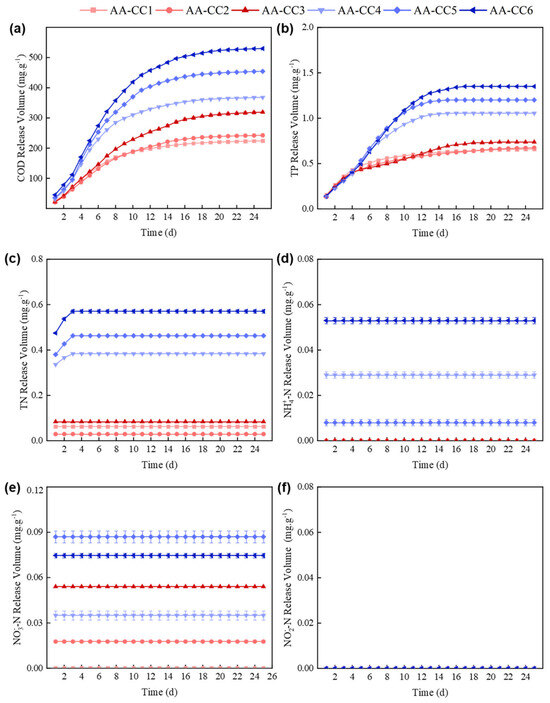
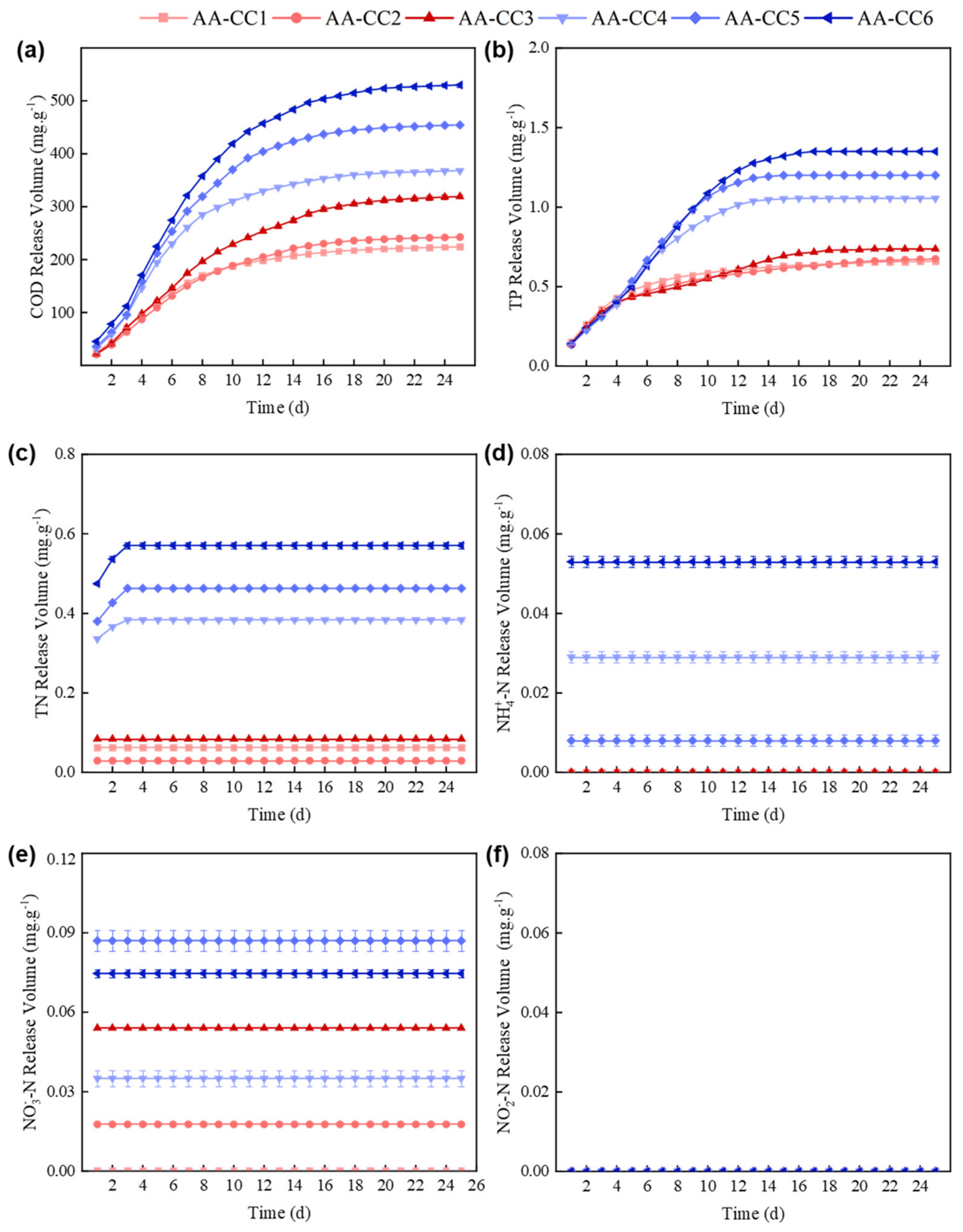
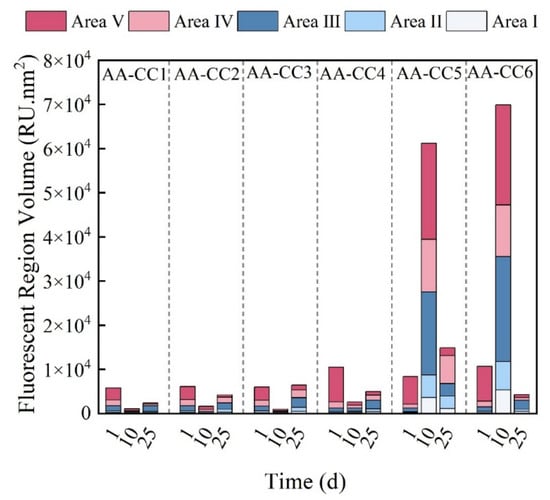
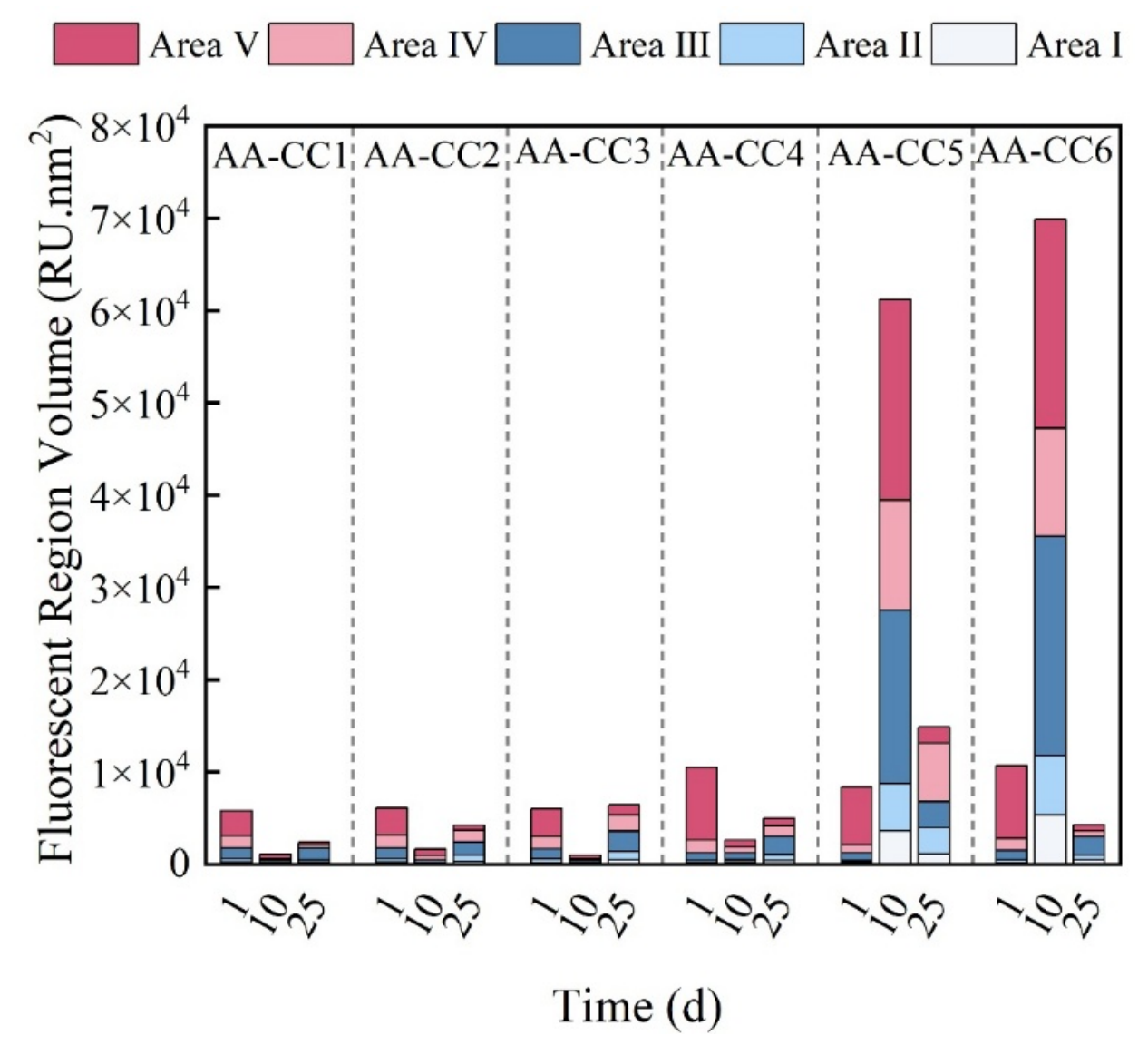
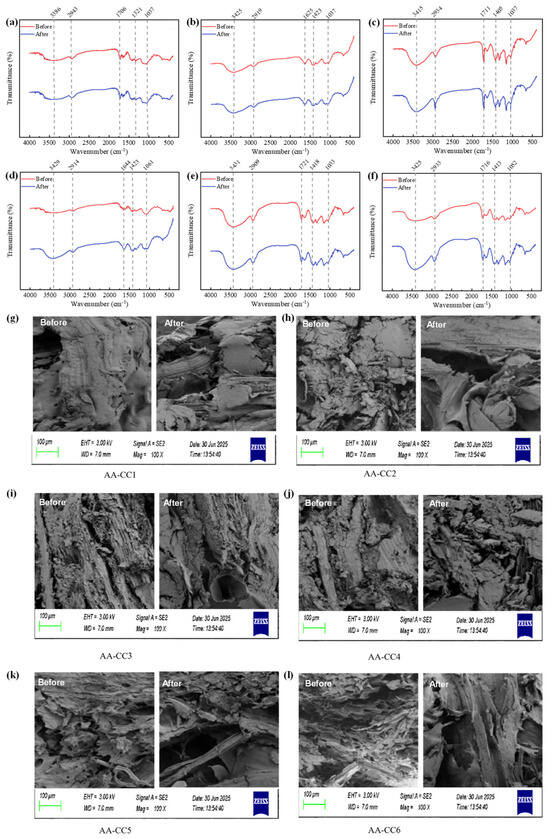
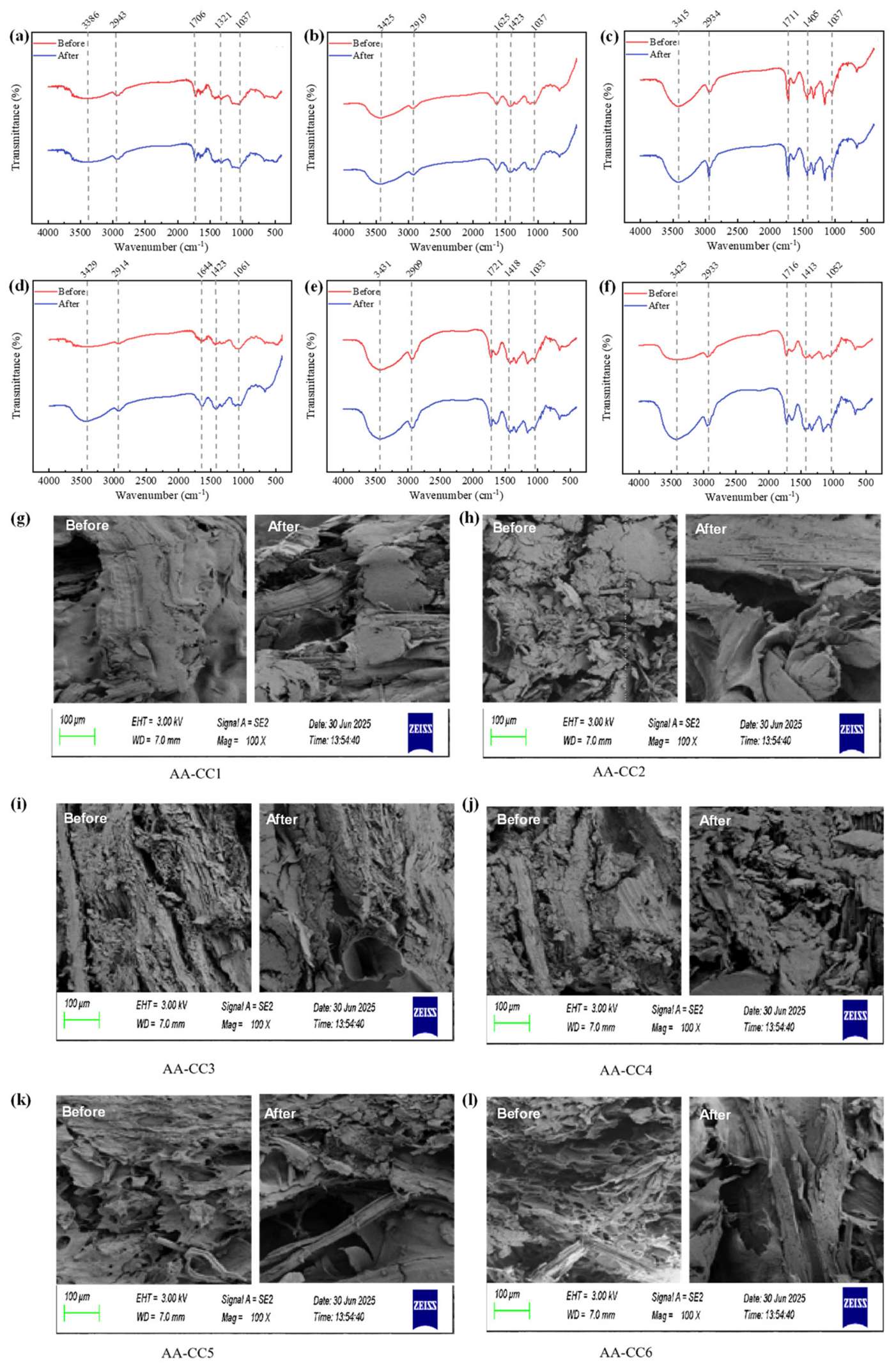
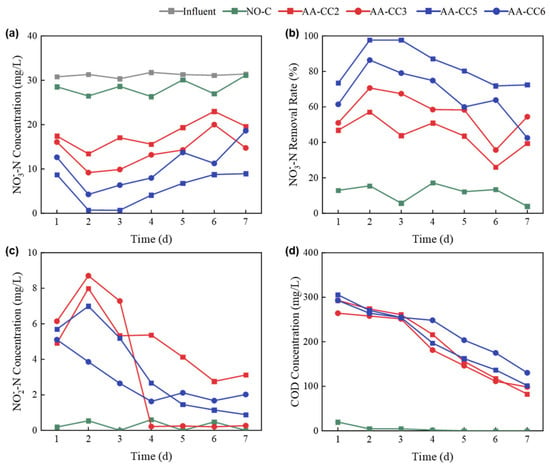
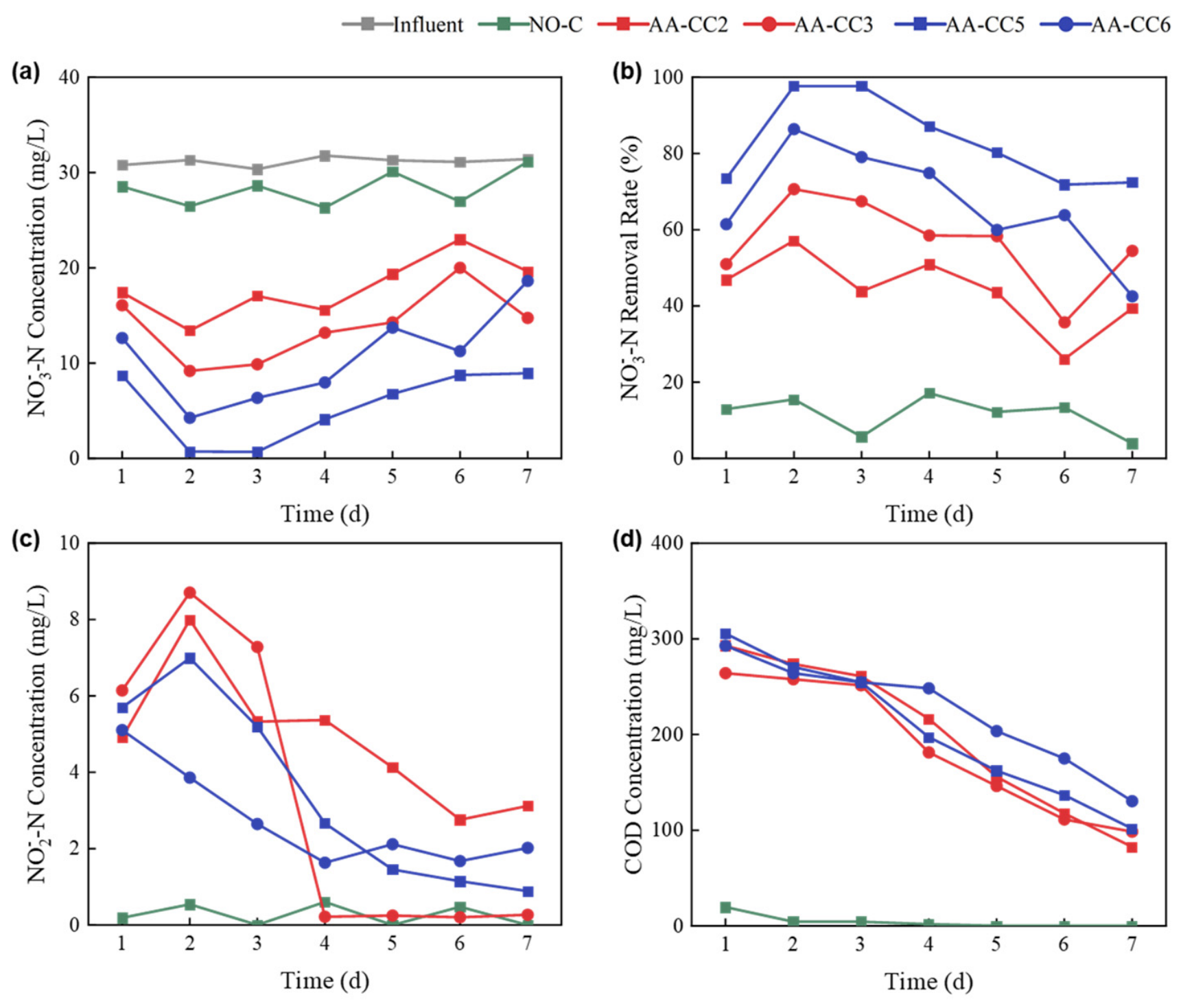
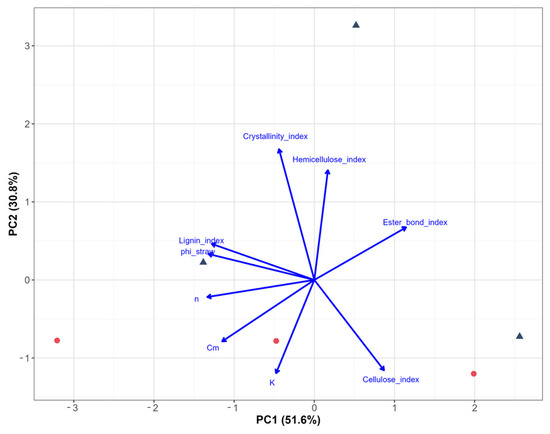
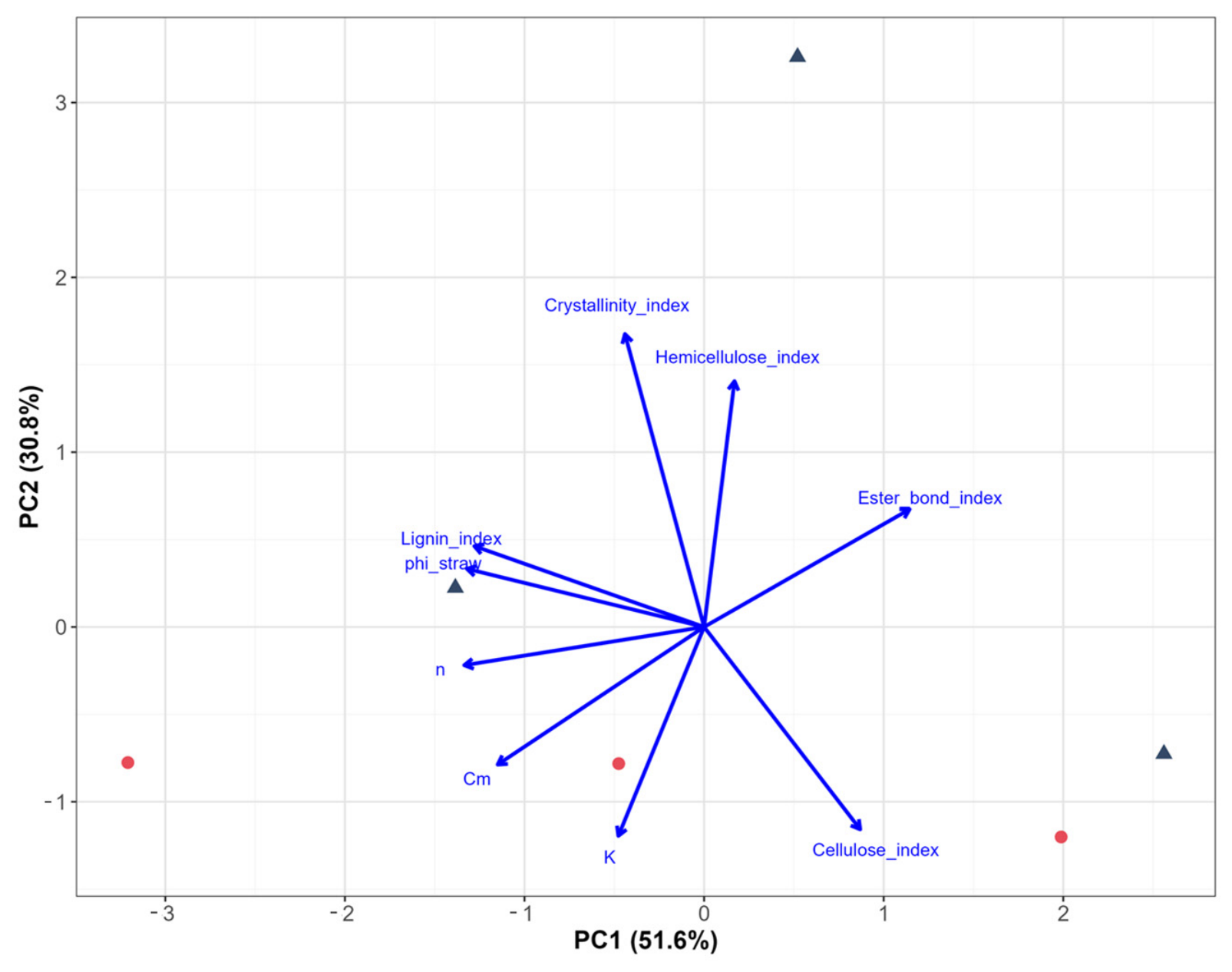
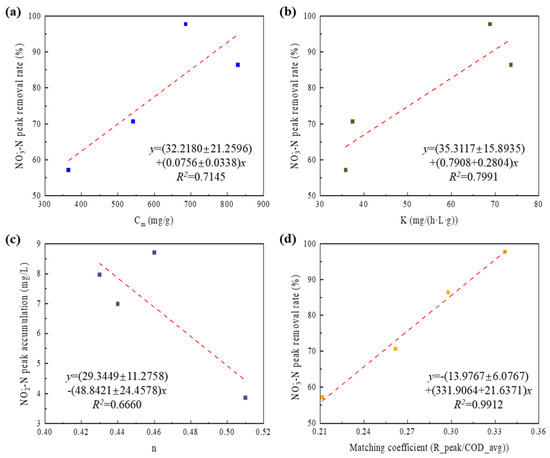
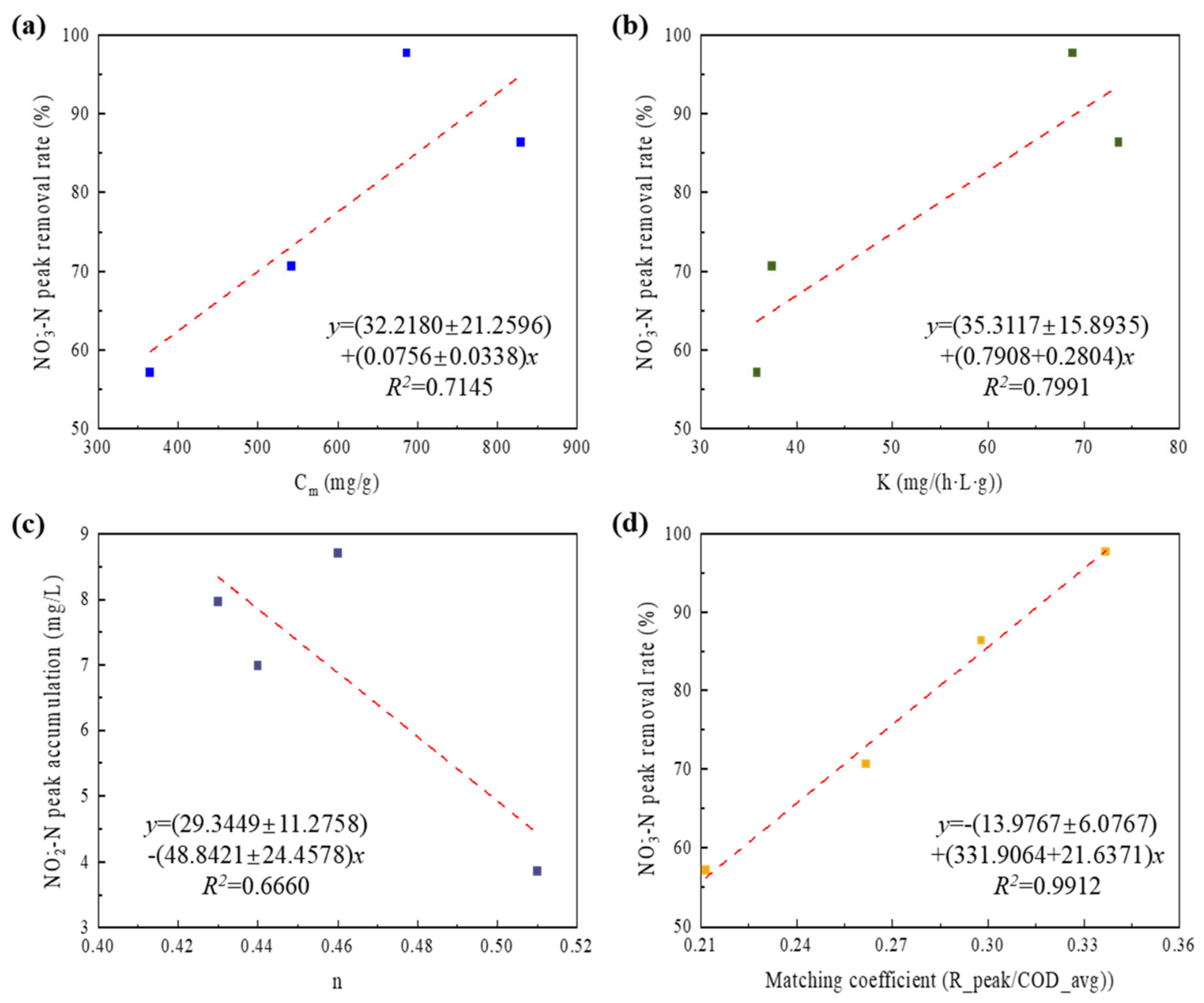
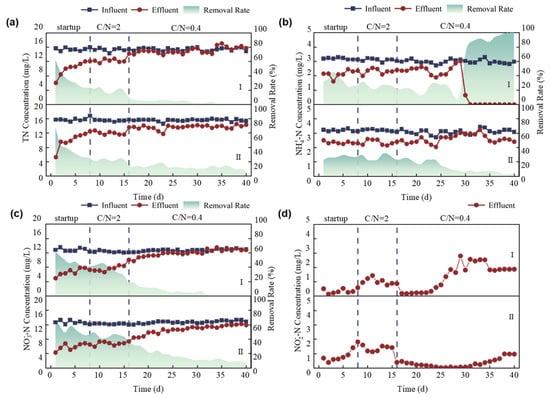
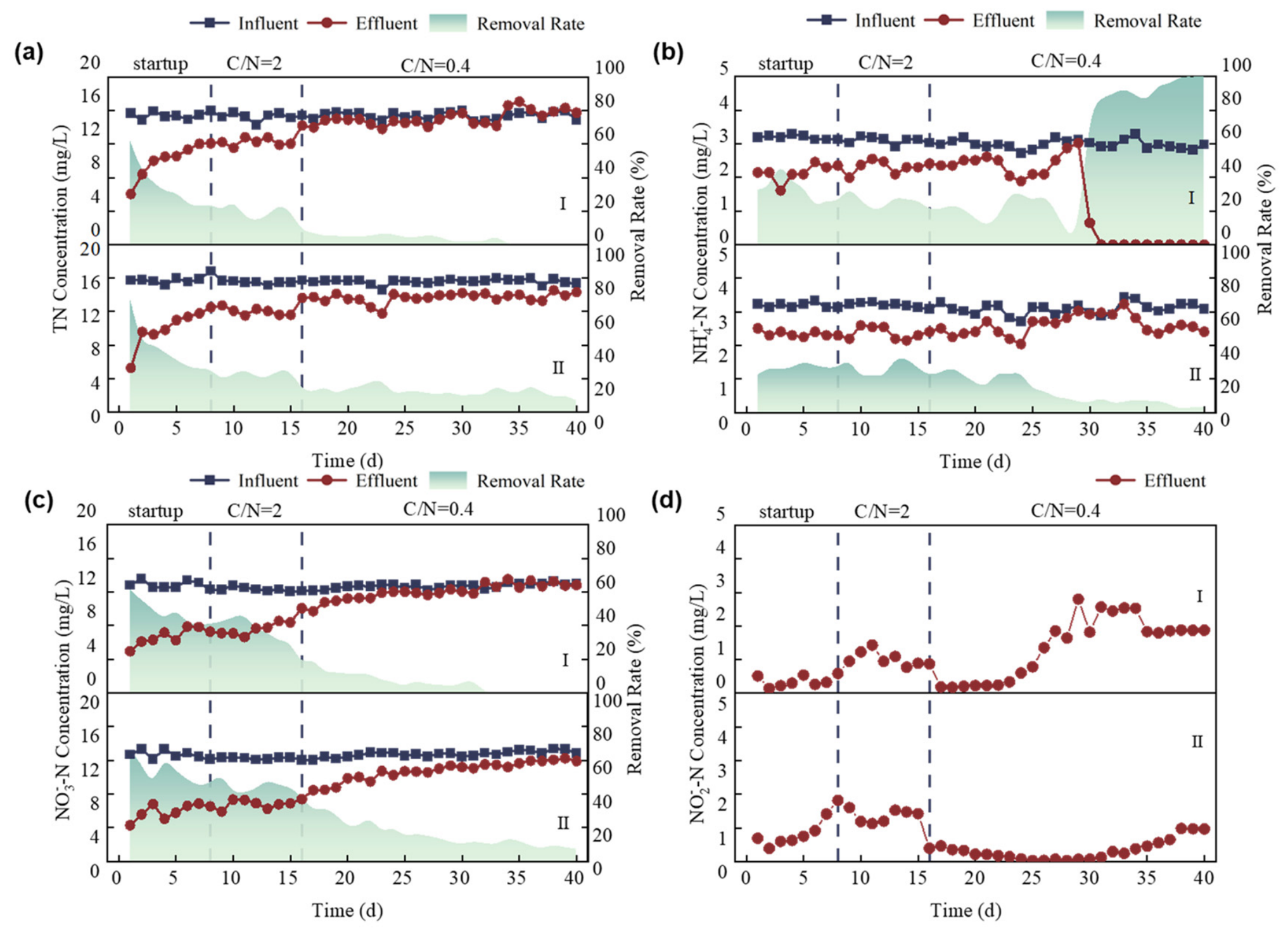
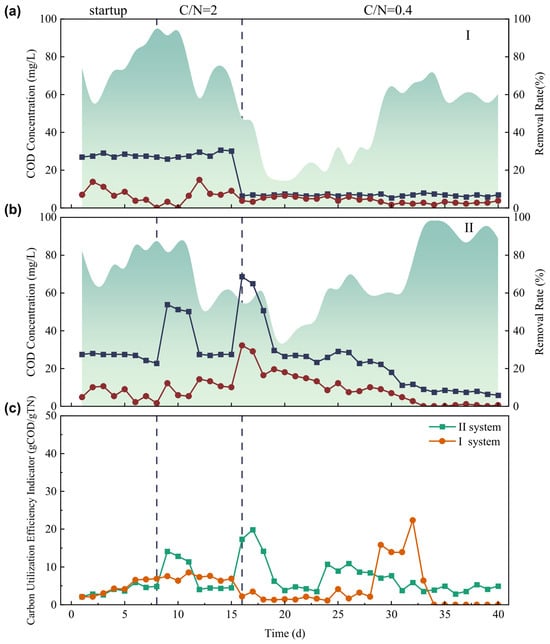
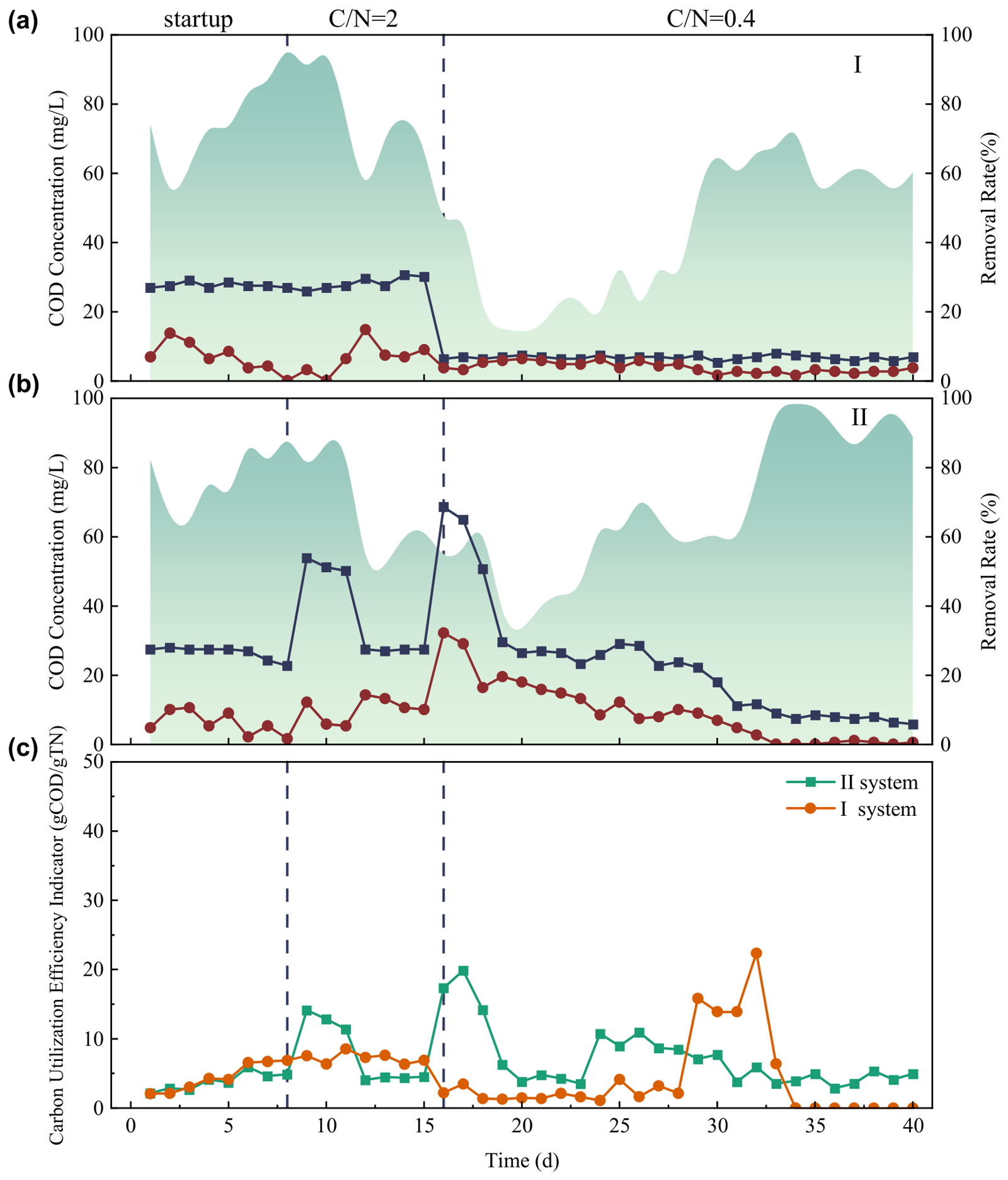
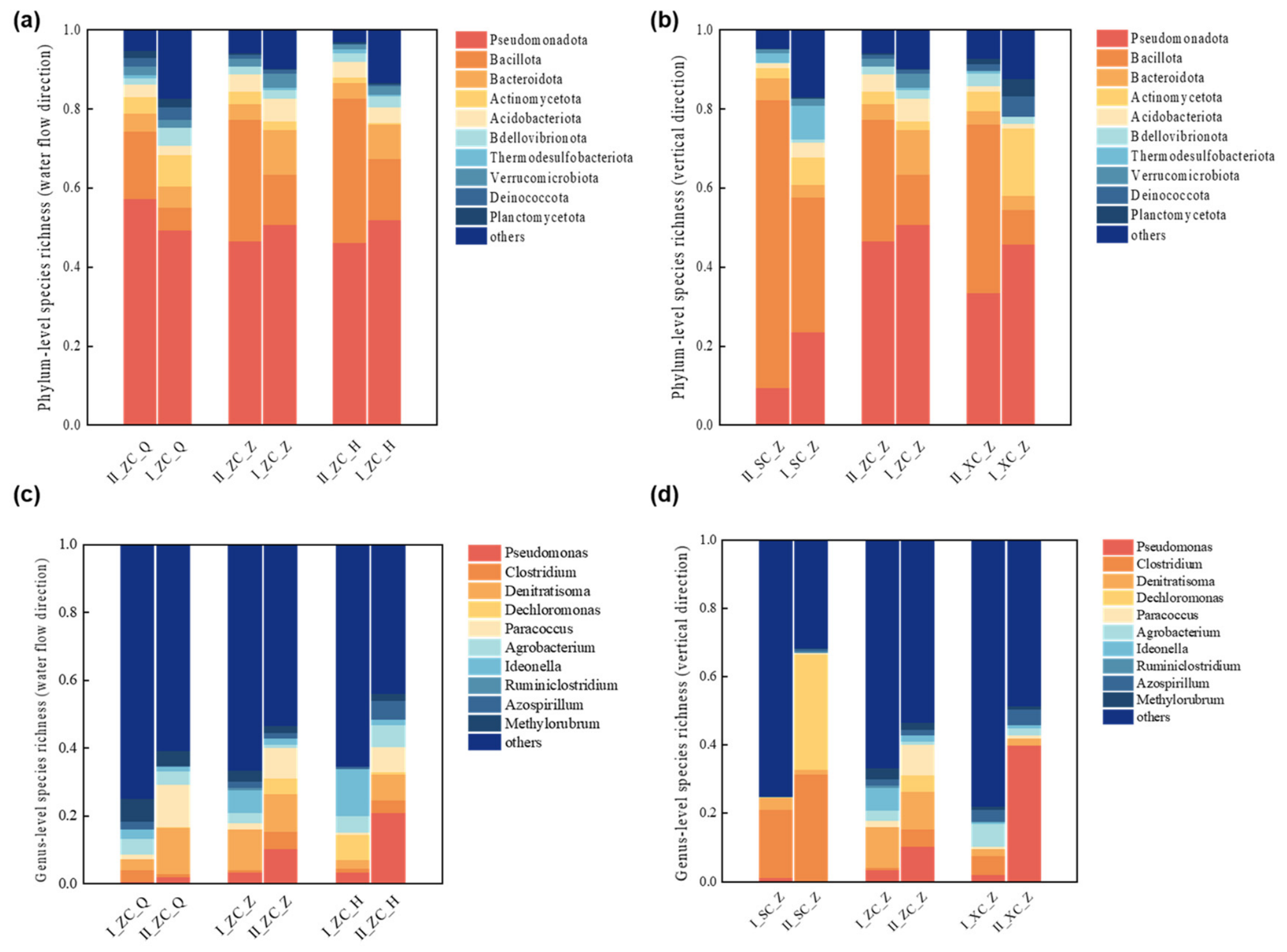
Disclaimer/Publisher’s Note: The statements, opinions and data contained in all publications are solely those of the individual author(s) and contributor(s) and not of MDPI and/or the editor(s). MDPI and/or the editor(s) disclaim responsibility for any injury to people or property resulting from any ideas, methods, instructions or products referred to in the content. |
© 2026 by the authors. Licensee MDPI, Basel, Switzerland. This article is an open access article distributed under the terms and conditions of the Creative Commons Attribution (CC BY) license.