


Abstract
Agricultural non-point source pollution (ANPSP) represents a major threat to water quality, yet its spatiotemporal dynamics in arid and semi-arid regions remain poorly quantified. This study establishes an integrated assessment framework to analyze the spatiotemporal patterns and driving mechanisms of ANPSP in Inner Mongolia, China, from 2002 to 2023. Using a combination of inventory analysis, pollution load equivalence assessment, and the Tapio decoupling model, we systematically examined the evolution of four pollution sources—chemical fertilizers, livestock breeding, agricultural solid waste, and rural domestic discharge—across 12 administrative regions. These methods were sequentially applied to quantify loads, standardize impacts, and evaluate the economy–environment relationship, forming a coherent analytical chain. Key results indicate the following: (1) Pollutant loads increased consistently over the study period, with chemical oxygen demand (COD), total nitrogen (TN), and total phosphorus (TP) rising by 24.21%, 31.67%, and 31.14%, respectively, largely driven by livestock sector expansion. (2) Spatial distribution was highly heterogeneous, with Tongliao, Chifeng, and Hulunbuir contributing 50.58–58.31% of total emissions, in contrast to minimal impacts in western regions. (3) Decoupling analysis indicated variable environment–economy relations, where fertilizer use and grain output reached strong decoupling in 2010–2011 and 2018–2019, whereas livestock pollution exhibited more unstable decoupling trajectories. A cluster-derived risk zoning scheme identified Bayannur as the only high-risk area and highlighted the need for tailored management approaches in medium- and low-risk zones. This study offers a scientific foundation for targeted ANPSP mitigation and sustainable agricultural strategy formulation in ecologically vulnerable areas.
1. Introduction
Agricultural non-point source pollution (ANPSP), originating primarily from excessive fertilizer and pesticide application and improper livestock manure management during agricultural production, poses significant environmental challenges. The accumulation of excess nutrients—particularly nitrogen (N) and phosphorus (P)—in soils is transported via rainfall, surface runoff, and erosion processes [1], leading to contamination of water bodies [2] and degradation of other ecological systems. The diffuse, widespread, and stochastic nature of ANPSP, influenced by multiple interacting factors, complicates the implementation of effective mitigation strategies [3].
Beyond nutrients, ANPSP includes a broad spectrum of pollutants such as pesticides and herbicides, which may leach into groundwater or runoff into surface waters; veterinary antibiotics and hormones from livestock operations; sediments from soil erosion that carry adsorbed nutrients and contaminants; and emerging concerns like microplastics from agricultural mulch films. The environmental impacts range from eutrophication and hypoxia (driven largely by N and P) to toxicity for aquatic life, drinking water contamination, and ecosystem disruption. The generation and transport of these pollutants result from a complex interplay of factors, which can be grouped into three main categories: natural factors (e.g., climate—precipitation intensity and temperature—topography, soil type, and hydrology), which govern runoff and leaching potential; agricultural management practices (e.g., fertilizer and pesticide application rates, timing, and methods, livestock stocking density, manure management, and irrigation); and socioeconomic and policy drivers (e.g., land use patterns, market demand, technology adoption, and environmental regulations), which shape the intensity and spatial distribution of agricultural activities. Given this complexity, a focused and feasible assessment requires prioritization. This study concentrates on chemical oxygen demand (COD), total nitrogen (TN), and total phosphorus (TP) because they represent the most quantitatively significant and routinely monitored pollutants responsible for eutrophication and organic pollution in regional water bodies, and their drivers are directly linked to the dominant agricultural activities in Inner Mongolia.
Globally, ANPSP has been identified as a major cause of water quality deterioration. In Europe, for instance, agricultural activities contribute to over 50% of reported water quality impairment incidents [4]. Regional studies further highlight the severity of nutrient pollution: in Sweden, farm runoff accounts for 97% of nitrogen and 90% of phosphorus loads in watersheds [5], while Finnish agricultural systems contribute more than half of the nation’s total nitrogen and phosphorus emissions, with intensive farming practices notably intensifying nutrient enrichment in lake-rich regions [6]. Similarly, Asian countries face comparable challenges, as evidenced by the eutrophic state of Thailand’s Mae Kwang Dam Reservoir, which has been largely attributed to ANPSP inputs [7]. These cases underscore the complex and tightly interlinked relationship between agricultural practices and aquatic environmental quality.
Agricultural cultivated land systems represent a primary source of agricultural non-point source pollution (ANPSP) globally [8]. In the United Kingdom, ANPSP contributes 30–50% of the nation’s total phosphorus (TP) load [9], while in the United States, it accounts for over 65% of the national pollution burden and serves as a major contributor to surface water contamination in rivers, lakes, and other aquatic systems [9]. Similarly, in the Netherlands, agriculture is responsible for 60% of total nitrogen (TN) and 40% of TP in water pollution [10].
Since the economic reforms initiated in the late 1970s, China has experienced remarkable agricultural growth, with output increasing by 97.42 times [11]. However, this rapid modernization has also generated substantial agricultural waste, intensifying environmental pollution. According to China’s 2021 Environmental Statistics Bulletin, agricultural sources accounted for 66.2% of national chemical oxygen demand (COD) emissions, 53.2% of TN emissions, and 78.5% of TP emissions. While policymakers have acknowledged the damaging effects of ANPSP on ecological systems and its threat to sustainable agricultural development, effective and targeted management strategies remain inadequate. Consequently, investigating the spatiotemporal patterns and underlying drivers of ANPSP is of critical importance for developing science-based mitigation policies.
The Nitrogen Use Efficiency (NUE) of wheat in China is approximately 60% of the global average level [12], and surplus N either remains in the soil or is lost to the environment through pathways such as ammonia volatilization, denitrification, and leaching [13]. In the North China, the nitrogen application doses for wheat in farmers’ fields was 120–729 kg N ha−1 with an average of 325 kg N ha−1, which was much more than the optimal nitrogen fertilization doses of 120–180 kg N ha−1 based on field experiments [14]. Whereas higher doses of nitrogen supply did not give a proportional increase in wheat yield, and also led to a strong decrease in nitrogen use efficiency [15].
Various methods have been used to quantify ANPSP. These methods can be broadly classified into four categories: Firstly, single indicators can be employed to characterize the intensity of ANPSP directly [16]. Examples of such indicators include pesticide and fertilizer input intensities and livestock manure excretion intensities [16]. Although this method is relatively straightforward in terms of data acquisition and calculation, it only captures specific pollution sources, which limits its ability to comprehensively depict the overall ANPSP situation. Secondly, point-scale measurements involve direct field measurements of specific pollution types [17]. While these measurements provide detailed and reliable data, they lack representativeness for broader regions, which limits their applicability in large-scale assessments. Thirdly, the integration of survey data with machine learning methods and computer models enables the simulation of pollution scenarios [18], including empirical models (e.g., the export coefficient model, ECM) [19] and mechanistic models (e.g., the SWAT model) [20]. However, these models are highly dependent on parameters and input data, which makes it challenging to validate the simulation results, particularly in complex environmental contexts.
The fourth approach, inventory analysis based on unit surveys, is well-suited for regional and national scale assessments, making it particularly appropriate for large-scale, long-term studies [21]. A key advantage of this methodology lies in its ability to compensate for the absence of direct field measurements by leveraging aggregated data sources, rendering it highly valuable for evaluating agricultural non-point source pollution (ANPSP) even in data-scarce contexts. This study aims to address two critical knowledge gaps in ANPSP research specific to arid/semi-arid regions like Inner Mongolia: (1) the integrated assessment of long-term spatiotemporal dynamics of multiple pollutants (COD, TN, TP) across diverse agricultural systems, and (2) the quantitative relationship between socioeconomic development and environmental pressure in pastoral–agricultural transition zones using decoupling analysis. Accurate estimation of agricultural pollution loads is essential for identifying critical pollution situations [22]. Inventory analysis is widely applied for this purpose due to its simplicity, stability, and low data requirements [23], especially when compared to mechanistic and empirical models originally developed in the United States [24]. The specific advantages of employing the inventory analysis method for estimating ANPSP loads in this study include: (1) the use of readily accessible statistical data to quantify pollution sources, and (2) a calculation framework based on establishing basic units of agricultural waste, which enables the determination of fundamental independent units.
The decoupling concept, operationalized by the Tapio framework, offers a robust tool to analyze economy–environment relationships but remains underexplored for long-term ANPSP dynamics in ecologically vulnerable, arid/semi-arid agropastoral systems like Inner Mongolia [25,26]. Furthermore, while inventory analyses provide regional load estimates, integrated assessments that combine long-term source quantification, economic decoupling analysis, and spatially explicit risk zoning to inform targeted management are still lacking for this region.
Inner Mongolia is an important region for modern agriculture and grain production. However, it has been facing severe ANPSP-related challenges due to the impacts of multiple factors, such as national policies, natural ecology, economic level, and population demand, where (1) agricultural modernization policies drove initial pollution increases, while later environmental regulations created sectoral divergence; (2) climate variability modulated policy effectiveness, with droughts constraining and heavy rainfall amplifying pollution transport; and (3) demographic transitions interacted with economic incentives to concentrate pollution sources in intensification hotspots.
To address these gaps, this study establishes an integrated analytical framework to investigate the spatiotemporal patterns and driving mechanisms of ANPSP in Inner Mongolia from 2002 to 2023. The specific objectives are: (1) to quantify the long-term emissions of COD, TN, and TP from four major sources (chemical fertilizers, livestock breeding, agricultural solid waste, and rural domestic discharge) using inventory analysis; (2) to map the spatiotemporal evolution and heterogeneity of pollution loads and intensities; (3) to evaluate the decoupling states between agricultural economic growth (grain and livestock output) and pollution pressure using the Tapio model; and (4) to develop a cluster-based risk zoning scheme to identify priority control areas and regional archetypes for differentiated management.
The novelty of this research lies in three aspects: First, it provides a comprehensive, two-decade assessment that integrates multi-pollutant source apportionment with economic decoupling analysis specifically for a vast agropastoral region under arid/semi-arid conditions. Second, it moves beyond simple load accounting by introducing a combined analytical chain (inventory → standardization → decoupling → clustering) to diagnose both the magnitude and the socio-economic drivers of pollution. Third, it translates spatial patterns into an actionable hierarchical risk-zoning framework, offering a direct scientific basis for moving from uniform to precisely targeted environmental governance in Inner Mongolia. The findings aim to provide critical insights for achieving synergistic development of agricultural productivity and ecological sustainability in this strategically important region.
2. Materials and Methods
2.1. Research Area
The Inner Mongolia Autonomous Region (39°37′–53°23′ N, 97°12′–126°04′ E) is located in the northern border area of China, with a total area of 1.18 × 10⁶ km2 (Figure 1). It spans 2400 km from east to west and 1700 km from north to south. It borders Russia and Mongolia to the north, adjacent to Gansu, Ningxia and other five provinces to the south, and connects with the northeastern provinces to the east. It is an important component of the ecological barrier in North China. The administrative divisions cover 9 prefecture-level cities, 3 leagues and 103 county-level administrative regions.
Figure 1.
Location map of study area of Inner Mongolia Autonomous Region, China.
As a crucial base for agricultural and animal husbandry production in China, the region’s socioeconomic and agricultural characteristics are fundamental to modeling ANPSP. By the end of 2022, the permanent resident population was 24.01 million, with an urbanization rate of 68.6%. The rural population, though declining due to urbanization, remains significant and is spatially concentrated in eastern farming areas. Agri-cultural activities are characterized by large-scale livestock production—with over 66 million sheep and 7 million cattle recorded in 2022—and extensive crop cultivation, particularly of corn, wheat, and soybeans, which accounts for substantial fertilizer consumption. These demographic and agricultural patterns directly shape the spatial distribution of pollution sources included in our modeling framework.
The terrain is dominated by plateaus (with an altitude of >1000 m), and also includes mountains, hills and plains. The climate belongs to the temperate continental monsoon type, with an average annual precipitation of 100–500 mm. The distribution of precipitation is uneven, with more than 60% concentrated in summer, and spring is dry and windy, with a cold period lasting for 5 months in winter. The soil is mainly black calcareous soil and dark brown soil, with relatively high initial fertility, but due to long-term intensive agricultural production, soil organic matter has significantly declined, and the fertility is highly dependent on the input of external chemical fertilizers.
2.2. Research Data
To estimate the ANPSP loads of Inner Mongolia, an agricultural input and output database was established. The database included annual data of the total grain yield and meat output in each cities; the pure consumption of nitrogen, phosphate and compound fertilizers; the numbers of slaughtered swine and poultry; the year-end total numbers of cattle and sheep; the yield of rice, wheat, corn, vegetables, beans, tubers and oil-bearing crops; and the rural population from 2002 to 2023.
Primary agricultural data were sourced from Inner Mongolia Statistical Year-book (2003–2024). Such as date of the application amounts of nitrogen and phosphorus fertilizer, livestock population, aquaculture yield, and rural population. The coefficient for nitrogen fertilizer and phosphorus fertilizer loss is from the “Manual of Fertilizer Loss Coefficients from Agricultural Pollution Sources”. The contents of COD, TN and TP in the crops refer to “The Chinese Organic Fertilizer Nutrient Catalogue”. Export coefficients for livestock and Rural household waste were derived from the Pollution Generation and Emission Coefficient Manual (Agricultural Sources) issued under China’s Second National Pollution Source Census; Surface water resource volumes were extracted from the Inner Mongolia Water Resources Bulletin. Data were collected at annual resolution, with missing values in specific year’s supplemented using linear interpolation. This paper refers to the Environmental Quality Standards for Surface Water (GB 3838-2002) [27], and takes COD, TN, TP as the pollutant concentration discharge standard of class III water quality index 20 mg/L, 1.0 mg/L, 0.2 mg/L. Geographical datasets, including administrative boundaries, were acquired from the Resource and Environment Science and Data Center, Chinese Academy of Sciences (https://www.resdc.cn/).
2.3. Research Methods
2.3.1. Inventory Analysis
Inventory analysis constitutes a systematic quantification methodology that examines resource/energy consumption and environmental emissions—including gaseous discharges, wastewater effluents, solid wastes, and ancillary environmental releases—across the entire life cycle of a product. The methodology encompasses four key components: pollution source identification and adjustment, assessment unit delineation, determination of production and emission coefficients, and pollutant accounting. This method requires the identification of the elementary units (EUs) of agricultural pollution sources. Generally, the agricultural pollution sources in China include three categories. Specifically, the first category includes non-point source (NPS) pollution in farmland that is derived from the applications of mineral fertilizers, plastic film, and pesticides, as well as from straw burning and stacking. The second category consists of NPS pollution from breeding, such as livestock, poultry, and aquaculture breeding. The third category is related to NPS pollution from rural living, such as residential sewage and garbage. The methodology encompasses four key components: pollution source identification and adjustment, assessment unit delineation, determination of production and emission coefficients, and pollutant accounting. In this study, twelve cities within Inner Mongolia are designated as spatial accounting units to calculate emission magnitudes of four prioritized agricultural pollutants. The primary objective is to delineate spatiotemporal distribution patterns of agricultural NPSP from 2002 to 2023. This study establishes an accounting framework covering four pollution sources: Mineral fertilizers, Livestock and poultry breeding, Farmland straw, and Rural household waste. Key indicators including The application amounts of nitrogen and phosphorus fertilizer/Cultivated Land Area, livestock population and rural population size were selected to quantify agricultural pollution emissions. Due to data unavailability at the city level, plastic film usage was excluded from the current calculation system, though future studies should consider incorporating these pollution sources.
According to Chen et al. [21], an EU list of a four-level structure composed of activity, class, unit, and indicator was selected and reported in Table 1. The relationships between activities and total pollution loads (E) were established in this study using a top-down approach, according to the following equation:
Table 1.
Agricultural non-point source pollution accounting unit.
In the formula: E is the total TP emission, t; PEi is the generation amount of pollutants, t; ρi is the generation coefficient of unit i; ηi is the coefficient representing the utilization efficiency of relevant resources; Ci is the emission coefficient of pollutants, which is determined by the characteristics of the accounting unit and the regional spatial characteristics (S). EI (t/km2) is the emission intensity of agricultural non-point source pollution, representing its impact on the water environment; AL is the land area of each city (km2).
2.3.2. Export Coefficient Method
The export coefficient method estimates the potential generation loads of NPSP within a study area by multiplying the average pollutant generation intensity per accounting unit with aggregate activity data. National census data inherently possesses city-level compatibility, as both its institutional design and data collection processes are structured with cities as the fundamental operational units. This study determines export coefficients through the Second National Pollution Source Census: Pollution Generation Coefficient Manual (Agricultural Sources), enabling discharge load calculations for fundamental pollution discharge units in inventory analysis. Given that national census coefficients are updated decennially, the 2017 coefficients from China’s Second National Pollution Source Census were adopted to represent the entire study period (2002–2023).
Building on this foundation, the key coefficients applied are defined as follows. The livestock and poultry excretion coefficient quantifies the mass of specific pollutants (e.g., nitrogen, phosphorus) excreted per animal under standard rearing conditions over a given period. Given the significant variation in excretion rates across species and growth stages, the standardized provincial coefficients from the aforementioned manual were used. For animals with a rearing cycle shorter than one year (e.g., pigs, broilers), the annual pollutant load is calculated by integrating daily rates. For livestock with a cycle longer than one year (e.g., dairy cattle, beef cattle, laying hens), annualized coefficients per animal are applied directly.
Regarding crop cultivation, the nitrogen and phosphorus loss coefficient is defined as the fraction of soil and fertilizer nutrients that is mobilized via runoff or leaching following rainfall or irrigation, representing the portion exported from the field. The specific values applied in this study and their sources are compiled in Table 2. The specific contents of COD, TN, and TP in various crops are listed in Table 3, while the average levels of these contaminants in different types of livestock manure are provided in Table 4.
Table 2.
Indicators and Parameters for Agricultural Non-Point Source Pollution Sources in Inner Mongolia.
Table 3.
The contents of COD, TN and TP in various crops.
Table 4.
Average levels of contaminants in livestock manure.
It is acknowledged that the application of these fixed, regionally averaged coefficients is a recognized source of uncertainty in estimating absolute pollutant loads, as local conditions (e.g., management practices, soil properties, microclimate) can alter actual loss pathways. However, the primary conclusions of this study concerning relative spatial patterns, temporal trends, and source contributions remain robust. This robustness stems from the consistent application of the same coefficient set uniformly across all spatial units and the entire study period, ensuring that the comparative analyses used to identify pollution hotspots and major drivers are valid and reliable for regional environmental priority-setting.
The Export Coefficient Model is used to geographically distribute these pollution loads to particular administrative units (such as counties or cities) within Inner Mongolia, whereas the Inventory Analysis yields regional totals. This is the essential technique for creating the spatial patterns that our title refers to. As we have previously explained in the text, this model allows the mapping of pollution intensity by converting export coefficients and activity data (such as crop sown area and livestock inventory) into spatially explicit load estimations.
The portion of rural manure and urine is used as organic fertilizer. The loss rate of this is calculated at 10%. The loss rate of rural domestic sewage is calculated at 85%.
2.3.3. Equivalent Standard Pollution Load Method
The Equivalent Standard Pollution Load Method is used to address the issue of various pollutant toxicities and environmental impacts right after the inventory analysis. This approach transforms the raw emission loads from Inventory Analysis into a single, dimensionless metric because they are not immediately comparable (e.g., tons of TN vs. TP). This makes it possible to identify the main contaminants and the main sources of pollution throughout the area in a way that is both scientifically sound and necessary for both spatial and temporal analysis.
In terms of pollution source assessment, the equivalent standard pollution load method is often used to standardize the quantity of pollution sources. That is, the emissions of various pollutants are converted into a unified and comparable quantity, enabling comparison on the same scale. Thus, the main pollutants, main pollution sources, and total pollution load can be determined. Among them, the equivalent standard pollution load refers to the total emission quantity of pollutants that have an impact on the environment. The equivalent standard pollution load of a certain pollutant refers to the equivalent volume of wastewater containing that pollutant discharged per unit time. The equivalent standard pollution load ratio refers to the ratio of the equivalent standard pollution load of a certain pollution source or a certain pollutant to the total equivalent standard pollution load, and it can reflect the pollution contribution of a certain pollution source or pollutant [28]. The specific calculation formulas are as follows:
In the formula: Pi is the equivalent standard pollution load of pollutant i; C0i is the standard limit value of pollutant i in Class III of the Environmental Quality Standards for Surface Water (GB 3838-2002) (for COD, it is 20 mg/L; for TN, it is 1 mg/L; for TP, it is 0.2 mg/L).
The equivalent standard pollution index (Mi) is:
In the formula: V represents the total amount of surface water resources, m3.
2.3.4. Tapio Decoupling Model
The Tapio decoupling evaluation model has higher sensitivity than the decoupling indicator method constructed by the Organisation for Economic Co-operation and Development (OECD) and can more accurately reflect the decoupling relationship between agricultural non-point source pollution and output value [20]. In this paper, “decoupling” refers to the relationship between agricultural production and cultivated land non-point source pollution within a certain time and space in a region, that is, the ratio of the change in cultivated land non-point source pollution load (chemical fertilizer application amount, livestock and poultry manure and urine emission amount) to the change in agricultural product output (grain output, meat and milk output) within a certain period. This is used to judge the production efficiency state of agricultural production and cultivated land non-point source pollution emission. Its calculation formula is:
In the formula: W represents the decoupling index between agricultural production and cultivated land non-point source pollution; ∆I is the change in cultivated land non-point source pollution load; ∆G is the change in agricultural product output; It and I(t−1) represent the cultivated land non-point source pollution load in the base period and the end period, respectively; Gt and G(t −1) represent the agricultural product output in the base period and the end period, respectively; t is the statistical year.
The decoupling state between agricultural production and cultivated land non-point source pollution into 8 decoupling types (Table 5).
Table 5.
Types of decoupling.
This model examines the relationship between environmental pressure and economic growth as well as their temporal dynamics. It is used to examine the spatiotemporal patterns from a new angle, asking “how does pollution change in relation to agricultural economic development over time?” rather than merely “where” and “how much”? In particular, it assesses the relationship between economic growth and the rise in pollution, which is crucial to comprehending the underlying mechanisms.
2.3.5. Cluster Analysis Method
Data clustering algorithms are generally categorized into two main types: hierarchical clustering and partitional clustering [29]. K-means clustering belongs to partitional clustering with aims to divide the observations into non-overlapping clusters, which can discover the hidden clustering patterns in the whole datasets. It generates clusters using a heuristic approach while optimizing a standard function defined globally in the dataset or locally within subsets of data objects [30]. K-means clustering operates by partitioning a dataset into clusters while minimizing the squared error between each sampling point and its assigned cluster centroid. The algorithm measures variance based on a concept of distance that reflects the similarity between two samples, rather than traditional spatial distance. The choice of distance metric significantly influences the assessment of similarity [31], with the standard K-means algorithm commonly employing the Euclidean metric as its default distance measure [32]. The functional representation of this process is as follows:
where J denotes to the objective function, Ci represents the ith cluster, ni implies the sample number in ith cluster, Ci = ‖xj−μi‖2 represents the distance function used to calculate the squared distance between each sample point xj and its nearest centroid μi. The calculation of centroid μi are shown as follow:
Another key parameter in partition clustering, such as K-means, is determining the optimal number of clusters [33]. Several approaches can be utilized for this purpose, including prior domain knowledge and established techniques such as the Davies–Bouldin Index (DBI) [34], the Silhouette method [35], the elbow method [36], and the information criterion approach [37]. In this study, the Silhouette method was employed to determine the optimal cluster number. This method offers clear visual representations of classification quality and computes silhouette values, aiding in interpreting and validating the internal consistency of the clusters [37]. The silhouette values can measure how well an individual observation aligns with its assigned cluster compared to others. Higher silhouette values suggest strong cohesion within the cluster and weaker similarity to neighboring clusters, aligning with the fundamental goals of cluster analysis. Based on the outputs of previous models (e.g., pollution load intensity, decoupling states, socio-economic drivers), it objectively classifies all counties and cities into several distinct typologies or clusters (e.g., “High-Load Strong Decoupling, “Low-Load Expansion Connection”). This approach enables us to move beyond describing individual units and identify regional archetypes, which is instrumental in discussing targeted policy implications.
3. Results
3.1. Analysis of the Spatial and Temporal Characteristics of Agricultural Non-Point Source Pollution in Inner Mongolia Autonomous Region
3.1.1. Trend of Temporal Changes
The inter-annual variations in COD, TN, TP and total pollutant emissions in Inner Mongolia Autonomous Region from 2002 to 2023 are shown in Figure 2. The pollution load of all pollutants generally shows a slow upward trend. The total pollution load increased from 65.11 × 10⁴ t in 2002 to 90.43 × 10⁴ t in 2023. Among them, the pollution load of COD increased from 33.51 × 10⁴ t in 2002 to 44.21 × 10⁴ t in 2023, with an annual average growth rate of 1.2%; the pollution load of TN increased from 29.25 × 10⁴ t in 2002 to 42.81 × 10⁴ t in 2023, with an annual average growth rate of 1.6%; the pollution load of TP increased from 2.35 × 10⁴ t in 2002 to 3.42 × 10⁴ t in 2023, with an annual average growth rate of 1.5%. The pollution loads of COD, TN and TP increased by 24.21%, 31.67% and 31.14%, respectively. From 2002 to 2023, the emissions of COD, TN and TP showed fluctuating changes. From 2002 to 2014, they showed an upward trend, from 2014 to 2020, they showed a downward trend, and reached a peak in 2021, with emissions of 522,300 t, 426,900 t and 33,900 t, respectively. From 2021 to 2023, they showed a trend of first decreasing and then increasing. Among the total pollutant emissions, the emissions of COD and TN occupied the dominant position, followed by TP, with average proportions of 51.91%, 44.51% and 3.58%, respectively.
Figure 2.
Emission of pollutants from different agricultural non-point sources and changes in the structure of pollution sources.
To examine the temporal trends of COD, TN, and TP pollution loads from 2002 to 2023, the non-parametric Mann–Kendall trend test was applied to each time series. For COD (n = 22), TN (n = 22), and TP (n = 22) pollution loads, the calculated Z statistics were 3.95, 3.83, and 3.75, respectively. All these Z values exceed the critical value of 1.96 at a significance level of α = 0.05, indicating that there are statistically significant monotonic increasing trends in COD, TN, and TP pollution loads during the study period.
From the perspective of the source structure, the emission source structure of COD did not show significant changes, while the emission source structures of TN and TP changed significantly. Livestock and poultry farming was the main source of COD emissions, accounting for 50.65% in 2002 and 63.22% in 2023; the proportion of COD emissions from rural life decreased from 42.32% to 17.61%; the proportion of COD emissions from agricultural solid increased nearly twice, from 7.03% in 2002 to 19.17% in 2023, and the growth rate accelerated after 2014. The emission sources of TN and TP were mainly agricultural fertilizers and livestock farming, and the proportion of TN emissions from agricultural fertilizers showed a fluctuating downward trend, from 51.63% in 2002 to 43.54% in 2023. The proportion of TN emissions from livestock farming showed a fluctuating upward trend, from 34.93% in 2002 to 40.93% in 2023. The proportion of TP emissions from agricultural fertilizers showed a fluctuating downward trend, from 46.31% in 2002 to 39.35% in 2023. The proportion of TP emissions from livestock farming showed a fluctuating upward trend, from 43.10% in 2002 to 48.72% in 2023, and after 2003, the proportion of TP emissions from livestock farming exceeded that from agricultural fertilizers.
This swing in nutrient source contribution—from chemical fertilizers toward livestock manure—reflects divergent sectoral pathways. It is driven by the combined effect of policy-driven constraints on fertilizer application growth, the rapid intensification of livestock production, and the relative lag in the deployment of comprehensive manure treatment infrastructure compared to the increase in animal inventories.
The observed temporal patterns—sustained increases in COD, TN, and TP loads coupled with a distinct post-2014 shift in COD sources from rural life to agricultural solid waste—closely align with major policy transitions. The effective control of rural domestic pollution under national improvement campaigns explains the declining share of that source. Simultaneously, policies mandating the management and resource utilization of livestock manure and straw (e.g., post-2015 “Zero Growth” action and manure treatment guidelines) have systematically incorporated agricultural solid waste into the pollution inventory, increasing its relative contribution. This indicates that the changing source structure reflects a policy-driven rebalancing in pollution management focus as much as absolute changes in emissions.
To interpret the spatiotemporal characteristics of agricultural non-point source pollution in Inner Mongolia Autonomous Region during 2002–2023, a policy-oriented analysis is conducted as follows.
- (1)
- Enhanced Regulation and Recycling of Agricultural Solid Waste
Following 2014, a series of national and regional policies—notably the Technical Guide for Estimating the Land Carrying Capacity of Livestock and Poultry Manure (2018) and successive Five-Year Plans—established clear targets for improving the comprehensive utilization rate of livestock manure, aiming to raise it from over 78% to 90%. These measures compelled large-scale farms to construct manure treatment facilities and encouraged the resource-oriented utilization of agricultural solid wastes, such as through biogas and organic fertilizer production. As a result, pollutants derived from agricultural solid wastes—previously under-monitored and poorly man-aged—became systematically quantified, leading to a rise in their relative contribution to the total COD load.
- (2)
- Effective Control of Rural Domestic Pollution
Simultaneously, extensive rural environmental improvement initiatives under the 13th Five-Year Plan significantly upgraded the collection, transport, and disposal systems for rural domestic waste, as well as enhanced domestic sewage treatment. Interventions including source separation and the development of organic waste treatment facilities reduced the direct discharge of household COD into water bodies. The success in curbing domestic emissions created a contrast effect, thereby accentuating the proportional contribution from agricultural activities.
- (3)
- Strategic Promotion of a Circular Economy
The implementation of the Inner Mongolia “14th Five-Year” Plan for Circular Economy Development (2021) further reinforced this transition. By advancing integrated models such as “crop cultivation–straw–livestock breeding–biogas–organic fertilizer–returning to the field,” agricultural solid waste was repositioned from a waste stream to a valuable resource. Although this resource-focused strategy supports long-term sustainability, it inherently raises the visibility and managed quantities of such wastes in the short term.
- (4)
- Background Socio-Economic Transition
Accelerated urbanization, as highlighted in the 2014 government work report, contributed to a gradual decline in the permanent rural population, thereby reducing the absolute load of dispersed domestic pollutants. At the same time, the ongoing intensification and scaling-up of agricultural production concentrated and amplified pollution from these operations, making their emissions more detectable and quantifiable.
To quantitatively evaluate the long-term trends in aggregate pollution loads, linear regression was applied to the total annual emissions (summed across all four sources) of each pollutant. The total emissions of TN and TP exhibited strong, consistent linear increasing trends, as indicated by high coefficients of determination (R2 = 0.9034 for TN; R2 = 0.8783 for TP). In contrast, the positive trend for total COD emissions was more variable (R2 = 0.4609), reflecting greater inter-annual fluctuation.
To understand the co-evolution of different pollution sources, Pearson correlation analysis was performed on the four source variables (fertilizer, farmland straw, livestock, rural waste) in Figure 3. The results revealed a cluster of strong, significant positive correlations among farmland straw, livestock breeding, and rural domestic waste (e.g., r (straw-livestock) = 0.874, p < 0.05; r (livestock-waste) = 0.830, p < 0.05). This pattern suggests these three pollution sources are closely linked, likely driven by common regional factors such as overall agricultural intensification. Chemical fertilizer application, however, operated differently, showing only a moderate negative correlation with rural waste (r = −0.421, p < 0.05) and no significant linear association with straw or livestock. This indicates that the trajectory of fertilizer-sourced pollution was relatively independent of the other major source categories during the study period.
Figure 3.
Pearson correlation matrix of key variables associated with agricultural non-point source pollution: fertilizer, farmland straw, livestock, and rural waste.
In summary, the observed shift in COD sources does not necessarily reflect an absolute increase in emissions from agricultural solid waste, but rather a policy-driven rebalancing of the pollution source structure. This transition signifies an important evolution in agricultural non-point source pollution management in Inner Mongolia—from an initial emphasis on domestic pollution control toward a more integrated strategy that concurrently addresses pollution from both domestic and production sources.
The inter-annual variations in the standard pollution load of COD, TN, TP and the total standard pollution load of pollutants in Inner Mongolia Autonomous Region from 2002 to 2023 are shown in Figure 4. From 2002 to 2023, the total standard pollution load generally showed an upward trend, increasing from 427.18 × 10⁹ m3 in 2002 to 644.89 × 10⁹ m3 in 2023, an increase of 33.75%. Among them, the standard pollution load of TN and TP increased year by year, with the standard pollution load of TN increasing from 292.51 × 10⁹ m3 to 644.87 × 10⁹ m3, an increase of 46.34%, and the standard pollution load of TP increasing from 117.91 × 10⁹ m3 to 194.67 × 10⁹ m3, an increase of 65.1%. The equivalent pollution load of COD shows fluctuating changes, reaching its peak in 2021, with an equivalent pollution load of 26.11 × 10⁹ m3. From the perspective of contribution rate, among the main pollutants in the equivalent pollution load of TN, the average proportion is 68.32%, followed by TP and COD, with average proportions of 27.68% and 5.08%, respectively.
Figure 4.
The inter-annual variations in equivalent standard emission of COD, TN, TP and the total pollutants from 2002 to 2023.
The pronounced dominance of TN in the equivalent standard load arises from its substantial emission mass combined with its stringent environmental quality standard, which reflects its high eutrophication potential. While the precise magnitude of its contribution is sensitive to the choice of specific standard values, the conclusion that TN represents the foremost pollutant for water quality impact in this region is robust, as the relative severity of nitrogen is consistently recognized across water quality frameworks.
To quantitatively assess this trend, a linear regression was applied to the total equivalent standard pollution load time series. The analysis revealed a strong and significant linear increasing trend (y = 8.5397x + 446.32, R2 = 0.8955), statistically confirming the persistent growth in the integrated environmental impact over the study period. This overall trend is primarily dictated by the monotonic annual increase in the TN load, which constituted the dominant share (average 68.32%) of the total. The TP load, while smaller in magnitude, followed a similar consistently upward trajectory. In contrast, the COD equivalent load exhibited considerable inter-annual fluctuation without a clear monotonic trend, indicating that its environmental pressure was more variable and less directly coupled to the long-term drivers affecting nutrient pollutants. This clear divergence underscores that managing the total pollution burden in the region hinges foremost on controlling nitrogen emissions, with phosphorus requiring consistent attention, while COD may need more flexible, year-to-year management strategies.
Our source apportionment reveals that emissions from the livestock sector constituted the dominant share of the TN load. This aligns with the rapid intensification of animal husbandry in Inner Mongolia, a strategic priority underscored in development plans such as the “Inner Mongolia Autonomous Region Livestock Industry Development Plan”. The substantial increase in livestock inventories, particularly of cattle and sheep, has led to a massive accumulation of nitrogen-rich manure. Inefficient manure management practices and inadequate treatment infrastructure have resulted in these emissions becoming the primary engine for the absolute magnitude of the TN load.
Concurrently, inefficient synthetic fertilizer management has significantly exacerbated the TN burden. Data from the National Cost–Benefit Survey of Agricultural Production Products and our calculations indicate that the nitrogen fertilizer utilization rate in the region’s major cropping systems remained relatively low (e.g., around 30–40% during the study period). Despite the implementation of the national “Zero Growth in Chemical Fertilizer Use” action plan post-2015, the sheer scale of historical and ongoing synthetic N fertilizer application means that even a modest loss rate translates into a substantial environmental input, thereby consolidating the dominance of TN.
In conclusion, the TN dominance reflects a synergistic effect of these two powerful drivers:
Livestock emission growth provides the primary, expanding source of nitrogen.
Fertilizer management inefficiency acts as a critical, sustained secondary source.
The equivalent standard pollution load method, by integrating both the emission magnitude and the stringent environmental impact coefficient for nitrogen, effectively captures this combined effect, making TN the most prominent pollutant.
3.1.2. Spatial Differentiation Characteristics
The spatial distribution of agricultural non-point source pollution emissions of COD, TN, and TP in each league/region of Inner Mongolia Autonomous Region is shown in Figure 5. Since the socioeconomic structure, agricultural practices, and rural conditions are difficult to change in a short time [28], the average total agricultural non-point source pollution emissions and equivalent pollution loads are selected to reveal the differences in the urban contribution.
Figure 5.
The spatial distribution of total agricultural non-point source pollution emissions in each league/region of Inner Mongolia Autonomous Region.
The average total agricultural non-point source pollution emissions in 2002 was 54,300 t, and the top three leagues/municipalities were Chifeng City, Tongliao City, and Hulunbuir City, with total emissions of 131,800 t, 121,600 t, and 73,900 t, respectively. The maximum total emission was 2.43 times the average total emission. The bottom three leagues/municipalities were Wuhai City, Alashan League, and Baotou City, with emissions of 14,000 t, 52,000 t, and 27,500 t, respectively. The average total agricultural non-point source pollution emissions in 2008 were 66,300 t, and the top three leagues/municipalities were Tongliao City, Chifeng City, and Hulunbuir City, with total emissions of 169,200 t, 154,500, and 95,800 t, respectively. The maximum total emission was 2.55 times the average total emission. The bottom three leagues/municipalities were Wuhai City, Alashan League, and Baotou City, with emissions of 12,000 t, 54,000 t, and 41,700 t, respectively. The average total agricultural non-point source pollution emissions in 2016 were 74,400 t, and the top three leagues/municipalities were Chifeng City, Tongliao City, and Hulunbuir City, with total emissions of 184,700 t, 182,200 t, and 133,200 t, respectively. The maximum total emission was 2.48 times the average total emission. The bottom three leagues/municipalities were Wuhai City, Alashan League, and Baotou City, with emissions of 10,000 t, 9000 t, and 32,300 t, respectively. The average total agricultural non-point source pollution emissions in 2023 were 75,300 t, and the top three leagues/municipalities were Tongliao City, Chifeng City, and Hulunbuir City, with total emissions of 200,300 t, 161,000 t, and 136,500 t, respectively. The maximum total emission was 2.66 times the average total emission. The bottom three leagues/municipalities were Wuhai City, Alashan League, and Baotou City.
As for the multiples of the maximum total emission and the average total emission, as well as the total emission intensity, there has been little change in the past two decades. The total agricultural non-point source pollution emissions show that Chifeng City, Tongliao City, and Hulunbuir City have been in the top three from 2002 to 2023, contributing 50.58% to 58.31% of the total agricultural non-point source pollution emissions in Inner Mongolia Autonomous Region. Wuhai City, Alashan League, and Baotou City are in the bottom three, contributing 4.42% to 13.41% of the total agricultural non-point source pollution emissions. The total emission intensity of agricultural non-point source pollution shows that Hohhot City, Tongliao City, and Chifeng City are in the top three, with average total emissions of 3.16 t/km2, 2.86 t/km2, and 1.85 t/km2 respectively in the past two decades, while Alashan League, Xilingol League, and Hulunbuir City are in the bottom three, with average total emissions of 0.04 t/km2, 0.27 t/km2, and 0.46 t/km2 respectively. The comparison between total emissions and emission intensity reveals divergent spatial priorities for pollution control. While Tongliao, Chifeng, and Hulunbuir are the dominant contributors to the regional aggregate load, the emission intensity analysis identifies Hohhot City as the most critical local hotspot, indicating exceptional pollution pressure per unit area. Notably, Hulunbuir’s high total load but low intensity reinterprets its primary environmental management focus from gross reduction to the prevention of future intensification across its extensive territory.
In 2008, the average equivalent pollution load of agricultural non-point source pollution in Inner Mongolia Autonomous Region was 42.67 × 10⁹ m3. Among them, Chifeng City, Tongliao City, Hulunbuir City, Ulanqab City, and Hinggan League all exceeded the average equivalent pollution total load of that year. The three leagues/municipalities with the highest equivalent pollution total load were Chifeng City, Tongliao City, and Hulunbuir City. In 2016, the average equivalent pollution total load of agricultural non-point source pollution in Inner Mongolia was 47.65 × 10⁹ m3. Among them, Chifeng City, Tongliao City, Hulunbuir City, and Hinggan League all exceeded the average equivalent pollution total load of that year. The three leagues/municipalities with the highest equivalent pollution total load were Chifeng City, Tongliao City, and Hulunbuir City. In 2023, the average equivalent pollution total load of agricultural non-point source pollution in Inner Mongolia was 53.74 × 10⁹ m3. Among them, Chifeng City, Tongliao City, Hulunbuir City, and Hinggan League exceeded the average equivalent pollution total load of that year. The three leagues/municipalities with the highest equivalent pollution total load were Chifeng City, Tongliao City, and Hulunbuir City. Overall, the equivalent pollution loads in Chifeng City, Tongliao City, Hulunbuir City, Ulanqab City, and Hinggan League were at a relatively high level.
3.2. The Decoupling Effect Between Agricultural Production and Soil Source Pollution in the Inner Mongolia Autonomous Region
From 2002 to 2023, the decoupling relationship between grain production and fertilizer application in the Inner Mongolia Autonomous Region showed a complex evolution process over time, roughly divided into three stages (Table 6):
Table 6.
Decoupling analysis of grain production and chemical fertilizer application in Inner Mongolia from 2002 to 2023.
- (1)
- The early fluctuation stage
During the period from 2002 to 2010, the decoupling status was diverse, alternating between weak decoupling and strong negative decoupling. From 2003 to 2004, 2007 to 2008, and 2009 to 2010, it was a strong negative decoupling, with fertilizer application increasing while grain production decreased, and production efficiency was in a “most negative state”. Other years were mostly weak decoupling, that is, as fertilizer application increased, grain production also increased, and efficiency was in a “relatively ideal state”. Overall, this stage was unstable and was greatly affected by fluctuations in the fertilizer–grain production relationship.
- (2)
- The optimization transition stage
During the period of 2010–2019, except for 2012, 2013, 2015 and 2017, it was a strong decoupling, which fertilizer application decreased while grain production still increased, reaching the “ideal state”, indicating an increase in production efficiency and a reduction in reliance on fertilizers. During this stage, the frequency of strong decoupling gradually increased, and the overall trend was optimization.
- (3)
- The recent new change stage
From 2020 to 2021, it was a recession decoupling, with decreased fertilizer application and a decline in grain production, and efficiency was in a “relatively negative state”, belonging to a special fluctuation; from 2021 to 2022, and from 2022 to 2023, it turned into an expansion negative decoupling, with a significant increase in fertilizer application leading to a slight increase in grain production, and efficiency was in a “general state”, indicating that the production mode may be affected by new factors, and the decoupling relationship shifted towards an undesirable direction. It is necessary to pay attention to whether this trend will continue in the future.
From 2002 to 2023, the decoupling relationship between livestock production and livestock breeding emissions showed a complex evolution process over time, roughly divided into five stages (Table 7):
Table 7.
Decoupling analysis of livestock production and poultry raising output in Inner Mongolia from 2002 to 2023.
- (1)
- The initial stable stage
During the period of 2002–2005, it was a weak decoupling state. The total change rate of livestock breeding emissions showed an increasing trend, and the change rate of dairy production also increased accordingly, with production efficiency in a “relatively ideal state”, indicating that the expansion of production and the increase in emissions were relatively stable positively correlated in the early stage.
- (2)
- The fluctuation transition stage
From 2005 to 2006, a strong decoupling occurred, with a slight decrease in emissions, while dairy production still increased, reaching the “ideal state”, showing the initial sign of reducing reliance on emissions. However, from 2007 to 2008, it was a recession decoupling, with a decrease in emissions leading to a near-stagnation in dairy production, and efficiency was in a “relatively negative state”, reflecting vulnerability. During the period of 2008–2009 and 2011–2012, expansion negative decoupling has alternated with weak decoupling, which reflected the instability in balancing production and emissions during the transition stage.
- (3)
- The negative decoupling concentration stage
During the period of 2012–2018, the weak negative decoupling was dominant. Emissions showed a downward trend, but milk production also decreased or showed a slight increase, and the efficiency was in a “negative state”, reflecting the pressure on production caused by emission control and the difficulty of achieving a win–win situation.
- (4)
- Optimization stage
During the period of 2018–2019 and 2019–2020, strong decoupling reappeared, emissions slightly decreased, but milk production increased. It returned to the “ideal state”. During the period of 2020–2021 and 2021–2022, weak decoupling resumed, emissions and production both increased, and the efficiency was in a “relatively ideal state”, indicating that the reconstructed production–emission relationship was relatively healthy.
- (5)
- Recent new change stage
From 2022 to 2023, expansion negative decoupling occurred, emissions significantly increased, and milk production slightly increased. The efficiency was in a “moderate state”, suggesting that the current production model may face new challenges in balancing emission control and production efficiency.
The decoupling relationship between the livestock production and breeding emissions in Inner Mongolia Autonomous Region from 2002 to 2023 went through the five process of initial stability, fluctuating transition, concentrated negative decoupling, optimization, and recent new changes. The overall development was tortuous, reflecting the continuous exploration and adjustment in balancing the growth of livestock production and emission reduction targets. In the future, it is necessary to further stabilize the strong decoupling state, optimize the production model, and enhance the resilience of the livestock industry in emission control and production development.
The observed shifts towards strong decoupling in specific periods (e.g., grain-fertilizer around 2010–2011 and 2018–2019; livestock-manure around 2018–2020) align with the intensive rollout of targeted management policies, namely soil testing/formulated fertilization and mandates for manure treatment infrastructure, respectively. This suggests policy intervention as a key driver of improved resource efficiency. However, interpreting decoupling trends requires caution due to uncertainties. These include the sensitivity of elasticity coefficients to input data variability, potential lags in statistical reporting, and the challenge of disentangling the effects of management improvements from concurrent external shocks, such as extreme climate events impacting agricultural output.
In summary, the overall decoupling relationship between fertilizer application and grain production, and between livestock breeding emissions and livestock production was dominated by strong decoupling and weak decoupling. It not only demonstrated phased optimization achievements but also exposed the instability of the decoupling relationship and the challenges of governance, requiring further strengthening of source pollution prevention measures to promote the coordinated development of agriculture and the environment.
3.3. Pollution Control Zoning for Point Source Pollution in Inner Mongolia Autonomous Region
Based on the system clustering method of variance sum square, a spatial clustering analysis was conducted on the average equivalent pollution load of agricultural non-point source pollution in 12 leagues of Inner Mongolia Autonomous Region from 2002 to 2023. Different pollution levels of the study area were determined from various distances. The results are shown in Figure 6.
Figure 6.
Cluster analysis of agricultural non-point source pollution risk assessment.
Since there are three levels to be distinguished, the distance of 5 is chosen as the dividing line. There are three intersection points, and each intersection point corresponds to a different city as a zone. The farther the distance from 25, the lower the level of point-source pollution. The agricultural point-source pollution risk degree in Inner Mongolia Autonomous Region is divided into three levels: high, medium, and low risk areas. The high-risk area cities are Bayannur City, with an equivalent pollution index of 429.92; the medium-risk area cities are Hohhot City, Baotou City, Chifeng City, Tongliao City, and Ulanqab City, with an average equivalent pollution index of 168.02; the low-risk area cities are Wuhai City, Chifeng City, Hulunbuir City, and Hinggan League, with an average equivalent pollution index of 40.15.
Based on the results of the first-level risk zoning, in order to achieve pollution risk classification control and the classification management of pollution sources, combined with the table of the main types of agricultural point-source pollution sources in each area, the secondary zoning of agricultural point-source pollution is carried out. The results are shown in Table 8.
Table 8.
Agricultural non-point source pollution control zones in Inner Mongolia.
The agricultural point-source pollution control in Inner Mongolia Autonomous Region can be divided into 3 first-level zones and 5 s-level zones. Bayannur City is in the first-level high-risk zone, and the contribution degree of pollution types from largest to smallest is fertilizer application > livestock breeding > agricultural solid waste > rural life; Hohhot City, Tongliao City, Xilin Gol League, and Alashan League are in the second-level medium-risk zone, with the contribution degree of pollution types from largest to smallest being livestock breeding > fertilizer application > rural life > agricultural solid waste; Baotou City, Ede Dong City, and Ulanqab City are in the second-level medium-risk zone, with the contribution degree of pollution types from largest to smallest being fertilizer application > livestock breeding > rural life > agricultural solid waste; Wuhai City, Chifeng City, are in the third-level light-risk zone, with the contribution degree of pollution types from largest to smallest being livestock breeding > fertilizer application > rural life > agricultural solid waste; Hulunbuir City and Hinggan League are in the third-level light-risk zone, with the contribution degree of pollution types from largest to smallest being fertilizer application > livestock breeding > rural life > agricultural solid waste.
4. Discussion
The spatial–temporal differentiation pattern of agricultural non-point source pollution in Inner Mongolia showed that the pollution emission from livestock and poultry farming was dominant. The emission of solid pollutants from farmland was acceleratingly increasing, while the rural domestic pollution sources are gradually increasing slowly, which was closely related to the regional transformation of agricultural and animal husbandry structure [38]. Because of the differential in the regional natural environment, the socioeconomic level, the agricultural planting structure and the intensive agricultural degree, the spatial pattern of the discharge intensity was related to the agricultural conditions [39]. From the perspective of numerical data and GIS results analysis, the emission of livestock and poultry farming in the livestock industry, and the planting area and planting intensity of grain crops in the agricultural industry are the main factors affecting the degree of agricultural non-point source pollution in Inner Mongolia Autonomous Region. The contribution rate of livestock and poultry farming pollution has significantly increased, mainly attributed to the “Grassland Ecological Conservation Subsidy and Reward Policy (GECSRP)” implemented in 2011, promoting the large-scale enclosure and confinement farming. The GECSRP has been significantly effective in protecting grassland ecology, regulating livestock production, and safeguarding the livelihoods of pastoralists [40]. However, the lag in the construction of fecal resource utilization facilities has led to the continuous accumulation of pollution load [41]. In contrast, the proportion of rural domestic pollution sources has significantly decreased, confirming the emission reduction effect of the “Beautiful Countryside Construction policy”. The implementation of the Beautiful Countryside Construction policy has presented a new direction and promising prospects for the development of rural areas, which rural environmental protection and controlling key sources of pollution have received commensurate attention in China [42]. However, the pollution load from agricultural solid waste has intensified, highlighting the low rate of straw return to the field and the weakness in the management of plastic film residues. This situation requires solving through technological upgrading and policy incentives [43]. Specific technological solutions are needed to address the problems of straw management and plastic film leftovers. Promoting automated straw return (e.g., utilizing combined harvesters with choppers and then deep ploughing) is advised for sustainable straw management in order to increase soil organic carbon. As an alternative, depending on local conditions, centralized resource utilization and collection technologies such straw briquetting for fuel, pasture production, and base-material for edible fungus growing should be used. A two-pronged approach is suggested to deal with plastic film residue: first, to reduce residual pollution at the source by expediting the demonstration and application of high-strength, biodegradable mulching films; and second, to increase the recovery rate of conventional films by encouraging the use of mechanized film recovery equipment prior to and following crop harvest. These particular technological approaches offer a solid basis for improving related agricultural extension policies.
Collectively, the observed shifts in pollution sources and loads can be substantially attributed to the interplay and sequential implementation of key national and regional policies. The GECSRP successfully transitioned livestock production towards intensification but, as an unintended consequence, concentrated manure emissions where treatment infrastructure lagged. The Beautiful Countryside initiatives effectively mitigated rural domestic pollution, yet indirectly heightened the relative visibility of uncontrolled agricultural solid waste. Meanwhile, circular-economy and fertilizer efficiency programs drove incremental improvements in nutrient decoupling but faced challenges in scalability and adoption. Therefore, while these policies successfully redirected the structure of pollution sources (e.g., from households to farms), their asynchronous implementation and differential focus on pollution control versus production restructuring have modulated the rate and completeness of overall load reduction. This underscores the necessity for future policy designs that integrate ecological, sanitary, and production goals with parallel investments in closing the waste-treatment gap.
To mitigate the dominant livestock-derived nitrogen load, strategies must align with local operational scales. For large-scale farms, centralized anaerobic digestion with biogas recovery is recommended to stabilize waste, generate energy, and produce digestate. For smallholders, support should focus on subsidized covered storage and village-scale composting networks to prevent leaching and produce local soil amendments. All approaches require integration with mandatory nutrient management plans based on soil testing to ensure safe land application. This tiered policy framework is critical for effective implementation.
The contrasting decoupling states between crop and livestock systems are direct reflections of differential policy targeting and adoption rates of management technologies. Periods of strong decoupling between fertilizer use and grain output (e.g., 2010–2011, 2018–2019) align with the promotion of soil testing-based fertilization, which has been shown to effectively improve nitrogen use efficiency [44,45]. As regional demonstration data confirms, this technology reduced synthetic nitrogen application by 15–20 kg/ha while raising yields by 5–8% [46,47]. Conversely, expansive negative decoupling phases coincide with rapid agricultural scale expansion, where increased area may lead to disproportionate rises in nutrient losses. In the livestock sector, strong decoupling episodes correspond to effective policy enforcement for centralized fecal treatment, whereas persistent weak negative decoupling highlights the ongoing challenge of mitigating pollution from scattered, smallholder operations.
The stable east–west pollution gradient is fundamentally driven by a confluence of intensive land use and a climate regime that enhances pollutant mobility in the east. Eastern prefectures are characterized by significantly higher densities of cropping systems and concentrated livestock operations, factors directly contributing to high pollution loads [48]. This intrinsic disparity in source intensity is powerfully amplified by climatic gradients: higher annual precipitation (300–450 mm vs. 50–150 mm in the west) and lower evapotranspiration in the east dramatically increase hydrological connectivity and pollutant transport potential. Furthermore, the concentration of rainfall in high-intensity summer storms creates a pulsed delivery mechanism, where a disproportionate annual load can be exported rapidly, elevating the risk of acute eutrophication. In contrast, the arid west exhibits limited hydrological connectivity and higher natural pollutant retention.
While this study provides a comprehensive analysis of the spatiotemporal dynamics and drivers of ANPSP in Inner Mongolia through the parameters of COD, TN, and TP, it is important to acknowledge its defined scope. These parameters were selected as they represent the dominant conventional pollutants linked to eutrophication and organic loading, and they align with China’s national agricultural pollution accounting framework, ensuring direct relevance to current environmental policy and management priorities. It is recognized that agricultural systems also emit other potential contaminants, such as pesticides, veterinary pharmaceuticals, and plastic residues (e.g., from mulch film), which were not included in this assessment due to a lack of systematic, long-term, and regionally consistent activity data required for inventory compilation at this scale. Furthermore, processes like sediment erosion, which can transport particle-bound nutrients and other pollutants, represent another layer of complexity. Additionally, this study did not explicitly incorporate an analysis of climate variability (e.g., inter-annual and seasonal fluctuations in precipitation and temperature) as a dynamic driver of pollutant transport, which represents a potential limitation and an important avenue for future work. The omission of these additional pollutants and pathways is a limitation of the present work. However, their inclusion, while valuable for a complete environmental footprint assessment, is not expected to fundamentally alter the primary conclusions of this study regarding the identified spatial hotspots, long-term trends, source apportionment, and decoupling relationships for nutrient and organic pollution. The drivers and spatial logic of nutrient releases (the core focus here) are distinct from those governing other contaminant types. Future research would benefit from integrating monitoring and modeling approaches tailored to these emerging concerns to build an even more holistic understanding of ANPSP impacts in arid and semi-arid agropastoral systems.
Our results can be contextualized within broader patterns of ANPSP research and management. The fluctuating decline in pollution loads observed here finds parallels in other ecologically sensitive management zones in China, such as the core water source area of the South–North Water Diversion Project, suggesting that targeted policies can decouple economic growth from environmental pressure [49]. The dominant role of local agricultural intensification identified in our study is strongly supported by comparative research in similar agropastoral systems, which found significantly higher nitrogen deposition on the Chinese side of a border region compared to Mongolia, directly linking higher pollutant loads to greater fertilizer use and livestock density [50]. Globally, the management of nitrogen and phosphorus remains a priority due to eutrophication risks, validating our focus on these pollutants. The risk-zoning framework we developed resonates with international calls for spatially targeted, risk-based management strategies to improve policy efficiency. These comparisons confirm that while the specific spatial patterns in Inner Mongolia are unique, the underlying drivers and effective management principles are part of a common challenge facing intensive agricultural regions worldwide.
5. Conclusions
This study established an integrated framework to analyze the spatiotemporal patterns and driving mechanisms of agricultural non-point source pollution (ANPSP) in Inner Mongolia from 2002 to 2023. The key conclusions are as follows.
(1) Livestock production has become the dominant and growing driver of ANPSP. It accounts for an increasing share of COD emissions (from 50.65% to 63.22%) and is a major contributor to TN and TP loads. This trend underscores a critical shift in pollution source structure and highlights the sector as the primary target for control measures.
(2) Pollution displays a stable and pronounced east–west spatial gradient. A few eastern prefectures (Tongliao, Chifeng, Hulunbuir) consistently contributed over half of the regional total load, a pattern driven by intensive agricultural activity and higher precipitation. This necessitates fundamentally differentiated governance strategies across the region.
(3) The economy–environment relationship shows sector-specific decoupling dynamics. While fertilizer application and grain output achieved periods of strong decoupling, indicating effective policy intervention, livestock emissions remained closely tied to production growth. This reveals an asymmetric response to management efforts between cropping and livestock systems.
(4) A hierarchical risk-zoning framework was developed, identifying distinct regional archetypes. Bayannur was classified as a critical high-risk zone requiring immediate attention. More importantly, the framework differentiates between regions suffering from high emission intensity (e.g., due to fertilizer overuse) and those with a large extensive burden, moving beyond total load to inform precise, type-specific interventions.
These findings collectively provide a scientific foundation for transitioning from blanket policies to a targeted management paradigm in Inner Mongolia, one that prioritizes livestock sector pollution, acknowledges spatial heterogeneity, and employs risk-based zoning to guide sustainable agricultural development in this ecologically vulnerable region.
Synthesizing these insights, two levers should be prioritized for immediate action to achieve the most significant near-term mitigation. The first is large-scale investment in modern manure treatment infrastructure, specifically targeting centralized anaerobic digestion, to address the dominant and growing contribution of the livestock sector. The second is the official adoption and enforcement of the spatial risk-zoning framework developed here, to ensure all subsequent policies and investments are differentially targeted based on the specific pollution source profile and intensity of each region. This dual approach of focusing on the largest source with spatially intelligent precision offers the most efficient pathway to rapid and scalable pollution reduction.
To build upon this work and further strengthen the scientific basis for management, future efforts should prioritize several key upgrades. These include obtaining higher-resolution activity data at the county scale, conducting field campaigns to regionally validate and calibrate emission coefficients, and expanding the assessment to encompass emerging concerns such as pesticide and plastic-film pollution. Integrating the empirical framework developed here with process-based hydrological models in critical watersheds would also better link land use actions to water quality outcomes. These steps would transform the monitoring system from a retrospective accounting tool into a predictive and spatially precise platform for policy evaluation and optimization.
The findings of this study lead to concrete, spatially differentiated management recommendations for Inner Mongolia. For the High-Risk Zone, the focus is on immediate mitigation and structural adjustment. The primary concrete measures include enforcing mandatory reductions in synthetic fertilizer application based on robust soil-testing programs and accelerating the construction of centralized, modern manure treatment facilities. Local authorities, specifically the Prefecture Ecological Environment Bureau, must lead by revising discharge permits to include strict nutrient limits and mandating annual audits. Concurrently, the Agriculture and Animal Husbandry Department should allocate dedicated funds and provide technical blueprints to establish manure processing plants in partnership with major farming cooperatives.
In Medium-Risk Zones, the strategy shifts to prevention and control tailored to the dominant pollution source. In livestock-dominated areas like Xilingol, the priority is scaling up subsidized programs for distributed manure composting. In fertilizer-dominated areas like Hohhot and Tongliao, the focus is on promoting comprehensive nutrient management plans and precision irrigation. County-level authorities are tasked with implementing and monitoring subsidy programs, while local Agricultural Extension Stations must demonstrate and train farmers in precision management techniques, establishing at least one model farm per county.
For Low-Risk Zones, the objective is long-term stewardship and preventive monitoring. Key measures involve enforcing strict protection of natural grasslands and riparian buffers, alongside initiating baseline groundwater quality monitoring programs for nitrates. The Natural Resources Bureau is responsible for delineating and enforcing “agricultural development exclusion zones” in sensitive areas. Meanwhile, the Environmental Monitoring Station should establish a regional groundwater monitoring network and conduct annual water quality assessments to detect early signs of subsurface contamination.
Author Contributions
J.Q. was responsible for data analysis and funding acquisition (original draft). C.L. was responsible for writing (review). H.L. and Z.L. were responsible for the detailed revision of manuscripts. All authors have read and agreed to the published version of the manuscript.
Funding
This research was funded by [Research on Spatial-Temporal Distribution Simulation and Regulatory Measures of Non-point Pollution in Large Irrigation Districts Based on Hyperspectral Remote Sensing Images] grant number [2024KY012] And The APC was funded by [2024KY012].
Data Availability Statement
The original contributions presented in this study are included in the article. Further inquiries can be directed to the corresponding author.
Acknowledgments
The authors thank all staff and students for their unfailing help with data investigation, statistics and analysis.
Conflicts of Interest
Author Jiping Qiao was employed by the company Huanghe Guxian Water Conservancy Hub Co., Ltd. The remaining authors declare that the research was conducted in the absence of any commercial or financial relationships that could be construed as a potential conflict of interest.
References
- Plunge, S.; Gudas, M.; Povilaitis, A. Effectiveness of best management practices for non-point source agricultural water pollution control with changing climate Lithuania’s case. Agric. Water Manag. 2022, 267, 378–3774. [Google Scholar] [CrossRef] [Scilit]
- Joan, G. Ecological engineering practice as a global strategy to prevent eutrophication and microalgae blooms. Ecol. Eng. 2021, 161, 106152. [Google Scholar] [CrossRef] [Scilit]
- Nakagawa, K.; Amano, H.; Berndtsson, R. Spatial characteristics of groundwater chemistry in unzen. Nagasaki Japan. Water 2021, 13, 426. [Google Scholar] [CrossRef] [Scilit]
- Mockler, E.M.; Deakin, J.; Archbold, M.; Daly, D.; Bruen, M. Sources of nitrogen and phosphorus emissions to Irish rivers and coastal waters: Estimates from a nutrient load apportionment framework. Sci. Total Environ. 2017, 601–602, 326–339. [Google Scholar] [CrossRef] [Scilit]
- Ul’en, B.; Folster, J. Recent trends in nutrient concentrations in Swedish agricultural rivers. Sci. Total Environ. 2007, 373, 473–487. [Google Scholar] [CrossRef] [Scilit]
- Grizzetti, B.; Bouraoui, F.; Granlund, K.; Rekolainen, S.; Bidoglio, G. Modelling diffuse emission and retention of nutrients in the Vantaanjoki watershed (Finland) using the SWAT model. Ecol. Model. 2003, 169, 25–38. [Google Scholar] [CrossRef] [Scilit]
- Boontarika, T.; Shettapong, M.; Charumas, M. Nutrient loads and their impacts on chlorophyll a in the Mae Klong River and estuarine ecosystem: An approach for nutrient criteria development. Water Sci. Technol. 2011, 64, 178–188. [Google Scholar] [CrossRef] [Scilit]
- Zou, L.; Liu, Y.; Wang, Y.; Hu, X. Assessment and analysis of agricultural non-point source pollution loads in China: 1978–2017. J. Environ. Manag. 2020, 263, 110400. [Google Scholar] [CrossRef] [Scilit]
- Bryan, B.A.; Kandulu, J.M. Designing a policy mix and sequence for mitigating agricultural non-point source pollution in a water supply catchment. Water Resour. Manag. 2011, 25, 875–892. [Google Scholar] [CrossRef] [Scilit]
- Dobbie, K.E.; McTaggart, I.P.; Smith, K.A. Nitrous oxide emissions from intensive agricultural systems: Variations between crops and seasons, key driving variables, and mean emission factors. J. Geophys. Res. Atmos. 1999, 104, 26891–26899. [Google Scholar] [CrossRef] [Scilit]
- Qi, X.; Feng, K.; Sun, L.; Zhao, D.; Huang, X.; Zhang, D.; Liu, Z.; Baiocchi, G. Rising agricultural water scarcity in China is driven by expansion of irrigated cropland in water scarce regions. One Earth 2022, 5, 1139–1152. [Google Scholar] [CrossRef] [Scilit]
- Liang, G.; Sun, P.; Waring, B.G. Nitrogen agronomic efficiency under nitrogen fertilization does not change over time in the long term: Evidence from 477 global studies. Soil Tillage Res. 2022, 223, 105468. [Google Scholar] [CrossRef] [Scilit]
- Liu, Y.; Liao, Y.; Liu, W. High nitrogen application rate and planting density reduce wheat grain yield by reducing filling rate of inferior grain in middle spikelets. Crop J. 2021, 6, 412–426. [Google Scholar] [CrossRef] [Scilit]
- Jiang, L.M.; Zhang, K.; Fang, B.T.; Wang, X.; Wang, S.; Jiang, L.; Wang, Z.; Hao, B. Optimization of nitrogen allocation and remobilization improves nitrogen use efficiency of winter wheat in the North China Plain. Eur. J. Agron. 2025, 171, 127782. [Google Scholar] [CrossRef] [Scilit]
- Luo, Z.; Liang, X.; Lam, S.K. Hotspots of reactive nitrogen loss in China: Production, consumption, spatiotemporal trend and reduction responsibility. Environ. Pollut. 2021, 284, 117126. [Google Scholar] [CrossRef] [Scilit] [PubMed]
- Xu, B.; Niu, Y.; Zhang, Y.; Chen, Z.; Zhang, L. China’s agricultural non-point source pollution and green growth: Interaction and spatial spillover. Environ. Sci. Pollut. Res. 2022, 29, 60278–60288. [Google Scholar] [CrossRef] [Scilit]
- Shi, Z.; Zhang, B.; Cai, C.; Ding, S.W.; Wang, T.W.; Li, Z.X. The establishment and application of agricultural non-point source pollution information system in Hanjiang River Watershed. J. Remote Sens. 2002, 6, 382–386. [Google Scholar]
- Chen, L.; Chen, S.; Li, S.; Shen, Z. Temporal and spatial scaling effects of parameter sensitivity in relation to non-point source pollution simulation. J. Hydrol. 2019, 571, 36–49. [Google Scholar] [CrossRef] [Scilit]
- Xue, J.; Wang, Q.; Zhang, M. A review of non-point source water pollution modeling for the urban–rural transitional areas of China: Research status and prospect. Sci. Total Environ. 2022, 826, 154146. [Google Scholar] [CrossRef] [Scilit]
- Zhang, P.; Liu, Y.; Pan, Y. Land use pattern optimization based on CLUE-S and SWAT models for agricultural non-point source pollution control. Math. Comput. Model. 2013, 58, 588–595. [Google Scholar] [CrossRef] [Scilit]
- Chen, M.; Chen, J.; Du, P. An inventory analysis of rural pollution loads in China. Water Sci. Technol. 2006, 54, 65–74. [Google Scholar] [CrossRef] [Scilit]
- Tian, Y.T.; Shen, J.; Feng, J.M.; Wang, T.T.; Jiao, Y.M.; Wang, X.Z. Research advancements on agricultural non-point source pollution in major lake and reservoir watersheds of China: Status, sources, monitoring, and prospects. Ecol. Indic. 2025, 178, 113981. [Google Scholar] [CrossRef] [Scilit]
- Shen, Y.; Zhang, X. Finance-driven sustainable development: The impact of green finance on agricultural non-point source pollution and its pathways. Front. Sustain. Food Syst. 2024, 8, 1430670. [Google Scholar] [CrossRef] [Scilit]
- Ongley, E.D.; Xiaolan, Z.; Tao, Y. Current status of agricultural and rural non- point source pollution assessment in China. Environ. Pollut. 2010, 158, 1159–1168. [Google Scholar] [CrossRef] [Scilit] [PubMed]
- Tapio, P. Towards a theory of decoupling: Degrees of decoupling in the EU and the case of road traffic in Finland between 1970 and 2001. Transp. Policy 2005, 12, 137–151. [Google Scholar] [CrossRef] [Scilit]
- Zhang, T.Y.; Sun, W.L.; Wang, R.B. Analysis of the reduction contribution of the zero growth action of chemical fertilizers to agricultural pollution-Based on GM(1,1) model and decoupling theory. Resour. Environ. Yangtze Basin 2020, 29, 265–274. (In Chinese) [Google Scholar]
- GB 3838-2002; Environmental Quality Standards for Surface Water. China Environmental Science Press: Beijing, China, 2002.
- Xu, W.; Liu, L.; Zhu, S.; Sun, A.-H.; Wang, H.; Ding, Z.-Y. Identifying the critical areas and primary sources for agricultural non-point source pollution management of an emigrant town within the three Gorges reservoir area. Environ. Monit. Assess. 2023, 195, 602. [Google Scholar] [CrossRef] [Scilit]
- Ezugwu, A.E.; Ikotun, A.M.; Oyelade, O.O.; Abualigah, L.; Agushaka, J.O.; Eke, C.I.; Akinyelu, A.A. A comprehensive survey of clustering algorithms: State-of-the-art machine learning applications, taxonomy, challenges, and future research prospects. Eng. Appl. Artif. Intell. 2022, 110, 104743. [Google Scholar] [CrossRef] [Scilit]
- Sharma, R.; Vashisht, V.; Singh, U. Performance analysis of evolutionary technique based partitional clustering algorithms for wireless sensor networks. In Soft Computing: Theories and Applications: Proceedings of SoCTA 2018; Springer: Singapore, 2020; pp. 171–180. [Google Scholar]
- Xu, H.F.; Croot, P.; Zhang, C.S. Discovering hidden spatial patterns and their associations with controlling factors for potentially toxic elements in topsoil using hot spot analysis and K-means clustering analysis. Environ. Int. 2021, 151, 106456. [Google Scholar] [CrossRef] [Scilit]
- Jain, A.K. Data clustering: 50 years beyond K-means. Pattern Recognit. Lett. 2010, 31, 651–666. [Google Scholar] [CrossRef] [Scilit]
- Weatherill, G.; Burton, P.W. Delineation of shallow seismic source zones usin K- means cluster analysis, with application to the Aegean region. Geophys. J. Int. 2008, 176, 565–588. [Google Scholar]
- Davies, D.L.; Bouldin, D.W. A cluster separation measure. IEEE Trans. Pattern Anal. Mach. Intell. 1979, 1, 224–227. [Google Scholar] [CrossRef] [Scilit]
- Rousseeuw, P.J. Silhouettes: A graphical aid to the interpretation and validation of cluster analysis. J. Comput. Appl. Math. 1987, 20, 53–65. [Google Scholar] [CrossRef] [Scilit]
- Ketchen, D.J.; Shook, C.L. The application of cluster analysis in strategic management research: An analysis and critique. Strateg. Manag. J. 1996, 17, 441–458. [Google Scholar] [CrossRef] [Scilit]
- Goutte, C.; Hansen, L.K.; Liptrot, M.G.; Rostrup, E. Feature-space clustering for fMRI meta-analysis. Hum. Brain Mapp. 2001, 13, 165–183. [Google Scholar] [CrossRef] [Scilit] [PubMed]
- Shen, Z.; Qiu, J.; Hong, Q.; Chen, L. Simulation of spatial and temporal distributions of non-point sourc pollution load in the three gorges reservoir region. Sci. Total Environ. 2014, 493, 138–146. [Google Scholar] [PubMed]
- Yu, M.; Yuan, X.; He, Q.; Yu, Y.; Cao, K.; Yang, Y.; Zhang, W. Temporal-spatial analysis of crop residue burning in China and its impact on aerosol pollution. Environ. Pollut. 2019, 245, 616–626. [Google Scholar] [CrossRef] [Scilit]
- Zhang, Y.; Gao, C.; Liu, C.; Li, P.; Chen, X.; Liang, Z. Evaluation of agricultural water resources allocation efficiency and its influencing factors in the Yellow River basin. Agronomy 2023, 13, 2449. [Google Scholar] [CrossRef] [Scilit]
- Yang, J.; Lin, Y. Spatiotemporal evolution and driving factors of fertilizer reduction control in Zhejiang Province. Sci. Total Environ. 2019, 660, 650–659. [Google Scholar] [CrossRef] [Scilit]
- Zhang, Y.R.; Wuriliga; Ding, Y.; Li, F.; Zhang, Y.; Su, M.; Li, S.; Liu, L. Effectiveness of grassland protection and pastoral area development under the Grassland Ecological Conservation Subsidy and Reward Policy. Agriculture 2022, 12, 1177. [Google Scholar] [CrossRef] [Scilit]
- Xu, L.Y.; Jiang, J.; Lu, M.Y.; Du, J. Spatial-temporal evolution characteristics of agricultural intensive management and its influence on agricultural non-point source pollution in China. Sustainability 2022, 15, 371. [Google Scholar] [CrossRef] [Scilit]
- Jiao, J. Residents Willingness to Participate in Domestic Sewage Treatment in Rural China: Application of a Multi-Stakeholder Perspective. Ph.D. Thesis, Universite de Liege, Liege, Belgium, 2024. [Google Scholar]
- Wang, J.L.; Fu, Z.S.; Qiao, H.X.; Bi, Y.; Liu, F. Identifying the spatial risk patterns of agricultural non-point source pollution in a basin of the upper Yangtze River. Agronomy 2023, 13, 2776–2791. [Google Scholar] [CrossRef] [Scilit]
- Zhong, T.; Zhang, J.X.; Du, L.L.; Ding, L.; Zhang, R.; Liu, X.; Ren, F.; Yin, M.; Yang, R.; Tian, P.; et al. Comprehensive evaluation of the water-fertilizer coupling effects on pumpkin under different irrigation volumes. Front. Plant Sci. 2024, 15, 1386109. [Google Scholar] [CrossRef] [Scilit] [PubMed]
- Sun, D.Y.; Wang, X.X.; Yu, M.L.; Ouyang, Z.l.; Liu, G. Dynamic evolution and decoupling analysis of agricultural nonpoint source pollution in Taihu Lake Basin during the urbanization process. Environ. Impact Assess. Rev. 2023, 100, 107048. [Google Scholar] [CrossRef] [Scilit]
- Guo, W.X.; Fu, Y.C.; Ruan, B.Q.; Ge, H.; Zhao, N. Agricultural non-point source pollution in the yongding river basin. Ecol. Indic. 2014, 36, 254–261. [Google Scholar] [CrossRef] [Scilit]
- Chen, Y.; Shuai, J.; Zhang, Z.; Shi, P.; Tao, F. Simulating the impact of watershed management for surface water quality protection: A case study on reducing inorganic nitrogen load at a watershed scale. Ecol. Eng. 2014, 62, 61–70. [Google Scholar] [CrossRef] [Scilit]
- Wang, Y.S.; Cui, X.; Zhou, L.L.; Wen, Q. Differentiated discharge patterns, causes and prevention measures of rural non-point source pollution in the four economic regions of mainland China. J. Rural Stud. 2023, 98, 114–122. [Google Scholar]
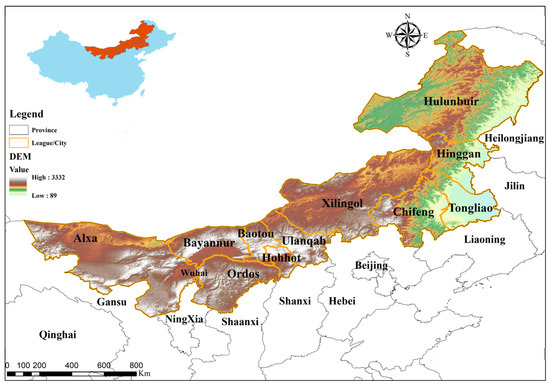
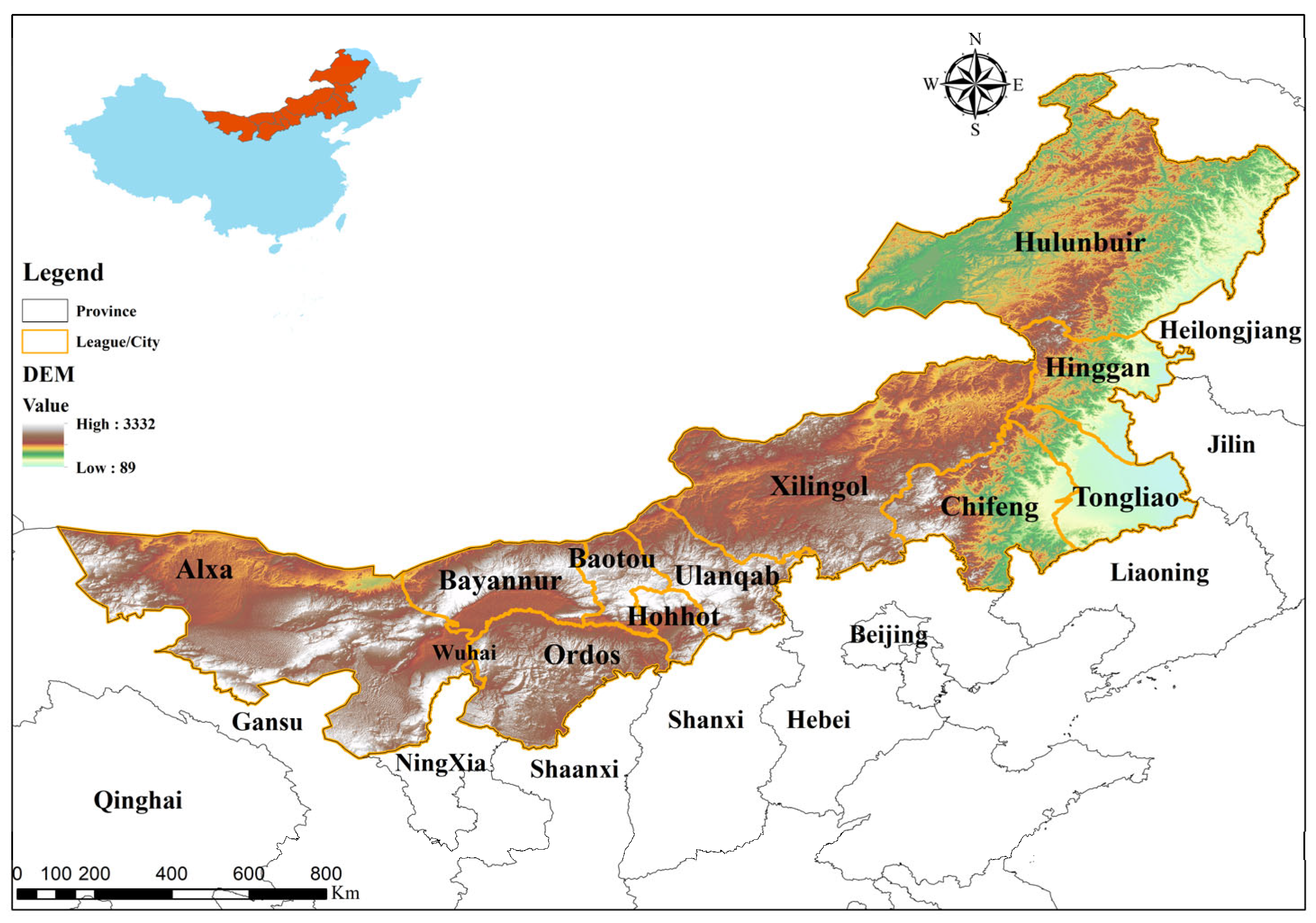
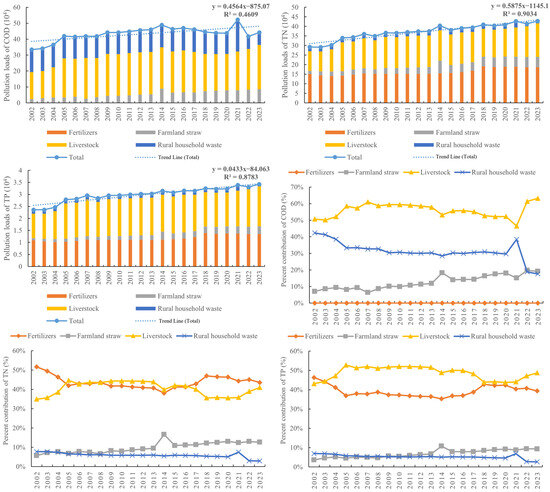
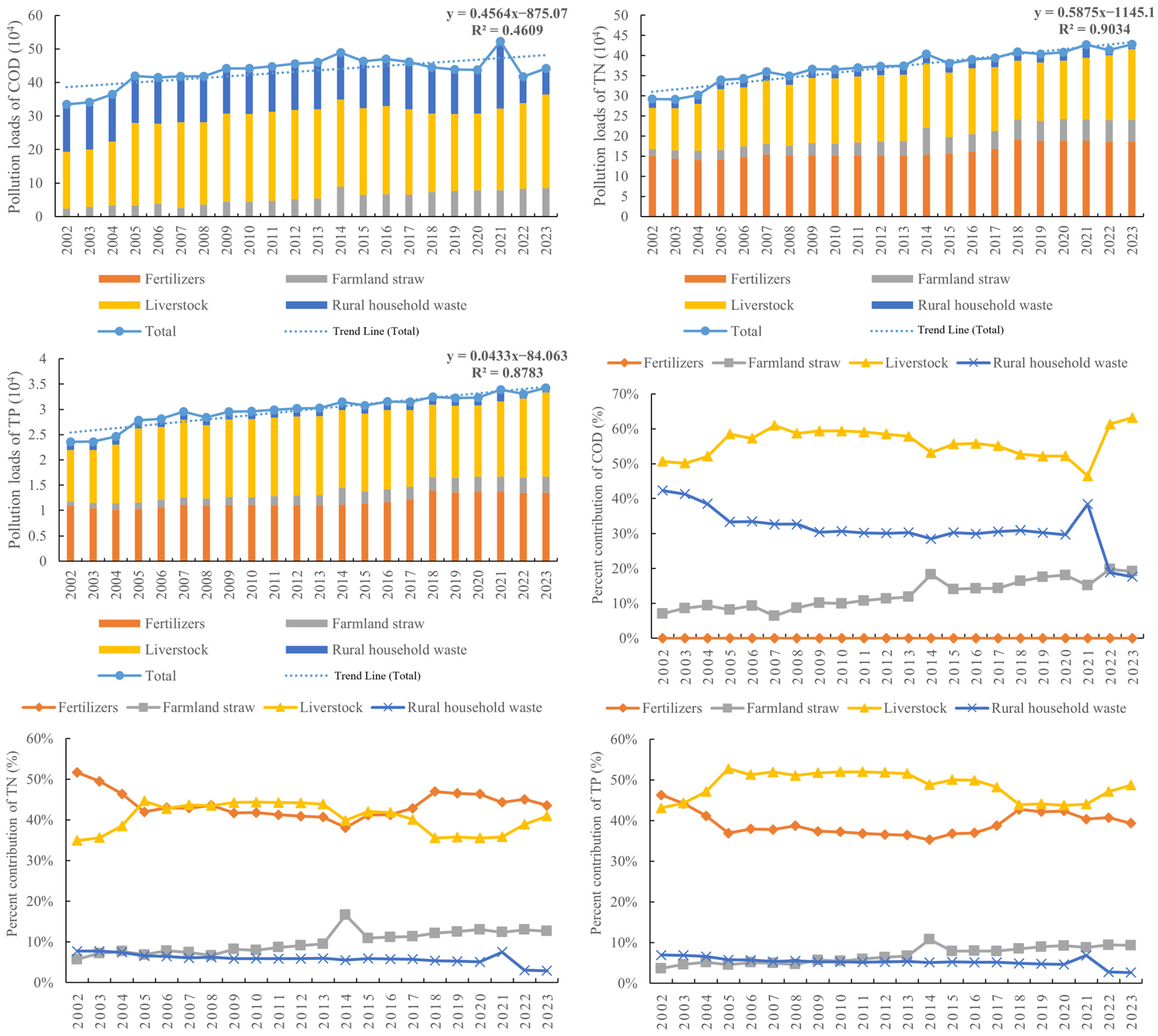
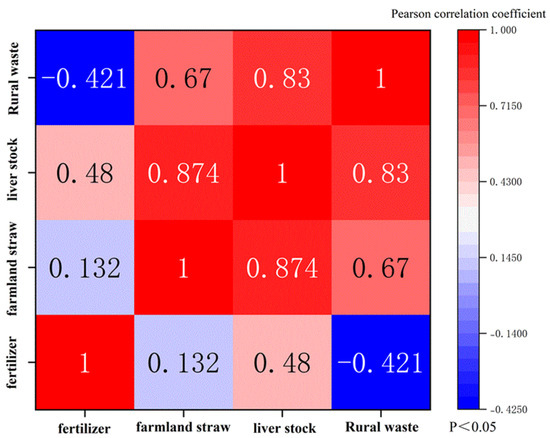
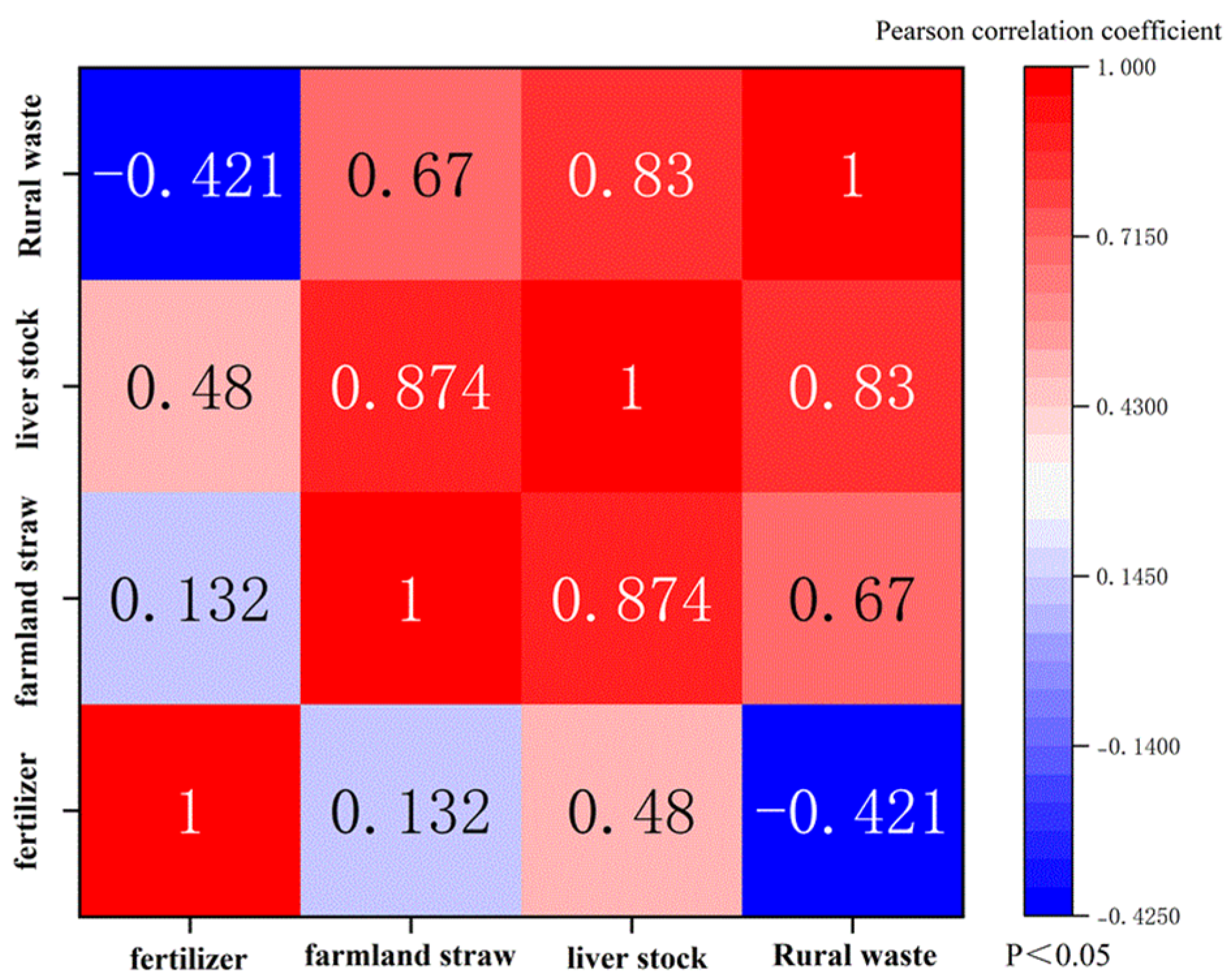
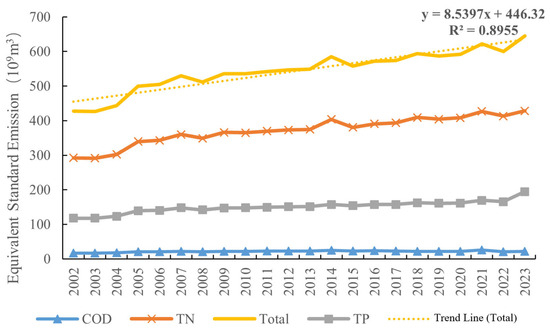
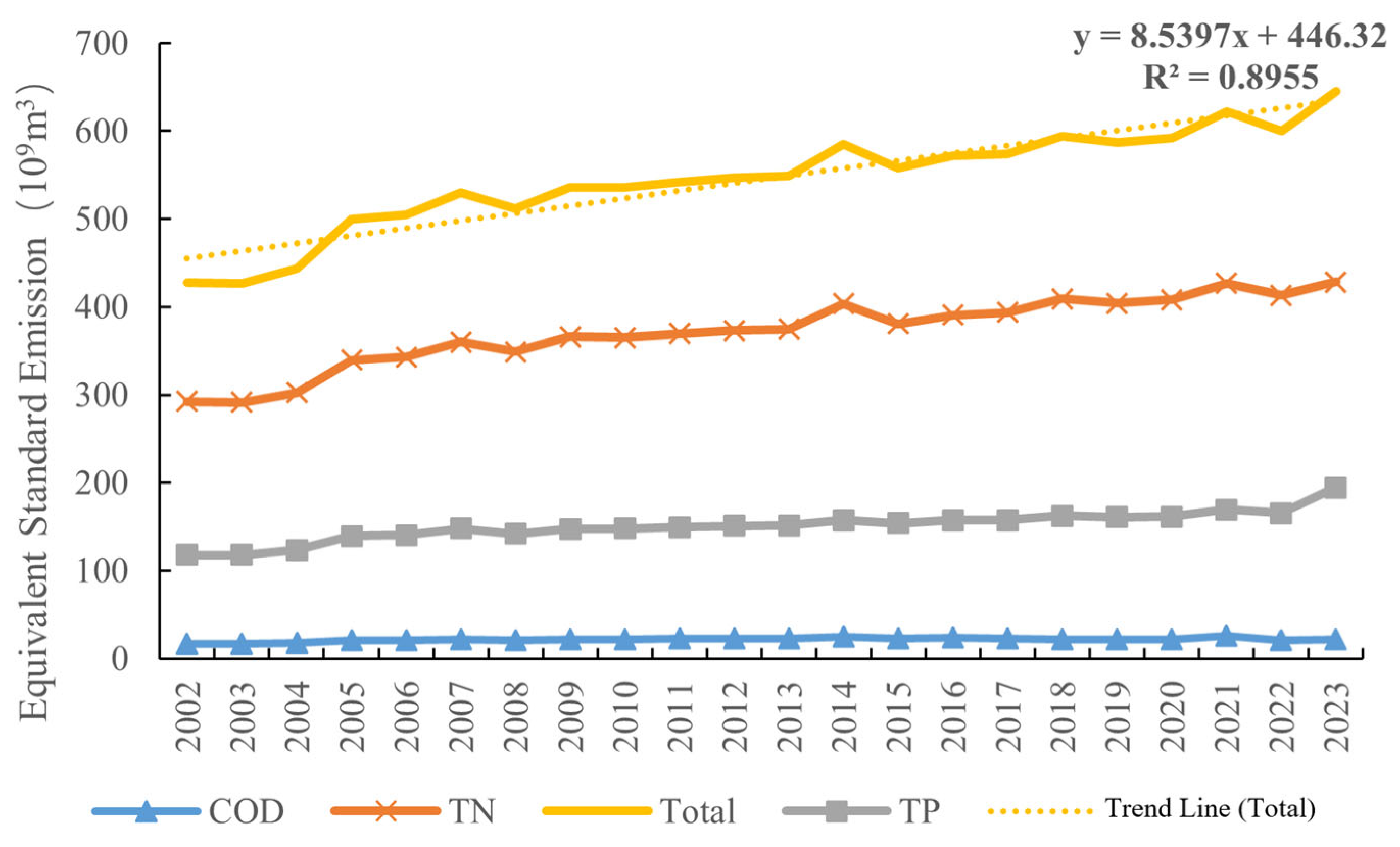
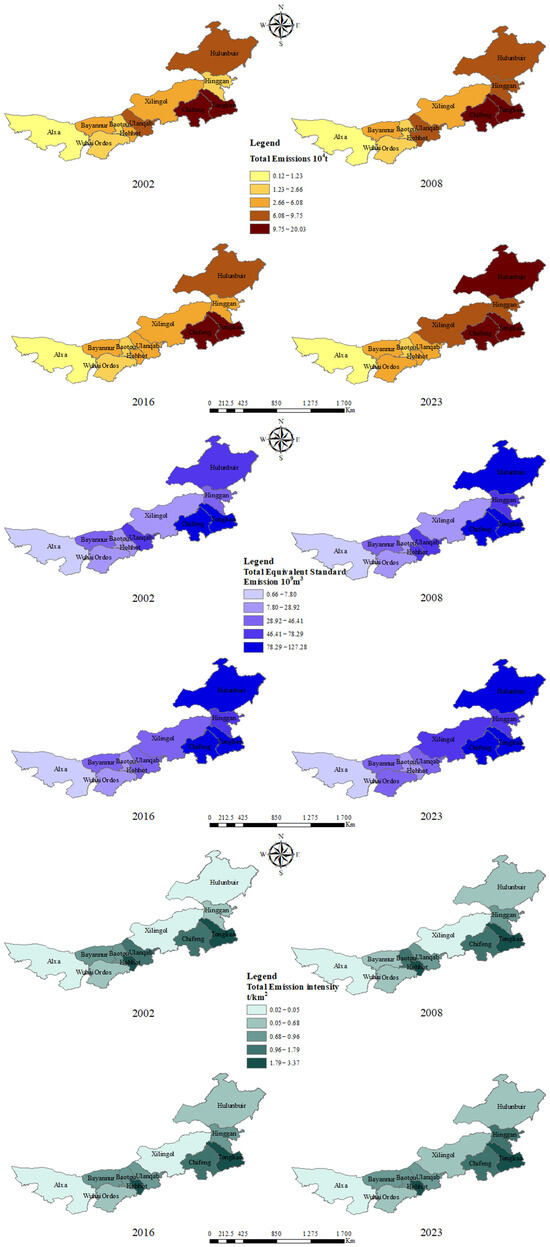
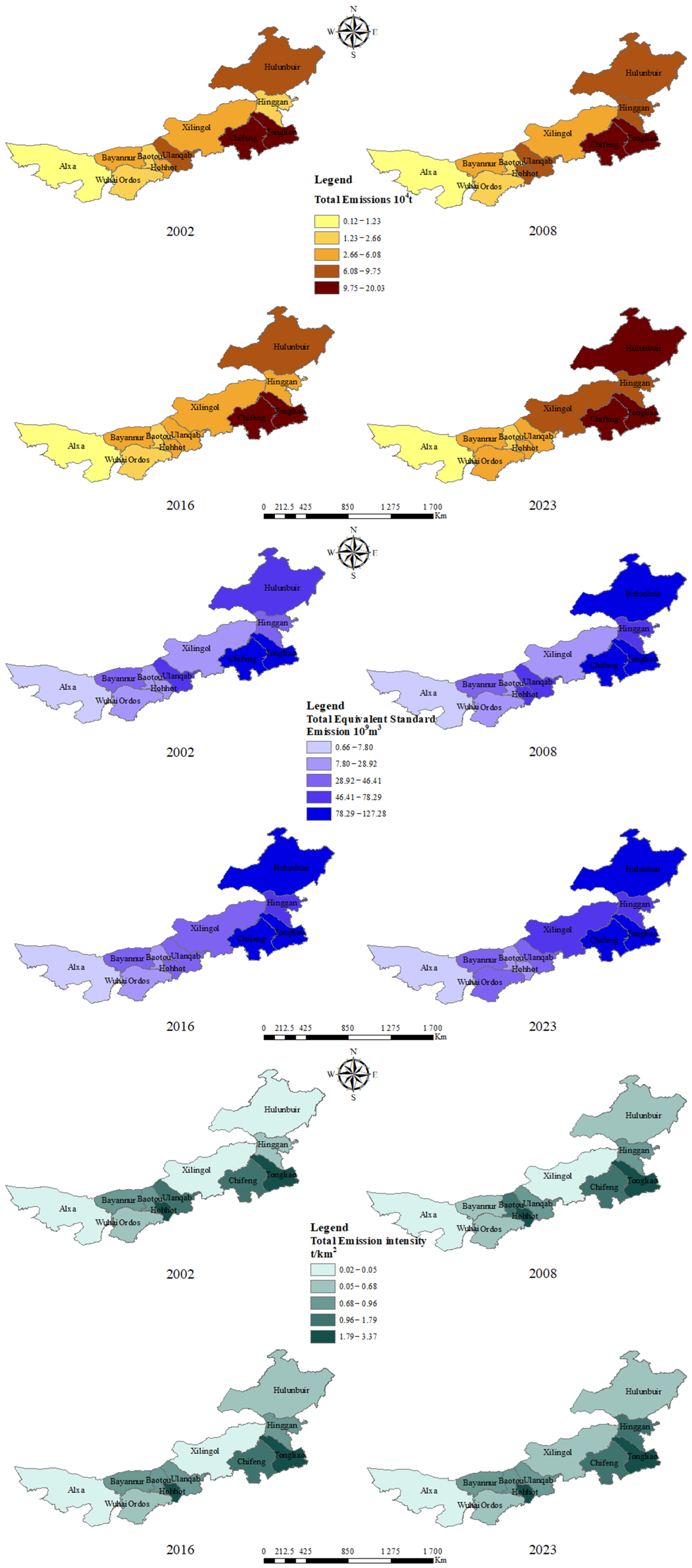
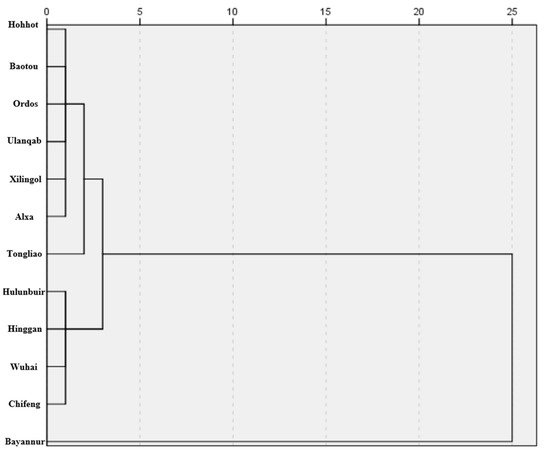
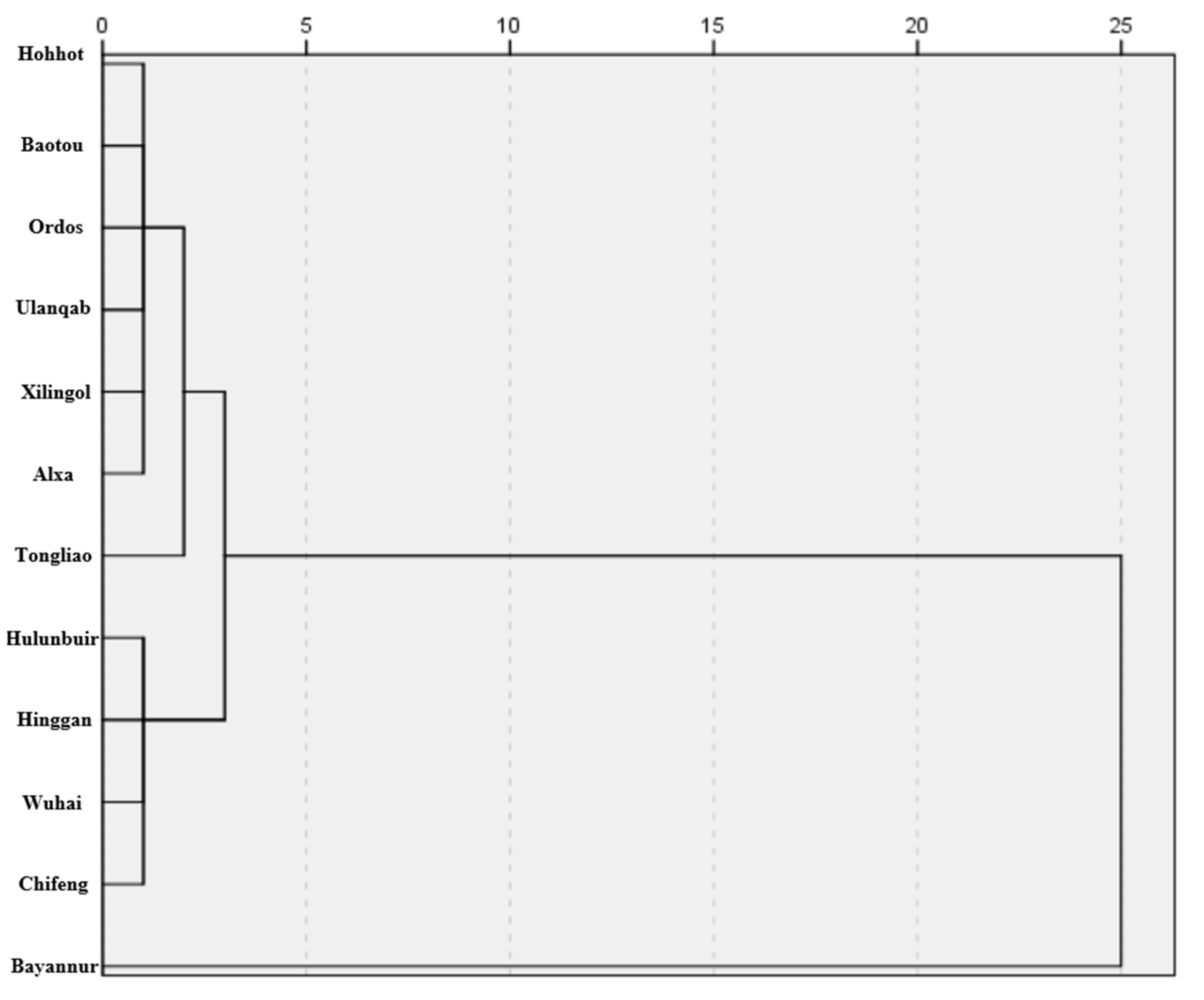

Disclaimer/Publisher’s Note: The statements, opinions and data contained in all publications are solely those of the individual author(s) and contributor(s) and not of MDPI and/or the editor(s). MDPI and/or the editor(s) disclaim responsibility for any injury to people or property resulting from any ideas, methods, instructions or products referred to in the content. |
© 2026 by the authors. Licensee MDPI, Basel, Switzerland. This article is an open access article distributed under the terms and conditions of the Creative Commons Attribution (CC BY) license.