


Abstract
Enhancing blue infrastructure is a critical pathway to strengthening urban water resilience and improving living environments. However, divergent perceptions and demands among multiple stakeholders may lead to misalignment between governance priorities and implementation pathways, thereby limiting governance effectiveness. Recognizing and addressing these differences has become essential for enhancing the performance of blue infrastructure governance and public satisfaction. Taking Shaanxi Province as a case study, this research systematically identifies core issues and disparities in public demands regarding water governance of blue infrastructure by analyzing governmental documents and public demands. The study aims to support a shift in governance strategy from a “provision-driven” to a “demand-driven” approach. A “topic identification–demand extraction–problem diagnosis” framework is adopted: first, the LDA model is used to analyze government platform texts and derive a macro-level thematic framework; subsequently, the BERTopic model is applied to mine public comments and identify micro-level demands; finally, the Jaccard similarity algorithm is employed to compare the two sets of topics, revealing the gap between policy provisions and public demands. The findings indicate the following: first, government agendas are highly concentrated on macro-level strategies (the topic “Integrated Water Ecosystem Management and Strategic Planning” accounts for 72.91% of weighting), whereas public appeals focus on specific, micro-level daily concerns such as infrastructure quality, drinking water safety, and drainage blockages; second, the Jaccard semantic correlation between the two is generally low (ranging from 6.05% to 14.62%), confirming a significant “topic-term overlap”; third, spatial analysis further reveals a geographical mismatch, particularly in core urban areas, which exhibit a “system-lag” type of misalignment characterized by high public demand but insufficient governmental attention. The research aims to clarify governance discrepancies, providing a basis for optimizing policy priorities and enabling targeted governance, while also offering insights for establishing a sustainable water resource management system.
1. Introduction
Under the intensifying dual pressures of global climate change and rapid urbanization, water-related climate risks—such as extreme precipitation, flooding, and drought—pose critical challenges to sustainable urban development and public safety. As a vital component of Nature-based Solutions (NbS) [1], Blue Infrastructure (BI), which constitutes the water-focused core of Blue–Green Infrastructure [2,3], is widely recognized for its capacity to deliver multiple ecosystem services in an integrated manner. These include stormwater management, flood regulation, water purification, and aquatic ecosystem restoration [4,5,6]. Globally, frameworks such as the EU Water Framework Directive and numerous international governance practices highlight the essential role of BI in building urban water resilience [4,7]. In China, the 14th Five-Year Plan [8] and the Opinions on Promoting Urban Renewal [9] also clearly outline the goal of establishing a coherent and comprehensive ecological infrastructure system. This includes advancing river–lake connectivity, wetland restoration, and sponge city development, reflecting a policy direction that prioritizes ecological restoration to enhance water security and public well-being.
As an ecological engineering system focused on water bodies and stormwater management, BI serves as a key pathway for enhancing urban water resilience and achieving sustainable water resource management [10,11]. Theoretically, BI emphasizes mimicking natural water cycles to deliver ecological services. It demonstrates significant value in climate adaptation, water system regulation [12], and supporting waterfront cities in responding to flood risks and aquatic ecological pressures [13]. In functional terms, BI integrates stormwater regulation [14], water quality improvement and ecosystem restoration [15,16], as well as carbon sequestration and habitat provision [17,18,19]. As a result, it has been incorporated into high-level strategic plans in countries and regions such as China, Europe, and the United States, becoming an important practical direction in water resource management. However, realizing the multiple aquatic ecological benefits of BI fundamentally depends on whether governance models can effectively align supply with demand. This relies not only on governmental planning and investment but also—and more critically—on addressing the diverse perceptions and specific needs of various stakeholders involved in water governance.
Current governance practices remain predominantly “provision-driven” [20,21]. This has led to a misalignment between the macro-level water governance issues emphasized in policy texts and the micro-level, daily water-related concerns of the public. Such a mismatch may result in the misallocation of governance resources, failing to meet actual needs and thereby constraining the practical effectiveness of BI and public satisfaction [22,23]. In recent years, academic discourse has increasingly advocated for a “bottom–up,” “demand-driven” approach. This model emphasizes enhancing public acceptance and governance effectiveness through public participation, co-design [22,24], and analysis of social practices [23]. Studies show that public involvement can increase the acceptability and sustainability of water-environment projects [25,26] and contribute to more targeted and inclusive aquatic ecological governance [27,28]. Nevertheless, existing research predominantly relies on traditional methods such as questionnaires, interviews [23,27,29], or choice experiments [30]. These approaches are often constrained by predetermined frameworks and limited sample sizes, making it difficult to systematically and objectively capture the spontaneous, diverse, and evolving nature of public demands regarding water environments. Therefore, there is a clear need to introduce new methods capable of processing large-scale, unstructured data. Such tools can help accurately identify mismatches between governmental water policy provisions and related public demands, thereby providing an empirical basis for promoting a paradigm shift in BI governance.
Text mining serves as a vital method for analyzing public policy and public demands. Its techniques have evolved from word frequency counts and sentiment analysis to include topic modelling, network analysis [31,32,33], and multimodal analysis [34]. These approaches are widely applied in areas such as policy semantic mining and public attitude perception. The Latent Dirichlet Allocation (LDA) topic model is suitable for mining structured texts like policies and annual reports, enabling effective identification of macro-level issues and evolutionary trends [31,35,36,37]. Emerging models such as the Bidirectional Encoder Representations for Topic Modelling (BERTopic) [38], leveraging their semantic embedding capabilities, are more adept at analyzing unstructured corpora like public short texts and social media content. They can accurately capture micro-level demands and sentiment orientations [39,40,41]. However, most existing studies analyze a single text type in isolation—focusing either on macro-level policy issues or micro-level public expressions—lacking a systematic comparison that situates both text types and models within the same framework. Although some research has employed both LDA and BERTopic to analyze topics such as COVID-19 vaccination effects [42] or climate change [43], empirical analysis linking governmental “provision” with public “demand” and their misalignment remains underdeveloped.
Existing research in ecosystem services and urban infrastructure has repeatedly shown a widespread and spatially visible mismatch. This mismatch occurs between standardized, evaluation-based “policy provisions” and localized, perception-based “public demands.” It has been observed across various topics, including green spaces [44], ecological restoration [45,46], and urban infrastructure [47]. Meanwhile, text mining techniques like LDA and BERTopic have proven effective. They are used to conduct thematic modelling and comparative analysis of policy documents and unstructured data (e.g., social media posts, public comments). This approach helps identify cognitive gaps between government and public perceptions, capture the dynamic evolution of public demands, and diagnose deficiencies in policy responses [48,49]. However, existing research tends to focus either on macro-level ecosystem service assessments [45,46] or on social feedback within specific technical domains [49]. To date, no integrated analytical framework has been established for the BI governance domain. This domain is where ecological service values intersect with significant public welfare implications. The needed framework should simultaneously encompass “macro-level governmental supply” and “micro-level public demand” as dual textual sources. Furthermore, it should bridge thematic correlation quantification with geospatial diagnostics. This would enable a systematic examination and visualization of the deep structural and spatial patterns underlying these mismatches.
To systematically analyze the “provision–demand” matching issue within BI governance, this study selects Shaanxi Province as a representative case study. This province serves as a concentrated demonstration of diverse governance tensions within a finite geographical unit, thereby deepening theoretical understanding. Existing research has revealed the complexity of such governance: international case studies indicate persistent gaps between the standardized provision of BI and localized demands, exemplified by thermal mitigation in Wuhan and Canada [50,51], disparities in thermal comfort in the Czech Republic [52], and discrepancies between value assessments and diverse public perceptions in India [53]. These extensive international experiences point to a core theoretical question: how to identify and bridge the systemic mismatch between standardized policy provision and differentiated local demands within highly heterogeneous regional contexts [54]. Shaanxi Province provides an exceptionally representative theoretical field for exploring this issue. Its internal scope encompasses the pronounced climatic and ecological gradient stretching from the arid and semi-arid regions of northern Shaanxi to the Qinba Mountains in southern Shaanxi, alongside diverse development models ranging from the Xi’an metropolitan area to small and medium-sized industrial, mining, and agricultural cities [55]. This high degree of internal heterogeneity results in significant variations across different regions within the province regarding the nature and urgency of their BI requirements. However, Shaanxi Province’s current urbanization rate has reached 66.14% [56]. The ecological deficits and water system vulnerabilities resulting from rapid urbanization have become increasingly pronounced. These issues compound existing shortcomings within the province, including inadequate BI coverage, weak river network connectivity, and insufficient sponge infrastructure development. Together, they constitute an experimental environment characterized by the coexistence of “highly heterogeneous demand” and “uneven, inadequate supply”. Therefore, Shaanxi Province is not only a typical region grappling with BI governance challenges, but also serves as a theoretical case study that clearly illustrates the diverse types, spatial patterns, and underlying driving mechanisms of supply-demand mismatches within a finite boundary. Its insights hold implications beyond its geographical scope for understanding similar governance dilemmas.
Therefore, this study establishes a three-step analytical framework—“Issue Identification, Demand Mining, and Mapping Analysis”—by integrating governmental texts and public appeal texts. First, the LDA topic model is employed to analyze governmental documents from 2013 to 2023, extracting the macro-level BI-related issues and water governance priorities advanced by the government. Concurrently, by incorporating administrative divisions, a spatial deconstruction of governmental topics is conducted to reveal the distribution of attention across different municipal units regarding various governance issues. Subsequently, leveraging the BERTopic model, tens of thousands of contemporaneous public messages from the People’s Leaders’ Message Board [57] are semantically clustered to identify the public’s functional demands related to BI. Through geocoding, the intensity variation in each public demands topic across different cities is further analyzed, mapping the geographic clustering characteristics of these appeals. Finally, by comparing the structural and content differences between governmental topics and public topics using the Jaccard similarity function, pathways for optimizing shortcomings in water governance are revealed. The significance of this research lies in transcending the limitations of traditional single-text analysis. By comparing dual-source texts, it uncovers the mismatches within BI governance, providing empirical evidence to promote a transition in water governance from a “provision-dominated” to a “demand-responsive” model. The findings are expected to assist Shaanxi Province and similar regions in achieving precise BI deployment, water function optimization, and governance effectiveness enhancement during urban renewal processes. This will ultimately strengthen urban water resilience, promote sustainable water resource management, and improve public quality of life concerning the water environment.
2. Materials and Methods
2.1. Study Area
Shaanxi Province is located in the inland heartland of China (105°29′ E–111°15′ E, 31°42′ N–39°35′ N), as illustrated in Figure 1. It serves as a vital hub connecting North China, Northwest China and Southwest China, while simultaneously undertaking multiple strategic tasks including ecological conservation and high-quality development within the Yellow River basin, and safeguarding water security in the western region [58,59]. The province spans the two major river basins of the Yellow River and the Yangtze River, with high terrain in the north and south and low terrain in the middle, and can be divided into the Loess Plateau in northern Shaanxi, the Guanzhong Plain and the Qinba Mountainous Area in southern Shaanxi from north to south, with a total area of about 205,600 square kilometres, an elevation of 168.6~3771.2 m. The province experiences a continental monsoon climate, with an annual average temperature of 13.0 °C and an annual average precipitation of 807.9 mm, from May to September accounts for over 70% of the annual precipitation. Precipitation exhibits marked spatial variation, influenced by topography and moisture transport. Overall, it follows a pattern of higher amounts in the south and lower amounts in the north. Southern Shaanxi constitutes a humid zone, the Guanzhong Plain a semi-humid zone, and Northern Shaanxi a semi-arid zone [60].
Figure 1.
Study area. Note: Elevation data are from the Geospatial Data Cloud; administrative district data are from the Standard Map Service System of the Ministry of Natural Resources (Review No. GS (2024) 0650), and the base map is unmodified.
In recent years, frequent extreme precipitation and drought events have posed severe water security challenges to Shaanxi Province. According to the Shaanxi Province Climate Change Adaptation Action Plan, the province’s warming rate since 1961 has reached 0.27 °C per decade, with the number of high-temperature days increasing by 0.9 days per decade. Since the mid-1990s, extreme high-temperature events have occurred frequently along the Yellow River in northern Shaanxi and in eastern southern Shaanxi [61]. Correspondingly, climate change risks are reflected not only in extreme heat but also in abnormal precipitation patterns. During the 2021 flood season, Shaanxi Province experienced its heaviest rainfall in nearly 60 years, with an average precipitation of 965.5 mm across the province. This represented a 53.6% increase compared to the long-term average for the same period and marked the highest recorded level since 1961. This event was characterized by extreme intensity and prolonged duration, with the province experiencing 22 torrential rain episodes during the flood season, including 15 regionally concentrated events—also the highest number recorded since 1961 [62]. Against the backdrop of intensifying “high-temperature and heavy-rain” compound climate hazards, the Shaanxi provincial government has also issued a series of policy directives.
The 2025 Implementation Opinions on Comprehensively Promoting the Construction of a Beautiful Shaanxi [63] calls for “strengthening river-lake ecological restoration and advancing the construction of sponge wetlands,” aiming to systematically establish an urban stormwater regulation and aquatic ecological restoration system centred on BI to address growing flood and water-shortage risks. However, the green-space rate in Shaanxi’s built-up areas remains only 38.78% [64], and structural deficiencies persist, such as weak systemic performance of blue–green spaces and insufficient river-network connectivity [65,66]. The tension between this policy vision and actual water-governance capacity provides a clear real-world context for this study.
2.2. Research Framework
This study constructs an analytical framework centred on the relationship between policy provisions and public demands. It aims to systematically identify the congruence and gaps between policy planning and public expectations in the governance of BI in Shaanxi Province. Here, policy provisions refer to the plans, policies, and measures formulated by the government to guide urban development [67,68]. Public demands denote the collective preferences and concerns of citizens regarding the function, design, and management of BI, based on their lived experiences and perceptions [69,70]. Analyzing the interplay between these two dimensions is crucial for shifting BI governance from a top–down, provision-driven model to a responsive, demand-informed one. As illustrated in Figure 2, the analytical framework of this study follows the logical sequence of “data collection–data processing–data analysis–data objectives”, primarily encompassing the following three interconnected dimensions:
Figure 2.
Research framework.
1. Identification of Macro-Level Issues (Policy Provisions Perspective): First, official news reports and policy updates related to BI (e.g., river and lake management, sponge city development, and wetland restoration) were collected from municipal government platforms in Shaanxi Province for the period 2013–2023. Subsequently, the LDA topic model was used to identify macro-level themes, distilling the government’s core initiatives and water governance priorities. The final outcome is the formulation and clarification of a governmental “Water Governance Priority Framework.”
2. Analysis of Micro-Level Demands (Public Demand Perspective): Public comments from the same period (2013–2023) on the People’s Leaders’ Message Board concerning Shaanxi Province were used as the data source for public demands. Comments related to BI (such as urban waterlogging and river pollution) were filtered. The BERTopic model was then applied to analyze the themes of these micro-level demands, identifying the public’s specific water environment needs and water security concerns. This step culminates in the delineation and formation of a public “Water Demand Profile.”
3. Identification of Governance Gaps and Development of Strategies: After completing the above analyses, the Jaccard similarity comparison method was employed to systematically compare the structural, thematic, and weighting features of the “Water Governance Priority Framework” and the “Water Demand Profile.” This reveals areas of alignment and governance gaps between the two. Based on these findings, targeted governance strategies are proposed, guided by public demands and aimed at enhancing the implementation effectiveness of BI and increasing public satisfaction.
2.3. Data Collection and Pre-Processing
This study uses multi-source text data to construct the analyzed corpus, specifically including two types of political texts and public demands texts.
2.3.1. Government Text Data Processing
This study employs a multi-source heterogeneous text corpus for analysis. The governmental text data comprises all news and information published between 2013 and 2023 by the official WeChat public accounts of ten prefecture-level cities in Shaanxi Province, including Xi’an, Weinan, and Tongchuan [71], as detailed in Table 1.
Table 1.
Summary of municipal government platforms in Shaanxi Province.
A systematic data collection and cleaning process was conducted on 132,146 raw texts. The specific cleaning steps and algorithms are as follows:
1. Text Preprocessing: First, special characters and redundant information were removed from the raw texts using the regular expression [72]. The jieba segmentation tool—which employs a Hidden Markov Model-based algorithm—was then used to accurately split the Chinese texts, resulting in an initial vocabulary set [73,74]. Simultaneously, a custom stopword list integrated with the “HIT Stopword List” was loaded. Word frequency filtering was applied with thresholds set at and (where represents the total number of documents) to remove common function words and overly frequent generic terms that carry little meaning for topic modelling. This yielded a preliminarily cleaned vocabulary set .
2. Domain-Specific Lexicon Augmentation and Document Filtering: A custom domain-specific lexicon covering BI fields such as river and lake management, sponge cities, and stormwater management was loaded [75,76]. This lexicon was used to perform a second-round segmentation calibration on to ensure the accurate splitting of water governance terminology. Documents with fewer than 10 words (where and represents the vocabulary set of the -th document) were removed, resulting in a core vocabulary list .
3. Corpus Construction and Vector Representation: A vocabulary dictionary was constructed, where each is a unique word ID. Each document was then transformed into a bag-of-words vector [77], where denotes the frequency of word in the -th document. This representation forms the statistical basis for the term frequency in the subsequent LDA modelling formula . Through manual screening, policy texts closely related to BI were selected, ultimately yielding 3210 high-quality documents. These constitute the government corpus for LDA topic modelling: .
2.3.2. Public Appeal Text Data Processing
The public appeal texts originate from public comments posted on the Shaanxi provincial city sections of the People’s Daily Online Leadership Message Board during the same period. A total of 195,864 original comments were collected using web crawling technology. Firstly, employing a dual screening mechanism combining rule-based filtering and manual verification, an initial search and selection process is conducted based on over 40 core BI keywords including “rivers”, “lakes”, “wetlands”, “sponge cities”, “flooding”, “drainage”, “water quality”, and “water environment”; Subsequently, semantically generalized high-frequency terms such as “Hello”, “Leader”, “Secretary”, “May I ask”, and “Thank you” were designated as stop words for secondary cleansing and filtering. Partial stop word lists are presented in Appendix A Table A1. This process ultimately yielded a corpus of 2783 public grievances closely related to BI.
High-frequency word statistics were performed on the processed government texts and public messages to lay the foundation for further thematic analysis. Partial results of the high-frequency word statistics are presented in Table 2.
Table 2.
Statistics of high-frequency words (TOP 20).
2.4. Methods
2.4.1. LDA Topic Model
The study adopts the LDA topic model to mine the macro-topic of government texts, which is based on the three-layer Bayesian probabilistic framework of “document-topic-word”, assuming that the generation process of government texts follows the Dirichlet-Multinomial conjugate prior.
First define the core symbol system: let the government text corpus contain documents, the number of topics is , the size of the vocabulary is , the number of words in the th document is , denotes the topic distribution of the th document, denotes the word distribution of the th topic, and and are the topic assignments and vocabulary indexes of the th word of the th document, respectively. The joint probability generation formula for the model is:
where is the Dirichlet distribution, which controls the probabilistic prior of topics and words, and is the polynomial distribution, which describes the process of topic assignment and vocabulary generation. The model is adapted to the characteristics of government texts, such as clear attributes of issues and concentration of professional terms, and the optimal and can be obtained through backward inference to realize the unsupervised classification of political affairs issues.
To quantify the model performance, Perplexity and Coherence scores were used as the core evaluation metrics. Perplexity measures the model’s ability to predict political text, with lower values indicating a better fit of the model to the text [78], then is calculated as:
where is the total number of words in the government corpus, and denotes the probability that the th word of the th document is generated by the th topic. The is 2.52 for the number of themes this time.
The consistency score is calculated using the metric for government text adaptation, which measures the semantic coherence of high-probability words within a topic, with higher values indicating better topic differentiation [79], and is calculated using the formula:
where is the Top-M high probability words extracted for each topic, is the number of co-occurring documents of and in the government text, and is a smoothing term to avoid logarithmic insignificance. This time, the average consistency score was 0.81 for the number of themes , which was significantly higher than the other theme numbers, verifying the rationality of the theme structure.
2.4.2. BERTopic
BERTopic is a pre-training based unsupervised deep learning model proposed by Grootendorst M. [38] in 2022, which has the advantages of superior semantic comprehension, excellent topic consistency, and outstanding interpretability compared to other traditional topic models [80,81,82]. The core principle of BERTopic can be decomposed into three key stages: text embedding, dimensionality reduction and clustering, and topic representation:
1. Text Embedding. The text is converted into high-dimensional semantic vectors using the BERT model to capture the context and deeper semantics, and an embedding vector is generated for each document , where is the embedding dimension.
2. Dimensionality Reduction and Clustering. Dimensionality reduction using the UMAP (Uniform Manifold Approximation and Projection) algorithm preserves core features and optimizes the data structure. The neighbourhood relationship between the high-dimensional space and the low-dimensional space is maintained by optimizing the loss function of Equation (4), where the Omega subscripts are the similarity weights of samples and in the high-dimensional space. The downscaled data is clustered by the HDBSCAN (Hierarchical Density-Based Spatial Clustering) algorithm, which automatically discovers potential topic clusters and resists noise.
3. Topic Representation. The keywords and content of each topic were extracted using C-TF-IDF as in Equation (5), where is the frequency of all documents in cluster for word , and is the number of clusters that contain word . The C-TF-IDF matrix for each cluster is sorted by word weights and Top-N words are taken as topic labels.
After several modelling comparisons and parameter optimization, it was finally determined that the parameter of the number of neighbouring sample points of UMAP was 8, the dimensionality of the reduced dimension space of the embedded data was set to 8, and the minimum clustering size and the minimum number of samples of HDBSCAN were both set to 10, in order to improve the stability of the clustering results and the interpretability of the themes.
3. Research Results
3.1. Identification of BI-Related Government Topics and Spatial Analysis Based on LDA
3.1.1. Identification and Characteristic Analysis of Government Topic
This study employed the LDA model to conduct topic mining on 3210 BI-related texts collected from government platforms across various cities and districts in Shaanxi Province. To determine the optimal number of topics, this study integrated considerations of model performance with the practical policy relevance of the topics. As shown in Figure 3, when the number of topics was set to 4, the model achieved the highest topic coherence (0.81) and the lowest perplexity (2.52). Moreover, setting the number of topics to 4 yielded semantically distinct topics with clear boundaries in governance logic, fully covering the core policy dimensions of current water environmental governance in China. The four topics extracted under this setting not only exhibited high internal coherence but also systematically corresponded to China’s current policy framework in water governance and ecological development, which encompasses “strategic planning–operational management–ecological restoration–climate adaptation.” Together, these themes construct a governance narrative ranging from macro-level strategy to concrete implementation, and from routine management to risk response, thereby providing a categorical foundation for subsequent analysis.
Figure 3.
Coherence and Perplexity under Different Numbers of Topics.
Analysis of topic weights (Figure 4 and Table 3) reveals the structure of governance discourse: “Integrated Water Ecosystem Management and Strategic Planning” (Topic 3) dominates with a weight of 72.91%, while the remaining three topics related to specific implementation areas (Topic 0, Topic 1, and Topic 2) together account for less than 30%. This indicates that the focus of government texts is concentrated on top-level design and macro-level planning, demonstrating a “strategy-driven” orientation. This finding provides key evidence for identifying the “provision-driven” characteristics of governance in this study.
Figure 4.
Proportion of LDA Topic Weights in Shaanxi Provincial Government Texts.
Table 3.
LDA theme division of Shaanxi government text and its core keyword distribution.
1. Water Services Operations and Pollution Prevention and Control
This topic accounts for 16.35% of the weighting, with the word cloud depicted in Figure 5. This theme encapsulates the government’s core responsibilities in the daily operation and security of water infrastructure. Key terms such as “water supply”, “reservoirs”, “water sources” and “drought resistance” underscore the sustained focus on urban water security, while “sewage treatment”, “wastewater”, “pollution” and “black and odorous water bodies” indicate stringent controls over water environmental contamination. Concurrently, terms such as “flood prevention”, “inspection “, and “water conservancy facilities” reflect the emphasis placed on flood control, drainage management, and engineering operations and maintenance. Together, they delineate a closed-loop management system encompassing “source protection–process treatment–risk prevention and control”, forming the fundamental support for BI to deliver water security and water environmental benefits.
Figure 5.
Topic 0 Word Cloud.
2. River and Lake Ecological Conservation and Sustainable Water Use
This topic accounted for 5.59 percent, with the word cloud depicted in Figure 6. This theme demonstrates an extension from engineering-based management towards comprehensive ecosystem conservation. Key terms such as “rivers and lakes”, “wetlands”, “wildlife” and “crested ibis” explicitly point towards the protection of river, lake and wetland ecosystems, alongside the restoration of biodiversity. Correspondingly, the themes of “water conservation”, “water-efficient”, “unauthorized structures” and “clearing” underscore the management focus on water resource conservation and sustainable utilization. This theme integrates ecological restoration initiatives with the development of a water-efficient society, reflecting the dual function of BI in reconciling ecological conservation with the sustainable use of water resources.
Figure 6.
Topic 1 Word Cloud.
3. Climate Risk Early Warning and Flood Prevention
This topic carries a weighting of 5.15%, with the word cloud depicted in Figure 7. The topic centres on the response chain for extreme weather and its derivative hazards. Keywords such as “torrential rain”, “precipitation” and “meteorological observatory warnings” form the front end of risk monitoring and forecasting. “flooding”, “urban waterlogging”, “mountain torrents” and “geological hazards” specifically denote types of inundation and secondary disasters, while the term “prevention” encapsulates the response-oriented approach to disaster control. Overall, this topic highlights the strategic deployment by governments to integrate BI into disaster emergency management systems and enhance urban and rural resilience within the context of climate change.
Figure 7.
Topic 2 Word Cloud.
4. Integrated Water Ecosystem Management and Strategic Planning
This topic carries the highest weighting, accounting for 72.91 percent, with the word cloud depicted in Figure 8. This theme centres on the overarching design and systematic implementation of water environment governance. Key terms such as “high-quality development”, “Yellow River basin” and “planning” underscore the positioning of water governance within the framework of major national strategies. Meanwhile, “governance”, “remediation”, “rectification” and “supervision” reflect the processes of policy execution and regulatory enforcement. “ecological and environmental protection”, “ecological conservation” and “water management” collectively encompass the integrated objectives for water ecosystems. This theme comprehensively presents the macro-governance cycle from strategic guidance to oversight and evaluation, providing both the policy basis and implementation pathway for various BI projects.
Figure 8.
Topic 3 Word Cloud.
To further examine the temporal robustness of this core theme’s influence, this study analyzed the annual relative intensity trends of the four themes between 2013 and 2023 (Figure 9). The results indicate that despite annual fluctuations, this topic consistently maintained a dominant relative weight within the government agenda without showing signs of decline. This demonstrates that its focus on macro-level strategy constituted a persistently stable feature throughout the study period, rather than a short-term or incidental phenomenon.
Figure 9.
Temporal Distribution of Textual Theme Strength in Shaanxi Provincial Government Documents.
3.1.2. Spatial Distribution Characteristics of Government Topics
To further explore the spatial variation in attention given to different water governance topics across Shaanxi Province, this section employs Geographic Information System (ArcGIS pro3.5) software to visualize the distribution intensity of the four government topics identified by the LDA model across 10 prefecture-level cities (as shown in Figure 10). The results indicate that the level of attention devoted to each governance issue exhibits a distinct spatial pattern closely associated with regional geographical environments and functional positioning.
Figure 10.
Spatial Distribution of BI-Related Government Topics in Shaanxi Province. (A) topic 0. (B) topic 1. (C) topic 2. (D) topic 3.
1. Topic 0: A “Core-Periphery” Gradient
The attention intensity for the topic “Water Services Operations and Pollution Prevention and Control” exhibits a distribution characteristic centred on the Guanzhong Plain urban agglomeration, diminishing towards the northern and southern peripheries. Xi’an, Xianyang, and Weinan cities form a high-intensity attention cluster. This pattern closely aligns with the reality of the Guanzhong region as the province’s demographic and economic core, facing more concentrated water supply/drainage pressures and pollution control challenges. In contrast, attention levels are significantly lower in Tongchuan City in northern Shaanxi and Shangluo City in the Qinling-Daba mountainous region of southern Shaanxi, reflecting their relatively smaller urban scale, industrial load, and consequently, lesser pressure on water services operations.
2. Topic 1: Focus on Key Ecological Function Zones
Spatially, the attention given to the topic “River and Lake Ecological Conservation and Sustainable Water Use” shows a distinct “ecology-oriented” pattern. The highest attention is concentrated in Ankang and Hanzhong cities within the Qinling-Daba Mountains. These regions are crucial water conservation areas for the South-to-North Water Diversion Project’s central route and primary habitats for rare species like the Crested Ibis, respectively. Their high attention level reflects the strategic priority given in the government agenda to protecting core ecological function zones and promoting sustainable water resource utilization. Attention in the Guanzhong region is relatively balanced, while Yulin City in northern Shaanxi has the lowest proportion, correlating with its regional context dominated by energy development and a less prominent natural system of rivers, lakes, and wetlands.
3. Topic 2: Significant Overlap with High-Risk Disaster Zones
The spatial distribution of the topic “Climate Risk Early Warning and Flood Prevention” clearly reveals the correspondence between government disaster prevention priorities and high-risk natural disaster areas. Ankang and Weinan cities, which receive the highest level of attention, are located in the flash-flood-prone Qinling-Daba Mountains and the critical flood-control sections of the Yellow River and Wei River, respectively, both facing long-term severe threats from mountain floods and basin-wide flooding. Other cities in the Guanzhong region and Hanzhong City also maintain relatively high attention levels. This distribution indicates that the setting of government topics exhibits clear risk-responsive characteristics, with the planning and development focus of BI tilting toward regions of higher vulnerability to flood disasters.
4. Topic 3: Strategic Focus within Overall Provincial Coordination
As the dominant macro-strategic theme with the highest weight, “Integrated Water Ecosystem Management and Strategic Planning” shows a relatively balanced yet varied spatial distribution. Xi’an and Xianyang cities, serving as regional development cores, play pivotal roles as demonstrative and regulatory hubs in implementing national strategies such as “High-Quality Development of the Yellow River Basin”, resulting in particularly prominent attention. Ankang and Hanzhong cities also sustain a high level of strategic attention due to their special positions within the national ecological security framework. This distribution pattern demonstrates that while top-level design and strategic planning topics cover the entire province, the depth of their elaboration and the allocation of policy resources remain closely tied to each city’s role and function within the macro-strategy.
In summary, the spatial variation in government topics is not random but systematically reflects a dual logic of “problem-driven” and “strategy-driven” orientations. On one hand, the attention given to infrastructure operation, pollution prevention, and disaster prevention corresponds to the actual resource–environment pressures and natural disaster risks faced by each city. On the other hand, the attention devoted to ecological conservation and strategic planning tilts significantly toward regions bearing critical ecological functions or strategic hub roles. This differentiated spatial attention pattern provides empirical, geographically grounded evidence for understanding the implementation focus and regional priorities of provincial-level water governance policies.
3.2. Identification of BI-Related Public Demands and Spatial Analysis Based on BERTopic
3.2.1. Identification of Public Demands Topics and Semantic Features
Through model training, a total of eight topics were identified. The keywords associated with each topic reflect distinct public concerns and issues related to BI. The top ten most probable keywords under each topic were extracted. The specific clustering results and the distribution of selected topic keywords are presented in Table 4 and Figure 11, respectively.
Table 4.
Thematic feature words and weight distribution of government text.
Figure 11.
Clustering results of government text themes.
To ensure the validity and interpretability of the topic model results, this study performed a refined merging process on the initial topics generated by the BERTopic model. This processing primarily adheres to two core principles: Firstly, based on the quantitative metric of Topic Cosine Similarity, calculated from the C-TF-IDF vectors as defined in Equation (5) in Figure 12, topics with similarity exceeding 0.90 are subjected to focused scrutiny; Secondly, a qualitative assessment is conducted based on the semantic content of the core keywords within each topic, aiming to merge those that exhibit high semantic overlap and collectively form the same core narrative chain. The merged topics are presented in Table 5.
Figure 12.
Topic Cosine similarity between themes in governmental texts.
Table 5.
Distribution of subjects following the merger of government texts.
By combining Table 5 with Figure 11, it can be observed that the public’s demands regarding BI can be categorized into six core dimensions.
1. Environmental Pollution and Remediation Response (Topic A)
The core of this topic lies in environmental pollution and governance responses. Keywords such as “emissions”, “odours” and “dust-laden” point to specific pollution phenomena, while “illegal” and “eliminate” relate to demands for enforcement of regulations. The frequent occurrence of terms such as “relevant departments,” “the nation,” and “governance” constitutes a public narrative spanning from problem identification to accountability determination, reflecting the public’s clear expectation of the government’s regulatory role in environmental rights issues.
The municipal drainage on Century Avenue is blocked, preventing the discharge of domestic wastewater from surrounding residents. Sewage from adjacent residential areas is being forcibly directed into the municipal drainage pipelines, causing odour issues on the streets, severe water accumulation on nearby roads, and even pavement collapse.
We request the Mayor to urge the relevant departments to address these issues, particularly the water problems caused by sand mining. Additionally, attention should be given to the pollution of the Ru River from mining activities in Yangxie, and timely governance measures should be implemented.
2. Infrastructure Quality and Drinking Water Safety (Topic B)
This topic examines the relationship between infrastructure reliability and public health risks. It links physical failures such as “burst pipes” and “infrastructure” to health standards like “drinking water”, “standards”, and “safety hazards”, indicating that the public regards the hardware quality of infrastructure as a prerequisite for drinking water safety. Simultaneously, the demands are directed at both “enterprises” and “relevant departments“, implying a dual responsibility for service providers and government regulators.
The water supply pipes in our residential community are severely aged. This week alone, burst pipe incidents have required repairs three times, resulting in intermittent water supply and unstable water pressure. The frequent failure of infrastructure significantly disrupts daily life and poses safety hazards concerning drinking water. The property management company only performs temporary fixes. Relevant departments such as the District Government and the Municipal Water Authority should supervise and fund a complete overhaul of the pipeline network, rather than merely providing emergency responses.
3. Community Livelihood and Drainage Safety (Topic C)
This theme embodies the community scale and fundamental livelihood security functions of the BI. The demands centre on everyday living spaces such as “residential blocks” and “drainage ditches”, directly linking “people’s livelihoods” with issues like “safety hazards” and “waterlogging”. This demonstrates that, in the public consciousness, effective drainage services are regarded as essential for maintaining basic living standards, with their absence perceived as undermining the fundamental welfare of citizens.
Following the heavy rainfall in Yan’an a few days ago, a landslide occurred on the hillside above the residential building where we live. A large amount of collapsed soil flowed into the drainage ditch behind our stone cave dwellings, causing it to become blocked and accumulate water. This has resulted in water leakage through the rear walls of all the stone caves, creating significant safety hazards. Currently, because the obstructing soil cannot be cleared, proper drainage from the residential building is impossible.
4. Drainage Blockages and Management Failures (Topic D)
The crux of this matter lies in the shift from physical system failures to governance system failures. The core issue lies not merely in “blocked” and “waterlogging”, but rather in the absence of management accountability symbolized by “unattended” and “neglected”. This reflects potential issues at the grassroots governance level, such as inadequate response mechanisms or unclear accountability pathways, which prevent public concerns from being effectively addressed and resolved.
As previously reported to Secretary Yan, the drainage system at the entrance of Yangou has repeatedly become blocked, causing sewage to overflow. Although the issue was raised before, it would only be cleared temporarily before becoming blocked again, failing to address the root cause of the problem. Now that the weather has turned cold, the sewage on the roads is freezing.
5. Water Supply Equipment Failures and Maintenance (Topic E)
This topic highlights the maintenance challenges faced by specific infrastructure subsystems, such as water pipe and water pump. “Blowout” and “backflow” describe equipment malfunctions, while “tenant” and “council” imply that in complex ownership structures or tenancy arrangements, the responsible party for maintenance may be ambiguous, thereby complicating fault resolution.
…I am a tenant living in the … Recently, water pipes in the community have frequently burst, and power outages occur regularly. The property management never provides advance notice, making life here utterly miserable for residents. We hope the relevant departments will look into the water and electricity situation in our community…
6. Heavy Rainfall, Urban Flooding and Engineering Infrastructure Shortcomings (Topic F)
This theme reflects public awareness of inadequate urban resilience in the face of climate disturbances. It identifies “heavy rainfall” as a climatic trigger, linking it to manifestations of systemic vulnerability such as “urban flooding” and “waterlogging”, and explicitly proposes engineering solutions including “major overhaul” and “culverts”. This indicates that public demands have shifted from reactive emergency responses to calls for forward-looking infrastructure development.
On the eastern side of the contiguous area between Fuping and Pucheng in the western part of Luyang Lake, a large expanse of beach and low-lying land suffers from perennial water accumulation due to poor drainage of the alkali drainage ditches, resulting in waterlogging. A solution is urgently needed.
Every rainy season during heavy downpours, the railway culvert near Shizuitou on Baoguang Road inevitably experiences severe water accumulation, often exceeding half a metre in depth, completely blocking passage for both vehicles and pedestrians. It is hoped that a major overhaul of the culvert’s drainage pipes can be conducted, rather than relying on temporary water pumping measures every year.
In summary, these six topics—spanning household water usage, community drainage, and urban flooding—outline the spectrum of public demands for BI from micro to meso levels. Their common thread lies in a core concern for the functionality, reliability, and responsiveness of infrastructure governance systems.
3.2.2. Spatial Distribution Characteristics of Public Demands
The spatial distribution of public demands exhibits marked geographical differentiation, which is closely associated with the functional positioning, developmental stage, and natural environmental risks of different cities. However, the absolute volume of public comments across cities is significantly influenced by population size, internet penetration rates, and citizens’ habits regarding online governance engagement. For instance, the concentration of high-intensity appeals in core metropolitan areas such as Xi’an and Xianyang stems in part from their substantial population bases and more established culture of online petitioning. To isolate aggregate effects and focus more intently on revealing differences in the “issue structure” of public concerns across distinct regions, this section’s analysis is grounded in two key principles: firstly, it prioritizes examining the relative weight of each theme across different cities (the proportion of demands related to that theme within a city’s total demands), rather than absolute numbers; secondly, it emphasizes comparing variations in the prominence of identical themes across different cities to identify correlations with specific local natural or socio-economic conditions. Geographic visualization analysis of six core demand themes reveals that public concerns are not uniformly distributed, but instead form concentrated and distinctively characterized “demand hotspots” in specific regions (as shown in Figure 13).
Figure 13.
Spatial Distribution of BI-Related Public Demand Topics in Shaanxi Province. (A) topic A. (B) topic B. (C) topic C. (D) topic D. (E) topic E. (F) topic F.
1. Core Metropolitan Areas: Zones of Comprehensive and High-Intensity Systemic Pressure
Core metropolitan areas in the Guanzhong region, represented by Xi’an and Xianyang cities, exhibit high-intensity clustering across all six public demand topics. This reflects not only their large population base and economic activity levels but also reveals the systemic and compound challenges faced by megacities and major central cities in water governance. Public demands in these areas span the entire chain from source drinking water safety (Topic B) and community drainage (Topic C) to governance effectiveness (Topic D), indicating that public concerns have evolved from complaints about isolated incidents to ongoing scrutiny of the overall reliability of the urban water system and the government’s comprehensive governance capacity.
2. Key Ecological Function Zones: Sensitive Areas of Environmental Pollution and Ecological Protection
Cities in southern Shaanxi, such as Hanzhong and Ankang, show relatively prominent concern regarding topics such as environmental pollution (Topic A) and waterlogging (Topic F). On one hand, this stems from the residents’ heightened sensitivity and stronger willingness to protect the environment in the Qinling-Daba Mountains, which serve as a crucial ecological barrier. On the other hand, the region’s complex terrain and high rainfall make it more susceptible to flood-related risks. Public demands in these areas distinctly reflect dual localized concerns: protecting ecological values and adapting to climate risks.
3. High-Risk Flood-Prone Areas: Resilience Demands Driven by Engineering Deficiencies
Cities such as Weinan and Yan’an show particularly high demand intensity regarding the topic “Heavy Rainfall, Urban Flooding and Engineering Infrastructure Shortcomings (Topic F)”. Weinan is located at a critical flood-control section of the lower Wei River, while Yan’an’s terrain is characterized by numerous gullies and ravines. This natural setting predisposes these areas to higher risks of urban waterlogging. The concentration of public demands in such regions points to evident deficiencies in local flood control and drainage engineering systems, as well as in urban resilience building, demonstrating a clear risk-geography orientation.
4. Regional Comparison of Demand Structure: Revealing Potential Deviations in Governance Focus
Comparing different regions, the core Guanzhong cities exhibit the most comprehensive “spectrum” of demands, with a particular focus on daily water supply reliability and micro-level management effectiveness, highlighting the urgency of addressing “urban maladies.” In contrast, areas like Yulin and Yan’an in northern Shaanxi, while also facing various issues, show relatively moderated demand intensity. Their concerns are likely more associated with water problems specific to energy development zones. This regional disparity in demand structure reflects a divergence in the principal water governance challenges faced by cities at different developmental stages.
In summary, the spatial mapping of public demands clearly identifies three key types of governance target areas: first, core metropolitan areas bearing high-intensity systemic pressure; second, key ecological function zones highly sensitive to ecological and environmental changes; and third, flood-prone areas exposed to specific natural hazards. This geographical differentiation indicates that public expectations and dissatisfaction with water governance are rooted in local lived experiences and environmental perceptions. Therefore, future governance optimization must not only address the issues themselves but also incorporate this spatial variability as a core basis for formulating differentiated and targeted intervention strategies. This approach will facilitate a shift in governance resource allocation from generic distribution to geographically targeted deployment.
3.3. Mapping Analysis of Social Demands and Political Concerns
To conduct an in-depth analysis of the mapping relationship between public demands and policy texts, as well as governance gaps, with a view to providing scientific grounds for optimizing BI governance policies in Shaanxi Province. This paper adopts the approach outlined by Yang Jinqing et al. [83], employing the Jaccard similarity algorithm to construct a mapping analysis model based on keyword characteristics associated with governmental themes and societal demand themes. First, extract the top 50 feature words for both government affairs topics and public demand topics, thereby constructing a binary thematic feature vector. Subsequently, the Jaccard similarity coefficient was employed to calculate the semantic association between each pair of government affairs topics and social demand topics (4 × 6 = 24 pairs). The formula is as follows:
where is the set of feature words for a public demand topic and is the set of feature words for a government topic, is the intersection size and is the concatenation size. The Jaccard index measures the “lexical overlap” between sets of characteristic words across topics, rather than directly quantifying the underlying “conceptual consistency”. By calculating the Jaccard similarity coefficient and comprehensively evaluating the structural characteristics and content differences between each public demand dimension and its corresponding policy theme dimension, a mapping relationship between policy provisions and public demand is ultimately derived. Table 6 and Figure 14, respectively, present the strength matrix and heatmap of this mapping relationship.
Table 6.
Matrix of semantic association strength between BI governance government affairs and public demands topics.
Figure 14.
Heatmap of Association Intensity between BI Governance Policy Provisions Topics and Public Demands Topics.
The analysis reveals that the similarity coefficients between all thematic pairings remained at relatively low levels (ranging from 6.05% to 14.62%). This phenomenon stems from fundamental differences between government texts and public appeal texts in their discursive systems, levels of focus, and granularity of issues. Government texts are grounded in macro-level strategy, policy planning, and systematic governance. Their discourse is characterized by institutionalization, abstraction, and forward-looking vision, with key terms such as “high-quality development,” “coordination,” and “planning” embodying a holistic, top–down, “provision-driven” mindset. In contrast, public appeal texts originate from direct, everyday lived experiences. They focus on specific, micro-level, and urgent “pain points,” featuring a discourse that is fragmented, concrete, and immediate. Keywords such as “burst pipes,” “waterlogging,” “neglected issues,” and “odours” reflect an urgent, localized, and “demand-driven” nature.
The Jaccard similarity coefficient, calculated based on lexical set overlap, yields generally low values, which objectively quantifies the degree of lexical separation between the two discourse systems at the surface level. This reveals a fundamental “expression gap”: even when the objective problem spaces discussed by the government and the public may overlap, the lexical repertoires they use to describe and frame these issues are nearly separate. Therefore, the “mismatch” identified in this study manifests first at the measurement level as a “lexical mismatch.” This lexical divergence itself serves as textual evidence of a deeper “conceptual misalignment” between the two sides in terms of cognitive frameworks, communicative contexts, and methods of issue construction. Despite the overall low similarity, the relative magnitudes of the coefficient values reveal meaningful patterns. These patterns are analyzed across three dimensions: consensus mapping, misalignment mapping, and ambiguity mapping. These three patterns not only reflect differences in lexical overlap but, more importantly, point to distinct underlying deviations in governance perceptions and response logics, thereby providing different focal points for subsequent governance optimization.
1. Consensus Mapping: Revealing Limited Engineering Responses
Consensus mapping is primarily reflected in topic pairs exhibiting relatively high Jaccard coefficients, indicating areas where policy provisions and public demands converge with relative strength. Analysis indicates that the combination exhibiting the strongest correlation is the public topic “Heavy Rainfall, Ur-ban Flooding and Engineering Infra-structure Shortcomings” with the governmental topic “Integrated Water Ecosystem Management and Strategic Planning” (14.62%). This is followed by the public topic “Water Supply Equipment Failures and Maintenance” with the governmental topic “Climate Risk Early Warning and Flood Prevention” (14.05%).
This convergence indicates that the current governance system demonstrates a certain degree of recognition and responsiveness towards tangible, engineering-related hardware failures and flood prevention issues: public demands that can be translated into concrete engineering projects, hardware maintenance, and disaster prevention measures are more readily identified and accommodated within the macro-policy discourse. The government’s risk warning and integrated planning framework objectively intersects semantically with public demands for addressing specific issues such as pump and well maintenance, and culvert overhauls. However, even in these areas of “higher consensus,” the association strength does not exceed 15%, reflecting that this consensus remains superficial and limited. The governance system primarily assimilates the “technical manifestations” of the problems, while often overlooking deeper dimensions such as underlying management responsibilities, systemic deficiencies, and long-term experiential impacts.
2. Misaligned Mapping: Exposing Systemic Governance Blind Spots
Misaligned mapping is revealed through theme pairs exhibiting the lowest Jaccard coefficients, indicating systematic neglect in policy provisions across specific dimensions. The most pronounced misalignment is evident in the pairing of the public topic “Infrastructure Quality and Drinking Water Safety” with the governmental topic “Water Services Operations and Pollution Prevention and Control”, which exhibits a correlation of merely 6.05%. This highlights a systemic attention bias: the government agenda shows a clear inclination toward macro-level terms such as “planning,” “supervision,” and “coordination,” as reflected in Table 3, while lacking equivalent thematic framing and discursive expression for the routine, micro-level dimensions of public concern, such as “infrastructure quality” and “sustained drinking water safety,” which are crucial to the reliability of daily life. This misalignment represents a fundamental governance shortcoming, indicating an imbalance in focus between the attention allocation of the governance system and the public’s core perception of everyday risks.
Moreover, the theme “Infrastructure Quality and Drinking Water Safety” consistently ranked last in average relevance across all governance topics (7.63%), indicating that public concerns regarding daily water safety and infrastructure reliability are not sufficiently reflected in governmental discourse. This has created a “funnel effect” in policy attention: the closer governance focuses to citizens’ daily lives at the micro-level, the lower the relative governmental attention—despite intensifying public demands [84]. This misalignment constitutes a pervasive governance blind spot spanning multiple policy dimensions, compelling future policy resources to be prioritized and reallocated here, with targeted deployment towards spatial units where demands are most concentrated.
3. Ambiguity Mapping: Highlighting the Discrepancy Between Governance Intentions and Implementation Effectiveness
The “intermediate zone” between high consensus and strong misalignment (with similarity levels around 8–12%) reveals a state of “ambiguous mapping”. The correlation coefficients linking such thematic pairs—such as “Environmental Pollution and Governance Responses” and “Community Livelihoods and Drainage Safety”—to various governmental policy topics are neither the lowest recorded nor anywhere near the desired level. It indicates that while government policy agendas have addressed these livelihood and environmental issues at the macro level, a significant semantic mismatch exists between the public’s micro-level concerns (such as “odours” and “flooded drains”) and the abstract phrasing of policies (such as “governance” and “ecological conservation”). The root cause lies in the lack of an effective “semantic translation” mechanism, which leads to significant efficiency loss when policy intentions are transmitted downward and translated into tangible, accountable actions. This mapping reveals the grey area between policy texts and implementation experiences, constituting a pivotal factor in the public perception of governance efficacy as “vague” or “detached”. This finding underscores the imperative for reforming communication strategies and policy articulation methods—namely, translating strategic narratives into tangible actions that resonate with the lived experiences of diverse regional communities.
In summary, the low similarity coefficients are empirical evidence of the coexistence of two heterogeneous discourse systems. The three mapping patterns correspond to different limitations in current governance responses: consensus mapping reflects the “engineering limitations” of the response; misaligned mapping reveals the “systemic bias” in agenda-setting; and ambiguity mapping points to the “failure of semantic translation” in policy transmission. This not only explains the phenomenon of low coefficients but also transforms numerical differences into concrete evidence for diagnosing the quality of provisions-demand matching in governance, highlighting the three core dimensions that need attention when optimizing from “provision-side discourse” to “demand-side perception.”
4. Discussion
This study constructs an analytical framework centred on the relationship between policy provisions and public demands. By integrating LDA and BERTopic topic modelling methods, it conducts a comparative analysis of government news texts from Shaanxi Province and public comment texts from the People’s Leaders’ Message Board. Incorporating geospatial analysis, the research anchors the abstract governance “mismatch” within concrete geographical contexts, revealing the discrepancies and structural characteristics between macro-level government policies and micro-level public demands in the governance of BI in Shaanxi Province. The findings not only validate the existing literature on the necessity of transforming the BI governance paradigm but also provide new insights at both methodological and empirical levels.
4.1. Key Findings: Structural Features and the Semantic Gap in BI Provision and Demand in Shaanxi Province
The analysis indicates that policy provisions and public demands follow fundamentally different structural logics regarding BI governance. Government discourse is highly concentrated on “Integrated Water Ecosystem Management and Strategic Planning” (72.91%), exhibiting distinct macro-level, strategic, and systematic characteristics, which reflect a strongly “top–down, provision-driven” mindset [20,85]. In contrast, public demands focus on specific, micro-level, and urgent daily-life “pain points,” such as “Infrastructure Quality and Drinking Water Safety” and “Drainage Blockages and Management Failures.” Their discourse is situational, experiential, and marked by immediate calls for accountability. The Jaccard similarity analysis (ranging from 6.05% to 14.62%) quantitatively captures the “semantic gap” between the two, confirming a significant lexical disconnect between governance agendas and lived public experience.
4.2. Spatial Comparison and Analysis: From Semantic Gap to Geographical Mismatch
Building upon topic identification, this study visualized and compared the spatial distribution of government topics and public demands, thereby advancing the analysis from textual semantics to geospatial diagnosis.
4.2.1. “Risk-Driven” Alignment: Consensual Attention Under Natural Constraints
The analysis reveals that in areas defined by explicit, geographically determined risks, government attention and public demands exhibit spatial concordance, forming a “risk-driven” alignment. For instance, in high flood-risk areas such as Weinan and Ankang, the government topic of “Climate Risk Early Warning and Flood Prevention” (Topic 2) strongly coincides with intense public demands regarding “Heavy Rainfall, Urban Flooding and Engineering Infrastructure Shortcomings (Topic F)”. Similarly, in key ecological function zones like Hanzhong and Ankang in southern Shaanxi, the government focus on “River and Lake Ecological Conservation and Sustainable Water Use” (Topic 1) resonates with public concerns over “Environmental Pollution and Remediation Response (Topic A)”. This indicates that when governance issues are directly tied to clear and identifiable natural hazards or ecological red lines, policy attention and public perception are more readily aligned, resulting in higher geographical precision in governance responsiveness.
4.2.2. “System-Lag” Mismatch: Governance Priority Deviation in Urbanization
A more policy-alarming finding is the spatial pattern of a systemic, deep-seated mismatch. In the core metropolitan areas with high population and economic concentration (e.g., Xi’an, Xianyang), public demands concerning “Infrastructure Quality and Drinking Water Safety (Topic B)”, “Community Livelihood and Drainage Safety (Topic C)”, and “Drainage Blockages and Management Failures (Topic D)” show an explosive concentration. This reflects the underlying contradictions of “systemic ageing” and “insufficient management refinement” accumulated during rapid urbanization in megacities. However, the corresponding government topic of “Water Services Operations and Pollution Prevention and Control” (Topic 0), which involves specific operation and maintenance, does not demonstrate a comparable level of spatial attention intensity in these same areas. This “spatial attention deficit” indicates that the current governance system has failed to allocate an agenda priority and resource commitment commensurate with the actual risk level and social impact of the “chronic ailments” and “daily grievances” arising from systemic complexity in major metropolitan areas. This constitutes a pervasive governance blind spot concerning urban operational safety and public daily satisfaction.
4.3. Dialogue with Existing Research: Validation, Deepening and Advancement
4.3.1. Empirical Support for the Existing Consensus
The core finding of this study—that a structural misalignment exists between government supply and public demand in BI governance—provides empirical support for recent academic arguments advocating a ‘demand-driven’ governance paradigm [21,22,23,24]. Mapping analysis based on Jaccard similarity strongly corroborates literature assertions regarding response blind spots in top–down models [21,23], thereby quantitatively validating the practical rationale for governance paradigm transformation.
4.3.2. Further Elaboration of the “Mismatch” Mechanism
Compared to studies relying on traditional methods such as questionnaires and interviews [23,27,30], the thematic clustering analysis of text adopted in this study offers a more systematic revelation of the specific dimensions of “mismatch.” This advantage stems from the strengths of the LDA model in mining structured texts like policies and annual reports [31,35,36,37], coupled with the BERTopic model’s capability to capture nuanced, unstructured public demands [39,40,41].
Furthermore, existing research often analyzes a single text source in isolation [31,35,36,37,39,40,41] or, even when employing multiple models, fails to apply them systematically to compare the linkage between provision and demand [42,43]. The comparable analytical framework constructed in this study enables the cross-mapping of macro-level government topics and micro-level public demands within the BI domain. Consequently, it allows for the quantitative identification of structural deviations between the two at the semantic level.
4.3.3. Novelty and Contribution Beyond Literature
1. Methodological Innovation: This study integrates LDA and BERTopic models to process heterogeneous texts and further applies geocoding and spatial visualization to the resulting topics. This methodological framework not only enables the semantic measurement of “whether a mismatch exists,” but also answers “where mismatches occur and in what spatial patterns they manifest.” It thus provides a replicable and extensible “diagnosis-positioning” integrated tool for public policy text analysis.
2. Practical Diagnostic Innovation: In response to the view that “data merely reflect common problems,” this research conducts spatial deconstruction and typological analysis of systemic issues such as “burst pipes” and “waterlogging.” This transforms scattered complaint records into a “precision diagnostic map” with clearly identified geographic targets, attributed causes, and prioritized actions. In this way, it offers an empirical bridge and an operational framework for decision-makers to connect macro-level policies with micro-level governance, supporting a shift from reacting to problems to foreseeing and systematically addressing the conditions that generate them.
4.4. Research Implications
At the theoretical level, based on the case study of Shaanxi Province, this research advances BI governance studies from a focus on demonstrating ecosystem benefits [15,17,18] and advocating governance paradigms [21,22,23,24] to a new stage of empirically examining and conducting fine-grained diagnosis of the “provision–demand” interaction mismatch mechanism. Furthermore, by introducing geospatial visualization analysis, it achieves a “spatial deconstruction” of this governance misalignment. The findings indicate that effective BI governance not only requires grand top-level design, but also relies on precise responses to specific livelihood demands and security concerns emerging from micro-level socio-ecological processes. By mapping the thematic spatial distributions of policy issues and public demands in Shaanxi Province, this study provides a new perspective and methodological approach—integrating semantic logic with geographical logic—for understanding the internal functioning mechanisms of local governance systems.
At the practical level, drawing on empirical evidence from Shaanxi Province, this research offers a place-based pathway for addressing the core challenges of enhancing urban water resilience and optimizing the living environment under climate change pressures. The empirical analysis reveals both a “semantic gap” and its corresponding “spatial mismatch,” suggesting that if the disconnection between macro-level policies and micro-level demands is not effectively bridged, the physical stock of BI will struggle to be efficiently translated into governance effectiveness and quality of life as perceived by the public. Therefore, for Shaanxi Province and similar regions, shifting the governance paradigm from a broad, project-centric “engineering mindset” toward a refined, spatially informed “operational-maintenance mindset” and “safety-oriented mindset” represents a crucial direction for achieving sustainable water resource management and improving public satisfaction. Such an integrated optimization will not only help withstand climate risks but also, by precisely matching provision and demand across geographical dimensions, contribute to building an adaptive governance system that responds to public concerns and strengthens social trust.
5. Conclusions and Recommendations
5.1. Findings
In summary, this study analyses the text of BI governance in Shaanxi Province and draws the following core conclusions, aiming to provide a theoretical basis and empirical support for promoting governance paradigm transformation:
1. The policy framework in Shaanxi Province exhibits a dual emphasis on engineering-based governance and systematic prevention and control. Thematic analysis of governmental documents reveals that Shaanxi Province’s BI governance system exhibits a systematic framework encompassing “water operations, ecological conservation, risk early warning, and integrated planning”. This framework emphasizes integrating river and lake ecological conservation with climate risk mitigation, underpinned by water operations and pollution prevention. Through top-level strategic planning, it drives holistic governance of aquatic ecosystems, establishing a coordinated governance pathway encompassing multi-dimensional objectives including water supply, flood control, pollution treatment, and ecological restoration.
2. In Shaanxi Province, public demands centre on the reliability of facility functions and the effectiveness of governance responses. Analysis of public demands reveals that societal expectations have moved beyond a focus on the macro-ecological value of BI, extending to the reliability of facility functionality, the assurance of drinking water safety, and the timeliness of management responses. Public concerns have crystallized into a chain of issues: environmental pollution–facility safety–drainage blockages–equipment failures–flood prevention. This sequence centrally reflects core anxieties regarding the quality of infrastructure hardware, the efficiency of daily operations and maintenance, and emergency management capabilities. It signifies a shift in demands from “macro-level ecological benefits” to “micro-level livelihood safeguards”, highlighting the pivotal role of functionality, safety, and responsiveness within BI governance.
3. Multi-Dimensional Structural Mismatch Between Supply and Demand Constrains Governance Effectiveness in Shaanxi Province. Quantitative analysis based on Jaccard similarity indicates a significant semantic gap between the government’s policy framework and the network of public demands, with correlation strengths generally below 15%. More importantly, spatial visualization analysis reveals that this mismatch follows a systematic pattern in its geographical distribution: a “risk-driven alignment” based on specific issues exists in areas with explicit natural risks, while a pronounced “system-lag mismatch” is exposed in core metropolitan areas where socioeconomic factors are concentrated. This structural mismatch primarily manifests across three dimensions: thematically, weak linkages exist between macro-level strategic planning and micro-level specific demands; in terms of response focus, policy engagement is limited predominantly to engineering-oriented issues, contrasting sharply with the public’s widespread expectations for managerial efficacy; and regarding governance timing, policy provisions geared towards long-term objectives struggle to align with public demands for the resolution of immediate concerns. The systematic semantic and spatial deviations identified within the case study area indicate that the current governance system suffers from a “failure to respond” when translating strategic objectives into concrete solutions addressing specific regional livelihood challenges. This impedes the full realization of the overall effectiveness of the BI initiative.
5.2. Recommendations
Based on the aforementioned systematic diagnosis of Shaanxi Province’s government service provision and public demands—from thematic mapping analysis to spatial distribution—this study proposes the following three policy implications to effectively bridge the structural biases and geographical misalignments revealed by the research, thereby advancing the transformation of BI governance paradigms towards a “demand-oriented” approach, as illustrated in Figure 15. These case-specific recommendations may also serve as a reference for other regions facing similar challenges.
Figure 15.
An optimized BI governance framework for addressing societal demands.
1. Shift governance priorities from “mega-projects” to “targeted safety,” and achieve “precision targeting” based on spatial diagnostics. Policy resources should be prioritized for areas with the weakest current linkage but strongest public concern, such as “Infrastructure Quality and Drinking Water Safety”. Furthermore, differentiated allocation must be guided by the results of spatial analysis. There is an urgent need to establish standards for the renewal, upgrading and routine monitoring of critical infrastructure systems such as ageing pipelines and secondary water supply facilities. For areas identified through spatial analysis as “core urban infrastructure pressure zones” (such as Xi’an and Xianyang), systematic renewal programmes should be initiated; for other regions, the focus should be on establishing risk monitoring and rapid response mechanisms. Specific risk indicators reported by the public, including burst pipes and foul odours, should be directly translated into core performance metrics for the safe operation and maintenance of infrastructure.
2. In terms of governance response mechanisms, shift from “strategic vision” to “tangible outcomes”, and construct “targeted prevention and control” based on spatial hotspots. To address recurring public concerns such as “Drainage Blockages and Management Failures”, it is crucial to move beyond the reactive complaint-handling model. The deployment and response levels of early warning systems must align with the spatial distribution characteristics of public demands identified in Figure 13, ensuring that resources tilt toward high-risk, high-demand areas. Simultaneously, it is essential to clarify the chain of responsibility among communities, property management, and water utilities in “last-mile” operations and maintenance, thereby reducing governance vacuums where issues “go unattended”. Furthermore, exploring the establishment of cross-departmental, cross-level collaborative field stations in high-demand areas can facilitate a shift from complaint-driven to problem-anticipatory governance.
3. In terms of governance discourse, shift from “strategic narratives” to “tangible actions”, and implement “place-based communication” grounded in spatial issues. Government strategic plans should generate corresponding action lists that enable the public to perceive tangible outcomes directly. For example, communication in the core Guanzhong metropolitan area should closely link macro-level strategies with concrete actions such as “pipe network renewal” and “leak repair”; in the ecologically sensitive southern Shaanxi region, the focus should be on connecting policies with actions like “water source protection” and “pollution source inspection”; and in high flood-risk areas, policies should be clearly tied to specific measures such as “embankment reinforcement” and “emergency evacuation”. These should be communicated and feedback provided using language that is comprehensible and verifiable by the public. This approach bridges the semantic gap between macro-level narratives and micro-level experiences, thereby enhancing the policy’s perceptibility and the public’s sense of tangible benefit.
The governance paradigm shift proposed in this study, based on the case of Shaanxi Province, aims to systematically bridge the structural gap between policy provisions and public demands. This is achieved by resetting priorities, reconstructing response mechanisms, reshaping discourse systems, and fully integrating spatially precise thinking. These transformations are not only key to enhancing the operational effectiveness of BI, but also constitute a core element in strengthening urban water resilience, improving the living environment, and achieving sustainable water resource management. Ultimately, the findings and recommendations of this case study seek to transform BI from a physical engineering presence into a socially perceptible and beneficial governance outcome that aligns with the demands of specific spaces and populations. Thereby, under the dual objectives of addressing climate change pressures and enhancing public satisfaction, a more adaptive and credible modern water governance system can be established.
5.3. Research Limitations and Outlooks
5.3.1. Limitations of the Study
This study also has several limitations.
1. The research is based on data from the People’s Leaders’ Message Board. Due to considerations of resident privacy, the data does not include detailed geographical information of the commenters. This has constrained the analytical capacity for geographical information visualization in this study, limiting its potential effectiveness in enabling refined governance improvements.
2. The study primarily relies on data from official government platforms and the specified public message board, and does not encompass the broader and more immediate public opinions found on social media platforms such as Weibo. This may affect the comprehensiveness of the understanding of public demands.
3. The research employs cross-sectional data. While this can reveal structural issues, it cannot track the interaction and evolution between government and public topics before and after key temporal points, such as policy releases or disaster events.
4. At the methodological level, the interpretation of results and post-processing for topic models (LDA and BERTopic) inherently involve subjective judgements. Although this study has enhanced objectivity through cross-validation by researchers and rules based on quantitative thresholds (e.g., cosine similarity > 0.90), the semantic boundaries of topics and label definitions may still be influenced by the researchers’ perspectives.
5.3.2. Research Outlook
1. To address the geographical information limitations identified in this study, future research intends to incorporate social media data with embedded geographical information, such as from Weibo or Twitter. Methods such as Geographically and Temporally Weighted Regression (GTWR) and deep learning will be employed to visualize analytical results in conjunction with geographical data. This aims to enhance the value of the research findings for improving refined governance capabilities.
2. In subsequent research, technologies such as Cesium and ECharts will be further integrated to develop an information platform designed to enhance governance capacity. This platform will facilitate the integrated analysis of multi-source, multi-modal data, including social media data, government data, and socio-economic data. The goal is to achieve comprehensive, multi-dimensional improvements in governance capabilities, thereby providing an applicable, actionable, replicable, and scalable model for governance enhancement.
3. Future studies could introduce time-series analysis and event study methodology to track the interactive evolution of government and public topics before and after key events, such as policy releases or disasters. This shift from static structural analysis to dynamic process monitoring would help assess the time-lag effects of policy interventions and understand their evolutionary patterns.
4. To mitigate the influence of subjective judgements in thematic modelling, future research may explore incorporating automated or semi-automated methods for thematic stability testing and validation. For instance, thematic consistency could be verified through multiple model runs (incorporating random seeds), or large language models (LLMs) could be employed to assist in generating and evaluating thematic labels, thereby enhancing the objectivity and reproducibility of thematic interpretations.
Author Contributions
Conceptualization, B.G. and Y.S.; Methodology, B.G. and X.W.; Software, X.W., W.Z. and B.Y.; Validation, W.Z. and Y.S.; Formal Analysis, B.G. and B.Y.; Investigation, X.W., Y.H. and W.Z.; Resources, Y.S.; Data Curation, X.W., Y.H. and W.Z.; Writing—Original Draft Preparation, B.G. and X.W.; Writing—Review and Editing, W.Z., B.Y., Y.H. and Y.S.; Visualization, B.G. and X.W.; Supervision, B.Y. and Y.S.; Project Administration, Y.S.; Funding Acquisition, B.Y. and Y.S. All authors have read and agreed to the published version of the manuscript.
Funding
This research was funded by Hebei Province Major Science and Technology Support Plan Project: 252D6101D.
Data Availability Statement
The data presented in this study are available in the People’s Leaders’ Message Board at https://liuyan.people.com.cn/ (accessed on 14 May 2025) and official government affairs platforms across Shaanxi Province (as aggregated in Table 1 of this article).
Conflicts of Interest
Author Bo Yang and Yuanyuan Shi were employed by the Hebei Provincial Academy of Building Research Company Limited. The remaining authors declare that the research was conducted in the absence of any commercial or financial relationships that could be construed as a potential conflict of interest.
Appendix A
Table A1.
Partial Stop-word List.
References
- United Nations Environment Programme. Integrated Approaches in Action: A Companion to the International Good Practice Principles for Sustainable Infrastructure; United Nations Environment Programme: Nairobi, Kenya, 2021. [Google Scholar]
- Thomas, K.; Littlewood, S. From green belts to green infrastructure? Theevolution of a new concept in the emerging soft governance of spatial strategies. Plan. Pract. Res. 2010, 25, 203–222. [Google Scholar] [CrossRef] [Scilit]
- Almaaitah, T.; Appleby, M.; Rosenblat, H.; Drake, J.; Joksimovic, D. The potential of blue-green infrastructure as a climate change adaptation strategy: A systematic literature review. Blue-Green Syst. 2021, 1, 223–248. [Google Scholar] [CrossRef] [Scilit]
- Casiano Flores, C.; Vikolainen, V.; Crompvoets, J. Governance assessment of a blue-green infrastructure project in a small size city in belgium. The potential of herentals for a leapfrog to water sensitive. Cities 2021, 117, 103331. [Google Scholar] [CrossRef] [Scilit]
- Thorsson, S.; Bäcklin, O.; Friberg, J.; Eriksson, S.F.; Haghighatafshar, S.; Konarska, J.; Kotze, S.; Lindberg, F.; Malmberg, C.; Rayner, D.; et al. A framework for integrated assessment of blue-green infrastructure: A decision support tool for evaluating climate adaptation and social benefits in relation to construction and maintenance costs. Cities 2025, 166, 106239. [Google Scholar] [CrossRef] [Scilit]
- Wu, X.; Willems, P. Assessing blue-green infrastructures for urban flood and drought mitigation under changing climate scenarios. Hydrol. Reg. Stud. 2025, 62, 102798. [Google Scholar] [CrossRef] [Scilit]
- Water Framework Directive. Available online: https://environment.ec.europa.eu/topics/water/water-framework-directive_en (accessed on 11 October 2025).
- Ministry of Housing and Urban-Rural Development. Wang Menghui: Implementing the Urban Renewal Initiative. Available online: https://www.gov.cn/xinwen/2020-12/29/content_5574417.htm (accessed on 9 September 2025).
- General Office of the Central Committee of the Communist Party of China. Opinion of the General Office of the State Council on Sustaining the Urban Renewal Initiative. Available online: https://www.gov.cn/zhengce/202505/content_7023882.htm (accessed on 9 September 2025).
- Gao, X.; Yuan, Z.; Liu, X.; Liu, F.; Kou, C. Achieving urban ecosystem resilience: Static and dynamic attack simulation and cascading failure analysis of urban blue-green infrastructure networks. Ecol. Indic. 2025, 179, 114205. [Google Scholar] [CrossRef] [Scilit]
- Chen, T.; Li, Y. Building urban resilience: Lessons from the COVID-19 pandemic for future-proofing city infrastructure. Urban Manag. 2025, 14, 913–926. [Google Scholar] [CrossRef] [Scilit]
- Wang, J.; Foley, K. Promoting climate-resilient cities: Developing an attitudinal analytical framework for understanding the relationship between humans and blue-green infrastructure. Environ. Sci. Policy 2023, 146, 133–143. [Google Scholar] [CrossRef] [Scilit]
- Hysa, A.; Löwe, R.; Geist, J. Waterfront usage trends across german metropolitan areas: A social-ecological perspective to urban blue-green infrastructure connectivity. Landsc. Urban Plan. 2025, 260, 105369. [Google Scholar] [CrossRef] [Scilit]
- Ambily, P.; Chithra, N.R.; Firoz, C.M. A novel framework for prioritization and spatial suitability assessment of blue-green infrastructure for urban pluvial flood resilience. J. Hydrol. 2025, 655, 132976. [Google Scholar] [CrossRef] [Scilit]
- Poggioli, M.; Cavadini, G.B.; Zheng, Z.; Rodriguez, M.; Mutzner, L. The impact of blue-green infrastructure on trace contaminants: A catchment-wide assessment. Water Res. X 2024, 25, 100261. [Google Scholar] [CrossRef] [Scilit]
- Iojă, C.I.; Badiu, D.L.; Haase, D.; Hossu, A.C.; Niță, M.R. How about water? Urban blue infrastructure management in romania. Cities 2021, 110, 103084. [Google Scholar] [CrossRef] [Scilit]
- Zhang, L.; Wang, S.; Zhai, W.; He, Z.; Shi, W.; Li, Y.; Zhao, C. How does blue-green infrastructure affect the urban thermal environment across various functional zones? Urban For. Urban Green. 2025, 105, 128698. [Google Scholar] [CrossRef] [Scilit]
- Chen, H.; Wang, L.; Wang, Y.; Ni, Z.; Xia, B.; Qiu, R. New perspective to evaluate the carbon offsetting by urban blue-green infrastructure: Direct carbon sequestration and indirect carbon reduction. Environ. Sci. Technol. 2024, 58, 12966–12975. [Google Scholar] [CrossRef] [Scilit] [PubMed]
- Lin, X.; Li, Y.; Wen, C.; Xu, M. International lessons for green infrastructure planning in global maritime centres under the guiding principle of safety resilience. Int. Urban Plan. 2025, 1–16. [Google Scholar] [CrossRef]
- Zhang, H.; Chang, J. The impact of national sponge city construction on urban water ecological environment quality. J. Nat. Resour. 2024, 39, 2721–2734. [Google Scholar] [CrossRef] [Scilit]
- Nóblega-Carriquiry, A.; March, H.; Sauri, D.; Hack, J. Neighbour perspectives on cultural ecosystem services of blue-green infrastructures: The ecovillage hannover, germany. Ecosyst. Serv. 2025, 72, 101701. [Google Scholar] [CrossRef] [Scilit]
- Włodarczyk-Marciniak, R.; Krauze, K.; Kretek-Kamińska, A.; Krzewińska, A. Can we rely on people’s choices when envisioning retrofit of semi-public courtyards using blue-green infrastructure? Environ. Manag. 2024, 370, 123076. [Google Scholar]
- Lamond, J.; Everett, G. Sustainable blue-green infrastructure: A social practice approach to understanding community preferences and stewardship. Landsc. Urban Plan. 2019, 191, 103639. [Google Scholar] [CrossRef] [Scilit]
- Cheng, J.; Hu, H.; Shu, T. A study on the variations in blue-green space quality among different types of urban communities based on activity spaces. Hum. Geogr. 2023, 38, 44–55. [Google Scholar]
- Sun, Y.; Ye, S.; Zhong, W.; Guo, R. Collaborative governance in urban water area conservation: Strategies for mitigating blue space encroachment. Hydrol. Reg. Stud. 2025, 62, 102862. [Google Scholar] [CrossRef] [Scilit]
- Zhang, S.; Yang, Y.; Du, F.; Li, X.; Kong, Y. Mechanisms of Healing Task Landscape Formation in Urban Blue-Green Spaces and Development of a Measurement Scale. Adv. Geogr. Sci. 2025, 44, 1036–1049. [Google Scholar]
- Chan, F.K.S.; Lu, L.; Zhu, Y.; Balzan, M.V.; Pezzoli, A.; Johnson, M.; Zhu, F.; Ruan, T.; Luo, G.; Li, G.; et al. Exploring community perceptions and engagement of nature-based solutions: The case of ningbo, a chinese coastal sponge city. Nat. Based Solut. 2023, 4, 100093. [Google Scholar] [CrossRef] [Scilit]
- Han, R.; Yang, D. Multidimensional characterisation and empirical study of urban street networks from a holistic street perspective: An analytical framework integrating transport, social and natural dimensions. J. Urban Plan. 2024, 100–109. [Google Scholar] [CrossRef]
- Horanyi, A.M.; Thorn, J.P.R. Spatial distribution, determinants, and implementation barriers of green-blue-grey infrastructure-based urban heat island mitigation strategies in budapest, hungary. Urban For. Urban Green. 2025, 113, 129092. [Google Scholar] [CrossRef] [Scilit]
- Deely, J.; Hynes, S. Blue-green or grey, how much is the public willing to pay? Landsc. Urban Plan. 2020, 203, 103909. [Google Scholar] [CrossRef] [Scilit]
- Zhu, Y.; Wang, K. Policy synergy analysis on coordinating reduction of pollution and carbon emissions in china: Insights from text mining and network analysis. Environ. Manag. 2024, 372, 123389. [Google Scholar] [CrossRef] [Scilit]
- Sun, Y.; Luo, Y.; Qian, X.; Dong, L. Understanding the dynamics of urban just transitions: An interdisciplinary analysis with latent dirichlet allocation (LDA). Urban Manag. 2025, 14, 485–499. [Google Scholar] [CrossRef] [Scilit]
- Zhang, W.; Guo, B.; Zhao, W.; He, Y.; Wang, X. Making smart cities human-centric: A framework for dynamic resident demand identification and forecasting. Sustainability 2025, 17, 9423. [Google Scholar] [CrossRef] [Scilit]
- Guo, C.; Yang, Y. A multi-modal social media data analysis framework: Exploring the complex relationships among urban environment, public activity, and public perception—A case study of xi’an, china. Ecol. Indic. 2025, 171, 113118. [Google Scholar] [CrossRef] [Scilit]
- Wang, R.; Shi, C. Digital administrative burden: The generation and evolution of governance-citizen interaction costs in the digital sphere—An analysis based on the public welfare supervision information platform in province a. Public Adm. Policy Rev. 2025, 14, 127–143. [Google Scholar]
- Yang, B.; Yang, Z.; Guo, Y. Employment structural effects in corporate digital transformation: An empirical analysis based on text mining of annual reports from listed manufacturing enterprises. China Soft Sci. 2023, 4, 141–150. [Google Scholar]
- Cheng, Y.; Yang, F.; Guo, J. Thematic mining and content analysis of domestic government data openness research based on the bertopic model. Libr. Sci. Res. 2025, 26–37. [Google Scholar] [CrossRef]
- Grootendorst, M. BERTopic: Neural Topic Modeling with a Class-Based TF-IDF Procedure. arXiv 2022, arXiv:2203.05794. [Google Scholar]
- Huang, H.; Long, R.; Chen, H.; Sun, K.; Sun, Q.; Li, Q. Examining public attitudes and perceptions of waste sorting in china through an urban heterogeneity lens: A social media analysis. Resour. Conserv. Recycl. 2023, 199, 107233. [Google Scholar] [CrossRef] [Scilit]
- Lu, J.; Zhang, H.; Zhang, X. Cultural ecosystem services in china’s national parks and their impact on public online engagement − analysis of douyin short videos data based on BERTopic modeling. Nat. Conserv. 2025, 87, 126969. [Google Scholar] [CrossRef] [Scilit]
- Xu, Y.; Lam, W.W.T.; Yuan, J.; Chen, Y.; Liao, Q. Shaping sustainable healthy diets discourse on facebook: A multi-region investigation of urban stakeholders’ communication, social networks and public engagement. Cities 2025, 162, 105944. [Google Scholar] [CrossRef] [Scilit]
- Son, H.; Park, Y.E. Agenda-setting effects for COVID-19 vaccination: Insights from 10 million textual data from social media and news articles using BERTopic. Int. Inf. Manag. 2025, 83, 102907. [Google Scholar] [CrossRef] [Scilit]
- Gokcimen, T.; Das, B. Exploring climate change discourse on social media and blogs using a topic modeling analysis. Heliyon 2024, 10, e32464. [Google Scholar] [CrossRef] [Scilit]
- Chen, J.; Liu, B.; Li, S.; Jiang, B.; Wang, X.; Lu, W.; Hu, Y.; Wen, T.; Feng, Y. Actual supply-demand of the urban green space in a populous and highly developed city: Evidence based on mobile signal data in guangzhou. Ecol. Indic. 2024, 169, 112839. [Google Scholar] [CrossRef] [Scilit]
- Shen, J.; Zhao, M.; Tang, X.; Wu, C. Ecological restoration zoning and strategy based on ecosystem service supply and demand relationships: A case study of the yellow river basin. J. Nat. Conserv. 2025, 84, 126837. [Google Scholar] [CrossRef] [Scilit]
- Xu, M.; Bao, C. Unraveling supply-demand relationship of urban agglomeration’s ecosystem services for spatial management zoning: Insights from threshold effects. Sustain. Cities Soc. 2025, 121, 106239. [Google Scholar]
- Park, J.Y.; Mistur, E.; Kim, D.; Mo, Y.; Hoefer, R. Toward human-centric urban infrastructure: Text mining for social media data to identify the public perception of COVID-19 policy in transportation hubs. Sustain. Cities Soc. 2022, 76, 103524. [Google Scholar] [CrossRef] [Scilit] [PubMed]
- Liu, K.; Sun, X.; Zhou, H. A study on the dynamic evolution of public perception based on big data text mining: The case of Heilong Jiang province’s business environment. Manag. Rev. 2025, 37, 222–236. [Google Scholar]
- Yan, L.; Zhou, Y. From social demands to policy responses: A text mining-based study on autonomous driving technology development strategies. Intell. Theory Pract. 2025, 48, 73–82. [Google Scholar]
- Xu, W.; Cong, J.; Proverbs, D.; Zhang, L. An evaluation of urban resilience to flooding. Water 2021, 13, 2022. [Google Scholar] [CrossRef] [Scilit]
- Masoudi, M.; Ferguson, J.; Khan, A.; Liu, G.; Skoyles, A.; Drescher, M. Synthesizing the evidence on green and blue infrastructure for urban temperature mitigation in canada. Environ. Rev. 2025, 33, 1–17. [Google Scholar] [CrossRef] [Scilit]
- Lehnert, M.; Brabec, M.; Jurek, M.; Tokar, V.; Geletič, J. The role of blue and green infrastructure in thermal sensation in public urban areas: A case study of summer days in four czech cities. Sustain. Cities Soc. 2021, 66, 102683. [Google Scholar]
- Vishwakarma, R.K.; Joshi, H.; Goonetilleke, A. Sustainability evaluation of the stormwater drainage system in six indian cities. Sustainability 2023, 15, 14906. [Google Scholar] [CrossRef] [Scilit]
- Krishnan, G.; Shanthi Priya, R. Blue green infrastructure: A panacea for urban environmental challenges. Case study: Thiruvananthapuram city, kerala, india. Mater. Today Proc. 2022, 68, 2646–2652. [Google Scholar]
- Huang, A.; Liu, S.; Shi, Y.; Wang, Y.; Wang, X. Research on green space health check mechanisms and zonal management for urban protective spaces under the concept of “urban dual restoration”. Geogr. Res. 2025, 44, 3322–3340. [Google Scholar]
- Shaanxi’s Urbanisation Rate Reaches 66.14%: Since the Commencement of the 14th Five-Year Plan Period, It Has Increased by an Average of 0.8 Percentage Points Annually, Achieving the Planned Target Two Years Ahead of Schedule. Available online: https://www.shaanxi.gov.cn/xw/sxyw/202503/t20250325_3465999.html (accessed on 9 September 2025).
- The People’s Leaders’ Message Board. Available online: https://liuyan.people.com.cn/ (accessed on 14 December 2025).
- Han, C.; Chen, Z. Promoting green development through balancing: Does regional coordination favouring the west facilitate pollutant reduction? Econ. Q. 2023, 23, 948–964. [Google Scholar]
- Li, L.; Zhu, H.; Quan, D. Research on heritage conservation and cultural tourism development strategies in the post-pandemic era: A case study of the shaanxi section of the yellow river basin. China Soft Sci. 2020, S1, 101–106. [Google Scholar]
- Geomorphology and Climate of Shaanxi Province. Available online: https://www.shaanxi.gov.cn/sq/sxgk/dmqh/202011/t20201120_2046831.html (accessed on 25 December 2025).
- Notice Concerning the Issuance of the Shaanxi Province Climate Change Adaptation Action Plan. Available online: https://sthjt.shaanxi.gov.cn/xxgk/fdnr/zcwj/shf/202401/t20240102_2989044.html (accessed on 9 September 2025).
- Shaanxi Has Experienced Its Second Most Severe Prolonged Period of Continuous Rainfall Since 1961. Available online: https://shaanxi.china.com/m/news/20000876/20251013/25977780.html (accessed on 11 December 2025).
- Western China Network: Shaanxi Experiences Heaviest Rainfall Since 1961, Breaking Multiple Historical Records! Available online: https://www.thepaper.cn/newsDetail_forward_14849903 (accessed on 12 December 2025).
- 2024 Shaanxi Land Greening Bulletin. Available online: https://lyj.shaanxi.gov.cn/zwxx/lydt/202504/t20250422_3499644.html (accessed on 9 September 2025).
- Chen, L.; Chen, X.; Zhao, Y. A grounded theory approach to classifying “g-lef” composite greenways. Planners 2022, 38, 77–82. [Google Scholar]
- Ao, Y.; Ni, Y.; Zhao, Y.; Ding, Z.; Huang, F.; Li, M. Spatial-temporal evolution characteristics and driving mechanisms of green spaces in shaanxi province from an ecological resilience perspective. Acta Ecol. Sin. 2025, 34, 1866–1878. [Google Scholar]
- Xu, K.; Su, J.; Bao, H. Practical pathways and intrinsic mechanisms of multi-stakeholder collaborative governance in urban renewal: An exploratory case study based on Hangzhou. Acta Nat. Resur. Sin. 2025, 40, 1451–1467. [Google Scholar]
- Chen, Q.; Si, M.; Pan, B. Mechanisms, obstacles and pathways for the characteristic development of small towns in zhejiang province: An extended model and application for sustainable development. Econ. Geogr. 2019, 39, 69–75. [Google Scholar]
- Wang, J.; Foley, K. Preference and perception of individuals for blue-green infrastructure in the promotion of climate-resilient cities: A visual experiment in ireland and china. Urban For. Urban Green. 2025, 106, 128730. [Google Scholar] [CrossRef] [Scilit]
- Zhang, L.; Li, S.; Shi, Y.; Ni, Z.; Sun, X. Empowering government decision-making with social demand data: An analytical framework based on the integration of four diagnostic approaches. Mod. Intell. 2024, 44, 80–89. [Google Scholar]
- Tencent Holdings Limited. WeChat. Available online: https://www.wechat.com (accessed on 26 December 2025).
- Manning, C.D.; Prabhakar Raghavan, G.; Schütze, H.U. Introduction to Information Retrieval; Cambridge University Press: Cambridge, UK, 2008; p. 506. [Google Scholar]
- Zhao, H.; Cai, D.; Huang, C.; Kit, C. Chinese word segmentation: Another decade review. arXiv 2007, arXiv:1901.06079. [Google Scholar] [CrossRef] [Scilit]
- Zhang, D.; Hu, Z.; Li, S.; Wu, H.; Zhu, Q.; Zhou, G. More Than Text: Multi-Modal Chinese Word Segmentation; Association for Computational Linguistics: Stroudsburg, PA, USA, 2021; pp. 550–557. [Google Scholar]
- Li, Y.; Liu, L. Topic analysis of chinese documents based on key phrases and latent dirichlet allocation model. In Proceedings of the 2024 9th International Conference on Intelligent Computing and Signal Processing (ICSP), Xi’an, China, 19–21 April 2024; pp. 665–670. [Google Scholar]
- Häffner, S.; Hofer, M.; Nagl, M.; Walterskirchen, J. Introducing an interpretable deep learning approach to domain-specific dictionary creation: A use case for conflict prediction. Polit. Anal. 2023, 31, 481–499. [Google Scholar]
- Radford, B.J. Automated dictionary generation for political eventcoding. Polit. Sci. Res. Methods 2019, 1, 157–171. [Google Scholar] [CrossRef] [Scilit]
- Blei, D.M.; Ng, A.Y.; Jordan, M.I. Latent dirichlet allocation. J. Mach. Learn. 2003, 3, 993–1022. [Google Scholar]
- Guo, Y.; Barnes, S.J.; Jia, Q. Mining meaning from online ratings and reviews: Tourist satisfaction analysis using latent dirichlet allocation. Tour. Manag. 2017, 59, 467–483. [Google Scholar] [CrossRef] [Scilit]
- Abuzayed, A.; Al-Khalifa, H. BERT for arabic topic modeling: An experimental study on BERTopic technique. Procedia Comput. Sci. 2021, 189, 191–194. [Google Scholar] [CrossRef] [Scilit]
- Jeon, E.; Yoon, N.; Sohn, S.Y. Exploring new digital therapeutics technologies for psychiatric disorders using BERTopic and PatentSBERTa. Technol. Forecast. Soc. Chang. 2023, 186, 122130. [Google Scholar] [CrossRef] [Scilit]
- Devlin, J.; Chang, M.; Lee, K.; Toutanova, K. BERT: Pre-training of deep bidirectional transformers for language understanding. In Proceedings of the 2019 Conference of the North American Chapter of the Association for Computational Linguistics Human Language Technologies (NAACL HLT 2019), Minneapolis, MN, USA, 2–7 June 2019; Volume 1. [Google Scholar]
- Yang, J.; Lu, W.; Wu, L. Calculation of time lags in multi-source scientific literature for detecting emerging themes in disciplines: Implications from the agricultural field. J. Inf. Sci. 2021, 40, 21–29. [Google Scholar]
- Li, G.; Jia, F. Fiscal hierarchy reform and the reconstruction of tax collection incentives: A study using the provincial-directly-administered counties reform as a natural experiment. Manag. World 2020, 36, 32–50. [Google Scholar]
- Jones, J.; Russo, A. Exploring the role of public participation in delivering inclusive, quality, and resilient green infrastructure for climate adaptation in the UK. Cities 2024, 148, 104879. [Google Scholar] [CrossRef] [Scilit]
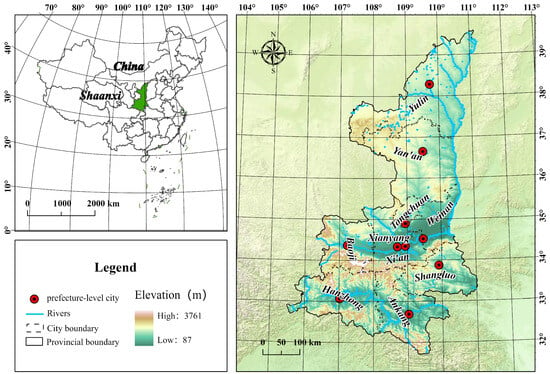
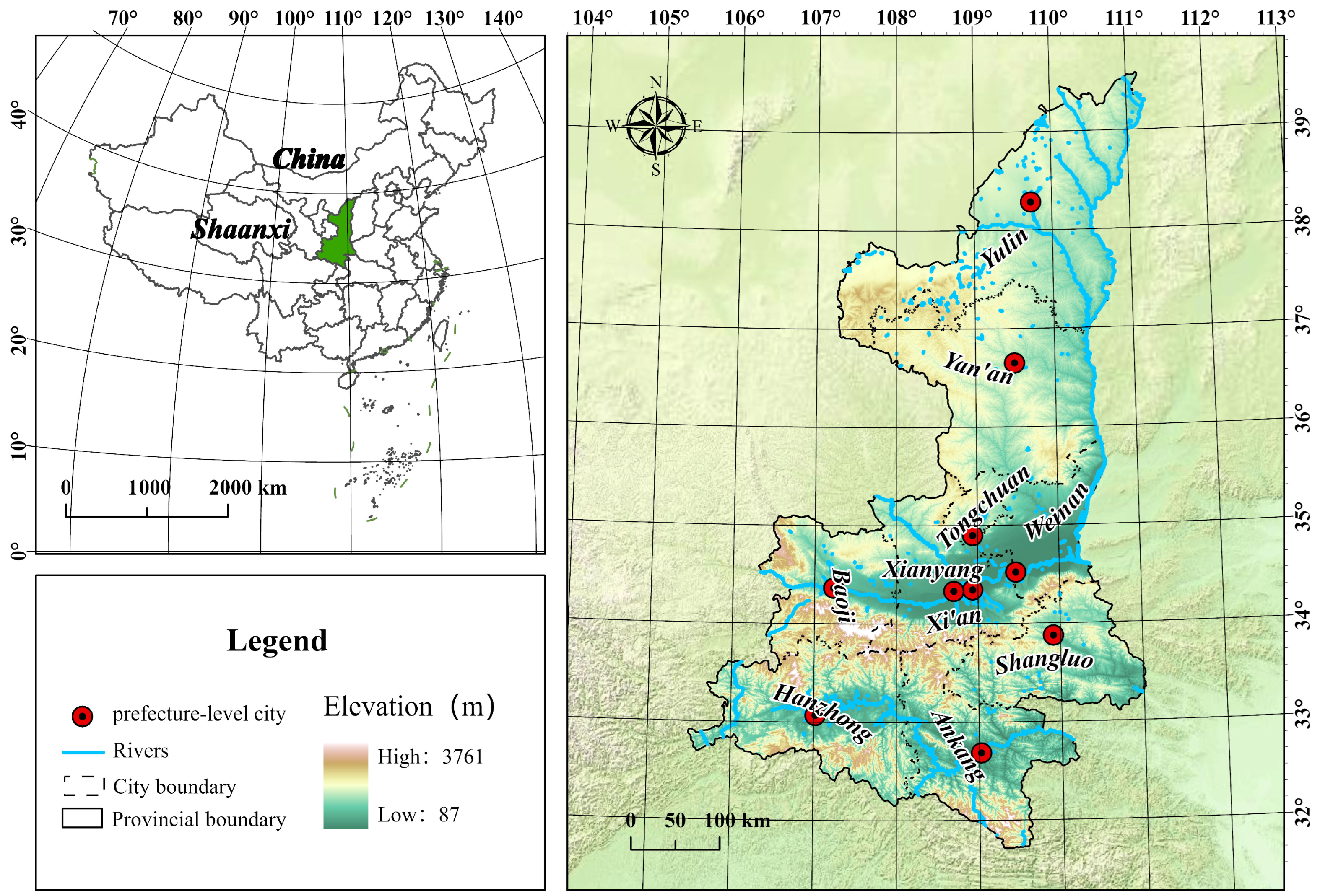
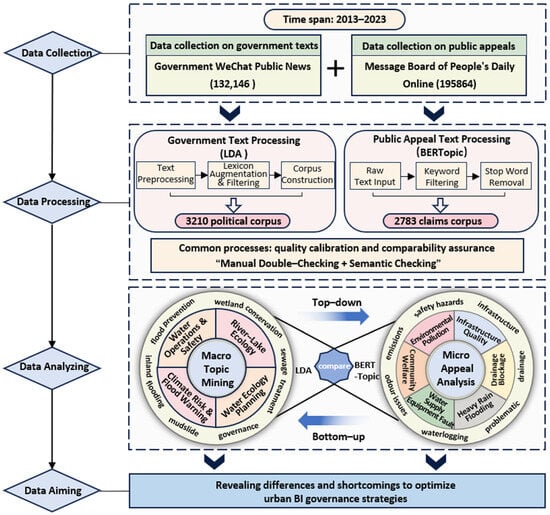
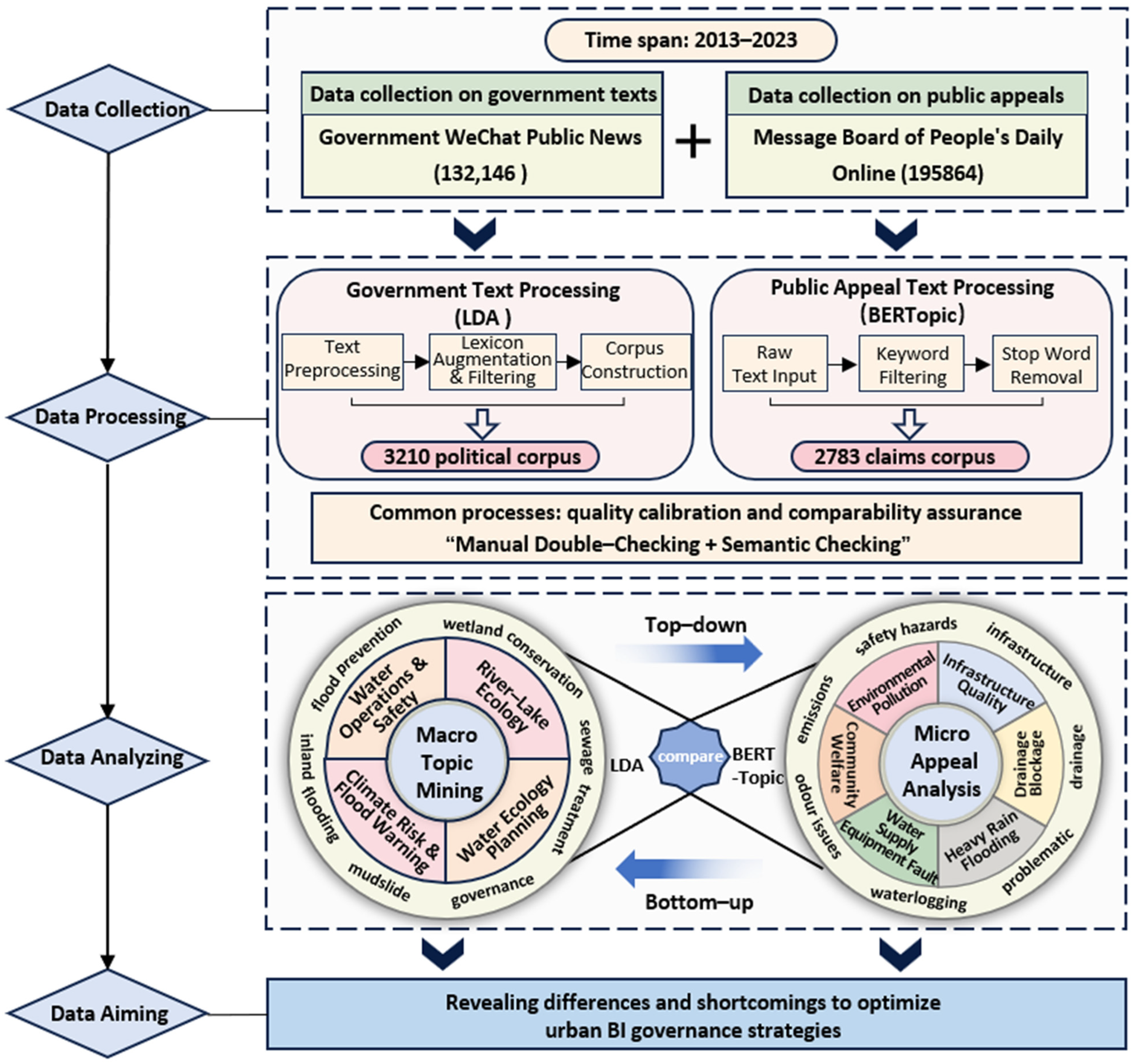
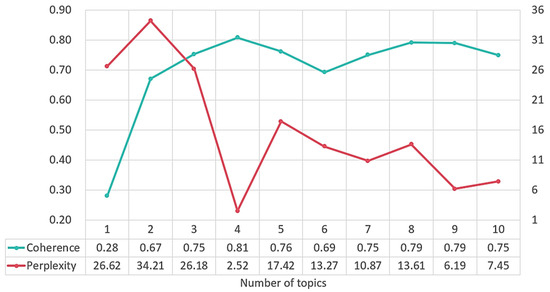
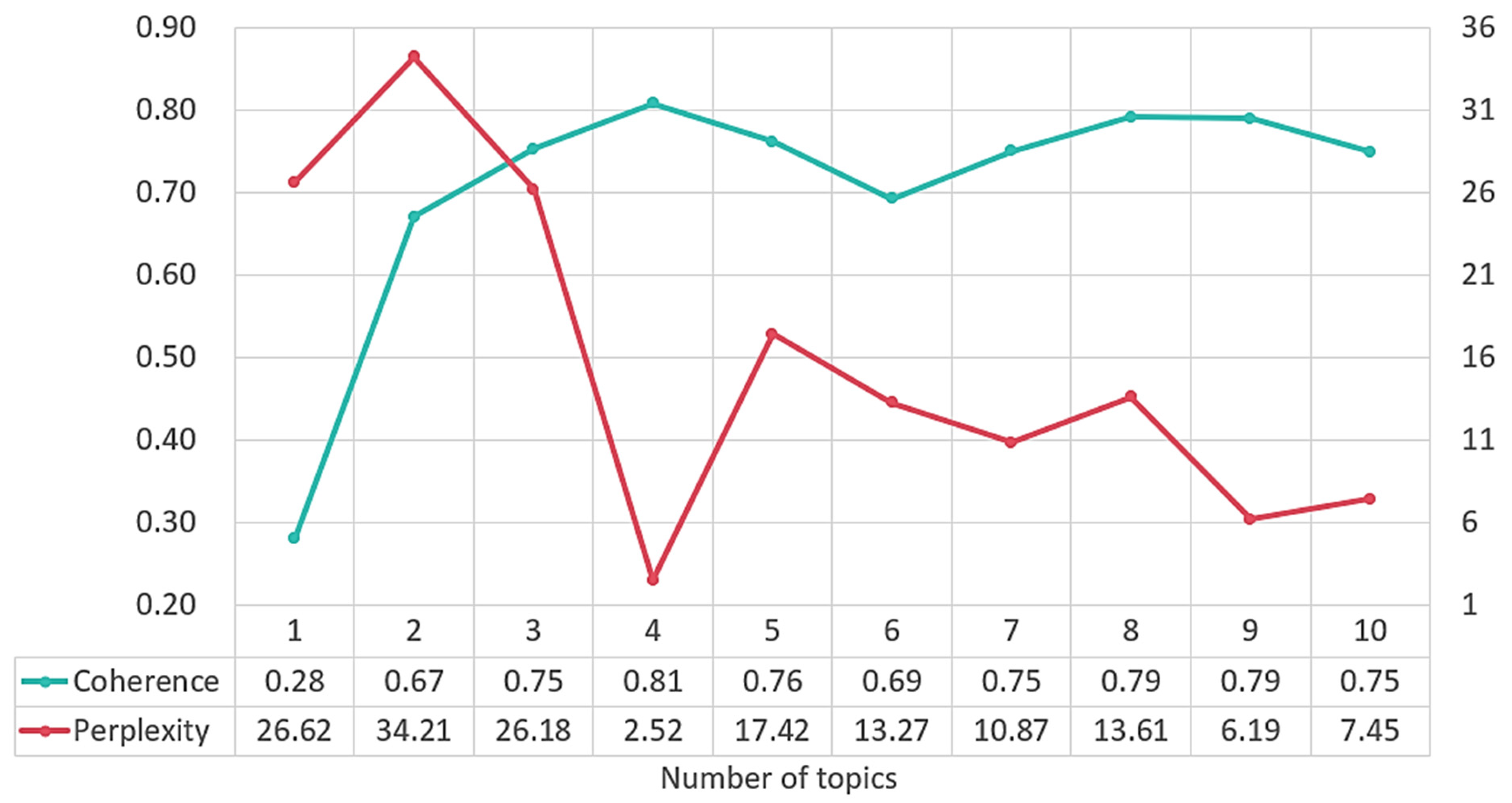
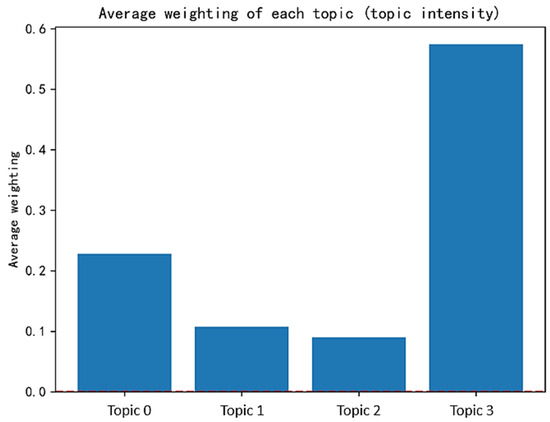
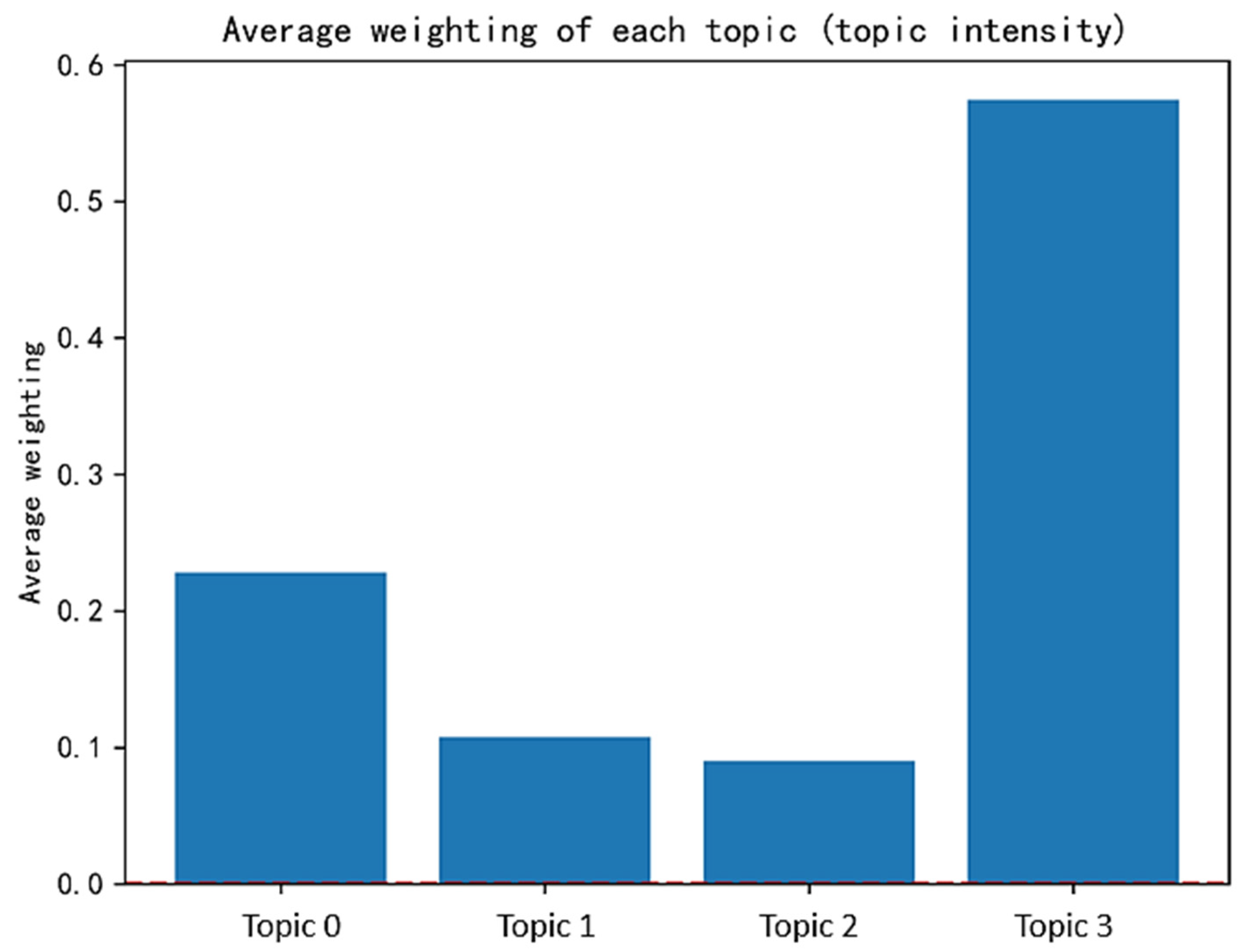
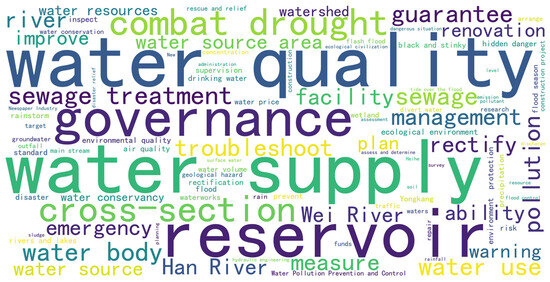
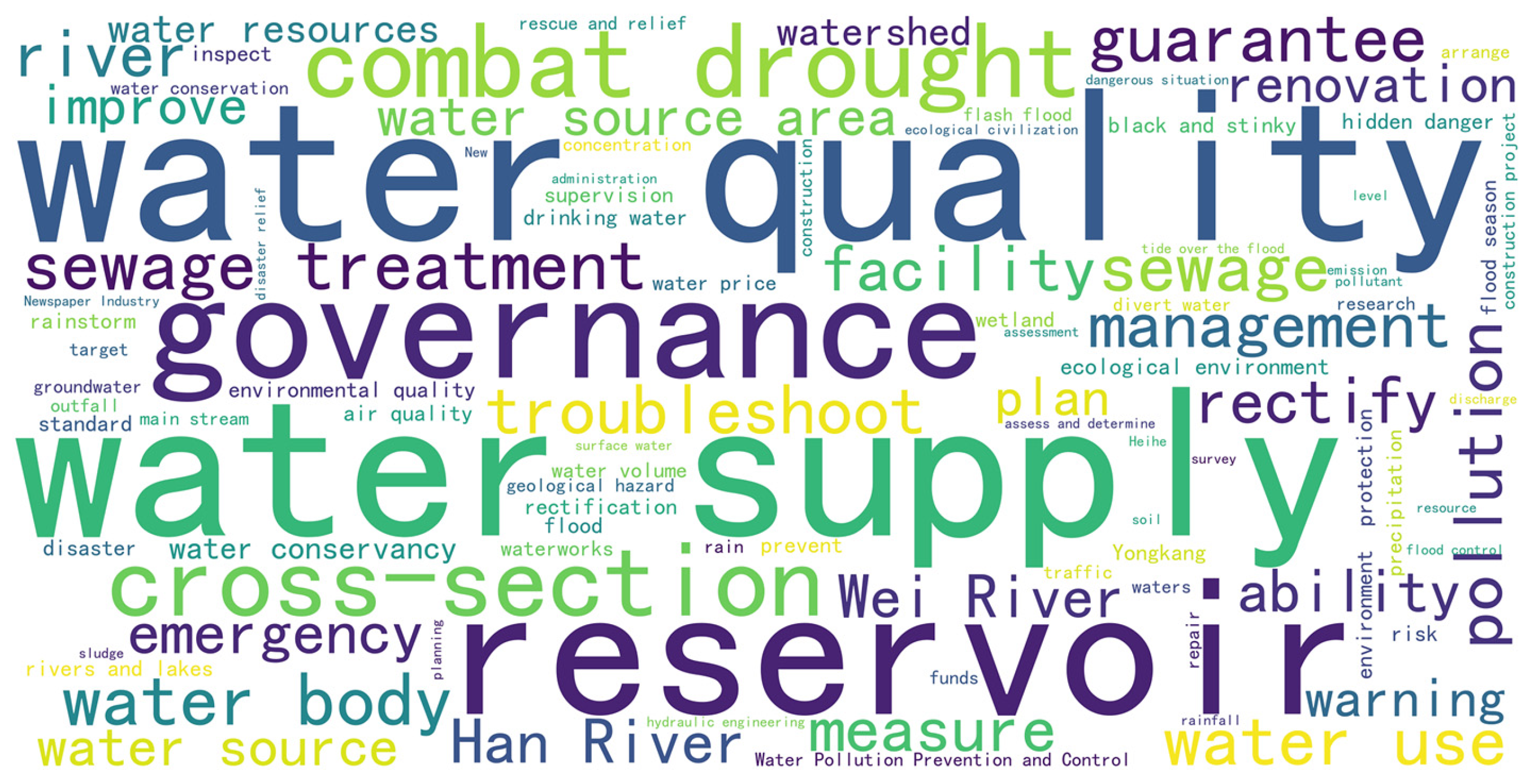
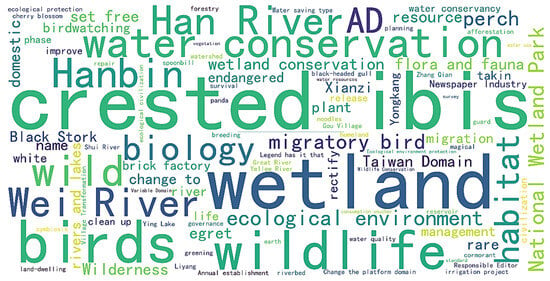
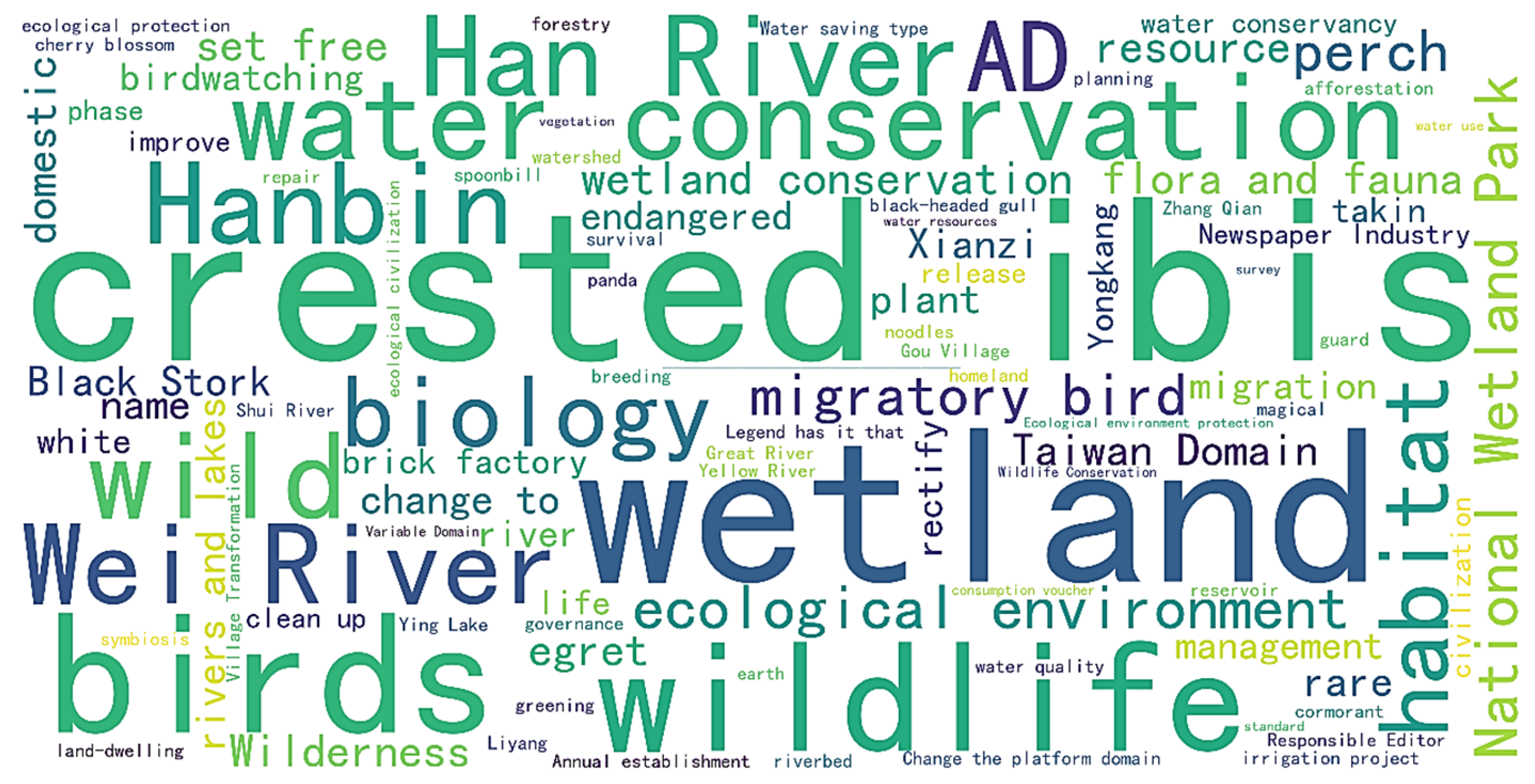
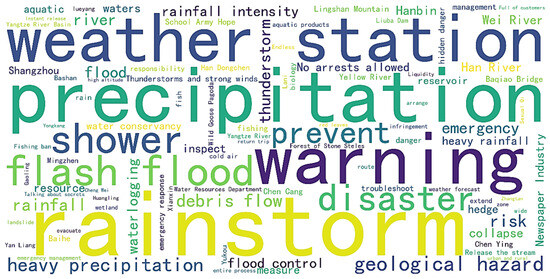
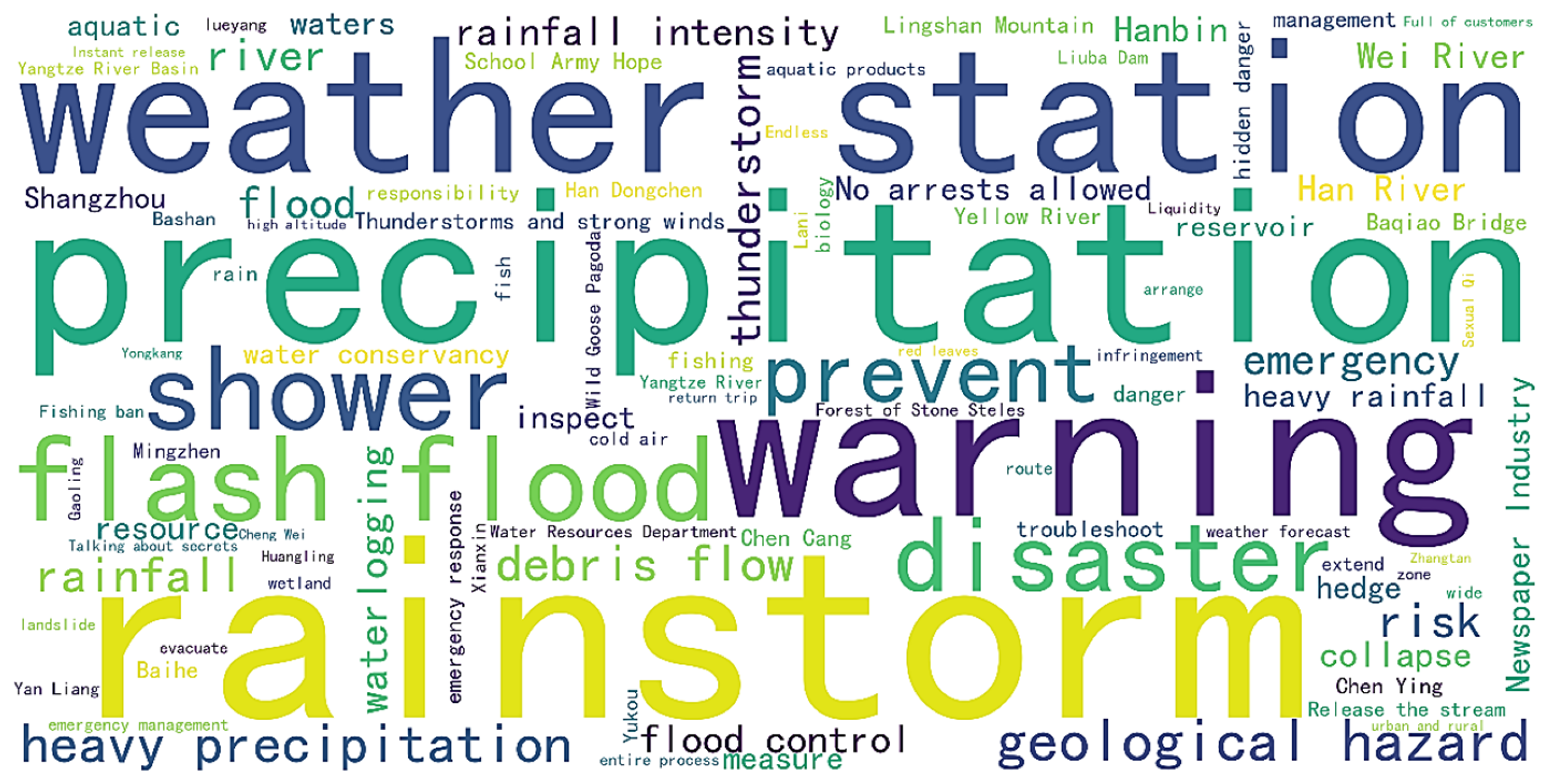
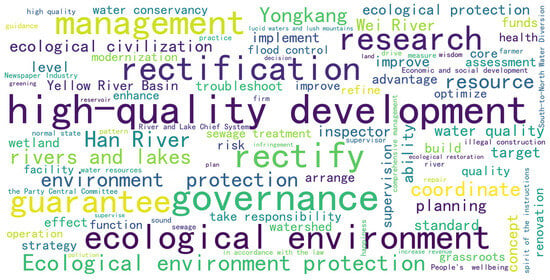
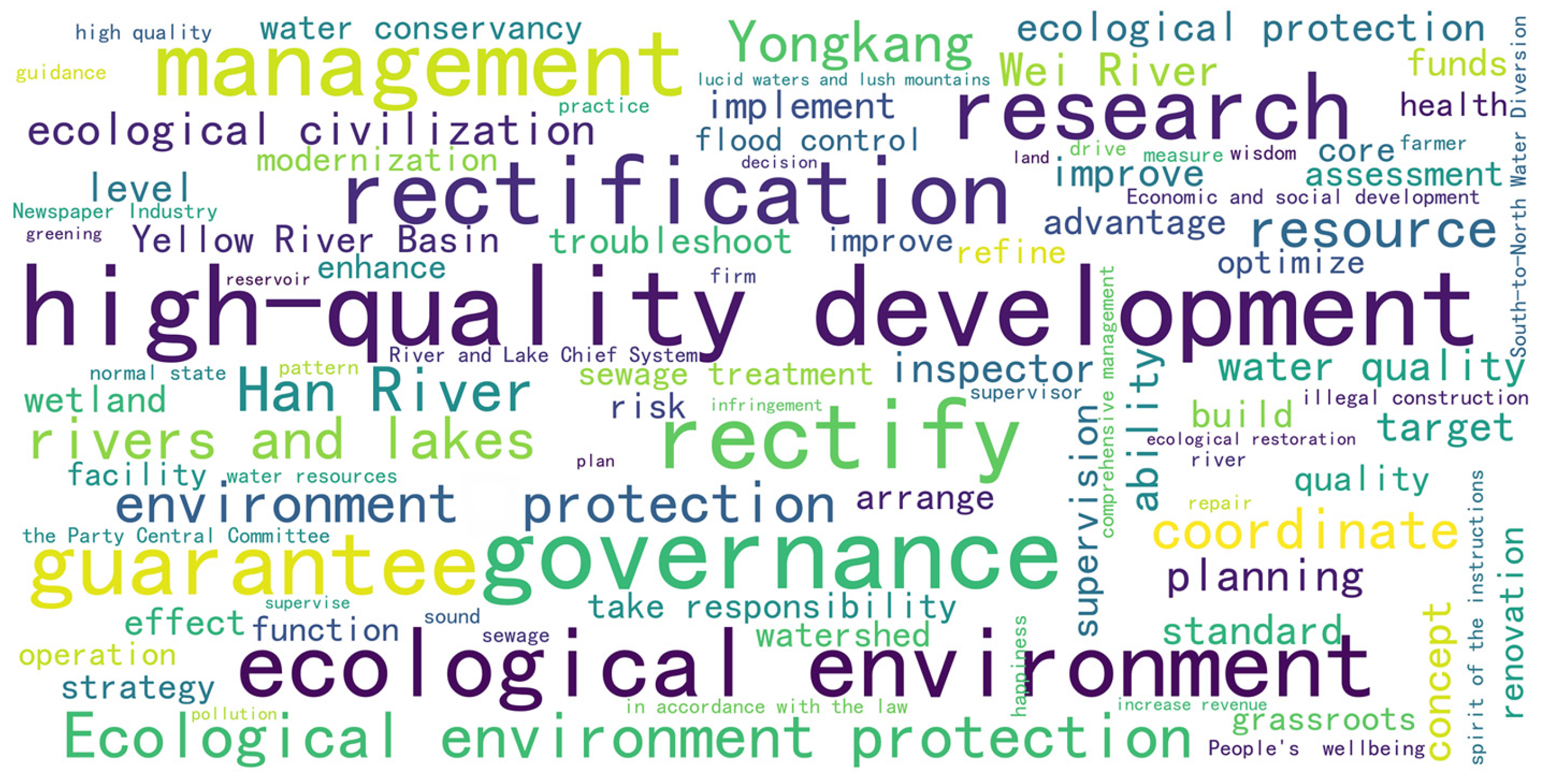
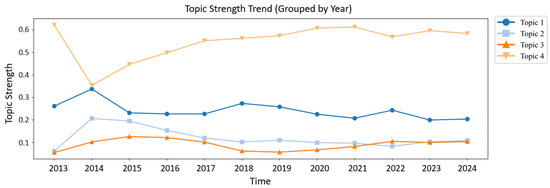
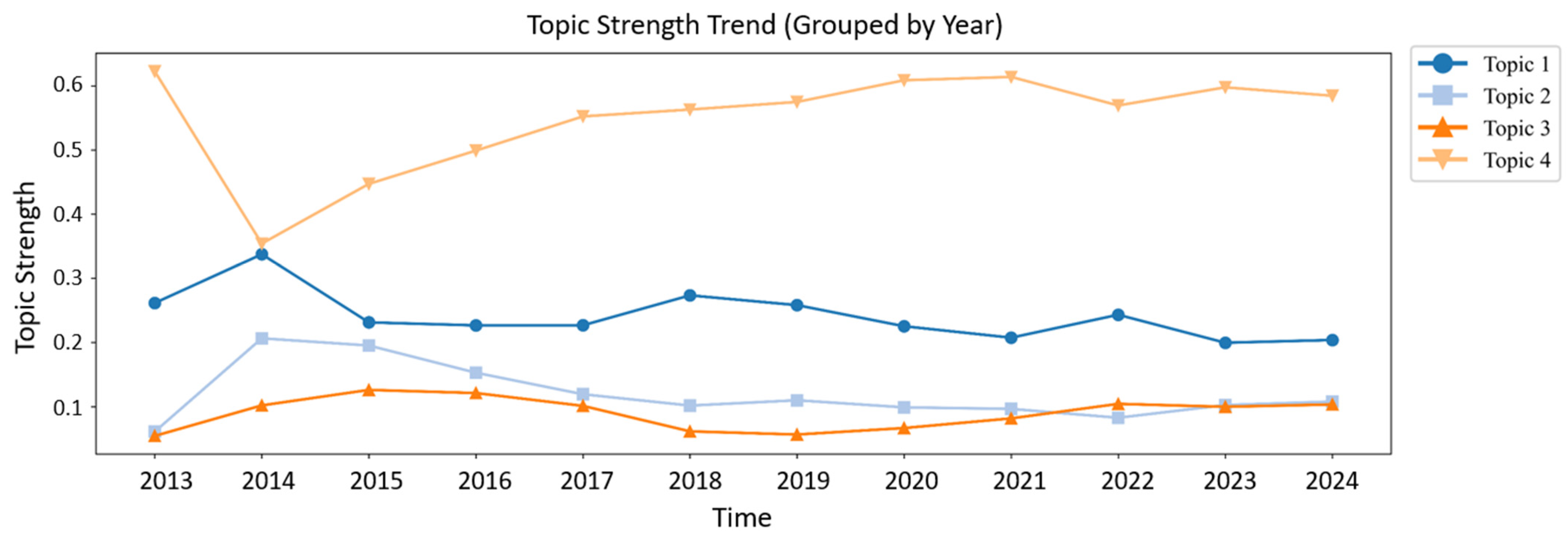
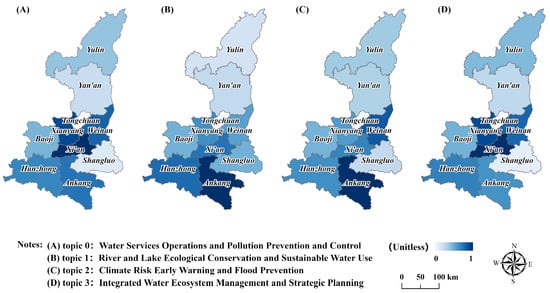
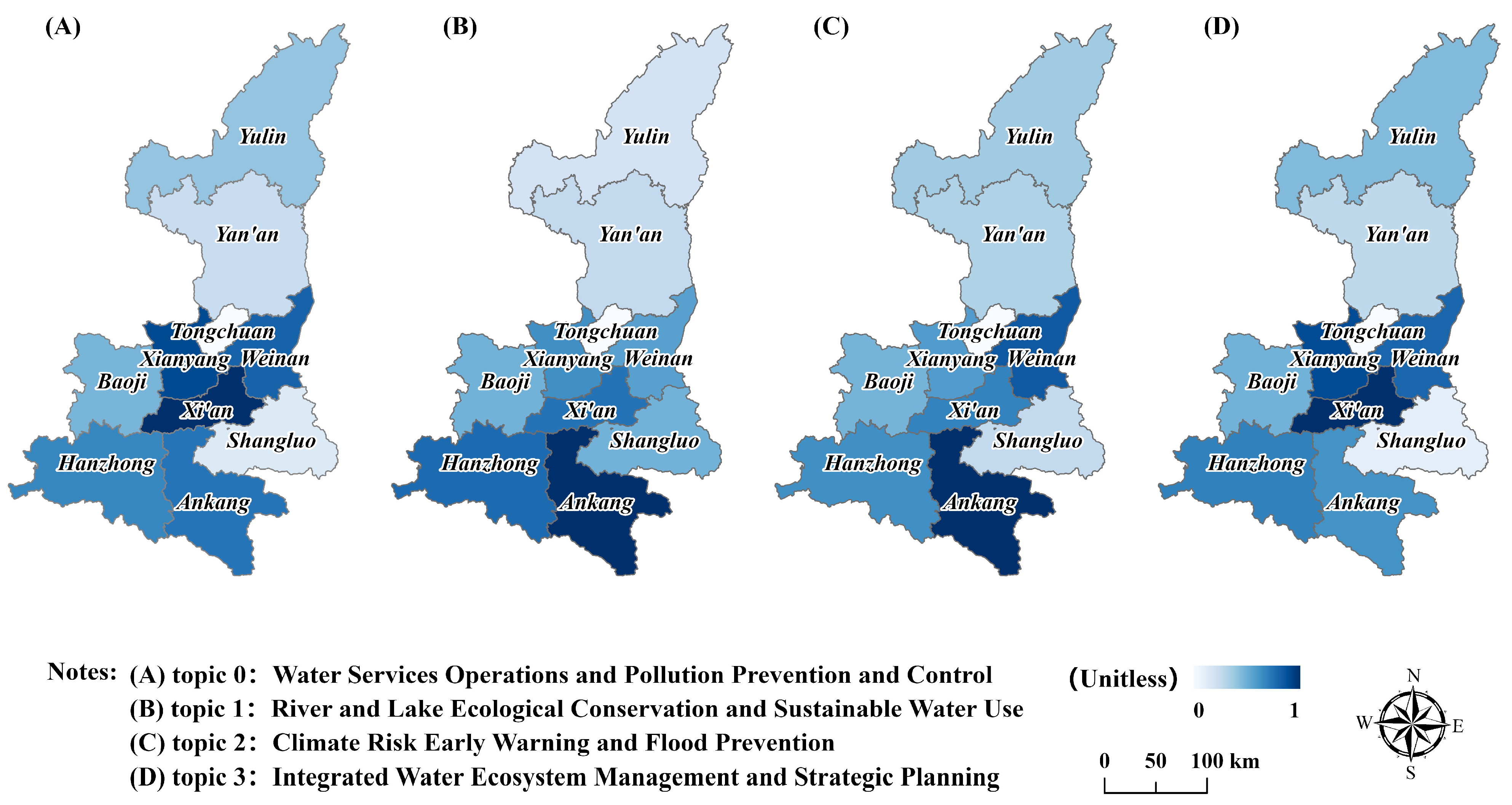
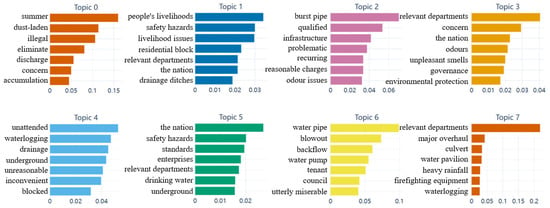
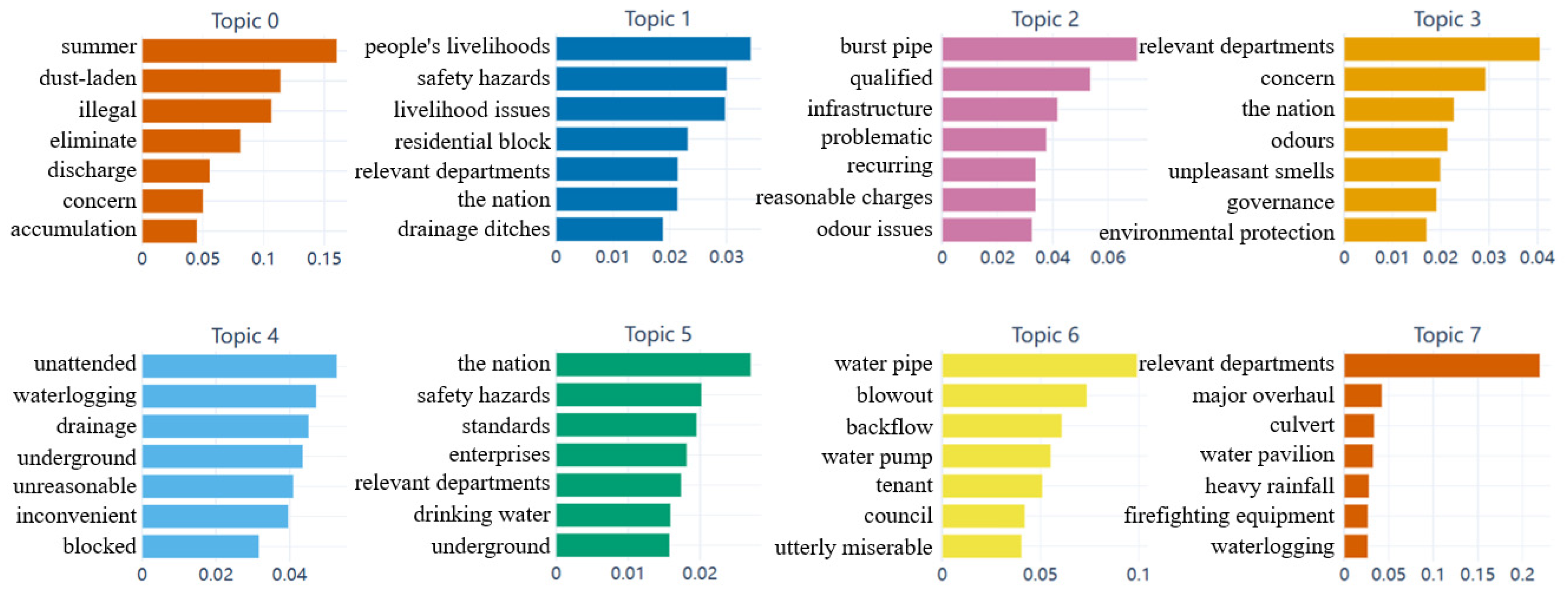
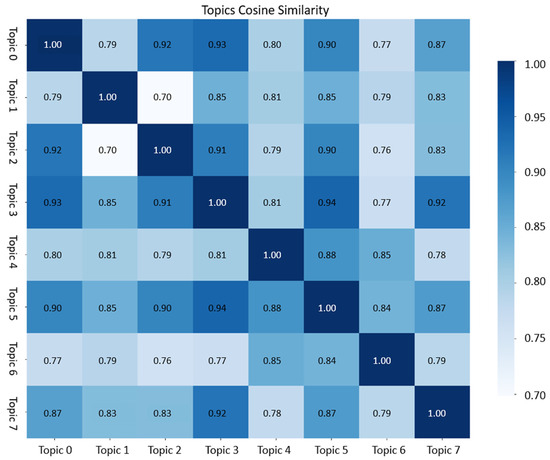
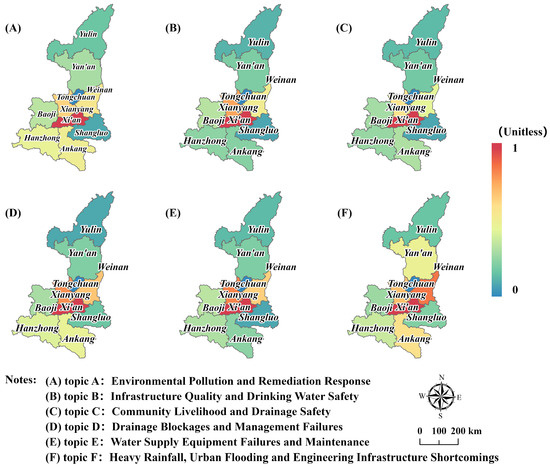
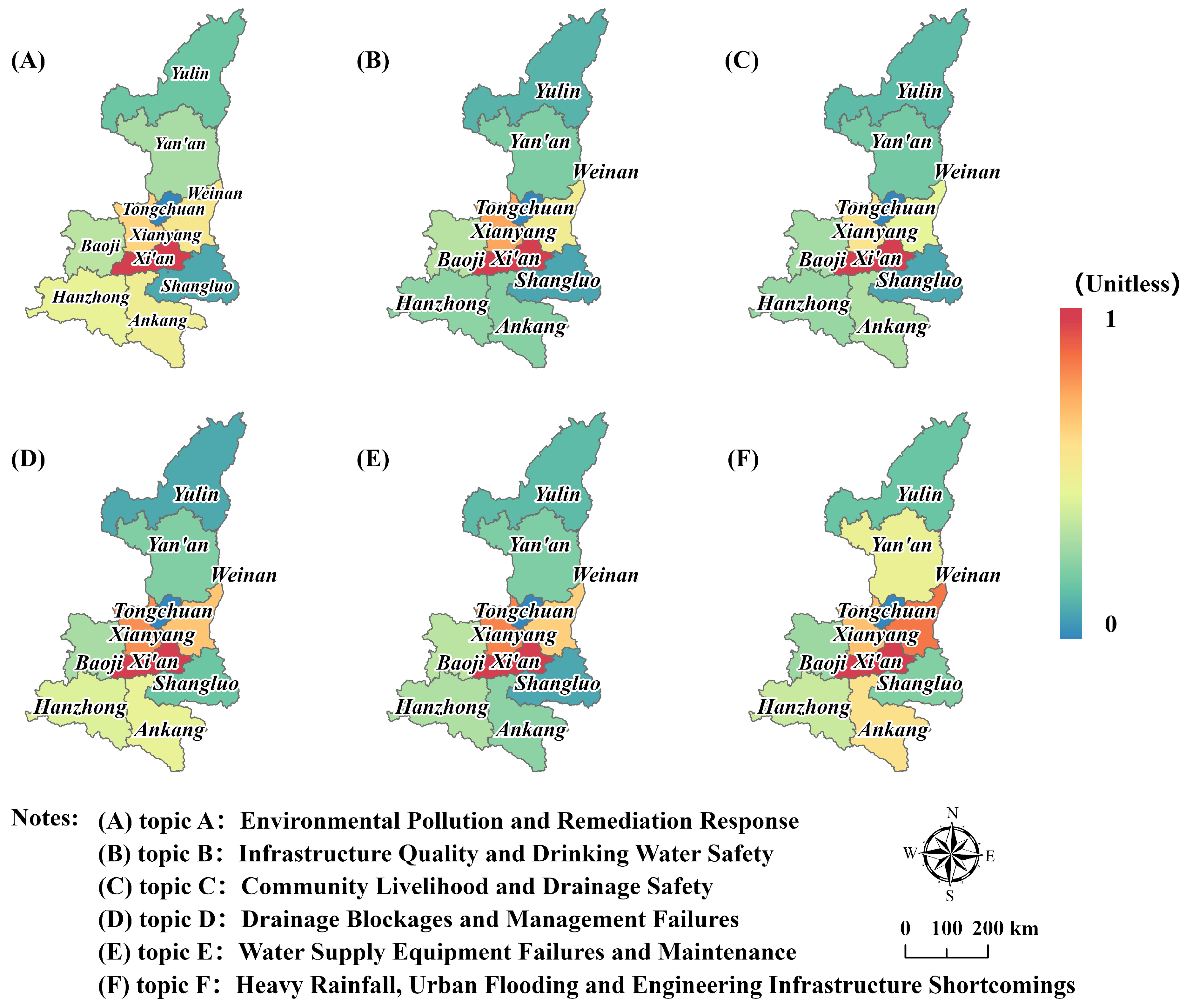
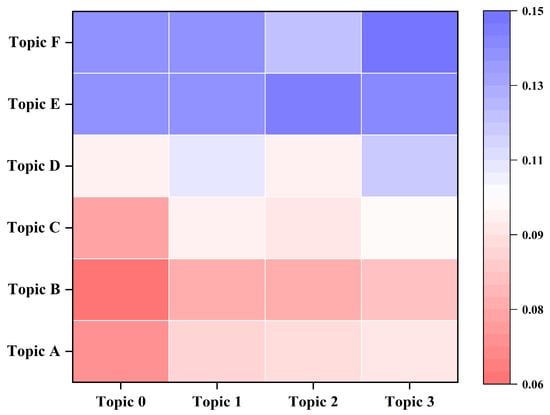
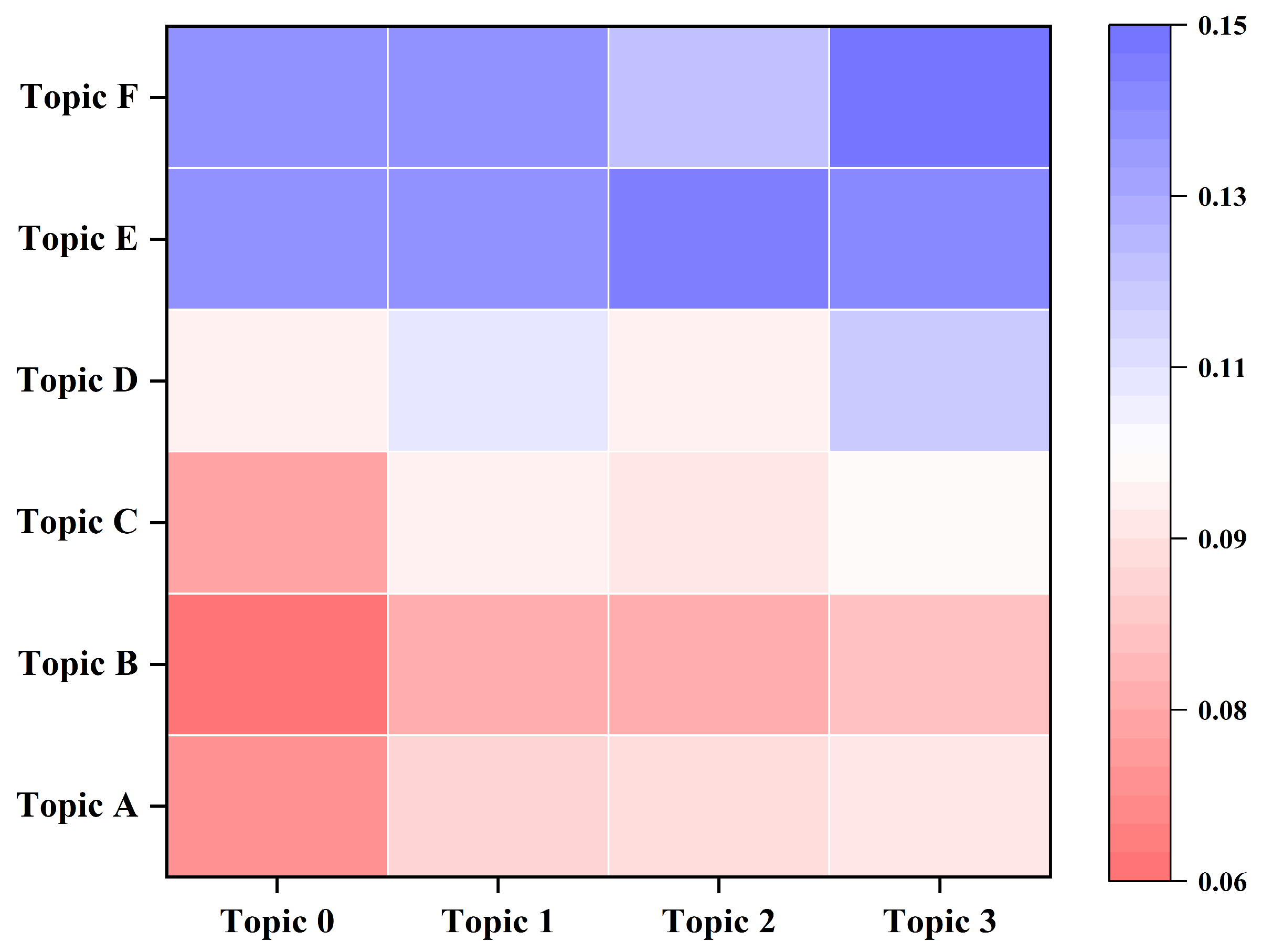
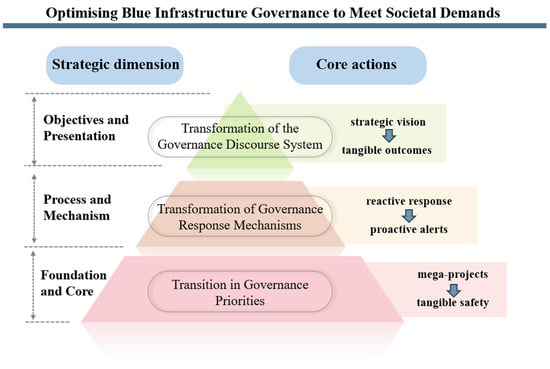
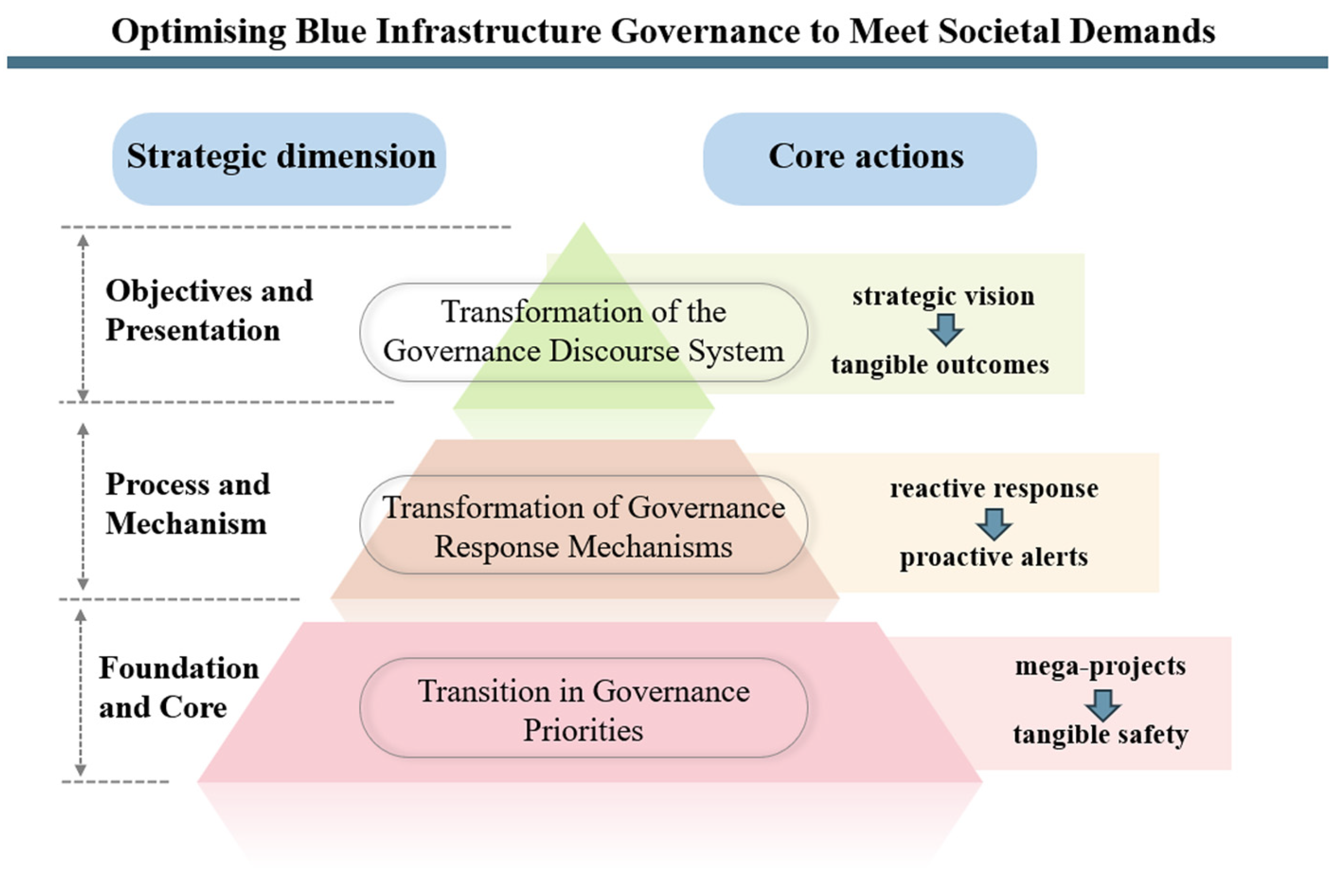

Disclaimer/Publisher’s Note: The statements, opinions and data contained in all publications are solely those of the individual author(s) and contributor(s) and not of MDPI and/or the editor(s). MDPI and/or the editor(s) disclaim responsibility for any injury to people or property resulting from any ideas, methods, instructions or products referred to in the content. |
© 2026 by the authors. Licensee MDPI, Basel, Switzerland. This article is an open access article distributed under the terms and conditions of the Creative Commons Attribution (CC BY) license.