


Abstract
Wetlands provide vital ecosystem services, yet realising their potential for sustainable business and community benefit through Nature-based Solutions (NbS) requires understanding the broader conditions that enable or hinder restoration efforts. This article presents a combined methodology for prioritising wetland NbS-related business opportunities, developed within the Horizon 2020 project Restore4Life. Drawing on site-specific catalogues of business-related ecosystem services across five countries, opportunities were identified in two clusters: direct uses (water storage, irrigation, water-based recreation, fish farming and angling, biomass harvesting and grazing, carbon sequestration, and environmental monitoring), and indirect uses (tourism, product processing, and sales). To assess the external conditions shaping these opportunities, this study combines PESTLE analysis (Political, Economic, Social, Technological, Legal, Environmental) with the Analytic Hierarchy Process, a multi-criteria method. Five stakeholder sessions were held in Restore4Life Associated Regions in Portugal, Sweden, Armenia, Belgium, and Ukraine, where translated questionnaires assessed the relative importance of PESTLE factors among research, conservation, and business stakeholders. Pairwise comparisons were processed via the eigenvector method in AHP, geometrically averaged into regional group priorities, and synthesised with sub-factor priorities within each PESTLE segment. Results of methodology application in Ponto da Lima (Portugal) show that legal factors, particularly the presence of a stable legal framework, and environmental conditions, especially physical geography and climate, are perceived as the most critical enablers of NbS business development. Economic factors, notably access to funding and employment conditions, rank moderately, while social factors highlight education and environmental awareness as more influential than consumer attitudes. Political factors are dominated by concerns over bureaucratic burden rather than broader policy support, and technological factors rank consistently lowest, suggesting institutional and regulatory barriers outweigh technical ones. These findings underscore the need for stronger legal and governance frameworks to support Ponto da Lima wetland NbS uptake, with market-based mechanisms for ecosystem services becoming more relevant as institutional conditions mature.
1. Introduction
Wetlands are among the most productive and ecologically significant ecosystems on Earth, providing essential ecosystem services including water purification, flood regulation, carbon sequestration, biodiversity conservation, and climate change adaptation. Despite their importance, European wetlands have experienced extensive degradation due to urbanisation, agricultural intensification, pollution, hydromorphological alterations, and climate change. Their loss and fragmentation have resulted in significant environmental, economic, and social consequences, highlighting the urgent need for effective restoration and sustainable management. In response, the European Union has placed ecosystem restoration at the centre of major policy initiatives, including the European Green Deal, the EU Biodiversity Strategy for 2030, and the Nature Restoration Law (Regulation (EU) 2024/1991), adopted by the European Parliament and the Council on 24 June 2024 [1].
Within this policy framework, Nature-based Solutions (NbS have emerged as an effective and multifunctional approach to restoring degraded ecosystems while simultaneously generating environmental, social, and economic benefits. In wetland environments, NbS include interventions such as rewetting, ecological rehabilitation, green infrastructure development, sustainable water management, and habitat restoration. However, selecting and prioritising the most appropriate restoration measures remains challenging because implementation depends on multiple interacting political, economic, social, technological, legal, and environmental factors.
The Horizon Europe project Restore4Life (Restoration of Wetland Complexes as Life Supporting Systems in the Danube Basin, 2022–2027) [2,3] addresses these challenges by promoting a holistic and transdisciplinary approach to freshwater and coastal wetland restoration. The project demonstrates how ecosystem restoration can enhance climate resilience while increasing the delivery of ecosystem services, strengthening biodiversity, and creating socio-economic opportunities through the development of blue–green infrastructure. Restore4Life comprises four implementation sites, six monitoring sites, and five demonstration sites across Europe, where restoration activities are supported by monitoring systems, performance indicators, decision-support tools, and restoration roadmaps designed to facilitate replication in other regions.
A central objective of Restore4Life is to support evidence-based environmental planning through structured multi-criteria decision-making. Among the methods employed, the PESTLE framework provides a systematic assessment of the external macro-environment by analysing Political, Economic, Social, Technological, Legal, and Environmental dimensions that influence restoration projects. Although PESTLE effectively identifies opportunities and constraints, it does not quantify the relative importance of individual factors or support the prioritisation of competing restoration alternatives. To address this limitation, the Analytic Hierarchy Process (AHP) is employed as a complementary multi-criteria decision-making method. By converting expert judgements into quantitative priorities through pairwise comparisons, AHP enables transparent and consistent weighting of decision criteria. The integration of PESTLE and AHP therefore combines strategic contextual analysis with quantitative prioritisation, providing a robust framework for decision support in wetland restoration.
The principal scientific contribution of this study is the development of a novel integrated PESTLE–AHP framework for prioritising Nature-based Solutions in European wetlands. Although both methods have been extensively applied independently, their systematic integration for NbS prioritisation in wetland restoration has not previously been demonstrated. The proposed framework captures the complexity of macro-environmental conditions while simultaneously quantifying the relative importance of influencing factors, thereby supporting transparent, evidence-based, and stakeholder-oriented decision-making. Our PESTLE–AHP approach and developed application methodology use AHP primarily as a validation and evaluation mechanism for the complete PESTLE factor groups. Each PESTLE dimension is treated as an integrated whole, with all associated sub-factors considered collectively. Accordingly, the approach does not assess the internal structure of individual factors. It focuses on evaluating the relative importance of the PESTLE groups as comprehensive dimensions and then assigns relative importance to their respective sub-factors. We believe that this approach/methodology provides a clearer understanding of the relative importance of the PESTLE dimensions as groups of factors. In turn, the AHP-derived priorities assigned to the PESTLE groups can be incorporated into the broader PESTLE framework to identify the dimensions where interventions and management actions should be prioritised. This can support more targeted decision-making aimed at improving wetland preservation and management, that is, facilitating more focused and evidence-based decision-making by indicating which groups of factors deserve greater attention in planning and management efforts.
The methodology is applied for the first time to the Ponte de Lima wetland region in Portugal, where it was implemented under real-life conditions through a structured face-to-face workshop involving local stakeholders. The manuscript presents the prioritisation results for the different categories of influencing factors and demonstrates how stakeholder knowledge can be effectively incorporated into restoration planning. The experience gained during the Portuguese implementation enabled refinement of the methodology, which was subsequently verified, with only minor local adaptations, in four additional wetland regions within the Restore4Life project: Norrköping (Sweden), Grote Meers (Belgium), Armash (Armenia), and Lviv (Ukraine). The successful application across these diverse ecological and socio-economic contexts demonstrates the robustness, transferability, and practical applicability of the proposed framework for stakeholder-driven prioritisation of Nature-based Solutions throughout Europe.
The objectives of this study are threefold. First, the study aims to develop and operationalise an integrated PESTLE–AHP framework for the systematic evaluation and prioritisation of the Political, Economic, Social, Technological, Legal, and Environmental dimensions relevant to Nature-based Solutions and wetland restoration. In particular, AHP is used to quantify the relative importance of the complete PESTLE dimensions and their associated sub-factors, rather than to evaluate the internal relationships among individual factors. Second, the study aims to demonstrate the practical applicability of the proposed methodology through its implementation in the Ponte de Lima wetland region in Portugal, using structured stakeholder participation to derive and analyse the priorities of the PESTLE dimensions and sub-factors. Third, the study aims to assess the robustness and transferability of the developed approach by applying the refined methodology, with minor local adaptations, in four additional Restore4Life wetland regions representing different ecological, geographical, and socio-economic contexts. Through these objectives, the study seeks to provide a transparent and stakeholder-oriented decision-support framework that can help identify the PESTLE dimensions requiring greater attention in wetland restoration planning and the prioritisation of Nature-based Solutions.
2. Theoretical Background and Related Research
In treating the complex of Nature-based Solutions and related wetland restoration in a specific region, such as any of the five regions covered by this study, a theoretical background is useful to discuss and formulate a scientifically sound integration of components/internal processes such as PESTLE analysis, multi-criteria analysis supported by AHP methodology, and ultimately options for combining PESTLE and AHP.
2.1. Nature-Based Solutions
Nature-based Solutions (NbS) have gained increasing attention in recent years as an integrated approach to addressing environmental, social, and economic challenges through the sustainable management and restoration of ecosystems. The concept emerged prominently within international environmental policy and research agendas as a response to growing concerns regarding climate change, biodiversity loss, water insecurity, and ecosystem degradation.
According to the International Union for Conservation of Nature [4]. Nature-based Solutions are defined as actions aimed at protecting, sustainably managing, and restoring natural or modified ecosystems in ways that effectively address societal challenges while simultaneously providing benefits for human well-being and biodiversity. IUCN) defined NbS as ‘Solutions that are inspired and supported by nature, which are cost-effective, simultaneously provide environmental, social and economic benefits and help build resilience. Such solutions bring more, and more diverse, nature and natural features and processes into cities, landscapes and seascapes, through locally adapted, resource-efficient and systemic interventions’ [4]. Unlike conventional ‘grey’ infrastructure approaches, which rely heavily on engineered technological interventions, NbS emphasise ecological processes and ecosystem services as fundamental components of sustainable development. These solutions integrate environmental protection with socio-economic objectives by enhancing ecosystem resilience, promoting climate adaptation and mitigation, improving public health, and supporting local livelihoods. Therefore, they are increasingly viewed as multifunctional interventions capable of generating co-benefits across multiple sectors, including water management, urban planning, agriculture, disaster risk reduction, and climate governance.
In the European context, NbS have become a central component of environmental policy frameworks such as the European Green Deal, the EU Biodiversity Strategy for 2030, and Horizon Europe research initiatives. European institutions promote NbS as cost-effective and adaptive strategies for strengthening ecological resilience and achieving sustainability targets. Wetland restoration, reforestation, river renaturalisation, green urban infrastructure, and coastal ecosystem rehabilitation represent some of the most widely implemented NbS approaches across Europe.
Despite their growing popularity, the implementation of NbS faces challenges, including governance fragmentation, financing limitations, stakeholder conflicts, technological uncertainty, and varying regulatory conditions. Consequently, effective planning and prioritisation mechanisms are essential to ensure that NbS interventions are environmentally feasible, socially acceptable, economically viable, and institutionally supported.
Several seminal references define the concept of NbS. In the publication [5], the widely adopted IUCN definition of Nature-based Solutions is established, and it remains the principal foundational reference. Understanding the value and limits of Nature-based Solutions to climate change and other global challenges is presented in [6]. It is one of the most influential recent review papers in which discussion is given regarding scientific evidence, benefits, limitations, governance, and implementation challenges of NbS. In both papers, interesting discussions are given regarding NbS-related implementation barriers.
The handbook for practitioners [7] presents important insights into the discussion of European policy, implementation, monitoring, and evaluation of NbS. A recently published paper by Albert et al. [8] addresses societal challenges through Nature-based Solutions, i.e., how landscape planning and governance can support NbS implementation, while Fereira [9] presents a systematic literature review on stakeholders’ engagement in NbS. Referenced papers are all closely aligned with the European Green Deal, Horizon Europe, and the EU Biodiversity Strategy. Srđević and Srđević [10] addressed the emerging need for Nature-based Solutions in urban and rural areas of Serbia during an international conference on NbS and water-related risks and insights from the humanities and social sciences.
2.2. Wetland Restoration
Wetlands are among the most valuable ecosystems globally due to their exceptional ecological productivity and their capacity to deliver a wide range of ecosystem services. These ecosystems contribute significantly to biodiversity conservation, carbon sequestration, flood mitigation, groundwater recharge, nutrient cycling, and water purification. Wetlands also provide important cultural, recreational, and economic benefits to local communities. However, wetlands are increasingly threatened by human activities such as land conversion, urbanisation, industrial development, drainage, pollution, and hydrological modification. The degradation and loss of wetlands have accelerated over the last century, making wetland restoration a critical environmental priority.
Wetland restoration refers to the process of assisting the recovery of degraded, damaged, or destroyed wetland ecosystems in order to restore their ecological functions, biodiversity, and hydrological integrity. Restoration activities may include rewetting drained areas, removing invasive species, reconnecting river floodplains, improving water quality, restoring native vegetation, and implementing sustainable land-use practices. Within Europe, wetland restoration plays an important role in achieving climate adaptation and biodiversity objectives. Restored wetlands can function as natural carbon sinks, improve resilience to floods and droughts, and support habitat connectivity across fragmented landscapes. Moreover, wetland-based Nature-based Solutions can contribute to sustainable regional development while addressing increasing climate-related risks. Nevertheless, wetland restoration projects are inherently complex because they involve multiple ecological, institutional, technical, legal, and socio-economic dimensions. Restoration success often depends on stakeholder cooperation, land ownership structures, public acceptance, financing mechanisms, environmental regulations, and long-term governance capacity. As a result, decision-makers require systematic evaluation tools capable of incorporating multiple criteria and external contextual factors into restoration planning processes.
The seminal reference ‘Millennium Ecosystem Assessment’ [11] establishes the scientific basis of wetlands and restoration. This classic reference describes in detail the ecosystem services provided by wetlands and elaborates on related issues such as biodiversity, water purification, carbon storage, flood regulation, and human well-being. The most authoritative recent global assessment of wetland status is given in the Global Wetland Outlook [12], where ongoing wetland loss, major degradation drivers, and restoration priorities are addressed in a very direct way.
The United Nations Environment Programme (UNEP) and Food and Agriculture Organisation of the United Nations (FAO) [13] establish restoration as a global environmental priority strategy for the decade 2021–2030. It addresses restoration principles, governance, and stakeholder engagement, and further elaborates on issues such as financing and long-term management. Another important reference is [14], which presents the international principles and standards for the practice of ecological restoration. This publication provides a comprehensive framework for ecological restoration by defining restoration objectives and outlining best practices for planning, implementation, monitoring, and long-term evaluation. Equally noteworthy is the highly cited study by Moreno-Mateos et al. [15], which examines the effectiveness and limitations of wetland restoration. Focusing on the structural and functional recovery of restored wetland ecosystems, the authors demonstrate that many ecological functions recover slowly and may require several decades to approach the conditions of natural wetlands. A stakeholder-driven holistic approach to mitigate drought in Ramsar wetlands is described in [16]; the interval Analytic Hierarchy Process is used for evaluation of Nature-based Solutions that might help to mitigate drought impacts.
2.3. PESTLE Analysis
PESTLE analysis is a strategic analytical framework used to assess the external macro-environmental factors influencing organisations, projects, policies, or investment decisions. The acronym PESTLE refers to Political, Economic, Social, Technological, Legal, and Environmental dimensions. The framework evolved from earlier environmental scanning approaches, particularly the ETPS model introduced by Francis J. Aguilar in his work on business environment analysis. The seminal reference on PESTLE by Aguilar [17] is widely recognised as the intellectual origin of PEST/PESTLE. While this author has concentrated on scanning issues related to business environments, during the 1970s–1990s environmental scanning became central to strategic management and policy analysis. Two references are more important: Choo’s work on environmental scanning as information seeking and organisational learning [18] and Mintzberg’s work on strategic planning and external environment analysis [19]. Concepts and cases in strategic management are discussed in [20], while more theory and many cases can be found in [21].
Each PESTLE dimension captures a specific group of external factors that may directly or indirectly influence decision-making, project implementation, and long-term sustainability. Although these dimensions are presented separately, they are highly interconnected and often interact to shape environmental policies and management outcomes. Consequently, comprehensive assessment requires consideration of their combination rather than evaluating each factor separately. The political dimension examines government stability, policy priorities, institutional support, public funding mechanisms, and political commitment relevant to project implementation. Economic factors include investment costs, funding availability, market conditions, economic incentives, and long-term financial sustainability. Social factors address public awareness, stakeholder participation, demographic conditions, social acceptance, and community engagement. Technological considerations involve innovation capacity, technical feasibility, monitoring systems, and infrastructure requirements. Legal factors encompass environmental regulations, land-use policies, property rights, compliance obligations, and governance structures. Environmental factors assess ecosystem conditions, climate risks, biodiversity impacts, and ecological sustainability.
PESTLE analysis is widely applied in strategic planning, policy analysis, environmental governance, and sustainability assessment because it enables a structured understanding of external opportunities and threats affecting decision-making processes. In environmental restoration contexts, PESTLE analysis is particularly valuable for identifying barriers and enabling conditions that may influence the success of NbS. By integrating ecological, institutional, technological, and socio-economic perspectives into a single analytical structure, PESTLE analysis enables the systematic evaluation of external drivers, helping decision-makers anticipate constraints, identify opportunities for intervention, and prioritise actions that are both environmentally effective and socio-economically feasible.
However, PESTLE analysis is primarily qualitative in nature and does not inherently provide mechanisms for weighting criteria or prioritising alternatives. This limitation reduces its capacity to support complex multi-criteria decision-making processes where competing interventions must be systematically ranked according to multiple objectives and stakeholder preferences.
Literature review themes around PESTLE show that researchers commonly use PESTLE to study market-entry analysis, geopolitical risk, public policy impacts, technology adoption, healthcare systems, tourism and hospitality, renewable energy, and higher education strategies. PESTLE is especially common in strategic management, international business, policy analysis, innovation studies, and sustainability research. Many example academic articles applying PESTLE can be found in policy applications, primarily in situational-analysis frameworks. A good example of research is published in [22], where a case study from the US is presented, highlighting that organisations that invest time and resources into mastering strategic management skills and following the frameworks outlined in their paper will undergo a transformative process, leading to enhanced staff collaboration and increased organisational productivity. The authors highlight their claim that a strong organisational presence stems from a well-implemented framework at all levels, providing guidance, motivation, and setting standards of excellence and professionalism.
2.4. Analytic Hierarchy Process (AHP)
The Analytic Hierarchy Process (AHP) is a multi-criteria decision-making (MCDM) methodology developed by Thomas Saaty in the 1970s [23]. AHP was designed to support complex decision-making situations involving multiple criteria, alternatives, and stakeholder judgments. The methodology enables decision-makers to decompose complex problems into hierarchical structures consisting of goals, criteria, sub-criteria, and alternatives. AHP operates through pairwise comparisons, where decision-makers evaluate the relative importance of criteria and alternatives using a standardised numerical scale. These comparisons are then converted into weighted priority vectors through matrix calculations. One of the major strengths of AHP is its ability to combine quantitative and qualitative information while incorporating expert judgment and stakeholder perspectives into transparent and systematic evaluation procedures.
The AHP methodology generally involves several key steps: defining the decision problem, constructing the hierarchical model, conducting pairwise comparisons, calculating criteria weights, evaluating consistency ratios, and ranking alternatives according to aggregated scores. The consistency ratio is particularly important because it measures the logical coherence of decision-makers’ judgments and enhances methodological reliability.
AHP has been extensively applied in environmental management, ecosystem restoration, water resource planning, sustainable development, and climate adaptation studies. In wetland restoration contexts, AHP enables the prioritisation of restoration measures according to ecological effectiveness, socio-economic benefits, implementation feasibility, governance conditions, and environmental sustainability. Despite its advantages, AHP may also face limitations related to subjectivity in expert judgments, sensitivity to criteria selection, and complexity in large-scale decision hierarchies. Nevertheless, it remains one of the most widely accepted and practical MCDM techniques for environmental decision support.
The foundational AHP publication is a book by Saaty [23]. A seminal AHP methodological review is given by Vaidya and Kumar [24]. Classic AHP application and its theoretical foundations are comprehensively reviewed by Forman and Gass [25]. More recently, Ashour and Mahdiyar [26] presented a comprehensive state-of-the-art survey of modified and hybrid AHP approaches.
2.5. Combining PESTLE and AHP
Previous studies have integrated PESTLE and AHP for different purposes. For example, Yüksel [27] developed a multi-criteria decision-making framework in which PESTLE was used to structure the criteria for an AHP analysis, primarily in a business and management context. Srdjevic et al. [28] described an approach for identifying the criteria set in AHP for multi-criteria decision-making based on SWOT/PESTLE analysis. Restrepo-Olarte and Cogollo-Forez [29] integrated PESTLE and AHP within a multi-criteria methodology for the identification and classification of key stakeholders. These studies demonstrate that the combination of PESTLE and AHP is not, in itself, novel.
Our contribution differs in both the application context and the analytical purpose. In the present study, the PESTLE–AHP framework is applied specifically to the prioritisation of Nature-based Solutions (NbS) for wetland preservation and management. More importantly, AHP is used to evaluate the relative importance of the six PESTLE dimensions considered as integrated groups of factors, rather than to construct an AHP hierarchy in which individual PESTLE sub-factors are independently prioritised. This allows us to identify which broad PESTLE dimensions should receive greater attention when planning and implementing NbS for wetland management.
Accordingly, to the best of our knowledge, the systematic application of PESTLE–AHP for assessing and prioritising the relative importance of PESTLE dimensions in support of NbS prioritisation for wetland preservation and management has received limited attention in the existing literature. We believe that our contribution distinguishes itself from previous PESTLE–AHP applications while avoiding the broader and potentially misleading claim that the two methods have not previously been combined.
After 2020, several studies addressed general AHP and hybrid methods involving AHP. Paper [30] provides a twenty-year review of AHP and ANP (Analytic Network Process) and their applications, while [31] reviews AHP implementations in individual and group contexts over the last 40 years. The combined use of SWOT and AHP is described for a manufacturing firm in [32], while [33] presents an extension of neutrosophic AHP–SWOT for strategic planning and decision-making. Kurtila et al. [34] demonstrate the hybrid SWOT–AHP approach in forest certification. Srđević et al. [35] propose enhancing SWOT Analysis with DEMATEL and AHP for NbS and ecosystem services in wetland restoration in the Landscape of Outstanding Features Vlasina, Serbia. Veličkovska [36] presents a SWOT–AHP methodology for strategic development of a district heating plant in a fuzzy environment.
Ashour & Mahdiyar [26] reviewed 1165 articles published from 2010 to 2023 proposing hybrid, improved, or modified AHP approaches. They classified contributions into consistency improvements, reduction in methodological limitations, and increased accuracy, with further distinctions based on fuzzy sets, metaheuristic algorithms, modifications of AHP structure, and hybridisation with other approaches. Their review critically evaluates these approaches and provides guidance for selecting appropriate AHP-based methods.
Yan et al. [37] reviewed literature since 2008 on fuzzy AHP applications to decision-making problems, categorising developments according to four aspects: (i) representation of relative importance in pairwise comparisons, (ii) aggregation of fuzzy sets for group decisions and priorities, (iii) defuzzification to obtain crisp values, and (iv) consistency measurement of judgments. Regarding contemporary hybrid MCDM frameworks, ref. [38] proposes a hybrid DEMATEL-Fuzzy AHP-MARCOS framework for evaluating digital servitisation strategies in supply chains.
The integration of PESTLE analysis and AHP provides a framework for evaluating and prioritising NbS under complex environmental and governance conditions. PESTLE identifies relevant external contextual dimensions, while AHP enables their quantitative weighting and prioritisation. Several PESTLE–AHP approaches can be identified. Paper [39] integrates the qualitative PESTLE framework with Fuzzy AHP and Fuzzy TOPSIS to evaluate and prioritise risk factors. Political, Economic, Social, Technological, Legal, and Environmental dimensions serve as the main evaluation categories, with indicators or sub-criteria defined beneath them and alternatives assessed using pairwise comparisons and weighted scoring.
Another approach uses PESTLE as a preliminary qualitative screening tool to identify critical contextual issues, opportunities, and constraints, which are subsequently structured and evaluated using AHP to determine their relative importance [27,28,29]. A stakeholder-based PESTLE–AHP framework combines stakeholder workshops, expert elicitation, and collaborative scoring. Stakeholders identify relevant PESTLE factors, after which AHP assigns relative importance through pairwise comparisons, integrating scientific expertise, local knowledge, and institutional perspectives. A further extension is scenario-based PESTLE–AHP integration. PESTLE can support alternative future scenarios, such as high-policy-support, climate-risk, or low-investment scenarios, with AHP applied separately within each scenario to examine how changing macro-environmental conditions affect NbS prioritisation. This can improve adaptive planning under uncertainty and long-term climate governance.
Overall, PESTLE–AHP combines strategic environmental scanning with systematic multi-criteria prioritisation and can support ecosystem restoration planning. In European wetland restoration and the Restore4Life Project, such integration may facilitate evidence-based decision-making, stakeholder coordination, and selection of sustainable, context-sensitive NbS.
Industry-specific applications of PESTLE can also be found in healthcare, including healthcare digitalisation, medical tourism, pandemic preparedness, and health-system resilience. For example, Ref. [40] evaluates and selects medical tourism sites using rough AHP. Paper [41] discusses the applicability of rough and standard AHP methods for group evaluation of criteria sets in water-resources-related decision-making.
There is a substantial body of literature addressing the prioritisation of NbS in wetlands, particularly in the context of wetland restoration prioritisation, spatial prioritisation, multi-criteria decision analysis (MCDA), the assessment of ecosystem services, climate resilience, and site selection. These studies demonstrate the increasing use of multi-criteria and spatially explicit approaches to identify areas where restoration or other NbS interventions can provide the greatest ecological and societal benefits. Among the relevant studies, Howie et al. [42] applied a spatial MCDA framework to identify and prioritise coastal wetland restoration sites. Their approach integrates multiple ecological, socio-economic, and implementation-related criteria, including implementation complexity, land tenure, and carbon sequestration potential. By combining these criteria within a spatial decision-support framework, the study identifies areas with higher restoration potential while accounting for practical constraints that may influence the feasibility of implementation. Similarly, Qu et al. (2019) [43] addressed the spatial prioritisation of wetland restoration in the Sanjiang Plain, China. The authors developed a prioritisation model based primarily on historical biodiversity and restoration suitability. The resulting framework identifies priority areas in which restoration interventions can maximise potential biodiversity gains while minimising associated restoration costs. This study illustrates the value of integrating ecological priorities with economic considerations when allocating limited resources for wetland restoration. Taken together, these studies confirm the relevance of MCDA and spatial prioritisation approaches for supporting NbS planning in wetlands. They also indicate that effective prioritisation requires the simultaneous consideration of ecological benefits, ecosystem services, socio-economic conditions, implementation constraints, and restoration costs. However, the specific combination and weighting of criteria remain highly context-dependent, providing scope for further methodological development and application to particular wetland systems.
In the presence of emerging AI, PESTLE and AHP frameworks are increasingly used to assess AI regulation, ethical governance, technological readiness, cybersecurity risks, digital transformation strategies, data protection, etc. One of the contemporary applications of AI and AHP can be found in [44], where the methodology is developed to evaluate humans and AI platforms in terms of their competitiveness and the implications of six key challenges to society resulting from the development and increasing use of artificial intelligence technologies. The list of challenges was compiled by consulting various online sources and cross-referencing with academics from 15 countries across Europe and the USA. With the help of AHP, professors, scientific researchers, and PhD students independently evaluated the six challenges. The same procedure was carried out by four AI platforms—ChatGPT, Gemini (BardAI), Perplexity, and DedaAI—which responded to the same requests as the human participants. The results were compared, revealing interesting differences in the prioritisation of AI challenges’ impact on society. Both groups agreed on the highest importance of data privacy and security, as well as the lowest importance of social and cultural resistance, specifically the clash of AI with existing cultural norms and societal values.
Water governance and ecosystem restoration studies frequently combine PESTLE and AHP to evaluate flood resilience, watershed management, ecosystem service prioritisation, Nature-based Solutions, and climate adaptation planning.
3. Study Area, Data Sets and Methodology
3.1. Study Area and Data Sets
Description of five Associated Regions (AR) from five European countries involved in the project R4L is presented briefly on the map in Figure 1.
Figure 1.
Study area—Associated Regions (AR): Ponte de Lima (Portugal), Norrkoping (Sweden), GroteMeers (Belgium), Armash (Armenia), and Lviv (Ukraine).
The six groups of PESTLE factors and their respective aspects were analysed and evaluated during workshops held in mid-2025. Table 1 provides information on when and where the workshops were conducted and summarises their dates, locations, and the corresponding pilot sites/associated regions. Table 1 and Figure 1 make the timing and geographical context of the data-collection activities explicit and improve the transparency and reproducibility of the study.
Table 1.
Workshops, organisers and number of respondents.
A total of 76 participants were invited by the local coordinators at the pilot sites in AR, including local government officials, business representatives, protected-area authorities, and scientists. PESTLE factors are grouped in standard PESTLE form and were elaborated in more detail to participants by the session(s) moderator, namely, the second author of this article. The focus was on aspects which help to understanding the macro- and micro-environmental factors that could influence their strategy and operations in each particular AR. During the introductory part of each session, it was pointed out that by systematically analysing PESTLE factors, businesses can better anticipate changes in the external environment and adapt their strategies accordingly. The intent was to help participants identify opportunities and threats, guide strategic decision-making, and ensure long-term sustainability.
The key factors are grouped and elaborated in the following way:
- •
- Politics—government reform, changed funding schemes, conflicts in the political area, corruption, poor security, bureaucratic burden, supportive political environment, policy endorsement of NbS.
- •
- Economics—inflation rate, interest rates, tax rates, access to funding/investment, exchange rate volatility, employment market, disposable income, competition, policy measures, competing land use priorities, converting NbS benefits into revenue, demand for “green finance”, investor demands.
- •
- Social—education, cultural norms, demographics, consumer opinions and attitudes, environmental awareness, perception of NbS business.
- •
- Technological—new production technologies, social media communications, infrastructure status, measuring the impact of NbS
- •
- Legal—laws and policies in force, employment law, consumer protection, environmental regulations, lacking municipal competencies, impending legislation
- •
- Environmental—physical geography/climate, use of hazardous materials, ecological features, ownership-specific regulations, industry-specific regulations, environmental risk
Data sets are collected from participants in each group session in each AR. The content of the data sets is individual assessments and comparisons by importance of PESTLE factors under the AHP methodology described in Section 3.2.
Regarding the data sets, it should be clarified that the purpose of the workshops, including the one in this study for the Portugal pilot site was not to obtain objectively measurable or statistically representative data, but to elicit informed stakeholder perceptions and judgments regarding the PESTLE dimensions and their relative importance. The reliability of the collected data should therefore be understood in relation to the background and involvement of the participants. Participants were selected by local organisers based on their professional backgrounds, attitudes and experience, as well as their employment or other involvement in, or connection with, wetland management in the respective pilot regions. Thus, the collected responses represent the informed views of stakeholders with relevant contextual knowledge. Importantly, both the PESTLE and AHP questionnaires were completed anonymously and individually, without participants being required to disclose their identities or attribute their judgments to particular individuals. This procedure was intended to reduce potential social or hierarchical pressure and to allow participants to express their views independently. The subsequent PESTLE–AHP analysis should consequently be interpreted as a structured aggregation and evaluation of stakeholder judgments, rather than as an analysis based on objectively measured population-level data. This explanation is important to avoid implying that the workshop data constitute statistically representative observations. The limitations associated with stakeholder selection, representation and the subjective nature of expert judgments is also acknowledged in the discussion section of the paper.
3.2. Methodology
The research process is organised in six key methodological steps and named: ‘Prioritization of PESTLE factors affecting local business potential of Nature-based Solutions (NbS) in wetlands of Associated Regions (ARs) under the Restore4Life project’. Key methodological steps are:
- Preparation of AHP evaluation sheets (designed in English, followed by translations in local languages);
- Gathering identified stakeholders in each AR and mediating sessions;
- Applying the AHP method for prioritisation of PESTLE factors (each fill-in evaluation sheet using Saaty’s 9-point scale and detailed instructions on how to mark their preferences for 6 key factors);
- Collecting evaluation sheets, creating computer files using data from evaluation sheets;
- Performing AHP prioritisation of PESTLE factors using DECIDE software and its modules for single-person prioritisation. Controlling consistency parameters for individuals and identifying benchmarks. Individual priorities are geometrically averaged in DECIDE to obtain group priorities in each particular AR workshop and for the PESTLE assessment scenario.
- Analysing the results and reporting.
The research framework is visually presented in Figure 2.
Figure 2.
Research framework for AHP-Based PESTLE prioritisation (generated by ChatGPT).
Stakeholder selection was not conducted through a formal purposive sampling procedure. Instead, local authorities in the five participating regions were responsible for identifying and selecting the stakeholders to participate in the process, based on their knowledge of the local context and their responsibility for ensuring adequate representation of relevant stakeholder groups. This approach was adopted to ensure that stakeholders with appropriate local knowledge, institutional roles, and relevance to wetland restoration were included.
We acknowledge, however, that this procedure may involve a potential for selection bias, since the composition of the stakeholder groups was dependent on the judgment of the respective local authorities. The possibility that some stakeholder perspectives may have been underrepresented or omitted therefore cannot be completely excluded. We have explicitly acknowledged this limitation in presenting the assessments for the region Ponte de Lima in Portugal.
In the present study, the hierarchical structure of AHP is deliberately very simple, consisting only of the overall goal (prioritisation of the PESTLE dimensions) and the six PESTLE dimensions as the second level. We therefore avoid a schematic diagram of AHP because it may add little information beyond what is already clearly described in the text. Moreover, we would like to clarify that the approach used in this study does not represent a full conventional AHP model with the usual goal–criteria–alternatives hierarchy and subsequent synthesis of alternative priorities. Rather, the AHP principle of pairwise comparison and relative weighting of alternatives (PESTLE dimensions) is employed, an approach that is also commonly referred to as AHP in applications where only the two-level hierarchy is considered. To avoid any possible misunderstanding, given the intentionally simple two-level structure, the textual description of it is sufficient to materially improve the reproducibility or understanding of the proposed approach and implementation methodology.
3.2.1. PESTLE
The literature review identifies various themes around PESTLE. Researchers commonly use PESTLE to study: market-entry analysis; geopolitical risks; sustainability transitions; public policy impacts; technology adoption; healthcare systems; tourism and hospitality; renewable energy; and higher education strategy. PESTLE is especially common in strategic management, international business, policy analysis, innovation studies, and sustainability research. More details about PESTLE are given in the literature review in Section 2, so there is no need to elaborate on it further here.
3.2.2. AHP
The method is widely used for structuring and prioritising criteria in hierarchically organised decision problems. Its mathematical foundations are well established and therefore are not repeated here. For group decision-making, participants may provide judgments independently or seek consensus. In this study, individual judgments were collected independently and synthesised a posteriori. Each participant completed the required pairwise comparisons of the six PESTLE dimensions, producing an individual priority vector. These vectors were then aggregated using the Aggregating Individual Priorities (AIP) approach. As discussed by Forman and Peniwati [45], group aggregation may assume equal importance of participants or assign a priori weights. Since such differential weighting is difficult to justify without independent evidence, equal importance was assumed for all participants in this study; the aggregation scheme known as the Weighted Product Method (WPM) is used. To perform aggregation of priorities (weights) of five PESTLE groups of sub-factors, we introduced labels for each group, that is, i = 1 for sub-factors POLITICS, i = 2 for sub-factors of ECONOMICS, and so on, until i = 5 for sub-factors ENVIRONMENTAL. The WPM values for groups of sub-factors are calculated as:
In Equation (1), is the composite weight (priority) of the i-th group of sub-factors, and zi(k) is the weight (priority) of the group assigned by the decision maker k in the group (k = 1, 2, …, K). The weight (importance) of decision maker k is αk, and by assumption, the weights αk are additively normalised. This ensures that the total weight assigned to all members sums to one, preserving proportionality and fairness in the aggregation process. After applying Equation (1), it is necessary to perform additive normalisation of the weights assigned to PESTLE groups. This step ensures that the sum of the weights equals one, maintaining consistency and enabling meaningful comparisons across groups. Note that the geometric mean is particularly useful when the data represent relative comparisons and allows for a more balanced aggregation, especially when dealing with varying scales or magnitudes.
In the present analysis, equal weighting was applied to all participants because there is no established theoretical basis for excluding, down-weighting, or assigning greater importance to any particular participant or stakeholder group in the decision-making process undertaken in any associated region, including the Portugal one. Each participant, as selected by the local Ponte de Lima authority, was considered to provide a legitimate and relevant perspective within the scope of the study, and therefore their opinions were treated equally. Assigning different weights to participants based on their professional background (e.g., environmental expertise versus economic interests) would require an explicit and theoretically justified weighting framework. In the absence of such a framework, introducing differential weights could itself introduce subjectivity and potentially bias the results by presuming that one perspective is inherently more important than another. We therefore considered equal weighting to be the most transparent and neutral approach.
3.2.3. PESTLE and AHP
PESTLE and AHP can be combined in different ways as shown in the literature review given in Section 2. In this study, they integrate contextual analysis with quantitative multi-criteria prioritisation. PESTLE identifies the key Political, Economic, Social, Technological, Legal, and Environmental factors affecting the decision problem, while AHP structures these factors into a hierarchy and determines their relative weights through pairwise comparisons.
The integration can follow several forms. PESTLE may be used as a preliminary screening tool for identifying relevant criteria, which are subsequently evaluated using AHP. Alternatively, PESTLE factors can be directly incorporated as criteria within an AHP framework, with NbS alternatives assessed against the resulting criteria and sub-criteria. The framework can also incorporate stakeholder and expert judgements, allowing contextual knowledge and different perspectives to be reflected in the weighting process.
In the present study, PESTLE is used to identify and structure the key contextual dimensions relevant to wetland restoration, while AHP is employed to quantify their relative importance and support the prioritisation of NbS alternatives. This combination provides a transparent and systematic approach for incorporating environmental, socio-economic, technological, legal, and governance considerations into NbS prioritisation.
4. Results
4.1. Scores for PESTLE Factors and Related Impacts
The PESTLE analysis for each particular AR within the R4L project was carried out in the following way. The participants in each AR were invited by the local coordinators and comprised local officials, businesses, protected area authorities, and scientists. Each PESTLE session lasted for about two hours, during which the participants were presented with the questionnaire translated into the local language. The conventional content of the questionnaire used is extended to take account of key local interests such as biodiversity enhancement, Nature-based Solutions and financial incentives for nature conservation. The participants’ responses to the moderator questions to score potential impacts of factors are recorded by raising their hands to indicate their preferred score for the importance or state of each issue (Table 2).
Table 2.
Scoring scale for PESTLE factors and related impacts.
Each participant had to vote for each sub-factor within a group’s PESTLE using a scoring scale from column 1 in Table 2. Before every single vote, the consequences of the given sub-factor are elaborated using corresponding explanations in the second column of Table 3.
Table 3.
The PESTLE factors and corresponding potential consequences.
To illustrate the methodology, the PESTLE analysis is performed within a group of 20 participants. The scores obtained during the voting process were recorded in a Microsoft Excel spreadsheet, which is adapted for presentation here as the initial part of Table 4 (yellow-highlighted columns). Once voting has been completed, the cumulative score for each issue and the percentage of the maximum possible score (allowing for occasional abstentions or zero votes) are calculated. Total scores obtained are given in column (1) of Table 3. Regarding the general perception of the situation in the AR and corresponding weights applicable to factors and sub-factors (1 = potential; 2 = imminent; 3 = ongoing), weights 2 and 3 are predominantly selected to multiply values in column (1). Weighted values in column (3) are obtained by multiplying values from columns (1) and (2) in Table 4.
Table 4.
The PESTLE and PESTLE/AHP summary results.
Table 5.
Priority vectors by individuals.
Based on percentage values in column (4) of Table 4, at the end of the session, the Excel spreadsheet displayed the results as bar charts for each PESTLE group to give feedback on the results to the participants and allow for some discussion of them. An example set of bar charts for AR Ponte de Lima in Portugal is given in Appendix A; here, in Figure 3, the first bar chart for political sub-factors (i.e., its corresponding potential consequences) is given as a visual illustration of the PESTLE outcome for this demonstration site. The results from all five ARs’ PESTLE analyses are given in R4L’s project documentation.
Figure 3.
Bar chart for the politics set of sub-factors in the PESTLE analysis conducted for AR Ponte de Lima in Portugal.
4.2. The AHP Scores of the PESTLE Categories of Factors
Following the first part of the sessions described in Section 4.1 (PESTLE analysis), after the break, in each AR, the following assessment of the six PESTLE dimensions (categories of factors) was conducted following the AHP methodology. The AHP-related evaluation sheet (previously distributed to local organisers to be translated into the local national language) is filled out by each participant using the 9-point scale. The scale is presented as a horizontal bar with an explanation of how to perform pairwise comparison by importance of all pairs of PESTLE factors, presented on top of the evaluation sheet.
Continuing with an example for AR Ponte de Lima in Portugal, once collected, filled evaluation sheets for 20 participating individuals (one participant after the PESTLE session had to leave), the AHP assessment is conducted by using the eigenvector prioritisation method. Out of 20 individuals, five demonstrated high consistency (less than the tolerance value of 0.100; yellow), and another seven had acceptable consistency (below 0.300; blue). The remaining eight individuals were inconsistent, down to very inconsistent, which suggests probably low concentration while evaluating the importance of factors, misunderstanding the evaluation process, or transitive issues. Priority vectors of all participants are included in the aggregation process. The group vector obtained (the last row of Table 5) is visually presented in Figure 4.
Figure 4.
AHP group weights of PESTLE factors (AR Ponte de Lima, Portugal).
Regarding the consistency ratio (CR), typical for the eigenvector prioritisation method in AHP, and its values indicated by yellow and blue in Table 4, we acknowledge that CR is an important and widely used indicator for assessing the consistency of AHP judgments. However, by itself, it is not considered a sufficient theoretical basis for excluding a participant’s judgments from the analysis. The treatment of inconsistent judgments remains a subject of discussion in the scientific literature, and different approaches have been proposed for handling inconsistency, including different thresholds, correction procedures, and exclusion strategies. Moreover, individual decision-making naturally involves different degrees of tolerance for inconsistency, particularly when participants evaluate complex and multidimensional issues. In this study, our intention was therefore not to interpret a relatively high CR as evidence that a participant’s entire set of judgments was invalid or that the participant should be excluded from the group decision. Excluding participants solely based on CR would effectively assign different importance to participants and could introduce an additional, and potentially subjective, selection criterion into the analysis. This would also be inconsistent with our methodological principle of respecting all participants’ contributions in the decision-making process.
It is also important to note that an individual judgment that exhibits some degree of inconsistency is not necessarily incorrect. In group decision-making, there may be cases where an individual with a relatively high inconsistency ultimately provides an assessment that contributes positively to, or is closer to, a reasonable group outcome. Therefore, inconsistency and correctness should not be treated as equivalent concepts. For these reasons, we deliberately retained the judgments of all twenty participants, including those with higher CR values. This decision reflects our objective of preserving the full diversity of stakeholder perspectives rather than filtering participants according to a single consistency indicator. For these reasons, we deliberately retained the judgments of all twenty participants, including those with higher CR values. This decision reflects our objective of preserving the full diversity of stakeholder perspectives rather than filtering participants according to a single consistency indicator.
For the sake of completeness and comparison, the summary results obtained for all five Associated Regions are presented in Appendix B. The priorities of PESTLE factors in different countries differ according to different interests, understanding local conditions, individual perceptions of involved stakeholders, and many other elements of assessment frameworks. It is worth mentioning that the final results of the AHP assessment in Appendix B are accompanied in the R4L project documentation with additional information about all participants, such as age, occupation, and gender. This information is included in the DECIDE computer files, along with individual priority vectors (weights) before their aggregation. Particular care was taken throughout the survey to protect participants’ privacy, and all data were anonymised to prevent the identification of individual respondents. Details about age, occupation, and gender are sometimes difficult to detect (language issues) or missing; they will not be commented on further.
The broader R4L project framework is intentionally designed to accommodate diverse regional contexts, and the PESTLE–AHP results are therefore strongly influenced by local conditions. In particular, the results varied depending on the specific regional context, the number and composition of stakeholders involved, and their different backgrounds, including education, professional position, age, and gender. Consequently, a direct comparison of the PESTLE–AHP results across all five regions could be difficult to interpret and may obscure rather than demonstrate the methodological contribution of the study. For this reason, we focus the analysis on the Ponte de Lima case study in Portugal, which allows providing a sufficiently detailed and transparent demonstration of the proposed approach, particularly its novel application for prioritising both global and internal PESTLE factors within a specific local context. The results from the other regions are retained in Appendix B as supporting material rather than being used as the basis for direct cross-regional comparison.
4.3. The Synthesis of Global AHP Priorities of PESTLE Categories and Factors
In the final step of the methodology, group priorities of PESTLE factors obtained by AHP application in the second phase of a session were multiplied by the values of PESTLE sub-factors as obtained during the PESTLE analysis in the first phase of a session. The results of this PESTLE–AHP synthesis are shown in Table 3, columns (5)–(6). In columns (7)–(8), corresponding rankings are given for all PESTLE sub-factors.
Sorted by decreasing values of synthesised overall ranks of sub-factors, the final rank list is given in Table 6.
Table 6.
Final ranking of PESTLE factors for Ponte de Lima (Portugal) demonstration site of the R4L project.
This table enables further elaboration regarding the importance of action required to be undertaken within wetland restoration projects, locally and/or regionally. In this particular case, participating individuals (stakeholders) of the Ponte de Lima in Portugal believe that the feasibility and success of NbS businesses are determined primarily by the legal-regulatory and environmental context, while technological and broader political factors are perceived as considerably less influential.
Several important patterns emerge from the results.
First, the highest-ranked aspect, L1—Laws and policies in force, highlights that an existing and stable legal framework is considered the most critical prerequisite for NBS implementation. This finding is consistent with the fact that NbS projects are strongly dependent on regulatory compliance, long-term planning, land-use permissions, and environmental governance. The prominence of employment law (L2), environmental regulations (L4), lacking municipal competencies (L5), consumer protection (L3), and impending legislation (L6) further demonstrates that respondents perceive regulatory certainty, institutional capacity, and legal predictability as essential conditions for successful NbS business development. In particular, the high ranking of limited municipal competencies suggests that weaknesses in local governance remain a significant barrier to implementation, regardless of the quality of national legislation.
Environmental factors also occupy a dominant position. Physical geography and climate (EN1) is ranked second overall, emphasising that natural conditions fundamentally determine both the suitability and effectiveness of NbS. Likewise, ecological features (EN3), environmental risk (EN6), and use of hazardous materials (EN2) are all positioned within the upper third of the ranking. These results indicate that respondents recognise NbS businesses as highly dependent on local ecosystem characteristics, environmental risks, and regulatory requirements concerning environmental protection. Interestingly, ownership-specific regulations (EN4) also receive relatively high importance, reflecting the practical challenges associated with land ownership, property rights, and access to land for implementing restoration or conservation measures.
Economic aspects occupy the middle portion of the ranking, suggesting that while financial conditions are important, they are secondary to legal and environmental considerations. The relatively high positions of the employment market (EC6), tax rates (EC3), access to funding and investment (EC4), and inflation rate (EC1) indicate that labour availability, taxation, financing opportunities, and macroeconomic stability influence NBS businesses primarily by affecting operational costs and investment decisions. By contrast, factors directly related to monetising ecosystem services, such as converting NbS benefits into revenue (EC11) and demand for green finance (EC12), are ranked considerably lower. This may suggest that respondents currently view the establishment of enabling institutional conditions as more urgent than developing sophisticated market mechanisms for ecosystem service valuation.
The social dimension shows a mixed pattern. Education (S1) and environmental awareness (S5) are among the more influential social factors, indicating that knowledge, professional capacity, and public understanding support the implementation and acceptance of NbS. However, perception of NbS business (S6), demographics (S3), cultural norms (S2), and especially consumer opinions and attitudes (S4) receive relatively low rankings. This suggests that respondents perceive NbS businesses to be driven more by institutional and regulatory requirements than by consumer behaviour or broader societal preferences. Such a finding is understandable given that many NBS initiatives are implemented through public policies, environmental regulations, or public–private partnerships rather than purely market-driven demand.
Political factors generally receive lower importance than legal aspects, despite their conceptual relationship. Bureaucratic burden (P6) is the highest-ranked political factor, reflecting concerns about administrative complexity and procedural inefficiencies that can delay project implementation. In contrast, policy endorsement of NbS (P8), supportive political environment (P7), government reform (P1), and changed funding schemes (P2) occupy lower positions. These results imply that respondents are more concerned with practical administrative obstacles than with broader political commitment or policy discourse. Similarly, corruption (P4) and poor security (P5) receive relatively low importance, perhaps indicating that respondents consider these issues less critical within the studied context than regulatory effectiveness and administrative capacity.
Technological aspects are consistently ranked among the least influential. Measuring the impact of NbS (T4) is the highest technological factor but still appears only in the lower third of the ranking, followed by infrastructure status (T3). New production technologies (T1) and social media communications (T2) occupy the final positions. These findings suggest that respondents do not perceive technological innovation as the primary limiting factor for NbS business development. Instead, they consider institutional readiness, governance quality, and environmental conditions to be far more decisive. This may also reflect the relatively mature state of many NbS technologies, where implementation barriers are less technological than institutional or regulatory.
Overall, the ranking demonstrates that respondents view successful NbS business development as primarily dependent on regulatory certainty, effective governance, and favourable environmental conditions, whereas technological innovation, political changes, and consumer-related factors play supporting rather than leading roles. The results emphasise the need for policymakers to strengthen legal frameworks, improve municipal administrative capacities, ensure regulatory stability, and integrate environmental governance with economic incentives. At the same time, enhancing education and environmental awareness could further facilitate NbS adoption, while future efforts to develop markets for ecosystem services and green finance may become increasingly important as institutional conditions mature.
5. Discussion
There are several important challenges in combining PESTLE and AHP for the analysis and prioritisation of NbS in wetlands. Although the integration of PESTLE analysis and the AHP provides a comprehensive framework for evaluating and prioritising NbS in wetland ecosystems, several methodological, institutional, and practical challenges may arise during implementation. One of the primary challenges concerns the complexity and multidimensionality of wetland restoration systems. Wetland ecosystems are influenced by interconnected ecological, hydrological, socio-economic, technological, and governance factors that often vary across spatial and temporal scales. While PESTLE analysis enables broad environmental scanning, translating these highly diverse and interdependent factors into a structured AHP hierarchy can be difficult. Overly simplified criteria structures may fail to capture ecosystem complexity, whereas excessively detailed hierarchies can reduce methodological transparency and increase analytical burdens.
Another important challenge relates to subjectivity in expert judgment and stakeholder evaluation. AHP relies heavily on pairwise comparisons and subjective assessments to determine the relative importance of criteria and alternatives. In the context of wetland restoration, stakeholders frequently possess differing priorities, values, and perceptions regarding ecological conservation, economic development, social equity, and technological feasibility. Consequently, inconsistencies may emerge during the weighting process, potentially affecting the reliability and robustness of prioritisation results. The issue becomes particularly significant when diverse stakeholder groups, including policymakers, environmental scientists, local communities, landowners, and private-sector actors, participate in decision-making processes. The results obtained for all five Associated Regions in a way validate this important challenge.
Data availability and quality also represent major limitations. Effective integration of PESTLE and AHP requires extensive qualitative and quantitative information related to political conditions, economic costs, social acceptance, technological capacity, legal frameworks, and environmental performance. However, wetland restoration projects often suffer from fragmented environmental data, limited monitoring systems, uncertain ecological indicators, and inconsistent regional data sets. The absence of harmonised information may reduce the accuracy of criteria weighting and compromise comparative assessments across different restoration sites. Another methodological challenge involves the dynamic and uncertain nature of external conditions. Political priorities, regulatory frameworks, funding mechanisms, climate risks, and socio-economic circumstances may change significantly over time. Since PESTLE analysis reflects external macro-environmental conditions at a specific moment, decision outcomes generated through AHP may become less reliable under rapidly evolving governance or climate scenarios. This creates difficulties for long-term restoration planning and adaptive ecosystem management.
Scale-related issues further complicate integrated analyses. Nature-Based Solutions implemented at local wetland sites may generate regional or transboundary ecological impacts that are difficult to evaluate within a single decision hierarchy. Similarly, the relative importance of PESTLE dimensions may differ considerably between local, national, and European governance contexts. For example, legal and institutional factors may dominate in one region, while environmental vulnerability or socio-economic constraints may be more influential elsewhere.
Institutional fragmentation also presents significant barriers. Wetland restoration projects frequently involve multiple administrative sectors, including water management, agriculture, environmental protection, urban planning, and regional development authorities. The lack of coordination among institutions can hinder data sharing, stakeholder engagement, funding alignment, and integrated policy implementation. Even when the PESTLE–AHP framework identifies optimal NbS priorities, institutional conflicts and bureaucratic fragmentation may prevent effective implementation. Finally, the integration process itself may require substantial technical expertise, time, and financial resources. Conducting stakeholder consultations, developing hierarchical criteria structures, performing pairwise comparisons, validating consistency ratios, and analysing scenario outcomes can be resource-intensive activities. Local environmental organisations may lack the technical capacity needed to implement sophisticated multi-criteria evaluation frameworks effectively. This challenge is evident, and the authors were always aware of its importance.
From a broad perspective, Nature-based Solutions (NbS) are increasingly recognised as cost-effective and multifunctional approaches for addressing biodiversity loss, climate change impacts, and a wide range of socio-economic challenges. Despite strong policy support, their implementation at local and regional scales remains constrained by fragmented governance, insufficient consideration of ecosystem services in decision-making, and limited integration of community needs and private-sector perspectives. The present study focuses on a key component of a broader ongoing research project aimed at developing an integrated SWOT–AHP and PESTLE–AHP decision-support framework for prioritising NbS by explicitly linking ecosystem service provision with governance feasibility and business engagement. Methodologically, the proposed framework combines qualitative strategic analysis with quantitative multi-criteria decision analysis. SWOT–AHP is already tested at the community level [46], transforming locally identified strengths, weaknesses, opportunities, and threats into weighted prioritisation criteria reflecting social acceptance, governance capacity, and ecosystem service relevance in regions and Associated Regions within the R4L project. In parallel, PESTLE–AHP will be extended to the enterprise level to assess the political, economic, social, technological, legal, and environmental factors influencing private-sector participation in NbS implementation. Ecosystem services will be embedded throughout the framework as cross-cutting evaluation criteria, encompassing regulating, provisioning, cultural, and supporting services.
Regarding limitations of the presented study, we acknowledge the incomplete availability of contextual information for sites in five Associated Regions (including the Ponte de Lima study area in Portugal), particularly regarding their ecological, socio-economic, and management characteristics. Due to R4L project-related constraints, it was not possible to obtain and systematically incorporate all relevant site-specific information into the analysis. Consequently, the interpretation of the results should be considered within the scope of the available contextual data, and differences among the five sites may not fully reflect variations in their broader environmental, socio-economic, or management settings. Future studies could address this limitation by incorporating more comprehensive and systematically collected contextual data for each study area, thereby enabling a more detailed assessment of how site-specific characteristics may influence the findings.
As a methodological limitation, it should also be clarified that the number of participants for individual study areas are reported in this study without further details because disclosure of site-specific participant details could compromise participant anonymity and confidentiality. We acknowledge that this limits the level of detail available for assessing the reproducibility and representativeness of the individual case studies. At the same time, the stakeholder-selection process was coordinated by the responsible local authorities in each participating region, who were responsible for identifying appropriate and representative stakeholders in accordance with the project framework. Stakeholder selection ensured contextual relevance but also introduced a potential selection bias. In addition, the availability and level of detail of stakeholder-related information varied among the sites in different countries. Site-specific participant details (except the numbers given in Table 1) are not reported in order to preserve participant anonymity and confidentiality. These constraints may affect the comparability, representativeness, and reproducibility of the findings across individual pilot areas. We explicitly recognise these issues as methodological limitations and emphasise that the results should therefore be interpreted primarily within the specific contextual and participatory settings in which the study in Portugal was conducted.
As part of the future research agenda, the proposed framework could be further evaluated through multiple community-based case studies representing diverse socio-ecological contexts. Such studies could consider a broader range of NbS alternatives, including floodplain restoration, wetland rehabilitation, and green and blue infrastructure. This would enable systematic comparison of NbS performance across different governance conditions and levels of enterprise engagement, while also providing an opportunity to assess the transferability and robustness of the proposed framework across contrasting regional contexts. Preliminary testing of the framework related to SWOT–AHP analyses indicates that regulating ecosystem services account for 40–45% of the overall prioritisation weights, followed by cultural services (20–25%) and supporting services (15–20%). Community-level analyses in different partner countries identify ecosystem resilience and multifunctionality as the principal strengths of NbS, whereas limited financial capacity and institutional fragmentation remain the most significant barriers. At the enterprise level, policy stability and legal certainty emerge as the primary enabling factors, while inadequate mechanisms for monetising ecosystem services constitute the main economic constraint. Across all case studies, floodplain restoration and wetland rehabilitation achieve the highest composite prioritisation scores, demonstrating their strong potential to deliver multiple ecosystem services while supporting climate adaptation and sustainable regional development.
The principal innovation of the ongoing research lies in the dual-scale integration of community and enterprise perspectives within a unified ecosystem-service-based decision-support framework. By combining governance, stakeholder, and business dimensions within a single multi-criteria evaluation process, the framework enhances the transparency, comparability, and investment relevance of NbS prioritisation, thereby providing a robust basis for evidence-informed planning and implementation.
6. Conclusions
This research demonstrates that the novel integrated PESTLE–AHP framework provides a practical, transparent, and transferable methodology for prioritising Nature-based Solutions in European wetland restoration. Its first full implementation in the Ponte de Lima wetland region in Portugal demonstrated the feasibility of combining qualitative macro-environmental assessment with quantitative multi-criteria decision analysis under real-world conditions and through direct stakeholder participation. The experience gained from the Portuguese workshop enabled the methodology to be subsequently replicated, with only minor local adaptations, in four additional wetland regions in Sweden, Belgium, Armenia, and Ukraine. The results obtained across these diverse ecological and socio-economic contexts demonstrate the potential of the proposed approach as an effective decision-support tool for wetland restoration and evidence-based environmental governance. These findings represent the principal contributions of the present study.
The integration of PESTLE and AHP improves transparency, stakeholder participation, and strategic prioritisation in complex ecosystem restoration. By combining qualitative contextual analysis with quantitative weighting, the framework supports evidence-based environmental governance and more balanced decision-making under uncertainty and competing stakeholder interests. Within the Restore4Life Project, it may facilitate the identification of context-sensitive and sustainable NbS delivering long-term ecological and socio-economic benefits. However, integrated PESTLE–AHP applications face challenges related to data limitations, stakeholder subjectivity, governance fragmentation, institutional capacity, and environmental uncertainty. Addressing these challenges requires stronger interdisciplinary collaboration, improved monitoring systems, harmonised governance frameworks, and adaptive management.
Future research should focus on developing standardised criteria and indicators for evaluating NbS across diverse European wetlands. Further work should examine integration with GIS, remote sensing, climate modelling, and ecosystem service valuation to improve spatial and predictive capabilities. Comparative cross-country studies could clarify how governance, regulatory, and socio-economic conditions influence restoration priorities. Methodological development should also explore fuzzy logic, scenario analysis, and dynamic modelling with AHP to address uncertainty and long-term environmental change. Participatory and co-creation approaches should be expanded to strengthen stakeholder engagement, local knowledge, and social legitimacy.
Practically, policymakers and project managers should establish integrated governance mechanisms coordinating environmental, agricultural, water management, and regional development policies. Greater investment in environmental data infrastructure, long-term monitoring, and technical training is essential for strengthening implementation capacity. Ultimately, NbS can contribute significantly to climate resilience, biodiversity conservation, and sustainable regional development. PESTLE–AHP offers a valuable decision-support framework for more adaptive, transparent, and effective restoration strategies in wetlands and other vulnerable landscapes.
Author Contributions
Conceptualization, B.S. and P.G.; methodology, B.S., P.G., Z.S. and Z.S.; validation, P.G., B.S., Z.S. and S.Ž.; formal analysis, B.S.; investigation, all authors; resources, P.G. and B.S.; data curation, P.G., B.S. and S.Ž.; writing—original draft preparation, B.S. and Z.S.; writing—review and editing, B.S., P.G., Z.S., S.P., D.C. and M.C.A.; visualisation, Z.S.; supervision, B.S. and P.G. All authors have read and agreed to the published version of the manuscript.
Funding
Research presented in the paper is funded by the European Union Horizon EU project no. 101112736–Restoration of wetland complexes as life-supporting systems in the Danube Basin (Restore4Life) and partially by the Ministry of Science, Technological Development and Innovation under Contract No. 451-03-34/2026-03/200117 dated 5 February 2026.
Data Availability Statement
The original contributions presented in this study are included in the article. Further inquiries can be directed to the corresponding author.
Acknowledgements
The authors declare that no generative AI tools were used in the preparation of this manuscript. The only exception is that Figure 2 was generated for better visual perception by the reader. The AI tools ChatGPT 5.3 and Gemini 3 were used solely for grammar polishing during the final stage of manuscript preparation.
Conflicts of Interest
The authors declare no conflicts of interest.
Appendix A
Figure A1.
Charts from the PESTLE analysis for associated region Ponte de Lima (Portugal).
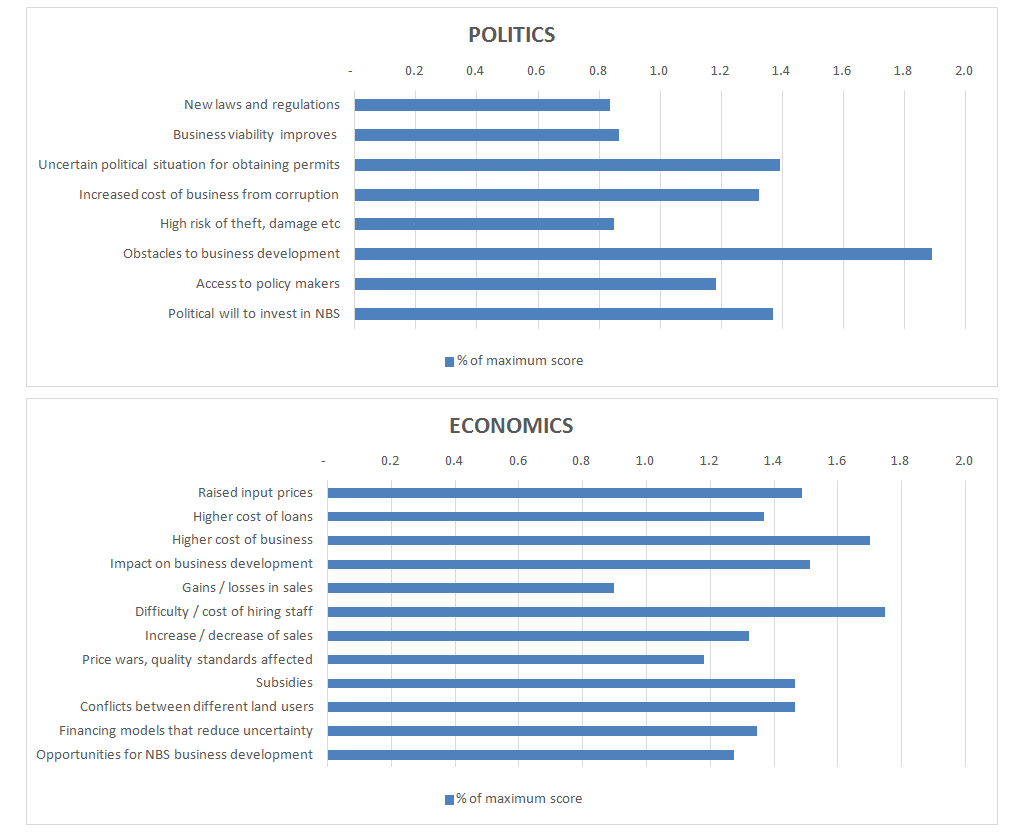
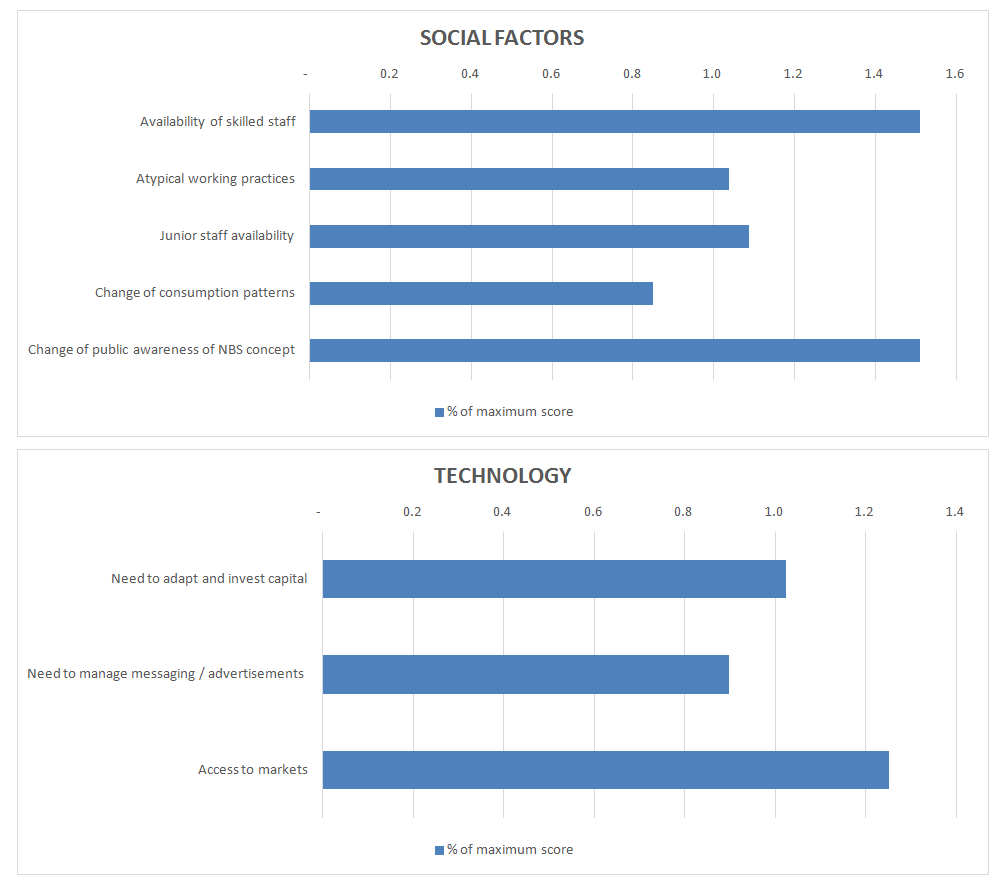
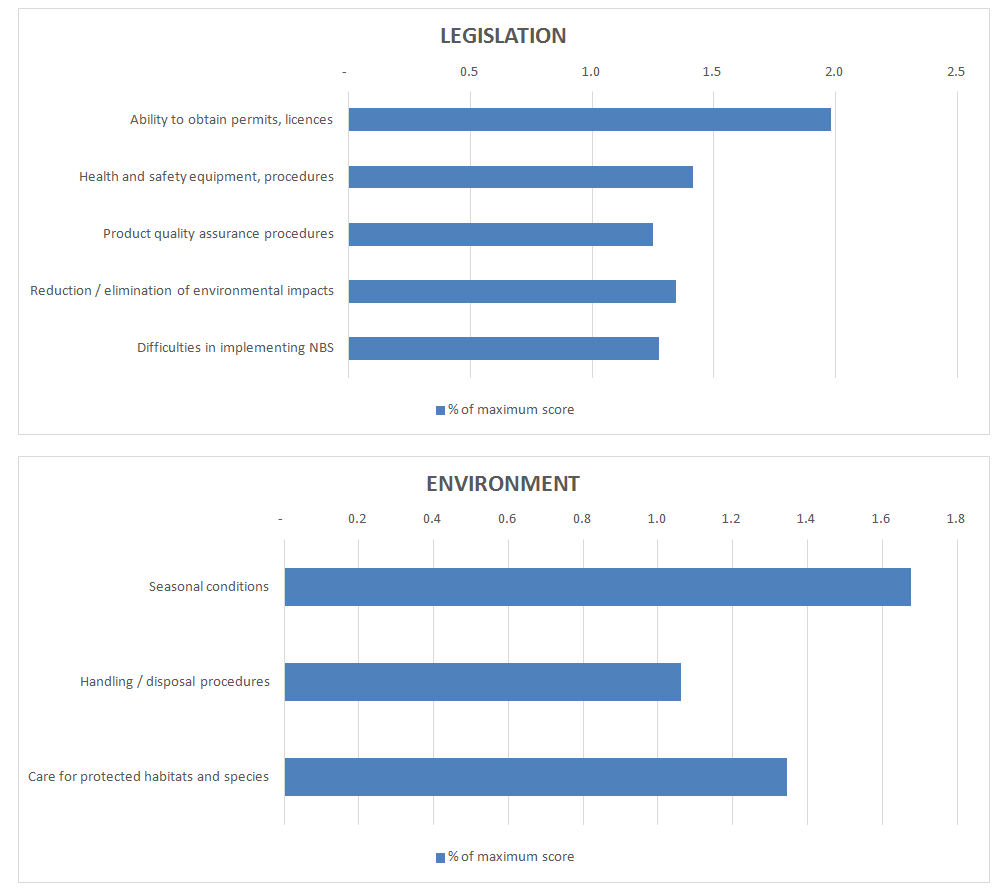
Appendix B
Figure A2.
Summary results for group AHP evaluation by importance of PESTLE groups of factors (associated regions: Portugal, Belgium, Sweden, Ukraine, Armenia).
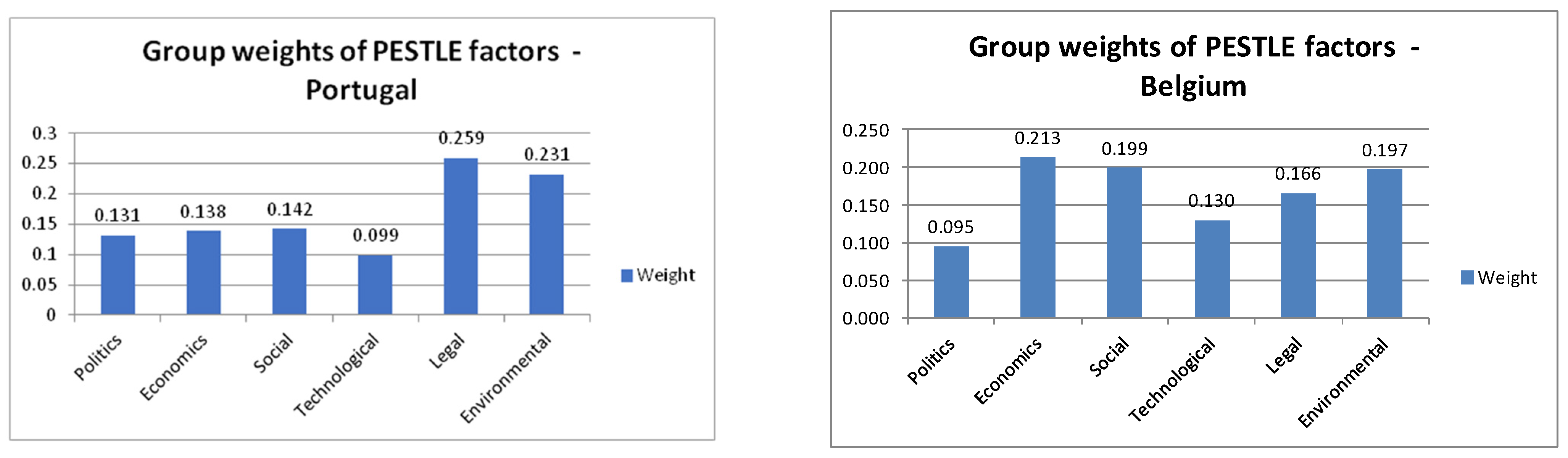
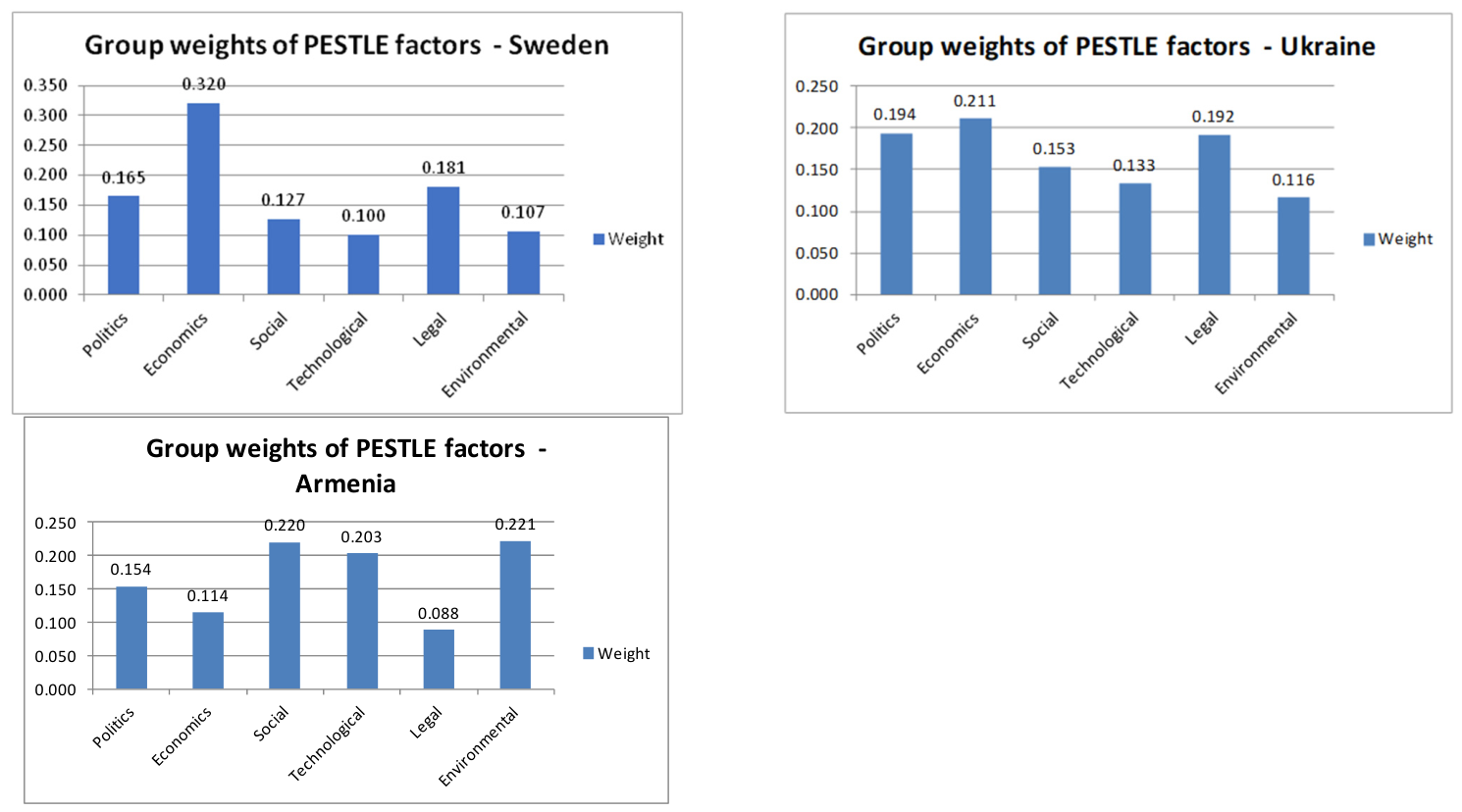
References
- European Parliament; Council of the European Union. Regulation (EU) 2024/1991 of the European Parliament and of the Council of 24 June 2024 on Nature Restoration and Amending Regulation (EU) 2022/869. Off. J. Eur. Union 2024, L 2024/1991. [Google Scholar]
- Restore4Life Project. Restoring Wetlands for Sustainable Solutions (Restore4Life, R4L). Horizon Europe Framework Programme, 2022–2027. Available online: https://restore4life.eu/ (accessed on 28 July 2026).
- Ilić, M.; Srđević, Z.; Srđević, B.; Grabić, J.; Galamboš, L.; Cvijanović, D.; Benka, P. Enhancing Ecosystems and Social Resilience: Restore4Life Wetland Restoration Initiative. In Proceedings of the AgroRes 2024, Trebinje, Bosnia and Herzegovina, 27–30 June 2024; pp. 281–287. [Google Scholar] [CrossRef] [Scilit]
- International Union for Conservation of Nature (IUCN). The IUCN Red List of Threatened Species. Available online: https://www.iucnredlist.org/ (accessed on 28 July 2026).
- Nature-Based Solutions to Address Global Societal Challenges; Cohen-Shacham, E., Walters, G., Janzen, C., Maginnis, S., Eds.; IUCN: Gland, Switzerland, 2016. [Google Scholar] [CrossRef] [Scilit]
- Seddon, N.; Chausson, A.; Berry, P.; Girardin, C.A.J.; Smith, A.; Turner, B. Understanding the value and limits of nature-based solutions to climate change and other global challenges. Philos. Trans. R. Soc. B Biol. Sci. 2020, 375, 20190120. [Google Scholar] [CrossRef] [Scilit]
- European Commission. Evaluating the Impact of Nature-Based Solutions: A Handbook for Practitioners; Publications Office of the European Union: Luxembourg, 2021. [Google Scholar]
- Albert, C.; Schröter, B.; Haase, D.; Brillinger, M.; Henze, J.; Herrmann, S.; Gottwald, S.; Guerreiro, P.; Bartenback, S. Addressing societal challenges through nature-based solutions: How can landscape planning and governance research contribute? Landsc. Urban Plan. 2019, 182, 12–21. [Google Scholar] [CrossRef] [Scilit]
- Ferreira, V.; Barreira, A.P.; Loures, L.; Antunes, D.; Panagopoulos, T. Stakeholders’ engagement on Nature-Based Solutions: A systematic literature review. Sustainability 2020, 12, 640. [Google Scholar] [CrossRef] [Scilit]
- Srđević, B.; Srđević, Z. The Emerging Need for Nature-Based Solutions in Urban and Rural Areas of Serbia. In Book of Abstracts of the International Conference on Nature-Based Solutions and Water-Related Risks: Insights from the Humanities and Social Sciences (Solutions Fondées sur la Nature et Risques Liés à l’Eau), Strasbourg, France, 5–7 June 2024; National School for Water and Environmental Engineering of Strasbourg (ENGEES): Strasbourg, France, 2024; p. 19. [Google Scholar]
- Millennium Ecosystem Assessment. Ecosystems and Human Well-Being: Wetlands and Water Synthesis; World Resources Institute: Washington, DC, USA, 2005. [Google Scholar]
- Ramsar Convention Secretariat. Global Wetland Outlook: Special Edition 2021; Ramsar Convention Secretariat: Gland, Switzerland, 2021. [Google Scholar]
- United Nations Environment Programme (UNEP); Food and Agriculture Organization of the United Nations (FAO). Strategy for the UN Decade on Ecosystem Restoration 2021–2030; UNEP: Nairobi, Kenya; FAO: Rome, Italy, 2020. [Google Scholar]
- Gann, G.D.; McDonald, T.; Walder, B.; Aronson, J.; Nelson, C.R.; Jonson, J.; Hallett, J.G.; Eisenberg, C.; Guariguata, M.R.; Liu, J.; et al. International principles and standards for the practice of ecological restoration (second edition). Restor. Ecol. 2019, 27, S1–S46. [Google Scholar] [CrossRef] [Scilit]
- Moreno-Mateos, D.; Power, M.E.; Comín, F.A.; Yockteng, R. Structural and functional loss in restored wetland ecosystems. PLoS Biol. 2012, 10, e1001247. [Google Scholar] [CrossRef] [Scilit]
- Ždero, S.; Srđević, B.; Srđević, Z. A stakeholder-driven holistic approach to mitigate drought in Ramsar wetlands: Evaluation of nature-based solutions using interval analytic hierarchy process. J. Water Clim. Change 2024, 15, 2348–2363. [Google Scholar] [CrossRef] [Scilit]
- Aguilar, F.J. Scanning the Business Environment; Macmillan: New York, NY, USA, 1967. [Google Scholar]
- Choo, C.W. Environmental scanning as information seeking and organizational learning. Inf. Res. 2001, 7, 1–14. [Google Scholar]
- Mintzberg, H. The Rise and Fall of Strategic Planning; Free Press: New York, NY, USA, 1994. [Google Scholar]
- David, F.R.; David, M.E. Strategic Management: Concepts and Cases, 17th ed.; Pearson: New York, NY, USA, 2020. [Google Scholar]
- Hill, C.W.L.; Schilling, M.A.; Jones, G.R. Strategic Management: Theory and Cases, 13th ed.; Cengage Learning: Boston, MA, USA, 2020. [Google Scholar]
- Rastogi, N.; Trivedi, M.K. PESTLE technique—A tool to identify external risks in construction projects. Int. Res. J. Eng. Technol. 2016, 3, 384–388. [Google Scholar]
- Saaty, T.L. The Analytic Hierarchy Process; McGraw-Hill: New York, NY, USA, 1980. [Google Scholar]
- Vaidya, O.S.; Kumar, S. Analytic hierarchy process: An overview of applications. Eur. J. Oper. Res. 2006, 169, 1–29. [Google Scholar] [CrossRef] [Scilit]
- Forman, E.; Gass, S. The analytic hierarchy process—An exposition. Oper. Res. 2001, 49, 469–486. [Google Scholar] [CrossRef] [Scilit]
- Ashour, M.; Mahdiyar, A. A comprehensive state-of-the-art survey on recent modified and hybrid analytic hierarchy process approaches. Appl. Soft Comput. 2024, 150, 111014. [Google Scholar] [CrossRef] [Scilit]
- Yüksel, İ. Developing a multi-criteria decision making model for PESTEL analysis. Int. J. Bus. Manag. 2012, 7, 52–66. [Google Scholar] [CrossRef] [Scilit]
- Srdjevic, Z.; Bajcetic, R.; Srdjevic, B. Identifying the criteria set for multicriteria decision making based on SWOT/PESTLE analysis. Water Resour. Manag. 2012, 26, 3379–3393. [Google Scholar] [CrossRef] [Scilit]
- Restrepo-Olarte, A.C.; Cogollo-Flórez, J.M. Multi-criteria methodology for key stakeholders’ identification and classification. Dimens. Empres. 2021, 19, 4. [Google Scholar]
- Khan, A.U.; Ali, Y. Analytical hierarchy process (AHP) and analytic network process methods and their applications: A twenty year review from 2000–2019: AHP & ANP techniques and their applications: Twenty years review from 2000 to 2019. Int. J. Anal. Hierarchy Process 2020, 12, 390–428. [Google Scholar] [CrossRef] [Scilit]
- Madzík, P.; Falát, L. State-of-the-art on the analytic hierarchy process in the last 40 years: Literature review based on Latent Dirichlet Allocation topic modelling. PLoS ONE 2022, 17, e0268791. [Google Scholar] [CrossRef] [Scilit]
- Görener, A.; Toker, K.; Uluçay, K. Application of combined SWOT and AHP: A case study for a manufacturing firm. Procedia Soc. Behav. Sci. 2012, 58, 1525–1534. [Google Scholar] [CrossRef] [Scilit]
- Abdel-Basset, M.; Mohamed, M.; Smarandache, F. An extension of neutrosophic AHP–SWOT analysis for strategic planning and decision-making. Symmetry 2018, 10, 116. [Google Scholar] [CrossRef] [Scilit]
- Kurttila, M.; Pesonen, M.; Kangas, J.; Kajanus, M. Utilizing the analytic hierarchy process (AHP) in SWOT analysis: A hybrid method and its application to a forest-certification case. For. Policy Econ. 2000, 1, 41–52. [Google Scholar] [CrossRef] [Scilit]
- Srđević, B.; Srđević, Z.; Ilić Paunić, M.; Ždero, S. Enhancing SWOT Analysis with DEMATEL and AHP for NbS and ES in Wetland Restoration: The Landscape of Outstanding Features—Vlasina, Serbia. Proceedings 2025, 117, 20. [Google Scholar] [CrossRef] [Scilit]
- Veličkovska, I. Implementation of a SWOT–AHP methodology for strategic development of a district heating plant in a fuzzy environment. Strateg. Manag. 2022, 27, 43–56. [Google Scholar] [CrossRef] [Scilit]
- Yan, L.; Eckert, C.M.; Earl, C. A review of fuzzy AHP methods for decision-making with subjective judgements. Expert Syst. Appl. 2020, 161, 113738. [Google Scholar] [CrossRef] [Scilit]
- Ragazou, K.; Garefalakis, A.; Pardalos, P.; Zopounidis, C.; Passas, I. A hybrid DEMATEL–Fuzzy AHP–MARCOS framework for evaluating digital servitization strategies in supply chains. Ann. Oper. Res. 2026. [Google Scholar] [CrossRef] [Scilit]
- Gupta, I.; Raeisi, S.T.; Correa, S.; Wicaksono, H. Evaluating risk factors in automotive supply chains: A hybrid fuzzy AHP-TOPSIS approach with extended PESTLE framework. J. Open Innov. Technol. Mark. Complex. 2025, 11, 100489. [Google Scholar] [CrossRef] [Scilit]
- Roy, J.; Chatterjee, K.; Bandyopadhyay, A.; Kar, S. Evaluation and selection of medical tourism sites: A rough analytic hierarchy process based multi-attributive border approximation area comparison approach. Expert Syst. 2018, 35, e12232. [Google Scholar] [CrossRef] [Scilit]
- Srđević, B. Rough or standard AHP method in group evaluations of criteria sets in water resources-related decision-making processes? (Grubi ili standardni metod AHP u grupnom vrednovanju kriterijuma pri donošenju odluka u vodoprivredi?). Vodoprivreda 2022, 54, 149–160. (In Serbian) [Google Scholar]
- Howie, A.; Rullens, V.; Thomas, A. Seas the opportunity: Multi-criteria decision analysis to identify and prioritise blue car-bon wetland restoration sites. Front. Environ. Sci. 2024, 12, 1431027. [Google Scholar] [CrossRef] [Scilit]
- Qu, Y.; Sun, G.; Luo, C.; Zeng, X.; Zhang, H.; Murray, N.H.; Xu, N. Identifying restoration priorities for wetlands based on historical distributions of biodiversity features and restoration suitability. J. Environ. Manag. 2019, 231, 1222–1231. [Google Scholar] [CrossRef] [Scilit]
- Srđević, B. Evaluating the Societal Impact of AI: A Comparative Analysis of Human and AI Platforms Using the Analytic Hierarchy Process. AI 2025, 6, 86. [Google Scholar] [CrossRef] [Scilit]
- Forman, E.; Peniwati, K. Aggregating individual judgments and priorities with the analytic hierarchy process. Eur. J. Oper. Res. 1998, 108, 165–169. [Google Scholar] [CrossRef] [Scilit]
- Srđević, B.; Goriup, P.; Srđević, Z.; Petrea, S.; Cristea, D.; Adamescu, M.C. Coupling SWOT Strategic Analyses with AHP Multi-Criteria Decision-Making Method for Nature-Based Solutions: The Restore4Life Wetland Restoration Case Studies in Four European Countries. In Proceedings of the 6th ESP Europe Conference on Advancing Ecosystem Services Knowledge for Achieving Nature and People Posirite Europe, Poster, Prague, Chechia, 18–22 May 2026. [Google Scholar]
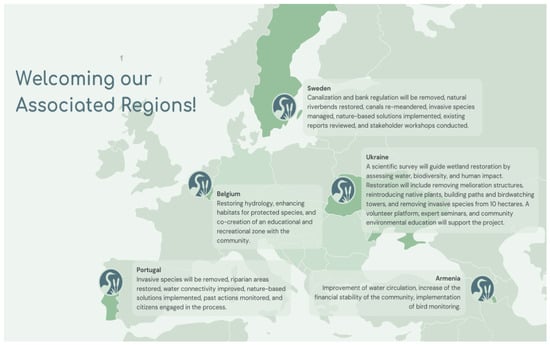
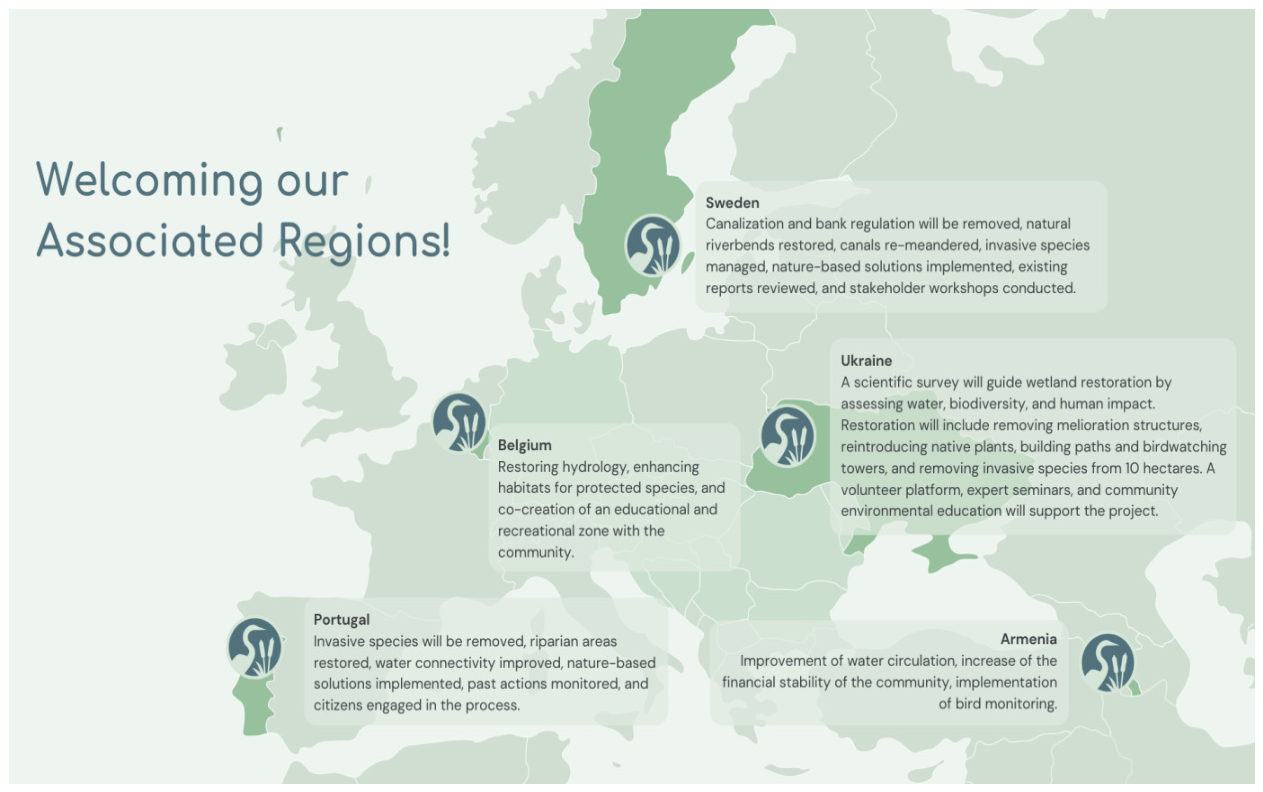
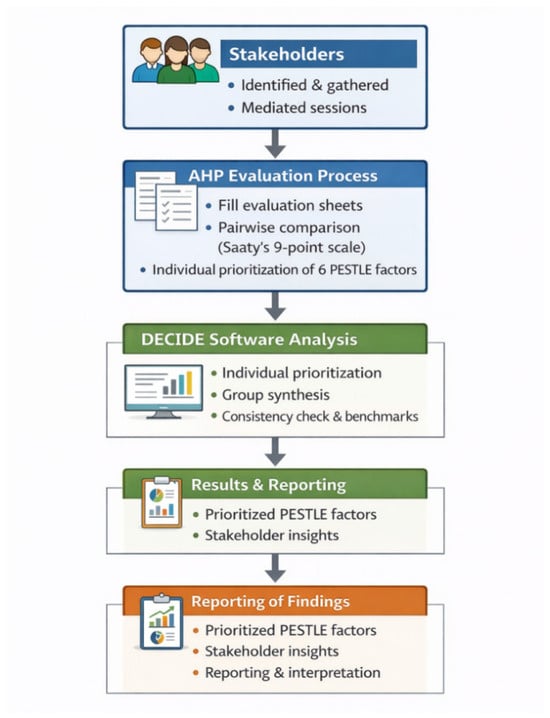
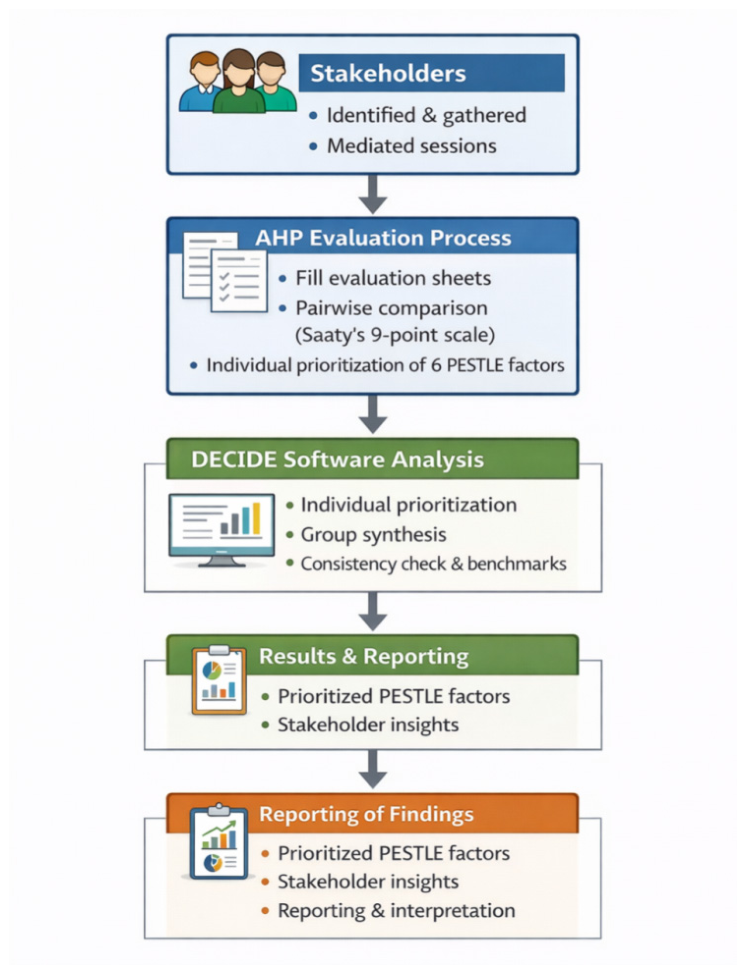
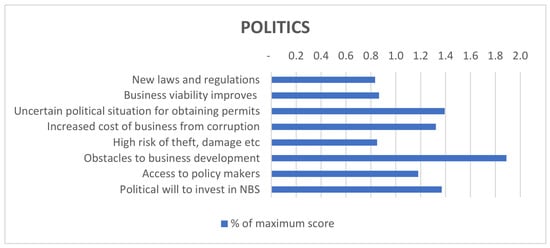
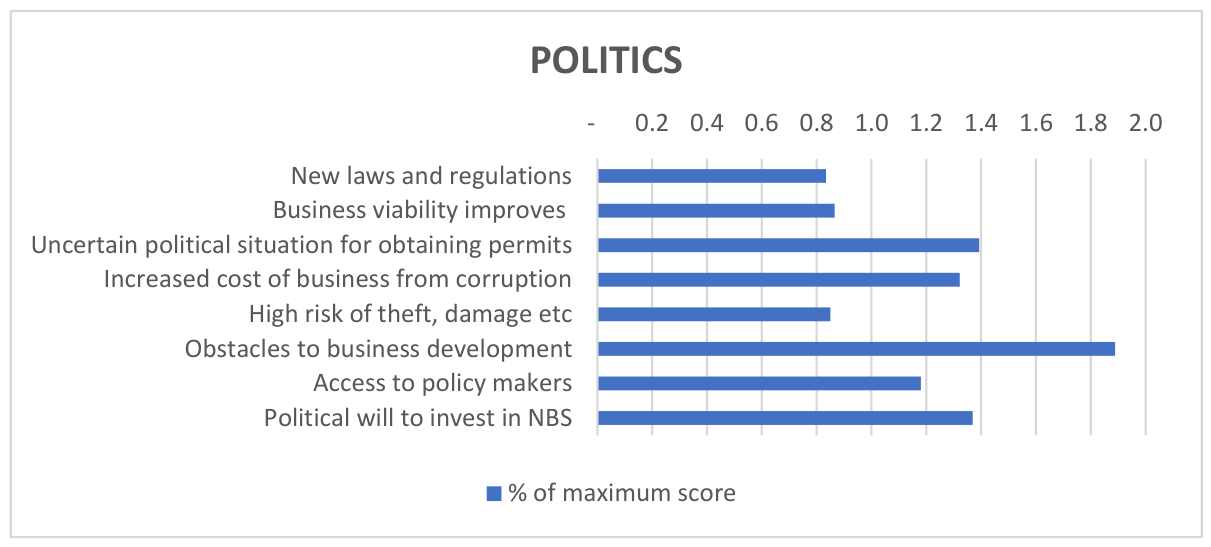
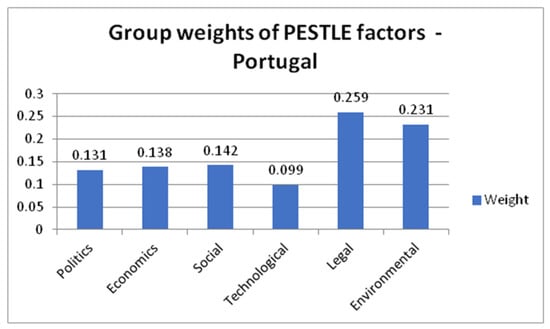
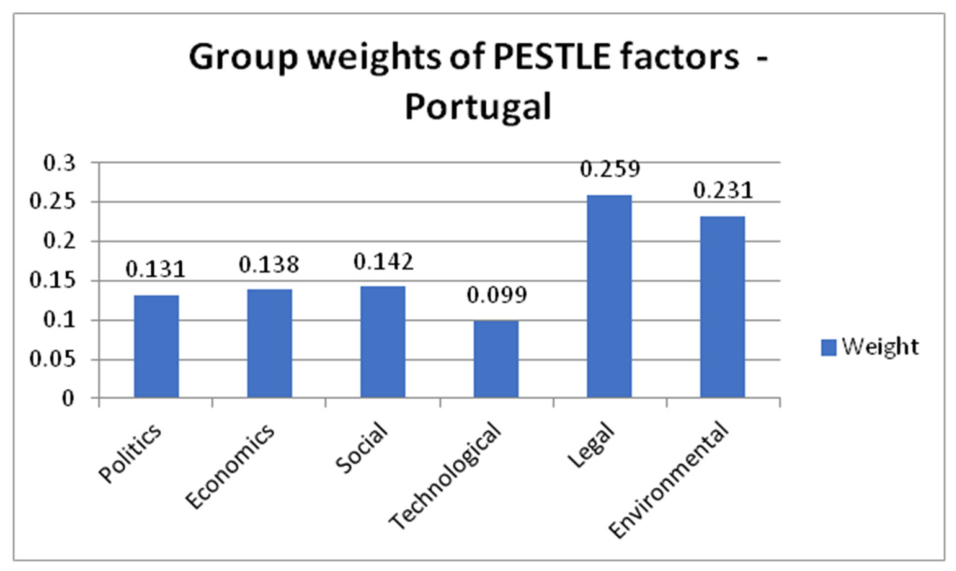
Disclaimer/Publisher’s Note: The statements, opinions and data contained in all publications are solely those of the individual author(s) and contributor(s) and not of MDPI and/or the editor(s). MDPI and/or the editor(s) disclaim responsibility for any injury to people or property resulting from any ideas, methods, instructions or products referred to in the content. |
© 2026 by the authors. Licensee MDPI, Basel, Switzerland. This article is an open access article distributed under the terms and conditions of the Creative Commons Attribution (CC BY) license.