


Abstract
Water Resources Plans (WRPs) are foundational policy instruments globally, yet implementation rates remain persistently low. Without consistent action classification, policymakers cannot define what to measure, track outcomes systematically, or generate evidence for adaptive learning. This study develops and validates a comprehensive typology of water resources actions, positioning it as a foundational framework for systematic performance measurement and international transferability. The typology was constructed through a rigorous multi-phase methodology: initial consolidation and unification of actions from Ceará’s hydrographic plans (serving as a methodological foundation due to the state’s comprehensive participatory water resources planning process, 2021–2024), expert consensus via focal group discussions, and empirical validation across the entire Brazilian national context. Validation encompassed 53 Water Resources Plans (20 Brazilian state plans, 14 Brazilian river basin plans, and 19 international plans), achieving 99.6% applicability. The typology operationalizes action classification through 13 first-order categories and 160 subtypes, organized around the concept of ‘deliverable’—a governance-neutral principle that permits instantiation across diverse institutional arrangements. The identified action categories reflect universal principles of water management maturity recognized in international planning contexts (European Water Framework Directive, Turkish and Moroccan water governance systems), demonstrating that the typology captures generalizable patterns of adaptive planning behavior rather than Brazil-specific peculiarities. Furthermore, the typology’s governance-agnostic design—based on deliverable-centered logic rather than institutional-specific procedures—enables its adaptation to diverse water governance models, from highly decentralized (Brazil’s basin committees) to centralized systems (as in other countries). By offering a structured and comprehensive categorization, this typology functions as a valuable menu of action types for future Water Resources Plans development, ensuring a holistic consideration of potential interventions. Its dual role—as a precursor to robust indicator development and as a guide for future planning—underscores its transformative potential for both assessing past actions and informing prospective water management.
1. Introduction
Sustainable water resources management is a fundamental pillar for the socioeconomic and environmental development of any nation. In Brazil, Water Resources Plans (WRPs) are established as key instruments of the National Water Resources Policy [1], guiding strategic actions and investments to ensure water security. However, the effectiveness of their implementation has proven to be a persistent challenge.
Recent scholarship has increasingly recognized this implementation gap as a critical barrier to evidence-based water governance. Ref. [2] identified the need for archetypical frameworks in water governance adaptation, establishing that governance-agnostic typologies—frameworks that function across different institutional arrangements—are essential for scaling adaptive management approaches. Similarly, ref. [3] advanced the practical implementation of governance frameworks by demonstrating that practitioners require structured, accessible classification systems to operationalize complex water policies. At the international level, ref. [4]’s progress report on Integrated Water Resources Management (IWRM) explicitly acknowledges that the lack of harmonized action classification systems undermines the ability to measure progress toward SDG 6.5.1, noting that “without standardized metrics for action classification, basin-level plans cannot be systematically compared, and evidence-based adaptive management remains aspirational rather than operational” [4]. Specialized reports, such as those from the World Bank [5] (World Bank Group (WBG), 2018), and the academic literature [6,7] highlight a critical gap: the absence of a standardized classification system and robust instruments for the systematic monitoring and evaluation—including the development of performance indicators [8,9]—of the vast and heterogeneous actions provided for in these plans.
This discrepancy between planning and operational reality largely results from the challenge of recognizing water resources planning as a continuous and adaptive process, which is often treated instead as an isolated event [10,11].
The core issue is conceptual and methodological. Water management actions are described in plans using diverse terminology, varying levels of specificity, and context-dependent language. One basin’s “water conservation program” may encompass infrastructure investment, behavioral change campaigns, and regulatory measures—categories that should be distinguished for implementation tracking. Another basin’s “integrated management action” might refer to a single coordination mechanism or a comprehensive institutional reform. This terminological ambiguity makes it impossible to aggregate implementation data across basins, compare performance across regions, or identify which types of actions succeed or fail in different contexts. The multiplicity of actions—ranging from infrastructure work to engineering design/technical specifications, training programs, and water management actions—often encompasses more than a hundred distinct interventions, reflecting the complexity and breadth of water management. To transform WRPs into dynamic and responsive instruments, it is essential to improve how their actions are conceived, classified, and, consequently, monitored and evaluated for policy effectiveness [12].
In this context, typologies emerge as necessary analytical tools. As foundational elements in scientific inquiry, they allow us to organize complexity, refine concepts, improve measurements, and systematize explanations in multidimensional domains [13,14,15]. By providing an ordered structure to data, typologies facilitate the distinction between attributes, validate theoretical constructs, and explore underlying dimensions of phenomena, ultimately enhancing our understanding of complex systems and informing better decision-making [13]. Their primary function transcends mere categorization, serving as powerful instruments for concept formation and continuous refinement [14,15]. This inherent capacity for structured categorization and conceptual organization also positions well-developed typologies as potential menus for generating and organizing interventions in future planning efforts [16,17]. They enable significant improvements in measurements by providing an ordered structure to data, facilitating the distinction between attributes and the validation of theoretical constructions. Moreover, typologies are essential in exploring the underlying dimensions of phenomena, revealing their multiple facets and interconnections. Finally, they play a critical role in systematically organizing explanatory statements, bringing clarity and coherence to theoretical models [13,17]. This approach helps to overcome criticisms that occasionally label typologies as antiquated or simplistic, often rooted in a limited understanding of quantitative measurement norms [18,19]. Ref. [13] refutes such positions, emphasizing that typology-based research adheres to rigorous standards of objectivity and meticulous measurement, demonstrating how higher-level scales paradoxically rely on nominal dichotomies [20]. This perspective is particularly pertinent in highly complex and multidimensional domains, such as water resources planning and management, where the inherent heterogeneity of challenges demands sophisticated analytical tools. Despite their wide utility, particularly in environmental planning and water resources management [16,21,22,23], the literature still lacks specific action typologies tailored to the unique complexity and diversity of Water Resources Plans (WRPs) in Brazil. Existing categorizations, while offering valuable insights, often do not directly address the vast spectrum of interventions, from large infrastructure works to environmental preservation initiatives and institutional development. This intersectorality and breadth of WRPs, coupled with diverse planning horizons and complex legal and institutional structures, mean that general typologies (e.g., adaptation actions by [24,25,26,27] are insufficient to capture the totality and specificity of WRP interventions. It is precisely this inherent complexity and the need for a framework capable of transcending specific governance models that motivated our approach, with the comprehensive and participatory water resources planning process in Ceará, Brazil, serving as a robust methodological foundation for the typology’s initial development.
This article seeks to fill this critical gap, proposing a detailed and rigorously verified methodological solution. We present the development and validation of a comprehensive and adaptable typology of water resources actions, which serves as a unifying basis for the management and evaluation of WRPs and enables the systematic tracking and evaluation of plan actions, facilitating the development of robust performance indicators and effective evaluation of plan actions. Such a tool is vital for strengthening the science-policy interface, enabling evidence-based policymaking, and promoting adaptive management in the water sector. The typology’s immediate application is the development of implementation indicators that transform abstract planning goals into measurable, actionable metrics. By providing consistent, hierarchical action categories, the framework enables basin managers to track implementation velocity (rate of action implementation), assess portfolio balance (distribution of actions across categories), and calculate efficiency metrics (resource expenditure per completed action). These indicators, grounded in the typology, enable evidence-based adaptive management where basin authorities can benchmark their performance, identify best practices, and adapt strategies based on systematic evidence rather than anecdotal experience. The dual objective of this work is, therefore, twofold: first, to develop, apply, and validate an action typology for Water Resources Plans, capable of classifying the diversity of proposed interventions in a standardized manner across different geographical and institutional scales in Brazil, demonstrates its robustness and paves the way for the robust creation of implementation indicators and effective evaluation of plan actions. Second, by offering a structured and comprehensive categorization, this typology is also envisioned to function as a valuable menu of action types for the future development and formulation of Water Resources Plans themselves. Its ‘governance-agnostic’ design, centered on the nature of the ‘deliverable’ rather than specific institutional or socio-political contexts, enhances its potential for international transferability and adaptation to diverse water governance models globally. This article is structured as follows: the subsequent sections detail the methodological framework for constructing and validating the typology, present its structure and analyze its applicability across various plans, and finally, discuss the key findings, policy implications, and future research directions.
2. Materials and Methods
2.1. Understanding the Geographical and Institutional Context
The state of Ceará, located in the Northeast of Brazil, is divided into twelve hydrographic regions: Acaraú, Alto Jaguaribe, Baixo Jaguaribe, Banabuiú, Coreaú, Curu, Litoral, Médio Jaguaribe, Metropolitanas, Salgado, Serra da Ibiapaba, and Sertões de Crateús (Figure 1). Each hydrographic region has a specific basin committee responsible for the participatory and integrated management of water resources. These committees play a fundamental role in water governance, particularly in the approval and monitoring of hydrographic basin plans [28].
Figure 1.
Geographic location and hydrographic division of Ceará State.
Between 2021 and 2024, the state made a significant effort to elaborate and revise WRPs for 11 of these regions, with intense social participation. The participatory process was structured to capture the perceptions of social actors regarding the problems and challenges of each hydrographic region. This participatory and autonomous approach ensures that the plans reflect not only the technical needs identified in the diagnostics but, more importantly, the local and contextualized vision of the actors responsible for basin management, thereby strengthening the legitimacy and effectiveness of these management instruments.
Additionally, Ceará’s Strategic Action Plan (PAE), developed in 2018, guides the state government’s actions. This immersion allowed us to contextualize the diverse actions and local and state specificities that the typology needed to address, thereby providing a foundational understanding of the policy environment in which these actions are conceived and implemented. However, it is important to emphasize that while Ceará provided the methodological and empirical foundation for this study, the governance principles and structural frameworks underlying the typology—such as the organization of actions around ‘deliverables’ and the application of standardized classification—reflect broader, universally applicable patterns in water resources management. Ceará’s 11 hydrographic regions served as a microcosm for understanding water governance complexities that extend well beyond a single regional context, enabling the development of a framework inherently capable of operating across different governance models and scales.
2.2. Methodological Approach
This study employed a rigorous and multiphase methodological process for the construction and validation of an action typology for Water Resources Plans (WRPs), seeking to ensure its robustness and adaptability to diverse contexts. The methodology can be divided into five main stages: (1) Data collection and preliminary analysis; (2) Process of unification; (3) Definition of categories through focal groups and (4) Validation.
2.2.1. Data Collection
Initially, approximately 1000 actions contained in Phase 3 (Programmatic Initiatives and Actions) of the 11-river basin region plans from Ceará, updated between 2021 and 2024, were collected and analyzed. In these plans, the actions are organized into five thematic axes: water demand, water supply, water resources management, environment, and political-institutional. Subsequently, approximately 300 actions from the PAE were analyzed, organized into six strategic axes—water resources planning; water, time and climate; water infrastructure; water management; water and other public policies. This stage revealed that many actions were repeated but with varied descriptions due to the participatory process, indicating the need for unification to construct the typology.
2.2.2. Process of Unification
The actions from the hydrographic region plans were standardized in their wording to facilitate grouping, without compromising the particularities of each basin. Subsequently, the PAE actions were compared and incorporated into the unified matrix, ensuring that all actions, at both regional and state scales, were considered. This incorporation process was important, given that the PAE itself was built upon a series of pre-existing planning documents, including the State Water Resources Plan (PLANERH) from 1992 and 2005, the Strategic Plan for Water Resources of Ceará [29], the Pact for Coexistence with the Semi-Arid region of Ceará (2011), the Government Plan 2015–2018 (‘The Seven Cearás’), and the Fortaleza 2040 Plan. These documents, adapted to the vulnerabilities exposed by the 2012–2016 drought, informed the PAE’s central objective of enhancing the state’s water security. Complementarily, six River Basin Management Plans (Curu, Jaguaribe, Metropolitan, Acaraú, Coreaú, and Litoral) were also considered, ensuring a comprehensive integration of regional and state-level planning initiatives.
The variations in the wording of the action ‘cistern construction’ across the different water resources plans are presented as follows: Salgado: “Construction of cisterns to serve the dispersed rural population, with implementation of public policies that ensure the continuity of water supply”; Curu: “Implementation of social technologies (subsurface dams, stone contours, cisterns), aimed at ensuring groundwater recharge and soil protection”; Serra da Ibiapaba: “Guarantee of cistern construction and implementation of greywater and/or blackwater reuse systems”; Coreaú: “Construction of brick cisterns to meet dispersed demand”; Banabuiú: “Rainwater harvesting (brick cisterns and concrete-covered areas)”; Alto Jaguaribe: “Construction of brick cisterns to serve the dispersed rural population”; Médio Jaguaribe: “Construction of brick cisterns, platform cisterns, and other social technologies to serve the dispersed rural population”.
Based on this observation, the wording of the actions was standardized without compromising the particularities of each basin, and a matrix of unified actions was constructed to facilitate the determination of the typology categories.
2.2.3. Definition of Categories Through Focal Groups and Governance-Neutral Principles
This phase, lasting approximately eight months, involved co-production between scientists in water resources planning and managers, using the focal group technique [30,31]. Seven cycles of interaction were carried out, with 15 to 20 participants in each, predominantly experienced professionals from state water management agencies like COGERH and SRH (Figure 2).
Figure 2.
Timeline of focus group meetings conducted between August 2024 and April 2025.
The main criterion for grouping actions was the “deliverable” resulting from the implementation. Actions that generate the same type of product were grouped into first-order typologies, with their specificities detailed in second- to fifth-order subtypes. The definition of categories and subtypes followed the precepts of the PMBOK Guide [32], ensuring operational precision and traceability.
Critically, the use of ‘deliverable’ as the organizing principle is governance-neutral; it does not presuppose any particular institutional arrangement, governance model, or administrative structure. Instead, this approach focuses on the concrete output or product that results from an action, regardless of which entity executes it or how it is governed. This design principle is fundamental to the typology’s ability to transcend specific institutional contexts and be adapted across diverse water governance architectures globally, from highly decentralized systems (such as Brazil’s participatory basin committees and state-level integration) to centralized governance models or any hybrid arrangement. By anchoring classification in ‘deliverables’ rather than in governance-specific procedures or institutional roles, the typology achieves what might be termed ‘structural governance-agnosticism’—enabling its instantiation across fundamentally different water management systems while maintaining conceptual coherence and operational utility. This systematic approach ensured that the typology was grounded in both practical experience and established project management principles [32], enhancing its applicability to real-world policy implementation contexts and enabling its potential use in diverse international settings with different governance configurations. This systematic approach ensured that the typology was grounded in both practical experience and established project management principles, enhancing its applicability to real-world policy implementation contexts.
2.2.4. Validation
The validation procedure was conducted in a hybrid manner, combining manual analysis and the use of an Artificial Intelligence (AI) tool.
Selection of Documents
To ensure that the typology reflected not merely Ceará’s particularities but rather broader patterns of water resources planning, we conducted an empirical validation using a comprehensive and geographically diverse sample of 53 Water Resources Plans (WRPs). The sample included 34 Brazilian plans, encompassing both state and river basin planning instruments from across the country, and 19 international plans representing different countries and basin management contexts.
Specifically, the Brazilian sample comprised 20 State Water Resources Plans (Acre, Alagoas, Amapá, Amazonas, Espírito Santo, Maranhão, Mato Grosso, Mato Grosso do Sul, Minas Gerais, Paraná, Paraíba, Pará, Pernambuco, Rio Grande do Norte, Rio Grande do Sul, Rio de Janeiro, Rondônia, Santa Catarina, São Paulo, and Tocantins) (Figure 3a), encompassing all major geographic, hydrological, and climatic regions of the country—from the Amazon Basin to the semi-arid Northeast, and from the Atlantic coast to the inland areas of the Midwest—thus ensuring coverage of Brazil’s hydrological and institutional diversity. In addition, 14 River Basin Water Resources Plans were analyzed (Doce, Paraíba do Sul, Piracicaba–Capivari–Jundiaí (PCJ), São Francisco, Verde Grande, Tocantins–Araguaia, Right Margin of the Amazon, Paranaíba, Piancó–Piranhas–Açu, Paranapanema, Grande, Paraguay, Itajaí, and Alto Tietê) (Figure 3b).
Figure 3.
Spatial distribution of the water resources plans included in the typology validation process: (a) Brazilian state plans, (b) Brazilian river basin plans, and (c) international plans.
The international sample comprised 19 water resources planning instruments. These included subnational plans from the Central Gippsland Region in Victoria State (Australia), the Maharashtra State (India), Madeira Island (Portugal), and Texas State (USA); river basin plans from the Adour–Garonne, Corse, and Rhône–Méditerranée basins (France), the Lake Chad Basin (Niger), the VII Cuencas Centrales Basin (Mexico), the Douro Basin (Portugal), and the Duero, Ebro, Guadalquivir, Júcar, Segura, and Tajo basins (Spain); as well as national water resources plans from China, Ireland, and South Africa (Figure 3c).
This selection encompassed plans developed over different time periods, ranging from the early 2000s to recent updates published in 2024, and reflected a wide variety of institutional mandates, thereby capturing substantial diversity in water resources planning practices across both Brazilian and international contexts, including state, basin, regional, and national planning scales.
Hybrid Analysis Process
To ensure data quality and avoid redundancy, a hybrid validation process combining manual curation and Artificial Intelligence (AI) extraction was deployed.
Preliminary Manual Pre-processing and Scope Definition: This stage was strictly designed to define the boundaries of the text analyzed by the AI, rather than targeting specific results. In water resources plans, actions are typically synthesized within specific sections or attached tables at the end of the document. Preliminary tests revealed that without defining a spatial constraint within the files, the AI identified and classified repetitive elements throughout the entire text. Furthermore, the AI frequently misclassified strategic goals, general objectives, or targets as programs—which were not the actual actions—due to contextual overlapping in the narrative. Therefore, manual intervention was required to establish exact page ranges and specific keywords, identified as actual actions, for each plan. This step calibrated the AI’s search perimeter, ensuring that the automated extraction was strictly restricted to real and verified actions, thereby eliminating noise and improving the objectivity of the final dataset [33,34].
Automated Extraction and Typification with AI: A Python (version 3.12.3) script was used with Google’s Gemini-2.5-pro model [35]. PDF documents were compressed to meet size limits of the used model. The prompt instructed the model to extract and classify actions according to the developed typology (13 types and some subtypes), with the output formatted in Markdown. By integrating a pre-defined, plan-specific keyword dictionary, the prompt was customized for each document. This guided the AI’s extraction process by highlighting the unique terminology used to define actions within that particular plan. It is critical to note that the adoption of a hybrid methodology was justified by the need to incorporate human judgment due to the limitations and potential errors of artificial intelligence. In an initial phase, when AI was used exclusively, inconsistencies were identified in the results. When plan files were fed into the AI, elements such as goals, projects, and objectives were improperly recognized as ‘actions,’ not corresponding conceptually to this category. This necessitated the manual pre-analysis to define specific page ranges and keywords, guiding the AI to relevant sections and ensuring the extracted ‘actions’ genuinely represented interventions, thus conciliating analytical precision with operational efficiency. This innovative blend of human expertise and advanced AI allowed for the efficient and accurate processing of a large and diverse dataset, a key strength in the methodological rigor of this study.
The hybrid approach employed in this study—combining human expertise with artificial intelligence for large-scale document analysis—builds on emerging methodologies in environmental policy analysis. Ref. [36] demonstrated the feasibility of syntactic measurement of governance networks from textual data applied to water management plans, establishing that computational text analysis can reliably extract structured information from unstructured policy documents. More recently, ref. [37] developed an AI-assisted framework for tracing knowledge flows in wastewater management policies, demonstrating that hybrid human-AI approaches can identify nuanced policy patterns while maintaining interpretability and stakeholder trust. These precedents validate the methodological choice to combine manual pre-processing (ensuring contextual understanding) with automated extraction (enabling scalability), as this combination addresses both the rigor required for academic analysis and the practical scalability needed for policy application.
Data Consolidation and Structuring
The Markdown tables generated by the AI were converted to HTML via Pandoc and then read and aggregated into Pandas DataFrames for final analysis and export to Excel files. This process ensured that the typology was tested on a significant volume of data and in varied contexts, confirming its applicability and adaptability for real-world policy assessment (Figure 4).
Figure 4.
Flowchart of the Action Extraction and Typification Methodology.
The synthesis of the methodological process can be described in Figure 5.
Figure 5.
Research stages.
3. Results and Discussion
This section presents the objective findings of the study regarding the development, validation, and application of the action typology for Water Resources Plans (WRPs). Interpretation and discussion of these results are reserved for the subsequent section.
3.1. Structure of the Action Typology for WRPs
The developed typology is structured into 13 first-order categories, which emerged from the consensus and practical experience of specialists and are aligned with the precepts of the PMBOK Guide [32]. These categories are presented in Table 1, along with their descriptions.
Table 1.
First-Order Categories of the Action Typology for WRPs.
These categories unfold into 160 subtypes, hierarchically organized up to the fifth order, as presented in comprehensive Figure 6. This detailed structure showcases the complete granularity of the classification system developed, moving from broad categories to highly specific interventions. By providing this list, typology serves as a foundational reference for systematically categorizing and understanding the diverse actions within Water Resources Plans.
Figure 6.
Deliverable-based action typology in water resources plans.
The comprehensive action typology, encompassing all 13 first-order categories and 160 subtypes, is available in the Supplementary File.
3.1.1. Infrastructure Work
The first primary category encompasses large-scale physical interventions designed to modify hydrological systems and enhance water availability. This category is subdivided into five secondary types: (1) Water Infrastructure, which includes structural interventions such as dams, subsurface dams, cisterns, tubular wells, desalination units, and multi-use water conveyance systems, with further specification of water transfer axes between hydrographic regions (PISF, CAC, Northern Coast Axis) and diversification of the water matrix through seawater desalination and water reuse; (2) Irrigation Perimeter, encompassing expansion, implementation, and revitalization/recovery initiatives; (3) Flood Control, comprising river straightening/canalization, flood control dams, and dikes; (4) Sanitation, which includes water supply systems, wastewater systems, solid waste management, and urban drainage, each with multiple implementation modalities; and (5) Energy, specifically photovoltaic systems for renewable energy generation.
3.1.2. Service
The second category addresses operational and maintenance activities required to sustain existing infrastructure and manage water systems. This type is divided into two secondary categories: (1) Infrastructure Maintenance, encompassing dam decommissioning, river bed clearance, maintenance of pumping stations, wastewater systems, canals/tunnels, water conveyance pipelines, and well management (abandonment, cleaning, development, and optical logging); and (2) Solid Waste, representing integrated approaches to waste handling within water governance contexts.
3.1.3. Study
The third primary category comprises investigative and analytical activities that generate knowledge for decision-making. This category is subdivided into four secondary types: (1) Diagnosis, which includes comprehensive assessments of water supply (quantity and quality dimensions), water demand, infrastructure conditions, and environmental factors, with tertiary specifications addressing groundwater, reservoir operating rules, ecological flow, water quality assessment, and impact analysis of various water uses (mining, aquaculture, agriculture, industry, services); (2) Viability, encompassing feasibility studies for sanitation infrastructure, nature-based solutions, and water matrix diversification; (3) Planning, which includes development of water resources plans, drought plans, dam safety plans, sanitation plans, and management plans for protected areas, alongside development of participatory methodologies and water body classification; and (4) Mapping, addressing spatial analysis of areas susceptible to desertification and wildfire risk zones.
3.1.4. Project
The fourth category represents discrete, time-bound implementation initiatives. This type comprises four secondary categories: (1) Infrastructure, including water conveyance systems (pumping stations, pipelines), dam construction/decommissioning, well management, river bed clearance, and sanitation infrastructure; (2) Database, encompassing general information systems for water systems, demands, and users; (3) Decision Support System; and (4) Macromeasurement of Discharge Management System, with system expansion and implementation modalities.
3.1.5. Program
The fifth primary category encompasses sustained, multi-year initiatives designed to achieve long-term objectives. This category is subdivided into three secondary types: (1) Environment, including water producer programs, conservation and environmental restoration (riparian forest recovery, soil conservation, social technologies, sustainable constructions), depollution programs, environmental education, desertification combating, wildfire reduction, and ecotourism strengthening; (2) Management, addressing water reuse and rational water use through aquaculture, irrigation, and industrial applications; and (3) Solid Waste, comprising selective collection and solid waste consortia.
3.1.6. Monitoring Action
The sixth category represents systematic observation and data collection activities. This type includes five secondary categories: (1) Degraded Areas, (2) Reservoir (quantity and quality dimensions), (3) Groundwater (quantity assessment), (4) Water Transfer Axes (quantity monitoring), and (5) Dam (regular safety inspection and instrumentation).
3.1.7. Inspection Action
The seventh primary category encompasses regulatory oversight and compliance verification activities. This type is subdivided into three secondary categories: (1) Water Uses, addressing verification of authorized water withdrawals and allocations; (2) Structures, including inspection of dams and constructions in protected areas; and (3) Potentially Polluting Activities, encompassing monitoring of agrochemical use, fuel stations, vehicle wash facilities, livestock management in reservoir margins, solid waste disposal, and deforestation.
3.1.8. Registry
The eighth category represents documentation and record-keeping systems. This type comprises two secondary categories: (1) Infrastructure, including registries of wells and dams; and (2) Users, documenting water users and their allocations.
3.1.9. Human Resources Development
The ninth primary category addresses capacity building and professional development. This type is subdivided into two secondary categories: (1) Functional Staff, encompassing short-term courses, extension programs, and graduate programs; and (2) Members of Water Resources Collegiate Bodies, providing training for governance participants through short-term courses and extension programs.
3.1.10. Education and Awareness Action
The tenth category comprises activities designed to enhance public understanding and behavioral change. This type includes three secondary categories: (1) Management Instruments, (2) Rational Use, and (3) Disclosure, specifically development of educational materials.
3.1.11. Norm
The eleventh primary category encompasses regulatory and normative frameworks. This type is subdivided into four secondary categories: (1) Groundwater, addressing natural springs; (2) Negotiated Water Allocation, establishing participatory allocation mechanisms; (3) Fish Farming in Net Cages, regulating aquaculture practices; and (4) Water Reuse, establishing standards for water recycling.
3.1.12. Institutional Development
The twelfth category addresses organizational strengthening and capacity enhancement. This type comprises four secondary categories: (1) Expansion of Technical Staff of Water Resources Entities, (2) Dam Safety Inspection, (3) Water Resources Inspection, and (4) Equipment, including equipment for inspection and monitoring (rainfall stations, stream flow stations).
3.1.13. Management Action
The thirteenth and final primary category encompasses strategic governance and operational management activities. This type is subdivided into four secondary categories: (1) Governance and Institutional Articulation, including interinstitutional integration, cooperation, and structuring of governance instances (management commissions, basin agencies); (2) Planning and Operation of Reservoirs, addressing efficiency in reservoir operation and negotiated water allocation; (3) Management Strategies, encompassing proactive drought management in hydrosystems, cities, and hydrographic regions/basins; and (4) Management Instrument, representing overarching governance tools.
This thirteen-category typology provides a comprehensive framework for systematizing water governance interventions across physical infrastructure, operational services, analytical studies, discrete projects, sustained programs, monitoring and inspection activities, regulatory mechanisms, institutional development, and strategic management. The hierarchical structure enables classification of complex water governance actions while maintaining analytical clarity and facilitating comparative assessment across different intervention types and scales. The central classification criterion, the “deliverable” of the action, provides the typology with the inherent flexibility needed to encompass the vast diversity of interventions in WRPs. This deliverable-centric approach ensures that the typology remains relevant and operational, focusing on the tangible outcomes of policy implementation rather than abstract goals.
3.2. Assessment of Typology Adherence and Adaptability
The empirical validation of the typology demonstrated high adherence and adaptability in different geographical and institutional contexts, as shown in Table 2.
Table 2.
Typology Adherence and Applicability Across Different Plan Types.
For the 20 state plans analyzed (a total of 1400 actions), the typology achieved an applicability rate of approximately 99.1%. Only 13 actions, originating from three plans (Paraíba, Mato Grosso do Sul, and Rio Grande do Sul), were not classifiable. This minor unclassifiable portion typically stemmed from descriptions that were excessively abstract, ambiguous, or so broadly worded that they failed to clearly articulate a singular, identifiable deliverable. Regarding the 14 inter-federative basin plans (a total of 931 actions), the typology demonstrated 100% applicability. This included basins with contrasting realities, such as the vast Amazon River Basin (191 actions) and the densely urbanized PCJ Basin (120 actions), reinforcing the typology’s capacity to comprehensively cover actions in diverse hydrographic scenarios. Comprehensive validation across different biomes and hydrological regimes confirms that the structure can capture particularities without losing its universality.
The international validation encompassed 19 water resources planning instruments, totaling 8939 analyzed actions, of which 8907 were successfully classified within the proposed typology, resulting in an applicability rate of 99.6%. Only 32 actions were deemed unclassifiable, all of them concentrated in two plans: the Tagus River Basin Plan (Spain), which accounted for 10 actions, and the Texas State Water Plan (USA), which accounted for 22 actions. Similarly to the Brazilian cases, these actions were generally characterized by broad, strategic, or highly aggregated formulations that did not clearly define a specific deliverable, intervention, or management instrument, thereby limiting their allocation to a single typological category. When considering the full validation dataset, encompassing 53 plans and 11,270 actions, the typology achieved an overall applicability rate of 99.6%, with 11,225 actions successfully classified, suggesting its suitability as a comprehensive framework for the systematic analysis of water resources management plans at state, basin, regional, and national scales.
It is important to clarify that the applicability rate measures the comprehensiveness of the typology’s categories, not the accuracy of individual classifications. However, this distinction does not diminish the typology’s robustness or utility. The 99.6% applicability rate demonstrates that the typology’s 13 first-order categories and 160 subtypes are sufficiently comprehensive to accommodate the diversity of actions in water resources plans globally—a necessary prerequisite for any classification framework. The 0.4% of unclassifiable actions are not evidence of typological weakness, but rather evidence of conceptual rigor: these actions lack the clarity and specificity required for meaningful classification in any systematic framework. They are characterized by broad, strategic, or highly aggregated formulations that do not articulate a singular, identifiable deliverable—precisely the type of action that should not be classified in a deliverable-based system.
The typology’s robustness is further demonstrated by its consistent performance across diverse contexts. The 100% applicability rate for inter-federative basin plans, including both the vast Amazon River Basin (191 actions) and the densely urbanized PCJ Basin (120 actions), demonstrates the typology’s capacity to capture particularities without losing universality. The consistent 99.6% applicability rate across Brazilian state plans (99.1%), basin plans (100%), and international plans (99.6%) indicates that the typology’s categories are not context-specific artifacts, but rather generalizable constructs that function effectively across diverse hydrological regimes, governance structures, and institutional mandates. This consistency across such heterogeneous contexts provides strong evidence that the typology captures meaningful distinctions in water resources management actions.
Regarding accuracy and meaningfulness, the typology’s deliverable-based design principle provides a strong foundation for classification validity. By organizing actions based on what they produce—rather than on subjective interpretations of intent, impact, or institutional procedure—the typology minimizes classification ambiguity and reduces the potential for systematic bias. An action that produces a “physical infrastructure” cannot simultaneously produce a “study” or “training program”; this logical structure ensures that classifications are objective and mutually exclusive. The fact that the typology achieved 99.6% applicability across 53 heterogeneous plans suggests that these objective, deliverable-based categories are meaningful and transferable across diverse contexts. If the categories were arbitrary or poorly defined, we would expect significant variation in applicability rates across different plan types, governance structures, and countries. The consistency of the results suggests that the typology captures genuine distinctions in water resources management actions that are recognized across different institutional contexts.
3.3. Analysis of Action Distribution by Typology
The comparative distribution of action typologies between Brazilian and international water resources plans reveals contrasting planning priorities across the analyzed contexts (Figure 7). In the Brazilian plans, the actions are predominantly concentrated in three typologies: “Study” (28.30%), “Management Action” (18.25%), and “Infrastructure Work” (13.68%), which together account for approximately 60.23% of the total country-level actions. Conversely, the international planning framework is heavily concentrated on operational execution, with “Infrastructure Work” alone representing nearly half of all identified actions (46.72%), followed by “Program” (13.63%) and “Management Action” (11.97%).
Figure 7.
Distribution of action typologies in Brazilian and international water resources plans. Values indicate the percentage contribution of each typology to the total number of actions within each group of plans, allowing a comparison of planning priorities across different contexts.
A notable divergence is observed in the “Study” typology, which constitutes the highest percentage in Brazil (28.30%) but represents only 2.02% in international plans. In contrast, “Education and Awareness Action” shows significantly higher expression in international contexts (11.56%) compared to Brazil (4.14%). Despite these differences, both contexts present minimal focus on regulatory and localized operational oversight. Typologies such as “Norm”, “Service”, “Inspection Action”, and “Registry” systematically showed the lowest percentages, with none exceeding 3.25% in Brazil or 1.25% in the international plans.
3.4. Toward Implementation Indicators: Connecting Typology to Performance Measurement
The typology developed in this study provides the foundational structure for deriving implementation indicators—a critical gap identified in recent water governance literature. Ref. [38] demonstrated that spatio-temporal assessment of water policy implementation requires standardized action categories to enable meaningful comparison across contexts and time periods. Their work on Resource-Directed Measures in South Africa showed that without consistent action classification, implementation tracking becomes anecdotal rather than systematic. Similarly, recent scholarship on performance indicators [39] explicitly addresses the challenge of measuring plan implementation through structured indicator frameworks. These studies establish that the typology presented here—by providing consistent, hierarchical action categories—enables the development of implementation indicators that transform abstract planning goals into measurable, actionable metrics. Such indicators can track implementation velocity (rate of action completion), assess portfolio balance (distribution of actions across categories), and calculate efficiency metrics (resource expenditure per completed action), directly addressing the implementation challenge that motivated this research.
4. Discussion
4.1. Interpretation of Key Findings and Alignment with Existing Literature
The robustness of the developed typology, evidenced by its high applicability rate across 53 diverse WRPs (Table 2), lies in its hierarchical structure and focus on the “deliverable”. This approach allows for the classification of a wide spectrum of interventions, from “a rainwater harvesting cistern” to “the engineering design/technical specification of a rainfall-runoff model”. This broad applicability across varied ecological and administrative contexts underscores its potential as a standardized tool for national and international policy analysis.
The high applicability rate achieved across international cases demonstrates that the proposed framework is capable of accommodating actions formulated under distinct legal, institutional, and water governance systems. Considering that the international sample comprised nearly four times more actions than the Brazilian sample, the consistently low proportion of unclassifiable actions provides strong evidence of the consistency and transferability of the typology across a wide range of planning contexts.
The observed predominance of “Study”, “Water Management Action” and “Infrastructure Work” in Brazilian WRPs, which collectively account for about 60% of all classified actions (as illustrated in Figure 6), reflects a complex interplay of specific national challenges, existing policy priorities, and the evolving maturity of water resources planning in Brazil. This distribution also aligns with the evolving landscape of water challenges in Brazil, particularly in semi-arid regions. As noted by [23], water conflicts have historically focused on quantity and allocation but have increasingly shifted towards issues of water quality and governance with the development of hydraulic infrastructure. This emphasis on ‘Study’ and ‘Water Management Action’ as dominant categories resonates with findings from other contexts facing similar governance complexities. Ref. [11], in their evaluation of Turkish water resource plans, highlighted that aspects such as cooperative management, sectoral integration, public participation, and capacity building were often underestimated but critical for sustainable outcomes. Similarly, Ben-Daoud et al. (2023) [10] emphasized capacity building and stakeholder participation as fundamental inputs for successful Integrated Water Resources Management (IWRM) planning at the local scale in Morocco. Therefore, the significant emphasis on ‘Study’ and ‘Water Management Action’ in current WRPs can be interpreted as a strategic response to these emerging and more complex governance and environmental quality conflicts, addressing widely recognized systemic weaknesses in water governance and implementation in developing and emerging economies. The high representation of ‘Study’ (encompassing diagnoses, technical surveys, and in-depth analyses) underscores the foundational role of knowledge generation and information management in Brazilian water planning. The World Bank study [5] explicitly structures WRPs around phases of ‘Diagnosis, Prognosis, and Action Plan’, highlighting the intrinsic need for robust technical baselines. This emphasis directly responds to Brazil’s vast territorial dimensions and diverse hydrological and socio-economic realities, which demand continuous data collection and analysis to understand local specificities, water availability, demand patterns, and pollution sources. Furthermore, ref. [5] emphasizes the need to incorporate ‘probable changes in the qualitative and quantitative availability of water over time (considering the intensification of extreme hydrological events and climate change)’ through ‘mathematical modeling’, pointing to a strategic priority for sophisticated analytical work to address future uncertainties. This aligns with findings by [17], who highlight that ‘detailed data and results’ and ‘broad trends and patterns’ are key types of actionable climate information, primarily serving to ‘Understand’ and ‘Plan’ within climate-informed resource management. The focus on ‘Study’ in WRPs thus serves a critical role in generating actionable knowledge for decision-making. This aligns with international trends, as seen in the European Water Framework Directive (WFD) that also mandates extensive characterization and monitoring, suggesting a universal recognition of diagnostic work as a core element of sound water planning globally.
The significant share of ‘Water Management Action’ points to an ongoing effort to strengthen Brazil’s water governance framework. The implementation of WRPs has historically faced ‘low effectiveness’ often attributed to ‘institutional issues, such as a lack of articulation and political capacity on the part of planning coordinating bodies’ [5]. Consequently, these plans are designed, according to the same report, as an ‘essential and guiding planning tool’ with a strong focus on improving institutional arrangements, coordination, and the integration of diverse actors and sectoral policies. Recommendations from [5] prioritize ‘Define and implement mechanisms to ensure intra- and intersectoral articulation and integration throughout the entire planning cycle, and especially the agreement in the elaboration phase’, alongside clarifying institutional roles and mobilizing stakeholders. This includes, for instance, mechanisms such as the Negotiated Water Allocation Meetings (NWAMs) implemented in Ceará since 1994, which serve as a critical component of water management action aimed at conflict resolution and participatory governance, as detailed by [23]. Furthermore, this focus reflects the multi-actor nature of water management decisions, where, as [22] suggest, ‘Water Management Action’ is the outcome of complex decision-making processes influenced by diverse actors and their problem framings. This reflects a planning maturity seeking to overcome systemic barriers, consistent with the evolution observed in international contexts. For example, the Spanish experience, rooted in the WFD, heavily relies on robust institutional frameworks and active management actions, including participatory processes and inter-institutional coordination, indicating that such actions are hallmarks of mature water management systems [5].
Finally, ‘Infrastructure Work’ remains a prominent category, reflecting Brazil’s substantial and often critical needs in water supply, sanitation, and mitigation of extreme events. Ref. [5] acknowledge the ‘dissociation between the planning of hydraulic infrastructure expansion’, implying that structural interventions are recognized as vital, albeit sometimes fragmented, components of water policy. This report also highlights the ‘strong dependence on resources and investments from other sectors’ for common ‘works and actions’, underscoring the direct link between WRPs and physical developments. Despite implementation challenges related to coordination and funding, infrastructure actions are considered essential for addressing acute challenges like water scarcity and basic sanitation, especially in ‘critical basins’ [5]. The findings regarding the prevalence of ‘Study’ and ‘Water Management Action’ in WRPs are consistent with empirical typologies of adaptation actions, such as [21], which found ‘Capacity Building’ and ‘Management and Planning’ to be among the most frequently coded adaptation actions globally, suggesting a universal recognition of ‘soft’ measures as foundational for effective interventions. This necessity aligns with international practices, where water management entities, such as Spain’s Confederaciones Hidrográficas, are responsible for ‘management and execution of hydraulic works’, demonstrating a consistent global need for strategic infrastructure interventions to achieve water security and resilience.
In contrast, categories such as “Service”, “Registration” and “Inspection Finding” presented the lowest quantities of actions. This can be attributed to the permanent or continuous nature of these initiatives once implemented, reducing the need for explicit recurrence in the plans. However, a deeper reflection suggests that while the routines of these categories may not require explicit planning in WRPs, the quality and effectiveness of these continuous functions are critical. Deficiencies in these areas can lead to increased water conflicts related to governance and quality, as explored by [23], where cases of water mismanagement or illegal withdrawals often stem from inadequate registration and inspection. Ref. [8] further emphasizes that effective indicator use and management relies on sound data infrastructure, transparency, and accountability, areas directly covered by ‘Registration’ and ‘Inspection Finding’. The need for robust classification of natural systems, as demonstrated by [16] for Chilean rivers to enable effective monitoring, highlights that a clear baseline (akin to robust ‘Registration’ of users or resources) is fundamental for any impact assessment, including that of human interventions. Ref. [5] further reveal that deficiencies in information systems, regulatory compliance, and institutional capacity pose significant underlying challenges to Brazilian water management. For instance, the need for a consistent database and updated information is highlighted in their report. Similarly, international best practices underscore the importance of robust registration and monitoring, as exemplified by the Spanish experience with managing unregistered water extractions [5]. Therefore, issues related to these ‘continuous’ functions often manifest as explicit planning actions when there is a recognized need to improve, reform, or re-establish these systems. Such efforts might then be categorized under ‘Study’ (e.g., to diagnose problems in existing registration systems), ‘Water Management Action’ (e.g., to develop new protocols or systems) or ‘Institutional Capacity Building’ (e.g., to train personnel for service delivery).
4.2. Implications and Contributions
The proposed typology is not limited to a classification tool. Its flexibility and granularity allow for a rigorous and contextualized analysis of actions, ensuring their relevance to strategic objectives and execution feasibility. By providing a common language and a stable conceptual structure, typology helps overcome the ambiguity of multidimensionality that can obscure analysis if not properly addressed [13].
Beyond its utility in classifying existing interventions, the structural design of this typology offers a powerful instrument for enhancing the very process of policy formulation. Its hierarchical framework, with 13 first-order categories and 160 subtypes, functions as a comprehensive “menu of action types” for the systematic design and formulation of future Water Resources Plans. This “menu” is not merely descriptive; it serves as a proactive guide for planners and decision-makers, ensuring a holistic consideration of potential interventions. By exploring the full range of categories—from traditional “Infrastructure Work” to “Institutional Capacity Building” and “Public Awareness Campaigns”—planners can identify gaps in existing strategies and conceive more integrated, diversified, and sustainable solutions. For instance, a plan heavily focused on structural solutions can be systematically reviewed against the “menu” to ensure that complementary “Study” or “Water Management Action” categories are adequately addressed, fostering a more balanced approach. This systematic approach transcends ad hoc brainstorming, aligning with principles of robust project management as advocated by the PMBOK Guide [32], by focusing on concrete “deliverables” for each action. As highlighted by [10], adopting a proactive stance where “planning is better than reacting” is a key lesson from IWRM implementation, and our typology directly supports this foresight by providing a structured framework for exploring all potential avenues of intervention.
Furthermore, the typology acts as a vital “common language” that significantly facilitates dialog among diverse stakeholders, including scientists, policymakers, and communities. In complex socio-ecological systems like water resources management, terminological ambiguity often hinders effective communication and collaboration. Our typology addresses this by providing a standardized vocabulary for interventions, clarifying the nature and expected “deliverables” of each action. This shared understanding is crucial for fostering transparent and effective participatory planning processes. When all parties comprehend precisely what an “Engineering Design/Technical Specification” or a “Water Management Action” entails according to the typology, discussions become more focused and productive. This capacity for conceptual organization and refinement, echoing [14,15], forms the bedrock for improved measurements and better decision-making [13]. It directly supports the co-production of monitoring tools, as emphasized by [9], by providing the essential “common language” for actions, a prerequisite for effective indicator selection and stakeholder commitment. Moreover, by fostering a clear and shared understanding, typology becomes a powerful tool for strengthening the science-policy interface, enabling scientific insights to be translated into actionable policy frameworks and allowing policymakers to articulate their needs for scientific support in a standardized manner. This interoperability is fundamental for evidence-based policymaking and adaptive management.
This standardized approach facilitates robust comparisons between different plans and hydrographic regions, enabling the identification of policy gaps, benchmarking of best practices, and continuous improvement of public policies in water resources. Furthermore, by providing a structured framework for actions, the typology offers a clear mechanism to analyze strategic responses to the types of water governance-related conflicts identified in the literature, such those cataloged by [23] for the Brazilian Northeast. For example, identifying the predominant categories (Study, Water Management Action, Infrastructure Work) across numerous WRPs can guide public investment strategies and the refocusing of strategic priorities. Furthermore, by standardizing action descriptions, the typology directly strengthens participatory planning processes, allowing diverse stakeholders to engage with a clearer and shared understanding of proposed interventions. This aligns with the emphasis of [9] on participatory indicator selection to foster stakeholder commitment and ensure indicator ‘fitness’, reinforcing that a common language for actions (provided by our typology) is a prerequisite for effective co-production of monitoring tools. Ref. [10] further validate this by highlighting that stakeholder participation and capacity building are fundamental inputs for successful local IWRM plan development. This fosters greater transparency and accountability, which is vital for effective water governance.
Moreover, the typology forms the basis for the development of implementation indicators, serving as an essential pillar for a more effective evaluation system. This directly leverages the capacity of typologies to generate distinct scale types for measurement, as robustly discussed by [13], providing a solid methodological foundation for quantifiable assessment. Ref. [8] emphasizes the importance of conceptual frameworks for defining problems and selecting indicators, and highlights criteria such as SMART and CREAM for ensuring indicator quality, a process for which our typology provides the necessary categorized ‘what’. This directly addresses the need for robust monitoring and evaluation frameworks, transforming WRPs from static documents into dynamic instruments for adaptive management and policy learning. The ability to systematically categorize and track actions allows policymakers to assess the effectiveness of different types of interventions in achieving water security and sustainability goals, leading to more informed and impactful policy decisions [12]. Similarly, its function as a ‘menu of action types’ aligns with [13] argument that typologies are crucial for organizing theory and concepts, and for introducing conceptual innovation by offering frameworks for future development and design, transcending mere categorization to facilitate proactive planning. This proactive approach, where ‘planning is better than reacting’, is a key learning from IWRM implementation [10], underscoring the value of our typology in fostering foresight in water management.
Practical Applications for Stakeholders and Evidence-Based Adaptive Management
The typology’s value extends beyond academic classification to enable evidence-based adaptive management in practice. Recent comparative analyses of basin management plans [40] reveal that successful water governance requires systematic tracking of action implementation across institutional contexts. The typology presented here provides the common language necessary for this tracking. For basin managers, typology provides a foundational basis for the development of future performance indicators capable of monitoring implementation velocity across action categories, thereby enabling the identification of interventions that progress smoothly versus those encountering institutional or technical barriers. For policy formulators, the typology facilitates portfolio analysis—ensuring that planned actions span the full spectrum of intervention types (from Studies to Infrastructure Work to Management Actions) rather than clustering in a single category. For funding agencies, the typology enables evidence-based resource allocation, directing capital toward action categories with demonstrated implementation capacity and impact potential.
The international validation of this typology in 19 international plans demonstrates its applicability across diverse governance contexts. This cross-context robustness is essential for scaling adaptive management approaches, as it enables basin authorities in different countries to benchmark their implementation performance against comparable international examples. The typology thus serves as a bridge between academic research on water governance and the practical needs of water managers and policymakers.
4.3. Future Research
For future developments, continuous refinement of the typology through its application in an even broader range of hydrographic basins and policy contexts is suggested. This ongoing application may reveal new categories or subtypes to be incorporated, further enhancing its comprehensiveness. A pivotal next step for this research involves the full integration of this typology into a comprehensive architecture of implementation indicators, as thoroughly elaborated in a companion document. This integration extends to a dedicated Information System for Hydrographic Regions, designed to facilitate the visualization, monitoring, and evaluation of WRP actions. This system will enable the assessment of the degree of implementation, identification of priorities, and challenges in executing these actions, thereby strengthening evaluation capacity and providing support for periodic adjustments of actions, revisions of targets, and improvements in management strategies. Future work could also explore the application of typology to compare the effectiveness of different action types under varying socio-environmental conditions or to analyze the evolution of planning priorities over time.
Dynamic Adaptation and Evolution of the Typology
While this typology demonstrates high applicability across current water management contexts, water governance is inherently dynamic, shaped by evolving socio-economic conditions, climate change impacts, and emerging policy priorities. The typology presented here represents a snapshot of water management actions as they existed during the 2024–2025 period. Future research should establish mechanisms for periodic typology revision—ideally every 3–5 years—to incorporate emerging action categories. For example, Nature-Based Solutions (restoration of wetlands, riparian buffers, floodplain reconnection) have become increasingly central to water governance in response to climate change, yet were less prevalent in earlier planning cycles. The typology’s hierarchical structure facilitates such evolution: new action categories can be integrated as subcategories within existing first-order categories without requiring wholesale restructuring. Additionally, stakeholder feedback mechanisms should be formalized to identify gaps and suggest refinements, ensuring that the typology remains responsive to evolving water governance priorities. This adaptive approach to typology management—treating it as a living framework rather than a static classification—will enhance its long-term utility for evidence-based water governance.
5. Conclusions
This study successfully achieved its dual objective of developing and validating a comprehensive action typology for Water Resources Plans (WRPs) in Brazil. The typology, composed of 13 first-order categories and 160 subtypes, proved to be a robust and flexible tool, capable of classifying with high adherence (above 99%) the vast and heterogeneous range of actions provided for in-state and inter-federative basin plans, thereby laying the groundwork for the subsequent creation of implementation indicators and effective evaluation systems. Beyond its analytical utility, this typology concurrently offers a valuable menu of action types to guide the systematic design and formulation of future Water Resources Plans. Its construction, based on a hybrid process that combined the experience of specialists in focal groups with the efficiency of artificial intelligence for large-scale empirical validation, provides it with methodological solidity and practical applicability.
The scientific relevance of this work lies in filling a critical gap in the literature on action classification in water resources management plans, offering a framework that organizes the complexity of interventions and facilitates comparative analysis across different contexts. This is a significant contribution to environmental science, providing a conceptual and practical tool that can be adapted and applied globally to enhance the understanding and assessment of water policy interventions. Institutionally, typology provides a common language for managers, technicians, and social actors, optimizing participatory planning and communication among stakeholders. Socially, by allowing for a more precise evaluation of WRP implementation through robust indicators, and by offering a structured menu of action types for the design of new interventions, the tool contributes to the effectiveness of public policies, ensuring that efforts dedicated to planning translate into tangible and verifiable results for the benefit of society and water sustainability.
The analysis of action distribution revealed that “Study”, “Management Action” and “Infrastructure Work” are the most prominent categories in Brazilian WRPs, indicating a national priority in diagnosis, institutional capacity building, and structural interventions. This comprehensive understanding of action types, as enabled by our typology, contributes significantly to the broader academic discourse on the value of classification systems in environmental policy, spanning from actionable information [17] and natural system characterization [16] to decision-making processes [22] and adaptation strategies [21]. Furthermore, it reinforces the crucial need for well-structured indicator frameworks [8] and the fundamental role of participatory approaches in their development [9,10], essential for ensuring commitment and effective implementation of Water Resources Plans [11].
This typology addresses a recognized gap in water governance research and practice. Recent scholarship—from [2] work on governance adaptation to UN-Water’s progress reports on IWRM—has documented the absence of standardized action classification systems as a barrier to evidence-based water management. By providing a comprehensive, governance-agnostic, deliverable-based typology validated across 53 plans in diverse institutional contexts, this work establishes the foundational framework necessary for systematic performance measurement and adaptive management. The typology’s immediate application is the development of implementation indicators that transform abstract planning goals into measurable, actionable metrics. By providing consistent, hierarchical action categories, the framework enables basin managers to track implementation velocity (rate of action completion), assess portfolio balance (distribution of actions across categories), and calculate efficiency metrics (resource expenditure per completed action). These indicators, grounded in the typology, enable evidence-based adaptive management where basin authorities can benchmark their performance, identify best practices, and adapt strategies based on systematic evidence rather than anecdotal experience. In this way, typology serves not merely as an academic classification system, but as a practical tool for advancing the implementation of water resources plans globally.
Supplementary Materials
The following supporting information can be downloaded at: https://www.mdpi.com/article/10.3390/w18131635/s1.
Author Contributions
Conceptualization, T.M.d.C.S., L.d.O.L. and F.d.A.d.S.F.; Data curation, T.M.d.C.S., L.d.O.L. and P.R.M.S.; Formal analysis, T.M.d.C.S. and L.d.O.L.; Funding acquisition, T.M.d.C.S., F.d.A.d.S.F. and E.S.P.R.M.; Investigation, T.M.d.C.S., L.d.O.L. and M.A.M.R.; Methodology, T.M.d.C.S., L.d.O.L., P.R.M.S. and M.A.M.R.; Project administration, T.M.d.C.S.; Resources, T.M.d.C.S., F.d.A.d.S.F. and E.S.P.R.M.; Supervision, T.M.d.C.S. and F.d.A.d.S.F.; Validation, T.M.d.C.S. and F.d.A.d.S.F.; Visualization, T.M.d.C.S., L.d.O.L. and F.d.A.d.S.F.; Writing—original draft, T.M.d.C.S., L.d.O.L. and P.R.M.S.; Writing—review and editing, T.M.d.C.S., L.d.O.L., F.d.A.d.S.F. and E.S.P.R.M. Author Francisco de Assis de Souza Filho passed away prior to the publication of this manuscript. All other authors have read and agreed to the published version of this manuscript.
Funding
This study was financed by the Coordenação de Aperfeiçoamento de Pessoal de Nível Superior—Brasil (CAPES)—Finance Code 001.
Data Availability Statement
The original data presented in the study are openly available in Zenodo at https://doi.org/10.5281/zenodo.20967259 (accessed on 30 June 2026). The data are also provided as Supplementary Materials accompanying the manuscript.
Acknowledgments
The authors would like to thank the Water Resources Management Company of Ceará (COGERH) for providing the data. The authors also acknowledge the support from the National Council for Scientific and Technological Development (CNPq), through grant 314861/2023-8 awarded to the first author. This article contributes to the Programa Cientista Chefe—Recursos Hídricos, coordinated by the Fundação Cearense de Apoio ao Desenvolvimento Científico e Tecnológico (FUNCAP—Ceará Foundation for the Support of Scientific and Technological Development). During the preparation of this manuscript, the authors used Claude 3.5 Sonnet (Anthropic) to improve the readability, language, and translation of the manuscript. Additionally, Google’s Gemini-2.5-pro was used as part of the methodological pipeline for the automated extraction and classification of actions from water resources plans, as described in Section Hybrid Analysis Process. The graphical abstract was created with the assistance of ChatGPT Images 2.0. All AI-generated outputs were reviewed and edited by the authors, who take full responsibility for the content of this publication.
Conflicts of Interest
The authors declare no conflicts of interest. The funders had no role in the design of the study; in the collection, analyses, or interpretation of data; in the writing of the manuscript; or in the decision to publish the results.
References
- Brazil. Lei No 9.433, de 8 de Janeiro de 1997 [Law No. 9,433, of January 8, 1997]. 1997. Available online: https://www.gov.br/planalto/pt-br (accessed on 12 November 2025).
- Gotgelf, A.; Roggero, M.; Eisenack, K. Archetypical Opportunities for Water Governance Adaptation to Climate Change. Ecol. Soc. 2020, 25, 6. [Google Scholar] [CrossRef] [Scilit]
- Jiménez, A.; Saikia, P.; Giné, R.; Avello, P.; Leten, J.; Lymer, B.L.; Schneider, K.; Ward, R. Unpacking Water Governance: A Framework for Practitioners. Water Switz. 2020, 12, 827. [Google Scholar] [CrossRef] [Scilit]
- UN-Water. Progress on Integrated Water Resources Management; UN-Water: Geneva, Switzerland, 2021. [Google Scholar]
- World Bank Group. Volume IV-Tema 3: Planos de Recursos Hídricos Em Bacias Hidrográficas (Volume IV-Theme 3: Water Resources Plans in Hy-drographic Basins). In Diálogos Para o Aperfeiçoamento Da Política e Do Sistema de Recursos Hídricos No Brasil (Dialogues for the Improvement of Water Resources Policy and System in Brazil); World Bank Group: Washington, DC, USA, 2018. [Google Scholar]
- Conallin, J.; Ning, N.; Bond, J.; Pawsey, N.; Baumgartner, L.; Atminarso, D.; McPherson, H.; Robinson, W.; Thorncraft, G. A Review of the Applicability of the Motivations and Abilities (MOTA) Framework for Assessing the Implementation Success of Water Resources Management Plans and Policies. Hydrol. Earth Syst. Sci. 2022, 26, 1357–1370. [Google Scholar] [CrossRef] [Scilit]
- Laurian, L.; Day, M.; Backhurst, M.; Berke, P.; Ericksen, N.; Crawford, J.; Dixon, J.; Chapman, S. What Drives Plan Implementation? Plans, Planning Agencies and Developers. J. Environ. Plan. Manag. 2004, 47, 555–577. [Google Scholar] [CrossRef] [Scilit]
- Bertule, M.; Bjørnsen, P.K.; Costanzo, S.D.; Escurra, J.; Freeman, S.; Gallagher, L.; Kelsey, R.H.; Vollmer, D. Using Indicators for Improved Water Resources Management: Guide for Basin Managers and Practitioners; UN Environment–DHI Centre: Hørsholm, Denmark, 2017. [Google Scholar]
- Santos Coelho, R.; Lopes, R.; Coelho, P.S.; Ramos, T.B.; Antunes, P. Participatory Selection of Indicators for Water Resources Planning and Strategic Environmental Assessment in Portugal. Environ. Impact Assess. Rev. 2022, 92, 106701. [Google Scholar] [CrossRef] [Scilit]
- Ben-Daoud, M.; El Mahrad, B.; Moroșanu, G.A.; Ben-Daoud, A.; Swe, W.M.; Elhassnaoui, I.; Essahlaoui, A.; Eljaafari, S. Water Resources Planning and Management: From Stakeholders’ Local Actions to the Global Perspective. Sustain. Water Resour. Manag. 2023, 9, 132. [Google Scholar] [CrossRef] [Scilit]
- Pouya, S.; Turkoglu, H. Evaluation of the Water Resource Plans in Turkey Based on Sustainable Water Management Principles. Sustain. Water Resour. Manag. 2020, 6, 91. [Google Scholar] [CrossRef] [Scilit]
- Stults, M.; Woodruff, S.C. Looking under the Hood of Local Adaptation Plans: Shedding Light on the Actions Prioritized to Build Local Resilience to Climate Change. Mitig. Adapt. Strateg. Glob. Change 2017, 22, 1249–1279. [Google Scholar] [CrossRef] [Scilit]
- Collier, D.; LaPorte, J.; Seawright, J. Putting Typologies to Work: Concept Formation, Measurement, and Analytic Rigor. Polit. Res. Q. 2012, 65, 217–232. [Google Scholar] [CrossRef] [Scilit]
- Goertz, G. Social Science Concepts: A User’s Guide; Princeton University Press: Princeton, NJ, USA, 2006. [Google Scholar]
- Sartori, G. Concept Misformation in Comparative Politics. Am. Political Sci. Rev. 1970, 64, 1033–1053. [Google Scholar] [CrossRef] [Scilit]
- Fuster, R.; Escobar, C.; Lillo, G.; de la Fuente, A. Construction of a Typology System for Rivers in Chile Based on the European Water Framework Directive (WFD). Environ. Earth Sci. 2015, 73, 5255–5268. [Google Scholar] [CrossRef] [Scilit]
- Jagannathan, K.; Buddhavarapu, S.; Ullrich, P.A.; Jones, A.D. Typologies of Actionable Climate Information and Its Use. Glob. Environ. Change 2023, 82, 102732. [Google Scholar] [CrossRef] [Scilit]
- Blalock, H.M. Conceptualization and Measurement in the Social Sciences; SAGE Publications: Beverly Hills, CA, USA, 1982. [Google Scholar]
- Stevens, S.S. On the Theory of Scales of Measurement. Science 1946, 103, 677–680. [Google Scholar] [CrossRef] [Scilit] [PubMed]
- Michell, J. Is Psychometrics Pathological Science? Meas. Interdiscip. Res. Perspect. 2008, 6, 7–24. [Google Scholar] [CrossRef] [Scilit]
- Biagini, B.; Bierbaum, R.; Stults, M.; Dobardzic, S.; McNeeley, S.M. A Typology of Adaptation Actions: A Global Look at Climate Adaptation Actions Financed through the Global Environment Facility. Glob. Environ. Change 2014, 25, 97–108. [Google Scholar] [CrossRef] [Scilit]
- Cravens, A.E.; Henderson, J.; Friedman, J.; Burkardt, N.; Cooper, A.E.; Haigh, T.; Hayes, M.; McEvoy, J.; Paladino, S.; Wilke, A.K.; et al. A Typology of Drought Decision Making: Synthesizing across Cases to Understand Drought Preparedness and Response Actions. Weather Clim. Extrem. 2021, 33, 100362. [Google Scholar] [CrossRef] [Scilit]
- de Carvalho Studart, T.M.; Campos, J.N.B.; de Souza Filho, F.A.; Pinheiro, M.I.T.; Barros, L.S. Turbulent Waters in Northeast Brazil: A Typology of Water Governance-Related Conflicts. Environ. Sci. Policy 2021, 126, 99–110. [Google Scholar] [CrossRef] [Scilit]
- Huq, S.; Reid, H.; Murray, L.A. Mainstreaming Adaptation to Climate Change in Least Developed Countries (LDCs): Working Paper 1: Country by Country Vulnerability to Climate Change; Russell Press: Nottingham, UK, 2003. [Google Scholar]
- Kalbarczyk, E.; Kalbarczyk, R. Typology of Climate Change Adaptation Measures in Polish Cities up to 2030. Land 2020, 9, 351. [Google Scholar] [CrossRef] [Scilit]
- Smit, B.; Skinner, M.W. Adaptation Options in Agriculture to Climate Change: A Typology. Mitig. Adapt. Strateg. Glob. Change 2002, 7, 85–114. [Google Scholar] [CrossRef] [Scilit]
- Tompkins, E.L.; Adger, W.N.; Boyd, E.; Nicholson-Cole, S.; Weatherhead, K.; Arnell, N. Observed Adaptation to Climate Change: UK Evidence of Transition to a Well-Adapting Society. Glob. Environ. Change 2010, 20, 627–635. [Google Scholar] [CrossRef] [Scilit]
- Johnsson, F.; Maria, R.; Erica, K.K. Institutional and Policy Analysis of River Basin Management: The Jaguaribe River Basin, Ceará, Brazil; World Bank Group: Washington, DC, USA, 2005. [Google Scholar]
- Assembleia Legislativa do Estado do Ceará; Conselho de Altos Estudos e Assuntos Estratégicos. Pacto Das Águas: Compromisso Sócio-Ambiental Compartilhado; Assembleia Legislativa do Estado do Ceará; Conselho de Altos Estudos e Assuntos Estratégicos: Fortaleza, Brazil, 2009. [Google Scholar]
- Gondim, S.M.G. Grupos Focais Como Técnica de Investigação Qualitativa: Desafios Metodológicos (The Use of Focal Groups as a Qualitative Investigation Technique: Methodological Challenges). Paidéia 2003, 12, 149–161. [Google Scholar]
- Morgan, D.L. Focus Groups as Qualitative Research, 2nd ed.; Sage Publications: Thousand Oaks, CA, USA, 1997; Volume 16. [Google Scholar]
- Project Management Institute. A Guide to the Project Management Body of Knowledge (PMBOK Guide), 7th ed.; Project Management Institute: Newtown Square, PA, USA, 2021. [Google Scholar]
- Gacu, J.G.; Monjardin, C.E.F.; Mangulabnan, R.G.T.; Pugat, G.C.E.; Solmerin, J.G. Artificial Intelligence (AI) in Surface Water Management: A Comprehensive Review of Methods, Applications, and Challenges. Water Switz. 2025, 17, 1707. [Google Scholar] [CrossRef] [Scilit]
- Fu, G.; Sun, S.; Hoang, L.; Yuan, Z.; Butler, D. Artificial Intelligence Underpins Urban Water Infrastructure of the Future: A Holistic Perspective. Camb. Prism. Water 2023, 1, 1–35. [Google Scholar] [CrossRef] [Scilit]
- Kadiyala, L.A.; Mermer, O.; Samuel, D.J.; Sermet, Y.; Demir, I. The Implementation of Multimodal Large Language Models for Hydrological Applications: A Comparative Study of GPT-4 Vision, Gemini, LLaVa, and Multimodal-GPT. Hydrology 2024, 11, 148. [Google Scholar] [CrossRef] [Scilit]
- Zufall, E.; Scott, T.A. Syntactic Measurement of Governance Networks from Textual Data, with Application to Water Management Plans. Policy Stud. J. 2024, 52, 941–954. [Google Scholar] [CrossRef] [Scilit]
- Leeuwerik, R.N.C. Tracing Prescribed Knowledge Flows in Wastewater Management Policies: An AI-Assisted, Governmentality-Informed Framework with Insights from Indonesia. Environ. Manag. 2025, 75, 3461–3478. [Google Scholar] [CrossRef] [Scilit] [PubMed]
- Makanda, K.; Nzama, S.; Kanyerere, T. Policy Implementation for Water Resources Protection: Assessing Spatio-Temporal Trends of Results from Process-Based Outcomes of Resource-Directed Measures Projects in South Africa. Water 2022, 14, 3322. [Google Scholar] [CrossRef] [Scilit]
- Farouk, A.M.; Radzi, A.R.; Romali, N.S.; Farouk, M.; Elgamal, M.; Hassan, R.; Omer, M.M.; Rahman, R.A. Performance Indicators for Assessing Environmental Management Plan Implementation in Water Projects. Sustainability 2024, 16, 3146. [Google Scholar] [CrossRef] [Scilit]
- Rogers, M.; Sims, N.; Cooke, W. Comparative Approaches to River Basin Management Plans; Office for Environmental Protection: London, UK, 2023. [Google Scholar]
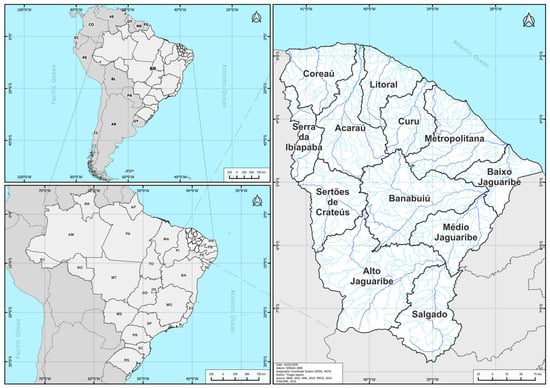
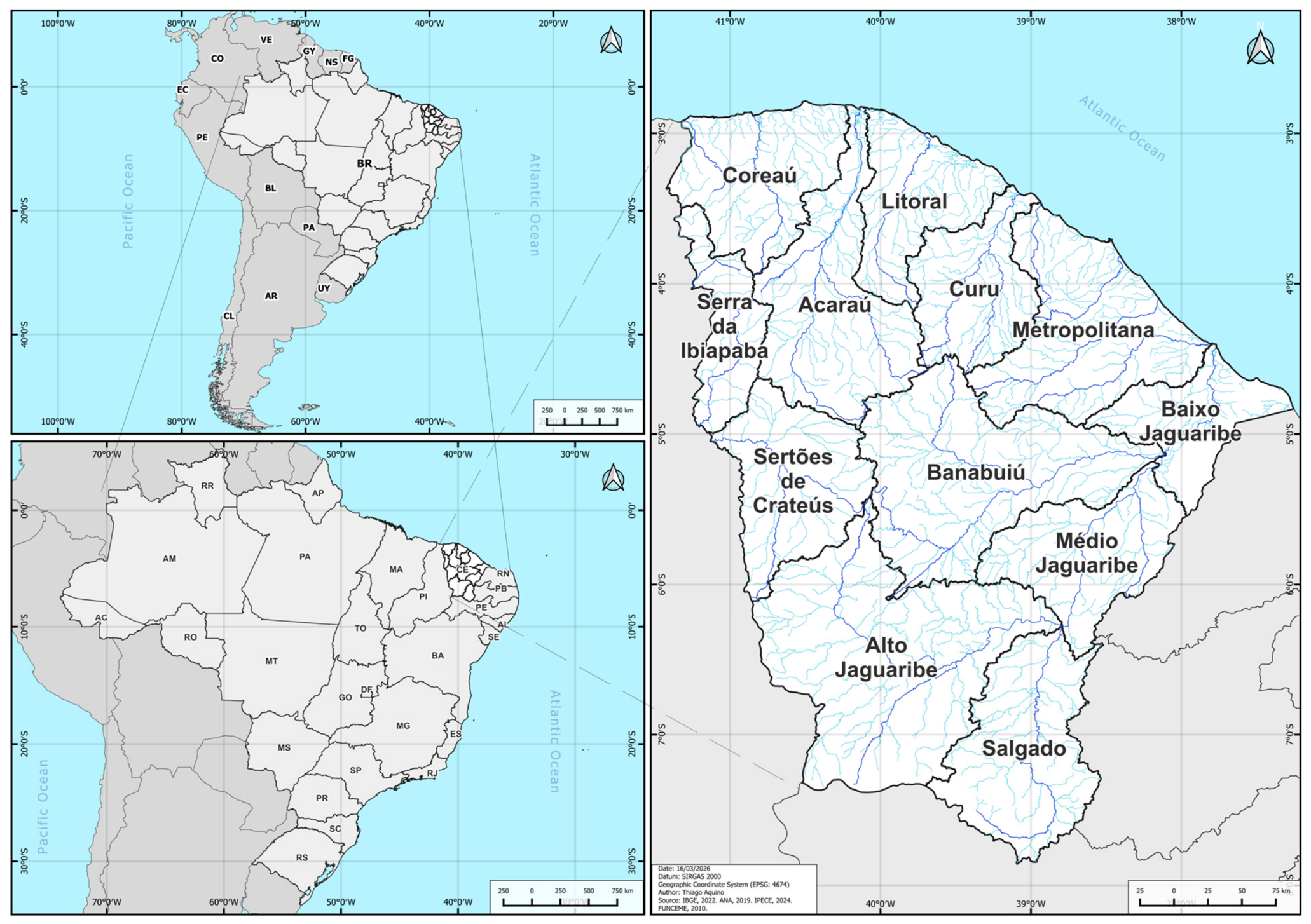
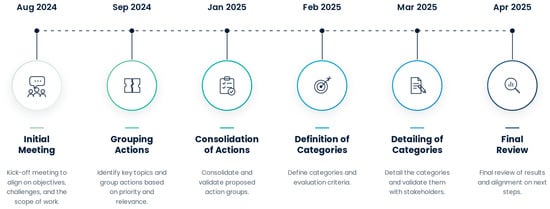
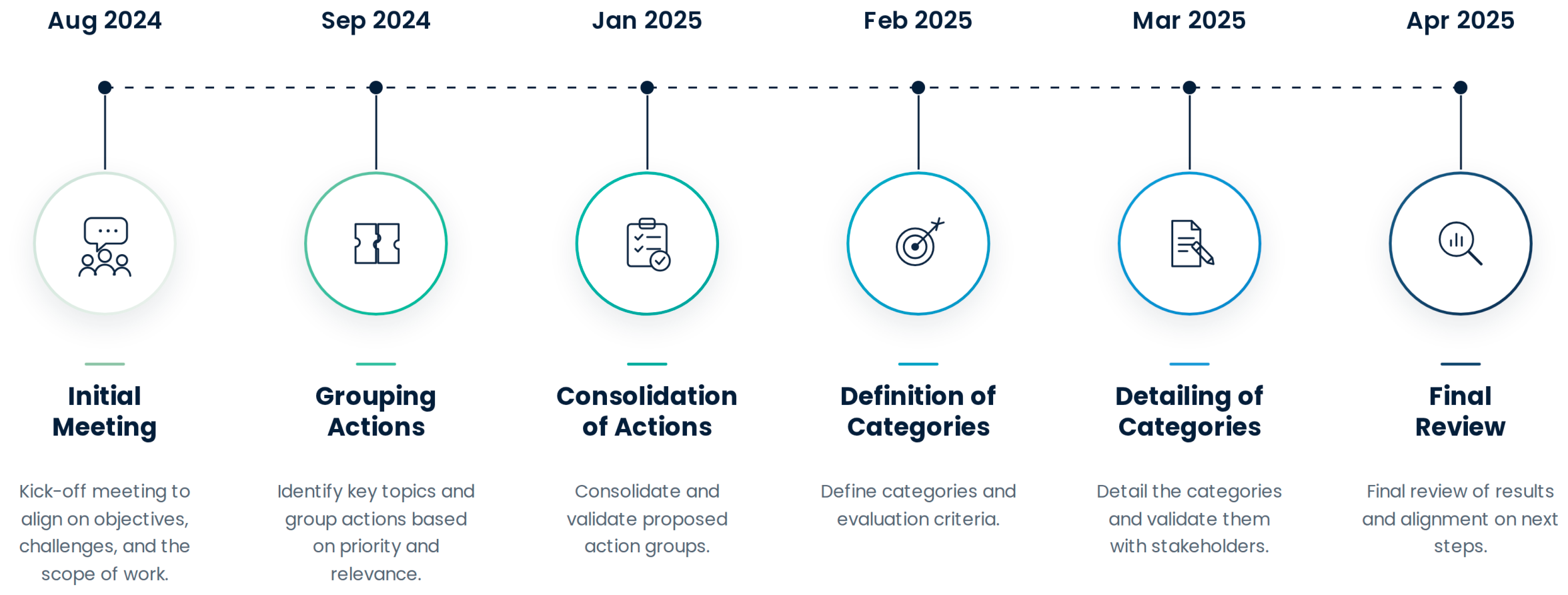
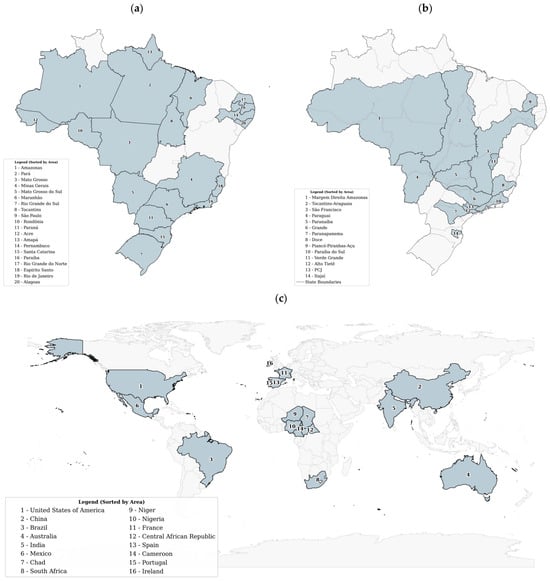
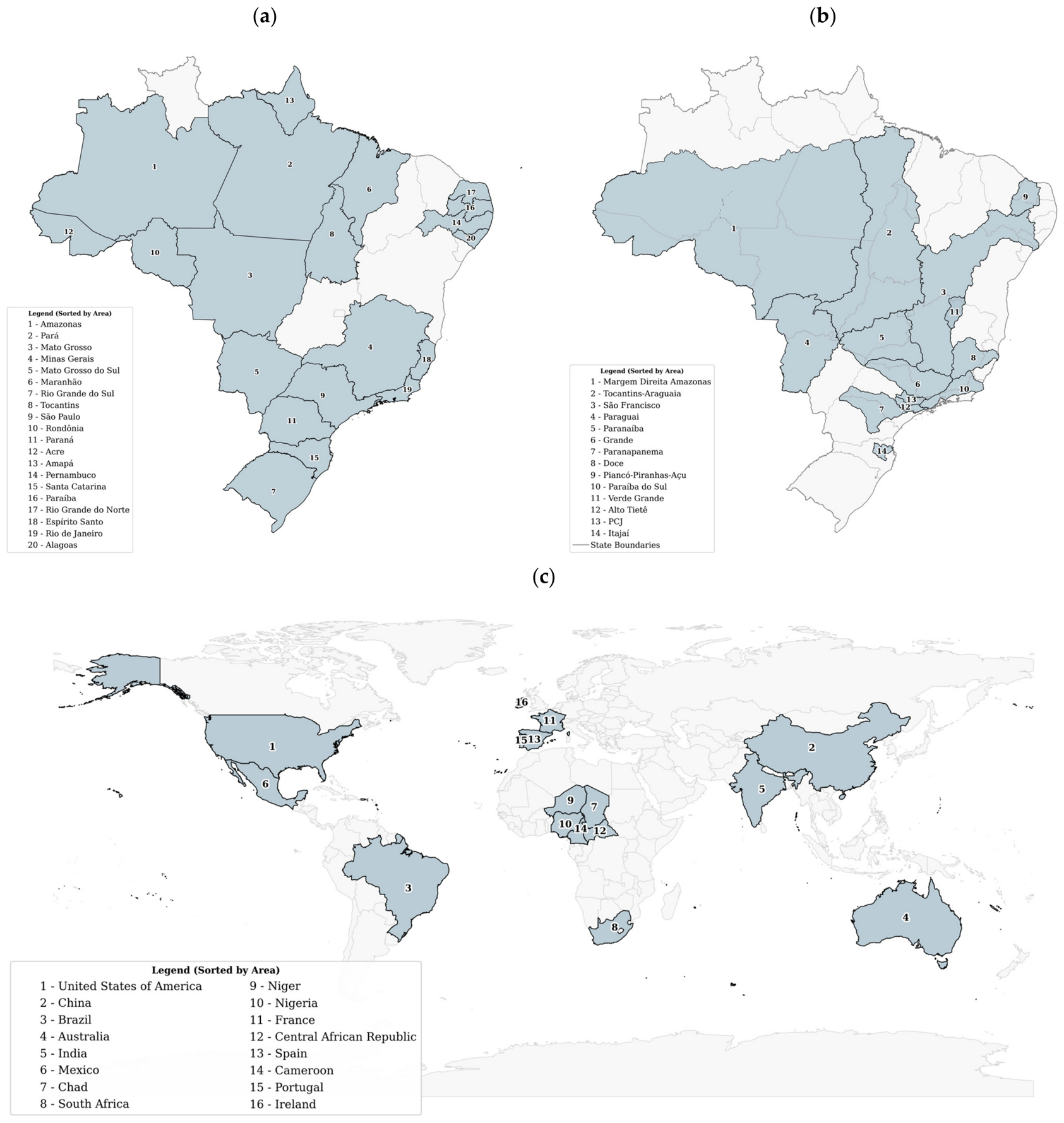
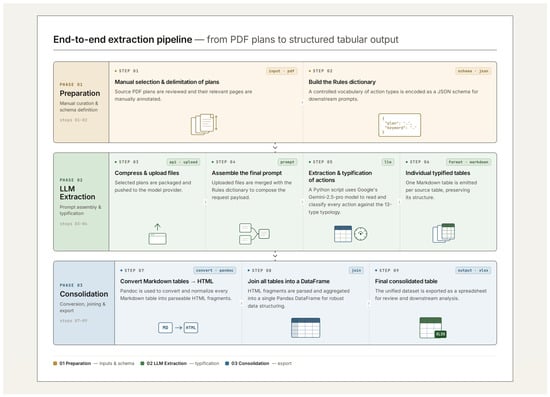
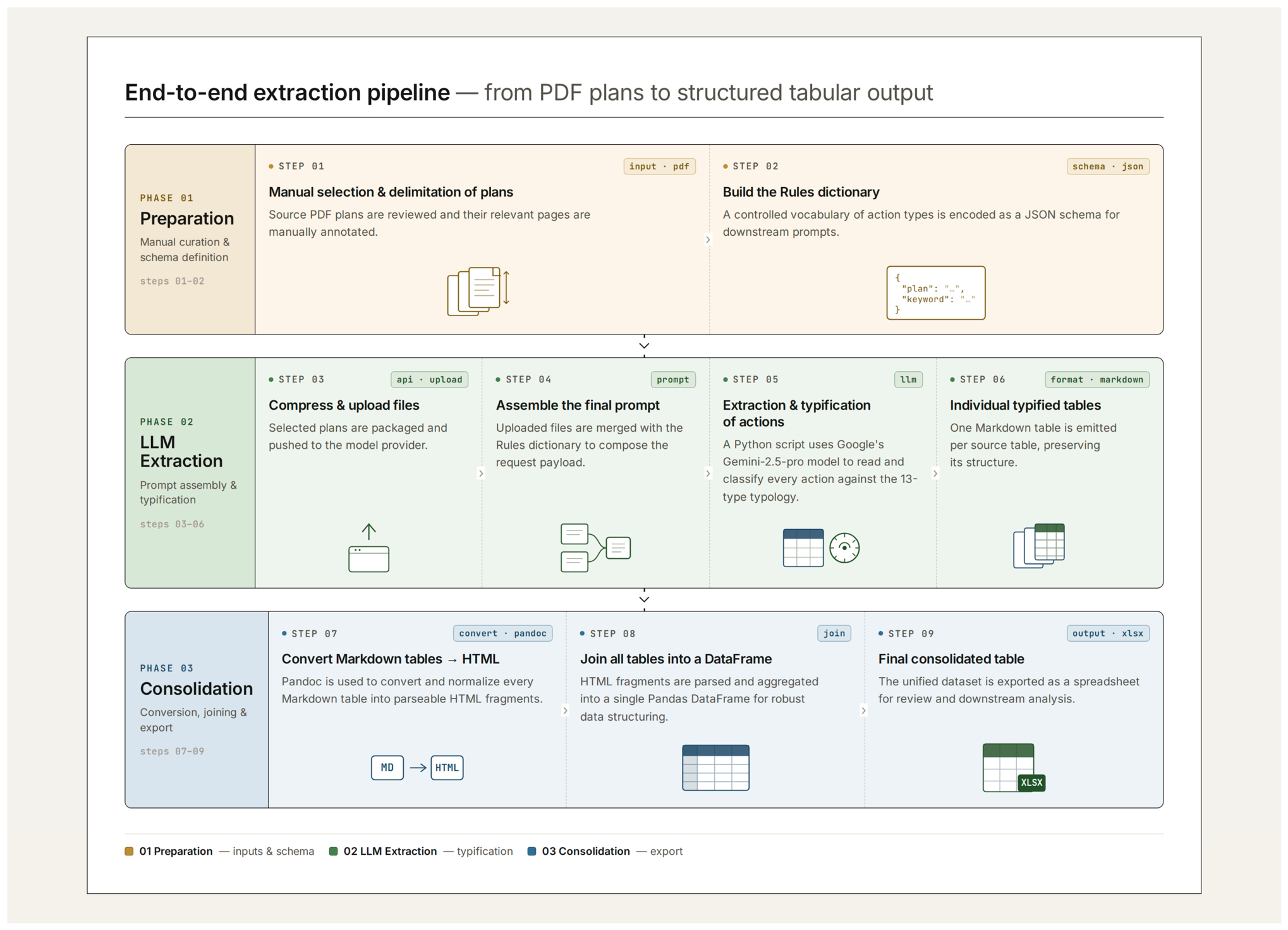
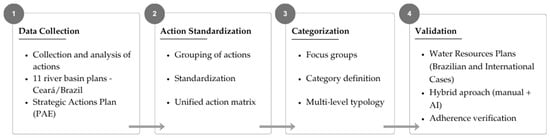
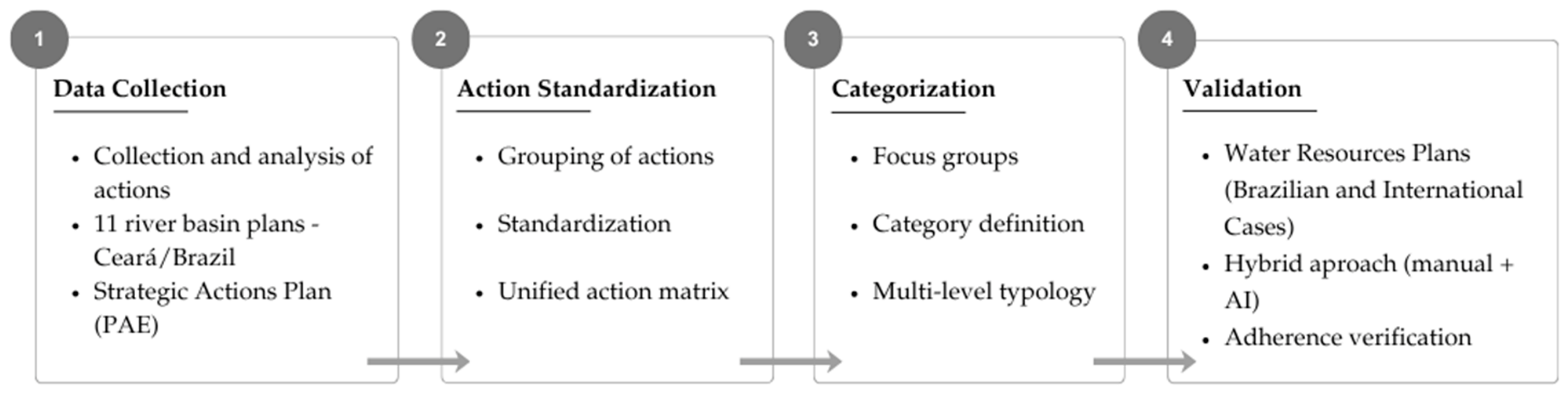
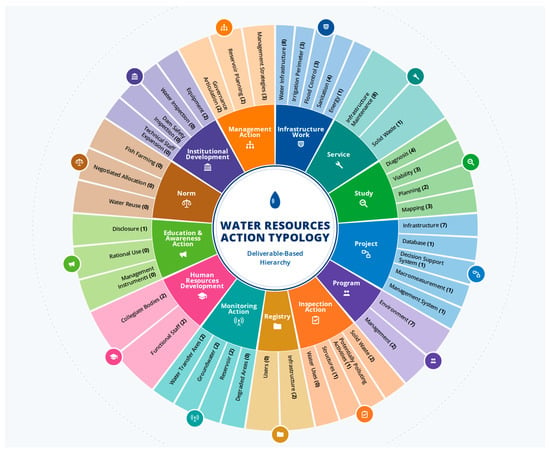
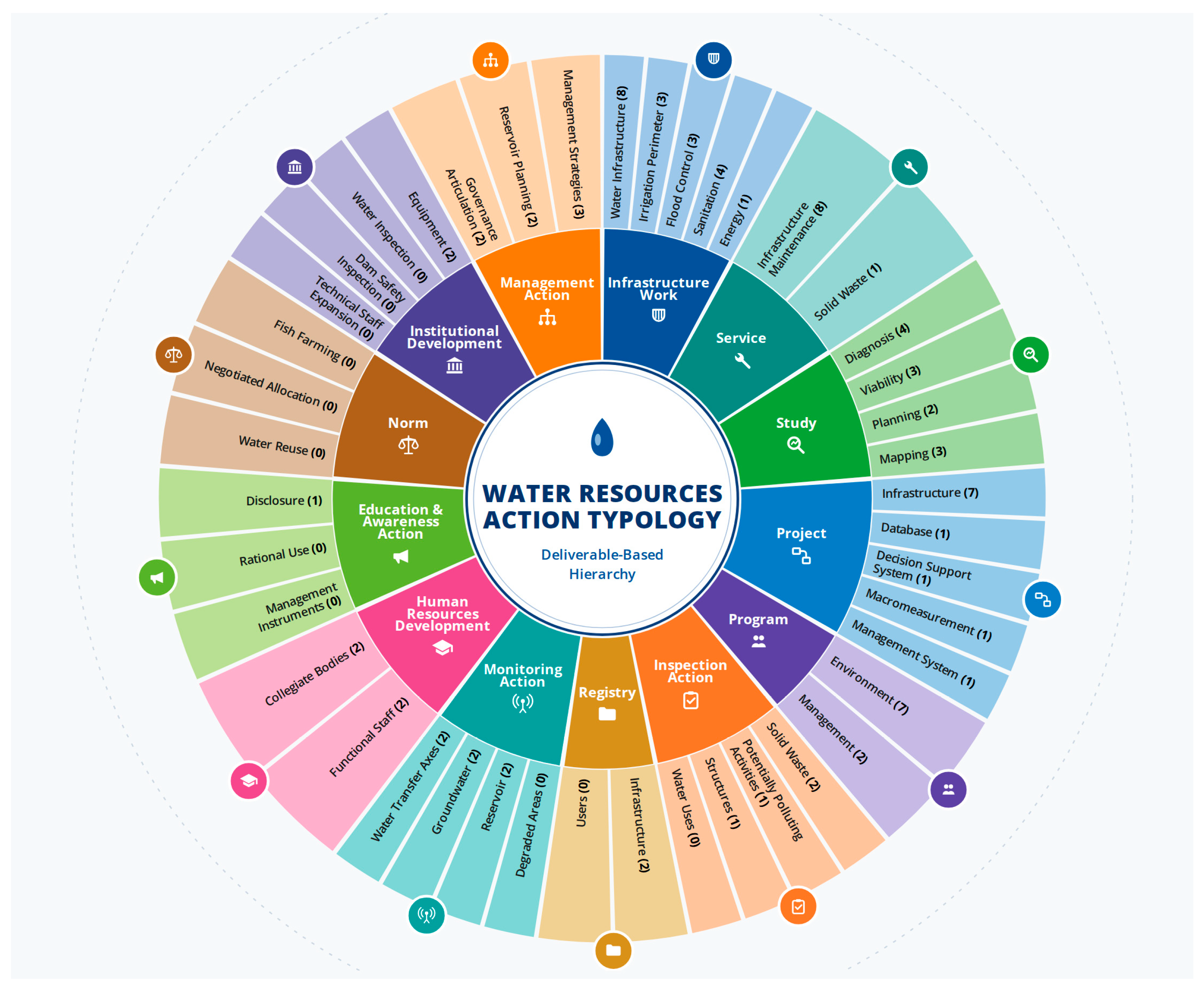
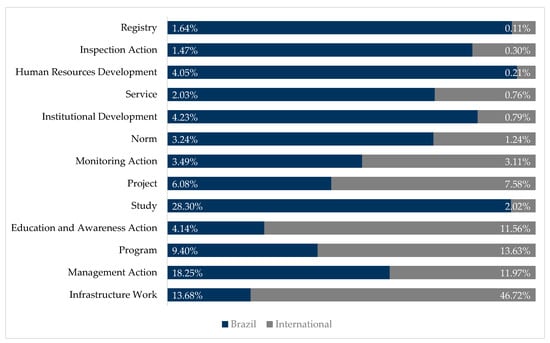
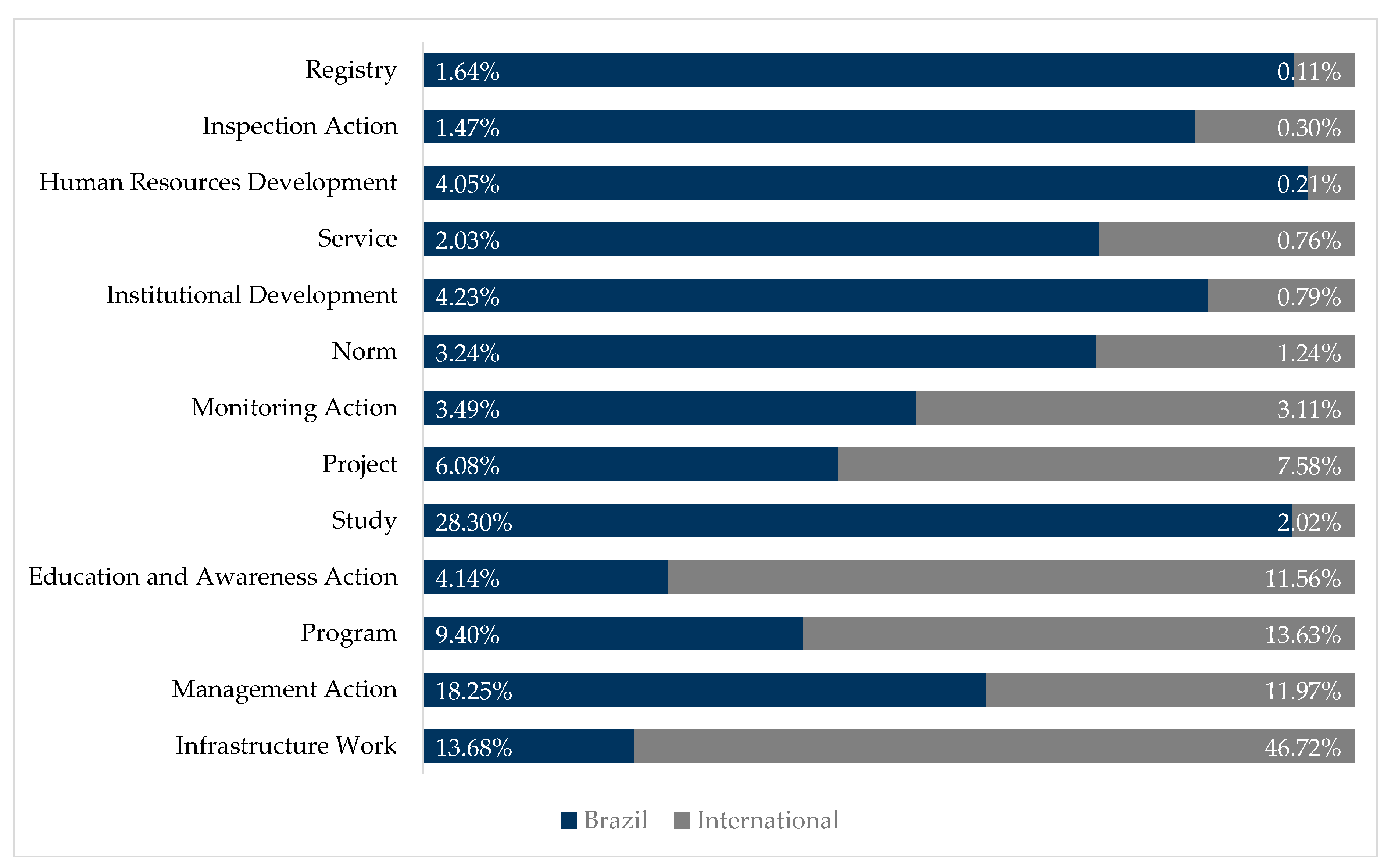

Disclaimer/Publisher’s Note: The statements, opinions and data contained in all publications are solely those of the individual author(s) and contributor(s) and not of MDPI and/or the editor(s). MDPI and/or the editor(s) disclaim responsibility for any injury to people or property resulting from any ideas, methods, instructions or products referred to in the content. |
© 2026 by the authors. Licensee MDPI, Basel, Switzerland. This article is an open access article distributed under the terms and conditions of the Creative Commons Attribution (CC BY) license.