


Highlights
What are the main findings?
- Combining pretreatment and biodegradation improves removal efficiency.
- Synergistic effect enhances removal of moderately biodegradable compounds (VEN, TMP).
- Pretreatment effect is strongly compound-specific.
What is the implication of the main finding?
- Electrostatic pretreatment enhances compound bioavailability.
- Combined process is promising for targeted micropollutant removal.
Abstract
The increasing contamination of municipal wastewater by a broad spectrum of pharmaceuticals necessitates effective quaternary treatment stages. This pilot study evaluates an innovative combined technology: physical electrostatic pretreatment (conducted using experimental equipment based on a patented design (EP 2388068)) followed by biodegradation in real secondary effluent samples (COD(Cr) 22.0 mg·L−1 to 32.0 mg·L−1). A total of 17 selected micropollutants were subjected to an 8-h exposure in a high-intensity electrostatic field (20 kV) and a subsequent 20-day microbial degradation using a mixed culture of erythropolis, R. rhodochrous, and R. degradans. Results demonstrate high substance-specific efficiency. The most significant synergistic effect was observed for moderately biodegradable compounds, particularly venlafaxine (improvement up to ~44%), trimethoprim (25–36%), and tramadol (31–58%), representing a ~30–37% efficiency increase over standalone biodegradation. For readily biodegradable (e.g., metoprolol) or highly persistent substances, the impact was inconsistent. Physical pretreatment alone at 20 kV exhibited low to moderate efficiency (up to ~30%) without the biological stage. This combined approach represents a promising synergistic solution for wastewater treatment plant intensification. The primary mechanism involves enhancement of target compound bioavailability induced by the electrostatic field, which subsequently accelerates microbial metabolism.
1. Introduction
In the field of water management, micropollutants in wastewater have become a growing concern. The group of micropollutants includes, for example, pharmaceuticals and personal care products (PPCPs; e.g., antibiotics, analgesics, antidepressants, cosmetics, and UV filters), industrial chemicals (e.g., per- and polyfluoroalkyl substances (PFAS) and phthalates), agricultural chemicals (e.g., pesticides), detergent-derived compounds (e.g., surfactants) [1,2], and engineered nanomaterials (e.g., silver nanoparticles and titanium dioxide nanoparticles) [3]. Their presence in wastewater can lead to their introduction into surface waters, particularly due to their frequent resistance to conventional wastewater treatment processes, such as primary sedimentation, biological treatment based on activated sludge (including nitrification–denitrification), and secondary clarification. These treatment processes are primarily designed to remove suspended solids, biodegradable organic matter, and nutrients rather than trace organic contaminants such as pharmaceuticals. Consequently, pharmaceutical compounds are removed mainly through biodegradation by activated sludge microorganisms and sorption onto sludge, while compounds exhibiting low biodegradability or limited sorption frequently remain in treated effluents and are subsequently discharged into receiving surface waters [4,5].
Recently, legislative pressure on the removal of micropollutants from wastewater has increased significantly. In the field of municipal wastewater treatment, the most significant legislative development is the adoption of Directive (EU) 2024/3019 (the recast of the Urban Wastewater Treatment Directive), which supersedes Directive 91/271/EEC. This directive applies to all Member States of the European Union, including the Czech Republic. It was published in November 2024 and introduces the gradual implementation of mandatory quaternary treatment for wastewater treatment plants, particularly those serving larger agglomerations, with the aim of improving the removal of micropollutants, including pharmaceutical compounds. The requirements will be progressively extended according to the size of the agglomeration and the environmental risk associated with wastewater discharge [6]. The adoption of this legislation creates a need to develop and evaluate new technologies capable of improving the removal of micropollutants, which is one of the main motivations for this study.
The persistence of active pharmaceutical ingredients (APIs) in wastewater following conventional treatment is due to their specific physicochemical properties. Examples include carbamazepine, diclofenac, and venlafaxine, which are frequently detected in treated wastewater due to their incomplete removal during conventional wastewater treatment processes. The removal efficiency of pharmaceuticals is influenced by factors such as molecular structure, hydrophobicity, solubility, molecular weight, acid dissociation constant (pKa), and resistance to biodegradation [7]. In addition, pH can significantly influence the speciation, mobility, and removal efficiency of pharmaceutical compounds in aquatic environments [8]. At the same time, pharmaceuticals are designed to interact with living organisms and may induce biological responses even at environmentally relevant concentrations [9]. For example, adverse effects of venlafaxine have been reported in aquatic organisms (molluscs) at concentrations as low as 5 ng·L−1, while fluoxetine has been shown to affect behaviour and neurotransmitter activity in fish at concentrations ranging from 5 µg·L−1 to 22 µg·L−1. Their molecules may also exhibit limited sorption to activated sludge, which can reduce their removal during conventional biological treatment processes [10]. As a result, pharmaceuticals can commonly be detected in treated wastewater and subsequently also in surface waters receiving wastewater discharges [5]. The active pharmaceutical ingredients and their metabolites constitute one of the major groups of micropollutants, including industrial chemicals (e.g., PFAS), agricultural chemicals, nanomaterials, and detergent-derived compounds. Pharmaceuticals are considered particularly relevant due to the rapidly expanding pharmaceutical industry and the continuous development of new medicinal substances. Furthermore, these substances are entering municipal wastewater treatment plants in increasing amounts and diversity, driven by demographic changes, improving healthcare, increased usage, and the frequent overuse of pharmaceuticals [11].
As a result of global population growth and climate change, there is a growing need to protect water resources, support the circular economy, and develop energy- and cost-efficient technologies for advanced wastewater treatment. A wide range of advanced technologies has been developed to improve the removal of pharmaceutical micropollutants from wastewater. Although many of these approaches have demonstrated promising treatment efficiencies, each is associated with specific advantages and limitations that influence its practical application.
Among the most widely investigated advanced technologies for wastewater treatment are advanced oxidation processes (AOPs), membrane technologies, adsorption, and plasma-based methods [12,13,14]. AOPs, including ozonation, UV/H2O2, photocatalysis, and Fenton-based systems, are considered promising technologies for the removal of pharmacapable of degrading a broad spectrum of persistent organic compounds [13,15]. However, their treatment efficiency depends on the physicochemical properties of the target compounds, the composition of the wastewater matrix, and the applied operating conditions. In real wastewater, the presence of dissolved organic matter and inorganic constituents may reduce the availability of reactive oxidative species, thereby decreasing the overall removal efficiency [12,13]. Furthermore, some AOPs may be associated with relatively high energy consumption and the formation of transformation products, which should be considered when evaluating their practical application [13,15]. Membrane technologies, particularly nanofiltration (NF) and reverse osmosis (RO), represent highly effective methods for removing pharmaceutical residues from wastewater through size exclusion and electrostatic interactions. These membrane technologies achieve high removal efficiencies for a broad range of micropollutants; however, their wider application is limited by membrane fouling and relatively high operational costs [16]. Activated carbon adsorption is an effective technology for removing a broad range of pharmaceutical residues from wastewater owing to its high specific surface area and adsorption capacity. Nevertheless, naturally occurring organic matter can compete for adsorption sites, reducing treatment efficiency and increasing adsorbent demand [17]. Plasma-based technologies, particularly non-thermal plasma (NTP), have attracted increasing attention for the degradation of pharmaceutical micropollutants. These systems generate reactive oxygen and nitrogen species capable of oxidizing persistent organic compounds under mild operating conditions without the addition of external chemical oxidants. However, their practical application may still be limited by energy requirements and the need for further optimization of reactor design and operating conditions [18]. Despite the considerable progress achieved with these advanced treatment technologies, there is still a need for alternative approaches that combine high removal efficiency with low chemical consumption, reduced energy demand, and operational simplicity.
One example of such an innovative wastewater treatment technology developed in the Czech Republic is Caviplasma, which combines hydrodynamic cavitation with low-temperature plasma discharge and enables the degradation of a wide range of organic micropollutants [19,20]. Increasing attention is also being devoted to hybrid treatment systems combining physicochemical and biological processes, such as advanced oxidation followed by biological treatment or physicochemical pretreatment coupled with microbial degradation, to improve the removal of persistent micropollutants. These approaches may enhance the biodegradability of recalcitrant contaminants and increase overall removal efficiency; however, they are often associated with increased process complexity and more demanding operational optimization [21]. One possible approach is the use of physical methods as pretreatment for subsequent biodegradation. The application of specific physical fields can alter the properties of the aqueous environment, increase the availability of micropollutants to microorganisms, or influence their sorption and transport. This strategy may represent an environmentally friendly alternative to conventional advanced oxidation processes by avoiding the direct addition of chemical oxidants and minimizing energy requirements [22,23].
This study builds on the development of a patented electrostatic field device (EP 2388068), originally designed for the treatment of solid waste matrices and subsequently adapted for wastewater treatment applications [24,25]. Unlike electrochemical, plasma-based, or corona-discharge systems, the investigated approach is based on the application of a homogeneous high-voltage electrostatic field without plasma generation, electrical discharges, or chemical reagents. This technology represents an alternative physical pretreatment strategy that may enhance the subsequent biodegradation of micropollutants. The present study evaluates a combined physical-biological approach for the removal of selected pharmaceutical compounds from treated wastewater. Physical pretreatment was performed using the modified electrostatic system, while subsequent biodegradation was carried out using bacteria of the genus Rhodococcus, known for their ability to degrade a wide range of organic micropollutants [26,27,28]. The novelty of the study lies in the evaluation of an optimized electrostatic pretreatment system operated at 20 kV in combination with biodegradation using Rhodococcus spp. under environmentally relevant conditions. Unlike previous pilot-scale investigations [29], the present study is based on multiple wastewater sampling campaigns conducted between 2023 and 2025 and provides a comprehensive assessment of the combined treatment process for a broad spectrum of pharmaceutical compounds in real treated wastewater. The results contribute to a better understanding of the interactions between physical pretreatment and microbial degradation processes and provide further insight into the potential of hybrid technologies for the removal of pharmaceutical micropollutants from wastewater.
2. Materials and Methods
2.1. Characteristics of the Tested Water
Wastewater samples were collected from treated wastewater prior to discharge into a receiving body from a selected municipal wastewater treatment plant located in the Moravia region of the Czech Republic. To preserve the operator’s anonymity, no further identifying details about the treatment plant are provided. The treatment plant is designed as a mechanical-biological treatment facility intended for the treatment of municipal and partially industrial wastewater. The treatment plant has a design capacity of approximately 638,850 population equivalents (PE), with an average daily flow rate of approximately 184,372 m3·day−1 and a design BOD5 load of 38,331 kg·day−1. The wastewater treatment technology is based on low-load activated sludge with nitrification and pre-denitrification, and all technological processes are fully automated.
Sampling was performed on the WWTP premises prior to the discharge of treated wastewater into the receiving water body. To obtain a representative water matrix, samples were collected as continuous 24-h composite samples. Sampling and subsequent sample handling were performed in accordance with the relevant parts of the ISO 5667 series, specifically ČSN EN ISO 5667-1, ČSN EN ISO 5667-3, and ČSN ISO 5667-10 [30,31,32]. The use of composite samples allows the average daily composition of the wastewater to be captured while minimizing the influence of short-term concentration fluctuations. Three independent sampling campaigns were conducted during the study period (2023–2025), with one sampling campaign performed each year. Each sampling campaign represented a separate experimental series that was subsequently processed according to the same experimental protocol under identical laboratory conditions. In all cases, samples were collected during the workweek to minimize variability associated with weekend operations. For each sampling campaign, 8 L of treated wastewater were collected. Following transport under cool and dark conditions, the samples were processed within 24 h of collection. A volume of 5 L was used for physical pretreatment experiments at the Ostrava branch of the T. G. Masaryk Water Research Institute (VÚV TGM, v.v.i.), 2 L for biodegradation experiments and control samples at VŠB–Technical University of Ostrava, and 1 L for the determination of initial pharmaceutical concentrations at the Institute of Microbiology of the Czech Academy of Sciences. The pH values measured during the three annual sampling campaigns were 6.706 (2023), 7.540 (2024), and 8.078 (2025). Additional information characterizing the treated wastewater was obtained from operational monitoring data provided by the WWTP operator. According to these operational records, COD(Cr) ranged from 22.0 mg·L−1 to 32.0 mg·L−1, BOD5 from 2.5 mg·L−1 to 4.5 mg·L−1, total organic carbon (TOC) from 8.0 mg·L−1 to 11.5 mg·L−1, and dissolved solids (TDS) from approximately 700 mg·L−1 to 950 mg·L−1. The elevated TDS values are associated with the influence of mine water in the area. Wastewater temperature varied depending on the sampling date and was not further regulated.
After collection, the samples were transported for further experimental procedures no later than the following day; throughout this time, the samples were kept cool (refrigerator, transport boxes, cooling packs). Samples collected at WWTP were transported to the laboratory the following day and used for experimental purposes. One portion of the samples underwent physical pretreatment immediately after collection at the Ostrava branch of T.G. Masaryk Water Research Institute (VÚV TGM v.v.i.), while the other portion was used for laboratory experiments conducted at the VŠB–Technical University of Ostrava. Another portion of the samples was used to determine the initial concentrations of selected pharmaceutical substances prior to the start of the experiments. After the experiments were completed (including monitoring of biodegradation), all samples were collected and transported to the laboratories for further processing.
Prior to the start of the experiments, no filtration or other treatment was performed on the samples, with the aim of preserving the real-world conditions of the collected wastewater and enabling the evaluation of the effectiveness of the tested processes under environmentally relevant conditions. The use of actual treated wastewater allows for a better assessment of the effectiveness of the proposed method under conditions close to actual operation and takes into account the influence of dissolved and suspended substances on the course of physical pretreatment and subsequent biodegradation.
2.2. Tested Pharmaceutical Substances
This study examined selected pharmaceutically active substances representing various therapeutic classes, specifically furosemide (FUR), hydrochlorothiazide (HCT), metoprolol (MET), telmisartan (TEL), carbamazepine (CBZ), carbamazepine-10,11-epoxide (CBZ-EP), citalopram (CIT), irbesartan (IRB), lamotrigine (LAM), venlafaxine (VEN), azithromycin (AZI), clarithromycin (CLA), sulfamethoxazole (SMX), trimethoprim (TMP), cetirizine (CET), diclofenac (DCF), gabapentin (GBP), o-desmethyltramadol(ODT), tramadol (TRA), 4-formylaminoantipyrine (4-FAA), and salicylic acid (SAL). These substances were selected based on their repeated occurrence in surface waters within the Czech Republic, which has been documented over the long term through monitoring studies.
The monitored pharmaceuticals were present in wastewater samples at concentrations ranging from single to hundreds of nanograms per liter, with some substances reaching even low microgram levels per liter (hereinafter referred to as µg·L−1). No pharmaceutical agents or standards were added to the samples prior to the start of the experiments; the aim was to preserve the actual composition of the water matrix and to approximate the experimental conditions to the actual operation of wastewater treatment plants and the subsequent discharge of treated wastewater into surface waters.
The selection of pharmaceuticals included substances with different physicochemical properties and varying biodegradability, which allows for a more comprehensive assessment of the effectiveness of the tested physicobiological method in removing pharmaceutical micropollutants from treated wastewater.
2.3. Microorganisms and Biodegradation Conditions
A mixed bacterial culture composed of representatives of the genus Rhodococcus was used for the experiments; this genus belongs to the group of Gram-positive, aerobic, non-spore-forming bacteria from the phylum Actinobacteria (family Nocardiaceae) [33]. Bacteria of this genus are known for their remarkable metabolic flexibility and ability to degrade a wide range of organic substances, including hydrophobic substrates, which is related to the presence of mycolic acids in the cell wall and the production of surfactants [18,34]. The selected Rhodococcus consortium was used as a defined microbial inoculum to evaluate the potential of bioaugmentation in combination with electrostatic pretreatment under controlled laboratory conditions. The objective of the study was not to reproduce the microbial complexity of activated sludge, but rather to assess the behaviour of a selected consortium in real treated wastewater. Since the wastewater used in the experiments was not sterilized or filtered prior to inoculation, residual indigenous microorganisms originating from the wastewater treatment process may also have been present during the biodegradation experiments.
The mixed culture used consisted of the following strains: Rhodococcus erythropolis (CCM 277), Rhodococcus rhodochrous (CCM 2751), and Rhodococcus degradans (CCM 4446). All strains were supplied by the Czech Collection of Microorganisms (CCM), located at the Faculty of Science, Masaryk University in Brno.
M011 Soyabean Casein Digest Medium (Tryptone Soya Broth; HiMedia Laboratories, Mumbai, India) was used for bacterial cultivation. Cultivation took place under aerobic conditions. Prior to the start of the biodegradation experiments, the bacterial biomass was prepared using a standard cultivation procedure (cultivation time 48 h). The bacterial culture was not adapted to the presence of pharmaceutical substances under investigation prior to use in the experiments.
The biodegradation experiments were conducted in laboratory-scale glass batch reactors consisting of 2 L Erlenmeyer flasks with a working volume of 1.2 L. Each bioreactor was filled with 1 L of the collected wastewater sample and 200 mL of a mixed bacterial culture in a 1:1:1 ratio (Rhodococcus erythropolis, Rhodococcus rhodochrous, and Rhodococcus degradans). The total working volume of the bioreactors was 1.2 L. All experimental series were performed according to the same experimental protocol under identical laboratory conditions. A photograph of the laboratory biodegradation reactor setup used in this study is shown in Figure 1.
Figure 1.
Laboratory biodegradation reactor setup used in this study. The experiments were carried out in 2 L glass Erlenmeyer flasks with a working volume of 1.2 L under continuous aeration.
The bioreactors were operated under aerobic conditions, with a continuous air supply provided by JK-AP7500 aquarium aerators with a power of 3.6 W, 360 L.h−1, and a maximum pressure of 2 × 0.02 MPa (JK Animals, Chotěšov, Czech Republic). Aeration took place continuously throughout the entire experiment. Air was supplied to the reactors via HD4000–PVDF64N Kynar tubing (Arkema High Performance Polymers, Colombes, France), ensuring uniform aeration of the reactor contents. The bioreactors were covered with aluminum foil throughout the experiment to minimize evaporation and contamination from the surrounding environment. The biodegradation experiments were carried out in the laboratories of VŠB–Technical University of Ostrava at laboratory temperature (20 ± 2 °C) under standard laboratory lighting conditions.
The total duration of the biodegradation experiments was 20 days to capture slower biodegradation processes and allow sufficient contact time between pharmaceutical compounds and the microbial biomass, as similar incubation periods have been reported in previous biodegradation studies involving Rhodococcus species [18]. Control experiments were also conducted simultaneously, consisting solely of a wastewater sample without the addition of bacterial culture or culture medium. To maintain the same working volume as in the experimental reactors, 200 mL of distilled water was added to each control reactor. The control bioreactors were operated under the same conditions as the experimental reactors, including aeration and incubation time.
The same experimental procedure was also applied to wastewater samples immediately after physical pretreatment. In this case, 1 L of physically treated water and 200 mL of mixed bacterial culture were transferred to the bioreactors. The corresponding control bioreactors contained only physically treated water without the addition of biomass or medium. Each experimental variant was carried out in a single bioreactor (n = 1). This setup corresponds to the nature of a pilot study aimed at identifying basic trends in the behavior of the substances under investigation. Consequently, the results should be interpreted as preliminary observations requiring further verification through replicated experiments.
2.4. Physical Pretreatment
Physical pretreatment of wastewater samples was performed at the T. G. Masaryk Water Research Institute in Ostrava. The samples were subjected to an electrostatic field using a patented device for physical waste treatment (EP 2388068) [24], adapted for wastewater applications, currently designed as a laboratory-scale device.
The patented device allows for a modular configuration for the application of various physical methods, including spark discharge, ultrasound, focused microwave fields, electrostatic fields, or UV radiation when working with solid or semi-liquid waste matrices. The device allows the application of various physical methods; however, only electrostatic field treatment was used in the study. For the purposes of wastewater pretreatment, the device was technically adapted to allow for the treatment of liquid matrices, as it was originally used primarily for the treatment of solid matrices, particularly sewage sludge. For wastewater treatment, the device was technically adapted to enable the processing of liquid matrices. This modification included the addition of a working cassette for liquid samples, protected by a utility model (No. 37615) [25], and the implementation of continuous circulation using a Kamoer KCM-B146 peristaltic dosing pump with PharMed® BPT tubing (Kamoer Fluid Tech (Shanghai) Co., Ltd., Shanghai, China).
The physical pretreatment was carried out under the influence of an electrostatic field at a voltage of 20 kV and a direct current (DC) of up to 0.1 mA for a period of 8 h. The pretreatment was performed in a laboratory setup, in which the wastewater sample was placed in a PVDF (polyvinylidene fluoride) container (LABARDIN SEAL s.r.o., Ostrava, Czech Republic) and continuously stirred during exposure. PVDF was selected due to its high chemical resistance and widespread use in pharmaceutical and analytical applications. The system operated in a continuous flow reversal mode, in which the sample was continuously transported from the storage container to the exposure chamber using a peristaltic pump and subsequently returned to the storage container.
The system operated in a closed-loop configuration with continuous circulation ensured by a peristaltic pump, maintaining sample homogeneity during the entire exposure period. The volume of the physically treated sample was 5 L at a laboratory temperature of approximately 19 ± 1 °C.
Upon completion of the physical pretreatment, the bacterial culture was immediately added to the collected samples in the specified amount, and all samples were subsequently transported to the VŠB-TUO laboratory, where biodegradation experiments were conducted under the same conditions as for the untreated samples (without physical pretreatment). Simultaneously, control samples of wastewater that were not exposed to an electrostatic field were also processed. A schematic representation of the modified electrostatic wastewater pretreatment system based on EP 2388068 and a utility model adaptation for liquid matrices, together with a photograph of the laboratory-scale device used in this study, is shown in Figure 2.
Figure 2.
Modified electrostatic wastewater pretreatment system used in this study: (a) schematic representation of the laboratory-scale device incorporating modifications derived from EP 2388068 and a utility model for liquid-matrix treatment; (b) photograph of the experimental setup. Legend: 1—high-voltage power supply (HV supply); 2–5,7—individual force field generators (top); 6—electrostatic field generator; 8—plastic box with Faraday cage; 9—combined HV electrodes and HV supply leads; 10—working cassette for liquid samples; 11—wastewater reservoir; 12—peristaltic pump [24,25].
2.5. Analytical Methods
After completion of the biodegradation experiments, all samples were transferred to 1-L glass bottles supplied by the laboratory and transported in coolers with ice packs for analytical determination.
The concentrations of the pharmaceutical substances under investigation were determined using an Agilent 6470 Triple Quadrupole LC-MS/MS system (Agilent Technologies, Santa Clara, CA, USA) at the Environmental Biotechnology Laboratory of the Institute of Microbiology, Academy of Sciences of the Czech Republic.
Prior to analysis, a reducing agent was added to the samples and the pH was adjusted to 3.5. The samples were subsequently sonicated for 10 min at room temperature using an ultrasonic bath (Branson Ultrasonics Corp., Danbury, CT, USA) and centrifuged for 10 min at 6000 rpm. An aliquot (1.8 mL) of the supernatant was transferred into glass HPLC vials and analyzed by LC-MS/MS. The analytical procedure was performed according to validated laboratory protocols routinely used for the determination of pharmaceutical residues in environmental water samples. Each sample was analyzed in three parallel measurements (n = 3), which constituted technical (analytical) replicates. The resulting concentrations were determined as the average of these measurements. Measurement variability was expressed using the standard deviation (std) provided by the analytical laboratory. The limits of quantification (LOQ) for individual analytes ranged from 50 ng·L−1 to 1000 ng·L−1 depending on the specific substance. Due to the complex matrix of real wastewater, coelution of substances occurred in some cases, which could have affected the quantification of selected analytes. The total measurement uncertainty ranged up to ±21%.
The analytical data were evaluated using MassHunter Workstation Quantitative Analysis software (Version 10.0, Agilent Technologies, Santa Clara, CA, USA) in accordance with the laboratory’s applicable certified and validated procedures.
2.6. Data Processing and Evaluation of Removal Efficiency
To evaluate the removal efficiency of the monitored pharmaceutical substances, the theoretical initial concentration in the reactor was calculated, taking into account the dilution of samples during the biodegradation experiments (1 L of wastewater + 0.2 L of inoculum), as follows:
where is the calculated theoretical initial concentration in the diluted sample (µg·L−1), is the concentration measured in the wastewater sample before inoculum addition (µg·L−1), and the coefficient 0.833 corresponds to the ratio of 1.0 L of wastewater to the total working volume of 1.2 L.
The removal efficiency of biodegradation and the combined physico-biological process was calculated using the following equation:
where R is the removal efficiency (%), Ct is the concentration of the substance in the sample after 20 days of incubation (µg·L−1), and Ct0 is the calculated theoretical initial concentration in the diluted sample (µg·L−1). For the physical pretreatment alone, the removal efficiency was calculated using the measured influent concentration (Cin) as the initial concentration, since no dilution was applied during this treatment step.
To evaluate the contribution of physical pretreatment to subsequent biodegradation, the difference between the removal efficiency of the combined physico-biological process and that of biodegradation alone was determined and denoted as ΔRbio. This parameter represents the increase (or decrease) in biodegradation efficiency resulting from the physical pretreatment prior to biodegradation, as calculated using the following equation:
where ΔRbio is difference between the removal efficiency of the combined physico-biological process and that of biodegradation alone (%), Rphys+bio is the removal efficiency of the combined physico-biological process (%), and Rbio is the removal efficiency of biodegradation alone (%).
Positive ΔRbio values indicate an enhancement of biodegradation efficiency due to physical pretreatment, while negative values indicate reduction in biodegradation efficiency. Due to the limited number of experimental replicates, no statistical tests were applied to the obtained data. Median values across the observed years were used to identify general trends.
During the preparation of this manuscript, the authors used ChatGPT (OpenAI, version GPT-5.3) as a supporting tool for the creation of the graphical abstract, which was subsequently modified and finalized using Canva 2.367.0. The authors have carefully reviewed and edited the output and take full responsibility for the final content of this publication.
3. Results
3.1. Stability of Experimental Conditions
The biodegradation experiment was conducted over a period of 20 days under aerobic conditions at a laboratory temperature of 21 °C. The pH value was monitored during the experiment and averaged 8.636. These measured values did not show significant fluctuations that could have a negative impact on microbial activity. In all experiments, pH values fell within the range typical for biological processes in wastewater. These results indicate stable conditions during the biodegradation experiments.
3.2. Initial Concentrations of Pharmaceutical Substances and the Effect of Physical Pretreatment
For the purposes of this study, a total of 21 pharmaceutical substances were analyzed, for which concentrations were determined in wastewater at the WWTP effluent in 2023–2025. Due to repeatedly low concentrations below the limit of quantification (LOQ) or incomplete data, some substances were not included in the comprehensive evaluation of initial concentrations and the effect of physical pretreatment. Table 1 therefore includes 17 substances for which concentrations were quantifiable in at least two of the three years monitored.
Table 1.
Initial concentrations of selected pharmaceuticals in WWTP effluent and their changes after physical pretreatment.
The initial concentrations of the monitored substances varied between years and ranged—predominantly from single digits to low tens of µg·L−1. The highest concentrations were recorded for cetirizine in 2025 (10,160 µg·L−1) and for 4-formylaminoantipyrine (5860 µg·L−1 in 2025), while other substances typically ranged from 0.2 µg·L−1 to 2.6 µg·L−1. In some cases, substances were not quantified (NQ), reflecting their low occurrence or concentrations below the limit of quantification.
The efficiency of physical pretreatment alone (Rphys) was generally low to moderate and significantly dependent on the specific substance and the year of monitoring. For most substances, Rphys values ranged from 3–30%. Higher efficiencies were observed, for example, for citalopram (up to 62% in 2025), hydrochlorothiazide (~30% in 2023–2024), trimethoprim (29% in 2024), and tramadol (up to 27% in 2025). Conversely, the efficiency of some substances was very low, for example, metoprolol in 2023 (~3%) or 4-formylaminoantipyrine in the same year (~3%).
In some cases, negative Rphys values were also recorded, for example, for telmisartan in 2024 (−43%), sulfamethoxazole in 2025 (−48%), or hydrochlorothiazide in 2025 (−1%), indicating an increase in the measured concentration following physical pretreatment. Such increases should not be interpreted as de novo synthesis of pharmaceutical compounds. A more plausible explanation is the release of substances from the particulate phase, desorption from suspended solids or dissolved organic matter, and changes in the distribution of pharmaceutical compounds within the complex wastewater matrix. Similar adsorption–desorption processes and matrix-dependent behaviour of pharmaceuticals in wastewater have been described by Petrie et al. [35] and Garduño-Jiménez et al. [36], who demonstrated that interactions between pharmaceuticals and particulate or organic matter may significantly influence their apparent concentrations in the aqueous phase. Another possible explanation is the deconjugation of human metabolites, such as glucuronide or sulfate conjugates, resulting in the regeneration of analytically detectable parent compounds. Zhang et al. [37,38] demonstrated that enzymatic deconjugation processes occurring in wastewater systems can lead to the release of parent compounds from their conjugated forms, thereby increasing their measured concentrations. Similar observations have also been reported for other micropollutants and pharmaceutical residues in wastewater environments. Therefore, the observed concentration increases are more likely related to changes in the availability, distribution, and transformation of compounds within the wastewater matrix than to the formation of new pharmaceutical substances.
Overall, it can be stated that the effectiveness of physical pretreatment was significantly dependent on the type of pharmaceutical substance and was not consistent across individual years.
The complete dataset of measured pharmaceutical concentrations before and after physical pretreatment, biodegradation, and combined physico-biological treatment for all 21 monitored compounds is presented in Table 2 to provide full transparency of the experimentally date and to facilitate comparison of the individual treatment variants.
Table 2.
Complete dataset of measured pharmaceutical concentrations before and after physical pretreatment, biodegradation, and combined physico-biological treatment during the investigated period (2023–2025).
3.3. Efficiency of Biodegradation and Combined Methods
The removal efficiency of the target substances was evaluated by comparing the biodegradation process alone (Rbio) with the combined physical-biological method (Rphys+bio), with the efficiency in both cases being normalized to the theoretical initial concentration in the reactor. The difference between these approaches (ΔRbio) was evaluated, which allows for an assessment of the influence of upstream physical pretreatment on the resulting process efficiency. An overview of the value achieved is presented in Table 3.
Table 3.
Removal efficiencies of biodegradation and combined physical–biological treatment.
The results showed that biodegradation alone led to a significant reduction in concentrations for some of the monitored substances, particularly for metoprolol (~73–91% in all years) and hydrochlorothiazide (51–64% in 2024–2025). Relatively high efficiencies were also achieved for sulfamethoxazole (64% in 2024). For other substances, however, the efficiency was low or fluctuating, or even negative, as observed, for example, for carbamazepine (−34% in 2024), gabapentin (−100% in 2024), or O-desmethyltramadol (−58% in 2024), indicating their limited biodegradability.
The combined physicochemical-biological method exhibited a substance-specific effect. For selected compounds, higher overall removal efficiencies were achieved, for example, for venlafaxine (up to 44% in 2025), trimethoprim (36% in 2025), tramadol (up to 58% in 2024), and diclofenac (up to 34% in 2025).
Compared to biodegradation alone, these substances showed a significant improvement in efficiency (ΔRbio by up to 31–37%), confirming the significant impact of physical pretreatment. This effect was also evident in substances with low biodegradability, such as carbamazepine, where the combination led to an increase in efficiency of up to 35%.
These results suggest that physical pretreatment can specifically increase the bioavailability of certain substances, likely by disrupting their binding to the colloidal and organic fractions or by partially transforming them into more readily degradable forms.
Conversely, for some substances, the benefit of the combination was not clear or was negative (e.g., telmisartan ΔRbio −16% in 2023, hydrochlorothiazide ΔRbio −16% in 2025, diclofenac, ΔRbio −8% in 2023), suggesting that physical pretreatment may not always lead to increased biodegradation efficiency. This phenomenon may be related to the formation of transformation products during physical pretreatment, where instead of an increase in bioavailability, partial degradation of the original substances into intermediates may occur, which may be less biodegradable or potentially inhibitory to the Rhodococcus bacterial culture used. Additionally, changes in the physicochemical properties of target compounds or the matrix may have occurred, which could have affected their accessibility to microorganisms.
In some cases, extreme removal efficiency values (down to −100%) were recorded, for example, for gabapentin in 2024, which are related to very low initial concentrations and their variability over time. These values should therefore be interpreted with caution, as they may be influenced not only by actual changes in the system but also by analytical uncertainty.
Overall, it can be concluded that the combined method did not have a uniform effect on all the substances studied, but for selected substances, it led to a significant increase in removal efficiency.
Median removal efficiency values across the monitored years were used for graphical representation to limit the influence of outliers and better capture the overall trend. For clarity, Figure 3 shows only the Rbio and Rphys+bio values for selected representative substances, while the differences between individual processes (ΔRbio) are discussed in the text.
Figure 3.
Median removal efficiency of selected pharmaceutical substances achieved by biological degradation alone and by combined physical pretreatment followed by biodegradation.
The median values confirm the substance-specific nature of the effect of physical pretreatment. For trimethoprim and tramadol, a consistent increase in efficiency was observed with the combined approach, suggesting a stable synergistic effect of physical pretreatment and biodegradation across the years studied. A similar trend was also evident for venlafaxine, where the combined method led to significantly higher efficiency compared to biodegradation alone.
Metoprolol exhibited high removal efficiency even with biodegradation alone, while the addition of physical pretreatment did not lead to a significant further increase. This result suggests that for highly biodegradable substances, physical pretreatment may not be a limiting step in the process.
Conversely, for substances with low or variable biodegradability, such as carbamazepine, physical pretreatment led to improved efficiency, highlighting its potential to increase the bioavailability of these compounds. However, this effect was not confirmed for telmisartane, emphasizing that the efficiency of the combined method is not universal.
Overall, the median values indicate that physical pretreatment can increase the efficiency of biological removal for selected pharmaceutical substances, likely due to changes in their availability or a partial loosening of binding forces. For a more comprehensive comparison, median removal efficiencies for all studied substances are presented in Figure 4. It was not possible to plot certain substances (TEL, CIT, SMX, and GBP) due to the limited number of available values, which did not allow for the determination of a representative median. Additionally, gabapentin was excluded from the graphical representation due to outliers that distorted the interpretation.
Figure 4.
Comparative removal efficiency of selected pharmaceutical compounds by biodegradation (R_bio) and combined physico-biological treatment (R_phys+bio).
4. Discussion
The aim of the study was to verify whether physical pretreatment based on the application of an electrostatic field can increase the efficiency of subsequent biodegradation of selected pharmaceutical micropollutants present in real treated wastewater. The results suggest that the benefit of physical pretreatment is significant in many cases and is highly substance-specific. For some compounds, particularly trimethoprim, tramadol, venlafaxine, and 4-formylaminoantipyrine, the combined method led to an increase in removal efficiency, with median values indicating a relatively consistent synergistic effect across the years studied. Conversely, for highly biodegradable substances such as metoprolol, the benefit of physical pretreatment was not as significant. For persistent substances such as carbamazepine or telmisartan, the overall resulting efficiency of the combined removal method remained low, although a slight increase in efficiency was observed in some cases following the application of physical pretreatment.
The above results suggest that electrostatic pretreatment in the device with the presented concept and settings likely does not act significantly as a standalone elimination mechanism but may influence the bioavailability of selected substances. This effect may be related to changes in interfacial interactions within the complex aqueous matrix, the redistribution of substances between the dissolved and colloidal fractions, or a shift in sorption equilibrium. At the same time, partial transformation of substances into more readily biodegradable forms cannot be ruled out. However, the actual mechanism of action cannot be unequivocally determined based on the available data and requires further, more detailed experimental verification.
4.1. Significant Differences in Removal Efficiency
The results show that the benefit of physical pretreatment was highly substance-specific, as evidenced in particular by the difference between the combined process and biodegradation alone, expressed as ΔRbio. The highest ΔRbio values were observed for trimethoprim (TMP) and tramadol (TRA). For TMP, ΔR reached a value of up to 33% (2025), while for TRA it was up to 31% (2024). These results show that the combined process led to significantly higher removal efficiency for these substances than biodegradation alone. A significant increase in efficiency (ΔRbio up to 37%) was also observed for venlafaxine (VEN), with the effect being evident across the years studied. For diclofenac (DCF), the difference between the two approaches was smaller, though in some cases significant (ΔRbio up to 31%), suggesting a potential benefit of physical pretreatment for this substance as well.
Conversely, for substances with already high biodegradability, the benefit of physical pretreatment was not clear-cut. Metoprolol (MET) exhibited consistently high biodegradation efficiency (~73–91%). This finding is consistent with previous studies demonstrating the biodegradation of metoprolol under aerobic activated sludge conditions, although the removal efficiency in full-scale wastewater treatment plants may depend on operational conditions and hydraulic retention time [39,40]. While the combined method led only to a slight increase in efficiency. This result suggests that for highly biodegradable substances, bioavailability is not a limiting factor in the process. A similar trend was observed for sulfamethoxazole, where biodegradation alone already achieved high removal rates.
Different behavior was observed for persistent substances, particularly carbamazepine (CBZ), for which the biodegradation efficiency alone was low or even negative. In this case, physical pretreatment led to some improvement in efficiency (ΔRbio up to 35%), but the overall removal efficiency remained low, confirming the high stability of this substance under biological treatment conditions, which is consistent with previous studies identifying carbamazepine as one of the most persistent pharmaceutical compounds in biological wastewater treatment [12,41]. The absence of a significant effect on carbamazepine, which is known for its high persistence, further supports the conclusion that the effect of the combined method is highly substance specific. For Telmisartan, the positive effect of the combination was not confirmed, which further supports the conclusion regarding the selective nature of the physical pretreatment’s effect.
Overall, it can be concluded that physical pretreatment does not act in a completely universal manner, but its effect is selective. The greatest benefit was observed for substances with moderate biodegradability, while for readily degradable or highly persistent compounds, the effect of the combination was not clear-cut. This selective nature represents a key finding of the study and provides a basis for further analysis of possible synergistic mechanisms, as well as for optimizing process conditions, including adjusting the parameters of physical pretreatment, utilizing various other types of microorganisms, and verifying the process’s effectiveness under different operating regimes, such as anaerobic conditions.
4.2. Biodegradation Potential of a Rhodococcus Mixed Culture
The mixed culture of the genus Rhodococcus exhibited selective biodegradation potential that was strongly dependent on the type of target substance. Metoprolol was among the most biodegradable compounds investigated, with removal efficiencies ranging from 73% to 91%, confirming its relatively good biodegradability [39]. Similar results were reported by Rubirola et al. [40], who achieved approximately 75% removal in activated sludge experiments and complete removal under favorable aerobic conditions. Sulfamethoxazole also exhibited relatively high biodegradation efficiency in the present study. Comparable observations were reported by Song et al. [42], who achieved 93.9% degradation of sulfamethoxazole within 7 days using Sphingobacterium mizutaii under optimized laboratory conditions, confirming the susceptibility of this compound to microbial degradation. Biodegradation of trimethoprim and tramadol, however, was more limited and exhibited interannual variability. For trimethoprim, the removal efficiency ranged from 3% to 10%. Similar observations were reported by Rodrigues et al. [43], who achieved 24.6% removal of trimethoprim after 7 days using a microalgae–bacteria consortium treating real wastewater effluent. Other studies reported even lower removal efficiencies ranging from 0–11% using Nannochloris sp. and 3.7% using Tetradesmus dimorphus, confirming the relatively recalcitrant nature of trimethoprim in biological treatment systems. Tramadol removal reached approximately 9–29% in the present study, indicating that its biodegradation was incomplete under the applied conditions. Similar findings were reported by Niroula and Pagsuyoin [44], who observed only 15% tramadol removal after 6 days in river water, with biodegradation accounting for merely 6.5% of the overall decrease. Furthermore, the estimated biodegradation half-life reached approximately 62 days, indicating slow natural attenuation of tramadol in aquatic environments. Similar partial biological removal has also been described for venlafaxine, whose degradation depends on the composition of the microbial community and operating conditions [45]. Previous studies reported that conventional biological wastewater treatment removes venlafaxine only partially, with removal efficiencies generally not exceeding 48%, confirming its relatively recalcitrant behavior in biological systems [45].
Completely different behavior was observed for carbamazepine, which exhibited low to negative biodegradation efficiency values. These results are consistent with the literature, which identifies carbamazepine as one of the most persistent pharmaceutical compounds in biological wastewater treatment processes [12]. Conventional activated sludge systems typically achieve removal efficiencies below 10%, while substantially higher removal rates (up to 87.6%) have only been reported after prolonged treatment periods of up to 60 days [41]. Its low removability is generally attributed to its stable aromatic structure and the limited availability of suitable enzymatic degradation pathways.
Overall, the results confirm that even the metabolically flexible genus Rhodococcus, described as capable of degrading a wide range of organic compounds [2], does not exhibit universal degradation efficiency toward all micropollutants present in real treated wastewater. Biodegradation depends on molecular structure, concentration, and matrix complexity, which explains the significant substance selectivity observed in this study. The biodegradation time itself (20 days) represents a limitation in terms of practical application; however, it was chosen with the intention of evaluating biodegradability to capture even slower degradation processes and enable the identification of a potential synergistic effect of the combined process. This study is therefore designed as a proof-of-concept focused on verifying the principle of the combined method rather than defining an operational retention time for real wastewater treatment plants. Future research will focus on detailed monitoring of biodegradation dynamics during the treatment period to determine the minimum effective contact time. Potential strategies for shortening the biodegradation phase include optimization of aeration and mixing conditions, increasing the concentration or activity of the microbial biomass, and selecting or adapting microbial consortia with higher degradation potential. Only after such optimization can the feasibility of applying the process as a supplementary quaternary treatment step under real operating conditions be realistically assessed.
4.3. Synergistic Effect of the Combined Process
The most significant benefit of the combined physico-biological approach was observed for substances with moderate biodegradability, particularly trimethoprim (TMP), tramadol (TRA), and venlafaxine (VEN). For these compounds, biodegradation alone was limited, whereas the application of physical pretreatment resulted in a significant increase in removal efficiency. For TMP, the removal efficiency increased from approximately 3–10% to 25–36%; for TRA, from approximately 9–29% to 31–58%; and for VEN, up to ~44%, with the difference between the two approaches reaching up to ~33–37%. These results suggest a potential synergistic effect of the combined process, as the combined treatment achieved higher removal efficiencies than biodegradation alone under the tested experimental conditions. However, due to the absence of experimental replicates and statistical evaluation, this observation should be regarded as a preliminary indication requiring further verification. This observation is consistent with our earlier findings, where the combined physico-biological treatment achieved removal efficiencies of approximately 30% for trimethoprim, 50% for tramadol, and over 50% for venlafaxine [29]. Together, these results further support the potential of this approach and suggest its possible application as a supplementary quaternary wastewater treatment step.
The literature indicates that the removal of TMP in biological systems is often partial and strongly dependent on the composition of the microbial culture and operating conditions, with sorption and cometabolic processes playing a significant role [46]. Similarly, variable biological transformation of TRA has been described in activated sludge, where biodegradation alone often does not lead to complete removal [47]. Similar behavior has also been described for venlafaxine, whose removal is significantly influenced by operating conditions and the composition of the microbial community [48].
The increase in efficiency following the application of an electrostatic field can be interpreted as a consequence of changes in physicochemical interactions within the aqueous matrix, leading to an increase in the bioavailability of these substances. Studies of hybrid and pretreatment processes show that physicochemical activation can disrupt sorption equilibrium, influence colloidal structures, or alter the availability of the matrix to microorganisms, which subsequently increases the efficiency of biodegradation. A similar synergistic effect of combined processes is generally described for other micropollutants as well, particularly where biological degradation alone is not sufficiently effective [49,50]. In the present study, the greatest improvement following electrostatic pretreatment was observed for trimethoprim, tramadol, and venlafaxine, suggesting that the applied pretreatment was most beneficial for compounds exhibiting limited or moderate biodegradability. Similar synergistic effects have been reported for hybrid oxidation–biological treatment systems, where physicochemical pretreatment increases pollutant bioavailability, promotes mass transfer processes, and facilitates subsequent microbial degradation of recalcitrant compounds [50]. Comparable objectives have also been pursued using electrostatic and plasma-based technologies, including pulsed corona discharge systems, which generally achieve higher removal efficiencies through direct oxidation by reactive species rather than enhancement of biodegradation [12,51]. However, direct comparison of treatment efficiencies should be interpreted with caution, as plasma-based systems are designed for direct oxidation of pharmaceutical compounds, whereas the electrostatic field investigated in the present study was applied as a pretreatment step intended to enhance subsequent biodegradation. Recent reviews therefore suggest that combined physicochemical–biological approaches may represent a promising strategy for improving micropollutant removal from wastewater [49,52]. This effect may also be related to the molecular structure of selected substances, particularly the presence of amine functional groups, which may be sensitive to changes in electrostatic conditions and thus influence their interaction with the wastewater matrix and subsequent bioavailability. At the same time, it is necessary to consider the influence of the complex matrix of real wastewater (matrix effect), which can significantly affect the behavior and removal of the substances under study.
The synergistic effect of the combined process is primarily evident for substances with moderate biodegradability, whereas its significance is limited for readily degradable or highly persistent compounds. This selective nature confirms that physical pretreatment under the given conditions primarily influences the availability of the substrate for biodegradation, rather than the inherent degradation capabilities of microorganisms. It should be noted, however, that the present study focused solely on the removal of parent pharmaceutical compounds, while the formation of transformation products and their potential environmental impacts were not evaluated.
4.4. Possible Mechanism of Action of Physical Pretreatment
Based on the obtained results, it can be assumed that physical pretreatment based on the action of an electrostatic field of the given design and at a voltage setting of up to 20 kV does not primarily act as an independent elimination mechanism but rather modifies the properties of the aqueous matrix and thereby influences subsequent biological degradation. The Rphys values themselves were low to moderate in most cases, suggesting that the direct removal of the target substances by the physical process was limited. A more pronounced effect was only evident when combined with a biological step.
One likely explanation is the influence on sorption equilibria between the dissolved and colloidal fractions. An electrostatic field can alter the surface charge of fine particles or destabilize colloidal structures, leading to the redistribution of micropollutants within the system. An increase in the proportion of the biologically available fraction could subsequently facilitate contact between the substance and microorganisms and enhance the efficiency of biodegradation.
It is also plausible that the electrostatic field influences the structure of the aqueous environment, for example, through the polarization of water molecules and changes in the arrangement of hydrogen bonds. These changes may affect the hydration shells of pharmaceutical molecules and thereby increase their accessibility to the enzymatic systems of Rhodococcus bacteria. Another possible effect is the partial dissociation of water into H3O+ and OH− ions, which may locally affect the chemical conditions of the environment.
Overall, it can be concluded that the observed synergistic effect is likely related to an increase in the bioavailability of selected substances, changes in their distribution within the system, and the potential facilitation of their transport into microbial cells, rather than to their direct physical degradation. However, the exact mechanism remains an open question and requires more detailed experimental verification.
Another hypothetical explanation may involve additional physicochemical and biological interactions that were beyond the scope of the present study. Firstly, it can be assumed that the high-intensity electrostatic field (20 kV) may induce subtle physical changes in the structure of target pharmaceutical molecules. Exposure to such a field could lead to molecular polarization and a partial weakening of chemical bonds, potentially altering the hydration shell surrounding the micropollutants. These modifications may reduce the activation energy required for subsequent enzymatic reactions, thereby increasing the bioavailability of moderately biodegradable compounds such as venlafaxine and tramadol.
Secondly, a non-thermal effect of the electrostatic field on microbial cells may also play a role. It is possible that a mild effect analogous to electroporation occurs, temporarily increasing the permeability of cell membranes. In the case of Rhodococcus species used in this study, such increased membrane permeability could facilitate more efficient transmembrane transport of pharmaceutical molecules into the cytoplasm, where metabolic degradation takes place. This combined effect—where pollutants become more “accessible” and microorganisms more “receptive”—may contribute to the observed increase in removal efficiency in the combined treatment process. However, these mechanisms remain hypothetical and require further experimental verification.
4.5. Limitations of the Study and Prospects for Further Research
This study was conducted on real wastewater samples, representing a significant advantage in terms of environmental relevance. From the outset, it also had certain limitations, particularly the limited scope of experimental capacities and the number of analyses performed. Among the main limitations is the limited number of samples collected between 2023 and 2025, which does not allow for a detailed statistical evaluation of year-over-year differences or a clear separation of the influence of changes in matrix composition from the influence of physical pretreatment itself. The variability of the wastewater could have affected sorption processes as well as microbial activity and, consequently, the resulting removal efficiency.
From the perspective of physical pretreatment, the limiting factor was the laboratory setup used, particularly the high-voltage source (up to 20 kV) and the operation mode without aeration, which may have limited the formation of oxidation/reduction active components (e.g., ozone) and thus the overall effect of the process. Physical pretreatment was specifically designed as a precursor to subsequent aerobic biodegradation, not as a standalone pollutant removal technology.
From the perspective of the biodegradation experiments, each experimental condition was represented by a single bioreactor. Consequently, experimental variability between parallel reactors could not be assessed and no statistical evaluation of the observed treatment effects was performed. The reported removal efficiencies should therefore be interpreted as indicative trends under the tested laboratory conditions rather than statistically verified effects.
Another limitation is the absence of a detailed characterization of the transformation products formed during biodegradation. The study focused on changes in the concentrations of parent compounds, but no identification of intermediates or assessment of their potential toxicity was performed. Biodegradation, however, is a complex process involving a sequence of interconnected transformation steps, in which the products of one reaction can serve as a substrate for further microbial transformations. The resulting efficiency is thus influenced not only by the chemical structure of the substances under study but also by environmental conditions such as oxygen availability, pH, temperature, the presence of nutrients, and the composition of the microbial community. For some pharmaceutical compounds, stable metabolites may form, and their environmental significance should be the subject of further research. Although reductions in the concentrations of parent pharmaceutical compounds were observed, the present study did not investigate the formation of transformation products or their potential toxicity. Therefore, the environmental implications of the treatment process should be interpreted with caution and require further investigation.
The precise mechanisms of action of the electrostatic field were not experimentally verified in detail in this study. Future research should focus primarily on characterizing changes in the colloidal fraction, sorption properties, and physicochemical parameters of the matrix before and after pretreatment. In addition, conjugated metabolites and the distribution of pharmaceutical compounds between dissolved and particulate phases were not specifically monitored. Consequently, the mechanisms potentially responsible for temporary increases in measured concentrations, such as deconjugation [37,38] or sorption–desorption [35,36] processes, could not be directly verified within the scope of this study and were interpreted based on evidence available in the literature. At the same time, it would be appropriate to investigate the influence of operating conditions, such as field intensity, exposure time, or hydrodynamic conditions, and to take into account the adaptive capabilities of microbial culture.
From the perspective of practical application, the results suggest that the combination of physical pretreatment and biodegradation represents a promising approach, particularly for substances with moderate biodegradability. However, for implementation in real wastewater treatment plant conditions, it is necessary to verify the long-term stability of the process, optimize operating parameters, and assess the energy and economic demands of the proposed solution. Further research should also focus on modifying the process configuration, particularly on the use of higher electrostatic field intensities (voltages above 20 kV), the combination of mixing with aeration, the possible incorporation of redox agents, and the integration of subsequent post-treatment steps, such as sorption on granular activated carbon. Future studies should also include experiments with parallel bioreactors and more detailed monitoring of biodegradation dynamics throughout the treatment period in order to enable statistical evaluation of the results, optimize treatment conditions, and better assess the applicability of the process under real wastewater treatment plant conditions.
5. Conclusions
This study evaluated the suitability of combining physical pretreatment based on the application of an electrostatic field with subsequent microbial degradation, including an assessment of their synergistic effect on selected pharmaceutical micropollutants in real treated wastewater. The results confirmed that the effect of pretreatment is highly substance-specific. The greatest benefit of the combined process was observed for substances with moderate biodegradability, with an increase in removal efficiency of approximately 30–37% compared to standalone biodegradation, whereas for readily degradable or highly persistent compounds, the effect was not clear-cut, suggesting the need for further research focused on optimizing conditions and fine-tuning the combined technology for individual types of substances.
The highest and most consistent biodegradation efficiencies were achieved for metoprolol, with removal ranging from 72.8% to 91.4% across all monitored years, while hydrochlorothiazide reached 51.4–64.5% removal. The most pronounced positive effect of electrostatic pretreatment was observed for moderately biodegradable compounds, particularly venlafaxine and tramadol, for which the combined treatment increased removal efficiency by 17.6–37.1% and 12.0–31.3%, respectively, compared with biodegradation alone. A positive effect was also observed for trimethoprim and carbamazepine. For carbamazepine, removal efficiency increased from −34.5% to 0.8% in 2024 and from 1.1% to 15.1% in 2025 following electrostatic pretreatment; however, the overall removal remained low, confirming the persistent nature of this compound in biological treatment systems.
The data obtained suggest that, in the given design and operational configuration of the facility, physical pretreatment does not act as an independent removal mechanism—which is consistent with its original design and performance settings—but in many cases increases the bioavailability of selected substances, thereby promoting their subsequent biodegradation. The combined approach thus appears to be a potentially effective tool for enhancing the removal of specific micropollutants, particularly those that are not readily biodegradable but are not entirely persistent; further research should focus on verifying its effectiveness in modified process configurations and at higher operating parameters.
For practical application in wastewater treatment plant conditions, however, further verification of the process’s long-term stability, optimization of operating parameters, and a more detailed elucidation of the mechanisms of action are necessary. An advantage of this approach may be its low energy consumption, which under laboratory conditions ranged in the tens of watts depending on the equipment configuration, compared to some advanced wastewater treatment methods.
Author Contributions
Conceptualization, M.U. and T.S.; methodology, T.S. and R.K.; validation, T.S. and R.K.; formal analysis, R.K., T.S. and M.U.; investigation, T.S., R.K., M.U., N.D. and D.C.; resources, T.S. and R.K.; data curation, T.S. and R.K.; writing—original draft preparation, M.U. and T.S.; writing—review and editing, T.S. and R.K.; visualization, M.U. and T.S.; supervision, T.S. and R.K.; project administration, M.U. and T.S.; funding acquisition, T.S., M.U. and A.P. All authors have read and agreed to the published version of the manuscript.
Funding
This research was funded by the Student Grant System (SGS), grant No. SP2025/024 and SV5466X21/2101, Faculty of Mining and Geology, VSB-Technical University of Ostrava, Czech Republic and the Environmental Research Center “Waste and Circular Economy and Environmental Safety” (CEVOOH–SS02030008) for financial support from the Technology Agency of the Czech Republic within the 2nd public competition Program for the Support of Applied Research, Experimental Development and Innovation in the Field of the Environment–Environment for Life. The APC was funded by the Student Grant System (SGS), VSB–Technical University of Ostrava.
Data Availability Statement
The original contributions presented in this study are included in the article. Further inquiries can be directed to the corresponding author.
Acknowledgments
The authors gratefully acknowledge the Institute of Microbiology of the Czech Academy of Sciences, specifically the Laboratory of Environmental Biotechnology, for their support in the analysis of micropollutants with a focus on pharmaceutical compounds. The authors also acknowledge CENIA for support related to the management of the CEVOOH project. The authors thank the sample providers for supplying real wastewater samples. The authors further acknowledge valuable discussions and expert consultations provided by Josef Fuksa, Miroslav Váňa, and Eugen Sikora from T. G. Masaryk Water Research Institute. Technical support was provided by Vladislav Františ, Pavel Kováč, and Tomáš Hekera. The authors also wish to acknowledge the late Peter Fečko for his valuable contribution to the early stages of this research. During the preparation of this manuscript, the authors used ChatGPT (OpenAI, version GPT-5.3) as a supporting tool for the creation of the graphical abstract, which was subsequently modified and finalized using Canva 2.367.0. The authors have carefully reviewed and edited the output and take full responsibility for the final content of this publication.
Conflicts of Interest
T.S. is the main originator of the patent related to the device used in this study, which is held by his employer. The authors declare that this involvement did not influence the design, execution, or interpretation of the study. The funding sources are independent of the patent holder. The other authors declare no conflicts of interest. The funders had no role in the design of the study; in the collection, analyses, or interpretation of data; in the writing of the manuscript; or in the decision to publish the results.
References
- Argolo, A.d.S.; Escher, B.I.; Braun, G.; König, M.; Vanden Heuvel, J.P.; Bila, D.M. Dissolved and Particulate Micropollutant Mixtures in Surface Waters: In Vitro and Chemical Assessment in Rio de Janeiro Versus Global Trends. Environ. Int. 2025, 201, 109578. [Google Scholar] [CrossRef] [Scilit] [PubMed]
- Chandel, A.; Kaur, H.; Sharma, A.; Kumar, V. Organic Micropollutants in the Environment: A Literature Review. J. Geochem. Explor. 2026, 284, 107997. [Google Scholar] [CrossRef] [Scilit]
- Sun, Y.; Wang, X.; Wang, Z.; Sun, W.; Shah, K.J. Flocculation Performance Evaluation of Hybrid Flocculant for Removing Micro- and Nanoparticles from Simulated Wastewater and Real Membrane Concentrate. Colloids Surf. A Physicochem. Eng. Asp. 2026, 742, 140461. [Google Scholar] [CrossRef] [Scilit]
- Całus-Makowska, K.; Binkowski, Ł.J.; Grobelak, A. Pharmaceutical Residues in Wastewater Treatment Plants in Poland: Removal Efficiency and Risk Assessment. J. Environ. Manag. 2025, 394, 127480. [Google Scholar] [CrossRef] [Scilit] [PubMed]
- Sesay, F.; Sesay, R.E.V.; Kamara, M.; Li, X.; Niu, C. Biodegradation of Pharmaceutical Contaminants in Wastewater using Microbial Consortia: Mechanisms, Applications, And Challenges. J. Environ. Manag. 2025, 384, 125564. [Google Scholar] [CrossRef] [Scilit] [PubMed]
- European Union. Directive (EU) 2024/3019 of the European Parliament and of the Council of 11 November 2024 on urban waste water treatment (recast). Off. J. Eur. Union. 2024. Available online: https://eur-lex.europa.eu/legal-content/EN/TXT/?uri=CELEX%3A32024L3019 (accessed on 13 May 2026).
- Tapera, M.; Chokwe, R.C.; Munonde, T.S.; Mamba, G.; Madikizela, L.M. Pharmaceutical Pollutants in Wastewater Treatment Plants: A Global Review of Occurrence, Treatment Efficiency, And Implications for Receiving Water Bodies. Next Res. 2026, 6, 101430. [Google Scholar] [CrossRef] [Scilit]
- Ohoro, C.R.; Adeniji, A.O.; Elsheikh, E.A.E.; Al-Marzouqi, A.; Otim, M.; Okoh, O.O.; Okoh, A.I. Influence of Physicochemical Parameters on Ppcp Occurrences in the Wetlands. Environ. Monit. Assess. 2022, 194, 339. [Google Scholar] [CrossRef] [Scilit] [PubMed]
- Décima, M.A.; Marzeddu, S.; Barchiesi, M.; Di Marcantonio, C.; Chiavola, A.; Boni, M.R. A Review on The Removal of Carbamazepine from Aqueous Solution by using Activated Carbon and Biochar. Sustainability 2021, 13, 11760. [Google Scholar] [CrossRef] [Scilit]
- Puga, A.; Moreira, M.M.; Sanromán, M.A.; Pazos, M.M.; Delerue-Matos, C. Antidepressants and COVID-19: Increased Use, Occurrence in Water and Effects and Consequences on Aquatic Environment. A Review. Sci. Total Environ. 2024, 953, 175993. [Google Scholar] [CrossRef] [Scilit] [PubMed]
- Vaudreuil, M.-A.; Munoz, G.; Vo Duy, S.; Sauvé, S. Tracking down Pharmaceutical Pollution in Surface Waters of The St. Lawrence River and Its Major Tributaries. Sci. Total Environ. 2024, 912, 168680. [Google Scholar] [CrossRef] [Scilit] [PubMed]
- Skalska-Tuomi, K.; Kaijanen, L.; Monteagudo, J.M.; Mänttäri, M. Efficient Removal of Pharmaceuticals from Wastewater: Comparative Study of Three Advanced Oxidation Processes. J. Environ. Manag. 2025, 375, 124276. [Google Scholar] [CrossRef] [Scilit] [PubMed]
- Kanakaraju, D.; Glass, B.D.; Goh, P.S. Advanced Oxidation process-mediated Removal of Pharmaceuticals from Water: A review of recent advances. Environ. Sci. Pollut. Res. 2025, 32, 14316–14350. [Google Scholar] [CrossRef] [Scilit] [PubMed]
- Quesada, H.B.; Baptista, A.T.A.; Cusioli, L.F.; Seibert, D.; de Oliveira Bezerra, C.; Bergamasco, R. Surface water Pollution by Pharmaceuticals and an Alternative of Removal by Low-Cost Adsorbents: A Review. Chemosphere 2019, 222, 766–780. [Google Scholar] [CrossRef] [Scilit] [PubMed]
- Deng, Y.; Zhao, R. Advanced Oxidation Processes (Aops) in Wastewater Treatment. Curr. Pollut. Rep. 2015, 1, 167–176. [Google Scholar] [CrossRef] [Scilit]
- Oussadou, S.E.; Backer, S.N.; Almanassra, I.W.; Shabib, A.; Atieh, M.A.; Shanableh, A. Nanofiltration Membranes for Efficient Removal of Pharmaceuticals from Wastewater: A State-of-the-Art Review. Clean. Water 2025, 4, 100100. [Google Scholar] [CrossRef] [Scilit]
- Margot, J.; Kienle, C.; Magnet, A.; Weil, M.; Rossi, L.; de Alencastro, L.F.; Abegglen, C.; Thonney, D.; Chèvre, N.; Schärer, M.; et al. Treatment of Micropollutants in Municipal Wastewater: Ozone or Powdered Activated Carbon? Sci. Total Environ. 2013, 461–462, 480–498. [Google Scholar] [CrossRef] [Scilit] [PubMed]
- Peiravi, M.; Zafarnak, S.; Taghvaei, H. Design and Fabrication of a Microchannel Plasma Reactor for Pharmaceutical Wastewater Treatment. J. Water Process Eng. 2025, 70, 107007. [Google Scholar] [CrossRef] [Scilit]
- Odehnalová, K.; Čech, J.; Maršálková, E.; Sťahel, P.; Mayer, B.; Santana, V.T.; Rudolf, P.; Maršálek, B. Exploring the Dynamics of Reactive Oxygen Species from Caviplasma and Their Disinfection and Degradation Potential—The Case of Cyanobacteria and Cyanotoxins. Environ. Sci. Pollut. Res. 2024, 32, 849–863. [Google Scholar] [CrossRef] [Scilit] [PubMed]
- Zupanc, M.; Primc, G.; Dular, M.; Petkovšek, M.; Roškar, R.; Zaplotnik, R.; Trontelj, J. Proof-of-Concept gor Removing Micropollutants Through a Combination of Sub-Atmospheric-Pressure Non-Thermal Plasma and Hydrodynamic (Super)Cavitation. Ultrason. Sonochem. 2024, 111, 107110. [Google Scholar] [CrossRef] [Scilit] [PubMed]
- Sridhar, D.; Prabhakaran, G.; Vigneshwari, A.; Siva, K. Toward Sustainable Wastewater Management: A Comprehensive Review of Algal, Microbial, And Plant-Based Hybrid Treatment Technologies. Phys. Chem. Earth Parts A/B/C 2026, 144, 104526. [Google Scholar] [CrossRef] [Scilit]
- Wang, N.; Li, L.; Wang, K.; Huang, X.; Han, Y.; Ma, X.; Wang, M.; Lv, X.; Bai, X. Study and Application Status of Ultrasound in Organic Wastewater Treatment. Sustainability 2023, 15, 15524. [Google Scholar] [CrossRef] [Scilit]
- Liu, P.; Chidambaranathapillai, S.; Wu, Z.; Cravotto, G. Combined Cavitation and Plasma in Water and Wastewater Remediation—A Review. ACS Omega 2026, 11, 2384–2406. [Google Scholar] [CrossRef] [Scilit] [PubMed]
- Sezima, T.; Sikora, E. Device for Physical Waste Treatment. EP 2388068, 20 August 2014. [Google Scholar]
- Sezima, T. Device for Wastewater Treatment Using on Electrostatic Field. CZ 37615 U1, 12 January 2024. [Google Scholar]
- Ivshina, I.; Bazhutin, G.; Tyumina, E. Rhodococcus Strains as a Good Biotool for Neutralizing Pharmaceutical Pollutants and Obtaining Therapeutically Valuable Products: Through the Past into The Future. Front. Microbiol. 2022, 13, 967127. [Google Scholar] [CrossRef] [Scilit] [PubMed]
- Gauthier, H.; Yargeau, V.; Cooper, D.G. Biodegradation of Pharmaceuticals by Rhodococcus Rhodochrous and Aspergillus Niger by Co-Metabolism. Sci. Total Environ. 2010, 408, 1701–1706. [Google Scholar] [CrossRef] [Scilit] [PubMed]
- Ivshina, I.B.; Tyumina, E.A.; Kuzmina, M.V.; Vikhareva, E.V. Features of Diclofenac Biodegradation by Rhodococcus Ruber IEMG 346. Sci. Rep. 2019, 9, 9159. [Google Scholar] [CrossRef] [Scilit] [PubMed]
- Sezima, T.; Kučerová, R. Možnosti čištění odpadních vod za pomoci experimentálního zařízení pro fyzikální působení elektrostatickým polem se zaměřením na farmaka [Possibilities of wastewater treatment using an experimental device based on electrostatic field action with a focus on pharmaceuticals]. Vodohospodářské Tech.-Ekon. Inf. 2023, 65, 4–7. [Google Scholar] [CrossRef] [Scilit]
- ČSN EN ISO 5667-1; Water Quality—Sampling—Part 1: Guidance on the Design of Sampling Programmes and Sampling Techniques. Czech Office for Standards, Metrology and Testing: Prague, Czech Republic, 2023.
- ČSN EN ISO 5667-3; Water Quality—Sampling—Part 3: Preservation and Handling of Water Samples. Czech Office for Standards, Metrology and Testing: Prague, Czech Republic, 2025.
- ČSN ISO 5667-10; Water Quality—Sampling—Part 10: Guidance on Sampling of Waste Waters. Czech Office for Standards, Metrology and Testing: Prague, Czech Republic, 2021.
- Larkin, M.J.; Kulakov, L.A.; Allen, C.C.R. Biodegradation by Members of the Genus Rhodococcus: Biochemistry, Physiology, and Genetic Adaptation. Adv. Appl. Microbiol. 2006, 59, 1–29. [Google Scholar] [CrossRef] [Scilit] [PubMed]
- Martínková, L.; Uhnáková, B.; Pátek, M.; Nešvera, J.; Křen, V. Biodegradation Potential of the Genus Rhodococcus. Environ. Int. 2009, 35, 162–177. [Google Scholar] [CrossRef] [Scilit] [PubMed]
- Petrie, B.; Moura, D.S.; Lawton, L.A.; Sanganyado, E. Chiral Pharmaceutical Drug Adsorption to Natural and Synthetic Particulates in Water and Their Desorption in Simulated Gastric Fluid. J. Hazard. Mater. Adv. 2023, 9, 100241. [Google Scholar] [CrossRef] [Scilit]
- Garduño-Jiménez, A.-L.; Durán-Álvarez, J.C.; Cortés-Lagunes, R.S.; Barrett, D.A.; Gomes, R.L. Translating Wastewater Reuse for Irrigation from Oecd Guidelines: Tramadol Sorption and Desorption in Soil-Water Matrices. Chemosphere 2022, 305, 135031. [Google Scholar] [CrossRef] [Scilit] [PubMed]
- Zhang, J.; Liu, Z.-H.; Wu, J.-L.; Ding, Y.-T.; Ma, Q.-G.; Hayat, W.; Liu, Y.; Wang, P.-J.; Dang, Z.; Rittmann, B. Deconjugation Potentials of Natural Estrogen Conjugates in Sewage and Wastewater Treatment Plant: New Insights from Model Prediction and On-Site Investigations. Sci. Total Environ. 2024, 926, 172071. [Google Scholar] [CrossRef] [Scilit] [PubMed]
- Zhang, J.; Liu, Z.-H.; Zhong, S.-S.; Wang, H.; Caidan, B.; Yin, H.; Dang, Z. Strategy for Effective Inhibition of Arylsulfatase/B-Glucuronidase to Prevent Deconjugation of Sulfate and Glucuronide Conjugates in Wastewater During Sample Collection and Storage. Sci. Total Environ. 2020, 703, 135536. [Google Scholar] [CrossRef] [Scilit] [PubMed]
- Yi, M.; Lou, J.; Zhu, W.; Li, D.; Yu, P.; Lu, H. Mechanism of β-Blocker Biodegradation by Wastewater Microorganisms. J. Hazard. Mater. 2023, 444, 130338. [Google Scholar] [CrossRef] [Scilit] [PubMed]
- Rubirola, A.; Llorca, M.; Rodriguez-Mozaz, S.; Casas, N.; Rodriguez-Roda, I.; Barceló, D.; Buttiglieri, G. Characterization of Metoprolol Biodegradation and Its Transformation Products Generated in Activated Sludge Batch Experiments and in Full Scale WWTPs. Water Res. 2014, 63, 21–32. [Google Scholar] [CrossRef] [Scilit] [PubMed]
- Yehya, T.; Favier, L.; Audonnet, F.; Fayad, N.; Bahry, H.; Bahrim, G.E.; Vial, C. Towards A Better Understanding of the Removal of Carbamazepine by Ankistrodesmus Braunii: Investigation of Some Key Parameters. Appl. Sci. 2020, 10, 8034. [Google Scholar] [CrossRef] [Scilit]
- Song, J.; Hao, G.; Liu, L.; Zhang, H.; Zhao, D.; Li, X.; Yang, Z.; Xu, J.; Ruan, Z.; Mu, Y. Biodegradation and Metabolic Pathway of Sulfamethoxazole by Sphingobacterium Mizutaii. Sci. Rep. 2021, 11, 23130. [Google Scholar] [CrossRef] [Scilit] [PubMed]
- Rodrigues, D.A.d.S.; da Cunha, C.C.R.F.; Pereira, A.R.; Espírito Santo, D.R.d.; Silva, S.d.Q.; Starling, M.C.V.M.; Santiago, A.d.F.; Afonso, R.J.d.C.F. Biodegradation of Trimethoprim and Sulfamethoxazole in Secondary Effluent by Microalgae-Bacteria Consortium. Int. J. Hyg. Environ. Health 2025, 264, 114517. [Google Scholar] [CrossRef] [Scilit] [PubMed]
- Niroula, V.; Pagsuyoin, S.A. Stability and Degradation of Opioids in River Water. ACS Omega 2024, 9, 26355–26362. [Google Scholar] [CrossRef] [Scilit] [PubMed]
- Zucker, I.; Mamane, H.; Riani, A.; Gozlan, I.; Avisar, D. Formation and Degradation Of N-Oxide Venlafaxine During Ozonation and Biological Post-Treatment. Sci. Total Environ. 2018, 619-620, 578–586. [Google Scholar] [CrossRef] [Scilit] [PubMed]
- Amin, K.A.; Elbait, G.D.; Yousef, A.F.; Al Safar, H.; Ashraf, S.S. Genomic, Bioinformatics, and Functional Analysis of A Novel Bioremediation Bacterial Strain from Mangrove Sediment. Case Stud. Chem. Environ. Eng. 2025, 11, 101226. [Google Scholar] [CrossRef] [Scilit]
- Xu, R.; Fang, F.; Wang, L.; Luo, J.; Cao, J. Insight into the Interaction Between Trimethoprim and Soluble Microbial Products Produced from Biological Wastewater Treatment Processes. J. Environ. Sci. 2023, 124, 130–138. [Google Scholar] [CrossRef] [Scilit] [PubMed]
- Kostanjevecki, P.; Petric, I.; Loncar, J.; Smital, T.; Ahel, M.; Terzic, S. Aerobic Biodegradation of Tramadol by Pre-Adapted Activated Sludge Culture: Cometabolic Transformations and Bacterial Community Changes During Enrichment. Sci. Total Environ. 2019, 687, 858–866. [Google Scholar] [CrossRef] [Scilit] [PubMed]
- Feijoo, S.; Kamali, M.; Dewil, R. A Review of Wastewater Treatment Technologies for the Degradation of Pharmaceutically Active Compounds: Carbamazepine as a Case Study. Chem. Eng. J. 2023, 455, 140589. [Google Scholar] [CrossRef] [Scilit]
- Pan, W.; Li, P.; Song, N.; Cui, Y.; Zheng, Y. Advanced Oxidation Coupled Biodegradation for Antibiotic Treatment: A Review of Interaction Mechanisms, Latest Developments and Potential Challenges. Chem. Eng. J. 2026, 527, 172002. [Google Scholar] [CrossRef] [Scilit]
- Ajo, P.; Preis, S.; Vornamo, T.; Mänttäri, M.; Kallioinen, M.; Louhi-Kultanen, M. Hospital Wastewater Treatment with Pilot-Scale Pulsed Corona Discharge for Removal of Pharmaceutical Residues. J. Environ. Chem. Eng. 2018, 6, 1569–1577. [Google Scholar] [CrossRef] [Scilit]
- Bajpai, M.; Seidu, I.; Gengec, E. A Critical and Updated Review on Advanced Oxidation Processes for Micropollutants in Aquatic Systems: Insights into Metal–Organic Frameworks, Mixed Metal Oxides, Effluent Toxicity, And Cost. Sci. Total Environ. 2026, 1015, 181398. [Google Scholar] [CrossRef] [Scilit] [PubMed]
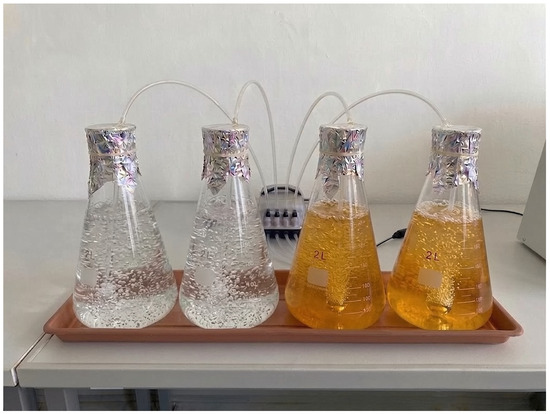
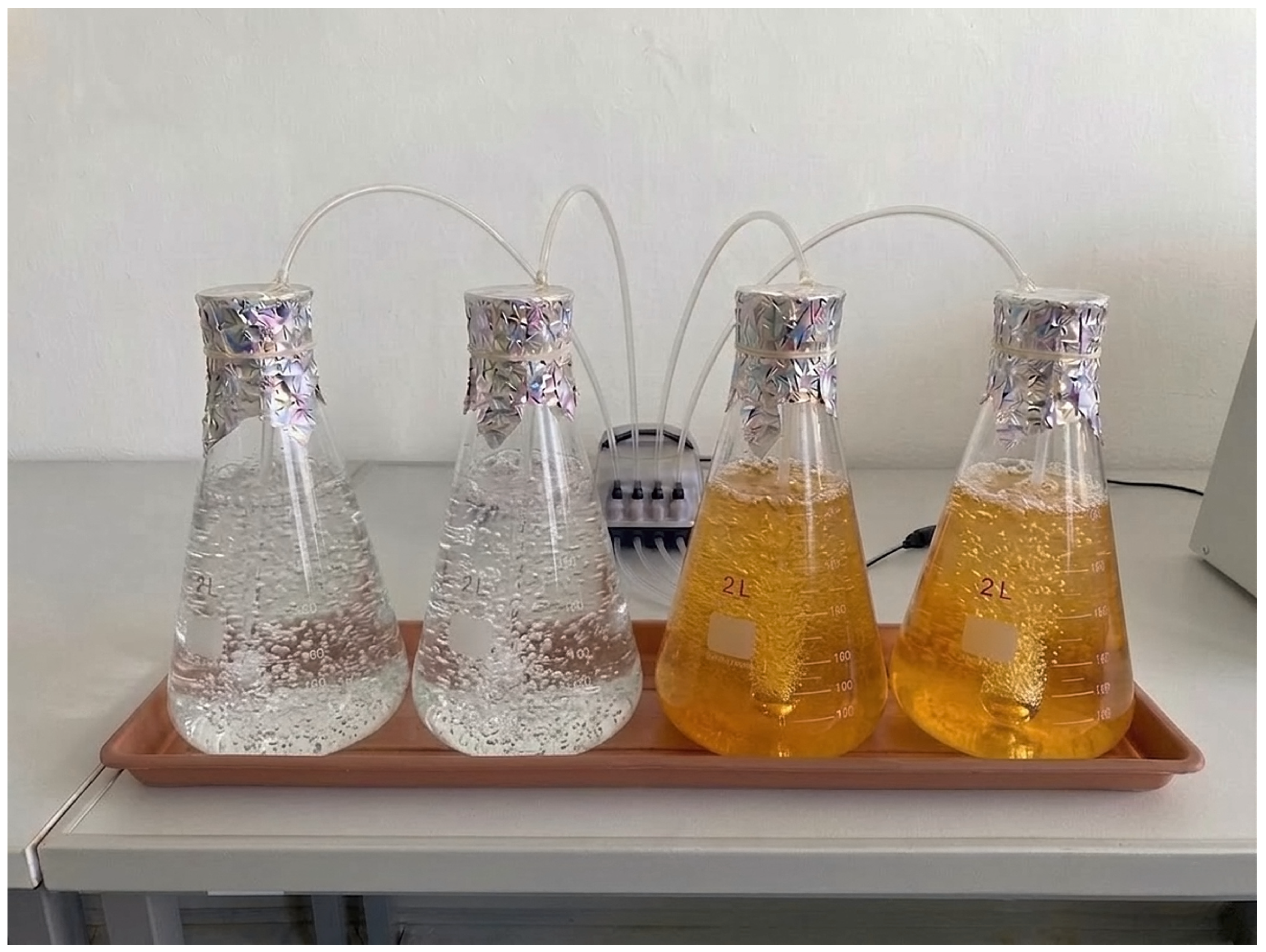
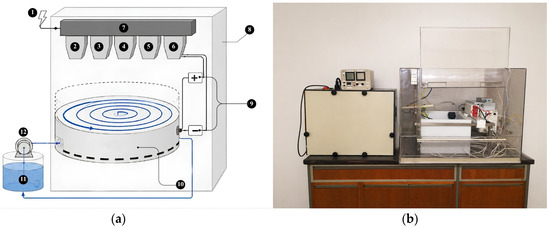
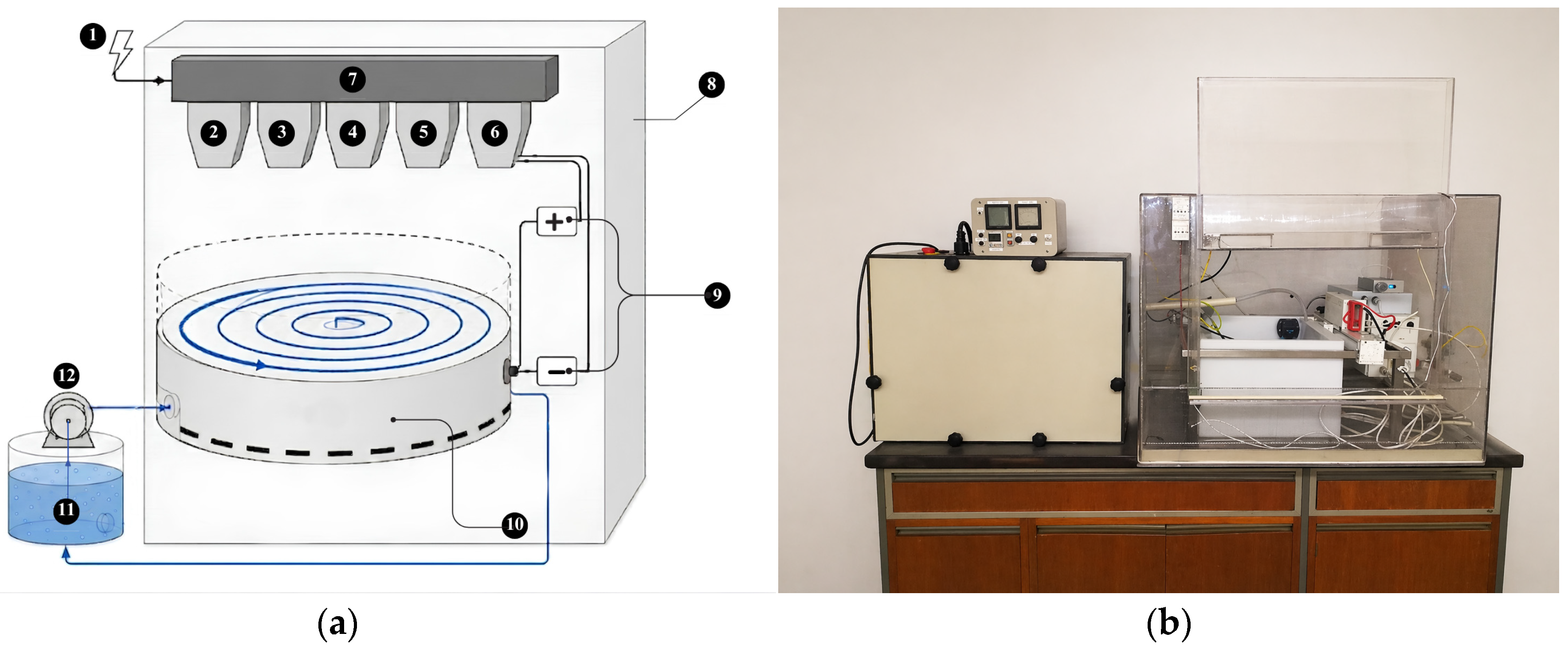
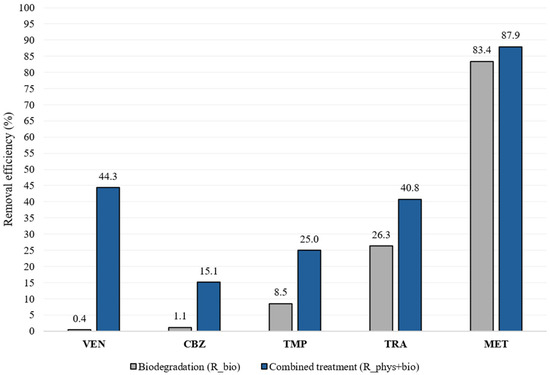
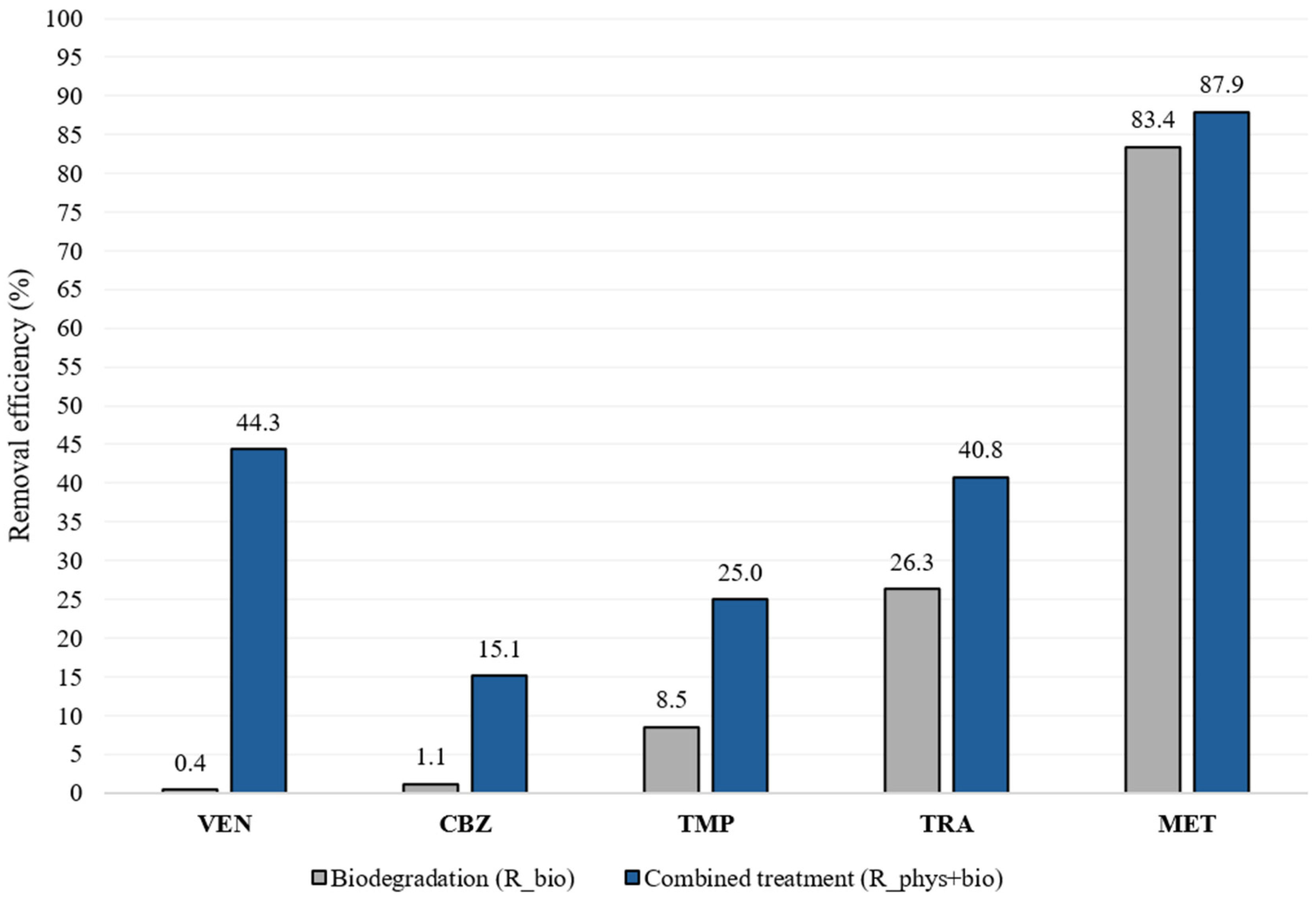
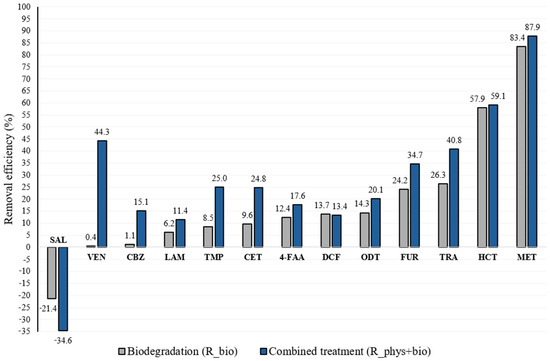
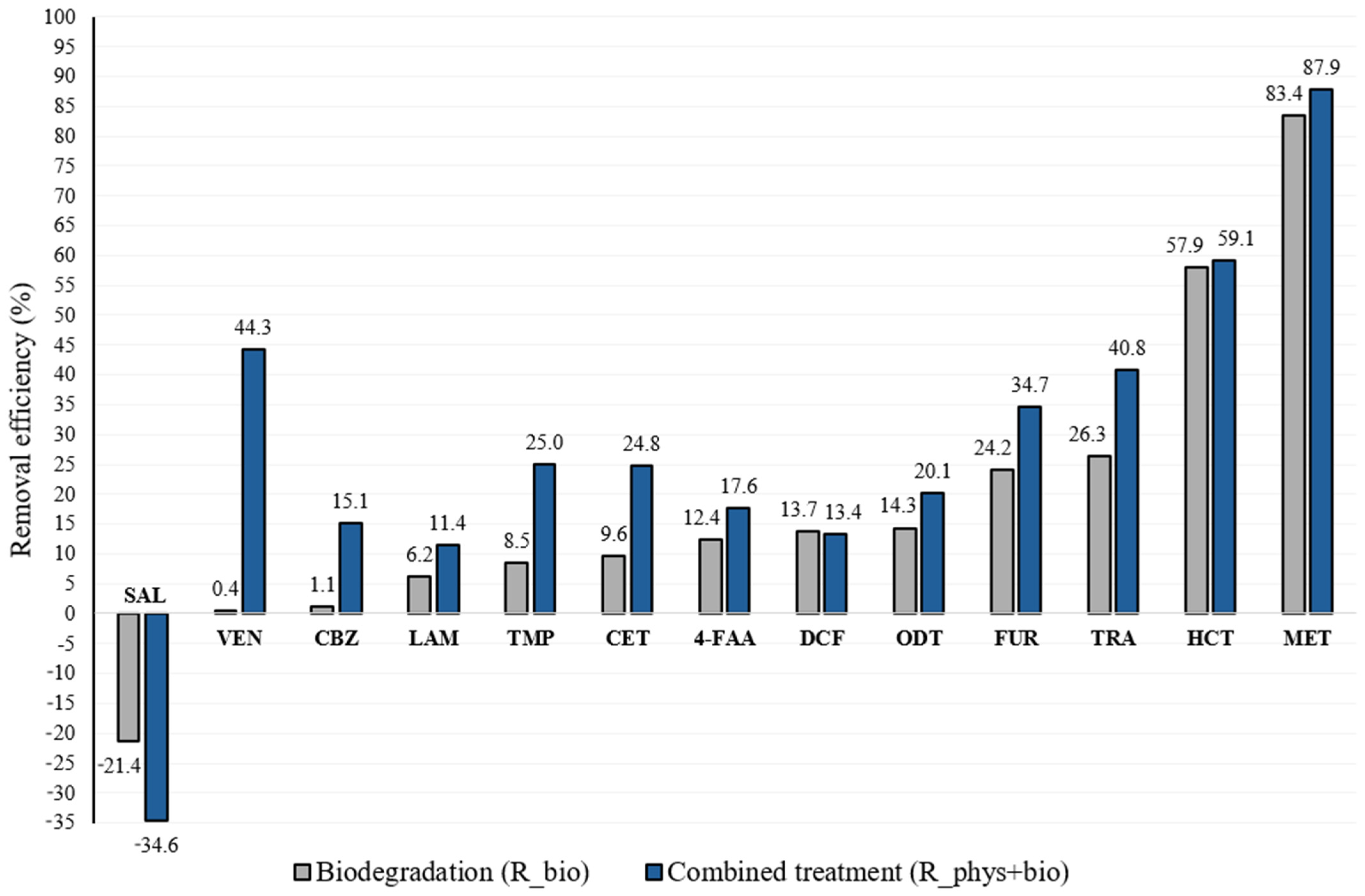

Disclaimer/Publisher’s Note: The statements, opinions and data contained in all publications are solely those of the individual author(s) and contributor(s) and not of MDPI and/or the editor(s). MDPI and/or the editor(s) disclaim responsibility for any injury to people or property resulting from any ideas, methods, instructions or products referred to in the content. |
© 2026 by the authors. Licensee MDPI, Basel, Switzerland. This article is an open access article distributed under the terms and conditions of the Creative Commons Attribution (CC BY) license.