


Abstract
Chlorinated benzoquinones such as 2,6-dichlorobenzoquinone (DCBQ) are toxic disinfection by-products that may persist in treated waters, requiring post-treatment strategies. In this study, the photo-Fenton process was evaluated for DCBQ degradation, with a focus on the influence of pH on kinetics, oxidation behavior, and water quality evolution. Experiments were conducted using 50.0 mg/L DCBQ, 1.0 mg/L Fe2+, and 2.0 mM H2O2 under UV irradiation (150 W) within a pH range of 3.0–12.0. Degradation followed apparent second-order kinetics, with maximum rates at acidic pH. At initial pH 3.0–5.0, rapid pollutant removal was accompanied by efficient aromaticity (UV254) and color elimination, intense dissolved oxygen consumption, transient turbidity peaks due to intermediate formation, and increases in total dissolved solids, indicating extensive oxidation and a high degree of organic matter transformation, as inferred from indirect physicochemical indicators. At near-neutral pH, oxidation was slower, with delayed aromatic and chromophoric decay and moderate accumulation of intermediates. Mildly alkaline conditions exhibited limited radical activity, stable turbidity, and reduced mineralization. Under strongly alkaline conditions, oxidation was largely inhibited, with persistent aromaticity and negligible oxygen consumption. These findings highlight the importance of integrating advanced oxidation processes with adsorption-based systems for efficient and sustainable water treatment of emerging contaminants.
1. Introduction
The occurrence of emerging contaminants in surface water, groundwater, and treated effluents has become one of the most pressing environmental and public health challenges of the 21st century [1,2,3]. Among these pollutants, disinfection byproducts (DBPs) formed during chemical disinfection processes (particularly those involving oxidizing agents such as chlorine, chlorine dioxide, chloramines, and ozone) have gained increasing attention due to their toxicity, environmental persistence, and potential long-term health implications [4,5]. Although chemical disinfection remains indispensable for controlling waterborne pathogens, extensive evidence indicates that reactions between disinfectants and natural organic matter (NOM) lead to the formation of secondary compounds with diverse chemical structures and, in many cases, enhanced toxicological relevance.
Within this broad class of DBPs, halobenzoquinones (HBQs) have emerged as a particularly concerning group of electrophilic species. HBQs exhibit strong oxidizing capacity, acute and chronic toxicity, and genotoxic effects even at sub-microgram-per-liter concentrations [6,7]. Among them, 2,6-dichloro-1,4-benzoquinone (DCBQ) is frequently reported as one of the most reactive and persistent HBQs detected in disinfected waters. Comparative toxicological studies indicate that DCBQ can be significantly more harmful than regulated DBPs such as trihalomethanes and haloacetic acids, highlighting the inadequacy of current treatment technologies to effectively remove this compound and underscoring the need for advanced, sustainable remediation strategies.
Advanced oxidation processes (AOPs) have been widely recognized as promising technologies for the degradation of recalcitrant organic pollutants due to their ability to generate highly reactive radical species capable of mineralizing complex aromatic structures [8,9,10]. Among these processes, the photo-Fenton reaction has demonstrated exceptional efficiency in degrading a broad spectrum of contaminants in both wastewater and drinking water systems [11,12]. The process relies on the synergistic interaction of hydrogen peroxide, ferrous iron, and UV irradiation to generate hydroxyl radicals through redox and photochemical pathways. UV irradiation enhances the catalytic cycle by promoting the photo-reduction of Fe3+ to Fe2+, thereby sustaining radical production and accelerating the oxidation of persistent organic compounds [13,14].
The performance of the photo-Fenton process is strongly dependent on operational parameters such as reagent concentration, irradiation intensity, and particularly pH. At moderately acidic pH values, the precipitation of ferric hydroxides reduces the concentration of soluble catalytic species, limiting radical generation and decreasing treatment efficiency. In contrast, strongly acidic conditions (pH 2.8–3.0) maintain iron in its soluble form, enabling continuous participation in the catalytic cycle and maximizing hydroxyl radical production [15,16]. As a result, considerable research efforts have focused on developing modified photo-Fenton systems capable of operating at circumneutral pH, including heterogeneous catalysts, iron-chelating agents, and hybrid treatment configurations [17,18,19].
Despite the extensive application of AOPs for the removal of emerging contaminants, studies specifically addressing the degradation of HBQs remain limited. Most existing research has focused on pharmaceuticals, dyes, pesticides, and other anthropogenic pollutants, whereas investigations targeting highly toxic DBPs such as DCBQ are comparatively scarce [20,21]. Available evidence indicates that DCBQ oxidation proceeds through complex pathways involving dechlorination, hydroxylation, and aromatic ring-cleavage reactions, generating a variety of intermediate species. Some of these intermediates may retain toxicological activity or adversely affect water quality [22,23]. Therefore, a comprehensive evaluation of treatment performance must consider not only parent compound removal but also the oxidative intensity of the system, the formation and fate of intermediates, and the degree of mineralization achieved. Monitoring parameters such as UV254 absorbance, apparent color, dissolved oxygen, turbidity, and total dissolved solids provides valuable insight into organic matter transformation during photo-Fenton treatment.
In parallel, increasing attention has been directed toward hybrid water treatment strategies that integrate adsorption with AOPs [24,25,26,27]. The use of advanced adsorbent materials—including biochar, modified clays, zeolites, polymeric resins, and nanostructured composites—has proven highly effective for the initial removal and concentration of organic micro-pollutants from water matrices. However, adsorption alone does not eliminate contaminants but rather transfers them to a secondary phase, generating challenges related to adsorbent regeneration and the potential release of adsorbed species. In this context, AOPs, and particularly the photo-Fenton process, emerge as complementary post-treatment technologies capable of degrading residual pollutants and transforming adsorbed or desorbed species into less harmful compounds. Therefore, the combination of adsorption-based systems with photo-Fenton oxidation represents a promising and sustainable approach for enhancing overall treatment efficiency while minimizing secondary waste generation.
Within this framework, the present study provides a significant contribution by elucidating the pH-dependent behavior of the homogeneous photo-Fenton process for the degradation of DCBQ, a highly toxic and underexplored disinfection by-product. The novelty of this work lies not only in addressing a scarcely studied class of contaminants (halobenzoquinones), but also in the comprehensive evaluation of oxidation performance through the combined analysis of kinetic parameters and physicochemical water quality indicators, including aromaticity (UV254), color, turbidity, dissolved oxygen, and total dissolved solids. This integrative approach enables a deeper understanding of the transformation pathways, intermediate formation, and mineralization processes involved, going beyond conventional pollutant removal assessments.
While the influence of pH on photo-Fenton systems is well established, most previous studies have primarily focused on pollutant removal efficiencies or simple kinetic descriptions. In contrast, the present work aims to provide a more comprehensive and mechanistic understanding of the process by integrating multiple physicochemical indicators (UV254, color, turbidity, dissolved oxygen, and TDS) to elucidate oxidation pathways, intermediate formation, and mineralization trends. This approach enables the identification of process regimes and transitional behaviors that are not captured by conventional degradation-focused analyses, particularly for highly reactive and toxic disinfection by-products such as DCBQ.
Notably, the mechanistic interpretation provided in this study is based on indirect evidence derived from the combined analysis of kinetic trends and physicochemical parameters. While this approach does not allow direct identification of reactive species or intermediates, it provides a consistent framework for interpreting the dominant oxidation pathways in relation to pH-dependent behavior of the system.
From an application perspective, the insights obtained in this study are directly relevant to the design and optimization of integrated water treatment systems. The identification of optimal pH conditions and their influence on oxidation pathways provides valuable guidelines for coupling adsorption materials with AOPs in practical scenarios. In particular, adsorption can serve as an effective pre-treatment step to concentrate halogenated quinones and other emerging contaminants onto advanced materials, while the photo-Fenton process can be subsequently applied to degrade both dissolved and potentially desorbed species, improving adsorbent regeneration and extending its lifecycle. As such, this work contributes to the development of efficient and sustainable water treatment strategies that combine innovative adsorbent materials with advanced oxidation technologies.
2. Materials and Methods
All experiments were conducted under controlled laboratory conditions using a photo-Fenton system designed for the oxidative degradation of 2,6-dichloro-1,4-benzoquinone (DCBQ) (see Figure 1). Analytical-grade reagents were employed throughout the study and used without further purification. DCBQ (purity ≥ 98%) was supplied by Sigma-Aldrich (Darmstadt, Germany). Hydrogen peroxide (H2O2, 30% w/v), hydrochloric acid (HCl, 37% v/v), sodium hydroxide (NaOH) and ferrous sulfate heptahydrate (FeSO4·7H2O, ≥99%) were obtained from Panreac (Castellar del Vallès, Spain). All aqueous solutions were prepared using deionized water to prevent interference from background ions.
Figure 1.
Schematic representation of the photo-Fenton reactor and experimental setup used for the oxidative degradation of 2,6-dichloro-1,4-benzoquinone (DCBQ).
The oxidation experiments were carried out in a cylindrical photochemical reactor equipped with a 150 W medium-pressure mercury lamp (Heraeus, Hanau, Germany) positioned to ensure uniform irradiation of the reaction medium. The system was coupled to a magnetic stirring plate to maintain homogeneous mixing during the experiments. The reactor was filled with 1.0 L of aqueous solution containing an initial DCBQ concentration of 50.0 mg/L. This concentration was selected to ensure adequate analytical sensitivity and reproducibility during kinetic measurements. Although this concentration is higher than typical environmental levels reported for disinfection by-products, it was selected to enable accurate monitoring of degradation kinetics, intermediate formation, and physicochemical parameter evolution under controlled laboratory conditions.
The operational conditions were defined to evaluate the performance of the photo-Fenton system under fixed reagent dosages while assessing the influence of pH. Hydrogen peroxide was added at an initial concentration of 2.0 mM, and ferrous ions were dosed at 1.0 mg/L using FeSO4·7H2O as precursor. These conditions were selected to provide sufficient hydroxyl radical generation while avoiding excessive reagent consumption and secondary effects associated with oxidant scavenging or iron precipitation. The reaction temperature was maintained at 25 °C by means of a recirculating thermostatic bath (Frigiterm-P, Selecta, Barcelona, Spain), and continuous stirring at 500 rpm ensured complete mixing of the solution.
The initial pH of the reaction medium was systematically varied over a wide range, from 3.0 to 12.0, in order to investigate its effect on DCBQ oxidation. The pH was adjusted prior to the reaction using dilute HCl or NaOH solutions (0.1 M) and measured with a calibrated pH meter (Kent EIL9142, Cambridge, UK). Once set, the pH was not controlled during the reaction, allowing the system to evolve naturally under the imposed conditions. Therefore, pH evolution during the reaction was allowed to proceed naturally.
The photo-Fenton process was initiated by simultaneously introducing hydrogen peroxide and ferrous ions into the reactor and switching on the UV lamp; this moment was defined as time zero (t = 0). The total reaction time was 120 min. Liquid samples were withdrawn periodically at selected time intervals to monitor the progress of the reaction. In order to avoid alterations in the chemical composition after sampling, no quenching agents were added; instead, samples were immediately analyzed after collection to ensure that the measured values accurately reflected the state of the system at the sampling time.
All experiments were conducted under rigorously controlled and identical conditions to ensure reproducibility. Although replicate experiments were not systematically performed, the consistency of the observed trends across different pH conditions and monitored parameters (kinetics, UV254, color, turbidity, DO, and TDS) supports the reliability of the results. Future work should include replicate experiments and statistical analysis to further quantify experimental variability.
The concentration of DCBQ was determined using high-performance liquid chromatography (HPLC). Analyses were performed on a Waters 2695 chromatographic system equipped with a dual-wavelength absorbance detector (Model 2487, Waters Cromatografía S.A., Barcelona, Spain). Separation was achieved using a Zorbax Eclipse PAH column (150 mm) combined with a corresponding guard column (12.5 mm, Agilent Technologies, Santa Clara, CA, USA). The mobile phase consisted of water (A) and acetonitrile (B) applied in a gradient elution program, with a constant flow rate of 0.8 mL·min−1. The column temperature was maintained at 25 °C, and detection was carried out at a wavelength of 254 nm.
In addition to pollutant concentration, several water quality parameters were monitored to evaluate the transformation of the system during oxidation. Aromaticity was determined by measuring absorbance at 254 nm, while color development was assessed at 455 nm using a UV–Vis spectrophotometer (V-630, Jasco, Madrid, Spain). Absorbance values are reported in AU (absorbance units), used here as a practical indicator of relative color intensity, although absorbance is inherently dimensionless [28]. Dissolved oxygen (DO) was measured with a portable electrochemical oxygen probe (HI 9142, Hanna Instruments S.L., Eibar, Spain). Although total organic carbon (TOC) or chemical oxygen demand (COD) analyses were not performed in this study, indirect indicators of mineralization based on physicochemical parameters (UV254, TDS, and dissolved oxygen) were systematically monitored to assess the extent of organic matter oxidation.
3. Results
3.1. Kinetic Degradation of DCBQ During the Photo-Fenton Treatment
Figure 2 shows the kinetic evolution of DCBQ concentration expressed as normalized values ([DCBQ]/[DCBQ]0) over time at different initial pH values, while maintaining constant operating conditions. Data are representative of the observed experimental trends. The results clearly highlight the decisive role of pH in the degradation kinetics of DCBQ.
Figure 2.
Kinetic degradation of DCBQ during the photo-Fenton treatment. Experimental conditions: [DCBQ]0 = 50.0 mg/L; [H2O2]0 = 2.0 mM; [Fe2+]0 = 1.0 mg/L; [T] = 25 °C.
Under strongly acidic conditions ([pH]0 ≈ 3.0), a rapid decrease in pollutant concentration is observed, reaching values below 0.1 in less than 10 min and nearly complete removal within approximately 30 min. This behavior is consistent with the homogeneous photo-Fenton process, in which Fe2+ is expected to react with hydrogen peroxide to generate highly reactive hydroxyl radicals (HO•), as shown in Equation (1) [29,30,31]:
Fe2+ + H2O2 → Fe3+ + HO• + OH−
Simultaneously, UV irradiation promotes the photo-reduction of Fe3+ back to Fe2+, thereby closing the catalytic cycle and sustaining continuous HO• production (Equation (2)). The high degradation rate can therefore be attributed to the expected formation of strongly oxidizing radical species capable of non-selective attack on the aromatic structure, as extensively documented for hydroxyl radicals in advanced oxidation processes [8,10].
Fe3+ + H2O + hν → Fe2+ + HO• + H+
At [pH]0 = 5.0, degradation remains highly efficient, with nearly complete conversion achieved within 20–30 min. Although the initial reaction rate is slightly lower than under more acidic conditions, UV irradiation allows the Fe2+/Fe3+ cycle to remain active. The slight decrease in reactivity can be attributed to the initial formation of hydroxylated iron species, such as Fe(OH)2+, which exhibit lower catalytic activity.
Near-neutral conditions ([pH]0 = 7.1) result in a significant slowdown of the degradation process. A more gradual decrease in DCBQ concentration is observed, with relatively high residual values during the initial reaction period. This behavior is mainly due to the loss of soluble active iron through precipitation as Fe(OH)3, which limits the Fe2+/Fe3+ redox cycle. In addition, hydrogen peroxide may generate less reactive species such as the hydroperoxyl radical (HO2•), particularly when the acid–base equilibrium favors the formation of HO2− (Equation (3)). The HO2• radical has a significantly lower oxidation potential than HO•, which contributes to the decrease in the overall reaction rate, as reported in previous studies of photo-Fenton systems at circumneutral and alkaline pH [11,12].
H2O2 ⇌ HO2− + H+
The behavior of the system at [pH]0 ≈ 9.0 clearly illustrates the transition toward alkaline conditions. In this case, DCBQ degradation is even slower than at neutral pH, particularly during the initial minutes of the reaction, where a significant fraction of the pollutant remains ([DCBQ]/[DCBQ]0 > 0.5). However, at longer reaction times (30–120 min), a high removal efficiency (>99%) is eventually achieved. This behavior suggests that, although the system initially loses efficiency due to iron precipitation and the reduced availability of soluble Fe2+, UV irradiation combined with extended reaction time enables a sustained, albeit limited, generation of oxidizing species. Under these conditions, HO2−/HO2• species and secondary hydrogen peroxide decomposition pathways become predominant, reducing the overall process efficiency.
Finally, at [pH]0 = 12.0, the degradation process is clearly inhibited, with significant persistence of DCBQ even after long treatment times. The near-complete precipitation of iron as hydroxides drastically limits the catalytic cycle, while hydrogen peroxide is mainly decomposed into oxygen and water through non-productive pathways. As a result, HO• generation is minimal, and low-reactivity species dominate, explaining the poor degradation performance observed.
DCBQ degradation during photo-Fenton was described using an apparent second-order kinetic model, as shown in Equation (4).
Integration of this expression leads to the corresponding second-order kinetic equation given in Equation (5).
where
[DCBQ] is the instantaneous concentration of 2,6-dichloro-1,4-benzoquinone (mg/L)
[DCBQ]0 is the initial concentration (=50.0 mg/L)
t is the reaction time (min)
kDCBQ is the apparent second-order rate constant for DCBQ degradation (L/mg min)
The apparent second-order kinetic constants (kDCBQ) were determined using the linearized form of the integrated rate equation. For each experimental condition, 1/[DCBQ] was plotted as a function of time, yielding a linear relationship. In this representation, the intercept corresponds to 1/[DCBQ]0, while the slope of the fitted straight line represents the apparent second-order rate constant (kDCBQ). The linearity of the 1/[DCBQ] versus time plots further supports the validity of the second-order kinetic assumption. The high R2 values obtained for all experimental conditions confirm that the second-order kinetic model adequately describes the degradation of DCBQ under the studied conditions.
Additionally, a pseudo-first-order kinetic model was also evaluated by fitting ln ([DCBQ]/[DCBQ]0) versus time. However, lower correlation coefficients and systematic deviations from linearity were obtained under all experimental conditions, indicating a poorer representation of the experimental data compared to the second-order model. Therefore, the second-order kinetic expression was selected as the most appropriate model to describe DCBQ degradation. Visual inspection of residuals further confirmed a more random distribution for the second-order model compared to the pseudo-first-order approximation.
The second-order kinetic constants show a strong dependence on pH, with a maximum at [pH]0 = 5.0 (kDCBQ = 0.0563 L/mg·min), followed by a sharp decrease toward alkaline conditions (Table 1). This behavior reflects the combined effect of iron speciation and reactive oxygen species distribution. While acidic conditions favor soluble Fe2+/Fe3+ and efficient HO• generation, slightly acidic conditions enhance the photo-activity of Fe(III)-hydroxo complexes. In contrast, neutral and alkaline conditions promote iron precipitation and the formation of less reactive species such as HO2•, significantly reducing the overall oxidation rate.
Table 1.
Kinetic parameters estimated according to the proposed mathematical models. Color values are expressed in AU (absorbance units), used as a dimensionless indicator of relative color intensity.
A comparison with previously reported studies indicates that the kinetic constants obtained in this work are within the range typically observed for photo-Fenton degradation of aromatic organic compounds. Reported pseudo-first-order rate constants for structurally related compounds, such as phenols, chlorinated aromatics, and quinone derivatives, generally fall within the range of 10−3–10−1 min−1 under comparable reagent concentrations and irradiation conditions. Although direct comparison is not straightforward due to differences in experimental setup and kinetic models, the relatively high apparent second-order constants observed at pH 3.0–5.0 confirm the high reactivity of DCBQ toward photo-Fenton oxidation.
Similarly, the optimal pH range identified in this study (≈3.0–5.0) is consistent with the well-established behavior of homogeneous photo-Fenton systems, where maximum activity is typically observed under acidic conditions due to enhanced iron solubility and efficient hydroxyl radical generation. These results further support the validity of the experimental observations and confirm that DCBQ degradation follows trends comparable to those reported for other recalcitrant aromatic compounds.
Although the observed dependence of degradation kinetics on pH is consistent with the classical behavior of homogeneous photo-Fenton systems, the results presented here highlight that kinetic constants alone do not fully describe the complexity of the system. The combination of kinetic analysis with complementary physicochemical parameters reveals distinct reaction regimes and transitional behaviors that provide additional insight into oxidation pathways beyond conventional interpretations.
It is important to clarify that the second-order kinetic model was specifically applied to describe the degradation of the parent compound (DCBQ), as it provided the best fit to the experimental concentration data. In contrast, subsequent sections employ simplified kinetic assumptions (e.g., pseudo-first-order behavior) for the description of secondary parameters such as color evolution. These approximations are introduced for mathematical tractability and to capture the dynamic behavior of intermediate species, and should not be interpreted as a direct representation of the intrinsic degradation kinetics of DCBQ.
3.2. Transformation of Organic Matter and Chromophoric Structures
Beyond the evaluation of DCBQ removal kinetics, it is essential to assess the transformation of organic matter during the photo-Fenton process in order to better understand the extent of oxidation and the formation of intermediate species. In this context, changes in aromaticity and color provide valuable insight into the structural evolution of the system, as they are directly related to the presence of conjugated aromatic rings and chromophoric groups. Monitoring absorbance at characteristic wavelengths allows the differentiation between simple pollutant disappearance and the actual breakdown of aromatic structures, as well as the potential formation of colored oxidation by-products. Therefore, the combined analysis of these parameters enables a more comprehensive evaluation of the process performance, highlighting the influence of pH not only on DCBQ degradation but also on the transformation pathways of dissolved organic matter.
3.2.1. Evolution of Aromaticity During Photo-Fenton Oxidation
The evolution of aromaticity during the photo-Fenton treatment was monitored through absorbance at 254 nm (UV254), which is commonly associated with the presence of conjugated aromatic structures. Figure 3 shows the temporal profiles of UV254 at different initial pH values, providing insight into the degradation of aromatic moieties and the extent of structural transformation beyond the disappearance of the parent compound.
Figure 3.
Evolution of aromaticity ([UV254]) during the photo-Fenton treatment. Experimental conditions: [DCBQ]0 = 50.0 mg/L; [H2O2]0 = 2.0 mM; [Fe2+]0 = 1.0 mg/L; [T] = 25 °C.
Under strongly acidic conditions ([pH]0 ≈ 3.0), a rapid and continuous decrease in UV254 is observed after a short initial induction period. The absorbance decreases from the initial value to nearly zero within approximately 40 min, indicating an almost complete destruction of aromatic structures. This behavior is consistent with the high efficiency of hydroxyl radicals generated under optimal photo-Fenton conditions, which promote non-selective oxidation and ring-opening reactions leading to the formation of low-molecular-weight, non-aromatic species.
A similar trend is observed at [pH]0 = 5.0, although the initial stage shows a slight increase in absorbance, suggesting the transient formation of aromatic or conjugated intermediates. Nevertheless, UV254 rapidly decreases thereafter, reaching complete removal within approximately 35–40 min. The slightly higher kinetic constant observed at this pH is reflected in a more efficient breakdown of aromatic structures, likely associated with the enhanced photo-activity of Fe(III)-hydroxo complexes that sustain radical generation.
At near-neutral pH ([pH]0 = 7.1), the degradation of aromaticity is notably slower and more gradual. Although a progressive decrease in UV254 is observed over time, a small residual absorbance persists even after 120 min. In addition, fluctuations in the absorbance profile suggest the formation and subsequent transformation of intermediate aromatic species. This behavior indicates a lower rate of hydroxyl radical production due to partial iron precipitation and reduced catalytic efficiency. These trends are consistent with the transient formation of intermediate oxidation products, although their specific identification would require complementary techniques such as LC-MS or GC-MS. Therefore, the interpretation of intermediate formation remains indirect and should be considered a plausible explanation, based on the observed spectroscopic trends rather than direct analytical evidence.
The system at [pH]0 ≈ 9.0 shows a marked delay in aromaticity removal, with an initial increase in UV254 during the first minutes of reaction, followed by a gradual decline. Despite achieving very low values at long reaction times, the overall process is significantly slower than under acidic conditions. This initial increase can be attributed to the generation of partially oxidized intermediates with enhanced UV absorbance, reflecting incomplete aromatic breakdown under conditions of limited HO• availability.
Finally, under strongly alkaline conditions ([pH0] = 12.0), the decrease in UV254 is significantly hindered. The absorbance remains relatively high even after extended reaction times, indicating the persistence of aromatic structures in the system. This limited removal is consistent with the suppression of the photo-Fenton process due to iron precipitation as hydroxides and the predominance of less reactive oxidizing species such as HO2•.
Overall, the results presented in Figure 3 demonstrate that aromaticity removal is strongly pH-dependent and closely aligned with the efficiency of hydroxyl radical generation. Acidic conditions promote rapid and complete destruction of aromatic structures, whereas neutral and alkaline conditions lead to slower degradation rates and the persistence of intermediate species, highlighting the importance of pH in governing both the kinetics and pathways of organic matter transformation.
3.2.2. Color Changes and Formation of Chromophoric Intermediates
The evolution of water color during the photo-Fenton treatment was monitored by measuring absorbance at 455 nm (AU, used here as a relative indicator of color intensity), which is commonly associated with the presence of chromophoric dissolved organic matter. Figure 4 illustrates the temporal profiles of color changes under different initial pH conditions, providing insight into the formation and degradation of light-absorbing oxidation intermediates.
Figure 4.
The evolution of water color during the photo-Fenton treatment. Experimental conditions: [DCBQ]0 = 50.0 mg/L; [H2O2]0 = 2.0 mM; [Fe2+]0 = 1.0 mg/L; [T] = 25 °C.
Under strongly acidic conditions ([pH]0 ≈ 3.0), an initial increase in absorbance is observed during the first minutes of reaction. This transient intensification suggests the formation of intermediate species with enhanced chromophoric character, likely associated with partially oxidized aromatic compounds. Subsequently, a rapid decrease in absorbance occurs, reaching complete color removal within 30–40 min. This behavior indicates that, although chromophoric intermediates are initially generated, they are efficiently mineralized under optimal photo-Fenton conditions due to the high availability of hydroxyl radicals (HO•).
A similar pattern is observed at [pH]0 = 5.0, although the initial increase in color is less pronounced and the maximum absorbance values remain lower. The color is rapidly eliminated, reaching values close to zero after approximately 12–15 min, which is slightly faster than at pH0 3.0. This result is consistent with the enhanced overall reactivity observed at this pH, where photoactive Fe(III)-hydroxo complexes contribute to sustained HO• production and rapid degradation of chromophoric species.
At near-neutral pH ([pH]0 = 7.1), the evolution of color is significantly different. A marked increase in absorbance is observed in the early stages of the reaction, followed by a slow and gradual decrease over time. Even after 120 min, a residual color remains. This behavior indicates the accumulation of chromophoric intermediates and their slower transformation, reflecting the reduced efficiency of the photo-Fenton process due to partial iron precipitation and lower hydroxyl radical production.
The system operating at [pH]0 ≈ 9.0 shows the most pronounced color formation among all conditions. A significant increase in absorbance is observed during the initial stage, which persists for several minutes before gradually declining. Although color is progressively reduced at longer reaction times, its removal is considerably slower compared to acidic conditions. This indicates that, under mildly alkaline conditions, oxidation proceeds through pathways that favor the accumulation of colored intermediates, likely due to limited HO• availability and the increased relevance of less reactive oxidizing species such as HO2•.
Finally, under strongly alkaline conditions ([pH]0 = 12.0), the color evolution remains relatively stable, with only minor fluctuations over time and no significant removal. The absorbance values remain, indicating the persistence of chromophoric compounds. This behavior is consistent with the inhibited photo-Fenton activity at high pH, where iron precipitation and non-productive hydrogen peroxide decomposition limit the formation of hydroxyl radicals.
Overall, the results presented in Figure 4 demonstrate that color evolution is strongly influenced by pH and reflects the balance between the formation and destruction of chromophoric intermediates. While acidic conditions promote both the rapid generation and subsequent removal of these species, leading to effective decolorization, neutral and alkaline conditions favor their accumulation and persistence. This highlights that pollutant degradation does not necessarily correspond to immediate color removal and underscores the importance of monitoring chromophoric properties as an indicator of treatment efficiency and by-product formation.
The evolution of water color was described using a kinetic model based on a consecutive scheme of first-order reactions, in which DCBQ is transformed into colored intermediate species and subsequently into colorless end-products. This reaction scheme can be represented as shown in Equation (6):
where kColor,f and kColor,d are the apparent kinetic constants corresponding to the formation and destruction of colored intermediates (1/min), respectively. Both reaction steps were assumed to follow first-order kinetics, as a simplified phenomenological approximation commonly used in photochemical systems when the oxidant concentration remains in large excess or varies slowly with time. It should be noted that this first-order assumption is introduced as a simplified phenomenological description of intermediate formation and decay, and does not represent the intrinsic kinetics of DCBQ degradation, which follows second-order behavior as discussed in Section 3.1. It should be emphasized that the first-order assumption adopted in this section is introduced solely for mathematical convenience to describe the formation and decay of chromophoric intermediates. It does not represent the intrinsic degradation kinetics of DCBQ, which is described by a second-order model in Section 3.1. The use of different kinetic orders therefore reflects the modeling of distinct system variables rather than a contradiction in reaction kinetics.
The temporal evolution of the colored intermediates is governed by the balance between their formation from the initial compound (DCBQ) and their subsequent degradation into final products. Accordingly, the differential mass balance for the concentration of colored species can be written as (Equation (7)):
where ([Color]DCBQ, AU) represents the color generated in water by the initial DCBQ compound as it degrades, assuming first-order kinetics, where AU is used here as a relative indicator of color intensity (dimensionless), and ([Color]final, AU) represents the residual color observed experimentally at long reaction times. This term was introduced to account for the fact that complete decolorization is not always achieved, particularly under neutral and alkaline conditions, due to the persistence of refractory chromophoric compounds. Assuming that DCBQ degradation follows pseudo-first-order kinetics with respect to its concentration leads to the following differential Equation (8). It should be emphasized that the first-order assumption adopted for the parent compound contribution is required for mathematical tractability of the model. Although DCBQ degradation follows second-order kinetics (as discussed in Section 3.1), the use of a first-order expression enables analytical integration of the differential equation describing the formation and decay of intermediate species. Therefore, this assumption should be interpreted as a modeling simplification rather than a direct representation of the actual degradation kinetics. This approach differs from the second-order model used to describe DCBQ degradation (Section 3.1), as it focuses on capturing the formation and disappearance of intermediate species rather than the intrinsic kinetics of the parent pollutant. Therefore, the use of different kinetic orders reflects the distinct objectives of each analysis.
Equation (8) corresponds to a linear non-homogeneous first-order differential equation. Its solution can be obtained using the integrating factor method.
Rewriting Equation (8):
The integrating factor is (Equation (10)):
µ (t) = exp (kColor,d t)
Multiplying both sides of the equation by μ(t) and integrating over time yields the analytical solution presented in Equation (11) describing the evolution of color as a function of time:
The kinetic parameters kColor,f and kColor,d were estimated by fitting the experimental color evolution data ([Color] vs. time) to Equation (9) using nonlinear regression analysis. This approach allows simultaneous estimation of both parameters by minimizing the difference between experimental data and model predictions over the entire reaction time. The proposed expression successfully captures the main features observed in the experimental color profiles, including the initial increase in absorbance associated with the formation of chromophoric intermediates, followed by a subsequent decrease due to their oxidative degradation. The inclusion of the residual term [Color]final allows an accurate representation of cases where incomplete decolorization occurs, particularly at higher pH values. Overall, the model provides a reliable description of the characteristic behavior observed experimentally, effectively reproducing both the formation and decay of intermediate colored species.
The estimated kinetic parameters are reported in Table 1, while the corresponding model fits are shown in Figure 4. The relative magnitudes of kColor,f and kColor,d provide valuable mechanistic insight into the process: when kColor,d > kColor,f rapid decolorization is observed, whereas the opposite condition leads to the accumulation of colored intermediates, as found under neutral and alkaline conditions. This behavior reflects the pH-dependent balance between hydroxyl radical availability and the formation of less reactive oxidizing species.
3.3. Evolution of Physicochemical Water Quality Parameters
In addition to the transformation of organic matter, the photo-Fenton process induces significant changes in the overall physicochemical properties of the treated water. Parameters such as turbidity, dissolved oxygen, and total dissolved solids (TDS) provide complementary information on the evolution of the system, reflecting not only the degradation of the target pollutant but also the formation of intermediate species, the redistribution of matter between phases, and the intensity of oxidative reactions. Monitoring these variables is essential to assess the practical performance of the treatment, as they capture secondary effects such as iron precipitation, oxygen consumption, and the accumulation of dissolved by-products. Therefore, the analysis of these physicochemical indicators allows a more comprehensive understanding of the process behavior under different pH conditions and contributes to evaluating its applicability for water treatment purposes.
3.3.1. Turbidity Evolution and Formation of Suspended Species
The evolution of turbidity during the photo-Fenton treatment provides valuable insight into the formation, transformation, and removal of suspended and colloidal species in the system. Unlike other water quality parameters, turbidity reflects a complex interplay between iron speciation, oxidation intermediates, and aggregation–dispersion phenomena, which evolve dynamically throughout the reaction. Therefore, its analysis complements the information obtained from pollutant degradation, aromaticity, and color, allowing a more comprehensive assessment of water quality evolution.
Figure 5 shows the temporal profiles of turbidity at different initial pH values. The results reveal that turbidity does not follow a simple monotonic trend with pH, but instead exhibits strongly dynamic behavior characterized by transient peaks, oscillations, and distinct regimes depending on the reaction conditions. It is important to highlight that the observed fluctuations in turbidity are not attributed to measurement uncertainty, but rather to the dynamic interplay of physicochemical processes occurring during the reaction, including iron precipitation, intermediate formation, and aggregation–sedimentation phenomena. Turbidity should therefore be interpreted as a sensitive indicator of phase redistribution and intermediate dynamics rather than a simple monotonic parameter.
Figure 5.
The evolution of turbidity during the photo-Fenton treatment. Experimental conditions: [DCBQ]0 = 50.0 mg/L; [H2O2]0 = 2.0 mM; [Fe2+]0 = 1.0 mg/L; [T] = 25 °C.
Under strongly acidic conditions ([pH]0 ≈ 3.0), turbidity initially remains low but rapidly increases during the first minutes of reaction, reaching a pronounced maximum (≈8 NTU at 9–10 min). This transient peak is followed by a gradual decrease and stabilization at moderate values (≈4 NTU). This behavior indicates the formation of short-lived colloidal aggregates, likely associated with partially hydrolyzed iron species and iron–organic complexes formed during the initial oxidation of DCBQ. As the reaction progresses, the high oxidative efficiency characteristic of acidic photo-Fenton conditions promotes the degradation or re-dissolution of these species, leading to a partial clarification of the system. Therefore, under strongly acidic conditions, turbidity evolution is governed by a dynamic balance between rapid formation and subsequent removal of suspended matter.
At mildly acidic conditions ([pH]0 ≈ 5.0), the turbidity profiles show even more pronounced fluctuations, with high initial values (≈7.4 NTU), followed by a rapid decrease and the appearance of multiple secondary peaks throughout the reaction. These repeated increases in turbidity suggest the existence of successive formation–transformation cycles of intermediate species. The system at this pH operates in a highly dynamic regime, where partially oxidized aromatic compounds and iron–organic complexes are continuously generated and subsequently transformed or destabilized. The partial hydrolysis of iron and the sustained, but less efficient, generation of hydroxyl radicals contribute to this oscillatory behavior, resulting in an unstable colloidal system.
The relatively high initial turbidity observed at pH 5.0 can be attributed to the partial hydrolysis of iron species immediately after pH adjustment, leading to the formation of Fe(III)-hydroxo complexes and incipient colloidal particles. In addition, the transition from strongly acidic to mildly acidic conditions may promote the rapid formation of iron–organic complexes upon contact with DCBQ, even before significant oxidation takes place.
The irregular fluctuations observed during the reaction are therefore not related to sampling or measurement artifacts, but rather to the dynamic balance between (i) formation of intermediate oxidation products, (ii) aggregation and destabilization of colloidal iron species, and (iii) their subsequent oxidation or re-dissolution. This complex interplay is particularly pronounced at pH ≈ 5.0, where iron speciation is highly sensitive to small changes in pH and reaction conditions.
Under near-neutral conditions ([pH]0 ≈ 7.1), turbidity remains relatively stable within a moderate range (≈3–5 NTU), with only minor fluctuations and no pronounced peaks. This behavior is consistent with the continuous formation of colloidal Fe(OH)3 species, which are generated due to the reduced solubility of iron at this pH. At the same time, the lower efficiency of hydroxyl radical production limits the complete degradation of intermediate compounds. As a result, a quasi-steady-state is established, in which the rate of formation of suspended species is balanced by their transformation or aggregation, leading to relatively constant turbidity values.
Under mildly alkaline conditions ([pH]0 ≈ 9.0), a markedly different behavior is observed. Although turbidity starts at relatively high values, it gradually decreases during the reaction and stabilizes at low levels (≈2–3 NTU) for most of the treatment time. This trend suggests that, after an initial phase dominated by rapid precipitation of iron hydroxides, the system undergoes progressive clarification. This effect can be attributed to the aggregation and partial sedimentation of particulate matter, as well as the limited formation of new colloidal species due to the reduced oxidative capacity of the system. In this case, turbidity evolution is controlled by coagulation-like processes rather than by continuous particle generation.
Under strongly alkaline conditions ([pH]0 = 12.0), turbidity exhibits a two-stage behavior. Initially, relatively low values are observed (≈2–3 NTU), indicating limited dispersion of particles. However, at longer reaction times (≥70 min), turbidity increases progressively, reaching values above 5 NTU. This delayed increase suggests the accumulation of oxidation by-products that remain insufficiently degraded under alkaline conditions. The persistence of organic fragments, combined with the complete precipitation of iron as hydroxides, promotes the formation of stable colloidal aggregates or dispersed particulate matter over time. Similar behavior has been reported in strongly alkaline oxidation systems, where the accumulation and aggregation of partially oxidized compounds lead to increased turbidity despite limited overall oxidation.
Overall, the turbidity profiles highlight the coexistence of three competing mechanisms: (i) formation of suspended species through iron precipitation and intermediate aggregation, (ii) transformation and removal of these species by oxidative degradation, and (iii) colloidal evolution processes such as aggregation, destabilization, and sedimentation. The relative importance of each mechanism strongly depends on pH.
From a practical perspective, the results indicate that moderately acidic and mildly alkaline conditions provide the most favorable balance between turbidity control and process performance, although through different mechanisms. In contrast, intermediate pH values (≈5.0) lead to highly unstable turbidity profiles, while strongly alkaline conditions promote the accumulation of suspended matter over time. These findings emphasize that turbidity is a key operational parameter for evaluating not only the efficiency of the photo-Fenton process but also its impact on water clarity and downstream treatment requirements.
3.3.2. Dissolved Oxygen Dynamics and Oxidation Intensity
The temporal evolution of dissolved oxygen ([DO], mg/L) during the photo-Fenton treatment provides key information on the oxidative intensity of the system and the extent of pollutant transformation. Unlike parameters directly associated with organic matter, DO reflects the balance between oxygen consumption during oxidation reactions and oxygen replenishment from the surrounding environment. Therefore, its analysis allows indirect assessment of radical activity, oxidation pathways, and the overall intensity of the photo-Fenton process.
Figure 6 shows the DO profiles at different initial pH values. The results reveal a strong dependence of oxygen dynamics on pH, clearly reflecting the variations in oxidation performance observed under different operating conditions.
Figure 6.
The evolution of dissolved oxygen during the photo-Fenton treatment. Experimental conditions: [DCBQ]0 = 50.0 mg/L; [H2O2]0 = 2.0 mM; [Fe2+]0 = 1.0 mg/L; [T] = 25 °C.
Under strongly acidic conditions ([pH]0 ≈ 3.0), a rapid and significant decrease in DO concentration is observed during the initial stages of the reaction. The oxygen concentration drops from approximately 7.4 mg/L to values close to 1 mg/L within the first 15–20 min, indicating intense oxygen consumption. This behavior is consistent with highly efficient hydroxyl radical generation under optimal photo-Fenton conditions, where radical-mediated oxidation reactions are dominant. The sustained low DO levels during the intermediate stage of the reaction suggest continuous oxygen demand associated with the oxidation of both the parent compound and its intermediate products. At longer reaction times, a slight recovery of DO is observed, reflecting the depletion of oxidizable species and the gradual re-equilibration of oxygen with the surrounding atmosphere. These results confirm that acidic conditions promote the highest oxidation intensity in the system.
At mildly acidic conditions ([pH]0 ≈ 5.0), a similar trend is observed, although the decrease in DO is slightly less abrupt and occurs over a longer period. The DO concentration progressively declines from approximately 6–7 mg/L to values close to 1 mg/L after approximately 20 min. This slower decrease indicates that, although radical generation remains effective, the oxidation intensity is somewhat lower than at [pH]0 ≈ 3.0. The subsequent stabilization of DO at low levels suggests sustained oxidation of intermediate species. At longer reaction times, a gradual increase in DO is detected, indicating reduced oxygen consumption as the system approaches completion. Overall, the behavior at pH0 ≈ 5.0 reflects a high, but slightly moderated, oxidative regime compared to strongly acidic conditions.
Under near-neutral conditions ([pH]0 ≈ 7.1), the DO evolution exhibits a markedly different profile. Initially, the DO concentration remains relatively stable, with only a slight decrease during the first minutes of the reaction. This indicates limited initial oxygen consumption, consistent with reduced hydroxyl radical production due to partial iron precipitation. However, as the reaction progresses, a progressive and more pronounced decrease in DO is observed, reaching values close to 1 mg/L after approximately 20–25 min. This delayed oxygen consumption suggests that oxidation reactions occur more gradually, with intermediate species accumulating before being oxidized. The relatively long period of low DO values indicates sustained, but less efficient, oxidation compared to acidic conditions. At later stages, the DO concentration stabilizes and shows minor recovery, reflecting decreasing oxidation demand.
At mildly alkaline conditions ([pH]0 ≈ 9.0), the DO profile shows a gradual and continuous decrease over time, without the sharp initial drop observed at lower pH values. The oxygen concentration decreases from approximately 6 mg/L to values close to 1 mg/L within 25–30 min. This behavior indicates a lower initial oxidation rate, associated with limited radical generation due to iron precipitation. However, the progressive nature of the decrease suggests that oxidation still occurs steadily over time. Notably, the absence of strong fluctuations or rapid consumption highlights a more controlled and less intense oxidation regime. At longer reaction times, a slight increase in DO is observed, indicating reduced oxygen demand as the degradation process approaches completion.
Finally, under strongly alkaline conditions (pH0 = 12.0), a completely different behavior is observed. Instead of decreasing, the DO concentration increases continuously throughout the reaction, reaching values above 9 mg/L. This increase indicates that oxygen consumption is negligible under these conditions, consistent with the inhibition of the photo-Fenton process due to iron precipitation and the limited generation of hydroxyl radicals. The gradual rise in DO can be attributed to oxygen transfer from the atmosphere and, potentially, to the decomposition of hydrogen peroxide into oxygen via non-productive pathways. This behavior clearly reflects the very low oxidation intensity of the system under strongly alkaline conditions.
Overall, the DO profiles demonstrate a direct correlation between oxygen consumption and oxidation intensity. Acidic conditions promote rapid and significant oxygen depletion, indicating strong radical-driven oxidation, while neutral and mildly alkaline conditions exhibit slower and more gradual oxygen consumption. In contrast, strongly alkaline conditions show negligible oxygen consumption, confirming the inhibition of oxidative pathways.
From a mechanistic perspective, these results highlight that dissolved oxygen acts as an effective indicator of process performance, integrating the effects of radical production, pollutant degradation, and intermediate oxidation. Therefore, DO monitoring provides a valuable tool for evaluating the operational efficiency of the photo-Fenton process and for identifying optimal pH conditions for effective water treatment.
3.3.3. Total Dissolved Solids (TDS) and Mineralization Trends
The evolution of total dissolved solids ([TDS], mg/L) during the photo-Fenton treatment provides relevant information on the transformation of organic matter and the extent of pollutant mineralization. Unlike parameters such as turbidity or color, TDS mainly reflects the accumulation of dissolved species in the medium, including low-molecular-weight oxidation products, inorganic salts, and ionic species generated throughout the process. Therefore, its temporal evolution allows assessment of the conversion of the parent compound into more oxidized forms and, ultimately, the efficiency of the process in terms of mineralization.
Figure 7 shows the TDS profiles at different initial pH values. The results reveal a strong dependence of dissolved solids evolution on pH, highlighting distinct behaviors under different operating conditions.
Figure 7.
The evolution of total dissolved solids during the photo-Fenton treatment. Experimental conditions: [DCBQ]0 = 50.0 mg/L; [H2O2]0 = 2.0 mM; [Fe2+]0 = 1.0 mg/L; [T] = 25 °C.
Under strongly acidic conditions ([pH]0 ≈ 3.0), a continuous and significant increase in TDS is observed throughout the experiment, rising from relatively high initial values (~290 mg/L) to a maximum of approximately 450–460 mg/L. This sustained increase indicates an intensive transformation of DCBQ into smaller and more soluble oxidation products, such as low-molecular-weight organic acids and inorganic species. The high oxidative efficiency of the system under these conditions promotes extensive molecular fragmentation, leading to a substantial accumulation of dissolved compounds. The subsequent stabilization of TDS suggests that the system reaches a state where product formation is balanced by secondary processes such as partial mineralization or volatilization.
At mildly acidic conditions ([pH]0 ≈ 5.0), TDS also shows an increasing trend, although with significantly lower values. Starting from very low initial concentrations, TDS gradually increases and stabilizes around 130 mg/L. This behavior indicates that, although pollutant degradation remains effective, the extent of fragmentation and formation of soluble species is lower than under strongly acidic conditions. The reduced generation of hydroxyl radicals compared to pH0 ≈ 3.0 partially limits deep oxidation, resulting in a lower accumulation of dissolved products.
At near-neutral pH ([pH]0 ≈ 7.1), the increase in TDS is more moderate. Values progressively rise from low levels to approximately 120–130 mg/L before reaching a plateau. This trend reflects a less intensive oxidation process, in which the formation of soluble products occurs at a slower rate and with a lower degree of molecular breakdown. The partial precipitation of iron and the reduced efficiency of the photo-Fenton catalytic cycle limit the system’s capacity to produce highly oxidized species, resulting in lower TDS values compared to acidic conditions.
At mildly alkaline conditions ([pH]0 ≈ 9.0), TDS shows only a slight initial increase, reaching relatively low values (~90 mg/L) that remain nearly constant throughout most of the experiment. This behavior suggests limited formation of soluble oxidation products under these conditions. The decrease in catalytic activity due to iron precipitation, combined with reduced hydroxyl radical generation, restricts the deep degradation of the pollutant. As a result, the conversion of DCBQ into highly soluble species is less significant, which is reflected in low and stable TDS values.
Finally, under strongly alkaline conditions ([pH]0 = 12.0), a more complex behavior is observed. Initially, TDS exhibits a sharp decrease from high initial values (~360 mg/L) to very low levels within the first minutes of reaction, likely due to redistribution phenomena, precipitation processes, or transient phase separation effects. Subsequently, TDS increases progressively to approximately 360–380 mg/L, where it remains relatively stable. This delayed increase indicates the accumulation of soluble oxidation by-products derived from partial pollutant degradation, although with limited overall oxidation efficiency. The absence of a continuous and pronounced increase, as observed under acidic conditions, suggests incomplete mineralization and the persistence of partially oxidized organic species.
Overall, the TDS evolution demonstrates a clear relationship between pH and the extent of mineralization. Acidic conditions favor the formation of dissolved species, reflecting more extensive oxidation and deeper molecular breakdown, as inferred from indirect evidence. As pH increases, the ability of the system to generate soluble oxidation products decreases, indicating a lower degree of transformation toward fully mineralized compounds. Under strongly alkaline conditions, the behavior points to limited mineralization and accumulation of partially oxidized intermediates.
From a mechanistic perspective, these results confirm that pH not only controls the degradation rate of the pollutant but also determines the nature and physical state of the products formed. While acidic conditions promote the conversion into low-molecular-weight soluble species, neutral and alkaline conditions favor the persistence of less oxidized intermediates or their partial retention in non-dissolved phases.
Consequently, TDS can be considered a key parameter for evaluating the overall efficiency of the photo-Fenton process, particularly in terms of mineralization and by-product formation, providing essential complementary information for the design and optimization of advanced water treatment systems.
It should be noted that, although TOC measurements would provide a direct quantification of mineralization, the combined trends observed in TDS, UV254 removal, and dissolved oxygen consumption consistently indicate an advanced degree of organic matter transformation under acidic conditions.
4. Discussion
The results obtained in this study clearly demonstrate that pH is the key operational parameter governing the performance of the photo-Fenton process during the degradation of DCBQ. Although complete or near-complete removal of the parent compound is achieved under a wide range of conditions, the reaction pathways, oxidation intensity, and resulting water quality strongly depend on the initial pH. The combination of kinetic data and physicochemical indicators—including aromaticity, color, turbidity, dissolved oxygen, and total dissolved solids—provides a comprehensive understanding of the processes taking place during oxidation.
It should be emphasized that the mechanistic interpretations presented in this work are primarily based on indirect experimental evidence. No radical quenching experiments, electron paramagnetic resonance (EPR) analyses, iron speciation measurements, or direct identification of transformation products were performed. Therefore, the roles of specific reactive oxygen species, iron complexes, and intermediate compounds are inferred from established photo-Fenton chemistry and from the coherent trends observed in degradation kinetics and physicochemical parameters. While this approach is commonly adopted in studies focusing on system-level behavior, the proposed mechanisms should be interpreted as consistent and literature-supported hypotheses rather than as directly demonstrated pathways. Future work should include targeted experimental techniques to explicitly verify the contribution of individual reactive species and to identify transformation products.
The objective of this work is not to redefine the well-known influence of pH on photo-Fenton performance, but rather to expand the understanding of how pH governs not only degradation efficiency but also the evolution of water quality and oxidation pathways. In this context, the novelty of the study lies in the integrated interpretation of multiple physicochemical indicators, which enables a more detailed assessment of intermediate formation, phase redistribution, and mineralization processes, particularly for halobenzoquinone compounds that remain largely understudied.
Regarding kinetic modeling, it should be emphasized that different approaches were adopted depending on the variable analyzed. The degradation of DCBQ was best described by an apparent second-order model, whereas simplified pseudo-first-order assumptions were applied to model the evolution of secondary parameters such as color. This distinction reflects the different nature of the processes involved and the need for tractable models to describe intermediate formation and decay.
It should be clarified that no individual control experiments (UV irradiation alone, H2O2 alone, Fe2+ alone, dark Fenton, or UV/H2O2) were performed in the present study, as the main objective was to evaluate the influence of pH on the overall performance of the photo-Fenton process under integrated conditions. However, the contribution of the individual pathways involved in DCBQ degradation has been previously investigated by the authors in related studies [13,14]. In particular, it has been shown that direct UV photolysis leads to limited degradation, while the addition of H2O2 significantly enhances removal due to hydroxyl radical formation, and the photo-Fenton system provides the highest oxidation efficiency. The strong dependence of degradation kinetics and physicochemical parameters on pH observed in this study is consistent with these established mechanisms. Therefore, although the contribution of individual processes was not experimentally separated in this work, the results can be reasonably attributed to photo-Fenton-driven oxidation. Future work should include systematic control experiments under the same experimental conditions to quantitatively assess the contribution of each pathway.
In addition, it is important to highlight that although the initial pH was adjusted prior to the experiments, pH was not actively controlled during the reaction time. As a result, variations in pH are expected due to the generation of intermediate species and the progression of oxidation reactions, which may influence iron speciation and hydroxyl radical production. However, the general trends observed in degradation kinetics and physicochemical parameters are consistent with the expected behavior of the photo-Fenton system under different initial pH conditions, indicating that the dominant mechanisms are appropriately captured. Future work should include continuous monitoring of pH evolution and reporting of final pH values in order to provide a more detailed understanding of the relationship between pH dynamics, iron speciation, and oxidation pathways.
It should be clearly stated that mineralization was not directly measured in this study, as total organic carbon (TOC) or dissolved organic carbon (DOC) analyses were not performed. Therefore, parameters such as UV254, color, dissolved oxygen, and total dissolved solids should be interpreted as indirect indicators of organic matter transformation rather than as direct evidence of mineralization. While these parameters provide valuable insight into oxidation intensity and the breakdown of organic structures, they do not allow quantitative assessment of complete mineralization. Future work should include TOC or DOC measurements to directly evaluate the extent of mineralization and to validate the trends inferred from the physicochemical data.
It should also be noted that statistical analysis of the experimental data, including standard deviations or confidence intervals, was not included in the present work. However, the consistency of the observed trends across the full range of pH conditions and across multiple independent physicochemical parameters supports the robustness of the conclusions. Future studies should incorporate replicate experiments and statistical treatment of the data to further strengthen quantitative interpretation.
It should also be noted that the initial concentration of DCBQ used in this study (50.0 mg/L) is significantly higher than concentrations typically found in real water systems, where halobenzoquinones are usually detected at trace levels. However, the use of elevated concentrations is common in laboratory-scale studies of advanced oxidation processes, as it allows accurate kinetic analysis and reliable monitoring of physicochemical parameters. Therefore, the results obtained should be interpreted in terms of mechanistic insights and comparative process performance rather than as a direct representation of real environmental conditions. Future work should address lower, environmentally relevant concentrations to evaluate process efficiency under realistic scenarios.
The performance of the photo-Fenton process observed in this study can be qualitatively compared with previous works reported in the literature for the degradation of DCBQ and related compounds. Although direct comparison is not always straightforward due to differences in experimental conditions (e.g., initial concentration, oxidant dosage, irradiation source, and reactor configuration), some general trends can be highlighted. Previous studies based on UV or UV/H2O2 systems have reported rapid degradation of DCBQ under oxidative conditions, with reaction rates strongly dependent on oxidant concentration and irradiation intensity [13,14]. In terms of kinetics, the degradation rates observed in the present study under acidic conditions are comparable to those reported for similar aromatic and halogenated compounds treated by photo-Fenton processes, confirming the high reactivity of these electrophilic species toward radical attack. Furthermore, the identification of an optimal pH range between 3.0 and 5.0 is in excellent agreement with numerous studies on homogeneous photo-Fenton systems, where maximum catalytic efficiency is consistently achieved under acidic conditions due to the predominance of soluble iron species and effective hydroxyl radical generation [11,12,15]. The progressive decrease in degradation efficiency observed at neutral and alkaline pH also aligns with previous reports, which attribute this behavior to iron precipitation and reduced radical production.
Therefore, the results obtained in this study are not only internally consistent but also in strong agreement with the broader body of literature on advanced oxidation processes, supporting the robustness and general applicability of the observed trends. Previous studies based on UV or UV/H2O2 systems have also reported rapid degradation of DCBQ under oxidative conditions, although the efficiency strongly depends on the oxidant concentration and operating parameters. In comparison, the photo-Fenton process evaluated in this work shows enhanced degradation rates under acidic conditions, which is consistent with the efficient generation of hydroxyl radicals in the Fe2+/H2O2/UV system. Furthermore, the strong dependence of degradation efficiency on pH observed in this study agrees with the well-established behavior of homogeneous photo-Fenton systems, where optimal activity is achieved under acidic conditions due to iron solubility and catalytic activity.
Overall, the results obtained confirm that the photo-Fenton process is a highly effective pathway for DCBQ degradation, providing competitive performance compared to other advanced oxidation processes while offering additional insight into the transformation pathways and water quality evolution.
Under acidic conditions ([pH]0 ≈ 3.0–5.0), the system exhibits the highest oxidation efficiency, as evidenced by rapid pollutant degradation, complete removal of aromatic and chromophoric structures, and pronounced DO consumption. The strong depletion of dissolved oxygen reflects intense radical activity and confirms that hydroxyl radicals are the dominant oxidizing species under these conditions. At the same time, the continuous increase in TDS indicates extensive fragmentation of the DCBQ molecule into low-molecular-weight, highly soluble oxidation products, suggesting an advanced level of organic matter transformation, although not directly confirmed by mineralization measurements. These observations are consistent with the well-established behavior of the homogeneous photo-Fenton process, where soluble Fe2+/Fe3+ species sustain an efficient catalytic cycle and continuous radical production.
However, the turbidity profiles reveal that even under optimal acidic conditions, the system is not kinetically straightforward. The transient formation of suspended species and the presence of turbidity peaks indicate that intermediate compounds and iron–organic complexes may temporarily accumulate before being further oxidized or re-dissolved. This highlights that effective mineralization under acidic conditions proceeds through complex intermediate stages involving both dissolved and particulate species. Therefore, pollutant removal does not occur through direct conversion to final products, but via dynamic pathways involving formation, transformation, and elimination of intermediates.
At mildly acidic conditions ([pH]0 ≈ 5.0), the system maintains high oxidation performance but displays greater instability in physicochemical parameters. Oscillatory turbidity profiles and gradual DO depletion indicate that competing processes—such as intermediate formation, aggregation, and oxidation—occur simultaneously. The corresponding TDS trends show moderate accumulation of dissolved species, suggesting that although degradation is efficient, mineralization is less advanced than at [pH]0 ≈ 3.0. These results indicate that [pH]0 ≈ 5.0 represents a transitional regime in which both catalytic radical reactions and iron hydrolysis processes influence system behavior.
Under near-neutral conditions ([pH]0 ≈ 7.1), the performance of the photo-Fenton system is clearly reduced. The slower degradation rates, incomplete removal of aromatic structures, and delayed DO consumption confirm a significant decrease in oxidation intensity. This behavior can be attributed to the precipitation of iron as Fe(OH)3, which limits the availability of soluble catalytic species and disrupts the Fe2+/Fe3+ redox cycle. This behavior is consistent with well-established iron speciation equilibria in photo-Fenton systems, where the formation of ferric hydroxides reduces the availability of soluble catalytic species at neutral and alkaline pH [12,16]. The TDS profiles further support this interpretation, showing only moderate increases associated with partial oxidation rather than complete breakdown. Additionally, the relatively stable turbidity values suggest the formation of persistent colloidal iron species and incompletely oxidized intermediates. Overall, the system operates in a quasi-steady regime characterized by limited radical production and gradual transformation of organic matter.
At mildly alkaline conditions ([pH]0 ≈ 9.0), a distinct behavior is observed. Although the degradation of DCBQ can still be achieved at extended reaction times, all monitored parameters indicate a significant reduction in process efficiency. The gradual decrease in DO, limited increase in TDS, and stable turbidity profiles suggest a low but sustained oxidation activity. The reduced radical generation due to iron precipitation results in weaker oxidative conditions, while the partial accumulation of intermediates indicates incomplete transformation of organic matter. Interestingly, the turbidity decreases over time, suggesting that aggregation and sedimentation processes become dominant over particle formation. This behavior reflects a shift from chemically controlled oxidation to physically driven clarification processes.
Finally, under strongly alkaline conditions ([pH]0 = 12.0), the photo-Fenton process is effectively inhibited. The absence of significant DO consumption, together with the limited increase in TDS and the persistence of turbidity at longer reaction times, confirms that radical-driven oxidation is largely suppressed. Under these conditions, iron is almost entirely present as insoluble hydroxides, which prevents catalytic activity, while hydrogen peroxide decomposition proceeds mainly through non-productive pathways that do not generate hydroxyl radicals. The delayed increase in turbidity suggests the accumulation and aggregation of partially oxidized organic fragments, rather than effective mineralization. These results are consistent with the expected behavior of photo-Fenton systems outside their optimal pH range.
The combined analysis of all parameters highlights important mechanistic insights. First, pollutant degradation, aromaticity removal, and color elimination occur more readily than complete mineralization, as evidenced by the progressive increase in TDS even after the disappearance of the parent compound. Second, turbidity and DO profiles reveal that oxidation proceeds through complex pathways involving intermediate formation, aggregation, and transformation, rather than simple sequential reactions. Finally, the strong dependence of all measured variables on pH confirms that both iron speciation and reactive oxygen species distribution are critical factors controlling the overall process.
These observations can be further interpreted within the general framework of advanced oxidation processes. From a mechanistic perspective, the observed degradation behavior is consistent with the general principles of advanced oxidation processes (AOPs), where reactive oxygen species (ROS), most likely hydroxyl radicals under acidic conditions, are generally considered to act as the primary oxidizing agents, as widely reported in advanced oxidation process literature [8,10]. These species are expected to be generated through the activation of oxidants (e.g., H2O2) by UV irradiation and iron-mediated catalytic cycles, as extensively described in photo-Fenton systems [11,15], leading to non-selective oxidation of organic contaminants.
Recent studies have highlighted that the degradation of persistent organic pollutants in AOP systems proceeds through radical-driven pathways involving electron transfer, hydrogen abstraction, and electrophilic addition reactions, ultimately resulting in ring opening and mineralization [30]. In particular, hydroxyl radicals are generally identified as the dominant species due to their high redox potential and rapid reaction kinetics, although the contribution of other ROS and secondary pathways may also be relevant depending on the system configuration. These mechanistic insights are fully consistent with the kinetic behavior and water quality evolution observed in the present study, supporting the interpretation that DCBQ degradation is governed by radical-mediated oxidation pathways.
Although specific transformation intermediates were not directly identified in this study, the combined experimental observations and previous literature on halobenzoquinone oxidation allow proposing a plausible degradation pathway for DCBQ under photo-Fenton conditions. The process is expected to proceed through initial hydroxyl radical attack, leading to dechlorination and hydroxylation reactions, followed by the formation of hydroxy-benzoquinone and chlorohydroquinone-type intermediates. Subsequent oxidation steps promote aromatic ring opening and the formation of low-molecular-weight organic acids (e.g., carboxylic acids), which are further oxidized toward inorganic end-products such as CO2 and Cl−. Similar transformation pathways involving dechlorination, hydroxylation, and ring-opening reactions have been reported for halogenated quinones and related aromatic compounds under oxidative conditions [22,23]. However, these pathways are proposed based on literature reports for similar compounds and have not been experimentally confirmed in the present study. These pathways are proposed as plausible reaction schemes based on literature reports and indirect experimental evidence, and should not be interpreted as directly identified transformation routes.
The transient increase in UV254 and color observed under several pH conditions is consistent with the formation of conjugated intermediate species, while turbidity fluctuations suggest the occurrence of intermediate aggregation and iron–organic complex formation during the reaction.
In addition to the physicochemical assessment performed, the potential environmental impact of the treated solutions should be considered. Although significant degradation and transformation of DCBQ were achieved, the formation of intermediate species may lead to compounds with different or even higher biological activity. In this context, experimental approaches such as antimicrobial or toxicity assays (e.g., the paper disc method) have been reported as useful tools for evaluating the biological effects of treated water. Therefore, future work should include the assessment of toxicity and antibacterial activity of transformation products in order to provide a more comprehensive evaluation of the treatment process.
From an applied perspective, the results emphasize the need to optimize pH conditions to balance degradation efficiency, mineralization, and water quality. While strongly acidic conditions maximize oxidation performance, slightly higher pH values may offer advantages in terms of operational simplicity and reduced chemical consumption, albeit at the cost of slower kinetics and lower mineralization. Conversely, neutral and alkaline conditions are clearly unsuitable for efficient photo-Fenton treatment without additional strategies to maintain iron in solution or enhance radical production.
The operation of the photo-Fenton process under acidic conditions (pH ≈ 3.0–5.0) involves additional challenges that must be considered for full-scale applications. These include the need for acid dosing to reach optimal reaction conditions and subsequent neutralization prior to discharge, which increases operational complexity and chemical consumption. Furthermore, the precipitation of iron species during or after treatment may lead to sludge generation, requiring appropriate separation and disposal strategies.
The presence of residual hydrogen peroxide may also necessitate additional treatment or quenching steps, while the consumption of reagents (H2O2 and Fe2+) and the energy demand associated with UV irradiation contribute to the overall process cost. Despite these limitations, the high oxidation efficiency observed under acidic conditions supports the relevance of the photo-Fenton process as a robust advanced oxidation technology, particularly when integrated with complementary treatment strategies or optimized through process intensification approaches. Therefore, future developments should focus on improving process sustainability, including operation at near-neutral pH, reduction in reagent consumption, and the use of alternative irradiation sources such as solar-driven systems.
Overall, this study demonstrates that a comprehensive evaluation of photo-Fenton performance requires not only monitoring pollutant removal but also integrating multiple water quality indicators. The combined analysis of kinetic and physicochemical parameters provides a deeper understanding of oxidation pathways and offers valuable guidance for the design and optimization of advanced oxidation processes for water treatment.
Nevertheless, it should be acknowledged that the assessment of mineralization in this study is based on indirect indicators. Although parameters such as TDS, UV254, and dissolved oxygen provide valuable insight into oxidation pathways, future work should incorporate direct measurements such as total organic carbon (TOC) or chemical oxygen demand (COD) to quantitatively confirm the extent of mineralization.
Despite the comprehensive analysis performed, the identification of intermediate species was not addressed experimentally and remains a limitation of the present study. Future work should include advanced analytical techniques such as LC-MS or GC-MS to elucidate the degradation pathways in detail and confirm the proposed reaction mechanism. Furthermore, the potential toxicity of intermediate products should be considered, as partially oxidized compounds may exhibit higher toxicity than the parent pollutant. In this context, the application of predictive tools such as the VEGA platform, combined with experimental validation, would provide valuable insight into the environmental impact of the transformation products generated during the photo-Fenton process.
In summary, these findings provide a comprehensive framework for understanding the pH-dependent behavior of the photo-Fenton process, integrating kinetic and physicochemical perspectives and reducing the need for repeated interpretation in concluding remarks.
5. Conclusions
This study demonstrates that the performance of the homogeneous photo-Fenton process for DCBQ degradation is strongly governed by pH, which controls reaction kinetics and the evolution of physicochemical water quality parameters. While high removal efficiencies can be achieved under a wide range of conditions, the extent of oxidation and transformation of organic matter varies significantly depending on the operating conditions.
The results highlight that acidic conditions (pH ≈ 3.0–5.0) provide the highest oxidation efficiency, whereas neutral and alkaline conditions lead to reduced reactivity due to iron precipitation and limited radical generation. Beyond degradation kinetics, the combined analysis of UV254, color, turbidity, dissolved oxygen, and TDS provides a more comprehensive understanding of system behavior and intermediate transformation.
Importantly, the interpretation of oxidation pathways and mineralization is based on indirect evidence, and the experimental conditions correspond to controlled laboratory scenarios. Therefore, future work should address direct identification of intermediates, quantitative assessment of mineralization, and evaluation under environmentally relevant conditions.
Overall, this study demonstrates the value of integrating multiple physicochemical indicators to assess advanced oxidation processes and supports the applicability of photo-Fenton systems as part of hybrid treatment strategies for emerging contaminants.
Author Contributions
Conceptualization, N.V., M.O. and M.A.C.; methodology, O.R.-G., I.R.-O.d.Z., M.O., M.A.C., U.D. and E.B.-G.; software, O.R.-G., I.R.-O.d.Z., E.B.-G., U.D. and N.V.; validation, O.R.-G., I.R.-O.d.Z., U.D. and N.V.; formal analysis, O.R.-G., I.R.-O.d.Z., E.B.-G. and N.V.; investigation, O.R.-G., I.R.-O.d.Z., U.D. and E.B.-G.; resources, O.R.-G., I.R.-O.d.Z., M.O., M.A.C., U.D. and N.V.; data curation, O.R.-G., I.R.-O.d.Z. and N.V.; writing—original draft preparation, E.B.-G. and N.V.; writing—review and editing, N.V.; visualization, N.V.; supervision, N.V., M.O. and M.A.C.; project administration, N.V. and M.O.; funding acquisition, N.V. and M.O. All authors have read and agreed to the published version of the manuscript.
Funding
This research received no external funding.
Data Availability Statement
The original contributions presented in this study are included in the article. Further inquiries can be directed to the corresponding author.
Acknowledgments
The authors thank the Department of Chemical and Environmental Engineering and the Department of Chemical Engineering of the University of the Basque Country UPV/EHU for their support.
Conflicts of Interest
The authors declare no conflicts of interest.
References
- Andreozzi, R. Advanced oxidation processes (AOP) for water purification and recovery. Catal. Today 1999, 53, 51–59. [Google Scholar] [CrossRef] [Scilit]
- Brillas, E.; Martínez-Huitle, C.A. Decontamination of wastewaters containing synthetic organic dyes by electrochemical methods. An updated review. Appl. Catal. B Environ. 2015, 166–167, 603–643. [Google Scholar] [CrossRef] [Scilit]
- Rueda-Márquez, J.J.; Levchuk, I.; Manzano, M.; Sillanpä, M. Toxicity reduction of industrial and municipal wastewater by advanced oxidation processes (photo-Fenton, UVC/H2O2, electro-Fenton and galvanic Fenton): A review. Catalysts 2020, 10, 612. [Google Scholar] [CrossRef] [Scilit]
- Qian, Y.; Wang, W.; Boyd, J.M.; Wu, M.; Hrudey, S.E.; Li, X.-F. UV-induced transformation of four halobenzoquinones in drinking water. Environ. Sci. Technol. 2013, 47, 4426–4433. [Google Scholar] [CrossRef] [Scilit] [PubMed]
- Li, X.-F.; Mitch, W.A. Drinking water disinfection byproducts (DBPs) and human health effects: Multidisciplinary challenges and opportunities. Environ. Sci. Technol. 2018, 52, 1681–1689. [Google Scholar] [CrossRef] [Scilit] [PubMed]
- Zhao, Y.; Qin, F.; Boyd, J.M.; Anichina, J.; Li, X.-F. Characterization and determination of chloro- and bromo-benzoquinones as new chlorination disinfection byproducts in drinking water. Anal. Chem. 2010, 82, 4599–4605. [Google Scholar] [CrossRef] [Scilit] [PubMed]
- Wang, Y.; Wang, F.; Li, L.; Zhang, L.; Song, M.; Jiang, G. Comprehensive toxicological assessment of halobenzoquinones in drinking water at environmentally relevant concentration. Environ. Sci. Technol. 2024, 58, 9125–9134. [Google Scholar] [CrossRef] [Scilit] [PubMed]
- Wang, J.; Wang, S. Reactive species in advanced oxidation processes: Formation, identification and reaction mechanism. Chem. Eng. J. 2020, 401, 126158. [Google Scholar] [CrossRef] [Scilit]
- Fang, J.; Fu, Y.; Shang, C. The roles of reactive species in micropollutant degradation in the UV/free chlorine system. Environ. Sci. Technol. 2014, 48, 1859–1868. [Google Scholar] [CrossRef] [Scilit] [PubMed]
- Miklos, D.B.; Remy, C.; Jekel, M.; Linden, K.G.; Drewes, J.E.; Hübner, U. Evaluation of advanced oxidation processes for water and wastewater treatment—A critical review. Water Res. 2018, 139, 118–131. [Google Scholar] [CrossRef] [Scilit] [PubMed]
- O’Dowd, K.; Pillai, S.C. Photo-Fenton disinfection at near neutral pH: Process, parameter optimization and recent advances. J. Environ. Chem. Eng. 2020, 8, 104063. [Google Scholar] [CrossRef] [Scilit]
- Clarizia, L.; Russo, D.; Di Somma, I.; Marotta, R.; Andreozzi, R. Homogeneous photo-Fenton processes at near neutral pH: A review. Appl. Catal. B Environ. 2017, 209, 358–371. [Google Scholar] [CrossRef] [Scilit]
- Duoandicoechea, U.; Bilbao-García, E.; Villota, N. Oxidative degradation of the microcontaminant 2,6-dichlorobenzoquinone by UV: Effect of H2O2 dosage on water quality. Appl. Sci. 2025, 15, 10862. [Google Scholar] [CrossRef] [Scilit]
- Duoandicoechea, U.; Villota, N. Optimizing iron dosage in photo-Fenton treatment of 2,6-dichlorobenzoquinone for sustainable wastewater remediation. Separations 2025, 12, 297. [Google Scholar] [CrossRef] [Scilit]
- Rahim Pouran, S.; Abdul Aziz, A.R.; Wan Daud, W.M.A. Review on the main advances in photo-Fenton oxidation system for recalcitrant wastewaters. J. Ind. Eng. Chem. 2015, 21, 53–69. [Google Scholar] [CrossRef] [Scilit]
- Nogueira, R.F.P.; Trovó, A.G.; da Silva, M.R.A.; Villa, R.D.; de Oliveira, M.C. Fundamentos e aplicações ambientais dos processos fenton e foto-fenton. Quim. Nova 2007, 30, 400–408. [Google Scholar] [CrossRef] [Scilit]
- Ganiyu, S.O.; Zhou, M.; Martínez-Huitle, C.A. Heterogeneous electro-Fenton and photoelectro-Fenton processes: A critical review of fundamental principles and application for water/wastewater treatment. Appl. Catal. B Environ. 2018, 235, 103–129. [Google Scholar] [CrossRef] [Scilit]
- Liang, L.; Ji, L.; Ma, Z.; Ren, Y.; Zhou, S.; Long, X.; Cao, C. Application of photo-Fenton-membrane technology in wastewater treatment: A review. Membranes 2023, 13, 369. [Google Scholar] [CrossRef] [Scilit] [PubMed]
- Pera-Titus, M.; García-Molina, V.; Baños, M.A.; Giménez, J.; Esplugas, S. Degradation of chlorophenols by means of advanced oxidation processes: A general review. Appl. Catal. B Environ. 2004, 47, 219–256. [Google Scholar] [CrossRef] [Scilit]
- Lou, J.; Lu, H.; Wang, W.; He, S.; Zhu, L. Quantitative identification of halo-methyl-benzoquinones as disinfection byproducts in drinking water using a pseudo-targeted LC-MS/MS method. Water Res. 2022, 218, 118466. [Google Scholar] [CrossRef] [Scilit] [PubMed]
- Nidheesh, P.V.; Zhou, M.; Oturan, M.A. An overview on the removal of synthetic dyes from water by electrochemical advanced oxidation processes. Chemosphere 2018, 197, 210–227. [Google Scholar] [CrossRef] [Scilit] [PubMed]
- Wang, J.; Zhuan, R. Degradation of antibiotics by advanced oxidation processes: An overview. Sci. Total Environ. 2020, 701, 135023. [Google Scholar] [CrossRef] [Scilit] [PubMed]
- Wang, W.; Qian, Y.; Li, J.; Moe, B.; Huang, R.; Zhang, H.; Hrudey, S.E.; Li, X.-F. Analytical and toxicity characterization of halo-hydroxyl-benzoquinones as stable halobenzoquinone disinfection byproducts in treated water. Anal. Chem. 2014, 86, 4982–4988. [Google Scholar] [CrossRef] [Scilit] [PubMed]
- Munoz, M.; de Pedro, Z.M.; Casas, J.A.; Rodriguez, J.J. Preparation of magnetite-based catalysts and their application in heterogeneous Fenton oxidation—A review. Appl. Catal. B Environ. 2015, 176–177, 249–265. [Google Scholar] [CrossRef] [Scilit]
- Giannakis, S.; Lin, K.-Y.A.; Ghanbari, F. A review of the recent advances on the treatment of industrial wastewaters by Sulfate Radical-based Advanced Oxidation Processes (SR-AOPs). Chem. Eng. J. 2021, 406, 127083. [Google Scholar] [CrossRef] [Scilit]
- Moreira, F.C.; Boaventura, R.A.R.; Brillas, E.; Vilar, V.J.P. Electrochemical advanced oxidation processes: A review on their application to synthetic and real wastewaters. Appl. Catal. B Environ. 2017, 202, 217–261. [Google Scholar] [CrossRef] [Scilit]
- Brillas, E.; Peralta-Hernández, J.M. Advances in hybrid photo-Fenton processes for treating pharmaceutical contaminants in water and wastewater systems. Water 2026, 18, 920. [Google Scholar] [CrossRef] [Scilit]
- Mijangos, F.; Varona, F.; Villota, N. Changes in solution color during phenol oxidation by Fenton reagent. Environ. Sci. Technol. 2006, 40, 5538–5543. [Google Scholar] [CrossRef] [Scilit] [PubMed]
- Kremer, M.L. Changes in the mechanism of the Fenton reaction. Reactions 2025, 6, 6. [Google Scholar] [CrossRef] [Scilit]
- Villota, N.; Coralli, I.; Lomas, J.M. Changes of dissolved oxygen in aqueous solutions of caffeine oxidized by photo-Fenton reagent. Environ. Technol. 2021, 42, 609–617. [Google Scholar] [CrossRef] [Scilit] [PubMed]
- Li, M.; Zeng, L.; Cen, P.; Xia, Z.; Zhang, J.; Huang, L.; Yan, J.; Zhou, S.; Mo, C.-H.; Zeng, X.; et al. Stacked electrode configuration for accelerated degradation of perfluorooctanoic acid via electrochemical and peroxymonosulfate oxidation. Appl. Catal. B Environ. Energy 2026, 386, 126426. [Google Scholar] [CrossRef] [Scilit]
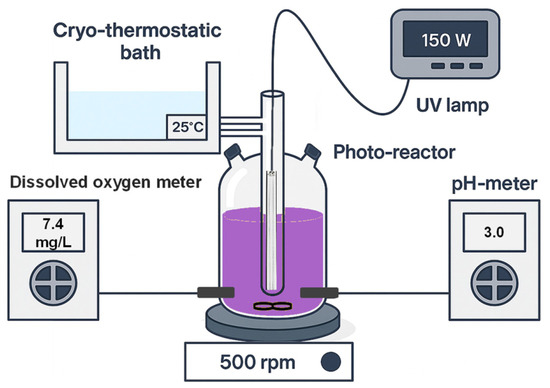
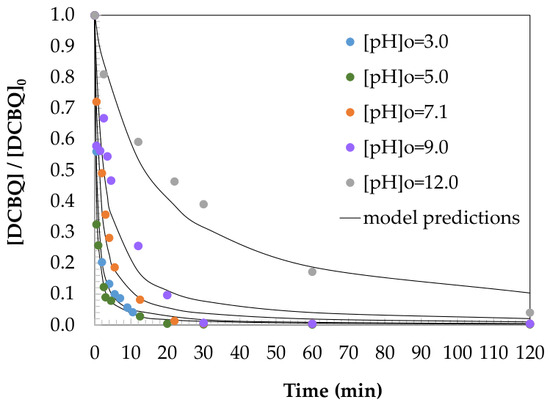
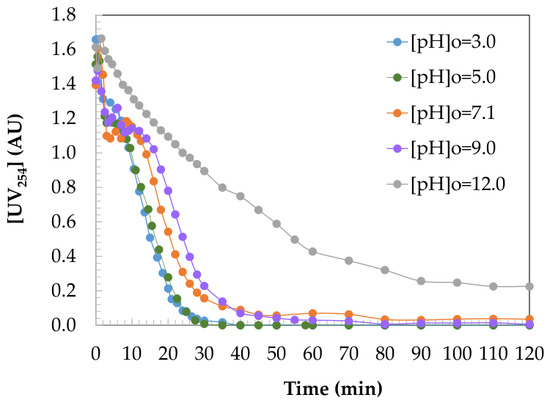
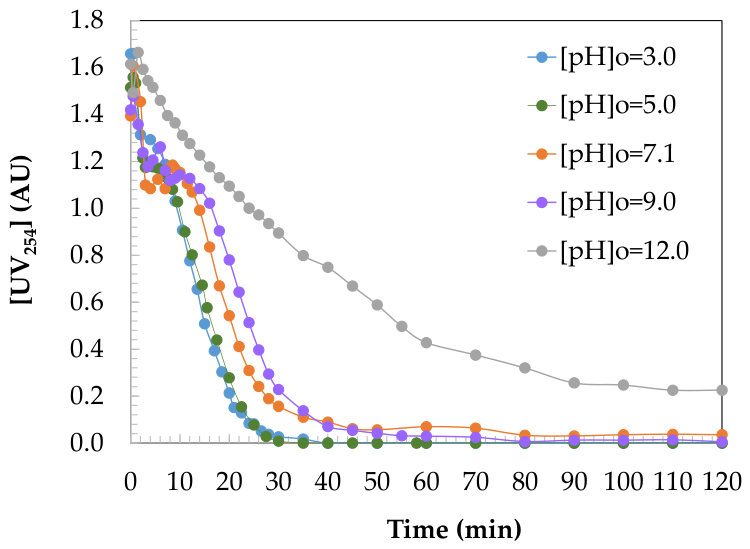
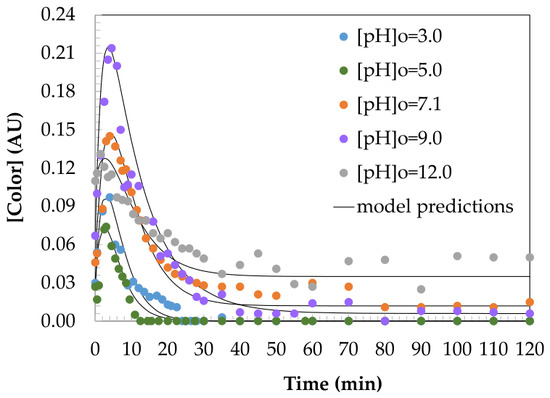
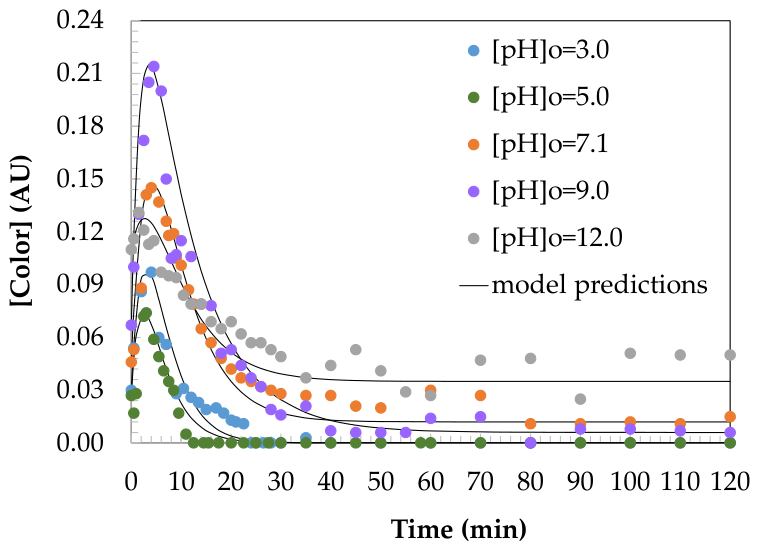
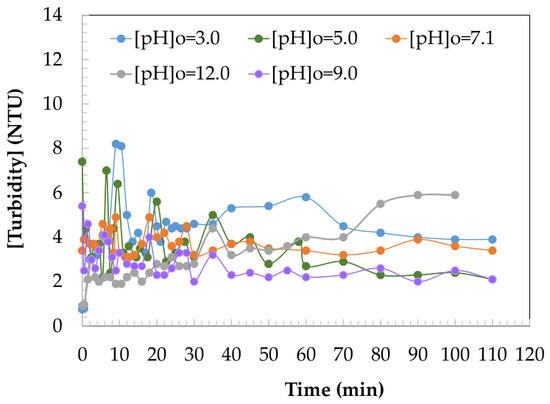
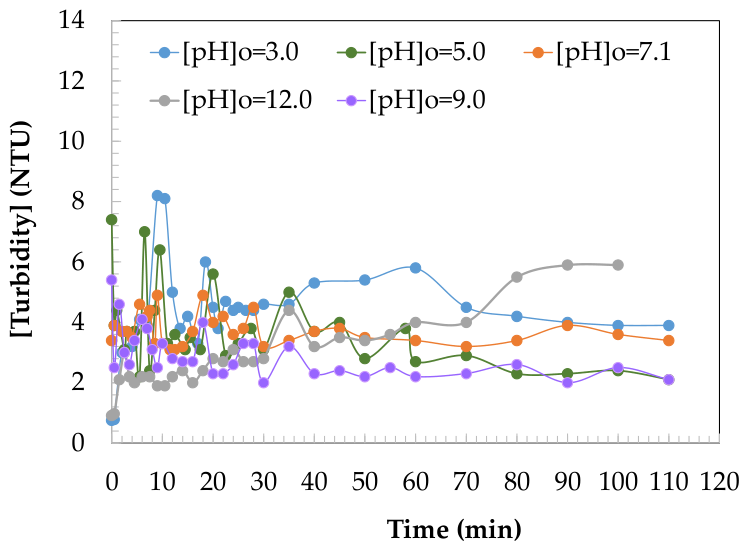
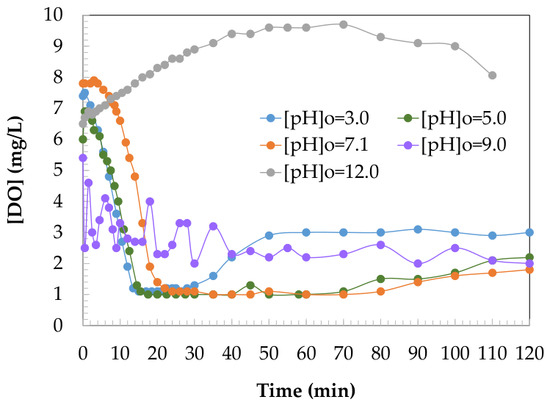
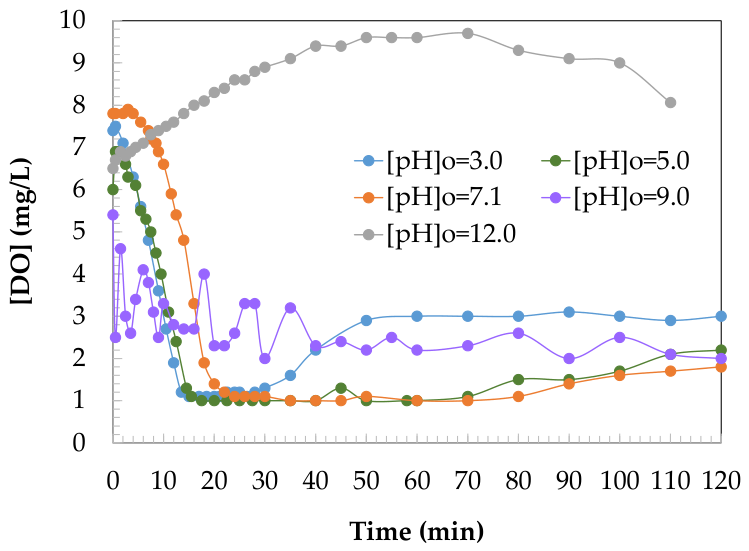
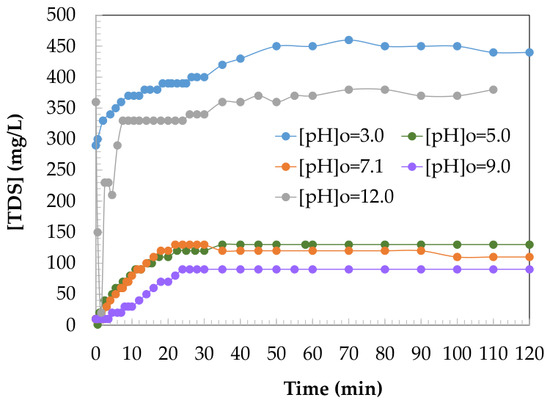
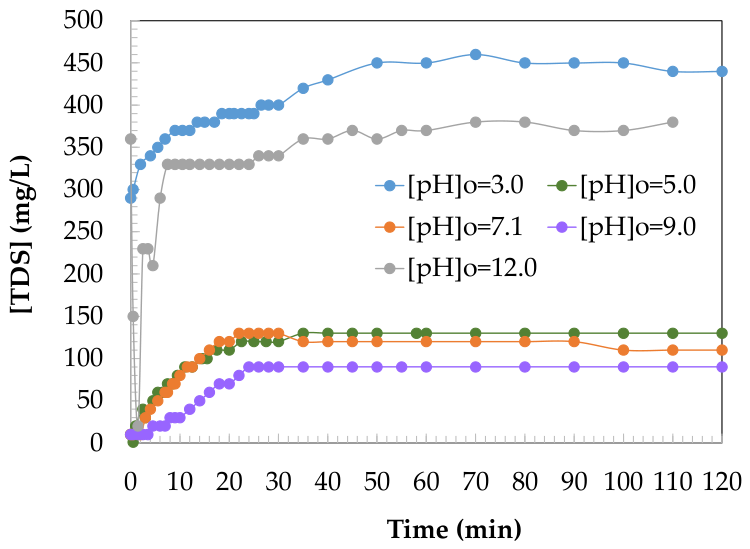

Disclaimer/Publisher’s Note: The statements, opinions and data contained in all publications are solely those of the individual author(s) and contributor(s) and not of MDPI and/or the editor(s). MDPI and/or the editor(s) disclaim responsibility for any injury to people or property resulting from any ideas, methods, instructions or products referred to in the content. |
© 2026 by the authors. Licensee MDPI, Basel, Switzerland. This article is an open access article distributed under the terms and conditions of the Creative Commons Attribution (CC BY) license.