3. Results
The results from the PCA revealed the multivariate structure of water quality in the CRW and the DPRW and tracked the temporal behavior of individual parameters across the 25-year study period. In 2001, the PCA retained three components, with the first principal component (PC1) explaining 54.0% of total variance, the second principal component (PC2) explained 18.9%, and the third (PC3) did 12.4%. As shown in
Table 1, cumulative total of 85.4% of the variances in water quality in 2001 is explained by the three principal components (PCs). The dominant variables on PC1 were TDS, fecal coliform, and nitrate-nitrite, which indicates that the primary water quality gradient at the start of the study period reflects a combination of dissolved ionic conditions, microbial contamination, and oxidized nitrogen. This interpretation is consistent with the concentrations observed for the water quality parameters in 2001, where ammonia was elevated (
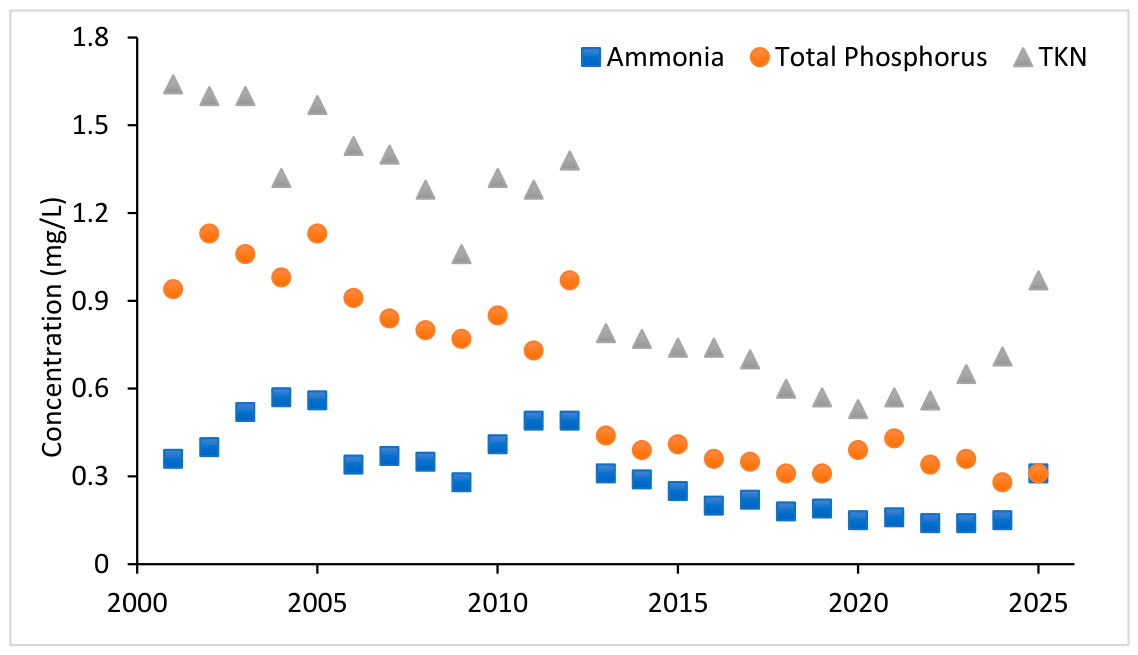
Figure 2), fecal coliform was high (
Figure 3), and TKN was at its maximum annual mean of 1.64 mg/L-N (
Figure 2). Total phosphorus was elevated at 0.94 mg/L (
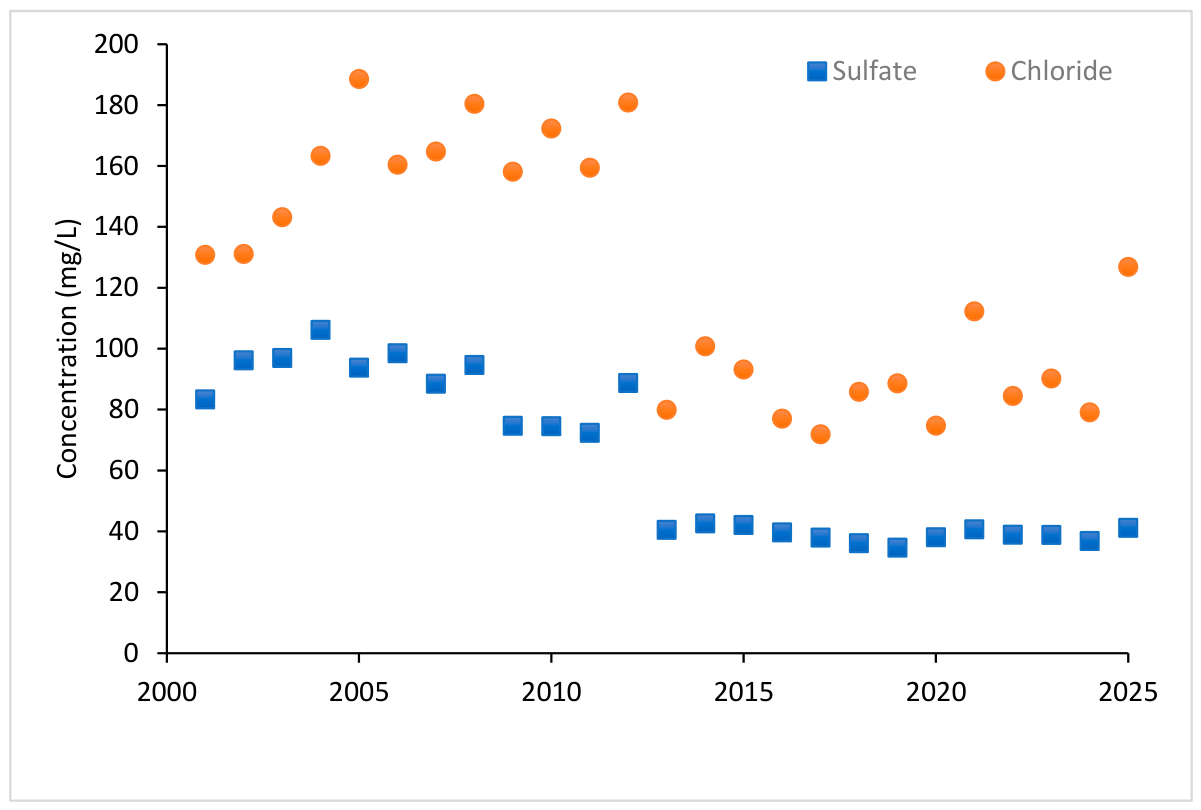
Figure 2), chloride stood at 130.81 mg/L (
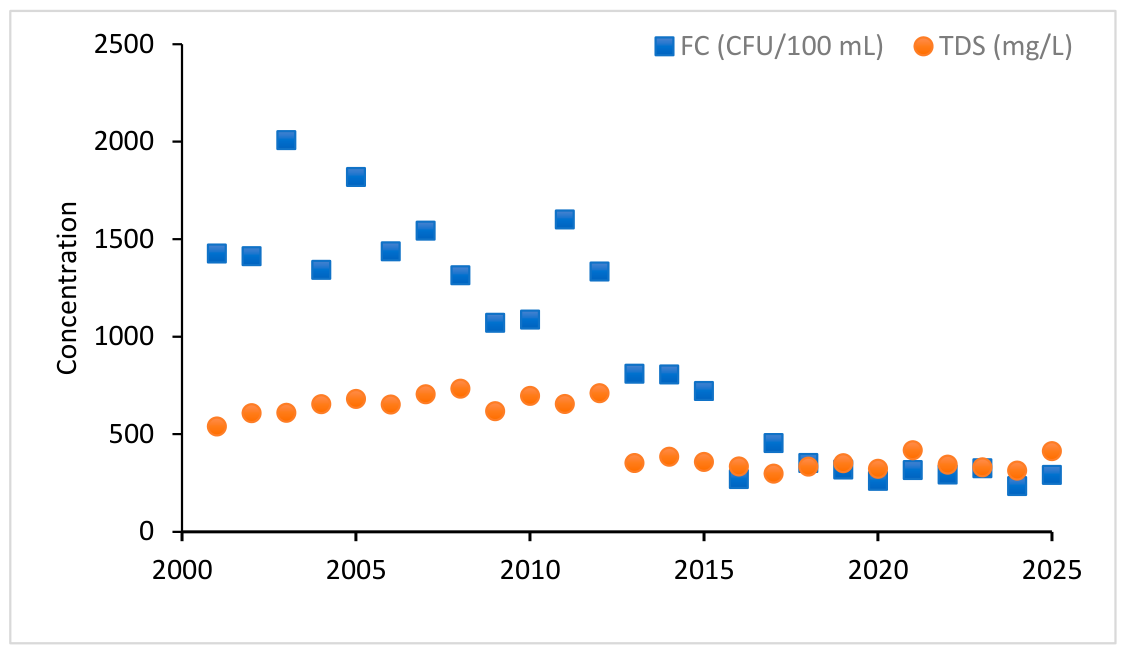
Figure 4), and TDS reached 539.79 mg/L (
Figure 3). PC2 was dominated by ammonia, with secondary contributions from chlorophyll-a and chloride, reflecting the importance of reduced nitrogen stress and eutrophic productivity as independent secondary dimensions of water quality variation in the CRW and DPRW. PC3, driven by sulfate and total phosphorus, captured an additional chemical gradient consistent with the significance of sulfur and nutrient inputs during the early times of the studied period.
Building directly on the structure observed in 2001, the PCA for 2002 retained the same three-component configuration, with PC1 explaining 51.8%, PC2 explaining 19.9%, and PC3 explaining 13.7%, for a cumulative explained variance of 85.4%. PC1 remained dominated by TDS, nitrate-nitrite, and fecal coliform, indicating the continued primacy of dissolved and sanitary loading as the main organizing gradient. This is consistent with conditions established in the previous year, which was characterized by persistent high microbial contamination and increasing dissolved constituents. PC2 was defined by ammonia and TKN, reinforcing that reduced forms of nitrogen persisted as a distinct secondary gradient. PC3 was associated with sulfate, suspended solids, and total phosphorus, indicating that particulate and sulfur-related variability remained sufficiently independent to constitute its own axis. This structure corresponds to continued instability in total phosphorus, elevated sulfate loads, and particulate urban influences characteristic of 2001.
As shown in
Table 1, the three-component structure was maintained into 2003, with PC1 explaining 50.8%, PC2 explaining 21.3%, and PC3 explaining 10.3%. This produced a cumulative explained variance of 82.4%. PC1 continued to be dominated by TDS, fecal coliform, and nitrate-nitrite, a pattern that is particularly meaningful given that fecal coliform reached its highest annual mean in 2003 at 2008.51 CFU/100 mL (
Figure 3), while accompanying sulfate concentrations also showed strong peaks at some monitoring sites. PC2 was again dominated by ammonia and TKN, and PC3 was associated with sulfate and chlorophyll-a. Together, these patterns confirm that in 2003, the watersheds still exhibited multiple partially independent stress gradients: one centered on dissolved and microbial contamination, a second on reduced nitrogen, and a third capturing sulfur–productivity interactions.
In 2004, the PCA structure remained three-dimensional but exhibited a notable internal reorganization, with PC1 explaining 44.4%, PC2 explaining 22.5%, and PC3 explaining 12.1%, for a cumulative explained variance of 79.0%. The decline in PC1’s explained variance relative to 2003 reflects a broader redistribution of variability among the retained components. PC1 was dominated by TDS, fecal coliform, and suspended solids, indicating that particulate pollution had become more prominent in the dominant axis. This is consistent with the broader water quality record, where ammonia reached its mean annual peak of 0.57 mg/L in 2004, as shown in
Figure 2, and as shown in
Figure 4, sulfate also peaked at 106.15 mg/L. This suggests that the system was clearly under strong urban and wastewater-related pressure. PC2, still driven by ammonia and TKN, captured the reduced nitrogen dimension during this period of elevated ammonia toxicity risk. PC3, dominated by sulfate and chlorophyll-a, expresses that sulfur dynamics and eutrophic productivity remained partially separable from the main urban contamination gradient.
Consistent with the broadening of variance among components observed in 2004, the 2005 PCA retained three components, with PC1 explaining 44.2%, PC2 explaining 25.1%, and PC3 explaining 10.8%, for a cumulative total of 80.1%. PC1 was defined primarily by TDS, suspended solids, and fecal coliform, while PC2 was shaped by ammonia, TKN, and chloride. PC3 was dominated by total phosphorus and nitrate-nitrite. This structure aligns with the observed parameters’ behavior in 2005, when chloride reached its annual maximum of 188.57 mg/L (
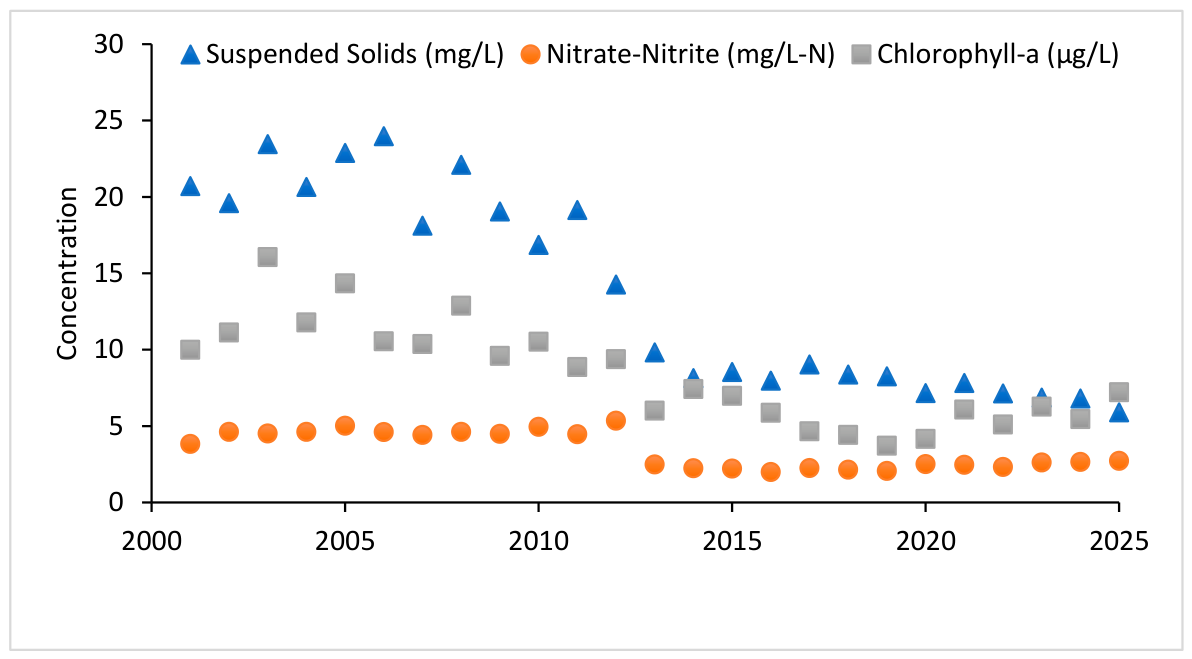
Figure 4), chlorophyll-a peaked at 14.34 µg/L (
Figure 5) with a maximum standard deviation of 20.81 µg/L (
Table 2), and both nutrient-related and dissolved urban signals remained prominent. The loading of total phosphorus and nitrate-nitrite most strongly on PC3 indicates that nutrient variability remained an important but not yet a fully synchronized component of the overall water-quality gradient.
In 2006, the three-component configuration persisted, with PC1 explaining 45.0%, PC2 explaining 20.6%, and PC3 explaining 13.8%, yielding a cumulative explained variance of 79.3% in water quality in the watersheds. PC1 was dominated by fecal coliform, TDS, and nitrate-nitrite; PC2 was defined by ammonia, chlorophyll-a, and chloride; and PC3 reflected sulfate. This structure is consistent with the continued multivariate complexity of the period. Notably, suspended solids reached their mean annual maximum in 2006 at 23.98 mg/L, as shown in
Figure 5. Sulfate remained elevated but variable. The PCA therefore captured a system in which microbial and dissolved contamination formed the dominant gradient, while reduced nitrogen and sulfur still maintained partly distinct signatures.
The multi-axis structure continued into 2007, when three components were retained with PC1, PC2, and PC3 explaining 41.8%, 21.3%, and 12.8% of variance in water quality, respectively, for a cumulative total of 76.0%. PC1 was dominated by fecal coliform, total phosphorus, and TDS, indicating that microbial contamination and nutrient enrichment remained central to the first axis. PC2 was associated with chloride, chlorophyll-a, and ammonia, while PC3 emphasized ammonia, TKN, and sulfate. As shown in
Figure 2, this structure reflects the continued variability in total phosphorus and the still and somewhat elevated ammonia regime that preceded the later post 2012 decline.
In 2008, three components were again retained, with PC1 explaining 41.9%, PC2 20.3%, and PC3 15.2%, totaling 77.3% cumulative explained variance in water quality. PC1 was driven by TDS, fecal coliform, and TKN, a loading pattern that aligns with TDS reaching its annual peak of 733.02 mg/L in 2008 (
Figure 3), confirming that dissolved constituents were especially influential in structuring water-quality variation during this year. As shown in
Table 2, standard deviations ranging between 643.18 CFU/100 mL and 2513.62 CFU/100 mL, 187.49 mg/L and 420.37 mg/L, and 0.38 mg/L and 1.1 mg/L were respectively established for fecal coliform, TDS, and TKN over the studied periods. PC2 was associated with chlorophyll-a, chloride, and suspended solids, while PC3 was dominated by sulfate, ammonia, and TKN. These patterns indicate that by 2008, the watershed still supported multiple distinct gradients related to salinity, particulate matter, sulfur, and reduced nitrogen, even as dissolved solids had become the most dominant single parameter.
As shown in
Table 1, the multi-axis structure was maintained through 2009, when PCA yielded a cumulative explained variance of 74.4%, with PC explained variances of 46.5%, 16.0%, and 11.8% for PC1 through PC3, respectively. PC1 again reflected TDS, fecal coliform, and nitrate-nitrite, while PC2 was most strongly shaped by chlorophyll-a, followed by ammonia and suspended solids, and PC3 was dominated by sulfate and ammonia. This structure corresponds to the broader temporal record, in which nitrate-nitrite remained relatively stable before its post-2013 decline and chlorophyll-a and particulate conditions still contributed distinct secondary variability. The comparatively lower share of variance explained by PC2 relative to earlier years suggests some narrowing in the independence of secondary gradients, which foreshadows the structural simplification that would emerge after 2012, as shown in
Table 3.
This gradual narrowing was similarly apparent in 2010, when the PCA retained three components, with PC1 explaining 41.6%, PC2 explaining 20.7%, and PC3 explaining 14.1%, which yielded a cumulative explained variance of 76.3%. PC1 was dominated by fecal coliform, TDS, and TKN, while PC2 reflected ammonia, chlorophyll-a, and chloride, and PC3 captured sulfate, chlorophyll-a, and nitrate-nitrite. This is consistent with a system that is structured by multiple overlapping but distinguishable forms of contamination, including microbial and dissolved loads, reduced nitrogen, sulfate, and salinity.
In 2011, PC1 explained 49.0% of variance, PC2 did 18.5%, and PC3 did 11.1%, for a cumulative total of 78.5%. PC1 was again dominated by TDS, fecal coliform, and nitrate-nitrite, PC2 by ammonia and chlorophyll-a, and PC3 overwhelmingly by sulfate. Although the year still exhibited a clearly multi-axis structure, it directly preceded a major turning point in several individual water quality parameters. In particular, many of the variables that had fluctuated during the first decade of the studied period were on the threshold of sharp declines or tighter stabilization, particularly after 2012.
The transitional character of 2012 is evident in the PCA structure, which retained three components but with a markedly more even variance distribution than in any prior year: PC1 explaining 35.7%, PC2 22.9%, and PC3 17.8%, for a cumulative total of 76.4%. PC1 was dominated by fecal coliform, TDS, and suspended solids; PC2 by chloride, ammonia, and total phosphorus; and PC3 by ammonia, chlorophyll-a, and sulfate. This was clearly a transitional year, coinciding with the total phosphorus spike to 0.97 mg/L, continued instability in TDS and chloride, and the final year before several major improvements took effect. The unusually even distribution of explained variance across the first three PCs reflects a temporary broadening in the relative importance of multiple stressors, just before the system underwent its most substantial structural reorganization.
As
Table 3 presents, a marked structural shift occurred in 2013, when the PCA retained only one principal component, with PC1 explaining 80.9% of total variance. The strongest contributors were TDS, suspended solids, and fecal coliform, though loadings were relatively even across variables. This abrupt consolidation is highly consistent with the simultaneous shifts observed in the annual means of several parameters: TDS dropped sharply (
Figure 3), total phosphorus declined from 0.97 mg/L in 2012 to 0.44 mg/L (
Figure 2), TKN declined from 1.38 to 0.79 mg/L-N (
Figure 2), nitrate-nitrite dropped to 2.49 mg/L (
Figure 5), chloride fell to 79.96 mg/L (
Figure 4), and sulfate declined substantially (
Figure 4). Rather than exhibiting multiple distinct gradients, the system now behaved as a much more integrated water-quality complex in which major variables co-loaded along a single axis.
This one-component structure persisted into 2014, with PC1 explaining 78.3% of the variance in water quality, and again dominated by fecal coliform, suspended solids, and TDS. This result aligns with the post-2013 phase of generally improved but strongly synchronized water quality situation. Nutrient and ionic variables are no longer separated into distinct independent components to the same extent as in the earlier period. Instead, they load together, indicating a more uniform watershed-wide control on water-quality conditions.
Retaining only one PC in 2015, PC1 alone explained 81.3% of total variance and was dominated by TDS, suspended solids, and TKN. This result is especially informative given that the data from many monitoring sites showed anomalous TKN spikes during this year, even as the broader long-term TKN trend was downward. Crucially, those nitrogen anomalies did not generate a separate independent component but were absorbed into the dominant integrated gradient alongside suspended and dissolved materials, providing strong evidence that water-quality variables had, by this stage, exhibited similar loading structure within the dominant component.
Consistent with the pattern established since 2013, the PCA for 2016 retained only PC1, which explained 79.7% of total variance. The dominant contributors were TDS, suspended solids, and TKN. This single retained PC again reinforced the integrated nature of the prevailing water quality structure and coincided with the stabilization of ammonia concentrations at reduced levels after 2015 at many continuously monitored sites, along with generally lower total phosphorus, sulfate, and suspended solids relative to the earlier times in the studied period.
In 2017, PC1 explained 81.6% of variance and was again dominated by TDS, suspended solids, and TKN. This result aligns with TDS reaching its annual minimum of 298.21 mg/L in 2017 (
Figure 3). The persistence of a one-component structure despite these reduced concentrations indicates that improvements in water quality did not restore a more differentiated multivariate architecture. Rather, the variables remained tightly coupled along a single dominant axis.
In 2018, the PCA produced the strongest single-axis structure observed across the full study period, with PC1 explaining 83.9% of total variance in the watersheds’ water quality, and dominated by TDS, TKN, and suspended solids. This occurred during a period when most major parameters were substantially reduced relative to the early 2000s, yet continued to vary together. Even under improved conditions, the watersheds’ chemistry remained strongly coordinated, and one integrated gradient was sufficient to characterize most of the annual multivariate variation.
In 2019, PC1 explained 83.5% of variance and was dominated by TDS, fecal coliform, and TKN. Given that the loadings were negative, as shown in
Table 3, that does not alter their substantive interpretation. This year corresponded with the lowest sulfate concentration in the record at 34.64 mg/L (
Figure 4), continued relatively low total phosphorus and chloride (
Figure 4) conditions, and chlorophyll-a (
Figure 5) near its minimum. The PCA indicates that the remaining variation in these reduced-concentration conditions was still organized around one unified water quality gradient centered on dissolved, microbial, and nitrogen-related conditions.
The single-component structure was maintained through 2020, with PC1 explaining 78.2% of the variance in water quality in the CRW and the DPRW. The strongest contributors to this single PC are fecal coliform (−0.35), TDS (−0.35), and suspended solids (−0.34). This result is highly consistent with the year-specific chemical observations: ammonia concentrations reached 0.15 mg/L (
Figure 2), fecal coliform reached 260.64 CFU/100 mL (
Figure 3), suspended solids reached 7.17 mg/L (
Figure 5), TKN reached 0.53 mg/L-N (
Figure 2), and chloride remained low at 74.74 mg/L (
Figure 4). Although TDS exhibited somewhat distinct behavior from other parameters over the studied period, it remained one of the strongest contributors to the dominant PCA axis.
In 2021, as found for the preceding eight years, only PC1 met the Kaiser criterion, with an eigenvalue of 7.98, suggesting 79.79% of total water quality variance explained. The dominant absolute loadings were TKN (−0.342), suspended solids (−0.341), fecal coliform (−0.339), TDS (−0.332), nitrate-nitrite (−0.322), and chlorophyll-a (−0.315) as shown in
Table 3. This loading structure identifies the primary water-quality gradient as an integrated axis that links reduced nitrogen, particulate matter, microbial contamination, dissolved constituents, and oxidized nitrogen. The notably even magnitude of the loadings, all clustering between approximately 0.29 and 0.34 in absolute value, indicates that no single parameter dominated independently. Rather, water quality was organized around a broad, shared signal of overall urban water quality condition. Ammonia carried the smallest contribution among the ten variables with a loading of −0.286, indicating that. While it remained part of the common gradient and given its absolute loading of less than 0.3, it was less influential than TKN, suspended solids, fecal coliform, and TDS in defining the dominant structure.
This integrated pattern was sustained through 2022, when the PCA again retained only PC1, with an eigenvalue of 8.00 and 80.04% of water quality variance explained. The dominant loadings were TKN (0.341), TDS (0.34), suspended solids (0.333), chlorophyll-a (0.329), and chloride (0.329), with nitrate-nitrite (0.322) and fecal coliform (0.32) also contributing substantially. Compared to the case found in 2021, fecal coliform remained an important contributor but was no longer among the three most influential loadings despite observing a loading of 0.32. Chloride and chlorophyll-a became more prominent, reflecting a slight relative shift toward dissolved solids, reduced nitrogen, particulate matter, algal activity, and salinity-related influence. The persistence of only one retained PC and the near-equal loading pattern across variables confirm that the watershed remained dominated by a single broad water-quality axis.
In 2023, PC1 was again the sole retained component, with an eigenvalue of 7.90 and 78.98% of total variance explained. The strongest loadings were TDS (−0.346), TKN (−0.343), fecal coliform (−0.341), suspended solids (−0.341), and nitrate-nitrite (−0.319), a structure closely resembling 2021’s but with TDS emerging as the single strongest contributor. The closeness of absolute loading values across variables once more indicates a highly unified water quality gradient in the CRW and the DPRW. Ammonia remained the weakest contributor at −0.249, reinforcing the view that the multivariate pattern was driven primarily by broader urban water quality conditions rather than by reduced nitrogen alone. The year 2023 observed the same preserved one-axis structure seen in 2021 and 2022, with somewhat greater emphasis on dissolved solids and a slightly diminished role of ammonia.
A structural change occurred in 2024, when the PCA retained two components for the first time since 2012. PC1 had an eigenvalue of 8.02 and explained 80.20% of total variance, while PC2 had an eigenvalue of 1.02 and explained an additional 10.20%, bringing cumulative explained variance to 90.39%. The dominant variables on PC1 were TDS (−0.344), fecal coliform (−0.340), TKN (−0.339), suspended solids (−0.335), and nitrate-nitrite (−0.331). These loadings confirm that the primary component still represented the broad integrated gradient that had characterized the post 2013 period. The reappearance of PC2, however, is a key structural development as it was strongly dominated by ammonia (−0.658) and constituted the only loading in the 2021–2025 period to, by a wide margin, exceed the absolute 0.5 threshold. Total phosphorus (−0.430) and chlorophyll-a (0.351) made secondary contributions to PC2. This indicates that in 2024, although the overall system’s behavior was still governed by the broad integrated PC1 gradient, a secondary and more distinct axis re-emerged to capturing variabilities specifically related to reduced nitrogen, nutrient enrichment, and biological response, which is a dimension that had not operated independently since before 2013.
In 2025, the two-component structure persisted. PC1 had an eigenvalue of 7.78 and explained 77.76% of total variance, while PC2 had an eigenvalue of 1.11 and explained 11.08%, for a cumulative total of 88.84%. The dominant loadings on PC1 were TDS (0.340), TKN (0.339), suspended solids (0.337), nitrate-nitrite (0.336), and fecal coliform (0.336), which confirm the continuity of the dominant integrated gradient that characterized the 2021–2025 period. On PC2, ammonia (−0.629) again emerged as the strongest contributor, followed by total phosphorus (−0.444) and chloride (0.364), with TDS (0.252) and chlorophyll-a (0.248) also playing a role. Relative to 2024, the secondary axis in 2025 broadened slightly to encompass salinity and dissolved solids more visibly alongside reduced nitrogen and total phosphorus. The sustained dominance of ammonia on PC2 across both 2024 and 2025 suggests that although ammonia had become less influential in defining the dominant overall gradient during the post-2013 period, it retained sufficient distinctive variability in the final year of the studied period to re-emerge as the primary driver of an independent secondary axis, which indicates a potentially renewed structural differentiation in the watersheds’ water quality dynamics.
4. Discussion
The PCA results demonstrate a clear long-term reorganization of water-quality structure, transitioning from a multi-gradient system in 2001–2012 to a highly integrated system in 2013–2023, followed by a partial re-emergence of secondary differentiation in 2024 and 2025. This shift reflects a movement from a system that is characterized by several distinguishable contaminant pathways to one that is dominated by a tightly coupled urban signal. Such a transition is consistent with the conceptual framework of urban stream systems, where multiple anthropogenic stressors co-occur and interact. Urban streams are widely described as exhibiting elevated concentrations of nutrients and contaminants, with degradation driven by complex and interactive mechanisms, primarily associated with urban stormwater runoff delivered to streams by hydraulically efficient drainage systems [
20]. Similarly, urban water-quality assessments identify the co-occurrence of increased dissolved solutes, increased suspended solids, increased fecal bacteria and increased nitrogen and total phosphorus, emphasizing the simultaneous and coordinated influence of multiple pollutants [
21].
During the 2001–2012 period, the consistent retention of three PCs indicates that water quality was governed by several semi-independent gradients. The separation of dissolved, microbial, nutrient, and ionic processes aligns with evidence that urban watersheds exhibit spatially heterogeneous and source-specific contaminant pathways. For instance, urban stream chemistry has been shown to reflect spatially heterogeneous patterns. According to [
22], stream chemistry exhibits strong spatial heterogeneity driven by localized groundwater contributions, with patterns reflecting both current and legacy land-use influences and showing temporal stability under baseflow conditions. Similarly, urban geochemical studies identify distinct ionic groupings, with strong positive correlations among major ions including Cl− [
23]. This clearly indicates identifiable source signatures, emphasizing shared but distinct anthropogenic sources and transport pathways [
23]. These findings support the interpretation that the water quality during the early period in the studied watershed was structured by multiple interacting yet distinguishable processes.
The persistence of similar component structures in the early 2000s suggests a relatively stable contamination regime, reflecting the chronic nature of urban pollutant inputs. As established by [
24], urban runoff mobilizes a broad spectrum of contaminants, including solids, nutrients, metals, organic pollutants, and microbial indicators, many of which occur in both dissolved and particle-bound forms. This position, according to [
24], supports and justifies the observed coexistence of particulate and dissolved gradients during the early and mid-2000s.
The standard deviation patterns further support the interpretation of the CRW and DPRW as highly dynamic urban freshwater systems characterized by substantial spatial and temporal heterogeneity. Fecal coliform, TDS, chloride, and sulfate exhibited large standard deviation ranges, reflecting pronounced fluctuations across monitoring stations and years. These patterns are consistent with the temporal dynamics observed in
Figure 2,
Figure 3,
Figure 4 and
Figure 5, where several parameters displayed strong year-to-year oscillations, localized concentration spikes, and differing responses among tributaries and main channels. For example, prior to aggregation of the data, the records of concentrations from individual stations revealed that fecal coliform concentrations showed extreme variability at tributary locations such as Thorn Creek and portions of the Little Calumet River prior to 2012, while major channels such as the North Branch Chicago River and North Shore Channel experienced substantial long-term declines. Similarly, sulfate and TDS demonstrated highly elevated and variable concentrations at locations including Thorn Creek, Higgins Creek, and portions of the Little Calumet River, indicating strong localized anthropogenic influences and uneven watershed responses. The elevated variability of suspended solids also reflects episodic runoff-driven transport processes and disturbance events, particularly within tributary systems that exhibited sharp concentration peaks during earlier years of the study period. In contrast, nitrate-nitrite exhibited comparatively narrower variability, with concentrations remaining relatively stable after 2013 despite spatial differences among stations. Ammonia and TKN similarly showed lower overall variability relative to microbial and ionic parameters, although ammonia re-emerged as a dominant secondary PCA gradient in 2024 and 2025, indicating that variables with comparatively smaller overall variability may still retain structurally independent behavior within the broader multivariate system.
The period from 2007 to 2012 appears to represent a transition phase, in which multiple stressors remained active but increasingly interacted. This is when previously distinct contaminant pathways began to interact more strongly due to increasing hydrological connectivity and overlapping source inputs. This is consistent with the broader ecological understanding that the combined effects of multiple stressors can differ substantially from the effects of individual stressors due to complex interactions, as put forth by [
25]. Ref. [
26] reiterates in support that urban stream systems are therefore not only influenced by multiple stressors but also by the interactions among them, which can produce nonlinear and system-wide responses.
The most pronounced change occurs in 2013, when the PCA collapses into a single dominant component. This indicates a substantial increase in covariance among water-quality variables, suggesting that previously independent gradients became synchronized. Such synchronization is characteristic of urban systems that are influenced by infrastructure-mediated hydrology. The collapse of the PCA into a single dominant explained as synchronization of water-quality variables is likely driven by processes due to human-built drainage systems. According to [
27], combined sewer overflows introduce pulses of contamination, with wastewater inputs contributing to elevated fecal coliform concentrations alongside changes in other water-quality parameters. Additionally, urban drainage systems facilitate the co-transport of dissolved constituents, sediments, and microbial contaminants, reinforcing the integration observed in the PCA.
While this integrated structure persisted through 2023, it contrasts with studies that report persistent differentiation among water quality parameters. In particular, evidence from urban stream research indicates that individual solutes and indicators do not always respond uniformly to common drivers. For instance, ref. [
22] demonstrate that baseflow stream chemistry exhibits pronounced spatial heterogeneity, with different solutes such as nitrate, sulfate and chloride displaying distinct spatial patterns controlled by localized groundwater inputs and land-use influences. These findings suggest that even within the same watershed, chemical constituents can retain source-specific signatures rather than converging into a single integrated signal. Similarly, spatiotemporal analyses such as [
28] show that water quality parameters, including nutrients and microbial indicators, respond differently to varying hydrologic and climatic conditions, with precipitation, discharge, and seasonal dynamics exerting varying levels of influence across parameters. These studies highlight that urban water quality systems often maintain parameter-specific responses which are driven by differences in source pathways, transport mechanisms, and environmental controls. The case stands in contrast to the pattern observed in the present study, where the post-2013 period is characterized by strong covariance among variables, leading to the emergence of a single dominant principal component. While prior studies emphasize persistent differentiation arising from spatial heterogeneity and variable drivers, the results presented here suggest that, under certain conditions, these distinctions can diminish over time as urban processes will promote increasing synchronization among contaminants. This divergence highlights that, although urban streams are influenced by multiple stressors with distinct controls, the long-term evolution of urban systems through increased hydrological connectivity and shared transport pathways can progressively merge these signals into a more integrated water quality regime. The results of this study therefore extend the existing literature by demonstrating that watershed-scale processes over time can drive convergence toward a unified water quality structure, even in systems where differentiation among parameters is typically observed.
The re-emergence of a second PC in 2024 and 2025, dominated by ammonia and total phosphorus with chlorophyll-a and chloride for respective cases, highlights the persistence of nutrient-specific dynamics within an otherwise integrated system. Nutrient processes exhibit distinct behavior due to biogeochemical cycling and localized environmental controls, which influence how nitrogen and total phosphorus are transformed and transported within aquatic systems. These processes are shaped by site-specific conditions, including sediment interactions, microbial activity, and hydrological variability. For example, ref. [
29] have established that nutrient dynamics are governed by biogeochemical transformations and potential legacy effects associated with urban pollution, which can vary across locations and time. Reiterating, ref. [
8] similarly put forth that nitrogen enrichment shows strong spatial variability linked to land-use influences. Such variability reflects the combined influence of current inputs and legacy contaminants, resulting in spatial and temporal differences in nutrient behavior. As a result, nutrient-related parameters can retain or re-establish partial independence even within systems where other water-quality variables exhibit strong integration, supporting the interpretation that nutrient-driven gradients may persist or re-emerge within otherwise highly integrated systems.
The consistent dominance of TDS across the study period is worth discussing because it underscores its role as a central integrative indicator of urban water quality influence. TDS represents the combined presence of dissolved substances and is widely recognized as an indicator of the overall concentration of dissolved constituents in freshwater systems. Its persistent presence suggests that dissolved ionic conditions form the backbone of the water quality structure in the CWR and the DPRW, integrating inputs from wastewater, runoff, and infrastructure-related sources. Similarly, the repeated association of fecal coliform with TDS reflects the coupling of sanitary contamination with dissolved urban inputs. Urban studies show that fecal contamination is closely linked to stormwater runoff and sewer overflows, which also transport dissolved constituents and other pollutants [
26]. This shared transport pathway explains the repeated co-loading of fecal coliform with TDS observed in this study, as both microbial and dissolved signals are introduced simultaneously and become integrated within the broader urban water-quality regime.
The increasing prominence of suspended solids and total Kjeldahl nitrogen (TKN) in the later period further indicates the growing importance of particulate transport and reduced nitrogen in shaping the integrated urban signal. Suspended solids often act as carriers for a wide range of contaminants, including organic matter, nutrients, and microbial constituents, while TKN reflects the presence of organically bound and reduced forms of nitrogen that are commonly associated with wastewater inputs, urban runoff, and sediment-bound processes. Their joint prominence therefore suggests a shift toward transport pathways dominated by particulate-associated materials and reduced nitrogen forms, reinforcing the coupling between physical transport processes and biogeochemical dynamics within the urban system.
The early prominence and subsequent integration of sulfate provide additional insight into the evolution of geochemical controls in the watershed. In the earlier period, sulfate emerged as loading onto a distinct component, indicating that sulfur-related processes operated with a degree of independence from other water-quality variables. However, its later absorption into the dominant integrated regime suggests that these processes became increasingly synchronized with broader urban influences. This transition is consistent with the understanding that urban geochemical signatures can become more homogenized over time, as multiple anthropogenic inputs accumulate, interact, and are transported through shared pathways. As noted by [
23], urban systems often exhibit coordinated behavior among chemical constituents due to overlapping sources and processes, supporting the interpretation that initially distinct geochemical signals can progressively merge into a unified urban water-quality regime.
From an ecological perspective, the early multi-component structure implies that aquatic biota were exposed to multiple, partially independent stressors operating simultaneously, including nutrient enrichment, microbial contamination, salinity-related effects, and particulate influences. Such a configuration suggests a complex environmental setting in which organisms must respond to a range of interacting but distinguishable pressures, each potentially affecting different physiological and ecological processes. In contrast, the post-2013 integrated structure indicates a shift toward a more integrated stress regime, where multiple stressors co-occur and fluctuate together, creating a more uniform but persistently degraded environmental condition.
Urban stream ecosystems are widely recognized to exhibit reduced ecological integrity under these conditions, as the combined influence of multiple stressors can alter habitat quality, disrupt trophic dynamics, and reduce species richness and diversity. As noted by [
19], urban streams are characterized by elevated contaminant levels and diminished biological condition, while ref. [
25] emphasizes that stressors in aquatic systems often act in combination, producing cumulative and non-additive effects. This means that the ecological response cannot be understood by considering individual stressors in isolation, as interactions among stressors can amplify or modify their overall impact. Consequently, the transition from a multi-gradient to an integrated water-quality structure may reflect not only changes in environmental conditions but also a shift in how ecological stress is experienced.
A limitation of this paper is that PCA was conducted independently for each year, resulting in principal component axes that were derived separately rather than within a common multiyear ordination space. Consequently, it is not ideal to compare individual principal components across years. The temporal interpretations presented in this study therefore relied on broader patterns in explained variance, retained component structure, and recurring loading configurations rather than direct comparisons of component axes. Accordingly, the observed changes have been interpreted as evidence of evolving covariance structure among water-quality parameters rather than definitive year-to-year trajectories.