


Abstract
Aquaculture solid waste (ASW) from intensive farming poses significant environmental challenges, yet its potential as a composting feedstock remains insufficiently evaluated. This study systematically assessed the feasibility of aerobic composting for ASW valorization through integrated feedstock characterization, composting process monitoring, microbial community analysis, and pot experiment validation. ASW collected from intensive aquaculture facilities was characterized by high phosphorus (mean TP: 6.80 mg/g), potassium (TK generally >10 mg/g), and iron (mean Fe: 49,112 mg/kg) content but low organic matter (17.60%) and total nitrogen (0.72%). Composted with rice straw powder, meat and bone meal, and mineral amendments, ASW was successfully converted into mature compost, with the thermophilic phase (>50 °C) lasting only 4 days and the seed germination index exceeding the 80% safety threshold within 15 days. The composting process exhibited an organic matter degradation rate of approximately 20.82%, along with low electrical conductivity and stable pH in the final product. Microbial community analysis revealed that ASW addition significantly altered bacterial and fungal community structure, enriching functional taxa associated with organic matter decomposition and nutrient transformation. Pot experiments conducted under equal nutrient input conditions demonstrated that the ASW-derived compost supported satisfactory crop growth, with the fresh weight of Fast-growing Cabbage reaching 106.95 g per plant. The compost also improved soil properties, including reduced electrical conductivity (72.8% lower than urea), increased soil organic matter (17.8% increase over original soil), and enhanced available phosphorus (93.0% increase over original soil). These results indicate that aerobic composting is a technically viable pathway for converting ASW into a qualified organic fertilizer, providing a preliminary scientific basis for future waste management strategy for the sustainable development of the aquaculture industry.
1. Introduction
Aquatic products, a vital source of high-quality animal protein for humans, account for nearly one-sixth of global meat consumption [1]. According to the FAO, the annual growth rate of aquatic product consumption has remained above 3% since the 1960s, significantly outpacing that of other animal proteins [2]. However, while meeting global protein demands, the aquaculture industry’s reliance on high-density farming models has resulted in significant negative impacts on aquatic environments, raising widespread concern [3,4,5]. According to a report from the U.S. Department of Agriculture [6], China, as the world’s largest aquaculture producer, reported an output of 60.8 million metric tons in 2024, with continued growth projected. Among various production modes, pond-based high-density culture predominates, which involves the direct discharge of fish metabolites and uneaten feed into water bodies. The discharge of this effluent not only compromises the quality and yield of the farmed species but also poses significant threats to the surrounding aquatic ecosystem. Specifically, the continuous discharge of nutrient-rich effluents—primarily excess nitrogen and phosphorus—triggers severe eutrophication and harmful algal blooms in receiving waters [7]. As these blooms decompose, they cause oxygen depletion and subsequent hypoxic conditions, leading to a drastic loss of aquatic biodiversity and the degradation of sensitive habitats [8]. According to national statistics [9], emissions of chemical oxygen demand (COD), total nitrogen (TN), and total phosphorus (TP) from China’s aquaculture sector in 2017 reached 66.6 million, 9.91 million, and 1.61 million metric tons, respectively. As the largest producer, China’s aquaculture industry and its associated environmental challenges are emblematic of those faced by the global industry at large.
Pollutants generated during aquaculture production primarily comprise soluble metabolites, insoluble solid feces, and uneaten feed. Aquaculture Solid Waste (ASW) is typically rich in phosphorus and essential minerals; however, compared to traditional livestock manure, it is generally characterized by lower total organic matter (OM) and total nitrogen (TN) contents. Despite these lower absolute nutrient levels, the organic fractions within ASW—primarily comprising unconsumed feed and fresh feces—exhibit exceptionally high biodegradability [10,11,12]. Studies have shown that in high-density aquaculture systems, 25–30% of the supplied feed is ultimately converted into solid waste [13]. Therefore, the efficient removal of ASW is crucial for maintaining good water quality in aquaculture systems and minimizing pollution discharge into the external environment. In recent years, the Chinese government has promoted the development of intensive, facility-based aquaculture—such as Recirculating Aquaculture Systems (RAS)—and these advanced models are undergoing rapid development [14]. Their enclosed design facilitates the centralized collection of ASW. For example, in RAS, solid waste accounts for more than 35% of the feed intake for species such as Nile tilapia and common carp [15]. However, improper treatment of the ASW removed from these systems can still lead to secondary environmental pollution.
Current conventional strategies for managing Aquaculture Solid Waste (ASW) include on-site accumulation/landfilling, direct land application, anaerobic digestion for biogas production, and aerobic composting. On-site accumulation or landfilling poses a risk of nutrient leaching, which can lead to soil and water eutrophication [11]. Beyond water pollution, the terrestrial dumping or unregulated landfilling of aquaculture wastes severely deteriorates local soil quality over time. Specifically, the direct accumulation of raw ASW can induce secondary soil salinization and severe nutrient imbalances [16]. Furthermore, the natural anaerobic decomposition of these untreated wastes releases phytotoxic substances that directly disrupt native soil microbial ecosystems and impair long-term land productivity [17]. While direct land application facilitates nutrient recycling [13,14,15], it carries the potential hazard of reintroducing pathogenic microorganisms into the environment or contaminating water sources. Anaerobic digestion can generate biogas and reduce pollutant loads [16,17,18,19]; however, it faces challenges such as operational instability, difficulties in ensuring continuous biogas utilization, and increased costs associated with digestate transport. In contrast, aerobic composting does not require dedicated infrastructure or costly facilities, is relatively simple to operate, and effectively recovers nutrients, enabling waste resource recovery [20], making it a potentially cost-effective and efficient approach for ASW treatment and utilization. While anaerobic digestion has been extensively explored to convert aquaculture sludge into biomethane, its widespread field application is frequently hindered by operational instabilities—such as severe ammonia inhibition—high upfront system costs, and substantial heating demands in colder climates [21,22,23,24]. Although the generated biogas can be used to heat the anaerobic digestion system, this internal consumption significantly reduces the net energy available for other farm operations, making anaerobic digestion generally more suitable for large-scale recirculating aquaculture systems [25,26]. For smaller systems, low-cost solid-state bioconversion practices have gained traction due to their minimal financial barriers and natural self-heating capacity. For instance, recent studies have explored vermicomposting of fish sludge blended with various agricultural residues, successfully demonstrating its potential to produce nutrient-rich fertilizers [27]. Furthermore, when the transport of anaerobic digestion digestate as a liquid poses logistical hurdles, co-composting serves as a practical stabilization alternative [28]. However, research focusing specifically on thermophilic aerobic composting of ASW remains relatively limited. Unlike vermicomposting, thermophilic aerobic composting offers the critical advantage of rapid self-heating for pathogen sanitation without the strict environmental constraints required to maintain earthworm viability [29,30]. Furthermore, most existing ASW composting studies have primarily evaluated isolated process parameters or final maturity indices. A comprehensive evaluation that seamlessly links the initial feedstock challenges to microbial community succession and directly validates the end-product through agronomic pot experiments is still severely lacking. Addressing these gaps is essential to establish the true novelty and practical significance of ASW-derived compost as a sustainable fertilizer.
Previous studies have confirmed that using pond sediment as a composting amendment can enhance compost quality [31,32]. However, research focusing specifically on ASW as the primary feedstock for thermophilic aerobic composting remains relatively limited [33,34,35] and exhibits several notable gaps. Compared to conventional composting feedstocks such as livestock manure, sewage sludge, and food waste—which typically possess abundant organic matter and nitrogen sufficient to independently sustain robust microbial metabolism and thermophilic heating—ASW exhibits a distinct physicochemical profile [11,17]. Due to its relatively low organic matter and nitrogen contents, ASW faces inherent thermodynamic limitations; however, it retains relatively sufficient levels of phosphorus and potassium [36]. This unique elemental composition highlights a critical research gap, as the specific chemical and microbial successional dynamics of such a low-nitrogen, mineral-bearing aquatic waste stream during co-composting remain largely unexplored. Consequently, ASW cannot be simply managed as a traditional bulk substrate; instead, it requires a tailored co-composting approach. This necessitates the strategic integration of carbon- and nitrogen-rich amendments to balance the initial C/N ratio, thereby overcoming substrate limitations for microbial metabolism and unlocking ASW’s potential as a high-value, mineral-enriched organic fertilizer [37]. Specifically, there is a lack of systematic assessment of the suitability of ASW as a composting feedstock, including its physicochemical characteristics and potential limiting factors. Furthermore, insufficient attention has been given to investigating whether ASW-derived compost products meet the quality and safety requirements for organic fertilizer application, particularly regarding maturity, phytotoxicity, nutrient availability, and agronomic performance. Given that the composition of ASW may influence composting dynamics, microbial community development, and final product properties in ways that differ from those of conventional feedstocks, a comprehensive evaluation following standardized assessment protocols is warranted. Based on the above considerations, there is a clear need to evaluate the feasibility of aerobic composting as a resource utilization pathway for ASW. Such an evaluation should encompass feedstock characterization, composting process monitoring, microbial community analysis, and agronomic performance testing, to determine whether ASW can be effectively converted into a qualified organic fertilizer through standard composting procedures [38,39].
The specific objectives of this study are to (1) characterize the physicochemical properties of ASW collected from intensive aquaculture facilities and assess its suitability as a composting feedstock; (2) evaluate the composting process performance and product quality through systematic monitoring of physical, chemical, and biological indicators; (3) analyze the composting microbial community structure and its response to ASW addition; and (4) assess the agronomic performance of the ASW-derived compost and its effects on soil properties under standardized pot experiment conditions. This study aims to provide scientific evidence and technical support for the harmless treatment and resource utilization of ASW, contributing to sustainable waste management practices in the aquaculture industry.
2. Materials and Methods
2.1. Experimental Materials
Aquaculture solid waste (ASW) was collected from facility-based intensive aquaculture ponds in Hubei Province, Central China. In these systems, fish were reared in high-density culture tanks equipped with conical-bottom settling units [40]. Solid waste, comprising primarily fish feces and uneaten feed, settled at the tank bottom and was periodically pumped to shore-based settling towers, where ASW was collected from the tower bottom after natural sedimentation. All farms used commercial pelleted feed appropriate for the respective species. Among the five characterized ASW samples (Table 1), ASW2—collected from a Grass Carp (Ctenopharyngodon idella) farm in Jingzhou—was selected for composting experiments. Statistically, ASW2 showcased a baseline composition that most closely approximated the central tendency (mean values) of the five sampled sources. Specifically, due to the minimal deviation of its critical bio-energetic parameters (i.e., organic matter and total nitrogen) from the cohort averages, ASW2 serves as a statistically robust and generalizable model substrate for evaluating the proposed co-composting strategy. To address the physicochemical limitations of raw ASW, specific amendments were strategically integrated. Rice straw powder was collected from local farms in Suqian, Jiangsu Province, China, and was incorporated primarily as a carbonaceous bulking agent to provide a readily available carbon source and improve the physical porosity of the pile for adequate aeration. Pathogen-free meat and bone meal (provided by a local environmental company, Wuhan, China), representing another common organic waste, was included as a supplementary source of complex proteins and slow-release nutrients to compensate for the inherently low total nitrogen content of ASW. Furthermore, urea (Sinopharm Chemical Reagent Co., Ltd., Shanghai, China) was added to contribute 20% of the total nitrogen requirement, serving as a highly bioavailable nitrogen source to rapidly stimulate microbial metabolism and promote the swift onset of the thermophilic phase. Finally, calcium superphosphate (Sinopharm Chemical Reagent Co., Ltd., Shanghai, China) was supplemented to constitute 5% of the dry mixture; this was crucial not only for regulating the initially mildly alkaline pH but also for mitigating ammonia volatilization (nitrogen loss) by acting as an acidic buffer and forming stable ammonium salts during early biodegradation. The properties of all raw materials used—including rice straw powder, pathogen-free meat and bone meal, urea, and calcium superphosphate—are provided in Supplementary Table S6.
Table 1.
Chemical composition analysis of aquaculture solid waste (ASW).
For pot experiments, seeds of Fast-growing Cabbage (Brassica pekinensis (Lour.) Rupr.) and Purple Cai-tai (Brassica campestris L.var. purpuraria) were sown outdoors and transplanted after 20 days. The experimental soil was collected from the top 0–20 cm layer of an experimental field on campus. The physical and chemical properties of the soil are provided in the Supplementary Materials (Table S1). It was air-dried, crushed, and passed through a 2 mm sieve to remove plant roots and debris. Plants were grown in 4.5 L plastic pots.
2.2. Composting Process
The experiment comprised two composting treatments: AMR (with aquaculture solid waste) and MR (without ASW, serving as the control). The detailed composition of each formulation, based on dry weight, is presented in Table 1. Briefly, the AMR formulation included ASW, rice straw powder, and pathogen-free pig bone meal, whereas the MR formulation contained only rice straw powder and pig bone meal. For both formulations, urea was added to contribute 20% of the total nitrogen, and calcium superphosphate was supplemented to constitute 5% of the dry mixture. The experimental parameters for the aerobic composting process were established to meet the optimal thermodynamic and biological requirements for microbial metabolism. Specifically, the composting mixtures were adjusted to a C/N ratio of 20 and an initial moisture content of 60% based on the measured carbon and nitrogen content of each ingredient. This moisture level was strategically selected to strike a critical balance: providing sufficient hydration for intracellular enzymatic activities while maintaining adequate free air space (FAS) to prevent anaerobic conditions. Composting was conducted in triplicate in 100 L insulated polyethylene cylindrical reactors with lids. To maintain aerobic conditions, the piles were turned manually every 2 days for the first 15 days (the active thermophilic phase), after which the frequency was reduced to once every 5 days. This turning schedule was implemented to continuously replenish oxygen, ensure uniform heat redistribution, and eliminate localized anaerobic pockets. The entire process lasted for 45 days and was conducted indoors at a constant ambient temperature of approximately 20 °C to ensure high experimental reproducibility. However, we acknowledge that in these 100 L pilot-scale reactors, periodic manual turning may induce transient but more pronounced heat losses compared to the thermal inertia typical of industrial-scale windrows.
2.3. Pot Experiment
A pot experiment was established under open-air conditions to evaluate the agronomic performance of the composts. Four treatments were implemented: PAMR (application of AMR compost), PMR (application of MR compost), PU (application of urea), and P0 (no fertilization). The application rate for the MR compost was set at 20 g per kg of soil, a standard rate commonly employed in pot experiments evaluating organic fertilizer performance [41,42]. The application rate for the AMR compost was adjusted to deliver an equivalent total nutrient content (N + P2O5 + K2O) as the PMR treatment, following the equal-nutrient-input design principle widely adopted for comparing the agronomic performance of different organic fertilizer sources [43,44]. The detailed nutrient inputs for each treatment are provided in Supplementary Table S2. The experiment was arranged in a completely randomized design with three replicates. Three seedlings each of Fast-growing Cabbage and Purple Cai-tai were transplanted into each 4.5 L pot filled with the prepared soil-fertilizer mixture. Plants were grown in an open-air environment and watered with deionized water as needed to maintain soil moisture at approximately 70% of field capacity. All plants were harvested 45 days after transplantation for subsequent biometric and chemical analyses.
2.4. Sampling and Analysis Methods
To maintain manuscript conciseness given the extensive cohort of physicochemical, soil, and agronomical parameters monitored in this study, a brief summary of the standard analytical frameworks is outlined below, whereas the exhaustive, step-by-step procedural protocols for each analysis are compiled in Section S1 of the Supplementary Materials.
2.4.1. Feedstock Characterization and Compost Process Monitoring
Representative samples of the collected aquaculture solid waste (ASW) were obtained prior to composting and stored at −20 °C for initial characterization. Throughout the composting process, samples were periodically collected immediately after turning to ensure the robustness and reproducibility of downstream analyses. Specifically, a standardized five-point sampling method was employed: equal-volume sub-samples were extracted from the center and four equidistant peripheral locations of each reactor. These five sub-samples were then thoroughly homogenized to form a single representative composite sample (approximately 50 g). This rigorous composite sampling procedure was independently executed for each of the three biological replicates, and the resulting samples were similarly stored at −20 °C for subsequent analysis. Additionally, compost pile temperature was recorded daily at five randomly selected positions at varying depths, with the arithmetic mean calculated and ambient temperature noted. For both ASW and compost samples, moisture content (MC) was determined by oven-drying at 105 °C to constant weight. The pH and electrical conductivity (EC) were measured in a 1:10 (w/v) water extract after 1 h of shaking. Total nitrogen (TN) was quantified using the Kjeldahl method [45], which primarily accounts for the organic and ammoniacal nitrogen fractions in the samples. Total phosphorus (TP, as P2O5) and total potassium (TK, as K2O) were analyzed according to NY525-2012 [46]. Available phosphorus (AP) was determined by citric acid extraction [47], and available potassium (AK) by dilute hydrochloric acid extraction [48]. Elemental composition (Ca, Mg, B, S, Zn, Cu, Fe, Mn) was assessed by inductively coupled plasma mass spectrometry (ICP-MS) following microwave digestion. Microbial abundance was quantified via the dilution plate method [49], and seed germination index (GI) was assessed following Ma et al. [50].
2.4.2. Composting Material DNA Extraction, Sequencing, and Bioinformatics Analysis
To dynamically track the biochemical stabilization of the compost and identify functional taxa associated with nutrient transformation and plant growth promotion, the V3–V4 region of the 16S rRNA gene was targeted to profile bacterial communities, the primary drivers of initial thermogenesis and rapid degradation of labile organic matter. Concurrently, the ITS region was sequenced to characterize fungal succession, reflecting their essential roles in degrading complex lignocellulose (e.g., rice straw) and facilitating humification during the cooling and maturation phases. The E.Z.N.A. soil DNA kit (Omega Bio-tek, Norcross, GA, USA) was utilized for extracting total microbial genomic DNA from composting samples. DNA quantification was performed using the NanoDrop® ND-2000 spectrophotometer (Thermo Scientific Inc., Waltham, MA, USA), and DNA extraction quality was assessed through 1.2% agarose gel electrophoresis. The V3–V4 region of bacterial 16S rRNA genes was amplified using the forward primer F 5′-ACTCCTACGGGAGGCAGCA-3′ and reverse primer R 5′-GGACTACHVGGGTWTCTAAT-3′. The internal transcribed spacer (ITS) region V1 was amplified for fungi using the forward primer ITSF (5′-GGAAGTAAAAGTCGTAACAAGG-3′) and reverse primer ITSR (5′-GCTGCGTTCTTCATCGATGC-3′). Library preparation, sequencing, and bioinformatics analysis were performed by Biomarker Technologies Co., Ltd. (Beijing, China). Sequencing was conducted on an Illumina MiSeq platform using paired-end sequencing with the MiSeq Reagent Kit V3 (600 cycles). Briefly, primer sequences were removed using the cutadapt plugin within the QIIME2 pipeline (version 2019.4). For rigorous read quality filtering, denoising, paired-end merging, and chimera removal, the DADA2 algorithm was executed, which effectively filtered the initial sequencing depth down to high-quality, non-chimeric sequences per sample. Contamination control was strictly enforced by implementing blank negative controls during both DNA extraction and PCR amplification stages (ensuring no amplified bands occurred) and computationally discarding singleton amplicon sequence variants (ASVs). Taxonomic classification of bacterial sequences was performed against the SILVA database (Release 13.8), and fungal sequences were classified against the UNITE database (Release 8.0). For downstream alpha (Shannon, Simpson, Chao1) and beta diversity analyses, data normalization was achieved through a rarefaction strategy, where the ASV feature table was sub-sampled to 95% of the minimum sequencing depth across all samples using the qiime feature-table rarefy function. The raw sequencing reads were deposited in the NCBI Sequence Read Archive (SRA) database, with accession numbers provided in the Supplementary Materials (Table S3).
2.4.3. Pot Experiment Sampling and Analysis Methods
The intact plants removed from the plastic pots were rinsed with deionized water and then air-dried using a blow dryer. Successively, the biomass, plant height, root length, crown diameter, leaf number, maximum leaf width, and root weight of the plants were measured. Subsequently, the plant samples were first oven-dried at 105 °C for 30 min to halt enzymatic activity and then dried at 70 °C to constant weight to determine the dry matter yield [51]. After harvesting plants from each pot, soil from the pots was collected, spread out, air-dried, and ground. Soil organic matter (SOM) was determined using the wet oxidation titration method [52]. The pH value was measured using a pH meter in a 1:2.5 mixture of sample and distilled water [53]. Electrical conductivity (EC) was measured using an EC meter in a 1:5 mixture of sample and distilled water. Available phosphorus in the soil (SAP) was extracted using sodium bicarbonate, and the phosphorus in the extract was determined using the molybdenum antimony spectrophotometric method [54]. Available potassium in the soil (SAK) was extracted using ammonium acetate, and the potassium in the extract was determined using flame photometry [55]. Alkaline hydrolyzable nitrogen (AN) was determined using the alkaline hydrolysis diffusion method [13].
2.5. Statistical Analysis
Data for macroscopic physicochemical and agronomical parameters were evaluated are presented as mean ± standard deviation. For the composting experiment, significant differences between two treatments (AMR and MR) were determined using independent samples t-tests at p < 0.05. For the pot experiment involving multiple treatments, significant differences were determined using one-way analysis of variance (ANOVA) followed by Fisher’s least significant difference (LSD) test at p < 0.05. All statistical analyses were performed using IBM SPSS Statistics 25. For the microbial sequencing data, recognizing its compositional and non-normal nature, specialized statistical approaches were implemented. Specifically, variations in microbial community structures (beta diversity) were evaluated using Permutational Multivariate Analysis of Variance (PERMANOVA) based on Bray–Curtis distance matrices via the R4.1.1 software. Differential abundance of specific microbial taxa across treatment groups was determined using the non-parametric Kruskal–Wallis rank-sum test, with p-values rigorously adjusted using the Benjamini–Hochberg False Discovery Rate (FDR) correction to control for false positives during multiple comparisons.
3. Results
3.1. Characteristics and Feasibility of Aquaculture Solid Waste as a Composting Feedstock
The aquaculture solid waste (ASW) samples exhibited considerable variability in composition across the different farm sources (Table 1). A comparative analysis with typical livestock manures (Table S4) revealed that ASW was generally characterized by lower organic matter (OM: 17.60 ± 6.23%) and total nitrogen (TN: 0.72 ± 0.31%) content. In contrast, ASW possessed a distinct macro- and micronutrient profile. The total phosphorus (TP) content ranged from 5 to 10 mg/g in four out of five samples, with a mean value of 6.80 mg/g. Furthermore, the total potassium (TK) content in all samples exceeded 10 mg/g, reaching 16.33 mg/g in ASW3, which was significantly higher than that in the livestock manure samples. The ASW was also rich in essential plant micronutrients including Ca, Mg, B, S, Zn, Fe, Cu, and Mn. A particularly striking feature was the exceptionally high iron (Fe) content, which reached 49,044 mg/kg in the largemouth bass (ASW3) sample and substantially exceeded values reported for livestock manure and aquaculture sludge in the literature [56,57].
Overall, the principal value of ASW as a composting feedstock resides in its high phosphorus and potassium loadings, coupled with abundant iron, which constitute valuable nutrient inputs for the final compost product. Although the inherently low OM and TN levels necessitate supplementation with carbon- and nitrogen-rich amendments to achieve an optimal initial C/N ratio, these unique nutritional characteristics substantiate the technical feasibility of ASW valorization via composting.
3.2. Acceleration of Composting Process and Optimization of Product Properties by Aquaculture Solid Waste Addition
3.2.1. Composting Process Performance and Maturity Assessment
The composting process progressed efficiently in the AMR treatment, as demonstrated by temperature dynamics and maturity indicators (Figure 1 and Figure S1). In the AMR treatment, the pile temperature rapidly reached 50 °C within 48 h, peaking at 59 °C on day 3. This critical thermophilic phase (>50 °C) persisted for four days, after which temperatures gradually equilibrated to ambient levels (ΔT ≤ 5 °C) by day 10. Conversely, the MR control exhibited substantially delayed heating. It only achieved a peak of 60 °C on day 11, sustained a prolonged 12-day thermophilic phase, and did not cool to ambient temperature until day 15. Consequently, the incorporation of ASW reduced the thermophilic duration by 67%, effectively accelerating the overall composting cycle. Simultaneously, the seed germination index (GI)—a key maturity parameter—reached 84.99 ± 10.71% in the AMR treatment by day 15, surpassing the 80% safety threshold for mature compost [58], and remained at high levels thereafter. In contrast, the GI value in the MR treatment consistently stayed below 40% (only 32.55 ± 0.21% on day 45), confirming the presence of high concentrations of phytotoxic substances in the MR. These results indicate that the ASW-amended compost achieved the maturity safety threshold at least 30 days earlier than the control, supporting the technical feasibility of rapid ASW composting. The observed acceleration is further supported by the higher microbial activity detected in the AMR treatment (Figure S1B).
Figure 1.
Changes in temperature in two treatments. Data points represent the mean values of three independent biological replicates (n = 3), and error bars indicate the standard deviation.
3.2.2. Composting Microenvironment and Product Stability
Key physicochemical parameters during composting are presented in Figure 2A–C. The initial moisture content was set at 60% for both treatments. By day 45, moisture content decreased to 51.94% in AMR and 48.20% in MR, primarily due to water evaporation. The greater moisture loss in MR was likely due to its prolonged thermophilic phase. Furthermore, electrical conductivity (EC) monitoring revealed that EC values in AMR were consistently and significantly lower than those in MR, indicating that ASW addition helped mitigate the risk of soluble salt accumulation. Final EC values for both treatments remained within the safe range for agricultural application (<10.6 mS/cm). Regarding pH evolution, the AMR treatment exhibited a rapid increase to pH 9.35 within 24 h, indicating intense initial ammonification, and subsequently declined and stabilized within a neutral to slightly alkaline range (pH 7.9). In contrast, the MR treatment showed pH fluctuations between 8.5 and 9.0, eventually stabilizing at a relatively high pH of 8.67. The rapid initial surge to pH 9.35 likely drove substantial ammonia volatilization, consistent with the slower apparent concentration of TN relative to TP and TK, since nitrogen has an additional volatile pathway that P and K lack. The subsequent pH decline to approximately 7.9 suggests active nitrification, mitigating further nitrogen loss during maturation.
Figure 2.
Physicochemical Properties under different treatments. (A) Moisture content (MC). (B) pH value. (C) Electric Conductivity (EC). (D) Organic matter content (OM). (E) Total nitrogen content (TN). (F) Total phosphorus content (TP). (G) Total potassium content (TK). (H) Available phosphorus content (AP). (I) Available potassium content (AK). MR: Control compost formulated with meat and bone meal and rice straw. AMR: ASW-amended compost formulated with aquaculture solid waste, meat and bone meal, and rice straw. Data points represent the mean values of three independent biological replicates (n = 3), and error bars indicate the standard deviation.
3.2.3. Organic Matter Degradation and Nutrient Availability
ASW significantly promoted organic matter degradation and the formation of plant-available nutrients in the compost (Figure 2D–I). The initial organic matter (OM) content of AMR (61.52%) was significantly lower than that of MR (81.88%), but AMR exhibited a higher degradation rate (20.82% vs. 10.91%), aligning with its stronger microbial decomposition capacity. Total nitrogen (TN) content increased rapidly during the initial stage for both treatments. This apparent increase reflects a typical concentration effect, as the rapid mineralization and loss of organic carbon significantly outpaced concurrent nitrogen volatilization. After stabilization, the final TN content of AMR (2.08%) was slightly lower than that of MR (2.49%), possibly related to more efficient nitrogen transformation and fixation in AMR. Total phosphorus (TP) and total potassium (TK) contents showed an increasing trend due to the concentrating effect from organic matter mineralization and decomposition. More importantly, available phosphorus (AP) and available potassium (AK) stabilized as the compost matured, demonstrating that the ASW compost product (AMR) possessed a balanced and readily plant-available supply of phosphorus and potassium nutrients upon maturity.
In summary, the AMR composting process exhibited efficient performance, evidenced by a short thermophilic phase (4 days), rapid achievement of the maturity safety threshold (GI > 80% within 15 days), and a favorable organic matter degradation rate (20.82%). The final compost product demonstrated low electrical conductivity, stable pH, and balanced available phosphorus and potassium levels, meeting the key quality criteria for agricultural applications.
3.3. Microbial Community Composition in ASW-Amended and Control Compost
3.3.1. Bacterial Community Composition and Differences
Bacterial sequencing results indicated that the MR group had significantly higher Chao1, but no significant differences were found in Simpson, Shannon, and Pielou’s evenness indices between groups (Figure 3A). The number of OTUs was significantly higher in the AMR group (with ASW) than in the MR group (6479 vs. 3210). However, shared OTUs accounted for only 3.94% (367/9322) of the total, indicating that ASW fundamentally reshaped the bacterial community (Figure S2A).
Figure 3.
Bacterial communities in fertilizers. (A) Alpha diversity. (B) Heatmap of species composition at the genus level. Asterisks (*) indicate statistically significant differences between groups (p < 0.05). Data points represent the mean values of three independent biological replicates (n = 3), and error bars indicate the standard deviation.
At the phylum level, the MR group was primarily composed of Actinobacteria (46.99%), Firmicutes (22.44%), Proteobacteria (14.53%), Bacteroidetes (11.36%), Deinococcus-Thermus (2.18%), Chloroflexi (0.86%), and Gemmatimonadetes (0.70%). The AMR group consisted of Firmicutes (30.46%), Proteobacteria (26.87%), Bacteroidetes (19.63%), Actinobacteria (9.65%), Gemmatimonadetes (2.35%), Deinococcus-Thermus (1.02%), and Chloroflexi (0.51%), but was notably characterized by a high abundance of Fusobacteria (8.97%), compared to only 0.08% in the MR group (Figure S2B). At the genus level, the dominant genera differed markedly between treatments (Figure S2C). The MR group was mainly composed of Georgenia (10.02%), unclassified_Microbacteriaceae (8.72%), Microbacterium (7.70%), unclassified_Micrococcales (6.32%), Megasphaera (5.28%), Agathobacter (5.27%), Pusillimonas (4.51%), Subdoligranulum (4.21%), Bacteroides (2.87%), Bifidobacterium (2.70%), and Myroides (2.57%). The AMR group was dominated by Prevotellaceae_NK3B31_group (9.51%), unclassified_Enterobacteriaceae (5.85%), Raoultibacter (4.73%), Gracilibacillus (4.67%), Oceanobacillus (2.95%), Eoetvoesia (2.79%), unclassified_Rhizobiales (2.66%), Lachnospiraceae_UCG-010 (2.32%), Hyphomicrobium (2.20%), and Lautropia (2.08%).
A species composition heatmap also showed closer clustering of replicates within treatments (Figure 3B). Microorganisms with higher relative abundance in AMR included Romboutsia, Pelagibacterium, Clostridium_sensu_stricto_1, Escherichia-Shigella, Aminobacter, MWH-CFBk5, Moheibacter, Vulgatibacter, Longimicrobiaceae, Devosia, Aquamicrobium, Altererythrobacter, Luteimonas, and Cellvibrio. In contrast, Georgenia, Bacillus, Marinimicrobium, Oceanobacillus, Truepera, Aequorivita, Thermobifida, Microbacterium, and Myroides were more abundant in MR. Orthogonal Partial Least Squares Discriminant Analysis (OPLS-DA) revealed a clear separation in bacterial composition between the two treatments (Figure S2D). Specifically, microorganisms such as Georgenia, Microbacterium, and Myroides were more abundant in the MR group, whereas Bacteroides, Phascolarctobacterium, and Ruminococcaceae_UCG-014 were more indicative of the AMR group.
3.3.2. Fungal Community Composition and Differences
The AMR group exhibited significantly higher fungal richness (Chao1) and diversity (Shannon, Simpson, Pielou’s evenness) than the MR group (Figure 4A). OTU analysis revealed a very low proportion of shared OTUs between groups (only 11, accounting for 10.38% of total OTUs), indicating that ASW addition also significantly altered fungal community structure (Figure S3A).
Figure 4.
Fungal communities in fertilizers. (A) Alpha diversity. (B) Heatmap of species composition at the genus level. Asterisks (*) indicate statistically significant differences between groups (p < 0.05). Data points represent the mean values of three independent biological replicates (n = 3), and error bars indicate the standard deviation.
At the phylum level, fungi in both groups were predominantly Ascomycota (MR: 99.97%; AMR: 98.62%), with Mucoromycota and Basidiomycota constituting minor fractions. At the genus level, dominant fungal genera differed significantly between treatments (Figure S3B). The MR group was mainly composed of Acaulium (87.66%), Sodiomyces (8.67%), Lophotrichus (0.10%), and Vishniacozyma (0.02%). The AMR group primarily comprised Lophotrichus (73.71%), Acaulium (21.44%), Kernia (3.27%), and Sodiomyces (0.06%) (Figure S3C). OPLS-DA analysis showed distinct separation in fungal composition between treatments (Figure S3D). For instance, Acaulium and Sodiomyces were more abundant in the MR group, whereas Kernia and Lophotrichus were more characteristic of the AMR group, though intra-treatment variation was also observed. A clustering heatmap similarly demonstrated closer grouping of replicates within treatments (Figure 4B). Fungi with higher relative abundance in AMR included Microascus, Aspergillus, Wallemia, Purpureocillium, Thermoascus, Coprinopsis, Robbauera, Lophotrichus, Kernia, Fusarium, and Pilidium. Conversely, Pseudogymnoascus, Rhodotorula, Vishniacozyma, Thermomyces, Kazachstania, Alternaria, Acaulium, and Sodiomyces were more abundant in MR.
3.4. Vegetable Growth and Yield Response to ASW-Derived Compost
The pot experiment conducted under equal nutrient conditions confirmed that the AMR organic fertilizer prepared with aquaculture solid waste (ASW) significantly enhanced the growth and development of both vegetable species. Fast-growing Cabbage showed particularly pronounced responses: phenotypically, the PAMR treatment (AMR organic fertilizer) resulted in significantly greater crown width, leaf number, and root weight compared to the urea (PU) and no-fertilizer control (P0) treatments (Figure 5), with effects comparable to those in the PMR treatment (compost without ASW). In terms of yield, the fresh weight of Fast-growing Cabbage in the PAMR treatment reached 106.95 ± 20.18 g per plant, representing a 95.6% increase over the PU treatment (54.66 ± 12.35 g per plant) and significantly exceeding the PMR treatment (53.46 ± 6.19 g per plant). The dry weight (9.77 ± 2.03 g per plant) was likewise significantly higher than in all other treatments (Figure 6A). Notably, the dry matter content of both organic fertilizers (PAMR/PMR: 9.12 ± 0.58% and 10.37 ± 0.57%, respectively) was significantly greater than that in the chemical fertilizer treatment (PU: 10.41 ± 0.43%), indicating that organic fertilization promoted the conversion of photosynthetic products into biomass.
Figure 5.
Phenotypes of potted Fast-growing Cabbage and Purple Cai-tai under different treatments. (A) Plant height. (B) Root length. (C) Crown diameter. (D) Leaf number. (E) Maximum leaf width. (F) Root weight. P0: No fertilizer (control). PU: Urea application. PMR: Application of MR compost (without ASW). PAMR: Application of AMR compost (ASW-derived). Data are presented as means ± standard deviation (n = 3). Different lowercase letters indicate significant differences among treatments for Fast-growing Cabbage, while different uppercase letters indicate significant differences among treatments for Purple Cai-tai, as determined by one-way ANOVA followed by Fisher’s LSD test (p < 0.05). The absence of letters above a bar denotes no statistically significant difference across treatments for that specific crop.
Figure 6.
The yield of potted vegetables. (A) Yields of Fast-growing Cabbage. (B) Yields of Purple Cai-tai. Treatment abbreviations (P0, PU, PMR, PAMR) follow the same definitions as in Figure 5. Bar heights represent wet weight (left axis), and purple bars within represent absolute dry weight. The line graphs denote the percentage of dry weight content (right axis). Data are means ± standard deviation (n = 3). Different lowercase letters indicate significant differences among treatments for wet weight, while different uppercase letters indicate significant differences for dry weight (p < 0.05, Fisher’s LSD test).
Purple Cai-tai exhibited a differentiated response pattern: phenotypically, PAMR significantly increased plant height, leaf number, and maximum leaf width, though the fresh weight (72.23 ± 12.29 g per plant) showed no statistically significant difference from PMR (73.72 ± 18.35 g per plant), with both being markedly higher than the PU treatment (16.67 ± 3.52 g per plant). Regarding dry matter accumulation, the dry weight of PAMR (9.20 ± 1.59 g per plant) was 27.6% greater than that of PMR (7.21 ± 1.83 g per plant), and the dry matter content reached 12.73 ± 0.14%–the highest among all treatments (PMR: 9.76%; PU: 8.74%). Although the absolute percentage differences appear numerically small, for high-water-content leafy vegetables, this ~4% shift represents a substantial relative enhancement in actual structural biomass accumulation [59]. This demonstrates that ASW compost significantly enhanced the material conversion efficiency in this stem and leaf vegetable (Figure 6B).
Taken together, under equal nutrient input conditions, the ASW-derived compost supported satisfactory growth of both vegetable species. The fresh weight of Fast-growing Cabbage in the PAMR treatment reached 106.95 ± 20.18 g per plant, and the dry matter content of Purple Cai-tai under PAMR reached 12.73 ± 0.14%, the highest among all treatments. These controlled pot-scale results provide preliminary evidence supporting the agronomic potential of ASW-derived compost, though multi-season field-scale validation remains strictly necessary to definitively claim broad agricultural applicability.
3.5. Soil Properties and Nutrient Availability Following ASW Compost Application
The fertilizer treatments systematically reshaped the physicochemical properties of the potted soil, with the ASW-derived organic fertilizer demonstrating multifaceted improvements. The soils were generally slightly alkaline (pH 7.3–7.7), with no statistically significant differences in pH observed among most treatments, except for a slight reduction under the urea (PU) treatment in the Fast-growing Cabbage soil (Figure 7). In terms of salinity control, AMR application significantly suppressed electrical conductivity (EC) accumulation. Specifically, the EC value in the Fast-growing Cabbage soil under the PAMR treatment (0.58 ± 0.03 mS/cm) was 72.8% lower than that under the PU treatment (2.13 ± 0.14 mS/cm) and showed no significant difference from the no-fertilizer control (P0: 0.47 ± 0.04 mS/cm), thereby effectively mitigating the risk of secondary salinization.
Figure 7.
Soil physicochemical properties under different treatments. (A) Soil pH. (B) Soil electric conductivity (EC). (C) Soil organic matter content (SOM). (D) Soil available phosphorus content (SAP). (E) Soil available potassium content (SAK). (F) Soil alkaline hydrolyzable nitrogen (SAN). Treatment abbreviations (P0, PU, PMR, PAMR) follow the same definitions as in Figure 5. Data are presented as means ± standard deviation (n = 3). Different lowercase letters indicate significant differences among treatments within the Fast-growing Cabbage pots, while different uppercase letters indicate significant differences within the Purple Cai-tai pots (p < 0.05, Fisher’s LSD test). The absence of letters denotes no statistically significant difference.
Soil organic matter (SOM) content was significantly enhanced by AMR application. In the Fast-growing Cabbage pots, the SOM content under PAMR (9.82 ± 0.48 g/kg) increased by 17.8% compared to the original soil (8.34 ± 1.87 g/kg) and was 55.6% higher than under PU (6.31 ± 0.60 g/kg). A similar trend was observed in the Purple Cai-tai pots (PAMR: 9.69 ± 0.31 g/kg). Particularly notable was the activation of available phosphorus (SAP): the SAP content in the Fast-growing Cabbage soil under PAMR reached 65.03 ± 6.04 mg/kg, which was 2.2 times that under PU (29.24 ± 0.71 mg/kg) and represented a 93.0% increase over the original soil level (33.70 ± 0.70 mg/kg). Similarly, in the Purple Cai-tai pots, the SAP content under PAMR (72.71 ± 5.65 mg/kg) was 2.1 times that under PU. Available potassium (SAK) also exhibited an increasing trend following organic fertilizer application, whereas alkaline hydrolyzable nitrogen (AN) content decreased similarly to the MR group.
These soil improvements were directly coupled with crop responses: the low-salinity environment (72.8% EC reduction) coupled with high phosphorus availability (93.0% SAP increase) collectively drove the near doubling of Fast-growing Cabbage fresh weight (106.95 g/plant). Meanwhile, SOM accumulation (17.8% increase) and synergistic phosphorus–potassium effects supported the 30.4% improvement in dry matter conversion efficiency for Purple Cai-tai (dry matter content: 12.73%). These findings suggest that ASW compost has the potential to contribute to resource utilization through beneficial interactions within the soil–crop system under controlled conditions.
In summary, the application of ASW-derived compost resulted in reduced soil salinity (72.8% lower EC than urea), increased soil organic matter (17.8% over original soil), and enhanced available phosphorus (93.0% over original soil). These soil property changes are consistent with the expected effects of organic fertilizer application and indicate that ASW compost can contribute to soil quality improvement in addition to supplying plant nutrients.
4. Discussion
The intensification of global aquaculture continuously generates substantial volumes of ASW. Despite the need for waste management, comprehensive studies evaluating its suitability as a composting feedstock remain relatively limited [11]. Previous research has primarily focused on specific aspects of ASW treatment, such as its application as a growing medium, thermal dynamics during composting [33,34], or vermicomposting potential [35,60]. To the best of our knowledge, few studies have integrated feedstock characterization, process monitoring, microbial community dynamics, and agronomic validation into a single feasibility assessment. This study attempts to contribute to this area by investigating the potential of converting ASW into organic fertilizer through standard aerobic composting procedures, with reference to established evaluation criteria for compost maturity, safety, nutrient availability, and agronomic performance. Our results demonstrate that ASW-derived compost met the key quality criteria for organic fertilizer application: the compost achieved the maturity safety threshold (GI > 80%) within 15 days, exhibited low electrical conductivity and stable pH upon maturity, and provided balanced available phosphorus and potassium in the final product. Pot experiments further confirmed that the compost supported satisfactory crop growth and contributed to soil quality improvement under standardized conditions. These findings suggest that aerobic composting may serve as a potentially viable resource utilization pathway for ASW, offering preliminary scientific evidence that could inform waste management decision-making in the aquaculture industry.
The feedstock characterization conducted in this study revealed that ASW has a compositional profile fundamentally different from that of conventional composting feedstocks such as livestock manure. The high phosphorus (mean TP: 6.80 mg/g), potassium (TK generally >10 mg/g), and iron (mean Fe: 49,112 mg/kg) content represents a distinctive mineral enrichment, likely reflecting the high mineral supplementation in commercial aquaculture feeds and the metabolic physiology of fish [61]. While such an enrichment warrants careful scrutiny regarding potential long-term metal accumulation, this Fe concentration is exceptionally high compared to conventional organic wastes, it closely aligns with the natural baseline levels of typical agricultural soils (20,000–50,000 mg/kg) [62]. Therefore, its agronomic application avoids systemic elemental overloading and poses no phytotoxic risk, a safety profile empirically validated by the crop growth in our pot experiments. However, the low organic matter (mean OM: 17.60%) and total nitrogen (mean TN: 0.72%) content indicate that ASW is not suitable as a standalone composting substrate, as these levels are generally suboptimal for sustaining the microbial proliferation and energy acquisition required for efficient composting [17]. These characteristics define a specific resource utilization pathway for ASW: it functions most effectively as a mineral-rich component within a blended composting formulation, complemented by carbon- and nitrogen-rich amendments. In this study, the combination of ASW with rice straw powder, meat and bone meal, urea, and calcium superphosphate compensated for its low organic matter and nitrogen content while incorporating its phosphorus, potassium, and micronutrient content into the composting system. The resulting compost product met the key quality criteria for organic fertilizer application, indicating that this blended formulation approach represents a technically feasible method for ASW valorization.
The composting process monitoring demonstrated that the ASW-amended formulation (AMR) exhibited favorable performance across multiple quality indicators relevant to organic fertilizer standards. The AMR pile entered the thermophilic phase (>50 °C) within 48 h and maintained this phase for 4 days, compared to 12 days in the control treatment (MR) without ASW. This difference in thermal profile suggests that the ASW-containing feedstock supported more rapid initial microbial activity and heat generation, possibly due to the presence of readily degradable organic components associated with fish feces and residual feed [63,64], which appears to be primarily driven by the rapid proliferation of specific hydrolytic and acidogenic bacterial taxa, fueled by the labile organic matter in ASW. The seed germination index (GI) in the AMR treatment reached 84.99 ± 10.71% by day 15, exceeding the 80% safety threshold for mature compost [65], whereas the MR treatment remained below 40% throughout the 45-day experiment (32.55 ± 0.21% on day 45). This rapid compliance successfully confirms the biological elimination of transient phytotoxic compounds inherently present in raw aquaculture residues during early decomposition. This indicates that the AMR compost achieved the maturity safety standard within a practical timeframe, while the MR compost without ASW did not reach maturity under the same composting conditions [66]. Regarding the composting microenvironment, the final electrical conductivity (EC) in the AMR treatment stabilized below 3.5 mS/cm, which is within the safe range for agricultural application and lower than that in the MR treatment [67], thereby effectively mitigating the potential secondary salinity risks. The pH profile of AMR showed a rapid initial increase to 9.35 within 24 h, followed by stabilization at approximately 7.9. The initial high-alkaline phase likely drove substantial ammonia volatilization, consistent with the slower TN concentration rate relative to TP and TK, while the subsequent pH decline indicates active nitrification that mitigated further nitrogen loss [68,69]. In terms of nutrient transformations, the AMR treatment exhibited an organic matter (OM) degradation rate of 20.82%. Although lower than the composting of highly putrescible substrates such as food waste (which typically exceeds 40% OM loss) [70], it is highly competitive for co-composting systems heavily reliant on recalcitrant lignocellulosic bulking agents. For context, typical agricultural waste composting rich in ash or lignocellulose generally yields OM degradation rates ranging from 15% to 25% over similar processing timeframes [36,38]. Achieving a 20.82% degradation rate within 45 days, particularly with a highly condensed 4-day thermophilic phase, underscores the robust biological efficiency of the ASW-amended formulation. Furthermore, the final compost product maintained stable and plant-available phosphorus and potassium levels upon maturity. Taken together, these process monitoring results indicate that the standard aerobic composting procedure applied in this study was sufficient to convert the ASW-containing feedstock into a mature, low-salinity compost product with balanced nutrient availability, meeting the key quality criteria for organic fertilizer application. The differences observed between the AMR and MR treatments are consistent with the expected influence of feedstock composition on composting dynamics, and do not, in themselves, indicate that ASW composting is superior to other composting approaches. Rather, they confirm that the ASW-amended formulation supported an efficient composting process that yielded a qualified product within a practical timeframe.
Microbial community analysis revealed that ASW addition significantly altered both bacterial and fungal community structure, with very low proportions of shared OTUs between treatments (3.94% for bacteria; 10.38% for fungi), consistent with the principle that feedstock composition is a primary driver of microbial community assembly during composting. This community restructuring can be interpreted through a substrate-driven selection mechanism. ASW, composed primarily of fish feces and residual feed, contains substantial quantities of dietary fibers and partially degraded organic compounds originating from commercial aquaculture feed. These substrates likely created selective conditions that favored microorganisms possessing the enzymatic capabilities to degrade such compounds. Notably, many taxa enriched in the AMR treatment—including Lachnoclostridium, Pelagibacterium, Clostridium_sensu_stricto_1, Alistipes, and Cellvibrio—have been widely reported as dominant members of fish gut microbiomes (Supplementary Table S5). Notably, the AMR treatment selectively enriched hallmark taxa of the fish intestinal tract, such as the phylum Fusobacteria, alongside genera like Lachnoclostridium, Pelagibacterium, Clostridium_sensu_stricto_1, Alistipes, and Cellvibrio (Supplementary Table S5). This overlap likely reflects a shared functional requirement rather than direct microbial translocation: the same fiber-rich substrates in commercial fish feed that sustain these microorganisms in the fish gut also provided suitable resources for their proliferation in the composting environment. Functionally, taxa like Fusobacteria are highly proficient at fermenting recalcitrant carbohydrates into short-chain fatty acids (SCFAs), thereby substantially accelerating the initial breakdown of organic matter [69]. However, considering that the phylum Fusobacteria encompasses known opportunistic pathogens, their survival and high abundance simultaneously underscore the critical necessity of extending the thermophilic phase in full-scale operations to guarantee complete biological sanitization. The functional characteristics of these enriched taxa are closely associated with the accelerated composting process and superior performance observed in the AMR treatment. Specifically, the rapid temperature spike (59 °C by day 3) and the higher organic matter degradation rate (20.82%) strongly correspond to the proliferation of specific hydrolytic and acidogenic bacterial taxa, particularly members of the phylum Firmicutes, likely fueled by the labile organic matter in ASW. Enriched genera within this phylum and other associated taxa, including Lachnoclostridium and Pelagibacterium (cellulose and lignin degradation) [58,59], Clostridium_sensu_stricto_1 (acidogenic fermentation), and Alistipes (lignocellulose hydrolysis) [60], aligning with the higher OM degradation rate in AMR (20.82% vs. 10.91%). Additionally, taxa associated with nutrient transformation were enriched, including Aminobacter (nitrogen fixation) [61], Devosia and Aquamicrobium (nitrification) [63], and Cellvibrio (phosphate solubilization) [71]. However, these functional assignments are inferred solely from taxonomic comparisons and lack direct functional evidence; confirmation through targeted analyses (e.g., nifH gene quantification) remains necessary. In the fungal community, AMR was enriched in Thermoascus, Coprinopsis, and Aspergillus, genera reported to produce hydrolytic enzymes and contribute to lignin degradation and humification in composting systems [72,73]. Beyond organic degradation and nutrient transformation, the combined action of these microbes is intimately linked to the plant growth-promoting potential of the compost. The synergistic proliferation of phosphorus-solubilizing bacteria and humification-driving fungi not only stabilizes bioavailable nutrients but also drives the synthesis of humic substances [73]. These humic precursors and microbially synthesized metabolites act as critical bioactive agents for stimulating plant growth, providing a robust mechanistic foundation for the superior agronomic performance validated in our subsequent pot experiments. It is worth noting that these functional assignments are inferred from taxonomic comparisons with published literature, and the actual metabolic activities of these taxa in the composting environment remain to be confirmed through targeted functional analysis. Nevertheless, the consistent alignment between the enriched functional taxa and the observed composting performance supports the interpretation that substrate-driven microbial selection played a role in the efficient composting process documented in the AMR treatment.
The pot experiment was designed to evaluate whether the ASW-derived compost could support normal crop growth and contribute to soil quality improvement under standardized conditions. The equal-nutrient-input design (based on total N + P2O5 + K2O) followed established protocols for comparing organic fertilizer sources [74,75]. The results demonstrated that the ASW-derived compost (PAMR treatment) supported satisfactory growth of both Fast-growing Cabbage and Purple Cai-tai in the pot trials. The fresh weight of Fast-growing Cabbage under PAMR (106.95 ± 20.18 g per plant) and the dry matter content of Purple Cai-tai under PAMR (12.73 ± 0.14%) were comparable to or higher than those under the non-ASW compost (PMR), indicating that the incorporation of ASW into the composting feedstock did not compromise the agronomic value of the final product. The comparison between PAMR and the urea treatment (PU) should be interpreted with caution, as the two treatments differed fundamentally in nutrient composition: PAMR provided a balanced supply of N, P2O5, and K2O, whereas PU supplied a substantially higher nitrogen input without phosphorus or potassium. Under these conditions, the higher fresh weight of Fast-growing Cabbage under PAMR (106.95 g per plant) compared to PU (54.66 ± 12.35 g per plant) likely reflects the advantage of a balanced macro-nutrient supply and effective salinity buffering, standing in stark contrast to the high electrical conductivity stress (2.13 mS/cm) induced by the unbalanced urea input [41,42]. Beyond direct agronomic benefits, substituting synthetic fertilizers with ASW compost yields substantial environmental and economic advantages for agricultural sustainability. While synthetic fertilizer manufacturing relies on energy-intensive processes that exacerbate greenhouse gas emissions, recycling nutrient-rich ASW into stabilized compost reduces the crop carbon footprint by offsetting chemical inputs. Simultaneously, this practice mitigates localized eutrophication risks associated with direct aquaculture waste discharge, while economically converting a waste management liability into a valuable, cost-effective soil amendment. Regarding soil properties, the ASW-derived compost contributed to reduced soil electrical conductivity (72.8% lower than urea), increased soil organic matter (17.8% over original soil), and enhanced available phosphorus (93.0% over original soil). These multifaceted soil improvements may be related to the active functional microbiota introduced by the mature AMR compost. Specifically, the enrichment of phosphorus-solubilizing bacteria (e.g., Cellvibrio) and humification-driving fungi (e.g., Thermoascus and Aspergillus) was observed in the compost. Upon soil incorporation, supported by the diverse microbial consortium of the compost, these exogenous functional groups may stimulate localized nutrient cycling and accelerate the biological mineralization of bound compounds into plant-available forms [72]. Furthermore, the synchronous input of microbially synthesized humic precursors can stabilize the soil microenvironment and facilitate soil organic matter retention, thereby optimizing soil health and fertility [73]. From a long-term perspective, the sustained input of ASW compost-derived humic substances and organic matter is theoretically expected to promote the formation of stable soil macroaggregates. This physical structural enhancement will progressively improve soil porosity, aeration, and water-holding capacity, thereby driving a long-term improvement in soil structure [76]. These changes are consistent with the expected effects of organic fertilizer application and indicate that the compost can contribute to soil quality improvement in addition to supplying plant nutrients. Furthermore, the organically bound nutrients within this mature compost act as a slow-release reservoir, undergoing gradual microbial mineralization to maintain stable nutrient availability and sustained crop productivity over multiple cropping seasons without rapid depletion. The notable phosphorus availability enhancement is consistent with the inherently high phosphorus content of ASW, which was effectively incorporated into the compost through the composting process. However, as with all high-phosphorus fertilizers, its application rate must be strictly calibrated against the soil phosphorus index (P-index) and crop requirements to prevent non-point source pollution. It should be noted that the pot experiment was of relatively short duration (45 days) and was conducted under controlled conditions. The agronomic performance of ASW-derived compost under field conditions, including its long-term effects on soil health and crop productivity, requires further investigation through multi-season field trials, while greenhouse gas emissions during the composting process should also be quantified in future studies to comprehensively evaluate its environmental footprints. Additionally, while the current pot trials successfully validated the compost’s efficacy using two representative regional vegetables, future studies should encompass a wider variety of crop types, particularly those with higher sensitivity to nutrient imbalances, to comprehensively define the universal suitability of ASW-derived fertilizers.
Compared to other regional paradigms—such as the prolonged composting of high-ash earthen pond sediments in Southeast Asia [77], or the energy-intensive dewatering and drying pre-treatments typically required for intensive fish sludge valorization in Europe [78]—this study elucidates the biological drivers behind accelerated maturation and superior agronomic efficacy through the temporal tracking of physicochemical parameters alongside a characterization of the mature compost’s microbial community composition. Practically, while efficient slurry collection and initial dewatering (moisture control) remain primary hurdles for ASW composting, these are offset by the ability to execute the process directly on-site within aquaculture farms. This minimizes the spatial footprint and eliminates costly waste transportation. Furthermore, the required co-substrates are highly accessible and economical; crop straw and basic mineral fertilizers are readily available, while farm mortalities could sustainably substitute commercial meat and bone meal as high-nitrogen amendments. From a regulatory standpoint, on-site ASW composting aligns with emerging zero-discharge environmental policies, though establishing standardized quality guidelines for such aquatic-derived fertilizers remains a future necessity. Looking forward, developing treatment processes for saline ASW from marine aquaculture and conducting field trials across a broader spectrum of crop species are essential steps to validate the universal applicability of ASW-derived fertilizers.
Several limitations within this study should be acknowledged, as they influence the interpretation of the current results. First, the composting experiment was conducted at a laboratory scale using 100 L reactors. The small reactor volume likely led to rapid heat dissipation, contributing to the relatively short thermophilic phase (4 days at >50 °C), which falls short of the Chinese standard NY/T 525-2021 requirement (≥50 °C for 5–7 days). Although the seed germination index exceeded the 80% safety threshold within 15 days, this chemical maturity indicator alone does not constitute direct evidence of complete pathogen inactivation. The high relative abundance of Fusobacteria (8.97%)—a phylum encompassing known opportunistic pathogens—in the mature compost further underscores this concern. Nevertheless, in scaled-up industrial windrows, the increased thermal mass and reduced surface-to-volume ratio are expected to naturally extend the thermophilic phase, providing a substantially larger safety margin for pathogen eradication. Direct microbiological verification of pathogen elimination is therefore recommended before field-scale application. Second, the study employed a single ASW incorporation rate. Although this specific blending ratio demonstrated excellent feasibility, the absence of gradient ratio trials restricts the optimization of the compost process and final product quality. Third, microbial community composition was solely investigated in the final mature compost. The lack of a temporal functional microbial succession analysis limits a dynamic understanding of biological material transformations during the active degradation phases. Finally, the agronomic evaluation was confined to short-term pot experiments with two vegetable species. To definitively validate the real-world efficacy of ASW-derived compost, future studies must incorporate long-term field trials using a broader variety of crop types. Additionally, the elemental characterization of ASW did not include aluminum (Al) or a comprehensive panel of regulated toxic heavy metals (As, Cd, Pb, Cr, Hg), future studies should systematically quantify all potentially hazardous elements to fully evaluate the environmental safety of land-applied ASW-derived compost. Subject to these constraints, the present findings provide scientific evidence supporting aerobic composting as a technically viable approach for ASW valorization.
5. Conclusions
This study presents a preliminary investigation into the feasibility of aerobic composting as a resource utilization pathway for aquaculture solid waste (ASW), through an integrated assessment encompassing feedstock characterization, composting process monitoring, microbial community analysis, and pot experiment validation. Under the experimental conditions employed, the ASW-derived compost met key quality criteria relevant to organic fertilizer application, including maturity indicators, low salinity characteristics, and relatively balanced nutrient availability, and demonstrated potential to support crop growth under standardized pot conditions. Several limitations should be acknowledged: the experiments were conducted at laboratory scale with a single ASW incorporation rate; the thermophilic phase lasted only 4 days, falling short of the duration for pathogen inactivation, with the high abundance of Fusobacteria in the mature compost further highlighting the need for dedicated pathogen verification before field application; functional microbial analysis was not performed; and long-term field validation remains absent. Nevertheless, in scaled-up systems, the increased thermal retention from larger reactor volumes is expected to substantially mitigate the thermophilic duration concern. Subject to these constraints, the findings suggest that aerobic composting represents a technically viable approach for converting ASW into qualified organic fertilizer, offering reference scientific evidence that may inform waste management decision-making in the aquaculture industry. Broadly, these findings offer an innovative circular strategy for sustainable aquaculture and agricultural waste management, effectively transforming environmental burdens into high-value agricultural outputs. While large-scale implementation faces practical challenges such as efficient slurry collection and initial moisture control, these hurdles can be realistically mitigated through on-site processing within aquaculture farms and the integration of low-cost, local agricultural co-substrates. Future research on treatment processes for saline ASW and long-term field trials is warranted to further validate this approach on a broader scale.
Supplementary Materials
The following supporting information can be downloaded at: https://www.mdpi.com/article/10.3390/w18111331/s1, Table S1. The Soil Physical and Chemical Properties of Pot Raw soil; Table S2 Fertilization amount of two potted treatments; Table S3. The accession number of the raw sequencing reads in the NCBI Index Archive (SRA) database; Table S4. Nutrients content of common livestock and poultry manures; Table S5. Species of fish intestinal symbiotic microbiota enriched in AMR compost materials [79,80,81,82,83,84,85,86,87,88,89,90,91,92,93,94,95,96,97,98,99,100]; Table S6. Properties of composting raw materials; Figure S1. Composting process parameters under different treatments; Figure S2. Bacterial communities in fertilizers; Figure S3. Fungal communities in fertilizers.
Author Contributions
Conceptualization, Methodology, Investigation, Formal analysis, Visualization, Writing—Original Draft, Writing—Review & Editing, Y.L.; Visualization, J.W.; Investigation, R.C.; Visualization, J.X.; Conceptualization, Supervision, Writing—Review & Editing, N.X.; Conceptualization, Funding acquisition, J.H.; Conceptualization, Supervision, Funding acquisition, X.H. All authors have read and agreed to the published version of the manuscript.
Funding
This work was financially supported by the Science and Technology Department of Hubei Province (2025BBB054 and 2023BBA001); the National Natural Science Foundation of China (No. 52070085); the Ministry of Science and Technology of the People’s Republic of China (No. 2023YFD2400901); Science and Technology Department of Hubei Province (2022BBA0058); the Ministry of Agriculture and Rural Affairs (CARS-45).
Data Availability Statement
The original contributions presented in this study are included in the article/Supplementary Materials. Further inquiries can be directed to the corresponding authors.
Conflicts of Interest
The authors declare that all reported work is original. All co-authors have fully participated in the research, accept responsibility for its content, and consent to its publication in Water upon acceptance. Furthermore, the authors confirm that all prevailing local, national, and international regulations, as well as established scientific ethical standards, have been adhered to. This manuscript, in whole or in part, has not been published nor is it under consideration for publication elsewhere.
Abbreviations
| AK | Available Potassium |
| AMR | Composting treatment with aquaculture solid waste, meat and bone meal, and rice straw |
| AN | Alkaline Hydrolyzable Nitrogen |
| AP | Available Phosphorus |
| ASW | Aquaculture Solid Waste |
| COD | Chemical Oxygen Demand |
| EC | Electrical Conductivity |
| GI | Germination Index |
| MC | Moisture Content |
| MR | Composting treatment with meat and bone meal and rice straw (control) |
| OM | Organic Matter |
| P0 | Pot experiment with no fertilizer (control) |
| PAMR | Pot experiment with AMR compost |
| PMR | Pot experiment with MR compost |
| PU | Pot experiment with urea |
| RAS | Recirculating Aquaculture Systems |
| SAK | Soil Available Potassium |
| SAN | Soil Alkaline Hydrolyzable Nitrogen |
| SAP | Soil Available Phosphorus |
| SOM | Soil Organic Matter |
| TK | Total Potassium |
| TN | Total Nitrogen |
| TP | Total Phosphorus |
References
- Zhang, H.; Huang, L.; Luo, C.; Li, Z.; Choong, K.H.; Cheong, K.L.; Tan, K. Contribution of China’s Bivalve Aquaculture to World’s Essential Amino Acid Production. NPJ Sci. Food 2025, 9, 143. [Google Scholar] [CrossRef] [Scilit]
- FAO. The State of World Fisheries and Aquaculture; FAO: Rome, Italy, 2024. [Google Scholar]
- Araujo, G.S.; da Silva, J.W.A.; Cotas, J.; Pereira, L. Fish Farming Techniques: Current Situation and Trends. J. Mar. Sci. Eng. 2022, 10, 1598. [Google Scholar] [CrossRef] [Scilit]
- Bostock, J.; McAndrew, B.; Richards, R.; Jauncey, K.; Telfer, T.; Lorenzen, K.; Little, D.; Ross, L.; Handisyde, N.; Gatward, I.; et al. Aquaculture: Global Status and Trends. Philos. Trans. R. Soc. B Biol. Sci. 2010, 365, 2897–2912. [Google Scholar] [CrossRef] [Scilit]
- Verdegem, M.; Buschmann, A.H.; Latt, U.W.; Dalsgaard, A.J.T.; Lovatelli, A. The Contribution of Aquaculture Systems to Global Aquaculture Production. J. World Aquac. Soc. 2023, 54, 206–250. [Google Scholar] [CrossRef] [Scilit]
- Ben Boroughs. 2025 China Fishery Products Report; The Foreign Agricultural Service (FAS): Beijing, China, 2025.
- Zhang, Y.; Bleeker, A.; Liu, J. Nutrient Discharge from China’s Aquaculture Industry and Associated Environmental Impacts. Environ. Res. Lett. 2015, 10, 045002. [Google Scholar] [CrossRef] [Scilit]
- Diaz, R.J.; Rosenberg, R. Spreading Dead Zones and Consequences for Marine Ecosystems. Science 2008, 321, 926–929. [Google Scholar] [CrossRef] [Scilit]
- Ministry of Ecology and Environment; National Bureau of Statistics; Ministry of Agriculture and Rural Affairs. Bulletin of the Second National Survey of Pollution Sources; China Water Risk: Hong Kong, China, 2020.
- Franco-Nava, M.A.; Blancheton, J.P.; Deviller, G.; Le-Gall, J.Y. Particulate Matter Dynamics and Transformations in a Recirculating Aquaculture System: Application of Stable Isotope Tracers in Seabass Rearing. Aquac. Eng. 2004, 31, 135–155. [Google Scholar] [CrossRef] [Scilit]
- Bao, W.; Zhu, S.; Jin, G.; Ye, Z. Generation, Characterization, Perniciousness, Removal and Reutilization of Solids in Aquaculture Water: A Review from the Whole Process Perspective. Rev. Aquac. 2019, 11, 1342–1366. [Google Scholar] [CrossRef] [Scilit]
- Mo, W.Y.; Man, Y.B.; Wong, M.H. Use of Food Waste, Fish Waste and Food Processing Waste for China’s Aquaculture Industry: Needs and Challenge. Sci. Total Environ. 2018, 613–614, 635–643. [Google Scholar] [CrossRef] [Scilit] [PubMed]
- Sun, S.; Zhang, J.; Cai, C.; Cai, Z.; Li, X.; Wang, R. Coupling of Non-Point Source Pollution and Soil Characteristics Covered by Phyllostachys Edulis Stands in Hilly Water Source Area. J. Environ. Manag. 2020, 268, 122732. [Google Scholar] [CrossRef] [Scilit] [PubMed]
- Zhu, Z.; Wu, D.; Jiang, Q. Chinese Freshwater Aquaculture: A Comparative Analysis of the Competitiveness on Regional Aquaculture Industries. Aquac. Fish. 2024, 9, 860–870. [Google Scholar] [CrossRef] [Scilit]
- Lee, J. Practical Applications of Low-Pressure Hydrocyclone (LPH) for Feed Waste and Fecal Solid Removal in a Recirculating Aquaculture System. Aquac. Eng. 2015, 69, 37–42. [Google Scholar] [CrossRef] [Scilit]
- PÁez-Osuna, F. The Environmental Impact of Shrimp Aquaculture: Causes, Effects, and Mitigating Alternatives. Environ. Manag. 2001, 28, 131–140. [Google Scholar] [CrossRef] [Scilit]
- Bernal, M.P.; Alburquerque, J.A.; Moral, R. Composting of Animal Manures and Chemical Criteria for Compost Maturity Assessment. A Review. Bioresour. Technol. 2009, 100, 5444–5453. [Google Scholar] [CrossRef] [Scilit]
- Willett, I.R.; Jakobsen, P. Fertilizing Properties of Trout Farm Waste. Agric. Wastes 1986, 17, 7–13. [Google Scholar] [CrossRef] [Scilit]
- Yildirim, E.; Kul, R.; Turan, M.; Ekinci, M.; Alak, G.; Atamanalp, M. Effect of Nitrogen and Fish Manure Fertilization on Growth and Chemical Composition of Lettuce. In Proceedings of the AIP Conference Proceedings; American Institute of Physics Inc.: College Park, MD, USA, 2016; Volume 1726. [Google Scholar]
- Ekinci, M.; Atamanalp, M.; Turan, M.; Alak, G.; Kul, R.; Kitir, N.; Yildirim, E. Integrated Use of Nitrogen Fertilizer and Fish Manure: Effects on the Growth and Chemical Composition of Spinach. Commun. Soil Sci. Plant Anal. 2019, 50, 1580–1590. [Google Scholar] [CrossRef] [Scilit]
- Chiumenti, A.; Fait, G.; Limina, S.; da Borso, F. Performances of Conventional and Hybrid Fixed Bed Anaerobic Reactors for the Treatment of Aquaculture Sludge. Bioengineering 2020, 7, 63. [Google Scholar] [CrossRef] [Scilit] [PubMed]
- Mirzoyan, N.; Parnes, S.; Singer, A.; Tal, Y.; Sowers, K.; Gross, A. Quality of Brackish Aquaculture Sludge and Its Suitability for Anaerobic Digestion and Methane Production in an Upflow Anaerobic Sludge Blanket (UASB) Reactor. Aquaculture 2008, 279, 35–41. [Google Scholar] [CrossRef] [Scilit]
- Quinn, B.M.; Apolinario, E.A.; Gross, A.; Sowers, K.R. Characterization of a Microbial Consortium That Converts Mariculture Fish Waste to Biomethane. Aquaculture 2016, 453, 154–162. [Google Scholar] [CrossRef] [Scilit]
- Suhr, K.I.; Letelier-Gordo, C.O.; Lund, I. Anaerobic Digestion of Solid Waste in RAS: Effect of Reactor Type on the Biochemical Acidogenic Potential (BAP) and Assessment of the Biochemical Methane Potential (BMP) by a Batch Assay. Aquac. Eng. 2015, 65, 65–71. [Google Scholar] [CrossRef] [Scilit]
- Adler, P.R.; Sikora, L.J. Composting Fish Manure from Aquaculture Operations. BioCycle 2004, 45, 62–66. [Google Scholar]
- Choudhury, A.; Lepine, C.; Witarsa, F.; Good, C. Anaerobic Digestion Challenges and Resource Recovery Opportunities from Land-Based Aquaculture Waste and Seafood Processing Byproducts: A Review. Bioresour. Technol. 2022, 354, 127144. [Google Scholar] [CrossRef] [Scilit]
- Hleibieh, M.; Hanc, A.; Michal, P.; Hrebeckova, T. Composting and Vermicomposting of Fish Sludge with Egg Boxes and Lettuce Wastes with the Addition of Eggshells: Impacts on Chemical Properties, Nutrient Availability, and Safety. Agronomy 2026, 16, 473. [Google Scholar] [CrossRef] [Scilit]
- Zeng, Y.; De Guardia, A.; Dabert, P. Improving Composting as a Post-Treatment of Anaerobic Digestate. Bioresour. Technol. 2016, 201, 293–303. [Google Scholar] [CrossRef] [Scilit]
- Lazcano, C.; Gómez-Brandón, M.; Domínguez, J. Comparison of the Effectiveness of Composting and Vermicomposting for the Biological Stabilization of Cattle Manure. Chemosphere 2008, 72, 1013–1019. [Google Scholar] [CrossRef] [Scilit]
- Ndegwa, P.M.; Thompson, S.A. Integrating Composting and Vermicomposting in the Treatment and Bioconversion of Biosolids. Bioresour. Technol. 2001, 76, 107–112. [Google Scholar] [CrossRef] [Scilit]
- Karak, T.; Bhattacharyya, P.; Paul, R.K.; Das, T.; Saha, S.K. Evaluation of Composts from Agricultural Wastes with Fish Pond Sediment as Bulking Agent to Improve Compost Quality. Clean 2013, 41, 711–723. [Google Scholar] [CrossRef] [Scilit]
- Zhang, L.; Sun, X. Addition of Fish Pond Sediment and Rock Phosphate Enhances the Composting of Green Waste. Bioresour. Technol. 2017, 233, 116–126. [Google Scholar] [CrossRef] [Scilit]
- Danaher, J.J.; Rakocy, J.E.; Shultz, R.C.; Bailey, D.S.; Pantanella, E. Dewatering and Composting Aquaculture Waste as a Growing Medium in the Nursery Production of Tomato Plants. Acta Hortic. 2011, 891, 223–229. [Google Scholar] [CrossRef] [Scilit]
- Koyama, M.; Nagao, N.; Syukri, F.; Rahim, A.A.; Kamarudin, M.S.; Toda, T.; Mitsuhashi, T.; Nakasaki, K. Effect of Temperature on Thermophilic Composting of Aquaculture Sludge: NH3 Recovery, Nitrogen Mass Balance, and Microbial Community Dynamics. Bioresour. Technol. 2018, 265, 207–213. [Google Scholar] [CrossRef] [Scilit]
- Marsh, L.; Subler, S.; Mishra, S.; Marini, M. Suitability of Aquaculture Effluent Solids Mixed with Cardboard as a Feedstock for Vermicomposting. Bioresour. Technol. 2005, 96, 413–418. [Google Scholar] [CrossRef] [Scilit]
- Zhu, N. Effect of Low Initial C/N Ratio on Aerobic Composting of Swine Manure with Rice Straw. Bioresour. Technol. 2007, 98, 9–13. [Google Scholar] [CrossRef] [Scilit]
- Barthod, J.; Rumpel, C.; Dignac, M.F. Composting with Additives to Improve Organic Amendments. A Review. Agron. Sustain. Dev. 2018, 38, 17. [Google Scholar] [CrossRef] [Scilit]
- Azim, K.; Soudi, B.; Boukhari, S.; Perissol, C.; Roussos, S.; Thami Alami, I. Composting Parameters and Compost Quality: A Literature Review. Org. Agric. 2018, 8, 141–158. [Google Scholar] [CrossRef] [Scilit]
- Toledo, M.; Siles, J.A.; Gutiérrez, M.C.; Martín, M.A. Monitoring of the Composting Process of Different Agroindustrial Waste: Influence of the Operational Variables on the Odorous Impact. Waste Manag. 2018, 76, 266–274. [Google Scholar] [CrossRef] [Scilit]
- Lu, J.; Li, S.; He, X.; Tang, R.; Li, D. An In-Pond Tank Culture System for High-Intensive Fish Production: Effect of Stocking Density on Growth of Grass Carp (Ctenopharyngodon Idella Valenciennes, 1844) and Blunt Snout Bream (Megalobrama Amblycephala Yih, 1955). Aquaculture 2022, 549, 737808. [Google Scholar] [CrossRef] [Scilit]
- Siavoshi, M.; Laware, S.L.; Shankar, L.L. Effect of Organic Fertilizer on Growth and Yield Components in Rice (Oryza sativa L.). J. Agric. Sci. 2011, 3, 217. [Google Scholar] [CrossRef] [Scilit]
- Schulz, H.; Glaser, B. Effects of Biochar Compared to Organic and Inorganic Fertilizers on Soil Quality and Plant Growth in a Greenhouse Experiment. J. Plant Nutr. Soil Sci. 2012, 175, 410–422. [Google Scholar] [CrossRef] [Scilit]
- Ji, L.; Ni, K.; Wu, Z.; Zhang, J.; Yi, X.; Yang, X.; Ling, N.; You, Z.; Guo, S.; Ruan, J. Effect of Organic Substitution Rates on Soil Quality and Fungal Community Composition in a Tea Plantation with Long-Term Fertilization. Biol. Fertil. Soils 2020, 56, 633–646. [Google Scholar] [CrossRef] [Scilit]
- Kumar Srivastava, A.; Ganeshamurthy, A.; Hou, Z.; Li, J. A Suitable Organic Fertilizer Substitution Ratio Could Improve Maize Yield and Soil Fertility with Low Pollution Risk. Front. Plant Sci. 2022, 13, 988663. [Google Scholar] [CrossRef] [Scilit]
- Lalremruati, M.; Devi, A.S. Changes in Physico-Chemical Properties during Composting of Three Common Household Organic Solid Wastes Amended with Garden Soil. Bioresour. Technol. Rep. 2021, 15, 100727. [Google Scholar] [CrossRef] [Scilit]
- Ministry of Agriculture and Rural Areas of People’s Republic of China. Chinese National Agricultural Organic Fertilizer Standard (NY525-2012); Ministry of Agriculture and Rural Areas of People’s Republic of China: Beijing, China, 2012.
- Huang, L.; Wang, J.; Chen, X. The Effect and Mechanism of Improved Efficiency of Physicochemical Pro-Release Treatment for Low Grade Phosphate Rock. J. Soil Sci. Plant Nutr. 2014, 14, 316–331. [Google Scholar] [CrossRef] [Scilit]
- Yu, K.; Li, S.; Sun, X.; Kang, Y. Maintaining the Ratio of Hydrosoluble Carbon and Hydrosoluble Nitrogen within the Optimal Range to Accelerate Green Waste Composting. Waste Manag. 2020, 105, 405–413. [Google Scholar] [CrossRef] [Scilit] [PubMed]
- Nakasaki, K.; Hirai, H. Temperature Control Strategy to Enhance the Activity of Yeast Inoculated into Compost Raw Material for Accelerated Composting. Waste Manag. 2017, 65, 29–36. [Google Scholar] [CrossRef] [Scilit]
- Ma, C.; Hu, B.; Wei, M.B.; Zhao, J.H.; Zhang, H.Z. Influence of Matured Compost Inoculation on Sewage Sludge Composting: Enzyme Activity, Bacterial and Fungal Community Succession. Bioresour. Technol. 2019, 294, 122165. [Google Scholar] [CrossRef] [Scilit]
- Chen, H.; Feng, Y.; Yang, X.; Yang, B.; Sarkar, B.; Bolan, N.; Meng, J.; Wu, F.; Wong, J.W.C.; Chen, W.; et al. Assessing Simultaneous Immobilization of Lead and Improvement of Phosphorus Availability through Application of Phosphorus-Rich Biochar in a Contaminated Soil: A Pot Experiment. Chemosphere 2022, 296, 133891. [Google Scholar] [CrossRef] [Scilit]
- Lin, Y.; Ye, G.; Luo, J.; Di, H.J.; Liu, D.; Fan, J.; Ding, W.; Lin, C.Y.; Isaac Cann, E. Nitrosospira Cluster 8a Plays a Predominant Role in the Nitrification Process of a Subtropical Ultisol under Long-Term Inorganic and Organic Fertilization. Appl. Environ. Microbiol. 2018, 84, 1031–1049. [Google Scholar] [CrossRef] [Scilit]
- Hong, S.; Gan, P.; Chen, A. Environmental Controls on Soil PH in Planted Forest and Its Response to Nitrogen Deposition. Environ. Res. 2019, 172, 159–165. [Google Scholar] [CrossRef] [Scilit] [PubMed]
- Wang, J.; Chen, J.; Jin, Z.; Guo, J.; Yang, H.; Zeng, Y.; Liu, Y. Simultaneous Removal of Phosphate and Ammonium Nitrogen from Agricultural Runoff by Amending Soil in Lakeside Zone of Karst Area, Southern China. Agric. Ecosyst. Environ. 2020, 289, 106745. [Google Scholar] [CrossRef] [Scilit]
- Zheng, G.; Liu, C.; Deng, Z.; Wei, Z.; Zhao, Y.; Qi, H.; Xie, X.; Wu, D.; Zhang, Z.; Yang, H. Identifying the Role of Exogenous Amino Acids in Catalyzing Lignocellulosic Biomass into Humus during Straw Composting. Bioresour. Technol. 2021, 340, 125639. [Google Scholar] [CrossRef] [Scilit] [PubMed]
- Naylor, S.J.; Moccia, R.D.; Durant, G.M. The Chemical Composition of Settleable Solid Fish Waste (Manure) from Commercial Rainbow Trout Farms in Ontario, Canada. N. Am. J. Aquac. 1999, 61, 21–26. [Google Scholar] [CrossRef] [Scilit]
- Svane, S.; Karring, H. A Comparison of the Transition Metal Concentrations in the Faeces, Urine, and Manure Slurry from Different Livestock Animals Related to Environmentally Relevant Microbial Processes. Cogent Chem. 2019, 5, 1644702. [Google Scholar] [CrossRef] [Scilit]
- Awasthi, M.K.; Pandey, A.K.; Bundela, P.S.; Khan, J. Co-Composting of Organic Fraction of Municipal Solid Waste Mixed with Different Bulking Waste: Characterization of Physicochemical Parameters and Microbial Enzymatic Dynamic. Bioresour. Technol. 2015, 182, 200–207. [Google Scholar] [CrossRef] [Scilit]
- Coria-Cayupán, Y.S.; De Pinto, M.I.S.; Nazareno, M.A. Variations in Bioactive Substance Contents and Crop Yields of Lettuce (Lactuca sativa L.) Cultivated in Soils with Different Fertilization Treatments. J. Agric. Food Chem. 2009, 57, 10122–10129. [Google Scholar] [CrossRef] [Scilit]
- Hřebečková, T.; Košnář, Z.; Hleibieh, M.; Petrtýl, M.; Hanč, A. Effect of Vermicomposting of Aquaculture Fish Sludge with Lettuce Residue and Wastepaper on Potentially Toxic Elements and Persistent Organic Pollutants. Environ. Pollut. 2025, 385, 127048. [Google Scholar] [CrossRef] [Scilit]
- Lall, S.P.; Kaushik, S.J. Nutrition and Metabolism of Minerals in Fish. Animals 2021, 11, 2711. [Google Scholar] [CrossRef] [Scilit]
- Colombo, C.; Palumbo, G.; He, J.Z.; Pinton, R.; Cesco, S. Review on Iron Availability in Soil: Interaction of Fe Minerals, Plants, and Microbes. J. Soils Sediments 2014, 14, 538–548. [Google Scholar] [CrossRef] [Scilit]
- Meng, L.; Zhang, S.; Gong, H.; Zhang, X.; Wu, C.; Li, W. Improving Sewage Sludge Composting by Addition of Spent Mushroom Substrate and Sucrose. Bioresour. Technol. 2018, 253, 197–203. [Google Scholar] [CrossRef] [Scilit] [PubMed]
- Liu, X.; Rong, X.; Yang, J.; Li, H.; Hu, W.; Yang, Y.; Jiang, G.; Xiao, R.; Deng, X.; Xie, G.; et al. Community Succession of Microbial Populations Related to C–N–P–S Biological Transformations Regulates Product Maturity during Cow-Manure-Driven Composting. Bioresour. Technol. 2023, 369, 128493. [Google Scholar] [CrossRef] [Scilit] [PubMed]
- Awasthi, M.K.; Pandey, A.K.; Khan, J.; Bundela, P.S.; Wong, J.W.C.; Selvam, A. Evaluation of Thermophilic Fungal Consortium for Organic Municipal Solid Waste Composting. Bioresour. Technol. 2014, 168, 214–221. [Google Scholar] [CrossRef] [Scilit]
- Paradelo, R.; Moldes, A.B.; Barral, M.T. Evolution of Organic Matter during the Mesophilic Composting of Lignocellulosic Winery Wastes. J. Environ. Manag. 2013, 116, 18–26. [Google Scholar] [CrossRef] [Scilit]
- Ofosu-Budu, G.K.; Hogarh, J.N.; Fobil, J.N.; Quaye, A.; Danso, S.K.A.; Carboo, D. Harmonizing Procedures for the Evaluation of Compost Maturity in Two Compost Types in Ghana. Resour. Conserv. Recycl. 2010, 54, 205–209. [Google Scholar] [CrossRef] [Scilit]
- Bareither, C.A.; Wolfe, G.L.; McMahon, K.D.; Benson, C.H. Microbial Diversity and Dynamics during Methane Production from Municipal Solid Waste. Waste Manag. 2013, 33, 1982–1992. [Google Scholar] [CrossRef] [Scilit]
- Wang, K.; Mao, H.; Li, X. Functional Characteristics and Influence Factors of Microbial Community in Sewage Sludge Composting with Inorganic Bulking Agent. Bioresour. Technol. 2018, 249, 527–535. [Google Scholar] [CrossRef] [Scilit]
- Cerda, A.; Artola, A.; Font, X.; Barrena, R.; Gea, T.; Sánchez, A. Composting of Food Wastes: Status and Challenges. Bioresour. Technol. 2018, 248, 57–67. [Google Scholar] [CrossRef] [Scilit]
- Jin, L.; Azhar, Z.; Luo, M.; Gong, X. Synergistic Effects of Bamboo Biochar and Ammonia Oxidizing Bacteria on Nitrogen Transformation and Microbial Dynamics during Vermicomposting of Green Waste and Chicken Manure. Process Saf. Environ. Prot. 2025, 193, 115–124. [Google Scholar] [CrossRef] [Scilit]
- Awasthi, S.K.; Duan, Y.; Liu, T.; Zhou, Y.; Qin, S.; Liu, H.; Varjani, S.; Awasthi, M.K.; Zhang, Z.; Pandey, A.; et al. Sequential Presence of Heavy Metal Resistant Fungal Communities Influenced by Biochar Amendment in the Poultry Manure Composting Process. J. Clean. Prod. 2021, 291, 125947. [Google Scholar] [CrossRef] [Scilit]
- Wu, X.; Wang, J.; Yu, Z.; Amanze, C.; Shen, L.; Wu, X.; Li, J.; Yu, R.; Liu, Y.; Zeng, W. Impact of Bamboo Sphere Amendment on Composting Performance and Microbial Community Succession in Food Waste Composting. J. Environ. Manag. 2022, 303, 114144. [Google Scholar] [CrossRef] [Scilit] [PubMed]
- Herencia, J.F.; Ruiz-Porras, J.C.; Melero, S.; Garcia-Galavis, P.A.; Morillo, E.; Maqueda, C. Comparison between Organic and Mineral Fertilization for Soil Fertility Levels, Crop Macronutrient Concentrations, and Yield. Proc. Agron. J. 2007, 99, 973–983. [Google Scholar] [CrossRef] [Scilit]
- Tejada, M.; González, J.L. Application of Two Vermicomposts on a Rice Crop: Effects on Soil Biological Properties and Rice Quality and Yield. Agron. J. 2009, 101, 336–344. [Google Scholar] [CrossRef] [Scilit]
- Abiven, S.; Menasseri, S.; Chenu, C. The Effects of Organic Inputs over Time on Soil Aggregate Stability—A Literature Analysis. Soil Biol. Biochem. 2009, 41, 1–12. [Google Scholar] [CrossRef] [Scilit]
- Da, C.T.; Tu, P.A.; Livsey, J.; Tang, V.T.; Berg, H.; Manzoni, S. Improving Productivity in Integrated Fish-Vegetable Farming Systems with Recycled Fish Pond Sediments. Agronomy 2020, 10, 1025. [Google Scholar] [CrossRef] [Scilit]
- Brod, E.; Oppen, J.; Kristoffersen, A.Ø.; Haraldsen, T.K.; Krogstad, T. Drying or Anaerobic Digestion of Fish Sludge: Nitrogen Fertilisation Effects and Logistics. Ambio 2017, 46, 852–864. [Google Scholar] [CrossRef] [Scilit]
- Chen, Z.; Nong, Y.; Wang, Q.; Feng, L.; He, Y.; Guo, B.; Qin, Y.; Zhong, X.; Qin, J.; Wei, J.; et al. Preventive effect of tilapia skin collagen hydrolysates on ulcerative colitis mice based on metabonomic and 16 S rRNA gene sequencing. J. Sci. Food Agric. 2023, 103, 3645–3658. [Google Scholar] [CrossRef] [Scilit]
- Bu, X.; Li, Z.; Zhao, W.; Zeng, Q.; Chen, Y.; Li, W.; Zou, H.; Li, M.; Wang, G. Alterations of Gut Microbiota and Short-Chain Fatty Acids Induced by Balantidium Polyvacuolum in the Hindgut of Xenocyprinae Fishes Providing New Insights into the Relationship among Protozoa, Gut Microbiota and Host. Front. Microbiol. 2023, 14, 1295456. [Google Scholar] [CrossRef] [Scilit]
- Huang, B.; Zhang, S.; Dong, X.; Chi, S.; Yang, Q.; Liu, H.; Tan, B.; Xie, S. Effects of Fishmeal Replacement by Black Soldier Fly on Growth Performance, Digestive Enzyme Activity, Intestine Morphology, Intestinal Flora and Immune Response of Pearl Gentian Grouper (Epinephelus fuscoguttatus ♀ × Epinephelus lanceolatus ♂). Fish Shellfish Immunol. 2022, 120, 497–506. [Google Scholar] [CrossRef] [Scilit] [PubMed]
- Sun, H.; Shang, M.; Tang, Z.; Jiang, H.; Dong, H.; Zhou, X.; Lin, Z.; Shi, C.; Ren, P.; Zhao, L.; et al. Oral Delivery of Bacillus subtilis Spores Expressing Clonorchis Sinensis Paramyosin Protects Grass Carp from Cercaria Infection. Appl. Microbiol. Biotechnol. 2020, 104, 1633–1646. [Google Scholar] [CrossRef] [Scilit] [PubMed]
- Li, H.; Wu, S.; Wirth, S.; Hao, Y.; Wang, W.; Zou, H.; Li, W.; Wang, G. Diversity and Activity of Cellulolytic Bacteria, Isolated from the Gut Contents of Grass Carp (Ctenopharyngodon idellus) (Valenciennes) Fed on Sudan Grass (Sorghum sudanense) or Artificial Feedstuffs. Aquac. Res. 2016, 47, 153–164. [Google Scholar] [CrossRef] [Scilit]
- Zhai, Q.; Yu, L.; Li, T.; Zhu, J.; Zhang, C.; Zhao, J.; Zhang, H.; Chen, W. Effect of Dietary Probiotic Supplementation on Intestinal Microbiota and Physiological Conditions of Nile Tilapia (Oreochromis niloticus) under Waterborne Cadmium Exposure. Antonie Van Leeuwenhoek 2017, 110, 501–513. [Google Scholar] [CrossRef] [Scilit]
- Liu, Y.; Cheng, J.; Xia, Y.; Li, X.; Liu, Y.; Liu, P. Response Mechanism of Gut Microbiome and Metabolism of European Seabass (Dicentrarchus labrax) to Temperature Stress. Sci. Total Environ. 2022, 813, 151786. [Google Scholar] [CrossRef] [Scilit]
- Ye, C.; Geng, S.; Zhang, Y.; Qiu, H.; Zhou, J.; Zeng, Q.; Zhao, Y.; Wu, D.; Yu, G.; Gong, H.; et al. The Impact of Culture Systems on the Gut Microbiota and Gut Metabolome of Bighead Carp (Hypophthalmichthys nobilis). Anim. Microbiome 2023, 5, 20. [Google Scholar] [CrossRef] [Scilit] [PubMed]
- Yang, H.-L.; Liu, Z.-Y.; Jian, J.-T.; Liu, Z.-X.; Ye, J.-D.; Sun, Y.-Z. Host-Derived Probiotics Shape the Intestinal Microbial Composition, but Not Putative Function in Juvenile Japanese Seabass (Lateolabrax japonicus). Front. Mar. Sci. 2022, 9, 878633. [Google Scholar] [CrossRef] [Scilit]
- Wang, F.; Liu, H.; Liu, F.; Chen, W. Effects of Chinese Yam (Dioscorea oppositifolia L.) Dietary Supplementationng, D.-C. Effects of Cysteion Intestinal Microflora, Digestive Enzyme Activity and Immunity in Rainbow Trout (Oncorhynchus mykiss). Aquac. Res. 2020, 51, 4698–4712. [Google Scholar] [CrossRef] [Scilit]
- Xue, J.; Shen, K.; Hu, Y.; Hu, Y.; Kumar, V.; Yang, G.; Wen, C. Effects of Dietary Bacillus Cereus, B. Subtilis, Paracoccus Marcusii, and Lactobacillus Plantarum Supplementation on the Growth, Immune Response, Antioxidant Capacity, and Intestinal Health of Juvenile Grass Carp (Ctenopharyngodon idellus). Aquac. Rep. 2020, 17, 100387. [Google Scholar] [CrossRef] [Scilit]
- Liu, J.-X.; Zhu, K.-C.; Guo, H.-Y.; Liu, B.-S.; Zhang, N.; Zhang, D.-C. Effects of Cysteine Addition to Low-Fishmeal Diets on the Growth, Anti-Oxidative Stress, Intestine Immunity, and Streptococcus Agalactiae Resistance in Juvenile Golden Pompano (Trachinotus ovatus). Front. Immunol. 2022, 13, 1066936. [Google Scholar] [CrossRef] [Scilit]
- Wu, S.; Wang, G.; Angert, E.R.; Wang, W.; Li, W.; Zou, H. Composition, Diversity, and Origin of the Bacterial Community in Grass Carp Intestine. PLoS ONE 2012, 7, e30440. [Google Scholar] [CrossRef] [Scilit]
- Wang, A.R.; Ran, C.; Ringø, E.; Zhou, Z.G. Progress in Fish Gastrointestinal Microbiota Research. Rev. Aquac. 2018, 10, 626–640. [Google Scholar] [CrossRef] [Scilit]
- Zhao, Y.; Li, S.; Lessing, D.J.; Chu, W. The Attenuating Effects of Synbiotic Containing Cetobacterium Somerae and Astragalus Polysaccharide against Trichlorfon-Induced Hepatotoxicity in Crucian Carp (Carassius carassius). J. Hazard. Mater. 2024, 461, 132621. [Google Scholar] [CrossRef] [Scilit]
- Chen, W.; Chang, K.; Chen, J.; Zhao, X.; Gao, S. Dietary Sodium Butyrate Supplementation Attenuates Intestinal Inflammatory Response and Improves Gut Microbiota Composition in Largemouth Bass (Micropterus salmoides) Fed with a High Soybean Meal Diet. Fish Physiol. Biochem. 2021, 47, 1805–1819. [Google Scholar] [CrossRef] [Scilit] [PubMed]
- Yang, H.-L.; Liu, Z.-Y.; Jin, Y.-M.; Liu, Z.-X.; Zhang, B.-Y.; Yuan, Z.-H.; Ye, J.-D.; Sun, Y.-Z. Preventive and Reparative Functions of Host-Associated Probiotics against Soybean Meal Induced Growth, Immune Suppression and Gut Injury in Japanese Seabass (Lateolabrax japonicus). Fish Shellfish Immunol. 2022, 128, 651–663. [Google Scholar] [CrossRef] [Scilit]
- Li, W.; Liu, B.; Liu, Z.; Yin, Y.; Xu, G.; Han, M.; Xie, L. Effect of Dietary Histamine on Intestinal Morphology, Inflammatory Status, and Gut Microbiota in Yellow Catfish (Pelteobagrus fulvidraco). Fish Shellfish Immunol. 2021, 117, 95–103. [Google Scholar] [CrossRef] [Scilit]
- Hereu, M.; Ramos-Romero, S.; Marín-Valls, R.; Amézqueta, S.; Miralles-Pérez, B.; Romeu, M.; Méndez, L.; Medina, I.; Torres, J.L. Combined Buckwheat D-Fagomine and Fish Omega-3 PUFAs Stabilize the Populations of Gut Prevotella and Bacteroides While Reducing Weight Gain in Rats. Nutrients 2019, 11, 2606. [Google Scholar] [CrossRef] [Scilit] [PubMed]
- Wang, A.; Zhang, Z.; Ding, Q.; Yang, Y.; Bindelle, J.; Ran, C.; Zhou, Z. Intestinal Cetobacterium and Acetate Modify Glucose Homeostasis via Parasympathetic Activation in Zebrafish. Gut Microbes 2021, 13, 1–15. [Google Scholar] [CrossRef] [Scilit] [PubMed]
- Catalán, N.; Villasante, A.; Wacyk, J.; Ramírez, C.; Romero, J. Fermented Soybean Meal Increases Lactic Acid Bacteria in Gut Microbiota of Atlantic Salmon (Salmo salar). Probiotics Antimicrob. Proteins 2018, 10, 566–576. [Google Scholar] [CrossRef] [Scilit]
- Long, C.-X.; Wu, J.-Q.; Liu, J.-L.; Tan, Z.-J. Association of Fungi in the Intestine of Black Carp and Grass Carp Compared with Their Cultured Water. Aquac. Res. 2023, 2023, 5553966. [Google Scholar] [CrossRef] [Scilit]
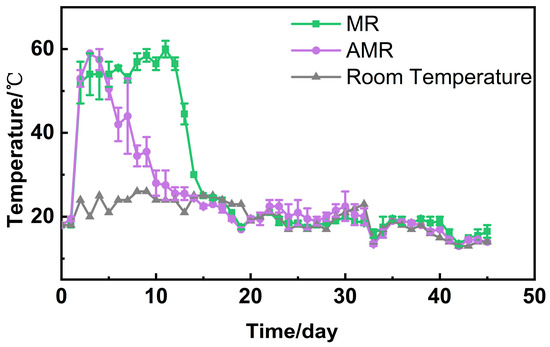
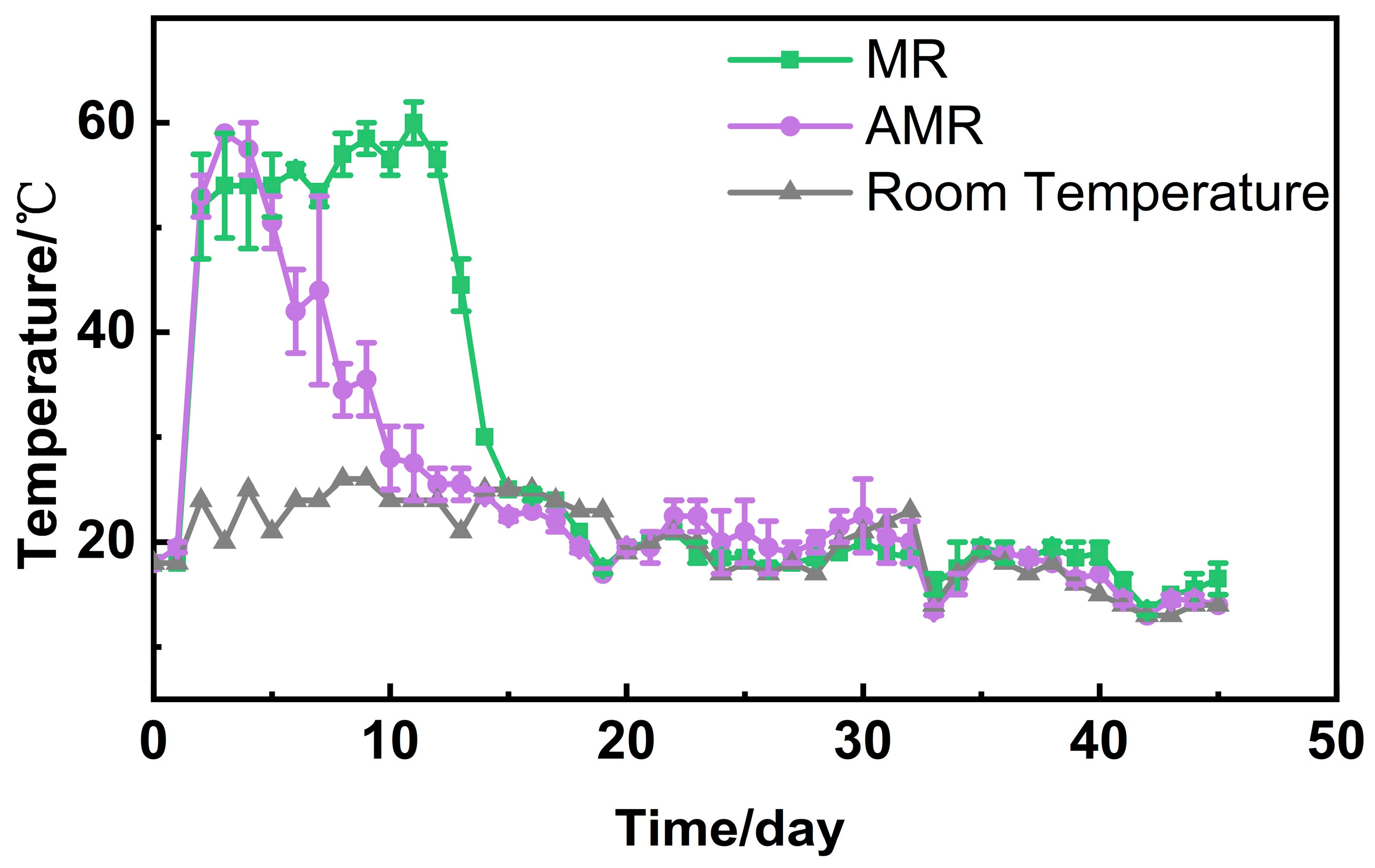
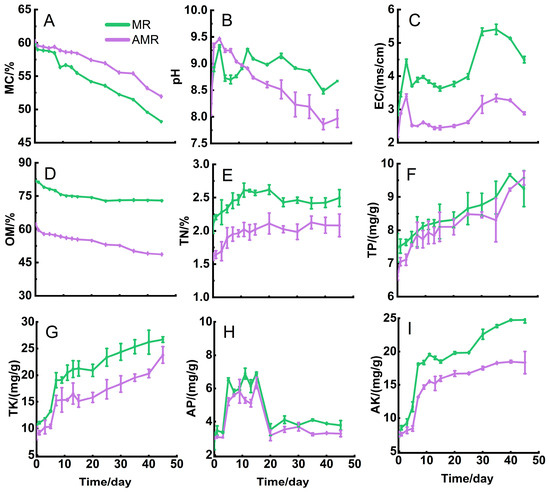
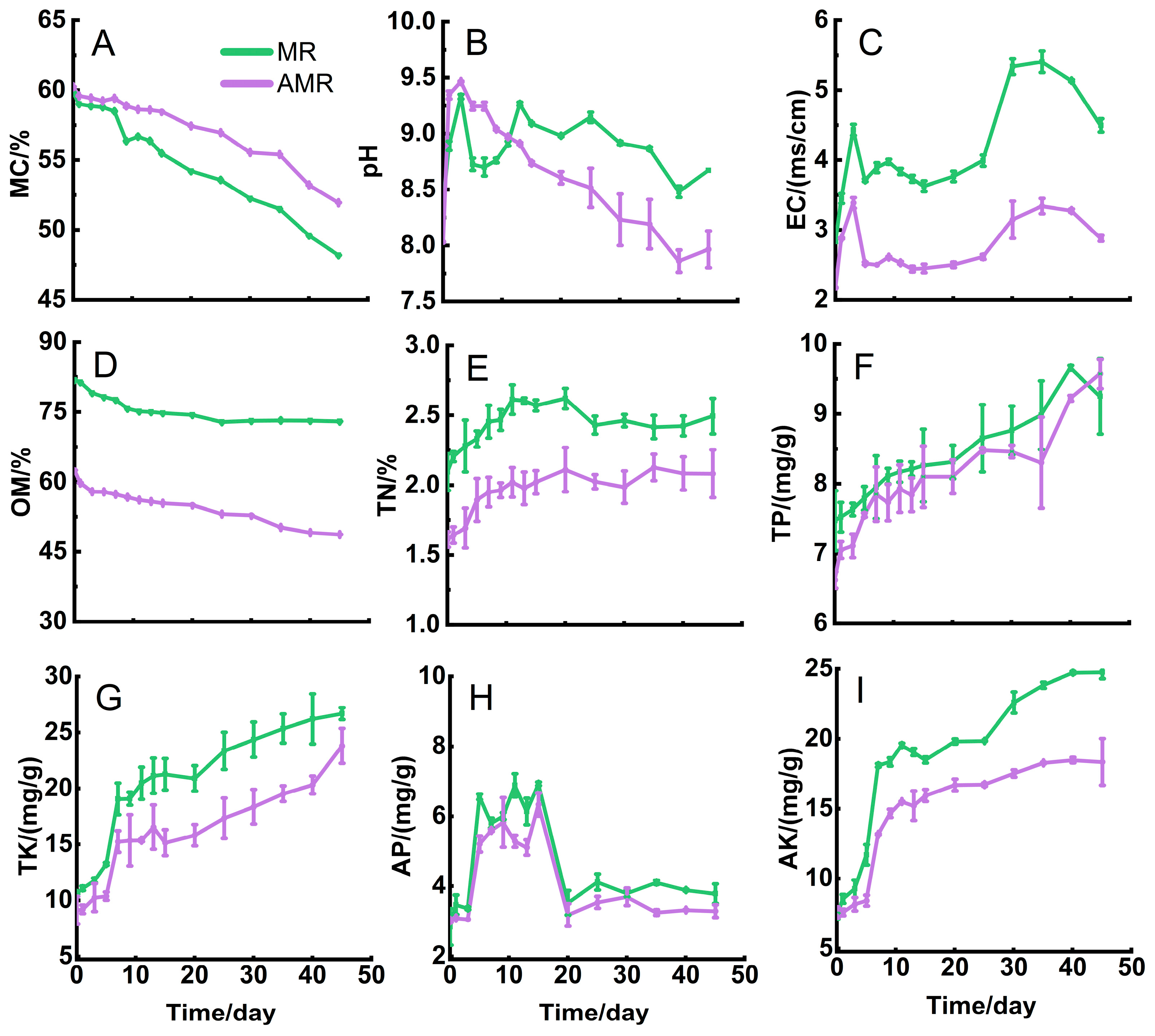
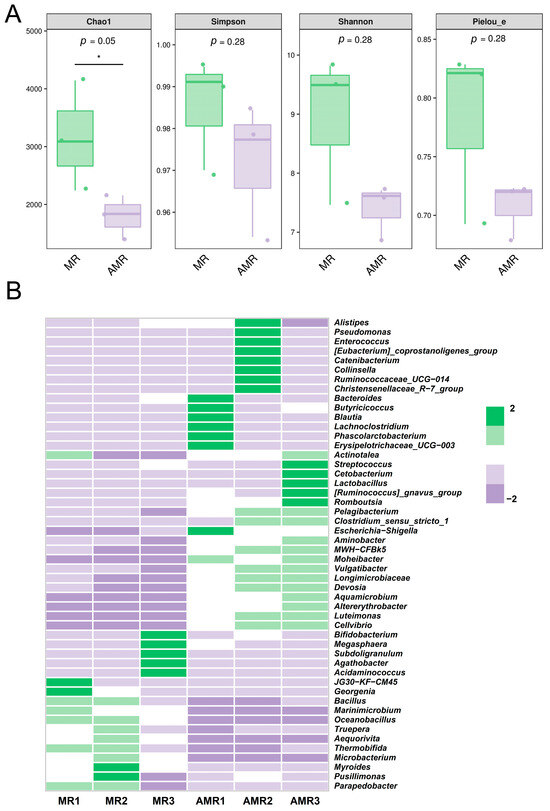
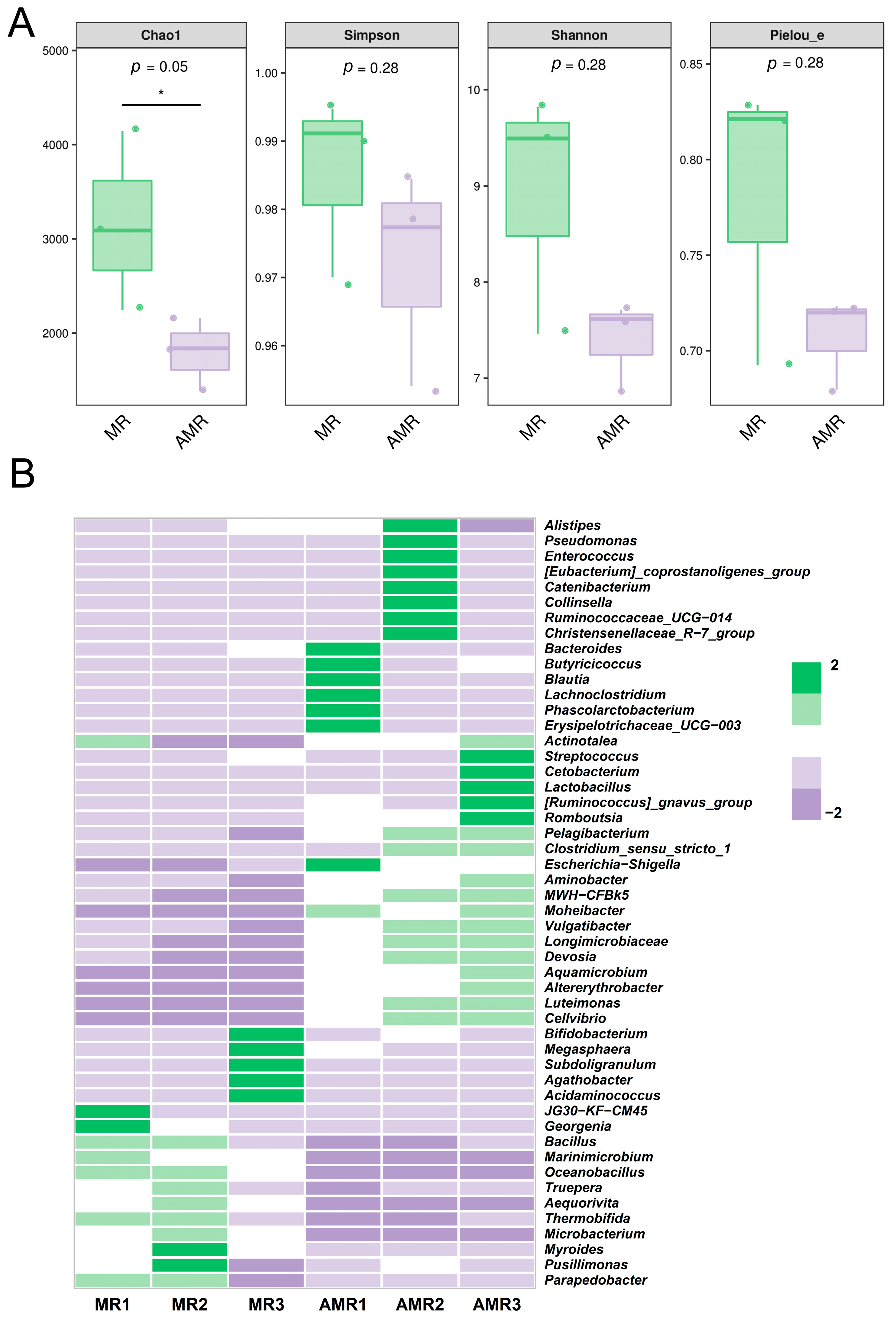
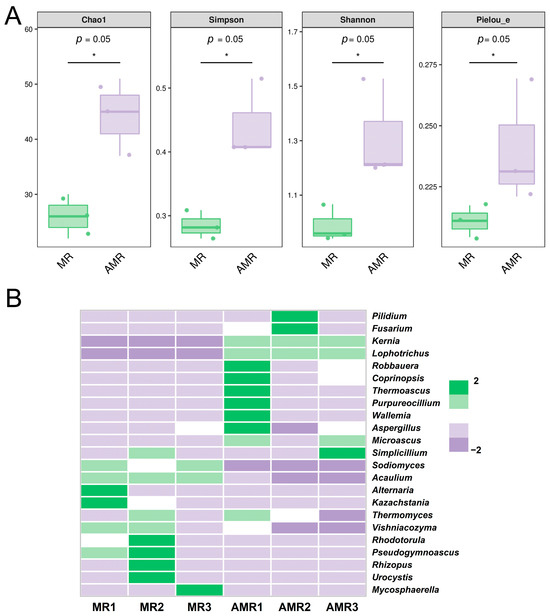
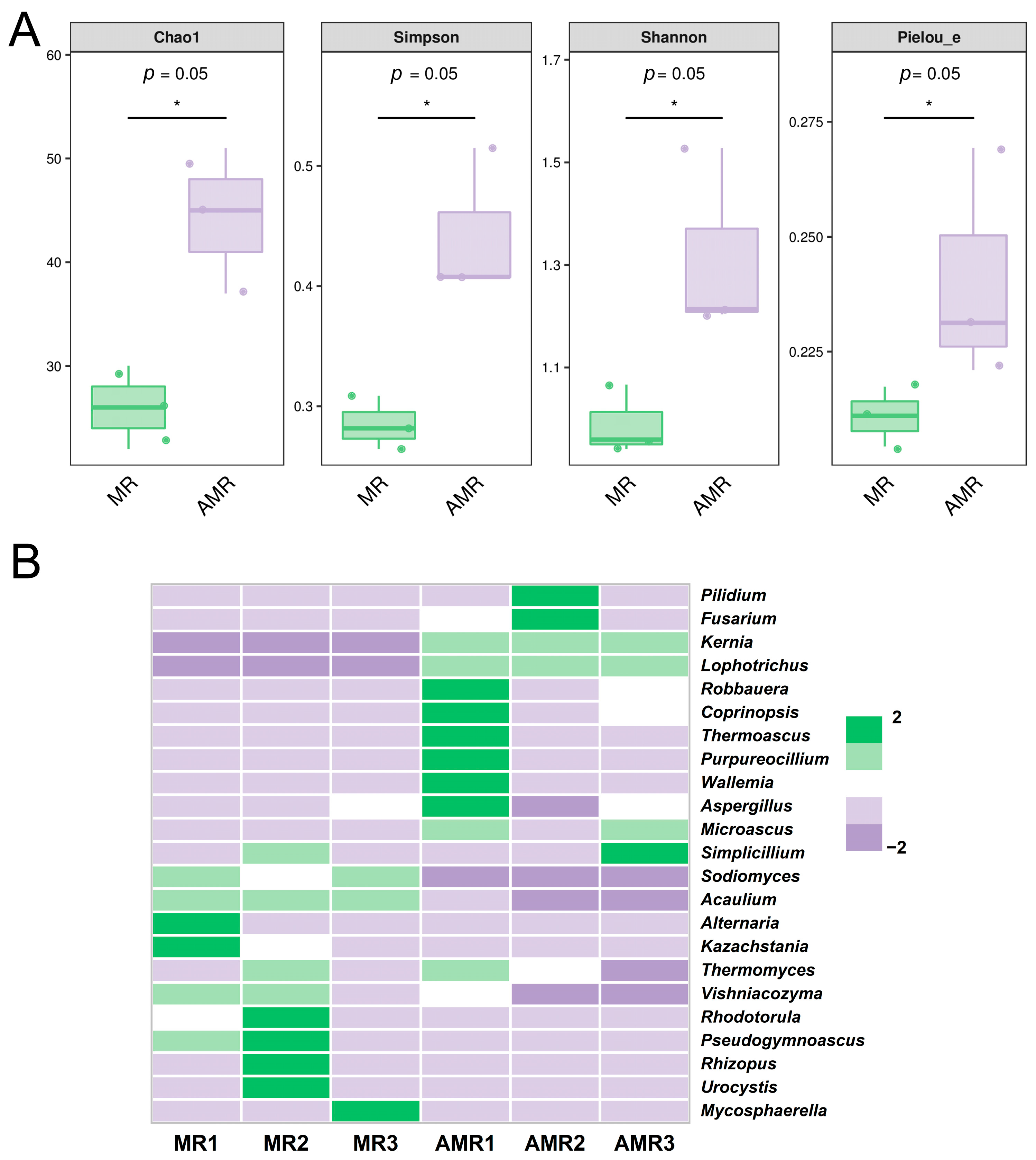
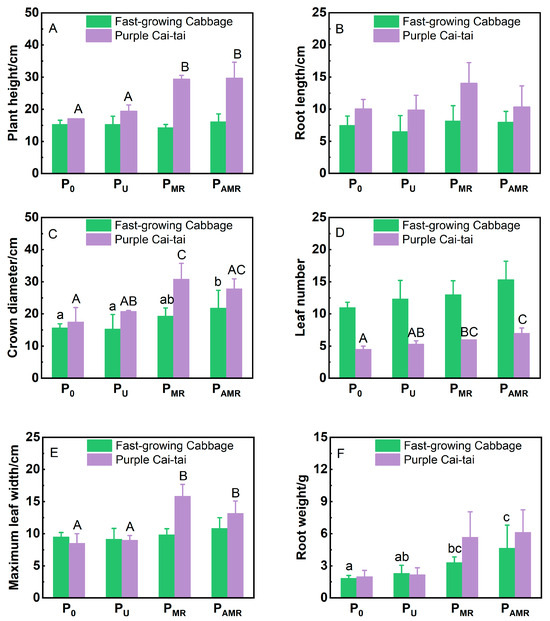
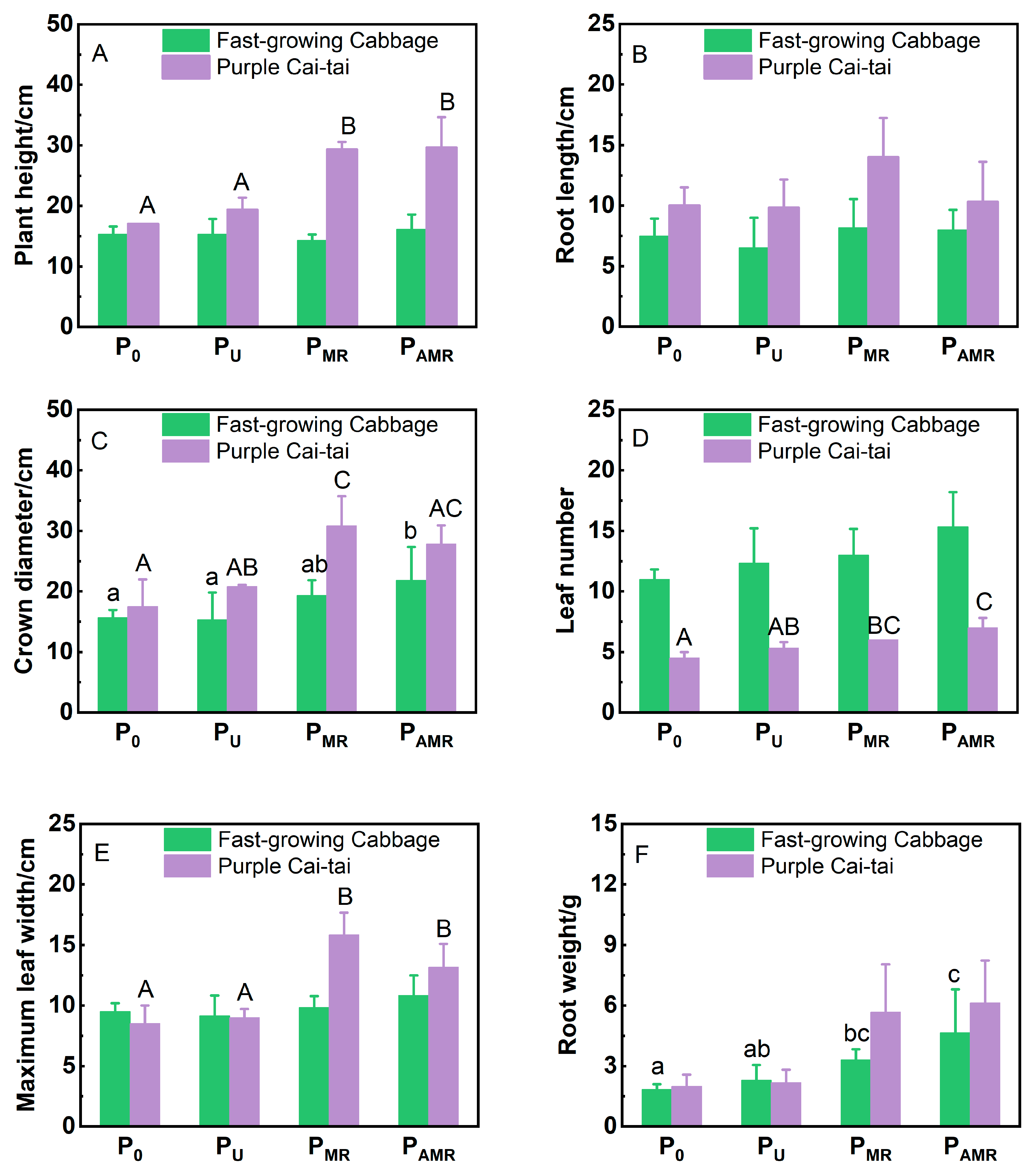
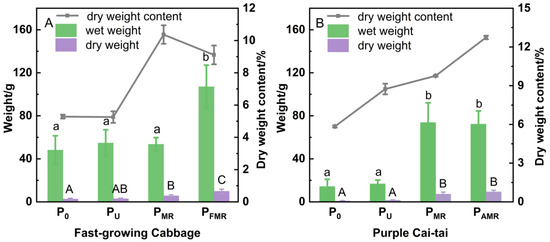
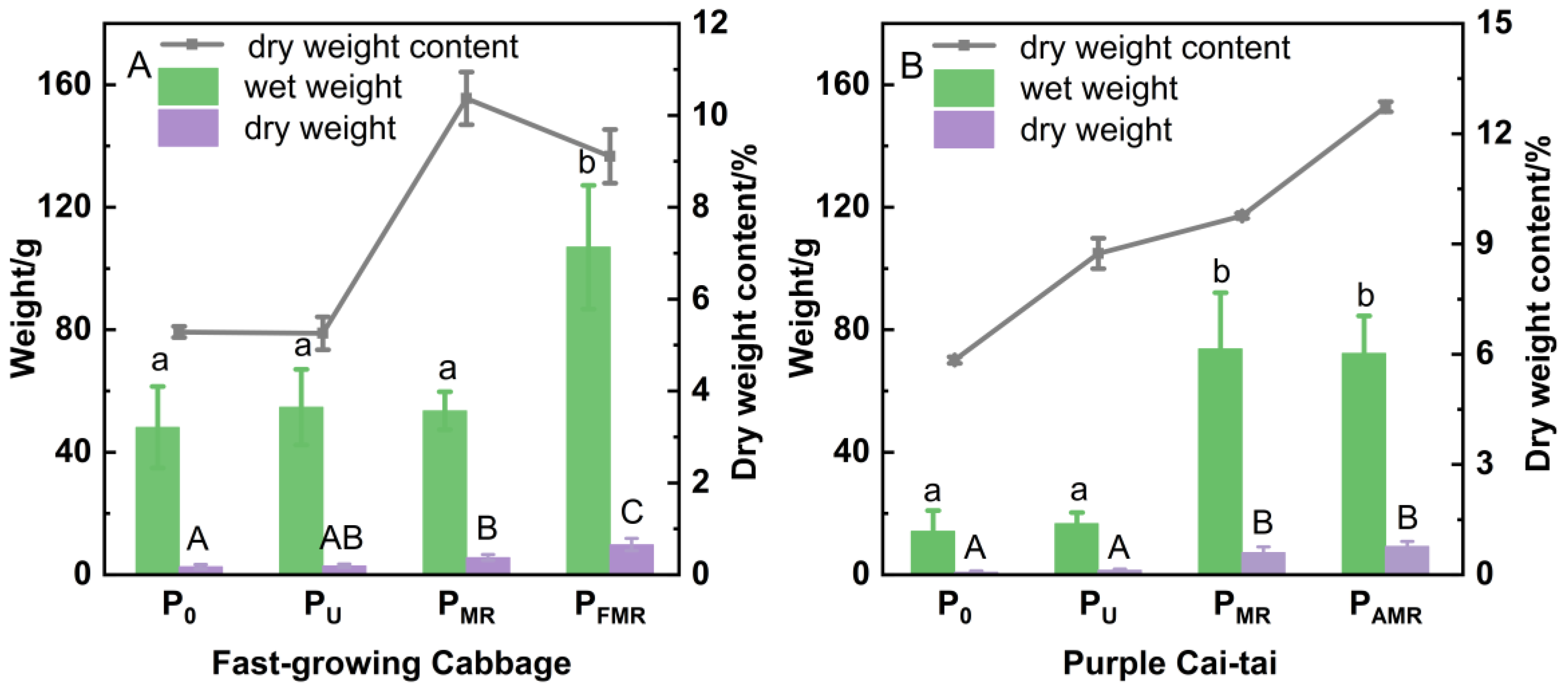
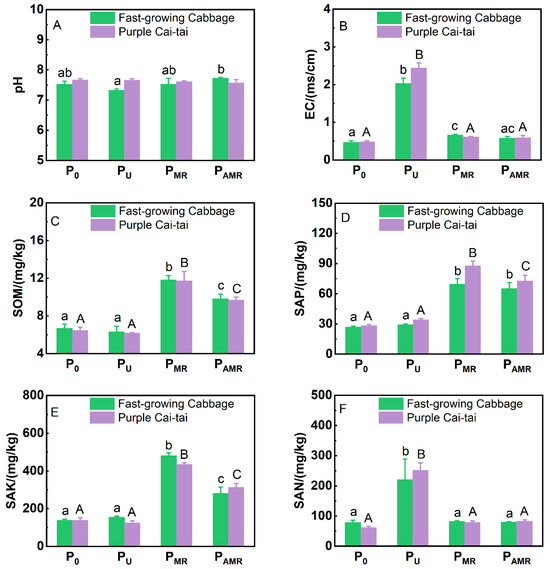
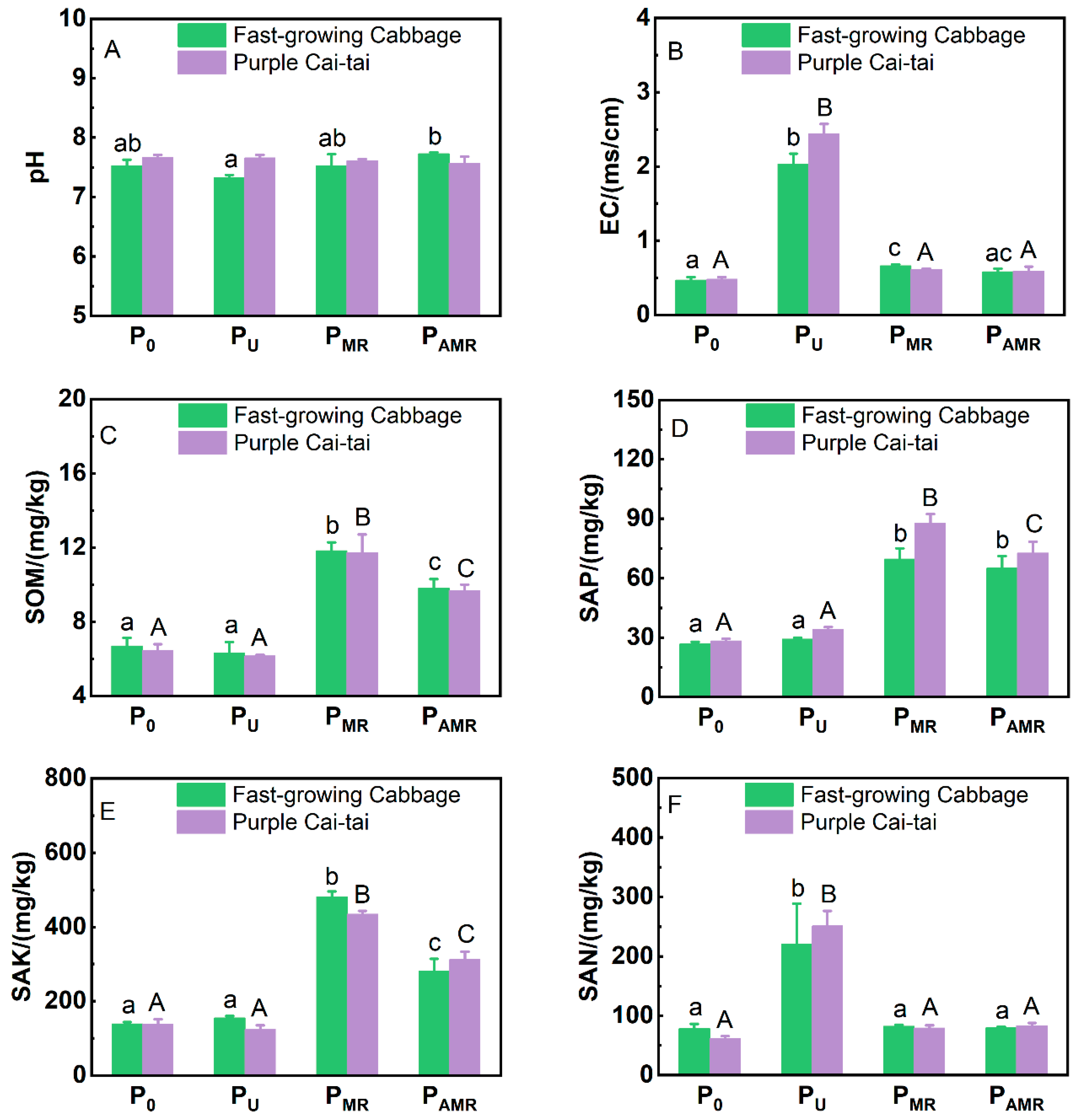

Disclaimer/Publisher’s Note: The statements, opinions and data contained in all publications are solely those of the individual author(s) and contributor(s) and not of MDPI and/or the editor(s). MDPI and/or the editor(s) disclaim responsibility for any injury to people or property resulting from any ideas, methods, instructions or products referred to in the content. |
© 2026 by the authors. Licensee MDPI, Basel, Switzerland. This article is an open access article distributed under the terms and conditions of the Creative Commons Attribution (CC BY) license.