Article

A Case Study: Groundwater Level Forecasting of the Gyorae Area in Actual Practice on Jeju Island Using Deep-Learning Technique


1
Department of Hydro Science and Engineering Research, Korea Institute of Civil Engineering and Building Technology, Goyang-Si 10223, Republic of Korea
2
Han River Flood Control Office, Ministry of Environment, Seoul 06501, Republic of Korea
*
Author to whom correspondence should be addressed.
Water 2023, 15(5), 972; https://doi.org/10.3390/w15050972
Submission received: 26 December 2022 / Revised: 26 February 2023 / Accepted: 27 February 2023 / Published: 3 March 2023
(This article belongs to the Special Issue Novel Applications of Surface Water–Groundwater Modeling)

Abstract

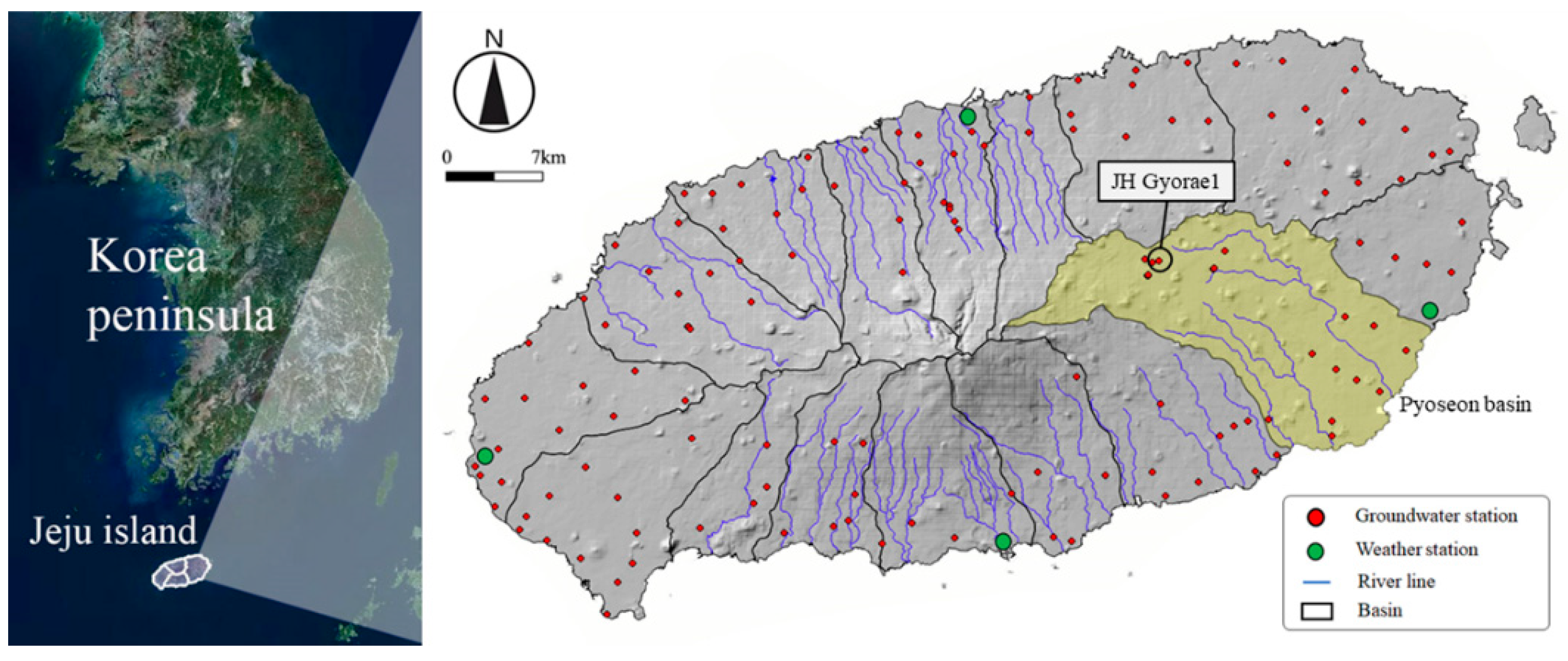
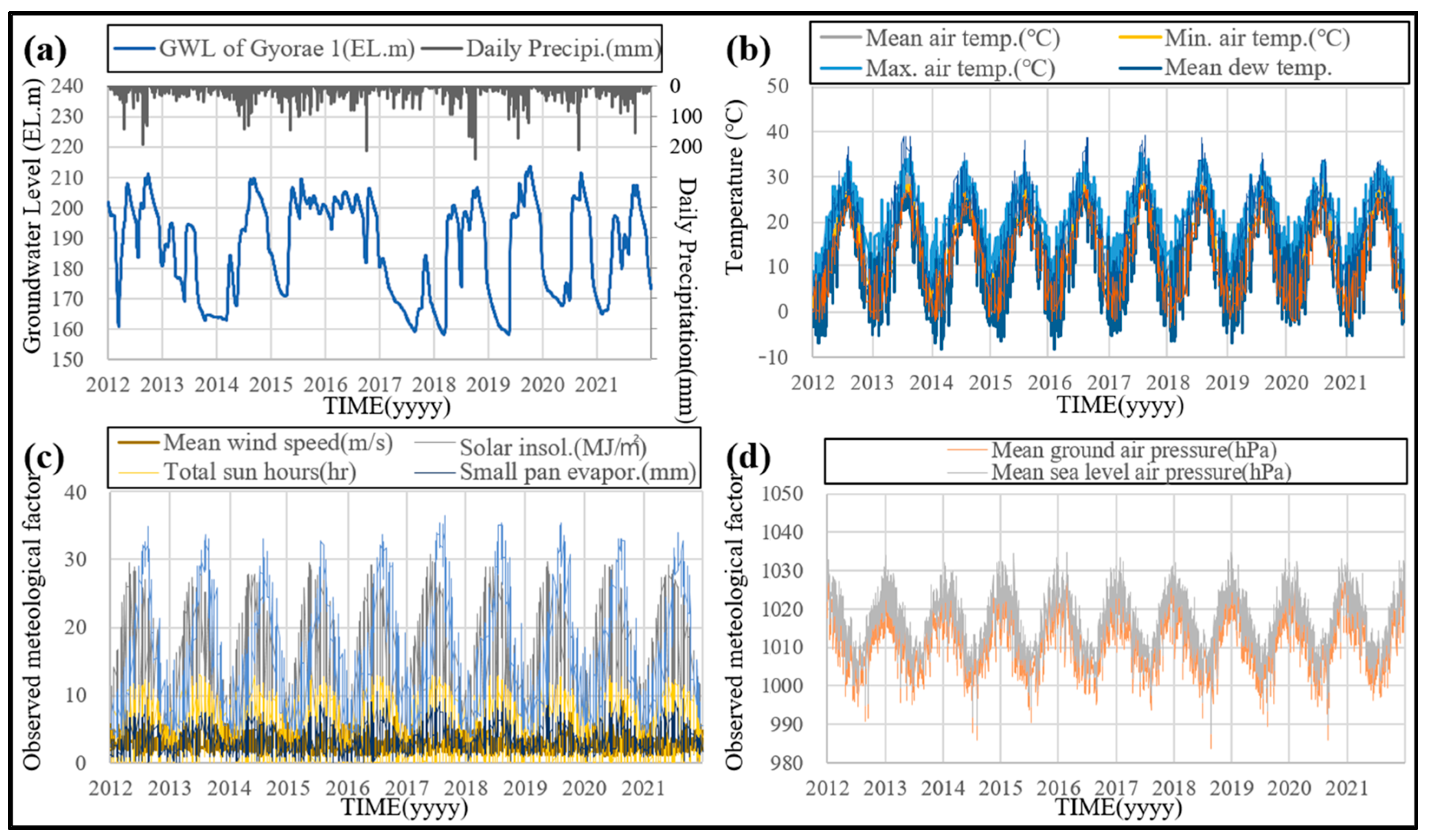
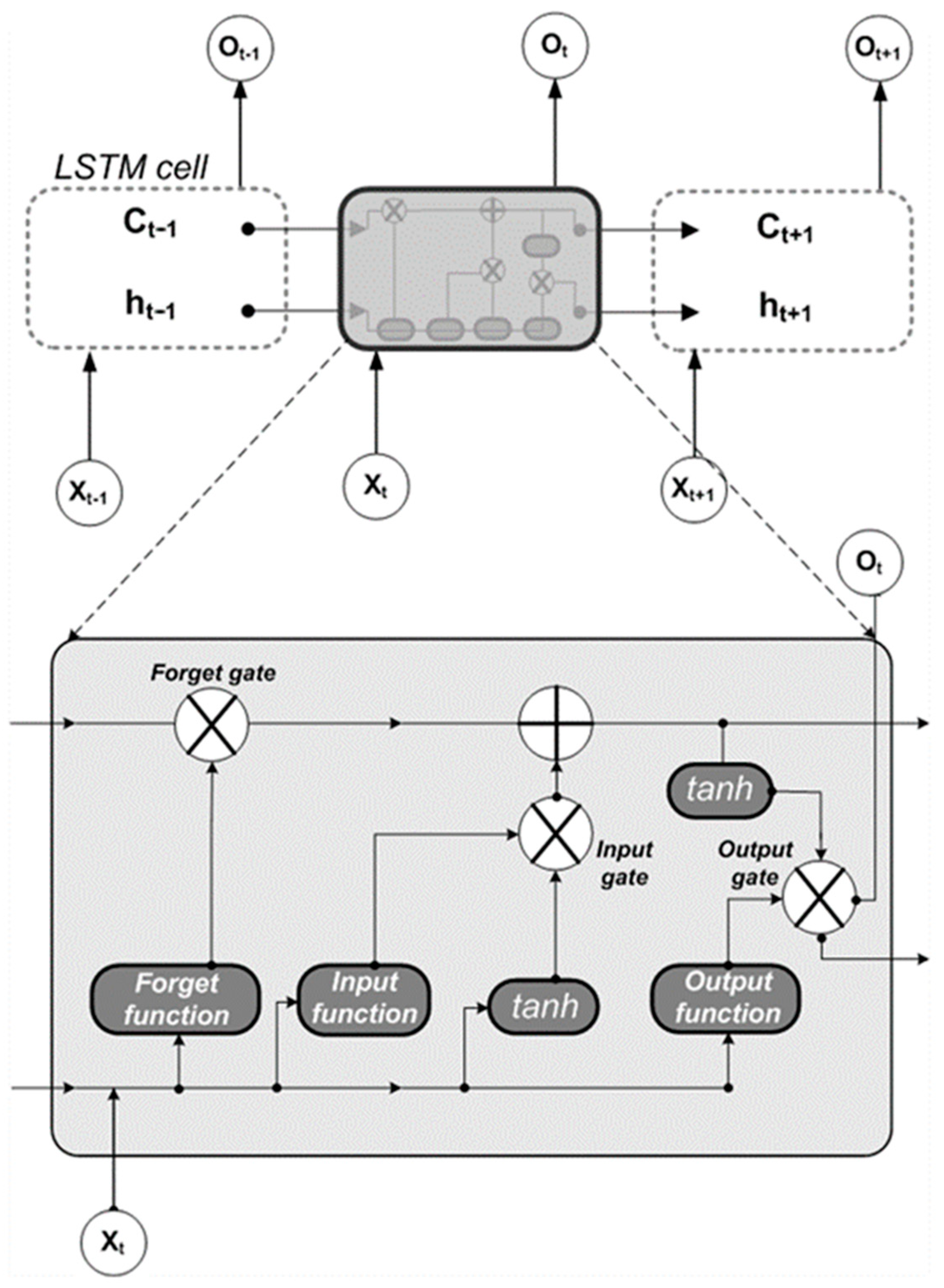
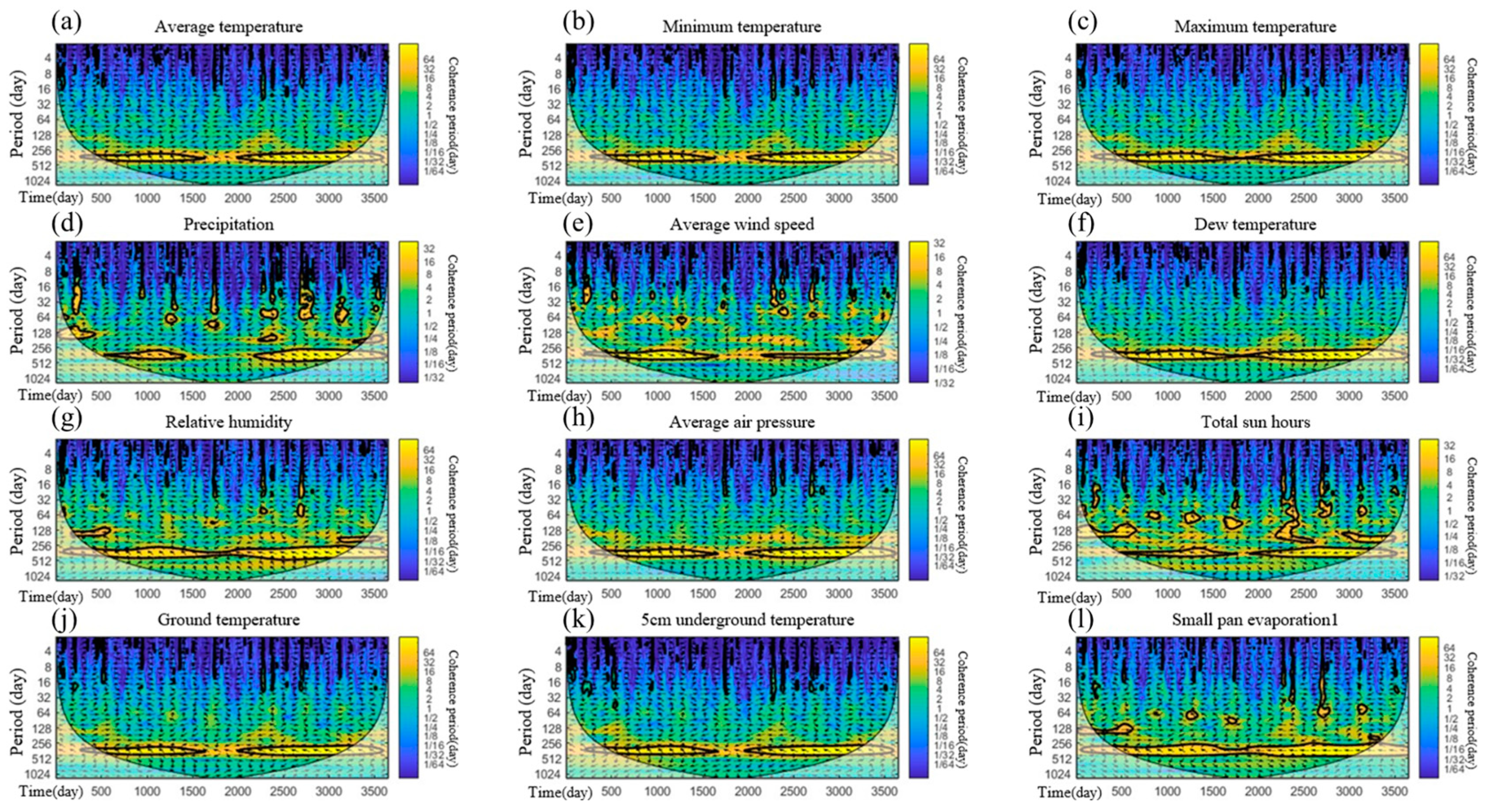
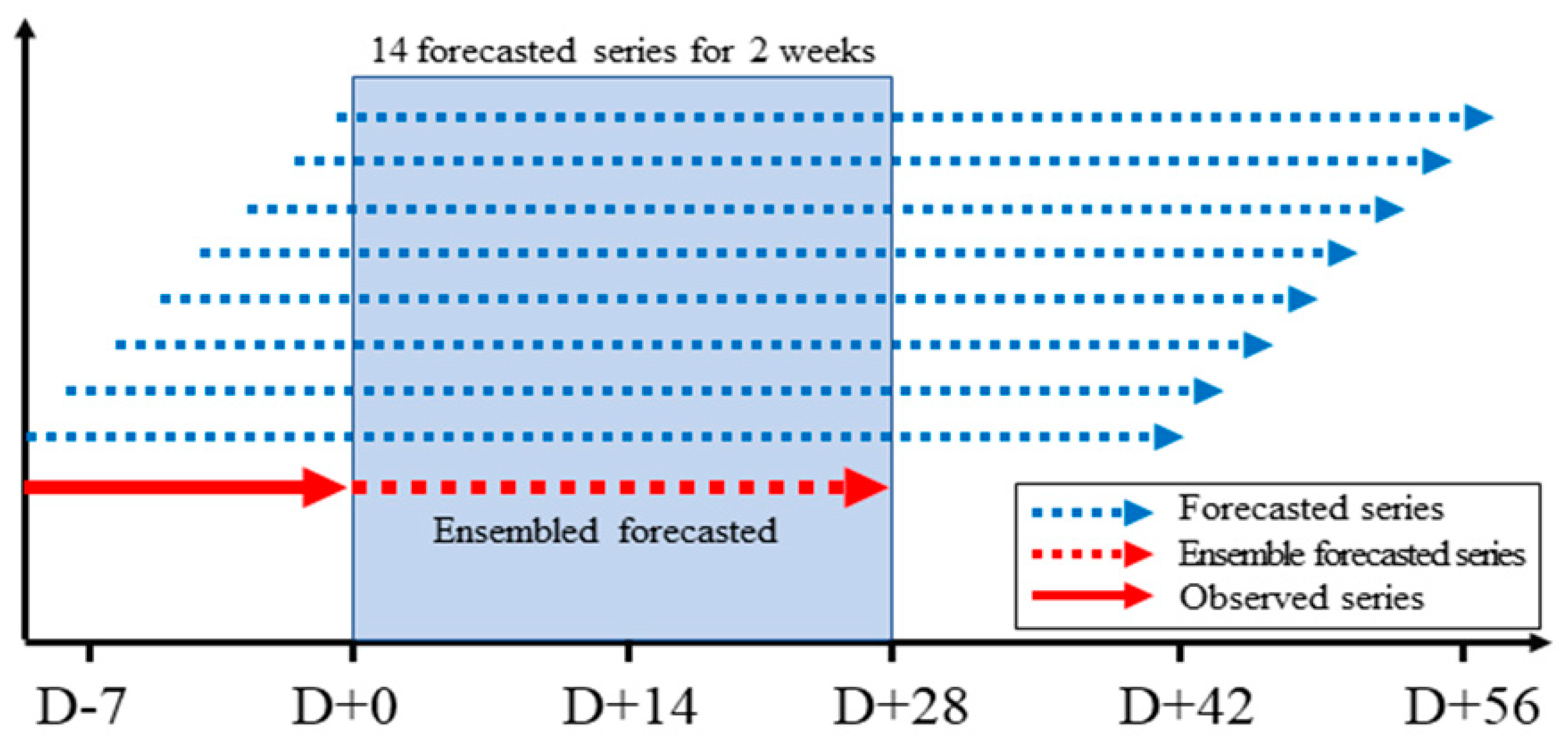
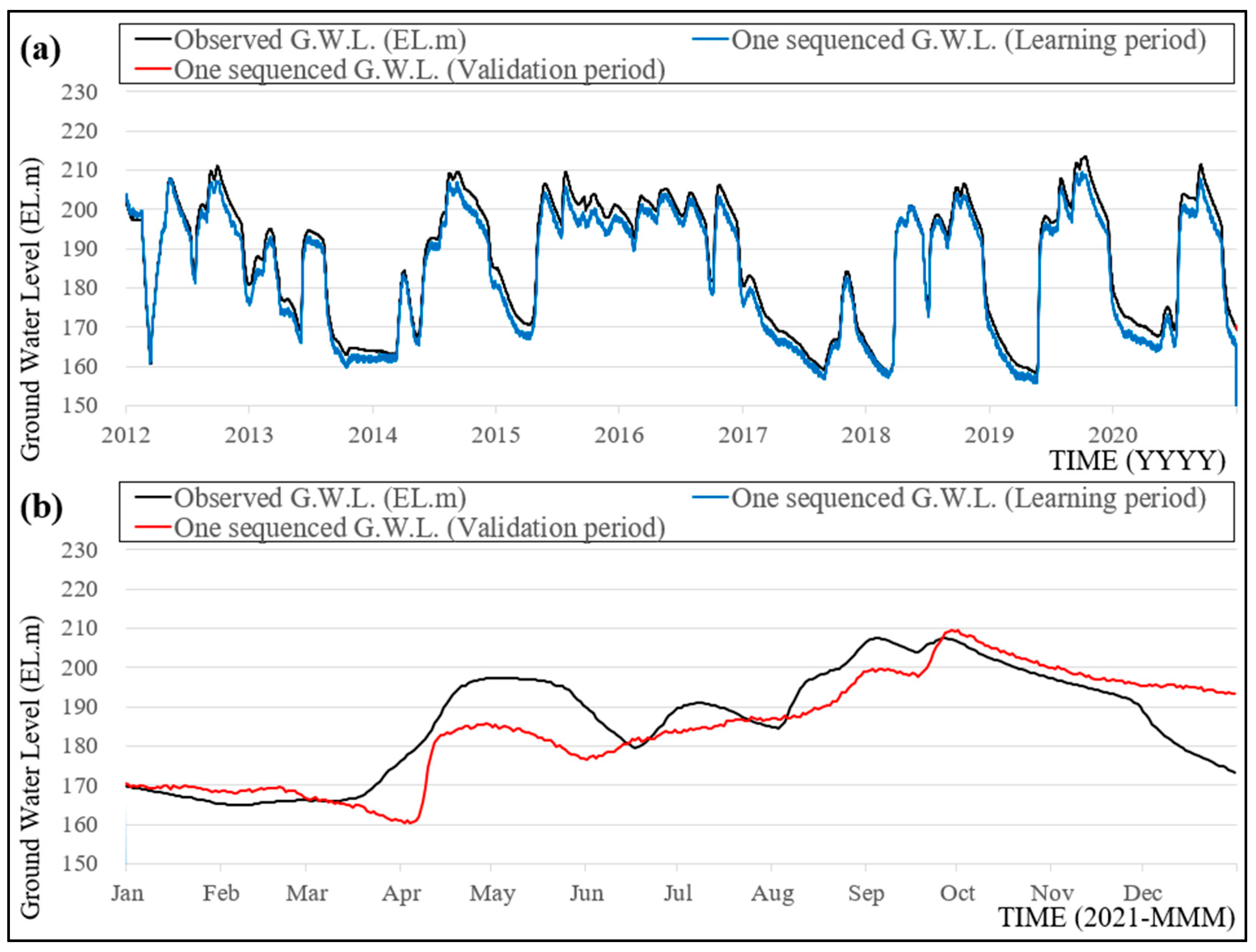
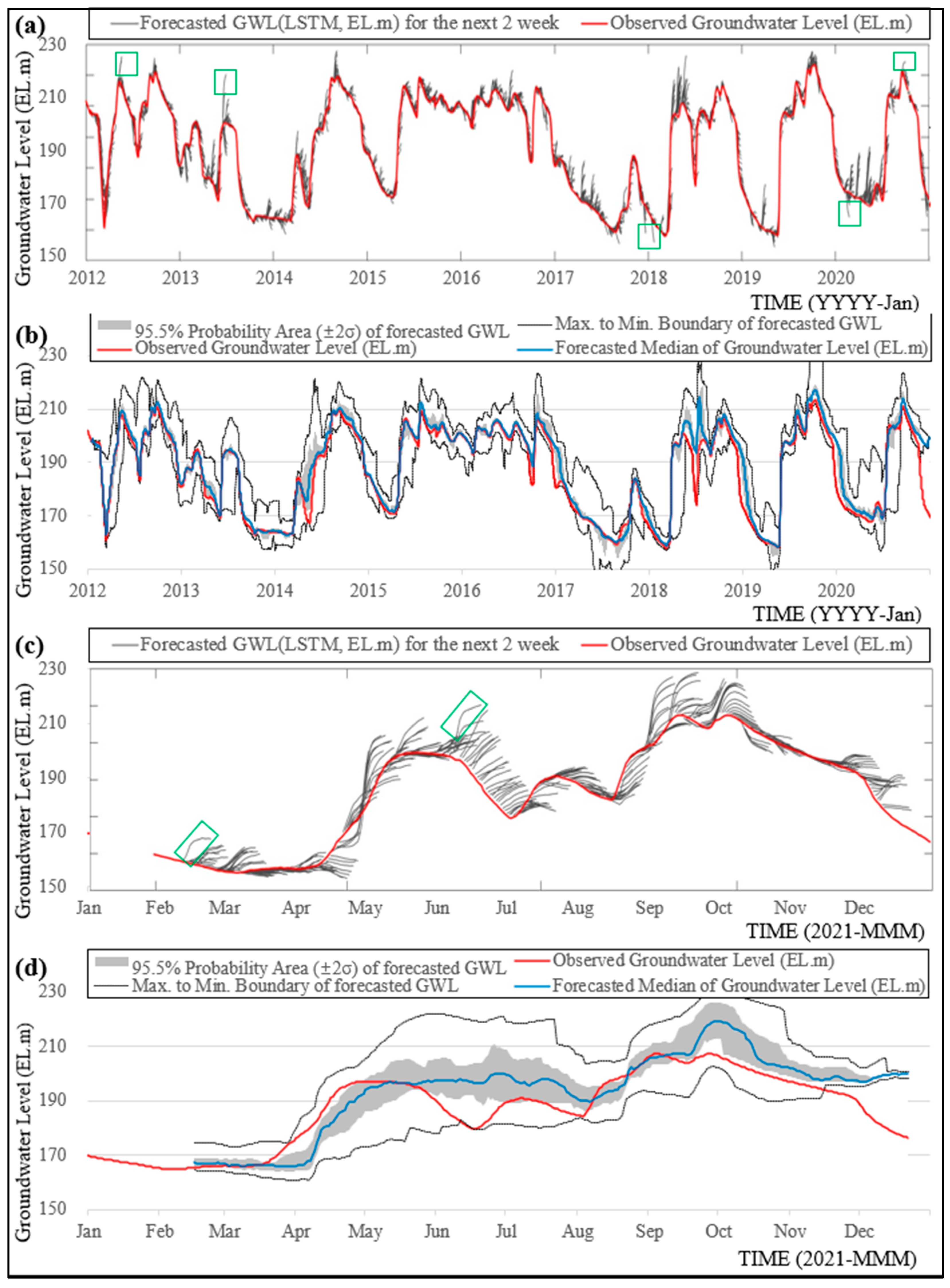
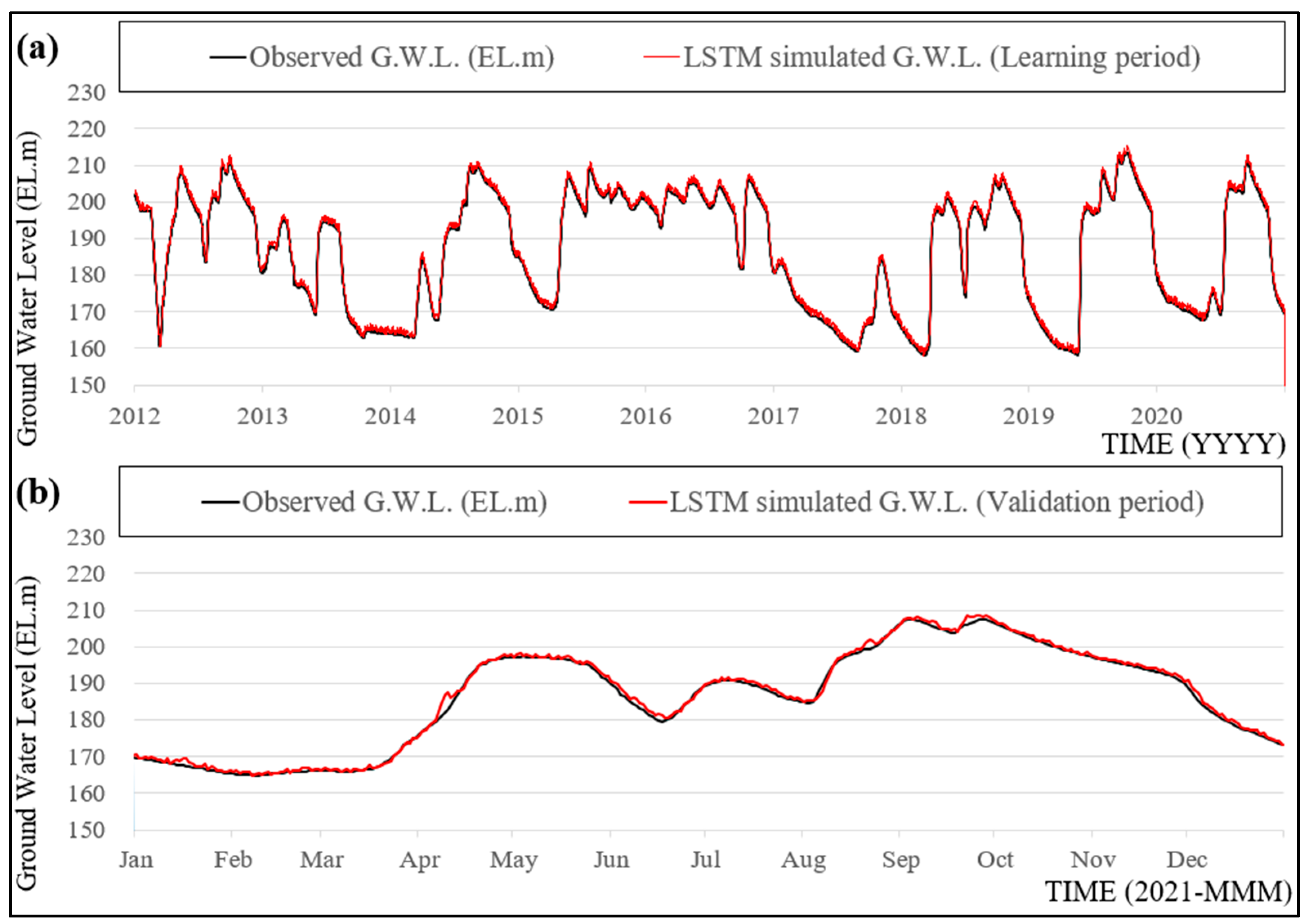
As a significant portion of the available water resources in volcanic terrains such as Jeju Island are dependent on groundwater, reliable groundwater level forecasting is one of the important tasks for efficient water resource management. This study aims to propose deep-learning-based methods for groundwater level forecasting that can be utilized in actual management works and to assess their applicability. The study suggests practical forecasting methodologies through the Gyorae area of Jeju Island, where the groundwater level is highly volatile and unpredictable. To this end, the groundwater level data of the JH Gyorae-1 point and a total of 12 kinds of daily hydro-meteorological data from 2012 to 2021 were collected. Subsequently, five factors (i.e., mean wind speed, sun hours, evaporation, minimum temperature, and daily precipitation) were selected as hydro-meteorological data for groundwater level forecasting through cross-wavelet analysis between the collected hydro-meteorological data and groundwater level data. The study simulated the groundwater level of the JH Gyorae-1 point using the long short-term memory (LSTM) model, a representative deep-learning technique, with the selected data to show that the methodology is adequately applicable. In addition, for its better utilization in actual practice, the study suggests and analyzes (i) a derivatives-based groundwater level learning model which is defined as derivatives-based learning to forecast derivatives (gradients) of the groundwater level, not the target groundwater time series itself, and (ⅱ) an ensemble forecasting methodology in which groundwater level forecasting is performed repetitively with short time intervals.
Keywords: groundwater level; long short-term memory; Jeju island groundwater level; long short-term memory; Jeju island