


Abstract
Volatile organic compounds (VOCs) are ubiquitous pollutants, and exposure from in utero through childhood may impair neurodevelopment. However, compound-specific risks remain unclear. This systematic review and meta-analysis examined associations between VOC exposure and child neurodevelopmental outcomes. A systematic search of PubMed, Scopus, and Embase was conducted until August 2025, yielding 1213 records. Quality assessment was performed using the Newcastle–Ottawa Scale and risk of bias using the ROBINS-E tool. Pooled odds ratios (ORs) were calculated using random-effects models, with heterogeneity evaluated via I2 statistics. Subgroup analyses explored for study design, exposure timing, and country income level. Twenty-eight studies were included in the final analysis. Of the 18 VOCs analyzed, five compounds, propionaldehyde (pooled OR = 1.84; 95% CI 1.19–2.49), styrene (pooled OR = 1.69; 95% CI 1.30–2.21), vinyl chloride (pooled OR = 1.53; 95% CI 1.24–1.89), acrolein (pooled OR = 1.48; 95% CI 1.08–2.04), and trichloroethylene (OR = 1.21; 95% CI 1.04–1.41), demonstrated statistically significant adverse associations with neurodevelopment. Benzene showed borderline significance. Heterogeneity ranged from 0–47%. Subgroup analyses identified significant effect modification for 1,3-butadiene by study design and exposure timing and higher pooled estimates for ethylbenzene in high-income countries.
1. Introduction
Over the past few decades, the growing prevalence of neurodevelopmental disorders (NDDs) among children has become a significant public health concern globally [1]. NDDs are conditions that primarily affect the functioning of the brain and nervous system. These conditions include attention-deficit/hyperactivity disorder (ADHD), autism spectrum disorder (ASD), learning disorders, intellectual disability, motor disorders, and communication disorders [2]. It is estimated that 15% of children worldwide are affected by NDDs [1], with ASD and ADHD being among the most frequently diagnosed conditions. Recent reports indicate a growing trend in autism diagnoses among school-aged children in recent years [3], while ADHD is reported to be more prevalent in boys than girls [4,5].
Recently, there has been growing interest in the potential effect of environmental pollution such as volatile organic compounds (VOCs) on NDD. VOCs are organic chemicals that have high vapor pressure and low water solubility, with boiling points between 50 °C and 260 °C [6]. They are commonly released from building materials and household products [7]. There are thousands of VOCs present in the air, with the highest concentrations typically found indoors [7]. Common VOCs that can be found in the environment include benzene, ethylene glycol, formaldehyde, methylene chloride, tetrachloroethylene, toluene, xylene, and 1,3-butadiene [8,9].
Children’s exposure to VOCs arises from various indoor and outdoor sources. Since children spend a significant amount of time in the indoor at-home-and-school microenvironment, the effect of exposure to VOCs from paints, solvents, cleaning agents and furnishings can be significant [10,11]. Studies assessing the exposure of VOCs among children have found that indoor VOCs concentrations in homes and schools were consistently higher than outdoor [10,12]. Given that the primary route of exposure for VOCs is through inhalation, indoor air quality serves as a critical source of exposure [10,13]. However, children’s behavioral patterns, such as frequent hand-to-mouth behavior and crawling, increases their exposure through oral ingestions and dermal contacts with surfaces and objects [13,14]. Additionally, their unique physiological factors such as higher breathing volume relative to body weight and surface area, intensify the absorption rates of environmental pollutants [15]. Their immature metabolism and elimination processes of pollutants, as well as their underdeveloped immune and respiratory systems, collectively heighten children’s susceptibility to the harmful effects of VOCs exposure [14,15].
VOCs have a high lipophilicity property, which allows for the crossing of the blood–brain barrier and can potentially result in neurotoxicity and neurobehavioral changes [16]. Several animal studies have highlighted oxidative damage and altered expression of neurotransmitters and N-methyl-D-aspartate (NMDA) receptors as possible mechanisms of VOC neurotoxicity [17,18]. Some of the commonly assessed VOCs such as benzene, toluene, ethylbenzene and xylene (BTEX) have been associated with lower cognitive and motor performance and dyslexia and higher odds of developing ADHD, often diagnosed in school-aged children [19,20]. Meanwhile, ASD has been widely associated with exposure to methylene chloride and styrene [21,22]. Other commonly studied VOCs, including perchloroethylene (PCE) and formalin, have been linked to impaired cognitive development, problem solving, and social skills [23,24]. These assessments, commonly conducted during early life stages, including the prenatal, postnatal and childhood periods, were done through various methodologies, including environmental sampling of air pollutants, biomonitoring using exhaled breath, blood and urine samples, and exposure assessment through questionnaires [23,24,25,26].
Despite a growing number of studies examining VOC exposure and neurodevelopmental disorders, the overall evidence remains inconclusive, particularly regarding compound-specific health risks [19]. While previous studies suggest that several compounds like BTEX, styrene, and chlorinated solvents are associated with adverse neurodevelopmental outcomes [19,20,21,22,23,24], existing systematic reviews and meta-analyses have mainly focused on specific outcomes such as ASD [27] or specific environmental exposures, including ambient air pollutants [28], pesticides [29], and heavy metals [30], leaving a gap in the comprehensive synthesis of diverse VOCs and overall neurodevelopmental outcomes. Hence, this systematic review and meta-analysis was conducted to synthesize existing evidence and quantify the overall associations between various VOCs and neurodevelopmental outcomes in children. The findings from this review will provide a comprehensive overview of the associations between VOC exposure and neurodevelopmental outcomes in children.
2. Materials and Methods
This systematic review was conducted and reported in accordance with the Preferred Reporting Items for Systematic Reviews and Meta-Analyses (PRISMA 2020) statement [31].
2.1. Search Strategy
A systematic literature search was conducted across three electronic databases, namely PubMed, Scopus, and Embase, from inception until August 2025. The search strategy combined keywords and text terms related to volatile organic compounds (e.g., “VOCs” OR “benzene”), population (e.g., “child” OR “infant”), and outcomes (e.g., “neurodevelopment” OR “neurobehavioural”). The full search strategy is provided in Supplementary Table S1. The search strategy and supporting documentation were registered in the International Prospective Register of Systematic Reviews (PROSPERO) (Centre for Reviews and Dissemination, York, UK) in accordance with the PRISMA standards for the transparent reporting of systematic reviews and meta-analyses (ID: CRD42023485433). The PRISMA checklist is provided in Supplementary Table S2.
2.2. Study Eligibility Criteria
The inclusion criteria for this systematic review followed the population, exposure, comparator, and outcome (PECO) framework: (a) The population included children aged below 18 years, reflecting a critical window for brain development [32]. (b) Eligible studies assessed prenatal and/or postnatal exposure to VOCs commonly found in everyday environments, including, but not limited to, acetaldehyde, benzene, formaldehyde, toluene, ethylbenzene, and xylene, with additional compounds informed by the broader list of VOCs specified in Environmental Protection Agency (EPA) Method 8260B. (c) Studies evaluating neurodevelopmental outcomes, such as cognitive, motor, speech and language, or behavioral outcomes, using validated or standardized assessment tools (e.g., developmental screening tests, intelligence quotient (IQ) tests, behavioral checklists, observational scales) were included. This also encompassed studies reporting clinical diagnoses such as ASD, ADHD, and developmental delay [33,34]. (d) Observational studies, including cohort, case–control, cross-sectional, time-series, and case–crossover designs [35], published as peer-reviewed articles or theses were eligible. Only original research articles published in English were included. Newspaper articles, reviews, commentaries, editorials, preprints, and conference abstracts lacking original data were excluded, as were studies without relevant exposure or outcome measures. Experimental studies (in vivo or in vitro models, animals, cells, or tissues) were also excluded.
Imported articles were collated, and duplicate records were identified and removed using EndNote (Clarivate, London, UK). Title and abstract screening was then conducted independently by N.F.S., I.H.A.S. and S.A.R. using the Rayyan software (version 1.7; Rayyan Systems Inc., Cambridge, MA, USA) with cross-checking performed in Excel (Microsoft, Redmond, WA, USA). After retrieving the full texts, eligibility assessment was carried out by two reviewer teams (N.F.S., N.N.A.R., S.A.R. and F.S.A., N.A.K.H., N.M.). Any disagreements within each team were resolved through discussion, and unresolved differences were adjudicated by cross-team senior reviewers. Discrepancies related specifically to VOC exposure were resolved in consultation with S.M.M.Z.
2.3. Data Extraction
Data were extracted from the included studies for the following variables: primary author, year of publication, country, study design, total number of participants, timing of exposure, types and sources of VOCs assessed, methods and levels of VOC measurement, reported neurodevelopmental outcomes (including the assessment tools and timing), covariates included in the analysis, study limitations, and funding sources. For studies reporting categorical outcomes, effect estimates were extracted as odds ratios (ORs) with 95% confidence intervals (CIs), while for studies reporting continuous outcomes, effect estimates (e.g., β coefficients, mean differences, or z-scores) with corresponding measures of variability (SDs or 95% CIs) were recorded. Studies reporting outcomes through measures other than odds ratios (ORs), including interventional studies and those reporting only continuous mean scores, were included for descriptive synthesis only and were not pooled in the meta-analysis due to lack of compatible statistical data. Where multiple effect estimates were reported for the same exposure within a study, a single estimate was selected based on the primary analysis or most appropriate comparison to ensure consistency across studies. Extraction was conducted independently by two teams (Team 1: N.F.S., N.N.A.R., S.A.R.; Team 2: F.S.A., N.A.K.H., N.M.) and cross-checked by the other team for accuracy.
Information on covariates included in the original analytical models was also extracted to evaluate how potential confounding factors were addressed across studies. These covariates included demographic characteristics, socioeconomic indicators, prenatal and birth-related variables, and other environmental exposures were reported. The extracted covariates and key methodological limitations are summarized in Supplementary Table S3.
2.4. Assessment Quality of Study and Risk of Bias (RoB)
The methodological quality of included studies was evaluated using the Newcastle–Ottawa Scale (NOS), with assessment tailored to study design. For cohort studies, quality was judged across three domains: selection (four items), comparability (one item), and outcome (three items), with a maximum score of nine. Case–control studies were assessed on selection (four items), comparability (one item), and exposure (three items), also with a maximum score of nine. For cross-sectional studies, a modified NOS adapted for this design was applied, covering selection (four items), comparability (one item), and outcome (three items), again with a maximum of nine points. Higher scores indicated stronger methodological quality, and studies were categorized as high (7–9), moderate (4–6), or low (0–3) [36]. The risk of bias was further assessed using the ROBINS-E tool, which evaluates seven domains: confounding, selection of participants, classification of exposures, departures from intended exposures, missing data, measurement of outcomes, and selection of reported results. Each domain was rated as low, moderate, serious, or critical risk of bias, with the overall judgement determined by the highest risk rating across domains. Because the NOS and ROBINS-E assess different methodological domains, discrepancies between overall NOS scores and ROBINS-E risk-of-bias classifications may occur. Both quality and risk-of-bias assessments were conducted independently by two reviewers (F.S.A. and M.F.I.). Disagreements were resolved through discussion, and when consensus could not be reached, a third reviewer (N.F.S.) was consulted.
2.5. Statistical Analysis
Studies reporting associations between specific VOC exposures and neurodevelopmental outcomes using odds ratios (ORs) were included in the meta-analysis. The meta-analysis was restricted to studies providing ORs to maintain a consistent primary effect measure. Only one study reported a relative risk (RR), and two studies reported hazard ratios (HRs); therefore, pooling of these effect measures was not feasible. In addition, RRs and HRs were not combined with ORs, as these measures are not directly comparable without appropriate transformation. While transformation of continuous coefficients into standardized estimates was considered, the lack of reported variance data in several key studies precluded this approach. Hence, studies reporting continuous neurodevelopmental outcomes based on different assessment scales were not included in the meta-analysis and were synthesized narratively. Summary estimates were calculated using a random-effects model. Meta-analysis was conducted for the following VOCs for which at least two studies were available: propionaldehyde, styrene, trichloroethylene, vinyl chloride, acrolein, formaldehyde, toluene, ethylbenzene, PCE, methylene chloride, ethylene oxide, hexane, 1,3-butadiene, chloroform, xylene, MTBE, propylene dichloride, dichloropropene, and benzene. Effect estimates reported as odds ratios (ORs) were log-transformed [ln(OR)] to approximate normality and pooled using inverse-variance weighting.
Heterogeneity was assessed using Cochran’s Q and the I2 statistic. I2 values of <25%, 25–50%, and >50% were interpreted as low, moderate, and high heterogeneity, respectively, and used as a confirmatory test of the Q statistics [37,38]. Assessment of publication bias was not performed due to the limited number of studies available for each VOC, as such analyses are considered unreliable when few studies are included [39]. Subgroup analyses were conducted to examine potential effect modification by study design, exposure timing, and country income level. Analysis by exposure assessment method was considered; however, this was not feasible due to the limited number of studies available for each VOC compound. A sensitivity analysis was conducted to assess the robustness of the results. All statistical analyses were completed using RevMan version 5.4 (The Cochrane Collaboration, London, UK) and Stata version 18 (StataCorp, College Station, TX, USA).
2.6. Certainty of Evidence Assessment
The certainty of evidence for each meta-analyzed outcome was assessed using the Grading of Recommendations Assessment, Development and Evaluation (GRADE) approach. As all pooled estimates were derived from observational studies, the certainty of evidence initially started at low. The certainty was subsequently downgraded or upgraded based on predefined criteria across five domains, which were risk of bias, inconsistency, indirectness, imprecision, and publication bias.
Downgrading was guided by judgements regarding the overall risk of bias using the ROBINS-E tool, the magnitude of statistical heterogeneity (I2 statistic), the directness of the population, exposure, and outcome measures, the precision of pooled effect estimates, and evidence of small-study effects where applicable. Upgrading of certainty was considered when there was evidence of a large magnitude of effect or a dose–response relationship or when residual confounding was likely to attenuate rather than explain the observed associations.
The final certainty of evidence for each outcome was categorized as high, moderate, low, or very low. Summary-of-findings tables were generated to present pooled effect estimates alongside certainty ratings for key outcomes.
3. Results
3.1. Search Results
The database search identified 1213 records, of which 247 duplicates were removed, leaving 966 records for title and abstract screening. After screening, 859 articles were excluded. A total of 107 reports were sought for retrieval, of which two could not be retrieved. Hence, 105 full-text articles were assessed for eligibility. Of these, 77 studies were excluded due to incorrect or mixed exposure (n = 62), incorrect population (n = 9), incorrect outcomes (n = 1), being a non-English paper (n = 1), and being an abstract/conference proceeding/protocol paper (n = 4). The study selection is summarized in the PRISMA flow diagram shown in Figure 1.
Figure 1.
PRISMA diagram of systematic review.
3.2. Study Characteristics
A total of 28 studies met the inclusion criteria for this review. The key characteristics of the included articles are summarized in Table 1. Most studies were conducted in the Americas (USA, Canada, Mexico) (16/28, 57.1%), followed by Europe (Spain, UK, France, Lithuania, Norway, Greece, Belgium) (5/28, 17.9%) and Asia (Japan, Taiwan, China) (5/28, 17.9%). The Caribbean (Jamaica) and the Middle East (Iran) each contributed only one study (3.6%), while none were identified from Southeast Asia. When grouped by countries’ income level, the vast majority of studies were from high-income countries (HICs: 23/28, 82.1%), with only 5/28 (17.9%) conducted in low- and middle-income countries (LMICs), including South Africa, Iran, China, Mexico, and Jamaica.
Study designs comprised cohort (n = 17), case–control (n = 6), cross-sectional studies (n = 4) and an intervention study (n = 1). Sample sizes ranged from small clinic-based cohorts (<200 participants) to large population-based datasets (>100,000 children). The primary VOCs investigated were benzene (10/28; 36%) and toluene (10/28; 36%), followed by trichloroethylene (9/28; 32%), perchloroethylene/PCE (7/28; 25%), ethylbenzene (6/28; 21%), styrene (5/28; 18%), xylene (5/28; 18%), formaldehyde (4/28; 14%), o-xylene (4/28; 14%), acetaldehyde (3/28; 11%), vinyl chloride (3/28; 11%), m/p-xylene (2/28; 7%), methylene chloride (2/28; 7%), ethylene oxide (2/28; 7%) and p-dichlorobenzene (2/28; 7%). Other VOCs were each reported in 1/28 studies (4%). Key covariates adjusted for, funding sources, and methodological limitations of the included studies are summarized in Table S3.
3.2.1. Source of Exposure
The sources of exposure included outdoor, indoor, mixed, and occupational settings. Outdoor air was the most commonly assessed VOC exposure source (17/28, 60.7%) [21,22,26,40,41,42,43,44,45,46,47,48,49,50,51,52,53], primarily capturing traffic emissions, diesel exhaust, ambient hazardous air pollutants (HAPs), and industrial plumes from petrochemical, iron and steel, and other heavy industrial zones. Exposure was also evaluated using residential proximity to stationary point sources, including chemical plants, power-generation facilities, waste incinerators, petrol stations (fuel vapor), dry-cleaning outlets (PCE), and other small commercial solvent-emitting businesses. Indoor air exposures were assessed in eight studies (28.6%) [19,23,24,25,54,55,56,57], covering vapor intrusion from contaminated groundwater; household product use (e.g., paints, paint thinners, adhesives/glue, incense, and other organic solvents); and emissions from new furniture, home renovations, or interior finishing during pregnancy. Additional sources included self-fuelling activities and the household or occupational use of solvent-containing and petroleum-derived products such as permanent markers, inkjet printing materials, dry-cleaning detergents, stain removers, paint coatings, nail polish remover, kerosene, gasoline, engine oil, and formalin/formaldehyde. Several studies also reported indoor accumulation of benzene and total VOCs (TVOCs) in poorly ventilated environments. One study (3.6%) assessed mixed indoor–outdoor exposures [58], parental occupational chemical exposures (paints, lacquers, varnish, paint thinners solvents, gasoline, kerosene, degreasers) [59], and other unspecified exposure sources [20] each.
3.2.2. Exposure Assessment
Exposure assessment was categorized by the primary method used to generate the quantitative data for statistical effect estimates. Across the 28 studies, the most common approach was environmental measurement (20/28, 71.4%), followed by biological monitoring (5/28, 17.9%) and questionnaire-based methods (3/28, 10.7%).
Among the 20 studies utilizing environmental approaches, 16 (57.1%) [21,22,40,41,42,43,45,46,47,48,49,50,51,52,53,58] relied on modelled concentrations or proximity indices, such as the U.S. EPA National Air Toxics Assessment (NATA) or land-use regression (LUR) models to estimate outdoor concentrations. The remaining four studies (14.3%) [19,54,55,56] used direct air sampling within indoor or school microenvironments using passive samplers or sensors.
Biological monitoring served as the primary exposure assessment for five studies (17.9%) [20,23,25,26,44], which quantified internal doses through biomarkers such as urinary metabolites (e.g., MU or trans,trans-muconic acid (t,t-MA)), serum BTEX, or PCE in exhaled breath.
Questionnaire-based methods provided the primary exposure data for three studies (10.7%) [24,57,59]. These assessments relied on detailed maternal reports of product use frequency or industrial hygienist expert ratings as proxies for VOC exposure. While several studies employed multiple assessment techniques for validation (e.g., combining questionnaires with direct monitoring), the classification above represents the primary independent variable used in each study’s main analysis. Detailed methodological differences in VOC exposure assessment are provided in Table S4.
3.2.3. Time of Exposure
Among the 28 studies, 19 (67.9%) assessed exposures during the in utero period (including studies assessing both prenatal and childhood exposures) [19,21,22,24,41,45,46,47,48,50,51,52,53,54,55,56,57,58,59], while 9 (32.1%) evaluated childhood-only exposures [20,23,25,26,40,42,43,44,49].
3.2.4. Outcome Assessment
Neurodevelopmental outcomes included cognitive performance, academic achievement, behavioral symptoms, ASD, ADHD, and global developmental scores. Across 28 studies, developmental scales (e.g., the Bayley Scales, Ages and Stages Questionnaire (ASQ), and Bayley’s Short Form—Research Edition (BSF-R) [19,24,45,49,51,55,58]) and clinical or registry-based diagnoses [21,22,41,48,50,53,57] were the most frequently used outcome measures, each appearing in seven of the studies (25.0%). The clinical or registry-based diagnoses were derived from Diagnostic and Statistical Manual of Mental Disorders (DSM) or International Classification of Diseases (ICD) classifications, specialty clinics, medical records, and surveillance systems. Autism diagnostic instruments and ASD symptom scales were used in 6/28 studies (21.4%), including Autism Diagnostic Observation Schedule (ADOS), Autism Diagnostic Interview—Revised (ADI-R), Childhood Autism Rating Scale (CARS), Social Communication Questionnaire (SCQ), Social Responsiveness Scale (SRS), Pervasive Developmental Disorder Behavior Inventory (PDDBI), Aberrant Behavior Checklist (ABC), Gilliam Autism Rating Scale—Second Edition (GARS-2), and Autism Treatment Evaluation Checklist (ATEC) [21,25,42,52,57,59]. Behavioral and emotional functioning measures were reported in 6/28 studies (21.4%), comprising tools such as the Child Behavior Checklist (CBCL), Behavior Assessment System for Children—Third Edition (BASC-3), Parent Rating Scale (PRS), and Neurobehavioral Evaluation System/Neurobehavioral Evaluation System—Third Edition (NES) behavioral tasks [20,23,25,26,44,54]. Cognitive and intelligence assessments were used in 6/28 studies (21.4%), employing instruments such as the Wechsler scales, Wide Range Achievement Test—Fifth Edition (WRAT-5), Raven’s Colored Progressive Matrices (CPM), National Institute of Health (NIH) Toolbox, McCarthy Scales of Children’s Abilities (MSCA), and Wechsler Abbreviated Scale of Intelligence (WASI) [23,26,44,55,56,58]. Academic or educational outcomes were captured in four studies (14.3%), including standardized school test scores, dyslexia screening tools such as the Dyslexia Checklist of Chinese Children (DCCC), learning disabilities screening tool (Pupil Rating Scale—Revised (PRS)), and educational service records for Early Intervention Program (EIP) [20,43,46,47], while ADHD-specific tools appeared in 1/28 study (3.6%) [40].
At the specific tool level, the most frequently reported instruments were the Bayley Scales (Bayley Scales of Infant and Toddler development (BSID)/BSF-R)) (five studies, 17.9%) [45,49,51,55,58] and DSM classifications (four studies, 14.3%) [22,41,53,57]. Structured autism diagnostic interviews, including the ADI-R (four studies, 14.3%) [42,52,57,59] and ADOS/ADOS-2 (three studies, 10.7%) [42,57,59], were also common, while the SCQ was applied in three studies (10.7%) [21,25,59]. The CARS was reported in two studies (7.1%) [25,57], whereas the CBCL appeared in only one study (3.6%) [54]. All other instruments, including WRAT-5 [23], BASC-3 [23], Wechsler Preschool and Primary Scale of Intelligence—Fourth Edition (WPPSI-IV) [55], Raven’s CPM [51,56], NIH Toolbox [23], MSCA [58], WASI [58], NES-based tests (Continuous Performance task (CPT), digit span, finger tapping), PDDBI [25], ABC [25], (GARS-2) [25], ATEC [25], dyslexia screening tools (DCCC/PRS) [20], academic performance tests (English Language Arts (ELA)) [46,47], educational service records, and medical or registry data [43] were each reported in only one to two studies (3.6–7.1%). Neurodevelopmental outcome assessment tools and age at assessment across studies are summarized in Table S5.
3.3. Synthesis of Findings
While Section 3.2 describes the characteristics of the included studies, this section synthesizes patterns of associations across exposure sources, compounds, exposure timing, and outcome assessment domains.
3.3.1. Overall Pattern of Associations
Across the 28 studies included, significant associations between VOC exposure and neurodevelopmental outcomes were reported in 23 studies (82.1%) [19,20,21,23,24,25,26,40,42,43,46,47,48,49,50,51,52,53,54,55,56,57,59], whereas five studies (17.9%) reported non-significant associations [22,41,45,58,59].
3.3.2. Findings by Source of Exposure
Exposure sources were categorized as outdoor, indoor, mixed, and parental occupational. Among outdoor-exposure studies, 14 of 17 (82.4%) reported significant neurodevelopmental associations, including increased risk of ASD [21,42,50,52,53], ADHD-related behaviors [26,40,48], reduced academic performance (e.g., increased use of academic support services, lower mental z-score) [43,46,47,49] and deficits in sustained attention [26,44], particularly for benzene, BTEX, styrene, methylene chloride, chlorinated solvents and isophorone.
All eight indoor air exposure studies found significant adverse associations, including decreased fluid intelligence and poorer cognitive development [23,55,56], lower ASQ scores and NDDs [19,24], internalizing behaviors [54], and increased risk of ASD [57], while one intervention study demonstrated improvements in behavioral and language outcomes associated with reduced VOC exposure, although the study did not provide effect estimates suitable for inclusion in the meta-analysis [25].
In contrast, mixed indoor–outdoor exposures [53,58], assessed through simultaneous household and ambient air monitoring, and parental occupational chemical exposures (e.g., lacquer, varnish, xylene) [59] showed no significant associations. Unspecified exposure sources, however, were significantly associated with dyslexia [20].
3.3.3. Findings by Specific VOCs
Significant neurodevelopmental effects were observed for multiple VOC exposures. Indoor and outdoor benzene, toluene, and xylene/ethylbenzene were linked to ADHD-related behaviors, lower cognitive function, and academic deficits [19,40,43,48,54,56]. Outdoor styrene, methylene chloride, chlorinated solvents, isophorone, and other hazardous VOCs were primarily associated with increased ASD risk and reduced attention [42,44,49,50,52]. Indoor PCE, TVOCs, formaldehyde, and VOCs from paints were related to lower cognitive scores, developmental delays, and ASD risk [23,24,55,57], while VOC reduction interventions improved behavioral and language outcomes [25].
3.3.4. Findings by Exposure Timing
Of the in utero exposure studies, 14/19 (73.7%) [19,21,24,46,47,48,50,51,52,53,54,55,56,57] reported statistically significant associations with adverse neurodevelopmental outcomes, including increased risk of ASD, ADHD and internalizing behavioral problems, lower cognitive function (fluid intelligence, attention, working memory), poorer academic performance (math and language scores), developmental delays in communication, fine and gross motor skills, and personal–social development.
All nine childhood-only studies [20,23,25,26,40,42,43,44,49] identified statistically significant associations, primarily involving cognitive deficits, attention and memory impairments, dyslexia, behavioral dysregulation, and increased use of academic support services.
3.3.5. Findings by Outcome Domain and Assessment Tool
Among the nine studies assessing autism spectrum disorder (ASD) using DSM-IV/DSM-V, ADOS/ADOS-2, ADI-R, CARS, SCQ, SRS, GARS-2, ATEC, and PDDBI, six (66.7%) reported significant associations between VOC exposure and ASD risk [21,25,42,52,53,57], while three studies (33.3%) reported null findings [22,41,59]. For developmental scales, seven studies using the Bayley Scales, ASQ, and BSF-R found significant deficits in cognitive, motor, and communication domains in five studies (71.4%) [19,24,49,51,55], with two studies (28.6%) showing no significant associations [45,58]. Across three studies evaluating behavioral and emotional outcomes using tools such as the CBCL, BASC-3 and ABC, two studies (66.7%) reported significant associations [25,54], while one study (33.3%) was non-significant [23].
For cognitive and intelligence measures, six studies using the Wechsler scales (WPPSI-IV,WASI), WRAT-5, Raven’s CPM, NIH Toolbox, MSCA, and NES/NES3 reported significant cognitive impairments in five studies (66.7%) [23,26,44,55,56] and non-significant findings in one study (33.3%) [58]. Only one study evaluated ADHD-specific outcomes and reported a significant association [40], while all three studies assessing academic performance [43,47] or dyslexia [20] reported significant results. Among eight studies using clinical or registry-based outcomes, seven studies (87.5%) reported significant associations [21,46,48,50,52,53,57], whereas one study (12.5%) was non-significant [22].
Table 1.
Characteristics of included studies.
3.4. Quality of Study and Risk of Bias
The methodological quality of the included studies was assessed using the NOS (Table 2). All 18 cohort studies achieved the maximum score of nine out of nine, indicating high quality with robust selection, comparability, and outcome assessment. The case–control studies (n = 6) scored between six and seven stars, reflecting moderate quality with minor limitations in selection and exposure assessment. Cross-sectional studies (n = 4) scored five to six stars, indicating moderate-to-low quality, mainly due to inherent limitations in study design and outcome ascertainment.
Table 2.
Newcastle–Ottawa Scale (NOS) score for included studies (n = 28).
The risk of bias utilizing the ROBINS-E tool showed that, out of the 28 studies assessed, four were rated as having an overall low risk of bias, while 23 were judged as having some concerns, mainly due to issues with exposure measurement (D2) and participant selection (D3). One study [57] was assessed as having a high risk of bias, primarily due to confounding (D1). Despite these isolated concerns, the overall assessed studies were considered robust, with the majority of studies demonstrating a low risk of bias across key domains. Figure 2 presents the overall findings. The covariates, funding sources, and key methodological limitations of the included studies are summarized in Table S3.
Figure 2.
Risk of bias assessment for the included studies (n = 28).
3.5. Meta-Analysis
VOC-Specific Associations with Neurodevelopment Outcomes
Propionaldehyde, Styrene, Vinyl Chloride, Acrolein, and Trichloroethylene.
The meta-analysis synthesized pooled data from multiple studies examining the association between specific VOCs and neurodevelopmental outcomes. Of the eighteen VOCs analyzed, five compounds, propionaldehyde, styrene, trichloroethylene, vinyl chloride, and acrolein, showed statistically significant associations with adverse neurodevelopmental outcomes, with pooled ORs ranging from 1.21 to 1.85, suggesting evidence of neurotoxic potential. Propionaldehyde (pooled OR = 1.85; 95% CI 1.32–2.60, I2 = 0%, n = 2 studies), styrene (pooled OR = 1.69; 95% CI 1.30–2.21, I2 = 0%, n = 4 studies) and vinyl chloride (pooled OR = 1.53; 95% CI 1.24–1.89, I2 = 0%, n = 4 studies) exhibited the strongest effects, followed by acrolein (pooled OR = 1.48; 95% CI 1.08–2.04, I2 = 0%, n = 2 studies) and trichloroethylene (pooled OR = 1.21; 95% CI 1.04–1.41, I2 = 46%, n = 5 studies). Benzene showed a borderline significant association (pooled OR = 1.11; 95% CI 1.00–1.22, I2 = 52%, n = 9 studies), indicating possible neurodevelopmental risk with low-to-moderate exposure. Heterogeneity among the included studies ranged from low to moderate (I2 = 0–46%). Figure 3A–F summarize the findings. Meanwhile, 1,3-butadiene, perchloroethylene, formaldehyde, methylene chloride (Figure 3G–J), toluene, ethylbenzene, ethylene oxide, hexane, chloroform, xylene, MTBE, propylene dichloride and dichloropropene (Figure S1) showed no statistically significant association with neurodevelopmental outcomes, although most demonstrated a positive direction of effect.
Figure 3.
Meta-analysis of associations between specific VOCs and neurodevelopmental outcomes. (A) Propionaldehyde, (B) styrene, (C) vinyl chloride, (D) acrolein, (E) trichloroethylene, (F) benzene, (G) 1,3-butadiene, (H) perchloroethylene, (I) formaldehyde, and (J) methylene chloride. Squares indicate study estimates, horizontal lines represent 95% confidence intervals, and the diamond indicates the pooled estimate.
3.6. Subgroup Analysis
3.6.1. Study Design
Subgroup analysis by study design (cohort vs. case–control) showed that effect estimates were generally consistent between cohort and case–control studies for most VOCs. For styrene, cohort studies reported a significant association (pooled OR = 1.66; 95% CI 1.10–2.21, n = 2 studies), while case–control studies produced a similar but less precise estimate (pooled OR = 1.64; 95% CI 0.79–2.49, n = 2 studies), with no evidence of between-group differences (p = 0.98).
Comparable patterns were also observed for trichloroethylene (cohort pooled OR = 1.14; 95% CI 1.03–1.24, n = 4 studies vs. case–control OR = 1.18; 95% CI 0.80–1.55; p = 0.84, n = 1 study) and vinyl chloride (cohort pooled OR = 1.45; 95% CI 1.03–1.88, n = 3 studies vs. case–control OR = 1.44; 95% CI 0.79–2.08; p = 0.97, n = 1 study). For ethylbenzene, cohort studies showed slightly higher pooled estimates (pooled OR = 1.49; 95% CI 1.09–1.89, n = 3 studies) compared with case–control studies (pooled OR = 1.16; 95% CI 0.81–1.51, n = 3 studies), although the subgroup difference was not statistically significant (p = 0.23). In contrast, 1,3-butadiene demonstrated a significant difference by study design: cohort studies showed a significant association (pooled OR = 1.58; 95% CI 1.12–2.03, n = 2 studies), whereas case–control studies showed no association (OR = 0.98; 95% CI 0.68–1.27, n = 1 study), with a significant subgroup difference (p = 0.03). Figure 4A–E summarize the subgroup analyses by study design (cohort vs. case–control) for (A) styrene, (B) trichloroethylene, (C) vinyl chloride, (D) ethylbenzene, and (E) 1,3-butadiene. Subgroup analyses for other VOCs did not show significant differences by study design and are presented in Supplementary Figure S2.
Figure 4.
Subgroup analysis by study design (cohort vs. case–control) for each VOC. (A) Styrene, (B) ethylbenzene, (C) trichloroethylene, (D) vinyl chloride, (E) 1,3-butadiene. Squares indicate study estimates, horizontal lines represent 95% confidence intervals, and the diamond indicates the pooled estimate.
3.6.2. Exposure Timing
Subgroup analysis by time of exposure (in utero vs. childhood only) showed that in utero exposure to 1,3-butadiene was significantly associated with adverse neurodevelopment (pooled OR = 1.58; 95% CI 1.12–2.03, n = 2 studies), whereas childhood-only exposure showed no association (OR = 0.98; 95% CI 0.68–1.27, n = 1 study), with a significant subgroup difference (p = 0.03). Styrene and trichloroethylene showed significant pooled effects during in utero exposure (styrene pooled OR = 1.72; 95% CI 1.22–2.22, n = 3 studies; trichloroethylene pooled OR = 1.14; 95% CI 1.03–1.24, n = 4 studies), while childhood-only estimates were non-significant; subgroup differences for both were also non-significant (styrene p = 0.47; trichloroethylene p = 0.84). Vinyl chloride demonstrated similar magnitudes across both periods (in utero pooled OR = 1.45; 95% CI 1.03–1.88, n = 3 studies; childhood-only OR = 1.44; 95% CI 0.79–2.08, n = 1 study), with no subgroup difference (p = 0.97). For ethylbenzene, the childhood-only estimate was slightly higher (pooled OR = 1.49; 95% CI 1.01–1.97, n = 2 studies) than the in utero estimate (pooled OR = 1.20; 95% CI 0.81–1.58, n = 4 studies), although the subgroup difference was not significant (p = 0.35). For benzene, both exposure periods showed comparable findings (in utero pooled OR = 1.05; 95% CI 0.94–1.17, n = 6 studies; childhood-only pooled OR = 1.18; 95% CI 1.02–1.34, n = 3 studies), and the subgroup difference remained non-significant (p = 0.23). Overall, apart from 1,3-butadiene, there was limited statistical evidence that exposure timing modified the associations between VOC exposure and neurodevelopmental outcomes. Figure 5A–F present the subgroup analyses by exposure timing (in utero vs. childhood-only) for (A) 1,3-butadiene, (B) styrene, (C) trichloroethylene, (D) vinyl chloride (E) ethylbenzene, and (F) benzene. Subgroup analyses for other VOCs did not show significant differences by exposure timing and are presented in Figure S3.
Figure 5.
Subgroup analysis by exposure timing (in utero vs. childhood-only) for each VOC. (A) 1,3-butadiene, (B) styrene, (C) trichloroethylene, (D) vinyl chloride (E) ethylbenzene, and (F) benzene. Postpartum indicates childhood exposure only. Antepartum indicates in utero exposure (including both in utero and childhood exposure). Squares indicate study estimates, horizontal lines represent 95% confidence intervals, and the diamond indicates the pooled estimate.
3.6.3. Country Income Level
Subgroup analysis by country income level was attempted across VOCs; however, valid comparison was only feasible for ethylbenzene due to the limited number of studies from low- and middle-income countries. Only ethylbenzene included more than one income category, allowing for a limited comparison. For ethylbenzene, pooled estimates were higher in high-income countries (pooled OR = 1.45; 95% CI 1.19–1.70, n = 5 studies), while the estimate from the single middle-income study was lower (OR = 0.95; 95% CI 0.77–1.14, n = 1 study). However, as this comparison is based on a single study in the LMIC subgroup, it does not permit meaningful comparison across income groups. For styrene, vinyl chloride, and trichloroethylene, all included studies were conducted in high-income settings; therefore, subgroup comparison was not possible, and the reported estimates represent single-group results rather than true subgroup comparisons (styrene pooled OR = 1.65; 95% CI 1.19–2.11, n = 4 studies; vinyl chloride pooled OR = 1.46; 95% CI 1.14–1.78, n = 4 studies; trichloroethylene pooled OR = 1.14; 95% CI 1.04–1.24, n = 5 studies) and thus do not permit inference on effect modification by country income level. Figure 6A–D present the stratified results by country income level; however, for most VOCs, these reflect single-group estimates and should be interpreted with caution. Subgroup analyses for other VOCs were not feasible due to insufficient data or lack of representation across income groups and are presented in Supplementary Figure S4.
Figure 6.
Subgroup analysis by country income level for each VOC. (A) Ethylbenzene, (B) styrene, (C) vinyl chloride, (D) trichloroethylene. Note: Subgroup analysis by country income level was only feasible for ethylbenzene. For other compounds, forest plots represent single-group pooled estimates. The LMIC subgroup for ethylbenzene includes only one study (Yousefian et al. [41]); therefore, comparisons across income groups should be interpreted with caution; Squares indicate study estimates, horizontal lines represent 95% confidence intervals, and the diamond indicates the pooled estimate.
3.7. Sensitivity Analysis
Sensitivity analysis was conducted to evaluate the robustness of the meta-analysis findings. The pooled effect estimates remained consistent when individual studies were sequentially removed, indicating that the pooled estimates were robust and not unduly influenced by any individual study. Excluding studies with higher risk of bias similarly did not change the direction or significance of the associations. Overall, the findings appeared stable; however, they should be interpreted with caution given the limited number of available studies and potential sources of heterogeneity.
3.8. GRADE Analysis
Using the GRADE framework, the certainty of evidence varied across the six volatile organic compounds assessed. The certainty of evidence was rated as moderate for styrene and trichloroethylene, supported by consistent pooled associations and limited heterogeneity, with some evidence suggestive of exposure gradients at higher exposure levels. In contrast, the certainty of evidence was rated as low for propionaldehyde, acrolein, and vinyl chloride, primarily due to observational studies with modelled exposure estimates and limited evaluation of dose–response relationships. For benzene, the certainty of evidence was rated as very low, owing to risk of bias, inconsistency across studies, indirect exposure and outcome assessment, and imprecision of pooled estimates, with no sufficient evidence to justify upgrading based on dose–response. Results are summarized in Table 3, with detailed findings presented in Table S6.
Table 3.
Summary of pooled associations between specific volatile organic compounds (VOCs) and neurodevelopmental outcomes in children.
4. Discussion
This systematic review and meta-analysis provides a comprehensive overview of VOC exposure and its associations with neurodevelopmental outcomes in children. Our review identified several VOCs with significant associations with adverse neurodevelopmental outcomes, although findings varied across compounds, exposure windows, and study contexts.
4.1. Differences by Countries
The geographic and income variation highlights a significant equity gap in the global evidence base. Research is dominated by high-income countries (HICs) in the Americas and Europe, where environmental monitoring and exposure control systems are comparatively robust [60]. In contrast, low- and-middle income countries, where children are likely to face higher exposure burdens due to rapid industrialization, weaker regulatory enforcement, and higher baseline vulnerabilities, remain underrepresented or absent [61]. Nevertheless, regional variations, such as stronger effects observed in highly industrial areas (e.g., Gipuzkoa region in INMA cohort project but not in other participating regions) [51], suggest that local emission sources and cumulative pollutant burdens may modify risk. These gaps underscore the need for more representative global evidence. However, any apparent differences across income-level subgroup analyses should be interpreted in the context of this unequal distribution of studies, which limits meaningful comparative inference.
4.2. Difference by Source of Exposure
This review demonstrates a consistent pattern linking VOCs from both outdoor and indoor sources to a broad spectrum of neurodevelopmental impairments, underscoring the susceptibility of the developing brain to environmental chemical insults. Outdoor exposures, particularly traffic emissions and industrial and petrochemical pollutants, showed consistent associations with ASD, ADHD symptoms, behavioral disturbances, executive function deficits, and poorer academic performance, highlighting the role of high-emission urban and industrial environments in influencing children’s neurodevelopmental trajectories. Indoor exposures demonstrated more frequently reported statistically significant associations, with studies reporting associations between exposures to household chemicals, vapor intrusion, and poor ventilation with cognitive deficits, internalizing behaviors, and developmental delays, underscoring indoor microenvironments as an important, yet often underestimated, source of risk. This aligns with reports by the United States Environmental Protection Agency (USEPA) [62] that indoor VOC concentrations often exceed outdoor levels and that children spend a majority of their time indoors during critical windows of neurodevelopment [63]. A quarter of studies (25.9%) reported null results. Based on the extracted individual study characteristics, these studies frequently involved settings with low exposure levels, single-pollutant or averaged assessments, or insufficient source characterization, suggesting that these findings likely reflect methodological limitations or inadequate exposure contrast rather than true absence of effect.
4.3. Exposure Assessment Method
In this review, the majority of studies used environmental measurements, followed by biological monitoring in a smaller proportion, and questionnaire-based methods in only a few of studies. Accurate assessment of VOC exposure is central for interpreting neurodevelopmental outcomes. Many included studies relied on modelling approaches (e.g., EPA NATA hazardous air pollutant estimates, land use regression, kriging, Gaussian dispersion) to reconstruct exposures across long periods and large geographic areas [64]. These models integrate emissions inventories, traffic density, industrial sources, meteorology, and land use characteristics to estimate ambient VOC concentrations and assign exposure to historical windows [65], including prenatal or early life periods where direct measurement is not possible. While such approaches are valuable for population-level exposure assessment, they primarily capture outdoor VOC concentrations and do not account for indoor sources, which often constitute the largest contribution to children’s VOC personal exposure [62]. Additionally, reliance on census-tract or neighborhood-level averages smooths local variability and limits spatial resolution [66,67]. This limitation is particularly relevant for neurodevelopmental outcomes, as fetal and early life exposures frequently arise from indoor environments that are not adequately captured by ambient exposure models, potentially contributing to exposure misclassification and attenuation of observed associations. Meanwhile, air sampling approaches using passive diffusive samplers (Radiello®, Ogawa®, Markes®) or real-time instruments (e.g., ppbRAE3000) provide compound-specific or total VOC measurements within the specific area where pregnant mothers and children reside. This approach is particularly valuable because fetal and early childhood exposures largely occur indoors, where VOC concentrations are often 2–10 times higher than outdoor levels due to household products, furnishing materials, and limited ventilation. Air sampling enables identification of specific chemical mixtures (e.g., BTEX, styrene, chlorinated solvents, aldehydes) [68]. However, most sampling captures short periods (i.e., 7–14 days) and may not reflect long-term exposure patterns [69] across pregnancy or early childhood. Despite this, air sampling adds important measures for detecting indoor emission sources that modelling approaches cannot capture.
Biomonitoring methods (i.e., urinary BTEX metabolites, t,t-muconic acid, serum BTEX, and exhaled VOCs) were less frequently used approaches, providing proximal indicators of exposure by quantifying the internal dose absorbed through inhalation, ingestion, or dermal pathways. These biomarkers are valuable for characterizing variability in short-term exposure and identifying high-intensity episodic events that may not be detected through environmental monitoring [70]. However, the short biological half-lives of most VOC biomarkers, typically on the scale of minutes to hours, mean that measured concentrations largely reflect recent exposures immediately preceding sample collection [71]. This markedly limits their relevance for evaluating cumulative or long-term exposure, particularly during the prenatal period, which is critical for neurodevelopment. Meanwhile, questionnaire-based assessments can capture behavioral, household, and occupational risks such as renovation activities, fuel type, ventilation, solvent use, maternal occupation, and smoking that could strongly influence indoor VOCs levels. Although reliant on self-reporting and vulnerable to recall bias and exposure misclassification [72], questionnaires provide source-specific contextual information that neither environmental monitoring nor modelling can capture.
Differences in exposure assessment methods across studies represent an important source of heterogeneity in the present review. Such heterogeneity in exposure assessment may lead to non-differential exposure misclassification, which generally biases effect estimates toward the null. Hence, the observed pooled associations may underestimate the true magnitude of the relationship between VOC exposure and neurodevelopmental outcomes.
4.4. Difference by Exposure Time
Our findings highlight that both prenatal and childhood periods are critical windows of susceptibility to VOC exposure. More than three-quarters of in utero exposure studies reported significant associations with ASD and developmental delays, aligning with the heightened vulnerability of the fetal brain during cortical patterning, neuronal proliferation, and early synaptogenesis [73,74]. Childhood-only exposure studies (10/10) showed consistent associations with lower ASQ scores, cognitive deficits, attention and behavioral problems, and reduced academic performance, reflecting vulnerability of the developing brain beyond the prenatal period due to ongoing synaptogenesis, myelination, and executive-function maturation [75,76,77]. In terms of methodology, the greater proportion of significant associations in childhood VOC exposure studies compared with in utero studies likely reflects differences in exposure assessment accuracy, confounder control, and study heterogeneity. In utero studies often relied on single-timepoint maternal biomarkers, self-reported exposure, residential or proximity-based estimates, and ambient monitoring not specific to the pregnant mothers, all of which increase exposure misclassification and attenuate effect estimates. Exposure timing also varied substantially across trimesters, and although some studies adjusted for multiple maternal and household variables, others did not account for key neurodevelopmental confounders such as maternal IQ, home stimulation, parental stress, and nutrition, leading to inconsistent control of bias and possibly also influencing the observed associations. In contrast, childhood exposure studies generally employed more direct, repeated, and child-specific measurements (e.g., personal monitors, breath biomarkers, indoor sensors) and relied on contemporaneous neurocognitive assessments using validated tests or educational records, resulting in greater statistical efficiency. These methodological differences provide a possible explanation for the more consistent significance observed in childhood exposure studies despite biological plausibility of in utero vulnerability.
4.5. Differences by Outcome Measurement Tools
The pattern of significant findings across outcome domains appears closely linked to the sensitivity and psychometric characteristics of the measurement tools used. Tools assessing ASD such as SRS, SCQ, PDDBI, ABC, GARS-2, and ATEC are designed to detect subtle divergence in social communication, repetitive behaviors, and autism-related traits, with sensitivity up to 93–98% [78,79], which likely contributed to the high proportion of significant associations. Developmental scales, including the Bayley Scales, ASQ, and BSF-R, which assess early cognitive, motor, and communication ability, also demonstrated substantial and considerable sensitivity [80,81], aligning with the vulnerability of these developmental domains to environmental toxicants. Behavioral and emotional assessments such as CBCL, BASC-3, and SRS capture internalizing and externalizing symptoms with high construct validity [82,83], which may explain the findings for behavioral dysregulation and ADHD-like features. Cognitive and intelligence tests, including the Wechsler scales, WRAT-5, Raven’s CPM, and the NIH Toolbox, showed moderately consistent associations, which may be due to the limited sensitivity of higher-order cognitive measures to subtle or early neurotoxic effects of VOC exposure [84]. Academic performance and dyslexia outcomes, assessed by varied school-based or literacy measures, showed more variability, likely due to heterogeneity in educational systems, definitions of academic difficulty, and measurement reliability. Overall, the differential significance across outcome categories may reflect differences in the sensitivity, construct validity, and the ability of measurement tools to detect small differences or subtle changes in the construct being measured.
4.6. VOC Compound-Specific and Subgroup Analyses
The meta-analysis identified consistent evidence that several VOCs—particularly propionaldehyde, styrene, vinyl chloride, acrolein, and trichloroethylene—are associated with adverse neurodevelopmental outcomes, with effect estimates that remained stable across sensitivity analyses and showed generally low-to-moderate heterogeneity. These compounds share chemical properties that facilitate efficient inhalation uptake and rapid distribution to the fetal and child central nervous system, and most are prevalent in common exposure sources such as fuel combustion (acrolein, propionaldehyde), industrial resins and plastics (styrene, vinyl chloride), and solvent-based degreasing, dry-cleaning, and contaminated groundwater or vapor intrusion (trichloroethylene). The observed association could be explained by the compounds’ neurotoxic mechanisms, as acrolein and propionaldehyde contribute mechanistically to lipid peroxidation and oxidative injury [85], styrene and vinyl chloride disrupt myelination and neurotransmitter level [86,87] and trichloroethylene generates reactive metabolites capable of disrupting mitochondrial function and activating neuroinflammatory cascades [88,89].
Subgroup analyses supported the robustness of these findings across study designs. Cohort and case–control studies produced comparable pooled estimates for most VOCs, suggesting minimal influence of design-related bias, with the exception of 1,3-butadiene, which demonstrated effect modification by study design. Timing of exposure demonstrated limited effect modification overall; while in utero exposure to 1,3-butadiene was associated with adverse neurodevelopment and childhood exposure was not, most VOCs exhibited similar effect magnitudes across prenatal and childhood windows, consistent with the vulnerability of developing neural circuits across early life. Income-level subgroup analysis was only feasible for ethylbenzene due to the limited number of available studies. Most included studies were conducted in high-income settings, with only a single study from a low- and middle-income country; hence, comparison across income groups is not possible, and generalizability of these findings is limited. This pattern likely reflects differences in research availability across settings, with most studies conducted in high-income countries where exposure monitoring and characterization are generally more established [90,91]. Nevertheless, the observed associations were broadly consistent across studies, supporting concerns about the potential neurodevelopmental risks associated with ambient and indoor VOC exposures.
Differences between in utero and childhood-only exposure provide insight into potential windows of susceptibility. The relatively higher association observed for in utero exposure to 1,3-butadiene may suggest increased vulnerability during fetal development for this compound. Although patterns differed across other VOCs, the findings highlighting the susceptibility of the developing brain to neurotoxic effects associated with certain VOC exposures, aligning with established evidence on heightened sensitivity during organogenesis and early brain development. For other VOCs, similar effect sizes across exposure periods indicate that both prenatal and early life exposures may contribute comparably to neurodevelopmental risk. The lack of statistically significant subgroup differences for most VOCs likely reflects limited study numbers rather than true equivalence. These findings support the role of early life VOC exposure as a modifiable neurodevelopmental risk factor across multiple developmental stages.
Heterogeneity varied by compound (I2 = 0–76%), reflecting differences in exposure assessment methods, populations, and neurodevelopmental tools across studies. Exposure metrics differed across studies, with effect estimates derived from varying exposure contrasts which may limit direct comparability of effect sizes. Standardization to a common exposure unit was not feasible due to inconsistent reporting of some exposure distributions and scaling parameters. Therefore, the pooled estimates should be interpreted as reflecting the direction and relative strength of associations rather than precise quantitative comparisons of dose–response across exposure levels. Despite this variation, certain VOCs, particularly styrene, vinyl chloride, and trichloroethylene, exhibited consistent neurotoxic potential, supporting the robustness of these associations across studies. These findings highlight the potential value of emission control measures, occupational and residential exposure monitoring, and early developmental screening in at-risk populations.
Although several volatile organic compounds showed statistically significant pooled associations, the certainty of evidence varied across compounds. Based on the GRADE assessment, compounds with more consistent findings demonstrated higher certainty, whereas the evidence for benzene remained of very low certainty due to inconsistency, heterogeneity in exposure assessment approaches, and imprecision.
Despite these findings, the observed relationships should be interpreted as associations rather than evidence of causality. The included studies were observational study design and therefore are subject to residual confounding and exposure measurement error. Uncertainty in exposure timing and potential misclassification of prenatal or early life exposure windows may also influence the observed association. In addition, some associations may reflect indirect pathways, including correlated environmental or socioeconomic factors that co-occur with VOC exposure. These limitations warrant cautious interpretation, and further prospective studies with improved exposure characterization are needed to clarify underlying mechanisms. It is important to note that the pooled ORs aggregate diverse neurodevelopmental endpoints. While this provides a robust signal of developmental neurotoxicity, the magnitude of risk may vary significantly between specific outcomes such as clinical autism versus standardized academic test scores. The average effect reported here reflects the broad susceptibility of the developing brain to these compounds rather than a uniform risk for all neurodevelopmental conditions.
4.7. Strengths and Limitations
This review provides a systematic and comprehensive quantitative synthesis of evidence linking specific VOCs to neurodevelopmental outcomes in children, addressing previous gaps where reviews lacked meta-analysis and compound-specific evaluation and tended to focus on single outcomes, such as autism [29], rather than overall neurodevelopment. Its main strength lies in the compound-specific meta-analytic approach, which distinguishes neurotoxic effects across individual VOCs rather than aggregating exposures. The inclusion of studies employing biological, environmental, and questionnaire-based assessments captured multiple exposure pathways and time periods, enhancing ecological validity. The use of random-effects models, heterogeneity testing, and structured quality appraisal strengthened the reliability of pooled estimates, while adherence to PRISMA guidelines ensured methodological transparency. These features reinforce the robustness of the findings, demonstrating consistent associations between prenatal and early life exposure to certain VOCs, particularly styrene, trichloroethylene, acrolein, and vinyl chloride, and adverse neurodevelopmental outcomes.
Several limitations should be acknowledged when interpreting the findings of this review. Heterogeneity among studies arising from differences in study design, exposure assessment approaches, analytical methods, including restriction to odds ratios, and neurodevelopmental assessment tools may have influenced the pooled estimates, limiting the comparability of effect estimates. The pooled estimates should therefore be interpreted with caution. Potential exposure misclassification cannot be excluded, particularly in studies relying on modelled concentrations or parental reports instead of direct biomonitoring. Furthermore, the small number of representations of specific compounds constrained the precision of pooled estimates for less frequently studied VOCs. A related and notable limitation of this review is the absence of ethanol. Although explicitly included in the initial search strategy, no final articles evaluating its isolated effects were included. While ethanol is a well-established neurotoxic agent, the literature predominantly focuses on oral uptake. Inhalative exposure in occupational settings, such as pregnant women using solvents or disinfectants, remains a critical concern. Studies capturing inhaled ethanol were likely excluded from this review under the “mixed exposure” category, as individual chemical effects could not be easily disaggregated. Variations in exposure windows, socioeconomic confounders, and neurodevelopmental domains assessed also reduced comparability across studies. Although many studies adjusted for key sociodemographic and perinatal variables, the extent of covariate adjustment varied across studies, and residual confounding from factors such as home environment, parental characteristics, or co-exposure to other pollutants cannot be completely excluded. Additionally, despite the rigorous literature search and quality appraisal procedures, publication bias remains a possible source of residual bias. Given the small number of studies available for several VOCs, studies reporting positive associations may be more likely to be published, which could lead to an overrepresentation of significant findings in the pooled analyses. In addition, the ability to conduct robust subgroup analyses was restricted by the available evidence. For instance, subgroup analysis by income level was not feasible for most compounds, as the majority of the included studies were conducted in high-income countries. Subgroup analyses should be interpreted cautiously, as they are primarily exploratory and may be unreliable when based on a limited number of studies or imbalanced subgroup representation, as observed in the present review. This geographical and socioeconomic data gap limits understanding of VOC exposure impacts in highly vulnerable or highly exposed populations in lower- and middle-income regions. Nevertheless, the consistency of associations observed for several compounds across diverse settings supports the overall credibility of the findings. Future studies should prioritize longitudinal designs with standardized exposure metrics and neurodevelopmental assessments to refine causal inference and guide evidence-based policy interventions. These findings provide a useful synthesis of the current evidence.
5. Conclusions
In summary, this study demonstrates that exposure to key VOCs, including styrene, vinyl chloride, trichloroethylene, and 1,3-butadiene, during in utero and childhood periods is associated with adverse neurodevelopmental outcomes. These findings integrate epidemiological and mechanistic evidence across critical periods of brain development, highlighting developmental VOC exposure as a modifiable risk factor and underscoring the importance of preventive strategies to mitigate VOC-induced neurotoxicity.
Supplementary Materials
The following supporting information can be downloaded at: https://www.mdpi.com/article/10.3390/atmos17050433/s1, Table S1: Search syntax; Table S2: PRISMA checklist 2020; Table S3: Methodological characteristics, covariate adjustment, funding sources, and key limitations of included studies; Table S4: Comparison of VOC exposure assessment approaches across studies: Questionnaire, biological, and environmental Measures; Table S5: Neurodevelopmental assessment tools by age at evaluation; Table S6: Summary of findings: GRADE assessment; Figure S1: Pooled effect estimates for other VOC exposure and neurodevelopmental outcomes; Figure S2: Subgroup analysis by study design for other VOCs; Figure S3: Subgroup analyses by exposure timing (in utero vs. childhood-only) for other VOCs; Figure S4: Subgroup analysis by country income level for other VOCs.
Author Contributions
N.F.S.: conceptualization, methodology, validation, investigation, writing—original draft, visualization, project administration, writing—review and editing; N.N.A.R.: conceptualization, methodology, validation, investigation, writing—original draft, writing—review and editing, visualization; F.S.A.: methodology, validation, investigation, writing—original draft, writing—review and editing, visualization; I.H.A.S.: formal analysis, investigation, writing—original draft, writing—review and editing, visualization; M.F.I.: conceptualization, methodology, validation, investigation, writing—original draft, writing—review and editing, visualization; N.A.K.H.: investigation, writing—original draft, writing—review and editing, visualization; N.M.: investigation, writing—original draft, writing—review and editing, visualization; S.A.R.: investigation, writing—original draft, writing—review and editing, visualization; N.M.L.: writing—review and editing, visualization, supervision; I.A.R.: writing—review and editing, visualization, supervision; S.M.S.M.Z.: writing—review and editing, visualization, supervision. All authors have read and agreed to the published version of the manuscript.
Funding
This research received no external funding.
Institutional Review Board Statement
The study was registered with the Ministry of Health Malaysia (NMRR-19-3283-51839; project code: 24-110) and was exempted from review by the Medical Research and Ethics Committee (MREC) (ref: 25-00181-4RV) as it did not involve human participants or direct intervention involving human subjects.
Informed Consent Statement
Not applicable.
Data Availability Statement
All data or any information can be obtained through the corresponding authors.
Acknowledgments
The authors would like to thank Director General of Health Malaysia for granting permission to publish this article.
Conflicts of Interest
The authors declare no conflicts of interest.
Abbreviations
The following abbreviations are used in this manuscript:
| ABC | Aberrant Behavior Checklist |
| ADI-R | Autism Diagnostic Interview—Revised |
| ADHD | Attention-Deficit/Hyperactivity Disorder |
| ADOS/ADOS-2 | Autism Diagnostic Observation Schedule/Autism Diagnostic Observation Schedule—Second Edition |
| aMOR | Adjusted matched odds ratio |
| AOR | Adjusted odds ratio |
| ASD | Autism Spectrum Disorder |
| ASQ | Ages and Stages Questionnaire |
| ATEC | Autism Treatment Evaluation Checklist |
| BASC-3 | Behavior Assessment System for Children—Third Edition |
| BiB | Born in Bradford |
| BSF-R | Bayley’s Short Form—Research Edition |
| BSID | Bayley Scales of Infant and Toddler Development |
| BTEX | Benzene, Toluene, Ethylbenzene and Xylene |
| CARS | Childhood Autism Rating Scale |
| CBCL | Child Behavior Checklist |
| CI | Confidence Interval |
| CPM | Colored Progressive Matrices |
| CPT | Continuous Performance Task |
| DCCC | Dyslexia Checklist of Chinese Children |
| DSM-IV/V | Diagnostic and Statistical Manual of Mental Disorders, FourthEdition/Fifth Edition |
| EDEN | Étude des Déterminants pré- et postnatals du développement et de la santé de l’Enfant |
| ECLS-B | Early Childhood Longitudinal Study |
| EIP | Early Intervention Programs |
| ELA | English Language Arts |
| ERAJ/ERAJ-2 | Epidemiological Research on Autism in Jamaica/Epidemiologi-cal Research on Autism in Jamaica—Phase 2 |
| GRADE | Grading Of Recommendations Assessment, Development And Evaluation |
| GARS-2 | Gilliam Autism Rating Scale—Second Edition |
| HAPs | Hazardous Air Pollutants |
| HCHO | Formaldehyde |
| HELIX | Human Early Life Exposome |
| HICs | High-Income Countries |
| HRs | Hazard Ratio |
| ICD | International Classification of Diseases |
| INMA | INfancia y Medio Ambiente |
| IQ | Intelligence Quotient |
| IQR | Interquartile range |
| JECS | Japan Environment and Children’s Study |
| KANC | Kaunas Cohort |
| LMICs | Low- and Middle-Income Countries |
| LSED | Longitudinal Study of Early Development |
| LUR | Land-Use Regression |
| MoBa | The Norwegian Mother, Father and Child Cohort Study |
| MSCA | McCarthy Scales of Children’s Abilities |
| MU | Muconic acid |
| NATA | National Air Toxics Assessment |
| NDDs | Neurodevelopmental Disorders |
| NES/NES-3 | Neurobehavioral Evaluation System/Neurobehavioral Evaluation System—Third Edition |
| NIH | National Institute of Health |
| NMDA | N-methyl-D-aspartate |
| NOS | Newcastle–Ottawa Scale |
| NHS II | Nurses Health Study II |
| OR | Odds Ratio |
| PCE | Perchloroethylene |
| PDDBI | Pervasive Developmental Disorder Behavior Inventory |
| PECO | Population, Exposure, Comparator, and Outcome |
| PRISMA | Preferred Reporting Items for Systematic Reviews And Meta-Analyses |
| PROSPERO | The International Prospective Register of Systematic Reviews |
| PRS | Parent Rating Scale |
| REXSCA/C | Receptive/Expressive Social Communication Abilities Composite |
| ROB | Risk Of Bias |
| ROBINS-E | Risk Of Bias In Non-randomized Studies of Exposures |
| Rhea | The Mother–Child Cohort in Crete, Greece |
| RRs | Relative Risks |
| SCQ | Social Communication Questionnaire |
| SD | Standard Deviation |
| SRS | Social Responsiveness Scale |
| t,t-MA | Trans,trans-Muconic Acid |
| TVOCs | Total VOCs |
| U.S. EPA | United States Environmental Protection Agency |
| VOCs | Volatile Organic Compounds |
| WASI | Wechsler Abbreviated Scale of Intelligence |
| WPPSI-IV | Wechsler Preschool and Primary Scale of Intelligence—Fourth Edition |
| WRAT-5 | Wide Range Achievement Test–Fifth Edition |
References
- Gidziela, A.; Ahmadzadeh, Y.I.; Michelini, G.; Allegrini, A.G.; Agnew-Blais, J.; Lau, L.Y.; Duret, M.; Procopio, F.; Daly, E.; Ronald, A.; et al. A meta-analysis of genetic effects associated with neurodevelopmental disorders and co-occurring conditions. Nat. Hum. Behav. 2023, 7, 642–656. [Google Scholar] [CrossRef] [Scilit]
- USEPA. Health-Neurodevelopmental Disorders. 2023. Available online: https://www.epa.gov/americaschildrenenvironment/health-neurodevelopmental-disorders#:~:text=system%20and%20brain.-,Examples%20of%20neurodevelopmental%20disorders%20in%20children%20include%20attention%2Ddeficit%2Fhyperactivity,impairments%20in%20vision%20and%20hearing (accessed on 24 November 2025).
- Shair, S.N.; Zaki, N.R.; Mohd, M.A.; Amin, M.N.M.; Abidin, A.W.Z.; Ahmad, S.; Jamil, N. Prevalence of autism spectrum disorder among school-age children in Malaysia: Analysis by age and states. Malays. J. Public Health Med. 2024, 24, 71–80. [Google Scholar]
- Ministry of Health. Clinical Practice Guidelines: Management of Attention-Deficit/Hyperactivity Disorder in Children & Adolescents (Second Edition) 2020. Available online: https://mymahtas2.moh.gov.my/files/CPG_Management_of_Attention-Deficit_Hyperactivity_Disorder_(Second_Edition)_06072021%20(1).pdf (accessed on 20 November 2025).
- Nafi, M.N.A.; Zu, S.; Hasan, N.A.; Tuan Mohd Ariffin, N.I.B.; Mohd Shafie, S.N.; Ab Aziz, N. Modelling the factors that Influence the awareness on ADHD of children among primary school teachers: A PLS–SEM approach. J. Math. Comput. Sci. (JMCS) 2021, 7, 68–80. [Google Scholar]
- USEPA. Technical Overview of Volatile Organic Compounds. 2025. Available online: https://www.epa.gov/indoor-air-quality-iaq/technical-overview-volatile-organic-compounds (accessed on 24 November 2025).
- USEPA. What Are Volatile Organic Compounds (VOCs)? 2025. Available online: https://www.epa.gov/indoor-air-quality-iaq/what-are-volatile-organic-compounds-vocs (accessed on 8 August 2025).
- Minnesota Department of Health. Volatile Organic Compounds in Your Home. 2024. Available online: https://www.health.state.mn.us/communities/environment/air/toxins/voc.htm#:~:text=Common%20examples%20of%20VOCs%20that,and%201%2C3%2Dbutadiene (accessed on 8 August 2025).
- David, E.; Niculescu, V.C. Volatile Organic Compounds (VOCs) as Environmental Pollutants: Occurrence and Mitigation Using Nanomaterials. Int. J. Environ. Res. Public Health 2021, 18, 13147. [Google Scholar] [CrossRef] [Scilit]
- Adgate, J.L.; Eberly, L.E.; Stroebel, C.; Pellizzari, E.D.; Sexton, K. Personal, indoor, and outdoor VOC exposures in a probability sample of children. J. Expo. Anal. Environ. Epidemiol. 2004, 14, S4–S13. [Google Scholar] [CrossRef] [Scilit] [PubMed]
- Sidek, S.S.; Yatim, S.R.M.; Abdullah, S.; Shafie, F.A.; Ishak, A.R.; Dom, N.C.; Porusia, M. A case study on the source apportionment of indoor air quality at a kindergarten in eastern Peninsular Malaysia using cluster analysis. Med. J. Malays. 2024, 79, 104–109. [Google Scholar]
- De Gennaro, G.; Farella, G.; Marzocca, A.; Mazzone, A.; Tutino, M. Indoor and Outdoor Monitoring of Volatile Organic Compounds in School Buildings: Indicators Based on Health Risk Assessment to Single out Critical Issues. Int. J. Environ. Res. Public Health 2013, 10, 6273–6291. [Google Scholar] [CrossRef] [Scilit]
- Mendy, A.; Burcham, S.; Merianos, A.L.; Mersha, T.B.; Yolton, K.; Chen, A.; Mahabee-Gittens, E.M. Urinary Volatile Organic Compound Metabolites Are Associated with Reduced Lung Function in U.S. Children and Adolescents. Toxics 2024, 12, 289. [Google Scholar] [CrossRef] [Scilit]
- Ferguson, A.; Penney, R.; Solo-Gabriele, H. A Review of the Field on Children’s Exposure to Environmental Contaminants: A Risk Assessment Approach. Int. J. Environ. Res. Public Health 2017, 14, 265. [Google Scholar] [CrossRef] [Scilit]
- American Academy of Pediatrics Committee on Environmental Health. Children’s unique vulnerabilities to environmental hazards. In Pediatric Environmental Health, 3rd ed.; American Academy of Pediatrics: Elk Grove Village, IL, USA, 2012; pp. 13–25. [Google Scholar]
- Khan, A.; Kanwal, H.; Bibi, S.; Mushtaq, S.; Khan, A.; Khan, Y.H.; Mallhi, T.H. Volatile organic compounds and neurological disorders: From exposure to preventive interventions. In Environmental Contaminants and Neurological Disorders; Springer: Berlin/Heidelberg, Germany, 2021; pp. 201–230. [Google Scholar]
- Gao, Y.; Sun, C.; Gao, T.; Liu, Z.; Yang, Z.; Deng, H.; Fan, P.; Gao, J. Taurine ameliorates volatile organic compounds-induced cognitive impairment in young rats via suppressing oxidative stress, regulating neurotransmitter and activating NMDA receptor. Front. Vet. Sci. 2022, 9, 999040. [Google Scholar] [CrossRef] [Scilit]
- Wang, F.; Li, C.; Liu, W.; Jin, Y. Potential mechanisms of neurobehavioral disturbances in mice caused by sub-chronic exposure to low-dose VOCs. Inhal. Toxicol. 2014, 26, 250–258. [Google Scholar] [CrossRef] [Scilit]
- Madaniyazi, L.; Jung, C.-R.; Fook Sheng Ng, C.; Seposo, X.; Hashizume, M.; Nakayama, S.F. Early life exposure to indoor air pollutants and the risk of neurodevelopmental delays: The Japan Environment and Children’s Study. Environ. Int. 2022, 158, 107004. [Google Scholar] [CrossRef] [Scilit]
- Liu, R.; Wan, Y.; Zhu, B.; Liu, Q.; Wang, H.; Jiang, Q.; Feng, Y.; Zhu, K.; Zhao, S.; Xiang, Z.; et al. Association between urinary BTEX metabolites and dyslexic odds among school-aged children. Environ. Sci. Pollut. Res. 2024, 31, 31443–31454. [Google Scholar] [CrossRef] [Scilit] [PubMed]
- Talbott, E.O.; Marshall, L.P.; Rager, J.R.; Arena, V.C.; Sharma, R.K.; Stacy, S.L. Air toxics and the risk of autism spectrum disorder: The results of a population based case–control study in southwestern Pennsylvania. Environ. Health 2015, 14, 80. [Google Scholar] [CrossRef] [Scilit] [PubMed]
- Kalkbrenner, A.E.; Daniels, J.L.; Chen, J.-C.; Poole, C.; Emch, M.; Morrissey, J. Perinatal Exposure to Hazardous Air Pollutants and Autism Spectrum Disorders at Age 8. Epidemiology 2010, 21, 631–641. [Google Scholar] [CrossRef] [Scilit] [PubMed]
- Alajlouni, M.; Kurz, I.; Lee, J.H.; Bryant, A.K.; Pechin, J.; Tso, B.; Valdez, A.; Vemuru, S.; Bozymski, M.; Latham, B.; et al. Tetrachloroethylene exposure and neurobehavioral performance among children living near multiple contamination sites. Sci. Total Environ. 2024, 954, 176172. [Google Scholar] [CrossRef] [Scilit]
- Nakaoka, H.; Hisada, A.; Matsuzawa, D.; Yamamoto, M.; Mori, C.; Kamijima, M.; Yamazaki, S.; Ohya, Y.; Kishi, R.; Yaegashi, N.; et al. Associations between prenatal exposure to volatile organic compounds and neurodevelopment in 12-month-old children: The Japan Environment and Children’s Study (JECS). Sci. Total Environ. 2021, 794, 148643. [Google Scholar] [CrossRef] [Scilit]
- Faber, S.; Zinn, G.M.; Boggess, A.; Fahrenholz, T.; Kern, J.C.; Kingston, H.S. A cleanroom sleeping environment’s impact on markers of oxidative stress, immune dysregulation, and behavior in children with autism spectrum disorders. BMC Complement. Altern. Med. 2015, 15, 71. [Google Scholar] [CrossRef] [Scilit]
- Kicinski, M.; Vermeir, G.; Van Larebeke, N.; Den Hond, E.; Schoeters, G.; Bruckers, L.; Sioen, I.; Bijnens, E.; Roels, H.A.; Baeyens, W.; et al. Neurobehavioral performance in adolescents is inversely associated with traffic exposure. Environ. Int. 2015, 75, 136–143. [Google Scholar] [CrossRef] [Scilit]
- Duque-Cartagena, T.; Dalla, M.D.B.; Mundstock, E.; Neto, F.K.; Espinoza, S.A.R.; de Moura, S.K.; Zanirati, G.; Padoin, A.V.; Jimenez, J.G.P.; Stein, A.T.; et al. Environmental pollutants as risk factors for autism spectrum disorders: A systematic review and meta-analysis of cohort studies. BMC Public Health 2024, 24, 2388. [Google Scholar] [CrossRef] [Scilit]
- Lin, L.-Z.; Zhan, X.-L.; Jin, C.-Y.; Liang, J.-H.; Jing, J.; Dong, G.-H. The epidemiological evidence linking exposure to ambient particulate matter with neurodevelopmental disorders: A systematic review and meta-analysis. Environ. Res. 2022, 209, 112876. [Google Scholar] [CrossRef] [Scilit]
- Coleman, B.; Asad, I.; Heng, Y.Y.; Menard, L.; Were, F.H. Pesticides and neurodevelopment of children in low and middle-income countries: A systematic review. PLoS ONE 2025, 20, e0324375. [Google Scholar] [CrossRef] [Scilit] [PubMed]
- Heng, Y.Y.; Asad, I.; Coleman, B.; Menard, L.; Benki-Nugent, S.; Hussein Were, F.; Karr, C.J.; McHenry, M.S. Heavy metals and neurodevelopment of children in low and middle-income countries: A systematic review. PLoS ONE 2022, 17, e0265536. [Google Scholar] [CrossRef] [Scilit] [PubMed]
- Page, M.J.; McKenzie, J.E.; Bossuyt, P.M.; Boutron, I.; Hoffmann, T.C.; Mulrow, C.D.; Shamseer, L.; Tetzlaff, J.M.; Akl, E.A.; Brennan, S.E.; et al. The PRISMA 2020 statement: An updated guideline for reporting systematic reviews. BMJ 2021, 372, n71. [Google Scholar] [CrossRef] [Scilit] [PubMed]
- Linderkamp, O.; Janus, L.; Linder, R.; Skoruppa, D.B. Time table of normal foetal brain development. Int. J. Prenat. Perinat. Psychol. Med. 2009, 21, 4–16. [Google Scholar]
- Radke, E.G.; Braun, J.M.; Nachman, R.M.; Cooper, G.S. Phthalate exposure and neurodevelopment: A systematic review and meta-analysis of human epidemiological evidence. Environ. Int. 2020, 137, 105408. [Google Scholar] [CrossRef] [Scilit]
- González-Alzaga, B.; Lacasaña, M.; Aguilar-Garduño, C.; Rodríguez-Barranco, M.; Ballester, F.; Rebagliato, M.; Hernández, A.F. A systematic review of neurodevelopmental effects of prenatal and postnatal organophosphate pesticide exposure. Toxicol. Lett. 2014, 230, 104–121. [Google Scholar] [CrossRef] [Scilit]
- Linzalone, N.; Donzelli, G.; Morales, M.A.; Vozzi, F. Protocol for a systematic review and meta-analysis of observational studies on the association of exposure to toxic environmental pollutants and left ventricular dysfunction. Int. J. Environ. Res. Public Health 2022, 19, 7482. [Google Scholar] [CrossRef] [Scilit]
- Carra, M.C.; Romandini, P.; Romandini, M. Risk of bias evaluation of cross-sectional studies: Adaptation of the Newcastle-Ottawa Scale. J. Periodontal Res. 2025. [Google Scholar] [CrossRef] [Scilit]
- Higgins, J.P.; Thompson, S.G. Quantifying heterogeneity in a meta-analysis. Stat. Med. 2002, 21, 1539–1558. [Google Scholar] [CrossRef] [Scilit]
- Ioannidis, J.P.; Patsopoulos, N.A.; Evangelou, E. Uncertainty in heterogeneity estimates in meta-analyses. BMJ 2007, 335, 914–916. [Google Scholar] [CrossRef] [Scilit] [PubMed]
- Egger, M.; Davey Smith, G.; Schneider, M.; Minder, C. Bias in meta-analysis detected by a simple, graphical test. BMJ 1997, 315, 629–634. [Google Scholar] [CrossRef] [Scilit] [PubMed]
- Dellefratte, K.; Stingone, J.A.; Claudio, L. Combined association of BTEX and material hardship on ADHD-suggestive behaviours among a nationally representative sample of US children. Paediatr. Perinat. Epidemiol. 2019, 33, 482–489. [Google Scholar] [CrossRef] [Scilit] [PubMed]
- Yousefian, F.; Mahvi, A.H.; Yunesian, M.; Hassanvand, M.S.; Kashani, H.; Amini, H. Long-term exposure to ambient air pollution and autism spectrum disorder in children: A case-control study in Tehran, Iran. Sci. Total Environ. 2018, 643, 1216–1222. [Google Scholar] [CrossRef] [Scilit]
- Kalkbrenner, A.E.; Windham, G.C.; Zheng, C.; McConnell, R.; Lee, N.L.; Schauer, J.J.; Thayer, B.; Pandey, J.; Volk, H.E. Air toxics in relation to autism diagnosis, phenotype, and severity in a US family-based study. Environ. Health Perspect. 2018, 126, 037004. [Google Scholar] [CrossRef] [Scilit]
- Stingone, J.A.; McVeigh, K.H.; Claudio, L. Early-life exposure to air pollution and greater use of academic support services in childhood: A population-based cohort study of urban children. Environ. Health 2017, 16, 2. [Google Scholar] [CrossRef] [Scilit]
- Kicinski, M.; Saenen, N.D.; Viaene, M.K.; Den Hond, E.; Schoeters, G.; Plusquin, M.; Nelen, V.; Bruckers, L.; Sioen, I.; Loots, I.; et al. Urinary t, t-muconic acid as a proxy-biomarker of car exhaust and neurobehavioral performance in 15-year olds. Environ. Res. 2016, 151, 521–527. [Google Scholar] [CrossRef] [Scilit]
- Lertxundi, A.; Baccini, M.; Lertxundi, N.; Fano, E.; Aranbarri, A.; Martínez, M.D.; Ayerdi, M.; Álvarez, J.; Santa-Marina, L.; Dorronsoro, M.; et al. Exposure to fine particle matter, nitrogen dioxide and benzene during pregnancy and cognitive and psychomotor developments in children at 15 months of age. Environ. Int. 2015, 80, 33–40. [Google Scholar] [CrossRef] [Scilit]
- Stingone, J.A.; McVeigh, K.H.; Claudio, L. Association between prenatal exposure to ambient diesel particulate matter and perchloroethylene with children’s 3rd grade standardized test scores. Environ. Res. 2016, 148, 144–153. [Google Scholar] [CrossRef] [Scilit]
- Balalian, A.A.; McVeigh, K.H.; Stingone, J.A. Air pollution, children’s academic achievement and the potential mediating role of preterm birth. Int. J. Hyg. Environ. Health 2022, 243, 113991. [Google Scholar] [CrossRef] [Scilit]
- Huang, C.-c.; Pan, S.-c.; Chin, W.-s.; Chen, Y.-c.; Wu, C.-d.; Hsu, C.-y.; Lin, P.; Chen, P.-c.; Guo, Y.L. Living proximity to petrochemical industries and the risk of attention-deficit/hyperactivity disorder in children. Environ. Res. 2022, 212, 113128. [Google Scholar] [CrossRef] [Scilit] [PubMed]
- Araya, F.; Stingone, J.A.; Claudio, L. Inequalities in Exposure to Ambient Air Neurotoxicants and Disparities in Markers of Neurodevelopment in Children by Maternal Nativity Status. Int. J. Environ. Res. Public Health 2021, 18, 7512. [Google Scholar] [CrossRef] [Scilit] [PubMed]
- Windham, G.C.; Zhang, L.; Gunier, R.; Croen, L.A.; Grether, J.K. Autism spectrum disorders in relation to distribution of hazardous air pollutants in the San Francisco Bay area. Environ. Health Perspect. 2006, 114, 1438–1444. [Google Scholar] [CrossRef] [Scilit] [PubMed]
- Guxens, M.; Aguilera, I.; Ballester, F.; Estarlich, M.; Fernández-Somoano, A.; Lertxundi, A.; Lertxundi, N.; Mendez, M.A.; Tardón, A.; Vrijheid, M.; et al. Prenatal exposure to residential air pollution and infant mental development: Modulation by antioxidants and detoxification factors. Environ. Health Perspect. 2012, 120, 144–149. [Google Scholar] [CrossRef] [Scilit]
- Roberts, A.L.; Lyall, K.; Hart, J.E.; Laden, F.; Just, A.C.; Bobb, J.F.; Koenen, K.C.; Ascherio, A.; Weisskopf, M.G. Perinatal air pollutant exposures and autism spectrum disorder in the children of Nurses’ Health Study II participants. Environ. Health Perspect. 2013, 121, 978. [Google Scholar] [CrossRef] [Scilit]
- Von Ehrenstein, O.S.; Aralis, H.; Cockburn, M.; Ritz, B. In utero exposure to toxic air pollutants and risk of childhood autism. Epidemiology 2014, 25, 851–858. [Google Scholar] [CrossRef] [Scilit]
- Christensen, G.M.; Marcus, M.; Vanker, A.; Eick, S.M.; Malcolm-Smith, S.; Suglia, S.F.; Chang, H.H.; Zar, H.J.; Stein, D.J.; Hüls, A. Joint effects of indoor air pollution and maternal psychosocial factors during pregnancy on trajectories of early childhood psychopathology. Am. J. Epidemiol. 2024, 193, 1352–1361. [Google Scholar] [CrossRef] [Scilit]
- Zou, M.-L.; Huang, H.-C.; Chen, Y.-H.; Jiang, C.-B.; Wu, C.-D.; Lung, S.-C.C.; Chien, L.-C.; Lo, Y.-C.; Chao, H.J. Sex-differences in the effects of indoor air pollutants and household environment on preschool child cognitive development. Sci. Total Environ. 2023, 860, 160365. [Google Scholar] [CrossRef] [Scilit]
- Julvez, J.; López-Vicente, M.; Warembourg, C.; Maitre, L.; Philippat, C.; Gützkow, K.B.; Guxens, M.; Evandt, J.; Andrusaityte, S.; Burgaleta, M.; et al. Early life multiple exposures and child cognitive function: A multi-centric birth cohort study in six European countries. Environ. Pollut. 2021, 284, 117404. [Google Scholar] [CrossRef] [Scilit]
- Christian, M.A.; Samms-Vaughan, M.; Lee, M.; Bressler, J.; Hessabi, M.; Grove, M.L.; Shakespeare-Pellington, S.; Coore Desai, C.; Reece, J.A.; Loveland, K.A.; et al. Maternal Exposures Associated with Autism Spectrum Disorder in Jamaican Children. J. Autism. Dev. Disord. 2018, 48, 2766–2778. [Google Scholar] [CrossRef] [Scilit]
- Gonzalez-Casanova, I.; Stein, A.D.; Barraza-Villarreal, A.; Feregrino, R.G.; DiGirolamo, A.; Hernandez-Cadena, L.; Rivera, J.A.; Romieu, I.; Ramakrishnan, U. Prenatal exposure to environmental pollutants and child development trajectories through 7 years. Int. J. Hyg. Environ. Health 2018, 221, 616–622. [Google Scholar] [CrossRef] [Scilit]
- McCanlies, E.C.; Fekedulegn, D.; Mnatsakanova, A.; Burchfiel, C.M.; Sanderson, W.T.; Charles, L.E.; Hertz-Picciotto, I. Parental occupational exposures and autism spectrum disorder. J. Autism. Dev. Disord. 2012, 42, 2323–2334. [Google Scholar] [CrossRef] [Scilit]
- USEPA. Environmental Monitoring. 2025. Available online: https://www.epa.gov/power-sector/environmental-monitoring (accessed on 24 December 2025).
- Bartington, S.; Avis, W. Prevalence of Health Impacts Related to Exposure to Poor Air Quality Among Children in Low and Lower Middle-Income Countries. 2020. Available online: https://opendocs.ids.ac.uk/articles/report/Prevalence_of_Health_Impacts_Related_to_Exposure_to_Poor_Air_Quality_AmongChildren_in_Low_and_Lower_Middle-Income_Countries/26434900?file=48084454 (accessed on 6 June 2025).
- USEPA. Volatile Organic Compounds’ Impact on Indoor Air Quality. 2025. Available online: https://www.epa.gov/indoor-air-quality-iaq/volatile-organic-compounds-impact-indoor-air-quality (accessed on 8 August 2025).
- Nardocci, A.C.; Nogueira, T.; de Almeida Piai, K.; Cavendish, T.A.; Kumar, P. Indoor environment exposure and children’s health. Curr. Opin. Environ. Sci. Health 2023, 32, 100449. [Google Scholar] [CrossRef] [Scilit]
- Hoek, G. Methods for Assessing Long-Term Exposures to Outdoor Air Pollutants. Curr. Environ. Health Rep. 2017, 4, 450–462. [Google Scholar] [CrossRef] [Scilit] [PubMed]
- USEPA. Air Quality Models. 2025. Available online: https://www.epa.gov/scram/air-quality-models (accessed on 24 December 2025).
- Emery, X.; Ortiz, J. Shortcomings of multiple indicator kriging for assessing local distributions. Appl. Earth Sci. IMM Trans. Sect. B 2004, 113, 249–259. [Google Scholar] [CrossRef] [Scilit]
- USEPA. NATA Limitations. 2025. Available online: https://www.epa.gov/national-air-toxics-assessment/nata-limitations (accessed on 11 August 2025).
- Mason, J.; Fujita, E.; Campbell, D.; Zielinska, B. Evaluation of Passive Samplers for Assessment of Community Exposure to Toxic Air Contaminants and Related Pollutants. Environ. Sci. Technol. 2011, 45, 2243–2249. [Google Scholar] [CrossRef] [Scilit] [PubMed]
- Zimmerman, J.H.; Schumacher, B.; Lutes, C.C.; Cosky, B.; Hayes, H. Long-Term Performance of Passive Volatile Organic Compounds (VOCs) Samplers for Indoor Air. Environments 2025, 12, 267. [Google Scholar] [CrossRef] [Scilit]
- Tabatabaei, Z.; Hoseini, M.; Fararooei, M.; Shamsedini, N.; Baghapour, M.A. Biomonitoring of BTEX in primary school children exposed to hookah smoke. Environ. Sci. Pollut. Res. Int. 2022, 29, 69008–69021. [Google Scholar] [CrossRef] [Scilit]
- Li, A.J.; Pal, V.K.; Kannan, K. A review of environmental occurrence, toxicity, biotransformation and biomonitoring of volatile organic compounds. Environ. Chem. Ecotoxicol. 2021, 3, 91–116. [Google Scholar] [CrossRef] [Scilit]
- Althubaiti, A. Information bias in health research: Definition, pitfalls, and adjustment methods. J. Multidiscip. Healthc. 2016, 9, 211–217. [Google Scholar] [CrossRef] [Scilit]
- Thomason, M.E. Development of Brain Networks In Utero: Relevance for Common Neural Disorders. Biol. Psychiatry 2020, 88, 40–50. [Google Scholar] [CrossRef] [Scilit]
- Lombardo, M.V.; Eyler, L. Atypical genomic cortical patterning in autism with poor early language outcome. Sci. Adv. 2021, 7, eabh1663. [Google Scholar] [CrossRef] [Scilit]
- Deoni, S.C.L.; O’Muircheartaigh, J.; Elison, J.T.; Walker, L.; Doernberg, E.; Waskiewicz, N.; Dirks, H.; Piryatinsky, I.; Dean, D.C.; Jumbe, N.L. White matter maturation profiles through early childhood predict general cognitive ability. Brain Struct. Funct. 2016, 221, 1189–1203. [Google Scholar] [CrossRef] [Scilit] [PubMed]
- Çetin, S.; Uysal, S.; Girgin, D.; Alp, A.; Kiliç, E.; Çiray, O. The Role of Neuroglia in Neurodevelopmental Disorders and Disruptive Behavior: A Broad Review of Current Literature. Neuroglia 2025, 6, 34. [Google Scholar] [CrossRef] [Scilit]
- Cainelli, E.; Stramucci, G.; Bisiacchi, P. A light in the darkness: Early phases of development and the emergence of cognition. Dev. Cogn. Neurosci. 2025, 72, 101527. [Google Scholar] [CrossRef] [Scilit] [PubMed]
- Moody, E.J.; Reyes, N.; Ledbetter, C.; Wiggins, L.; DiGuiseppi, C.; Alexander, A.; Jackson, S.; Lee, L.C.; Levy, S.E.; Rosenberg, S.A. Screening for Autism with the SRS and SCQ: Variations across Demographic, Developmental and Behavioral Factors in Preschool Children. J. Autism. Dev. Disord. 2017, 47, 3550–3561. [Google Scholar] [CrossRef] [Scilit] [PubMed]
- El-Bouhali-Abdellaoui, F.; Voltas, N.; Morales-Hidalgo, P.; Vigil-Colet, A.; Hernández-Martínez, C.; Canals-Sans, J. Psychometric Properties of the Social Responsiveness Scale 2nd Edition (SRS-2) and Development of a Short Version in a Spanish Sample. J. Autism Dev. Disord. 2025. [Google Scholar] [CrossRef] [Scilit]
- Yi, Y.G.; Sung, I.Y.; Yuk, J.S. Comparison of Second and Third Editions of the Bayley Scales in Children with Suspected Developmental Delay. Ann. Rehabil. Med. 2018, 42, 313–320. [Google Scholar] [CrossRef] [Scilit]
- Bernie, C.; Montgomery, A.; Sealy, L.; Descallar, J.; Dissanayake, C.; Jalaludin, B.; Murphy, E.; Woolfenden, S.; Williams, K.; Eapen, V. Sensitivity and Specificity of Developmental Surveillance and Autism Screening in an Australian Multicultural Cohort: The Watch Me Grow Study. J. Autism Dev. Disord. 2025. [Google Scholar] [CrossRef] [Scilit]
- Papachristou, E.; Schulz, K.; Newcorn, J.; Bédard, A.C.; Halperin, J.M.; Frangou, S. Comparative Evaluation of Child Behavior Checklist-Derived Scales in Children Clinically Referred for Emotional and Behavioral Dysregulation. Front. Psychiatry 2016, 7, 146. [Google Scholar] [CrossRef] [Scilit]
- Ostrander, R.; Weinfurt, K.P.; Yarnold, P.R.; August, G.J. Diagnosing attention deficit disorders with the Behavioral Assessment System for Children and the Child Behavior Checklist: Test and construct validity analyses using optimal discriminant classification trees. J. Consult. Clin. Psychol. 1998, 66, 660. [Google Scholar] [CrossRef] [Scilit] [PubMed]
- Cook, N.E.; Iverson, G.L.; Karr, J.E. Cognitive weaknesses or impairments on the NIH toolbox cognition battery in children and adolescents: Base rates in a normative sample and proposed methods for classification. Front. Psychol. 2025, 16, 1473095. [Google Scholar] [CrossRef] [Scilit] [PubMed]
- Shi, R.; Rickett, T.; Sun, W. Acrolein-mediated injury in nervous system trauma and diseases. Mol. Nutr. Food Res. 2011, 55, 1320–1331. [Google Scholar] [CrossRef] [Scilit] [PubMed]
- Pahwa, R.; Kalra, J. A critical review of the neurotoxicity of styrene in humans. Vet. Hum. Toxicol. 1993, 35, 516–520. [Google Scholar]
- ATSDR. Medical Management Guidelines for Vinyl Chloride. 2014. Available online: https://wwwn.cdc.gov/TSP/MMG/MMGDetails.aspx?mmgid=278&toxid=51 (accessed on 24 December 2025).
- Liu, R.; Zhang, F.; Lou, J.; Song, F. Trichloroethylene Exposure and Parkinson’s Disease: Environmental Risk, Metabolic Pathways, and Mechanistic Insights. Mol. Neurobiol. 2025, 62, 15336–15348. [Google Scholar] [CrossRef] [Scilit]
- Lash, L.H. Trichloroethylene: An update on an environmental contaminant with multiple health effects. Annu. Rev. Pharmacol. Toxicol. 2025, 65, 507–527. [Google Scholar] [CrossRef] [Scilit]
- Samet, J.; Shairsingh, K.; Ye, W.; Gumy, S.; Mudu, P.; Andersen, Z.; Huang, W.; Krzyzanowski, M.; Mehta, S.; Petach, H.; et al. Transforming air pollution and health research into action in low- and middle-income countries. Environ. Epidemiol. 2025, 9, e434. [Google Scholar] [CrossRef] [Scilit]
- Schoch, M.; De Lauriere, C.F.; Bernauer, T. Large gaps in monitoring urban air pollution in low-and middle-income countries associated with economic conditions and political institutions. PLoS ONE 2026, 21, e0321358. [Google Scholar] [CrossRef] [Scilit]
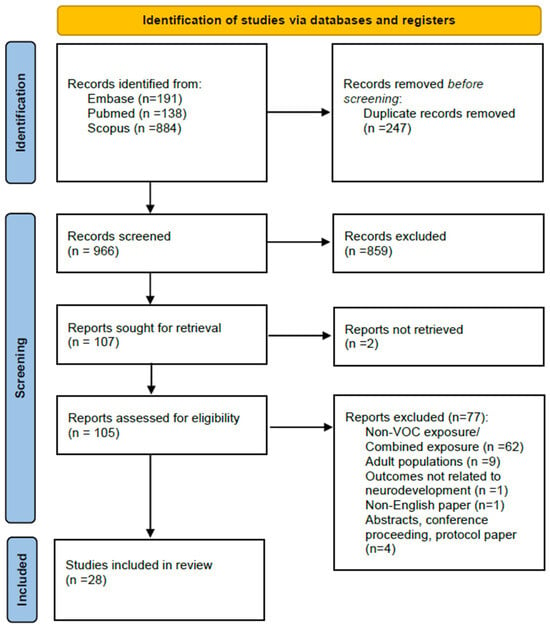
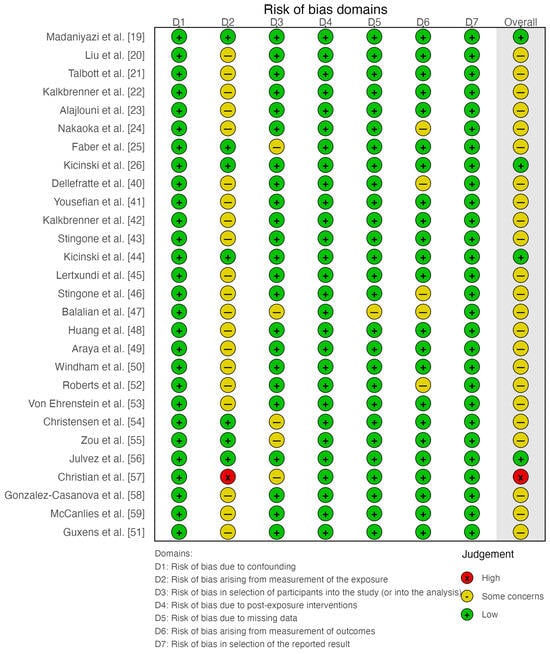
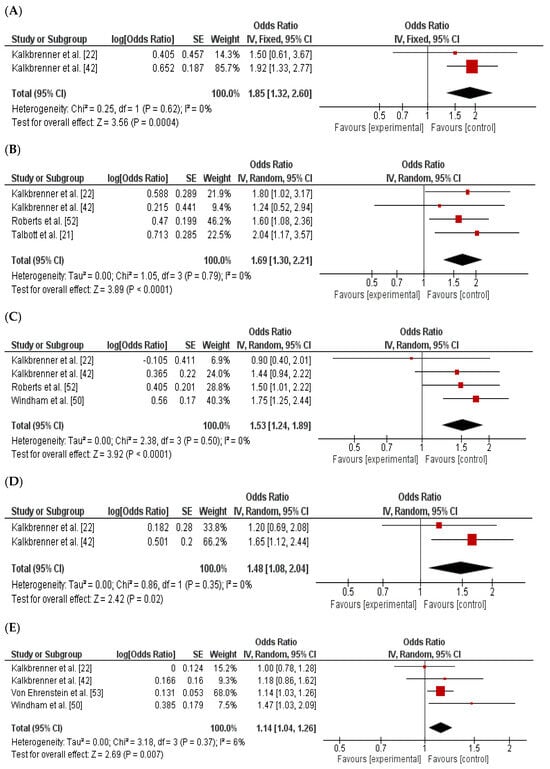
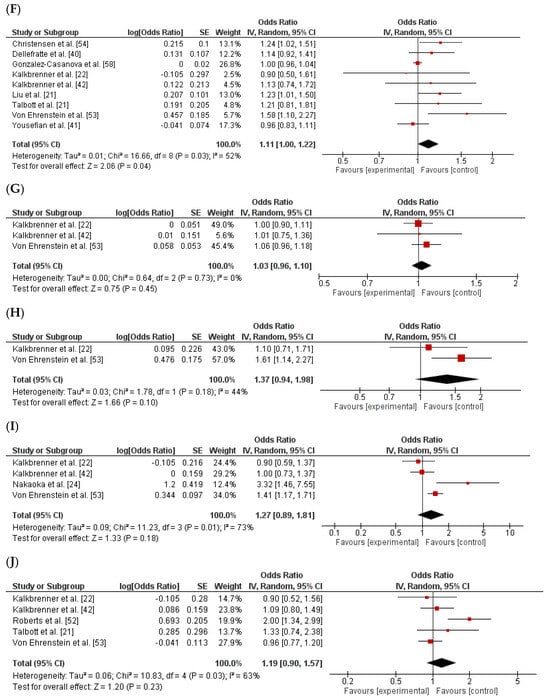
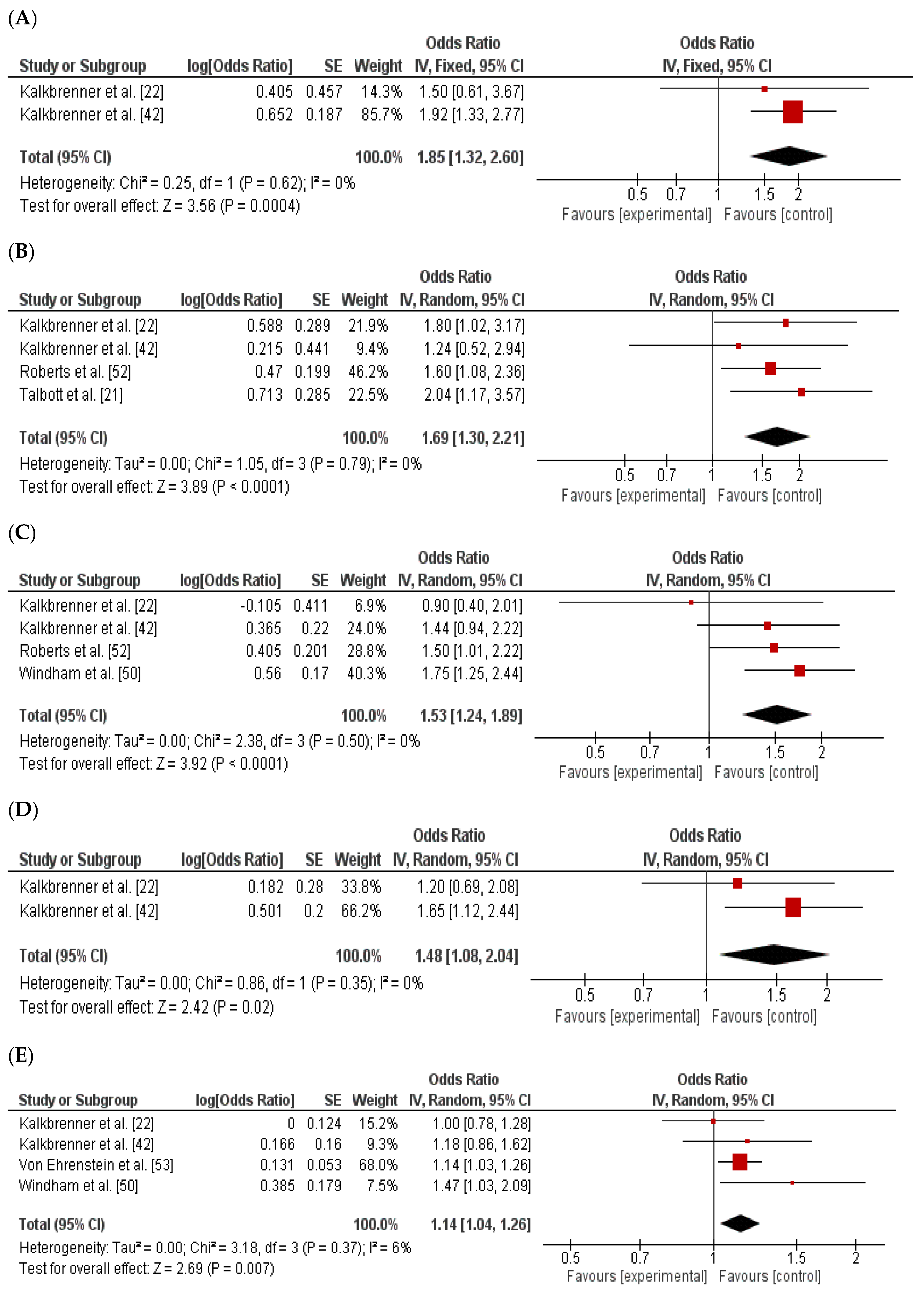
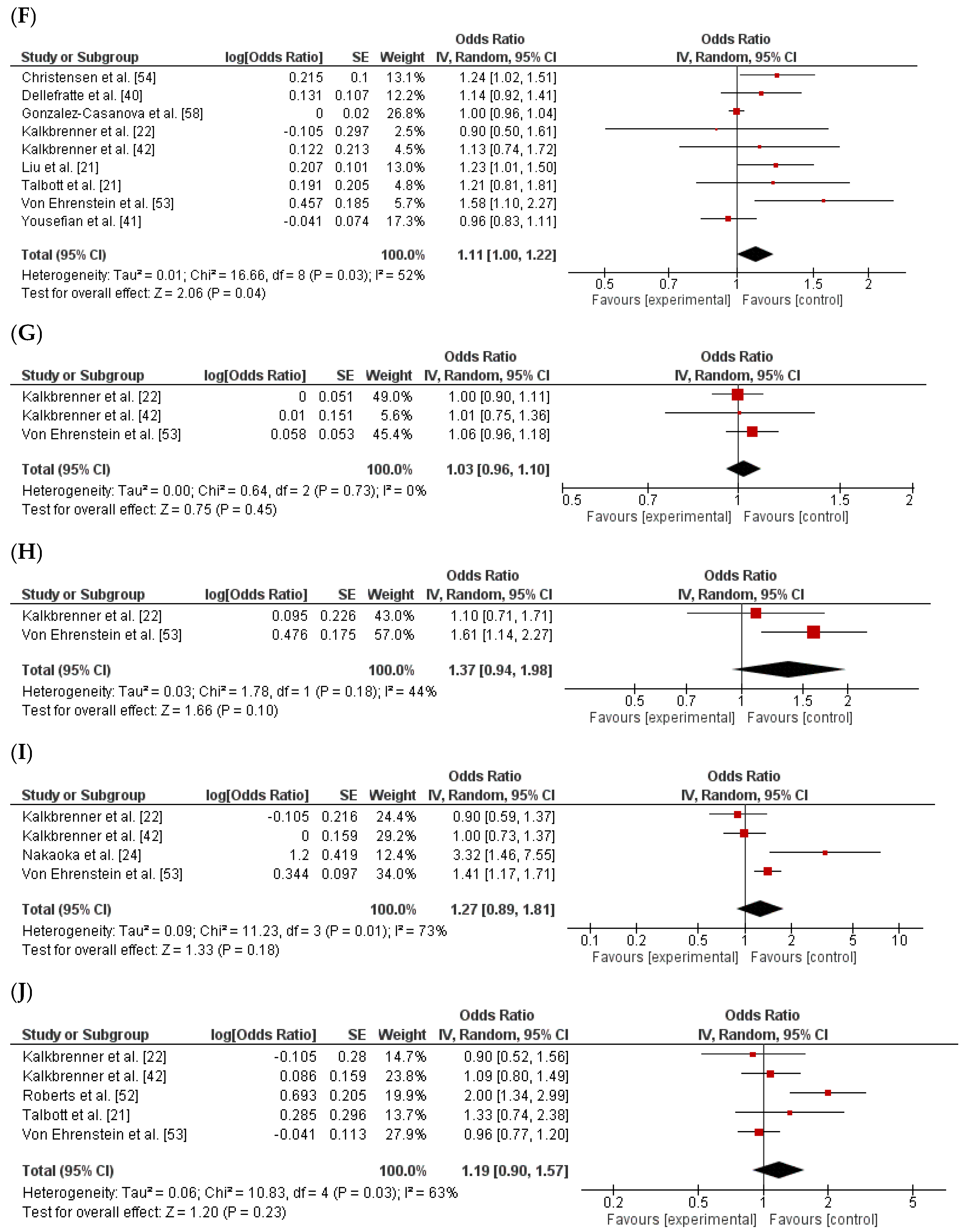
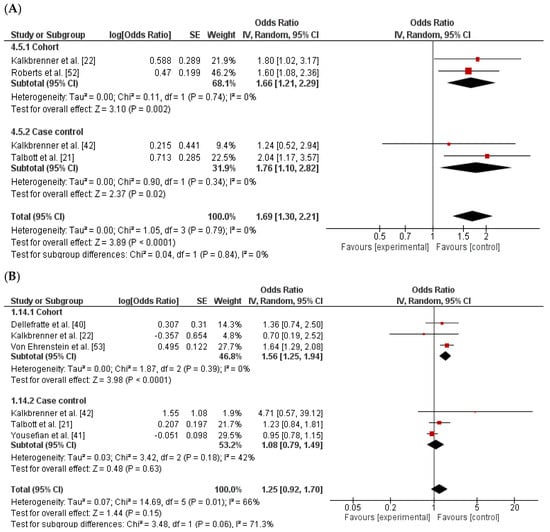
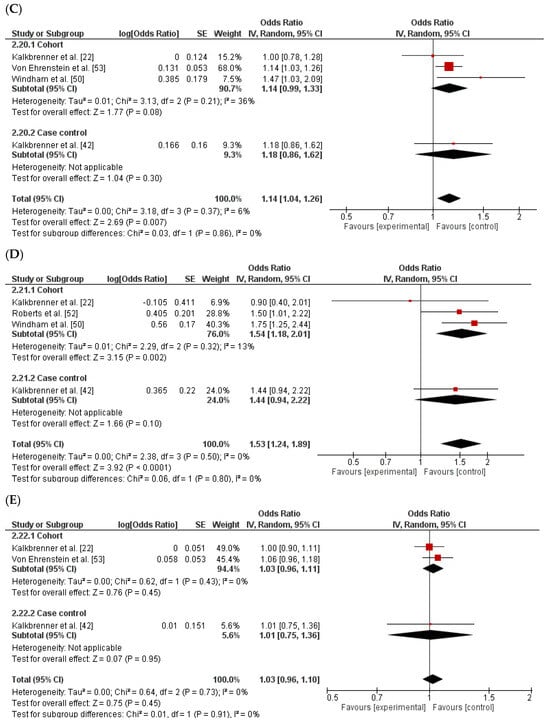
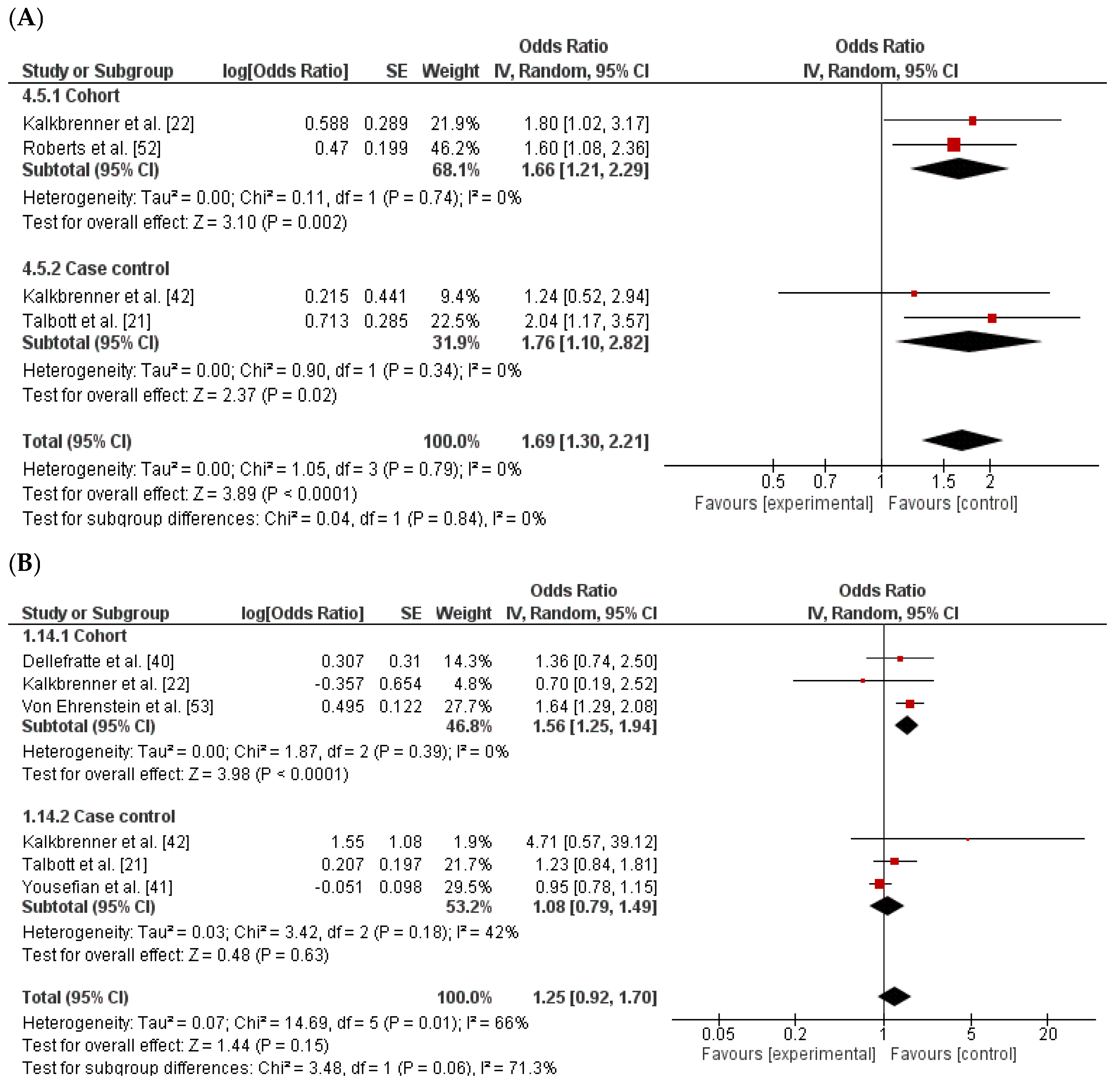
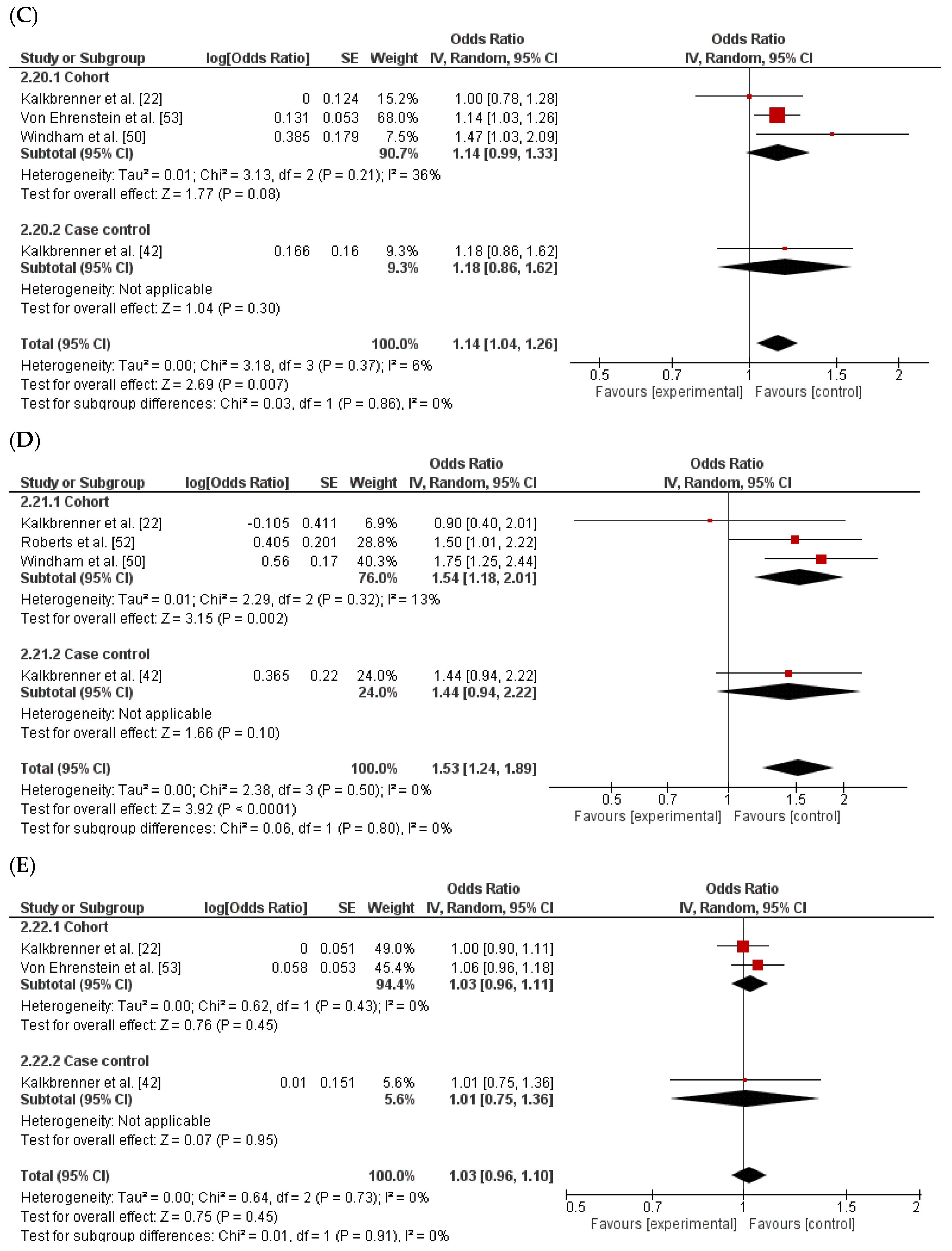
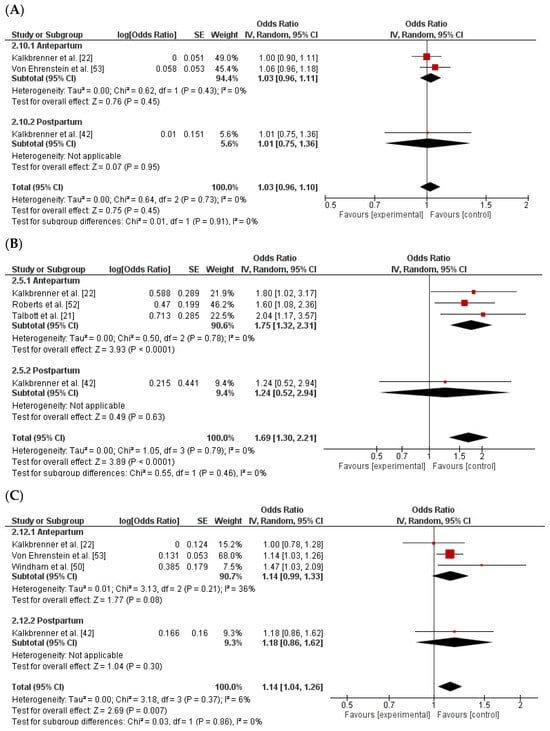
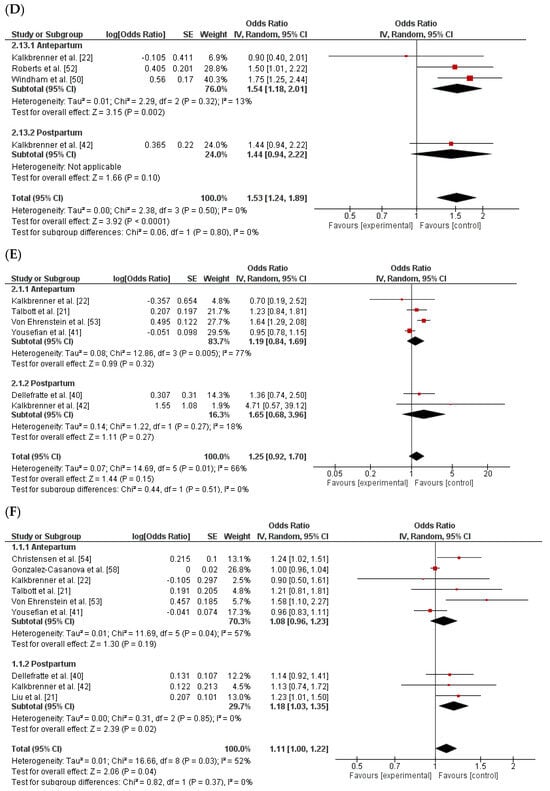
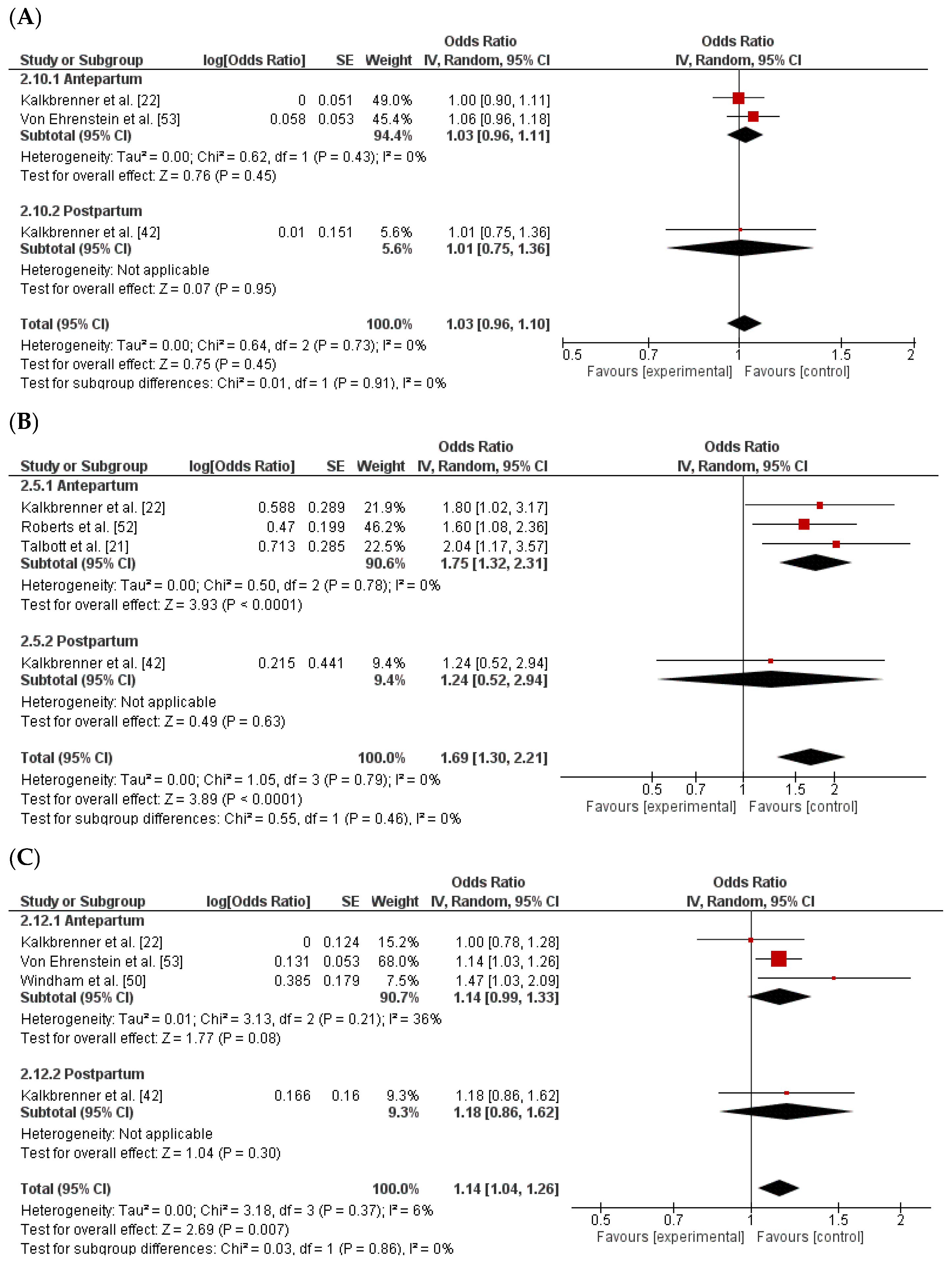
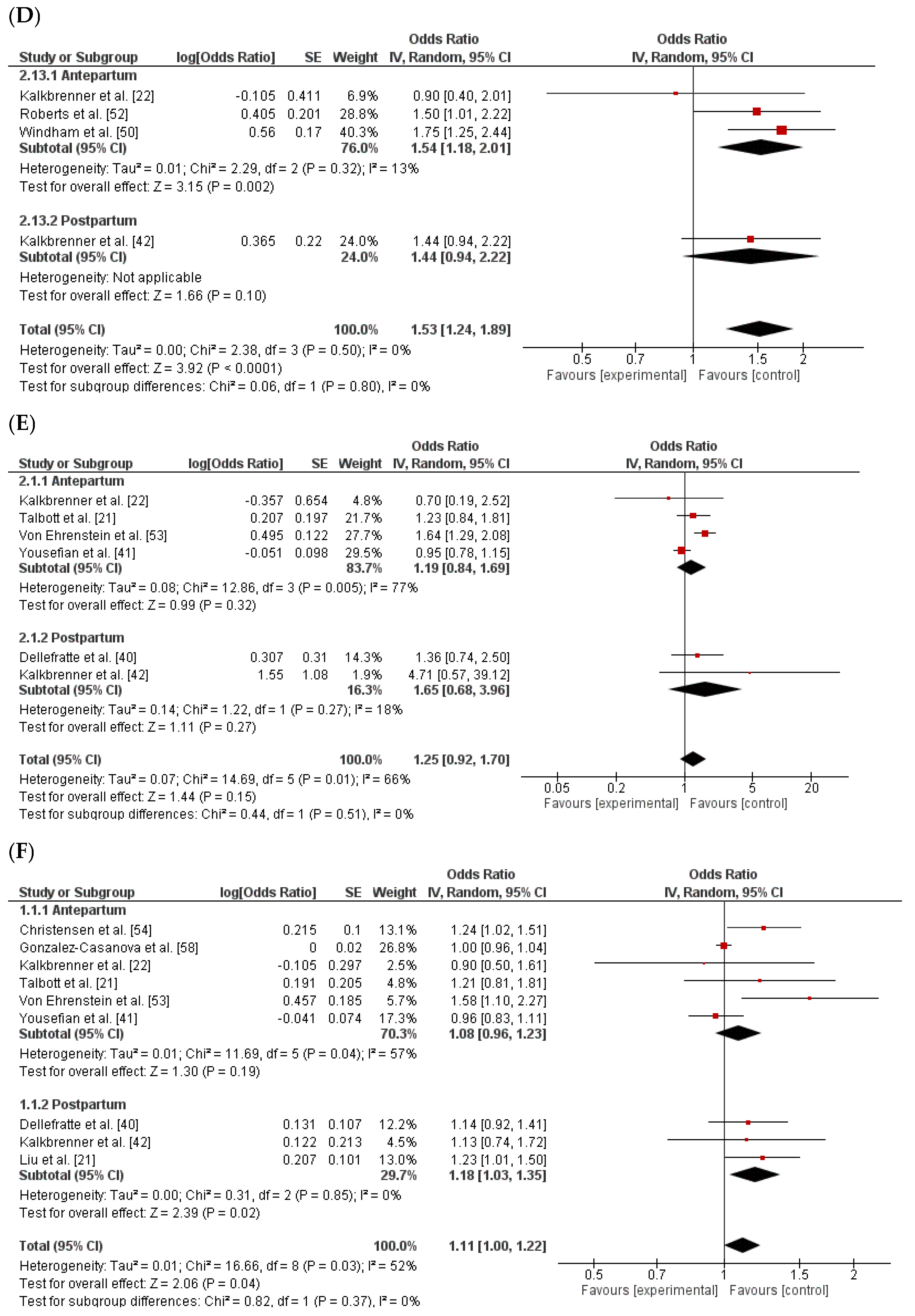
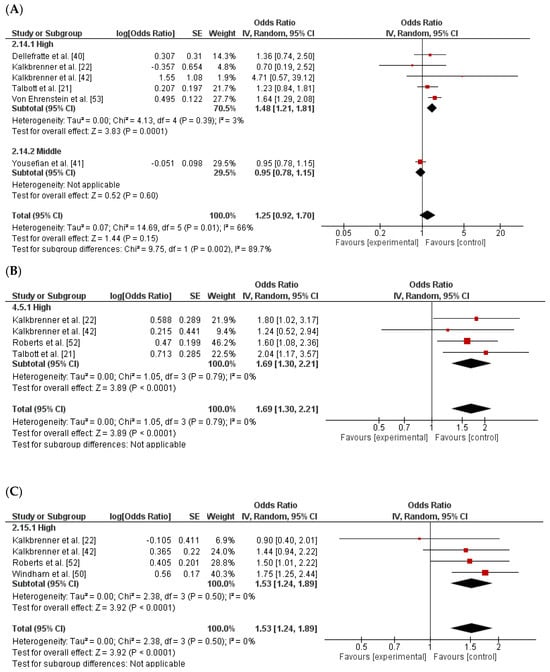
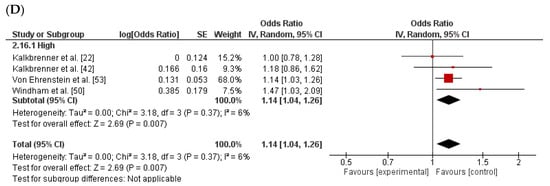
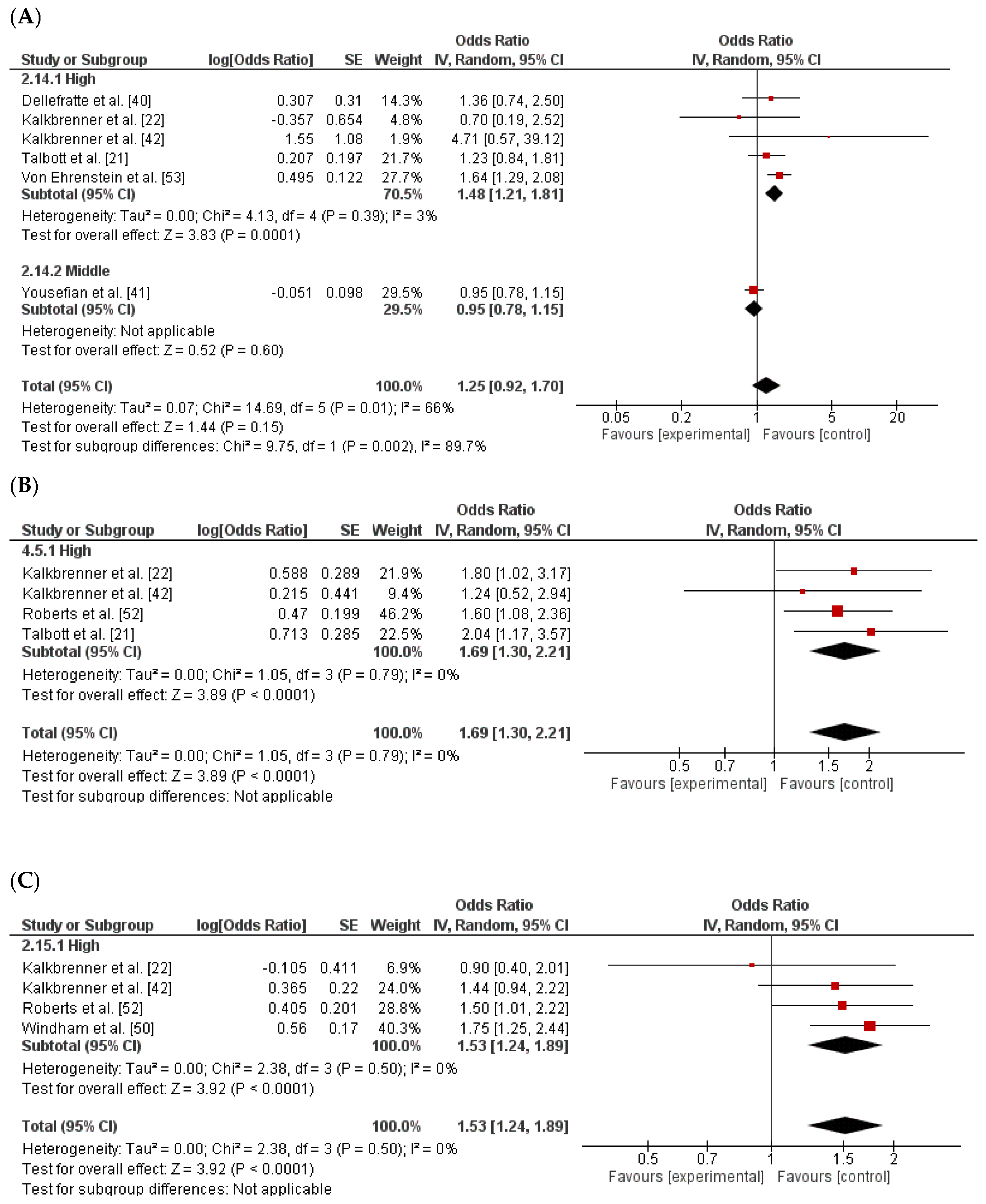
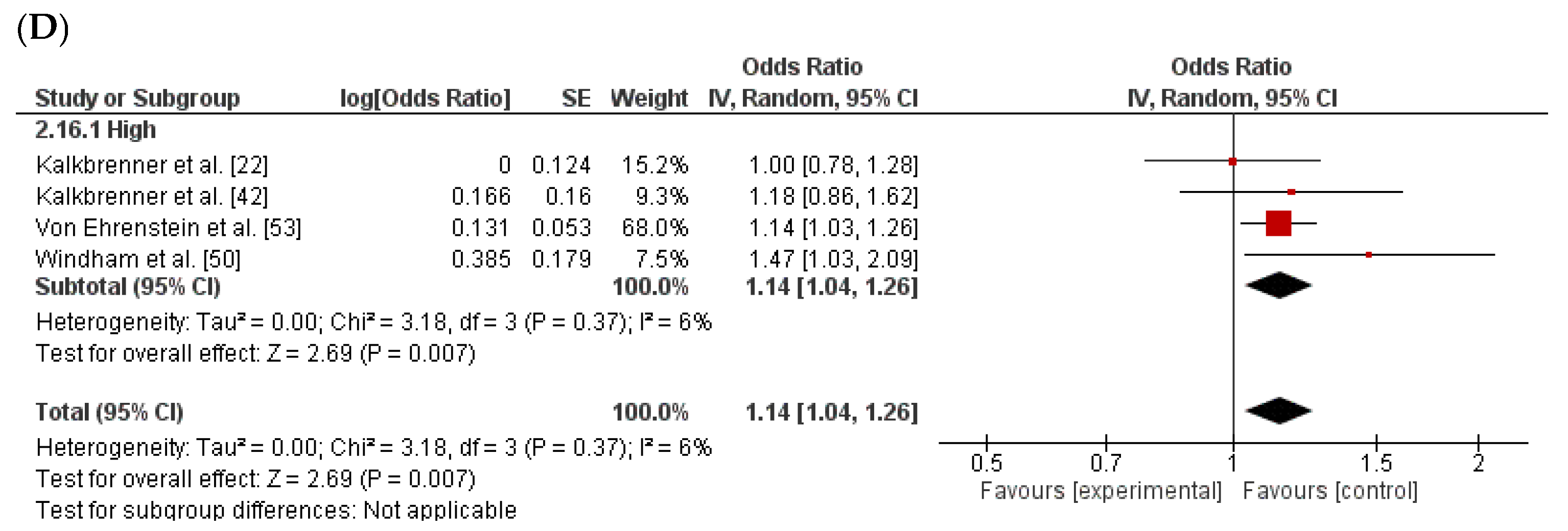

Disclaimer/Publisher’s Note: The statements, opinions and data contained in all publications are solely those of the individual author(s) and contributor(s) and not of MDPI and/or the editor(s). MDPI and/or the editor(s) disclaim responsibility for any injury to people or property resulting from any ideas, methods, instructions or products referred to in the content. |
© 2026 by the authors. Licensee MDPI, Basel, Switzerland. This article is an open access article distributed under the terms and conditions of the Creative Commons Attribution (CC BY) license.