


Abstract
Thallium (Tl) and cadmium (Cd) are highly toxic heavy metals that frequently co-occur in sulfide ores, posing a serious food safety risk through accumulation in rice. Although calcium-based (Ca-based) amendments have been widely applied to remediate heavy metal-contaminated soils, their effectiveness in Tl–Cd co-contaminated paddy soils remains unclear. A pot experiment was conducted to evaluate four Ca-based amendments—limestone powder, dolomite powder, hydrated lime, and oyster shell powder—on Tl and Cd bioavailability and uptake in paddy soil near a mining area. Ca-based amendments effectively reduced Tl and Cd bioavailability, with DTPA-Tl reducing by 11.2–17.2% and DTPA-Cd by 8.9–21.3%. These reductions were attributed to increased soil pH and decreased DOC, Fe, and Mn in the pore water. Additionally, Ca-based amendments shifted Tl and Cd from acid-extractable to residual fractions, reducing mobility. Additionally, Ca-based amendments promoted Fe/Mn plaque formation on rice roots, reducing Tl and Cd uptake. Consequently, Tl and Cd concentrations in brown rice decreased by over 14%, with the lowest levels observed under oyster shell powder. However, Cd concentrations still exceeded the maximum permissible limit, indicating that, although Ca-based amendments show considerable potential for in situ remediation of Tl–Cd co-contaminated paddy soils, further optimization and additional measures are required to achieve safe production.
1. Introduction
The intensified activities of mining, metallurgical, and chemical industries in recent decades have resulted in the continuous release of heavy metals into the environment, resulting in their extensive accumulation within agricultural soils [1,2]. Globally, an estimated 14–17% of farmland is affected by heavy metal contamination, with cadmium (Cd) representing the most pervasive, exceeding permissible thresholds in nearly 9% of reported cases [3]. In China, Cd is identified as the predominant soil contaminant, with mean (1.33 mg kg−1) and median (0.25 mg kg−1) concentrations exceeding national soil risk control thresholds [4]. In addition to Cd, thallium (Tl) has emerged as a contaminant of increasing concern. Tl is a highly toxic nonessential trace element with extreme biological reactivity, yet it remains far less studied than other regulated heavy metals. Tl concentrations as high as 16.9 mg kg−1 have been detected in abandoned mining areas of Tuscany, Italy, greatly exceeding the regulatory limits in Germany and the United States (1.0 mg kg−1) [2]. In China, historical records indicate 87 Tl poisoning incidents affecting more than 200 individuals in Guizhou Province since the 1960s [5,6]. Despite these alarming cases, Tl contamination in agricultural soils often remains overlooked, posing a potentially severe risk to food safety and human health. Rice (Oryza sativa L.), an important staple crop of critical importance across Asia, is capable of absorbing and accumulating heavy metals through both root and foliar uptake, ultimately transferring these contaminants to humans via the food chain [7,8]. Cd exhibits a pronounced tendency to accumulate in rice, and surveys in mining/smelting impact zones show that the average Cd concentration in rice is 0.33–0.69 mg kg−1, with 56–87% of rice containing more than 0.2 mg kg−1 [9]. Although extensive studies have investigated strategies to mitigate the uptake and accumulation of Cd, Pb, Cr, and Zn in rice [10,11], the behavior of Tl in paddy systems remains poorly understood. Existing research has primarily focused on the Brassicaceae [12,13], leaving critical knowledge gaps regarding Tl mobilization, plant uptake, and internal translocation in paddy systems. In particular, the geochemical behavior and plant availability of Tl under Cd–Tl co-contamination in paddy soils, a condition prevalent in mining-impacted regions, remain largely uncharacterized.
Among various remediation techniques, in situ immobilization using soil amendments has gained prominence for reducing the bioavailability and mobility of heavy metals [14,15]. Among these, calcium-based (Ca-based) amendments are particularly attractive due to their cost-effectiveness, chemical stability, and strong neutralization capacity, and have been extensively applied to remediate heavy metal contamination in acidic soils of southern China [16,17]. Application of limestone powder (L) has been shown to markedly decrease the concentrations of Tl and Cd in Brassica napus L., with reductions of 69.0% and 4.1% at a dosage of 15 g kg−1 compared with the untreated control [18]. Similarly, the hydrated lime (H) increased the proportion of carbonate-bound Cd by 11.5–19.5% across soils, thereby reducing its bioavailability [19]. Other Ca-based materials, such as dolomite powder (D) and oyster shell powder (O), also demonstrate promising immobilization effects. Dolomite not only increases soil pH but also enhances the availability of nutrients (P, K, Ca, and Mg) [20]. Oyster shell powder, characterized by high porosity and ion exchange capacity, effectively neutralizes soil acidity and reduces acid-extractable Cd, Pb, and Zn fractions by up to 85–91% [21]. Despite these advances, most existing research focuses on single Ca-based amendments, with limited comparative evaluations of their relative remediation performance. Moreover, remediation research has primarily targeted single-metal contamination, whereas Tl–Cd co-contamination, a widespread issue in Pb–Zn mining regions, remains largely overlooked. Although Tl and Cd are both chalcophilic elements that frequently co-occur in sulfide minerals and are simultaneously released into agricultural soils through mining activities [22], they exhibit distinct geochemical behaviors in soils, which may lead to contrasting responses to Ca-based immobilization. Once accumulated in crops, these metals pose serious health risks, including neurotoxicity and gastrointestinal disorders [1,23,24,25]. Therefore, systematically evaluating the remediation effectiveness of different Ca-based amendments under Tl–Cd co-contamination is critical to establishing a scientific basis for the safe utilization of farmland surrounding Pb–Zn mining areas.
This study holds both practical and scientific significance. Ecologically, it advances understanding of the mechanisms sustaining farmland ecosystem stability under dual heavy metal stress. From the perspective of sustainable agriculture, it provides a scientific foundation for the safe utilization of farmlands in mining regions. Specifically, this study employed a pot experiment to: (1) evaluate the effects of different Ca-based amendments on the speciated and bioavailable fractions of Tl and Cd in soils, elucidating their mechanisms of action and supporting the optimization of remediation strategies; (2) investigate the influence of these amendments on soil microbial community structure to assess their ecological impacts and inform the development of eco-friendly remediation technologies; and (3) determine the effects on the transfer of Tl and Cd from soil to rice, aiming to reduce heavy metal accumulation in rice grains and ensuring food safety.
2. Materials and Methods
2.1. Experimental Material
The Tl-Cd co-contaminated soil used in the pot experiment was gathered from the surface layer (0–20 cm) of paddy farmland located near a lead–zinc (Pb-Zn) mining area in Liancheng City, Fujian Province, China. The soil samples were air-dried, ground, and passed through a 5-mesh sieve before use. The physical and chemical properties of the soil are summarized in Table S1. The total Tl concentration of the soil was 3.50 mg kg−1, and the total Cd concentration of the soil was 2.91 mg kg−1. The Ca-based amendments used in this study included limestone powder (L), dolomite powder (D), hydrated lime (H), and oyster shell powder (O). These amendments (<2 mm) were purchased from Fujian Zhongnong Agricultural Production Materials Company (Fuzhou, Fujian Province, China), and their detailed characteristics are shown in Table S2.
2.2. Pot Experiments
The pot experiment was conducted in a greenhouse. The environmental conditions were as follows: 29–35 °C during the day and 18–27 °C during the night. The humidity was approximately 70–82%, and the natural photoperiod was about 12–14 h. For each treatment, 5.0 kg of soil was thoroughly mixed with 20 g of Ca-based amendments and basal fertilizers, consisting of 2 g each of urea [CO(NH2)2] and 2 g Potassiumdihydrogen phosphate (KH2PO4). Fill plastic pots (bottom diameter: 22 cm; height: 22 cm; top diameter: 30 cm) with the mixed soil. The soil in each pot was flooded with a 5 cm water layer for 30 days before transplanting rice. Deionized water (Table S3) is used for irrigation to maintain the stability of irrigation water properties. A randomized block design was used for the pot experiment, with three replicates per treatment. To minimize positional effects, pots were randomly arranged within each block, and their positions were re-randomized every 15 days throughout the experimental period.
The rice variety used in this study was Yongyou 4949, a high-yield, low-Cd accumulation variety [26]. Select uniform, full-grained rice seeds and disinfect them with 30% hydrogen peroxide (H2O2) for 20 min, and then rinse thoroughly with deionized water. Germinate the seeds in clean quartz sand under dark, room-temperature conditions for 10 h. After germination, transplant the seedlings into uncontaminated soil slurry and grow for 30 days to ensure uniformity. Two healthy rice seedlings of similar size were transplanted into each plastic pot. Prior to transplanting, a pore water sampler (RHIZON MOM, 10 cm, Wageningen, The Netherlands) was inserted into the potting soil at a 45° angle. Pore water was collected on days 15, 30, 45, 60, 75, and 90 after transplantation to monitor temporal changes in the soil environment.
In the pot experiment, a 5 cm water layer was maintained throughout the entire process of rice cultivation to ensure strong reducing conditions. At 100 days after transplanting, composite samples of both rice plants and pot soil were collected from each treatment. One portion of the soil samples was stored in a −80 °C freezer for microbial diversity research, while the other portion was air-dried and sieved for soil physicochemical property analysis. Rice plant samples were divided into four parts: roots, stems, leaves, and grains. Root, stem, and leaf samples were thoroughly washed with deionized water. Some fresh roots were reserved for iron plaque analysis. The remaining plant tissues were oven-dried at 105 °C for 1 h, followed by further drying at 75 °C to a constant weight for chemical analysis. Rice stems and leaves were blanched in a 105 °C oven for 60 min, and then dried at 75 °C to constant weight. Rice grains were air-dried, weighed, and then hulled using a rice huller to obtain brown rice and rice husk. Different parts of the rice (roots, stems, leaves, rice husk, and brown rice) were pulverized, sieved, and stored for further analysis.
2.3. Sample Analysis
2.3.1. Soil
Total Tl and Cd concentrations in the soil were determined using a four-acid (HNO3–HF–HClO4–HCl) digestion method (HJ 1315–2023), followed by analysis with an Inductively Coupled Plasma Mass Spectrometer (ICP-MS, NexION300X; Perkin Elmer, Shelton, CT, USA). The operating parameters of the ICP-MS instrument are shown in Table S4. The bioavailable fractions of Tl and Cd were extracted with 0.005 mol L−1 DTPA solution [0.1 mol L−1 triethanolamine (C6H15NO3), 0.01 mol L−1 calcium chloride, and 0.005 mol L−1 DTPA (C14H23N3O10)] and analyzed with ICP-MS [27]. The fractions of Tl and Cd were determined using the BCR sequential extraction procedure proposed in [28], which classifies heavy metals into four fractions: (i) the acid-extractable fraction (F1) was extracted using 0.11 M acetic acid (CH3COOH); (ii) the reducible fraction (F2) was extracted using 0.5 M hydroxylamine hydrochloride (NH2OH·HCl) adjusted to pH 1.5; (iii) the oxidizable fraction (F3) was extracted using 30% H2O2, followed by extraction with 1.0 M ammonium acetate (NH4OAc); and (iv) the residual fraction (F4) was obtained by digesting the residue with a mixture of concentrated acids (HNO3, HF, HClO4, and HCl). All extracts were quantified by ICP–MS.
During the rice growth period, pore water samples were collected. A portion of each sample was immediately used to measure pH with a pH meter (S220; Mettler-Toledo, Columbus, OH, USA). The remaining portion was filtered through a 0.45 μm membrane filter and mixed with 2% concentrated nitric acid. The concentrations of Tl, Cd, Fe, and Mn in the pore water were determined by ICP-MS. The concentration of soil dissolved organic carbon (DOC) was determined using a total organic carbon analyzer (TOC, Model 5000A; Shimadzu, Kyoto, Japan).
2.3.2. Analysis of Rice Tissue
The iron plaque on the surface of rice roots and the contents of adsorbed Tl and Cd were extracted using dithionite-citrate-bicarbonate (DCB) solution [29], and determined by ICP-MS (Tl) and an atomic absorption spectrophotometer (AAS, PinAAcle 900F; PerkinElmer, Shelton, CT, USA; Cd, Fe, and Mn). The operating parameters of the AAS instrument are shown in Table S5. The fresh rice roots were placed into 100 mL beakers containing 30 mL of DCB solution [0.03 mol L−1 sodium citrate (C6H5Na3O7) and 0.125 mol L−1 sodium bicarbonate (NaHCO3)] and 1 g sodium dithionite (Na2S2O4). The mixture was incubated in the dark for 60 min to facilitate the removal of iron plaque. Following extraction, the extract was then transferred to a 100 mL volumetric flask with deionized water and diluted to volume. After filtering through a 0.45 μm membrane, the concentrations of Tl in the filtrate were measured using ICP-MS, while Cd, Fe, and Mn concentrations were determined using AAS. After DCB extraction, the rice roots were rinsed three times with deionized water, oven-dried at 75 °C to a constant weight, and then weighed.
The various parts of the rice were determined with 4 mL nitric acid (HNO3) and 1 mL of hydrogen peroxide (H2O2) using a high-throughput closed microwave digester (MARS6, CEM, Matthews, NC, USA). The digestion programs of the microwave digester are shown in Table S6. After acid removal and volume adjustment, the digest was filtered through a 0.45 μm membrane, and the concentrations of Tl and Cd in the digest were determined using ICP-MS.
2.3.3. Microbial Analysis
Soil microbial community structure and diversity were analyzed using high-throughput sequencing technology. After rice harvest, 0.25 g of soil was collected from each rice paddy for total DNA extraction. Soil microbial genomic DNA was isolated using the Soil DNA Kit (TGuide S96, Tiangen, Beijing, China), following the instructions provided [30]. The concentration and purity (OD260/OD280 and OD260/OD230) of the extracted DNA were determined using an ultraviolet spectrophotometer (NanoDrop 2000; Thermo Scientific, Waltham, MA, USA). Primers 338F (5′-ACTCCTACGGGAGGCAGCAG-3′) and 806R (5′-GGACTACHVGGGTWTCTAAT-3′) were used for the 16S hypervariable region V3-V4. After extracting total DNA from the samples, primers were designed based on conserved regions. Sequencing adapters were added to the primer ends, and PCR amplification was performed. PCR amplification was performed in a 20 μL reaction system containing 5–50 ng DNA template, 0.3 μL of each primer (10 μM), 5 μL KOD FX Neo Buffer, 2 μL dNTPs (2 mM each), 0.2 μL KOD FX Neo polymerase, and ddH2O to volume. The PCR program consisted of an initial denaturation at 95 °C for 5 min, followed by 20 cycles of 95 °C for 30 s, 50 °C for 30 s, and 72 °C for 40 s, with a final extension at 72 °C for 7 min. Amplicons were purified using a DNA purification kit (Omega, New York, NY, USA) and quantified using a Qsep-400 system (BiOptic, Changzhou, China). The amplicon library was paired-end sequenced (2 × 250) on an Illumina novaseq6000 (Tsingke, Beijing, China). Raw reads were first quality-filtered using Trimmomatic (v0.33) with a sliding window of 50 bp and a minimum average quality score of 20, and reads shorter than 50 bp were discarded. Primer sequences were identified and removed using Cutadapt (v1.9.1) to generate clean reads. The clean reads were then processed using the DADA2 algorithm implemented in QIIME2 (version 2020.6) for denoising, including paired-end merging and removal of chimeric sequences, to obtain high-quality non-chimeric reads. Amplicon sequence variants (ASVs) were inferred, and features with fewer than 2 total counts across all samples were removed. A total of 1,142,559 paired-end reads were obtained from 15 samples, and 1,074,618 clean reads were retained after quality control. The number of clean reads per sample ranged from 57,718 to 75,531, with an average of 71,641 reads per sample. Taxonomic classification of ASVs was performed using the Naive Bayes classifier in QIIME2 against the SILVA database (release 138, http://www.arb-silva.de, accessed on 23 September 2023) with a confidence threshold of 70%. This enabled the assignment of taxonomic information to each ASV. Community composition at different taxonomic levels was then summarized, and relative abundance tables at each taxonomic level were generated using QIIME2. The products were then purified, quantified, and homogenized to form sequencing libraries. The constructed libraries underwent quality control, and those that passed quality control were sequenced using an Illumina (NovaSeq 6000, Tsingke, Beijing, China). Reads were spliced, filtered, clustered, or denoised, and species annotation and abundance analysis were performed.
2.4. Statistical Analysis
Transfer factors (TFs) were calculated as the ratio of Tl and Cd concentrations in one tissue to another (e.g., TFa–b denotes the concentration in tissue b divided by that in a). The biological concentration factor (BCF) was calculated as the ratio of Tl and Cd concentration in brown rice to the DTPA-Tl and DTPA-Cd concentration in soil. Quality assurance and quality control (QA/QC) were conducted using standard reference materials for soil (GBW-07402) and rice (GBW-10020), certified by the General Administration of Quality Supervision, Inspection and Quarantine of China (AQSIQ). The recovery rates for Tl and Cd were 98% ± 5%.
Significant differences among treatments were assessed using Microsoft Excel 2019 and SPSS 25.0 software. Duncan’s multiple range test was used for post hoc comparisons, with significance levels set at p < 0.05 and p < 0.01. All graphical representations were created using Origin 2021. Data were expressed as mean ± standard deviation (SD). Prior to analysis, the assumptions of normality and homogeneity of variance were evaluated using the Shapiro–Wilk test and Levene’s test, respectively. Pore water pH, DOC, Tl, Cd, Fe, and Mn were measured repeatedly from the same experimental units at six sampling time points. To account for the temporal dependence of these repeated measurements, the data were analyzed using repeated-measures analysis of variance (ANOVA), with treatment as the between-subject factor and sampling time as the within-subject factor. Mauchly’s test of sphericity was performed to assess the assumption of sphericity. When the sphericity assumption was not fully satisfied or when the Greenhouse–Geisser epsilon value was low, the Greenhouse–Geisser correction was applied to adjust the degrees of freedom. Significant main effects and interactions were further explored using appropriate multiple comparison procedures, with the significance level set at p < 0.05 and p < 0.01. Redundancy analysis (RDA) has been widely used to extract critical factors from multiple comprehensive indicators via dimensionality reduction and transformation. It was used here to determine the main environmental factors influencing microbial community restructuring in the studied soils.
3. Results
3.1. Changes in Soil pH and DOC in Pore Water
During the rice growth period, Figure 1a showed an overall increasing trend. Compared with the control (5.95 ± 0.07, Table S7), all Ca-based amendments significantly increased soil pH by 0.22–0.94 units (p < 0.01), with the H treatment exhibiting the most pronounced effect, significantly higher than that of other Ca-based amendments (p < 0.01), followed by O, L, and D treatments. In contrast, DOC concentrations declined progressively throughout the growth period, reaching their minimum at 90 days after transplantation (Figure 1b). DOC concentrations were 7.0–13.7% lower than the control (629 ± 86 mg kg−1, Table S7), while L, H, and O treatments significantly reduced DOC levels (p < 0.05). Repeated-measures ANOVA confirmed a significant temporal effect and a significant time × treatment interaction (p < 0.05, Table S8), indicating that the effects of Ca-based amendments on the pH and DOC of pore water vary with the rice growth stage (the time of Ca-based amendments addition).
Figure 1.
pH (a), DOC (b), Tl (c), Cd (d), Fe (e), and Mn (f) concentrations in pore water treated with Ca-based amendments. CK = Un-amended, L = Limestone powder 4 g kg−1, D = Dolomite powder 4 g kg−1, H = Hydrated Lime 4 g kg−1, and O = Oyster shell powder 4 g kg−1.
3.2. Changes in Tl, Cd, Fe, and Mn in Pore Water
In general, the application of Ca-based amendments effectively reduced pore water Tl and Cd concentrations during the rice growth period. Pore water Tl declined progressively, reaching its minimum at 90 days after transplantation (Figure 1c). Compared with the control (2.00 ± 0.51 μg L−1, Table S7), Tl concentrations were reduced by 0.07–0.35 μg L−1 across treatments, with the O treatment showing the greatest effect—reductions of 25.7%, 17.8%, 20.9%, and 26.2% at 30, 60, 75, and 90 days, respectively (p < 0.01). Similarly, pore water Cd exhibited a continuous decrease over time (Figure 1d). Compared with the control (16.7 ± 6.7 μg L−1, Table S7), all amendments reduced Cd levels by 2.5–8.0 μg L−1, with H treatment showing the most pronounced reduction (47.9%, p < 0.05). Pore water Fe (Figure 1e) and Mn (Figure 1f) also decreased during the growth period. Relative to the Fe (11.3 ± 1.5 mg L−1, Table S7) and Mn control (2.75 ± 1.15 mg L−1, Table S7), Fe decreased by 11.5–15.9%, while Mn reduced by 13.1–51.3%, with the H treatment inducing a significant reduction (p < 0.01). Repeated-measures ANOVA further confirmed a significant temporal effect and a significant time × treatment interaction (p < 0.01, Table S8), indicating that the effects of Ca-based amendments on the Tl, Cd, Fe, and Mn of pore water vary with the rice growth stage (the time of Ca-based amendments addition).
3.3. Tl, Cd, Fe, and Mn Concentrations Extracted by DTPA
The application of Ca-based amendments markedly reduced the available fractions of Tl, Cd, Fe, and Mn in the soil (Table 1). All Ca-based amendments exhibited comparable efficiency in reducing DTPA-extractable Tl and Cd. Compared with the control (23.3 ± 2.3 μg kg−1), D, H, and O treatments significantly reduced DTPA-Tl by 15.2%, 13.5%, and 17.2%, respectively (p < 0.01), with the O treatment achieving the lowest value (19.3 μg kg−1, p < 0.05). Similarly, soil DTPA-Cd concentrations (1.69 ± 0.07 mg kg−1 in the control) were reduced by 0.25, 0.30, 0.15, and 0.36 mg kg−1 under the L, D, H, and O treatments, respectively (p < 0.05, with the O treatment showing the most effective, resulting in a 21.3% reduction (p < 0.01). Compared with the control (567 ± 34 mg kg−1), L, D, and H treatments significantly reduced DTPA-Fe by 38.4%, 20.8%, and 41.4%, respectively (p < 0.05), with the H treatment showing the strongest effect (332 mg kg−1). Likewise, DTPA-Mn (51.2 ± 3.1 mg kg−1 in the control) declined by 13.5–51.2%, with the L treatment inducing the most pronounced decrease (26.2 mg kg−1).
Table 1.
Soil DTPA-Tl, Cd, Fe, and Mn contents with Ca-containing amendments.
3.4. Tl and Cd Fractions in Soil
Sequential extraction analysis revealed that Tl predominantly occurred in the residual fraction. After harvest, Tl in the control soil was distributed as 1.1% in the acid-extractable (F1), 3.9% in the reducible fraction (F2), 10.5% in the oxidizable fraction (F3), and 84.5% in the residual (Figure 2a). The F1 fraction ranged from 0.021 to 0.035 mg kg−1, accounting for 0.6–1.1% of total Tl. Compared to the control (0.035 ± 0.002 mg kg−1), the D, H, and O treatments significantly reduced F1 by 18.2%, 45.5%, and 36.4%, respectively (p < 0.05), with the lowest F1 concentration observed under the H treatment (0.021 mg kg−1). In contrast, no significant differences were observed among treatments in F2, F3, and F4 fractions (p > 0.05).
Figure 2.
Percentage (%) of Tl (a) and Cd (b) fractions in soil sequential leached by BCR with Ca-based amendments. CK = Un-amended, L = Limestone powder 4 g kg−1, D = Dolomite powder 4 g kg−1, H = Hydrated Lime 4 g kg−1, and O = Oyster shell powder 4 g kg−1. The different letters of the same color in different bars indicated significant differences (p < 0.05) among the treatments according to Duncan’s multiple range test.
Cd exhibited a markedly different distribution pattern, being predominantly associated with the more labile F1 fraction, accounting for 60.1% of total Cd in the control, followed by F2 (23.0%), F3 (7.3%), and F4 (9.6%) (Figure 2b). Application of Ca-based amendments reduced the proportion of F1 to 43.9–60.1%. Relative to the control (1.48 ± 0.01 mg kg−1), treatments H and O significantly decreased F1 fractions by 27.0% and 20.5%, respectively (p < 0.05). Although minor decreases in F2 were observed, these changes were not statistically significant (p > 0.05). Conversely, the O treatment markedly increased the F3 and F4 fractions by 19.2% and 196.9%, respectively (p < 0.05), indicating a transformation of Cd from labile to more stable forms.
3.5. Soil Microbial Community Structure
The addition of Ca-based amendments enhanced the richness of soil microorganisms. Compared to the control (ACE: 1600 ± 130; Chao1: 1590 ± 140), all treatments increased ACE and Chao1 richness indices by 63.4–918 and 61.6–915 units, respectively (Table 2). Among them, the O treatment exhibited the strongest effect, significantly increasing both ACE and Chao1 by 57.5% and 57.2% (p < 0.01). While L, D, and H treatments slightly decreased the Shannon index relative to the control (8.83 ± 1.10), the O treatment caused a modest increase of 2.3%, suggesting improved community evenness and richness.
Table 2.
Soil microbial community Ace, Chao1, and Shannon index.
At the phylum level, Proteobacteria, Acidobacteriota, Actinobacteriota, and Chloroflexi dominated the bacterial community, collectively accounting for more than 70% of total sequences (Figure 3). The addition of Ca-based amendments altered the community structure by increasing the relative abundances of Patescibacteria, Firmicutes, and Bacteroidota, while decreasing the relative abundance of Actinobacteriota and Desulfobacterota. D, H, and O treatments further promoted the proliferation of Myxococcota and Chloroflexi, with the highest abundance of Chloroflexi observed under the D treatment (19.2%). Notably, treatment L significantly enriched Firmicutes (16.0%), a 3.74-fold increase compared to the control.
Figure 3.
Changes in structure and relative abundance of soil microorganisms’ phyla during harvesting with Ca-based amendments. Figures in (a) show the average relative abundances of microorganisms’ phyla in all samples. Figures in (b) represent the percentage of soil microbial community abundances at the phylum level in each treatment. CK = Un-amended, L = Limestone powder 4 g kg−1, D = Dolomite powder 4 g kg−1, H = Hydrated Lime 4 g kg−1, and O = Oyster shell powder 4 g kg−1.
3.6. Adsorption of Tl and Cd by Iron Plaques
The addition of Ca-based amendments markedly enhanced Fe and Mn deposition in iron plaque on rice root surface (DCB-Fe and DCB-Mn), thereby enhancing its capacity to absorb Tl and Cd (DCB-Tl and DCB-Cd). The Fe and Mn concentrations in root plaques ranged from 23.2 to 30.0 g kg−1 and 107 to 197 mg kg−1, respectively (Table 3). Compared with the control (23.2 ± 1.3 g kg−1), the L, D, H, and O treatments significantly increased DCB-Fe by 14.5–29.4% (p < 0.05). Similarly, all treatments significantly increased DCB-Mn by 7.5–84.1% (p < 0.01) compared to the control (107 ± 3 mg kg−1).
Table 3.
Fe and Mn contents in iron plaque extracted by DCB solution.
The concentrations of Tl and Cd in the iron plaque ranged from 1.14 to 1.60 mg kg−1 and 5.16 to 15.68 mg kg−1, respectively (Figure 4(Af,Bf)). Compared to the control (1.14 ± 0.14 mg kg−1), the L and H treatments significantly promoted Tl enrichment in the iron plaque by 16.7% and 40.4% (p < 0.01). Cd accumulation was even more responsive, exhibiting a 43.2–203.9% increase across all treatments (5.16 ± 0.35 mg kg−1).
Figure 4.
Tl contents in brown rice (Aa), rice husk (Ab), leaf (Ac), stem (Ad), root (Ae), and iron plaque extracted by DCB solution (Af). Cd contents in brown rice (Ba), rice husk (Bb), leaf (Bc), stem (Bd), root (Be), and iron plaque extracted by DCB solution (Bf). CK = Un-amended, L = Limestone powder 4 g kg−1, D = Dolomite powder 4 g kg−1, H = Hydrated Lime 4 g kg−1, and O = Oyster shell powder 4 g kg−1. The values are presented as mean ± SD (n = 3); different letters on top of each bar indicate significant differences (p < 0.05) among the treatments according to Duncan’s multiple range test.
3.7. Accumulation of Tl and Cd by Rice
Ca-based amendments effectively reduced the concentrations of Tl and Cd across all rice tissues (Figure 4). Tl was predominantly retained in roots, with the lowest levels detected in brown rice (Figure 4A), and all values remained well below the limit set by the German food and environmental quality standards (0.5 mg kg−1). Relative to the control (1.03 ± 0.13 μg kg−1), all Ca-based amendments significantly reduced Tl concentrations in brown rice by 24.3–55.3% (p < 0.01), with the lowest value observed under O treatment (0.46 μg kg−1). Tl accumulation in rice husk was likewise significantly suppressed by 26.5–66.6% compared to the control (15.5 ± 1.3 μg kg−1), with the H treatment exhibiting the strongest mitigation effect. Similar trends were observed in leaves and stems, where Tl concentrations reduced by 15.2–43.3% and 12.9–32.9%, respectively (p < 0.05). Root Tl concentrations also significantly declined by 14.0–31.0%, with the O treatment again showing the greatest effect (1.67 mg kg−1, p < 0.01).
Cd displayed a comparable spatial distribution pattern, being primarily accumulated in roots and least abundant in brown rice (Figure 4B). However, Cd concentrations in brown rice across all treatments remained exceeding the Chinese maximum permissible limit (0.2 mg kg−1). Compared to the control (1.99 ± 0.14 mg kg−1), Ca-based amendments significantly reduced brown rice Cd by 14.6–35.7%, with the lowest value under O treatment (1.28 mg kg−1, p < 0.05). Cd levels in husks, leaves, stems, and roots were also significantly reduced, especially under the H and O treatments.
3.8. Transportation of Tl and Cd in Rice Plants
The TFs of Tl in CK exhibited the sequence root–stem > stem–leaf > husk–brown rice > stem–husk (Table S7). Application of Ca-based amendments effectively reduced Tl translocation across all plant organs. Notably, H and O treatments significantly reduced the root-to-grain TF by 47.9% and 39.6%, respectively (p < 0.01). Consistent with this, D, H, and O treatments significantly lowered Tl BCF from soil to grain by 23.8%, 38.1%, and 45.1%, respectively (p < 0.05), highlighting their strong immobilization capacity.
For Cd, the TFs in CK followed the order stem–husk > stem–leaf > husk–brown rice > root–stem (Table S8). Ca-based amendments had a relatively small effect on Cd translocation. Notably, L and H treatments significantly increased root–stem TFs by 194.4% and 38.9% (p < 0.05), while L treatment significantly reduced husk–grain TF by 32.3% (p < 0.01). Overall, Ca-based treatments tended to promote Cd translocation from roots to grains; however, L and O treatments significantly reduced Cd BCFs by 21. 6% and 22.5%, respectively (p < 0.05), indicating a partial attenuation of Cd bioaccumulation despite enhanced internal translocation.
4. Discussion
4.1. Ca-Based Amendments Reduced Tl and Cd Bioavailability in Soil
Ca-based amendments exerted integrated geochemical controls that markedly suppressed the bioavailability of Tl and Cd in soil. This suppression was primarily evidenced by significant reductions in DTPA-Cd and Tl (Tl: 11.2–17.2%, Cd: 8.9–21.3%; Table 1) and pore water Tl and Cd (Tl: 4.0–17.5%, Cd: 15.0–48.1%; Figure 1), accompanied by a progressive redistribution of Tl and Cd from labile fractions (F1-Tl decreased by 18.2–45.5%; F1-Cd decreased by 5.5–27.0%; Figure 2) toward more recalcitrant residual forms (F4-Cd increased by 30.2–196.9%; Figure 2).
Pore water Tl and Cd represent kinetically labile and phytoaccessible metal pools, governing the predominant pathway through which these contaminants are acquired and accumulated by rice [31,32]. Amendment-induced alkalinization elevated soil pH, which enhanced Tl/Cd precipitation (e.g., Tl(OH)3, Cd(OH)2, and CdCO3) and the development of negatively charged adsorption sites [33,34]. These shifts collectively strengthened the sorption of Tl+ and Cd2+ and curtailed their activity in the pore water, consistent with the significant negative correlation between soil pH and pore water Tl (r = −0.27, p < 0.05, n = 90; Table 4) and Cd (r = −0.53, p < 0.01, n = 90; Table 4), indicating that pH elevation is a key driver in decreasing metal activity [35,36]. It should be noted that the interpretation of adsorption mechanisms may be influenced by the choice of regression methods used for isotherm fitting [37].
Table 4.
Correlation between Tl, Cd, pH, DOC, Fe, and Mn in pore water.
Concurrently, DOC contains functional groups such as phenolic, hydroxyl, and carboxyl groups that can strongly form complexes with metal ions, enhancing their solubility and mobility in soil solution [38,39]. In contrast, Ca-based amendments substantially reduced DOC concentrations, thereby limiting the formation of soluble metal–organic complexes and further stabilizing Tl and Cd. This effect is likely attributed to Ca2+-induced flocculation and stabilization of organic matter, which decreases the availability of dissolved ligands for metal complexation and thus suppresses metal migration [40,41]. The strong positive relationships between DOC and pore water Tl (r = 0.49, p < 0.01, n = 90; Table 4) and Cd (r = 0.53, p < 0.01, n = 90; Table 4) support the central role of DOC complexation in maintaining metal lability. Meanwhile, under reducing conditions, Fe/Mn oxides undergo reductive dissolution, releasing Fe2+ and Mn2+ as well as previously adsorbed or co-precipitated heavy metals into the soil solution, thereby increasing their mobility and bioavailability [42,43,44]. Ca-based amendments inhibited the reductive dissolution of Fe/Mn oxides by modifying their surface properties and surrounding environmental conditions [45], thereby reducing the mobilization of Tl and Cd caused by the dissolution of Fe/Mn oxides. Table 4 shows the significant positive correlations between soluble Fe/Mn and Tl (Fe: p < 0.01; Mn: p < 0.01)/Cd (Fe: p > 0.05; Mn: p < 0.01), which corroborate the contribution of this mechanism. In summary, these geochemical processes—including pH-driven sorption enhancement, DOC depletion, and Fe/Mn oxide dissolution inhibition—collectively limit the mobilization of Tl and Cd in the pore water, thereby effectively reducing their bioavailability. Similar to pore water Tl and Cd, DTPA-Tl and Cd concentrations were reduced, indicating that amendments not only suppressed soluble metal activity but also limited the exchangeable pool. Notably, O treatment exhibited the greatest reduction in DTPA-Tl and Cd, likely due to its porous structure and superior adsorption and immobilization capacity [46,47].
Beyond the pore water, Ca-based amendments also reduce the proportions of F1-Tl (18.2–45.5%; Figure 2) and F1-Cd fractions (5.5–27.0%; Figure 2), while increasing the proportion of F4-Cd (30.2–196.9%), thereby decreasing their bioavailable fractions. Sequential BCR fractionation provided direct evidence for this immobilization pathway, showing that Ca-based amendments markedly decreased the proportions of highly labile F1-Tl/Cd and F2-Cd fractions, while promoting the redistribution of Tl and Cd into the more recalcitrant residual forms, thereby reinforcing metal stabilization at the speciation level [48,49,50]. Although the proportion of F3-Tl/Cd showed a slight increase, the changes were not statistically significant (p > 0.05). Moreover, the significant positive correlation between F1-Tl/Cd and DTPA-Tl (F1-Tl: r = 0.69, p < 0.01, n = 15) and Cd (F1-Cd: r = 0.51, p < 0.05, n = 15) highlights the critical role of F1 in determining bioavailability, whereas the significant negative correlation between soil pH and F1-Tl/Cd (Tl: r = −0.79, p < 0.05; Cd: r = −0.63, p < 0.05; n = 15) indicates that speciation transformation is closely pH-dependent [23,51]. Additionally, the positive correlation between reducible Cd and pore water Fe (r = 0.74, p < 0.01, n = 15) suggests that Cd can be reactivated during Fe oxide reduction, a pathway effectively blocked by the amendments through suppression of Fe release. Collectively, these results demonstrate that Ca-based amendments immobilized Tl and Cd not only by constraining solution-phase mobility but also by promoting their progression toward more stable geochemical forms.
4.2. Effects of Ca-Based Amendments on Soil Microbial Community Structure
Soil microorganisms are highly sensitive to heavy metal stress, and changes in their diversity and community composition are widely recognized as robust indicators for evaluating the ecological consequences of immobilization strategies [52]. In this study, Ca-based amendments significantly reconfigured microbial community structure by modifying soil chemical properties. Their application consistently enhanced microbial richness, as reflected by the ACE and Chao1 indices, primarily by increasing soil pH, which directly improved microbial physiological conditions [53] and indirectly fostered more favorable community composition by enhancing nutrient availability [54]. In addition, increased Ca2+ inputs may provide nutrient sources for specific taxa, further supporting the recovery of biodiversity [36,55].
Previous studies have demonstrated that soil microorganisms can influence the bioavailability of Tl [56] and Cd [57] through biosorption, redox transformation, and biomineralization processes [58,59]. At the community level, Ca-based amendments significantly reshaped the relative abundance of taxa associated with the biogeochemical cycling of Tl and Cd. Proteobacteria remained the dominant phylum across all treatments, consistent with previous studies [60], reflecting their resilience under elevated Tl (3.50 mg kg−1) and Cd (2.91 mg kg−1) conditions. Chloroflexi increased by more than 5.0% in the D, H, and O treatments, a shift that potentially promoted organic matter turnover [61] and contributed to Cd stabilization via microbially mediated pathways [62,63]. In contrast, Actinobacteriota declined following amendment application; given their known metal tolerance and capacity to secrete metal-binding proteins [64], this decrease likely reflected the reduction in Cd and Tl availability. Because Actinobacteriota may also facilitate mineral weathering and Tl release from mineral matrices [65], their reduction could be associated with decreased microbially mediated Tl remobilization, consistent with previous findings [66]. Notably, Firmicutes increased substantially following amendment applications, consistent with the ability of Bacillus to secrete extracellular polymeric substances (EPS) enriched in metal-binding functional groups [67], which may contribute to metal sequestration [68]. Similarly, the enhancement of Bacteroidota may be associated with Tl and Cd detoxification via biotransformation pathways [68]. Collectively, these compositional shifts suggest that Ca-based amendments were associated with an increased relative abundance of taxa with potential metal immobilization or detoxifying capacities, coupled with the decline of groups that promote metal activation.
Environmental factors acted as major drivers of microbial community restructuring [69,70]. RDA (Figure S1) showed that soil physicochemical properties explained 79.5% of the total phylum-level variation (RDA1 = 53.2%, RDA2 = 26.3%). Soil pH was identified as the primary determinant, positively correlated with Proteobacteria, Patescibacteria, Bacteroidota, Myxococcota, and Chloroflexi, and negatively correlated with Acidobacteriota, Actinobacteriota, and Desulfobacterota, highlighting its central role in selecting dominant taxa. DTPA-Fe and Mn significantly influenced multiple phyla, indicating that the dissolution–precipitation dynamics of Fe/Mn oxides play an important role in constructing microbial ecological niches. Notably, DTPA-Tl and DTPA-Cd were positively correlated with Acidobacteriota, Actinobacteriota, and Desulfobacterota. The decrease under Ca-based amendments suggests a shift in microbial adaptation strategies: as metal stress is alleviated, metal-sensitive taxa tend to proliferate, while metal-tolerant groups lose their selective advantage.
Overall, Ca-based amendments restructured soil microbial communities by altering soil pH, DOC dynamics, and Fe/Mn geochemistry. These microbial shifts were closely associated with the observed stabilization of Tl and Cd, and may represent an important ecological mechanism contributing to reduced metal bioavailability in amended soils.
4.3. Effects of Ca-Based Amendments on Tl and Cd Uptake in Rice
The application of Ca-based amendments can reduce the bioavailability of Tl and Cd in the soil, thereby reducing the content of Tl and Cd that are easily absorbed by rice roots. In addition to soil-related processes, rhizosphere interactions and the translocation of metal ions to aboveground parts play critical roles in the accumulation of Tl and Cd in brown rice. Ca-based amendments can mitigate Tl and Cd accumulation in rice by strengthening metal immobilization at the root–soil interface and regulating their internal translocation pathways.
At the rhizosphere interface, Ca-based amendments significantly enhanced the formation of iron plaques (DCB-Fe/Mn) on rice root surfaces [71,72] and increased the adsorption of Tl and Cd by iron plaques, thereby limiting metal entry into roots. This effect is consistent with previous reports [73,74]. Figure S2 shows significant positive correlations between DCB-Fe/Mn, DCB-Tl (Fe: p < 0.01; Mn: p < 0.05), as well as DCB-Cd (Fe: p < 0.05; Mn: p < 0.01). Figure S3 shows significant negative correlations between DCB-Tl/Cd, Root-Tl (DCB-Tl: p < 0.05), and Root-Cd (DCB-Cd: p < 0.01) concentrations. These relationships indicate that Fe/Mn-enriched plaque more effectively sequesters Tl and Cd and inhibits their root uptake. This plaque enhancement was largely driven by elevated soil pH: Ca-based amendments significantly increased rhizosphere pH, promoting Fe3+/Mn2+ oxidation–precipitation and thus increasing plaque thickness and binding capacity [75,76]. Correspondingly, plaque Fe/Mn concentrations were positively correlated with soil pH (DCB-Fe: r = 0.91, p < 0.01, n = 15; DCB-Mn: r = 0.66, p < 0.05, n = 15). In addition, the amendments reduced DOC levels, which is important because DOC forms stable complexes with Fe3+ and inhibits iron plaque formation [77]; thus, decreased DOC further stabilized plaque structure and enhanced its capacity to retain Tl and Cd.
Within the plant, Ca-based amendments also modulated the translocation of Tl and Cd along the “root–stem–leaf–husk–brown rice” continuum [78]. All amendments reduced the Tl translocation factor (TF), with H and O treatments showing the strongest suppression of Tl movement from roots to brown rice, thereby markedly reducing brown rice Tl accumulation. In contrast, the TF of Cd increased to some extent under Ca-based amendments; however, because rhizosphere uptake had already been substantially diminished, the final grain Cd concentrations still decreased relative to the control.
Although all Ca-based amendments reduced Tl and Cd concentrations in brown rice, the levels remained above the food safety limit for Cd. Among all Ca-based amendments, O treatment exhibited the strongest mitigation effect. Owing to its strong pH-elevating capacity, large surface area, porous structure, and high ion-exchange and adsorption capabilities [79,80,81], O treatment most effectively limited metal accumulation through the combined pathways of “source suppression–rhizosphere immobilization–restricted translocation.” Relative to the control, O treatment reduced grain Tl and Cd by 55.3% and 35.7%, respectively, yielding the lowest measured grain concentrations in the experiment (Tl: 0.46 μg kg−1; Cd: 1.28 mg kg−1).
4.4. Limitations and Prospective
This study has several limitations that should be acknowledged. First, although the soil used in this study was collected from paddy farmland near a Pb–Zn mining area, and the amendments themselves contained trace amounts of Pb, Cr, As, Hg, and Zn (Table S2), only Tl and Cd were systematically monitored. The potential introduction and redistribution of these co-existing contaminants in soil, pore water, iron plaque, and rice tissues after amendment application were not evaluated. Therefore, the risk of secondary contamination associated with amendment use remains uncertain and warrants further investigation under both pot and field conditions.
Second, although mechanisms such as ionic competition and precipitation were discussed, key geochemical parameters, including soil redox potential (Eh), soluble Ca/Mg, and P, were not directly measured [82,83,84]. While indirect evidence, such as changes in metal fractions and pore water dynamics, suggests that these processes may have contributed to metal immobilization, the absence of direct measurements limits definitive mechanistic interpretation. Future work should integrate comprehensive geochemical monitoring to better resolve the relative contributions of these processes.
Third, this study was conducted under controlled greenhouse pot conditions using a single soil type, one rice cultivar, one amendment rate, and a single growing season, without field validation, which may limit the general applicability of the results. Variations in soil physicochemical properties (e.g., pH, texture, organic matter content, and redox conditions) [85,86], as well as genotypic differences among rice cultivars, may significantly influence Tl and Cd immobilization efficiency and plant uptake. Moreover, the use of a single amendment rate precludes identification of the optimal application level. In addition, greenhouse conditions cannot fully capture field-scale variability. In natural paddy systems, the effectiveness of Ca-based amendments is governed by complex environmental processes, including climate variability, flooding–drainage cycles, and long-term soil–plant–amendment interactions [87,88,89]. Time-dependent processes such as amendment aging, mineral transformation, and the potential re-release of previously immobilized metals are also critical for long-term stability [90,91]. These processes dynamically regulate soil physicochemical properties and may alter amendment performance over time, highlighting the need for validation under realistic field conditions.
Fourth, the observed reduction efficiency in this study was moderate compared with some previous reports (Table S11). This discrepancy may be attributed to the inherent complexity of paddy soil systems, particularly the co-occurrence of Tl and Cd, which can influence immobilization processes through competitive interactions. Specifically, the reduction in Cd in rice plants under Cd–Tl co-contamination (14.6–35.7%) was consistently lower than that reported for similar amendments under single Cd contamination (58.8–66.5%). This pattern suggests that the presence of Tl may suppress the immobilization efficiency of Ca-based amendments for Cd. This interpretation is supported by Study E, in which limestone achieved only a 4.1% reduction in plant Cd under co-contamination conditions. Although cross-study comparisons should be interpreted with caution due to variations in soil properties, amendment characteristics, and rice cultivars, the consistent trend observed across studies indicates a likely inhibitory role of Tl in Cd immobilization processes. These findings highlight the importance of considering multi-metal interactions when evaluating amendment performance, as results derived from single-metal systems may overestimate their effectiveness under realistic co-contaminated conditions. These findings suggest that the use of Ca-based amendments alone may not be sufficient for effective risk control under all conditions, and integrated management strategies may be required. For example, biochar can enhance metal immobilization [92], phytoremediation can gradually reduce the bioavailable metal pool [93], and low-Cd-accumulating rice cultivars can limit metal transfer to edible parts [94]. Therefore, future studies should incorporate multiple soil types, rice cultivars, and amendment rates, as well as long-term field trials, to better evaluate the stability, scalability, and practical applicability of the observed effects.
Finally, although the application of Ca-based amendments reduced Cd accumulation in rice, grain Cd concentrations (Cd: 1.28 mg kg−1) still exceeded the maximum permissible limit (Cd: 0.2 mg kg−1), indicating that the amendments alone were insufficient to ensure food safety. In this context, further evaluation of dietary exposure and associated health risks is essential, particularly if in situ remediation strategies are to be recommended. Established frameworks for assessing dietary intake and health risks of toxic elements in food crops [95] (e.g., dietary intake assessment, estimated weekly and daily intake for toxic elements, non-carcinogenic risk, and carcinogenic risk) should be incorporated in future studies to provide a more comprehensive assessment of remediation effectiveness and its implications for human health.
5. Conclusions
The results of this study demonstrate that the application of Ca-based amendments increased soil pH and reduced the concentrations of Fe and Mn in the pore water. These geochemical changes consequently decreased the pore water Tl (4.0–17.5%) and Cd (15.0–48.1%), thereby reducing their bioavailability in the soil. In addition, the amendments lowered the concentrations of acid-extractable Tl and Cd while increasing the proportion of their residual fractions, further limiting their bioavailability (DTPA-Tl: 11.2–17.2%; DTPA-Cd: 8.9–21.3%). Moreover, Ca-based amendments altered soil environmental factors (pH, DTPA-Fe, and Mn), increased the relative abundance of Firmicutes, and decreased the abundance of Actinobacteriota, thereby inhibiting the release of Tl and Cd in soil. These amendments also promoted the formation of iron plaque on rice root surfaces, which in turn increased the adsorption of Tl and Cd by the plaques, effectively limiting their uptake by rice roots. Among all treatments, oyster shell powder yielded the lowest Tl (0.46 μg kg−1) and Cd (1.28 mg kg−1) in brown rice. However, Cd concentrations still exceeded the maximum permissible limit (0.2 mg kg−1), indicating that the treatments alone were insufficient to ensure grain safety. Therefore, although Ca-based amendments—particularly O treatment—show considerable potential for reducing metal accumulation in rice, further optimization and additional measures are required to achieve safe production. In addition, dietary exposure and health-risk assessments are necessary to fully evaluate the food-safety implications of these findings. Overall, this study provides new insights into the immobilization of Tl and Cd in co-contaminated paddy soils and contributes to the development of more effective and risk-informed remediation strategies.
Supplementary Materials
The following supporting information can be downloaded at: https://www.mdpi.com/article/10.3390/agronomy16090893/s1, Figure S1: Redundancy analysis (RDA) expression of soil microorganisms received from Ca-based amendments; Figure S2: Correlations between DCB-Tl and DCB-Fe/Mn (a) and correlations between DCB-Cd and DCB-Fe/Mn (b); Figure S3: Correlations between DCB-Tl and Root-Tl (a) and correlations between DCB-Cd and Root-Cd (b); Table S1: Soil physicochemical properties; Table S2: Experimental treatment and physicochemical properties; Table S3: Irrigation-water characteristics; Table S4: The operating parameters of ICP-MS instrument; Table S5: The operating parameters of AAS instrument; Table S6: The digestion program of microwave digester; Table S7: The average concentrations of pH, DOC, Tl, Cd, Fe and Mn in pore water; Table S8: Results of repeated-measures ANOVA for pore water; Table S9: Transfer factors of Tl in different rice tissues within the system; Table S10: Transfer factors of Cd in different rice tissues within the system; Table S11: Comparison of Tl and Cd immobilization performance between this study and previous studies. Refs. [96,97,98] are cited in the supplementary materials.
Author Contributions
Conceptualization, D.W. and Y.C.; methodology, D.W., B.X. and Y.C.; software, L.A., Y.H., R.L. and D.W.; formal Analysis, L.A., R.L., Y.H. and T.X.; investigation, L.A., Y.H., R.L., T.X. and C.J.; data curation, D.W., L.A., and C.J.; writing—original draft, D.W., L.A. and J.G.; writing—review and editing, D.W., J.G., B.X. and Y.C.; project administration, J.G., B.X. and Y.C. All authors have read and agreed to the published version of the manuscript.
Funding
This work was supported by the Fujian Provincial Natural Science Foundation (2021J01118), as well as the Innovation Fund of Fujian Agriculture and Forestry University (KFB25097A and KFB23123A).
Data Availability Statement
The original contributions presented in this study are included in the article and Supplementary Material. Further inquiries can be directed to the corresponding authors.
Acknowledgments
During the preparation of this work, the authors used ChatGPT-5.3 to improve the language. After using this tool, the authors carefully reviewed and edited the content as necessary and take full responsibility for the final published content.
Conflicts of Interest
The authors declare that there are no conflicts of interest.
References
- Liu, J.; Yin, M.; Luo, X.; Xiao, T.; Wu, Z.; Li, N.; Wang, J.; Zhang, W.; Lippold, H.; Belshaw, N.S.; et al. The mobility of thallium in sediments and source apportionment by lead isotopes. Chemosphere 2019, 219, 864–874. [Google Scholar] [CrossRef] [Scilit]
- D’Orazio, M.; Campanella, B.; Bramanti, E.; Ghezzi, L.; Onor, M.; Vianello, G.; Vittori-Antisari, L.; Petrini, R. Thallium pollution in water, soils and plants from a past-mining site of Tuscany: Sources, transfer processes and toxicity. J. Geochem. Explor. 2020, 209, 106434. [Google Scholar] [CrossRef] [Scilit]
- Hou, D.; Jia, X.; Wang, L.; McGrath, S.P.; Zhu, Y.-G.; Hu, Q.; Zhao, F.-J.; Bank, M.S.; O’Connor, D.; Nriagu, J. Global soil pollution by toxic metals threatens agriculture and human health. Science 2025, 388, 316–321. [Google Scholar] [CrossRef] [Scilit]
- Wang, C.C.; Zhang, Q.C.; Yan, C.A.; Tang, G.Y.; Zhang, M.Y.; Ma, L.Q.; Gu, R.H.; Xiang, P. Heavy metal(loid)s in agriculture soils, rice, and wheat across China: Status assessment and spatiotemporal analysis. Sci. Total Environ. 2023, 882, 163361. [Google Scholar] [CrossRef] [Scilit]
- Zhang, Z.; Zhang, B.; Long, J.; Zhang, X.; Chen, G. Thallium pollution associated with mining of thallium deposits. Sci. China Earth Sci. 1998, 41, 75–81. [Google Scholar] [CrossRef] [Scilit]
- Xiao, T.; Guha, J.; Boyle, D. High thallium content in rocks associated with Au–As–Hg–Tl and coal mineralization and its adverse environmental potential in SW Guizhou, China. Geochem. Explor. Environ. Anal. 2004, 4, 243–252. [Google Scholar] [CrossRef] [Scilit]
- Wang, P.; Chen, H.; Kopittke, P.M.; Zhao, F.-J. Cadmium contamination in agricultural soils of China and the impact on food safety. Environ. Pollut. 2019, 249, 1038–1048. [Google Scholar] [CrossRef] [Scilit] [PubMed]
- Song, Y.; Wang, Y.; Mao, W.; Sui, H.; Yong, L.; Yang, D.; Jiang, D.; Zhang, L.; Gong, Y. Dietary cadmium exposure assessment among the Chinese population. PLoS ONE 2017, 12, e0177978. [Google Scholar] [CrossRef] [Scilit]
- Chen, H.; Yang, X.; Wang, P.; Wang, Z.; Li, M.; Zhao, F.-J. Dietary cadmium intake from rice and vegetables and potential health risk: A case study in Xiangtan, southern China. Sci. Total Environ. 2018, 639, 271–277. [Google Scholar] [CrossRef] [Scilit]
- Geng, A.; Wang, X.; Wu, L.; Wang, F.; Chen, Y.; Yang, H.; Zhang, Z.; Zhao, X. Arsenic accumulation and speciation in rice grown in arsanilic acid-elevated paddy soil. Ecotoxicol. Environ. Saf. 2017, 137, 172–178. [Google Scholar] [CrossRef] [Scilit]
- Wei, X.; Zhang, P.B.; Zhan, Q.; Hong, L.; Bocharnikova, E.; Matichenkov, V. Regulation of As and Cd accumulation in rice by simultaneous application of lime or gypsum with Si-rich materials. Environ. Sci. Pollut. Res. 2021, 28, 7271–7280. [Google Scholar] [CrossRef] [Scilit]
- Vaněk, A.; Holubík, O.; Oborná, V.; Mihaljevič, M.; Trubač, J.; Ettler, V.; Pavlů, L.; Vokurková, P.; Penížek, V.; Zádorová, T.; et al. Thallium stable isotope fractionation in white mustard: Implications for metal transfers and incorporation in plants. J. Hazard. Mater. 2019, 369, 521–527. [Google Scholar] [CrossRef] [Scilit] [PubMed]
- Vejvodová, K.; Vaněk, A.; Spasić, M.; Mihaljevič, M.; Ettler, V.; Vaňková, M.; Drahota, P.; Teper, L.; Vokurková, P.; Pavlů, L.; et al. Effect of peat organic matter on sulfide weathering and thallium reactivity: Implications for organic environments. Chemosphere 2022, 299, 134380. [Google Scholar] [CrossRef] [Scilit]
- Li, Z.; Liang, Y.; Hu, H.; Shaheen, S.M.; Zhong, H.; Tack, F.M.; Wu, M.; Li, Y.-F.; Gao, Y.; Rinklebe, J.; et al. Speciation, transportation, and pathways of cadmium in soil-rice systems: A review on the environmental implications and remediation approaches for food safety. Environ. Int. 2021, 156, 106749. [Google Scholar] [CrossRef] [Scilit]
- Zhuang, W.; Liu, M.; Song, J.; Ying, S.C. Retention of thallium by natural minerals: A review. Sci. Total Environ. 2021, 777, 146074. [Google Scholar] [CrossRef] [Scilit] [PubMed]
- Yang, L.; Yang, Y.; Yu, Y.; Wang, Z.; Tian, W.; Tian, K.; Huang, B.; You, W. Potential use of hydroxyapatite combined with hydrated lime or zeolite to promote growth and reduce cadmium transfer in the soil-celery-human system. Environ. Sci. Pollut. Res. 2023, 30, 12714–12727. [Google Scholar] [CrossRef] [Scilit]
- López, J.E.; Saldarriaga, J.F. Surface co-application of dolomitic lime with either biochar or compost changes the fractionation of cd in the soil and its uptake by cacao seedlings. J. Soil Sci. Plant Nutr. 2023, 23, 4926–4936. [Google Scholar] [CrossRef] [Scilit]
- Hu, Y. The impact of four amendments on the biomass and cadmium/thallium uptake concentration of rapeseed. Jiangsu Agric. Sci. 2016, 44, 154–157. (In Chinese) [Google Scholar] [CrossRef]
- Guo, F.Y.; Ding, C.F.; Zhou, Z.G.; Huang, G.X.; Wang, X.X. Effects of combined amendments on crop yield and cadmium uptake in two cadmium contaminated soils under rice-wheat rotation. Ecotoxicol. Environ. Saf. 2018, 148, 303–310. [Google Scholar] [CrossRef] [Scilit]
- Ondrasek, G.; Kranjcec, F.; Filipovic, L.; Filipovic, V.; Kovacic, M.B.; Badovinac, I.J.; Peter, R.; Petravic, M.; Macan, J.; Rengel, Z. Biomass bottom ash & dolomite similarly ameliorate an acidic low-nutrient soil, improve phytonutrition and growth, but increase Cd accumulation in radish. Sci. Total Environ. 2021, 753, 141902. [Google Scholar] [CrossRef] [Scilit] [PubMed]
- Islam, M.N.; Taki, G.; Nguyen, X.P.; Jo, Y.T.; Kim, J.; Park, J.H. Heavy metal stabilization in contaminated soil by treatment with calcined cockle shell. Environ. Sci. Pollut. Res. 2017, 24, 7177–7183. [Google Scholar] [CrossRef] [Scilit] [PubMed]
- Jiang, K.; Yan, Y.-f.; Zhu, C.-W.; Zhang, L. The research on distributions of thallium and cadmium in the Jinding lead-zinc deposit, Yunnan Province. Kuangwu Yanshi Diqiu Huaxue Tongbao 2014, 33, 753–758. (In Chinese) [Google Scholar] [CrossRef]
- Huang, X.; Li, N.; Wu, Q.; Long, J.; Luo, D.; Huang, X.; Li, D.; Zhao, D. Fractional distribution of thallium in paddy soil and its bioavailability to rice. Ecotoxicol. Environ. Saf. 2018, 148, 311–317. [Google Scholar] [CrossRef] [Scilit] [PubMed]
- Duan, W.X.; Wang, Y.Y.; Li, Z.Q.; Fu, G.Y.; Mao, L.C.; Song, Y.B.; Qu, Y.P.; Ye, L.S.; Zhou, Q.; Yang, F.C.; et al. Thallium exposure at low concentration leads to early damage on multiple organs in children: A case study followed-up for four years. Environ. Pollut. 2020, 258, 113319. [Google Scholar] [CrossRef] [Scilit]
- Zhao, D.; Wang, P.; Zhao, F.-J. Dietary cadmium exposure, risks to human health and mitigation strategies. Crit. Rev. Environ. Sci. Technol. 2023, 53, 939–963. [Google Scholar] [CrossRef] [Scilit]
- Peng, S.; Zheng, C.; Yu, X. Progress and challenges of rice ratooning technology in China. Crop Environ. 2023, 2, 5–11. [Google Scholar] [CrossRef] [Scilit]
- Hosseinniaee, S.; Jafari, M.; Tavili, A.; Zare, S.; Cappai, G. Chelate facilitated phytoextraction of Pb, Cd, and Zn from a lead-zinc mine contaminated soil by three accumulator plants. Sci. Rep. 2023, 13, 21185. [Google Scholar] [CrossRef] [Scilit]
- Rauret, G.; Lopez-Sanchez, J.F.; Sahuquillo, A.; Barahona, E.; Lachica, M.; Ure, A.M.; Davidson, C.M.; Gomez, A.; Luck, D.; Bacon, J.; et al. Application of a modified BCR sequential extraction (three-step) procedure for the determination of extractable trace metal contents in a sewage sludge amended soil reference material (CRM 483), complemented by a three-year stability study of acetic acid and EDTA extractable metal content. J. Environ. Monit. 2000, 2, 228–233. [Google Scholar] [CrossRef] [Scilit]
- Wang, K.; Wang, Y.; Zhang, C.; Zhao, L.; Kong, L.; Wang, Q.; Li, H.; Wan, Y. Selenite and selenate showed contrasting impacts on the fate of arsenic in rice (Oryza sativa L.) regardless of the formation of iron plaque. Environ. Pollut. 2022, 312, 120039. [Google Scholar] [CrossRef] [Scilit]
- Du, G.Y.; Zhou, Y.; Liu, C.; Ghorbanpour, M.; Hou, Y.Y.; Li, J. Rhizosphere characteristics combined with physiology and transcriptomics reveal key metabolic pathway responses in Dendrobium officinale upon exposure to calcium-rich karst environments. Environ. Exp. Bot. 2025, 232, 106115. [Google Scholar] [CrossRef] [Scilit]
- Cruz-Hernandez, Y.; Ruiz-Garcia, M.; Villalobos, M.; Martin Romero, F.; Meza-Figueroa, D.; Garrido, F.; Hernandez-Alvarez, E.; Pi-Puig, T. Fractionation and mobility of thallium in areas impacted by mining-metallurgical activities: Identification of a water-soluble Tl(I) fraction. Environ. Pollut. 2018, 237, 154–165. [Google Scholar] [CrossRef] [Scilit]
- Wang, Z.D.; Tang, W.Y.; Ding, X.D.; Dong, Q.; Guo, Y.Y.; Liu, G.L.; Liu, Y.W.; Liang, Y.; Yin, Y.G.; Cai, Y.; et al. Different extractable pools of Cd and Pb in agricultural soil under amendments: Water-soluble concentration sensitively indicates metal availability. J. Environ. Sci. 2025, 150, 297–308. [Google Scholar] [CrossRef] [Scilit] [PubMed]
- Liu, Y.; Wei, L.Z.; Luo, D.G.; Xiao, T.F.; Lekhov, A.; Xie, X.M.; Huang, X.X.; Su, X.T. Geochemical distribution and speciation of thallium in groundwater impacted by acid mine drainage (Southern China). Chemosphere 2021, 280, 130743. [Google Scholar] [CrossRef] [Scilit] [PubMed]
- Jing, R.; Yu, Y.; Di, X.; Qin, X.; Zhao, L.; Liang, X.; Sun, Y.; Huang, Q. Supplying silicon reduces cadmium accumulation in pak choi by decreasing soil Cd bioavailability and altering the microbial community. Environ. Sci. Process. Impacts 2025, 27, 1145–1156. [Google Scholar] [CrossRef] [Scilit]
- Zeng, T.; Guo, J.X.; Li, Y.Y.; Wang, G. Oyster shell amendment reduces cadmium and lead availability and uptake by rice in contaminated paddy soil. Environ. Sci. Pollut. Res. 2022, 29, 44582–44596. [Google Scholar] [CrossRef] [Scilit]
- Guo, J.X.; Chen, M.F.; Huang, Y.X.; Xie, S.C.; Zhang, X.H.; Zuo, T.T.; Hu, C.; Wang, G. Chloride application weakens cadmium immobilization by lime in paddy rice soil. Ecotoxicol. Environ. Saf. 2022, 241, 113761. [Google Scholar] [CrossRef] [Scilit] [PubMed]
- Marković, D.D.; Lekić, B.M.; Rajaković-Ognjanović, V.N.; Onjia, A.E.; Rajaković, L.V. A new approach in regression analysis for modeling adsorption isotherms. Sci. World J. 2014, 2014, 930879. [Google Scholar] [CrossRef] [Scilit]
- Kalbitz, K.; Wennrich, R. Mobilization of heavy metals and arsenic in polluted wetland soils and its dependence on dissolved organic matter. Sci. Total Environ. 1998, 209, 27–39. [Google Scholar] [CrossRef] [Scilit]
- Liu, N.; Lou, X.; Li, X.; Shuai, Z.; Liu, H.; Jiang, Z.; Wei, S. Rhizosphere dissolved organic matter and iron plaque modified by organic amendments and its relations to cadmium bioavailability and accumulation in rice. Sci. Total Environ. 2021, 792, 148216. [Google Scholar] [CrossRef] [Scilit]
- Shabtai, I.A.; Wilhelm, R.C.; Schweizer, S.A.; Hoeschen, C.; Buckley, D.H.; Lehmann, J. Calcium promotes persistent soil organic matter by altering microbial transformation of plant litter. Nat. Commun. 2023, 14, 6609. [Google Scholar] [CrossRef] [Scilit]
- Zhao, J.; Mathew, R.A.; Yang, D.S.; Vekilov, P.G.; Hu, Y.; Louie, S.M. Natural organic matter flocculation behavior controls lead phosphate particle aggregation by mono- and divalent cations. Sci. Total Environ. 2023, 866, 161346. [Google Scholar] [CrossRef] [Scilit]
- Arao, T.; Kawasaki, A.; Baba, K.; Mori, S.; Matsumoto, S. Effects of water management on cadmium and arsenic accumulation and dimethylarsinic acid concentrations in Japanese rice. Environ. Sci. Technol. 2009, 43, 9361–9367. [Google Scholar] [CrossRef] [Scilit]
- Shaheen, S.M.; Rinklebe, J. Sugar beet factory lime affects the mobilization of Cd, Co, Cr, Cu, Mo, Ni, Pb, and Zn under dynamic redox conditions in a contaminated floodplain soil. J. Environ. Manag. 2017, 186, 253–260. [Google Scholar] [CrossRef] [Scilit] [PubMed]
- Wang, J.; Wang, P.-M.; Gu, Y.; Kopittke, P.M.; Zhao, F.-J.; Wang, P. Iron-manganese (oxyhydro)oxides, rather than oxidation of sulfides, determine mobilization of Cd during soil drainage in paddy soil systems. Environ. Sci. Technol. 2019, 53, 2500–2508. [Google Scholar] [CrossRef] [Scilit]
- Huang, J.; Zhang, H. Redox reactions of iron and manganese oxides in complex systems. Front. Environ. Sci. Eng. 2020, 14, 76. [Google Scholar] [CrossRef] [Scilit]
- Li, Y.Y.; Zhang, Q.; Zhu, L.X.; Yang, J.; Wei, J.J.; Li, Y.H.; Chen, X.H. Effect of applying oyster shell powder on soil properties and microbial diversity in the acidified soils of pomelo garden. Environ. Microbiome 2025, 20, 57. [Google Scholar] [CrossRef] [Scilit]
- Zhang, M.W.; Sun, M.Z.; Wu, Y.; Wu, C.H.; Song, H.J.; Hu, D.D.; Xia, J.; Sun, H.; Liu, K.L. Application of oyster shell powder for five consecutive years effectively controlled soil acidification and reduced cadmium accumulation in rice grains. Sci. Rep. 2025, 15, 12008. [Google Scholar] [CrossRef] [Scilit]
- Ren, S.; Wei, X.; Wang, J.; Liu, J.; Ouyang, Q.; Jiang, Y.; Hu, H.; Huang, Y.; Zheng, W.; Nicoletto, C.; et al. Unexpected enrichment of thallium and its geochemical behaviors in soils impacted by historically industrial activities using lead-zinc carbonate minerals. Sci. Total Environ. 2022, 821, 153399. [Google Scholar] [CrossRef] [Scilit] [PubMed]
- Wang, Y.; Liang, H.; Li, S.; Zhang, Z.H.; Liao, Y.L.; Lu, Y.H.; Zhou, G.P.; Gao, S.J.; Nie, J.; Cao, W.D. Co-utilizing milk vetch, rice straw, and lime reduces the Cd accumulation of rice grain in two paddy soils in south China. Sci. Total Environ. 2022, 806, 150622. [Google Scholar] [CrossRef] [Scilit] [PubMed]
- Vanek, A.; Komarek, M.; Chrastny, V.; Becka, D.; Mihaljevic, M.; Sebek, O.; Panuskova, G.; Schusterova, Z. Thallium uptake by white mustard (Sinapis alba L.) grown on moderately contaminated soils—Agro-environmental implications. J. Hazard. Mater. 2010, 182, 303–308. [Google Scholar] [CrossRef] [Scilit]
- Fu, P.; Yang, H.; Zhang, G.; Fu, P.; Li, Z. In-situ immobilization of Cd-contaminated soils using ferronickel slag as potential soil amendment. Bull. Environ. Contam. Toxicol. 2019, 103, 756–762. [Google Scholar] [CrossRef] [Scilit]
- Lee, S.H.; Lee, J.S.; Choi, Y.J.; Kim, J.G. In situ stabilization of cadmium-, lead-, and zinc-contaminated soil using various amendments. Chemosphere 2009, 77, 1069–1075. [Google Scholar] [CrossRef] [Scilit]
- Wang, G.B.; Zhang, Q.Q.; Du, W.C.; Lin, R.Z.; Li, J.H.; Ai, F.X.; Yin, Y.; Ji, R.; Wang, X.R.; Guo, H.Y. In-situ immobilization of cadmium-polluted upland soil: A ten-year field study. Ecotoxicol. Environ. Saf. 2021, 207, 111275. [Google Scholar] [CrossRef] [Scilit]
- Wang, J.W.; Liu, T.; Sun, W.L.; Chen, Q. Bioavailable metal(loid)s and physicochemical features co-mediating microbial communities at combined metal(loid) pollution sites. Chemosphere 2020, 260, 127619. [Google Scholar] [CrossRef] [Scilit] [PubMed]
- Banks, E.D.; Taylor, N.M.; Gulley, J.; Lubbers, B.R.; Giarrizzo, J.G.; Bullen, H.A.; Hoehler, T.M.; Barton, H.A. Bacterial calcium carbonate precipitation in cave environments: A function of calcium homeostasis. Geomicrobiol. J. 2010, 27, 444–454. [Google Scholar] [CrossRef] [Scilit]
- He, Y.; Luo, Y.F.; Wei, C.X.; Long, L.C.; Wang, C.; Wu, Y.G. Effects of dissolved organic matter derived from cow manure on heavy metal(loid)s and bacterial community dynamics in mercury-thallium mining waste slag. Environ. Geochem. Health 2023, 45, 5857–5877. [Google Scholar] [CrossRef] [Scilit]
- Li, L.; Li, Q.; Xiao, A.; Li, C.; Li, Y. Regulation of soil properties by amendments and their impact on Cd fractions and bacterial community structure: Exploring the mechanism of inhibition on Cd phytoavailability. Ecotoxicol. Environ. Saf. 2025, 294, 118033. [Google Scholar] [CrossRef] [Scilit]
- Gadd, G.M. Metals, minerals and microbes: Geomicrobiology and bioremediation. Microbiology 2010, 156, 609–643. [Google Scholar] [CrossRef] [Scilit] [PubMed]
- Jia, C.H.; Fan, Y.K.; Wei, Q.Q.; Wang, L.J.; Zhang, W.J. Soil organic matter enhances urease-mediated microbially induced carbonate precipitation: Dual benefits for inorganic carbon sequestration and cadmium immobilization. J. Hazard. Mater. 2025, 496, 139342. [Google Scholar] [CrossRef] [Scilit]
- Xiao, E.; Ning, Z.; Sun, W.; Jiang, S.; Fan, W.; Ma, L.; Xiao, T. Thallium shifts the bacterial and fungal community structures in thallium mine waste rocks. Environ. Pollut. 2021, 268, 115834. [Google Scholar] [CrossRef] [Scilit]
- Wang, B.; Xiao, Q.; Geng, X.; Lin, K.; Li, Z.; Li, Y.; Chen, J.; Li, X. Arbuscular mycorrhizal fungi alter rhizosphere bacterial diversity, network stability and function of lettuce in barren soil. Sci. Hortic. 2024, 323, 112533. [Google Scholar] [CrossRef] [Scilit]
- Lin, J.; He, F.; Su, B.; Sun, M.; Owens, G.; Chen, Z. The stabilizing mechanism of cadmium in contaminated soil using green synthesized iron oxide nanoparticles under long-term incubation. J. Hazard. Mater. 2019, 379, 120832. [Google Scholar] [CrossRef] [Scilit]
- Li, T.; Li, J.; Zhan, X.; Wang, X.; He, B.; Cao, F.; Liao, C.; Yu, Y.; Zhang, Z.; Zhang, J.; et al. Application of exogenous iron alters the microbial community structure and reduces the accumulation of cadmium and arsenic in rice (Oryza sativa L.). Nanomaterials 2022, 12, 1311. [Google Scholar] [CrossRef] [Scilit]
- Alvarez, A.; Saez, J.M.; Costa, J.S.D.; Colin, V.L.; Fuentes, M.S.; Cuozzo, S.A.; Benimeli, C.S.; Polti, M.A.; Amoroso, M.J. Actinobacteria: Current research and perspectives for bioremediation of pesticides and heavy metals. Chemosphere 2017, 166, 41–62. [Google Scholar] [CrossRef] [Scilit]
- Mendes, G.d.O.; Bahri-Esfahani, J.; Csetenyi, L.; Hillier, S.; George, T.S.; Gadd, G.M. Chemical and physical mechanisms of fungal bioweathering of rock phosphate. Geomicrobiol. J. 2021, 38, 384–394. [Google Scholar] [CrossRef] [Scilit]
- Li, X.; Wu, Y.; Yang, K.; Zhu, M.; Wen, J. The impact of microbial community structure changes on the migration and release of typical heavy metal (loid)s during the revegetation process of mercury-thallium mining waste slag. Environ. Res. 2024, 251, 118716. [Google Scholar] [CrossRef] [Scilit] [PubMed]
- Liu, Y.; Liu, L.; Li, J.; Du, G.; Chen, J. Synthetic biology toolbox and chassis development in Bacillus subtilis. Trends Biotechnol. 2019, 37, 548–562. [Google Scholar] [CrossRef] [Scilit]
- Li, Q.; Chang, J.; Li, L.; Lin, X.; Li, Y. Soil amendments alter cadmium distribution and bacterial community structure in paddy soils. Sci. Total Environ. 2024, 924, 171399. [Google Scholar] [CrossRef] [Scilit] [PubMed]
- Zhou, X.; Tahvanainen, T.; Malard, L.; Chen, L.; Perez-Perez, J.; Berninger, F. Global analysis of soil bacterial genera and diversity in response to pH. Soil Biol. Biochem. 2024, 198, 109552. [Google Scholar] [CrossRef] [Scilit]
- Laloo, A.E.; Gupta, A.; Verrone, V.; Dubey, R.K. Role of Fe and Mn in organo-mineral-microbe interactions: Evidence of carbon stabilization and transformation of organic matter leading to carbon greenhouse gas emissions. Lett. Appl. Microbiol. 2025, 78, ovaf044. [Google Scholar] [CrossRef] [Scilit]
- Bao, B.; Fei, J.; Du, B.; Zhou, J.; Zhou, J. Optimizing cadmium reduction in ratoon rice through micro–alkaline irrigation with nanomaterials: Implications for safe grain production. Environ. Res. 2025, 282, 122054. [Google Scholar] [CrossRef] [Scilit] [PubMed]
- Du, Y.; Wang, X.; Ji, X.; Zhang, Z.; Saha, U.K.; Xie, W.; Xie, Y.; Wu, J.; Peng, B.; Tan, C. Effectiveness and potential risk of CaO application in Cd-contaminated paddy soil. Chemosphere 2018, 204, 130–139. [Google Scholar] [CrossRef] [Scilit] [PubMed]
- Zhang, X.; Yuan, W.; Liu, J.; Li, H.; Cai, H.; Hu, H.; Ren, D.; Zhang, Y.; Shen, Y.; Wang, J. Crucial role of iron plaque on thallium uptake by rice plant. Waste Dispos. Sustain. Energy 2023, 5, 89–96. [Google Scholar] [CrossRef] [Scilit]
- Zhang, J.Y.; Zhou, H.; Zeng, P.; Wang, S.L.; Yang, W.J.; Huang, F.; Huo, Y.; Yu, S.N.; Gu, J.F.; Liao, B.H. Nano-Fe3O4-modified biochar promotes the formation of iron plaque and cadmium immobilization in rice root. Chemosphere 2021, 276, 130212. [Google Scholar] [CrossRef] [Scilit]
- Zhang, Q.; Chen, H.F.; Xu, C.; Zhu, H.H.; Zhu, Q.H. Heavy metal uptake in rice is regulated by pH-dependent iron plaque formation and the expression of the metal transporter genes. Environ. Exp. Bot. 2019, 162, 392–398. [Google Scholar] [CrossRef] [Scilit]
- Yang, W.T.; Zhou, H.; Gu, J.F.; Zeng, Q.R.; Liao, B.H. Influence of rapeseed cake on iron plaque formation and Cd uptake by rice (Oryza sativa L.) seedlings exposed to excess Cd. Bull. Environ. Contam. Toxicol. 2017, 99, 601–606. [Google Scholar] [CrossRef] [Scilit]
- Zhang, C.H.; Ge, Y.; Yao, H.; Chen, X.; Hu, M.K. Iron oxidation-reduction and its impacts on cadmium bioavailability in paddy soils: A review. Front. Environ. Sci. Eng. 2012, 6, 509–517. [Google Scholar] [CrossRef] [Scilit]
- Cruzado-Tafur, E.; Bierla, K.; Torró, L.; Szpunar, J. Accumulation of As, Ag, Cd, Cu, Pb, and Zn by native plants growing in soils contaminated by mining environmental liabilities in the peruvian andes. Plants 2021, 10, 241. [Google Scholar] [CrossRef] [Scilit] [PubMed]
- Wu, B.; Li, J.; Sheng, M.P.; Peng, H.; Peng, D.H.; Xu, H. The application of biochar and oyster shell reduced cadmium uptake by crops and modified soil fertility and enzyme activities in contaminated soil. Soil 2022, 8, 409–419. [Google Scholar] [CrossRef] [Scilit]
- Luo, Z.; Kayiranga, A.; Uwiringiyimana, E.; Zhang, Q.; Yan, C.; Guo, J.; Xing, B. Thallium contamination in agricultural soils and associated potential remediation via biochar utilization. Biochar 2020, 2, 33–46. [Google Scholar] [CrossRef] [Scilit]
- Li, H.; Wu, Y.; Li, J.; Han, T.; Liu, K.; Huang, S. Long-term oyster shell powder applications increase crop yields and control soil acidity and cadmium in red soil drylands. Front. Plant Sci. 2025, 16, 1506733. [Google Scholar] [CrossRef] [Scilit]
- Liu, J.; Feng, X.; Qiu, G.; Li, H.; Wang, Y.; Chen, X.; Fu, Q.; Guo, B. Inhibition roles of calcium in cadmium uptake and translocation in rice: A review. Int. J. Mol. Sci. 2023, 24, 11587. [Google Scholar] [CrossRef] [Scilit]
- Kim, S.U.; Owens, V.N.; Kim, Y.G.; Lee, S.M.; Park, H.C.; Kim, K.K.; Son, H.J.; Hong, C.O. Effect of phosphate addition on cadmium precipitation and adsorption in contaminated arable soil with a low concentration of cadmium. Bull. Environ. Contam. Toxicol. 2015, 95, 675–679. [Google Scholar] [CrossRef] [Scilit]
- Antic-Mladenovic, S.; Frohne, T.; Kresovic, M.; Staerk, H.-J.; Savic, D.; Licina, V.; Rinklebe, J. Redox-controlled release dynamics of thallium in periodically flooded arable soil. Chemosphere 2017, 178, 268–276. [Google Scholar] [CrossRef] [Scilit]
- Ye, X.; Ma, Y.; Sun, B. Influence of soil type and genotype on Cd bioavailability and uptake by rice and implications for food safety. J. Environ. Sci. 2012, 24, 1647–1654. [Google Scholar] [CrossRef] [Scilit]
- Yu, Y.; Zheng, H.; Chen, Q.; Fei, J.; Sun, H.; Ding, Z. Unraveling the pathways of heavy metal accumulation in rice: Roles of roots, stems, and soil pH. Ecotoxicol. Environ. Saf. 2025, 302, 118664. [Google Scholar] [CrossRef] [Scilit] [PubMed]
- Bontpart, T.; Weiss, A.; Vile, D.; Gerard, F.; Lacombe, B.; Reichheld, J.-P.; Mari, S. Growing on calcareous soils and facing climate change. Trends Plant Sci. 2024, 29, 1319–1330. [Google Scholar] [CrossRef] [Scilit] [PubMed]
- Zhao, X.; Li, L.; Xue, L.; Hu, Y.; Han, J. The effect of fertilizers on soil total and available cadmium in China: A meta-analysis. Agronomy 2024, 14, 978. [Google Scholar] [CrossRef] [Scilit]
- Qin, L.; Wang, L.; Zhao, S.; Sun, X.; Yu, L.; Wang, M.; Chen, S. A new insight into Cd reduction by flooding in paddy soil: The different dominant roles of Fe and S on Cd immobilization under fluctuant pe + pH conditions. Sci. Total Environ. 2022, 847, 157604. [Google Scholar] [CrossRef] [Scilit]
- He, Y.-b.; Huang, D.-y.; Zhu, Q.-H.; Wang, S.; Liu, S.-L.; He, H.-B.; Zhu, H.-H.; Xu, C. A three-season field study on the in situ remediation of Cd-contaminated paddy soil using lime, two industrial by-products, and a low-Cd-accumulation rice cultivar. Ecotoxicol. Environ. Saf. 2017, 136, 135–141. [Google Scholar] [CrossRef] [Scilit]
- Fang, X.; Wang, J.; Chen, H.; Christl, I.; Wang, P.; Kretzschmar, R.; Zhao, F.-J. Two-year and multi-site field trials to evaluate soil amendments for controlling cadmium accumulation in rice grain. Environ. Pollut. 2021, 289, 117918. [Google Scholar] [CrossRef] [Scilit] [PubMed]
- Zeng, X.; Wang, J.; Yuan, W.; Zhou, Y.; Beiyuan, J.; Deng, P.; Cao, H.; Chen, Y.; Wei, X.; Li, L.; et al. Mitigation of thallium threat in paddy soil and rice plant by application of functional biochar. J. Environ. Manag. 2024, 367, 121861. [Google Scholar] [CrossRef] [Scilit] [PubMed]
- Shen, X.; Dai, M.; Yang, J.; Sun, L.; Tan, X.; Peng, C.; Ali, I.; Naz, I. A critical review on the phytoremediation of heavy metals from environment: Performance and challenges. Chemosphere 2022, 291, 132979. [Google Scholar] [CrossRef] [Scilit]
- Juang, K.-W.; Syu, C.-H.; Tsai, T.; Chen, B.-C. Screening of stable low-cadmium rice cultivars and derivation of soil Cd threshold based on bioconcentration factor and multi-environment analysis. Environ. Toxicol. 2025. [Google Scholar] [CrossRef] [Scilit]
- Lučić, M.; Miletić, A.; Savić, A.; Lević, S.; Ignjatović, I.S.; Onjia, A. Dietary intake and health risk assessment of essential and toxic elements in pepper (Capsicum annuum). J. Food Compos. Anal. 2022, 111, 104598. [Google Scholar] [CrossRef] [Scilit]
- Yang, Y.; Wang, M.E.; Chang, A.C.; Li, Y.L.; Chen, W.P.; Yang, W.G. Inconsistent effects of limestone on rice cadmium uptake: Results from multi-scale field trials and large-scale investigation. Sci. Total Environ. 2020, 709, 136226. [Google Scholar] [CrossRef] [Scilit]
- Sun, J.; Mei, C.; Zhu, F.; Huang, Z.; Li, C. Phosphorus-functionalized dolomite for cadmium immobilization in water systems and acidic soil remediation: Mechanistic insights and scale validation. J. Environ. Chem. Eng. 2025, 13, 118524. [Google Scholar] [CrossRef] [Scilit]
- Liu, J.; Qiu, R.; Wei, X.; Xiong, X.; Ren, S.; Wan, Y.; Wu, H.; Yuan, W.; Wang, J.; Kang, M. MnFe2O4-biochar decreases bioavailable fractions of thallium in highly acidic soils from pyrite mining area. Environ. Res. 2024, 241, 117577. [Google Scholar] [CrossRef] [Scilit]
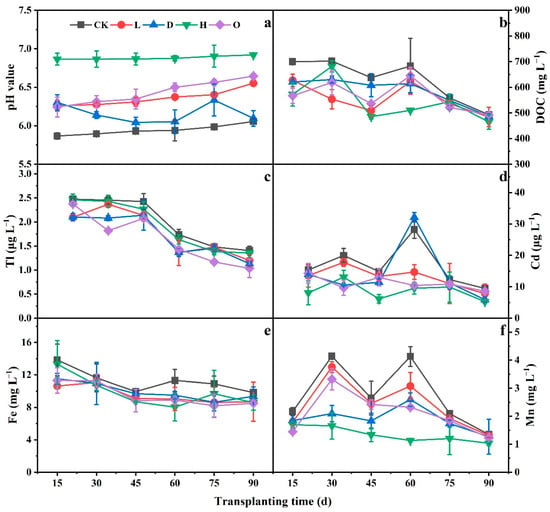
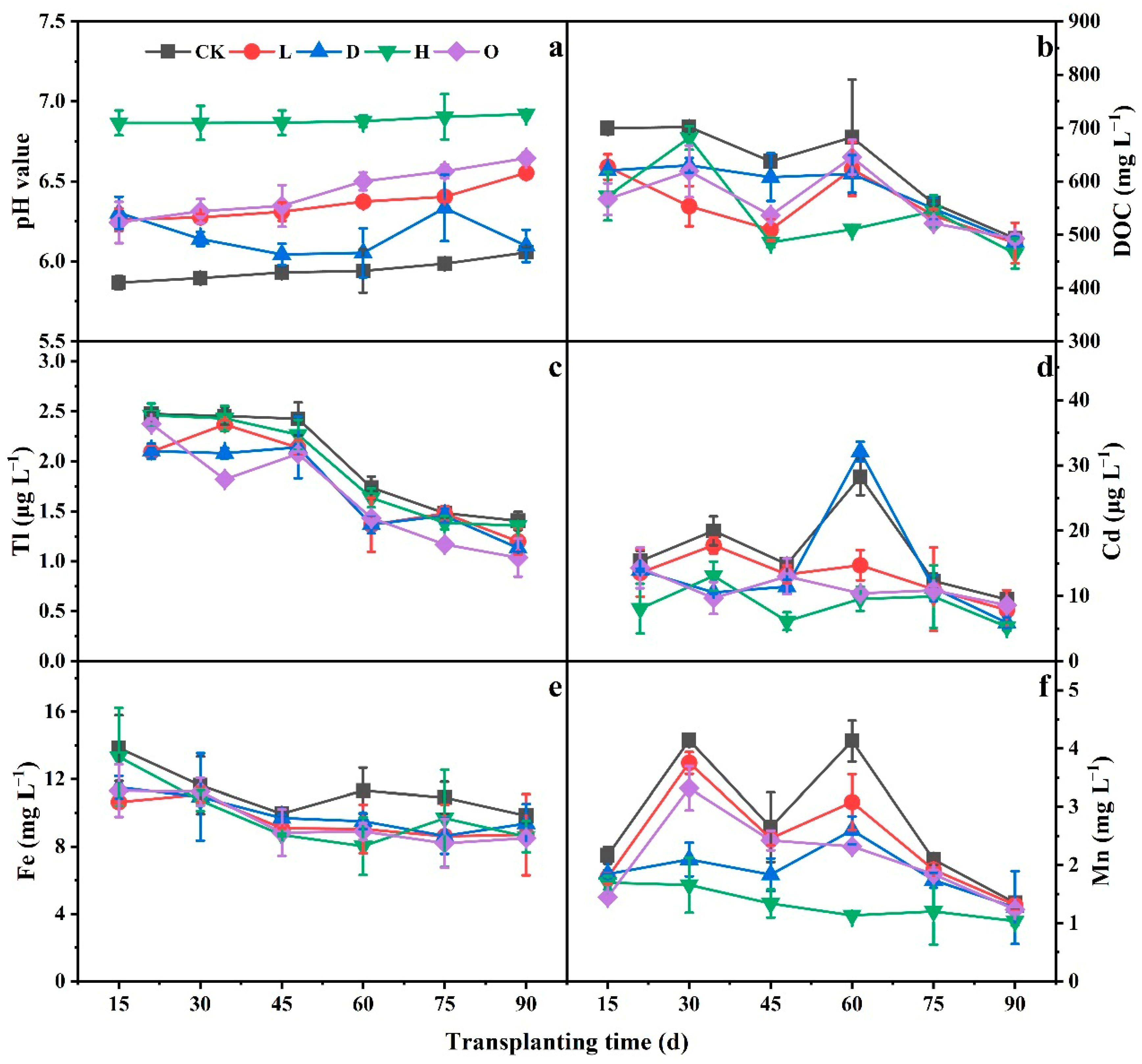
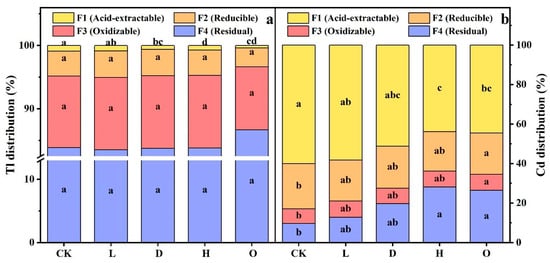
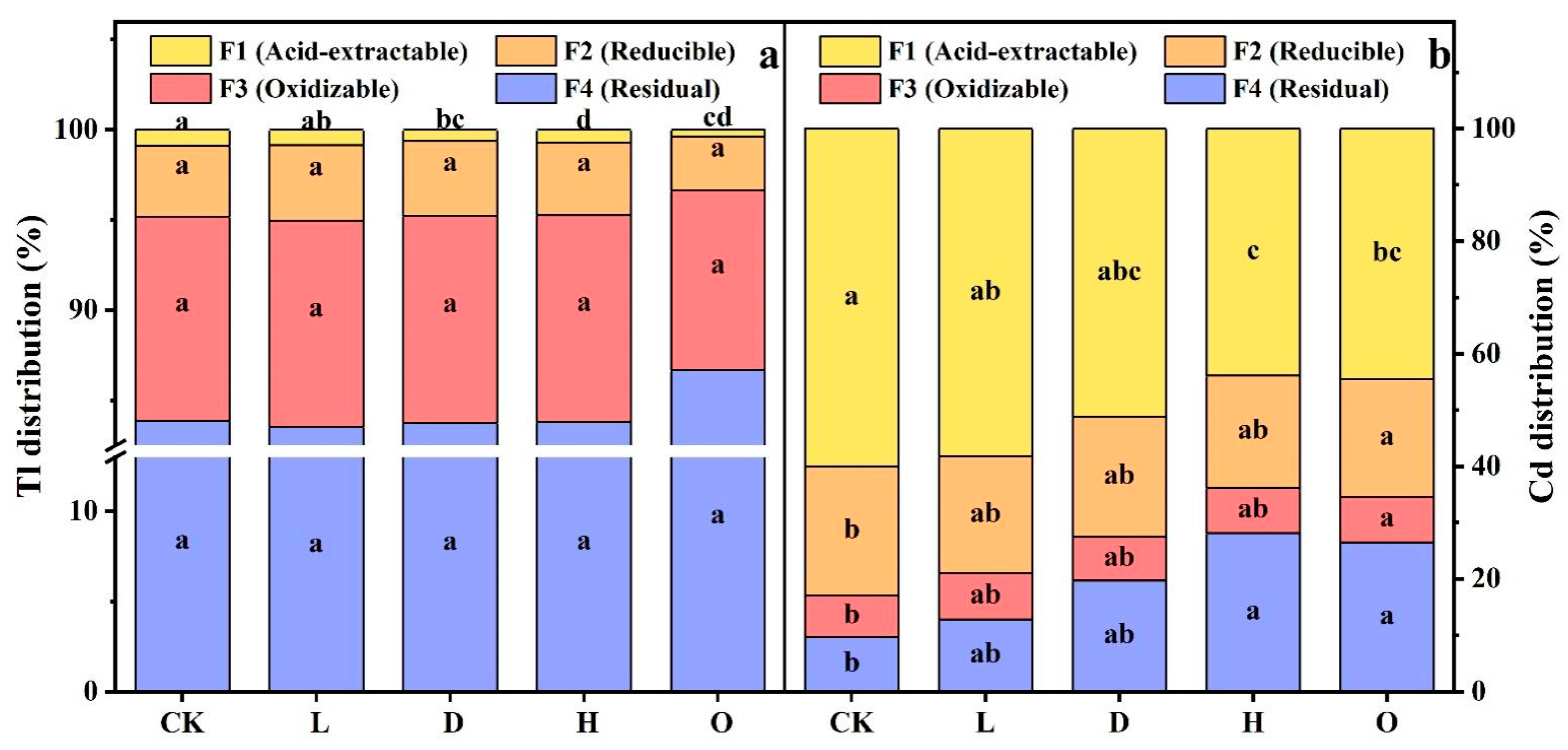
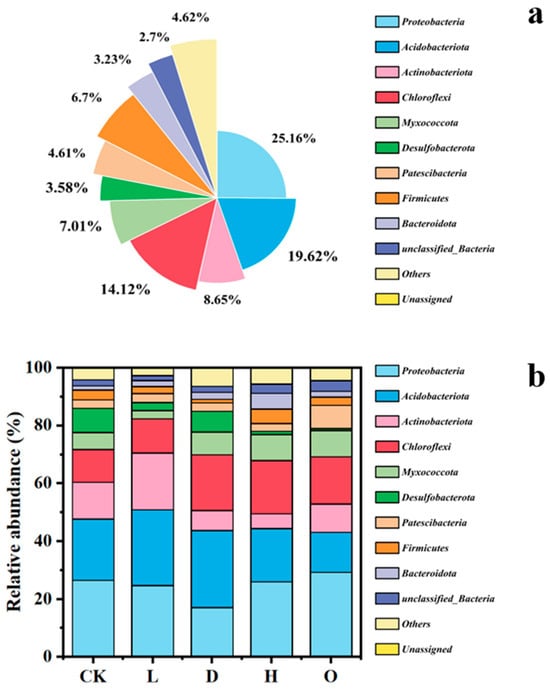
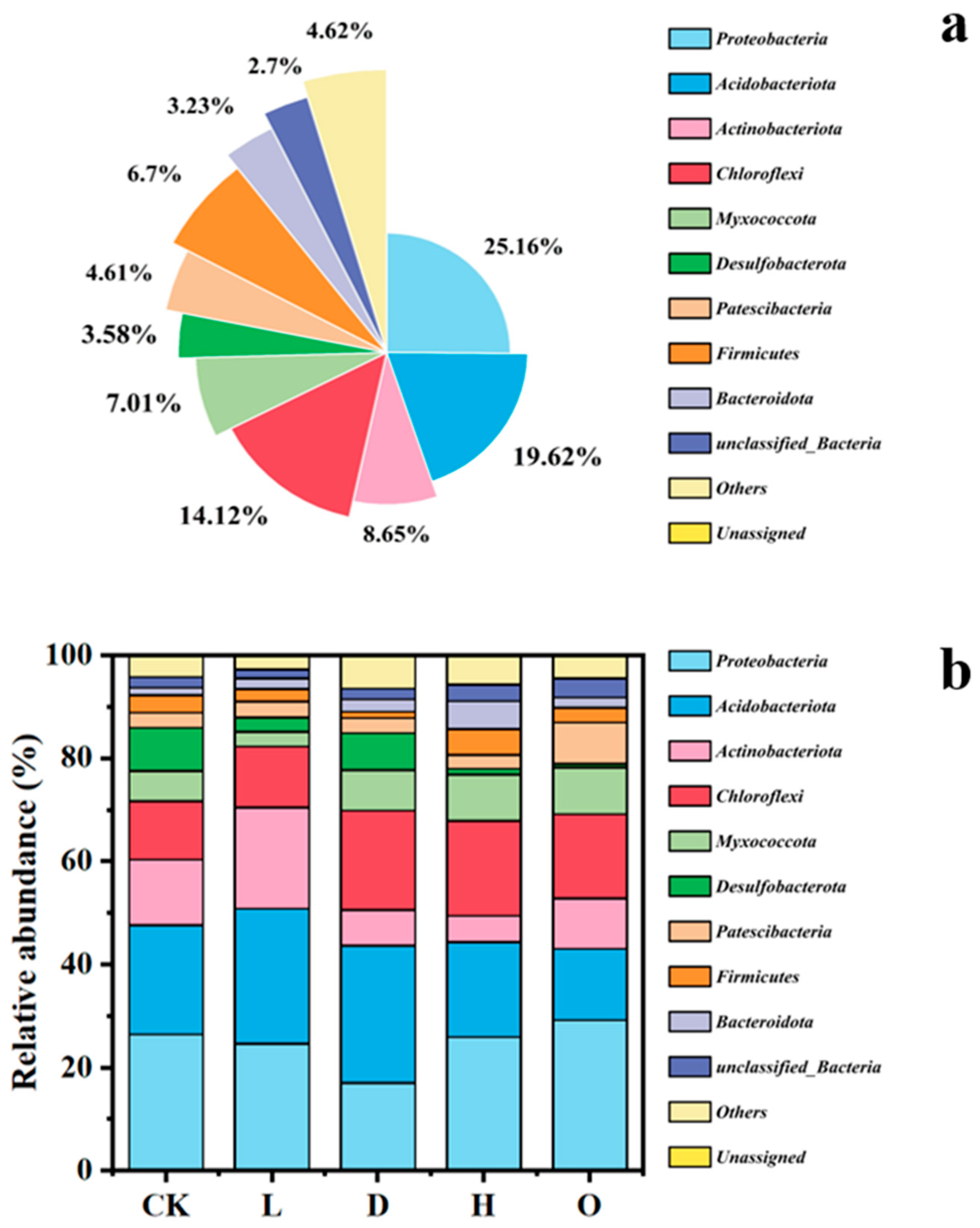
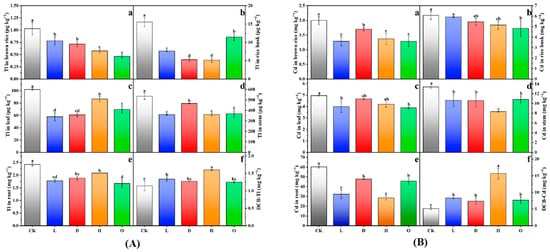
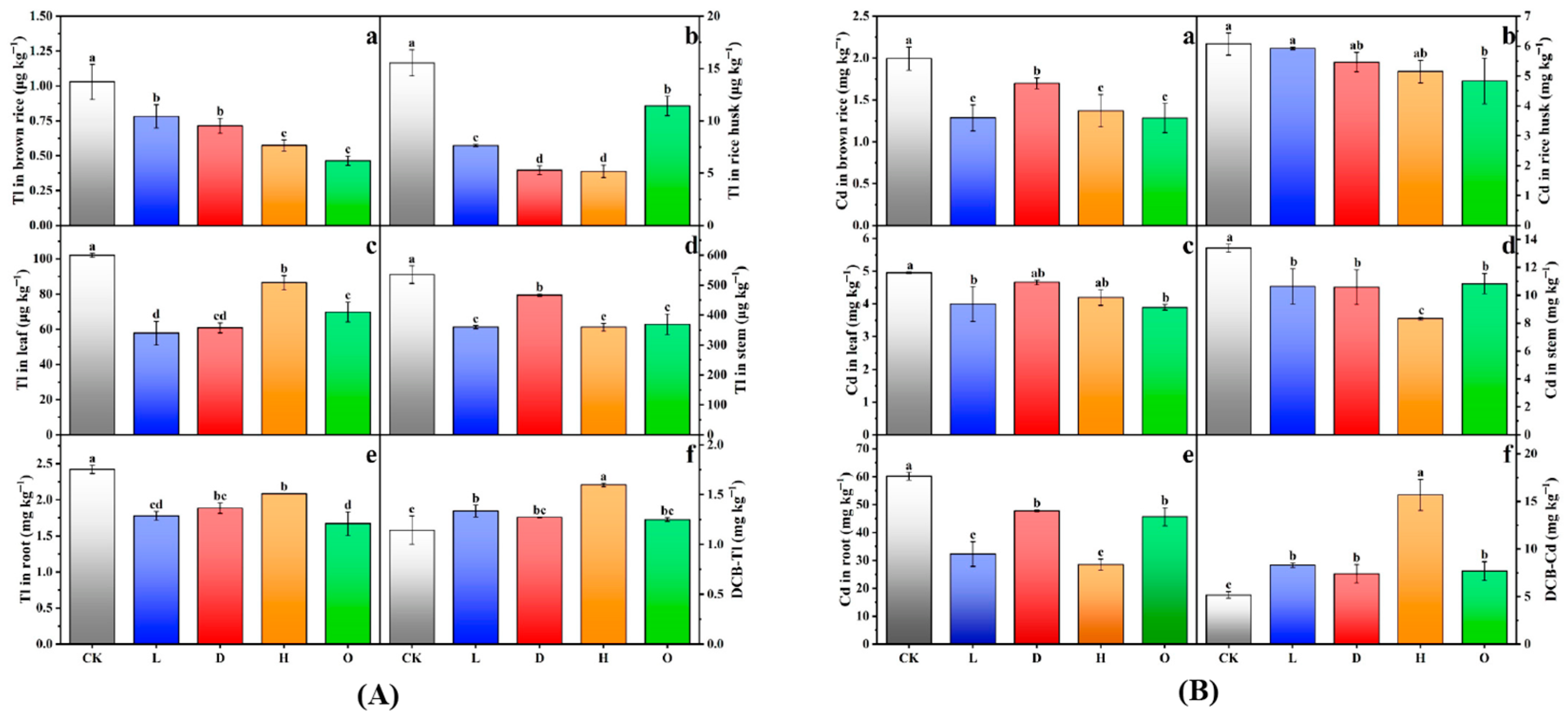

Disclaimer/Publisher’s Note: The statements, opinions and data contained in all publications are solely those of the individual author(s) and contributor(s) and not of MDPI and/or the editor(s). MDPI and/or the editor(s) disclaim responsibility for any injury to people or property resulting from any ideas, methods, instructions or products referred to in the content. |
© 2026 by the authors. Licensee MDPI, Basel, Switzerland. This article is an open access article distributed under the terms and conditions of the Creative Commons Attribution (CC BY) license.