


Abstract
To address water-heat constraints and environmental risks associated with plastic film mulching in winter wheat production in the semi-arid region of Northwest China, a two-year field experiment (2021–2023) was conducted in Tongwei County, Gansu Province. A single-factor randomized block design was applied, with full plastic film mulching (PM) and bare land (CK) as controls, to evaluate the effects of 3-row (S3), 4-row (S4), and 5-row (S5) corn stalk strip mulching on soil hydrothermal conditions, active carbon fractions, and yield under rainfed conditions. Results showed that straw mulching significantly enhanced soil water retention, particularly in the 0–40 cm layer, where moisture content increased by 7.70–19.28% compared with CK (p < 0.05), with S3 performing best. Treatment S5 achieved the highest accumulated temperature and reduced the soil diurnal temperature range by 20.73–35.62% (p < 0.05). Active carbon fractions were also significantly improved, especially during the jointing–grain-filling stage (BBCH 31–87). In terms of yield, S5 exhibited the greatest increase, with a 15.88% higher two-year average grain yield than CK (p < 0.05), reaching over 90% of PM. Overall, S5 demonstrated optimal synergistic regulation of water, heat, and carbon, indicating strong potential as a sustainable alternative to plastic film mulching.
1. Introduction
Ensuring global food security under a growing population and limited arable land remains a major challenge for sustainable agriculture. Global projections indicate that food production must increase by approximately 70% by 2050 to meet the demand of nearly 9 billion people [1]. In China, dryland farming occupies more than half of cultivated land, with the Loess Plateau of Northwest China serving as a major production region for winter wheat and maize. This region suffers from low and erratic precipitation (300–500 mm annually), causing persistent water deficit and seasonal drought that strongly limit crop productivity.
Water deficit is the primary constraint to yield stability in dryland systems. Drought markedly reduces wheat yield in northern China [2], and low water use efficiency (1.2–1.8 kg m−3) further restricts rainfed maize production on the Loess Plateau. Meanwhile, low soil organic carbon and poor fertility intensify crop stress, resulting in unstable and low yields.
Since the 1980s, plastic film mulching has been widely used to alleviate drought stress by conserving soil moisture and increasing soil temperature. However, long-term application causes severe plastic residues, soil degradation and microplastic pollution, threatening agricultural sustainability.
As an eco-friendly alternative, straw mulching has received increasing attention due to its biodegradability and soil-improving benefits. Abundant straw resources in northern China can be returned to fields to enhance soil moisture, increase organic carbon and stimulate microbial activity, thus improving dryland crop yields [3]. Compared with plastic film, straw mulching provides more balanced soil hydrothermal regulation, especially during the reproductive growth stage (BBCH 40–89) [4].
Strip mulching, with straw applied between crop rows, is recognized as an effective practice that balances water conservation and thermal regulation. Previous studies confirmed that straw strip mulching improves rainfall use and crop yield in semi-arid regions [5,6]. However, most studies only compare mulching types or use fixed configurations, while the spatial optimization of mulch structure remains rarely studied.
Despite its agronomic benefits, three critical knowledge gaps remain for straw strip mulching. First, most studies are short-term or single-season trials, ignoring interannual variations in straw decomposition and carbon release under different strip configurations [7]. Second, few studies focus on rainfed, low-input conditions typical of the arid Northwest China [8]. Most importantly, the coupling mechanisms of strip density regulating soil moisture, temperature and labile carbon fractions (DOC and MBC) remain unclear across mulching row gradients. Furthermore, quantitative evidence for optimizing strip patterns to improve yield stability and soil ecological function is still lacking.
Mulching regulates crop growth mainly by altering soil hydrothermal conditions. Both plastic and straw mulching reduce evaporation and increase soil moisture compared with bare soil [9]. Plastic film increases 0–40 cm soil moisture by 10–25% and raises spring soil temperature by 1.6–3.5 °C to promote early growth [10,11], but excessive warming and residue accumulation reduce its sustainability [12,13]. In contrast, straw mulching reduces evaporation by 20–40% and buffers diurnal temperature variation to stabilize the soil environment [14]. Strip mulching further avoids excessive cooling caused by full straw mulching in cold regions; by keeping planting rows uncovered, it maintains both water conservation and soil warming capacity [15]. However, the quantitative effects of mulching row number on soil hydrothermal regulation and crop productivity remain poorly understood.
Beyond hydrothermal regulation, straw mulching drives soil carbon cycling by increasing carbon inputs and microbial activity, thus promoting labile carbon fractions (DOC and MBC) [16,17]. These fractions are sensitive indicators of soil biological activity and fertility. Straw mulching generally increases MBC by 18–35% compared with plastic film, indicating stronger soil biological function [18]. However, soil carbon responses vary with straw type, environment and decomposition dynamics [19]. Existing studies examine straw type or mulching method separately, without integrating strip configuration into carbon cycle analysis. Therefore, the combined effects of strip density on active carbon dynamics remain unclear under long-term field conditions.
To fill these gaps, a two-year field experiment (2021–2023) was conducted under rainfed, non-irrigated and non-fertilized conditions in Tongwei County, Gansu Province. Maize straw strip mulching with three row configurations was tested, with plastic film mulching and bare soil as controls. The objectives were to (1) clarify the coupled effects of straw strip mulching on soil water, heat and active carbon dynamics, and (2) identify the optimal configuration for high yield and sustainable soil function in semi-arid drylands.
Based on the above gaps, the following hypotheses were proposed:
(H1).
Maize straw strip mulching significantly improves soil hydrothermal conditions compared with bare soil, with effects dependent on mulching row number.
(H2).
Straw strip mulching enhances soil labile carbon fractions (DOC and MBC), with stronger effects at key wheat growth stages.
(H3).
Improved soil hydrothermal and carbon conditions jointly increase wheat yield and stabilize yield components.
(H4).
An optimal mulching configuration exists that balances soil water, temperature and carbon dynamics to maximize yield stability.
2. Materials and Methods
2.1. Study Area and Site Conditions
The field experiment was conducted from September 2021 to July 2023 at the Dryland Circular Agriculture Experimental and Demonstration Base in Tongwei County, Gansu Province, China (35°11′ N, 105°19′ E). The site is in the southern Loess Plateau, within the loess hilly gully region, and represents a transition zone from a temperate semi-humid to semi-arid climate. The experimental site is situated at an elevation of approximately 1750 m and is a typical rainfed agricultural area in Northwest China. The geographic location of the study area is shown in Figure 1.
Figure 1.
Location of the test area.
The soil at this location is loam. The physicochemical properties of the 0–40 cm plow layer were relatively uniform, with a bulk density of 1.25 g cm−3 and a soil pH of 8.5. The soil organic carbon content ranged from 8.75 to 9.16 g kg−1, total nitrogen from 0.64 to 0.75 g kg−1, available phosphorus from 6.84 to 7.45 mg kg−1, and available potassium from 118.21 to 130.72 mg kg−1. These data indicate that the soil fertility is low, which is a typical characteristic of dryland soils in the Loess Plateau of China [20,21].
The average annual temperature in the Loess Plateau region of China is 7.2 °C, and the average frost-free period is approximately 146 days. The average annual precipitation is 390.7 mm, with most of it concentrated between July and September, exhibiting a clear seasonal concentration. The annual potential evaporation exceeds 1500 mm, and the annual sunshine duration is between 2100 and 2400 h, indicating a significant water shortage in this region, severely reducing crop yields.
Temporal distribution of rainfall and atmospheric temperature during the winter wheat growing season in the two experimental seasons. The total rainfall during the 2021–2022 growing season was 236.8 mm, with effective rainfall (≥5 mm) of 177.8 mm, accounting for 75.1% of the total rainfall. Rainfall during the early growing season (sowing-greening stage, BBCH 00–30), mid-growing season (jointing stage-booting stag, BBCH 31–59), and late growing season (flowering stage-maturity stage, BBCH 61–89) was 76.3 mm, 71.2 mm, and 16.0 mm, respectively, with an average temperature of 7.8 °C. In the 2022–2023 growing season, the total rainfall was 247.19 mm, with effective rainfall reaching 187.84 mm, accounting for 76.0% of the total rainfall. The average daily temperature during the growing season was 9.4 °C, the average daily maximum temperature was 26.8 °C, and the average daily minimum temperature was −1 °C. The temporal variation trend of temperature and precipitation during the winter wheat growing season is shown in Figure 2.
Figure 2.
Temporal distribution of precipitation and average air temperature during the entire growth period of winter wheat (a) 2021–2022; (b) 2022–2023.
The field experiment was conducted under a randomized complete block design to minimize spatial variability. Soil basic fertility parameters (pH, SOC, available N, P, and K) were not directly manipulated in this study; however, initial field soil characteristics were uniform across all plots due to the experimental design, thereby minimizing fertility-related bias among treatments.
2.2. Experimental Design
This experiment employed a single-factor randomized complete block design, with blocking based on the spatial gradient of the field to control soil heterogeneity. Within each block, treatments were randomly assigned to plots to minimize the effect of spatial variability. The experimental factor was the number of rows covered with corn stalks in strips, with three levels: three rows (S3), four rows (S4), and five rows (S5), where the codes explicitly indicate the number of mulching rows in each planting belt. Additionally, a plastic film mulching (PM) treatment (sowing seeds in holes spaced 20 cm apart after mulching) and a bare soil control (CK) were included as reference treatments. In this trial, sowing was performed using a disc-type tractor. Given the reasonable margin of error in the spacing between the cover crop strip and the winter wheat planting strip, the S4 treatment fully met the planting requirements for winter wheat and allowed for the successful completion of sowing operations. Detailed information on all treatments is shown in Table 1.
Table 1.
Description of experimental treatments.
The winter wheat variety used in this study was Kangzhuang 974, which possesses strong overwintering ability, disease resistance, and lodging resistance. Winter wheat for both the 2021–2022 and 2022–2023 experimental growing seasons were sown in late September, and harvested in late July 2022 and late July 2023, respectively. The entire growth cycle of winter wheat is divided into eight stages: sowing, overwintering, greening, jointing, booting, heading, flowering, grain filling, and maturity.
Wheat growth stages were defined according to the BBCH scale. Measurements of soil hydrothermal conditions, labile carbon fractions, and crop growth parameters were conducted at key phenological stages, including emergence (BBCH 10–13), tillering (BBCH 20–29), jointing (BBCH 31–32), booting (BBCH 40–49), flowering (BBCH 61–65), grain filling (BBCH 71–87), and maturity (BBCH 89). These stages were selected to capture the critical periods of water, temperature, and carbon demand during winter wheat development.
2.3. Field Management
The experiment consisted of 5 treatments, with 3 replicates per treatment, for a total of 15 plots. Each plot had an area of 40 square meters (5 m × 8 m), and a 1-m-wide buffer zone was set between adjacent plots to minimize the lateral migration of water and nutrients.
The experimental fields were rotary tilled and leveled before sowing. Basal fertilizer was applied once before sowing, with 120 kg ha−1 of nitrogen and 90 kg ha−1 of phosphorus. No irrigation or topdressing was applied throughout the growing season to avoid interference with the experimental results from additional water and nutrient inputs.
Straw mulching was performed manually. The application rate of maize straw was uniformly 9000 kg ha−1 based on air-dried weight.Considering that direct straw mulching might adversely affect seedling growth, a 2–5 cm gap was maintained between the mulch strip and the planting strip to mitigate the effects of mechanical compaction.
The row spacing for all treatments was maintained at 17 cm, and the seeding rate was uniformly controlled at 225 kg ha−1. The bare-field control treatment was sown directly on the leveled seedbed after manual land preparation. The plastic film mulching treatment used a 0.01 mm thick white polyethylene film to completely cover the soil surface, and seeding was performed in holes at a plant spacing of 20 cm.
2.4. Measurements and Methods
2.4.1. Soil Water Content
Soil water content was determined using a layered sampling method [22]. Soil samples were collected at key growth stages of winter wheat, including sowing (SD), overwintering (WT, BBCH 20–29), regreening (RV, BBCH 30–31), jointing (JT, BBCH 31–32), booting (BT, BBCH 40–49), flowering (FL, BBCH 61–65), grain filling (GF, BBCH 71–87), and maturity (MT, BBCH 89). Samples were taken between plant rows using a soil auger at eight depth intervals: 0–20, 20–40, 40–60, 60–90, 90–120, 120–150, 150–180, and 180–200 cm.
For straw strip mulching treatments, soil samples were collected separately from the planting belts and mulching belts. In each plot, three subsamples were collected from the planting belt and three subsamples from the mulching belt at each sampling depth, and then composited to form representative samples for each belt. To obtain a plot-level value, the measured values from the planting belt and mulching belt were combined using a weighted average based on their respective area proportions, calculated as follows:
where and represent the measured values of the planting belt and mulching belt, respectively, and and denote the corresponding belt widths (cm).
All samples were placed in labeled aluminum boxes and oven-dried at 105 ± 0.5 °C to constant weight to determine soil gravimetric water content. Soil water content and soil water storage under straw strip mulching were calculated as weighted averages based on the area proportion of planting and mulching belts.
Gravimetric soil water content () was calculated as:
where is the gravimetric soil water content (%), is the mass of water (g), is the mass of oven-dried soil (g), is the mass of moist soil (g), and is the mass of soil dried to constant weight at 105 °C (g) [23].
2.4.2. Soil Temperature
Soil temperature was monitored using right-angle thermometers during the main growth stages of winter wheat (from overwintering to maturity, BBCH 20–89). Thermometers were installed in each experimental plot, and for straw strip mulching treatments, measurements were conducted separately in the planting belts and mulching belts. Soil temperature was recorded at depths of 5, 10, 15, 20, and 25 cm, with thermometer positions kept fixed throughout the monitoring period.
Measurements were taken at 07:00, 14:00, and 19:00 on representative sunny days during each growth stage. The soil temperature (T, °C) for each stage was calculated as the average of these three measurements. For straw strip mulching treatments, the final soil temperature was obtained as the weighted average of planting and mulching belt temperatures based on their respective area proportions.
2.4.3. Soil Organic Carbon and Its Labile Fractions
During the winter wheat growth process, samples were taken before sowing and at key stages, including greening (RV, BBCH 30–31), jointing (JT, BBCH 31–32), booting (BT, BBCH 40–49), flowering (FL, BBCH 61–65), grain filling (GF, BBCH 71–87), and maturity (MT, BBCH 89). Soil samples were collected from four soil layers, i.e., 0–5 cm, 5–10 cm, 10–20 cm, and 20–40 cm, to determine the organic carbon content. The collected samples were placed in numbered resealable bags and promptly sent to the laboratory of the College of Water Resources and Hydropower Engineering, Gansu Agricultural University, for analysis.
Dissolved organic carbon (DOC) was determined using fresh soil samples passed through a 2 mm sieve. Briefly, 10 g of soil was placed into a centrifuge tube and extracted with 50 mL of deionized water. The suspension was shaken at 200 r min−1 for 2 h, centrifuged at 12,500 r min−1 for 20 min, and filtered. An aliquot of 5 mL filtrate (with organic carbon concentration adjusted to 0–25 mg) was transferred into a test tube, followed by the addition of 2.5 mL of 10 mmol L−1 Mn(III)–pyrophosphate solution and 2.5 mL of concentrated H2SO4. After standing for 1 h, absorbance was measured at 490 or 500 nm using a spectrophotometer [24].
Microbial biomass carbon (MBC) was measured using the chloroform fumigation–extraction method [25]. Fresh soil samples (25 g, passed through a 2 mm sieve) were placed in a beaker and fumigated with ethanol-free chloroform in a sealed desiccator under vacuum conditions for 24 h. After fumigation, the soils were extracted with 0.5 mol L−1 K2SO4 solution, shaken, and filtered. The extracts were digested for 10 min using a digestion furnace, and carbon concentration was determined by titration with 0.5 mol L−1 FeSO4 solution after the addition of an indicator. Non-fumigated samples were analyzed in parallel as controls, and MBC was calculated from the difference between fumigated and non-fumigated extracts.
2.5. Data Analysis
All experimental data were first processed and organized using Microsoft Excel 2021. Statistical analysis was performed using IBM SPSS Statistics 27 (IBM, Armonk, NY, USA). Prior to analysis, all data were tested for normality using the Shapiro–Wilk test and for homogeneity of variance using Levene’s test to ensure that model assumptions were satisfied. Analysis of variance (ANOVA) was conducted using a univariate general linear model (GLM) to evaluate the effects of treatments and year, and differences were considered statistically significant at the 0.05 probability level (p < 0.05). For multiple comparisons, the least significant difference (LSD) test was applied to distinguish differences among treatment means. Repeated measurements across the two growing seasons were incorporated by including year as a fixed factor in the GLM. Pearson correlation analysis and principal component analysis (PCA) were further employed to examine relationships among variables and identify key influencing factors. Figures were generated using OriginPro 2021 (OriginLab, Northampton, MA, USA).
3. Results and Analysis
3.1. The Impact of Straw Mulch on Soil Moisture
3.1.1. Spatiotemporal Variation in Soil Water Content
As shown in Figure 3, maize straw had a significant regulatory effect on soil moisture content throughout the entire growth period of winter wheat. Soil moisture content in all treatments during both growing seasons showed a trend of first decreasing and then increasing with the growth process, reaching its lowest value during the grain-filling stage (BBCH 71–87). Compared with the bare-field control (CK), maize straw strip mulching in both growing seasons primarily increased soil moisture, with only slight decreases observed in a few growth stages. The water retention regulation effect varied significantly among different numbers of mulching rows, and the core regulatory pattern remained consistent across years.
Figure 3.
Soil moisture content throughout the growth cycle under different treatments: (a) 2021–2022; (b) 2022–2023.
Field trials over two consecutive growing seasons showed that maize straw strip mulching significantly increased soil moisture content in the 0–200 cm soil layer compared to the CK, with this water retention and moisture-increasing effect being more pronounced in the 2022–2023 growing season. The water retention regulation effect of different mulching rows varied significantly. The average water content increase throughout the entire growth period showed a decreasing trend with increasing mulching numbers: S3 > S4 > S5. Specifically, the increases for treatments S3, S4, and S5 ranged from 2.74 to 10.86% in the 2021–2022 growing season, while the increases for each treatment further increased to 7.70 to 19.28% in the 2022–2023 growing season.
Importantly, across both growing seasons, a consistent treatment–year interaction pattern was observed: although interannual climatic conditions enhanced overall soil moisture levels in 2022–2023, the relative ranking among treatments (S3 > S4 > S5) remained unchanged, indicating that mulching configuration was a more dominant regulator than interannual variability.
From the dynamic changes in growth stages, the water retention effect of straw mulching exhibited consistent stage-specific characteristics in both growing seasons: the moisture-increasing effect was initially apparent in the early growth stage from sowing to greening (BBCH 00–30); the jointing–flowering stage (BBCH 31–65) was the critical period for winter wheat water demand, at which time the moisture-increasing effect of straw mulching reached its peak; and from grain filling to maturity (BBCH 71–89), all treatments maintained a stable water retention advantage. Only in the 2021–2022 growing season did the S5 treatment experience a slight decrease in soil moisture at maturity (BBCH 89), while the other treatments maintained a stable moisture-increasing effect throughout the entire growth period of both growing seasons.
This stage-dependent response suggests that straw mulching does not uniformly increase soil water storage, but rather regulates the synchronization between soil water availability and crop water demand, particularly during the jointing–grain-filling period (BBCH 31–87), which is critical for yield formation.
Compared to the plastic film mulching (PM) treatment, the water retention effect of corn stalk strip mulching varied significantly across the two consecutive growing seasons as winter wheat progressed. Treatment S3 showed the best water retention performance, reaching levels comparable to PM at several key growth stages. In the 2021–2022 growing season, the average water content of the PM treatment throughout the entire growth period was 14.16%, while the S3 treatment differed from PM by only 0.33%. During the crucial yield-forming flowering–filling stage (BBCH 61–87), the water content of the S3 treatment surpassed that of PM, while it was slightly lower than PM during the overwintering (BBCH 20–29), booting(BBCH 40–59), and maturity (BBCH 89) stages. In the 2022–2023 growing season, the water content of S3 was 1.22% higher than that of PM. Treatments S4 and S5 generally had weaker water retention effects than PM, with average water content lower than PM throughout both growing seasons.
Overall synthesis across treatments and years indicates that S3 represents the most balanced configuration for maintaining soil water availability, achieving near-equivalent performance to plastic film mulching while maintaining greater stability under interannual variability.
Based on the data analysis from both growing seasons, the regulatory effect of corn stalk strip mulching on winter wheat soil moisture content decreased with increasing mulch row count, showing a pattern of S3 > S4 > S5 in both growing seasons. Meanwhile, the water retention effect of straw mulching was consistently observed in 2021–2022 and 2022–2023, with interannual differences in magnitude, which demonstrates that the system response is characterized by stable treatment effects but variable climatic amplification across years. Among them, the S3 three-row mulching treatment showed the best water retention effect in both growing seasons.
3.1.2. Vertical Distribution of Soil Moisture Content from 0 to 200 cm
As shown in Figure 4, compared with the control (CK), corn stalk strip mulching exhibited a stable moisture-increasing effect on soil moisture content in all soil layers during both growing seasons. The effect decreased with increasing mulch row count, following the order S3 > S4 > S5, with the overall water retention effect being particularly significant in the 2022–2023 growing season.
Figure 4.
Vertical distribution of soil water content (0–200 cm) under different treatments: (a) 2021–2022; (b) 2022–2023. Different lowercase letters indicate statistically significant differences (p < 0.05).
In the 2021–2022 growing season, the average surface moisture content of the 0–40 cm soil layer (S3 treatment) was 11.04% higher than that of the control (CK). In the 2022–2023 growing season, the average moisture content of the 0–200 cm soil layer (S3, S4, and S5) increased by 19.25%, 15.35%, and 7.63%, respectively, compared to CK, extending the water retention advantage from the surface to deeper layers.
Across soil profiles and years, a consistent interaction pattern between treatment and soil depth was observed: straw mulching effects were strongest in the upper 0–40 cm layer and gradually attenuated with depth, indicating that the regulation mechanism is primarily driven by surface microenvironment modification (evaporation suppression and infiltration enhancement).
Using plastic film mulching (PM) as a control, the S3 treatment showed no significant difference in profile water retention compared to PM in both growing seasons, and was even superior to PM in some soil layers. In the 2021–2022 growing season, the average water content of the 0–150 cm profile in the S3 treatment was only 0.07% lower than PM. In the 2022–2023 growing season, the average water content of the 0–200 cm profile in the S3 treatment was 0.12% lower than PM, while several upper soil layers exceeded PM.
A key cross-year synthesis indicates that although plastic film mulching maintains slightly higher absolute water content, straw strip mulching (particularly S3) provides a more stable vertical moisture distribution and reduces interannual variability, highlighting its advantage in system resilience rather than peak water storage capacity.
The soil water content of both the S4 and S5 treatments was lower than PM, and the average profile water content was lower than PM in both growing seasons.
Overall, the two-year integrated results confirm that S3 is the optimal configuration for balancing surface and profile moisture conservation, achieving performance comparable to plastic film mulching while maintaining more stable soil moisture dynamics across soil depths and climatic years.
3.2. The Impact of Straw Mulch on Soil Temperature
3.2.1. Effects of Different Treatments on Soil Temperature at Different Growth Stages
As shown in Figure 5, soil temperature during the entire growth period of winter wheat showed a continuous upward trend, with the overwintering period (BBCH 20–29) being the lowest temperature and the maturity period (BBCH 89) reaching its peak. Maize straw strip mulching had a significant buffering and regulating effect on soil temperature, effectively mitigating drastic temperature fluctuations during the growth period. This buffering effect was further quantified by the diurnal temperature range (DTR), defined as the difference between the daily maximum and minimum soil temperatures. Compared with the CK treatment, straw strip mulching reduced the DTR, indicating a decrease in temperature fluctuation amplitude and improved thermal stability of the soil. The regulating effect varied significantly depending on the number of mulching rows, with the core regulating trend remaining consistent across years, only the magnitude of the effect differing from year to year.
Figure 5.
Comparison of soil temperature among different treatments at each growth stage: (a) 2021–2022; (b) 2022–2023. Different lowercase letters indicate statistically significant differences (p < 0.05).
Compared to the bare-field control (CK), the temperature regulating effect of maize straw strip mulching in both growing seasons exhibited clear stage-specific characteristics. During the 2021–2022 growing season, all straw strip mulching treatments showed a warming effect during the overwintering period (BBCH 20–29), with soil temperatures significantly higher than the control. The warming effect followed the pattern of S3 > S4 > S5 as the number of mulching rows decreased and the later stages of the entire growth cycle, with the temperature drop following the pattern of S3 > S4 > S5 as the number of mulching rows decreased. During the 2022–2023 growing season, all straw mulching treatments showed a significant warming effect during the overwintering-greening period (BBCH 20–31), with soil temperatures significantly higher than CK, and this effect was most pronounced for treatments S3 and S4. In the middle and late growth stages after regreening (BBCH 31–89), straw mulching treatments showed a cooling effect, with soil temperatures lower than CK, and the temperature difference between treatments and CK gradually narrowed at maturity. Overall, these results indicate a clear year-by-treatment interaction: the temperature regulation effect shifted from a dominant net cooling tendency throughout the whole growth cycle in 2021–2022, to a bidirectional regulation pattern of significant warming in the low-temperature overwintering period and moderate cooling in the high-temperature middle and late growth stages in 2022–2023, suggesting strong sensitivity of straw-mediated thermal regulation to interannual climatic background conditions.
Using plastic film mulching (PM) as a control, the PM treatment showed the highest soil temperature throughout the entire growth period, with a significantly stronger overall warming effect than the straw mulching treatment. However, the temperature buffering advantage of straw mulching was more pronounced during key growth periods. In the 2021–2022 growing season, the temperature of all straw treatments was significantly lower than that of PM throughout the entire growth period, with the S3 treatment showing the smallest temperature difference with PM, and its heat preservation effect during the low-temperature period (BBCH 20–29) being closest to that of PM. In the 2022–2023 growing season, the S3 three-row mulching treatment showed a soil temperature exceeding that of PM during the overwintering–greening period (BBCH 20–31), demonstrating superior low-temperature heat preservation. During the grain-filling period (BBCH 71–87), the soil temperature was basically the same as that of PM. These cross-year comparisons further highlight that straw mulching does not simply reduce or increase temperature, but dynamically shifts between cooling and warming functions depending on climatic conditions and growth stage requirements.
Based on the monitoring results of the two growing seasons, corn stalk strip mulching can effectively regulate the soil temperature environment of winter wheat farmland. Among them, five-row mulching (S5) has the best heat preservation and temperature increase stability during the low temperature period, while three-row mulching (S3) shows better adaptability across contrasting years. Integrating both years, S3 provides the most balanced thermal regulation performance, achieving a compromise between overwintering heat preservation and mid-season thermal stability, and indicating an optimal structural configuration under varying climatic conditions.
3.2.2. Comparison of Cumulative Soil Temperature Under Different Cover Patterns
As shown in Figure 6, maize straw strip mulching significantly modulates soil accumulated temperature at all growth stages. The peak accumulated temperature in 2021–2022 occurred during the jointing–booting stage (BBCH 31–49), while in 2022–2023, the highest accumulated temperature was concentrated during the booting–flowering stage (BBCH 40–65). The flowering–grain-filling stage (BBCH 61–87) was the lowest accumulated temperature range shared by both growing seasons. The total accumulated soil temperature throughout the entire growth period increased with the number of straw mulching rows, generally showing a pattern of S5 > S4 > S3.
Figure 6.
Comparison of cumulative soil temperature under different cover patterns: (a) 2021–2022; (b) 2022–2023. Different lowercase letters indicate statistically significant differences (p < 0.05).
Compared to the control (CK), the total accumulated soil temperature during the greening–maturity stage (BBCH 30–89) of all treatments under maize straw strip mulching was significantly lower than that of the CK in both years, and the accumulated temperature increased with the number of mulching rows. In the 2021–2022 growing season, the total accumulated temperature of treatments S3, S4, and S5 decreased by 13.57–16.03% compared to the CK, and the accumulated temperature at each growth stage was lower than that of the CK during the same period. During the 2022–2023 growing season, the total accumulated temperature of all straw mulching treatments during the regreening–maturity period (BBCH 30–89) decreased by 17.08–23.51% compared to the control (CK). Notably, although the direction of the effect (reduction relative to CK) remained consistent across years, the magnitude of temperature reduction was stronger in 2022–2023, indicating enhanced insulating–buffering effects under colder climatic conditions.
The PM treatment had the highest total accumulated temperature and accumulated temperature at each growth stage throughout the two-year growth period. In 2021–2022, the total accumulated temperature of all straw mulching treatments decreased by 19.26–21.56% compared to PM, with the smallest difference between S5 and PM only observed during the grain-filling-maturity period (BBCH 71–89). In 2022–2023, the difference between S5 and PM throughout the entire growth period narrowed significantly, and S5 reached a substantially higher proportion of PM during the greening–jointing period (BBCH 30–32) compared with S3 and S4. This indicates that increasing mulch density partially compensates for the thermal gap between straw and plastic film, but this compensation is stage-dependent and most effective under low-temperature growth stage (BBCH 20–29).
Based on the results of the two years, strip mulching with corn stalks reduced the total accumulated soil temperature during the greening–maturation period (BBCH 30–89) of winter wheat, but increasing the number of mulch rows effectively alleviated the problem of insufficient accumulated temperature during the low-temperature growth stage (BBCH 20–29). From a multi-year perspective, S5 provides the strongest thermal accumulation capacity, whereas S3 exhibits better thermal stability across contrasting climatic years, indicating a trade-off between heat accumulation intensity and interannual stability.
3.3. The Impact of Straw Mulch on Soil Organic Carbon Composition
3.3.1. The Impact of Straw Mulch on Soil Soluble Organic Carbon
As shown in Figure 7, straw mulching significantly affected the soil soluble organic carbon (DOC) content of winter wheat throughout its entire growth period. In the 2021–2022 growing season, DOC content peaked at the jointing stage (BBCH 31–32), decreased during the grain-filling stage (BBCH 71–87), and then increased again at maturity (BBCH 89). In the 2022–2023 growing season, DOC content generally showed a trend of continuous increase from jointing to flowering (BBCH 31–65), followed by a decrease from grain-filling to maturity (BBCH 71–89), with the peak concentrated in the critical yield formation period from booting to flowering (BBCH 40–65). Maize straw strip mulching significantly increased soil DOC content throughout the entire winter wheat growth period, with significant differences in the regulatory effect among different numbers of mulching rows.
Figure 7.
DOC content of different treatments at different stages: (a) 2021–2022; (b) 2022–2023. Different lowercase letters indicate statistically significant differences (p < 0.05).
Compared to the control (CK), all treatments under maize straw strip mulching significantly increased the average soil DOC content throughout the entire growth period in both growing seasons. In 2021–2022, the average DOC content of treatments S3, S4, and S5 increased by 7.21%, 10.16%, and 13.45%, respectively, compared to the CK, with treatment S5 showing the best improvement. In 2022–2023, the increases were more pronounced, reaching 35.47%, 22.06%, and 24.35%, respectively. This interannual amplification indicates that DOC accumulation is strongly regulated by climatic background and straw decomposition dynamics, rather than being a stable treatment effect.
Compared to PM (plastic film mulching), DOC under straw mulching was consistently higher in both years. In 2021–2022, DOC under S3–S5 was 17.30%–24.28% higher than PM, while in 2022–2023 the increase expanded to 24.87%–38.67%. Notably, the advantage of straw mulching over PM became more pronounced during the booting–flowering (BBCH 40–65) and grain-filling stages (BBCH 71–87), indicating that straw-derived labile carbon release is synchronized with the critical yield formation period.
A cross-year synthesis indicates that DOC dynamics are jointly regulated by straw-derived carbon inputs, mulch configuration, and interannual climatic variability. The response pattern changes from relatively moderate and stable increases in 2021–2022 to stronger stage-dependent fluctuations in 2022–2023, reflecting a nonlinear carbon activation process influenced by both management practices and environmental conditions.
The combined results indicate that strip mulching can effectively activate the soil active carbon pool, particularly during the yield formation stage (BBCH 40–87). This effect is associated with the sustained decomposition of maize straw and improved microclimatic conditions. However, differences between S3 and S5 during grain-filling (BBCH 71–87) were not consistent across years, suggesting that carbon responses should be interpreted as system-level trends rather than single-stage deterministic effects.
3.3.2. The Impact of Straw Mulch on Soil Microbial Biomass Carbon
As shown in Figure 8, soil microbial biomass carbon (MBC) varied significantly across growth stages, treatments, and years. In 2021–2022, MBC showed a typical unimodal pattern, peaking at the jointing–booting stage (BBCH 31–49) and decreasing after flowering (BBCH 61–65). In contrast, in 2022–2023, MBC under straw mulching showed a continuous increase from jointing to maturity (BBCH 31–89), indicating a shift in microbial activity dynamics between years.
Figure 8.
MBC content at different reproductive stages and under different treatments: (a) 2021–2022; (b) 2022–2023. Different lowercase letters indicate statistically significant differences (p < 0.05).
Compared to CK, all straw mulching treatments significantly increased MBC across both growing seasons. In 2021–2022, increases ranged from 9.69% to 12.01% at peak stages, while in 2022–2023, MBC increases were substantially higher, reaching up to 92.33% at maturity (BBCH 89). This sharp interannual difference indicates that microbial biomass is highly sensitive to environmental conditions and exhibits strong cumulative effects under continuous straw application.
Compared to PM, straw mulching consistently promoted higher MBC levels in both years. In 2021–2022, straw treatments exceeded PM by more than 10%, while in 2022–2023 the gap widened to over 60%. This suggests that plastic film mulching provides weaker biological stimulation compared to organic straw inputs, particularly under prolonged application conditions.
Integrated analysis across two growing seasons reveals a clear transition in microbial response patterns: from stage-limited activation in 2021–2022 to system-wide stimulation in 2022–2023. This shift reflects cumulative improvements in soil habitat conditions (moisture buffering, thermal stability, and carbon substrate availability) induced by straw mulching.
Overall, maize straw strip mulching significantly enhances soil microbial activity and shifts MBC dynamics toward a more sustained and accumulation-oriented pattern. Among treatments, S5 exhibits the strongest cumulative effect, while S3 shows more stable interannual performance, indicating a trade-off between intensity and stability of microbial activation.
3.4. Effects of Maize Straw Strip Mulching on Winter Wheat Yield Formation and Correlation Analysis Between These Effects and Soil Hydrothermal Conditions as Well as Labile Carbon Fractions
3.4.1. ANOVA of Yield and Yield Components and Treatment Effects
As shown in Table 2, both maize straw strip mulching and PM treatment had significant regulatory effects on winter wheat grain yield and yield components. Across the two consecutive growing seasons, the treatment effects showed a consistent ranking pattern (PM > S5 > S4 > S3), while the magnitude of yield responses varied significantly between years, indicating a clear treatment × year interaction (p < 0.05).
Table 2.
Yield and yield composition of winter wheat under different straw mulching treatments.
A cross-year synthesis of yield data indicates a strong interannual variability in yield response. In 2022, all mulching treatments significantly increased yield relative to CK, whereas in 2023 only PM and S5 maintained statistically significant yield advantages over CK, reflecting a stronger environmental constraint on straw-based systems in the second year. The two-year average results showed that the grain yields of the PM, S5, S4, and S3 treatments increased by 27.05%, 15.88%, 6.95%, and 1.93% compared to CK, respectively.
Mulching treatments significantly regulated the three major yield components of winter wheat: spike number, grain number per spike, and thousand-grain weight. A synthesis across years shows that spike number was the most stable and dominant yield determinant, while grain number per spike and thousand-grain weight exhibited stronger interannual sensitivity. Compared to CK, both PM and S5 consistently increased spike number in both years, with PM showing the strongest effect (26.23% average increase) and S5 showing a stable intermediate improvement (16.91%).
In contrast, grain number per spike showed weaker and less stable responses under straw treatments, with significant improvement observed mainly under PM, while straw treatments showed limited or year-specific effects. Thousand-grain weight exhibited the strongest interannual reversal: it contributed positively to yield formation in 2022 but became unstable or even reduced under PM in 2023, indicating sensitivity to climatic variability during grain filling (BBCH 71–87).
Overall, the cross-year integration of yield components suggests that yield formation shifted from a balanced multi-component contribution in 2022 to a spike-number-dominated pattern in 2023 under water- and temperature-stressed conditions.
In summary, the S5 treatment represents the most stable straw-based mulching strategy across years, as it consistently enhanced spike number and maintained relatively stable yield formation under variable climatic conditions. This stability is likely associated with improved soil moisture conservation and moderated thermal fluctuations during key reproductive stages, which together support tiller survival and spike formation.
3.4.2. Correlation Analysis Between Winter Wheat Yield, Yield Components, and Soil Water, Temperature, and Labile Carbon Fractions
As shown in Figure 9, correlation analysis results indicate significant correlations among winter wheat grain yield, soil hydrothermal indices, soil active carbon pool indices, and yield components across two consecutive growing seasons.
Figure 9.
Correlation analysis between winter wheat yield, yield components, soil water content, soil temperature, and labile carbon fractions under straw mulching treatments (W-SD, W-WT, W-RV, W-JT, W-BT, W-FL, W-GF, and W-MT denote the mean soil water content at different growth stages; T-WT, T-RV, T-JT, T-BT, T-FL, T-GF, and T-MT denote the mean soil temperature at corresponding stages; RV–JT, JT–BT, BT–FL, FL–GF, and GF–MT represent soil effective accumulated temperature between adjacent growth stages; DOC and MBC represent mean labile carbon fractions over the entire growth period; Y, GNS, GW, and SN represent grain yield, grain number per spike, thousand-grain weight, and spike number, respectively): (a) 2021–2022; (b) 2022–2023.
The correlation between winter wheat grain yield and soil moisture content, soil temperature, and accumulated temperature during the growing season exhibits significant interannual differences. In both growing seasons, grain yield is positively correlated with soil moisture content throughout the entire growing season. In 2022, grain yield was only significantly positively correlated with soil moisture content during the critical period of jointing–grain filling (BBCH 31–87). In 2023, grain yield was highly significantly positively correlated with soil moisture content at all stages of the growing season (r > 0.7, p < 0.01), with correlation coefficients exceeding 0.9 at the pre-sowing and greening–jointing (BBCH 30–32) stages. This suggests that soil moisture was an important limiting factor for winter wheat yield formation under drought conditions, rather than an absolute determinant, and its influence varied depending on growth stage and year. The correlation between grain yield and soil temperature and accumulated temperature during the growing season shows an interannual reversal trend. In 2022, grain yield was negatively correlated with soil temperature throughout the entire growing season and accumulated temperature at each stage, with a highly significant negative correlation during the grain-filling stage (BBCH 71–87), indicating that high temperatures during the grain-filling stage were the main limiting factor for yield increase in this growing season. In 2023, except for the grain-filling stage (BBCH 71–87), grain yield was positively correlated with soil temperature throughout the entire growing season and accumulated temperature at each stage, with a significant positive correlation during the greening–jointing stage (BBCH 30–32), indicating that low-temperature freezing damage and insufficient accumulated temperature during the growing season were the core stresses for yield formation in this growing season. The reversal in correlation patterns between years may be attributed to contrasting climatic conditions, with 2022 characterized by relatively higher temperatures and potential heat stress during grain filling (BBCH 71–87), whereas 2023 experienced lower temperatures and possible cold stress during early growth stages. These differences altered the dominant environmental constraints on yield formation. It should be noted that these relationships are based on correlation analysis and do not necessarily imply direct causal effects.
The impact of soil active organic carbon (DOC) on yield and its components, as well as the regulation of DOC and MBC, may be associated with interannual variations in meteorological conditions and their influence on microbial activity and carbon turnover. In 2022, winter wheat grain yield and thousand-grain weight were negatively correlated with DOC and MBC, with a significant negative correlation with MBC. In 2023, winter wheat grain yield, number of spikes per unit area, and number of grains per spike were all significantly positively correlated with DOC and MBC (r > 0.7, p < 0.01).
The correlation between winter wheat grain yield and yield components showed both stability and interannual variability over the two years. In both growing seasons, grain yield was significantly positively correlated with the number of spikes per unit area (r = 0.98 in 2022, r = 0.99 in 2023), and significantly or significantly positively correlated with the number of grains per spike (r = 0.81 in 2022, r = 0.91 in 2023). The correlation between grain yield and thousand-grain weight showed a significant interannual reversal, with a significantly positive correlation in 2022 (r = 0.97), achieving a synergistic increase in the three yield components. In 2023, a negative correlation was observed (r = −0.59).
4. Discussion
4.1. Effects and Mechanisms of Straw Strip Mulching on Soil Water Regulation
Soil moisture availability is widely considered a key factor limiting winter wheat productivity in arid and semi-arid regions, especially in the Loess Plateau region where total precipitation is low and fluctuates significantly from year to year. Previous studies have shown that straw strip mulching can alleviate crop water stress to some extent by reconstructing the near-surface microenvironment, with its mechanism mainly manifested in inhibiting soil evaporation, promoting rainfall infiltration, and improving soil water use efficiency [5,26]. However, previous studies generally report a 5–15% increase in soil moisture under straw mulching, indicating considerable variability depending on environmental conditions and mulching configuration [24,25]. Importantly, the regulatory effect of straw mulching is not due to a single factor, but is highly dependent on its spatial configuration, especially the reasonable matching of strip width and coverage rate. These two factors jointly affect the redistribution of soil moisture and the efficiency of crop water absorption.
The observed enhancement in soil moisture under straw strip mulching indicates an improved soil moisture retention capacity in the 0–200 cm soil layer throughout the wheat growing season. The soil moisture content of the treatment with optimized strip layout was consistently higher than that of the bare soil control, indicating that strip mulching is an effective water conservation management measure under rainfed conditions. Compared with previous studies, the magnitude of improvement observed in this study was more pronounced during the jointing–grain-filling stages (BBCH 31–87), suggesting that optimized strip configuration may enhance stage-specific water availability rather than simply increasing total storage. Similar trends have been observed in relevant field trials and model analyses, all suggesting that moderate straw mulching helps improve water use efficiency during key growth stages of winter wheat and stabilizes soil moisture dynamics to some extent [26,27].
Further analysis revealed that the 0–40 cm soil layer is the core area for water regulation, with its soil moisture content exhibiting the most significant temporal fluctuations between sowing and grain-filling stages (BBCH 00–87). This phenomenon reflects the higher sensitivity of topsoil to changes in evaporation and infiltration processes induced by mulching measures. Existing studies generally agree that straw mulching has the most direct and strong impact on shallow soil moisture processes by altering soil water and heat exchange conditions and buffering short-term moisture fluctuations [28,29]. This study further suggests that the topsoil acts as a dynamic buffer layer, regulating short-term water supply in response to rainfall variability.
Meanwhile, this study also observed a significant threshold effect of mulch rate on soil moisture regulation. Compared to high mulch treatment, strip mulching with moderate mulch rate performed better in terms of water stability, with a smaller decrease in soil moisture content from the greening stage to the grain-filling stage (BBCH 30–87). Based on this, it can be inferred that excessive surface mulch may inhibit soil warming and limit root activity, thereby weakening the positive effects of water retention to some extent. This finding supports the trade-off mechanism reported in previous studies, where excessive mulching reduces effective water uptake due to suppressed root activity under lower soil temperatures [24,27]. Related experiments and model studies also emphasize the trade-off between soil moisture retention and temperature regulation, pointing out that optimizing mulch density is more conducive to achieving comprehensive benefits than simply increasing straw input [27,29].
Compared to high mulch treatment, low-rate strip mulching, although slightly reducing the average soil moisture content throughout the growing season, ensures higher water availability during the crucial grain-filling stage (BBCH 71–87), which is vital for yield formation. This indicates that yield benefits are more closely related to the synchronization between water supply and crop demand rather than absolute increases in soil water storage. This synchronicity between soil water supply and crop water requirement rhythms supports the view that straw strip mulch primarily promotes yield formation by optimizing crop water consumption characteristics, rather than simply increasing total soil water storage [5,26].
Furthermore, the differences in soil moisture dynamics among different mulch treatments are closely related to changes in soil thermal conditions and nutrient cycling caused by straw application. Straw mulch can mitigate soil temperature fluctuations and create a more favorable hydrothermal environment for root growth, thereby indirectly promoting water absorption and the accumulation of aboveground and belowground biomass [28]. Long-term field observations and model simulations both indicate that this comprehensive effect helps improve the stability of crop yield under dryland conditions [27]. Compared with plastic film mulching, although the average soil moisture content under straw strip mulching is slightly lower, it has the advantage in maintaining long-term soil moisture stability and avoids the environmental risks caused by the accumulation of plastic film residue. Comparative studies show that plastic film mulching is more effective in increasing short-term yield, while straw mulching plays a more crucial role in improving soil moisture retention capacity and enhancing the long-term sustainability of dryland agricultural systems [30]. Therefore, under rainfed conditions, straw strip mulching can be regarded as a feasible and environmentally friendly alternative for maintaining stable winter wheat production in semi-arid regions.
Thus, the results support Hypothesis (H1), demonstrating that straw strip mulching significantly improves soil moisture conditions under rainfed environments, while its effectiveness is strongly dependent on mulching configuration.
4.2. Effects and Mechanisms of Straw Type and Covering Rows on Soil Temperature
Soil temperature is a crucial environmental factor influencing the growth and development of winter wheat, especially in the arid northwest of China, where alternating low and high temperature stresses during the growing season pose a continuous challenge to crop physiological processes. Straw mulching regulates soil thermal conditions by altering surface energy distribution, radiation transport pathways, and soil-atmosphere heat exchange processes; its actual effect depends on the synergistic effect of the mulch structure and the thermal properties of the straw itself [28,29]. Previous studies generally report a cooling effect of 1–3 °C under full mulching conditions, although warming effects may occur under low-temperature environments [29,30]. Our results show that straw mulching generally exhibits a regulatory or even cooling effect on soil temperature, but this effect is not constant and is significantly constrained by the type of straw and the number of mulch rows.
Throughout the growing season, the cumulative soil temperature of the five-row mulching treatment (S5) was significantly higher than that of the corresponding three-row mulching treatment, indicating that the system’s heat accumulation capacity is enhanced at medium-to-high mulch levels. Compared with previous studies, this result suggests that partial strip mulching can mitigate excessive cooling while maintaining sufficient heat accumulation. This change alleviates, to some extent, the problem of insufficient heat during the overwintering and greening stages (BBCH 20–31), which are fundamental for early root activity and tiller survival. In contrast, the three-row mulching treatments (S3) exhibited the most significant cooling effect, with their total cumulative temperature being significantly lower than the control. Similar phenomena have been reported in dryland wheat systems, where higher surface cover inhibits soil heat absorption by limiting net radiation input and through increased reflectivity and insulation effects [31,32].
Further analysis revealed that the effect of mulching row number on soil temperature regulation was significantly dependent on the growth stage. From overwintering to jointing (BBCH 20–32), the soil temperature of the five-row mulching treatment was consistently higher than that of the three-row and four-row treatments, indicating that stronger mulching intensity helps improve the crop’s resistance to low temperatures and frost damage. However, from the bootingto flowering stage (BBCH 50–65), the maize straw treatment with high mulching showed a more pronounced cooling characteristic. This stage-dependent pattern provides quantitative support for the “dual regulation” mechanism proposed in previous studies, namely warming under cold conditions and cooling under heat stress [33]. Based on this, it can be inferred that the temperature regulation effect of straw mulching is highly dependent on the appropriate matching between mulching intensity and crop growth process.
Compared with plastic film cover, straw cover reduces the seasonal cumulative soil temperature, but significantly reduces the diurnal temperature range, which helps maintain a more stable rhizosphere thermal environment. The reduction in DTR further indicates enhanced thermal buffering capacity, which is rarely quantified in previous studies. Although plastic film cover is effective in increasing soil temperature, it often induces thermal stress during the grain-filling period (BBCH 71–87), and film residue may also bring long-term environmental risks. More field trials and comprehensive studies have shown that straw cover can promote heat accumulation during overwintering (BBCH 20–29) and alleviate excessive warming during the reproductive growth stage (BBCH 40–89), thus providing a more balanced thermal regulation pathway. These findings further support the applicability of straw mulching as a sustainable alternative to plastic film mulching in dryland wheat production systems [34,35,36].
These findings further support Hypothesis (H1), indicating that straw strip mulching regulates soil temperature in a stage-dependent manner, with the effect closely related to mulching intensity and configuration.
4.3. Regulatory Effects of Straw Type and Mulching Row Number on Soil Active Carbon Components
Soil active carbon components are important indicators reflecting soil fertility levels and carbon pool activity, and their dynamic changes are closely related to crop productivity. Straw mulch not only alters the soil carbon pool by increasing exogenous carbon input, but also influences the formation and transformation of carbon components by improving hydrothermal conditions [37]. While previous studies mainly report consistent increases in DOC and MBC under mulching, the present study reveals strong interannual variability and nonlinear responses.
In this study, the regulatory effect of maize straw strip mulching on soil active carbon components varied significantly with the progression of winter wheat growth, reaching its most significant level (p < 0.05) during the jointing–grain-filling stage (BBCH 31–87) (the critical period for crop water and fertilizer requirements). This coincides with the peak period of crop nutrient and water demand and is consistent with findings from other dryland agricultural systems, indicating that critical growth periods are typically the main windows for active carbon accumulation [38]. Further comparisons show that different active carbon components have different responsiveness to mulching measures. Overall, soil microbial biomass carbon (MBC) is more sensitive to mulching treatment, followed by soluble organic carbon (DOC). This is consistent with the biological nature of MBC as a rapidly responding microbial carbon pool.
The effect of the number of rows of maize straw strip mulch on activated carbon composition is not a simple linear relationship but rather exhibits significant interannual differences and gradient effects. The observed nonlinear response suggests that excessive mulch may suppress microbial activity due to reduced soil aeration, supporting mechanisms proposed in previous studies [39]. In contrast, the S4 and S5 mulching treatments maintained more stable MBC content throughout the entire growth period, especially during the overwintering-greening period (BBCH 20–31) when the MBC content of the high-mulching row number treatment was significantly higher than that of the low-mulching treatment. This is directly related to the hydrothermal buffering effect of straw mulching, and the better water and heat retention conditions provided a stable rhizosphere environment for soil microbial activity. Overall, the promoting effect of maize straw strip mulching on soil active carbon accumulation showed a continuously increasing effect of the low-mulching treatment with the extension of planting years. This is closely related to the synergistic regulation of straw decomposition rate, the sustainability of exogenous carbon input, and soil hydrothermal environment [40]. This also confirms the long-term effect of straw strip mulching on the cultivation of soil carbon pools in dryland farmland.
Correlation analysis further revealed the intrinsic relationship between soil hydrothermal carbon conditions and yield. Notably, the reversal of correlations between DOC/MBC and yield across years suggests that carbon dynamics are strongly regulated by climatic stress conditions rather than acting as a fixed yield determinant. This study found that winter wheat grain yield was significantly positively correlated with the number of ears per unit area in both growing seasons (r = 0.98, 0.99, p < 0.01), with the increase in ear number considered the core driving factor for improved yield in dryland winter wheat. Meanwhile, the correlation between grain yield and soil DOC and MBC content significantly reversed with interannual meteorological conditions: in high-yield years, the two were negatively correlated, with the active carbon pool primarily supplying energy through mineralization and meeting crop nutrient requirements; under extreme drought and low-temperature stress, the two were significantly positively correlated, with the increase in soil active carbon pool becoming the core intrinsic mechanism for stress resistance and stable yield in winter wheat. In the maize straw strip mulching treatment, the S5 five-row mulching treatment showed the best yield increase and stability in both growing seasons, with a significantly higher yield than the bare-land control group (CK), and a significantly lower yield decrease in extreme stress years compared to the S3 and S4 treatments. This aligns with previous research findings that straw mulch promotes the conversion of pre-winter tillers into effective ears by comprehensively improving soil moisture, temperature, and carbon environment, thereby increasing wheat yield in arid regions [41].
Cross-treatment comparative studies showed that although the plastic film mulching (PM) treatment achieved the highest grain yield in both growing seasons and may still achieve higher yields in the short term, the optimal straw strip mulching treatment (S5) demonstrated advantages in terms of active carbon accumulation and ecological sustainability while maintaining a stable yield level. For example, the S5 treatment significantly increased soil moisture content throughout the winter wheat growth period, buffered drastic fluctuations in soil temperature, and accumulated more DOC and MBC during the critical yield formation period of jointing–flowering (BBCH 31–65). These synergistic water–heat–carbon regulation effects provided a more stable water, nutrient, and rhizosphere thermal environment for winter wheat yield formation. While the PM treatment showed significant water retention and warming effects, the soil DOC and MBC contents throughout the entire growth period were significantly lower than those of the straw mulch treatment, even lower than the control (CK) level at the same time. Long-term cultivation of this treatment is not conducive to the continuous cultivation and improvement of soil fertility. Overall, the results of this study indicate that maize straw strip mulching, as a sustainable alternative to plastic film, has high implementation value. In particular, the five-row strip mulching pattern using maize straw demonstrates excellent performance in balancing high yields in dryland farmland with soil fertility improvement and ecological benefits, providing valuable technical reference and theoretical support for rainfed winter wheat cultivation in the semi-arid regions of Northwest China.
Overall, these results support Hypotheses (H2)–(H4). Straw strip mulching significantly enhances soil labile carbon fractions (DOC and MBC), particularly during key growth stages, confirming H2. The combined regulation of soil moisture, temperature, and carbon dynamics contributes to improved yield formation, supporting H3. Furthermore, the S5 treatment demonstrates the best balance among hydrothermal and carbon processes, validating H4 that an optimal mulching configuration exists for maximizing yield stability.
5. Conclusions
This study demonstrates that straw strip mulching regulates winter wheat production through a coordinated mechanism involving soil moisture conservation, thermal buffering, and active carbon dynamics under rainfed conditions. The effectiveness of this system is strongly dependent on mulching configuration, highlighting the importance of spatial optimization rather than simply increasing straw input. Among the tested treatments, the five-row maize straw strip mulching pattern (S5) provides the most balanced regulation of soil water, temperature, and carbon processes, resulting in improved yield stability and enhanced soil ecological function. These findings suggest that optimizing mulching structure is a key pathway for achieving sustainable intensification in semi-arid dryland agriculture. From a practical perspective, straw strip mulching represents a viable and environmentally friendly alternative to plastic film mulching, particularly in regions facing water scarcity and soil degradation. However, further long-term studies are needed to validate the stability of these effects under varying climatic conditions.
Author Contributions
Conceptualization, C.H. (Chenxin Huang) and C.H. (Caixia Huang); methodology, C.H. (Chenxin Huang); software, C.H. (Chenxin Huang); validation, C.H. (Chenxin Huang), Y.C. and M.Z.; formal analysis, C.H. (Chenxin Huang); investigation, C.H. (Chenxin Huang), B.L., L.C., J.L. and R.J.; resources, C.H. (Chenxin Huang); data curation, C.H. (Caixia Huang); writing—original draft preparation, C.H. (Chenxin Huang); writing—review and editing, C.H. (Chenxin Huang) and C.H. (Caixia Huang); visualization, C.H. (Chenxin Huang); supervision, C.H. (Caixia Huang); project administration, C.H. (Caixia Huang); funding acquisition, C.H. (Caixia Huang). All authors have read and agreed to the published version of the manuscript.
Funding
This research was funded by the Industrial Support Plan for Higher Education Institutions of Gansu Province, grant number 2026CYZC-046; the National Natural Science Foundation of China, grant number 31960380; National Wheat Industrial Technology System Project, grant number CARS-03-85; the Youth Mentor Support Fund of Gansu Agricultural University, grant number GAU-QDFC-2023-13; and the Discipline Construction Team Project of Gansu Agricultural University, grant number Gaucwky-07.
Data Availability Statement
The data presented in this study are available on reasonable request from the corresponding author.
Conflicts of Interest
The authors declare no conflicts of interest.
Abbreviations
| DOC | Dissolved Organic Carbon |
| MBC | Microbial Biomass Carbon |
| ANOVA | Analysis of Variance |
| GLM | General Linear Model |
| PCA | Principal Component Analysis |
| DTR | Diurnal Temperature Range |
| W-SD | Soil Moisture Content during Sowing |
| W-WT | Soil Moisture Content during Winter Dormancy |
| W-RV | Soil Moisture Content during Regrowth |
| W-JT | Soil Moisture Content during the Jointing Stage |
| W-BT | Soil Moisture Content during the Booting Stage |
| W-FL | Soil Moisture Content during Flowering |
| W-GF | Soil Moisture Content during Grain Filling |
| W-MT | Soil Moisture Content during Maturity |
| T-WT | Soil Temperature during Winter Dormancy |
| T-RV | Soil Temperature during Regrowth |
| T-JT | Soil Temperature during the Jointing Stage |
| T-BT | Soil Temperature during the Booting Stage |
| T-FL | Soil Temperature during Flowering |
| T-GF | Soil Temperature during Grain Filling |
| T-MT | Soil Temperature during Maturity |
| RV-JT | Soil Temperature Accumulation from Regrowth to the Jointing Stage |
| JT-BT | Soil Temperature Accumulation from the Jointing Stage to the booting Stage |
| BT-FL | Soil Temperature Accumulation from the booting Stage to Flowering |
| FL-GF | Soil Temperature Accumulation from Flowering to Grain Filling |
| GF-MT | Soil Temperature Accumulation from Grain Filling to Maturity |
References
- Cole, M.B.; Augustin, M.A.; Robertson, M.J.; Manners, J.M. The science of food security. npj Sci. Food 2018, 2, 14. [Google Scholar] [CrossRef] [Scilit]
- Liu, W.; Ye, T.; Shi, P. Decreasing wheat yield stability on the North China Plain: Relative contributions from climate change in mean and variability. Int. J. Climatol. 2021, 41, E2820–E2833. [Google Scholar] [CrossRef] [Scilit]
- Zhang, J.; Ren, F.; Zhang, R.; Ding, L.; Li, F.; Li, X.; Tian, P. Effects of crushed wheat straw with plastic film mulch on soil hydrothermal properties and water use efficiency of sunflower in the northwestern arid region of China. Sci. Rep. 2025, 15, 23066. [Google Scholar] [CrossRef] [Scilit] [PubMed]
- Zhang, P.; Wei, T.; Wang, H.; Wang, M.; Meng, X.; Mou, S.; Jia, Z.; Han, Q. Effects of straw mulch on soil water and winter wheat production in dryland farming. Sci. Rep. 2015, 5, 10725. [Google Scholar] [CrossRef] [Scilit]
- Huang, C.; Wu, Y.; Ye, Y.; Li, Y.; Ma, J.; Ma, J.; Zhang, H. Straw strip mulching increases winter wheat yield by optimizing water consumption characteristics in a semi-arid environment. Water 2022, 14, 1894. [Google Scholar] [CrossRef] [Scilit]
- Fang, H.; Li, Y.; Gu, X.; Li, Y.; Chen, P. Can ridge-furrow with film and straw mulching improve wheat-maize system productivity and maintain soil fertility on the Loess Plateau of China? Agric. Water Manag. 2021, 246, 106686. [Google Scholar] [CrossRef] [Scilit]
- Liang, M.; Chen, L.; Chen, G.; Zhao, Y.; Liu, G.; Sun, E.; Qu, P. Protective effects of straw mulching on soil health and function: A review. Environ. Pollut. Bioavailab. 2025, 37, 2533900. [Google Scholar] [CrossRef] [Scilit]
- An, Q.; Staal, A.; Liu, L.; Cheng, Y.; Liu, J.; Huang, G. Crops feed rain to drylands in Northwest China. Earths Future 2024, 12, e2024EF004791. [Google Scholar] [CrossRef] [Scilit]
- Dou, Y.; Wen, M.; Yang, C.; Zhao, F.; Ren, C.; Zhang, N.; Wang, J. Effects of straw and plastic film mulching on microbial functional genes involved in soil nitrogen cycling. Front. Microbiol. 2023, 14, 1205088. [Google Scholar] [CrossRef] [Scilit] [PubMed]
- Zhang, R.; Zhang, H.; Xing, Y.; Xue, L. Optimizing plastic film mulch to improve the yield and water use efficiency of dryland maize in the Loess Plateau, China. PLoS ONE 2024, 19, e0308706. [Google Scholar] [CrossRef] [Scilit]
- Dang, J.; Liang, W.; Wang, G.; Shi, P.; Wu, D. A preliminary study of the effects of plastic film-mulched raised beds on soil temperature and crop performance of early-sown short-season spring maize (Zea mays L.) in the North China Plain. Crop J. 2016, 4, 331–337. [Google Scholar] [CrossRef] [Scilit]
- Zhang, K.; Li, Z.; Li, Y.; Wan, P.; Chai, N.; Li, M.; Zhang, F. Contrasting impacts of plastic film mulching and nitrogen fertilization on soil organic matter turnover. Geoderma 2023, 440, 116714. [Google Scholar] [CrossRef] [Scilit]
- Steinmetz, Z.; Wollmann, C.; Schaefer, M.; Buchmann, C.; David, J.; Tröger, J.; Schaumann, G.E. Plastic mulching in agriculture. Trading short-term agronomic benefits for long-term soil degradation? Sci. Total Environ. 2016, 550, 690–705. [Google Scholar] [CrossRef] [Scilit] [PubMed]
- El-Beltagi, H.S.; Basit, A.; Mohamed, H.I.; Ali, I.; Ullah, S.; Kamel, E.A.; Ghazzawy, H.S. Mulching as a sustainable water and soil saving practice in agriculture: A review. Agronomy 2022, 12, 1881. [Google Scholar] [CrossRef] [Scilit]
- Zhang, G.; Mo, F.; Shah, F.; Meng, W.; Liao, Y.; Han, J. Ridge-furrow configuration significantly improves soil water availability, crop water use efficiency, and grain yield in dryland agroecosystems of the Loess Plateau. Agric. Water Manag. 2021, 245, 106657. [Google Scholar] [CrossRef] [Scilit]
- Blanco-Canqui, H.; Lal, R. Crop residue removal impacts on soil productivity and environmental quality. Crit. Rev. Plant Sci. 2009, 28, 139–163. [Google Scholar] [CrossRef] [Scilit]
- Blair, G.J.; Lefroy, R.D.; Lisle, L. Soil carbon fractions based on their degree of oxidation, and the development of a carbon management index for agricultural systems. Aust. J. Agric. Res. 1995, 46, 1459–1466. [Google Scholar] [CrossRef] [Scilit]
- Liu, C.; Lu, M.; Cui, J.; Li, B.; Fang, C. Effects of straw carbon input on carbon dynamics in agricultural soils: A meta-analysis. Glob. Change Biol. 2014, 20, 1366–1381. [Google Scholar] [CrossRef] [Scilit]
- Jensen, L.S.; Salo, T.; Palmason, F.; Breland, T.A.; Henriksen, T.M.; Stenberg, B.; Esala, M. Influence of biochemical quality on C and N mineralisation from a broad variety of plant materials in soil. Plant Soil 2005, 273, 307–326. [Google Scholar] [CrossRef] [Scilit]
- Liu, C.A.; Jin, S.L.; Zhou, L.M.; Jia, Y.; Li, F.M.; Xiong, Y.C.; Li, X.G. Effects of plastic film mulch and tillage on maize productivity and soil parameters. Eur. J. Agron. 2009, 31, 241–249. [Google Scholar] [CrossRef] [Scilit]
- Wang, Y.; Shao, M.A.; Shao, H. A preliminary investigation of the dynamic characteristics of dried soil layers on the Loess Plateau of China. J. Hydrol. 2010, 381, 9–17. [Google Scholar] [CrossRef] [Scilit]
- Bertuzzi, P.; Bruckler, L.; Bay, D.; Chanzy, A. Sampling strategies for soil water content to estimate evapotranspiration. Irrig. Sci. 1994, 14, 105–115. [Google Scholar] [CrossRef] [Scilit]
- Wang, A.; Shi, X. A multilayer soil moisture dataset based on the gravimetric method in China and its characteristics. J. Hydrometeorol. 2019, 20, 1721–1736. [Google Scholar] [CrossRef] [Scilit]
- Jones, D.L.; Willett, V.B. Experimental evaluation of methods to quantify dissolved organic nitrogen (DON) and dissolved organic carbon (DOC) in soil. Soil Biol. Biochem. 2006, 38, 991–999. [Google Scholar] [CrossRef] [Scilit]
- Vance, E.D.; Brookes, P.C.; Jenkinson, D.S. An extraction method for measuring soil microbial biomass C. Soil Biol. Biochem. 1987, 19, 703–707. [Google Scholar] [CrossRef] [Scilit]
- Li, R.; Chen, Y.; Chai, Y.; Li, Y.; Ma, J.; Cheng, H.; Chai, S. Optimizing straw strip-mulching to enhance winter wheat productivity in semi-arid drylands. Field Crops Res. 2025, 329, 109957. [Google Scholar] [CrossRef] [Scilit]
- Pu, J.; Wang, J.; Wang, K.; Bai, H.; Yang, C.; Feng, J.; Zhao, J.; Chen, J. Response of Winter Wheat Yield under Straw Mulching in Dryland to Precipitation and Temperature Using APSIM Model. Trans. Chin. Soc. Agric. Eng. 2024, 40, 101–109. [Google Scholar]
- Liao, C.; Tang, M.; Zhang, C.; Deng, M.; Li, Y.; Feng, S. Impacts of various straw mulching strategies on soil water, nutrients, thermal regimes, and yield in wheat–soybean rotation systems. Plants 2025, 14, 2233. [Google Scholar] [CrossRef] [Scilit] [PubMed]
- Li, Y.; Chai, S.; Chai, Y.; Li, R.; Lan, X.; Ma, J.; Chang, L. Effects of mulching on soil temperature and yield of winter wheat in the semiarid rainfed area. Field Crops Res. 2021, 271, 108244. [Google Scholar] [CrossRef] [Scilit]
- Zhao, H.; Liu, G.; Dou, Y.; Yang, H.; Wang, T.; Wang, Z.; Khan, A.A. Plastic mulch increases dryland wheat yield and water-use productivity, while straw mulch increases soil water storage. J. Integr. Agric. 2024, 23, 3174–3185. [Google Scholar] [CrossRef] [Scilit]
- Han, Y.; Wang, Y.; Zhang, D.; Gao, H.; Sun, Y.; Tao, B.; Ren, H. Planting models and deficit irrigation strategies to improve radiation use efficiency, dry matter translocation and winter wheat productivity under semi-arid regions. J. Plant Physiol. 2023, 280, 153864. [Google Scholar] [CrossRef] [Scilit] [PubMed]
- Kader, M.A.; Nakamura, K.; Senge, M.; Mojid, M.A. Enhancing water availability in dryland agriculture: A review of the role of condensation under plastic mulch. Water Conserv. Sci. Eng. 2025, 10, 124. [Google Scholar] [CrossRef] [Scilit]
- Yang, H.; Li, J.; Wu, G.; Huang, X.; Fan, G. Maize straw mulching with no-tillage increases fertile spike and grain yield of dryland wheat by regulating root-soil interaction and nitrogen nutrition. Soil Tillage Res. 2023, 228, 105652. [Google Scholar] [CrossRef] [Scilit]
- Dong, Q.G.; Yang, Y.; Yu, K.; Feng, H. Effects of Straw Mulching and Plastic Film Mulching on Improving Soil Organic Carbon and Nitrogen Fractions, Crop Yield and Water Use Efficiency in the Loess Plateau, China. Agric. Water Manag. 2018, 201, 133–143. [Google Scholar] [CrossRef] [Scilit]
- Zhao, H.; Liu, J.; Chen, X.; Wang, Z. Straw mulch as an alternative to plastic film mulch: Positive evidence from dryland wheat production on the Loess Plateau. Sci. Total Environ. 2019, 676, 782–791. [Google Scholar] [CrossRef] [Scilit] [PubMed]
- Bu, Y.; Miao, G.; Zhou, N. Analysis and comparison of the effects of plastic film mulching and straw mulching on soil fertility. Sci. Agric. Sin. 2006, 39, 1069–1075. [Google Scholar]
- Yong, S.L.S.; Ng, J.L.; Huang, Y.F.; Ang, C.K. Estimation of reference crop evapotranspiration with three different machine learning models and limited meteorological variables. Agronomy 2023, 13, 1048. [Google Scholar] [CrossRef] [Scilit]
- Zhang, S.Q.; Huang, S.M. Effects of the combined application of organic and chemical nitrogen fertilizer on soil aggregate carbon and nitrogen: A 30-year study. J. Integr. Agric. 2023, 22, 3517–3534. [Google Scholar] [CrossRef] [Scilit]
- Jat, H.S.; Choudhary, M.; Datta, A.; Yadav, A.K.; Meena, M.D.; Devi, R.; Sharma, P.C. Temporal changes in soil microbial properties and nutrient dynamics under climate smart agriculture practices. Soil Tillage Res. 2020, 199, 104595. [Google Scholar] [CrossRef] [Scilit]
- de Melo, L.B.B.; Silva, B.M.; Peixoto, D.S.; Chiarini, T.P.A.; de Oliveira, G.C.; Curi, N. Effect of compaction on the relationship between electrical resistivity and soil water content in Oxisol. Soil Tillage Res. 2021, 208, 104876. [Google Scholar] [CrossRef] [Scilit]
- Qin, Y.; Chai, Y.; Li, R.; Li, Y.; Ma, J.; Cheng, H.; Chai, S. Evaluation of straw and plastic film mulching on wheat production: A meta-analysis in Loess Plateau of China. Field Crops Res. 2022, 275, 108333. [Google Scholar] [CrossRef] [Scilit]
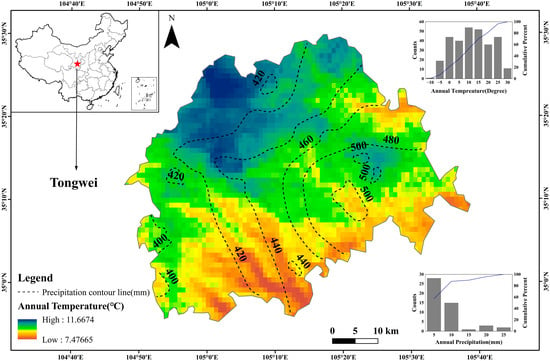
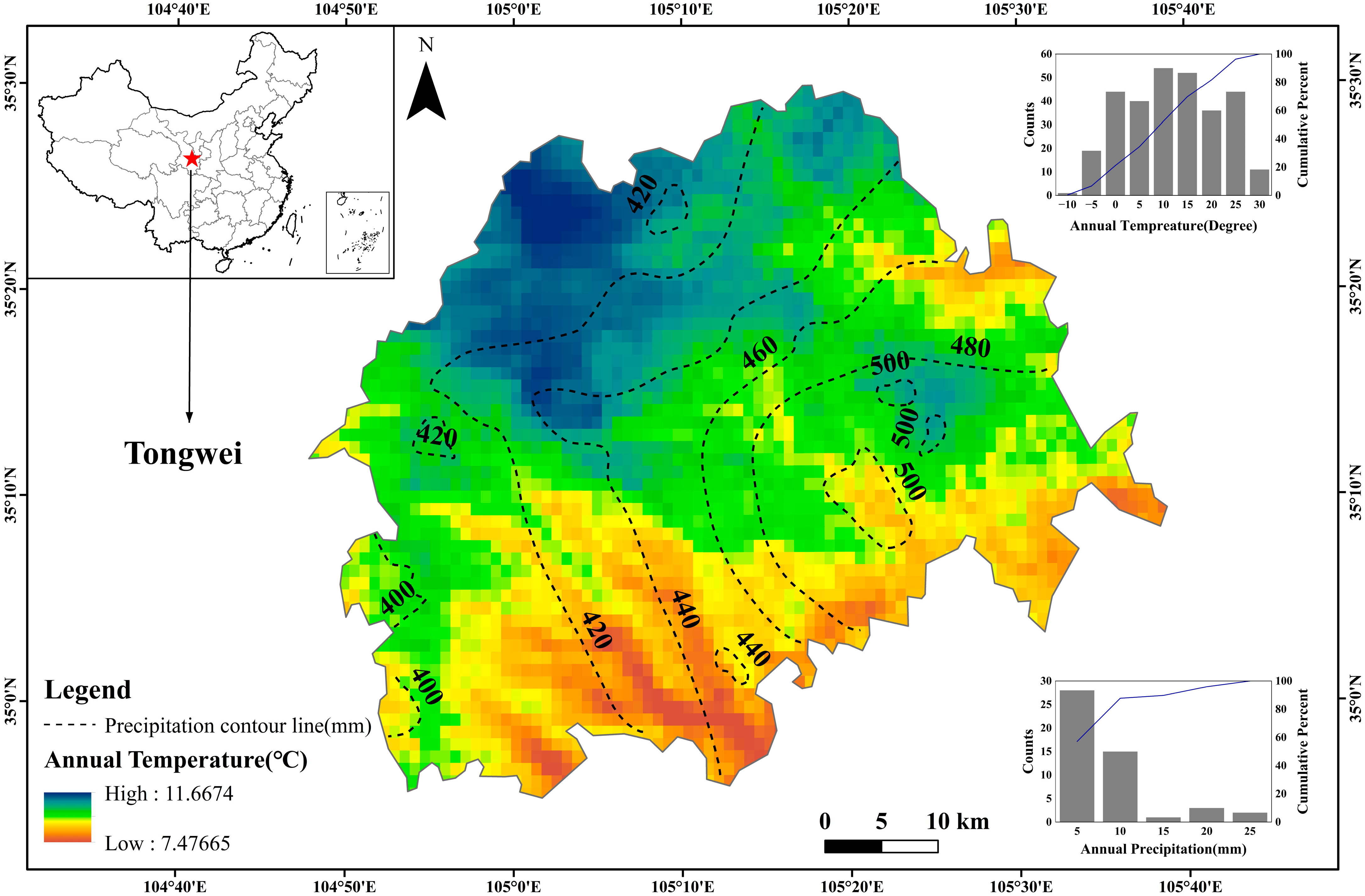
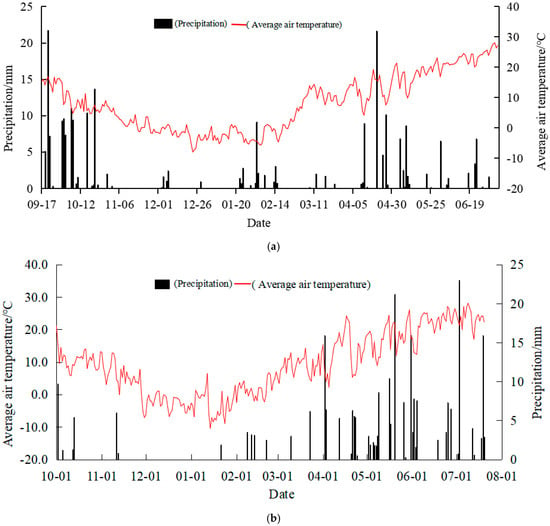
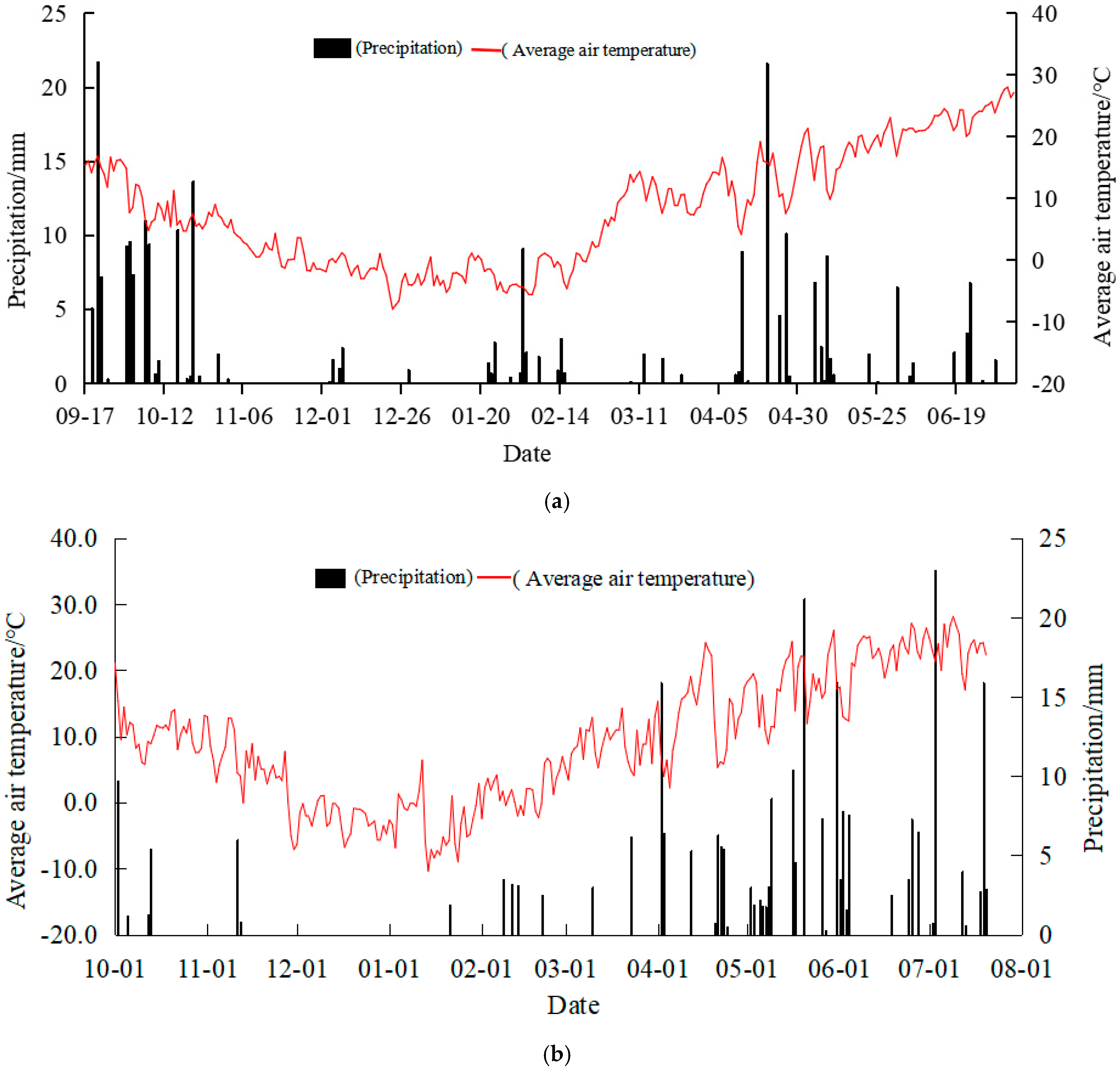
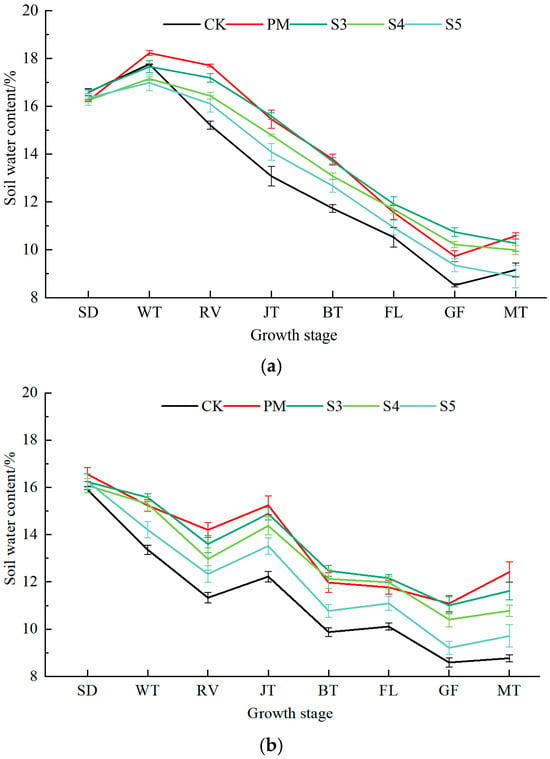
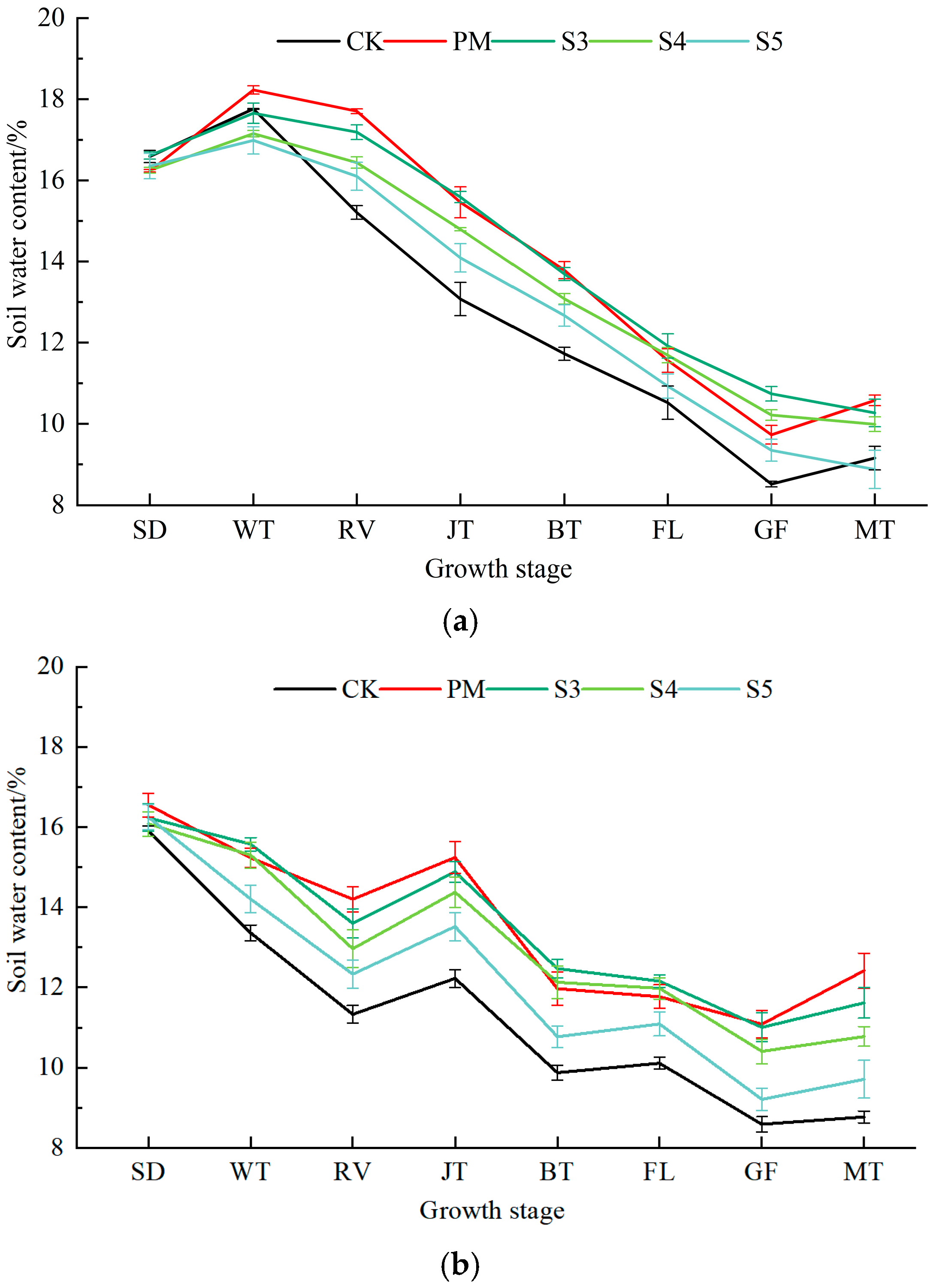
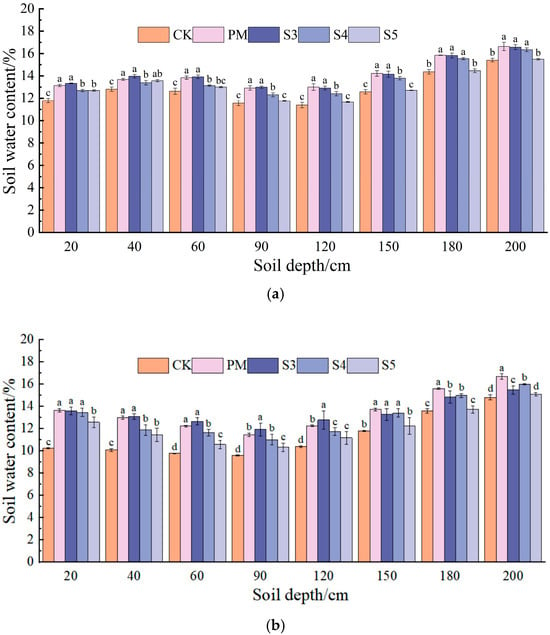
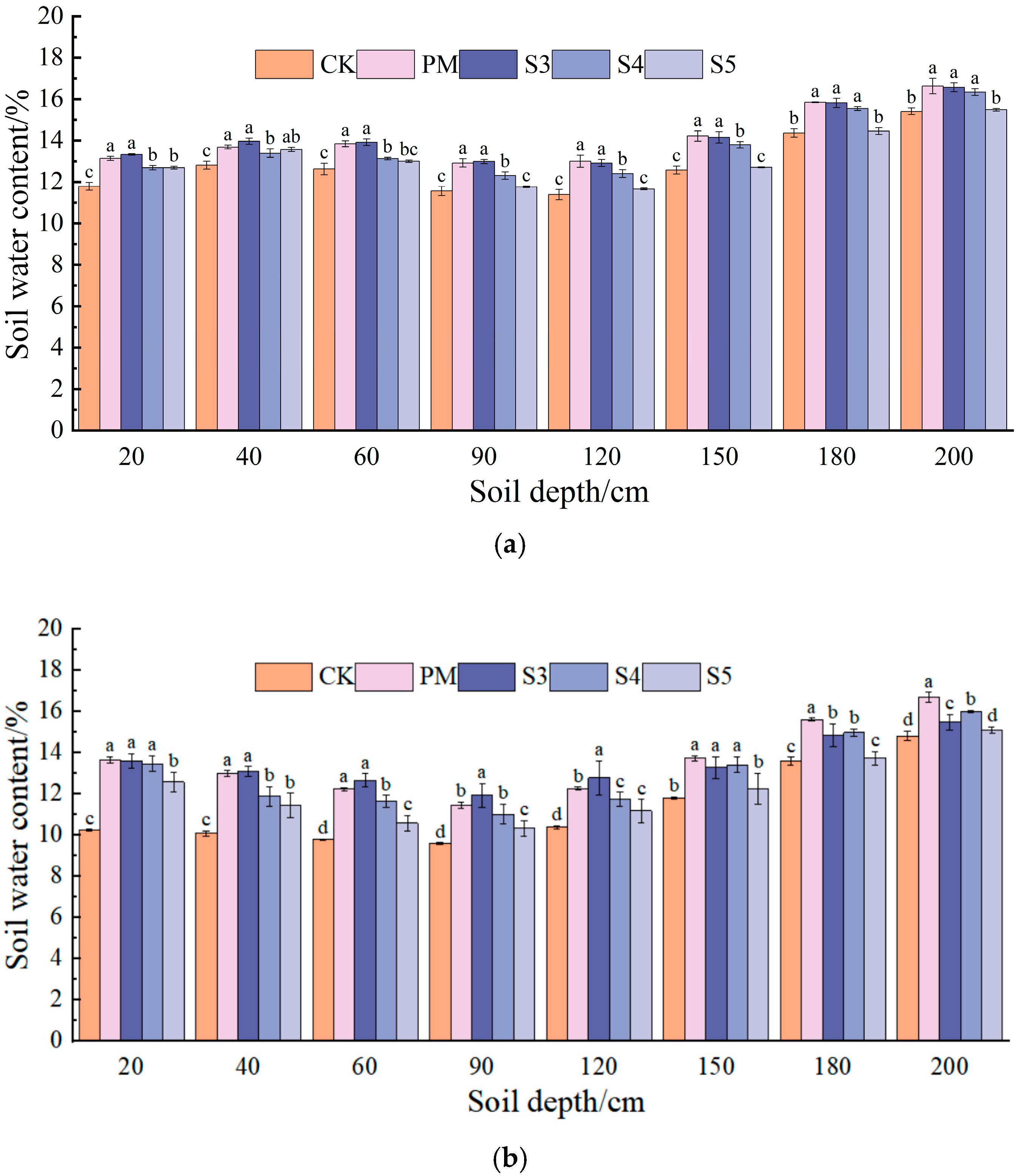
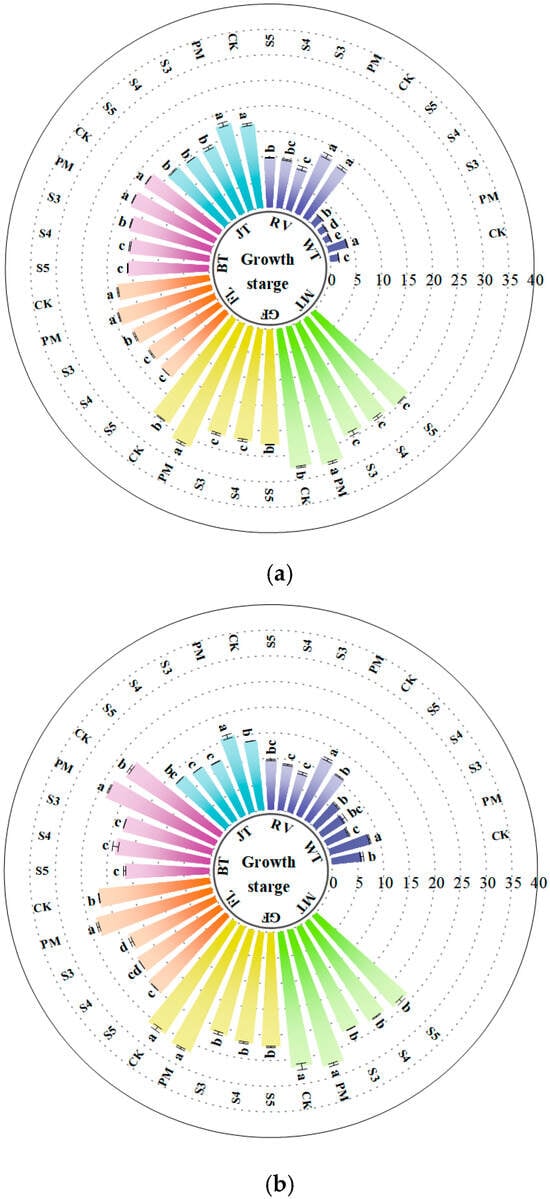
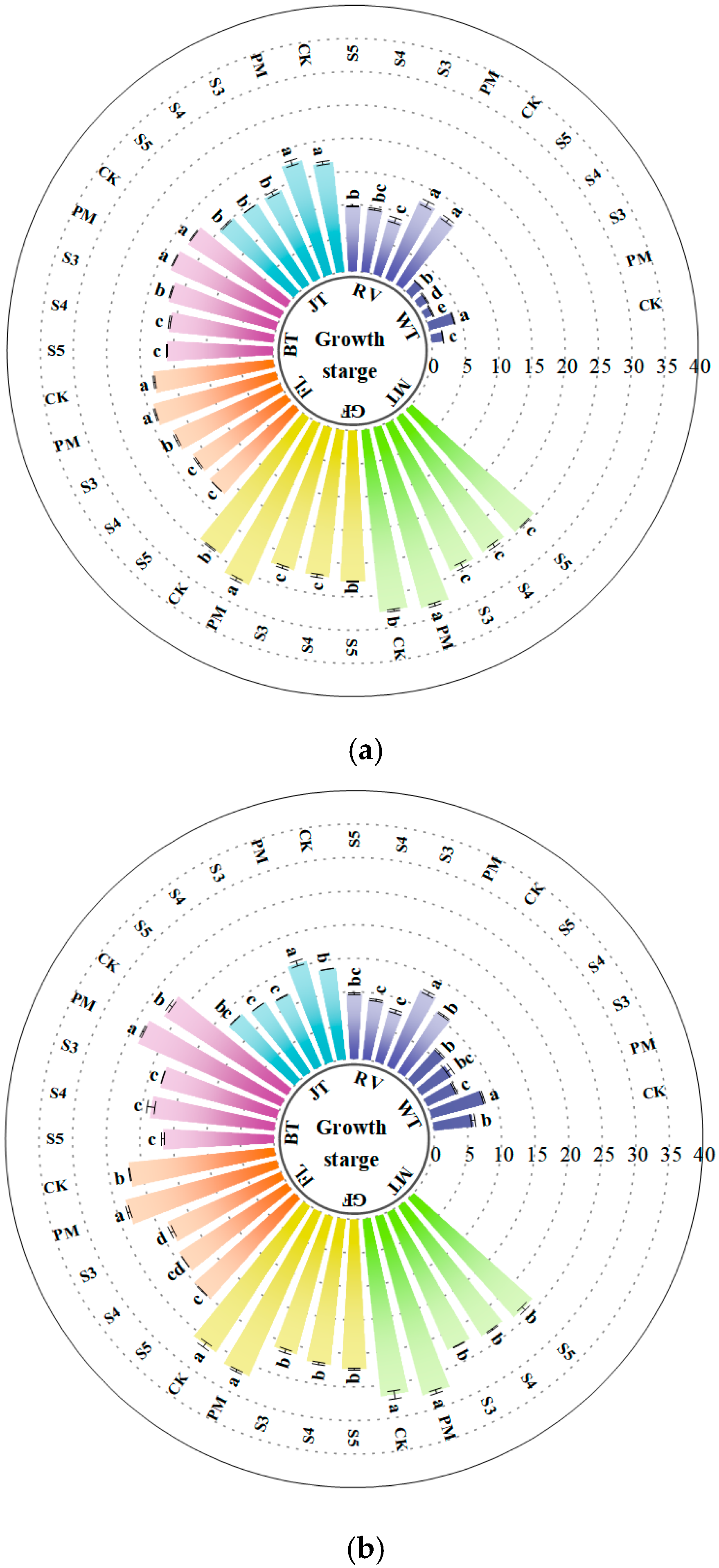
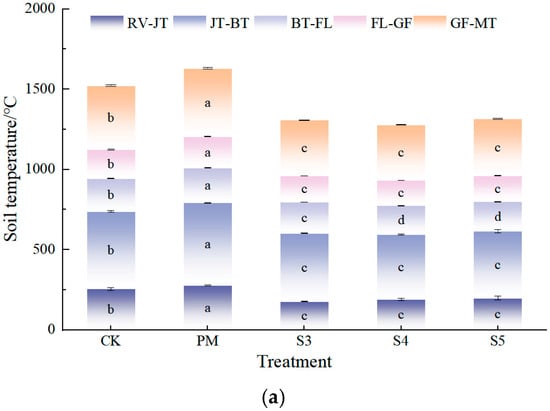
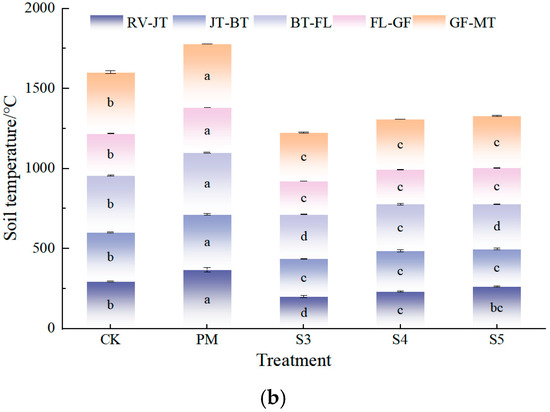
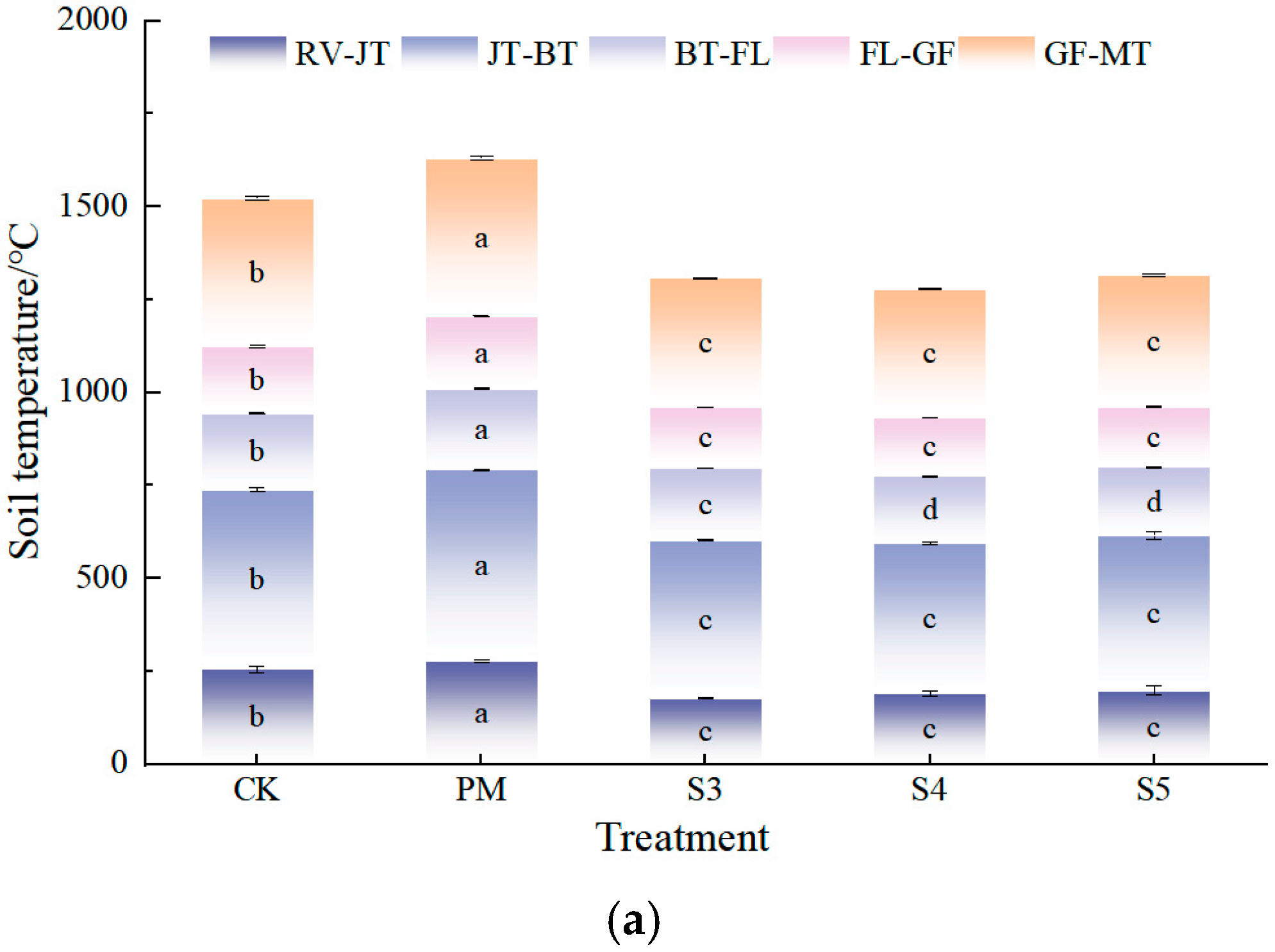
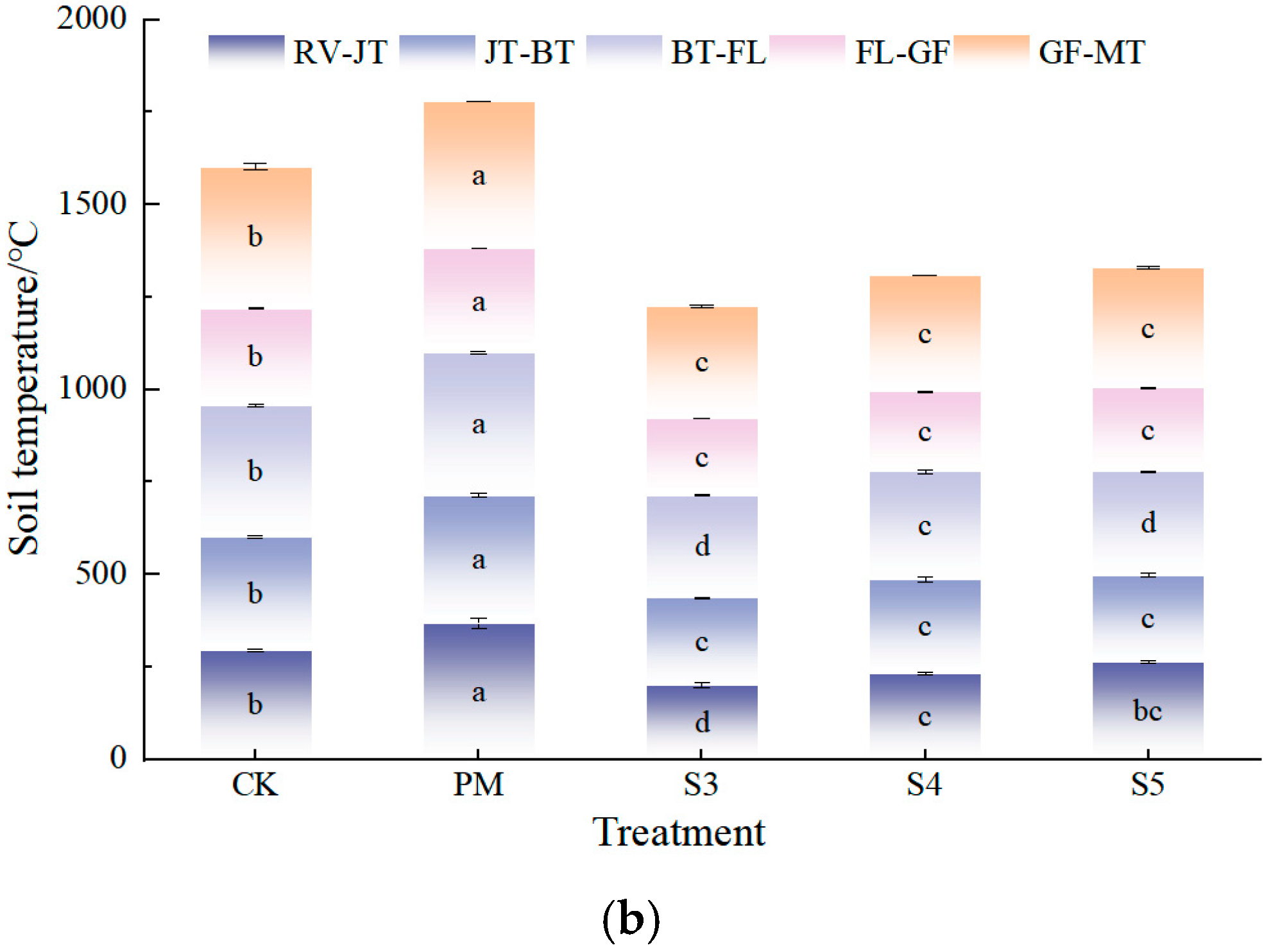
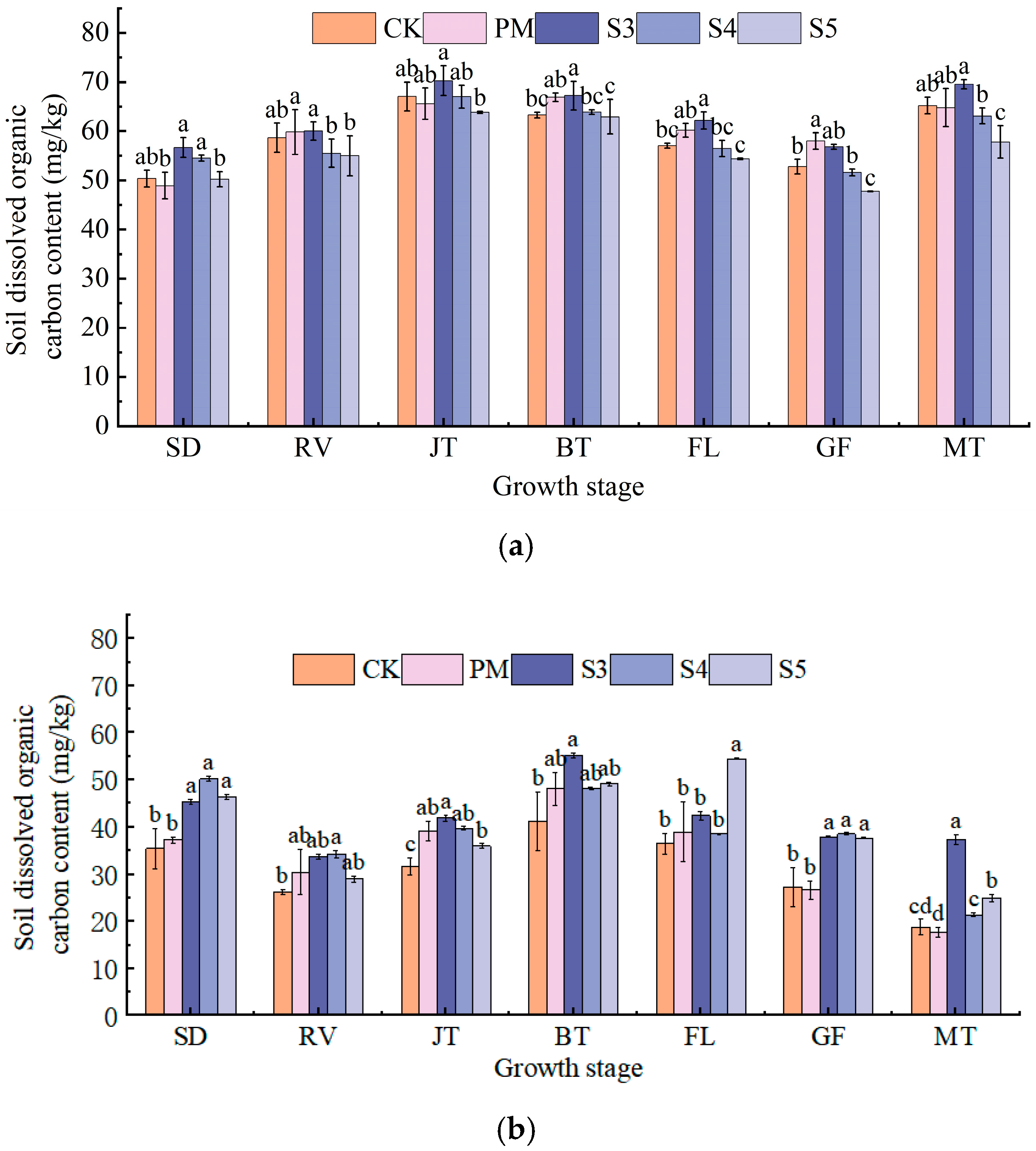
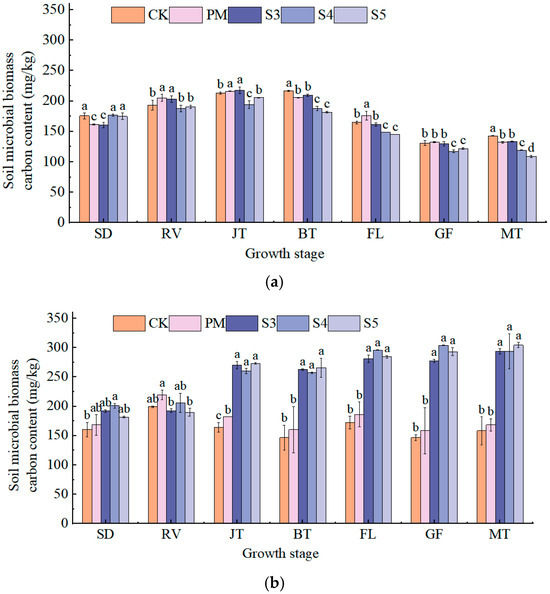
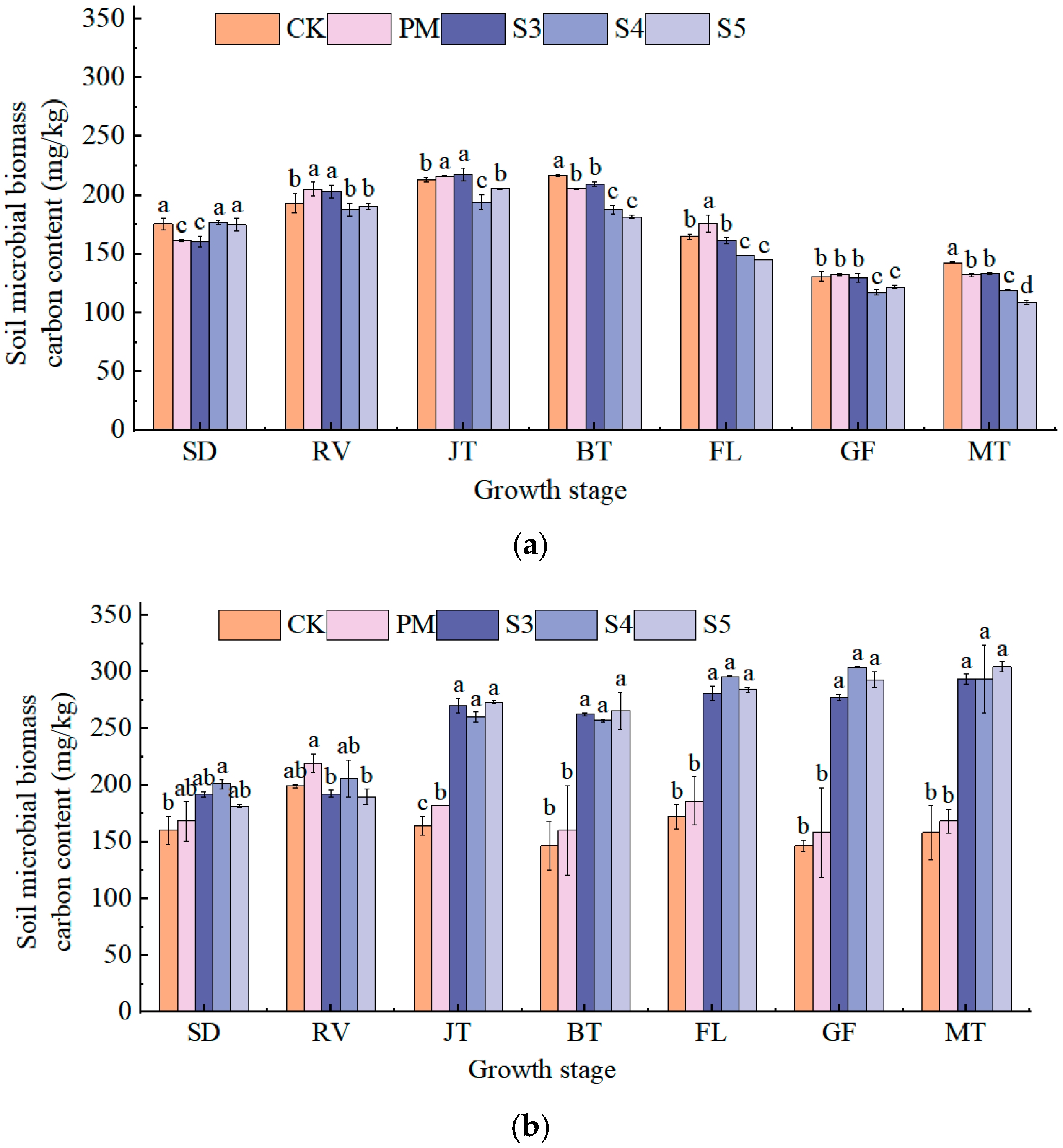
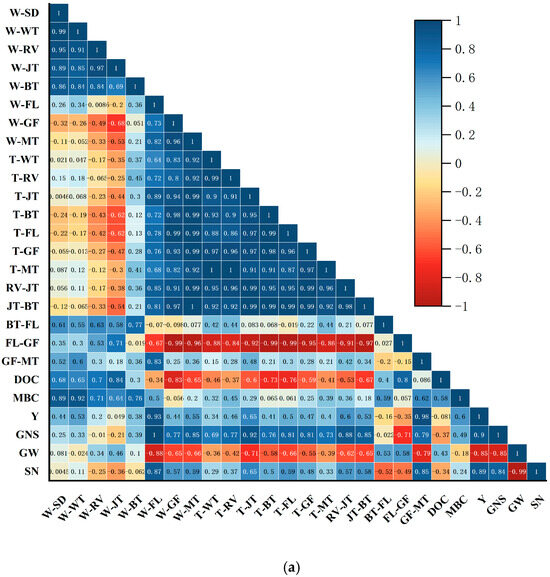
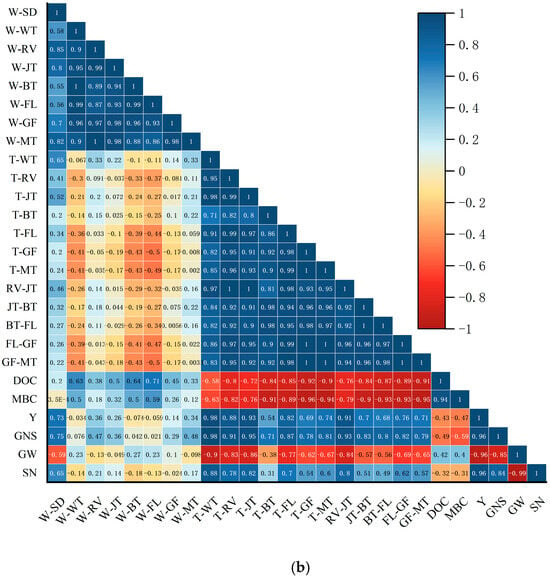
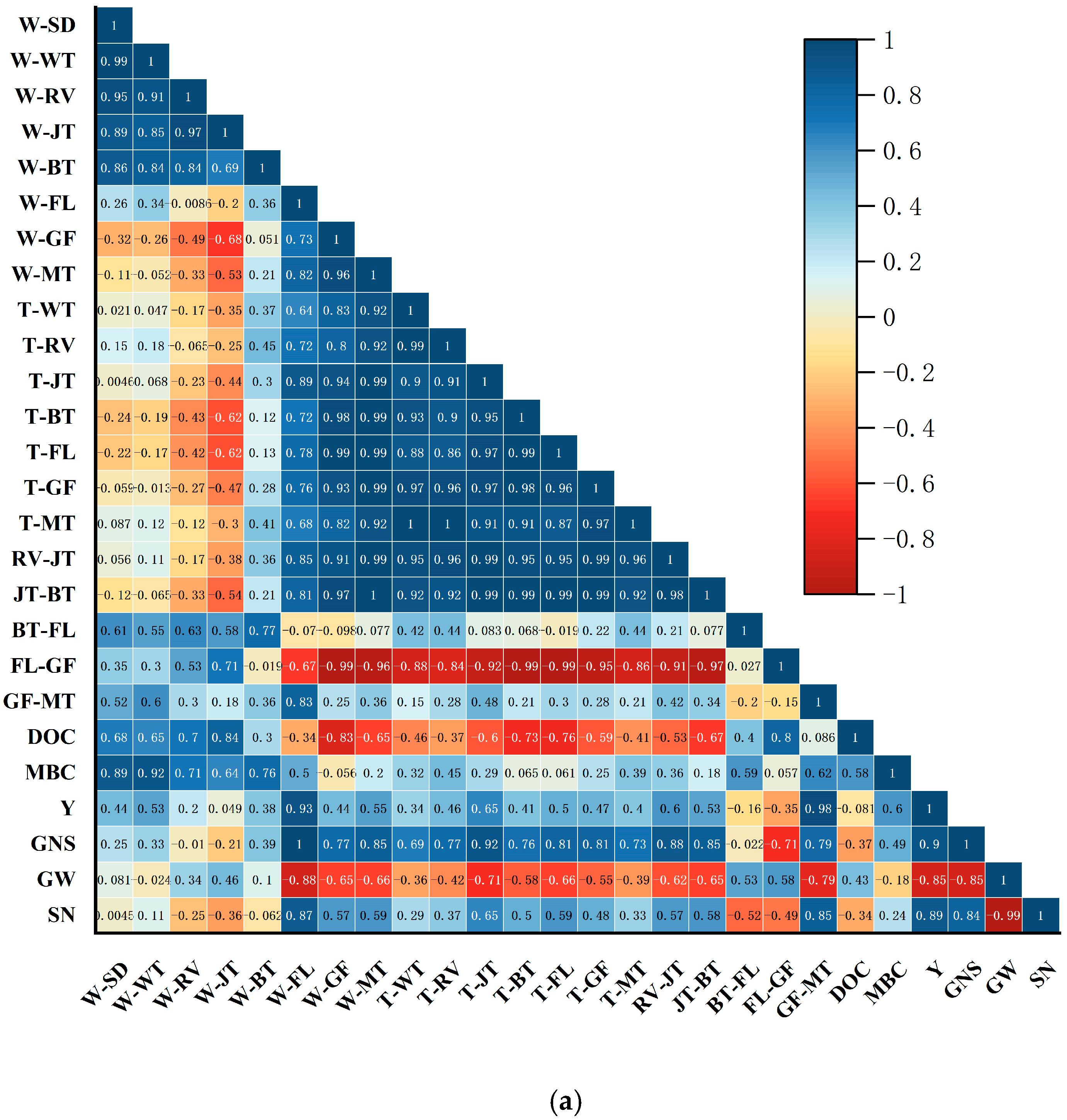
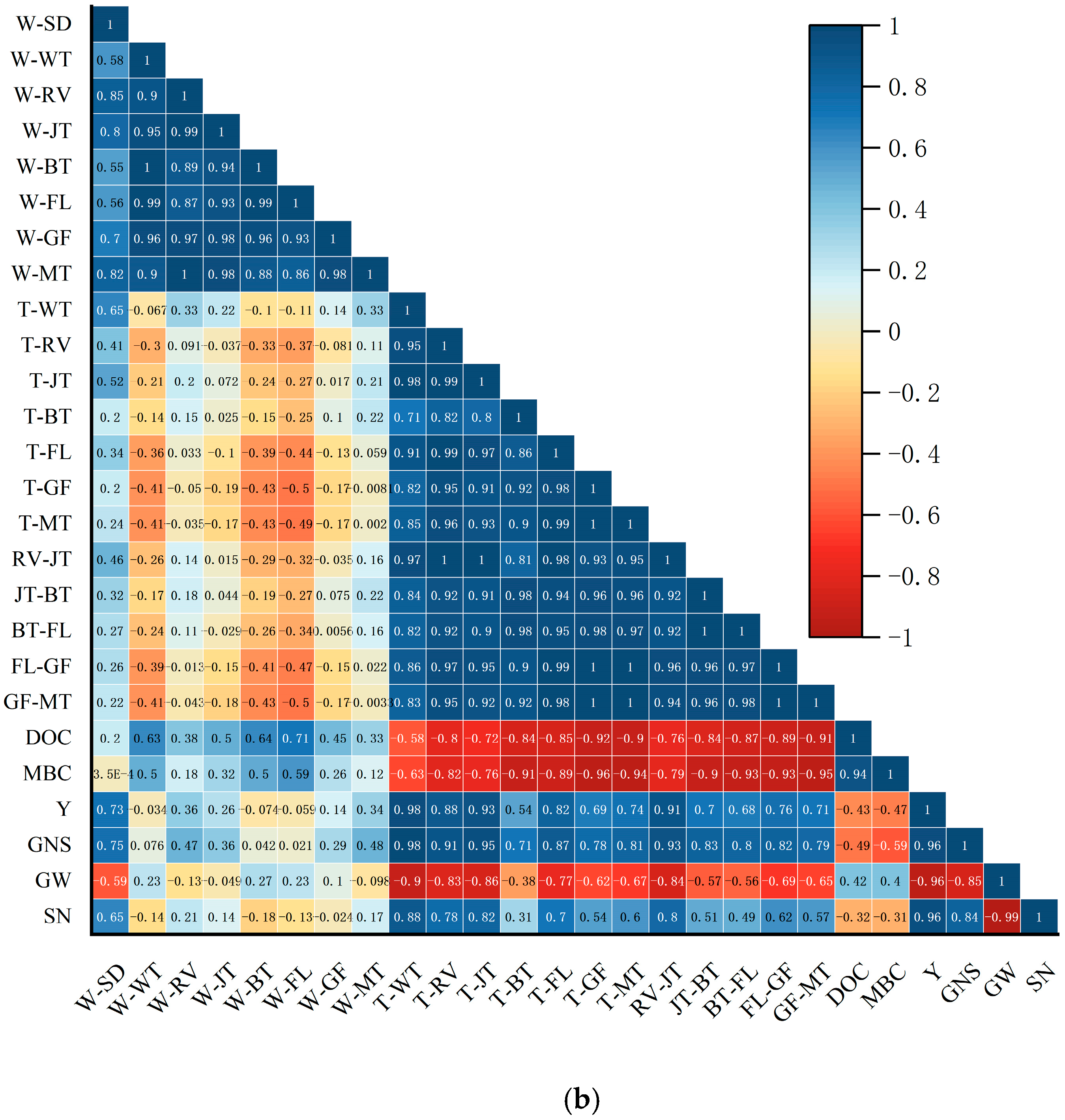

Disclaimer/Publisher’s Note: The statements, opinions and data contained in all publications are solely those of the individual author(s) and contributor(s) and not of MDPI and/or the editor(s). MDPI and/or the editor(s) disclaim responsibility for any injury to people or property resulting from any ideas, methods, instructions or products referred to in the content. |
© 2026 by the authors. Licensee MDPI, Basel, Switzerland. This article is an open access article distributed under the terms and conditions of the Creative Commons Attribution (CC BY) license.