


Abstract
The soybean–maize strip intercropping system enhances soybean yield while maintaining maize production, improving nitrogen use efficiency, and fostering intercropping mutualism. However, vigorous weed growth in warm and humid regions competes for nitrogen, while elevated soil temperatures accelerate nitrification, promoting nitrogen loss, especially during the peak nitrogen demand period of maize. Plastic film mulching, which conserves moisture, regulates temperature, and suppresses weeds, can improve the soil environment. A two-year field experiment was conducted with polyethylene (PE) films of various thicknesses (0.01, 0.014, 0.02 millimeters) and colors (black, white, silver-black) with an un-mulched control plot. Soil nitrogen content, microbial diversity, soil properties, and crop productivity were analyzed. The results indicated that plastic film mulching significantly altered soil nutrient availability and rhizosphere microbial community structures, while simultaneously enhancing crop productivity. The 0.014 mm black and white films performed best, showing a positive association with enhanced nitrogen transformation indices, which coincided with increased available nitrogen, biomass, and crop yield. However, long-term soil nutrient depletion remains a risk, suggesting the need for strategies like organic fertilizers or crop rotation to maintain soil fertility and ecological sustainability.
1. Introduction
In recent years, China’s soybean supply has lagged well behind demand. According to the National Bureau of Statistics of China (2024) [1], domestic soybean production in 2023 was only 20.84 million tons, accounting for less than 6% of global output. Meanwhile, China imported 99.41 million tons of soybeans, representing about 60% of global soybean imports. This substantial supply–demand gap highlights the need for production strategies that increase land-use efficiency without sacrificing yields. To address this significant gap between soybean supply and demand in China, intercropping serves as a viable solution and is also a globally recognized sustainable agricultural management practice. This is because intercropping maximizes crop productivity by leveraging complementary plant traits to enhance resource use efficiency [2]. Soybean–maize strip intercropping has been developed based on traditional soybean–maize intercropping patterns. In this system, the planting density of maize is equivalent to that of maize monoculture, while the planting density of soybean is no less than 75% of that in monocultured soybean fields. Such a planting pattern enables additional soybean grain harvest without reducing or with only a slight reduction in maize yield [3,4].
Notably, the soybean–maize strip intercropping system has been shown to substantially enhance nitrogen use efficiency (NUE). Studies have shown that this system increases nitrogen use efficiency to 68%, compared with the average level of 40–60% in developed Western countries [5,6]. However, achieving high nitrogen utilization in soybean–maize strip intercropping remains a major challenge in hot and humid regions. In these regions, weeds grow vigorously and herbicides suitable for soybean and maize are incompatible, resulting in difficulties in weed control and poor control efficacy. As a result, competition for nutrient resources between weeds and crops significantly reduces the crop nitrogen efficiency of the system. Moreover, under non-mulched conditions, soil surface temperature continues to rise as the growing season progresses, accompanied by intensified water evaporation, which increases the risk of combined heat and drought stress. This environmental condition not only enhances soil nitrification, accelerating the conversion of ammonium nitrogen to nitrate nitrogen, but also leads to substantial nitrogen losses through gaseous emissions and leaching. Meanwhile, high-temperature and drought stress reduce crop root activity, thereby reducing crop uptake of inorganic nitrogen. This further intensifies competition for nitrogen between crops and soil microorganisms, ultimately leading to a decline in system nitrogen use efficiency. Therefore, addressing the imbalance between nitrogen supply and crop demand in soybean–maize strip intercropping systems has become an urgent priority.
Agricultural plastic film is an important technology that can significantly promote agricultural productivity and expand the adaptive area of certain crops [7]. In China, the adoption of plastic film mulching has increased crop yields by 20–35% and improved water use efficiency by approximately 30%, playing a critical role in ensuring food security, increasing farmers’ income, and promoting rural economic development [8,9,10]. Plastic film mulching improves the crop growth environment by conserving soil moisture through light scattering, increasing soil temperature, suppressing weed growth and salt accumulation, promoting early emergence, and improving the uniformity of light distribution within the crop canopy, thereby enhancing crop yield [11,12].
Polyethylene (PE) is the most commonly used material for agricultural mulch films because of its favorable mechanical strength, flexibility, light transmittance, and water permeability. Transparent, black, and silver films have been widely applied to various grain or fruit crops, including spring wheat, maize, sunflower, and several cash crops [13,14]. Different types or colors of plastic mulch films exhibit distinct optical properties, such as reflectance, absorptance, and transmittance, and their interaction with solar radiation directly alters the microclimate surrounding the plants [15]. Under transparent films, light radiation can reach the soil surface, while black and silver films have lower light transmittance and radiant heat transmittance, thereby inhibiting weed growth and reducing soil surface temperature [16]. The key to increasing crop yield with plastic film mulching lies in its heat preservation, closely related to film thickness. When the thickness is below 0.008 mm, the film is more prone to damage, accelerates aging, and is harder to recycle, which negatively impacts crop yield. To reduce plastic pollution, developed countries like the U.S. and Japan have regulations requiring mulch thicknesses of at least 0.020 mm, with mandatory recovery measures [17]. Studies show that film thickness affects functionality, durability, and environmental impact. Ultra-thin films (0.004–0.006 mm) are cost effective but prone to cracking and have high residual risks. Conventional films (0.008–0.010 mm) offer the best performance and are suitable for most crops throughout the growing season but require timely collection. Thicker films (≥0.012 mm) have a higher tensile strength, greater resistance to aging, and improve mechanical recovery efficiency by over 50%, though at a higher cost. Increasing film thickness (e.g., 0.012–0.015 mm) can reduce plastic residue pollution in soils [18].
Beyond their physical effects on soil temperature and moisture, mulching and intercropping practices also exert profound influences on rhizosphere microbial processes that regulate nitrogen cycling. Studies have shown that intercropping enhances nitrification, denitrification, and mineralization in the rhizosphere, increasing the availability of nitrogen in the soil. The reshaping of microbial communities, particularly the abundance of nitrogen-acquiring microbes and functional genes, improves nitrogen transformation efficiency, thereby enhancing crop nitrogen uptake and utilization [19]. Long-term intercropping has been demonstrated to significantly alter the composition and structure of soil microbial communities. By reshaping bacterial community abundance and ecological strategies, intercropping increases bacterial diversity and the complexity of microbial networks [20]. Additionally, intercropping enriches functional microbial groups, such as Nitrospira and Solibacteraceae, which are linked to nitrogen transformation and stress resistance, enhancing key functions like nitrogen fixation and nitrate reduction, thus optimizing nutrient cycling. Functional predictions further indicate that intercropping enhances microbial potential in path-ways such as nitrogen fixation, nitrate reduction, and chitin degradation [21].
Therefore, the specific goals of the study were: (1) to assess the weed control efficacy of different plastic mulch film treatments; (2) to characterize the nitrogen status of the soil–crop system and the growth performance of soybean and maize; (3) to explore the variations in nitrogen cycling and their associations with microbial traits under plastic mulching. We hypothesize that black plastic mulching regulates the soil microclimate, limiting temperature rises, suppressing weeds, and reducing evaporation which is associated with shifts in abundance and structure of nitrogen cycling functional genes (amoA, nirS, and nifH). These observed physical and microbial responses are linked to improved soil nitrogen availability and crop uptake, ultimately improving the nitrogen supply–demand balance in soybean–maize strip intercropping.
2. Materials and Methods
2.1. Site Description
The field experiment was conducted in Congzhou County, Sichuan Province (30°33′ N, 103°38′ E), southwest China. The climate of the experimental site has a subtropical monsoon humidity, with an average annual precipitation of 1015.2 mm and a temperature of 16.0 °C. The average annual sunshine duration is 1161.5 h. The soil texture is loamy clay, and the chemical properties are presented in Table 1.
Table 1.
Soil chemical properties.
Daily meteorological data were obtained from the ERA5 reanalysis dataset provided by the Copernicus Climate Change Service (C3S) Climate Data Store (CDS). ERA5 provides hourly estimates of atmospheric variables at a spatial resolution of 0.25°, which were aggregated to daily values for the experimental site (30°33′ N,103°38′ E). The data were accessed via the Copernicus Climate Data Store [22] (Figure 1 and Figure 2).
Figure 1.
Daily meteorological and soil hydrothermal conditions during the 2023 growing season at the experimental site (30°33′ N,103°38′ E). Daily air temperature and precipitation were obtained from the ERA5 reanalysis dataset provided by the Copernicus Climate Change Service Climate Data Store (C3S CDS). Soil temperature and volumetric soil moisture were measured in situ at multiple depths.
Figure 2.
Daily meteorological and soil hydrothermal conditions during the 2024 growing season at the experimental site (30°33′ N,103°38′ E). Daily air temperature and precipitation were obtained from the ERA5 reanalysis dataset provided by the Copernicus Climate Change Service Climate Data Store (C3S CDS). Soil temperature and volumetric soil moisture were measured in situ at multiple depths.
2.2. Experimental Design and Field Management
A two-year field experiment (2023–2024) was conducted at the Chongzhou Modern Agricultural Base of Sichuan Agricultural University. To minimize potential soil contamination caused by residual plastic, polyethylene (PE) mulch films with a thickness of ≥0.01 mm were selected. The 2023 growing season was designed as a comprehensive screening phase to evaluate the overall effects of mulch color and thickness. The experiment included multiple PE mulch treatments differing in thickness (0.01–0.02 mm) and color (black, white, and silver-black), along with a bare soil treatment as the non-mulched control. In total, eight treatments were established: 0.02 mm silver-black PE, 0.014 mm silver-black PE, 0.01 mm white PE, 0.02 mm white PE, 0.014 mm white PE, 0.02 mm black PE, 0.014 mm black PE, and bare soil (Table 2). This screening trial aimed to assess the effectiveness of different mulching treatments in regulating soil nitrogen dynamics, microbial activity, and crop growth. Soil nitrogen status, microbial community composition, and nitrogen cycling functional genes were measured at key crop growth stages, together with crop biomass, soil physicochemical properties, and yield. Building on the 2023 findings, the 2024 experiment shifted toward a mechanistic focus. We optimized the selection to three core treatments: the most optimal mulching treatments (B14 and W14) and a non-mulched control (N) (Table 2). The selection of B14 and W14 was guided by integrated performance indicators observed in 2023, including: (i) among the highest system yields across treatments; (ii) relatively stable soil inorganic nitrogen levels during key phenological stages (specifically S-R1 (soybean beginning flowering stage)/M-V11 (maize eleventh fully expanded leaf stage) and S-R5 (soybean beginning seed stage)/M-R3 (maize milk stage)); (iii) comparatively higher rhizosphere urease activity and relative enrichment of putative nitrogen-fixing taxa. These core treatments were therefore selected in 2024 to conduct targeted validation. This refined experimental design allowed for greater allocation of resources to intensive metagenomic sequencing and detailed soil microbial analyses, thereby facilitating a deeper elucidation of nitrogen-mediated microbial mechanisms, which constitutes the primary objective of this study.
Table 2.
Experimental treatments.
Each treatment was replicated three times. The experimental plot size was 18 m2 (6 m in length × 3 m in width), and a randomized block design was used. Before sowing, the experimental fields were plowed. The soybean–maize strip intercropping system followed a wide–narrow row planting pattern, with a wide row spacing of 1.2 m and a narrow row spacing of 0.4 m. The soybean to maize row ratio was 4:2. Maize was planted in narrow rows with a row spacing of 0.4 m, while soybean was planted in wide rows between the maize, with a row spacing of 0.3 m. The distance between the soybean and maize strips was 0.6 m. The maize planting density was 75,000 plants/ha, and the soybean planting density was 150,000 plants/ha. In 2023, soybean was sown on 17 April and harvested on 12 August, while maize was sown on 23 April and harvested on 13 August. In 2024, soybean was sown on 17 April and harvested on 12 August, and maize was sown on 23 April and harvested on 13 August. The base fertilizers for maize and soybean were urea (46% N), superphosphate (12% P2O5), and potassium chloride (60% K2O). The fertilizer application rates for maize were 240 kg N/ha, 75 kg P2O5/ha, and 90 kg K2O/ha. For soybeans, the rates were 30 kg N/ha, 60 kg P2O5/ha, and 60 kg K2O/ha. Both crops received a single, basal fertilization application. Fertilizer for maize was banded 25 cm from the seed rows, whereas fertilizer for soybeans was drilled centrally within the row to a depth of 15 cm.
2.3. Determination of Soil Nitrogen Content and Basic Indicators
Soil samples from the 0–20 cm depth in each plot were collected using the five-point sampling method before sowing (17 April 2023 and 23 April 2024) and after harvest (12 August 2023 and 13 August 2024) to monitor the changes in soil basic indicators, including pH, total N content, available phosphorus and potassium content, NH4+-N content, and organic matter content. Soybean and maize growth stages were determined according to internationally recognized phenological scales. Soybean growth stages followed the Fehr–Caviness system [23], which is widely adopted worldwide and also forms the basis of national technical guidelines in China, while maize growth stages were determined based on an internationally recognized maize phenological scale [24]. At the crop growth stages of S-V2 (soybean second trifoliolate stage)/M-V4 (maize fourth fully expanded leaf stage), approximately 0.5 month after sowing; S-R1 (soybean beginning flowering stage)/M-V11 (maize eleventh fully expanded leaf stage), approximately 1.5 months after sowing; and S-R5 (soybean beginning seed stage)/M-R3 (maize milk stage), approximately 3 months after sowing, soybean and maize plants were collected, bulk soil samples were collected from each plot, and the effective nitrogen content (NH4+-N and NO3−-N) was determined using the indophenol blue colorimetric method. The total N and available inorganic N concentrations were determined using the modified indophenol blue method. At the crop growth stage of S-R1/M-V11 and S-R5/M-R3, we collected maize and soybean rhizosphere soils to determine urease activity using enzyme-linked assay kits (Beijing Solarbio Science and Technology Co., Ltd., Beijing, China) with a microplate reader (Molecular Devices LLC, San Jose, CA, USA).
2.4. Determination of Crop Growth and Yield Performance
At the crop growth stage of S-R1/M-V11 and S-R5/M-R3, maize and soybean plants were collected to determine morphological traits and yield. The following parameters were measured: seedling rate, plant height, root–shoot ratio, tissue-specific biomass, and grain yield of maize and soybean. Plant biomass was separated into roots, stems, leaves, and reproductive organs (pods for soybean and ears for maize), and the dry biomass of each tissue was determined after oven-drying. Root morphological traits included total root length, root surface area, average root diameter, root volume, number of root tips, and specific root length. In soybean, nodule number and nodule dry weight were additionally determined. Plant carbon and nitrogen contents were also measured. Plant samples were separated into roots, stems, and leaves, thoroughly cleaned, and then placed in an oven at 105 °C for half an hour to deactivate enzymatic activity. Afterward, the oven temperature was set to 65 °C, and the plant samples were dried to a constant weight. The dried plant samples were then ground using a plant grinder, passed through a 0.3 mm mesh sieve, and used to measure plant carbon (by a Peiou SKD-1000 fully automatic Kjeldahl nitrogen analyzer manufactured by Shanghai Peiou Analytical Instrument Co., Ltd., Shanghai, China (NY/T 2419-2013)) [25] and nitrogen (by potassium dichromate (K2Cr2O7)) content. The root morphologies of maize and soybean were automatically scanned and analyzed using the LD-WinRHIZO system. The whole soybean root was placed in nylon nets and rinsed in water for collecting nodules.
The yield of maize was determined for each plot. We counted the number of harvested ears in each plot, measured the total weight of the ears, and calculated the number of ears per hectare and the fresh ear weight per hectare. A total of 20 representative ears were selected according to the average ear weight method, and the total grain number and the fresh ear seed rate (20 ear grain weight/20 ear weight) were calculated. Grain moisture content was measured using a nationally certified and calibrated moisture meter. One hundred-grain fresh weight was also determined. Among them, 14% represents the standard moisture content of maize. The maize yield was calculated according to Equation (1).
To determine soybean yield, we counted the total soybean plants in each plot and the number of grains in each soybean plant. All grains were weighed, and the moisture content was determined. The one-hundred-grain weight was measured. Among them, 13% represents the standard moisture content of soybean. The soybean yield was calculated according to Equation (2).
2.5. Diversity of N Cycle Function Genes and Metagenomic Analysis of Crop Rhizosphere Soils
In 2023, to determine the diversity of N cycle function genes (i.e., nitrification–ammonia oxidation amoA, denitrification–nitrite reduction nirS and N fixation nifH), the rhizosphere soils of maize and soybean were collected at the crop growth stage of S-R1/M-V11 and S-R5/M-R3. The maize rhizosphere soil was determined for amoA and nirS and the soybean rhizosphere soil was determined for nifH. A total of 300 mg of soil was used to extract gDNA according to the protocol of the Mag Beads Fast DNA Kit for Soil (116564384) (MP Biomedicals, Irvine, CA, USA). The extracted DNA was subjected to 0.8% agarose gel electrophoresis to determine the molecular size, and the DNA was quantified using NanoDrop 2000C spectrophotometer (Thermo Fisher Scientific, Waltham, MA, USA). The amoA and nirS were amplified using the forward primers (amoB-1Fmod (5′-CTGGGGTTTCTACTGGTGGTC-3′) for amoA; cd3aF (5′-GTSAACGTSAAGGARACSGG-3′) for nirS; and for nifH: 5′-ACCCGCCTGATCCTGCACGCCAAGG-3′) for nifH and the reverse primers (GenAOBR (5′-GCAGTGATCATCCAGTTGCG-3′) for amoA; R3cdR (5′-GASTTCGGRTGSGTCTTGA-3′) for nirS; and nifH Rev: 5′-ACGATGTAGATTTCCTGGGCCTTGTT-3′ for nifH). The PCR reaction system contained 5 μL of 5 × reaction buffer, 5 × high GC buffer (Q5® High-Fidelity DNA Polymerase), 100 mM dNTP, 1 μL of 10 μM forward primer and 10 μM reverse primer, and 2 μL of DNA template, then 8.75 μL ddH2O was added. All amplifications were conducted using the following PCR procedure: initial DNA denaturation at 98 °C for 2 min, denaturation at 98 °C for 15 s, annealing at 59.5 °C for 30 s, extension at 72 °C for 30 s, final extension at 72 °C for 5 min, followed by 25–30 cycles held at 10 °C.
In 2024, soybean and maize rhizosphere soil samples were collected during the S-R5 and M-R3 stages. The diversity of N cycling functional genes (specifically the nitrogen-fixing gene nifH) in soybean was determined. The genomic DNA was extracted using the Mag Beads Fast DNA Kit for Soil (MP Biomedicals, CA, USA). After DNA extraction, molecular size was assessed using 0.8% agarose gel electrophoresis, and DNA quantification was performed using a Nanodrop C2000C. PCR amplification was carried out using nifH gene-specific primers, PolyF (5′-barcode+TGCGAYCCSAARGCBGACTC-3′) and PolyR (5′-ATSGCCATCATYTCRCCGGA-3′). The PCR reaction components were prepared, followed by an initial denaturation step at 98 °C for 5 min to ensure complete denaturation of the template DNA. The amplification cycle was then performed, with each cycle consisting of denaturation at 98 °C for 30 s, annealing at 59.5 °C for 30 s to allow primer-template binding, and extension at 72 °C for 45 s to synthesize the DNA. This cycle was repeated 30 times to enrich the amplified DNA fragments. Finally, a 5 min extension step at 72 °C was performed, followed by storage at 12 °C. The PCR products were analyzed using 2% agarose gel electrophoresis, and the target fragment was excised and purified using a magnetic bead-based recovery method.
Metagenomic analysis was conducted for maize rhizosphere soils. The total microbial genomic DNA samples were extracted using the OMEGA Mag-Bind Soil DNA Kit (M5635-02) (Omega Bio-Tek, Norcross, GA, USA), following the manufacturer’s instructions, and stored at −20 °C before further assessment. The quantity and quality of extracted DNA were measured using a QubitTM 4 Fluorometer, with WiFi: Q33238 (QubitTM Assay Tubes: Q32856; QubitTM 1X dsDNA HS Assay Kit: Q33231) (Invitrogen, Carlsbad, CA, USA) and agarose gel electrophoresis, respectively. The extracted microbial DNA was processed to construct metagenome shotgun sequencing libraries with insert sizes of ~400 bp using an Illumina TruSeq Nano DNA LT Library Preparation Kit (Illumina, San Diego, CA, USA). Each library was sequenced using the Illumina NovaSeq platform (Illumina, USA) with a PE150 strategy at Personal Biotechnology Co., Ltd. (Shanghai, China).
2.6. Bioinformatic and Statistical Analysis
Bioinformatic analyses were mainly performed using QIIME2 (version 2019.4) and R version 4.4.1 with vegan package version 2.6-8, ggraph, ggplot2 package, ape, and ggtree package. All OTUs were classified to phylotypes down to genus or species level when possible. The analyzed ASV/OTU data used a minimum mean abundance cut-off of 10. We calculated amoA-nitrifying, nirS-denitrifying and nifH-N-fixing bacterial α diversity, including richness indices of observed species, Chao 1 and abundance-based coverage estimator index, diversity indices using Shannon’s and Simpson’s index, and evenness index using Pielou_J. We calculated amoA-nitrifying, nirS-denitrifying and nifH-N-fixing bacterial β diversity by conducting principal coordinate analysis (PCoA) at the genus level.
The soil and crop analyses were performed using SPSS 20 (IBM Corp., Armon, NY, USA) and Microsoft Excel 2021 was employed for data organization and computation, focusing on the raw data obtained from the field experiment. Data from 2023 and 2024 were analyzed separately, and all statistical analyses were conducted independently for each year. Within each year, measurements at different crop growth stages were treated as independent datasets and analyzed separately. Statistical significance was performed using One-way Analysis of Variance (ANOVA) and we further elucidated differences in mean standard error through post hoc analysis using the Least Significant Difference (LSD, α = 0.05) test. Origin 2021 (OriginLab Corporation, Venice, FL, USA) was used to plot data.
3. Results
3.1. Weeding Effects of Different Plastic Mulching Films
Plastic mulch filming coverage showed a significant inhibitory effect on weed occurrence in both experimental years (Figure 3). In 2023, silver-black PE films (S14, S2) and black PE films (B14, B2) exhibited the most outstanding weed control performance, significantly suppressing weed germination and growth. In contrast, white PE films (W1, W14, W2) had relatively weaker weed control effects but still demonstrated a significant advantage over the bare soil treatment (N). In 2024, B14 significantly suppressed weeds and reduced their density.
Figure 3.
Weed species and density under different mulch treatments (a). Left: weed density under different mulch treatments in 2023; right: weed density under different mulch treatments in 2024; (b) weed species under different mulch treatments in 2023–2024.
Among the black films in 2023, B14 showed limited suppression of Cynodon dactylon, Echinochloa crusgalli, and Acalypha australis, while B2 was insufficient in controlling Echinochloa crusgalli and Galium spurium. The 2023 experimental results indicated that the weed density and biomass were highest in the N treatment, with a complex community composition dominated by Echinochloa crusgalli and Cynodon dactylon, followed by Portulaca oleracea and Brassica campestris var. oleracea. In the W1 and W14 treatments, Echinochloa crusgalli and Cynodon dactylon remained the dominant weed species, indicating a limited weed suppression ability. The silver films exhibited stronger weed control, with S14 nearly completely suppressing all weed growth except for Echinochloa crusgalli. However, S2 showed relatively insufficient control over Cynodon dactylon, Echinochloa crusgalli, and Acalypha australis. The black films had an intermediate weed suppression ability between the silver and white films. B14 provided moderate control over Cynodon dactylon, Echinochloa crusgalli, and Acalypha australis, while B2 was not effective enough in suppressing Echinochloa crusgalli and Galium spurium.
The 2024 results confirmed the weed suppression effect of mulch coverage and its impact on weed community composition. The bare soil treatment (N) still exhibited the highest weed density and species diversity, with a complex community structure. In contrast, mulch treatments significantly reduced weed density and diversity, leading to a more simplified weed community. Both results indicated that Echinochloa crusgalli was the dominant weed species in the field.
The results demonstrate that plastic mulch films of different colors and thicknesses differ significantly in their weed suppression efficacy. B14 demonstrated the strongest weed control effect in two years, effectively reducing weed density and species diversity. White films exhibited relatively limited weed suppression, but still significantly inhibited weed occurrence compared to the bare soil. The results from both years support each other, indicating that plastic mulch film coverage can significantly alter the weed community composition. Among the treatments, black mulch (B14) provided stable, reliable, and sustained weed control in the soybean–maize strip intercropping system.
3.2. The Effects of Different Plastic Mulch Film Treatments on Crop Yield and Components
The different plastic mulch film treatments significantly affected the yield and its components in the soybean–maize strip intercropping system (Figure 4 and Figure 5). Overall, mulching enhanced the crop growing environment and grain yield. In the 2023 screening phase, this improvement was observed across all eight mulch types. However, when evaluating interannual patterns for the common treatments (N, W14, and B14), the magnitude of these effects varied between years, reflecting the influence of year-specific meteorological conditions on mulch performance.
Figure 4.
Yield component traits of maize and soybean under different plastic mulch filming treatments. (a) Ear weight of maize in 2023; (b) hundred-grain weight of maize in 2023; (c) pod weight of soybean in 2023; (d) hundred-grain weight of soybean in 2023; (e) ear weight of maize in 2024; (f) hundred-grain weight of maize in 2024; (g) pod weight of soybean in 2024; (h) hundred-grain weight of soybean in 2024. Different lowercase letters indicate significant differences among treatments at p < 0.05.
Figure 5.
Maize and soybean yield differences (compared to control) under different plastic mulch film treatments in 2023 and 2024.
In 2023, all mulch film treatments increased maize kernel number per ear and hundred-grain weight to varying degrees compared with the non-mulched control (N), with the W14 and B14 treatments showing the most pronounced improvements (p < 0.05). For soybeans, the W14 treatment significantly enhanced both the number of pods per plant and the hundred-grain weight. In 2024, the overall effects of plastic mulch filming treatments on maize growth and yield components were consistent with those observed in the previous year, although the differences among treatments were more pronounced. Maize grown under the W14 and B14 treatments exhibited a significantly higher kernel number per ear and hundred-grain weight than the non-mulched control (p < 0.05), with B14 producing the greatest yield increase. Similarly, soybeans achieved the highest pod number per plant and hundred-grain weight under the W14 treatment.
Based on the comparable treatments evaluated in both years (N, W14, and B14), the results indicated that plastic film mulching significantly increased the grain yields of maize and soybean, with greater yield improvements observed in the second year (Figure 4). This pattern suggests a cumulative interannual effect of plastic film mulching, likely mediated by sustained improvements in the soil environment and crop physiological processes. Under the comparable treatments, the overall system yield followed the order B14 > W14 > N. Among these treatments, B14 produced the highest maize yield, primarily due to enhanced grain filling and dry matter accumulation, whereas W14 showed a superior performance in promoting soybean yield and maintaining system balance.
3.3. Effects of Different Plastic Film Mulch Treatments on Soil Available Nitrogen and Rhizosphere Soil Urease Activity in Soybean–Maize Intercropping Systems
The application of plastic film mulching with different colors and thicknesses significantly altered the distribution of available nitrogen in the soil within the soybean–maize intercropping system. Mulched treatments resulted in significantly higher soil NH4+-N and NO3−-N concentrations compared to the bare soil treatment (N), indicating that plastic film mulching improved soil temperature and moisture conditions, thereby promoting nitrogen mineralization and transformation processes.
As shown in Figure 4, in 2023, during the S-R1/M-V11 stage, the NO3−-N content in all plastic film mulch treatments was significantly higher than in the non-mulched control (N) (p < 0.05), with B14, B2, S14, and S2 performing the best. Although W1, W14, and W2 also increased NO3−-N content, the improvements were modest. By the S-R5/M-R3 stage, NO3−-N content generally decreased, but black and silver-black film treatments maintained higher levels. Notably, B14 continued to provide nitrate nitrogen during the soybean pod-filling and maize grain-filling stages, ensuring later-stage grain formation and nitrogen accumulation. At the S-R1/M-V11 stage, the NH4+-N content in all mulched treatments was significantly higher than in N (p < 0.05), with B14 and S14 maintaining the highest levels. By the S-R5/M-R3 stage, the NH4+-N content generally declined, but the reduction was less pronounced in the mulched treatments, particularly in B14, which remained significantly higher than the other treatments. This suggests that B14 has a strong nitrogen retention ability, providing a continuous nitrogen source for the crops in the later stages. The results in 2024 followed a similar trend to those observed in 2023 for the comparable treatments, with B14 and W14 showing higher NH4+-N and NO3−-N contents than the non-mulched control, and B14 exhibiting the most stable performance. At the S-R1/M-V11 stage, the W14 and B14 treatments in 2024 exhibited significantly higher values than those in 2023, whereas no substantial increase was observed in the non-mulched control compared with the previous year (Figure 6).
Figure 6.
Soil NH4+-N and NO3−-N content under different mulching treatments: (a) NO3−-N content in soil at the S-R1/M-V11 stage in 2023–2024 under different mulching treatments; (b) NO3−-N content in soil at the S-R5/M-R3 stage in 2023–2024 under different mulching treatments; (c) NH4+-N content in soil at the S-R1/M-V11 stage in 2023–2024 under different mulching treatments; (d) NH4+-N content in soil at the S-R5/M-R3 stage in 2023–2024 under different mulching treatments. Vertical lines separate the data for the two experimental years (2023 and 2024).
Significant differences in urease activity were observed in the rhizosphere soil of both soybean and maize under different plastic film mulch treatments, growth stages, and crop types (Figure 7). Urease activity in both crops demonstrated dynamic fluctuations across the growing season. In both years, mulching treatments consistently showed significantly higher activity compared to the non-mulched control (p < 0.05). In 2023, during the M-V11 and M-R3 stages of maize, urease activity was generally enhanced under all mulching treatments, with B14 and S14 showing the best performance, being significantly higher than the N treatment. Similarly, in soybean, at the S-R1 and S-R5 stages, the urease activity pattern was similar to that in maize, with mulching treatments consistently showing significantly higher levels compared to the control, and B14 maintaining the highest activity throughout.
Figure 7.
Rhizosphere soil urease activity of maize and soybean at different growth stages under different plastic mulch filming treatments. (a) Urease activity in maize rhizosphere soil at the M-V11 and M-R3 stages in 2023–2024 under different plastic mulch filming treatments; (b) urease activity in soybean rhizosphere soil at the S-R1 and S-R5 stages in 2023–2024 under different plastic mulch filming treatments. Different lowercase letters indicate significant differences among treatments at p < 0.05.
The 2024 results were consistent with the pattern observed in the previous year, with the B14 treatment maintaining the highest rhizosphere urease activity in both maize and soybean, followed by W14; both treatments were significantly higher than the non-mulched control (p < 0.05). In general, B14 showed the greatest soil available nitrogen levels and urease activity across the two years, indicating that it was the most effective treatment for improving rhizosphere nitrogen cycling and maintaining a stable nitrogen supply.
3.4. Variation in N and Carbon Content in the Crop Under Plastic Film Mulch Treatments
Significant effects of plastic film mulching treatments were observed on the C:N ratio of both the aboveground part and the underground part in the soybean–maize strip intercropping system (Figure 8). Across treatments, plastic film mulching improved the carbon–nitrogen balance, as indicated by a decrease in the aboveground C:N ratio of maize. In 2023, the largest reductions were observed in S14 and S2. In 2024, with only N, W14, and B14 treatments, B14 showed the greatest reduction. The aboveground C:N ratio of soybean responded even more strongly to mulching. In 2023, S14, B14, and B2 had significantly lower C:N ratios than the non-mulched control (N) (p < 0.05). In 2024, similar trends were observed, with W14 and B14 showing significantly lower ratios than N (p < 0.05). For the belowground part, maize roots generally exhibited a higher C:N ratio than soybean roots in 2023. Following plastic film mulching, the root C:N ratio of maize decreased overall, with the most significant reductions observed under B14 and S2. Soybean roots showed a similar pattern, with significant reductions under S14 and S2 (p < 0.05). In summary, in 2023, plastic film mulching reduced the C:N ratio in both the aboveground part and belowground part, and the effects were most evident under the silver-black film and black film treatments.
Figure 8.
Carbon:nitrogen (C:N) ratio of aboveground and belowground tissues in maize and soybean. (a) C:N ratio of aboveground and belowground maize and soybean in 2023; (b) C:N ratio of aboveground and belowground maize and soybean in 2024.
In 2024, comparisons among the three treatments (N, W14, and B14) indicated that B14 resulted in the lowest aboveground C:N ratio in both maize and soybean. Although W14 also reduced the C:N ratio to some extent, its effect was weaker than that of B14. In the belowground part, the decrease in root C:N ratio under plastic film mulching was greater in soybean than in maize.
The combined results from both years show that plastic film mulching significantly reduced the C:N ratio in both the aboveground and belowground parts of maize and soybean, enhancing nitrogen uptake and assimilation. Among the treatments, B14 performed the best across both years, exhibiting the lowest C:N ratios and highest nitrogen use efficiency. S14 also showed an excellent performance, with the lowest C:N ratios and highest nitrogen use efficiency in 2023. The reduction in the aboveground C:N ratio was slightly smaller than in the belowground part.
3.5. Microbial Responses to Different Plastic Film Mulching Treatments
3.5.1. Maize Rhizosphere Soil
The response of soil microorganisms to plastic film mulching treatments varied (Figure 9). In 2023, in the maize rhizosphere soil, the α diversity index (observed species) for nirS-denitrifying bacteria showed that the richness and phylogenetic diversity of denitrifying bacteria under the S2 treatment were associated with higher values than in other treatments (p < 0.05). In contrast, the W2 treatment showed the lowest levels across all richness indicators, indicating that thicker white plastic film mulch was associated with a significantly lower diversity of denitrifying bacteria. No significant differences were observed for the other treatments. The results from the Shannon and Simpson indices were consistent with this trend, with S2 showing significantly higher values than W2 and S14. PCoA further confirmed clear differentiation in the nirS community structure across treatments (Figure 9d). The W2 treatment clearly formed a distinct cluster, separate from the other treatments, while S2, S14, and B14 also exhibited clear separation along the coordinate axes. The thicker 0.02 mm silver-black film (S2) was associated with higher richness and evenness of nirS-type denitrifying bacteria, whereas the thicker white mulch (W2) showed comparatively lower diversity and a distinct community structure.
Figure 9.
Taxonomic characteristics of amoA-nitrifying bacteria, nirS-denitrifying bacteria, and the metagenome in maize rhizosphere soil during the field experiment. (a) α diversity of nirS-denitrifying bacteria at the genus level in the M-R3 stage; (b) α diversity of amoA-nitrifying bacteria at the genus level in the M-R3 stage; (c) α diversity of the metagenome at the genus level in the M-R3 stage; (d) β diversity of nirS-denitrifying bacteria at the genus level in the M-R3 stage (Bray–Curtis distance) PCoA; (e) β diversity of amoA-nitrifying bacteria at the genus level in the M-R3 stage (Bray–Curtis distance) PCoA; (f) β diversity of the metagenome at the genus level in the M-R3 stage (Bray–Curtis distance) PCoA. Different lowercase letters indicate significant differences between groups (p < 0.05, Dunn’s post hoc test).
In 2023, significant differences were observed in the α diversity of amoA-nitrifying bacteria in maize rhizosphere soil across different treatments (Figure 9b). The 0.01 mm white film (W1) generally exhibited the highest observed species index, while the B14 and S14 treatments displayed lower diversity levels (p < 0.05). The remaining treatments (W2, W14, S2, B2) showed intermediate levels of diversity. The trends observed in the Shannon and Simpson indices were consistent, further suggesting that mulching type and thickness were associated with differences in community evenness. The β diversity results from the PCoA showed a clear separation between the W14 treatment and mulched treatments (Figure 9e). Among the mulching treatments, B2 exhibited the greatest deviation, while B14 also showed some degree of separation. In contrast, the differences between other plastic film mulching treatments were minimal.
In 2024, different plastic film treatments corresponded with variations in the α and β diversity indices of bacterial communities in the maize rhizosphere soil (Figure 9, Figures S6 and S8). On the whole, plastic film coverage was not associated with significant alterations in the overall diversity level of the macro-genomic community. However, the community composition differed significantly. Based on richness indices such as Chao1, ACE, and observed species, no significant differences were found between the N, W14, and B14 treatments (p > 0.05). Nevertheless, the indices for W14 and B14 were slightly higher than those for N. Both the Shannon and Simpson indices remained at relatively high levels. The PCoA further revealed differences in community structure across the treatments (Figure 9f). Although there was some overlap of sample points along the axes, a slight shift in the main axis direction was observed for W14 and B14 samples, indicating a trend of separation from the N treatment samples.
A comparison of the relative abundance of the top 10 genera of nirS-denitrifying bacteria, amoA-nitrifying bacteria, and the macro-genomic community in the corn rhizosphere soil is shown (Figure 10). The results indicate that the relative abundance distribution of major taxa differed across the treatments, suggesting that plastic film coverage is correlated with differences in community diversity and the compositional distribution of functional microbial communities at the genus level.
Figure 10.
Differences in the relative abundance (%) at the genus level of the top 10 nirS-denitrifying bacteria (a), amoA-nitrifying bacteria (b), and metagenome (c) in the maize rhizosphere soil during the M-R3 stage.
Figure 10a reveals that the dominant genera in the nirS-type denitrifying bacterial community primarily include Ideonella, Rhodanobacter, Bradyrhizobium, Anaerolinea, Defluviicoccus, and Azoarcus, among others. Ideonella, Rhodanobacter, and Bradyrhizobium generally exhibited relatively high relative abundances across all treatments, representing core taxa within the maize rhizosphere denitrification system. There were certain differences among the treatments: in the S2 treatment, the relative abundance of Defluviicoccus significantly increased, while in the W2 treatment, the relative abundance of Bradyrhizobium and Defluviicoccus decreased. Additionally, low-abundance genera such as Anaerolinea and Azoarcus showed an increase under the B14 and S14 treatments. Overall, the S2 treatment was characterized by a trend toward a higher relative abundance of multifunctional denitrifying microbial communities, while the W2 treatment tended to weaken denitrification diversity and increase redundancy. Overall, the S2 treatment showed a higher relative abundance of several genera commonly reported to possess denitrification potential, whereas the W2 treatment was associated with reduced diversity and a more clustered community structure. However, as denitrification rates were not directly measured, these observations should be interpreted as shifts in community composition rather than confirmed changes in denitrification activity. In contrast to the community characteristics of nirS-denitrifying bacteria, the genus-level community composition of amoA-nitrifying bacteria in the M-R3 stage displayed a highly consistent distribution pattern (Figure 10b). In all plastic film treatments (W1, W14, W2, S14) and the control group (N), the Nitrosospira group dominated, with a relative abundance close to 100%, while the relative abundances of Nitrosomonas, Methylotenera, and Archangium remained at minimal levels.
The relative abundance of genera in the metagenomic community at the genus level in 2024 (Figure 10c) revealed that the metagenome in the rhizosphere soil of maize was mainly composed of Sphingomicrobium, Reyranella, Bradyrhizobium, and Nocardioides. Ecologically, Bradyrhizobium and Nocardioides are well documented for their pivotal roles in biological nitrogen fixation, organic matter mineralization, and soil nutrient cycling, whereas Sphingomicrobium is recognized for its capacity to degrade complex organic substrates. Statistical comparison across mulch treatments revealed no significant overall differences in community structure. However, subtle but consistent shifts were observed in key genera. The relative abundances of Bradyrhizobium and Nocardioides were marginally elevated in the W14 and B14 treatments relative to the no-mulch control (N). Conversely, Sphingomicrobium exhibited a slightly higher relative abundance in the N treatment. Overall, the dominant genus composition of the maize rhizosphere metagenomic community remained relatively stable across the tested mulch film treatments.
The relative abundance of nitrogen cycling functional genes in maize rhizosphere soil in 2024 exhibited highly similar compositional patterns among the N, W14, and B14 treatments (Figure 11). Genes associated with nitrogen assimilation, including glnA, gs (K00266 and K00265), gdh_K15371, asnB, and nasA, dominated the functional gene profiles across all treatments. In contrast, genes involved in reactive nitrogen transformation processes, such as denitrification (nirK and nosZ) and DNRA (nrfC), were detected at relatively low and comparable abundances.
Figure 11.
Relative abundance of nitrogen cycling functional genes in maize rhizosphere soil under different treatments in 2024, annotated based on the NCyc and KEGG databases.
3.5.2. Soybean Rhizosphere Soil
The diversity changes in nifH-nitrogen-fixing bacteria at the genus level in the soybean rhizosphere soil during the 2023 field experiment are illustrated in Figure 12. Significant differences in the diversity and community structure of nitrogen-fixing communities were observed across different treatments, as shown in Figure 12a. The Shannon index revealed that the diversity level of the S14 treatment was significantly lower than that of the other treatments (p < 0.05), while the Shannon index for the B14 and B2 treatments was relatively higher. The highest observed species count was found in the W2 treatment, which was significantly greater than in the S14 and B14 treatments.
Figure 12.
Taxonomic characteristics of nifH-nitrogen-fixing bacteria in the rhizosphere soil of soybeans in field experiments. (a) α diversity of nifH-nitrogen-fixing bacteria at the genus level in the rhizosphere soil of soybeans in 2023; (b) α diversity of nifH-nitrogen-fixing bacteria at the genus level in the rhizosphere soil of soybeans in 2024; (c) β diversity of nifH-nitrogen-fixing bacteria at the genus level in 2023 based on principal coordinate analysis (PCoA) of Bray–Curtis distance; (d) β diversity of nifH-nitrogen-fixing bacteria at the genus level in 2024 based on principal coordinate analysis (PCoA) of Bray–Curtis distance. Different lowercase letters indicate significant differences among treatments (p < 0.05, Dunn’s post hoc test).
However, there were no significant differences in the Simpson index among the treatments, indicating a relatively consistent concentration of dominant species across treatments. The PCoA (Figure 12c) showed clear clustering of samples along the principal coordinate axis, with distinct differences in community structure between treatments. The B2 treatment samples were notably distant from the others, while B2 and W14 exhibited a close distribution, suggesting similar community structures. The W1, W2, and S2 treatments were more tightly clustered. In conclusion, plastic film mulching was associated with significant differences in the community structure of nitrogen-fixing bacteria in the soybean rhizosphere and this shift was found to correlate with soil available nitrogen levels, though the causal mechanism remains unvalidated.
The analysis of the nifH-nitrogen-fixing bacterial community composition in the rhizosphere soil of soybeans in 2023–2024 (Figure 13) showed that different plastic film mulching treatments were associated with distinct structures of the nitrogen-fixing microbial community and the distribution of dominant genera. From the results of 2023, the nifH functional gene community in the rhizosphere of soybeans was mainly composed of nitrogen-fixing genera such as Bradyrhizobium, Geobacter, and Rivicola, which maintained relatively high abundance in all treatments. The community composition differed significantly among different treatments, with the relative abundance of Bradyrhizobium in the W14 and B14 treatments being higher than that in the N treatment. Different lowercase letters indicate significant differences among treatments (p < 0.05, Dunn’s post hoc test).
Figure 13.
Differences in the genus-level relative abundance (%) of the top 10 nifH-fixing bacteria in soybean rhizosphere soil at the S-R5 growth stage.
In 2024, the community structure of nifH-nitrogen-fixing bacteria in the rhizosphere of soybeans exhibited a more centralized distribution characteristic, with Bradyrhizobium being the absolute dominant genus. Compared with 2023, the relative abundance of the Others category in the community in 2024 decreased, further reflecting the trend of concentration of dominant groups in the community.
4. Discussion
Weed suppression is a key pathway through which mulching affects nitrogen availability in this system. By reducing weed biomass, particularly dominant grass weeds that share similar resource niches with maize mulching likely decreased non-crop nitrogen uptake, thereby altering the size and timing of inorganic nitrogen pools and the rhizosphere conditions that shape microbial nitrogen cycling. The results of this study show that all plastic film mulching treatments significantly reduced weed density and community diversity, with the best results observed for the 0.014 mm black film (B14) over both years. In 2023, silver-black films (S14 and S2) also showed relatively significant effects. Generally, plastic film mulching suppresses weed establishment by blocking light from reaching the soil surface, limiting weed photosynthesis, and modifying surface soil temperature and moisture, thereby constraining seed germination and early growth [26]. Compared with bare soil, the dominant grass weeds Echinochloa crusgalli and Cynodon dactylon were significantly reduced under B14, suggesting that black PE film, due to its low light transmission and strong heat absorption, creates a microclimate near the ground surface that is unfavorable for weed germination [16]. Plastic film mulch enhances crop competitiveness and alleviates weed pressure by modulating soil temperature, moisture, and light availability in the rhizosphere [27]; consistent with field comparisons, black plastic film often shows significant inhibition of weed emergence as well as reductions in fresh and dry biomass [28]. Therefore, within a strip intercropping system, plastic film mulching provides not only direct physical weed suppression but also indirectly promotes subsequent nutrient absorption and yield formation by optimizing the light, heat and water environment of the crop population and enhancing the crop’s competitiveness for resources. In this experiment, silver-black composite films and black films were particularly effective in reducing weed density and diversity. In 2023, S14 showed a good performance, while B14 demonstrated stronger and more stable suppression over both years. Both results indicated that Echinochloa crusgalli was the dominant weed species in the field, highlighting its strong adaptive behavior and competitiveness in a plastic film mulching environment. These findings suggest that these treatments may reduce the reliance on chemical herbicides and manual weeding.
Plastic film mulching significantly enhances the yields of soybean and maize, with the most notable yield improvement observed for B14 and W14. Plastic film stabilizes the near-soil-surface hydrothermal environment and improves nitrogen availability in the root zone, which promotes maize grain filling and dry matter accumulation, and substantially increases resource use efficiency [29].
In terms of crop type differences, black film exhibits a stronger warming effect that is particularly beneficial for late-stage grain filling in maize, whereas white film improves canopy light distribution and photosynthetic efficiency in soybeans by enhancing light reflection [11]. White film enhances surface light reflection, improves canopy light distribution, and alleviates heat stress, thus promoting the accumulation of photosynthetic products and their allocation to the grains. Plastic film mulching primarily enhances crop growth and grain formation by adjusting surface temperature and moisture, modulating the rhizosphere microenvironment, and optimizing nutrient supply, thereby laying a foundation for increased yields. Studies show that plastic film mulching significantly reduces soil evaporation and improves water use efficiency (WUE). For instance, in irrigated maize fields, plastic film treatment reduces water consumption while increasing both yield and WUE [13]. A nationwide meta-analysis also indicates that the average increase in yield and WUE can reach 24–28%. In our two-year study, the continuously maintained treatments (B14 and W14) exhibited a discernible interannual cumulative effect, progressively optimizing the hydrothermal conditions and nitrogen availability in the root zone. While other mulching treatments provided valuable screening data in 2023, their potential cumulative impacts were not further evaluated as the 2024 validation phase focused specifically on the most high-performing materials.
Plastic film mulching significantly enhanced rhizosphere NH4+-N and NO3−-N availability and urease activity. Specifically, B14 demonstrated consistent superiority across both experimental years, whereas S14 exhibited the most prominent effects among the treatments evaluated during the 2023 screening season. The increased soil temperature and appropriate moisture content under plastic film mulching promoted nitrifying bacterial activity, thereby enhancing nitrification. Plastic film mulching reduced surface evaporation and runoff, minimized leaching losses and NH3 volatilization, and provided a more stable foundation and favorable hydrothermal conditions for ammonification and nitrification. This resulted in improved buffering of the soil hydrothermal environment and regulation of gaseous diffusion [12]. The increase in urease activity is a direct indicator of nitrogen mineralization activation, indicating that rhizosphere microbial activity and enzymic reaction conditions are improved. This also reflects that mulching improved soil aeration and the water–thermal environment, thereby enhancing rhizosphere microbial activity and the intensity of nitrogen mineralization, promoting urease-mediated organic nitrogen transformation. At the mechanistic level, urease catalyzes the hydrolysis of urea to form carbamoyl and NH3, and carbamoyl further decomposes into NH3 and CO2. The produced NH3 rapidly converts to ammonium ions in the soil solution, providing available nitrogen for plants and microorganisms [30]. Black film tends to create a surface microenvironment characterized by mild warming and reduced light transmittance, which helps maintain higher NO3−-N levels, while silver-black film tends to retain moisture and control nutrient loss during the seedling stage, leading to the early accumulation of NH4+-N, supporting nitrogen supply during seedling development and subsequent nitrification [12]. This study indicates that black and silver-black films with appropriate thicknesses significantly promote the proliferation of rhizosphere microbial communities and enhance enzymic nitrogen transformation processes, showing better effects than no mulching treatment. In terms of crop response, mulching combined with appropriate nitrogen input in strip intercropping systems synergistically improves nitrogen use efficiency (NUE) and reduces nitrogen loss per unit yield, resulting in a higher output with the same amount of nitrogen applied [31]. Moreover, intercropping itself optimizes microbial communities and soil functions, which can synergize with plastic film mulching. Related studies have shown that strip configurations of maize and leguminous crops can reshape microbial community structure and increase the abundance of functional groups, thereby improving nutrient availability and crop uptake efficiency [32]. In this study, the B14 and W14 treatments increased available nitrogen and urease activity. This demonstrates that different plastic film mulch colors and thicknesses can indirectly influence nitrogen distribution and enzymic nitrogen transformation rates by modifying the rhizosphere’s thermal and moisture environment. Among them, black films, with their stronger heat absorption and insulation properties, simultaneously promote both nitrification and ammonification, maintaining higher NH4+-N and NO3−-N levels and enhancing urease activity, thereby achieving a dynamic balance between nitrogen supply and microbial activity. In contrast, white films, due to their high light transmittance and greater diurnal temperature fluctuations, have a relatively limited effect on promoting nitrogen transformation, while silver-black films exhibit a combined effect between the two. Consistent with previous studies, this provides a process foundation for subsequent yield formation and NUE improvement. We find that the higher soil inorganic nitrogen contents observed in 2024, particularly under the W14 and B14 treatments, may be associated with continuous mulching management across seasons. After the 2023 harvest, plastic films were not immediately removed but remained in the field until the pre-sowing period of 2024. Prolonged film coverage likely modified the sub-film soil microenvironment during the non-growing season by enhancing moisture retention and reducing nitrogen losses, thereby promoting inorganic nitrogen accumulation. In contrast, no comparable interannual increase was observed under the non-mulched treatment, suggesting that long-term film coverage played a key role in regulating soil nitrogen availability.
Film mulching optimizes soil temperature and moisture environment, thereby enhancing nitrogen uptake and translocation to aboveground plant parts. This treatment significantly reduces the C:N ratio in both the aboveground and belowground biomass of maize and soybean, indicating improved rhizosphere nitrogen availability, enhanced plant nitrogen assimilation, and better coordination of carbon–nitrogen metabolism. Mechanistically, a lower C:N ratio is generally associated with increased nitrogen uptake and assimilation rates, facilitating the more efficient conversion of photosynthetic products into proteins and structural components during critical growth stages, thereby boosting population productivity [33]. In terms of differences in film color and thickness, B14 and S14 typically stabilize the rhizosphere microenvironment through enhanced thermal insulation, moisture conservation, and radiation regulation, thereby sustaining prolonged nitrogen availability and a lower C:N ratio. The black films contribute to increased nitrogen accumulation in soybeans, alleviate nitrogen imbalance, and consequently enhance nitrogen metabolism. These findings align with the established understanding that plastic film mulching improves hydrothermal conditions and nutrient availability, thereby promoting resource use efficiency [11,17]. With respect to the response of crop organs, plastic film mulching generally induces a more pronounced reduction in the C:N ratio in the root system than in the aboveground parts. The primary mechanism occurs in the rhizosphere, where plastic film mulching enhances hydrothermal conditions and oxygen diffusion dynamics around the root zone. This improvement, in conjunction with microbial facilitation of mineralization and nitrogen fixation inputs, augments the root capacity for nitrogen uptake and assimilation. Consequently, the C:N ratio is synergistically optimized at the whole-plant level [29].
In this study, the relatively high carbon storage and low nitrogen content in the maize root system indicate that plastic film mulching enhances nitrogen uptake, assimilation, and translocation to the shoot by improving rhizosphere nutrient availability and the microenvironment. A similar trend in root C:N ratio was observed in soybean, suggesting that plastic film mulching also facilitates rhizosphere nitrogen fixation, nitrogen accumulation, and improved nitrogen utilization efficiency in roots. Our findings suggest that the performance of plastic film mulching is closely linked to improved rhizosphere environments, which coincides with enhanced shoot nitrogen accumulation and observed changes in microbial nitrogen cycling processes. Continuous mulching further amplifies these effects, reflecting the cumulative and sustained benefits of plastic film mulching in maintaining soil–crop carbon–nitrogen balance, increasing nitrogen use efficiency at the community level, and supporting stable yield gains in intercropping systems. It should be noted that the microbial analyses presented herein provide exploratory, associative insights into soil microenvironments, rather than confirming direct mechanistic drivers of nitrogen transformations. Functional nitrogen cycling microorganisms exhibited high sensitivity to mulching. The present study revealed that treatment S2 was associated with a higher α diversity and phylogenetic differentiation of nirS-type denitrifying bacteria, while W2 suppressed their community diversity. Moreover, both black and silver-black films were linked to distinct community compositions of nitrifying and denitrifying bacteria, potentially reflecting the associative roles of moderate soil warming and restricted oxygen diffusion, which aligns with previous research [30].
With regard to amoA-type nitrifying bacteria, compared to non-mulching treatments, plastic film mulching (particularly the thicker film) is associated with differences in the diversity and abundance structure of ammonia-oxidizing microorganisms (AOB/AOA) under specific hydrothermal and aeration conditions [34]. High-temperature and hypoxic microenvironments may represent environmental factors correlated with the restricted proliferation of certain nitrifying taxa and modified community composition. In the context of nifH-type nitrogen-fixing bacterial communities in the soybean rhizosphere, we observed that both black and white plastic films increased the relative abundance of Bradyrhizobium, indicating that the improved microclimate under mulching may support symbiotic nitrogen fixation systems. Plastic film mulching practices are associated with an altered abundance of nitrogen cycling functional genes and reconfigure nitrogen transformation pathways, thereby providing microbiological support for a sustained nitrogen supply to crops [35]. In 2024, plastic film mulching treatments were associated with distinct distributions of nitrogen cycling functional genes in maize rhizosphere soil, with similar gene compositions across treatments. Nitrogen assimilation genes, such as glnA, gs (K00266 and K00265), gdh_K15371, asnB, and nasA, dominated, suggesting that plastic film mulching may support conditions favorable for nitrogen uptake and plant growth. In contrast, genes involved in reactive nitrogen transformation, such as denitrification (nirK and nosZ) and dissimilatory nitrate reduction (nrfC), showed lower and similar abundances across treatments. Although the effects of B14 and W14 on nitrogen cycling gene composition were consistent, B14 exhibited a stronger and more stable association, likely due to its thermal insulation and moisture retention, which promoted nitrogen uptake. W14, while effective in the short term, showed a less sustained impact.
In summary, this study demonstrates that plastic film mulching (particularly the B14 and W14 treatments) is positively associated with soil nutrient dynamics, higher indicators of microbial activity, and favorable carbon–nitrogen interactions, which may collectively contribute to improving resource use efficiency, increasing belowground biomass, and contributing to higher crop yield and quality. However, it is important to note that not all treatments were maintained in the second experimental year, which may limit the assessment of potential cumulative or interannual effects. While our findings provide valuable insights, we also acknowledge that the relatively small sample size may limit the statistical power; particularly in the analysis of complex microbial communities, lower replication levels could reduce the sensitivity of tests for detecting compositional differences, potentially failing to capture certain latent microbial shifts. Therefore, future studies with larger sample sizes and expanded replication are needed to further validate these findings. It is noteworthy, however, that the accelerated depletion of nitrogen and phosphorus under plastic film mulching may pose a risk to long-term soil fertility. Future agricultural practices should integrate plastic film mulching with organic fertilization or crop rotation systems to boost productivity while supporting ecological sustainability.
These findings suggest that combining plastic film mulching in soybean–maize strip intercropping systems may achieve sustainable high yields and therefore farmers can reduce their reliance on chemical inputs, lower production costs, and mitigate environmental impacts. However, further research with continuous treatments over multiple years is needed to fully assess the long-term effectiveness and sustainability of this system. Specifically, future studies should focus on the legacy effects of continuous plastic film mulching, particularly the impact of post-harvest film retention on soil nitrogen cycling, microbial functional dynamics, and interannual nutrient availability in intercropping systems. Our results indicate that changes in soil nitrogen availability are closely linked to shifts in microbial traits and crop performance under different mulching treatments. These microbial responses correlate with variations in crop biomass and yield, suggesting that variations in crop growth under mulching are linked to nitrogen-mediated microbial shifts, though definitive causal pathways require further mechanistic validation. Instead of multivariate models, we used a process-oriented approach to integrate soil, microbial, and plant responses, focusing on nitrogen dynamics and microbial indicators. Future studies with expanded sampling will enable more comprehensive multivariate analyses.
5. Conclusions
This study investigates the effects of plastic film mulching with varying thicknesses and colors on nitrogen cycling and crop growth performance in a soybean–maize strip intercropping system through field experiments. The results indicate that combining plastic film mulching with soybean–maize strip intercropping is associated with enhanced nitrogen use efficiency, paralleling higher soil enzyme activity and modified microbial processes, ultimately improving crop yield and quality. Among the treatments, 0.014 mm white PE films and 0.014 mm black PE films exhibited the most favorable outcomes. The plastic film mulching technique also demonstrated strong weed suppression efficacy, effectively addressing weed proliferation challenges in hot and humid climates. Although this study considered film recyclability by selecting relatively thicker films, future research should explore the application of biodegradable film materials to further optimize the benefits of plastic film mulching in soybean–maize strip intercropping systems and support more sustainable and efficient agricultural production practices. Notably, the microbial community changes observed in this study are associated with soil nitrogen dynamics, and their definitive causal mechanisms require further in-depth verification.
Supplementary Materials
The following supporting information can be downloaded at: https://www.mdpi.com/article/10.3390/agronomy16050578/s1, Figure S1. Emergence rate (%) of strip-intercropped soybean and maize under different plastic film mulching treatments. Figure S2. Plant height (cm) of strip-intercropped soybean and maize under different plastic film mulching treatments at different growth stages. Figure S3. Root morphology of soybean and maize under different plastic film mulching treatments. (a) soybean specific surface area (cm2); (b) soybean average diameter (mm); (c) soybean root nodule area (cm2); (d) maize specific surface area (cm2); (e) maize average dimeter (mm); (f) soybean root nodule volume (cm3). Figure S4. Diversity indices (nirS function gene) of microbial communities at M-V11 stages in 2023. (a, g) Chao1 index; (b, h) ACE index; (c, i) Observed species; (d, g) Simpson’s index; (e, k) Pielou’s J index; and (f, l) Faith’s PD index. Lowercase letters (a-c) indicated a significant difference (p < 0.05, Dunn’s post hoc test) among treatments. Figure S5. Diversity indices (amoA function gene) of microbial communities at M-V11 stages in 2023. (a) Chao1 index; (b) Observed species; (c) Faith’s PD index; (d) Pielou’s J index; (e) ACE index; and (f) Simpson’s index. Lowercase letters (a-c) indicated a significant difference (p < 0.05, Dunn’s post hoc test) among treatments. Figure S6. Taxonomic characteristics of amoA-nitrifying bacteria, nirS-denitrifying bacteria, and the metagenomic community in maize rhizosphere soil during the field experiment. (a) α diversity of nirS-denitrifying bacteria at the genus level in the M-R3 stage; (b) α diversity of amoA-nitrifying bacteria at the genus level in the M-R3 stage; (c) α diversity of the metagenomic at the genus level in the M-R3 stage. Different lowercase letters indicate significant differences between groups (p < 0.05, Dunn’s post -hoc test). Figure S7. Microbial diversity indices (nifH gene) during the R1 growth stage of soybean in 2023. (a) Chao1 index; (b) Observed species; (c) Faith’s PD index; (d) Pielou’s J index; (e) Simpson’s index; and (f) ACE index. Lowercase letters (a-c) indicated a significant difference (p < 0.05, Dunn’s post hoc test) among treatments. Figure S8. Taxonomic characteristics of nifH-nitrogen-fixing bacteria in the rhizosphere soil of soybeans in field experiments. (a) α diversity of nifH-nitrogen-fixing bacteria at the genus level in the rhizosphere soil of soybeans in 2023; (b) α diversity of nifH-nitrogen-fixing bacteria at the genus level in the rhizosphere soil of soybeans in 2024. Different lowercase letters indicate significant differences among treatments (p < 0.05, Dunn’s post hoc test). Figure S9. Changes in soil physicochemical properties (total nitrogen (a); pH (b); available potassium (c); ammonium nitrogen (d); organic matter (e); available phosphorus (f)) under different plastic film mulching treatment at the stage of pro-sowing and post-harvest. Figure S10. Carbon (C) content in aboveground and belowground tissues of maize and soybean. (a) carbon content in aboveground and belowground tissues of maize and soybean in 2023; (b) carbon content in aboveground and belowground tissues of maize and soybean in 2024. Figure S11. Nitrogen (N) content in the aboveground and belowground biomass of maize and soybean. (a) Nitrogen content in the aboveground and belowground biomass of maize and soybean in 2023; (b) Nitrogen content in the aboveground and belowground biomass of maize and soybean in 2024. Figure S12. Soybean nodule weight (g) and nodule number. (a) Nodule weight and number of soybean at the R1/R5 stage in 2023; (b) nodule weight and number of soybean at the R1/R5 stage in 2024.
Author Contributions
Methodology, Y.L., L.W. and X.G.; Software, Y.L., L.W. and X.G.; Formal analysis, Y.L., L.W. and X.G.; Investigation, Y.L., L.W. and X.G.; Resources, Y.Z., W.Y., K.H., X.T. and T.L.; Data curation, Y.L., L.W. and X.G.; Writing—original draft, Y.L., L.W. and X.G.; Writing—review & editing, Y.Z., W.Y., K.H., X.T. and T.L.; Visualization, Y.Z., W.Y., K.H., X.T. and T.L. All authors have read and agreed to the published version of the manuscript.
Funding
This research was jointly funded by the National Natural Science Foundation of China (Grant No. 42507056) and the Sichuan International Science and Technology Innovation Cooperation Project (Grant No. 2024YFHZ0257). We would like to acknowledge the financial support provided by the China Postdoctoral Science Foundation Funded Project (No. 2023M742513), and the Special Funding for Postdoctoral Research Projects of Sichuan Province.
Data Availability Statement
The original contributions presented in this study are included in the article/Supplementary Materials. Further inquiries can be directed to the corresponding author.
Conflicts of Interest
The authors declare that they have no known competing financial interests or personal relationships that could have appeared to influence the work reported in this paper.
References
- National Bureau of Statistics of China. China Statistical Yearbook 2023; China Statistics Press: Beijing, China.
- Fan, Y.; Wang, Z.; Liao, D.; Raza, M.A.; Wang, B.; Zhang, J.; Chen, J.; Feng, L.; Wu, X.; Liu, C.; et al. Uptake and utilization of nitrogen, phosphorus and potassium as related to yield advantage in maize-soybean intercropping under different row configurations. Sci. Rep. 2020, 10, 9504. [Google Scholar] [CrossRef] [Scilit] [PubMed]
- Yang, H.; Su, Y.; Wang, L.; Whalen, J.K.; Pu, T.; Wang, X.; Yang, F.; Yong, T.; Liu, J.; Yan, Y.; et al. Strip-intercropped maize with more light interception during post-silking promotes photosynthesized carbon sequestration in the soil. Agric. Ecosyst. Environ. 2025, 378, 109301. [Google Scholar] [CrossRef] [Scilit]
- Du, J.; Han, T.; Gai, J.; Yong, T.; Sun, X.; Wang, X.; Yang, F.; Liu, J.; Shu, K.; Liu, W.; et al. Maize–soybean strip intercropping: Achieved a balance between high productivity and sustainability. J. Integr. Agric. 2018, 17, 747–754. [Google Scholar] [CrossRef] [Scilit]
- Liu, Z.; Ying, H.; Chen, M.; Bai, J.; Xue, Y.; Yin, Y.; Batchelor, W.D.; Yang, Y.; Bai, Z.; Du, M.; et al. Optimization of China’s maize and soy production can ensure feed sufficiency at lower nitrogen and carbon footprints. Nat. Food 2021, 2, 426–433. [Google Scholar] [CrossRef] [Scilit] [PubMed]
- Chen, P.; Du, Q.; Liu, X.; Zhou, L.; Hussain, S.; Lei, L.; Song, C.; Wang, X.; Liu, W.; Yang, F.; et al. Effects of reduced nitrogen inputs on crop yield and nitrogen use efficiency in a long-term maize–soybean relay strip intercropping system. PLoS ONE 2017, 12, e0184503. [Google Scholar] [CrossRef] [Scilit]
- Gao, H.; Yan, C.; Liu, Q.; Ding, W.; Chen, B.; Li, Z. Effects of plastic mulching and plastic residue on agricultural production: A meta-analysis. Sci. Total Environ. 2019, 651, 484–492. [Google Scholar] [CrossRef] [Scilit]
- Liu, E.K.; He, W.Q.; Yan, C.R. ‘White revolution’ to ‘white pollution’—Agricultural plastic film mulch in China. Environ. Res. Lett. 2014, 9, 091001. [Google Scholar] [CrossRef] [Scilit]
- Pan, C.; He, W.; Turner, N.C. Plastic-film mulch in Chinese agriculture: Importance and problems. World Agric. 2014, 4, 32–36. [Google Scholar]
- Zou, M.; Niu, J.; Kang, S.; Li, X.; Lu, H. The contribution of human agricultural activities to increasing evapotranspiration is significantly greater than climate change effect over Heihe agricultural region. Sci. Rep. 2017, 7, 8805. [Google Scholar] [CrossRef] [Scilit]
- Sun, D.; Li, H.; Wang, E.; He, W.; Hao, W.; Yan, C.; Li, Y.; Mei, X.; Zhang, Y.; Sun, Z.; et al. An overview of the use of plastic-film mulching in China to increase crop yield and water-use efficiency. Natl. Sci. Rev. 2020, 7, 1523–1526. [Google Scholar] [CrossRef] [Scilit]
- Quan, H.; Wang, B.; Wu, L.; Feng, H.; Wu, L.; Wu, L.; Liu, D.L.; Siddique, K.H.M. Impact of plastic mulching and residue return on maize yield and soil organic carbon storage in irrigated dryland areas under climate change. Agric. Ecosyst. Environ. 2024, 362, 108838. [Google Scholar] [CrossRef] [Scilit]
- Fan, Y.; Ding, R.; Kang, S.; Hao, X.; Du, T.; Tong, L.; Li, S. Plastic mulch decreases available energy and evapotranspiration and improves yield and water use efficiency in an irrigated maize cropland. Agric. Water Manag. 2017, 179, 122–131. [Google Scholar] [CrossRef] [Scilit]
- Zhao, Y.; Li, Y.; Wang, J.; Pang, H.; Li, Y. Buried straw layer plus plastic mulching reduces soil salinity and increases sunflower yield in saline soils. Soil Tillage Res. 2016, 155, 363–370. [Google Scholar] [CrossRef] [Scilit]
- Kasirajan, S.; Ngouajio, M. Polyethylene and biodegradable mulches for agricultural applications: A review. Agron. Sustain. Dev. 2012, 32, 501–529. [Google Scholar] [CrossRef] [Scilit]
- Moreno, M.M.; Moreno, A. Effect of different biodegradable and polyethylene mulches on soil properties and production in a tomato crop. Sci. Hortic. 2008, 116, 256–263. [Google Scholar] [CrossRef] [Scilit]
- Yan, C.R.; He, W.Q.; Liu, S. Plastic Film Mulching in China and Prevention and Control of Residual Pollution; Science Press: Beijing, China, 2015; pp. 8–13. (In Chinese) [Google Scholar]
- Tan, Q.; Yang, L.; Wei, F.; Chen, Y.; Li, J. Comparative life cycle assessment of polyethylene agricultural mulching film and alternative options including different end-of-life routes. Renew. Sustain. Energy Rev. 2023, 178, 113239. [Google Scholar] [CrossRef] [Scilit]
- Wang, Y.; Zhang, Y.; Yang, Z.; Fei, J.; Zhou, X.; Rong, X.; Peng, J.; Luo, G. Intercropping Improves Maize Yield and Nitrogen Uptake by Regulating Nitrogen Transformation and Functional Microbial Abundance in Rhizosphere Soil. J. Environ. Manag. 2024, 358, 120886. [Google Scholar] [CrossRef] [Scilit]
- Guo, X.; Hou, Z.; Wu, X.; Liu, W.; Cai, J.; An, S. Long-Term Intercropping Shaped Soil Bacterial Microbiome Composition and Structure of Maize Fields in a Semiarid Region. Soil Tillage Res. 2025, 247, 106383. [Google Scholar] [CrossRef] [Scilit]
- Oladele, O.P.; Yao, S.; Huang, M.-Z.; Tian, Y.-G.; Zhao, X.; Dang, Y.P.; Bai, W.; Zhang, H.-L. Intercropping Maize and Soybean Promotes Specialized Soil Microbial Communities and Boosts Carbon and Nitrogen Cycling in a Semi-Arid Agroecosystem. Appl. Soil Ecol. 2026, 217, 106553. [Google Scholar] [CrossRef] [Scilit]
- Copernicus Climate Change Service (C3S). ERA5 Hourly Data on Single Levels from 1940 to Present. Climate Data Store (CDS), 2023. Available online: https://cds.climate.copernicus.eu/ (accessed on 15 March 2025).
- Fehr, W.R.; Caviness, C.E. Stages of Soybean Development; Special Report No. 80; Iowa State University Cooperative Extension Service: Ames, IA, USA, 1977; Available online: https://lib.dr.iastate.edu/specialreports/87/ (accessed on 8 February 2023).
- Ritchie, S.W.; Hanway, J.J.; Benson, G.O. How a Corn Plant Develops; Special Report No. 48; Iowa State University of Science and Technology Cooperative Extension Service: Ames, IA, USA, 1993; Available online: https://dr.lib.iastate.edu/entities/publication/5db37a6e-aba5-466b-867a-927fcefca43d/ (accessed on 7 March 2023).
- NY/T 2419-2013; Determination of Total Nitrogen in Plants—Automatic Kjeldahl Apparatus Method. Agricultural Industry Standard of the People’s Republic of China: Beijing, China, 2013.
- Kader, M.A.; Singha, A.; Begum, M.A.; Jewel, A.; Khan, F.H.; Khan, N.I. Mulching as water-saving technique in dryland agriculture: Review article. Bull. Natl. Res. Cent. 2019, 43, 147. [Google Scholar] [CrossRef] [Scilit]
- Lamont, W.J. Plastics: Modifying the microclimate for the production of vegetable crops. HortTechnology 2005, 15, 477–481. [Google Scholar] [CrossRef] [Scilit]
- Nwosisi, S.; Nandwani, D.; Kopsell, D. Mulch treatment effect on weed biomass and yields of organic sweetpotato cultivars. Agronomy 2019, 9, 190. [Google Scholar] [CrossRef] [Scilit]
- Zhang, X.; Yang, L.; Xue, X.; Kamran, M.; Ahmad, I.; Dong, Z.; Liu, T.; Jia, Z.; Zhang, P.; Han, Q. Plastic film mulching stimulates soil wet–dry alternation and stomatal behavior to improve maize yield and resource use efficiency in a semi-arid region. Field Crops Res. 2019, 233, 101–113. [Google Scholar] [CrossRef] [Scilit]
- Svane, S.; Sigurdarson, J.J.; Finkenwirth, F.; Eitinger, T.; Karring, H. Inhibition of urease activity by different compounds provides insight into the modulation and association of bacterial nickel import and ureolysis. Sci. Rep. 2020, 10, 8503. [Google Scholar] [CrossRef] [Scilit] [PubMed]
- Wang, X.; Li, W.; An, J.; Shi, H.; Tang, Z.; Zhao, X.; Guo, J.; Jin, L.; Xiang, Y.; Li, Z.; et al. Effects of nitrogen supply on dry matter accumulation, water–nitrogen use efficiency and grain yield of soybean (Glycine max L.) under different mulching methods. Agronomy 2023, 13, 606. [Google Scholar] [CrossRef] [Scilit]
- Guo, F.; Wang, M.; Si, T.; Wang, Y.; Zhao, H.; Zhang, X.; Yu, X.; Wan, S.; Zou, X. Maize–peanut intercropping led to an optimization of soil from the perspective of soil microorganism. Arch. Agron. Soil Sci. 2021, 67, 1986–1999. [Google Scholar] [CrossRef] [Scilit]
- Núñez, A.; Cotrufo, M.F.; Schipanski, M. Irrigation effects on the formation of soil organic matter from aboveground plant litter inputs in semiarid agricultural systems. Geoderma 2022, 416, 115804. [Google Scholar] [CrossRef] [Scilit]
- Wang, W.; Han, L.; Zhang, X.; Wei, K. Plastic film mulching affects N2O emission and ammonia-oxidizing microorganisms in calcareous soil. Sci. Total Environ. 2021, 754, 142113. [Google Scholar] [CrossRef] [Scilit]
- Dou, Y.; Wen, M.; Yang, C.; Zhao, F.; Ren, C.; Zhang, N.; Liang, Y.; Wang, J. Effects of straw and plastic film mulching on microbial functional genes involved in soil nitrogen cycling. Front. Microbiol. 2023, 14, 1205088. [Google Scholar] [CrossRef] [Scilit]
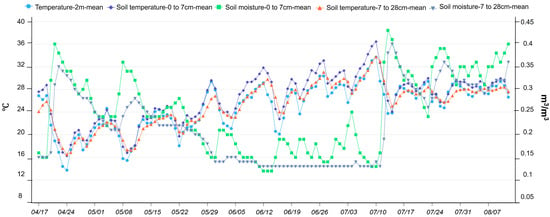
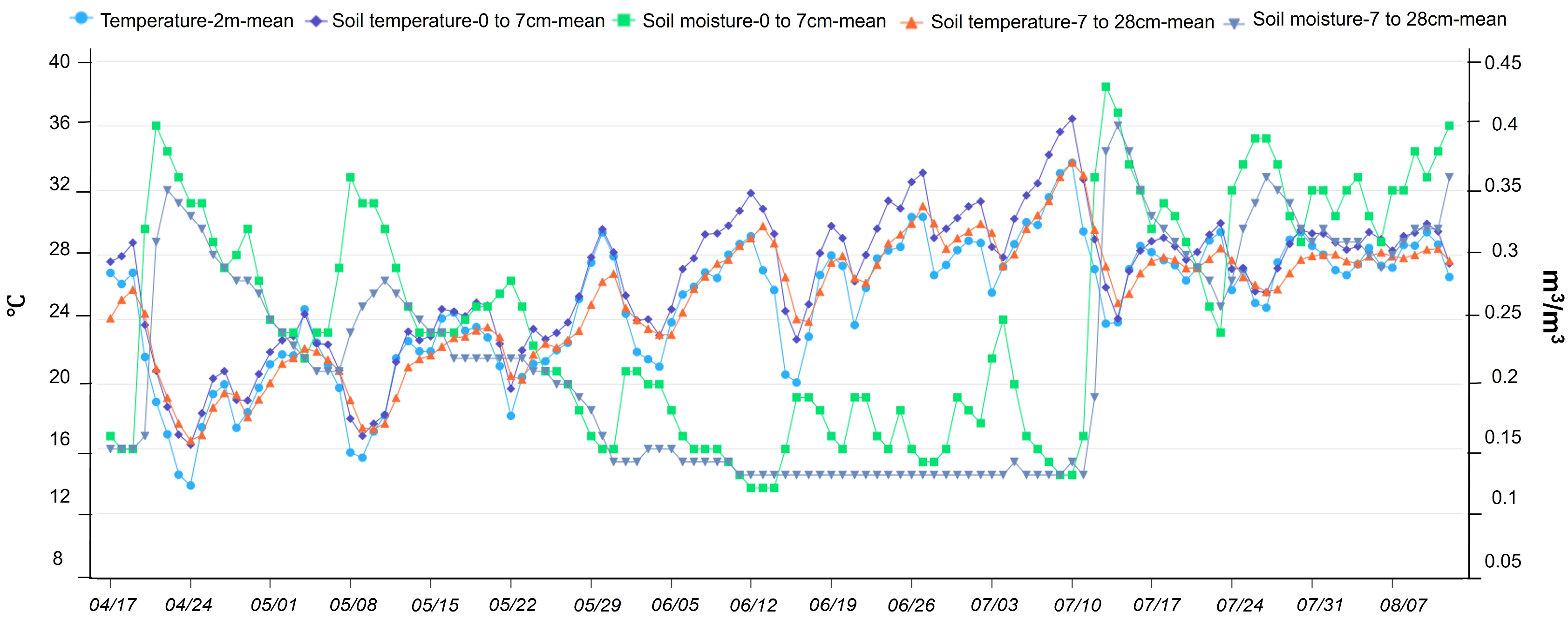
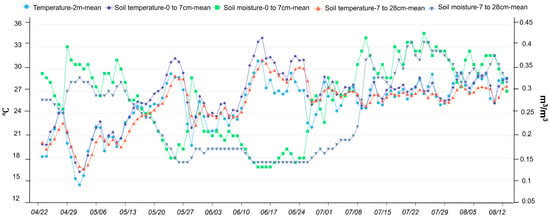
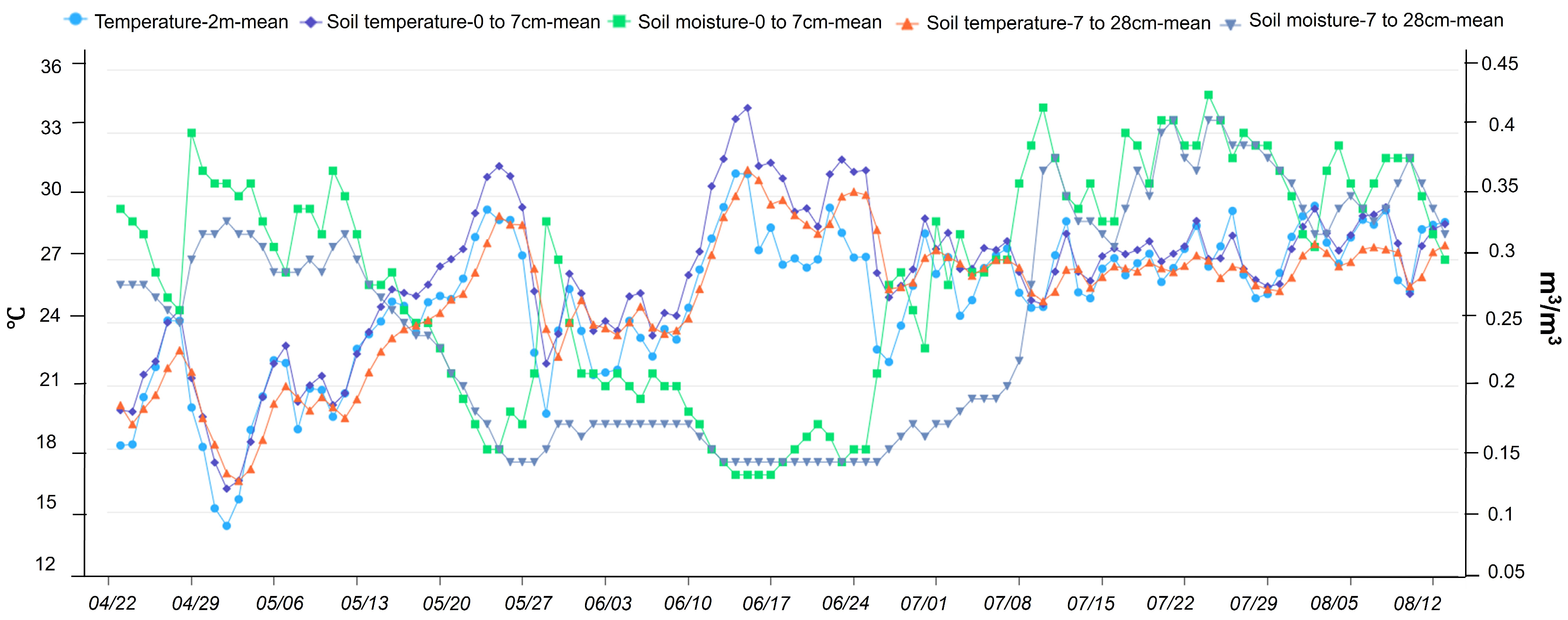
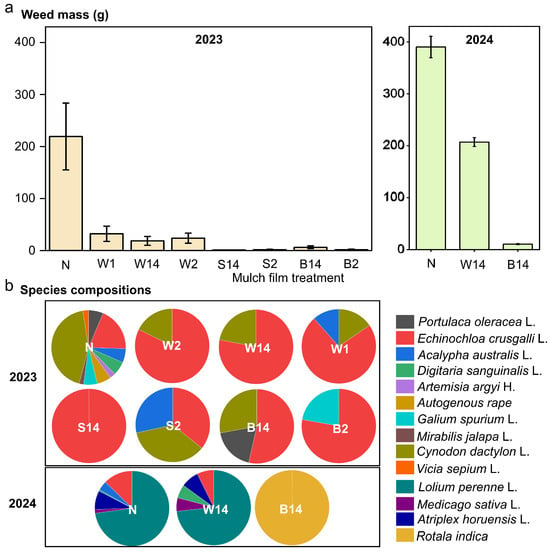
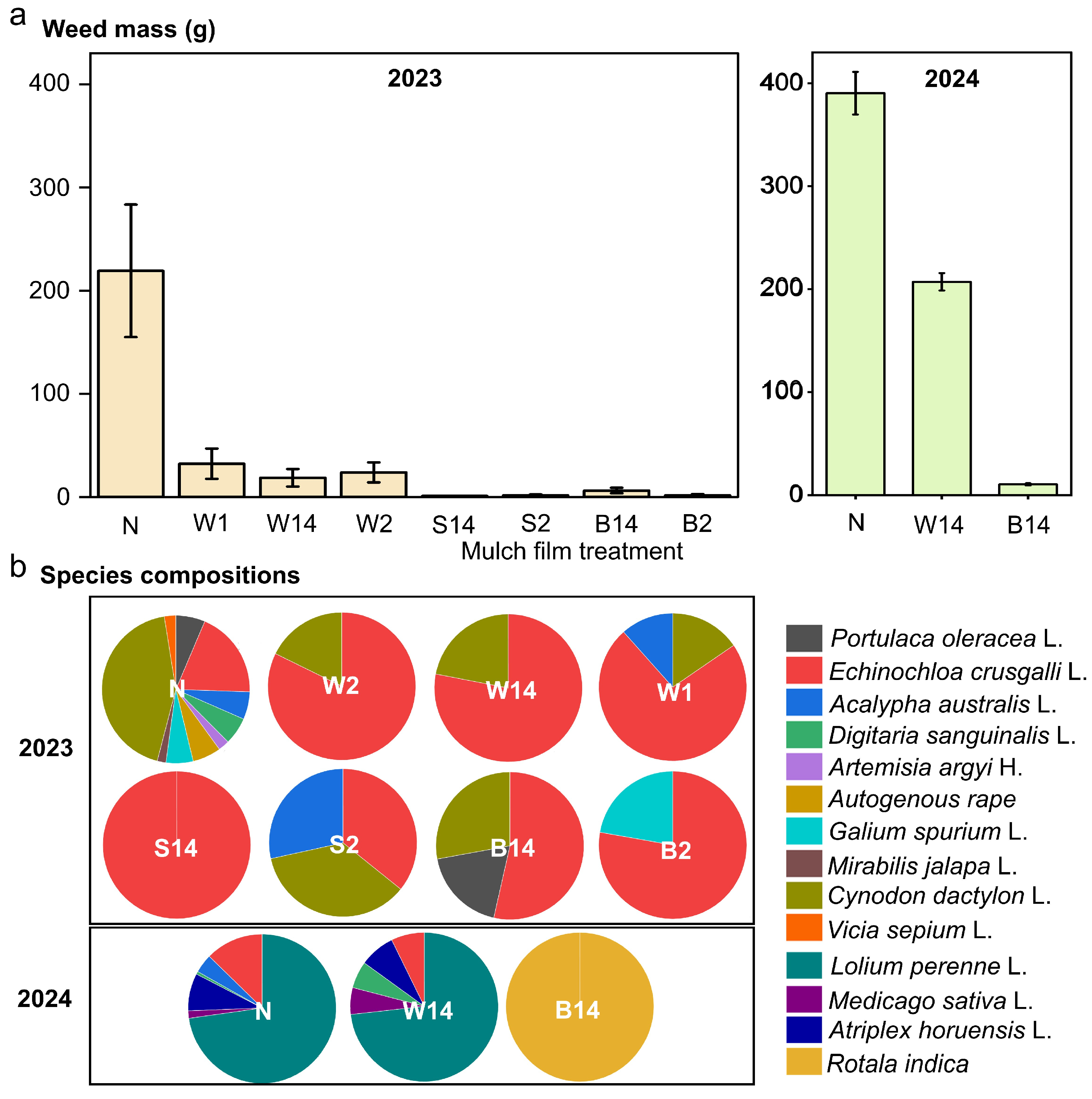
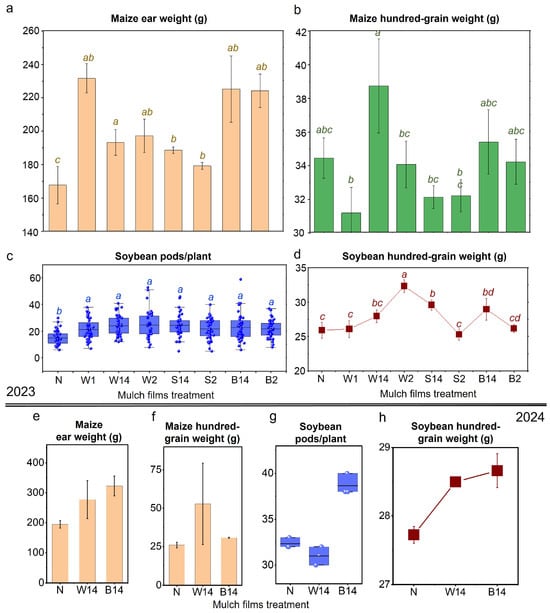
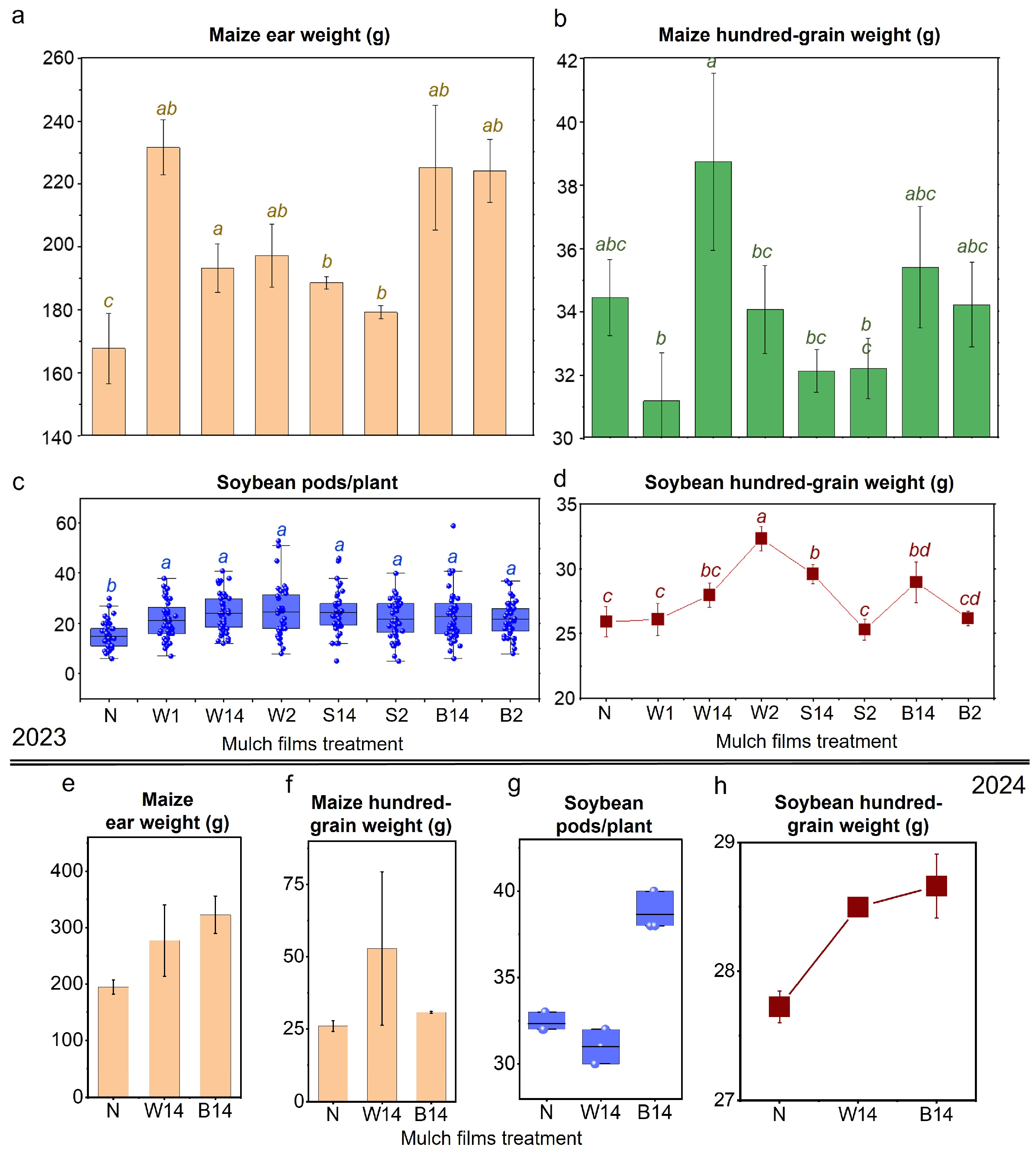
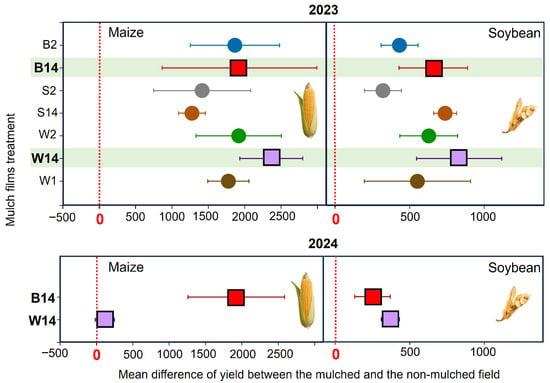
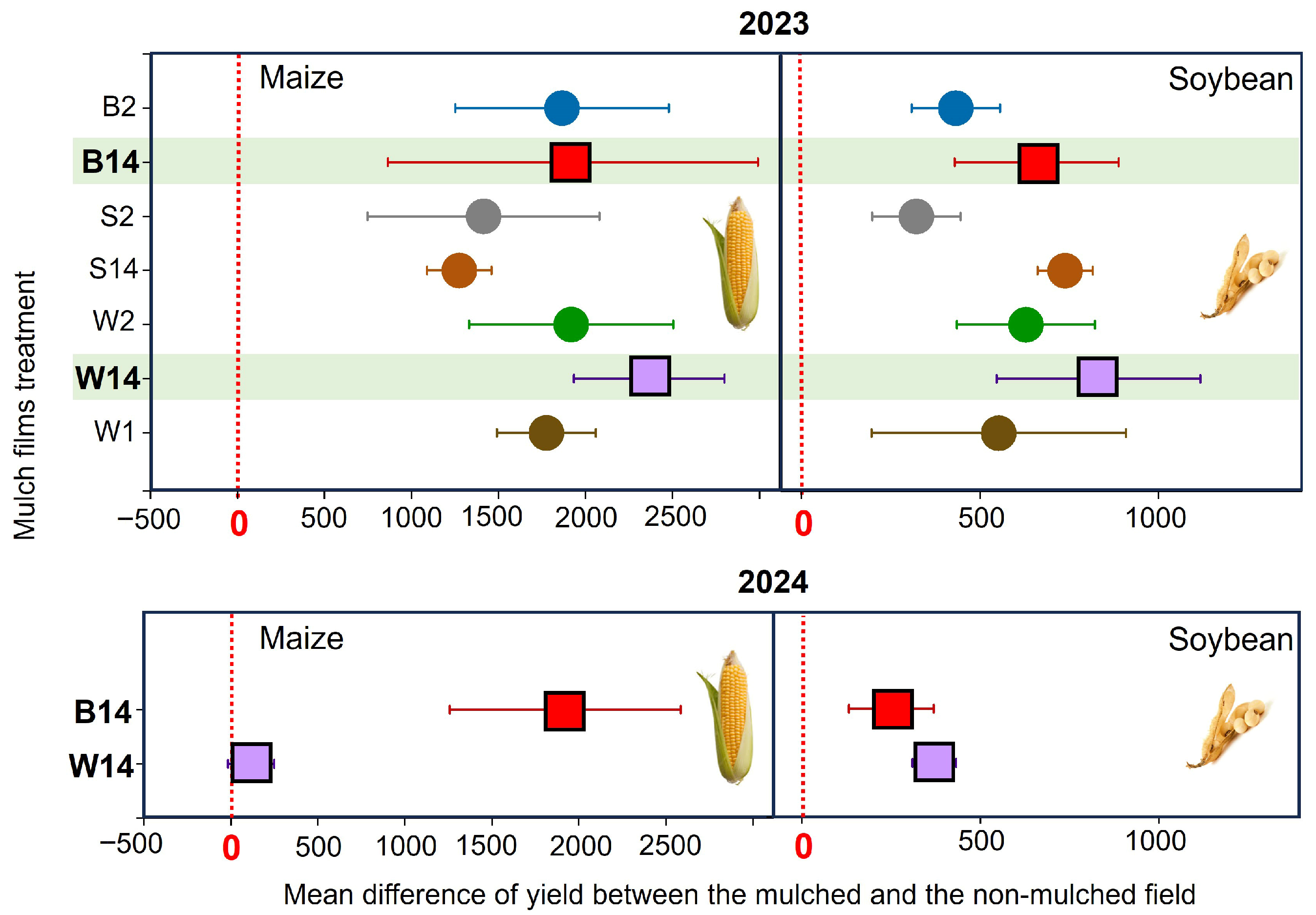
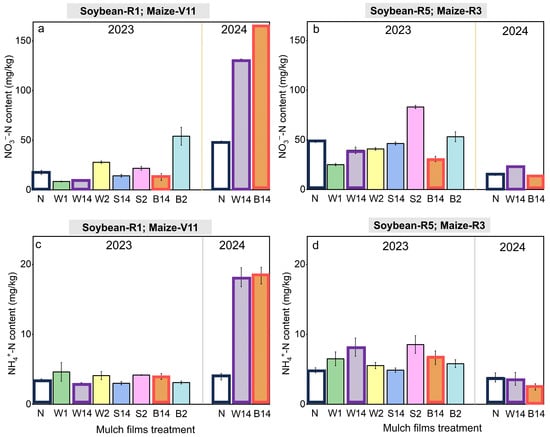
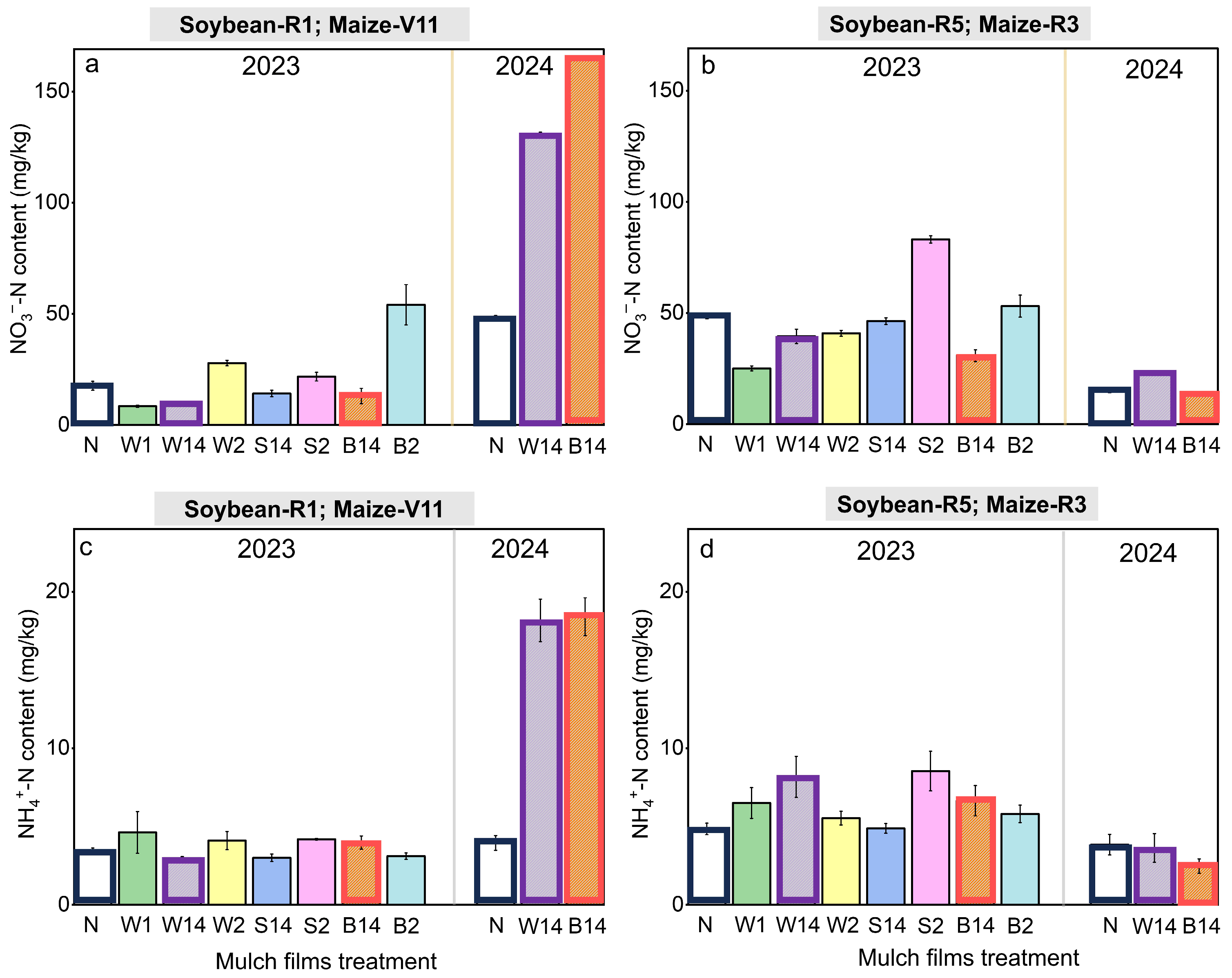
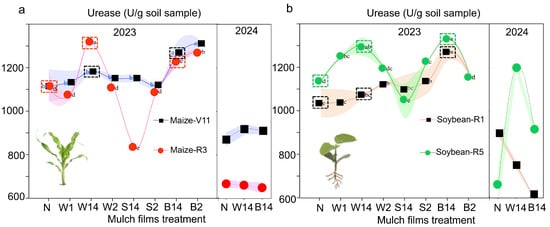
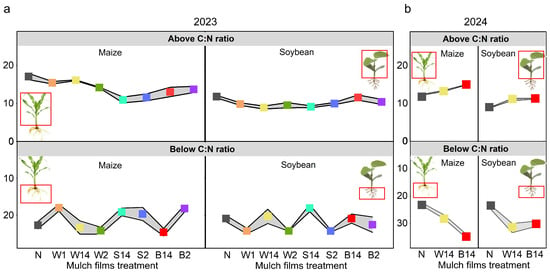
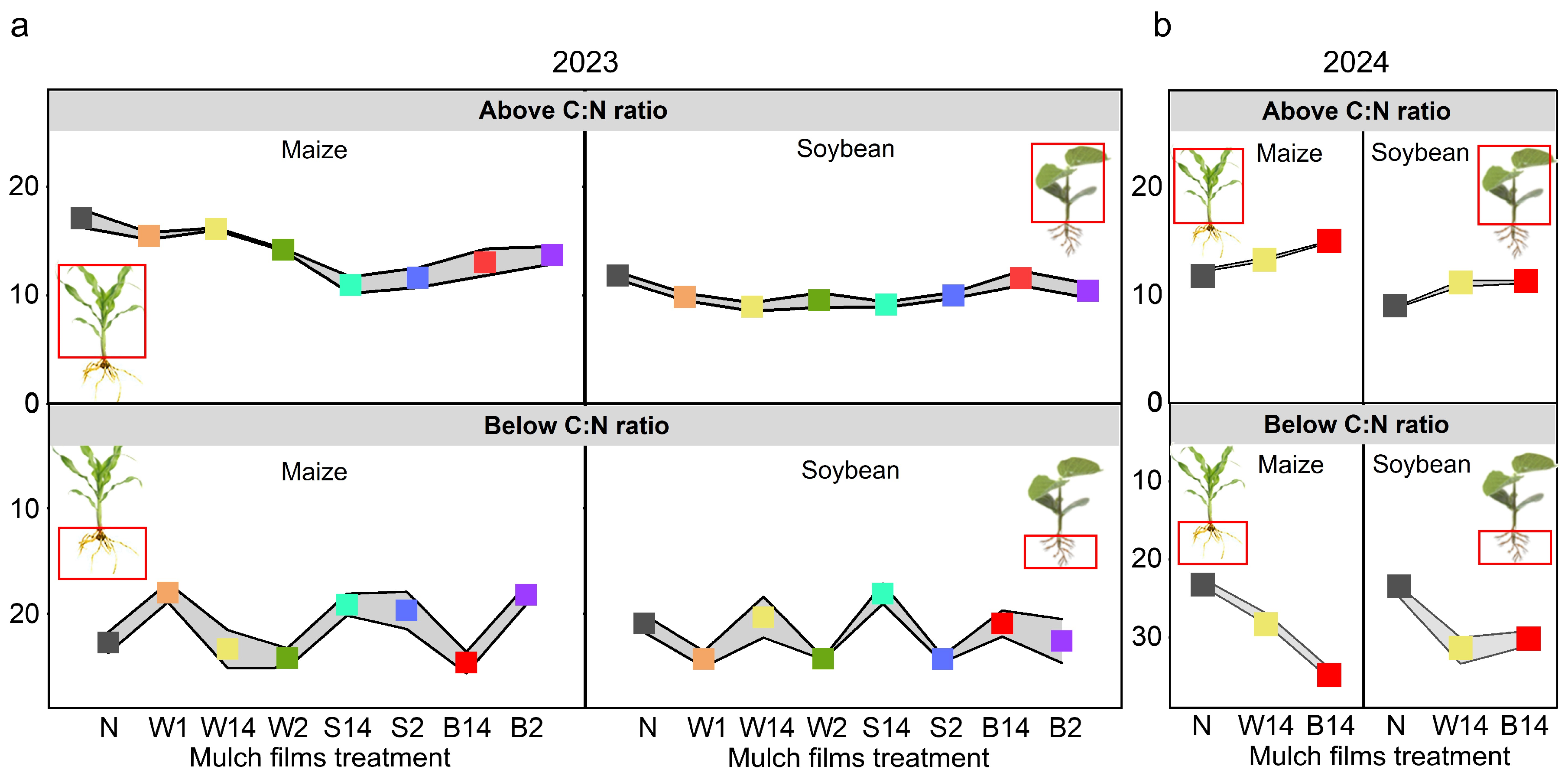
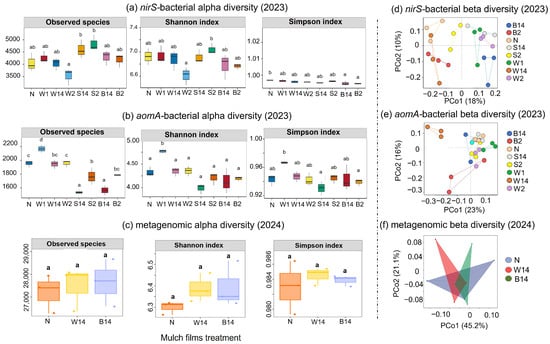
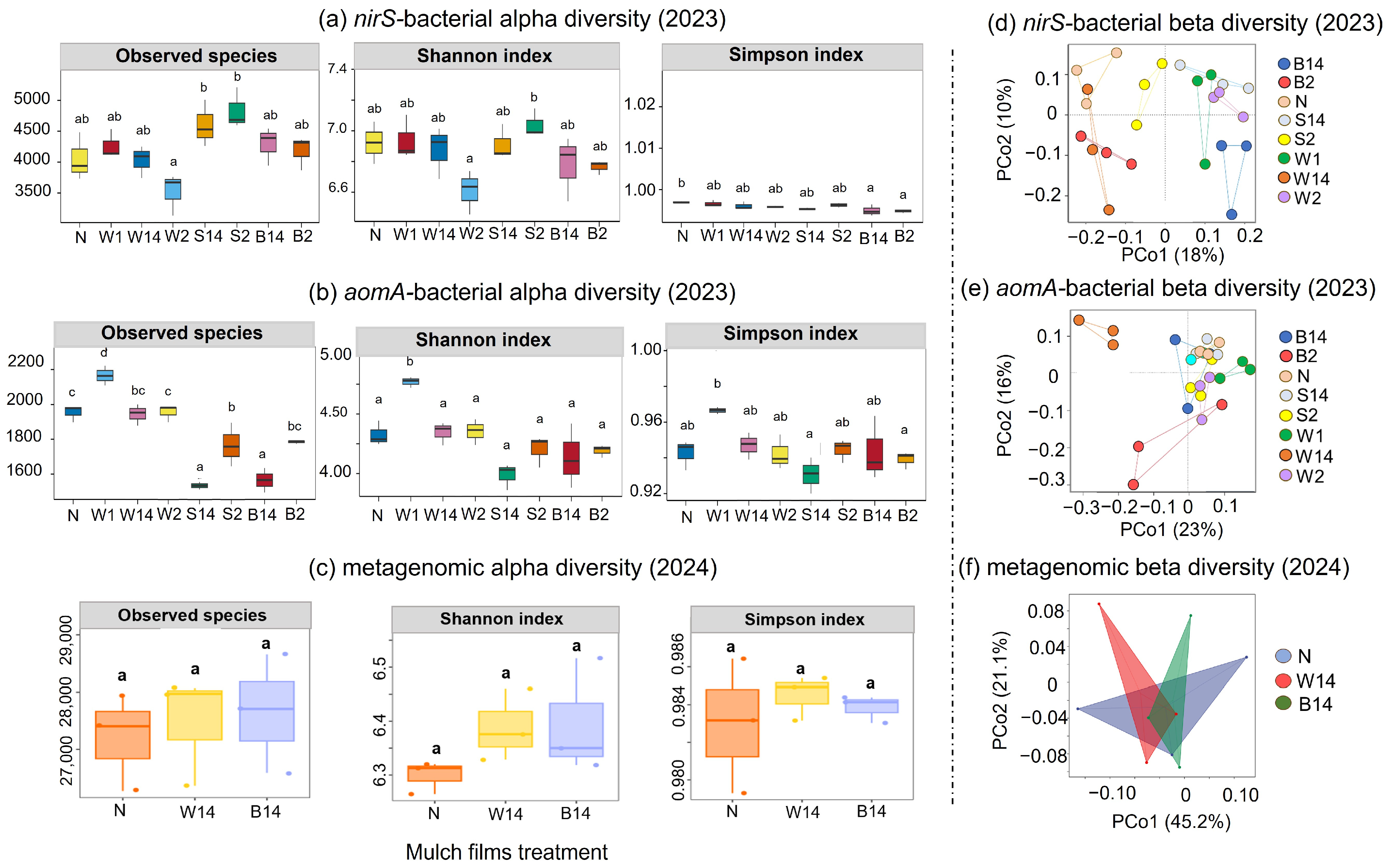
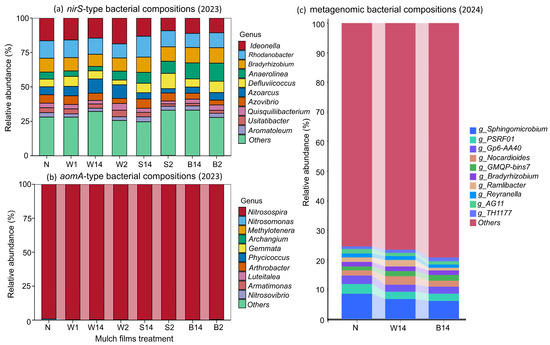
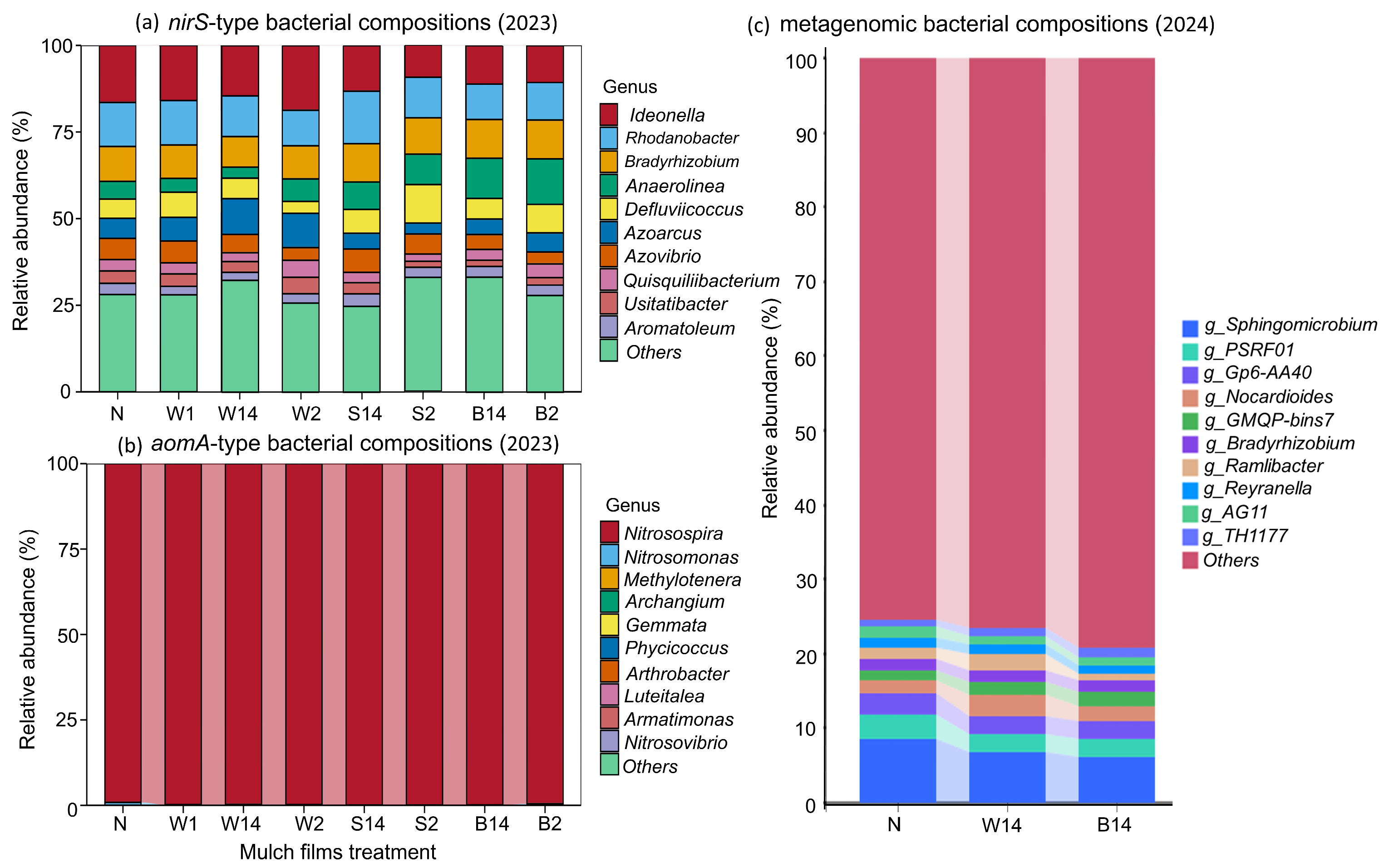
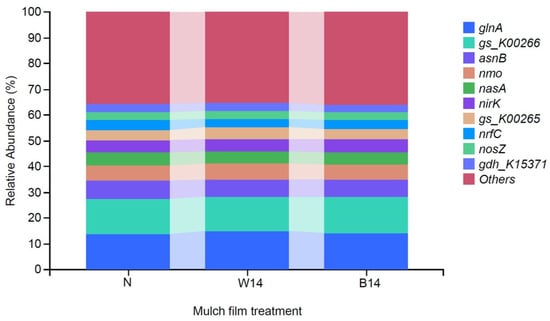
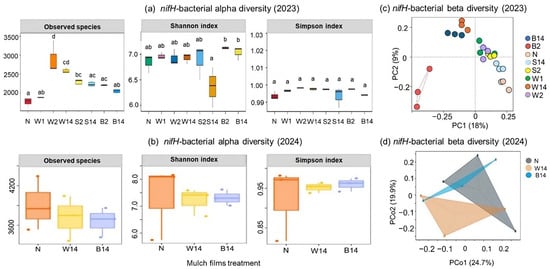
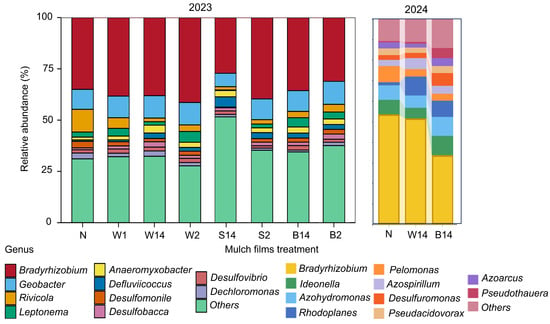
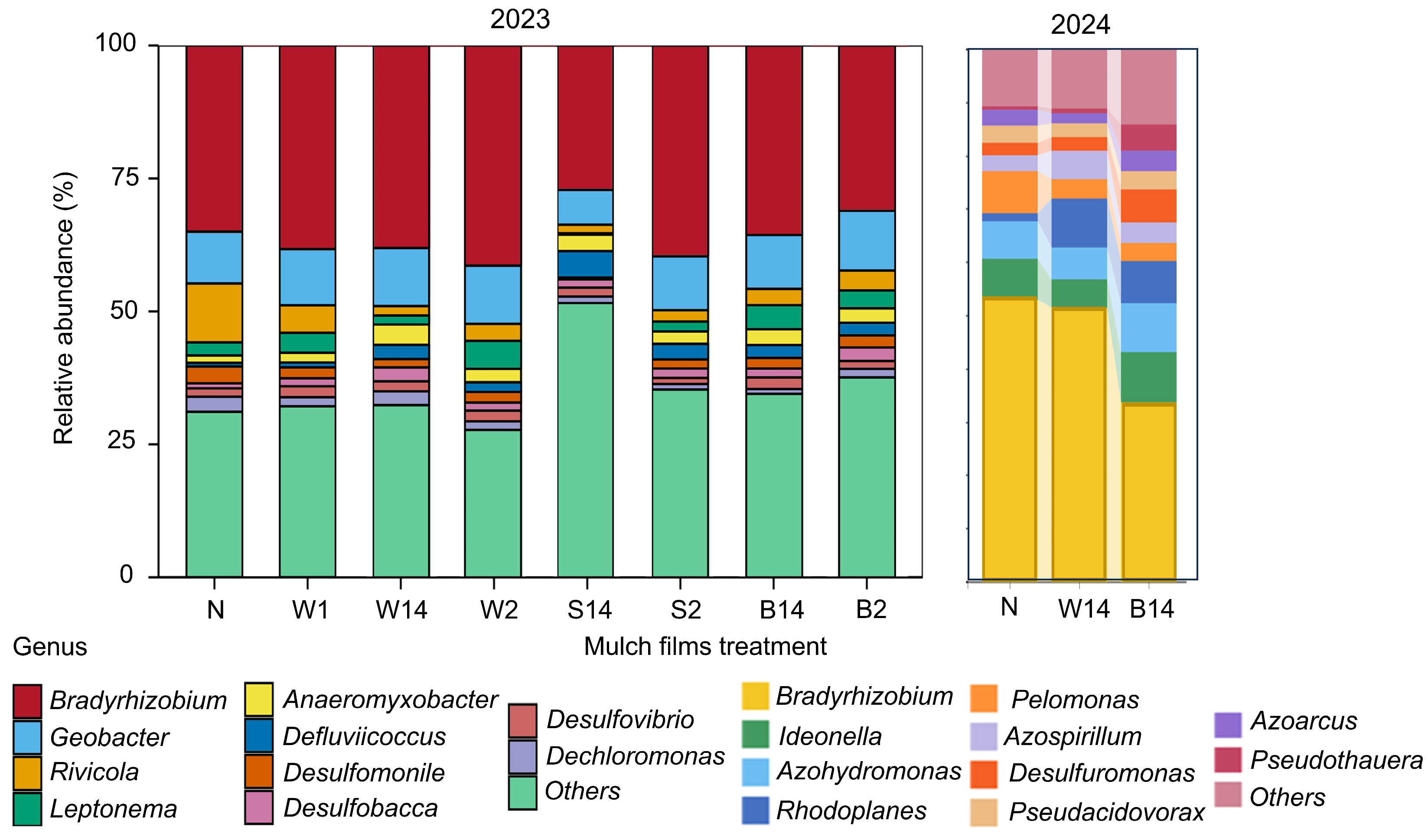

Disclaimer/Publisher’s Note: The statements, opinions and data contained in all publications are solely those of the individual author(s) and contributor(s) and not of MDPI and/or the editor(s). MDPI and/or the editor(s) disclaim responsibility for any injury to people or property resulting from any ideas, methods, instructions or products referred to in the content. |
© 2026 by the authors. Licensee MDPI, Basel, Switzerland. This article is an open access article distributed under the terms and conditions of the Creative Commons Attribution (CC BY) license.