1. Introduction
Highbush blueberry (
Vaccinium corymbosum L.) is becoming a fruit crop of an increasingly wide cultivation range. The continuously growing demand for these fruits results primarily from their valuable sensory and health-promoting properties. Safe and non-destructive harvesting represents a key direction in the development of technologies for berry fruit acquisition. Highbush blueberries are characterised by a relatively thick, waxy skin; however, they are susceptible to subsurface damage in the form of bruising, which may exceed 50% of mechanically harvested fruit, rendering them unsuitable for long-term storage and fresh consumption [
1,
2,
3,
4]. Practical experience indicates that mechanical harvesting reduces the marketable yield of ripe highbush blueberries by 19–44%. In the case of hand harvesting, losses are lower (up to 22%) [
5]; however, post-harvest operations such as transport, handling and storage may increase ethylene production and reduce fruit firmness [
6]. Blueberries are intended primarily for the fresh market and are therefore harvested mainly by hand [
7]. The perishable nature of blueberries makes them particularly sensitive to mechanical damage [
8], which is often difficult to detect due to the fruit colour. Non-destructive studies have confirmed that, following impact resistance assessments, considerable difficulties occur in distinguishing fruit damage [
9,
10,
11]. The soft texture of blueberries and their gradual ripening within clusters constitute an additional major challenge, meaning that even intelligent robotic systems remain imperfect in the recognition and selective harvesting of these fruits [
12].
Spray quality is primarily determined by droplet size spectrum, coverage uniformity, and the amount of spray liquid deposited. It is assessed using both quantitative and qualitative indicators. Spray deposition refers to the actual volume of liquid retained on the target surface and is typically measured using tracers followed by laboratory or image-based analysis [
13,
14,
15]. Coverage, on the other hand, represents the proportion of the target surface covered by droplets and is most commonly evaluated using water-sensitive papers in combination with digital image analysis [
15,
16,
17]. A strong correlation between spray deposition and coverage allows coverage to be used as an indirect indicator of deposition [
15]. The third key indicator is the uniformity of distribution, usually expressed as the coefficient of variation (CV) [
18,
19,
20].
In both field crops and orchards, spray quality depends on the compatibility between sprayer design, operational parameters, and canopy characteristics. In orchards, matching airflow to canopy height and density is particularly critical [
21,
22]. Dosage based on tree-row volume or detailed canopy structure can reduce chemical use while maintaining efficacy, provided the sprayer is correctly calibrated. Modern sprayer designs further improve penetration and distribution uniformity when their geometric configuration is optimised [
23,
24,
25]. In field crop applications, automatic rate-control systems play an important role in maintaining consistent deposition under variable forward speeds [
26].
Nozzle selection, operating pressure, and droplet size significantly influence spray quality. Applications using nozzles that produce coarser droplets enhance deposition and reduce drift compared with fine-droplet sprays [
27,
28,
29].
Operational parameters such as forward speed, spray distance, and nozzle orientation also substantially affect application effectiveness. Excessive travel speed or excessive distance between target objects reduces coverage and canopy penetration while increasing variability in spray distribution and the risk of drift [
21,
22,
26].
Methods for extending the shelf life of blueberries include soil fertilisation, fertigation, and foliar spraying of plants with silicon solutions, which may improve mechanical parameters both during harvesting and throughout post-harvest processes [
30]. In highbush blueberry cultivation, the potential of silicon in improving fruit quality—particularly fruit firmness and durability—has been increasingly recognised. Although silicon is not considered an essential macronutrient for plants, its beneficial effects on berry crops, including blueberry, have been well documented [
31,
32]. Silicon strengthens plants and enhances their resistance to various biotic and abiotic stresses, which directly translates into the final yield quality [
33,
34]. Silicon plays a significant role in reinforcing plant cell structure, as it is deposited in cell walls, making plant tissues more resistant and rigid. Furthermore, silicon contributes to the regulation of plant water balance by reducing transpiration (water loss) and protecting fruits against dehydration, which is crucial for maintaining firmness and freshness after harvest. As a result, fruits may be less susceptible to cracking, bruising, and damage to the waxy cuticle, thereby significantly increasing their market value [
35].
To determine the mechanical quality of highbush blueberry fruits, various methods for assessing firmness are used, including sensory evaluation and instrumental mechanical methods such as uniaxial compression, penetration tests, and texture profile analysis (TPA) [
36]. There are reports describing the use of a two-parameter method that relies solely on fruit diameter and thickness to predict and verify blueberry firmness [
12]. Sensory analyses are often performed manually by gently squeezing (or rolling) the fruit between the index finger and thumb and rating firmness on a scale ranging from soft to firm [
37,
38]. To date, there is no universally accepted standard for measuring blueberry firmness as a quality indicator. Among the mechanical methods applied in blueberry quality studies, the compression test is the most frequently reported technique for measuring mechanical parameters [
39,
40,
41].
Mechanical tests conducted on berries demonstrate viscoelastic behaviour under mechanical loading; therefore, their properties are primarily evaluated as a function of force, deformation, and time. During compression testing (single- or double-compression), blueberries are often oriented with the stem–calyx axis perpendicular to the compression probe, resulting in equatorial deformation [
42]. In the literature, reports on the effect of hand picking on blueberry quality changes in the context of mechanical damage are scarce [
43]. Considering the potentially excessive loads exerted by a picker’s fingers over a small contact area on the fruit surface, hand picking may lead to the exceedance of permissible surface pressures, which can locally cause destructive effects on the delicate parenchyma tissue of the fruit [
44,
45].
For practical reasons, growers and exporters are interested in gaining knowledge on improving fruit quality and achieving enhanced mechanical properties through the application of macro- and micronutrients (e.g., silicon) using appropriate agronomic practices, as well as through objective methods for determining the firmness of fresh blueberry fruits. Therefore, the aim of the present study was to evaluate the effectiveness of a silicon-based preparation on the firmness of highbush blueberry fruits under different foliar spraying methods.
2. Materials and Methods
2.1. Conditions of the Foliar Treatment Application
Foliar spraying treatments were carried out under field conditions in a highbush blueberry plantation of the ‘Patriot’ cultivar, located in Szczodrów, Syców Municipality, Poland (51°16′42.421″ N, 17°33′18.368″ E). The plantation was fertigated, and the soil pH was maintained at 4.5. The site is situated on low-fertility soil, characterised by unfavourable physical and chemical properties (Class V). The research was conducted in May and June 2025.
A commercial silicon fertiliser (ASX Krzem Plus; Agrosimex Sp. z o.o., Lublin, Poland) was utilised. The commercial fertiliser ASX Krzem Plus used in the experiment contained 2.5% silicon (Si), 0.6% zinc (Zn), 0.6% copper (Cu), 0.5% manganese (Mn), and 0.3% boron (B). The working solution was prepared at a concentration of 0.5 L ha−1 and applied at a spray volume of 250 L ha−1. The application of silicon via foliar spraying represents a modern complement to conventional soil fertilisation, enabling the direct delivery of the element to plant tissues. This approach is particularly advantageous under conditions where root nutrient uptake is limited, as foliar-applied silicon reinforces structural integrity, enhances mechanical strength, and reduces transpiration. Furthermore, this method allows for precise timing relative to plant developmental stages and elicits a more rapid physiological response compared to soil-applied fertilisation, which is often constrained by low solubility, slow mobility, and fluctuating edaphic factors such as pH and microbial activity.
The treatments were performed using a sprayer equipped with two types of single flat-fan nozzles: standard XR and air-induction AIXR (TeeJet Technologies, Wheaton, IL, USA). These nozzles were selected to enable a comparative assessment of spray application quality based on their distinct design concepts:
XR nozzles: Standard flat-fan nozzles producing fine droplets, providing extensive plant surface coverage while remaining highly susceptible to spray drift.
AIXR nozzles: Air-induction nozzles producing coarse droplets with reduced drift potential, thereby enhancing application safety.
Spraying was conducted at two forward speeds (2.5 and 5.5 km h−1) and two spray liquid pressures (200 and 400 kPa). The selection of operating pressure and forward speed was based on the manufacturer’s recommendations to maintain an appropriate droplet spectrum and spray distribution uniformity, ensuring comparable operating conditions for both nozzle types.
The treatments were applied on two dates under the following environmental conditions:
2.2. Degree of Coverage of Sprayed Surfaces
The degree of coverage of sprayed surfaces by the working liquid was assessed using an indirect method based on water-sensitive papers (WSP), commonly applied in spray quality studies [
16,
17,
18,
21,
22,
23]. The samplers were mounted on specially designed measurement frames, allowing simultaneous evaluation of both horizontal and vertical surfaces, reflecting different zones of droplet contact with the plant. This arrangement enabled the assessment of liquid deposition on upper and lower horizontal surfaces, as well as its penetration onto vertical side surfaces (approach and departure sides), which are particularly relevant for the effectiveness of plant protection treatments.
On each experimental plot, three sections of the sprayer travel path were designated: acceleration, measurement, and terminal sections. Each experimental variant consisted of three replicates, achieved by positioning three measurement frames within the measurement section. Immediately after spraying, the water-sensitive papers were removed from the frames and left to dry in order to stabilise the droplet imprints. Subsequently, the samples were digitised by scanning at a fixed resolution.
The image analysis was performed using graphics software, randomly selecting three areas with an area of 1 cm2. Based on the image analysis performed in Adobe Photoshop 2025 (ver. 26), the percentage of the area covered with the working fluid in relation to the total analyzed area was determined. The scanning resolution was 600 × 600 dpi, while the gray threshold for binary processing was 110. The coverage index obtained was used as the basis for a comparative assessment of the spray quality between the individual experimental variants.
2.3. Silicon Content
Silicon content was determined using an analytical technique based on microwave plasma–atomic emission spectrometry (MP-AES), applied for the determination of trace elements. Initially, mineralisation was performed using 0.5 g of sample digested with 6 mL of nitric acid, 2 mL of sulfuric acid (VI), and 2 mL of hydrogen peroxide. The resulting digest was then transferred to a 50 mL volumetric flask and brought to volume with distilled water. Prior to analysis, the obtained solution was diluted tenfold and subsequently analysed using an MP-AES 4210 spectrometer (Agilent Technologies, Santa Clara, CA, USA).
2.4. Measurements of Loads and Surface Pressures During Manual Fruit Picking
Fruit detachment tests were conducted on nine selected plots of a highbush blueberry plantation of the ‘Patriot’ cultivar (sprayed groups S1–S8 and the control group C). Harvesting was performed on ripe fruits on 30 June 2025, at a temperature of 25 ± 0.1 °C and relative humidity of 45%. The tests involved fruit detachment by a picker equipped with a pressure sensor attached to the fingers of the right hand. The actual surface pressure generated between the picker’s fingers and the fruit was recorded.
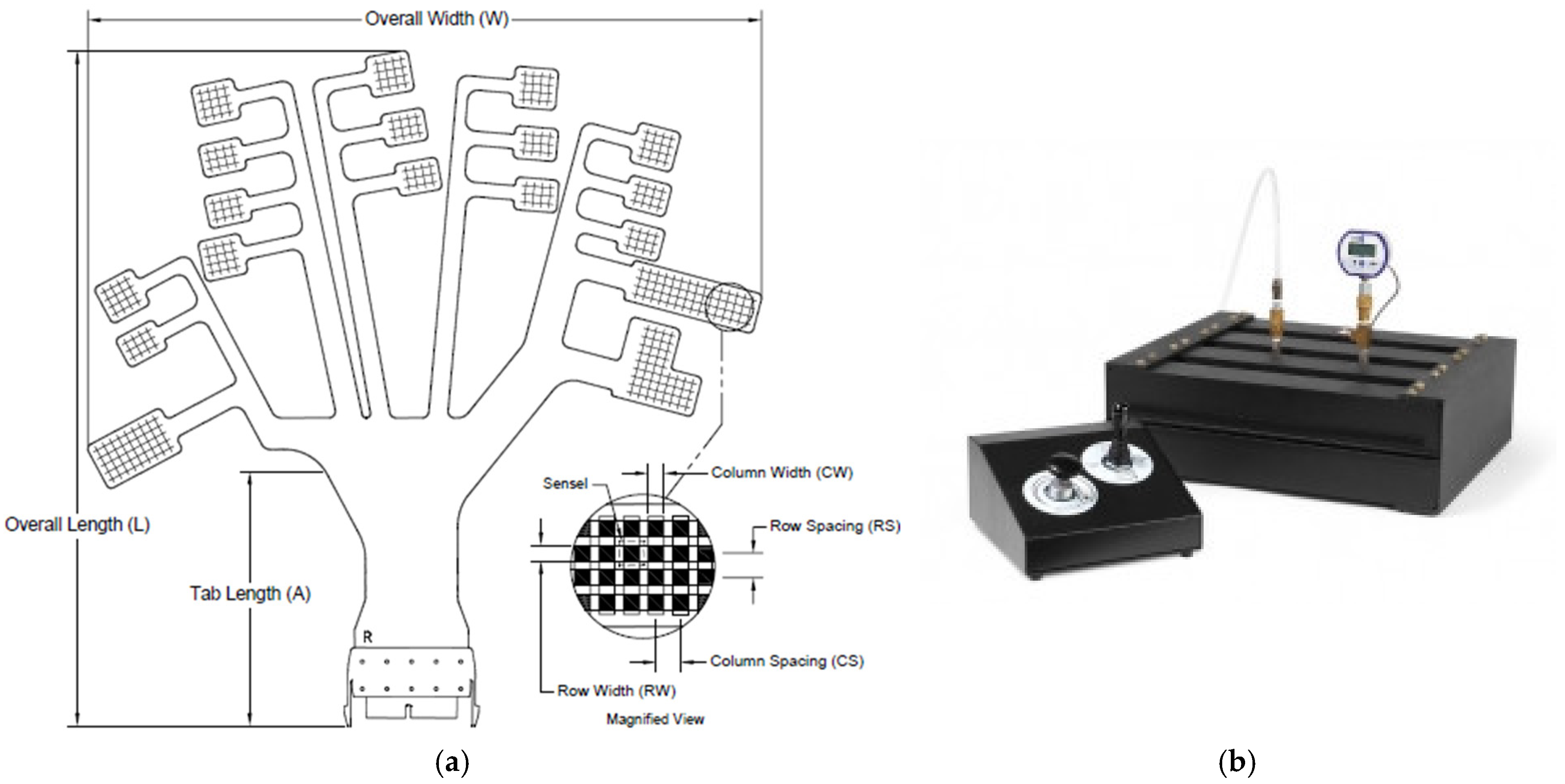
The tests were carried out using Tekscan instrumentation (South Boston, MA, USA), with the key component being a flexible pressure sensor (Grip Sensor model 4256E, thickness 0.1 mm, pressure range 345 kPa). Fruits were detached from clusters using a pulling technique and placed into dedicated containers. The sensor consisted of eighteen sensing areas that could be individually positioned over anatomically relevant sections of the fingers and hand. The gaps between sensing areas allowed joint movement without interference, ensuring unrestricted hand motion and accurate grip measurement. Each sensing area contained multiple sensing elements (Sensels™) for local identification of pressure points on the hand.
The system, together with F-Scan Research software ver. 6.85, enabled real-time data acquisition with a sampling frequency of up to 750 Hz. Before to measurements, the pressure sensor was calibrated, equalised using a dedicated device, and software-zeroed (
Figure 1).
In the recorded measurement results, only those active sensing areas of the sensor that were directly attached to the outer fingertips of the picker were taken into account. Fruit detachment tests were performed in two cycles for each analysed measurement section. The duration of a single cycle was 120 s, during which data from 30 to 35 fruits were recorded. In total, approximately 630 fruits were analysed. The measurement system calculated mean surface pressure values SP (kPa) based on the total detachment force Fzmax (N) acting on the contact surface area Azc (mm
2), according to Equation (1).
2.5. Fruit Compression Tests
Freshly harvested blueberries were transported on the same day to the laboratory at the Institute of Agricultural Engineering, Wrocław University of Environmental and Life Sciences, where they were carefully selected with respect to geometric dimensions and mass. Laboratory conditions were maintained at a temperature of 27 ± 0.1 °C and relative humidity of 55%. The mean equatorial diameter (ED) and height (H) of each fruit were measured using an electronic calliper with an accuracy of 0.01 mm (Hogetex, Varsseveld, The Netherlands). Fruit mass (M) was determined using an electronic balance (RADWAG WTC 200, Radom, Poland) with a capacity of 200 g and an accuracy of 0.001 g.
For the selected group of blueberries, compression tests were conducted using a universal testing machine Instron 5566 (Norwood, MA, USA), synchronised with the Tekscan surface pressure measurement system (South Boston, MA, USA). Each fruit was placed in a lateral position on a foil pressure sensor (model 5051, pressure range 345 kPa) mounted on a rigid, non-deformable base and subjected to uniaxial compression between two parallel plates of the testing machine until skin rupture (failure), at a loading speed of 50 mm min−1. The I-Scan 7.6 software enabled real-time data acquisition with a sampling frequency of up to 5 kHz.
Based on the obtained contour images, simultaneous readings of peak surface pressure values SPCmax, maximum compression force Fcmax, and contact area Ac were obtained. Fruit firmness (FH) was calculated according to the procedure described in [
43]. Fruit compression tests reflected the combined mechanical resistance of the skin and flesh tissues. A total of 270 blueberry fruits were used for compression testing, with 30 fruits selected for each of the nine experimental groups.
2.6. Statistical Analyses
The conformity of the data distributions with normality was assessed using the Shapiro–Wilk test, and homogeneity of variances was verified using the Brown–Forsythe test. Statistical analyses were performed using STATISTICA 13 software (TIBCO Software Inc., Palo Alto, CA, USA). To determine the significance of differences in mechanical parameters in relation to the independent spraying parameters, analysis of variance (ANOVA) and Kruskal–Wallis tests were applied. Pearson correlation coefficients were also calculated to examine relationships between mass-related, geometric, and mechanical parameters.
Differences were considered statistically significant at p < 0.05 (p-value probability). Basic statistical analyses, including means, standard deviations (SD), standard errors (SE), medians, and quartiles (Q1 and Q2), were performed using of the above software.
3. Results and Discussions
3.1. Degree of Surface Coverage and Spray Liquid Deposition
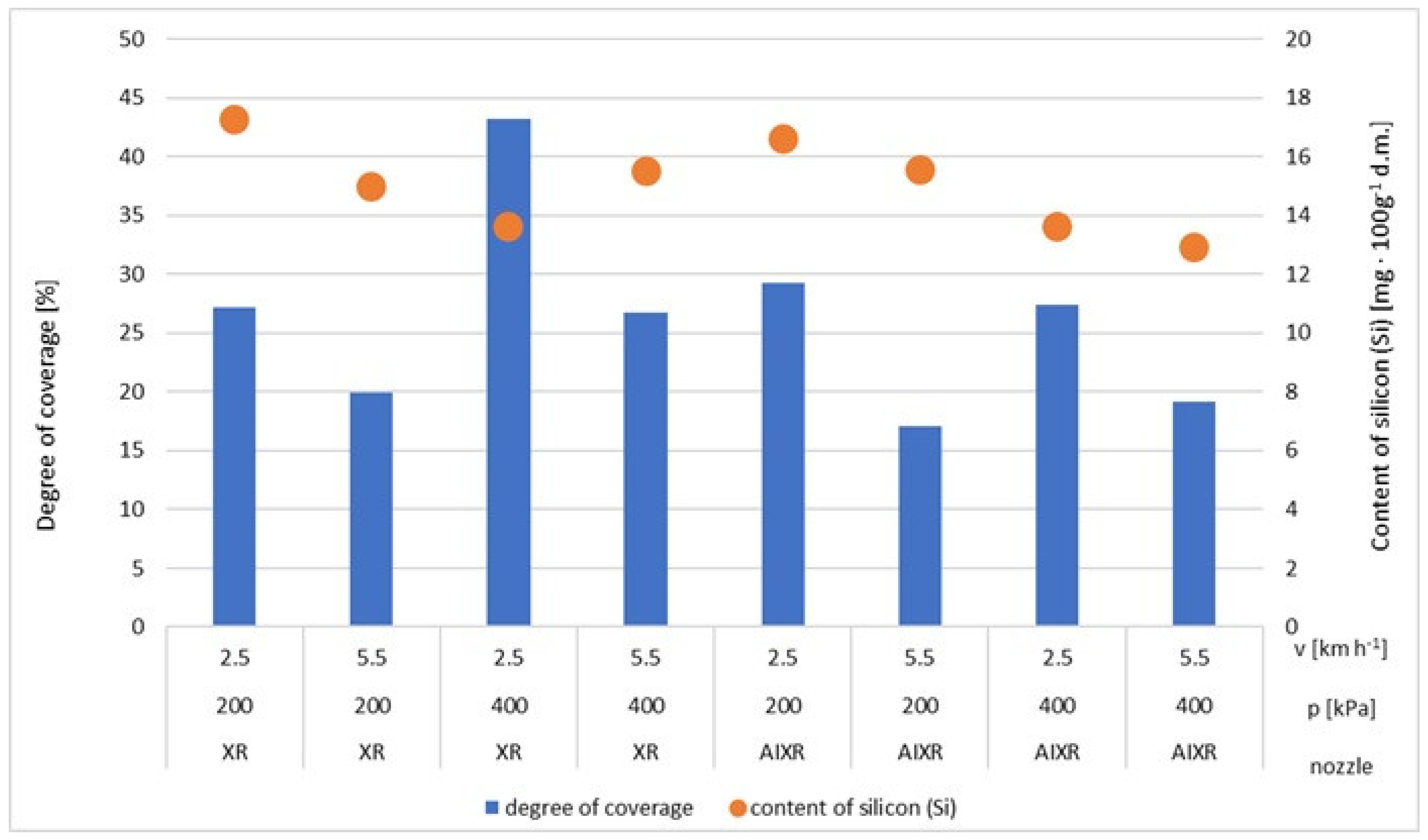
The degree of blueberry surface coverage by the spray liquid and the amount of deposited silicon, presented on the primary and secondary Y-axes, respectively, for individual treatment variants are shown in the graph (
Figure 2).
Both fruit surface coverage and silicon content differed among the analysed treatment combinations.
Figure 2 clearly shows that higher coverage values were obtained when a standard single-flat spray nozzle was used at a pressure of 400 kPa and at a speed of 2.5 km·h
−1. With regard to silicon content, higher values were recorded at a forward speed of 2.5 km·h
−1 and a pressure of 200 kPa for both types of nozzles tested.
Studies on highbush blueberry have shown that these plants are capable of accumulating substantial amounts of silicon in their tissues, and that both fertigation and foliar application of Si may improve plant growth and fruit quality. At the same time, the available literature data rarely address directly the relationship between the degree of plant surface coverage by the spray liquid and the final silicon content in plant tissues. Blueberry leaves have been shown to exhibit a very high capacity for silicon accumulation. In experiments conducted on seedlings of the cultivar ‘Bluecrop’ irrigated with silicon-containing water, silicon concentrations in leaves reached approximately 32–60 mg g
−1 dry matter, with higher concentrations recorded in leaves of younger plants. The Si level exceeded the concentrations of macronutrients such as nitrogen, phosphorus, potassium, calcium and magnesium, and silicon was widely distributed throughout leaf tissues and occurred in the form of phytoliths [
47].
The application of silicon in the nutrient solution (0.3–1.2 mm) in the cultivation of blueberry cultivar ‘Ventura’ grown in coconut substrate significantly increased vegetative growth [
35], as well as improved fruit growth and wax layer resistance, which translated into better postharvest quality [
34].
In studies on
Vaccinium myrtillus, repeated foliar applications of silicon in the form of SiO
2 (1.5 g L
−1) led to an increase in leaf area, yield, and the number and size of fruits. At the same time, an increase in the content of phenolic compounds and anthocyanins, along with a reduction in peroxidase activity, was observed, indicating a mitigation of oxidative stress [
33].
Under hydroponic conditions and hypoxic stress, southern highbush blueberry responded positively to the combined application of silicon both foliar and to the root zone, in both conventional and nanoparticle forms. These treatments resulted in increased antioxidant enzyme activity, osmolyte accumulation, and improved mineral nutrient balance [
48].
Although these studies clearly confirm that foliar silicon sprays increase the silicon content of plants (most often assessed in leaves), they do not provide qualitative information on the degree of leaf surface coverage by the spray liquid.
In a broader context of silicon research, it has been shown that foliar Si application generally leads to lower total silicon accumulation compared with root uptake; however, it may induce comparable or even stronger stress-mitigating effects in plants [
49,
50].
In most field and greenhouse experiments, the percentage degree of surface coverage and its direct relationship with silicon content in plant tissues have rarely been analysed. Most commonly, researchers have reported that increased spray frequency or the combination of foliar and soil applications leads to higher Si content in leaves [
48,
49,
51].
3.2. Physical Properties of the Material
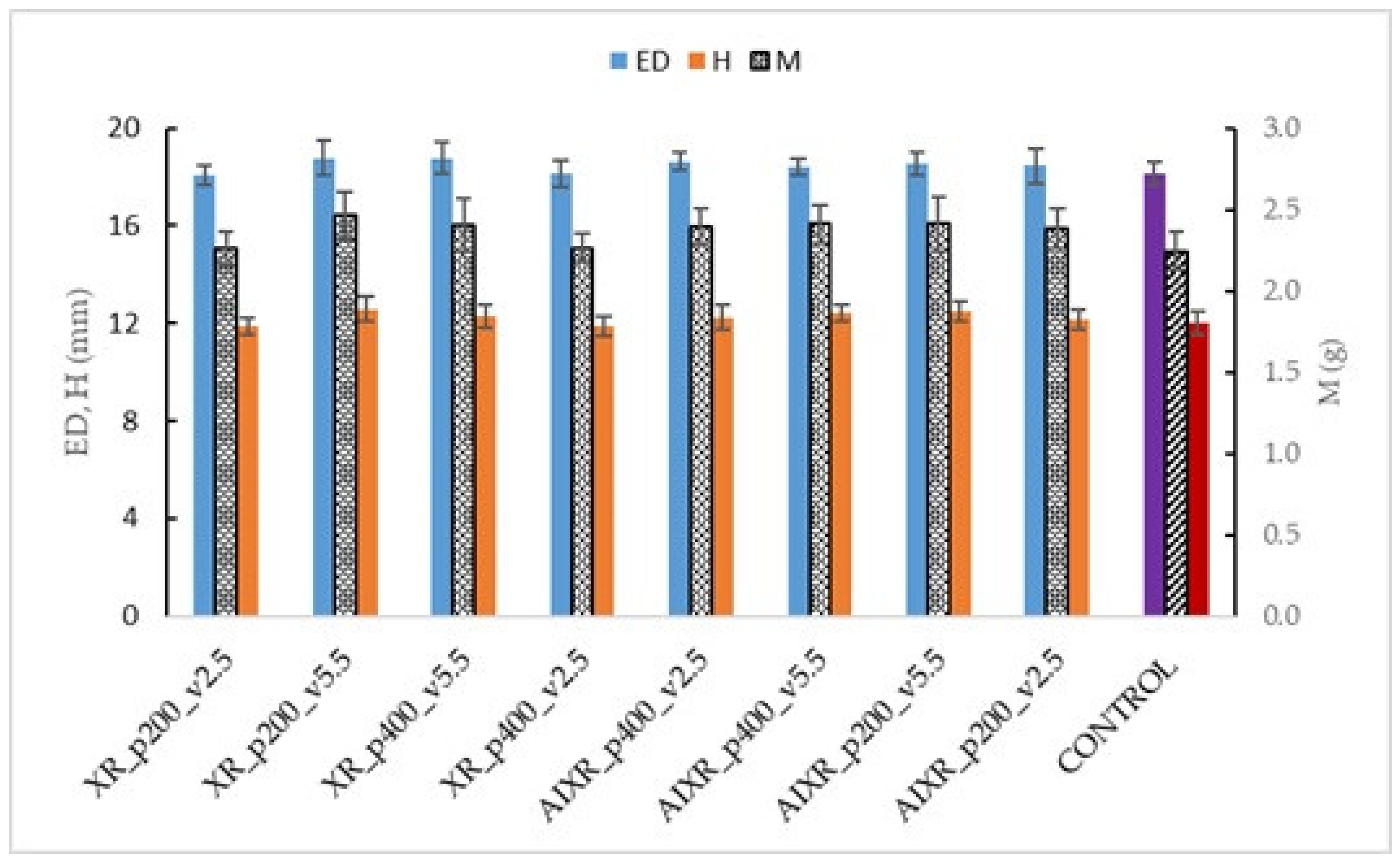
The basic physical properties of the selected highbush blueberry fruit are presented in
Figure 3. The results showed an effect of the applied silicon spray on changes in fruit size compared with the control group C (
p < 0.05), with the highest increases recorded for groups S2 and S3 (XR nozzle, at a spraying speed of 5.5 km·h
−1). The increase in fruit mass (M) reached 9.3%, equatorial diameter (ED) 3%, and fruit height (H) 4.5%.
The control group C was characterised by lower values of these parameters (M 2.2 g, ED 18.1 mm, H 12.1 mm); however, considering all collected data, it cannot be unequivocally concluded that the applied silicon spraying technique had a decisive effect on the geometric characteristics of highbush blueberry fruit.
The above trends are consistent with reports on postharvest physicochemical characteristics of blueberries, in which foliar silicon application improved fruit weight and diameter in the cultivars ‘Beckblue’, ‘Climax’, and ‘Brightwell’ compared with the control group [
33]. The authors demonstrated that Si application increased fruit diameter of the cultivars ‘Beckblue’ and ‘Climax’ by 10% and 14.5%, respectively, whereas no differences were observed for the cultivar ‘Brightwell’. Similarly, foliar Si application increased the average fruit mass of ‘Beckblue’ and ‘Climax’ by 22% and 34%, respectively, while no significant differences were found for ‘Brightwell’.
The available literature indicates that such differences in highbush blueberry fruit mass have been reported by numerous authors. The observed fluctuations range from 1.12 to 2.11 g according to [
52], from 1.4 to 2.4 g according to [
53], and from 1.76 to 1.94 g according to [
54]. These variations can be attributed, among other factors, to cultivar-specific differences, distinct spraying techniques, and varying weather conditions.
3.3. Fruit Detachment Analysis
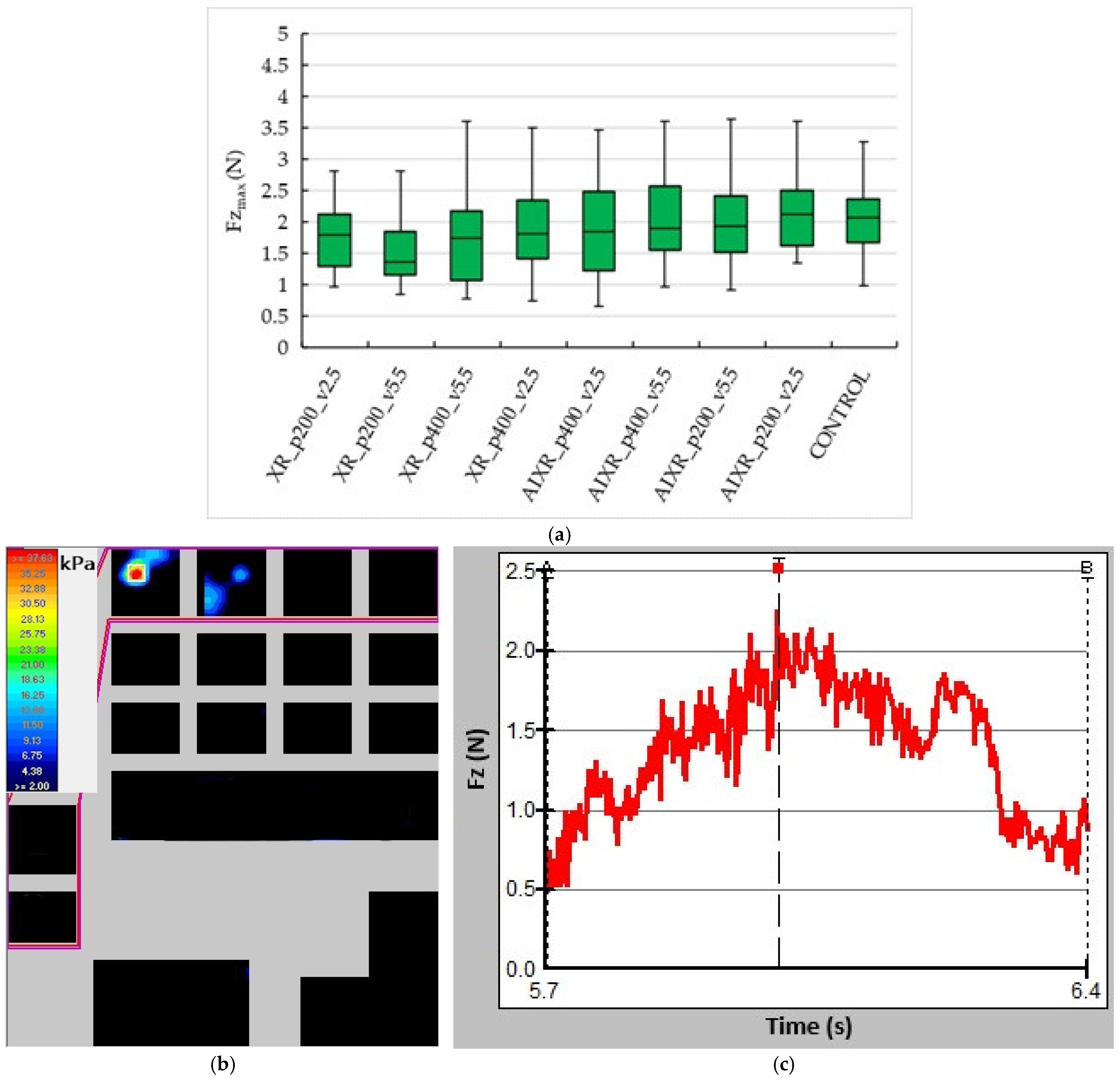
Figure 4a shows changes in the fruit detachment force (Fzmax) as a function of the applied spraying technique. The recorded force signals allowed the determination of Fzmax, which occurred at the maximum (peak) surface pressure (SPmax) exerted by the fingers acting on the fruit.
Due to the fact that the field experiments were conducted randomly on bushes bearing fruits of different sizes, the Shapiro–Wilk statistical test indicated that only a few groups exhibited a normal distribution (p < 0.05). Therefore, a non-parametric Kruskal–Wallis analysis of variance was required. The highest Fzmax values were recorded for group S8, reaching 2.1 N, and were only slightly higher than those of the reference control group C, for which the median value was approximately 2.0 N. For the total picking force Fzmax, the KW test results were as follows (H = 30.54, p = 0.0002), with significant differences for groups S6–S8 and S2.
The study showed that the index finger and thumb had the greatest influence on the fruit detachment process (
Figure 4b,c). Literature studies on different cultivars have demonstrated that the detachment force of individual ripe highbush blueberry fruits is typically around 1.5 N during manual removal directly along the fruit axis, which is a relatively small force that can be easily achieved by the fingers during harvesting [
55,
56].
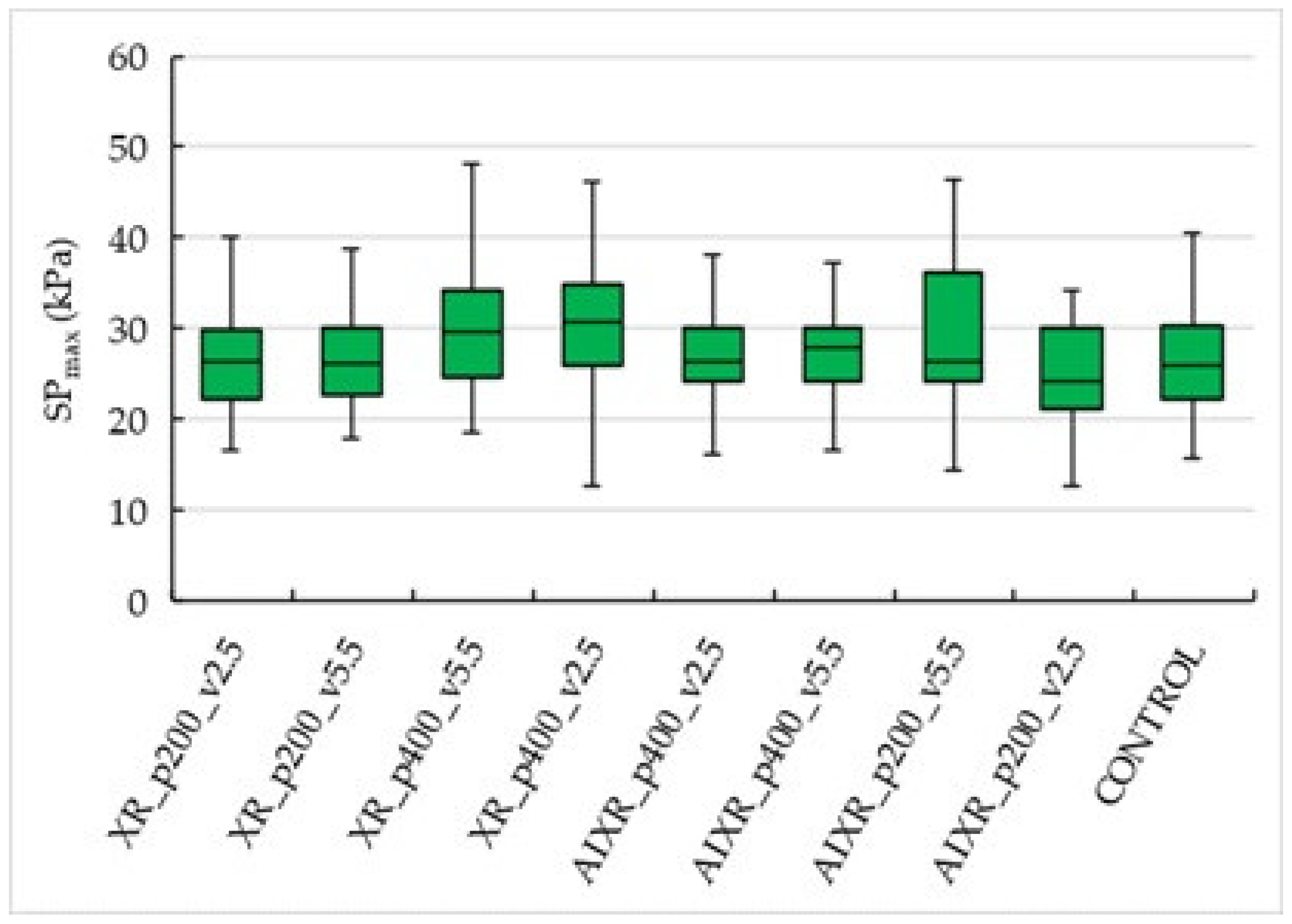
The results of peak surface pressures (SPmax) revealed certain consistent patterns. The Kruskal–Wallis test confirmed that, for both detachment forces and surface pressures, there was a statistically significant difference (
p < 0.05) between the unsprayed control group C and groups S3, S4 and S8 (H = 26.97,
p = 0.0007) (
Figure 5).
The highest median SPmax value was obtained for group S4 (30.81 kPa) (spraying technique XR_p400_v2.5), which showed a similar trend in the surface coverage measurements (
Figure 2). The limited available reports indicate that surface pressure values observed for blueberries sprayed with calcium-based formulations reached average levels of approximately 42 kPa [
43].
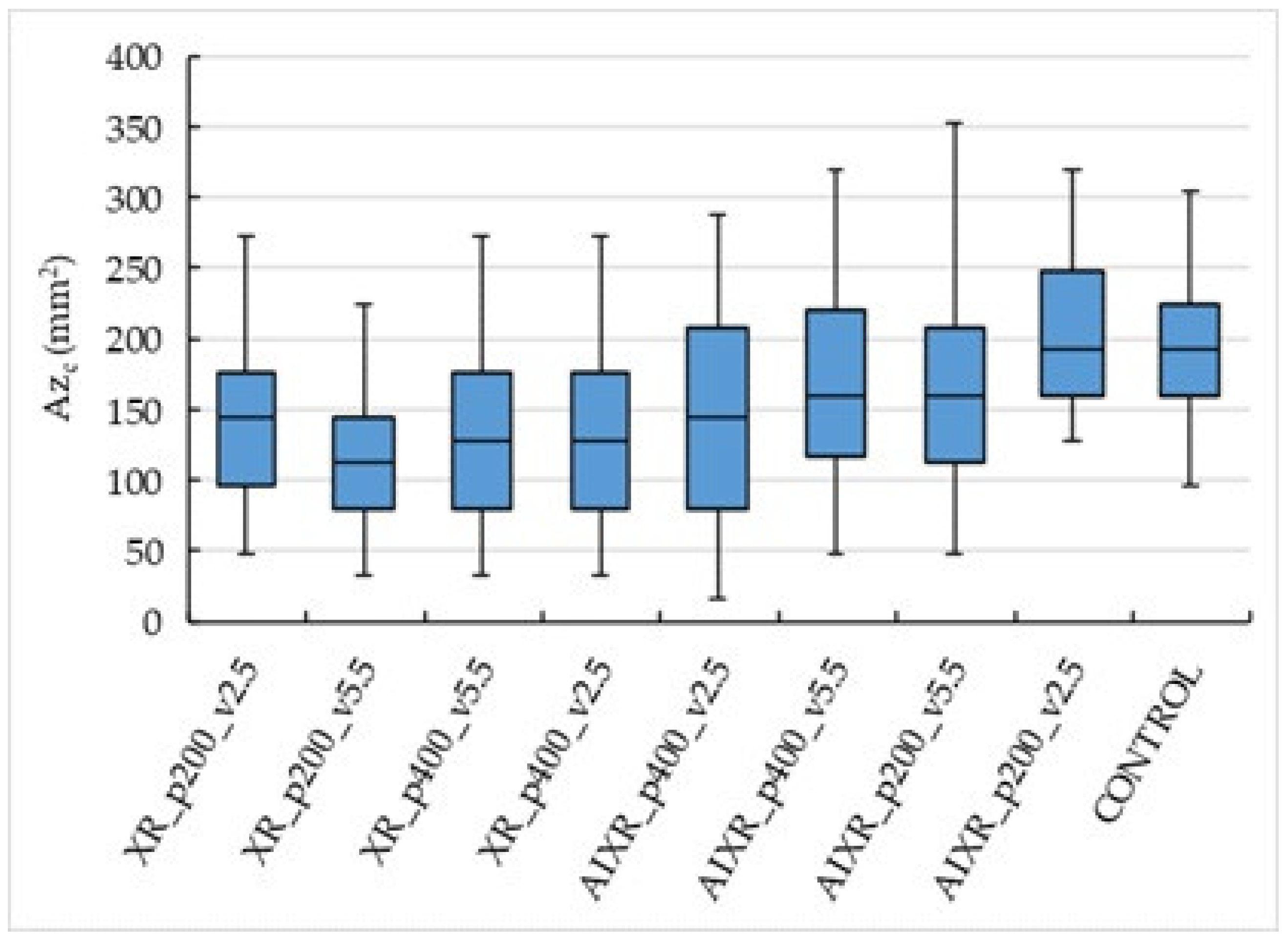
It should be emphasised that Fzmax represents the resistance that must be overcome to detach a blueberry fruit from the pedicel and is determined by the contact surface area between the picker’s fingertips and the fruit.
Figure 6 shows changes in the contact surface area (Azc) depending on the applied spraying technique. For changes in contact surface area, significant differences were observed for groups S1–S5 (H = 76.25,
p = 0.00003). The results indicate that the sprayed groups S1–S7 were characterised by lower Azc values, which may be associated with increased fruit firmness. The lowest Azc value, at 112 mm
2, was observed for group S2, whereas the highest value was recorded for the control group C (192 mm
2).
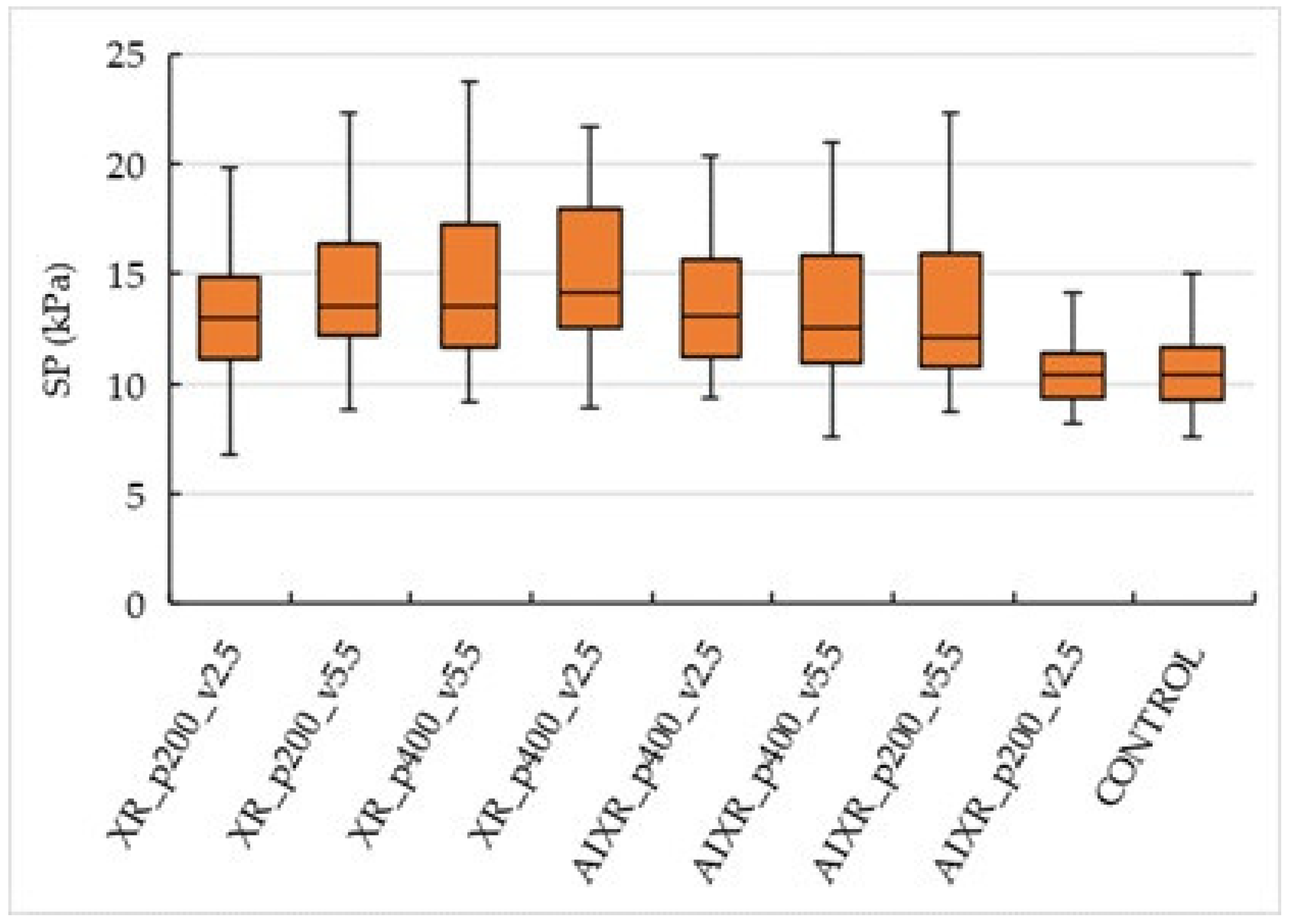
Figure 7 presents the effect of the applied silicon spraying technique on the mean changes in surface pressures (SP) (
p < 0.05), which were calculated based on relationship (1).
Compared with the control group C, increased SP values were recorded for the sprayed groups S1–S7, with the highest median value observed for group S4 (an increase of approximately 28%), reaching 13.3 kPa, whereas the lowest value was noted for the control group C (10.3 kPa). Significant differences were observed for the mean surface pressure (SP) for each of the sprayed groups S1–S8, as confirmed by the KW test results, which were (H = 111.06,
p = 0.00002). This trend was also confirmed and found to be consistent with the results of the surface coverage analysis (
Figure 2).
The higher recorded SP values result from the interaction of higher Fzmax forces acting over a smaller contact surface area (Azc), as well as the simultaneous action of multiple fingers of the picker’s hand on the harvested fruit.
Interpretation of Pearson’s correlation coefficient (r) for the relationship between fruit mass (M) and equatorial diameter (ED) with Fzmax and SP values revealed a weak negative correlation for fruit mass (r = −0.29) and a moderate correlation for equatorial diameter (r = −0.40). Therefore, fruit size did not significantly affect the forces required to detach fruits from the pedicel.
3.4. Firmness Analysis
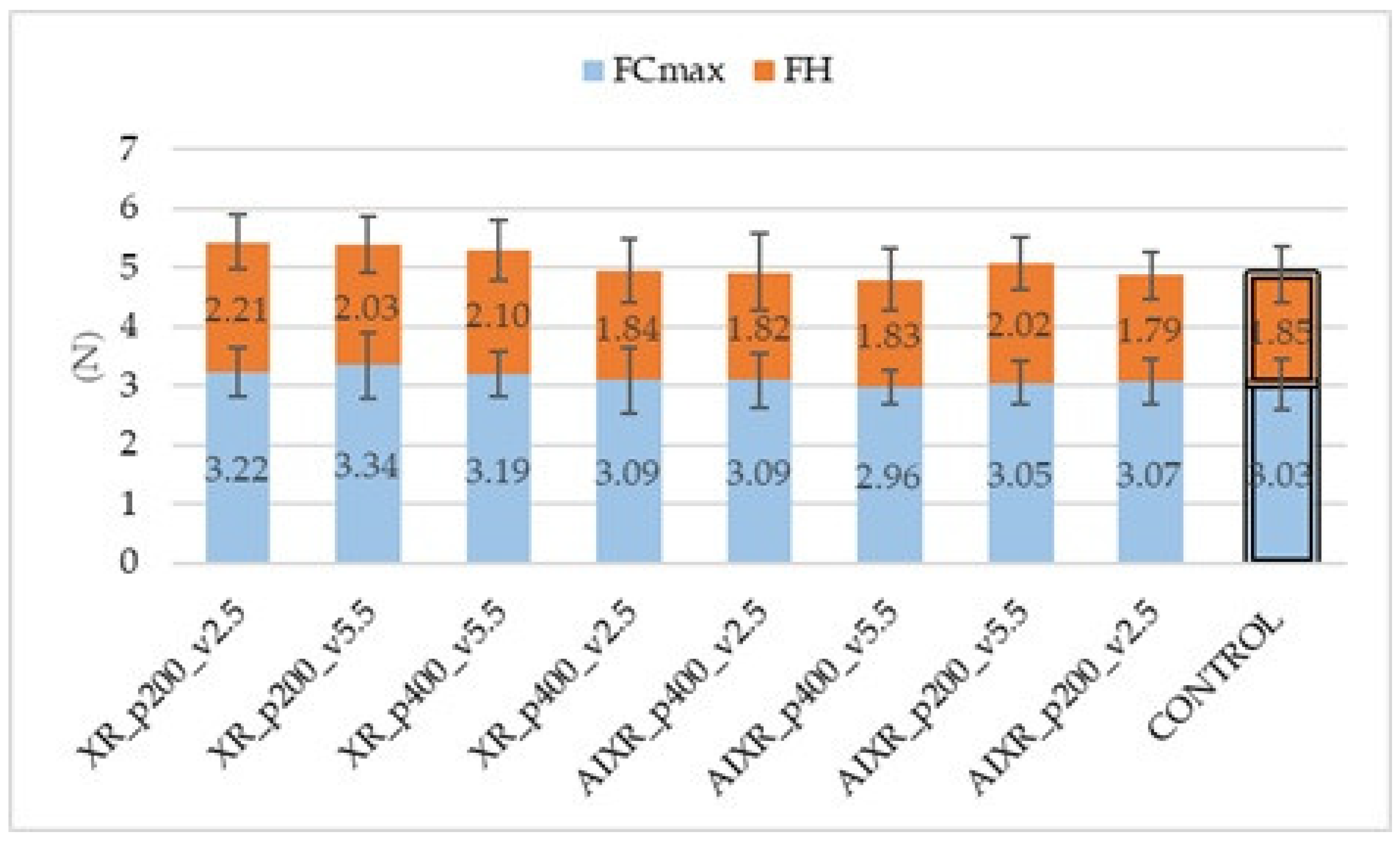
Figure 8 presents the effect of spraying parameters on the mean values of destructive loads (FCmax) causing permanent fruit damage in compression tests, as well as the mean firmness values of blueberry fruits (FH), which were determined based on the recorded peak surface pressures (SPCmax).
Analysis of the compression process indicated that FH values did not coincide temporally with the maximum force FCmax but occurred earlier during loading. This observation allowed the authors to conclude that the mechanical resistance (firmness) FH of blueberry fruit can be determined from recorded force–displacement curves [
43], provided that the peak surface pressure values (SPCmax) are known.
In the literature, fruit firmness force has been measured using various methods, yielding comparable results that typically fall within the following ranges: automatic firmness analyser FirmTech, 150–300 g·mm
−1 for the cultivars ‘Liberty’ and ‘Legacy’ [
57]; FirmTech-2, approximately 200 g·mm
−1 for the cultivar ‘Patriot’ [
58]; and mechanical testing machines or penetrometers, 1.5–4.0 N [
36,
43].
The material used in the compression tests was characterised by good repeatability of results within groups. Shapiro–Wilk tests confirmed normal distribution for all nine groups, and Levene’s test indicated homogeneity of variance (p > 0.05). One-way ANOVA clearly demonstrated the effect of the applied spraying variants on FCmax and FH values relative to the control group C (p < 0.05).
The greatest impact of spraying on changes in FCmax was observed for groups S1–S3, where standard XR nozzles were applied (
Figure 8). These groups exhibited the highest short-term mechanical resistance, ranging from 3.19 to 3.34 N (maximum increase of 10%), and firmness values between 2.03 and 2.21 N (maximum increase of 19%). In contrast, the control group C showed lower values, with FCmax at 3.03 N and FH at 1.85 N.
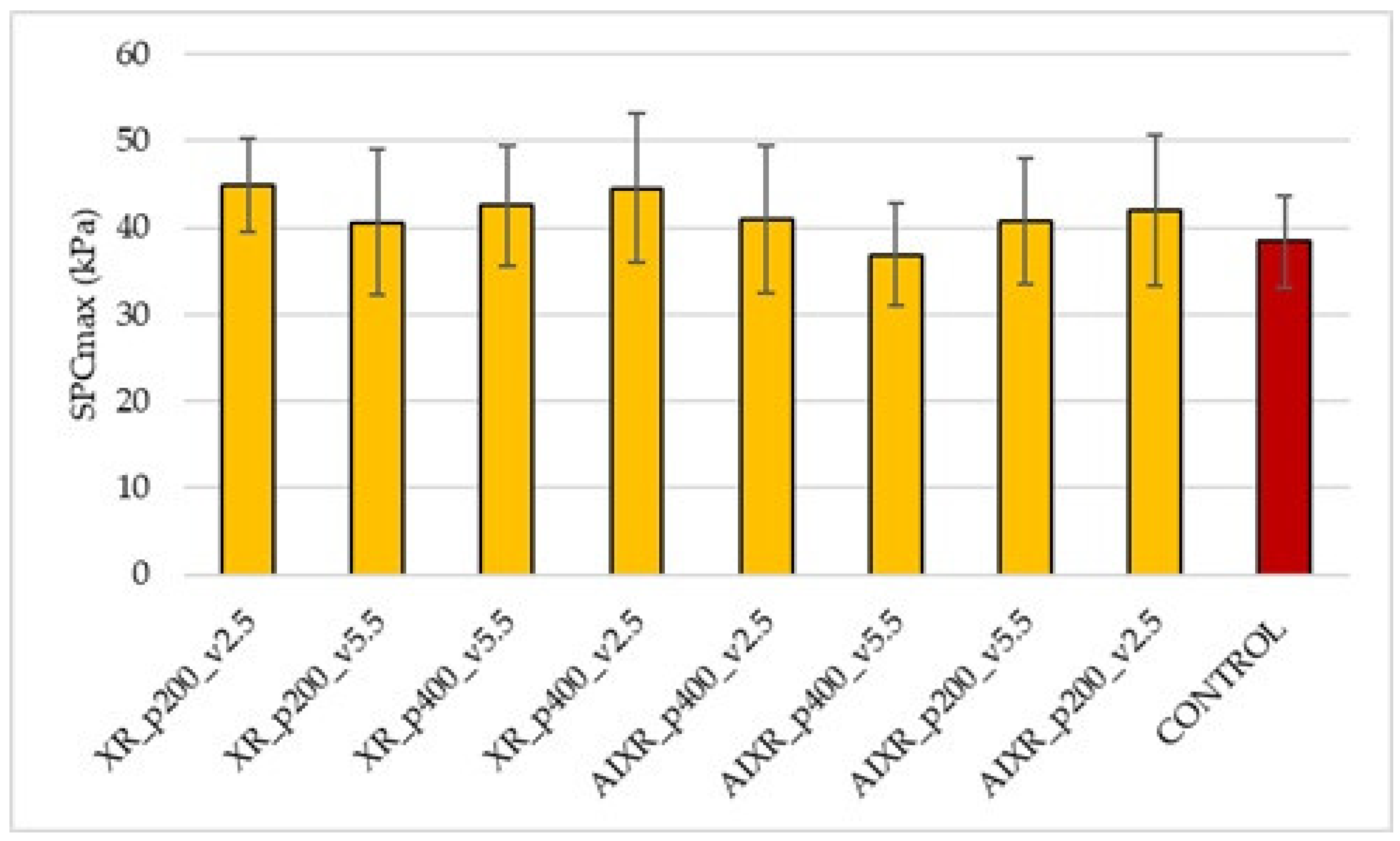
Similar trends to those observed for compressive loads were also noted for the effect of spraying technique on mean peak surface pressures (SPCmax) (
Figure 9). The highest surface pressures were again recorded for group S1 (XR_p0.2_v2.5), reaching 44.9 kPa. These increasing trends across the sprayed groups were further confirmed by chemical analyses of silicon (Si) content (
Figure 2).
Interpretation of correlation coefficients for the relationships between fruit mass (M), equatorial diameter (ED), firmness (FH), and SPCmax for the applied spraying techniques confirmed moderate associations between SPCmax and both fruit mass and equatorial diameter (r = −0.35 to −0.55). This indicates that as blueberry size increases, SPCmax decreases. It was also observed that increasing SPCmax was moderately associated with increased fruit firmness FH (r = 0.34).
Based on the compression tests, it can be concluded that geometric parameters exert a moderate influence on the mechanical properties of blueberry fruits. Contrasting results reported by other authors indicate that, following foliar calcium fertilisation, a positive correlation exists between fruit diameter, thickness, and weight and their firmness [
12]. In that case, correlations between diameter and thickness and firmness were stronger, whereas the correlation between fruit mass and firmness was 0.72 and represented the weakest of the three parameters.
Laboratory compression test results confirmed a slightly higher level of blueberry fruit firmness (FH) compared with fruit detachment force (Fzmax), by approximately 10%, as well as an increase in maximum surface pressures of approximately 45%. This allows the conclusion that the loads exerted by the picker’s hand (approximately 1.8 N) during manual harvesting of highbush blueberry cultivar ‘Patriot’ remain safe in terms of causing mechanical damage, but are approaching the critical threshold of tissue resistance (approximately 2 N). The obtained FH firmness values showed a noticeable correlation with silicon content in the fruit and with the degree of spray coverage (
Figure 2).
4. Conclusions
The present study demonstrates that silicon plays a significant role in enhancing the quality attributes of highbush blueberry fruit, although it is not traditionally classified as an essential macronutrient. Foliar application of silicon-based formulations effectively results in improved fruit firmness and mechanical resistance, both of which are critical factors in reducing yield losses during harvesting and post-harvest handling.
The experimental results indicate that the effectiveness of silicon treatments is strongly influenced by the application technology employed. The most pronounced improvement in mechanical resistance was observed when standard flat-fan nozzles (XR) were used, resulting in the greatest increase in fruit firmness (FH), by up to 19% (reaching 2.03–2.21 N) compared with the control group. This effect is attributed to improved spray coverage and higher deposition of the spray liquid on plant surfaces.
Analysis of detachment force (Fzmax) and surface pressure (SP) during hand picking further confirms the strengthening effect of silicon. Fruit collected from plots receiving foliar fertilisation treatments exhibited higher mean surface pressure values (increases of up to 28%) combined with a smaller contact area (Azc), indicating a more rigid fruit structure. Although the loads exerted by the picker’s hand (approximately 1.8 N) remain within safe limits for the ‘Patriot’ cultivar, they approach the critical tissue resistance threshold of 2.0 N. Therefore, the observed increase in mechanical resistance resulting from silicon fertilisation provides a meaningful safety margin that protects delicate parenchyma tissue against bruising.
These findings offer practical guidance for blueberry growers, indicating that the use of standard flat-fan nozzles operated at manufacturer-recommended working pressures supports improvements in fruit mechanical properties. Such an application strategy may directly enhance the commercial value of the crop through extended post-harvest shelf life.
Nevertheless, several limitations of the study should be acknowledged. First, the experiment was conducted over a single growing season and focused exclusively on the ‘Patriot’ cultivar; thus, the assessment of long-term effects and varietal responses requires further multi-season investigations. Second, although mechanical resistance parameters were measured, the study did not include microstructural analysis (e.g., SEM imaging) that would enable precise localisation of silicon deposits within the cuticle and cell walls.
Optimised silicon use in selected cultivars, applied synergistically with other treatments (such as calcium-based products) and supported by rational agronomic practices, may contribute to improved yields and increased production profitability in blueberry cultivation. Further experiments involving additional cultivars and foliar formulations are warranted to further enhance fruit mechanical properties. Future research should focus on the synergistic effects of repeated silicon applications at different phenological stages. Furthermore, the development of integrated spraying models that combine the high biological efficacy of standard XR nozzles with the reduced drift potential and improved environmental safety characteristics of air-induction (AIXR) nozzles remains a key priority. The potential of silicon to mitigate mechanical damage in fully automated and robotic harvesting systems should likewise be investigated.